Delivery of temperature sensitive items including proteins and kits will be paused on 6/19 for the Juneteenth holiday. For urgent orders please contact customer service.
Glembatumumab is a fully human IgG2 monoclonal antibody directed against the extracellular structural domain of GPNMB expressed in human breast cancer and melanoma. Glembatumumab can be coupled to the microtubule inhibitor monomethyl auristatin E to form glembatumumab vedotin. Glembatumumab vedotin is an antibody-agent coupling (ADC) with antitumor activity .
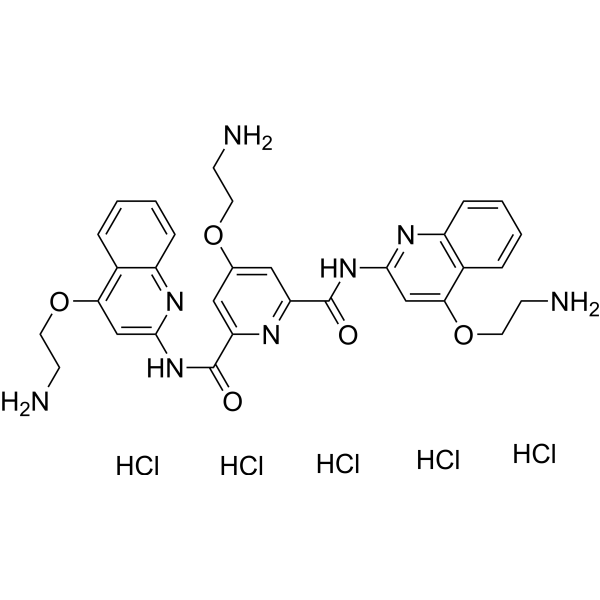
Pyridostatin (RR82) hydrochloride is a G-quadruplex DNA stabilizing agent (Kd=490 nM) and can target DNA and RNA G4s in cells. Pyridostatin hydrochloride promotes growth arrest in humancancer cells by inducing replication- and transcription-dependent DNA damage. Pyridostatin hydrochloride targets the proto-oncogene Src. Pyridostatin hydrochloride reduced SRC protein levels and SRC-dependent cellular motility in human breast cancer cells .
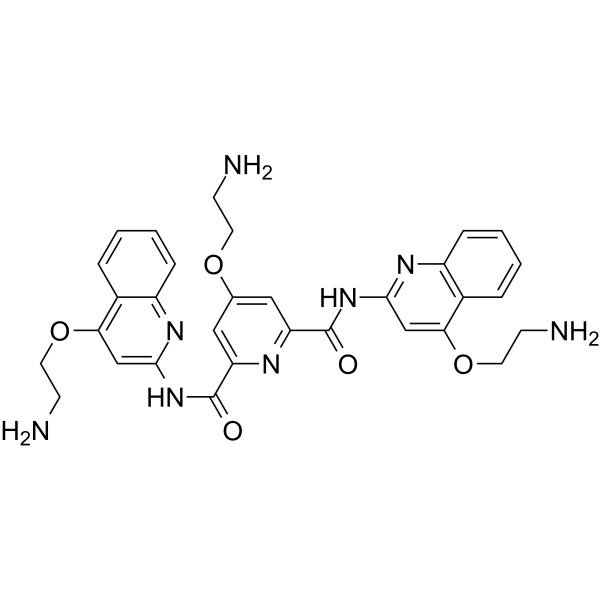
Pyridostatin (RR82) is a G-quadruplex DNA stabilizing agent (Kd=490 nM) and can target DNA and RNA G4s in cells. Pyridostatin promotes growth arrest in humancancer cells by inducing replication- and transcription-dependent DNA damage. Pyridostatin targets the proto-oncogene Src. Pyridostatin reduced SRC protein levels and SRC-dependent cellular motility in human breast cancer cells .
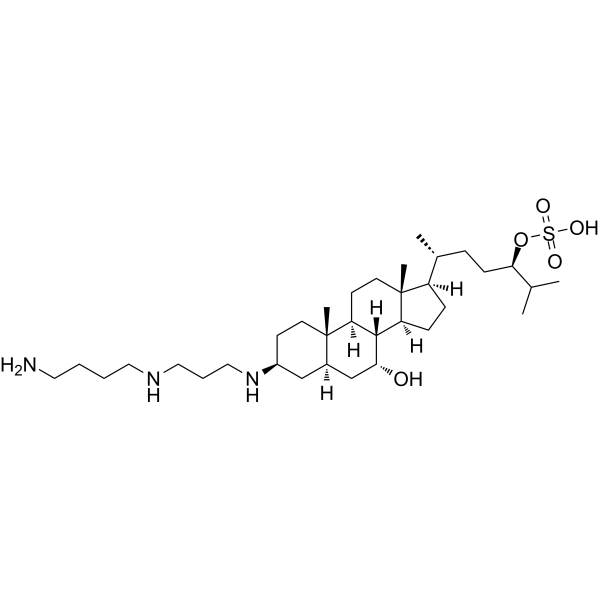
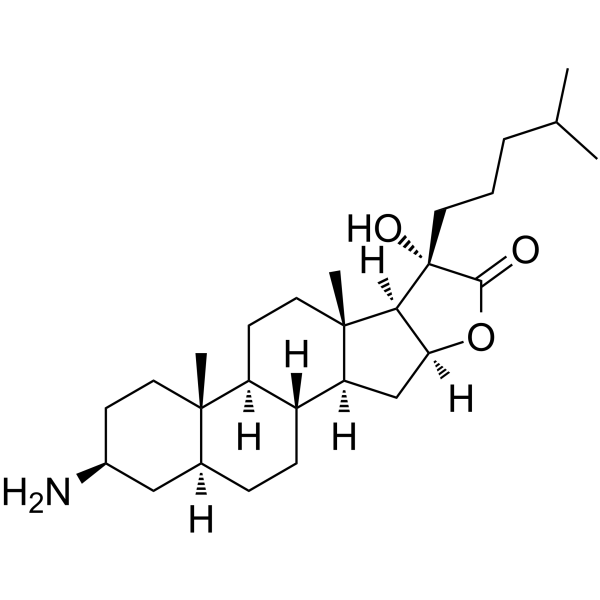
Squalamine (MSI-1256) is an aminosterol compound with broad-spectrum antiviral activity. Squalamine makes cells less conducive to certain viral replication by altering the electrostatic interactions in the inner membrane of host cells. Squalamine also has antibacterial and antitumor activities. Squalamine has broad-spectrum antibacterial activity against Gram-negative and Gram-positive bacteria, fungi and protozoa. Squalamine inhibits tumor-related angiogenesis and the growth of human breast cancer cells. Squalamine restores the function of enteric nervous system in Parkinson ,s disease mouse models .
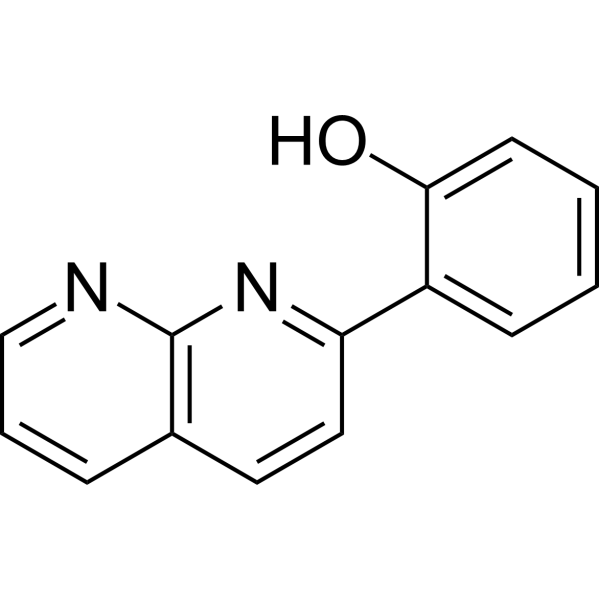
2-NP is a selective enhancer of STAT1 transcription. 2-NP can enhance the ability of IFN-γ to inhibit the proliferation of human breast cancer and fibrosarcoma cells .
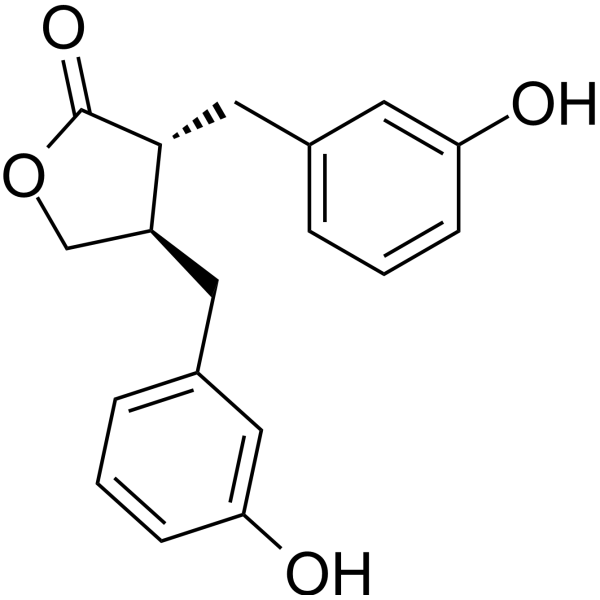
Enterolactone is a bioactive phenolic metabolite known as a mammalian lignan derived from dietary lignans. Enterolactone has estrogenic properties and anti-breastcancer activity . Enterolactone is a radiosensitizer for human breast cancer cell lines through impaired DNA repair and increased apoptosis .
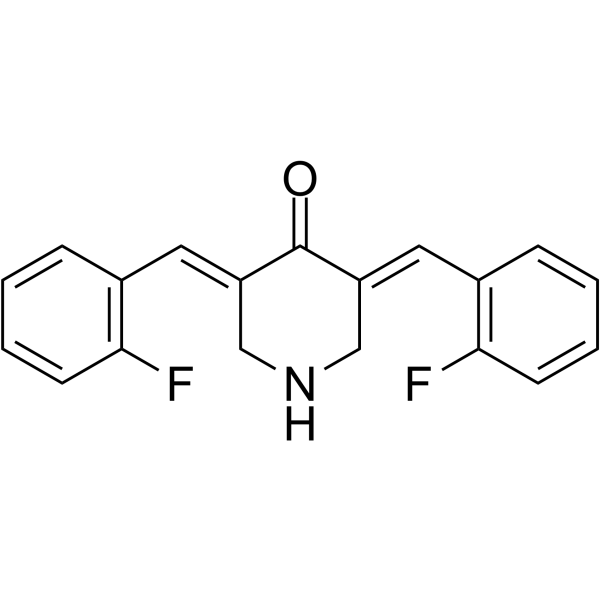
EF24, a curcumin analogue, is an NF-kB inhibitor with great anti-tumor efficacy and oral bioavailability via deactivation of the MAPK/ERK signaling pathway in oral squamous cell carcinoma (OSCC). EF24 is active against melanoma and breastcancer cell lines with GI50 values of 0.7 μM and 0.8 μM, respectively. EF24 induces cell cycle arrest and apoptosis in MDA-MB-231 human breast cancer cells and DU-145 human prostate cancer cells. EF24 increases the levels of activated caspase 3 and 9, and decreases the phosphorylated forms of MEK1 and ERK .
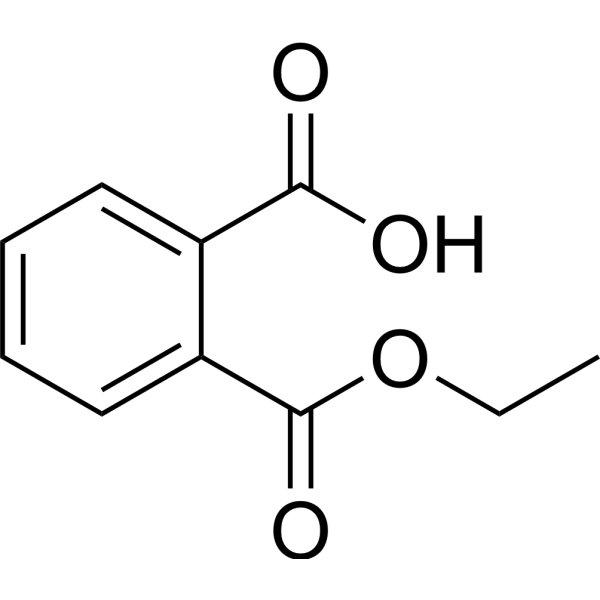
Monoethyl phthalate is an orally active PDX-1 activator and the major hydrolytic metabolite of Diethyl phthalate (HY-Y0284) in vivo, with reproductive toxicity. Monoethyl phthalate targets aromatase (aromatase/CYP19A1) and PPAR to induce cell proliferation. The plasma protein binding rate of Monoethyl phthalate in rats and humans is lower than that of Diethyl phthalate. It exhibits significant enterohepatic circulation in rats and mainly accumulates in liver tissues. Monoethyl phthalate shows no estrogenic activity in estrogen-dependent human breast cancer cells. Monoethyl phthalate can be used in studies of reproductive toxicity and related environmental endocrine disruption mechanisms .
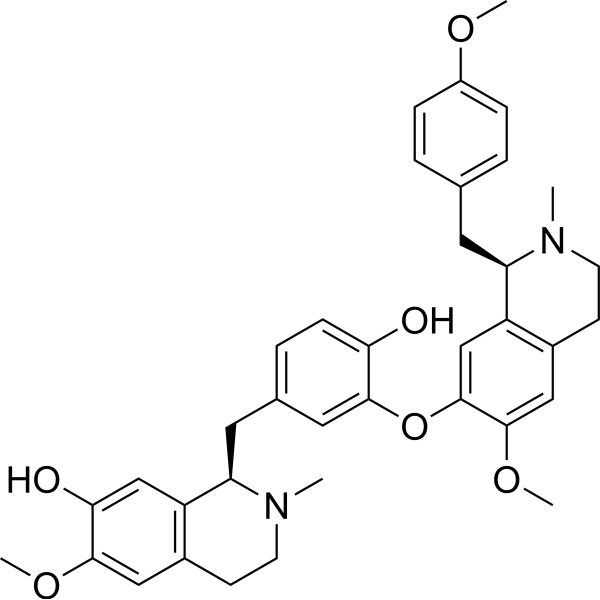
Isoliensinine is a bisbenzylisoquinoline alkaloid extracted from the seed embryo of Nelumbo nucifera, with anti-oxidant and anti-inflammatory and anti-cancer activities. Isoliensinine induces apoptosis in triple-negative human breast cancer cells .
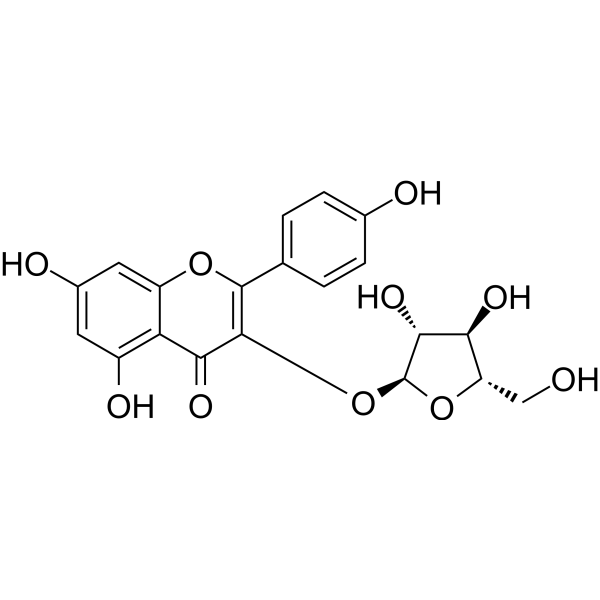
Juglanin, a occurring flavonoid that can be isolated from crude Polygonum aviculare, is a JNK acticator, with anti-inflammatory, anti-oxidant and anti-tumor activities. Juglanin can induce apoptosis and autophagy on human breast cancer cells .
TZ9 is a selective Rad6 inhibitor. TZ9 inhibits Rad6B-induced histone H2A ubiquitination, downregulates intracellular β-catenin, induces G2-M arrest and apoptosis, and inhibits the proliferation and migration of metastatic human breast cancer cells .
Koumine is an alkaloid separated from Gelsemium elegans, shows potent anti-tumor activity. Koumine up-regulates the Bax/Bcl-2 ratio and caspase-3 expression in human breast cancer cells . Koumine has anxiolytic, antistress, antipsoriatic, and analgesic activities , protects against the development of arthritis in Rheumatoid arthritis (RA) animal models .
SMI-10B13 is an Oncostatin M (OSM) inhibitor with a KD of 6.6 μM. SMI-10B13 inhibits OSM-mediated STAT3 phosphorylation in T47D and MCF-7 cell lines (IC50 = 136 and 164 nM, respectively). SMI-10B13 shows anti-tumor effect in human breast cancer mice models .
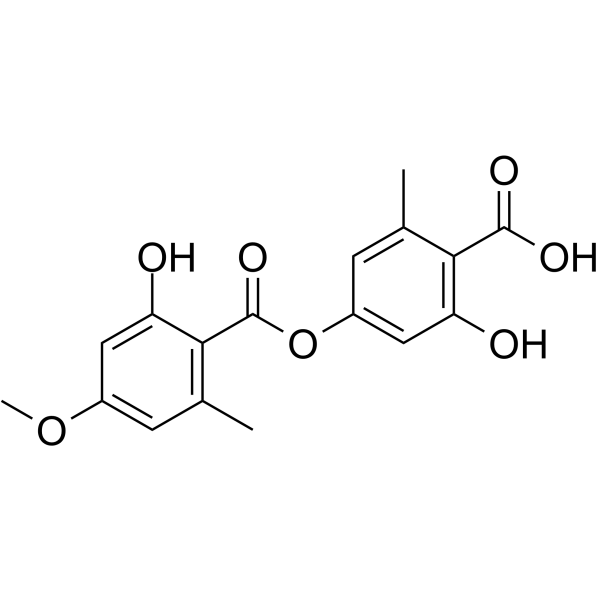
Evernic Acid is an orally active thioredoxin reductase 1 (TrxR1) inhibitor and antiproliferative agent. Evernic Acid inhibits the proliferation and migration of human breast cancer cells. Evernic Acid blocks the NF-κB pathway by inhibiting p65 nuclear translocation and IκBα phosphorylation, thereby suppressing downstream inflammatory mediators. Evernic Acid acts as an antioxidant, anti-inflammatory agent and neuroprotective agent, protects neurons from cell death, mitochondrial dysfunction and oxidative stress damage, reduces astrocyte activation, and ameliorates dopaminergic neuron loss and neuroinflammation. Evernic Acid inhibits enoyl reductases FabI and FabZ of Plasmodium falciparum. Evernic Acid downregulates the expression of lasB and rhlA genes in Pseudomonas aeruginosa, inhibits quorum sensing and biofilm formation, and exerts antibacterial activity against Gram-positive bacteria, Gram-negative bacteria and fungi. Evernic Acid is applicable to research related to breastcancer, Parkinson's disease, bacterial infections and fungal infections.
F16 is a potent growth inhibitor of the neu-overexpressing cells and also selectively inhibits proliferation of mammary epithelial as well as a variety of mouse mammary tumor and human breast cancer cell lines.
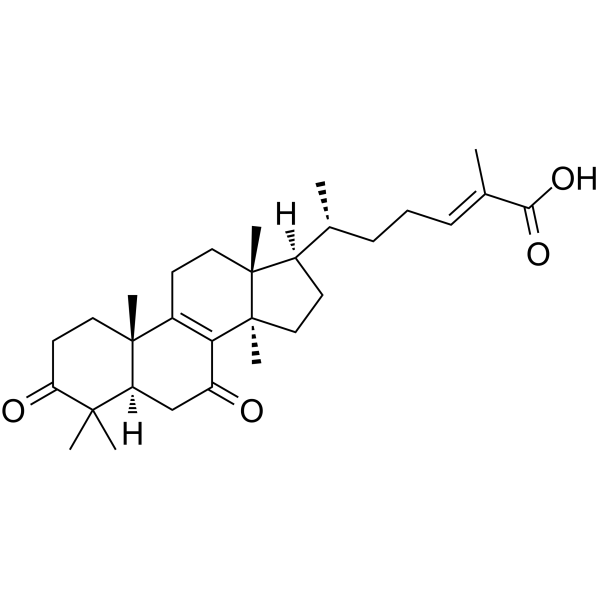
Ganoderic acid DM, a natural triterpenoid isolated from Ganoderma lucidum, induces DNA damage, G1 cell cycle arrest and apoptosis in human breast cancer cells. Ganoderic acid DM as a specific inhibitor of osteoclastogenesis .
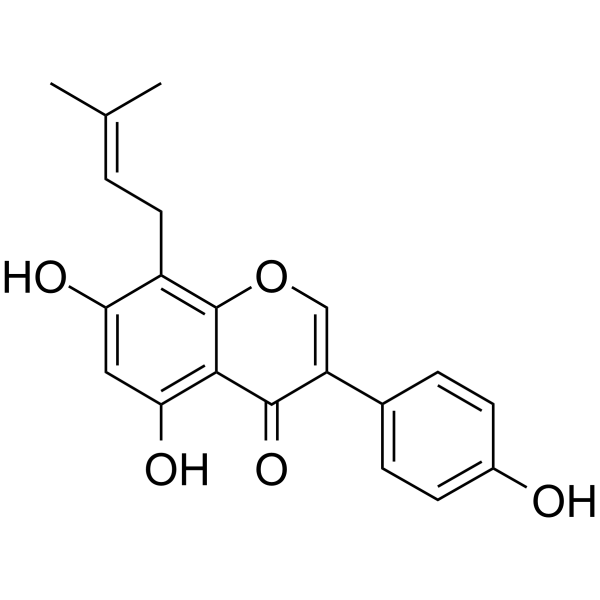
Lupiwighteone is an isoflavone present widely in wild-growing plants, with antioxidant, antimicrobial and anticancer effects. Lupiwighteone induces caspase-dependent and -independent apoptosis on human breast cancer cells via inhibiting PI3K/Akt/mTOR pathway .
eIF4A-IN-3, Silvestrol (HY-13251) analogue, is an eIF4A inhibitor. eIF4A-IN-3 blocks protein translation initiation by interfering with eIF4F complex assembly, preferentially inhibiting translation of mRNAs with long, highly structured 5'-untranslated regions. eIF4A-IN-3 inhibits proliferation of human breast cancer cells. eIF4A-IN-3 has moderate apical to basolateral permeability in intestinal cell monolayers and a low efflux ratio .
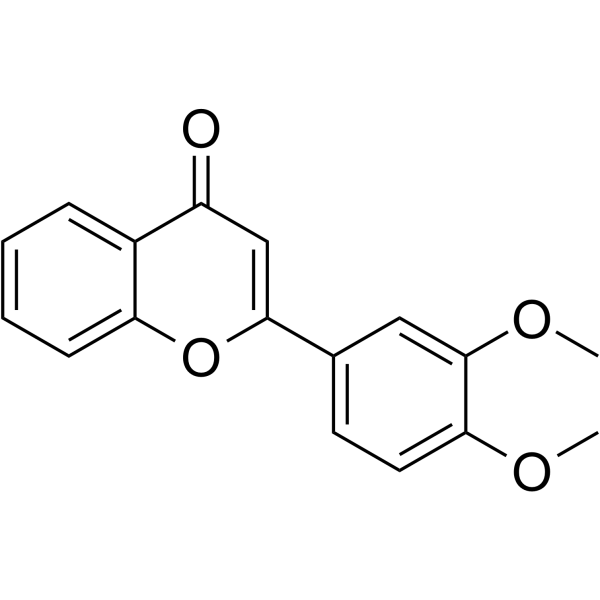
3',4'-Dimethoxyflavone is a lipophilic flavone, can be isolated from the leaves of Primula veris. 3',4'-Dimethoxyflavone can reduce the synthesis and accumulation of PARP and protect cortical neurones against cell death induced by Parthanatos. 3',4'-Dimethoxyflavone is also an aryl hydrocarbon receptor antagonist in human breast cancer cells. 3',4'-Dimethoxyflavone can promote the proliferation of human hematopoietic stem cells. 3',4'-Dimethoxyflavone has various biological activities, including antioxidant, anti-cancer, anti-inflammatory, anti-atherogenic, hypolipidaemic, and neuroprotective or neurotrophic effects .
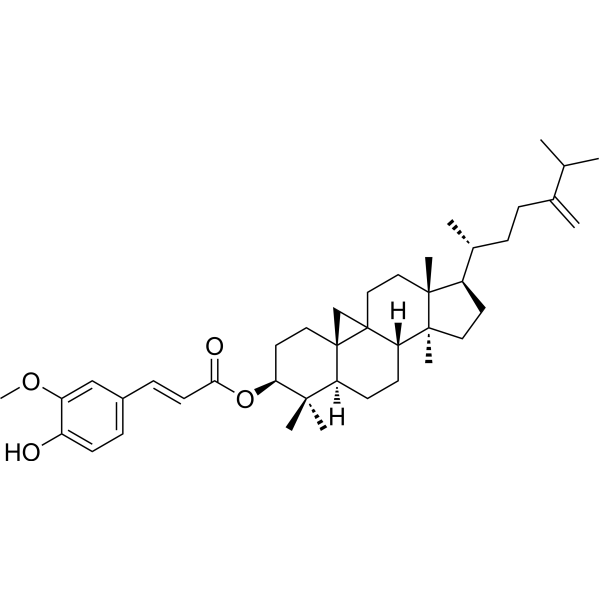
24-Methylenecycloartanyl ferulate is a γ-oryzanol compound. 24-Methylenecycloartanyl ferulate promotes parvin-beta expression in human breast cancer cells. 24-Methylenecycloartanyl ferulate is a potential ATP-competitive Akt1 inhibitor (EC50= 33.3μM) .
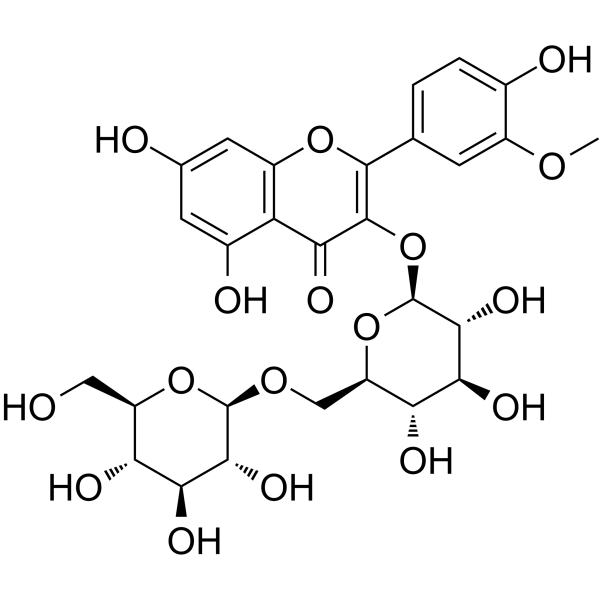
Isorhamnetin 3-gentiobioside is a flavonoid with activity of promoting cancer cell proliferation. Isorhamnetin 3-gentiobioside is an activator of DNA synthesis in MCF-7 human breast cancer cells with an EC50 of 3.1 μg/mL. Isorhamnetin 3-gentiobioside exhibits ABTS radical scavenging activity with an IC50 of 33.43 μg/mL. The compound can be used to study the bidirectional regulatory mechanism of cancer .
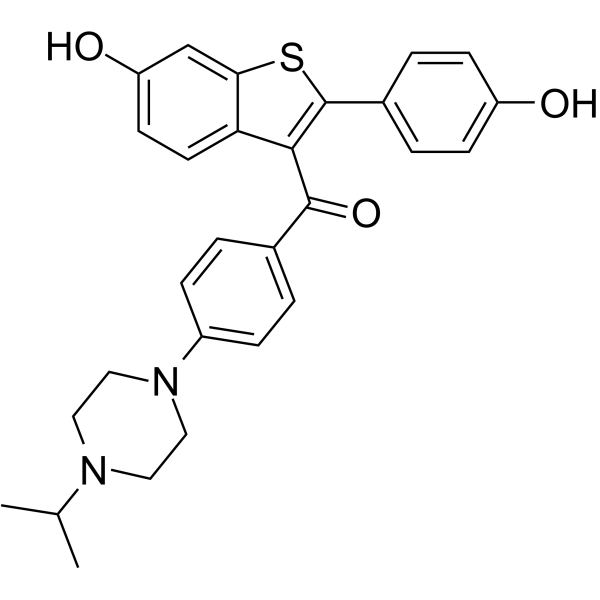
Y134 is a selective and orally active oestrogen receptor (ER) modulator (SERM), exhibits potent antagonist activity at ERα and ERβ. Y134 shows 121.1-fold selectivity for ERα (Ki=0.09 nM) over ERβ (Ki=11.31 nM). Y134 inhibits oestrogen-stimulated proliferation of ER-positive human breast cancer cells .
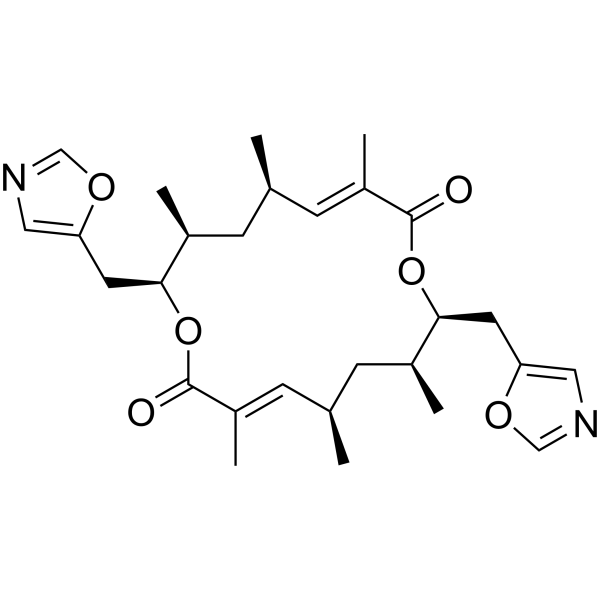
Conglobatin (FW-04-806), a macrolide dilactone, is isolated from the culture of Streptomyces conglobatus. Conglobatin is an orally active Hsp90 inhibitor. Conglobatin can bind to the N-terminal domain of Hsp90 and disrupt Hsp90-Cdc37 complex formation. Conglobatin induces apoptosis in human breast cancer cells and esophageal squamous cell carcinoma cells, and exhibits antitumor activity in vivo .
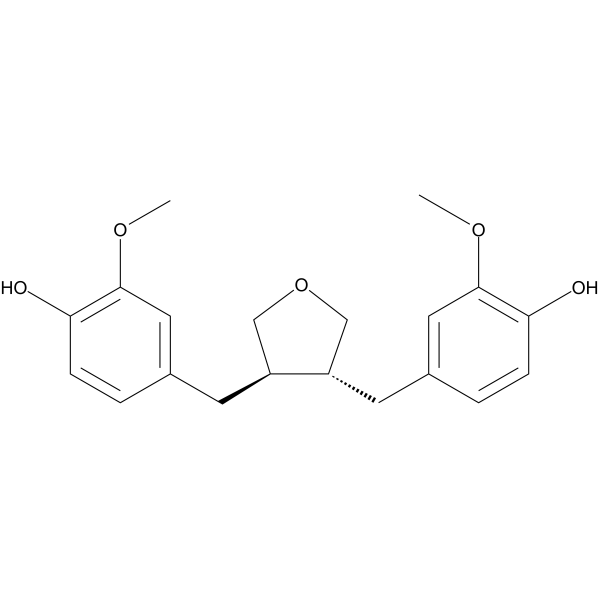
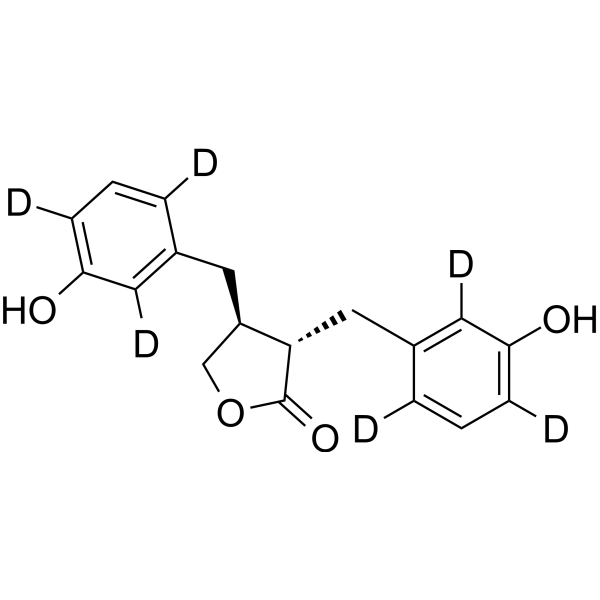
Anhydrosecoisolariciresinol is from the flower of Wedelia biflora, has anti-tumor activities .
Anhydrosecoisolariciresinol decreases the growth of human breast cancer MCF-7 and MDA-MB-231 cell lines .
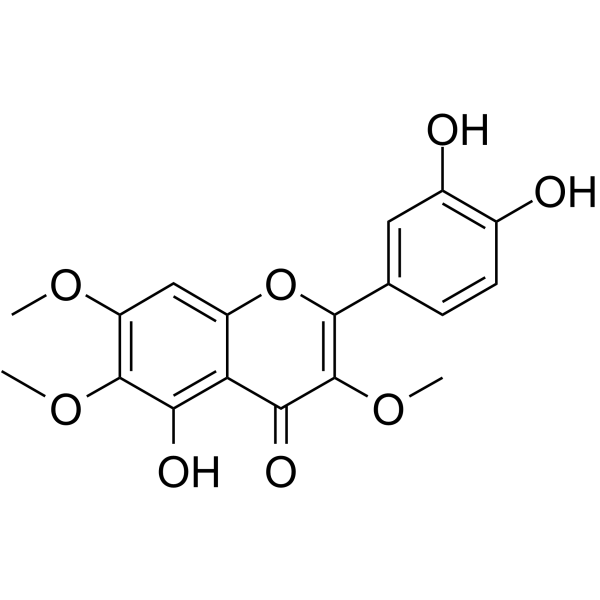
Chrysosplenol D is a methoxy flavonoid that induces ERK1/2-mediated apoptosis in triple negative human breast cancer cells. Chrysosplenol D also exhibits anti-inflammatory and moderate antitrypanosomal activities .
CFM-4 is a potent small molecular antagonist of CARP-1/APC-2 binding. CFM-4 prevents CARP-1 binding with APC-2, causes G2M cell cycle arrest, and induces apoptosis with an IC50 range of 10-15 μM. CFM-4 also suppresses growth of drug-resistant human breast cancer cells .
LLL3 (CLT-005) is a STAT3 inhibitor. LLL3 inhibits dimerization and phosphorylation of STAT3, thereby preventing intraconuclear transfer of STAT3 and inhibits the expression of STAT3 dependent genes, which encode proteins such as Bcl-xL and cyclin D1. In addition, LLL3 can induce cell growth inhibition and apoptosis in human breast cancer and rhabdomyosarcoma cells via the caspase pathway. LLL3 can be used in the study of STAT3 persistent activation types of cancer .
RK-9123016 is a potent inhibitor of SIRT2. RK-9123016 inhibits the enzymatic activity of SIRT2 with an IC50 value of 0.18 µM but not other human sirtuin members including SIRT1 and SIRT3 at 100 µM. RK-9123016 increases the acetylation level of eukaryotic translation initiation factor 5A (eIF5A), a physiological substrate of SIRT2, and reduces cell viability of human breast cancer cells accompanied with a decrease in c-Myc expression .
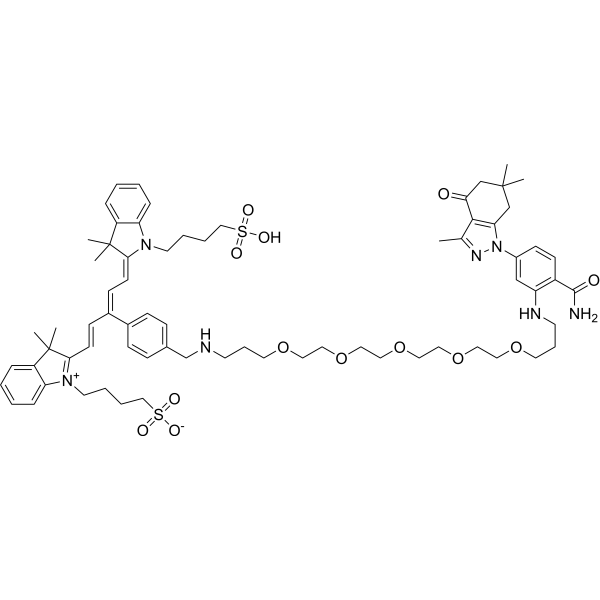
HS-131, a near infrared dye tethered Hsp90 inhibitor, is able to detect oncogene-driven breastcancers, including multiple different molecular subtypes of human breast cancers .
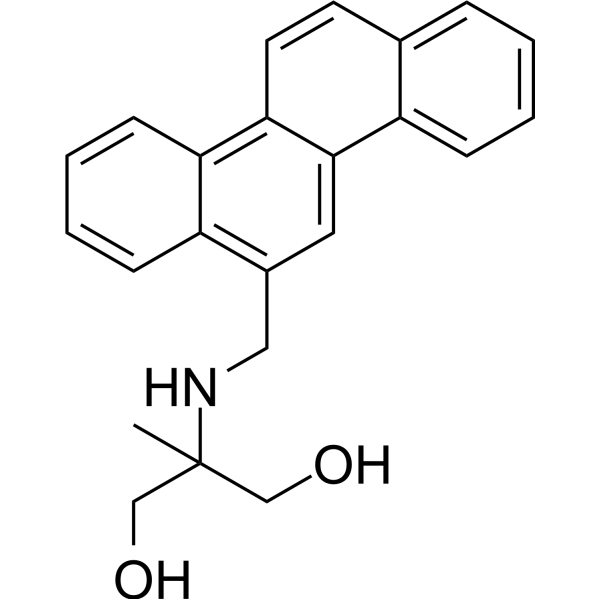
Crisnatol (BWA770U) is an orally active and anticancer agent, and a member of the arylmethylaminopropanediol class of DNA intercalators. Crisnatol shows in vitro cytotoxicity against human breast cancer cells, but not normal human skin fibroblasts .
Enterolactone (Standard) is the analytical standard of Enterolactone. This product is intended for research and analytical applications. Enterolactone is a bioactive phenolic metabolite known as a mammalian lignan derived from dietary lignans. Enterolactone has estrogenic properties and anti-breastcancer activity . Enterolactone is a radiosensitizer for human breast cancer cell lines through impaired DNA repair and increased apoptosis .
Antiproliferative agent-61 is a synthetic β-carlinyl chalcone with significant antiproliferative activity. Antiproliferative agent-61 showed significant effects in a range of solid tumor cell lines, with the most prominent effects in breastcancer. Antiproliferative agent-61 showed IC50 values of 2.25 and 3.29 μM in the human breast cancer MCF-7 cell line. Antiproliferative agent-61 significantly induced DNA fragmentation and apoptosis in breastcancer cells. Antiproliferative agent-61 inhibited the interaction of MDM2 with p53 and promoted the degradation of MDM2 .
Trihexyl phosphate is an organophosphate flame retardant. Trihexyl phosphate causes mitochondrial impairment and induces cell apoptosis in CHO cells. Trihexyl phosphate promotes the proliferation of human breast cancer cells (MCF-7) in a dose-dependent manner and exerts estrogenicity via ERα-independent pathways .
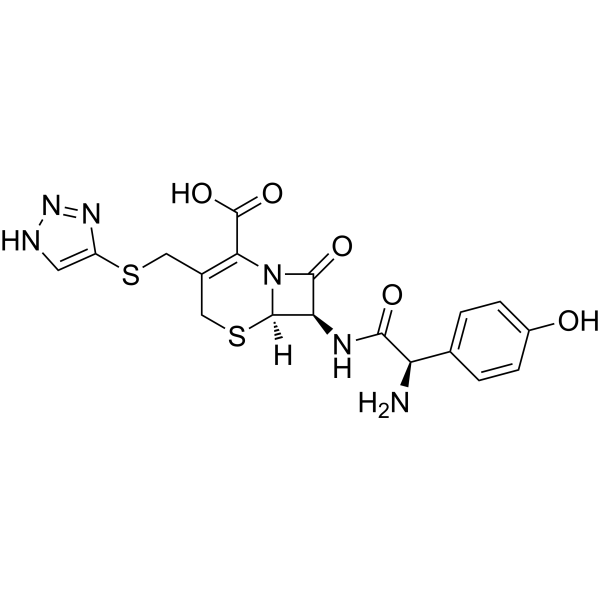
Cefatrizine (BL-S-640) is an orally active and broad-spectrum cephalosporin antibiotic. Cefatrizine is also a eEF2K inhibitor, with anti-proliferative activity in human breast cancer cells, which could induce ER stress, leading to cell death. Cefatrizine can be used in studies of cancer and bacterial infection .
Antiproliferative agent-69 (Compound 1) is a prenylated kaempferol derivative found in the fresh bud’s fur of Platanus acerifolia. Antiproliferative agent-69 shows significant antiproliferative effects against human breast cancer cells (MCF-7) and human hepatocellular carcinoma cells (Hep-G2) with IC50 values of 38.2 μM and 39.5 μM, respectively. Antiproliferative agent-69 is promising for research of breastcancer and liver cancer .
BSO-07 is a ROS/JNK activator with significant anticancer effects, having an IC50 value of 24.81 μM against human breast cancer (BC) cells. BSO-07 induces apoptosis (Apoptosis) and paraptosis by activating JNK and increasing ROS levels, including enhancing the expression of apoptosis-associated proteins such as PARP, Bax, phosphorylated p53, ATF4, and CHOP, while decreasing the levels of anti-apoptotic proteins like Bcl-2, Bcl-xL, and Survivin. BSO-07 holds promise for research in the field of breastcancer .
3',4'-Dimethoxyflavone is a lipophilic flavone, can be isolated from the leaves of Primula veris. 3',4'-Dimethoxyflavone can reduce the synthesis and accumulation of PARP and protect cortical neurones against cell death induced by Parthanatos. 3',4'-Dimethoxyflavone is also an aryl hydrocarbon receptor antagonist in human breast cancer cells. 3',4'-Dimethoxyflavone can promote the proliferation of human hematopoietic stem cells. 3',4'-Dimethoxyflavone has various biological activities, including antioxidant, anti-cancer, anti-inflammatory, anti-atherogenic, hypolipidaemic, and neuroprotective or neurotrophic effects .
GSTO1-IN-3 is a potent GSTO1-1 inhibitor with an IC50 of 0.11 μM, and shows selectivity over GSTO2-2, GSTA1-1 and GSTP1-1 (IC50 > 100 μM). GSTO1-IN-3 enhances the cytotoxicity of Cisplatin (HY-17394) against human breast cancer cells. GSTO1-IN-3 inhibits IL-1β release in mouse bone marrow-derived macrophage (BMDM) cells. GSTO1-IN-3 attenuates inflammation in mice. GSTO1-IN-3 can be used for breastcancer and inflammation research .
Clionamine B is an autophagy stimulating aminosteroid isolated from the sponge Cliona celata. Clionamine B strongly stimulates autophagy in human breast cancer MCF-7 cells .
Isoliensinine is a bisbenzylisoquinoline alkaloid extracted from the seed embryo of Nelumbo nucifera, with anti-oxidant and anti-inflammatory and anti-cancer activities. Isoliensinine induces apoptosis in triple-negative human breast cancer cells .
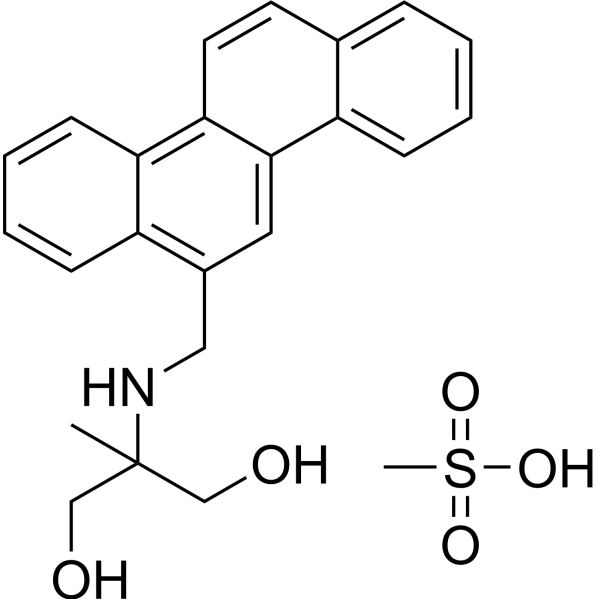
Crisnatol (BWA770U) mesylate is an orally active and anticancer agent, and a member of the arylmethylaminopropanediol class of DNA intercalators. Crisnatol mesylate shows in vitro cytotoxicity against human breast cancer cells, but not normal human skin fibroblasts .
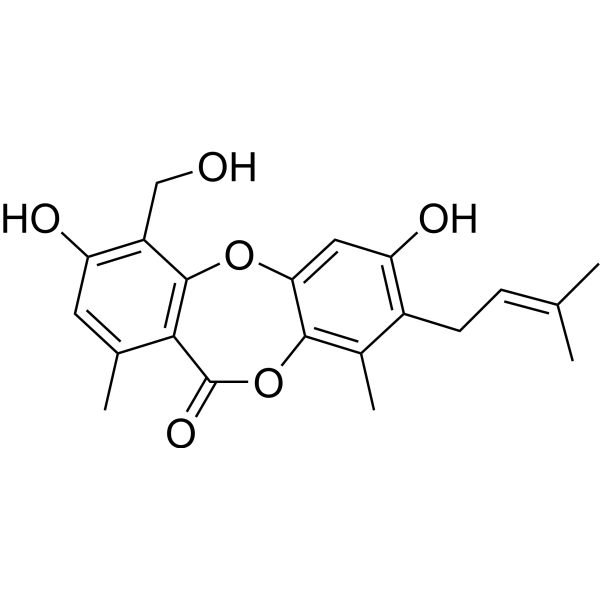
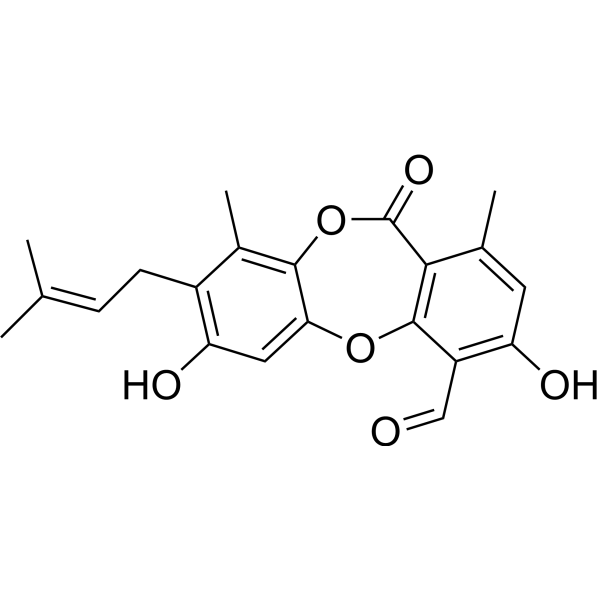
Mollicellin I (compound 1) is a depsidone. The growth inhibitory activity of Mollicellin I on human breast cancer (Bre04), human lung (Lu04) and human neuroma (N04) cell lines is not significant, with GI50s >10 μg/mL .
p-Hydroxyphenylacetone, a Raspberry ketone (HY-N1426) derivative, is an androgen receptor (AR) antagonist with an IC50 of 420 μM in MDA-kb2 human breast cancer cells. p-Hydroxyphenylacetone can be used for breastcancer research .
Pabularinone is a compound found in the plant Clausena lansium. Pabularinone has potent cytotoxic activity, and its activity showed inhibitory effects in human breast cancer (MCF-7) cells (IC50: 33.74 μg/mL). Pabularinone can be used in anti-tumor research .
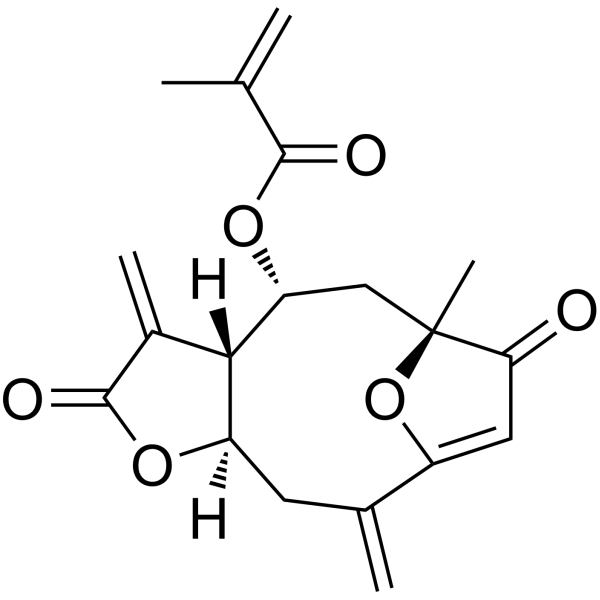
4,15-Isoatriplicolide methylacrylate is a germacrane-type sesquiterpene lactone. 4,15-Isoatriplicolide methylacrylate also is a cytotoxic agent. 4,15-Isoatriplicolide methylacrylate has cytotoxic activity for MCF-7 human breast cancer cell line .
Saquayamycin B (compound 3) is a new angucycline antibiotic. Saquayamycin B has antitumor activities against a human lung (H-460) and a human breast cancer cell line (MCF-7) with GI50 values of 12.2 and 15.2 µM respectively .
CFM-1 is a small molecule antagonist of CARP-1/APC-2 binding with an EC50 value of 4.1 μM. CFM-1 induces G2M cell cycle arrest and suppresses viabilities of human breast cancer cells .
Crisnatol (Standard) is the analytical standard of Crisnatol. This product is intended for research and analytical applications. Crisnatol (BWA770U) is an orally active and anticancer agent, and a member of the arylmethylaminopropanediol class of DNA intercalators. Crisnatol shows in vitro cytotoxicity against human breast cancer cells, but not normal human skin fibroblasts .
Enterolactone-d6 is the deuterium labeled Enterolactone. Enterolactone is a bioactive phenolic metabolite known as a mammalian lignan derived from dietary lignans. Enterolactone has estrogenic properties and anti-breastcancer activity . Enterolactone is a radiosensitizer for human breast cancer cell lines through impaired DNA repair and increased apoptosis .
Enterolactone- 13C3 is the 13C-labeled Enterolactone (HY-108692). Enterolactone is a bioactive phenolic metabolite known as a mammalian lignan derived from dietary lignans. Enterolactone has estrogenic properties and anti-breastcancer activity . Enterolactone is a radiosensitizer for human breast cancer cell lines through impaired DNA repair and increased apoptosis .
PARP1-IN-39 is an inhibitor of PARP1 with an IC50 of 0.22 nM. PARP1-IN-39 has an IC50 of 1.57 nM in human breast cancer cells. PARP1-IN-39 can be studied in breast, ovarian, pancreatic, and prostate cancers associated with DNA repair deficiencies, such as BRCA1/2 mutations .
KU004 is a potent dual EGFR/HER2 inhibitor with anticancer effects. KU004 inhibits the proliferation of human breast cancer SKBR3 cells by inducing G1 phase arrest. KU004 blocks the activation of HER2, EGFR and downstream Akt and Erk pathways and induces cell Apoptosis mainly via the extrinsic pathway. KU004 is a quinazoline derivative .
VGSC blocker-1 is a potent and small molecule blocker of neonatal isoform of the VGSC subtype, Nav1.5 (nNav1.5). VGSC blocker-1 blocks INa peak currents 34.9% at 1 μM and inhibits cell invasion 0.3% at 1 μM in human breast cancer cell line MDA-MB-231, without affecting the cell viability .
Mollicellin H is a secondary metabolite of the fungus C. brasiliense and has a wide range of biological activities, including immunomodulation, cytotoxicity and anti-tumor effects. The growth inhibitory effects (GI50s) of Mollicellin H on human breast cancer (Bre04), human lung (Lu04) and human neuroma (N04) cell lines are 5.1 μg/mL, 6.5 μg/mL and 2.5 μg/mL respectively .
Koumine (Standard) is the analytical standard of Koumine. This product is intended for research and analytical applications. Koumine is an alkaloid separated from Gelsemium elegans, shows potent anti-tumor activity. Koumine up-regulates the Bax/Bcl-2 ratio and caspase-3 expression in human breast cancer cells . Koumine has anxiolytic, antistress, antipsoriatic, and analgesic activities , protects against the development of arthritis in Rheumatoid arthritis (RA) animal models .
Schisandronic acid is a triterpenoid antioxidant and anticancer agent extracted from Schisandra chinensis, which has potent cytotoxicity against human breast cancer cells, especially MCF-7. Schisandronic acid induces apoptosis and reduces cell viability in a time-dependent manner (MCF-7, IC50=8.06 μM). Schisandronic acid can upregulate active caspase-3 expression and cleave PARP, reduce the generation of reactive oxygen species and exhibit antioxidant effects .
Metahexestrol is an estrogen receptor (E2R) inhibitor with antitumor activity. It significantly inhibits the proliferation of estrogen receptor-positive MCF-7 human breast cancer cells (ED50 = 1.0 μM). Additionally, Metahexestrol also exhibits inhibitory effects in estrogen receptor-negative MDA-MB-231 cells, and its antiproliferative activity cannot be reversed by estrogen, suggesting that its mechanism of action may be partially independent of the E2R pathway. Metahexestrol can be used in research on estrogen-dependent breastcancer .
(E/Z)-Droloxifene is a mixture of (E)-droloxifene (a selective estrogen receptor modulator) and (Z)-droloxifene. (E)-Droloxifene binds to the estrogen receptor (ER) with an IC50 value of 24 nM in rabbit uterine homogenates. (E)-Droloxifene increases uterine weight in immature rats, and reduces estradiol-induced increases in uterine weight in juvenile rats. (E)-Droloxifene also inhibits 17β-estradiol-stimulated growth of MCF-7, ZR-75-1, and T47D human breast cancer cells. (Z)-Droloxifene binds weakly to ER and has no estrogenic or antiestrogenic activity .
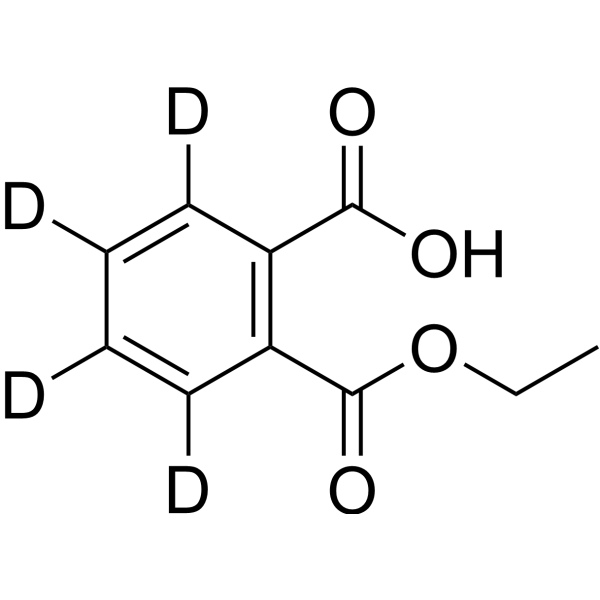
Monoethyl phthalate-d4 is the deuterium labeled Monoethyl phthalate. Monoethyl phthalate is an orally active PDX-1 activator and the major hydrolytic metabolite of Diethyl phthalate (HY-Y0284) in vivo, with reproductive toxicity. Monoethyl phthalate targets aromatase (aromatase/CYP19A1) and PPAR to induce cell proliferation. The plasma protein binding rate of Monoethyl phthalate in rats and humans is lower than that of Diethyl phthalate. It exhibits significant enterohepatic circulation in rats and mainly accumulates in liver tissues. Monoethyl phthalate shows no estrogenic activity in estrogen-dependent human breast cancer cells. Monoethyl phthalate can be used in studies of reproductive toxicity and related environmental endocrine disruption mechanisms .
PI3K-IN-59 (Compound 3d) is a PI3K inhibitor (IC50: 17.44 μM). PI3K-IN-59 has significant antiproliferative activity and exhibits potent inhibitory effects on breastcancer 4T1 cells (IC50: 3.70 μM) and colon cancer CT26 cells (IC50: 1.98 μM) as well as human breast cancer cells (IC50: 19.72 μM). PI3K-IN-59 exerts a dual anti-tumor mechanism by inhibiting PI3Kα enzymatic activity and triggering the Fenton reaction to generate hydroxyl radicals (•OH). PI3K-IN-59 shows promising anti-4T1 tumor effects and is suitable for synergistic targeting studies in breast and colon cancers .
VMY-1-101 is a fluorescent cyclin-dependent kinase (CDK) inhibitor, with an excitation of 410 nm and emission of 512 nm. VMY-1-101 competitively inhibits ATP binding to CDKs. VMY-1-101 induces G2/M cell cycle arrest in human breast cancer cells. VMY-1-101 induces modest apoptosis in human breast cancer cells. VMY-1-101 blocks proliferation of human breast cancer cells, including multidrug resistance-positive cells, and is not a substrate for p-glycoprotein. VMY-1-101 localizes to the cytoplasm of human breast cancer cells. VMY-1-101 shows increased binding to human breast cancer tissue compared to fluorophore alone. VMY-1-101 can be used for the research of breastcancer .
Quinquefoloside Lc is a dammarane-type saponin that can be isolated from the leaves of Panax quinquefolium. Quinquefoloside Lc exhibits no significant inhibitory activity against human breast cancer cells. Quinquefoloside Lc can be used in studies related to human breast cancer .
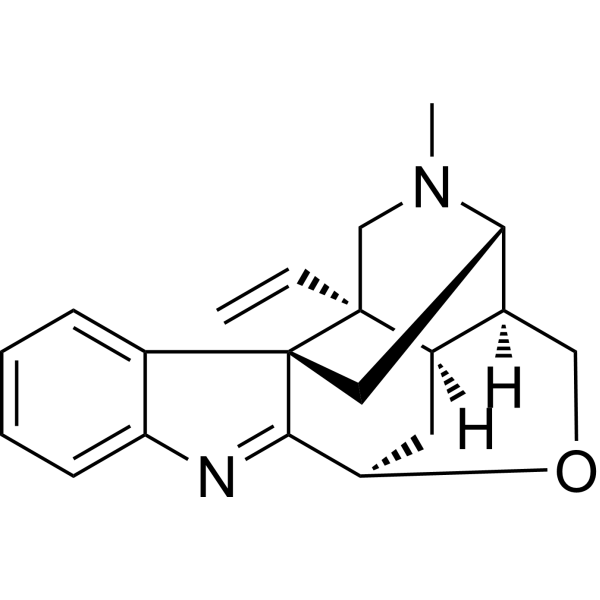
Apparicine is a monoterpene indole alkaloid that can be naturally extracted from the stems of Tabernaemontana divaricata. Apparicine shows no cytotoxicity against MCF-7 human breast cancer cells and A-549 human lung cancer cells .
2-Methyl estradiol, an endogenous metabolite of Estradiol (HY-B0141), inhibits cell proliferation and angiogenesis, with IC50 values of 3 and 2.39 μM for HUVEC and MCF-7 human breast cancer cell proliferation, respectively .
7-Descarbamoyl-17-amino geldanamycin is a Geldanamycin (HY-15230) derivative. 7-Descarbamoyl-17-amino geldanamycin exerts very low activity in depleting p185erbB-2 protein in human breast cancer cells in vitro .
ZX-J-19L is a CyPJ inhibitor with inhibitory activity against a variety of tumor cell lines. ZX-J-19L inhibits the growth of human liver cancer cells, human breast cancer cells, ovarian cancer cells and prostate cancer cells in vitro. ZX-J-19L can be used for tumor research .
Neojiangyouaconitine is a diterpenoid alkaloid cytotoxin isolated from Aconitum soongaricum var. pubescens. Neojiangyouaconitine exhibits cytotoxic activity against human breast cancer, prostate cancer and lung cancer cells, with weak inhibitory effect on HeLa cells. Neojiangyouaconitine has the ability to kill specific tumor cell lines and can be applied to the research on the mechanisms of related cancers such as breastcancer, prostate cancer and lung cancer .
NRPa-308 is a potent and orally active Neuropilin-1 (NRP-1) antagonist with an IC50 of 42 μM for inhibiting VEGF-A165binding to NRP-1. NRPa-308 blocks the specific interaction between VEGF-A165 and NRP-1. NRPa-308 effectively suppresses angiogenesis in vitro and in vivo and reduces the viability of a broad spectrum of human solid and haematological cancer cells. NRPa-308 inhibits tumor growth and prolongs median survival in a human breast cancer xenograft mouse model. NRPa-308 can be used for the research of multiple human malignancies including solid tumors and hematological cancers .
USP1-IN-17 is an orally active USP1/UAF1 complex inhibitor. USP1-IN-17 exhibits potent anti-proliferative activity against BRCA1-mutant human breast cancer MDA-MB-436 cells, with an IC50 value of 8.1 nM. USP1-IN-17 binds to USP1 to stabilize the enzyme conformation, impairs deubiquitination function, elevates the monoubiquitination level of PCNA, inhibits cancer cell proliferation, and induces DNA damage accumulation. USP1-IN-17 can be used for the research of BRCA1-mutated cancers .
1α-Benzoyloxy-3α-acetoxyl-7α-hydroxy-12β-ethoxynimbolinin is a nimbolinin-type limonoid and cytotoxin, found in the fruits of Melia toosendan. 1α-Benzoyloxy-3α-acetoxyl-7α-hydroxy-12β-ethoxynimbolinin exhibits in vitro cytotoxicity against human hepatocellular carcinoma, human lung cancer, and human breast cancer cells. 1α-Benzoyloxy-3α-acetoxyl-7α-hydroxy-12β-ethoxynimbolinin can be used for the research of hepatocellular carcinoma, lung cancer, breastcancer .
HS-131, a near infrared dye tethered Hsp90 inhibitor, is able to detect oncogene-driven breastcancers, including multiple different molecular subtypes of human breast cancers .
Anticancer peptoid 1 (Peptoid 1) is a peptoid with antitumor activity. Anticancer peptoid 1 exerts cytotoxicity primarily via plasma membrane damage. Anticancer peptoid 1 exerts cytotoxicity against a broad range of cancer cell lines, including those with multidrug resistance. Anticancer peptoid 1 inhibits tumor growth in a human breast cancer xenotransplantation mouse model without noticeable acute adverse effects. Anticancer peptoid 1 can be used for the research of cancer, such as breastcancer, and prostate cancer .
MCE Human Breast Cancer Organoid Kit contains BreastCancer Organoid Basal Medium A, BreastCancer Organoid Supplement B (50×), BreastCancer Organoid Supplement C (250×). This product can be used to efficiently construct human breast cancer organoid.
MCE Human Breast Cancer Organoid Complete Culture Medium is a pre-mixed, ready-to-use formulation composed of a basal breastcancer organoid medium and multiple key culture supplements at optimized ratios. This medium requires no additional preparation and enables the efficient and stable establishment of human breast cancer organoid models.
Glembatumumab is a fully human IgG2 monoclonal antibody directed against the extracellular structural domain of GPNMB expressed in human breast cancer and melanoma. Glembatumumab can be coupled to the microtubule inhibitor monomethyl auristatin E to form glembatumumab vedotin. Glembatumumab vedotin is an antibody-agent coupling (ADC) with antitumor activity .
Squalamine (MSI-1256) is an aminosterol compound with broad-spectrum antiviral activity. Squalamine makes cells less conducive to certain viral replication by altering the electrostatic interactions in the inner membrane of host cells. Squalamine also has antibacterial and antitumor activities. Squalamine has broad-spectrum antibacterial activity against Gram-negative and Gram-positive bacteria, fungi and protozoa. Squalamine inhibits tumor-related angiogenesis and the growth of human breast cancer cells. Squalamine restores the function of enteric nervous system in Parkinson ,s disease mouse models .
Enterolactone is a bioactive phenolic metabolite known as a mammalian lignan derived from dietary lignans. Enterolactone has estrogenic properties and anti-breastcancer activity . Enterolactone is a radiosensitizer for human breast cancer cell lines through impaired DNA repair and increased apoptosis .
Monoethyl phthalate is an orally active PDX-1 activator and the major hydrolytic metabolite of Diethyl phthalate (HY-Y0284) in vivo, with reproductive toxicity. Monoethyl phthalate targets aromatase (aromatase/CYP19A1) and PPAR to induce cell proliferation. The plasma protein binding rate of Monoethyl phthalate in rats and humans is lower than that of Diethyl phthalate. It exhibits significant enterohepatic circulation in rats and mainly accumulates in liver tissues. Monoethyl phthalate shows no estrogenic activity in estrogen-dependent human breast cancer cells. Monoethyl phthalate can be used in studies of reproductive toxicity and related environmental endocrine disruption mechanisms .
Isoliensinine is a bisbenzylisoquinoline alkaloid extracted from the seed embryo of Nelumbo nucifera, with anti-oxidant and anti-inflammatory and anti-cancer activities. Isoliensinine induces apoptosis in triple-negative human breast cancer cells .
Juglanin, a occurring flavonoid that can be isolated from crude Polygonum aviculare, is a JNK acticator, with anti-inflammatory, anti-oxidant and anti-tumor activities. Juglanin can induce apoptosis and autophagy on human breast cancer cells .
Koumine is an alkaloid separated from Gelsemium elegans, shows potent anti-tumor activity. Koumine up-regulates the Bax/Bcl-2 ratio and caspase-3 expression in human breast cancer cells . Koumine has anxiolytic, antistress, antipsoriatic, and analgesic activities , protects against the development of arthritis in Rheumatoid arthritis (RA) animal models .
Evernic Acid is an orally active thioredoxin reductase 1 (TrxR1) inhibitor and antiproliferative agent. Evernic Acid inhibits the proliferation and migration of human breast cancer cells. Evernic Acid blocks the NF-κB pathway by inhibiting p65 nuclear translocation and IκBα phosphorylation, thereby suppressing downstream inflammatory mediators. Evernic Acid acts as an antioxidant, anti-inflammatory agent and neuroprotective agent, protects neurons from cell death, mitochondrial dysfunction and oxidative stress damage, reduces astrocyte activation, and ameliorates dopaminergic neuron loss and neuroinflammation. Evernic Acid inhibits enoyl reductases FabI and FabZ of Plasmodium falciparum. Evernic Acid downregulates the expression of lasB and rhlA genes in Pseudomonas aeruginosa, inhibits quorum sensing and biofilm formation, and exerts antibacterial activity against Gram-positive bacteria, Gram-negative bacteria and fungi. Evernic Acid is applicable to research related to breastcancer, Parkinson's disease, bacterial infections and fungal infections.
Ganoderic acid DM, a natural triterpenoid isolated from Ganoderma lucidum, induces DNA damage, G1 cell cycle arrest and apoptosis in human breast cancer cells. Ganoderic acid DM as a specific inhibitor of osteoclastogenesis .
Lupiwighteone is an isoflavone present widely in wild-growing plants, with antioxidant, antimicrobial and anticancer effects. Lupiwighteone induces caspase-dependent and -independent apoptosis on human breast cancer cells via inhibiting PI3K/Akt/mTOR pathway .
3',4'-Dimethoxyflavone is a lipophilic flavone, can be isolated from the leaves of Primula veris. 3',4'-Dimethoxyflavone can reduce the synthesis and accumulation of PARP and protect cortical neurones against cell death induced by Parthanatos. 3',4'-Dimethoxyflavone is also an aryl hydrocarbon receptor antagonist in human breast cancer cells. 3',4'-Dimethoxyflavone can promote the proliferation of human hematopoietic stem cells. 3',4'-Dimethoxyflavone has various biological activities, including antioxidant, anti-cancer, anti-inflammatory, anti-atherogenic, hypolipidaemic, and neuroprotective or neurotrophic effects .
24-Methylenecycloartanyl ferulate is a γ-oryzanol compound. 24-Methylenecycloartanyl ferulate promotes parvin-beta expression in human breast cancer cells. 24-Methylenecycloartanyl ferulate is a potential ATP-competitive Akt1 inhibitor (EC50= 33.3μM) .
Isorhamnetin 3-gentiobioside is a flavonoid with activity of promoting cancer cell proliferation. Isorhamnetin 3-gentiobioside is an activator of DNA synthesis in MCF-7 human breast cancer cells with an EC50 of 3.1 μg/mL. Isorhamnetin 3-gentiobioside exhibits ABTS radical scavenging activity with an IC50 of 33.43 μg/mL. The compound can be used to study the bidirectional regulatory mechanism of cancer .
Conglobatin (FW-04-806), a macrolide dilactone, is isolated from the culture of Streptomyces conglobatus. Conglobatin is an orally active Hsp90 inhibitor. Conglobatin can bind to the N-terminal domain of Hsp90 and disrupt Hsp90-Cdc37 complex formation. Conglobatin induces apoptosis in human breast cancer cells and esophageal squamous cell carcinoma cells, and exhibits antitumor activity in vivo .
Anhydrosecoisolariciresinol is from the flower of Wedelia biflora, has anti-tumor activities .
Anhydrosecoisolariciresinol decreases the growth of human breast cancer MCF-7 and MDA-MB-231 cell lines .
Chrysosplenol D is a methoxy flavonoid that induces ERK1/2-mediated apoptosis in triple negative human breast cancer cells. Chrysosplenol D also exhibits anti-inflammatory and moderate antitrypanosomal activities .
Enterolactone (Standard) is the analytical standard of Enterolactone. This product is intended for research and analytical applications. Enterolactone is a bioactive phenolic metabolite known as a mammalian lignan derived from dietary lignans. Enterolactone has estrogenic properties and anti-breastcancer activity . Enterolactone is a radiosensitizer for human breast cancer cell lines through impaired DNA repair and increased apoptosis .
Antiproliferative agent-69 (Compound 1) is a prenylated kaempferol derivative found in the fresh bud’s fur of Platanus acerifolia. Antiproliferative agent-69 shows significant antiproliferative effects against human breast cancer cells (MCF-7) and human hepatocellular carcinoma cells (Hep-G2) with IC50 values of 38.2 μM and 39.5 μM, respectively. Antiproliferative agent-69 is promising for research of breastcancer and liver cancer .
3',4'-Dimethoxyflavone is a lipophilic flavone, can be isolated from the leaves of Primula veris. 3',4'-Dimethoxyflavone can reduce the synthesis and accumulation of PARP and protect cortical neurones against cell death induced by Parthanatos. 3',4'-Dimethoxyflavone is also an aryl hydrocarbon receptor antagonist in human breast cancer cells. 3',4'-Dimethoxyflavone can promote the proliferation of human hematopoietic stem cells. 3',4'-Dimethoxyflavone has various biological activities, including antioxidant, anti-cancer, anti-inflammatory, anti-atherogenic, hypolipidaemic, and neuroprotective or neurotrophic effects .
Clionamine B is an autophagy stimulating aminosteroid isolated from the sponge Cliona celata. Clionamine B strongly stimulates autophagy in human breast cancer MCF-7 cells .
Isoliensinine is a bisbenzylisoquinoline alkaloid extracted from the seed embryo of Nelumbo nucifera, with anti-oxidant and anti-inflammatory and anti-cancer activities. Isoliensinine induces apoptosis in triple-negative human breast cancer cells .
Mollicellin I (compound 1) is a depsidone. The growth inhibitory activity of Mollicellin I on human breast cancer (Bre04), human lung (Lu04) and human neuroma (N04) cell lines is not significant, with GI50s >10 μg/mL .
p-Hydroxyphenylacetone, a Raspberry ketone (HY-N1426) derivative, is an androgen receptor (AR) antagonist with an IC50 of 420 μM in MDA-kb2 human breast cancer cells. p-Hydroxyphenylacetone can be used for breastcancer research .
Pabularinone is a compound found in the plant Clausena lansium. Pabularinone has potent cytotoxic activity, and its activity showed inhibitory effects in human breast cancer (MCF-7) cells (IC50: 33.74 μg/mL). Pabularinone can be used in anti-tumor research .
4,15-Isoatriplicolide methylacrylate is a germacrane-type sesquiterpene lactone. 4,15-Isoatriplicolide methylacrylate also is a cytotoxic agent. 4,15-Isoatriplicolide methylacrylate has cytotoxic activity for MCF-7 human breast cancer cell line .
Saquayamycin B (compound 3) is a new angucycline antibiotic. Saquayamycin B has antitumor activities against a human lung (H-460) and a human breast cancer cell line (MCF-7) with GI50 values of 12.2 and 15.2 µM respectively .
Mollicellin H is a secondary metabolite of the fungus C. brasiliense and has a wide range of biological activities, including immunomodulation, cytotoxicity and anti-tumor effects. The growth inhibitory effects (GI50s) of Mollicellin H on human breast cancer (Bre04), human lung (Lu04) and human neuroma (N04) cell lines are 5.1 μg/mL, 6.5 μg/mL and 2.5 μg/mL respectively .
Koumine (Standard) is the analytical standard of Koumine. This product is intended for research and analytical applications. Koumine is an alkaloid separated from Gelsemium elegans, shows potent anti-tumor activity. Koumine up-regulates the Bax/Bcl-2 ratio and caspase-3 expression in human breast cancer cells . Koumine has anxiolytic, antistress, antipsoriatic, and analgesic activities , protects against the development of arthritis in Rheumatoid arthritis (RA) animal models .
Quinquefoloside Lc is a dammarane-type saponin that can be isolated from the leaves of Panax quinquefolium. Quinquefoloside Lc exhibits no significant inhibitory activity against human breast cancer cells. Quinquefoloside Lc can be used in studies related to human breast cancer .
Apparicine is a monoterpene indole alkaloid that can be naturally extracted from the stems of Tabernaemontana divaricata. Apparicine shows no cytotoxicity against MCF-7 human breast cancer cells and A-549 human lung cancer cells .
Neojiangyouaconitine is a diterpenoid alkaloid cytotoxin isolated from Aconitum soongaricum var. pubescens. Neojiangyouaconitine exhibits cytotoxic activity against human breast cancer, prostate cancer and lung cancer cells, with weak inhibitory effect on HeLa cells. Neojiangyouaconitine has the ability to kill specific tumor cell lines and can be applied to the research on the mechanisms of related cancers such as breastcancer, prostate cancer and lung cancer .
1α-Benzoyloxy-3α-acetoxyl-7α-hydroxy-12β-ethoxynimbolinin is a nimbolinin-type limonoid and cytotoxin, found in the fruits of Melia toosendan. 1α-Benzoyloxy-3α-acetoxyl-7α-hydroxy-12β-ethoxynimbolinin exhibits in vitro cytotoxicity against human hepatocellular carcinoma, human lung cancer, and human breast cancer cells. 1α-Benzoyloxy-3α-acetoxyl-7α-hydroxy-12β-ethoxynimbolinin can be used for the research of hepatocellular carcinoma, lung cancer, breastcancer .
TFF1; BCEI; D21S21; HP1.A; HPS2; pNR-2; pS2; trefoil factor 1; gastrointestinal trefoil protein pS2; breast cancer estrogen-inducible sequence; Breast cancer estrogen-inducible protein; breast cancer, estrogen-inducible sequence expressed in gastrointestinal trefoil protein pS2; pS2 protein; trefoil factor, BCE1, human pS2 induced by estrogen from human breast cancer cell line M
TFF1 protein functions as a mucous gel stabilizer, vital for fortifying the gastrointestinal mucosa against noxious agents. It contributes to the mucous layer's integrity, providing a crucial physical barrier for the gastrointestinal tract, safeguarding it from potential harm. TFF1's stabilizing role emphasizes its significance in preserving the mucosal barrier, essential for overall gastrointestinal health and protection. TFF1 Protein, Human (P. pastoris, N-His) is the recombinant human-derived TFF1 protein, expressed by P. pastoris , with N-6*His labeled tag.
Enterolactone-d6 is the deuterium labeled Enterolactone. Enterolactone is a bioactive phenolic metabolite known as a mammalian lignan derived from dietary lignans. Enterolactone has estrogenic properties and anti-breastcancer activity . Enterolactone is a radiosensitizer for human breast cancer cell lines through impaired DNA repair and increased apoptosis .
Enterolactone- 13C3 is the 13C-labeled Enterolactone (HY-108692). Enterolactone is a bioactive phenolic metabolite known as a mammalian lignan derived from dietary lignans. Enterolactone has estrogenic properties and anti-breastcancer activity . Enterolactone is a radiosensitizer for human breast cancer cell lines through impaired DNA repair and increased apoptosis .
Monoethyl phthalate-d4 is the deuterium labeled Monoethyl phthalate. Monoethyl phthalate is an orally active PDX-1 activator and the major hydrolytic metabolite of Diethyl phthalate (HY-Y0284) in vivo, with reproductive toxicity. Monoethyl phthalate targets aromatase (aromatase/CYP19A1) and PPAR to induce cell proliferation. The plasma protein binding rate of Monoethyl phthalate in rats and humans is lower than that of Diethyl phthalate. It exhibits significant enterohepatic circulation in rats and mainly accumulates in liver tissues. Monoethyl phthalate shows no estrogenic activity in estrogen-dependent human breast cancer cells. Monoethyl phthalate can be used in studies of reproductive toxicity and related environmental endocrine disruption mechanisms .
Inquiry Online
Your information is safe with us. * Required Fields.
Western blot analysis of extracts from THP-1(lane 2(20μg), Jurkat (lane 3(20μg) and NIH3T3(lane 4(20μg) using FOXO1A (HY-P80132) Rabbit mAb. Proteins were transferred
to a PVDF membrane and blocked with 5% non-fat milk in TBST for 2 hour at room temperature. The primary antibody (1/1000) and Loading control antibody (Beta Actin, HY-P80438, 1/10000) was
used in 5% non-fat milk in TBST at 4°C overnight. Goat Anti-Mouse/Rabbit IgG-HRP Secondary Antibody (1/10000) was used for 1 hour at room temperature.
Western blot analysis of extracts from THP-1(lane 2(20μg), Jurkat (lane 3(20μg) and NIH3T3(lane 4(20μg) using FOXO1A (HY-P80132) Rabbit mAb. Proteins were transferred
to a PVDF membrane and blocked with 5% non-fat milk in TBST for 2 hour at room temperature. The primary antibody (1/1000) and Loading control antibody (Beta Actin, HY-P80438, 1/10000) was
used in 5% non-fat milk in TBST at 4°C overnight. Goat Anti-Mouse/Rabbit IgG-HRP Secondary Antibody (1/10000) was used for 1 hour at room temperature.
Western blot analysis of extracts from THP-1(lane 2(20μg), Jurkat (lane 3(20μg) and NIH3T3(lane 4(20μg) using FOXO1A (HY-P80132) Rabbit mAb. Proteins were transferred
to a PVDF membrane and blocked with 5% non-fat milk in TBST for 2 hour at room temperature. The primary antibody (1/1000) and Loading control antibody (Beta Actin, HY-P80438, 1/10000) was
used in 5% non-fat milk in TBST at 4°C overnight. Goat Anti-Mouse/Rabbit IgG-HRP Secondary Antibody (1/10000) was used for 1 hour at room temperature.
Western blot analysis of extracts from THP-1(lane 2(20μg), Jurkat (lane 3(20μg) and NIH3T3(lane 4(20μg) using FOXO1A (HY-P80132) Rabbit mAb. Proteins were transferred
to a PVDF membrane and blocked with 5% non-fat milk in TBST for 2 hour at room temperature. The primary antibody (1/1000) and Loading control antibody (Beta Actin, HY-P80438, 1/10000) was
MedchemExpress Validation 03
Western blot analysis of extracts from THP-1(lane 2(20μg), Jurkat (lane 3(20μg) and NIH3T3(lane 4(20μg) using FOXO1A (HY-P80132) Rabbit mAb. Proteins were transferred
MedchemExpress Validation 04
Western blot analysis of extracts from THP-1(lane 2(20μg), Jurkat (lane 3(20μg) and NIH3T3(lane 4(20μg) using FOXO1A (HY-P80132) Rabbit mAb. Proteins were transferred
to a PVDF membrane and blocked with 5% non-fat milk in TBST for 2 hour at room temperature. The primary antibody (1/1000) and Loading control antibody (Beta Actin, HY-P80438, 1/10000) was
used in 5% non-fat milk in TBST at 4°C overnight. Goat Anti-Mouse/Rabbit IgG-HRP Secondary Antibody (1/10000) was used for 1 hour at room temperature.
MedchemExpress Validation
Western blot analysis of extracts from THP-1(lane 2(20μg), Jurkat (lane 3(20μg) and NIH3T3(lane 4(20μg) using FOXO1A (HY-P80132) Rabbit mAb. Proteins were transferred
to a PVDF membrane and blocked with 5% non-fat milk in TBST for 2 hour at room temperature. The primary antibody (1/1000) and Loading control antibody (Beta Actin, HY-P80438, 1/10000) was
used in 5% non-fat milk in TBST at 4°C overnight. Goat Anti-Mouse/Rabbit IgG-HRP Secondary Antibody (1/10000) was used for 1 hour at room temperature.
Western blot analysis of extracts from THP-1(lane 2(20μg), Jurkat (lane 3(20μg) and NIH3T3(lane 4(20μg) using FOXO1A (HY-P80132) Rabbit mAb. Proteins were transferred
to a PVDF membrane and blocked with 5% non-fat milk in TBST for 2 hour at room temperature. The primary antibody (1/1000) and Loading control antibody (Beta Actin, HY-P80438, 1/10000) was
used in 5% non-fat milk in TBST at 4°C overnight. Goat Anti-Mouse/Rabbit IgG-HRP Secondary Antibody (1/10000) was used for 1 hour at room temperature.
MedchemExpress Validation
Western blot analysis of extracts from THP-1(lane 2(20μg), Jurkat (lane 3(20μg) and NIH3T3(lane 4(20μg) using FOXO1A (HY-P80132) Rabbit mAb. Proteins were transferred
to a PVDF membrane and blocked with 5% non-fat milk in TBST for 2 hour at room temperature. The primary antibody (1/1000) and Loading control antibody (Beta Actin, HY-P80438, 1/10000) was
used in 5% non-fat milk in TBST at 4°C overnight. Goat Anti-Mouse/Rabbit IgG-HRP Secondary Antibody (1/10000) was used for 1 hour at room temperature.
MedchemExpress Validation
Western blot analysis of extracts from THP-1(lane 2(20μg), Jurkat (lane 3(20μg) and NIH3T3(lane 4(20μg) using FOXO1A (HY-P80132) Rabbit mAb. Proteins were transferred
to a PVDF membrane and blocked with 5% non-fat milk in TBST for 2 hour at room temperature. The primary antibody (1/1000) and Loading control antibody (Beta Actin, HY-P80438, 1/10000) was
used in 5% non-fat milk in TBST at 4°C overnight. Goat Anti-Mouse/Rabbit IgG-HRP Secondary Antibody (1/10000) was used for 1 hour at room temperature.
MedchemExpress Validation
Western blot analysis of extracts from THP-1(lane 2(20μg), Jurkat (lane 3(20μg) and NIH3T3(lane 4(20μg) using FOXO1A (HY-P80132) Rabbit mAb. Proteins were transferred
to a PVDF membrane and blocked with 5% non-fat milk in TBST for 2 hour at room temperature. The primary antibody (1/1000) and Loading control antibody (Beta Actin, HY-P80438, 1/10000) was
used in 5% non-fat milk in TBST at 4°C overnight. Goat Anti-Mouse/Rabbit IgG-HRP Secondary Antibody (1/10000) was used for 1 hour at room temperature.
MedchemExpress Validation
Western blot analysis of extracts from THP-1(lane 2(20μg), Jurkat (lane 3(20μg) and NIH3T3(lane 4(20μg) using FOXO1A (HY-P80132) Rabbit mAb. Proteins were transferred
to a PVDF membrane and blocked with 5% non-fat milk in TBST for 2 hour at room temperature. The primary antibody (1/1000) and Loading control antibody (Beta Actin, HY-P80438, 1/10000) was
used in 5% non-fat milk in TBST at 4°C overnight. Goat Anti-Mouse/Rabbit IgG-HRP Secondary Antibody (1/10000) was used for 1 hour at room temperature.
MedchemExpress Validation
Western blot analysis of extracts from THP-1(lane 2(20μg), Jurkat (lane 3(20μg) and NIH3T3(lane 4(20μg) using FOXO1A (HY-P80132) Rabbit mAb. Proteins were transferred
to a PVDF membrane and blocked with 5% non-fat milk in TBST for 2 hour at room temperature. The primary antibody (1/1000) and Loading control antibody (Beta Actin, HY-P80438, 1/10000) was
used in 5% non-fat milk in TBST at 4°C overnight. Goat Anti-Mouse/Rabbit IgG-HRP Secondary Antibody (1/10000) was used for 1 hour at room temperature.
MedchemExpress Validation
Western blot analysis of extracts from THP-1(lane 2(20μg), Jurkat (lane 3(20μg) and NIH3T3(lane 4(20μg) using FOXO1A (HY-P80132) Rabbit mAb. Proteins were transferred
to a PVDF membrane and blocked with 5% non-fat milk in TBST for 2 hour at room temperature. The primary antibody (1/1000) and Loading control antibody (Beta Actin, HY-P80438, 1/10000) was
used in 5% non-fat milk in TBST at 4°C overnight. Goat Anti-Mouse/Rabbit IgG-HRP Secondary Antibody (1/10000) was used for 1 hour at room temperature.
MedChemExpress values your privacy and your trust is important to us. We use cookies to enhance your website experience. Some cookies are necessary to run the website.
Privacy and Cookie Policy