



From 11:00 pm to 12:00 pm EST ( 8:00 pm to 9:00 pm PST ) on January 6th, the website will be under maintenance. We are sorry for the inconvenience. Please arrange your schedule properly.
Dextran sulfate sodium salt (DSS) (MW 35000-45000) is a polymer of dehydrated glucose with a molecular weight of approximately 35000-45000. DSS with different molecular weights exhibits different biological activities. Dextran sulfate sodium salt (DSS) (MW 35000-45000) is a potent inducer of colitis. Dextran sulfate sodium salt (DSS) (MW 35000-45000) can be used to induce model acute colitis, chronic colitis, and colitis-related colon cancer. Dextran sulfate sodium salt (DSS) (MW 35000-45000) may be related to macrophage dysfunction, intestinal flora dysbiosis, and is particularly toxic to the colonic epithelium .
Dextran sulfate sodium salt (DSS) (MW 5000) is a polymer of dehydrated glucose with a molecular weight of approximately 5000. Dextran sulfate sodium salt (DSS) with different molecular weights exhibits different biological activities. Dextran sulfate sodium salt (MW 5000) is an inhibitor of complement and coagulation pathways, and belongs to the glycosaminoglycans (GAG) family. Dextran sulfate sodium salt (MW 5000) acts as an anticoagulant, antiviral, and anti-lipemic agent. Dextran sulfate sodium salt (DSS) stops HIV-1 virus adsorption to host cells. Dextran sulfate sodium salt (MW 5000) prevents NK cell-mediated cytotoxicity. Dextran sulfate sodium salt (MW 5000) inhibits instant blood-mediated inflammatory reaction (IBMIR) .
TAT (YGRKKRRQRRR) is derived from the transactivator of transcription (TAT) of human immunodeficiencyvirus-1 (HIV-1) and is a cell-penetrating peptide. TAT can increase the yields and the solubility of heterologous proteins .
Dextran sulfate sodium salt (DSS) (MW 4500-5500) is a polymer of dehydrated glucose with a molecular weight of approximately 4500-5500. Dextran sulfate sodium salt with different molecular weights exhibits different biological activities. Dextran sulfate sodium salt (MW 4500-5500) is an inhibitor of complement and coagulation pathways, and belongs to the glycosaminoglycans (GAG) family. Dextran sulfate sodium salt (MW 4500-5500) acts as an anticoagulant, antiviral, and anti-lipemic agent. Dextran sulfate sodium salt (MW 4500-5500) stops HIV-1 virus adsorption to host cells. Dextran sulfate sodium salt (MW 4500-5500) prevents NK cell-mediated cytotoxicity. Dextran sulfate sodium salt (MW 4500-5500) inhibits instant blood-mediated inflammatory reaction (IBMIR) .
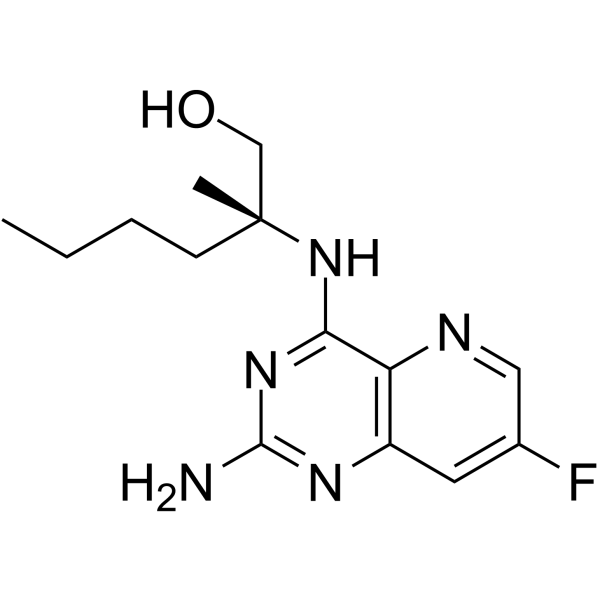
Selgantolimod (GS-9688) is an orally active, potent and selective toll-like receptor 8 (TLR8) agonist for the treatment of hepatitis B virus (HBV) and human immunodeficiencyvirus (HIV) infection .
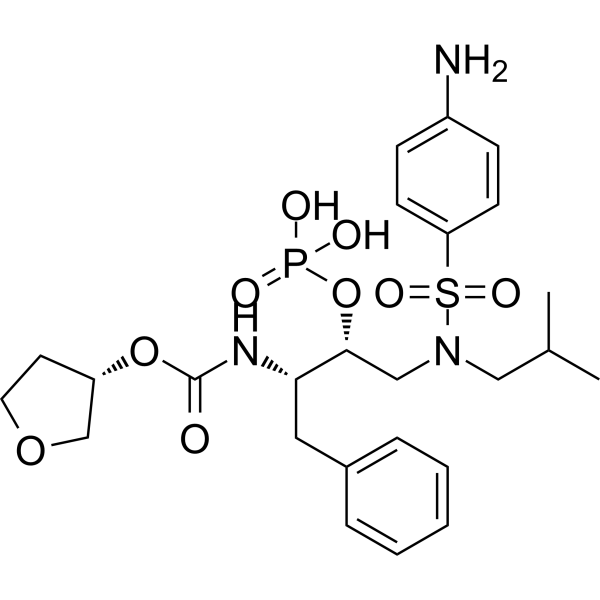
Fosamprenavir is an orally active inhibitor targeting HIV-1 protease and is a prodrug of Amprenavir (HY-17430). Fosamprenavir is hydrolyzed into Amprenavir (VX-478) by cell phosphatases in the intestinal epithelium. Amprenavir binds to the active site of HIV-1 protease, preventing the processing of viral gag and gag-pol polyprotein precursors, thereby inhibiting the formation of mature infectious virus particles and exerting anti-HIV-1 infection activity. Fosamprenavir can be used for the study of human immunodeficiencyvirus (HIV-1) infection .
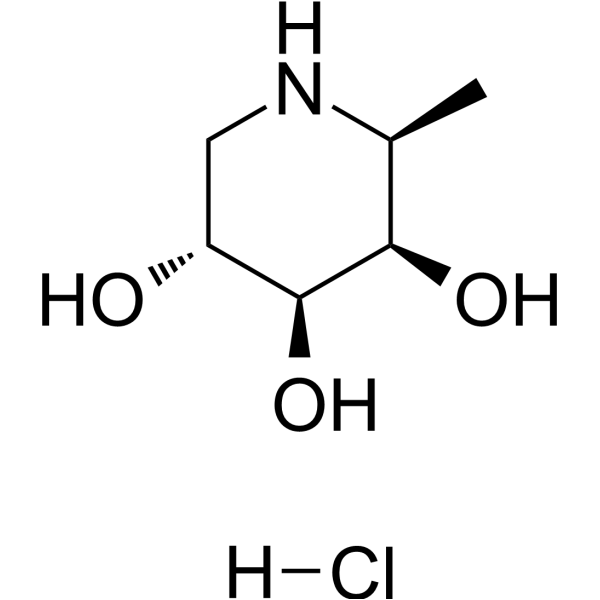
Deoxyfuconojirimycin hydrochloride is a highly specific α-L-fucosidase inhibitor, with a Ki value of 10 nM against human liver lysosomal α-L-fucosidase and a Ki value of 140 nM against Charonia lampas α-L-fucosidase. Deoxyfuconojirimycin hydrochloride completely inhibits the activity of all soluble α-L-fucosidases in human liver, including multiple post-translationally generated enzyme forms. Deoxyfuconojirimycin hydrochloride exhibits no anti-human immunodeficiencyvirus activity .
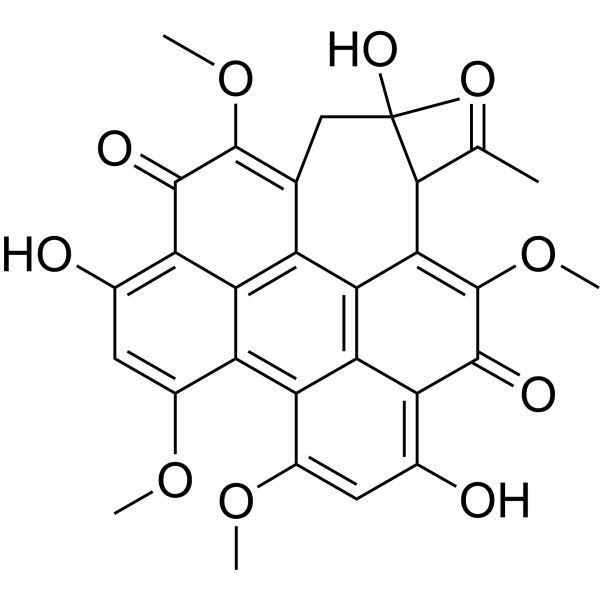
Hypocrellin A is a PKC inhibitor that exerts antidiabetic activity by reversing the effects of high glucose on endothelin (ET-1) expression. Hypocrellin A is also a photosensitizer for photodynamic therapy (PDT) with anticancer, antibacterial and antiviral activities, especially against human immunodeficiencyvirus (HIV). In addition, Hypocrellin-A also possesses anti-Leishmania activity (IC50=0.27 μg/ml) .
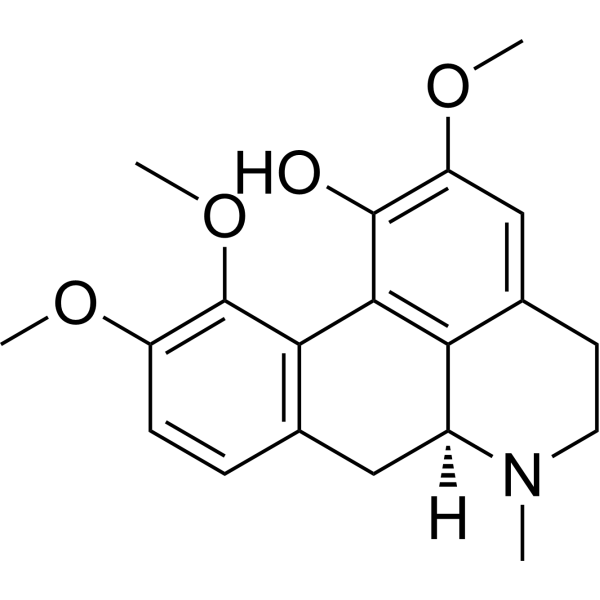
Corydine is a HIV-1 reverse transcriptase inhibitor and μ-opioid receptor (MOR) agonist, with an IC50 of 356.7 μg/mL against HIV-1 reverse transcriptase, an EC50 of 0.51 μM for MOR, and a Ki of 2.82 μM for MOR. Corydine produces antinociceptive effects by inhibiting acetic acid-induced writhing behavior in a MOR-dependent manner. Corydine inhibits the proliferation of cancer cells, mitogen-stimulated lymphocytes and IL-2-dependent cells. Corydine can be used in studies related to human immunodeficiencyvirus infection, visceral pain, leukemia, melanoma, bladder cancer and colon adenocarcinoma .
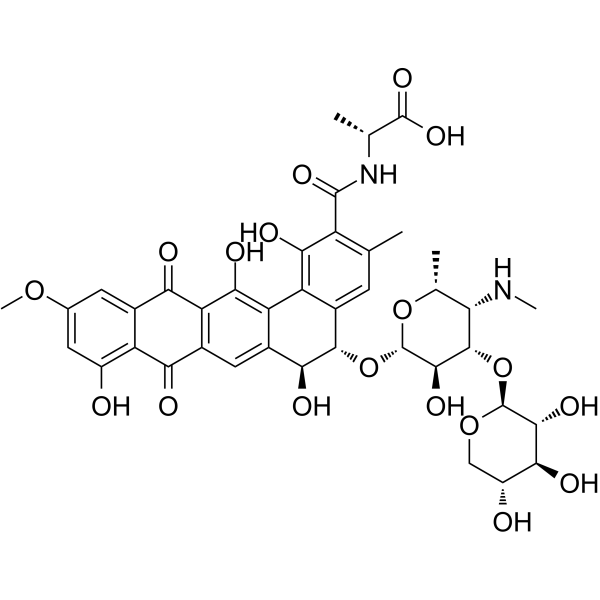
Pradimicin A is a potent antifungal agent with a minimum inhibitory concentration (MIC) of 4 μg/mL against Candida rugosa. Pradimicin A exhibits antiviral activity against SARS-CoV, human immunodeficiencyvirus (HIV) and other enveloped viruses. Pradimicin A exerts its fungicidal activity through a Ca 2+-dependent mechanism, which induces fungal lysis. Pradimicin A can be used in research related to fungal infections, HIV infections and COVID-19 .
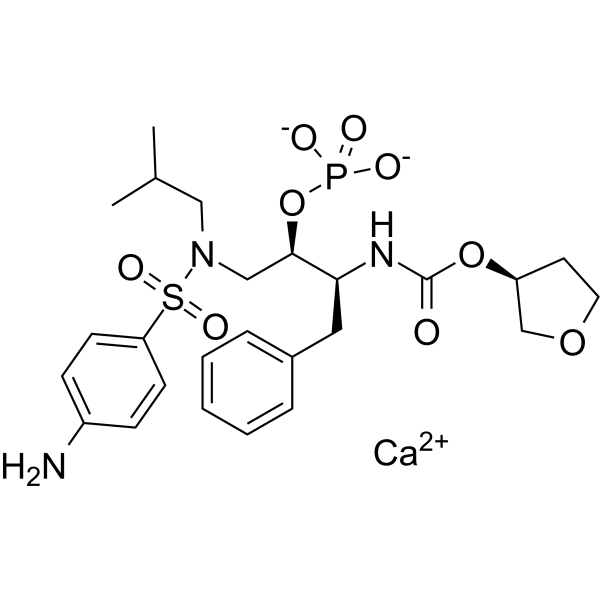
Fosamprenavir Calcium Salt (GW433908G) is an orally active inhibitor targeting HIV-1 protease and is a prodrug of Amprenavir (HY-17430). Fosamprenavir Calcium Salt is hydrolyzed into Amprenavir (VX-478) by cell phosphatases in the intestinal epithelium. Amprenavir binds to the active site of HIV-1 protease, preventing the processing of viral gag and gag-pol polyprotein precursors, thereby inhibiting the formation of mature infectious virus particles and exerting anti-HIV-1 infection activity. Fosamprenavir Calcium Salt can be used for the study of human immunodeficiencyvirus (HIV-1) infection .
BMS-707035 is a potent orally active HIV-1 integrase strand transfer inhibitor (INSTI). BMS-707035 has enzyme inhibitory with an IC50 value of 3 nM. BMS-707035 also has weak CYP inhibiton and antiviral activity. BMS-707035 can be used for the research of human immunodeficiencyvirus-1 (HIV-1) .
(S)-Batylalcohol (1-O-Octadecyl-sn-glycerol) is a phosphonoformic acid (PFA) analog that exhibits higher in vitro antiviral activity against human immunodeficiencyvirus type 1 (HIV-1) than PFA. (S)-Batylalcohol can be used in antiretroviral research .
GPI-1046 is an orally active, antibiotic-free immunophilin ligand that reduces ethanol intake by upregulating glutamate transporter 1 (GLT1) in the prefrontal cortex (PFC) and nucleus accumbens core (NAc-core). GPI-1046 improves human immunodeficiencyvirus (HIV)-associated sensory neuropathy (HIV-SN) by attenuating store-operated calcium (SOC) entry. GPI-1046 has neuroprotective activity .
TAT TFA (YGRKKRRQRRR) is derived from the transactivator of transcription (TAT) of human immunodeficiencyvirus (HIV-1) and is a cell-penetrating peptide. TAT can increase the yields and the solubility of heterologous proteins .
TAT (47-57), FAM-labeled acetate is a 5(6)-Carboxyfluorescein (HY-15940)-labeled TAT (HY-P0281). TAT (YGRKKRRQRRR) is derived from the transactivator of transcription (TAT) of human immunodeficiencyvirus-1 (HIV-1) and is a cell-penetrating peptide .
TAT (47-57), FAM-labeled is a 5(6)-Carboxyfluorescein (HY-15940)-labeled TAT (HY-P0281). TAT (YGRKKRRQRRR) is derived from the transactivator of transcription (TAT) of human immunodeficiencyvirus-1 (HIV-1) and is a cell-penetrating peptide .
FITC-LC-TAT (47-57) acetate is a FITC-labeled TAT peptide (HY-P0281) (λex: 493 nm, λem: 522 nm). Derived from the trans-activator of transcription (TAT) of immunodeficiencyvirus (HIV-1), TAT enhances the yield of heterologous proteins .
Formycin A (NSC 102811), a purine nucleoside antibiotic, is a potent human immunodeficiencyvirus type 1 (HIV-1) inhibitor with an EC50 of 10 μM. Formycin A shows antitumor and antiviral activities .
BIT-225 is an inhibitor for Vpu protein through block of Vpu ion channel, and thus inhibits the release of HIV-1, especially in monocyte-derived macrophages (EC50 is 2.25 μM), without significant cytotoxicity (TC50 is 284 μM) .
Tat-beclin 1 scrambled is the scrambled part and a scrambled control of Tat-beclin 1 (HY-P2260), which is derived from a region of the autophagy protein, beclin 1. beclin 1 induces autophagy via binding human immunodeficiencyvirus, HIV-1 Nef and interacting with negative regulator GAPR-1 (GLIPR2). Tat-beclin 1 decreases the accumulation of polyglutamine expansion protein aggregates and the replication of several pathogens, such as HIV-1. Tat-beclin 1 also reduces mortality in mice infected with chikungunya or West Nile virus .
G3-YSD is a cGAS agonist. G3-YSD directly interacts with cGAS to enhance its enzymatic activity, promote the conversion of ATP and GTP into cGAMP, and trigger STING-dependent IFN-α/β secretion. G3-YSD acts as a viral mimic to replace actual viral DNA . G3-YSD is applicable to research related to long COVID and type 1 human immunodeficiencyvirus infection .
R-87366 is a water-soluble human immunodeficiencyvirus (HIV) protease inhibitor. R-87366 has potent inhibitory for HIV protease with a Ki value of 11 nM. R-87366 can be used for the research of anti-human immunodeficiencyvirus (HIV) .
PMEDAP is a potent inhibitor of human immunodeficiencyvirus(HIV) replication. PMEDAP has anti-murine cytomegalovirus (MCMV) activity. PMEDAP is a very potent inhibitor of Moloney murine sarcoma virus (MSV)-induced tumor formation and associated mortality .
L-Fd4A is an adenine derivative. L-Fd4A has anti-human immunodeficiencyvirus (HIV) (EC50=1.5 μM) and anti-hepatitis B virus (HBV) (EC50=1.7 μM) activity. L-Fd4A has low cytotoxicity .
FITC-LC-TAT (47-57) is a FITC-labeled TAT peptide (HY-P0281) (λex: 493 nm, λem: 522 nm). Derived from the trans-activator of transcription (TAT) of human immunodeficiencyvirus (HIV-1), TAT enhances the yield of heterologous proteins .
Telinavir (SC-52151) is a potent and selective HIV protease inhibitor. Telinavir inhibits lymphotropic, monocytotropic strains and field isolates of HIV type 1 (HIV-1), HIV-2, and simian immunodeficiencyvirus with EC50s of 26 ng/mL (43 nM). Telinavir is highly protein bound in human plasma and exhibits low partitioning into erythrocytes .
Talviraline is a non-nucleoside reverse transcriptase (NNRT) inhibitor that is primarily used to inhibit the replication of human immunodeficiencyvirus type 1 (HIV-1). Talviraline inhibits the viral replication process by binding to a specific site of HIV-1 reverse transcriptase (RT). Talviraline can be used to study the potential countermeasures and safety of HIV-1 infection .
Fosdevirine (GSK2248761) is is a potent, selective, non-nucleoside reverse transcriptase inhibitor (NNRTI) of human immunodeficiencyvirus type 1 (HIV-1) replication with low nanomolar activity in vitro. Fosdevirine shows good activity against a broad range of HIV-1 strains, including efavirenz (HY-10572)-resistant clinical isolates .
Carbovir triphosphate (CBV-TP) is a phosphorylated metabolite. Carbovir triphosphate can be used for the research of human immunodeficiencyvirus (HIV) .
VIP (1-12), human, porcine, rat, ovine is a vasoactive intestinal peptide (VIP) fragment. VIP (1-12), human, porcine, rat, ovine is a ligand for the CD4 (T4)/human immunodeficiencyvirus receptor .
12-Oxocalanolide A (compound 6) is a potent inhibitor of reverse transcriptase from human immunodeficiencyvirus type 1 (HIV-1) with an IC50 and EC50 of 2.8 and 12 μM, respectively. 12-Oxocalanolide A is the analogue of Calanolide .
Tat-beclin 1 scrambled TFA is the scrambled part and a scrambled control of Tat-beclin 1 (HY-P2260), which is derived from a region of the autophagy protein, beclin 1. beclin 1 induces autophagy via binding human immunodeficiencyvirus, HIV-1 Nef and interacting with negative regulator GAPR-1 (GLIPR2). Tat-beclin 1 decreases the accumulation of polyglutamine expansion protein aggregates and the replication of several pathogens, such as HIV-1. Tat-beclin 1 also reduces mortality in mice infected with chikungunya or West Nile virus .
(Rac)-Telinavir ((Rac)-SC-52151) is a racemate of Telinavir (HY-106395A). Telinavir (SC-52151) is a potent and selective HIV protease inhibitor. Telinavir inhibits lymphotropic, monocytotropic strains and field isolates of HIV type 1 (HIV-1), HIV-2, and simian immunodeficiencyvirus with EC50s of 26 ng/mL (43 nM). Telinavir is highly protein bound in human plasma and exhibits low partitioning into erythrocytes .
Fosamprenavir-d4 is the Deuterium-labeled Fosamprenavir (HY-78726). Fosamprenavir is an orally active inhibitor targeting HIV-1 protease and is a prodrug of Amprenavir (HY-17430). Fosamprenavir is hydrolyzed into Amprenavir (VX-478) by cell phosphatases in the intestinal epithelium. Amprenavir binds to the active site of HIV-1 protease, preventing the processing of viral gag and gag-pol polyprotein precursors, thereby inhibiting the formation of mature infectious virus particles and exerting anti-HIV-1 infection activity. Fosamprenavir can be used for the study of human immunodeficiencyvirus (HIV-1) infection .
JE-2147 (AG1776) is a potent dipeptide protease inhibitor with a Ki of 0.33 nM for HIV-1 protease. JE-2147 has effective activities against a wide spectrum of HIV-1, HIV-2, simian immunodeficiencyvirus, and various clinical HIV-1 strains in vitro .
T-peptide, a Tuftsin analog, can be used for the research of human immunodeficiencyvirus (HIV) infection. T-peptide prevents cellular immunosuppression and improves survival rate in septic mice. T-peptide also can inhibit the growth of residual tumor cells after surgical resection .
Tifuvirtide (T-1249) is a peptide human immunodeficiencyvirus type-1 (HIV-1) fusion inhibitor. Tifuvirtide is a synthetically designed hybrid retroviral envelope polypeptide. Tifuvirtide has antiretroviral activity. Tifuvirtide can be used for the research of HIV infection .
CXCR4 antagonist 3 (compound 12a) is a potent antagonist of CXCR4 with an IC50 of 11 nM. CXCR4 antagonist 3 is a congener of TIQ15. CXCR4 antagonist 3 demonstrates the best overall properties including CXCR4 antagonism, CYP 2D6 inhibition, metabolic stability, and permeability. CXCR4 antagonist 3 has the potential for the research of human immunodeficiencyvirus .
TAT (TAT(47-57)) acetate is derived from the transactivator of transcription (TAT) of human immunodeficiencyvirus-1 (HIV-1) and is a cell-penetrating peptide. TAT acetate can increase the yields and the solubility of heterologous proteins .
BMS 488043 (BMS 043) is an orally active and well-tolerated inhibitor of the attachment of human immunodeficiencyvirus type 1 (HIV-1) to CD4+ lymphocytes .
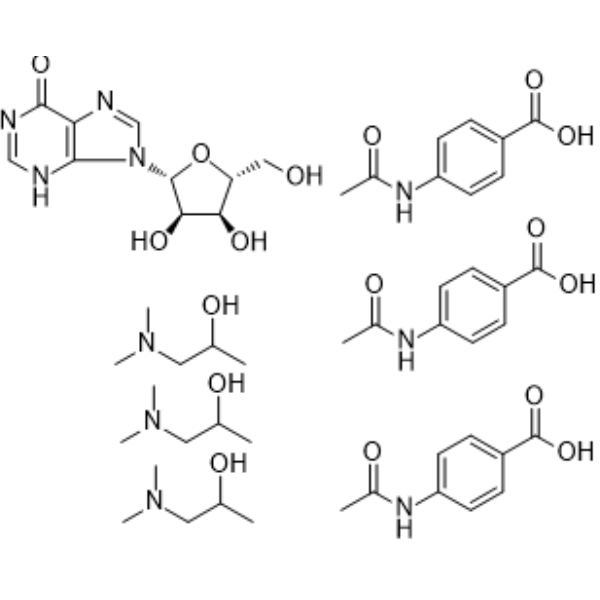
Inosine pranobex (Standard) is the analytical standard of Inosine pranobex. This product is intended for research and analytical applications. Inosine pranobex is an orally active immunomodulator. Inosine pranobex has broad-spectrum antiviral activity. Inosine pranobex inhibits human immunodeficiencyvirus (HIV), herpes simplex virus (HSV), vaccinia virus (VACV), human tumor virus (HPV), Cytomegalovirus, influenza virus (INFV), parainfluenza virus (PIV), and Epstein-Barr virus .
VIR-165 is a modified form of virus inhibitory peptide (VIRIP) that binds the fusion peptide of the gp41 subunit and prevents its insertion into the target membrane. VIRIP inhibits a wide variety of human immunodeficiencyvirus type 1 (HIV-1) strains .
JLJ648 is a Gag-Pol dimerizer with antiviral activity. JLJ648 can inhibit HIV replication and induce infected cell pyroptosis. JLJ648 can be used for the research of infection, such as HIV (human immunodeficiencyvirus) .
GSK-364735 is a potent antiretroviral agent against human immunodeficiencyvirus type 1 (HIV-1) and serves as an integrase inhibitor with an IC50 of 8 ± 2 nM. GSK-364735 can be utilized in antiviral research .
CXCR4 antagonist 4 is a potent, orally active CXCR4 antagonist (IC50=24 nM) with diminished CYP 2D6 activity, improved PAMPA permeability, potent inhibition of human immunodeficiencyvirus entry (IC50=7 nM) .
Ainuovirine is a second-generation non-nucleoside reverse transcriptase inhibitor (NNRTI). Ainuovirine inhibits HIV replication by non-competitively binding to HIV reverse transcriptase and blocking the reverse transcription process of viral RNA. Ainuovirine can be used for human immunodeficiencyvirus (HIV) type 1 infection .
Emivirine (MKC-442) is a non-nucleoside reverse transcriptase inhibitors (NNRTIs) with Ki values of 0.20 and 0.01 μM for dTTP- and dGTP-dependent DNA or RNA polymerase activity, respectively. Emivirine displays potent and selective anti-human immunodeficiencyvirus type 1 (HIV-1) activity .
Vicriviroc (SCH 417690) is an orally active CCR5 antagonist with the IC50 of 10 nM, and also inhibts MIP-1α and intracellular calcium release induced by the ligand RANTES (10 nM) with the IC50 values of 0.91 nM and 16 nM,,respectively. Vicriviroc can inhibits human immunodeficiencyvirus type 1 (HIV-1) infection, and can also used for study of cancer .
HGS101 is a fully human CCR5 monoclonal antibody with high affinity to CCR5. HGS101 binds to the 2nd extracellular loop (ECL-2) and acts as a signal antagonist. HGS101 restores Maraviroc (HY-13004) inhibition of Maraviroc-resistant HIV-1 infection of PBMCs. HGS101 shows anti-HIV activity by inhibiting CCR5 signaling in simian immunodeficiencyvirus-uninfected RMs models .
HIV Protease Substrate IV is a substrate of HIV protease. HIV Protease Substrate IV can be used to measure the activity of HIV (human immunodeficiencyvirus) -1 protease .
Anti-HIV gp120 Antibody (55-36) is a kind of mouse IgG1 κ chimeric antibody, targeting to human HIV gp120. Anti-HIV gp120 Antibody (55-36) reacts with human immunodeficiencyvirus (HIV) envelope glycoprotein 120 (gp120). Anti-HIV gp120 Antibody (55-36) can be used for the research of HIV infection .
Anti-Glycophorin A (type M) Antibody (6A7M) is a kind of mouse IgG1 κ chimeric antibody inhibitor, targeting to human Glycophorin A (type M). Anti-Glycophorin A (type M) reacts with the human glycophorin A (GPA) M allele also known as CD235a. Anti-Glycophorin A (type M) can be used for the research of infection, such as human immunodeficiencyvirus (HIV) .
Anti-NKG2D/CD314 Antibody (1D11) is a kind of mouse IgG1 κ chimeric antibody, targeting to human NKG2D/CD314. Anti-NKG2D/CD314 Antibody (1D11) can block the binding of NKG2D to its ligands. Anti-NKG2D/CD314 Antibody (1D11) can be used for the research of infection, such as HIV (human immunodeficiencyvirus) .
Anti-CTLA-4/CD152 Antibody (BN13) is a kind of mouse IgG2a κ chimeric antibody inhibitor, targeting to human CTLA-4/CD152. Anti-CTLA-4/CD152 Antibody (BN13) can neutralize CTLA-4 (cytotoxic T lymphocyte antigen-4) also known as CD152. Anti-CTLA-4/CD152 Antibody (BN13) can be used for the researches of infection and immunology, such as human immunodeficiencyvirus (HIV) .
BM 21.1298 is a selective and high specific nonnucleoside immunodeficiencyvirus type 1 reverse transcriptase (HIV-1 RT) inhibitor with antiviral activity .
(±)-trans-Lamivudine is separated from the salt of (S)-(+) mandelic acid. (±)-trans-Lamivudine forms cocrystals with (S)-BINOL. (±)-trans-Lamivudine is promising for research of human immunodeficiencyvirus infection .
(+)-Carbovir (NSC 614846) is an antiviral drug with activity against human immunodeficiencyvirus type 1. (+)-Carbovir is a nucleoside analog with enhanced chemical and metabolic stability. (+)-Carbovir can be used in AIDS research .
Palinavir is a potent human immunodeficiencyvirus type 1 (HIV-1) and type 2 (HIV-2) protease inhibitor with an IC50 of 0.5-30 nM . Palinavir has antiviral activity .
Acopafant (Dacopafant; RP 55778) is a potent platelet-activating factor antagonist. Acopafant inhibits the induction of human immunodeficiencyvirus (HIV) expression in chronically infected cells. Acopafant has the potential for the research of HIV infection .
Curromycin A has antibacterial activity against Gram-positive bacteria such as Bacillus subtilis. Curromycin A can inhibit the replication of human immunodeficiencyvirus (HIV), inhibit mouse melanoma B16 and leukemia P388 cells .
HIV-1 integrase inhibitor 10 is an orally active HIV-1 allosteric integrase inhibitor (ALLINI). HIV-1 integrase inhibitor 10 can inhibit viral outgrowth of the NLRepRluc virus in MT-2 cells with EC50 values of 3-5 nM. HIV-1 integrase inhibitor 10 can be used for the research of Human immunodeficiencyvirus-1 (HIV-1) .
L-708906 is a potent human immunodeficiencyvirus type 1 (HIV-1) inhibitor with an IC50 value of 12 μM. L-708906 inhibits HIV strains resistant to nonnucleoside or nucleoside reverse transcriptase inhibitors .
Curromycin B has antibacterial activity against Gram-positive bacteria such as Bacillus subtilis. Curromycin B can inhibit the replication of human immunodeficiencyvirus (HIV), inhibit mouse melanoma B16 and leukemia P388 cells .
ELDKWA is the highly conserved amino acids on the ecto-domain of gp41. ELDKWA acts as the epitope of a neutralizing monoclonal antibody 2F5 (mAb 2F5) directed against human immunodeficiencyvirus type 1 .
GSK-364735 potassium (S/GSK-364735 potassium) is the potassium salt form of GSK-364735 (HY-16907). GSK-364735 potassium is an antiretroviral, that inhibits the integrase of human immunodeficiencyvirus type 1 (HIV-1) with an IC50 of 7.8 nM .
GSK-364735 sodium (S/GSK-364735 sodium) is the sodium salt form of GSK-364735 (HY-16907). GSK-364735 sodium is an antiretroviral, that inhibits the integrase of human immunodeficiencyvirus type 1 (HIV-1) with an IC50 of 7.8 nM .
UK-88947 hydrochloride is a protease inhibitor with activity in inhibiting the replication of human immunodeficiencyvirus HIV-1. UK-88947 hydrochloride can be added to cells before infection to block the early steps of HIV-1 replication. The use of UK-88947 hydrochloride shows its specific inhibitory effect on HIV-1. At the same time, when the virus infects cells, it inhibits the action of viral protease and affects the virus replication process .
BMS-707035 (Standard) is the analytical standard of BMS-707035. This product is intended for research and analytical applications. BMS-707035 is a potent orally active HIV-1 integrase strand transfer inhibitor (INSTI). BMS-707035 has enzyme inhibitory with an IC50 value of 3 nM. BMS-707035 also has weak CYP inhibiton and antiviral activity. BMS-707035 can be used for the research of human immunodeficiencyvirus-1 (HIV-1) .
Fosamprenavir sodium is an orally active inhibitor targeting HIV-1 protease and is a prodrug of Amprenavir (HY-17430). Fosamprenavir sodium is hydrolyzed into Amprenavir (VX-478) by cell phosphatases in the intestinal epithelium. Amprenavir binds to the active site of HIV-1 protease, preventing the processing of viral gag and gag-pol polyprotein precursors, thereby inhibiting the formation of mature infectious virus particles and exerting anti-HIV-1 infection activity. Fosamprenavir sodium can be used for the study of human immunodeficiencyvirus (HIV-1) infection .
Vicriviroc (SCH 417690) malate is an orally active CCR5 antagonist with the IC50 of 10 nM, and also inhibts MIP-1α and intracellular calcium release induced by the ligand RANTES (10 nM) with the IC50 values of 0.91 nM and 16 nM,,respectively. Vicriviroc malate can inhibits human immunodeficiencyvirus type 1 (HIV-1) infection, and can also used for study of cancer .
Atevirdine (U 87201E) mesylate is a nonnucleoside reverse transcriptase (NNRT) inhibitor. Atevirdine mesylate can inhibit human immunodeficiencyvirus type 1 (HIV-1) with an IC50 of 0.06-1.6 μM. Atevirdine mesylate shows highly synergistic effects against Zidovudine/Didanosine-resistant clinical isolates of HIV-1 companied with Zidovudine (HY-17413)/Didanosine (Hy-B0249). Atevirdine mesylate can be used for the research of AIDS .
Fosamprenavir- 13C6 is the 13C-labeled Fosamprenavir (HY-78726). Fosamprenavir is an orally active inhibitor targeting HIV-1 protease and is a prodrug of Amprenavir (HY-17430). Fosamprenavir is hydrolyzed into Amprenavir (VX-478) by cell phosphatases in the intestinal epithelium. Amprenavir binds to the active site of HIV-1 protease, preventing the processing of viral gag and gag-pol polyprotein precursors, thereby inhibiting the formation of mature infectious virus particles and exerting anti-HIV-1 infection activity. Fosamprenavir can be used for the study of human immunodeficiencyvirus (HIV-1) infection .
HIV-1 inhibitor-47 is an inhibitor of HIV-1, and inhibits vif-dependent degradation of human APOBEC3G, with an IC50 value of 14.33 μM. HIV-1 inhibitor-47 also involves in derivatives of 1-(2-pyrimidinyl)piperazine synthesis, with potential antianxiety, antidepressant, and antipsychotic effect .
HIV-1 inhibitor-75 is a human immunodeficiencyvirus 1 (HIV-1) inhibitor, with an EC50 value ranging from 0.0039 to 0.338 μM. The binding target of HIV-1 inhibitor-75 is reverse transcriptase, with an IC50 value of 0.055 μM. HIV-1 inhibitor-75 shows good in vitro metabolic stability, exhibiting moderate clearance rates and a longer half-life in human plasma and liver microsomes .
Circulin B is a macrocyclic plant cyclopeptide. Circulin B functions as a plant defense peptide and exhibits antibacterial and anti-HIV activities. Circulin B has high binding affinity for the envelope protein of dengue virus, showing potential anti-dengue virus activity. Circulin B can be used in studies related to dengue virus infection, human immunodeficiencyvirus infection and microbial infection .
Droxinavir (SC-55389A free base) is an HIV-1 protease inhibitor. Droxinavir binds to the S2 and S2' subsites of HIV-1 protease, and this interaction is regulated by protease amino acid residue 88, where the N88S mutation confers viral resistance. Droxinavir can be used in studies related to human immunodeficiencyvirus type 1 infection .
Niruriside is a HIV REV/RRE complex inhibitor. Niruriside specifically inhibits the binding interaction between HIV REV protein and RRE RNA, with an IC50 of 3.3 μM, and shows no significant activity against the unrelated R17 capsid protein/operator RNA binding system. At the tested concentrations, Niruriside fails to protect CEM-SS cells from acute HIV-1 infection. Niruriside can be used in the research of human immunodeficiencyvirus (HIV) infection .
P-1946 is a HIV protease inhibitor with a human HIV-1 protease Ki of 2.600 nM. P-1946 has potent and selective in vitro antiviral activity and retains full antiviral activity against HIV isolates resistant to commercially available protease inhibitors. P-1946 can be used for the research of human immunodeficiencyvirus type 1 (HIV-1) infection .
BIT-225 (Standard) is the analytical standard of BIT-225 (HY-106282). This product is intended for research and analytical applications. BIT-225 is an inhibitor for Vpu protein through block of Vpu ion channel, and thus inhibits the release of HIV-1, especially in monocyte-derived macrophages (EC50 is 2.25 μM), without significant cytotoxicity (TC50 is 284 μM) .
PMEDAP (Standard) is the analytical standard of PMEDAP (HY-106382). This product is intended for research and analytical applications. PMEDAP is a potent inhibitor of human immunodeficiencyvirus (HIV) replication. PMEDAP has anti-murine cytomegalovirus (MCMV) activity. PMEDAP is a very potent inhibitor of Moloney murine sarcoma virus (MSV)-induced tumor formation and associated mortality .
Adefovir diphosphate is an antiviral compound with activity against hepatitis B virus (HBV). Adefovir diphosphate blocks the replication of HBV by inhibiting reverse transcriptase. Adefovir diphosphate has also shown activity against other viruses such as herpes viruses and human immunodeficiencyvirus. Adefovir diphosphate is used as an effective inhibitory option in the suppression of chronic hepatitis B. The mechanism of action of Adefovir diphosphate involves blocking the autophosphorylation of growth factor receptors, thereby potentially reducing the risk of hepatocellular carcinoma (HCC) in patients with chronic hepatitis B .
VGD020 is a highly potent and selective Sec61 translocon inhibitor . VGD020 suppresses the expression of cell surface CD4 by inhibiting signal peptide-dependent co-translational ER translocation, interferes with the initiation of ER translocation of dengue virus polyprotein, and reduces the expression of Sortilin in breast cancer cells. VGD020 exhibits broad anti-flavivirus and anti-HIV activities. VGD020 can be used in research related to dengue virus infection, Zika virus infection, yellow fever virus infection, human immunodeficiencyvirus infection, and breast cancer .
Dolutegravir intermediate-1 (Standard) is the analytical standard of Dolutegravir intermediate-1 (HY-100083). This product is intended for research and analytical applications. Dolutegravir intermediate-1 is a synthetic intermediate of Dolutegravir extracted from patent WO 2016125192 A2. Dolutegravir is an integrase inhibitor developed for the treatment of human immunodeficiencyvirus (HIV)-1 infection.
L-731988 is an inhibitor targeting HIV-1 integrase. L-731988 inhibits HIV-1 replication by blocking integrase function. L-731988 exhibits ED50 values ranging from 0.5 μM to 3.14 μM against various HIV-1 isolates. L-731988 can be used for the research of human immunodeficiencyvirus type 1 (HIV-1) infection .
BILA 1906 BS is a HIVprotease inhibitor. BILA 1906 BS prevents HIV-1 replication via inhibition of viral protease-mediated cleavage of Gag and Gag-Pol polyprotein precursors during virion maturation. BILA 1906 BS blocks maturation of p24 proteins in wild-type HIV-1, impairing polyprotein processing and viral maturation. BILA 1906 BS can be used for the research of human immunodeficiencyvirus type 1 (HIV-1) infection .
S-2720 is a potent inhibitor of both immunodeficiencyvirus type 1 reverse transcriptase (HIV-1 RT) and HIV-1 replication. The binding sites of S-2720 and the nonnucleoside compounds overlap. The small pocket in the p66 subunit-BI-RG-587 (HY-10570) complex is most likely the target of S-2720. S-2720 is a quinoxaline derivative, which is promising for research of HIV-1 infection .
Fosamprenavir Calcium Salt (GW433908G) (Standard) is the analytical standard of Fosamprenavir Calcium Salt (HY-17431R). This product is intended for research and analytical applications. Fosamprenavir Calcium Salt (GW433908G) is an orally active inhibitor targeting HIV-1 protease and is a prodrug of Amprenavir (HY-17430). Fosamprenavir Calcium Salt is hydrolyzed into Amprenavir (VX-478) by cell phosphatases in the intestinal epithelium. Amprenavir binds to the active site of HIV-1 protease, preventing the processing of viral gag and gag-pol polyprotein precursors, thereby inhibiting the formation of mature infectious virus particles and exerting anti-HIV-1 infection activity. Fosamprenavir Calcium Salt can be used for the study of human immunodeficiencyvirus (HIV-1) infection .
NNRT-IN-13 is a potent non-nucleoside reverse transcriptase (NNRT) inhibitor that directly inhibiting HIV-1 reverse transcriptase (IC₅₀ = 0.25 μM). NNRT-IN-13 exhibits excellent antiviral activity against wild-type HIV-1 (EC₅₀ = 0.0046 μM) and a broad spectrum of drug-resistant mutants. NNRT-IN-13 exhibits favorable in vivo metabolic and safety profiles. NNRT-IN-13 can be used for human immunodeficiencyvirus (HIV) research .
IMB-301 is a specific HIV-1 replication inhibitor that binds to hA3G (human APOBEC3G), interrupts the hA3G-Vif interaction and inhibits Vif-mediated degradation of hA3G. IMB-301 inhibits the replication of HIV-1 in H9 cells (IC50=8.63 uM). Human APOBEC3G is a restriction factor that inhibits human immunodeficiency 1 virus (HIV-1) replication .
Hypocrellin A (Standard) is the analytical standard of Hypocrellin A. This product is intended for research and analytical applications. Hypocrellin A is a PKC inhibitor that exerts antidiabetic activity by reversing the effects of high glucose on endothelin (ET-1) expression. Hypocrellin A is also a photosensitizer for photodynamic therapy (PDT) with anticancer, antibacterial and antiviral activities, especially against human immunodeficiencyvirus (HIV). In addition, Hypocrellin-A also possesses anti-Leishmania activity (IC50=0.27 μg/ml)[1][2][3][4][5][6][7][8][9].
RCP168 is a highly selective and affinity CXCR4 receptor antagonist (IC50=5 nM). RCP168 has a stronger ability than natural chemical factors to inhibit the entry of HIV-1 (human immunodeficiencyvirus type 1) into host cells via CXCR4 receptors. RCP168 inhibits HIV-1 infection by blocking viral binding sites or inducing receptor internalization. RCP168 can be used to analyze the interaction between CXCR4 receptor and other chemical factor receptors .
Rolitetracycline is a highly soluble, broad-spectrum antibiotic derived from tetracycline. Rolitetracycline binds to and stabilizes bovine serum albumin, and also inhibits HIV-1 integrase, blocks Aβ fibril formation and suppresses dengue virus proliferation. Rolitetracycline mediates the inhibition of Aβ fibrils via a specific three-dimensional pharmacophore conformation, and exerts bacteriostatic and bactericidal activities. Rolitetracycline acts synergistically with Penicillin G (HY-N7139) or Cephalothin (HY-B1275A) to alter the effects on microbial growth. Rolitetracycline serves as an important tool compound for the study of bacterial infections (urinary tract infections, sepsis), HIV-1 and dengue virus infections, as well as Alzheimer's disease .
DABCYL-GABA-Ser-Gln-Asn-Tyr-Pro-Ile-Val-Gln-EDANS is a biological active peptide. (DABCYL-GABA-Ser-Gln-Asn-Tyr-Pro-Ile-Val-Gln-EDANS is also called HIV protease substrate I in some literature. It is widely used for the continuous assay for HIV protease activity. The 11-Kd protease (PR) encoded by the human immunodeficiencyvirus 1 (HIV-1) is essential for the correct processing of viral polyproteins and the maturation of infectious virus, and is therefore a target for the design of selective acquired immunodeficiency syndrome (AIDS) therapeutics. The FRET-based fluorogenic substrate is derived from a natural processing site for HIV-1 PR. Incubation of recombinant HIV-1 PR with the fluorogenic substrate resulted in specific cleavage at the Tyr-Pro bond and a time-dependent increase in fluorescence intensity that is linearly related to the extent of substrate hydrolysis. The fluorescence quantum yields of the HIV-1 PR substrate in the FRET assay increased by 40.0- and 34.4-fold, respectively, per mole of substrate cleaved. Because of its simplicity and precision in the determination of reaction rates required for kinetic analysis, this substrate offers many advantages over the commonly used HPLC or electrophoresis-based assays for peptide substrate hydrolysis by retroviral PRs. Abs/Em = 340nm/490nm.)
INDOPY-1 (Indolopyridone-1) is a selective, reversible, and competitive HIV-1 reverse transcriptase inhibitor. INDOPY-1 reversibly binds to the active site of reverse transcriptase. INDOPY-1 inhibits DNA synthesis. INDOPY-1 exhibits antiviral activity against various retroviruses, including HIV-1 IIIB, HIV-1 HXB2 K103N Y181C, HIV-2 ROD, and SIV Mac251. INDOPY-1 can be used in the research of immunodeficiencyvirus infection .
ATTO 594 TEA is a highly hydrophilic fluorescent dye used to label the outermost position of the glycan moiety of glycosphingolipids to retain the biophysical and biochemical properties of native glycosphingolipids .
BMMP is an anti-HIV-1 agent and hnRNP M modulator. BMMP modulates hnRNP M function to suppress CD44 mRNA expression. BMMP induces abnormal uncoating of the HIV viral core at the post-entry step. BMMP suppresses migration of TGF-β-stimulated lung carcinoma cells. BMMP suppresses HIV-1 reverse transcription and replication without inhibiting virion release. BMMP exerts anti-HIV-1 activity via a mechanism distinct from CA protein-binding heterocyclic compounds. BMMP can be used for the research of human immunodeficiencyvirus infection and non-small cell lung cancer .
Lenacapavir (GS-6207) sodium is an HIV-1 capsid inhibitor. Lenacapavir sodium binds to the interface between capsid hexamers and CA monomers, disrupts capsid assembly and viral maturation, inhibits nuclear translocation of HIV-1 DNA, interferes with CA-mediated protein-protein interactions, reduces the formation of 2-LTR circles and pre-integration proviruses, induces aberrant capsids, and decreases the production of mature HIV-1. Lenacapavir sodium exhibits activity against a variety of HIV-1 subtypes and clinical isolates. Lenacapavir sodium is applicable to research related to human immunodeficiencyvirus type 1 (HIV-1) infection .
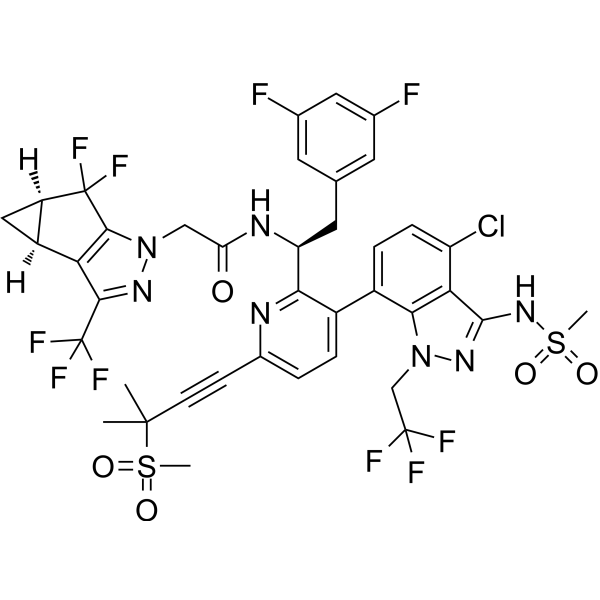
Lenacapavir (GS-6207) is an HIV-1 capsid inhibitor. Lenacapavir binds to the interface between capsid hexamers and CA monomers, disrupts capsid assembly and viral maturation, inhibits nuclear translocation of HIV-1 DNA, interferes with CA-mediated protein-protein interactions, reduces the formation of 2-LTR circles and pre-integration proviruses, induces aberrant capsids, and decreases the production of mature HIV-1. Lenacapavir exhibits activity against a variety of HIV-1 subtypes and clinical isolates. Lenacapavir is applicable to research related to human immunodeficiencyvirus type 1 (HIV-1) infection .
1,2-Didocosahexaenoyl-sn-glycero-3-phosphocholine is a polyunsaturated phospholipid that serves as a component of lipid monolayers and small unilamellar vesicles. 1,2-Didocosahexaenoyl-sn-glycero-3-phosphocholine can be used to prepare endoplasmic reticulum-targeted liposomes (PERLs), which are composed of 1,2-didocosahexaenoyl-sn-glycero-3-phosphoethanolamine, l-α-phosphatidylinositol and l-α-phosphatidylserine at a molar ratio of 1.5:1.5:1:1. PERLs reduce cholesterol levels in human peripheral blood mononuclear cells (PBMCs) and decrease HIV-1 particle secretion from HIV-1-infected PBMCs. Liposomes formed from 1,2-Didocosahexaenoyl-sn-glycero-3-phosphocholine exhibit cytotoxicity against leukemia cells. 1,2-Didocosahexaenoyl-sn-glycero-3-phosphocholine is applicable to studies related to hepatitis C virus infection, HIV infection, hepatitis B virus infection and leukemia .
3′-Azido-2′,3′-dideoxyuridine (AzdU) is a nucleoside analog of Zidovudine (HY-17413). 3′-Azido-2′,3′-dideoxyuridine is a potent inhibitor of human immunodeficiencyvirus (HIV) replication in human peripheral blood mononuclear cells (PBMC) with limited toxicity for human bone marrow cells (BMC) . 3′-Azido-2′,3′-dideoxyuridine is a click chemistry reagent, it contains an Azide group and can undergo copper-catalyzed azide-alkyne cycloaddition reaction (CuAAc) with molecules containing Alkyne groups. It can also undergo strain-promoted alkyne-azide cycloaddition (SPAAC) reactions with molecules containing DBCO or BCN groups.
ddTTP tetrasodium is a DNA polymerase γ inhibitor, with Ki values of 0.05 μM and 0.4 μM against bovine testicular DNA polymerase γ. ddTTP tetrasodium can be incorporated into DNA to cause termination of the extended DNA strand. ddTTP tetrasodium can be used in the research of HIV infection .
Anti-LFA-1α/CD11a Antibody (TS-1/22.1.1.13) is a kind of mouse IgG1 chimeric antibody inhibitor, targeting to human LFA-1α/CD11a. Anti-LFA-1α/CD11a Antibody (TS-1/22.1.1.13) reacts with human LFA-1α (lymphocyte function-associated antigen 1 alpha) also known as integrin alpha L chain and CD11a. Anti-LFA-1α/CD11a Antibody (TS-1/22.1.1.13) can be used for the researches of immunology and infection, such as human immunodeficiencyvirus (HIV) .
Trecovirsen is an antiviral agent targeting HIV gag mRNA, which hybridizes with complementary HIV gag mRNA at the initiation site. Trecovirsen induces a reversible, dose-dependent prolongation of activated partial thromboplastin time via its polyanionic properties. Trecovirsen is applicable to research related to HIV infection .
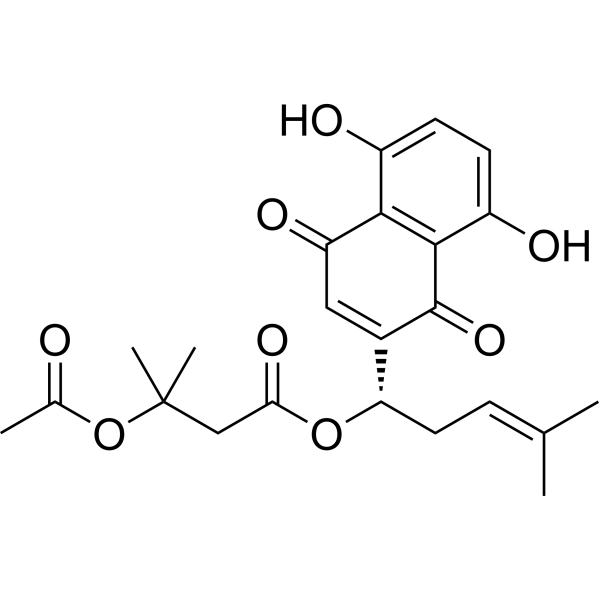
Beta-Acetoxyisovalerylshikonin is a naturally occurring naphthoquinone-type shikonin derivative that is widely distributed in the roots and cell suspension cultures of *Arnebia euchroma*, *Arnebia guttata*, *Onosma hispidum* and *Lithospermum erythrorhizon*. Beta-Acetoxyisovalerylshikonin exhibits favorable antibacterial, anti-inflammatory, wound-healing promoting and antioxidant activities, and also possesses potential anti-tumor and anti-HIV properties .
α-MSH (11-13) (ACTH-(11-13)) acetate is a C-terminal tripeptide of α-MSH that can cross the blood-brain barrier. α-MSH (11-13) acetate exhibits antipyretic, anti-inflammatory, and antibacterial activities. α-MSH (11-13) acetate also exerts neuroprotective effects after traumatic brain injury by inhibiting excessive activation of microglia and reducing neuronal apoptosis. α-MSH (11-13) acetate can be used in research related to traumatic brain injury, fever, and bacterial infections .
Redoxal is a dihydroorotate dehydrogenase (DHODH) inhibitor and anti-HIV-1 agent. Redoxal induces intracellular pyrimidine depletion by inhibiting the de novo pyrimidine biosynthesis pathway, enhances the protein stability of APOBEC3G (A3G), upregulates the abundance of A3G protein in cells and progeny viral particles, thereby strengthening the host endogenous antiviral restriction mediated by A3G . Redoxal selectively targets DHOdehase at the mitochondrial level, with an IC50 of 430 nM for inhibiting DHO oxidation in human mitochondria and an IC50 of 910 nM in rat mitochondria . Redoxal can be used in studies related to HIV-1 infection .
D719 is an HIV-1 integrase inhibitor. D719 binds to the hydrophobic pocket of HIV-1 integrase CCD dimer, disrupts interaction with LEDGF/P75, and prevents integrase nuclear translocation. D719 reduces HIV-1 p24 antigen production in acute infection of human T cells. D719 can be used for the research of HIV infection .
I-XW-053 is a specific anti-HIV-1 capsid inhibitor (IC50=164.2 μM). By binding to the CA NTD-NTD hexamerization interface and the R173 region of CTD (Kd=66.3 μM), I-XW-053 disrupts capsid function and reduces polymerization levels. I-XW-053 effectively blocks HIV-1 uncoating, inhibits reverse transcription and early replication, and exhibits broad-spectrum activity against primary HIV-1 isolates in peripheral blood mononuclear cells. I-XW-053 can be widely used in studies related to HIV-1 infection .
N-Succinimidyl bromoacetate (NHS-Bromoacetate) is a heterobifunctional crosslinking reagent, mainly used to modify the ɛ-amino group of lysine side chains. By covalently linking its bromoacetyl moiety to the ɛ-amino group of lysine in peptidomimetics, N-Succinimidyl bromoacetate enables their conjugation with thiol-modified nanoparticles via thioether bonds. N-Succinimidyl bromoacetate also performs bromoacetylation modification on carrier proteins, which then forms stable thioether bonds with the thiol groups of cysteine in peptides, thus efficiently preparing soluble peptide-protein conjugates with high substitution ratios. N-Succinimidyl bromoacetate can be used to prepare activated Sepharose derivatives for affinity chromatography, protein affinity labeling reagents, and peptide-protein immunogen conjugates with non-immunogenic linkages. N-Succinimidyl bromoacetate is applicable to studies related to HIV-1 infection and glioblastoma multiforme .
ATTO 594 TEA is a highly hydrophilic fluorescent dye used to label the outermost position of the glycan moiety of glycosphingolipids to retain the biophysical and biochemical properties of native glycosphingolipids .
Dextran sulfate sodium salt (DSS) (MW 5000) is a polymer of dehydrated glucose with a molecular weight of approximately 5000. Dextran sulfate sodium salt (DSS) with different molecular weights exhibits different biological activities. Dextran sulfate sodium salt (MW 5000) is an inhibitor of complement and coagulation pathways, and belongs to the glycosaminoglycans (GAG) family. Dextran sulfate sodium salt (MW 5000) acts as an anticoagulant, antiviral, and anti-lipemic agent. Dextran sulfate sodium salt (DSS) stops HIV-1 virus adsorption to host cells. Dextran sulfate sodium salt (MW 5000) prevents NK cell-mediated cytotoxicity. Dextran sulfate sodium salt (MW 5000) inhibits instant blood-mediated inflammatory reaction (IBMIR) .
Deoxyfuconojirimycin hydrochloride is a highly specific α-L-fucosidase inhibitor, with a Ki value of 10 nM against human liver lysosomal α-L-fucosidase and a Ki value of 140 nM against Charonia lampas α-L-fucosidase. Deoxyfuconojirimycin hydrochloride completely inhibits the activity of all soluble α-L-fucosidases in human liver, including multiple post-translationally generated enzyme forms. Deoxyfuconojirimycin hydrochloride exhibits no anti-human immunodeficiencyvirus activity .
1,2-Didocosahexaenoyl-sn-glycero-3-phosphocholine is a polyunsaturated phospholipid that serves as a component of lipid monolayers and small unilamellar vesicles. 1,2-Didocosahexaenoyl-sn-glycero-3-phosphocholine can be used to prepare endoplasmic reticulum-targeted liposomes (PERLs), which are composed of 1,2-didocosahexaenoyl-sn-glycero-3-phosphoethanolamine, l-α-phosphatidylinositol and l-α-phosphatidylserine at a molar ratio of 1.5:1.5:1:1. PERLs reduce cholesterol levels in human peripheral blood mononuclear cells (PBMCs) and decrease HIV-1 particle secretion from HIV-1-infected PBMCs. Liposomes formed from 1,2-Didocosahexaenoyl-sn-glycero-3-phosphocholine exhibit cytotoxicity against leukemia cells. 1,2-Didocosahexaenoyl-sn-glycero-3-phosphocholine is applicable to studies related to hepatitis C virus infection, HIV infection, hepatitis B virus infection and leukemia .
TAT (YGRKKRRQRRR) is derived from the transactivator of transcription (TAT) of human immunodeficiencyvirus-1 (HIV-1) and is a cell-penetrating peptide. TAT can increase the yields and the solubility of heterologous proteins .
α-MSH (11-13) (ACTH-(11-13)) acetate is a C-terminal tripeptide of α-MSH that can cross the blood-brain barrier. α-MSH (11-13) acetate exhibits antipyretic, anti-inflammatory, and antibacterial activities. α-MSH (11-13) acetate also exerts neuroprotective effects after traumatic brain injury by inhibiting excessive activation of microglia and reducing neuronal apoptosis. α-MSH (11-13) acetate can be used in research related to traumatic brain injury, fever, and bacterial infections .
TAT TFA (YGRKKRRQRRR) is derived from the transactivator of transcription (TAT) of human immunodeficiencyvirus (HIV-1) and is a cell-penetrating peptide. TAT can increase the yields and the solubility of heterologous proteins .
TAT (47-57), FAM-labeled acetate is a 5(6)-Carboxyfluorescein (HY-15940)-labeled TAT (HY-P0281). TAT (YGRKKRRQRRR) is derived from the transactivator of transcription (TAT) of human immunodeficiencyvirus-1 (HIV-1) and is a cell-penetrating peptide .
TAT (47-57), FAM-labeled is a 5(6)-Carboxyfluorescein (HY-15940)-labeled TAT (HY-P0281). TAT (YGRKKRRQRRR) is derived from the transactivator of transcription (TAT) of human immunodeficiencyvirus-1 (HIV-1) and is a cell-penetrating peptide .
FITC-LC-TAT (47-57) acetate is a FITC-labeled TAT peptide (HY-P0281) (λex: 493 nm, λem: 522 nm). Derived from the trans-activator of transcription (TAT) of immunodeficiencyvirus (HIV-1), TAT enhances the yield of heterologous proteins .
Tat-beclin 1 scrambled is the scrambled part and a scrambled control of Tat-beclin 1 (HY-P2260), which is derived from a region of the autophagy protein, beclin 1. beclin 1 induces autophagy via binding human immunodeficiencyvirus, HIV-1 Nef and interacting with negative regulator GAPR-1 (GLIPR2). Tat-beclin 1 decreases the accumulation of polyglutamine expansion protein aggregates and the replication of several pathogens, such as HIV-1. Tat-beclin 1 also reduces mortality in mice infected with chikungunya or West Nile virus .
FITC-LC-TAT (47-57) is a FITC-labeled TAT peptide (HY-P0281) (λex: 493 nm, λem: 522 nm). Derived from the trans-activator of transcription (TAT) of human immunodeficiencyvirus (HIV-1), TAT enhances the yield of heterologous proteins .
VIP (1-12), human, porcine, rat, ovine is a vasoactive intestinal peptide (VIP) fragment. VIP (1-12), human, porcine, rat, ovine is a ligand for the CD4 (T4)/human immunodeficiencyvirus receptor .
Tat-beclin 1 scrambled TFA is the scrambled part and a scrambled control of Tat-beclin 1 (HY-P2260), which is derived from a region of the autophagy protein, beclin 1. beclin 1 induces autophagy via binding human immunodeficiencyvirus, HIV-1 Nef and interacting with negative regulator GAPR-1 (GLIPR2). Tat-beclin 1 decreases the accumulation of polyglutamine expansion protein aggregates and the replication of several pathogens, such as HIV-1. Tat-beclin 1 also reduces mortality in mice infected with chikungunya or West Nile virus .
T-peptide, a Tuftsin analog, can be used for the research of human immunodeficiencyvirus (HIV) infection. T-peptide prevents cellular immunosuppression and improves survival rate in septic mice. T-peptide also can inhibit the growth of residual tumor cells after surgical resection .
Tifuvirtide (T-1249) is a peptide human immunodeficiencyvirus type-1 (HIV-1) fusion inhibitor. Tifuvirtide is a synthetically designed hybrid retroviral envelope polypeptide. Tifuvirtide has antiretroviral activity. Tifuvirtide can be used for the research of HIV infection .
TAT (TAT(47-57)) acetate is derived from the transactivator of transcription (TAT) of human immunodeficiencyvirus-1 (HIV-1) and is a cell-penetrating peptide. TAT acetate can increase the yields and the solubility of heterologous proteins .
VIR-165 is a modified form of virus inhibitory peptide (VIRIP) that binds the fusion peptide of the gp41 subunit and prevents its insertion into the target membrane. VIRIP inhibits a wide variety of human immunodeficiencyvirus type 1 (HIV-1) strains .
CXCR4 antagonist 4 is a potent, orally active CXCR4 antagonist (IC50=24 nM) with diminished CYP 2D6 activity, improved PAMPA permeability, potent inhibition of human immunodeficiencyvirus entry (IC50=7 nM) .
HIV Protease Substrate IV is a substrate of HIV protease. HIV Protease Substrate IV can be used to measure the activity of HIV (human immunodeficiencyvirus) -1 protease .
ELDKWA is the highly conserved amino acids on the ecto-domain of gp41. ELDKWA acts as the epitope of a neutralizing monoclonal antibody 2F5 (mAb 2F5) directed against human immunodeficiencyvirus type 1 .
RCP168 is a highly selective and affinity CXCR4 receptor antagonist (IC50=5 nM). RCP168 has a stronger ability than natural chemical factors to inhibit the entry of HIV-1 (human immunodeficiencyvirus type 1) into host cells via CXCR4 receptors. RCP168 inhibits HIV-1 infection by blocking viral binding sites or inducing receptor internalization. RCP168 can be used to analyze the interaction between CXCR4 receptor and other chemical factor receptors .
DABCYL-GABA-Ser-Gln-Asn-Tyr-Pro-Ile-Val-Gln-EDANS is a biological active peptide. (DABCYL-GABA-Ser-Gln-Asn-Tyr-Pro-Ile-Val-Gln-EDANS is also called HIV protease substrate I in some literature. It is widely used for the continuous assay for HIV protease activity. The 11-Kd protease (PR) encoded by the human immunodeficiencyvirus 1 (HIV-1) is essential for the correct processing of viral polyproteins and the maturation of infectious virus, and is therefore a target for the design of selective acquired immunodeficiency syndrome (AIDS) therapeutics. The FRET-based fluorogenic substrate is derived from a natural processing site for HIV-1 PR. Incubation of recombinant HIV-1 PR with the fluorogenic substrate resulted in specific cleavage at the Tyr-Pro bond and a time-dependent increase in fluorescence intensity that is linearly related to the extent of substrate hydrolysis. The fluorescence quantum yields of the HIV-1 PR substrate in the FRET assay increased by 40.0- and 34.4-fold, respectively, per mole of substrate cleaved. Because of its simplicity and precision in the determination of reaction rates required for kinetic analysis, this substrate offers many advantages over the commonly used HPLC or electrophoresis-based assays for peptide substrate hydrolysis by retroviral PRs. Abs/Em = 340nm/490nm.)
Anti-LFA-1α/CD11a Antibody (TS-1/22.1.1.13) is a kind of mouse IgG1 chimeric antibody inhibitor, targeting to human LFA-1α/CD11a. Anti-LFA-1α/CD11a Antibody (TS-1/22.1.1.13) reacts with human LFA-1α (lymphocyte function-associated antigen 1 alpha) also known as integrin alpha L chain and CD11a. Anti-LFA-1α/CD11a Antibody (TS-1/22.1.1.13) can be used for the researches of immunology and infection, such as human immunodeficiencyvirus (HIV) .
HGS101 is a fully human CCR5 monoclonal antibody with high affinity to CCR5. HGS101 binds to the 2nd extracellular loop (ECL-2) and acts as a signal antagonist. HGS101 restores Maraviroc (HY-13004) inhibition of Maraviroc-resistant HIV-1 infection of PBMCs. HGS101 shows anti-HIV activity by inhibiting CCR5 signaling in simian immunodeficiencyvirus-uninfected RMs models .
Anti-HIV gp120 Antibody (55-36) is a kind of mouse IgG1 κ chimeric antibody, targeting to human HIV gp120. Anti-HIV gp120 Antibody (55-36) reacts with human immunodeficiencyvirus (HIV) envelope glycoprotein 120 (gp120). Anti-HIV gp120 Antibody (55-36) can be used for the research of HIV infection .
Anti-Glycophorin A (type M) Antibody (6A7M) is a kind of mouse IgG1 κ chimeric antibody inhibitor, targeting to human Glycophorin A (type M). Anti-Glycophorin A (type M) reacts with the human glycophorin A (GPA) M allele also known as CD235a. Anti-Glycophorin A (type M) can be used for the research of infection, such as human immunodeficiencyvirus (HIV) .
Anti-NKG2D/CD314 Antibody (1D11) is a kind of mouse IgG1 κ chimeric antibody, targeting to human NKG2D/CD314. Anti-NKG2D/CD314 Antibody (1D11) can block the binding of NKG2D to its ligands. Anti-NKG2D/CD314 Antibody (1D11) can be used for the research of infection, such as HIV (human immunodeficiencyvirus) .
Anti-CTLA-4/CD152 Antibody (BN13) is a kind of mouse IgG2a κ chimeric antibody inhibitor, targeting to human CTLA-4/CD152. Anti-CTLA-4/CD152 Antibody (BN13) can neutralize CTLA-4 (cytotoxic T lymphocyte antigen-4) also known as CD152. Anti-CTLA-4/CD152 Antibody (BN13) can be used for the researches of infection and immunology, such as human immunodeficiencyvirus (HIV) .
TAT (YGRKKRRQRRR) is derived from the transactivator of transcription (TAT) of human immunodeficiencyvirus-1 (HIV-1) and is a cell-penetrating peptide. TAT can increase the yields and the solubility of heterologous proteins .
Fosamprenavir is an orally active inhibitor targeting HIV-1 protease and is a prodrug of Amprenavir (HY-17430). Fosamprenavir is hydrolyzed into Amprenavir (VX-478) by cell phosphatases in the intestinal epithelium. Amprenavir binds to the active site of HIV-1 protease, preventing the processing of viral gag and gag-pol polyprotein precursors, thereby inhibiting the formation of mature infectious virus particles and exerting anti-HIV-1 infection activity. Fosamprenavir can be used for the study of human immunodeficiencyvirus (HIV-1) infection .
Hypocrellin A is a PKC inhibitor that exerts antidiabetic activity by reversing the effects of high glucose on endothelin (ET-1) expression. Hypocrellin A is also a photosensitizer for photodynamic therapy (PDT) with anticancer, antibacterial and antiviral activities, especially against human immunodeficiencyvirus (HIV). In addition, Hypocrellin-A also possesses anti-Leishmania activity (IC50=0.27 μg/ml) .
Corydine is a HIV-1 reverse transcriptase inhibitor and μ-opioid receptor (MOR) agonist, with an IC50 of 356.7 μg/mL against HIV-1 reverse transcriptase, an EC50 of 0.51 μM for MOR, and a Ki of 2.82 μM for MOR. Corydine produces antinociceptive effects by inhibiting acetic acid-induced writhing behavior in a MOR-dependent manner. Corydine inhibits the proliferation of cancer cells, mitogen-stimulated lymphocytes and IL-2-dependent cells. Corydine can be used in studies related to human immunodeficiencyvirus infection, visceral pain, leukemia, melanoma, bladder cancer and colon adenocarcinoma .
Fosamprenavir Calcium Salt (GW433908G) is an orally active inhibitor targeting HIV-1 protease and is a prodrug of Amprenavir (HY-17430). Fosamprenavir Calcium Salt is hydrolyzed into Amprenavir (VX-478) by cell phosphatases in the intestinal epithelium. Amprenavir binds to the active site of HIV-1 protease, preventing the processing of viral gag and gag-pol polyprotein precursors, thereby inhibiting the formation of mature infectious virus particles and exerting anti-HIV-1 infection activity. Fosamprenavir Calcium Salt can be used for the study of human immunodeficiencyvirus (HIV-1) infection .
Beta-Acetoxyisovalerylshikonin is a naturally occurring naphthoquinone-type shikonin derivative that is widely distributed in the roots and cell suspension cultures of *Arnebia euchroma*, *Arnebia guttata*, *Onosma hispidum* and *Lithospermum erythrorhizon*. Beta-Acetoxyisovalerylshikonin exhibits favorable antibacterial, anti-inflammatory, wound-healing promoting and antioxidant activities, and also possesses potential anti-tumor and anti-HIV properties .
Curromycin A has antibacterial activity against Gram-positive bacteria such as Bacillus subtilis. Curromycin A can inhibit the replication of human immunodeficiencyvirus (HIV), inhibit mouse melanoma B16 and leukemia P388 cells .
Curromycin B has antibacterial activity against Gram-positive bacteria such as Bacillus subtilis. Curromycin B can inhibit the replication of human immunodeficiencyvirus (HIV), inhibit mouse melanoma B16 and leukemia P388 cells .
Fosamprenavir Calcium Salt (GW433908G) (Standard) is the analytical standard of Fosamprenavir Calcium Salt (HY-17431R). This product is intended for research and analytical applications. Fosamprenavir Calcium Salt (GW433908G) is an orally active inhibitor targeting HIV-1 protease and is a prodrug of Amprenavir (HY-17430). Fosamprenavir Calcium Salt is hydrolyzed into Amprenavir (VX-478) by cell phosphatases in the intestinal epithelium. Amprenavir binds to the active site of HIV-1 protease, preventing the processing of viral gag and gag-pol polyprotein precursors, thereby inhibiting the formation of mature infectious virus particles and exerting anti-HIV-1 infection activity. Fosamprenavir Calcium Salt can be used for the study of human immunodeficiencyvirus (HIV-1) infection .
Hypocrellin A (Standard) is the analytical standard of Hypocrellin A. This product is intended for research and analytical applications. Hypocrellin A is a PKC inhibitor that exerts antidiabetic activity by reversing the effects of high glucose on endothelin (ET-1) expression. Hypocrellin A is also a photosensitizer for photodynamic therapy (PDT) with anticancer, antibacterial and antiviral activities, especially against human immunodeficiencyvirus (HIV). In addition, Hypocrellin-A also possesses anti-Leishmania activity (IC50=0.27 μg/ml)[1][2][3][4][5][6][7][8][9].
The envelope glycoprotein gp120 protein facilitates viral capture and dissemination by dendritic cells and endothelial cells by attaching the virus to host lymphocytes through binding to the CD4 receptor.HIV exploits the migratory properties of dendritic cells to access CD4+ T cells, leading to infection.envelope glycoprotein gp120 Protein, HIV-1 (AAC31819, HEK293, His) is the recombinant Virus-derived envelope glycoprotein gp120 protein, expressed by HEK293 , with C-His labeled tag.
HIV-1 gp140 Protein is the gp160 ectodomain, and can lead to the production of trimers that can mimic the native Env spike. HIV-1 gp140 trimers is able to elicit neutralizing antibody responses in immunized animals. HIV-1 gp140 Protein (646a.a, HEK293, Fc) is the recombinant Virus-derived HIV-1 gp140 protein, expressed by HEK293 , with C-hFc labeled tag.
envelope glycoprotein gp120 Protein is a glycoprotein exposed on the surface of the HIV envelope.Gp120 is essential for viral infection as it facilitates HIV entry into the host cell.gp120 may also be facilitating viral persistence and continuing HIV infection by influencing the T cell immune response to the virus.envelope glycoprotein gp120 Protein, SIV (ADN41251, HEK293, His) is the recombinant Virus-derived envelope glycoprotein gp120 protein, expressed by HEK293 , with C-His labeled tag.
envelope glycoprotein gp120 Protein is a glycoprotein exposed on the surface of the HIV envelope.Gp120 is essential for viral infection as it facilitates HIV entry into the host cell.gp120 may also be facilitating viral persistence and continuing HIV infection by influencing the T cell immune response to the virus.envelope glycoprotein gp120 Protein, SIV (CAA32487, HEK293, His) is the recombinant Virus-derived envelope glycoprotein gp120 protein, expressed by HEK293 , with C-His labeled tag.
envelope glycoprotein gp120 Protein is a glycoprotein exposed on the surface of the HIV envelope.Gp120 is essential for viral infection as it facilitates HIV entry into the host cell.gp120 may also be facilitating viral persistence and continuing HIV infection by influencing the T cell immune response to the virus.envelope glycoprotein gp120 Protein, SIV (ADH04463, HEK293, His) is the recombinant Virus-derived envelope glycoprotein gp120 protein, expressed by HEK293 , with C-His labeled tag.
Fosamprenavir-d4 is the Deuterium-labeled Fosamprenavir (HY-78726). Fosamprenavir is an orally active inhibitor targeting HIV-1 protease and is a prodrug of Amprenavir (HY-17430). Fosamprenavir is hydrolyzed into Amprenavir (VX-478) by cell phosphatases in the intestinal epithelium. Amprenavir binds to the active site of HIV-1 protease, preventing the processing of viral gag and gag-pol polyprotein precursors, thereby inhibiting the formation of mature infectious virus particles and exerting anti-HIV-1 infection activity. Fosamprenavir can be used for the study of human immunodeficiencyvirus (HIV-1) infection .
Fosamprenavir- 13C6 is the 13C-labeled Fosamprenavir (HY-78726). Fosamprenavir is an orally active inhibitor targeting HIV-1 protease and is a prodrug of Amprenavir (HY-17430). Fosamprenavir is hydrolyzed into Amprenavir (VX-478) by cell phosphatases in the intestinal epithelium. Amprenavir binds to the active site of HIV-1 protease, preventing the processing of viral gag and gag-pol polyprotein precursors, thereby inhibiting the formation of mature infectious virus particles and exerting anti-HIV-1 infection activity. Fosamprenavir can be used for the study of human immunodeficiencyvirus (HIV-1) infection .
3′-Azido-2′,3′-dideoxyuridine (AzdU) is a nucleoside analog of Zidovudine (HY-17413). 3′-Azido-2′,3′-dideoxyuridine is a potent inhibitor of human immunodeficiencyvirus (HIV) replication in human peripheral blood mononuclear cells (PBMC) with limited toxicity for human bone marrow cells (BMC) . 3′-Azido-2′,3′-dideoxyuridine is a click chemistry reagent, it contains an Azide group and can undergo copper-catalyzed azide-alkyne cycloaddition reaction (CuAAc) with molecules containing Alkyne groups. It can also undergo strain-promoted alkyne-azide cycloaddition (SPAAC) reactions with molecules containing DBCO or BCN groups.
1,2-Didocosahexaenoyl-sn-glycero-3-phosphocholine is a polyunsaturated phospholipid that serves as a component of lipid monolayers and small unilamellar vesicles. 1,2-Didocosahexaenoyl-sn-glycero-3-phosphocholine can be used to prepare endoplasmic reticulum-targeted liposomes (PERLs), which are composed of 1,2-didocosahexaenoyl-sn-glycero-3-phosphoethanolamine, l-α-phosphatidylinositol and l-α-phosphatidylserine at a molar ratio of 1.5:1.5:1:1. PERLs reduce cholesterol levels in human peripheral blood mononuclear cells (PBMCs) and decrease HIV-1 particle secretion from HIV-1-infected PBMCs. Liposomes formed from 1,2-Didocosahexaenoyl-sn-glycero-3-phosphocholine exhibit cytotoxicity against leukemia cells. 1,2-Didocosahexaenoyl-sn-glycero-3-phosphocholine is applicable to studies related to hepatitis C virus infection, HIV infection, hepatitis B virus infection and leukemia .
Trecovirsen is an antiviral agent targeting HIV gag mRNA, which hybridizes with complementary HIV gag mRNA at the initiation site. Trecovirsen induces a reversible, dose-dependent prolongation of activated partial thromboplastin time via its polyanionic properties. Trecovirsen is applicable to research related to HIV infection .
G3-YSD is a cGAS agonist. G3-YSD directly interacts with cGAS to enhance its enzymatic activity, promote the conversion of ATP and GTP into cGAMP, and trigger STING-dependent IFN-α/β secretion. G3-YSD acts as a viral mimic to replace actual viral DNA . G3-YSD is applicable to research related to long COVID and type 1 human immunodeficiencyvirus infection .
L-Fd4A is an adenine derivative. L-Fd4A has anti-human immunodeficiencyvirus (HIV) (EC50=1.5 μM) and anti-hepatitis B virus (HBV) (EC50=1.7 μM) activity. L-Fd4A has low cytotoxicity .
Western blot analysis of extracts from THP-1(lane 2(20μg), Jurkat (lane 3(20μg) and NIH3T3(lane 4(20μg) using FOXO1A (HY-P80132) Rabbit mAb. Proteins were transferred
to a PVDF membrane and blocked with 5% non-fat milk in TBST for 2 hour at room temperature. The primary antibody (1/1000) and Loading control antibody (Beta Actin, HY-P80438, 1/10000) was
used in 5% non-fat milk in TBST at 4°C overnight. Goat Anti-Mouse/Rabbit IgG-HRP Secondary Antibody (1/10000) was used for 1 hour at room temperature.
Western blot analysis of extracts from THP-1(lane 2(20μg), Jurkat (lane 3(20μg) and NIH3T3(lane 4(20μg) using FOXO1A (HY-P80132) Rabbit mAb. Proteins were transferred
to a PVDF membrane and blocked with 5% non-fat milk in TBST for 2 hour at room temperature. The primary antibody (1/1000) and Loading control antibody (Beta Actin, HY-P80438, 1/10000) was
used in 5% non-fat milk in TBST at 4°C overnight. Goat Anti-Mouse/Rabbit IgG-HRP Secondary Antibody (1/10000) was used for 1 hour at room temperature.
Western blot analysis of extracts from THP-1(lane 2(20μg), Jurkat (lane 3(20μg) and NIH3T3(lane 4(20μg) using FOXO1A (HY-P80132) Rabbit mAb. Proteins were transferred
to a PVDF membrane and blocked with 5% non-fat milk in TBST for 2 hour at room temperature. The primary antibody (1/1000) and Loading control antibody (Beta Actin, HY-P80438, 1/10000) was
used in 5% non-fat milk in TBST at 4°C overnight. Goat Anti-Mouse/Rabbit IgG-HRP Secondary Antibody (1/10000) was used for 1 hour at room temperature.
Western blot analysis of extracts from THP-1(lane 2(20μg), Jurkat (lane 3(20μg) and NIH3T3(lane 4(20μg) using FOXO1A (HY-P80132) Rabbit mAb. Proteins were transferred
to a PVDF membrane and blocked with 5% non-fat milk in TBST for 2 hour at room temperature. The primary antibody (1/1000) and Loading control antibody (Beta Actin, HY-P80438, 1/10000) was
MedchemExpress Validation 03
Western blot analysis of extracts from THP-1(lane 2(20μg), Jurkat (lane 3(20μg) and NIH3T3(lane 4(20μg) using FOXO1A (HY-P80132) Rabbit mAb. Proteins were transferred
MedchemExpress Validation 04
Western blot analysis of extracts from THP-1(lane 2(20μg), Jurkat (lane 3(20μg) and NIH3T3(lane 4(20μg) using FOXO1A (HY-P80132) Rabbit mAb. Proteins were transferred
to a PVDF membrane and blocked with 5% non-fat milk in TBST for 2 hour at room temperature. The primary antibody (1/1000) and Loading control antibody (Beta Actin, HY-P80438, 1/10000) was
used in 5% non-fat milk in TBST at 4°C overnight. Goat Anti-Mouse/Rabbit IgG-HRP Secondary Antibody (1/10000) was used for 1 hour at room temperature.
MedchemExpress Validation
Western blot analysis of extracts from THP-1(lane 2(20μg), Jurkat (lane 3(20μg) and NIH3T3(lane 4(20μg) using FOXO1A (HY-P80132) Rabbit mAb. Proteins were transferred
to a PVDF membrane and blocked with 5% non-fat milk in TBST for 2 hour at room temperature. The primary antibody (1/1000) and Loading control antibody (Beta Actin, HY-P80438, 1/10000) was
used in 5% non-fat milk in TBST at 4°C overnight. Goat Anti-Mouse/Rabbit IgG-HRP Secondary Antibody (1/10000) was used for 1 hour at room temperature.
Western blot analysis of extracts from THP-1(lane 2(20μg), Jurkat (lane 3(20μg) and NIH3T3(lane 4(20μg) using FOXO1A (HY-P80132) Rabbit mAb. Proteins were transferred
to a PVDF membrane and blocked with 5% non-fat milk in TBST for 2 hour at room temperature. The primary antibody (1/1000) and Loading control antibody (Beta Actin, HY-P80438, 1/10000) was
used in 5% non-fat milk in TBST at 4°C overnight. Goat Anti-Mouse/Rabbit IgG-HRP Secondary Antibody (1/10000) was used for 1 hour at room temperature.
MedchemExpress Validation
Western blot analysis of extracts from THP-1(lane 2(20μg), Jurkat (lane 3(20μg) and NIH3T3(lane 4(20μg) using FOXO1A (HY-P80132) Rabbit mAb. Proteins were transferred
to a PVDF membrane and blocked with 5% non-fat milk in TBST for 2 hour at room temperature. The primary antibody (1/1000) and Loading control antibody (Beta Actin, HY-P80438, 1/10000) was
used in 5% non-fat milk in TBST at 4°C overnight. Goat Anti-Mouse/Rabbit IgG-HRP Secondary Antibody (1/10000) was used for 1 hour at room temperature.
MedchemExpress Validation
Western blot analysis of extracts from THP-1(lane 2(20μg), Jurkat (lane 3(20μg) and NIH3T3(lane 4(20μg) using FOXO1A (HY-P80132) Rabbit mAb. Proteins were transferred
to a PVDF membrane and blocked with 5% non-fat milk in TBST for 2 hour at room temperature. The primary antibody (1/1000) and Loading control antibody (Beta Actin, HY-P80438, 1/10000) was
used in 5% non-fat milk in TBST at 4°C overnight. Goat Anti-Mouse/Rabbit IgG-HRP Secondary Antibody (1/10000) was used for 1 hour at room temperature.
MedchemExpress Validation
Western blot analysis of extracts from THP-1(lane 2(20μg), Jurkat (lane 3(20μg) and NIH3T3(lane 4(20μg) using FOXO1A (HY-P80132) Rabbit mAb. Proteins were transferred
to a PVDF membrane and blocked with 5% non-fat milk in TBST for 2 hour at room temperature. The primary antibody (1/1000) and Loading control antibody (Beta Actin, HY-P80438, 1/10000) was
used in 5% non-fat milk in TBST at 4°C overnight. Goat Anti-Mouse/Rabbit IgG-HRP Secondary Antibody (1/10000) was used for 1 hour at room temperature.
MedchemExpress Validation
Western blot analysis of extracts from THP-1(lane 2(20μg), Jurkat (lane 3(20μg) and NIH3T3(lane 4(20μg) using FOXO1A (HY-P80132) Rabbit mAb. Proteins were transferred
to a PVDF membrane and blocked with 5% non-fat milk in TBST for 2 hour at room temperature. The primary antibody (1/1000) and Loading control antibody (Beta Actin, HY-P80438, 1/10000) was
used in 5% non-fat milk in TBST at 4°C overnight. Goat Anti-Mouse/Rabbit IgG-HRP Secondary Antibody (1/10000) was used for 1 hour at room temperature.
MedchemExpress Validation
Western blot analysis of extracts from THP-1(lane 2(20μg), Jurkat (lane 3(20μg) and NIH3T3(lane 4(20μg) using FOXO1A (HY-P80132) Rabbit mAb. Proteins were transferred
to a PVDF membrane and blocked with 5% non-fat milk in TBST for 2 hour at room temperature. The primary antibody (1/1000) and Loading control antibody (Beta Actin, HY-P80438, 1/10000) was
used in 5% non-fat milk in TBST at 4°C overnight. Goat Anti-Mouse/Rabbit IgG-HRP Secondary Antibody (1/10000) was used for 1 hour at room temperature.
MedchemExpress Validation
Western blot analysis of extracts from THP-1(lane 2(20μg), Jurkat (lane 3(20μg) and NIH3T3(lane 4(20μg) using FOXO1A (HY-P80132) Rabbit mAb. Proteins were transferred
to a PVDF membrane and blocked with 5% non-fat milk in TBST for 2 hour at room temperature. The primary antibody (1/1000) and Loading control antibody (Beta Actin, HY-P80438, 1/10000) was
used in 5% non-fat milk in TBST at 4°C overnight. Goat Anti-Mouse/Rabbit IgG-HRP Secondary Antibody (1/10000) was used for 1 hour at room temperature.
MedChemExpress values your privacy and your trust is important to us. We use cookies to enhance your website experience. Some cookies are necessary to run the website.
Privacy and Cookie Policy

