1. Search Result
Search Result
Pathways Recommended: Anti-infection
Results for "

infection sites

" in MedChemExpress (MCE) Product Catalog:

90

Inhibitors & Agonists

1

Screening Libraries

1

Biochemical Assay Reagents

7

Peptides

7

Inhibitory Antibodies

13

Natural
Products

4

Isotope-Labeled Compounds

4

Oligonucleotides

Cat. No. Product Name Target Research Areas Chemical Structure
  • HY-B0956
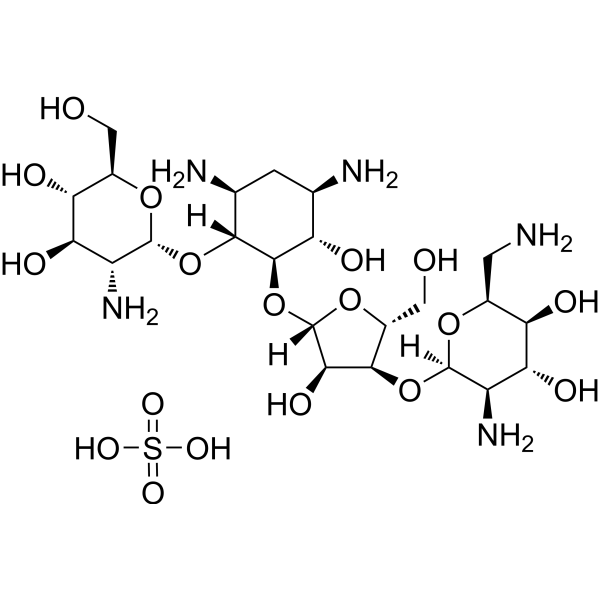
    Paromomycin sulfate
    4 Publications Verification

    Aminosidine sulfate

    Antibiotic Parasite Bacterial Infection
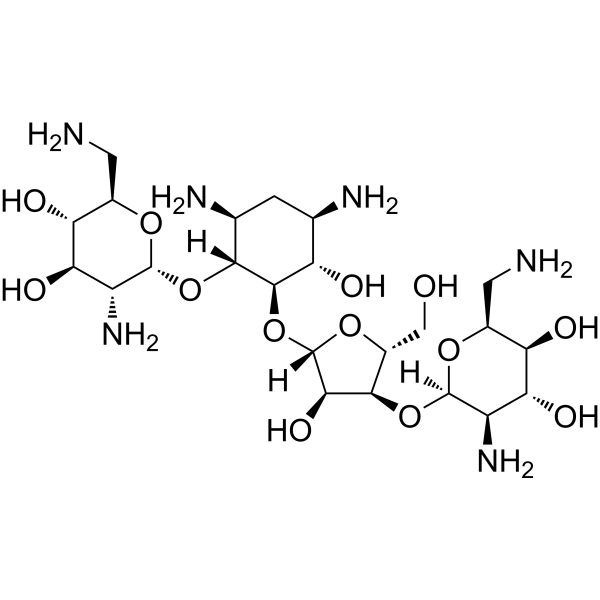
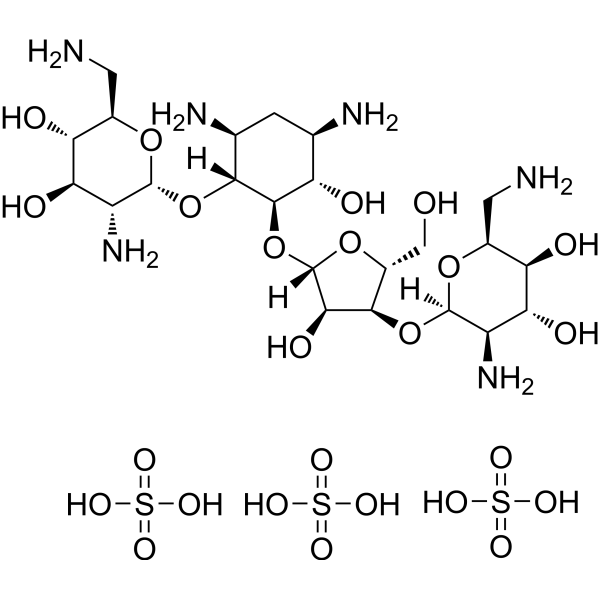
    Paromomycin (Aminosidine) sulfate, a neomycin (HY-B0470) derivative, is a broad spectrum aminoglycoside antibiotic with amebicidal and bactericidal effects. Paromomycin sulfate prematures termination of translation of mRNA and inhibits protein synthesis by specifically binds to the RNA oligonucleotide at the A site of bacterial 30S ribosomes. Paromomycin sulfate can be used for the research of bacterial and parasitic infections .
    Paromomycin sulfate
  • HY-17624
    Framycetin
    1 Publications Verification

    Neomycin B; Fradiomycin B

    Bacterial Antibiotic Infection
    Framycetin (Neomycin B), an aminoglycoside antibiotic, is a potent RNase P cleavage activity inhibitor with a Ki of 35 μM. Framycetin competes for specific divalent metal ion binding sites in RNase P RNA. Framycetin inhibits hammerhead ribozyme with a Ki of 13.5 μM. Framycetin, a 5″-azido neomycin B precursor, binds the Drosha site in miR-525 and is used for hepatic encephalopathy and enteropathogenic E. coli infections .
    Framycetin
  • HY-164036

    Antibiotic Bacterial Infection
    Lolamicin is an orally effective inhibitor that specifically targets the Gram-negative bacteria lipoprotein transport system LolCDE complex. It selectively inhibits the transmembrane transport of outer membrane lipoproteins by competitively binding to lipoprotein binding sites. Lolamicin destroys the integrity of the bacterial outer membrane, leading to cell death, and has both bactericidal and antibacterial activity. It has significant effects on multidrug-resistant Enterobacteriaceae pathogens (such as Escherichia coli and Klebsiella pneumoniae). Lolamicin can be used to inhibit the study of acute pneumonia, sepsis and other infections caused by Gram-negative bacteria .
    Lolamicin
  • HY-147217

    ISIS 505358

    HBV Infection
    Bepirovirsen is an antisense oligonucleotide targeting all HBV messenger RNAs. Bepirovirsen leads to reductions in HBV-derived RNAs, HBV DNA and viral proteins. Bepirovirsen can be used for the research of chronic HBV infection. Bepirovirsen binding site sequence (GCACTTCGCTTCACCTCTGC) .
    Bepirovirsen
  • HY-17624A
    Framycetin sulfate
    1 Publications Verification

    Neomycin B sulfate; Fradiomycin B sulfate

    Antibiotic Bacterial Infection
    Framycetin sulfate (Neomycin B sulfate), an aminoglycoside antibiotic, is a potent RNase P cleavage activity inhibitor with a Ki of 35 μM. Framycetin sulfate competes for specific divalent metal ion binding sites in RNase P RNA. Framycetin sulfate inhibits hammerhead ribozyme with a Ki of 13.5 μM. Framycetin sulfate, a 5″-azido neomycin B precursor, binds the Drosha site in miR-525 and is used for hepatic encephalopathy and enteropathogenic E. coli infections .
    Framycetin sulfate
  • HY-78726
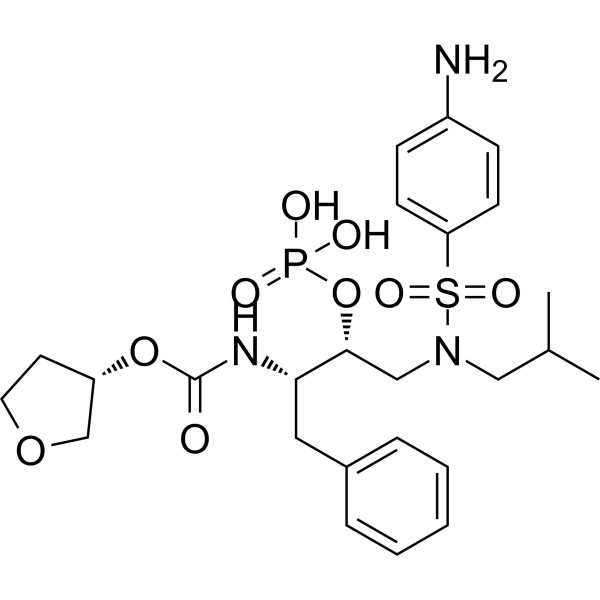
    Fosamprenavir
    4 Publications Verification

    Amprenavir phosphate; GW 433908

    Drug Intermediate HIV HIV Protease Infection
    Fosamprenavir is an orally active inhibitor targeting HIV-1 protease and is a prodrug of Amprenavir (HY-17430). Fosamprenavir is hydrolyzed into Amprenavir (VX-478) by cell phosphatases in the intestinal epithelium. Amprenavir binds to the active site of HIV-1 protease, preventing the processing of viral gag and gag-pol polyprotein precursors, thereby inhibiting the formation of mature infectious virus particles and exerting anti-HIV-1 infection activity. Fosamprenavir can be used for the study of human immunodeficiency virus (HIV-1) infection .
    Fosamprenavir
  • HY-147217A

    ISIS 505358 sodium

    HBV Infection
    Bepirovirsen (ISIS 505358) sodium is an antisense oligonucleotide targeting all HBV messenger RNAs. Bepirovirsen sodium leads to reductions in HBV-derived RNAs, HBV DNA and viral proteins. Bepirovirsen sodium can be used for the research of chronic HBV infection. Bepirovirsen sodium binding site sequence (GCACTTCGCTTCACCTCTGC) .
    Bepirovirsen sodium
  • HY-I0096

    iGluR HIV HIV Integrase Neurological Disease
    Indole-2-carboxylic acid (I2CA) is a competitive antagonist of the glycine site of the NMDA receptor (Ki=15 μM, 5-fluoro-I2CA) and an inhibitor of HIV-1 integrase. Indole-2-carboxylic acid is selective for the glycine site of the NMDA receptor and blocks the enhancement of NMDA receptor by competitively inhibiting the binding of glycine to the NMDA receptor. Indole-2-carboxylic acid can also inhibit the strand transfer activity of HIV-1 integrase by chelating Mg 2+ at the active site of integrase and interacting with the hydrophobic cavity. Indole-2-carboxylic acid can be used in the study of neurological diseases (such as stroke, epilepsy) and HIV-1 infection .
    Indole-2-carboxylic acid
  • HY-147411

    MK-8507

    Reverse Transcriptase HIV Infection
    Ulonivirine is an orally active non-nucleoside HIV-1 reverse transcriptase inhibitor that binds to the classical non-nucleoside reverse transcriptase inhibitor hydrophobic binding pocket adjacent to the polymerase active site of HIV-1 reverse transcriptase. Ulonivirine can be used in studies related to HIV-1 infection .
    Ulonivirine
  • HY-107830

    Endogenous Metabolite Collagen Infection Metabolic Disease
    Methyl cholate is a bile acid analog and a specific inhibitor of TcdB toxin from Clostridioides difficile. Methyl cholate exerts a stronger selective inhibitory effect on TcdB than on TcdA. Methyl cholate induces conformational stabilization by binding to a unique site of TcdB, thereby blocking the binding of the toxin to host receptors and its self-processing process. Methyl cholate effectively protects human fibroblasts from TcdB-induced cytopathic effects. Methyl cholate exhibits dose-dependent anti-hepatic fibrosis activity in both cellular and zebrafish models, and significantly reduces the expression levels of α-SMA and COL-I. Methyl cholate is suitable for in-depth research in the fields of Clostridioides difficile infection and hepatic fibrosis .
    Methyl cholate
  • HY-10393

    PNU-100592

    Bacterial Antibiotic Infection
    Eperezolid (PNU-100592) is an orally active protein synthesis inhibitor that targets the bacterial 50S ribosomal subunit. Eperezolid competitively binds to a specific site on the ribosomal 50S subunit (overlapping with the binding sites of chloramphenicol (HY-B0239) and lincomycin (HY-117660)) to inhibit the translation initiation stage and exert antibacterial activity. Eperezolid can induce host cell autophagy to enhance the clearance of intracellular mycobacteria, and its MIC90 for Staphylococcus aureus and Enterococcus is 1-4 μg/mL. Eperezolid is mainly used for antibacterial research on infections with Gram-positive bacteria such as methicillin-resistant (HY-121544) Staphylococci and vancomycin-resistant (HY-B0671) Enterococci, as well as infections with intracellular bacteria such as Mycobacterium tuberculosis .
    Eperezolid
  • HY-17431
    Fosamprenavir Calcium Salt
    4 Publications Verification

    GW433908G

    Drug Intermediate HIV HIV Protease Infection
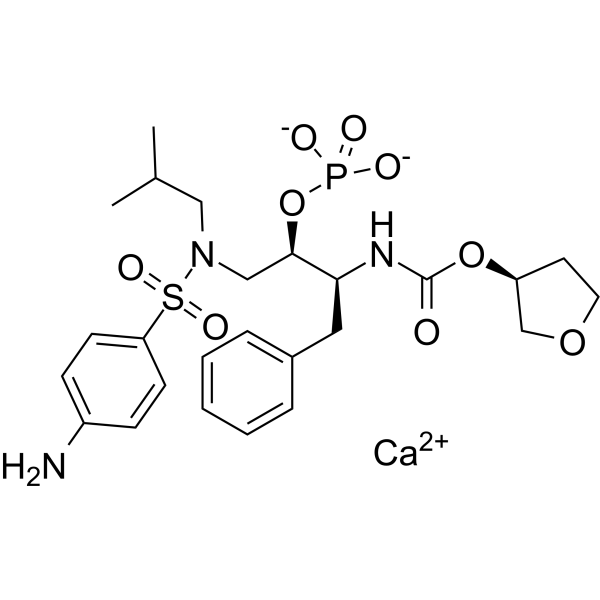
    Fosamprenavir Calcium Salt (GW433908G) is an orally active inhibitor targeting HIV-1 protease and is a prodrug of Amprenavir (HY-17430). Fosamprenavir Calcium Salt is hydrolyzed into Amprenavir (VX-478) by cell phosphatases in the intestinal epithelium. Amprenavir binds to the active site of HIV-1 protease, preventing the processing of viral gag and gag-pol polyprotein precursors, thereby inhibiting the formation of mature infectious virus particles and exerting anti-HIV-1 infection activity. Fosamprenavir Calcium Salt can be used for the study of human immunodeficiency virus (HIV-1) infection .
    Fosamprenavir Calcium Salt
  • HY-19487

    Bacterial Infection
    Ribocil is a selective inhibitor targeting the bacterial FMN riboswitch, regulating the bacterial riboflavin riboswitch. Ribocil competitively binds to the FMN binding site, mimicking the natural ligand FMN to induce conformational changes in the riboswitch, inhibiting ribB gene expression, reducing riboflavin synthesis, and thus inhibiting bacterial growth. Ribocil strongly inhibits GFP expression (EC50=0.3 μM). Ribocil exhibits in vivo antibacterial activity in a mouse model and can be used to study antibacterial drugs related to drug-resistant bacterial infections and bacterial riboflavin metabolic pathways[1][2].
    Ribocil
  • HY-W008270

    γ-Crotonolactone

    Endogenous Metabolite Bacterial Infection Neurological Disease
    2(5H)-Furanone (γ-Crotonolactone) is an endogenous metabolite. 2(5H)-Furanone mimics N-acyl homoserine lactone signals, occupies the binding site of LuxR homologs, and interferes with quorum sensing-mediated gene regulation. 2(5H)-Furanone inhibits quorum sensing mediated by AHLs with different acyl chain lengths. 2(5H)-Furanone inhibits biofilm formation of environmental Aeromonas hydrophila strains on polystyrene plates. 2(5H)-Furanone suppresses spike-and-wave discharges in a rat model of generalized absence seizures and exhibits selective activity against absence seizures. 2(5H)-Furanone can be used in studies related to bacteria infections and generalized absence seizures.
    2(5H)-Furanone
  • HY-110354
    UCM05
    2 Publications Verification

    G28UCM

    Fatty Acid Synthase (FASN) Bacterial Infection
    UCM05 (G28UCM) is a fatty acid synthase (FASN) and filamentous temperature-sensitive protein Z (Ftsz) inhibitor. UCM05 inhibits fatty acid synthesis, viral replication, and Gram-positive bacterial growth. UCM05 binds to FtsZ GTP-binding sites, inhibits GTPase activity, and disrupts Z-ring localization. UCM05 can be used for the research of HSV-1/2 infection, HIV-1 infection, and Gram-positive bacterial infections[1][2][3].
    UCM05
  • HY-18601
    (±)-BI-D
    Maximum Cited Publications
    6 Publications Verification

    HIV HIV Integrase Infection
    (±)-BI-D is a potent ALLINI (allosteric integrase inhibitor). (±)-BI-D binds integrase at the LEDGF/p75 binding site. (±)-BI-D inhibits HIV-Luc infection in cells (IC50: 0.16 μM in Psip1 knockout E9 mouse embryonic fibroblasts, 2.9 μM in wild-type E9 mouse embryonic fibroblasts) .
    (±)-BI-D
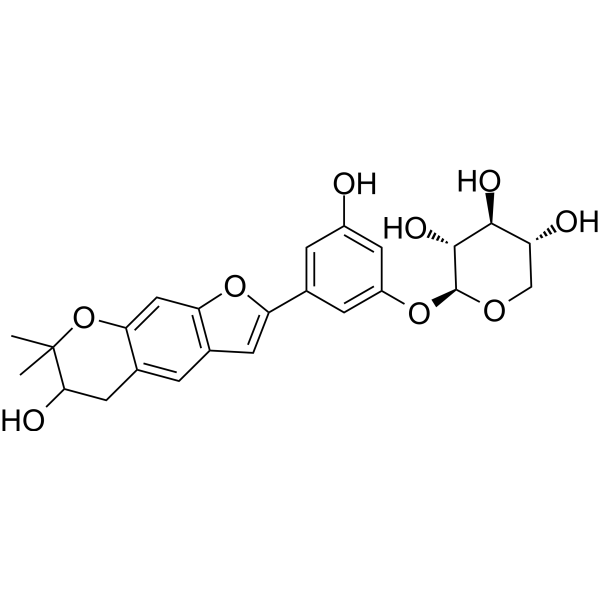
  • HY-N1341

    HCV HCV Protease DNA/RNA Synthesis Bacterial Infection
    Roseoside is an inhibitor of DNA gyrase and HAV 3C protease, and also inhibits HCV NS5A/B replicase in human systems with an IC50 of 20 μM. Roseoside binds to the active site of enzymes and stabilizes the interaction by forming hydrogen bonds with key amino acid residues. Roseoside inhibits the growth of Gram-positive bacteria, Gram-negative bacteria, and Candida albicans, and interferes with HCV RNA replication in vitro by inhibiting HCV NS5A/B replicase (IC50=20 μM). Roseoside shows no cytotoxicity and serves as a research tool for studies related to bacterial infections, candidiasis, HAV and HCV .
    Roseoside
  • HY-173679

    PROTACs PARP Interleukin Related STAT Integrin HSV VSV Infection Cancer
    RBN012811 is a highly selective PROTAC-based PARP14 degrader. RBN012811 forms a ternary complex with cereblon by binding to the NAD + site of PARP14, and mediates the specific degradation of PARP14 via the ubiquitin-proteasome pathway (IC50=10 nM). RBN012811 effectively depletes endogenous PARP14 in various cell lines and primary human macrophages, thereby downregulating IL-10 production and IFN-β mRNA levels, increasing phosphorylated STAT1 levels to enhance inflammatory signaling, and inhibiting interferon-induced ADPr condensate formation. RBN012811 also modulates viral replication, exhibiting increased HSV1 replication while reducing VSV replication. RBN012811 has important application value in research related to cancer and viral infections .
    RBN012811
  • HY-P991492

    RSV Infection
    RSM-01 is a monoclonal antibody targeting site Ø of the pre-fusion F glycoprotein (Fusion glycoprotein F0) of respiratory syncytial virus (RSV). RSM-01 can be used in studies related to RSV infection .
    RSM-01
  • HY-P2759

    TrxR

    TrxR Infection Cardiovascular Disease Inflammation/Immunology Cancer
    Thioredoxin reductase (TrxR) is a selenoprotein that plays a central role in cellular redox homeostasis by utilizing highly reactive selenocysteine ​​(Sec) residues exposed to solvents at its active site. Thioredoxin reductase can be used for the study of diverse diseases, from rheumatoid arthritis and ischemia to cancer and parasitic infections .
    Thioredoxin reductase
  • HY-149906

    GEM91

    HIV Infection
    Trecovirsen is an antiviral agent targeting HIV gag mRNA, which hybridizes with complementary HIV gag mRNA at the initiation site. Trecovirsen induces a reversible, dose-dependent prolongation of activated partial thromboplastin time via its polyanionic properties. Trecovirsen is applicable to research related to HIV infection .
    Trecovirsen
  • HY-156685

    PI4K Parasite Infection Metabolic Disease Cancer
    EDI048 is an orally active, gut-restricted parasiticidal agent. EDI048 specifically binds to the ATP-binding site of Cryptosporidium phosphatidylinositol 4-kinase (CpPI (4) K), blocks parasite membrane biogenesis, arrests the pathogen at the schizont stage, and thus irreversibly clears the infection. EDI048 is rapidly converted to an inactive carboxylic acid metabolite via hepatic first-pass metabolism, with extremely low systemic exposure, good safety profile, and no cardiotoxicity, genotoxicity or off-target effects. EDI048 is used in studies of intestinal cryptosporidiosis in children .
    EDI048
  • HY-W587430

    Glycolithocholate sulfate disodium; Sulfolithocholylglycine disodium; SLCG disodium

    HIV GPR39 Infection Inflammation/Immunology
    Glycolithocholic acid 3-sulfate disodium is a GPR39 agonist with EC50s of 47.9  and 66.8 μM (absence of Zn 2+) and 8 and 8.7 μM (presence of Zn 2+) in M39-20 and hGPR39-2 cells, respectively. Glycolithocholic acid 3-sulfate disodium stimulates GPR39 receptors to initiate intracellular calcium signaling, independent of Zn 2+ binding sites H17 and H19. Glycolithocholic acid 3-sulfate disodium also inhibits replication of HIV-1 in vitro. Glycolithocholic acid 3-sulfate disodium can be used for the research of HIV infection and gallbladder disease .
    Glycolithocholic acid 3-sulfate disodium
  • HY-161177

    PROTACs SARS-CoV Virus Protease Infection
    PROTAC KRAS G12D degrader 2 is a peptidomimetic PROTAC specifically targeting the dimeric SARS-CoV-2 3CL Pro protein. PROTAC KRAS G12D degrader 2 inhibits SARS-CoV-2 3CLPro with an IC50 of 21.2 μM. PROTAC KRAS G12D degrader 2 specifically binds to the active site of SARS-CoV-2 3CL Pro. PROTAC KRAS G12D degrader 2 reduces protein levels of SARS-CoV-2 3CL Pro without affecting cell viability. PROTAC KRAS G12D degrader 2 can be used for the study of viral infections in Coronavirus genera .
    PROTAC SARS-CoV-2 3CLPro degrader 2
  • HY-N0857
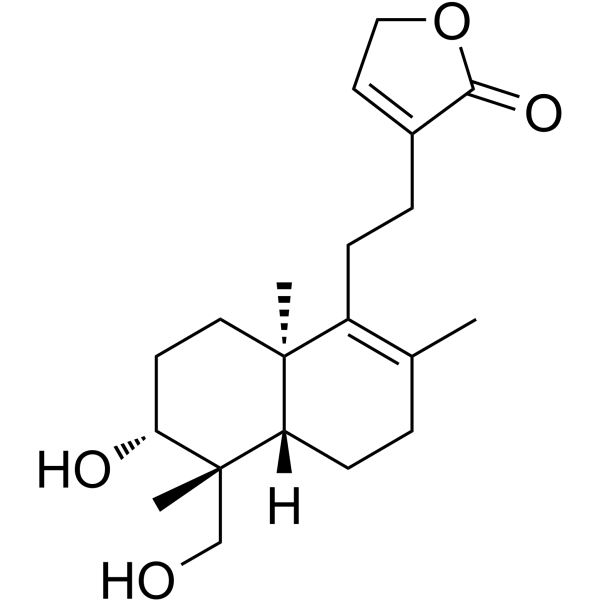
    Deoxyandrographolide
    1 Publications Verification

    GLUT HDAC Virus Protease PI3K AMPK Akt Histone Demethylase MDM-2/p53 IFNAR Reactive Oxygen Species (ROS) Infection Metabolic Disease Inflammation/Immunology
    Deoxyandrographolide is an orally active lactone found in the Andrographis paniculata Nees. Deoxyandrographolide shows a KD of 38.4 μM of HDAC1. Deoxyandrographolide enhances GLUT4 plasma membrane translocation, activates PI3K and AMPK-dependent signaling pathways, suppresses fasting blood glucose, serum insulin, triglycerides, and LDL-cholesterol levels. Deoxyandrographolide enhances HDAC1 expression via inhibited ubiquitination degradation, represses H3K4me3, improves chromosome stability, and restrains aging biomarkers p16, p21, γH2A.X, p53 and ROS production. Deoxyandrographolide interacts with Foot-and-Mouth Disease Virus 3Cpro active site, inhibits protease and IFN-antagonist activity, derepresses ISG expression, and inhibits viral replication. Deoxyandrographolide can be used for the researches of type 2 diabetes mellitus, vascular senescence and virus infection .
    Deoxyandrographolide
  • HY-W006886

    Amino Acid Derivatives Others
    Fmoc-(R)-2-(7-octenyl) Ala-OH is an unnatural Fmoc-protected amino acid and modification module. Fmoc-(R)-2-(7-octenyl) Ala-OH serves as a key building block for all-hydrocarbon cross-linking modification of antimicrobial peptides, and facilitates the generation of stapled peptide derivatives. When introduced into specific sites of the parent peptide, Fmoc-(R)-2-(7-octenyl) Ala-OH effectively increases the α-helix content of the peptide chain, thereby significantly enhancing its antimicrobial activity and proteolytic stability. Fmoc-(R)-2-(7-octenyl) Ala-OH is widely used in research on bacterial infections and the development of related antimicrobial agents . Stapled peptide is a specially chemically modified polypeptide. It locks the peptide chain into a stable α-helical structure by introducing a "staple"-like chemical bridge (usually an all-carbon backbone) at specific positions of the peptide chain.
    Fmoc-(R)-2-(7-octenyl)Ala-OH
  • HY-13465
    VCH-916
    1 Publications Verification

    HCV Infection
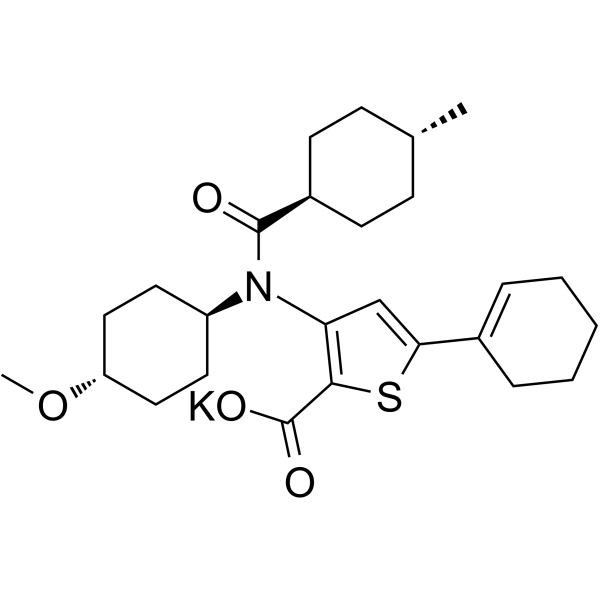
    VCH-916 is a thiophene derivative and non-nucleoside inhibitor of HCV NS5B polymerase with sub-micromolar IC50 values versus genotype 1a and 1b replicons. VCH-916 binds to Thumb Site II. VCH-916 can be used for the research of hepatitis c virus (hcv) infection .
    VCH-916
  • HY-P99443

    HuDreg-55

    P-selectin Inflammation/Immunology
    Aselizumab (HuDreg-55) is an humanized IgG4 mAb against L-selectin. However, L-selectin (CD62L) is a cell adhesion molecule expressed on circulating neutrophils. It regulates migrating cells to chemotaxis towards the site of injury. Aselizumab may be account for a high rate of infections and leucopenia after truma .
    Aselizumab
  • HY-N11857

    Antibiotic Bacterial Infection
    Gentamicin C2 is an aminoglycoside antibiotic with broad-spectrum bactericidal activity, selectively binding to the bacterial 16S rRNA A-site. Gentamicin C2 interferes with protein synthesis initiation and translation fidelity to exert bactericidal effects. Gentamicin C2 can be used for the research of bacterial infections .
    Gentamicin C2
  • HY-177555

    Influenza Virus Endonuclease Infection
    AV5116 is a cap-dependent endonuclease inhibitor (CENI) that binds to the active site of the cap-dependent endonuclease (CEN) located in the N-terminal domain of the polymerase acidic. AV5116 exhibits potent inhibitory activity against influenza viruses (influenza A, B, and C viruses). AV5116 can be used for the study of influenza virus infections .
    AV5116
  • HY-P991246

    Virus Protease HIV Infection
    VRC01LS is a humanized monoclonal antibody inhibitor targeting the CD4-binding site of HIV-1 envelope glycoprotein (Env). VRC01LS blocks the binding of HIV-1 to host cell CD4 receptor, inhibiting viral entry. VRC01LS is promising for research of HIV-1 infection .
    VRC01LS
  • HY-175597

    ClpP Infection
    ClpP modulator-1 (Compound BC8a), a peptidomimetic, is an allosteric ClpP modulator. ClpP modulator-1 is a ClpP activator at low concentration with EC50s of 0.35 and 0.58  μM for for Neisseria meningitides ClpP (NmClpP) and Escherichia coli ClpP (EcClpP), resepectively. ClpP modulator-1 also inhibits peptidase activity at high concentration by competitively inhibiting substrate protein (LY-AMC) binding to ClpP C sites. ClpP modulator-1 has antibacterial activity. ClpP modulator-1 can be used for bacterial infections research .
    ClpP modulator-1
  • HY-W145481A

    Carob galactomannan

    Sirtuin Inflammation/Immunology
    D-Galacto-D-mannan (Carob galactomannan) is an orally active Dectin-2 agonist. D-Galacto-D-mannan exerts antioxidant activity against hydroxyl radical generation. D-Galacto-D-mannan activates Dectin-2 to trigger downstream signaling pathways, promote the expression of immunoregulatory molecules, coordinate innate and adaptive immune responses, and inhibit excessive inflammatory responses by upregulating the expression of Sirtuin 1. When used as a vaccine adjuvant, D-Galacto-D-mannan induces cellular and humoral immune responses, promotes IFNγ secretion, increases antibody levels and virus neutralization titers, and elevates the levels of immunoglobulin G and A. D-Galacto-D-mannan can serve as an adjuvant for foot-and-mouth disease vaccines, enhance the vaccine-mediated ability of hosts to defend against viral infection in mice, and reduce local side effects at the inoculation site in pigs. D-Galacto-D-mannan can be used in the research of inflammatory and immune diseases, such as foot-and-mouth disease .
    D-Galacto-D-mannan
  • HY-106958

    HBY 097

    HIV Reverse Transcriptase Infection
    Talviraline is a non-nucleoside reverse transcriptase (NNRT) inhibitor that is primarily used to inhibit the replication of human immunodeficiency virus type 1 (HIV-1). Talviraline inhibits the viral replication process by binding to a specific site of HIV-1 reverse transcriptase (RT). Talviraline can be used to study the potential countermeasures and safety of HIV-1 infection .
    Talviraline
  • HY-177784

    Molecular Glues Indoleamine 2,3-Dioxygenase (IDO) Infection Neurological Disease Cancer
    iDeg-3 is a selective molecular glue degrader that targets IDO1. iDeg-3 can competitively bind to the heme binding site of apo-IDO1, preventing heme binding and inhibiting the enzymatic reaction that converts tryptophan into kynurenine by IDO1 (IC50 = 46 nM). iDeg-3 can be used for the researches of cancer, infection and neurological disease, such as melanoma .
    iDeg-3
  • HY-78726S

    Amprenavir phosphate-d4; GW 433908-d4

    Isotope-Labeled Compounds Drug Intermediate HIV HIV Protease Infection
    Fosamprenavir-d4 is the Deuterium-labeled Fosamprenavir (HY-78726). Fosamprenavir is an orally active inhibitor targeting HIV-1 protease and is a prodrug of Amprenavir (HY-17430). Fosamprenavir is hydrolyzed into Amprenavir (VX-478) by cell phosphatases in the intestinal epithelium. Amprenavir binds to the active site of HIV-1 protease, preventing the processing of viral gag and gag-pol polyprotein precursors, thereby inhibiting the formation of mature infectious virus particles and exerting anti-HIV-1 infection activity. Fosamprenavir can be used for the study of human immunodeficiency virus (HIV-1) infection .
    Fosamprenavir-d4
  • HY-175596

    ClpP Bacterial Infection
    ACP1-01 is a bacterial ClpP activator with EC50s of 3.4 and 2.6  μM for Neisseria meningitides ClpP (NmClpP) and Escherichia coli ClpP (EcClpP). ACP1-01 noncovalently binds to ClpP C sites and activates the protease. ACP1-01 has antibacterial activity. ACP1-01 can be used for bacterial infections research .
    ACP1-01
  • HY-W005824

    Biochemical Assay Reagents Infection Cancer
    2,6-Dichloropurine riboside is an antitumor and antiviral agent, which can be used for infections caused by mycoplasma. 2,6-Dichloropurine riboside also can be used to synthesize the photoaffinity probes for nucleotide binding sites in proteins .
    2,6-Dichloropurine riboside
  • HY-159883

    TrxR Infection
    DDHF20 is an antimicrobial agent against Staphylococcus aureus, targeting and inhibiting its thioredoxin reductase (TrxR). It acts as a competitive inhibitor for the NADPH binding site. DDHF20 is expected to be used in research related to antimicrobial infections caused by Staphylococcus aureus .
    DDHF20
  • HY-174342

    Cytochrome P450 Parasite Infection
    ELQ-453 is an inhibitor targeting the Qo site of the Plasmodium falciparum cytochrome bc1 complex (CytB) with an IC50 value of 0.57 nM. ELQ-453 blocks the mitochondrial function of the parasite, and suppresses Plasmodium infection in mosquitoes. ELQ-453 is promising for research of malaria .
    ELQ-453
  • HY-P10828

    Virus Protease Infection Inflammation/Immunology
    MAPI is a polypeptide irreversible 3C cysteine protease (SV3CP) inhibitor. MAPI inhibits SV3CP by covalently binding its C-terminal Michael-acceptor extension to the active site thiol of SV3CP Cys 139. MAPI is promising for research of noroviruses infection .
    MAPI
  • HY-177785

    Molecular Glues Indoleamine 2,3-Dioxygenase (IDO) Infection Neurological Disease Cancer
    iDeg-6 is a selective molecular glue degrader that targets IDO1 with a DC50 of 6.5 nM. iDeg-6 can competitively bind to the heme binding site of apo-IDO1, preventing heme binding and inhibiting the enzymatic reaction that converts tryptophan into kynurenine by IDO1 (IC50 = 1.6 μM). iDeg-6 can be used for the researches of cancer, infection and neurological disease, such as melanoma .
    iDeg-6
  • HY-P991769

    Dengue Virus Infection
    Anti-Dengue virus type 2 E protein DIII Antibody (DV2-96) reacts with sites along the lateral ridge of the DIII domain on the E protein of dengue virus serotype 2 (DENV-2). Anti-Dengue virus type 2 E protein DIII Antibody (DV2-96) against DENV-2 new Guinea C (NGC) infection in mice. Recommend Isotype Controls: Mouse IgG2c kappa, Isotype Control (HY-P99981) .
    Anti-Dengue virus type 2 E protein DIII Antibody (DV2-96)
  • HY-10467

    Virus Protease Infection
    HCV-796 analog is a potent NS5B inhibitor that binds to the palm II site. HCV-796 analog is promising for research of hepatitis C (HCV) infections .
    HCV-796 analog
  • HY-174729

    mRNA Inflammation/Immunology
    Human IL8 mRNA encodes the human interleukin 8 (IL8) protein, a member of the CXC chemokine family. IL8 is a major mediator of the inflammatory response. It also functions as a chemotactic factor by guiding the neutrophils to the site of infection.
    Human CXCL8 mRNA
  • HY-15033

    Others Infection Inflammation/Immunology
    ATB-343 is a derivative of Indomethacin that releases H2S. H2S has cytoprotective and anti-inflammatory effects, inhibiting leukocyte adhesion to vascular endothelium and leukocyte migration to inflammatory sites. ATB-343 can be used to suppress respiratory infections .
    ATB-343
  • HY-110354R

    G28UCM (Standard)

    Reference Standards Fatty Acid Synthase (FASN) Bacterial Infection
    UCM05 (Standard) is the analytical standard of Lysipressin. This product is intended for research and analytical applications. UCM05 (G28UCM) is a fatty acid synthase (FASN) and filamentous temperature-sensitive protein Z (Ftsz) inhibitor. UCM05 inhibits fatty acid synthesis, viral replication, and Gram-positive bacterial growth. UCM05 binds to FtsZ GTP-binding sites, inhibits GTPase activity, and disrupts Z-ring localization. UCM05 can be used for the research of HSV-1/2 infection, HIV-1 infection, and Gram-positive bacterial infections [1][2][3].
    UCM05 (Standard)
  • HY-119086

    Lipoxygenase Inflammation/Immunology
    L-651392 is an orally active and specific 5-lipoxygenase inhibitor that inhibits the production of leukotrienes. L-651392 controls the inflammatory process in Escherichia coli pyelonephritis by preventing inflammatory cells from reaching the site of infection and protecting the renal tubules from inflammation-related damage during pyelonephritis .
    L-651392
  • HY-121820

    HIV Infection
    DMJ-I-228 is a CD4-mimetic. DMJ-I-228 binds to HIV-1 gp120 within the conserved Phe 43 cavity near the CD4-binding site, thereby blocking CD4 binding and inhibiting HIV-1 infection .
    DMJ-I-228
  • HY-17624AR

    Neomycin B sulfate (Standard); Fradiomycin B sulfate (Standard)

    Reference Standards Antibiotic Bacterial Infection
    Framycetin (sulfate) (Standard) is the analytical standard of Framycetin (sulfate). This product is intended for research and analytical applications. Framycetin sulfate (Neomycin B sulfate), an aminoglycoside antibiotic, is a potent RNase P cleavage activity inhibitor with a Ki of 35 μM. Framycetin sulfate competes for specific divalent metal ion binding sites in RNase P RNA. Framycetin sulfate inhibits hammerhead ribozyme with a Ki of 13.5 μM. Framycetin sulfate, a 5″-azido neomycin B precursor, binds the Drosha site in miR-525 and is used for hepatic encephalopathy and enteropathogenic E. coli infections .
    Framycetin sulfate (Standard)

Inquiry Online

Your information is safe with us. * Required Fields.

Salutation


Country or Region *

Applicant Name *


Organization Name *

Department *


Email Address *


Product Name *

Cat. No.


Requested quantity *

Phone Number *


Remarks

Inquiry Online

Inquiry Information

Product Name:
Cat. No.:
Quantity:
MCE Japan Authorized Agent:

