1. Search Result
Search Result
Results for "

pak

" in MedChemExpress (MCE) Product Catalog:

97

Inhibitors & Agonists

3

Peptides

3

Natural
Products

15

Recombinant Proteins

8

Isotope-Labeled Compounds

21

Antibodies

19

Oligonucleotides

Targets Recommended:
Cat. No. Product Name Target Research Areas Chemical Structure
  • HY-10071
    Y-27632
    Maximum Cited Publications
    533 Publications Verification

    mTOR Ras ROCK NADPH Oxidase NF-κB Reactive Oxygen Species (ROS) Akt Apoptosis Autophagy PAK Cancer
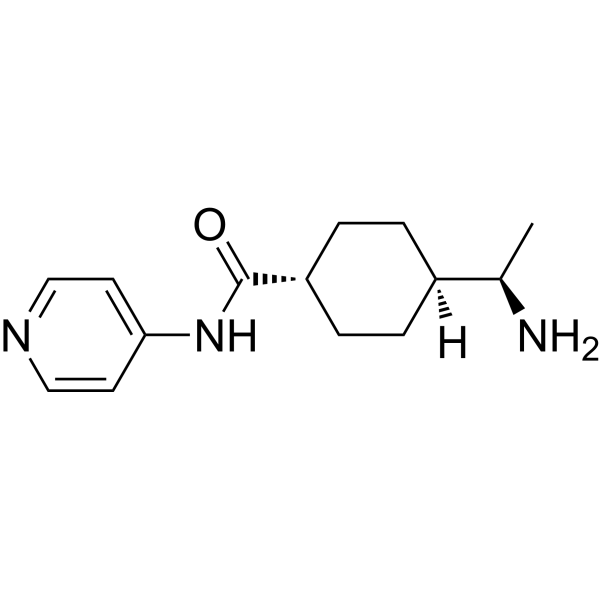
    Y-27632 is a ROCK inhibitor with Ki values of 220 nM and 300 nM for ROCK1 and ROCK2, respectively. Y-27632 exerts anti-inflammatory and immunomodulatory effects in systemic lupus erythematosus models by inhibiting the ROCK/NF-κB pathway. Y-27632 enhances autophagy by inhibiting the AKT/mTOR pathway, thereby inducing apoptosis apoptosis in oral squamous cell carcinoma. Y-27632 induces the formation of tunneling nanotubes in ARPE-19 cells and significantly enhances mitochondrial transfer through these channels. Y-27632 promotes neurite outgrowth in PC12 cells by activating the Rac1/NOX1/ROS/AKT/PAK1 signaling cascade .
    Y-27632
  • HY-15027
    5-Aminosalicylic Acid
    30+ Cited Publications

    Mesalamine; 5-ASA; Mesalazine

    PPAR PAK NF-κB Endogenous Metabolite Inflammation/Immunology Cancer
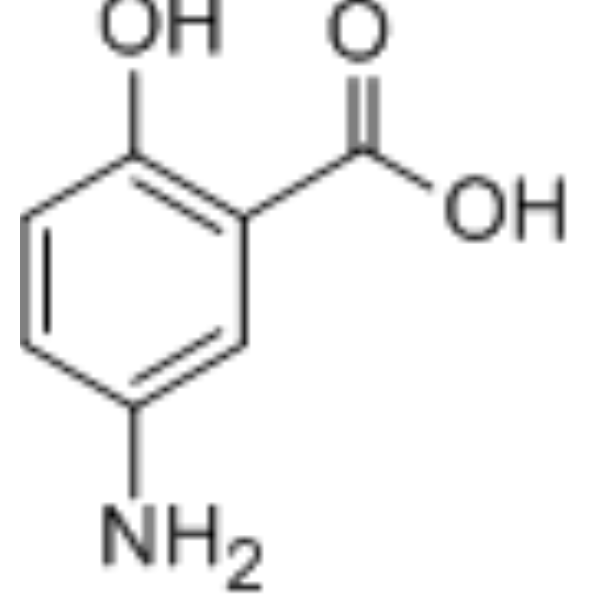
    5-Aminosalicylic acid (Mesalamine) acts as a specific PPARγ agonist and also inhibits p21-activated kinase 1 (PAK1) and NF-κB. 5-Aminosalicylic acid can inhibit the activity of osteopontin (OPN).
    5-Aminosalicylic Acid
  • HY-12005
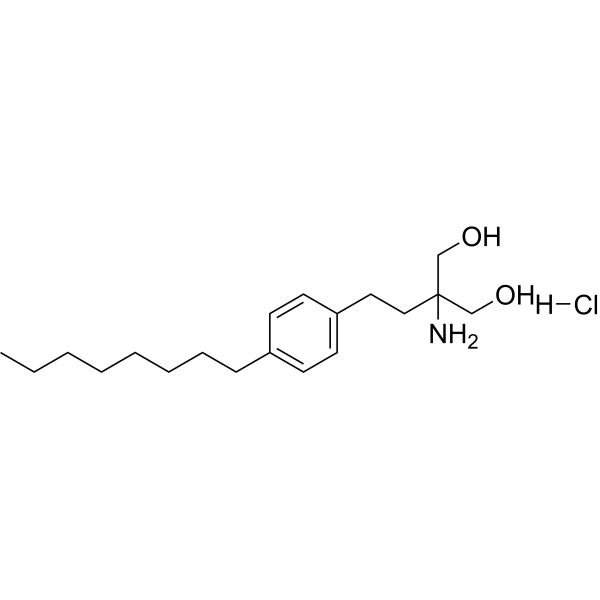
    Fingolimod hydrochloride
    75+ Cited Publications

    FTY720

    LPL Receptor PAK Inflammation/Immunology Cancer
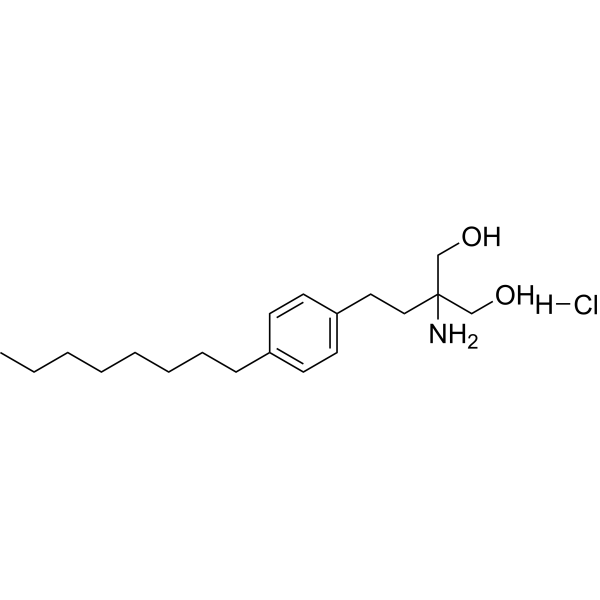
    Fingolimod (FTY720) hydrochloride is a sphingosine 1-phosphate (S1P) antagonist with IC50 of 0.033 nM in K562 and NK cells. Fingolimod hydrochloride is also a pak1 activator and immunosuppressant .
    Fingolimod hydrochloride
  • HY-11063
    Fingolimod
    75+ Cited Publications

    FTY720 free base

    LPL Receptor PAK Infection Neurological Disease Inflammation/Immunology Cancer
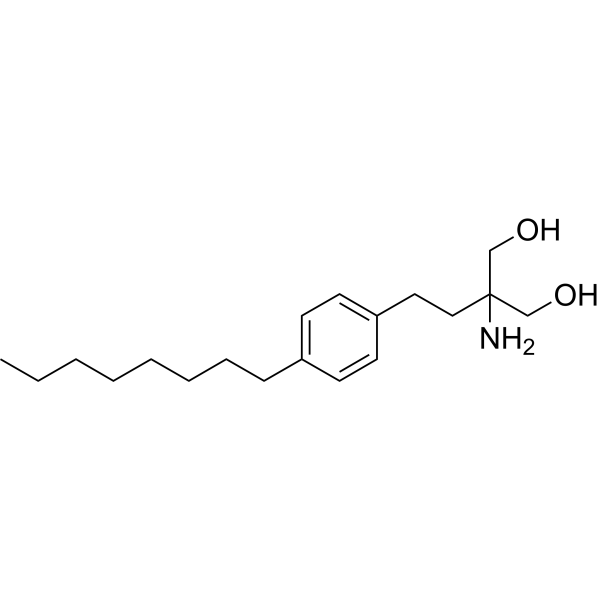
    Fingolimod (FTY720 free base) is a brain-penetrant sphingosine 1-phosphate (S1P) antagonist with an IC50 of 0.033 nM in K562 and NK cells. Fingolimod also is a pak1 activator, a immunosuppressant .
    Fingolimod
  • HY-15663
    IPA-3
    15+ Cited Publications

    PAK Cancer
    IPA-3 is a selective non-ATP competitive PAK1 inhibitor with IC50 of 2.5 μM, and shows no inhibition to group II PAKs (PAKs 4-6).
    IPA-3
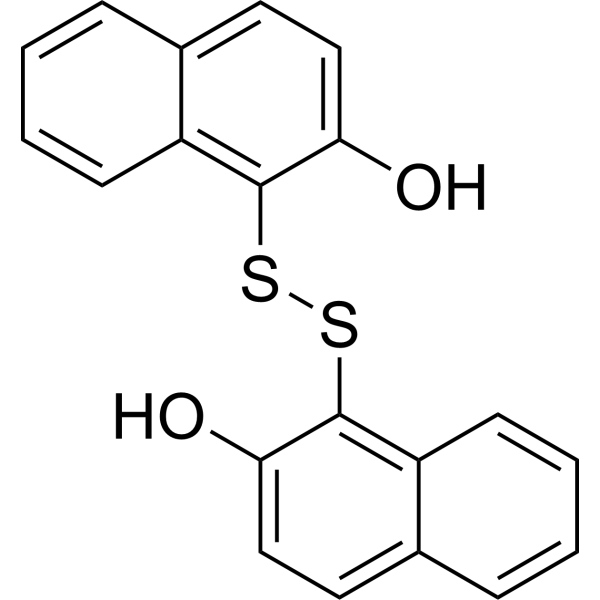
  • HY-100519
    NVS-PAK1-1
    5 Publications Verification

    PAK Cancer
    NVS-PAK1-1, a chemical probe, is a potent and selective allosteric PAK1 inhibitor with an IC50 of 5 nM .

    NVS-PAK1-1
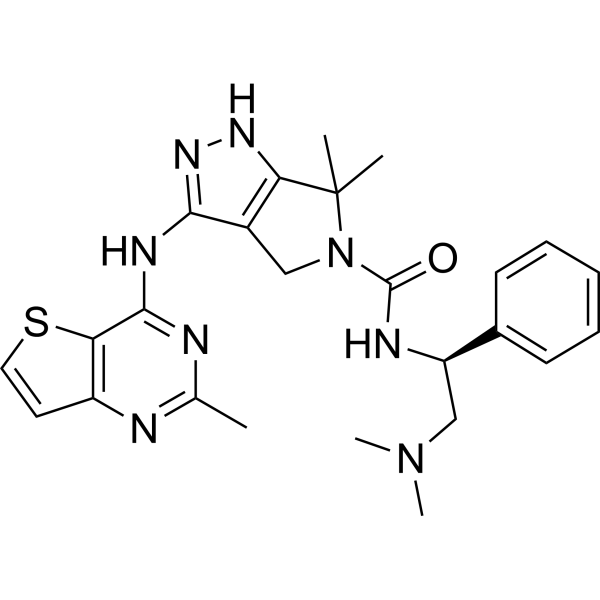
  • HY-13007
    PF-3758309
    5+ Cited Publications

    PF-03758309

    PAK Apoptosis Cancer
    PF-3758309 (PF-03758309) is a potent, orally available, and reversible ATP-competitive inhibitor of PAK4 (Kd= 2.7 nM; Ki=18.7 nM). PF-3758309 has the expected cellular functions of a PAK4 inhibitor: inhibition of anchorage-independent growth, induction of apoptosis, cytoskeletal remodeling, and inhibition of proliferation .


    PF-3758309
  • HY-15542B
    FRAX486
    5+ Cited Publications

    PAK Cancer
    FRAX486 is a p21-activated kinase (PAK) inhibitor with IC50s of 14, 33 and 39 nM for PAK1, PAK2 and PAK3, respectively.
    FRAX486
  • HY-12793
    Padnarsertib
    3 Publications Verification

    KPT-9274

    PAK NAMPT Cancer
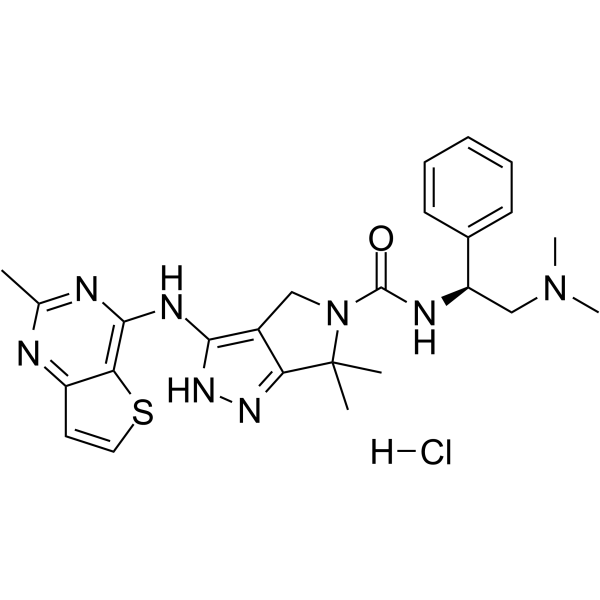
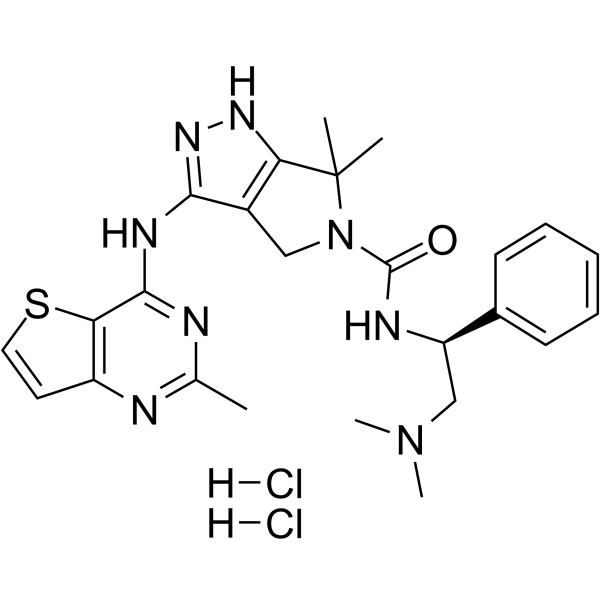
    Padnarsertib (KPT-9274) is an orally bioavailable, dual PAK4/Nicotinamide phosphoribosyltransferase (Nampt) inhibitor, with IC50s of <100 nM and 120 nM, respectively .
    Padnarsertib
  • HY-12810
    EHop-016
    5+ Cited Publications

    Ras Cancer
    EHop-016 is a potent and selective Rac GTPase Rac1 and Rac3 inhibitor. EHop-016 inhibits Rac1 activity with an IC50 of 1.1 μM in MDA-MB-435 cells. EHop-016 inhibits Vav2 interaction with Rac, Rac-activated PAK1, lamellipodia formation, and cell migration .
    EHop-016
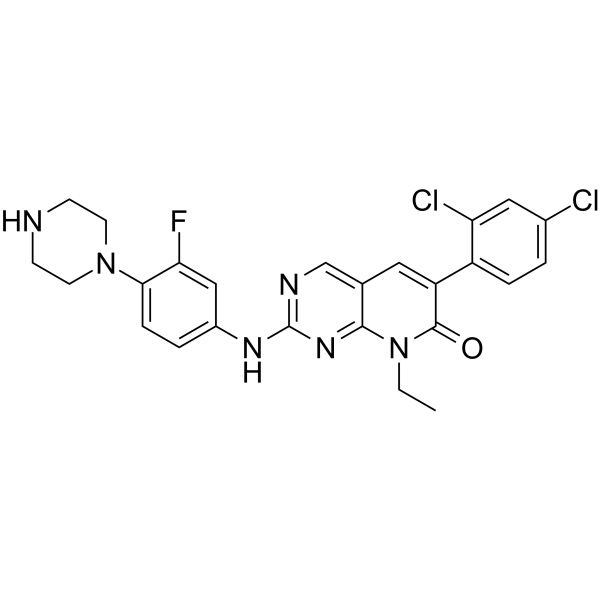
  • HY-19635
    G-5555
    5+ Cited Publications

    PAK Cancer
    G-5555 is a potent p21-activated kinase 1 (PAK1) inhibitor with Kis of 3.7 nM and 11 nM for PAK1 and PAK2, respectively.
    G-5555
  • HY-15542A
    FRAX597
    5+ Cited Publications

    PAK Cancer
    FRAX597 is a potent group I p21-activated Kinases (PAKs) inhibitor with IC50 of 8, 13 and 19 nM for PAK1, 2 and 3.
    FRAX597
  • HY-12632
    GNE 2861
    2 Publications Verification

    PAK Cancer
    GNE 2861 is a PAK inhibitor that displays group II selectivity. GNE 2861 inhibits PAK4, PAK5 and PAK6 with IC50s of 7.5, 36, 126 nM, respectively.
    GNE 2861
  • HY-19538
    FRAX1036
    5 Publications Verification

    PAK Cancer
    FRAX1036 is a PAK inhibitor with Kis of 23.3 nM, 72.4 nM, and 2.4 μM for PAK1, PAK2 and PAK4, respectively.
    FRAX1036
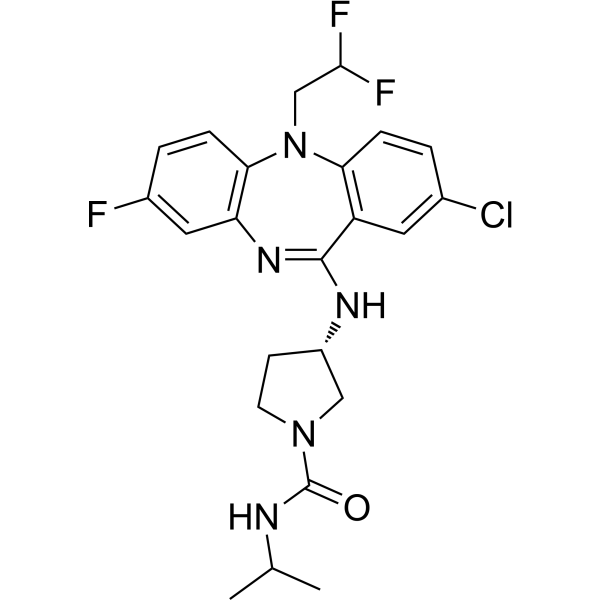
  • HY-120940

    PAK Cancer
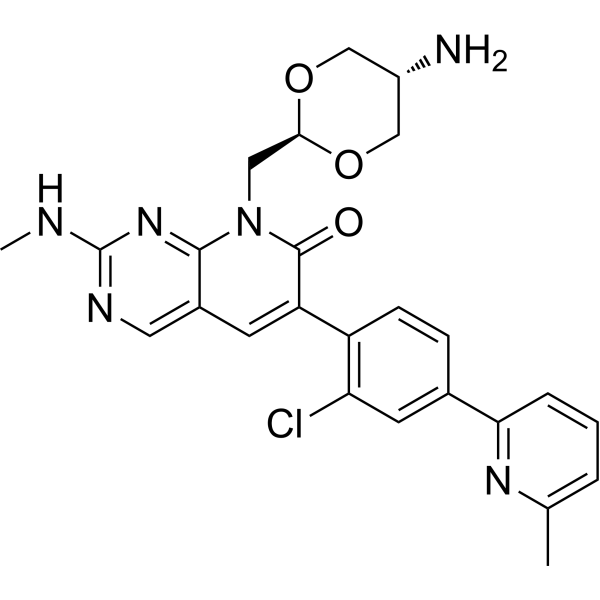
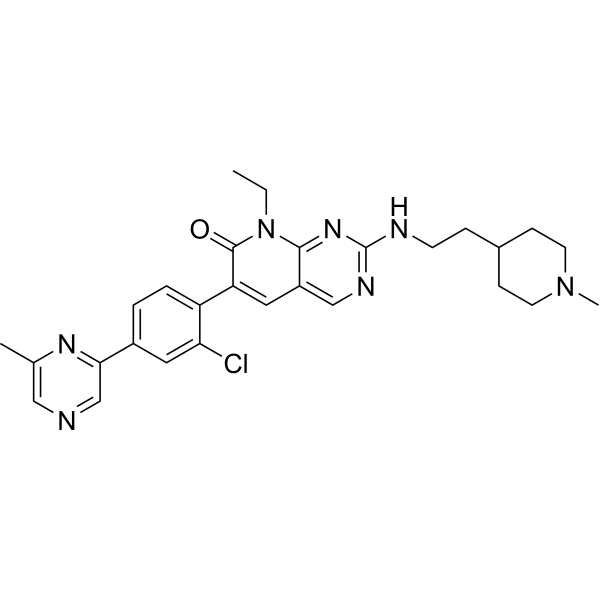
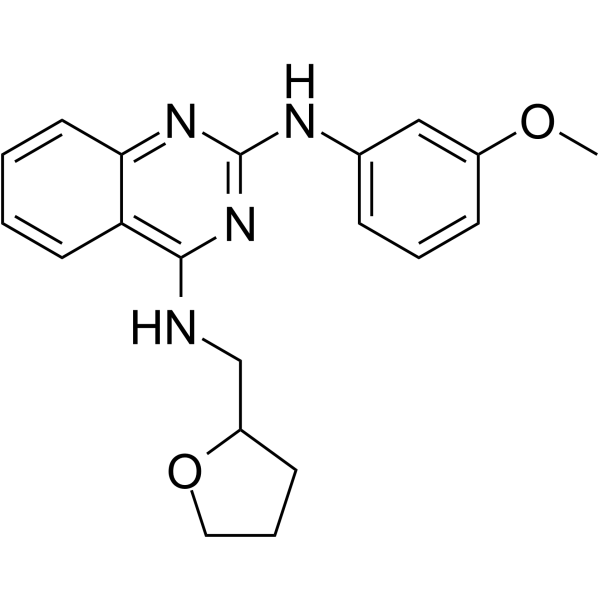
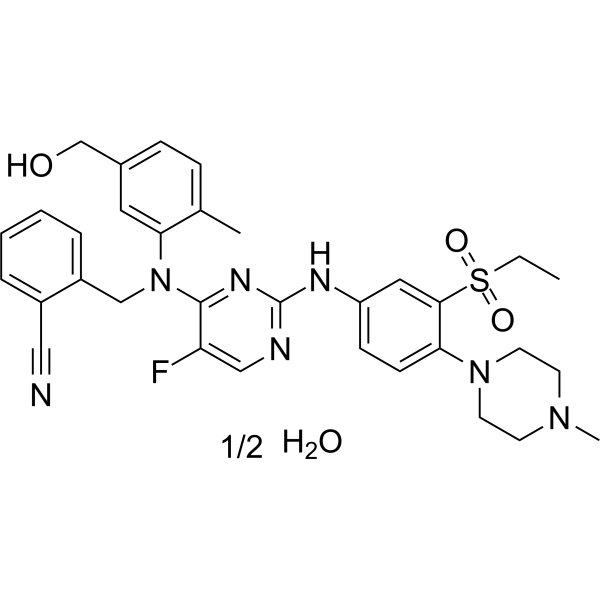
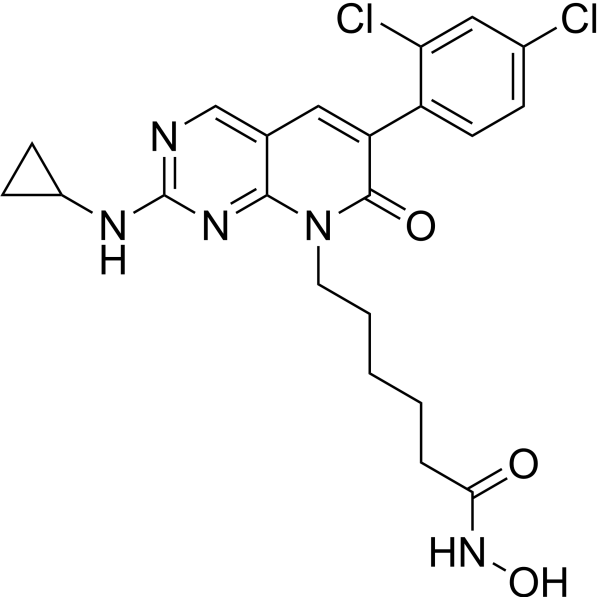
    AZ13705339 is a highly potent and selective PAK1 inhibitor with IC50s of 0.33 nM and 59 nM for PAK1 and pPAK1, respectively. AZ13705339 has binding affinities to PAK1 and PAK2, with Kds of 0.28 nM and 0.32 nM, respectively. AZ13705339 can be used in the research of cancers .
    AZ13705339
  • HY-132828

    LT3001; DHDMIQK(KAP)

    P-selectin Cardiovascular Disease Metabolic Disease Inflammation/Immunology
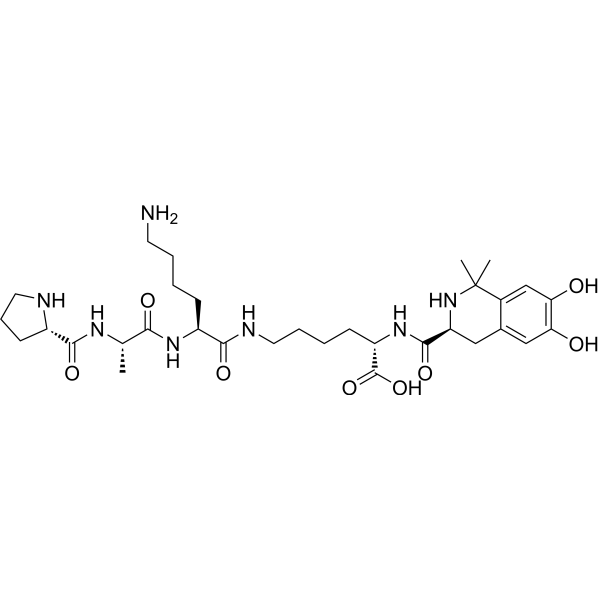
    Odatroltide (LT3001; DHDMIQK(KAP)) is a P-selectin inhibitor. Odatroltide is a peptide molecule comprising a tripeptide Pro-Ala-Lys (PAK) and an (S)-6,7-dihydroxy-1,1-dimethyl-1,2,3,4-tetrahydro-isoquinoline-3-carboxylic acid domain. Odatroltide can restore cerebral blood flow, scavenge free radicals, and inhibit leukocyte migration. Odatroltide possesses thrombolytic and anti-thrombotic activities .
    Odatroltide
  • HY-125035
    LCH-7749944
    5 Publications Verification

    GNF-PF-2356

    PAK Apoptosis Cancer
    LCH-7749944 (GNF-PF-2356) is a potent PAK4 inhibitor with an IC50 of 14.93 μM. LCH-7749944 effectively suppresses the proliferation of human gastric cancer cells through downregulation of PAK4/c-Src/EGFR/cyclin D1 pathway and induces apoptosis .
    LCH-7749944
  • HY-114331

    MAP3K FLT3 PAK STK33 Trk Receptor Neurological Disease
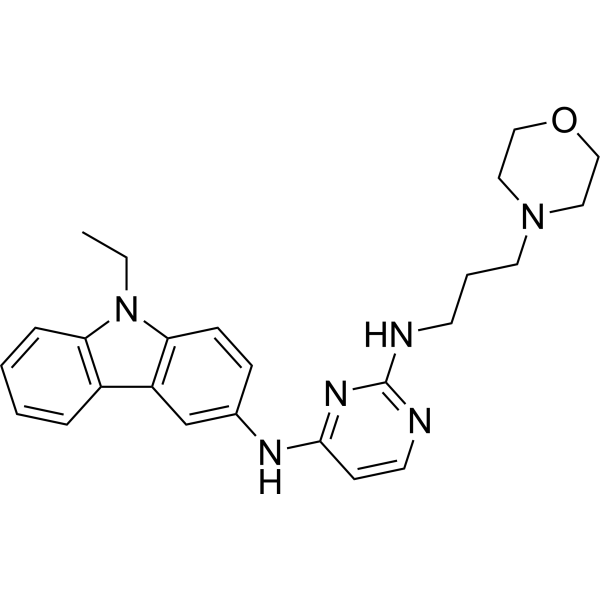
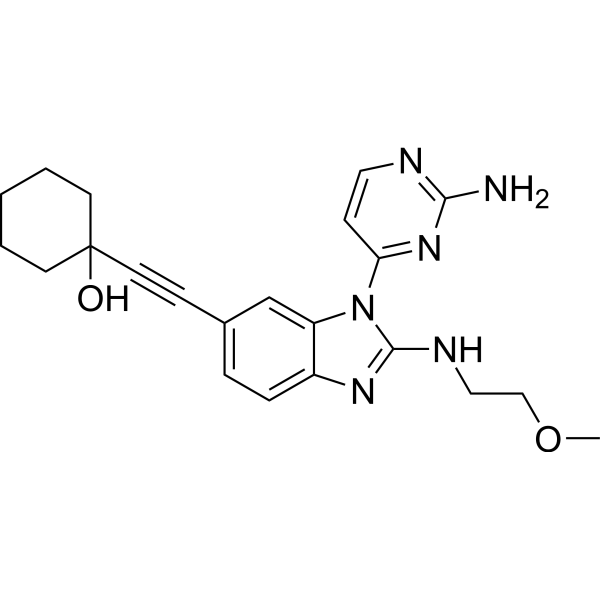
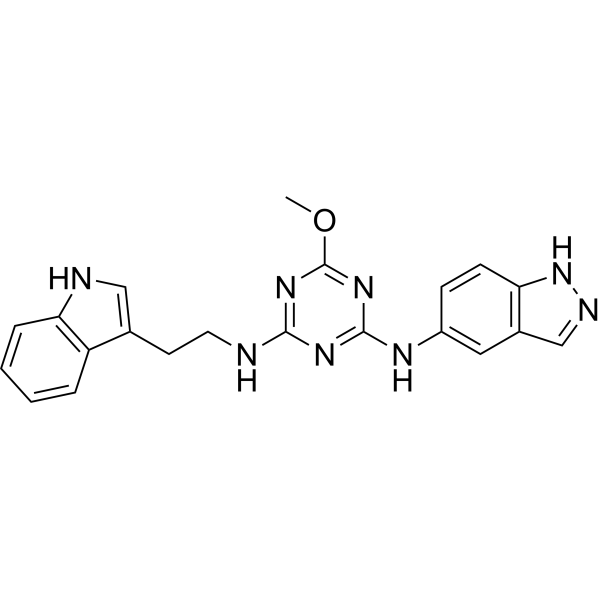
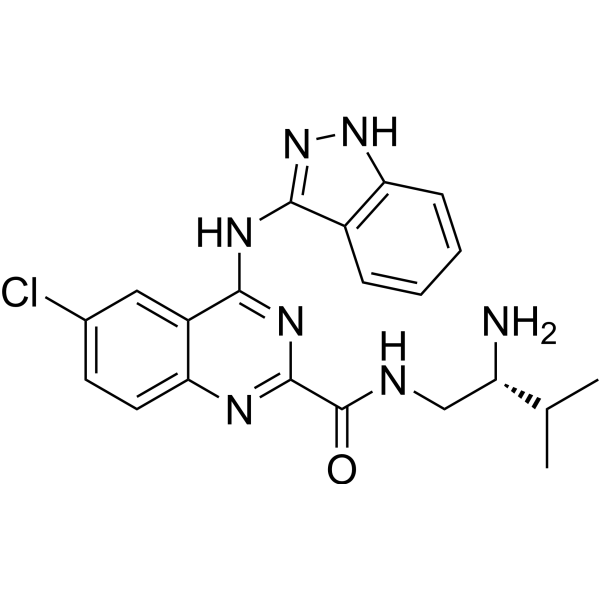
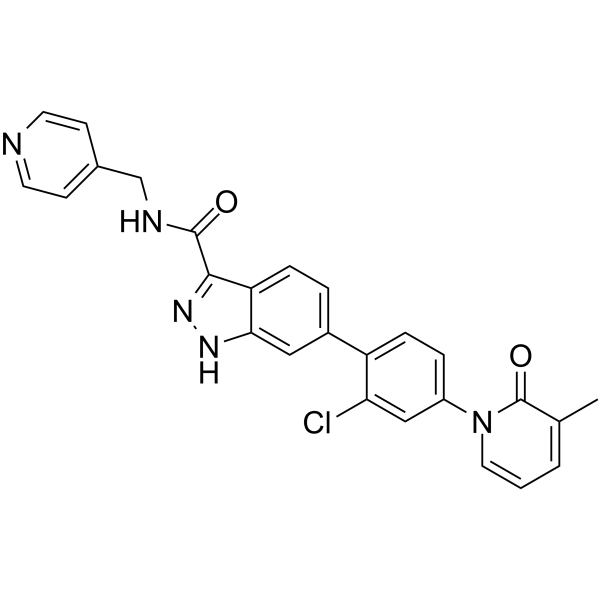
    DLK-IN-1 (Compound 14) is an orally active, blood-brain barrier-penetrable and selective inhibitor of dual leucine zipper kinase (DLK, MAP3K12) with a Ki value of 3 nM. DLK-IN-1 inhibits Flt3, PAK4, STK33 and TrkA. DLK-IN-1 reduces p-c-Jun. DLK-IN-1 can be used in Alzheimer's disease research .
    DLK-IN-1
  • HY-143490

    PAK Apoptosis Cancer
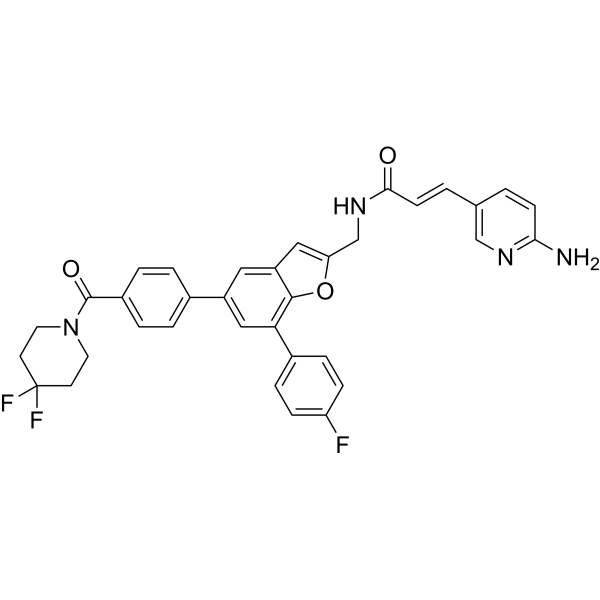
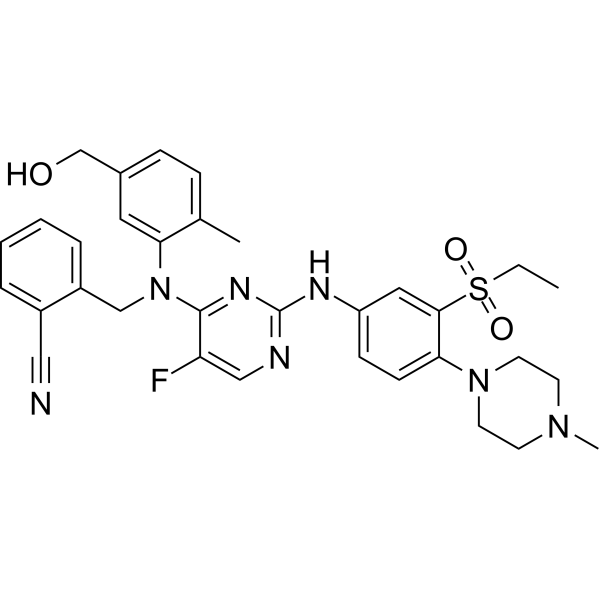
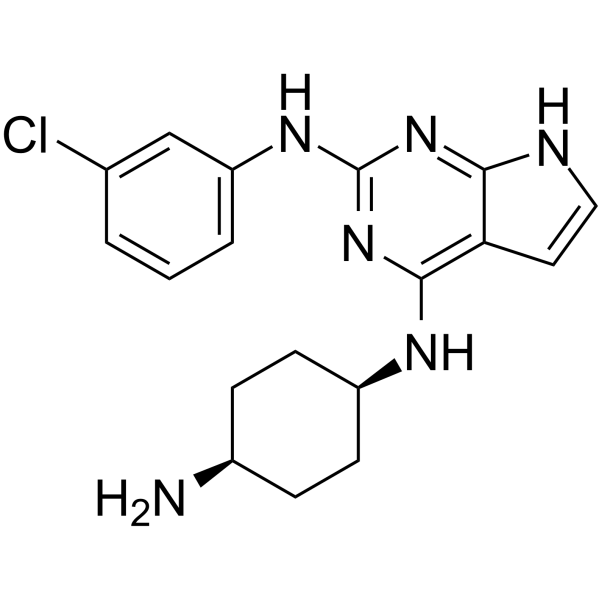
    PAK4-IN-2 is a highly potent PAK4 inhibitor with IC50 value of 2.7 nM. PAK4-IN-2 can arrest MV4-11 cells at G0/G1 phase and induce cell apoptosis. PAK4-IN-2 can be used for researching cancer .
    PAK4-IN-2
  • HY-139253

    Salt-inducible Kinase (SIK) PAK Apoptosis Cancer
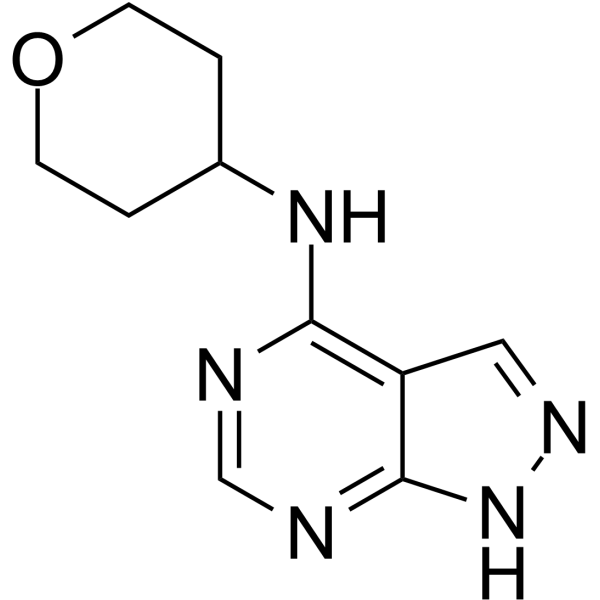
    MRIA9, a chemical probe, is an ATP-competitive, pan Salt-Inducible kinase (SIK) and PAK2/3 inhibitor, with IC50 values of 516 nM, 180 nM and 127 nM for SIK1, SIK2 and SIK3, respectively .
    MRIA9
  • HY-19635A
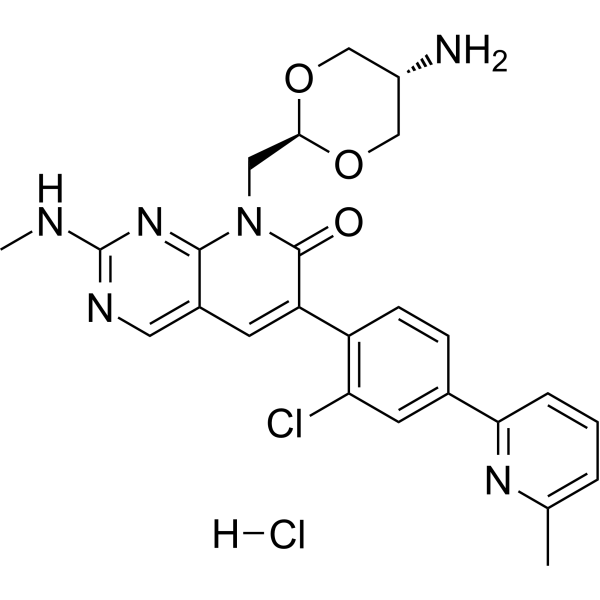
    G-5555 hydrochloride
    5+ Cited Publications

    PAK Cancer
    G-5555 hydrochloride is a potent and selective p21-activated kinase 1 (PAK1) inhibitor with a Ki of 3.7 nM.
    G-5555 hydrochloride
  • HY-15027S1

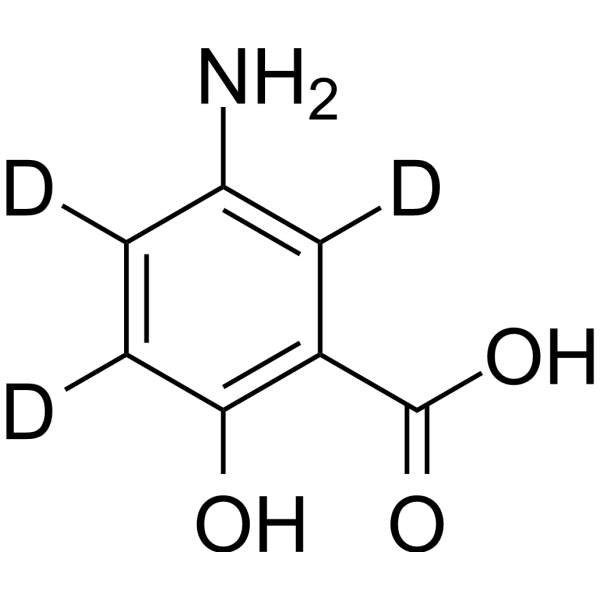
    Mesalamine-d3; 5-ASA-d3; Mesalazine-d3

    Isotope-Labeled Compounds Endogenous Metabolite NF-κB PAK PPAR Inflammation/Immunology Cancer
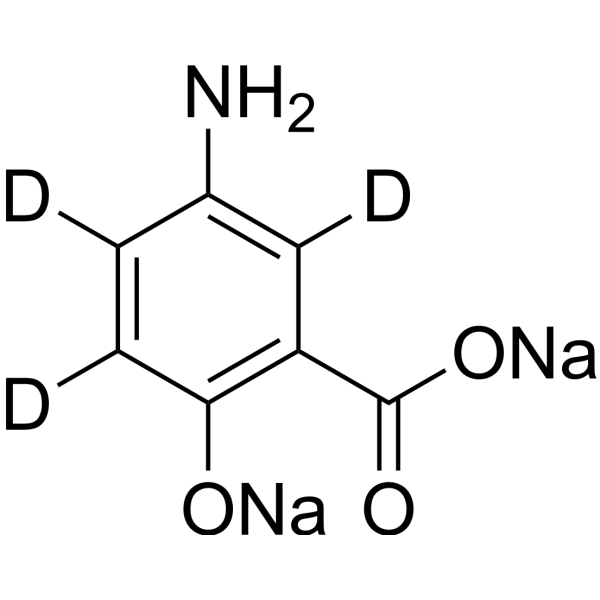
    5-Aminosalicylic acid-d3 is the deuterium labeled 5-Aminosalicylic Acid. 5-Aminosalicylic acid (Mesalamine) acts as a specific PPARγ agonist and also inhibits p21-activated kinase 1 (PAK1) and NF-κB .
    5-Aminosalicylic acid-d3
  • HY-11063R

    FTY720 free base (Standard)

    Reference Standards LPL Receptor PAK Inflammation/Immunology Cancer
    Fingolimod (Standard) is the analytical standard of Fingolimod. This product is intended for research and analytical applications. Fingolimod (FTY720 free base) is a brain-penetrant sphingosine 1-phosphate (S1P) antagonist with an IC50 of 0.033 nM in K562 and NK cells. Fingolimod also is a pak1 activator, a immunosuppressant .
    Fingolimod (Standard)
  • HY-N8389

    Bacterial Fungal PAK Akt STAT PD-1/PD-L1 Apoptosis CCR Infection Cancer
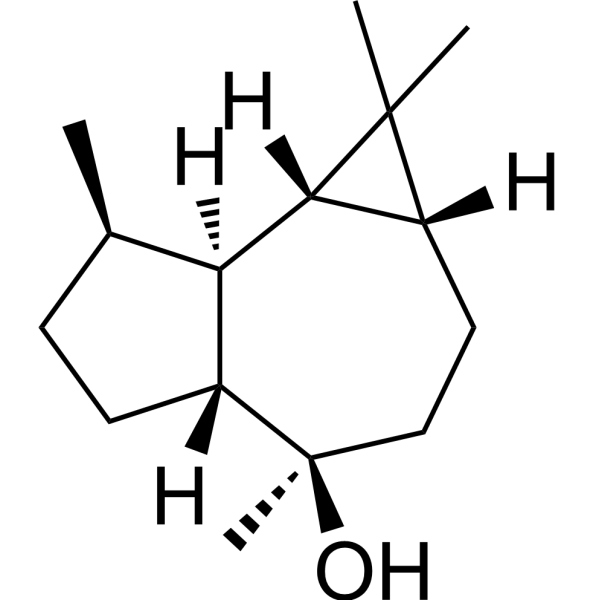
    Globulol is a terpenoid metabolite and Antimicrobial agent. Globulol can be isolated from Alpinia oxyphylla Miq. Globulol binds to PAK4, reduces the expression level of PAK4 in cancer cells, decreases the phosphorylation of AKT, and downregulates the expressions of STAT3, phosphorylated STAT3, and PD-L1. Globulol promotes the secretion of CCL4 by cancer cells. Globulol reduces the viability and proliferation ability of cancer cells, induces G0/G1 cell cycle arrest and Apoptosis in cancer cells, and inhibits cancer cell migration and the integrity of 3D tumor spheres. Globulol enhances the relevant effects of anti-PD-1 agents in the cancer cell microenvironment. Globulol exhibits anticancer activity against liver cancer. Globulol inhibits the mycelial growth of phytopathogenic fungi and the growth of phytopathogenic bacteria. Globulol can be used in studies related to hepatocellular carcinoma .
    Globulol
  • HY-171034

    Interleukin Related TNF Receptor PAK Inflammation/Immunology
    PQA-18 is a unique PAK2 inhibitor (IC50: 10 nM). PQA-18 has immunosuppressing effects. PQA-18 suppresses IL2, IL4, IL6, and TNFα. PQA-18 inhibits the population of a subset of regulatory T cells and the immunoglobulin (Ig) production against T cell-dependent antigens as well as alleviates dermatitis in mice .
    PQA-18
  • HY-RS09983

    Small Interfering RNA (siRNA) PAK Others

    PAK1 Human Pre-designed siRNA Set A contains three designed siRNAs for PAK1 gene (Human), as well as a negative control, a positive control, and a FAM-labeled negative control.

    PAK1 Human Pre-designed siRNA Set A
    PAK1 Human Pre-designed siRNA Set A
  • HY-174247

    PROTACs PAK Cadherin Cancer
    CPS-021 is a selective PAK4 PROTAC degrader with a DC50 of 50 nM. CPS-021 has potent antimigratory and invasive activity and significantly suppresses the invasion and metastasis of tumor cells in A549-luc lung metastasis mice model . Pink: PAK4 ligand (HY-174822); Blue: CRBN ligase ligand (HY-10984); Black: linker
    CPS-021
  • HY-15027R

    Mesalamine (Standard); 5-ASA (Standard); Mesalazine (Standard)

    Reference Standards PPAR PAK NF-κB Endogenous Metabolite Inflammation/Immunology Cancer
    5-Aminosalicylic Acid (Standard) is the analytical standard of 5-Aminosalicylic Acid. This product is intended for research and analytical applications. 5-Aminosalicylic acid (Mesalamine) acts as a specific PPARγ agonist and also inhibits p21-activated kinase 1 (PAK1) and NF-κB. 5-Aminosalicylic acid can inhibit the activity of osteopontin (OPN).
    5-Aminosalicylic Acid (Standard)
  • HY-116269

    Ras Apoptosis PAK ERK Cancer
    AZA197 is a selective small molecule inhibitor of Cdc42.AZA197 suppresses colon cancer cell proliferation, cell migration, invasion and increases apoptosis by down-regulating the PAK1 and ERK signaling pathways in vitro. AZA197 reduces tumor growth and significantly increases mouse survival in SW620 tumor xenografts. AZA197 can be used for the study of colon cancer .
    AZA197
  • HY-143704S

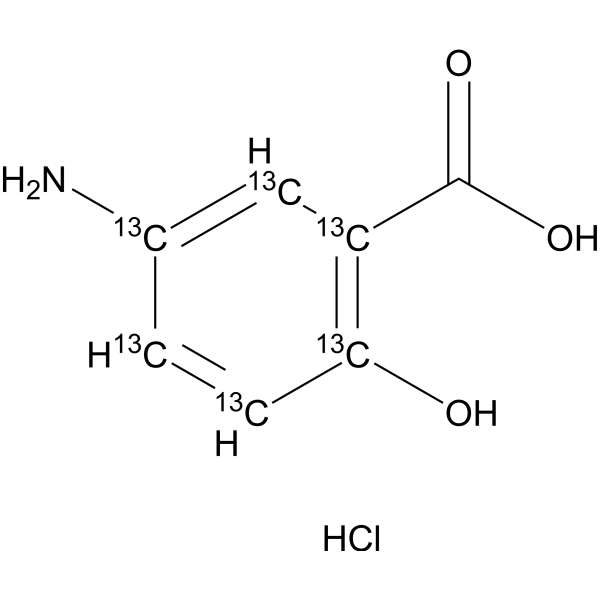
    Mesalamine-13C6 hydrochloride; 5-ASA-13C6 hydrochloride; Mesalazine-13C6 hydrochloride

    PPAR NF-κB PAK Metabolic Disease
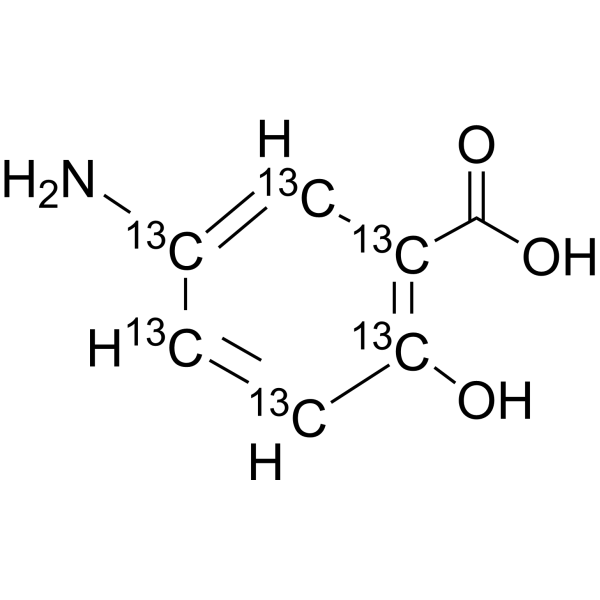
    5-Aminosalicylic acid-13C6 hydrochloride?(Mesalamine-13C6 hydrochloride; 5-ASA-13C6 hydrochloride; Mesalazine-13C6 hydrochloride) is the 13C labeled 5-Aminosalicylic Acidhydrochloride. 5-Aminosalicylic acid-13C6 hydrochloride?acts as a PPARγ agonist, and also inhibits p21-activated kinase 1 (PAK1) and NF-κB .
    5-Aminosalicylic acid-13C6 hydrochloride
  • HY-10071A
    Y-27632 hydrochloride hydrate
    395+ Cited Publications

    ROCK NF-κB Apoptosis Autophagy Akt mTOR NADPH Oxidase Reactive Oxygen Species (ROS) PAK Ras Neurological Disease Inflammation/Immunology Cancer
    Y-27632 hydrochloride hydrate is a ROCK inhibitor with Ki values of 220 nM and 300 nM for ROCK1 and ROCK2, respectively. Y-27632 hydrochloride hydrate exerts anti-inflammatory and immunomodulatory effects in systemic lupus erythematosus models by inhibiting the ROCK/NF-κB pathway. Y-27632 hydrochloride hydrate enhances autophagy by inhibiting the AKT/mTOR pathway, thereby inducing apoptosis apoptosis in oral squamous cell carcinoma. Y-27632 hydrochloride hydrate induces the formation of tunneling nanotubes in ARPE-19 cells and significantly enhances mitochondrial transfer through these channels. Y-27632 hydrochloride hydrate promotes neurite outgrowth in PC12 cells by activating the Rac1/NOX1/ROS/AKT/PAK1 signaling cascade .
    Y-27632 hydrochloride hydrate
  • HY-130628

    PAK Cancer
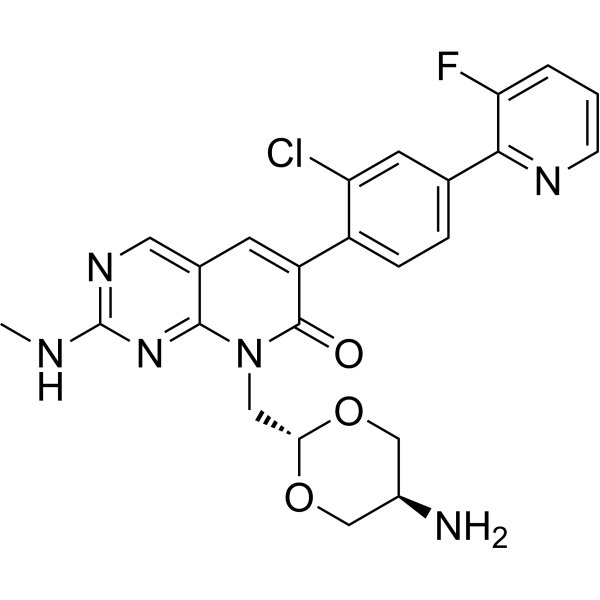
    PAK4-IN-1 (Compound 19) is a potent, selective, orally active PAK4 inhibitor with robust anti-tumor efficacy in vivo. PAK4-IN-1 is stable under both acidic and neutral conditions .
    PAK4-IN-1
  • HY-RS09987

    Small Interfering RNA (siRNA) PAK Others

    PAK2 Human Pre-designed siRNA Set A contains three designed siRNAs for PAK2 gene (Human), as well as a negative control, a positive control, and a FAM-labeled negative control.

    PAK2 Human Pre-designed siRNA Set A
    PAK2 Human Pre-designed siRNA Set A
  • HY-131265

    PPAR PAK NF-κB Inflammation/Immunology Cancer
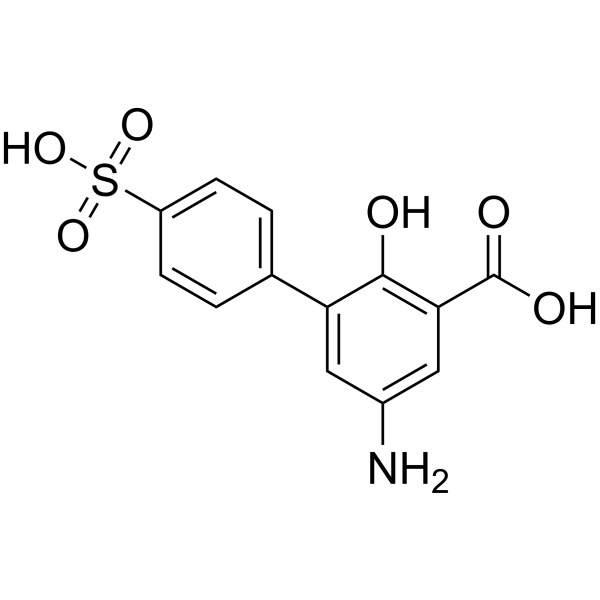
    Mesalamine impurity P is an impurity of Mesalamine (HY-15027). 5-Aminosalicylic acid (Mesalamine) acts as a specific PPARγ agonist and also inhibits p21-activated kinase 1 (PAK1) and NF-κB .
    Mesalamine impurity P
  • HY-15027S

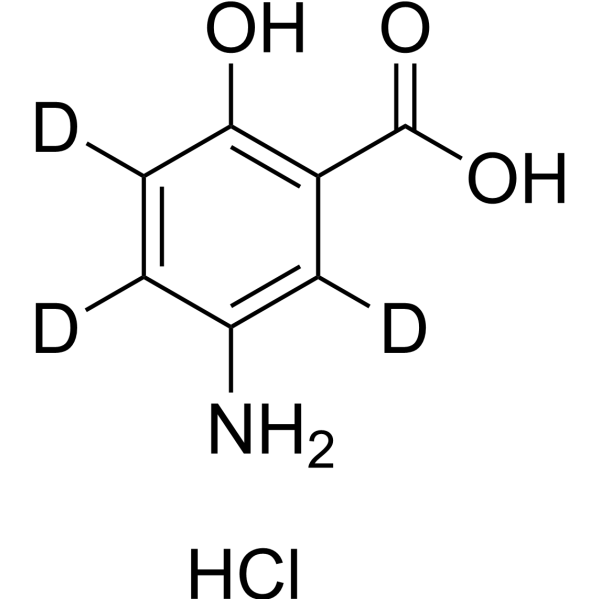
    Mesalamine-D3 hydrochloride; 5-ASA-D3 hydrochloride; Mesalazine-D3 hydrochloride

    Isotope-Labeled Compounds PPAR PAK NF-κB Endogenous Metabolite Inflammation/Immunology Cancer
    5-Aminosalicylic Acid-d3 (hydrochloride) is the deuterium labeled 5-Aminosalicylic Acid. 5-Aminosalicylic acid (Mesalamine) hydrochloride acts as a specific PPARγ agonist and also inhibits p21-activated kinase 1 (PAK1) and NF-κB.
    5-Aminosalicylic Acid-d3 hydrochloride
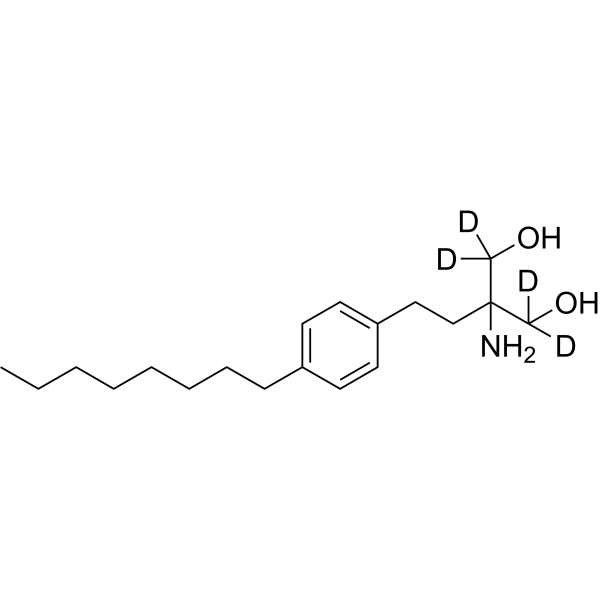
  • HY-11063S

    FTY720 free based-d4

    LPL Receptor PAK Inflammation/Immunology Cancer
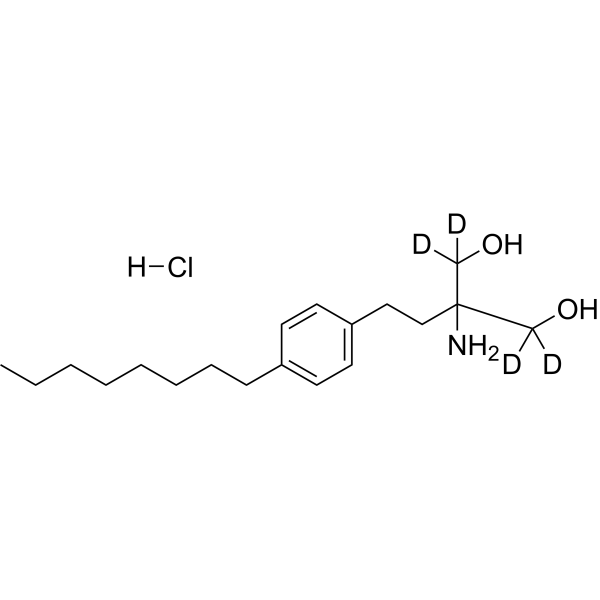
    Fingolimod-d4 is the deuterium labeled Fingolimod. Fingolimod (FTY720 free base) is a brain-penetrant sphingosine 1-phosphate (S1P) antagonist with an IC50 of 0.033 nM in K562 and NK cells. Fingolimod also is a pak1 activator, a immunosuppressant .
    Fingolimod-d4
  • HY-172545

    Tau Protein Neurological Disease
    AMG28 is an ATP-competitive inhibitor targeting TTBK1 and TTBK2, with IC50 values of 805 nM and 988 nM, respectively. AMG28 inhibits the phosphorylation of tau protein at the Ser422 site .
    AMG28
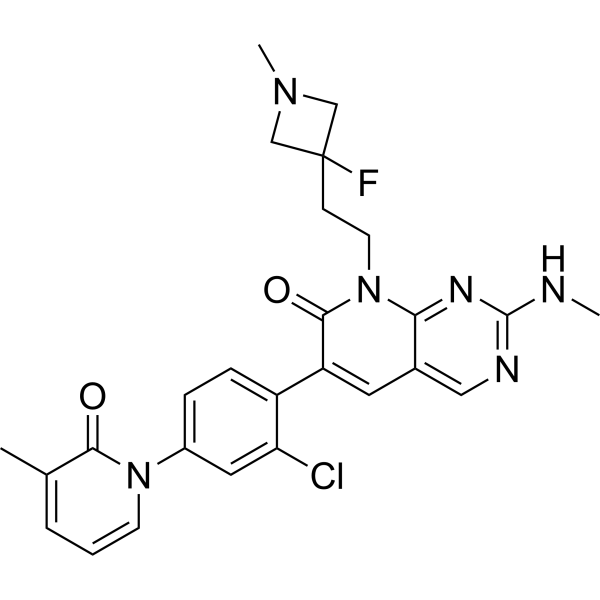
  • HY-176539

    PAK PERK Cancer
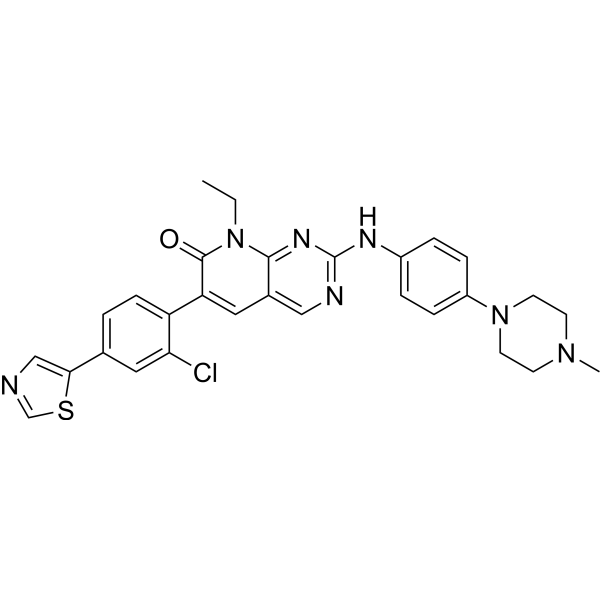
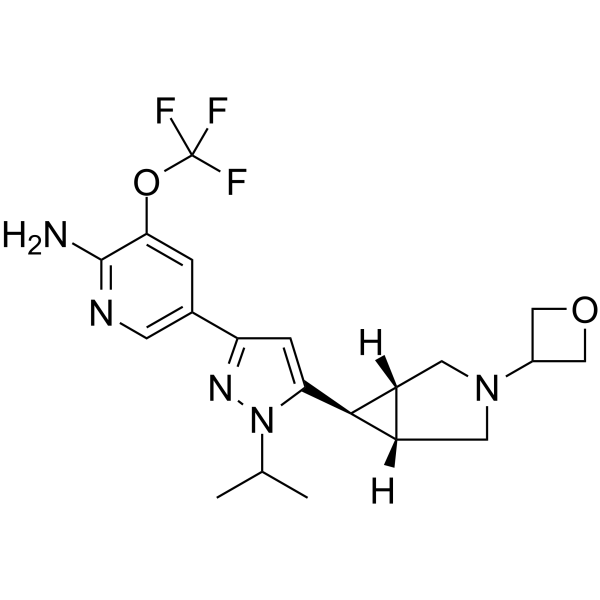
    PAK1-IN-2 (Compound 35) is a selective PAK1 inhibitor with a Ki of 7.3 nM. PAK1-IN-2 can inhibit MEK phosphorylation. PAK1-IN-2 has significant inhibitory effects on PAK1/4 amplified cancer cell lines. PAK1-IN-2 can be used in the study of cancer .
    PAK1-IN-2
  • HY-146681

    PAK Cancer
    PAK1-IN-1 is a potent and selective PAK1 inhibitor with an IC50 of 9.8 nM. PAK1-IN-1 inhibits the migration and invasion of PAK1-related tumour cells in a dose-dependent manner .
    PAK1-IN-1
  • HY-159897

    PAK LIM Kinase (LIMK) Apoptosis Reactive Oxygen Species (ROS) Cancer
    PAK4-IN-5 (Compound 12i) is a PAK4 inhibitor (IC50: 7.68 nM for PAK4, 1872.01 nM for PAK1). PAK4-IN-5 binds to PAK4 stably via multiple interactions. PAK4-IN-5 inhibits the proliferation and the migratory potential of MDA-MB-231 cells by inhibiting the phosphorylation of PAK4 and LIMK1. PAK4-IN-5 arrests cell cycle in the G0/G1 phase, induces apoptosis and ROS production. LD50: >500 mg/kg for mice (p.o.) .
    PAK4-IN-5
  • HY-174822

    Ligands for Target Protein for PROTAC PAK Others
    PAK4-IN-6 is a selective degrader of PAK4. PAK4-IN-6 can be used to synthesize PROTACs such as CPS-021 (HY-174247) .
    PAK4-IN-6
  • HY-131043
    NVS-PAK1-C
    1 Publications Verification

    PAK Cancer
    NVS-PAK1-C is a potent, ATP-competitive and specific allosteric PAK1 inhibitor probe with IC50 values of 5 nM and 6 nM for dephosphorylated PAK1 and phosphorylated PAK1, respectively. NVS-PAK1-C is also against dephosphorylated PAK2 (IC50=270 nM) and phosphorylated PAK2 (IC50=720 nM) .
    NVS-PAK1-C
  • HY-P10106

    PAK Cancer
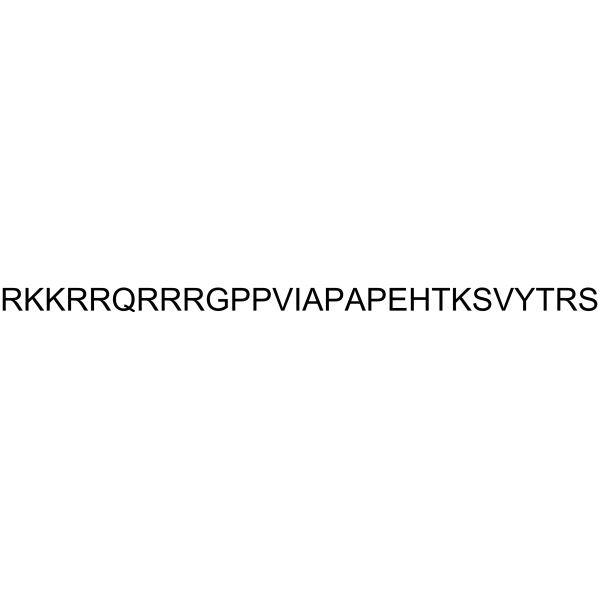
    TAT-PAK18 inhibitory peptide is a membrane-permeable PAK inhibitory peptide. TAT-PAK18 inhibitory peptide reduces F-actin clusters and occludes the effect of Shank3 knockdown .
    TAT-PAK18 inhibitory peptide
  • HY-146786

    PAK Apoptosis Cancer
    ZMF-10 is a highly potent PAK1 inhibitor, with IC50s of 174 nM, 1.038 μM and 1.372 μM for PAK1, PAK2 and PAK3, respectively. ZMF-10 can inhibit PAK1 activity to affect PAK1-regulated apoptosis, ER-Stress and migration in MDA-MB-231 cells. ZMF-10 can be used for researching anticancer .
    ZMF-10
  • HY-116917

    PAK Cancer
    G-9791, a poyridone side chain analogue, is a potent PAK inhibitor with Ki values of 0.95 nM and 2.0 nM for PAK1 and PAK2, respectively .
    G-9791
  • HY-120940A

    PAK Cancer
    AZ13705339 hemihydrate is a highly potent and selective PAK1 inhibitor with IC50s of 0.33 nM and 59 nM for PAK1 and pPAK1, respectively. AZ13705339 hemihydrate has binding affinities to PAK1 and PAK2, with Kds of 0.28 nM and 0.32 nM, respectively. AZ13705339 hemihydrate can be used in the research of cancers .
    AZ13705339 hemihydrate
  • HY-15663R

    PAK Cancer
    IPA-3 (Standard) is the analytical standard of IPA-3. This product is intended for research and analytical applications. IPA-3 is a selective non-ATP competitive PAK1 inhibitor with IC50 of 2.5 μM, and shows no inhibition to group II PAKs (PAKs 4-6).
    IPA-3 (Standard)
  • HY-117218

    PAK Cancer
    KY-04045 is a PAK4 specific inhibitor (IC50=8.7 μM) that can be used for the development of anticancer drugs targeting PAK4 .
    KY-04045
  • HY-124398

    PAK Cancer
    GL-1196 is an inhibitor of PAK4. GL-1196 can suppress the proliferation and invasion of gastric cancer cells. GL-1196 inhibits PAK4-mediated signaling pathways. GL-1196 can hinder the proliferation of human gastric cancer cells through suppressing PAK4/c-Src/EGFR/CyclinD1 and CDK4/6. GL-1196 can reduce filamentous pseudopodia formation and induce filamentous pseudopodia formation and promote cell elongation in SGC7901 and BGC823 cells. GL-1196 can be studied in anti-cancer research .
    GL-1196
  • HY-119216

    PAK Cancer
    AZ13711265 is an orally active PAK1 inhibitor with high selectivity. AZ13711265 has IC50 values of 0.58 nM and 0.11 µM for PAK1 and pPAK1, respectively. AZ13711265 has low lipophilicity and low clearance, and can be used as an in vivo probe compound for PAK1. AZ13711265 can be used in the study of cancer .
    AZ13711265

Inquiry Online

Your information is safe with us. * Required Fields.

Salutation


Country or Region *

Applicant Name *


Organization Name *

Department *


Email Address *


Product Name *

Cat. No.


Requested quantity *

Phone Number *


Remarks

Inquiry Online

Inquiry Information

Product Name:
Cat. No.:
Quantity:
MCE Japan Authorized Agent: