1. Search Result
Search Result
Results for "

collagenase

" in MedChemExpress (MCE) Product Catalog:

72

Inhibitors & Agonists

1

Biochemical Assay Reagents

12

Peptides

1

MCE Kits

21

Natural
Products

26

Recombinant Proteins

2

Isotope-Labeled Compounds

13

Antibodies

Cat. No. Product Name Target Research Areas Chemical Structure
  • HY-E70005D

    collagenase, Type IV

    MMP Others
    Collagenase, Type IV (EC 3.4.24.3) is a microbially derived matrix metalloproteinases (MMPs) and zinc peptidase. Collagenase, Type IV degrades type IV collagen and type VII collagen, the main components of the basement membrane, and can also decompose basement matrix and elastin.

    Collagenase IV, Clostridium histolytica
  • HY-E70005B
    Collagenase, Type II
    10+ Cited Publications

    MMP Others
    Collagenase, Type II is a microbially derived matrix metalloproteinases (MMPs) and zinc peptidase. Collagenase, Type II breaksdown collagens1, 3, 5, 7, 8, 10, fibronectin, gelatin, aggrecann .

    Collagenase, Type II
  • HY-15768
    Ilomastat
    Maximum Cited Publications
    61 Publications Verification

    GM6001; Galardin

    MMP Cancer
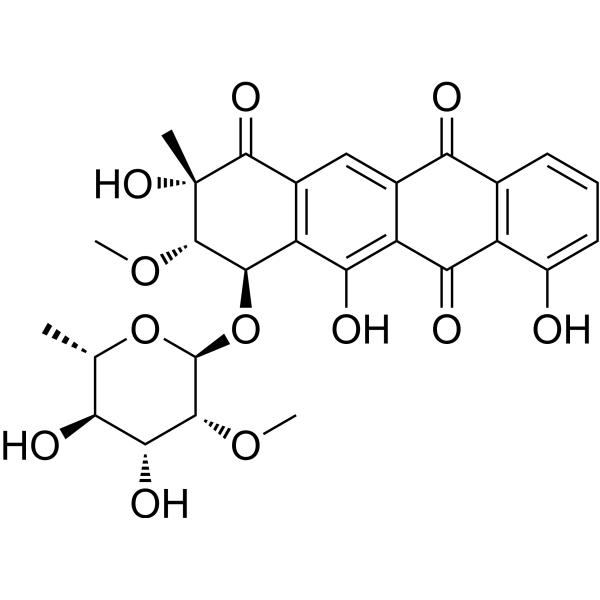
    Ilomastat (GM6001) is a potent and broad spectrum matrix metalloprotease (MMP) inhibitor, inhibits MMPs (IC50s, 1.5 nM for MMP-1; 1.1 nM for MMP-2; 1.9 nM for MMP-3; 0.5 nM for MMP-9), with a Ki of 0.4 nM for human skin fibroblast collagenase (MMP-1).
    Ilomastat
  • HY-E70005A
    Collagenase, Type I
    15+ Cited Publications

    EC 3.4.24.3

    MMP Others
    Collagenase, Type I is a microbially derived matrix metalloproteinases (MMPs) and zinc peptidase. Collagenase, Type I breaks down collagens 1, 3, 7, 8, 10, gelatin, proteoglycans, aggrecan .

    Collagenase, Type I
  • HY-131577
    Neutral protease, Paenibacillus polymyxa
    5 Publications Verification

    Dispase II, Dispase

    Endogenous Metabolite Metabolic Disease
    Neutral protease, Paenibacillus polymyxa (Dispase II, Dispase) is a neutral protease and potent fibronectinase and type IV collagenase. Neutral protease, Paenibacillus polymyxa can be used to separate the intact epidermis from the dermis and intact epithelial sheets in culture from the substratum .
    Neutral protease, Paenibacillus polymyxa
  • HY-O0004

    MMP Metabolic Disease
    Collagenases are enzymes that break the peptide bonds in collagen. Collagenases are derived from the Clostridium histolyticum. Collagenases (Type I) are proteolytic enzymes that break peptide bonds in collagen and can be used for tissue digestion and dissociation.
    Collagenase I, from Clostridium histolyticum
  • HY-E70005H

    Proteasome Cardiovascular Disease
    Collagenase, Type VIII is a mixed enzyme derived from Clostridium histolyticum that contains collagenase, a nonspecific protease, and a clostripain. Collagenase, Type VIII can hydrolyze Type VIII collagen and may be used to study the formation of atherosclerosis. Type VIII collagen is a regulator of endothelial cell differentiation and angiogenesis, a substrate for cell adhesion and migration such as smooth muscle cells, and may accumulate in atherosclerosis. After endotoxin activates the expression of Collagenase, Type VIII, it can reduce the production of Type VIII collagen and has the potential to inhibit atherosclerosis .
    Collagenase, Type VIII
  • HY-N0136
    Taxifolin
    Maximum Cited Publications
    27 Publications Verification

    (+)-Dihydroquercetin; (+)-Taxifolin

    TNF Receptor Autophagy Tyrosinase Inflammation/Immunology Cancer
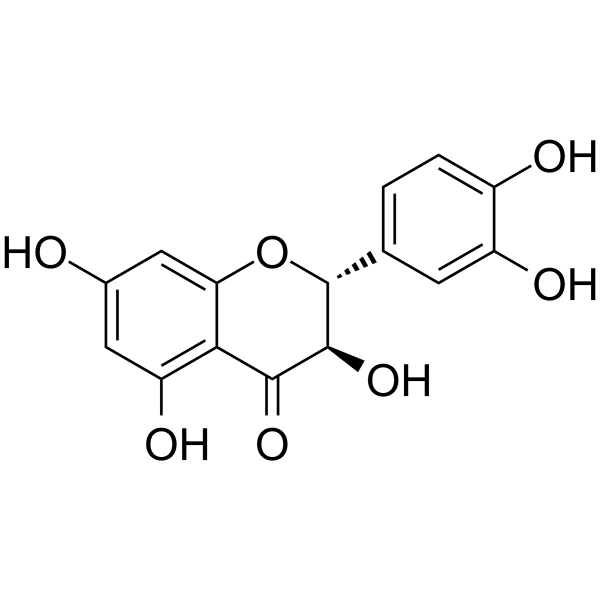
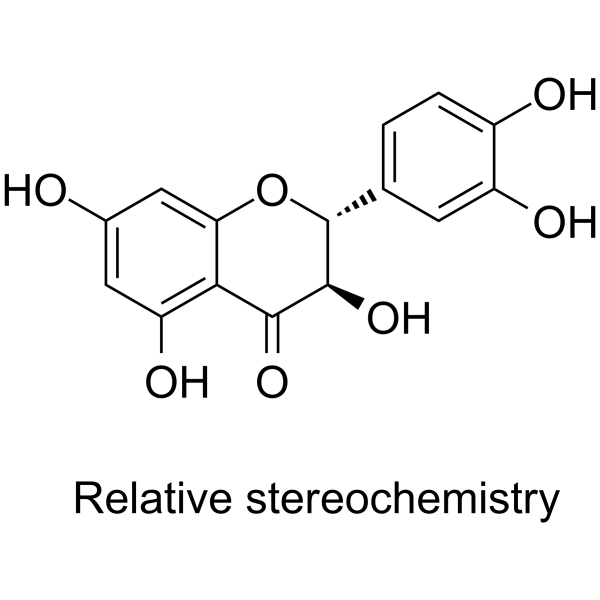
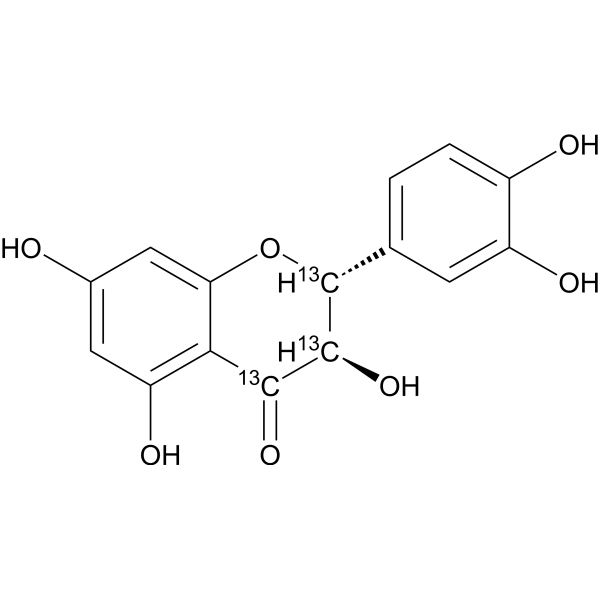
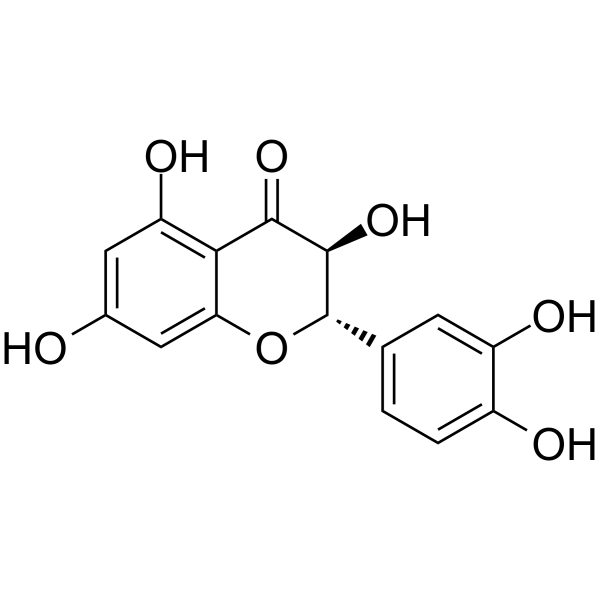
    Taxifolin ((+)-Dihydroquercetin) exhibits important anti-tyrosinase activity. Taxifolin exhibits significant inhibitory activity against collagenase with an IC50 value of 193.3 μM. Taxifolin is an important natural compound with antifibrotic activity. Taxifolin is a free radical scavenger with antioxidant capacity .
    Taxifolin
  • HY-E70005N
    Collagenase (Type D, animal free)
    2 Publications Verification

    Biochemical Assay Reagents Others
    Collagenase (Type D, animal free) does not contain animal-related components, and has collagenase and secondary protease activities similar to type 1 and type 2 collagenase. The activity of Collagenase (Type D, animal free) is higher than that of Collagenase (Type A, animal free).
    Collagenase (Type D, animal free)
  • HY-E70005I
    Collagenase, Type VI
    1 Publications Verification

    Type VI collagenase

    MMP Cancer
    Collagenase, Type VI (EC 3.4.24.3) is a collagenase that can degrade type VI collagen. Type VI collagen is a component of cell membranes in various tissues (such as skin, heart, blood vessels, cartilage, and synovial fluid). Excessive collagenase can cause extracellular matrix lesions. Collagenase is also a biomarker for tumor invasion and metastasis. Collagenase, Type VI can specifically act on the peptide bond between proline and glycine. This feature can be used to quickly and sensitively detect its concentration level in experiments using corresponding modified electrodes .
    Collagenase, Type VI
  • HY-E70005C

    MMP Others
    Collagenase, Type III is a microbially derived matrix metalloproteinases (MMPs) and zinc peptidase. Collagenase, Type III breaksdown collagens1, 4, 9, 10, 14, fibronectin, MMP-9, gelatin, plasminogen, aggrecan,perlecan osteonectin

    Collagenase, Type III
  • HY-100113
    Buloxibutid
    5 Publications Verification

    AT2 receptor agonist C21

    Angiotensin Receptor p38 MAPK TGF-beta/Smad TGF-β Receptor MMP Cardiovascular Disease Neurological Disease Inflammation/Immunology
    Buloxibutid (AT2 receptor agonist C21) is an orally active, selective angiotensin II type 2 receptor (AT2R) agonist, with a Ki value of 0.4 nM for porcine AT2R. Buloxibutid exerts effects such as vasodilation, anti-inflammation, anti-fibrosis (promoting the expression of collagenase MMP-13) and tissue repair mainly by activating the NO/cGMP pathway, inhibiting the pro-proliferative MAPK signaling, and suppressing the pro-fibrotic TGF-β/Smad pathway as well as the inflammatory NF-κB pathway. Buloxibutid can be used in research related to idiopathic pulmonary fibrosis, hypertension, and systemic sclerosis .
    Buloxibutid
  • HY-E70005E
    Collagenase, Type V
    1 Publications Verification

    MMP Others
    Collagenase, Type V is a microbially derived matrix metalloproteinases (MMPs) and zinc peptidase. Collagenase, Type V breaksdown collagens1, 3, 5, 7, 8, 10, fibronectin, gelatin, aggrecann .

    Collagenase, Type V
  • HY-P4931
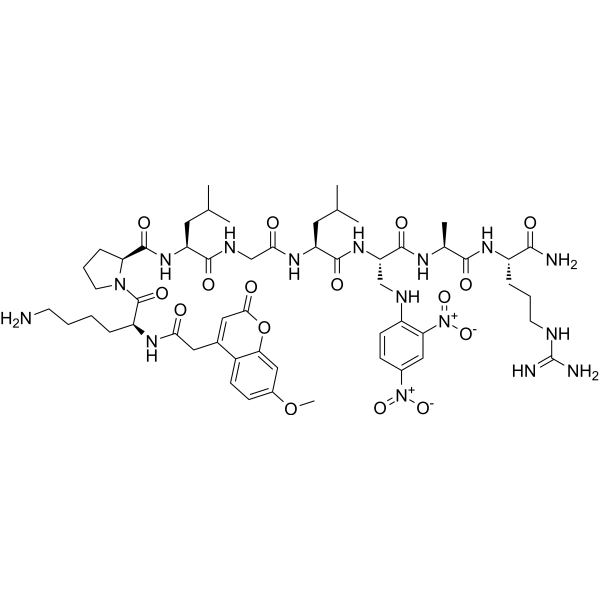
    Mca-KPLGL-Dap(Dnp)-AR-NH2
    1 Publications Verification

    MMP Cancer
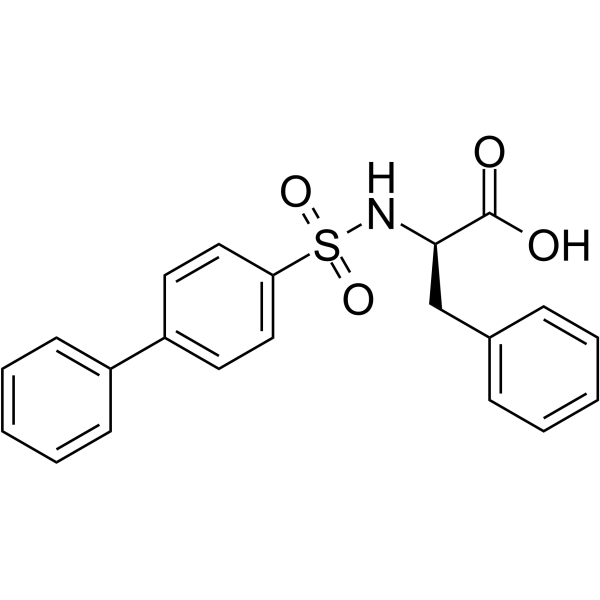
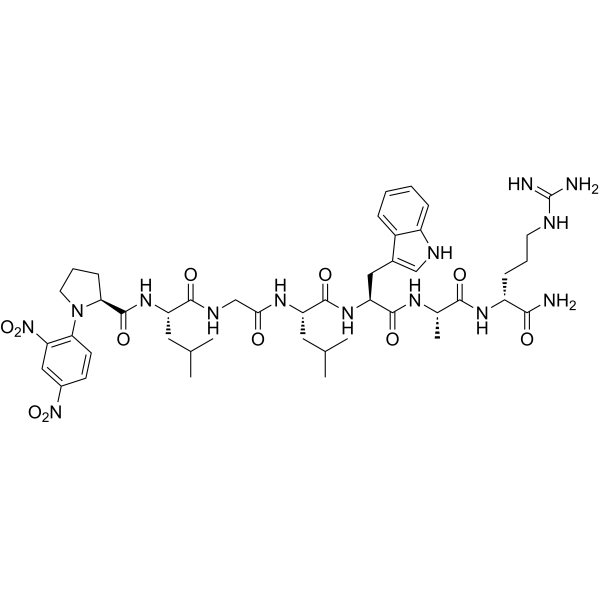
    Mca-Lys-Pro-Leu-Gly-Leu-Dap(Dnp)-Ala-Arg-NH2 (FS-6) is a fluorescent peptide that is a quenched MMP peptide substrate. Mca-Lys-Pro-Leu-Gly-Leu-Dap(Dnp)-Ala-Arg-NH2 can be used for real-time quantification of MMP enzymatic activity. Mca-Lys-Pro-Leu-Gly-Leu-Dap(Dnp)-Ala-Arg-NH2 is an elongated peptide of MMP substrate (FS-1) and is active against collagenases (MMP-1, MMP-8, MMP-13 ) and MT1-MMP with higher specificity constants than FS-1 . (Ex/Em=325 nm/400 nm)
    Mca-KPLGL-Dap(Dnp)-AR-NH2
  • HY-E70005J

    Type VII collagenase

    MMP Neurological Disease
    Collagenase, Type VII (EC 3.4.24.3) is a collagenase that can be used to induce thalamic hemorrhage .
    Collagenase, Type VII
  • HY-P2661

    Biochemical Assay Reagents Bacterial Infection
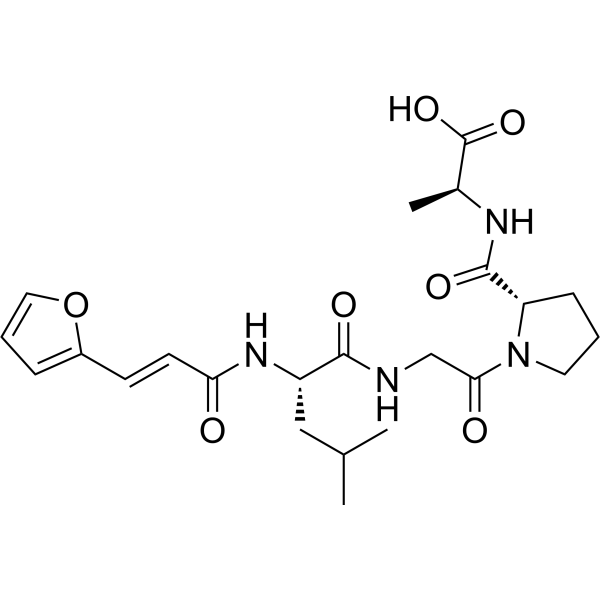
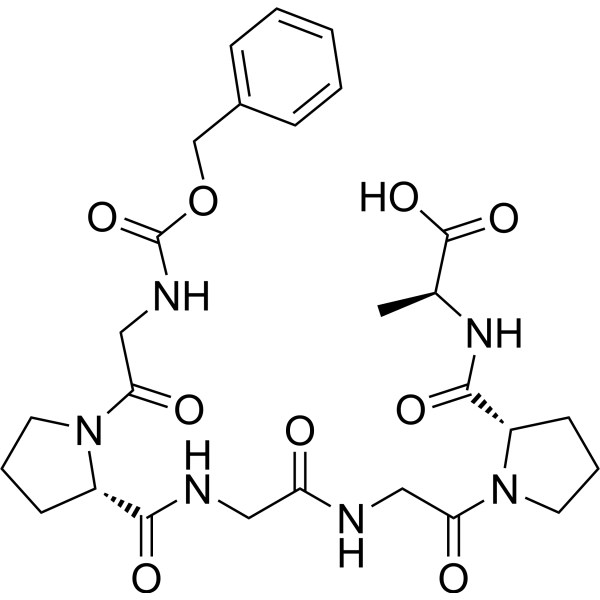
    FA-Leu-Gly-Pro-Ala-OH is a furylacryloyl-terminal tetrapeptide that serves as a substrate for bacterial collagenase and spirochete metalloendopeptidase. FA-Leu-Gly-Pro-Ala-OH is specifically hydrolyzed by spirochete collagenase only at the Leu-Gly bond. FA-Leu-Gly-Pro-Ala-OH can be used to determine the equilibrium constant of peptide bond hydrolysis, and also to detect collagenase-mediated cleavage reactions via turbidimetry based on absorbance reduction .
    FA-Leu-Gly-Pro-Ala-OH
  • HY-E70005K

    Proteasome Others
    Collagenase (Type A, animal free) is a proteolytic enzyme targeting collagen, capable of releasing corneal endothelial cells (CECs) without damaging cell junctions .
    Collagenase (Type A, animal free)
  • HY-N6013

    MMP Proteasome Keap1-Nrf2 TGF-beta/Smad Interleukin Related SOD Bacterial Fungal Infection Neurological Disease Metabolic Disease Inflammation/Immunology Cancer
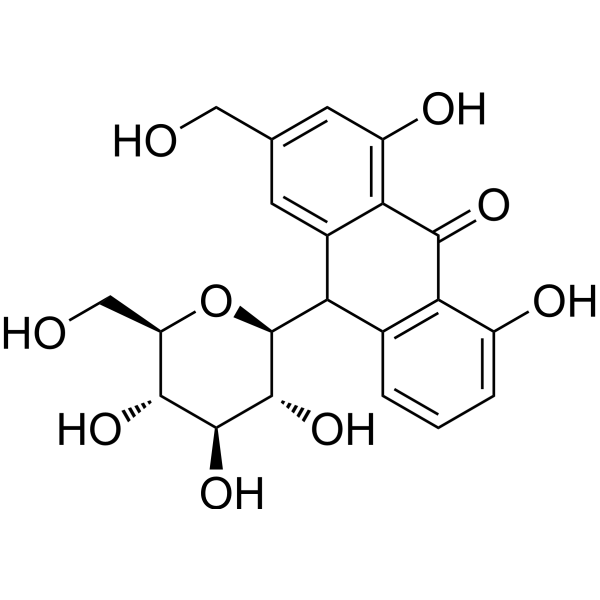
    Aloin (mixture of A&B) is an orally active anthraquinone derivative isolated from Aloe vera. Aloin (mixture of A&B) mitigates airway impairment and exerts neuroprotective, anti-inflammatory, antioxidant, antibacterial, antifungal, antiviral and antitumor effects. Aloin (mixture of A&B) inhibits Clostridium histolyticum collagenase, granulocyte matrix metalloproteinases and human 20S proteasome. Aloin (mixture of A&B) upregulates the Nrf2/HO-1 pathway, suppresses the TGF-β/Smad2/3 pathway. Aloin (mixture of A&B) reduces IL-4/IL-5/IL-13 levels, and reverses oxidative stress markers (MDA, SOD, GSH). Aloin (mixture of A&B) can be used for research on chronic ulcers, burns, wounds, inflammatory and degenerative disorders, asthma and neuroblastoma .
    Aloin (mixture of A&B)
  • HY-N1881
    4',5-Dihydroxyflavone
    3 Publications Verification

    Lipoxygenase Glycosidase Inflammation/Immunology
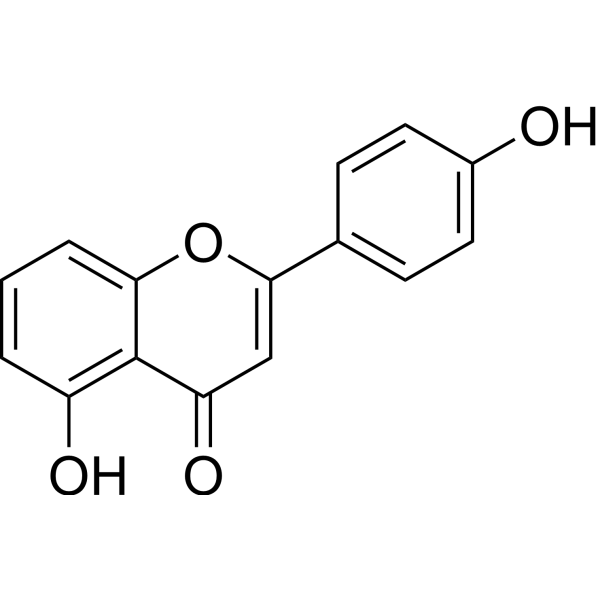
    4',5-Dihydroxyflavone (Compound 2c; Compound B3) is a type of flavonoid compound. 4',5-Dihydroxyflavone can inhibit various oxidases and its IC50 values for collagenase A (ColA) and α-glucosidase are less than 1 μM and 66 μM respectively; for soybean lipoxygenase-1 (LOX-1), its Ki value is 102.6 μM. 4',5-Dihydroxyflavone can be used in studies on anti-toxicity and anti-diabetes .
    4',5-Dihydroxyflavone
  • HY-N0616

    Tyrosinase TNF Receptor Bacterial Apoptosis Autophagy AMPK mTOR ERK NF-κB Infection Metabolic Disease Inflammation/Immunology Cancer
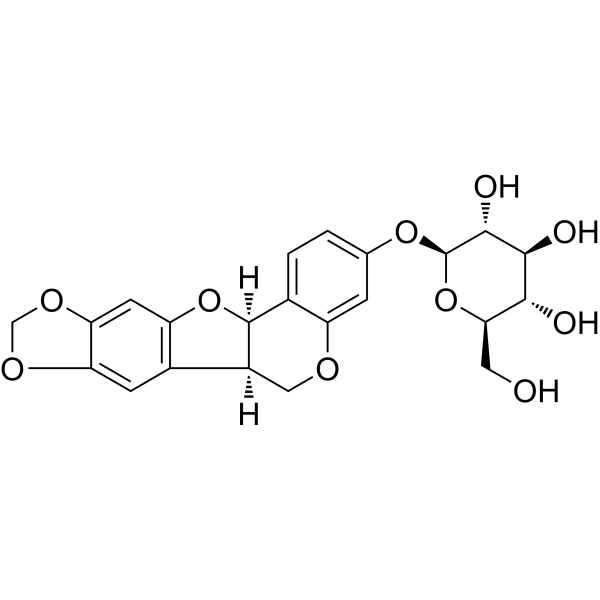
    Trifolirhizin is a pterocarpan flavonoid found in the roots of Sophora flavescens. Trifolirhizin is a tyrosinase inhibitor with an IC50 value of 506.77 μM. Trifolirhizin reduces intracellular melanin production and modulates multiple signaling pathways including NFκB-MAPK, AMPK/mTOR, PI3K/Akt, MAPK-NFATc1 and EGFR-MAPK. Trifolirhizin targets biological molecules including PTK6 and COX-2, inhibits the activities of hyaluronidase, collagenase and elastase, induces apoptosis, autophagy and cell cycle arrest, and suppresses the proliferation, migration and invasion of cancer cells. Trifolirhizin exerts diverse pharmacological effects including anti-inflammatory, anti-asthmatic, bone-protective, renoprotective, antibacterial, antifungal, hepatoprotective, antiplatelet, estrogenic and wound-healing activities. Trifolirhizin can be used to investigate a broad range of malignant, inflammatory, metabolic and infectious disorders .
    Trifolirhizin
  • HY-E70005M

    Proteasome Others
    Collagenase (Type C, animal free) is a proteolytic enzyme targeting collagen, capable of releasing corneal endothelial cells (CECs) without damaging cell junctions .
    Collagenase (Type C, animal free)
  • HY-16182
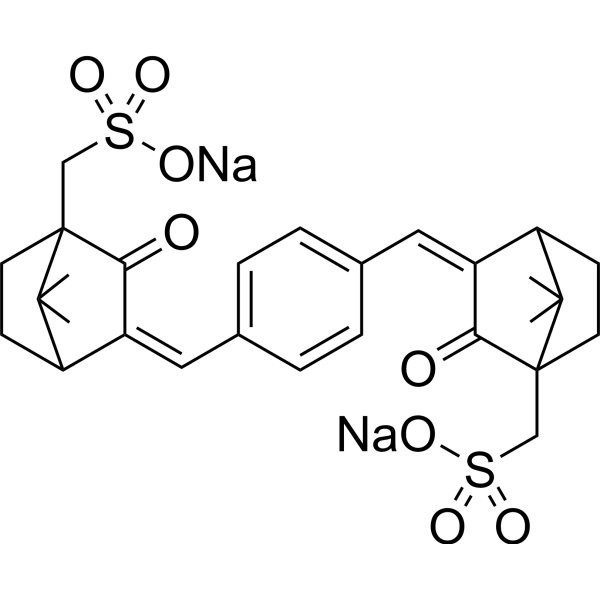
    Ecamsule
    1 Publications Verification

    Biochemical Assay Reagents Others
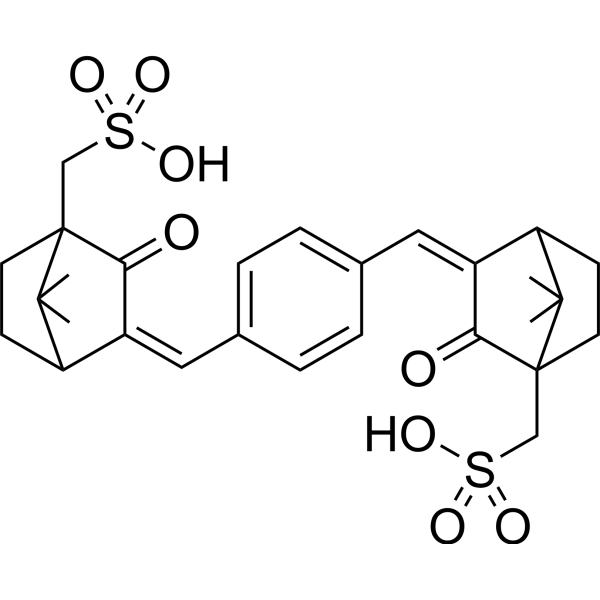
    Ecamsule is a broad-spectrum UVA filter that can be used in sunscreen product. Ecamsule reduces biological damage caused by solar radiation such as pyrimidine dimer formation, p53 protein accumula-tion, or collagenase 2 expression. Ecamsule has the potential for the research of polymorphous light eruption (PMLE) .
    Ecamsule
  • HY-15652

    ONO-6818; ONO-PO-736

    Elastase Inflammation/Immunology
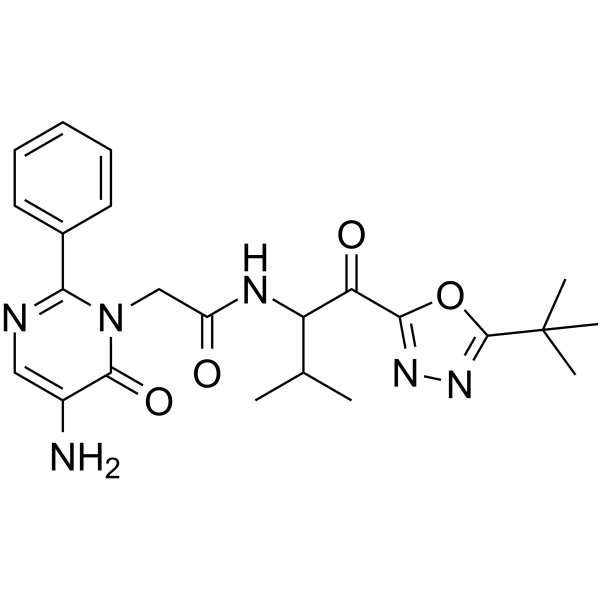
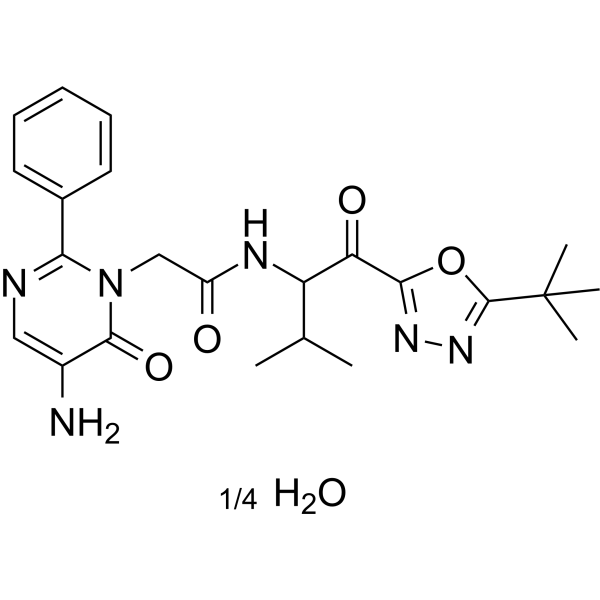
    Freselestat (ONO-6818) is a potent and orally active neutrophil elastase inhibitor with a Ki of 12.2 nM. Freselestat is >100-fold less-active against other proteases such as trypsin, protein-ase 3, pancreatic elastase, plasmin, thrombin, collagenase, cathepsin G, and murine macrophage elastase. Freselestat has a potent anti-inflammatory activity .
    Freselestat
  • HY-N2038

    Phosphodiesterase (PDE) Neurological Disease Cancer
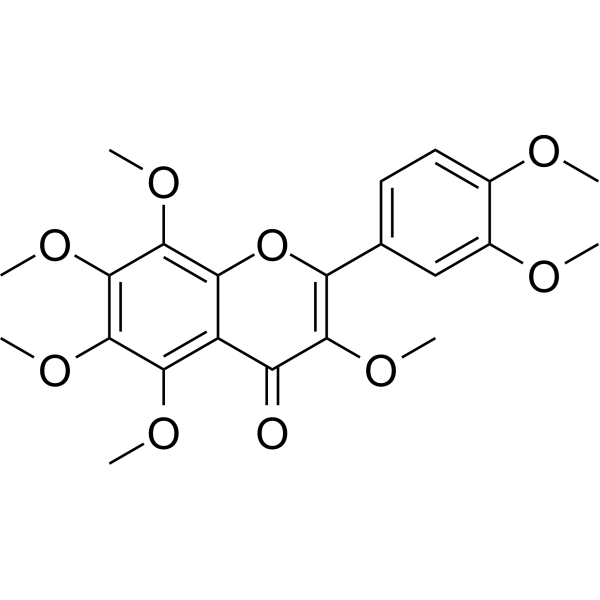
    3,5,6,7,8,3',4'-Heptemthoxyflavone, a flavonoid from satsuma peel, is an orally available CREB activator with anti-tumor and anti-neuroinflammatory activity. 3,5,6,7,8,3',4'-Heptemthoxyflavone inhibits collagenase activity and increases the content of type I procollagen in human dermal fibroblast neoblast (HDFn) cells. 3,5,6,7,8,3',4'-Heptemthoxyflavone induces brain-derived neurotrophic factor (BDNF) expression through the cAMP/ERK/CREB signaling pathway and reduces phosphodiesterase activity in C6 glioma .
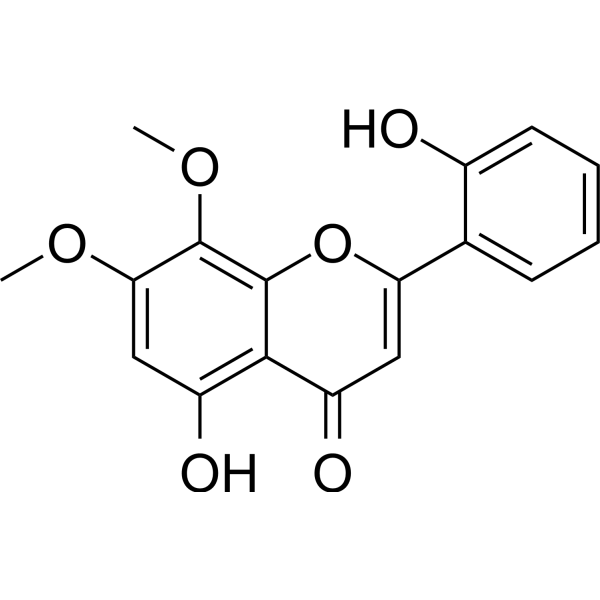
    3,​5,​6,​7,​8,​3',​4'-​Heptemthoxyflavone
  • HY-E70005L

    Proteasome Others
    Collagenase (Type B, animal free) is a proteolytic enzyme targeting collagen, capable of releasing corneal endothelial cells (CECs) without damaging cell junctions .
    Collagenase (Type B, animal free)
  • HY-116399

    MMP Cancer
    MMP-2/MMP-9-IN-1 is a highly selective, orally active and potent type IV collagenase (MMP-9 and MMP-2) inhibitor with IC50s of 0.24 and 0.31 μM for MMP-9 and MMP-2, respectively. MMP-2/MMP-9-IN-1 is orally active in animal models of tumor growth and metastasis. MMP-2/MMP-9-IN-1 can be used for the research of cancer .
    MMP-2/MMP-9-IN-1
  • HY-16182A
    Ecamsule disodium
    1 Publications Verification

    Biochemical Assay Reagents Others
    Ecamsule disodium is a broad-spectrum UVA filter that can be used in sunscreen product. Ecamsule reduces biological damage caused by solar radiation such as pyrimidine dimer formation, p53 protein accumula-tion, or collagenase 2 expression .
    Ecamsule disodium
  • HY-N2472

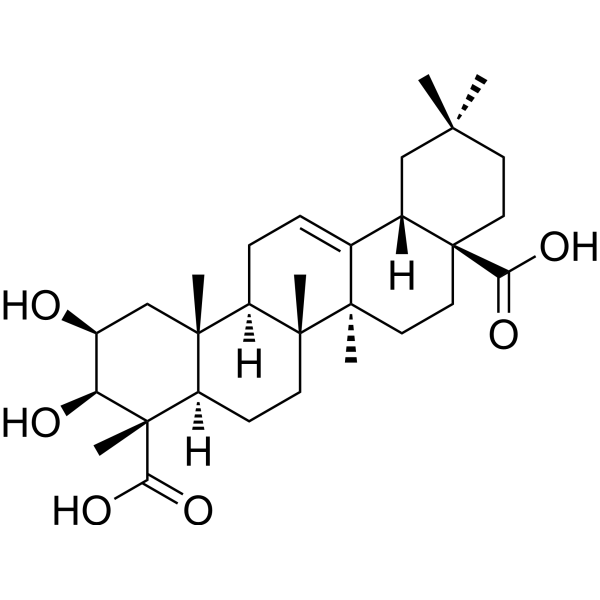
    Castanogenin

    Bacterial Xanthine Oxidase Infection
    Medicagenic acid (Castanogenin) is isolated from the roots of Herniaria glabra, exhibits potent fungistatic effects against several plant pathogens and human dermatophytes . Medicagenic acid (Castanogenin) has low enzyme inhibitory activities, the target enzymes are xanthine oxidase, collagenase, elastase, tyrosinase, ChE .
    Medicagenic acid
  • HY-122624

    MMP Inflammation/Immunology
    MMP13-IN-2 is a potent, selective and orally active MMP-13 inhibitor. MMP13-IN-2 exhibits excellent potency for MMP-13 (IC50=0.036 nM) and selectivities (greater than 1,500-fold) over MMP-1, 3, 7, 8, 9, 14, and TACE. MMP13-IN-2 has the ability to block the release of collagen from cartilage in vitro. MMP13-IN-2 has the potential for collagenase related disease research .
    MMP13-IN-2
  • HY-19677

    Ro 32-3555

    MMP Cancer
    Cipemastat is a potent, competitive inhibitor of human collagenases 1, 2 and 3 with Kis of 3.0, 4.4 and 3.4 nM, respectively.
    Cipemastat
  • HY-P10143

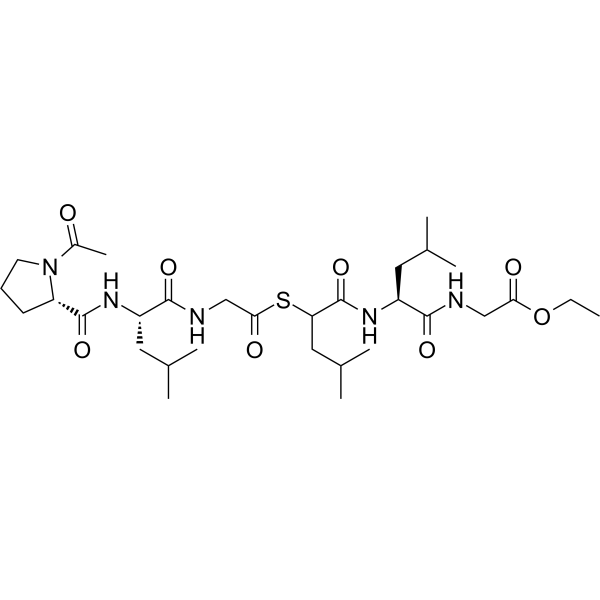
    Ac-Pro-Leu-Gly-[(S)-2-mercapto-4-methyl-pentanoyl]-Leu-Gly-OEt

    MMP Others
    MMP-2/MMP-9 Substrate (Ac-Pro-Leu-Gly-[(S)-2-mercapto-4-methyl-pentanoyl]-Leu-Gly-OEt) is a synthetic chromogenic polypeptide substrate whose core structure mimics the cleavage sites of MMP-2 and MMP-9 (gelatinase A and B) in collagen. After being hydrolyzed by collagenase, MMP-2/MMP-9 Substrate reacts with 4,4'-dithiodipyridine or Ellman's Reagent via its thiol fragment to produce a product with ultraviolet absorption properties .
    MMP-2/MMP-9 Substrate
  • HY-122106

    MMP Others
    RS-104966 is a potent collagenase-1 (MMP-1) inhibitor. RS-104966 induces a conformational change in the side chains of the S10 pocket of MMP-1 .
    RS-104966
  • HY-N0136R

    (+)-Dihydroquercetin (Standard); (+)-Taxifolin (Standard)

    TNF Receptor Reference Standards Autophagy Tyrosinase Inflammation/Immunology
    Taxifolin (Standard) is the analytical standard of Taxifolin. This product is intended for research and analytical applications. Taxifolin ((+)-Dihydroquercetin) exhibits important anti-tyrosinase activity. Taxifolin exhibits significant inhibitory activity against collagenase with an IC50 value of 193.3 μM . Taxifolin is an important natural compound with antifibrotic activity. Taxifolin is a free radical scavenger with antioxidant capacity .
    Taxifolin (Standard)
  • HY-E70005P

    Biochemical Assay Reagents Others
    Collagenase (Type B, animal free) does not contain animal-related components, and is sterilized by filtration using a 0.22 μm filter membrane. Collagenase (Type B, filtered, animal free) has higher collagenase and casein activity.
    Collagenase (Type B, filtered, animal free)
  • HY-100210A

    MMP Inflammation/Immunology Cancer
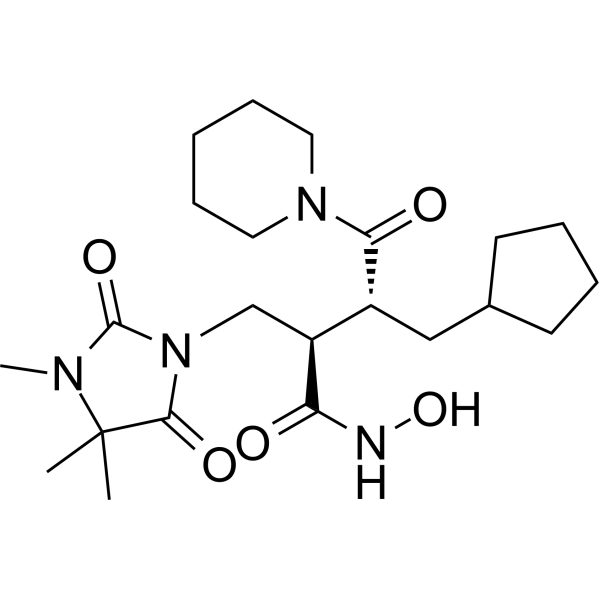
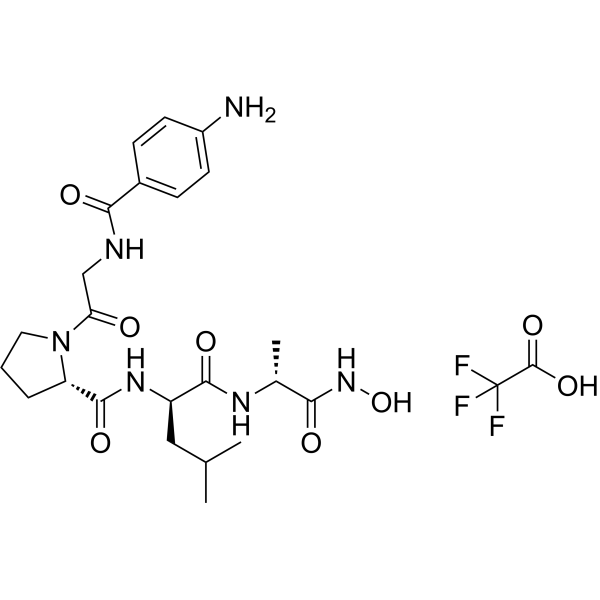
    FN-439 TFA is a selective collagenase-1 inhibitor. FN-439 TFA inhibits collagenase-1 with an IC50 value of 1 μM. FN-439 TFA can be used for the research of cancer and inflammation .
    FN-439 TFA
  • HY-E70005O

    Proteasome Others
    Collagenase (Type A, filtered, animal free) is a proteolytic enzyme targeting collagen, capable of releasing corneal endothelial cells (CECs) without damaging cell junctions .
    Collagenase (Type A, filtered, animal free)
  • HY-N1235

    Panicolin

    Elastase MicroRNA Cancer
    Skullcapflavone I can be isolated from A. nallamalayana. Skullcapflavone I inhibits collagenase and elastase enzyme with IC50s of 106.74 μM and 186.70 μM. Skullcapflavone I has anticancer activities by down-regulating miR-23a .
    Skullcapflavone I
  • HY-P4363

    Biochemical Assay Reagents Others
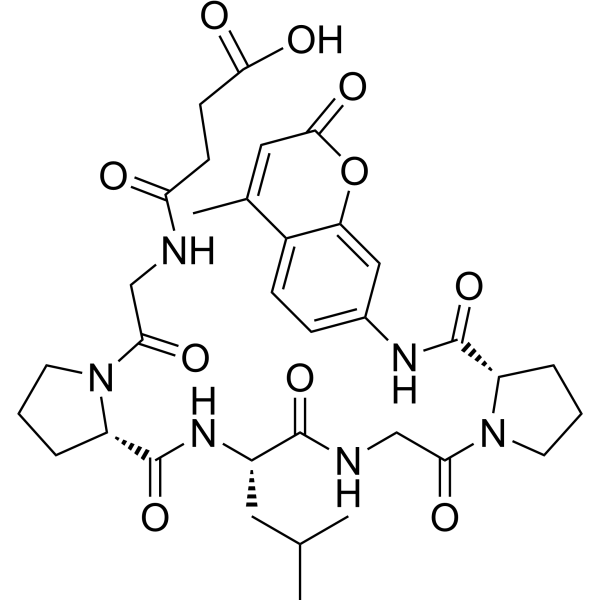
    Suc-GPLGP-AMC is a peptide substrate of collagenase-like peptidases .
    Suc-GPLGP-AMC
  • HY-N0136B

    (-)-Dihydroquercetin

    Tyrosinase Inflammation/Immunology
    (-)-Taxifolin is the less active enantiomer of Taxifolin. Taxifolin exhibits important anti-tyrosinase activity. Taxifolin exhibits significant inhibitory activity against collagenase with an IC50 value of 193.3 μM . Taxifolin is an important natural compound with antifibrotic activity. Taxifolin is a free radical scavenger with antioxidant capacity .
    (-)-Taxifolin
  • HY-N0136A

    (±)-Dihydroquercetin

    Drug Isomer TNF Receptor Autophagy Tyrosinase Inflammation/Immunology Cancer
    (±)-Taxifolin ((±)-Dihydroquercetin) is the racemate of Taxifolin (HY-N0136). Taxifolin exhibits important anti-tyrosinase activity. Taxifolin exhibits significant inhibitory activity against collagenase with an IC50 value of 193.3 μM. Taxifolin is an important natural compound with antifibrotic activity. Taxifolin is a free radical scavenger with antioxidant capacity .
    (±)-Taxifolin
  • HY-N1731

    NF-κB COX TNF Receptor NO Synthase Reactive Oxygen Species (ROS) Parasite Infection Metabolic Disease Inflammation/Immunology Cancer
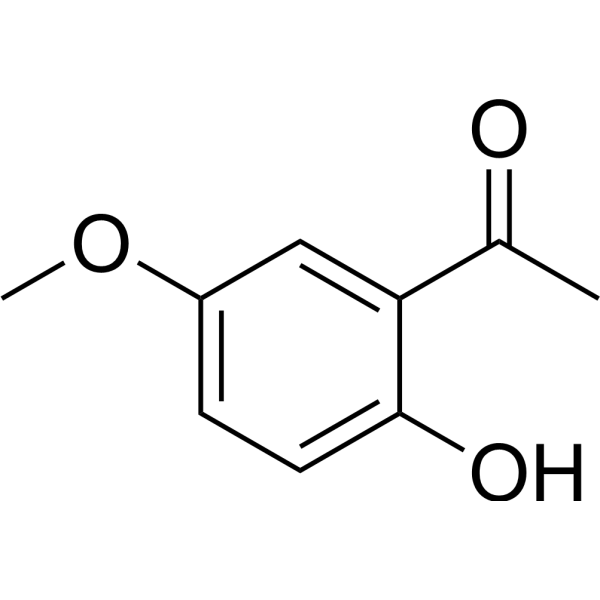
    2'-Hydroxy-5'-methoxyacetophenone is an acetophenone derivative with acaricidal activities. 2'-Hydroxy-5'-methoxyacetophenone attenuates the inflammatory response via NF-κB signaling pathway. 2'-Hydroxy-5'-methoxyacetophenone exhibits significant inhibitory activity against α-amylase, collagenase and aldose reductase (AR) with IC50s of 0.928, 3.264 and 20.046 μM, highlighting its potential in combating diabetes. 2'-Hydroxy-5'-methoxyacetophenone exhibits anti-ovarian cancer activity .
    2′-Hydroxy-5′-methoxyacetophenone
  • HY-E70005Q

    Biochemical Assay Reagents Others
    Collagenase (Type C, filtered, animal free) does not contain animal-related components, and is sterilized by filtration using a 0.22 μm filter membrane. Collagenase (Type C, filtered, animal free) has low trypsin activity similar to type 4 collagenase.
    Collagenase (Type C, filtered, animal free)
  • HY-E70531

    Biochemical Assay Reagents Others
    Collagenase/Neutral protease 2 (animal free) is an animal-free mixture of collagenase and neutral protease that can be used for stem cell and other primary cell isolation and bioprocessing applications without the introduction of potential animal-borne pathogens. It has higher casein activity than Collagenase/Neutral Protease 1 (animal free).
    Collagenase/Neutral protease 2 (animal free)
  • HY-137521

    MMP Others
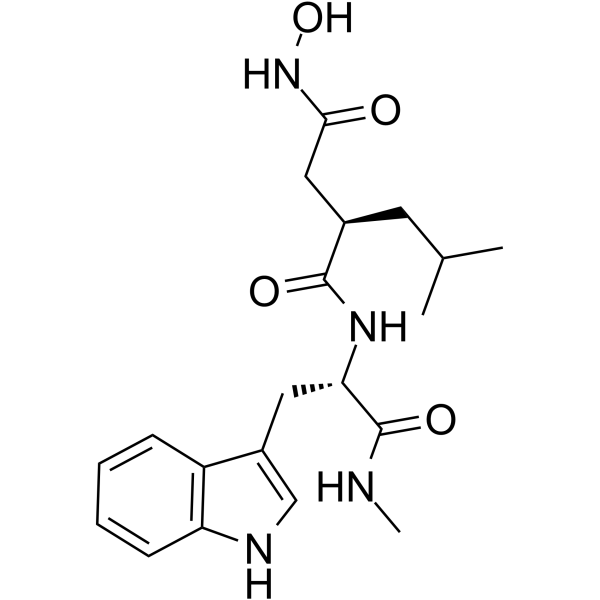
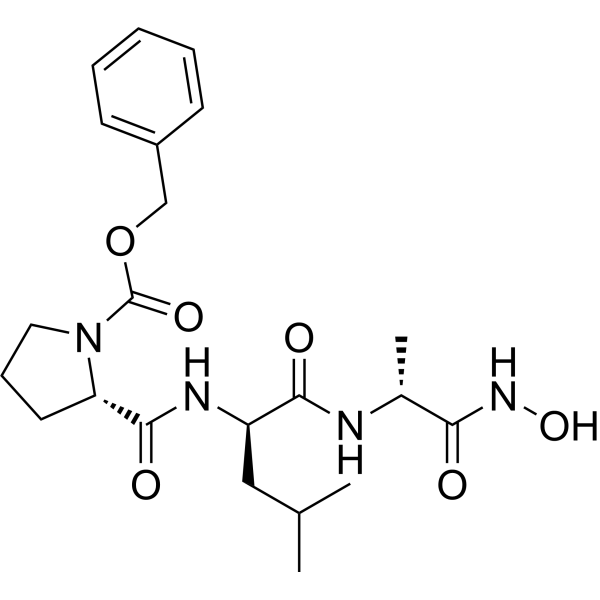
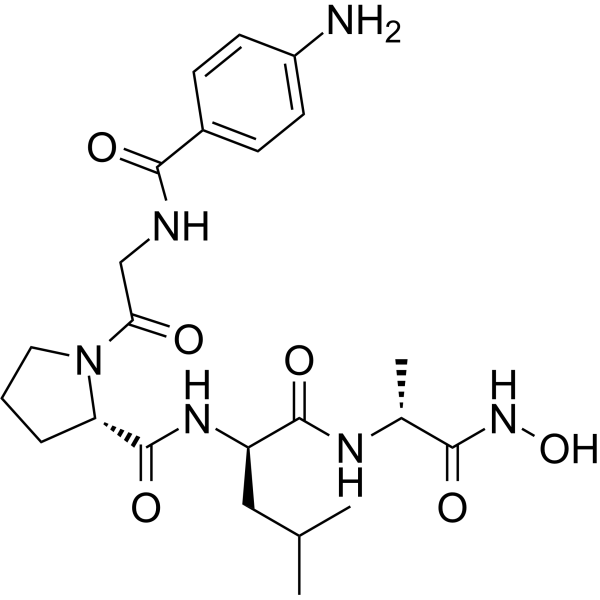
    Z-PDLDA-NHOH is a potent and specific inhibitor of vertebrate collagenase .
    Z-PDLDA-NHOH
  • HY-E70368

    Biochemical Assay Reagents Others
    Collagenase G Recombinant is involved in the islet isolation process, and digests specific collagens from the N-terminus, especially Col-V .
    Collagenase G (Recombinant)
  • HY-P2641

    MMP Cancer
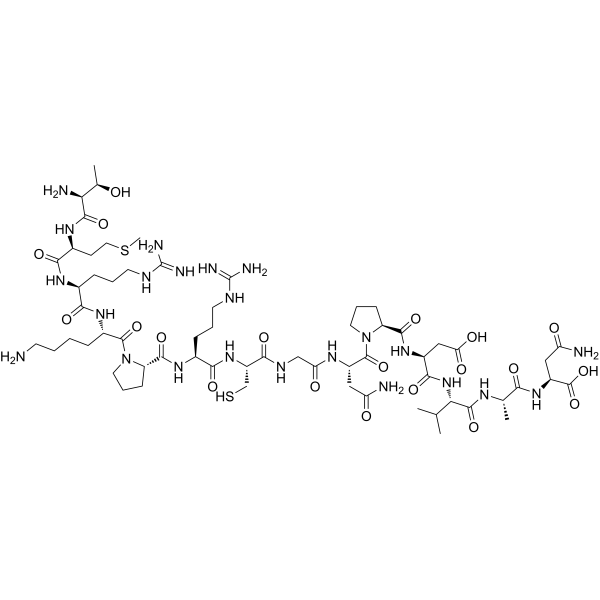
    Peptide 74 is a synthetic peptide containing the prodomain sequence of matrix metalloproteinase (MMP). Peptide 74 inhibits the activated form of the 72-kDa type IV collagenase in vitro .
    Peptide 74
  • HY-N0136S

    (+)-Dihydroquercetin-d3; (+)-Taxifolin-d3

    Isotope-Labeled Compounds Autophagy Tyrosinase Inflammation/Immunology
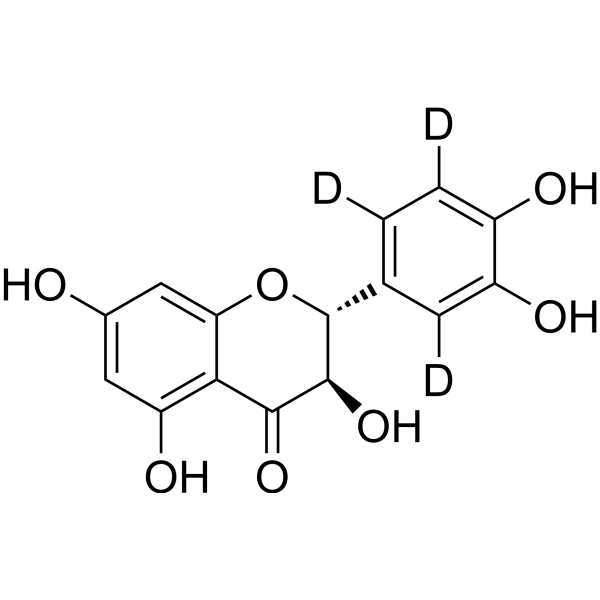
    Taxifolin-d3 is deuterium labeled Taxifolin. Taxifolin ((+)-Dihydroquercetin) exhibits important anti-tyrosinase activity. Taxifolin exhibits significant inhibitory activity against collagenase with an IC50 value of 193.3 μM . Taxifolin is an important natural compound with antifibrotic activity. Taxifolin is a free radical scavenger with antioxidant capacity .
    Taxifolin-d3
  • HY-N2472R

    Castanogenin (Standard)

    Xanthine Oxidase Reference Standards Bacterial Infection
    Medicagenic acid (Standard) is the analytical standard of Medicagenic acid. This product is intended for research and analytical applications. Medicagenic acid (Castanogenin) is isolated from the roots of Herniaria glabra, exhibits potent fungistatic effects against several plant pathogens and human dermatophytes . Medicagenic acid (Castanogenin) has low enzyme inhibitory activities, the target enzymes are xanthine oxidase, collagenase, elastase, tyrosinase, ChE .
    Medicagenic acid (Standard)
  • HY-16182R

    Biochemical Assay Reagents Reference Standards Others
    Ecamsule (Standard) is the analytical standard of Ecamsule. This product is intended for research and analytical applications. Ecamsule is a broad-spectrum UVA filter that can be used in sunscreen product. Ecamsule reduces biological damage caused by solar radiation such as pyrimidine dimer formation, p53 protein accumula-tion, or collagenase 2 expression. Ecamsule has the potential for the research of polymorphous light eruption (PMLE) .
    Ecamsule (Standard)
  • HY-15652A

    ONO-6818 quarterhydrate; ONO-PO-736 quarterhydrate

    Elastase Inflammation/Immunology
    Freselestat quarterhydrate (ONO-6818 quarterhydrate) is a potent and orally active neutrophil elastase inhibitor with a Ki of 12.2 nM. Freselestat quarterhydrate is >100-fold less-active against other proteases such as trypsin, protein-ase 3, pancreatic elastase, plasmin, thrombin, collagenase, cathepsin G, and murine macrophage elastase. Freselestat quarterhydrate has a potent anti-inflammatory activity .
    Freselestat quarterhydrate

Inquiry Online

Your information is safe with us. * Required Fields.

Salutation


Country or Region *

Applicant Name *


Organization Name *

Department *


Email Address *


Product Name *

Cat. No.


Requested quantity *

Phone Number *


Remarks

Inquiry Online

Inquiry Information

Product Name:
Cat. No.:
Quantity:
MCE Japan Authorized Agent: