1. Search Result
Search Result
Results for "

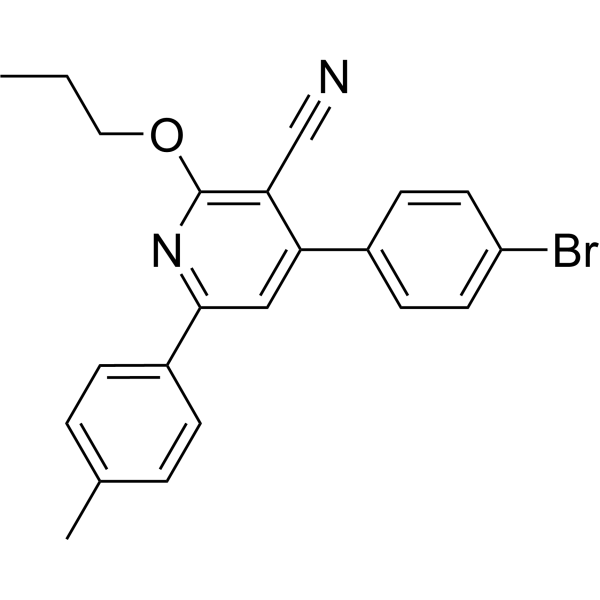
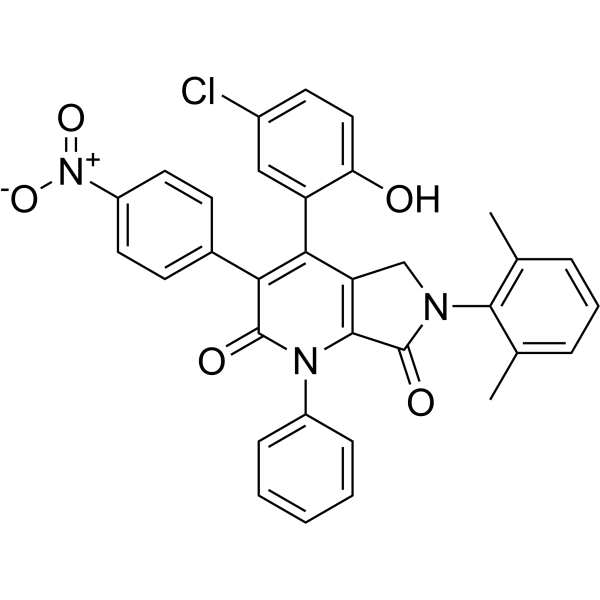
抑制 A-549、SK-OV-3、SK-MEL-2、XF-498 和 HCT-15 细胞的生长。

" in MedChemExpress (MCE) Product Catalog:

100

Inhibitors & Agonists

1

Bibliotecas de Screening

11

Fluorescent Dyes

1

Biochemical Assay Reagents

2

Peptides

17

Natural
Products

4

Recombinant Proteins

3

Isotope-Labeled Compounds

2

Antibodies

3

Click Chemistry

10

Oligonucleotides

Cat. No. Nombre del producto Target Áreas de investigación Chemical Structure
  • HY-100716
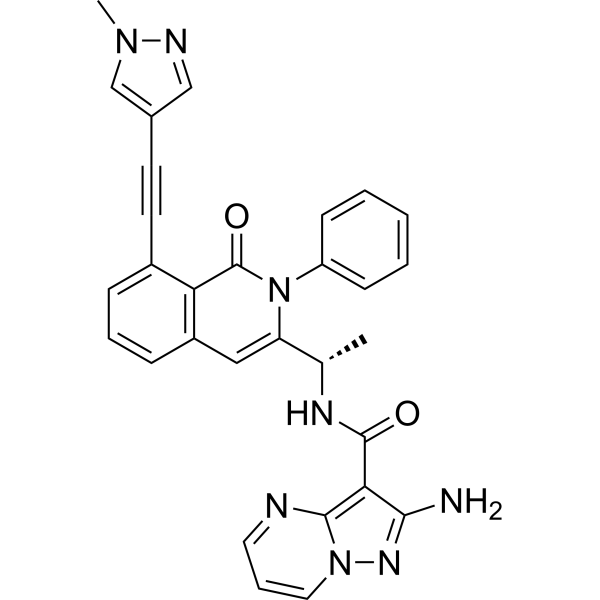
    Eganelisib
    Maximum Cited Publications
    19 Publications Verification
    IPI-549

    PI3K Cancer
    Eganelisib (IPI549) is a potent and selective PI3Kγ inhibitor with an IC50 of 16 nM. Eganelisib shows >100-fold selectivity over other lipid and protein kinases .
    Eganelisib
  • HY-137131

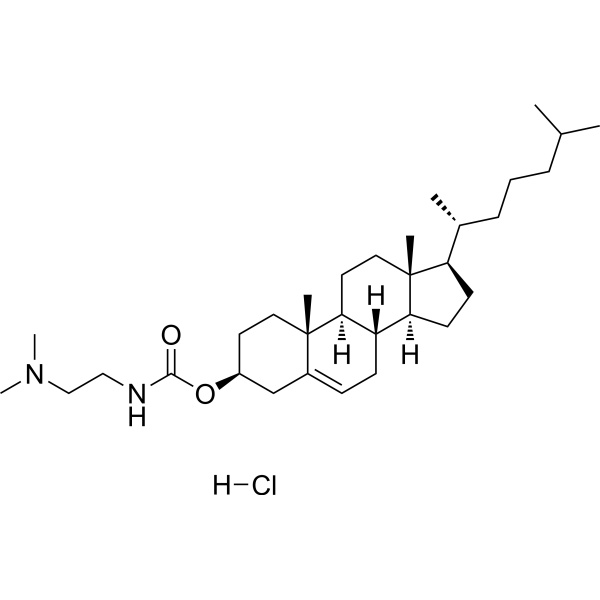
    DC-Cholesterol hydrochloride

    Amyloid-β Liposome IFNAR Interleukin Related Neurological Disease Inflammation/Immunology
    DC-Chol hydrochloride is a cationic lipid. DC-Chol hydrochloride could inhibit Aβ40 fibril formation under appropriate experimental conditions. DC-Chol hydrochloride strongly inhibits amyloidogenesis of oxidized hCT in a dose-dependent manner. DC-Chol hydrochloride induces the production of Th1 (IL-2 and IFN-γ) and Th2 (IL-5) cytokines. DC-Chol hydrochloride can enhance the body's immune response to antigens. DC-Chol hydrochloride is used as a gene delivery vector. DC-Chol hydrochloride can be used in research in areas such as hepatitis B vaccines to improve vaccine immunity .
    DC-Chol hydrochloride
  • HY-10319
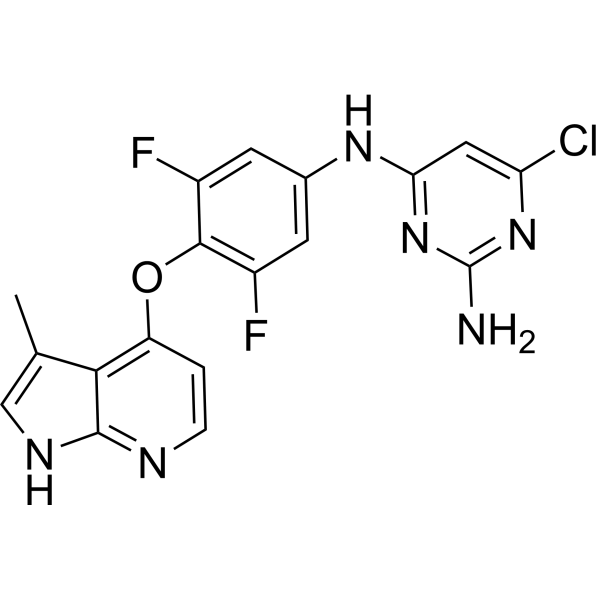
    BAY-549
    4 Publications Verification

    ROCK-IN-2; Azaindole 1; TC-S 7001

    ROCK Cardiovascular Disease
    BAY-549 (Azaindole 1), a chemical probe, is an orally active and ATP-competitive ROCK inhibitor with IC50s of 0.6 and 1.1 nM for human ROCK-1 and ROCK-2, respectively .
    BAY-549
  • HY-N6790

    Ammonium ionophore I

    Oxidative Phosphorylation Potassium Channel Mitochondrial Metabolism Bacterial Influenza Virus Apoptosis Antibiotic HSP Infection Cancer
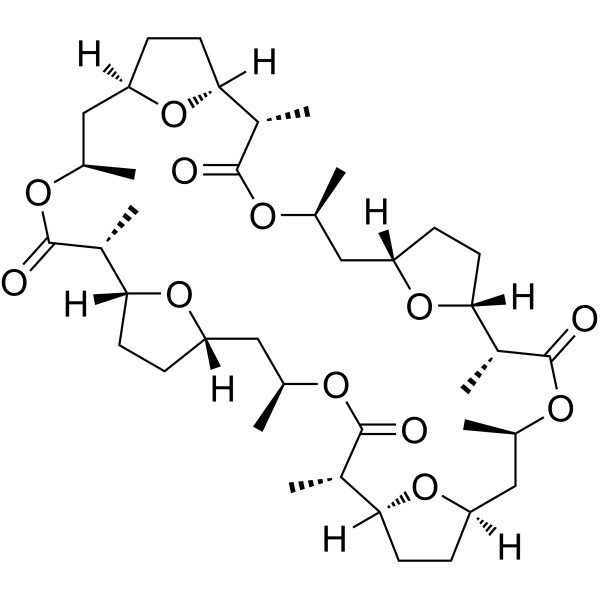
    Nonactin is a macrotetrolide antibiotic and mitochondrial uncoupler with antibacterial, insecticidal, and acaricidal activities. Nonactin acts as an ionophore for monovalent cations, including K +, and NH4 +, and it can also inhibit the surface expression of endogenous HSP60. In addition, Nonactin can induce apoptosis in β-catenin mutant tumor cells and has anti-tumor activity .
    Nonactin
  • HY-101055
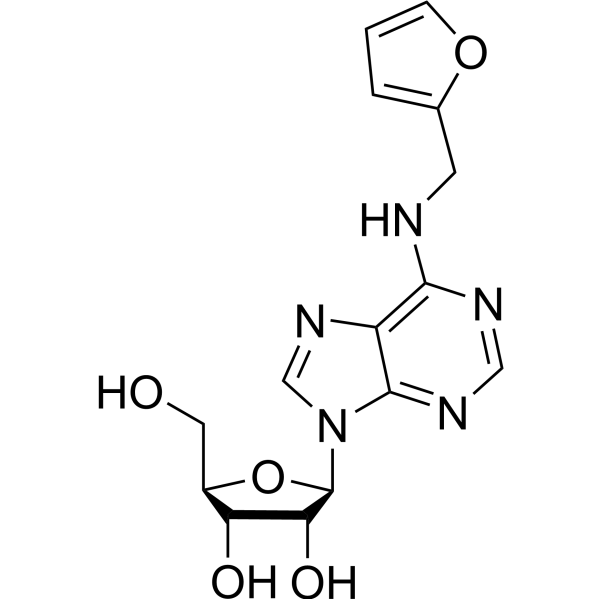
    Kinetin riboside
    3 Publications Verification

    N6-Furfuryladenosine

    Apoptosis Cancer
    Kinetin riboside, a cytokinin analog, can induce apoptosis in cancer cells. It inhibits the proliferation of HCT-15 cells with an IC50 of 2.5 μM.
    Kinetin riboside
  • HY-12757
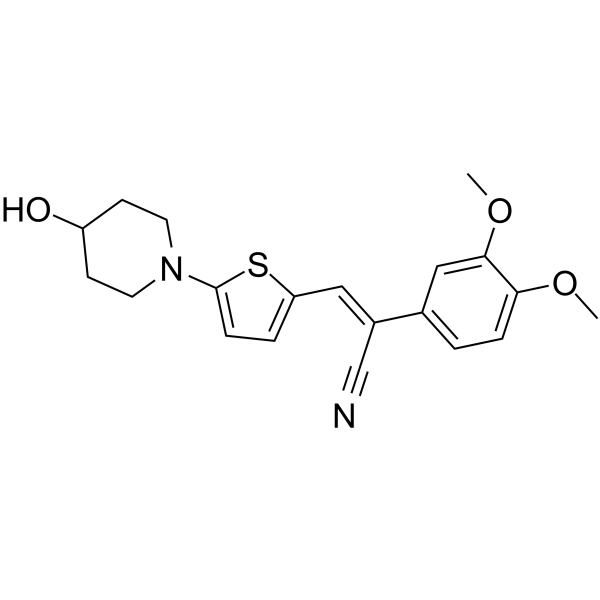
    YHO-13177
    2 Publications Verification

    BCRP Cancer
    YHO-13177, a acrylonitrile derivative, is an orally active, potent and specific inhibitor of breast cancer resistance protein (BCRP) and ABCG2 with an IC50 value of 10 nM. YHO-13177 potentiates the cytotoxicity of SN-38 in HCT116 and A549 cells that express BCRP. YHO-13177 combined with Irinotecan (HY-16562) significantly suppresses the tumor growth in an HCT116/BCRP xenograft model .
    YHO-13177
  • HY-156110

    Insulin Receptor Cancer
    IGF2BP1-IN-1 (Compound A11) is a IGF2BP1 inhibitor and inhibits downstream signaling. IGF2BP1-IN-1 binds to IGF2BP1 protein with a KD value of 2.88 nM. IGF2BP1-IN-1 inhibits cancer cells proliferation (IC50: 9 nM for A549 cell, 34 nM for HCT116). IGF2BP1-IN-1 induces cancer cell apoptosis. GF2BP1-IN-1 inhibits tumor growth in A549 xenograft mouse model .
    IGF2BP1-IN-1
  • HY-W050088

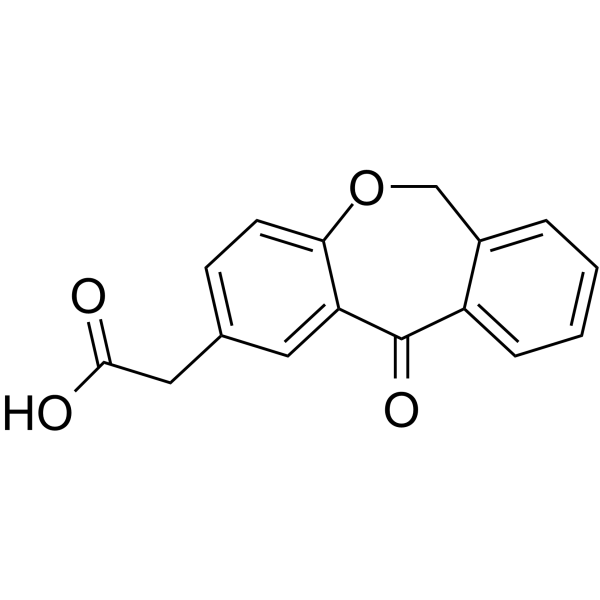
    HP 549

    Drug Derivative Neurological Disease Inflammation/Immunology
    Isoxepac (HP 549) is an orally active non-steroidal anti-inflammatory agent. Isoxepac can inhibit Carrageenan (HY-125474) paw oedema, adjuvant-induced polyarthritis, and prostaglandin synthesis. Isoxepac (200 mg) has an analgesic effect after meniscectomy with a low incidence of side effects. Isoxepac can be used in the research of inflammatory (rheumatoid arthritis) and pain-related diseases .
    Isoxepac
  • HY-144899

    Notch Cancer
    ASR-490 reduces the viability of HCT116 and SW620 cells by downregulating Notch1 signaling. ASR-490 overcomes Notch1 overexpression and inhibits the growth of HCT/Notch1 transfectants. ASR-490 inhibits the tumor growth in control (pCMV/HCT116) and Notch1/HCT116 in xenotransplanted mice .
    ASR-490
  • HY-149302
    MC4033
    1 Publications Verification

    Apoptosis Autophagy Histone Acetyltransferase Cancer
    MC4033 shows IC50s of 39.4 μM, 52.1 μM, 41 μM and 30.1 μM in HCT116, H1299, A549 and U937, respectively .
    MC4033 (25, 50, 100, and 200 μM, 72 h) reduces the level of H4K16Ac in HT29 cells, suggesting its ability to inhibit KAT8 in cells .
    MC4033
  • HY-133536
    PA Janelia Fluor® 549, SE
    1 Publications Verification

    PA-JF549-NHS

    Fluorescent Dye Others
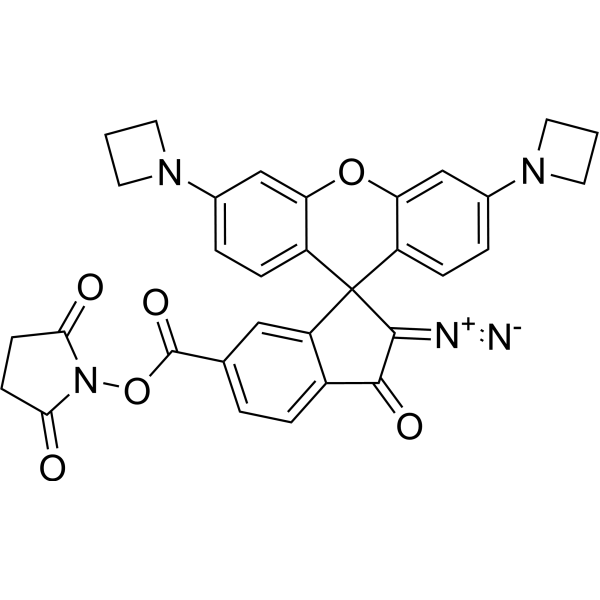
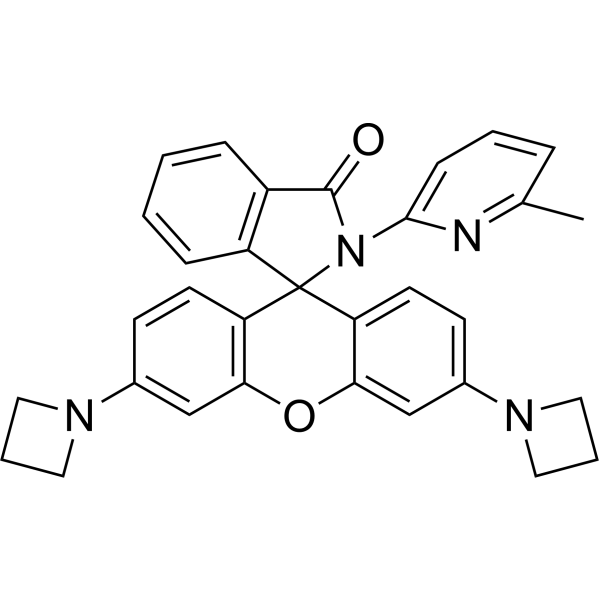
    PA Janelia Fluor 549, SE (PA-JF549-NHS) is a bright photoactivatable fluorophore of JF549,SE (JF549,NHS). JF549,SE (JF549,NHS) is a fluorescent dye with the absorption maximum (λab (max)) of 549 nm and emission maximum (λem (max)) of 571 nm .
    PA Janelia Fluor® 549, SE
  • HY-131021
    Janelia Fluor® 549, Azide
    1 Publications Verification

    JF549, Azide

    Fluorescent Dye Others
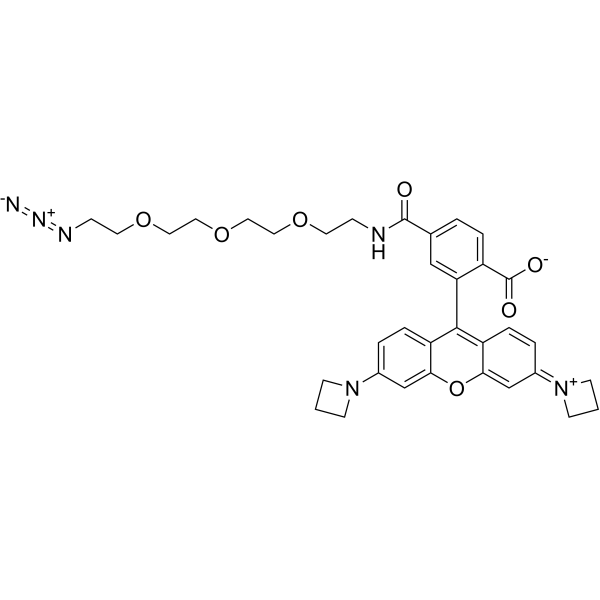
    Janelia Fluor? 549, Azide (JF549, Azide) is a fluorescent dye with the absorption maximum (λab (max)) of 549 nm and emission maximum (λem (max)) of 571 nm . Janelia Fluor? products are licensed under U.S. Pat. Nos. 9,933,417, 10,018,624 and 10,161,932 and other patents from Howard Hughes Medical Institute. It contains an azide group and can undergo copper-catalyzed azide-alkyne cycloaddition (CuAAc) with molecules containing alkyne groups. It can also undergo ring strain-promoted alkyne-azide cycloaddition (SPAAC) with molecules containing DBCO or BCN groups.
    Janelia Fluor® 549, Azide
  • HY-P4079

    Drug Derivative Metabolic Disease
    hCT(18-32) is a hCT (human calcitonin)-derived peptide .
    hCT(18-32)
  • HY-130736

    JF549, SE; JF549, NHS

    Fluorescent Dye Others
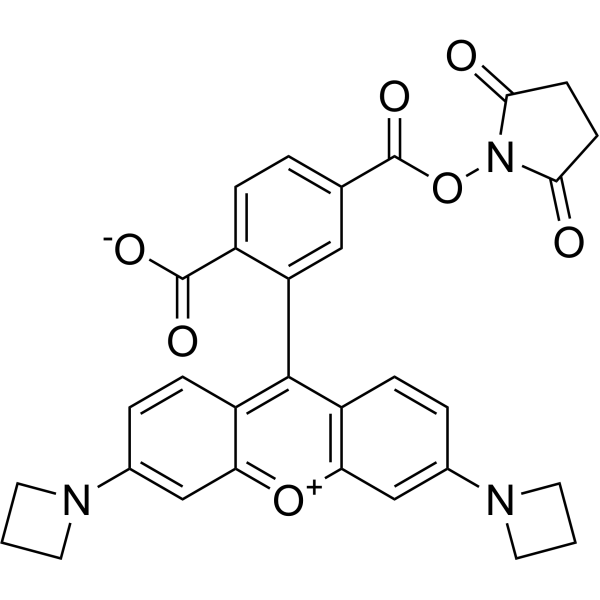
    Janelia Fluor® 549, SE (JF549, SE) is a cell-permeable fluorescent dye with an NHS ester (succinimidyl ester (SE)) reactive group. NHS esters react with primary amines and are commonly used to conjugate dyes to proteins, antibodies, amine-modified oligonucleotides, and other molecules. Janelia Fluor® 549, SE also acts as a ligand for self-labeling tags such as HaloTag and SNAP-tag, and can be used in live-cell imaging studies (Ex/Em = 549 nm/571 nm) .\n


    Janelia Fluor® 549, SE
  • HY-145365

    Drug-Linker Conjugates for ADC Cancer
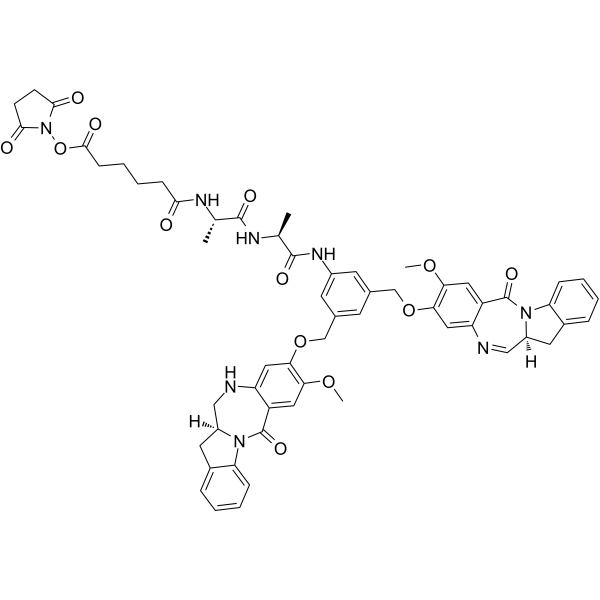
    DGN549-L is a DNA alkylator and can be utilized for antibody conjugation at lysine residues. DGN549-L can be used in the synthesis of antibody-drug conjugates (ADCs) .
    DGN549-L
  • HY-147348

    Biochemical Assay Reagents Cancer
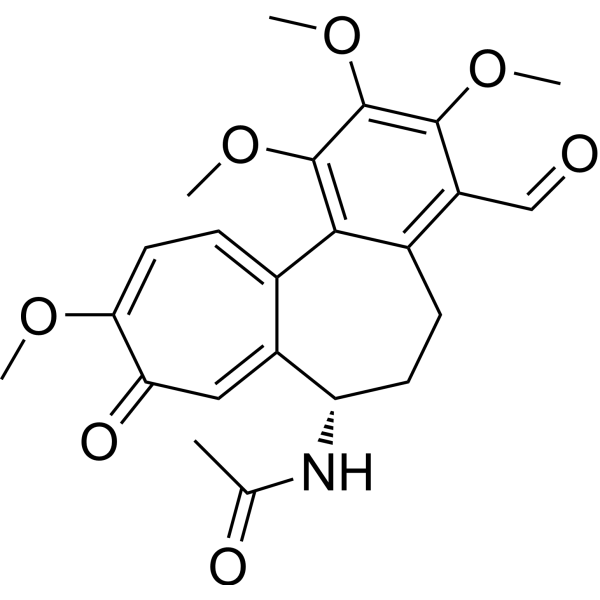
    4-Formylcolchicine is a potent anticancer agent. 4-Formylcolchicine shows cytotoxicity activity with IC50 values of 1.007, 0.128, 0.054 μM for A549, HT-29, HCT116 cells, respectively .
    4-Formylcolchicine
  • HY-131022

    JF549 TFA

    Fluorescent Dye Others
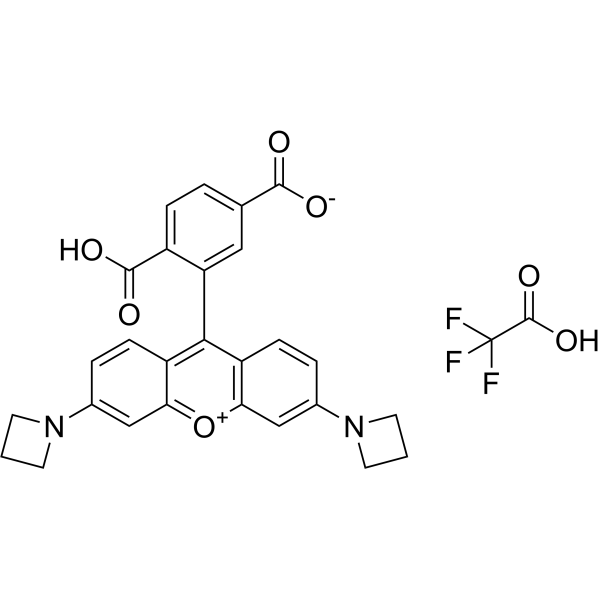
    Janelia Fluor® 549 TFA (JF549 TFA) is a fluorescent dye with the absorption maximum (λab (max)) of 549 nm and emission maximum (λem (max)) of 571 nm . Janelia Fluor® products are licensed under U.S. Pat. Nos. 9,933,417, 10,018,624 and 10,161,932 and other patents from Howard Hughes Medical Institute.
    Janelia Fluor® 549 TFA
  • HY-P1935

    Biochemical Assay Reagents Cancer
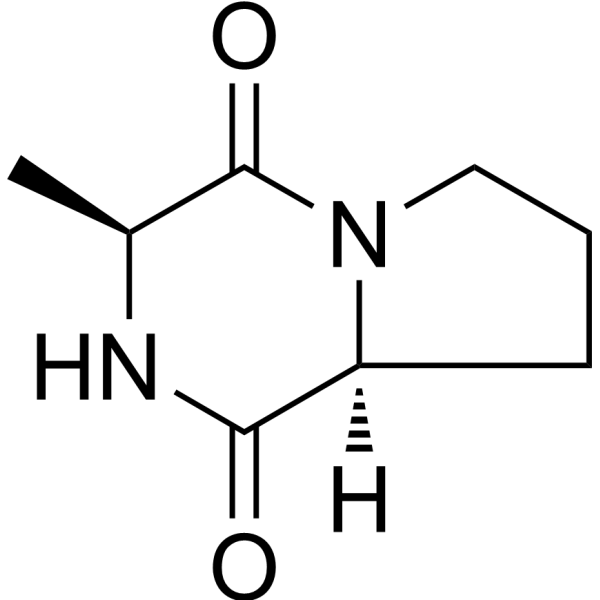
    Cyclo(Ala-Pro) is an anticancer agent that is toxic to cancer cells such as A549, HCT-116 and HepG2 .
    Cyclo(Ala-​Pro)
  • HY-N10113
    Verrucarin J
    1 Publications Verification

    Muconomycin B

    Apoptosis Arenavirus Fungal Antibiotic Reactive Oxygen Species (ROS) Infection Cancer
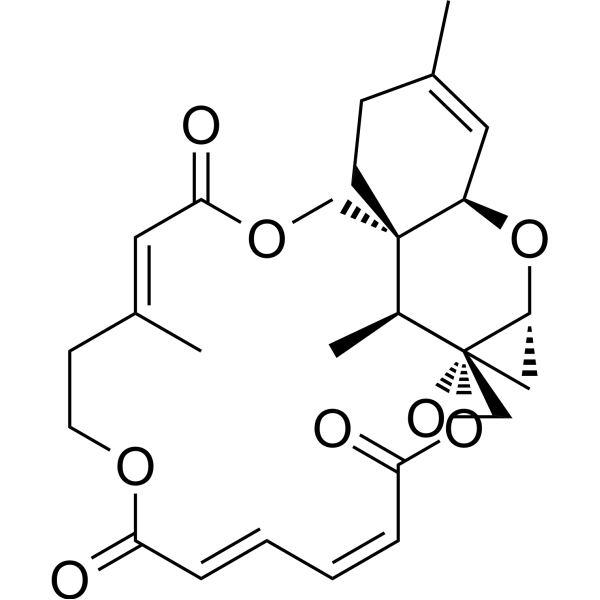
    Verrucarin J (Muconomycin B) is a metabolite of the Myrothecium fungus family. Verrucarin J generates reactive oxygen species (ROS) and induces apoptosis of cancer cell lines, such as A549, HCT 116 and SW-620 cells. Verrucarin J shows activities against Candida albicans and Mucor miehei. Verrucarin J inhibits arenavirus Junin (JUNV) yield with an IC50 of 1.2 ng/mL .
    Verrucarin J
  • HY-D2923

    Fluorescent Dye Others
    PA-JF549-Halo ligand is a covalently linked conjugate comprising the photoactivatable fluorescent dye PA-JF549 and a ligand for the HaloTag protein. PA-JF549-Halo ligand exhibts inherent structural properties and predispose it to localize within mitochondria. PA-JF549-Halo ligand combines the exceptional brightness, photostability, and cell permeability of the JF549 dye with photoactivation capabilities and the high specificity characteristic of HaloTag protein labeling technology. PA-JF549-Halo ligand enables high-quality single-molecule imaging and super-resolution imaging of specific proteins within live cells .
    PA-JF549-Halo ligand
  • HY-R01704

    MicroRNA Cancer
    hsa-miR-549a-3p mimics are small, chemically synthesized double-stranded RNAs that mimic endogenous miRNAs and enable miRNA functional analysis by up-regulation of miRNA activity.
    hsa-miR-549a-3p mimic
    hsa-miR-549a-3p mimic
  • HY-N10904

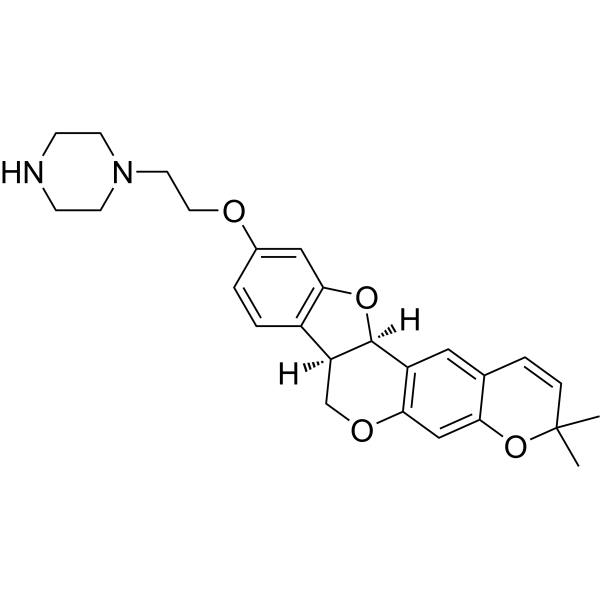
    Others Cancer
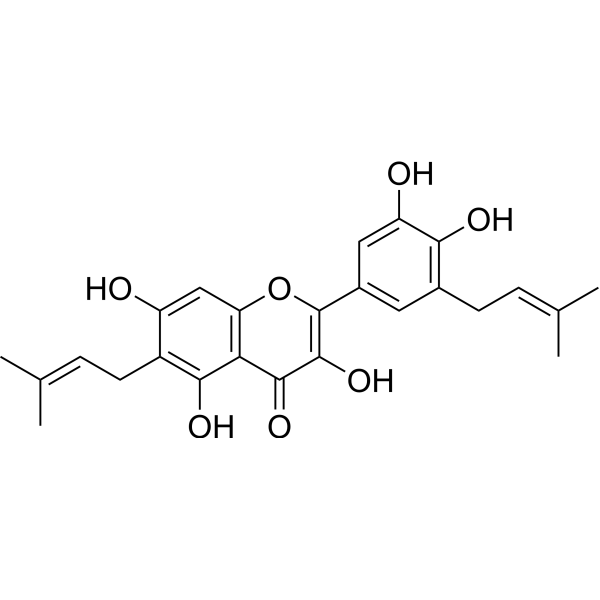
    Broussonol E is a diprenylated flavonol. Broussonol E can be isolated from the leaves of Broussonetia kazinoki. Unlike some dinonylated flavonol derivatives, Broussonol E has no cytotoxicity to human tumor cell lines (A549, HCT-8, KB) .
    Broussonol E
  • HY-N8491

    Others Cancer
    Dihydrocarveol is an anticancer agent. Dihydrocarveol shows inhibitory activity against human colon adenocarcinoma cells (HCT-116, HT-29, COLO320DM) with an IC50 value of 28.31 μM in HCT-116 cells. Dihydrocarveol is promising for research of colon cancer .
    Dihydrocarveol
  • HY-D2949

    Fluorescent Dye Others
    SNAP-549 is a DY-549P1-labeled SNAP tag fluorescent probe, specifically designed for single-molecule imaging and dynamic tracking of proteins in living cells. SNAP-549 only labels SNAP-tag fusion proteins, with low background signals and forming irreversible connections, making it suitable for long-term observation .
    SNAP-549
  • HY-131024

    JF549, Tetrazine

    Fluorescent Dye Others
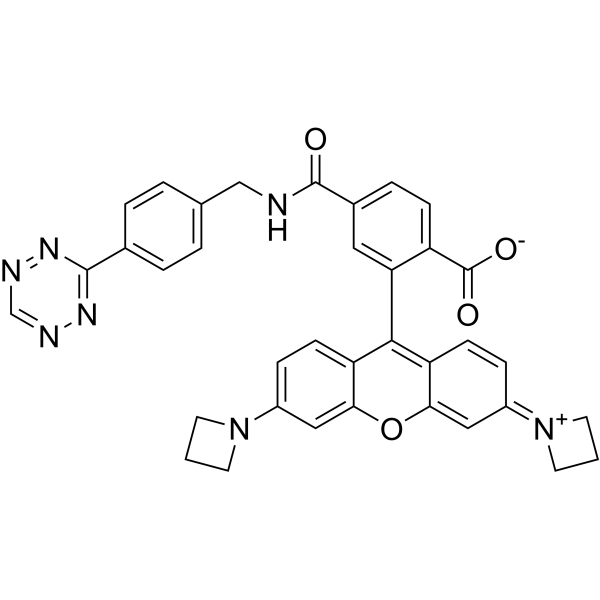
    Janelia Fluor® 549, Tetrazine (JF549, Tetrazine) is a fluorescent dye with the absorption maximum (λab (max)) of 549 nm and emission maximum (λem (max)) of 571 nm . Janelia Fluor® products are licensed under U.S. Pat. Nos. 9,933,417, 10,018,624 and 10,161,932 and other patents from Howard Hughes Medical Institute.
    Janelia Fluor® 549, Tetrazine
  • HY-131023

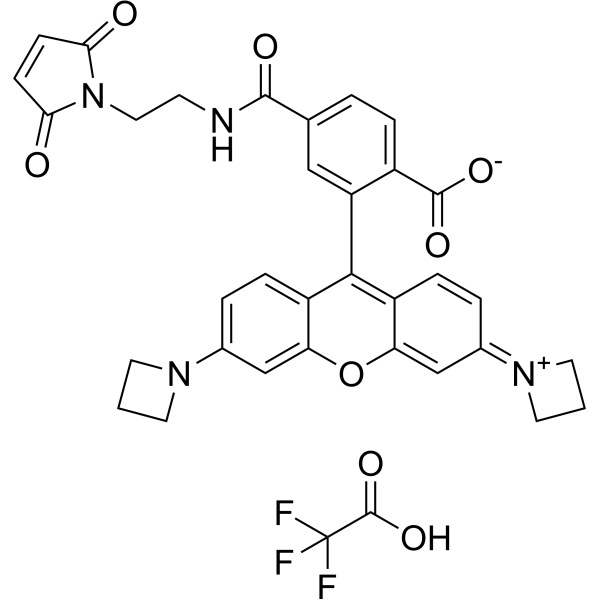
    JF549, Maleimide TFA

    Fluorescent Dye Others
    Janelia Fluor® 549, Maleimide TFA (JF549, Maleimide TFA) is a fluorescent dye with the absorption maximum (λab (max)) of 549 nm and emission maximum (λem (max)) of 571 nm . Janelia Fluor® products are licensed under U.S. Pat. Nos. 9,933,417, 10,018,624 and 10,161,932 and other patents from Howard Hughes Medical Institute.
    Janelia Fluor® 549, Maleimide TFA
  • HY-RI01704

    MicroRNA Cancer
    hsa-miR-549a-3p inhibitors are chemically-modified oligonucleotides that hybridize with mature miRNAs. The miRNA inhibitors have full-length nucleotide 2'-methoxy modification. The miRNA inhibitors strongly compete with mature miRNAs to prevent the complementary pairing of miRNAs and their target genes, thereby inhibiting miRNAs from functioning.
    hsa-miR-549a-3p inhibitor
    hsa-miR-549a-3p inhibitor
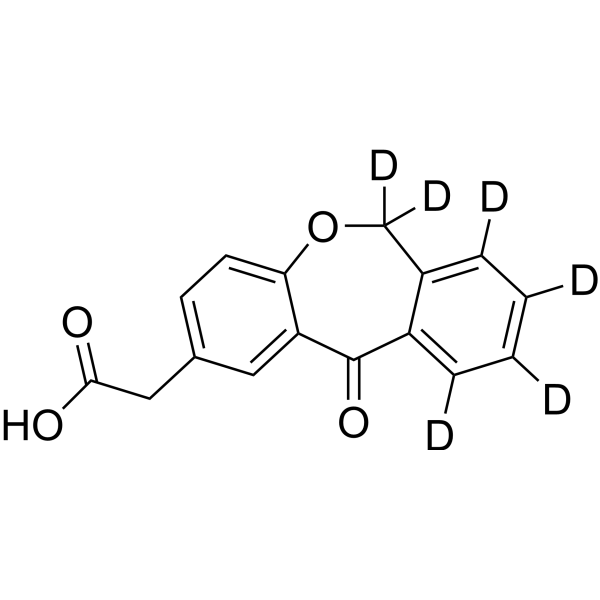
  • HY-W050088S

    HP 549-d6

    Isotope-Labeled Compounds Drug Derivative Neurological Disease Inflammation/Immunology
    Isoxepac-d6 (HP 549-d6) is the deuterium labeled Isoxepac (HY-W050088). Isoxepac (HP 549) is an orally active non-steroidal anti-inflammatory agent. Isoxepac can inhibit Carrageenan (HY-125474) paw oedema, adjuvant-induced polyarthritis, and prostaglandin synthesis. Isoxepac (200 mg) has an analgesic effect after meniscectomy with a low incidence of side effects. Isoxepac can be used in the research of inflammatory (rheumatoid arthritis) and pain-related diseases .
    Isoxepac-d6
  • HY-E70823

    FGFR Cancer
    FGFR2 is a receptor tyrosine kinase that is involved in many human cancers such as intrahepatic cholangiocarcinomas and hepatocellular carcinomas. FGFR2 N549K is a mutant of FGFR3. FGFR2 N549K Recombinant Human Active Protein Kinase is a recombinant FGFR4 N535K protein that can be used to study FGFR4 N535K-related functions .
    FGFR2 N549K Recombinant Human Active Protein Kinase
  • HY-178937

    RIP kinase Cancer
    Anticancer agent 284 exhibits cytotoxicity against osteosarcoma cell line (Hos), non-small cell lung cancer cell line (A549), and colon cancer cell line (HCT-116). Anticancer agent 284 can impact the pRIPK3 kinase concentration in the A549 (2.97 pg/mL). Anticancer agent 284 can be used for the study of cancer .
    Anticancer agent 284
  • HY-U00013R

    HCT 1206 (Standard); NO-flurbiprofen (Standard); Nitroxybutyl flurbiprofen (Standard)

    Reference Standards COX Cardiovascular Disease
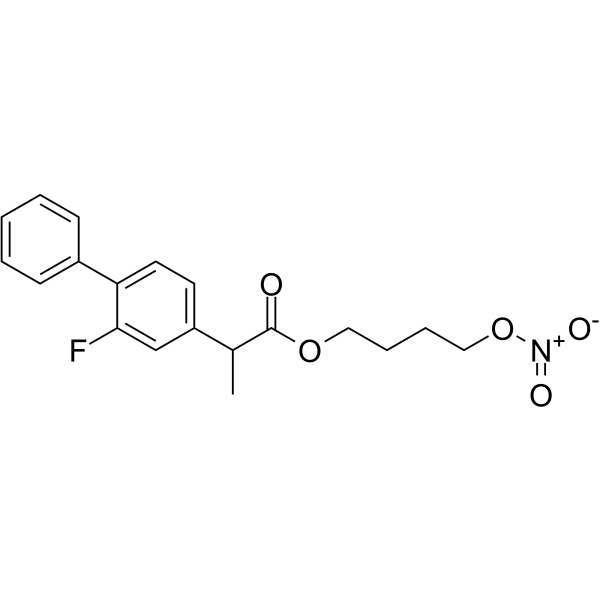
    Nitroflurbiprofen is a cyclooxygenase (COX) inhibitor with nitric oxide (NO)-donating properties, modulates the increased intrahepatic vascular tone in portal hypertensive cirrhotic rats.
    Nitroflurbiprofen (Standard)
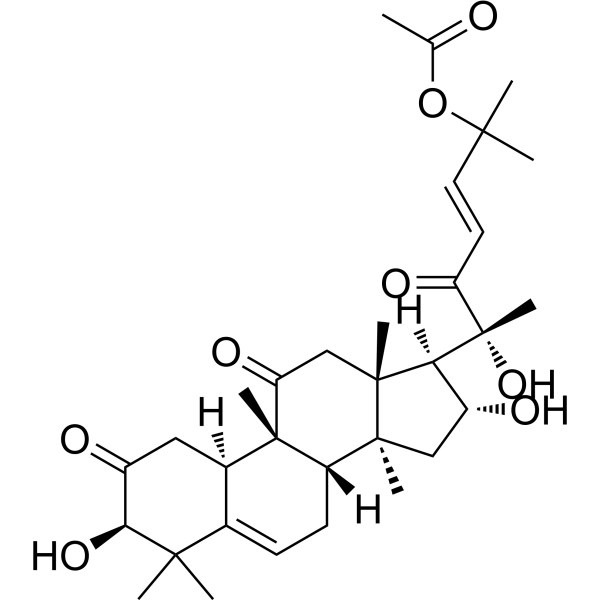
  • HY-N6578

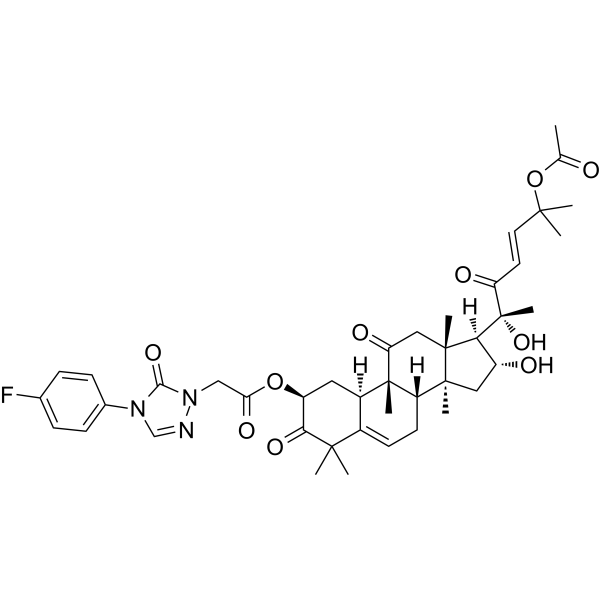
    Others Cancer
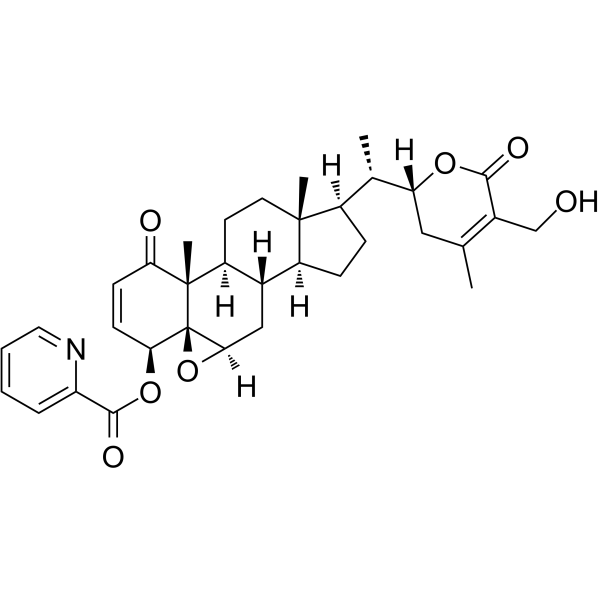
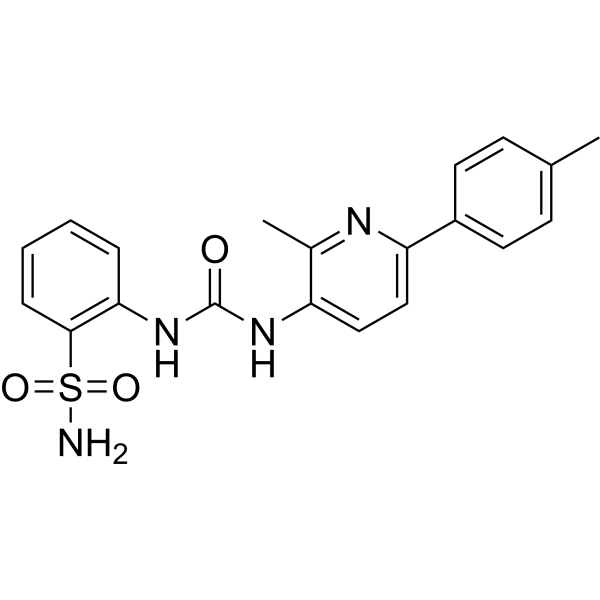
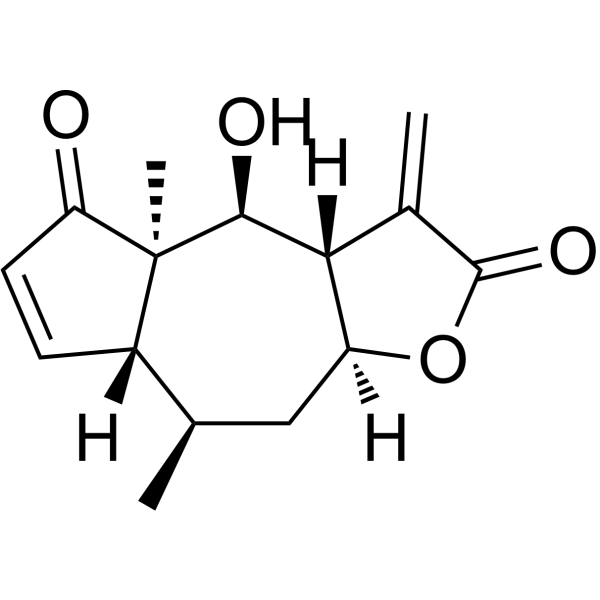
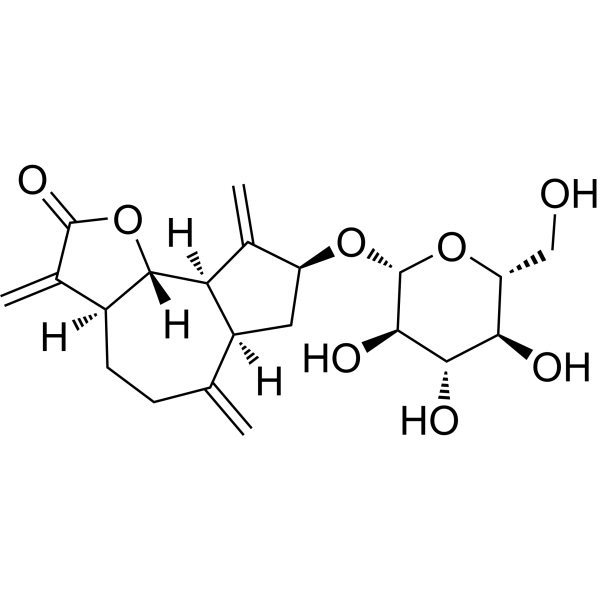
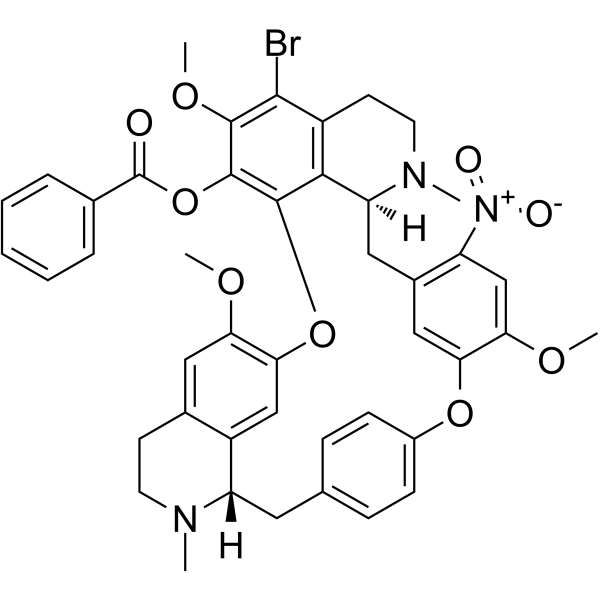
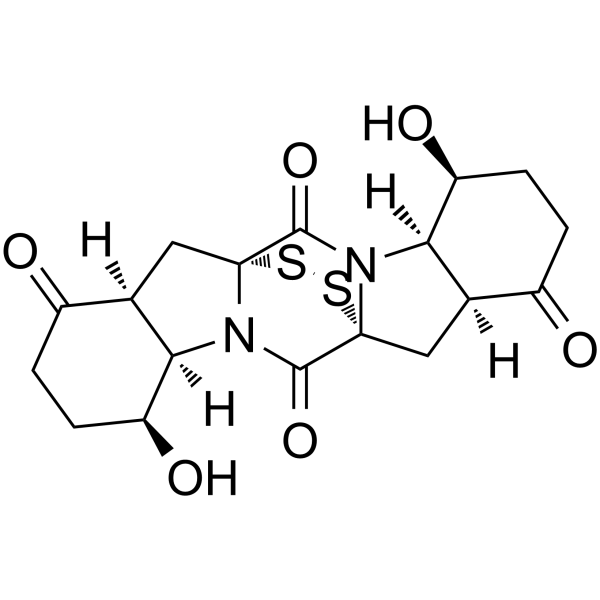
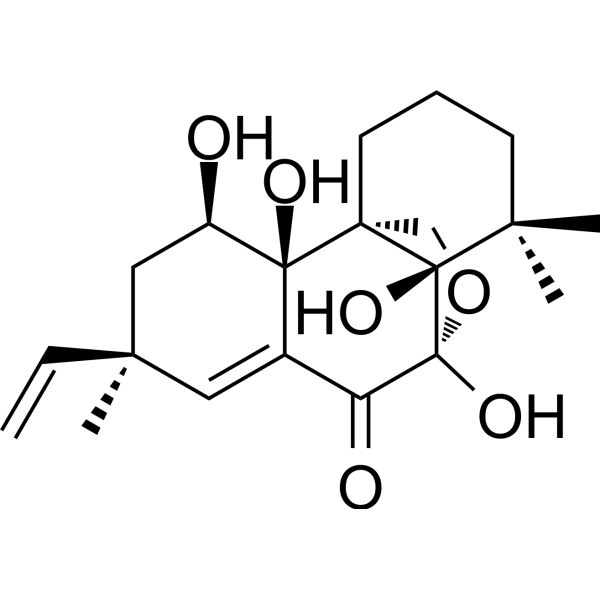
    3-epi-Isocucurbitacin B (Compound 5) is a cucurbitane triterpene derived from Trichosanthes kirilowii. 3-epi-Isocucurbitacin B shows significant cytotoxicity to human tumor cells A-549, SK-OV-3, SK-MEL-2, XF-498 and HCT15 .
    3-epi-Isocucurbitacin B
  • HY-173489

    Wnt β-catenin Cancer
    Wnt/β-catenin-IN-5 (compound 19T) is a Wnt/β-catenin signaling pathway inhibitor. Wnt/β-catenin-IN-5 inhibits HCT 116, SW480, and A549 cells activity with IC50s of 3.05, 3.27 and 34.91 μM, respectively .
    Wnt/β-catenin-IN-5
  • HY-170910

    HSP Cancer
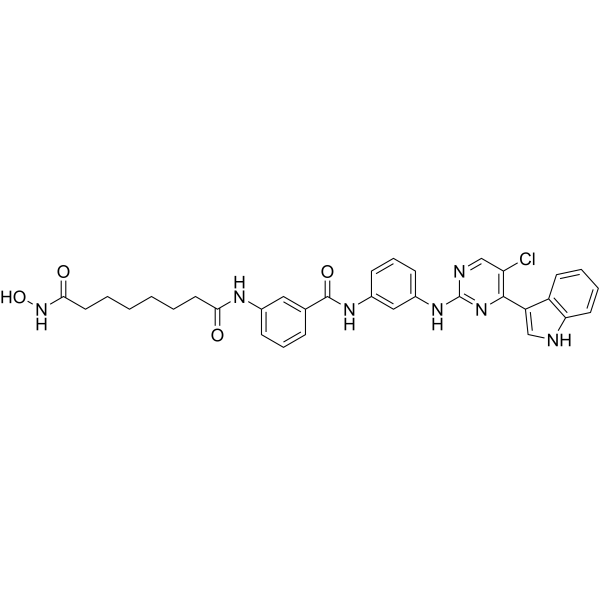
    Hsp90-IN-39 (Compound 16t) is a HSP90 inhibitor with notable selectivity for the HSP90α isoform. Hsp90-IN-39 demonstrates significant antiproliferative activity in various cancer cell lines, including MCF-7, HCT116, SKBr3, K562, and A549. Hsp90-IN-39 holds potential for cancer research .
    Hsp90-IN-39
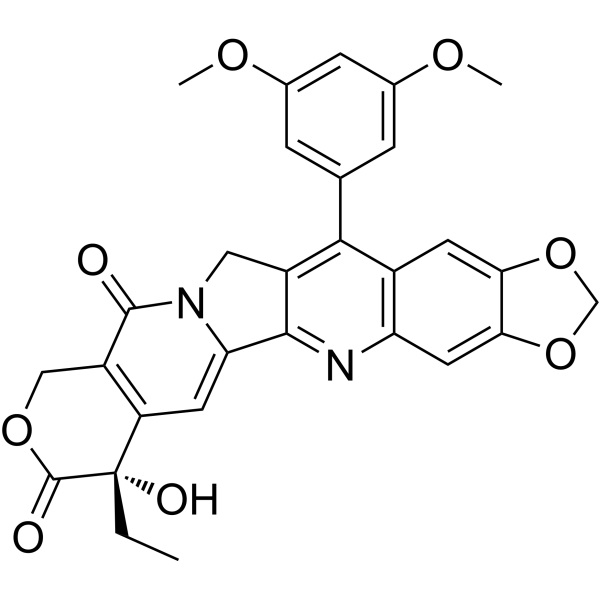
  • HY-157419

    7-(4-Ethylphenyl)-FL118

    Apoptosis Cancer
    FL77-24, a FL118 analog and apoptosis inducer, possesses antitumor activity, with IC50 values of 99.4 nM, 118 nM, <6.4 nM, 28.5 nM and <6.4 nM in HCT116, HepG2, MCF-7, A549 and HeLa cells, respectively. FL77-24 mainly causes cell cycle arrest in S and G2/M phases .
    FL77-24
  • HY-168725

    PROTACs Kinesin Apoptosis Cancer
    PROTAC KSP degrader 1 (Compound 21) is a PROTAC Degrader for kinesin spindle protein (KSP), that degrades KSP in HCT-116 with DC50 of 114.8 nM. PROTAC KSP degrader 1 inhibits the proliferation of HCT-116 with IC50 of 10 nM, arrests the cell cycle of HCT-116 at G2/M phase, and induces apoptosis in HCT-116. PROTAC KSP degrader 1 exhibits antitumor efficacy in mouse model . (Blue: Ligand for E3 Ligase Cereblon (HY-103596); Blank: Linker (HY-168726); Pink: Target Protein Ligand (HY-168727))
    PROTAC KSP degrader 1
  • HY-119010

    Melatonin Receptor Neurological Disease
    UCM 549 is a melatonin MT2 receptor inverse agonist and a MT1 receptor antagonist .
    UCM 549
  • HY-129334

    Telomerase Cancer
    Macrocalin B is a diterpenoid, which can be isolated from Isodon xerophilus. Macrocalin B inhibits the proliferation of cancer cells K562, HL-60, A549, MKN, CA and HCT with IC50 of 2.81-171 μM. Macrocalin B inhibits the telomerase in K562 with an IC50 in nanomolar level .
    Macrocalin B
  • HY-D1680

    Fluorescent Dye Others
    LysoSR-549 is a multifunctional dye. Dyes are important tools in biological experiments. They can help researchers observe and analyze cell structures, track biomolecules, evaluate cell functions, distinguish cell types, detect biomolecules, study tissue pathology and monitor microorganisms. Their applications range from basic scientific research to clinical A wide range of diagnostics. Dyes are also widely used in traditional fields such as textile dyeing, as well as in emerging fields such as functional textile processing, food pigments and dye-sensitized solar cells.
    LysoSR-549
  • HY-R01705

    MicroRNA Cancer
    hsa-miR-549a-5p mimics are small, chemically synthesized double-stranded RNAs that mimic endogenous miRNAs and enable miRNA functional analysis by up-regulation of miRNA activity.
    hsa-miR-549a-5p mimic
    hsa-miR-549a-5p mimic
  • HY-R01705A

    MicroRNA Cancer
    hsa-miR-549a-5p agomirs are chemically-modified double-strand miRNA mimics with modified mature miRNA strand: 2 phosphorothioates at the 5' end, 4 phosphorothioates at the 3' end, 3' end cholesterol group, and full-length nucleotide 2'-methoxy modification. They are designed to mimic endogenous miRNAs and recommended for miRNA functional studies. Compared with miRNA mimics, they exhibits enhanced cellular uptake, stability and regulatory activity in vivo.
    hsa-miR-549a-5p agomir
    hsa-miR-549a-5p agomir
  • HY-RI01704A

    MicroRNA Cancer
    hsa-miR-549a-3p antagomirs are chemically-modified oligonucleotides that hybridize with mature miRNAs. The miRNA antagomirs have 2 phosphorothioates at the 5' end, 4 phosphorothioates at the 3' end, 1 cholesterol group at the 3' end, and full-length nucleotide 2'-methoxy modification. The miRNA antagomirs strongly compete with mature miRNAs to prevent the complementary pairing of miRNAs and their target genes, thereby inhibiting miRNAs from functioning. Stability of miRNA antagomirs appears to be significantly higher than miRNA inhibitors, they exhibits enhanced cellular uptake, stability and regulatory activity in vivo.
    hsa-miR-549a-3p antagomir
    hsa-miR-549a-3p antagomir
  • HY-E70822

    FGFR Cancer
    FGFR2 is a receptor tyrosine kinase that is involved in many human cancers such as intrahepatic cholangiocarcinomas and hepatocellular carcinomas. FGFR2 N549H is a mutant of FGFR3. FGFR2 N549H Recombinant Human Active Protein Kinase is a recombinant FGFR4 N535H protein that can be used to study FGFR4 N535H-related functions .
    FGFR2 N549H Recombinant Human Active Protein Kinase
  • HY-123898

    Tyrosinase Endogenous Metabolite Cancer
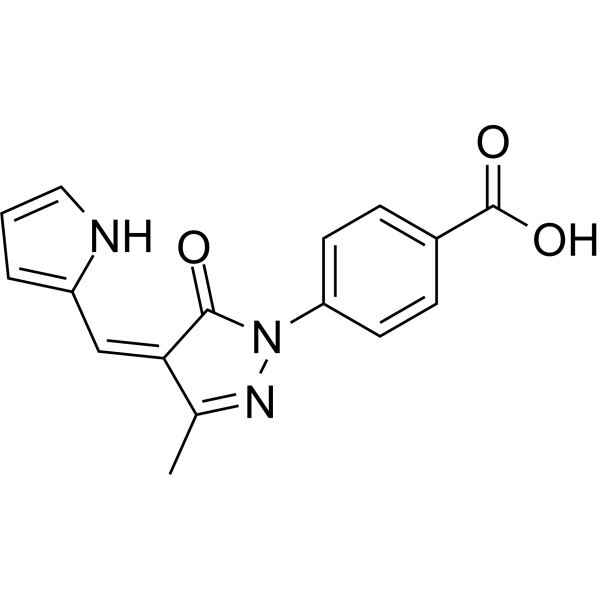
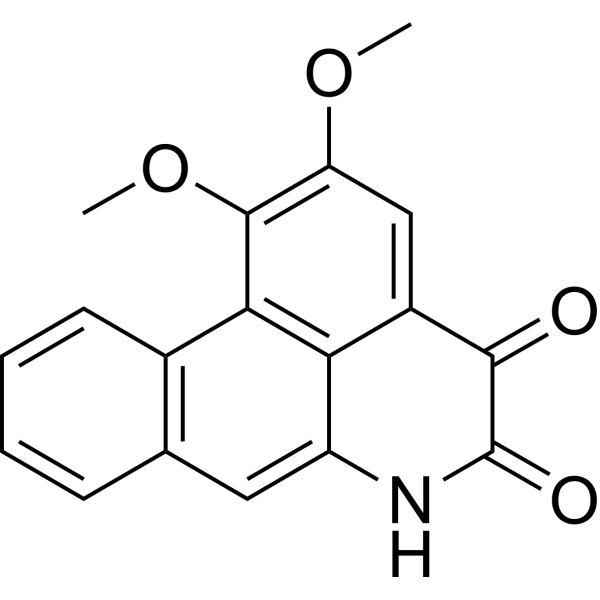
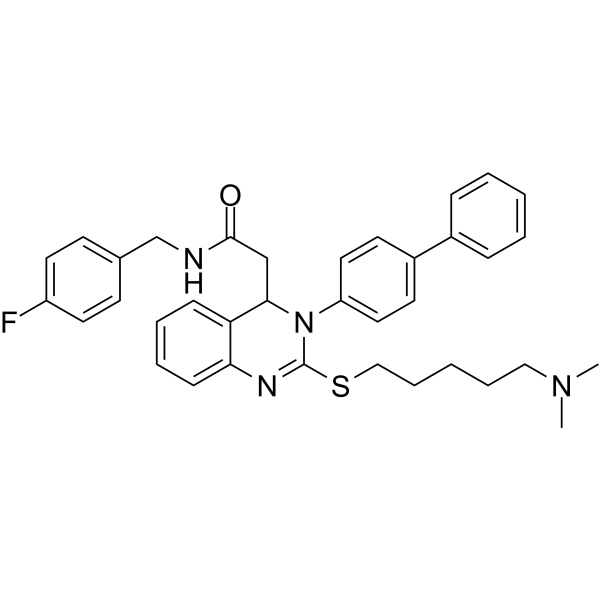
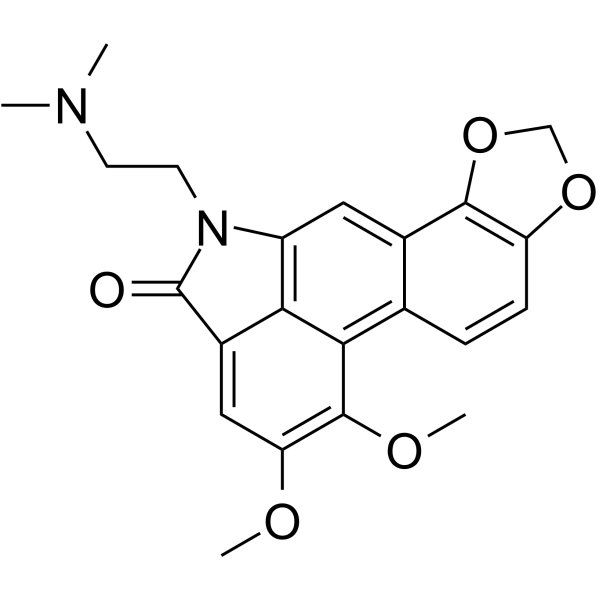
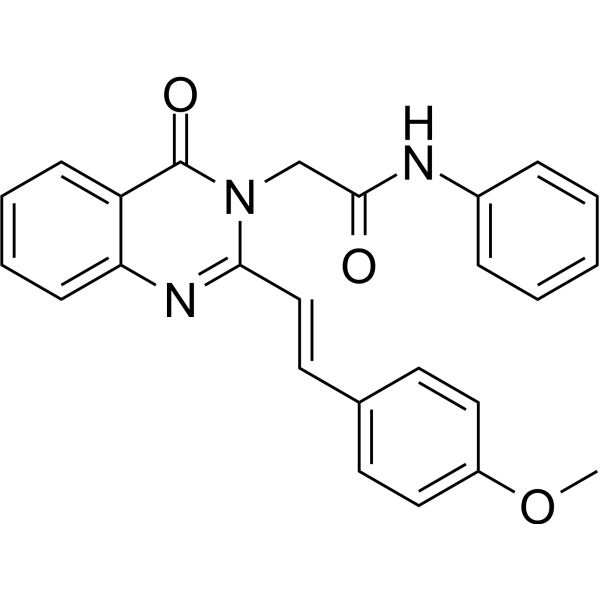
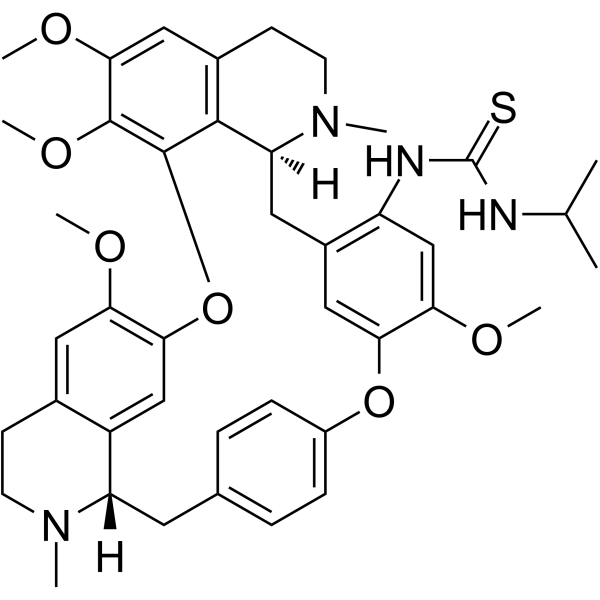
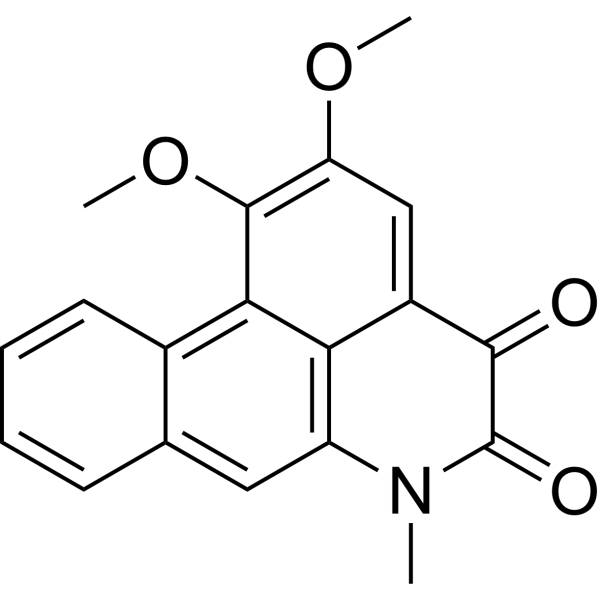
    Cepharadione B (compound 22) is a natural compound isolated from the leaves of Piper sanctum. Cepharadione B is a tyrosinase inhibitor with an IC50 value of 170 μM, and inhibits cell growth in A-549, SK-OV-3, SK-MEL-2, XF-498 and HCT-15 cells .
    Cepharadione B
  • HY-U00013

    HCT 1206; NO-flurbiprofen; Nitroxybutyl flurbiprofen

    COX Cardiovascular Disease
    Nitroflurbiprofen is a cyclooxygenase (COX) inhibitor with nitric oxide (NO)-donating properties, modulates the increased intrahepatic vascular tone in portal hypertensive cirrhotic rats.
    Nitroflurbiprofen
  • HY-14931

    AZD 3582; HCT 3012; Nitronaproxen

    COX Inflammation/Immunology
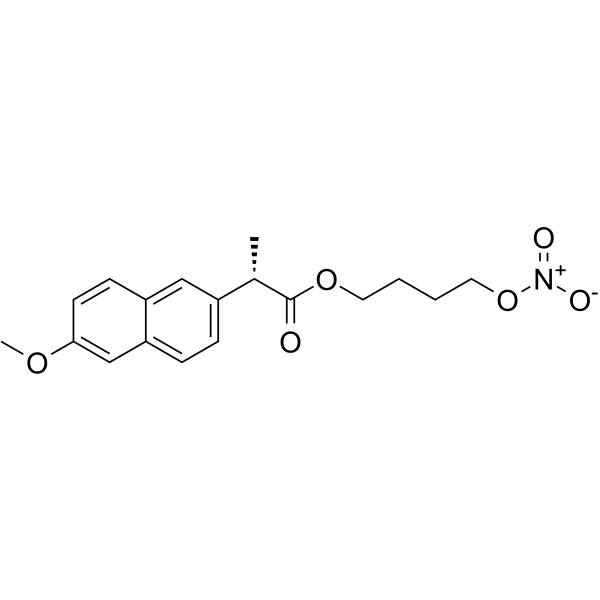
    Naproxcinod (Nitronaproxen) is the first in class of cyclooxygenase (COX)-inhibiting nitric oxide donators (CINODs). Naproxcinod shows analgesic and anti-inflammatory effects, it can be used for the research of osteoarthritis and inflammation .
    Naproxcinod
  • HY-N3179

    Others Others
    Norcepharadione B is an alkaloid that can be isolated from Houttuynia cordata. Norcepharadione B exhibits moderate cytotoxicity against A-549, SK-OV-3, SK-MEL-2, XF-498 and HCT-15 cell line with ED50s of 40, 26.4, 40, 14.2 and 38.2 μg/mL, respectively .
    Norcepharadione B
  • HY-155522

    Carbonic Anhydrase Cancer
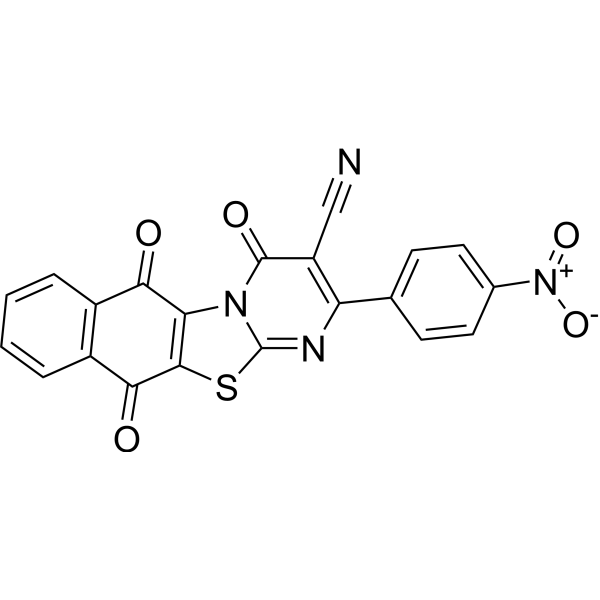
    WES-1 (Compound 8g) is an inhibitor of carbonic anhydrase IX (Ki: 55.9 μM). WES-1 has broad spectrum anti-proliferative activity against the cancer cells, such as leukemia (K-562 and MOLT-4), non-small cell lung cancer (NCI–H460), colon cancer (HCT 116 and HCT-15) and melanoma (LOX IMVI) cell lines .
    WES-1
  • HY-113796

    Others Cancer
    Kopsoffinol, a bisindole alkaloid, shows in vitro growth inhibitory activity against human PC-3, HCT-116, MCF-7, and A549 cells and moderate effects in reversing multidrug-resistance in vincristine-resistant human KB cells .
    Kopsoffinol
  • HY-N7535

    Others Cancer
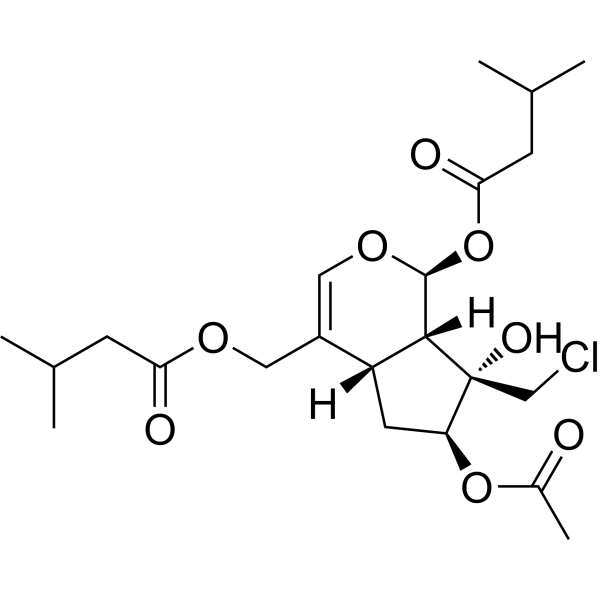
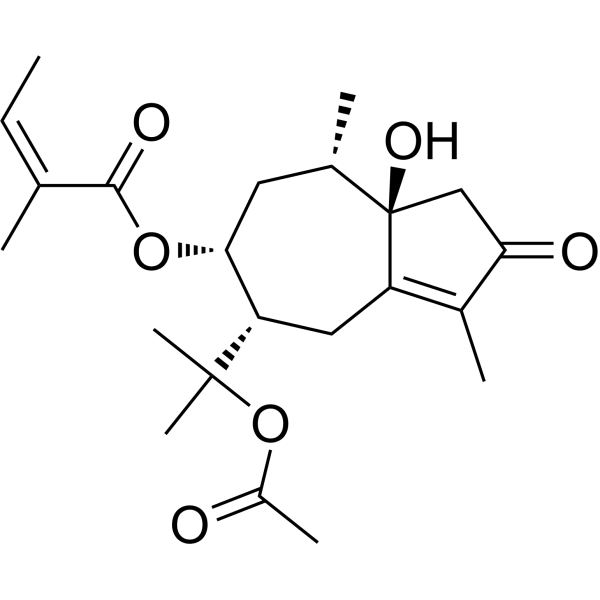
    Chlorovaltrate K is a chlorinated valepotriate with anticancer effects. Chlorovaltrate K shows moderate cytotoxicity against A549, PC-3M, HCT-8 and Bel 7402 cell lines with IC50 values of 2.32-8.26 μM .
    Chlorovaltrate K

Consulta en línea

Your information is safe with us. * Required Fields.

Saludo


Country or Region *

Nombre del solicitante *


Nombre de la Organizaciòn *

Department *


Direcciòn del E-mail *


Nombre del producto *

Cat. No.


Requested quantity *

Número de teléfono *


Observaciones

Consulta en línea

Inquiry Information

Nombre del producto:
Cat. No.:
Cantidad:
MCE Japan Authorized Agent: