Search Result
Results for "
Antiplasmodial activity
" in MedChemExpress (MCE) Product Catalog:
1
Isotope-Labeled Compounds
| Cat. No. |
Nom du produit |
Target |
Áreas de investigación |
Chemical Structure |
-
- HY-N0740
-
|
|
Cholinesterase (ChE)
5-HT Receptor
Bacterial
|
Neurological Disease
Inflammation/Immunology
|
|
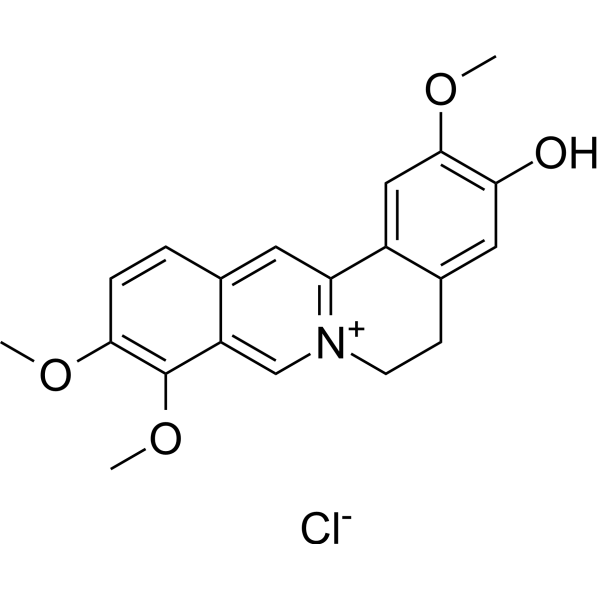
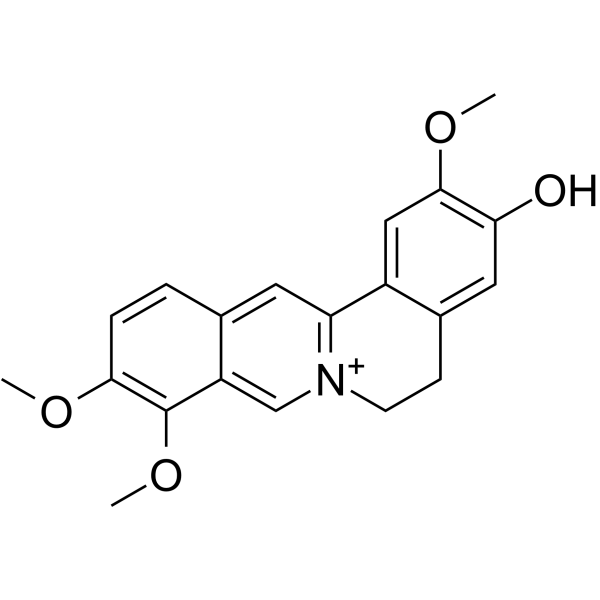
Jatrorrhizine chloride is an alkaloid isolated from?Coptis chinensis with neuroprotective, antimicrobial, antiplasmodial and antioxidant activities . Jatrorrhizine chloride is a potent and orally active inhibitor of?AChE?(IC50=872 nM) over >115-fold selectivity for BuChE . Jatrorrhizine chloride reduces uptake of serotonin (5-HT) and norepinephrine (NE) via inhibition of uptake-2 transporters .
|
-
-
- HY-N0749
-
|
|
Cholinesterase (ChE)
5-HT Receptor
Bacterial
|
Neurological Disease
|
|
Jatrorrhizine is an alkaloid isolated from Coptis chinensis with neuroprotective, antimicrobial, antiplasmodial and antioxidant activities . Jatrorrhizine is a potent and orally active inhibitor of AChE (IC50=872 nM) over >115-fold selectivity for BuChE . Jatrorrhizine reduces uptake of serotonin (5-HT) and norepinephrine (NE) via inhibition of uptake-2 transporters .
|
-
-
- HY-N1581
-
|
Nigakilactone D
|
Parasite
|
Infection
Endocrinology
|
|
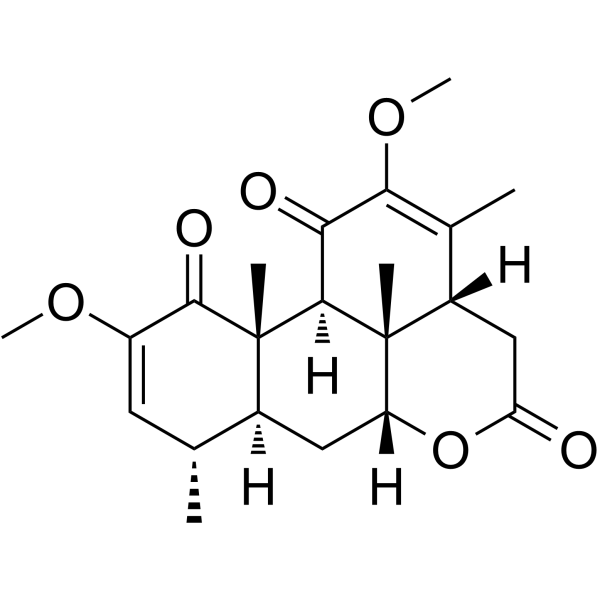
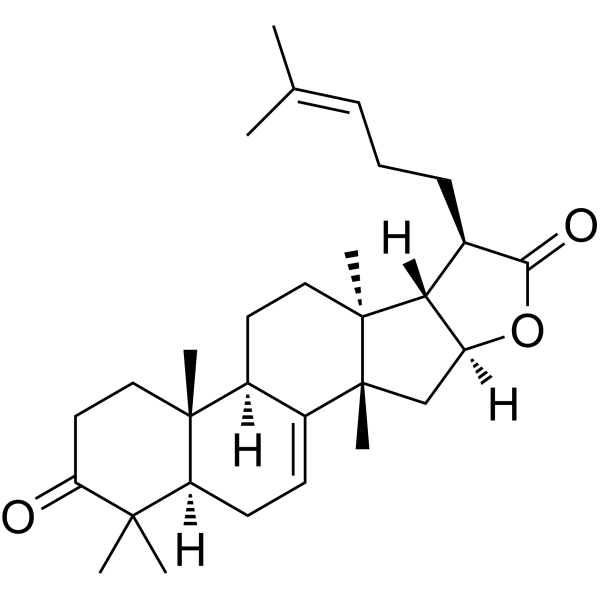
Quassin (Nigakilactone D) is a bioactive triterpenoid from stem bark extract of Quassia amara. Quassin inhibits P. falciparum with an IC50 of 0.15 μM. Quassin possesses reversible antifertility, anti-estrogenic and anti-plasmodial activity .
|
-
-
- HY-N0749A
-
|
|
Cholinesterase (ChE)
5-HT Receptor
Bacterial
|
Neurological Disease
Inflammation/Immunology
|
|
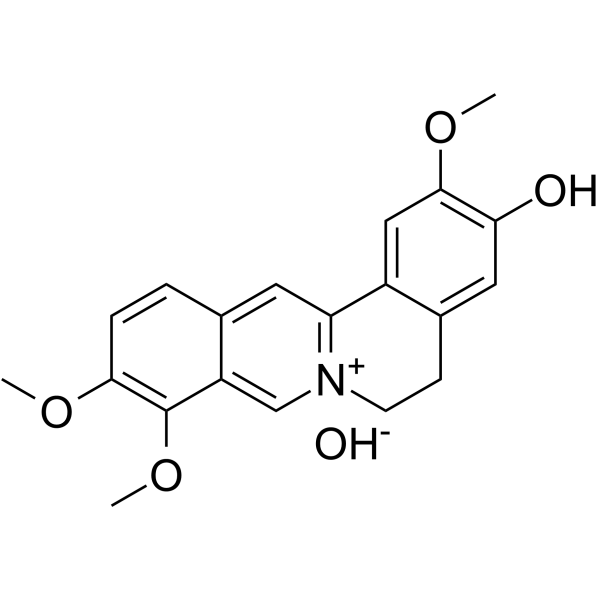
Jatrorrhizine hydroxide is an alkaloid isolated from Coptis chinensis with neuroprotective, antimicrobial, antiplasmodial and antioxidant activities . Jatrorrhizine hydroxide is a potent and orally active inhibitor of AChE (IC50=872 nM) over >115-fold selectivity for BuChE . Jatrorrhizine hydroxide reduces uptake of serotonin (5-HT) and norepinephrine (NE) via inhibition of uptake-2 transporters .
|
-
-
- HY-N5109
-
|
|
Parasite
|
Infection
|
|
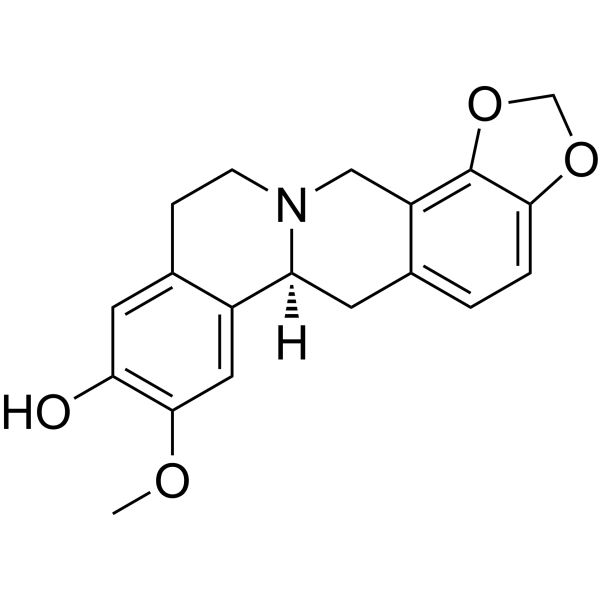
Cheilanthifoline, an alkaloid, is isolated from Corydalis calliantha. Cheilanthifoline exhibits antiplasmodial activities against Plasmodium falciparum, with IC50s of 0.90 μg/mL and 1.22 μg/mL for wild type (TM4) and multidrug resistant (K1) strains, respectively .
|
-
-
- HY-N6009
-
|
|
Parasite
NF-κB
|
Infection
|
|
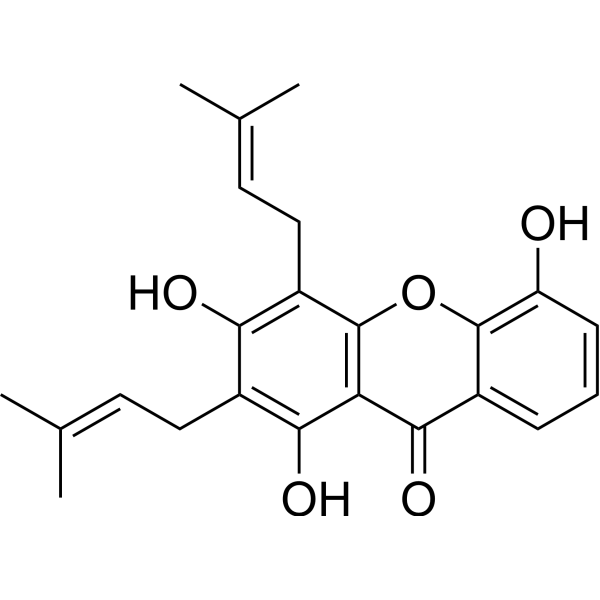
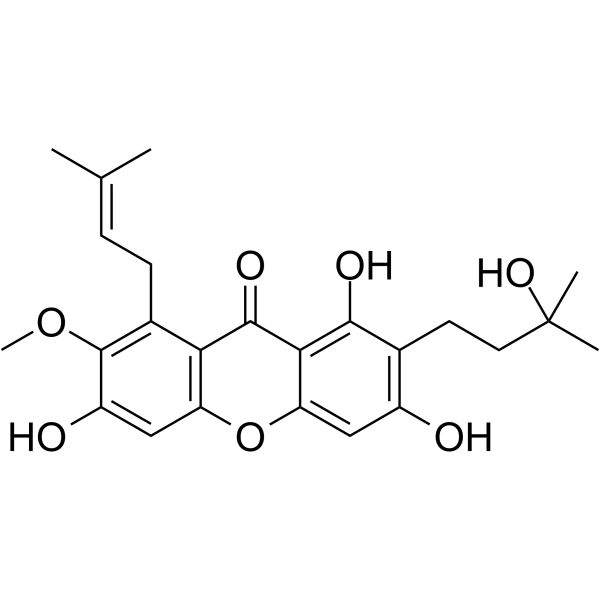
8-Deoxygartanin, a prenylated xanthones from G. mangostana, is a selective inhibitor of butyrylcholinesterase (BChE) . 8-Deoxygartanin exhibits antiplasmodial activity with an IC50 of 11.8 μM for the W2 strain of Plasmodium falciparum . 8-Deoxygartanin inhibits NF-κB (p65) activation with an IC50 of 11.3 μM .
|
-
-
- HY-N8349
-
|
|
Parasite
Endogenous Metabolite
|
Infection
Cancer
|
|
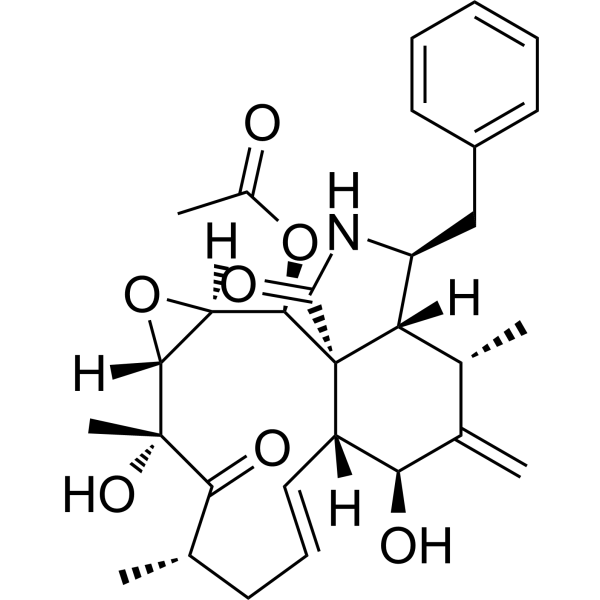
19,20-Epoxycytochalasin D, a cytochalasin, is a fungal metabolite from Nemania sp. 19,20-Epoxycytochalasin D shows potent in vitro antiplasmodial activity and phytotoxicity .
|
-
-
- HY-N6251
-
|
|
Parasite
|
Infection
|
|
Cratoxylone, isolated from the bark of Cratoxylum Cochinchinense, possesses antiplasmodial activity .
|
-
-
- HY-E70250
-
|
Cryptotackieine
|
Parasite
Bacterial
Fungal
|
Infection
|
|
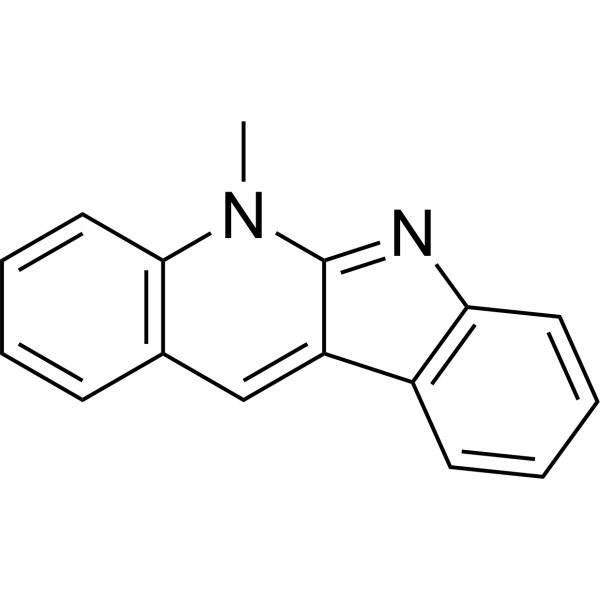
Neocryptolepine (Cryptotackieine) has antiplasmodial activity. Neocryptolepine also shows antibacterial activity against Gram-positive bacteria (MIC < 100 μg/mL), and antifungal activity .
|
-
-
- HY-N5005
-
|
Atisinium chloride
|
Parasite
|
Infection
|
|
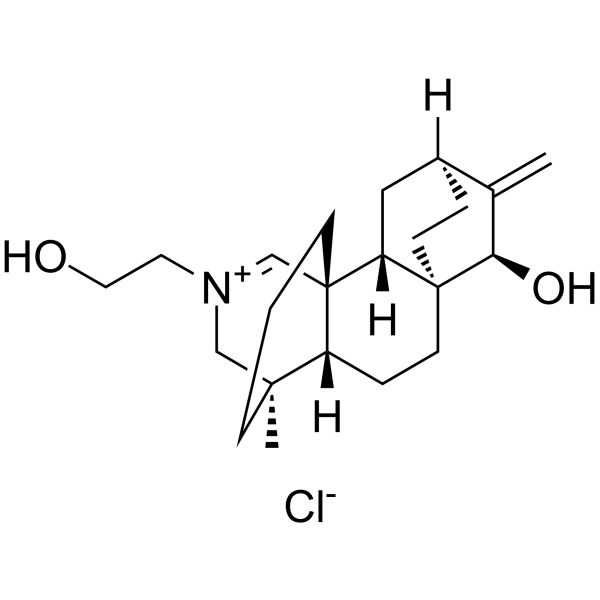
Guanfu base H (Atisinium chloride) is a diterpenoid alkaloid isolated from Aconitum coreanum and has antiplasmodial activity against the malarial Plasmodium falciparum strains TM4/8.2 (wild type) and K1CB1 with IC50 values of 4 μM and 3.6 μM, respectively .
|
-
-
- HY-N9343
-
-
-
- HY-N4037
-
|
(-)-Homopterocarpin; 3,9-Dimethoxypterocarpan
|
Monoamine Oxidase
Parasite
|
Inflammation/Immunology
|
|
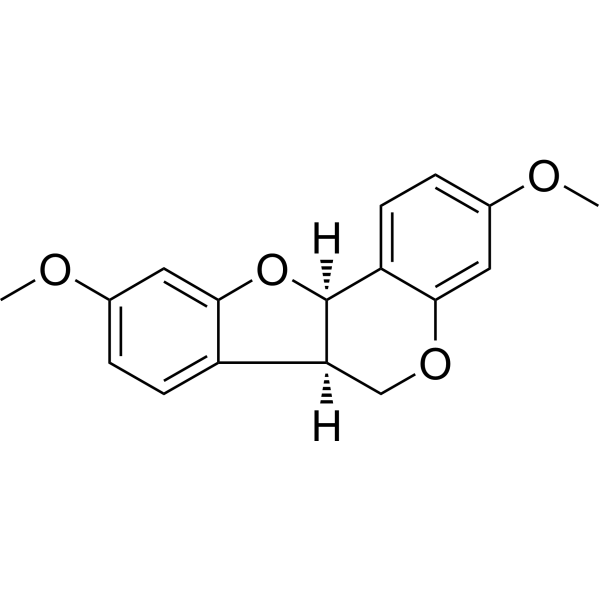
Homopterocarpin is an isoflavonoid that can be isolated from Pterocarpus erinaceus. Homopterocarpin has hepatoprotective, antioxidant and antiplasmodial activity. Homopterocarpin is a competitive reversible inhibitor of human monoamine oxidase-B with an IC50 and a Ki of 0.72 and 0.21 μM for hMAO-B, respectively. Homopterocarpin can be used for the research of liver injury and oxidative stress .
|
-
-
- HY-N7985
-
|
|
Parasite
Bacterial
|
Infection
Cancer
|
|
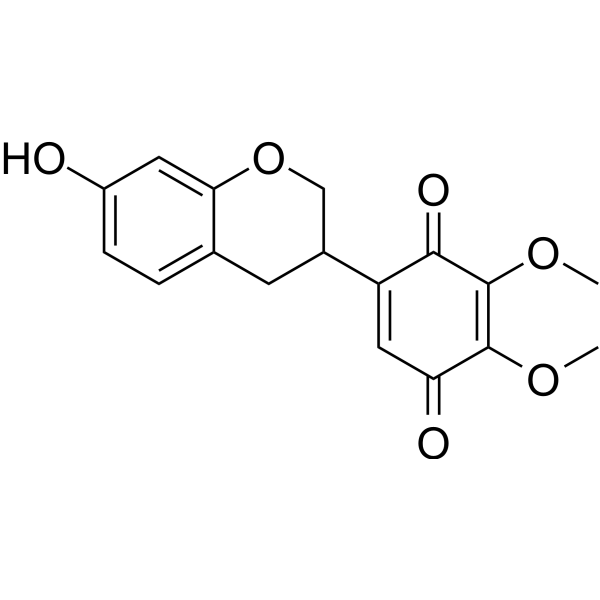
Pendulone is a isoflavanquinone with good antiplasmodial activity with an IC50 of 7.0 µM. Pendulone also has antileishmanial, antibacterial and anticancer activity .
|
-
-
- HY-N4307
-
|
|
Parasite
|
Infection
|
|
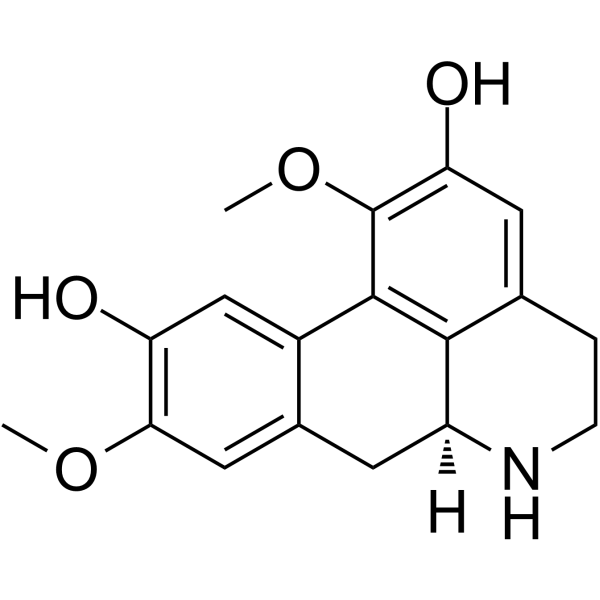
Laetanine is a noraporphine alkaloid from Litsea laeta, exhibits antiplasmodial activity. Laetanine can be found in the extract of the leaves of Phoebe tavoyana (Meissn) Hook .
|
-
-
- HY-N11031
-
|
|
Parasite
|
Infection
|
|
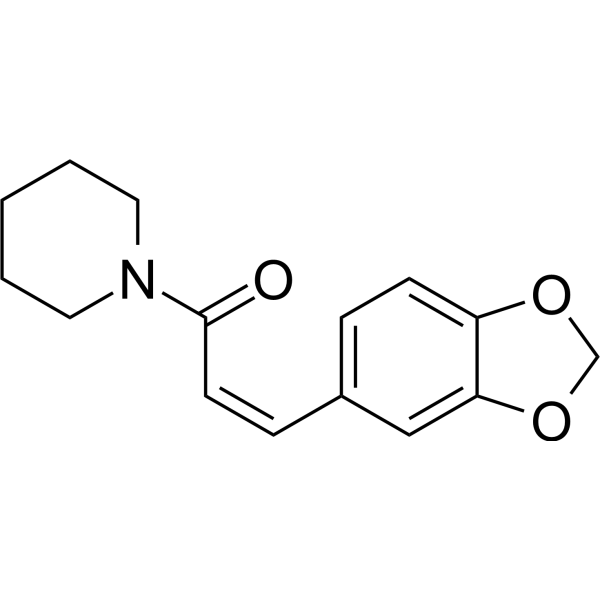
Z-Antiepilepsirine is an amide alkaloid that can be found in Piper capense L.f. Z-Antiepilepsirine shows antiplasmodial activity with an IC50 value of 27 µM for W2 strain of Plasmodium falciparum .
|
-
-
- HY-N15748
-
|
(-)-Pelorol
|
Parasite
|
Infection
|
|
Pelorol ((-)-Pelorol) is a sesquiterpene found in the tropical marine sponge Dactylospongia elegans. Pelorol has weak antitrypanosomal activity with an IC50 of 17.4 μg/mL and antiplasmodial activity against Plasmodium falciparum clones K1 and NF54 with IC50 values of 786 ng/mL and 1911 ng/mL, respectively. Pelorol is promising for research of parasitic diseases, such as trypanosomiasis and malaria .
|
-
-
- HY-N2891
-
|
Aristololactam A II
|
Parasite
COX
|
Infection
|
|
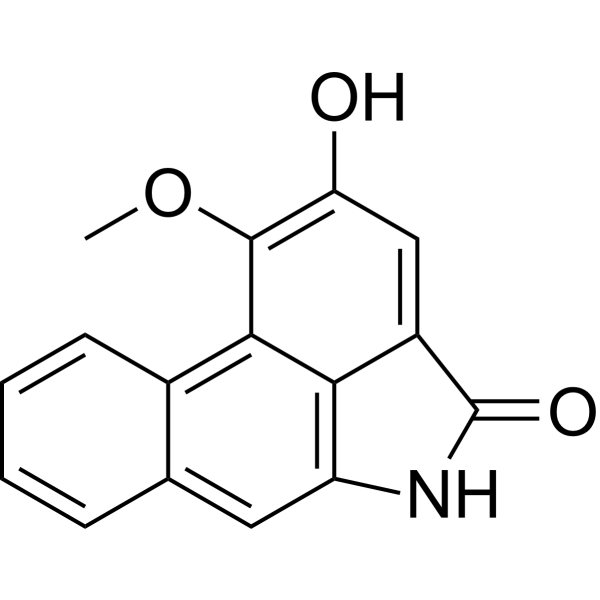
Aristolactam A II (Aristololactam A II) is a weak COX inhibitor with cytotoxic and anti-plasmodial activities. Aristolactam A II exhibits inhibitory activity against Chloroquine (HY-17589A)-sensitive strains, and exerts its inhibitory effect on Plasmodium falciparum growth by inducing cell membrane damage marked by LDH release. Aristolactam A II can be applied to the research of malaria-related mechanisms .
|
-
-
- HY-N3378
-
|
|
Farnesyl Transferase
Parasite
|
Infection
|
|
Lipiferolide is an antiplasmodial agent (IC50: 1.8 μg/mL) that can be isolated from Liriodendron tulipifera. Lipiferolide also inhibits FPTase, and has antitumor activity .
|
-
-
- HY-N1219
-
|
(-)-Stephanine; l-Stephanine
|
Apoptosis
Parasite
|
Infection
Inflammation/Immunology
Cancer
|
|
Stephanine ((-)-Stephanine) is an isoquinoline aporphine-type alkaloid. Stephanine induce apoptosis through the reverse of mitotic exit. Stephanine exhibits Antiplasmodial activity. Stephanine can be used for the research of stomach pain, abdominal pain, arthritis and cancer .
|
-
-
- HY-N2932
-
|
Amsonin; Amsonine; NSC 93133
|
Parasite
|
Infection
|
|
β-Yohimbine (Amsonin) is an indole alkaloid that can be isolated from Aspidosperma ulei Markgr. β-Yohimbine shows antiplasmodial activity against the Chloroquine (HY-17589A)-resistant Fc M29-Cameroon strain (IC50: > 1 μg/mL) .
|
-
-
- HY-147971
-
|
|
Parasite
Topoisomerase
|
Infection
Cancer
|
|
Anticancer agent 75 is a potent anticancer agent. Anticancer agent 75 shows cytotoxicity and selectivity in cancer cell lines. Anticancer agent 75 shows cytotoxicity to normal human kidney cell lines is at least 35 times lower than that of the Doxorubicin standard. Anticancer agent 75 shows good activity of antiplasmodial .
|
-
-
- HY-112728
-
|
|
Parasite
|
Infection
|
|
MMV024101 shows potency against P. falciparum NF54 with an IC50 value of 543 nM, which has antiplasmodial activity .
|
-
-
- HY-N8385
-
|
|
Parasite
Endogenous Metabolite
|
Infection
Cancer
|
|
19,20-Epoxycytochalasin C, a cytochalasin, is a fungal metabolite from Nemania sp. 19,20-Epoxycytochalasin C shows potent in vitro antiplasmodial activity and phytotoxicity .
|
-
-
- HY-P2087
-
|
|
Insecticide
Parasite
Bacterial
|
Infection
|
|
Bassianolide is a cyclooligomer depsipeptide secondary metabolite. Bassianolide is an insecticidal virulence factor of Beauveria bassiana. Bassianolide inhibits acetylcholine-induced smooth muscle contraction, and shows moderate antiplasmodial and anti-mycobacterial activities .
|
-
-
- HY-N3497
-
|
|
NF-κB
DNA/RNA Synthesis
Parasite
Apoptosis
|
Infection
Cancer
|
|
Isochamaejasmin is a biflavonoid with anti-cancer, antiplasmodial and insecticidal activities. Isochamaejasmin displays a potent NF-κB (NF-κB) activation activity. Isochamaejasmin could cause DNA damage and induce apoptosis via the mitochondrial pathway in AW1 cells . Isochamaejasmin also has a moderate antiplasmodial activity (IC50 of 7.3 μM for P. falciparum) and relatively low cytotoxicity (CC50 of 29.0 μM) .
|
-
-
- HY-174130
-
|
|
Parasite
PI4K
PKG
|
Infection
|
|
PI4Kβ/PKG-IN-1 (Compound 19) is an orally active dual inhibitor targeting Plasmodium phosphatidylinositol 4-kinase beta (PI4Kβ) and cGMP-dependent protein kinase (PKG). PI4Kβ/PKG-IN-1 exhibits potent antiplasmodial activity. PI4Kβ/PKG-IN-1 is promising for research of malaria .
|
-
-
- HY-P1638
-
|
|
Parasite
|
Infection
|
|
Isariin A is a cyclodepsipeptide isolated from the fungus Isaria cretacea, which exhibits antimalarial activity .
|
-
-
- HY-N12538
-
|
|
Parasite
|
Infection
|
|
trans-Cinnamic anhydride is a Parasite inhibitor tnat can be isolated from Cinnamomum zeylanicum and exhibits moderate activity against Plasmodium falciparum .
|
-
-
- HY-P1992
-
|
|
Parasite
|
Infection
|
|
Isariin B is a cyclodepsipeptide isolated from the fungus Isaria felina, which exhibits antimalarial activity .
|
-
-
- HY-N10624
-
|
|
Parasite
|
Infection
|
|
Koshidacin B is an antiplasmodial cyclic tetrapeptide with antiplasmodial activity against P. falciparum FCR3 and K1 strain with IC50 values of 0.89 and 0.83 μM, respectively. Koshidacin B suppresses malaria parasites in vivo, it can be used for the research of parasites infection .
|
-
-
- HY-N8476
-
|
|
Parasite
|
Infection
|
|
Sahandol is a diterpene, that can be isolated from Salvia sahendica. Sahandol shows antiplasmodial, antitrypanosomal, and cytotoxic activities .
|
-
-
- HY-N3301
-
|
|
Parasite
Bacterial
|
Infection
|
|
Melilotigenin C can be isolated from genus Erythrina. Melilotigenin C can be used for research on antiplasmodial activity, antimycobacterial activity and cytotoxicity .
|
-
-
- HY-N15403
-
|
|
Parasite
|
Infection
Cancer
|
|
Acetylcaranine is a alkaloids that can isolated from bulbs of Amaryllis belladonna Steud. Acetylcaranine shows exhibited strong antiplasmodial activity and anticancer activity .
|
-
-
- HY-163063
-
|
|
Parasite
|
Infection
|
|
Antimalarial agent 34 is a modest PfARK1/3 inhibitor and shows potent antiplasmodial activity (EC50 = 0.16 μM) .
|
-
-
- HY-156843
-
|
|
Nucleoside Antimetabolite/Analog
|
Cancer
|
|
Antiproliferative agent-38 (com 18) is a tetracyclic ring, but its most reactive ring nitrogen (probably the quinoline moiety) cannot undergo N-alkylation. Antiproliferative agent-38 lacks anti-malarial activity and lacks anti-cancer cell proliferation activity .
|
-
-
- HY-N8383
-
|
|
Parasite
|
Infection
|
|
Butyrolactone V is a butanolide compound. Butyrolactone V shows antiplasmodial activity against Plasmodium falciparum K1 with an IC50 of 7.9 µg/ml .
|
-
-
- HY-132906
-
|
|
Parasite
|
Infection
|
|
Antimalarial agent 3 shows nanomolar antiplasmodial activity (IC50 = 0.035 μM) and has a very high selectivity index with respect to mammalian cells.
|
-
-
- HY-N5107
-
|
(+)-epi-Magnolin
|
Parasite
|
Infection
|
|
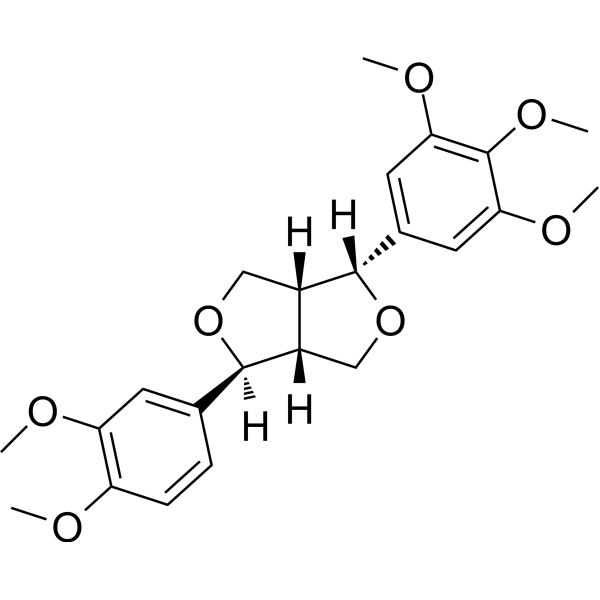
Epimagnolin A, a furfuran lignan, shows mild antiplasmodial activities (IC50=5.7 μg/mL) without noticeable toxicity on mammalian normal cells .
|
-
-
- HY-148180
-
|
|
Bacterial
Parasite
|
Infection
|
|
Antimycobacterial agent-4 is a 2-amino-4-(2-pyridyl) thiazole derivative, with antimycobacterial activity, antiplasmodial activity, and cytotoxicity on a mammalian cell line .
|
-
-
- HY-136943
-
|
|
Antibiotic
Parasite
Bacterial
|
Infection
|
|
K-41 is an orally active antibiotic. K-41 can be obtained from Streptomyces hygroscopicus. K-41 has antibacterial and antiplasmodial activity .
|
-
-
- HY-168208
-
|
|
Parasite
|
Infection
|
|
Antimalarial agent 45 (compound 8I) is a antimalarial agent and shows antiplasmodial activity the IC50 of 0.21 μM. Antimalarial agent 45 can be used for study of malaria .
|
-
-
- HY-161171
-
|
|
Parasite
Ephrin Receptor
|
Cancer
|
|
Antimalarial agent 37 (compound 33) is a selective inhibitor against Type Ⅱ kinase with antiplasmodial activity. Antimalarial agent 37 exhibited cytotoxicity and selectivity towards cancer cells HepG2 and MCF 7 .
|
-
-
- HY-N2903
-
|
|
Parasite
|
Infection
|
|
Artoheterophyllin B can be isolated from A. heterophyllus. Artoheterophyllin B shows antiplasmodial activity (IC50: 13.7 μM against FcB1 strain). Artoheterophyllin B can be used for anti-malarial research .
|
-
-
- HY-W026467
-
|
|
Parasite
|
Infection
|
|
MMV665916, a quinazolinedione derivative, is an antimalarial agent. MMV665916 displays antiplasmodial activity against P. falciparum FcB1 strain with EC50 value of 0.4 μM and presents the high selectivity index (SI>250) .
|
-
-
- HY-169922
-
|
|
HDAC
Parasite
Caspase
|
Cancer
|
|
HDAC-IN-82 (Compound 18b) is a histone deacetylase (HDAC) inhibitor with selective antiplasmodial and anticancer activity. HDAC-IN-82 shows potent antiproliferative activity and caspase 3/7 activation in cancer cells. HDAC-IN-82 causes hyperacetylation of histone H3 and α-tubulin .
|
-
-
- HY-N10754
-
|
|
mTOR
Cytochrome P450
|
Infection
Cardiovascular Disease
Cancer
|
|
Aschantin, a bisepoxylignan, can be isolated from Magnolia biondii. Aschantin has antiplasmodial, Ca 2+-antagonistic, platelet activating factor-antagonistic, and chemopreventive activities. Aschantin is a mTOR kinase inhibitor. Aschantin is also an inhibitor of Cytochrome P450 and UGT enzyme .
|
-
-
- HY-N8691
-
|
|
Parasite
|
Infection
Inflammation/Immunology
|
|
2',6'-Dihydroxy-4'-methoxydihydrochalcone is an orally active dihydrochalcone compound with antiplasmodial and anti-inflammatory activities. 2',6'-Dihydroxy-4'-methoxydihydrochalcone reduces the IL-1β, TNF, and nitrite levels in vitro .
|
-
-
- HY-172953
-
|
|
Parasite
|
Infection
|
|
Insecticidal agent 24 is an orally active pyridylspiroindoline frontrunner. Insecticidal agent 24 has antiplasmodial activity (Pf NF54 IC50: 0.08 μM). Insecticidal agent 24 inhibits hERG activity (IC50: 6.5 μM). Insecticidal agent 24 reduces parasitemia in a humanized immunodeficient NSG mouse Plasmodium falciparum infection model .
|
-
-
- HY-149961
-
|
|
Parasite
|
Infection
Inflammation/Immunology
|
|
Anti-inflammatory agent 40 is a potential and orally active anti-malarial and anti-inflammatory agent. Anti-inflammatory agent 40 inhibits carrageenan induced paw swelling in vivo.
|
-
-
- HY-N1581R
-
|
Nigakilactone D (Standard)
|
Reference Standards
Parasite
|
Infection
Endocrinology
|
|
Quassin (Standard) is the analytical standard of Quassin. This product is intended for research and analytical applications. Quassin (Nigakilactone D) is a bioactive triterpenoid from stem bark extract of Quassia amara. Quassin inhibits P. falciparum with an IC50 of 0.15 μM. Quassin possesses reversible antifertility, anti-estrogenic and anti-plasmodial activity .
|
-
- HY-N9746
-
|
|
Parasite
|
Infection
|
|
(R)-4-Methoxydalbergione is a urease inhibitor with IC50s of 59.72 and 67.33 μM for Bacillus pasteurii urease and Jack bean urease. (R)-4-Methoxydalbergione also has antiplasmodial activity. (R)-4-Methoxydalbergione can be isolated from Ranunculus repens .
|
-
- HY-155354
-
|
|
Parasite
|
Infection
|
|
Antimalarial agent 33 (compound 5g) has antiplasmodial activity against erythrocytic and hepatic stages of Plasmodium with an EC50 of 1.1 μM for K1 P. falciparum strain. Antimalarial agent 33 demonstrats enhanced microsomal stability (T1/2=29 min). Antimalarial agent 33 has no significant cytotoxicity against primary hepatocytes .
|
-
- HY-133192
-
|
|
PROTAC Linkers
|
Infection
Cancer
|
|
Bis-propargyl-PEG3 is a PEG-based PROTAC linker used in the synthesis of PROTACs. Bis-propargyl-PEG3 is used in the synthesis of zinc-dipicolylamine (ZnDPA) complexes with antiplasmodial activity . Bis-propargyl-PEG3 is a click chemistry reagent, it contains an Alkyne group and can undergo copper-catalyzed azide-alkyne cycloaddition (CuAAc) with molecules containing Azide groups.
|
-
- HY-178147
-
|
|
Parasite
|
Infection
|
|
Antimalarial agent 52 is an orally active formation of synthetic hemozoin (β-hematin) inhibitor with an IC50 of 6.6 μM. Antimalarial agent 52 exhibits in vitro antiplasmodial activity against P. falciparum Pf3D7, PfDd2 strains and P. knowlesi with IC50s of 6.1, 6.4 and 3.3 nM. Antimalarial agent 52 remain highly effective against multidrug-resistant strains and demonstrates curative activity in the P. berghei mouse model .
|
-
- HY-N0740R
-
|
|
Reference Standards
Cholinesterase (ChE)
5-HT Receptor
Bacterial
|
Neurological Disease
Inflammation/Immunology
|
|
Jatrorrhizine (chloride) (Standard) is the analytical standard of Jatrorrhizine (chloride). This product is intended for research and analytical applications. Jatrorrhizine chloride is an alkaloid isolated from Coptis chinensis with neuroprotective, antimicrobial, antiplasmodial and antioxidant activities . Jatrorrhizine chloride is a potent and orally active inhibitor of AChE (IC50=872 nM) over >115-fold selectivity for BuChE . Jatrorrhizine chloride reduces uptake of serotonin (5-HT) and norepinephrine (NE) via inhibition of uptake-2 transporters .
|
-
- HY-N9475
-
|
|
Parasite
|
Infection
Inflammation/Immunology
Cancer
|
|
Betulonaldehyde is a pentacyclic triterpenoid that can be isolated from Diospyros filipendula. Betulonaldehyde has antiplasmodial activity (IC50: 3.36 µg/mL). Betulonaldehyde has cytotoxic to NCI H187 lung cancer cells and non-cancerous Vero cells (IC50s: 19.23 and 17.09 µg/mL, respectively). Betulonaldehyde inhibits Phorbol 12-myristate 13-acetate (HY-18739) induced inflammation in mice .
|
-
- HY-158335
-
|
|
Parasite
|
Infection
|
|
DXR-IN-1 (Compound 13E) is an inhibitor of 1-deoxy-D-ketose 5-phosphate reductoisomerase (DXR). DXR-IN-1 is highly selective for P. falciparum DXR (IC50=0.030 μM). DXR-IN-1 inhibits the growth of P. falciparum by binding to the active site of DXR and blocking its catalytic activity .
|
-
- HY-W778649
-
|
|
Isotope-Labeled Compounds
Herbicide
Photosystem II
|
Others
|
|
Sarmentine-d8 is the deuterium labeled Sarmentine. Sarmentine is a broad-spectrum contact herbicide and PSII inhibitor, with an IC50 of 3.0 μM and a Ki of 1.5 μM against spinach, an IC50 of 1.72 μM against wild-type Amaranthus retroflexus, and an IC50 of 0.97 μM against triazine-resistant Amaranthus retroflexus. Sarmentine competitively binds to the QB binding site of plastoquinone on PSII, thereby blocking photosynthetic electron transport. Sarmentine inhibits enoyl-ACP reductase in Arabidopsis thaliana by targeting the early fatty acid synthesis process, with an IC50 of 18.3 μM. Sarmentine induces light-independent loss of plasma membrane integrity and electrolyte leakage. Sarmentine also exhibits antiplasmodial, antimycobacterial, antituberculous, and antiplatelet aggregation activities .
|
-
- HY-180110
-
|
|
Parasite
Lactate Dehydrogenase
|
Infection
|
|
Antiparasitic agent-32 (compound M9), a Piperaquine (HY-B1896) analog, is a potent P. falciparum lactate dehydrogenase (Pf LDH)-targeting antiparasitic agent (Pf3D7 IC50 = 0.40 μM). Antiparasitic agent-32 exhibits significant activity against both Pf asexual and gametocyte stages. Antiparasitic agent-32 exerts antiplasmodial activity through stable and specific noncovalent interactions at the NADH-binding site. Antiparasitic agent-32 can be used for malaria research .
|
-
- HY-182319
-
|
|
Parasite
|
Infection
|
|
Dehatrine is a dibenzylisoquinoline alkaloid with antiplasmodial activity. Dehatrine can be found in the Indonesian medicinal plant Beilschmiedia madang. Dehatrine is applicable to malaria-related research .
|
-
- HY-W742094
-
|
|
Parasite
|
Infection
|
|
Cycotiamine is an S-acylated thiamine derivative with antiplasmodial activity. Cycotiamine inhibits the proliferation of Plasmodium falciparum and Plasmodium knowlesi. Cycotiamine can be used in malaria-related research .
|
-
- HY-N18356
-
|
7-O-Methylmyricetin
|
Others
|
Infection
|
|
Europetin (7-O-Methylmyricetin) is a natural product. Europetin can be isolated from the peels of Citrus aurantifolia. Europetin shows no antiplasmodial activity against Plasmodium falciparum NF54 with an IC50 > 50 μM. Europetin can be used for the research of malaria .
|
-
- HY-168931
-
|
|
Parasite
|
Infection
|
|
CCOE-5 is a chalcone compound with antiplasmodial activity, showing an IC50 of 1.4 μg/mL against P. falciparum (3D7), and an IC50 of less than 5 μg/mL against P. falciparum (INDO). CCOE-5 holds promise for research in the field of anti-infective therapies .
|
-
- HY-183238
-
|
|
Parasite
|
Infection
|
|
Antimalarial agent 61 is an antimalarial agent. Antimalarial agent 61 disrupts hemoglobin breakdown in Plasmodium falciparum asexual blood stage trophozoites. Antimalarial agent 61 exerts antiplasmodial activity against Chloroquine (HY-17589A)-sensitive Plasmodium falciparum parasites. Antimalarial agent 61 can be used for the research of malaria .
|
-
- HY-182347
-
|
|
Parasite
|
Infection
|
|
LSPN954 (compound 4i) is an indole-based peptidomimetic antiplasmodial agent that exhibits submicromolar activity against both sensitive and multidrug-resistant *Plasmodium falciparum* strains, with low cytotoxicity to human cells and a high selectivity index. LSPN954 shows slow-acting inhibitory activity, allowing the initial development of *Plasmodium* followed by morphological changes, and its activity is independent of the inhibition of plastid-dependent isoprenoid biosynthesis. LSPN954 can be used in malaria research .
|
-
- HY-182348
-
|
|
Parasite
|
Infection
|
|
LSPN959 is a slow-acting indole peptidomimetic antiplasmodial agent with submicromolar activity against the Plasmodium falciparum 3D7 strain. LSPN959 does not inhibit plastid-dependent isoprenoid biosynthesis. The combination of LSPN959 with Artesunate (HY-N0193) exhibits an additive effect against Plasmodium falciparum. LSPN959 can be used in malaria research .
|
-
- HY-W800535
-
|
|
NF-κB
p38 MAPK
mTOR
Topoisomerase
AMPK
Apoptosis
Cholinesterase (ChE)
HIF/HIF Prolyl-Hydroxylase
β-catenin
|
Infection
Metabolic Disease
Inflammation/Immunology
Cancer
|
|
Cryptolepine is an orally active multi-potent alkaloid with anti-cancer, anti-bacterial, anti-viral, anti-malarial, anti-inflammatory, anti-hyperglycemic, relieve pain and other properties. Cryptolepine acts as an inhibitor of c-Myc, mTOR, NF-κB, HIF-1, MAPK and an activator of AMPKα1/2. It intercalates into DNA, inhibits topoisomerase II (Top II), disrupts mitochondrial dynamics and induces apoptosis. Cryptolepine also exhibits anti-plasmodial and cholinesterase inhibitory activities. Cryptolepine can be used in research related to tumors (melanoma, hepatocellular carcinoma, mammary adenocarcinoma, etc.), malaria, inflammatory diseases and diabetes, particularly in studies focused on inhibiting tumor growth and anti-plasmodial infection .
|
-
- HY-W413619
-
|
NITD609 enantiomer; KAE609 enantiomer
|
Parasite
|
Infection
|
|
Cipargamin enantiomer (NITD609 enantiomer) is a Plasmodium falciparum inhibitor that can be characterized as a spirotetrahydro β-carboline (1S,3R stereoisomer). Cipargamin enantiomer exerts antiplasmodial activity against Plasmodium falciparum strains NF54 (IC50 of 77 nM) and K1. Cipargamin enantiomer displays low liver microsomal intrinsic clearance in mouse and human systems. Cipargamin enantiomer does not inhibit CYP2C9. Cipargamin enantiomer can be used for the research of malaria .
|
-
- HY-181266
-
|
|
Parasite
Aminopeptidase
|
Infection
|
|
Antimalarial agent 55 is an orally potent inhibitor of PfA-M1 and PfA-M17 aminopeptidases from Plasmodium falciparum, with Ki values of 27 nM and 81 nM, respectively. Antimalarial agent 55 exhibits potent nanomolar activity against homologous enzymes from Plasmodium vivax and Plasmodium berghei, with Ki values of 2 nM, 4 nM, 190 nM and 18 nM for Pv-M1, Pb-M1, Pv-M17 and Pb-M17, respectively. Antimalarial agent 55 possesses significant antiplasmodial activity, as well as cross-species inhibitory capacity and broad-spectrum activity that is unaffected by existing drug resistance mechanisms. Antimalarial agent 55 can be used in malaria research .
|
-
- HY-N18091
-
|
|
Akt
GSK-3
Keap1-Nrf2
NF-κB
Apoptosis
|
Infection
Neurological Disease
Metabolic Disease
Inflammation/Immunology
Cancer
|
|
Tovophyllin A is an orally active xanthonoid compound. Tovophyllin A exerts neuroprotective effects against Parkinson's disease by activating the Akt/GSK3β signaling pathway. Tovophyllin A protects mouse models of liver injury by activating Nrf2. Tovophyllin A exhibits protective anti-inflammatory activity in mouse models of acute lung injury. Tovophyllin A inhibits the activation of NF-κB and subsequent release of pro-inflammatory cytokines. Tovophyllin A reduces apoptotic cell death (Apoptosis). Tovophyllin A has antiplasmodial activity. Tovophyllin A shows cytotoxic activity against lung epithelial cancer cells and breast cancer cells. Tovophyllin A can be used in research related to Parkinson's disease, liver injury, acute lung injury, lung epithelial cancer, and breast cancer .
|
-
- HY-W099725
-
|
|
Herbicide
Photosystem II
|
Cardiovascular Disease
Infection
|
|
Sarmentine is a broad-spectrum contact herbicide and PSII inhibitor, with an IC50 of 3.0 μM and a Ki of 1.5 μM against spinach, an IC50 of 1.72 μM against wild-type Amaranthus retroflexus, and an IC50 of 0.97 μM against triazine-resistant Amaranthus retroflexus. Sarmentine competitively binds to the QB binding site of plastoquinone on PSII, thereby blocking photosynthetic electron transport. Sarmentine inhibits enoyl-ACP reductase in Arabidopsis thaliana by targeting the early fatty acid synthesis process, with an IC50 of 18.3 μM. Sarmentine induces light-independent loss of plasma membrane integrity and electrolyte leakage. Sarmentine also exhibits antiplasmodial, antimycobacterial, antituberculous, and antiplatelet aggregation activities .
|
-
| Cat. No. |
Nom du produit |
Target |
Research Area |
-
- HY-P2087
-
|
|
Insecticide
Parasite
Bacterial
|
Infection
|
|
Bassianolide is a cyclooligomer depsipeptide secondary metabolite. Bassianolide is an insecticidal virulence factor of Beauveria bassiana. Bassianolide inhibits acetylcholine-induced smooth muscle contraction, and shows moderate antiplasmodial and anti-mycobacterial activities .
|
-
- HY-P1638
-
|
|
Parasite
|
Infection
|
|
Isariin A is a cyclodepsipeptide isolated from the fungus Isaria cretacea, which exhibits antimalarial activity .
|
-
- HY-P1992
-
|
|
Parasite
|
Infection
|
|
Isariin B is a cyclodepsipeptide isolated from the fungus Isaria felina, which exhibits antimalarial activity .
|
| Cat. No. |
Nom du produit |
Category |
Target |
Chemical Structure |
-
- HY-N0740
-
-
-
- HY-N0749
-
-
-
- HY-N1581
-
-
-
- HY-N0749A
-
-
-
- HY-N5109
-
-
-
- HY-N6009
-
-
-
- HY-N8349
-
-
-
- HY-N6251
-
-
-
- HY-E70250
-
-
-
- HY-N5005
-
-
-
- HY-N9343
-
-
-
- HY-N4037
-
-
-
- HY-N7985
-
-
-
- HY-N4307
-
-
-
- HY-N11031
-
-
-
- HY-N15748
-
|
(-)-Pelorol
|
Terpenoids
Sesquiterpenes
Marine natural products
Sponge
Source Classification
|
Parasite
|
|
Pelorol ((-)-Pelorol) is a sesquiterpene found in the tropical marine sponge Dactylospongia elegans. Pelorol has weak antitrypanosomal activity with an IC50 of 17.4 μg/mL and antiplasmodial activity against Plasmodium falciparum clones K1 and NF54 with IC50 values of 786 ng/mL and 1911 ng/mL, respectively. Pelorol is promising for research of parasitic diseases, such as trypanosomiasis and malaria .
|
-
-
- HY-N2891
-
-
-
- HY-N3378
-
-
-
- HY-N1219
-
-
-
- HY-N2932
-
-
-
- HY-N8385
-
-
-
- HY-P2087
-
-
-
- HY-N3497
-
-
-
- HY-P1638
-
-
-
- HY-N12538
-
-
-
- HY-P1992
-
-
-
- HY-N10624
-
|
|
Productos naturales
Microorganisms
|
Parasite
|
|
Koshidacin B is an antiplasmodial cyclic tetrapeptide with antiplasmodial activity against P. falciparum FCR3 and K1 strain with IC50 values of 0.89 and 0.83 μM, respectively. Koshidacin B suppresses malaria parasites in vivo, it can be used for the research of parasites infection .
|
-
-
- HY-N8476
-
-
-
- HY-N3301
-
-
-
- HY-N15403
-
-
-
- HY-N8383
-
-
-
- HY-N5107
-
-
-
- HY-136943
-
-
-
- HY-N2903
-
-
-
- HY-N10754
-
-
-
- HY-N8691
-
-
-
- HY-N1581R
-
-
-
- HY-N9746
-
-
-
- HY-N0740R
-
-
-
- HY-N9475
-
|
|
Triterpenes
Betula alleghaniensis Britton
Terpenoids
Plants
Betulaceae
Source Classification
|
Parasite
|
|
Betulonaldehyde is a pentacyclic triterpenoid that can be isolated from Diospyros filipendula. Betulonaldehyde has antiplasmodial activity (IC50: 3.36 µg/mL). Betulonaldehyde has cytotoxic to NCI H187 lung cancer cells and non-cancerous Vero cells (IC50s: 19.23 and 17.09 µg/mL, respectively). Betulonaldehyde inhibits Phorbol 12-myristate 13-acetate (HY-18739) induced inflammation in mice .
|
-
-
- HY-N18356
-
-
-
- HY-W800535
-
|
|
Malvaceae
Structural Classification
Alkaloids
Sida acuta Burm. F.
Quinoline Alkaloids
Plants
Indole Alkaloids
Source Classification
|
NF-κB
p38 MAPK
mTOR
Topoisomerase
AMPK
Apoptosis
Cholinesterase (ChE)
HIF/HIF Prolyl-Hydroxylase
β-catenin
|
|
Cryptolepine is an orally active multi-potent alkaloid with anti-cancer, anti-bacterial, anti-viral, anti-malarial, anti-inflammatory, anti-hyperglycemic, relieve pain and other properties. Cryptolepine acts as an inhibitor of c-Myc, mTOR, NF-κB, HIF-1, MAPK and an activator of AMPKα1/2. It intercalates into DNA, inhibits topoisomerase II (Top II), disrupts mitochondrial dynamics and induces apoptosis. Cryptolepine also exhibits anti-plasmodial and cholinesterase inhibitory activities. Cryptolepine can be used in research related to tumors (melanoma, hepatocellular carcinoma, mammary adenocarcinoma, etc.), malaria, inflammatory diseases and diabetes, particularly in studies focused on inhibiting tumor growth and anti-plasmodial infection .
|
-
-
- HY-N18091
-
|
|
Structural Classification
Guttiferae
Phenols
Polyphenols
Garcinia mangostana Linn.
Plants
Source Classification
|
Akt
GSK-3
Keap1-Nrf2
NF-κB
Apoptosis
|
|
Tovophyllin A is an orally active xanthonoid compound. Tovophyllin A exerts neuroprotective effects against Parkinson's disease by activating the Akt/GSK3β signaling pathway. Tovophyllin A protects mouse models of liver injury by activating Nrf2. Tovophyllin A exhibits protective anti-inflammatory activity in mouse models of acute lung injury. Tovophyllin A inhibits the activation of NF-κB and subsequent release of pro-inflammatory cytokines. Tovophyllin A reduces apoptotic cell death (Apoptosis). Tovophyllin A has antiplasmodial activity. Tovophyllin A shows cytotoxic activity against lung epithelial cancer cells and breast cancer cells. Tovophyllin A can be used in research related to Parkinson's disease, liver injury, acute lung injury, lung epithelial cancer, and breast cancer .
|
-
-
- HY-W099725
-
|
|
Piper longum Linn.
Structural Classification
Alkaloids
Pyrrole Alkaloids
Piperaceae
Plants
Source Classification
|
Herbicide
Photosystem II
|
|
Sarmentine is a broad-spectrum contact herbicide and PSII inhibitor, with an IC50 of 3.0 μM and a Ki of 1.5 μM against spinach, an IC50 of 1.72 μM against wild-type Amaranthus retroflexus, and an IC50 of 0.97 μM against triazine-resistant Amaranthus retroflexus. Sarmentine competitively binds to the QB binding site of plastoquinone on PSII, thereby blocking photosynthetic electron transport. Sarmentine inhibits enoyl-ACP reductase in Arabidopsis thaliana by targeting the early fatty acid synthesis process, with an IC50 of 18.3 μM. Sarmentine induces light-independent loss of plasma membrane integrity and electrolyte leakage. Sarmentine also exhibits antiplasmodial, antimycobacterial, antituberculous, and antiplatelet aggregation activities .
|
-
| Cat. No. |
Nom du produit |
Chemical Structure |
-
- HY-W778649
-
|
|
|
Sarmentine-d8 is the deuterium labeled Sarmentine. Sarmentine is a broad-spectrum contact herbicide and PSII inhibitor, with an IC50 of 3.0 μM and a Ki of 1.5 μM against spinach, an IC50 of 1.72 μM against wild-type Amaranthus retroflexus, and an IC50 of 0.97 μM against triazine-resistant Amaranthus retroflexus. Sarmentine competitively binds to the QB binding site of plastoquinone on PSII, thereby blocking photosynthetic electron transport. Sarmentine inhibits enoyl-ACP reductase in Arabidopsis thaliana by targeting the early fatty acid synthesis process, with an IC50 of 18.3 μM. Sarmentine induces light-independent loss of plasma membrane integrity and electrolyte leakage. Sarmentine also exhibits antiplasmodial, antimycobacterial, antituberculous, and antiplatelet aggregation activities .
|
-
| Cat. No. |
Nom du produit |
|
Classification |
-
- HY-133192
-
|
|
|
Alkynes
PROTAC Synthesis
|
|
Bis-propargyl-PEG3 is a PEG-based PROTAC linker used in the synthesis of PROTACs. Bis-propargyl-PEG3 is used in the synthesis of zinc-dipicolylamine (ZnDPA) complexes with antiplasmodial activity . Bis-propargyl-PEG3 is a click chemistry reagent, it contains an Alkyne group and can undergo copper-catalyzed azide-alkyne cycloaddition (CuAAc) with molecules containing Azide groups.
|
Your information is safe with us. * Required Fields.
Inquiry Information
- Nom du produit:
- Cat. No.:
- Quantité:
- MCE Japan Authorized Agent:

