1. Search Result
Search Result
Pathways Recommended: Neuronal Signaling JAK/STAT Signaling
Results for "

Ca2 signaling

" in MedChemExpress (MCE) Product Catalog:

80

Inhibitors & Agonists

2

Screening Libraries

1

Fluorescent Dyes

4

Biochemical Assay Reagents

7

Peptides

1

Inhibitory Antibodies

16

Natural
Products

5

Isotope-Labeled Compounds

1

Oligonucleotides

1

GMP Molecules

Cat. No. Product Name Target Research Areas Chemical Structure
  • HY-B0561
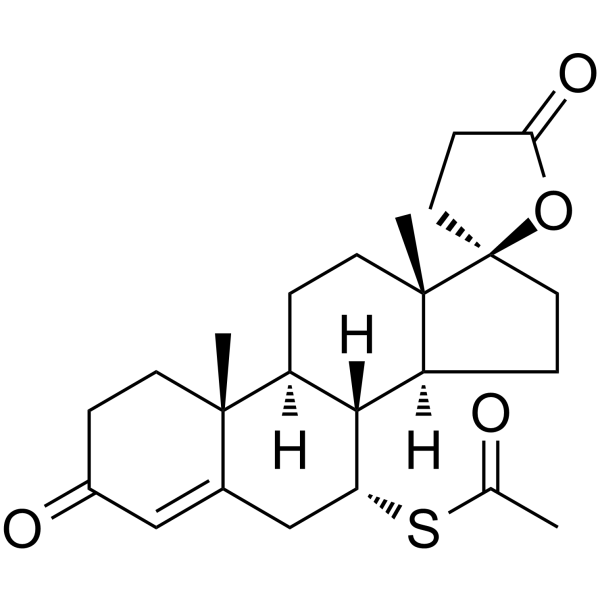
    Spironolactone
    5+ Cited Publications

    SC9420

    Mineralocorticoid Receptor Androgen Receptor Autophagy Calcium Channel Cardiovascular Disease Metabolic Disease Endocrinology Cancer
    Spironolactone is an aldosterone antagonist that acts on the aldosterone mineralocorticoid receptor (IC50=24 nM) and androgen receptor (IC50=77 nM), promotes podocyte autophagy and regulates pain. Spironolactone improves hypertension-related vascular hypertrophy and remodeling by reducing angiotensin II (Ang II)-induced inflammation, reduces aldosterone-induced vascular and soft tissue calcification through PIT1-dependent signaling, and alleviates vascular dysfunction in type II diabetic mice by reducing oxidative stress and restoring NO/GC signaling; at low concentrations, it and its metabolites can interfere with aldosterone biosynthesis in the adrenal cortex and inhibit voltage-dependent Ca 2+ channels to exert antihypertensive effects .
    Spironolactone
  • HY-100831
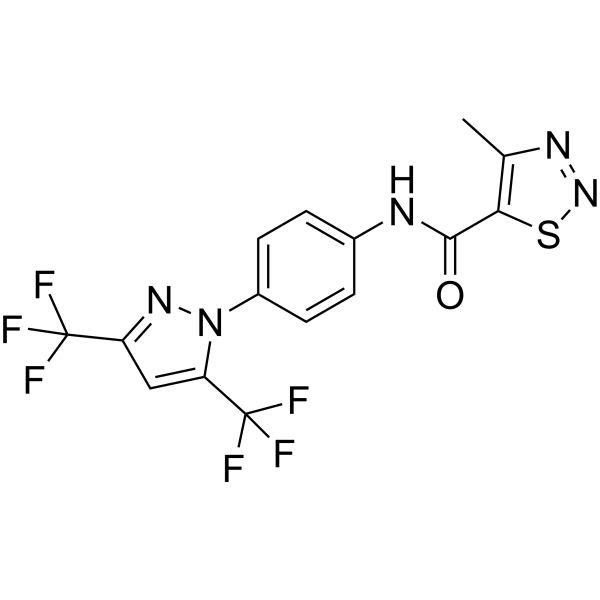
    YM-58483
    Maximum Cited Publications
    21 Publications Verification

    BTP2

    CRAC Channel Inflammation/Immunology
    YM-58483 (BTP2) is the first selective and potent inhibitor of CRAC channels and subsequent Ca 2+ signals. YM-584832 is a blocker of store-operated Ca 2+ entry (SOCE) .
    YM-58483
  • HY-103312
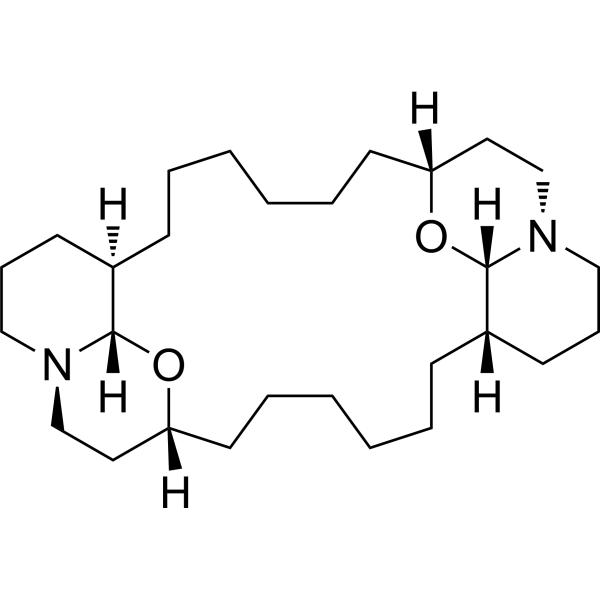
    Xestospongin C
    Maximum Cited Publications
    9 Publications Verification

    (-)-Xestospongin C

    Calcium Channel Apoptosis Neurological Disease
    Xestospongin C ((-)-Xestospongin C) is a selective, reversible inositol 1,4,5-trisphosphate receptor (IP3R) inhibitor. Xestospongin C acts as an inhibitor of the sarcoplasmic/endoplasmic reticulum Ca 2+ ATPase (SERCA) pump of internal stores. Xestospongin C blocks IP3-induced Ca 2+ release from cerebellar microsomes with an IC50 of 358 nM. Xestospongin C is a valuable tool for investigating the structure and function of IP3Rs and Ca 2+ signaling in neuronal and nonneuronal cells .
    Xestospongin C
  • HY-10805
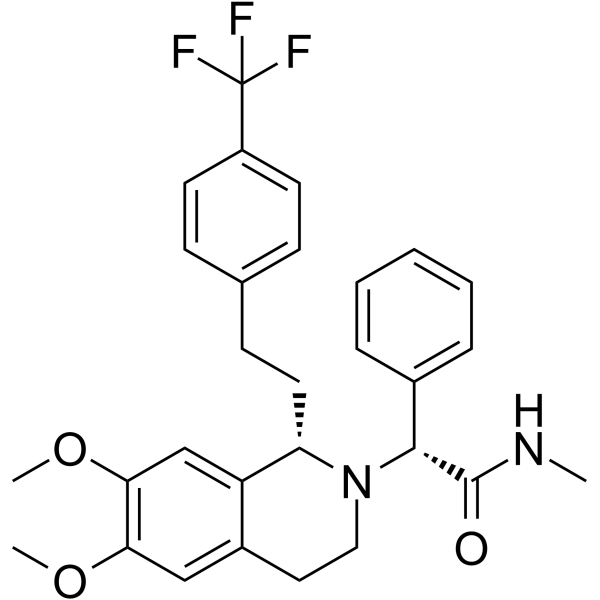
    Almorexant
    5+ Cited Publications

    ACT 078573

    Orexin Receptor (OX Receptor) Calcium Channel Caspase Apoptosis Neurological Disease Endocrinology Cancer
    Almorexant (ACT 078573) is an orally active, potent and competitive dual orexin receptor antagonist, with Kd values of 1.3 nM (OX1) and 0.17 nM (OX2), respectively. Almorexant reversibly blocks signaling of orexin-A and orexin-B peptides. Almorexant totally blocked the intracellular Ca 2+ signal pathway. Almorexant stimulates caspase-3 activity in AsPC-1 cells and induces apoptosis .
    Almorexant
  • HY-Y0669
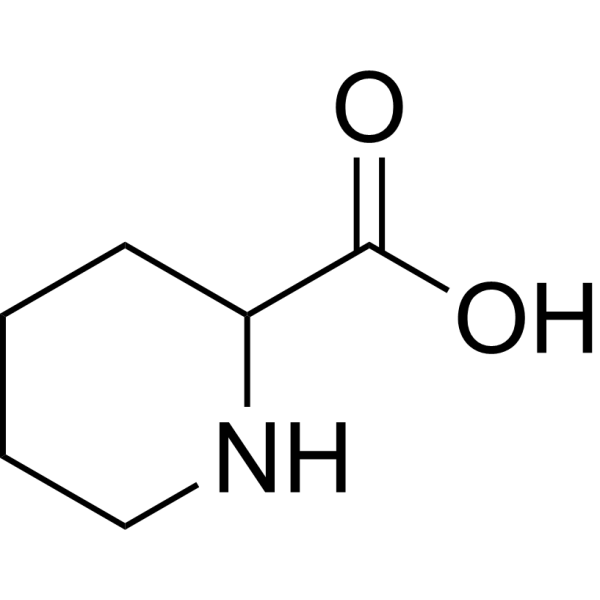
    Pipecolic acid
    2 Publications Verification

    Endogenous Metabolite YAP Glutathione Peroxidase Ferroptosis Neurological Disease Metabolic Disease Inflammation/Immunology
    Pipecolic acid is an orally bioavailable, blood-brain barrier-permeable metabolite of lysine with antioxidant, inhibitor, and inducer activity. Pipecolic acid modulates the YAP-GPX4 signaling pathway, reduces retinal vascular tube formation, and mitigates ferroptosis. Pipecolic acid potentiates voltage-sensitive Ca 2+ channel currents and induces neuronal apoptosis. Pipecolic acid can be used for the research of diabetic retinopathy .
    Pipecolic acid
  • HY-P1410B
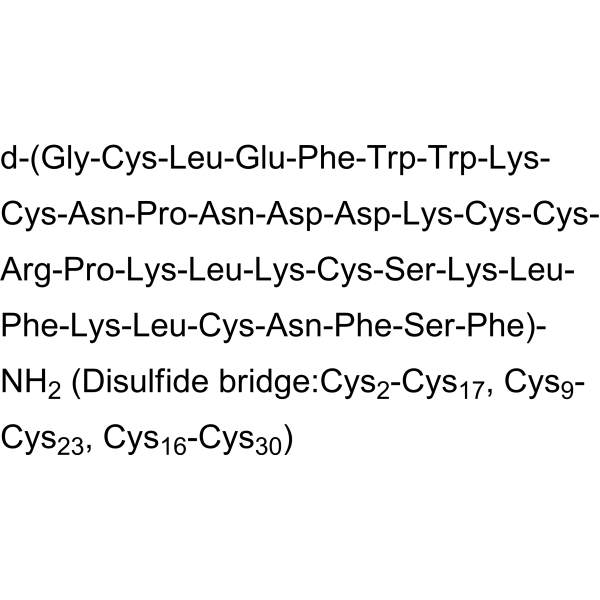
    D-GsMTx4
    3 Publications Verification

    Piezo Channel Calcium Channel mTOR PI3K Akt Cardiovascular Disease Neurological Disease Inflammation/Immunology
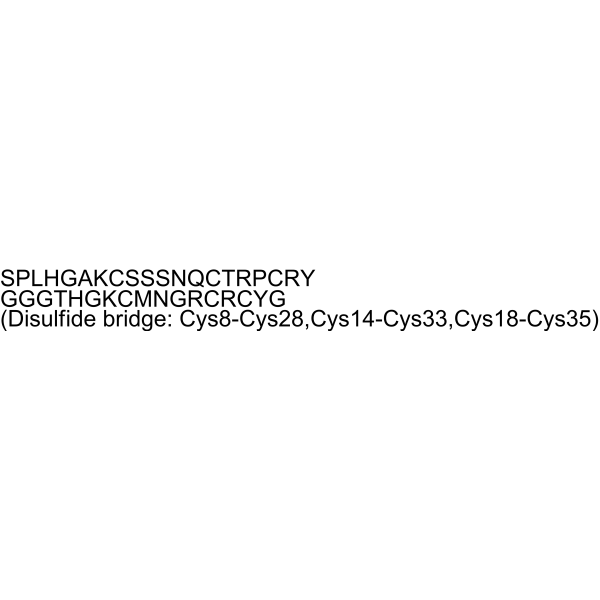
    D-GsMTx4 is a spider peptide and the D enantiomer of GsMTx4 (HY-P1410). D-GsMTx4 inhibits the mechanosensitive ion channel Piezo2. D-GsMTx4 inhibits [Ca 2+]i elevation. D-GsMTx4 inhibits mTOR and PI3K-Akt signaling pathways. D-GsMTx4 inhibits mechanical allodynia and thermal hyperalgesia. D-GsMTx4 can be used in researches of mechanical stress, chronic pain and idiopathic pulmonary fibrosis .
    D-GsMTx4
  • HY-N0515
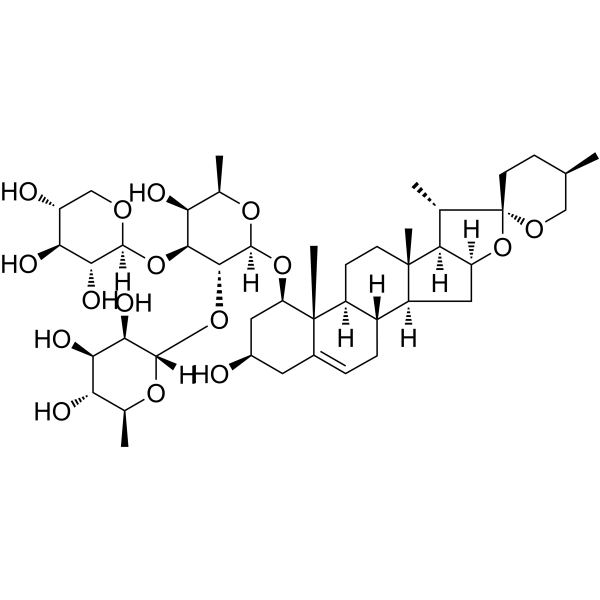
    Ophiopogonin D
    1 Publications Verification

    PPAR NF-κB Calcium Channel Reactive Oxygen Species (ROS) ERK Cardiovascular Disease Metabolic Disease Inflammation/Immunology
    Ophiopogonin D can be isolated from the tubers of Ophiopogon japonicus, is a rare naturally occurring C29 steroidal glycoside. Ophiopogonin D is a CYP2J3 inducer that significantly inhibits Ang II induced NF-κB nuclear translocation, IκBα down-regulation, intracellular Ca 2+ overload and activation of pro-inflammatory cytokines by increasing the expression of CYP2J2/EETs and PPARα in human umbilical vein endothelial cells (HUVECs). Ophiopogonin D can inhibit isteoclastic differentiation in RAW264.7 cells. Ophiopogonin D has protective effect as an antioxidant in H2O2-induced endothelial injury. Ophiopogonin D blocks ERK signaling cascades. Ophiopogonin D alleviates high-fat diet-induced metabolic syndrome and changes the structure of gut microbiota in mice. Ophiopogonin D has been used against inflammatory, metabolic and cardiovascular diseases .
    Ophiopogonin D
  • HY-123071
    Box5
    Maximum Cited Publications
    11 Publications Verification

    Wnt Cancer
    Box5 is a potent Wnt5a antagonist. Box5 inhibits Wnt5a signaling and inhibits Wnt5a-mediated Ca 2+ release. Box5 inhibits cell migration. Box5 has the potential for the research of melanoma .
    Box5
  • HY-16697
    CID 16020046
    2 Publications Verification

    GPR55 Cancer
    CID 16020046 is a potent and selective GPR55 antagonist and inhibits GPR55 constitutive activity with an IC50 of 0.15 μM. CID 16020046 inhibits GPR55-mediated Ca 2+ signaling and GPR55-mediated ERK1/2 phosphorylation. CID 16020046 reduces wound healing in endothelial cells and is involved in the regulation of platelet function .
    CID 16020046
  • HY-N2081
    Skimmianine
    3 Publications Verification

    Cholinesterase (ChE) PI3K Akt NF-κB Neurological Disease Inflammation/Immunology Cancer
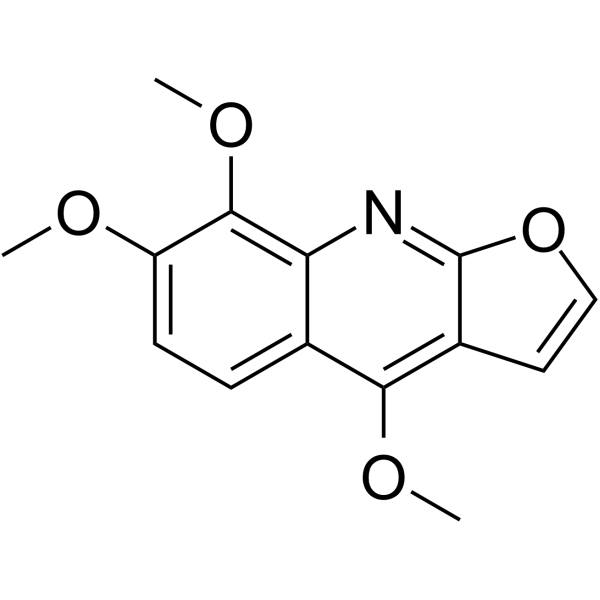
    Skimmianine is an orally active furoquiniline alkaloid present mainly in the Rutaceae family. Skimmianine has analgesic, antispastic, sedative, and anti-inflammatory properties. Skimmianine inhibits acetylcholinesterase (AChE) (IC50 = 8.6 μg/mL). Skimmianine exhibits cytotoxicity against a variety of cancer cell lines and genotoxicity. Skimmianine has antioxidant and anti-inflammatory effects on ischemia-reperfusion (IR) injury. Skimmianine exerts anti-inflammatory effects through activation of the phosphatidylinositol-3-kinase (PI3K)-protein kinase B (AKT) pathway. Skimmianine is neuroprotective by targeting the NF-κB activation pathway to prevent neuroinflammation. Skimmianine inhibits the release of histamine, intracellular Ca 2+ signaling and protein kinase C signaling .
    Skimmianine
  • HY-10805A
    Almorexant hydrochloride
    5+ Cited Publications

    ACT 078573 hydrochloride

    Orexin Receptor (OX Receptor) Calcium Channel Caspase Apoptosis Neurological Disease Endocrinology Cancer
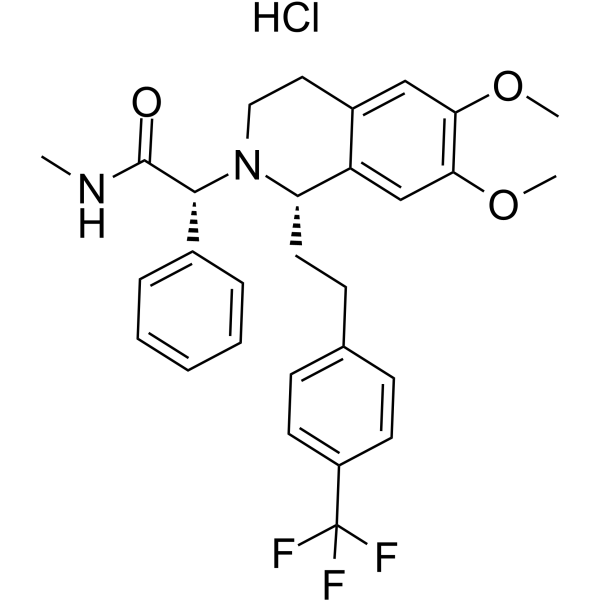
    Almorexant (ACT 078573) hydrochloride is an orally active, potent and competitive dual orexin receptor antagonist, with Kd values of 1.3 nM (OX1) and 0.17 nM (OX2), respectively. Almorexant hydrochloride reversibly blocks signaling of orexin-A and orexin-B peptides. Almorexant hydrochloride totally blocked the intracellular Ca 2+ signal pathway. Almorexant hydrochloride stimulates caspase-3 activity in AsPC-1 cells and induces apoptosis .
    Almorexant hydrochloride
  • HY-157562

    Phospholipase Apoptosis Cancer
    DS68591889 is a selective and orally active phosphatidylserine synthase 1 (PTDSS1) inhibitor. DS68591889 has no inhibitory activity against PTDSS2. DS68591889 induces the phospholipid imbalance in a wide range of cancer cells. DS68591889 negatively regulates B cell receptor (BCR)-induced Ca 2+ signaling and subsequent apoptotic cell death. DS68591889 can be used for the cancer research, such as B cell lymphoma .
    DS68591889
  • HY-116522
    AR420626
    4 Publications Verification

    Free Fatty Acid Receptor Histone Methyltransferase HDAC mTOR CaMK p38 MAPK Epigenetic Reader Domain GLUT nAChR TNF Receptor Metabolic Disease Inflammation/Immunology Cancer
    AR420626 is a selective agonist of free fatty acid receptor 3 (FFAR3) (IC50=117 nM). AR420626 has anti-inflammatory, anticancer and antidiabetic activities. AR420626 improves neurogenic diarrhea by inhibiting nAChR mediated neural pathways. AR420626 inhibits the growth of HepG2 xenografts and inhibits the proliferation of hepatoma cells by inducing apoptosis. AR420626 also suppresses allergic asthma and eczema and has the ability to activate GPR41 to increase Ca 2+ signal-mediated glucose uptake and improve diabetes .
    AR420626
  • HY-N0084
    Betulinaldehyde
    5 Publications Verification

    Betulinic aldehyde; Betunal

    Bacterial Infection Cardiovascular Disease Cancer
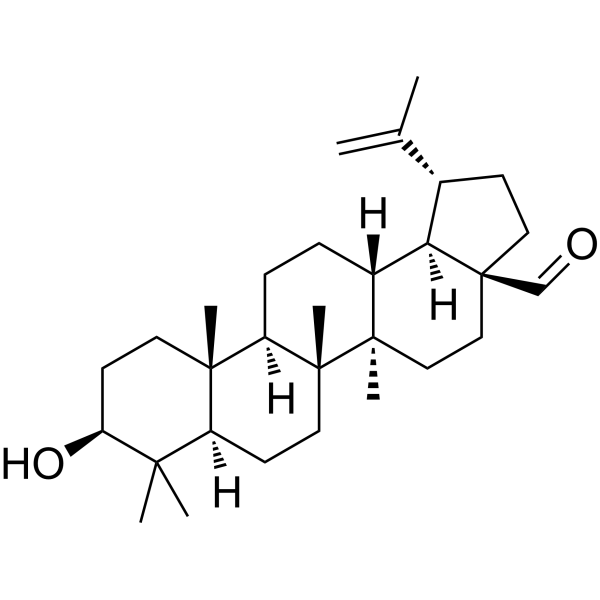
    Betulinaldehyde (Betunal) Has anti-cancer and anti-staphylococcus aureus activity. Betulinaldehyde Suppressible Akt, MAPK sum STAT3 Signal path, increase self-transfer, Suppression A549 Cellular vitality, increase and transfer. Betulinaldehyde suppresses PLCγ1/Ca 2+/MMP9 signal pathway, has a key effect on vascular plasticity, and is available for cardiovascular disease (CVD) research.
    Betulinaldehyde
  • HY-N8307

    NO Synthase NF-κB Akt AMPK Calcium Channel Inflammation/Immunology
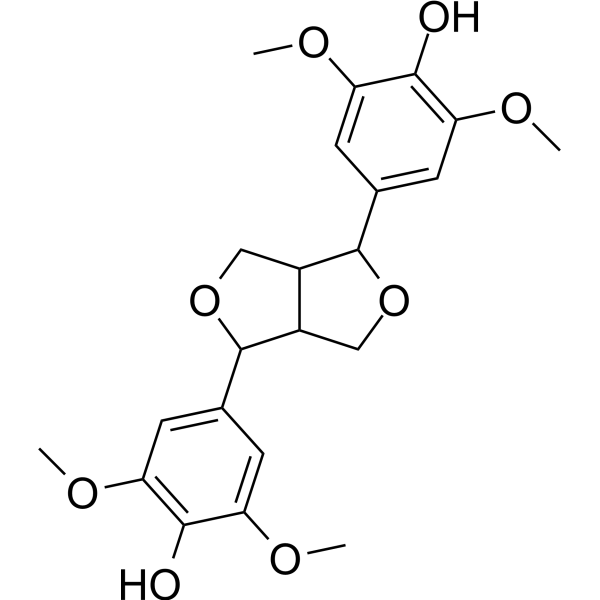
    Syringaresinol is a lignan-type phytochemical with anti-inflammatory activities. Syringaresinol inhibits the NF-κB and AKT signaling pathway in IL-1β-activated mouse chondrocytes. Syringaresinol increases phosphorylation of AMPK, eNOS, and intracellular Ca 2+ levels in HUVECs. Syringaresinol attenuates osteoarthritis progression in mice with Destabilization of the Medial Meniscus (DMM)-induced osteoarthritis. Syringaresinol can be used for the study of osteoarthritis (OA) .
    Syringaresinol
  • HY-N0642

    Drug Derivative Calcium Channel Metabolic Disease
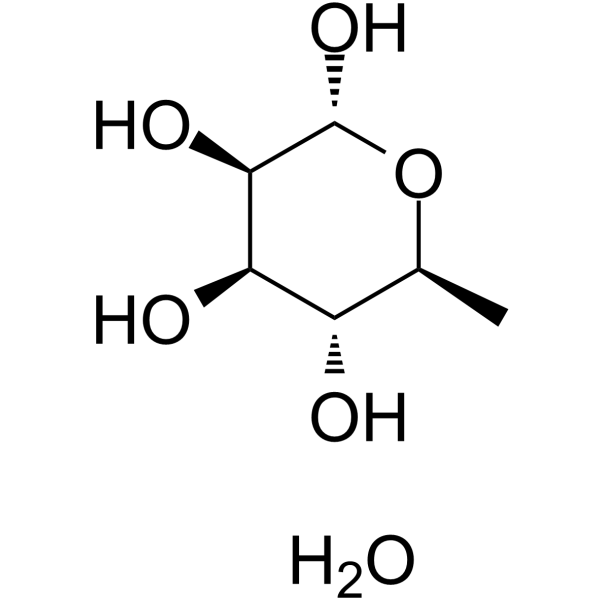
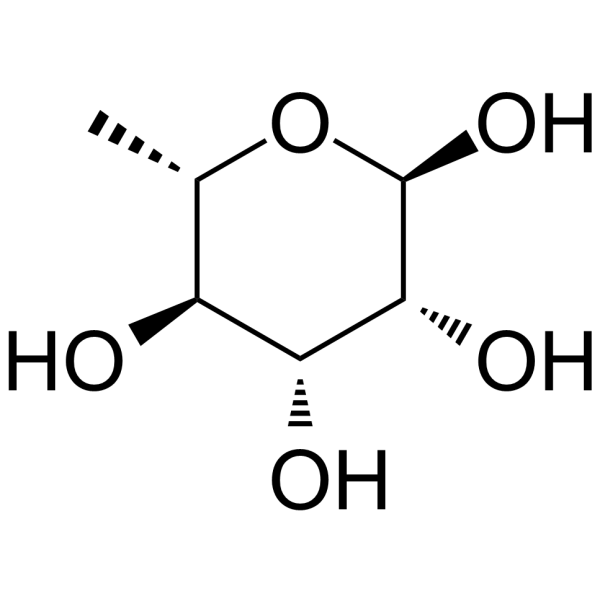
    α-L-Rhamnose monohydrate is a neutral sugar present in plants, animals, viruses and bacteria. α-L-Rhamnose monohydrate is a ligand for α-L-rhamnose-recognizing lectin sites, trigger intracellular signaling pathways. α-L-Rhamnose monohydrate induces rhaE and rhaA expression as a specific carbon source in Aspergillus nidulans, while glucose inhibits its cellular uptake. α-L-Rhamnose monohydrate induces rapid and transient increases in intracellular free Ca 2+ concentration in normal human dermal fibroblasts .
    α-L-Rhamnose monohydrate
  • HY-W250149

    Biochemical Assay Reagents Cancer
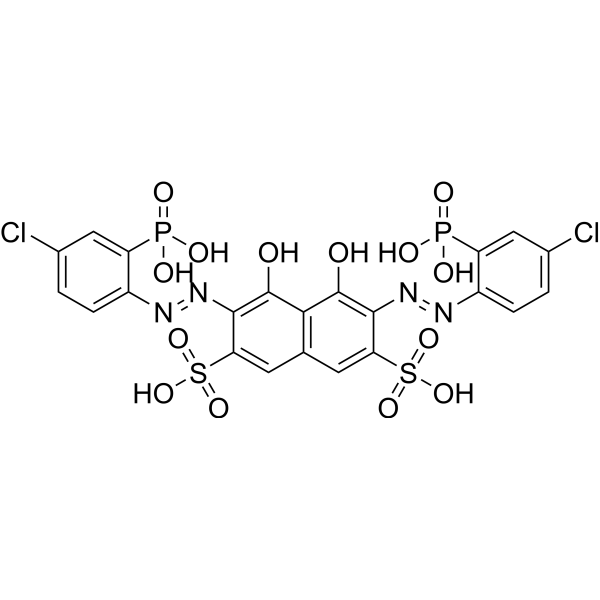
    Chlorophosphonazo III is a cell membrane-permeable contrast agent and spectrophotometric reagent. Chlorophosphonazo III forms stable 1:1 complexes with intracellular calcium, magnesium, uranium, titanium, zirconium, thorium, scandium, equivalent actinides and protactinium. Chlorophosphonazo III generates photoacoustic signals correlated with Ca 2+ concentrations, which is applicable for imaging 3D tumor cell cultures and tumor spheroids. Chlorophosphonazo III exhibits no cytotoxicity, can be used for spectrophotometric detection of target ions, and the absorbance of its complexes remains stable for up to one week within the pH range of 2.2 to 7.0 .
    Chlorophosphonazo III
  • HY-N0392

    Toll-like Receptor (TLR) PI3K Akt NF-κB MDM-2/p53 Caspase MEK Bcl-2 Family p38 MAPK Mitophagy Reactive Oxygen Species (ROS) Apoptosis Calcium Channel Cardiovascular Disease Infection Neurological Disease
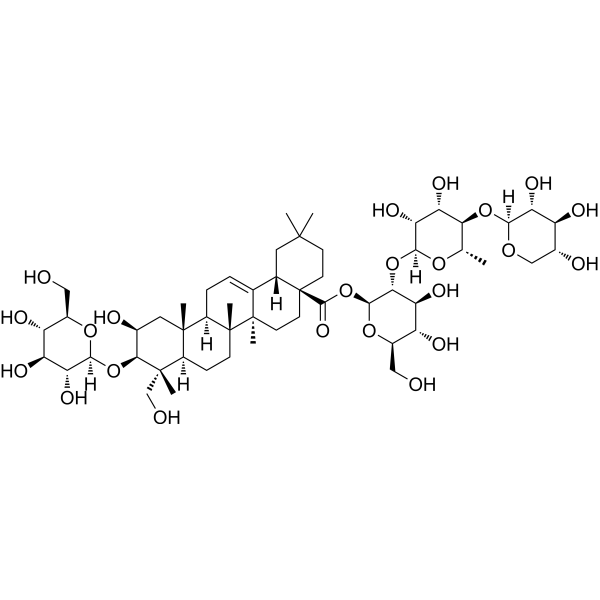
    Polygalasaponin F is an orally active triterpenoid saponin monomer. Polygalasaponin F downregulates the expression of Bax, p53, caspase-3, NF-κB p65 and MEK1; restores and upregulates the expression of Bcl-2; activates the PI3K/Akt signaling pathway; inhibits the phosphorylation of p38 MAPK, nuclear translocation of NF-κB, TLR4-mediated signaling pathway, mitophagy (Mitophagy) and ROS production; enhances cell viability and suppresses apoptosis (Apoptosis). Polygalasaponin F maintains mitochondrial function, alleviates Ca 2+ overload, upregulates pCREB and BDNF, preserves cell viability and inhibits the release of inflammatory cytokines. Polygalasaponin F alleviates lung injury induced by influenza A H1N1 and cerebral ischemia-reperfusion injury. Polygalasaponin F is applicable to researches related to Parkinson's disease, cerebral ischemia, pneumonia induced by influenza A H1N1, stroke and Alzheimer's disease .
    Polygalasaponin F
  • HY-N2157
    Pteryxin
    1 Publications Verification

    (+)-Pteryxin

    Cholinesterase (ChE) NF-κB NOD-like Receptor (NLR) Keap1-Nrf2 Reactive Oxygen Species (ROS) Nuclear Factor of activated T Cells (NFAT) p38 MAPK Neurological Disease Metabolic Disease Inflammation/Immunology
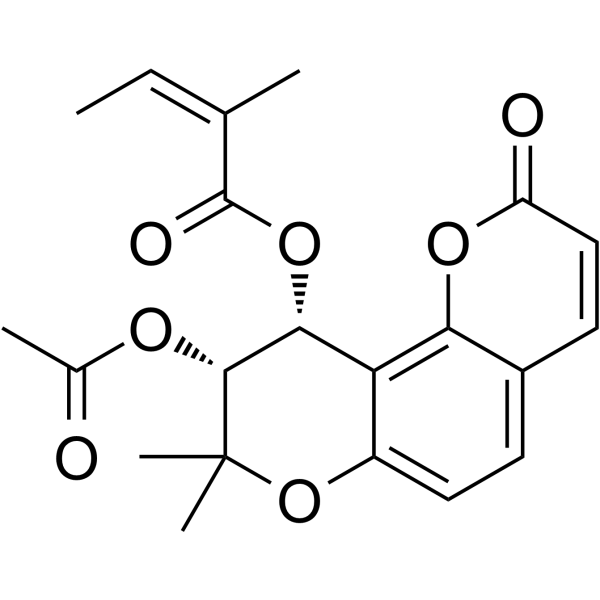
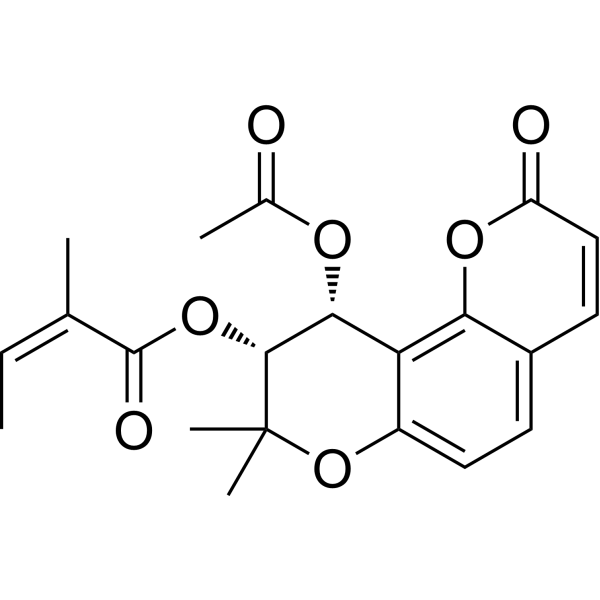
    Pteryxin ((+)-Pteryxin) is an orally active multi-target inhibitor that targets NF-κB, MAPK, NLRP3 inflammasome, and Nrf2/ARE pathways. Pteryxin is also a BChE inhibitor (IC50=12.96 μg/mL) with a low inhibitory efficiency on AChE. Pteryxin inhibits the Ca 2+-calcineurin-NFATc1 pathway by blocking NF-κB/MAPK signaling, inhibiting NLRP3 inflammasome activation, and reducing ROS generation, and activates Nrf2-mediated antioxidant enzyme expression. Pteryxin has anti-inflammatory, antioxidant, and osteoclastogenesis inhibitory activities. Pteryxin can be used in the study of inflammatory diseases, osteoporosis, diabetes, and Alzheimer's disease .
    Pteryxin
  • HY-W042301

    Anion Exchangers Carbonic Anhydrase Endothelin Receptor Cardiovascular Disease
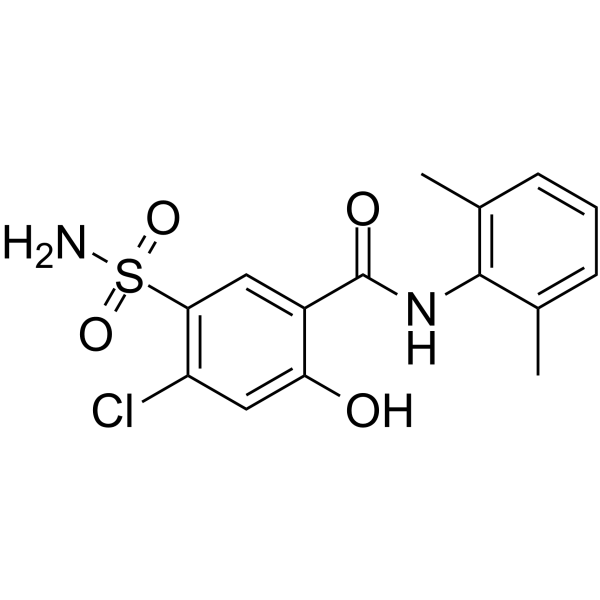
    Xipamide is an orally active carbonic anhydrase (CA) inhibitor and Na +/Cl --potassium transporter inhibitor with diuretic and antihypertensive effects. Xipamide reduces NaCl reabsorption by inhibiting the Cl -/NaCO3 - anion exchanger, and increases calcium reabsorption while promoting potassium and magnesium excretion. Xipamide is mainly cleared via the renal pathway and causes a temporary decrease in glomerular filtration rate under specific conditions. Xipamide does not affect Ca 2+ signaling induced by endothelin-1 and other factors, nor does it inhibit various ion cotransport or pump activities in red blood cells. Xipamide can be used in researches related to cardiovascular diseases, hypertension (especially with left ventricular hypertrophy), advanced renal failure, and liver cirrhosis with ascites .
    Xipamide
  • HY-B0380A

    Opioid Receptor Toll-like Receptor (TLR) Calcium Channel Potassium Channel IRAK ERK JNK NF-κB Akt Apoptosis Neurological Disease Metabolic Disease Inflammation/Immunology Cancer
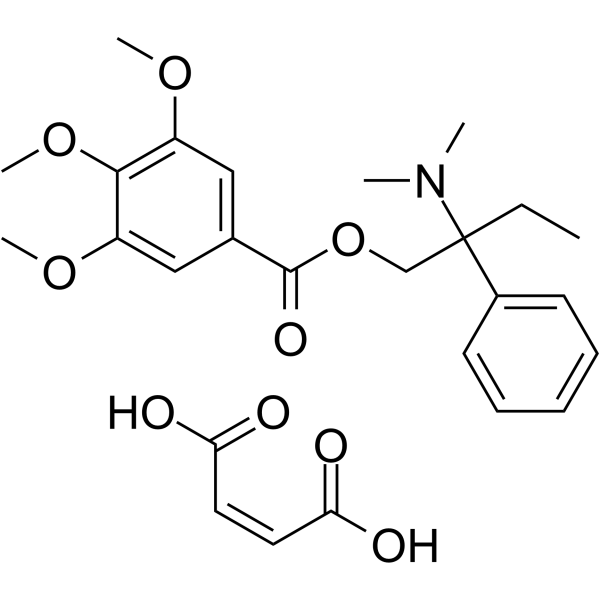
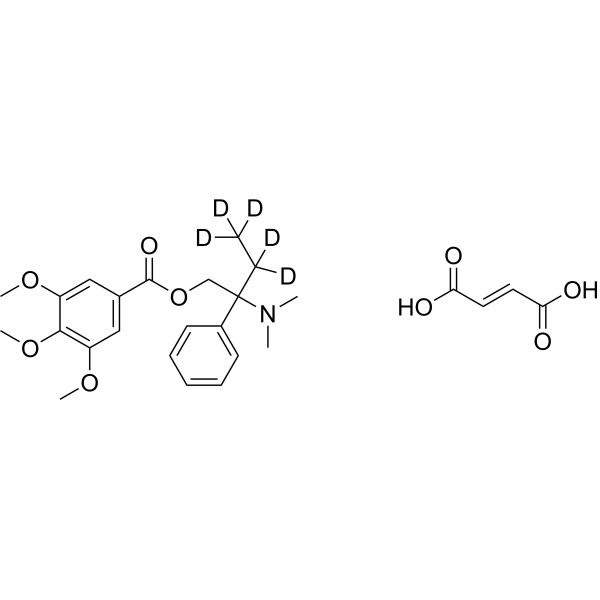
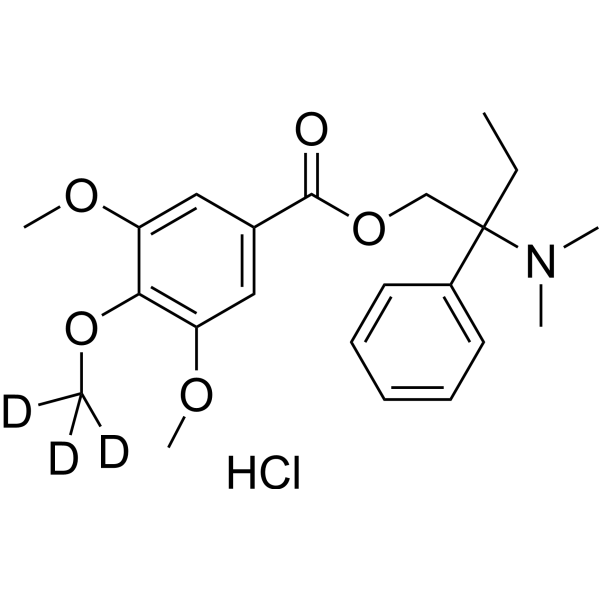
    Trimebutine maleate is a multi-target inhibitor and opioid receptor agonist with antimuscarinic activity. Trimebutine maleate inhibits L-type Ca 2+ channels and large-conductance calcium-activated potassium channels (BKCa channels), thereby inhibiting extracellular calcium influx and potassium ion efflux. Trimebutine maleate also targets Toll-like receptors, inhibits Toll-like receptor 2/4/7/8/9 signals, and inhibits LPS-induced IRAK1 activation, as well as ERK1/2, JNK and NF-κB activation, thereby exerting anti-inflammatory effects. Trimebutine maleate also induces tumor cell apoptosis by inhibiting the AKT/ERK pathway. Trimebutine maleate also inhibits excessive contraction of smooth muscle and can be used in the study of gastrointestinal disorders such as irritable bowel syndrome (IBS) .
    Trimebutine maleate
  • HY-B0380

    Opioid Receptor Toll-like Receptor (TLR) Calcium Channel Potassium Channel IRAK ERK JNK NF-κB Akt Apoptosis Neurological Disease Metabolic Disease Inflammation/Immunology Cancer
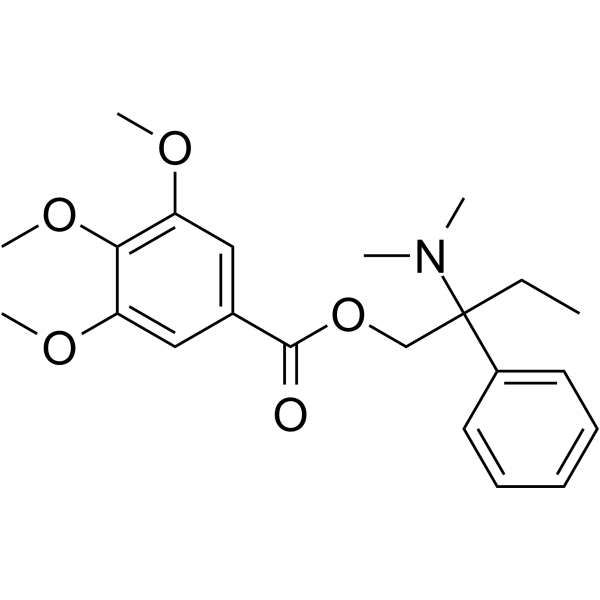
    Trimebutine is a multi-target inhibitor and opioid receptor agonist with antimuscarinic activity. Trimebutine inhibits L-type Ca 2+ channels and large-conductance calcium-activated potassium channels (BKCa channels), thereby inhibiting extracellular calcium influx and potassium ion efflux. Trimebutine also targets Toll-like receptors, inhibits Toll-like receptor 2/4/7/8/9 signals, and inhibits LPS-induced IRAK1 activation, as well as ERK1/2, JNK and NF-κB activation, thereby exerting anti-inflammatory effects. Trimebutine also induces tumor cell apoptosis by inhibiting the AKT/ERK pathway. Trimebutine also inhibits excessive contraction of smooth muscle and can be used in the study of gastrointestinal disorders such as irritable bowel syndrome (IBS) .
    Trimebutine
  • HY-16639

    GPR35 Neurotensin Receptor Neurological Disease Endocrinology
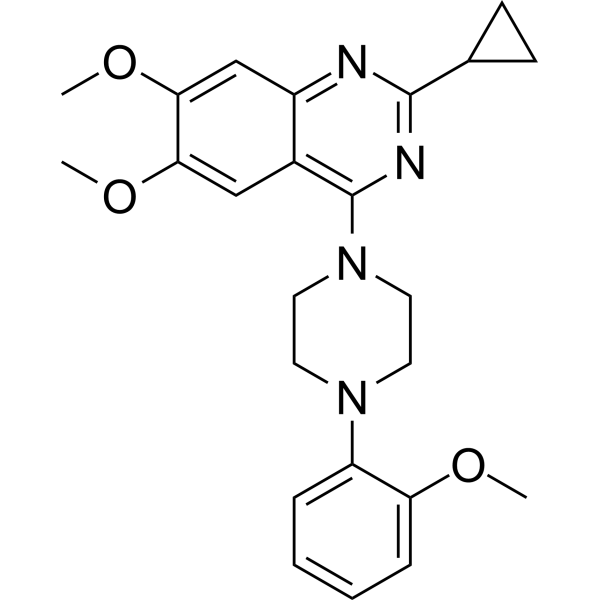
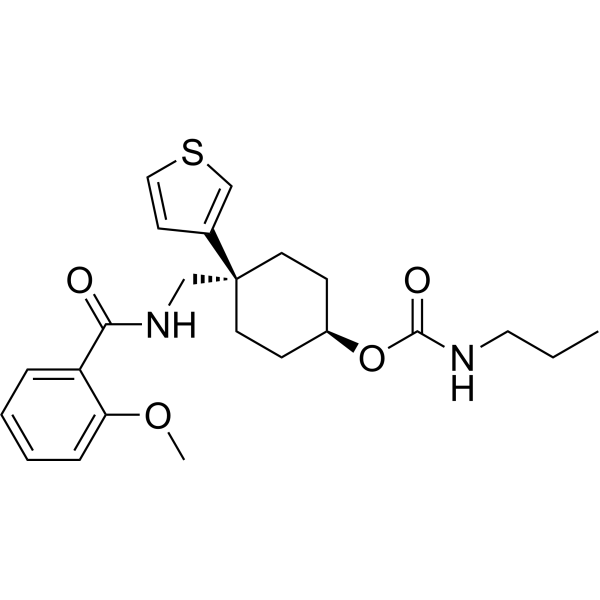
    ML314 is a potent, BBB-penetrant and β-arrestin biased molecule agonist of NTR1 (EC50 = 1.9 μM). ML314 shows good selectivity against NTR2 and GPR35, but does not stimulate Ca2+ mobilization. ML314 can attenuate amphetamine-like hyperlocomotion in dopamine transporter knockout mice. ML314 attenuates methamphetamine-associated hyperlocomotion and potentiates the psychostimulant inhibitory effects of a ghrelin antagonist in wild type mouse model. ML314 also acts as an allosteric enhancer of endogenous neurotensin. ML314 antagonizes G protein signaling. ML314 can be studied in research for methamphetamine abuse conditions .
    ML314
  • HY-108607

    Palmityltrifluoromet​hylketone

    Phospholipase Inflammation/Immunology
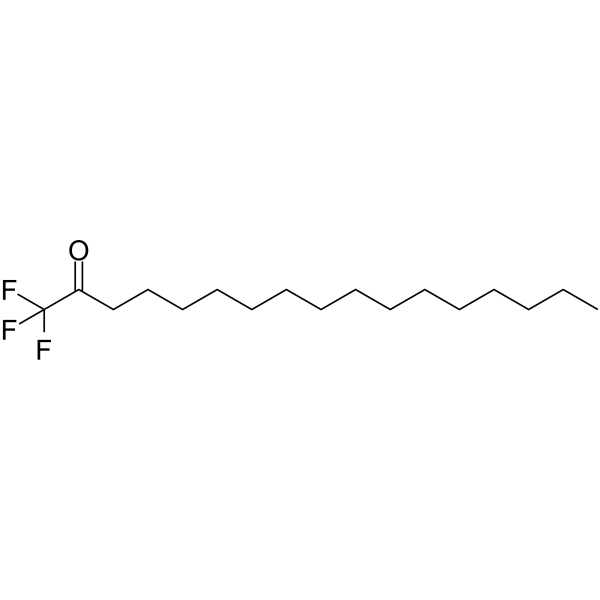
    PACOCF3 (Palmityltrifluoromet​hylketone) is a selective phospholipase A2 inhibitor with an IC50 of 3.8 μM. PACOCF3 alters Ca 2+ signaling in renal tubular cells .
    PACOCF3
  • HY-108464A

    Sodium Channel TRP Channel Metabolic Disease Inflammation/Immunology
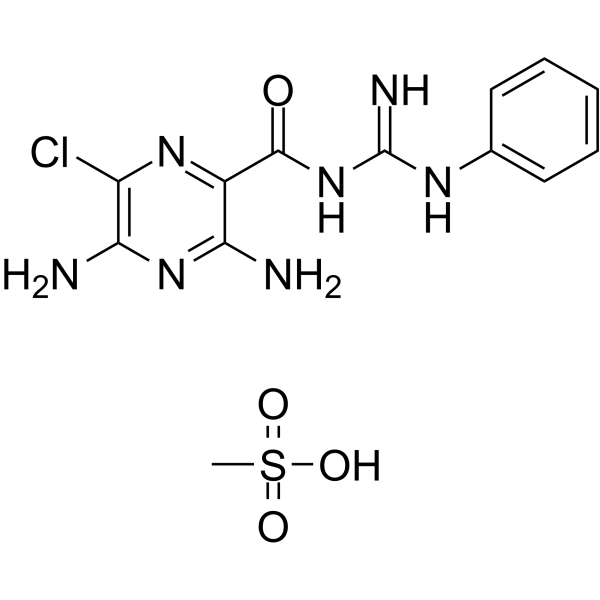
    Phenamil methanesulfonate, an analog of Amiloride (HY-B0285), is a more potent and less reversible epithelial sodium channel (ENaC) blocker with an IC50 of 400 nM . Phenamil methanesulfonate is also a competive inhibitor of TRPP3 and inhibits TRPP3-mediated Ca 2+ transport with an IC50 of 140 nM in a Ca 2+ uptake assay . Phenamil methanesulfonate is an intriguing small molecule to promote bone repair by strongly activating BMP signaling pathway . Phenamil methanesulfonate is used for the research of cystic fibrosis lung disease .
    Phenamil methanesulfonate
  • HY-116330

    Calcium Channel TRP Channel Neurological Disease Inflammation/Immunology
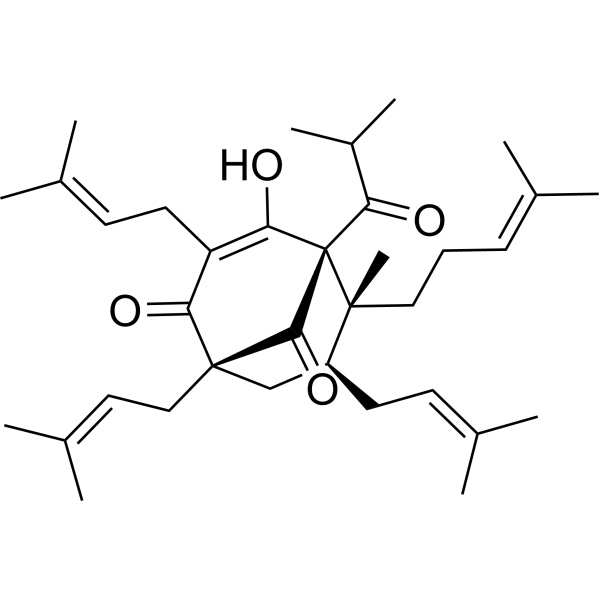
    Hyperforin is a transient receptor canonical 6 (TRPC6) channels activator. Hyperforin modulates Ca 2+ levels by activating Ca 2+-conducting non-selective canonical TRPC6 channels and triggers adipose tissue thermogenesis via the Dlat-AMPK signaling axis to suppress obesity. Hyperforin also shows diverse pharmacological activities including anti-depression, anti-tumor, anti-dementia, anti-diabetes. Hyperforin modulates γδ T cells to secret IL-17α, improves Imiquimod (HY-B0180)-induced psoriasis-like mice model .
    Hyperforin
  • HY-N0910
    Notoginsenoside Ft1
    1 Publications Verification

    PI3K mTOR Akt Apoptosis p38 MAPK ERK Transmembrane Glycoprotein Glutathione Reductase (GR) Estrogen Receptor/ERR Calcium Channel Ferroptosis G protein-coupled Bile Acid Receptor 1 FXR Cardiovascular Disease Neurological Disease Metabolic Disease Inflammation/Immunology Cancer
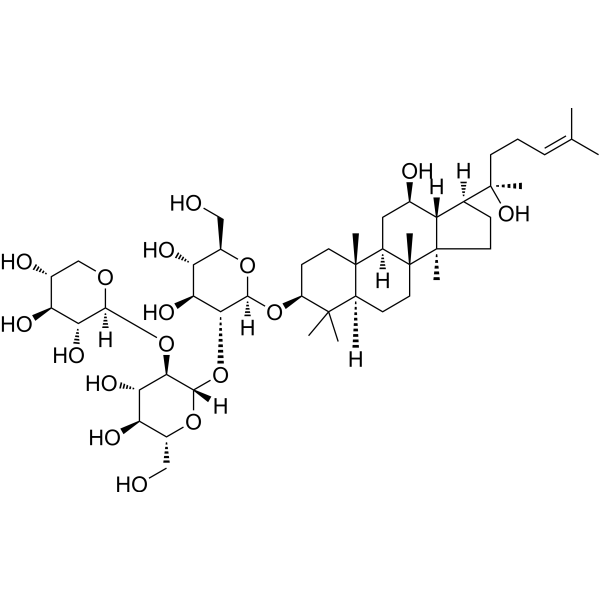
    Notoginsenoside Ft1 is an orally active bioactive saponin. Notoginsenoside Ft1 inhibits the PI3K/AKT/mTOR signaling pathway, activates the p38 MAPK and ERK1/2 signaling pathways, and increases the proportion of CD8 + T cells, thereby inducing apoptosis and lysosomal cell death in various cancer cells, and promoting angiogenesis. Notoginsenoside Ft1 causes vasodilation by activating glucocorticoid receptors (GR) and estrogen receptor beta (ERβ) in endothelial cells. Notoginsenoside Ft1 increases intracellular Ca 2+ accumulation, reduces cAMP levels by activating a signaling network mediated through P2Y12 receptors, and promotes platelet aggregation, thereby exerting a procoagulant effect. Notoginsenoside Ft1 inhibits ferroptosis (ferroptosis) in renal tubular epithelial cells by activating the TGR5 receptor, thereby demonstrating a renal protective effect. Notoginsenoside Ft1 acts as a TGR5 agonist and an FXR antagonist to combat obesity and insulin resistance .
    Notoginsenoside Ft1
  • HY-P1410C
    D-GsMTx4 TFA
    3 Publications Verification

    Piezo Channel Calcium Channel mTOR PI3K Akt Cardiovascular Disease Neurological Disease Inflammation/Immunology
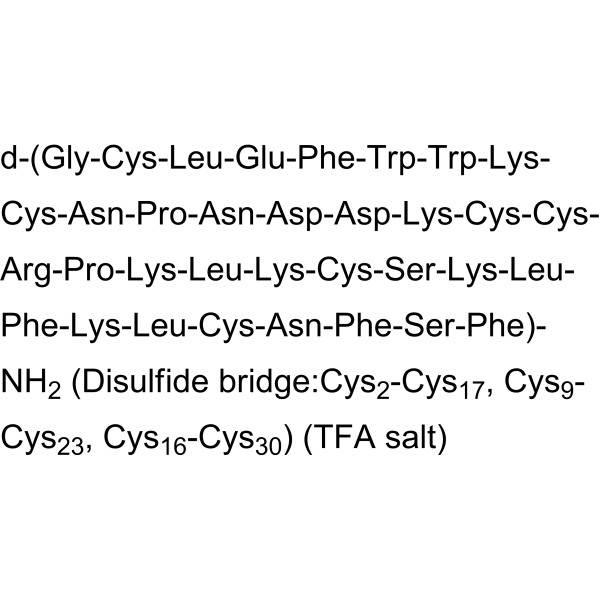
    D-GsMTx4 TFA is a spider peptide and the D enantiomer of GsMTx4 (HY-P1410). D-GsMTx4 TFA inhibits the mechanosensitive ion channel Piezo2. D-GsMTx4 TFA inhibits [Ca 2+]i elevation. D-GsMTx4 TFA inhibits mTOR and PI3K-Akt signaling pathways. D-GsMTx4 TFA inhibits mechanical allodynia and thermal hyperalgesia. D-GsMTx4 TFA can be used in researches of mechanical stress, chronic pain and idiopathic pulmonary fibrosis .
    D-GsMTx4 TFA
  • HY-W181102

    Calcineurin Cardiovascular Disease Neurological Disease Inflammation/Immunology
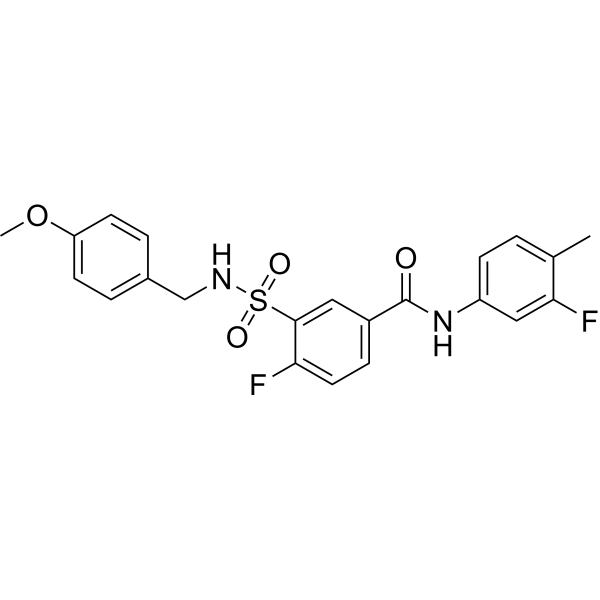
    NFAT Inhibitor-2 is a potent inhibitor of calcineurin NFAT signalling. Calcineurin is a serine/threonine protein phosphatase regulated by Ca2+ and calmodulin. NFAT Inhibitor-2 has the potential for the research of inflammatory disease, an autoimmune disorder, a cardiovascular disease, a neurodegenerative disease, a disease occurring with uncontrolled cell proliferation and/or differentiation, an angiogenesis-related disease, an allergy, anaphylaxis and alopecia (extracted from patent WO2016207212A1, compound 17) .
    NFAT Inhibitor-2
  • HY-103317

    Nucleoside Antimetabolite/Analog Inflammation/Immunology
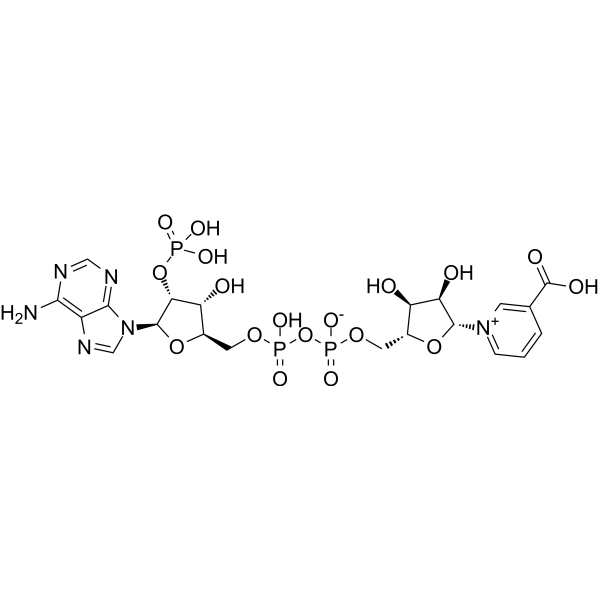
    NAADP, a nucleotide, is a Ca 2+-mobilizing second messenger. NAADP is essential for initiation of Ca 2+ signaling .
    NAADP
  • HY-W041308

    Kathon 930

    Environmental Pollutants GnRH Receptor Endocrinology
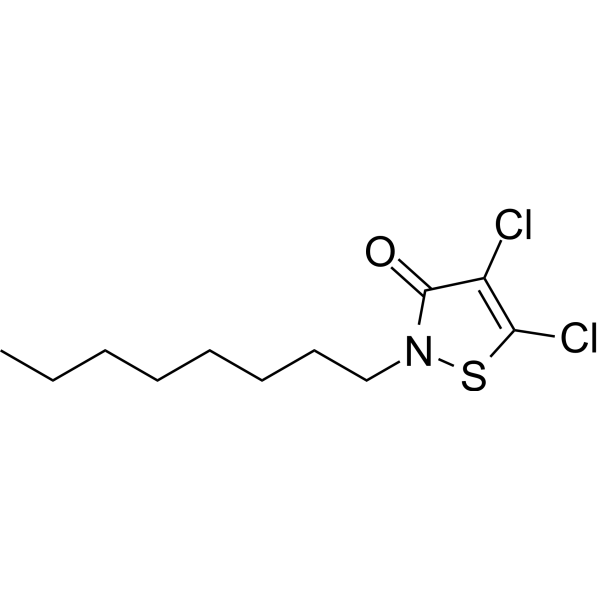
    DCOIT is a representative isothiazolinone that stimulates the gonadotropin-releasing hormone receptor (GnRHR)-mediated synthesis of follicle-stimulating hormone and luteinizing hormone in the brain. DCOIT interferes with G protein-coupled receptors, MAPK and Ca 2+ signaling cascades .
    DCOIT
  • HY-103316A
    Ned 19
    3 Publications Verification

    Calcium Channel Cardiovascular Disease Cancer
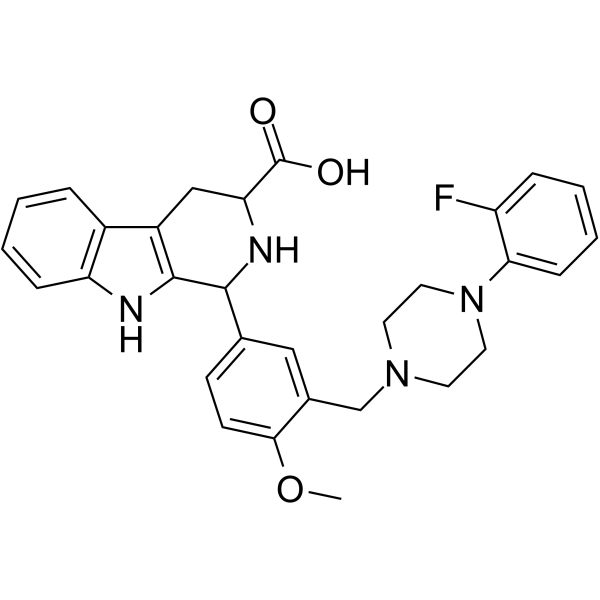
    Ned 19 is a selective membrane-permeant non competitive NAADP antagonist and inhibits NAADP-mediated Ca 2+ signaling, with an IC50 of 65 nM . Ned 19 strongly inhibits tumor growth and vascularization as well as lung metastases in mice .
    Ned 19
  • HY-123071A
    Box5 TFA
    Maximum Cited Publications
    11 Publications Verification

    Wnt Cancer
    Box5 TFA is a potent Wnt5a antagonist. Box5 TFA inhibits Wnt5a signaling and inhibits Wnt5a-mediated Ca 2+ release. Box5 TFA inhibits cell migration. Box5 TFA has the potential for the research of melanoma .
    Box5 TFA
  • HY-160099

    WIT003

    Apoptosis Caspase DNA/RNA Synthesis PI3K Akt Reactive Oxygen Species (ROS) Cardiovascular Disease
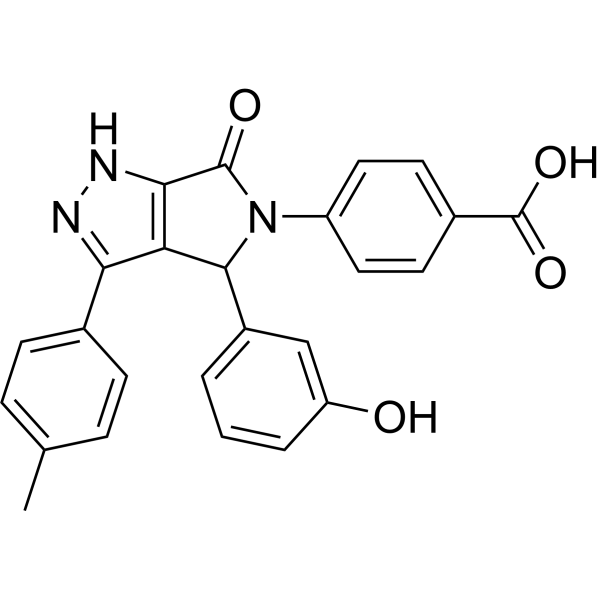
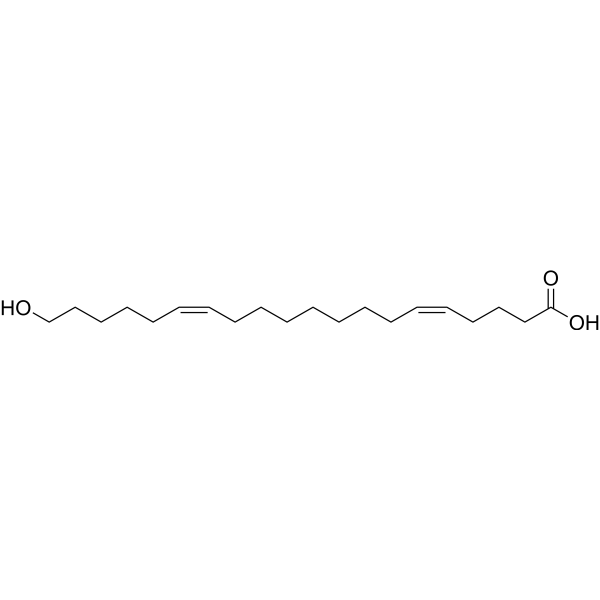
    20-5,14-HEDE (WIT003) is an analog of 20-HETE. 20-5,14-HEDE activates PI3K/Akt signaling pathway, thereby exhibiting anti-apoptotic and cell survival promoting effects. 20-5,14-HEDE is the agonist for 20-HETE that increases intracellular Ca 2+ concentrations, thereby enhancing vasoconstriction .
    20-5,14-HEDE
  • HY-165607S

    Piezo Channel Isotope-Labeled Compounds ERK CaMK Metabolic Disease
    MCB-22-174 is a deuterated Piezo1 agonist, with an EC50 value of 6.28 μM. MCB-22-174 remarkably activates the CaMKII/ERK signaling pathway and initiates Ca 2+ influx in rMSCs. MCB-22-174 significantly decreases the expression of chondrogenesis markers (Comp, Acan) and adipogenesis markers (Lpl, Fabp4) in MSCs. MCB-22-174 can effectively improve bone quality in hind-limb unloading (HU) model rats. MCB-22-174 can be used for the study of disuse osteoporosis (OP) .
    MCB-22-174
  • HY-P1341

    Orexin A (17-33) (human, mouse, rat, bovine)

    Orexin Receptor (OX Receptor) Sigma Receptor Phospholipase Neurological Disease
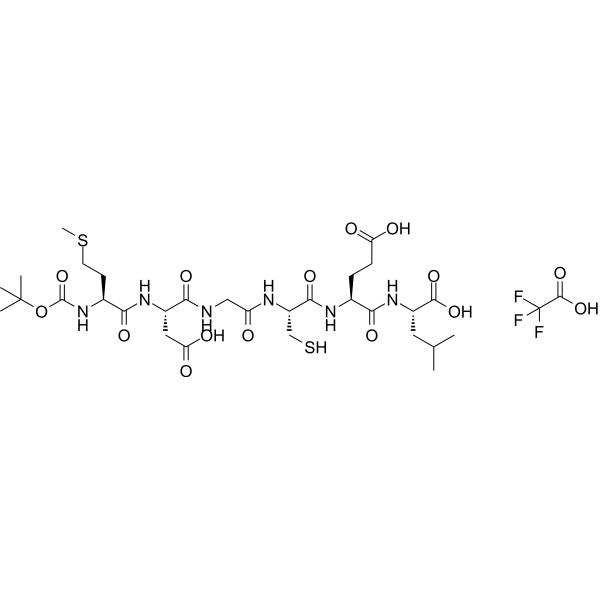
    OXA (17-33) (Orexin A (17-33) (human, mouse, rat, bovine)) is the shortest active orexin peptide that selectively targets OX1 (EC50=8.29 nM), with 23-fold selectivity for the OX1 receptor over the OX2 receptor. The activity of OXA (17-33) depends on the Tyr17, Leu20, Asn25, His26 residues and the spatial conformation of the α-helix. OXA (17-33) activates signaling pathways involving inositol-1,4,5-trisphosphate receptor (IP3R), phospholipase D (PL-D) and choline-Sigma-1R, thereby increasing the cytoplasmic Ca 2+ level in nucleus accumbens neurons, an effect that is blocked by Sigma-1R antagonists. OXA (17-33) serves as an important biological probe for investigating the function of the OX1 receptor. OXA (17-33) can be modified via incorporation of mixed disulfide bonds of homocysteine and cysteamine, and is widely used in studies related to insomnia and narcolepsy .
    OXA(17-33)
  • HY-136190

    TRP Channel Neurological Disease
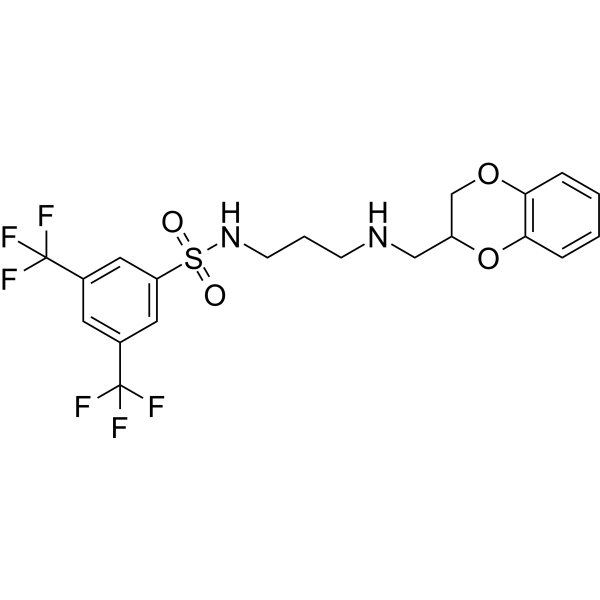
    TRPC6-PAM-C20 is a selective positive allosteric modulator (PAM) of TRPC6 channels. TRPC6-PAM-C20 is a potent enhancer of channel activation, enabling low basal concentrations of DAG to induce activation of the ion channel. TRPC6-PAM-C20 induces increases in intracellular Ca 2+ concentrations ([Ca 2+]i) in TRPC6-expressing HEK293 cells with an EC50 of 2.37 μM. TRPC6-PAM-C20 can be used as a valuable tool to selectively exaggerate TRPC6-dependent signals .
    TRPC6-PAM-C20
  • HY-111527

    Calcium Channel Neurological Disease
    PPZ2 is a diacylglycerol (DAG)-activated TRPC3/TRPC6/TRPC7 channel activator with activity in promoting neuronal development and survival. PPZ2 activates recombinant TRPC3/TRPC6/TRPC7 channels in a dose-dependent manner without affecting other TRPC channels. PPZ2 elicits cation currents and calcium ion (Ca(2+)) influx in cultured central neurons. PPZ2 is able to induce BDNF-like neurite outgrowth and neuroprotection, an effect that disappears after TRPC3/TRPC6/TRPC7 knockdown or inhibition. PPZ2 also increases the activation of the calcium-dependent transcription factor cAMP response element binding protein. The effects of PPZ2 suggest that calcium signaling mediated by activation of DAG-activated TRPC channels plays an important role in its neurotrophic effects .

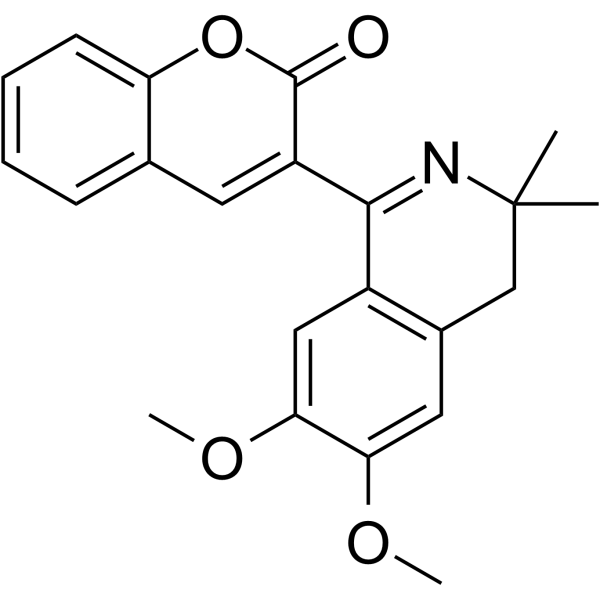
    PPZ2
  • HY-N0515R

    Reference Standards PPAR NF-κB Calcium Channel ERK Reactive Oxygen Species (ROS) Cardiovascular Disease Metabolic Disease Inflammation/Immunology
    Ophiopogonin D (Standard) is the analytical standard of Ophiopogonin D. This product is intended for research and analytical applications. Ophiopogonin D can be isolated from the tubers of Ophiopogon japonicus, is a rare naturally occurring C29 steroidal glycoside. Ophiopogonin D is a CYP2J3 inducer that significantly inhibits Ang II induced NF-κB nuclear translocation, IκBα down-regulation, intracellular Ca2+ overload and activation of pro-inflammatory cytokines by increasing the expression of CYP2J2/EETs and PPARα in human umbilical vein endothelial cells (HUVECs). Ophiopogonin D can inhibit isteoclastic differentiation in RAW264.7 cells. Ophiopogonin D has protective effect as an antioxidant in H2O2-induced endothelial injury. Ophiopogonin D blocks ERK signaling cascades. Ophiopogonin D alleviates high-fat diet-induced metabolic syndrome and changes the structure of gut microbiota in mice. Ophiopogonin D has been used against inflammatory, metabolic and cardiovascular diseases .
    Ophiopogonin D (Standard)
  • HY-W795960

    Biochemical Assay Reagents Calcium Channel Phospholipase Neurological Disease Metabolic Disease
    D-myo-inositol 1,4,5-trisphosphate sodium salt is a widely distributed intracellular second messenger. D-myo-inositol 1,4,5-trisphosphate sodium salt acts as a potent agonist of the Ins (1,4,5) P3 receptor with an EC50 of 0.12 μM and inhibits bovine PLC-δ1, with an IC50 of 5.4 μM for binding and an IC50 of 12.4 μM for hydrolysis. D-myo-inositol 1,4,5-trisphosphate sodium saltis metabolized into Ins (1,4) P2 and Ins (1,3,4,5) P4. D-myo-inositol 1,4,5-trisphosphate sodium salt mediates various cellular processes, including growth, development, fertilization, secretion, contraction and neuromodulation. D-myo-inositol 1,4,5-trisphosphate sodium salt inhibits PIP2 hydrolysis and Ca 2+-ATPase activity. D-myo-inositol 1,4,5-trisphosphate sodium salt is used for cardiac preconditioning, exerts cardioprotective effects and mimics ischemic preconditioning. D-myo-inositol 1,4,5-trisphosphate sodium salt is applied in studies related to intracellular calcium and phosphoinositol signaling pathways .



    D-myo-Inositol 1,4,5-trisphosphate sodium salt
  • HY-100831R

    BTP2 (Standard)

    Reference Standards CRAC Channel Inflammation/Immunology
    YM-58483 (Standard) is the analytical standard of YM-58483. This product is intended for research and analytical applications. YM-58483 (BTP2) is the first selective and potent inhibitor of CRAC channels and subsequent Ca2+ signals. YM-584832 is a blocker of store-operated Ca2+ entry (SOCE) .
    YM-58483 (Standard)
  • HY-179387

    CXCR Autophagy NOD-like Receptor (NLR) Reactive Oxygen Species (ROS) Apoptosis Cancer
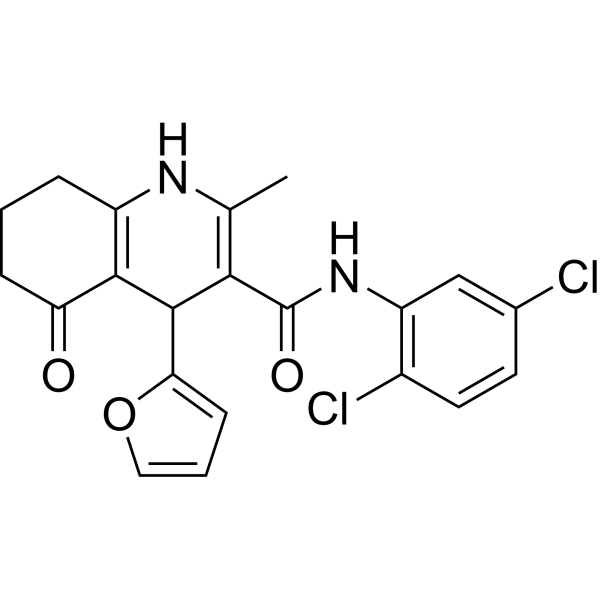
    CXCR2-IN-3 is a CXCR2 inhibitor with an IC50 of 11.37 μM. CXCR2-IN-3 mediates CXCR2-Ca 2+ signalling inhibition halted autophagic flux, subsequently facilitating ROS-mediated apoptotic cell death. CXCR2-IN-3 suppresses the CXCR2-NLRP3 canonical pathway, suppressing pre-tumorigenic markers. CXCR2-IN-3 causes autophagy-dependent cell death in polyploid giant cancer cells (PGCCs). CXCR2-IN-3 can be used for the research of oral squamous cell carcinoma (OSCC) .
    CXCR2-IN-3
  • HY-W041308R

    Kathon 930 (Standard)

    GnRH Receptor Reference Standards Endocrinology
    DCOIT (Standard) is the analytical standard of DCOIT. This product is intended for research and analytical applications. DCOIT is a representative isothiazolinone that stimulates the gonadotropin-releasing hormone receptor (GnRHR)-mediated synthesis of follicle-stimulating hormone and luteinizing hormone in the brain. DCOIT interferes with G protein-coupled receptors, MAPK and Ca2+ signaling cascades[1].
    DCOIT (Standard)
  • HY-174829

    Protease Activated Receptor (PAR) NF-κB Reactive Oxygen Species (ROS) Calcium Channel Akt ERK p38 MAPK PKC Cardiovascular Disease Metabolic Disease
    7,4'-Dimethoxy-3-hydroxyflavone is an orally active PAR4 antagonist. 7,4'-Dimethoxy-3-hydroxyflavone inhibits PAR4-mediated human platelet aggregation with an IC50 of 1.4 μM. 7,4'-Dimethoxy-3-hydroxyflavone inhibits PAR4-mediated human platelet aggregation and PAR4 signaling pathways, including NF-κB, Ca 2+/protein kinase C, Akt, ERK and p38. 7,4'-Dimethoxy-3-hydroxyflavone prevents vascular PAR4 expression, endothelial dysfunction and ameliorates oxidative stress in Streptozotocin (STZ) (HY-13753)-induced diabetic mice. 7,4'-Dimethoxy-3-hydroxyflavone prevents thrombosis in mice without affecting bleeding time [1][2].
    7,4'-Dimethoxy-3-hydroxyflavone
  • HY-W783254

    PA(18:0e/0:0)

    G Protein-coupled Receptor Kinase (GRK) Calcium Channel Cardiovascular Disease Cancer
    C18 LPA (PA(18:0e/0:0)) is a water-soluble phospholipid that functions as a signaling molecule, influencing various cellular responses through G protein-coupled receptors (GPCRs). It is known to promote smooth muscle contraction, cytoskeletal rearrangement, and chemotaxis, while also playing a role in neurotransmitter release, cell proliferation, platelet aggregation, and Ca2+ mobilization. Elevated levels of C18 LPA in human plasma are associated with ovarian cancer and atherosclerosis, suggesting its potential as a biomarker for ovarian cancer.
    C18 LPA
  • HY-120985

    Calcium Channel Neurological Disease
    Xestospongins and araguspongins are marine natural products first isolated from Pacific basin sponges, and noted to have vasodilatory properties.1 Inositol phosphates (IP) are important signal transduction messengers acting via IP3 receptors to promote the mobilization of Ca2+ from intracellular stores.2 Araguspongin B antagonizes the calcium-releasing action of inositol 1,4,5-trisphosphate at the receptor level in cerebral microsomes, with an IC50 of 0.6 μM. It is nearly as potent as xestospongin C as an antagonist of the IP3 receptor.
    Araguspongin B
  • HY-155516

    Potassium Channel Inflammation/Immunology
    KV1.3-IN-1 (Compound trans-18) is a KV1.3 channel inhibitor (IC50: 230 nM and 26.12 nM in Ltk cells and PHA-activated T-lymphocytes respectively). KV1.3-IN-1 impairs intracellular Ca 2+ signaling. KV1.3-IN-1 inhibits T-cell activation, proliferation, and colony formation .
    KV1.3-IN-1
  • HY-162280

    PROTACs RANKL/RANK Nuclear Factor of activated T Cells (NFAT) Btk Cancer
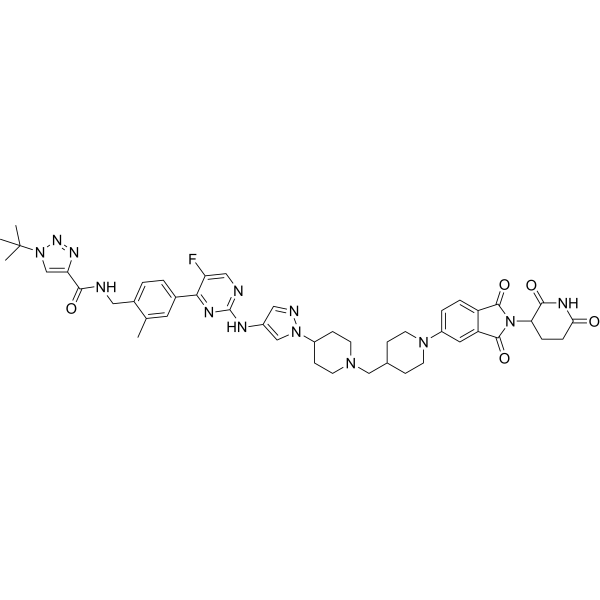
    PROTAC BTK Degrader-9 (compound 23) is a PROTAC degrader that effectively targets BTK. PROTAC BTK Degrader-9 downregulates the BTK-PLCγ2-Ca 2+-NFATc1 signaling pathway activated by RANKL. Thus, PROTAC BTK Degrader-9 was able to inhibit osteoclastogenesis and attenuate alveolar bone resorption in a mouse periodontitis model .
    PROTAC BTK Degrader-9
  • HY-177091

    PIKfyve Interleukin Related MHC Inflammation/Immunology
    AS2795440 is a PIKfyve inhibitor. AS2795440 selectively inhibits proinflammatory cytokine such as IL-12p40 and IL-6 production and B cell activation without affecting Ca 2+ signaling. AS2795440 significantly reduces joint inflammation and bone loss in adjuvant-induced arthritis (AIA) mice model. AS2795440 can be used for inflammatory and autoimmune diseases like rheumatoid arthritis, psoriasis and inflammatory bowel disease research .
    AS2795440
  • HY-108607R

    Palmityltrifluoromet​hylketone (Standard)

    Phospholipase Reference Standards Inflammation/Immunology
    PACOCF3 (Standard) is the analytical standard of PACOCF3. This product is intended for research and analytical applications. PACOCF3 (Palmityltrifluoromet​hylketone) is a selective phospholipase A2 inhibitor with an IC50 of 3.8 μM. PACOCF3 alters Ca2+ signaling in renal tubular cells .
    PACOCF3 (Standard)

Inquiry Online

Your information is safe with us. * Required Fields.

Salutation


Country or Region *

Applicant Name *


Organization Name *

Department *


Email Address *


Product Name *

Cat. No.


Requested quantity *

Phone Number *


Remarks

Inquiry Online

Inquiry Information

Product Name:
Cat. No.:
Quantity:
MCE Japan Authorized Agent: