Search Result
Results for "
MDA-MB-231+cell
" in MedChemExpress (MCE) Product Catalog:
1
Isotope-Labeled Compounds
| Cat. No. |
Product Name |
Target |
Research Areas |
Chemical Structure |
-
- HY-139665
-
|
|
Monocarboxylate Transporter
|
Cardiovascular Disease
|
|
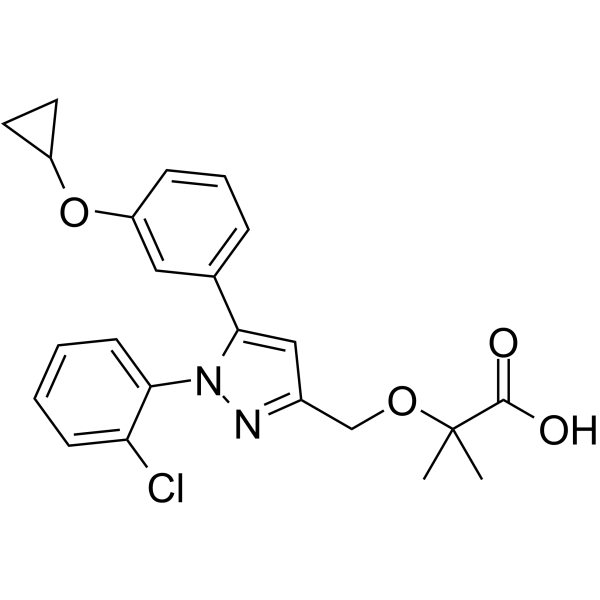
VB124 is an orally active, potent, and selective MCT4 inhibitor. VB124 can specifically inhibit lactate efflux with IC50s of 8.6 nM and 19 nM for lactate import and export in MDA-MB-231 cells, respectively. VB124 is highly selective for MCT4 over MCT1. VB124 can be used for the research of cardiac hypertrophy, heart failure, and metabolism .
|
-
-
- HY-15518
-
LCL161
Maximum Cited Publications
41 Publications Verification
|
IAP
|
Cancer
|
|
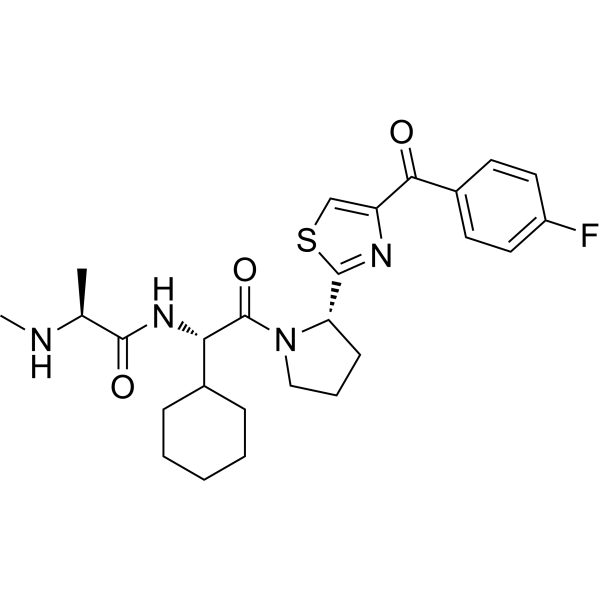
LCL161 is a IAP inhibitor which inhibits XIAP in HEK293 cell and cIAP1 in MDA-MB-231 cell with IC50s of 35 and 0.4 nM, respectively.
|
-
-
- HY-109523
-
|
|
HMG-CoA Reductase (HMGCR)
Ferroptosis
|
Cardiovascular Disease
Cancer
|
|
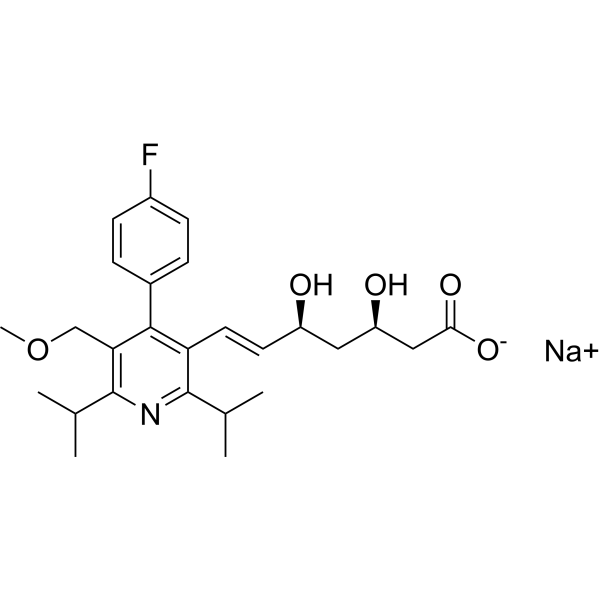
Cerivastatin sodium is a synthetic lipid-lowering agent and a highly potent, well-tolerated and orally active HMG-CoA reductase inhibitor, with a Ki of 1.3 nM/L. Cerivastatin sodium reduces low-density lipoprotein cholesterol levels. Cerivastatin sodium also inhibits proliferation and invasiveness of MDA-MB-231 cells, mainly by RhoA inhibition, and has anti-cancer effect .
|
-
-
- HY-108317
-
|
|
Phosphatase
|
Cancer
|
|
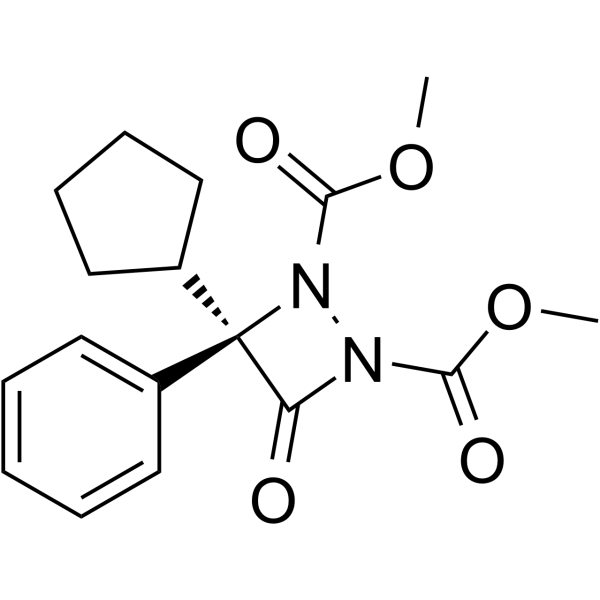
ABL127 is a selective and covalent inhibitor of protein methylesterase 1 (PME-1) with IC50s of 6.4 nM and 4.2 nM in HEK293T and MDA-MB-231 cells, respectively.
|
-
-
- HY-13808
-
|
|
Histone Methyltransferase
|
Cancer
|
|
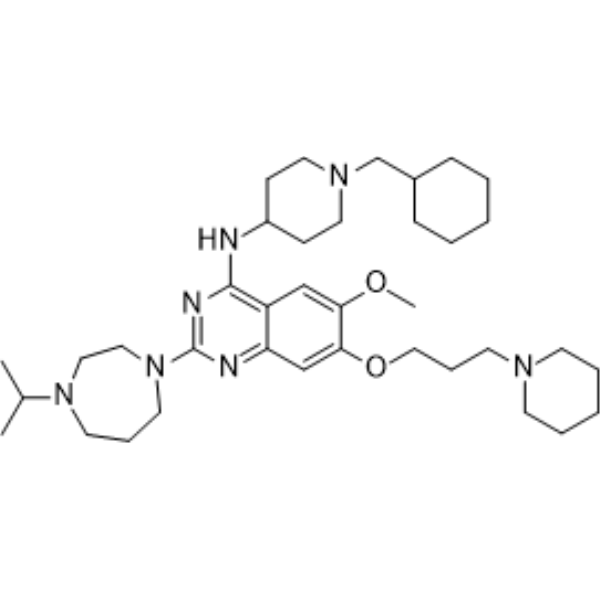
UNC 0631 is a potent histone methyltransferase G9a inhibitor with an IC50 of 4 nM. UNC 0631 potently reduces H3K9me2 levels in MDA-MB-231 cells with an IC50 of 25 nM .
|
-
-
- HY-100753
-
|
|
STAT
Apoptosis
|
Cancer
|
|
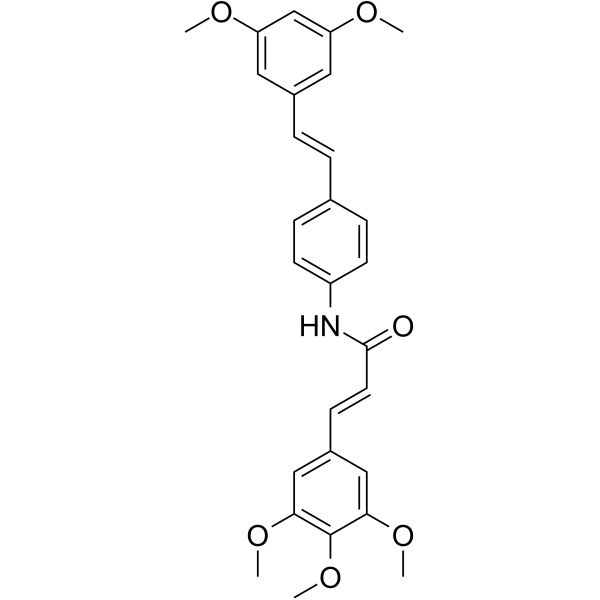
STAT3-IN-1 (compound 7d) is an excellent, selective and orally active STAT3 inhibitor, with IC50 values of 1.82 μM and 2.14 μM in HT29 and MDA-MB 231 cells, respectively. STAT3-IN-1 (compound 7d) induces tumor cells apoptosis .
|
-
-
- HY-145652
-
|
AMP-945
|
|
|
|
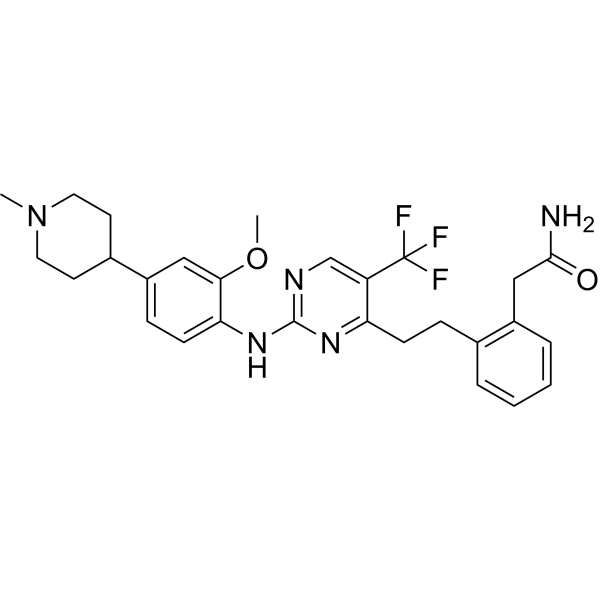
Narmafotinib (AMP-945) is an orally active inhibitor of the enzyme focal adhesion kinase (FAK, KD=0.21 nM). Narmafotinib inhibits autophosphorylation of 397Y-FAK in MDA-MB-231 cells with an IC50=7 nM and exhibits low general cellular toxicity (IC50=2.7 μM, MDA-MB-231 cells). Narmafotinib can be used for anti-cancer study .
|
-
-
- HY-112842
-
|
|
Ras
CDK
|
Cancer
|
|
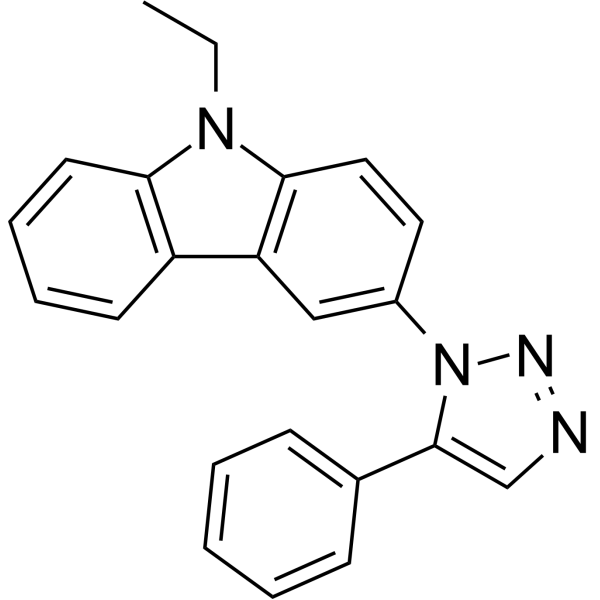
MBQ-167 is a dual Rac/Cdc42 inhibitor, with IC50s of 103 nM for Rac 1/2/3 and 78 nM for Cdc42 in MDA-MB-231 cells, respectively.
|
-
-
- HY-173496
-
|
|
Sialyltransferase
Integrin
VEGFR
Akt
|
Cancer
|
|
ST6GAL1-IN-1 is an orally active selective ST6GAL1 inhibitor (IC50 = 20 μM). ST6GAL1-IN-1 exhibits high antimetastatic potential, effectively inhibiting the migration of MDA-MB-231 cells at noncytotoxic concentrations. ST6GAL1-IN-1 can disrupt integrin sialylation in MDA-MB-231 cells. ST6GAL1-IN-1 inhibits tumor angiogenesis and cancer metastasis via the Integrin/VEGFR2-mediated signaling pathway. ST6GAL1-IN-1 effectively suppresses both tumor growth and cancer metastasis on the MDA-MB-231 xenograft model. ST6GAL1-IN-1 can be used for the study of Triple-negative breast cancer (TNBC) .
|
-

-
- HY-13807
-
UNC0646
1 Publications Verification
|
Histone Methyltransferase
|
Cancer
|
|
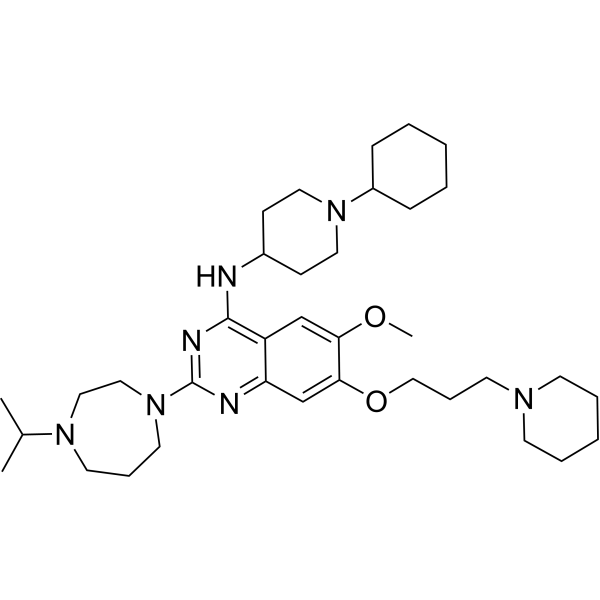
UNC0646 is a potent and selective histone methyltransferase G9a inhibitor with an IC50 of 6 nM. UNC0646 is also a potent GLP inhibitor (IC50 <15 nM) and highly selective for G9a/GLP over SETD7, SUV39H2, SETD8 and PRMT3. UNC0646 reduces H3K9me2 levels in MDA-MB-231 cells with an IC50 of 26 nM .
|
-
-
- HY-13808R
-
|
|
Reference Standards
Histone Methyltransferase
|
Cancer
|
|
UNC 0631 (Standard) is the analytical standard of UNC 0631. This product is intended for research and analytical applications. UNC 0631 is a potent histone methyltransferase G9a inhibitor with an IC50 of 4 nM. UNC 0631 potently reduces H3K9me2 levels in MDA-MB-231 cells with an IC50 of 25 nM .
|
-

-
- HY-146324
-
|
|
PROTACs
Apoptosis
CaMK
|
Cancer
|
|
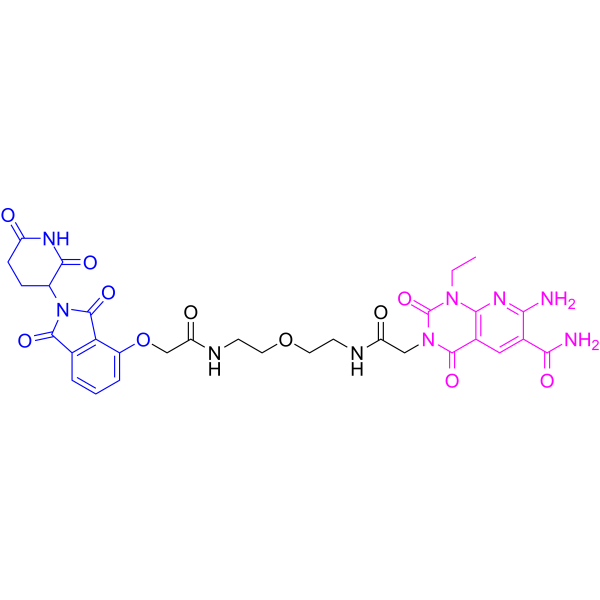
PROTAC eEF2K degrader-1 (Compound 11l) is an eEF2K-Targeting PROTAC small molecule that induces apoptosis in MDA-MB-231 cells. PROTAC eEF2K degrader-1 mediates eEF2K degradation .
|
-
-
- HY-15985
-
|
|
Akt
|
Metabolic Disease
Inflammation/Immunology
Cancer
|
|
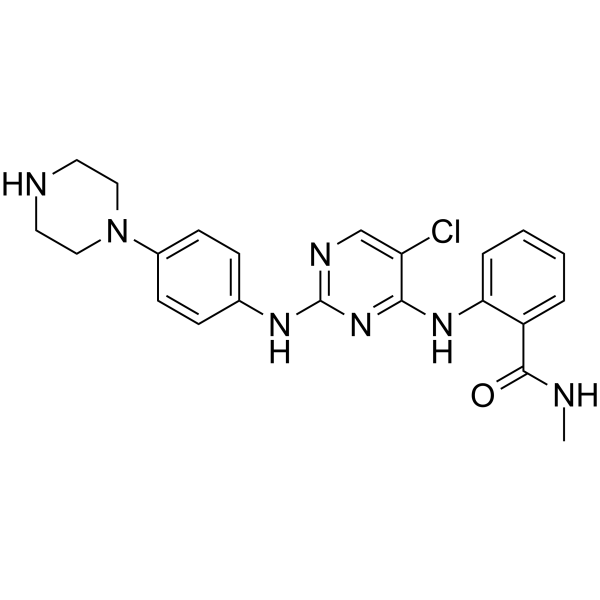
CTX-0294885 is a broad spectrum kinase inhibitor that can capture 235 kinases from MDA-MB-231 cells, and can capture all members of the AKT family. CTX-0294885 is a powerful reagent for analysis of kinome signaling networks that can be used for the research of diseases like inflammation, diabetes, and cancer .
|
-
-
- HY-114979
-
|
|
Antibiotic
Fungal
Apoptosis
|
Infection
Cancer
|
|
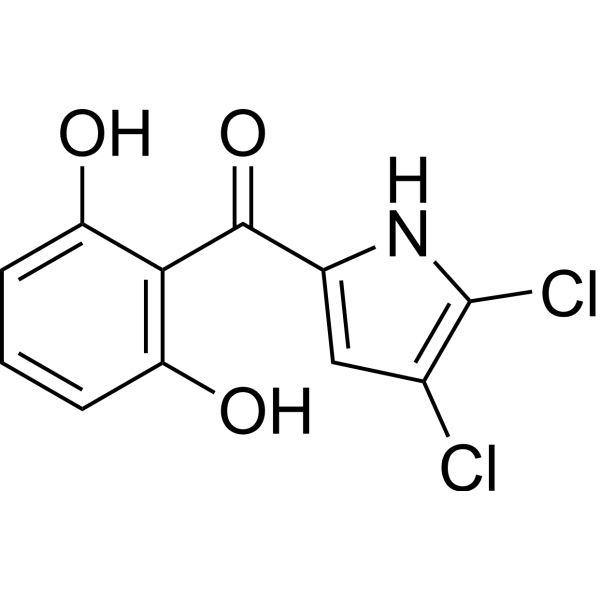
Pyoluteorin is an antibiotic that inhibits Oomycete fungi, including the plant pathogen Pythium ultimum, and suppresses plant diseases caused by this fungus . Pyoluteorin induces human triple-negative breast cancer MDA-MB-231 cells apoptosis in vitro. Pyoluteorin can be used for the research of human triple-negative breast cancer .
|
-
-
- HY-100353
-
|
N-Lauroyl-D-erythro-sphingosine; N-Laurylsphingosine
|
Endogenous Metabolite
|
Metabolic Disease
Cancer
|
|
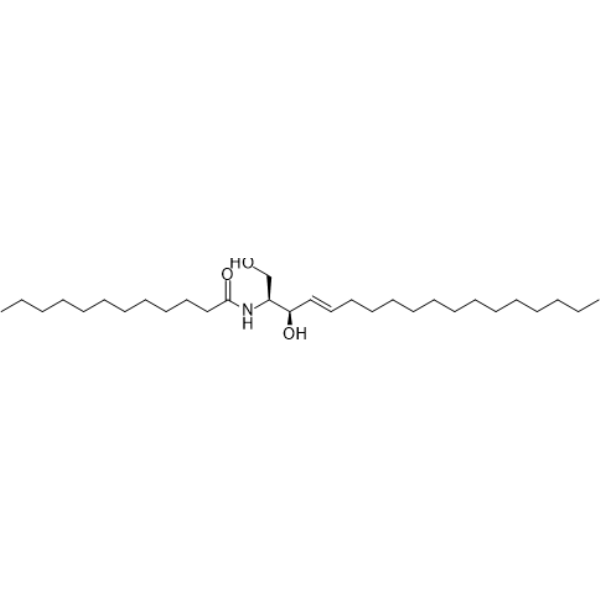
C12-Ceramide (N-Lauroyl-D-erythro-sphingosine), a naturally occurring ceramide, is formed by hydrolysis of C12 sphingomyelin. C12-Ceramide can enhance the Doxorubicin toxicity in MDA-MB-231 cells. C12-Ceramide also can be used to diagnose types A and B Niemann-Pick disease .
|
-
-
- HY-N6990
-
|
|
Others
|
Cancer
|
|
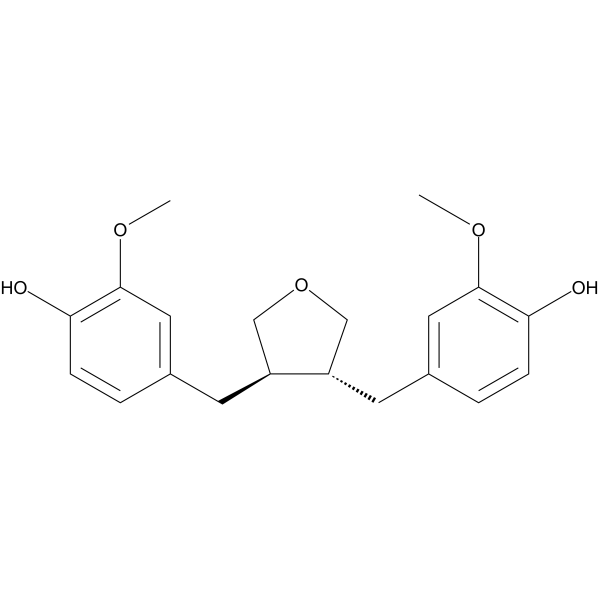
Anhydrosecoisolariciresinol is from the flower of Wedelia biflora, has anti-tumor activities .
Anhydrosecoisolariciresinol decreases the growth of human breast cancer MCF-7 and MDA-MB-231 cell lines .
|
-
-
- HY-16191
-
|
|
Microtubule/Tubulin
Apoptosis
|
Cancer
|
|
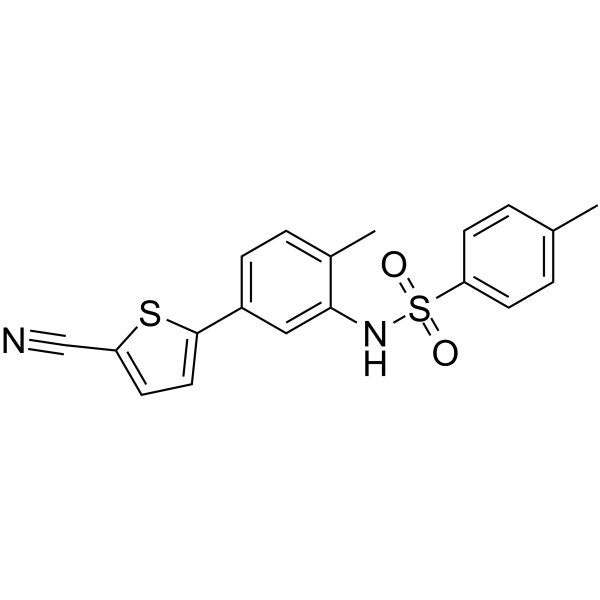
ELR510444 is a novel microtubule disruptor; inhibits MDA-MB-231 cell proliferation with IC50 of 30.9 nM; not a substrate for the P-glycoprotein drug transporter and retains activity in βIII-tubulin-overexpressing cell lines.
|
-
-
- HY-156273
-
|
|
Apoptosis
HDAC
Epigenetic Reader Domain
JAK
|
Cancer
|
|
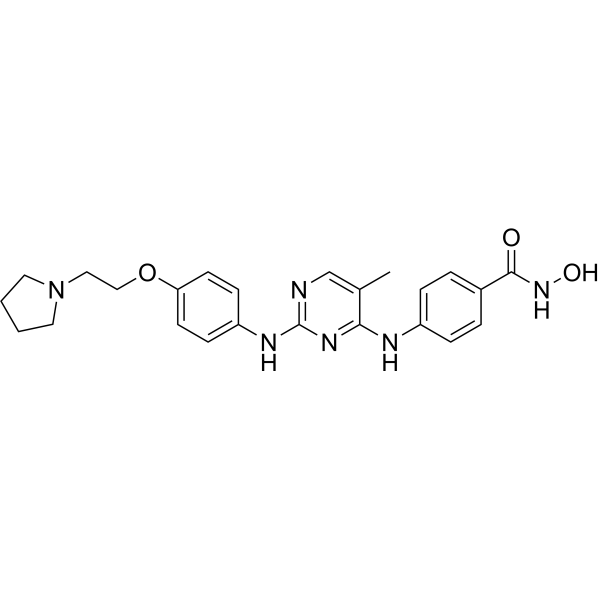
HDAC/JAK/BRD4-IN-1(compound 25ap) is a potent HDAC/JAK/BRD4 triple inhibitor. HDAC/JAK/BRD4-IN-1 inhibit cell growth and induces apoptosis in MDA-MB-231 cells, and shows anticancer activity in vivo .
|
-
-
- HY-110329
-
|
|
Nuclear Hormone Receptor 4A/NR4A
|
Cancer
|
|
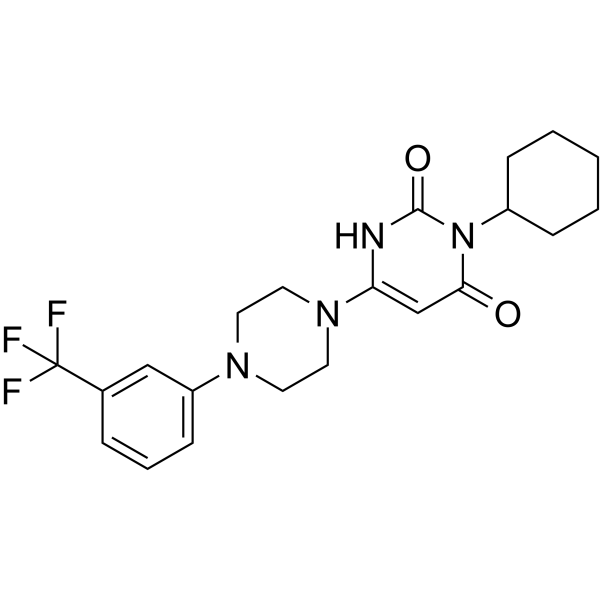
ML179 (SR-1309) is a inverse LRH1/NR5A2 (Liver receptor homologue-1) agonist with IC50 of 320 nM. ML179 shows anti-proliferation activity in MDA-MB-231 cells. ML179 has the potential for the research of ER-negative breast cancer .
|
-
-
- HY-168929
-
|
|
SHP1
Fluorescent Dye
Phosphatase
STAT
Apoptosis
|
Cancer
|
|
SHP1 activator 1 (Compound 3n) is an activator for src homology-2 domain-containing protein tyrosine phosphatase 1(SHP1) with an EC50 of 17.66 μM. SHP1 activator 1 inhibits the proliferation of ABC-DLBCL cells, induces apoptosis by inhibiting STAT3 signaling pathway. SHP1 activator 1 emitts blue and green fluorescence signalis in MDA-MB-231 cell, and can be used as a cell imaging agent .
|
-

-
- HY-162352
-
|
|
Epigenetic Reader Domain
Apoptosis
|
Cancer
|
|
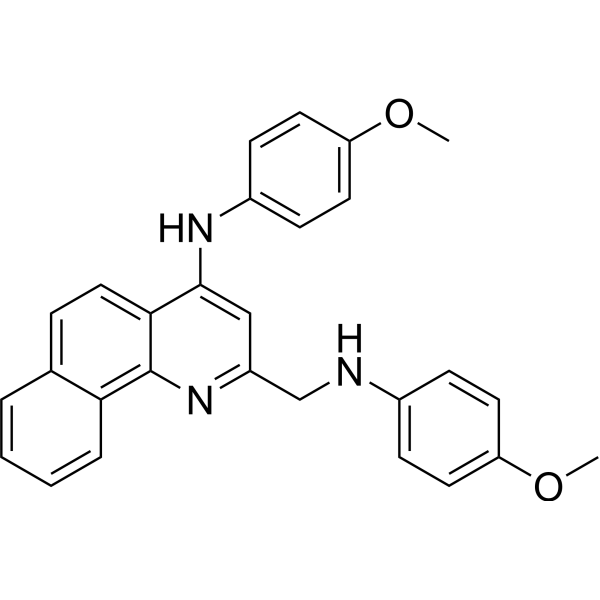
SDU-071 is a potent and orally active inhibitor of BRD4-p53 inhibitor. SDU-071 inhibits MDA-MB-231 cells proliferation with an IC50 of 10.5 μM. SDU-071 induces cell cycle arrest and apoptosis .
|
-
-
- HY-129458
-
|
|
HMG-CoA Reductase (HMGCR)
Ferroptosis
|
Cardiovascular Disease
Cancer
|
|
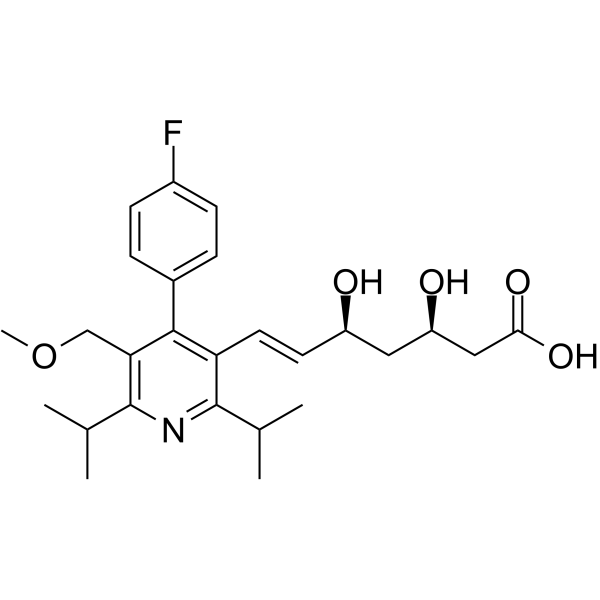
Cerivastatin is a synthetic lipid-lowering agent and a highly potent, well-tolerated and orally active HMG-CoA reductase inhibitor, with a Ki of 1.3 nM/L. Cerivastatin reduces low-density lipoprotein cholesterol levels. Cerivastatin also inhibits proliferation and invasiveness of MDA-MB-231 cells, mainly by RhoA inhibition, and has anti-cancer effect .
|
-
-
- HY-144699
-
|
|
Estrogen Receptor/ERR
|
Cancer
|
|
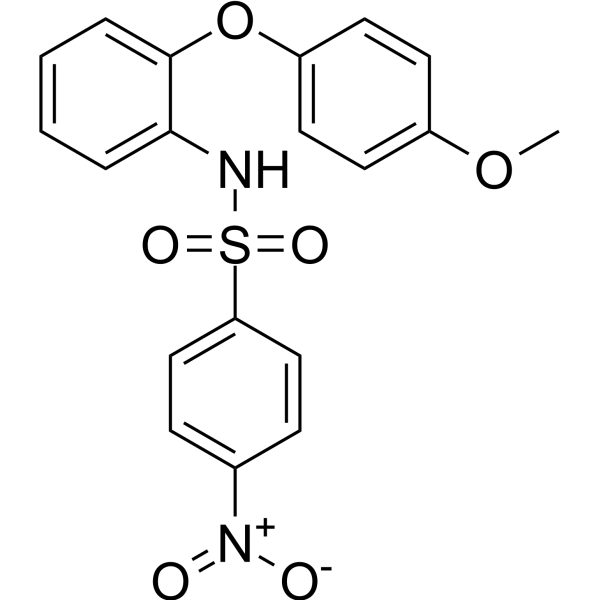
ERRα antagonist-2 (Compound 11) is a potential ERRα (estrogen related receptor α) inverse agonist with an IC50 of 0.80 μM. ERRα antagonist-2 suppresses the migration and invasion of the ER-negative MDA-MB-231 cell line. ERRα antagonist-2 inhibits breast cancer growth in vivo .
|
-
-
- HY-161597
-
|
|
PROTACs
DYRK
|
Cancer
|
|
PROTAC DYRK2 degrader 1 is a DYRK2 PROTAC degrader with DC50 values of 1.607 μM (MDA-MB-231 cells) and 3.265 μM (HeLa cells), respectively. PROTAC DYRK2 degrader 1 induces DYRK2 degradation via the ubiquitin-proteasome system. It is applicable to the research of triple-negative breast cancer and cervical cancer .
|
-

-
- HY-114324A
-
|
|
PROTACs
PARP
|
Cancer
|
|
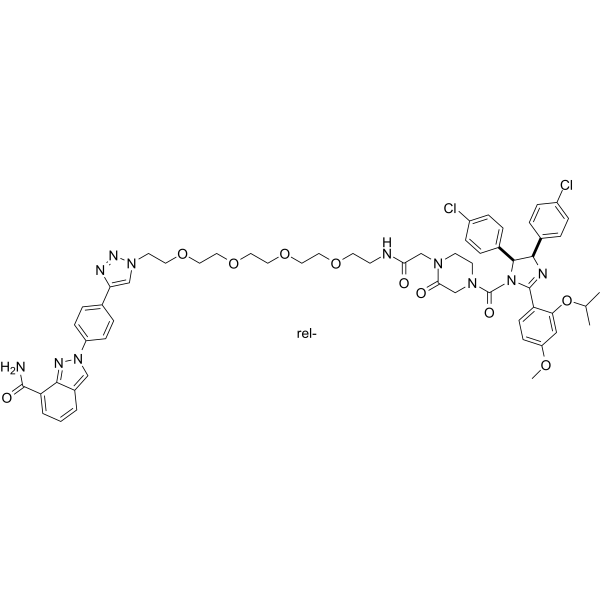
rel-PROTAC PARP1 degrader is the relative configuration of ROTAC PARP1 degrader (HY-114324). ROTAC PARP1 degrader is a PARP1 degrader based on MDM2 E3 ligand. It induces significant PARP1 cleavage and programmed cell death. PROTAC PARP1 degrader at 10 μM at 24 h inhibits MDA-MB-231 cell line with an IC50 of 6.12 μM.
|
-
-
- HY-15985A
-
|
|
Akt
|
Metabolic Disease
Inflammation/Immunology
Cancer
|
|
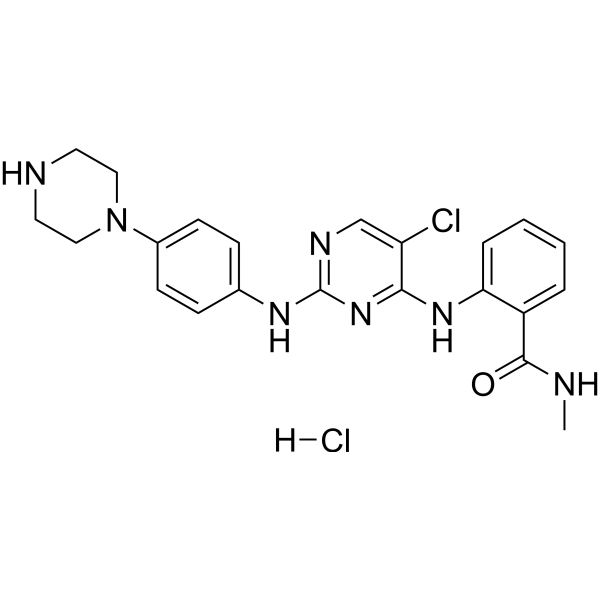
CTX-0294885 hydrochloride is a broad spectrum kinase inhibitor that can capture 235 kinases from MDA-MB-231 cells, and can capture all members of the AKT family. CTX-0294885 hydrochloride is a powerful reagent for analysis of kinome signaling networks that can be used for the research of diseases like inflammation, diabetes, and cancer .
|
-
-
- HY-115507
-
|
|
AMPK
mTOR
ERK
Oxidative Phosphorylation
Reactive Oxygen Species (ROS)
Ras
|
Cancer
|
|
NMac1 is an orally active Nm23/NDPK activator. NMac1 directly binds to Nm23-H1 and activates the NDPK activity of recombinant Nm23-H1 with an EC50 of 10.7 uM. NMac1 induces AMPK activation and inhibits mTOR and ERK, leading to mitochondrial OXPHOS dysregulation and suppressing mitochondrial ROS production, which in turn induces mitochondrial dysfunction in MDA-MB-231 cells. NMac1 inhibits Complex I activity and suppresses changes in morphology and actin cytoskeleton organization following Rac1 activation in MDA-MB-231 cells. NMac1 inhibits tumor invasion, migration and metastasis. NMac1 is useful for studying metastatic tumors, such as breast cancer. NMac1 can be isolated from the ginger cassumunar Roxb .
|
-

-
- HY-175004
-
|
|
ADC Payload
DNA Alkylator/Crosslinker
|
Cancer
|
|
PBD dimer-4 (Compound 7) is a C1-subsitituted PBD dimer. PBD dimer-4 has high DNA-binding affinity, DNA cross-linking ability and potent cytotoxicity against MDA-MB-231 cells (IC50: 236 nM). PBD dimer-4 can be used as a payload of ADC Loncastuximab tesirine (HY-P99349) to treat several different cancer types .
|
-

-
- HY-175815
-
|
|
Apoptosis
Bcl-2 Family
Caspase
MMP
Cadherin
|
Cancer
|
|
Apoptosis inducer 44 is an apoptosis inducer. Apoptosis inducer 44 triggers apoptosis in MDA-MB-231 cells by increasing the levels of Bax and Cyt C, reducing Bcl-2, and initiating caspase-3 cleavage. Apoptosis inducer 44 suppresses the invasion and migration of MDA-MB-231 cells by down-regulating MMP-2 and MMP-9 expression and up-regulating E-cadherin protein levels. Apoptosis inducer 44 can be used for the study of breast cancer .
|
-

-
- HY-164521
-
|
|
STAT
|
Cancer
|
|
PMMB-187 is a selective STAT3 inhibitor with an IC50 value of 1.81 μM for MDA-MB-231 cells. PMMB-187 induces apoptosis (Apoptosis) in MDA-MB-231 cells by inhibiting STAT3 transcriptional activity, nuclear translocation, and downstream target gene expression, while also reducing mitochondrial membrane potential, generating reactive oxygen species (ROS), and upregulating the expression levels of apoptosis-related proteins. PMMB-187 has potential applications in cancer research .
|
-

-
- HY-W643128
-
|
|
Cholinesterase (ChE)
|
Infection
|
|
Carlina oxide is an AChE inhibitor and antioxidant that kills Culex pipiens larvae (LC50=1.39 μg/mL). Carlina oxide is cytotoxic to vertebrate cells, human dermis, HCT116 and MDA-MB231 cell lines .
|
-

-
- HY-157151
-
|
|
Histone Methyltransferase
|
Cancer
|
|
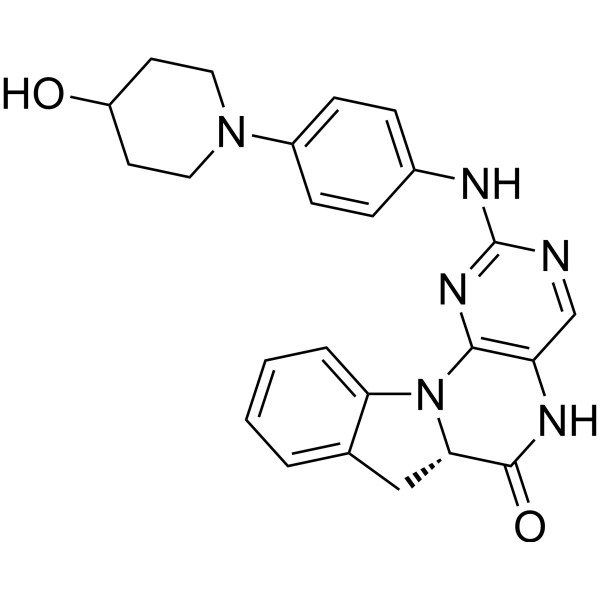
iPRMT1 is a potent and selective PRMT1 inhibitor for breast cancer research. iPRMT1 inhibits breast cancer cell growth in vitro and in vivo with EC50 values of 90, 70, and 9 nM in MCF7, T47D, and MDA-MB-231 cells, respectively .
|
-
-
- HY-178365
-
-

-
- HY-163845
-
|
|
PROTACs
HDAC
|
Cancer
|
|
YX862 is a selective HDAC8 PROTAC degrader and induces the degradation of HDAC8 with maximum degradation > 95% at 250 nM in MDA-MB-231 cells(Sturcture Note:(Blue: VHL E3 ligand (HY-112078), Black: linker;Pink: HDAC8 inhibitor (HY-163846)) .
|
-

-
- HY-170946
-
|
|
STAT
Bcl-2 Family
|
Cancer
|
|
WR-S-462 is a STAT3 inhibitor. WR-S-462 effectively suppresses STAT3 phosphorylation and biological functions in vitro. WR-S-462 inhibits MDA-MB-231 cells with an IC50 of 0.03 μM. WR-S-462 displays a strong binding affinity towards the STAT3 protein with a Kd of 58 nM. WR-S-462 inhibits the nuclear translocation of p-STAT3, selectively inhibits the expression of p-STAT3 Tyr705 and downstream target genes regulated by STAT3 in MDA-MB-231 cells such as Cyclin D1, Bcl-2, and Bcl-xl. WR-S-462 inhibits TNBC (triple-negative breast cancer) growth and metastasis .
|
-

-
- HY-178956
-
|
|
HSP
|
Cancer
|
|
KUNB106 is a selective Hsp90β inhibitor with KDs of 91 nM and 38 μM against Hsp90β and Hsp90α. KUNB106 exhibits antiproliferative activity against MDA-MB-231 cells, A549 and SKOV-3 cells. KUNB106 can be used for the study of triple negative breast cancer .
|
-

-
- HY-174975
-
|
|
PROTACs
Epigenetic Reader Domain
|
Cancer
|
|
JY-21 is a BRD4 PROTAC degrader with a DC50 of 3.797 μM. JY-21 has a potent anticancer activity against MDA-MB-231 cells . Pink: BRD4 ligand (HY-78695); Blue: E3 ligase ligand (HY-174994); Black: linker (HY-151862)
|
-

-
- HY-175269
-
|
|
DNA Alkylator/Crosslinker
DNA/RNA Synthesis
Topoisomerase
|
Cancer
|
|
MGB1Y is a noncovalent DNA minor groove binder (MGB). MGB1Y potently inhibits cancer cells proliferation and topoisomerase I activity. MGB1Y downregulates their breast cancer-related genes in MCF7 and MDA-MB-231 cells. MGB1Y has a broad-spectrum anticancer activity, such as breast cancer, colon cancer, and leukemia .
|
-

-
- HY-164306
-
|
|
PROTACs
PARP
|
Cancer
|
|
PROTAC PARP1 degrader-2 (Compound 72) is a PROTAC degrader for PARP with a DC50<10 nM in MDA-MB-231 cell. PROTAC PARP1 degrader-2 inhibits the cell viability of MDA-MB-436 with an IC50 <100 nM. (Blue: ligand for target protein (HY-160937); Pink: ligand for E3 ligase (HY-W998262))
|
-

-
- HY-178132
-
|
|
Apoptosis
NF-κB
|
Cancer
|
|
Apoptosis inducer 46 is an apoptosis inducer. Apoptosis inducer 46 exhibits potent and selective growth inhibitory effects on metastatic triple-negative breast cancer (TNBC) cells. Apoptosis inducer 46 induces G2/M phase cell cycle arrest and apoptotic cell death in MDA-MB-231 cells, and blocks NF-κB nuclear translocation. Apoptosis inducer 46 can be used for the study of TNBC .
|
-

-
- HY-175656
-
|
|
LIM Kinase (LIMK)
|
Neurological Disease
Cancer
|
|
MDI-117740 is a dual LIMK1/2 inhibitor. MDI-117740 shows effective cellular target engagement with LIMK1 (pIC50 = 6.73) and LIMK2 (pIC50 = 7.18) in HEK293 cells. MDI-117740 exerts significant anti-migratory activity in MDA-MB-231 cells. MDI-117740 can be used for the study of cancers and neurodegenerative disorders .
|
-

-
- HY-146786
-
|
|
PAK
Apoptosis
|
Cancer
|
|
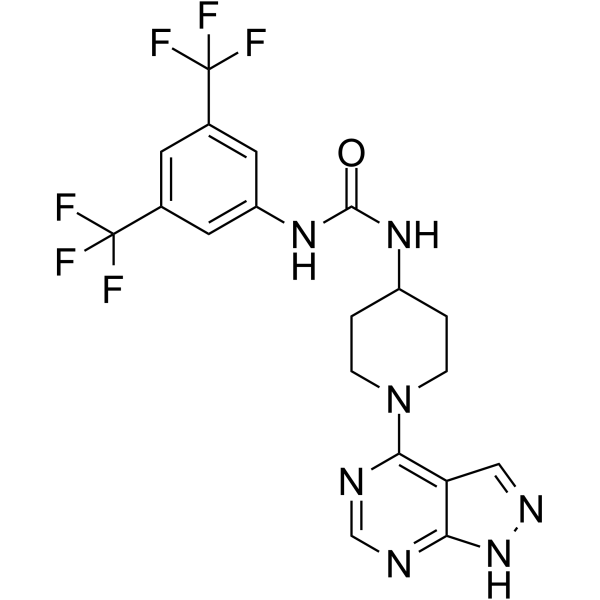
ZMF-10 is a highly potent PAK1 inhibitor, with IC50s of 174 nM, 1.038 μM and 1.372 μM for PAK1, PAK2 and PAK3, respectively. ZMF-10 can inhibit PAK1 activity to affect PAK1-regulated apoptosis, ER-Stress and migration in MDA-MB-231 cells. ZMF-10 can be used for researching anticancer .
|
-
-
- HY-175179
-
|
|
Epigenetic Reader Domain
E1/E2/E3 Enzyme
|
Cancer
|
|
LO-3-61, a JQ-1 (HY-13030) analog bearing a truncated fumaramide handle, is a PROTAC (proteolysis-targeting chimeras)-like BRD4 degrader. LO-3-61 degrades both the long and short isoforms of BRD4 CUL4DcAr16-dependently in cells. LO-3-61 shows selectivity for BRD3 and BRD4 degradation in MDA-MB-231 cells .
|
-

-
- HY-179054
-
|
|
Apoptosis
Reactive Oxygen Species (ROS)
DNA/RNA Synthesis
|
Cancer
|
|
Apoptosis inducer 51 (Compound 5d) is an apoptosis inducer. Apoptosis inducer 51 exhibits strong inhibitory activity against MDA-MB-231 cells. Apoptosis inducer 51 inhibits cell invasion and migration, induces G2/M phase cell cycle arrest and cell apoptosis. Apoptosis inducer 51 causes DNA damage, ROS burst and mitochondrial membrane potential (MMP) collapse. Apoptosis inducer 51 can be used for the study of triple-negative breast cancer.
|
-

-
- HY-146203
-
|
|
FAK
|
Cancer
|
|
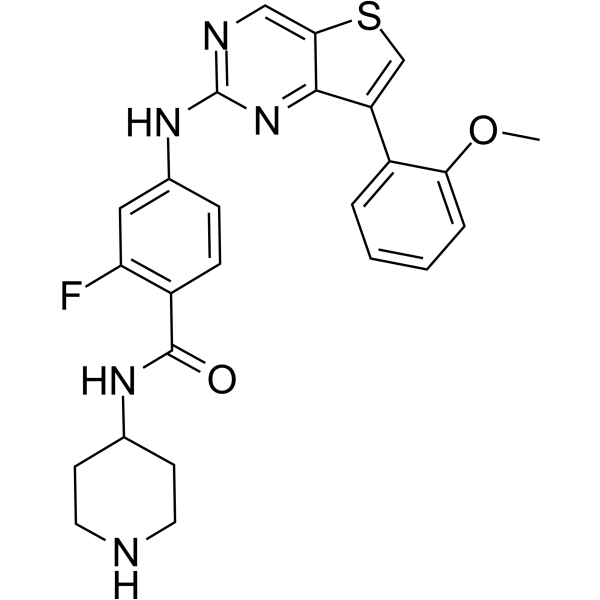
Compound 26F not only optimized the effective inhibitory enzyme (ic50= 28.2 nm), but also showed relatively less cytotoxicity (ic50= 3.32 μ M) And induced MDA-MB-231 cell apoptosis in a dose-dependent manner, effectively blocking MDA-MB-231 cells in g0/g1 phase.
|
-
-
- HY-156026
-
|
|
FAK
|
Cancer
|
|
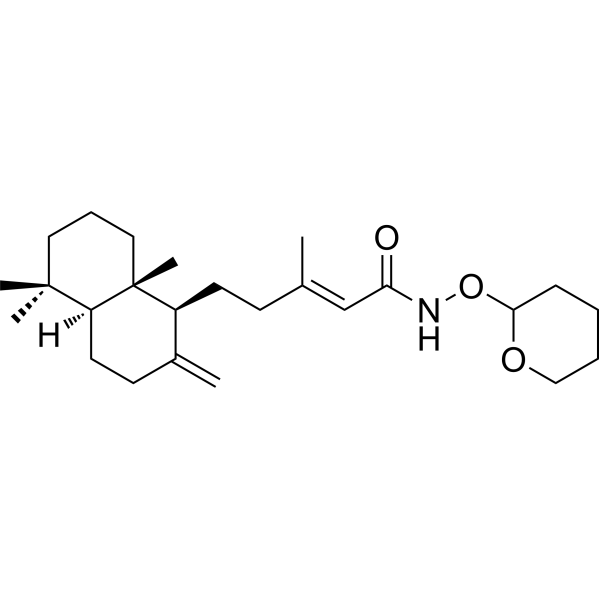
FAK-IN-11 (Compound 4l) is a FAK inhibitor. FAK-IN-11 binds to the ATP binding pocket of FAK, and inhibits phosphorylation of FAK protein. FAK-IN-11 shows cytotoxic activity against the MDA-MB-231 cells with an IC50 of 13.73? μM. FAK-IN-11 induces non-apoptotic cell death in MDA-MB-231 cells .
|
-
-
- HY-125958
-
|
|
Glutaminase
|
Cancer
|
|
AA9 is a potent Transglutaminase 2 (TG2) inhibitor. AA9 strongly impacts HIF-mediated hypoxia in MDA-MB-231 cells .
|
-

-
- HY-146511
-
|
|
Others
|
Cancer
|
|
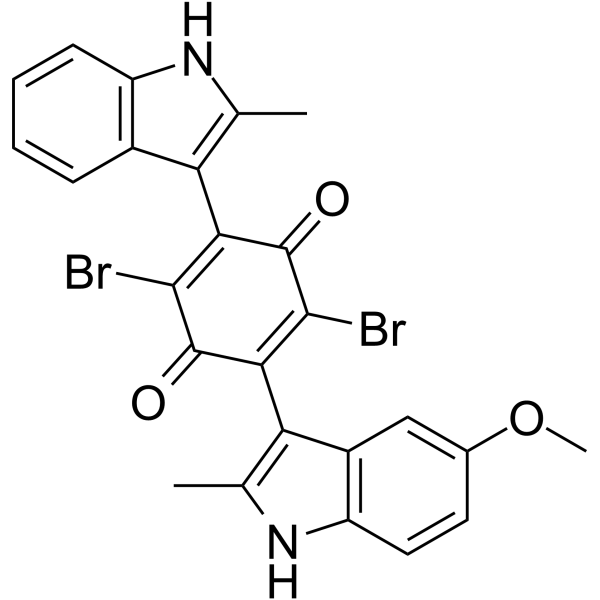
Anticancer agent 41 is a potent anticancer agent, shows a potent antitumor activity against MDA-MB-231 cell with an IC50 of 3.99 μM[1].
|
-
-
- HY-158388
-
|
|
Topoisomerase
|
Cancer
|
|
Anticancer agent 215 (1) is a Camptothecin compound, with IC50 values of 5.2 nM and 8.2 nM in MCF-7 cells and MDA-MB-231 cells, respectively .
|
-

-
- HY-158389
-
|
|
Topoisomerase
|
Cancer
|
|
Anticancer agent 216 (34A) is a Camptothecin compound, with IC50 values of 9.6 nM and 11.6 nM in MCF-7 cells and MDA-MB-231 cells, respectively .
|
-

- HY-158387
-
|
|
Topoisomerase
|
Cancer
|
|
Anticancer agent 214 (2) is a Camptothecin compound, with IC50 values of 2.6 nM and 15.7 nM in MCF-7 cells and MDA-MB-231 cells, respectively .
|
-

- HY-120800
-
|
|
HSP
|
Metabolic Disease
|
|
KUNG29 is a potent and selective Grp94 inhibitor with a Kd of 0.2 μM. KUNG29 induces the degradation of integrin α2 in MDA-MB-231 cells .
|
-

- HY-158390
-
|
|
Topoisomerase
|
Cancer
|
|
Anticancer agent 217 (35B) is a Camptothecin compound, with IC50 values of 6.2 nM and 7.1 nM in MCF-7 cells and MDA-MB-231 cells, respectively .
|
-

- HY-146037
-
|
|
Apoptosis
Aurora Kinase
|
Cancer
|
|
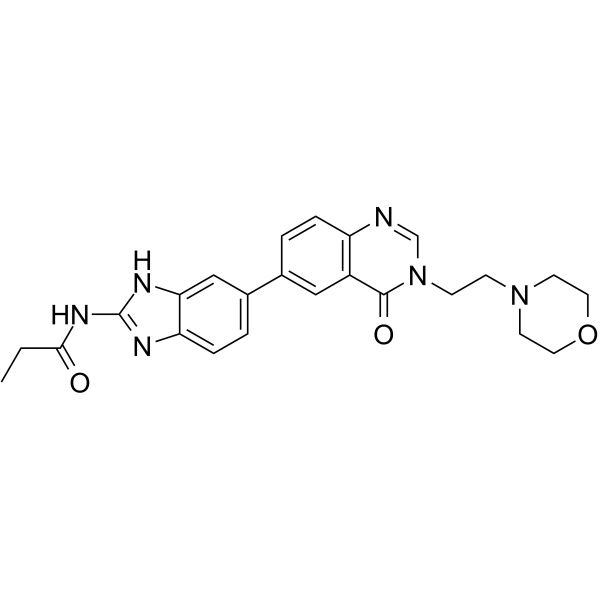
Aurora A inhibitor 2 (Compound 16h) is a potent Aurora A kinase inhibitor with an IC50 of 21.94 nM. Aurora A inhibitor 2 induces caspase-dependent apoptosis in MDA-MB-231 cells .
|
-
- HY-162034
-
|
|
FAK
|
Cancer
|
|
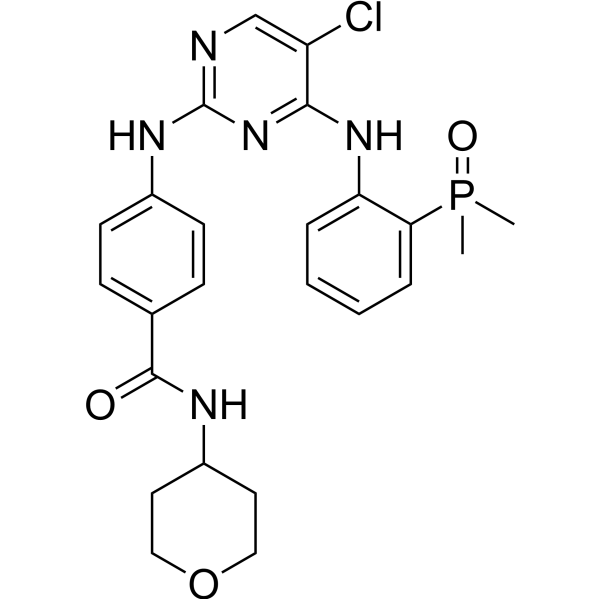
FAK-IN-17 is a focal adhesion kinase (FAK) inhibitor. FAK-IN-17 possesses anticancer activity against A549 and MDA-MB-231 cell lines with IC50 values of 130 nM and 94 nM .
|
-
- HY-149714
-
|
|
ICMT
|
Cancer
|
|
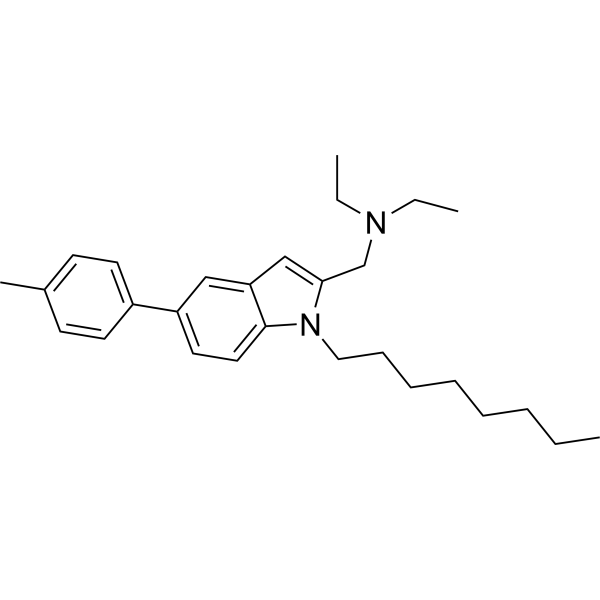
J6-3 is an inhibitor of ICMT with an IC50 of 0.6 μM and has anticancer activity. J6-3 inhibits MDA-MB231 cells with an IC50 of 3.4 μM .
|
-
- HY-146783
-
|
|
PAK
|
Cancer
|
|
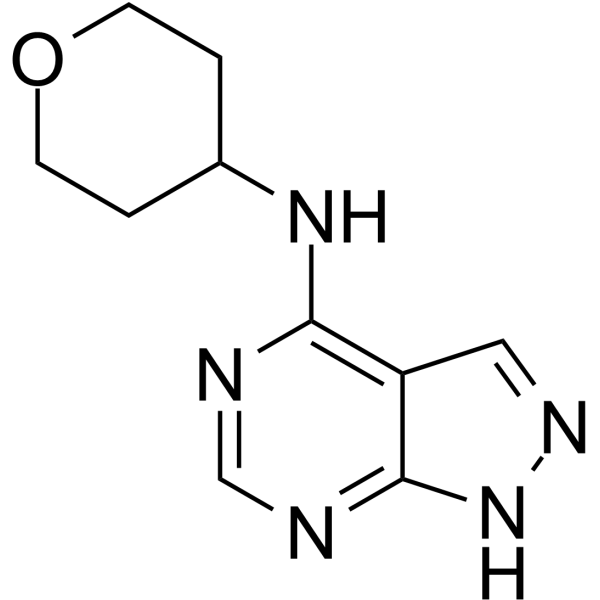
ZINC194100678 is a potent PAK1 inhibitor with an IC50 value of 8.37 μM. ZINC194100678 can inhibit MDA-MB-231 cell proliferation. ZINC194100678 can be used for researching anticancer .
|
-
- HY-144638
-
|
|
Apoptosis
|
Cancer
|
|
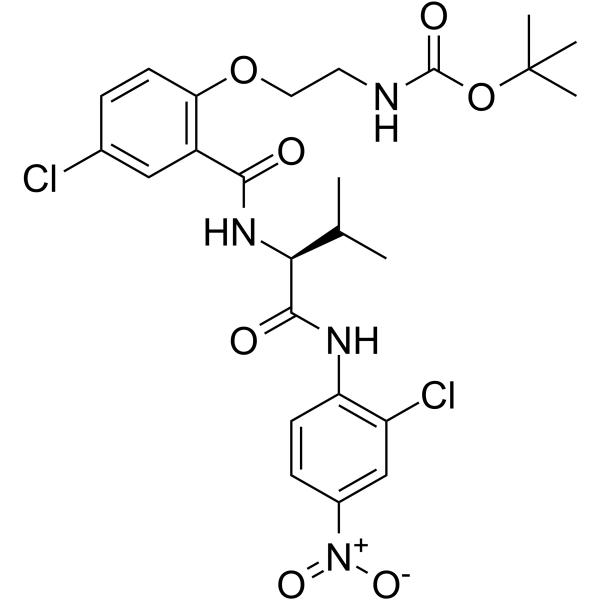
JMX0293 is an O-alkylamino-tethered salicylamide derivative compound. JMX0293 maintains good potency against MDA-MB-231 cell line (IC50 = 3.38 μM) while exhibiting very low toxicity against human non-tumorigenic breast epithelial cell line MCF-10A (IC50> 60 μM). JMX0293 inhibits STAT3 phosphorylation and contribute to apoptosis in TNBC MDA-MB-231 cells. JMX0293 significantly suppresses MDA-MB-231 xenograft tumor growth in vivo without significant toxicity .
|
-
- HY-139376
-
|
|
FGFR
|
Cancer
|
|
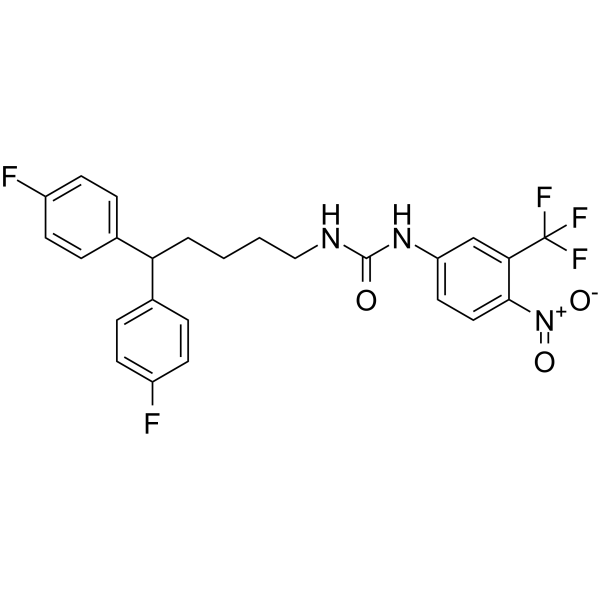
FGFR1 inhibitor-2 is a FGFR1 inhibitor (IC50 is 4.55 μM in MDA-MB-231 cells). FGFR1 inhibitor-2 can be used for the research of metastatic triple-negative breast cancer .
|
-
- HY-143468
-
|
|
Apoptosis
MEK
|
Cancer
|
|
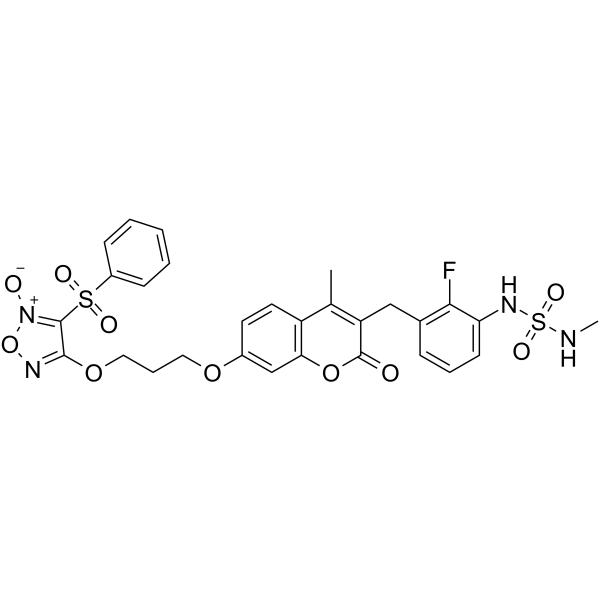
MEK-IN-5 is a potent MEK inhibitor and NO donor. MEK-IN-5 significantly reduces the levels of pMEK and pERK in a dose-dependent and time-dependent manner. MEK-IN-5 induces apoptosis in MDA-MB-231 cells .
|
-
- HY-149033
-
|
|
Others
|
Cancer
|
|
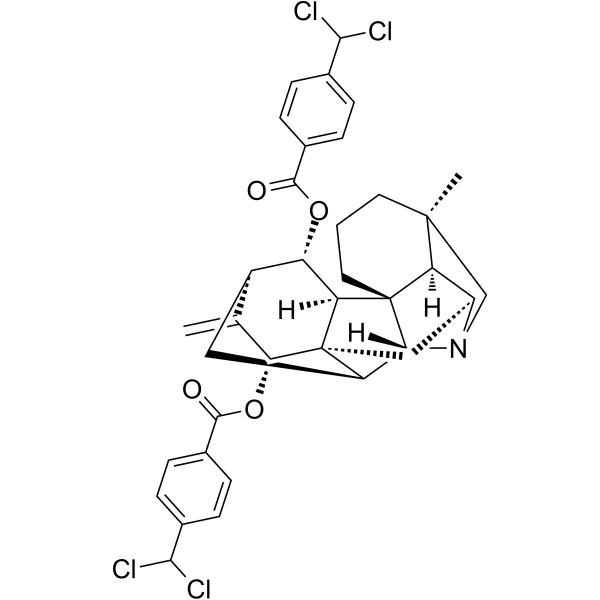
Kobusine derivative-2, a kobusine derivative, has antiproliferative activity against cancer cells. Kobusine derivative-2 can induce the arrest of MDA-MB-231 cells in the sub-G1 phase. Anticancer activity .
|
-
- HY-173146
-
|
|
Apoptosis
EGFR
|
Cancer
|
|
EGFR-IN-153 (Compound 5l) is an EGFR inhibitor. EGFR-IN-153 can inhibit the proliferation (IC50: 0.73 μM) and induce apoptosis of MDA-MB-231 cell. EGFR-IN-153 can be used for the research of breast cancer .
|
-

- HY-N13163
-
|
|
Others
|
Cancer
|
|
2-Epitripdiolide is a diterpenoid compound derived from Tripterygium hypoglaucum with significant antitumor activity. Its IC50 values against A549, KB, KBvin, and MDA-MB-231 cells are 1.34, 0.4, 4.4, and 1.2 nM, respectively .
|
-

- HY-162046
-
|
|
Necroptosis
Ferroptosis
|
Cancer
|
|
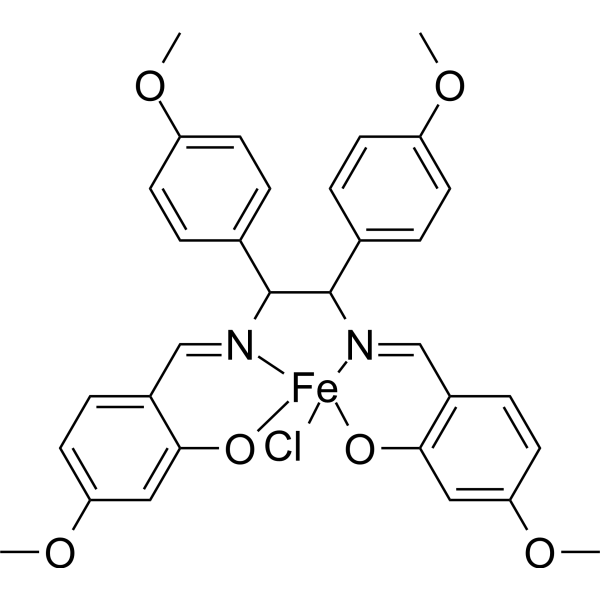
Anticancer agent 178 (compound C2) is a potent anticancer agent. Anticancer agent 178 inhibits MDA-MB 231 cells proliferation and metabolic activity with IC50s of 1.1 and 4.2 μM. Anticancer agent 178 induces ferroptosis and necroptosis in cells .
|
-
- HY-156378
-
|
|
Aurora Kinase
|
Cancer
|
|
Aurora A inhibitor 3 (Compound 5h) inhibits Aurora-A kinase with an IC50 value of 0.78 μM. Aurora A inhibitor 3 is cytotoxic, with GI50 values of 0.12 μM and 0.63 μM for MCF-7 and MDA-MB-231 cells, respectively .
|
-
- HY-143903
-
|
|
PIN1
|
Cancer
|
|
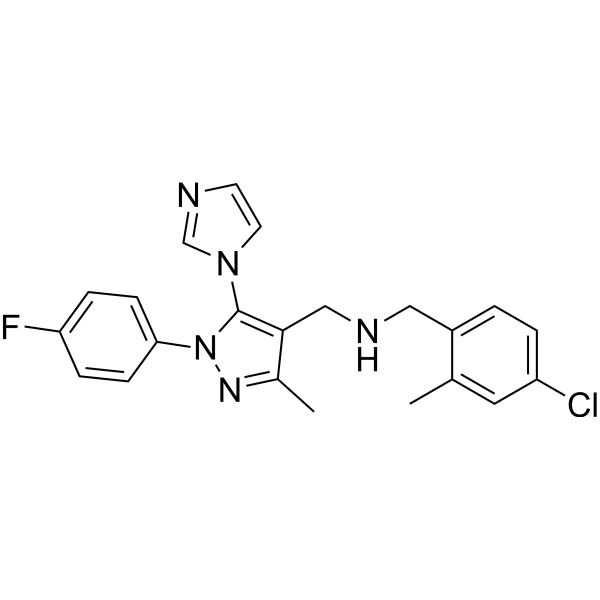
ZL-Pin13 is a high potent cell-active covalent inhibitor targeting the Pin1 (Peptidyl-Prolyl Isomerase NIMA-Interacting-1) with an IC50 of 67 nM. ZL-Pin13 effectively inhibits the proliferation and downregulated the Pin1 substrates in MDA-MB-231 cells .
|
-
- HY-W667666
-
|
|
Others
|
Others
|
|
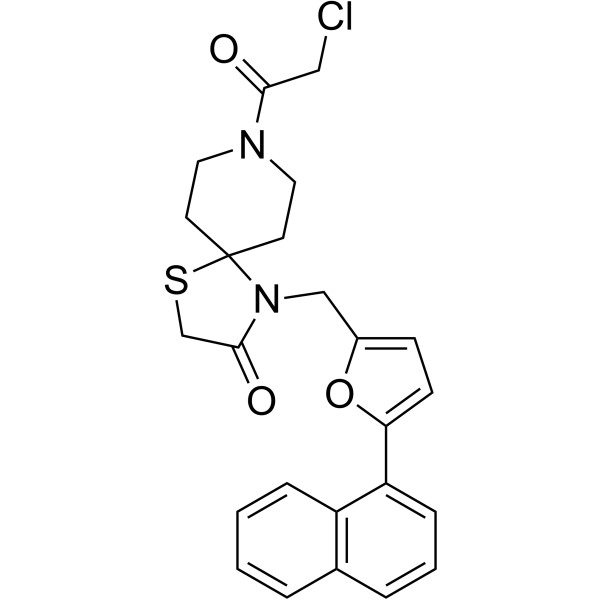
Anthragallol 1,2-dimethyl ether (compound 11) can be isolated from O. umbellata. Anthragallol 1,2-dimethyl ether has cytotoxicity, with IC50 values of 5.9 and 8.8 μg/ml against A549 cells and MDA-MB-231 cells, respectively .
|
-
- HY-155969
-
|
|
EGFR
Apoptosis
|
Cancer
|
|
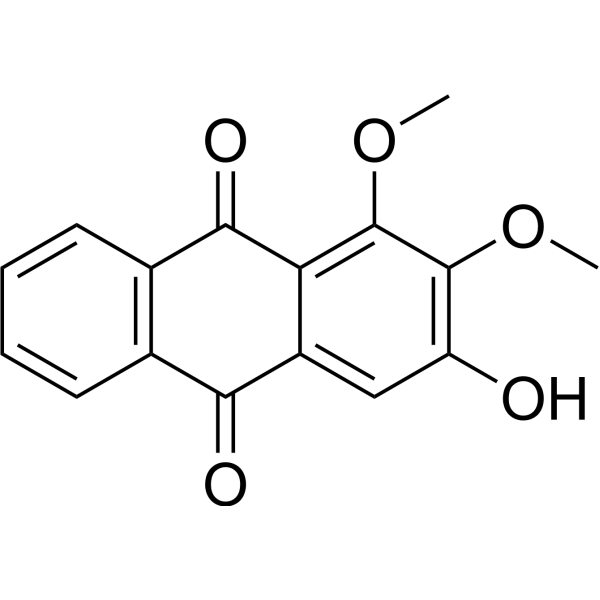
EGFR-IN-83 (Compound 9) is an EGFR inhibitor (IC50: 2.53 nM). EGFR-IN-83 has antiproliferative activity against MCF-7 and MDA-MB-231 cells, with IC50 of 2.50 μM and 1.96 μM. EGFR-IN-83 can induce cell apoptosis .
|
-
- HY-174248
-
|
|
PROTACs
PAK
|
Cancer
|
|
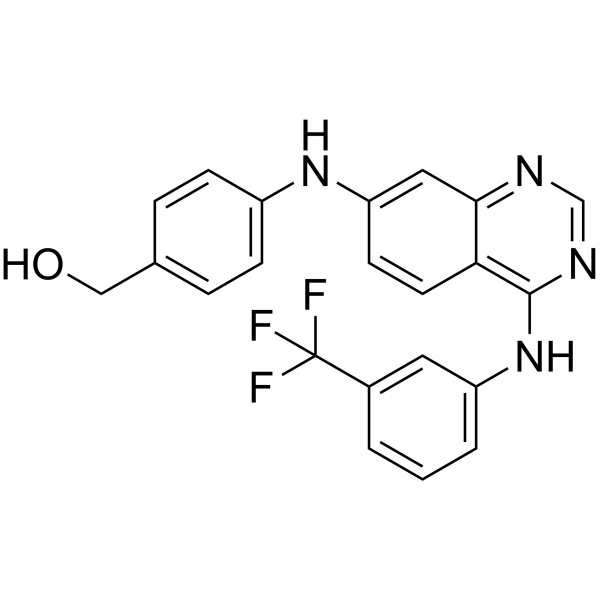
PS21M is a negative control of CPS-021 (HY-174247). PS21M cannot effectively degrade PAK4 in MDA-MB-231 cells. (Pink: Target Protein Ligand (HY-174822); Black: Linker; Blue: E3 Ligase Ligand (HY-W586822)) .
|
-

- HY-155249
-
|
|
Microtubule/Tubulin
|
Cancer
|
|
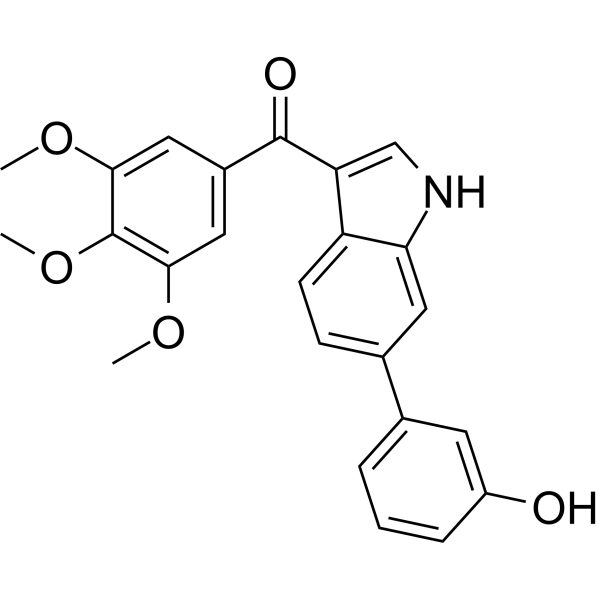
KGP591 is a tubulin polymerization inhibitor (IC50 0.57 µM). KGP591 induces significant G2/M stagnation, inhibits cell migration, disrupts microtubule structure and cell morphology in MDA-MB-231 cells. KGP591 shows antitumor activity in orthotopic model of kidney cancer (RENCA) .
|
-
- HY-161257
-
|
|
Autophagy
|
Cancer
|
|
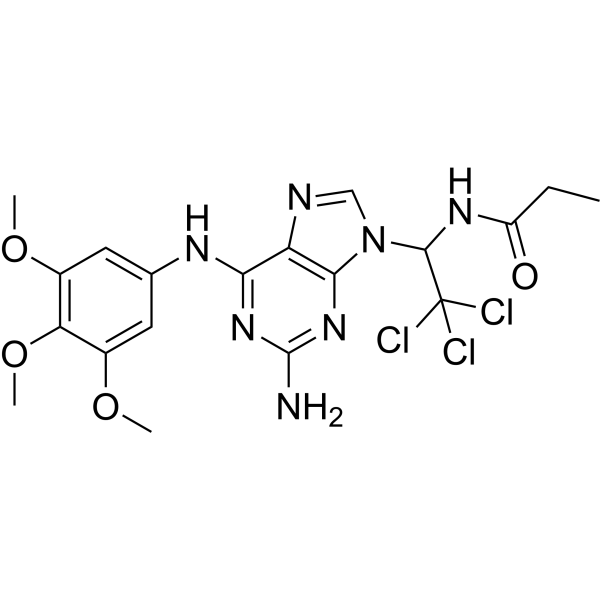
CDC20-IN-1 (Compound E1) is a specific inhibitor of CDC20 and can be used in triple-negative breast cancer research. CDC20-IN-1 can induce autophagy in cancer cells and inhibit MDA-MB-231 cell proliferation, with an IC50 value of 1.43 μM .
|
-
- HY-157797
-
|
|
Topoisomerase
|
Cancer
|
|
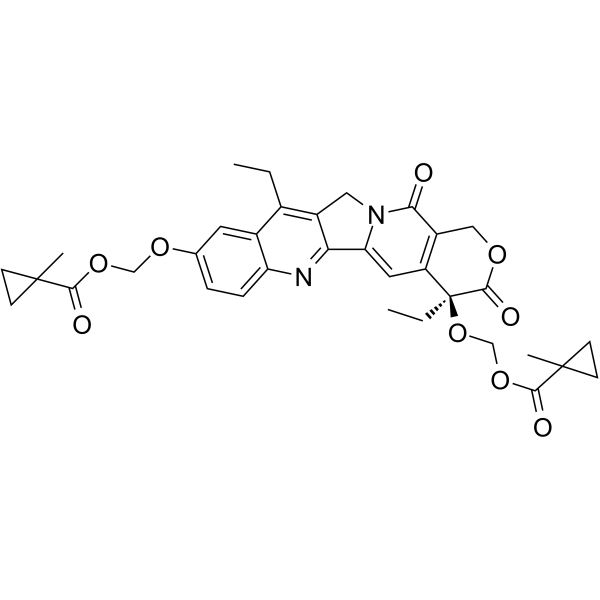
SN-38-CM2 is a split esterase, and shows >95% conversion to SN-38 within 5 min in vitro. SN-38-CM2 induces protein-protein interactions (PPI)-dependent esterase to mediate cell death in MDA-MB-231 cells .
|
-
- HY-155127
-
|
|
Fungal
|
Cancer
|
|
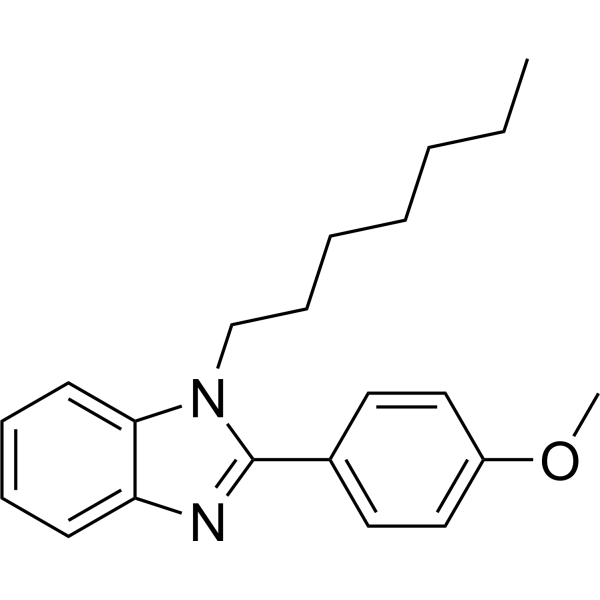
Antiproliferative agent-33 (Compound 2g) is an anti-proliferative, antifungal, and antibacterial agent. Antiproliferative agent-33 inhibits MDA-MB-231 cell proliferation (IC50: 16.38 μM). Antiproliferative agent-33 inhibits gram-negative bacteria growth, and inhibits S. faecalis with an MIC value of 8 μg/mL .
|
-
- HY-155039
-
|
|
Drug Derivative
|
Cancer
|
|
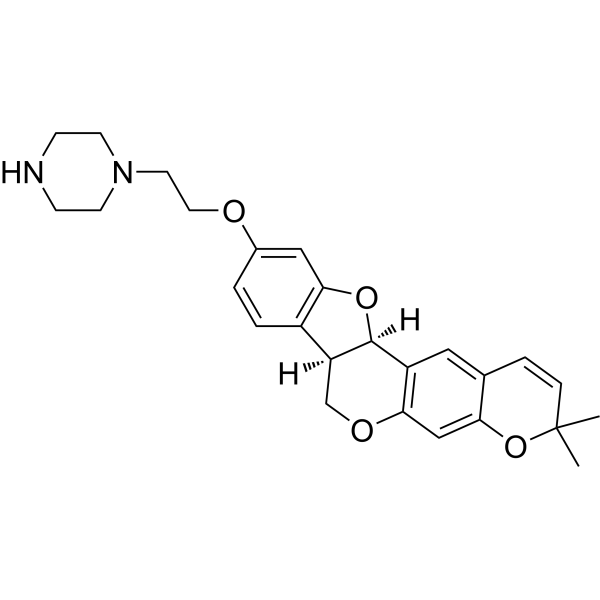
Antitumor agent-105 (Compound 37) is an antitumor agent. Antitumor agent-105 has antitumor activity against A549, H1299, H460, HCT116, MDA-MB-231 cells, with IC50 values of 6.7, 8.3, 4.3, 4.4, 6.7 μM respectively .
|
-
- HY-155350
-
|
|
Microtubule/Tubulin
|
Others
|
|
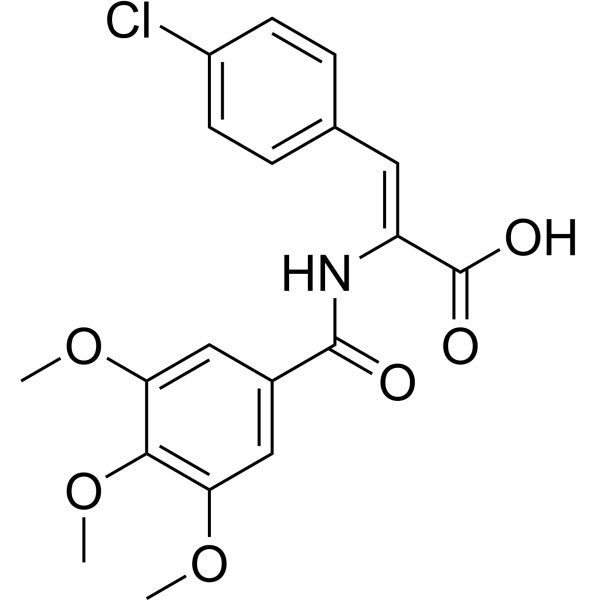
Tubulin polymerization-IN-53 (compound 4b) is an inhibitor of β-tubulin polymerization. Tubulin polymerization-IN-53 can arrest the cell cycle at the G2/M stage. Tubulin polymerization-IN-53 has antiproliferative efficacy against the MDA-MB-231 cell line with an IC50 value of 3.24 μM .
|
-
- HY-161151
-
|
|
DNA/RNA Synthesis
Apoptosis
|
Cancer
|
|
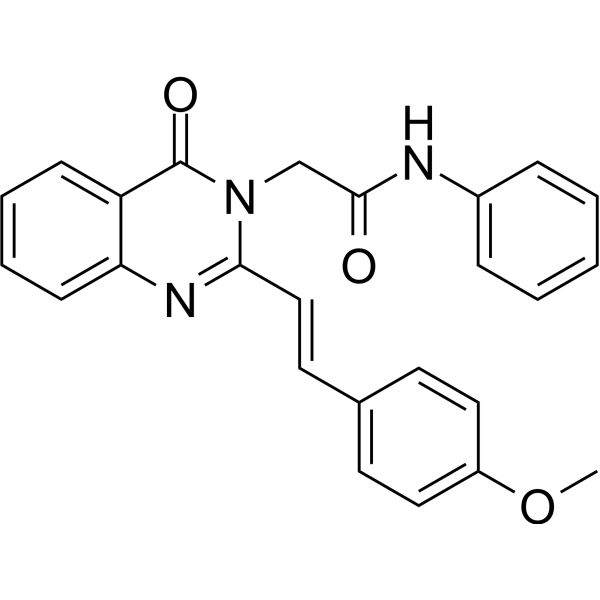
Frangulin B (Compd 11g), a potent anticancer agent, is a potential pan RecQ helicase inhibitor . Frangulin B (Compd 11g) induces apoptosis in both HCT-116 and MDA-MB-231 cell lines, but also causes an G2/M phase cell cycle arrest in HCT-116 cells .
|
-
- HY-156098
-
|
|
c-Met/HGFR
|
Cancer
|
|
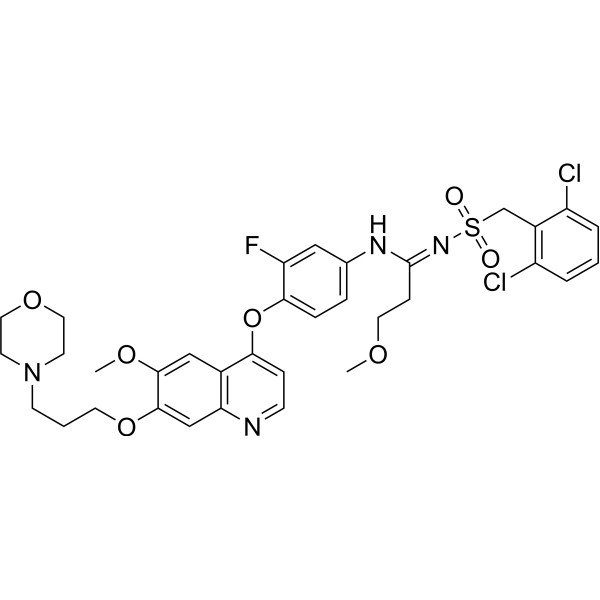
c-Met-IN-19 (Compound 21j) is a c-Met inhibitor (IC50: 1.99 nM). c-Met-IN-19 shows cytotoxicity against A549, HT-29, SGC-7901, MDA-MB-231 cells with IC50s of 0.25, 0.36, 0.98, 0.76 μM .
|
-
- HY-146516
-
|
|
MDM-2/p53
Apoptosis
Reactive Oxygen Species (ROS)
|
Cancer
|
|
Anticancer agent 42 (compound 10d) is an orally active anticancer agent, and shows a potent antitumor activity against MDA-MB-231 cell with an IC50 of 0.07 μM. Anticancer agent 42 can exert its anticancer activity by activating apoptotic pathway and p53 expression. Anticancer agent 42 can be used to study metastatic breast cancer .
|
-
- HY-144876
-
|
|
Reactive Oxygen Species (ROS)
|
Cancer
|
|
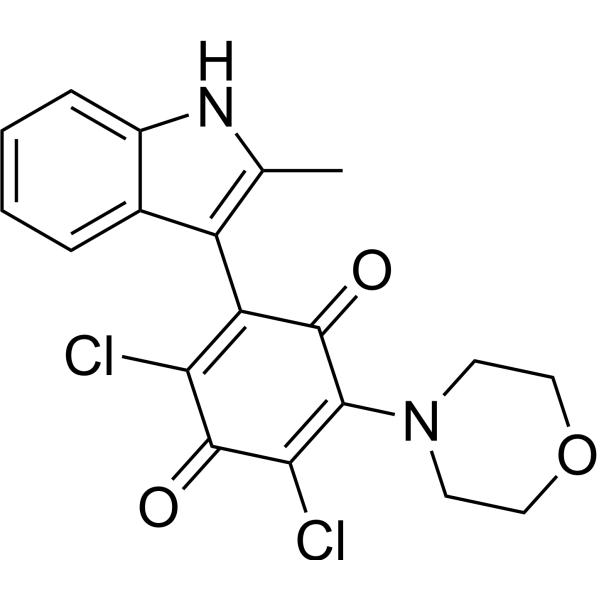
RIDR-PI-103 is a reactive oxygen species (ROS)-induced agent release proagent with a self-cyclizing moiety linked to a pan-PI3K inhibitor (PI-103). Doxorubicin and RIDR-PI-103 shows a synergistic effect in MDA-MB-361 and MDA-MB-231 cells to inhibit cancer cell proliferation .
|
-
- HY-109523S
-
|
|
Ferroptosis
HMG-CoA Reductase (HMGCR)
Isotope-Labeled Compounds
|
Cardiovascular Disease
Cancer
|
|
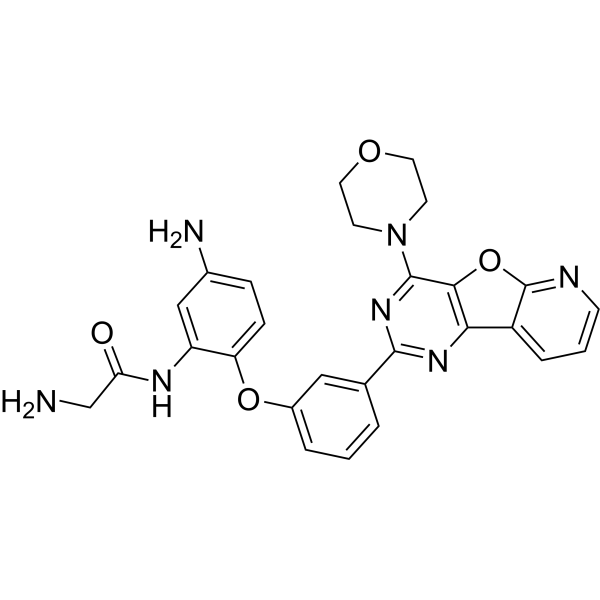
Cerivastatin-d3 sodium is deuterated labeled Cerivastatin sodium (HY-109523). Cerivastatin sodium is a synthetic lipid-lowering agent and a highly potent, well-tolerated and orally active HMG-CoA reductase inhibitor, with a Ki of 1.3 nM/L. Cerivastatin sodium reduces low-density lipoprotein cholesterol levels. Cerivastatin sodium also inhibits proliferation and invasiveness of MDA-MB-231 cells, mainly by RhoA inhibition, and has anti-cancer effect .
|
-
- HY-175173
-
|
|
EGFR
|
Cancer
|
|
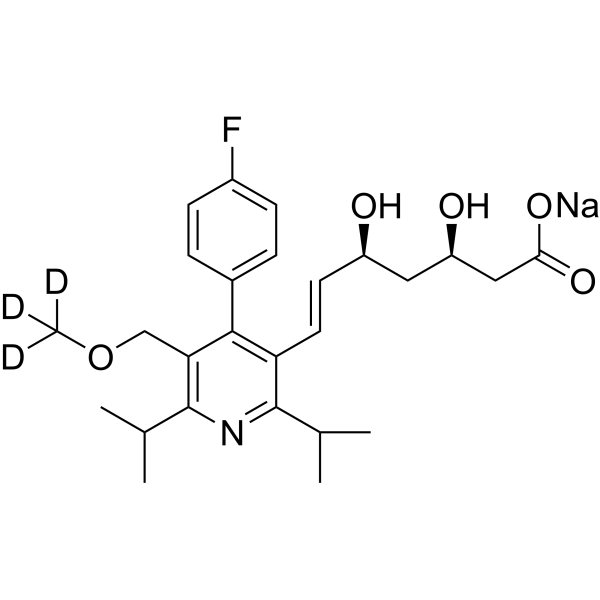
EGFR-IN-166 (Compound 2) is a EGFR inhibitor. EGFR-IN-166 has potent anticancer activity against breast cancer cells with IC50s of 69.63 and 22.84 μM for MCF-7 and MDA-MB-231 cells, respectively. EGFR-IN-166 significantly inhibits cell migration and EGFR expression. EGFR-IN-166 can be used for breast cancer research .
|
-

- HY-159515
-
|
|
Apoptosis
DNA/RNA Synthesis
Reactive Oxygen Species (ROS)
|
Cancer
|
|
PBE-AMF is a prodrug that activates H2O2 with anticancer activity. PBE-AMF impedes tumor proliferation by inhibiting DNA synthesis, reducing ATP levels, inducing apoptosis, and arresting the cell cycle. PBE-AMF potently and selectively inhibits the proliferation of MDA-MB-231 cells (IC50=6.4 μM) while sparing non-cancerous MCF-10A cells .
|
-

- HY-173256
-
|
|
Epigenetic Reader Domain
PROTACs
|
Cancer
|
|
Hyp-dBET1 is a PROTAC degrader targeting BRD4. Hyp-dBET1 has an IC50 value of 3.4 μM in MDA-MB-231 cells. Hyp-dBET1 can be activated by hypoxia and recruit the E3 ubiquitin ligase and degrade BRD4 through ubiquitin-proteasome system. Hyp-dBET1 can be used for anti-tumor study .
|
-

- HY-179046
-
|
|
VEGFR
|
Cancer
|
VEGFR-2-IN-78 (Compound 6b) is a potent VEGFR-2 inhibitor with an IC50 of 0.21 μM. VEGFR-2-IN-78 exhibits selective cytotoxicity against A-498 and MDA-MB-231 cells. VEGFR-2-IN-78 has antioxidant activity. VEGFR-2-IN-78 can be used in anti-angiogenesis research .
|
-

- HY-173257
-
|
|
Epigenetic Reader Domain
PROTACs
|
Cancer
|
|
Cath-L-dBET1 is a PROTAC degrader targeting BRD4. Cath-L-dBET1 has an IC50 value of 2.8 μM in MDA-MB-231 cells. Cath-L-dBET1 can be activated by cathepsin L (Cath-L) and recruit the E3 ubiquitin ligase and degrade BRD4 through ubiquitin-proteasome system. Hyp-dBET1 can be used for anti-tumor study .
|
-

- HY-178957
-
|
|
HSP
|
Cancer
|
|
Hsp90β-IN-2 (Compound 16B) is a selective Hsp90β inhibitor with KDs of 225 nM and 73.32 μM against Hsp90β and Hsp90α. KUNB106 exhibits antiproliferative activity against MDA-MB-231 cells, A549 and SKOV-3 cells. KUNB106 can be used for the study of triple negative breast cancer .
|
-

- HY-149635
-
|
|
HIF/HIF Prolyl-Hydroxylase
|
Cancer
|
|
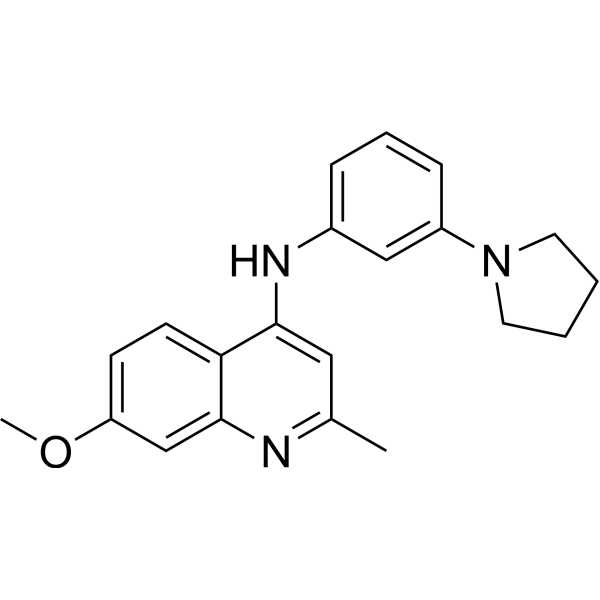
HIF-1α-IN-6 (compound 3s) is a HIF-1α inhibitor with IC50 values of 0.6 and 53.3 nM observed in MiaPaCa-2 and MDA-MB-231 cells. HIF-1α-IN-6 can inhibit HIF-1α expression by decreasing the level of HIF-1α mRNA .
|
-
- HY-168720
-
|
|
Apoptosis
|
Cancer
|
|
Apoptosis inducer 32 (Compound 7g) is an apoptosis inducer with a KD of 42 μM, showing anti-tumor activity. Apoptosis inducer 32 caused significant cellular morphological changes in MDA-MB-231 cells, including membrane bubbling, nuclear fragmentation, and apoptotic body formation. The IC50 of Apoptosis inducer 32 in MCF-7, MDA-MB-231, and HEK cells is 4.77, 6.56 and 337.8 μM respectively .
|
-

- HY-119948
-
|
|
Cyclin G-associated Kinase (GAK)
MDM-2/p53
|
Cancer
|
AKCI is a type of AURKC-IκBα interaction inhibitor, with an IC50 value of 24.9 μM. In MDA-MB-231 cells, AKCI can induce G2/M cell cycle arrest by regulating the p53/p21/CDC2/cyclin B1 pathway, inhibit cell migration and invasion, and reduce colony formation and tumor growth. AKCI can be used for research on breast cancer .
|
-

- HY-150597
-
|
|
HDAC
Apoptosis
|
Cancer
|
|
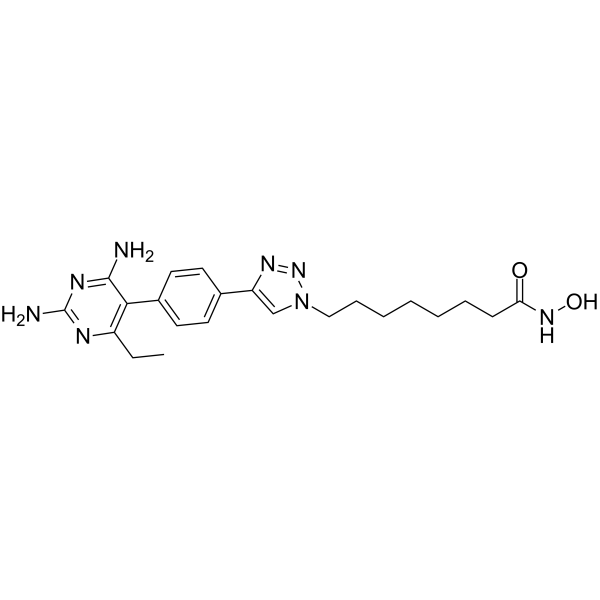
HDAC-IN-46 (compound 12c) is a potent HDAC inhibitor with an IC50 value of 0.21 μM and 0.021 μM for HDAC1 and HDAC6, respectively. HDAC-IN-46 upregulates p-p38, and downregulates Bcl-xL and cyclin D1 in MDA-MB-231 cells. HDAC-IN-46 induces significant G2 phase arrest and apoptosis. HDAC-IN-46 can be used for researching triple-negative breast cancer (TNBC) .
|
-
- HY-161372
-
|
|
PARP
c-Met/HGFR
Apoptosis
|
Cancer
|
|
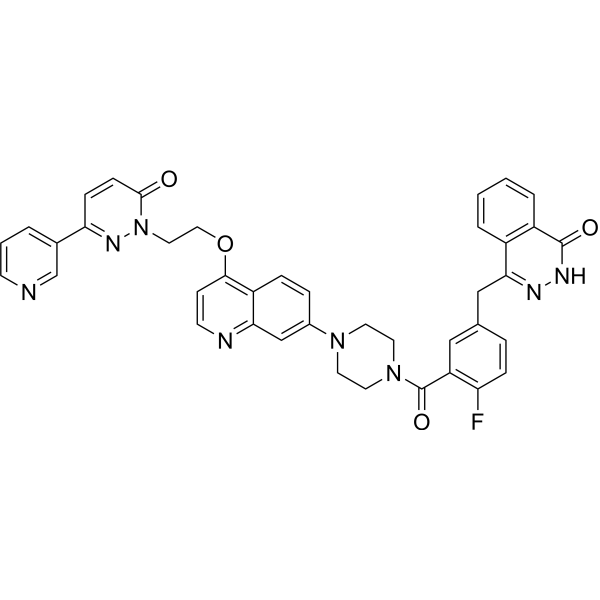
PARP1/c-Met-IN-1 (Compound 16) is a selective dual inhibitor for PARP1 and c-Met, with IC50s of 3.3 and 32.2 nM, respectively. PARP1/c-Met-IN-1 induces cell apoptosis and cell cycle arrest in G2/M phase in MDA-MB-231 cells. PARP1/c-Met-IN-1 exhibits antitumor activity in mice .
|
-
- HY-171477
-
|
|
Estrogen Receptor/ERR
|
Cancer
|
|
Metahexestrol is an estrogen receptor (E2R) inhibitor with antitumor activity. It significantly inhibits the proliferation of estrogen receptor-positive MCF-7 human breast cancer cells (ED50 = 1.0 μM). Additionally, Metahexestrol also exhibits inhibitory effects in estrogen receptor-negative MDA-MB-231 cells, and its antiproliferative activity cannot be reversed by estrogen, suggesting that its mechanism of action may be partially independent of the E2R pathway. Metahexestrol can be used in research on estrogen-dependent breast cancer .
|
-

- HY-100353R
-
|
N-Lauroyl-D-erythro-sphingosine (Standard); N-Laurylsphingosine (Standard)
|
Reference Standards
Others
|
Metabolic Disease
Cancer
|
|
C12-Ceramide (Standard) is the analytical standard of C12-Ceramide. This product is intended for research and analytical applications. C12-Ceramide (N-Lauroyl-D-erythro-sphingosine), a naturally occurring ceramide, is formed by hydrolysis of C12 sphingomyelin. C12-Ceramide can enhance the Doxorubicin toxicity in MDA-MB-231 cells. C12-Ceramide also can be used to diagnose types A and B Niemann-Pick disease .
|
-

- HY-156077
-
|
|
Apoptosis
DNA/RNA Synthesis
|
Cancer
|
|
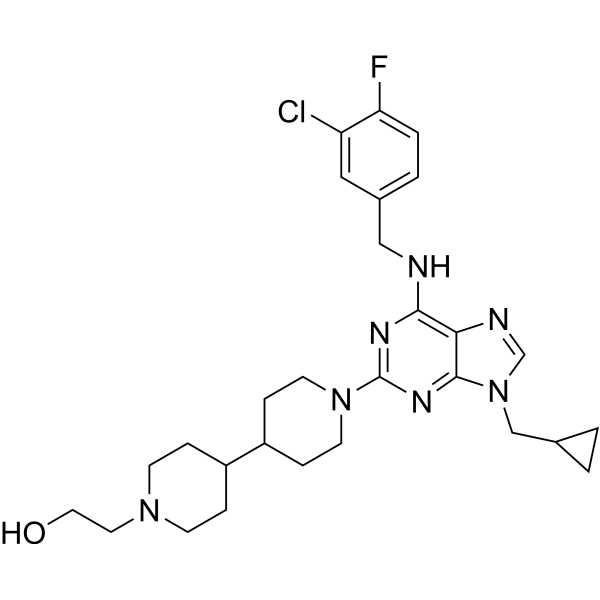
anti-TNBC agent-2 (3j) an anti-Triple negative breast cancer (TNBC) purine derivative. anti-TNBC agent-2 induces MDA-MB-231 cells apoptosis, and inhibits its migration and angiogenesis. anti-TNBC agent-2 inhibits tumor growth and metastasis and reduces the expression of Ki67 and CD31 protein in TNBC xenograft models. anti-TNBC agent-2 can be used for Triple negative breast cancer (TNBC) research .
|
-
- HY-183197
-
|
|
Drug Derivative
|
Cancer
|
|
SR 13915 is a structural analog of EGCG (HY-13653), a green tea polyphenol, and exhibits an IC50 greater than 100 μM against both MCF‑7 and MDA‑MB‑231 cell lines .
|
-

- HY-181583
-
|
|
ROCK
|
Cancer
|
|
LASSBio-2389 is a selective ROCK2 inhibitor with an IC50 of 0.051 μM and an IC50 of 1.143 μM against ROCK1. LASSBio-2389 reduces the viability of MDA-MB-231 cells and inhibits cell migration. LASSBio-2389 is applicable to the research of triple-negative breast cancer .
|
-

- HY-179679
-
|
|
FAK
Apoptosis
|
Cancer
|
|
FAK-IN-29 is a selective FAK inhibitor with an IC50 of 0.5 nM. FAK-IN-29 can inhibit the proliferation and colony formation of MDA-MB-231 cells, and induce cell cycle arrest and apoptosis. FAK-IN-29 exhibits antitumor activity and can be used for the research of tumors such as triple-negative breast cancer .
|
-

- HY-161755
-
|
|
Endogenous Metabolite
|
Cancer
|
|
Anticancer agent 232 (compound 12f) is a glycohybrid designed using 1-azidoglycosides derived from d-glucose, d-galactose, and d-mannose. The IC50 values of anticancer agent 232 against MCF-7 and MDA-MB231 cells are 1.05 μM and 18.03 μM, respectively .
|
-

- HY-164533
-
|
|
STAT
|
Cancer
|
|
STAT3-IN-33 (compound 7f) is a potent STAT3 inhibitor with anti-cancer activity. STAT3-IN-33 exhibits antiproliferative activity in HCT116, MCF-7, and MDA-MB-231 cells, with IC50s of 6.44, 3.29, and 4.86 μM, respectively. STAT3-IN-33 can be used for breast and colon cancer research .
|
-

- HY-100753R
-
|
|
STAT
Reference Standards
Apoptosis
|
Cancer
|
|
STAT3-IN-1 (Standard) is the analytical standard of STAT3-IN-1 (HY-100753). This product is intended for research and analytical applications. STAT3-IN-1 (compound 7d) is an excellent, selective and orally active STAT3 inhibitor, with IC50 values of 1.82 μM and 2.14 μM in HT29 and MDA-MB 231 cells, respectively. STAT3-IN-1 (compound 7d) induces tumor cells apoptosis .
|
-

- HY-146751
-
|
|
PI3K
Akt
mTOR
Apoptosis
|
Cancer
|
|
PI3K/Akt/mTOR-IN-2 is a PI3K/AKT/mTOR pathway inhibitor. PI3K/Akt/mTOR-IN-2 possess anti-cancer effects and selectivity against MDA-MB-231 cells with IC50 value of 2.29 μM. PI3K/Akt/mTOR-IN-2 can induce cancer cell cycle arrest and apoptosis .
|
-
- HY-172092
-
|
|
Apoptosis
Ferroptosis
|
Cancer
|
|
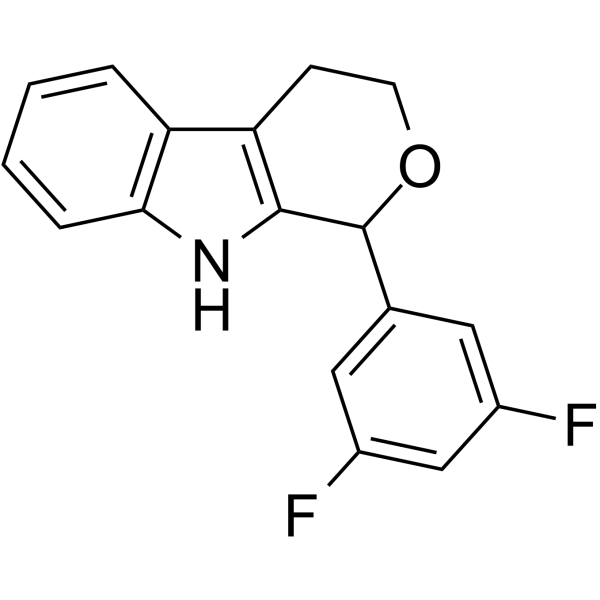
BG11 induces the accumulation of Fe 2+ and intracellular lipid peroxides, induces ferroptosis. BG11 regulates the expression of Bax and Bcl-2 proteins, and induces apoptosis in MDA-MB-231 cell. BG11 arrests the cell cycle at G0/G1 and S phase, inhibits the proliferation of TNBC cancer cell (IC50 for MDA-MB-231 and BT549 is 0.49 μM and 0.52 μM), and inhibits the cell migration and invasion. BG11 exhibits antitumor efficacy in mouse models .
|
-

- HY-178467
-
|
|
FAK
PROTACs
|
Cancer
|
|
PROTAC FAK degrader 4 (Compound 9C) is an efficient and selective FAK PROTAC degrader. PROTAC FAK degrader 4 has a DC50 of 3.6 nM in MDA-MB-231 cells. PROTAC FAK degrader 4 significantly inhibits tumor cell proliferation, migration, and invasion, and enhances chemotherapy sensitivity to cisplatin (HY-17394). PROTAC FAK degrader 4 can be used for research on cancer. (Pink: FAK Ligand (HY-43760); Blue: VHL Ligand (HY-125845); Black: Linker (HY-W208616))
|
-

- HY-180195
-
|
|
HSP
Integrin
|
Neurological Disease
Cancer
|
|
Grp94-IN-3 (Compound 47) is a selective ATP competitive inhibitor of Grp94, with a Kd value of 76 nM. Grp94-IN-3 has a much lower affinity for Hsp90α, with a Kd value of 9.17 μM. Grp94-IN-3 induces the degradation of integrin α2 (Integrin α2) in MDA-MB-231 cells and reduces the intracellular accumulation of mutant cardiac proteins in human trabecular meshwork cells. Grp94-IN-3 can be used for the study of metastatic cancer and open-angle glaucoma .
|
-

- HY-178460
-
|
|
BRK
Akt
MMP
|
Cancer
|
|
BRK/PTK6-IN-1 (Compound 51) is a highly efficient and selective BRK inhibitor (IC50 = 3.37 nM, Kd = 44 nM). BRK/PTK6-IN-1 can reduce MMP-9 protein expression and inhibit IGF-1 induced AKT phosphorylation in MDA-MB-231 cells. BRK/PTK6-IN-1 significantly inhibits migration, invasion, and colony formation but does not affect cell proliferation. BRK/PTK6-IN-1 is often used in the research of breast cancer and other cancers .
|
-

- HY-174457
-
|
|
STAT
Carbonic Anhydrase
Ferroptosis
Apoptosis
Reactive Oxygen Species (ROS)
Caspase
Bcl-2 Family
|
Cancer
|
|
STAT3/CAIX-IN-1 is a dual-target inhibitor of STAT3 (Kd: 60.03 μM) and CAIX (IC50: 80.45 nM). STAT3/CAIX-IN-1 induces ferroptosis by increases the levels of reactive oxygen species (ROS) and lipid peroxides. STAT3/CAIX-IN-1 inhibits cell migration, induces apoptosis, and causes cell cycle arrest in MDA-MB-231 cells. STAT3/CAIX-IN-1 can be used for the study of triple-negative breast cancer (TNBC) .
|
-

- HY-175544
-
|
|
Drug Derivative
|
Cancer
|
|
anti-TNBC agent-10 is an anti-TNBC agent. anti-TNBC agent-10 shows potent anti-TNBC activity against BT549 cells (IC50 = 0.018 μM) and maintains activity against MDA-MB-231 cells (IC50 = 4.16 μM). anti-TNBC agent-10 9 demonstrates significant anti-tumor efficacy in mice bearing subcutaneous MDA-MB-231 TNBC xenografts. anti-TNBC agent-10 can be used for the study of triple-negative breast cancer (TNBC) .
|
-

- HY-178034
-
|
|
PROTACs
Oxysterol-binding Protein-related Protein (ORP)
|
Cancer
|
|
PROTAC OSBP Degrader-1 (Compound 5) is a Oxysterol-binding protein (OSBP) PROTAC degrader with a DC50 of 322 nM (24 h). PROTAC OSBP Degrader-1 can rapidly penetrate into cells and induce massive recruitment of OSBP at the Trans-Golgi network. PROTAC OSBP Degrader-1 has potent anticancer activity with potent cytotoxicity against U-87 MG, A549, MCF7, HeLa and MDA-MB-231 cells . Pink: OSBP ligand (HY-178035); Blue: CRBN ligase ligand (HY-10984); Black: linker
|
-

- HY-163434
-
|
|
EGFR
Histone Methyltransferase
|
Cancer
|
|
PRMT5/EGFR-IN-1 (Compound 10p) is an orally active dual PRMT5/EGFR inhibitor, with IC50s of 15.47 and 19.31 μM, respectively. PRMT5/EGFR-IN-1 exhibits antiproliferative activity against A549, MCF7, HeLa, and MDA-MB-231 cell lines. PRMT5/EGFR-IN-1 has favorable in vivo PK and PD properties. PRMT5/EGFR-IN-1 can significantly inhibit the growth of MCF7 orthotopic xenograft tumors .
|
-
- HY-173437
-
|
|
PROTACs
PARP
DNA/RNA Synthesis
|
Cancer
|
|
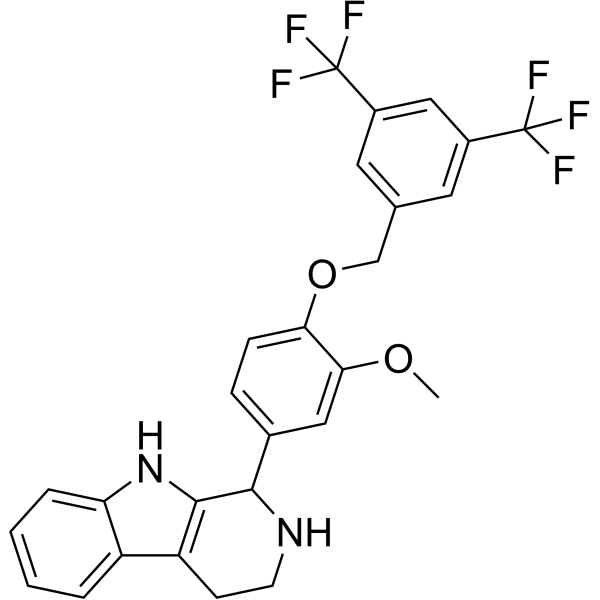
CW-2 is a PARP1 PROTAC degrader. CW-2 has potent antiproliferative effects against MDA-MB-231 cells (IC50 = 0.72 μM) and CDDP-resistant cells (A549/CDDP: IC50 = 3.52 μM). CW-2 has synergistic antitumor activity and enhanced membrane permeability. CW-2 exerts antitumor effects by inducing DNA damage, impairing DNA repair, and activating mitochondria-dependent apoptosis (Pink: PARP1 ligand (HY-173441); Blue: E3 CRBN ligand (HY-173439); Black: linker (HY-173440)) .
|
-

- HY-159897
-
|
|
PAK
LIM Kinase (LIMK)
Apoptosis
Reactive Oxygen Species (ROS)
|
Cancer
|
|
PAK4-IN-5 (Compound 12i) is a PAK4 inhibitor (IC50: 7.68 nM for PAK4, 1872.01 nM for PAK1). PAK4-IN-5 binds to PAK4 stably via multiple interactions. PAK4-IN-5 inhibits the proliferation and the migratory potential of MDA-MB-231 cells by inhibiting the phosphorylation of PAK4 and LIMK1. PAK4-IN-5 arrests cell cycle in the G0/G1 phase, induces apoptosis and ROS production. LD50: >500 mg/kg for mice (p.o.) .
|
-

- HY-170620
-
|
|
PROTACs
PARP
|
Cancer
|
|
PARP1 PROTAC 180055 (Compound 180055) is a selective PARP1 PROTAC degrader (DC50 in T47D and MDA-MB-231 cell lines is 180 nM and 240 nM, respectively). PARP1 PROTAC 180055 promotes ubiquitination and degradation of PARP1 as well as inhibits PARP1 enzyme activity without a noticeable DNA trapping effect. PARP1 PROTAC 180055 inhibits tumors carrying BRCA mutations with a minor impact on the growth of normal cells (Pink: PARP1 ligand (HY-10617A); Blue: E3 ligase VHL ligand (HY-125845); Black: linker (HY-W014787)) .
|
-

- HY-178955
-
|
|
EGFR
HSP
PI3K
Caspase
Apoptosis
CDK
ERK
Akt
|
Cancer
|
|
EGFR-IN-182 (Compound 4) is an EGFR inhibitor with an IC50 value of 199 nM. EGFR-IN-182 inhibits HSP90 and PI3K, with IC50 values of 5.007 and 13.596 μM respectively. EGFR-IN-182 exhibits strong anti-proliferative activity against MCF-7 and MDA-MB-231 cells. EGFR-IN-182 downregulates Cyclin D1, inducing cell cycle arrest; it enhances the activity of caspase-9, inducing cell apoptosis. EGFR-IN-182 downregulates the expressions of ERK and AKT. EGFR-IN-182 can be used for research on breast cancer .
|
-

- HY-175497
-
|
|
ROR
Apoptosis
Bcl-2 Family
PARP
|
Cancer
|
|
ROR1-IN-4 is a selective ROR1 inhibitor with a Kd of 52 nM. ROR1-IN-4 shows potent anti-proliferative activity against TNBC cell line MDA-MB-231 (IC50 = 75 nM). ROR1-IN-4 reduces colony formation, induces apoptosis and inhibits the phosphorylation of ROR1 (Tyr786) in MDA-MB-231 cells. ROR1-IN-4 demonstrates superior anti-tumor efficacy in nude mice bearing MDA-MB-231 subcutaneous xenografts. ROR1-IN-4 can be used for the study of triple-negative breast cancer (TNBC) .
|
-

- HY-168650
-
|
|
ROCK
HDAC
|
Inflammation/Immunology
Cancer
|
|
ROCK/HDAC-IN-1 (Compound 10h) is an orally active ROCK/HDAC inhibitor. ROCK/HDAC-IN-1 inhibits ROCK1/2 (IC50: 254.9 nM, 58.18 nM) and HDAC1/2/3/6/8 (IC50: 9.09, 8.03, 6.26, 0.41, 7.69 nM). ROCK/HDAC-IN-1 stimulates the activation of DAMPs, specifically Calreticulin (CRT) exposure and HMGB1 release, indicating that it is a potential ICD inducer.. ROCK/HDAC-IN-1 has antiproliferative activity against breast cancer cells (IC50: 0.37 μM for MDA-MB-231 cell), and inhibits tumor growth and activates T cells without apparent toxicity .
|
-

- HY-183618
-
|
|
PROTACs
Histone Demethylase
|
Cancer
|
|
DW-229 is a PROTAC degrader derived from Deferiprone (HY-B0568), targeting Fe(II)/α‑ketoglutarate‑dependent histone lysine demethylases (KDMs). DW-229 degrades KDM2A, KDM3A, KDM5B, KDM4A‑C, KDM5C, KDM6B in breast cancer cells. DW-229 shows IC50 < 0.5 μM against MCF‑7 cells and IC50 of 8.87 μM against MDA‑MB‑231 cells, with high cancer cell selectivity. DW-229 can be used for the research of breast cancer, liver cancer, prostate cancer, lung cancer .
|
-

- HY-180814
-
|
|
Drug Derivative
Dopamine Receptor
|
Cancer
|
|
SKF-83566-PEG1-pomalidomide is an anti-tumor agent and is formed by the covalent connection of SKF-83566 (HY-103430A) (dopamine D1 receptor antagonist) and Pomalidomide (HY-10984) (immunomodulatory agent). SKF-83566-PEG1-pomalidomide can inhibit cancer cells invasion, migration and colony formation. SKF-83566-PEG1-pomalidomide can inhibit tumor growth and angiogenesis in MDA-MB-231 cell chicken embryo chorioallantoic membrane (CAM) xenograft model. SKF-83566-PEG1-pomalidomide can be used for research of breast cancer .
|
-

- HY-156296
-
|
|
CDK
Apoptosis
|
Cancer
|
|
CDK9-Cyclin T1 PPI-IN-1 (Compound B19) is a selective CDK9-Cyclin T1 protein-protein interaction (PPI) inhibitor. CDK9-Cyclin T1 PPI-IN-1 inhibits cell proliferation in TNBC MDA-MB-231 cells (IC50: 0.044 μM), and induces apoptosis. CDK9-Cyclin T1 PPI-IN-1 inhibits CDK9 transcription activity, reduces the phosphorylation of RNA Pol II CTD ser2. CDK9-Cyclin T1 PPI-IN-1 inhibits tumor growth in a TNBC 4T1 mouse model .
|
-
- HY-175821
-
|
|
Histone Methyltransferase
Apoptosis
|
Cancer
|
|
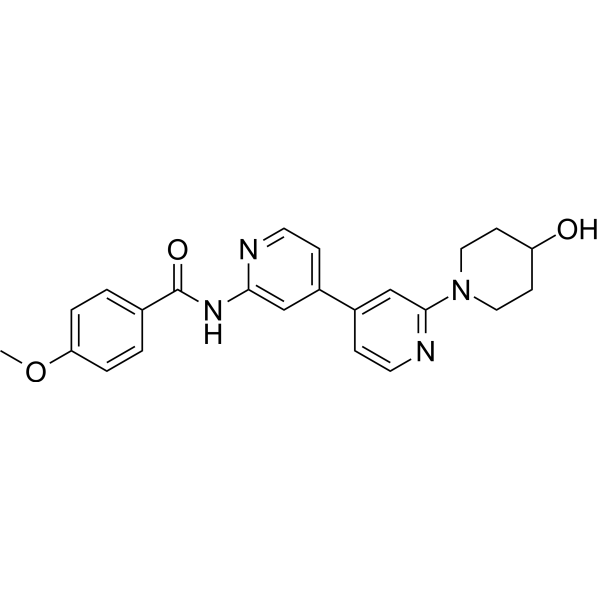
PRMT1-IN-3 is a potent protein arginine methyltransferase 1 (PRMT1) inhibitor with an IC50 of 4.11 μM. PRMT1-IN-3 inhibits PRMT6 and PRMT8 with IC50s of 23.3 and 30.1 μM. PRMT1-IN-3 suppresses asymmetric dimethylarginine (ADMA) levels and histone H4R3me2a modification in triple-negative breast cancer (TNBC) cells. PRMT1-IN-3 induces cell cycle arrest, apoptosis, and inhibits migration and colony formation in MDA-MB-231 cells. PRMT1-IN-3 acts as chemotherapeutic sensitizers for Paclitaxel (HY-B0015). PRMT1-IN-3 can be used for the study of TNBC .
|
-

- HY-180261
-
|
|
PROTACs
mTOR
PI3K
Apoptosis
|
Cancer
|
GP262 is a PI3K/mTOR PROTAC degrader targeting PI3Kγ, PI3Kα and mTOR with DC50 values of 42.23 nM, 227.4 nM and 45.4 nM, respectively in MDA-MB-231 cells. GP262 induces degradation of p110α and p110γ with a DC50 of 227.4 and 42.23 nM. GP262 efficient modulates the PI3K/AKT/mTOR pathway, achieving degradation through the ubiquitin-proteasome system (UPS). GP262 also exhibits robust antiproliferative activity and induces apoptosis in vitro. GP262 exhibits tumor growth suppression capability and biosafety profile. GP262 can be used for leukemia and triple-negative breast cancer (TNBC) .
|
-

- HY-179372
-
|
|
Microtubule/Tubulin
Apoptosis
|
Cancer
|
|
Tubulin polymerization-IN-84 inhibits tubulin polymerization by targeting the colchicine-binding pocket, with anIC50 = 10.9 μM. Tubulin polymerization-IN-84 shows antiproliferative activity against Jurkat, B16-F10, HCT116, and MDA-MB-231 cells (IC50 = 60 nM, 380 nM, 138 nM, and 1.054 μM). Tubulin polymerization-IN-84 induces G2/M-phase arrest and apoptosis in B16-F10 cells. Tubulin polymerization-IN-84 suppresses tumor growth in a B16-F10 melanoma model and potentiates anti-tumor immunity in combination with a PD-L1 mAb for the research of T-cell acute lymphoblastic leukemia, melanoma, colon cancer, and breast cancer.
|
-

- HY-N8146
-
|
|
STAT
Bcl-2 Family
Ser/Thr Kinase
Survivin
c-Myc
Apoptosis
Necroptosis
CDK
|
Infection
Cancer
|
|
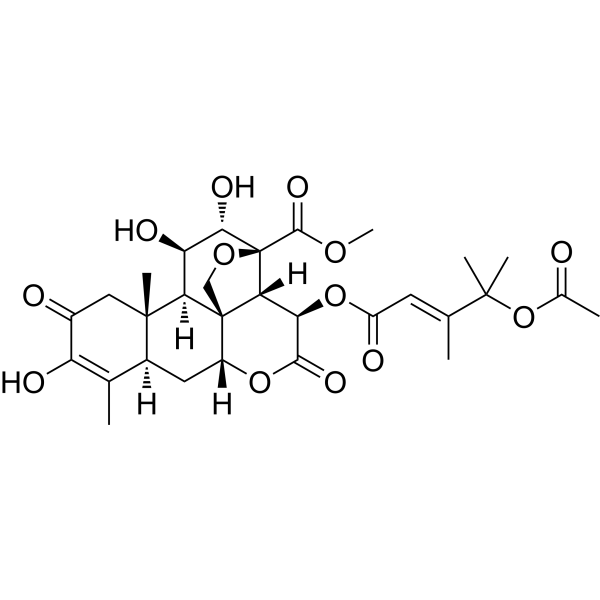
Bruceantinol is a quassinoid that can be isolated from Brucea javanica, inhibits pepper mottle virus (PepMoV) in pepper. Bruceantinol is a STAT3 inhibitor demonstrating potent antitumor activity in in vitro and in vivo human colorectal cancer (CRC) models. Bruceantinol has potent anti-leukemic activity. Bruceantinol strongly inhibits STAT3 DNA-binding ability (IC50 = 2.4 pM), blocks the constitutive and IL-6-induced STAT3 activation, and suppresses transcription of MCL-1, PTTG1, survivin and c-Myc. Bruceantinol binds with CDK2/4/6 to facilitate protein degradation through proteasome pathway. Bruceantinol can dose- and time-dependently reduces the cell growth, impede cell proliferation, disrupts the cell cycle, and induces necrosis in MCF-7 cells and apoptosis in MDA-MB-231 cells .
|
-
- HY-168996
-
|
|
CDK
Apoptosis
|
Cancer
|
|
LA-CB1 is an Abemaciclib (HY-16297A) derivative that targets CDK4/6 and promotes its degradation via the ubiquitin-proteasome pathway, thereby disrupting the CDK4/6-Cyclin D1-Rb-E2F axis and inducing G0/G1 cell cycle arrest and apoptosis. LA-CB1 exhibits antiproliferative activity against MDA-MB-231 cells, with an IC50 of 0.27 µM, and effectively inhibits epithelial-mesenchymal transition (EMT), cell migration, invasion, and angiogenesis. In highly aggressive models such as triple-negative breast cancer (TNBC), LA-CB1 significantly suppresses tumor growth in a dose-dependent manner. LA-CB1 holds potential for research in the field of breast cancer .
|
-

- HY-179535
-
|
|
TAM Receptor
Discoidin Domain Receptor
TGF-β Receptor
Hedgehog
|
Cancer
|
|
Axl-IN-21 is an orally active and selective AXL inhibitor (Kd = 2.7 nM, IC50 = 4.0 nM). Axl-IN-21 displays kinase selectivity and retains strong activity against cancer-related mul-kinases (Mer with Kd = 1.4 nM, DDR1 with IC50 = 22.2 nM, HIPK4 with Kd = 11.0 nM and LOK with Kd =10 nM). Axl-IN-21 overcomes tumor microenvironment-driven resistance by blocking CAF-derived GAS6-induced AXL/STAT3/ABCG1 signaling, restoring chemosensitivity and inhibiting drug efflux in gastric cancer (GC). Axl-IN-21 suppresses TGF-β1-induced epithelial-mesenchymal transition (EMT), migration, and invasion in MDA-MB-231 cells. Axl-IN-21 exhibits no significant cytotoxicity in non-cancerous cells. Axl-IN-21 can be research for triple negative breast cancer and gastric cancer [1] [2] .
|
-

| Cat. No. |
Product Name |
Category |
Target |
Chemical Structure |
| Cat. No. |
Product Name |
Chemical Structure |
-
- HY-109523S
-
|
|
|
Cerivastatin-d3 sodium is deuterated labeled Cerivastatin sodium (HY-109523). Cerivastatin sodium is a synthetic lipid-lowering agent and a highly potent, well-tolerated and orally active HMG-CoA reductase inhibitor, with a Ki of 1.3 nM/L. Cerivastatin sodium reduces low-density lipoprotein cholesterol levels. Cerivastatin sodium also inhibits proliferation and invasiveness of MDA-MB-231 cells, mainly by RhoA inhibition, and has anti-cancer effect .
|
-
| Cat. No. |
Product Name |
|
Classification |
-
- HY-160050
-
|
|
|
Aptamers
|
|
CD63-1 aptamer sodium is a high-affinity and specific DNA aptamer targeting the CD63 protein (Kd: 38.71 nM). CD63-1 aptamer sodium efficiently binds to CD63-positive cells, including breast cancer MDA-MB-231 cells and CD63-overexpressing HEK293T cells, with moderate binding affinity (Kd~100 nM) as assessed by flow cytometry .
|
-
- HY-160051
-
|
|
|
Aptamers
|
|
CD63-2 aptamer sodium is a high-affinity and specific DNA aptamer targeting the CD63 protein (Kd: 78.43 nM). CD63-1 aptamer sodium efficiently binds to CD63-positive cells, including breast cancer MDA-MB-231 cells and CD63-overexpressing HEK293T cells, with moderate binding affinity (Kd~100 nM) as assessed by flow cytometry .
|
Your information is safe with us. * Required Fields.
Inquiry Information
- Product Name:
- Cat. No.:
- Quantity:
- MCE Japan Authorized Agent:








