1. Search Result
Search Result
Results for "

angiogenesis breast cancer

" in MedChemExpress (MCE) Product Catalog:

70

Inhibitors & Agonists

1

Screening Libraries

3

Biochemical Assay Reagents

6

Peptides

2

Inhibitory Antibodies

17

Natural
Products

1

Isotope-Labeled Compounds

2

Oligonucleotides

Targets Recommended:
Cat. No. Product Name Target Research Areas Chemical Structure
  • HY-N0183
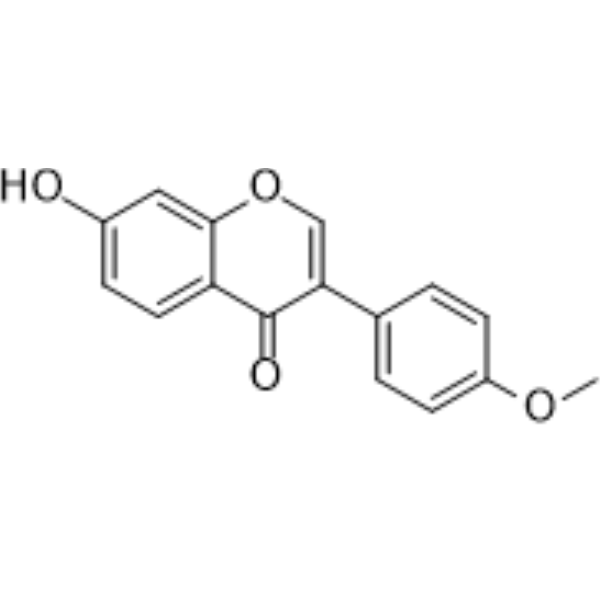
    Formononetin
    Maximum Cited Publications
    24 Publications Verification

    Biochanin B; Flavosil; Formononetol

    FGFR Apoptosis Cardiovascular Disease Cancer
    Formononetin is a potent FGFR2 inhibitor with an IC50 of ~4.31 μM. Formononetin potently inhibits angiogenesis and tumor growth .
    Formononetin
  • HY-B0633A
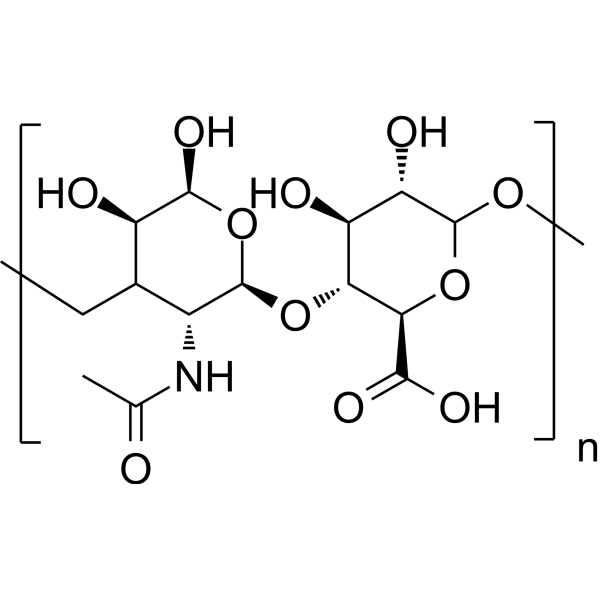
    Hyaluronic acid
    15+ Cited Publications

    Hyaluronan; Hyaluronate

    Endogenous Metabolite Bacterial Akt PI3K Infection Neurological Disease Inflammation/Immunology Cancer
    Hyaluronic acid is a biopolymer composed of repeating units of disaccharides with various applications. Hyaluronic acid is a major component of the extracellular matrix (ECM). Hyaluronic acid is synthesized at the plasma membrane. Increased hyaluronic acid levels are associated with tumor cell growth, adhesion, migration, invasion and angiogenesis in digestive cancers. Hyaluronic acid participates in tissue remodeling and rapid cell proliferation in some physiological processes including embryonic morphogenesis and wound-healing. Hyaluronic acid activates the PI3K-Akt signaling. Hyaluronic acid acts as a regulator of cancer-associated lymphangiogenesis. Hyaluronic acid also enhances cell invasion and angiogenesis by promoting proteolytic MMP-9 binding to cell surface or stimulating MMP-9 binding to cell surface. Hyaluronic acid can be used as drug delivery for sodium butyrate to improve the anti-proliferative activity on breast cancer cell line. Hyaluronic acid can be studied in joint diseases, wound healing and cancer .
    Hyaluronic acid
  • HY-B0633
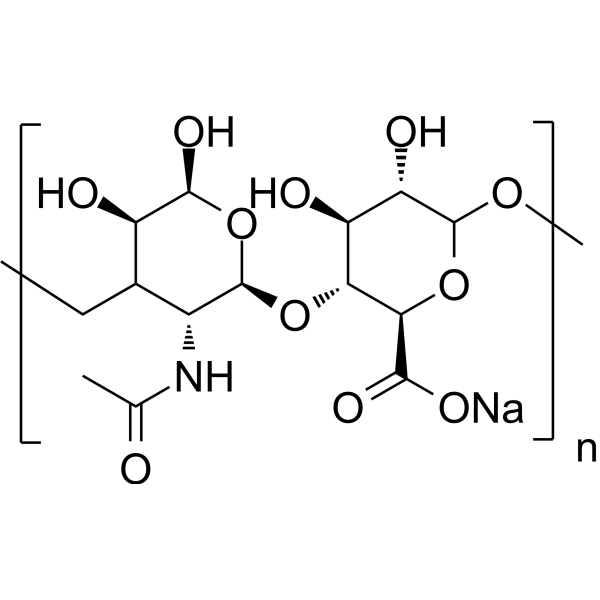
    Hyaluronic acid sodium
    15+ Cited Publications

    Sodium hyaluronate

    Endogenous Metabolite Bacterial PI3K Akt Inflammation/Immunology Cancer
    Hyaluronic acid sodium (Sodium hyaluronate) is a biopolymer composed of repeating units of disaccharides with various applications. Hyaluronic acid sodium is a major component of the extracellular matrix (ECM). Hyaluronic acid sodium is synthesized at the plasma membrane. Increased hyaluronic acid sodium levels are associated with tumor cell growth, adhesion, migration, invasion and angiogenesis in digestive cancers. Hyaluronic acid sodium participates in tissue remodeling and rapid cell proliferation in some physiological processes including embryonic morphogenesis and wound-healing. Hyaluronic acid sodium activates the PI3K-Akt signaling. Hyaluronic acid sodium acts as a regulator of cancer-associated lymphangiogenesis. Hyaluronic acid sodium also enhances cell invasion and angiogenesis by promoting proteolytic MMP-9 binding to cell surface or stimulating MMP-9 binding to cell surface. Hyaluronic acid sodium can be used as drug delivery for sodium butyrate to improve the anti-proliferative activity on breast cancer cell line. Hyaluronic acid sodium can be studied in joint diseases, wound healing and cancer .

    Hyaluronic acid sodium
  • HY-78131
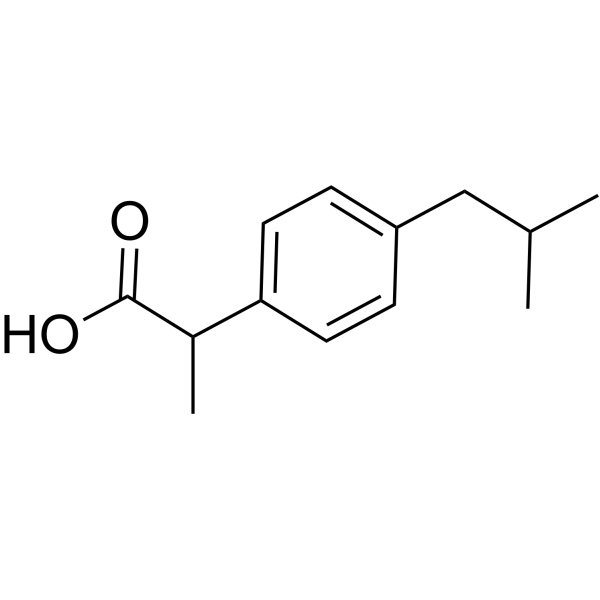
    Ibuprofen
    20+ Cited Publications

    (±)-Ibuprofen

    COX Apoptosis Parasite Infection Neurological Disease Inflammation/Immunology Cancer
    Ibuprofen ((±)-Ibuprofen) is a potent, orally active, selective COX-1 inhibitor with an IC50 value of 13 μM. Ibuprofen inhibits cell proliferation, angiogenesis, and induces cell apoptosis. Ibuprofen is a nonsteroidal anti-inflammatory agent and a nitric oxide (NO) donor. Ibuprofen ((±)-Ibuprofen) can be used in the research of pain, swelling, inflammation, infection, immunology, cancers .
    Ibuprofen
  • HY-N0171
    Beta-Sitosterol (purity>80%)
    20+ Cited Publications

    Apoptosis Endogenous Metabolite Cardiovascular Disease Inflammation/Immunology Cancer
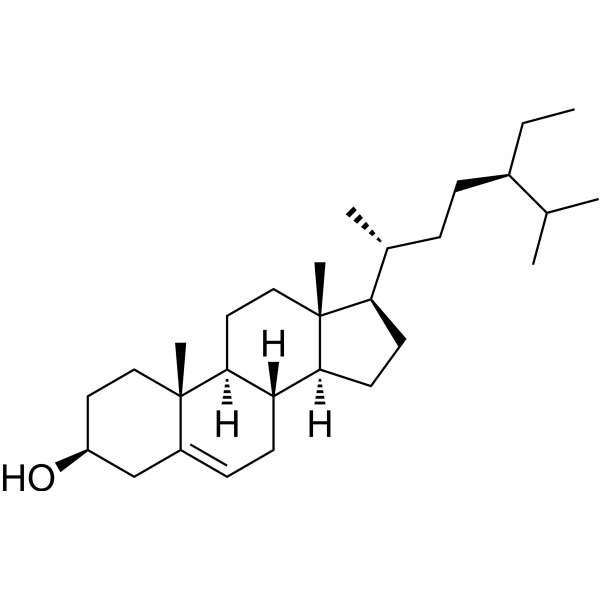
    Beta-Sitosterol (purity≥80%) is orally active. Beta-Sitosterol exhibits multiple activities, including anti-inflammatory, anticancer, antioxidant, antimicrobial, antidiabetic, antioxidant enzyme, and analgesic. Beta-Sitosterol inhibits inflammation and impaired adipogenesis in bovine mammary epithelial cells by reducing levels of ROS, TNF-α, IL-1β, and NF-κB p65 and restoring the activity of the HIF-1α/mTOR signaling pathway. Beta-Sitosterol induces apoptosis in cancer cells through ROS-mediated mitochondrial dysregulation and p53 activation. Beta-Sitosterol exerts its anticancer effects in cancer cells by activating caspase-3, caspase-8, and caspase-9, mediating PARP inactivation, MMP loss, altered Bcl-2-Bax ratio, and cytochrome c release. Beta-Sitosterol modulates macrophage polarization and reduces rheumatoid inflammation in mice. Beta-Sitosterol inhibits tumor growth in multiple mouse cancer models. Beta-Sitosterol can be used in the research of arthritis, lung cancer, breast cancer and other cancers, diabetes, etc .
    Beta-Sitosterol (purity>80%)
  • HY-P5321
    bFGF (119-126)
    5 Publications Verification

    FGFR Cancer
    bFGF (119-126) is a ligand of bFGF. The complex formed by bFGF (119-126) and bFGF can bind to FGFR1, while inhibiting the bFGF-FGFR1 interaction, FGFR1 phosphorylation and downstream signaling pathways. Therefore, bFGF (119-126) induces cell apoptosis and inhibits cell proliferation, migration, angiogenesis and metastasis. When conjugated with a carrier, bFGF (119-126) enhances cellular uptake via FGFR-mediated endocytosis and serves as an effective FGFR-targeted ligand. When used in combination with ultrasound and Doxorubicin (HY-15142A), bFGF (119-126) significantly enhances the inhibitory effect on tumors. bFGF (119-126) is applicable to research related to lung cancer, breast cancer, glioblastoma and ovarian cancer .
    bFGF (119-126)
  • HY-16468
    Squalamine
    1 Publications Verification

    MSI-1256; ENT-01 free acid

    Bacterial HBV FAK Dengue Virus Infection Neurological Disease Cancer
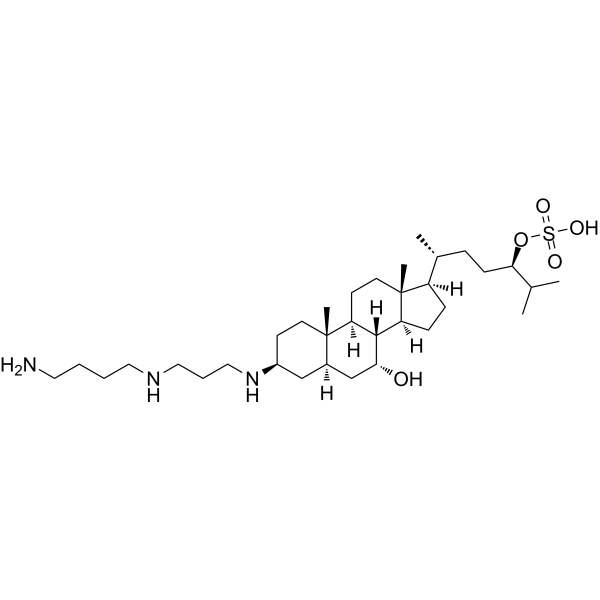
    Squalamine (MSI-1256) is an aminosterol compound with broad-spectrum antiviral activity. Squalamine makes cells less conducive to certain viral replication by altering the electrostatic interactions in the inner membrane of host cells. Squalamine also has antibacterial and antitumor activities. Squalamine has broad-spectrum antibacterial activity against Gram-negative and Gram-positive bacteria, fungi and protozoa. Squalamine inhibits tumor-related angiogenesis and the growth of human breast cancer cells. Squalamine restores the function of enteric nervous system in Parkinson ,s disease mouse models .
    Squalamine
  • HY-P990106

    VEGFR Apoptosis Inflammation/Immunology Cancer
    Anti-Mouse VEGFR-2 Antibody (DC101) is a rat anti-mouse VEGFR2 monoclonal antibody. Anti-Mouse VEGFR-2 Antibody (DC101) inhibits tumor angiogenesis by blocking the binding of VEGF and VEGFR2. Anti-Mouse VEGFR-2 Antibody (DC101) promotes immune cell infiltration and induces tumor cell apoptosis. Anti-Mouse VEGFR-2 Antibody (DC101) can be used for researches on various types of cancer such as melanoma, lung cancer and breast cancer .
    Anti-Mouse VEGFR-2 Antibody (DC101)
  • HY-136244
    PF-06952229
    4 Publications Verification

    TGF-β Receptor Cancer
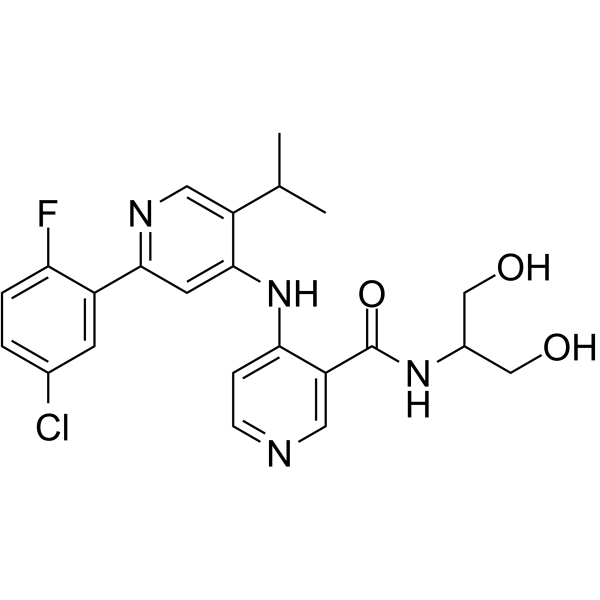
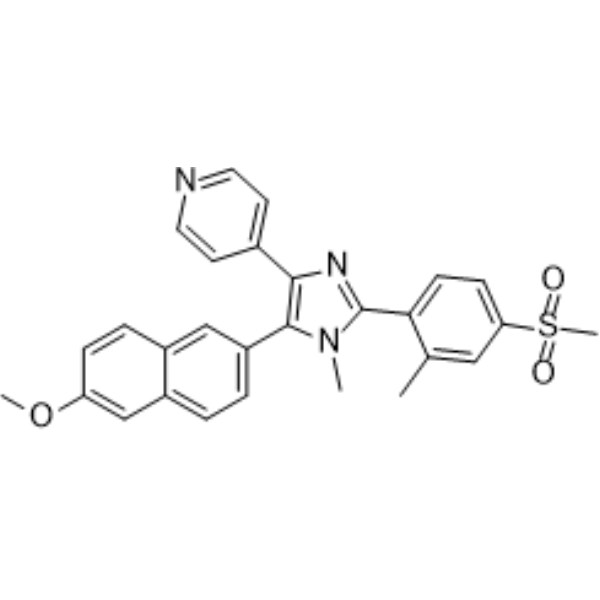
    PF-06952229 is a potent, selective and orally active TGFbR1 inhibitor. PF-06952229 specifically binds to TGFbR1 and prevents TGFbR1-mediated signal transduction.?PF-06952229 is a promising antineoplastic?agent for the study solid tumors, especifically metastatic breast cancer .
    PF-06952229
  • HY-78131C
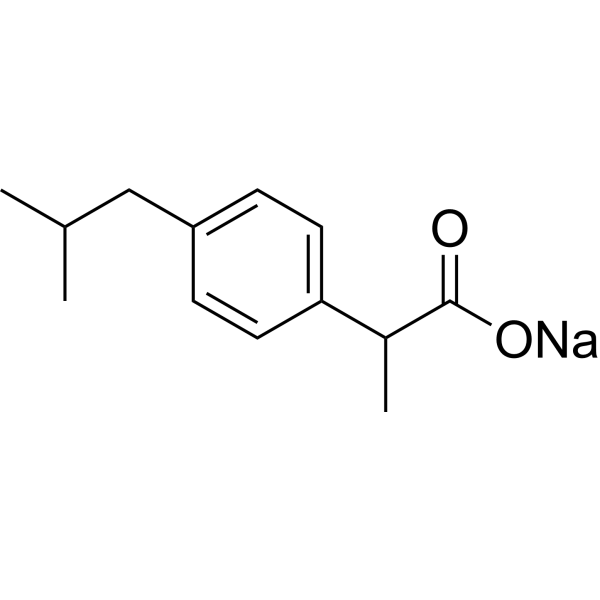
    Ibuprofen sodium
    20+ Cited Publications

    (±)-Ibuprofen sodium

    COX Apoptosis Parasite Infection Neurological Disease Inflammation/Immunology Cancer
    Ibuprofen ((±)-Ibuprofen) sodium is an orally active, selective COX-1 inhibitor with an IC50 value of 13 μM. Ibuprofen sodium inhibits cell proliferation, angiogenesis, and induces cell apoptosis. Ibuprofen sodium is a nonsteroidal anti-inflammatory agent and a nitric oxide (NO) donor. Ibuprofen sodium can be used in the research of pain, swelling, inflammation, infection, immunology, cancers .
    Ibuprofen sodium
  • HY-B0633D

    CD44 Endogenous Metabolite Bacterial Akt PI3K Neurological Disease Metabolic Disease Inflammation/Immunology Cancer
    Hyaluronic acid sodium (MW 200-1560) is a biopolymer composed of repeating disaccharide units, with a molecular weight of 200-1560. Hyaluronic acid sodium is a major component of the extracellular matrix (ECM). It is synthesized on the plasma membrane. Hyaluronic acid sodium exerts its effects by binding to receptors CD44 and RHAMM. Hyaluronic acid sodium activates PI3K-Akt signaling. Hyaluronic acid sodium also enhances cell invasion and angiogenesis by promoting or stimulating the binding of proteolytic MMP-9 to the cell surface. Elevated hyaluronic acid levels are associated with tumor cell growth, adhesion, migration, invasion, and angiogenesis in digestive system cancers. Hyaluronic acid sodium is involved in tissue remodeling and rapid cell proliferation in several physiological processes, including embryonic morphogenesis and wound healing. Hyaluronic acid sodium can be used as a regulator of cancer-associated lymphangiogenesis. Hyaluronic acid sodium can be used as a drug delivery carrier for sodium butyrate, enhancing its anti-proliferative activity against breast cancer cell lines. Hyaluronic acid sodium can lubricate the corneal endothelium. Hyaluronic acid sodium can improve tissue hydration and enhance the resistance of cells to mechanical damage. Hyaluronic acid sodium has been conjugated with antibodies to ensure that the active compound continues to exert its effects at the site of inflammation. Hyaluronic acid sodium can be used in research in the fields of osteoarthritis, ophthalmology, cosmetic dermatology, oncology, and liver diseases .
    Hyaluronic acid sodium (MW 200-1560)
  • HY-B0633E

    Hyaluronan, low endotoxin; Hyaluronate, low endotoxin

    Endogenous Metabolite CD44 Bacterial Akt PI3K Neurological Disease Metabolic Disease Inflammation/Immunology Cancer
    Hyaluronic acid, low endotoxin (Hyaluronan, low endotoxin) is a biopolymer composed of repeating disaccharide units containing low levels of endotoxin. Hyaluronic acid is a major component of the extracellular matrix (ECM). It is synthesized on the plasma membrane. Hyaluronic acid exerts its effects by binding to receptors CD44 and RHAMM. Hyaluronic acid activates PI3K-Akt signaling. Hyaluronic acid also enhances cell invasion and angiogenesis by promoting or stimulating the binding of proteolytic MMP-9 to the cell surface. Elevated hyaluronic acid levels are associated with tumor cell growth, adhesion, migration, invasion, and angiogenesis in digestive system cancers. Hyaluronic acid is involved in tissue remodeling and rapid cell proliferation in several physiological processes, including embryonic morphogenesis and wound healing. Hyaluronic acid can be used as a regulator of cancer-associated lymphangiogenesis. Hyaluronic acid can be used as a drug delivery carrier for sodium butyrate, enhancing its anti-proliferative activity against breast cancer cell lines. Hyaluronic acid can lubricate the corneal endothelium. Hyaluronic acid can improve tissue hydration and enhance the resistance of cells to mechanical damage. Hyaluronic acid has been conjugated with antibodies to ensure that the active compound continues to exert its effects at the site of inflammation. Hyaluronic acid can be used in research in the fields of osteoarthritis, ophthalmology, cosmetic dermatology, oncology, and liver diseases .
    Hyaluronic acid, low endotoxin
  • HY-108775A

    Sodium hyposulfite (99%, water≤1.0%)

    Environmental Pollutants Biochemical Assay Reagents COX Interleukin Related NF-κB β-catenin GSK-3 Cardiovascular Disease Neurological Disease Inflammation/Immunology Endocrinology Cancer
    Sodium thiosulfate is an antioxidant. Sodium thiosulfate inhibits the expression of p-GSK-3β and β-catenin proteins, reduces IL-1β, COX-2, and Iba-1, and inhibits NFκB activation. Sodium thiosulfate promotes angiogenesis, inhibits inflammation, and improves acute lung injury. Sodium thiosulfate also exhibits anti-cancer activity against melanoma. Sodium thiosulfate also exerts renal protective effects. Sodium thiosulfate can be used in the research of osteoarthritis, brain inflammation, cancer (such as breast cancer, melanoma), and kidney disease .
    Sodium thiosulfate (99%, water≤1.0%)
  • HY-B0327
    Irsogladine
    3 Publications Verification

    Dicloguamine

    Phosphodiesterase (PDE) NF-κB AP-1 TRP Channel Interleukin Related Inflammation/Immunology Cancer
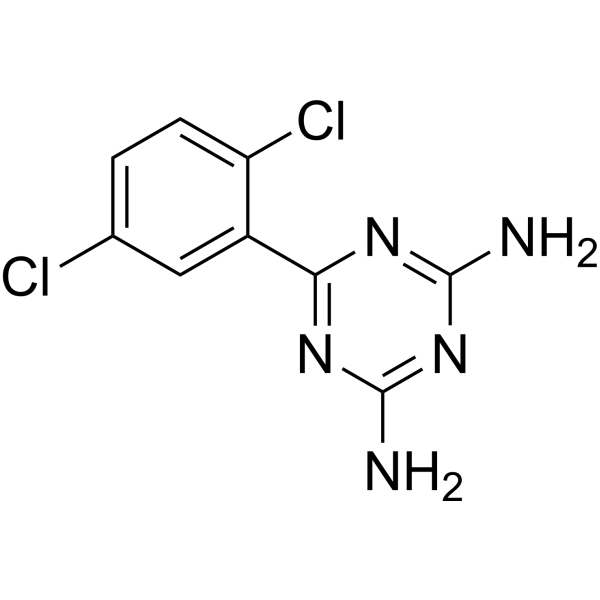
    Irsogladine (Dicloguamine) is an orally active gastric mucosal protective agent. Irsogladine inhibits breast cancer recurrence and lung metastasis in nude mice . Irsogladine inhibits the transcriptional activities of NF-κB and AP-1, suppresses the activities of PDE and PDE4 to elevate intracellular cAMP levels, and activates TRPV1 and KATP channels. Irsogladine enhances iNOS expression, NO production, and the activation of cAMP-responsive elements. Irsogladine inhibits the development and progression of intestinal polyps in Apc-mutant mice. Irsogladine alleviates oxidative stress, increases gastric mucosal blood flow, and stimulates the production of endogenous prostaglandins. Irsogladine promotes insulin secretion in MIN6 cells. Irsogladine inhibits tumor angiogenesis, cancer cell proliferation, and the production of proinflammatory cytokines. Irsogladine exerts protective effects on astrocytes in ethanol/hydrochloric acid-induced gastric ulcers in mice. Irsogladine prevents colitis in IL-10 gene-deficient mice by reducing the production of IL-12 and IL-23. Irsogladine upregulates gap junction intercellular communication in pancreatic cancer cells via the PKA pathway. Irsogladine is applicable to research related to breast cancer, intestinal polyposis, gastric ulcer, spontaneous colitis, glioma, liver cancer, and pancreatic cancer [5][6] .
    Irsogladine
  • HY-145102

    HSP Apoptosis Cancer
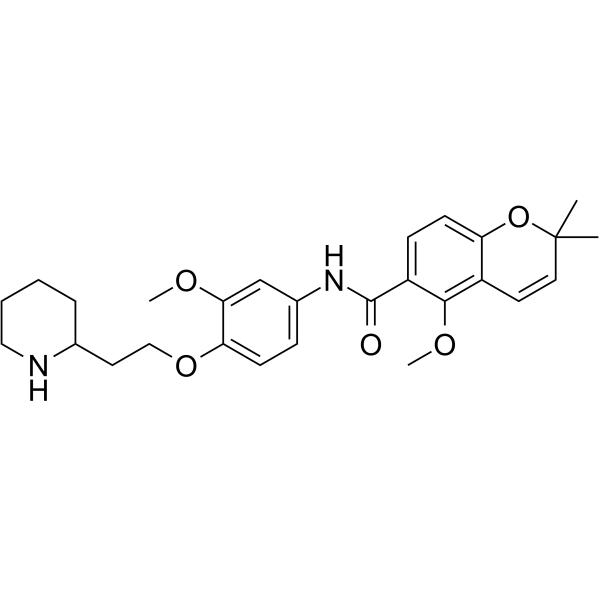
    NCT-58 is a potent inhibitor of C-terminal HSP90. NCT-58 does not induce the heat shock response (HSR) due to its targeting of the C-terminal region and elicits anti-tumor activity via the simultaneous downregulation of HER family members as well as inhibition of Akt phosphorylation. NCT-58 kills Trastuzumab-resistant breast cancer stem-like cells. NCT-58 induces apoptosis in HER2-positive breast cancer cells .
    NCT-58
  • HY-N0819
    Raddeanin A
    1 Publications Verification

    Apoptosis PI3K Akt ERK mTOR Wnt β-catenin Wee1 JNK VEGFR CDK Neurological Disease Inflammation/Immunology Cancer
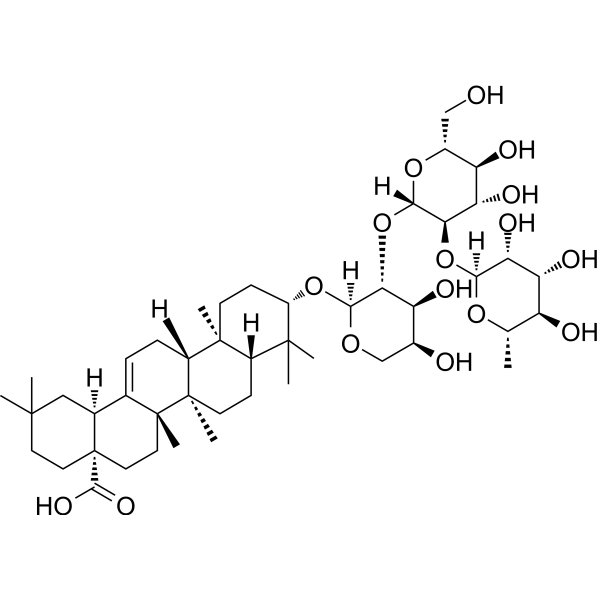
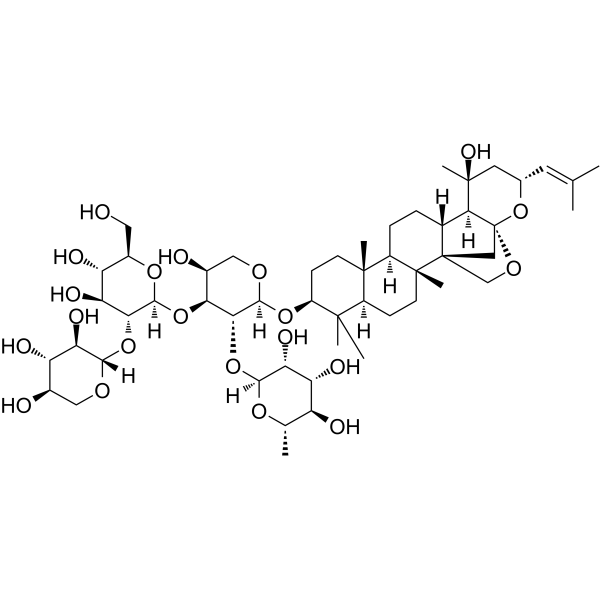
    Raddeanin A is an oleanane-type triterpenoid saponin with oral activity. Raddeanin A inhibits SRC, mTOR, JNK, VEGFR2, NLRP3 inflammasome, Wnt/β-catenin, Wee1, PI3K/AKT signaling pathway, MAPK/ERK signaling pathway, AR-FL, AR-Vs, and downregulates the expression of p-PI3K and p-AKT. Raddeanin A inhibits osteoclast formation, bone resorption, osteolysis, cancer cell invasion, migration, proliferation, angiogenesis and epithelial-mesenchymal transition, while induces apoptosis, cell cycle arrest, ROS production, immunogenic cell death and dendritic cell maturation. Raddeanin A improves blood-retinal barrier function, alleviates inflammation, regulates the tumor microenvironment, and enhances the activity of anti-PD-1 antibody. Raddeanin A is applicable to the research of breast cancer-associated osteolysis, human osteosarcoma, colorectal cancer, glioblastoma, Alzheimer's disease, cholangiocarcinoma, melanoma, non-small cell lung cancer, castration-resistant prostate cancer and multiple myeloma .
    Raddeanin A
  • HY-N0660

    Apoptosis PARP Caspase AMPK Autophagy VEGFR Keap1-Nrf2 STING 11β-HSD Ferroptosis PI3K Akt p38 MAPK ERK Neurological Disease Metabolic Disease Inflammation/Immunology Cancer
    Jujuboside B is a bioactive saponin component isolated from Ziziphi Spinosae Semen (sour jujube seed), with oral efficacy and blood-brain barrier permeability. Jujuboside B induces acute leukemia cell death and drives necroptosis apoptosis by activating the RIPK1/RIPK3/MLKL pathway. Jujuboside B upregulates the expression of NOXA, PARP and caspase-3, activates AMPK, inhibits the proliferation of breast cancer cells, and induces cell apoptosis and autophagy. Jujuboside B inhibits angiogenesis and tumor growth by blocking the VEGFR-2 signaling pathway. Jujuboside B alleviates liver injury in mice by regulating the Nrf2-STING signaling pathway . Jujuboside B alleviates liver injury by regulating anti-inflammatory responses and downregulating the expression of 11β-HSD2. Jujuboside B induces ferroptosis and overcomes radioresistance in non-small cell lung cancer via the PPARγ-ATF3-Gpx4 signaling pathway. Jujuboside B exerts inhibitory effects on platelet aggregation. Jujuboside B inhibits febrile seizures by suppressing the activity of AMPA receptors. Jujuboside B reverses chronic unpredictable mild stress-promoted tumor progression by blocking the PI3K/Akt and MAPK/ERK pathways and dephosphorylating CREB signaling. Jujuboside B is applicable to related studies on acute leukemia, breast cancer, PM2.5-induced lung injury, hepatotoxicity, liver injury, colorectal cancer, non-small cell lung cancer, thromboembolic diseases, cardiovascular diseases associated with high platelet aggregation, febrile seizures, and depressive-like phenotypes .
    Jujuboside B
  • HY-110294
    CM037
    1 Publications Verification

    A37

    Aldehyde Dehydrogenase (ALDH) Cancer
    CM037 is a highly selective and competitive ALDH1A1 inhibitor (IC50=4.6 μM). CM037 blocks the catalytic activity of ALDH1A1, thereby inhibiting the activation of the downstream HIF-1α/VEGF pathway. CM037 is mainly used to study the ALDH1A1-mediated regulation of cancer stem cells (CSCs) and angiogenesis, especially in breast cancer, showing the potential to inhibit tumor angiogenesis and stem cell characteristics .
    CM037
  • HY-160215

    TGF-β Receptor p38 MAPK TGF-beta/Smad Interleukin Related Cancer
    GFH018 is an orally active, selective and ATP-competitive TGF-βR1 inhibitor with an IC50 of 40 nM. GFH018 reactivates the immune system by blocking the immunosuppression mediated by regulatory T cells and M2 macrophages. GFH018 inhibits tumor angiogenesis. GFH018 suppresses tumor growth in mouse tumor models. GFH018 can be used for the research of solid tumors, hepatocellular carcinoma, colorectal cancer, breast cancer, and relapsed/metastatic nasopharyngeal carcinoma .
    GFH018
  • HY-B0633I

    Endogenous Metabolite Bacterial PI3K Akt Inflammation/Immunology Cancer
    Hyaluronic acid sodium (MW 800kDa) is a biopolymer composed of repeating units of disaccharides with various applications. Hyaluronic acid sodium is a major component of the extracellular matrix (ECM). Hyaluronic acid sodium is synthesized at the plasma membrane. Increased hyaluronic acid sodium levels are associated with tumor cell growth, adhesion, migration, invasion and angiogenesis in digestive cancers. Hyaluronic acid sodium participates in tissue remodeling and rapid cell proliferation in some physiological processes including embryonic morphogenesis and wound-healing. Hyaluronic acid sodium activates the PI3K-Akt signaling. Hyaluronic acid sodium acts as a regulator of cancer-associated lymphangiogenesis. Hyaluronic acid sodium also enhances cell invasion and angiogenesis by promoting proteolytic MMP-9 binding to cell surface or stimulating MMP-9 binding to cell surface. Hyaluronic acid sodium can be used as drug delivery for sodium butyrate to improve the anti-proliferative activity on breast cancer cell line. Hyaluronic acid sodium can be studied in joint diseases, wound healing and cancer .
    Hyaluronic acid sodium (MW 800kDa)
  • HY-168894

    Ferroptosis JAK STAT p38 MAPK AMPK GSK-3 Apoptosis HSP TNF Receptor Cardiovascular Disease Neurological Disease Metabolic Disease Cancer
    CT-1 is a secreted protein belonging to the IL-6 cytokine family. Overexpression of CT-1 enhances cell proliferation, migration and angiogenesis via the ADMA/DDAH pathway. CT-1 inhibits the growth of triple-negative breast cancer cells by simultaneously inducing Ferroptosis in N2-type tumor-associated neutrophils and cancer cells. CT-1 activates the Jak/STAT-3, p42/p44 MAPK and AMPK pathways, and inhibits GSK-3β activity through phosphorylation to induce cardiomyocyte hypertrophy. CT-1 enhances the viability of cardiomyocytes and neurons, reduces cell Apoptosis, induces the expression of heat shock proteins (HSP) and BNP, and inhibits TNF levels. CT-1 exerts anti-tumor activity in mouse models of triple-negative breast cancer. CT-1 improves cognitive impairment in mice. CT-1 is applicable to the research of ischemic heart disease, triple-negative breast cancer, myocardial hypertrophy, Parkinson's disease, hypertensive heart disease, myocardial infarction, acute Chagas cardiomyopathy, high-fat diet-induced cognitive impairment and diabetes-related cognitive impairment .
    CT-1
  • HY-145601

    TT 00420

    Aurora Kinase FGFR VEGFR Cancer
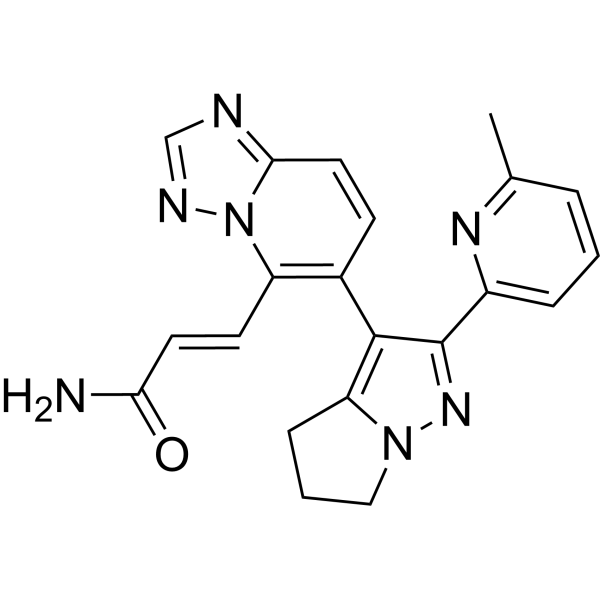
    Tinengotinib (TT00420) is an orally active, spectrally selective small molecule kinase inhibitor targeting Aurora A/B (IC50=1.2-3.3 nM), FGFR1/2/3 (IC50=1.5-3.5 nM), VEGFRs, JAK1/2 and CSF1R. Tinengotinib blocks Aurora kinase-mediated cell cycle progression (inducing G2/M arrest), inhibits FGFR/JNK-JUN signaling pathway and activates MEK/ERK-dependent apoptotic pathway. Tinengotinib has the activity of anti-tumor proliferation, inducing apoptosis, inhibiting angiogenesis and regulating tumor microenvironment. Tinengotinib can be used in the study of triple-negative breast cancer (TNBC), gallbladder cancer and tumor immune microenvironment .
    Tinengotinib
  • HY-173496

    Sialyltransferase Integrin VEGFR Akt Cancer
    ST6GAL1-IN-1 is an orally active selective ST6GAL1 inhibitor (IC50 = 20 μM). ST6GAL1-IN-1 exhibits high antimetastatic potential, effectively inhibiting the migration of MDA-MB-231 cells at noncytotoxic concentrations. ST6GAL1-IN-1 can disrupt integrin sialylation in MDA-MB-231 cells. ST6GAL1-IN-1 inhibits tumor angiogenesis and cancer metastasis via the Integrin/VEGFR2-mediated signaling pathway. ST6GAL1-IN-1 effectively suppresses both tumor growth and cancer metastasis on the MDA-MB-231 xenograft model. ST6GAL1-IN-1 can be used for the study of Triple-negative breast cancer (TNBC) .
    ST6GAL1-IN-1
  • HY-N0772
    Isomangiferin
    4 Publications Verification

    VEGFR NOD-like Receptor (NLR) NF-κB Bacterial AMPK Acetyl-CoA Carboxylase Apoptosis Reactive Oxygen Species (ROS) HSV Drug Derivative Infection Metabolic Disease Inflammation/Immunology Cancer
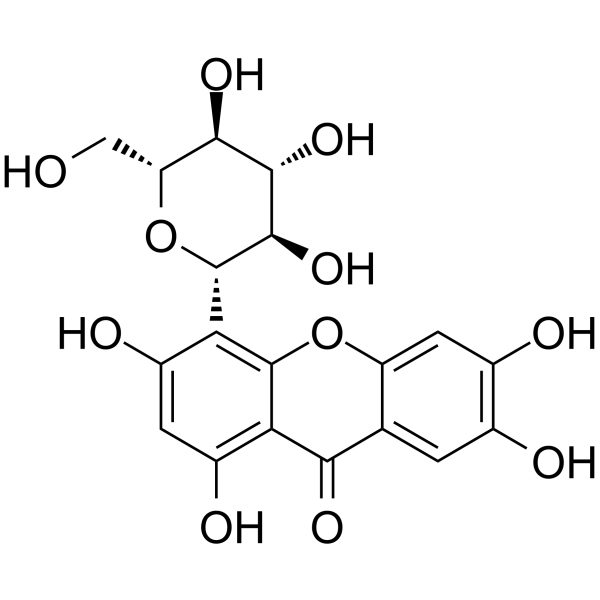
    Isomangiferin is an orally active xanthone C-glucoside, and its chemical structure is similar to Mangiferin (HY-N0290). Isomangiferin is an effective VEGFR-2 kinase inhibitor, which can induces cell apoptosis, inhibit the growth, metastasis and angiogenesis of breast cancer. Isomangiferin exerts anti-inflammatory effects by inhibiting the HMGB1/NLRP3/NF-κB signaling pathway, thereby improving the renal function indicators of diabetic mice. Isomangiferin exhibits inhibitory effects on various bacteria and herpes simplex virus type 1 (HSV-1). Isomangiferin promotes the migration and osteogenic differentiation of bone marrow mesenchymal stem cells (BMSCs) and reduces cell apoptosis and the production of ROS by activating the AMPK/ACC pathway, thereby facilitating fracture healing .
    Isomangiferin
  • HY-N7700A
    Guluronic acid sodium
    1 Publications Verification

    G2013 sodium

    VEGFR Toll-like Receptor (TLR) COX NO Synthase NF-κB MMP Inflammation/Immunology Cancer
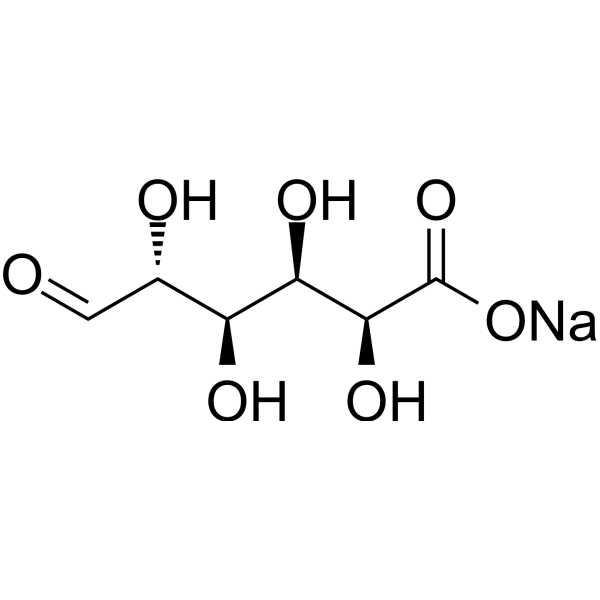
    Guluronic acid (G2013) sodium is an orally active oxidative stress regulator and anti-inflammatory agent that exerts pharmacological effects by down-regulating various pro-inflammatory and oxidative stress-related genes (such as TLR4, NF-κB, iNOS, etc.) and inhibiting the activities of COX-2, MMPs and VEGF. Low-dose Guluronic acid sodium up-regulates the expression of immunoregulatory genes SHIP1 and SOCS1, thereby effectively inhibiting cancer-related inflammation, tumor angiogenesis, cell adhesion and metastasis, while reducing the accumulation of immunosuppressive cells. Guluronic acid sodium significantly prolongs the survival time of tumor-bearing hosts within a concentration range without direct cytotoxicity, demonstrating favorable safety. Guluronic acid sodium has involved in the research of multiple sclerosis, ankylosing spondylitis, breast cancer and other inflammatory diseases .
    Guluronic acid sodium
  • HY-N7700

    G2013

    MMP COX VEGFR Toll-like Receptor (TLR) NF-κB NO Synthase Inflammation/Immunology Cancer
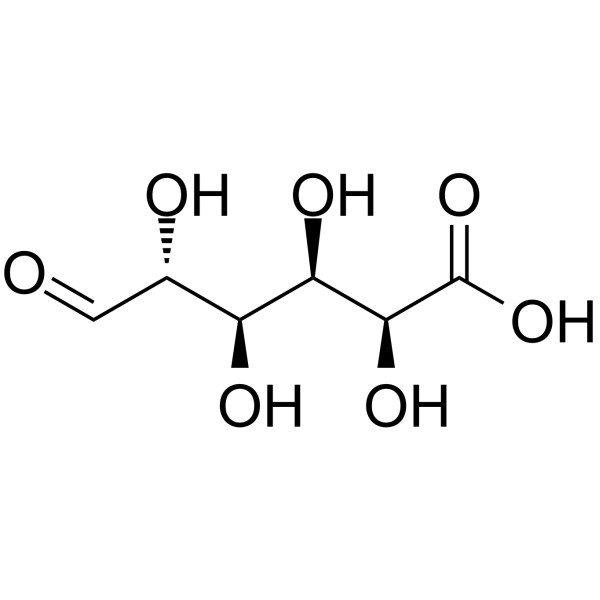
    Guluronic acid (G2013) is an orally active oxidative stress regulator and anti-inflammatory agent that exerts pharmacological effects by down-regulating various pro-inflammatory and oxidative stress-related genes (such as TLR4, NF-κB, iNOS, etc.) and inhibiting the activities of COX-2, MMPs and VEGF. Low-dose Guluronic acid up-regulates the expression of immunoregulatory genes SHIP1 and SOCS1, thereby effectively inhibiting cancer-related inflammation, tumor angiogenesis, cell adhesion and metastasis, while reducing the accumulation of immunosuppressive cells. Guluronic acid significantly prolongs the survival time of tumor-bearing hosts within a concentration range without direct cytotoxicity, demonstrating favorable safety. Guluronic acid has involved in the research of multiple sclerosis, ankylosing spondylitis, breast cancer and other inflammatory diseases .
    Guluronic acid
  • HY-108333
    SB-633825
    4 Publications Verification

    Ser/Thr Kinase Cardiovascular Disease Cancer
    SB-633825 is a potent and ATP-competitive inhibitor of TIE2, LOK (STK10) and BRK with IC50s of 3.5 nM, 66 nM, 150 nM, respectively. SB-633825 can inhibit cancer cell growth and angiogenesis .
    SB-633825
  • HY-N2666

    VEGFR Cancer
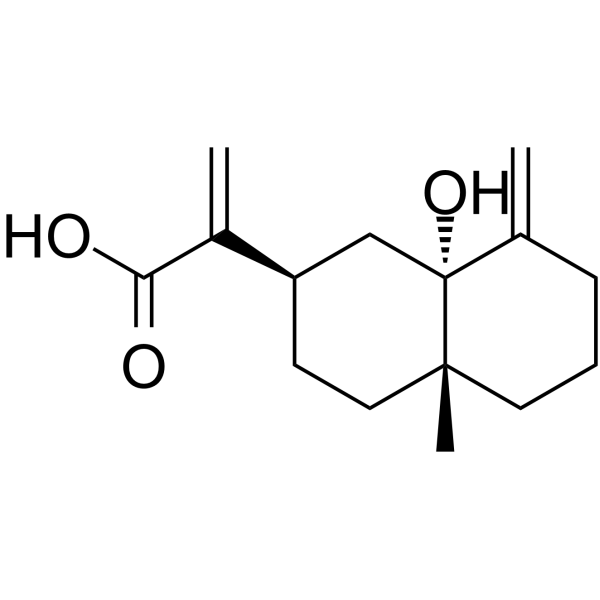
    5α-Hydroxycostic acid, a eudesmane-type sesquiterpene, is isolated from the herb Laggera alata. 5α-Hydroxycostic acid inhibits angiogenesis and suppresses breast cancer cell migration through regulating VEGF/VEGFR2 and Ang2/Tie2 pathways .
    5α-Hydroxycostic acid
  • HY-N15497

    Reactive Oxygen Species (ROS) HIF/HIF Prolyl-Hydroxylase Cancer
    Terpestacin is found in Phoma exigua var. heteromorpha. Terpestacin binds to UQCRB to inhibit the production of mitochondrial ROS and HIF-1α. Terpestacin inhibits tumor angiogenesis in the FM3A breast cancer cell xenograft mouse model. Terpestacin has antitumor activity and phytotoxicity .
    Terpestacin
  • HY-N0183R

    Biochanin B (Standard); Flavosil (Standard); Formononetol (Standard)

    Reference Standards FGFR Apoptosis Cardiovascular Disease Cancer
    Formononetin (Standard) is the analytical standard of Formononetin. This product is intended for research and analytical applications. Formononetin is a potent FGFR2 inhibitor with an IC50 of ~4.31 μM. Formononetin potently inhibits angiogenesis and tumor growth .
    Formononetin (Standard)
  • HY-78131R

    (±)-Ibuprofen (Standard)

    MOFs Infection Neurological Disease Inflammation/Immunology Cancer
    Ibuprofen (Standard) is the analytical standard of Ibuprofen. This product is intended for research and analytical applications. Ibuprofen ((±)-Ibuprofen) is a potent, orally active, selective COX-1 inhibitor with an IC50 value of 13 μM. Ibuprofen inhibits cell proliferation, angiogenesis, and induces cell apoptosis. Ibuprofen is a nonsteroidal anti-inflammatory agent and a nitric oxide (NO) donor. Ibuprofen ((±)-Ibuprofen) can be used in the research of pain, swelling, inflammation, infection, immunology, cancers .
    Ibuprofen (Standard)
  • HY-168996

    CDK Apoptosis Cancer
    LA-CB1 is an Abemaciclib (HY-16297A) derivative that targets CDK4/6 and promotes its degradation via the ubiquitin-proteasome pathway, thereby disrupting the CDK4/6-Cyclin D1-Rb-E2F axis and inducing G0/G1 cell cycle arrest and apoptosis. LA-CB1 exhibits antiproliferative activity against MDA-MB-231 cells, with an IC50 of 0.27 µM, and effectively inhibits epithelial-mesenchymal transition (EMT), cell migration, invasion, and angiogenesis. In highly aggressive models such as triple-negative breast cancer (TNBC), LA-CB1 significantly suppresses tumor growth in a dose-dependent manner. LA-CB1 holds potential for research in the field of breast cancer .
    LA-CB1
  • HY-100586
    Ibuprofen L-lysine
    20+ Cited Publications

    (±)-Ibuprofen L-lysine

    COX Apoptosis Parasite Infection Inflammation/Immunology Cancer
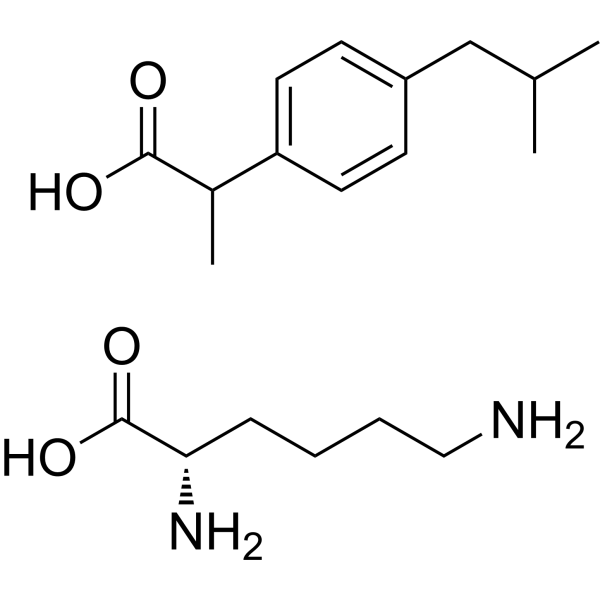
    Ibuprofen ((±)-Ibuprofen) L-lysine is a potent orally active, selective COX-1 inhibitor with an IC50 value of 13 μM. Ibuprofen L-lysine inhibits cell proliferation, angiogenesis, and induces cell apoptosis. Ibuprofen L-lysine is a nonsteroidal anti-inflammatory agent and a nitric oxide (NO) donor. Ibuprofen L-lysine can be used in the research of pain, swelling, inflammation, infection, immunology, cancers .
    Ibuprofen L-lysine
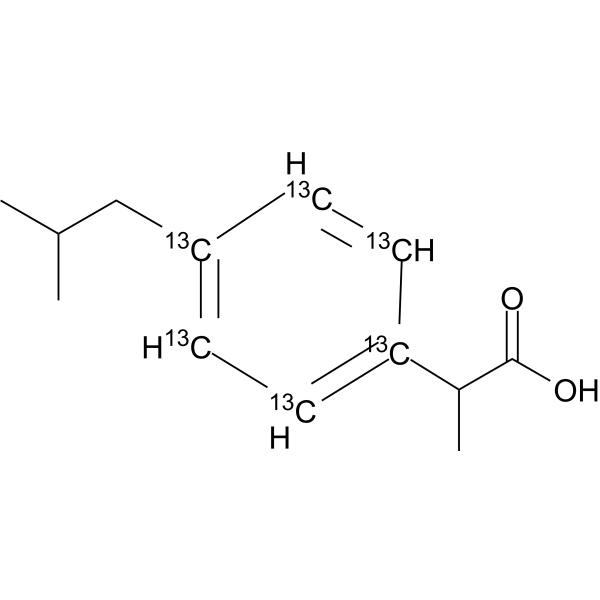
  • HY-78131S3

    (±)-Ibuprofen-13C6

    Isotope-Labeled Compounds Apoptosis Parasite COX Cancer
    Ibuprofen- 13C6 ((±)-Ibuprofen- 13C6) is a 13C labeled Ibuprofen (HY-78131). Ibuprofen ((±)-Ibuprofen) is a potent, orally active, selective COX-1 inhibitor with an IC50 value of 13 μM. Ibuprofen inhibits cell proliferation, angiogenesis, and induces cell apoptosis. Ibuprofen is a nonsteroidal anti-inflammatory agent and a nitric oxide (NO) donor. Ibuprofen ((±)-Ibuprofen) can be used in the research of pain, swelling, inflammation, infection, immunology, cancers .
    Ibuprofen-13C6
  • HY-P5081

    TGF-β Receptor Collagen Inflammation/Immunology
    Endotrophin (Mus musculus) is an adipokine, a cleavage fragment derived from Collagen VI, whose levels are elevated in adipose tissue and breast tumors of obese mice. Endotrophin (Mus musculus) activates the TGF-β signaling pathway and reduces the expression of hormone-sensitive lipase. Endotrophin (Mus musculus) induces adipogenesis, lipid accumulation, fibrosis, inflammation, angiogenesis, adipose tissue expansion, epithelial-mesenchymal transition, and insulin resistance; it also induces Cisplatin (HY-17394) resistance in cancer cells. Endotrophin (Mus musculus) can be used in research related to metabolic diseases such as obesity and type 2 diabetes, as well as cancers such as breast cancer .
    Endotrophin (Mus musculus)
  • HY-116861

    MetAP Cancer
    A-357300 is a reversible and selective MetAP2 inhibitor with IC50s of 0.12 and 57 μM against MetAP2 and MetAP1. A-357300 induces cytostasis by cell cycle arrest at the G1 phase selectively in endothelial cells and in a subset of tumor cells. A-357300 inhibits angiogenesis both in vitro and in vivo and shows potent antitumor efficacy in carcinoma, sarcoma, and neuroblastoma murine models. A-357300 can be used for the studies of neuroblastoma, fibrosarcoma and breast cancer .
    A-357300
  • HY-130133

    PI3K mTOR Akt Apoptosis Paraptosis p38 MAPK Mitochondrial Metabolism P-glycoprotein CDK MMP HIF/HIF Prolyl-Hydroxylase VEGFR Cancer
    DHW-221 is a potent orally active dual PI3K/mTOR inhibitor, exhibiting low nanomolar potency against all four Class I PI3K isoforms and mTOR (PI3Kα, IC50 = 0.50 nM; PI3Kβ, IC50 = 1.9 nM; PI3Kγ, IC50 = 1.8 nM; PI3Kδ, IC50 = 0.74 nM; mTOR, IC50 = 3.9 nM). DHW-221 exerts antitumor effects by blocking the PI3K/Akt/mTOR pathway and inducing mitochondrial apoptosis and paraptosis (via Endoplasmic Reticulum (ER) stress and MAPK signaling) and arrests cell cycle, thereby inhibiting cell migration, invasion and angiogenesis. DHW-221 inhibits tumor growth in both the A549/Taxol (HY-B0015) and the HCC827 xenograft mouse models. DHW-221 can be used for non-small cell lung cancer (NSCLC), colon and breast cancer research .
    DHW-221
  • HY-148291

    LPL Receptor Phosphodiesterase (PDE) Cancer
    BrP-LPA sodium is a pan-opposite agent for lysophosphatidic acid (LPA). It has antagonistic activity against LPA1 (IC50 = 4520 nM), LPA2 (IC50 = 468 nM), LPA3, and LPA4. BrP-LPA sodium also has partial agonistic activity for LPA5, with its EC50 being 1282 nM. BrP-LPA sodium has ATX inhibitory activity. BrP-LPA sodium effectively inhibits the migration and invasion of breast cancer cells. BrP-LPA sodium achieves tumor regression and anti-angiogenesis in mice breast cancer xenograft model. BrP-LPA sodium can be used for the study of breast cancer .
    BrP-LPA sodium
  • HY-P10971

    CXCR Apoptosis VEGFR GSK-3 Cadherin Caspase Cancer
    Nef-M1 (Nef-Motif-1) is an antagonist peptide targeting CXCR4 and an apoptosis inducer derived from a myristoylated protein encoded by the nef gene in HIV. Nef-M1 inhibits tumor angiogenesis and epithelial-mesenchymal transition (EMT). Nef-M1 activates the apoptosis pathway by increasing the level of caspase-3 in cancer cells. Nef-M1 simultaneously inhibits VEGF-A, p-GSK-3β and vimentin, and enhances E-cadherin, thereby inhibiting angiogenesis and EMT processes. Nef-M1 can be used in the study of colorectal cancer and breast cancer .
    Nef-M1
  • HY-N15657

    Apoptosis COX Caspase Microtubule/Tubulin Monoamine Oxidase Cancer
    Geiparvarin is an anticancer agent and an inhibitor of MAO-B (pIC50 = 6.84 μM). Geiparvarin exerts anti-tumor effects by downregulating COX2 expression and inhibiting angiogenesis. Geiparvarin blocks the cell cycle at the G1 phase and induces apoptosis of cancer cells. Geiparvarin has anti-microtubule activity and destroys the cytoskeleton to exert anti-proliferative effects. Geiparvarin has research significance for lung cancer, leukemia, and breast cancer .
    Geiparvarin
  • HY-160215A

    TGF-β Receptor p38 MAPK TGF-beta/Smad Interleukin Related Cancer
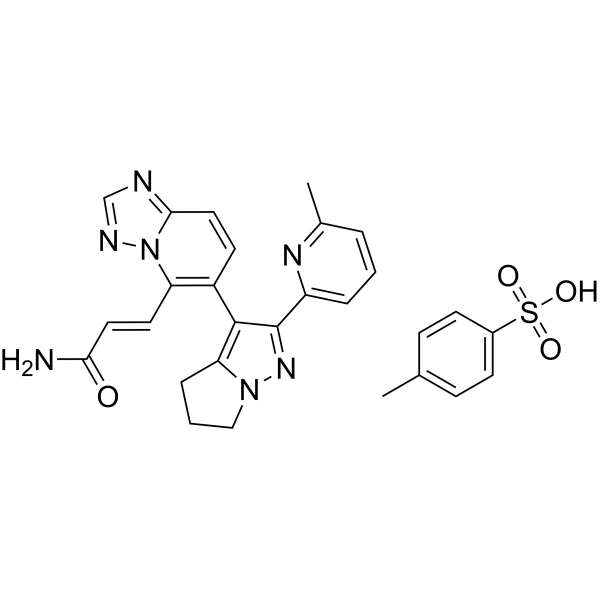
    GFH018 is an orally active, selective and ATP-competitive TGF-βR1 inhibitor with an IC50 of 40 nM. GFH018 reactivates the immune system by blocking the immunosuppression mediated by regulatory T cells and M2 macrophages. GFH018 inhibits tumor angiogenesis. GFH018 suppresses tumor growth in mouse tumor models. GFH018 can be used for the research of solid tumors, hepatocellular carcinoma, colorectal cancer, breast cancer, and relapsed/metastatic nasopharyngeal carcinoma .
    GFH018 methylbenzenesulfonate
  • HY-P10833

    VEGFR PI3K Akt mTOR ERK Apoptosis Cardiovascular Disease Cancer
    C-VGB3 is a selective vascular endothelial growth factor receptor 2 (VEGFR2) antagonist, which inhibits VEGFR2-mediated PI3K/AKT/mTOR and PLCγ/ERK1/2 signaling pathways. C-VGB3 binds to the extracellular domain of VEGFR2, blocking ligand-receptor interaction and inducing apoptosis in endothelial and tumor cells through both intrinsic (involving Bcl2 family and caspases) and extrinsic (death receptor-mediated) pathways. C-VGB3 is promising for research of angiogenesis-related cancers, such as breast cancer .
    C-VGB3
  • HY-179003

    mTOR Glutaminase Reactive Oxygen Species (ROS) Autophagy Apoptosis Ferroptosis Glutathione Peroxidase Cancer
    mTOR/GLS1-IN-1 (Compoud 9d) is a potent dual targeted mTOR/GLS1 inhibitor. Has anti proliferative activity against various tumor cells. mTOR/GLS1-IN-1 dose dependently induces ROS accumulation, induces autophagosome formation, and induces apoptosis. mTOR/GLS1-IN-1 can increase Fe 2+, decrease GPX4, and induce ferroptosis. mTOR/GLS1-IN-1 can inhibit cell migration, invasion, and angiogenesis. mTOR/GLS1-IN-1 can be used in the research of cancer, such as breast cancer .
    mTOR/GLS1-IN-1
  • HY-78131CR

    (±)-Ibuprofen sodium (Standard)

    COX Apoptosis Parasite Reference Standards Infection Neurological Disease Inflammation/Immunology Cancer
    Ibuprofen (sodium) (Standard) is the analytical standard of Ibuprofen (sodium). This product is intended for research and analytical applications. Ibuprofen ((±)-Ibuprofen) sodium is an orally active, selective COX-1 inhibitor with an IC50 value of 13 μM. Ibuprofen sodium inhibits cell proliferation, angiogenesis, and induces cell apoptosis. Ibuprofen sodium is a nonsteroidal anti-inflammatory agent and a nitric oxide (NO) donor. Ibuprofen sodium can be used in the research of pain, swelling, inflammation, infection, immunology, cancers .
    Ibuprofen sodium (Standard)
  • HY-164525

    SC-81490; PF-02881307

    MMP Cancer
    SD-7300 (SC-81490) is an orally active inhibitor of MMP-2, MMP-9, and MMP-13 with Ki values ??of 0.03, 0.01, and 0.03 nM, respectively. SD-7300 can reduce the degradation of extracellular matrix by tumor cells, thereby inhibiting the invasion and metastasis of tumor cells. In addition, SD-7300 is also a dose-dependent inhibitor of mouse corneal angiogenesis and an inhibitor of interleukin-1-induced bovine cartilage degradation. SD-7300 can be used in breast cancer research .
    SD-7300
  • HY-163760

    HuR MMP Cancer
    ZM-32 is an inhibitor for human antigen R (HuR), that downregulates the expression of VEGF-A and MMP9, and thus inhibits breast cancer tumor angiogenesis. ZM-32 exhibits broad-spectrum anti-proliferative effects in a variety of cancer cell lines, and exhibits antitumor efficacy against MDA-MB-231 in mouse models .
    ZM-32
  • HY-156077

    Apoptosis DNA/RNA Synthesis Cancer
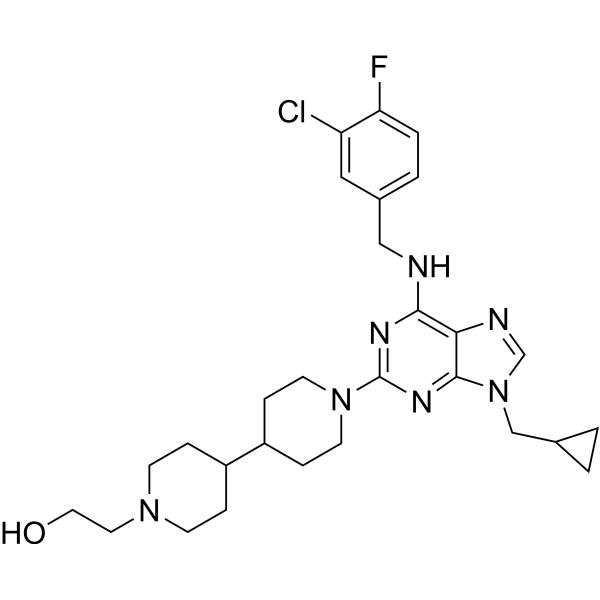
    anti-TNBC agent-2 (3j) an anti-Triple negative breast cancer (TNBC) purine derivative. anti-TNBC agent-2 induces MDA-MB-231 cells apoptosis, and inhibits its migration and angiogenesis. anti-TNBC agent-2 inhibits tumor growth and metastasis and reduces the expression of Ki67 and CD31 protein in TNBC xenograft models. anti-TNBC agent-2 can be used for Triple negative breast cancer (TNBC) research .
    anti-TNBC agent-2
  • HY-16769

    P7170; AK151761

    PI3K mTOR Anaplastic lymphoma kinase (ALK) DNA-PK Apoptosis Cancer
    Panulisib (P7170; AK151761) is an orally active inhibitor of PI3K (IC50 = 2.2 nM) and mTOR (IC50 = 4.4 nM). Panulisib inhibits ALK1 and DNA-PK, two enzymes that respectively participate in angiogenesis and DNA repair, with IC50 values of 47 nM and 1.5 nM respectively. Panulisib inhibits cell proliferation and apoptosis. Panulisib can be used for research on breast cancer and non-small cell lung cancer .
    Panulisib
  • HY-175512

    Microtubule/Tubulin Apoptosis Reactive Oxygen Species (ROS) Cancer
    Tubulin-IN-53 is a potent Tubulin inhibitor with an IC50 of 6.06 μM. Tubulin-IN-53 inhibits the polymerization of tubulin by targeting the colchicine binding site of tubulin and destroys the microtubule network. Tubulin-IN-53 induces MCF-7 cell cycle arrest in the G2/M phase and apoptosis, and inhibits cell migration accompanied by the decrease of mitochondrial membrane potential and increase the accumulation of ROS. Tubulin-IN-53 destroys the angiogenesis of human umbilical vein endothelial cells.Tubulin-IN-53 can used for the study of cancers such as breast cancer and lung cancer .
    Tubulin-IN-53
  • HY-175820

    VEGFR ERK Apoptosis EGFR Cancer
    AGW-11 is a potent dual inhibitor of EGFR (IC50 = 556 nM) and VEGFR2 (IC50 = 289.7 nM). AGW-11 induces apoptosis and suppresses phosphorylation of EGFR, VEGFR2, and ERK1/2 in HUVECs. AGW-11 effectively inhibits cancer cell growth, reduces HUVEC proliferation, tube formation, and invasion, thereby blocking angiogenesis. AGW-11 significantly suppresses tumor growth and decreases lung metastasis in a 4T1 xenograft mouse model. AGW-11 can be used for the study of breast cancer .
    AGW-11

Inquiry Online

Your information is safe with us. * Required Fields.

Salutation


Country or Region *

Applicant Name *


Organization Name *

Department *


Email Address *


Product Name *

Cat. No.


Requested quantity *

Phone Number *


Remarks

Inquiry Online

Inquiry Information

Product Name:
Cat. No.:
Quantity:
MCE Japan Authorized Agent: