



1. Search Result
Search Result
Pathways Recommended: Stem Cell/Wnt Cell Cycle/DNA Damage
Results for "

cell survival and proliferation

" in MedChemExpress (MCE) Product Catalog:

105

Inhibitors & Agonists

5

Screening Libraries

1

Fluorescent Dyes

3

Biochemical Assay Reagents

8

Peptides

12

Inhibitory Antibodies

11

Natural
Products

5

Isotope-Labeled Compounds

7

Oligonucleotides

1

GMP Molecules

Cat. No. Product Name Target Research Areas Chemical Structure
  • HY-P99041
    Panitumumab
    2 Publications Verification

    ABX-EGF

    EGFR Cancer
    Panitumumab (ABX-EGF) is a fully human IgG2 anti-EGFR monoclonal antibody with anti-tumor activity. Panitumumab inhibits tumor cell proliferation, survival and angiogenesis. Panitumumab can be used in the research of cancers, such as colon cancer .
    Panitumumab
  • HY-N0171
    Beta-Sitosterol (purity>80%)
    20+ Cited Publications

    Apoptosis Endogenous Metabolite Cardiovascular Disease Inflammation/Immunology Cancer
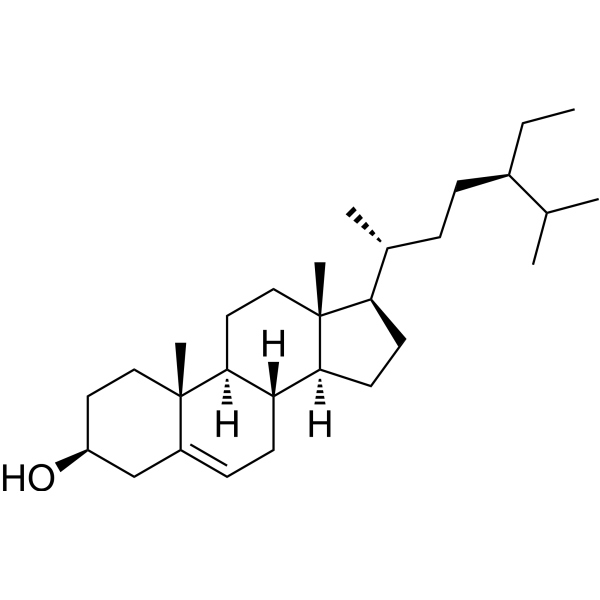
    Beta-Sitosterol (purity≥80%) is orally active. Beta-Sitosterol exhibits multiple activities, including anti-inflammatory, anticancer, antioxidant, antimicrobial, antidiabetic, antioxidant enzyme, and analgesic. Beta-Sitosterol inhibits inflammation and impaired adipogenesis in bovine mammary epithelial cells by reducing levels of ROS, TNF-α, IL-1β, and NF-κB p65 and restoring the activity of the HIF-1α/mTOR signaling pathway. Beta-Sitosterol induces apoptosis in cancer cells through ROS-mediated mitochondrial dysregulation and p53 activation. Beta-Sitosterol exerts its anticancer effects in cancer cells by activating caspase-3, caspase-8, and caspase-9, mediating PARP inactivation, MMP loss, altered Bcl-2-Bax ratio, and cytochrome c release. Beta-Sitosterol modulates macrophage polarization and reduces rheumatoid inflammation in mice. Beta-Sitosterol inhibits tumor growth in multiple mouse cancer models. Beta-Sitosterol can be used in the research of arthritis, lung cancer, breast cancer and other cancers, diabetes, etc .
    Beta-Sitosterol (purity>80%)
  • HY-126477
    NNK
    2 Publications Verification

    Endogenous Metabolite Cancer
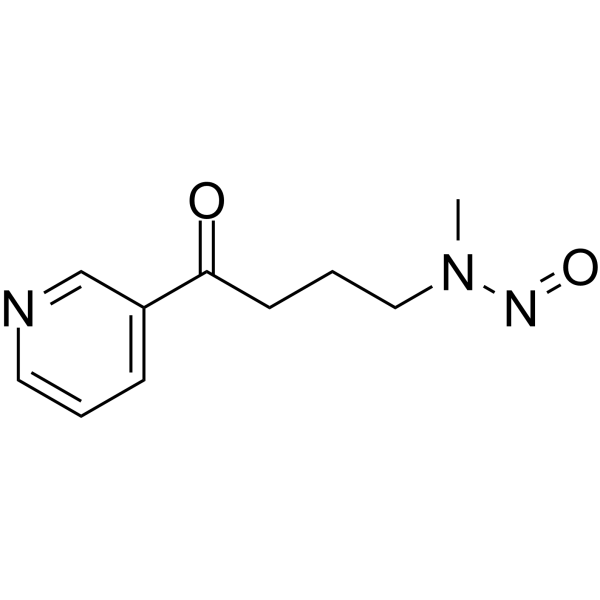
    NNK is a nicotine-nitrosated derivative. NNK simultaneously stimulates Bcl2 phosphorylation exclusively at Ser 70 and c-Myc at Thr 58 and Ser 62 through activation of both ERK1/2 and PKCα . NNK induces survival and proliferation of human lung cancer cells. NNK can be used for lung cancer mice model structure .
    NNK
  • HY-14463
    Onalespib
    10+ Cited Publications

    AT13387

    HSP Cancer
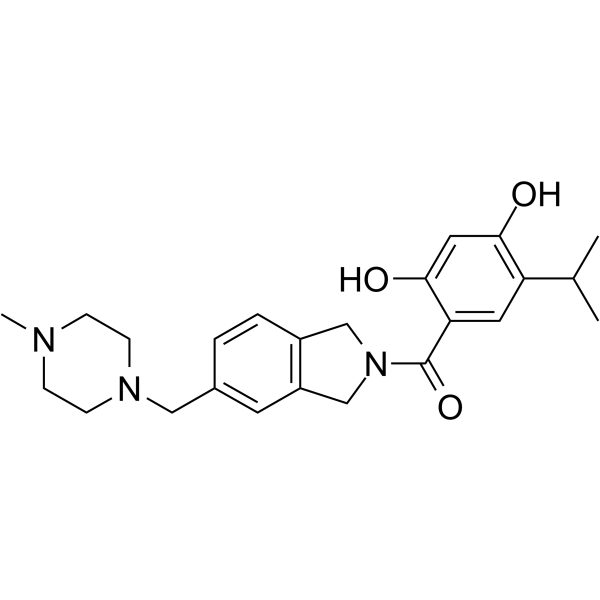
    Onalespib (AT13387) is a potent and cross the blood-brain barrier heat-shock-protein-90 (Hsp90) inhibitor. Onalespib inhibits the proliferation, survival and migration. Onalespib decreases the expression of EGFR, p-EGFR, AKT, P-AKT, ERK1/2, P-ERK1/2, S6, P-S6 protein. Onalespib shows antitumor activity. Onalespib has the potential for the research of non-small cell lung cancer (NSCLC) .
    Onalespib
  • HY-P990706

    ALPN-303

    TNF Receptor Inflammation/Immunology
    Povetacicept (ALPN-303) is an engineered Fc fusion protein containing the TACI domain, and acts as a dual APRIL/BAFF antagonist. The Kd value of Povetacicept for human BAFF is 59.3 pM, while its Kd value for human APRIL is 1.00 pM. Povetacicept reduces the activation, proliferation, differentiation and survival of B cells, and inhibits the production of immunoglobulins and autoantibodies. Povetacicept can be used in research related to autoimmune hemolytic anemia, immune thrombocytopenia, systemic lupus erythematosus, lupus nephritis and myasthenia gravis .
    Povetacicept
  • HY-P99908

    NT-17

    Interleukin Related Cancer
    Efineptakin alfa (NT-17) is a long-acting recombinant human IL-7. Efineptakin alfa supports the proliferation and survival CD4 + and CD8 + cells in both human and mice. Efineptakin alfa can be used for glioblastoma research .
    Efineptakin alfa
  • HY-P99948

    AMG-596

    EGFR CD3 Neurological Disease Cancer
    Etevritamab (AMG-596) is a bispecific T-cell engager that targets EGFRvIII and CD3. Etevritamab simultaneously binds CD3 on T cells and EGFRvIII on glioblastoma multiforme cells, thereby forming a bridge structure. Etevritamab triggers T-cell activation, proliferation, secretion of cytotoxic substances, and tumor cell lysis. Etevritamab extends overall survival and induces tumor regression in mouse models of glioblastoma multiforme. Etevritamab can be used for research related to glioblastoma .
    Etevritamab
  • HY-156794

    DSP-5336

    Epigenetic Reader Domain FLT3 Cancer
    Enzomenib (DSP-5336) is an orally active Menin inhibitor (IC50=1.4 nM, Kd=6.0 nM). Enzomenib disrupts the interaction between Menin and KMT2A/MLL fusion proteins, specifically inhibits the expression of leukemia driver genes such as HOX/MEIS1, and upregulates ITGAM. Enzomenib effectively induces cell differentiation, inhibits tumor cell proliferation, and suppresses primitive cell colony formation. Enzomenib reduces disease burden and prolongs survival, but causes adverse reactions including differentiation syndrome and QTc interval prolongation. Enzomenib is used for research on relapsed/refractory acute myeloid leukemia, acute lymphoblastic leukemia, and other hematologic malignancies with mixed lineage leukemia (MLL) rearrangements or NPM1 mutations .
    Enzomenib
  • HY-W008923
    Doxycycline monohydrate
    Maximum Cited Publications
    173 Publications Verification

    MMP Parasite Bacterial Antibiotic Apoptosis Akt PI3K Infection Neurological Disease Inflammation/Immunology Cancer
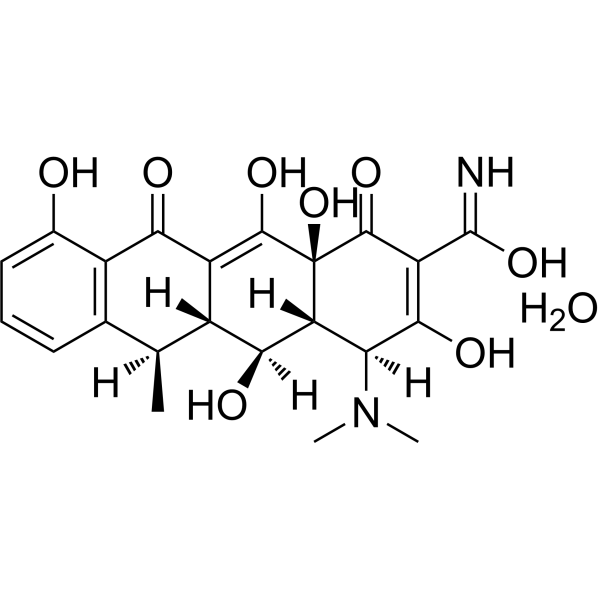
    Doxycycline monohydrate is an orally active highly lipophilic, tissue-permeable MMP inhibitor with broad-spectrum antibacterial activity. Doxycycline monohydrate is also a semi-synthetic antibiotic with chelating properties, which blocks bacterial protein synthesis and inhibits extracellular matrix degradation through interactions with zinc and calcium atoms. Doxycycline monohydrate also inhibits mitochondrial biogenesis, translation, and the expression of respiratory chain proteins. Doxycycline monohydrate induces apoptosis, inhibits autophagy and EMT, downregulates stem cell markers, and activates the PI3K-AKT pathway, thereby effectively inhibiting the viability and proliferation of cancer cells such as breast cancer cells. Doxycycline monohydrate also promotes the survival and self-renewal of embryonic stem cells and neural stem cells, and reduces the frequency of medium changes in culture. Doxycycline monohydrate has been applied in studies related to breast cancer, prostate cancer, bladder cancer, and other cancers .
    Doxycycline monohydrate
  • HY-124447

    IGF-1R c-Myc Apoptosis TGF-beta/Smad Cancer
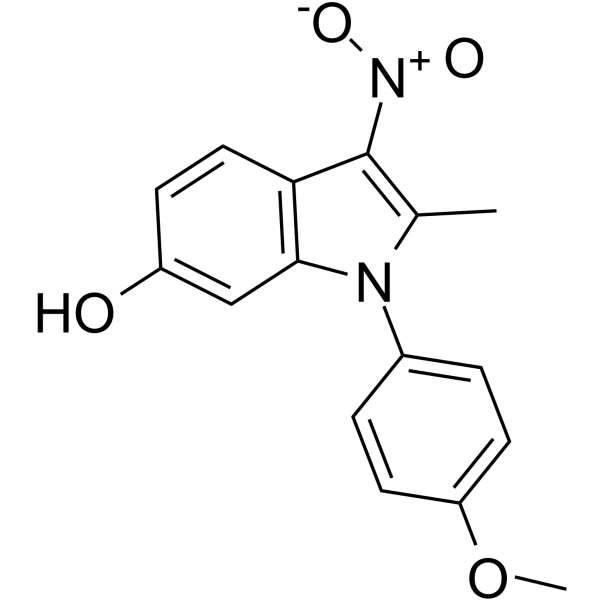
    BTYNB is a structure-specific nucleic acid binder and IGF2BP1 inhibitor (with an IC50 of 5 μM against hBTYNB). BTYNB disrupts the IGF2BP1-RNA interaction and blocks its binding to oncogenic mRNAs such as c-Myc, MDM2, PD-L1. BTYNB completely blocks the INHBA-Smad2/3 pathway, disrupts the MYCN/IGF2BP1 loop, and thereby induces apoptosis and cell cycle arrest, effectively inhibiting the proliferation and survival of cancer cells. In addition, BTYNB acts as an immune activator and tumor microenvironment modulator, enhances T cell-mediated tumor killing, and produces significant synergistic effects with inhibitors of PD-1, BRD and BIRC5. BTYNB can be used in relevant research on various malignant tumors including ovarian cancer, neuroblastoma, leukemia and melanoma .
    BTYNB
  • HY-P99041A

    EGFR Cancer
    Panitumumab (anti-EGFR) is a fully human IgG2 anti-EGFR monoclonal antibody with anti-tumor activity. Panitumumab (anti-EGFR) inhibits tumor cell proliferation, survival and angiogenesis. Panitumumab (anti-EGFR) can be used in the research of cancers, such as colon cancer .
    Panitumumab (anti-EGFR)
  • HY-15838
    ID-8
    5 Publications Verification

    DYRK Cancer
    ID-8 is an inhibitor of dual-specificity tyrosine phosphorylation-regulated kinase (DYRK). ID-8 sustains embryonic stem cell (ESC) self-renewal and pluripotency. ID-8 enhances Wnt-mediated hESC survival and proliferation via inhibition of DYRKs .
    ID-8
  • HY-156483
    TT-012
    2 Publications Verification

    Microphthalmia Associated Transcription Factor (MITF) Cancer
    TT-012 is a MITF inhibitor with a human MITF IC50 of 13.1 nM and a human MITF Kd value of 15.5 nM. TT-012 reduces mRNA levels of MITF downstream genes linked to melanosome biogenesis, cell survival, and proliferation, and upregulates cell cycle-inhibiting genes. TT-012 can be used for the research of melanoma[1][2][3].
    TT-012
  • HY-P990981

    ALPS-12; RG-6524; RO 7616789

    CD3 Inflammation/Immunology Cancer
    Clesitamig (ALPS-12) is a trispecific T cell engager with two CD3/CD137 dual-specific Fabs and one DLL3 Fab. Clesitamig engages CD3 and CD137 on T cells to activate and co-stimulate T cells, promoting their proliferation, survival, and antitumor activity. Clesitamig binds to DLL3 on tumor cells for tumor-specific recognition. Clesitamig can be used for the research of small cell lung cancer (SCLC) .
    Clesitamig
  • HY-P99159

    Interleukin Related Cancer
    Ivuxolimab is a fully human IgG2 agonist targeting OX40 (CD134), which selectively binds to the OX40 receptor on the surface of activated CD4 + and CD8 + T cells without inducing antibody-dependent cytotoxicity. Ivuxolimab can promote T cell proliferation, survival and cytokine (such as IFN-γ, IL-2) secretion, inhibit regulatory T cell function, and enhance anti-tumor immune response. Ivuxolimab can be used in the study of melanoma, hepatocellular carcinoma, head and neck squamous cell carcinoma, etc .
    Ivuxolimab
  • HY-N2217

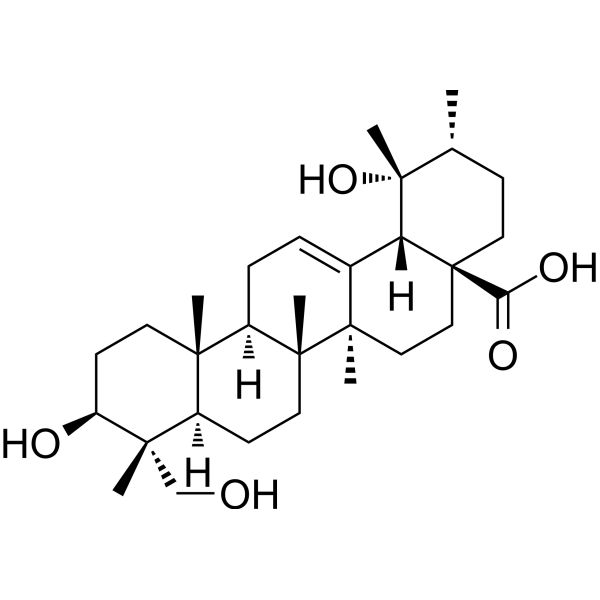
    Akt mTOR p38 MAPK Apoptosis Phosphatase Interleukin Related NF-κB PI3K Keap1-Nrf2 Heme Oxygenase (HO) Toll-like Receptor (TLR) Reactive Oxygen Species (ROS) Metabolic Disease Inflammation/Immunology Cancer
    Rotundic acid is an orally effective triterpenoid with a Kd value of 51.3 µM for PTP1B. Rotundic acid downregulates the AKT/mTOR pro-survival pathway and modulates the MAPK pathway. Rotundic acid induces cell cycle S-phase arrest, DNA damage and apoptosis; it inhibits migration, invasion, angiogenesis and proliferation of cancer cells. Rotundic acid improves leptin sensitivity, regulates gut microbiota and reduces cellular senescence. Rotundic acid can be used in research related to hepatocellular carcinoma, obesity, aging, acute lung injury and type 2 diabetes .
    Rotundic acid
  • HY-B1817

    Environmental Pollutants Apoptosis Biochemical Assay Reagents HSP Cardiovascular Disease Inflammation/Immunology Cancer
    Zinc acetate acts as an immune response modulator. Zinc acetate enhances the expression of HSP-70 mRNA. Zinc acetate restores the proliferation and cytokine production capacities of splenocytes. Zinc acetate reduces the Apoptosis level of splenocytes in endotoxemic mice. Zinc acetate increases plasma zinc levels and improves survival rates in mice with LPS-induced lethal endotoxemia. Zinc acetate induces rapid death of prostate cancer cell lines in vitro. Zinc acetate inhibits the growth of prostate cancer xenografts in SCID mice. Zinc acetate can be used in endotoxemia research .
    Zinc acetate
  • HY-118144

    Src Bcr-Abl p38 MAPK Cancer
    PD166326 is an orally active tyrosine kinase inhibitor with a IC50 of 8 nM against abl tyrosine kinase and a IC50 of 6 nM against src tyrosine kinase. PD166326 blocks Bcr/Abl kinase activity. PD166326 inhibits Bcr/Abl-dependent proliferation and cell cycle progression. PD166326 reduces peripheral blood granulocytosis, alleviates splenomegaly and prolongs survival in a mouse model of chronic myeloid leukemia. PD166326 can be used in research related to chronic myeloid leukemia .
    PD166326
  • HY-122620

    Hetrombopag (tautomerism); SHR-8735 (tautomerism)

    Thrombopoietin Receptor STAT PI3K ERK Apoptosis CDK Cardiovascular Disease Inflammation/Immunology
    Rafutrombopag (tautomerism) (Hetrombopag) is an orally active nonpeptide thrombopoietin receptor (TPOR/MPL) agonist. Rafutrombopag can chelate iron and alleviate iron overload while promoting haematopoiesis. Rafutrombopag specifically stimulates proliferation and differentiation of human TPOR‐expressing cells, including 32D‐ MPL and human hematopoietic stem cells through stimulation of STAT, PI3K and ERK signalling pathways. Rafutrombopag effectively up-regulates G1-phase-related proteins, including p-RB, Cyclin D1 and CDK4/6, normalizes progression of the cell cycle, and prevents apoptosis by modulating BCL-XL/BAK expression in 32D-MPL cells. Rafutrombopag protects cardiomyocyte survival from oxidative stress damage as an enhancer of stem cells. Rafutrombopag can be used for the study of immune thrombocytopenia and oxidative stress-related cardiovascular disease .
    Rafutrombopag (tautomerism)
  • HY-19820A
    NSC45586 sodium
    1 Publications Verification

    Akt Ser/Thr Protease Apoptosis MMP Cardiovascular Disease Neurological Disease Inflammation/Immunology
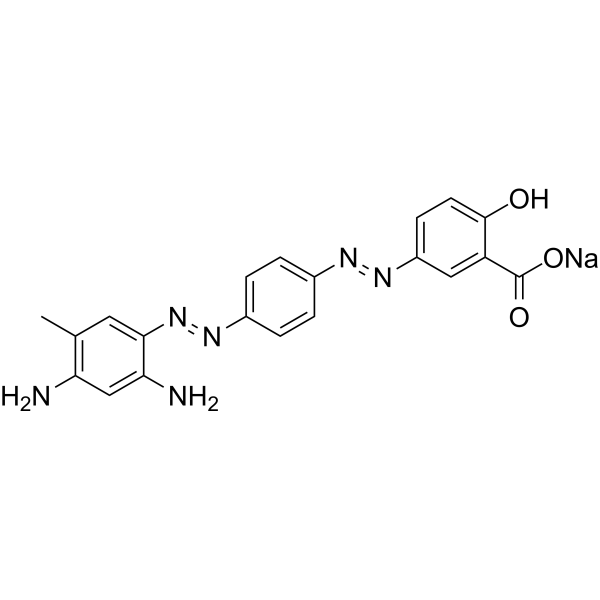
    NSC45586 sodium is an inhibitor of PHLPP. NSC45586 sodium targets the PP2C phosphatase domains of PHLPP1 and PHLPP2, blocks the phosphatase activity of PHLPP, increases the expression level of FOXO1 in the nucleus, and reduces the protein expression of PHLPP1. NSC45586 sodium activates the AKT survival signaling pathway, enhances IGF-1-induced AKT activation, and inhibits the phosphorylation of AKT/ERK under basal conditions. NSC45586 sodium reduces staurosporine-induced neuronal death, preserves notochord cell morphology and KRT19 expression, inhibits cell apoptosis (apoptosis), improves the viability and proliferation of nucleus pulposus cells, upregulates the expression of ACAN/SOX9, and downregulates the expression of MMP13. NSC45586 sodium binds tightly to bovine serum albumin (bovine serum albumin), and exerts a more significant effect on nucleus pulposus in male individuals. NSC45586 sodium can be used in studies related to global cerebral ischemia and intervertebral disc degeneration .
    NSC45586 sodium
  • HY-109082

    SKI-O-703

    Syk Inflammation/Immunology
    Cevidoplenib (SKI-O-703) is an orally available inhibitor of spleen tyrosine kinase (Syk), with potential anti-inflammatory and immunomodulating activities. Cevidoplenib is also the mesylate form of SKI-O-592. Cevidoplenib and SKI-O-592 inhibits BCR-mediated survival, proliferation, and differentiation of B cells. And SKI-O-592 potently inhibits multiple kinases with IC50s of 6.2 nM (Syk), 1.859 μM (Jak2), 5.807 μM (Jak3), 0.412 μM (RET), 0.687 μM (KOR), 1.783 μM (FLT3), 16.96 μM (FGFR1), 5.662 μM (FGFR3), and 0.709 μM (Pyk2), respectively .
    Cevidoplenib
  • HY-139065

    Apoptosis Cancer
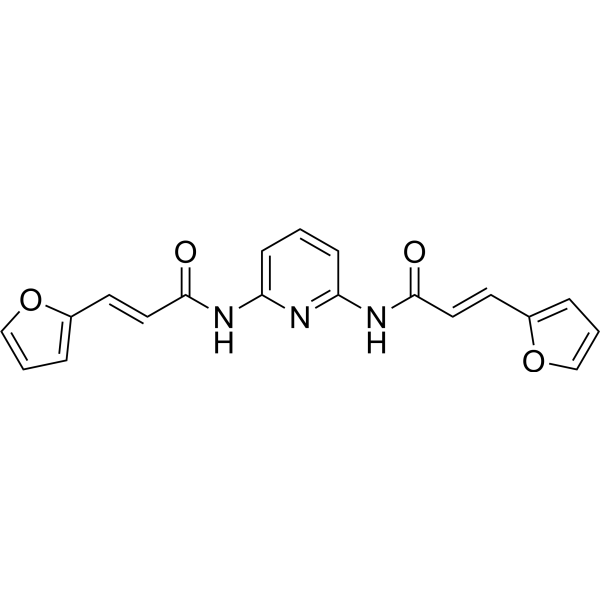
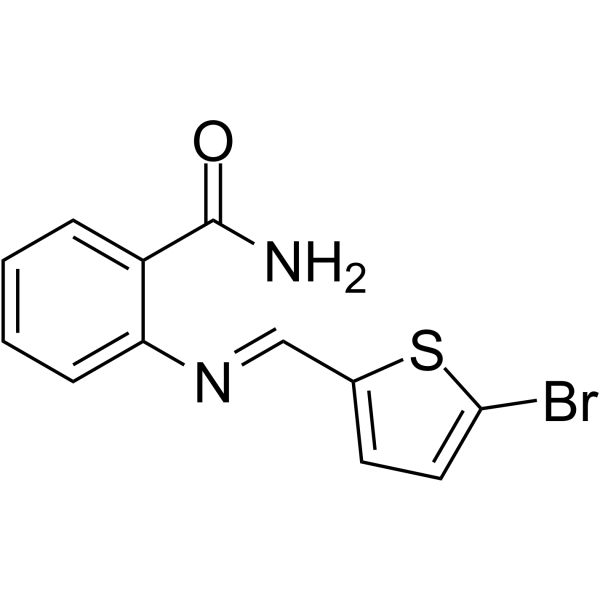
    AMPC is a potent and effective TFF3 inhibitor. AMPC inhibits cell proliferation, survival, oncogenicity, and CSC-like behaviour in TFF3-positive CMS4 CRC cells. AMPC acts as a potential anti-cancer agent alone or in combination with 5-FU, and can be used for cancer research .
    AMPC
  • HY-P991336

    INBRX-106; ES-102

    Orexin Receptor (OX Receptor) Inflammation/Immunology Cancer
    Ordastobart (INBRX-106; ES-102) is a hexavalent OX40 agonist antibody. Ordastobart enhances OX40 receptor clustering, signaling, and downstream activation, thereby increasing the proliferation and activation of CD4 + and CD8 + T cells in vitro and in vivo. Ordastobart exhibits anti-tumor effects and improves survival in mouse models of cancer. Ordastobart is indicated for research in cancers such as fibrosarcoma and colorectal cancer .
    Ordastobart
  • HY-177760

    Carboxypeptidase Apoptosis Akt Cancer
    PrCP-7414 is a prolyl carboxypeptidase (PRCP) inhibitor. PrCP-7414 blocks PRCP-mediated activation of the IGF1R/HER3 signaling pathway and subsequent AKT activation. PrCP-7414 exhibits pro-apoptotic, anti-tumor and synergistic cytotoxic activities, and inhibits the proliferation and survival of triple-negative breast cancer cells. PrCP-7414 can be used for the research of breast cancer .
    PrCP-7414
  • HY-139410

    c-Fms Inflammation/Immunology
    Sodium caseinates is a kind of sodium salts of major milk proteins, which act as protein-based biopolymers and innate immune system activators. Sodium caseinates induce granulopoiesis, activation and differentiation, promote the production of M-CSF, and increase serum levels of G-CSF and GM-CSF. Sodium caseinates inhibit the proliferation and reduce the viability of leukemia macrophage-like cells, thereby significantly improving the survival rate of mice inoculated with leukemia cells. Sodium caseinates can serve as carriers for probiotics in edible films and exhibit anti-Listeria activity. Sodium caseinates effectively protect vitamin A from degradation, enhance its stability, bioaccessibility and bioavailability, and regulate protein digestibility when complexed with vitamin A. Sodium caseinates can be applied to research related to acute monocytic leukemia and vitamin A deficiency .
    Sodium caseinates
  • HY-W010253

    Apoptosis Interleukin Related NF-κB Reactive Oxygen Species (ROS) Bcl-2 Family NOD-like Receptor (NLR) Cytochrome P450 Infection Inflammation/Immunology
    Benzylurea is an anti-inflammatory agent. Benzylurea inhibits LPS (HY-D1056)-induced upregulation of MTCH2 expression and regulates pathways associated with mitochondrial function, inflammation and cell survival. Benzylurea alleviates LPS-induced proliferation inhibition and apoptosis of periodontal ligament fibroblasts, as well as the release of proinflammatory cytokines. Benzylurea can be used in studies related to periodontitis .
    Benzylurea
  • HY-145589

    Hetrombopag; SHR-8735

    Thrombopoietin Receptor STAT PI3K ERK Apoptosis CDK Cardiovascular Disease Inflammation/Immunology Cancer
    Rafutrombopag (Hetrombopag) is an orally active nonpeptide thrombopoietin receptor (TPOR/MPL) agonist. Rafutrombopag can chelate iron and alleviate iron overload while promoting haematopoiesis. Rafutrombopag specifically stimulates proliferation and differentiation of human TPOR-expressing cells, including 32D-MPL and human hematopoietic stem cells through stimulation of STAT, PI3K and ERK signalling pathways. Rafutrombopag effectively up-regulates G1-phase-related proteins, including p-RB, Cyclin D1 and CDK4/6, normalizes progression of the cell cycle, and prevents apoptosis by modulating BCL-XL/BAK expression in 32D-MPL cells. Rafutrombopag protects cardiomyocyte survival from oxidative stress damage as an enhancer of stem cells. Rafutrombopag can be used for the study of immune thrombocytopenia and oxidative stress-related cardiovascular disease .
    Rafutrombopag
  • HY-148511

    CMP-001

    Toll-like Receptor (TLR) IFNAR PD-1/PD-L1 Indoleamine 2,3-Dioxygenase (IDO) Cancer
    Vidutolimod (CMP-001) is a virus-like particle containing a TLR9 activator . Vidutolimod induces human peripheral blood mononuclear cells to secrete IFNα, and upregulates the gene expression of CXCL10, PDL1, IDO and CD80. Vidutolimod activates TLR9, which in turn triggers plasmacytoid dendritic cell activation, production of IFNγ and TNFα, induction of CXCL10, and recruitment of antitumor T cells. Vidutolimod causes influenza-like symptoms, hypotension and tumor regression, and its activity depends on the presence of anti- antibodies. Vidutolimod modulates monocyte function, promotes CD4 T cell proliferation, and activates multiple immune cell types in an environment with anti-Qβ antibodies. Vidutolimod prolongs the survival of tumor-bearing mice. Vidutolimod is used in research related to advanced melanoma, head and neck squamous cell carcinoma, and advanced non-small cell lung cancer .
    Vidutolimod
  • HY-N0565AR

    Reference Standards MMP Parasite Bacterial Antibiotic Apoptosis Akt PI3K Infection Neurological Disease Inflammation/Immunology Cancer
    Doxycycline hydrochloride (Standard) is the analytical standard of Doxycycline hydrochloride (HY-N0565A). This product is intended for research and analytical applications. Doxycycline hydrochloride is an orally active highly lipophilic, tissue-permeable MMP inhibitor with broad-spectrum antibacterial activity. Doxycycline hydrochloride is also a semi-synthetic antibiotic with chelating properties, which blocks bacterial protein synthesis and inhibits extracellular matrix degradation through interactions with zinc and calcium atoms. Doxycycline hydrochloride also inhibits mitochondrial biogenesis, translation, and the expression of respiratory chain proteins. Doxycycline hydrochloride induces apoptosis, inhibits autophagy and EMT, downregulates stem cell markers, and activates the PI3K-AKT pathway, thereby effectively inhibiting the viability and proliferation of cancer cells such as breast cancer cells. Doxycycline hydrochloride also promotes the survival and self-renewal of embryonic stem cells and neural stem cells, and reduces the frequency of medium changes in culture. Doxycycline hydrochloride has been applied in studies related to breast cancer, prostate cancer, bladder cancer, and other cancers .
    Doxycycline (hydrochloride) (Standard)
  • HY-N0565R

    Reference Standards MMP Parasite Bacterial Antibiotic Apoptosis Akt PI3K Infection Neurological Disease Inflammation/Immunology Cancer
    Doxycycline (Standard) is the analytical standard of Doxycycline (HY-N0565). This product is intended for research and analytical applications. Doxycycline is an orally active highly lipophilic, tissue-permeable MMP inhibitor with broad-spectrum antibacterial activity. Doxycycline is also a semi-synthetic antibiotic with chelating properties, which blocks bacterial protein synthesis and inhibits extracellular matrix degradation through interactions with zinc and calcium atoms. Doxycycline also inhibits mitochondrial biogenesis, translation, and the expression of respiratory chain proteins. Doxycycline induces apoptosis, inhibits autophagy and EMT, downregulates stem cell markers, and activates the PI3K-AKT pathway, thereby effectively inhibiting the viability and proliferation of cancer cells such as breast cancer cells. Doxycycline also promotes the survival and self-renewal of embryonic stem cells and neural stem cells, and reduces the frequency of medium changes in culture. Doxycycline has been applied in studies related to breast cancer, prostate cancer, bladder cancer, and other cancers .
    Doxycycline (Standard)
  • HY-P4911A
    SDF-1α (human) TFA
    2 Publications Verification

    CXCR Cardiovascular Disease
    SDF-1α (human) TFA is a mononuclear cells chemoattractant that can bind to CXCR4. SDF-1α plays a central role in stem cell homing, retention, survival, proliferation, cardiomyocyte repair, angiogenesis and ventricular remodelling following myocardial infarction. SDF-1α (human) TFA can be used in cardiovascular disease research .
    SDF-1α (human) TFA
  • HY-122830

    PROTACs Btk NF-κB Cardiovascular Disease Cancer
    DD-03-171 is a PROTAC BTK degrader. DD-03-171 inhibits mantle cell lymphoma (MCL) cell proliferation (IC50 = 5.1 nM) and prolongs the survival of mice bearing a lymphoma PDX model by degrading BTK, IKFZ1, and IKFZ3. DD-03-171 also inhibits platelet function and thrombosis. (Pink: BTK ligand 9 (HY-168292); Black: linker (HY-28875); Blue: Thalidomide-NH-CH2-COOH (HY-131717)) .
    DD-03-171
  • HY-N0060BS

    (E)-Coniferic acid-d3

    β-catenin Bcl-2 Family Ferroptosis Endogenous Metabolite Cancer
    (E)-Ferulic acid-d3 is the deuterium labeled (E)-Ferulic acid. (E)-Ferulic acid is a isomer of Ferulic acid which is an aromatic compound, abundant in plant cell walls. (E)-Ferulic acid causes the phosphorylation of β-catenin, resulting in proteasomal degradation of β-catenin and increases the expression of pro-apoptotic factor Bax and decreases the expression of pro-survival factor survivin. (E)-Ferulic acid shows a potent ability to remove reactive oxygen species (ROS) and inhibits lipid peroxidation. (E)-Ferulic acid exerts both anti-proliferation and anti-migration effects in the human lung cancer cell line H1299 .
    (E)-Ferulic acid-d3
  • HY-117809

    PDK-1 Cancer
    PDK1-IN-2 is a small molecule inhibitor of 3-phosphoinositol-dependent protein kinase-1 (PDK1). PDK1-IN-2 inhibits the binding of PDK1 to its substrate by competitively binding to the PIF pocket of PDK1, thereby inhibiting the kinase activity and downstream signaling of PDK1. PDK1-IN-2 can be used for cell survival and proliferation in cancer .
    PDK1-IN-2
  • HY-100498A
    GSK-2256098 hydrochloride
    5+ Cited Publications

    FAK Apoptosis Cancer
    GSK-2256098 hydrochloride is a focal adhesion kinase (FAK) inhibitor that exhibits potential antiangiogenic and antineoplastic activities. GSK-2256098 hydrochloride targets FAK to inhibit tumor cell growth by regulating cell adhesion, migration, proliferation, and survival.
    GSK-2256098 hydrochloride
  • HY-131598C

    6-Thioguanosine-5'-triphosphate tetrasodium

    Ras Inflammation/Immunology
    6-Thio-GTP (tetrasodium) is a Vav1-Rac inhibitor. 6-Thio-GTP (tetrasodium) inhibits TCR-stimulated T cell proliferation and CD28-mediated T cell survival. 6-Thio-GTP (tetrasodium) has an immunosuppressive effect in a mouse cardiac allograft transplant model and prolongs cardiac allograft survival .
    6-Thio-GTP tetrasodium
  • HY-177467

    Apoptosis FLT3 Cancer
    P0064 is a selective inhibitor targeting the PR domain of PRDM16. P0064 selectively reduces proliferation and survival of FLT3-ITD+ leukemia cells and induces cell apoptosis. P0064 is promising for research of acute myeloid leukemia (AML) .
    P0064
  • HY-117787

    Free Fatty Acid Receptor Neurological Disease Metabolic Disease
    TUG-905 is a potent GPR40 agonist with an pEC50 value of 7.03. TUG-905 increases hypothalamic cell proliferation and survival. TUG-905 reduces body mass and increases the POMC mRNA expression .
    TUG-905
  • HY-P4911

    CXCR Cardiovascular Disease
    SDF-1α (human) is a mononuclear cells chemoattractant that can bind to CXCR4. SDF-1α plays a central role in stem cell homing, retention, survival, proliferation, cardiomyocyte repair, angiogenesis and ventricular remodelling following myocardial infarction. SDF-1α (human) can be used in cardiovascular disease research .
    SDF-1α (human)
  • HY-116269

    Ras Apoptosis PAK ERK Cancer
    AZA197 is a selective small molecule inhibitor of Cdc42.AZA197 suppresses colon cancer cell proliferation, cell migration, invasion and increases apoptosis by down-regulating the PAK1 and ERK signaling pathways in vitro. AZA197 reduces tumor growth and significantly increases mouse survival in SW620 tumor xenografts. AZA197 can be used for the study of colon cancer .
    AZA197
  • HY-161509

    mTOR Cancer
    PT-88 is a highly selective inhibitor of mTOR (Mammalian target of rapamycin) (IC50=1.2 nM). PT-88 inhibits both mTORC1 and mTORC2 complexes, both of which are active forms of mTOR protein kinases and are closely associated with cell growth, proliferation, and survival. PT-88 can be used to study the role of mTOR in tumorigenesis and development, especially in the study of breast cancer .
    PT-88
  • HY-124689

    Arp2/3 Complex Metabolic Disease Cancer
    TR-100 is a small molecule inhibitor of tumor-associated troponin (Tpm). TR-100 affects the interaction of Tpm3.1 with actin filaments by binding to the C-terminal of Tpm3.1, thereby affecting the stability and function of the actin filaments. This mechanism of action allows TR-100 to specifically affect actin filaments in cancer cells without compromising heart muscle function. TR-100 can be used to study the role of Tpm3.1 in cancer cell proliferation and survival and the effects of Tpm3.1 on insulin-stimulated glucose uptake and insulin secretion .
    TR-100
  • HY-113916

    AT13387 lactate

    HSP Cancer
    Onalespib lactate is a potent and cross the blood-brain barrier heat-shock-protein-90 (Hsp90) inhibitor with an Kd value of 0.71 nM. Onalespib lactate inhibits the proliferation, survival and migration. Onalespib lactate decreases the expression of EGFR, p-EGFR, AKT, P-AKT, ERK1/2, P-ERK1/2, S6, P-S6 protein. Onalespib lactate shows antitumor activity. Onalespib lactate has the potential for the research of non-small cell lung cancer (NSCLC) .
    Onalespib lactate
  • HY-N0565AS

    Isotope-Labeled Compounds MMP Parasite Bacterial Antibiotic Apoptosis Akt PI3K Infection Neurological Disease Inflammation/Immunology Cancer
    Doxycycline-d3 hydrochloride is deuterium labeled Doxycycline hydrochloride (HY-N0565A). Doxycycline hydrochloride is an orally active highly lipophilic, tissue-permeable MMP inhibitor with broad-spectrum antibacterial activity. Doxycycline hydrochloride is also a semi-synthetic antibiotic with chelating properties, which blocks bacterial protein synthesis and inhibits extracellular matrix degradation through interactions with zinc and calcium atoms. Doxycycline hydrochloride also inhibits mitochondrial biogenesis, translation, and the expression of respiratory chain proteins. Doxycycline hydrochloride induces apoptosis, inhibits autophagy and EMT, downregulates stem cell markers, and activates the PI3K-AKT pathway, thereby effectively inhibiting the viability and proliferation of cancer cells such as breast cancer cells. Doxycycline hydrochloride also promotes the survival and self-renewal of embryonic stem cells and neural stem cells, and reduces the frequency of medium changes in culture. Doxycycline hydrochloride has been applied in studies related to breast cancer, prostate cancer, bladder cancer, and other cancers .
    Doxycycline-d3 (hydrochloride)
  • HY-N0565S3

    Isotope-Labeled Compounds MMP Parasite Bacterial Antibiotic Apoptosis Akt PI3K Infection Neurological Disease Inflammation/Immunology Cancer
    Doxycycline- 13C,d3 is 13C and deuterium labeled Doxycycline (HY-N0565). Doxycycline is an orally active highly lipophilic, tissue-permeable MMP inhibitor with broad-spectrum antibacterial activity. Doxycycline is also a semi-synthetic antibiotic with chelating properties, which blocks bacterial protein synthesis and inhibits extracellular matrix degradation through interactions with zinc and calcium atoms. Doxycycline also inhibits mitochondrial biogenesis, translation, and the expression of respiratory chain proteins. Doxycycline induces apoptosis, inhibits autophagy and EMT, downregulates stem cell markers, and activates the PI3K-AKT pathway, thereby effectively inhibiting the viability and proliferation of cancer cells such as breast cancer cells. Doxycycline also promotes the survival and self-renewal of embryonic stem cells and neural stem cells, and reduces the frequency of medium changes in culture. Doxycycline has been applied in studies related to breast cancer, prostate cancer, bladder cancer, and other cancers .
    Doxycycline-13C,d3
  • HY-P99041B

    ABX-EGF (powder)

    EGFR Cancer
    Panitumumab (ABX-EGF) (powder) is a fully human IgG2 anti-EGFR monoclonal antibody with anti-tumor activity. Panitumumab (powder) inhibits tumor cell proliferation, survival and angiogenesis. Panitumumab (powder) can be used in the research of cancers, such as colon cancer .
    Panitumumab (powder)
  • HY-W012856

    3-Methylethylbenzene

    Reactive Oxygen Species (ROS) FGFR TGF-β Receptor MMP Metabolic Disease
    3-Ethyltoluene (3-Methylethylbenzene) is an isomer of Ethyltoluenes. 3-Ethyltoluene inhibits cell survival and proliferation and increases ROS production. 3-Ethyltoluene upregulates cellular inflammatory gene expression. 3-Ethyltoluene induces cell fibrosis with increased level of AST, FGF-23, Cyt-7 p21, TGFβ, TIMP2, and MMP2. 3-Ethyltoluene can be used for liver diseases such as NAFLD research .
    3-Ethyltoluene
  • HY-118917

    IMPDH Inflammation/Immunology
    VX-148 is an orally active immunosuppressant, which is a non-competitive inosine-5'-monophosphate dehydrogenase (IMPDH) inhibitor with Ki values for IMPDH Ⅱ and IMPDH Ⅰ of 6 and 14 nM respectively. VX-148 can significantly inhibit the proliferation of human peripheral blood mononuclear cells (PBMC) stimulated by T-cell mitogen (PHA) or B-cell mitogen (SPAS). VX-148 has high selectivity for lymphocytes (such as L1210, Jurkat T cells, and Raji B cells), but has no significant toxicity to non-lymphoid cells. VX-148 can inhibit antibody responses in mouse models and significantly prolong the survival time of transplanted skin in allogeneic skin transplantation models. VX-148 can be used in the research of autoimmune diseases (such as rheumatoid arthritis, psoriasis) and organ transplantation anti-rejection .
    VX-148
  • HY-13312A

    IGF-1R Insulin Receptor Akt Apoptosis Cancer
    GTx-134 is a dual insulin-like growth factor 1 receptor/insulin receptor (IGF-1R/IR) inhibitor with an IC50 values for IGF-1R and IR of 97 and 187 nM respectively. GTx-134 inhibits the autophosphorylation of IGF-1R and its downstream signaling pathway (Akt), thereby blocking the proliferation and survival signals of tumor cells. GTx-134 has broad-spectrum inhibitory activity against multiple myeloma cell lines and can induce apoptosis in sensitive cells. GTx-134 significantly inhibits tumor growth in mice with MM1.S cell transplantation. GTx-134 works in synergy with existing therapies (such as protease preparations, immunomodulators). GTx-134 can be used in high-risk myeloma research .
    GTx-134
  • HY-133570

    HSP ADC Payload Cancer
    17-AEP-GA, an HSP90 antagonist, is a potent inhibitor of glioblastoma cell proliferation, survival, migration and invasion. ADCs Toxin .
    17-AEP-GA

Inquiry Online

Your information is safe with us. * Required Fields.

Salutation


Country or Region *

Applicant Name *


Organization Name *

Department *


Email Address *


Product Name *

Cat. No.


Requested quantity *

Phone Number *


Remarks

Inquiry Online

Inquiry Information

Product Name:
Cat. No.:
Quantity:
MCE Japan Authorized Agent:

