1. Search Result
Search Result
Results for "

colorectal and pancreatic cancer

" in MedChemExpress (MCE) Product Catalog:

93

Inhibitors & Agonists

1

Screening-Bibliotheken

1

Fluorescent Dyes

3

Peptides

11

Inhibitory Antibodies

3

Natural
Products

3

Isotope-Labeled Compounds

1

Click Chemistry

Targets Recommended:
Art. -Nr. Produktname Target Forschungsgebiete Chemical Structure
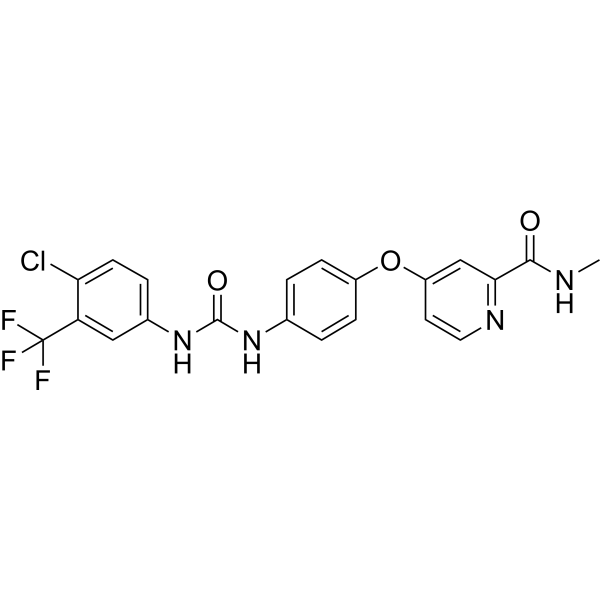
  • HY-10201
    Sorafenib
    Maximum Cited Publications
    283 Publications Verification

    Bay 43-9006

    Raf VEGFR FLT3 Autophagy Apoptosis STAT Akt MMP Cadherin p38 MAPK ERK MEK PI3K PARP Bcl-2 Family Infection Neurological Disease Metabolic Disease Inflammation/Immunology Cancer
    Sorafenib (Bay 43-9006) is a potent oral active multikinase inhibitor. Sorafenib blocks autophosphorylation and activity of receptor tyrosine kinases (VEGFR-2, VEGFR-3) and RAF family kinases, thereby suppressing the RAF/MEK/ERK and PI3K/Akt pathways, inhibiting STAT3 phosphorylation, and selectively inhibiting the MAPK pathway in cancer cells. Sorafenib induces cell cycle arrest, autophagy, apoptosis, and PARP cleavage, reduces Bcl-2, Bcl-XL, cyclin D1 levels, and activates Bak and Bax. Sorafenib inhibits tumor growth and metastasis in mouse and rat models. Sorafenib can be used for cancer research, such as colon, breast, non-small-cell lung cancer (NSCLC), ovarian, pancreatic, melanoma, colorectal and hepatocellular carcinoma .
    Sorafenib
  • HY-13902
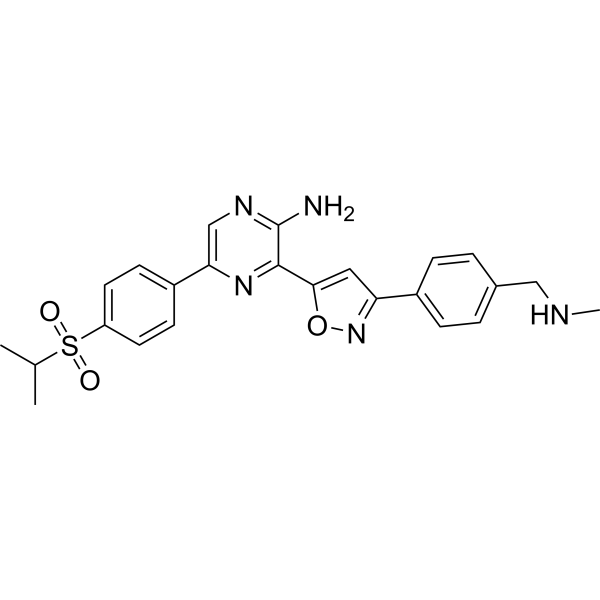
    Berzosertib
    20+ Cited Publications

    VE-822; VX-970; M6620

    ATM/ATR Apoptosis STING Caspase Infection Metabolic Disease Cancer
    Berzosertib (VE-822) is an orally active, CNS-penetrant, and selective ATR kinase inhibitor. Berzosertib blocks ATR kinase activity, abrogates G2/M cell cycle checkpoint, impairs DNA damage repair. Berzosertib induces apoptosis, inhibnits conlony migration, inhibits cell proliferation, and activates cGAS-STING axes in cancer cells. Berzosertib can be used for the research of cancers, such as head and neck squamous cell carcinoma, and colorectal cancer .
    Berzosertib
  • HY-173632

    Ras Cancer
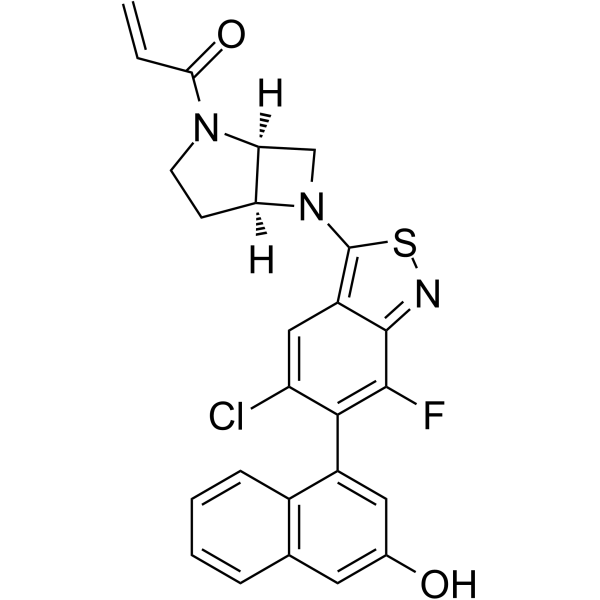
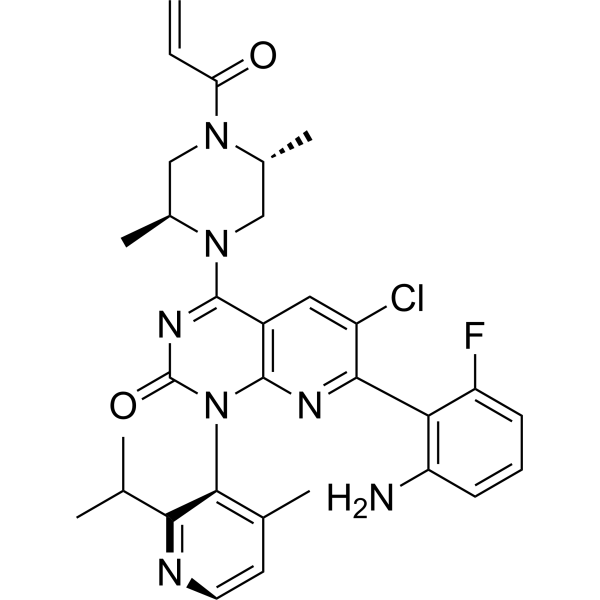
    AMG410 is a non-covalent and selective pan-KRAS inhibitor with IC50 values of 1-4 nM for KRAS G12D, KRAS G12V, and KRAS G13D. AMG410 shows greater than 100-fold selectivity against both HRAS and NRAS. AMG410 is a dual GTP(on)- and GDP(off)-state inhibitor (Kd(GDP-state) of 1 nM; Kd(GTP-state) of 22 nM). AMG410 blocks KRAS signaling in a cycling state-independent manner and also blocks proliferation in wildtype KRAS-amplified tumor cells. AMG410 can be used for the study of colorectal, pancreatic, and lung cancers .
    AMG410
  • HY-145928
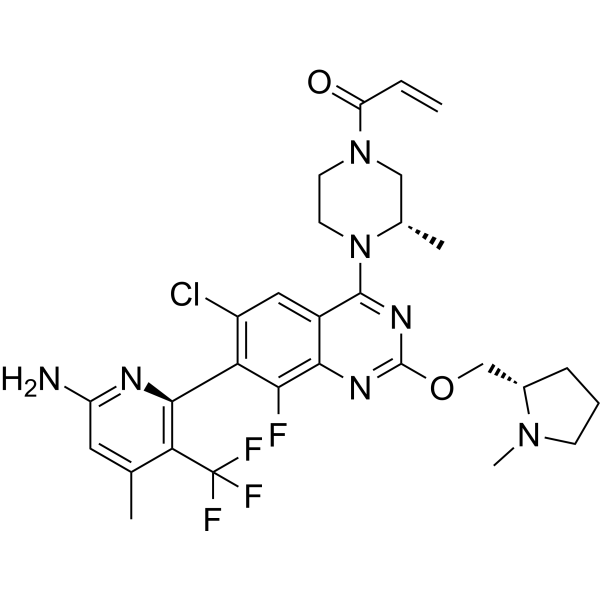
    Divarasib
    5+ Cited Publications

    GDC-6036

    Ras Cancer
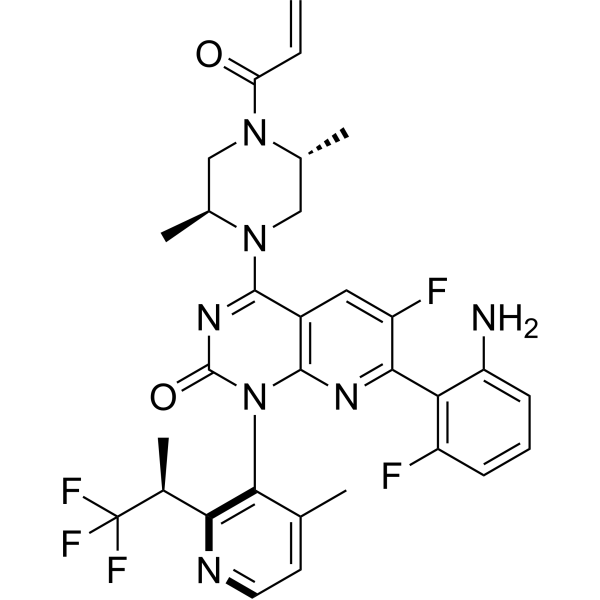
    Divarasib (GDC-6036) is an orally active, selective KRAS G12C inhibitor with an IC50 of <0.01 μM. Divarasib covalently binds Cys12 in GDP-bound KRAS G12C, occupies the switch II pocket, blocks GTP binding and SOS-mediated reactivation, and inhibits oncogenic KRAS signaling. Divarasib induces tumor shrinkage and robust tumor growth inhibition in KRAS G12C-positive models and cancer cells. Divarasib can be used for the research of non-small cell lung cancer, colorectal adenocarcinoma, pancreatic ductal adenocarcinoma, and other KRAS G12C-mutated solid tumors .
    Divarasib
  • HY-10201A
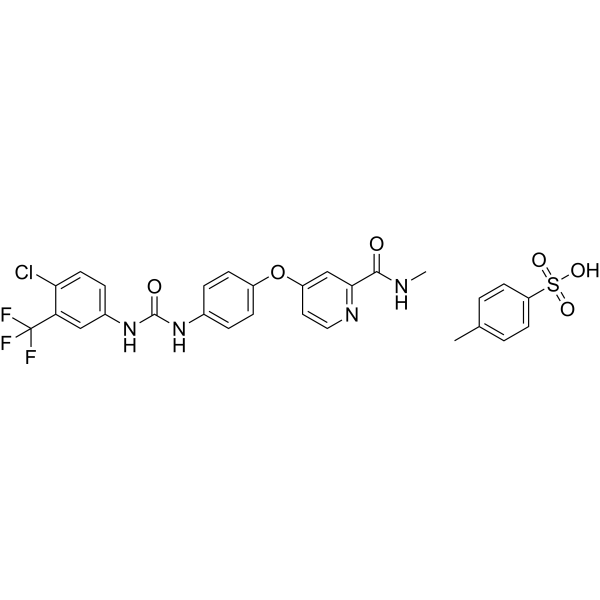
    Sorafenib tosylate
    Maximum Cited Publications
    283 Publications Verification

    Bay 43-9006 tosylate

    Raf VEGFR FLT3 Autophagy Apoptosis STAT Akt MMP Cadherin p38 MAPK ERK MEK PI3K PARP Bcl-2 Family Infection Neurological Disease Metabolic Disease Inflammation/Immunology Cancer
    Sorafenib (Bay 43-9006) tosylate is a potent oral active multikinase inhibitor. Sorafenib blocks autophosphorylation and activity of receptor tyrosine kinases (VEGFR-2, VEGFR-3) and RAF family kinases, thereby suppressing the RAF/MEK/ERK and PI3K/Akt pathways, inhibiting STAT3 phosphorylation, and selectively inhibiting the MAPK pathway in cancer cells. Sorafenib tosylate induces cell cycle arrest, autophagy, apoptosis, and PARP cleavage, reduces Bcl-2, Bcl-XL, cyclin D1 levels, and activates Bak and Bax. Sorafenib tosylate inhibits tumor growth and metastasis in mouse and rat models. Sorafenib tosylate can be used for cancer research, such as colon, breast, non-small-cell lung cancer (NSCLC), ovarian, pancreatic, melanoma, colorectal and hepatocellular carcinoma .
    Sorafenib tosylate
  • HY-P0234
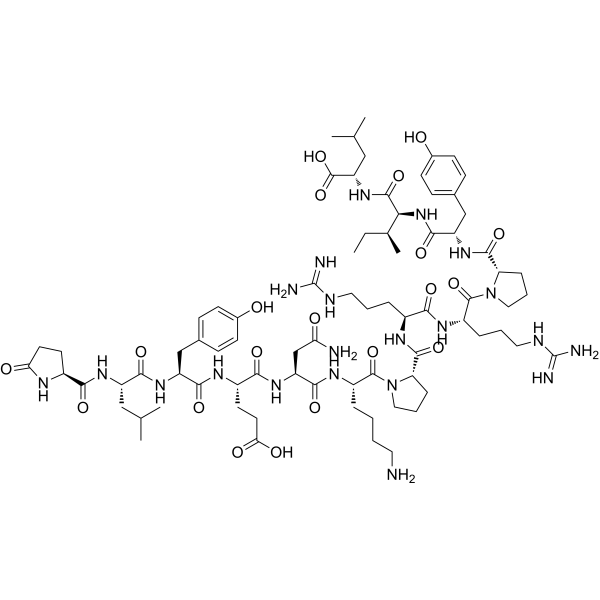
    Neurotensin
    4 Publications Verification

    Neurotensin Receptor Endocrinology Cancer
    Neurotensin, a gut tridecapeptide, acts as a potent cellular mitogen for various colorectal and pancreatic cancers which possess high-affinity neurotensin receptors (NTR).
    Neurotensin
  • HY-P99275
    Patritumab
    1 Publications Verification

    AMG-888; U3-1287

    EGFR Akt ERK PARP Survivin Cancer
    Patritumab (Human Anti-ERBB3 Recombinant Antibody) is a neutralizing monoclonal antibody to ERBB3. Patritumab shows a synergy with Cetuximab (HY-P9905), potently inhibits the phosphorylation of EGFR, HER2, HER3, ERK, and AKT. Patritumab also induces cell apoptosis and suppresses the growth of pancreatic, non-small cell lung cancer, and colorectal cancer xenograft tumors .
    Patritumab
  • HY-173629

    Ras Apoptosis Cancer
    RMC-5127 is a small molecule inhibitor that binds to GTP-targeted KRAS G12V, with oral bioavailability and blood-brain barrier permeability. RMC-5127 inhibits the activities of the RAS and MAPK pathways, suppresses the proliferation of KRAS G12V-mutant cancer cells and induces their apoptosis. RMC-5127 can be used for the research of KRAS G12V-mutant non-small cell lung cancer, pancreatic ductal adenocarcinoma, colorectal cancer and intracranial KRAS G12V tumors .
    RMC-5127
  • HY-158409

    Molecular Glues Ras Cyclophilin PERK Cancer
    Pan-rasin-2 (compound 6A) is an orally active molecular glues that targets RAS. Pan-RAS-IN-2 inhibits pERK (IC50 in AsPC-1 cells: 0.3 nM). Pan-rasin-2 has significant inhibitory activity on cell proliferation of RAS mutant cell lines. Pan-rasin-2 can form ternary complexes with cyclophilin A (CYPA) and RAS (ON) proteins and the formation of ternary complexes can block the binding of RAF downstream of RAS, which has anti-tumor (such as colorectal cancer, pancreatic cancer) effects .
    Pan-RAS-IN-2
  • HY-159127

    Ras MEK PERK Apoptosis Cancer
    HRS-4642 is a high affinity, selective, long-acting, and non-covalent KRAS G12D inhibitor with a Kd value of 0.083 nM. HRS-4642 inhibits the binding of KRAS G12D to SOS1 or RAF1, thereby blocking the downstream MEK-ERK signaling pathway. HRS-4642 promotes Apoptosis. HRS-4642 alone or combined with Carfilzomib (HY-10455) effectively shapes the tumor microenvironment. HRS-4642 has an anti-cancer effect on pancreatic and colorectal cancers carrying the KRAS G12D mutation[1][2][3].
    HRS-4642
  • HY-P10944

    NNS309

    FAP Inflammation/Immunology Cancer
    Unlabeled FXX489 (NNS309) is a fibroblast activation protein (FAP)-targeting ligand. Unlabeled FXX489 can be labeled with 68Ga and 177Lu and shows anticancer effects. Unlabeled FXX489 can be used for the study of pancreatic ductal adenocarcinoma (PDAC), non-small cell lung cancer (NSCLC), breast cancer (BC), and colorectal cancer (CRC) .
    Unlabeled FXX489
  • HY-176523

    Ras Cancer
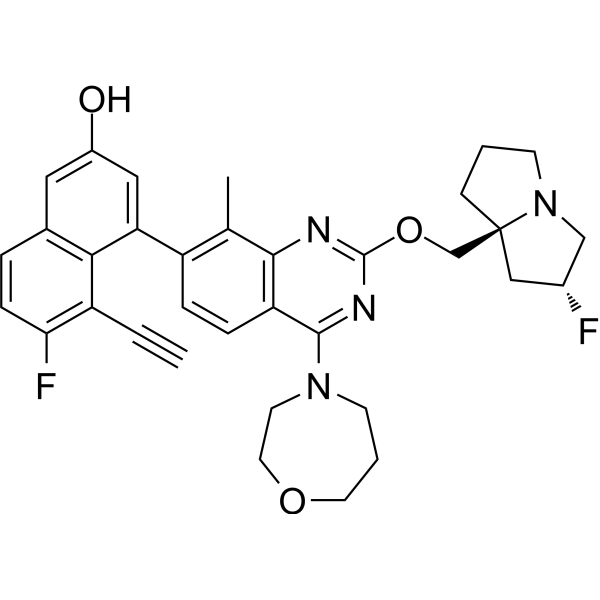
    KRAS G12D inhibitor 29 (Compound Formula (I)) is an orally active and selective KRAS G12D mutant inhibitor. KRAS G12D inhibitor 29 blocks downstream signaling pathways mediated by KRAS G12D, suppressing tumor cell proliferation. KRAS G12D inhibitor 29 is promising for research of KRAS G12D mutation-related cancers (such as pancreatic cancer, lung cancer, colorectal cancer) .
    KRAS G12D-IN-29
  • HY-N0815
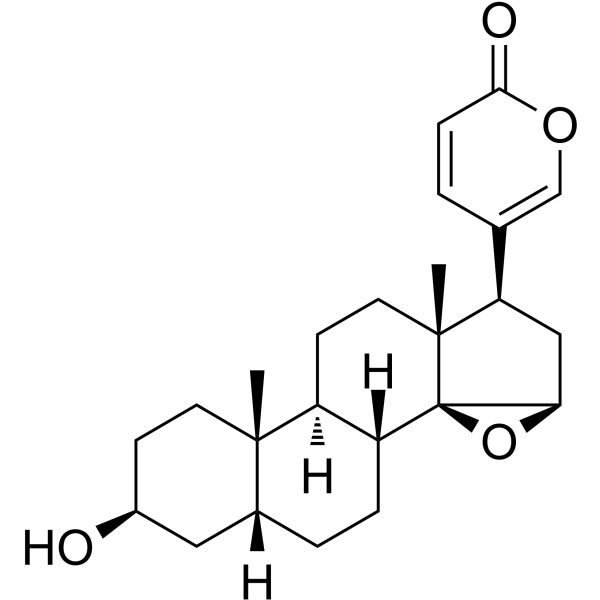
    Resibufogenin
    5+ Cited Publications

    Bufogenin; Recibufogenin

    PI3K Akt NF-κB AP-1 GSK-3 CDK Neurological Disease Inflammation/Immunology Cancer
    Resibufogenin is an orally active anticancer agent. Resibufogenin can be extracted from toad venom. Resibufogenin blocks signaling pathways such as PI3K/Akt, NF-κB, AP-1, activates GSK-3β, and regulates cyclin D1. Resibufogenin can activate central neurons. Resibufogenin has anti-inflammatory activity. Resibufogenin has anti-tumor effects on a variety of tumors such as multiple myeloma, renal cancer, colorectal cancer, pancreatic cancer, and glioma .
    Resibufogenin
  • HY-N7072
    Grape seed extract
    2 Publications Verification

    Apoptosis Metabolic Disease Inflammation/Immunology Cancer
    Grape seed extract is a natural product, with anti-inflammatory and anti-proliferative effects. Grape seed extract shows inhibitory activity on the fat-metabolizing enzymes pancreatic lipase and lipoprotein lipase. Grape seed extract induces apoptotic in human colorectal cancer cells .
    Grape seed extract
  • HY-153855

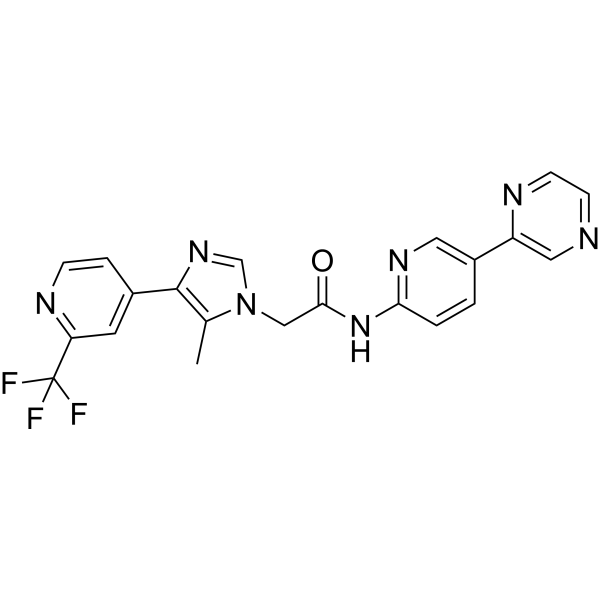
    RXC004

    Wnt Acyltransferase Porcupine Cancer
    Zamaporvint (RXC004) is an orally active and selective inhibitor of Wnt. Zamaporvint targete membrane-bound o-acyltransferase Porcupine and inhibited Wnt ligand palmitoylation, secretion, and pathway activation. Zamaporvint displays a favorable pharmacokinetic profile and shows potent antiproliferative effects in Wnt ligand-dependent colorectal and pancreatic cell lines. Zamaporvint possesses multiple antitumor mechanisms and can be used in cancer research .
    Zamaporvint
  • HY-P990957

    BCA-101; FMAB2

    EGFR TGF-beta/Smad Inflammation/Immunology Cancer
    Ficerafusp alfa (BCA-101) is a bispecific antibody targeting EGFR and TGFβ, with a Kd of 2.58 nM against EGFR and a Kd of 61.3 nM against TGFβ1. Ficerafusp alfa binds to EGFR, inhibits EGFR phosphorylation, blocks EGF-dependent cell proliferation, and mediates antibody-dependent cellular cytotoxicity against EGFR-positive tumor cells. Ficerafusp alfa sequesters TGFβ via its TGFβRII ECD domain, neutralizes the activity of TGFβ and TGFβ1, and blocks TGFβ-dependent processes, including epithelial-mesenchymal transition, cell invasion, and differentiation of inducible regulatory T cells. Ficerafusp alfa is applicable to research related to head and neck squamous cell carcinoma, advanced solid tumors, squamous non-small cell lung cancer, anal squamous cell carcinoma, colorectal cancer, and pancreatic cancer .
    Ficerafusp alfa
  • HY-176763

    Sec61 Cancer
    KZR-261 is a Sec61 translocase inhibitor. KZR-261 binds directly to the Sec61 channel, thereby inhibiting the biosynthesis of certain Sec61 substrate proteins, including oncogenic factors. KZR-261 activates the endoplasmic reticulum stress response. KZR-261 exhibits broad in vitro anticancer activity. KZR-261 shows antitumor efficacy in mouse models of cancer. KZR-261 can be used for the research of multiple myeloma, colorectal cancer, small cell lung cancer, pancreatic cancer, prostate cancer, non-Hodgkin's lymphoma, and mantle cell lymphoma .
    KZR-261
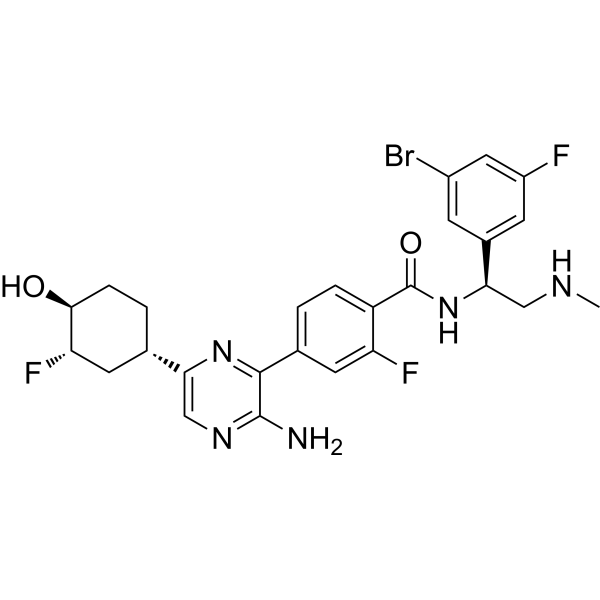
  • HY-114491

    ERK Raf Cancer
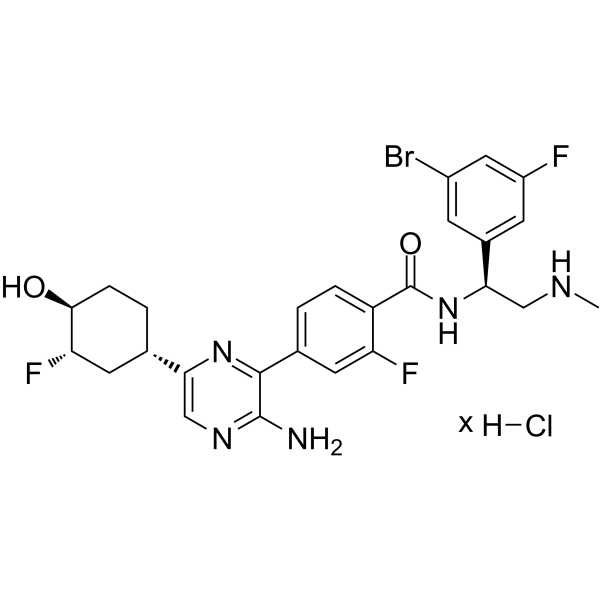
    Rineterkib (compound B) is an orally available ERK1 and ERK2 inhibitor in the treatment of a proliferative disease characterized by activating mutations in the MAPK pathway. The activity is particularly related to the treatment of KRAS-mutant NSCLC, BRAF-mutant NSCLC, KRAS-mutant pancreatic cancer, KRAS-mutant colorectal cancer (CRC) and KRAS-mutant ovarian cancer. Rineterkib hydrochloride can also inhibit RAF .
    Rineterkib
  • HY-162567

    HSP Beclin1 Autophagy Cancer
    AP-4-139B is a blood-brain barrier-permeable HSP70 inhibitor with a IC50 of 180 nM against hHSP70. AP-4-139B binds directly to HSP70 and inhibits its ATPase activity. AP-4-139B promotes Autophagy by increasing the phosphorylation of Beclin-1. AP-4-139B exerts antitumor effects in preclinical models of colorectal cancer and pancreatic ductal adenocarcinoma .
    AP-4-139B
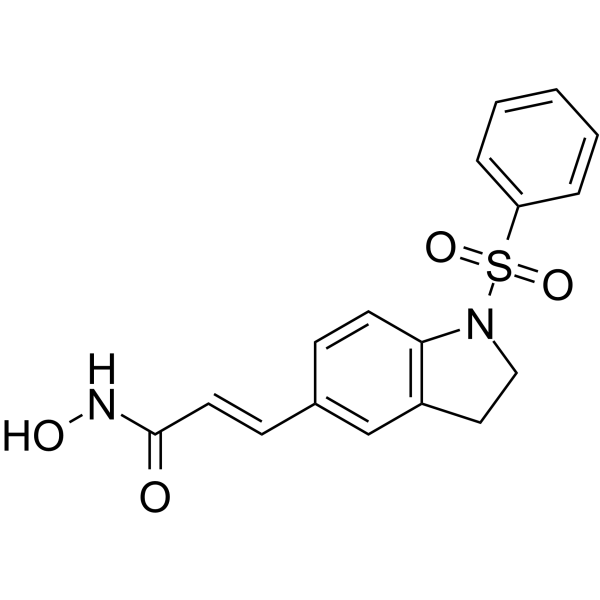
  • HY-124295

    ABT-301; MPT0E028; TMU-C-0012

    HDAC Akt Apoptosis Inflammation/Immunology Cancer
    Imofinostat (ABT-301; MPT0E028) is an orally active and selective HDAC inhibitor with IC50s of 53.0 nM, 106.2 nM, 29.5 nM for HDAC1, HDAC2 and HDAC6, respectively. Imofinostat has a weak inhibitory effect on HDAC8 (IC50 of 2.5 ​​μM), but no inhibitory effect on HDAC4 (IC50>10 μM). Imofinostat reduces the viability of B-cell lymphomas by inducing apoptosis and possesses potent direct Akt targeting ability and reduces Akt phosphorylation in B-cell lymphoma. Imofinostat has a broad-spectrum antitumor activity, including colorectal cancer, B-cell lymphoma, non-small cell lung carcinoma (NSCLC), and pancreatic cancer, while also showing therapeutic potential in non-tumor diseases like emphysema and pulmonary fibrosis .
    Imofinostat
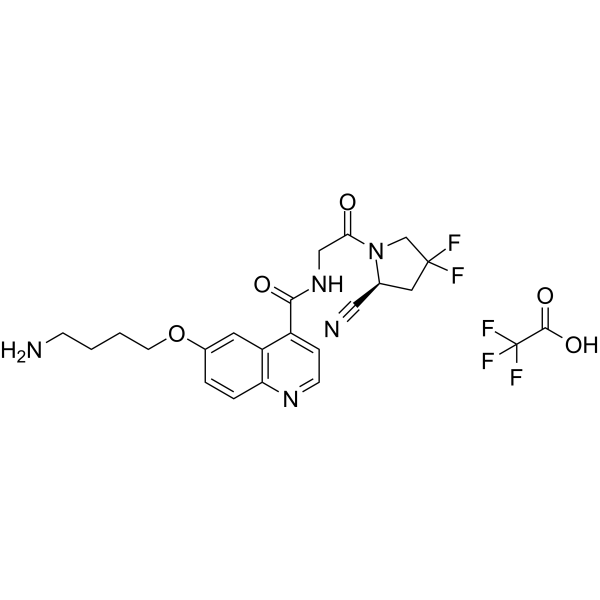
  • HY-153552A

    FAP Cancer
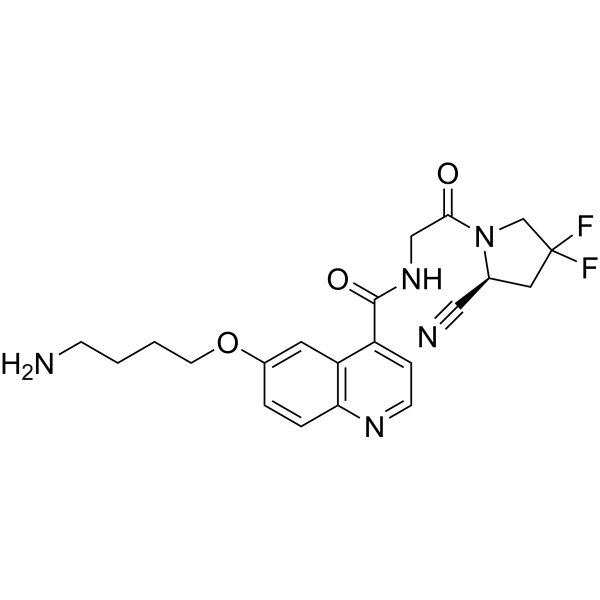
    NH2-UAMC1110 TFA is an aminobutoxy derivative of the fibroblast activation protein (FAP) inhibitor UAMC1110 (HY-100684), and is a precursor compound for the synthesis of FAP inhibitor probes, not directly used in bioactivity experiments. For example, NH2-UAMC1110 TFA is involved in the synthesis of the radiotracer FAPI-QS, which exhibits high tumor selectivity and high dose effect, and has been used in tumor diagnosis. NH2-UAMC1110 TFA structurally incorporates an active amino group, allowing it to form covalent bonds with various molecules (such as DOTA, DATA5m, radionuclide chelators, etc.) to synthesize molecular imaging probes or targeted compounds with the ability to target FAP. NH2-UAMC1110 TFA specifically binds to the FAP active site, inhibiting its proline-selective serine protease activity (including dipeptidyl peptidase and endopeptidase activity), blocking FAP-mediated tissue remodeling-related processes. Its key activity is high targeting and high affinity, and its core function is to act as a targeting module coupled with bifunctional chelators (such as DOTA, DATA5m). NH2-UAMC1110 TFA can be applied to diagnostic imaging studies of tumors expressing FAP (such as colorectal cancer, pancreatic cancer, etc.), and also provides molecular tools for targeted research of FAP-related diseases with high FAP expression, such as fibrosis and arthritis .
    NH2-UAMC1110 TFA
  • HY-164315

    Ras PERK Cancer
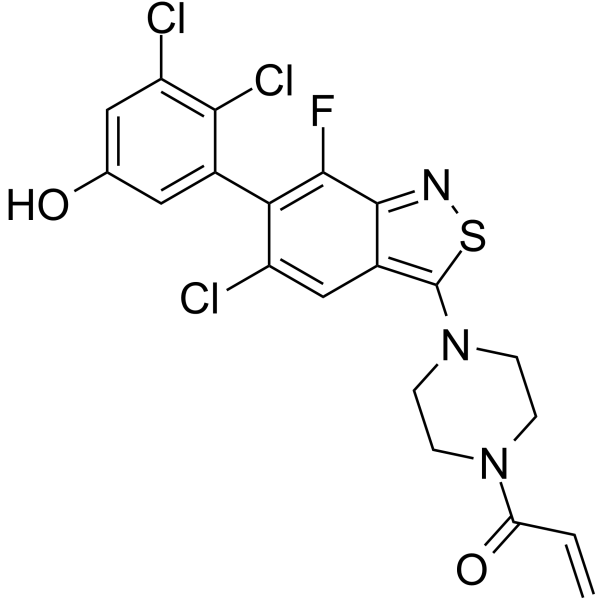
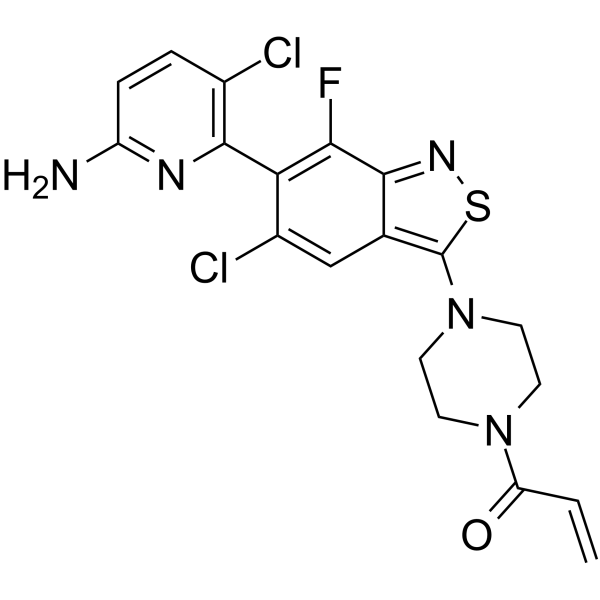
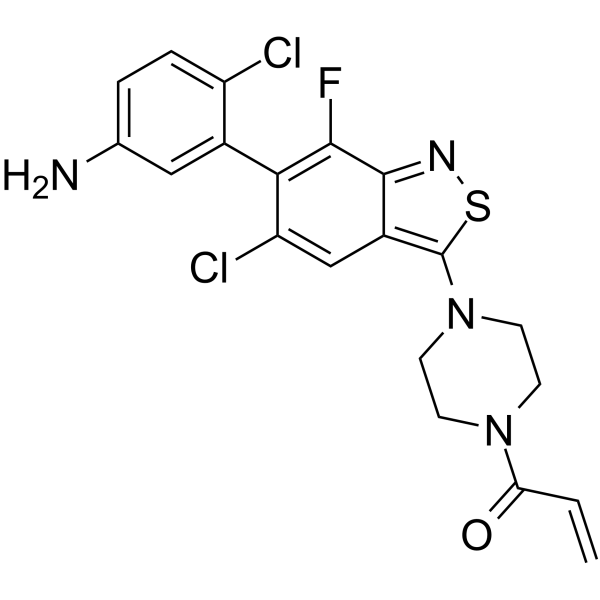
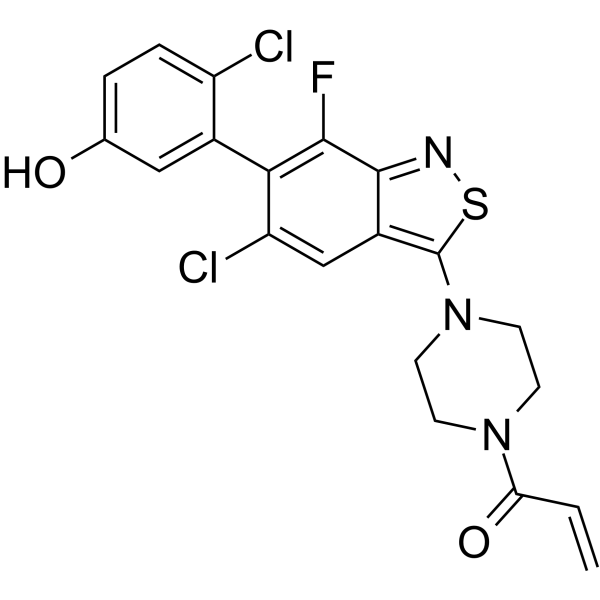
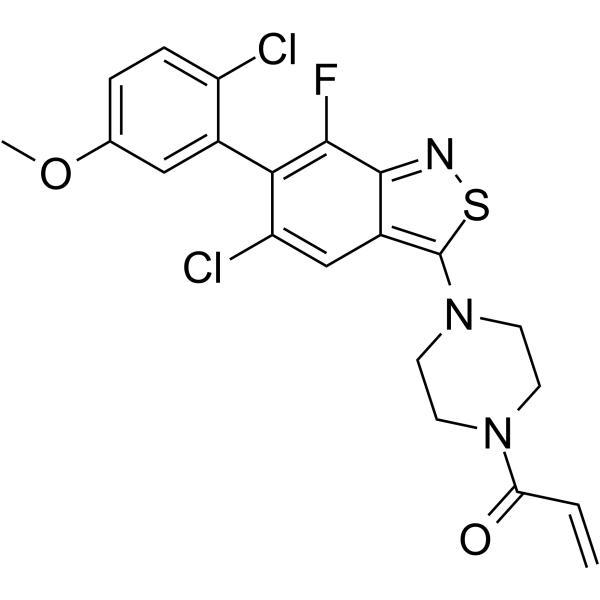
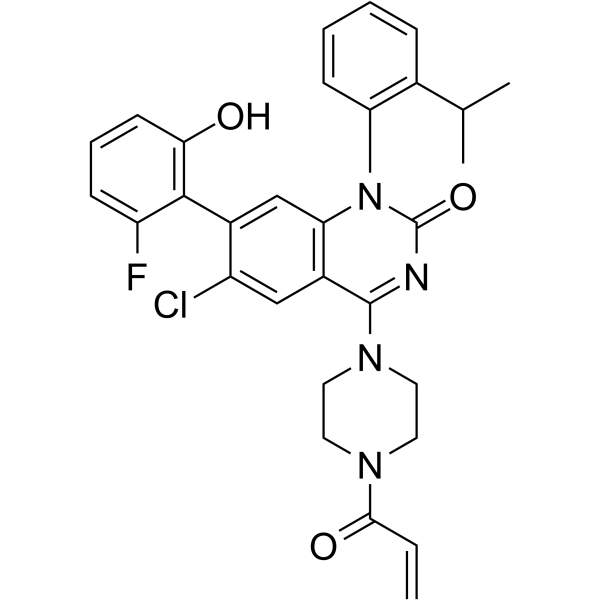
    KRAS G12C inhibitor 67 (Example 35) is an orally active KRAS G12C inhibitor. KRAS G12C inhibitor 67 inhibits pERK and active KRas. KRAS G12C inhibitor 67 selectively inhibits the growth of various KRAS G12C mutant tumor cell lines. KRAS G12C inhibitor 67 exhibits anticancer activity against esophageal cancer, bladder cancer, colorectal cancer, lung cancer, and pancreatic cancer .
    KRAS G12C inhibitor 67
  • HY-156418

    DNA/RNA Synthesis Ferroptosis Apoptosis Reactive Oxygen Species (ROS) Cancer
    KY386 is a DHX33 helicase inhibitor with an IC50 of 0.019 μM. KY386 inhibits the cell viability of various cancer cells. KY386 induces ferroptosis in cancer cells, and induces apoptosis in some cancer cell lines. KY386 increases the intracellular levels of ROS, LPO and Fe 2+, and decreases the level of GSH in cancer cells . KY386 inhibits the growth of gastric cancer and colon cancer xenografts in nude mice. KY386 is applicable to the related research on liver cancer, lung cancer, pancreatic cancer, colorectal cancer, gastric cancer, breast cancer, leukemia, renal cancer, prostate cancer, esophageal cancer, cervical cancer, brain cancer (glioblastoma) and melanoma .
    KY386
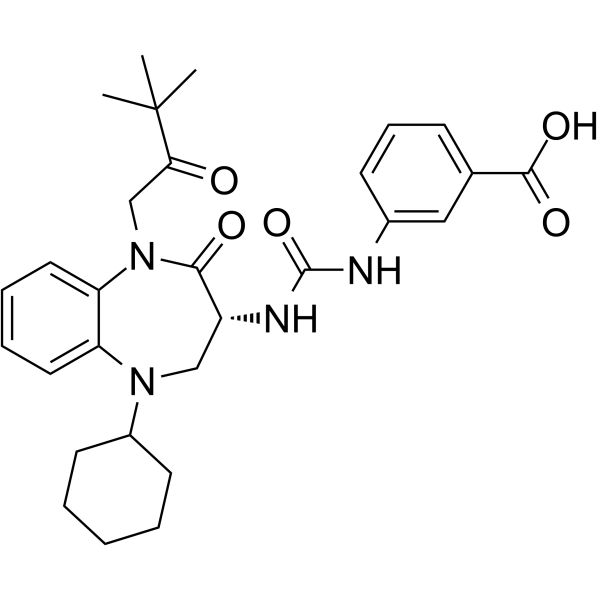
  • HY-17617

    Z-360

    Cholecystokinin Receptor Ephrin Receptor Interleukin Related VEGFR HIF/HIF Prolyl-Hydroxylase Akt Neurological Disease Cancer
    Nastorazepide (Z-360) is an orally active 1,5-benzodiazepine derivative and gastrin/CCK-2 receptor antagonist. Nastorazepide inhibits the specific binding of [ 3H]CCK-8 to the human CCK-2 receptor with a Ki value of 0.47 nM. Nastorazepide inhibits IL-1β, ephrin B1, VEGF, and HIF-1alpha, reduces Akt and NR2B phosphorylation. Nastorazepide has antitumor activity against pancreatic cancer. Nastorazepide inhibits colorectal cancer liver metastasis and relieves pain .
    Nastorazepide
  • HY-153552

    FAP Cancer
    NH2-UAMC1110 is an aminobutoxy derivative of the fibroblast activation protein (FAP) inhibitor UAMC1110 (HY-100684), and is a precursor compound for the synthesis of FAP inhibitor probes, not directly used in bioactivity experiments. For example, NH2-UAMC1110 is involved in the synthesis of the radiotracer FAPI-QS, which exhibits high tumor selectivity and high dose-response, and has been used for tumor diagnosis. NH2-UAMC1110 introduces an active amino group into its structure, enabling it to form covalent bonds with various molecules (such as DOTA, DATA5m, radionuclide chelators, etc.), thereby synthesizing molecular imaging probes or targeted compounds with the ability to target FAP. NH2-UAMC1110 specifically binds to the FAP active site, inhibiting its proline-selective serine protease activity (including dipeptidyl peptidase and endopeptidase activity), blocking FAP-mediated tissue remodeling processes. Its key activity is high targeting and high affinity, and its core function is to be coupled with bifunctional chelators (such as DOTA, DATA5m) as a targeting module. NH2-UAMC1110 can be applied to diagnostic imaging studies of tumors expressing FAP (such as colorectal cancer, pancreatic cancer, etc.), and also provides molecular tools for targeted research of FAP-related diseases with high FAP expression, such as fibrosis and arthritis .
    NH2-UAMC1110
  • HY-168669

    PROTACs Ras Caspase ERK Cancer
    PROTAC K-Ras Degrader-5 is a cereblon-based K-Ras PROTAC degrader with a DC50 of <100 nM for KRAS G12D. PROTAC K-Ras Degrader-5 recruits KRAS G12D to the cereblon E3 ubiquitin ligase complex for ubiquitination and subsequent proteasomal degradation. PROTAC K-Ras Degrader-5 suppresses pERK levels downstream of KRAS G12D degradation in cancer cells. PROTAC K-Ras Degrader-5 reduces proliferation of cancer cells. PROTAC K-Ras Degrader-5 induces caspase 3/7 activity and cPARP, markers of apoptosis, in pancreatic cancer spheroids and tumors. PROTAC K-Ras Degrader-5 can be used for the research of pancreatic cancer and colorectal cancer .
    PROTAC K-Ras Degrader-5
  • HY-P1654

    Integrin Cancer
    A20FMDV2 is a highly selective αvβ6 integrin inhibitor with human IC50 values of 3 nM and binds with at least 1000-fold selectivity over other RGD-binding integrins. A20FMDV2 binds to the integrin’s RGD-binding site, induces rapid integrin internalization, and delays post-internalization integrin recycling to the cell surface. A20FMDV2 can be used for the research of pancreatic cancer, breast cancer, colorectal cancer, ovarian cancer, oral squamous cell carcinoma .
    A20FMDV2
  • HY-176785S

    Ras Apoptosis p38 MAPK Caspase TNF Receptor Cancer
    MCB-294 is a dual-state pan-KRAS inhibitor that selectively inhibits KRAS over NRAS and HRAS. MCB-294 capable of binding both the active (GTP-bound) and inactive (GDP-bound) forms of KRAS with Kds of approximately 1 pM and 10 nM, respectively. MCB-294 broadly impairs the growth of hTERT-HPNE cells expressing G12D, G12C, G12V, G12S, G13D, and wild-type KRAS, with IC50s of approximately 700 nM. MCB-294 induces irreversible apoptosis in KRAS-mutated tumors. MCB-294 effectively suppress KRAS G12C inhibitor-resistant cancer cells and remodel the tumor immune microenvironment. MCB-294 can be used for the study of pancreatic cancer, colorectal cancer and lung cancer .
    MCB-294
  • HY-156529

    Ras Cancer
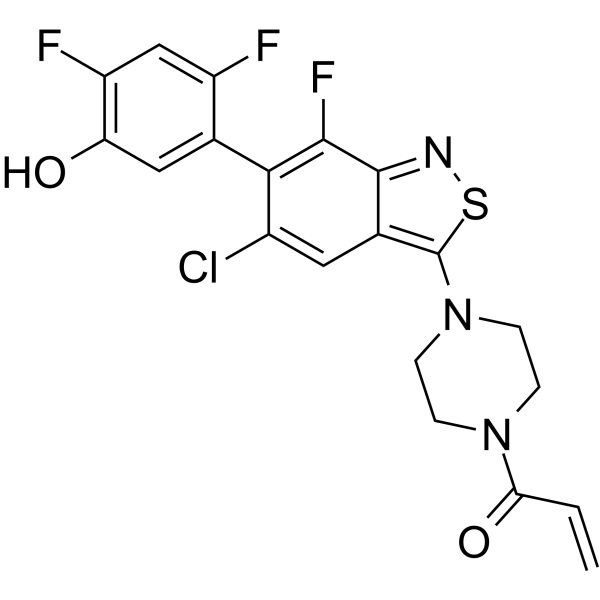
    pan-KRAS-IN-2 (Compound 6) is a pan-inhibitor with IC50s ≤ 10 nM for KRAS WT and mutants (G12D, G12C, G12V, G12S, G12A and Q61H); and an IC50 > 10 μM for KRAS G13D. pan-KRAS-IN-2 can be used to study various KRAS-mediated cancers, such as pancreatic cancer and colorectal cancer .
    pan-KRAS-IN-2
  • HY-173178

    Estrogen Receptor/ERR Cancer
    LNS8801 is an orally active agonist of the G protein-coupled estrogen receptor (GPER). By activating GPER, LNS8801 mediates downstream signaling pathways, such as promoting the production of cyclic adenosine monophosphate (cAMP) and activating the cAMP response element-binding protein (CREB) signaling, thereby exerting anti-tumor activities including inhibiting tumor cell proliferation, inducing cell differentiation, and enhancing tumor immunogenicity. LNS8801 can be used in the research of various cancers (e.g., melanoma, pancreatic cancer, colorectal cancer, lung cancer, etc.) and relevant studies exploring the roles of GPER in normal physiological and pathological processes .
    LNS8801
  • HY-176798

    Lactate Dehydrogenase Reactive Oxygen Species (ROS) Apoptosis Cancer
    NCI-006 is an orally active lactate dehydrogenase (LDH) inhibitor (LDHA IC50 = 0.06 μM; LDHB IC50 = 0.03 μM). NCI-006 inhibits intratumoral LDH activity, lactate production, and tumor growth in a mouse pancreatic cancer model. NCI-006 inhibits glycolysis and induces apoptosis in vitro. NCI-006 enhances the radiosensitivity of glycolytic tumor cell lines while sparing non-glycolytic/normal cells (1522, skin fibroblasts) in combination with ionizing radiation (IR). NCI-006 exhibits synergistic antitumor effects in combination with IACS-010759 (HY-112037) against colorectal and gastric cancers. NCI-006 targets glycolysis by inhibiting lactate dehydrogenase impairs tumor growth in an Ewing sarcoma model .
    NCI-006
  • HY-145928B
    Divarasib adipate
    5+ Cited Publications

    GDC-6036 adipate

    Ras Cancer
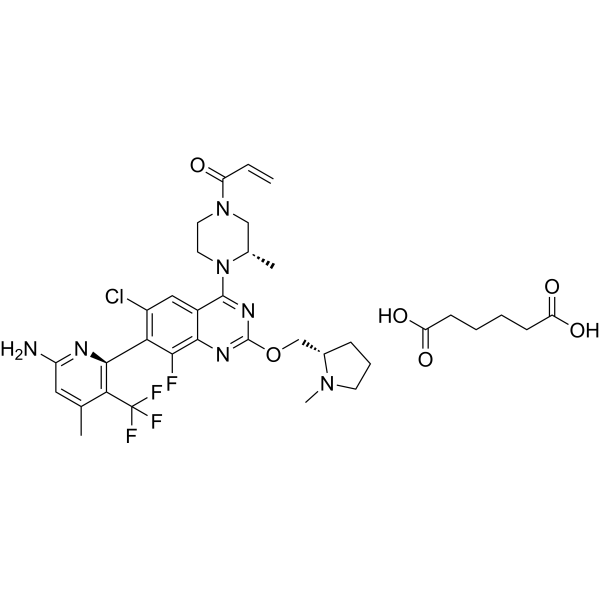
    Divarasib (GDC-6036) adipate is an orally active, selective KRASG12C inhibitor with an IC50 of <0.01 μM. Divarasib adipate covalently binds Cys12 in GDP-bound KRASG12C, occupies the switch II pocket, blocks GTP binding and SOS-mediated reactivation, and inhibits oncogenic KRAS signaling. Divarasib adipate induces tumor shrinkage and robust tumor growth inhibition in KRASG12C-positive models and cancer cells. Divarasib adipate can be used for the research of non-small cell lung cancer, colorectal adenocarcinoma, pancreatic ductal adenocarcinoma, and other KRASG12C-mutated solid tumors .
    Divarasib adipate
  • HY-P99362

    Anti-MUC5AC Reference Antibody (ensituximab); NEO-102

    Mucin Cancer
    Ensituximab (NEO-102; NPC-1C) is a chimeric monoclonal IgG1 antibody targeting a variant of MUC5AC. Ensituximab shows specificity to colorectal and pancreatic cancer .
    Ensituximab
  • HY-153067

    Drug-Linker Conjugates for ADC Topoisomerase Cancer
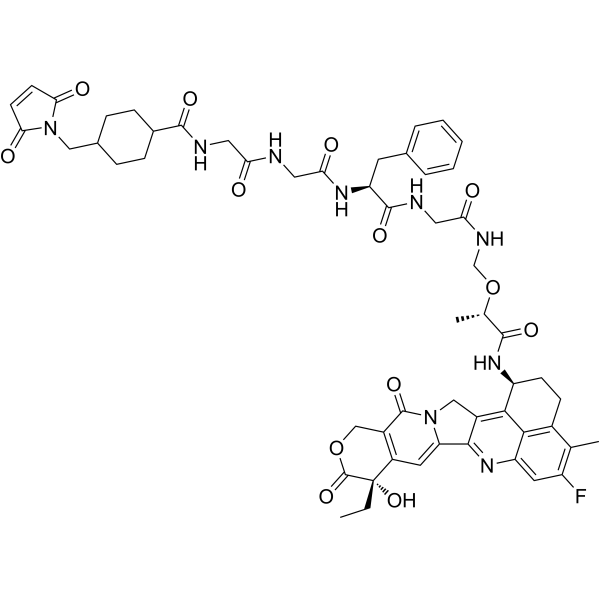
    Mal-cyclohexane-Gly-Gly-Phe-Gly-Exatecan (Compound 11) is a bioactive compound-linker conjugate for ADC. Mal-cyclohexane-Gly-Gly-Phe-Gly-Exatecan can conjugate with antibodies to form ADC (C-11) with anti-tumor activity. Exatecan is a DNA Topoisomerase I inhibitor. Mal-cyclohexane-Gly-Gly-Phe-Gly-Exatecan can be used in the research of squamous cell carcinoma, pancreatic adenocarcinoma and colorectal cancer .
    Mal-cyclohexane-Gly-Gly-Phe-Gly-Exatecan
  • HY-117085

    Phosphatase TMV Lipoxygenase Cancer
    Lobaric acid is a depsipeptide metabolite isolated from Stereocaulon lichen with antioxidant, antiproliferative, antiviral and enzyme inhibitory activities. Lobaric acid scavenges superoxide free radicals (IC50=97.9 μM) and inhibits cancer cell proliferation (EC50 of 15.2-63.9 μg/mL against leukemia, colorectal, gastric, breast, ovarian, prostate, pancreatic and lung cancer cell lines). Lobaric acid inhibits protein tyrosine phosphatase 1B (PTP1B; IC50=0.87 μM for human recombinant enzyme) and 12(S)-HETE produced by 12(S)-lipoxygenase (IC50=28.5 μM). Lobaric acid (250 μM) also reduced pathological changes in tobacco leaves infected with tobacco mosaic virus (TMV).
    Lobaric acid
  • HY-159591

    Ras Akt ERK Cancer
    YK-8S is a dual-targeted K-Ras (G12D/G12C) covalent inhibitor. YK-8S shows no significant binding to wild-type K-Ras and other mutants (G12R, G13D, Q61R/K). YK-8S exhibits anti-proliferative activity against H358 (G12C) and AGS (G12D) cells. YK-8S inhibits the phosphorylation of p-AKT/p-ERK in BaF3/G12D and G12C cells. YK-8S can be used for pancreatic cancer, colorectal cancer and other tumors with high incidence of G12D .
    YK-8S
  • HY-161871

    Wee1 Cancer
    WEE1-IN-8 (Compound 55) is a selective WEE1 inhibitor, with an IC50 of 0.98 nM. WEE1-IN-8 (Compound 55) can be used for the research of Pancreatic cancer, Ovarian cancer, Colorectal cancer, Uterine serous carcinoma, etc .
    WEE1-IN-8
  • HY-171745

    ATM/ATR Cancer
    ATR-IN-32 is an orally active ATR inhibitor. ATR-IN-32 potently inhibits the proliferation of MIA PaCa-2 cells. ATR-IN-32 exerts significant tumor growth inhibition in mice bearing LOVO and HT-29 xenografts. ATR-IN-32 can be used for the study of cancers mediated by ATR protein kinase, such as colorectal cancer, pancreatic cancer .
    ATR-IN-32
  • HY-176250

    Ras ERK Cancer
    KRAS-IN-43 (Compound 9) is a pan-KRAS inhibitor with IC50 values of 0.15 μM, 0.14 μM, and 0.47 μM against KRAS G12V, KRAS G12C and wild-type KRAS, respectively. KRAS-IN-43 disrupts the interaction between KRAS and cRAF, and inhibits ERK phosphorylation. KRAS-IN-43 is promising for research of KRAS mutation-related cancers (such as pancreatic cancer, colorectal cancer, and lung cancer) .
    KRAS-IN-43
  • HY-178873

    PROTACs Ras Keap1-Nrf2 Cancer
    PROTAC K-Ras Degrader-7 is a potent PROTAC K-Ras degrader. PROTAC K-Ras Degrader-7 degrades K-Ras through recruiting the Keap1 E3 ubiquitin ligase. PROTAC K-Ras Degrader-7 can be used for research in pancreatic and colorectal cancers .
    PROTAC K-Ras Degrader-7
  • HY-174261

    Ras Cancer
    KRAS-IN-5 (Compound Ex 6) is an orally active and selective inhibitor targeting KRAS mutants (including KRAS G12D, KRAS G12V, KRAS WT) with a GNE IC50 value of 1.3 nM against KRAS G12D. KRAS-IN-5 blocks tumor cell proliferation by inhibiting KRAS-mediated signaling pathways (e.g., reducing ERK phosphorylation). KRAS-IN-5 is promising for research of KRAS mutation-related cancers, such as pancreatic cancer, colorectal cancer, lung cancer .
    KRAS-IN-5
  • HY-111033

    MEK ERK Apoptosis p38 MAPK CDK PARP Inflammation/Immunology Cancer
    RO5068760 is a potent, orally active and selective non-ATP-competitive MEK1/2 inhibitor with an IC50 of 0.025 μM for MEK1. RO5068760 significantly inhibits MAPK pathway activity, thereby inducing G1 cell cycle arrest and apoptosis to inhibit cancer cell growth. RO5068760 exhibits significant efficacy in a broad spectrum of tumors with aberrant MAPK pathway activation. RO5068760 can be used for melanoma, colorectal cancer, non-small cell lung cancer (NSCLC), and pancreatic cancer research .
    RO5068760
  • HY-146544

    Ras Cancer
    KRAS inhibitor-14 (compound 3-22) is a potent KRAS G12C inhibitor with an IC50 of 0.249 µM. KRAS inhibitor-14 shows p-ERK inhibition activities with IC50s of 1.12, >33.3 µM in MIA PaCA-2, A549 cells, respectively. KRAS inhibitor-14 has the potential for the research of pancreatic, colorectal, and lung cancers .
    KRAS inhibitor-14
  • HY-178044

    SOS1 Cancer
    SOS1-IN-24 (Compound 15) is a SOS1 inhibitor with an IC50 of 0.398  μM. SOS1-IN-24 effectively disrupts SOS1::KRAS12D interaction. SOS1-IN-24 can be used for cancers like pancreatic and colorectal cancer research .
    SOS1-IN-24
  • HY-145311

    Nucleoside Antimetabolite/Analog Cancer
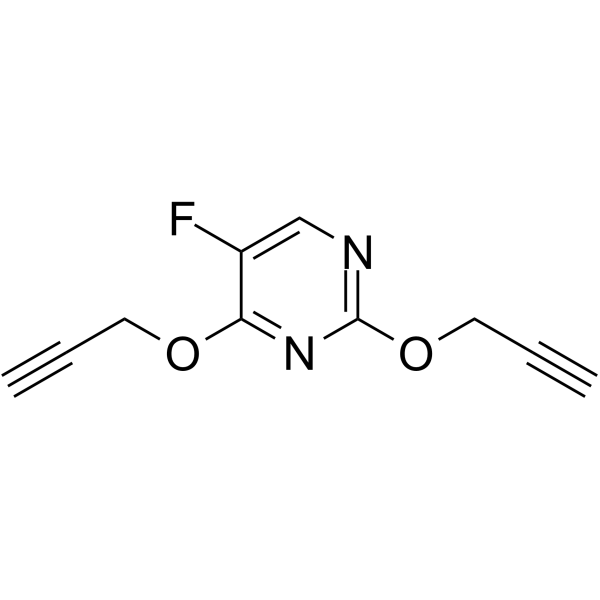
    Bis-Pro-5FU (Compound 4) is a 5-FU precursor that confers oral bioavailability and increase the safety profile of 5-Fluorouracil (5-FU) chemotherapy regimens. 5-FU is an antineoplastic antimetabolite that is widely used for the research of colorectal and pancreatic cancer .
    Bis-Pro-5FU
  • HY-146543

    Ras Cancer
    KRAS inhibitor-13 (compound 5-6) is a potent KRAS G12C inhibitor with an IC50 of 0.883 µM. KRAS inhibitor-13 shows p-ERK inhibition activities with IC50s of 5.9, >100 µM in MIA PaCA-2, A549 cells, respectively. KRAS inhibitor-13 has the potential for the research of pancreatic, colorectal, and lung cancers .
    KRAS inhibitor-13
  • HY-146533

    Ras Cancer
    KRAS inhibitor-12 (compound 6-1) is a potent KRAS G12C inhibitor with an IC50 of 0.537 µM. KRAS inhibitor-12 shows p-ERK inhibition activities with IC50s of 1.3, 3.7 µM in MIA PaCA-2, A549 cells, respectively. KRAS inhibitor-12 has the potential for the research of pancreatic, colorectal, and lung cancers .
    KRAS inhibitor-12
  • HY-146476

    Ras Cancer
    KRAS inhibitor-18 (compound 3-10) is a potent KRAS G12C inhibitor with an IC50 of 4.74 µM. KRAS inhibitor-18 shows p-ERK inhibition activities with IC50s of 66.4, 11.1 µM in MIA PaCA-2, A549 cells, respectively. KRAS inhibitor-18 has the potential for the research of pancreatic, colorectal, and lung cancers .
    KRAS inhibitor-18
  • HY-174243

    Ras Cancer
    KRASG12D-IN-5 (Compound 241) is an orally active KRAS(G12D) inhibitor with an IC50 of 11 nM. KRASG12D-IN-5 has potent anticancer activity with no significant cytotoxicity against BxPC-3 (WT), KRAS mutation AsPC-1 (G12D) and MIAPaCa-2 cells (G12C) with CC50s of 10.37, 0.76 and 0.3 μM, respectively. KRASG12D-IN-5 can be used for cancer research, such as lung, pancreatic and colorectal cancer .
    KRASG12D-IN-5
  • HY-173124

    CDK VEGFR PDGFR Apoptosis Cancer
    CDK2/FLT4/PDGFRA-IN-1 (Compound 4a) is a potent inhibitor of CDK2/cyclin A, FLT4 (VEGFR3) and PDGFRA, with IC50s of 1.672, 0.554, and 0.629 μM, respectively. CDK2/FLT4/PDGFRA-IN-1 exhibits potent antiproliferative effects against cancer cells (lung EBC-1, pancreatic ductal adenocarcinoma AsPC-1, colorectal HT-29 cells). CDK2/FLT4/PDGFRA-IN-1 can also induce apoptosis in cancer cells .
    CDK2/FLT4/PDGFRA-IN-1

Online-Anfrage

Your information is safe with us. * Required Fields.

Anrede


Country or Region *

Name des Antragstellers *


Name der Organisation *

Department *


E-Mail-Addresse *


Produktname *

Art. -Nr.


Requested quantity *

Telefonnummer *


Bemerkungen

Online-Anfrage

Inquiry Information

Produktname:
Art. -Nr.:
Menge:
MCE Japan Authorized Agent: