192 Results for "

flavor

" in MedChemExpress (MCE) Product Catalog:
Products (192)

192 Results for "flavor" in MCE Product Catalog:

14
14 Publications Verification
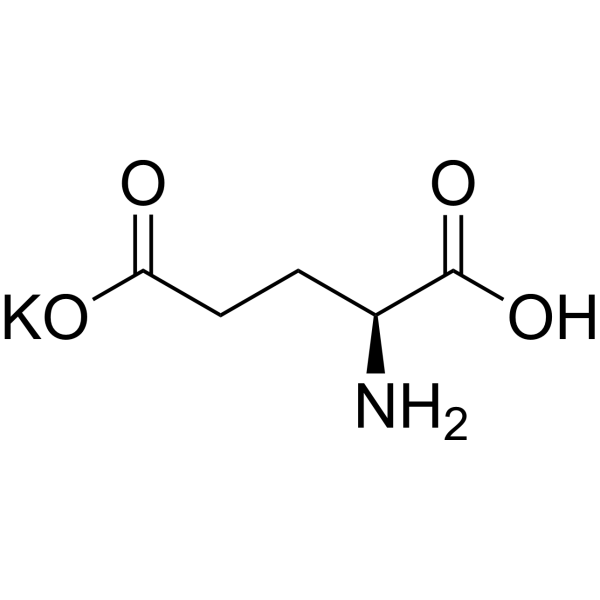
Cat. No.: HY-W337739
CAS No.: 19473-49-5
Synonyms: Monopotassium L-glutamate
Research Areas:  

Others

L-Glutamic acid monopotassium salt is a food additive and flavor enhancer that can reduce the harmful effects of lithium .
loading...
    loading...
9
9 Cited Publications
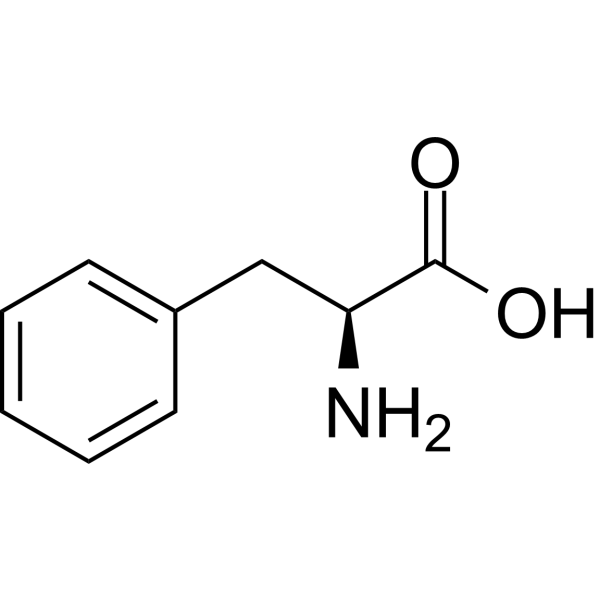
Cat. No.: HY-N0215
CAS No.: 63-91-2
Synonyms: (S)-2-Amino-3-phenylpropionic acid
L-Phenylalanine ((S)-2-Amino-3-phenylpropionic acid) is an essential amino acid isolated from Escherichia coli. L-Phenylalanine is a α2δ subunit of voltage-dependent Ca + channels antagonist with a Ki of 980 nM. L-phenylalanine is a competitive antagonist for the glycine- and glutamate-binding sites of N-methyl-D-aspartate receptors (NMDARs) (KB of 573 μM ) and non-NMDARs, respectively. L-Phenylalanine is widely used in the production of food flavors and pharmaceuticals .
loading...
    loading...
6
6 Cited Publications
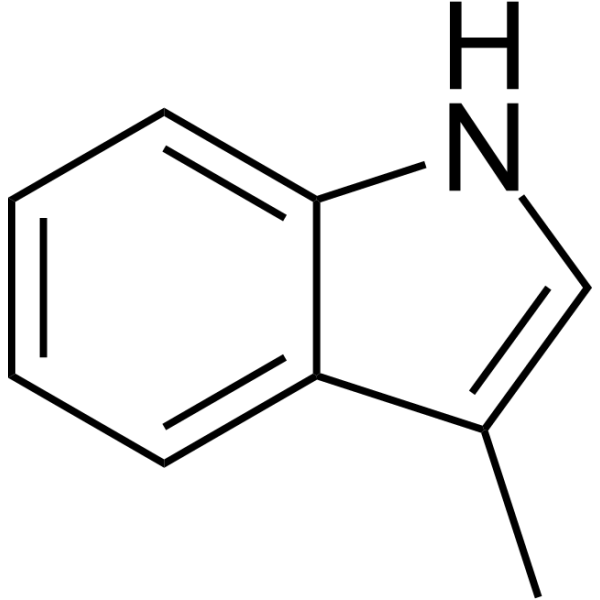
Cat. No.: HY-W007355
CAS No.: 83-34-1
Synonyms: 3-Methylindole; 3-Methyl-1H-indole
Skatole (3-methylindole) is a heterocyclic compound naturally found in the feces of vertebrates and can be found in certain plants. Skatole can be produced by intestinal bacteria, inducing apoptosis of intestinal epithelial cells through activating aryl hydrocarbon receptors (AhR) and p38. Skatole has been used in specific products of the perfume industry or as a flavor additive in ice cream .
loading...
    loading...
5
5 Cited Publications
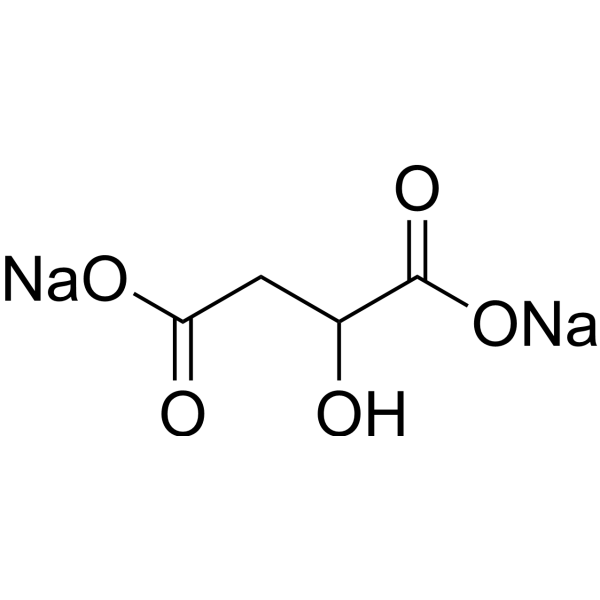
Cat. No.: HY-W250303
CAS No.: 676-46-0
Synonyms: Hydroxybutanedioic acid disodium salt; E 296 disodium salt
Sodium DL-Malate is an organic compound commonly used as a food additive, buffer and nutritional supplement. It contains sodium and malic acid. Malic acid disodium salt has several properties suitable for these applications, including the ability to enhance food flavor, improve texture and regulate acidity. Additionally, it can be used as a dietary supplement due to its potential health benefits, including improved energy production, reduced fatigue, and enhanced athletic performance.
loading...
    loading...
5
5 Cited Publications
Cat. No.: HY-W250303A
CAS No.: 63474-37-3
Synonyms: Hydroxybutanedioic acid disodium hydrate; Disodium DL-malate hydrate; E 296 disodium hydrate
Malic acid disodium hydrate is an organic compound that is commonly used as a food additive, buffering agent, and nutritional supplement. It contains sodium and malic acid. Malic acid disodium hydrate has a variety of properties that make it suitable for these applications, including the ability to enhance food flavor, improve texture, and regulate acidity. In addition, due to its potential health benefits, including improved energy production, reduced fatigue, and enhanced athletic performance, Malic acid disodium hydrate can be used as a dietary supplement .
loading...
    loading...
4
4 Cited Publications
Cat. No.: HY-50730
CAS No.: 2224-02-4
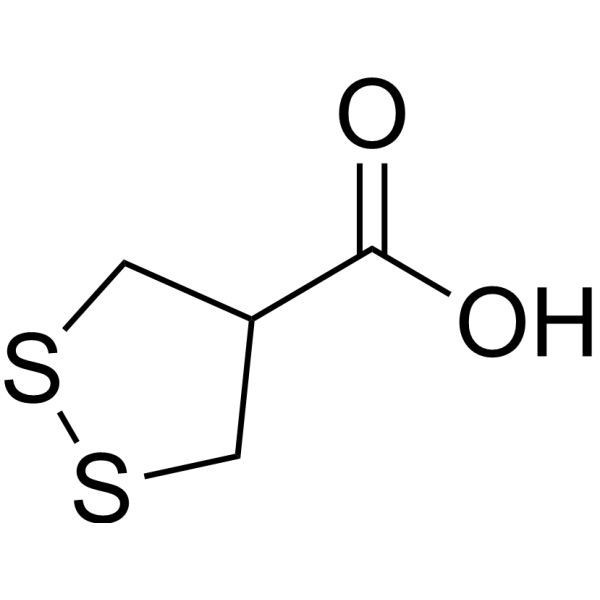
Asparagusic acid is a sulfur-containing flavor component produced by Asparagus officinalis Linn., with anti-parasitic effect. Asparagusic acid is a plant growth inhibitor .
loading...
    loading...
2
2 Cited Publications
Cat. No.: HY-W017212
CAS No.: 103-26-4
Synonyms: Methyl 3-phenylpropenoate
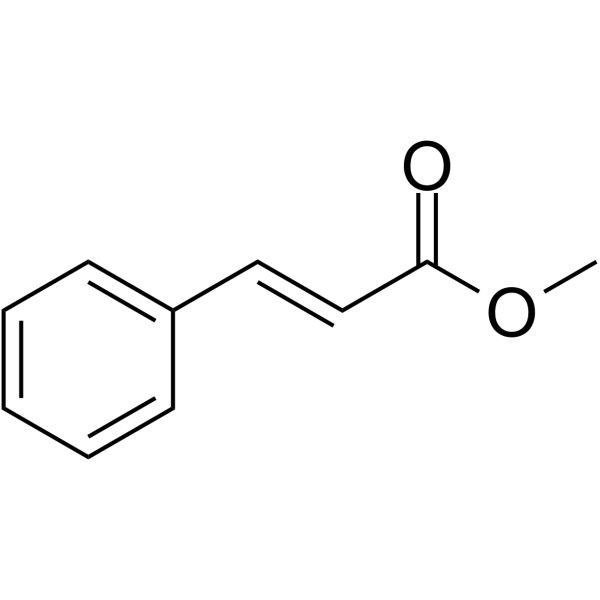
Methyl cinnamate (Methyl 3-phenylpropenoate), an active component of Zanthoxylum armatum, is a widely used natural flavor compound. Methyl cinnamate (Methyl 3-phenylpropenoate) possesses antimicrobial activity and is a tyrosinase inhibitor that can prevent food browning. Methyl cinnamate (Methyl 3-phenylpropenoate) has antiadipogenic activity through mechanisms mediated, in part, by the CaMKK2-AMPK signaling pathway .
loading...
    loading...
2
2 Cited Publications
Cat. No.: HY-N0756
CAS No.: 76-49-3
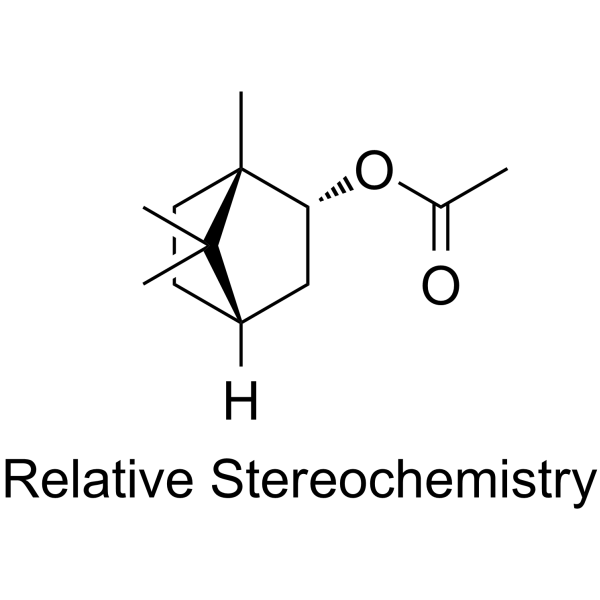
Bornyl acetate is a potent odorant, exhibiting one of the highest flavor dilution factor (FD factor). Bornyl acetate possesses anti-cancer activity .
loading...
    loading...
2
2 Cited Publications
Cat. No.: HY-N0215S10
CAS No.: 439685-11-7
Synonyms: (S)-2-Amino-3-phenylpropionic acid-13C9
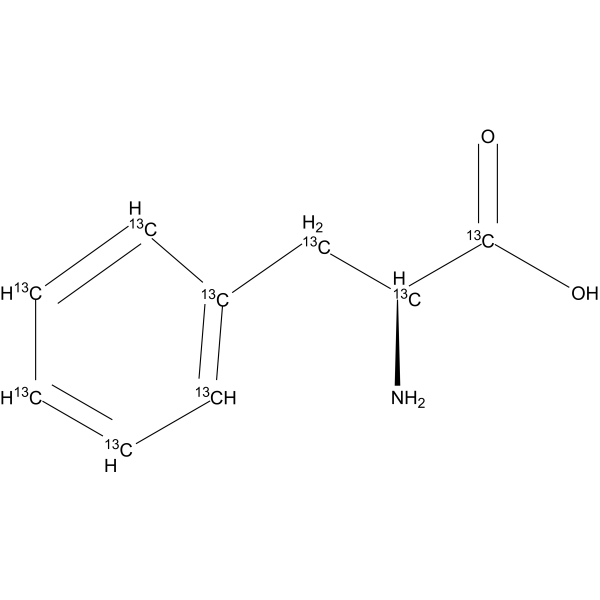
L-Phenylalanine- 13C9 is the 13C-labeled L-Phenylalanine. L-Phenylalanine ((S)-2-Amino-3-phenylpropionic acid) is an essential amino acid isolated from Escherichia coli. L-Phenylalanine is a α2δ subunit of voltage-dependent Ca+ channels antagonist with a Ki of 980 nM. L-phenylalanine is a competitive antagonist for the glycine- and glutamate-binding sites of N-methyl-D-aspartate receptors (NMDARs) (KB of 573 μM ) and non-NMDARs, respectively. L-Phenylalanine is widely used in the production of food flavors and pharmaceuticals .
loading...
    loading...
1
1 Cited Publications
Cat. No.: HY-Y0546
CAS No.: 119-61-9
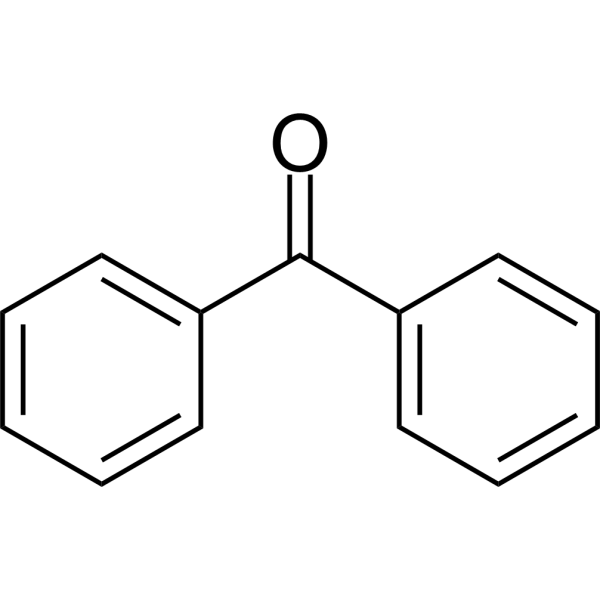
Benzophenone is an endogenous metabolite. Benzophenone is a photosensitizer, that absorbs UV light, transfers its energy to DNA, and triggers DNA damage. Benzophenone can be used as the fragrance enhancer, ultraviolet curing agent, additive in plastics, or the flavor ingredient. Benzophenone can also be used in the manufacturing of insecticides, agricultural chemicals, hypnotics, antihistamines, and other pharmaceuticals. Benzophenone exhibits certain carcinogenicity in mouse/rat models under long term exposure. Benzophenone exhibits estrogenic activity .
loading...
    loading...
1
1 Cited Publications
Cat. No.: HY-N0215S1
CAS No.: 17942-32-4
Synonyms: (S)-2-Amino-3-phenylpropionic acid-d8
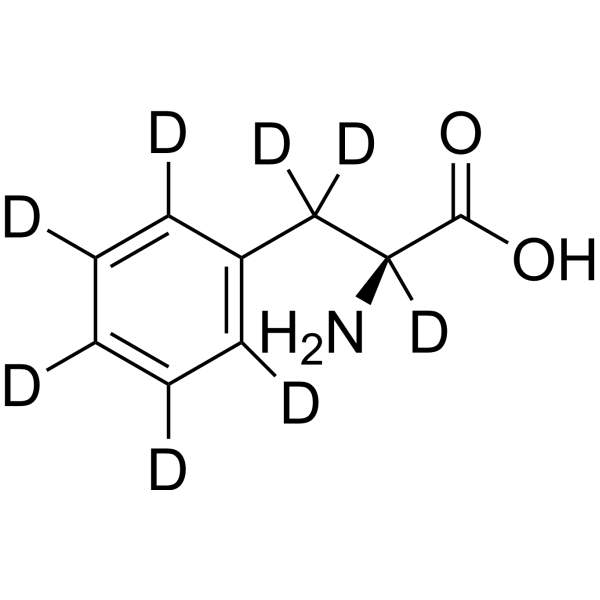
L-Phenylalanine-d8 is the deuterium labeled L-Phenylalanine. L-Phenylalanine ((S)-2-Amino-3-phenylpropionic acid) is an essential amino acid isolated from Escherichia coli. L-Phenylalanine is a α2δ subunit of voltage-dependent Ca+ channels antagonist with a Ki of 980 nM. L-phenylalanine is a competitive antagonist for the glycine- and glutamate-binding sites of N-methyl-D-aspartate receptors (NMDARs) (KB of 573 μM ) and non-NMDARs, respectively. L-Phenylalanine is widely used in the production of food flavors and pharmaceuticals .
loading...
    loading...
1
1 Cited Publications
Cat. No.: HY-N0215S12
CAS No.: 56253-90-8
Synonyms: (S)-2-Amino-3-phenylpropionic acid-d5
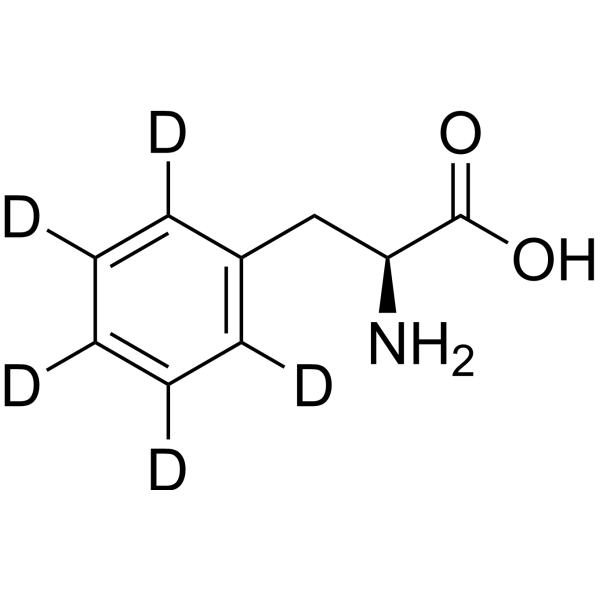
L-Phenylalanine-d5 is the deuterium labeled L-Phenylalanine. L-Phenylalanine ((S)-2-Amino-3-phenylpropionic acid) is an essential amino acid isolated from Escherichia coli. L-Phenylalanine is a α2δ subunit of voltage-dependent Ca+ channels antagonist with a Ki of 980 nM. L-phenylalanine is a competitive antagonist for the glycine- and glutamate-binding sites of N-methyl-D-aspartate receptors (NMDARs) (KB of 573 μM ) and non-NMDARs, respectively. L-Phenylalanine is widely used in the production of food flavors and pharmaceuticals .
loading...
    loading...
1
1 Cited Publications
Cat. No.: HY-W250122
CAS No.: 32221-81-1
Synonyms: Monosodium glutamate
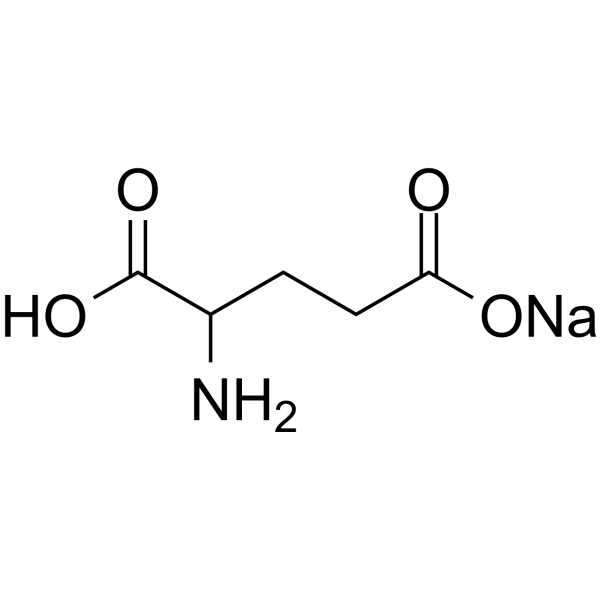
Glutamic acid sodium salt (Monosodium glutamate) is an orally active food flavor enhancer. Glutamic acid sodium salt causes ROS generation, mitochondrial dysfunction, and Apoptosis. Glutamic acid sodium salt upregulates CHOP, Grp78, and Bcl-2. Glutamic acid sodium salt impairs cognition, induces depressive-like behavior, induces hyperalgesia, and induces obesity and insulin resistance. Glutamic acid sodium salt can be used to study neurotoxicity (e.g., brain damage, cognitive impairment), metabolic disorders (e.g., obesity, insulin resistance), hepatotoxicity, and renal toxicity, as well as pain-related disorders .
loading...
    loading...
1
1 Cited Publications
Cat. No.: HY-N0215S2
CAS No.: 81201-86-7
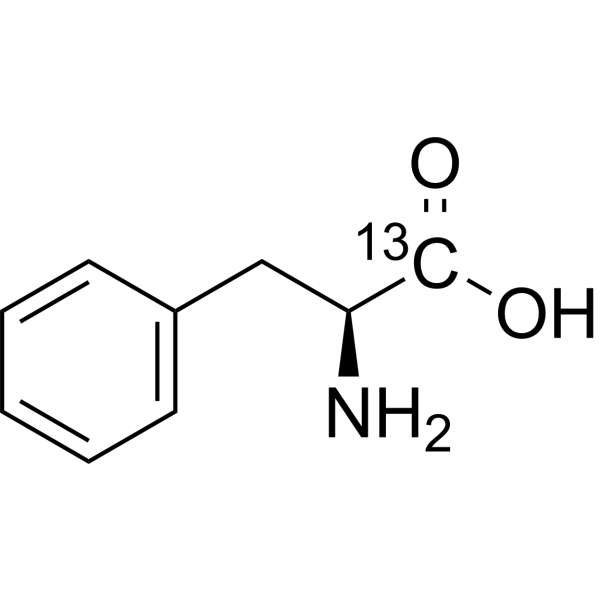
Synonyms: (S)-2-Amino-3-phenylpropionic acid-13C
L-Phenylalanine- 13C is the 13C-labeled L-Phenylalanine. L-Phenylalanine ((S)-2-Amino-3-phenylpropionic acid) is an essential amino acid isolated from Escherichia coli. L-Phenylalanine is a α2δ subunit of voltage-dependent Ca+ channels antagonist with a Ki of 980 nM. L-phenylalanine is a competitive antagonist for the glycine- and glutamate-binding sites of N-methyl-D-aspartate receptors (NMDARs) (KB of 573 μM ) and non-NMDARs, respectively. L-Phenylalanine is widely used in the production of food flavors and pharmaceuticals .
loading...
    loading...
1
1 Cited Publications
Cat. No.: HY-N0215S7
CAS No.: 136056-02-5
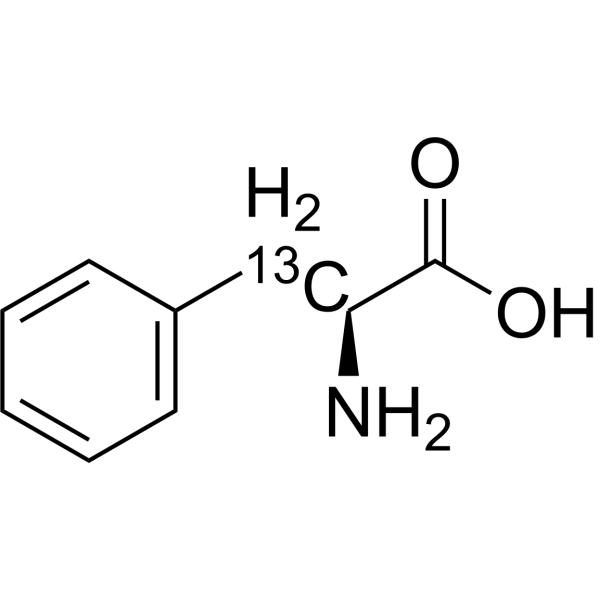
Synonyms: (S)-2-Amino-3-phenylpropionic acid-3-13C
L-Phenylalanine-3- 13C is the 13C-labeled L-Phenylalanine. L-Phenylalanine ((S)-2-Amino-3-phenylpropionic acid) is an essential amino acid isolated from Escherichia coli. L-Phenylalanine is a α2δ subunit of voltage-dependent Ca+ channels antagonist with a Ki of 980 nM. L-phenylalanine is a competitive antagonist for the glycine- and glutamate-binding sites of N-methyl-D-aspartate receptors (NMDARs) (KB of 573 μM ) and non-NMDARs, respectively. L-Phenylalanine is widely used in the production of food flavors and pharmaceuticals .
loading...
    loading...
1
1 Cited Publications
Cat. No.: HY-N0215S8
CAS No.: 180268-82-0
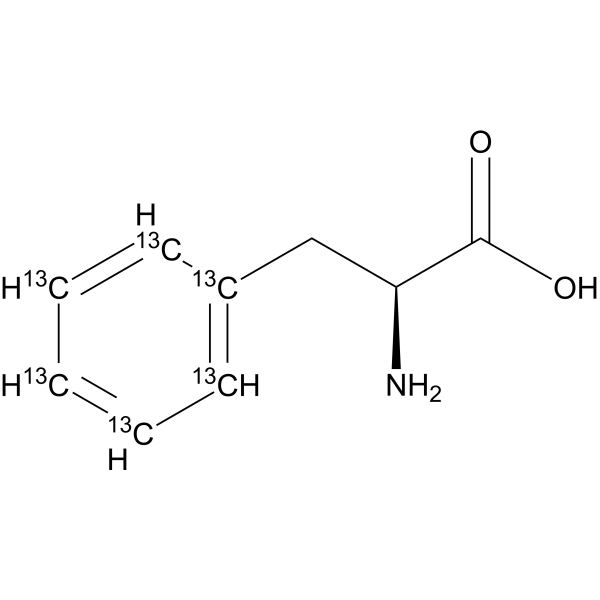
Synonyms: (S)-2-Amino-3-phenylpropionic acid-13C6
L-Phenylalanine- 13C6 is the 13C-labeled L-Phenylalanine. L-Phenylalanine ((S)-2-Amino-3-phenylpropionic acid) is an essential amino acid isolated from Escherichia coli. L-Phenylalanine is a α2δ subunit of voltage-dependent Ca+ channels antagonist with a Ki of 980 nM. L-phenylalanine is a competitive antagonist for the glycine- and glutamate-binding sites of N-methyl-D-aspartate receptors (NMDARs) (KB of 573 μM ) and non-NMDARs, respectively. L-Phenylalanine is widely used in the production of food flavors and pharmaceuticals .
loading...
    loading...
Cat. No.: HY-W011053
CAS No.: 165450-17-9
Research Areas:  

Metabolic Disease

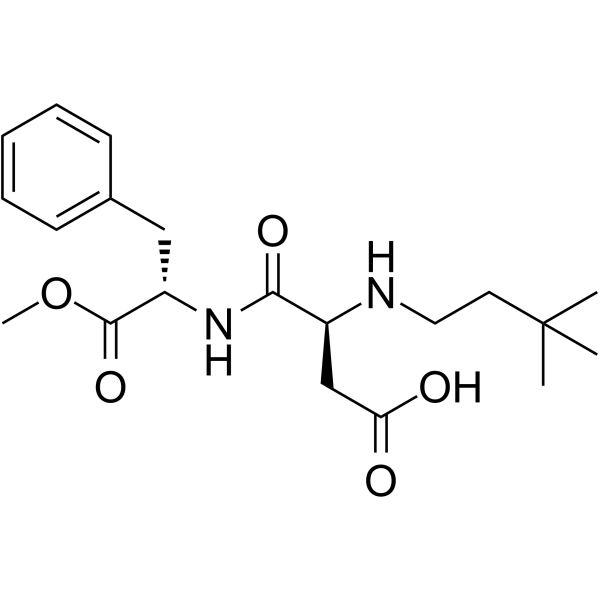
Neotame is a derivative of Aspartame (HY-B0361) and is a flavor enhancer and low-caloric, non-nutritive, high-intensity artificial sweetener that is 7000-13,000 times sweeter than sugar. Neotame causes intestinal epithelial cell death at high concentrations. Neotame induces Apoptosis of Caco-2 cells .
loading...
    loading...
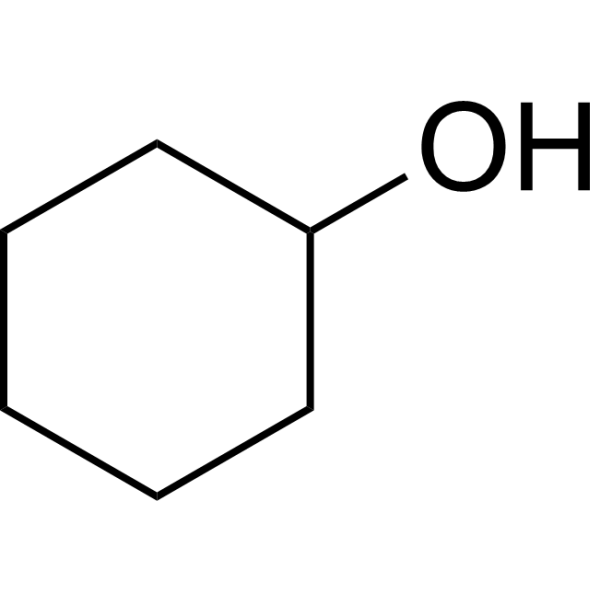
Cat. No.: HY-Y1217
CAS No.: 108-93-0
Synonyms: Hydroxycyclohexane; NSC 54711; Naxol; Cyclohexanol
1-Cyclohexanol (Hydroxycyclohexane; NSC 5471) is an orally active Cramer Class I flavor ingredient that can be used in fragrances. 1-Cyclohexanol has a wide margin of safety and is environmentally friendly .
loading...
    loading...
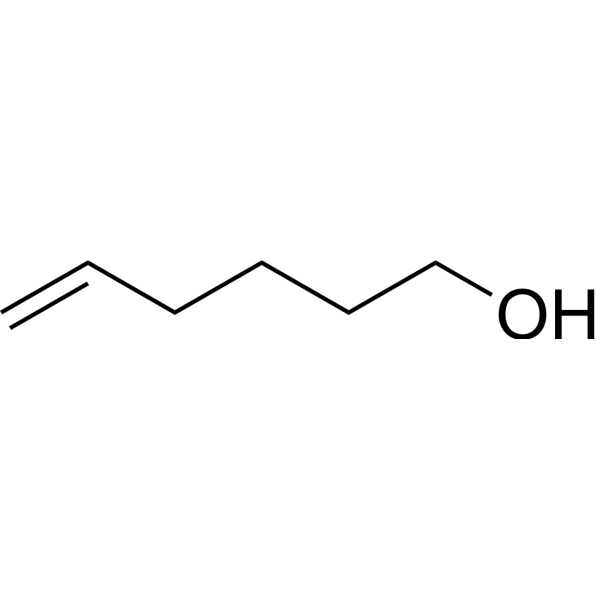
Cat. No.: HY-W012995
CAS No.: 821-41-0
5-Hexen-1-ol, is an aromatic substance with aromas similar to substances such as herbs, tea and citrus. Therefore, it is usually used in the food, fragrance and perfume industries, and is widely used in the preparation of various food flavors, fragrances, taste flavoring agents, essential oils and cosmetics and other products.
loading...
    loading...
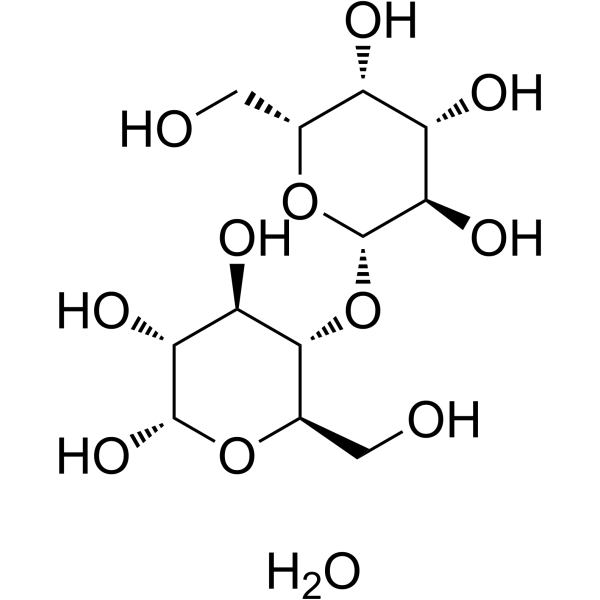
Cat. No.: HY-W087904
CAS No.: 5989-81-1
Synonyms: α-D-Lactose hydrate
α-Lactose hydrate (α-D-Lactose (hydrate)) is the primary carbohydrate in the milk of most mammals. α-Lactose hydrate consists of glucose and galactose and exists in two isomeric forms, α and β. α-Lactose hydrate has numerous applications in the food and pharmaceutical industries, such as serving as a bulking or agglomerating agent, and a diluent for pigments, flavors or enzymes .
loading...
    loading...

