



Neotame

Based on 1 Customer Validation
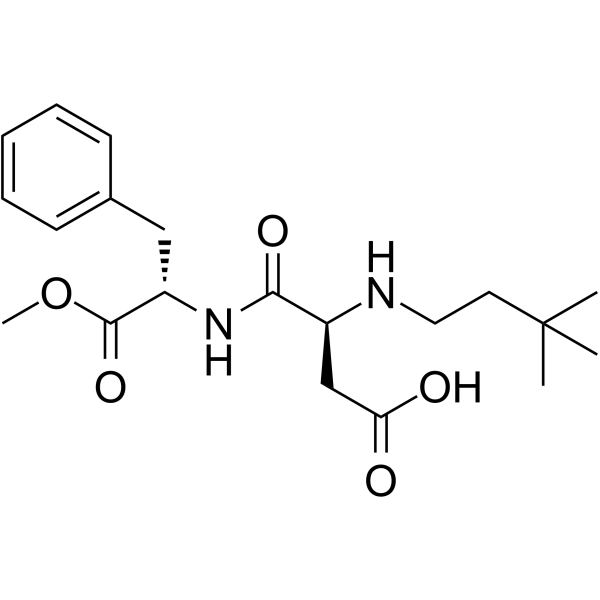
Neotame is a derivative of Aspartame (HY-B0361) and is a flavor enhancer and low-caloric, non-nutritive, high-intensity artificial sweetener that is 7000-13,000 times sweeter than sugar. Neotame causes intestinal epithelial cell death at high concentrations. Neotame induces Apoptosis of Caco-2 cells.
Nos produits utilisent uniquement pour la recherche. Nous ne vendons pas aux patients.
- Pureté : 98.0%
- CAS No.: 165450-17-9
- Formule: C20H30N2O5
- Masse moléculaire:378.46
-
Stockage:Powder -20°C, 3 years , 4°C, 2 years ; In solvent -80°C, 6 months , -20°C, 1 month

To place orders, for customer services and technical support, please contact: MedChemExpress USA
Tel: 609-228-6898 E-mail: [email protected] [email protected]


-
 Activité biologique
-
Chemical Information
-
Solvant et solubilité
- Protocole
- Pureté et documentation
- Références
-
 Help & FAQs


-
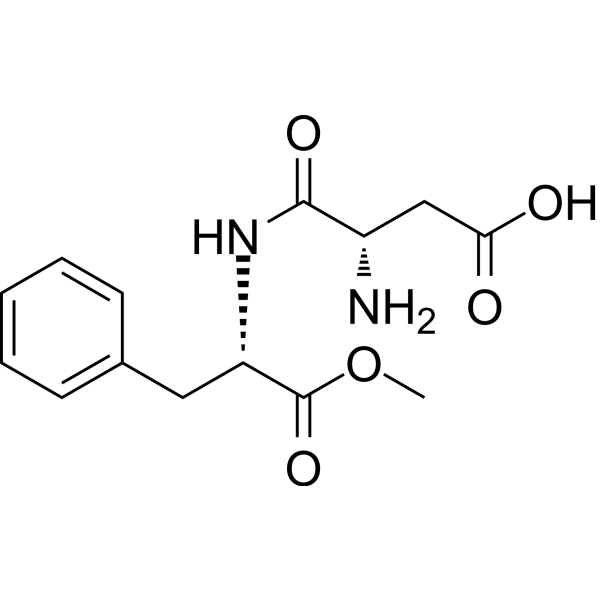
HY-B0361
AspartameSweetener -
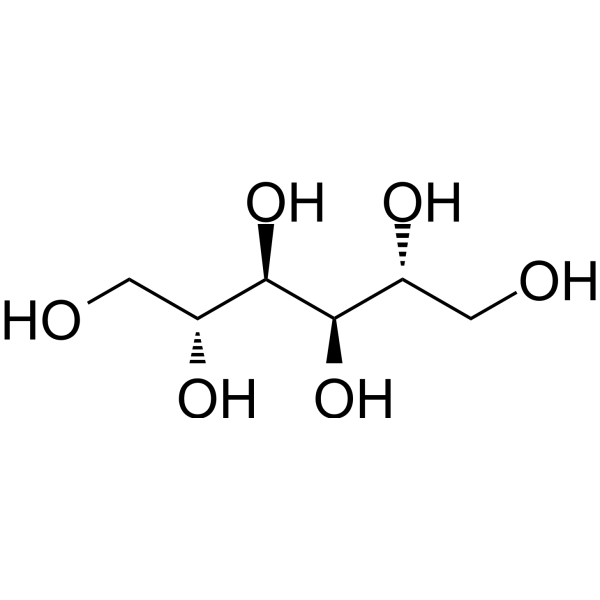
HY-N0378
D-MannitolResistant Sugar/Osmotic Diuretics -
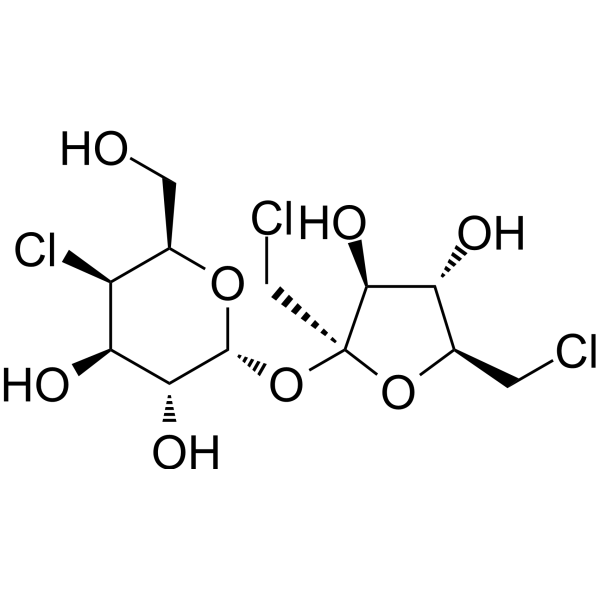
HY-N0614
SucraloseNon-Nutritive Sweetener -
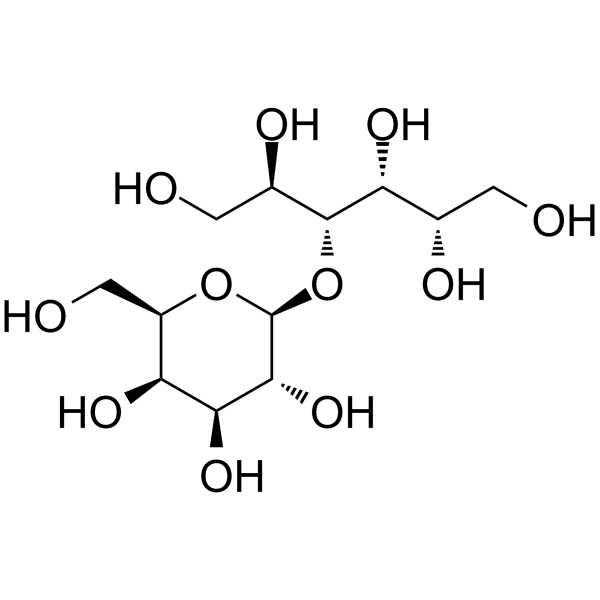
HY-N7104
LactitolPrebiotic -
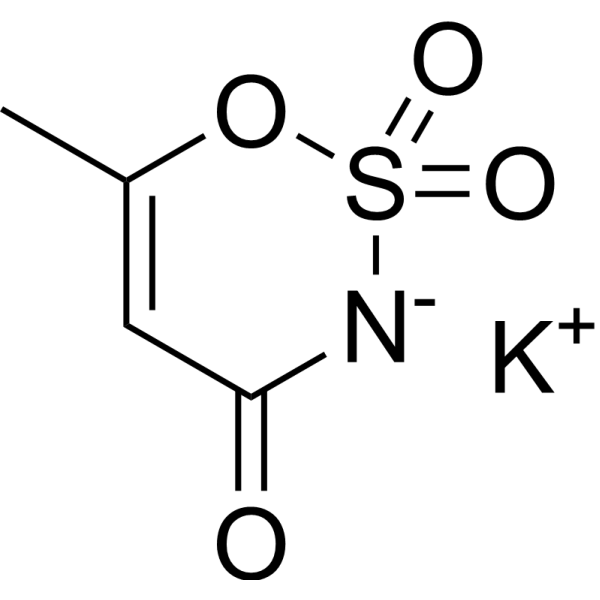
HY-D0195
Acesulfame potassiumSweetener -
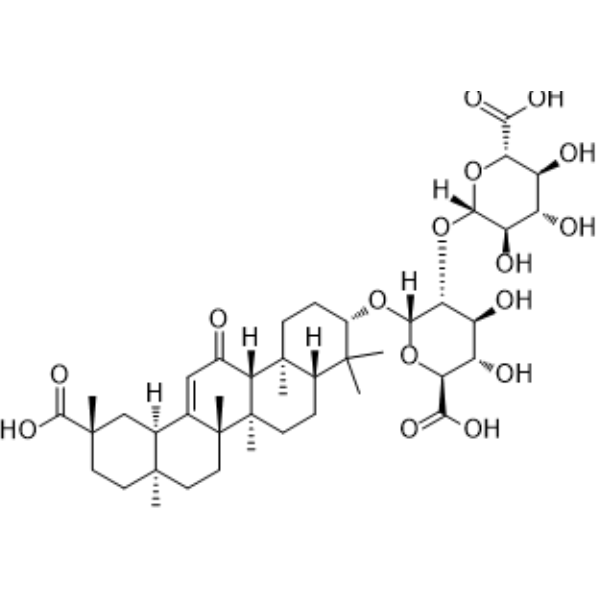
HY-N0184
Glycyrrhizic acidHMGB1 Antagonist -
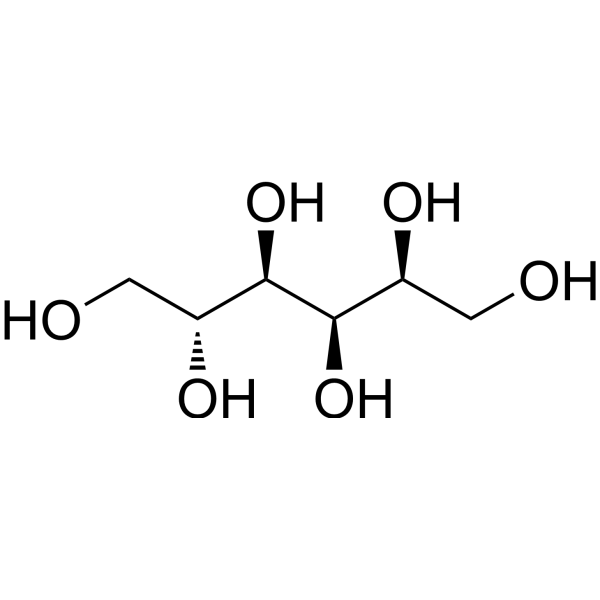
HY-B0400
D-SorbitolSugar Alcohol -
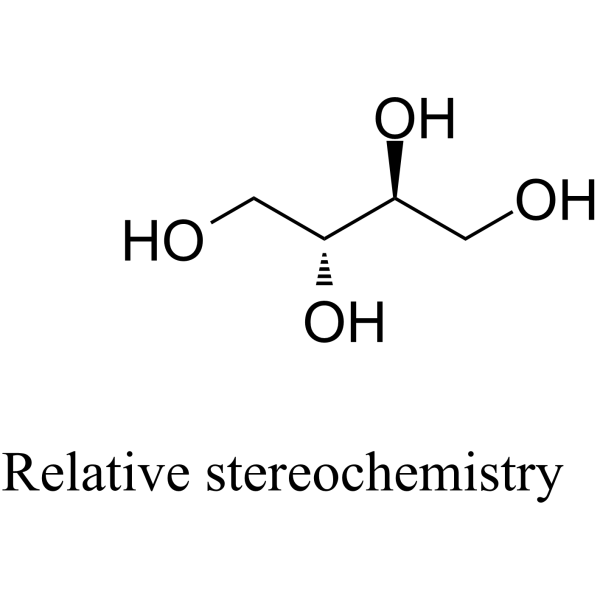
HY-100551
meso-ErythritolSweetener Agent -
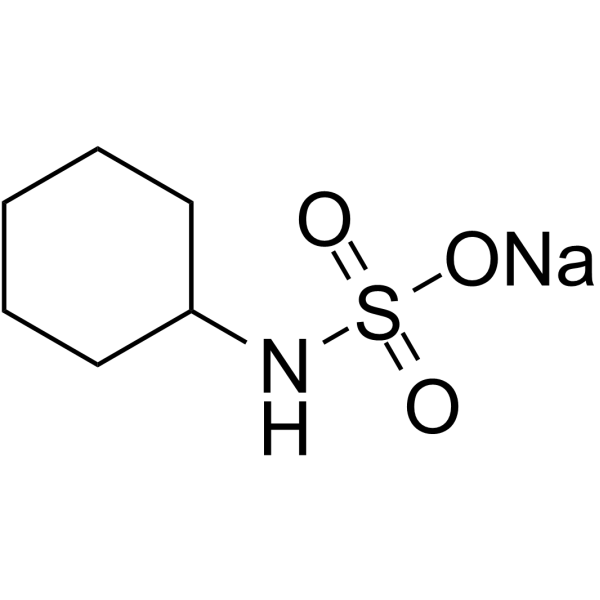
HY-W014839
Cyclamic acid sodiumArtificial Sweetener -
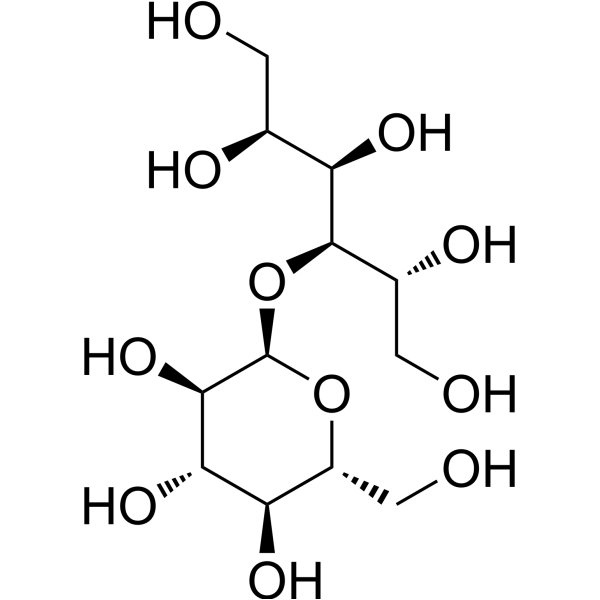
HY-B2122
MaltitolSugar Alcohol -
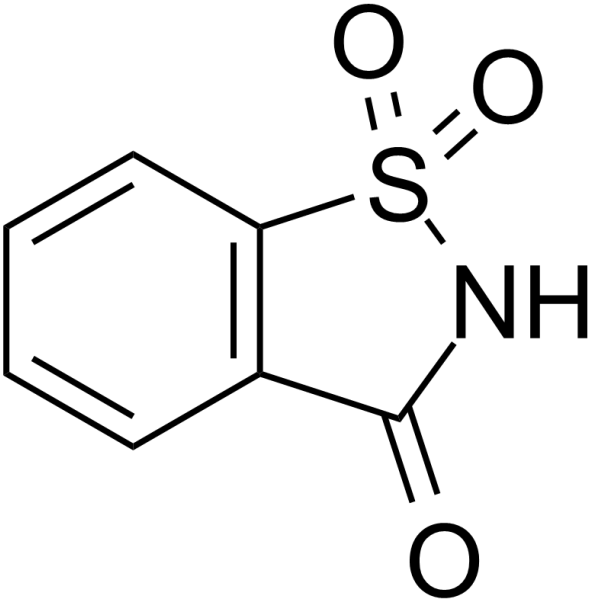
HY-Y0272
Saccharin -
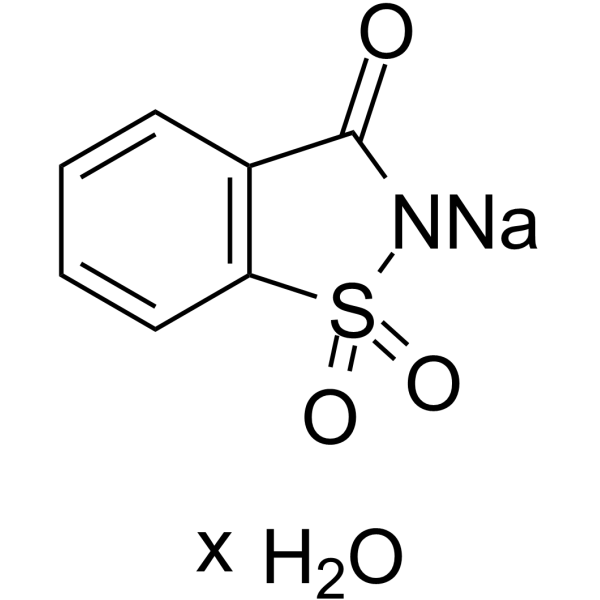
HY-B1390B
Saccharin sodium hydrateBacterial Inhibitor


Activité biologique
Description
In Vitro
Neotame (100 μM and higher, 6-24 h) causes intestinal epithelial cell death at high concentrations and leak across the epithelial monolayer at lower concentrations (1-100 μM)[3].
Neotame (0-1000 μM and higher, 6-24 h)-induced damage to the intestinal epithelium in vitro, both barrier disruption and cell death via apoptosis, is mediated by the sweet taste receptor, T1R3[3] .
Neotame (0-100 μM, 24 h) reduces Claudin 3 expression observed at Caco-2 cell surface[3] .
MedChemExpress (MCE) has not independently confirmed the accuracy of these methods. They are for reference only. Further protocols information, click here.
-
Cell Line:Caco-2 cells
-
Concentration:0, 0.01, 0.1, 1, 10, 100, 1000, 10000 μM
-
Incubation Time:24 h
-
Result:Showed very little cell viability at high concentrations.
-
Cell Line:Caco-2 cells
-
Concentration:0, 0.01, 0.1, 1, 10, 100, 1000, 10000 μM
-
Incubation Time:6 h
-
Result:Increased cell death from 100 μM and higher.
Increased significant apoptosis of Caco-2 cells from 10 μM and higher.
-
Cell Line:Caco-2 cells
-
Concentration:0, 10, 100 μM
-
Incubation Time:24 h
-
Result:Reduced Claudin 3 expression observed at Caco-2 cell surface.
In Vivo
MedChemExpress (MCE) has not independently confirmed the accuracy of these methods. They are for reference only.
-
Animal Model:Ten male CD-1 mice around 7 weeks old[1].
-
Dosage:0.75 mg/kg
-
Administration:p.o., daily, 4 weeks
-
Result:Induced lower alpha-diversity of gut microbiome than the control group.
Enriched phylum Bacteroidetes, while decreased Firmicutes.
Induced multiple components of family Lachnospiraceae and family Ruminococcaceae lower than controls, such as Blautia, Dorea, Oscillospira and Ruminococcus.
Enriched amino acid metabolism, LPS biosynthesis, antibiotics biosynthesis and folate biosynthesis pathways.
Induced lower fatty acid metabolism, carbohydrate metabolism, lipid metabolism and ABC transporters than in controls.
Decreased most of the altered metabolites, such as malic acid, mannose-6-phosphate, 5-aminovaleric acid and glyceric acid.
Decreased most of the identified lipids and fatty acids, including 1,3-dipalmitate, 1-monopalmitin, linoleic acid and stearic acid.
Increased the concentrations of cholesterol, campesterol and stigmastanol in the fecal samples.


Chemical Information
-
CAS No. 165450-17-9
-
Appearance Solid
-
Masse moléculaire 378.46
-
Formule C20H30N2O5
-
Color White to off-white
-
SMILES
COC([C@H](CC1=CC=CC=C1)NC([C@H](CC(O)=O)NCCC(C)(C)C)=O)=O
-
Livraison
Room temperature in continental US; may vary elsewhere.
-
Stockage
Powder -20°C 3 years 4°C 2 years In solvent -80°C 6 months -20°C 1 month


Solvant et solubilité
In Vitro:
DMSO : 100 mg/mL (264.23 mM; Need ultrasonic; Hygroscopic DMSO has a significant impact on the solubility of product, please use newly opened DMSO)
Please refer to the solubility information to select the appropriate solvent. Once prepared, please aliquot and store the solution to prevent product inactivation from repeated freeze-thaw cycles.
Storage method and period of stock solution: -80°C, 6 months; -20°C, 1 month. When stored at -80°C, please use it within 6 months. When stored at -20°C, please use it within 1 month.
Please refer to the solubility information to select the appropriate solvent. Once prepared, please aliquot and store the solution to prevent product inactivation from repeated freeze-thaw cycles.
Storage method and period of stock solution: -80°C, 6 months; -20°C, 1 month. When stored at -80°C, please use it within 6 months. When stored at -20°C, please use it within 1 month.
Concentration (start) × Volume (start) = Concentration (final) × Volume (final)
In Vivo:
Select the appropriate dissolution method based on your experimental animal and administration route.
- For the following dissolution methods, please ensure to first prepare a clear stock solution using an In Vitro approach and then sequentially add co-solvents:
- To ensure reliable experimental results, the clarified stock solution can be appropriately stored based on storage conditions. As for the working solution for In Vivo experiments, it is recommended to prepare freshly and use it on the same day.
- The percentages shown for the solvents indicate their volumetric ratio in the final prepared solution. If precipitation or phase separation occurs during preparation, heat and/or sonication can be used to aid dissolution.
Add each solvent one by one: 10% DMSO 40% PEG300 5% Tween-80 45% Saline
Solubility: ≥ 2.5 mg/mL (6.61 mM); Clear solution
This protocol yields a clear solution of ≥ 2.5 mg/mL (saturation unknown).
Taking 1 mL working solution as an example, add 100 μL DMSO stock solution (25.0 mg/mL) to 400 μL PEG300, and mix evenly; then add 50 μL Tween-80 and mix evenly; then add 450 μL Saline to adjust the volume to 1 mL.
Preparation of Saline: Dissolve 0.9 g sodium chloride in ddH₂O and dilute to 100 mL to obtain a clear Saline solution.
Add each solvent one by one: 10% DMSO 90% (20% SBE-β-CD in Saline)
Solubility: ≥ 2.5 mg/mL (6.61 mM); Clear solution
This protocol yields a clear solution of ≥ 2.5 mg/mL (saturation unknown).
Taking 1 mL working solution as an example, add 100 μL DMSO stock solution (25.0 mg/mL) to 900 μL 20% SBE-β-CD in Saline, and mix evenly.
Preparation of 20% SBE-β-CD in Saline (4°C, storage for one week): 2 g SBE-β-CD powder is dissolved in 10 mL Saline, completely dissolve until clear.
In Vivo Dissolution Calculator
Please enter the basic information of animal experiments:
-
-
-
-
Recommended: Prepare an additional quantity of animals to account for potential losses during experiments.
Please enter your animal formula composition:
-
%DMSO +
Recommended: Keep the proportion of DMSO in working solution below 2% if your animal is weak.
-
%+
-
+%Tween-80 + +
-
%Saline +
The co-solvents required include: DMSO, . All of co-solvents are available by MedChemExpress (MCE). , Tween 80. All of co-solvents are available by MedChemExpress (MCE).
Working solution concentration: 0.22 mg/mL
Method for preparing stock solution: mg drug dissolved in μL DMSO. Stock solution concentration: mg/mL.
1. Take μL DMSO stock solution;
2. Add μL .
μL , mix evenly;
3. Then add μL Tween 80, mix evenly;
4. Then add μL
Please ensure that the stock solution in the first step is dissolved to a clear state, and add co-solvents in sequence. You can use ultrasonic heating (ultrasonic cleaner, recommended frequency 20-40 kHz), vortexing, etc. to assist dissolution.

Protocole
-
Detection of Apoptosis
Apoptosis, also called programmed cell death, is generally characterized by distinct morphological characteristics.
-
TUNEL staining for apoptotic DNA fragmentation
TUNEL staining detects DNA strand breaks by using terminal deoxynucleotidyl transferase to add labeled nucleotides to exposed 3′-OH DNA termini, generating either microscopic staining in fixed cells or tissue sections, or fluorescence/cytometric signal in cell suspensions. TUNEL positivity reflects DNA fragmentation but should not be interpreted alone as definitive apoptosis, because TUNEL can also label necrotic, autolytic, mechanically damaged, or DNA-repair-associated DNA breaks.
-
Cell Cytotoxicity Assay
Cytotoxicity assays are usually based on the assessment of cell membrane damage, which can also be indirectly detected by measuring cell viability. Detection methods include MTT assay, CKK-8 assay, LDH assay and ATP assay, etc.
-
Mammalian live/dead viability and cytotoxicity staining
Live/dead viability and cytotoxicity staining assays are based on the simultaneous detection of intracellular esterase activity in metabolically active (viable) cells and membrane integrity loss in non-viable cells. In commonly used dual-staining approaches, membrane-permeant fluorogenic substrates are converted by intracellular esterases into fluorescent products in live cells, while impermeant DNA-binding dyes selectively enter cells with compromised plasma membranes and label nucleic acids in dead or dying cells, enabling discrimination between viable and non-viable populations by fluorescence microscopy or flow cytometry.
-
Annexin V plus membrane-impermeant dye apoptosis staining
Annexin V-based apoptosis assays rely on the detection of phosphatidylserine (PS) externalization from the inner leaflet of the plasma membrane to the outer leaflet, an early biochemical hallmark of apoptosis. Fluorescently labeled Annexin V binds PS in a calcium-dependent manner, enabling identification of early apoptotic cells by flow cytometry or fluorescence microscopy. When combined with a membrane-impermeant DNA-binding dye (e. g. , propidium iodide), this approach allows discrimination between viable (Annexin V−/dye−), early apoptotic (Annexin V+/dye−), and late apoptotic or necrotic (Annexin V+/dye+) cell populations by assessing membrane integrity and PS exposure.
-
Apoptosis Solutions
Apoptosis is a regulated, generally non-lytic cell-death pathway that removes unwanted, damaged, infected, or abnormal cells through coordinated morphological changes, caspase activation, DNA fragmentation, and membrane remodeling. The intrinsic apoptosis pathway is controlled mainly by mitochondrial outer membrane permeabilization, BCL-2 family proteins, cytochrome c release, apoptosome formation, caspase-9 activation, and downstream executioner caspase-3/7 activation. The extrinsic apoptosis pathway is initiated by death receptors such as Fas, TNFR, and TRAIL receptors, which recruit adaptor proteins and activate caspase-8 before engaging executioner caspases or mitochondrial amplification through BID cleavage. Apoptosis is linked to many phenotypes, including cancer cell killing, tissue homeostasis, immune regulation, neurodegeneration, infection response, and treatment-induced cytotoxicity; unresolved questions include how apoptosis interacts with necroptosis, pyroptosis, ferroptos


Pureté et documentation
-
Fiche technique (288 KB)
-
SDS (396 KB)
- English - EN (396 KB)
- Français - FR (396 KB)
- Deutsch - DE (396 KB)
- Norwegian - NO (396 KB)
- Español - ES (396 KB)
- Swedish - SV (396 KB)
- Italian - IT (396 KB)
- Korean - KR (396 KB)
- Portuguese - PT (396 KB)
-
Instruction de manipulation (2659 KB)
Références
[1]. Liang Chi, et al. Effects of the Artificial Sweetener Neotame on the Gut Microbiome and Fecal Metabolites in Mice. Molecules. 2018 Feb 9;23(2):367. [Content Brief]
[2]. Anuradha Kumari, et al. Stability of Aspartame and Neotame in Pasteurized and In-Bottle Sterilized Flavoured Milk. Food Chem. 2016 Apr 1;196:533-8. [Content Brief]
[3]. Shil A, et al. The artificial sweetener neotame negatively regulates the intestinal epithelium directly through T1R3-signaling and indirectly through pathogenic changes to model gut bacteria. Front Nutr. 2024 Apr 24;11:1366409. [Content Brief]


Complete Stock Solution Preparation Table
Please refer to the solubility information to select the appropriate solvent. Once prepared, please aliquot and store the solution to prevent product inactivation from repeated freeze-thaw cycles.
Storage method and period of stock solution: -80°C, 6 months; -20°C, 1 month. When stored at -80°C, please use it within 6 months. When stored at -20°C, please use it within 1 month.
| Optional Solvent | Concentration Solvent Mass | 1 mg | 5 mg | 10 mg | 25 mg |
|---|---|---|---|---|---|
| DMSO | 1 mM | 2.6423 mL | 13.2114 mL | 26.4229 mL | 66.0572 mL |
| 5 mM | 0.5285 mL | 2.6423 mL | 5.2846 mL | 13.2114 mL | |
| 10 mM | 0.2642 mL | 1.3211 mL | 2.6423 mL | 6.6057 mL | |
| 15 mM | 0.1762 mL | 0.8808 mL | 1.7615 mL | 4.4038 mL | |
| 20 mM | 0.1321 mL | 0.6606 mL | 1.3211 mL | 3.3029 mL | |
| 25 mM | 0.1057 mL | 0.5285 mL | 1.0569 mL | 2.6423 mL | |
| 30 mM | 0.0881 mL | 0.4404 mL | 0.8808 mL | 2.2019 mL | |
| 40 mM | 0.0661 mL | 0.3303 mL | 0.6606 mL | 1.6514 mL | |
| 50 mM | 0.0528 mL | 0.2642 mL | 0.5285 mL | 1.3211 mL | |
| 60 mM | 0.0440 mL | 0.2202 mL | 0.4404 mL | 1.1010 mL | |
| 80 mM | 0.0330 mL | 0.1651 mL | 0.3303 mL | 0.8257 mL | |
| 100 mM | 0.0264 mL | 0.1321 mL | 0.2642 mL | 0.6606 mL |


Neotame Related Classifications
HY-W011053 Related Classifications
 Powered by Bioz