Search Result
Results for "
fluoroquinolone
" in MedChemExpress (MCE) Product Catalog:
2
Biochemical Assay Reagents
25
Isotope-Labeled Compounds
| Cat. No. |
Product Name |
Target |
Research Areas |
Chemical Structure |
-
- HY-B0356
-
-
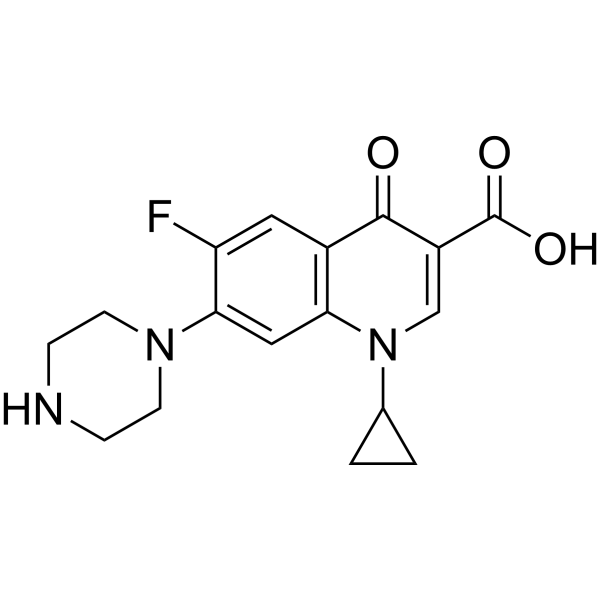
-
- HY-B0356B
-
|
Bay-09867 hydrochloride monohydrate
|
Topoisomerase
Apoptosis
Antibiotic
Bacterial
Mitochondrial Metabolism
Reactive Oxygen Species (ROS)
|
Infection
Cancer
|
|
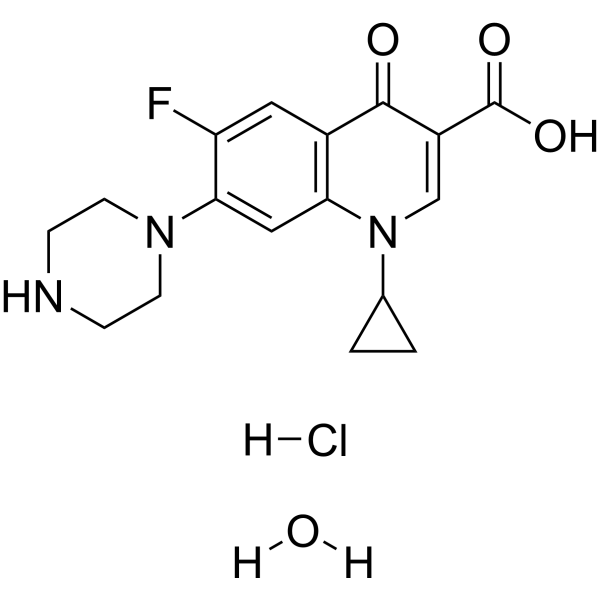
Ciprofloxacin (Bay-09867) hydrochloride monohydrate is a potent, orally active topoisomerase IV inhibitor. Ciprofloxacin hydrochloride monohydrate induces mitochondrial DNA and nuclear DNA damage and lead to mitochondrial dysfunction, ROS production. Ciprofloxacin hydrochloride monohydrate has anti-proliferative activity and induces apoptosis. Ciprofloxacin hydrochloride monohydrate is a fluoroquinolone antibiotic, exhibiting potent antibacterial activity .
|
-
-
- HY-B0356A
-
|
Bay-09867 monohydrochloride
|
Topoisomerase
Apoptosis
Antibiotic
Bacterial
Mitochondrial Metabolism
Reactive Oxygen Species (ROS)
|
Infection
Cancer
|
|
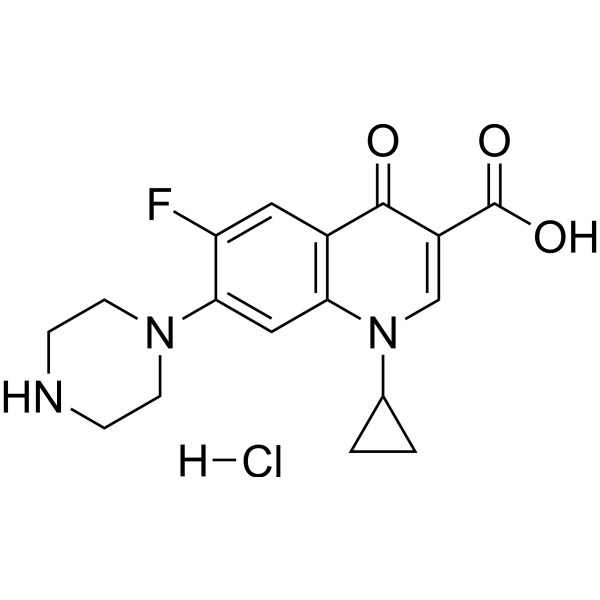
Ciprofloxacin (Bay-09867) monohydrochloride is a potent, orally active topoisomerase IV inhibitor. Ciprofloxacin monohydrochloride induces mitochondrial DNA and nuclear DNA damage and lead to mitochondrial dysfunction, ROS production. Ciprofloxacin monohydrochloride has anti-proliferative activity and induces apoptosis. Ciprofloxacin monohydrochloride is a fluoroquinolone antibiotic, exhibiting potent antibacterial activity .
|
-
-
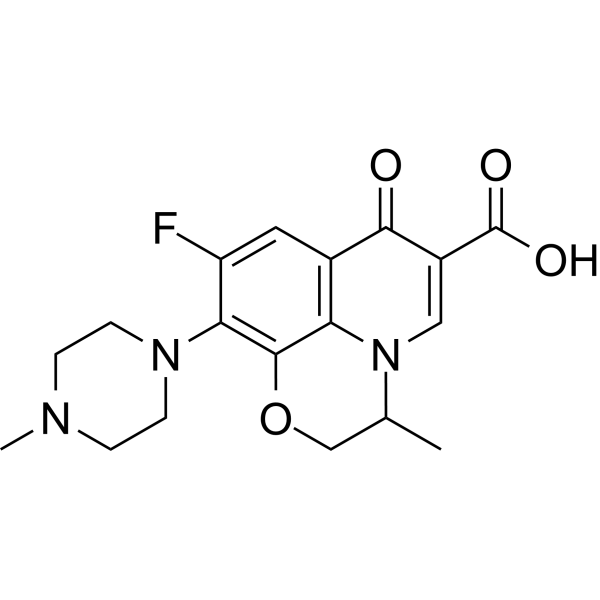
- HY-B0125
-
-
-
- HY-B1802A
-
|
A-61827 tosylate hydrate; T-3262
|
Bacterial
Antibiotic
|
Infection
|
|
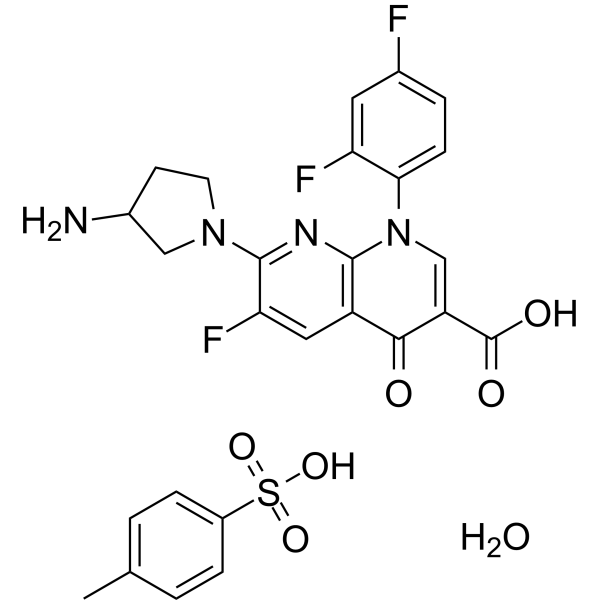
Tosufloxacin tosylate hydrate (A-61827) is an orally active fluoroquinolone antibiotic. Tosufloxacin shows a broad spectrum of antibacterial activity against gram-positive and gram-negative bacteria .
|
-
-
- HY-14814
-
|
RX-3341; WQ-3034; ABT492
|
Bacterial
Antibiotic
|
Infection
|
|
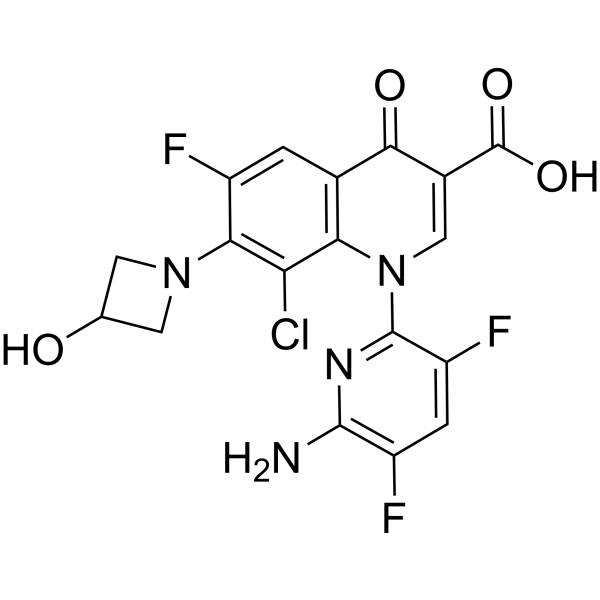
Delafloxacin (RX-3341; WQ-3034; ABT492) is a broad-spectrum fluoroquinolone antibiotic. Delafloxacin has a broad spectrum of activity that includes drug-resistant Staphylococcus aureus, Streptococcus pneumoniae, and Klebsiella pneumonia .
|
-
-
- HY-17028
-
|
|
Bacterial
Antibiotic
DNA/RNA Synthesis
Topoisomerase
|
Infection
Inflammation/Immunology
|
|
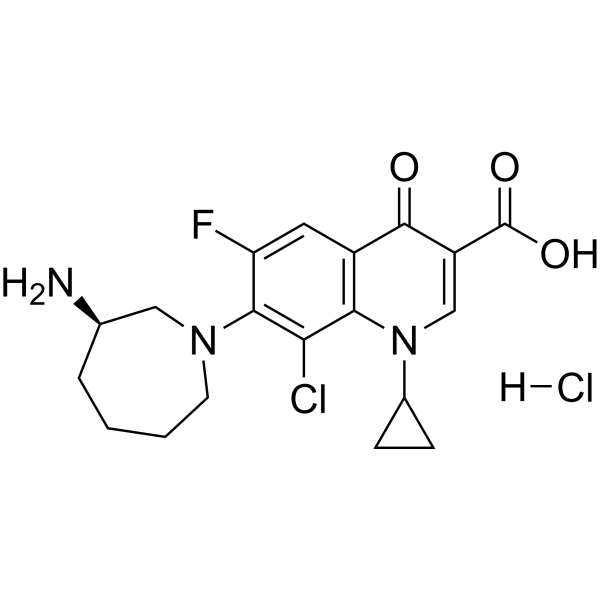
Besifloxacin Hydrochloride is a fourth generation fluoroquinolone antibiotic. Besifloxacin Hydrochloride is a DNA gyrase and topoisomerase IV inhibitor. Besifloxacin Hydrochloride has broad-spectrum antibacterial activity, it is effective against Gram-negative and Gram-positive aerobic and anaerobic strains and reduces the incidence of drug resistance. Besifloxacin Hydrochloride has anti-inflammatory activity. Besifloxacin Hydrochloride can be used in bacterial conjunctivitis research .
|
-
-
- HY-B0126
-
|
|
Bacterial
Antibiotic
|
Infection
|
|
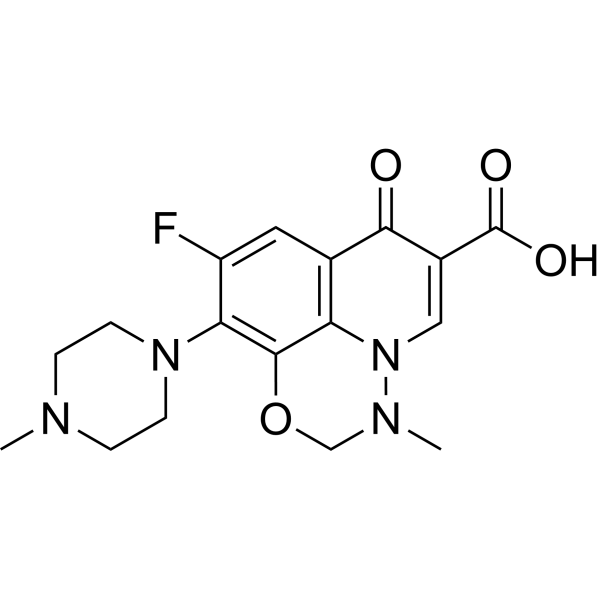
Marbofloxacin is a third generation fluoroquinolone and orally active antimicrobial agent, which has a broad spectrum bactericidal activity and good efficacy. Marbofloxacin can be used for the research of infections by Gram-positive and Gram-negative bacteria and Mycoplasma .
|
-
-
- HY-B0395C
-
|
DU6859a hydrate
|
Bacterial
Antibiotic
|
Infection
|
|
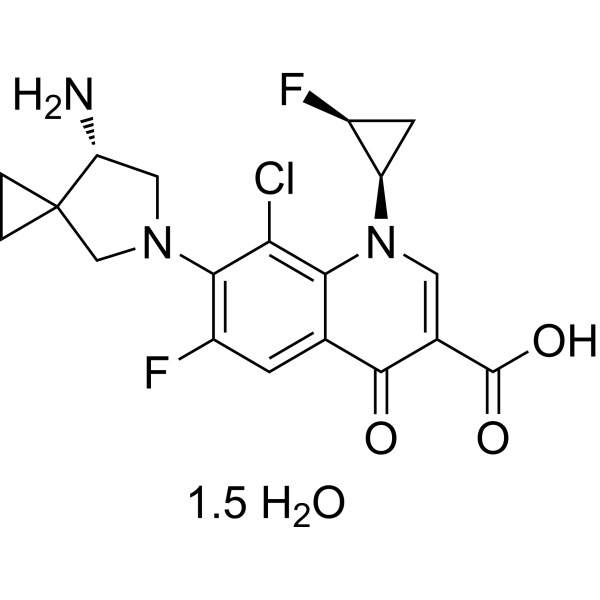
Sitafloxacin (DU6859a) hydrate is an orally active fluoroquinolone antibiotic (antibiotic) with in vitro activity against a wide range of Gram-positive and -negative bacteria, including anaerobic bacteria, as well as atypical pathogens. Sitafloxacin is used in the study of respiratory tract infections and urinary tract infections .
|
-
-
- HY-B0308
-
|
CI-978; AT-4140
|
Bacterial
Antibiotic
|
Infection
|
|
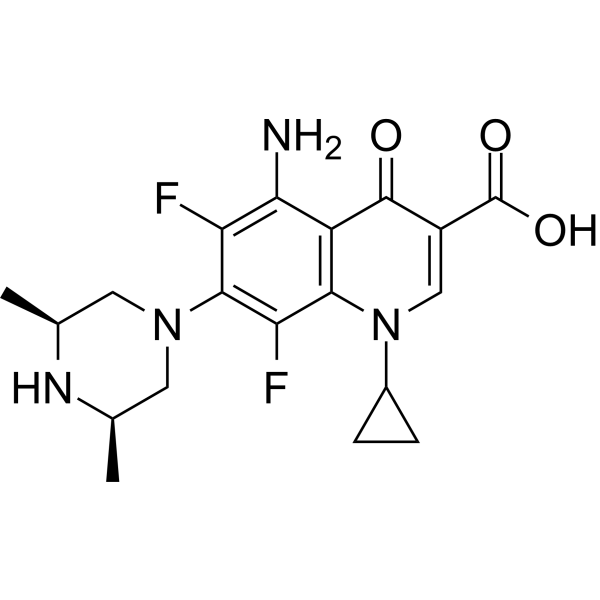
Sparfloxacin (CI-978) is a fluoroquinolone antibiotic, shows broad and potent antibacterial activity .
|
-
-
- HY-16764
-
|
JNJ-Q2
|
Bacterial
Antibiotic
|
Infection
Inflammation/Immunology
|
|
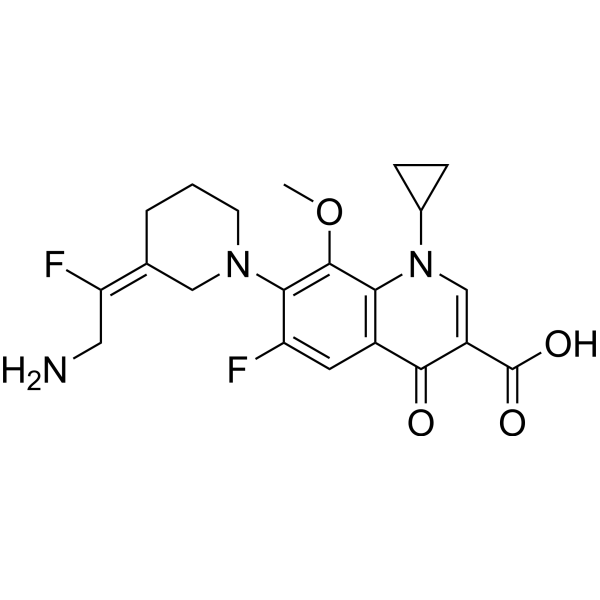
Avarofloxacin (JNJ-Q2) is a broad-spectrum fluoroquinolone antibacterial agent being developed for the treatment of acute bacterial skin and skin-structure infections and community-acquired pneumonia with oral activity. Avarofloxacin (JNJ-Q2) is an aminoethylidenylpiperidine fluoroquinolone that demonstrates antibacterial effect against numerous Gram-positive bacteria with a mean 0.12 mg/L MIC90 value. Avarofloxacin (JNJ-Q2) has potential for treatment of methicillin-resistant Staphylococcus aureus (MRSA) infections .
|
-
-
- HY-14814A
-
|
ABT492 meglumine; RX-3341 meglumine; WQ-3034 meglumine
|
Bacterial
Antibiotic
|
Infection
|
|
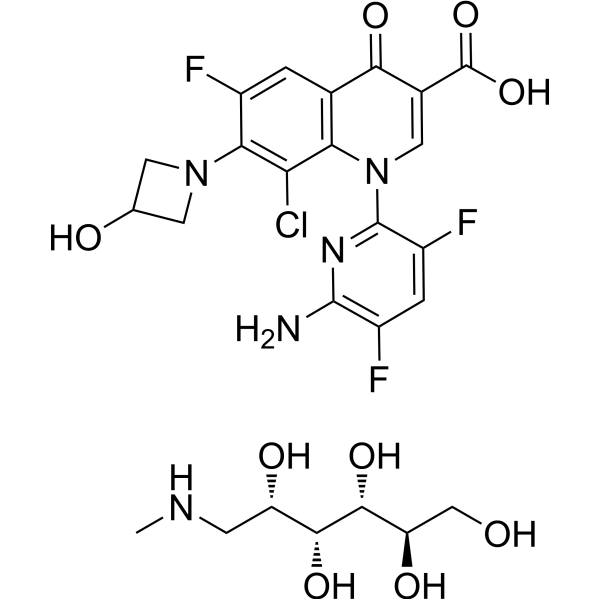
Delafloxacin meglumine (ABT492 meglumine; RX-3341 meglumine; WQ-3034 meglumine) is a broad-spectrum fluoroquinolone antibiotic. Delafloxacin has a broad spectrum of activity that includes drug-resistant Staphylococcus aureus, Streptococcus pneumoniae, and Klebsiella pneumonia .
|
-
-
- HY-14776
-
|
CX-3543
|
DNA/RNA Synthesis
|
Cancer
|
|
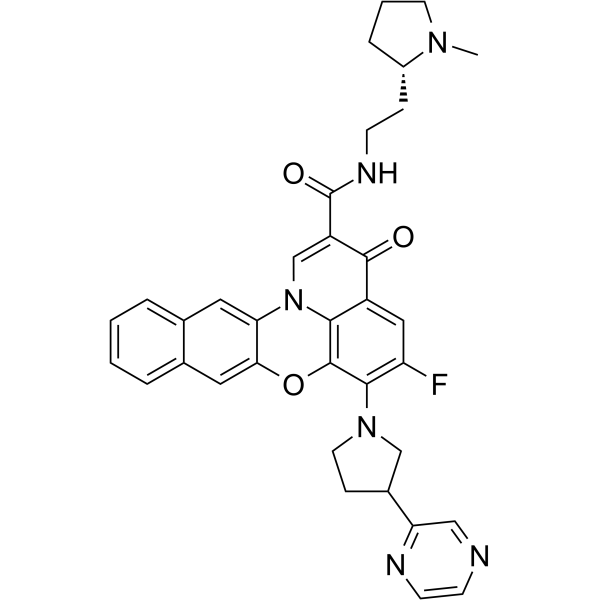
Quarfloxin (CX-3543), a fluoroquinolone derivative with antineoplastic activity, targets and inhibits RNA pol I activity, with IC50 values in the nanomolar range in neuroblastoma cells. Quarfloxin disrupts the interaction between the nucleolin protein and a G-quadruplex DNA structure in the ribosomal DNA (rDNA) template .
|
-
-
- HY-B0330D
-
|
Dextrofloxacin
|
Bacterial
Antibiotic
|
Infection
|
|
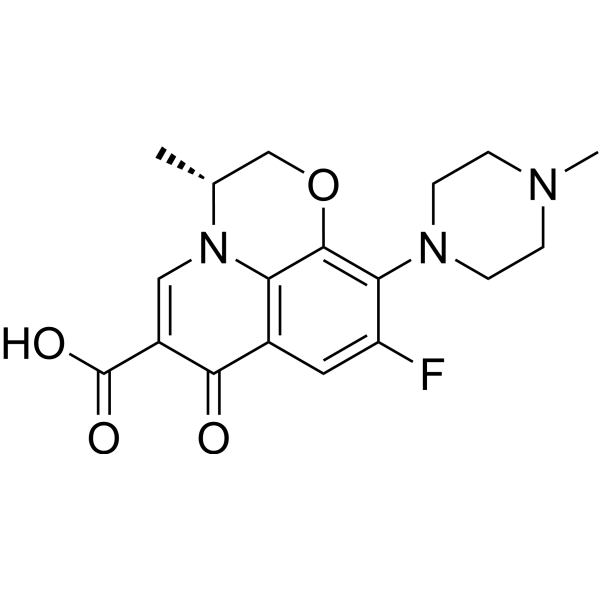
(R)-Ofloxacin is the dextrorotatory enantiomer of Ofloxacin (HY-B0125) and is an orally effective fluoroquinolone antibiotic. (R)-Ofloxacin can inhibit the activity of bacterial DNA topoisomerase II, interfere with bacterial DNA replication and repair, and exert a bactericidal effect. (R)-Ofloxacin has a broad-spectrum antibacterial activity and has inhibitory effects on both Gram-negative and Gram-positive bacteria .
|
-
-
- HY-B0395
-
|
DU6859a
|
Bacterial
Antibiotic
|
Infection
|
|
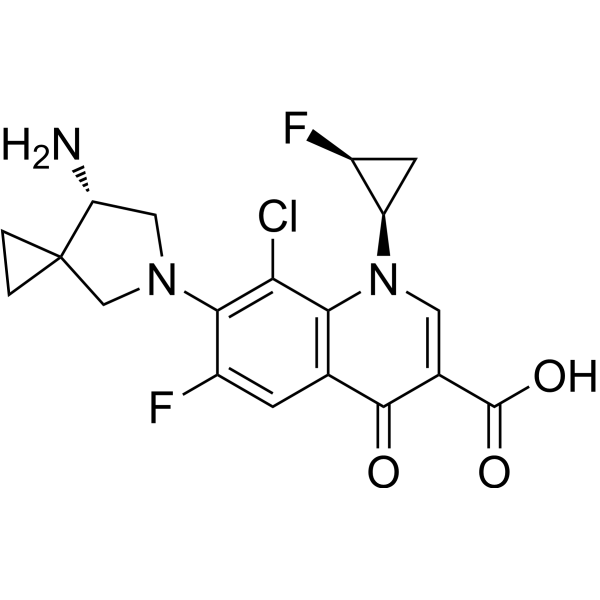
Sitafloxacin (DU6859a) is a potent, orally active fluoroquinolone antibiotic. Sitafloxacin shows antichlamydial activity and antibacterial activities against a broad range of gram-positive and gram-negative bacteria, including anaerobic bacteria, as well as against atypical pathogens. Sitafloxacin can be used for the research of respiratory tract infection and urinary tract infection .
|
-
-
- HY-B0343A
-
|
A-56620 hydrochloride
|
Bacterial
|
Infection
Inflammation/Immunology
|
|
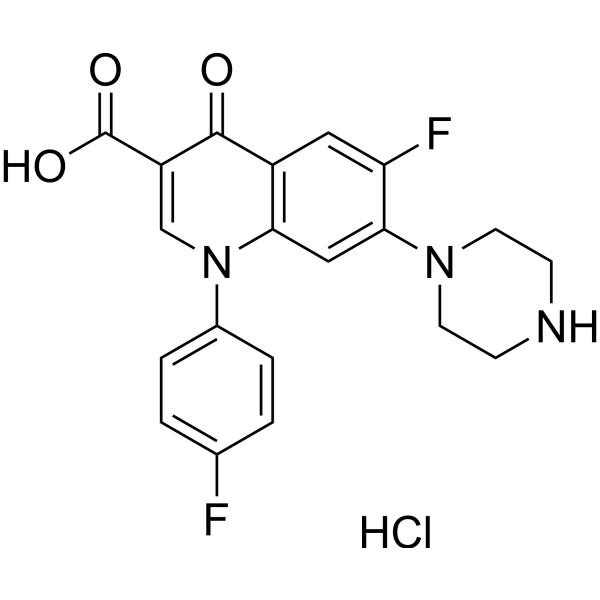
Sarafloxacin hydrochloride (A-56620 hydrochloride) is a fluoroquinolone Antibacterial agent. Sarafloxacin inhibits the growth of Staphylococcus aureus, Enterobacteriaceae, and both aminoglycoside-sensitive and aminoglycoside-resistant strains of Pseudomonas aeruginosa .
|
-
-
- HY-B0501
-
|
CP 76136-27
|
P-glycoprotein
Bacterial
Antibiotic
|
Infection
|
|
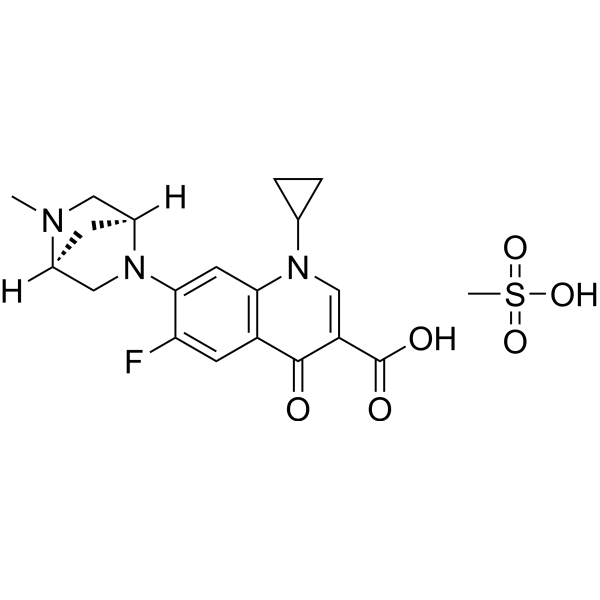
Danofloxacin mesylate (CP 76136-27) is a fluoroquinolone used as a veterinary drug. Danofloxacin mesylate has a broad spectrum of bactericidal activity, mainly inhibiting the DNA cycloenzyme of the bacteria. In addition, Danofloxacin mesylate is a substrate for ATP-dependent efflux transporters (P-gp and MRP2) .
|
-
-
- HY-B0024
-
|
NM441
|
Bacterial
Antibiotic
|
Infection
|
|
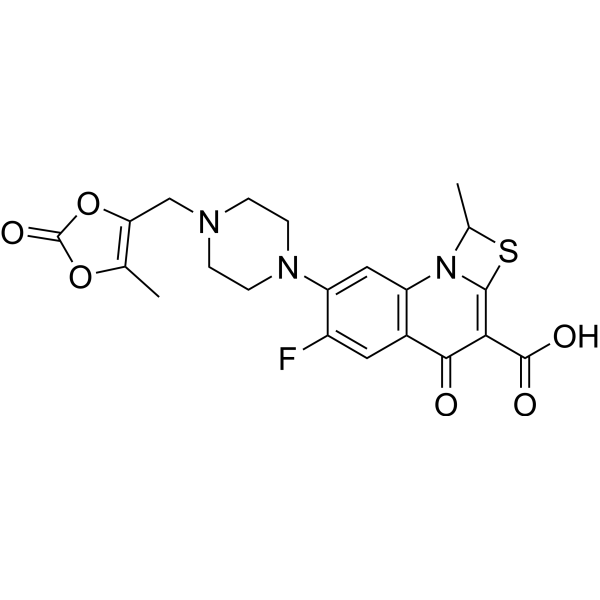
Prulifloxacin (NM441) is an orally active fluoroquinolone antibiotic with a broad spectrum of activity against Gram-positive and -negative bacteria. Prulifloxacin is a proagent of a thiazeto-quinoline carboxylic acid derivative Ulifloxacin (NM394). Prulifloxacin has the potential for lower urinary tract infections and exacerbations of chronic bronchitis .
|
-
-
- HY-139010
-
|
CI-934
|
SARS-CoV
|
Infection
|
|
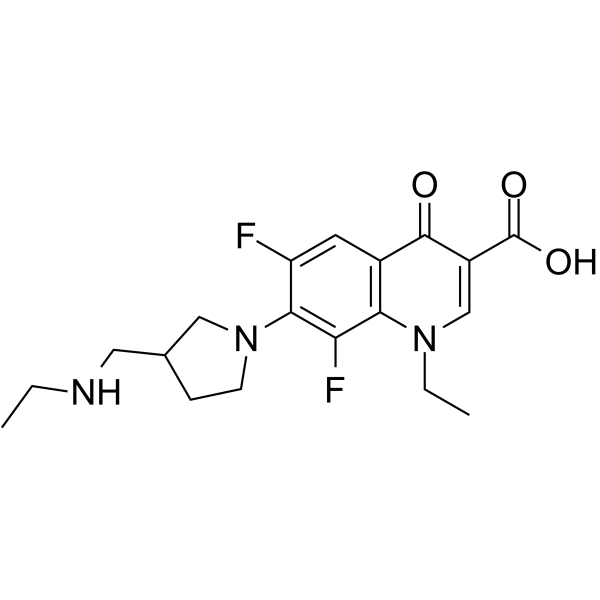
Merafloxacin (CI-934), a fluoroquinolone antibacterial agent, is a selective programmed -1 ribosomal frameshifting (-1 PRF) inhibitor of beta coronaviruses. Merafloxacin exhibits in vitro activity against gram-positive and gram-negative bacteria .
|
-
-
- HY-B0159
-
|
Q-35
|
Bacterial
Antibiotic
|
Infection
|
|
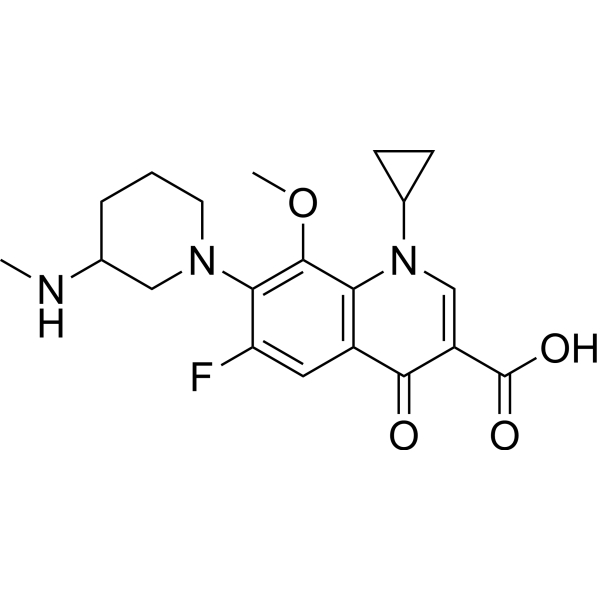
Balofloxacin (Q-35) is an orally active fluoroquinolone antibiotic with broad-spectrum antibacterial activity against gram-negative, gram-positive, and anaerobic bacteria. Balofloxacin can be used for the research of respiratory, intestinal, and urinary tract infections .
|
-
-
- HY-B0356S1
-
|
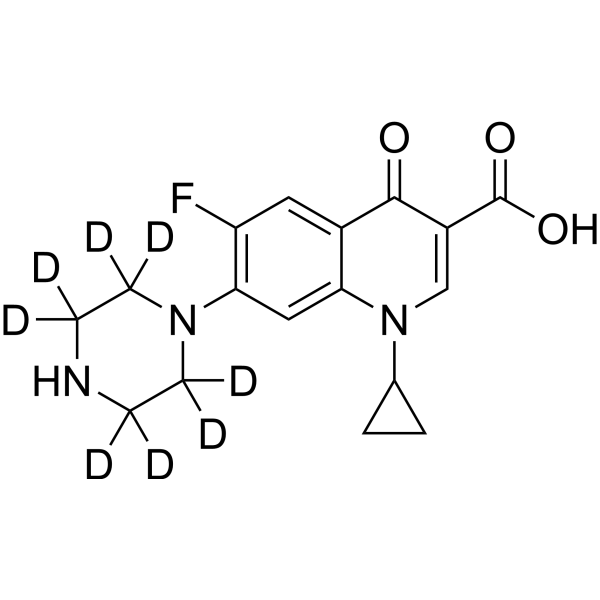
Bay-09867-d8
|
Bacterial
Antibiotic
|
Infection
|
|
Ciprofloxacin-d8 is the deuterium labeled Ciprofloxacin. Ciprofloxacin (Bay-09867) is a fluoroquinolone antibiotic, exhibiting potent antibacterial activity.
|
-
-
- HY-10581A
-
|
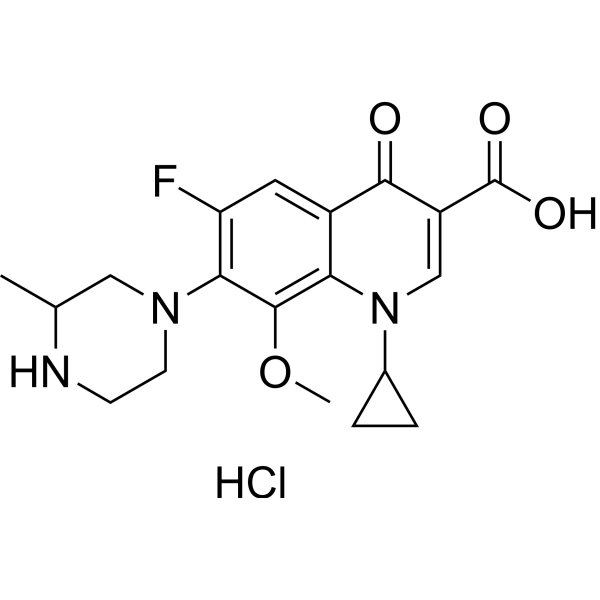
AM-1155 hydrochloride; BMS-206584 hydrochloride; PD135432 hydrochloride
|
Bacterial
Topoisomerase
Antibiotic
|
Infection
|
|
Gatifloxacin hydrochloride (AM-1155; BMS-206584; PD135432) is a potent fluoroquinolone antibiotic with broad-spectrum antibacterial activity. Gatifloxacin hydrochloride inhibits bacterial type II topoisomerases (IC50=13.8 μg/ml for S. aureus topoisomerase IV) and E. coli DNA gyrase (IC50 = 0.109 μg/ml) . Gatifloxacin hydrochloride can be used to treat bacterial conjunctivitis in vivo.
|
-
-
- HY-16745
-
|
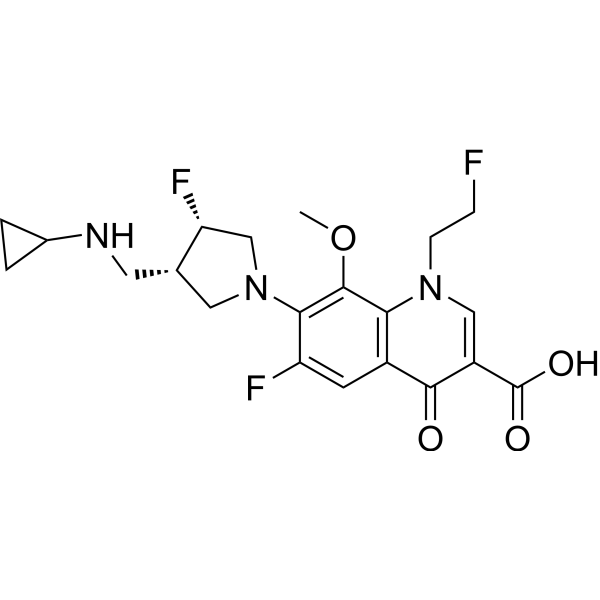
KRP-AM1977
|
Beta-lactamase
Bacterial
Antibiotic
|
Infection
|
|
Lascufloxacin (KRP-AM1977X) is a potent and orally active fluoroquinolone antibacterial agent. Lascufloxacin potently inhibits infections caused by various pathogens, including quinolone-resistant strains. Lascufloxacin has the potential for various infectious diseases treatment, including lower respiratory tract infections .
|
-
-
- HY-B0902A
-
|
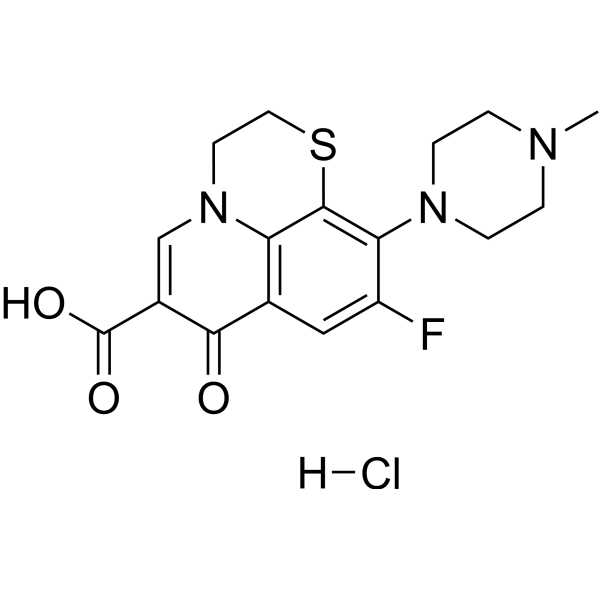
MF-934 hydrochloride
|
Bacterial
Antibiotic
|
Infection
|
|
Rufloxacin hydrochloride (MF-934 hydrochloride) is a fluoroquinolone antibacterial, inhibits B-cell differentiation in human mononuclear cells, inhibits Topo.
|
-
-
- HY-B0356S
-
|
Bay-09867-d8 hydrochloride
|
Bacterial
Antibiotic
|
Infection
|
|
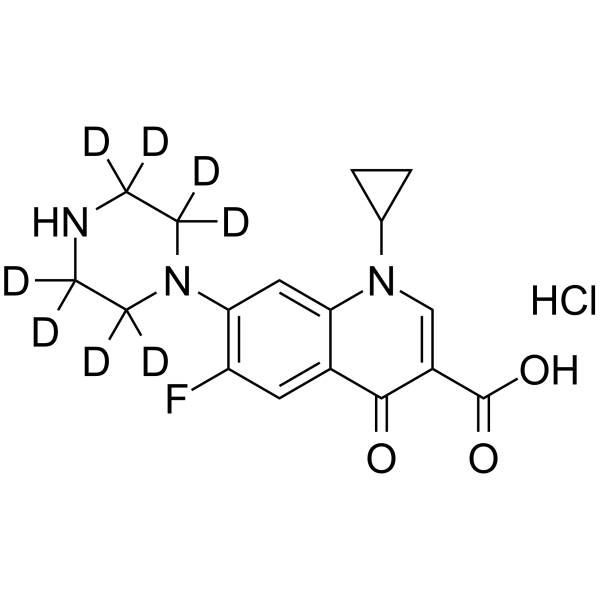
Ciprofloxacin-d8 (hydrochloride) is the deuterium labeled Ciprofloxacin. Ciprofloxacin (Bay-09867) hydrochloride is a fluoroquinolone antibiotic, exhibiting potent antibacterial activity.
|
-
-
- HY-B0330S
-
|
(-)-Ofloxacin-d8
|
Bacterial
Antibiotic
|
Infection
|
|
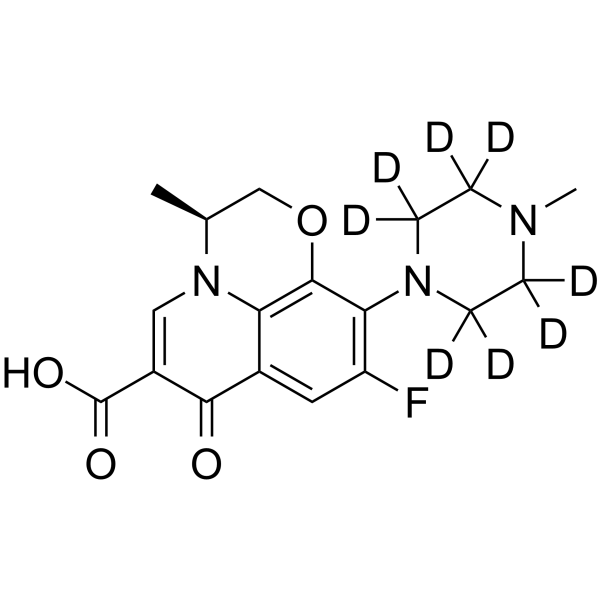
Levofloxacin-d8 is the deuterium labeled Levofloxacin. Levofloxacin, a synthetic fluoroquinolone, is an antibacterial agent that inhibits the supercoiling activity of bacterial DNA gyrase, halting DNA replication.
|
-
-
- HY-W753904
-
|
|
Bacterial
|
Infection
|
|
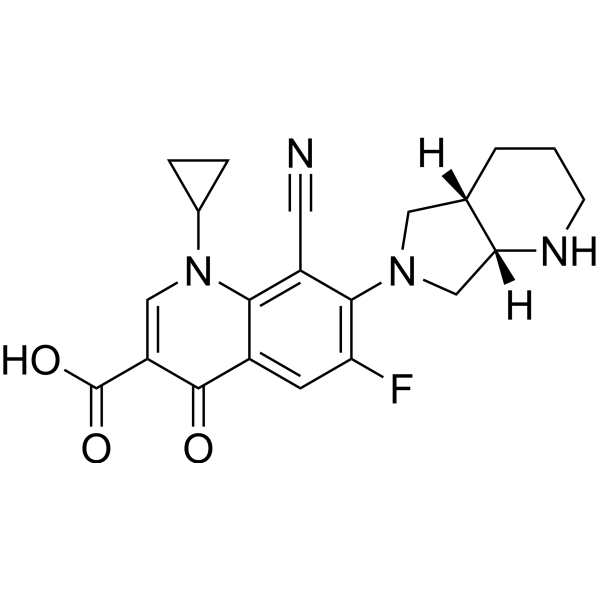
Pradofloxacin, a third-generation fluoroquinolone antibacterial agent. Pradofloxacin can be used for the study of bacterial infections in the dog and cat, such as skin infections .
|
-
-
- HY-A0147A
-
|
OPC-17116 hydrochloride; dl-Grepafloxacin hydrochloride
|
Antibiotic
Bacterial
|
Infection
|
|
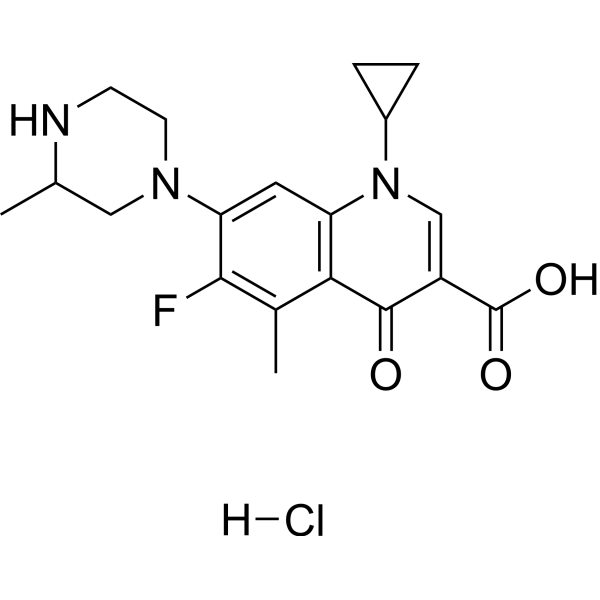
Grepafloxacin (OPC-17116) hydrochloride is an oral actively fluoroquinolone antibiotic with potent activity against community-acquired respiratory pathogens including Streptococcus pneumonia. Grepafloxacin hydrochloride has high tissue penetration and a promising pharmacodynamic profile .
|
-
-
- HY-B0414
-
-
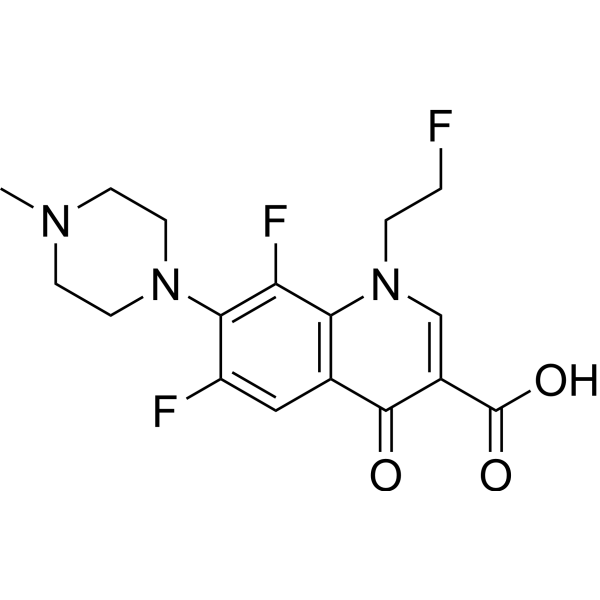
-
- HY-B0536
-
|
AM-1091; CI-960; PD 127391
|
Bacterial
Antibiotic
|
Infection
|
|
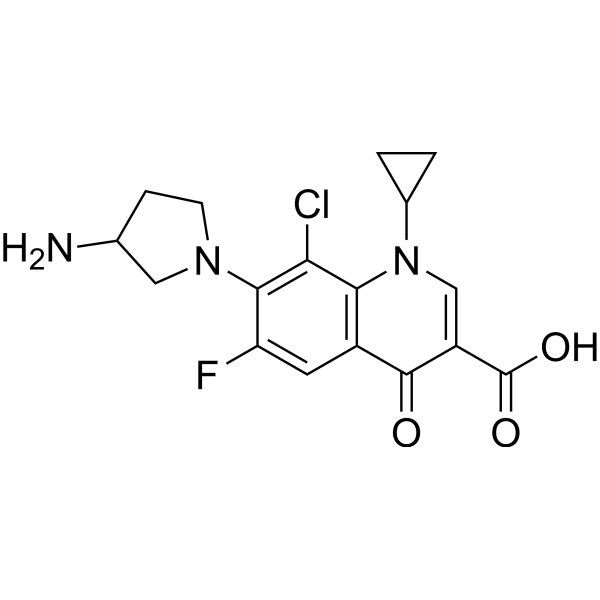
Clinafloxacin (AM 1091) is a potent and broad-spectrum fluoroquinolone antibiotic, has inhibitory activity against gram-positive, gram-negative bacterias, and anaerobic pathogens in vitro . Clinafloxacin is against DNA gyrase and topoisomerase IV of?S. aureus with IC50 values of 0.92 μg/ml and 1.62 μg/ml, respectively .
|
-
-
- HY-14762
-
|
|
Antibiotic
Bacterial
|
Infection
|
|
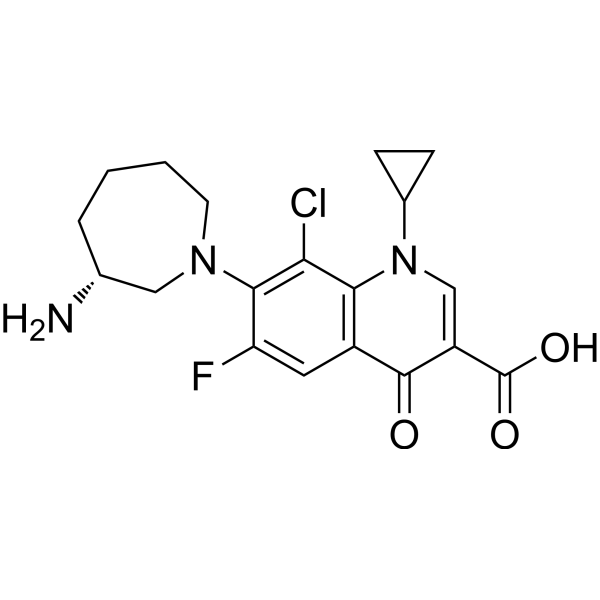
Besifloxacin is a fluoroquinolone antimicrobial agent. Besifloxacin can inhibit cytokine production by monocytes. Besifloxacin has broad-spectrum antibacterial activity .
|
-
-
- HY-135389
-
|
|
Drug Metabolite
Antibiotic
|
Infection
|
|
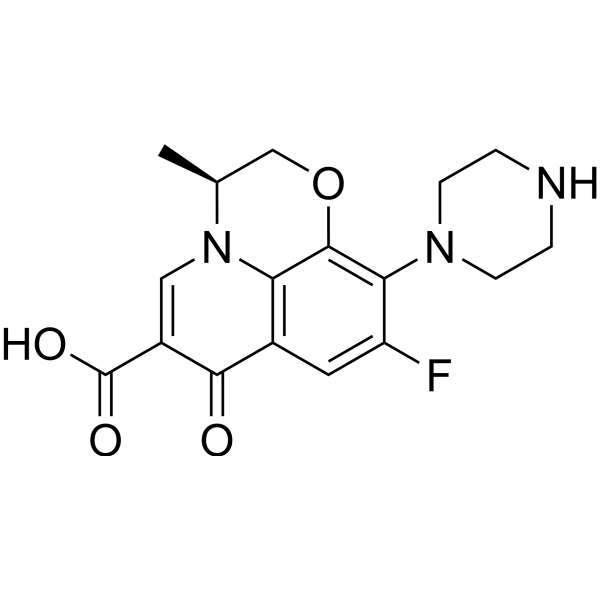
Desmethyl Levofloxacin is a metabolite of Levofloxacin. Levofloxacin, a synthetic fluoroquinolone, is an antibacterial agent that inhibits the supercoiling activity of bacterial DNA gyrase, halting DNA replication .
|
-
-
- HY-P2496
-
|
|
Endothelin Receptor
Fluorescent Dye
NF-κB
COX
Prostaglandin Receptor
Apoptosis
TNF Receptor
Interleukin Related
MMP
|
Cardiovascular Disease
Inflammation/Immunology
Cancer
|
|
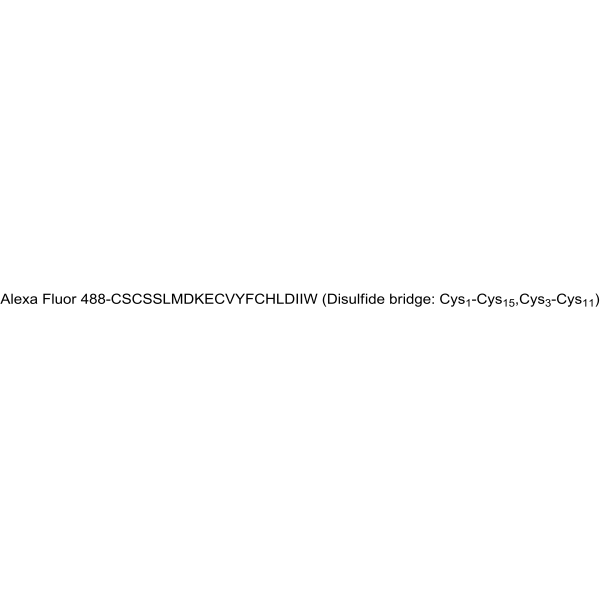
Endothelin 1 (swine, human), Alexa Fluor 488-labeled is an Endothelin-1 conjugated with Alexa Fluor 488 (HY-D1304). Endothelin-1 is an endogenous vasoconstrictor and agonist of ETA/ETB receptor. Endothelin 1 (swine, human) exerts effects including promoting mitosis, angiogenesis, tumor invasion and metastasis, and inhibiting apoptosis. Endothelin 1 (swine, human) induces inflammation and oxidative stress by activating the NF-κB pathway. Endothelin 1 (swine, human), Alexa Fluor 488-labeled is specifically designed for fluorescence imaging, flow cytometry or receptor localization studies, and can be used in research related to sepsis, atherosclerosis, systemic inflammatory response syndrome, cancer and congestive heart failure .
|
-
-
- HY-P5372A
-
|
|
Protease Activated Receptor (PAR)
|
Cancer
|
|
Ala-parafluoroPhe-Arg-Cha-Cit-Tyr-NH2 TFA, a bioactive peptide, is a selective Protease activating receptor 1 (PAR-1) agonist over PAR-2. PAR-1 belongs to a subfamily of G-protein coupled receptors and is known to mediate the cellular effects of thrombin. In addition to its varied cellular effects of thrombin, PAR-1 has also been shown to coordinate with PAR-4 and regulate thrombin-induced hepatocellular carcinoma harboring thrombin formation within the tumor environment classified as 'coagulation type' .
|
-

-
- HY-B0125R
-
|
Hoe-280 (Standard)
|
Reference Standards
Bacterial
Antibiotic
Endogenous Metabolite
Orthopoxvirus
|
Infection
|
|
Ofloxacin (Standard) is the analytical standard of Ofloxacin. This product is intended for research and analytical applications. Ofloxacin (Hoe-280) is a fluoroquinolone whose primary mechanism of action is inhibition of bacterial DNA gyrase. Ofloxacin shows inhibitory activity against vaccinia virus (VV).
|
-

-
- HY-B0395CR
-
|
DU6859a hydrate (Standard)
|
Bacterial
Antibiotic
Reference Standards
|
Infection
|
|
Sitafloxacin (hydrate) (Standard) is the analytical standard of Sitafloxacin (hydrate). This product is intended for research and analytical applications. Sitafloxacin (DU6859a) hydrate is an orally active fluoroquinolone antibiotic (antibiotic) with in vitro activity against a wide range of Gram-positive and -negative bacteria, including anaerobic bacteria, as well as atypical pathogens. Sitafloxacin is used in the study of respiratory tract infections and urinary tract infections .
|
-

-
- HY-B0159A
-
|
Q-35 dihydrate
|
Bacterial
Antibiotic
|
Infection
|
|
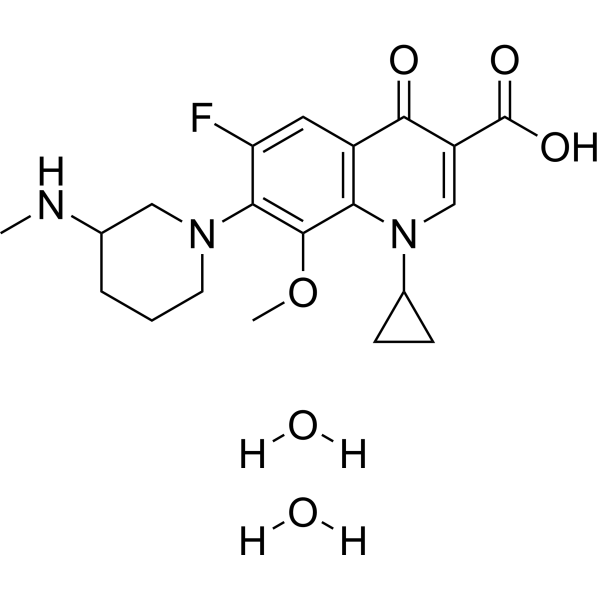
Balofloxacin dihydrate (Q-35 dihydrate) is an orally active fluoroquinolone antibiotic with broad-spectrum antibacterial activity against gram-negative, gram-positive, and anaerobic bacteria. Balofloxacin dihydrate can be used for the research of respiratory, intestinal, and urinary tract infections .
|
-
-
- HY-B1802C
-
|
A-61827 tosylate
|
Antibiotic
Bacterial
|
Infection
|
|
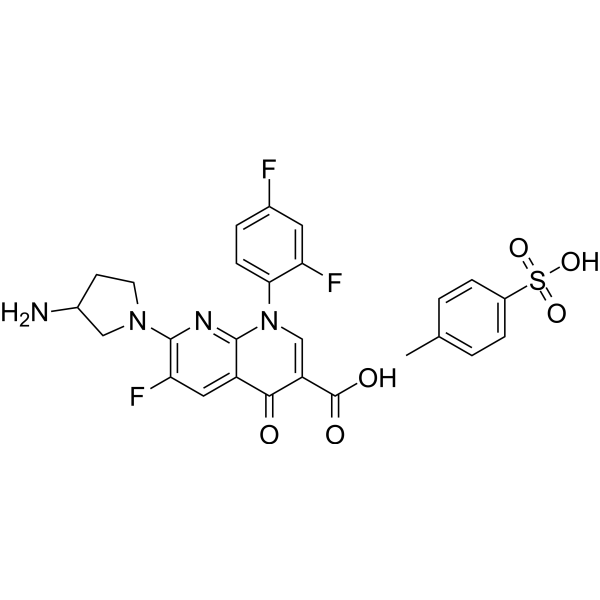
Tosufloxacin (A-61827) tosylate is an orally active fluoroquinolone antibiotic. Tosufloxacin tosylate shows a broad spectrum of antibacterial activity against gram-positive and gram-negative bacteria .
|
-
-
- HY-B0343
-
|
A-56620
|
Bacterial
|
Infection
Inflammation/Immunology
|
|
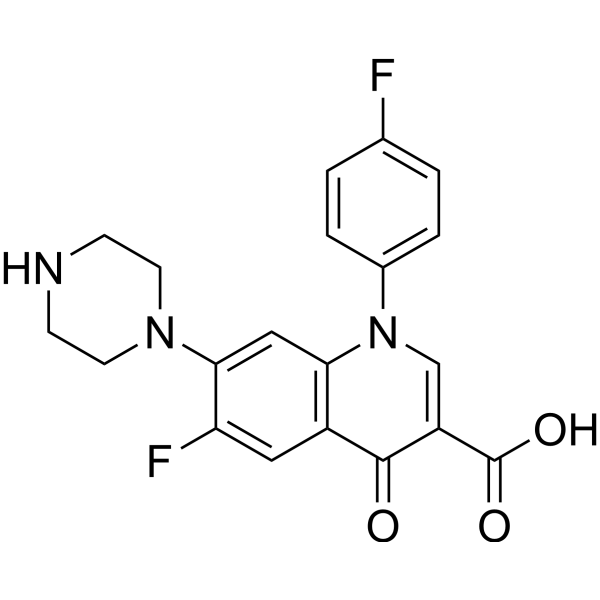
Sarafloxacin (A-56620) is a fluoroquinolone Antibacterial agent. Sarafloxacin inhibits the growth of Staphylococcus aureus, Enterobacteriaceae, and both aminoglycoside-sensitive and aminoglycoside-resistant strains of Pseudomonas aeruginosa .
|
-
-
- HY-116229
-
|
SB-265805; LB20304
|
Antibiotic
Bacterial
|
Infection
|
|
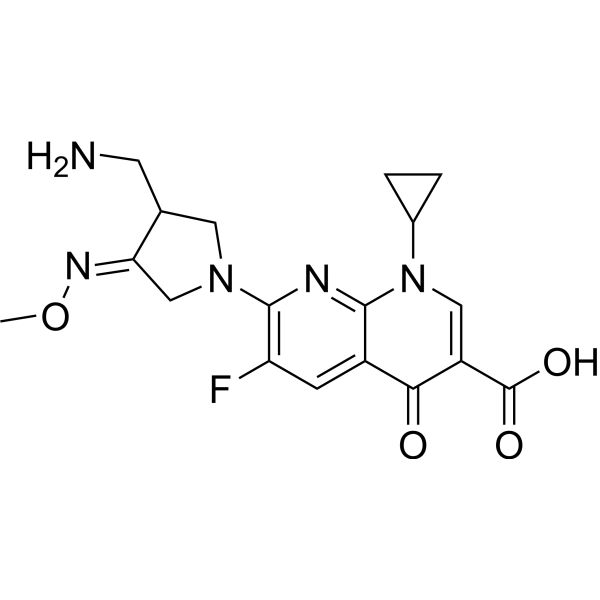
Gemifloxacin, a fluoroquinolone, is a potent and orally active antipneumococcal agent. Gemifloxacin shows bactericidal activity against highly quinolone-resistant pneumococci.Gemifloxacin can be used for the research of respiratory infections, such as community-acquired pneumonia (CAP) and acute exacerbation of chronic bronchitis (AECB) .
|
-
-
- HY-B0536A
-
|
AM 1091 hydrochloride; CI 960 hydrochloride; PD127391 hydrochloride
|
Bacterial
Antibiotic
|
Infection
|
|
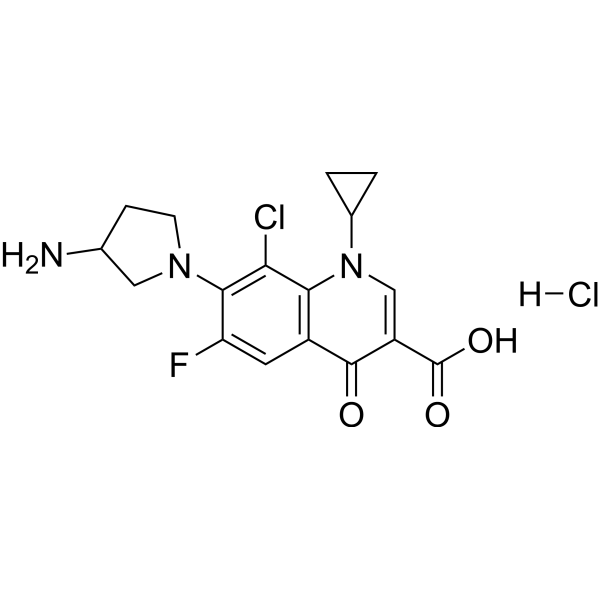
Clinafloxacin hydrochloride (AM 1091 hydrochloride) is a potent and broad-spectrum fluoroquinolone antibiotic, has inhibitory activity against gram-positive, gram-negative bacterias, and anaerobic pathogens in vitro . Clinafloxacin hydrochloride is against DNA gyrase and topoisomerase IV of S. aureus with IC50 values of 0.92 µg/ml and 1.62 µg/ml, respectively .
|
-
-
- HY-W040298
-
-
-
- HY-A0147
-
|
OPC-17116; dl-Grepafloxacin
|
Antibiotic
Bacterial
|
Infection
|
|
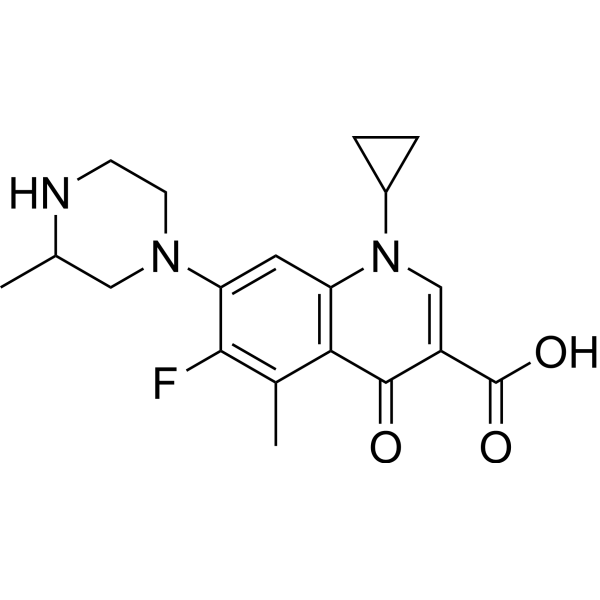
Grepafloxacin (OPC-17116) is an oral actively fluoroquinolone antibiotic with potent activity against community-acquired respiratory pathogens including Streptococcus pneumonia. Grepafloxacin has high tissue penetration and a promising pharmacodynamic profile .
|
-
-
- HY-B0132B
-
|
MK-0366 (nicotinate)
|
Bacterial
Antibiotic
|
Infection
|
|
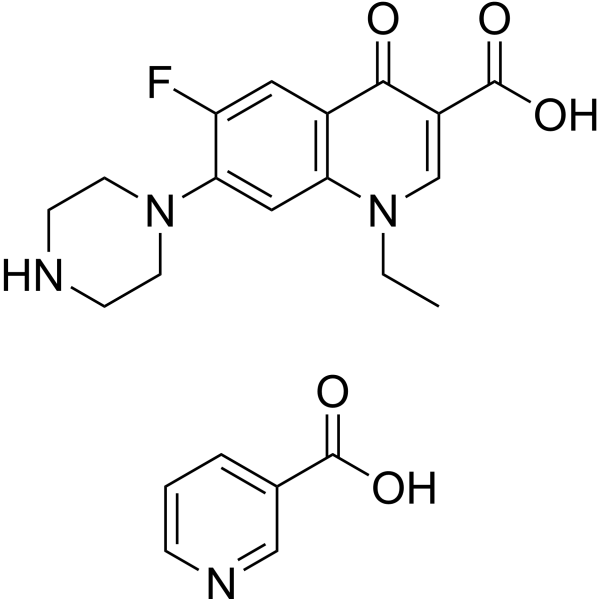
Norfloxacin nicotinate (MK-0366 nicotinate) is a fluoroquinolones antibiotic, an adduct of Norfloxacin (NOR) and nicotinic acid. Norfloxacin nicotinate has been widely used for replacing NOR in animal husbandry and fishery industry. Norfloxacin nicotinate can induce innate immune response at a high concentration .
|
-
-
- HY-B0126A
-
|
|
Bacterial
Antibiotic
|
Infection
|
|
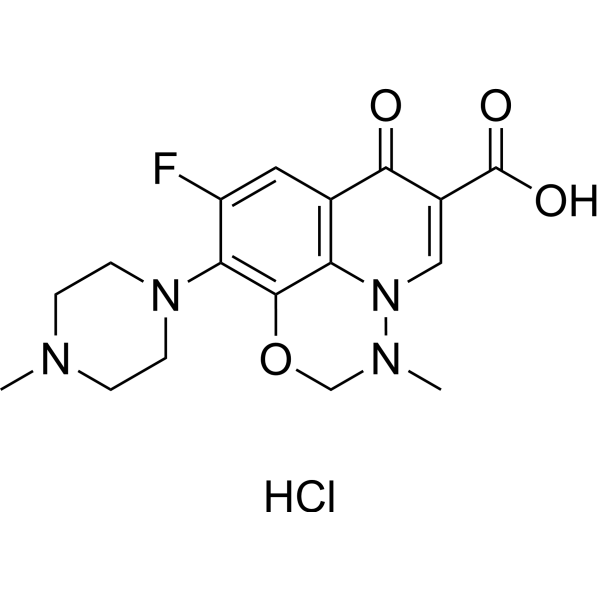
Marbofloxacin hydrochloride is a third generation fluoroquinolone and orally active antimicrobial agent, which has a broad spectrum bactericidal activity and good efficacy. Marbofloxacin hydrochloride can be used for the research of infections by Gram-positive and Gram-negative bacteria and Mycoplasma .
|
-
-
- HY-B0395A
-
|
DU6859a hydrochloride
|
Antibiotic
Bacterial
|
Infection
|
|
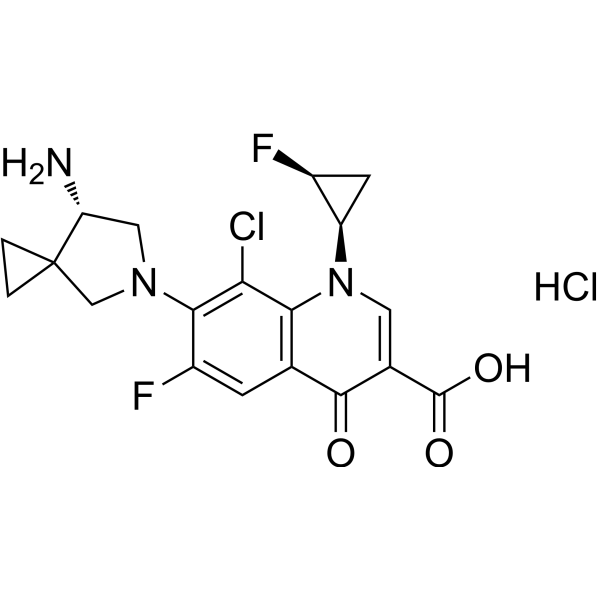
Sitafloxacin (DU6859a) hydrochloride is a potent, orally active fluoroquinolone antibiotic. Sitafloxacin hydrochloride shows antichlamydial activity and antibacterial activities against a broad range of gram-positive and gram-negative bacteria, including anaerobic bacteria, as well as against atypical pathogens. Sitafloxacin hydrochloride can be used for the research of respiratory tract infection and urinary tract infection .
|
-
-
- HY-101444
-
|
|
Bacterial
|
Infection
|
|
MC-207110 is a broad-spectrum efflux pump inhibitor. MC-207110 is active against all three known Mex efflux pumps from P. aeruginosa and their close Escherichia coli efflux pump homolog (AcrAB-TolC). MC-207110 can decrease the intrinsic resistance of P. aeruginosa to fluoroquinolones. MC-207110 can be used for the research of infection .
|
-

-
- HY-119879
-
|
CP-73049
|
Antibiotic
Bacterial
|
Infection
|
|
Binfloxacin (CP-73049) is a fluoroquinolone antibiotic. Binfloxacin does not inhibit the metabolism of theophylline, so it is safer to be used in combination with theophylline and other drugs metabolized by P450 1A2. Binfloxacin can be used in studies of bacterial infections .
|
-

-
- HY-U00214
-
|
R835; S25930
|
Antibiotic
Bacterial
|
Infection
|
|
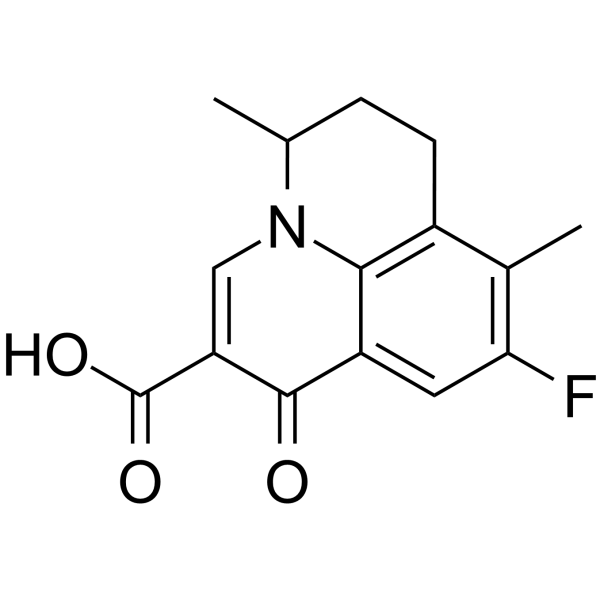
Ibafloxacine (R835) is a fluoroquinolone antibiotic agent that is developed exclusively for veterinary use.
|
-
-
- HY-B1802
-
|
A-61827
|
Antibiotic
Bacterial
|
Infection
|
|
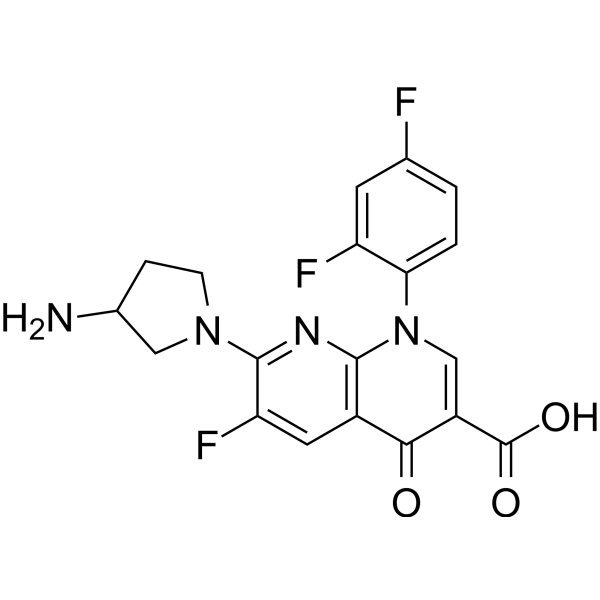
Tosufloxacin (A-61827) is an orally active fluoroquinolone antibiotic. Tosufloxacin shows a broad spectrum of antibacterial activity against gram-positive and gram-negative bacteria .
|
-
- HY-P5372
-
|
|
Protease Activated Receptor (PAR)
|
Cancer
|
|
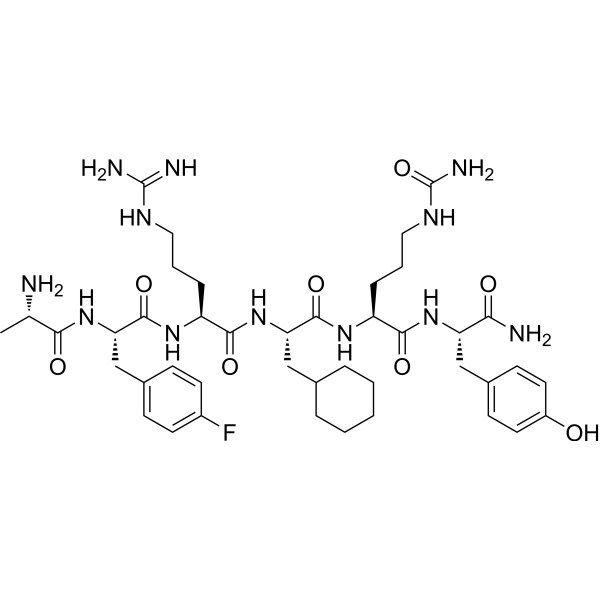
Ala-parafluoroPhe-Arg-Cha-Cit-Tyr-NH2, a bioactive peptide, is a selective Protease activating receptor 1 (PAR-1) agonist over PAR-2. PAR-1 belongs to a subfamily of G-protein coupled receptors and is known to mediate the cellular effects of thrombin. In addition to its varied cellular effects of thrombin, PAR-1 has also been shown to coordinate with PAR-4 and regulate thrombin-induced hepatocellular carcinoma harboring thrombin formation within the tumor environment classified as 'coagulation type' .
|
-
- HY-B0125S1
-
|
|
Bacterial
Antibiotic
|
Infection
|
|
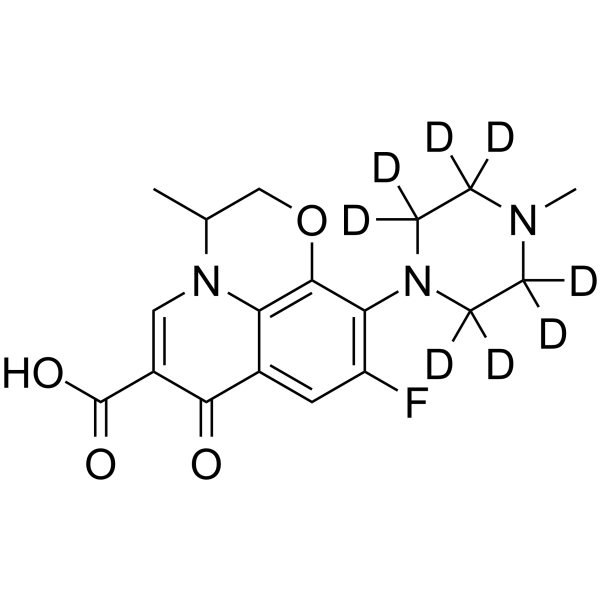
Ofloxacin-d8 (Hoe-280-d8) is the deuterium labeled Ofloxacin. Ofloxacin (Hoe-280) is a fluoroquinolone whose primary mechanism of action is inhibition of bacterial DNA gyrase.
|
-
- HY-16035
-
|
|
DNA/RNA Synthesis
Antibiotic
|
Cancer
|
|
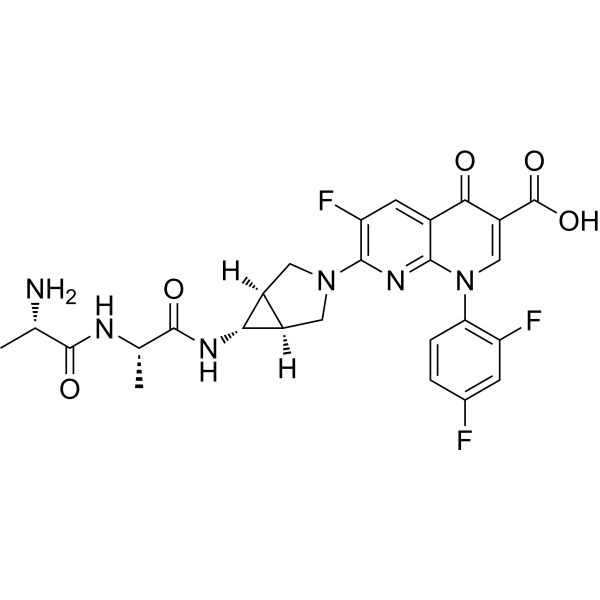
Alatrofloxacin, the parenteral proagent of Trovafloxacin, is a fluoronaphthyridone which contains an L-alanyl-L-alanyl salt. Alatrofloxacin functions similar to other fluoroquinolone antibiotics in that it not only has antibiotic activity to kill invading organisms by interfering with DNA synthesis, it possesses immunosuppressive activity .
|
-
- HY-14814S
-
|
RX-3341-d5; WQ-3034-d5; ABT492-d5
|
Isotope-Labeled Compounds
Bacterial
Antibiotic
|
Infection
|
|
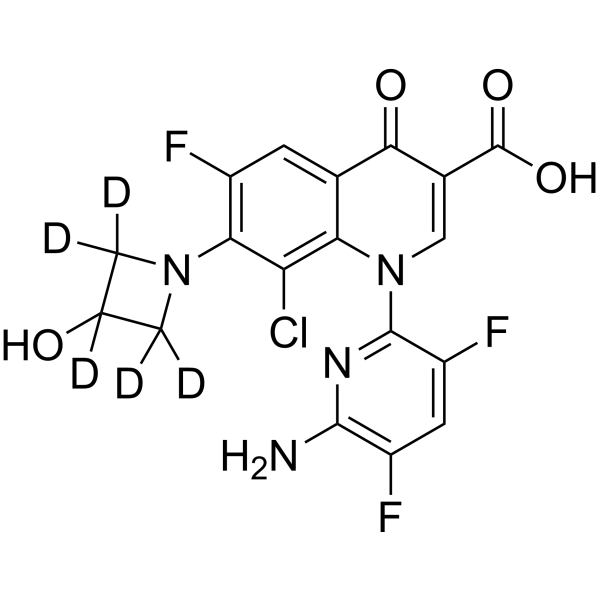
Delafloxacin-d5 is deuterium labeled Delafloxacin. Delafloxacin (RX-3341; WQ-3034; ABT492) is a broad-spectrum fluoroquinolone antibiotic. Delafloxacin has a broad spectrum of activity that includes drug-resistant Staphylococcus aureus, Streptococcus pneumoniae, and Klebsiella pneumonia .
|
-
- HY-14814R
-
|
RX-3341 (Standard); WQ-3034 (Standard); ABT492 (Standard)
|
Reference Standards
Bacterial
Antibiotic
|
Infection
|
|
Delafloxacin (Standard) is the analytical standard of Delafloxacin. This product is intended for research and analytical applications. Delafloxacin (RX-3341; WQ-3034; ABT492) is a broad-spectrum fluoroquinolone antibiotic. Delafloxacin has a broad spectrum of activity that includes drug-resistant Staphylococcus aureus, Streptococcus pneumoniae, and Klebsiella pneumonia .
|
-

- HY-14814AR
-
|
ABT492 meglumine (Standard); RX-3341 meglumine (Standard); WQ-3034 meglumine (Standard)
|
Reference Standards
Bacterial
Antibiotic
|
Infection
|
|
Delafloxacin (meglumine) (Standard) is the analytical standard of Delafloxacin (meglumine). This product is intended for research and analytical applications. Delafloxacin meglumine (ABT492 meglumine; RX-3341 meglumine; WQ-3034 meglumine) is a broad-spectrum fluoroquinolone antibiotic. Delafloxacin has a broad spectrum of activity that includes drug-resistant Staphylococcus aureus, Streptococcus pneumoniae, and Klebsiella pneumonia[1].
|
-

- HY-B0395B
-
|
DU6859a monohydrate
|
Bacterial
Antibiotic
|
Infection
|
|
Sitafloxacin (DU6859a) monohydrate is a potent, orally active fluoroquinolone antibiotic. Sitafloxacin monohydrate shows antichlamydial activity and antibacterial activities against a broad range of gram-positive and gram-negative bacteria, including anaerobic bacteria, as well as against atypical pathogens. Sitafloxacin monohydrate can be used for the research of respiratory tract infection and urinary tract infection .
|
-
- HY-B0159R
-
|
Q-35 (Standard)
|
Reference Standards
Bacterial
Antibiotic
|
Infection
|
|
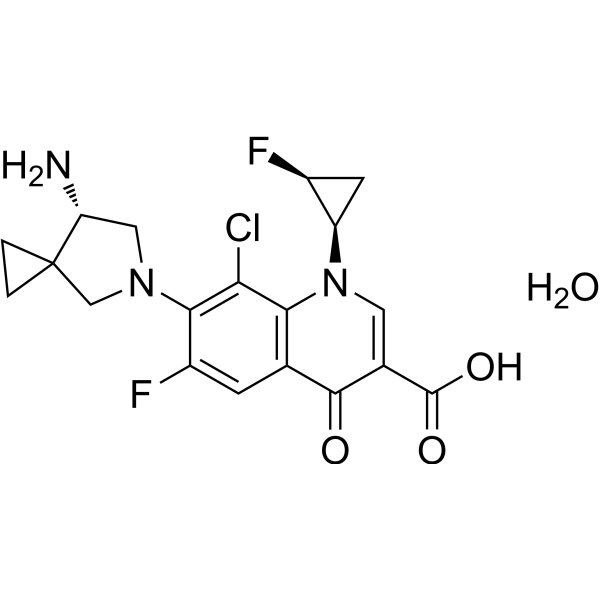
Balofloxacin (Standard) is the analytical standard of Balofloxacin. This product is intended for research and analytical applications. Balofloxacin (Q-35) is an orally active fluoroquinolone antibiotic with broad-spectrum antibacterial activity against gram-negative, gram-positive, and anaerobic bacteria. Balofloxacin can be used for the research of respiratory, intestinal, and urinary tract infections .
|
-

- HY-107075A
-
|
|
Bacterial
|
Infection
|
|
WCK-1152 is a fluoroquinolone antibacterial agent. WCK-1152 is active against resistant pathogens bearing mutations of DNA gyrase and/or topoisomerase IV which also express efflux pumps. WCK-1152 can be used for the research of infection, such as respiratory infections caused by resistant pneumococci and staphylococci .
|
-

- HY-U00389
-
|
KPI-10 free base
|
Bacterial
|
Infection
|
|
WQ3810 is an orally active fluoroquinolone, with potent antibacterial activities.
|
-
- HY-117566
-
-

- HY-13451A
-
|
|
Bacterial
|
Infection
|
|
Finafloxacin is a fluoroquinolone antimicrobial agent that exhibits optimum efficacy in slightly acidic environments.
|
-
- HY-W739930
-
|
|
Antibiotic
|
Infection
|
|
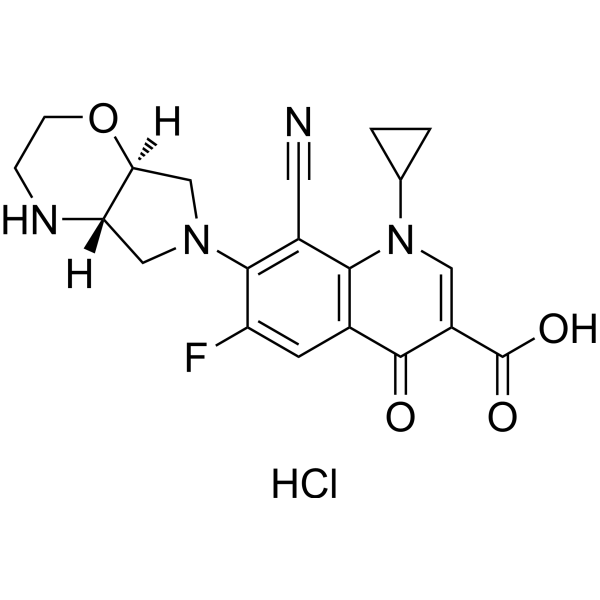
Desmethyl ofloxacin hydrochloride is a metabolite of the fluoroquinolone antibiotic Ofloxacin (HY-B0125).
|
-

- HY-B0356AS
-
|
Bay-09867-d8 hydrochloride hydrate
|
Isotope-Labeled Compounds
Bacterial
Antibiotic
|
Infection
|
|
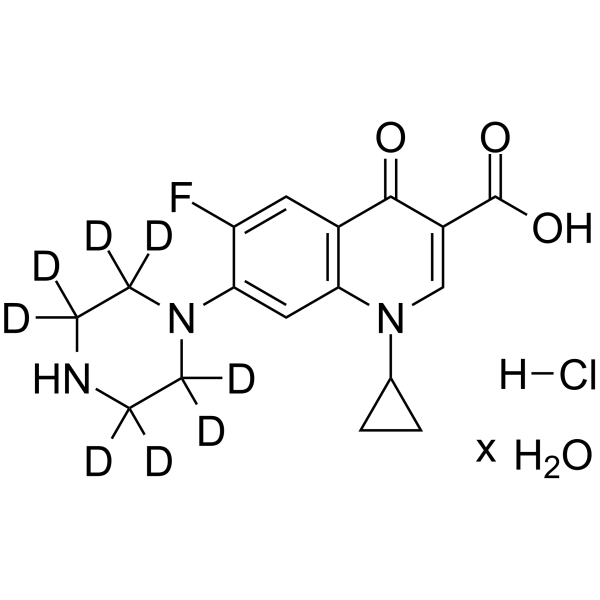
Ciprofloxacin-d8 (hydrochloride hydrate) is the deuterium labeled Ciprofloxacin hydrochloride monohydrate. Ciprofloxacin hydrochloride monohydrate is a fluoroquinolone antibiotic, exhibiting potent antibacterial activity.
|
-
- HY-B0356BS
-
|
Bay-09867-d8 hydrochloride monohydrate
|
Isotope-Labeled Compounds
Bacterial
Antibiotic
|
Infection
|
|
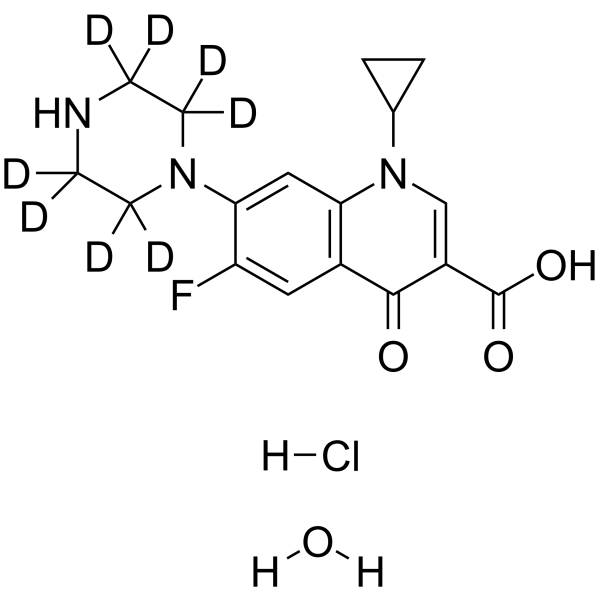
Ciprofloxacin-d8 (hydrochloride monohydrate) is the deuterium labeled Ciprofloxacin (hydrochloride monohydrate). Ciprofloxacin hydrochloride is a fluoroquinolone antibiotic, exhibiting potent antibacterial activity.
|
-
- HY-B0501S
-
|
|
Bacterial
Antibiotic
|
Infection
|
|
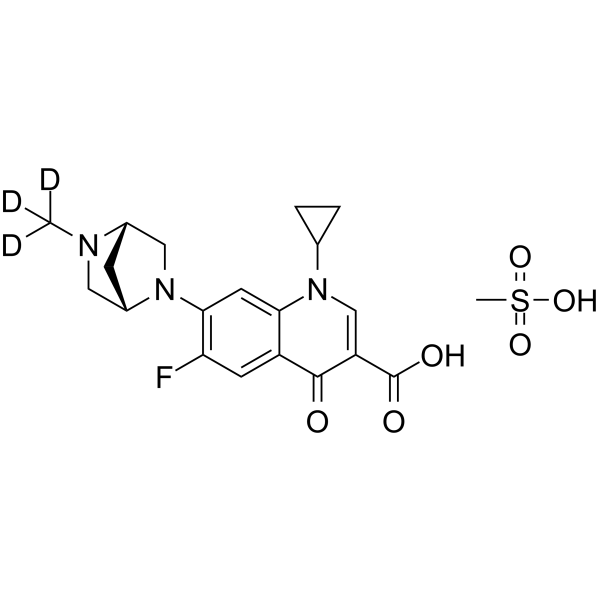
Danofloxacin-d3 (mesylate) is the deuterium labeled Danofloxacin mesylate. Danofloxacin mesylate (CP 76136-27) is a fluoroquinolone antibacterial for veterinary use.
|
-
- HY-B0343R
-
|
A-56620 (Standard)
|
Reference Standards
Antibiotic
Bacterial
|
Infection
|
|
Sarafloxacin (Standard) is the analytical standard of Sarafloxacin. This product is intended for research and analytical applications. Sarafloxacin (A-56620) is a fluoroquinolone antimicrobial agent .
|
-

- HY-B0414R
-
|
RO 23-6240 (Standard); AM-833 (Standard)
|
Reference Standards
Bacterial
Antibiotic
|
Infection
|
|
Fleroxacin (Standard) is the analytical standard of Fleroxacin. This product is intended for research and analytical applications. Fleroxacin (RO 23-6240) is a broad-spectrum antimicrobial fluoroquinolone.
|
-

- HY-B0343S
-
|
A-56620-d8
|
Isotope-Labeled Compounds
|
Infection
|
|
Sarafloxacin-d8 is the deuterium labeled Sarafloxacin(HY-B0343).Sarafloxacin (A-56620) is a fluoroquinolone antimicrobial agent .
|
-

- HY-146816
-
|
|
Topoisomerase
|
Infection
|
|
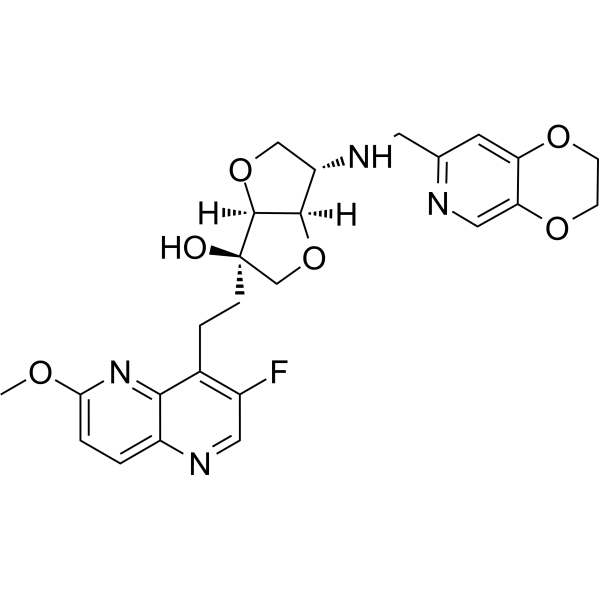
NBTIs-IN-6 is a bacterial topoisomerase inhibitor with certain antibacterial activity. Among them, the MIC90 for fluoroquinolone-resistant MRSA was 2 μg/mL .
|
-
- HY-16764A
-
|
JNJ-Q2 hydrochloride
|
Bacterial
|
Infection
Inflammation/Immunology
|
|
Acorafloxacin hydrochloride (JNJ-Q2 hydrochloride) is a broad-spectrum fluoroquinolone anti-bacterial drug being developed for the treatment of acute bacterial skin and skin-structure infections and community-acquired pneumonia . Acorafloxacin hydrochloride is an aminoethylidenylpiperidine fluoroquinolone that demonstrates antibacterial effect against numerous Gram-positive bacteria with a mean 0.12 mg/L MIC90 value . Acorafloxacin hydrochloride has potential for study of methicillin-resistant Staphylococcus aureus (MRSA) infections .
|
-

- HY-B0308S
-
-
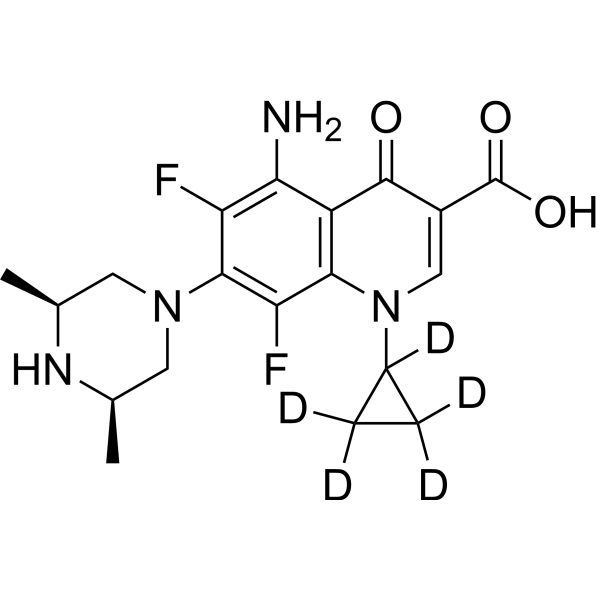
- HY-B0330S1
-
|
|
Bacterial
Antibiotic
|
Infection
|
|
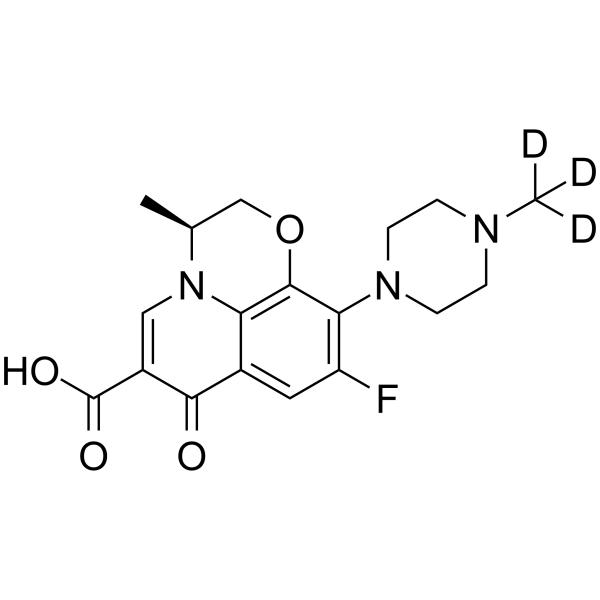
(S)-Ofloxacin-d3 is the deuterium labeled Levofloxacin. Levofloxacin, a synthetic fluoroquinolone, is an antibacterial agent that inhibits the supercoiling activity of bacterial DNA gyrase, halting DNA replication.
|
-
- HY-W799435
-
|
A-61827 hydrate
|
Antibiotic
Bacterial
|
Infection
|
|
Tosufloxacin (A-61827) tosylate is an orally active fluoroquinolone antibiotic. Tosufloxacin tosylate shows a broad spectrum of antibacterial activity against gram-positive and gram-negative bacteria .
|
-

- HY-B1802B
-
|
A-61827 hydrochloride
|
Antibiotic
Bacterial
|
Infection
|
|
Tosufloxacin (A-61827) hydrochloride is an orally active fluoroquinolone antibiotic. Tosufloxacin hydrochloride shows a broad spectrum of antibacterial activity against gram-positive and gram-negative bacteria .
|
-

- HY-B0308R
-
|
CI-978 (Standard); AT-4140 (Standard)
|
Reference Standards
Bacterial
Antibiotic
|
Infection
|
|
Sparfloxacin (Standard) is the analytical standard of Sparfloxacin. This product is intended for research and analytical applications. Sparfloxacin (CI-978) is a fluoroquinolone antibiotic, shows broad and potent antibacterial activity .
|
-

- HY-B0902AR
-
|
MF-934 hydrochloride (Standard)
|
Reference Standards
Bacterial
Antibiotic
|
Infection
|
|
Rufloxacin hydrochloride (Standard) is the analytical standard of Rufloxacin hydrochloride. This product is intended for research and analytical applications. Rufloxacin hydrochloride (MF-934 hydrochloride) is a fluoroquinolone antibacterial, inhibits B-cell differentiation in human mononuclear cells, inhibits Topo.
|
-

- HY-118036
-
|
|
Topoisomerase
|
Infection
|
|
ACT-387042 is a bacterial topoisomerase inhibitor with broad-spectrum activity against Gram-positive and Gram-negative bacteria, including methicillin-resistant Staphylococcus aureus and penicillin- and fluoroquinolone-resistant Streptococcus pneumoniae .
|
-

- HY-135389S
-
|
|
Isotope-Labeled Compounds
Drug Metabolite
Antibiotic
|
Infection
|
|
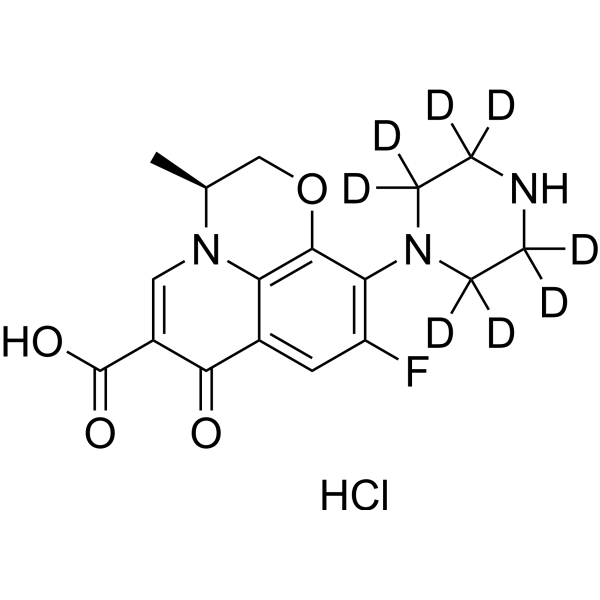
Desmethyl Levofloxacin-d8 hydrochloride is the deuterium labeled Desmethyl Levofloxacin. Desmethyl Levofloxacin is a metabolite of Levofloxacin. Levofloxacin, a synthetic fluoroquinolone, is an antibacterial agent that inhibits the supercoiling activity of bacterial DNA gyrase, halting DNA replication .
|
-
- HY-135389S1
-
|
|
Isotope-Labeled Compounds
Drug Metabolite
Antibiotic
|
Infection
|
|
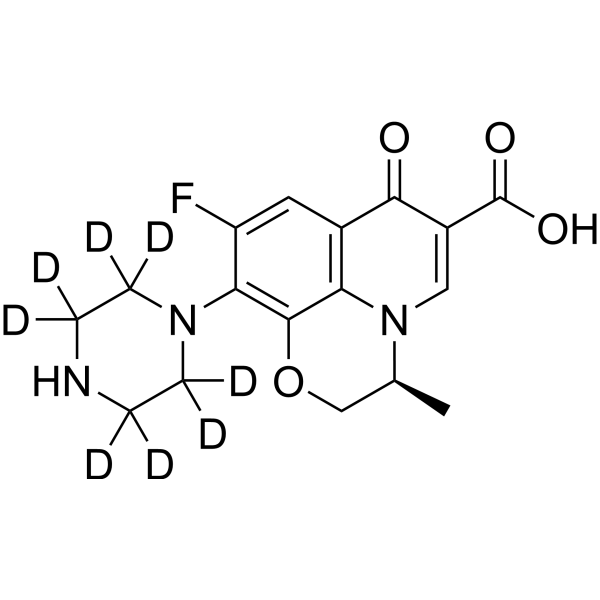
Desmethyl Levofloxacin-d8 is deuterium labeled Desmethyl Levofloxacin. Desmethyl Levofloxacin is a metabolite of Levofloxacin. Levofloxacin, a synthetic fluoroquinolone, is an antibacterial agent that inhibits the supercoiling activity of bacterial DNA gyrase, halting DNA replication .
|
-
- HY-135389R
-
|
|
Reference Standards
Drug Metabolite
Antibiotic
|
Infection
|
|
Desmethyl Levofloxacin (Standard) is the analytical standard of Desmethyl Levofloxacin. This product is intended for research and analytical applications. Desmethyl Levofloxacin is a metabolite of Levofloxacin. Levofloxacin, a synthetic fluoroquinolone, is an antibacterial agent that inhibits the supercoiling activity of bacterial DNA gyrase, halting DNA replication .
|
-

- HY-163505
-
|
|
Bacterial
|
Others
|
|
Anti-MRSA agent 11 suppresses fluoroquinolone-sensitive strain USA500 and -resistant MRSA isolate Mu50 (MIC =0.39 μg/mL). Anti-MRSA agent 11 displayes favorable in vivo half-life and safety profiles .
|
-

- HY-B1802CR
-
|
A-61827 tosylate (Standard)
|
Reference Standards
Antibiotic
Bacterial
|
Infection
|
|
Tosufloxacin (tosylate) (Standard) is the analytical standard of Tosufloxacin (tosylate). This product is intended for research and analytical applications. Tosufloxacin (A-61827) tosylate is an orally active fluoroquinolone antibiotic. Tosufloxacin tosylate shows a broad spectrum of antibacterial activity against gram-positive and gram-negative bacteria .
|
-

- HY-B1802AR
-
|
A-61827 tosylate hydrate (Standard); T-3262 (Standard)
|
Reference Standards
Bacterial
Antibiotic
|
Infection
|
|
Tosufloxacin (tosylate hydrate) (Standard) is the analytical standard of Tosufloxacin (tosylate hydrate). This product is intended for research and analytical applications. Tosufloxacin tosylate hydrate (A-61827) is an orally active fluoroquinolone antibiotic. Tosufloxacin shows a broad spectrum of antibacterial activity against gram-positive and gram-negative bacteria[1][2].
|
-

- HY-155250
-
|
|
Bacterial
|
Infection
|
|
Antibacterial agent 154 (compound 7) is a derivative of Fluoroqinolones and is an orally effective antibacterial agent. Antibacterial agent 154 inhibits Gram-positive and Gram-negative bacteria. Antibacterial agent 154 demonstrated in vivo efficacy in a mouse model of staphylococcal sepsis .
|
-
- HY-B0395E
-
|
(1S,2R,7S)-DU-6859a; DU-6856
|
Antibiotic
Bacterial
Topoisomerase
|
Infection
|
|
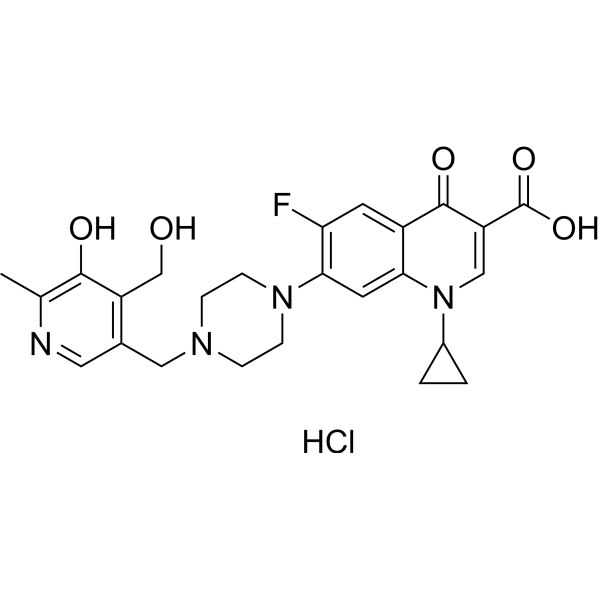
(1S,2R,7S)-Sitafloxacin (DU-6856) is an enantiomer of Sitafloxacin (HY-B0395). (1S,2R,7S)-Sitafloxacin is a topoisomerase inhibitor. (1S,2R,7S)-Sitafloxacin is an antibiotic. (1S,2R,7S)-Sitafloxacin has inhibitory activity against Escherichia coli DNA gyrase (IC50 0.18 μg/mL) and Staphylococcus aureus topoisomerase IV. (1S,2R,7S)-Sitafloxacin has antibacterial activity and can be used in the study of various bacterial infections .
|
-

- HY-B0126S
-
|
|
Isotope-Labeled Compounds
Bacterial
Antibiotic
|
Infection
|
|
Marbofloxacin-d8 is the deuterium labeled Marbofloxacin. Marbofloxacin is a third generation fluoroquinolone and orally active antimicrobial agent, which has a broad spectrum bactericidal activity and good efficacy. Marbofloxacin can be used for the research of infections by Gram-positive and Gram-negative bacteria and Mycoplasma .
|
-
- HY-B0126AS
-
|
|
Isotope-Labeled Compounds
Antibiotic
Bacterial
|
Infection
|
|
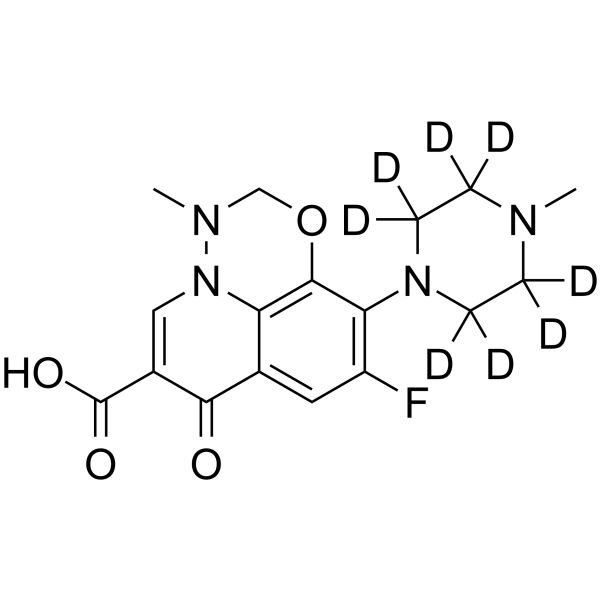
Marbofloxacin-d8 (hydrochloride) is deuterium labeled Marbofloxacin (hydrochloride). Marbofloxacin hydrochloride is a third generation fluoroquinolone and orally active antimicrobial agent, which has a broad spectrum bactericidal activity and good efficacy. Marbofloxacin hydrochloride can be used for the research of infections by Gram-positive and Gram-negative bacteria and Mycoplasma .
|
-

- HY-B0126R
-
|
|
Reference Standards
Bacterial
Antibiotic
|
Infection
|
|
Marbofloxacin (Standard) is the analytical standard of Marbofloxacin. This product is intended for research and analytical applications. Marbofloxacin is a third generation fluoroquinolone and orally active antimicrobial agent, which has a broad spectrum bactericidal activity and good efficacy. Marbofloxacin can be used for the research of infections by Gram-positive and Gram-negative bacteria and Mycoplasma .
|
-
- HY-B0501R
-
|
CP 76136-27 (Standard)
|
Reference Standards
Bacterial
Antibiotic
|
Infection
|
|
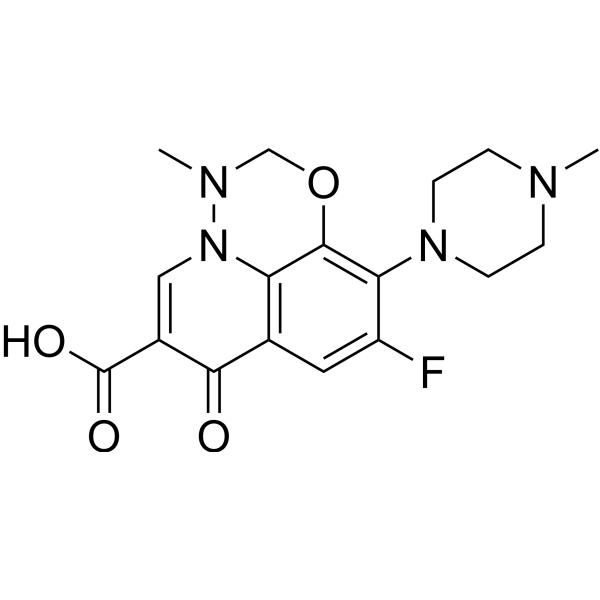
Danofloxacin mesylate (Standard) is the analytical standard of Danofloxacin mesylate. This product is intended for research and analytical applications. Danofloxacin mesylate (CP 76136-27) is a fluoroquinolone used as a veterinary drug. Danofloxacin mesylate has a broad spectrum of bactericidal activity, mainly inhibiting the DNA cycloenzyme of the bacteria. In addition, Danofloxacin mesylate is a substrate for ATP-dependent efflux transporters (P-gp and MRP2) .
|
-

- HY-W011117R
-
|
|
Reference Standards
Bacterial
DNA/RNA Synthesis
Antibiotic
|
Infection
|
|
Danofloxacin (Standard) is the analytical standard of Danofloxacin. This product is intended for research and analytical applications. Danofloxacin is an orally active quinolone antibiotic. Danofloxacin targets bacterial DNA gyrase and inhibits bacterial DNA replication, transcription and growth. Danofloxacin can be used for various bacterial infections caused by Escherichia coli, Mycoplasma and other pathogens.
|
-

- HY-106940
-
|
|
Bacterial
DNA/RNA Synthesis
|
Infection
|
|
DV-7751A is a new Fluoroquinolone and antibacterial agent. DV-7751A inhibits the supercoiling activity of DNA gyrases. DV-7751A exhibits antimicrobial activity against Streptococcus pneumonae, Streptococcus pyogenes, and Peptostreptococcus spp. DV-7751A has a rapid bactericidal effect against S. aureus, Escherichia coli, and P. aeruginosa .
|
-

- HY-B0024R
-
|
NM441 (Standard)
|
Reference Standards
Bacterial
Antibiotic
|
Infection
|
|
Prulifloxacin (Standard) is the analytical standard of Prulifloxacin. This product is intended for research and analytical applications. Prulifloxacin (NM441) is an orally active fluoroquinolone antibiotic with a broad spectrum of activity against Gram-positive and -negative bacteria. Prulifloxacin is a proagent of a thiazeto-quinoline carboxylic acid derivative Ulifloxacin (NM394). Prulifloxacin has the potential for lower urinary tract infections and exacerbations of chronic bronchitis .
|
-

- HY-10581B
-
|
AM-1155 mesylate; BMS-206584 mesylate; PD135432 mesylate
|
Bacterial
Topoisomerase
Antibiotic
|
Infection
|
|
Gatifloxacin mesylate (AM-1155; BMS-206584; PD135432) is a potent fluoroquinolone antibiotic with broad-spectrum antibacterial activity. Gatifloxacin mesylate inhibits bacterial type II topoisomerases (IC50=13.8 μg/ml for S. aureus topoisomerase IV) and E. coli DNA gyrase (IC50 = 0.109 μg/ml) . Gatifloxacin mesylate can be used to treat bacterial conjunctivitis in vivo.
|
-
- HY-183664
-
|
|
Bacterial
|
Infection
|
|
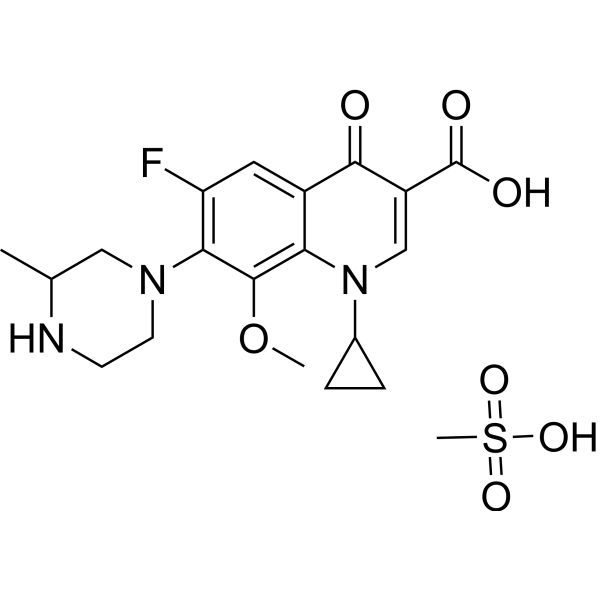
Ecenofloxacin hydrochloride is a fluoroquinolone (naphthyridine) antibacterial agent with broad-spectrum activity against Gram-negative, Gram-positive, and anaerobic bacteria .
|
-

- HY-W780694
-
|
|
Bacterial
Antibiotic
DNA/RNA Synthesis
Topoisomerase
|
Infection
|
|
PD 124816 is an orally active fluoroquinolone antibiotic. PD 124816 exerts broad-spectrum antibacterial effects by inhibiting DNA gyrase (topoisomerase IV), and it has no cross-resistance with commonly used antibiotics. PD 124816 is effective against both Gram-positive and Gram-negative bacteria (MIC₉₀ ≤ 0.06 μg/mL), and the MIC₉₀ for anaerobic bacteria (Peptostreptococcus fragi) is 1 μg/mL. PD 124816 exhibits complete bactericidal activity in a mouse model of Mycobacterium leprae infection. PD 124816 can be used for studying mixed infections and infections caused by drug-resistant bacteria .
|
-

- HY-B0414S
-
-

- HY-W753904S
-
|
|
Isotope-Labeled Compounds
Bacterial
|
Infection
|
|
Pradofloxacin-d4 is the deuterium labeled Pradofloxacin (HY-W753904). Pradofloxacin, a third-generation fluoroquinolone antibacterial agent. Pradofloxacin can be used for the study of bacterial infections in the dog and cat, such as skin infections .
|
-

- HY-W683763
-
|
HSR-903 free base
|
Bacterial
|
Infection
|
|
Olamufloxacin (HSR-903) is an orally active fluoroquinolone antibacterial agent. Olamufloxacin inhibits DNA supercoiling activity. Olamufloxacin exhibits activity against Gram-positive, Gram-negative, chlamydial, and quinolone-resistant bacterial strains. Olamufloxacin can be used for the research of bacterial infections .
|
-

- HY-W683763A
-
|
HSR-903
|
Bacterial
|
Infection
|
|
Olamufloxacin (HSR-903) methanesulfonate is an orally active fluoroquinolone antibacterial agent. Olamufloxacin methanesulfonate inhibits DNA supercoiling activity. Olamufloxacin methanesulfonate exhibits activity against Gram-positive, Gram-negative, chlamydial, and quinolone-resistant bacterial strains. Olamufloxacin methanesulfonate can be used for the research of bacterial infections .
|
-

- HY-17028A
-
|
|
Bacterial
Antibiotic
DNA/RNA Synthesis
Topoisomerase
|
Infection
Inflammation/Immunology
|
|
(Rac)-Besifloxacin Hydrochloride is a fourth generation fluoroquinolone antibiotic. (Rac)-Besifloxacin Hydrochloride is a DNA gyrase and topoisomerase IV inhibitor. (Rac)-Besifloxacin Hydrochloride has broad-spectrum antibacterial activity, it is effective against Gram-negative and Gram-positive aerobic and anaerobic strains and reduces the incidence of drug resistance. (Rac)-Besifloxacin Hydrochloride has anti-inflammatory activity. Besifloxacin Hydrochloride can be used in bacterial conjunctivitis research .
|
-

- HY-174227
-
|
|
Topoisomerase
Bacterial
|
Infection
|
|
Topoisomerase inhibitor 6 (Compound REDX05931) is a dual irreversible inhibitor of DNA gyrase and topoisomerase IV (MIC=0.06 μg/mL against fluoroquinolone-resistant S. aureus). Topoisomerase inhibitor 6 blocks DNA strand break-reunion, inducing lethal DNA damage. Topoisomerase inhibitor 6 is promising for research of Gram-positive bacterial infections (e.g., S. aureus, S. pneumoniae) .
|
-

- HY-17028R
-
|
|
Reference Standards
Bacterial
Antibiotic
DNA/RNA Synthesis
Topoisomerase
|
Infection
|
|
Besifloxacin (Hydrochloride) (Standard) is a fourth generation fluoroquinolone antibiotic. Besifloxacin Hydrochloride (Standard) is a DNA gyrase and topoisomerase IV inhibitor. Besifloxacin Hydrochloride (Standard) has broad-spectrum antibacterial activity, it is effective against Gram-negative and Gram-positive aerobic and anaerobic strains and reduces the incidence of drug resistance. Besifloxacin Hydrochloride (Standard) has anti-inflammatory activity. Besifloxacin Hydrochloride (Standard) can be used in bacterial conjunctivitis research .
|
-

- HY-B0356R
-
|
Bay-09867 (Standard)
|
Reference Standards
Topoisomerase
Apoptosis
Antibiotic
Bacterial
Mitochondrial Metabolism
Reactive Oxygen Species (ROS)
|
Infection
Cancer
|
|
Ciprofloxacin (Standard) is the analytical standard of Ciprofloxacin. This product is intended for research and analytical applications. Ciprofloxacin (Bay-09867) is a potent, orally active topoisomerase IV inhibitor. Ciprofloxacin induces mitochondrial DNA and nuclear DNA damage and lead to mitochondrial dysfunction, ROS production. Ciprofloxacin has anti-proliferative activity and induces apoptosis. Ciprofloxacin is a fluoroquinolone antibiotic, exhibiting potent antibacterial activity .
|
-

- HY-B0536R
-
|
AM-1091 (Standard); CI-960 (Standard); PD 127391 (Standard)
|
Reference Standards
Bacterial
Antibiotic
|
Infection
|
|
Clinafloxacin (Standard) is the analytical standard of Clinafloxacin. This product is intended for research and analytical applications. Clinafloxacin (AM 1091) is a potent and broad-spectrum fluoroquinolone antibiotic, has inhibitory activity against gram-positive, gram-negative bacterias, and anaerobic pathogens in vitro . Clinafloxacin is against DNA gyrase and topoisomerase IV of S. aureus with IC50 values of 0.92 µg/ml and 1.62 µg/ml, respectively .
|
-

- HY-123319A
-
|
|
Bacterial
Antibiotic
|
Infection
|
|
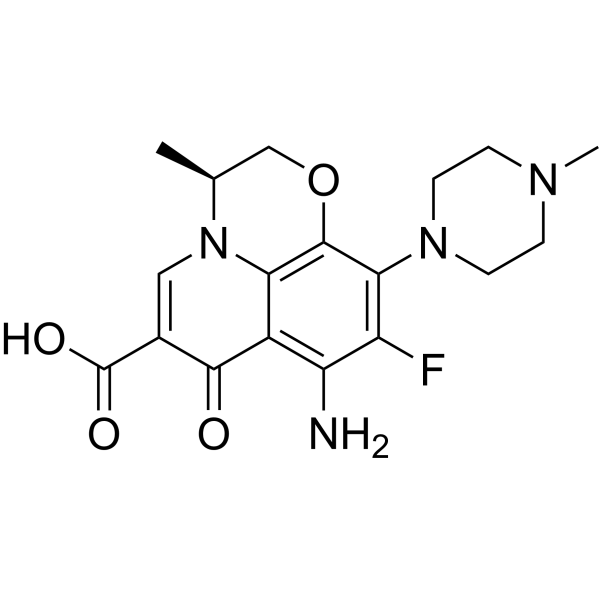
Antofloxacin is a well tolerate, orally active and broad-spectrum 8-amino-fluoroquinolone with potent antibacterial activities. Antofloxacin shows superior antibacterial activity against gyrA mutation-positive H. pylori strains, especially in Asn87- mutated strains, compared to levofloxacin. Antofloxacin is a weak, reversible inhibitor of CYP1A2 for the research of infections caused by a diverse group of bacterial species .
|
-
- HY-123319
-
|
|
Bacterial
Antibiotic
|
Infection
|
|
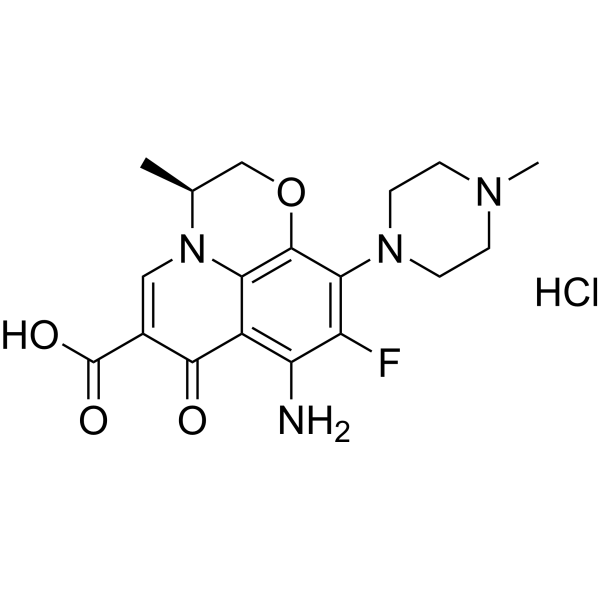
Antofloxacin hydrochloride is a well tolerate, orally active and broad-spectrum 8-amino-fluoroquinolone with potent antibacterial activities. Antofloxacin hydrochloride shows superior antibacterial activity against gyrA mutation-positive H. pylori strains, especially in Asn87- mutated strains, compared to levofloxacin. Antofloxacin hydrochloride is a weak, reversible inhibitor of CYP1A2 for the research of infections caused by a diverse group of bacterial species .
|
-
- HY-10581C
-
|
AM-1155 sesquihydrate; BMS-206584 sesquihydrate; PD135432 sesquihydrate
|
Bacterial
Topoisomerase
Antibiotic
|
Infection
Inflammation/Immunology
|
|
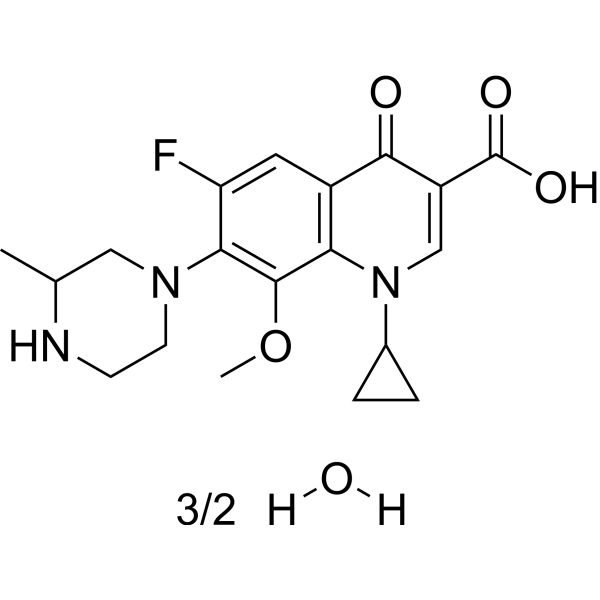
Gatifloxacin sesquihydrate (AM-1155; BMS-206584; PD135432) is a potent fluoroquinolone antibiotic with broad-spectrum antibacterial activity. Gatifloxacin sesquihydrate inhibits bacterial type II topoisomerases (IC50=13.8 μg/ml for S. aureus topoisomerase IV) and E. coli DNA gyrase (IC50 = 0.109 μg/ml) . Gatifloxacin sesquihydrate can be used to treat bacterial conjunctivitis in vivo.
|
-
- HY-B0356BR
-
|
Bay-09867 hydrochloride monohydrate (Standard)
|
Reference Standards
Topoisomerase
Apoptosis
Antibiotic
Bacterial
Mitochondrial Metabolism
Reactive Oxygen Species (ROS)
|
Infection
Cancer
|
|
Ciprofloxacin (hydrochloride monohydrate) (Standard) is the analytical standard of Ciprofloxacin (hydrochloride monohydrate). This product is intended for research and analytical applications. Ciprofloxacin (Bay-09867) hydrochloride monohydrate is a potent, orally active topoisomerase IV inhibitor. Ciprofloxacin hydrochloride monohydrate induces mitochondrial DNA and nuclear DNA damage and lead to mitochondrial dysfunction, ROS production. Ciprofloxacin hydrochloride monohydrate has anti-proliferative activity and induces apoptosis. Ciprofloxacin hydrochloride monohydrate is a fluoroquinolone antibiotic, exhibiting potent antibacterial activity .
|
-

- HY-10581
-
|
AM-1155; BMS-206584; PD135432
|
Bacterial
Topoisomerase
Antibiotic
|
Infection
Neurological Disease
Cancer
|
|
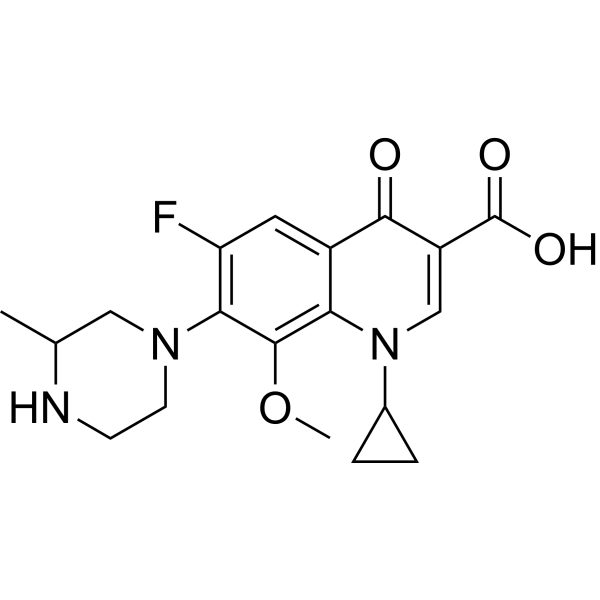
Gatifloxacin (AM-1155; BMS-206584; PD135432) is a potent fluoroquinolone antibiotic that can cross the blood-brain barrier, with broad-spectrum antibacterial activity. Gatifloxacin inhibits bacterial type II topoisomerases (IC50=13.8 μg/ml for S. aureus topoisomerase IV) and E. coli DNA gyrase (IC50=0.109 μg/ml) . Gatifloxacin can be used to treat bacterial conjunctivitis in vivo.
|
-
- HY-B0395S
-
|
DU6859a-d4
|
Isotope-Labeled Compounds
Bacterial
Antibiotic
|
Infection
|
|
Sitafloxacin-d4 (DU6859a-d4) is deuterium labeled Sitafloxacin. Sitafloxacin (DU6859a) is a potent, orally active fluoroquinolone antibiotic. Sitafloxacin shows antichlamydial activity and antibacterial activities against a broad range of gram-positive and gram-negative bacteria, including anaerobic bacteria, as well as against atypical pathogens. Sitafloxacin can be used for the research of respiratory tract infection and urinary tract infection .
|
-

- HY-10581AS
-
|
AM-1155-d3 hydrochloride; BMS-206584-d3 hydrochloride; PD135432-d3 hydrochloride
|
Isotope-Labeled Compounds
Bacterial
Topoisomerase
Antibiotic
|
Infection
|
|
Gatifloxacin-d3 (hydrochloride) is the deuterium labeled Gatifloxacin (hydrochloride). Gatifloxacin hydrochloride (AM-1155; BMS-206584; PD135432) is a potent fluoroquinolone antibiotic with broad-spectrum antibacterial activity. Gatifloxacin hydrochloride inhibits bacterial type II topoisomerases (IC50=13.8 μg/ml for S. aureus topoisomerase IV) and E. coli DNA gyrase (IC50 = 0.109 μg/ml). Gatifloxacin hydrochloride can be used to treat bacterial conjunctivitis in vivo.
|
-
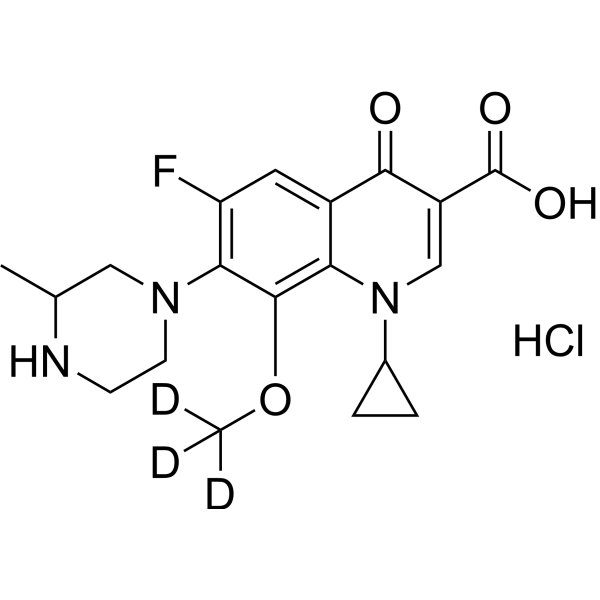
- HY-B0356S2
-
-

- HY-106998
-
|
|
Bacterial
Antibiotic
|
Infection
|
|
DC-756 is a fluoroquinolone antibiotic. DC-756 possesses potent activity against Gram-positive and Gram-negative pathogens comparable to Trovafloxacin (HY-A0170), with MIC, against Ofloxacin (HY-B0125)-resistant strains 16-fold better than Trovafloxacin. DC-756 is well absorbed orally in rats and found to have good photostability. DC-756 can be used to study bacterial resistance .
|
-

- HY-B0330DS
-
|
|
Isotope-Labeled Compounds
Bacterial
Antibiotic
|
Infection
|
|
(R)-Ofloxacin-d3 is the deuterium labeled (R)-Ofloxacin. (R)-Ofloxacin is the dextrorotatory enantiomer of Ofloxacin (HY-B0125) and is an orally effective fluoroquinolone antibiotic. (R)-Ofloxacin can inhibit the activity of bacterial DNA topoisomerase II, interfere with bacterial DNA replication and repair, and exert a bactericidal effect. (R)-Ofloxacin has a broad-spectrum antibacterial activity and has inhibitory effects on both Gram-negative and Gram-positive bacteria .
|
-
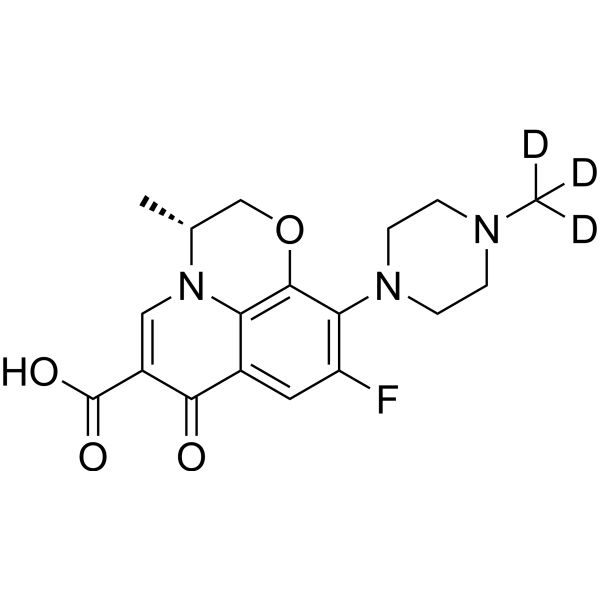
- HY-10581AR
-
|
AM-1155 hydrochloride (Standard); BMS-206584 hydrochloride (Standard); PD135432 hydrochloride (Standard)
|
Reference Standards
Bacterial
Topoisomerase
Antibiotic
|
Infection
|
|
Gatifloxacin (hydrochloride) (Standard) is the analytical standard of Gatifloxacin (hydrochloride). This product is intended for research and analytical applications. Gatifloxacin hydrochloride (AM-1155; BMS-206584; PD135432) is a potent fluoroquinolone antibiotic with broad-spectrum antibacterial activity. Gatifloxacin hydrochloride inhibits bacterial type II topoisomerases (IC50=13.8 μg/ml for S. aureus topoisomerase IV) and E. coli DNA gyrase (IC50 = 0.109 μg/ml)[1]. Gatifloxacin hydrochloride can be used to treat bacterial conjunctivitis in vivo.
|
-

- HY-W040298R
-
|
Bay-09867 lactate (Standard)
|
Reference Standards
Topoisomerase
Apoptosis
Antibiotic
Bacterial
Mitochondrial Metabolism
Reactive Oxygen Species (ROS)
|
Infection
Cancer
|
|
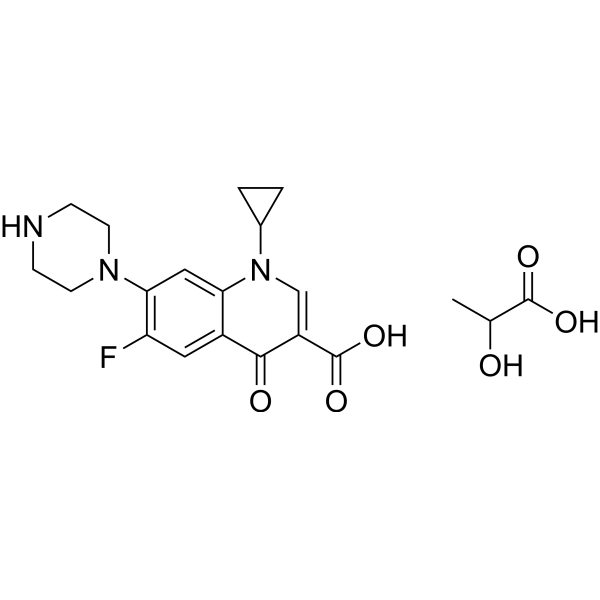
Ciprofloxacin (lactate) (Standard) is the analytical standard of Ciprofloxacin (lactate). This product is intended for research and analytical applications. Ciprofloxacin (Bay-09867) lactate is a potent, orally active topoisomerase IV inhibitor. Ciprofloxacin lactate induces mitochondrial DNA and nuclear DNA damage and lead to mitochondrial dysfunction, ROS production. Ciprofloxacin lactate has anti-proliferative activity and induces apoptosis. Ciprofloxacin lactate is a fluoroquinolone antibiotic, exhibiting potent antibacterial activity [4].
|
-

- HY-B0356AR
-
|
Bay-09867 monohydrochloride (Standard)
|
Reference Standards
Topoisomerase
Apoptosis
Antibiotic
Bacterial
Mitochondrial Metabolism
Reactive Oxygen Species (ROS)
|
Infection
Cancer
|
|
Ciprofloxacin (monohydrochloride) (Standard) is the analytical standard of Ciprofloxacin (monohydrochloride). This product is intended for research and analytical applications. Ciprofloxacin (Bay-09867) monohydrochloride is a potent, orally active topoisomerase IV inhibitor. Ciprofloxacin monohydrochloride induces mitochondrial DNA and nuclear DNA damage and lead to mitochondrial dysfunction, ROS production. Ciprofloxacin monohydrochloride has anti-proliferative activity and induces apoptosis. Ciprofloxacin monohydrochloride is a fluoroquinolone antibiotic, exhibiting potent antibacterial activity [4].
|
-

- HY-W353258R
-
|
BAY 12-8039 monohydrate (Standard)
|
Reference Standards
Antibiotic
Topoisomerase
Bacterial
|
Infection
|
|
Moxifloxacin hydrochloride (BAY 12-8039) monohydrate (Standard) is the analytical standard of Moxifloxacin hydrochloride monohydrate. This product is intended for research and analytical applications. Moxifloxacin hydrochloride monohydrate is a blood-brain barrier-permeable, orally active topoisomerase II/IV inhibitor and a fluoroquinolone antibiotic. Moxifloxacin hydrochloride monohydrate disrupts bacterial DNA replication, transcription, repair and chromosome segregation processes. Moxifloxacin hydrochloride monohydrate exhibits activity against Gram-positive bacteria, Gram-negative bacteria, anaerobes, atypical pathogens, drug-resistant respiratory pathogens, Mycobacterium tuberculosis, mycoplasmas and Ureaplasma urealyticum.
|
-

- HY-B0330DR
-
|
Dextrofloxacin (Standard)
|
Reference Standards
Bacterial
Antibiotic
|
Infection
|
|
(R)-Ofloxacin (Standard) is the analytical standard of (R)-Ofloxacin (HY-B0330D). (R)-Ofloxacin is the dextrorotatory enantiomer of Ofloxacin (HY-B0125) and is an orally effective fluoroquinolone antibiotic. (R)-Ofloxacin can inhibit the activity of bacterial DNA topoisomerase II, interfere with bacterial DNA replication and repair, and exert a bactericidal effect. (R)-Ofloxacin has a broad-spectrum antibacterial activity and has inhibitory effects on both Gram-negative and Gram-positive bacteria .
|
-

- HY-10581R
-
|
AM-1155 (Standard); BMS-206584 (Standard); PD135432 (Standard)
|
Reference Standards
Bacterial
Topoisomerase
Antibiotic
|
Infection
|
|
Gatifloxacin (Standard) is the analytical standard of Gatifloxacin. This product is intended for research and analytical applications. Gatifloxacin (AM-1155; BMS-206584; PD135432) is a potent fluoroquinolone antibiotic with broad-spectrum antibacterial activity. Gatifloxacin inhibits bacterial type II topoisomerases (IC50=13.8 μg/ml for S. aureus topoisomerase IV) and E. coli DNA gyrase (IC50=0.109 μg/ml) . Gatifloxacin can be used to treat bacterial conjunctivitis in vivo.
|
-

- HY-10581CR
-
|
AM-1155 sesquihydrate (Standard); BMS-206584 sesquihydrate (Standard); PD135432 sesquihydrate (Standard)
|
Reference Standards
Bacterial
Topoisomerase
Antibiotic
|
Infection
Inflammation/Immunology
|
|
Gatifloxacin (sesquihydrate) (Standard) is the analytical standard of Gatifloxacin (sesquihydrate). This product is intended for research and analytical applications. Gatifloxacin sesquihydrate (AM-1155; BMS-206584; PD135432) is a potent fluoroquinolone antibiotic with broad-spectrum antibacterial activity. Gatifloxacin sesquihydrate inhibits bacterial type II topoisomerases (IC50=13.8 μg/ml for S. aureus topoisomerase IV) and E. coli DNA gyrase (IC50 = 0.109 μg/ml) . Gatifloxacin sesquihydrate can be used to treat bacterial conjunctivitis?in vivo.
|
-

- HY-W700069
-
|
AM-1155-d4; BMS-206584-d4; PD135432-d4
|
Isotope-Labeled Compounds
Antibiotic
Bacterial
Topoisomerase
|
Infection
|
|
Gatifloxacin-d4 (AM-1155-d4) is the deuterium labeled Gatifloxacin (HY-10581). Gatifloxacin (AM-1155; BMS-206584; PD135432) is a potent fluoroquinolone antibiotic with broad-spectrum antibacterial activity. Gatifloxacin inhibits bacterial type II topoisomerases (IC50 = 13.8 μg/mL for S. aureus topoisomerase IV) and E.coli DNA gyrase (IC50 = 0.109 μg/mL) . Gatifloxacin can be used for the study of bacterial conjunctivitis in vivo.
|
-

- HY-B0268A
-
|
Enoxacin sesquihydrate; AT-2266 hydrate; CI-919 hydrate
|
Bacterial
DNA/RNA Synthesis
MicroRNA
Antibiotic
|
Infection
Cancer
|
|
Enoxacin hydrate (Enoxacin sesquihydrate), a fluoroquinolone, interferes with DNA replication and inhibits bacterial DNA gyrase (IC50=126 µg/ml) and topoisomerase IV (IC50=26.5 µg/ml). Enoxacin hydrate is a miRNA processing activator and enhances siRNA-mediated mRNA degradation and promotes the biogenesis of endogenous miRNAs. Enoxacin hydrate has potent activities against gram-positive and -negative bacteria. Enoxacin hydrate is a cancer-specific growth inhibitor that acts by enhancing TAR RNA-binding protein 2 (TRBP)-mediated microRNA processing .
|
-
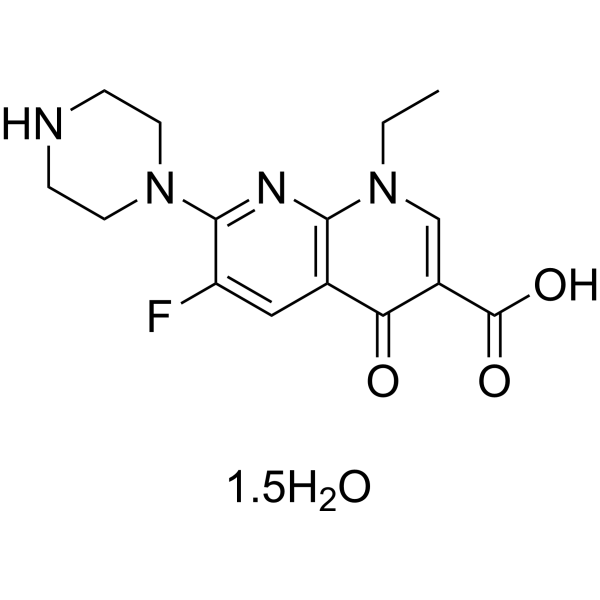
- HY-19895
-
|
|
Bacterial
|
Infection
|
|
DS-8587 is a new fluoroquinolone with significant antibacterial activity. The MIC value of DS-8587 against clinically isolated amoxicillin-resistant Bacillus strains is superior to ciprofloxacin and levofloxacin. The antibacterial activity of DS-8587 is less affected by adeA/adeB/adeC or abeM efflux pumps, and has more advantages than ciprofloxacin. DS-8587 has a lower single-step mutation frequency than ciprofloxacin. DS-8587 may be an effective drug for inhibiting amoxicillin-resistant Bacillus infections .
|
-

- HY-B0268
-
|
AT 2266; CI 919
|
Bacterial
DNA/RNA Synthesis
MicroRNA
Antibiotic
|
Infection
Cancer
|
|
Enoxacin (AT 2266), a fluoroquinolone, interferes with DNA replication and inhibits bacterial DNA gyrase (IC50=126 µg/ml) and topoisomerase IV (IC50=26.5 µg/ml). Enoxacin is a miRNA processing activator and enhances siRNA-mediated mRNA degradation and promotes the biogenesis of endogenous miRNAs. Enoxacin has potent activities against gram-positive and -negative bacteria. Enoxacin is a cancer-specific growth inhibitor that acts by enhancing TAR RNA-binding protein 2 (TRBP)-mediated microRNA processing .
|
-
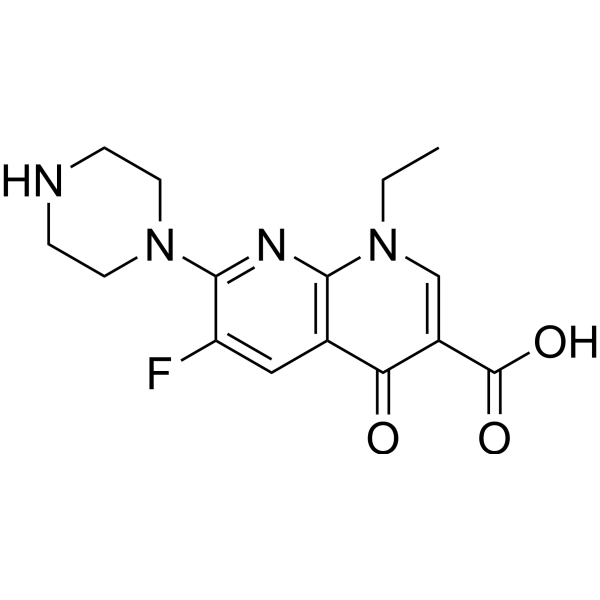
- HY-B0724A
-
|
T-3762; Pazufloxacin methanesulfonate; Pazufloxacin mesilate
|
Bacterial
DNA/RNA Synthesis
|
Infection
|
|
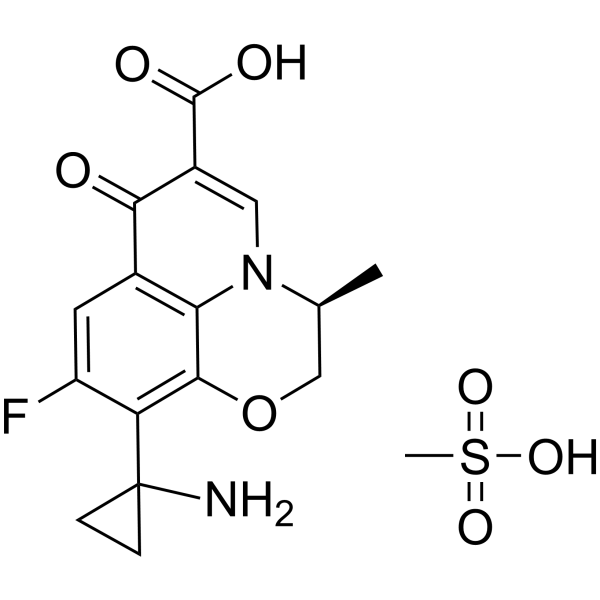
Pazufloxacin mesylate is an orally active fluoroquinolone antimicrobial agent. Pazufloxacin mesylate inhibits DNA gyrase with IC50 values of 0.88 μg/mL (E. coli) and 1.9 μg/mL (P. aeruginosa). Pazufloxacin mesylate exhibits broad-spectrum antimicrobial activity, with MIC90 values ranging from 0.025 to 100 μg/mL against Gram-positive and Gram-negative bacteria, non-fermenting bacteria, Legionella spp., and anaerobic bacteria. Pazufloxacin mesylate is indicated for research on systemic infections, lung infections, urinary tract infections, and Legionella pneumonia .
|
-
- HY-B0724B
-
|
T3761
|
Bacterial
DNA/RNA Synthesis
|
Infection
|
|
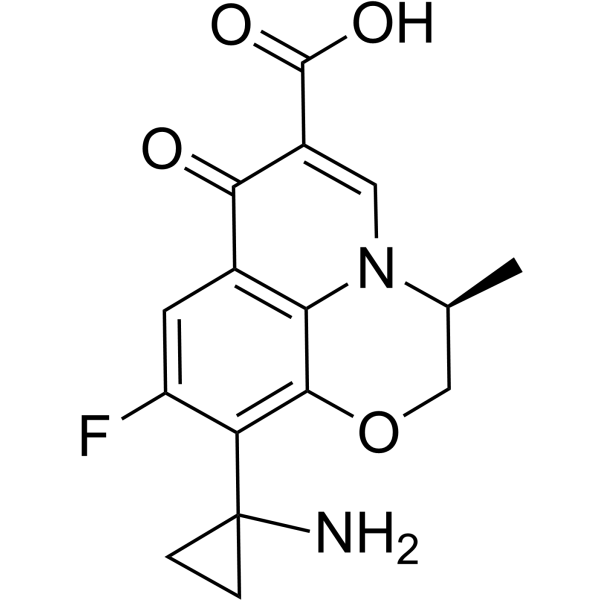
Pazufloxacin is an orally active fluoroquinolone antimicrobial agent. Pazufloxacin inhibits DNA gyrase with IC50 values of 0.88 μg/mL (E. coli) and 1.9 μg/mL (P. aeruginosa). Pazufloxacin exhibits broad-spectrum antimicrobial activity, with MIC90 values ranging from 0.025 to 100 μg/mL against Gram-positive and Gram-negative bacteria, non-fermenting bacteria, Legionella spp., and anaerobic bacteria. Pazufloxacin is indicated for research on systemic infections, lung infections, urinary tract infections, and Legionella pneumonia .
|
-
- HY-155059
-
|
|
Bacterial
|
Infection
|
|
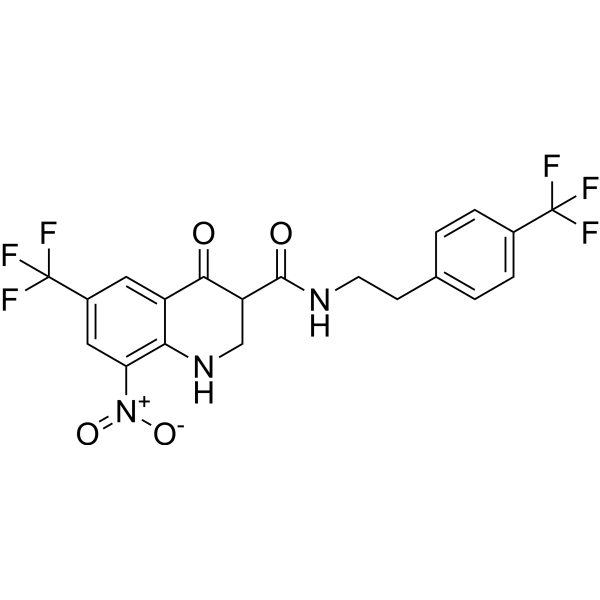
Antimycobacterial agent-6 (compound 25) is a potent inhibitor of Mycobacterium tuberculosis (Mtb),targeting to both wild-type and fluoroquinolone-resistant Mtb strains. Antimycobacterial agent-6 inhibits Mtb DprE1-C387S mutant with MIC90s of 0.9 μM (H37Rv),0.9 μM (MoxR),0.5 μM (DprE1-P116S),respectively .
|
-
- HY-B0268S2
-
|
|
Isotope-Labeled Compounds
Antibiotic
MicroRNA
DNA/RNA Synthesis
Bacterial
|
Infection
Cancer
|
|
Enoxacin-d8 (hydrate) is deuterium labeled Enoxacin. Enoxacin (AT 2266), a fluoroquinolone, interferes with DNA replication and inhibits bacterial DNA gyrase (IC50=126 μg/ml) and topoisomerase IV (IC50=26.5 μg/ml). Enoxacin is a miRNA processing activator and enhances siRNA-mediated mRNA degradation and promotes the biogenesis of endogenous miRNAs. Enoxacin has potent activities against gram-positive and -negative bacteria. Enoxacin is a cancer-specific growth inhibitor that acts by enhancing TAR RNA-binding protein 2 (TRBP)-mediated microRNA processing .
|
-

- HY-B0268S1
-
|
|
Isotope-Labeled Compounds
Bacterial
DNA/RNA Synthesis
MicroRNA
Antibiotic
|
Infection
Cancer
|
|
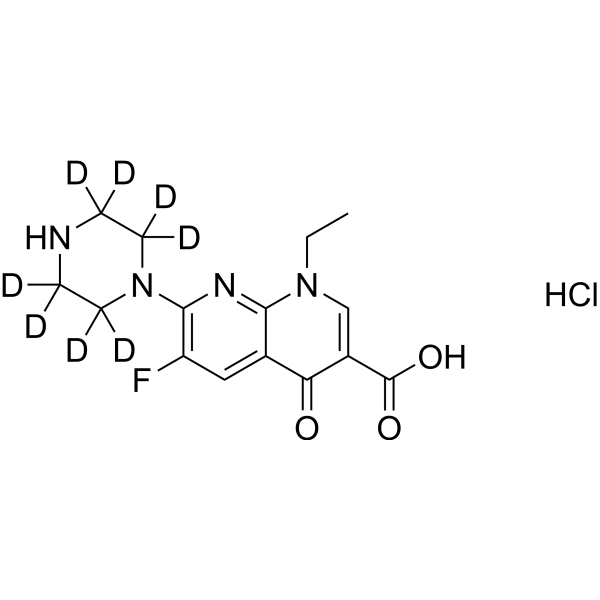
Enoxacin-d8 (hydrochloride) is deuterium labeled Enoxacin. Enoxacin (AT 2266), a fluoroquinolone, interferes with DNA replication and inhibits bacterial DNA gyrase (IC50=126 μg/ml) and topoisomerase IV (IC50=26.5 μg/ml). Enoxacin is a miRNA processing activator and enhances siRNA-mediated mRNA degradation and promotes the biogenesis of endogenous miRNAs. Enoxacin has potent activities against gram-positive and -negative bacteria. Enoxacin is a cancer-specific growth inhibitor that acts by enhancing TAR RNA-binding protein 2 (TRBP)-mediated microRNA processing .
|
-
- HY-B0268AR
-
|
Enoxacin sesquihydrate (Standard); AT-2266 hydrate (Standard); CI-919 hydrate (Standard)
|
Reference Standards
Bacterial
DNA/RNA Synthesis
MicroRNA
Antibiotic
|
Infection
Cancer
|
|
Enoxacin (hydrate) (Standard) is the analytical standard of Enoxacin (hydrate). This product is intended for research and analytical applications. Enoxacin hydrate (Enoxacin sesquihydrate), a fluoroquinolone, interferes with DNA replication and inhibits bacterial DNA gyrase (IC50=126 μg/ml) and topoisomerase IV (IC50=26.5 μg/ml). Enoxacin hydrate is a miRNA processing activator and enhances siRNA-mediated mRNA degradation and promotes the biogenesis of endogenous miRNAs. Enoxacin hydrate has potent activities against gram-positive and -negative bacteria. Enoxacin hydrate is a cancer-specific growth inhibitor that acts by enhancing TAR RNA-binding protein 2 (TRBP)-mediated microRNA processing [4].
|
-

- HY-13451
-
|
|
Antibiotic
Bacterial
|
Infection
|
|
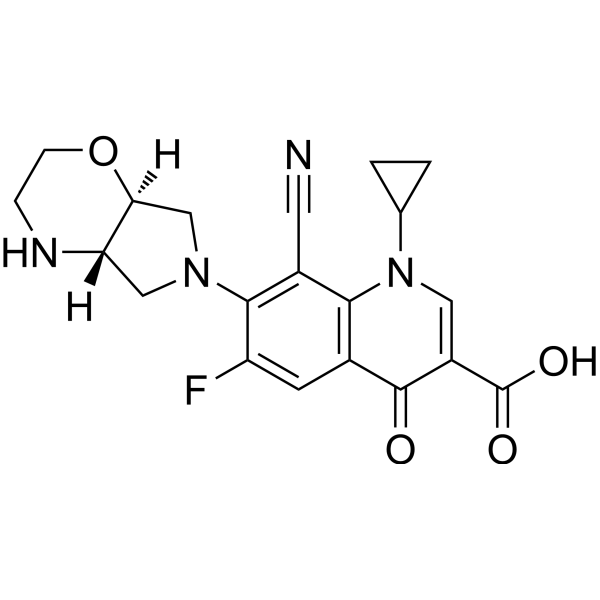
Finafloxacin is an orally active fourth-generation fluoroquinolone broad-spectrum antibiotic. Finafloxacin exhibits stronger antibacterial activity in acidic pH environments and is not easily affected by bacterial multidrug efflux transporters. Finafloxacin is effective against a variety of extracellular pathogenic bacteria, and can also accumulate in macrophages, showing excellent antibacterial activity against intracellular Staphylococcus aureus, Listeria monocytogenes, Legionella pneumophila, Burkholderia pseudomallei, and other pathogens. Finafloxacin has been approved by the U.S. FDA for research on acute otitis externa mediated by Pseudomonas aeruginosa. Finafloxacin is also used in studies related to diseases such as melioidosis, inhalational tularemia, and inhalational plague .
|
-
- HY-B0724AR
-
|
T-3762 (Standard); Pazufloxacin methanesulfonate (Standard); Pazufloxacin mesilate (Standard)
|
Reference Standards
Bacterial
DNA/RNA Synthesis
|
Infection
|
|
Pazufloxacin (mesylate) (Standard) is the analytical standard of Pazufloxacin mesylate (HY-B0724A). This product is intended for research and analytical applications. Pazufloxacin mesylate is an orally active fluoroquinolone antimicrobial agent. Pazufloxacin mesylate inhibits DNA gyrase with IC50 values of 0.88 μg/mL (E. coli) and 1.9 μg/mL (P. aeruginosa). Pazufloxacin mesylate exhibits broad-spectrum antimicrobial activity, with MIC90 values ranging from 0.025 to 100 μg/mL against Gram-positive and Gram-negative bacteria, non-fermenting bacteria, Legionella spp., and anaerobic bacteria. Pazufloxacin mesylate is indicated for research on systemic infections, lung infections, urinary tract infections, and Legionella pneumonia .
|
-

- HY-B0724BS
-
|
T3761-d4
|
Isotope-Labeled Compounds
Bacterial
DNA/RNA Synthesis
|
Infection
|
|
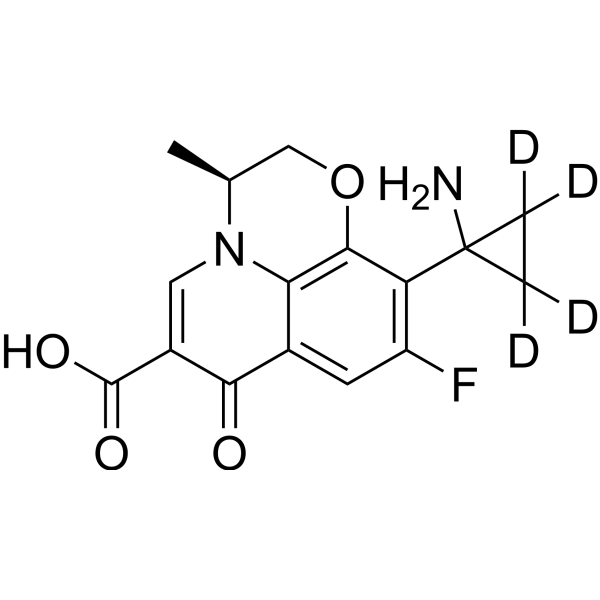
Pazufloxacin-d4 is deuterium labeled Pazufloxacin (HY-B0724B). Pazufloxacin is an orally active fluoroquinolone antimicrobial agent. Pazufloxacin inhibits DNA gyrase with IC50 values of 0.88 μg/mL (E. coli) and 1.9 μg/mL (P. aeruginosa). Pazufloxacin exhibits broad-spectrum antimicrobial activity, with MIC90 values ranging from 0.025 to 100 μg/mL against Gram-positive and Gram-negative bacteria, non-fermenting bacteria, Legionella spp., and anaerobic bacteria. Pazufloxacin is indicated for research on systemic infections, lung infections, urinary tract infections, and Legionella pneumonia .
|
-
- HY-113718
-
|
|
Bacterial
Topoisomerase
DNA/RNA Synthesis
|
Infection
|
|
DS21412020 is a fluoroquinolone antibacterial agent. DS21412020 inhibits bacterial DNA gyrase (GyrA) and topoisomerase IV, leading to DNA breaks. DS21412020 exhibits significant activity against Gram-positive bacteria such as Staphylococcus aureus (MIC = 0.006 μg/mL), Streptococcus pneumoniae (MIC = 0.05 μg/mL), and Methicillin (HY-121544)-resistant Staphylococcus aureus (MIC = 0.2 μg/mL), and Gram-negative bacteria such as Escherichia coli (MIC = 0.006 μg/mL) and Pseudomonas aeruginosa (MIC = 0.78 μg/mL). DS21412020 significantly reduces bacterial load in mouse pneumonia and MRSA infection models. DS21412020 can be used in the development of next-generation quinolone antibiotics .
|
-

- HY-B0356G
-
|
Bay-09867
|
Bacterial
Topoisomerase
Akt
β-catenin
|
Inflammation/Immunology
|
|
Ciprofloxacin GMP is Ciprofloxacin (HY-B0356) produced by using GMP guidelines. GMP small molecules works appropriately as an auxiliary reagent for cell therapy manufacture. Ciprofloxacin (Bay-09867) is an orally active, blood-brain barrier permeable fluoroquinolone antibacterial agent. Ciprofloxacin exerts bactericidal effects primarily by inhibiting topoisomerase II and IV. Ciprofloxacin inhibits the proliferation of human dental pulp stem cells and chondrocytes from young rats, and also activates the Akt signaling pathway and upregulates markers such as β-catenin and Nanog to maintain the morphological characteristics of stem cells. Ciprofloxacin induces significant neurotoxicity and tissue damage, including reducing serotonin and glutathione levels in the brain, inducing oxidative stress and depression-like behaviors, and causing articular cartilage damage. Ciprofloxacin can be applied to research related to infections of necrotic young permanent teeth and neurotoxicity .
|
-

| Cat. No. |
Product Name |
Type |
-
- HY-B0356G
-
|
Bay-09867
|
Fluorescent Dyes
|
|
Ciprofloxacin GMP is Ciprofloxacin (HY-B0356) produced by using GMP guidelines. GMP small molecules works appropriately as an auxiliary reagent for cell therapy manufacture. Ciprofloxacin (Bay-09867) is an orally active, blood-brain barrier permeable fluoroquinolone antibacterial agent. Ciprofloxacin exerts bactericidal effects primarily by inhibiting topoisomerase II and IV. Ciprofloxacin inhibits the proliferation of human dental pulp stem cells and chondrocytes from young rats, and also activates the Akt signaling pathway and upregulates markers such as β-catenin and Nanog to maintain the morphological characteristics of stem cells. Ciprofloxacin induces significant neurotoxicity and tissue damage, including reducing serotonin and glutathione levels in the brain, inducing oxidative stress and depression-like behaviors, and causing articular cartilage damage. Ciprofloxacin can be applied to research related to infections of necrotic young permanent teeth and neurotoxicity .
|
| Cat. No. |
Product Name |
Type |
-
- HY-W353258R
-
|
BAY 12-8039 monohydrate (Standard)
|
Biochemical Assay Reagents
|
|
Moxifloxacin hydrochloride (BAY 12-8039) monohydrate (Standard) is the analytical standard of Moxifloxacin hydrochloride monohydrate. This product is intended for research and analytical applications. Moxifloxacin hydrochloride monohydrate is a blood-brain barrier-permeable, orally active topoisomerase II/IV inhibitor and a fluoroquinolone antibiotic. Moxifloxacin hydrochloride monohydrate disrupts bacterial DNA replication, transcription, repair and chromosome segregation processes. Moxifloxacin hydrochloride monohydrate exhibits activity against Gram-positive bacteria, Gram-negative bacteria, anaerobes, atypical pathogens, drug-resistant respiratory pathogens, Mycobacterium tuberculosis, mycoplasmas and Ureaplasma urealyticum.
|
-
- HY-B0356G
-
|
Bay-09867
|
Biochemical Assay Reagents
|
|
Ciprofloxacin GMP is Ciprofloxacin (HY-B0356) produced by using GMP guidelines. GMP small molecules works appropriately as an auxiliary reagent for cell therapy manufacture. Ciprofloxacin (Bay-09867) is an orally active, blood-brain barrier permeable fluoroquinolone antibacterial agent. Ciprofloxacin exerts bactericidal effects primarily by inhibiting topoisomerase II and IV. Ciprofloxacin inhibits the proliferation of human dental pulp stem cells and chondrocytes from young rats, and also activates the Akt signaling pathway and upregulates markers such as β-catenin and Nanog to maintain the morphological characteristics of stem cells. Ciprofloxacin induces significant neurotoxicity and tissue damage, including reducing serotonin and glutathione levels in the brain, inducing oxidative stress and depression-like behaviors, and causing articular cartilage damage. Ciprofloxacin can be applied to research related to infections of necrotic young permanent teeth and neurotoxicity .
|
| Cat. No. |
Product Name |
Target |
Research Area |
-
- HY-P2496
-
|
|
Endothelin Receptor
Fluorescent Dye
NF-κB
COX
Prostaglandin Receptor
Apoptosis
TNF Receptor
Interleukin Related
MMP
|
Cardiovascular Disease
Inflammation/Immunology
Cancer
|
|
Endothelin 1 (swine, human), Alexa Fluor 488-labeled is an Endothelin-1 conjugated with Alexa Fluor 488 (HY-D1304). Endothelin-1 is an endogenous vasoconstrictor and agonist of ETA/ETB receptor. Endothelin 1 (swine, human) exerts effects including promoting mitosis, angiogenesis, tumor invasion and metastasis, and inhibiting apoptosis. Endothelin 1 (swine, human) induces inflammation and oxidative stress by activating the NF-κB pathway. Endothelin 1 (swine, human), Alexa Fluor 488-labeled is specifically designed for fluorescence imaging, flow cytometry or receptor localization studies, and can be used in research related to sepsis, atherosclerosis, systemic inflammatory response syndrome, cancer and congestive heart failure .
|
-
- HY-P5372A
-
|
|
Protease Activated Receptor (PAR)
|
Cancer
|
|
Ala-parafluoroPhe-Arg-Cha-Cit-Tyr-NH2 TFA, a bioactive peptide, is a selective Protease activating receptor 1 (PAR-1) agonist over PAR-2. PAR-1 belongs to a subfamily of G-protein coupled receptors and is known to mediate the cellular effects of thrombin. In addition to its varied cellular effects of thrombin, PAR-1 has also been shown to coordinate with PAR-4 and regulate thrombin-induced hepatocellular carcinoma harboring thrombin formation within the tumor environment classified as 'coagulation type' .
|
-
- HY-P5373
-
|
|
Peptides
|
Others
|
|
Ser-parafluoroPhe-Aad-Leu-Arg-Asn-Pro-NH2 is a biological active peptide. (Structure-activity studies of thrombin receptor-tethered ligand SFLLRNP have revealed
the importance of the Phe-2-phenyl group in receptor recognition and the replacement of the
Phe-2 by para-fluorophenylalanine [(p-F)Phe] was found to enhance its activity)
|
-
- HY-P5372
-
|
|
Protease Activated Receptor (PAR)
|
Cancer
|
|
Ala-parafluoroPhe-Arg-Cha-Cit-Tyr-NH2, a bioactive peptide, is a selective Protease activating receptor 1 (PAR-1) agonist over PAR-2. PAR-1 belongs to a subfamily of G-protein coupled receptors and is known to mediate the cellular effects of thrombin. In addition to its varied cellular effects of thrombin, PAR-1 has also been shown to coordinate with PAR-4 and regulate thrombin-induced hepatocellular carcinoma harboring thrombin formation within the tumor environment classified as 'coagulation type' .
|
| Cat. No. |
Product Name |
Category |
Target |
Chemical Structure |
| Cat. No. |
Product Name |
Chemical Structure |
-
- HY-B0356S1
-
|
|
|
Ciprofloxacin-d8 is the deuterium labeled Ciprofloxacin. Ciprofloxacin (Bay-09867) is a fluoroquinolone antibiotic, exhibiting potent antibacterial activity.
|
-
-
- HY-B0356S
-
|
|
|
Ciprofloxacin-d8 (hydrochloride) is the deuterium labeled Ciprofloxacin. Ciprofloxacin (Bay-09867) hydrochloride is a fluoroquinolone antibiotic, exhibiting potent antibacterial activity.
|
-
-
- HY-B0330S
-
|
|
|
Levofloxacin-d8 is the deuterium labeled Levofloxacin. Levofloxacin, a synthetic fluoroquinolone, is an antibacterial agent that inhibits the supercoiling activity of bacterial DNA gyrase, halting DNA replication.
|
-
-
- HY-B0125S1
-
|
|
|
Ofloxacin-d8 (Hoe-280-d8) is the deuterium labeled Ofloxacin. Ofloxacin (Hoe-280) is a fluoroquinolone whose primary mechanism of action is inhibition of bacterial DNA gyrase.
|
-
-
- HY-14814S
-
|
|
|
Delafloxacin-d5 is deuterium labeled Delafloxacin. Delafloxacin (RX-3341; WQ-3034; ABT492) is a broad-spectrum fluoroquinolone antibiotic. Delafloxacin has a broad spectrum of activity that includes drug-resistant Staphylococcus aureus, Streptococcus pneumoniae, and Klebsiella pneumonia .
|
-
-
- HY-B0268S1
-
|
|
|
Enoxacin-d8 (hydrochloride) is deuterium labeled Enoxacin. Enoxacin (AT 2266), a fluoroquinolone, interferes with DNA replication and inhibits bacterial DNA gyrase (IC50=126 μg/ml) and topoisomerase IV (IC50=26.5 μg/ml). Enoxacin is a miRNA processing activator and enhances siRNA-mediated mRNA degradation and promotes the biogenesis of endogenous miRNAs. Enoxacin has potent activities against gram-positive and -negative bacteria. Enoxacin is a cancer-specific growth inhibitor that acts by enhancing TAR RNA-binding protein 2 (TRBP)-mediated microRNA processing .
|
-
-
- HY-B0724BS
-
|
|
|
Pazufloxacin-d4 is deuterium labeled Pazufloxacin (HY-B0724B). Pazufloxacin is an orally active fluoroquinolone antimicrobial agent. Pazufloxacin inhibits DNA gyrase with IC50 values of 0.88 μg/mL (E. coli) and 1.9 μg/mL (P. aeruginosa). Pazufloxacin exhibits broad-spectrum antimicrobial activity, with MIC90 values ranging from 0.025 to 100 μg/mL against Gram-positive and Gram-negative bacteria, non-fermenting bacteria, Legionella spp., and anaerobic bacteria. Pazufloxacin is indicated for research on systemic infections, lung infections, urinary tract infections, and Legionella pneumonia .
|
-
-
- HY-B0356AS
-
|
|
|
Ciprofloxacin-d8 (hydrochloride hydrate) is the deuterium labeled Ciprofloxacin hydrochloride monohydrate. Ciprofloxacin hydrochloride monohydrate is a fluoroquinolone antibiotic, exhibiting potent antibacterial activity.
|
-
-
- HY-B0356BS
-
|
|
|
Ciprofloxacin-d8 (hydrochloride monohydrate) is the deuterium labeled Ciprofloxacin (hydrochloride monohydrate). Ciprofloxacin hydrochloride is a fluoroquinolone antibiotic, exhibiting potent antibacterial activity.
|
-
-
- HY-B0501S
-
|
|
|
Danofloxacin-d3 (mesylate) is the deuterium labeled Danofloxacin mesylate. Danofloxacin mesylate (CP 76136-27) is a fluoroquinolone antibacterial for veterinary use.
|
-
-
- HY-B0343S
-
|
|
|
Sarafloxacin-d8 is the deuterium labeled Sarafloxacin(HY-B0343).Sarafloxacin (A-56620) is a fluoroquinolone antimicrobial agent .
|
-
-
- HY-B0308S
-
|
|
|
Sparfloxacin-d5 is deuterium labeled Sparfloxacin (HY-B0308). Sparfloxacin is a fluoroquinolone antibiotic, shows broad and potent antibacterial activity .
|
-
-
- HY-B0330S1
-
|
|
|
(S)-Ofloxacin-d3 is the deuterium labeled Levofloxacin. Levofloxacin, a synthetic fluoroquinolone, is an antibacterial agent that inhibits the supercoiling activity of bacterial DNA gyrase, halting DNA replication.
|
-
-
- HY-135389S
-
|
|
|
Desmethyl Levofloxacin-d8 hydrochloride is the deuterium labeled Desmethyl Levofloxacin. Desmethyl Levofloxacin is a metabolite of Levofloxacin. Levofloxacin, a synthetic fluoroquinolone, is an antibacterial agent that inhibits the supercoiling activity of bacterial DNA gyrase, halting DNA replication .
|
-
-
- HY-135389S1
-
|
|
|
Desmethyl Levofloxacin-d8 is deuterium labeled Desmethyl Levofloxacin. Desmethyl Levofloxacin is a metabolite of Levofloxacin. Levofloxacin, a synthetic fluoroquinolone, is an antibacterial agent that inhibits the supercoiling activity of bacterial DNA gyrase, halting DNA replication .
|
-
-
- HY-B0126S
-
|
|
|
Marbofloxacin-d8 is the deuterium labeled Marbofloxacin. Marbofloxacin is a third generation fluoroquinolone and orally active antimicrobial agent, which has a broad spectrum bactericidal activity and good efficacy. Marbofloxacin can be used for the research of infections by Gram-positive and Gram-negative bacteria and Mycoplasma .
|
-
-
- HY-B0126AS
-
|
|
|
Marbofloxacin-d8 (hydrochloride) is deuterium labeled Marbofloxacin (hydrochloride). Marbofloxacin hydrochloride is a third generation fluoroquinolone and orally active antimicrobial agent, which has a broad spectrum bactericidal activity and good efficacy. Marbofloxacin hydrochloride can be used for the research of infections by Gram-positive and Gram-negative bacteria and Mycoplasma .
|
-
-
- HY-B0395S
-
|
|
|
Sitafloxacin-d4 (DU6859a-d4) is deuterium labeled Sitafloxacin. Sitafloxacin (DU6859a) is a potent, orally active fluoroquinolone antibiotic. Sitafloxacin shows antichlamydial activity and antibacterial activities against a broad range of gram-positive and gram-negative bacteria, including anaerobic bacteria, as well as against atypical pathogens. Sitafloxacin can be used for the research of respiratory tract infection and urinary tract infection .
|
-
-
- HY-10581AS
-
|
|
|
Gatifloxacin-d3 (hydrochloride) is the deuterium labeled Gatifloxacin (hydrochloride). Gatifloxacin hydrochloride (AM-1155; BMS-206584; PD135432) is a potent fluoroquinolone antibiotic with broad-spectrum antibacterial activity. Gatifloxacin hydrochloride inhibits bacterial type II topoisomerases (IC50=13.8 μg/ml for S. aureus topoisomerase IV) and E. coli DNA gyrase (IC50 = 0.109 μg/ml). Gatifloxacin hydrochloride can be used to treat bacterial conjunctivitis in vivo.
|
-
-
- HY-B0356S2
-
|
|
|
Ciprofloxacin-d4 (Bay-09867-d4) is deuterium labeled Ciprofloxacin. Ciprofloxacin (Bay-09867) is a potent, orally active topoisomerase IV inhibitor. Ciprofloxacin induces mitochondrial DNA and nuclear DNA damage and lead to mitochondrial dysfunction, ROS production. Ciprofloxacin has anti-proliferative activity and induces apoptosis. Ciprofloxacin is a fluoroquinolone antibiotic, exhibiting potent antibacterial activity .
|
-
-
- HY-B0330DS
-
|
|
|
(R)-Ofloxacin-d3 is the deuterium labeled (R)-Ofloxacin. (R)-Ofloxacin is the dextrorotatory enantiomer of Ofloxacin (HY-B0125) and is an orally effective fluoroquinolone antibiotic. (R)-Ofloxacin can inhibit the activity of bacterial DNA topoisomerase II, interfere with bacterial DNA replication and repair, and exert a bactericidal effect. (R)-Ofloxacin has a broad-spectrum antibacterial activity and has inhibitory effects on both Gram-negative and Gram-positive bacteria .
|
-
-
- HY-W700069
-
|
|
|
Gatifloxacin-d4 (AM-1155-d4) is the deuterium labeled Gatifloxacin (HY-10581). Gatifloxacin (AM-1155; BMS-206584; PD135432) is a potent fluoroquinolone antibiotic with broad-spectrum antibacterial activity. Gatifloxacin inhibits bacterial type II topoisomerases (IC50 = 13.8 μg/mL for S. aureus topoisomerase IV) and E.coli DNA gyrase (IC50 = 0.109 μg/mL) . Gatifloxacin can be used for the study of bacterial conjunctivitis in vivo.
|
-
-
- HY-B0268S2
-
|
|
|
Enoxacin-d8 (hydrate) is deuterium labeled Enoxacin. Enoxacin (AT 2266), a fluoroquinolone, interferes with DNA replication and inhibits bacterial DNA gyrase (IC50=126 μg/ml) and topoisomerase IV (IC50=26.5 μg/ml). Enoxacin is a miRNA processing activator and enhances siRNA-mediated mRNA degradation and promotes the biogenesis of endogenous miRNAs. Enoxacin has potent activities against gram-positive and -negative bacteria. Enoxacin is a cancer-specific growth inhibitor that acts by enhancing TAR RNA-binding protein 2 (TRBP)-mediated microRNA processing .
|
-
-
- HY-B0414S
-
|
|
|
Fleroxacin-d3 (RO 23-6240-d3) is the deuterium labeled Fleroxacin (HY-B0414). Fleroxacin (RO 23-6240) is a broad-spectrum antimicrobial fluoroquinolone.
|
-
-
- HY-W753904S
-
|
|
|
Pradofloxacin-d4 is the deuterium labeled Pradofloxacin (HY-W753904). Pradofloxacin, a third-generation fluoroquinolone antibacterial agent. Pradofloxacin can be used for the study of bacterial infections in the dog and cat, such as skin infections .
|
-
| Cat. No. |
Product Name |
Target |
Research Areas |
Chemical Structure |
-
- HY-B0356G
-
|
Bay-09867
|
Bacterial
Topoisomerase
Akt
β-catenin
|
Inflammation/Immunology
|
|
Ciprofloxacin GMP is Ciprofloxacin (HY-B0356) produced by using GMP guidelines. GMP small molecules works appropriately as an auxiliary reagent for cell therapy manufacture. Ciprofloxacin (Bay-09867) is an orally active, blood-brain barrier permeable fluoroquinolone antibacterial agent. Ciprofloxacin exerts bactericidal effects primarily by inhibiting topoisomerase II and IV. Ciprofloxacin inhibits the proliferation of human dental pulp stem cells and chondrocytes from young rats, and also activates the Akt signaling pathway and upregulates markers such as β-catenin and Nanog to maintain the morphological characteristics of stem cells. Ciprofloxacin induces significant neurotoxicity and tissue damage, including reducing serotonin and glutathione levels in the brain, inducing oxidative stress and depression-like behaviors, and causing articular cartilage damage. Ciprofloxacin can be applied to research related to infections of necrotic young permanent teeth and neurotoxicity .
|
-
Your information is safe with us. * Required Fields.
Inquiry Information
- Product Name:
- Cat. No.:
- Quantity:
- MCE Japan Authorized Agent:








