
1. Search Result
Search Result
Results for "

hydrogen bonds

" in MedChemExpress (MCE) Product Catalog:

101

Inhibitors & Agonists

9

Screening Libraries

2

Fluorescent Dyes

12

Biochemical Assay Reagents

4

Peptides

7

Natural
Products

1

Isotope-Labeled Compounds

3

Oligonucleotides

Targets Recommended:
Cat. No. Product Name Target Research Areas Chemical Structure
  • HY-A0103

    Environmental Pollutants Biochemical Assay Reagents Inflammation/Immunology
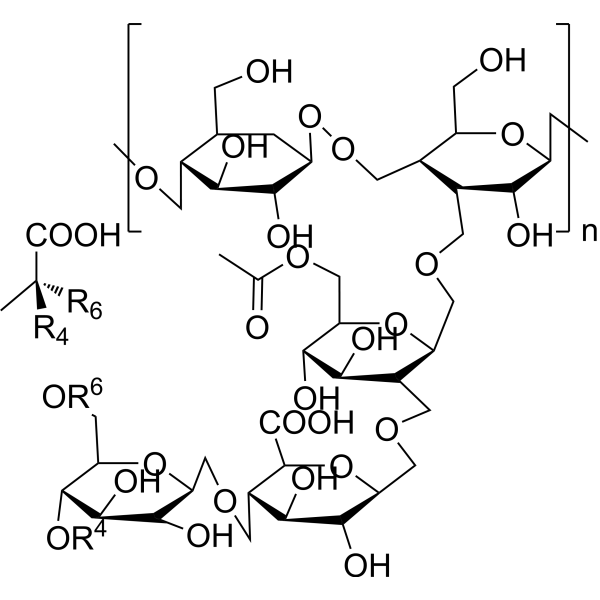
    Xanthan gum interacts with gelatin (HY-Y1365) via hydrogen bonds, thereby increasing the viscosity and stability of the hydrogel while promoting cell growth and creating a microenvironment conducive to cell differentiation [1][2]. Xanthan gum induces pro-inflammatory responses by increasing the levels of TNF-α, IL-6, and IL-10. Xanthan gum can be used for inflammation and immunology research .
    Xanthan gum
  • HY-W020780

    mPEG5000-Maleimide

    Biochemical Assay Reagents Cancer
    mPEG5000-Mal (mPEG5000-Maleimide) is a PEG-derived selective covalent binding agent for sulfhydryl groups (RSGs), which can form irreversible thioether bonds with sulfhydryl groups under near-neutral conditions via the maleimide group. The mechanism of action of mPEG5000-Mal can be divided into two categories: firstly, as an enzyme modifier, it binds to target proteins through hydrophobic interactions, hydrogen bonds, and van der Waals forces, altering the protein's secondary structure; secondly, as a nanoparticle surface modifier, it covalently binds to sulfhydryl groups on the surface of red blood cells, changing the surface properties and morphology of the red blood cells, leading to their phagocytosis by macrophages of the reticuloendothelial system. mPEG5000-Mal can react with free cysteine in proteins, increasing the apparent molecular weight of the modified protein by 10-15 kDa for detection purposes. mPEG5000-Mal can enhance the thermal stability and catalytic activity of enzymes, and improve the macrophage targeting of nanoparticles, enabling targeted drug delivery. mPEG5000-Mal can be applied in enzyme engineering research in the food industry and in oncology, assisting radiotherapy by inhibiting tumor-associated macrophage infiltration and enhancing anti-tumor immune responses .
    mPEG5000-Mal
  • HY-Y0338

    Environmental Pollutants Others
    Ethylene glycol is an organic compound that is often used as an antifreeze agent and coolant. Ethylene glycol lowers the freezing point by forming hydrogen bonds with water molecules, exerting antifreeze activity. Ethylene glycol is also used as a raw material in the synthesis of polymers such as polyester fibers and polyurethanes .
    Ethylene glycol,98%
  • HY-121835

    GCGR Metabolic Disease
    GLP-1R agonist 2 (compound 2) is an effective GLP-1R agonist that exerts its activating effect by forming hydrogen bonds with the Tyr42, Cys71, and Ser84 residues of GLP-1R. GLP-1R agonist 2 has the potential for research in metabolic diseases such as type 2 diabetes and obesity .
    GLP-1R agonist 2
  • HY-112624J

    Dextran 4; Dextran D4; Dextran T4(MW 3200-4800)

    Bacterial Others
    Dextran 4,000 is a mucus rheology modifier. The dextran molecules in Dextran 4,000 can reduce the cross-link density of mucus through osmotic effects and hydrogen bond substitution, and reduce viscoelasticity and improve the mucociliary/cough clearance index by destroying the DNA-mucin network structure in mucus. Dextran 4,000 has the ability to improve the rheological properties and clearance ability of cystic fibrosis (CF) sputum, and can be used in the study of inhalation therapy or aerosol delivery of mucostatic respiratory diseases. The Dextran series of compounds are also natural polysaccharide drug carriers that can be connected to drugs through covalent bonding methods such as ester bonds, amide bonds or click chemistry, or self-assembled to form carriers such as nanoparticles and hydrogels. Dextran is biodegradable and biocompatible, and can achieve targeted delivery and controlled release of drugs. Dextran derivatives can prolong the half-life of drugs, increase local concentrations, and reduce the activity of immune clearance .
    Dextran T4 (MW 4,000)
  • HY-125510
    UNC2541
    1 Publications Verification

    TAM Receptor Neurological Disease Inflammation/Immunology
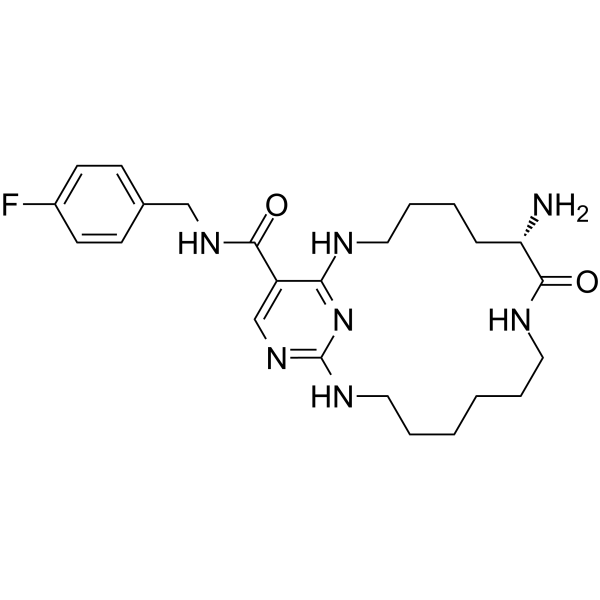
    UNC2541 is a potent and Mer tyrosine kinase (MerTK)-specific inhibitor, binds in the MerTK ATP pocket, with an IC50 of 4.4 nM, more selective over Axl, Tyro3 and Flt3. UNC2541 inhibits phosphorylated MerTK (pMerTK; EC50, 510 nM). UNC2541 abolishes the analgesic and anti-inflammatory effects of ozone in vivo and in vitro .
    UNC2541
  • HY-152086

    Dynamin Cardiovascular Disease
    DRP1i27 is a potent inhibitor of human Drp1 (dynamin-related protein 1). DRP1i27 binds to the GTPase site of Drp1, with hydrogen bonds to Gln34 and Asp218. DRP1i27 targets Drp1-mediated mitochondrial fission in cell line models and protects against simulated ischemia-reperfusion injury .
    DRP1i27
  • HY-W250727
    TNS sodium
    1 Publications Verification

    6-(p-Tolylamino)naphthalene-2-sulfonate sodium

    Fluorescent Dye Others
    TNS (6-(p-Tolylamino) naphthalene-2-sulfonate) sodium is a fluorescent probe used to detect the conformational state of proteins. TNS sodium binds to the central hydrophobic calyx of β-lactoglobulin (β-LG) to form a 1:1 complex, which stabilizes the folded conformation of β-LG. TNS sodium shows weak fluorescent signals in aqueous solution, but its fluorescence intensity increases significantly upon binding to the hydrophobic domains of proteins, with the maximum excitation wavelength and maximum emission wavelength located at 321 nm and 446 nm, respectively .
    TNS sodium
  • HY-W039897
    Methyl α-D-mannopyranoside
    1 Publications Verification

    α-Methyl-D-mannoside

    Environmental Pollutants Bacterial Infection
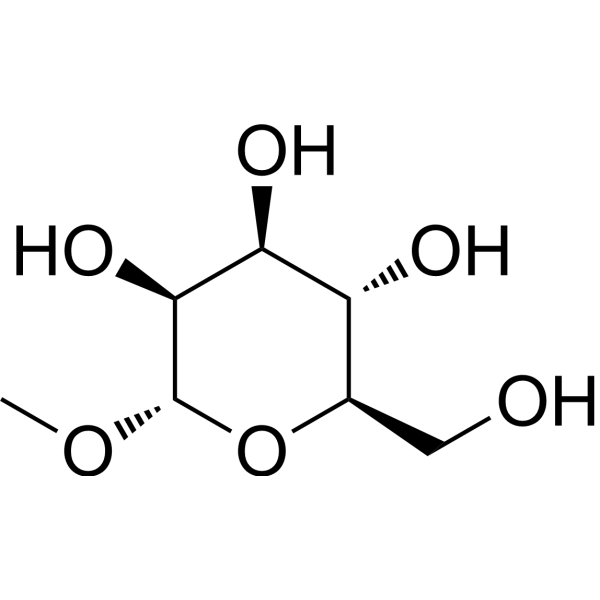
    Methyl α-D-mannopyranoside (α-Methyl-D-mannoside) is a methyl glycoside derivative and conformational stabilizer of α-D-mannopyranose. The glycosidic bond conformation of Methyl α-D-mannopyranoside is significantly affected by the environment. In aqueous solution, Methyl α-D-mannopyranoside stabilizes into a trans conformation via intermolecular hydrogen bonds; in the gas phase, however, steric interactions drive Methyl α-D-mannopyranoside to prefer a clockwise gauche conformation. Methyl α-D-mannopyranoside also serves as a major component of secondary cell wall polymers in some bacteria and an active precursor site for virus-targeted glycoproteins. Methyl α-D-mannopyranoside acts as an acceptor substrate for alternansucrase, mediating the transfer of D-glucopyranosyl groups to generate a variety of glycosylated oligosaccharide products, with methyl α-D-glucopyranosyl-(1→6)-α-D-mannopyranoside as the main component. Methyl α-D-mannopyranoside is applicable to studies on bacterial pathogenic mechanisms associated with mannose-specific fimbrial lectins .
    Methyl α-D-mannopyranoside
  • HY-W011548

    Nucleoside Antimetabolite/Analog Others
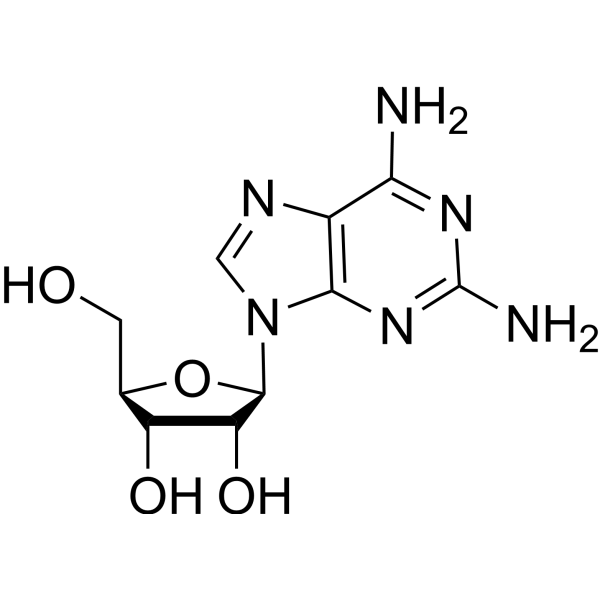
    2-Aminoadenosine is a modified adenine base and adenosine analog that stabilizes RNA duplexes and enhances template-directed nucleotide condensation reactions. 2-Aminoadenosine forms three hydrogen bonds with uracil to increase the melting temperature of hybrid strands, thereby stabilizing uracil-containing RNA duplexes .
    2-Aminoadenosine
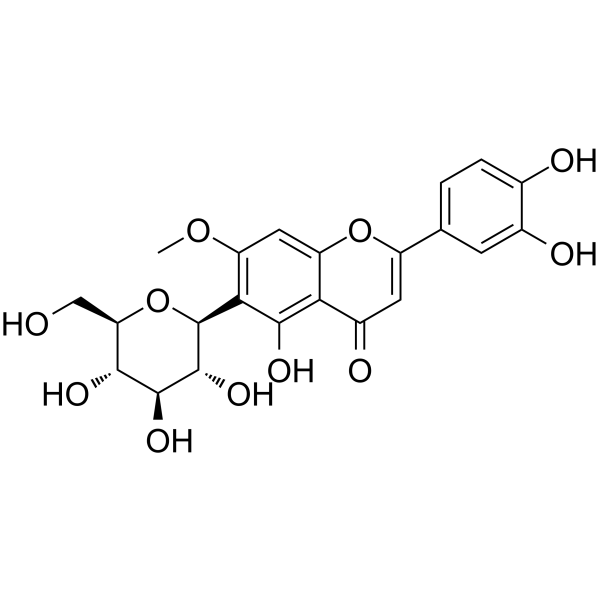
  • HY-N2204

    Tyrosinase Reactive Oxygen Species (ROS) Inflammation/Immunology
    Swertiajaponin is a tyrosinase inhibitor, forms multiple hydrogen bonds and hydrophobic interactions with the binding pocket of tyrosinase, with an IC50 of 43.47 μM. Swertiajaponin also inhibits oxidative stress-mediated MAPK/MITF signaling, leading to decrease in tyrosinase protein level. Swertiajaponin suppresses melanin accumulation and exhibits strong anti-oxidative activity .
    Swertiajaponin
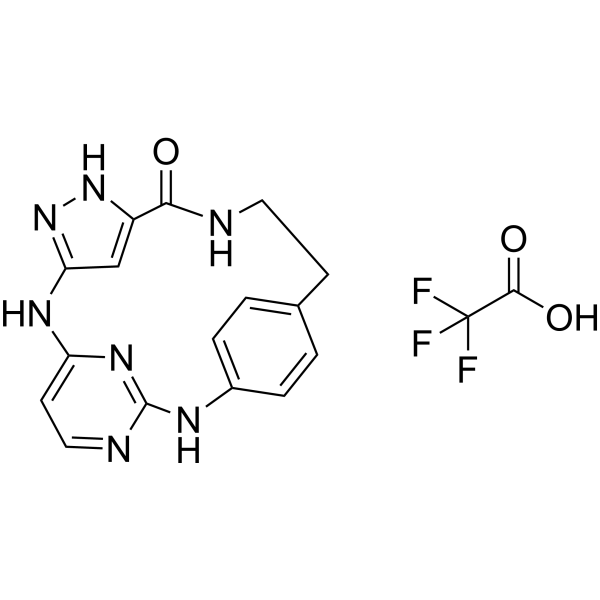
  • HY-154970A

    TGF-β Receptor GSK-3 Cardiovascular Disease Neurological Disease Cancer
    BMPR2-IN-1 TFA is a selective BMPR2 inhibitor with a human BMPR2 IC50 of 506 nM and a Kd of 83.5 nM. BMPR2-IN-1 TFA functions as an ATP mimetic, forming hydrogen bonds with the BMPR2 kinase domain backbone and hydrophobic interactions with specific residues, and demonstrates high selectivity for BMPR2 over other kinases.BMPR2-IN-1 TFA can be used for the researches of cancer, pulmonary arterial hypertension and Alzheimer’s disease .
    BMPR2-IN-1 TFA
  • HY-108605

    Pim Cancer
    PIM1-IN-2 is a potent and ATP competitive Pim-1 inhibitor with a Ki of 91 nM. PIM1-IN-2 targets the ATP-binding kinase hinge region not by forming classical hydrogen bonds .
    PIM1-IN-2
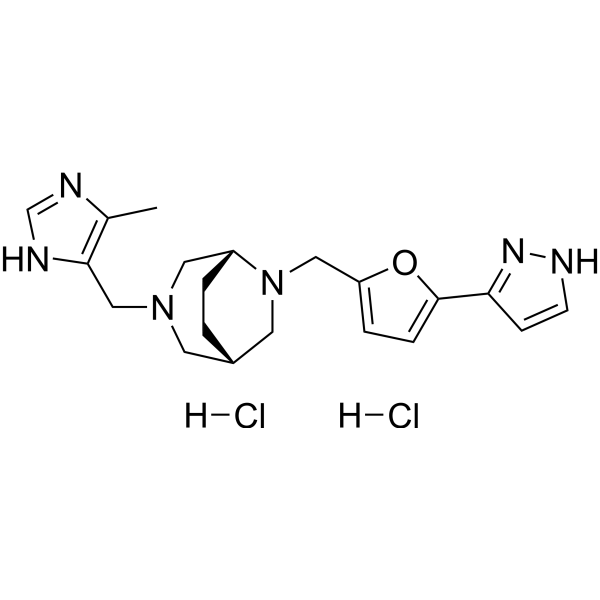
  • HY-152086A

    Dynamin Cardiovascular Disease
    DRP1i27 dihydrochloride is a potent inhibitor of human Drp1 (dynamin-related protein 1). DRP1i27 dihydrochloride binds to the GTPase site of Drp1, with hydrogen bonds to Gln34 and Asp218. DRP1i27 dihydrochloride targets Drp1-mediated mitochondrial fission in cell line models and protects against simulated ischemia-reperfusion injury .
    DRP1i27 dihydrochloride
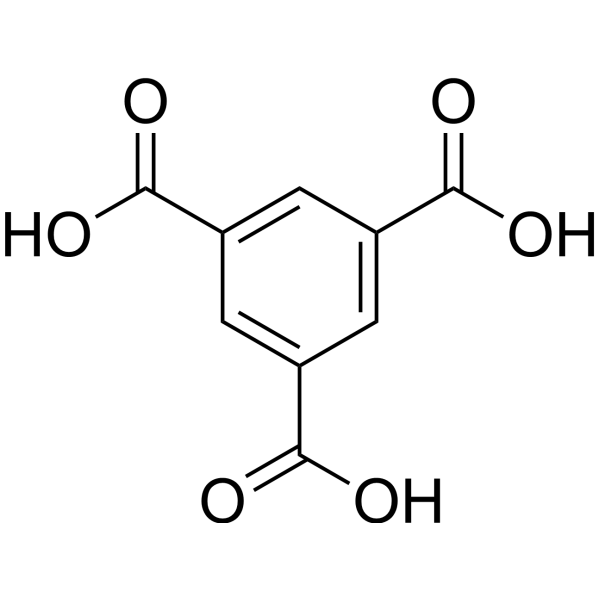
  • HY-78985

    Trimesic acid

    MOFs Biochemical Assay Reagents Others
    Benzene-1,3,5-tricarboxylic acid (Trimesic acid) is a rigid planar small-molecule scaffold and crosslinker. Benzene-1,3,5-tricarboxylic acid induces bicyclic peptides to adopt a planar conformation, so as to maximize surface area and bind to the flat protein surfaces involved in protein-protein interactions. Benzene-1,3,5-tricarboxylic acid forms ionic crosslinks, hydrogen bonds and π-π bonds with chitosan, thereby constructing a hydrogel network. Benzene-1,3,5-tricarboxylic acid endows chitosan hydrogel systems with specific mechanical properties, enabling sustained release of cancer therapeutic drugs including 5-Fluorouracil (HY-90006) .
    Benzene-1,3,5-tricarboxylic acid
  • HY-157521

    Acyltransferase Neurological Disease Metabolic Disease
    AANAT-IN-1 is an arylalkylamine N-acetyltransferase (AANAT) inhibitor with a sheep AANAT IC50 of 9.9 μM. AANAT-IN-1 binds to the active site of sheep AANAT, interacting with amino acid residues via hydrogen bonds, hydrophobic interactions, ionic interactions, and water bridges, inhibiting the enzyme's catalytic activity. AANAT-IN-1 can be used for the researches of circadian rhythm-associated neuropsychiatric conditions, seasonal affective disorder, and other diseases associated with abnormally elevated melatonin levels .
    AANAT-IN-1
  • HY-N1341

    HCV HCV Protease DNA/RNA Synthesis Bacterial Infection
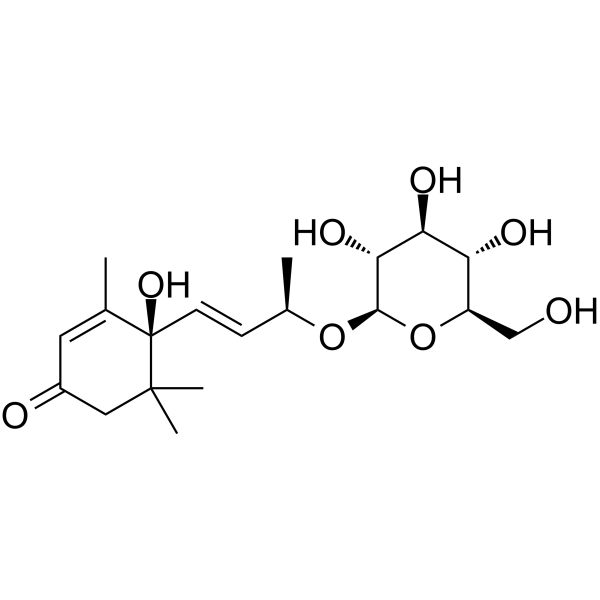
    Roseoside is an inhibitor of DNA gyrase and HAV 3C protease, and also inhibits HCV NS5A/B replicase in human systems with an IC50 of 20 μM. Roseoside binds to the active site of enzymes and stabilizes the interaction by forming hydrogen bonds with key amino acid residues. Roseoside inhibits the growth of Gram-positive bacteria, Gram-negative bacteria, and Candida albicans, and interferes with HCV RNA replication in vitro by inhibiting HCV NS5A/B replicase (IC50=20 μM). Roseoside shows no cytotoxicity and serves as a research tool for studies related to bacterial infections, candidiasis, HAV and HCV .
    Roseoside
  • HY-W587839

    Pregnane X Receptor (PXR) Endocrinology
    4,8-Dioxa-3H-perfluorononanoic acid is an ether-substituted polyfluoroalkyl compound and also a ligand of human pregnane X receptor (hPXR), which binds to the ligand-binding domain of hPXR. 4,8-Dioxa-3H-perfluorononanoic acid targets Arg-410, Lys-210, Lys-226, Met-323 and His-327 residues. Its binding process relies on long-range electrostatic interactions, and no significant hydrogen bonds form with hPXR residues. 4,8-Dioxa-3H-perfluorononanoic acid is used as a substitute for PFOA in Germany. 4,8-Dioxa-3H-perfluorononanoic acid is detectable in environmental matrices such as river water near fluoride production plants, accumulates in organisms including grass, deer liver and locusts, and is present in plasma samples of populations in southern Germany .
    4,8-Dioxa-3H-perfluorononanoic acid
  • HY-W004879

    Drug Intermediate Others
    Dimethyl pyridine-2,5-dicarboxylate is a chemical intermediate. Dimethyl pyridine-2,5-dicarboxylate can be used to synthesize Compound 5. Compound 5 has three conventional hydrogen bonds with SER293, SER251, and SER252 .
    Dimethyl pyridine-2,5-dicarboxylate
  • HY-75070

    Biochemical Assay Reagents Others
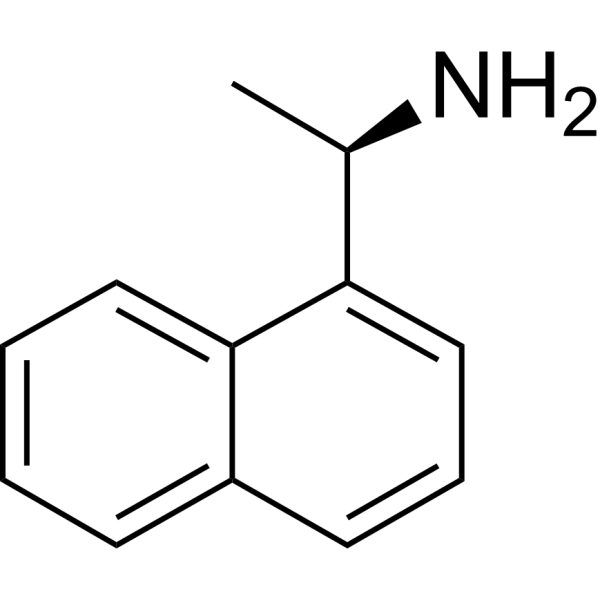
    (+)-1-(1-Naphthyl)ethylamine ((+)-1-(1-NEA)) is a chiral modifier used to introduce enantioselectivity in catalytic hydrogenation reactions. 1-NEA can undergo H-D exchange with D2 in solution to form N?D bonds. That is, 1-NEA can complete Pt surface adsorption and protonation through amine N atoms, indicating that NEA molecules have the potential to impart enantioselectivity to Pt hydrogenation catalysts .
    (+)-1-(1-Naphthyl)ethylamine
  • HY-175278

    NOD-like Receptor (NLR) Neurological Disease Inflammation/Immunology
    BAL-1516 is an orally active NLRP3 inhibitor with human NLRP3 Kd of 14.2 nM, mouse NLRP3 Kd of 200 nM, and blood-brain barrier penetration.BAL-1516 binds to a surface groove of the NLRP3 nucleotide-binding domain, contacts FISNA and WHD subdomains, forms three hydrogen bonds to the peripheral β-strand of the triple-ATPase, and does not alter NLRP3 ATP-hydrolysis activity.BAL-1516 shows specificity for NLRP3 over other NOD-like receptors, directly binds mouse NLRP3, and inhibits inflammasome formation in monocytes and microglia .
    BAL-1516
  • HY-30014
    4-Bromo-7-azaindole
    1 Publications Verification

    Drug Intermediate Others
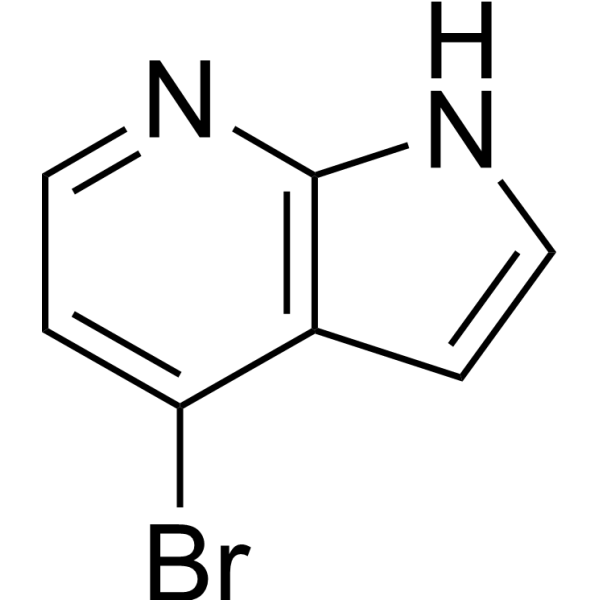
    4-Bromo-7-azaindole is a brominated derivative of 7-azaindole. 4-Bromo-7-azaindole serves as a substrate for palladium-catalyzed C-N and C-O cross-coupling reactions, reacting with amides, amines, amino acid esters and phenols .
    4-Bromo-7-azaindole
  • HY-P5407

    SARS-CoV Angiotensin-converting Enzyme (ACE) Infection Cancer
    HD5 is an innate immune effector peptide and SARS-CoV Inhibitor. HD5 binds to the ligand-binding domain of angiotensin-converting enzyme-2 (ACE2) via multiple hydrogen bonds to competitively block the receptor, shielding it from viral recognition. HD5 can be used for the research of COVID-19, HPV16 infection, epithelial ovarian cancer, small-cell lung cancer, and colon cancer .
    HD5
  • HY-N2452

    GLP Receptor Cardiovascular Disease Infection Metabolic Disease
    Cochinchinenin C is a GLP-1R agonist that binds to the extracellular domain of the receptor via hydrophobic interactions and hydrogen bonds, and promotes glucose-dependent insulin secretion from pancreatic β-cells. Cochinchinenin C also increases intracellular cAMP and ATP levels. At low concentrations, Cochinchinenin C binds to human serum albumin, alters its microenvironment, and induces dominant static fluorescence quenching. Cochinchinenin C shows almost no cytotoxicity to pancreatic β-cells, and exerts a synergistic effect with Loureirin A (HY-N1505) when binding to human serum albumin. Cochinchinenin C has been widely used in studies of type 2 diabetes, Helicobacter pylori infection, thrombotic diseases, and other conditions .
    Cochinchinenin C
  • HY-142991

    POPG

    Liposome Others
    1-Palmitoyl-2-oleoyl-sn-glycero-3-phosphatidylglycerol (POPG) is an anionic phosphatidylglycerol that often serves as a key component to co-construct model phospholipid bilayers with phosphatidylcholine (e.g., at a 3:1 POPC:POPG ratio) for investigating the structure and dynamics of transmembrane proteins. 1-Palmitoyl-2-oleoyl-sn-glycero-3-phosphatidylglycerol acts as a fundamental material for mimicking the physicochemical properties of biological membranes and enables the elucidation of membrane protein interaction mechanisms .
    1-Palmitoyl-2-oleoyl-sn-glycero-3-phosphatidylglycerol
  • HY-W009641

    PyM; 1-HMP

    Biochemical Assay Reagents Others
    1-Pyrenemethanol is an organic compound that can be used to prepare graphene films with excellent thermal conductivity, flexibility and mechanical properties. 1-Pyrenemethanol binds to graphene oxide sheets through hydrogen bonds and π-π interactions to form GO-PyM films, increasing the dispersion and stability of the material .
    1-Pyrenemethanol
  • HY-179041

    PGE synthase Prostaglandin Receptor MDM-2/p53 Amino acid Transporter Glutathione Peroxidase Ferroptosis Metabolic Disease Endocrinology
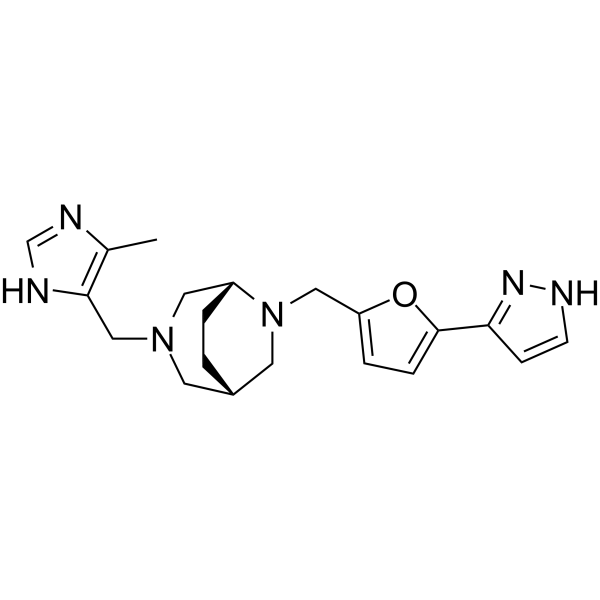
    SZ0232 is a selective mPGES-2 inhibitor. SZ0232 binds to the active site of mPGES-2 via hydrogen bonds and π-π stacking, reduces the production of prostaglandin E2 (PGE2) and blocks the PGE2-EP3 pathway. SZ0232 regulates Ferroptosis by activating the heme-dependent p53/SLC7A11/GPX4 axis, inhibits lipid peroxidation, and protects renal tubules. SZ0232 enhances glucose-stimulated insulin secretion, inhibits β-cell senescence, and improves glucose homeostasis. SZ0232 reduces renal lipid accumulation, alleviates fibrosis, and ameliorates renal dysfunction in diabetic mice. SZ0232 inhibits renal cyst growth in polycystic kidney disease models. SZ0232 exhibits an insulinotropic effect that strengthens with the increase of animal age. SZ0232 can be used in studies related to type 2 diabetes, acute kidney injury, diabetic kidney disease, and autosomal dominant polycystic kidney disease .
    SZ0232
  • HY-133022

    (E)-2-Undecenoic acid; (E)-Undec-2-enoic acid

    Drug Isomer Metabolic Disease
    trans-2-Undecenoic acid ((E)-2-Undecenoic acid) is an α,β-unsaturated carboxylic acid and is characterized by acid dimers. The corresponding dimers are connected via intermolecular hydrogen bonds of the carboxylic groups C=O···H-O .
    trans-2-Undecenoic acid
  • HY-178977

    Herbicide Others
    PPO-IN-23 is a potent protoporphyrinogen IX oxidase (PPO) inhibitor with a Ki of 12.4 nM. PPO-IN-23 forms two hydrogen bonds with the Arg98 residue of Nicotiana tabacum PPO (NtPPO). PPO-IN-23 exhibits potent herbicidal activity and good crop safety. PPO-IN-23 can be used for weeds management .
    PPO-IN-23
  • HY-33821

    LXR Others
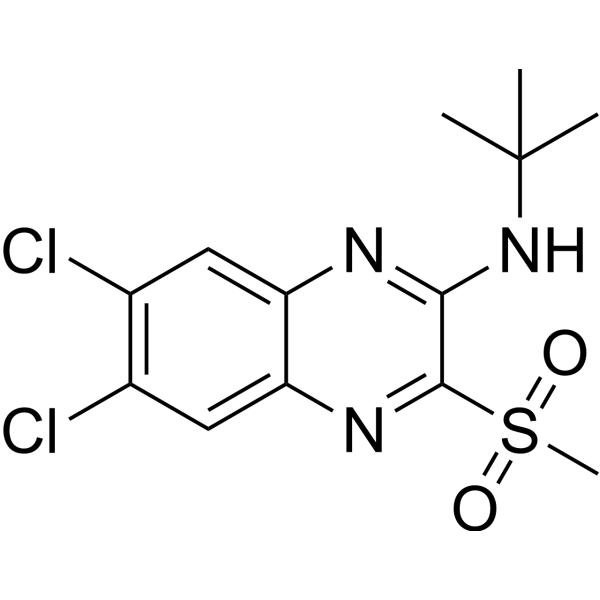
    LXRβ ligand 1 is a LXR β ligand-binding domain agonist, with an EC50 of 57 μM and a Ki of 28 μM against human LXR β. LXRβ ligand 1 forms hydrogen bonds with His435, stabilizes the His-Trp activation switch, and locks the ligand-binding domain in an agonist conformation; its tert-butyl moiety occupies a hydrophobic subpocket, while its phenyl moiety forms a π-π stacking interaction with Phe329. LXRβ ligand 1 serves as a structural unit for the development of LXRβ modulators .
    LXRβ ligand 1
  • HY-D1633A

    Fluorescent Dye Others
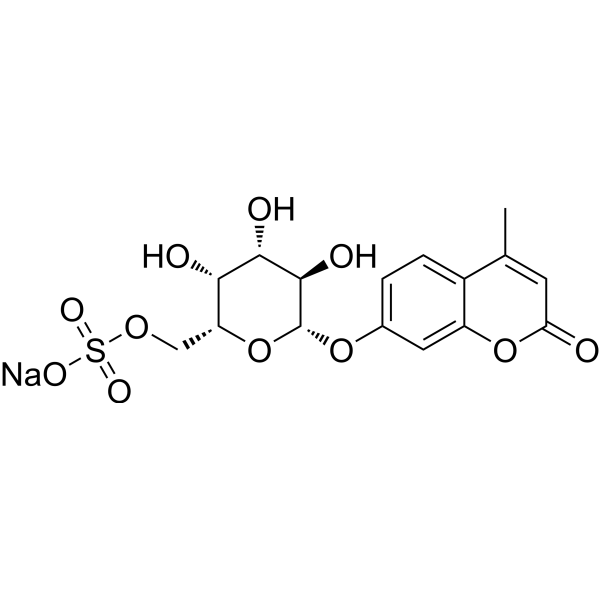
    4-Methylumbelliferyl-β-D-galactopyranoside 6-sulfate sodium is a fluorescent dye. 4-Methylumbelliferyl-β-D-galactopyranoside 6-sulfate sodium undergoes desulphation by galactose-6-sulphate sulphatase to form 4-methylumbelliferyl-β-D-galactopyranoside, which is cleaved by β-galactosidase to release fluorescent 4-methylumbelliferone. 4-Methylumbelliferyl-β-D-galactopyranoside 6-sulfate sodium interacts with N-acetylgalactosamine-6-sulfate sulfatase (GALNS) via hydrogen bonds, electrostatic interactions, and steric interactions. 4-Methylumbelliferyl-β-D-galactopyranoside 6-sulfate sodium serves as a substrate in assays measuring galactose-6-sulphate sulphatase and GALNS activity. 4-Methylumbelliferyl-β-D-galactopyranoside 6-sulfate sodium can be used for the research of Morquio disease type A (mucopolysaccharidosis IV A) .
    4-Methylumbelliferyl-β-D-galactopyranoside 6-sulfate sodium
  • HY-D1633

    Fluorescent Dye Metabolic Disease
    4-Methylumbelliferyl-β-D-galactopyranoside 6-sulfate is a fluorescent dye. 4-Methylumbelliferyl-β-D-galactopyranoside 6-sulfate undergoes desulphation by galactose-6-sulphate sulphatase to form 4-methylumbelliferyl-β-D-galactopyranoside, which is cleaved by β-galactosidase to release fluorescent 4-methylumbelliferone. 4-Methylumbelliferyl-β-D-galactopyranoside 6-sulfate interacts with N-acetylgalactosamine-6-sulfate sulfatase (GALNS) via hydrogen bonds, electrostatic interactions, and steric interactions. 4-Methylumbelliferyl-β-D-galactopyranoside 6-sulfate serves as a substrate in assays measuring galactose-6-sulphate sulphatase and GALNS activity. 4-Methylumbelliferyl-β-D-galactopyranoside 6-sulfate can be used for the research of Morquio disease type A (mucopolysaccharidosis IV A) .
    4-Methylumbelliferyl-β-D-galactopyranoside 6-sulfate
  • HY-W127393

    Biochemical Assay Reagents Others
    Quorum sensing is a regulatory system used by bacteria to control gene expression in response to increased cell density. This regulatory process manifests itself in a variety of phenotypes, including biofilm formation and virulence factor production. Coordinated gene expression is achieved through the production, release and detection of small diffusible signaling molecules called autoinducers. N-acylated homoserine lactones (AHLs) comprise a class of such autoinducers, each of which generally consists of a fatty acid coupled to a homoserine lactone (HSL). Modulation of bacterial quorum-sensing signaling systems to suppress pathogenesis represents a new approach to antimicrobial research for infectious diseases. AHLs differ in acyl length (C4-C18), C3 substitution (hydrogen, hydroxyl, or oxo group), and the presence or absence of one or more carbon-carbon double bonds in the fatty acid chain. These differences confer signaling specificity through the affinity of the LuxR family of transcriptional regulators. C9-HSL is a rare odd-numbered acyl carbon chain produced by wild-type Erwinia carotovora strain SCC 3193 grown in nutrient-rich Luria-Bertani broth (LB) medium.
    N-Nonanoyl-L-homoserine lactone
  • HY-N17669

    Epoxide Hydrolase Cardiovascular Disease
    4H-Tomentosin is a mixed-competitive type soluble epoxide hydrolase (sEH) inhibitor with an IC50 of 6.84 μM and a Ki of 7.02 μM. 4H-Tomentosin interacts with sEH by forming hydrogen bonds with Tyr343, Ile363, and Tyr383 .
    4H-Tomentosin
  • HY-B1349

    Biochemical Assay Reagents Others
    Mepiroxol can form various interactions with key residues of specific proteins. It establishes salt bridges with Arg-153 and Arg-74, and forms two hydrogen bonds with Asp-50 and Gly-96 through its terminal hydroxyl group, these interactions help enhance its binding affinity and lead to a higher docking score .
    Mepiroxol
  • HY-178923

    HIV Reverse Transcriptase Infection
    NNRT-IN-14 is an HIV-1 reverse transcriptase inhibitor (IC50 = 0.175 µM). NNRT-IN-14 can form hydrogen bonds with LYS101, PRO225, and PHE227, and π–π stacking with TYR181 and TRP229. NNRT-IN-14 can be used for the study of HIV .
    NNRT-IN-14
  • HY-169228

    Btk Cancer
    WS-11 is a non-covalent reversible BTK inhibitor with IC50s of 3.9 nM and 2.2 nM for wild type, C481S mutation BTK, respectively. WS-11 can form strong π-π interaction with PHE540 and form p-π interaction with LYS430 within the active pocket, besides the strong hydrogen bonds .
    WS-11
  • HY-173462

    IKK Cancer
    TBK1-IN-2 (Compound A1) is a potent TBK1 inhibitor (IC50: 775 pM). TBK1-IN-2 binds to TBK1 through stable hydrogen bonds and π-π stacking, inhibiting IRF3 phosphorylation. TBK1-IN-2 synergizes with TNF/IFNγ to enhance immune-mediated tumor cell death. TBK1-IN-2 can be used in cancer immunotherapy research .
    TBK1-IN-2
  • HY-174438

    HSP Metabolic Disease
    PSEC13 is an activator of HSF-1/DAF-16 axis. PSEC13 can upregulate heat shock proteins. PSEC13 can form hydrogen bonds with key residues in the HSP-16.2 active site. PSEC13 can be used to enhance proteostasis and extend lifespan through the modulation of HSP-16.2. PSEC13 could promote the nuclear translocation of daf-16, upgrading the proportion of intermediate. PSEC13 can be studied in research for aging and age-related diseases .
    PSEC13
  • HY-W024564

    Acetamidomethanol

    Biochemical Assay Reagents Others
    N-(Hydroxymethyl)acetamide (Acetamidomethanol) is a model molecule of Ceramide. The dimers of N-(Hydroxymethyl)acetamide have various hydrogen bonds, and the three-dimensional network structure formed by these hydrogen bonds may be the main reason for the barrier function of the stratum corneum of the skin .
    N-(Hydroxymethyl)acetamide
  • HY-162699

    LRRK2 Neurological Disease
    LY2023-001 is a potent G2019S LRRK2 inhibitor with an IC50 of 12.9 nM. LY2023-001 formed stable hydrogen bonds with Glu1948, and Ala1950 in the G2019S LRRK2 protein .
    LY2023-001
  • HY-151381

    Dihydroorotate Dehydrogenase Cancer
    hDHODH-IN-10 is a selective, potent and orally active hDHODH inhibitor, with an IC50 value of 10.9 nM. hDHODH-IN-10 forms hydrogen bonds with key residues Arg136 and Gln47. hDHODH-IN-10 inhibits the proliferation of cancer cells. hDHODH-IN-10 can be used in the research of cancers, such as AML, colorectal cancer .
    hDHODH-IN-10
  • HY-162801

    Influenza Virus Infection
    Neuraminidase-IN-21 (Compound 6d) is an influenza H1N1 virus Neuraminidase inhibitor, with IC50s of 0.30 µM for Neuraminidase, and 30.01 µM for H1N1 strain of influenza. Neuraminidase-IN-21 formsg three hydrogen bonds with Arg292, Arg371, and Tyr406 of Neuraminidase .
    Neuraminidase-IN-21
  • HY-150044

    DNA/RNA Synthesis Topoisomerase Bacterial Infection
    Type II topoisomerase inhibitor 1 is a potent and selective E. coli DNA gyrase inhibitor (IC50: 1.7 nM), and forms hydrogen bonds with Asp73 residue. Type II topoisomerase inhibitor 1 inhibits topoisomerase IV activity (IC50: 0.98 μM). Type II topoisomerase inhibitor 1 can be used in the research of antibacterial area .
    Type II topoisomerase inhibitor 1
  • HY-133022R

    (E)-2-Undecenoic acid (Standard); (E)-Undec-2-enoic acid (Standard)

    Reference Standards Drug Isomer Metabolic Disease
    trans-2-Undecenoic acid (Standard) is the analytical standard of trans-2-Undecenoic acid. This product is intended for research and analytical applications. trans-2-Undecenoic acid ((E)-2-Undecenoic acid) is an α,β-unsaturated carboxylic acid and is characterized by acid dimers. The corresponding dimers are connected via intermolecular hydrogen bonds of the carboxylic groups C=O···H-O[1].
    trans-2-Undecenoic acid (Standard)
  • HY-159893

    Smo Hedgehog Apoptosis Cancer
    SMO-IN-5 ((Compound 25(B31)) is a potent and competitive inhibitor of smoothened (SMO) that can inhibit Hedgehog (Hh) signaling. SMO-IN-5 interacts with Smo through hydrogen bonds, hydrophobic interactions, and electrostatic forces. SMO-IN-5 inhibits PC cell proliferation, migration, and induces apoptosis by suppressing Gli1 expression. SMO-IN-5 exhibits antitumor activity in pancreatic cancer. .
    SMO-IN-5
  • HY-156078

    Glycosidase Metabolic Disease
    α-Glucosidase-IN-32 (compound f26) is a reversible, noncompetitive and orally active α-glucosidase inhibitor with an IC50 value of 3.07 μM. α-Glucosidase-IN-32 complex with α-glucosidase through hydrogen bonds and hydrophobic interactions, led to changes in the conformation and secondary strictures of α-glucosidase and further the inhibition of the enzymatic activity. α-Glucosidase-IN-32 can be used for diabetic disease research .
    α-Glucosidase-IN-32
  • HY-163105

    Microtubule/Tubulin Cancer
    Tubulin/NEDDylation-IN-1 (compound C11) is a dual inhibitor of tubulin (Microtubule/Tubulin)-NEDDylation (IC50 for tubulin=2.40 μM), which has strong anti-proliferative activity. Neddylation is a protein post-translational modification that covalently tags the ubiquitin-like protein NEDD8 to target proteins. Tubulin/NEDDylation-IN-1 forms hydrogen bonds with residues of tubulin and E1 NEDD8 activating enzyme (NAE) through methoxy and dithiocarbamate groups and inhibits NEDDylation and microtubulin in an ATP-dependent manner. tube polymerization .
    Tubulin/NEDDylation-IN-1
  • HY-N15365

    Virus Protease SARS-CoV Infection
    Antcin B is a SARS-CoV-2 3-chymotrypsin-like protease (3CL Pro) inhibitor. Antcin B binds to multiple key amino acid residues of 3CL Pro(such as Leu141, Asn142, Glu166, His163, etc.) through hydrogen bonds, salt bridges, and hydrophobic interactions, thereby inhibiting the activity of 3CL Pro, blocking the cleavage process of viral polyproteins, and suppressing the replication of the SARS-CoV-2 virus in host cells. Antcin B is promising for research of COVID-19 .
    Antcin B
  • HY-173510

    CDK Cancer
    CLK2/3-IN-1 (Compound 7c) is an orally active CLK2/3 inhibitor (EC50: 5.07 nM and 30.03 nM, respectively). CLK2/3-IN-1 binds to Lys193 and Lys186 of CLK2/3 via hydrogen bonds. CLK2/3-IN-1 can inhibit the proliferation of SW480 tumor cells (IC50: 163 nM). CLK2/3-IN-1 can be used to study CLK-related tumor diseases .
    CLK2/3-IN-1

Inquiry Online

Your information is safe with us. * Required Fields.

Salutation


Country or Region *

Applicant Name *


Organization Name *

Department *


Email Address *


Product Name *

Cat. No.


Requested quantity *

Phone Number *


Remarks

Inquiry Online

Inquiry Information

Product Name:
Cat. No.:
Quantity:
MCE Japan Authorized Agent:

