Search Result
Results for "
inhibitory properties
" in MedChemExpress (MCE) Product Catalog:
1
Biochemical Assay Reagents
7
Isotope-Labeled Compounds
| Cat. No. |
상품명 |
Target |
연구분야 |
Chemical Structure |
-
- HY-P9921
-
|
Ado-Trastuzumab emtansine; PRO132365; T-DM 1
|
Antibody-Drug Conjugates (ADCs)
EGFR
|
Cancer
|
|
Trastuzumab emtansine (Ado-Trastuzumab emtansine) is an antibody-drug conjugate (ADC) that incorporates the HER2-targeted antitumor properties of trastuzumab with the cytotoxic activity of the microtubule-inhibitory agent DM1 (HY-19792). Trastuzumab emtansine can be used for the research of advanced breast cancer .
|
-

-
- HY-N0828
-
Pterostilbene
Maximum Cited Publications
10 Publications Verification
|
Autophagy
|
Inflammation/Immunology
Cancer
|
|
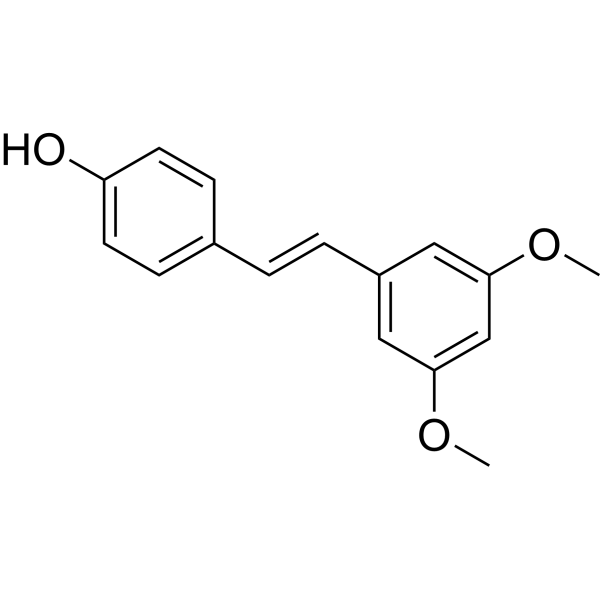
Pterostilbene is a stilbenoid isolated from blueberries and Pterocarpus marsupium . Shows anti-oxidant, anti-inflammatory, anti-carcinogenic, anti-diabetic and anti-obesity properties . Pterostilbene blocks ROS production , also exhibits inhibitory activity against various free radicals such as DPPH, ABTS, hydroxyl, superoxide and hydrogen peroxide .
|
-
-
- HY-B1041
-
|
Pimagedine hydrochloride; GER-11; Aminoguanidinium chloride
|
NO Synthase
Apoptosis
ERK
|
Neurological Disease
Metabolic Disease
Inflammation/Immunology
|
|
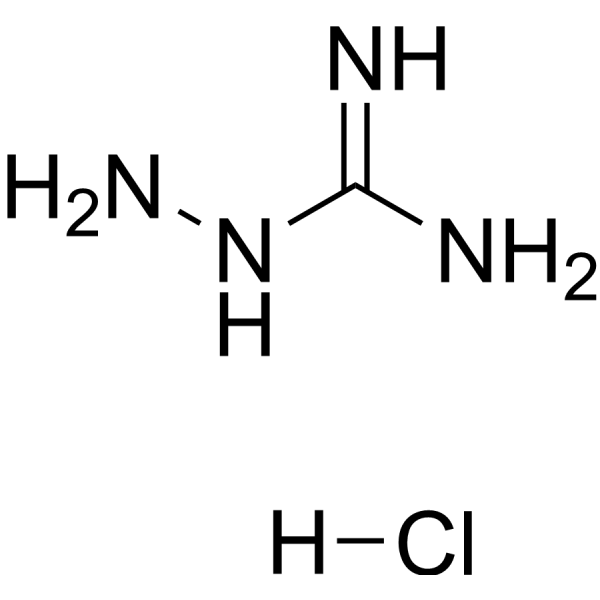
Aminoguanidine (Pimagedine) hydrochloride is an inhibitor of diamine oxidase (DAO) and nitric oxide synthase (NOS). Aminoguanidine hydrochloride can reduce the formation of advanced glycation end products (AGEs). Aminoguanidine hydrochloride has a dose-dependent inhibitory effect on Doxorubicin (HY-15142)-induced cell apoptosis. Aminoguanidine hydrochloride has antioxidant properties. Aminoguanidine hydrochloride can be used in the research of diabetic nephropathy .
|
-
-
- HY-P9921A
-
|
Ado-Trastuzumab emtansine (solution); PRO132365 (solution); T-DM 1 (solution)
|
Antibody-Drug Conjugates (ADCs)
EGFR
|
Cancer
|
|
Trastuzumab emtansine (Ado-Trastuzumab emtansine) is an antibody-drug conjugate (ADC) that incorporates the HER2-targeted antitumor properties of trastuzumab with the cytotoxic activity of the microtubule-inhibitory agent DM1 (derivative of maytansine), and the drug-linker conjugate for ADC is SMCC-DM1 (HY-101070). Trastuzumab emtansine can be used for the research of advanced breast cancer .
|
-

-
- HY-N0568
-
|
Asiaticoside A
|
Endogenous Metabolite
Apoptosis
Autophagy
Keap1-Nrf2
p38 MAPK
Caspase
|
Cardiovascular Disease
Others
Neurological Disease
Inflammation/Immunology
Endocrinology
Cancer
|
|
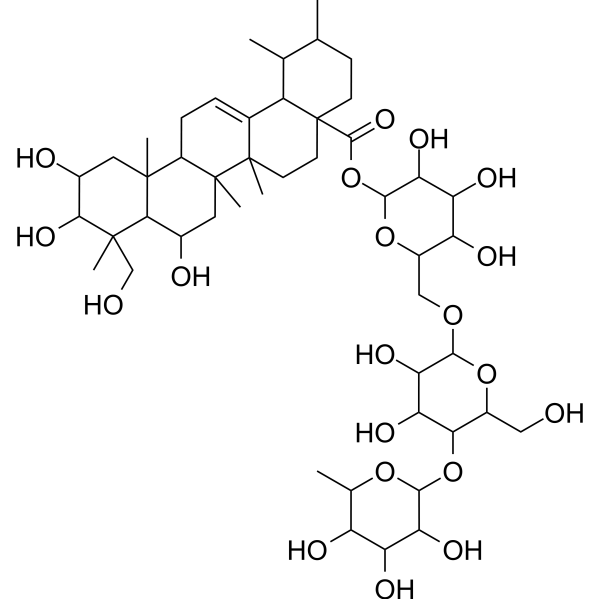
Madecassoside is a pentacyclic triterpene isolated from Centella asiatica and has anti-inflammatory properties. Antioxidant and anti-aging effects. Madecassoside is a pentacyclic triterpene isolated from Centella asiatica. Madecassoside is orally active and has inhibitory properties against inflammation, oxidation, apoptosis and autophagy. Madecassosid inhibits activities of p38 MAPK and NF-kB , exhibits an anti-apopototic property, activates Nrf2 expression to reduce the neurotoxicity . Madecassoside can be used in endocrine diseases, cardiovascular diseases, skin diseases and other diseases.
|
-
-
- HY-B0696A
-
|
NO050328 hydrochloride; NO328 hydrochloride; TGB hydrochloride
|
GABA Receptor
|
Neurological Disease
|
|
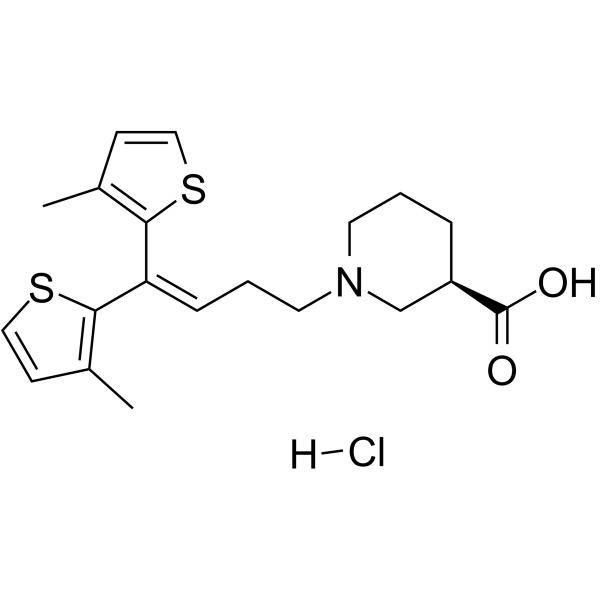
Tiagabine hydrochloride (NO050328; NO328; TGB) is an orally active, highly selective, and reversible GAT-1 inhibitor and anticonvulsant that crosses the blood-brain barrier. By blocking the reuptake of GABA in neurons and glial cells, tiagabine increases extracellular GABA levels to enhance inhibitory signal transduction, thereby exerting multiple activities such as anticonvulsant, neuroprotective, and antioxidant effects. Tiagabine hydrochloride exhibits linear pharmacokinetic properties. Although it is metabolized by CYP3A and has a high protein binding rate, it carries a low risk of cognitive impairment. Tiagabine hydrochloride is widely used in research on related diseases including epilepsy (including refractory partial seizures), alcohol withdrawal symptoms, and Huntington's disease .
|
-
-
- HY-N3014
-
|
|
Notch
Apoptosis
Parasite
|
Infection
Cancer
|
|
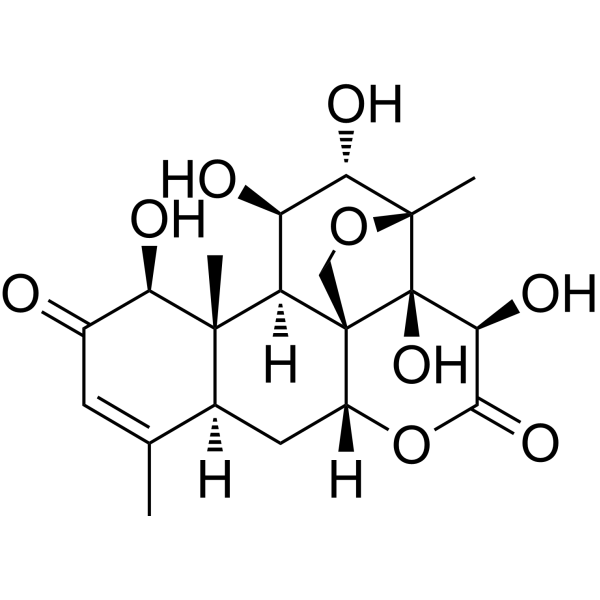
Bruceine D is a Notch inhibitor with anti-cancer activity and induces apoptosis in several human cancer cells. Bruceine D is an effective botanical insect antifeedant with outstanding systemic properties, causing potent pest growth inhibitory activity . Bruceine D has strong anthelmintic activity against D. intermedius with an EC50 value of 0.57 mg/L .
|
-
-
- HY-N0057
-
|
3,4-Di-O-caffeoylquinic acid; Isochlorogenic acid B
|
Glycosidase
Influenza Virus
Apoptosis
Endogenous Metabolite
|
Infection
Cancer
|
|
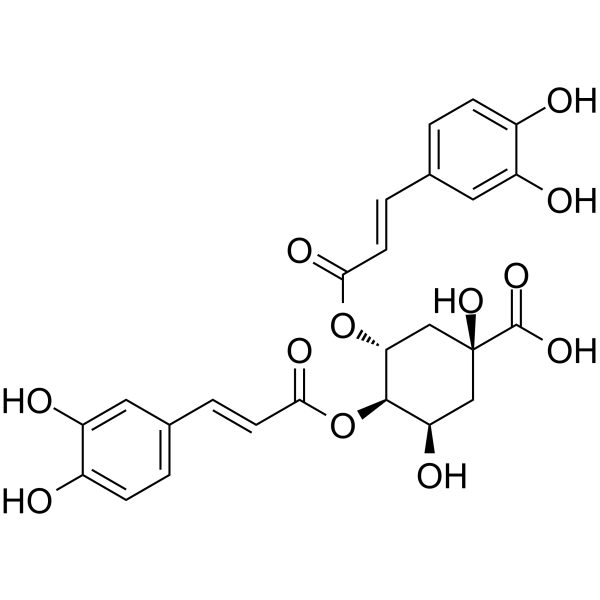
3,4-Dicaffeoylquinic acid (3,4-Di-O-caffeoylquinic acid), naturally isolated from Laggera alata, has antioxidative, DNA protective, neuroprotective and hepatoprotective properties. 3,4-Dicaffeoylquinic acid exerts apoptosis-mediated cytotoxicity and α-glucosidase inhibitory effects. 3,4-Dicaffeoylquinic acid possesses a unique mechanism of anti-influenza viral activity, that is, enhancing viral clearance by increasing TRAIL .
|
-
-
- HY-B0696
-
|
NO050328; NO328; TGB
|
GABA Receptor
|
Neurological Disease
|
|
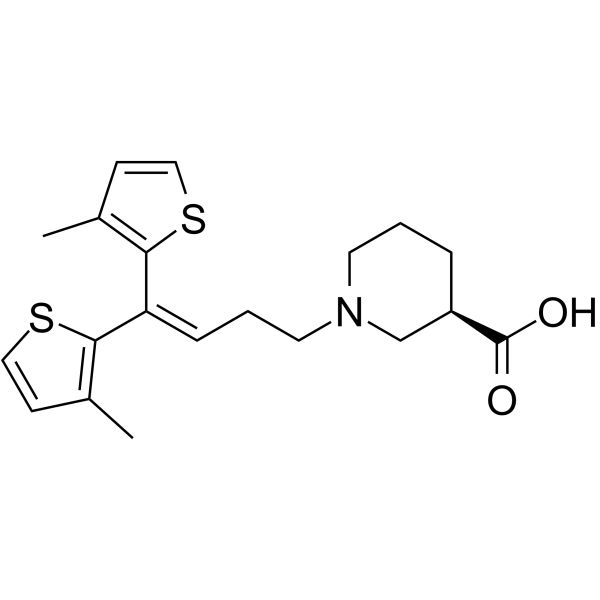
Tiagabine (NO050328; NO328; TGB) is an orally active, highly selective, and reversible GAT-1 inhibitor and anticonvulsant that crosses the blood-brain barrier. By blocking the reuptake of GABA in neurons and glial cells, tiagabine increases extracellular GABA levels to enhance inhibitory signal transduction, thereby exerting multiple activities such as anticonvulsant, neuroprotective, and antioxidant effects. Tiagabine exhibits linear pharmacokinetic properties. Although it is metabolized by CYP3A and has a high protein binding rate, it carries a low risk of cognitive impairment. Tiagabine is widely used in research on related diseases including epilepsy (including refractory partial seizures), alcohol withdrawal symptoms, and Huntington's disease .
|
-
-
- HY-103444
-
ARP-100
1 Publications Verification
|
MMP
|
Cancer
|
|
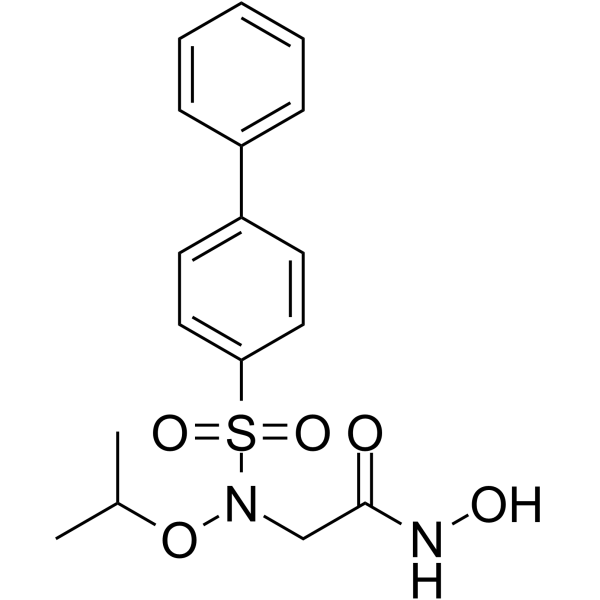
ARP-100 is a potent and selective matrix metalloproteinase MMP-2 inhibitor (IC50=12 nM). ARP-100 interacts with S1' pocket of MMP-2 and shows anti-invasive properties in an in vitro model of invasion on matrigel. ARP-100 shows the less inhibitory activity towards MMP-1 (>50 μM), MMP-3 (4.5 μM), MMP-7 (>50 μM), and MMP-9 (0.2 μM) .
|
-
-
- HY-W012531
-
|
|
HIV
SARS-CoV
Endogenous Metabolite
Bacterial
|
Infection
Neurological Disease
Inflammation/Immunology
Cancer
|
|
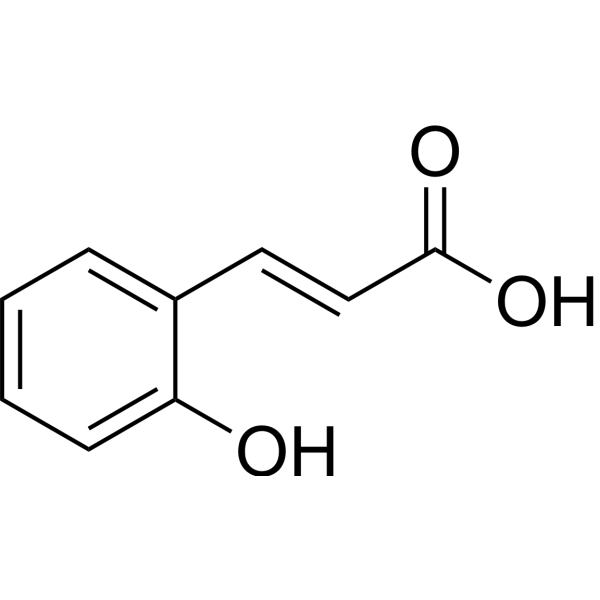
2-Hydroxycinnamic acid is a phenolic acid with antimicrobial and antioxidant properties. 2-Hydroxycinnamic acid has antimicrobial activity against Staphylococcus aureus and is not susceptible to drug resistance. 2-Hydroxycinnamic acid shows inhibitory effects on infection of HIV/SARS-CoV S pseudovirus with an IC50 of 0.3 mM. In addition, 2-Hydroxycinnamic acid has neuroprotective and antitumor activity .
|
-
-
- HY-173522
-
|
|
Kinesin
Microtubule/Tubulin
|
Cancer
|
|
KIF2C-IN-1 is a cell-penetrating, selective KIF2C inhibitor with fluorescent properties (Ex/Em = 410/510 nm). KIF2C-IN-1 exhibits notable cytotoxicity and weak inhibitory effects on KIF2A/B. KIF2C-IN-1 prohibits the dissociation of KIF2C from microtubules. KIF2C-IN-1 inhibiting KIF2C reverses cross-resistance to microtubule-targeting agents. KIF2C-IN-1 reduces tumorigenesis in chemoresistant triple-negative breast cancer (TNBC) model in mice with the combination of Paclitaxel (HY-B0015) .
|
-

-
- HY-N6660
-
|
Tricaprin; Glyceryl tridecanoate
|
Endogenous Metabolite
Androgen Receptor
|
Cardiovascular Disease
Metabolic Disease
|
|
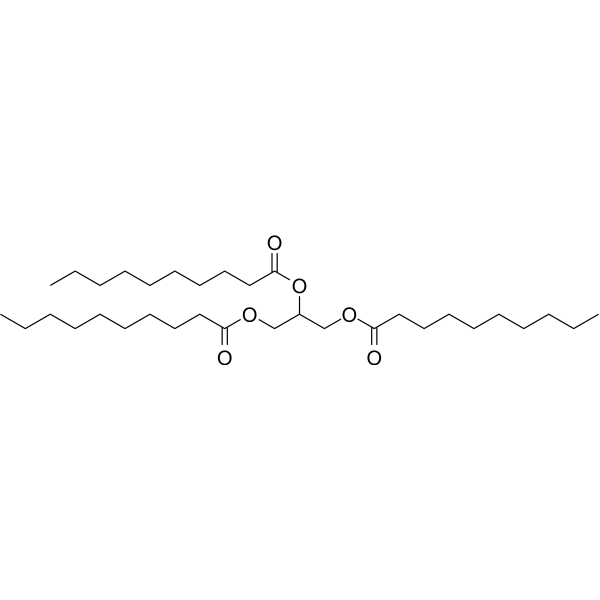
Trisdecanoin (Tricaprin; Glyceryl tridecanoate) is an orally available precursor of decanoic acid (DA precursor) that can be hydrolyzed to decanoic acid. Trisdecanoin and its metabolite capric acid not only provide the body with a quick source of energy, but can also affect lipid metabolism. Trisdecanoin is a major component of medium chain triglycerides (MCT), which has preventive or inhibitory properties for abdominal aortic aneurysms (AAA), inhibition of cardiovascular disease, and anti-androgen (NSAA) and anti-hyperglycemic properties. Trisdecanoin can be used as an additive in food, medicine and cosmetics .
|
-
-
- HY-W127758
-
|
|
Histamine Receptor
Apoptosis
Autophagy
Endogenous Metabolite
|
Inflammation/Immunology
Endocrinology
|
|
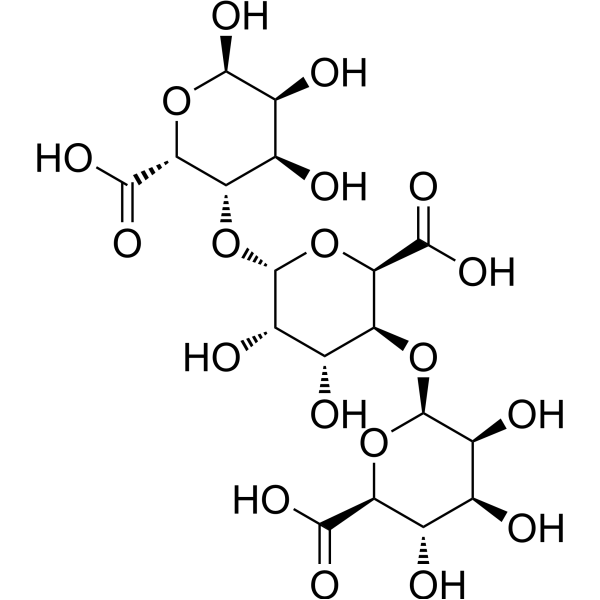
Alginic acid is a natural polysaccharide, which has been widely concerned and applied due to its excellent water solubility, film formation, biodegradability and biocompatibility. Alginic acid induces oxidative stress-mediated hormone secretion disorder, apoptosis and autophagy in mouse granulosa cells and ovaries. Alginic acid has an inhibitory effect on histamine release. Anti-anaphylactic and anti-inflammatory properties .
|
-
-
- HY-17357
-
|
AHR 9434; AL 6515
|
COX
Prostaglandin Receptor
|
Neurological Disease
Inflammation/Immunology
Endocrinology
Cancer
|
|
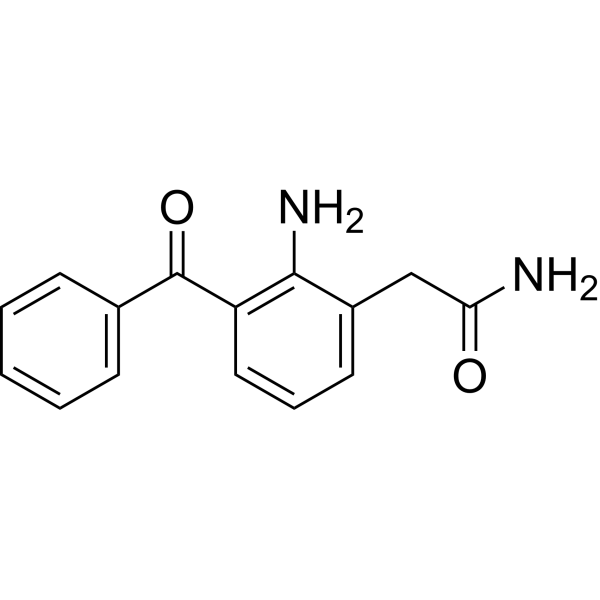
Nepafenac (AHR 9434; AL 6515), a nonsteroidal anti-inflammatory agent, is a topically administered COX-2 inhibitor with an IC50 of 0.12 μM. Nepafenac exhibits only weak COX-1 inhibitory activity (IC50 = 64.3 μM). Nepafenac possesses unique prodrug properties, which enable it to rapidly convert into the active metabolite Amfenac (HY-17479) in the ocular tissues, thereby achieving high concentrations in the retina and choroid. Nepafenac reduces inflammation and pain by inhibiting the activity of cyclooxygenase (COX) enzymes and thereby decreasing the production of prostaglandin PGE₂. Nepafenac can delay the metastasis of uveal melanoma (UM) in rabbit eyes. Nepafenac is mainly used for pain management and inflammation control after ophthalmic surgeries .
|
-
-
- HY-B1067
-
|
Phenazoline hydrochloride
|
Histamine Receptor
HBV
|
Neurological Disease
Endocrinology
|
|
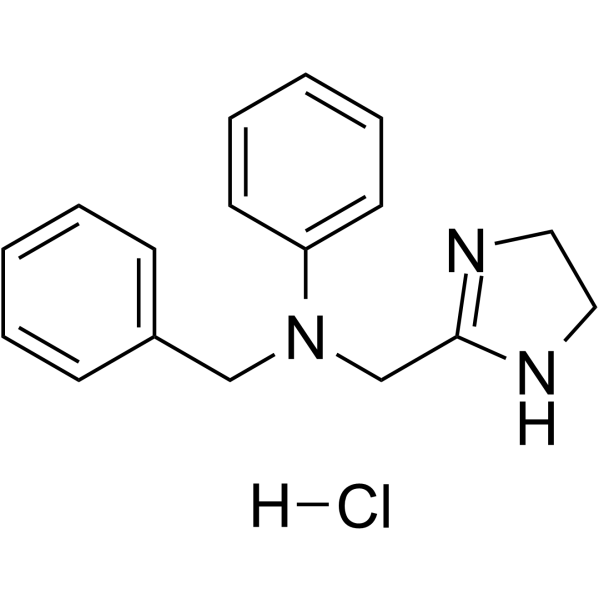
Antazoline hydrochloride is a histamine H1 receptor antagonist with anticholinergic and antiviral properties. Antazoline hydrochloride can prevent histamine from acting on target cells through a reversible competition effect on histamine receptor sites of these cells. Antazoline hydrochloride can exert an antiallegic effect and prevent the occurrence of physiological reactions from the effect of blocking as well as inhibiting H1 receptor. Antazoline hydrochloride can effectively reduce HBV DNA in the extracellular supernatant in a dose-dependent manner, with EC50 of 2.910 μmol/L in HepAD38 cells. Antazoline hydrochloride also has a significant inhibitory effect on HBV DNA in the extracellular supernatant of Huh7 cells (EC50 = 2.349 μmol/L). Antazoline hydrochloride has anti-arrhythmic effect in acute myocardial infarctions. Antazoline hydrochloride can be studied in research for cardiovascular diseases, and HBV .
|
-
-
- HY-B1041A
-
|
Pimagedine; GER-11free base ; Aminoguanidinium
|
NO Synthase
Apoptosis
|
Endocrinology
|
|
Aminoguanidine (Pimagedine hydrochloride) is an inhibitor of diamine oxidase and nitric oxide synthase. Aminoguanidine has a dose-dependent inhibitory effect on apoptosis induced by Doxorubicin (HY-15142). Aminoguanidine has antioxidant properties. Aminoguanidine can be used in diabetic nephropathy research .
|
-

-
- HY-N0568R
-
|
Asiaticoside A (Standard)
|
Reference Standards
Endogenous Metabolite
Apoptosis
Autophagy
Keap1-Nrf2
p38 MAPK
Caspase
|
Cardiovascular Disease
Others
Neurological Disease
Inflammation/Immunology
Endocrinology
Cancer
|
|
Madecassoside (Standard) is the analytical standard of Madecassoside. This product is intended for research and analytical applications. Madecassoside is a pentacyclic triterpene isolated from Centella asiatica and has anti-inflammatory properties. Antioxidant and anti-aging effects. Madecassoside is a pentacyclic triterpene isolated from Centella asiatica. Madecassoside is orally active and has inhibitory properties against inflammation, oxidation, apoptosis and autophagy. Madecassosid inhibits activities of p38 MAPK and NF-kB , exhibits an anti-apopototic property, activates Nrf2 expression to reduce the neurotoxicity[10]. Madecassoside can be used in endocrine diseases, cardiovascular diseases, skin diseases and other diseases.
|
-

-
- HY-B2153
-
|
|
Cuproptosis
Bacterial
|
Infection
|
|
Tetraethylenepentamine pentahydrochloride is an orally active copper chelator and copper mobilizer. Tetraethylenepentamine pentahydrochloride exhibits growth inhibitory and hypolipidemic properties. Tetraethylenepentamine pentahydrochloride significantly increases urinary copper excretion and reduces renal copper accumulation in copper overload models, but does not significantly alter hepatic copper levels. Tetraethylenepentamine pentahydrochloride exerts growth inhibitory effects on Candida albicans and Fluconazole (HY-B0101)-resistant strains, and can be widely used in studies related to Wilson's disease and Candida infections .
|
-

-
- HY-P3580A
-
|
Human N-acetyl GIP TFA
|
Insulin Receptor
|
Metabolic Disease
Endocrinology
|
|
Acetyl Gastric Inhibitory Peptide (human) TFA is a fatty acid derivatized analog of glucose-dependent insulinotropic polypeptide with improved antihyperglycaemic and insulinotropic properties. Acetyl Gastric Inhibitory Peptide (human) TFA can be used for research of diabetes, insulin resistance and obesity .
|
-

-
- HY-N0828R
-
|
|
Reference Standards
Autophagy
|
Inflammation/Immunology
Cancer
|
|
Pterostilbene (Standard) is the analytical standard of Pterostilbene. This product is intended for research and analytical applications. Pterostilbene is a stilbenoid isolated from blueberries and Pterocarpus marsupium . Shows anti-oxidant, anti-inflammatory, anti-carcinogenic, anti-diabetic and anti-obesity properties . Pterostilbene blocks ROS production , also exhibits inhibitory activity against various free radicals such as DPPH, ABTS, hydroxyl, superoxide and hydrogen peroxide .
|
-

-
- HY-19261
-
|
|
Cholecystokinin Receptor
|
Metabolic Disease
|
|
T-0632 is a CCK A receptor antagonist that exhibits significant pharmacological properties in in vitro studies. T-0632 competitively inhibits the binding of [125I]CCK-8 to rat pancreatic CCK A receptors with a K_i value of 0.24 nM, which is significantly lower than the K_i value for guinea pig CCK B receptors. T-0632 has higher selectivity in inhibiting CCK-8-stimulated pancreatic enzyme release, with an IC_50 value of 5.0 nM, which is more advantageous than L-364,718 and loxiglumide. In rabbit gallbladder smooth muscle, the antagonistic effects of T-0632 and loxiglumide are reversible, while L-364,718 shows a persistent inhibitory effect. These results indicate that T-0632 is a highly potent, reversible and more selective CCK A receptor antagonist.
|
-

-
- HY-P11358
-
|
|
Angiotensin-converting Enzyme (ACE)
Acetyl-CoA Carboxylase
Mitochondrial Metabolism
|
Inflammation/Immunology
|
|
IRW is an orally active tripeptide produced from egg white with angiotensin converting enzyme (ACE) inhibitory properties. IRW can prevent high-fat diet (HFD)-induced Non-alcoholic fatty liver disease (NAFLD) by modulating hepatic lipid metabolism and increasing mitochondrial content. IRW decreases hepatic triglyceride content and lipid droplet size. IRW increases the hepatic mitochondrial complexes and citrate synthase activity, phosphorylation of 5’-AMP-activated protein kinase and microsomal triglyceride transfer protein abundance. IRW increases phosphorylated acetyl CoA carboxylase and mitochondrial complexes, IRW can be used for the research of inflammation .
|
-

-
- HY-B1067A
-
|
Phenazoline
|
Histamine Receptor
|
Neurological Disease
Endocrinology
|
|
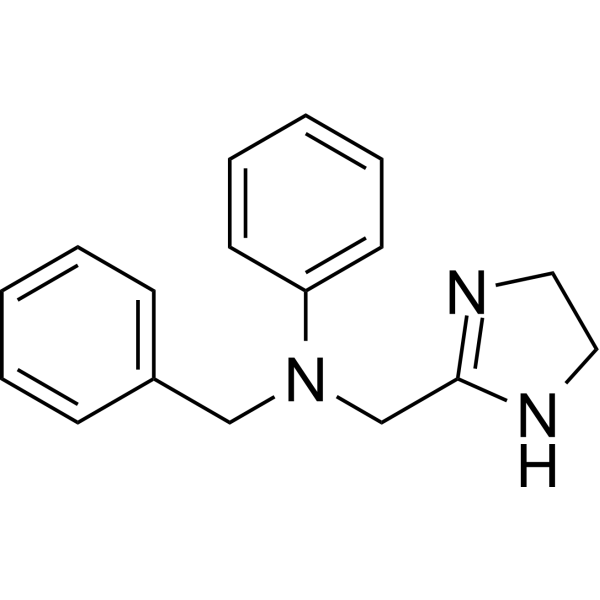
Antazoline (Phenazoline) is a histamine H1 receptor antagonist with anticholinergic and antiviral properties. Antazoline can prevent histamine from acting on target cells through a reversible competition effect on histamine receptor sites of these cells. Antazoline can exert an antiallegic effect and prevent the occurrence of physiological reactions from the effect of blocking as well as inhibiting H1 receptor. Antazoline can effectively reduce HBV DNA in the extracellular supernatant in a dose-dependent manner, with EC50 of 2.910 μmol/L in HepAD38 cells. Antazoline also has a significant inhibitory effect on HBV DNA in the extracellular supernatant of Huh7 cells (EC50 = 2.349 μmol/L). Antazoline has anti-arrhythmic effect in acute myocardial infarctions. Antazoline can be studied in research for cardiovascular diseases, and HBV .
|
-
-
- HY-U00031
-
|
EN3324
|
Opioid Receptor
|
Neurological Disease
|
|
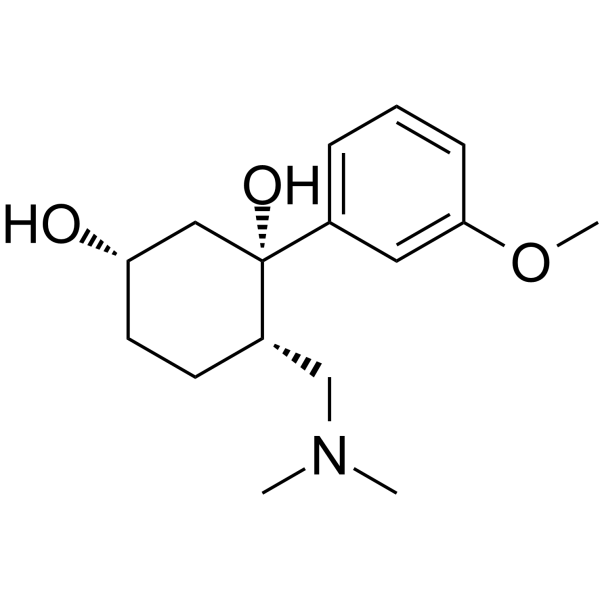
Axomadol (EN3324) is a centrally active analgesic agent with opioid agonistic properties and inhibitory effects on the reuptake of monoamines .
|
-
-
- HY-W686605
-
|
|
Endogenous Metabolite
Biochemical Assay Reagents
|
|
|
Iodoacetic anhydride is a bioactive compound with enzyme inhibitory properties. Iodoacetic anhydride can participate in protein modification and is widely used in biochemical research and compound development. Iodoacetic anhydride is also used to synthesize various bioactive molecules, showing its diversity as a chemical reagent.
|
-

-
- HY-W040176
-
|
N-Palmitoyl-tyrosine phosphoric acid ammonium
|
LPL Receptor
|
Cardiovascular Disease
Neurological Disease
Inflammation/Immunology
|
|
N-PTyrosine PA (N-Palmitoyl-tyrosine phosphoric acid) ammonium is a lysophosphatidic acid (LPA) receptor modulator, which exhibits weak inhibitory activity against LPA1 and partial agonist properties towards LPA5. N-PTyrosine PA ammonium inhibits the activation of LPA receptors and downstream responses by competing with agonists for binding sites. N-PTyrosine PA ammonium can induce morphological changes and aggregation, and also inhibit LPA-induced morphological changes through receptor desensitization caused by pre-incubation. N-PTyrosine PA ammonium can be used in the research of related diseases such as atherosclerosis and acute ischemic syndromes (e.g., unstable angina, myocardial infarction, stroke) .
|
-

-
- HY-P3580
-
|
Human N-acetyl GIP
|
Insulin Receptor
|
Metabolic Disease
Endocrinology
|
|
Acetyl Gastric Inhibitory Peptide (human) is a fatty acid derivatized analog of glucose-dependent insulinotropic polypeptide with improved antihyperglycaemic and insulinotropic properties. Acetyl Gastric Inhibitory Peptide (human) can be used for research of diabetes, insulin resistance and obesity .
|
-

-
- HY-N1289
-
|
|
Fungal
Phosphodiesterase (PDE)
|
Infection
|
|
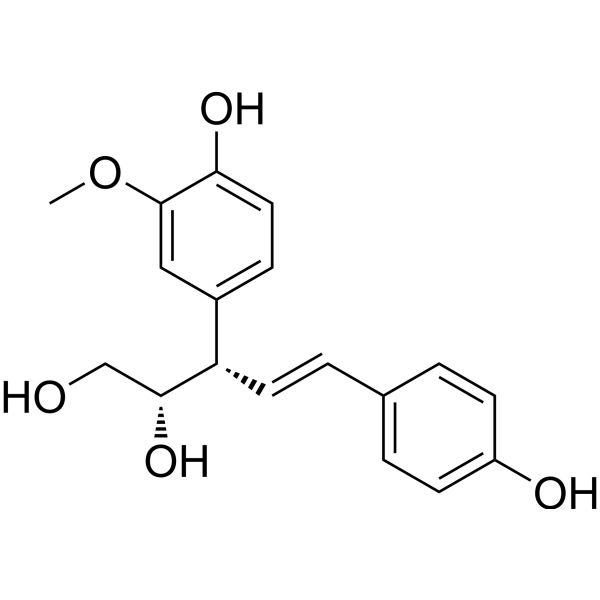
Sequosempervirin B, a norlignan isolated from the branches and leaves of Sequoia sempervirens, has antifungal properties. Sequosempervirin B has an inhibitory effect on cyclic AMP phosphodiesterase .
|
-
-
- HY-123922
-
|
|
Bacterial
|
Infection
|
|
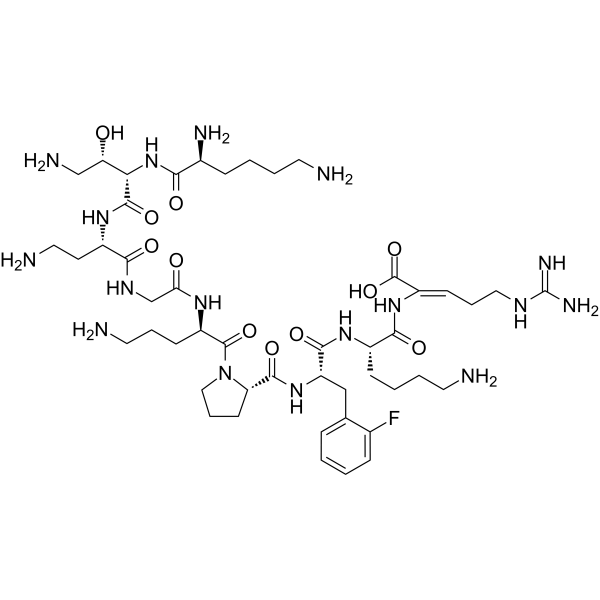
NOSO-502 is an inhibitor of bacterial translation. NOSO-502 exhibits inhibitory activity against Enterobacteriaceae. NOSO-502 has good safety and antibacterial properties .
|
-
-
- HY-122281
-
|
|
Cannabinoid Receptor
|
Others
|
|
JTE 7-31 selectively acts on peripheral cannabinoid receptors, minimizing central nervous system side effects. They exhibit potent immunomodulatory, anti-inflammatory and anti-allergic properties, as well as inhibitory effects on nephritis .
|
-

-
- HY-19132
-
|
|
Prostaglandin Receptor
|
Cardiovascular Disease
|
|
CGS 22652 is a potent thromboxane A2 receptor antagonist. CGS 22652 has selective thromboxane A2 synthase inhibitory properties. CGS 22652 can be used in the research of coronary artery thrombosis .
|
-

-
- HY-19116
-
|
|
Potassium Channel
|
Neurological Disease
Metabolic Disease
|
|
KRN-2391 is a KATP channel opener with NO donor properties. KRN-2391 exerts dual inhibitory effects on overactive bladder (OAB) by activating KATP channels (causing cellular hyperpolarization and bladder smooth muscle relaxation) and releasing NO (enhancing relaxation via cGMP pathways). KRN-2391 is promising for research of OAB .
|
-

-
- HY-N3348
-
|
|
Fungal
|
Infection
Inflammation/Immunology
|
|
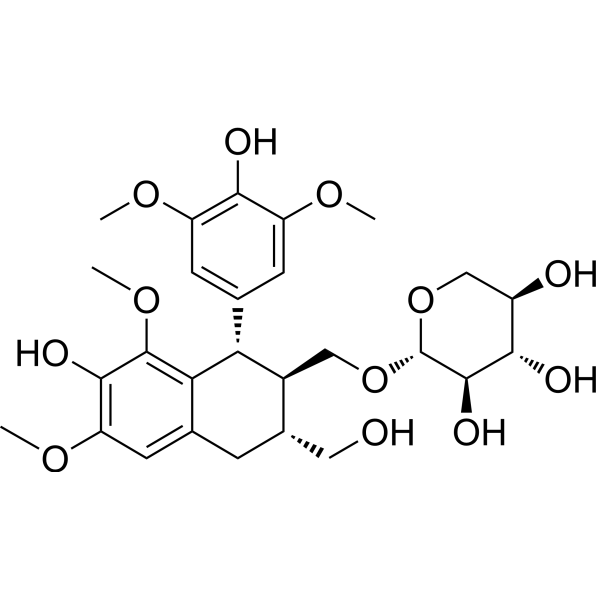
Lyoniside is a lignan glycoside with antioxidant, allelopathic and antifungal activities, which can be isolated from the rhizomes and stems of bilberry (Vaccinium myrtillus L.). Lyoniside exhibits radical scavenging properties with an IC50 value of 23 μg/mL in DPPH assay. Lyoniside inhibits the mycelial growth of Fusarium oxysporum and Mucor hiemalis at 50 μg/mL with inhibitory rates of 78% and 80%, respectively .
|
-
-
- HY-W042027
-
|
8-Isoquinoline-methaneaminedihydrochloride
|
Bacterial
Biochemical Assay Reagents
|
Infection
Inflammation/Immunology
Cancer
|
|
Isothiazole-5-carboxylic acid (8-Isoquinoline-methaneaminedihydrochloride) is an organic compound with antibacterial, anticancer and anti-inflammatory properties. Isothiazole-5-carboxylic acid can be used to develop novel compounds to combat various diseases. Isothiazole-5-carboxylic acid exhibits a wide range of potential pharmacological activities and helps improve existing inhibitory schemes.
|
-

-
- HY-W272207
-
|
|
Cholinesterase (ChE)
Drug Intermediate
|
Neurological Disease
Inflammation/Immunology
|
|
AChE/BChE-IN-31 (Compound 3c) is a cholinesterase inhibitor. AChE/BChE-IN-31 exhibits certain inhibitory activity against hAChE and eqBChE. AChE/BChE-IN-31 also possesses antioxidant properties with an IC50 value of 105.04 μM against DPPH. AChE/BChE-IN-31 can be used in the research of diseases such as Alzheimer’s disease .
|
-

-
- HY-N0577R
-
|
Apigenin 7-O-apiosylglucoside (Standard); Apigenin 7-(2-O-apiosylglucoside) (Standard)
|
Reference Standards
NO Synthase
|
Inflammation/Immunology
|
|
Apiin (Standard) is the analytical standard of Apiin. This product is intended for research and analytical applications. Apiin, a major constituent of Apium graveolens leaves with anti-inflammatory properties. Apiin shows significant inhibitory activity on nitrite (NO) production (IC50 = 0.08 mg/mL) in-vitro and iNOS expression (IC50 = 0.049 mg/ mL) in LPS-activated J774.A1 cells .
|
-

-
- HY-W012531R
-
|
|
Reference Standards
HIV
SARS-CoV
Endogenous Metabolite
Bacterial
|
Infection
Neurological Disease
Inflammation/Immunology
Cancer
|
|
2-Hydroxycinnamic acid (Standard) is the analytical standard of 2-Hydroxycinnamic acid. This product is intended for research and analytical applications. 2-Hydroxycinnamic acid is a phenolic acid with antimicrobial and antioxidant properties. 2-Hydroxycinnamic acid has antimicrobial activity against Staphylococcus aureus and is not susceptible to drug resistance. 2-Hydroxycinnamic acid shows inhibitory effects on infection of HIV/SARS-CoV S pseudovirus with an IC50 of 0.3 mM. In addition, 2-Hydroxycinnamic acid has neuroprotective and antitumor activity .
|
-

-
- HY-135495
-
|
|
Sodium Channel
Histamine Receptor
|
Inflammation/Immunology
|
|
AM-0466 is a sodium channel inhibitor with nanomolar levels of NaV1.7 inhibitory activity. AM-0466 exhibits potent pharmacodynamic activity in a NaV1.7-dependent histamine-induced itch model. AM-0466 also showed significant analgesic effects in capsaicin-induced pain models. After optimizing its pharmacokinetic properties, AM-0466 was advanced into in vivo targeting and efficacy models for testing .
|
-

-
- HY-B1041AS
-
|
Pimagedine-13C, 15N4; GER-11free base-13C, 15N4; Aminoguanidinium-13C, 15N4
|
Isotope-Labeled Compounds
NO Synthase
Apoptosis
|
Endocrinology
|
|
Aminoguanidine- 13C, 15N4 (Pimagedine- 13C, 15N4) is the 13C- and 15N-labeled Aminoguanidine (HY-B1041A). Aminoguanidine (Pimagedine hydrochloride) is an inhibitor of diamine oxidase and nitric oxide synthase. Aminoguanidine has a dose-dependent inhibitory effect on apoptosis induced by Doxorubicin (HY-15142). Aminoguanidine has antioxidant properties. Aminoguanidine can be used in diabetic nephropathy research .
|
-

-
- HY-156965
-
|
|
Fluorescent Dye
|
Metabolic Disease
Cancer
|
|
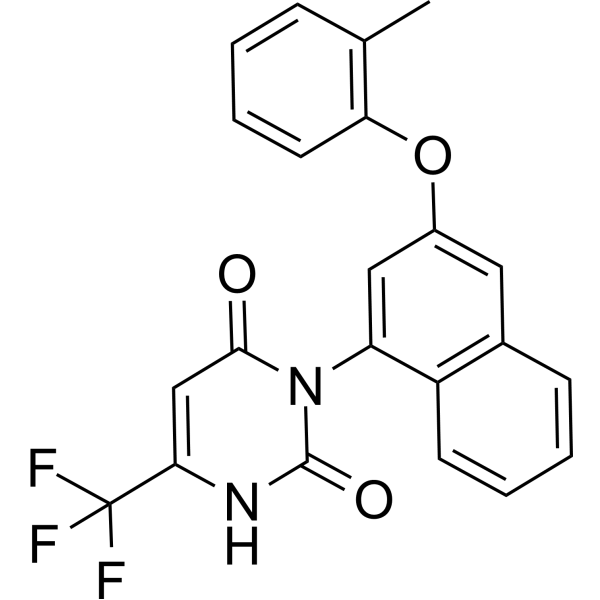
BAY-771, a structurally close pyrimidinedione, is a chemical probe with good lead-like properties and high permeability in Caco-2 cells (no hint of efflux). BAY-771 shows very weak inhibitory activity in the BCAT1 biochemical assay and no activity in BCAT2. BAY-771 can be used as a negative control of HY-148242 BAY-069. BAY-771 can be used for the research of tumor metabolism .
|
-
-
- HY-N10868
-
|
|
LIM Kinase (LIMK)
|
Cancer
|
|
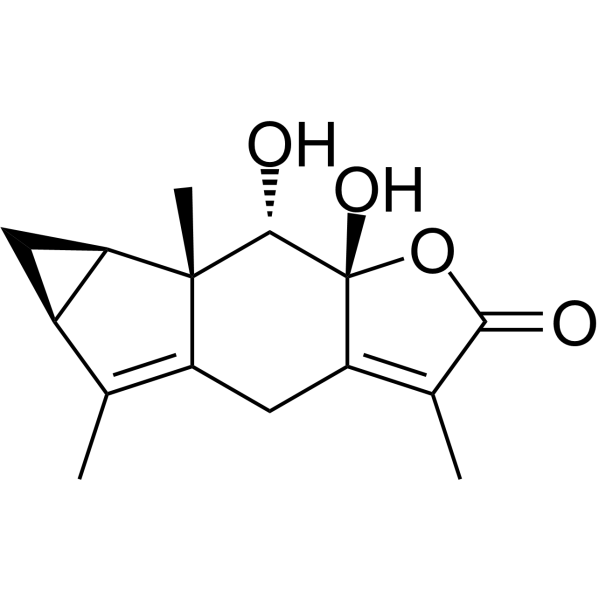
8β,9α-Dihydroxylindan-4(5),7(11)-dien-8alpha,12-olide (compound 3), a sesquiterpene, has anti-LIMK1 activity. 8β,9α-Dihydroxylindan-4(5),7(11)-dien-8alpha,12-olide has inhibitory property on cell motility .
|
-
-
- HY-173400
-
|
|
TAM Receptor
|
Cancer
|
|
UNC8212 is a TAM kinase inhibitor. UNC8212 has potent inhibitory activity against MERTK and AXL (IC50: 1.5 nM and 1.3 nM, respectively), and also inhibits TYRO3 (IC50: 6.7 nM). UNC8212 mediates polypharmacological properties by targeting the structurally diverse "back pocket" region of the TAM kinase family. UNC8212 binds tightly to TAM kinases and potently inhibits MERTK and AXL phosphorylation. UNC8212 has anti-tumor effects and can be used in cancer immunotherapy and tumor cell targeting research .
|
-

-
- HY-N0057R
-
|
3,4-Di-O-caffeoylquinic acid (Standard); Isochlorogenic acid B (Standard)
|
Reference Standards
Glycosidase
Influenza Virus
Apoptosis
Endogenous Metabolite
|
Infection
Cancer
|
|
3,4-Dicaffeoylquinic acid (Standard) is the analytical standard of 3,4-Dicaffeoylquinic acid. This product is intended for research and analytical applications. 3,4-Dicaffeoylquinic acid (3,4-Di-O-caffeoylquinic acid), naturally isolated from Laggera alata, has antioxidative, DNA protective, neuroprotective and hepatoprotective properties. 3,4-Dicaffeoylquinic acid exerts apoptosis-mediated cytotoxicity and α-glucosidase inhibitory effects. 3,4-Dicaffeoylquinic acid possesses a unique mechanism of anti-influenza viral activity, that is, enhancing viral clearance by increasing TRAIL .
|
-

-
- HY-B0696B
-
|
NO050328 hydrochloride hydrate; NO328 hydrochloride hydrate; TGB hydrochloride hydrate
|
GABA Receptor
|
Neurological Disease
|
|
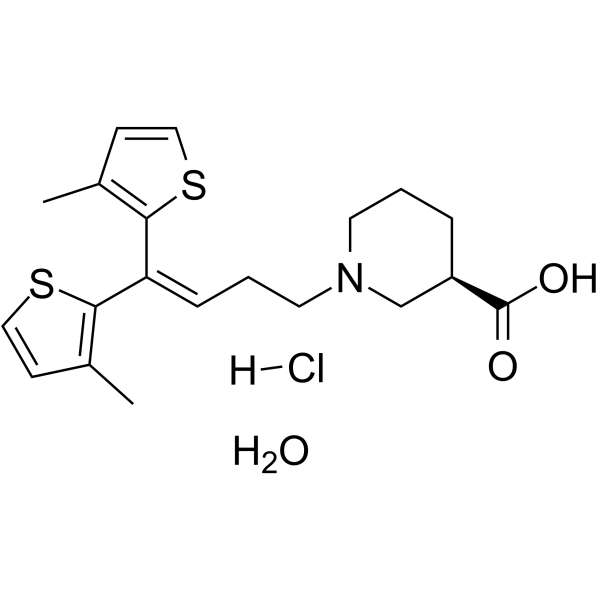
Tiagabine (NO050328; NO328; TGB) hydrochloride hydrate is an orally active, highly selective, and reversible GAT-1 inhibitor and anticonvulsant that crosses the blood-brain barrier. By blocking the reuptake of GABA in neurons and glial cells, tiagabine increases extracellular GABA levels to enhance inhibitory signal transduction, thereby exerting multiple activities such as anticonvulsant, neuroprotective, and antioxidant effects. Tiagabine hydrochloride hydrate exhibits linear pharmacokinetic properties. Although it is metabolized by CYP3A and has a high protein binding rate, it carries a low risk of cognitive impairment. Tiagabine hydrochloride hydrate is widely used in research on related diseases including epilepsy (including refractory partial seizures), alcohol withdrawal symptoms, and Huntington's disease .
|
-
-
- HY-N10060
-
-
-
- HY-19022
-
-

-
- HY-N2176A
-
|
|
Cholinesterase (ChE)
|
Others
|
|
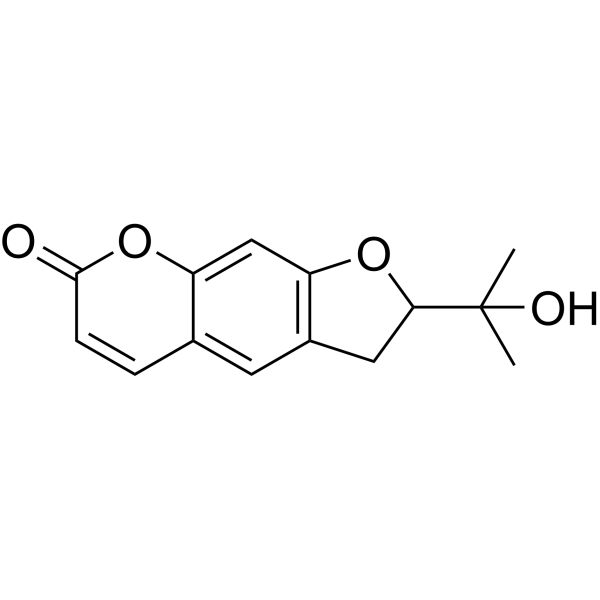
(±)-Marmesin is a good precursor of the linear furanocoumarins. (±)-Marmesin derivatives have high degree of acetylcholinesterase inhibitory property .
|
-
-
- HY-N3231
-
|
CM-c2
|
Lipoxygenase
COX
|
Cancer
|
|
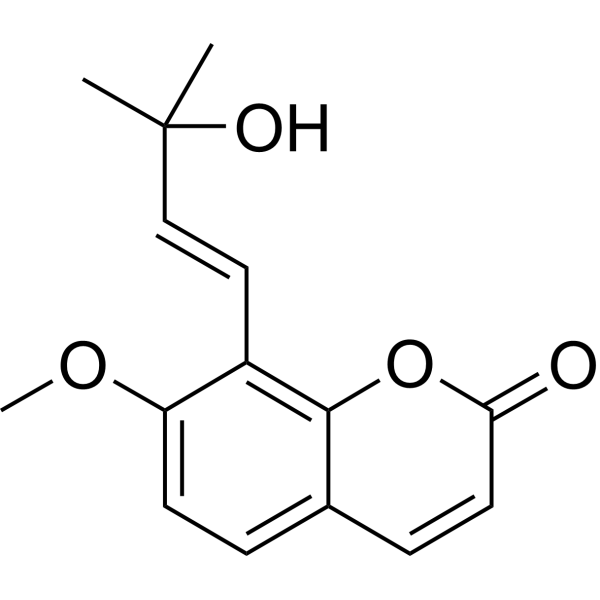
Murraol (CM-c2), a coumarin, can be isolated from the leaves of Madagascar pine cork (Apiaceae). Murraol has cyclooxygenase (COX) and lipoxygenase inhibitory properties and has an inhibitory effect on the growth of cancer cells .
|
-
-
- HY-10393R
-
|
PNU-100592 (Standard)
|
Reference Standards
Bacterial
Antibiotic
|
Infection
|
|
Eperezolid (Standard) is an analytical standard for Eperezolid. This product is intended for research and analytical applications. Eperezolid (PNU-100592) is an oxazolidinone antibiotic with good in vitro inhibitory properties.
|
-

- HY-59059
-
|
|
Monoamine Oxidase
|
Neurological Disease
|
|
5-(2-Aminopropyl)indole is an orally active psychoactive substance, that shows inhibitory activity against monoamine oxidase (MAO) and long-lasting stimulatory properties .
|
-

- HY-N3997
-
|
|
Ser/Thr Protease
|
Infection
Metabolic Disease
Cancer
|
|
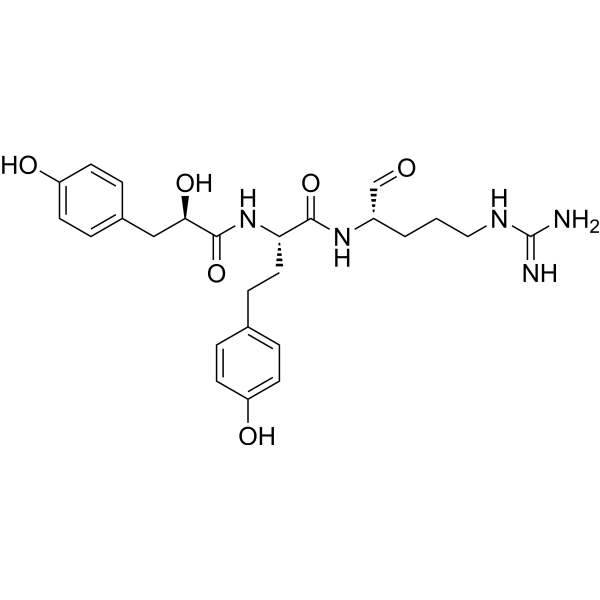
Nostosin G is a unique example of a linear peptide containing three subunits, 4-hydroxyphenyllactic acid (Hpla), homotyrosine (Hty), and argininal. Nostosin G has potent trypsin inhibitory property with an IC50 value of 0.1 μM .
|
-
- HY-105463
-
|
|
Antibiotic
Bacterial
|
Infection
Cancer
|
|
Saptomycin D is an antibiotic with antitumor activity isolated from the Streptomyces sp. HP530 strain. Saptomycin D exhibits potent inhibitory effects against Gram-positive bacteria, while demonstrating weaker inhibitory activities against certain Gram-negative bacteria and yeasts. Saptomycin D also displays remarkable antitumor properties. Saptomycin D is applicable in research within the field of oncology .
|
-

- HY-155304
-
|
|
Cholinesterase (ChE)
|
Neurological Disease
|
|
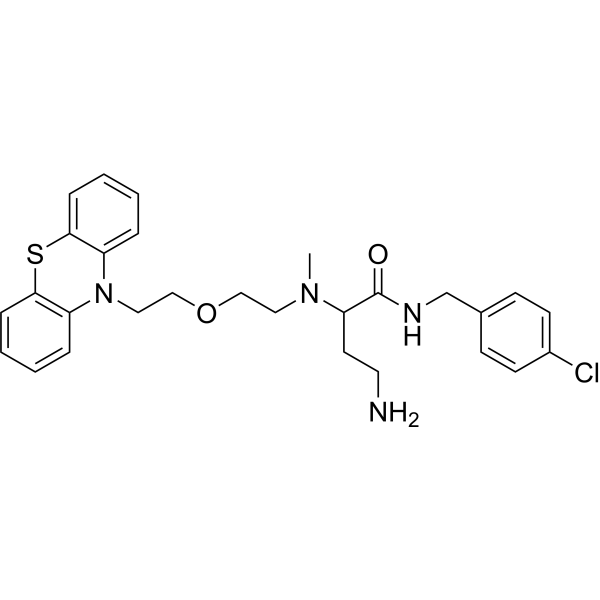
BuChE-IN-8 (compound 19c) is a butyrylcholinesterase (BuChE) inhibitor with an IC50 of 559 nM. BuChE-IN-8 possesses human β-secretase (BACE1) and Aβ40 aggregation inhibitory activities. BuChE-IN-8 has significant antiamnesic properties .
|
-
- HY-143755
-
|
|
DNA/RNA Synthesis
Influenza Virus
|
Infection
|
|
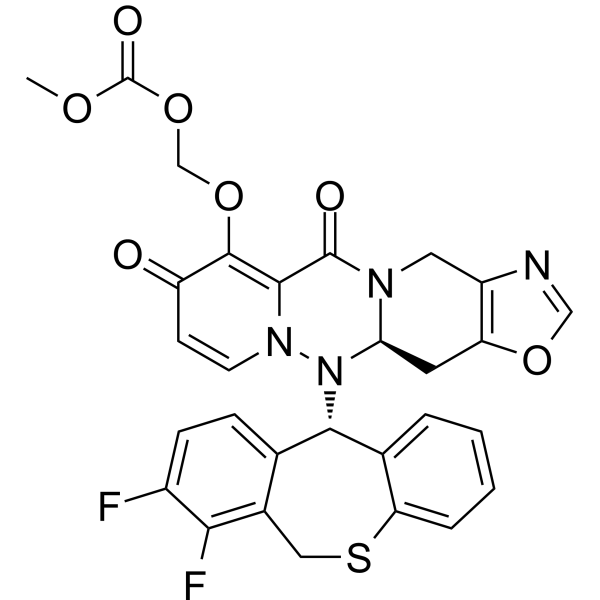
Cap-dependent endonuclease-IN-9 is a potent inhibitor of cap-dependent endonuclease (CEN). Not only can Cap-dependent endonuclease-IN-9 inhibit influenza virus well, but also has lower cytotoxicity, better in vivo agent kinetic properties and in vivo pharmacodynamic properties. Cap-dependent endonuclease-IN-9 has strong inhibitory effect on RNA polymerase activity of A virus (extracted from patent CN112521386A, compound VI-1) .
|
-
- HY-143743
-
|
|
DNA/RNA Synthesis
Influenza Virus
|
Infection
|
|
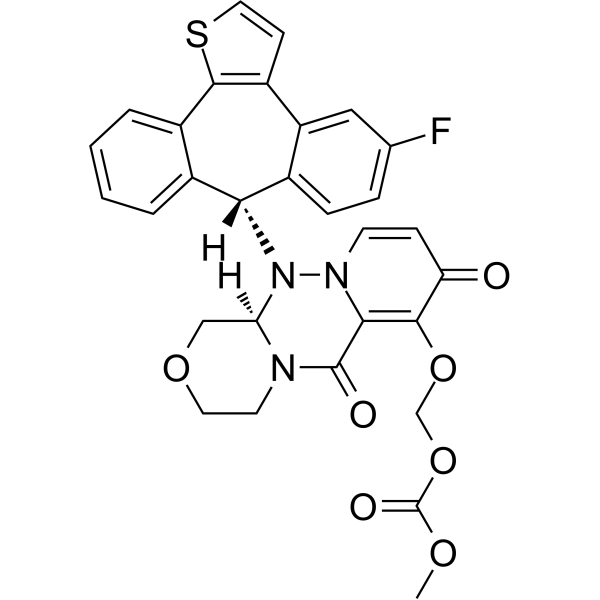
Cap-dependent endonuclease-IN-2 is a potent inhibitor of cap-dependent endonuclease (CEN). Not only can Cap-dependent endonuclease-IN-2 inhibit influenza virus well, but also has lower cytotoxicity, better in vivo agent kinetic properties and in vivo pharmacodynamic properties. Cap-dependent endonuclease-IN-2 has strong inhibitory effect on RNA polymerase activity of A virus (extracted from patent WO2019052565A1, compound 28) .
|
-
- HY-W320538
-
|
|
Fungal
|
Infection
|
|
Benz[g]isoquinoline-5,10-dione, an active component isolated from the ethanolic extract of the aerial parts of Mitracarpus scaber, demonstrates notable in vitro inhibitory activity against AIDS-related pathogens, along with significant antibacterial and antifungal properties, as evidenced by the agar well-diffusion assay.
|
-
![Benz[g]isoquinoline-5,10-dione](//file.medchemexpress.com/product_pic/hy-w320538.gif)
- HY-114846
-
|
|
Prostaglandin Receptor
|
Cardiovascular Disease
|
|
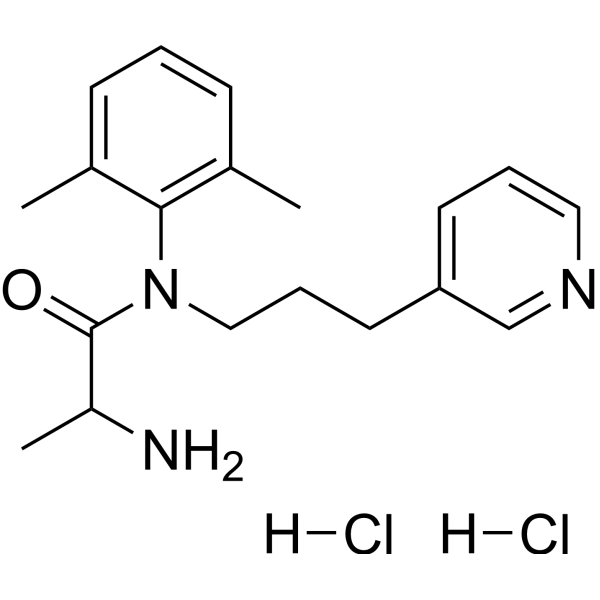
Ro 22-9194 inhibits aggregation and thromboxane Az (TXA2) synthetase activity in rabbit and human platelets. Ro 22-9194 has a potent inhibitory action against various types of model arrhythmias. Ro 22-9194 has non-cholinergic cardiac depressant properties with its vasodilating action .
|
-
- HY-117872
-
|
20-O-Acetylsartorypyrone D
|
Fungal
|
Infection
|
|
Sartorypyrone A (20-O-Acetylsartorypyrone D) is a monocyclic terpenoid isolated from the soil fungus Neosartorya fischeri. Sartorypyrone A exhibits in vitro growth inhibitory activity against MCF-7, NCI-H460, and A375-C5 cell lines, and has potential anticancer properties.
|
-

- HY-19602
-
|
|
Endogenous Metabolite
|
Cancer
|
|
Cedefingol is an antitumor compound with α-glucosidase inhibitory activity. Cedefingol was identified together with other compounds in fermented dark tea samples. The biotransformation of cedefingol is related to enzymatic hydrolysis, hydrolysis and biosynthesis. Cedefingol exhibited different bioactivities in samples with different fermentation times. The antioxidant properties of cedefingol showed certain activity in the DPPH model .
|
-

- HY-118050
-
|
L-420
|
Sodium Channel
Endogenous Metabolite
|
Cardiovascular Disease
|
|
L589420-0-2 (L-420) is a sodium pump inhibitor with inhibitory activity in human erythrocytes. L589420-0-2 can regulate the concentration of intracellular sodium ions, thereby affecting the electrophysiological properties of cells. L589420-0-2 may also play an important role in the inhibition of cardiovascular diseases .
|
-

- HY-117204
-
|
|
Antibiotic
|
Infection
|
|
AA-57 is an acidic lipophilic antibiotic isolated from the fermentation broth of Actinomycetes strain AA-57. The AA-57 strain can be isolated from a soil sample collected in Koriyama City, Fukushima Prefecture, Japan. AA-57 has antibacterial properties against Gram-positive bacteria, Gram-negative bacteria, and acid-fast bacteria. AA-57 was discovered by screening actinomycete cultures for antibacterial properties. AA-57 exhibits significant antibacterial activity and has inhibitory effects against a variety of bacteria.
|
-

- HY-167685
-
|
|
Bacterial
|
Inflammation/Immunology
|
|
(E/Z)-Aureusidin is a flavonoid compound with antioxidant activity. (E/Z)-Aureusidin can inhibit the production of reactive oxygen species and reduce cell damage. (E/Z)-Aureusidin has anti-inflammatory effects and can reduce the expression of inflammatory factors. (E/Z)-Aureusidin has inhibitory effects on a variety of bacteria, indicating its potential antimicrobial properties .
|
-

- HY-B1041R
-
|
Pimagedine hydrochloride (Standard); GER-11 (Standard); Aminoguanidinium chloride (Standard)
|
NO Synthase
Apoptosis
Reference Standards
|
Endocrinology
|
|
Aminoguanidine (hydrochloride) (Standard) is the analytical standard of Aminoguanidine (hydrochloride). This product is intended for research and analytical applications. Aminoguanidine hydrochloride (Pimagedine hydrochloride) is an inhibitor of diamine oxidase and nitric oxide synthase. Aminoguanidine hydrochloride has a dose-dependent inhibitory effect on apoptosis induced by Doxorubicin (HY-15142). Aminoguanidine hydrochloride has antioxidant properties. Aminoguanidine hydrochloride can be used in diabetic nephropathy research .
|
-

- HY-N0025
-
|
|
Reactive Oxygen Species (ROS)
Apoptosis
|
Metabolic Disease
|
|
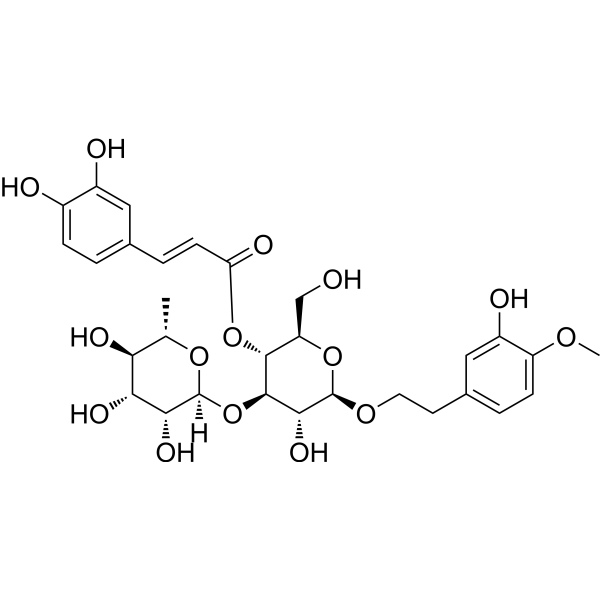
Jionoside D is a hydroxycinnamic acid ester with antioxidant property. Jionoside D has scavenging activity of intracellular reactive oxygen species (ROS) and of DPPH radical, and lipid peroxidation inhibitory activity. Jionoside D reduces the apoptotic cells induced by H2O2 in V79-4 cells. Jionoside D increases the activities of cellular antioxidant enzymes, SOD and catalase .
|
-
- HY-N6660R
-
|
Tricaprin (Standard); Glyceryl tridecanoate (Standard)
|
Reference Standards
Endogenous Metabolite
Androgen Receptor
|
Metabolic Disease
|
|
Trisdecanoin (Standard) is the analytical standard of Trisdecanoin. This product is intended for research and analytical applications. Trisdecanoin (Tricaprin; Glyceryl tridecanoate) is an orally available precursor of decanoic acid (DA precursor) that can be hydrolyzed to decanoic acid. Trisdecanoin and its metabolite capric acid not only provide the body with a quick source of energy, but can also affect lipid metabolism. Trisdecanoin is a major component of medium chain triglycerides (MCT), which has preventive or inhibitory properties for abdominal aortic aneurysms (AAA), inhibition of cardiovascular disease, and anti-androgen (NSAA) and anti-hyperglycemic properties. Trisdecanoin can be used as an additive in food, medicine and cosmetics .
|
-

- HY-123008
-
|
|
Adrenergic Receptor
Phosphodiesterase (PDE)
|
Others
|
|
Reproterol hydrochloride is a dual-acting beta2-adrenoceptor agonist and phosphodiesterase inhibitor. Reproterol hydrochloride is more potent than albuterol and feterol in stimulating cAMP production in human monocytes, demonstrating its potential in enhancing airway function. Furthermore, Reproterol significantly inhibited the production of LTB4, indicating its anti-inflammatory properties. Reproterol hydrochloride may have inhibitory effects in respiratory diseases such as asthma and COPD .
|
-

- HY-136818
-
|
|
Histamine Receptor
|
Endocrinology
|
|
DA 4643 (hydrochloride) is an H2 receptor antagonist with the chemical name 2-guanidino-4 (3-methylaminomethyleneiminophenyl) thiazole dihydrochloride. It has a weak interaction with cytochrome P-450 and has a less inhibitory effect on P-450 than cimetidine and tiotidine. DA 4643 (hydrochloride) is able to inhibit both enzymatic and non-enzymatic lipid peroxidation reactions. This inhibition may not be achieved by inhibiting agent metabolizing enzymes, but rather due to the antioxidant properties of the compound itself. Compared with other H2 receptor antagonists such as cimetidine, ranitidine and tiotidine, DA 4643 (hydrochloride) shows a unique effect in lipid peroxidation inhibition. These properties make DA 4643 (hydrochloride) a potential H2 receptor antagonist with multiple mechanisms of action.
|
-

- HY-144316
-
|
|
Cholinesterase (ChE)
GSK-3
|
Neurological Disease
|
|
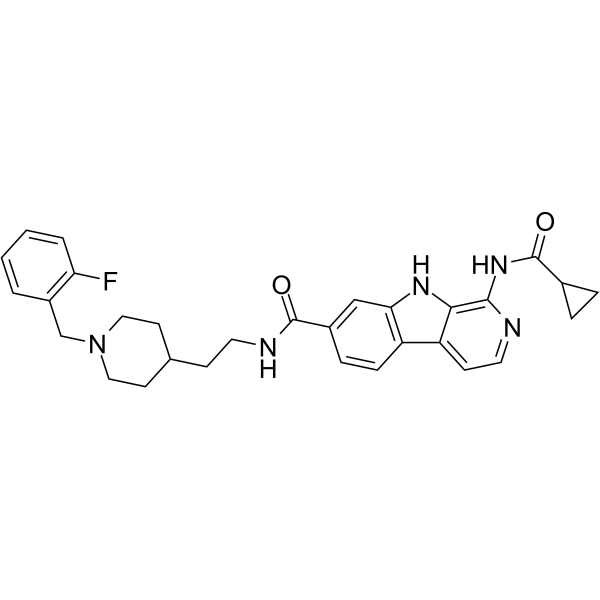
ZLWH-23 is a selective AChE inhibitor (IC50=0.27 μM) with GSK-3β inhibitory property (IC50=6.78 μM). ZLWH-23 possesses selectivity for AChE over BChE (IC50=20.82 μM) and for GSK-3β over multi-kinases. ZLWH-23 has the potential for the research of Alzheimer's disease .
|
-
- HY-D2204
-
|
|
Phosphatase
SHP1
Fluorescent Dye
|
Cancer
|
|
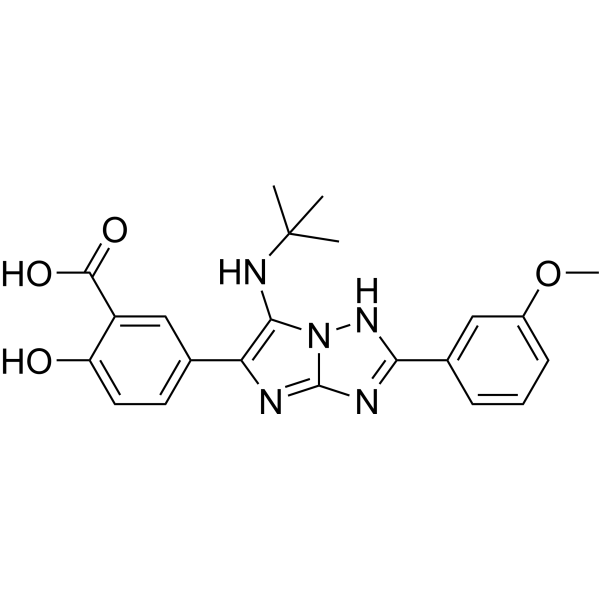
SHP1-IN-1 (compound 5p) is a fluorescent probe for the protein tyrosine phosphatase SHP1 containing the Src homology 2 domain. SHP1-IN-1 has SHP1 inhibitory activity, selectivity for Fe 3+ ions and good fluorescence properties. SHP1-IN-1 exhibits aggregation post-quenching (ACQ) effect, good interference immunity and low detection limit (5.55 μM) .
|
-
- HY-W012531S2
-
-

- HY-167689
-
|
|
Adrenergic Receptor
|
Neurological Disease
|
|
Parethoxycaine hydrochloride is an anesthetic with nerve conduction blocking activity. Parethoxycaine hydrochloride exhibits non-selective inhibitory effects on responses to various stimulants in rat vas deferens and guinea pig ileum muscles. Parethoxycaine hydrochloride has an enhanced effect on the action of norepinephrine, and its methyl bromide derivative also exhibits the same properties on the action of norepinephrine and potassium ions. Derivatives of parethoxycaine hydrochloride have significant effects on calcium dose-response curves, displaying different tissue and stimulant selectivities. The mechanism of action of Parethoxycaine hydrochloride involves the regulation of calcium transport processes .
|
-

- HY-107717
-
|
|
iGluR
|
Neurological Disease
|
|
MNI-caged-NMDA is a light-sensitive amino acid with rapid release properties suitable for use in the study of fast synaptic receptor mechanisms. MNI-caged-NMDA shows metered release of NMDA receptors, inducing rapid and sustained receptor activation in cerebellar interneurons. MNI-caged-NMDA is able to achieve rapid transient responses and generate large inward currents by local laser photolysis. The use of MNI-caged-NMDA can effectively study neurotransmitter signaling and its inhibitory effects on GABA-A receptors .
|
-

- HY-123008R
-
|
|
Phosphodiesterase (PDE)
Adrenergic Receptor
Reference Standards
|
Others
|
|
Reproterol (hydrochloride) (Standard) is the analytical standard of Reproterol (hydrochloride). This product is intended for research and analytical applications. Reproterol hydrochloride is a dual-acting beta2-adrenoceptor agonist and phosphodiesterase inhibitor. Reproterol hydrochloride is more potent than albuterol and feterol in stimulating cAMP production in human monocytes, demonstrating its potential in enhancing airway function. Furthermore, Reproterol significantly inhibited the production of LTB4, indicating its anti-inflammatory properties. Reproterol hydrochloride may have inhibitory effects in respiratory diseases such as asthma and COPD .
|
-

- HY-N8268R
-
|
3α,12α-Dihydroxynorcholanic acid (Standard)
|
Drug Metabolite
Reference Standards
|
Metabolic Disease
|
|
Reproterol (hydrochloride) (Standard) is the analytical standard of Reproterol (hydrochloride). This product is intended for research and analytical applications. Reproterol hydrochloride is a dual-acting beta2-adrenoceptor agonist and phosphodiesterase inhibitor. Reproterol hydrochloride is more potent than albuterol and feterol in stimulating cAMP production in human monocytes, demonstrating its potential in enhancing airway function. Furthermore, Reproterol significantly inhibited the production of LTB4, indicating its anti-inflammatory properties. Reproterol hydrochloride may have inhibitory effects in respiratory diseases such as asthma and COPD .
|
-

- HY-W746884
-
|
|
Cholinesterase (ChE)
|
Neurological Disease
|
|
2-Methyl-2-butenyl (E)-Caffeate is a type of caffeic acid ester compound. The petroleum ether and chloroform extracts containing 2-Methyl-2-butenyl (E)-Caffeate have inhibitory effects on acetylcholinesterase (AChE) and butyrylcholinesterase (BChE). The ether extract containing 2-Methyl-2-butenyl (E)-Caffeate exhibits strong antioxidant properties. 2-Methyl-2-butenyl (E)-Caffeate can be used in the research of Alzheimer's disease .
|
-

- HY-N12964
-
|
|
Others
|
Others
|
|
4-Hydroxycanthin-6-one is a novel quinoline alkaloid isolated from the stem bark of the tree Ailanthus altissima. Five other known compounds were also found in the study. The structures of the new compounds were determined by interpretation of physical and spectroscopic data, and their absolute configurations were determined by electronic circular dichroism spectroscopy and quantum chemical calculations. These compounds showed significant inhibitory activity against lipopolysaccharide (LPS)-induced nitric oxide (NO) production in RAW 264.7 cells, showing potential anti-inflammatory properties .
|
-

- HY-163746
-
|
|
Cholinesterase (ChE)
|
Neurological Disease
|
|
BuChE-IN-11 (Compound 3b-1) is an selective BuChE inhibitor with an IC50 of 0.44 μM for hBuChE. BuChE-IN-11 has high blood-brain barrier permeability and exhibits strong antioxidant activity due to its free radical scavenging properties. BuChE-IN-11 interacts with the choline binding site, acetyl binding site, and peripheral anionic site, exhibiting submicromolar BuChE inhibitory activity and preventing β-amyloid (Aβ) self-aggregation. BuChE-IN-11 holds promise for research in the field of Alzheimer's disease .
|
-

- HY-160489
-
|
|
β-catenin
Wnt
|
Cancer
|
|
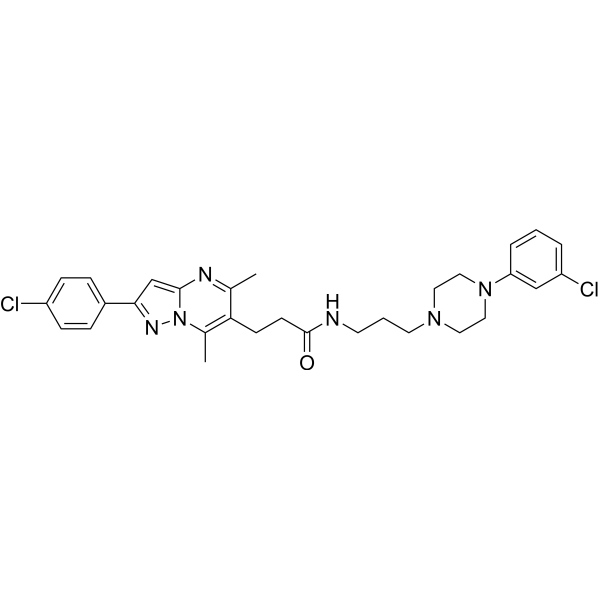
PTK7/β-catenin-IN-2 (compound 04967) is an inhibitor of PTK7/β-catenin. It inhibits the binding of PTK7 to β-catenin (IC50: 5.6 μM), thereby inhibiting the signaling of the Wnt/β-catenin pathway. PTK7/β-catenin-IN-2 targets cell growth dependent on the Wnt signaling pathway and has anticancer properties. PTK7/β-catenin-IN-2 also showed inhibitory potency against p53 and MDM2 binding with an IC50 of 157.1 μM .
|
-
- HY-103444R
-
|
|
Reference Standards
MMP
|
Cancer
|
|
ARP-100 (Standard) is the analytical standard of ARP-100. This product is intended for research and analytical applications. ARP-100 is a potent and selective matrix metalloproteinase MMP-2 inhibitor (IC50=12 nM). ARP-100 interacts with S1' pocket of MMP-2 and shows anti-invasive properties in an in vitro model of invasion on matrigel. ARP-100 shows the less inhibitory activity towards MMP-1 (>50 μM), MMP-3 (4.5 μM), MMP-7 (>50 μM), and MMP-9 (0.2 μM) .
|
-

- HY-W205529
-
|
|
Fluorescent Dye
|
Neurological Disease
|
|
RO 16-6491 Free base is a selective, reversible inhibitor of monoamine oxidase type B (MAO-B), exhibiting high affinity and specificity for binding sites in human frontal cortex mitochondria and platelet membranes. RO 16-6491 demonstrates a fast dissociation of bound radioactivity at 20 degrees C, indicating its dynamic binding properties. RO 16-6491 also acts as a substrate for MAO-B, suggesting that its oxidation may produce a stable intermediate responsible for its potent inhibitory effects. RO 16-6491 serves as an excellent radioligand probe for investigating the regional tissue distribution of MAO-B in various physiological and pathological states.
|
-

- HY-133031A
-
|
|
Histone Methyltransferase
|
Others
|
|
CSV0C018875 hydrochloride is a G9a (EHMT2) inhibitor that inhibits G9a activity. CSV0C018875 can effectively inhibit G9a activity in both enzyme and cell-based assays, and its toxicity is much lower than that of the known G9a inhibitor BIX-01294. CSV0C018875 binds tightly to the active site cavity of G9a, thereby improving the binding firmness and prolonging the residence time of the compound, further enhancing the inhibitory effect of G9a. CSV0C018875 has the potential to improve its ADME (absorption, distribution, metabolism and excretion) and pharmacodynamic properties through further optimization .
|
-

- HY-17357R
-
|
AHR 9434 (Standard); AL 6515 (Standard)
|
Reference Standards
COX
Prostaglandin Receptor
|
Neurological Disease
Inflammation/Immunology
Endocrinology
Cancer
|
|
Nepafenac (AHR 9434; AL 6515) (Standard) is the analytical standard of Nepafenac (HY-17357). This product is intended for research and analytical applications. Nepafenac, a nonsteroidal anti-inflammatory agent, is a topically administered COX-2 inhibitor with an IC50 of 0.12 μM. Nepafenac exhibits only weak COX-1 inhibitory activity (IC50 = 64.3 μM). Nepafenac possesses unique prodrug properties, which enable it to rapidly convert into the active metabolite Amfenac (HY-17479) in the ocular tissues, thereby achieving high concentrations in the retina and choroid. Nepafenac reduces inflammation and pain by inhibiting the activity of cyclooxygenase (COX) enzymes and thereby decreasing the production of prostaglandin PGE₂. Nepafenac can delay the metastasis of uveal melanoma (UM) in rabbit eyes. Nepafenac is mainly used for pain management and inflammation control after ophthalmic surgeries.
|
-

- HY-B0696S
-
|
NO050328-d6; NO328-d6; TGB-d6
|
Isotope-Labeled Compounds
GABA Receptor
|
Neurological Disease
|
|
Tiagabine-d6 (NO050328-d6) is deuterium labeled Tiagabine. Tiagabine (NO050328; NO328; TGB) is an orally active, highly selective, and reversible GAT-1 inhibitor and anticonvulsant that crosses the blood-brain barrier. By blocking the reuptake of GABA in neurons and glial cells, tiagabine increases extracellular GABA levels to enhance inhibitory signal transduction, thereby exerting multiple activities such as anticonvulsant, neuroprotective, and antioxidant effects. Tiagabine exhibits linear pharmacokinetic properties. Although it is metabolized by CYP3A and has a high protein binding rate, it carries a low risk of cognitive impairment. Tiagabine is widely used in research on related diseases including epilepsy (including refractory partial seizures), alcohol withdrawal symptoms, and Huntington's disease .
|
-

- HY-B0696AS
-
|
NO050328-d4 hydrochloride; NO328-d4 hydrochloride; TGB-d4 hydrochloride
|
Isotope-Labeled Compounds
GABA Receptor
|
Neurological Disease
|
|
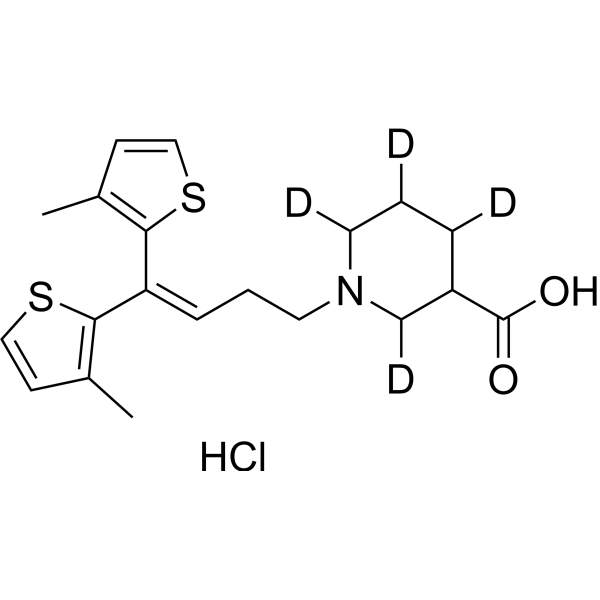
Tiagabine-d4 hydrochloride is deuterated labeled Tiagabine hydrochloride (HY-B0696A). Tiagabine hydrochloride (NO050328; NO328; TGB) is an orally active, highly selective, and reversible GAT-1 inhibitor and anticonvulsant that crosses the blood-brain barrier. By blocking the reuptake of GABA in neurons and glial cells, tiagabine increases extracellular GABA levels to enhance inhibitory signal transduction, thereby exerting multiple activities such as anticonvulsant, neuroprotective, and antioxidant effects. Tiagabine hydrochloride exhibits linear pharmacokinetic properties. Although it is metabolized by CYP3A and has a high protein binding rate, it carries a low risk of cognitive impairment. Tiagabine hydrochloride is widely used in research on related diseases including epilepsy (including refractory partial seizures), alcohol withdrawal symptoms, and Huntington's disease .
|
-
- HY-B0696AR
-
|
NO050328 hydrochloride (Standard); NO328 hydrochloride (Standard); TGB hydrochloride (Standard)
|
Reference Standards
GABA Receptor
|
Neurological Disease
|
|
Tiagabine (hydrochloride) (Standard) is the analytical standard of Tiagabine (hydrochloride). This product is intended for research and analytical applications. Tiagabine hydrochloride (NO050328; NO328; TGB) is an orally active, highly selective, and reversible GAT-1 inhibitor and anticonvulsant that crosses the blood-brain barrier. By blocking the reuptake of GABA in neurons and glial cells, tiagabine increases extracellular GABA levels to enhance inhibitory signal transduction, thereby exerting multiple activities such as anticonvulsant, neuroprotective, and antioxidant effects. Tiagabine hydrochloride exhibits linear pharmacokinetic properties. Although it is metabolized by CYP3A and has a high protein binding rate, it carries a low risk of cognitive impairment. Tiagabine hydrochloride is widely used in research on related diseases including epilepsy (including refractory partial seizures), alcohol withdrawal symptoms, and Huntington's disease .
|
-

- HY-B1067AR
-
|
Phenazoline (Standard)
|
Reference Standards
Histamine Receptor
|
Neurological Disease
Endocrinology
|
|
Antazoline (Phenazoline) (Standard) is the analytical standard of Antazoline. This product is intended for research and analytical applications. Antazoline is a histamine H1 receptor antagonist with anticholinergic and antiviral properties. Antazoline can prevent histamine from acting on target cells through a reversible competition effect on histamine receptor sites of these cells. Antazoline can exert an antiallegic effect and prevent the occurrence of physiological reactions from the effect of blocking as well as inhibiting H1 receptor. Antazoline can effectively reduce HBV DNA in the extracellular supernatant in a dose-dependent manner, with EC50 of 2.910 μmol/L in HepAD38 cells. Antazoline also has a significant inhibitory effect on HBV DNA in the extracellular supernatant of Huh7 cells (EC50 = 2.349 μmol/L). Antazoline has anti-arrhythmic effect in acute myocardial infarctions. Antazoline can be studied in research for cardiovascular diseases, and HBV .
|
-

- HY-B1067R
-
|
Phenazoline hydrochloride (Standard)
|
Reference Standards
Histamine Receptor
HBV
|
Neurological Disease
Endocrinology
|
|
Antazoline (hydrochloride) (Standard) is the analytical standard of Antazoline (hydrochloride). This product is intended for research and analytical applications. Antazoline hydrochloride is a histamine H1 receptor antagonist with anticholinergic and antiviral properties. Antazoline hydrochloride can prevent histamine from acting on target cells through a reversible competition effect on histamine receptor sites of these cells. Antazoline hydrochloride can exert an antiallegic effect and prevent the occurrence of physiological reactions from the effect of blocking as well as inhibiting H1 receptor. Antazoline hydrochloride can effectively reduce HBV DNA in the extracellular supernatant in a dose-dependent manner, with EC50 of 2.910 μmol/L in HepAD38 cells. Antazoline hydrochloride also has a significant inhibitory effect on HBV DNA in the extracellular supernatant of Huh7 cells (EC50 = 2.349 μmol/L). Antazoline hydrochloride has anti-arrhythmic effect in acute myocardial infarctions. Antazoline hydrochloride can be studied in research for cardiovascular diseases, and HBV .
|
-

- HY-U00031A
-
|
EN3324 hydrochloride
|
Endogenous Metabolite
|
Neurological Disease
|
|
Axomadol hydrochloride is a centrally active analgesic agent with opioid agonistic properties and inhibitory effects on the reuptake of monoamines .
|
-

- HY-116765
-
|
|
Endogenous Metabolite
|
Neurological Disease
|
|
MAO-B-IN-35 is a potent, selective, reversible monoamine oxidase B (MAO-B) inhibitor with high inhibitory activity. MAO-B-IN-35 can exhibit high selectivity and potency at a small molecule scale. MAO-B-IN-35 is designed and synthesized so that it can be efficiently obtained during standard synthesis procedures and has superior physical and chemical properties .
|
-

- HY-119396
-
|
|
Endogenous Metabolite
|
Cancer
|
|
DY3002 is a selective and highly potent EGFR inhibitor with activity in overcoming T790M-mediated drug resistance in non-small cell lung cancer. DY3002 exhibited superior inhibitory effects against EGFR T790M mutants in kinase assays (IC50 = 0.71 nM), compared to weaker inhibitory effects against wild-type EGFR (IC50 = 448.7 nM). DY3002 was significantly superior to rociletinib and osimertinib in selectivity, showing an extremely high selectivity index (SI = 632.0). In cell experiments, DY3002 had an IC50 value of 0.037 μM against H1975 cells, showing enhanced inhibitory potency. In addition, DY3002 was superior to other alternative compounds in terms of biological properties and did not cause hyperglycemia .
|
-

- HY-122211
-
|
|
Endogenous Metabolite
|
Cardiovascular Disease
|
|
MRS2802 is a P2Y14 receptor agonist with an EC50 value of 63 nM. MRS2802 can effectively activate the P2Y14 receptor and may play a role in regulating platelet function. The selectivity and activity of MRS2802 are conducive to in-depth research on the biological functions and pharmacological properties of P2Y receptors. The development of MRS2802 provides a potential inhibitory strategy for the search for new antiplatelet compounds .
|
-

- HY-P3051A
-
|
|
Drug Derivative
|
Infection
Inflammation/Immunology
|
|
CKS-17 (dimer) is the dimer of CKS-17 (HY-P3051). CKS-17 (dimer) can be prepared by introducing a naturally occurring cysteine at the carboxyl terminus and dimerizing via a cysteine-disulfide bond. CKS-17 is a synthetic retroviral envelope peptide. CKS-17 has a highly conserved amino acid sequence present in the transmembrane envelope proteins of numerous animal and human retroviruses. As an immunomodulatory epitope, CKS-17 exhibits inhibitory properties on a variety of immune functions .
|
-

- HY-182301
-
|
|
Renin
|
Cardiovascular Disease
|
|
CP 71362 is a renin inhibitor, a highly potent substrate-analog transition state mimic with antihypertensive properties. CP 71362 exhibits significant inhibitory activity against plasma renin from rats, dogs, and humans (IC50 values are 3 nM, 0.0033 nM, and 20 nM, respectively). CP 71362 reduces the mean arterial pressure of anesthetized and conscious sodium-depleted animals in a dose-dependent manner, and has pharmacokinetic characteristics of rapid elimination and short duration of action. CP 71362 can be used in research related to hypertension and congestive heart failure .
|
-

- HY-123882
-
|
|
Endogenous Metabolite
|
Others
|
|
IRAK4-IN-29 is an IRAK4 inhibitor with good selectivity and low nanomolar activity. IRAK4-IN-29 can effectively block the TLR-mediated signal transduction pathway. IRAK4-IN-29 showed significant inhibitory effects in LPS- and R848-induced cytokine experiments. IRAK4-IN-29 can inhibit LPS-induced TNFα in an in vivo model, showing a similar phenotype to IRAK4 gene-deficient mice. IRAK4-IN-29 has good medicinal chemical properties, such as microsomal stability and solubility, showing potential clinical application value .
|
-

- HY-158252S
-
|
NO050328-d5 hydrochloride; NO328-d5 hydrochloride; TGB-d5 hydrochloride
|
Isotope-Labeled Compounds
GABA Receptor
|
Neurological Disease
|
|
Tiagabine-d5 (hydrochloride) is deuterium labeled Tiagabine (hydrochloride). Tiagabine hydrochloride (NO050328; NO328; TGB) is an orally active, highly selective, and reversible GAT-1 inhibitor and anticonvulsant that crosses the blood-brain barrier. By blocking the reuptake of GABA in neurons and glial cells, tiagabine increases extracellular GABA levels to enhance inhibitory signal transduction, thereby exerting multiple activities such as anticonvulsant, neuroprotective, and antioxidant effects. Tiagabine hydrochloride exhibits linear pharmacokinetic properties. Although it is metabolized by CYP3A and has a high protein binding rate, it carries a low risk of cognitive impairment. Tiagabine hydrochloride is widely used in research on related diseases including epilepsy (including refractory partial seizures), alcohol withdrawal symptoms, and Huntington's disease .
|
-

- HY-N19401
-
|
|
Cholinesterase (ChE)
Carbonic Anhydrase
Glycosidase
JNK
p38 MAPK
|
Metabolic Disease
Inflammation/Immunology
|
|
Vescalagin is a hexahydroxyphenol. Vescalagin is isolable from Camu-camu (Myrciaria dubia) and immature wax apple fruits. Vescalagin exhibits inhibitory activity against a variety of enzymes, with a Ki value of 5.87 nM against AChE, 3.89 nM against BChE, 11.75 nM against hCA I, 16.23 nM against hCA II, and 16.08 nM against α-glucosidase. Vescalagin inhibits hCA I, hCA II and α-glucosidase in a non-competitive manner. Vescalagin downregulates JNK/p38 MAPK to protect pancreatic β-cells and improve insulin secretion in methylglyoxal-treated rats. Vescalagin reduces hyperglycemia and hypertriglyceridemia in rats fed a high-fructose diet. Vescalagin possesses anti-inflammatory and antioxidant properties .
|
-

- HY-W800535
-
|
|
NF-κB
p38 MAPK
mTOR
Topoisomerase
AMPK
Apoptosis
Cholinesterase (ChE)
HIF/HIF Prolyl-Hydroxylase
β-catenin
|
Infection
Metabolic Disease
Inflammation/Immunology
Cancer
|
|
Cryptolepine is an orally active multi-potent alkaloid with anti-cancer, anti-bacterial, anti-viral, anti-malarial, anti-inflammatory, anti-hyperglycemic, relieve pain and other properties. Cryptolepine acts as an inhibitor of c-Myc, mTOR, NF-κB, HIF-1, MAPK and an activator of AMPKα1/2. It intercalates into DNA, inhibits topoisomerase II (Top II), disrupts mitochondrial dynamics and induces apoptosis. Cryptolepine also exhibits anti-plasmodial and cholinesterase inhibitory activities. Cryptolepine can be used in research related to tumors (melanoma, hepatocellular carcinoma, mammary adenocarcinoma, etc.), malaria, inflammatory diseases and diabetes, particularly in studies focused on inhibiting tumor growth and anti-plasmodial infection .
|
-

- HY-182685
-
|
|
Acetyl-CoA synthetase
Parasite
|
Infection
|
|
MMV693183 is an orally active inhibitor of Plasmodium falciparum acetyl-CoA synthetase (AcAS), with an IC50 of 300 nM against Plasmodium falciparum. MMV693183 exhibits potent inhibitory activity against clinical isolates of malaria parasites, including Artemisinin (HY-B0094)-resistant strains. MMV693183 is metabolized in vivo into the active antimetabolite CoA-MMV693183, which exerts effects of killing asexual blood-stage parasites and blocking transmission to Anopheles mosquitoes by binding to and inhibiting the function of acetyl-CoA synthetase, thereby reducing the levels of acetyl-CoA and 4'-phosphopantetheine. In humanized mouse models, MMV693183 shows favorable in vivo efficacy, drug-like properties, and no significant cytotoxicity or off-target activity against human cells. MMV693183 is widely used in malaria-related research as a parasiticide and metabolic disruptor .
|
-

- HY-B0696S1
-
|
NO050328-d4; NO328-d4; TGB-d4
|
Isotope-Labeled Compounds
GABA Receptor
|
Neurological Disease
|
|
Tiagabine-d4 (NO050328-d4) is deuterium labeled Tiagabine. Tiagabine (NO050328; NO328; TGB) is an orally active, highly selective, and reversible GAT-1 inhibitor and anticonvulsant that crosses the blood-brain barrier. By blocking the reuptake of GABA in neurons and glial cells, tiagabine increases extracellular GABA levels to enhance inhibitory signal transduction, thereby exerting multiple activities such as anticonvulsant, neuroprotective, and antioxidant effects. Tiagabine exhibits linear pharmacokinetic properties. Although it is metabolized by CYP3A and has a high protein binding rate, it carries a low risk of cognitive impairment. Tiagabine is widely used in research on related diseases including epilepsy (including refractory partial seizures), alcohol withdrawal symptoms, and Huntington's disease .
|
-

- HY-14744
-
|
(S)-Amlodipine; Levoamlodipine
|
Calcium Channel
MMP
|
Cardiovascular Disease
Neurological Disease
|
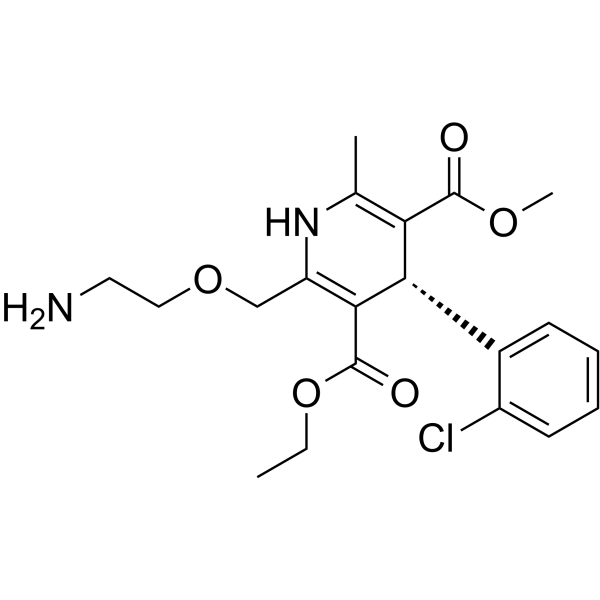
Levamlodipine ((S)-Amlodipine; Levoamlodipin) is an orally active L-type calcium channel blocker and MMP-9 modulator with high permeability and retention properties. Levamlodipine significantly enhances plaque stability and improves lipid profiles by reducing blood pressure, decreasing systolic blood pressure variability, and inhibiting MMP-9 expression in atherosclerotic plaques. Levamlodipine not only alleviates cardiac and aortic hypertrophy and prevents renal atrophy, but also produces synergistic effects in blood pressure reduction and organ protection when combined with bisoprolol (HY-129029). Levamlodipine exerts no significant inhibitory effect on abdominal aortic intimal hyperplasia. When excessively accumulated in the epidermis, Levamlodipine may induce changes in keratin structure, impair the skin barrier and trigger inflammation; long-term use further exacerbates skin irritation caused by local administration. Levamlodipine can be used in research related to hypertension and atherosclerosis .
|
-
- HY-14744B
-
|
(S)-Amlodipine hydrochloride; Levoamlodipine hydrochloride
|
Calcium Channel
MMP
|
Cardiovascular Disease
|
Levamlodipine ((S)-Amlodipine; Levoamlodipin) hydrochloride is an orally active L-type calcium channel blocker and MMP-9 modulator with high permeability and retention properties. Levamlodipine hydrochloride significantly enhances plaque stability and improves lipid profiles by reducing blood pressure, decreasing systolic blood pressure variability, and inhibiting MMP-9 expression in atherosclerotic plaques. Levamlodipine hydrochloride not only alleviates cardiac and aortic hypertrophy and prevents renal atrophy, but also produces synergistic effects in blood pressure reduction and organ protection when combined with bisoprolol (HY-129029). Levamlodipine hydrochloride exerts no significant inhibitory effect on abdominal aortic intimal hyperplasia. When excessively accumulated in the epidermis, Levamlodipine hydrochloride may induce changes in keratin structure, impair the skin barrier and trigger inflammation; long-term use further exacerbates skin irritation caused by local administration. Levamlodipine hydrochloride can be used in research related to hypertension and atherosclerosis .
|
-

- HY-17357S
-
|
AHR-9434-d5; AL-6515-d5
|
Isotope-Labeled Compounds
COX
Prostaglandin Receptor
|
Neurological Disease
Inflammation/Immunology
Endocrinology
Cancer
|
|
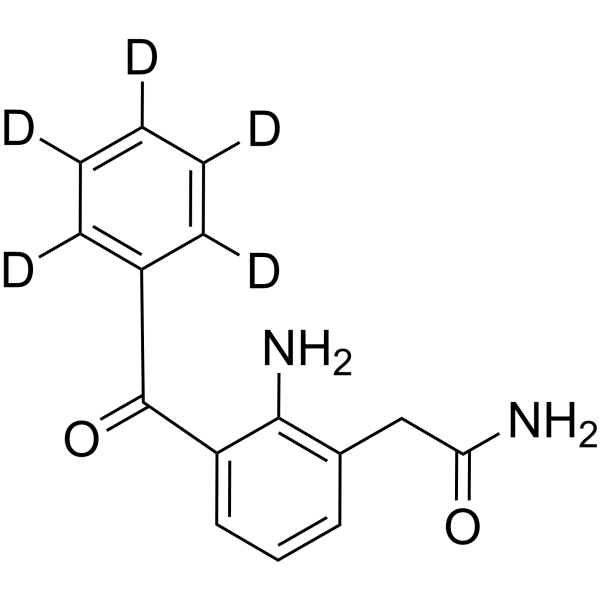
Nepafenac-d5 (AHR-9434-d5; AL-6515-d5) is the deuterium labeled Nepafenac (HY-17357). Nepafenac, a nonsteroidal anti-inflammatory agent, is a topically administered COX-2 inhibitor with an IC50 of 0.12 μM. Nepafenac exhibits only weak COX-1 inhibitory activity (IC50 = 64.3 μM). Nepafenac possesses unique prodrug properties, which enable it to rapidly convert into the active metabolite Amfenac (HY-17479) in the ocular tissues, thereby achieving high concentrations in the retina and choroid. Nepafenac reduces inflammation and pain by inhibiting the activity of cyclooxygenase (COX) enzymes and thereby decreasing the production of prostaglandin PGE₂. Nepafenac can delay the metastasis of uveal melanoma (UM) in rabbit eyes. Nepafenac is mainly used for pain management and inflammation control after ophthalmic surgeries.
|
-
- HY-147294
-
|
ACT-539313
|
Orexin Receptor (OX Receptor)
Cytochrome P450
|
Neurological Disease
|
|
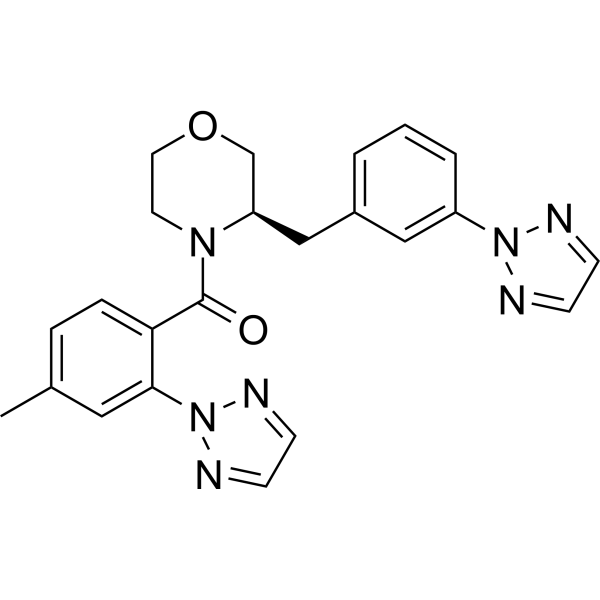
Nivasorexant (ACT-539313) is an orally active, blood-brain barrier penetrant, selective orexin OX1R inhibitor. Nivasorexant specifically blocks central OX1Rs without affecting OX2Rs, and exhibits competitive inhibitory activity against CYP2C8, CYP2C9, CYP2C19 and CYP3A4 (IC50 values are 25 μM, 8.6 μM, 1.6 μM, 19 μM/44 μM, respectively). Nivasorexant significantly reduces binge-like eating behavior of highly palatable food in rat models and has long-acting properties. Nivasorexant shows no relevant off-target activity against over 130 selected proteins, exhibits favorable safety profiles, and can be used for studies related to binge eating disorder .
|
-
- HY-B1067BR
-
|
Phenazoline phosphate (Standard)
|
Reference Standards
Histamine Receptor
|
Neurological Disease
Endocrinology
|
|
Antazoline (phosphate) (Standard) is the analytical standard of Antazoline (phosphate). This product is intended for research and analytical applications. Antazoline phosphate is a histamine H1 receptor antagonist with anticholinergic and antiviral properties. Antazoline phosphate can prevent histamine from acting on target cells through a reversible competition effect on histamine receptor sites of these cells. Antazoline phosphate can exert an antiallegic effect and prevent the occurrence of physiological reactions from the effect of blocking as well as inhibiting H1 receptor. Antazoline phosphate can effectively reduce HBV DNA in the extracellular supernatant in a dose-dependent manner, with EC50 of 2.910 μmol/L in HepAD38 cells. Antazoline phosphate also has a significant inhibitory effect on HBV DNA in the extracellular supernatant of Huh7 cells (EC50 = 2.349 μmol/L). Antazoline phosphate has anti-arrhythmic effect in acute myocardial infarctions. Antazoline phosphate can be studied in research for cardiovascular diseases, and HBV .
|
-

- HY-136805
-
|
|
Potassium Channel
|
Neurological Disease
|
|
Kv1.5-IN-1 is a Kv1.5 channel inhibitor. Its target selectivity and pharmacodynamic effects were evaluated in an in vitro rat model. After the introduction of a methoxy group at the R5 position, Kv1.5-IN-1 showed inhibitory potency similar to that of the unsubstituted compound. Its IC50 value for hKv1.5 channels was 0.51 μM. Kv1.5-IN-1 exhibited a high degree of selectivity, nearly 2,600 times higher than compound Ik and 300 times higher than compound IId, indicating that it may be a safe inhibitor. Due to its good pharmacological behavior, Kv1.5-IN-1 deserves further pharmacodynamic and pharmacokinetic evaluation. These properties make Kv1.5-IN-1 a potential Kv1.5 channel inhibitor that may have application prospects in the treatment of related diseases.
|
-

- HY-14744D
-
|
|
Calcium Channel
MMP
|
Cardiovascular Disease
Neurological Disease
|
Levamlodipine besylate Hemipentahydrate is an orally active L-type calcium channel blocker and MMP-9 modulator with high permeability and retention properties. Levamlodipine besylate Hemipentahydrate significantly enhances plaque stability and improves lipid profiles by reducing blood pressure, decreasing systolic blood pressure variability, and inhibiting MMP-9 expression in atherosclerotic plaques. Levamlodipine besylate Hemipentahydrate not only alleviates cardiac and aortic hypertrophy and prevents renal atrophy, but also produces synergistic effects in blood pressure reduction and organ protection when combined with bisoprolol (HY-129029). Levamlodipine besylate Hemipentahydrate exerts no significant inhibitory effect on abdominal aortic intimal hyperplasia. When excessively accumulated in the epidermis, Levamlodipine besylate Hemipentahydrate may induce changes in keratin structure, impair the skin barrier and trigger inflammation; long-term use further exacerbates skin irritation caused by local administration. Levamlodipine besylate Hemipentahydrate can be used in research related to hypertension and atherosclerosis .
|
-

- HY-14744S
-
|
(S)-Amlodipine-d4; Levoamlodipine-d4
|
Isotope-Labeled Compounds
Calcium Channel
MMP
|
Others
|
|
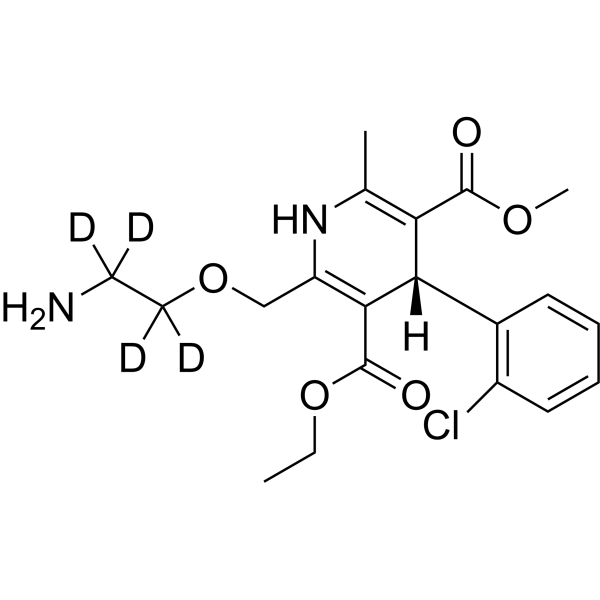
Levamlodipine-d4 is the deuterium labeled Levamlodipine. Levamlodipine ((S)-Amlodipine; Levoamlodipin) is an orally active L-type calcium channel blocker and MMP-9 modulator with high permeability and retention properties. Levamlodipine significantly enhances plaque stability and improves lipid profiles by reducing blood pressure, decreasing systolic blood pressure variability, and inhibiting MMP-9 expression in atherosclerotic plaques. Levamlodipine not only alleviates cardiac and aortic hypertrophy and prevents renal atrophy, but also produces synergistic effects in blood pressure reduction and organ protection when combined with bisoprolol (HY-129029). Levamlodipine exerts no significant inhibitory effect on abdominal aortic intimal hyperplasia. When excessively accumulated in the epidermis, Levamlodipine may induce changes in keratin structure, impair the skin barrier and trigger inflammation; long-term use further exacerbates skin irritation caused by local administration. Levamlodipine can be used in research related to hypertension and atherosclerosis .
|
-
- HY-B1067B
-
|
Phenazoline phosphate
|
Histamine Receptor
|
Neurological Disease
Endocrinology
|
|
Antazoline phosphate is an H1 receptor antagonist that affects the activity of the central nervous system, has a potent antiarrhythmic effect .
Antazoline phosphate is a histamine H1 receptor antagonist with anticholinergic and antiviral properties. Antazoline phosphate can prevent histamine from acting on target cells through a reversible competition effect on histamine receptor sites of these cells. Antazoline phosphate can exert an antiallegic effect and prevent the occurrence of physiological reactions from the effect of blocking as well as inhibiting H1 receptor. Antazoline phosphate can effectively reduce HBV DNA in the extracellular supernatant in a dose-dependent manner, with EC50 of 2.910 μmol/L in HepAD38 cells. Antazoline phosphate also has a significant inhibitory effect on HBV DNA in the extracellular supernatant of Huh7 cells (EC50 = 2.349 μmol/L). Antazoline phosphate has anti-arrhythmic effect in acute myocardial infarctions. Antazoline phosphate can be studied in research for cardiovascular diseases, and HBV .
|
-

- HY-14744C
-
|
(S)-Amlodipine hydrobromide; Levoamlodipine hydrobromide
|
Calcium Channel
MMP
|
Cardiovascular Disease
Others
|
Levamlodipine ((S)-Amlodipine; Levoamlodipin) hydrobromide is an orally active L-type calcium channel blocker and MMP-9 modulator with high permeability and retention properties. Levamlodipine hydrobromide significantly enhances plaque stability and improves lipid profiles by reducing blood pressure, decreasing systolic blood pressure variability, and inhibiting MMP-9 expression in atherosclerotic plaques. Levamlodipine hydrobromide not only alleviates cardiac and aortic hypertrophy and prevents renal atrophy, but also produces synergistic effects in blood pressure reduction and organ protection when combined with bisoprolol (HY-129029). Levamlodipine hydrobromide exerts no significant inhibitory effect on abdominal aortic intimal hyperplasia. When excessively accumulated in the epidermis, Levamlodipine hydrobromide may induce changes in keratin structure, impair the skin barrier and trigger inflammation; long-term use further exacerbates skin irritation caused by local administration. Levamlodipine hydrobromide can be used in research related to hypertension and atherosclerosis .
|
-

- HY-14744A
-
|
(S)-Amlodipine besylate; Levoamlodipine besylate
|
Calcium Channel
MMP
|
Cardiovascular Disease
|
Levamlodipine ((S)-Amlodipine; Levoamlodipin) besylate is an orally active L-type calcium channel blocker and MMP-9 modulator with high permeability and retention properties. Levamlodipine besylate significantly enhances plaque stability and improves lipid profiles by reducing blood pressure, decreasing systolic blood pressure variability, and inhibiting MMP-9 expression in atherosclerotic plaques. Levamlodipine besylate not only alleviates cardiac and aortic hypertrophy and prevents renal atrophy, but also produces synergistic effects in blood pressure reduction and organ protection when combined with bisoprolol (HY-129029). Levamlodipine besylate exerts no significant inhibitory effect on abdominal aortic intimal hyperplasia. When excessively accumulated in the epidermis, Levamlodipine besylate may induce changes in keratin structure, impair the skin barrier and trigger inflammation; long-term use further exacerbates skin irritation caused by local administration. Levamlodipine besylate can be used in research related to hypertension and atherosclerosis .
|
-
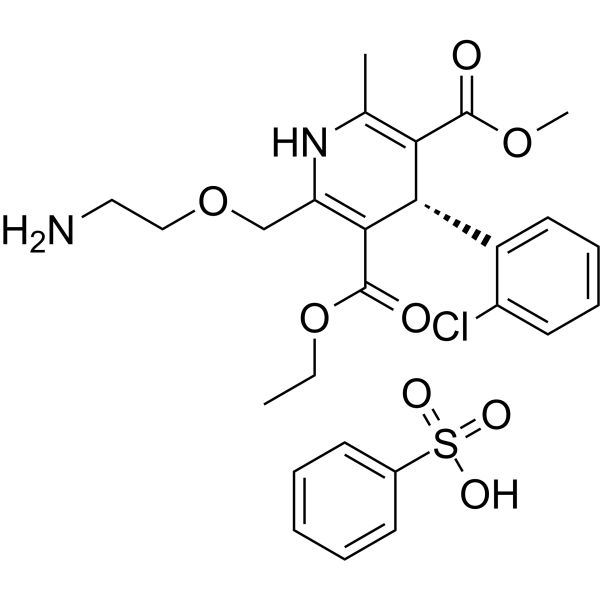
- HY-N2255
-
|
|
Akt
Apoptosis
NF-κB
Reactive Oxygen Species (ROS)
p38 MAPK
ERK
Interleukin Related
TNF Receptor
NO Synthase
nAChR
Bacterial
|
Cancer
|
|
Crebanine is an isoquinoline-like alkaloid that can be derived from Stephania. Crebanine is an antagonist of the α7-nAChR with an IC50 of 19.1 μM. Crebanine suppresses the proliferation, migration, and invasion of cancer cells, triggers reactive oxygen species (ROS) burst, and promotes apoptosis. Crebanine inhibits the AKT/FoxO3a, NF-κB and MAPK signaling pathways. Crebanine attenuates NOX2 hyperactivation, exhibits antioxidant properties by reducing reactive oxygen species and peroxidation in microglia cells. Crebanine inhibits voltage-dependent Na + current in guinea-pig ventricular myocytes. Crebanine has high inhibitory activity against gram-positive animal pathogenic bacteria. Crebanine ameliorates ischemia-reperfusion brain damage in middle cerebral artery occlusion and reperfusion (MCAO/R) rats. Crebanine significantly improves Scopolamine (HY-N0296)-induced cognitive deficits in ICR mice. Crebanine can be used for the study of hepatocellular carcinoma (HCC), cerebral ischemia and Alzheimer's disease .
|
-
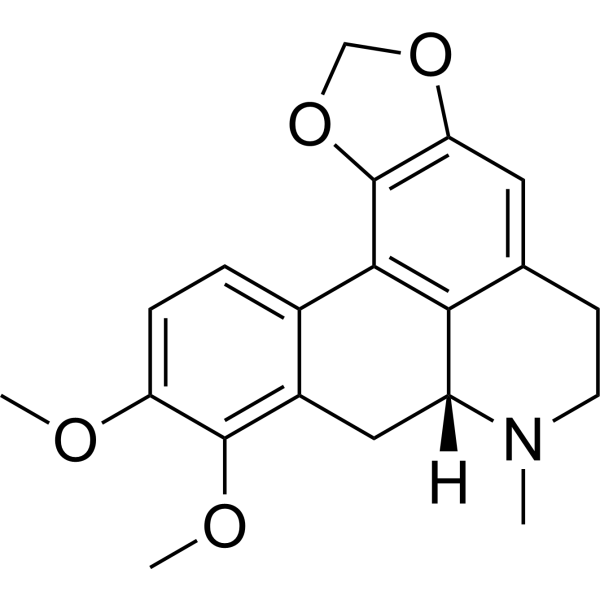
- HY-117947
-
|
|
Histone Methyltransferase
|
Cancer
|
|
(R)-OR-S1 is an isomer of OR-S1. The dual ZH1/2 inhibitors OR-S1 and OR-S2 exhibit strong inhibitory activity against both EZH1 and EZH2. OR-S1 and OR-S2 are highly selective methyltransferase inhibitors against EZH1 and EZH2, and they have very similar molecular features. Therefore, we investigated the effect of OR-S1 on acute myeloid leukemia (AML). We found that OR-S1 was able to induce cell differentiation and apoptosis in AML cells. These findings encouraged us to investigate whether functional LT-HSCs could survive PRC2-targeted therapy with OR-S1 or OR-S1 combined with cytarabine. The results showed that OR-S1 did not cause significant myelosuppression, and BM cells treated with the combination therapy were able to undergo normal hematopoiesis even 4 months after treatment. Therefore, temporary inhibition of EZH1 and EZH2 is clinically tolerable, making this combination therapy suitable for AML patients. AML is generally believed to originate from myeloid progenitor cells that inherit a large number of biological properties.
|
-

-
-
HY-L051
-
|
|
1,194 compounds
|
|
Ferroptosis is a novel type of cell death program that is distinct from apoptosis, necroptosis and autophagy. It is dependent on iron and reactive oxygen species (ROS) and is characterized by lipid peroxidation. As a novel type of cell death, ferroptosis has distinct properties and recognizing functions involved in physical conditions or various diseases including cancers, neurodegenerative diseases, acute renal failure, etc.
MCE carefully collected a unique collection of 1,194 ferroptosis signaling pathway related compounds with ferroptosis-inducing or -inhibitory activity. MCE Ferroptosis Compound Library is a useful tool to study ferroptosis mechanism as well as related diseases.
|
-
- HY-P9921A
-
|
Ado-Trastuzumab emtansine (solution); PRO132365 (solution); T-DM 1 (solution)
|
Fluorescent Dyes
|
|
Trastuzumab emtansine (Ado-Trastuzumab emtansine) is an antibody-drug conjugate (ADC) that incorporates the HER2-targeted antitumor properties of trastuzumab with the cytotoxic activity of the microtubule-inhibitory agent DM1 (derivative of maytansine), and the drug-linker conjugate for ADC is SMCC-DM1 (HY-101070). Trastuzumab emtansine can be used for the research of advanced breast cancer .
|
-
- HY-W923645
-
|
Diacryloyloxyfluorescein
|
Fluorescent Dyes
|
|
Fluorescein O,O′-diacrylate (Diacryloyloxyfluorescein) is a fluorescent compound with good biocompatibility and cell labeling ability. Fluorescein O,O′-diacrylate is often used in biological imaging and cell tracking research, and can effectively label cells and track their dynamic changes in vivo. Fluorescein O,O′-diacrylate is also used in compound delivery systems to improve the localization accuracy and inhibitory effect of compounds. Fluorescein O,O′-diacrylate is also used to prepare polymer materials to enhance their optical properties and biological interactions.
|
-
- HY-D2204
-
|
|
Fluorescent Dyes
|
|
SHP1-IN-1 (compound 5p) is a fluorescent probe for the protein tyrosine phosphatase SHP1 containing the Src homology 2 domain. SHP1-IN-1 has SHP1 inhibitory activity, selectivity for Fe 3+ ions and good fluorescence properties. SHP1-IN-1 exhibits aggregation post-quenching (ACQ) effect, good interference immunity and low detection limit (5.55 μM) .
|
-
- HY-W042027
-
|
8-Isoquinoline-methaneaminedihydrochloride
|
Biochemical Assay Reagents
|
|
Isothiazole-5-carboxylic acid (8-Isoquinoline-methaneaminedihydrochloride) is an organic compound with antibacterial, anticancer and anti-inflammatory properties. Isothiazole-5-carboxylic acid can be used to develop novel compounds to combat various diseases. Isothiazole-5-carboxylic acid exhibits a wide range of potential pharmacological activities and helps improve existing inhibitory schemes.
|
| Cat. No. |
상품명 |
Target |
Research Area |
-
- HY-P3580A
-
|
Human N-acetyl GIP TFA
|
Insulin Receptor
|
Metabolic Disease
Endocrinology
|
|
Acetyl Gastric Inhibitory Peptide (human) TFA is a fatty acid derivatized analog of glucose-dependent insulinotropic polypeptide with improved antihyperglycaemic and insulinotropic properties. Acetyl Gastric Inhibitory Peptide (human) TFA can be used for research of diabetes, insulin resistance and obesity .
|
-
- HY-P11358
-
|
|
Angiotensin-converting Enzyme (ACE)
Acetyl-CoA Carboxylase
Mitochondrial Metabolism
|
Inflammation/Immunology
|
|
IRW is an orally active tripeptide produced from egg white with angiotensin converting enzyme (ACE) inhibitory properties. IRW can prevent high-fat diet (HFD)-induced Non-alcoholic fatty liver disease (NAFLD) by modulating hepatic lipid metabolism and increasing mitochondrial content. IRW decreases hepatic triglyceride content and lipid droplet size. IRW increases the hepatic mitochondrial complexes and citrate synthase activity, phosphorylation of 5’-AMP-activated protein kinase and microsomal triglyceride transfer protein abundance. IRW increases phosphorylated acetyl CoA carboxylase and mitochondrial complexes, IRW can be used for the research of inflammation .
|
-
- HY-P3580
-
|
Human N-acetyl GIP
|
Insulin Receptor
|
Metabolic Disease
Endocrinology
|
|
Acetyl Gastric Inhibitory Peptide (human) is a fatty acid derivatized analog of glucose-dependent insulinotropic polypeptide with improved antihyperglycaemic and insulinotropic properties. Acetyl Gastric Inhibitory Peptide (human) can be used for research of diabetes, insulin resistance and obesity .
|
-
- HY-P3907
-
|
|
Peptides
|
Others
|
|
Kemptide (amide) is a heptapeptide with properties of a cytophilic substrate. Kemptide is a molecule preserving cell membrane intactness, is phosphorylated by PKI, the inhibitory protein specific for cAMP-dependent protein kinase (PK) .
|
-
- HY-P3051A
-
|
|
Drug Derivative
|
Infection
Inflammation/Immunology
|
|
CKS-17 (dimer) is the dimer of CKS-17 (HY-P3051). CKS-17 (dimer) can be prepared by introducing a naturally occurring cysteine at the carboxyl terminus and dimerizing via a cysteine-disulfide bond. CKS-17 is a synthetic retroviral envelope peptide. CKS-17 has a highly conserved amino acid sequence present in the transmembrane envelope proteins of numerous animal and human retroviruses. As an immunomodulatory epitope, CKS-17 exhibits inhibitory properties on a variety of immune functions .
|
| Cat. No. |
상품명 |
Category |
Target |
Chemical Structure |
-
- HY-N0828
-
-
-
- HY-N0568
-
-
-
- HY-N3014
-
-
-
- HY-N0057
-
|
3,4-Di-O-caffeoylquinic acid; Isochlorogenic acid B
|
Infection
Caprifoliaceae
Classification of Application Fields
Ketones, Aldehydes, Acids
Phenols
Polyphenols
Plants
Endogenous metabolite
Disease Research Fields
Source Classification
|
Glycosidase
Influenza Virus
Apoptosis
Endogenous Metabolite
|
|
3,4-Dicaffeoylquinic acid (3,4-Di-O-caffeoylquinic acid), naturally isolated from Laggera alata, has antioxidative, DNA protective, neuroprotective and hepatoprotective properties. 3,4-Dicaffeoylquinic acid exerts apoptosis-mediated cytotoxicity and α-glucosidase inhibitory effects. 3,4-Dicaffeoylquinic acid possesses a unique mechanism of anti-influenza viral activity, that is, enhancing viral clearance by increasing TRAIL .
|
-
-
- HY-W012531
-
-
-
- HY-N6660
-
|
Tricaprin; Glyceryl tridecanoate
|
Ketones, Aldehydes, Acids
umbellularia californica
Metabolic Disease
Plants
Lauraceae
Disease Research Fields
Source Classification
|
Endogenous Metabolite
Androgen Receptor
|
|
Trisdecanoin (Tricaprin; Glyceryl tridecanoate) is an orally available precursor of decanoic acid (DA precursor) that can be hydrolyzed to decanoic acid. Trisdecanoin and its metabolite capric acid not only provide the body with a quick source of energy, but can also affect lipid metabolism. Trisdecanoin is a major component of medium chain triglycerides (MCT), which has preventive or inhibitory properties for abdominal aortic aneurysms (AAA), inhibition of cardiovascular disease, and anti-androgen (NSAA) and anti-hyperglycemic properties. Trisdecanoin can be used as an additive in food, medicine and cosmetics .
|
-
-
- HY-W127758
-
-
-
- HY-N2255
-
-
-
- HY-N0568R
-
-
-
- HY-N0828R
-
|
|
Structural Classification
Monophenols
other families
Stilbenes
Phenols
Plants
Source Classification
|
Reference Standards
Autophagy
|
|
Pterostilbene (Standard) is the analytical standard of Pterostilbene. This product is intended for research and analytical applications. Pterostilbene is a stilbenoid isolated from blueberries and Pterocarpus marsupium . Shows anti-oxidant, anti-inflammatory, anti-carcinogenic, anti-diabetic and anti-obesity properties . Pterostilbene blocks ROS production , also exhibits inhibitory activity against various free radicals such as DPPH, ABTS, hydroxyl, superoxide and hydrogen peroxide .
|
-
-
- HY-N1289
-
-
-
- HY-N3348
-
-
-
- HY-N0577R
-
-
-
- HY-W012531R
-
-
-
- HY-N10868
-
-
-
- HY-N0057R
-
|
3,4-Di-O-caffeoylquinic acid (Standard); Isochlorogenic acid B (Standard)
|
Structural Classification
Caprifoliaceae
Ketones, Aldehydes, Acids
Phenols
Polyphenols
Plants
Endogenous metabolite
Source Classification
|
Reference Standards
Glycosidase
Influenza Virus
Apoptosis
Endogenous Metabolite
|
|
3,4-Dicaffeoylquinic acid (Standard) is the analytical standard of 3,4-Dicaffeoylquinic acid. This product is intended for research and analytical applications. 3,4-Dicaffeoylquinic acid (3,4-Di-O-caffeoylquinic acid), naturally isolated from Laggera alata, has antioxidative, DNA protective, neuroprotective and hepatoprotective properties. 3,4-Dicaffeoylquinic acid exerts apoptosis-mediated cytotoxicity and α-glucosidase inhibitory effects. 3,4-Dicaffeoylquinic acid possesses a unique mechanism of anti-influenza viral activity, that is, enhancing viral clearance by increasing TRAIL .
|
-
-
- HY-N10060
-
-
-
- HY-N2176A
-
-
-
- HY-N3231
-
-
-
- HY-N3997
-
-
-
- HY-105463
-
|
|
Quinones
Structural Classification
Microorganisms
Anthraquinones
Source Classification
|
Antibiotic
Bacterial
|
|
Saptomycin D is an antibiotic with antitumor activity isolated from the Streptomyces sp. HP530 strain. Saptomycin D exhibits potent inhibitory effects against Gram-positive bacteria, while demonstrating weaker inhibitory activities against certain Gram-negative bacteria and yeasts. Saptomycin D also displays remarkable antitumor properties. Saptomycin D is applicable in research within the field of oncology .
|
-
-
- HY-117872
-
|
20-O-Acetylsartorypyrone D
|
Microorganisms
Terpenoids
Diterpenoids
Source Classification
|
Fungal
|
|
Sartorypyrone A (20-O-Acetylsartorypyrone D) is a monocyclic terpenoid isolated from the soil fungus Neosartorya fischeri. Sartorypyrone A exhibits in vitro growth inhibitory activity against MCF-7, NCI-H460, and A375-C5 cell lines, and has potential anticancer properties.
|
-
-
- HY-117204
-
|
|
Structural Classification
Natural Products
Microorganisms
Source Classification
|
Antibiotic
|
|
AA-57 is an acidic lipophilic antibiotic isolated from the fermentation broth of Actinomycetes strain AA-57. The AA-57 strain can be isolated from a soil sample collected in Koriyama City, Fukushima Prefecture, Japan. AA-57 has antibacterial properties against Gram-positive bacteria, Gram-negative bacteria, and acid-fast bacteria. AA-57 was discovered by screening actinomycete cultures for antibacterial properties. AA-57 exhibits significant antibacterial activity and has inhibitory effects against a variety of bacteria.
|
-
-
- HY-167685
-
|
|
Plants
Plumbaginaceae
Source Classification
|
Bacterial
|
|
(E/Z)-Aureusidin is a flavonoid compound with antioxidant activity. (E/Z)-Aureusidin can inhibit the production of reactive oxygen species and reduce cell damage. (E/Z)-Aureusidin has anti-inflammatory effects and can reduce the expression of inflammatory factors. (E/Z)-Aureusidin has inhibitory effects on a variety of bacteria, indicating its potential antimicrobial properties .
|
-
-
- HY-N0025
-
-
-
- HY-N6660R
-
|
Tricaprin (Standard); Glyceryl tridecanoate (Standard)
|
Ketones, Aldehydes, Acids
umbellularia californica
Plants
Lauraceae
Source Classification
|
Reference Standards
Endogenous Metabolite
Androgen Receptor
|
|
Trisdecanoin (Standard) is the analytical standard of Trisdecanoin. This product is intended for research and analytical applications. Trisdecanoin (Tricaprin; Glyceryl tridecanoate) is an orally available precursor of decanoic acid (DA precursor) that can be hydrolyzed to decanoic acid. Trisdecanoin and its metabolite capric acid not only provide the body with a quick source of energy, but can also affect lipid metabolism. Trisdecanoin is a major component of medium chain triglycerides (MCT), which has preventive or inhibitory properties for abdominal aortic aneurysms (AAA), inhibition of cardiovascular disease, and anti-androgen (NSAA) and anti-hyperglycemic properties. Trisdecanoin can be used as an additive in food, medicine and cosmetics .
|
-
-
- HY-N8268R
-
|
3α,12α-Dihydroxynorcholanic acid (Standard)
|
Animals
Source Classification
|
Drug Metabolite
Reference Standards
|
|
Reproterol (hydrochloride) (Standard) is the analytical standard of Reproterol (hydrochloride). This product is intended for research and analytical applications. Reproterol hydrochloride is a dual-acting beta2-adrenoceptor agonist and phosphodiesterase inhibitor. Reproterol hydrochloride is more potent than albuterol and feterol in stimulating cAMP production in human monocytes, demonstrating its potential in enhancing airway function. Furthermore, Reproterol significantly inhibited the production of LTB4, indicating its anti-inflammatory properties. Reproterol hydrochloride may have inhibitory effects in respiratory diseases such as asthma and COPD .
|
-
-
- HY-W746884
-
|
|
Structural Classification
Animals
Phenols
Polyphenols
Source Classification
|
Cholinesterase (ChE)
|
|
2-Methyl-2-butenyl (E)-Caffeate is a type of caffeic acid ester compound. The petroleum ether and chloroform extracts containing 2-Methyl-2-butenyl (E)-Caffeate have inhibitory effects on acetylcholinesterase (AChE) and butyrylcholinesterase (BChE). The ether extract containing 2-Methyl-2-butenyl (E)-Caffeate exhibits strong antioxidant properties. 2-Methyl-2-butenyl (E)-Caffeate can be used in the research of Alzheimer's disease .
|
-
-
- HY-N12964
-
|
|
Alkaloids
Simaroubaceae
Ailanthus altissima (Mill.) Swingle
Quinoline Alkaloids
Plants
Source Classification
|
Others
|
|
4-Hydroxycanthin-6-one is a novel quinoline alkaloid isolated from the stem bark of the tree Ailanthus altissima. Five other known compounds were also found in the study. The structures of the new compounds were determined by interpretation of physical and spectroscopic data, and their absolute configurations were determined by electronic circular dichroism spectroscopy and quantum chemical calculations. These compounds showed significant inhibitory activity against lipopolysaccharide (LPS)-induced nitric oxide (NO) production in RAW 264.7 cells, showing potential anti-inflammatory properties .
|
-
-
- HY-N19401
-
|
|
Structural Classification
Phenols
Polyphenols
Myrciaria dubia (Kunth) McVaugh
Myrtaceae
Plants
Source Classification
|
Cholinesterase (ChE)
Carbonic Anhydrase
Glycosidase
JNK
p38 MAPK
|
|
Vescalagin is a hexahydroxyphenol. Vescalagin is isolable from Camu-camu (Myrciaria dubia) and immature wax apple fruits. Vescalagin exhibits inhibitory activity against a variety of enzymes, with a Ki value of 5.87 nM against AChE, 3.89 nM against BChE, 11.75 nM against hCA I, 16.23 nM against hCA II, and 16.08 nM against α-glucosidase. Vescalagin inhibits hCA I, hCA II and α-glucosidase in a non-competitive manner. Vescalagin downregulates JNK/p38 MAPK to protect pancreatic β-cells and improve insulin secretion in methylglyoxal-treated rats. Vescalagin reduces hyperglycemia and hypertriglyceridemia in rats fed a high-fructose diet. Vescalagin possesses anti-inflammatory and antioxidant properties .
|
-
-
- HY-W800535
-
|
|
Malvaceae
Structural Classification
Alkaloids
Sida acuta Burm. F.
Quinoline Alkaloids
Plants
Indole Alkaloids
Source Classification
|
NF-κB
p38 MAPK
mTOR
Topoisomerase
AMPK
Apoptosis
Cholinesterase (ChE)
HIF/HIF Prolyl-Hydroxylase
β-catenin
|
|
Cryptolepine is an orally active multi-potent alkaloid with anti-cancer, anti-bacterial, anti-viral, anti-malarial, anti-inflammatory, anti-hyperglycemic, relieve pain and other properties. Cryptolepine acts as an inhibitor of c-Myc, mTOR, NF-κB, HIF-1, MAPK and an activator of AMPKα1/2. It intercalates into DNA, inhibits topoisomerase II (Top II), disrupts mitochondrial dynamics and induces apoptosis. Cryptolepine also exhibits anti-plasmodial and cholinesterase inhibitory activities. Cryptolepine can be used in research related to tumors (melanoma, hepatocellular carcinoma, mammary adenocarcinoma, etc.), malaria, inflammatory diseases and diabetes, particularly in studies focused on inhibiting tumor growth and anti-plasmodial infection .
|
-
| Cat. No. |
상품명 |
Chemical Structure |
-
- HY-17357S
-
|
|
|
Nepafenac-d5 (AHR-9434-d5; AL-6515-d5) is the deuterium labeled Nepafenac (HY-17357). Nepafenac, a nonsteroidal anti-inflammatory agent, is a topically administered COX-2 inhibitor with an IC50 of 0.12 μM. Nepafenac exhibits only weak COX-1 inhibitory activity (IC50 = 64.3 μM). Nepafenac possesses unique prodrug properties, which enable it to rapidly convert into the active metabolite Amfenac (HY-17479) in the ocular tissues, thereby achieving high concentrations in the retina and choroid. Nepafenac reduces inflammation and pain by inhibiting the activity of cyclooxygenase (COX) enzymes and thereby decreasing the production of prostaglandin PGE₂. Nepafenac can delay the metastasis of uveal melanoma (UM) in rabbit eyes. Nepafenac is mainly used for pain management and inflammation control after ophthalmic surgeries.
|
-
-
- HY-W012531S2
-
|
|
|
2-Hydroxycinnamic acid-d4 is deuterium labeled 2-Hydroxycinnamic acid. 2-Hydroxycinnamic acid is a phenolic acid with antimicrobial and antioxidant properties. 2-Hydroxycinnamic acid has antimicrobial activity against Staphylococcus aureus and is not susceptible to drug resistance. 2-Hydroxycinnamic acid shows inhibitory effects on infection of HIV/SARS-CoV S pseudovirus with an IC50 of 0.3 mM. In addition, 2-Hydroxycinnamic acid has neuroprotective and antitumor activity .
|
-
-
- HY-B0696S
-
|
|
|
Tiagabine-d6 (NO050328-d6) is deuterium labeled Tiagabine. Tiagabine (NO050328; NO328; TGB) is an orally active, highly selective, and reversible GAT-1 inhibitor and anticonvulsant that crosses the blood-brain barrier. By blocking the reuptake of GABA in neurons and glial cells, tiagabine increases extracellular GABA levels to enhance inhibitory signal transduction, thereby exerting multiple activities such as anticonvulsant, neuroprotective, and antioxidant effects. Tiagabine exhibits linear pharmacokinetic properties. Although it is metabolized by CYP3A and has a high protein binding rate, it carries a low risk of cognitive impairment. Tiagabine is widely used in research on related diseases including epilepsy (including refractory partial seizures), alcohol withdrawal symptoms, and Huntington's disease .
|
-
-
- HY-B0696AS
-
|
|
|
Tiagabine-d4 hydrochloride is deuterated labeled Tiagabine hydrochloride (HY-B0696A). Tiagabine hydrochloride (NO050328; NO328; TGB) is an orally active, highly selective, and reversible GAT-1 inhibitor and anticonvulsant that crosses the blood-brain barrier. By blocking the reuptake of GABA in neurons and glial cells, tiagabine increases extracellular GABA levels to enhance inhibitory signal transduction, thereby exerting multiple activities such as anticonvulsant, neuroprotective, and antioxidant effects. Tiagabine hydrochloride exhibits linear pharmacokinetic properties. Although it is metabolized by CYP3A and has a high protein binding rate, it carries a low risk of cognitive impairment. Tiagabine hydrochloride is widely used in research on related diseases including epilepsy (including refractory partial seizures), alcohol withdrawal symptoms, and Huntington's disease .
|
-
-
- HY-14744S
-
|
|
|
Levamlodipine-d4 is the deuterium labeled Levamlodipine. Levamlodipine ((S)-Amlodipine; Levoamlodipin) is an orally active L-type calcium channel blocker and MMP-9 modulator with high permeability and retention properties. Levamlodipine significantly enhances plaque stability and improves lipid profiles by reducing blood pressure, decreasing systolic blood pressure variability, and inhibiting MMP-9 expression in atherosclerotic plaques. Levamlodipine not only alleviates cardiac and aortic hypertrophy and prevents renal atrophy, but also produces synergistic effects in blood pressure reduction and organ protection when combined with bisoprolol (HY-129029). Levamlodipine exerts no significant inhibitory effect on abdominal aortic intimal hyperplasia. When excessively accumulated in the epidermis, Levamlodipine may induce changes in keratin structure, impair the skin barrier and trigger inflammation; long-term use further exacerbates skin irritation caused by local administration. Levamlodipine can be used in research related to hypertension and atherosclerosis .
|
-
-
- HY-158252S
-
|
|
|
Tiagabine-d5 (hydrochloride) is deuterium labeled Tiagabine (hydrochloride). Tiagabine hydrochloride (NO050328; NO328; TGB) is an orally active, highly selective, and reversible GAT-1 inhibitor and anticonvulsant that crosses the blood-brain barrier. By blocking the reuptake of GABA in neurons and glial cells, tiagabine increases extracellular GABA levels to enhance inhibitory signal transduction, thereby exerting multiple activities such as anticonvulsant, neuroprotective, and antioxidant effects. Tiagabine hydrochloride exhibits linear pharmacokinetic properties. Although it is metabolized by CYP3A and has a high protein binding rate, it carries a low risk of cognitive impairment. Tiagabine hydrochloride is widely used in research on related diseases including epilepsy (including refractory partial seizures), alcohol withdrawal symptoms, and Huntington's disease .
|
-
-
- HY-B0696S1
-
|
|
|
Tiagabine-d4 (NO050328-d4) is deuterium labeled Tiagabine. Tiagabine (NO050328; NO328; TGB) is an orally active, highly selective, and reversible GAT-1 inhibitor and anticonvulsant that crosses the blood-brain barrier. By blocking the reuptake of GABA in neurons and glial cells, tiagabine increases extracellular GABA levels to enhance inhibitory signal transduction, thereby exerting multiple activities such as anticonvulsant, neuroprotective, and antioxidant effects. Tiagabine exhibits linear pharmacokinetic properties. Although it is metabolized by CYP3A and has a high protein binding rate, it carries a low risk of cognitive impairment. Tiagabine is widely used in research on related diseases including epilepsy (including refractory partial seizures), alcohol withdrawal symptoms, and Huntington's disease .
|
-
Your information is safe with us. * Required Fields.
Inquiry Information
- 상품명:
- Cat. No.:
- 수량:
- MCE Japan Authorized Agent:





![Benz[g]isoquinoline-5,10-dione](http://file.medchemexpress.com/product_pic/hy-w320538.gif)





