Search Result
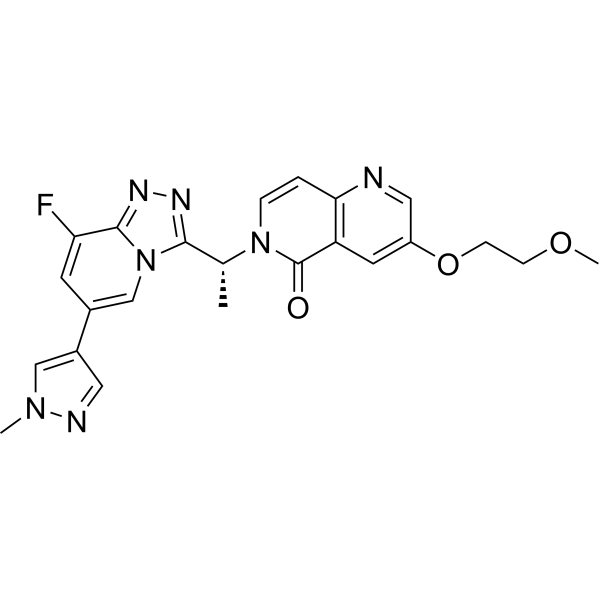
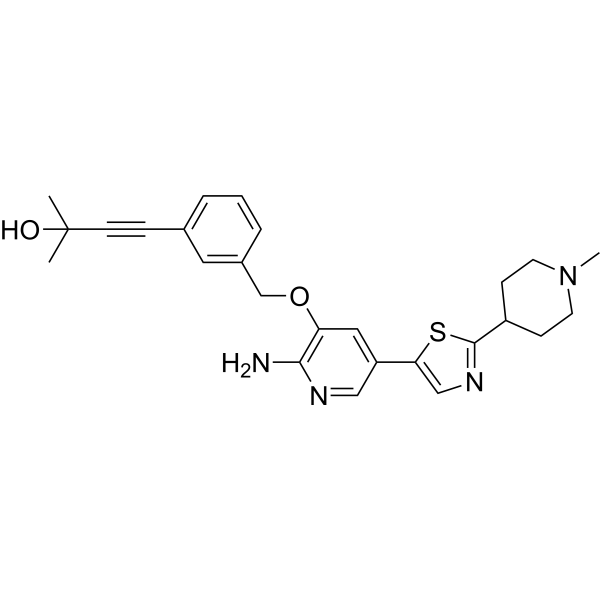
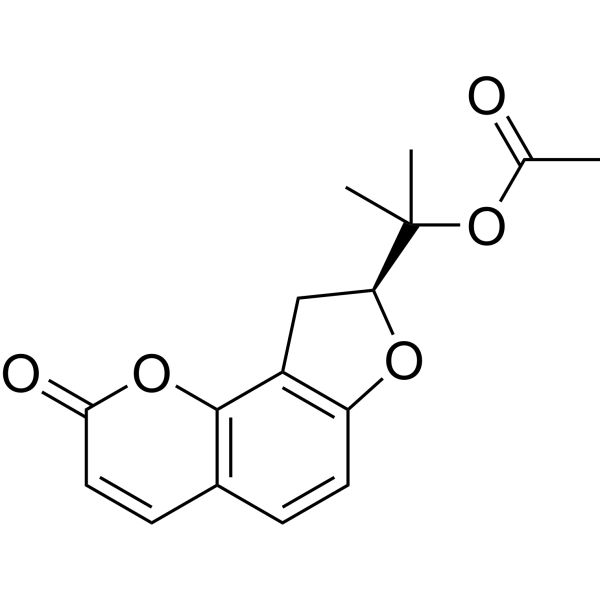
Results for "
phosphorylation inhibition
" in MedChemExpress (MCE) Product Catalog:
6
Isotope-Labeled Compounds
| Cat. No. |
Product Name |
Target |
Research Areas |
Chemical Structure |
-
- HY-10256
-
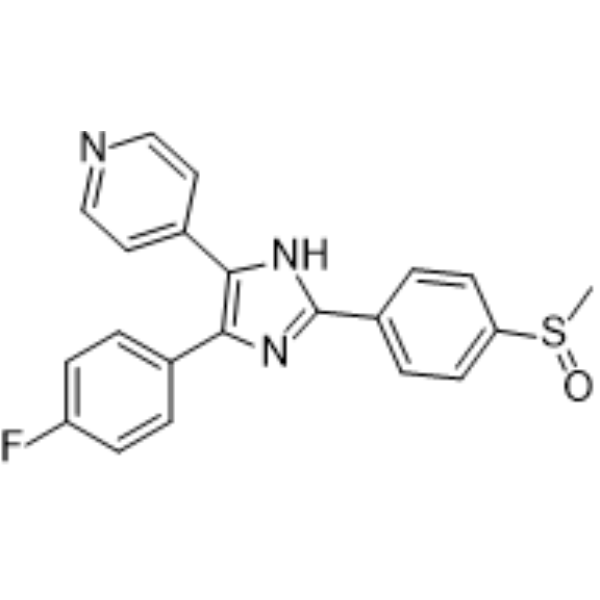
Adezmapimod
Maximum Cited Publications
601 Publications Verification
SB 203580; RWJ 64809
|
Organoid
p38 MAPK
Autophagy
Mitophagy
HSP
|
Inflammation/Immunology
Cancer
|
|
Adezmapimod (SB 203580) is a selective and ATP-competitive p38 MAPK inhibitor with IC50s of 50 nM and 500 nM for SAPK2a/p38 and SAPK2b/p38β2, respectively. Adezmapimod inhibits LCK, GSK3β and PKBα with IC50s of 100-500-fold higher than that for SAPK2a/p38. Adezmapimod can inhibit p38 MAPK and lead to the inhibition of downstream HSP27 phosphorylation. Adezmapimod does not disrupt JNK activity and is an autophagy and mitophagy activator .
|
-
-
- HY-50878
-
|
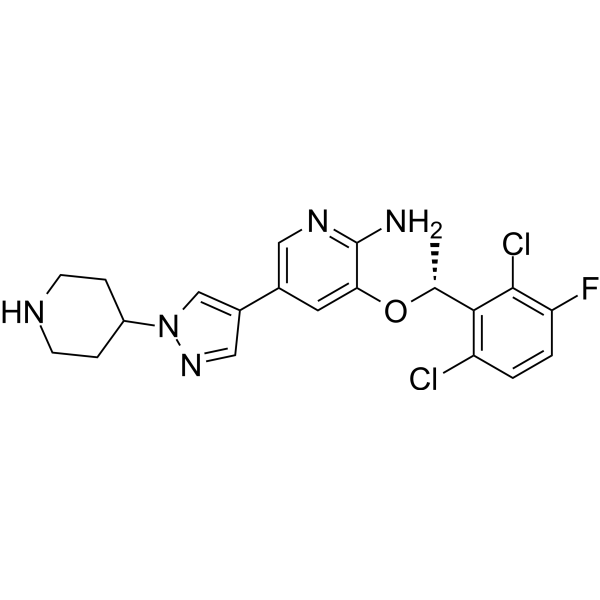
PF-02341066
|
Ligands for Target Protein for PROTAC
Anaplastic lymphoma kinase (ALK)
c-Met/HGFR
ROS Kinase
|
Cancer
|
|
Crizotinib (PF-02341066) is an orally bioavailable, ATP-competitive ALK and c-Met inhibitor with IC50s of 20 and 8 nM, respectively. Crizotinib inhibits tyrosine phosphorylation of NPM-ALK and tyrosine phosphorylation of c-Met with IC50s of 24 and 11 nM in cell-based assays, respectively. Crizotinib is also a ROS1 inhibitor. Crizotinib has effective tumor growth inhibition .
|
-
-
- HY-12037A
-
|
ON-01910
|
Polo-like Kinase (PLK)
PI3K
Apoptosis
|
Cancer
|
|
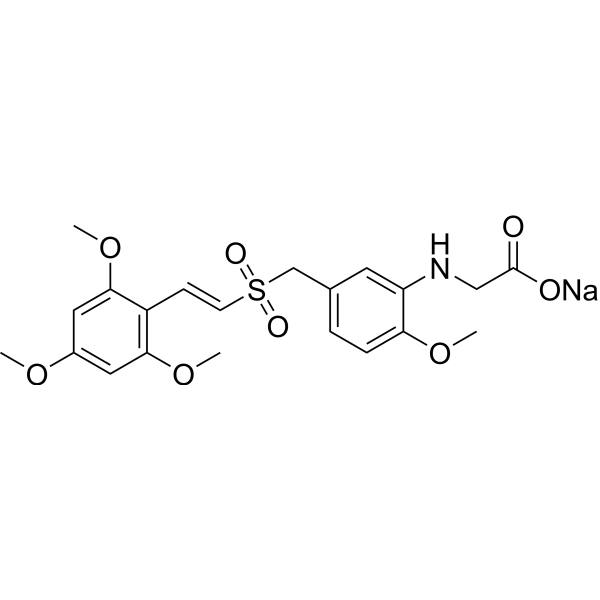
Rigosertib (ON-01910) is a multi-kinase inhibitor and a selective anti-cancer agent, which induces apoptosis by inhibition the PI3 kinase/Akt pathway, promots the phosphorylation of histone H2AX and induces G2/M arrest in cell cycle . Rigosertib is a selective and non-ATP-competitive inhibitor of PLK1 with an IC50 of 9 nM .
|
-
-
- HY-15614
-
|
|
Interleukin Related
Apoptosis
|
Cancer
|
|
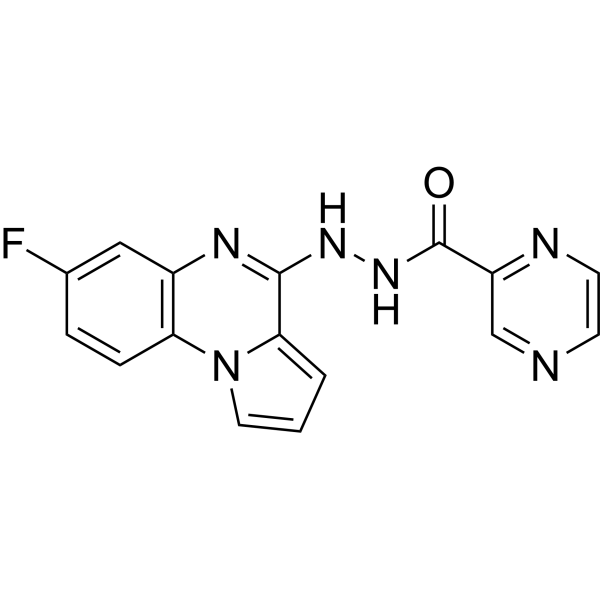
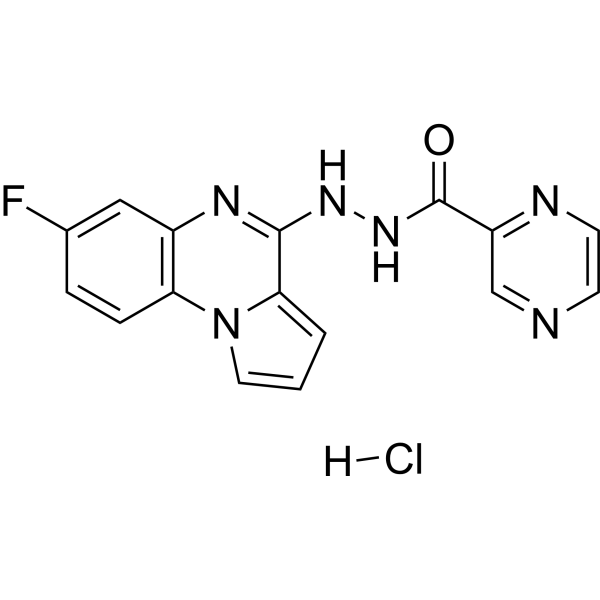
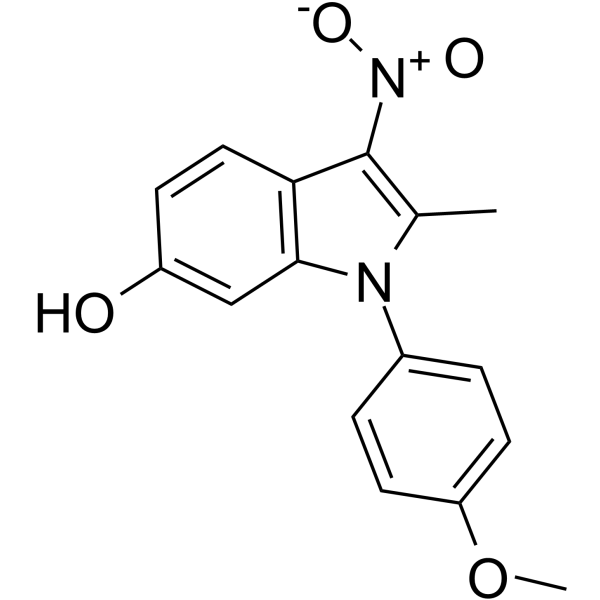
SC144 is a first-in-class, orally active gp130 (IL6-beta) inhibitor. SC144 binds gp130, induces gp130 phosphorylation (S782) and deglycosylation, abrogates Stat3 phosphorylation and nuclear translocation, and further inhibits the expression of downstream target genes. SC144 shows potent inhibition of gp130 ligand-triggered signaling. SC144 induces apoptosis in human ovarian cancer cells .
|
-
-
- HY-158115
-
|
|
Molecular Glues
Raf
MEK
|
Cancer
|
|
NST-628 is a brain-permeable MAPK pathway molecule glue that inhibits RAF phosphorylation and MEK activation. NST-628 also binds RAF and prevents the formation of BRAF-CRAF and BRAF-ARAF heterodimers, effectively inhibiting the RAS-MAPK pathway. NST-628 inhibits RAS- and RAF-driven cancers and demonstrated potent inhibition in mutant KRAS, NRAS, BRAF class II/III, and NF1-mutant tumors .
|
-
-
- HY-158106
-
AZD8421
1 Publications Verification
|
CDK
|
Cancer
|
|
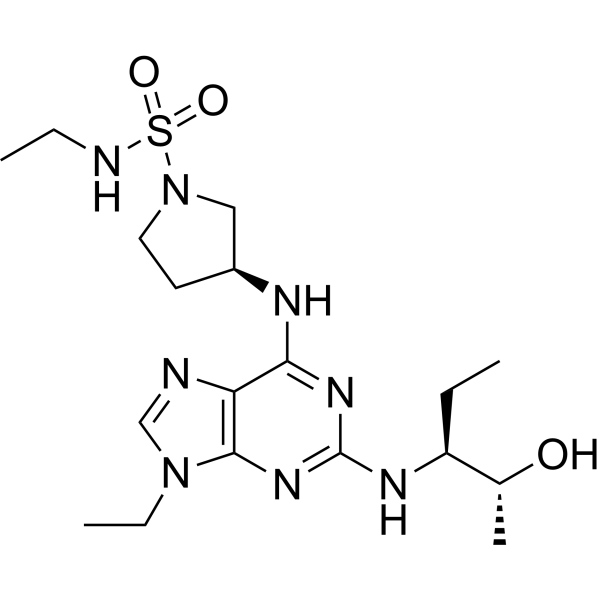
AZD8421 is a selective CDK2 inhibitor (IC50 = 9 nM) as well as achieving CDK family selectivity in cells versus key off-targets (CDK1, CDK4/6, CDK9), AZD8421 had no significant kinase inhibition outside the CDK family. AZD8421 inhibits cancer cell proliferation by inhibiting pRB phosphorylation, inducing cell cycle arrest in G1/S phase and senescence. AZD8421 can be studied in research for breast cancer and ovarian cancer .
|
-
-
- HY-50878A
-
|
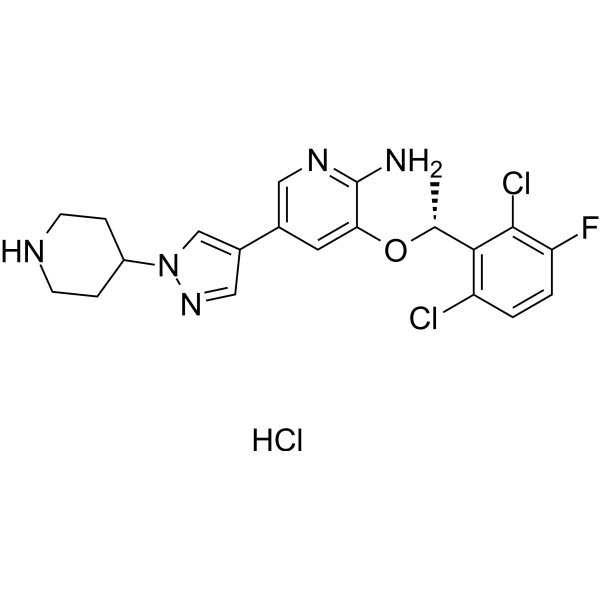
PF-02341066 hydrochloride
|
Anaplastic lymphoma kinase (ALK)
c-Met/HGFR
ROS Kinase
Autophagy
|
Cancer
|
|
Crizotinib hydrochloride (PF-02341066 hydrochloride) is an orally bioavailable, selective, and ATP-competitive dual ALK and c-Met inhibitor with IC50s of 20 and 8 nM, respectively. Crizotinib hydrochloride (PF-02341066 hydrochloride) inhibits tyrosine phosphorylation of NPM-ALK and tyrosine phosphorylation of c-Met with IC50s of 24 and 11 nM in cell-based assays, respectively. It is also a ROS proto-oncogene 1 (ROS1) inhibitor. Crizotinib hydrochloride (PF-02341066 hydrochloride) has effective tumor growth inhibition .
|
-
-
- HY-123834
-
|
|
FLAP
ATM/ATR
|
Cancer
|
|
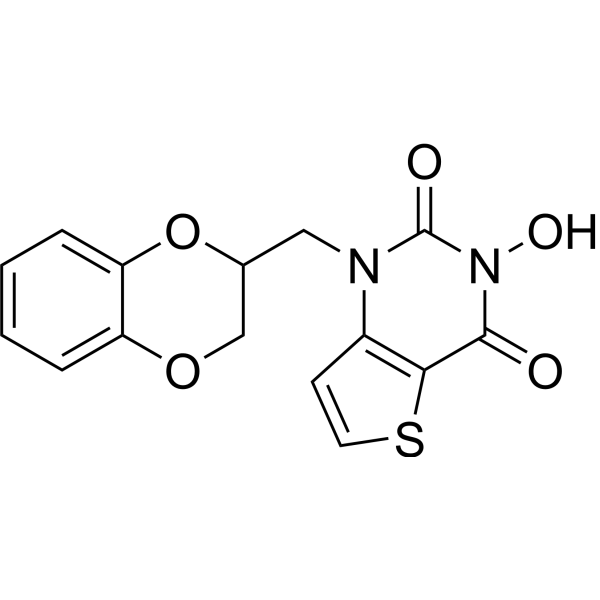
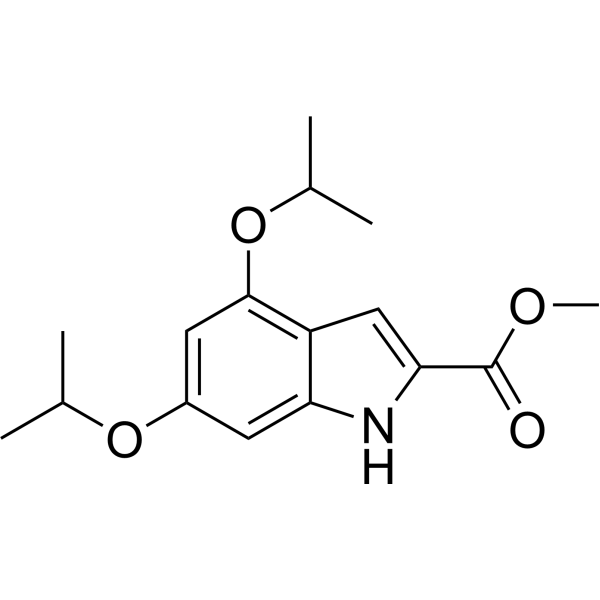
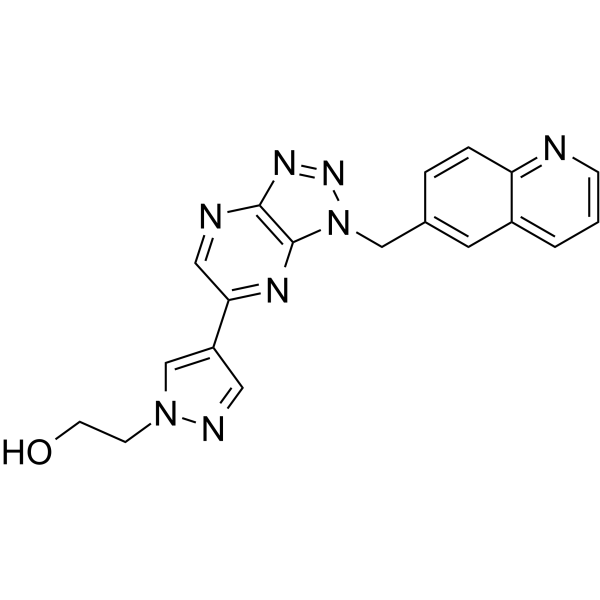
FEN1-IN-1 (compound 1) is a small molecule flap endonuclease 1 (FEN1) inhibitor with antitumor activity. FEN1-IN-1 binds to the active site of FEN1 and partly achieves inhibition by the co-ordination of Mg 2+ ions. FEN1-IN-1 initiaties a DNA damage response and activates the ATM checkpoint signalling pathway, the phosphorylation of histone H2AX and the ubiquitination of FANCD2 in mammalian cells. FEN1-IN-1 is promising for research of cancers .
|
-
-
- HY-N1495
-
|
Maltopentose
|
Amylases
|
Others
|
|
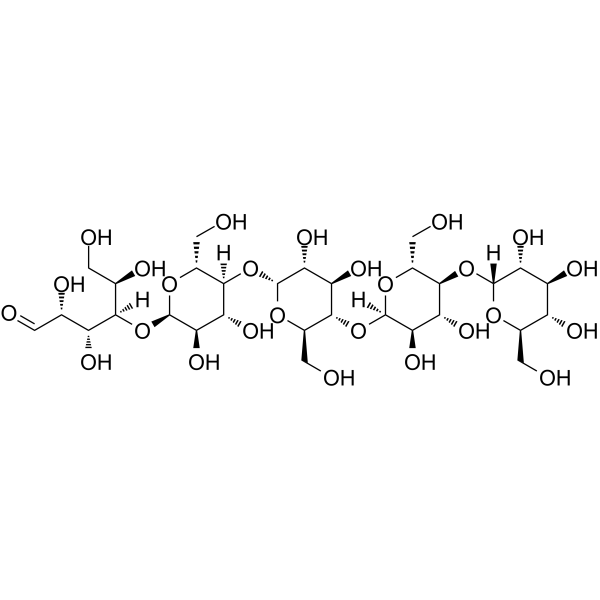
Maltopentaose is the shortest chain oligosaccharide. Maltopentaose is a substrate for α-amylases. Maltopentaose can be classified as maltodextrin and is also used in a study to investigate glycation and phosphorylation of α-lactalbumin. Maltopentaose is used to study the inhibition kinetics of human pancreatic α-amylase by dehydrodieugenol B .
|
-
-
- HY-N7056
-
|
|
Oxidative Phosphorylation
Proteasome
|
Inflammation/Immunology
Cancer
|
|
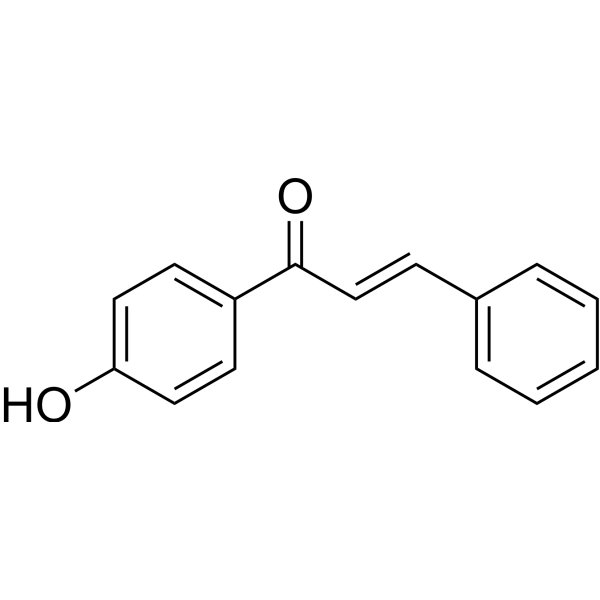
4'-Hydroxychalcone is a chalcone isolated from licorice root, with hepatoprotective activity. 4'-Hydroxychalcone inhibits TNFα-induced NF-κB activation via proteasome inhibition. 4'-Hydroxychalcone induces a rapid potassium release from mitochondrial vesicles and causes deterioration of respiratory control and oxidative phosphorylation of isolated rat liver mitochondria .
|
-
-
- HY-132168
-
|
|
mTOR
|
Cancer
|
|
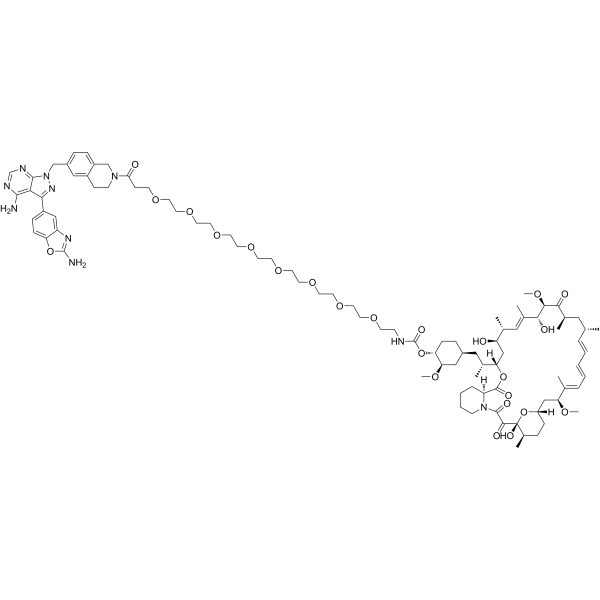
RMC-5552 is a potent and selective mTORC1 inhibitor. RMC-5552 inhibits phosphorylation of mTORC1 pS6K and p4EBP1 with IC50s of 0.14 nM and 0.48 nM, respectively. RMC-5552 shows much lower pAKT inhibition (IC50 of 19 nM), resulting in mTORC1/mTORC2 selectivity approaching 40-fold. RMC-5552 has anti-cancer activity .
|
-
-
- HY-18696
-
AMG-337
3 Publications Verification
|
c-Met/HGFR
Caspase
Apoptosis
|
Cancer
|
|
AMG-337 is a potent, orally active, selective MET kinase inhibitor with IC50 values of 1, 1, 4.7, 5, 21.5, 1077 and >4000 nM of WT MET, H1094R MET, M1250T MET, HGF-stimulated pMET (PC3 cells) MET, V1092I MET, Y1230H MET, and D1228H MET, respectively. AMG 337 inhibits the phosphorylation of MET and downstream effectors in MET-amplified cancer cell lines, resulting in an inhibition of MET-dependent cell proliferation and induction of apoptosis .
|
-
-
- HY-N6670
-
|
|
Antibiotic
Raf
ERK
Ras
MEK
Bacterial
|
Infection
|
|
Cefotetan is a binding agent that targets human Raf1 kinase inhibitor protein (hRKIP). Cefotetan binds to hRKIP, reduces the binding space between hRKIP and Raf1 kinase, relieves hRKIP's inhibition of the Ras/Raf1/MEK/ERK signaling pathway, and enhances ERK phosphorylation. Cefotetan can be used to study diseases associated with dysregulated Ras/Raf1/MEK/ERK signaling pathways. Cefotetan is also a broad-spectrum antibacterial agent that disrupts cell wall synthesis by binding to bacterial penicillin-binding proteins (PBPs). It is used to study bacterial infections such as bone, skin, urinary tract, and lower respiratory tract .
|
-
-
- HY-112356
-
|
|
Apoptosis
Reactive Oxygen Species (ROS)
Polo-like Kinase (PLK)
|
Inflammation/Immunology
Cancer
|
|
Scytonemin is a hydrophobic alkaloid pigment that can be isolated from the outer sheath of cyanobacteria. Scytonemin has protective function against short-wave solar ultraviolet (UV) radiation, which can reduce the generation of reactive oxygen species (ROS) and the formation of DNA damage. Scytonemin also has anti-inflammatory and anti-proliferative activities, produces concentration-dependent inhibition (IC50=2.0 μM) of polo-like kinase 1 (PLK1)-mediated cdc25C phosphorylation, and plays an important role in regulating the G2/M transition in the cell cycle. It can be used in the research of cancer, acute inflammation and sunscreen cosmetics .
|
-
-
- HY-15614A
-
|
|
Interleukin Related
Apoptosis
|
Cancer
|
|
SC144 hydrochloride is a first-in-class, orally active gp130 (IL6-beta) inhibitor. SC144 hydrochloride binds gp130, induces gp130 phosphorylation (S782) and deglycosylation, abrogates Stat3 phosphorylation and nuclear translocation, and further inhibits the expression of downstream target genes. SC144 hydrochloride shows potent inhibition of gp130 ligand-triggered signaling. SC144 hydrochloride induces apoptosis in human ovarian cancer cells .
|
-
-
- HY-113427
-
|
|
Endogenous Metabolite
Bcl-2 Family
Apoptosis
|
Cardiovascular Disease
Cancer
|
|
trans-Vaccenic acid is a naturally occurring trans fatty acid (TFA). trans-Vaccenic acid inhibits nasopharyngeal carcinoma (NPC) cell growth and induces apoptosis through the inhibition of Bad/Akt phosphorylation. trans-Vaccenic acid is a precursor for the synthesis of saturated fatty acid in the rumen and of conjugated Linoleic acid (CLA) at the tissue level. trans-Vaccenic acid exerts hypolipidemic effects in a rat model of obesity .
|
-
-
- HY-145102
-
|
|
HSP
Apoptosis
|
Cancer
|
|
NCT-58 is a potent inhibitor of C-terminal HSP90. NCT-58 does not induce the heat shock response (HSR) due to its targeting of the C-terminal region and elicits anti-tumor activity via the simultaneous downregulation of HER family members as well as inhibition of Akt phosphorylation. NCT-58 kills Trastuzumab-resistant breast cancer stem-like cells. NCT-58 induces apoptosis in HER2-positive breast cancer cells .
|
-
-
- HY-12960
-
|
FLT3-IN-1
|
FLT3
c-Kit
Apoptosis
|
Cancer
|
|
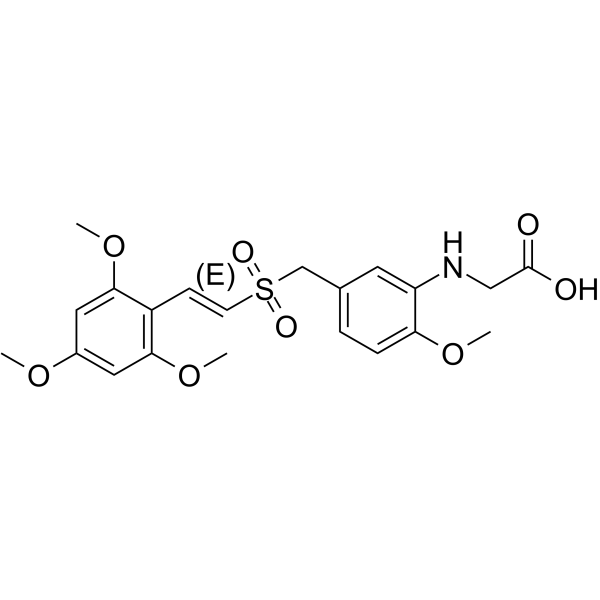
SKLB4771 is a potent and selective Flt3 inhibitor with an IC50 value of 10 nM. SKLB4771 downregulates the phosphorylation of FLT3/STAT5/ERK, blocks cell proliferation, and induces apoptosis in tumor tissue .
|
-
-
- HY-156715
-
|
|
MASTL
|
Cancer
|
|
MASTL-IN-1 is a selective and orally active MASTL inhibitor with a Ki <0.03 nM. MASTL-IN-1 inhibits phosphorylation of ENSA and inhibits proliferation in cancer cells. MASTL-IN-1 induces tumor growth inhibition and stasis in pancreatic cancer xenograft models .
|
-
-
- HY-15838
-
ID-8
5 Publications Verification
|
DYRK
|
Cancer
|
|
ID-8 is an inhibitor of dual-specificity tyrosine phosphorylation-regulated kinase (DYRK). ID-8 sustains embryonic stem cell (ESC) self-renewal and pluripotency. ID-8 enhances Wnt-mediated hESC survival and proliferation via inhibition of DYRKs .
|
-
-
- HY-137506
-
-
-
- HY-15798
-
|
|
VSV
TAM Receptor
|
Cardiovascular Disease
|
|
UNC2881 is an orally active and specific Mer kinase inhibitor, inhibits steady-state Mer kinase phosphorylation with an IC50 value of 22 nM. UNC2881 shows additional inhibition against Axl and Tyro with IC50s of 360 nM and 250 nM, respectively. UNC2881 potently inhibits collagen-induced platelet aggregation, can be used for pathologic thrombosis research .
|
-
-
- HY-12037
-
|
ON-01910 sodium
|
Polo-like Kinase (PLK)
PI3K
Apoptosis
|
Cancer
|
|
Rigosertib sodium (ON-01910 sodium) is a multi-kinase inhibitor and a selective anti-cancer agent, which induces apoptosis by inhibition the PI3K/Akt pathway, promotes the phosphorylation of histone H2AX and induces G2/M arrest in cell cycle . Rigosertib sodium is a selective and non-ATP-competitive inhibitor of PLK1 with an IC50 of 9 nM .
|
-
-
- HY-P3003
-
-
-
- HY-P5979
-
|
|
LRRK2
|
Neurological Disease
|
|
LRRKtide is a polypeptide substrate. LRRKtide is a specific phosphorylation substrate of LRRK2, a kinase associated with Parkinson's disease, and its phosphorylation site is a threonine residue. LRRKtide can be used for characterization of the catalytic properties of LRRK2, as well as studies on kinase activity and inhibition. LRRKtide is applicable to research related to Parkinson's disease .
|
-
-
- HY-158421
-
-
-
- HY-112391
-
SD-1029
1 Publications Verification
|
JAK
STAT
|
Cancer
|
|
SD-1029 is a JAK2/STAT3 inhibitor . SD-1029 inhibits STAT3 nuclear translocation. SD-1029 is an inhibitor of STAT3 activation due to inhibition of JAK2 phosphorylation .
|
-
-
- HY-N1956
-
|
|
NF-κB
|
Metabolic Disease
|
|
Rubiadin-1-methyl ether is a natural anthraquinone isolated from Morinda officinalis How, and inhibits osteoclastic bone resorption via inhibition on the phosphorylation of NF-κB p65 and the degradation of IκBα as well as decrease in the nuclear translocation of p65 .
|
-
-
- HY-145072
-
|
|
CDK
|
Cancer
|
|
BSJ-01-175 is a potent and selective CDK12/13 covalent inhibitor. BSJ-01-175 demonstrates exquisite selectivity, potent inhibition of RNA polymerase II phosphorylation, and downregulation of CDK12-targeted genes in cancer cells .
|
-
-
- HY-N0363
-
|
(S)-Columbianetin
|
ERK
JNK
Collagen
TGF-beta/Smad
p38 MAPK
Reactive Oxygen Species (ROS)
|
Others
|
|
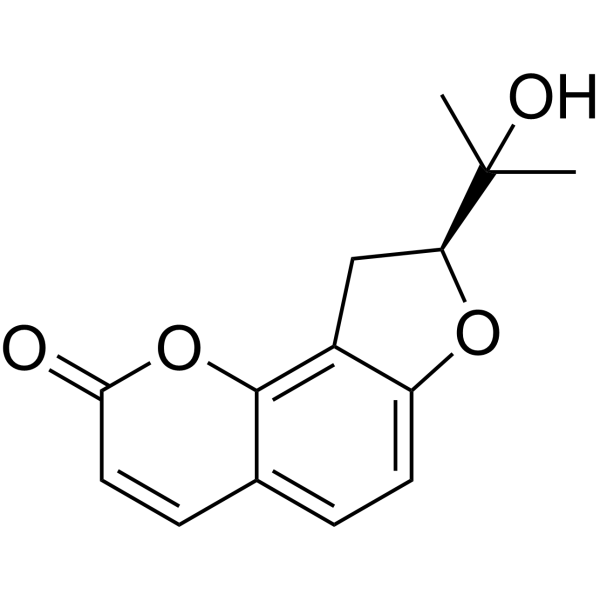
(+)-Columbianetin ((S)-Columbianetin) acts as an inhibitor of JNK/ERK. (+)-Columbianetin inhibits UVA-induced phosphorylation of JNK and ERK, reduces the production of MMP-1, reverses UVA-induced Collagen (HY-NP003) degradation, and alleviates UVA-mediated inhibition of Smad2/3 phosphorylation and translocation. (+)-Columbianetin regulates the AP-1 and ASK1-MAPK signaling pathways, inhibits the production of ROS and blocks sub-G1 cell cycle arrest. (+)-Columbianetin is applicable to research related to skin aging .
|
-
-
- HY-155157
-
|
|
Endogenous Metabolite
|
Cardiovascular Disease
|
|
PF-07247685 is a BCKDC kinase (BDK) inhibitor (EC50=2.2 nM). PF-07247685 stabilizes the interaction between BDK and BCKDH core subunit E2 and prevents phosphorylation of E1. While BDK mediates branched-chain ketoacid dehydrogenase (BCKDH) phosphorylation, and inhibition of BCKDH is involved in controlling the rate-limiting step of branched-chain amino acid (BCAA) degradation. Impaired BCAA catabolism has been associated with several diseases, particularly cardiometabolic diseases, including heart failure (HF), type 2 diabetes mellitus (T2DM), non-alcoholic fatty liver disease (NAFLD), and obesity. PF-07247685 improved cardiometabolic endpoints and improves glucose tolerance in mice .
|
-
-
- HY-149987
-
|
KHK-IN-3
|
Ketohexokinase
|
Cardiovascular Disease
Metabolic Disease
Inflammation/Immunology
|
|
KHK-IN-3 (Example 1) is a ketohexokinase (KHK) inhibitor. KHK-IN-3 can be used in the study of kidney disease, nonalcoholic steatohepatitis (NASH), diabetes and heart failure. KHK is a rate-limiting enzyme and fructokinase involved in fructose metabolism. KHK catalyzes the phosphorylation of fructose to fructose-1-phosphate (FIP) at the expense of ATP. The lack of feedback inhibition of fructose metabolism triggers the accumulation of downstream intermediates such as lipogenesis, gluconeogenesis, and oxidative phosphorylation .
|
-
-
- HY-114302
-
CCB02
1 Publications Verification
|
Microtubule/Tubulin
|
Cancer
|
|
CCB02 is a selective CPAP-tubulin interaction inhibitor, binding to tubulin and competing for the CPAP binding site of β-tubulin, with an IC50 of 689 nM, and shows potent anti-tumor activity. CCB02 shows no inhibition on the cell cycle- and centrosome-related kinases, or the phosphorylation status of Aurora A, Plk1, Plk2, CDK2, and CHK1 .
|
-
-
- HY-144088
-
ZYF0033
2 Publications Verification
HPK1-IN-22
|
MAP4K
|
Inflammation/Immunology
Cancer
|
|
ZYF0033 is an orally active inhibitor of the hematopoietic progenitor cell kinase HPK1 with an IC50 of less than 10 nM based on the phosphorylation inhibition of MBP protein. ZYF0033 promotes anti-cancer immune responses and reduces phosphorylation of SLP76 (serine 376). ZYF0033 inhibits tumor growth in the 4T-1 syngeneic mouse model and leads to increased intratumoral infiltration of DCs, NK cells, and CD107a +CD8 + T cells, but not T cells, PD-1 +CD8 + T cells, TIM-3 +CD8 + Infiltration of T cells and LAG3 +CD8 + T cells was reduced .
|
-
-
- HY-W010380
-
|
|
AMPK
Apoptosis
|
Metabolic Disease
|
|
Methyl succinate is a mitochondrial complex II substrate. Methyl succinate can bypass the inhibition of complex I by Metformin (HY-B0627), restore mitochondrial electron transfer, and reduce AMPK phosphorylation. Methyl succinate is capable of protecting MIN6 β-cells and primary rat β-cells from biguanide-induced toxicity and apoptosis in vitro. Methyl succinate can be used in the research of diseases such as diabetes mellitus .
|
-
-
- HY-50878S
-
|
PF-02341066-d5
|
Anaplastic lymphoma kinase (ALK)
c-Met/HGFR
ROS Kinase
Autophagy
|
Cancer
|
|
Crizotinib-d5 is the deuterium labeled Crizotinib. Crizotinib (PF-02341066) is an orally bioavailable, ATP-competitive ALK and c-Met inhibitor with IC50s of 20 and 8 nM, respectively. Crizotinib inhibits tyrosine phosphorylation of NPM-ALK and tyrosine phosphorylation of c-Met with IC50s of 24 and 11 nM in cell-based assays, respectively. Crizotinib is also a ROS1 inhibitor. Crizotinib has effective tumor growth inhibition .
|
-
-
- HY-P1597
-
|
|
PKA
PKC
|
Cancer
|
|
Malantide is a synthetic dodecapeptide derived from the site phosphorylated by cAMP-dependent protein kinase (PKA) on the β-subunit of phosphorylase kinase. Malantide is a highly specific substrate for PKA with a Km of 15 μM and shows protein inhibitor (PKI) inhibition >90% substrate phosphorylation in various rat tissue extracts . Malantide is also an efficient substrate for PKC with a Km of 16 μM .
|
-
-
- HY-111553
-
|
|
EGFR
|
Cancer
|
|
TAS0728 is a potent, selective, orally active, irreversible and covalent-binding HER2 inhibitor, with an IC50 of 13 nM. TAS0728 also shows IC50s of 4.9, 8.5, 31, 65, 33, 25 and 86 nM for BMX、HER4、BLK、EGFR、JAK3、SLK and LOK respectively. Furthermore, TAS0728 exhibits robust and sustained inhibition of the phosphorylation of HER2, HER3, and downstream effectors .
|
-
-
- HY-P3003S
-
-
-
- HY-161767
-
|
|
Molecular Glues
Oxidative Phosphorylation
Ras
|
Cancer
|
JWJ-01-306 is a CRBN-recruiting ZBTB11 Molecular Glues degrader. JWJ-01-306 degrades ZBTB11 and reprograms cellular metabolism, thereby reducing the level of Oxidative Phosphorylation and the activity of the tricarboxylic acid cycle. JWJ-01-306 enhances the response of organoids to K-Ras inhibition. JWJ-01-306 inhibits the proliferation of pancreatic ductal adenocarcinoma cells and melanoma cells. JWJ-01-306 can be used in studies related to pancreatic ductal adenocarcinoma and melanoma .
|
-
-
- HY-172157
-
|
|
HDAC
AMPK
|
Metabolic Disease
|
|
HDAC11-IN-2 (compound B6) is a high selective Histone Deacetylase 11 (HDAC11) inhibitor. HDAC11-IN-2 inhibits HDAC11 and HDAC8 with IC50s of 51.1 ×10 -3 μM and 5 μM, respectively. HDAC11-IN-2 inhibits denovolipogenesis (DNL) and promotes fatty acid oxidation, thus mitigating hepaticlipid accumulation and pathological symptoms in MASLD mice. HDAC11-IN-2 enhances the phosphorylation of AMPKα1 at Thr172 through the inhibition of HDAC11, consequently modulating DNL and fatty acid oxidation in the liver .
|
-
-
- HY-111423
-
|
|
Cdc42-binding kinase
|
Cancer
|
|
BDP8900 is a potent and selective inhibitor of myotonic dystrophy-related Cdc42-binding kinases (MRCKα and MRCKβ). BDP8900 reduces substrate phosphorylation, leading to morphological changes, motility inhibition and invasiveness of cancer cells .
|
-
-
- HY-164840A
-
|
|
DNA/RNA Synthesis
|
Cancer
|
|
Clofarabine-5'-triphosphate trisodium is the trisodium salt form of Clofarabine-5'-triphosphate (HY-164840). Clofarabine-5'-triphosphate trisodium is the metabolite of Clofarabine (HY-A0005) by deoxycytidine kinase (dCK) phosphorylation. Clofarabine-5'-triphosphate trisodium exhibits cytotoxicity in cancer cells through inhibition of DNA synthesis and DNA repair .
|
-
-
- HY-122920
-
|
|
HSV
CMV
Influenza Virus
HIV
NOD-like Receptor (NLR)
YB-1
|
Infection
Inflammation/Immunology
|
|
Soyasaponin II is a saponin with antiviral activity. Soyasaponin II inhibits the replication of HSV-1, HCMV, influenza virus, and HIV-1. Soyasaponin II shows potent inhibition on HSV-1 replication. Soyasaponin II serves as a inhibitor for YB-1 phosphorylation and NLRP3 inflammasome priming and could protect mice against LPS/GalN induced acute liver failure .
|
-
-
- HY-N6908
-
-
-
- HY-124843
-
LLL3
1 Publications Verification
CLT-005
|
STAT
Apoptosis
|
Cancer
|
|
LLL3 (CLT-005) is a STAT3 inhibitor. LLL3 inhibits dimerization and phosphorylation of STAT3, thereby preventing intraconuclear transfer of STAT3 and inhibits the expression of STAT3 dependent genes, which encode proteins such as Bcl-xL and cyclin D1. In addition, LLL3 can induce cell growth inhibition and apoptosis in human breast cancer and rhabdomyosarcoma cells via the caspase pathway. LLL3 can be used in the study of STAT3 persistent activation types of cancer .
|
-
-
- HY-10256R
-
|
SB 203580 (Standard); RWJ 64809 (Standard)
|
Organoid
Reference Standards
p38 MAPK
Autophagy
Mitophagy
HSP
|
Inflammation/Immunology
Cancer
|
|
Adezmapimod (Standard) is the analytical standard of Adezmapimod. This product is intended for research and analytical applications. Adezmapimod (SB 203580) is a selective and ATP-competitive p38 MAPK inhibitor with IC50s of 50 nM and 500 nM for SAPK2a/p38 and SAPK2b/p38β2, respectively. Adezmapimod inhibits LCK, GSK3β and PKBα with IC50s of 100-500-fold higher than that for SAPK2a/p38. Adezmapimod can inhibit p38 MAPK and lead to the inhibition of downstream HSP27 phosphorylation. Adezmapimod does not disrupt JNK activity and is an autophagy and mitophagy activator .
|
-
-
- HY-P10462
-
|
Synthetic anti-inflammatory peptide 15
|
HDAC
NF-κB
|
Inflammation/Immunology
|
|
SAP15 (Synthetic anti-inflammatory peptide 15) is a synthetic anti-inflammatory peptide consisting of 15 amino acids designed from human beta-defensin 3. SAP15 has the ability to penetrate cells and is able to induce downregulation of intracellular inflammation. SAP15 inhibits inflammation by inhibiting the phosphorylation of HDAC5 and thereby reducing the phosphorylation of NF-κB p65. SAP15 inhibits HDAC5 and NF-κB p65 phosphorylation in LPS (HY-D1056)-induced macrophages. SAP15 increases the expression of aggrecan and type II collagen and decreases the expression of osteocalcin in LPS-induced chondrocytes. SAP15 can be used in the study of inflammation regulation and anti-inflammatory therapy of biomaterials .
|
-
-
- HY-173185
-
|
|
RIP kinase
Necroptosis
|
Inflammation/Immunology
|
|
RIP1-IN-1 is an orally active RIP1 inhibitor with strong RIP1 binding affinity (Kd: 110 nM). RIP1-IN-1 exhibits strong anti-necroptosis activity. RIP1-IN-1 effectively inhibits the formation of necrosomes by blocking the phosphorylation of RIP1, RIP3 and MLKL signaling pathways. RIP1-IN-1 inhibits necroptosis and can be used in the study of acute liver injury .
|
-
-
- HY-129510
-
|
|
EGFR
Mitosis
|
Cancer
|
|
4-Methyl erlotinib, is a potent and selective epidermal growth factor receptor (EGFR) tyrosine kinase inhibitor. 4-Methyl erlotinib potently inhibits EGF-mediated tumor cell mitosis by reducing EGFr-specific tyrosine phosphorylation. Using a mouse model of human tumor transplantation, 4-Methyl erlotinib demonstrated significant and sustained suppression of EGFr phosphotyrosine levels, resulting in significant growth inhibition of EGFr-dependent human cancers .
|
-
- HY-160940
-
|
|
MAP4K
|
Cancer
|
|
HPK1-IN-46 (Compound 36) is an efficient and highly selective HPK1 reverse indazole inhibitor with an IC50 value of 1.1 nM. HPK1-IN-46 exhibits high selectivity for CDK2, JAK1, and JAK2. HPK1-IN-46 inhibits SLP76 phosphorylation mediated by HPK1, reverses T-cell inhibition, and enhances anti-tumor immunity. HPK1-IN-46 can be used in immunotherapy research for tumors .
|
-
- HY-176561
-
|
|
Casein Kinase
HDAC
|
Cancer
|
|
IOR-160 is a dual inhibitor of casein kinase 2 (CK2) and HDACs. IOR-160 exhibits high selectivity for CK2 (IC50 = 1.7 nM) and broad inhibitory activity against HDAC (HDAC 1, 2, 3, and 6 with IC50s of 3.3 nM, 24.0 nM, 3.9 nM, and 13.0 nM, respectively, with low activity for HDAC8). IOR-160 modulates key cellular signaling pathways by inhibiting AKT phosphorylation and increasing acetylated α-tubulin. IOR-160 inhibits tumor growth and reduces tumor burden through dual CK2/HDAC inhibition. IOR-160 is indicated for use in triple-negative breast cancer research .
|
-
- HY-E70743
-
|
|
MASTL
|
Cancer
|
|
MASTL kinase is a master regulator of mitosis, essential for ensuring that mitotic substrate phosphorylation is correctly maintained. It achieves this through the phosphorylation of alpha-endosulfine and subsequent inhibition of the tumor suppressor PP2A-B55 phosphatase. MASTL Recombinant Human Active Protein Kinase is a recombinant MASTL protein that can be used to study MASTL-related functions .
|
-
- HY-118528
-
|
|
TGF-β Receptor
|
Cancer
|
|
TP0427736 is a selective inhibitor of ALK5 with an IC50 of 2.72 nM. TP0427736 inhibits Smad2/3 phosphorylation in A549 cells. TP0427736 decreases the growth inhibition of human outer root sheath cells .
|
-
- HY-147566
-
|
|
ATM/ATR
|
Cancer
|
|
ATR-IN-14 (compound 1) is a potent ATR kinase inhibitor. ATR-IN-14 inhibits ATR signaling pathways downstream CHKI protein phosphorylation, with inhibition of 98.03% at 25 nM. ATR-IN-14 shows good anticancer activity in LoVo cells, with an IC50 of 64 nM .
|
-
- HY-N9866
-
|
|
Others
|
Inflammation/Immunology
|
|
It is a bioactive compound with anti-inflammatory activity that inhibits LPS-induced NO production in RAW 264.7 cells and acts by inhibiting the phosphorylation of MAPK (ERK, JNK and p38) and NF-κB p65. Grasshopper ketone, as an ingredient, has shown its potential in anti-inflammatory inhibition .
|
-
- HY-149292
-
|
|
Casein Kinase
|
Cancer
|
|
SR-4133 is a potent and highly CK1ε selective inhibitor with an IC50 of 58 nM. SR-4133 binds to the ATP-binding site of CK1ε. SR-4133 displays nanomolar growth inhibition of bladder cancer cells, and inhibits the phosphorylation of 4E-BP1 .
|
-
- HY-50878AS
-
|
PF-02341066-d9 hydrochloride
|
c-Met/HGFR
Autophagy
Anaplastic lymphoma kinase (ALK)
ROS Kinase
Isotope-Labeled Compounds
|
Cancer
|
|
Crizotinib-d9 hydrochloride is deuterated labeled Crizotinib hydrochloride (HY-50878A). Crizotinib hydrochloride (PF-02341066 hydrochloride) is an orally bioavailable, selective, and ATP-competitive dual ALK and c-Met inhibitor with IC50s of 20 and 8 nM, respectively. Crizotinib hydrochloride (PF-02341066 hydrochloride) inhibits tyrosine phosphorylation of NPM-ALK and tyrosine phosphorylation of c-Met with IC50s of 24 and 11 nM in cell-based assays, respectively. It is also a ROS proto-oncogene 1 (ROS1) inhibitor. Crizotinib hydrochloride (PF-02341066 hydrochloride) has effective tumor growth inhibition .
|
-
- HY-155156
-
|
|
Endogenous Metabolite
|
Cardiovascular Disease
|
|
PF-07238025 is a BCKDC kinase (BDK) inhibitor (EC50=19 nM). PF-07238025 stabilizes the interaction between BDK and BCKDH core subunit E2 and prevents phosphorylation of E1. While BDK mediates branched-chain ketoacid dehydrogenase (BCKDH) phosphorylation, and inhibition of BCKDH is involved in controlling the rate-limiting step of branched-chain amino acid (BCAA) degradation. Impaired BCAA catabolism has been associated with several diseases, particularly cardiometabolic diseases, including heart failure (HF), type 2 diabetes mellitus (T2DM), non-alcoholic fatty liver disease (NAFLD), and obesity. PF-07238025 improved cardiometabolic endpoints and improves glucose tolerance in mice .
|
-
- HY-113427S
-
|
|
Isotope-Labeled Compounds
Endogenous Metabolite
Bcl-2 Family
Apoptosis
|
Cardiovascular Disease
Cancer
|
|
trans-Vaccenic acid-d13 is deuterium labeled trans-Vaccenic acid (HY-113427). trans-Vaccenic acid is a naturally occurring trans fatty acid (TFA). trans-Vaccenic acid inhibits nasopharyngeal carcinoma (NPC) cell growth and induces apoptosis through the inhibition of Bad/Akt phosphorylation. trans-Vaccenic acid is a precursor for the synthesis of saturated fatty acid in the rumen and of conjugated Linoleic acid (CLA) at the tissue level. trans-Vaccenic acid exerts hypolipidemic effects in a rat model of obesity .
|
-
- HY-157039
-
|
|
RIP kinase
Necroptosis
Mixed Lineage Kinase
|
Inflammation/Immunology
|
|
RIPK1-IN-17 is an orally active, selective RIPK1 inhibitor (Kd = 17 nM) and shows no significant inhibition to RIPK3. RIPK1-IN-17 specifically inhibits necroptosis rather than apoptosis by inhibiting RIPK1, RIPK3, and MLKL phosphorylation. RIPK1-IN-17 protects mice from hypothermia and death. RIPK1-IN-17 can be used for the study of necroptosis-related diseases such as inflammatory response syndrome (SIRS) .
|
-
- HY-18652A
-
|
Ro 5126766 potassium; CH5126766 potassium
|
Raf
MEK
|
Cancer
|
|
Avutometinib (CH5126766) (potassium) is a RAF/MEK clamp that potently inhibits RAF/MEK kinase activity and induces dominant negative RAF-MEK complexes preventing phosphorylation of MEK by ARAF, BRAF and CRAF. Avutometinib (potassium) shows anti-proliferative potency across tumor cell lines carrying KRAS mutations including PDAC cell lines. Avutometinib (potassium) induces tumor inhibition and increases survival in a KRAS/p53 pancreatic cancer mouse model. Avutometinib (potassium) is promising for research of low-grade-serous-ovarian-carcinoma (LGSOC), ovarian cancer and pancreatic ductal adenocarcinoma (PDAC) .
|
-
- HY-P1115
-
|
|
Akt
|
Others
|
|
AKTide-2T is an excellent in vitro substrate for AKT and shows competitive inhibition of histone H2B phosphorylation with a Ki of 12 nM. AKTide-2T mimics the optimal phosphorylation sequence of Akt and is an inhibitory peptide with the wildtype AKTide lacking Thr in the S22 position .
|
-
- HY-P1115A
-
|
|
Akt
|
Others
|
|
AKTide-2T TFA is an excellent in vitro substrate for AKT and shows competitive inhibition of histone H2B phosphorylation with a Ki of 12 nM. AKTide-2T TFA mimics the optimal phosphorylation sequence of Akt and is an inhibitory peptide with the wildtype AKTide lacking Thr in the S22 position .
|
-
- HY-145304
-
-
- HY-150561
-
|
|
Trk Receptor
|
Cancer
|
|
Trk-IN-20 is a kind of 3-vinylindazole derivatives. Trk-IN-20 suppresses Trk kinases functions by phosphorylation inhibition of TrkA/B/C with IC50 values of 1.6 nM, 2.9 nM and 2.0 nM, respectively .
|
-
- HY-50878B
-
|
PF-02341066 acetate
|
Anaplastic lymphoma kinase (ALK)
ROS Kinase
c-Met/HGFR
|
Cancer
|
|
Crizotinib (PF-02341066) acetate is an orally bioavailable, ATP-competitive ALK and c-Met inhibitor with IC50s of 20 and 8 nM, respectively. Crizotinib acetate inhibits tyrosine phosphorylation of NPM-ALK and tyrosine phosphorylation of c-Met with IC50s of 24 and 11 nM in cell-based assays, respectively. Crizotinib acetate is also a ROS1 inhibitor. Crizotinib acetate has effective tumor growth inhibition .
|
-
- HY-164840
-
|
Clofarabine-TP
|
DNA/RNA Synthesis
|
Cancer
|
|
Clofarabine-5'-triphosphate is the metabolite of Clofarabine (HY-A0005) by deoxycytidine kinase (dCK) phosphorylation. Clofarabine-5'-triphosphate exhibits cytotoxicity in cancer cells through inhibition of DNA synthesis and DNA repair .
|
-
- HY-P10346
-
|
Smooth-Muscle Myosin Light-Chain Kinase (796-815)
|
Myosin
|
Cardiovascular Disease
Inflammation/Immunology
|
|
smMLCK peptide is a specific inhibitor of smooth muscle myosin light chain kinase (smMLCK). The smMLCK peptide mimics the substrate and competitively inhibits the binding of the actual substrate to the enzyme, thereby inhibiting the kinase activity. This inhibition prevents the phosphorylation of the myosin light chain, thus inhibiting muscle contraction .
|
-
- HY-50878R
-
|
PF-02341066 (Standard)
|
Reference Standards
Anaplastic lymphoma kinase (ALK)
c-Met/HGFR
ROS Kinase
Autophagy
|
Cancer
|
|
Crizotinib (Standard) is the analytical standard of Crizotinib. This product is intended for research and analytical applications. Crizotinib (PF-02341066) is an orally bioavailable, ATP-competitive ALK and c-Met inhibitor with IC50s of 20 and 8 nM, respectively. Crizotinib inhibits tyrosine phosphorylation of NPM-ALK and tyrosine phosphorylation of c-Met with IC50s of 24 and 11 nM in cell-based assays, respectively. Crizotinib is also a ROS1 inhibitor. Crizotinib has effective tumor growth inhibition .
|
-
- HY-50878S2
-
|
PF-02341066-d9
|
Isotope-Labeled Compounds
|
Cancer
|
|
Crizotinib-d9 (PF-02341066-d9) is deuterium labeled Crizotinib. Crizotinib (PF-02341066) is an orally bioavailable, ATP-competitive ALK and c-Met inhibitor with IC50s of 20 and 8 nM, respectively. Crizotinib inhibits tyrosine phosphorylation of NPM-ALK and tyrosine phosphorylation of c-Met with IC50s of 24 and 11 nM in cell-based assays, respectively. Crizotinib is also a ROS1 inhibitor. Crizotinib has effective tumor growth inhibition .
|
-
- HY-50878S1
-
|
PF-02341066-d8
|
Isotope-Labeled Compounds
ROS Kinase
Autophagy
c-Met/HGFR
Anaplastic lymphoma kinase (ALK)
|
Cancer
|
|
Crizotinib-d8 (PF-02341066-d8) is deuterium labeled Crizotinib. Crizotinib (PF-02341066) is an orally bioavailable, ATP-competitive ALK and c-Met inhibitor with IC50s of 20 and 8 nM, respectively. Crizotinib inhibits tyrosine phosphorylation of NPM-ALK and tyrosine phosphorylation of c-Met with IC50s of 24 and 11 nM in cell-based assays, respectively. Crizotinib is also a ROS1 inhibitor. Crizotinib has effective tumor growth inhibition .
|
-
- HY-164413
-
|
|
VEGFR
EGFR
RET
Apoptosis
|
Cancer
|
|
CLM3, a pyrazolopyrimidine derivative, is a multiple tyrosine kinase inhibitor. CLM3 shows antiproliferative and proapoptotic activity on endothelial and cancer cells, synergistically enhanced by SN38 (HY-13704). These effects are mainly due to its inhibition of phosphorylation of VEGFR-2, EGFR and RET tyrosine kinases and their related signaling pathways .
|
-
- HY-164839
-
|
Clofarabine-DP
|
DNA/RNA Synthesis
|
Cancer
|
|
Clofarabine-5'-diphosphate (Clofarabine-DP) is the metabolite of Clofarabine (HY-A0005) by deoxycytidine kinase (dCK) phosphorylation. Clofarabine-5'-diphosphate can be further phorphorylated into Clofarabine-5'-triphosphate, and exhibits cytotoxicity in cancer cells through inhibition of DNA synthesis and DNA repair .
|
-
- HY-P1597A
-
|
|
PKA
PKC
|
Cancer
|
|
Malantide TFA is a synthetic dodecapeptide derived from the site phosphorylated by cAMP-dependent protein kinase (PKA) on the β-subunit of phosphorylase kinase. Malantide TFA is a highly specific substrate for PKA with a Km of 15 μM and shows protein inhibitor (PKI) inhibition >90% substrate phosphorylation in various rat tissue extracts . Malantide TFA is also an efficient substrate for PKC with a Km of 16 μM .
|
-
- HY-130176
-
|
|
Opioid Receptor
ERK
Adenylate Cyclase
|
Neurological Disease
|
|
UFP-512 is a selective and potent σ-opioid receptor (DOP receptor) peptidic agonist with antidepressant- and anxiolytic-like effects. UFP-512 exhibits as a potent agonist on adenylyl cyclase inhibition and Erk1/2 activation. UFP-512 induces phosphorylation of DOP receptors on Ser 363 with a low desensitization of the cAMP pathway. UFP-512 is promising for research of mood disorders .
|
-
- HY-113427R
-
|
|
Endogenous Metabolite
Reference Standards
Bcl-2 Family
Apoptosis
|
Cardiovascular Disease
Cancer
|
|
trans-Vaccenic acid (Standard) is the analytical standard of trans-Vaccenic acid (HY-113427). This product is intended for research and analytical applications. trans-Vaccenic acid is a naturally occurring trans fatty acid (TFA). trans-Vaccenic acid inhibits nasopharyngeal carcinoma (NPC) cell growth and induces apoptosis through the inhibition of Bad/Akt phosphorylation. trans-Vaccenic acid is a precursor for the synthesis of saturated fatty acid in the rumen and of conjugated Linoleic acid (CLA) at the tissue level. trans-Vaccenic acid exerts hypolipidemic effects in a rat model of obesity.
|
-
- HY-158178
-
|
|
EGFR
|
Cancer
|
|
EGFR T790M/L858R-IN-7 (Compound 72) is a novel pyrimidine compound that inhibits the EGFR T790M and L858R mutation with a high efficacy (93% inhibition rate at 0.05 μM). EGFR T790M/L858R-IN-7 functions by specifically binding to the kinase domain of EGFR, thereby inhibiting its phosphorylation activity .
|
-
- HY-164839A
-
|
Clofarabine-DP trisodium
|
DNA/RNA Synthesis
|
Cancer
|
|
Clofarabine-5'-diphosphate trisodium (Clofarabine-DP trisodium) is the trisodium salt form of Clofarabine-5'-diphosphate (HY-164839). Clofarabine-5'-diphosphate trisodium is the metabolite of Clofarabine (HY-A0005) by deoxycytidine kinase (dCK) phosphorylation. Clofarabine-5'-diphosphate trisodium can be further phorphorylated into Clofarabine-5'-triphosphate, and exhibits cytotoxicity in cancer cells through inhibition of DNA synthesis and DNA repair .
|
-
- HY-160708
-
|
|
Tie
|
Cancer
|
|
Tie2 kinase inhibitor 3 (compound 63) is a potent Tie-2 kinase inhibitor with good oral activity (IC50=30 nM). Tie2 kinase inhibitor 3 inhibits phosphorylation and signaling of Tie-2 by competing with the ATP binding site of Tie-2 kinase. This inhibition affects the stability and maturity of blood vessels, which has an impact on tumor angiogenesis. Tie2 kinase inhibitor 3 can be used to restrict tumor growth and regulate angiogenesis .
|
-
- HY-161926
-
|
|
PPAR
|
Metabolic Disease
|
|
YGT-31 is a modulator for PPARγ with an IC50 of 1.72 μM, and a Ki of 0.62 μM. YGT-31 reduces blood glucose levels and improves insulin resistance in db/db mice type 2 diabetes models, through inhibition of CDK5-mediated PPARγ-Ser273 phosphorylation. YGT-31 exhibits anti-hepatic steatosis effect in mice non-alcoholic fatty liver disease (NAFLD) model .
|
-
- HY-N6908R
-
|
|
Reference Standards
PARP
Apoptosis
PERK
NF-κB
SOD
Bacterial
Bcl-2 Family
COX
JNK
Interleukin Related
NO Synthase
p38 MAPK
Caspase
|
Infection
Neurological Disease
Inflammation/Immunology
Cancer
|
|
Continentalic acid (Standard) is the analytical standard of Continentalic acid (HY-N6908). This product is intended for research and analytical applications. Continentalic acid is a diterpenoid organic acid. Continentalic acid exhibits multiple activities including anti-inflammatory, antioxidant, neuroprotective, antibacterial and antitumor effects. Continentalic acid alleviates oxidative stress, reduces pro-inflammatory cytokine production, inhibits MAPK phosphorylation and neutrophil infiltration, and induces growth inhibition and apoptosis of cancer cells. Continentalic acid can be used in research related to traumatic brain injury, cancer, inflammation and infections .
|
-
- HY-170940
-
|
|
DYRK
Enterovirus
|
Infection
|
|
Dyrk1A-IN-12 (compound S43) is a Dyrk (Dual specificity tyrosine phosphorylation regulated kinase 1A inhibitor. Dyrk1A-IN-12 inhibits Dyrk1A with a IC50 of 95 nM. Dyrk1A-IN-12 shows anti-EV-A71 activity with an EC50 of 4.4 μM, CC50 of 12.8 μM and SI of 2.9. Dyrk1A-IN-12 shows potent inhibition against herpes simplex virus (HSV) .
|
-
- HY-129510R
-
|
|
EGFR
Mitosis
Reference Standards
|
Cancer
|
|
4-Methyl erlotinib (Standard) is the analytical standard of 4-Methyl erlotinib. This product is intended for research and analytical applications. 4-Methyl erlotinib, is a potent and selective epidermal growth factor receptor (EGFR) tyrosine kinase inhibitor. 4-Methyl erlotinib potently inhibits EGF-mediated tumor cell mitosis by reducing EGFr-specific tyrosine phosphorylation. Using a mouse model of human tumor transplantation, 4-Methyl erlotinib demonstrated significant and sustained suppression of EGFr phosphotyrosine levels, resulting in significant growth inhibition of EGFr-dependent human cancers .
|
-
- HY-144450
-
|
|
PI3K
Akt
|
Cancer
|
|
PI3K-IN-29 is a potent PI3K inhibitor. PI3K-IN-29 displays good inhibition potencies against U87MG, HeLa and HL60 cells with IC50 values of 0.264, 2.04 and 1.14 µM, respectively. PI3K-IN-29 inhibits PI3K/Akt pathway by inhibiting phosphorylation of Akt that is catalyzed by PI3K .
|
-
- HY-173481
-
|
|
CDK
|
Cancer
|
|
CDK9-IN-37 (Compound 24) is a CDK9 inhibitor (EC50: 5.5 nM) with weak inhibition on other CDK isoforms, showing high selectivity. CDK9-IN-37 has significant antiproliferative activity against acute myeloid leukemia MOLM-13 cells (IC50: 0.034 μM). CDK9-IN-37 inhibits the CDK9 signaling pathway, reduces the phosphorylation level of RNAP II CTD (Ser2), downregulates the anti-apoptotic protein McI-1, induces cell apoptosis, and arrests the cell cycle at the G2/M phase. CDK9-IN-37 can be used in the study of acute myeloid leukemia (AML) .
|
-
- HY-150108
-
|
|
mTOR
Apoptosis
Caspase
|
Cancer
|
|
RMC-4745 is a selective dual-site inhibitor of mTORC1, with a selectivity of 35 times for mTORC1 and mTORC2. RMC-4745 inhibits the proliferation of MCF-7 cells and upregulates Caspase-3/7 activity to induce cell apoptosis. RMC-4745 does not cause the upregulation of HER3 due to the inhibition of mTORC2. RMC-4745 can be used for the study of breast cancer .
|
-
- HY-181072
-
|
|
Mitochondrial Metabolism
DNA/RNA Synthesis
Oxidative Phosphorylation
|
Cancer
|
|
POLRMT-IN-4 is a photoactivated mitochondrial RNA polymerase (POLRMT) inhibitor. POLRMT-IN-4 can be liberated from the photoactivatable prodrug upon irradiation, enables spatiotemporally precise inhibition and localized tissue selectivity. POLRMT-IN-4 disrupts mitochondrial transcription, impairs oxidative phosphorylation, and suppresses cancer cell proliferation. POLRMT-IN-4 can be used in research on various cancers, such as pancreatic cancer .
|
-
- HY-179501
-
|
|
PDK-1
Reactive Oxygen Species (ROS)
Apoptosis
Oxidative Phosphorylation
|
Cancer
|
|
PDK1-IN-5 is a selective PDK1 inhibitor. PDK1-IN-5 activaties PDH by diminishing phosphorylation level via PDK1 inhibition. PDK1-IN-5 effectively reverses the Warburg effect and shifts cellular energy metabolism from glycolysis toward oxidative phosphorylation by increased acetyl-CoA, reduced lactate, elevated mitochondrial ROS, and subsequent induction of apoptosis. PDK1-IN-5 robustly inhibits tumor growth in vivo without inducing systemic toxicity. PDK1-IN-5 can be used for lung adenocarcinoma, human non-small cell lung adenocarcinoma and gastric colorectal .
|
-
- HY-181662
-
|
|
MAP3K
|
Neurological Disease
|
|
DLK-IN-2 is a selective inhibitor of DLK and neuroprotective agent. DLK-IN-2 shows no significant inhibition against CYPs 3A4, 2D6 and 2C9. DLK-IN-2 inhibits acute axonal palmitoylation of DLK, blocks DLK-dependent pro-degenerative axon-to-soma retrograde signaling and suppresses c-Jun phosphorylation. DLK-IN-2 can be used for the mechanistic study of neurodegenerative diseases .
|
-
- HY-181525
-
|
|
Reactive Oxygen Species (ROS)
Apoptosis
Mitochondrial Metabolism
|
Cancer
|
|
Mito-DHH chloride is a mitochondria-targeted catechol-type diphenylhexatriene. Mito-DHH chloride rapidly accumulates in mitochondria and undergoes auto-oxidation in the alkaline mitochondrial matrix to generate ROS. Mito-DHH chloride triggers ROS-dependent reduction of ATP levels via dual inhibition of mitochondrial oxidative phosphorylation and glycolytic metabolism, and induces selective apoptosis in cancer cells. Mito-DHH chloride can be used in research related to lung cancer, liver cancer, malignant melanoma, and colon cancer .
|
-
- HY-180320
-
|
|
LRRK2
|
Neurological Disease
|
|
Lu AF58786 is a potent and selective LRRK2 inhibitor with an IC50 of 12 nM. Lu AF58786 also exhibits inhibition activity against LRRK2 G2019S and LRRK2 A2016T with IC50s of 19 and 93 nM. Lu AF58786 inhibits phosphorylation of LRRK2, Rab10 and Rab12 in human peripheral blood mononuclear cells. Lu AF58786 can be used for parkinson’s disease research .
|
-
- HY-183688
-
|
|
Bacterial
Phosphatase
p38 MAPK
ERK
|
Infection
|
|
MptpB-IN-3 is a selective inhibitor of Mycobacterium tuberculosis protein tyrosine phosphatase B (MptpB) with an IC50 of 0.19 μM. MptpB-IN-3 blocks MptpB-mediated inhibition of the macrophage MAPK pathway and restores the phosphorylation levels of Erk1/2 and p38. MptpB-IN-3 exhibits direct anti-tuberculosis activity against Mycobacterium tuberculosis and reduces the Mycobacterium tuberculosis load in mouse macrophages. MptpB-IN-3 can be used for tuberculosis research .
|
-
- HY-N7056R
-
|
|
Reference Standards
Proteasome
Oxidative Phosphorylation
|
Inflammation/Immunology
Cancer
|
|
4'-Hydroxychalcone (Standard) is the analytical standard of 4'-Hydroxychalcone (HY-N7056). This product is intended for research and analytical applications. 4'-Hydroxychalcone is a chalcone isolated from licorice root, with hepatoprotective activity. 4'-Hydroxychalcone inhibits TNFα-induced NF-κB activation via proteasome inhibition. 4'-Hydroxychalcone induces a rapid potassium release from mitochondrial vesicles and causes deterioration of respiratory control and oxidative phosphorylation of isolated rat liver mitochondria .
|
-
- HY-183809
-
|
|
Hexokinase
|
Inflammation/Immunology
|
|
ZSW is a hexokinase 2 (HK2) inhibitor with human HK2 IC50 of 0.48 μM, human HK2 Ka of 252.00 μM, and selectivity over HK3 and GCK. ZSW binds directly to HK2, inhibits its enzymatic activity, modulates macrophage phenotypes through glycolysis inhibition, and inhibits NF-κB nuclear translocation by preventing IκBα phosphorylation and degradation. ZSW alleviates inflammatory bowel disease (IBD) and improves the intestinal inflammatory state of IBD mice. ZSW can be used for the research of inflammatory bowel disease .
|
-
- HY-175870A
-
|
|
Ras
ERK
|
Cancer
|
|
(7R)-Eras-4001 is an orally active KRAS mutant inhibitor with remarkable selectivity for H-RAS and N-RAS. (7R)-Eras-4001 effectively suppresses cancer cell viability by blocking downstream signaling pathways mediated by RAF family proteins, inhibiting the formation of the KRAS G12D-RAF1 RBD complex and the phosphorylation of ERK1/2. (7R)-Eras-4001 induces tumor growth inhibition and regression in a dose-dependent manner, and also reduces plasma ERK1/2 phosphorylation levels. (7R)-Eras-4001 exerts a synergistic effect with anti-PD-1 Cetuximab (HY-P9905). (7R)-Eras-4001 can be used in research on non-small cell lung cancer, pancreatic cancer, colorectal cancer, and ovarian cancer .
|
-
- HY-183710
-
|
|
CDK
Androgen Receptor
c-Myc
Apoptosis
DNA/RNA Synthesis
|
Cancer
|
|
CDK9-IN-50 is a selective and orally active CDK9 inhibitor with an IC50 of 2.2 nM. CDK9-IN-50 targets a distinct CDK9-specific subpocket to disrupt RNA polymerase II Ser2 phosphorylation and downregulate short-lived oncoproteins, including AR-V7 and Myc. CDK9-IN-50 exhibits antiproliferative activity against cancer cells, induces apoptosis and induces tumor growth inhibition in CRPC orthotopic mice models. CDK9-IN-50 can be used for the research of cancer, such as prostate cancer .
|
-
- HY-183674
-
|
|
Molecular Glues
MEK
Raf
PERK
Ras
p38 MAPK
Apoptosis
|
Cancer
|
|
MEK-IN-10 is an orally active pan-MEK/RAF non-degrading molecular glue with an IC50 of 782 nM against human MEK1. MEK-IN-10 blocks the phosphorylation of MEK and ERK, induces and stabilizes the MEK1-RAF complex, and disrupts the RAS-MAPK signaling pathway. MEK-IN-10 induces apoptosis in cancer cells and arrests cells at the G0/G1 phase. MEK-IN-10 induces tumor growth inhibition in mouse xenograft models. MEK-IN-10 can be used in the research of RAS-driven cancers, such as colorectal cancer and pancreatic cancer .
|
-
- HY-186087
-
|
|
Ras
ERK
Cyclophilin
|
Cancer
|
|
RM-046 is an orally active, selective ternary complex inhibitor of KRAS Q61H (active form). RM-046 forms a ternary complex with cyclophilin A, binds to active KRAS Q61H in a non-covalent manner, blocks effector binding via steric hindrance and inhibits downstream signal transduction. RM-046 inhibits ERK phosphorylation and cancer cell proliferation, and induces sustained RAS pathway signal inhibition, anti-tumor activity and tumor regression in preclinical xenograft models. RM-046 can be used for the research of KRAS Q61H mutant cancers .
|
-
- HY-164111
-
|
|
JAK
|
Neurological Disease
|
|
JNK-IN-17 (Compound 9J) is a selective and potent JNK inhibitor with IC50 values of 0.039, 0.079 μM for JNK1 and JNK3. JNK-IN-17 can inhibit c-Jun phosphorylation with an IC50 of 0.082 μM in Streptozotocin (HY-13753)-infuced INS-1 pancreatic islet β cells. JNK-IN-17 shows inhibition rate ≤ 33% on the four main P450 subtypes (2C9, 2D6, 3A4, 1A2) in human liver microsomes, indicating a relatively low risk of drug interactions. JNK-IN-17 can be used for researches of neurological and metabolic disease, such as Parkinson's disease .
|
-
- HY-175164
-
|
|
Apoptosis
c-Myc
|
Cancer
|
|
SVC112 is a translation elongation inhibitor that prevents the cyclic dissociation of EF2 from the ribosome, thereby inhibiting the elongation step of translation. SVC112 shows activity in growth inhibition among cancer cell lines of various origins (acute myeloid leukemia (AML), multiple myeloma (Myeloma), colorectal cancer (CRC), and head and neck squamous cell carcinoma (HNSCC)). SVC112 preferentially impedes ribosomal processing of mRNAs, and decreaseds CSC-related proteins including Myc and Sox2. SVC112 induces apoptosis in hematologic cancer cell lines, while phosphorylation of c-Myc correlates with sensitivity to SVC112 in colorectal cancer cell lines. SVC112 inactivates HNSCC stem cells in vitro and prevents the regrowth of HNSCC tumor xenografts in mice. SVC112 can be used for the study of HNSCC .
|
-
- HY-126287
-
|
|
Trk Receptor
Apoptosis
|
Cancer
|
JND4135 is a Type II TRK inhibitor with IC50 values of 2.79, 3.19, and 3.01 nM against TRKA, TRKB, TRKC, respectively. JND4135 can overcome resistance from TRK xDFG and other mutant forms in the BaF3 stable model, inhibiting phosphorylation of both WT and xDFG mutant TRKs, along with their downstream signaling molecules. JND4135 can induce G0/G1 phase arrest and apoptosis in BaF3–CD74-TRKA-G667C cells. JND4135 shows tumor growth inhibition activity in the BaF3-CD74-TRKA-G667C mouse xenograft model .
|
-
- HY-N2421
-
|
5-O-Methyl-myo-inositol
|
NF-κB
TGF-β Receptor
Reactive Oxygen Species (ROS)
Insulin Receptor
Akt
Parasite
|
Infection
Metabolic Disease
Endocrinology
|
|
Sequoyitol (5-O-Methyl-myo-inositol) is an orally active hypoglycemic agent and antioxidant. Sequoyitol can be isolated from herbaceous plants. Sequoyitol downregulates the expression of NF-κB and TGF-β1, reduces ROS production and malondialdehyde levels, and enhances total antioxidant capacity. Sequoyitol activates the insulin signaling pathway, including the phosphorylation of IR, IRS1 and Akt. Sequoyitol increases serum insulin levels, inhibits hepatic glucose production, and promotes cellular glucose uptake. Sequoyitol antagonizes TNFα-induced inhibition of the insulin signaling pathway, and decreases blood urea nitrogen and serum creatinine levels. Sequoyitol elicits potential peaks in the chemosensors of adult and larval Atrophaneura alcinous, and acts as an oviposition stimulant for female Atrophaneura alcinous. Sequoyitol can be used in research related to type 2 diabetes, insulin resistance, hyperglycemia, impaired glucose tolerance and diabetic nephropathy .
|
-
- HY-179484
-
|
|
Reactive Oxygen Species (ROS)
ERK
|
Cancer
|
|
KRASG12C IN-19 is a selective and orally active KRAS G12C inhibitor. KRASG12C IN-19 exerts potent antiproliferative activity against the KRAS G12C-mutant non small cell lung cancer (NSCLC) cell line H358 with an IC50 of 7.6 nM, and effectively suppresses downstream ERK phosphorylation (IC50 = 24.06 nM). KRASG12C IN 19 has no significant inhibitory activity against KRAS G12V and KRAS G12D-mutant cancer cells (PANC 1, Panc, AsPC 1, and GP2d cells) with IC50 > 10,000 nM. KRASG12C IN-19 rapidly forms a covalent bond with KRAS G12V-GDP, leading to dose-dependent inhibition of the downstream KRAS pathway. KRASG12C IN 19 can be employed for research in KRAS G12C driven cancers, including non small cell lung cancer, pancreatic cancer, and colorectal cancer .
|
-
- HY-W657887
-
|
|
Histone Methyltransferase
GSK-3
Tau Protein
Amyloid-β
Glucocorticoid Receptor
Androgen Receptor
Adrenergic Receptor
|
Neurological Disease
|
|
GSK-3β/G9a-IN-1 (Compound T2) is an orally active, selective, blood-brain-barrier permeable, competitive G9a (substrate-competitive, IC50: 1.1 μM) and GSK-3β (ATP competitive, IC50: 0.8 μM) inhibitor. GSK-3β/G9a-IN-1 is a potent H3K9me2 inhibitor that reshapes chromatin landscape. GSK-3β/G9a-IN-1 lowers tau phosphorylation, reduces Aβ aggregation. GSK-3β/G9a-IN-1 displays inhibition toward glucocorticoid receptor, androgen receptor, and alpha-2A adrenergic receptor. GSK-3β/G9a-IN-1 also upregulates SAGA complex members such as Eny2 and Sgf29. GSK-3β/G9a-IN-1 markedly improves memory, restores social behaviors, and increases synaptic complexity in late-onset Alzheimer’s disease .
|
-
| Cat. No. |
Product Name |
Target |
Research Area |
-
- HY-P3003
-
-
- HY-P5979
-
|
|
LRRK2
|
Neurological Disease
|
|
LRRKtide is a polypeptide substrate. LRRKtide is a specific phosphorylation substrate of LRRK2, a kinase associated with Parkinson's disease, and its phosphorylation site is a threonine residue. LRRKtide can be used for characterization of the catalytic properties of LRRK2, as well as studies on kinase activity and inhibition. LRRKtide is applicable to research related to Parkinson's disease .
|
-
- HY-P1597
-
|
|
PKA
PKC
|
Cancer
|
|
Malantide is a synthetic dodecapeptide derived from the site phosphorylated by cAMP-dependent protein kinase (PKA) on the β-subunit of phosphorylase kinase. Malantide is a highly specific substrate for PKA with a Km of 15 μM and shows protein inhibitor (PKI) inhibition >90% substrate phosphorylation in various rat tissue extracts . Malantide is also an efficient substrate for PKC with a Km of 16 μM .
|
-
- HY-P10462
-
|
Synthetic anti-inflammatory peptide 15
|
HDAC
NF-κB
|
Inflammation/Immunology
|
|
SAP15 (Synthetic anti-inflammatory peptide 15) is a synthetic anti-inflammatory peptide consisting of 15 amino acids designed from human beta-defensin 3. SAP15 has the ability to penetrate cells and is able to induce downregulation of intracellular inflammation. SAP15 inhibits inflammation by inhibiting the phosphorylation of HDAC5 and thereby reducing the phosphorylation of NF-κB p65. SAP15 inhibits HDAC5 and NF-κB p65 phosphorylation in LPS (HY-D1056)-induced macrophages. SAP15 increases the expression of aggrecan and type II collagen and decreases the expression of osteocalcin in LPS-induced chondrocytes. SAP15 can be used in the study of inflammation regulation and anti-inflammatory therapy of biomaterials .
|
-
- HY-P1115
-
|
|
Akt
|
Others
|
|
AKTide-2T is an excellent in vitro substrate for AKT and shows competitive inhibition of histone H2B phosphorylation with a Ki of 12 nM. AKTide-2T mimics the optimal phosphorylation sequence of Akt and is an inhibitory peptide with the wildtype AKTide lacking Thr in the S22 position .
|
-
- HY-P1115A
-
|
|
Akt
|
Others
|
|
AKTide-2T TFA is an excellent in vitro substrate for AKT and shows competitive inhibition of histone H2B phosphorylation with a Ki of 12 nM. AKTide-2T TFA mimics the optimal phosphorylation sequence of Akt and is an inhibitory peptide with the wildtype AKTide lacking Thr in the S22 position .
|
-
- HY-P10346
-
|
Smooth-Muscle Myosin Light-Chain Kinase (796-815)
|
Myosin
|
Cardiovascular Disease
Inflammation/Immunology
|
|
smMLCK peptide is a specific inhibitor of smooth muscle myosin light chain kinase (smMLCK). The smMLCK peptide mimics the substrate and competitively inhibits the binding of the actual substrate to the enzyme, thereby inhibiting the kinase activity. This inhibition prevents the phosphorylation of the myosin light chain, thus inhibiting muscle contraction .
|
-
- HY-P1834
-
|
|
Peptides
|
Inflammation/Immunology
|
|
MARCKS Peptide(151-175), Phosphorylated is a phosphorylated peptide corresponding to the basic effector domain of myristoylated alanine-rich protein kinase C substrate protein (MARCKS). Phosphorylation of MARCKS Peptide (151-175) reverses its inhibition of phospholipase C (PLC)-catalyzed hydrolysis of phosphatidylinositol 4,5-bisphosphate (PIP2) .
|
-
- HY-P1597A
-
|
|
PKA
PKC
|
Cancer
|
|
Malantide TFA is a synthetic dodecapeptide derived from the site phosphorylated by cAMP-dependent protein kinase (PKA) on the β-subunit of phosphorylase kinase. Malantide TFA is a highly specific substrate for PKA with a Km of 15 μM and shows protein inhibitor (PKI) inhibition >90% substrate phosphorylation in various rat tissue extracts . Malantide TFA is also an efficient substrate for PKC with a Km of 16 μM .
|
| Cat. No. |
Product Name |
Category |
Target |
Chemical Structure |
-
- HY-N1495
-
-
-
- HY-N7056
-
-
-
- HY-112356
-
-
-
- HY-113427
-
-
-
- HY-P3003
-
|
|
Microorganisms
Source Classification
|
Potassium Channel
Apoptosis
Autophagy
Reactive Oxygen Species (ROS)
Mitochondrial Metabolism
|
|
Cereulide is an orally active, blood-brain barrier-permeable emetic toxin. Cereulide acts as a potassium ionophore that inserts into membranes, forms complexes with K +, and transports K + from the cytoplasm into the mitochondrial matrix. Cereulide disrupts the electrochemical gradient of the inner mitochondrial membrane, leading to mitochondrial swelling and dysfunction, uncoupling of oxidative phosphorylation, inhibition of ATP synthesis, ROS accumulation, and ultimately triggering apoptosis and autophagy. Cereulide exhibits multi-organ toxicity and can be used for research on emetic food poisoning .
|
-
-
- HY-N1956
-
-
-
- HY-N0363
-
-
-
- HY-155157
-
|
|
Cardiovascular Disease
Natural Products
Classification of Application Fields
Endogenous metabolite
Disease Research Fields
Source Classification
|
Endogenous Metabolite
|
|
PF-07247685 is a BCKDC kinase (BDK) inhibitor (EC50=2.2 nM). PF-07247685 stabilizes the interaction between BDK and BCKDH core subunit E2 and prevents phosphorylation of E1. While BDK mediates branched-chain ketoacid dehydrogenase (BCKDH) phosphorylation, and inhibition of BCKDH is involved in controlling the rate-limiting step of branched-chain amino acid (BCAA) degradation. Impaired BCAA catabolism has been associated with several diseases, particularly cardiometabolic diseases, including heart failure (HF), type 2 diabetes mellitus (T2DM), non-alcoholic fatty liver disease (NAFLD), and obesity. PF-07247685 improved cardiometabolic endpoints and improves glucose tolerance in mice .
|
-
-
- HY-W010380
-
-
-
- HY-N2421
-
|
5-O-Methyl-myo-inositol
|
Structural Classification
Natural Products
Classification of Application Fields
Leguminosae
Glycine max (L.) merr
Metabolic Disease
Plants
Disease Research Fields
Source Classification
|
NF-κB
TGF-β Receptor
Reactive Oxygen Species (ROS)
Insulin Receptor
Akt
Parasite
|
|
Sequoyitol (5-O-Methyl-myo-inositol) is an orally active hypoglycemic agent and antioxidant. Sequoyitol can be isolated from herbaceous plants. Sequoyitol downregulates the expression of NF-κB and TGF-β1, reduces ROS production and malondialdehyde levels, and enhances total antioxidant capacity. Sequoyitol activates the insulin signaling pathway, including the phosphorylation of IR, IRS1 and Akt. Sequoyitol increases serum insulin levels, inhibits hepatic glucose production, and promotes cellular glucose uptake. Sequoyitol antagonizes TNFα-induced inhibition of the insulin signaling pathway, and decreases blood urea nitrogen and serum creatinine levels. Sequoyitol elicits potential peaks in the chemosensors of adult and larval Atrophaneura alcinous, and acts as an oviposition stimulant for female Atrophaneura alcinous. Sequoyitol can be used in research related to type 2 diabetes, insulin resistance, hyperglycemia, impaired glucose tolerance and diabetic nephropathy .
|
-
-
- HY-122920
-
-
-
- HY-N6908
-
-
-
- HY-N9866
-
-
-
- HY-155156
-
-
-
- HY-113427R
-
-
-
- HY-N6908R
-
-
-
- HY-N7056R
-
-
| Cat. No. |
Product Name |
Chemical Structure |
-
- HY-50878S
-
|
|
|
Crizotinib-d5 is the deuterium labeled Crizotinib. Crizotinib (PF-02341066) is an orally bioavailable, ATP-competitive ALK and c-Met inhibitor with IC50s of 20 and 8 nM, respectively. Crizotinib inhibits tyrosine phosphorylation of NPM-ALK and tyrosine phosphorylation of c-Met with IC50s of 24 and 11 nM in cell-based assays, respectively. Crizotinib is also a ROS1 inhibitor. Crizotinib has effective tumor growth inhibition .
|
-
-
- HY-P3003S
-
|
|
|
Cereulide- 13C6 is a deuterated form of Cereulide. Cereulide is an orally active, blood-brain barrier-permeable emetic toxin. Cereulide acts as a potassium ionophore that inserts into membranes, forms complexes with K +, and transports K + from the cytoplasm into the mitochondrial matrix. Cereulide disrupts the electrochemical gradient of the inner mitochondrial membrane, leading to mitochondrial swelling and dysfunction, uncoupling of oxidative phosphorylation, inhibition of ATP synthesis, ROS accumulation, and ultimately triggering apoptosis and autophagy. Cereulide exhibits multi-organ toxicity and can be used for research on emetic food poisoning.
|
-
-
- HY-50878AS
-
|
|
|
Crizotinib-d9 hydrochloride is deuterated labeled Crizotinib hydrochloride (HY-50878A). Crizotinib hydrochloride (PF-02341066 hydrochloride) is an orally bioavailable, selective, and ATP-competitive dual ALK and c-Met inhibitor with IC50s of 20 and 8 nM, respectively. Crizotinib hydrochloride (PF-02341066 hydrochloride) inhibits tyrosine phosphorylation of NPM-ALK and tyrosine phosphorylation of c-Met with IC50s of 24 and 11 nM in cell-based assays, respectively. It is also a ROS proto-oncogene 1 (ROS1) inhibitor. Crizotinib hydrochloride (PF-02341066 hydrochloride) has effective tumor growth inhibition .
|
-
-
- HY-113427S
-
|
|
|
trans-Vaccenic acid-d13 is deuterium labeled trans-Vaccenic acid (HY-113427). trans-Vaccenic acid is a naturally occurring trans fatty acid (TFA). trans-Vaccenic acid inhibits nasopharyngeal carcinoma (NPC) cell growth and induces apoptosis through the inhibition of Bad/Akt phosphorylation. trans-Vaccenic acid is a precursor for the synthesis of saturated fatty acid in the rumen and of conjugated Linoleic acid (CLA) at the tissue level. trans-Vaccenic acid exerts hypolipidemic effects in a rat model of obesity .
|
-
-
- HY-50878S2
-
|
|
|
Crizotinib-d9 (PF-02341066-d9) is deuterium labeled Crizotinib. Crizotinib (PF-02341066) is an orally bioavailable, ATP-competitive ALK and c-Met inhibitor with IC50s of 20 and 8 nM, respectively. Crizotinib inhibits tyrosine phosphorylation of NPM-ALK and tyrosine phosphorylation of c-Met with IC50s of 24 and 11 nM in cell-based assays, respectively. Crizotinib is also a ROS1 inhibitor. Crizotinib has effective tumor growth inhibition .
|
-
-
- HY-50878S1
-
|
|
|
Crizotinib-d8 (PF-02341066-d8) is deuterium labeled Crizotinib. Crizotinib (PF-02341066) is an orally bioavailable, ATP-competitive ALK and c-Met inhibitor with IC50s of 20 and 8 nM, respectively. Crizotinib inhibits tyrosine phosphorylation of NPM-ALK and tyrosine phosphorylation of c-Met with IC50s of 24 and 11 nM in cell-based assays, respectively. Crizotinib is also a ROS1 inhibitor. Crizotinib has effective tumor growth inhibition .
|
-
| Cat. No. |
Product Name |
|
Classification |
-
- HY-129510
-
|
|
|
Alkynes
|
|
4-Methyl erlotinib, is a potent and selective epidermal growth factor receptor (EGFR) tyrosine kinase inhibitor. 4-Methyl erlotinib potently inhibits EGF-mediated tumor cell mitosis by reducing EGFr-specific tyrosine phosphorylation. Using a mouse model of human tumor transplantation, 4-Methyl erlotinib demonstrated significant and sustained suppression of EGFr phosphotyrosine levels, resulting in significant growth inhibition of EGFr-dependent human cancers .
|
Your information is safe with us. * Required Fields.
Inquiry Information
- Product Name:
- Cat. No.:
- Quantity:
- MCE Japan Authorized Agent:

