1. Search Result
Search Result
Results for "

proteasomal+degradation

" in MedChemExpress (MCE) Product Catalog:

120

Inhibitors & Agonists

1

Screening Libraries

1

Fluorescent Dyes

1

Biochemical Assay Reagents

4

Peptides

1

Inhibitory Antibodies

6

Natural
Products

8

Isotope-Labeled Compounds

1

GMP Molecules

Cat. No. Product Name Target Research Areas Chemical Structure
  • HY-10585
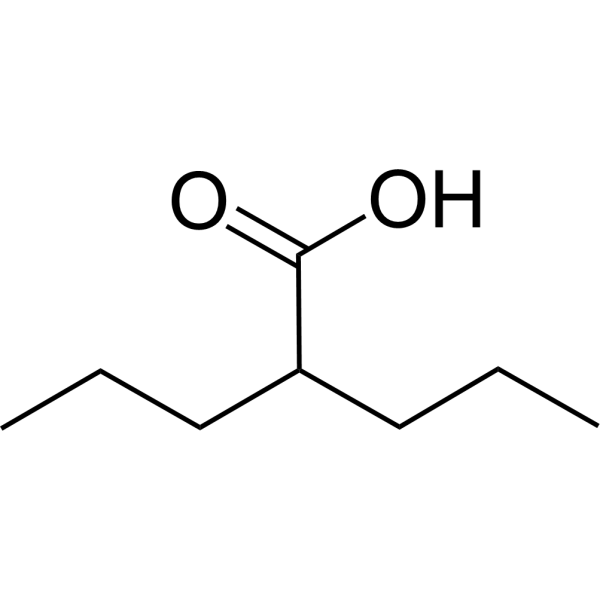
    Valproic acid
    Maximum Cited Publications
    65 Publications Verification

    VPA; 2-Propylpentanoic acid; Dipropylacetic acid

    Organoid HDAC Autophagy Mitophagy HIV Notch Apoptosis Endogenous Metabolite Infection Neurological Disease Metabolic Disease Inflammation/Immunology Cancer
    Valproic acid (VPA) is an orally active HDAC inhibitor, with IC50 in the range of 0.5 and 2 mM. Valproic acid inhibits HDAC1 (IC50, 400 μM), and induces proteasomal degradation of HDAC2. Valproic acid activates Notch1 signaling and inhibits proliferation in small cell lung cancer (SCLC) cells. Valproic acid is used in the epilepsy, bipolar disorder, metabolic disease, HIV infection and prevention of migraine headaches .
    Valproic acid
  • HY-10585A
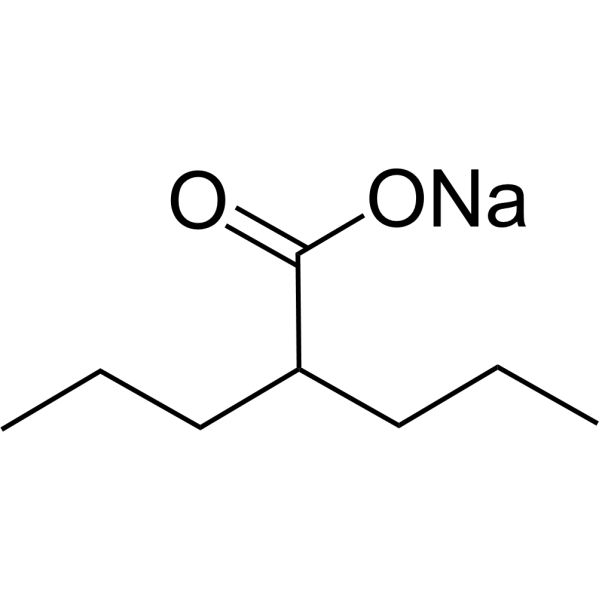
    Valproic acid sodium
    Maximum Cited Publications
    65 Publications Verification

    Sodium Valproate; VPA sodium; 2-Propylpentanoic acid sodium

    Organoid HDAC Autophagy Mitophagy HIV Notch Apoptosis Endogenous Metabolite Infection Neurological Disease Metabolic Disease Cancer
    Valproic acid (Sodium Valproate) sodium is an orally active HDAC inhibitor, with IC50 in the range of 0.5 and 2 mM, also inhibits HDAC1 (IC50, 400 μM), and induces proteasomal degradation of HDAC2. Valproic acid sodium activates Notch1 signaling and inhibits proliferation in small cell lung cancer (SCLC) cells. Valproic acid sodium is used in the treatment of epilepsy, bipolar disorder, metabolic disease, HIV infection and prevention of migraine headaches .
    Valproic acid sodium
  • HY-130800
    Eragidomide
    5+ Cited Publications

    CC-90009

    Ligands for E3 Ligase Molecular Glues Apoptosis Inflammation/Immunology Cancer
    Eragidomide (CC-90009) is a first-in-class GSPT1-selective cereblon (CRBN) E3 ligase modulator, acts as a molecular glue. Eragidomide coopts the CRL4 CRBN to selectively target GSPT1 for ubiquitination and proteasomal degradation .
    Eragidomide
  • HY-16591
    Birinapant
    40+ Cited Publications

    TL32711

    IAP Apoptosis HIV Cancer
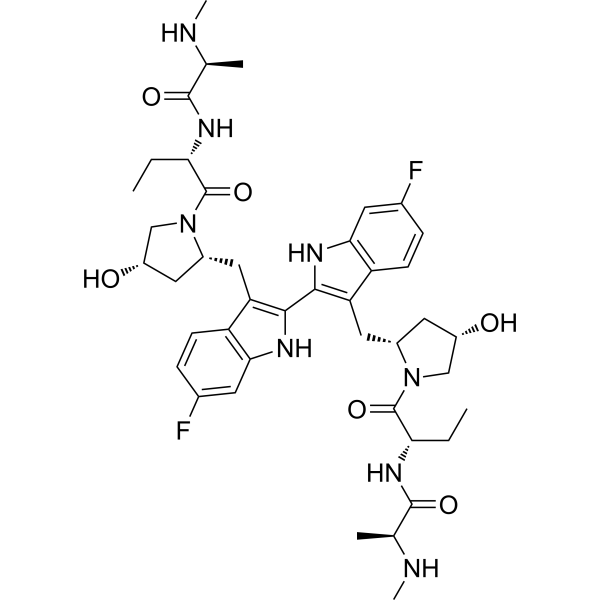
    Birinapant (TL32711), a bivalent Smac mimetic, is a potent antagonist for XIAP and cIAP1 with Kds of 45 nM and less than 1 nM, respectively. Birinapant (TL32711) induces the autoubiquitylation and proteasomal degradation of cIAP1 and cIAP2 in intact cells, which results in formation of a RIPK1: caspase-8 complex, caspase-8 activation, and induction of tumor cell death. Birinapant (TL32711) targets TRAF2-associated cIAPs and abrogates TNF-induced NF-κB activation.
    Birinapant
  • HY-110078
    Eeyarestatin I
    10+ Cited Publications

    p97 Apoptosis Cancer
    Eeyarestatin I, a potent endoplasmic reticulum-associated protein degradation (ERAD) inhibitor, is a potent protein translocation inhibitor. Eeyarestatin I inhibits Sec61 translocon. Eeyarestatin I targets the p97-associated deubiquitinating process (PAD) and inhibits atx3-dependent deubiquitination. Eeyarestatin I interferes at a step prior to proteasomal degradation. Eeyarestatin I induces cell death via the proapoptotic protein NOXA and has anticancer effects .
    Eeyarestatin I
  • HY-108232
    MK-2206
    Maximum Cited Publications
    462 Publications Verification

    Bcl-2 Family Apoptosis mTOR Akt GSK-3 Metabolic Disease Inflammation/Immunology Cancer
    MK-2206 is an orally active pan-AKT inhibitor, with IC50 values of 8 nM, 12 nM and 65 nM against AKT1, AKT2 and AKT3, respectively. MK-2206 inhibits the Akt/mTOR signaling pathway and reduces the levels of downstream GSK3β and Mcl-1 via proteasomal degradation. MK-2206 induces G1-phase cell cycle arrest, apoptosis, epithelial-mesenchymal transition, fibroblast activation and extracellular matrix deposition. MK-2206 causes transient hyperglycemia and hyperinsulinemia in animals. MK-2206 can be used in research related to solid tumors, renal fibrosis and hypercholesterolemia .
    MK-2206
  • HY-146237

    CC-99282

    Ligands for E3 Ligase Molecular Glues Cancer
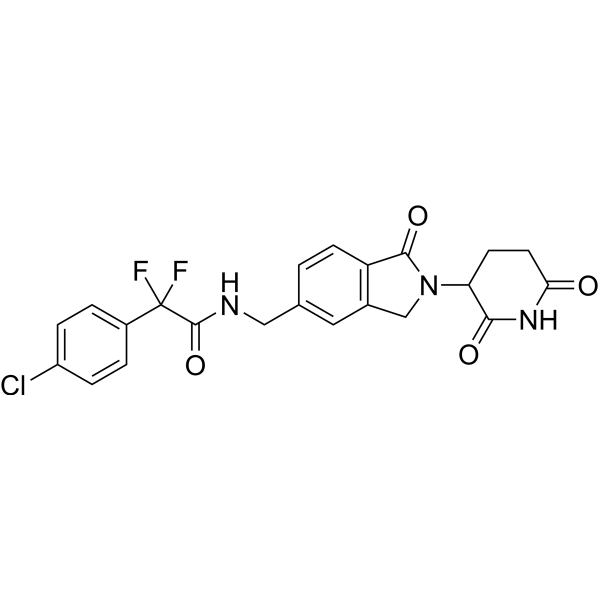
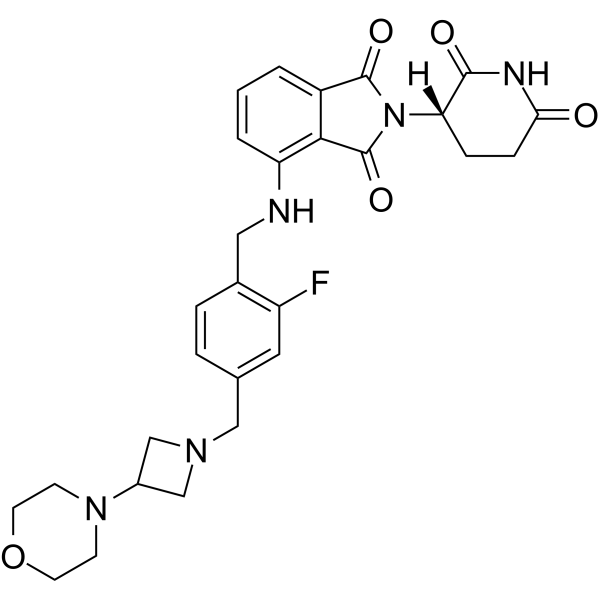
    Golcadomide (CC-99282) is a potent and orally active CRBN E3 ligase modulator (CELMoD). Golcadomide interacts with the CRL4 CRBN E3 ubiquitin ligase substrate receptor CRBN, inducing the recruitment and ubiquitin-mediated proteasomal degradation of the transcription factors Ikaros and Aiolos. Golcadomide shows potential for research in cancer-related fields, including chronic lymphocytic leukemia (CLL) and non-Hodgkin lymphoma (NHL) .
    Golcadomide
  • HY-10969
    Obatoclax Mesylate
    10+ Cited Publications

    GX15-070 Mesylate

    Bcl-2 Family Autophagy Parasite Infection Cancer
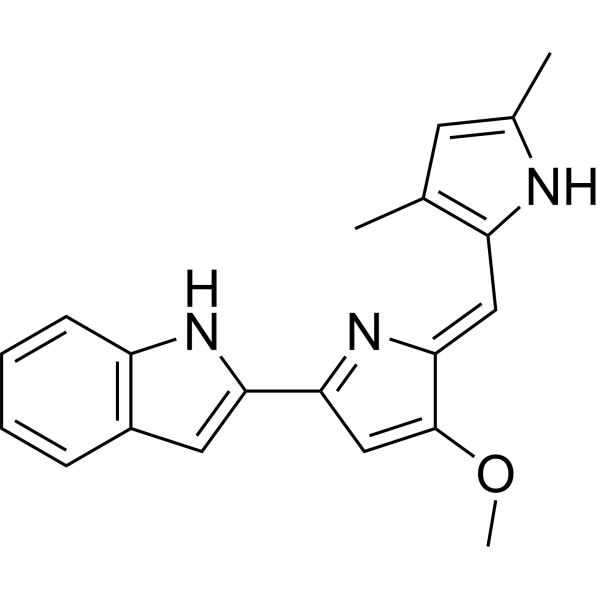
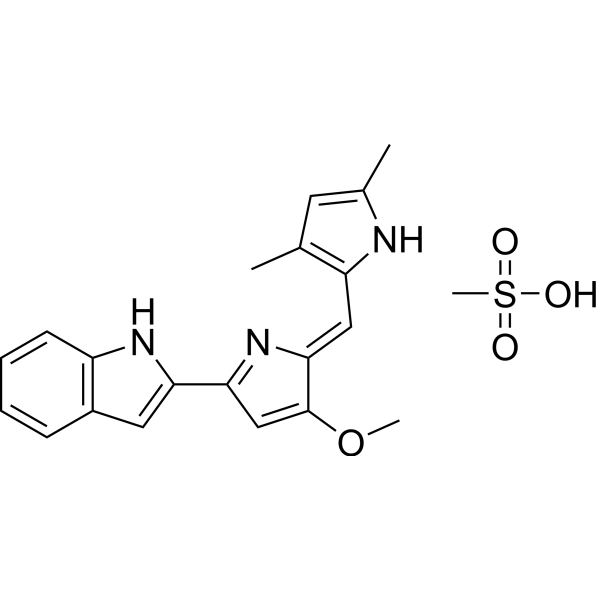
    Obatoclax Mesylate (GX15-070 Mesylate), a BH3 mimetic, is a pan-BCL-2 family proteins inhibitor with a Ki of 220 nM for BCL-2 . Obatoclax Mesylate induces autophagy-dependent cell death and targets cyclin D1 for proteasomal degradation. Obatoclax Mesylate has anti-cancer and broad-spectrum antiparasitic activity .
    Obatoclax Mesylate
  • HY-N6769
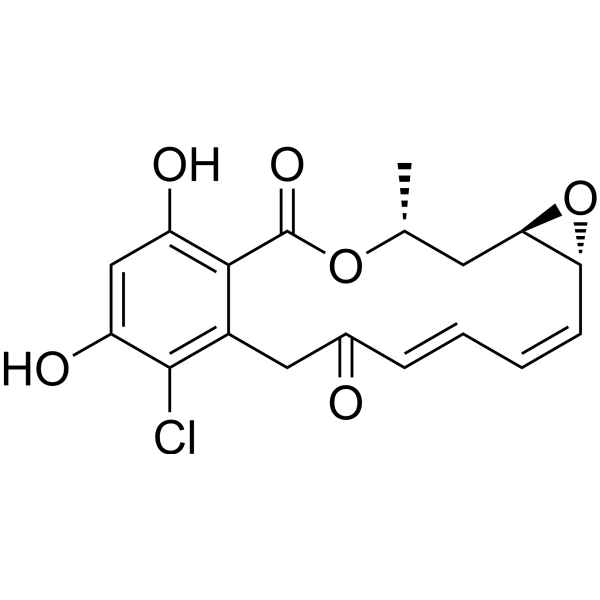
    Radicicol
    4 Publications Verification

    Monorden

    HSP Bacterial Antibiotic Parasite Infection
    Radicicol is an inhibitor of Hsp90 with an IC50 value < 1 μM, and leads to proteasomal degradation . Radicicol exhibits inhibition on PDK with IC50s of 230 μM (PDK1) and 400 μM (PDK3). Radicicol is an antifungal and antimalarial antibiotic, impairs mitochondrial replication by targeting P. falciparum topoisomerase VIB . Radicicol is also an inhibitor of fat mass and obesity-associated protein (FTO), with an IC50 value of 16.04 μM .
    Radicicol
  • HY-170430

    Molecular Glues E1/E2/E3 Enzyme Cancer
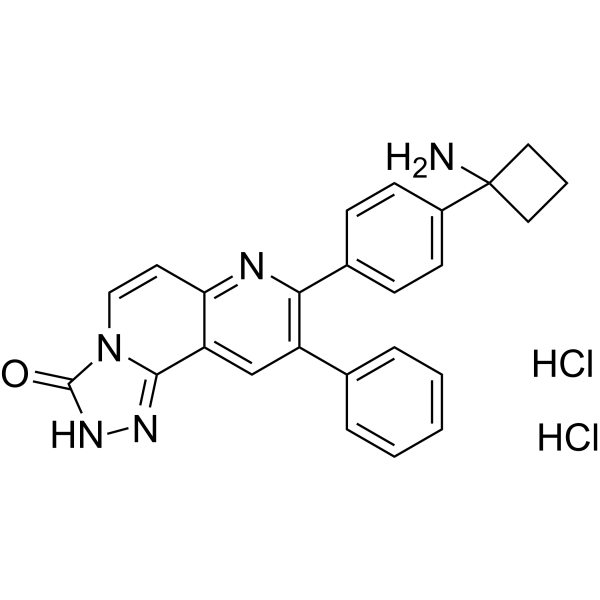
    HGC652 is a molecular glue degrader targeting TRIM21 with a TRIM21-dependent nuclear membrane disruption effect. HGC652 binds to the PRY-SPRY domain of TRIM21 with high affinity (Ka=0.061 μM), mediates the interaction between TRIM21 and NUP98, and redirects E3 ligase activity. By triggering the polyubiquitination and proteasomal degradation of nucleoporins (such as NUP155 and GLE1), HGC652 disrupts nuclear membrane integrity, alters nuclear morphology, induces genomic instability, and thereby induces cancer cell death .
    HGC652
  • HY-13822
    SKI II
    5+ Cited Publications

    SphK Wnt Apoptosis Cancer
    SKI-II is an oral active and synthetic inhibitor of sphingosine kinase (SK) activity, with IC50 values of 78 μM and 45 μM for SK1 and for SK2, respectively. SKI II causes an irreversible inhibition of SK1 by inducing its lysosomal and/or proteasomal degradation .
    SKI II
  • HY-19979
    RCM-1
    5+ Cited Publications

    DNA/RNA Synthesis Cancer
    RCM-1 is a forkhead box M1 (FOXM1) inhibitor with an EC50 of 0.72 μM in U2OS cells. RCM-1 blocks the nuclear localization and increased the proteasomal degradation of FOXM1. RCM-1 can be used for asthma and other chronic airway diseases research .
    RCM-1
  • HY-163814

    Molecular Glues CDK Cancer
    CDK2 degrader 1 (Compound 3) is a selective CDK2 molecular glue degrader with a Dmax (CDK2) of > 80% and a Ki (CRBN) > 1 μM. CDK2 degrader 1 binds to cereblon to induce ubiquitination and subsequent proteasomal degradation of the CDK2. CDK2 degrader 1 is used in the research of a wide range of cancers .
    CDK2 degrader 1
  • HY-176444

    Molecular Glues CDK Cancer
    CDK2 degrader 6 is an orally active and potent CDK2 molecular glue degrader with a DC50 of 46.5 nM. CDK2 degrader 6 binds to cereblon and CDK2 to induce ubiquitination and subsequent proteasomal degradation of CDK2. CDK2 degrader 6 modulates cell cycle in breast cancer cells. CDK2 degrader 6 reduces proliferation of breast cancer cells. CDK2 degrader 6 exhibits in vivo antitumor activity in gastric cancer mouse models. CDK2 degrader 6 can be used for the research of breast cancer, gastric cancer .
    CDK2 degrader 6
  • HY-169912

    Molecular Glues CDK Cancer
    CDK2 degrader 5 is a CRBN-binding CDK2 molecular glue degrader. CDK2 degrader 5 induces ubiquitination and subsequent proteasomal degradation of CDK2. CDK2 degrader 5 can be used for the research of cancer .
    CDK2 degrader 5
  • HY-176134

    PROTACs Ras Cancer
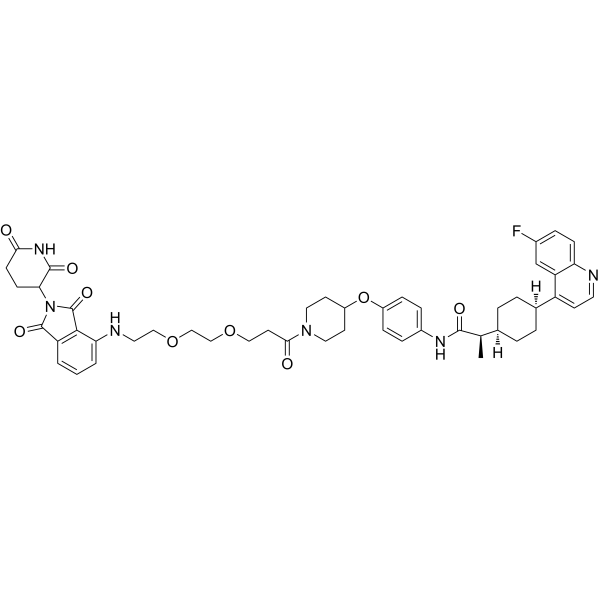
    RP03707 is a PROTAC degrader of KRAS G12D. RP03707 forms a ternary complex with KRAS G12D and the CRBN E3 ligase, promoting the ubiquitination and proteasomal degradation of KRAS G12D. RP03707 inhibits the growth of KRAS G12D-positive tumor cells .
    RP03707
  • HY-160525

    Molecular Glues Cancer
    NVS-VHL720 is a selective VHL-based cysteine dioxygenase (CDO1) molecular glue degrader. NVS-VHL720 recruits CDO1 to the VHL E3 ligase complex, driving ubiquitin-dependent proteasomal degradation of CDO1. NVS-VHL720 can be used for the research of cancer .
    NVS-VHL720
  • HY-171830

    YX39-105

    PROTACs Tyrosinase Apoptosis Cancer
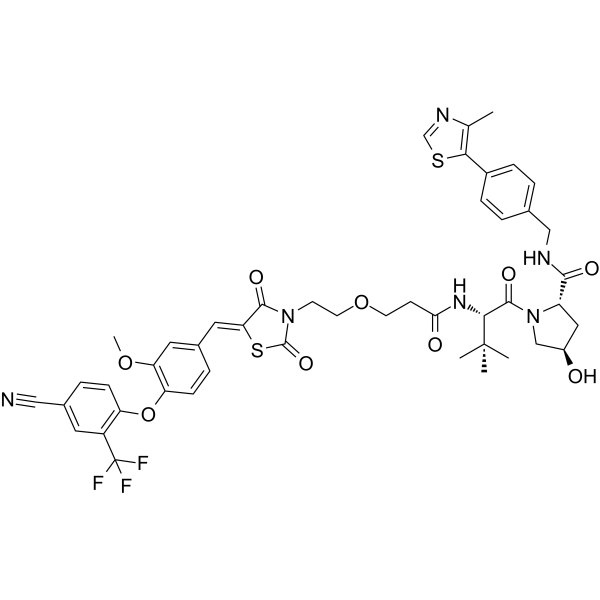
    MS105 (YX39-105) is an orally active and selective protein tyrosine kinase 6 (PTK6) (BRK) PROTAC degrader. MS105 recruits VHL E3 ligase via a VHL ligand moiety, promotes PTK6 ubiquitination and proteasomal degradation, inhibits the proliferation and migration of breast cancer cells, and induces apoptosis. MS105 shows potential for use in breast cancer research .
    MS105
  • HY-161779

    Molecular Glues Epigenetic Reader Domain Apoptosis Cancer
    PLX-3618 is a molecular glue, that degrades BRD4 with DC50 of 12.2 nM. PLX-3618 promotes polyubiquitination and subsequent proteasomal degradation of BRD4 by recruiting of the E3 ligase substrate receptor, DCAF11. PLX-3618 inhibits the proliferation of various cancer cells, induces apoptosis in AML cells. PLX-3618 exhibits antitumor activity against AML in mouse models .
    PLX-3618
  • HY-151886

    PROTACs Indoleamine 2,3-Dioxygenase (IDO) Neurological Disease Cancer
    NU223612 is a potent PROTAC (PROTACs) that degrades indoleamine 2,3-dioxygenase 1 (IDO1) (Indoleamine 2,3-Dioxygenase (IDO)) with a Kd of 640 nM. NU223612 potently degrades the IDO1 protein through CRBN-mediated proteasomal degradation. NU223612 is bound to CRBN with an affinity of 290 nM. NU223612 can cross the blood-brain barrier (BBB) .
    NU223612
  • HY-176244

    Histone Acetyltransferase Cancer
    KI-TOX-A3 is a TOX protein-protein interaction inhibitor that blocks the TOX-KAT7 protein-protein interaction with an IC50 of 0.51 μM. KI-TOX-A3 induces proteasomal degradation of TOX, restores KAT7-mediated H3K14 acetylation, reverses exhaustion of CD8 + T cells, and inhibits the proliferation of T cell acute lymphoblastic leukemia (T-ALL) cells. KI-TOX-A3 shows promise for use in studies of hematological malignancies such as T-ALL .
    KI-TOX-A3
  • HY-122542B
    PPACK TFA
    2 Publications Verification

    Ligands for E3 Ligase Molecular Glues IKZF Family Cardiovascular Disease
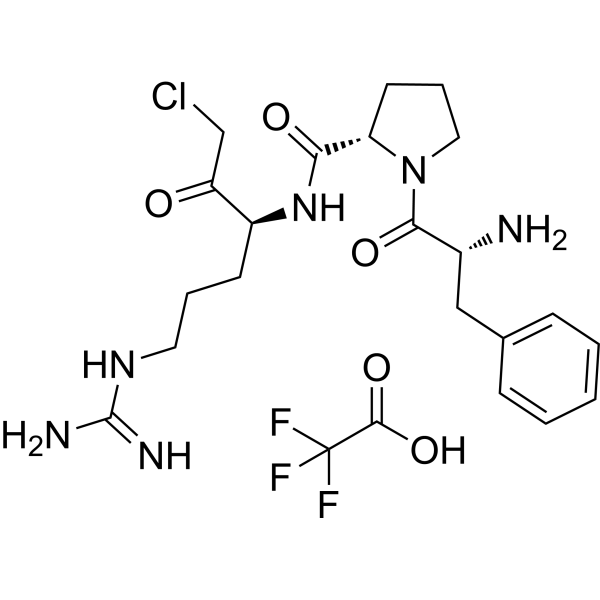
    PPACK TFA is an orally active, selective molecular glue degrader targeting IKZF2. Through a molecular glue mechanism, PPACK TFA binds to CRBN, recruits IKZF2 to form a ternary complex, and promotes its ubiquitination and proteasomal degradation. This further converts inhibitory regulatory T cells (Treg) into effector-like T cells, enhances CD8 + T cell responses, and modulates the Teff:Treg balance. PPACK TFA also increases the production of the inflammatory cytokine IL-2 and reduces the suppressive activity of Treg. PPACK TFA can be used in cancer immunotherapy research, and exhibits a synergistic effect when combined with immune checkpoint inhibitors such as anti-PD1 .
    PPACK TFA
  • HY-176444A

    Molecular Glues CDK Cancer
    (R)-CDK2 degrader 6 is the R-enantiomer of CDK2 degrader 6 (HY-176444), a cereblon-based molecular glue degrader of CDK2 with a DC50 of 27 nM. (R)-CDK2 degrader 6 induces ubiquitination and proteasomal degradation of CDK2 by bridging cereblon and CDK2. (R)-CDK2 degrader 6 is applicable for cancer research .
    (R)-CDK2 degrader 6
  • HY-12842

    IAP Survivin Apoptosis Caspase Inflammation/Immunology Cancer
    UC-112 is a XIAP inhibitor with anticancer activity. UC-112 selectively downregulates and degrades survivin via the ubiquitin-mediated proteasomal degradation pathway. UC-112 reduces XIAP levels in in vivo tumor models. UC-112 activates caspase-3/7 and caspase-9, and induces cancer cell apoptosis. UC-112 is applicable to studies on melanoma, prostate cancer and cancer-related research .
    UC-112
  • HY-164027

    E1/E2/E3 Enzyme Metabolic Disease Cancer
    MyoMed 205 is an orally active muscle ring finger protein 1 (MuRF1) inhibitor. MyoMed-205 reduces ubiquitination and subsequent proteasomal degradation of muscle proteins by inhibiting MuRF1 activity. MyoMed 205 augments muscle performance, attenuates muscle weight loss and alleviates disease-induced weight loss. MyoMed 205 can be used for the research of cancer cachexia, type 2 diabetes mellitus, and heart failure with preserved ejection fraction .
    MyoMed 205
  • HY-162723

    PROTACs AP-1 Cancer
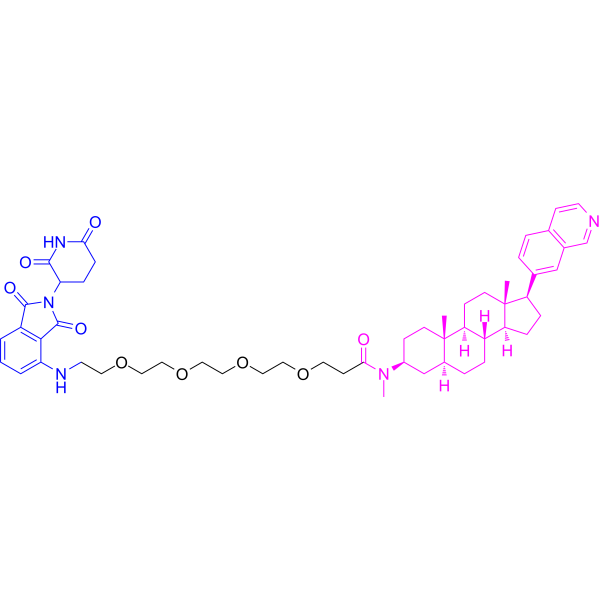
    FOSL1 degrader 1 is a FOSL1 PROTAC degrader with a DC50 of 2.3 μM. FOSL1 degrader 1 induces proteasomal degradation of FOSL1. FOSL1 degrader 1 eliminates cancer stem cells in head and neck squamous cell carcinoma. FOSL1 degrader 1 suppresses head and neck squamous cell carcinoma tumorigenesis. FOSL1 degrader 1 can be used for the research of head and neck squamous cell carcinoma .
    FOSL1 degrader 1
  • HY-148409

    Ferroptosis Apoptosis Autophagy MDM-2/p53 Cancer
    MMRi62, a ferroptosis inducer targeting MDM2-MDM4 (negative regulators of tumor suppressor p53). MMRi62 shows a P53-independent pro-apoptotic activity against pancreatic ductal adenocarcinoma (PDAC) cells and induce autophagy. MMRi62 inducesferroptosis, resulting in a increase of reactive oxygen and lysosomal degradation of ferritin heavy chain (FTH1). MMRi62 also leads to proteasomal degradation of mutant p53, also inhibits orthotopic xenograft PDAC mouse model in vivo with high frequency mutation characteristics of KRAS and TP53.12 .
    MMRi62
  • HY-156437

    Apoptosis Ser/Thr Protease NEKs Mitosis Cancer
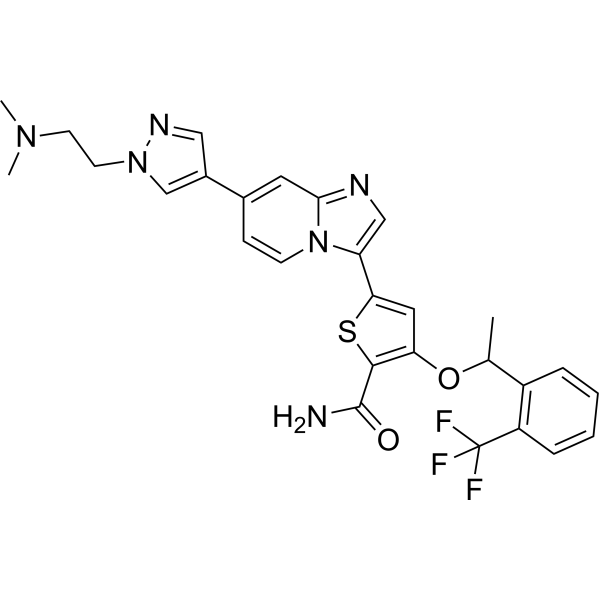
    NBI-961 is a potent NEK2 inhibitor that inhibits proteasomal degradation. NBI-961 induces G2/mitosis arrest and apoptosis in diffuse large B cell lymphoma (DLBCL) cells .
    NBI-961
  • HY-W453397

    Ligands for Target Protein for PROTAC Tau Protein Cardiovascular Disease Neurological Disease
    Aberrant tau ligand 1 is a tau protein ligand. Aberrant tau ligand 1 engages tau and CRBN to trigger proteasomal degradation. Aberrant tau ligand 1 can be used for synthesis PROTACs, such as QC-01–175 (HY-134850) .
    Aberrant tau ligand 1
  • HY-130257
    CP5V
    1 Publications Verification

    PROTACs Cancer
    CP5V is a PROTAC connected by ligands for von Hippel-Lindau and CDK, which specifically degrades Cdc20 by linking Cdc20 to the VHL/VBC complex for ubiquitination followed by proteasomal degradation. CP5V induces mitotic inhibition and suppresses cancer cell proliferation .
    CP5V
  • HY-147174

    PROTACs Epigenetic Reader Domain Cancer
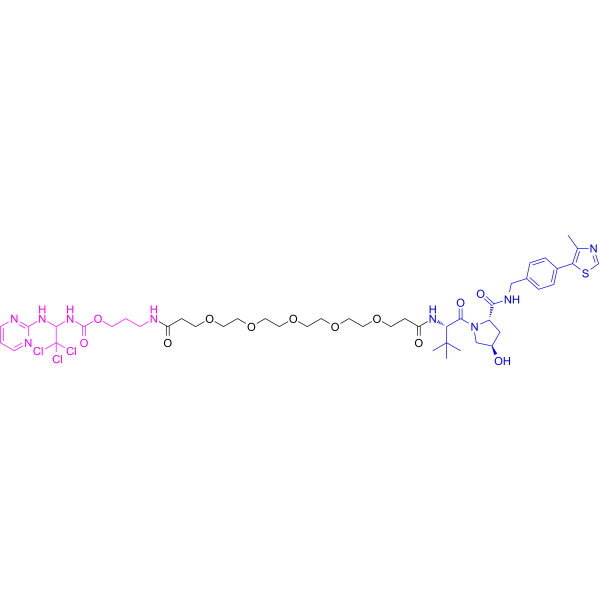
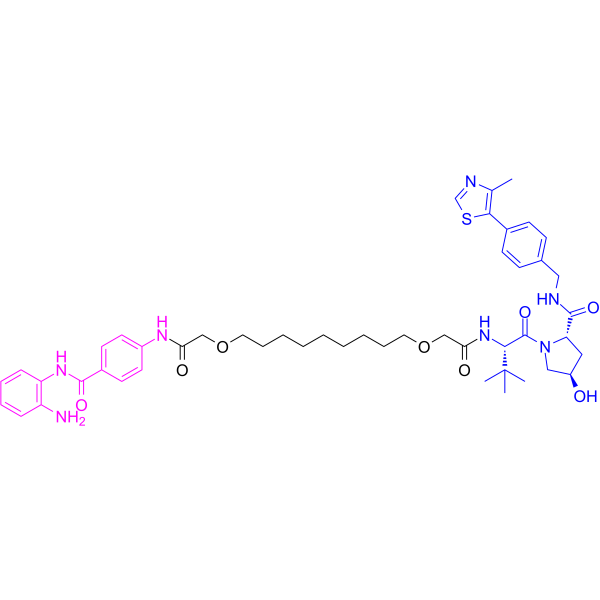
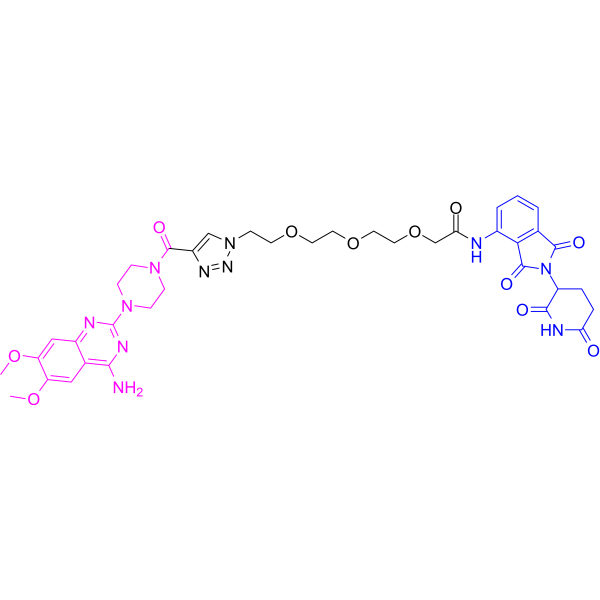
    PROTAC_ERRα is a potent and selective ERRα PROTAC degrader (DC50: 100 nM in MCF-7 cells). PROTAC_ERRα induces proteasomal degradation and has capable of specifically degrading ERRα protein by >80%. Blue: VHL ligand (HY-125845), Pink: ERRα ligand (HY-U00425), black: linker .
    PROTAC_ERRα
  • HY-111518
    JH-XI-10-02
    2 Publications Verification

    PROTACs CDK Cancer
    JH-XI-10-02 is a PROTAC connected by ligands for Cereblon and CDK. JH-XI-10-02 is a highly potent and selective PROTAC CDK8 degrader, with an IC50 of 159 nM. JH-XI-10-02 causes proteasomal degradation, does not affect CDK8 mRNA levels. JH-XI-10-02 shows no effect on CDK19 .
    JH-XI-10-02
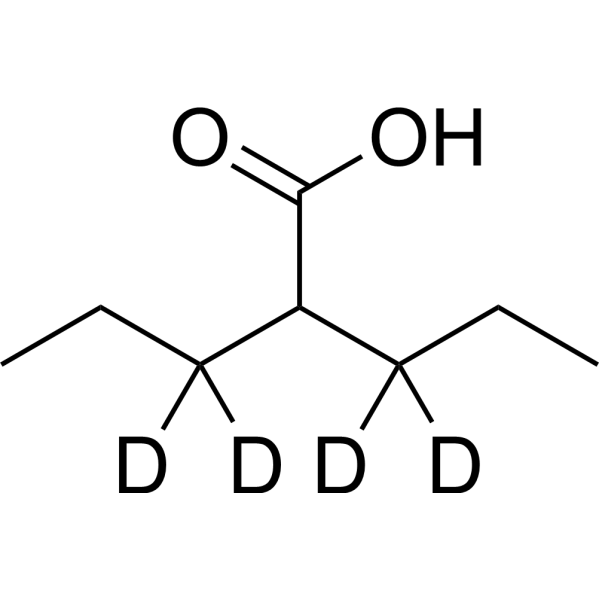
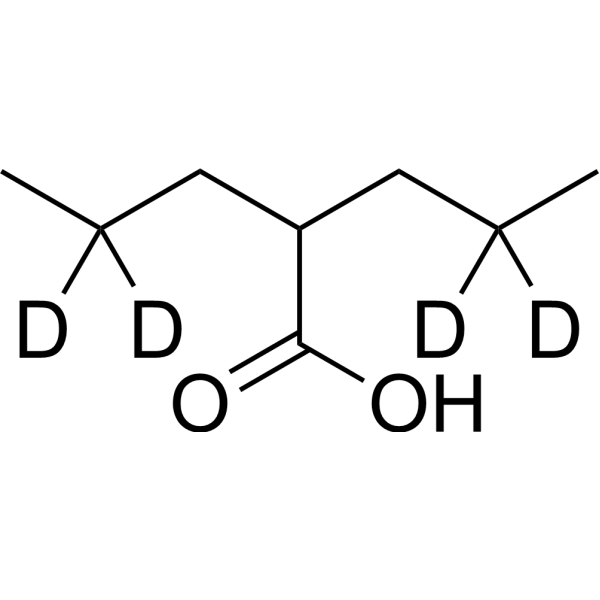
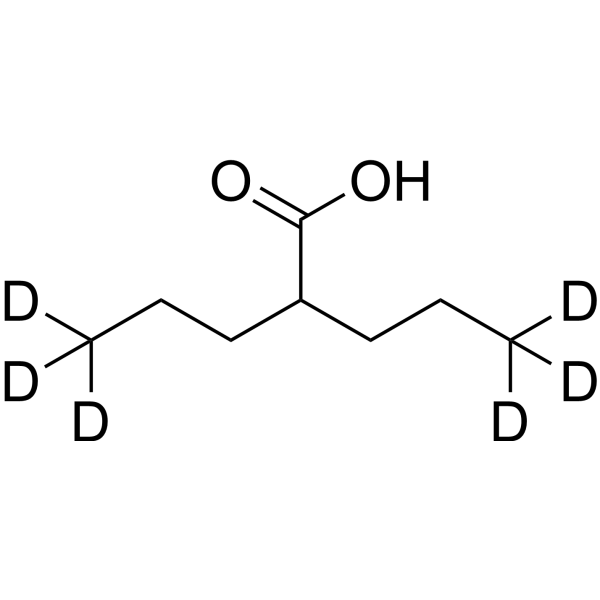
  • HY-10585S
    Valproic acid-d4
    1 Publications Verification

    VPA-d4; 2-Propylpentanoic acid-d4

    HDAC Autophagy Mitophagy HIV Notch Endogenous Metabolite Cancer
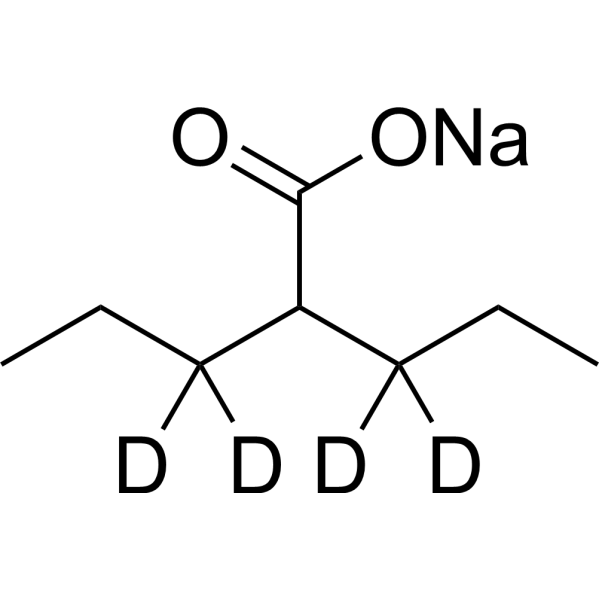
    Valproic acid-d4 is the deuterium labeled Valproic acid. Valproic acid (VPA; 2-Propylpentanoic Acid) is an HDAC inhibitor, with IC50 in the range of 0.5 and 2 mM, also inhibits HDAC1 (IC50, 400 μM), and induces proteasomal degradation of HDAC2. Valproic acid activates Notch1 signaling and inhibits proliferation in small cell lung cancer (SCLC) cells. Valproic acid sodium salt is used in the treatment of epilepsy, bipolar disorder and prevention of migraine headaches .
    Valproic acid-d4
  • HY-10585S1

    VPA-d6; 2-Propylpentanoic acid-d6

    HDAC Autophagy Mitophagy HIV Notch Endogenous Metabolite Cancer
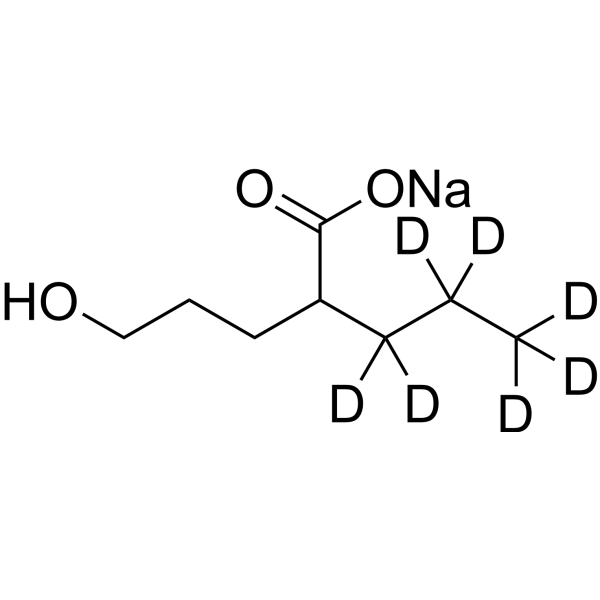
    Valproic acid-d6 is the deuterium labeled Valproic acid. Valproic acid (VPA; 2-Propylpentanoic Acid) is an HDAC inhibitor, with IC50 in the range of 0.5 and 2 mM, also inhibits HDAC1 (IC50, 400 μM), and induces proteasomal degradation of HDAC2. Valproic acid activates Notch1 signaling and inhibits proliferation in small cell lung cancer (SCLC) cells. Valproic acid sodium salt is used in the treatment of epilepsy, bipolar disorder and prevention of migraine headaches .
    Valproic acid-d6
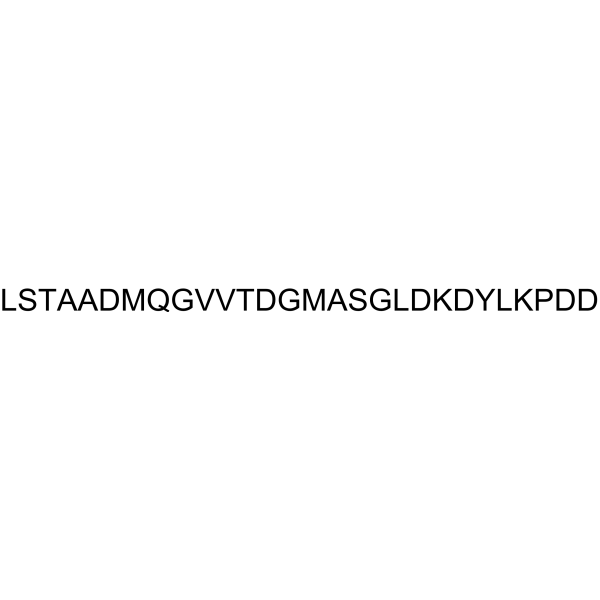
  • HY-P5910

    MDM-2/p53 Apoptosis Cancer
    Azurin p28 peptide is a tumor-penetrated antitumor peptide. Azurin p28 peptide redues proteasomal degradation of p53 through formation of a p28: p53 complex. Azurin p28 peptide induces apoptosis or cell cycle arrest. Azurin p28 peptide inhibits p53-positive tumor growths. Azurin p28 peptide shows antiangiogenic effect by inhibiting phosphorylation of VEGFR-2, FAK and Akt .
    Azurin p28 peptide
  • HY-171860

    PROTACs HIV Infection Cancer
    FC-14369 is a PROTAC degrader targeting the HIV-1 Nef protein, with a DC50 value of 160 nM. Through its bifunctional structure, FC-14369 binds to Nef and the Cereblon E3 ubiquitin ligase, induces Nef ubiquitination and proteasomal degradation, restores the expression of cell-surface CD4 and MHC-I, and inhibits HIV-1 replication. FC-14369 can be used in research on HIV infection and AIDS. FC-14369 is applicable to studies related to HIV-1 infection .
    FC-14369
  • HY-W181530

    Molecular Glues CDK Apoptosis Ligands for E3 Ligase Cancer
    NCT02 is a molecular glue degrader based on the E3 ubiquitin ligase DDB1 that targets CDK12 and its binding partner CCNK. NCT02 triggers the ubiquitination and proteasomal degradation of CCNK, thereby downregulating CDK12 protein levels and inhibiting its downstream signaling pathways. NCT02 can induce tumor cell apoptosis, arrest the cell cycle, and selectively inhibit the proliferation of colorectal cancer cells carrying TP53 defects or belonging to the consensus molecular subtype CMS4. NCT02 has the potential to inhibit tumor growth in in vitro and in vivo models .
    NCT02
  • HY-122542A
    PPACK dihydrochloride
    2 Publications Verification

    Pebac; D-Phenylalanyl-prolyl-arginyl Chloromethyl Ketone; D-Phe-Pro-Arg-CH2Cl

    Ligands for E3 Ligase Molecular Glues IKZF Family Cardiovascular Disease
    PPACK dihydrochloride is an orally active, selective molecular glue degrader targeting IKZF2. Through a molecular glue mechanism, PPACK dihydrochloride binds to CRBN, recruits IKZF2 to form a ternary complex, and promotes its ubiquitination and proteasomal degradation. This further converts inhibitory regulatory T cells (Treg) into effector-like T cells, enhances CD8 + T cell responses, and modulates the Teff:Treg balance. PPACK dihydrochloride also increases the production of the inflammatory cytokine IL-2 and reduces the suppressive activity of Treg. PPACK dihydrochloride can be used in cancer immunotherapy research, and exhibits a synergistic effect when combined with immune checkpoint inhibitors such as anti-PD1 .
    PPACK dihydrochloride
  • HY-10969A
    Obatoclax
    10+ Cited Publications

    GX15-070

    Bcl-2 Family Autophagy Parasite Infection Cancer
    Obatoclax (GX15-070), a BH3 mimetic, is a pan-BCL-2 family proteins inhibitor with a Ki of 220 nM for BCL-2 . Obatoclax induces autophagy-dependent cell death and targets cyclin D1 for proteasomal degradation. Obatoclax has anti-cancer and broad-spectrum antiparasitic activity .
    Obatoclax
  • HY-161108

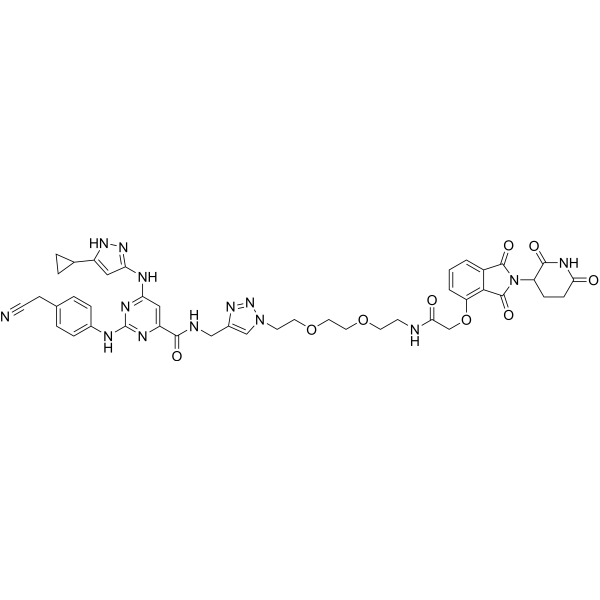
    PROTACs Checkpoint Kinase (Chk) Cancer
    PROTAC Chk1 degrader-1 is a Chk1-targeting PROTAC.PROTAC Chk1 degrader-1 recruits the Cereblon E3 ligase to induce ubiquitination and proteasomal degradation of Chk1.PROTAC Chk1 degrader-1 exhibits Chk1 degradation activity in malignant melanoma cells without showing a hook effect.PROTAC Chk1 degrader-1 can be used for the research of malignant melanoma .
    PROTAC Chk1 degrader-1
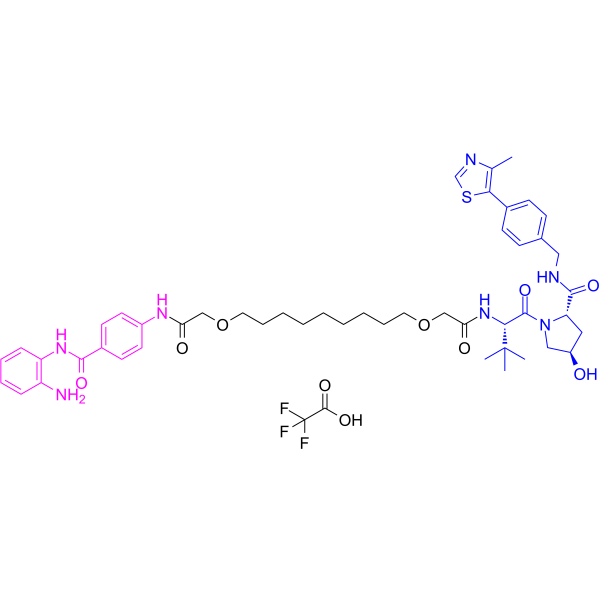
  • HY-145816A
    JPS016 TFA
    1 Publications Verification

    HDAC PROTACs Apoptosis PINK1/Parkin Autophagy Reactive Oxygen Species (ROS) Cancer
    JPS016 TFA is a class I histone deacetylase (HDAC) PROTAC inhibitor. JPS016 TFA recruits the VHL E3 ligase (Ligands for E3 Ligase) to mediate the ubiquitination and proteasomal degradation of HDAC1, HDAC2 and HDAC3. JPS016 TFA reduces the viability of colon cancer cells and induces Apoptosis. JPS016 TFA activates the PINK1/Parkin mitochondrial Autophagy pathway, enhances cardiomyocyte viability, alleviates mitochondrial damage, and reduces mitochondrial ROS production in cells. JPS016 TFA is applicable to research related to colon cancer and sepsis cardiomyopathy .
    JPS016 TFA
  • HY-175785

    Estrogen Receptor/ERR Aryl Hydrocarbon Receptor Apoptosis MDM-2/p53 Cancer
    X15695 is selective and orally active estrogen receptor (ERα) degrader. X15695 is an aryl hydrocarbon receptor (AHR) ligand. X15695 enables AHR to form a complex with the ERα, promoting its proteasomal degradation. X15695 inhibits the breast cancer cells proliferation, promotes cell cycle block and induces apoptosis. X15695 can be used for the study of breast cancer .
    X15695
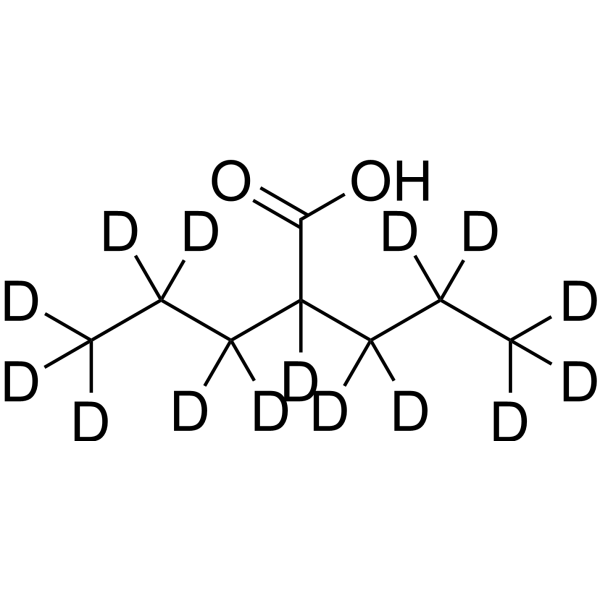
  • HY-10585S2

    VPA-d15; 2-Propylpentanoic acid-d15

    HDAC Autophagy Mitophagy HIV Notch Endogenous Metabolite Cancer
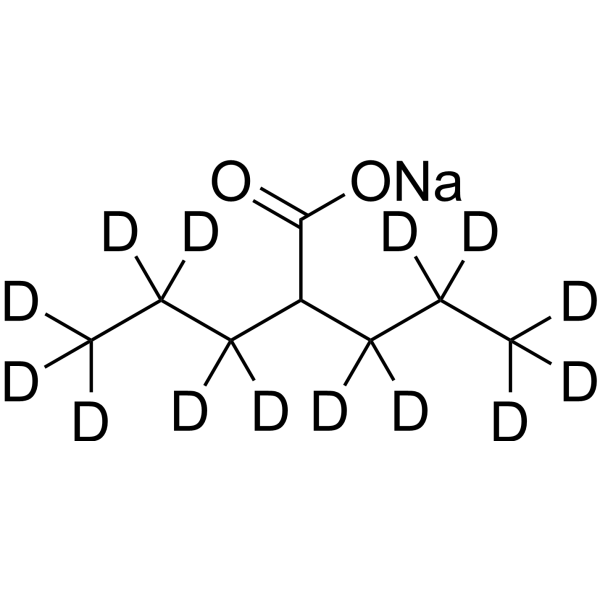
    Valproic acid-d15 is the deuterium labeled Valproic acid. Valproic acid (VPA; 2-Propylpentanoic Acid) is an HDAC inhibitor, with IC50 in the range of 0.5 and 2 mM, also inhibits HDAC1 (IC50, 400 μM), and induces proteasomal degradation of HDAC2. Valproic acid activates Notch1 signaling and inhibits proliferation in small cell lung cancer (SCLC) cells. Valproic acid sodium salt is used in the treatment of epilepsy, bipolar disorder and prevention of migraine headaches .
    Valproic acid-d15
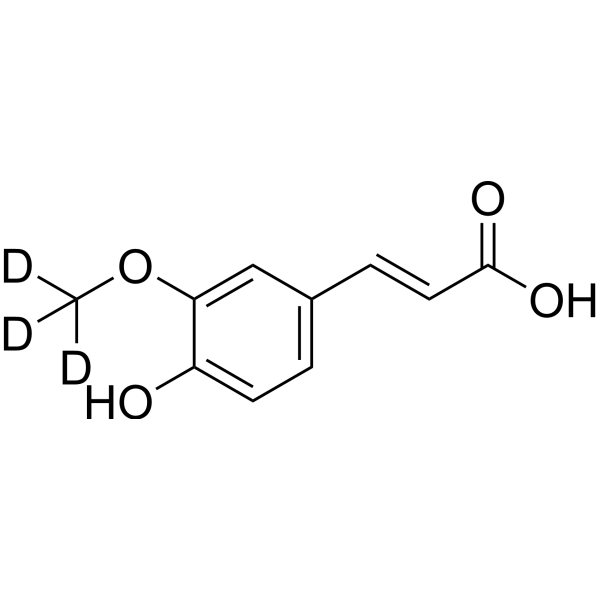
  • HY-N0060BS

    (E)-Coniferic acid-d3

    β-catenin Bcl-2 Family Ferroptosis Endogenous Metabolite Cancer
    (E)-Ferulic acid-d3 is the deuterium labeled (E)-Ferulic acid. (E)-Ferulic acid is a isomer of Ferulic acid which is an aromatic compound, abundant in plant cell walls. (E)-Ferulic acid causes the phosphorylation of β-catenin, resulting in proteasomal degradation of β-catenin and increases the expression of pro-apoptotic factor Bax and decreases the expression of pro-survival factor survivin. (E)-Ferulic acid shows a potent ability to remove reactive oxygen species (ROS) and inhibits lipid peroxidation. (E)-Ferulic acid exerts both anti-proliferation and anti-migration effects in the human lung cancer cell line H1299 .
    (E)-Ferulic acid-d3
  • HY-173097

    VH032-Boc derivative 1

    MALT1 Cancer
    (S,R,S)-AHPC-Boc derivative 1 (Compound 80-9; VH032-Boc derivative 1) is a selective proteasomal degrader targeting MALT1, which recruits the E3 ubiquitin ligase CRBN to form a ternary complex with MALT1, leading to ubiquitination and subsequent proteasomal degradation of MALT1. (S,R,S)-AHPC-Boc derivative 1 inhibits the NF-κB signaling pathway by disrupting the CBM complex, demonstrating potential for inducing apoptosis in ABC-DLBCL cells. (S,R,S)-AHPC-Boc derivative 1 is promising for research of MALT1-dependent cancers, such as diffuse large B-cell lymphoma (DLBCL) .
    (S,R,S)-AHPC-Boc derivative 1
  • HY-175334

    Molecular Glues Cancer
    DHC-286 is a molecular glue degrader targeting GSPT1. DHC-286 recruits GSPT1 to the CRL4CRBN ubiquitin ligase complex, promoting GSPT1 ubiquitination and proteasomal degradation, inducing cytotoxicity. DHC-286 is promising for research of cancers such as acute myeloid leukemia .
    DHC-286
  • HY-177742

    Molecular Glues Phosphoglycerate Dehydrogenase (PHGDH) Cancer
    LXH-3-71 is a PHGDH degrader. LXH-3-71 acts as a molecular glue to enhance the interaction of the PHGDH-DDB1-CRL E3 ligase complex, triggering ubiquitination and proteasomal degradation of PHGDH. LXH-3-71 regulates the stemness of colorectal cancer cells and inhibits tumor proliferation and colony formation. LXH-3-71 can be used in the research of colorectal cancer .
    LXH-3-71
  • HY-10585S4

    VPA-d4-1; 2-Propylpentanoic acid-d4-1

    Isotope-Labeled Compounds HDAC Autophagy Mitophagy HIV Notch Endogenous Metabolite Cancer
    Valproic acid-d4-1 is the deuterium labeled Valproic acid. Valproic acid (VPA; 2-Propylpentanoic Acid) is an HDAC inhibitor, with IC50 in the range of 0.5 and 2 mM, also inhibits HDAC1 (IC50, 400 μM), and induces proteasomal degradation of HDAC2. Valproic acid activates Notch1 signaling and inhibits proliferation in small cell lung cancer (SCLC) cells. Valproic acid sodium salt is used in the treatment of epilepsy, bipolar disorder and prevention of migraine headaches .
    Valproic acid-d4-1
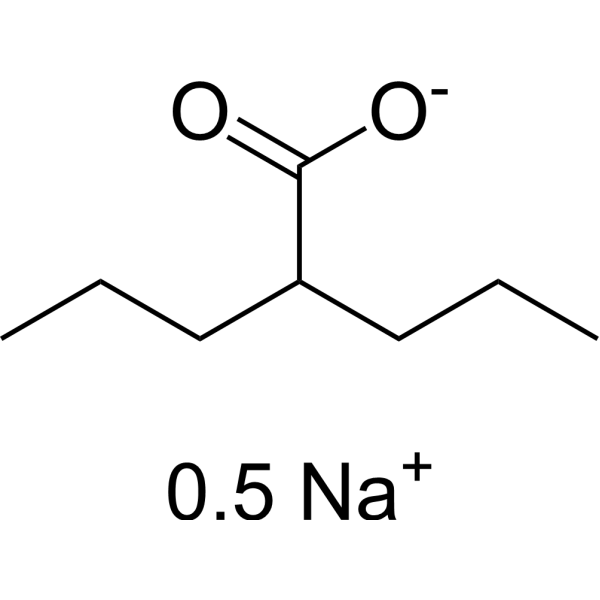
  • HY-10585B

    Sodium Valproate (2:1); VPA sodium (2:1); 2-Propylpentanoic acid sodium (2:1)

    HDAC Autophagy Mitophagy HIV Notch Apoptosis Endogenous Metabolite Infection Neurological Disease Metabolic Disease Cancer
    Valproic acid (VPA) sodium (2:1) is an orally active HDAC inhibitor, with IC50 in the range of 0.5 and 2 mM, also inhibits HDAC1 (IC50, 400 μM), and induces proteasomal degradation of HDAC2. Valproic acid sodium (2:1) activates Notch1 signaling and inhibits proliferation in small cell lung cancer (SCLC) cells. Valproic acid sodium (2:1) is used in the treatment of epilepsy, bipolar disorder, metabolic disease, HIV infection and prevention of migraine headaches .
    Valproic acid sodium (2:1)
  • HY-10585AR

    Sodium Valproate (Standard); VPA sodium (Standard); 2-Propylpentanoic acid sodium (Standard)

    Organoid Reference Standards HDAC Autophagy Mitophagy HIV Notch Apoptosis Endogenous Metabolite Infection Neurological Disease Metabolic Disease Cancer
    Valproic acid (sodium) (Standard) is the analytical standard of Valproic acid (sodium). This product is intended for research and analytical applications. Valproic acid (Sodium Valproate) sodium is an orally active HDAC inhibitor, with IC50 in the range of 0.5 and 2 mM, also inhibits HDAC1 (IC50, 400 μM), and induces proteasomal degradation of HDAC2. Valproic acid sodium activates Notch1 signaling and inhibits proliferation in small cell lung cancer (SCLC) cells. Valproic acid sodium is used in the treatment of epilepsy, bipolar disorder, metabolic disease, HIV infection and prevention of migraine headaches .
    Valproic acid sodium (Standard)

Inquiry Online

Your information is safe with us. * Required Fields.

Salutation


Country or Region *

Applicant Name *


Organization Name *

Department *


Email Address *


Product Name *

Cat. No.


Requested quantity *

Phone Number *


Remarks

Inquiry Online

Inquiry Information

Product Name:
Cat. No.:
Quantity:
MCE Japan Authorized Agent: