
Delivery of temperature sensitive items including proteins and kits will be paused on 6/19 for the Juneteenth holiday. For urgent orders please contact customer service.
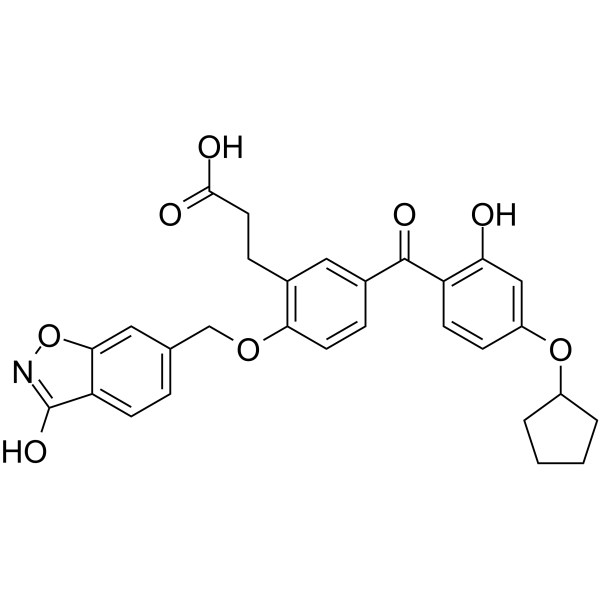
T-5224 is a transcription factor c-Fos/activator protein (AP)-1 inhibitor with anti-inflammatory effects, which specifically inhibits the DNA binding activity of c-Fos/c-Jun without affecting other transcription factors. T-5224 inhibits the IL-1β-induced up-regulation of Mmp-3, Mmp-13 and Adamts-5 transcription .
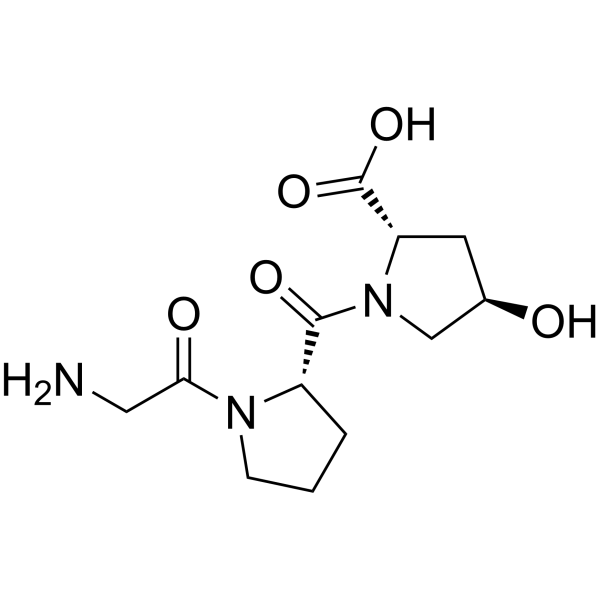
H-Gly-Pro-Hyp-OH is a collagen-derived peptide and also a dipeptidyl peptidase-4 inhibitor.\nH-Gly-Pro-Hyp-OH inhibits the activity of dipeptidyl peptidase-4 in vitro. H-Gly-Pro-Hyp-OH binds to the DNA-binding site of the JUN/FOS complex, blocks the formation of the DNA-JUN/FOS complex, and inhibits transcriptional activity. H-Gly-Pro-Hyp-OH is applicable to research related to skin photoaging, UVB-induced skin aging/photoaging, and thrombosis .
Candidalysin is a cytolytic peptide toxin secreted by the fungus Candida albicans. Candidalysin drives epithelial immune responses by activating the EGFR-MAPK signaling pathway, inducing MMP expression and calcium influx, and regulating the c-Fos transcription factor and MKP1 via p38 MAPK and ERK1/2 respectively. Candidalysin is essential for mucosal and systemic infections, activating NLRP3 to promote inflammatory responses, neutrophil recruitment, and Th17 immunity. Candidalysin activates LDH causing membrane damage and exhibiting cytotoxicity
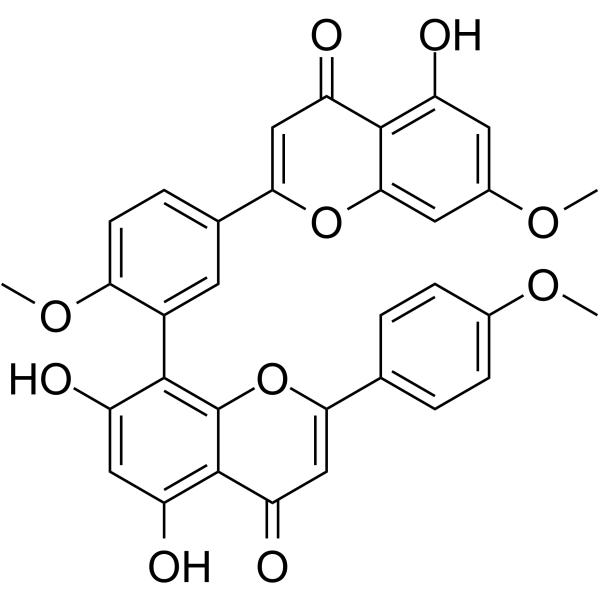
Sciadopitysin is a type of biflavonoids in leaves from ginkgo biloba . Sciadopitysi inhibits RANKL-induced osteoclastogenesis and bone loss by inhibiting NF-κB activation and reducing the expression of c-Fos and NFATc1 .
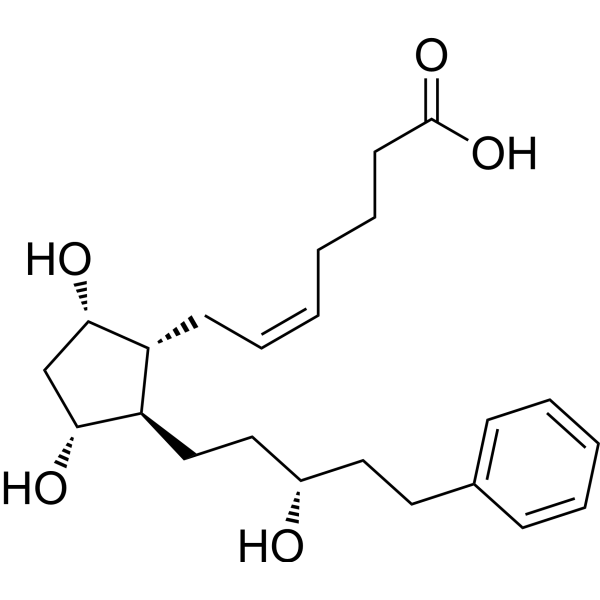
Latanoprost acid, an analog of prostaglandin (PG) F2α, is an selective prostanoid receptor (FP) agonist that specifically activates the FP-PG receptor . Latanoprost acid inhibits RANKL-induced osteoclastgenesis and function by inhibiting ERK, AKT, JNK, and p38 cascade, following by the c-fos/NFATc1 pathway. Latanoprost acid is a medication which works to lower pressure inside the eyes .
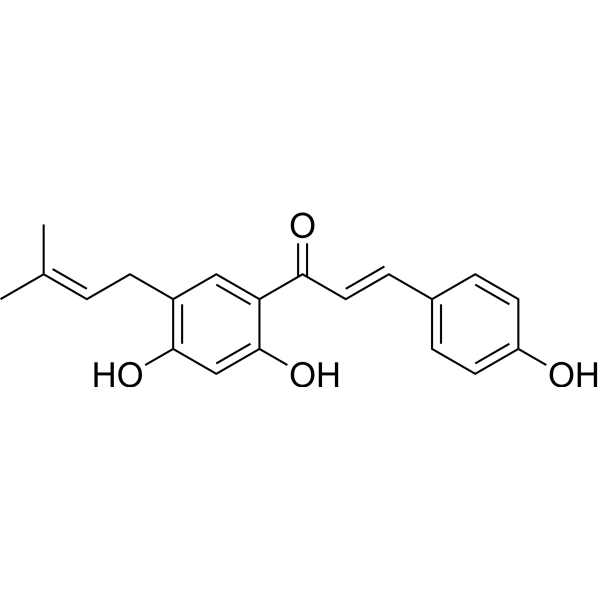
Bavachalcone is a potent inducer of apoptosis. Bavachalcone exerts anticancer activity by promoting autophagy and apoptosis in HepG2 cells. Bavachalcone acts as an anti-neuroinflammatory and antidepressant through the NF-κB pathway. Bavachalcone inhibits osteoclasts by interfering with ERK and Akt signaling pathways and the expression of c-Fos and NFATc1. Bavachalcone exhibits a significant inhibitory effect on baculovirus-expressed BACE-1 in vitro .
Schizophyllan (SPG) is an orally active extracellular β-glucan produced by the fungus Schizophyllum commune. Schizophyllan improves mitochondrial function and protects against metabolic liver injury by activating the SIRT3 pathway. Schizophyllan inhibits osteoclastogenesis and promotes osteoblast differentiation by suppressing the phosphorylation of JNK/p38, as well as downregulating PGC1β/PPARγ, c-Fos and NFATc1. Recognized via Dectin-1, schizophyllan enables precise delivery of oligonucleotide drugs and antigens to antigen-presenting cells, thus holding great potential in the treatment of inflammatory diseases and vaccine development .
Galloylpaeoniflorin (6'-O-Galloyl paeoniflorin) is an orally active galloylated derivative of Paeoniflorin (HY-N0293) found in peony roots with various anti-inflammatory and antioxidant activities. Galloylpaeoniflorin suppresses RANKL-induced activation of ERK, JNK, c-Fos, c-Jun, and NFATc1, and reduces osteoclast-specific gene expression. Galloylpaeoniflorin activates Nrf2 and PI3K/Akt pathways, inhibits NF-κB activation, and scavenges ROS to reduce oxidative DNA, lipid, and protein damage. Galloylpaeoniflorin attenuates neuroinflammation, inhibits apoptosis, reduces Helicobacter pylori-induced gastric mucosa injury and UVB-induced cell damage. Galloylpaeoniflorin can be used for the research of osteoporosis, gastritis, ischemic stroke and skin diseases .
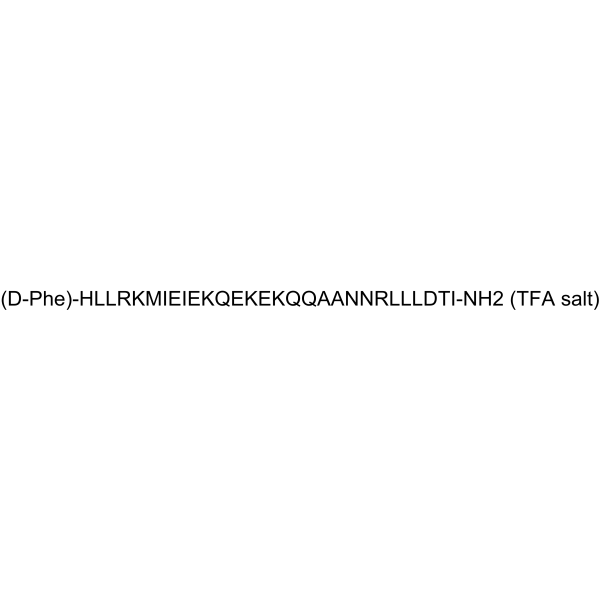
BRP (BRINP2-related peptide) TFA is a 12-peptide derived from BRINP2 that can cross the blood-brain barrier. BRP TFA induces the central activation of FOS in neuronal cells via the cAMP-PKA-CREB signaling pathway. BRP TFA exerts anorectic and anti-obesity effects without triggering nausea or aversive responses. The action of BRP TFA is independent of the leptin, GLP-1 receptor and melanocortin 4 receptor pathways. BRP TFA is applicable to obesity-related research .
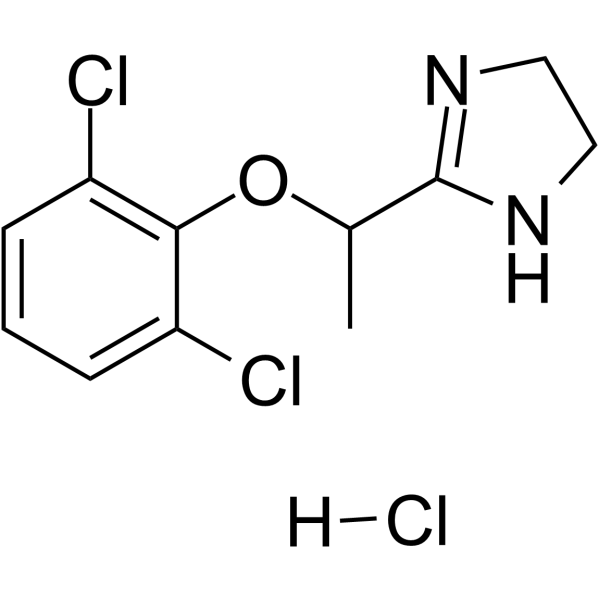
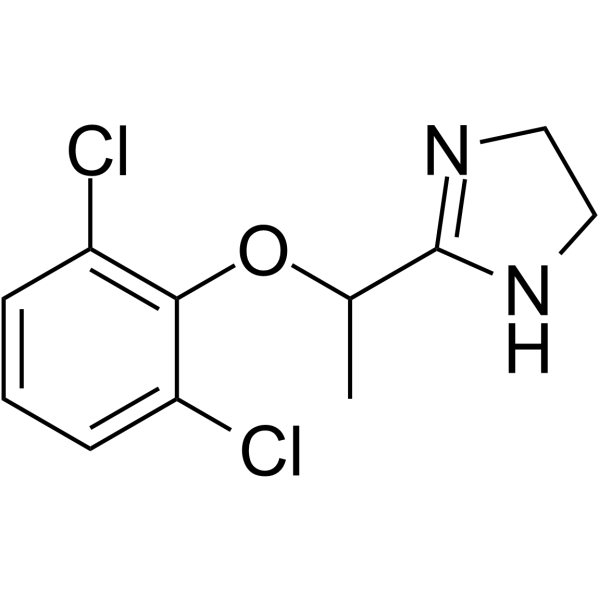
Lofexidine hydrochloride (Baq-168) is an orally active agonist of the imidazoline I1 receptor (imidazoline I1 receptor) (Ki: 1.9 nM) and α2-adrenergic receptor (α2-adrenergic receptor). Lofexidine hydrochloride binds to the α2A-adrenergic receptor, reduces sympathetic outflow, lowers blood pressure, and exhibits vasoconstrictive effects. Lofexidine hydrochloride regulates the expression of c-fos and alleviates opioid withdrawal symptoms. Lofexidine hydrochloride is applicable to research on opioid addiction and withdrawal .
BRP is a 12-peptide derived from BRINP2 that can cross the blood-brain barrier. BRP induces the central activation of FOS in neuronal cells via the cAMP-PKA-CREB signaling pathway. BRP exerts anorectic and anti-obesity effects without triggering nausea or aversive responses. The action of BRP is independent of the leptin, GLP-1 receptor and melanocortin 4 receptor pathways. BRP is applicable to obesity-related research .
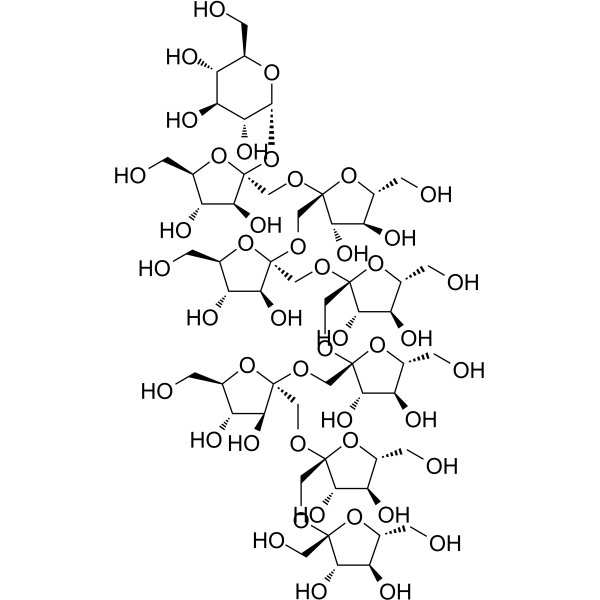
Fructo-oligosaccharide DP8/GF7 belongs to fructooligosaccharides (FOS) with degree of polymerization (DP=8). Fructo-oligosaccharides (FOS) are composed of 7 fructose units linked by (2→1)-β-glycosidic bonds and having a single D-glucosyl unit at the non-reducing end .
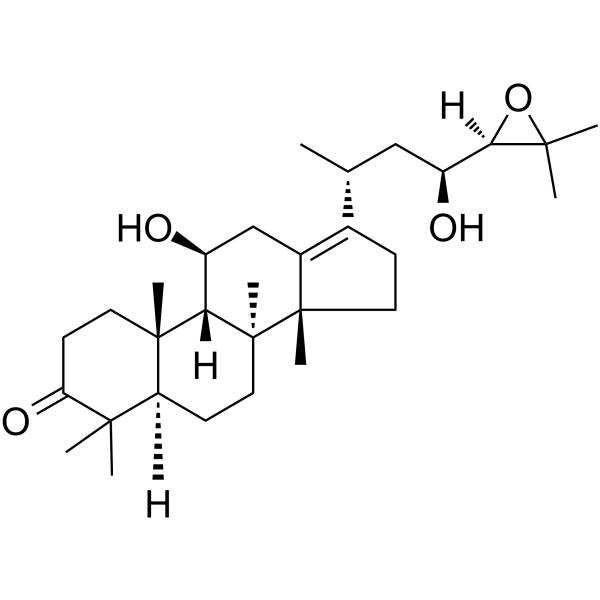
Alisol B is a triterpene with diverse biological activities. Alisol B binds human soluble epoxide hydrolase (sEH) with a Ki of 5.97 μM and reduces sEH activity. Alisol B inhibits RANKL-induced JNK phosphorylation, NFATc1 and c-Fos expression, osteoclast formation, mature osteoclast pit-forming and actin ring activity, and SERCA pump activity. Alisol B induces calcium mobilization, CaMKK-AMPK-mTOR pathway activation, autophagic flux, autophagosome formation, G1 phase cell cycle arrest, endoplasmic reticulum stress, unfolded protein responses, and cancer cell apoptosis. Alisol B can be used for the research of hypercalcemia, osteoporosis, rheumatoid arthritis, periodontitis, acute kidney injury, and breast cancer .
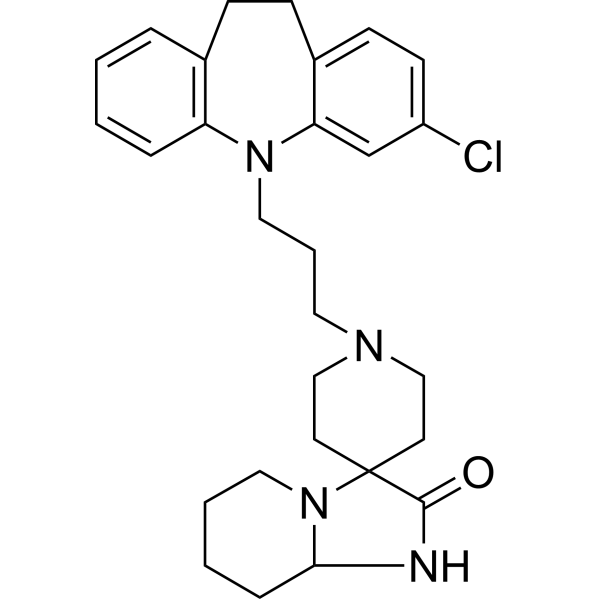
Mosapramine (Clospipramine) is an orally active antipsychotic agent and one of the metabolites of Clocapramine (HY-B2073) after oral absorption. Mosapramine exerts its effects by specifically binding to striatal dopamine D2 receptors and frontal lobe 5-HT2 receptors, with a D2/5-HT2 receptor occupancy ratio of 7.4. Mosapramine induces typical neuropharmacological responses in rat brain regions, including extrapyramidal symptoms, hyperprolactinemia, increased salivation, constipation, and upregulated Fos protein expression. Mosapramine also features a reduced incidence of weight loss. Mosapramine is applicable to research related to schizophrenia .
Fructo-oligosaccharide DP9/GF8 belongs to fructooligosaccharides (FOS) with degree of polymerization (DP=9). Fructo-oligosaccharides (FOS) are composed of 8 fructose units linked by (2→1)-β-glycosidic bonds and having a single D-glucosyl unit at the non-reducing end .
Lofexidine (Baq-168 free base) is an orally active agonist of the imidazoline I1 receptor (imidazoline I1 receptor) (Ki: 1.9 nM) and α2-adrenergic receptor (α2-adrenergic receptor). Lofexidine binds to the α2A-adrenergic receptor, reduces sympathetic outflow, lowers blood pressure, and exhibits vasoconstrictive effects. Lofexidine regulates the expression of c-fos and alleviates opioid withdrawal symptoms. Lofexidine is applicable to research on opioid addiction and withdrawal .
Fructo-oligosaccharide DP7/GF6 belongs to fructooligosaccharides (FOS) with degree of polymerization (DP=7). Fructo-oligosaccharides (FOS) are composed of 6 fructose units linked by (2→1)-β-glycosidic bonds and having a single D-glucosyl unit at the non-reducing end .
Trandolaprilate hydrate is a potent angiotensin-converting enzyme (ACE) inhibitor. Trandolaprilate hydrate partially inhibits angiotensin-I-mediated c-fos induction. Trandolaprilate is main bioactive metabolite of Trandolapril. Trandolaprilate shows high lipophilicity .
U0124, an inactive U0126 analog, has no effect on c-Fos and c-Jun protein or mRNA levels. U0126 is a MEK inhibitor. U0124 does not inhibit MEK at concentrations up to 100 μM .
CMX-8933 is an octapeptide fragment of the goldfish brain neurotrophic factor ependymin. CMX-8933 increases the enzymatic activity of c-Jun N-terminal kinase (JNK), increases the phosphorylation of JNK and c-Jun proteins, and increases the cellular levels of c-Jun and c-Fos mRNA. CMX-8933 can be used to study the role of ependymin in neuroplasticity, learning, memory formation, and neural regeneration .
Amorphigenin is a trothotenone compound. Amorphigenin inhibits osteoclast differentiation by suppressing the expression of c-Fosand NFATc1 in activated T cells. Amorphigenin degrades melanosome proteins by activating the AMPK-dependent autophagy pathway, but not in dependence of the mTOR pathway. Amorphigenin significantly protects bone mass and reduces bone erosion in a mouse model of inflammatory bone loss. Amorphigenin can be used to study inflammatory bone diseases, postmenopausal osteoporosis, and skin pigmentation disorders .
JNK-1-IN-3 (Compound 9e) is an inhibitor of JNK1 that downregulates JNK1 gene expression and inhibits the protein levels of its phosphorylated form, concurrently reducing the expression of its downstream targets, c-Jun and c-Fos, in tumors while restoring p53 activity. JNK-1-IN-3 exhibits broad-spectrum antiproliferative activity, particularly with high inhibitory activity against renal and breast cancer cell lines, demonstrating both in vivo and in vitro anticancer activity .
Santamarine (Santamarin; Balchanin) is a sesquiterpene lactone found in Artemisia scoparia. Santamarine shows anti-inflammatory, antioxidant, anticancer and anti-photoaging activities. Santamarine suppresses UVA-induced phosphorylation of JNK and p38 MAPK, nuclear translocation of phosphorylated c-Fos and c-Jun, and AP-1-mediated MMP-1 transcription and secretion. Santamarine suppresses NF-κB signaling, iNOS, COX-2, TNF-α, and IL-1β production. Santamarine inhibits thioredoxin reductase activity, induces ROS production, mitochondrial apoptosis, G2/M cell cycle arrest, and DNA damage, and reduces cancer cell growth. Santamarine can be used for the photoaging, inflammatory diseases and cancer .
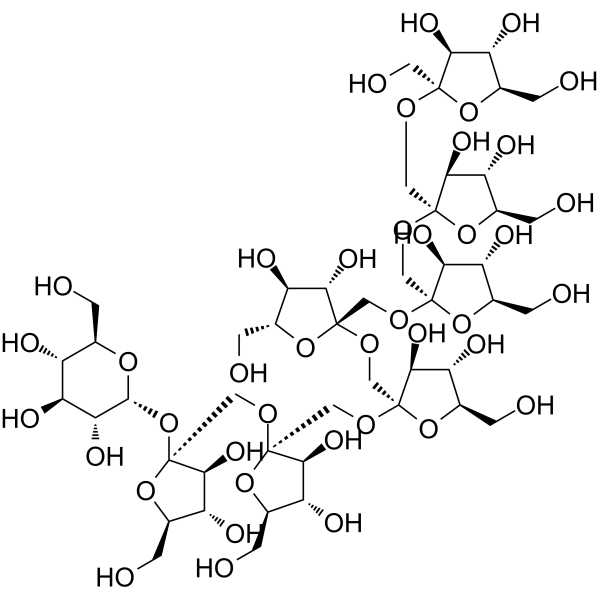
Fructo-oligosaccharide DP10/GF9 belongs to fructooligosaccharides (FOS) with degree of polymerization (DP=10). Fructo-oligosaccharides (FOS) are composed of 9 fructose units linked by (2→1)-β-glycosidic bonds and having a single D-glucosyl unit at the non-reducing end .
Fructo-oligosaccharide DP12/GF11 belongs to fructooligosaccharides (FOS) with degree of polymerization (DP=12). Fructo-oligosaccharides (FOS) are composed of 11 fructose units linked by (2→1)-β-glycosidic bonds and having a single D-glucosyl unit at the non-reducing end .
Trandolaprilate is a potent angiotensin-converting enzyme (ACE) inhibitor. Trandolaprilate partially inhibits angiotensin-I-mediated c-fos induction. Trandolaprilate is main bioactive metabolite of Trandolapril. Trandolaprilate shows high lipophilicity .
Trandolaprilate (Standard) is the analytical standard of Trandolaprilate. This product is intended for research and analytical applications. Trandolaprilate is a potent angiotensin-converting enzyme (ACE) inhibitor. Trandolaprilate partially inhibits angiotensin-I-mediated c-fos induction. Trandolaprilate is main bioactive metabolite of Trandolapril. Trandolaprilate shows high lipophilicity .
Picrasidine I is an anti-inflammatory and anti-osteoclastogenic dimeric alkaloid that can be isolated from Picrasma quassioides. Picrasidine I inducs cell cycle arrest, and triggers cell apoptosis by downregulats ERK and Akt pathways. Picrasidine I inhibits the activation of MAPKs, NF-κB and ROS generation, and suppresses the expression of c-Fos and NFATc1 .
ADM 12 is a highly selective transient receptor potential ankyrin 1 (TRPA1) channel antagonist. ADM 12 blocks nitroglycerin (NTG)-induced trigeminal hyperalgesia in animal models, reducing expression of pain-related genes (c-Fos, TRPA1) and neuropeptides (CGRP, SP). ADM_12 is promising for research of migraine and neuropathic pain .
Chlothymol is a potent positive modulator of the GABAA receptor subunit LGC-37, anticonvulsant, and antibacterial agent. Chlothymol inhibits Pentylenetetrazol-induced c-fos expression. Chlothymol inhibits the growth of Methicillin (HY-121544)-resistant Staphylococcus aureus (MRSA) strains, including LAC, with an MIC of 32 μg/mL. Chlorothymol has protective effects against epileptic seizures in various mouse models .
NF-κB/MAPK-IN-2 (compound 14) is a potent NF-κB and MAPK Inhibitor. NF-κB/MAPK-IN-2 decreases the protein expression of p-p65, p-IκB, p-p38, p-JNK, and p-ERK. NF-κB/MAPK-IN-2 reduces the LPS-induced release of TNF-α and IL-6. NF-κB/MAPK-IN-2 inhibits nuclear translocation of p65 and c-Fos. NF-κB/MAPK-IN-2 has the potential for the research of sepsis .
TAT-D1 peptide acetate is a dopamine D1-D2 receptor heterodimer inhibitor. TAT-D1 peptide acetate disrupts the function of dopamine D1-D2 receptor heteromers, enhances subchronic amphetamine-induced locomotor activity, and exacerbates the expression of amphetamine-induced locomotor sensitization. TAT-D1 peptide acetate produces rapid anxiolytic and antidepressant-like effects in rat models of depression and anxiety, and inhibits c-fos expression in the nucleus accumbens of rats. TAT-D1 peptide acetate can be used in the research of psychostimulant addiction, depression and anxiety disorders .
Lofexidine-d4 hydrochloride (Baq-168-d4) is the deuterium labeled Lofexidine hydrochloride (HY-B1052). Lofexidine hydrochloride (Baq-168) is an orally active agonist of the imidazoline I1 receptor (imidazoline I1 receptor) (Ki: 1.9 nM) and α2-adrenergic receptor (α2-adrenergic receptor). Lofexidine hydrochloride binds to the α2A-adrenergic receptor, reduces sympathetic outflow, lowers blood pressure, and exhibits vasoconstrictive effects. Lofexidine hydrochloride regulates the expression of c-fos and alleviates opioid withdrawal symptoms. Lofexidine hydrochloride is applicable to research on opioid addiction and withdrawal .
1-Oleoyl lysophosphatidic acid sodium (GMP) is the GMP-grade form of 1-Oleoyl lysophosphatidic acid sodium (HY-107614). GMP-grade small molecules serve as auxiliary reagents in cell therapy. 1-Oleoyl lysophosphatidic acid sodium is a bioactive lipid signaling molecule. 1-Oleoyl lysophosphatidic acid sodium inhibits lysoPLD-catalyzed hydrolysis of lysophosphatidylcholine and FS-3. 1-Oleoyl lysophosphatidic acid sodium activates LPA1 and LPA2, thereby triggering calcium mobilization, NFATc1 translocation, Rho/ROCK activation, Smad2/3 phosphorylation and c-Fos expression. 1-Oleoyl lysophosphatidic acid sodium induces anxiety-like, depression-like and hypoactivity phenotypes, regulates osteoclast cytoskeleton and viability, reduces osteoclast bone resorptive activity, and drives mesenchymal stem cell differentiation into myofibroblast-like cells. 1-Oleoyl lysophosphatidic acid sodium stimulates the secretion of transforming growth factor-β1 and stromal cell-derived factor-1. 1-Oleoyl lysophosphatidic acid sodium is applicable to research related to anxiety, depression and ovarian cancer .
c-Fos-IN-1 (Compound P16) is a c-Jun inhibitor, and decreases mRNA levels and protein levels of c-Fos. c-Fos-IN-1 also inhibits the phosphorylation activity of ERK and the transcriptional activity of AP-1. c-Fos-IN-1 shows anticancer activity by inhibiting ERK/c-Fos/Jun pathway. c-Fos-IN-1 inhibits the proliferation and migration of gastric cancer cells (IC50: 2.31 μM for MGC-803 cell). c-Fos-IN-1 arrests cell cycle at G2/M phase and induces cancer cell apoptosis. c-Fos-IN-1 inhibits gastric cancer tumor growth .
Fos Mouse Pre-designed siRNA Set A contains three designed siRNAs for Fos gene (Mouse), as well as a negative control, a positive control, and a FAM-labeled negative control.
Fructo-oligosaccharide DP11/GF10 belongs to fructooligosaccharides (FOS) with degree of polymerization (DP=11). Fructo-oligosaccharides (FOS) are composed of 10 fructose units linked by (2→1)-β-glycosidic bonds and having a single D-glucosyl unit at the non-reducing end .
T-5224 (Standard) is the analytical standard of T-5224. This product is intended for research and analytical applications. T-5224 is a transcription factor c-Fos/activator protein (AP)-1 inhibitor with anti-inflammatory effects, which specifically inhibits the DNA binding activity of c-Fos/c-Jun without affecting other transcription factors. T-5224 inhibits the IL-1β-induced up-regulation of Mmp-3, Mmp-13 and Adamts-5 transcription .
Neboglamine (CR-2249; XY-2401) is a modulator for N-methyl-D-aspartate (NMDA) receptor. Neboglamine increases the levels of fos-like immunoreactivity (FLI)-positive cells in the prefrontal cortex, nucleus accumbens, and lateral septal nucleus in rat models, .restores NMDA (HY-17551) -mediated neurotransmitter release, and inhibits phencyclidine-induced hyperlocomotion .
CDK5 can be mapped to chromosome 7q36 and its expression is upregulated by the transcription factors Fos and CREB through the MEK/ERK pathway and by δFosB. CDK5 plays a vital role in the central nervous system but has functions in other cell types. CDK5 has recently been implicated in diseases, including the development and progression of cancer and neurodegenerative diseases. CDK5/p25NCK Recombinant Human Active Protein Kinase is an ortholog of CDK5 .
CDK5 can be mapped to chromosome 7q36 and its expression is upregulated by the transcription factors Fos and CREB through the MEK/ERK pathway and by δFosB. CDK5 plays a vital role in the central nervous system but has functions in other cell types. CDK5 has recently been implicated in diseases, including the development and progression of cancer and neurodegenerative diseases. CDK5/p35NCK Recombinant Human Active Protein Kinase is an ortholog of CDK5 .
12(S)-HPETE is a 12-hydroxyeicosatetraenoic acid. 12(S)-HPETE has the function of regulating vascular tone. 12(S)-HPETE induces the expression of c-Fos and c-Jun protein and increases activating protein 1 (AP-1) activity in vascular smooth muscle cells.12(S)-HPETE may play a physiological role in vasomotor regulation through endothelium itself and crosstalk between blood cells and endothelium. 12(S)-HPETE can be used in the study of cerebrovascular tension .
TAT-D1 peptide is a dopamine D1-D2 receptor heterodimer inhibitor. TAT-D1 peptide disrupts the function of dopamine D1-D2 receptor heteromers, enhances subchronic amphetamine-induced locomotor activity, and exacerbates the expression of amphetamine-induced locomotor sensitization. TAT-D1 peptide produces rapid anxiolytic and antidepressant-like effects in rat models of depression and anxiety, and inhibits c-fos expression in the nucleus accumbens of rats. TAT-D1 peptide can be used in the research of psychostimulant addiction, depression and anxiety disorders .
A-582941 dihydrochloride is a selective, orally active, blood-brain barrier-permeable α7 nAChR agonist, with Ki values of 10.8 nM and 17 nM in rat brain and human frontal cortex, respectively. A-582941 dihydrochloride exhibits agonistic activity at 5-HT3 receptors, with a Ki of 150 nM. A-582941 dihydrochloride triggers phosphorylation of ERK1/2 and CREB, inhibits GSK-3β via Ser-9 phosphorylation, increases acetylcholine release, induces the expression of Arc and c-Fos, activates brain regions associated with working memory and attention, and reduces cell death caused by nerve growth factor (NGF) deprivation. A-582941 dihydrochloride is applicable for the research of Alzheimer's disease and schizophrenia .
Human FOS mRNA encodes the human Fos proto-oncogene, AP-1 transcription factor subunit (FOS) protein which has been implicated as regulators of cell proliferation, differentiation, and transformation.
Fos Rat Pre-designed siRNA Set A contains three designed siRNAs for Fos gene (Rat), as well as a negative control, a positive control, and a FAM-labeled negative control.
FOS Human Pre-designed siRNA Set A contains three designed siRNAs for FOS gene (Human), as well as a negative control, a positive control, and a FAM-labeled negative control.
(RS)-(Tetrazol-5-yl)glycine (D,L-(tetrazol-5-yl)glycine) is a highly potent and selective N-methyl-D-aspartate (NMDA) receptor agonist . (RS)-(Tetrazol-5-yl)glycine has EC50s of 99 nM, 1.7 μM for GluN1/GluN2D and GluN1/GluN2A, respectively . (RS)-(Tetrazol-5-yl)glycine induces seizure responses and Fos in mice .
Nerisopam is an orally active gamma-aminobutyric acid (GABA) receptor agonist. Nerisopam is an anxiolytic and antipsychotic homophthalazine. Nerisopam induces rapid, intense expression of Fos-like immunoreactivity in the rostral, dorsomedial and lateral parts of the striatum in the rat .
Osemozotan hydrochloride (MKC242) is a selective 5-HT1A receptor agonist. Osemozotan hydrochloride decreases the number of c-Fos-positive cells caused by MAMP in mice. Osemozotan hydrochloride can be used for the research of depressive disorder .
Eudebeiolide B is a compound that can be isolated from Salvia plebeia R. Br. Eudebeiolide B inhibits osteoclastogenesis by regulating RANKL-induced NF-κB, c-Fos and calcium signaling. Eudebeiolide B can be used for osteoclast-related diseases research .
Trandolaprilate-d6 is the deuterium labeled Trandolaprilate . Trandolaprilate is a potent angiotensin-converting enzyme (ACE) inhibitor. Trandolaprilate partially inhibits angiotensin-I-mediated c-fos induction. Trandolaprilate is main bioactive metabolite of Trandolapril. Trandolaprilate shows high lipophilicity .
Sciadopitysin (Standard) is the analytical standard of Sciadopitysin. This product is intended for research and analytical applications. Sciadopitysin is a type of biflavonoids in leaves from ginkgo biloba . Sciadopitysi inhibits RANKL-induced osteoclastogenesis and bone loss by inhibiting NF-κB activation and reducing the expression of c-Fos and NFATc1 .
E-5842 citrate is a σ receptor ligand (Ki: 4 nM for σ1 receptor). E-5842 citrate increases levels of Fos in the medial prefrontal cortex and the nucleus accumbens, without affecting the levels of the protein in the striatum. E-5842 citrate can be used in the research of psychiatric disorders .
Cannabidiolic acid methyl ester (HU-580) is an orally active cannabidiolic acid analogue. Cannabidiolic acid methyl ester can enhance the activation of 5-HT1A receptor and increase the expression of c-Fos and NeuN in specific hypothalamic nuclei of rats. Cannabidiolic acid methyl ester has anti-nausea, anti-anxiety and anti-injury effects .
Latanoprost acid (Standard) is the analytical standard of Latanoprost acid. This product is intended for research and analytical applications. Latanoprost acid, an analog of prostaglandin (PG) F2α, is an selective prostanoid receptor (FP) agonist that specifically activates the FP-PG receptor . Latanoprost acid inhibits RANKL-induced osteoclastgenesis and function by inhibiting ERK, AKT, JNK, and p38 cascade, following by the c-fos/NFATc1 pathway. Latanoprost acid is a medication which works to lower pressure inside the eyes .
KTT-1 is a kinetically selective and orally active HDAC2 inhibitor. KTT-1 exhibits high HDAC2-selectivity over HDAC1. KTT-1 inhibits osteoclast differentiation at an early stage by downregulating c-Fos expression. KTT-1 effectively suppresses arthritis symptoms in the collagen-induced arthritis (CIA) mouse model. KTT-1 can be used for the research of rheumatoid arthritis and neurodegenerative diseases .
Bavachalcone (Standard) is the analytical standard of Bavachalcone. This product is intended for research and analytical applications. Bavachalcone is a potent inducer of apoptosis. Bavachalcone exerts anticancer activity by promoting autophagy and apoptosis in HepG2 cells. Bavachalcone acts as an anti-neuroinflammatory and antidepressant through the NF-κB pathway. Bavachalcone inhibits osteoclasts by interfering with ERK and Akt signaling pathways and the expression of c-Fos and NFATc1. Bavachalcone exhibits a significant inhibitory effect on baculovirus-expressed BACE-1 in vitro .
14,15-EET-SI is a sulfonimide (SI) analog metabolized from 14,15-EET, which is also an effective mitogen. 14,15-EET-SI can stimulate the incorporation of [3H] thymidine, activate pp60c-src and initiate the tyrosine kinase cascade, mediating their mitotic effects. Additionally, 14,15-EET-SI can increase cell proliferation as well as the expression of c-fos and egr-1 mRNA .
RIPK1-IN-32 is a RIPK inhibitor with anti-inflammatory activity. RIPK1-IN-32 inhibits nitric oxide (NO) release with an IC50 of 3.26 μM. RIPK1-IN-32 significantly alleviates acute liver injury associated with sepsis through the RIPK1/NF-κB/MAPK pathway, therefore preventing the nuclear translocation of p65 and c-fos, which results in reduced expression of TNF-α and IL-6. RIPK1-IN-32 can be used for the study of acute liver injury and sepsis .
Methylcarbamyl PAF C-8 is resistant to the degradation function of platelet-activating factor acetylhydrolase (PAF-AH). It has a half-life of more than 100 minutes in platelet-poor plasma and possesses the activity of inducing platelet aggregation. In NRK-49 cells overexpressing the PAF receptor, Methylcarbamyl PAF C-8 can induce the expression of c-myc and c-fos, and activate mitogen-activated protein kinase (MAPK). Additionally, Methylcarbamyl PAF C-8 can induce cell cycle arrest in the G1 phase. Methylcarbamyl PAF C-8 holds promise for research in the fields of cardiovascular diseases and anti-cancer therapy .
Lofexidine (Baq-168) hydrochloride Standard is the analytical standard of Lofexidine hydrochloride (HY-B1052). This product is intended for research and analytical applications. Lofexidine hydrochloride (Baq-168) is an orally active agonist of the imidazoline I1 receptor (imidazoline I1 receptor) (Ki: 1.9 nM) and α2-adrenergic receptor (α2-adrenergic receptor). Lofexidine hydrochloride binds to the α2A-adrenergic receptor, reduces sympathetic outflow, lowers blood pressure, and exhibits vasoconstrictive effects. Lofexidine hydrochloride regulates the expression of c-fos and alleviates opioid withdrawal symptoms. Lofexidine hydrochloride is applicable to research on opioid addiction and withdrawal .
Lofexidine-d4 (Baq-168 free base-d4) is deuterium labeled Lofexidine (HY-B1052A). Lofexidine (Baq-168 free base) is an orally active agonist of the imidazoline I1 receptor (imidazoline I1 receptor) (Ki: 1.9 nM) and α2-adrenergic receptor (α2-adrenergic receptor). Lofexidine binds to the α2A-adrenergic receptor, reduces sympathetic outflow, lowers blood pressure, and exhibits vasoconstrictive effects. Lofexidine regulates the expression of c-fos and alleviates opioid withdrawal symptoms. Lofexidine is applicable to research on opioid addiction and withdrawal .
Alisol B (Standard) is the analytical standard of Alisol B (HY-N0805A). This product is intended for research and analytical applications. Alisol B is a triterpene with diverse biological activities. Alisol B binds human soluble epoxide hydrolase (sEH) with a Ki of 5.97 μM and reduces sEH activity. Alisol B inhibits RANKL-induced JNK phosphorylation, NFATc1 and c-Fos expression, osteoclast formation, mature osteoclast pit-forming and actin ring activity, and SERCA pump activity. Alisol B induces calcium mobilization, CaMKK-AMPK-mTOR pathway activation, autophagic flux, autophagosome formation, G1 phase cell cycle arrest, endoplasmic reticulum stress, unfolded protein responses, and cancer cell apoptosis. Alisol B can be used for the research of hypercalcemia, osteoporosis, rheumatoid arthritis, periodontitis, acute kidney injury, and breast cancer.
ATB-429, a novel H2S-releasing derivative of mesalamine, demonstrates significant anti-nociceptive and anti-inflammatory effects in models of irritable bowel syndrome (IBS). By releasing hydrogen sulfide (H2S), ATB-429 modulates colorectal distension-induced hypersensitivity in both healthy and postcolitic rats. It attenuates abdominal withdrawal responses and suppresses spinal c-Fos mRNA expression, indicating its potential to alleviate pain associated with gastrointestinal inflammation. Moreover, ATB-429 down-regulates colonic cyclooxygenase-2 and interleukin-1β mRNA expression, effects not observed with mesalamine alone. The mechanism involves ATP-sensitive K+ (KATP) channels, as evidenced by reversal of ATB-429's effects with glibenclamide. These findings suggest ATB-429 could offer therapeutic benefits for managing painful intestinal disorders linked to inflammation .
(E,E)-c-Fos-IN-1 is the active stereoisomer of c-Fos-IN-1 (HY-168895) in which both double bonds are in the trans configuration. c-Fos-IN-1 (Compound P16) is a c-Jun inhibitor, and decreases mRNA levels and protein levels of c-Fos. c-Fos-IN-1 also inhibits the phosphorylation activity of ERK and the transcriptional activity of AP-1. c-Fos-IN-1 shows anticancer activity by inhibiting ERK/c-Fos/Jun pathway. c-Fos-IN-1 inhibits the proliferation and migration of gastric cancer cells (IC50: 2.31 μM for MGC-803 cell). c-Fos-IN-1 arrests cell cycle at G2/M phase and induces cancer cell apoptosis. c-Fos-IN-1 inhibits gastric cancer tumor growth .
4-Hydroxy-3-butylphthalide is a Phthalide (HY-W015820) derivative found in the rhizome of Ligusticum ChuanXiong Hort. 4-Hydroxy-3-butylphthalide binds core targets linked to lung cancer brain metastasis, such as BDNF, FOS, and MAPK14. 4-Hydroxy-3-butylphthalide can be used for the research of lung cancer brain metastasis .
T-5224-d8 is the deuterium labeled T-5224 (HY-12270). T-5224 is a transcription factor c-Fos/activator protein (AP)-1 inhibitor with anti-inflammatory effects, which specifically inhibits the DNA binding activity of c-Fos/c-Jun without affecting other transcription factors. T-5224 inhibits the IL-1β-induced up-regulation of Mmp-3, Mmp-13 and Adamts-5 transcription .
Y1693 is an orally active RANKL inhibitor with a Kd of 5.03 μM for hRANKL. Y1693 inhibits the activation of the downstream c-fos/NFATc1 signaling pathway by blocking its interaction with RANK. Y1693 significantly inhibits RANKL-induced osteoclast differentiation, F-actin ring formation and bone resorptive activity, while downregulating the mRNA and protein expressions of TRAP, cathepsin K, c-fos and NFATc1. Y1693 shows no obvious cytotoxicity to bone marrow-derived macrophages and osteoclast precursor cells, and exhibits favorable ADME properties. Y1693 improves ovariectomy-induced osteoporosis in mice and reverses ligation-induced periodontal alveolar bone loss. Y1693 is applicable to research related to osteoporosis and periodontal diseases .
U0124 (Standard) is the analytical standard of U0124 (HY-107621). This product is intended for research and analytical applications. U0124, an inactive U0126 analog, has no effect on c-Fos and c-Jun protein or mRNA levels. U0126 is a MEK inhibitor. U0124 does not inhibit MEK at concentrations up to 100 μM .
PCC0105005 is a dual-target CGRP Receptor antagonist (IC50 = 1.01 nM) and a partial agonist of 5-HT1F Receptor (EC50 = 77.91 nM). PCC0105005 shows significant efficacy in the rat model of migraine. PCC0105005 significantly reduces the expression of CGRP and c-Fos proteins, and inhibits the phosphorylation levels of ERK and CREB. PCC0105005 can be used for research on migraine .
rel-Latanoprost acid is a relative configuration of Latanoprost acid (HY-113756A). Latanoprost acid, an analog of prostaglandin (PG) F2α, is an selective prostanoid receptor (FP) agonist that specifically activates the FP-PG receptor . Latanoprost acid inhibits RANKL-induced osteoclastgenesis and function by inhibiting ERK, AKT, JNK, and p38 cascade, following by the c-fos/NFATc1 pathway. Latanoprost acid is a medication which works to lower pressure inside the eyes .
NRA‑0562 is a dopamine antagonist with high affinities for dopamine D1/D2/D3/D4, 5‑HT2A and α1‑adrenoceptors. NRA-0562 dose‑dependently reverses induced suppression of firing activity in rat A9 and A10 midbrain dopamine neurons, with preferential potency at A10 neurons (ED50 = 0.3 mg/kg). NRA-0562 elevates Fos-like immunoreactivity in rat nucleus accumbens and dorsolateral striatum. NRA-0562 can be used for preclinical research on schizophrenia . .
A-582941 is a selective, orally active, blood-brain barrier-permeable α7 nAChR agonist, with Ki values of 10.8 nM and 17 nM in rat brain and human frontal cortex, respectively. A-582941 exhibits agonistic activity at 5-HT3 receptors, with a Ki of 150 nM. A-582941 triggers phosphorylation of ERK1/2 and CREB, inhibits GSK-3β via Ser-9 phosphorylation, increases acetylcholine release, induces the expression of Arc and c-Fos, activates brain regions associated with working memory and attention, and reduces cell death caused by nerve growth factor (NGF) deprivation. A-582941 is applicable for the research of Alzheimer's disease and schizophrenia .
CLP-d2 is a multi-target anti-inflammatory agent, osteoclastogenesis inhibitor and immunomodulator with superior pharmacokinetic properties to Daptomycin (HY-B0108) and good safety profiles. CLP-d2 inhibits the NF-κB and MAPK signaling pathways by reducing the expression levels of c-Fos and NFATc1, and decreasing the phosphorylation levels of IκBα, p65, ERK and JNK, thereby reducing the secretion of pro-inflammatory cytokines such as IL-6, TNF-α and IL-1β to exert anti-inflammatory activity. CLP-d2 inhibits intra-articular osteoclastogenesis in mice, alleviates bone erosion and joint swelling, reduces synovial hyperplasia and inflammatory cell infiltration, and decreases serum rheumatoid factor (RF) levels. CLP-d2 is applicable to related research on rheumatoid arthritis .
1-Oleoyl lysophosphatidic acid sodium (GMP) is the GMP-grade form of 1-Oleoyl lysophosphatidic acid sodium (HY-107614). GMP-grade small molecules serve as auxiliary reagents in cell therapy. 1-Oleoyl lysophosphatidic acid sodium is a bioactive lipid signaling molecule. 1-Oleoyl lysophosphatidic acid sodium inhibits lysoPLD-catalyzed hydrolysis of lysophosphatidylcholine and FS-3. 1-Oleoyl lysophosphatidic acid sodium activates LPA1 and LPA2, thereby triggering calcium mobilization, NFATc1 translocation, Rho/ROCK activation, Smad2/3 phosphorylation and c-Fos expression. 1-Oleoyl lysophosphatidic acid sodium induces anxiety-like, depression-like and hypoactivity phenotypes, regulates osteoclast cytoskeleton and viability, reduces osteoclast bone resorptive activity, and drives mesenchymal stem cell differentiation into myofibroblast-like cells. 1-Oleoyl lysophosphatidic acid sodium stimulates the secretion of transforming growth factor-β1 and stromal cell-derived factor-1. 1-Oleoyl lysophosphatidic acid sodium is applicable to research related to anxiety, depression and ovarian cancer .
H-Gly-Pro-Hyp-OH is a collagen-derived peptide and also a dipeptidyl peptidase-4 inhibitor.\nH-Gly-Pro-Hyp-OH inhibits the activity of dipeptidyl peptidase-4 in vitro. H-Gly-Pro-Hyp-OH binds to the DNA-binding site of the JUN/FOS complex, blocks the formation of the DNA-JUN/FOS complex, and inhibits transcriptional activity. H-Gly-Pro-Hyp-OH is applicable to research related to skin photoaging, UVB-induced skin aging/photoaging, and thrombosis .
Candidalysin is a cytolytic peptide toxin secreted by the fungus Candida albicans. Candidalysin drives epithelial immune responses by activating the EGFR-MAPK signaling pathway, inducing MMP expression and calcium influx, and regulating the c-Fos transcription factor and MKP1 via p38 MAPK and ERK1/2 respectively. Candidalysin is essential for mucosal and systemic infections, activating NLRP3 to promote inflammatory responses, neutrophil recruitment, and Th17 immunity. Candidalysin activates LDH causing membrane damage and exhibiting cytotoxicity
BRP (BRINP2-related peptide) TFA is a 12-peptide derived from BRINP2 that can cross the blood-brain barrier. BRP TFA induces the central activation of FOS in neuronal cells via the cAMP-PKA-CREB signaling pathway. BRP TFA exerts anorectic and anti-obesity effects without triggering nausea or aversive responses. The action of BRP TFA is independent of the leptin, GLP-1 receptor and melanocortin 4 receptor pathways. BRP TFA is applicable to obesity-related research .
BRP is a 12-peptide derived from BRINP2 that can cross the blood-brain barrier. BRP induces the central activation of FOS in neuronal cells via the cAMP-PKA-CREB signaling pathway. BRP exerts anorectic and anti-obesity effects without triggering nausea or aversive responses. The action of BRP is independent of the leptin, GLP-1 receptor and melanocortin 4 receptor pathways. BRP is applicable to obesity-related research .
CMX-8933 is an octapeptide fragment of the goldfish brain neurotrophic factor ependymin. CMX-8933 increases the enzymatic activity of c-Jun N-terminal kinase (JNK), increases the phosphorylation of JNK and c-Jun proteins, and increases the cellular levels of c-Jun and c-Fos mRNA. CMX-8933 can be used to study the role of ependymin in neuroplasticity, learning, memory formation, and neural regeneration .
TAT-D1 peptide acetate is a dopamine D1-D2 receptor heterodimer inhibitor. TAT-D1 peptide acetate disrupts the function of dopamine D1-D2 receptor heteromers, enhances subchronic amphetamine-induced locomotor activity, and exacerbates the expression of amphetamine-induced locomotor sensitization. TAT-D1 peptide acetate produces rapid anxiolytic and antidepressant-like effects in rat models of depression and anxiety, and inhibits c-fos expression in the nucleus accumbens of rats. TAT-D1 peptide acetate can be used in the research of psychostimulant addiction, depression and anxiety disorders .
TAT-D1 peptide is a dopamine D1-D2 receptor heterodimer inhibitor. TAT-D1 peptide disrupts the function of dopamine D1-D2 receptor heteromers, enhances subchronic amphetamine-induced locomotor activity, and exacerbates the expression of amphetamine-induced locomotor sensitization. TAT-D1 peptide produces rapid anxiolytic and antidepressant-like effects in rat models of depression and anxiety, and inhibits c-fos expression in the nucleus accumbens of rats. TAT-D1 peptide can be used in the research of psychostimulant addiction, depression and anxiety disorders .
CLP-d2 is a multi-target anti-inflammatory agent, osteoclastogenesis inhibitor and immunomodulator with superior pharmacokinetic properties to Daptomycin (HY-B0108) and good safety profiles. CLP-d2 inhibits the NF-κB and MAPK signaling pathways by reducing the expression levels of c-Fos and NFATc1, and decreasing the phosphorylation levels of IκBα, p65, ERK and JNK, thereby reducing the secretion of pro-inflammatory cytokines such as IL-6, TNF-α and IL-1β to exert anti-inflammatory activity. CLP-d2 inhibits intra-articular osteoclastogenesis in mice, alleviates bone erosion and joint swelling, reduces synovial hyperplasia and inflammatory cell infiltration, and decreases serum rheumatoid factor (RF) levels. CLP-d2 is applicable to related research on rheumatoid arthritis .
Sciadopitysin is a type of biflavonoids in leaves from ginkgo biloba . Sciadopitysi inhibits RANKL-induced osteoclastogenesis and bone loss by inhibiting NF-κB activation and reducing the expression of c-Fos and NFATc1 .
Bavachalcone is a potent inducer of apoptosis. Bavachalcone exerts anticancer activity by promoting autophagy and apoptosis in HepG2 cells. Bavachalcone acts as an anti-neuroinflammatory and antidepressant through the NF-κB pathway. Bavachalcone inhibits osteoclasts by interfering with ERK and Akt signaling pathways and the expression of c-Fos and NFATc1. Bavachalcone exhibits a significant inhibitory effect on baculovirus-expressed BACE-1 in vitro .
Galloylpaeoniflorin (6'-O-Galloyl paeoniflorin) is an orally active galloylated derivative of Paeoniflorin (HY-N0293) found in peony roots with various anti-inflammatory and antioxidant activities. Galloylpaeoniflorin suppresses RANKL-induced activation of ERK, JNK, c-Fos, c-Jun, and NFATc1, and reduces osteoclast-specific gene expression. Galloylpaeoniflorin activates Nrf2 and PI3K/Akt pathways, inhibits NF-κB activation, and scavenges ROS to reduce oxidative DNA, lipid, and protein damage. Galloylpaeoniflorin attenuates neuroinflammation, inhibits apoptosis, reduces Helicobacter pylori-induced gastric mucosa injury and UVB-induced cell damage. Galloylpaeoniflorin can be used for the research of osteoporosis, gastritis, ischemic stroke and skin diseases .
Fructo-oligosaccharide DP8/GF7 belongs to fructooligosaccharides (FOS) with degree of polymerization (DP=8). Fructo-oligosaccharides (FOS) are composed of 7 fructose units linked by (2→1)-β-glycosidic bonds and having a single D-glucosyl unit at the non-reducing end .
Alisol B is a triterpene with diverse biological activities. Alisol B binds human soluble epoxide hydrolase (sEH) with a Ki of 5.97 μM and reduces sEH activity. Alisol B inhibits RANKL-induced JNK phosphorylation, NFATc1 and c-Fos expression, osteoclast formation, mature osteoclast pit-forming and actin ring activity, and SERCA pump activity. Alisol B induces calcium mobilization, CaMKK-AMPK-mTOR pathway activation, autophagic flux, autophagosome formation, G1 phase cell cycle arrest, endoplasmic reticulum stress, unfolded protein responses, and cancer cell apoptosis. Alisol B can be used for the research of hypercalcemia, osteoporosis, rheumatoid arthritis, periodontitis, acute kidney injury, and breast cancer .
Fructo-oligosaccharide DP9/GF8 belongs to fructooligosaccharides (FOS) with degree of polymerization (DP=9). Fructo-oligosaccharides (FOS) are composed of 8 fructose units linked by (2→1)-β-glycosidic bonds and having a single D-glucosyl unit at the non-reducing end .
Fructo-oligosaccharide DP7/GF6 belongs to fructooligosaccharides (FOS) with degree of polymerization (DP=7). Fructo-oligosaccharides (FOS) are composed of 6 fructose units linked by (2→1)-β-glycosidic bonds and having a single D-glucosyl unit at the non-reducing end .
Trandolaprilate hydrate is a potent angiotensin-converting enzyme (ACE) inhibitor. Trandolaprilate hydrate partially inhibits angiotensin-I-mediated c-fos induction. Trandolaprilate is main bioactive metabolite of Trandolapril. Trandolaprilate shows high lipophilicity .
Amorphigenin is a trothotenone compound. Amorphigenin inhibits osteoclast differentiation by suppressing the expression of c-Fosand NFATc1 in activated T cells. Amorphigenin degrades melanosome proteins by activating the AMPK-dependent autophagy pathway, but not in dependence of the mTOR pathway. Amorphigenin significantly protects bone mass and reduces bone erosion in a mouse model of inflammatory bone loss. Amorphigenin can be used to study inflammatory bone diseases, postmenopausal osteoporosis, and skin pigmentation disorders .
Santamarine (Santamarin; Balchanin) is a sesquiterpene lactone found in Artemisia scoparia. Santamarine shows anti-inflammatory, antioxidant, anticancer and anti-photoaging activities. Santamarine suppresses UVA-induced phosphorylation of JNK and p38 MAPK, nuclear translocation of phosphorylated c-Fos and c-Jun, and AP-1-mediated MMP-1 transcription and secretion. Santamarine suppresses NF-κB signaling, iNOS, COX-2, TNF-α, and IL-1β production. Santamarine inhibits thioredoxin reductase activity, induces ROS production, mitochondrial apoptosis, G2/M cell cycle arrest, and DNA damage, and reduces cancer cell growth. Santamarine can be used for the photoaging, inflammatory diseases and cancer .
Fructo-oligosaccharide DP10/GF9 belongs to fructooligosaccharides (FOS) with degree of polymerization (DP=10). Fructo-oligosaccharides (FOS) are composed of 9 fructose units linked by (2→1)-β-glycosidic bonds and having a single D-glucosyl unit at the non-reducing end .
Fructo-oligosaccharide DP12/GF11 belongs to fructooligosaccharides (FOS) with degree of polymerization (DP=12). Fructo-oligosaccharides (FOS) are composed of 11 fructose units linked by (2→1)-β-glycosidic bonds and having a single D-glucosyl unit at the non-reducing end .
Trandolaprilate is a potent angiotensin-converting enzyme (ACE) inhibitor. Trandolaprilate partially inhibits angiotensin-I-mediated c-fos induction. Trandolaprilate is main bioactive metabolite of Trandolapril. Trandolaprilate shows high lipophilicity .
Trandolaprilate (Standard) is the analytical standard of Trandolaprilate. This product is intended for research and analytical applications. Trandolaprilate is a potent angiotensin-converting enzyme (ACE) inhibitor. Trandolaprilate partially inhibits angiotensin-I-mediated c-fos induction. Trandolaprilate is main bioactive metabolite of Trandolapril. Trandolaprilate shows high lipophilicity .
Picrasidine I is an anti-inflammatory and anti-osteoclastogenic dimeric alkaloid that can be isolated from Picrasma quassioides. Picrasidine I inducs cell cycle arrest, and triggers cell apoptosis by downregulats ERK and Akt pathways. Picrasidine I inhibits the activation of MAPKs, NF-κB and ROS generation, and suppresses the expression of c-Fos and NFATc1 .
Fructo-oligosaccharide DP11/GF10 belongs to fructooligosaccharides (FOS) with degree of polymerization (DP=11). Fructo-oligosaccharides (FOS) are composed of 10 fructose units linked by (2→1)-β-glycosidic bonds and having a single D-glucosyl unit at the non-reducing end .
12(S)-HPETE is a 12-hydroxyeicosatetraenoic acid. 12(S)-HPETE has the function of regulating vascular tone. 12(S)-HPETE induces the expression of c-Fos and c-Jun protein and increases activating protein 1 (AP-1) activity in vascular smooth muscle cells.12(S)-HPETE may play a physiological role in vasomotor regulation through endothelium itself and crosstalk between blood cells and endothelium. 12(S)-HPETE can be used in the study of cerebrovascular tension .
Eudebeiolide B is a compound that can be isolated from Salvia plebeia R. Br. Eudebeiolide B inhibits osteoclastogenesis by regulating RANKL-induced NF-κB, c-Fos and calcium signaling. Eudebeiolide B can be used for osteoclast-related diseases research .
Sciadopitysin (Standard) is the analytical standard of Sciadopitysin. This product is intended for research and analytical applications. Sciadopitysin is a type of biflavonoids in leaves from ginkgo biloba . Sciadopitysi inhibits RANKL-induced osteoclastogenesis and bone loss by inhibiting NF-κB activation and reducing the expression of c-Fos and NFATc1 .
Bavachalcone (Standard) is the analytical standard of Bavachalcone. This product is intended for research and analytical applications. Bavachalcone is a potent inducer of apoptosis. Bavachalcone exerts anticancer activity by promoting autophagy and apoptosis in HepG2 cells. Bavachalcone acts as an anti-neuroinflammatory and antidepressant through the NF-κB pathway. Bavachalcone inhibits osteoclasts by interfering with ERK and Akt signaling pathways and the expression of c-Fos and NFATc1. Bavachalcone exhibits a significant inhibitory effect on baculovirus-expressed BACE-1 in vitro .
Alisol B (Standard) is the analytical standard of Alisol B (HY-N0805A). This product is intended for research and analytical applications. Alisol B is a triterpene with diverse biological activities. Alisol B binds human soluble epoxide hydrolase (sEH) with a Ki of 5.97 μM and reduces sEH activity. Alisol B inhibits RANKL-induced JNK phosphorylation, NFATc1 and c-Fos expression, osteoclast formation, mature osteoclast pit-forming and actin ring activity, and SERCA pump activity. Alisol B induces calcium mobilization, CaMKK-AMPK-mTOR pathway activation, autophagic flux, autophagosome formation, G1 phase cell cycle arrest, endoplasmic reticulum stress, unfolded protein responses, and cancer cell apoptosis. Alisol B can be used for the research of hypercalcemia, osteoporosis, rheumatoid arthritis, periodontitis, acute kidney injury, and breast cancer.
4-Hydroxy-3-butylphthalide is a Phthalide (HY-W015820) derivative found in the rhizome of Ligusticum ChuanXiong Hort. 4-Hydroxy-3-butylphthalide binds core targets linked to lung cancer brain metastasis, such as BDNF, FOS, and MAPK14. 4-Hydroxy-3-butylphthalide can be used for the research of lung cancer brain metastasis .
VEGF-D protein is a potent growth factor in angiogenesis, lymphangiogenesis, and endothelial cell growth, playing a key role in stimulating cell proliferation, migration, and affecting vascular permeability. It may be involved in the formation of veins and lymphatic vasculature during embryogenesis, suggesting that it plays a key role in vascular development. VEGF-D Protein, Human (HEK293, His) is the recombinant human-derived VEGF-D protein, expressed by HEK293 , with C-6*His labeled tag.
Lofexidine-d4 hydrochloride (Baq-168-d4) is the deuterium labeled Lofexidine hydrochloride (HY-B1052). Lofexidine hydrochloride (Baq-168) is an orally active agonist of the imidazoline I1 receptor (imidazoline I1 receptor) (Ki: 1.9 nM) and α2-adrenergic receptor (α2-adrenergic receptor). Lofexidine hydrochloride binds to the α2A-adrenergic receptor, reduces sympathetic outflow, lowers blood pressure, and exhibits vasoconstrictive effects. Lofexidine hydrochloride regulates the expression of c-fos and alleviates opioid withdrawal symptoms. Lofexidine hydrochloride is applicable to research on opioid addiction and withdrawal .
Trandolaprilate-d6 is the deuterium labeled Trandolaprilate . Trandolaprilate is a potent angiotensin-converting enzyme (ACE) inhibitor. Trandolaprilate partially inhibits angiotensin-I-mediated c-fos induction. Trandolaprilate is main bioactive metabolite of Trandolapril. Trandolaprilate shows high lipophilicity .
Lofexidine-d4 (Baq-168 free base-d4) is deuterium labeled Lofexidine (HY-B1052A). Lofexidine (Baq-168 free base) is an orally active agonist of the imidazoline I1 receptor (imidazoline I1 receptor) (Ki: 1.9 nM) and α2-adrenergic receptor (α2-adrenergic receptor). Lofexidine binds to the α2A-adrenergic receptor, reduces sympathetic outflow, lowers blood pressure, and exhibits vasoconstrictive effects. Lofexidine regulates the expression of c-fos and alleviates opioid withdrawal symptoms. Lofexidine is applicable to research on opioid addiction and withdrawal .
T-5224-d8 is the deuterium labeled T-5224 (HY-12270). T-5224 is a transcription factor c-Fos/activator protein (AP)-1 inhibitor with anti-inflammatory effects, which specifically inhibits the DNA binding activity of c-Fos/c-Jun without affecting other transcription factors. T-5224 inhibits the IL-1β-induced up-regulation of Mmp-3, Mmp-13 and Adamts-5 transcription .
BHLHB12, USF2, Upstream stimulatory factor 2, Class B basic helix-loop-helix protein 12, Fos-interacting protein, Major late transcription factor 2, Upstream transcription factor 2, bHLHb12, FIP
WB, IHC-P
Human, Mouse, Rat
USF2 Antibody is a Rabbit-derived and non-conjugated IgG Polyclonal antibody, targeting to USF2.
Fos Mouse Pre-designed siRNA Set A contains three designed siRNAs for Fos gene (Mouse), as well as a negative control, a positive control, and a FAM-labeled negative control.
Human FOS mRNA encodes the human Fos proto-oncogene, AP-1 transcription factor subunit (FOS) protein which has been implicated as regulators of cell proliferation, differentiation, and transformation.
Fos Rat Pre-designed siRNA Set A contains three designed siRNAs for Fos gene (Rat), as well as a negative control, a positive control, and a FAM-labeled negative control.
FOS Human Pre-designed siRNA Set A contains three designed siRNAs for FOS gene (Human), as well as a negative control, a positive control, and a FAM-labeled negative control.
1-Oleoyl lysophosphatidic acid sodium (GMP) is the GMP-grade form of 1-Oleoyl lysophosphatidic acid sodium (HY-107614). GMP-grade small molecules serve as auxiliary reagents in cell therapy. 1-Oleoyl lysophosphatidic acid sodium is a bioactive lipid signaling molecule. 1-Oleoyl lysophosphatidic acid sodium inhibits lysoPLD-catalyzed hydrolysis of lysophosphatidylcholine and FS-3. 1-Oleoyl lysophosphatidic acid sodium activates LPA1 and LPA2, thereby triggering calcium mobilization, NFATc1 translocation, Rho/ROCK activation, Smad2/3 phosphorylation and c-Fos expression. 1-Oleoyl lysophosphatidic acid sodium induces anxiety-like, depression-like and hypoactivity phenotypes, regulates osteoclast cytoskeleton and viability, reduces osteoclast bone resorptive activity, and drives mesenchymal stem cell differentiation into myofibroblast-like cells. 1-Oleoyl lysophosphatidic acid sodium stimulates the secretion of transforming growth factor-β1 and stromal cell-derived factor-1. 1-Oleoyl lysophosphatidic acid sodium is applicable to research related to anxiety, depression and ovarian cancer .
Inquiry Online
Your information is safe with us. * Required Fields.
Western blot analysis of extracts from THP-1(lane 2(20μg), Jurkat (lane 3(20μg) and NIH3T3(lane 4(20μg) using FOXO1A (HY-P80132) Rabbit mAb. Proteins were transferred
to a PVDF membrane and blocked with 5% non-fat milk in TBST for 2 hour at room temperature. The primary antibody (1/1000) and Loading control antibody (Beta Actin, HY-P80438, 1/10000) was
used in 5% non-fat milk in TBST at 4°C overnight. Goat Anti-Mouse/Rabbit IgG-HRP Secondary Antibody (1/10000) was used for 1 hour at room temperature.
Western blot analysis of extracts from THP-1(lane 2(20μg), Jurkat (lane 3(20μg) and NIH3T3(lane 4(20μg) using FOXO1A (HY-P80132) Rabbit mAb. Proteins were transferred
to a PVDF membrane and blocked with 5% non-fat milk in TBST for 2 hour at room temperature. The primary antibody (1/1000) and Loading control antibody (Beta Actin, HY-P80438, 1/10000) was
used in 5% non-fat milk in TBST at 4°C overnight. Goat Anti-Mouse/Rabbit IgG-HRP Secondary Antibody (1/10000) was used for 1 hour at room temperature.
Western blot analysis of extracts from THP-1(lane 2(20μg), Jurkat (lane 3(20μg) and NIH3T3(lane 4(20μg) using FOXO1A (HY-P80132) Rabbit mAb. Proteins were transferred
to a PVDF membrane and blocked with 5% non-fat milk in TBST for 2 hour at room temperature. The primary antibody (1/1000) and Loading control antibody (Beta Actin, HY-P80438, 1/10000) was
used in 5% non-fat milk in TBST at 4°C overnight. Goat Anti-Mouse/Rabbit IgG-HRP Secondary Antibody (1/10000) was used for 1 hour at room temperature.
Western blot analysis of extracts from THP-1(lane 2(20μg), Jurkat (lane 3(20μg) and NIH3T3(lane 4(20μg) using FOXO1A (HY-P80132) Rabbit mAb. Proteins were transferred
to a PVDF membrane and blocked with 5% non-fat milk in TBST for 2 hour at room temperature. The primary antibody (1/1000) and Loading control antibody (Beta Actin, HY-P80438, 1/10000) was
MedchemExpress Validation 03
Western blot analysis of extracts from THP-1(lane 2(20μg), Jurkat (lane 3(20μg) and NIH3T3(lane 4(20μg) using FOXO1A (HY-P80132) Rabbit mAb. Proteins were transferred
MedchemExpress Validation 04
Western blot analysis of extracts from THP-1(lane 2(20μg), Jurkat (lane 3(20μg) and NIH3T3(lane 4(20μg) using FOXO1A (HY-P80132) Rabbit mAb. Proteins were transferred
to a PVDF membrane and blocked with 5% non-fat milk in TBST for 2 hour at room temperature. The primary antibody (1/1000) and Loading control antibody (Beta Actin, HY-P80438, 1/10000) was
used in 5% non-fat milk in TBST at 4°C overnight. Goat Anti-Mouse/Rabbit IgG-HRP Secondary Antibody (1/10000) was used for 1 hour at room temperature.
MedchemExpress Validation
Western blot analysis of extracts from THP-1(lane 2(20μg), Jurkat (lane 3(20μg) and NIH3T3(lane 4(20μg) using FOXO1A (HY-P80132) Rabbit mAb. Proteins were transferred
to a PVDF membrane and blocked with 5% non-fat milk in TBST for 2 hour at room temperature. The primary antibody (1/1000) and Loading control antibody (Beta Actin, HY-P80438, 1/10000) was
used in 5% non-fat milk in TBST at 4°C overnight. Goat Anti-Mouse/Rabbit IgG-HRP Secondary Antibody (1/10000) was used for 1 hour at room temperature.
Western blot analysis of extracts from THP-1(lane 2(20μg), Jurkat (lane 3(20μg) and NIH3T3(lane 4(20μg) using FOXO1A (HY-P80132) Rabbit mAb. Proteins were transferred
to a PVDF membrane and blocked with 5% non-fat milk in TBST for 2 hour at room temperature. The primary antibody (1/1000) and Loading control antibody (Beta Actin, HY-P80438, 1/10000) was
used in 5% non-fat milk in TBST at 4°C overnight. Goat Anti-Mouse/Rabbit IgG-HRP Secondary Antibody (1/10000) was used for 1 hour at room temperature.
MedchemExpress Validation
Western blot analysis of extracts from THP-1(lane 2(20μg), Jurkat (lane 3(20μg) and NIH3T3(lane 4(20μg) using FOXO1A (HY-P80132) Rabbit mAb. Proteins were transferred
to a PVDF membrane and blocked with 5% non-fat milk in TBST for 2 hour at room temperature. The primary antibody (1/1000) and Loading control antibody (Beta Actin, HY-P80438, 1/10000) was
used in 5% non-fat milk in TBST at 4°C overnight. Goat Anti-Mouse/Rabbit IgG-HRP Secondary Antibody (1/10000) was used for 1 hour at room temperature.
MedchemExpress Validation
Western blot analysis of extracts from THP-1(lane 2(20μg), Jurkat (lane 3(20μg) and NIH3T3(lane 4(20μg) using FOXO1A (HY-P80132) Rabbit mAb. Proteins were transferred
to a PVDF membrane and blocked with 5% non-fat milk in TBST for 2 hour at room temperature. The primary antibody (1/1000) and Loading control antibody (Beta Actin, HY-P80438, 1/10000) was
used in 5% non-fat milk in TBST at 4°C overnight. Goat Anti-Mouse/Rabbit IgG-HRP Secondary Antibody (1/10000) was used for 1 hour at room temperature.
MedchemExpress Validation
Western blot analysis of extracts from THP-1(lane 2(20μg), Jurkat (lane 3(20μg) and NIH3T3(lane 4(20μg) using FOXO1A (HY-P80132) Rabbit mAb. Proteins were transferred
to a PVDF membrane and blocked with 5% non-fat milk in TBST for 2 hour at room temperature. The primary antibody (1/1000) and Loading control antibody (Beta Actin, HY-P80438, 1/10000) was
used in 5% non-fat milk in TBST at 4°C overnight. Goat Anti-Mouse/Rabbit IgG-HRP Secondary Antibody (1/10000) was used for 1 hour at room temperature.
MedchemExpress Validation
Western blot analysis of extracts from THP-1(lane 2(20μg), Jurkat (lane 3(20μg) and NIH3T3(lane 4(20μg) using FOXO1A (HY-P80132) Rabbit mAb. Proteins were transferred
to a PVDF membrane and blocked with 5% non-fat milk in TBST for 2 hour at room temperature. The primary antibody (1/1000) and Loading control antibody (Beta Actin, HY-P80438, 1/10000) was
used in 5% non-fat milk in TBST at 4°C overnight. Goat Anti-Mouse/Rabbit IgG-HRP Secondary Antibody (1/10000) was used for 1 hour at room temperature.
MedchemExpress Validation
Western blot analysis of extracts from THP-1(lane 2(20μg), Jurkat (lane 3(20μg) and NIH3T3(lane 4(20μg) using FOXO1A (HY-P80132) Rabbit mAb. Proteins were transferred
to a PVDF membrane and blocked with 5% non-fat milk in TBST for 2 hour at room temperature. The primary antibody (1/1000) and Loading control antibody (Beta Actin, HY-P80438, 1/10000) was
used in 5% non-fat milk in TBST at 4°C overnight. Goat Anti-Mouse/Rabbit IgG-HRP Secondary Antibody (1/10000) was used for 1 hour at room temperature.
MedchemExpress Validation
Western blot analysis of extracts from THP-1(lane 2(20μg), Jurkat (lane 3(20μg) and NIH3T3(lane 4(20μg) using FOXO1A (HY-P80132) Rabbit mAb. Proteins were transferred
to a PVDF membrane and blocked with 5% non-fat milk in TBST for 2 hour at room temperature. The primary antibody (1/1000) and Loading control antibody (Beta Actin, HY-P80438, 1/10000) was
used in 5% non-fat milk in TBST at 4°C overnight. Goat Anti-Mouse/Rabbit IgG-HRP Secondary Antibody (1/10000) was used for 1 hour at room temperature.
MedChemExpress values your privacy and your trust is important to us. We use cookies to enhance your website experience. Some cookies are necessary to run the website.
Privacy and Cookie Policy

