



Santamarine

Based on 1 Customer Validation
Santamarine (Santamarin; Balchanin) is a sesquiterpene lactone found in Artemisia scoparia. Santamarine shows anti-inflammatory, antioxidant, anticancer and anti-photoaging activities. Santamarine suppresses UVA-induced phosphorylation of JNK and p38 MAPK, nuclear translocation of phosphorylated c-Fos and c-Jun, and AP-1-mediated MMP-1 transcription and secretion. Santamarine suppresses NF-κB signaling, iNOS, COX-2, TNF-α, and IL-1β production. Santamarine inhibits thioredoxin reductase activity, induces ROS production, mitochondrial apoptosis, G2/M cell cycle arrest, and DNA damage, and reduces cancer cell growth. Santamarine can be used for the photoaging, inflammatory diseases and cancer.
Nur für Forschungszwecke. Wir verkaufen nicht an Patienten.
- Reinheit : 98.85%
- CAS. Nr.: 4290-13-5
- Formel: C15H20O3
- Molecular Weight:248.32
-
Speicherung:Powder -20°C, 3 years ; In solvent -80°C, 6 months , -20°C, 1 month

To place orders, for customer services and technical support, please contact: MedChemExpress USA
Tel: 609-228-6898 E-mail: [email protected] [email protected]


-
 Biologische Aktivität
-
Chemical Information
- Protokoll
- Reinheit & Dokumentation
- Verweise
-
 Help & FAQs


-
HY-N0643
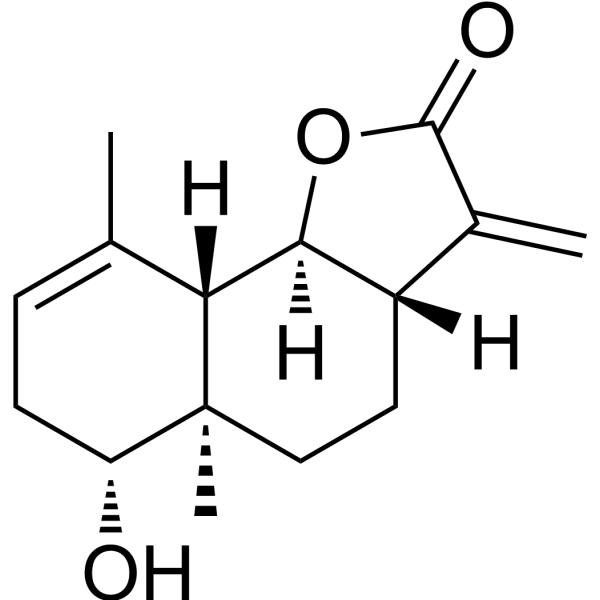
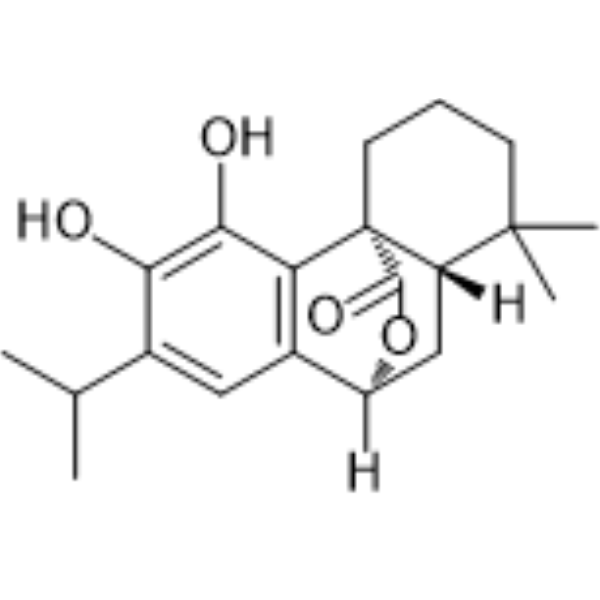
CarnosolEndogenous Metabolite -
HY-14909
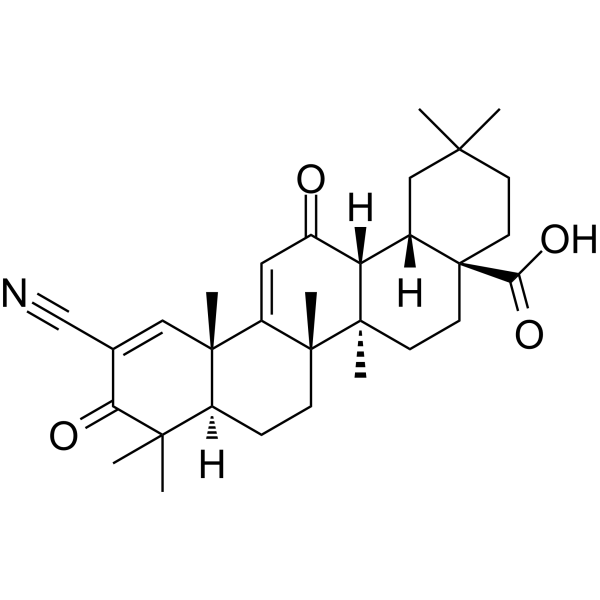
BardoxoloneNrf2 Activator -
HY-N0818
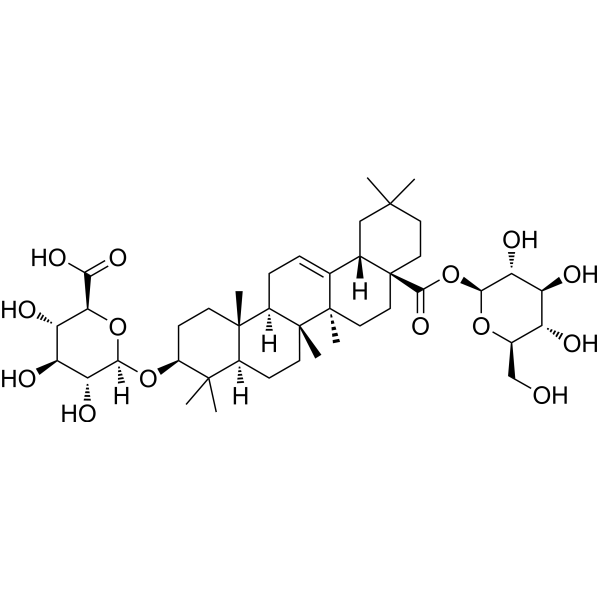
Chikusetsusaponin IvaAnti-inflammatory Agent -
HY-131592
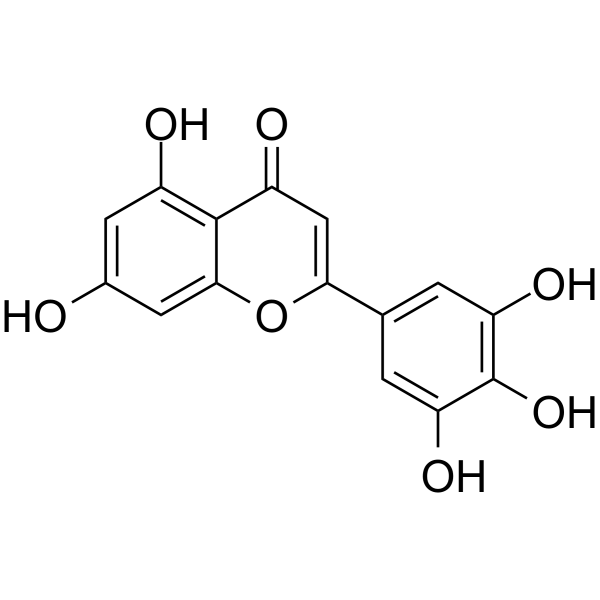
TricetinKeap1-Nrf2 PPI Inhibitor -
HY-N7560
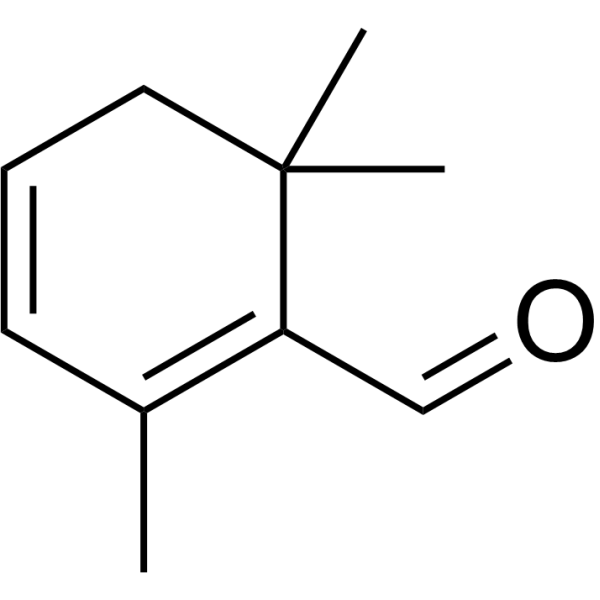
SafranalPerfume Analogue -
HY-122550
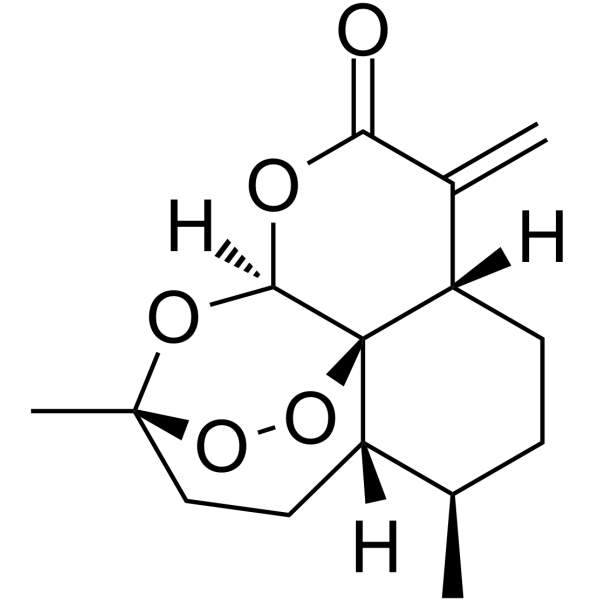
ArtemisiteneNrf2 Activator -
HY-N3075
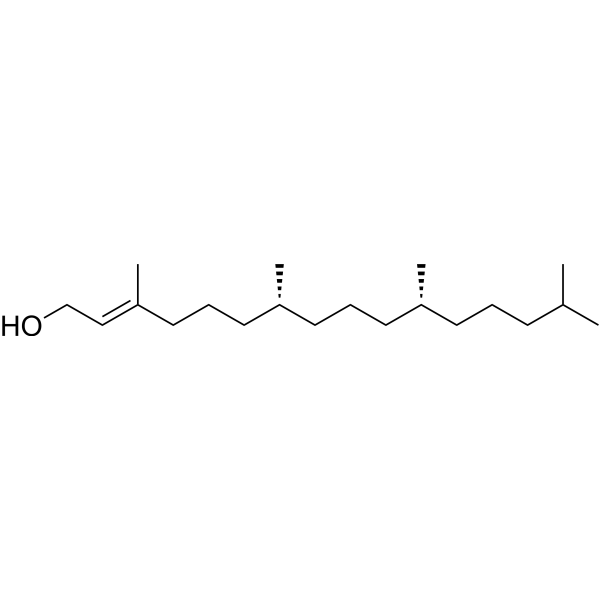
PhytolDiterpene Alcohol -

HY-N3075R
Phytol (Standard)Diterpene Alcohol -
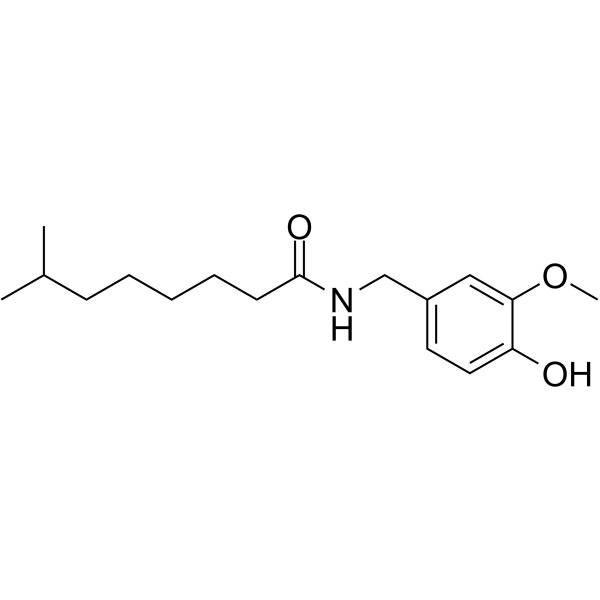
HY-N0449
NordihydrocapsaicinCapsaicinoid Analog -
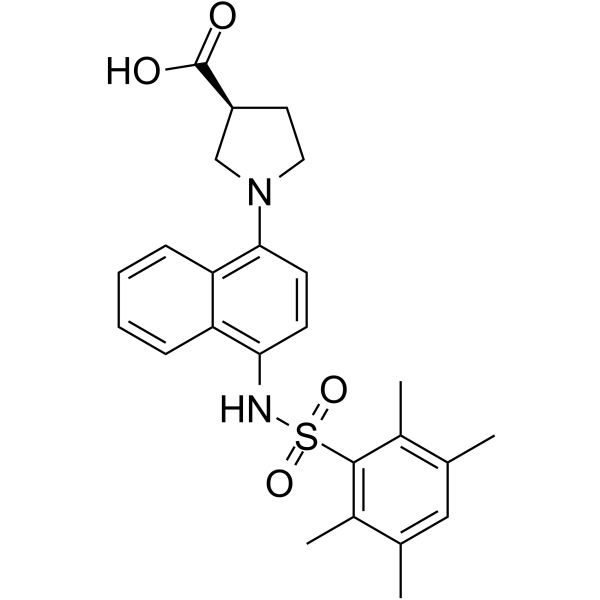
HY-110275
RA839Nrf2 Activator -
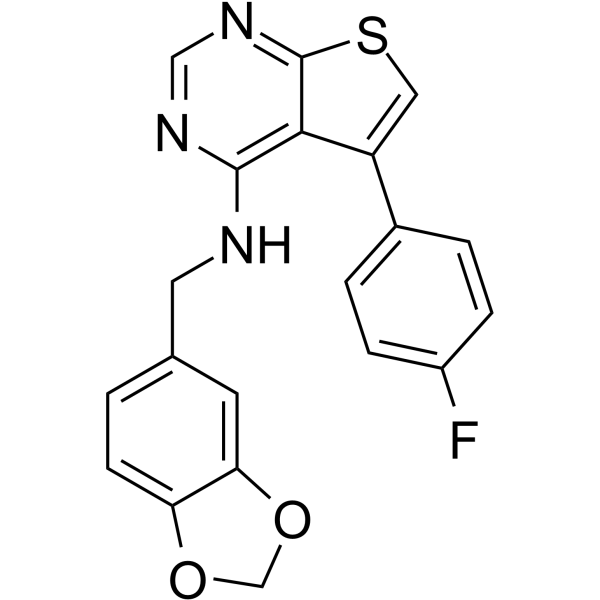
HY-113848
AEM1Keap1-Nrf2 Inhibitor -
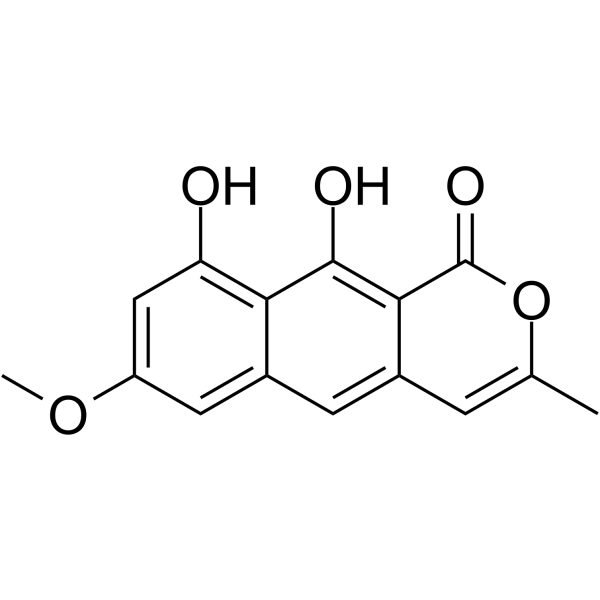
HY-N7617
ToralactoneKeap1-Nrf2 Inhibitor
Alle TNF Receptor Isoform-spezifische Produkte anzeigen
MoreAlle DNA/RNA Synthesis Isoform-spezifische Produkte anzeigen
MoreAlle Caspase Isoform-spezifische Produkte anzeigen
More

Biologische Aktivität
Beschreibung
IC50 & Target
[1]|
MMP-1 |
COX-2 |
IL-1β |
Bax |
Bcl-2 |
Caspase 3 |
Caspase 8 |
Caspase 9 |
Cellular Effect
|
Cell Line

|
Type | Value | Description | References |
|---|---|---|---|---|
| CCRF-CEM | IC50 |
0.16 μg/mL
Compound: 1; STM
|
Growth inhibition of human CCRF-CEM cells incubated for 24 to 48 hrs by trypan blue exclusion assay
Growth inhibition of human CCRF-CEM cells incubated for 24 to 48 hrs by trypan blue exclusion assay
|
[PMID: 33775837] |
| KB | IC50 |
0.16 μg/mL
Compound: 1; STM
|
Growth inhibition of human KB cells incubated for 72 hrs by methylene blue staining based assay
Growth inhibition of human KB cells incubated for 72 hrs by methylene blue staining based assay
|
[PMID: 33775837] |
| L1210 | IC50 |
0.16 μg/mL
Compound: 1; STM
|
Growth inhibition of mouse L1210 cells incubated for 24 to 48 hrs by trypan blue exclusion assay
Growth inhibition of mouse L1210 cells incubated for 24 to 48 hrs by trypan blue exclusion assay
|
[PMID: 33775837] |
| LS174T | IC50 |
0.16 μg/mL
Compound: 1; STM
|
Growth inhibition of human LS174T cells incubated for 72 hrs by methylene blue staining based assay
Growth inhibition of human LS174T cells incubated for 72 hrs by methylene blue staining based assay
|
[PMID: 33775837] |
| LX-2 | IC50 |
>60 μM
Compound: 1; STM
|
Inhibition of hyaluronic acid deposition in human LX2 cells incubated for 72 hrs by ELISA
Inhibition of hyaluronic acid deposition in human LX2 cells incubated for 72 hrs by ELISA
|
[PMID: 33775837] |
| LX-2 | IC50 |
16.5 μM
Compound: 1; STM
|
Cytotoxicity against human LX2 cells assessed as reduction in cell viability incubated for 48 hrs by MTT assay
Cytotoxicity against human LX2 cells assessed as reduction in cell viability incubated for 48 hrs by MTT assay
|
[PMID: 33775837] |
| LX-2 | IC50 |
18.6 μM
Compound: 1; STM
|
Inhibition of laminin deposition in human LX2 cells incubated for 72 hrs by ELISA
Inhibition of laminin deposition in human LX2 cells incubated for 72 hrs by ELISA
|
[PMID: 33775837] |
| LX-2 | IC50 |
7.3 μM
Compound: 1; STM
|
Inhibition of collagen type 1 deposition in human LX2 cells incubated for 72 hrs by ELISA
Inhibition of collagen type 1 deposition in human LX2 cells incubated for 72 hrs by ELISA
|
[PMID: 33775837] |
| MCF7 | IC50 |
0.16 μg/mL
Compound: 1; STM
|
Growth inhibition of human MCF7 cells incubated for 72 hrs by methylene blue staining based assay
Growth inhibition of human MCF7 cells incubated for 72 hrs by methylene blue staining based assay
|
[PMID: 33775837] |
| Platelet | IC50 |
84.93 μM
Compound: Santamarin
|
Antimigraine activity in bovine citreated platelet assessed as inhibition of [14C]serotonin release after 6 mins by scintillation counting
Antimigraine activity in bovine citreated platelet assessed as inhibition of [14C]serotonin release after 6 mins by scintillation counting
|
[PMID: 1431933] |
| Platelet | IC50 |
84.93 μM
Compound: 23
|
Inhibition of serotonin release in bovine platelets
Inhibition of serotonin release in bovine platelets
|
[PMID: 18271521] |
| T-cell | IC50 |
19.6 μM
Compound: 7
|
Immunosuppressant activity in human T lymphocytes assessed as inhibition of anti-human CD3 and anti-human CD28 monoclonal antibody-induced T lymphocyte proliferation incubated for 72 hrs by FACS analysis
Immunosuppressant activity in human T lymphocytes assessed as inhibition of anti-human CD3 and anti-human CD28 monoclonal antibody-induced T lymphocyte proliferation incubated for 72 hrs by FACS analysis
|
[PMID: 31181920] |
| T-cell | IC50 |
5.56 μM
Compound: E1
|
Immunomodulatory activity in C57BL/6 mouse mesenteric lymph node T cells assessed as inhibition of concanavalin A stimulated T-cell proliferation incubated for 68 hrs by CCK-8 assay
Immunomodulatory activity in C57BL/6 mouse mesenteric lymph node T cells assessed as inhibition of concanavalin A stimulated T-cell proliferation incubated for 68 hrs by CCK-8 assay
|
[PMID: 37017305] |
In Vitro
Santamarine (1-10 μM; 1 h) scavenges intracellular ROS in HDFs with an IC50 of 4.04 μM[1].
Santamarine (1-10 μM; 24 h) dose-dependently reduces UVA-induced MMP-1 secretion in HDFs, with a significant reduction to 33.00 ng/mL at 10 μM[1].
Santamarine (1-10 μM; 24 h) dose-dependently downregulates UVA-induced MMP-1, -3, -9 mRNA and protein expression in HDFs[1].
Santamarine (1-10 μM; 24 h) dose-dependently stimulates type I procollagen mRNA and protein expression in UVA-irradiated HDFs[1].
Santamarine (10 μM; 24 h) suppresses UVA-induced activation of the p38/JNK MAPK pathway and nuclear translocation of AP-1 complex components p-c-Fos and p-c-Jun in HDFs[1].
Santamarine (10 μM; 24 h) activates the TGF-β/Smad pathway in UVA-irradiated HDFs by restoring TGF-β levels, increasing Smad2/3 phosphorylation, reducing Smad7 levels, and elevating nuclear p-Smad2/3 and Smad4 levels[1].
Santamarine (1-10 μM; 24 h) dose-dependently stimulates Nrf2-dependent expression of antioxidant enzymes SOD-1 and HO-1 in UVA-irradiated HDF[1].
Santamarin (5-80 μM; 24 h) does not significantly reduce RAW264.7 cell viability at concentrations up to 40 μM[2].
Santamarin (5-40 μM; 12 h) concentration-dependently reduces iNOS and COX-2 protein expression in LPS (HY-D1056)-stimulated RAW264.7 cells[2].
Santamarin (5-40 μM; 12 h) concentration-dependently reduces nitrite, PGE2, TNF-α, and IL-1β production in LPS-stimulated RAW264.7 cells[2].
Santamarin (5-40 μM; 12 h) concentration-dependently inhibits LPS-induced IκB-α phosphorylation/degradation, p65 nuclear translocation, and NF-κB DNA binding activity in RAW264.7 cells[2].
Santamarin (5-40 μM; 12 h) concentration-dependently increases HO-1 mRNA and protein expression, and HO enzyme activity in RAW264.7 cells[2].
Santamarin (40 μM; 0.5-1.5 h) induces a time-dependent nuclear translocation of Nrf2 in RAW264.7 cells over 0.5 to 1.5 h of incubation[2].
Santamarine (10-100 μM; 24 h) dose-dependently inhibits the growth of A549 and NCI-H1650 lung adenocarcinoma cells (IC50 = 45 μM and 43 μM, respectively) and is far less toxic to NL-20 normal lung cells (IC50 = 85 μM)[3].
Santamarine (40-60 μM; 24 h) induces dose-dependent cell death, apoptosis and associated morphological changes in A549 and NCI-H1650 lung adenocarcinoma cells and these changes are reversed by the ROS scavenger NAC (HY-B0215)[3].
Santamarine (40-60 μM; 1-24 h) induces ROS generation (maximal at 4 h) in A549 lung adenocarcinoma cells, with no detectable change in ROS levels after 24 h treatment[3].
Santamarine (40-60 μM; 24 h) dose-dependently reduces the intracellular GSH/GSSG ratio in A549 lung adenocarcinoma cells and this effect is reversed by the ROS scavenger NAC[3].
Santamarine (40-60 μM; 24 h) dose-dependently inhibits thioredoxin reductase activity in A549 lung adenocarcinoma cells and this effect is reversed by the ROS scavenger NAC[3].
Santamarine (40-60 μM; 24 h) dose-dependently induces oxidative stress-mediated mitochondrial apoptosis in A549 lung adenocarcinoma cells via modulation of Bcl-2 family proteins, dissipation of mitochondrial membrane potential, and activation of caspase-3 and PARP cleavage, with all effects reversed by the ROS scavenger NAC[3].
Santamarine (40-60 μM; 24 h) dose-dependently inhibits constitutive and TNF-α-induced NF-κBp65 nuclear translocation and IκB-α phosphorylation in A549 lung adenocarcinoma cells via an oxidative stress-dependent mechanism[3].
Santamarine (0-25 μg/mL; 24 h) selectively inhibits viability of OC-2 and HSC-3 oral cancer cells, with IC50 values of 15.7 μg/mL and 18.49 μg/mL after 24 h treatment, while having minimal effect on normal S-G cells, and this selective activity is oxidative stress-dependent[4].
Santamarine (15-25 μg/mL; 24 h) induces G2/M cell cycle arrest in OC-2 and HSC-3 oral cancer cells after 24 h treatment at 15 and 25 μg/mL, while causing only minor changes in normal S-G cells[4].
Santamarine (15-25 μg/mL; 12-24 h) dose-dependently and time-dependently induces apoptosis and activates caspase 3, 8, 9 in OC-2 and HSC-3 oral cancer cells, while having minimal effect on normal S-G cells[4].
Santamarine (15-25 μg/mL; 12-24 h) dose-dependently and time-dependently induces ROS, mitochondrial superoxide generation and MMP, GSH depletion in OC-2 and HSC-3 oral cancer cells, while having minimal effect on normal S-G cells[4].
Santamarine (15-25 μg/mL; 12-24 h) dose-dependently and time-dependently induces γH2AX- and 8-OHdG-mediated DNA damage in OC-2 and HSC-3 oral cancer cells, while having minimal effect on normal S-G cells[4].
MedChemExpress (MCE) has not independently confirmed the accuracy of these methods. They are for reference only. Further protocols information, click here.
-
Cell Line:UVA-irradiated human dermal fibroblasts (HDFs)
-
Concentration:1, 5, 10 μM
-
Incubation Time:24 h
-
Result:Decreased UVA-induced MMP-1 secretion in a dose-dependent manner.
Reduced MMP-1 secretion from 40.74 ng/mL (UVA-only group) to 33.00 ng/mL at 10 μM.
-
Cell Line:UVA-irradiated human dermal fibroblasts (HDFs)
-
Concentration:1, 5, 10 μM
-
Incubation Time:24 h
-
Result:Markedly suppressed UVA-induced MMP-1, -3, -9 protein expression.
-
Cell Line:UVA-irradiated human dermal fibroblasts (HDFs)
-
Concentration:10 μM
-
Incubation Time:24 h
-
Result:Suppressed UVA-induced phosphorylation of p38 and JNK.
Upregulated ERK phosphorylation.
Significantly reduced UVA-induced increases in total p-c-Fos and p-c-Jun levels.
Reduced nuclear translocation of p-c-Fos and p-c-Jun.\nReversed UVA-induced suppression of TGF-β protein levels and Smad2/3 phosphorylation.
Reduced UVA-induced upregulation of Smad7 levels.
Reverted UVA-induced decreases in nuclear p-Smad2/3 and Smad4 levels.
-
Cell Line:RAW264.7 murine macrophage cells
-
Concentration:5, 10, 20, 40, 80 μM
-
Incubation Time:24 h
-
Result:Did not significantly decrease cell viability at concentrations up to 40 μM.
Caused a significant reduction in viability at 80 μM.
-
Cell Line:LPS-stimulated RAW264.7 murine macrophage cells
-
Concentration:5, 10, 20, 40 μM
-
Incubation Time:12 h (pre-incubation); 18 h (LPS stimulation)
-
Result:Reduced LPS-induced iNOS protein expression in a concentration-dependent manner.
Suppressed LPS-induced COX-2 protein expression in a concentration-dependent manner.
-
Cell Line:A549, NCI-H1650, NL-20
-
Concentration:10, 20, 40, 80, 100 μM
-
Incubation Time:24 h
-
Result:Inhibited growth of A549 and NCI-H1650 cells in a dose-dependent manner, with IC50 values of 45 μM and 43 μM, respectively.
Exerted a significantly lower growth inhibitory effect on NL-20 cells, with an IC50 value of 85 μM.
-
Cell Line:A549
-
Concentration:40, 60 μM
-
Incubation Time:24 h
-
Result:Induced dose-dependent apoptotic cell death in A549 cells.
Reversed this apoptotic effect when cells were pretreated with 3 mM NAC.
-
Cell Line:A549
-
Concentration:40, 60 μM
-
Incubation Time:24 h
-
Result:Increased Bax, Cl-Casp-3, Cl-PARP levels and reduced Bcl-2 levles.
Dose-dependently inhibited constitutive NF-κBp65 translocation into the nucleus.
Inhibited TNF-α-induced NF-κBp65 translocation into the nucleus.
Dose-dependently inhibited IκB-α phosphorylation without altering IκB-α expression.
Reversed the inhibitory effect on NF-κBp65 translocation when cells were pretreated with 3 mM NAC.
-
Cell Line:oral squamous cell carcinoma OC-2 cells, oral squamous cell carcinoma HSC-3 cells, normal gingival epithelial S-G cells
-
Concentration:15, 25 μg/mL
-
Incubation Time:24 h
-
Result:Decreased G1 and S phase populations and increased G2/M phase populations in OC-2 and HSC-3 cells, inducing G2/M arrest, with a marginal elevation of subG1 phase.
Caused only minor changes in G1, S, and G2/M phase populations of S-G cells.
Suppressed differential cell cycle disturbance was observed with pre-treatment with NAC.
-
Cell Line:oral squamous cell carcinoma OC-2 cells, oral squamous cell carcinoma HSC-3 cells, normal gingival epithelial S-G cells
-
Concentration:15, 25 μg/mL
-
Incubation Time:12, 24 h
-
Result:Increased the percentage of Annexin V-positive apoptotic OC-2 and HSC-3 cells in a dose-dependent manner after 24 h treatment.
Increased the percentage of Annexin V-positive apoptotic OC-2 and HSC-3 cells in a time-dependent manner over 0, 12, 24 h at 25 μg/mL.
Caused only weak changes in the percentage of apoptotic S-G cells.
Suppressed differential apoptosis induction was observed with pre-treatment with NAC.


Chemical Information
-
CAS. Nr. 4290-13-5
-
Appearance Solid
-
Molecular Weight 248.32
-
Formel C15H20O3
-
Color White to off-white
-
SMILES
O=C(O[C@@]1([H])[C@@]2([H])CC[C@@]3(C)[C@H](O)CC=C(C)[C@@]31[H])C2=C
-
Synonyms
Santamarin; Balchanin
-
Structure Classification
-
Initial Source
-
Versand
Room temperature in continental US; may vary elsewhere.
-
Speicherung
Powder -20°C 3 years In solvent -80°C 6 months -20°C 1 month

Protokoll
-
Western Blot
Western blotting (WB) is a commonly used experimental method in molecular biology, biochemistry, and immunogenetics for identifying and quantifying target proteins. It combines gel electrophoresis with immunoassay, enabling researchers to analyze protein expression, post-translational modifications, and molecular weight.
-
Mitochondrial membrane-potential fluorescent assay
Mitochondrial membrane potential fluorescent assays estimate ΔΨm in living cells using lipophilic cationic dyes such as TMRM, TMRE, rhodamine 123, and JC-1, which accumulate in mitochondria according to membrane polarization; loss of signal after FCCP or CCCP treatment is interpreted as mitochondrial depolarization. TMRM/TMRE and rhodamine 123 are commonly used for semi-quantitative live-cell microscopy or flow cytometry, while JC-1 can report a shift from red aggregate fluorescence to green monomer fluorescence during depolarization; interpretation requires controls because dye concentration, quenching mode, cell type, dye efflux, and mitochondrial mass can affect fluorescence independently of ΔΨm.
-
Annexin V plus membrane-impermeant dye apoptosis staining
Annexin V-based apoptosis assays rely on the detection of phosphatidylserine (PS) externalization from the inner leaflet of the plasma membrane to the outer leaflet, an early biochemical hallmark of apoptosis. Fluorescently labeled Annexin V binds PS in a calcium-dependent manner, enabling identification of early apoptotic cells by flow cytometry or fluorescence microscopy. When combined with a membrane-impermeant DNA-binding dye (e. g. , propidium iodide), this approach allows discrimination between viable (Annexin V−/dye−), early apoptotic (Annexin V+/dye−), and late apoptotic or necrotic (Annexin V+/dye+) cell populations by assessing membrane integrity and PS exposure.
-
ROS/oxidative-stress fluorescent staining
ROS/oxidative-stress fluorescent staining uses cell-permeant fluorogenic probes that become fluorescent after oxidation inside cells or tissues; commonly used examples include DCFH-DA/DCFDA for broad cellular oxidant detection, DHE for superoxide-related signal detection, MitoSOX for mitochondrial superoxide-related signal detection, and CellROX probes for oxidative-stress-associated fluorescence readouts. The assay detects probe oxidation rather than a single ROS species unless the probe and analysis method have been chemically validated for that species. DCFH-DA enters cells, is deacetylated by intracellular esterases to DCFH, and produces fluorescent DCF after oxidation, so the readout is used as an operational measure of total cellular oxidative stress rather than a species-specific ROS measurement. DHE and MitoSOX can report superoxide-related oxidation, but red fluorescence alone can include non-specific ethidium-like oxidation products; HPLC or optimized spectral approaches are
-
BrdU Incorporation Assay
Bromodeoxyuridine (BrdU) incorporation assay is based on the principle that BrdU, a thymidine analog, is incorporated into newly synthesized DNA during the S phase of the cell cycle, thereby serving as a marker of DNA replication and cellular proliferation. Incorporated BrdU can be detected using anti-BrdU antibodies following DNA denaturation, enabling visualization or quantification of proliferating cells through immunochemical detection methods such as immunofluorescence or immunohistochemistry.
-
Somatic Cell Culture
A method of simulating the in vivo environment in vitro to maintain the cell growth, differentation and main functions.
-
Protocol for Cell Cycle
Cell-cycle analysis by flow cytometry measures DNA content in single cells to estimate the fraction of cells in G0/G1, S, and G2/M phases. Propidium iodide intercalates into DNA, and after RNA removal with RNase, fluorescence intensity reflects cellular DNA content: 2N cells are assigned to G0/G1, cells between 2N and 4N to S phase, and 4N cells to G2/M. DNA-content analysis alone cannot reliably separate G0 from G1 or G2 from M. Ki-67 can distinguish quiescent G0 cells from cycling cells, EdU or BrdU incorporation marks active DNA synthesis in S phase, and phospho-histone H3 staining identifies mitotic cells within the 4N population.
-
CCK-8/WST-8 Cell Proliferation Assay
The CCK-8/WST-8 assay is based on the reduction of the water-soluble tetrazolium salt WST-8 to a water-soluble formazan product by cellular dehydrogenases in metabolically active cells, where the generated formazan amount is proportional to the number of living cells and is quantified by measuring absorbance in the visible range, providing a colorimetric readout for cell viability and proliferation assessment. This class of tetrazolium-based assays improves upon earlier MTT-based systems by producing a water-soluble formazan, eliminating the need for organic solubilization steps and enabling direct spectrophotometric measurement in culture medium.
-
Research Protocol for Inflammation-related Diseases
The NLRP3 inflammasome is a cytosolic innate immune signaling platform that integrates priming signals and danger-signal activation to promote caspase-1 activation, maturation of IL-1β and IL-18, and gasdermin D-mediated pyroptotic cell death. The core experimental logic is to determine whether inflammatory disease phenotypes are driven by increased NLRP3 expression, ASC-containing inflammasome assembly, caspase-1 cleavage, GSDMD cleavage, and extracellular release of IL-1β/IL-18 rather than by nonspecific cell injury alone. The pathway is strongly linked to inflammation-related disease phenotypes because monosodium urate crystals activate NALP3/NLRP3 inflammasome signaling in gout-like crystal inflammation, cholesterol crystals activate NLRP3 inflammasomes in atherogenesis models, and DSS-induced intestinal inflammation has been reported to involve NLRP3 inflammasome activity. However, experimental colitis studies also show context-dependent protective effects of NLRP3 inflammasome co
-
Cell Counting-Based Growth Curve Assay
Cell counting-based growth curve assays quantify cell proliferation by directly measuring changes in viable cell number over time using manual or automated counting methods such as hemocytometer-based counting or instrument-assisted cell enumeration, enabling construction of growth curves that reflect population expansion dynamics in response to culture conditions. A widely used approach is trypan blue exclusion with hemocytometer counting, where membrane-compromised (non-viable) cells take up the dye, allowing discrimination between viable and non-viable cells while simultaneously enabling total cell number quantification. Repeated sampling across time points allows estimation of proliferation rate, growth phases, and comparative growth kinetics between experimental conditions.
-
Cell Viability Determination by MTT Colorimetric Assay
The following protocol uses the MTT colorimetric assay as a classic literature-established method for assessing cell viability/metabolic activity in cultured mammalian cells. MTT[3-(4,5-dimethylthiazol-2-yl)-2,5-diphenyltetrazolium bromide] is reduced by metabolically active cells to a colored formazan product; the amount of formazan is quantified spectrophotometrically and provides an indirect measure of metabolically active viable cells. Importantly, MTT reduction reflects cellular oxidoreductase/metabolic activity rather than an absolute direct count of living cells, so changes in cellular metabolism can alter the signal independently of cell number.
-
Kinase activity and phosphorylation assays
Kinase activity assays measure the ability of kinases to transfer phosphate groups from ATP to specific substrates, while phosphorylation assays detect the presence and levels of phosphorylated proteins. Common methods include radiolabeled ATP incorporation (e. g. ,), ADP release detection via bioluminescence (e. g. ,[3]), enzyme-linked immunosorbent assays (ELISA) for phospho-specific epitopes (e. g. ,[6]), and microtiter-based formats for high-throughput screening (e. g. ,[8]). The ADP-Glo assay quantifies kinase activity by measuring ADP produced during phosphorylation using a luciferase-based system. Radiometric assays involve autoradiography or scintillation counting after incorporation of 32P-labeled ATP into substrate proteins. ELISA-based approaches rely on phospho-specific antibodies to detect activated kinases in cell lysates or purified samples.
-
Cytoplasmic-Nuclear Fractionated Protein Extraction
Cytoplasmic-nuclear fractionated protein extraction separates soluble cytoplasmic proteins from nuclear-enriched proteins by mild plasma-membrane permeabilization, differential centrifugation, washing of nuclei, and extraction of nuclear proteins for downstream immunoblotting or related molecular analysis. The readout is the relative abundance of a protein in cytoplasmic and nuclear fractions, commonly assessed by western blotting together with compartment markers such as tubulin or pyruvate kinase for cytoplasm and lamin, nucleoporin, hnRNP, H2AX, or Lamin B for nuclear fractions.
-
Detection of Apoptosis
Apoptosis, also called programmed cell death, is generally characterized by distinct morphological characteristics.
-
TUNEL staining for apoptotic DNA fragmentation
TUNEL staining detects DNA strand breaks by using terminal deoxynucleotidyl transferase to add labeled nucleotides to exposed 3′-OH DNA termini, generating either microscopic staining in fixed cells or tissue sections, or fluorescence/cytometric signal in cell suspensions. TUNEL positivity reflects DNA fragmentation but should not be interpreted alone as definitive apoptosis, because TUNEL can also label necrotic, autolytic, mechanically damaged, or DNA-repair-associated DNA breaks.
-
Flow cytometric DNA-content cell-cycle staining
Flow cytometric DNA-content cell-cycle staining measures the fluorescence intensity of DNA-bound fluorochromes in single cells or nuclei to estimate DNA content distributions, allowing assignment of populations to G0/G1, S, and G2/M phases by DNA histogram deconvolution. Propidium iodide (PI) intercalates into DNA, and PI fluorescence is proportional to cellular DNA content when staining is performed under conditions that make DNA accessible and minimize non-DNA signal. Cells with G2/M DNA content are expected to show approximately twice the fluorescence intensity of G0/G1 cells, while S-phase cells occupy intermediate fluorescence values. PI-based DNA-content analysis can also detect cells with fractional DNA content, often reported as sub-G1, when DNA fragmentation and extraction during staining reduce retained DNA signal in apoptotic cells. DAPI is an alternative DNA fluorochrome for univariate DNA-content analysis, while bivariate approaches combining DNA content with proliferation
-
Protocol for Cell Counting and Cell Density Analysis
Cell counting and cell-density analysis estimate the number of cells in a known volume or field area. Manual hemocytometer counting uses a chamber of defined geometry to convert counted cells into cells/mL, while automated counters and image-analysis workflows detect cell objects from optical, brightfield, fluorescence, impedance, or digital-image features. Trypan blue viability counting is based on dye exclusion: viable cells with intact membranes exclude dye, while non-viable cells with compromised membranes stain blue. The readout is total cell density, viable-cell density, dead-cell density, and percent viability. Cell density can also be estimated from microscopy images by counting objects per image area, from flow cytometry using calibrated volume or reference particles, or from in situ microscopy in bioreactors after calibration against reference methods such as hemocytometer or flow cytometry.
-
Mitochondrial membrane-potential and mitochondrial mass staining
Mitochondrial membrane potential staining measures the electrochemical polarization across the mitochondrial inner membrane in live cells using lipophilic cationic fluorescent probes; early rhodamine-based work showed that selective mitochondrial dye accumulation is lost when the mitochondrial transmembrane potential is dissipated. JC-1 reports mitochondrial polarization by shifting from green monomer fluorescence to red J-aggregate fluorescence as dye concentration increases within energized mitochondria; therefore, the red/green fluorescence ratio is used as a relative readout of mitochondrial membrane potential. TMRE or TMRM staining provides a single-channel relative readout because these cationic rhodamine esters accumulate in polarized mitochondria, and lower fluorescence indicates reduced mitochondrial polarization when acquisition and dye-loading conditions are controlled. Mitochondrial mass staining is commonly performed with MitoTracker Green FM or related MitoTracker dyes as
-
Apoptosis Solutions
Apoptosis is a regulated, generally non-lytic cell-death pathway that removes unwanted, damaged, infected, or abnormal cells through coordinated morphological changes, caspase activation, DNA fragmentation, and membrane remodeling. The intrinsic apoptosis pathway is controlled mainly by mitochondrial outer membrane permeabilization, BCL-2 family proteins, cytochrome c release, apoptosome formation, caspase-9 activation, and downstream executioner caspase-3/7 activation. The extrinsic apoptosis pathway is initiated by death receptors such as Fas, TNFR, and TRAIL receptors, which recruit adaptor proteins and activate caspase-8 before engaging executioner caspases or mitochondrial amplification through BID cleavage. Apoptosis is linked to many phenotypes, including cancer cell killing, tissue homeostasis, immune regulation, neurodegeneration, infection response, and treatment-induced cytotoxicity; unresolved questions include how apoptosis interacts with necroptosis, pyroptosis, ferroptos
-
Protocol for Kinase activity and phosphorylation assays
Kinase activity assays measure transfer of phosphate from ATP to a protein or peptide substrate, generating phosphorylated substrate, ADP, or incorporated radiolabeled phosphate as the readout; phosphorylation assays measure site-specific phosphorylation in cells or tissues as a proxy for kinase-pathway activation, inhibition, or substrate regulation. Phosphorylation can be detected by phospho-specific Western blot, immunoprecipitation kinase assay, phospho-immunofluorescence, phospho-flow cytometry, luminescent ADP detection, radiolabeled ATP incorporation, or reporter-based pathway assays, and these readouts can be applied to cancer cells, primary neurons, mouse tumors, organoids, inflammatory macrophages, ferroptosis studies, and mitophagy studies when the kinase target is biologically relevant.
-
MTT Cell Proliferation Assay
The MTT assay is a colorimetric endpoint assay for estimating viable cell number, cell growth, cytotoxicity, or cell activation in cultured mammalian cells. Living cells reduce the yellow tetrazolium salt MTT into purple/blue formazan, while dead cells do not generate the same signal; the resulting color can be quantified with a multiwell spectrophotometer. MTT reduction is commonly interpreted as a readout of metabolic activity that often correlates with viable cell number, but it should not be treated as a direct cell-counting method unless the assay is optimized for the cell type and experimental condition. Studies show that MTT reduction can involve mitochondrial and non-mitochondrial reducing systems, and formazan may accumulate in intracellular lipid droplets rather than simply marking mitochondria.
-
Genotoxicity/Mutagenicity Study
The bacterial reverse mutation assay detects point mutations that restore amino-acid prototrophy in auxotrophic Salmonella typhimurium or Escherichia coli tester strains; after exposure to a test article, mutagenic activity is read out as an increased number of revertant colonies on minimal agar compared with the vehicle control. The assay uses tester strains with different mutation targets so that base-substitution and frameshift mutagens can be detected, and testing is performed with and without exogenous mammalian metabolic activation because some chemicals require biotransformation to become mutagenic.
-
Pyroptosis Solutions
Pyroptosis is a lytic inflammatory cell-death pathway executed by gasdermin pores, most classically through inflammasome-mediated activation of caspase-1, cleavage of gasdermin D, membrane pore formation, LDH release, and secretion of IL-1β and IL-18. The canonical pathway is commonly modeled by priming cells with an inflammatory signal such as LPS to induce pro-IL-1β and inflammasome components, followed by an activation signal such as ATP or nigericin to activate NLRP3, ASC speck formation, caspase-1 cleavage, GSDMD cleavage, cytokine release, and pyroptotic membrane rupture. The non-canonical pathway is triggered when cytosolic LPS activates mouse caspase-11 or human caspase-4/5, leading to GSDMD cleavage and pyroptosis, and this can secondarily activate NLRP3-dependent IL-1β release. Pyroptosis is linked to inflammatory injury, infection, cancer, liver disease, ocular disease, placental inflammation, and other disease phenotypes, but unresolved questions include which gasdermin fam


Reinheit & Dokumentation
-
Data Sheet (295 KB)
-
SDS (251 KB)
- English - EN (251 KB)
- Français - FR (251 KB)
- Deutsch - DE (251 KB)
- Norwegian - NO (251 KB)
- Español - ES (251 KB)
- Swedish - SV (251 KB)
- Italian - IT (251 KB)
- Korean - KR (251 KB)
- Portuguese - PT (251 KB)
-
Handling Instructions (2659 KB)
Verweise
[1]. Oh JH, et al. Santamarine Shows Anti-Photoaging Properties via Inhibition of MAPK/AP-1 and Stimulation of TGF-β/Smad Signaling in UVA-Irradiated HDFs. Molecules. 2021;26(12):3585. Published 2021 Jun 11. [Content Brief]
[2]. Choi HG, et al. Santamarin, a sesquiterpene lactone isolated from Saussurea lappa, represses LPS-induced inflammatory responses via expression of heme oxygenase-1 in murine macrophage cells. Int Immunopharmacol. 2012;13(3):271-279. [Content Brief]
[3]. Wu X, et al. Santamarine Inhibits NF-κB Activation and Induces Mitochondrial Apoptosis in A549 Lung Adenocarcinoma Cells via Oxidative Stress. Biomed Res Int. 2017;2017:4734127. [Content Brief]
[4]. Lu H I, et al. Michelia compressa-derived santamarine inhibits oral cancer cell proliferation via oxidative stress-mediated apoptosis and DNA damage[J]. Pharmaceuticals, 2024, 17(2): 230. [Content Brief]

Calculators
Konzentration (Stammlösung) × Volumen (Stammlösung) = Konzentration (Ziellösung) × Volumen (Ziellösung)


Santamarine Related Classifications
HY-N1326 Related Classifications
 Powered by Bioz
Keywords
- Santamarine
- 4290-13-5
- Santamarin
- Balchanin
- JNK
- p38 MAPK
- MMP
- NF-κB
- COX
- TNF Receptor
- Interleukin Related
- Reactive Oxygen Species (ROS)
- Apoptosis
- Mitochondrial Metabolism
- DNA/RNA Synthesis
- Keap1-Nrf2
- Bcl-2 Family
- Caspase
- PARP
- TGF-beta/Smad
- Mycobacterium tuberculosis
- HSC-3 cells
- Nrf2
- SOD-1
- NCI-H1650 cells
- HO-1
- HDFs
- RAW264.7 cells
- OC-2 cells
- A549 cells
- Inhibitor
- inhibitor
- inhibit