Search Result
Results for "
Analgesic+activity
" in MedChemExpress (MCE) Product Catalog:
5
Isotope-Labeled Compounds
| Cat. No. |
Product Name |
Target |
Research Areas |
Chemical Structure |
-
- HY-10582
-
|
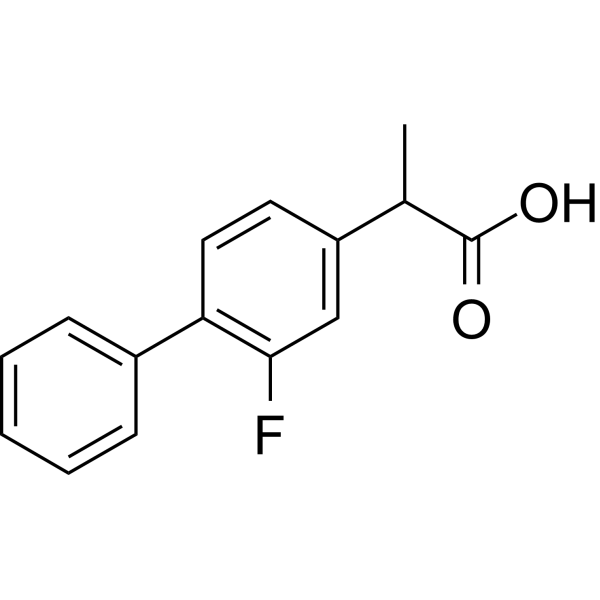
dl-Flurbiprofen
|
COX
Apoptosis
|
Infection
Neurological Disease
Inflammation/Immunology
Cancer
|
|
Flurbiprofen (dl-Flurbiprofen) is a potent, orally active nonsteroidal anti-inflammatory agent (NSAIA/NSAID), with antipyretic and analgesic activities. Flurbiprofen is commonly used for the research of inflammatory diseases, including osteoarthritis and rheumatoid arthritis. Flurbiprofen is a non-selective cyclooxygenase (COX) inhibitor that can be used for the research of colorectal cancer .
|
-
-
- HY-10864
-
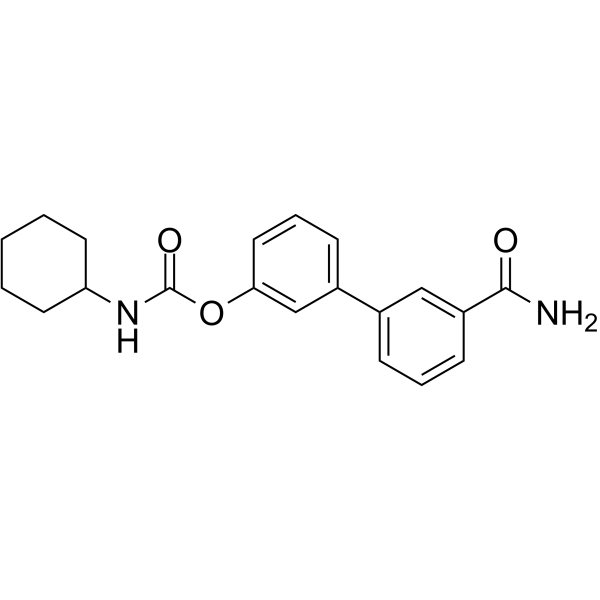
URB-597
5 Publications Verification
KDS-4103
|
FAAH
Autophagy
Mitophagy
|
Neurological Disease
|
|
URB-597 (KDS-4103) is an orally bioavailable and selective FAAH inhibitor. URB-597 inhibits FAAH activity with an IC50s of approximately 5 nM in rat brain membranes, 0.5 nM in intact rat neurons, 3 nM in human liver microsomes. Antidepressant-like effects. Analgesic activity .
|
-
-
- HY-N0271
-
-
-
- HY-14316A
-
|
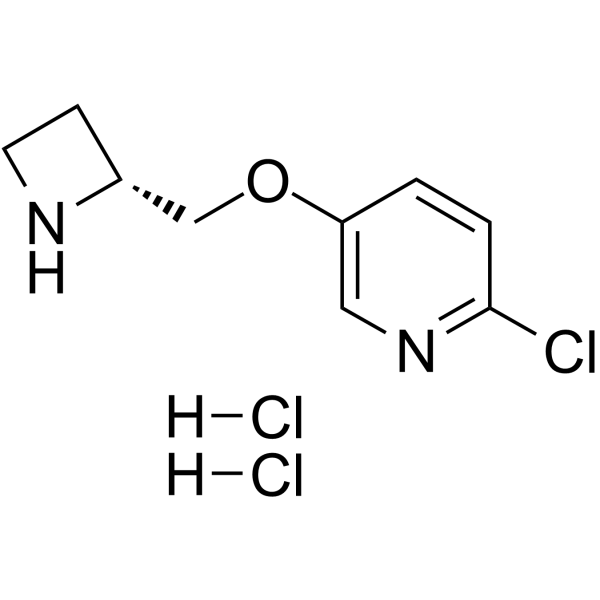
Ebanicline dihydrochloride; ABT-594 dihydrochloride
|
nAChR
|
Neurological Disease
|
|
Tebanicline dihydrochloride (Ebanicline dihydrochloride) is a nAChR modulator with potent, orally effective analgesic activity. It inhibits the binding of cytisine to α4β2 neuronal nAChRs with a Ki of 37 pM .
|
-
-
- HY-B1695
-
|
Nicotinic acid methyl ester
|
Others
|
Cardiovascular Disease
Inflammation/Immunology
|
|
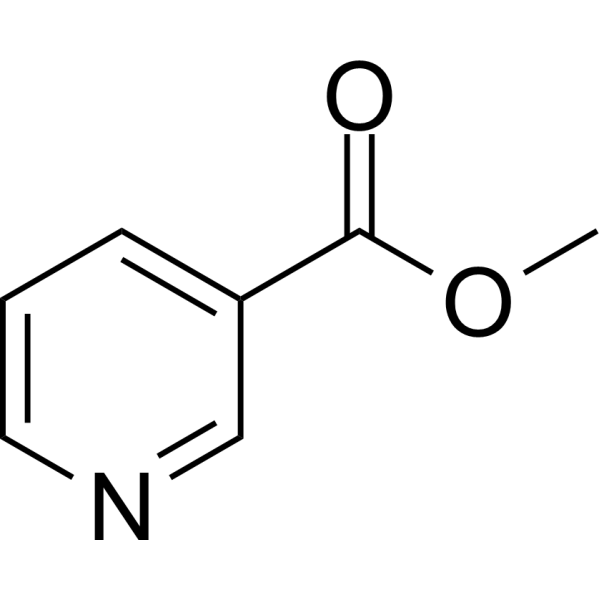
Methyl nicotinate (Nicotinic acid methyl ester) is an orally active vasodilator. Methyl nicotinate has analgesic activity. Methyl nicotinate causes local skin erythema when applied topically to the skin. Methyl nicotinate is used as an active ingredient in over-the-counter topical preparations for the study of muscle and joint pain .
|
-
-
- HY-12511
-
|
|
p38 MAPK
|
Inflammation/Immunology
|
|
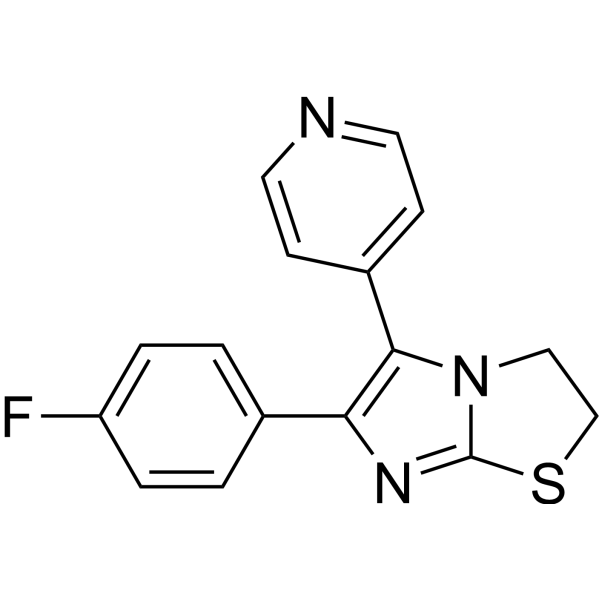
SKF-86002 is an orally active p38 MAPK inhibitor, with anti-inflammatory, anti-arthritic and analgesic activities. SKF-86002 inhibits lipopolysaccharide (LPS)-stimulate human monocyte IL-1 and TNF-α production (IC50 = 1 μM). SKF-86002 inhibits lipoxygenase- and cyclooxygenase-mediated metabolism of arachidonic acid .
|
-
-
- HY-114608
-
|
|
Sodium Channel
|
Neurological Disease
|
|
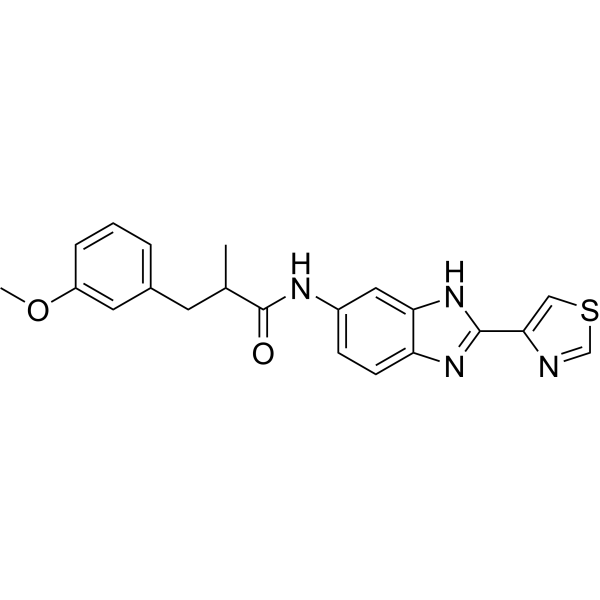
RY785 is a potent and selective voltage-gated potassium (KV2) channel inhibitor with an IC50 of 0.05 μM for KV2.2. RY785 has analgesic activity .
|
-
-
- HY-100326
-
-
-
- HY-N1847
-
|
|
Sodium Channel
|
Neurological Disease
|
|
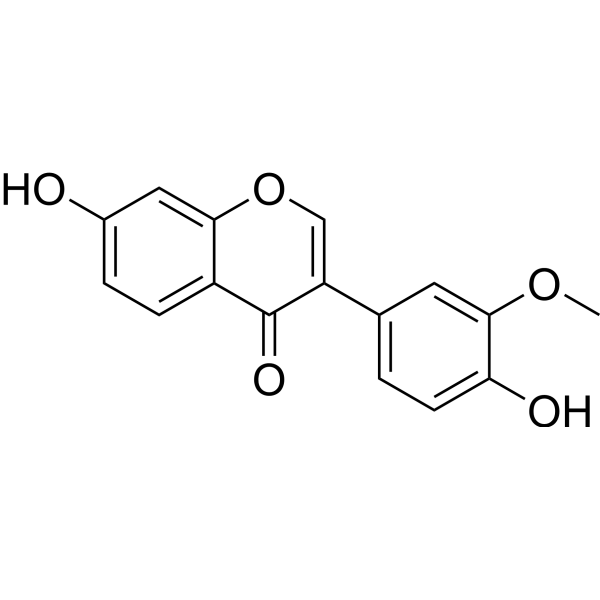
3'-Methoxydaidzein is a isoflavone and a Sodium Channel inhibitor. 3'-Methoxydaidzein inhibits subtypes NaV1.7, NaV1.8 and NaV1.3 with IC50 of 181 nM, 397 nM, and 505 nM, respectively. 3'-Methoxydaidzein exerts analgesic activity by inhibiting voltage-gated sodium channels .
|
-
-
- HY-136363
-
|
|
TRP Channel
|
Neurological Disease
|
|
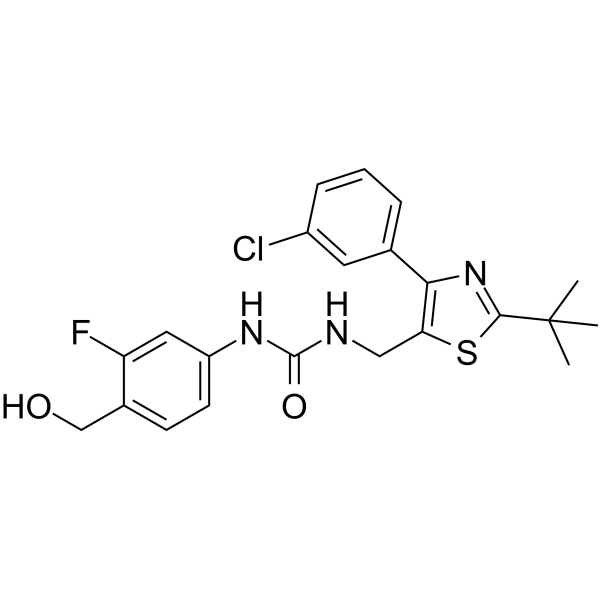
MDR-652 is a highly specific and efficacious transient receptor potential vanilloid 1 (TRPV1) ligand with agonist activity. The Kis are 11.4 and 23.8 nM for hTRPV1 and rTRPV1, respectively. The EC50s are 5.05 and 93 nM for hTRPV1 and rTRPV1, respectively. Potent topical analgesic activity .
|
-
-
- HY-129634
-
|
|
Trk Receptor
|
Neurological Disease
|
|
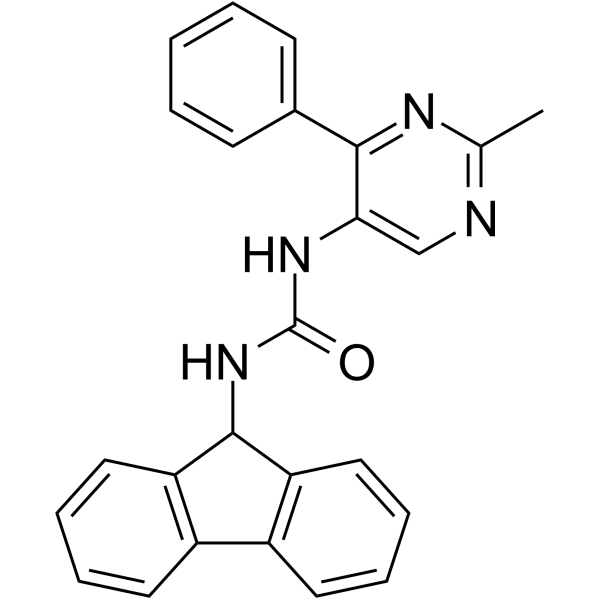
TrkA-IN-1 is a potent and selective Tropomyosin-related kinase A (TrkA) inhibitor with an IC50 of 99 nM in a cell-based assay. TrkA-IN-1 has analgesic activity .
|
-
-
- HY-114806
-
|
Flenac; R 67408
|
Thyroid Hormone Receptor
|
Inflammation/Immunology
|
|
Fenclofenac is an orally active anti-inflammatory agent with a low ulcerogenic effect. Fenclofenac also exhibits antipyretic and analgesic activities, with an oral LD50 of 2280 mg/kg in rats. Fenclofenac can be utilized in inflammation research .
|
-

-
- HY-P11273
-
-

-
- HY-114771
-
|
|
Drug Intermediate
|
Inflammation/Immunology
|
|
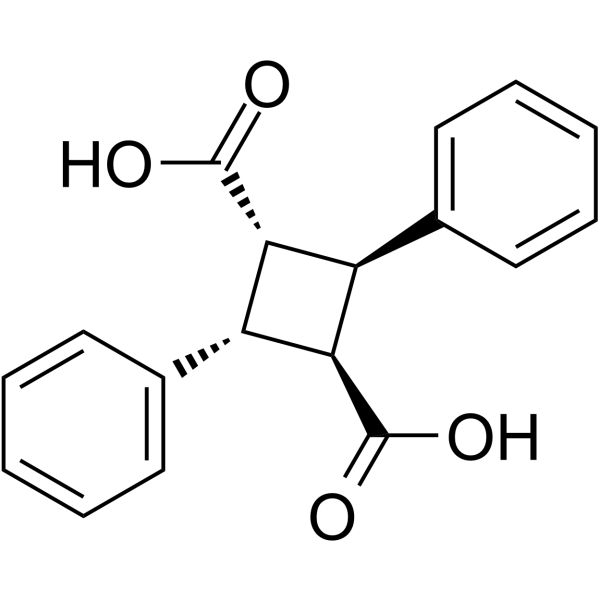
α-Truxillic acid is form by the dimerization of two molecules of α-trans-cinnamic acid, with anti-inflammatory activities. α-Truxillic acid has no analgesic activity, but its derivatives bound to camphor fragments exhibit significant activity in the peripheral analgesic model (writhing test) .
|
-
-
- HY-107345
-
|
Ombolan
|
Prostaglandin Receptor
|
Inflammation/Immunology
|
|
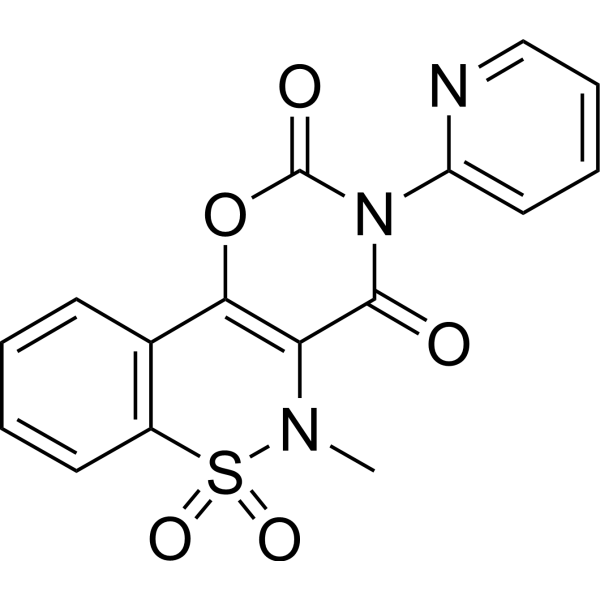
Droxicam (Ombolan) is a non-steroidal anti-inflammatory agent, with strong analgesic activity. Droxicam acts by inhibiting PGE2 varies, and is characterised by being a pro-drug of Piroxicam (HY-B0253). Droxicam is well tolerated with slight side effects in the said mucosa. Droxicam does not show cardiovascular or respiratory effects in cats, and inhibits peritoneal capillary permeability in mouse .
|
-
-
- HY-120033
-
RY796
2 Publications Verification
|
Sodium Channel
|
Neurological Disease
|
|
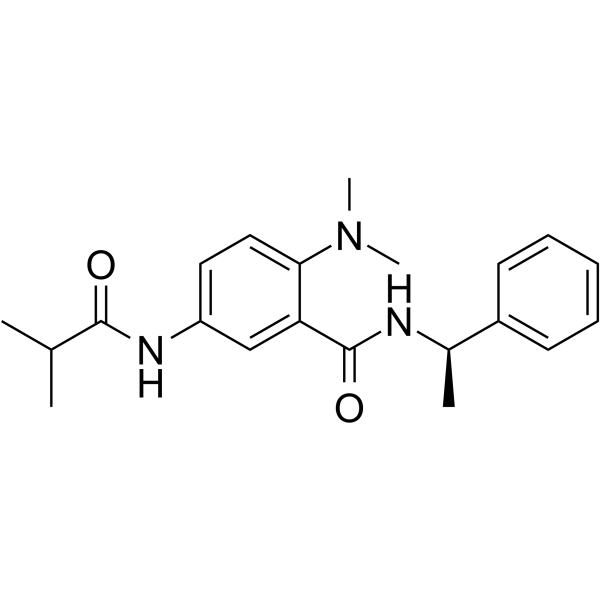
RY796 is a potent and selective voltage-gated potassium (KV2) channel inhibitor with IC50s of 0.25 μM and 0.09 μM for KV2.1 and KV2.2. RY796 has analgesic activity .
|
-
-
- HY-W040705
-
|
N-Methylanthranilic acid
|
Drug Metabolite
|
Others
|
|
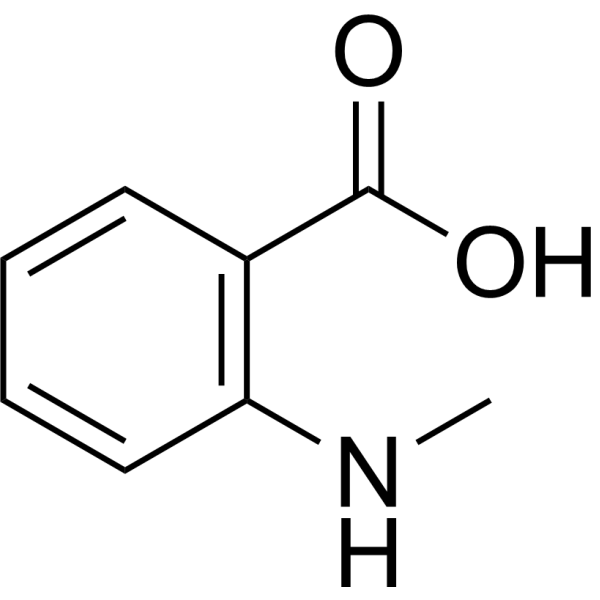
2-(Methylamino)benzoic acid is the main metabolite of methyl-N-methylanthranilates (MMA) (HY-76705) and is the compound in which the ester group is converted. MMA can be isolated from citrus fruits and has potential analgesic activity. 2-(Methylamino)benzoic acid was used to detect the metabolic levels of MMA in rat liver .
|
-
-
- HY-10582S
-
|
dl-Flurbiprofen-d3
|
COX
Apoptosis
|
Inflammation/Immunology
Cancer
|
|
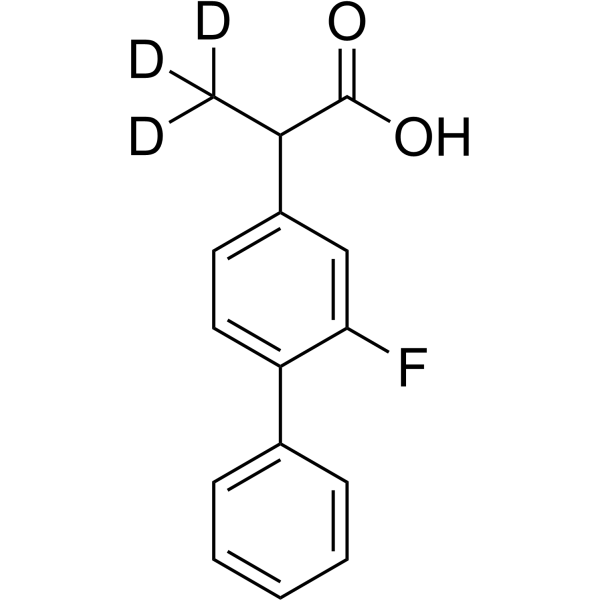
Flurbiprofen-d3 is the deuterium labeled Flurbiprofen. Flurbiprofen (dl-Flurbiprofen) is a potent, orally active nonsteroidal anti-inflammatory agent (NSAIA/NSAID), with antipyretic and analgesic activities. Flurbiprofen is commonly used for the research of inflammatory diseases, including osteoarthritis and rheumatoid arthritis. Flurbiprofen is a non-selective cyclooxygenase (COX) inhibitor that can be used for the research of colorectal cancer .
|
-
-
- HY-10582S1
-
|
dl-Flurbiprofen-d5
|
COX
Apoptosis
|
Inflammation/Immunology
Cancer
|
|
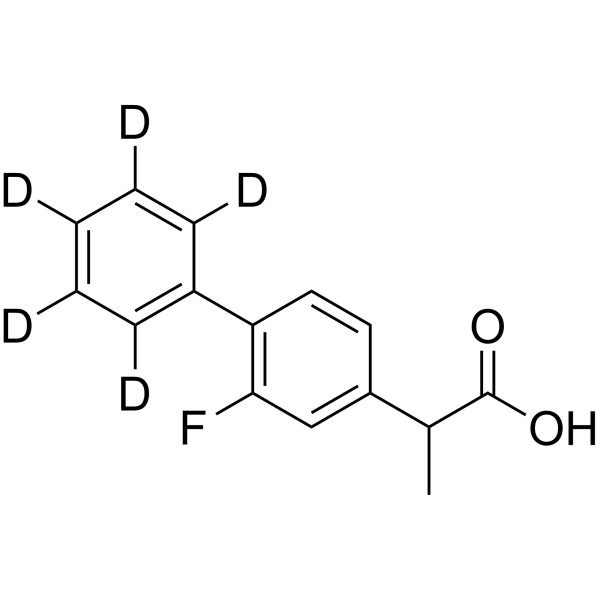
Flurbiprofen-d5 is the deuterium labeled Flurbiprofen. Flurbiprofen (dl-Flurbiprofen) is a potent, orally active nonsteroidal anti-inflammatory agent (NSAIA/NSAID), with antipyretic and analgesic activities. Flurbiprofen is commonly used for the research of inflammatory diseases, including osteoarthritis and rheumatoid arthritis. Flurbiprofen is a non-selective cyclooxygenase (COX) inhibitor that can be used for the research of colorectal cancer .
|
-
-
- HY-148656
-
-
-
- HY-N2573
-
|
L-Corydalmine; TLZ-16
|
Fungal
CXCR
|
Infection
Neurological Disease
|
|
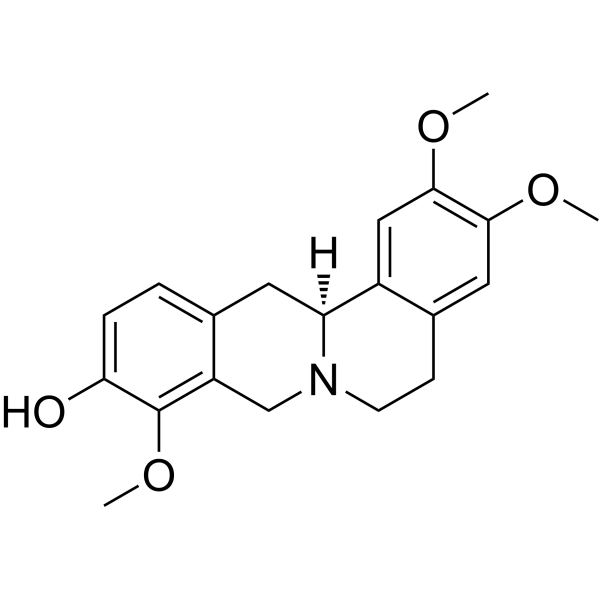
Corydalmine (L-Corydalmine) inhibits spore germination of some plant pathogenic as well as saprophytic fungi . Corydalmine acts as an oral analgesic agent, exhibiting potent analgesic activity . Corydalmine alleviates Vincristine-induced neuropathic pain in mice by inhibiting an NF-κB-dependent CXCL1/CXCR2 signaling pathway .
|
-
-
- HY-103507
-
|
|
GABA Receptor
|
Neurological Disease
|
|
N-Arachidonoyl-GABA is one member of a new class of lipoamino acids related to anandamide identified in bovine brain. N-Arachidonoyl-GABA displays analgesic activity .
|
-

-
- HY-101655
-
|
|
COX
|
Inflammation/Immunology
|
|
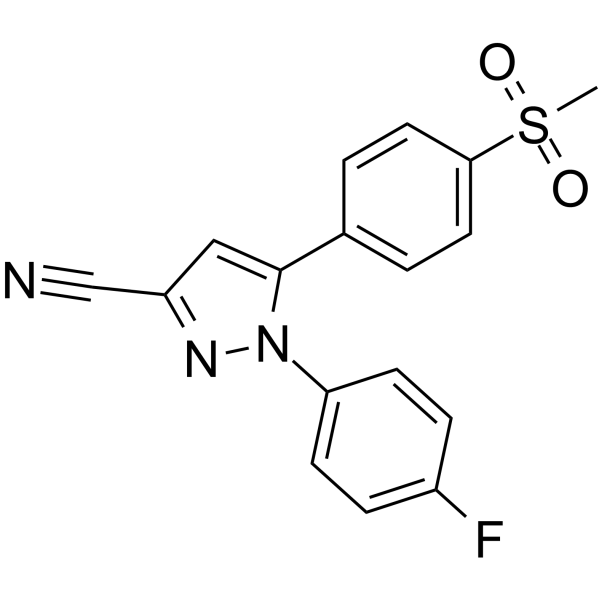
COX-2-IN-2 is a selective and inducible COX2 inhibitor with an IC50 of 0.24 μM. COX-2-IN-1 is an anti-inflammatory compound with anti-inflammatory and analgesic activities.
|
-
-
- HY-403593
-
-

-
- HY-P991711
-
|
|
Trk Receptor
|
Neurological Disease
Inflammation/Immunology
|
|
Povovetug is a humanized IgG1κ chimeric monoclonal antibody inhibitor targeting NGF/bNGF. Povovetug has a significant analgesic activity. Povovetug can be used for central neuroinflammation like chronic radicular pain research .
|
-

-
- HY-W415953
-
|
|
Sex Pheromone
|
Others
|
|
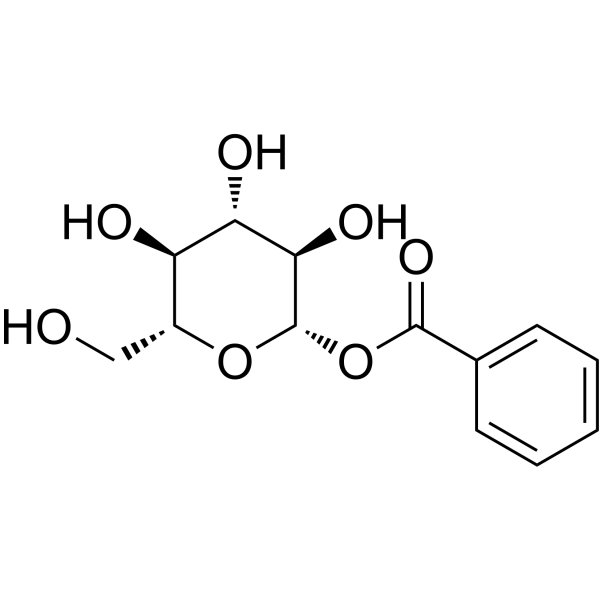
Periplanetin is a peptide of the insect lipomotor hormone family (AKH family) that can be isolated from the secretion of the cervical organ of Periplaneta americana L. and Blatta orientalis L. The periplanetin peptide has potential analgesic activity and lowers the threshold of tonic seizures .
|
-
-
- HY-N2433
-
|
|
Potassium Channel
|
Neurological Disease
|
|
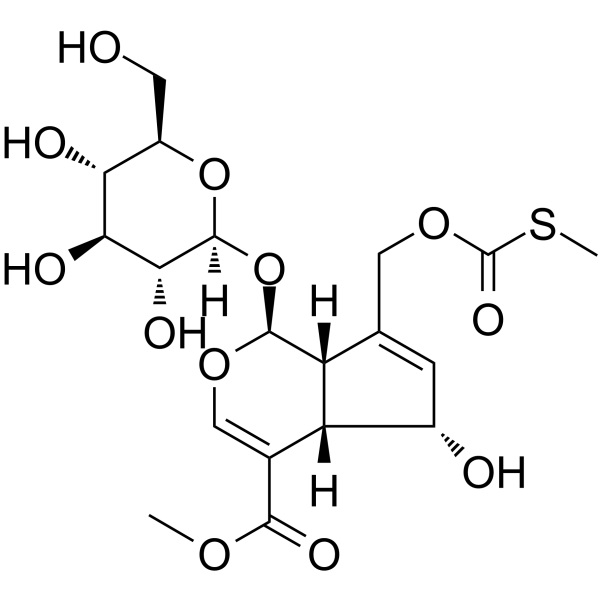
Paederosidic acid methyl ester is a ATP‐sensitive K + channel activator, isolated from P. scandens. Paederosidic acid methyl ester exhibits significant central analgesic activity, and enhances the threshold of pain by activating ATP‐sensitive K + channel in the brain and spinal cord level .
|
-
-
- HY-W1121939
-
|
|
Opioid Receptor
|
Neurological Disease
Inflammation/Immunology
|
|
Perillyl acetate is a monoterpene found in in essential oils of plants and is synthesized from perillyl alcohol (HY-N7000). Perillyl acetate can activate the μ-opioid receptor and exert potent analgesic activity. Perillyl acetate can be used for the research of inflammation and neurological disease such as arthritis .
|
-

-
- HY-139240
-
-

-
- HY-P4196
-
-
-
- HY-W748379
-
|
(±)-Phenyramidol
|
Drug Derivative
|
Neurological Disease
|
|
Fenyramidol is an Aminopyridine derivative. Fenyramidol can be used as a moderately potent, non-narcotic muscle relaxant with concomitant analgesic activity .
|
-

-
- HY-10869
-
|
|
FAAH
|
Metabolic Disease
|
|
OL-135 is a CNS penetrant, selective, and reversible of FAAH inhibitor. OL-135 exhibits analgesic activity .
|
-

-
- HY-170310
-
|
|
Opioid Receptor
|
Neurological Disease
|
|
AP-238 is a a new synthetic opioid (NSO), and acts as an agonist for μ-opioid receptor (MOR) with an EC50 of 248 nM. AP-238 exhibits analgesic activity .
|
-

-
- HY-126609
-
|
Pentoil; Nandron
|
Bradykinin Receptor
|
Inflammation/Immunology
|
|
Emorfazone (Pentoil) is a non-steroidal anti-inflammatory drug with oral activity. Emorfazone can significantly inhibit the release of bradykinin-like substances and kininogen. Emorfazone has anti-inflammatory and analgesic activity .
|
-

-
- HY-108480
-
|
|
Neurokinin Receptor
|
Neurological Disease
|
|
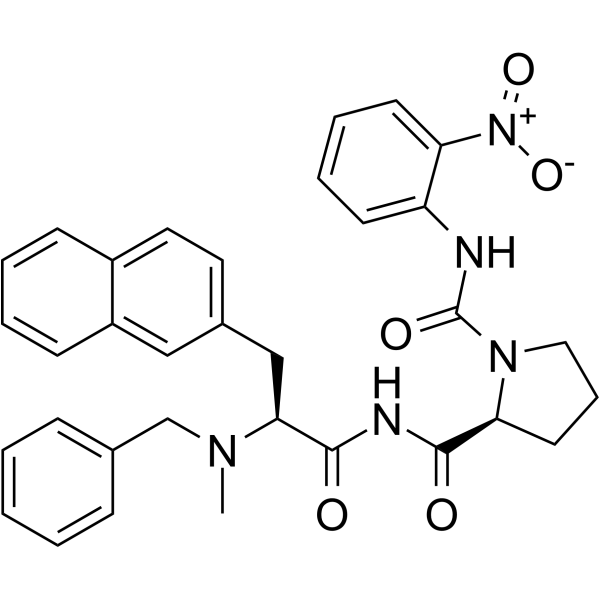
SDZ NKT 343 is a selective, orally active NK1 receptor antagonist with an IC50 of 0.62 nM against human NK1 receptor. SDZ NKT 343 has good analgesic activity .
|
-
-
- HY-121854A
-
|
|
Opioid Receptor
|
Inflammation/Immunology
|
|
Bromadoline maleate is an opioid analgesic selective for the μ-opioid receptor, exhibiting analgesic activity in various biological fluids. Bromadoline maleate has been successfully quantified alongside its N-demethylated metabolites in human and canine samples.
|
-

-
- HY-W023253
-
|
|
Bacterial
Fungal
|
Infection
Inflammation/Immunology
|
|
Biclotymol is an antimicrobial agent against gram-positive cocci. Biclotymol inhibits Streptococcus pneumoniae and Haemophilus influenzae, with MIC of 150 and 150 μM. Biclotymol exhibits anti-inflammatory and analgesic activity and ameliorates the otolaryngology infection and throat sore .
|
-

-
- HY-P5907
-
|
|
Opioid Receptor
|
Neurological Disease
|
|
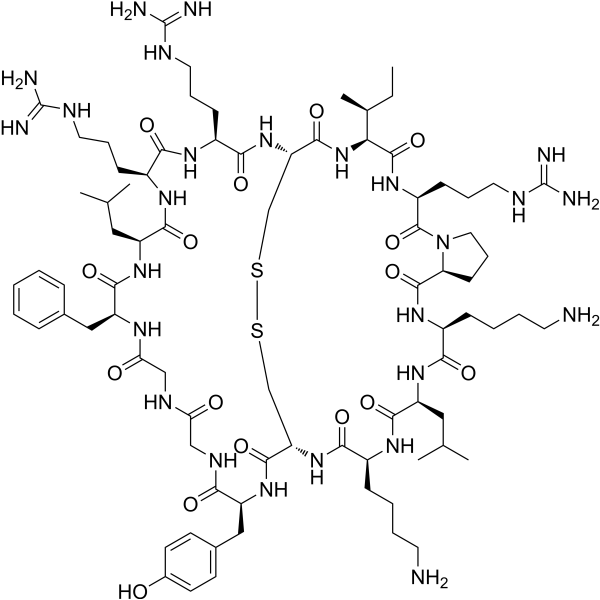
Helianorphin-19 is a potent and selective κ-opioid receptor (KOR) activator with a Ki of 21 nM and an EC50 of 45 nM. Helianorphin-19 exhibits strong KOR-specific peripheral analgesic activity in a mouse model of chronic visceral pain .
|
-
-
- HY-N11960
-
|
|
Opioid Receptor
|
Inflammation/Immunology
|
|
Ignavine is a conformational modulator of μ-opioid receptors (IC50 = 2.0 μM). Ignavine exhibits a concentration dependent bidirectional regulatory effect in vitro. Ignavine has analgesic activity. Ignavine can be used for research on pain related conditions .
|
-

-
- HY-P5159
-
|
|
Sodium Channel
|
Inflammation/Immunology
|
|
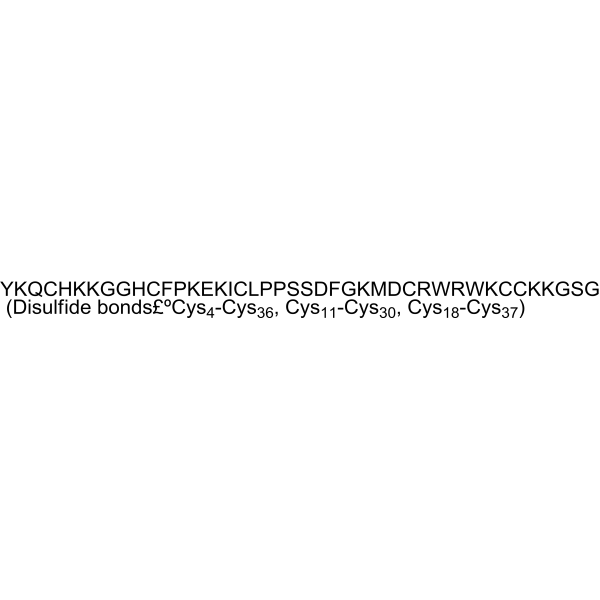
Crotamine is a Na + channel modulator. Crotamine is a 42 amino acid toxin cross-linked by three disulfide bridges. Crotamine has analgesic activity. Crotamine also interacts with lipid membranes and shows myonecrotic activity. Crotamine can be isolated from Crotalus durissus terrificus venom .
|
-
-
- HY-P5159A
-
|
|
Sodium Channel
|
Inflammation/Immunology
|
|
Crotamine TFA is a Na + channel modulator. Crotamine is a 42 amino acid toxin cross-linked by three disulfide bridges. Crotamine has analgesic activity. Crotamine also interacts with lipid membranes and shows myonecrotic activity. Crotamine can be isolated from Crotalus durissus terrificus venom .
|
-

-
- HY-137525
-
|
|
Neurotensin Receptor
|
Neurological Disease
|
|
NTRC-808 is a nonpeptide selective GPCR neurotensin receptor type 2 (NTS2) partial agonist with an EC50 of 14 nM and Ki of 88 nM. NTRC-808 has higher selectivity for NTS2 than for NTS1. NTRC-808 has antipsychotic and analgesic activity .
|
-

-
- HY-P2046
-
|
|
Opioid Receptor
|
Neurological Disease
|
|
β-Endorphin (rat) is an endogenous opioid neuropeptide and peptide hormone. β-Endorphin (rat) has analgesic activity and also contributes to food intake in satiated rats. β-Endorphin (rat) can be used in the research of neurological diseases such as analgesia and drug addiction .
|
-

-
- HY-173030
-
|
|
Opioid Receptor
|
Neurological Disease
|
|
Opioid receptor agonist 1 (Compound 2638-28) is the orally active agonist for opioid receptor that exhibits good affinity to MOR, DOR and KOR with Ki of 5, 24 and 212 nM, respectively. Opioid receptor agonist 1 exhibits analgesic activity in mouse warm water tail flick models and acetic acid writhing models .
|
-

-
- HY-173083
-
|
|
Cannabinoid Receptor
|
Neurological Disease
|
|
MDA7 is the selective agonist for cannabinoid receptor 2 with EC50 of 128 nM and 67.4 nM in human CB2 receptor and rat CB2 receptor. MDA7 exhibits good affinity to human CB2 receptor and rat CB2 receptor with Ki of 422 nM and 238 nM. MDA7 exhibits analgesic activity in rats models .
|
-

-
- HY-W725190
-
-

-
- HY-162570
-
|
|
Opioid Receptor
|
Others
|
|
Volazocine is an opioid benzomorphane derivative with potential analgesic activity .
|
-

-
- HY-W683876
-
-

-
- HY-129237
-
|
|
Opioid Receptor
|
Neurological Disease
|
|
Azo-enkephalin is an endorphin analog with significant analgesic activity. Azo-enkephalin can be used in the development of opioid analgesics .
|
-

-
- HY-10635A
-
-
- HY-14742
-
|
|
Opioid Receptor
|
Others
|
|
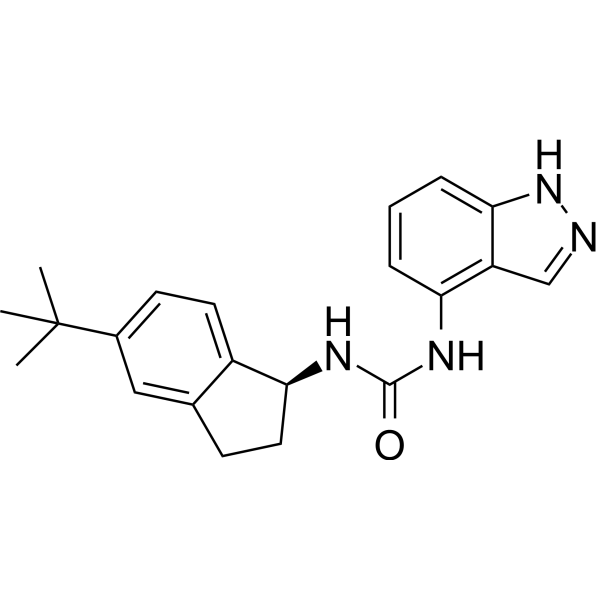
Faxeladol is a compound with analgesic activity that reduced mean pain intensity compared with placebo in a suppression trial for painful polyneuropathy with a favorable safety profile.
|
-

- HY-144773
-
|
|
Drug Metabolite
|
Inflammation/Immunology
|
|
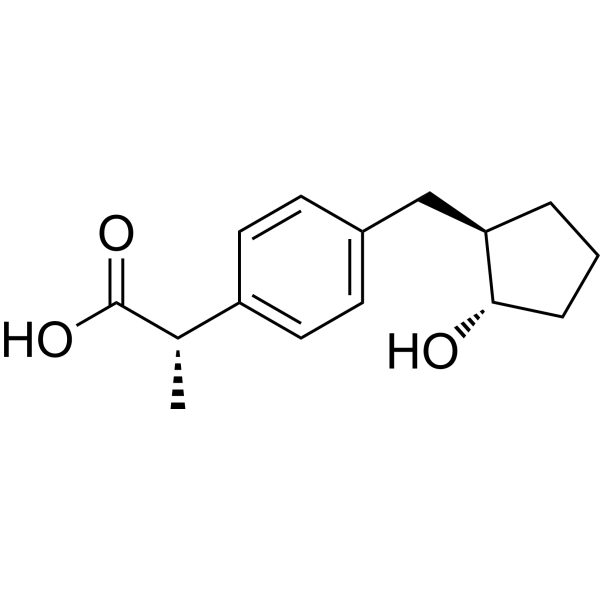
Loxoprofenol-SRS, an active metabolite of Loxoprofen, is a new intravenous NSAID. Loxoprofenol-SRS exhibits significantly stronger anti-inflammatory and analgesic activities .
|
-
- HY-167852
-
-

- HY-158410
-
-

- HY-N12398
-
|
|
Others
|
Neurological Disease
|
|
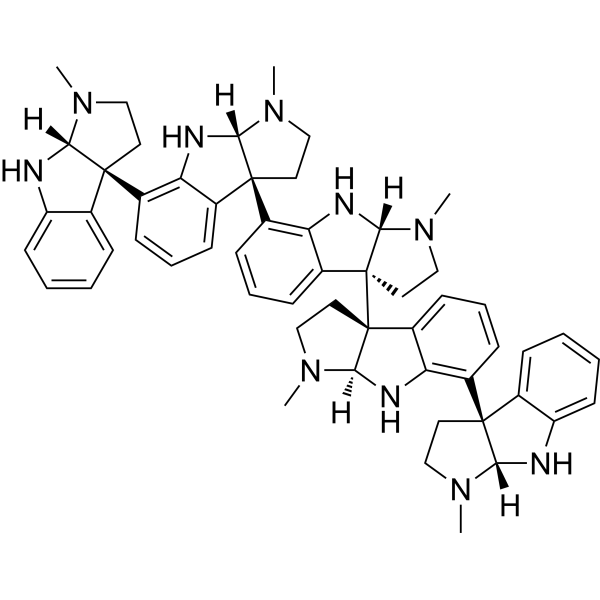
Psychotridine is a natural alkaloid isolated from Psychotria colorata, reveals an analgesic activity in nervous system and an inhibitory efficacy towards platelet aggregation .
|
-
- HY-136644
-
|
|
Calcium Channel
|
Others
|
|
PD-217014-methyl ester is an α?δ ligand with visceral analgesic activity and can inhibit visceral hypersensitivity, and its anti-hyperalgesic effect is dose-dependent.
|
-

- HY-N0271R
-
-

- HY-136644A
-
|
|
Calcium Channel
|
Others
|
|
PD-217014 is an α2δ ligand with visceral analgesic activity and can inhibit visceral hypersensitivity reactions. Its anti-allodynic effect is dose-dependent.
|
-

- HY-163669
-
-

- HY-N10171
-
|
|
Others
|
Inflammation/Immunology
|
|
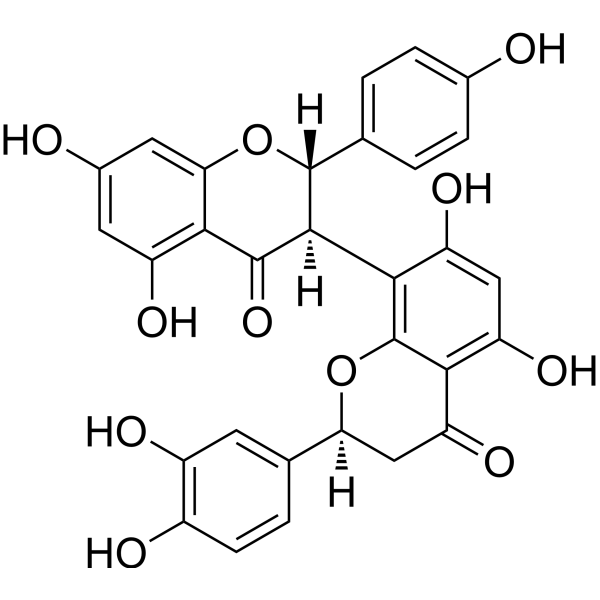
GB-2a is a bioflavonoids that can be isolated from Rheedia gardneriana. GB-2a has significant analgesic activity in mice with 58.9% inhibition .
|
-
- HY-14316B
-
|
Ebanicline hydrochloride; ABT-594 hydrochloride
|
nAChR
|
Neurological Disease
|
|
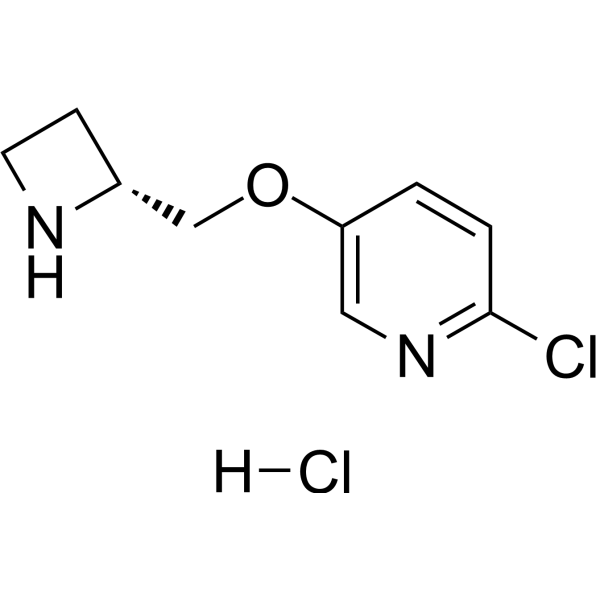
Tebanicline hydrochloride (Ebanicline hydrochloride) is a nAChR modulator with potent, orally effective analgesic activity. Tebanicline hydrochloride inhibits the binding of cytisine to α4β2 neuronal nAChRs with a Ki of 37 pM .
|
-
- HY-144773A
-
|
HR1405–01
|
COX
|
Inflammation/Immunology
|
|
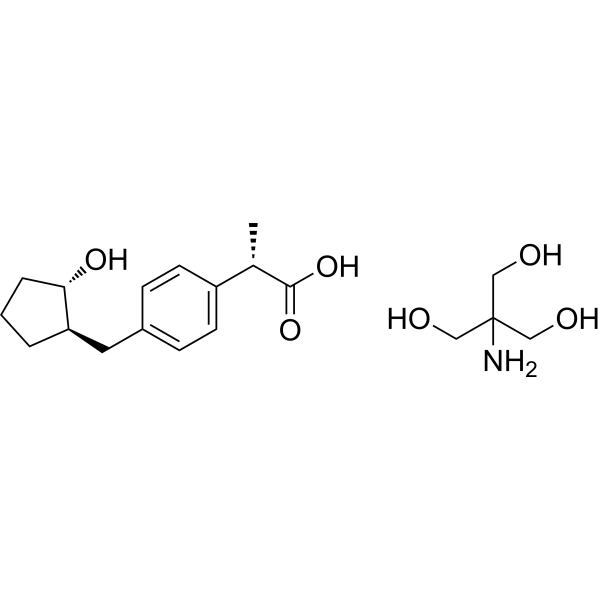
Loxoprofenol-SRS tromethamine (HR1405-01), an active metabolite of Loxoprofen, is a Safe intravenous non-steroidal anti-inflammatory drug (NSAID) with superior anti-inflammatory and analgesic activities .
|
-
- HY-129787
-
|
|
Cannabinoid Receptor
|
Neurological Disease
|
|
PF-03550096 is an orally active synthetic cannabinoid (CB) that selectively targets peripheral CB2 receptors with a Ki value of 7.9 nM. PF-03550096 has analgesic activity .
|
-
- HY-124406
-
|
|
mGluR
|
Neurological Disease
|
|
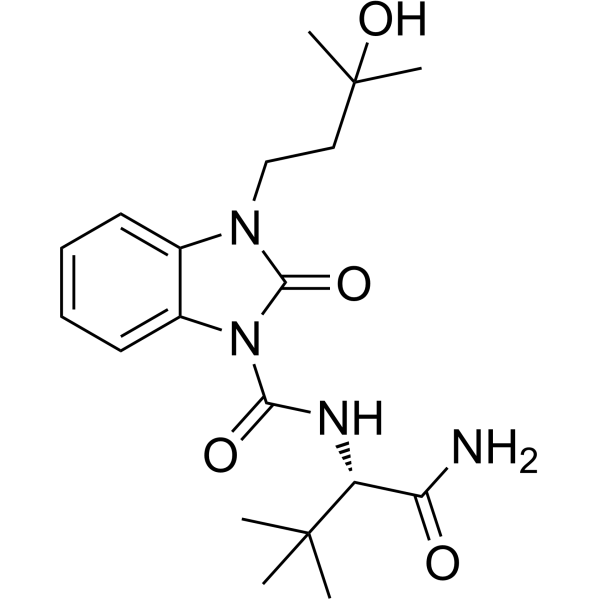
A-794282 is a compound with analgesic activity and is a selective mGlu1 receptor antagonist that significantly reduces pain behaviors in a postoperative pain model, but motor side effects may occur at higher doses.
|
-

- HY-174327
-
-

- HY-122988A
-
|
Xenbucin (2-dimethylaminoethanol)
|
Others
|
Others
|
|
Namoxyrate (Xenbucin (2-dimethylaminoethanol)) is a compound with analgesic activity. It can be dissociated into different components in rats. Its absorption and excretion vary depending on the components, and it has different affinities in human and rat plasma proteins.
|
-

- HY-173618
-
-

- HY-105667
-
|
|
COX
|
Neurological Disease
Inflammation/Immunology
|
|
Butanixin (2-[(4-Butylphenyl)amino]-3-pyridinecarboxylic acid) is a cyclooxygenase (COX) inhibitor. It exerts anti-inflammatory and analgesic activity by reducing prostaglandin production. It is used in the research of musculoskeletal disorders .
|
-

- HY-P1599
-
|
|
Opioid Receptor
|
Neurological Disease
Cancer
|
|
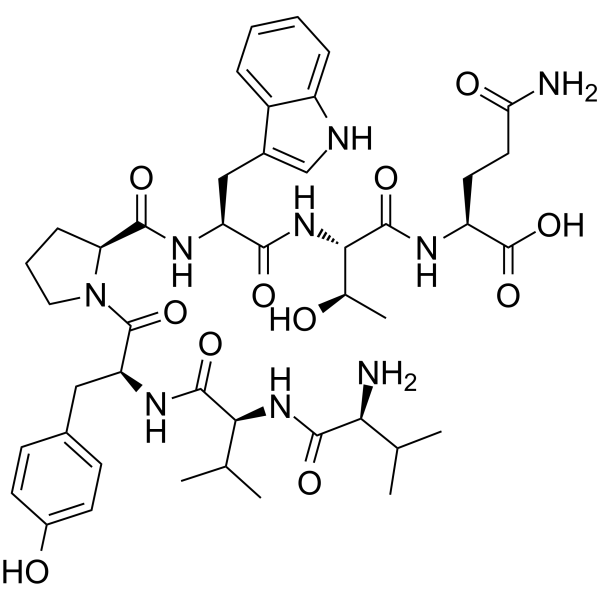
Valorphin is an endogenous hemoglobin β-chain (33-39) fragment with opioid analgesic activity, binds to rat mu-opioid receptor, with an IC50 of 14 nM; Valorphin also shows anti-tumor activity.
|
-
- HY-128829
-
|
|
Potassium Channel
|
Inflammation/Immunology
|
|
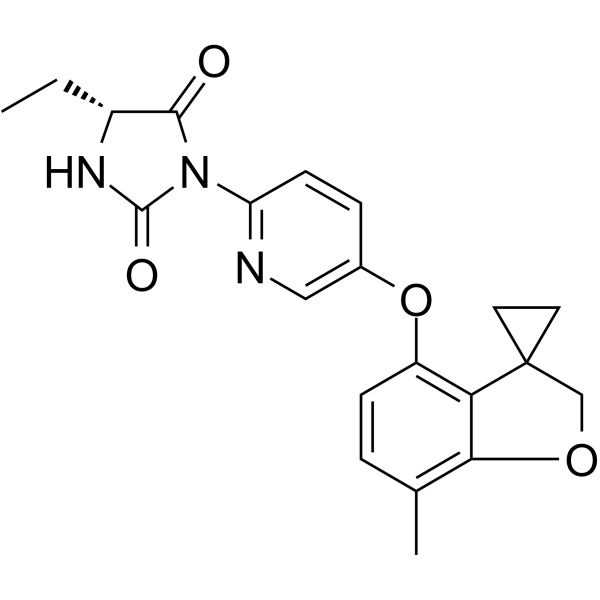
Kv3 modulator 2 (formula (I)) is a potent Kv3 channels modulator extracted from patent WO2018109484A1, compound formula (I) , has analgesic activity and is used in the prophylaxis or treatment of related disorders .
|
-
- HY-121103
-
|
|
Histone Methyltransferase
|
Inflammation/Immunology
|
|
Aclantate is a nonsteroidal anti-inflammatory drug with anti-inflammatory and analgesic activity. Aclantate is mainly used to relieve various types of pain and reduce inflammatory responses. Aclantate can be used to suppress rheumatoid arthritis and other related diseases .
|
-

- HY-162173
-
|
|
COX
|
Inflammation/Immunology
|
|
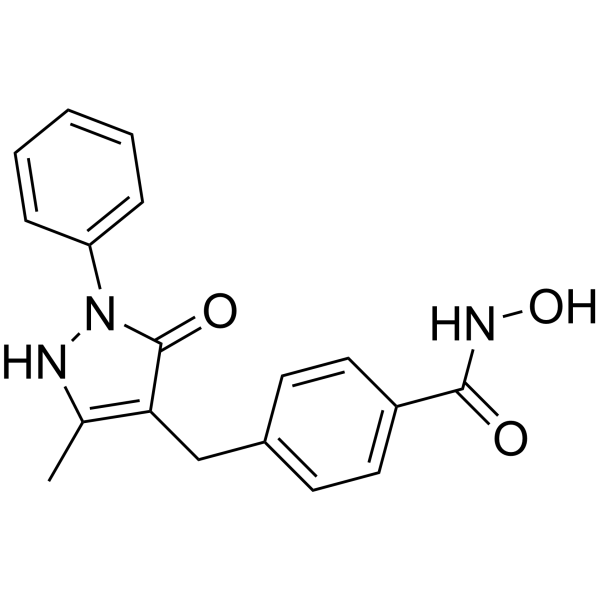
WYZ90 ((compound 6a) is a potent and selective COX-2 inhibitor with IC50 values of 75, 5734, 19940 nM for COX-2, COX-1 and DPPH, respectively. WYZ90 shows antioxidant and analgesic activity .
|
-
- HY-W714505
-
|
|
Opioid Receptor
|
Neurological Disease
|
|
AH 7563 structurally belongs to the opioid compounds and exhibits analgesic activity. In the phenylquinone test and hot plate test, the ED50 of AH 7563 for analgesia in mice were 15.3 mg/kg (orally) and 15.5 mg/kg (subcutaneous injection), respectively .
|
-

- HY-159562
-
|
|
COX
|
Inflammation/Immunology
|
|
COX-2-IN-46 (compound 5m) is an anti-inflammatory agent with potent analgesic activity. COX-2-IN-46 exhibits a significant inhibitory effect on COX-2 (IC50=87.74 nM) .
|
-

- HY-120560
-
|
|
MAGL
|
Neurological Disease
|
|
OMDM169 is a potent and selective monoacylglycerol lipase (MAGL) inhibitor with activity to increase 2-AG levels. OMDM169 exerts analgesic activity through indirect activation of cannabinoid receptors. The effective concentration of OMDM169 is 0.13 μM .
|
-

- HY-159561
-
|
|
COX
|
Inflammation/Immunology
|
|
COX-1-IN-2 (compound 5h) is an anti-inflammatory agent with potent analgesic activity. COX-1-IN-2 exhibits a significant inhibitory effect on COX-1 (IC50=38.76 nM) .
|
-

- HY-N12067
-
|
|
Others
|
Inflammation/Immunology
|
|
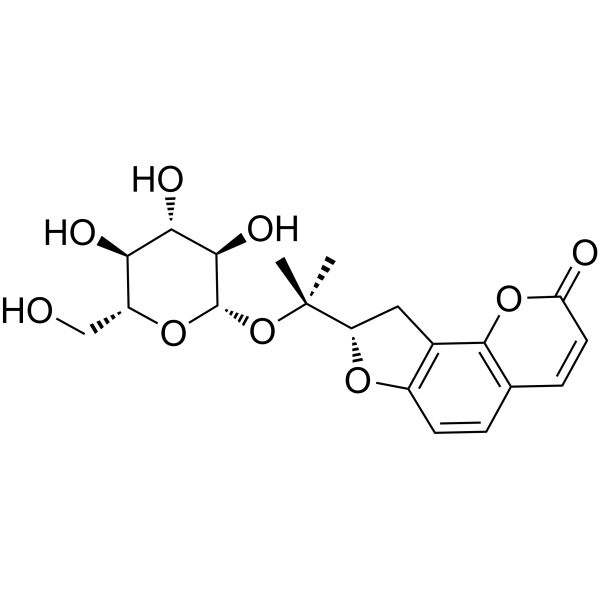
Columbianetin β-D-glucopyranoside can be isolated from Angelicae pubescentis radix and has antiplatelet aggregation, anti-inflammatory and analgesic activities. Columbianetin β-D-glucopyranoside exerts significant protective effects against glutamate-induced toxicity .
|
-
- HY-149944
-
|
|
Sodium Channel
|
Inflammation/Immunology
|
|
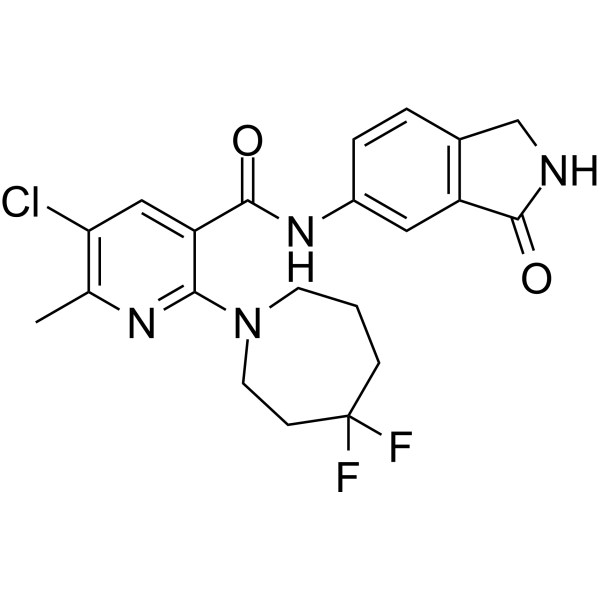
Analgesic agent-2 is a selective and orally active NaV1.8 Channel inhibitor, with an IC50 of 50.18 nM in HEK293 cells stably expressing human NaV1.8 channel. Analgesic agent-2 has analgesic activity .
|
-
- HY-114806R
-
|
Flenac (Standard); R 67408 (Standard)
|
Thyroid Hormone Receptor
Reference Standards
|
Inflammation/Immunology
|
|
Fenclofenac (Standard) is the analytical standard of Fenclofenac. This product is intended for research and analytical applications. Fenclofenac is an orally active anti-inflammatory agent with a low ulcerogenic effect. Fenclofenac also exhibits antipyretic and analgesic activities, with an oral LD50 of 2280 mg/kg in rats. Fenclofenac can be utilized in inflammation research .
|
-

- HY-N9854
-
|
|
Potassium Channel
|
Inflammation/Immunology
|
|
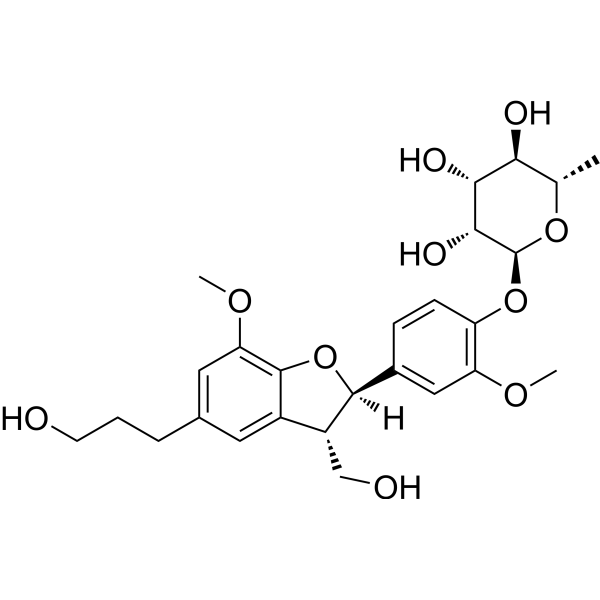
Icariside E4 is an antinociceptive agent, and can be isolated from Tabebuia roseo-alba. Icariside E4 has peripheral analgesic activity by ATP-sensitive K + channel-dependent mechanisms. Icariside E4 also has anti-oxidant, anti-Alzheimer and anti-inflammatory effects .
|
-
- HY-121886
-
|
|
Endogenous Metabolite
|
Neurological Disease
|
|
Bucricaine is an anesthetic compound with analgesic activity. Bucricaine is used in clinical anesthesia to reduce pain during surgery. The mechanism of action of Bucricaine involves inhibition of nerve signaling. Bucricaine's applications include local anesthesia and dental anesthesia. Bucricaine is widely used during surgery and other medical procedures to improve patient comfort .
|
-

- HY-161272
-
|
|
Sodium Channel
|
Neurological Disease
|
|
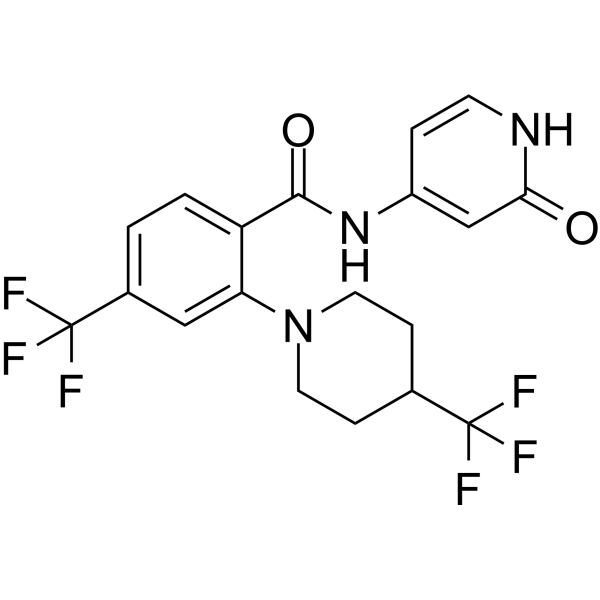
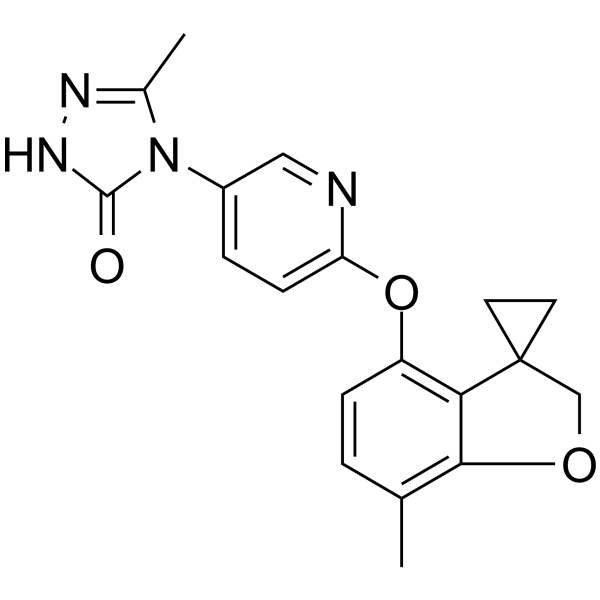
Nav1.8-IN-6 (Compound 2j) is a novel pyridinone amide Nav1.8 channel inhibitor. The IC50 values in the resting state and semi-activated state are 513.33 and 471.81 nM, respectively. Nav1.8-IN-6 has analgesic activity .
|
-
- HY-128830
-
|
|
Potassium Channel
|
Inflammation/Immunology
|
|
Kv3 modulator 3 (Compound 4) is a selective modulator of Kv3.1 and/or Kv3.2 and/or Kv3.3 channels extracted from patent WO2017098254A1, compound 4, has analgesic activity for use in the prophylaxis o or treatment of pain .
|
-
- HY-113807
-
|
|
COX
Lipoxygenase
|
Inflammation/Immunology
|
|
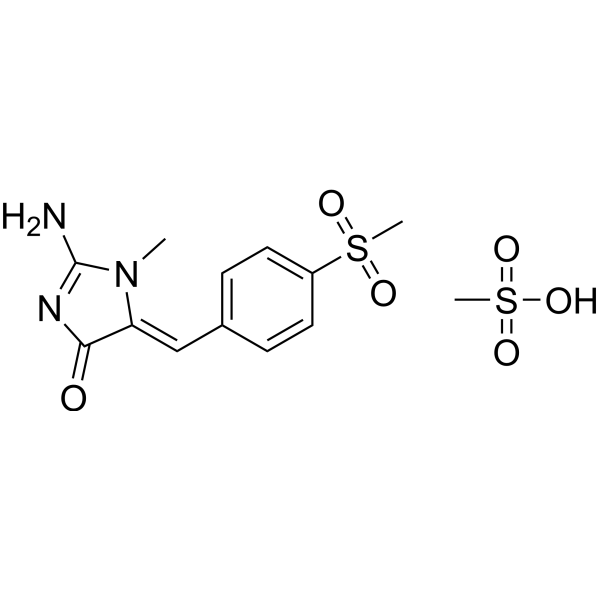
ZLJ-6 is a dual COX and 5-LOX inhibitor with oral activity. The IC50 values for COX-1, COX-2 and 5-LOX were 0.73, 0.31 and 0.99 μM, respectively. ZLJ-6 has anti-inflammatory and analgesic activity .
|
-
- HY-138232
-
|
LTNAM
|
Aminopeptidase
|
Neurological Disease
|
|
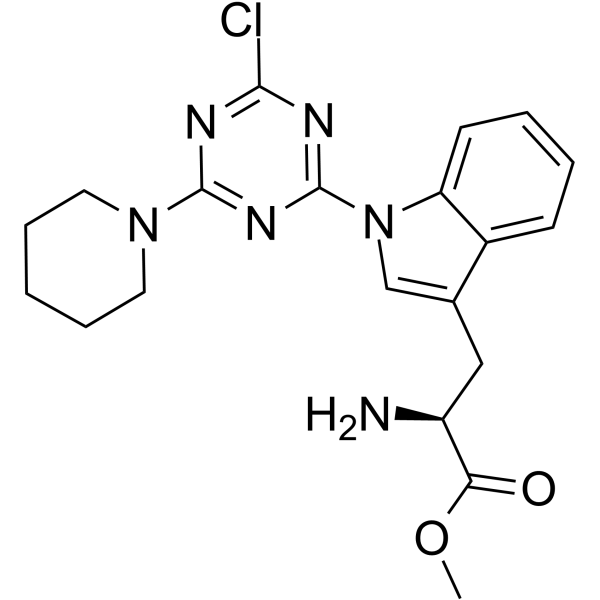
Lys-psi(CH2NH)-Trp(Nps)-OMe is a lysine-tryptophan (Nps) pseudodipeptide analog. It is obtained by replacing the peptide bond in the Lys-Trp(Nps) molecule with an aminomethylene bond and has analgesic activity. Lys-psi(CH2NH)-Trp(Nps)-OMe induces a dose-dependent and naloxone-reversible analgesia after intracerebroventricular administration in mice, and its analgesic effect lasts longer than that of the original compound. It protects methionine enkephalin from degradation in rat striatal slices and binds to low-dose opioid peptides to produce analgesia. Lys-psi(CH2NH)-Trp(Nps)-OMe effectively inhibits brain aminopeptidase activity both in vitro and in vivo. The enhanced resistance of this pseudodipeptide to proteolysis may explain its prolonged analgesic activity.
|
-

- HY-N2573A
-
|
L-Corydalmine hydrochloride; TLZ-16-CL
|
Fungal
CXCR
|
Infection
Neurological Disease
|
|
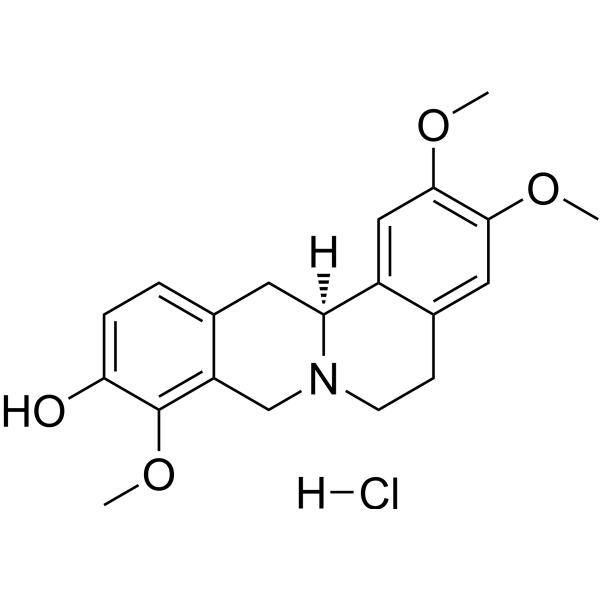
Corydalmine hydrochloride inhibits spore germination of some plant pathogenic as well as saprophytic fungi . Corydalmine hydrochloride acts as an oral analgesic agent, exhibiting potent analgesic activity . Corydalmine hydrochloride alleviates Vincristine-induced neuropathic pain in mice by inhibiting an NF-κB-dependent CXCL1/CXCR2 signaling pathway .
|
-
- HY-108641
-
|
|
p38 MAPK
|
Inflammation/Immunology
|
|
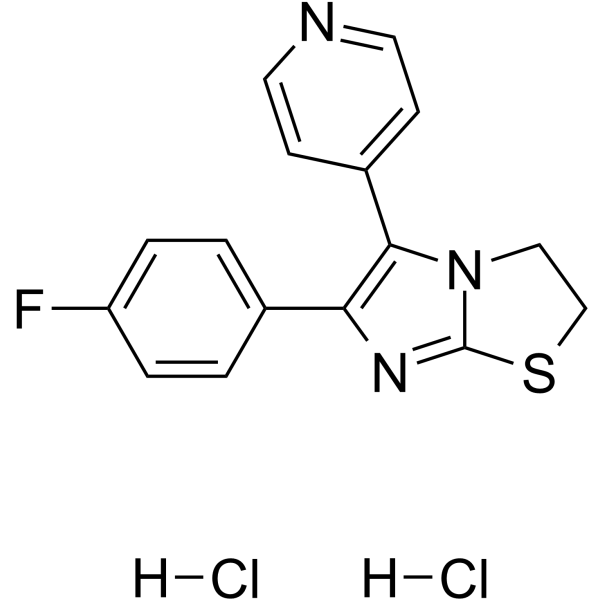
SKF-86002 dihydrochloride is an orally active p38 MAPK inhibitor, with anti-inflammatory, anti-arthritic and analgesic activities. SKF-86002 dihydrochloride inhibits lipopolysaccharide (LPS)-stimulate human monocyte IL-1 and TNF-α production (IC50 = 1 μM). SKF-86002 dihydrochloride inhibits lipoxygenase- and cyclooxygenase-mediated metabolism of arachidonic acid .
|
-
- HY-105578A
-
|
MA 1143 hydrochloride
|
Endogenous Metabolite
|
Inflammation/Immunology
|
|
Letimide hydrochloride (MA 1143 hydrochloride) is an analgesic with potent analgesic activity. Letimide hydrochloride has shown cytogenetic effects on human lymphocytes in in vitro experiments. Letimide hydrochloride did not exhibit significant chromosomal aberrations or sister chromatid exchanges in in vivo studies in mouse bone marrow cells. Teratogenic studies conducted on mice with Letimide hydrochloride also did not show obvious effects on inducing congenital malformations .
|
-

- HY-147748
-
|
|
COX
|
Inflammation/Immunology
|
|
COX-2-IN-17 (compound 10) is a potent and BBB-penetrated COX-2 (cyclooxygenase-2) inhibitor, with an IC50 of 0.02 μM. COX-2-IN-17 shows anti-inflammatory and analgesic activities. COX-2-IN-17 attenuates hyperalgesia in the neurogenic phase as well as the inflammatory phase .
|
-
- HY-B0746
-
|
dl-Flurbiprofen sodium
|
Endogenous Metabolite
|
Inflammation/Immunology
|
|
Flurbiprofen sodium (dl-Flurbiprofen sodium) is a nonsteroidal anti-inflammatory agent (NSAID) with anti-inflammatory and analgesic activities. Flurbiprofen sodium is used to reduce bone resorption in periodontal disease, and it works by inhibiting carbonic anhydrase. Flurbiprofen sodium is formulated as biodegradable microspheres for use as a compound delivery system, particularly within the periodontal pocket. The release rate of flurbiprofen sodium is related to the concentration of polymer and polyvinyl alcohol used in its preparation .
|
-

- HY-145487A
-
|
|
5-HT Receptor
Adrenergic Receptor
|
Neurological Disease
|
|
5-Hydroxy-6-methoxy (S)-duloxetine maleate is an orally active and brain-penetrant serotonin (5-HT) and norepinephrine (NE) reuptake inhibitor with antidepressant and analgesic activities. 5-Hydroxy-6-methoxy (S)-duloxetine maleate is promising for research of psychiatric and neurological disorders such as depression, diabetic neuropathic pain, generalized anxiety disorder, and fibromyalgia .
|
-

- HY-105682
-
-

- HY-W966480
-
|
|
COX
|
Neurological Disease
Inflammation/Immunology
|
|
Oxindanac is a nonsteroidal anti-inflammatory agent. Oxindanac produces inhibition of serum TxB2 production. Oxindanac reduces the volume of swelling. Oxindanac shows analgesic activity .
|
-

- HY-182466
-
|
BHV-2100
|
TRP Channel
|
Neurological Disease
|
|
Ponometrep (BHV-2100) is a transient receptor potential melastatin 3 (TRPM3) antagonist with IC50 values of 1-10 nM. Ponometrep shows analgesic activity and can be used for the research of neurological diseases .
|
-

- HY-176911
-
-

- HY-U00069
-
|
|
Monoamine Transporter
|
Neurological Disease
Inflammation/Immunology
|
|
Thionisoxetine is a norepinephrine transporter inhibitor with a Ki value of 0.2 nM in rats, and exhibits anti-hyperalgesic and analgesic activities. Thionisoxetine reverses thermal hyperalgesia and mechanical allodynia in rats. Thionisoxetine can be used in studies related to persistent inflammatory pain .
|
-

- HY-N18059
-
|
6-Hydroxyhetisan-11-one
|
Others
|
Neurological Disease
Inflammation/Immunology
|
|
Spiradine A (6-Hydroxyhetisan-11-one) is a C20 diterpenoid alkaloid present in the roots of Thalictrum sessile (Ranunculaceae), and is originally isolated from Spiraea japonica (Rosaceae). Spiradine A may possess anti-inflammatory and analgesic activities .
|
-

- HY-10635AR
-
|
|
TRP Channel
Reference Standards
|
Inflammation/Immunology
Cancer
|
|
(S)-ABT-102 (Standard) is the analytical standard of (S)-ABT-102 (HY-10635A). This product is intended for research and analytical applications. (S)-ABT-102 is a TRPV1 Antagonist, with an IC50 of 123 nM. (S)-ABT-102 has analgesic activity .
|
-

- HY-N19281
-
|
|
Drug Derivative
|
Neurological Disease
|
|
Puberulin is a coumarin compound and an orally effective analgesic. Puberulin is present in Choisya ternata var. Sundance. Puberulin exerts analgesic activity against chemical and heat-induced pain agents in mouse models, and this activity does not involve opioid receptors or muscarinic receptors. Puberulin can be used in the research of neuropathic pain .
|
-

- HY-119925
-
|
|
Drug Intermediate
|
Neurological Disease
|
|
Amaralin is a sesquiterpene lactone with analgesic activity, which exists in the leaves and stems of Helenium amarum (Raf.) H. Rock. When administered subcutaneously, Amaralin produces analgesic effects in the mouse tail-flick test. When administered subcutaneously, Amaralin inhibits acetic acid-induced writhing syndrome in mice. Amaralin can be used for pain-related research .
|
-

- HY-N1440
-
|
|
Bcl-2 Family
|
Inflammation/Immunology
Cancer
|
|
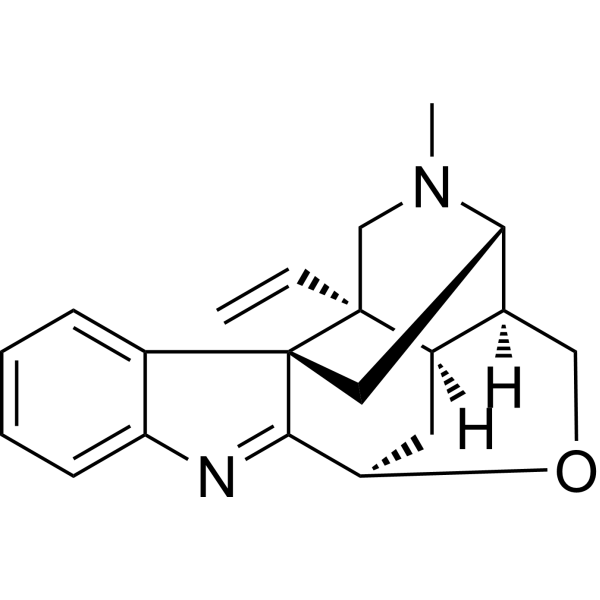
Koumine is an alkaloid separated from Gelsemium elegans, shows potent anti-tumor activity. Koumine up-regulates the Bax/Bcl-2 ratio and caspase-3 expression in human breast cancer cells . Koumine has anxiolytic, antistress, antipsoriatic, and analgesic activities , protects against the development of arthritis in Rheumatoid arthritis (RA) animal models .
|
-
- HY-12394
-
|
Dosulepin; Dothep
|
Histamine Receptor
5-HT Receptor
|
Neurological Disease
|
|
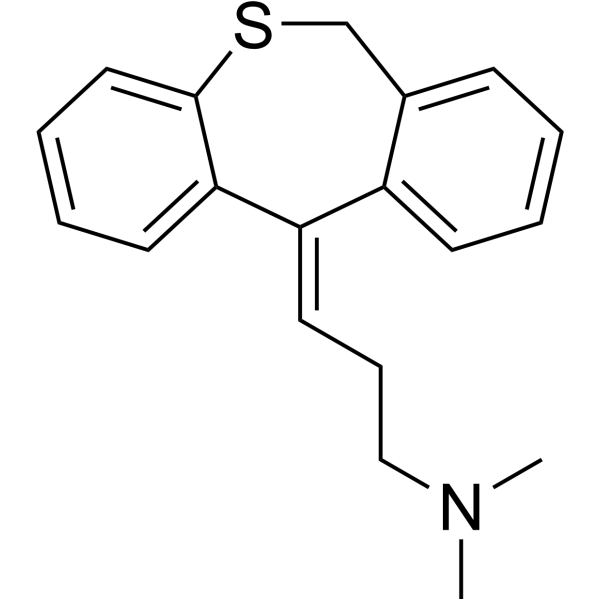
Dothiepin (Dosulepin; Dothep) is an antidepressant agent with sedative/anxiolytic activity. Dothiepin is an inhibitor preferring of noradrenaline uptake than serotonin uptake. Dothiepin facilitates noradrenergic neurotransmission via inhibiting the neuronal uptake. Dothiepin is also an antagonist of histamine H1-receptor without cardiotoxicity. Dothiepin exhibits significant analgesic activity in psychogenic facial pain,idiopathic fibromyalgia syndrome or rheumatoid arthritis .
|
-
- HY-129668
-
|
|
Adrenergic Receptor
|
Neurological Disease
|
|
Bremazocine is a potent opioid kappa receptor agonist with analgesic activity. Bremazocine induces peripheral analgesia by releasing endogenous norepinephrine. The analgesic effect of bremazocine is associated with interaction with adenosine receptors. Bremazocine produces a dose-dependent peripheral analgesia after topical application. The effect of bremazocine is affected by nonselective α(2) adrenaline receptor antagonists, suggesting that it acts through a norepinephrine pathway .
|
-

- HY-118756
-
|
RS37326
|
Endogenous Metabolite
|
Inflammation/Immunology
|
|
Anirolac (RS37326) is a nonsteroidal anti-inflammatory agent with analgesic activity. Anirolac showed analgesic efficacy comparable to that of naproxen in suppressing moderate or severe postpartum uterine pain. Anirolac induced significantly higher analgesia scores than placebo within 6 hours, especially at the 100 mg dose. Anirolac effectively relieved pain and showed a stronger analgesic effect than placebo in every assessment .
|
-

- HY-10582R
-
|
dl-Flurbiprofen (Standard)
|
Reference Standards
COX
Apoptosis
|
Inflammation/Immunology
Cancer
|
|
Flurbiprofen (Standard) is the analytical standard of Flurbiprofen. This product is intended for research and analytical applications. Flurbiprofen (dl-Flurbiprofen) is a potent, orally active nonsteroidal anti-inflammatory agent (NSAIA/NSAID), with antipyretic and analgesic activities. Flurbiprofen is commonly used for the research of inflammatory diseases, including osteoarthritis and rheumatoid arthritis. Flurbiprofen is a non-selective cyclooxygenase (COX) inhibitor that can be used for the research of colorectal cancer .
|
-

- HY-181123
-
|
|
COX
|
Neurological Disease
Inflammation/Immunology
|
|
AS1-6 is a selective COX-2 inhibitor with an IC50 of 2.7 μM. AS1-6 has an IC50 of 12.6 μM for COX-1. AS1-6 exerts significant anti-inflammatory and analgesic activities. AS1-6 can be used in research on non-steroidal anti-inflammatory agents .
|
-

- HY-10582S3
-
|
dl-Flurbiprofen-d4
|
COX
Apoptosis
Isotope-Labeled Compounds
|
Inflammation/Immunology
Cancer
|
|
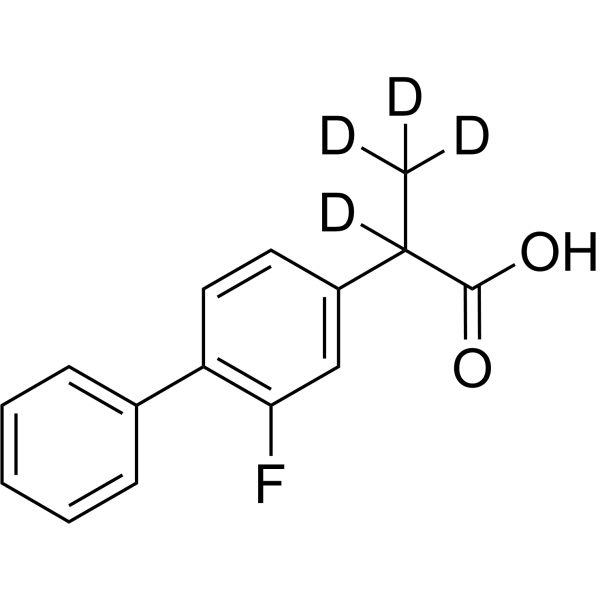
Flurbiprofen-d4 is deuterated labeled Flurbiprofen (HY-10582). Flurbiprofen (dl-Flurbiprofen) is a potent, orally active nonsteroidal anti-inflammatory agent (NSAIA/NSAID), with antipyretic and analgesic activities. Flurbiprofen is commonly used for the research of inflammatory diseases, including osteoarthritis and rheumatoid arthritis. Flurbiprofen is a non-selective cyclooxygenase (COX) inhibitor that can be used for the research of colorectal cancer .
|
-
- HY-131288
-
|
|
mGluR
|
Neurological Disease
|
|
LY2934747 is a selective and blood-brain barrier-permeable dual mGlu2/mGlu3 receptor agonist, with Ki values of 260 nM and 177 nM, and EC50 values of 8.4 nM and 62.4 nM against human receptors, respectively. LY2934747 exhibits antipsychotic and analgesic activities in in vivo animal models. LY2934747 can be used in studies related to psychosis and pain .
|
-

- HY-171846
-
|
|
TRP Channel
|
Neurological Disease
Inflammation/Immunology
|
|
LY3526318 is an orally active, selective TRPA1 antagonist (IC50=5-6μM). LY3526318 blocks TRPA1 channels, inhibits pain signal transduction mediated by the channel, and exerts analgesic activity. LY3526318 is mainly used in the research of chronic pain-related fields, such as diabetic peripheral neuropathy, chronic low back pain, and pain caused by osteoarthritis .
|
-

- HY-B1695R
-
|
Nicotinic acid methyl ester (Standard)
|
Reference Standards
Others
|
Cardiovascular Disease
Inflammation/Immunology
|
|
Methyl nicotinate (Standard) is the analytical standard of Methyl nicotinate. This product is intended for research and analytical applications. Methyl nicotinate (Nicotinic acid methyl ester) is an orally active vasodilator. Methyl nicotinate has analgesic activity. Methyl nicotinate causes local skin erythema when applied topically to the skin. Methyl nicotinate is used as an active ingredient in over-the-counter topical preparations for the study of muscle and joint pain .
|
-

- HY-171778
-
|
|
Sodium Channel
|
Neurological Disease
Inflammation/Immunology
|
|
QLS-81 is a Nav1.7 channel inhibitor (IC50: 1.5 μM). QLS-81 has significant analgesic activity and can relieve neuropathic and inflammatory pain. QLS-81 exerts frequency-dependent inhibitory effects by inhibiting the inactivated state of Nav1.7 channels. QLS-81 can be used in the study of chronic pain .
|
-

- HY-10582S2
-
|
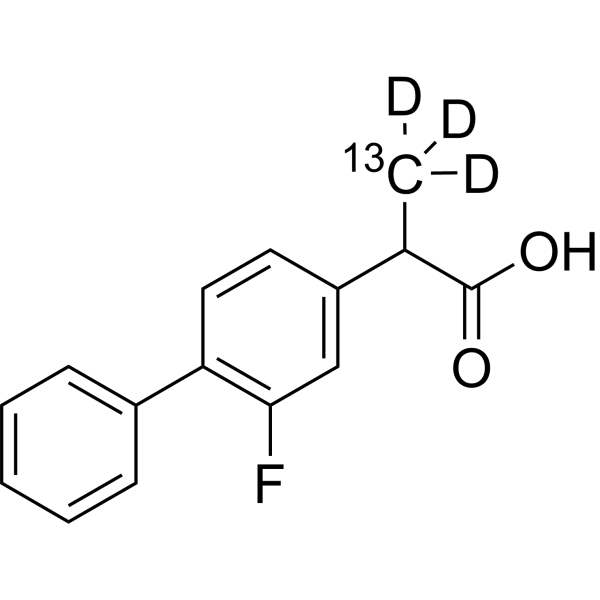
dl-Flurbiprofen-13C,d3
|
Isotope-Labeled Compounds
COX
Apoptosis
|
Inflammation/Immunology
Cancer
|
|
Flurbiprofen- 13C,d3 is the 13C- and deuterium labeled Flurbiprofen. Flurbiprofen (dl-Flurbiprofen) is a potent, orally active nonsteroidal anti-inflammatory agent (NSAIA/NSAID), with antipyretic and analgesic activities. Flurbiprofen is commonly used for the research of inflammatory diseases, including osteoarthritis and rheumatoid arthritis. Flurbiprofen is a non-selective cyclooxygenase (COX) inhibitor that can be used for the research of colorectal cancer .
|
-
- HY-W345510
-
|
|
Neprilysin
|
Neurological Disease
|
|
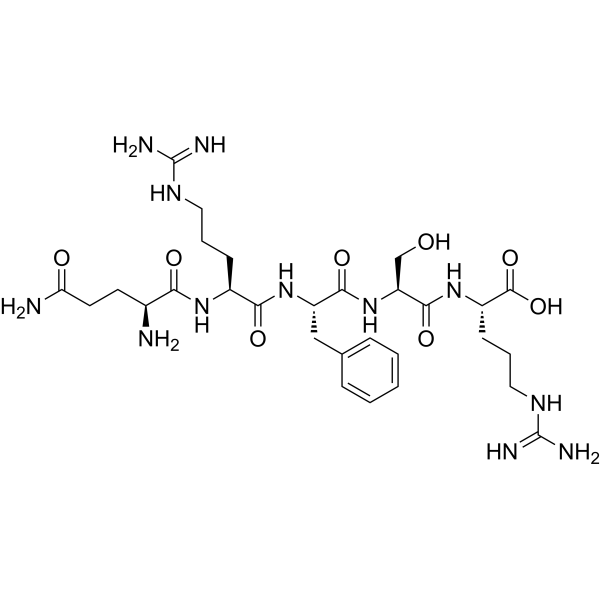
Opiorphin, an opioid peptide, is a potent enkephalin-inactivating zinc ectopeptidases in human inhibitor. Opiorphin inhibits two enkephalin-catabolizing ectoenzymes, human neutral ecto-endopeptidase, hNEP (EC 3.4.24.11) with an IC50 value of 11 μM, and human ecto-aminopeptidase, hAP-N (EC 3.4.11.2). Opiorphin displays potent analgesic activity by activating endogenous opioid-dependent transmission .
|
-
- HY-174846
-
-

- HY-120938
-
|
|
TRP Channel
|
Neurological Disease
|
|
JYL-273 analog-1 (Compound 28, Example 45) is a potent transient receptor potential ion channel (TRP channel) (TRPV1) agonist (Ki = 10.8 nM). JYL-273 analog-1 has analgesic activity (PBQ-induced writhing test: ED50 = 1.0 mg/kg). JYL-273 analog-1 can be used for analgesia studies .
|
-

- HY-161671
-
|
|
nAChR
|
Neurological Disease
Inflammation/Immunology
|
|
GAT2711 is a full agonist of α9 nAChR with an EC50 of 230 nM. GAT2711 shows 340-fold selective for α9 over α7 nAChRs. GAT2711 inhibits ATP-induced IL-1β release in THP-1 cells. GAT2711 retains full analgesic activity in α7 nAChR knockout mice .
|
-

- HY-W931056
-
|
|
TRP Channel
|
Neurological Disease
|
|
AMG-628 is an orally active inhibitor for TRPV1, that inhibits Capsaicin (HY-10448) or acid (pH 5)-induced Ca 2+ influx into TRPV1- expressing CHO cell with IC50 of 4.9 and 3.1 nM. AMG-628 exhibits analgesic activity in Capsaicin (HY-10448)-induced rat model, and exhibits a half-life of 2.4 h in rats .
|
-

- HY-10864R
-
|
KDS-4103 (Standard)
|
FAAH
Autophagy
Mitophagy
Reference Standards
|
Neurological Disease
|
|
URB-597 (Standard) is the analytical standard of URB-597. This product is intended for research and analytical applications. URB-597 (KDS-4103) is an orally bioavailable and selective FAAH inhibitor. URB-597 inhibits FAAH activity with an IC50s of approximately 5 nM in rat brain membranes, 0.5 nM in intact rat neurons, 3 nM in human liver microsomes. Antidepressant-like effects. Analgesic activity .
|
-

- HY-120484
-
|
|
Calcium Channel
|
Neurological Disease
|
|
A-1048400 is an orally active and selective calcium channel inhibitor with an IC50 value of 1.4 μM for N-type channels, 1.2 μM for T-type channel. A-1048400 inhibits neurotransmitter release and reduces membrane hyperexcitability, exerting potent analgesic activity. A-1048400 is promising for research of neuropathic pain (e.g., pain induced by spinal nerve ligation and chronic constriction injury) .
|
-

- HY-W007539
-
|
|
Endogenous Metabolite
Drug Intermediate
NO Synthase
Reactive Oxygen Species (ROS)
COX
|
Metabolic Disease
Inflammation/Immunology
|
|
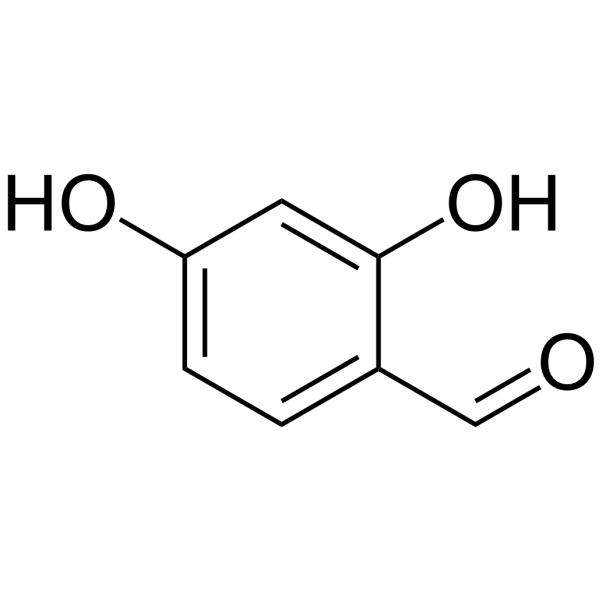
2,4-Dihydroxybenzaldehyde is an endogenous metabolite. 2,4-Dihydroxybenzaldehyde is a pharmaceutical intermediate that can be used to synthesize various Schiff base compounds. 2,4-Dihydroxybenzaldehyde exhibits significant anti angiogenic, anti-inflammatory, and analgesic activities. 2,4-Dihydroxybenzaldehyde reduces the production of NO and ROS by inhibiting the expression of iNOS and COX-2. 2,4-Dihydroxybenzaldehyde is commonly used in the study of inflammatory conditions .
|
-
- HY-N1440R
-
|
|
Reference Standards
Bcl-2 Family
|
Inflammation/Immunology
Cancer
|
|
Koumine (Standard) is the analytical standard of Koumine. This product is intended for research and analytical applications. Koumine is an alkaloid separated from Gelsemium elegans, shows potent anti-tumor activity. Koumine up-regulates the Bax/Bcl-2 ratio and caspase-3 expression in human breast cancer cells . Koumine has anxiolytic, antistress, antipsoriatic, and analgesic activities , protects against the development of arthritis in Rheumatoid arthritis (RA) animal models .
|
-

- HY-149270
-
|
|
COX
|
Inflammation/Immunology
|
|
COX-2-IN-31 (compound 7b) is an orally active and dual inhibitor of COX-2 (IC50=60 nM) and 5-LOX (IC50=1.9 μM). COX-2-IN-31 also inhibits transmembrane hCA IX(Ki=48.9 nM) and hCA XII(Ki=5.8 nM) activity. COX-2-IN-31 exhibits anti-inflammatory and analgesic activity .
|
-
- HY-12511R
-
|
|
p38 MAPK
|
Inflammation/Immunology
|
|
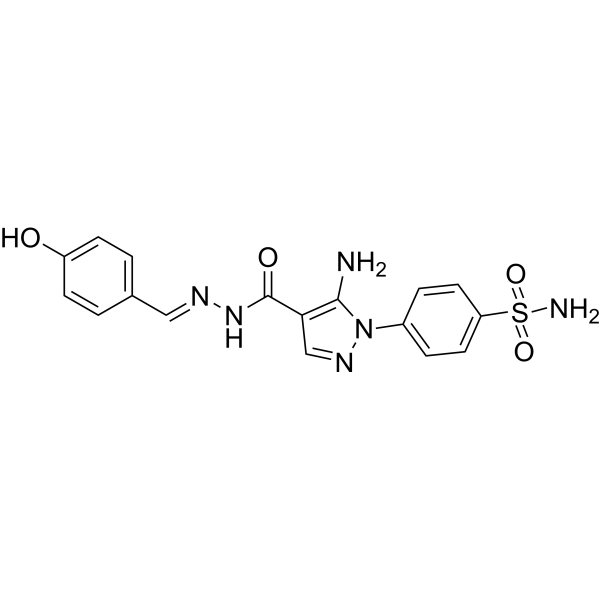
SKF-86002 (Standard) is the analytical standard of SKF-86002. This product is intended for research and analytical applications. SKF-86002 is an orally active p38 MAPK inhibitor, with anti-inflammatory, anti-arthritic and analgesic activities. SKF-86002 inhibits lipopolysaccharide (LPS)-stimulate human monocyte IL-1 and TNF-α production (IC50 = 1 μM). SKF-86002 inhibits lipoxygenase- and cyclooxygenase-mediated metabolism of arachidonic acid .
|
-

- HY-165378
-
|
(E)-Dosulepin hydrochloride; (E)-Dothep hydrochloride
|
Histamine Receptor
|
Neurological Disease
|
|
(E)-Dothiepin ((E)-Dosulepin;(E)-Dothep) hydrochloride is an antidepressant agent with sedative/anxiolytic activity. (E)-Dothiepin hydrochloride is an inhibitor preferring of noradrenaline uptake than serotonin uptake. (E)-Dothiepin hydrochloride facilitates noradrenergic neurotransmission via inhibiting the neuronal uptake. (E)-Dothiepin hydrochloride is also an antagonist of histamine H1-receptor without cardiotoxicity. (E)-Dothiepin hydrochloride exhibits significant analgesic activity in psychogenic facial pain,idiopathic fibromyalgia syndrome or rheumatoid arthritis .
|
-

- HY-B0746R
-
|
dl-Flurbiprofen sodium (Standard)
|
Endogenous Metabolite
Reference Standards
|
Inflammation/Immunology
|
|
Flurbiprofen (sodium) (Standard) is the analytical standard of Flurbiprofen (sodium). This product is intended for research and analytical applications. Flurbiprofen sodium (dl-Flurbiprofen sodium) is a nonsteroidal anti-inflammatory agent (NSAID) with anti-inflammatory and analgesic activities. Flurbiprofen sodium is used to reduce bone resorption in periodontal disease, and it works by inhibiting carbonic anhydrase. Flurbiprofen sodium is formulated as biodegradable microspheres for use as a compound delivery system, particularly within the periodontal pocket. The release rate of flurbiprofen sodium is related to the concentration of polymer and polyvinyl alcohol used in its preparation .
|
-

- HY-18981
-
|
(+)-Decursin
|
PKC
Apoptosis
CXCR
|
Neurological Disease
Inflammation/Immunology
Cancer
|
|
Decursin ((+)-Decursin) is a potent anti-tumor agent. Decursin also is a cytotoxic agent and a potent protein kinase C activator. Decursin induces apoptosis and cell cycle arrest at G1 phase. Decursin decreases the expression of CDK2, CDK4, CDK6, cyclin D1 protein at 48 h. Decursin inhibits cell proliferation and migration. Decursin shows anti-tumor, anti-inflammatory and analgesic activities .
|
-
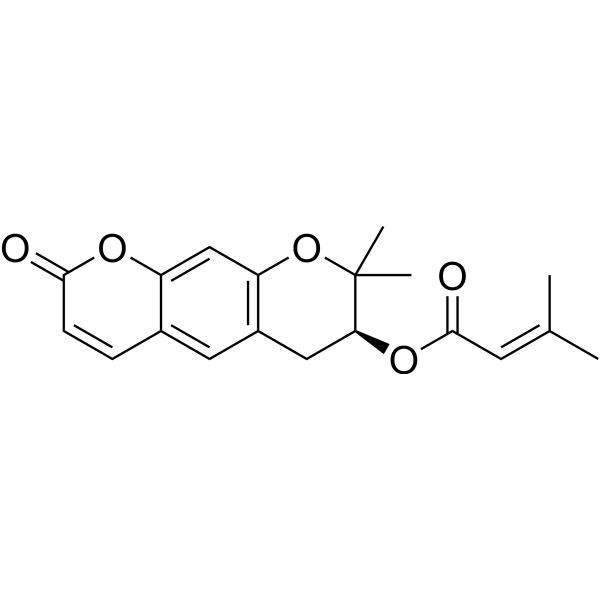
- HY-164036R
-
|
|
Reference Standards
Antibiotic
Bacterial
|
Infection
|
|
Flurbiprofen (sodium) (Standard) is the analytical standard of Flurbiprofen (sodium). This product is intended for research and analytical applications. Flurbiprofen sodium (dl-Flurbiprofen sodium) is a nonsteroidal anti-inflammatory agent (NSAID) with anti-inflammatory and analgesic activities. Flurbiprofen sodium is used to reduce bone resorption in periodontal disease, and it works by inhibiting carbonic anhydrase. Flurbiprofen sodium is formulated as biodegradable microspheres for use as a compound delivery system, particularly within the periodontal pocket. The release rate of flurbiprofen sodium is related to the concentration of polymer and polyvinyl alcohol used in its preparation .
|
-

- HY-101513
-
|
|
Eukaryotic Initiation Factor (eIF)
|
Neurological Disease
Cancer
|
|
eIF4A3-IN-1 is a selective eIF4A3 inhibitor (IC50: 0.26 μM; Kd: 0.043 μM) with cellular nonsense-mediated RNA decay (NMD) inhibitory activity. eIF4A3-IN-1 can specifically bind to the non-ATP binding site of eIF4A3. eIF4A3-IN-1 has anti-tumor and analgesic activities .
|
-
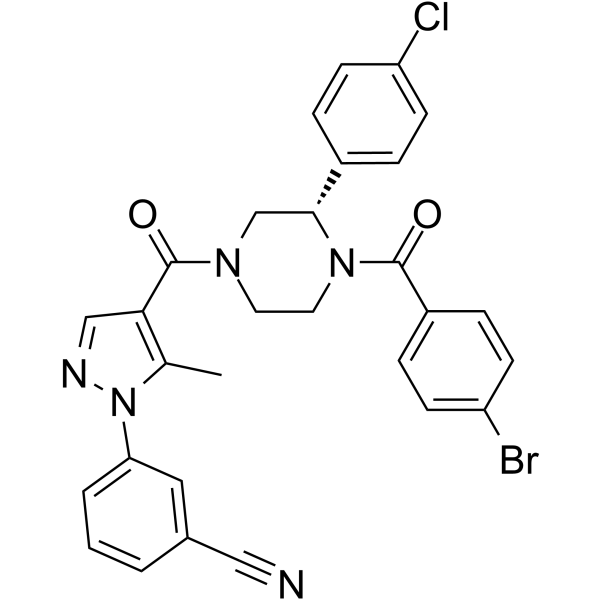
- HY-147560
-
|
|
Sigma Receptor
Opioid Receptor
|
Neurological Disease
|
|
σ1 Receptor/μ Opioid receptor modulator 1 (Compound 44) is a potent σ1 receptor antagonist and μ opioid receptor agonist with Kis of 1.86 nM and 2.1 nM, respectively.σ1 Receptor/μ Opioid receptor modulator 1 exhibits potent analgesic activity. σ1 Receptor/μ Opioid receptor modulator 1 can be used for the research of neuropathic pain .
|
-
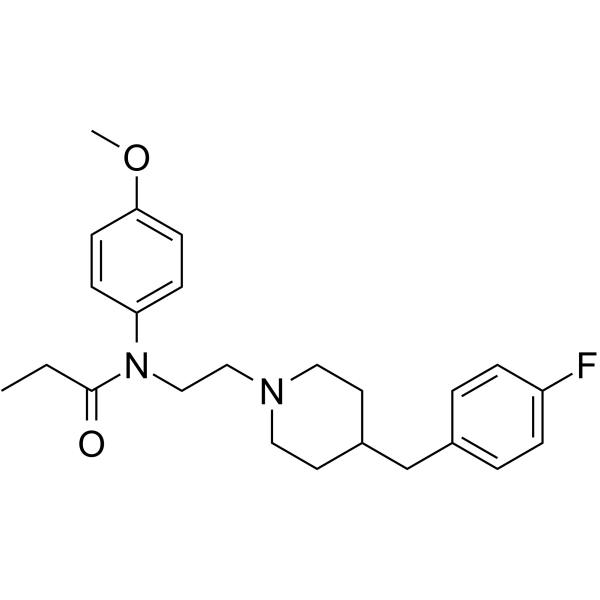
- HY-183545
-
|
|
Epoxide Hydrolase
Interleukin Related
|
Inflammation/Immunology
|
|
sEH-IN-24 (Compound (+)-34) is an orally active soluble epoxide hydrolase (sEH) inhibitor with an IC50 of 1.9 nM. sEH-IN-24 inhibits the pro-inflammatory cytokines TNF-α and IL-6. sEH-IN-24 exhibits anti-inflammatory effects and exerts analgesic activity in vivo. sEH-IN-24 prevents pancreatic edema, inflammation and parenchymal atrophy. sEH-IN-24 can be used for the research of acute pancreatitis .
|
-

- HY-17428
-
|
|
Histamine Receptor
|
Neurological Disease
Inflammation/Immunology
|
|
Tripelennamine hydrochloride is a histamine H1-receptor antagonist. Tripelennamine hydrochloride effectively reverses histamine-induced bronchoconstriction, increased transpulmonary pressure, elevated pulmonary vascular resistance and reduced dynamic compliance. Tripelennamine hydrochloride does not significantly affect arterial hypoxemia, hemoglobin desaturation and hypercapnia in horses undergoing short-term high-intensity exercise. Tripelennamine hydrochloride exhibits local and central analgesic activity. Tripelennamine hydrochloride can be used in studies related to emphysema, urticaria and acute laminitis .
|
-
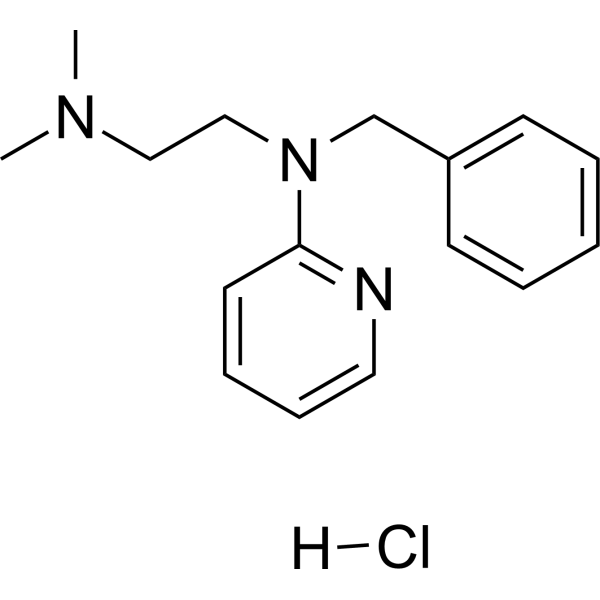
- HY-W040705R
-
|
N-Methylanthranilic acid (Standard)
|
Drug Metabolite
Reference Standards
|
Others
|
|
2-(Methylamino)benzoic acid (Standard) is the analytical standard of 2-(Methylamino)benzoic acid. This product is intended for research and analytical applications. 2-(Methylamino)benzoic acid is the main metabolite of methyl-N-methylanthranilates (MMA) (HY-76705) and is the compound in which the ester group is converted. MMA can be isolated from citrus fruits and has potential analgesic activity. 2-(Methylamino)benzoic acid was used to detect the metabolic levels of MMA in rat liver[1].
|
-

- HY-17428A
-
|
|
Histamine Receptor
|
Neurological Disease
Inflammation/Immunology
|
|
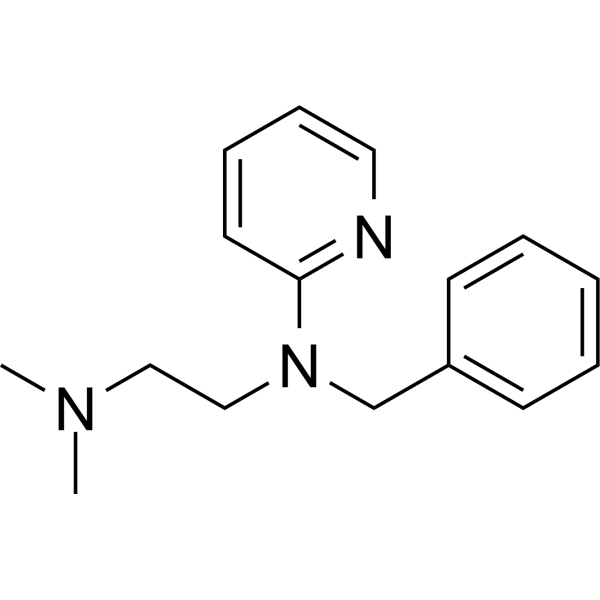
Tripelennamine is a histamine H1-receptor antagonist. Tripelennamine effectively reverses histamine-induced bronchoconstriction, increased transpulmonary pressure, elevated pulmonary vascular resistance and reduced dynamic compliance. Tripelennamine does not significantly affect arterial hypoxemia, hemoglobin desaturation and hypercapnia in horses undergoing short-term high-intensity exercise. Tripelennamine exhibits local and central analgesic activity. Tripelennamine can be used in studies related to emphysema, urticaria and acute laminitis .
|
-
- HY-121888
-
|
|
PPAR
|
Metabolic Disease
|
|
20-HEPE is a metabolite of eicosapentaenoic acid formed by ω-oxidation of EPA by cytochrome P450 (CYP) ω-oxidases, including human CYP4F3B. At 10 μM, it activates peroxisome proliferator-activated receptor α (PPARα) in COS-7 cells expressing a luciferase reporter gene. 20-HEPE also activates mouse transient receptor potential vanilloid receptor 1 (mTRPV1) in vitro but lacks analgesic activity in rats.
|
-

- HY-181056
-
|
|
EGFR
COX
|
Neurological Disease
Cancer
|
|
EGFR/COX-2-IN-3 is a selective EGFR/COX-2 dual inhibitor with IC50 values of 0.098 μM and 0.05 μM, respectively. EGFR/COX-2-IN-3 is predicted to have oral activity and blood-brain barrier permeability. EGFR/COX-2-IN-3 exhibits both potent analgesic activity and anti-glioblastoma effects. EGFR/COX-2-IN-3 can be used in the research of tumors such as glioblastoma .
|
-

- HY-17428B
-
|
|
Histamine Receptor
|
Neurological Disease
Inflammation/Immunology
|
|
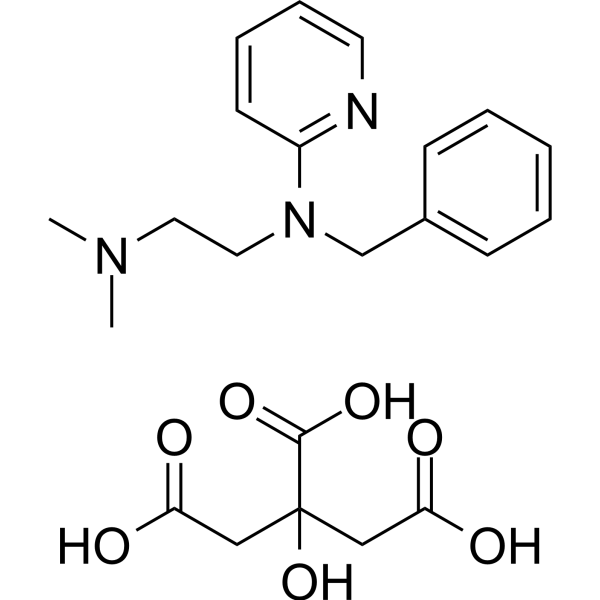
Tripelennamine citrate is a histamine H1-receptor antagonist. Tripelennamine citrate effectively reverses histamine-induced bronchoconstriction, increased transpulmonary pressure, elevated pulmonary vascular resistance and reduced dynamic compliance. Tripelennamine citrate does not significantly affect arterial hypoxemia, hemoglobin desaturation and hypercapnia in horses undergoing short-term high-intensity exercise. Tripelennamine citrate exhibits local and central analgesic activity. Tripelennamine citrate can be used in studies related to emphysema, urticaria and acute laminitis .
|
-
- HY-19086
-
|
|
COX
Lipoxygenase
|
Inflammation/Immunology
|
|
SKF-105809 is a dual-action inhibitor of lipoxygenase and COX. SKF-105809 inhibits edema and inflammatory cell infiltration in mouse models of ear, paw, and peritoneum inflammation. SKF-105809 inhibits the production of relevant acute-phase reactive proteins in a mouse model of arthritis. SKF-105809 exhibits analgesic activity in a mouse abdominal contraction test and inhibits ulceration. SKF-105809 can be used in research on inflammatory and immune system diseases such as peritonitis and arthritis .
|
-

- HY-N3017
-
|
|
Antibiotic
|
Neurological Disease
Inflammation/Immunology
|
|
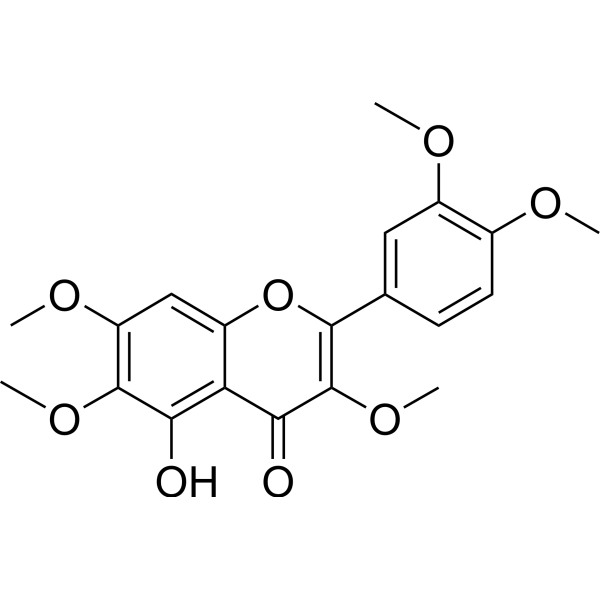
Artemitin is a flavonoid neuroanesthetic agent with moderate cytotoxicity. Artemitint has selective inhibitory activity against Meth-A sarcoma cells with an ED50 of 5-10 μg/mL, and has no significant effect on LLC lung cancer cells. Artemitin exerts anticancer activity by affecting cell proliferation signaling pathways, and also has potential anti-inflammatory and neuroprotective effects. Artemitin exhibits a dose-dependent antinociceptive effect in the mouse hot plate test, with an ED50 of 1.6 μg/kg, and has analgesic activity .
|
-
- HY-162347
-
|
|
Sodium Channel
|
Neurological Disease
|
|
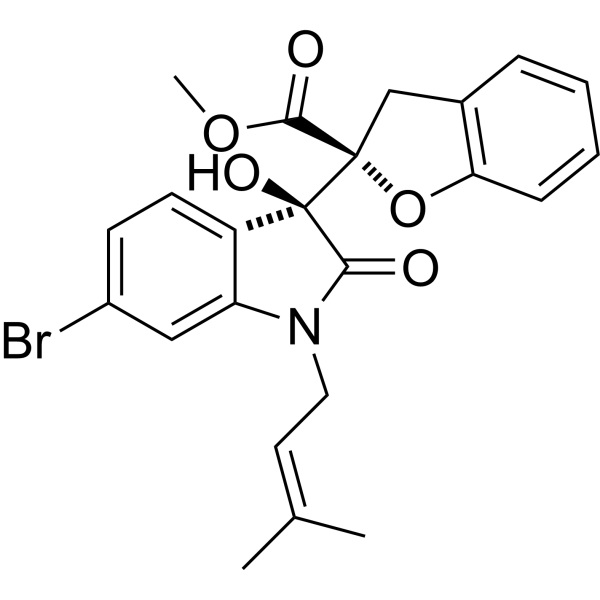
Nav1.7-IN-13 (compound 3g) is a sodium channel inhibitor that significantly inhibits Veratridine (HY-N6691)-induced neuronal activity. Nav1.7-IN-13 inhibits total Na+ current in DRG neurons in a concentration-dependent manner; slows down the activation of Navs. Nav1.7-IN-13 significantly alleviated mechanical pain behavior in a rat model of nerve injury (SNI) and had analgesic activity .
|
-
- HY-N19667
-
|
|
Calcium Channel
|
Neurological Disease
Inflammation/Immunology
|
|
8-[2-(3-Methylbutroxy)-3-hydroxy-3-methylbutoxy]psoralen (Compound 12), a furanocoumarin found in the roots of A. archangelica L. archangelica, is an calcium antagonist. 8-[2-(3-Methylbutroxy)-3-hydroxy-3-methylbutoxy]psoralen blocks depolarization-induced calcium uptake in pituitary cells. 8-[2-(3-Methylbutroxy)-3-hydroxy-3-methylbutoxy]psoralen can be used for research on anti-inflammatory and analgesic activities .
|
-
![8-[2-(3-Methylbutroxy)-3-hydroxy-3-methylbutoxy]psoralen](//file.medchemexpress.com/product_pic/hy-n19667.gif)
- HY-18981R
-
|
(+)-Decursin (Standard)
|
Reference Standards
PKC
Apoptosis
CXCR
|
Neurological Disease
Inflammation/Immunology
Cancer
|
|
Decursin (Standard) is the analytical standard of Decursin. This product is intended for research and analytical applications. Decursin ((+)-Decursin) is a potent anti-tumor agent. Decursin also is a cytotoxic agent and a potent protein kinase C activator. Decursin induces apoptosis and cell cycle arrest at G1 phase. Decursin decreases the expression of CDK2, CDK4, CDK6, cyclin D1 protein at 48 h. Decursin inhibits cell proliferation and migration. Decursin shows anti-tumor, anti-inflammatory and analgesic activities [4].
|
-

- HY-121679
-
|
|
COX
|
Neurological Disease
|
|
COX-2-IN-50 is a water-soluble COX-2 inhibitor with significant analgesic activity. The solubility of COX-2-IN-50 in water reaches 20.3 mg/mL, far exceeding the 1.6 μg/mL of its precursor compound PC407. COX-2-IN-50 demonstrates good biocompatibility and is suitable for the development of injectable dosage forms. COX-2-IN-50 has proven its analgesic effect in vivo and shows potential application value .
|
-

- HY-111664
-
|
(+)-Citronellal
|
Bacterial
Fungal
Insecticide
Taste Receptor
Opioid Receptor
|
Infection
Neurological Disease
Inflammation/Immunology
|
|
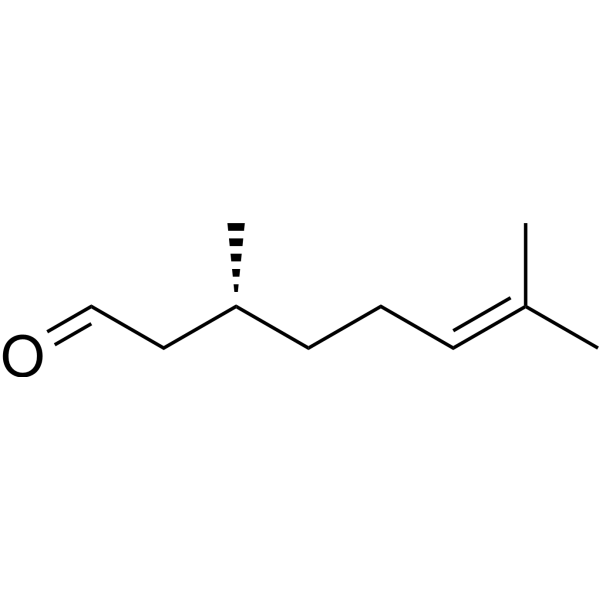
(R)-(+)-Citronellal ((+)-Citronellal) is a monoterpenoid compound and is one of the main components of essential oils from plants such as lemon grass. (R)-(+)-Citronellal has antibacterial, antifungal, and insecticidal activities. (R)-(+)-Citronellal alleviates the bitterness of caffeine by antagonizing the bitter taste receptors Tas2r43 (IC50 = 84 μM) and Tas2R46. (R)-(+)-Citronellal generates analgesic activity by activating the opioid receptor (broad-spectrum opioid receptor) pathway, and its effect is particularly significant for inflammatory pain .
|
-
- HY-W007539R
-
|
|
Reference Standards
Endogenous Metabolite
Drug Intermediate
NO Synthase
Reactive Oxygen Species (ROS)
COX
|
Metabolic Disease
Inflammation/Immunology
|
|
2,4-Dihydroxybenzaldehyde (Standard) is the analytical standard of 2,4-Dihydroxybenzaldehyde. This product is intended for research and analytical applications. 2,4-Dihydroxybenzaldehyde is an endogenous metabolite. 2,4-Dihydroxybenzaldehyde is a pharmaceutical intermediate that can be used to synthesize various Schiff base compounds. 2,4-Dihydroxybenzaldehyde exhibits significant anti angiogenic, anti-inflammatory, and analgesic activities. 2,4-Dihydroxybenzaldehyde reduces the production of NO and ROS by inhibiting the expression of iNOS and COX-2. 2,4-Dihydroxybenzaldehyde is commonly used in the study of inflammatory conditions .
|
-

- HY-163116
-
|
|
COX
Carbonic Anhydrase
|
Neurological Disease
Inflammation/Immunology
|
|
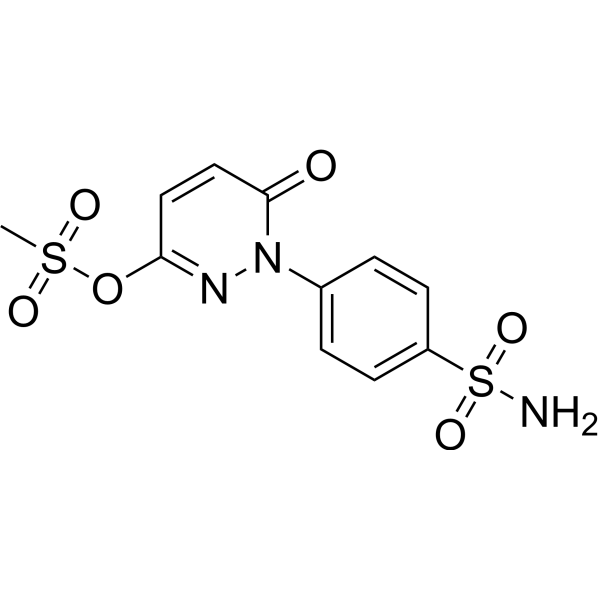
Anti-inflammatory agent 67 (compound 7a) is a dual inhibitor of carbonic anhydrase and COX-2, a sulfonamide derivative of Polmacoxib (HY-16726), and has anti-inflammatory properties and analgesic activity. Anti-inflammatory agent 67 has IC50s of 10.4 μM and 50 nM for COX-1 and COX-2, respectively. The Ki of anti-inflammatory agent 67 binding to different isoforms of carbonic anhydrase are 48.3 nM (CA I), 42.2 nM (CA II), 52.3 nM (CA IX), and 13.3 nM (CA XII) .
|
-
- HY-163117
-
|
|
COX
Carbonic Anhydrase
|
Neurological Disease
Inflammation/Immunology
|
|
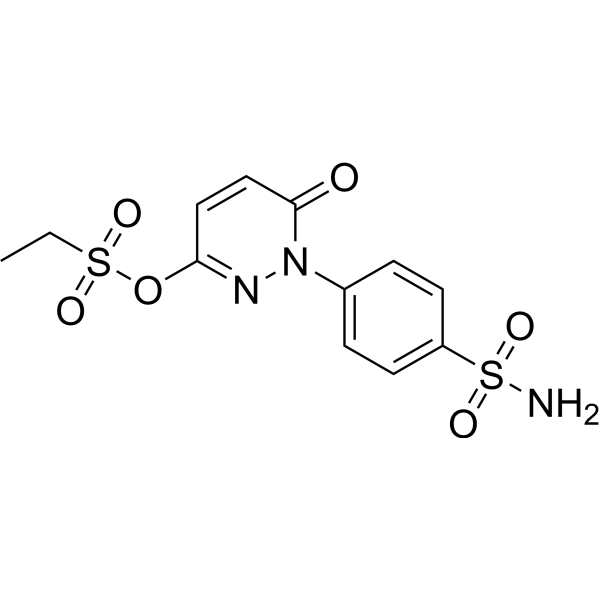
Anti-inflammatory agent 68 (compound 7b) is a dual inhibitor of carbonic anhydrase and COX-2, a sulfonamide derivative of Polmacoxib (HY-16726), with anti-inflammatory properties and analgesic activity. Anti-inflammatory agent 68 has IC50s of 12.6 μM and 60 nM for COX-1 and COX-2, respectively. The Ki of anti-inflammatory agent 68 binding to different isoforms of carbonic anhydrase are 52.6 nM (CA I), 79.1 nM (CA II), 58.1 nM (CA IX), and 17.2 nM (CA XII) .
|
-
- HY-17428R
-
|
|
Reference Standards
Histamine Receptor
|
Neurological Disease
Inflammation/Immunology
|
|
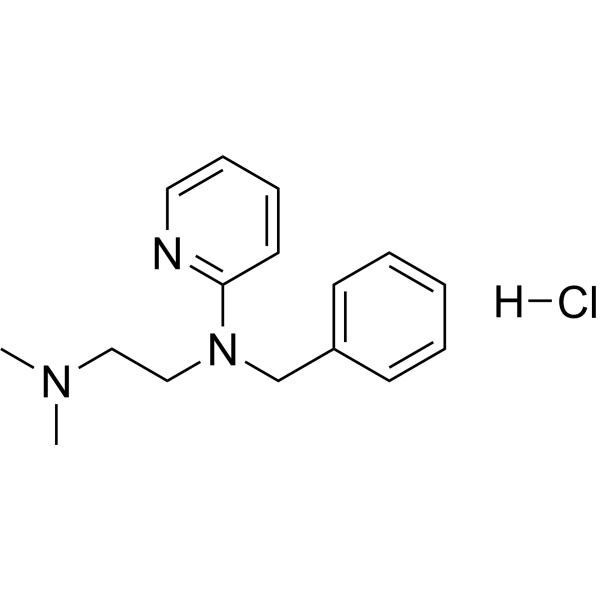
Tripelennamine hydrochloride (Standard) is the analytical standard of Tripelennamine hydrochloride (HY-17428). This product is intended for research and analytical applications. Tripelennamine hydrochloride is a histamine H1-receptor antagonist. Tripelennamine hydrochloride effectively reverses histamine-induced bronchoconstriction, increased transpulmonary pressure, elevated pulmonary vascular resistance and reduced dynamic compliance. Tripelennamine hydrochloride does not significantly affect arterial hypoxemia, hemoglobin desaturation and hypercapnia in horses undergoing short-term high-intensity exercise. Tripelennamine hydrochloride exhibits local and central analgesic activity. Tripelennamine hydrochloride can be used in studies related to emphysema, urticaria and acute laminitis .
|
-
- HY-18981S
-
|
(+)-Decursin-d6
|
Isotope-Labeled Compounds
PKC
Apoptosis
CXCR
|
Neurological Disease
Inflammation/Immunology
Cancer
|
|
Decursin-d6 ((+)-Decursin-d6) is the deuterium labeled Decursin (HY-18981). Decursin ((+)-Decursin) is a potent anti-tumor agent. Decursin also is a cytotoxic agent and a potent protein kinase C activator. Decursin induces apoptosis and cell cycle arrest at G1 phase. Decursin decreases the expression of CDK2, CDK4, CDK6, cyclin D1 protein at 48 h. Decursin inhibits cell proliferation and migration. Decursin shows anti-tumor, anti-inflammatory and analgesic activities .
|
-

- HY-149335
-
|
|
Sigma Receptor
Histamine Receptor
|
Neurological Disease
|
|
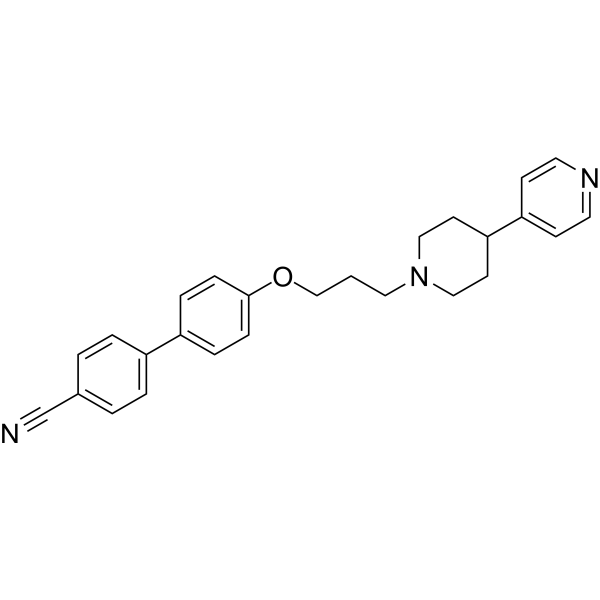
Sigma-1 receptor antagonist 5 (compound 12),a 4-pyridylpiperidine derivative with analgesic activity,is an antagonist of sigma receptor (Ki=4.5 nM (σ1R),10 nM (σ2R)) and histamine H3 (hH3R,Ki=7.7 nM,IC50=215 nM). Sigma-1 receptor antagonist 5 suppresses Capsaicin-induced nociception with antinociceptive activity and shows potent efficacy in nociceptive and neuropathic pain models .
|
-
- HY-W747297
-
|
|
COX
Endogenous Metabolite
|
Neurological Disease
Inflammation/Immunology
|
|
β-Selinene is a sesquiterpene and is the main active component of the essential oil of red purple hibiscus (Callicarpa macrophylla). β-Selinene exhibits significant related antioxidant activity, anti-inflammatory activity, and antipyretic analgesic activity. β-Selinene may exert antioxidant effects by directly scavenging free radicals (DPPH, NO, •OH) and chelating pro-oxidative metal ions (Fe²⁺); inhibit cyclooxygenase (COX) activity, reduce prostaglandin (such as PGE₂) synthesis to exert anti-inflammatory effects; regulate the thermoregulatory set point of the hypothalamus and inhibit inflammatory mediators to exert antipyretic and analgesic effects .
|
-

- HY-120476
-
|
|
TRP Channel
|
Neurological Disease
Inflammation/Immunology
|
|
JNJ-39729209 is an antagonist for transient receptor potential vanilloid 1 (TRPV1) with pIC50 of 7.9, 8.5, 7.9 and 7.7 for TRPV1 from human, rat, canine and guinea pig. JNJ-39729209 inhibits Capsaicin (HY-10448)-induced hypotension and inhibit thereby hypothermia. JNJ-39729209 exhibits anti-inflammatory and analgesic activities in Carrageenan (HY-125474)- and CFA (HY-153808)-induced thermal hyperalgesia rat models. JNJ-39729209 exhibits anti-cough effects in guinea pigs .
|
-

- HY-122189
-
|
(-)-Akuammine; Vincamajoridine
|
Others
|
Neurological Disease
|
|
Akuammine is an indole alkaloid that has been found in Picralima nitida and has analgesic activity. It selectively binds to the μ- and κ-opioid receptors over the δ-opioid receptor (Kis=0.3, 1.68, and 10.4 μM for the human receptors, respectively). Akuammine inhibits forskolin-induced cAMP production in HEK293 cells expressing human μ- or κ-opioid receptors (IC50s=2.6 and 0.073 μM, respectively). It increases the latency to withdrawal in the tail-flick or hot plate test in mice when administered at a dose of 60 mg/kg.
|
-

- HY-168166
-
|
|
Endogenous Metabolite
|
Neurological Disease
|
|
CHET3 is a sex-selective activator with potent analgesic activity. CHET3 was discovered to be a highly selective omnidirectional modulator of TASK-3-containing K2P channels, including TASK-3 homologues and TASK-3/TASK-1 heterologues. CHET3 exhibited significant analgesic effects in multiple acute and chronic pain models in mice, which could be abolished by pharmacological means or genetic knockout of TASK-3. CHET3 is able to functionally modulate the membrane excitability of specific small sensory neurons, which supports its analgesic effects on thermal hypersensitivity and mechanical hyperalgesia in chronic pain .
|
-

- HY-105628
-
|
CI-427
|
Others
|
Neurological Disease
Inflammation/Immunology
|
|
Prodilidine (CI-427) is an orally active, pyrrolidine-derived non-narcotic pain inhibitor. Prodilidine exerts analgesic activity against various nociceptive stimuli, and shows no antipyretic, anti-inflammatory or respiratory depressive effects. Prodilidine fails to inhibit withdrawal symptoms of addictive agents in monkeys, but exhibits excitatory effects and enhances the crossed extensor reflex at toxic doses. Prodilidine is well absorbed from the gastrointestinal tract and metabolized via hepatic microsomal N-demethylation, displaying isomer-specific activity, toxicity and metabolic characteristics. Prodilidine can be used in research related to chronic pain (e.g., cancer-, musculoskeletal/arthritis-derived), traumatic pain and arthritic pain .
|
-

- HY-103216A
-
|
|
Adrenergic Receptor
|
Neurological Disease
|
|
RWJ-52353 hydrochloride is an orally potent, highly selective α2D adrenergic receptor agonist (Ki: 1.5 nM) with potential analgesic effects. RWJ-52353 hydrochloride demonstrated analgesic activity in abdominal tests in rats and mice, and improved agitation in mice in the hot plate test and tail flick test. RWJ-52353 hydrochloride also regulates the organic cation transporter (OCT) subtype, inhibiting rOCT1 and rOCT2 with IC50s of 100 μM and 20 μM respectively; it also activates rOCT3, affecting [3H]-1- in cells. Methyl-4-phenylpyridinium ([3H]MPP) transport .
|
-
- HY-101513R
-
|
|
Eukaryotic Initiation Factor (eIF)
Reference Standards
|
Neurological Disease
Cancer
|
|
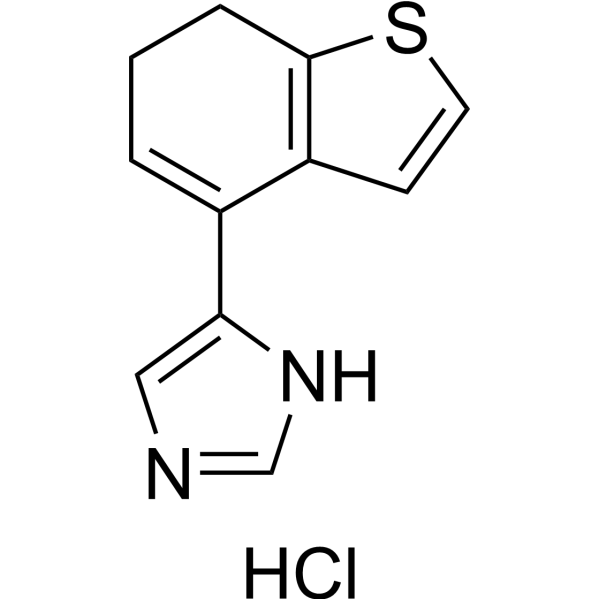
eIF4A3-IN-1 (Standard) is the analytical standard of eIF4A3-IN-1 (HY-101513). This product is intended for research and analytical applications. eIF4A3-IN-1 is a selective eIF4A3 inhibitor (IC50: 0.26 μM; Kd: 0.043 μM) with cellular nonsense-mediated RNA decay (NMD) inhibitory activity. eIF4A3-IN-1 can specifically bind to the non-ATP binding site of eIF4A3. eIF4A3-IN-1 has anti-tumor and analgesic activities .
|
-

- HY-183871
-
|
|
iGluR
Apoptosis
Calcium Channel
|
Neurological Disease
Metabolic Disease
|
|
WMS-1410 is a selective GluN2B-containing NMDA receptor inhibitor with an IC50 of 18.4 nM. WMS-1410 regulates intracellular calcium levels and protects cells from Apoptosis. WMS-1410 inhibits glutamate-induced excitotoxicity. WMS-1410 reverses NMDA/glycine-induced reduction in glucose-stimulated insulin secretion without altering physiological insulin secretion or baseline redox status, but fails to counteract insulin content loss induced by glucolipotoxicity. WMS-1410 exhibits analgesic activity against advanced neuropathic pain. WMS-1410 can be used in studies related to stroke, brain injury, Alzheimer's disease, Parkinson's disease, type 2 diabetes, and neuropathic pain .
|
-

- HY-181488
-
|
|
NOD-like Receptor (NLR)
Caspase
Interleukin Related
|
Metabolic Disease
Inflammation/Immunology
|
|
NLRP3-IN-87 is a selective and orally active NLRP3 inhibitor with a Kd of 0.23 μM. NLRP3-IN-87 binds directly to the NLRP3 NACHT domain, disrupts NLRP3-NEK7 and NLRP3-ASC interactions, inhibits ASC oligomerization, and blocks inflammasome assembly. NLRP3-IN-87 suppresses caspase-1 activation and IL-1β secretion. NLRP3-IN-87 exhibits anti-inflammatory and analgesic activity, reducing joint swelling, inflammation, and pain in an MSU (HY-B2130A)-induced acute gout mouse model. NLRP3-IN-87 can be used for the research of gout .
|
-

- HY-13219
-
|
|
COX
Lipoxygenase
Reactive Oxygen Species (ROS)
NF-κB
|
Neurological Disease
Inflammation/Immunology
|
|
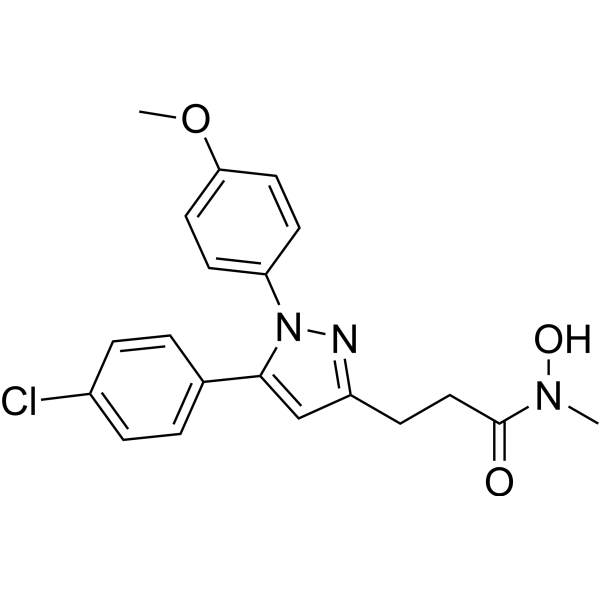
Tepoxalin is an orally active dual inhibitor of Cyclooxygenase/Lipoxygenase, with IC50 values of 4.6 μM (sheep cyclooxygenase), 2.85 μM (rat cyclooxygenase), 0.15 μM (rat 5-lipoxygenase), and 3.0 μM (h12-lipoxygenase), respectively. Tepoxalin inhibits ROS production and NF-κB activation. Tepoxalin suppresses the production of thromboxane B2, leukotriene B4, prostaglandins and cytokines, and blocks platelet aggregation. Tepoxalin exhibits potent anti-inflammatory activity in rats with adjuvant-induced arthritis. Tepoxalin possesses analgesic activity. Tepoxalin shows no ulcerogenic activity within the anti-inflammatory dose range. Tepoxalin can be used in studies related to adjuvant-induced arthritis, skin inflammation and Alzheimer's disease .
|
-
- HY-181722
-
|
|
Sigma Receptor
Histamine Receptor
|
Neurological Disease
|
|
σ1R/H3R ligand-1 is a dual σ1R/H3R antagonist with a σ1R Ki of 8.8 nM and an H3R Ki of 31.2 nM. Through the dual action of simultaneously antagonizing σ1R and H3R, σ1R/H3R ligand-1 exhibits potent dose-dependent analgesic activity in mouse models of visceral pain and neuropathic pain. σ1R/H3R ligand-1 can be used for the research of visceral pain and neuropathic pain .
|
-

- HY-145404
-
|
|
Opioid Receptor
|
Metabolic Disease
|
|
Mitragynine pseudoindoxyl is a potent orally active agonist of the μ-opioid receptor (MOR-1, Ki=0.8 nM) and an antagonist of the δ-opioid receptor (DOR-1, Ki=3.0 nM). Mitragynine pseudoindoxyl has moderate affinity for the κ-opioid receptor (KOR-1, Ki=24 nM) and does not recruit β-arrestin-2, acting through G protein-mediated signaling pathways without β-arrestin-2-related activation. Mitragynine pseudoindoxyl produces potent analgesic activity through a mixed μ-agonist/δ-antagonist mechanism, with low side effects such as physical dependence, respiratory depression, and constipation, and no rewarding or aversive behaviors. Mitragynine pseudoindoxyl reduces hyperactivity, inhibits GI transit, and enhances characteristics, making it a potential analgesic .
|
-

- HY-12761
-
|
|
Cannabinoid Receptor
|
Cardiovascular Disease
Others
Neurological Disease
Metabolic Disease
Inflammation/Immunology
Cancer
|
|
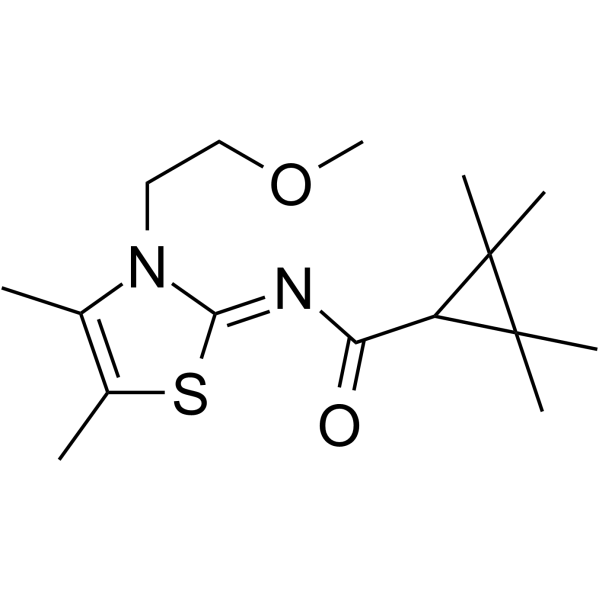
A-836339 is a selective CB2 receptor agonist, with Ki values of 0.4 nM and 0.8 nM in humans and rats, respectively. A-836339 exhibits multiple effects such as analgesia, gastric protection, anti-inflammation, and antioxidant activity. A-836339 produces antinociceptive and analgesic activities by activating CB2 receptors in the dorsal root ganglia and spinal cord. A-836339 can also exert gastric protective effects through anti-inflammatory mechanisms (reducing TNF-α and IL-1β) and antioxidant mechanisms (enhancing the activities of CAT and SOD, and reducing H2O2). Radioactively labeled A-836339 can serve as a CB2-specific radioligand for autoradiography and PET imaging. A-836339 can be used in research on inflammatory pain, neuropathic pain, gastric ulcers, cerebral ischemia, etc .
|
-
- HY-N5084
-
|
|
TRP Channel
HDAC
p38 MAPK
JNK
ERK
NF-κB
TNF Receptor
Interleukin Related
|
Neurological Disease
Inflammation/Immunology
Cancer
|
|
Pinocembrin 7-O-[3''-O-galloyl-4'',6''-hexahydroxydiphenoyl]-β-D-glucoside is a TRPV1 antagonist and HDAC7 inhibitor. Pinocembrin 7-O-[3''-O-galloyl-4'',6''-hexahydroxydiphenoyl]-β-D-glucoside blocks TRPV1-mediated calcium influx, suppresses phosphorylation of p65, IκBα, p38, JNK, and ERK1/2, inhibiting NF-κB and MAPK signaling cascades. Pinocembrin 7-O-[3''-O-galloyl-4'',6''-hexahydroxydiphenoyl]-β-D-glucoside reduces production and gene expression of pro-inflammatory cytokines IL-1β, IL-6, and TNF-α. Pinocembrin 7-O-[3''-O-galloyl-4'',6''-hexahydroxydiphenoyl]-β-D-glucoside exhibits potent analgesic activity, elevates thermal pain threshold and mechanical pain threshold in murine models. Pinocembrin 7-O-[3''-O-galloyl-4'',6''-hexahydroxydiphenoyl]-β-D-glucoside restores CD8 + T cell infiltration into bladder cancer tumors and improves bladder cancer immunotherapy efficacy. Pinocembrin 7-O-[3''-O-galloyl-4'',6''-hexahydroxydiphenoyl]-β-D-glucoside can be used for the researches of painand bladder cancer .
|
-
![Pinocembrin 7-O-[3''-O-galloyl-4'',6''-hexahydroxydiphenoyl]-β-D-glucoside](//file.medchemexpress.com/product_pic/hy-n5084.gif)
| Cat. No. |
Product Name |
Target |
Research Area |
-
- HY-W345510
-
|
|
Neprilysin
|
Neurological Disease
|
|
Opiorphin, an opioid peptide, is a potent enkephalin-inactivating zinc ectopeptidases in human inhibitor. Opiorphin inhibits two enkephalin-catabolizing ectoenzymes, human neutral ecto-endopeptidase, hNEP (EC 3.4.24.11) with an IC50 value of 11 μM, and human ecto-aminopeptidase, hAP-N (EC 3.4.11.2). Opiorphin displays potent analgesic activity by activating endogenous opioid-dependent transmission .
|
-
- HY-P11273
-
-
- HY-W040705
-
|
N-Methylanthranilic acid
|
Drug Metabolite
|
Others
|
|
2-(Methylamino)benzoic acid is the main metabolite of methyl-N-methylanthranilates (MMA) (HY-76705) and is the compound in which the ester group is converted. MMA can be isolated from citrus fruits and has potential analgesic activity. 2-(Methylamino)benzoic acid was used to detect the metabolic levels of MMA in rat liver .
|
-
- HY-P3869
-
|
[D-Arg2]Dermorphin-(1-4) amide
|
Peptides
|
Neurological Disease
|
|
Lumekefamide ([D-Arg2]Dermorphin-(1-4) amide) is a N-terminal shorter peptide amide of [D-Arg2]dermorphin with the hypothermic effect. Lumekefamide shows analgesic activity and degradation in soluble mouse liver and brain extracts .
|
-
- HY-P4196
-
-
- HY-P5907
-
|
|
Opioid Receptor
|
Neurological Disease
|
|
Helianorphin-19 is a potent and selective κ-opioid receptor (KOR) activator with a Ki of 21 nM and an EC50 of 45 nM. Helianorphin-19 exhibits strong KOR-specific peripheral analgesic activity in a mouse model of chronic visceral pain .
|
-
- HY-P5159
-
|
|
Sodium Channel
|
Inflammation/Immunology
|
|
Crotamine is a Na + channel modulator. Crotamine is a 42 amino acid toxin cross-linked by three disulfide bridges. Crotamine has analgesic activity. Crotamine also interacts with lipid membranes and shows myonecrotic activity. Crotamine can be isolated from Crotalus durissus terrificus venom .
|
-
- HY-P5159A
-
|
|
Sodium Channel
|
Inflammation/Immunology
|
|
Crotamine TFA is a Na + channel modulator. Crotamine is a 42 amino acid toxin cross-linked by three disulfide bridges. Crotamine has analgesic activity. Crotamine also interacts with lipid membranes and shows myonecrotic activity. Crotamine can be isolated from Crotalus durissus terrificus venom .
|
-
- HY-P2046
-
|
|
Opioid Receptor
|
Neurological Disease
|
|
β-Endorphin (rat) is an endogenous opioid neuropeptide and peptide hormone. β-Endorphin (rat) has analgesic activity and also contributes to food intake in satiated rats. β-Endorphin (rat) can be used in the research of neurological diseases such as analgesia and drug addiction .
|
-
- HY-P3869A
-
|
[D-Arg2]Dermorphin-(1-4) amide TFA
|
Peptides
|
Neurological Disease
|
|
Lumekefamide TFA ([D-Arg2]Dermorphin-(1-4) amide TFA) is a N-terminal shorter peptide amide of [D-Arg2]dermorphin with the hypothermic effect. Lumekefamide shows analgesic activity and degradation in soluble mouse liver and brain extracts .
|
-
- HY-W040705R
-
|
N-Methylanthranilic acid (Standard)
|
Drug Metabolite
Reference Standards
|
Others
|
|
2-(Methylamino)benzoic acid (Standard) is the analytical standard of 2-(Methylamino)benzoic acid. This product is intended for research and analytical applications. 2-(Methylamino)benzoic acid is the main metabolite of methyl-N-methylanthranilates (MMA) (HY-76705) and is the compound in which the ester group is converted. MMA can be isolated from citrus fruits and has potential analgesic activity. 2-(Methylamino)benzoic acid was used to detect the metabolic levels of MMA in rat liver[1].
|
| Cat. No. |
Product Name |
Target |
Research Area |
Image |
| Cat. No. |
Product Name |
Category |
Target |
Chemical Structure |
-
- HY-18981
-
-
-
- HY-N3017
-
-
-
- HY-N0271
-
-
-
- HY-N1440
-
-
-
- HY-111664
-
-
-
- HY-N5084
-
|
|
Structural Classification
Flavonoids
Classification of Application Fields
Flavonones
Other Diseases
Phenols
Polyphenols
Saxifragaceae
Plants
Penthorum chinense Pursh
Disease Research Fields
Source Classification
|
TRP Channel
HDAC
p38 MAPK
JNK
ERK
NF-κB
TNF Receptor
Interleukin Related
|
|
Pinocembrin 7-O-[3''-O-galloyl-4'',6''-hexahydroxydiphenoyl]-β-D-glucoside is a TRPV1 antagonist and HDAC7 inhibitor. Pinocembrin 7-O-[3''-O-galloyl-4'',6''-hexahydroxydiphenoyl]-β-D-glucoside blocks TRPV1-mediated calcium influx, suppresses phosphorylation of p65, IκBα, p38, JNK, and ERK1/2, inhibiting NF-κB and MAPK signaling cascades. Pinocembrin 7-O-[3''-O-galloyl-4'',6''-hexahydroxydiphenoyl]-β-D-glucoside reduces production and gene expression of pro-inflammatory cytokines IL-1β, IL-6, and TNF-α. Pinocembrin 7-O-[3''-O-galloyl-4'',6''-hexahydroxydiphenoyl]-β-D-glucoside exhibits potent analgesic activity, elevates thermal pain threshold and mechanical pain threshold in murine models. Pinocembrin 7-O-[3''-O-galloyl-4'',6''-hexahydroxydiphenoyl]-β-D-glucoside restores CD8 + T cell infiltration into bladder cancer tumors and improves bladder cancer immunotherapy efficacy. Pinocembrin 7-O-[3''-O-galloyl-4'',6''-hexahydroxydiphenoyl]-β-D-glucoside can be used for the researches of painand bladder cancer .
|
-
-
- HY-B1695
-
-
-
- HY-N1847
-
-
-
- HY-17428
-
-
-
- HY-W007539
-
-
-
- HY-W040705
-
|
N-Methylanthranilic acid
|
Ketones, Aldehydes, Acids
Endogenous metabolite
Source Classification
|
Drug Metabolite
|
|
2-(Methylamino)benzoic acid is the main metabolite of methyl-N-methylanthranilates (MMA) (HY-76705) and is the compound in which the ester group is converted. MMA can be isolated from citrus fruits and has potential analgesic activity. 2-(Methylamino)benzoic acid was used to detect the metabolic levels of MMA in rat liver .
|
-
-
- HY-N2573
-
-
-
- HY-B1695R
-
|
Nicotinic acid methyl ester (Standard)
|
Structural Classification
Natural Products
Microorganisms
Source Classification
|
Reference Standards
Others
|
|
Methyl nicotinate (Standard) is the analytical standard of Methyl nicotinate. This product is intended for research and analytical applications. Methyl nicotinate (Nicotinic acid methyl ester) is an orally active vasodilator. Methyl nicotinate has analgesic activity. Methyl nicotinate causes local skin erythema when applied topically to the skin. Methyl nicotinate is used as an active ingredient in over-the-counter topical preparations for the study of muscle and joint pain .
|
-
-
- HY-W747297
-
|
|
Other Terpenoids
Structural Classification
Terpenoids
Psidium guajava Linn.
Myrtaceae
Plants
Source Classification
|
COX
Endogenous Metabolite
|
|
β-Selinene is a sesquiterpene and is the main active component of the essential oil of red purple hibiscus (Callicarpa macrophylla). β-Selinene exhibits significant related antioxidant activity, anti-inflammatory activity, and antipyretic analgesic activity. β-Selinene may exert antioxidant effects by directly scavenging free radicals (DPPH, NO, •OH) and chelating pro-oxidative metal ions (Fe²⁺); inhibit cyclooxygenase (COX) activity, reduce prostaglandin (such as PGE₂) synthesis to exert anti-inflammatory effects; regulate the thermoregulatory set point of the hypothalamus and inhibit inflammatory mediators to exert antipyretic and analgesic effects .
|
-
-
- HY-W415953
-
|
|
Animals
Saccharides
Monosaccharides
Source Classification
|
Sex Pheromone
|
|
Periplanetin is a peptide of the insect lipomotor hormone family (AKH family) that can be isolated from the secretion of the cervical organ of Periplaneta americana L. and Blatta orientalis L. The periplanetin peptide has potential analgesic activity and lowers the threshold of tonic seizures .
|
-
-
- HY-N2433
-
-
-
- HY-W1121939
-
|
|
Citrus × aurantium Natsudaidai
Rutaceae
Plants
Source Classification
|
Opioid Receptor
|
|
Perillyl acetate is a monoterpene found in in essential oils of plants and is synthesized from perillyl alcohol (HY-N7000). Perillyl acetate can activate the μ-opioid receptor and exert potent analgesic activity. Perillyl acetate can be used for the research of inflammation and neurological disease such as arthritis .
|
-
-
- HY-P4196
-
-
-
- HY-N11960
-
-
-
- HY-N12398
-
-
-
- HY-N0271R
-
-
-
- HY-N10171
-
-
-
- HY-N12067
-
-
-
- HY-N9854
-
-
-
- HY-N1440R
-
-
-
- HY-17428A
-
-
-
- HY-17428B
-
-
-
- HY-18981R
-
-
-
- HY-W007539R
-
|
|
Monophenols
Ketones, Aldehydes, Acids
Phenols
Polyphenols
Endogenous metabolite
Source Classification
|
Reference Standards
Endogenous Metabolite
Drug Intermediate
NO Synthase
Reactive Oxygen Species (ROS)
COX
|
|
2,4-Dihydroxybenzaldehyde (Standard) is the analytical standard of 2,4-Dihydroxybenzaldehyde. This product is intended for research and analytical applications. 2,4-Dihydroxybenzaldehyde is an endogenous metabolite. 2,4-Dihydroxybenzaldehyde is a pharmaceutical intermediate that can be used to synthesize various Schiff base compounds. 2,4-Dihydroxybenzaldehyde exhibits significant anti angiogenic, anti-inflammatory, and analgesic activities. 2,4-Dihydroxybenzaldehyde reduces the production of NO and ROS by inhibiting the expression of iNOS and COX-2. 2,4-Dihydroxybenzaldehyde is commonly used in the study of inflammatory conditions .
|
-
-
- HY-17428R
-
|
|
Structural Classification
Alkaloids
Pyridine Alkaloids
Endogenous metabolite
Source Classification
|
Reference Standards
Histamine Receptor
|
|
Tripelennamine hydrochloride (Standard) is the analytical standard of Tripelennamine hydrochloride (HY-17428). This product is intended for research and analytical applications. Tripelennamine hydrochloride is a histamine H1-receptor antagonist. Tripelennamine hydrochloride effectively reverses histamine-induced bronchoconstriction, increased transpulmonary pressure, elevated pulmonary vascular resistance and reduced dynamic compliance. Tripelennamine hydrochloride does not significantly affect arterial hypoxemia, hemoglobin desaturation and hypercapnia in horses undergoing short-term high-intensity exercise. Tripelennamine hydrochloride exhibits local and central analgesic activity. Tripelennamine hydrochloride can be used in studies related to emphysema, urticaria and acute laminitis .
|
-
-
- HY-N18059
-
-
-
- HY-N19281
-
-
-
- HY-119925
-
-
-
- HY-W040705R
-
|
N-Methylanthranilic acid (Standard)
|
Structural Classification
Ketones, Aldehydes, Acids
Endogenous metabolite
Source Classification
|
Drug Metabolite
Reference Standards
|
|
2-(Methylamino)benzoic acid (Standard) is the analytical standard of 2-(Methylamino)benzoic acid. This product is intended for research and analytical applications. 2-(Methylamino)benzoic acid is the main metabolite of methyl-N-methylanthranilates (MMA) (HY-76705) and is the compound in which the ester group is converted. MMA can be isolated from citrus fruits and has potential analgesic activity. 2-(Methylamino)benzoic acid was used to detect the metabolic levels of MMA in rat liver[1].
|
-
-
- HY-N19667
-
-
| Cat. No. |
Product Name |
Chemical Structure |
-
- HY-10582S
-
|
|
|
Flurbiprofen-d3 is the deuterium labeled Flurbiprofen. Flurbiprofen (dl-Flurbiprofen) is a potent, orally active nonsteroidal anti-inflammatory agent (NSAIA/NSAID), with antipyretic and analgesic activities. Flurbiprofen is commonly used for the research of inflammatory diseases, including osteoarthritis and rheumatoid arthritis. Flurbiprofen is a non-selective cyclooxygenase (COX) inhibitor that can be used for the research of colorectal cancer .
|
-
-
- HY-10582S1
-
|
|
|
Flurbiprofen-d5 is the deuterium labeled Flurbiprofen. Flurbiprofen (dl-Flurbiprofen) is a potent, orally active nonsteroidal anti-inflammatory agent (NSAIA/NSAID), with antipyretic and analgesic activities. Flurbiprofen is commonly used for the research of inflammatory diseases, including osteoarthritis and rheumatoid arthritis. Flurbiprofen is a non-selective cyclooxygenase (COX) inhibitor that can be used for the research of colorectal cancer .
|
-
-
- HY-10582S3
-
|
|
|
Flurbiprofen-d4 is deuterated labeled Flurbiprofen (HY-10582). Flurbiprofen (dl-Flurbiprofen) is a potent, orally active nonsteroidal anti-inflammatory agent (NSAIA/NSAID), with antipyretic and analgesic activities. Flurbiprofen is commonly used for the research of inflammatory diseases, including osteoarthritis and rheumatoid arthritis. Flurbiprofen is a non-selective cyclooxygenase (COX) inhibitor that can be used for the research of colorectal cancer .
|
-
-
- HY-10582S2
-
|
|
|
Flurbiprofen- 13C,d3 is the 13C- and deuterium labeled Flurbiprofen. Flurbiprofen (dl-Flurbiprofen) is a potent, orally active nonsteroidal anti-inflammatory agent (NSAIA/NSAID), with antipyretic and analgesic activities. Flurbiprofen is commonly used for the research of inflammatory diseases, including osteoarthritis and rheumatoid arthritis. Flurbiprofen is a non-selective cyclooxygenase (COX) inhibitor that can be used for the research of colorectal cancer .
|
-
-
- HY-18981S
-
|
|
|
Decursin-d6 ((+)-Decursin-d6) is the deuterium labeled Decursin (HY-18981). Decursin ((+)-Decursin) is a potent anti-tumor agent. Decursin also is a cytotoxic agent and a potent protein kinase C activator. Decursin induces apoptosis and cell cycle arrest at G1 phase. Decursin decreases the expression of CDK2, CDK4, CDK6, cyclin D1 protein at 48 h. Decursin inhibits cell proliferation and migration. Decursin shows anti-tumor, anti-inflammatory and analgesic activities .
|
-
| Cat. No. |
Product Name |
|
Classification |
-
- HY-159562
-
|
|
|
Azide
|
|
COX-2-IN-46 (compound 5m) is an anti-inflammatory agent with potent analgesic activity. COX-2-IN-46 exhibits a significant inhibitory effect on COX-2 (IC50=87.74 nM) .
|
-
- HY-159561
-
|
|
|
Azide
|
|
COX-1-IN-2 (compound 5h) is an anti-inflammatory agent with potent analgesic activity. COX-1-IN-2 exhibits a significant inhibitory effect on COX-1 (IC50=38.76 nM) .
|
Your information is safe with us. * Required Fields.
Inquiry Information
- Product Name:
- Cat. No.:
- Quantity:
- MCE Japan Authorized Agent:





![8-[2-(3-Methylbutroxy)-3-hydroxy-3-methylbutoxy]psoralen](http://file.medchemexpress.com/product_pic/hy-n19667.gif)


![Pinocembrin 7-O-[3''-O-galloyl-4'',6''-hexahydroxydiphenoyl]-β-D-glucoside](http://file.medchemexpress.com/product_pic/hy-n5084.gif)





