Search Result
Results for "
Cys272
" in MedChemExpress (MCE) Product Catalog:
| Cat. No. |
Product Name |
Target |
Research Areas |
Chemical Structure |
-
- HY-P0036
-
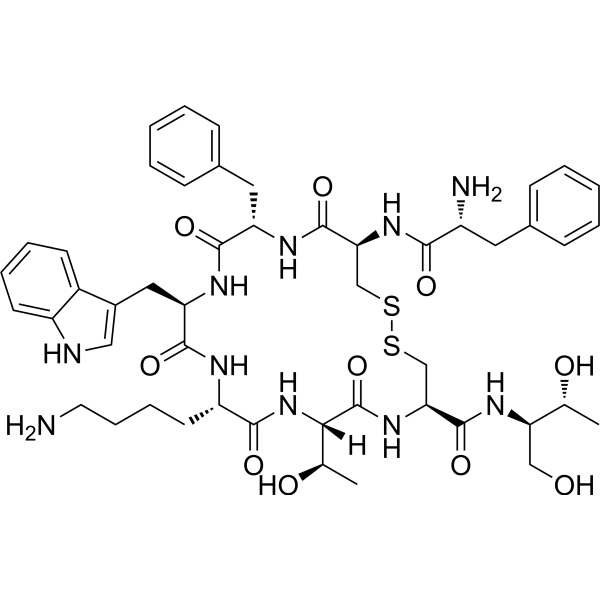
Octreotide
Maximum Cited Publications
16 Publications Verification
SMS 201-995
|
Somatostatin Receptor
Apoptosis
|
Cardiovascular Disease
Inflammation/Immunology
Endocrinology
Cancer
|
|
Octreotide (SMS 201-995) is a somatostatin receptor agonist and synthetic octapeptide endogenous somatostatin analogue. Octreotide (SMS 201-995) can bind to the somatostatin receptor and mainly subtypes 2, 3, and 5, increases Gi activity, and reduces intracellular cAMP production. Octreotide (SMS 201-995) has antitumor activity, mediates apoptosis and may also be used in disease studies in acromegaly .
|
-
-
- HY-P1932
-
-
-
- HY-P1464
-
|
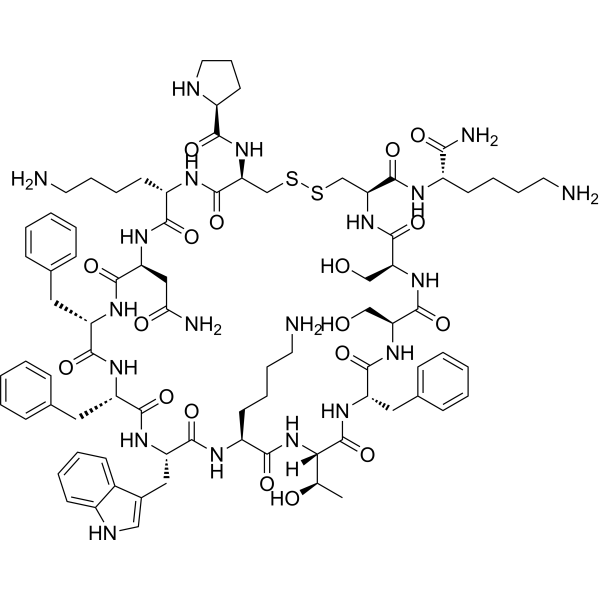
Amylin (rat)
|
Amylin Receptor
|
Metabolic Disease
|
|
Amylin, amide, rat is a potent and high affinity ligand of Amylin receptor AMY1 and AMY3 receptors and variably of AMY2 receptors; binding studies are generally used for the latter receptor.
|
-
-
- HY-P1548
-
|
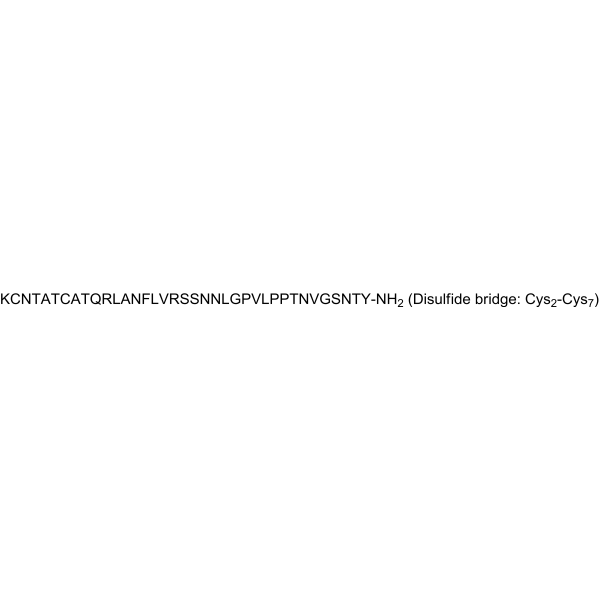
Human β-CGRP; CGRP-II (Human)
|
CGRP Receptor
|
Cardiovascular Disease
Inflammation/Immunology
|
|
β-CGRP, human (Human β-CGRP) is one of calcitonin peptides, acts via the complex of calcitonin-receptor-like receptor (CRLR) and receptor-activity-modifying protein (RAMP), with IC50s of 1 nM and 300 nM for CRLR/RAMP1 and CRLR/RAMP2 in cells .
|
-
-
- HY-P0173A
-
|
|
Chloride Channel
|
Cancer
|
|
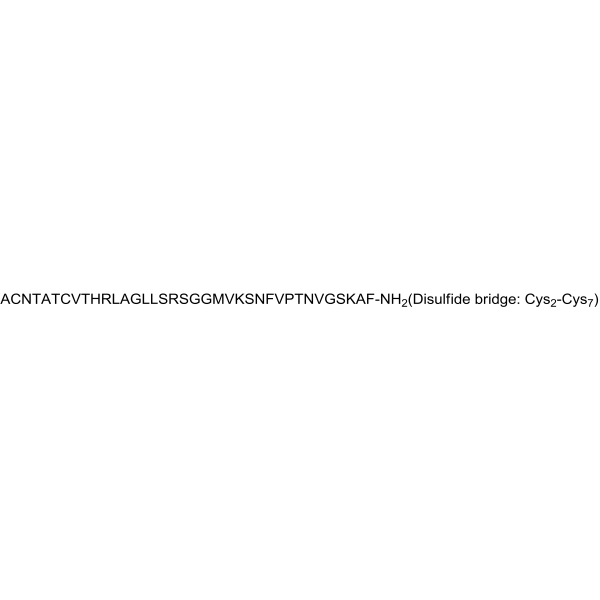
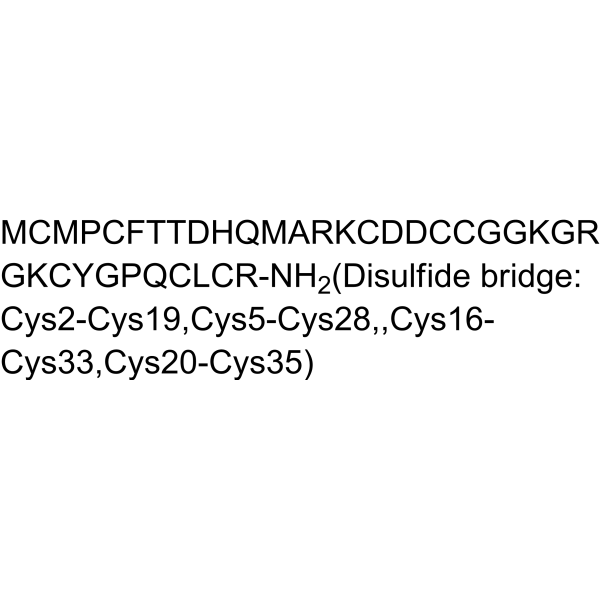
Chlorotoxin is a 36 amino-acid peptide from the venom of the Israeli scorpion Leiurus quinquestriatus with anticancer activity. Chlorotoxin is a chloride channel blocker.
|
-
-
- HY-P1036
-
|
|
Complement System
|
Others
|
|
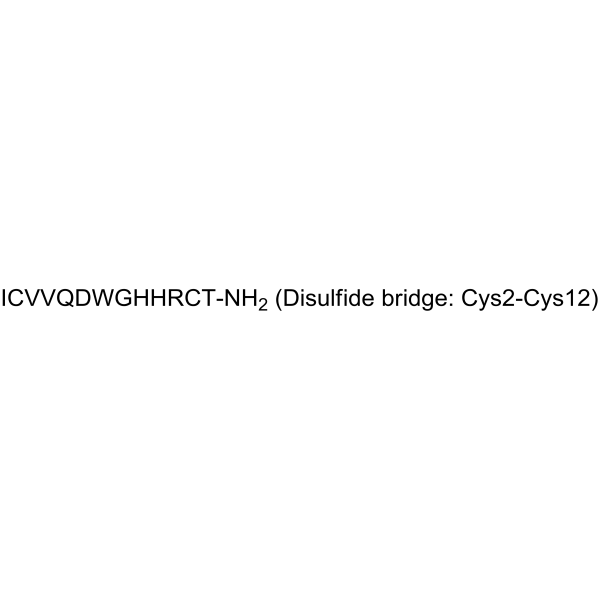
Compstatin, a 13-residue cyclic peptide, is a potent inhibitor of the complement system C3 with species specificity. Compstatin binds to baboon C3 and is resistant to proteolytic cleavage in baboon blood (similar to humans). Compstatin inhibits only the activation of primates’ complement system. Compstatin exhibits IC50 values of 63 μM and 12 μM for classical and alterative complement pathway, respectively .
|
-
-
- HY-P10033
-
|
|
Ser/Thr Protease
|
Others
|
|
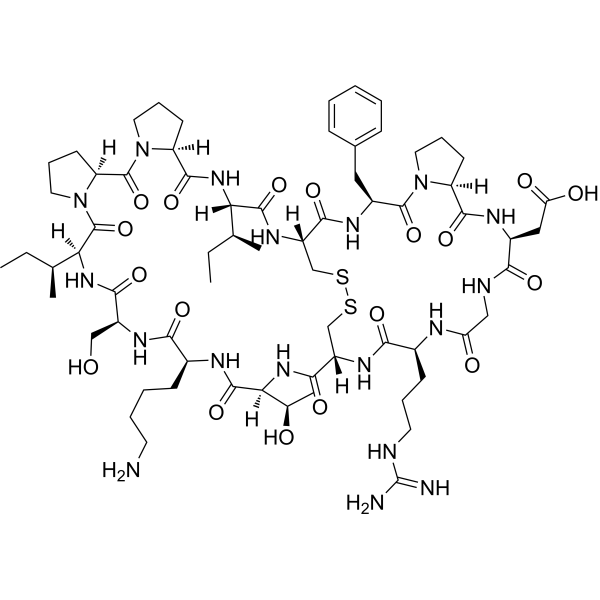
SFTI-1 is a cyclic peptide trypsin inhibitor consisting of 14 amino acid residues. SFTI-1 belongs to the Bowman-Birk class of inhibitors. Characterized by its small size, high stability, and potent activity, SFTI-1 can be used for research on peptide drug design platforms .
|
-
-
- HY-P1070A
-
|
DAP amide, human TFA
|
Amylin Receptor
|
Metabolic Disease
|
|
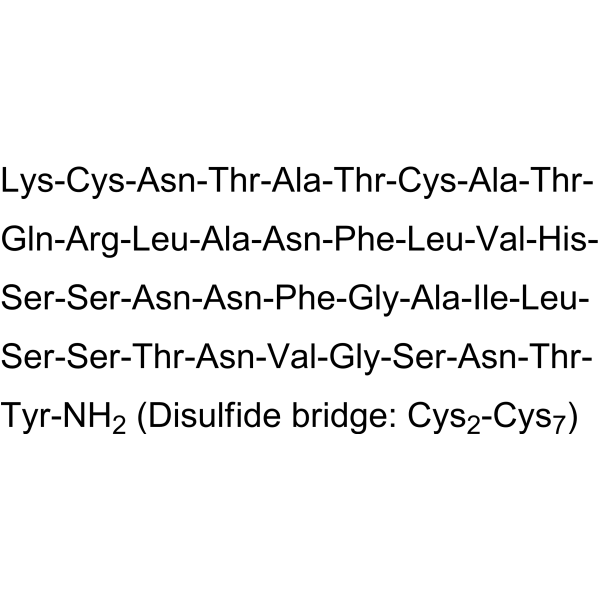
Amylin, amide, human TFA, a 37-amino acid polypeptide, is a pancreatic hormone cosecreted with insulin that exerts unique roles in metabolism and glucose homeostasis. Amylin, amide, human TFA inhibits glucagon secretion, delays gastric emptying, and acts as a satiety agent .
|
-

-
- HY-P1070
-
|
DAP amide, human
|
Amylin Receptor
|
Metabolic Disease
|
|
Amylin, amide, human, a 37-amino acid polypeptide, is a pancreatic hormone cosecreted with insulin that exerts unique roles in metabolism and glucose homeostasis. Amylin, amide, human inhibits glucagon secretion, delays gastric emptying, and acts as a satiety agent .
|
-
-
- HY-P10920
-
|
|
Drug Derivative
|
Cancer
|
|
DOTAMTATE is a somatostatin analogue. DOTAMTATE marked 212Pb is promising for research of somatostatin receptor positive neuroendocrine tumors .
|
-

-
- HY-P4058
-
|
CGRP free acid
|
CGRP Receptor
|
Neurological Disease
|
|
Calcitonin gene-related peptide (CGRP) free acid is a 37-amino acid neuropeptide, which represents the deamidated form of α-CGRP (human) (HY-P1071). Calcitonin gene-related peptide free acid is produced in the central and peripheral nervous systems of rats, and localizes to specific sensory, integrative and motor neuron systems, including those involved in nociception/thermoreception, feeding behavior, olfaction and visceral motor functions .
|
-
-
- HY-P3732
-
|
|
Integrin
|
Cancer
|
|
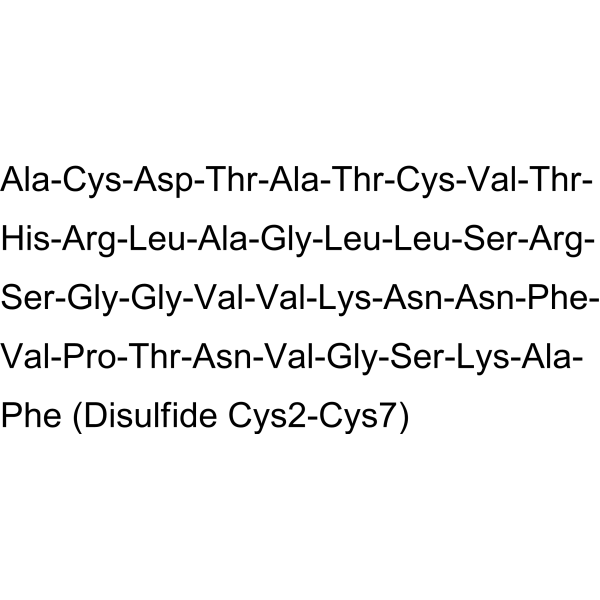
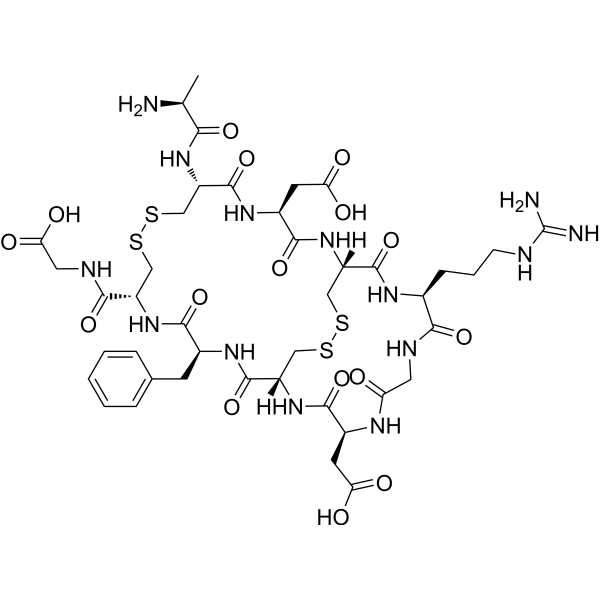
RGD-4C is a arginine-glycine-aspartic acid peptide (ACDCRGDCFC) with integrin binding activity. The Arg-Gly-Asp (RGD) sequence serves as the primary integrin recognition site in extracellular matrix proteins, and peptides containing this sequence can mimic the recognition specificity of the matrix proteins. RGD-4C is a αv-integrin ligand, can conjugate with bioactive molecule to exert antitumor effects in animal models .
|
-
-
- HY-P1959
-
-
-
- HY-P1959A
-
|
BIM 23014 acetate
|
Somatostatin Receptor
|
Endocrinology
Cancer
|
|
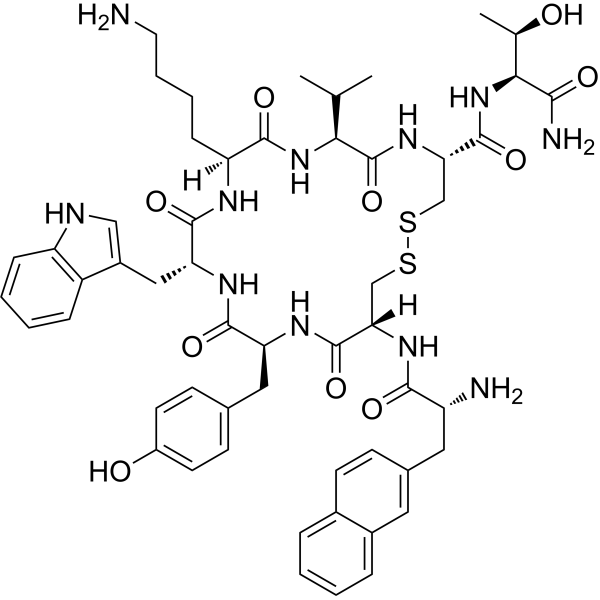
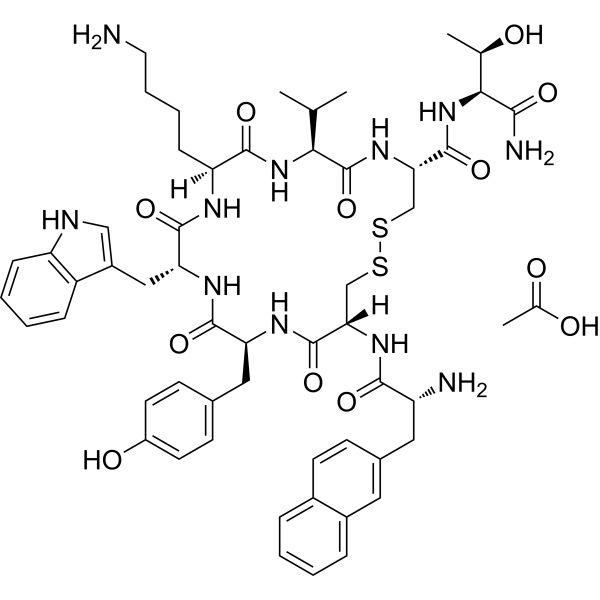
Lanreotide (BIM 23014) acetate is a somatostatin analogue with antineoplastic activity. Lanreotide acetate can be used for the research of carcinoid syndrome .
|
-
-
- HY-P0061A
-
|
RC-160 acetate; BMY-41606 acetate
|
Neurokinin Receptor
|
Cancer
|
|
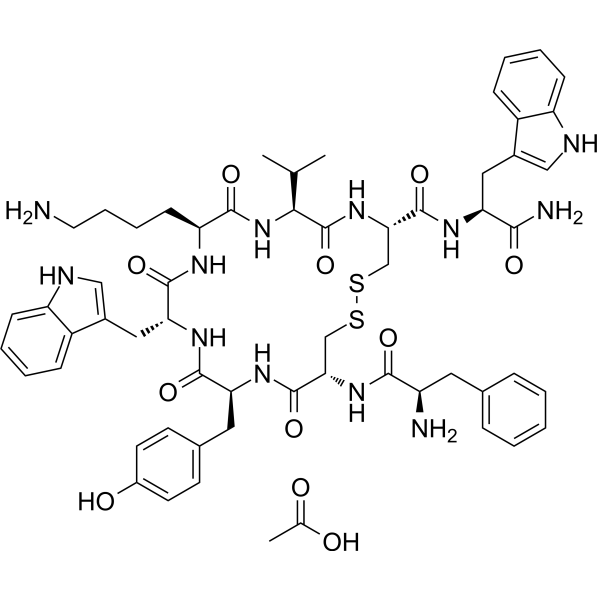
Vapreotide acetate (RC-160 acetate; BMY-41606 acetate) is a neurokinin-1 (NK1) receptor antagonist, with an IC50 of 330 nM.
|
-
-
- HY-P1212
-
|
CST-14 (mouse, rat)
|
Somatostatin Receptor
|
Neurological Disease
|
|
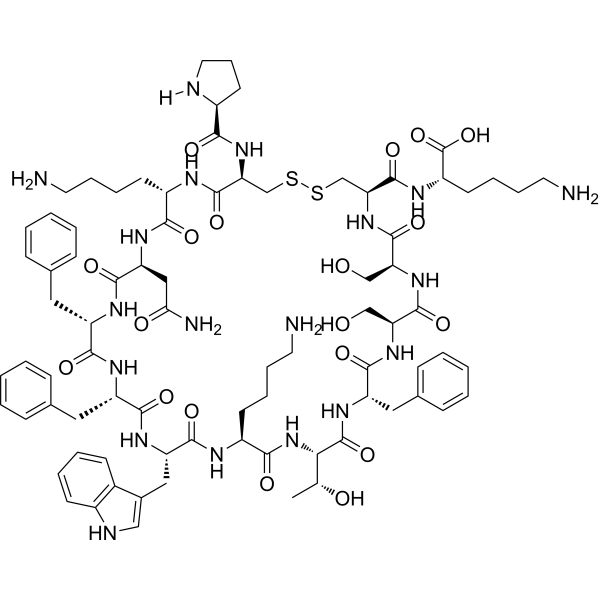
Cortistatin 14, mouse, rat (CST-14, human, rat), a neuropeptide with neuronal depressant and sleep modulating properties, can bind to all five cloned somatostatin receptors (SSTRs) and ghrelin receptor to exert its biological activities and co-exists with GABA within the cortex and hippocampus .
|
-
-
- HY-P1913A
-
|
CGRP II (rat) TFA
|
CGRP Receptor
|
Cardiovascular Disease
|
|
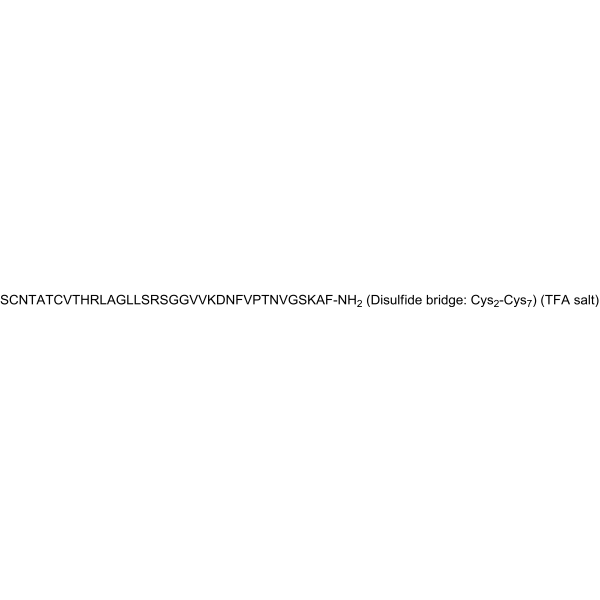
Calcitonin Gene Related Peptide II rat TFA, a CGRP receptor activator, is a potent and long-lasting vasodilator. Calcitonin Gene Related Peptide II rat TFA can be used in the research of cardiovascular diseases .
|
-
-
- HY-P1548A
-
|
Human β-CGRP TFA; CGRP-II (Human) TFA
|
CGRP Receptor
|
Cardiovascular Disease
Inflammation/Immunology
|
|
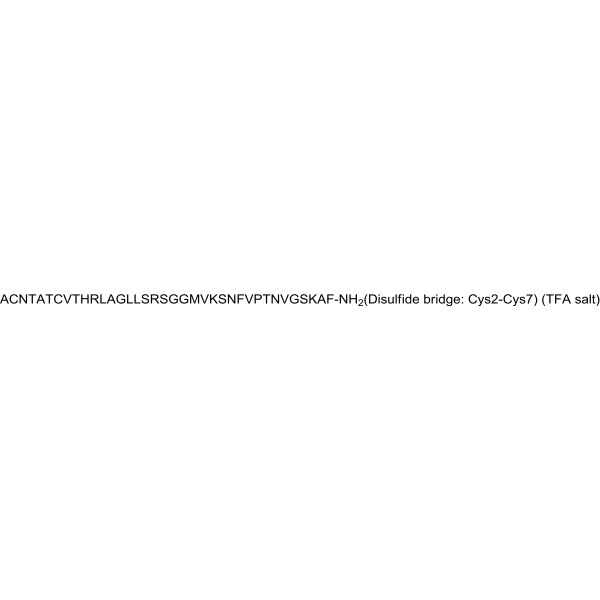
β-CGRP, human TFA (Human β-CGRP TFA) is one of calcitonin peptides, acts via the complex of calcitonin-receptor-like receptor (CRLR) and receptor-activity-modifying protein (RAMP), with IC50s of 1 nM and 300 nM for CRLR/RAMP1 and CRLR/RAMP2 in cells .
|
-
-
- HY-P0173B
-
|
|
Chloride Channel
|
Cancer
|
|
Chlorotoxin TFA is a peptide isolated from the venom of the scorpion Leiurus quinquestriatus, acts as a chloride channel blocker . Anti-cancer activity .
|
-
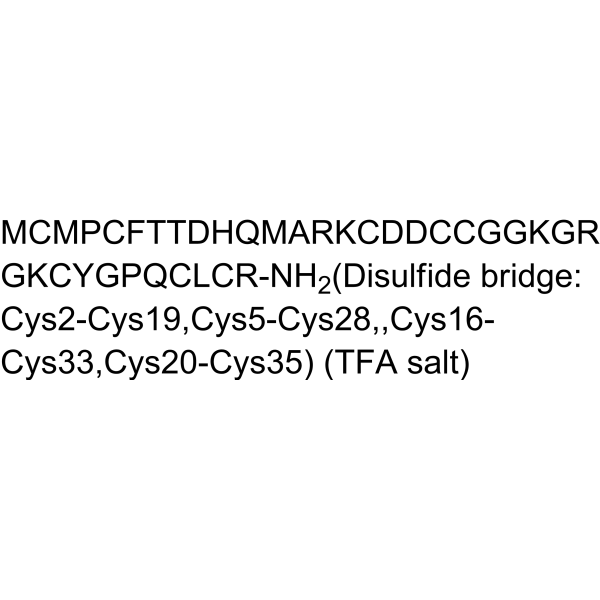
-
- HY-P1604
-
ATX-II
1 Publications Verification
|
Sodium Channel
|
Cardiovascular Disease
Inflammation/Immunology
|
|
ATX-II is a selective sodium channel modulator toxin. ATX-II enhances late sodium current, prevents full sodium channel inactivation, and generates persistent current fractions. ATX-II has pro-arrhythmic effect. ATX-II slows intrinsic heart rate, prolongs QT interval and sinus node recovery time, and causes sinus pauses and arrests. ATX-II can be used for the research of atrial fibrillation, long QT syndrome, and long QT3 syndrome .
|
-

-
- HY-P1604A
-
|
|
Sodium Channel
|
Cardiovascular Disease
Inflammation/Immunology
|
|
ATX-II TFA is a selective sodium channel modulator toxin. ATX-II TFA enhances late sodium current, prevents full sodium channel inactivation, and generates persistent current fractions. ATX-II TFA has pro-arrhythmic effect. ATX-II TFA slows intrinsic heart rate, prolongs QT interval and sinus node recovery time, and causes sinus pauses and arrests. ATX-II TFA can be used for the research of atrial fibrillation, long QT syndrome, and long QT3 syndrome .
|
-
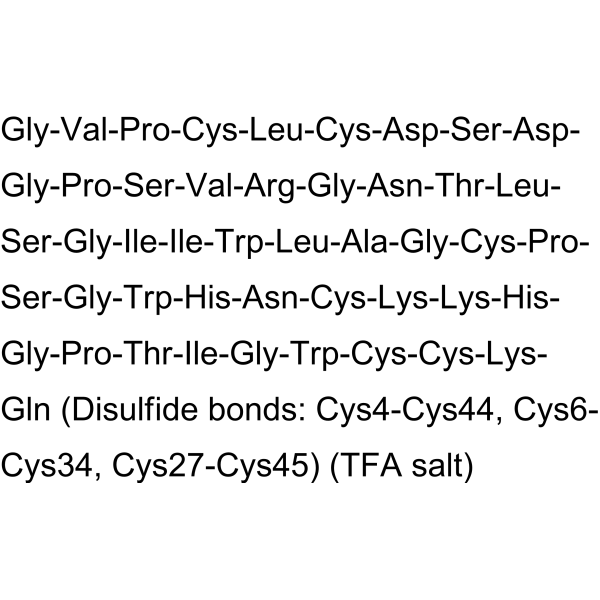
-
- HY-P10239
-
|
|
Somatostatin Receptor
Radionuclide-Drug Conjugates (RDCs)
|
Cancer
|
|
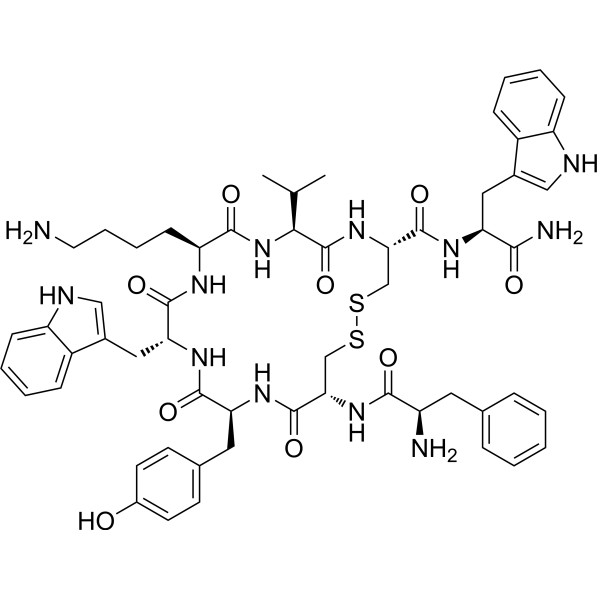
Tyr3-Octreotate is a ligand for somatostatin receptor subtype 2 (sst2), with an IC50 value of 1.3 nM against sst2 when labeled with [ 111In-DTPA], and an IC50 value of 1.6 nM against sst2 when labeled with [ 90Y-DOTA]. Radiolabeled Tyr3-Octreotate generates cell-associated radioactivity, and acts as both a tumor growth inhibitor and a tumor cytotoxic agent. When radiolabeled with 177Lu or 90Y, Tyr3-Octreotate serves as a peptide receptor radionuclide therapy (PRRT) analog. Tyr3-Octreotate can be used in studies related to pancreatic tumors .
|
-

-
- HY-P0061
-
-
-
- HY-P2026
-
|
|
Natriuretic Peptide Receptor (NPR)
|
Cardiovascular Disease
|
|
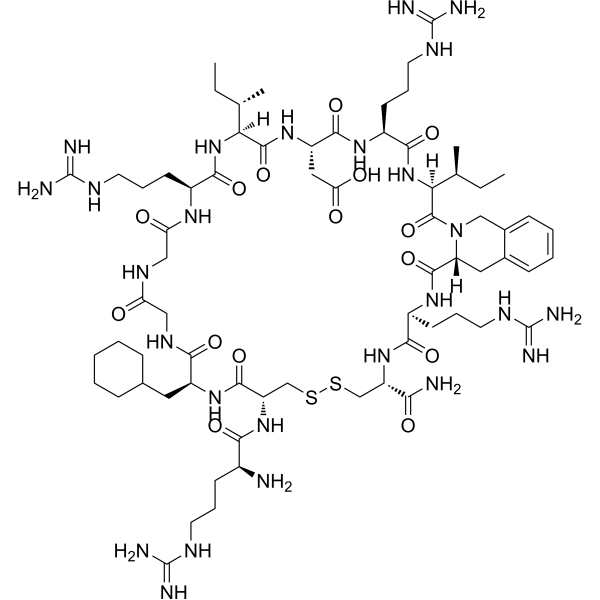
A 71915 is a highly potent and competitive natriuretic peptide receptor A (ANP, NPRA) antagonist (pKi= 9.18). A 71915 displaces [ 125I]ANP dose dependently, with a Ki of 0.65 nM. A71915( pA2= 9.48) against rat ANP-induced cGMP production in NB-OK-1 cells .
|
-
-
- HY-P1565A
-
|
TD 1 Disulfide(peptide) TFA
|
Na+/K+ ATPase
|
Others
|
|
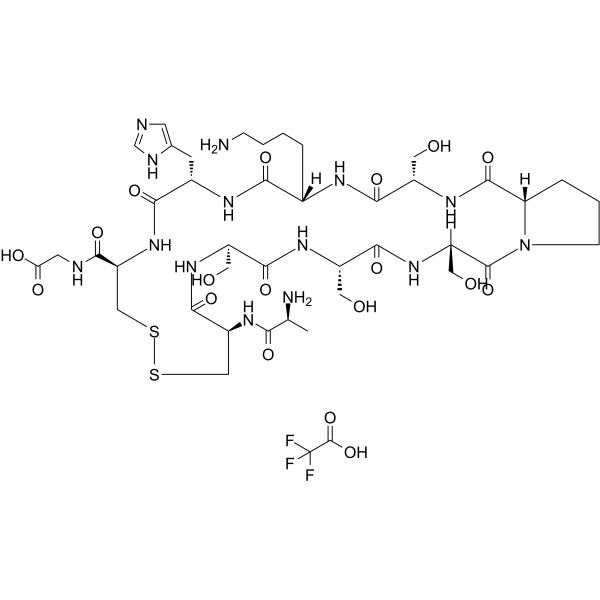
Transdermal Peptide Disulfide TFA (TD 1 Disulfide(peptide) TFA) is a 11-amino acid peptide, binds to Na +/K +-ATPase beta-subunit (ATP1B1), and mainly interacts with the C-terminus of ATP1B1. Transdermal Peptide Disulfide TFA can enhance the transdermal delivery of many macromolecules .
|
-
-
- HY-P4767
-
|
|
Amylin Receptor
|
Metabolic Disease
|
|
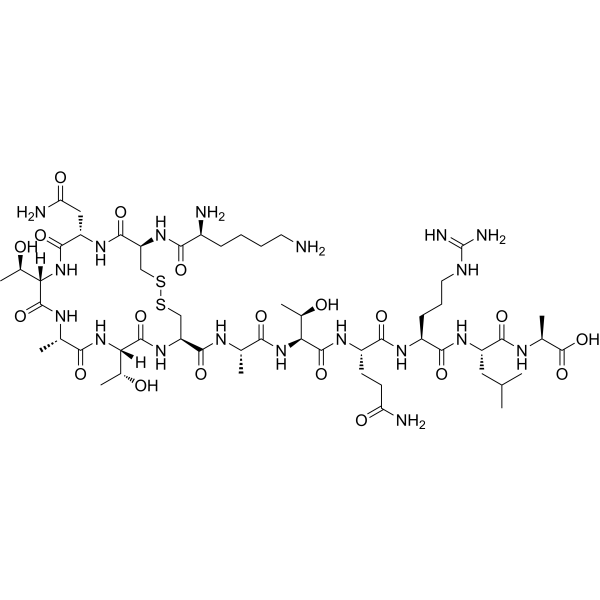
Amylin (1-13) (human) is a fragment and a residues within amyloid cores of Amylin (human IAPP). Amylin is a glucose-regulating hormone, deposits as amyloid fibrils in condition of type II diabetes (T2D). Amylin (1-13) (human) has no effect on firbl formation, as it cannot form fibrils by itself .
|
-
-
- HY-P1036A
-
|
|
Complement System
|
Others
|
|
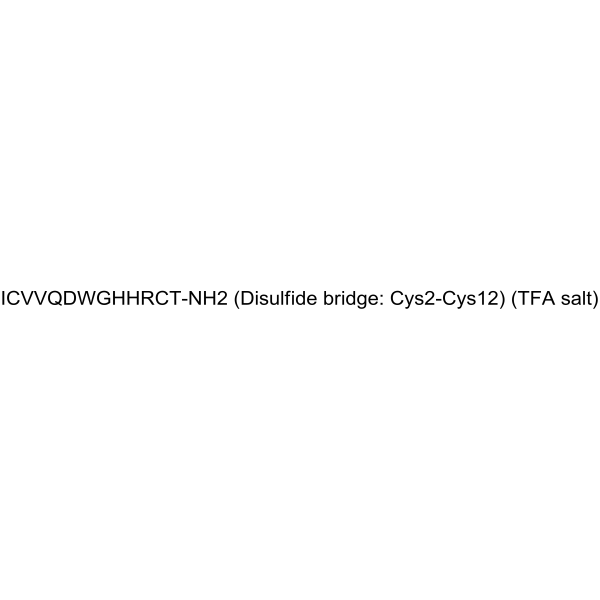
Compstatin TFA, a 13-residue cyclic peptide, is a potent inhibitor of the complement system C3 with species specificity. Compstatin TFA binds to baboon C3 and is resistant to proteolytic cleavage in baboon blood (similar to humans). Compstatin TFA inhibits only the activation of primates’ complement system. Compstatin TFA exhibits IC50 values of 63 μM and 12 μM for classical and alterative complement pathway, respectively .
|
-
-
- HY-P4928
-
|
|
Amylin Receptor
|
Metabolic Disease
|
|
Biotinyl-Amylin (mouse, rat) is a biotinylated Amylin (mouse, rat). Amylin (mouse, rat) is a 37-aminoacid pancreatic protein that exerts control over several metabolic events such as glycemia and lacticemia .
|
-

-
- HY-108814A
-
|
DX-88 TFA
|
Kallikrein
|
Cardiovascular Disease
|
|
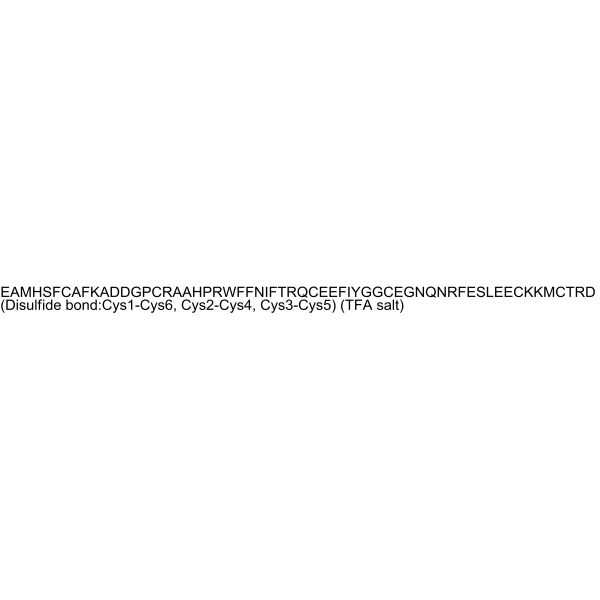
Ecallantide (DX-88) TFA is a specific recombinant plasma kallikrein inhibitor. Ecallantide inhibits the production of bradykinin. Ecallantide may be used to prevent acute attacks of angioedema .
|
-
-
- HY-P3282
-
|
|
Guanylate Cyclase
|
Metabolic Disease
|
|
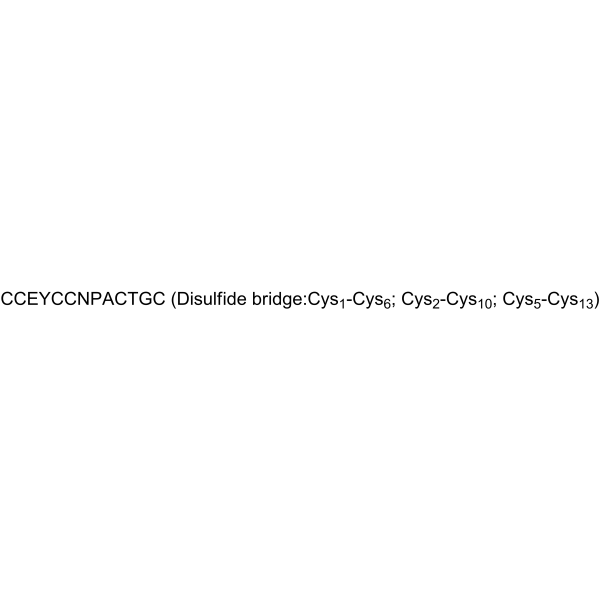
MM 419447, a linaclotide metabolite, is a guanylate cyclase-C agonist. MM 419447 has the potential for the research of the irritable bowel syndrome with constipation (IBS-C) .
|
-
-
- HY-17584A
-
|
|
Guanylate Cyclase
|
Cancer
|
|
Linaclotide acetate is a potent and selective guanylate cyclase C agonist; developed for the treatment of constipation-predominant irritable bowel syndrome (IBS-C) and chronic constipation.
|
-

-
- HY-P1139
-
|
PCFWKTCK
|
GHSR
|
Metabolic Disease
|
|
Cortistatin-8 (CST-8; PCFWKTCK), a neuropeptide, is a GHS-R1a antagonist by counteracting the response of ghrelin on gastric acid secretion. Cortistatin-8 can modulate GH release from somatotroph cells. Cortistatin-8 is a synthetic CST-analogue devoid of any binding affinity to SST-R but capable to bind the GHS-R1a. Cortistatin-8 can exert antagonistic effects on ghrelin actions either in vitro or in vivo in animals .
|
-

-
- HY-P10273A
-
|
|
Radionuclide-Drug Conjugates (RDCs)
Biochemical Assay Reagents
|
Cancer
|
|
DOTA-Octreotide TFA is composed of chelator DOTA and Octreotide (HY-P0036). DOTA-Octreotide TFA is used for research of cancer through combination with radioactive elements. DOTA-Octreotide TFA can be used for the synthesis/research of Radionuclide-Drug Conjugates (RDCs) .
|
-

-
- HY-P4764
-
|
|
Melanocortin Receptor
|
Cardiovascular Disease
|
|
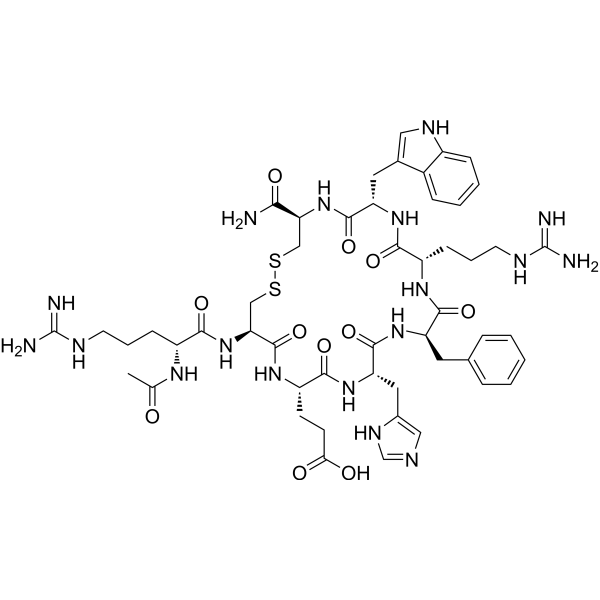
Ac-DArg-c[Cys-Glu-His-DPhe-Arg-Trp-Cys]-NH 2 is a cyclic octapeptide with MC4R agonism. Ac-DArg-c[Cys-Glu-His-DPhe-Arg-Trp-Cys]-NH 2 significantly increases heart rate and blood pressure .
|
-
-
- HY-P1443
-
|
|
Sodium Channel
|
Cancer
|
|
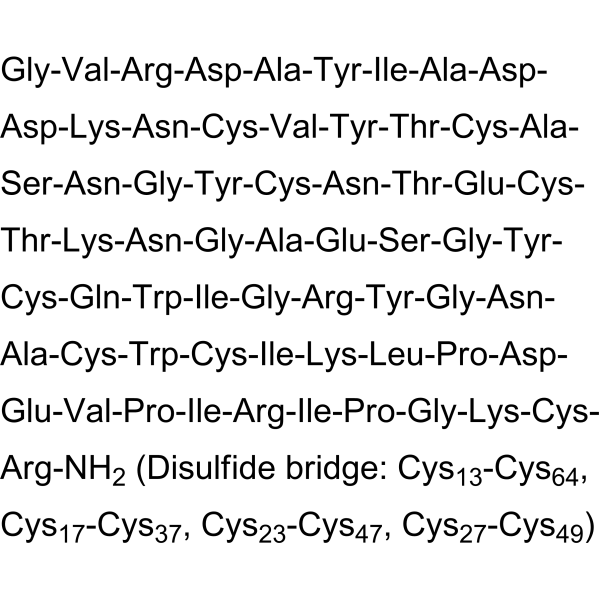
OD1 is a scorpion α-toxin that can be isolated from the venom of the Iranian yellow scorpion (Odonthobuthus doriae. OD1 is a modulator of mammalian Nav1.7 (EC50: 4.5 nM) .
|
-
-
- HY-P1932A
-
-
-
- HY-P5786
-
-
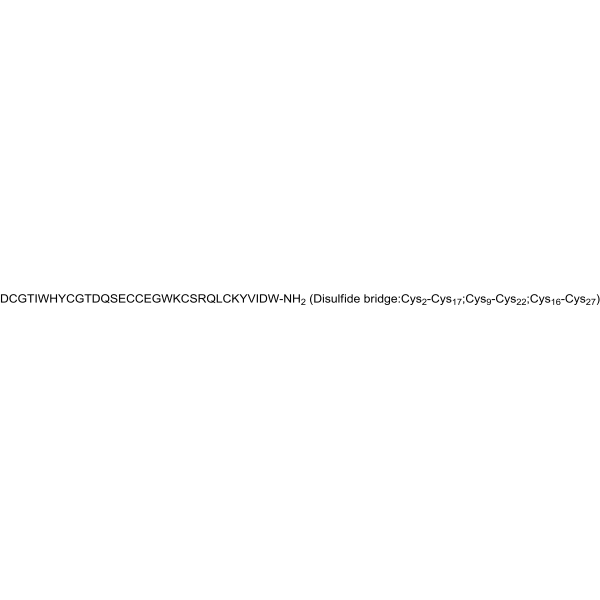
-
- HY-P5183
-
|
|
Sodium Channel
|
Neurological Disease
|
|
Hm1a is a venom peptide and a selective hNaV1.1 activator with an EC50 of 7.5 nM. Hm1a enhances hNaV1.1 and hNaV1.3 channel currents via delayed inactivation. Hm1a restores action potential firing in Dravet syndrome GABAergic inhibitory interneurons, reduces interictal epileptiform discharges and whole-brain hyperexcitability, lowers seizure frequency, and rescues premature death in Dravet syndrome mice. Hm1a can be used for the research of neurological disease, such as Dravet syndrome .
|
-
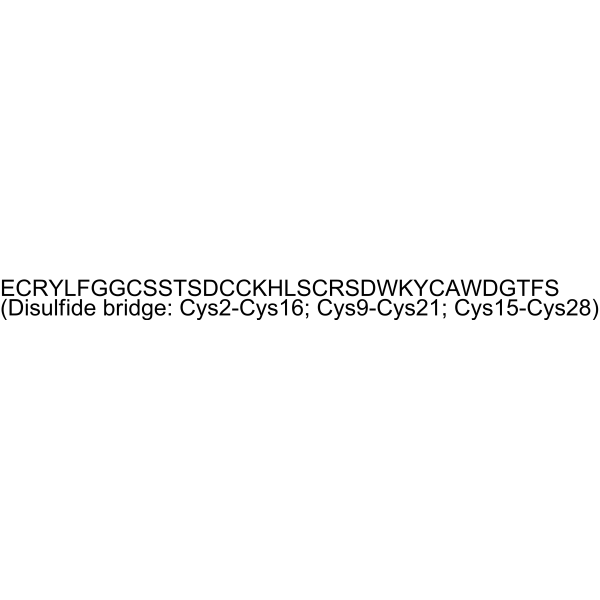
-
- HY-P11071
-
|
|
PCSK9
LDLR
|
Cardiovascular Disease
|
|
PCSK9 Inhibitor, EGF-A is a PCSK9 inhibitor with LDLR degradation inhibitory activity and LDLR recycling promoting activity. PCSK9 Inhibitor, EGF-A is a synthetic peptide consisting of 42 amino acid residues, which contains the calcium-binding site of the epidermal growth factor A domain (EGF-A). PCSK9 Inhibitor, EGF-A reduces plasma LDL cholesterol levels by maintaining hepatic LDLR levels and enhancing the clearance capacity of circulating LDL. PCSK9 Inhibitor, EGF-A can be used in research related to hypercholesterolemia, premature atherosclerosis, coronary heart disease and familial hypercholesterolemia .
|
-

-
- HY-P0036A
-
|
SMS 201-995 dihydrochloride
|
Somatostatin Receptor
Apoptosis
|
Inflammation/Immunology
Endocrinology
Cancer
|
|
Octreotide (SMS 201-995) hydrochloride is a somatostatin receptor agonist and synthetic octapeptide endogenous somatostatin analogue. Octreotide hydrochloride can bind to the somatostatin receptors which are mainly subtypes 2, 3 and 5. Octreotide hydrochloride increases Gi activity and reduces intracellular cAMP production. Octreotide hydrochloride has antitumor activity, mediates apoptosis and may also be used in disease studies in acromegaly .
|
-

-
- HY-P5152
-
|
|
Sodium Channel
|
Neurological Disease
|
|
Scorpion toxin Tf2 is a selective human voltage-gated sodium channel Nav1.3 (hNav1.3) activator. Scorpion toxin Tf2 selectively shifts the channel's activation voltage to more negative values, enabling channel opening at resting membrane potentials. Scorpion toxin Tf2 can be used for the research of epilepsy, nociception (after spinal cord injury) .
|
-
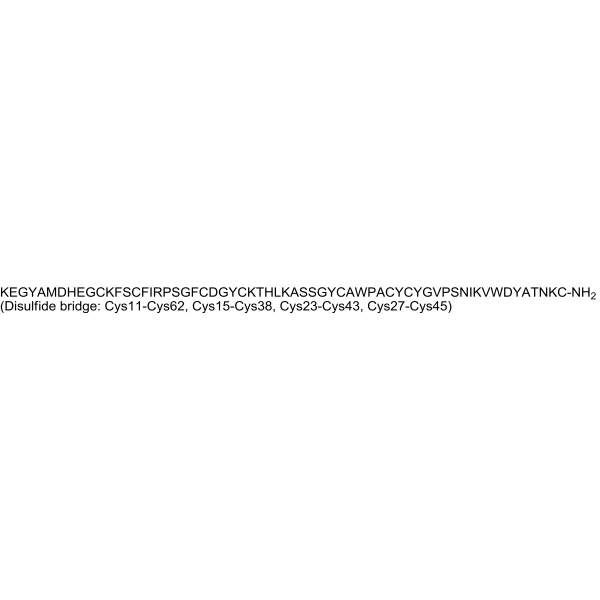
-
- HY-P1913
-
|
CGRP II (rat)
|
CGRP Receptor
|
Cardiovascular Disease
|
|
Calcitonin Gene Related Peptide II rat, a CGRP receptor activator, is a potent and long-lasting vasodilator. Calcitonin Gene Related Peptide II rat can be used in the research of cardiovascular diseases .
|
-
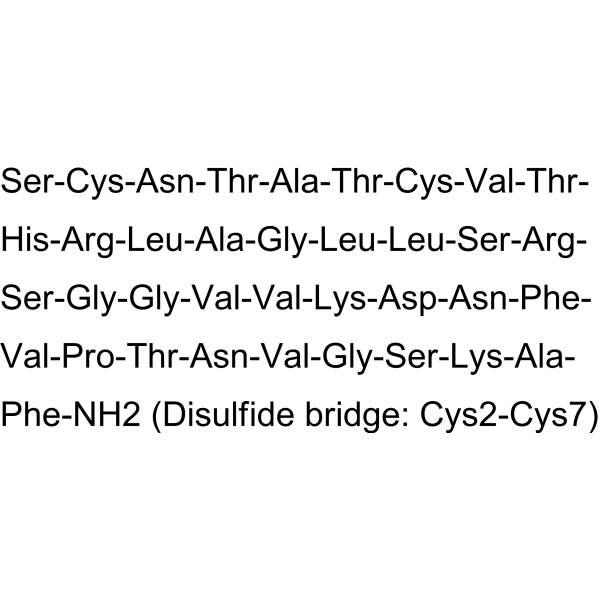
-
- HY-P11045
-
|
|
Sodium Channel
|
Neurological Disease
|
|
JNJ63955918 is a potent, highly selective, blocked-state Nav1.7 blocking peptide with an IC50 of 8.0 nM. JNJ63955918 can be used in pain research .
|
-

-
- HY-P5809
-
-
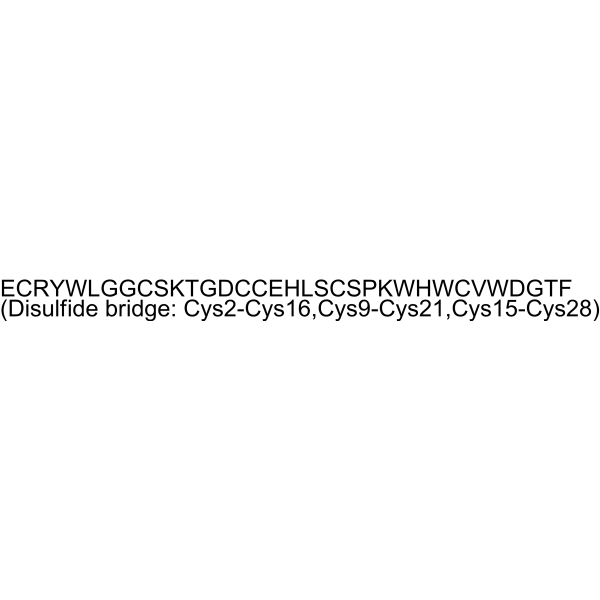
-
- HY-108814
-
|
DX-88
|
Kallikrein
|
Cardiovascular Disease
|
|
Ecallantide (DX-88) is a specific plasma kallikrein inhibitor. Ecallantide inhibits the production of bradykinin. Ecallantide can be used to prevent acute attacks of angioedema .
|
-
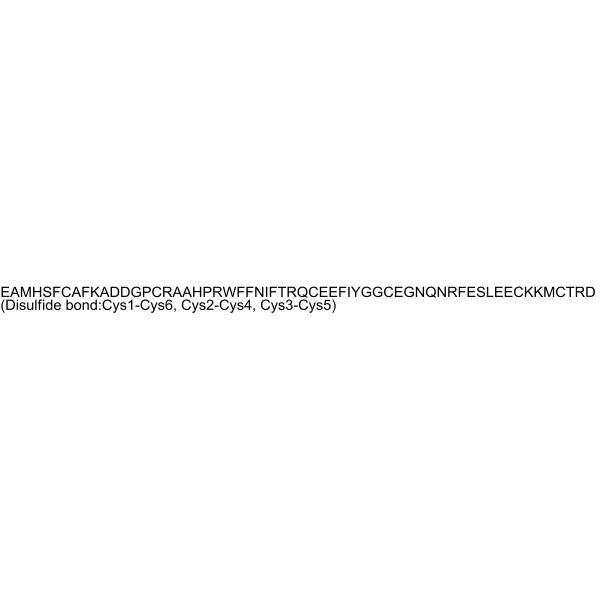
-
- HY-P1719
-
-

-
- HY-P5160A
-
|
PhlTx1 TFA
|
Sodium Channel
|
Neurological Disease
|
|
Phlotoxin-1 (PhlTx1) is a 34-amino acid and 3-disulfide bridge peptide. Phlotoxin-1 can be isolated from Phlogiellus genus spider. Phlotoxin-1 is an antinociceptive agent by inhibiting NaV1.7 channel .
|
-

-
- HY-P2786A
-
|
|
Potassium Channel
|
Neurological Disease
|
|
Phrixotoxin 2 is a Kv4 family potassium channel inhibitor, with Ki values in rats of 120 nM for Kv4.2, 110 nM for Kv4.3, and 230 nM for Kv4.1. Phrixotoxin 2 mediates voltage-dependent inhibition of Kv4.2 and Kv4.3 currents, and voltage-independent inhibition of Kv4.1 currents. Phrixotoxin 2 fails to inhibit A-type K + currents in visceral dorsal root ganglion neurons. Phrixotoxin 2 induces contraction of non-pregnant uterine smooth muscle and triggers orofacial cold hyperalgesia in rats. Phrixotoxin 2 can distinguish the contribution of Kv4 subunits to A-type K + currents in different subsets of sensory neurons. Phrixotoxin 2 can be used in research related to chronic pain and trigeminal neuropathic pain .
|
-
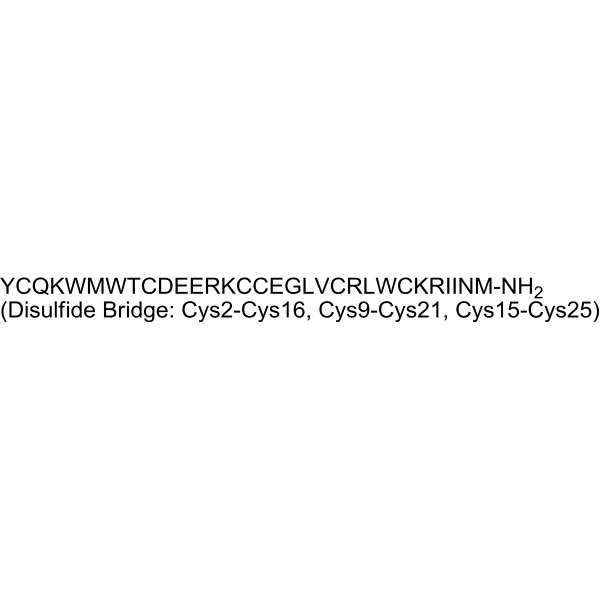
-
- HY-P2569
-
|
|
Apoptosis
|
Cancer
|
|
Malformin A1, a cyclic pentapeptide isolated from Aspergillus niger, possess a range of bioactive properties including antibacterial activity. Malformin A1 shows potent cytotoxic activities on human colorectal cancer cells. Malformin A1 induces apoptosis by activating PARP, caspase 3, -7, and -9 .
|
-
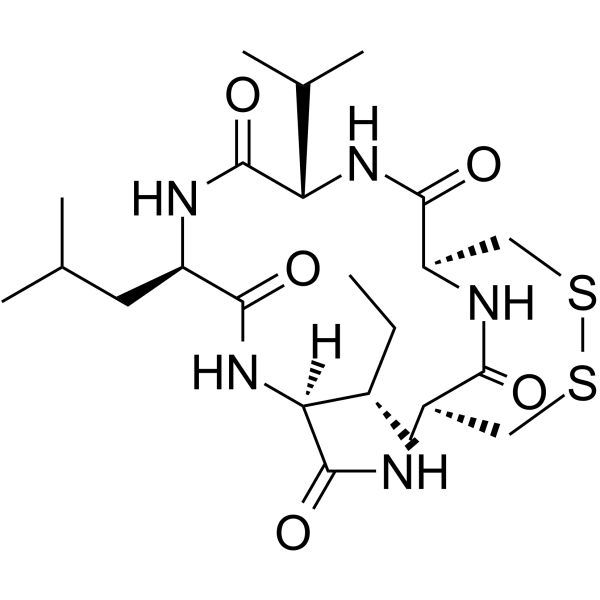
-
- HY-P2687
-
|
Urodilatin (human)
|
Natriuretic Peptide Receptor (NPR)
|
Cardiovascular Disease
|
|
Ularitide (Urodilatin), natriuretic peptide, is a vasodilator. Ularitide binds to and activates renal receptors. Ularitide also regulates renal dopamine metabolism Ularitide can be used in the research of heart failure .
|
-
- HY-P10833
-
|
|
VEGFR
PI3K
Akt
mTOR
ERK
Apoptosis
|
Cardiovascular Disease
Cancer
|
|
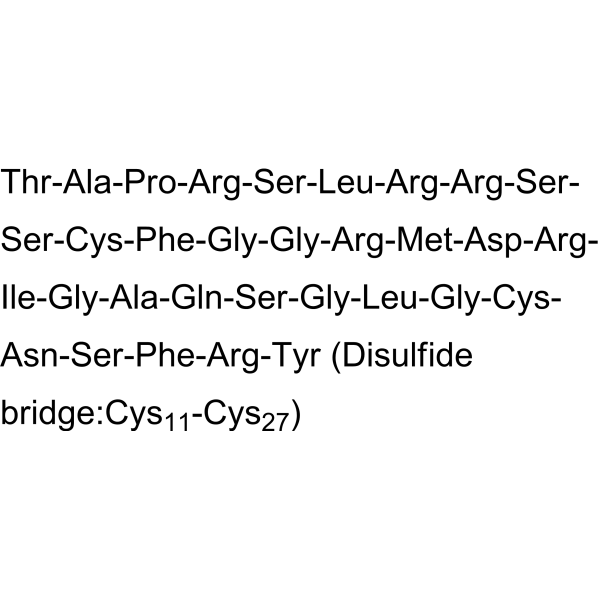
C-VGB3 is a selective vascular endothelial growth factor receptor 2 (VEGFR2) antagonist, which inhibits VEGFR2-mediated PI3K/AKT/mTOR and PLCγ/ERK1/2 signaling pathways. C-VGB3 binds to the extracellular domain of VEGFR2, blocking ligand-receptor interaction and inducing apoptosis in endothelial and tumor cells through both intrinsic (involving Bcl2 family and caspases) and extrinsic (death receptor-mediated) pathways. C-VGB3 is promising for research of angiogenesis-related cancers, such as breast cancer .
|
-

- HY-P10793
-
|
|
EGFR
Apoptosis
|
Cancer
|
|
Cyclic(YCDGFYACYMDV) is a HER2 signaling pathway inhibitor with anti-cancer activity. This compound self-assembles into nanoparticles in aqueous solution and transforms into nanofibers upon specific binding to HER2 on cancer cells. This transformation disrupts HER2 dimerization and subsequent downstream signaling events, leading to cancer cell apoptosis (Apoptosis). The inhibitory effects on HER2 positive breast cancer have been demonstrated to be effective in a murine xenograft model .
|
-

- HY-P1871A
-
|
|
Amylin Receptor
|
Metabolic Disease
|
|
Amylin (IAPP), feline TFA is a 37-amino acid polypeptide from feline. Amylin (IAPP), feline TFA is one of the major secretory products of β-cells of the pancreatic islets. Amylin (IAPP), feline TFA is a regulatory peptide, which inhibits insulin and glucagon secretion .
|
-
- HY-P1681A
-
|
|
Sodium Channel
|
Neurological Disease
|
|
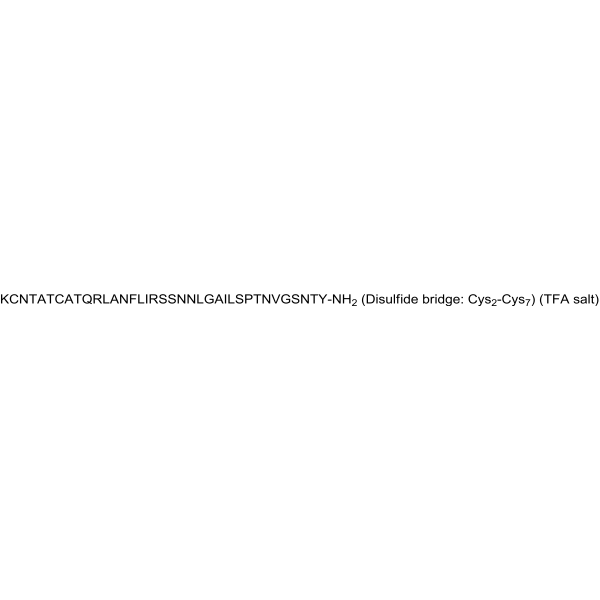
GpTx-1 TFA is a peptide-based NaV1.7 sodium channel antagonist isolated from the venom of the Chilean spider Grammostola porter. GpTx-1 TFA demonstrates potent inhibitory activity against the NaV1.7 channel with an IC50 value of 10 nM, while exhibiting excellent selectivity for NaV1.4 (IC50 = 0.301 μM) and NaV1.5 (IC50 = 4.20 μM), showing >20-fold and >950-fold selectivity respectively .
|
-

- HY-P1681
-
|
|
Sodium Channel
|
Neurological Disease
|
|
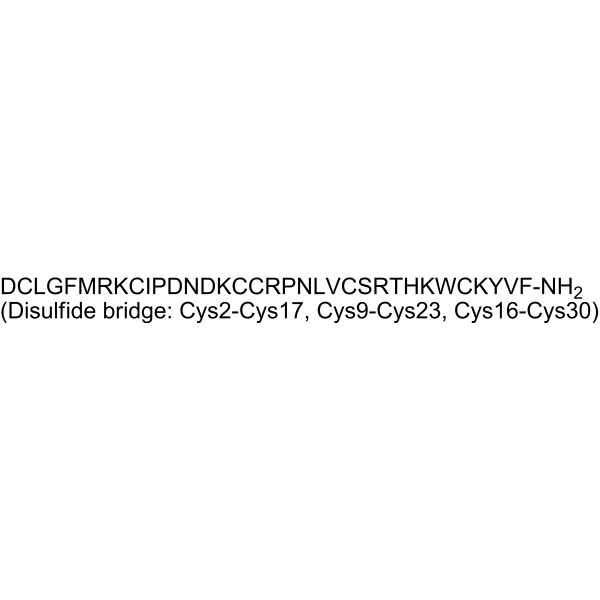
GpTx-1 is a peptide-based NaV1.7 sodium channel antagonist isolated from the venom of the Chilean spider Grammostola porter. GpTx-1 demonstrates potent inhibitory activity against the NaV1.7 channel with an IC50 value of 10 nM, while exhibiting excellent selectivity for NaV1.4 (IC50 = 0.301 μM) and NaV1.5 (IC50 = 4.20 μM), showing >20-fold and >950-fold selectivity respectively .
|
-
- HY-P4370
-
|
|
Bacterial
Fungal
|
Infection
|
|
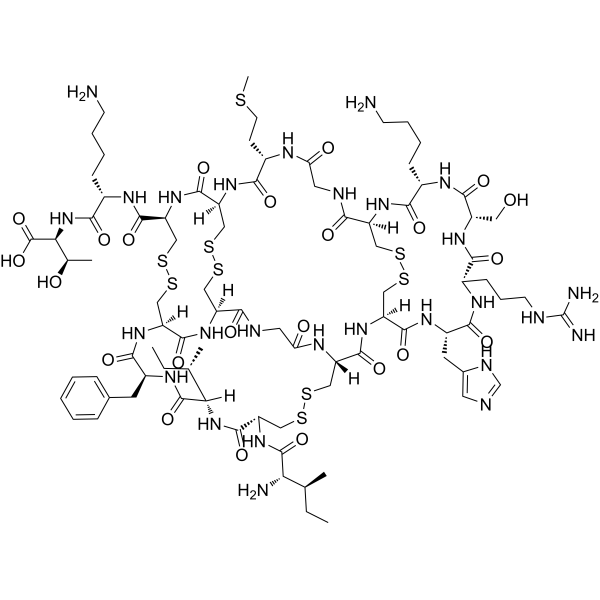
Hepcidin-20 (human) is a histidine-containing, cysteine-rich, β-sheet structured peptide. Hepcidin-20 (human) shows antifungal activity. Hepcidin-20 (human) inhibits biofilm formation and bacterial cell metabolism of polysaccharide intercellular adhesin (PIA)-positive and PIA-negative strains .
|
-
- HY-P5900
-
|
m3-HwTx-IV
|
Sodium Channel
|
Neurological Disease
|
|
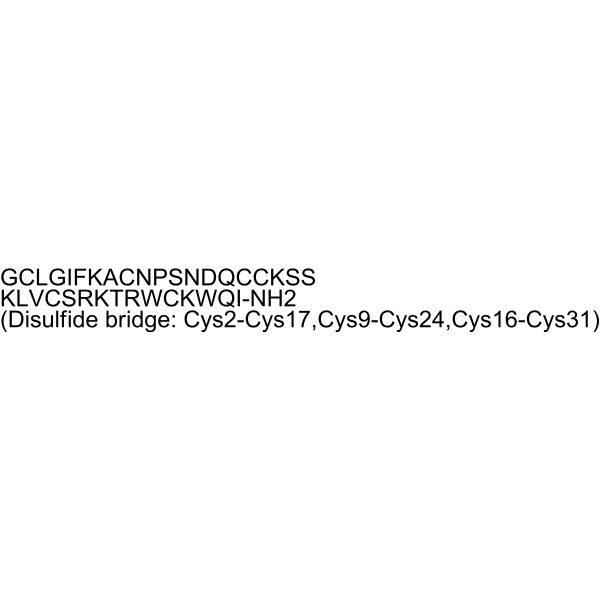
m3-Huwentoxin IV (m3-HwTx-IV) is a potent NaV inhibitor with IC50s of 3.3, 6.8, 7.2, 8.4, 11.9 and 369 nM against hNaV1.7, hNaV1.6, hNaV1.3, hNaV1.1, hNaV1.2 and hNaV1.4, respectively in QPatch assay. m3-Huwentoxin IV dose-dependently suppresses spontaneous pain induced by the NaV1.7 activator OD1 in a rodent pain model .
|
-
- HY-P5916
-
|
κ-Theraphotoxin-Gr4a; Kappa-TRTX-Gr4a; Voltage sensor toxin 3; Peptide F
|
Others
Potassium Channel
|
Neurological Disease
|
|
VSTx-3 is a KV channel blocker. VSTx-3 is demonstrated to be a potent, TTX-sensitive sodium channel blocker and especially, a potent blocker of NaV1.8 channels (IC50 0.19 μM for hNaV1.3, 0.43 μM for hNaV1.7 and 0.77 μM for hNaV1.8 channels).
|
-

- HY-P10239A
-
|
|
Radionuclide-Drug Conjugates (RDCs)
|
Cancer
|
|
Tyr3-Octreotate acetate is a somatostatin analog. Tyr3-Octreotate acetate exhibits high uptake into tumor, that is capable to be labeled with radioactive metal and thus exhibits antitumor efficacy. Tyr3-Octreotate acetate can be used for the synthesis/research of Radionuclide-Drug Conjugates (RDCs) .
|
-

- HY-P0036B
-
|
SMS 201-995 pamoate
|
Somatostatin Receptor
Apoptosis
|
Cardiovascular Disease
Inflammation/Immunology
Endocrinology
Cancer
|
|
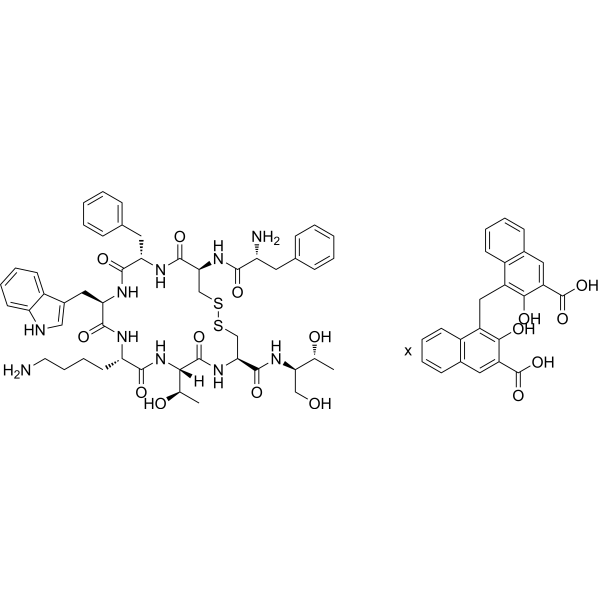
Octreotide (SMS 201-995) pamoate is a somatostatin receptor agonist and synthetic octapeptide endogenous somatostatin analogue. Octreotide pamoate can bind to the somatostatin receptors which are mainly subtypes 2, 3 and 5. Octreotide pamoate increases Gi activity and reduces intracellular cAMP production. Octreotide pamoate has antitumor activity, mediates apoptosis and may also be used in disease studies in acromegaly .
|
-
- HY-P5155
-
|
|
Potassium Channel
|
Neurological Disease
|
|
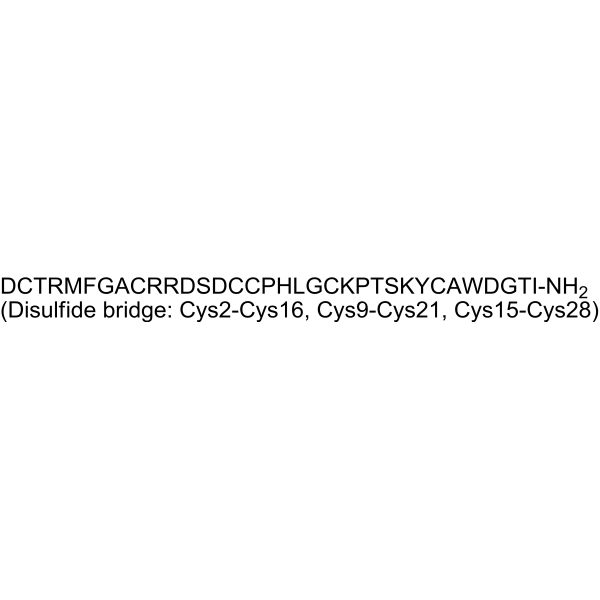
Stromatoxin 1 is an inhibitor of Potassium Channel, a peptide which can be isolated from tarantulas. Stromatoxin 1 selectively inhibits K(V)2.1, K(V)2.2, K(V)4.2, and K(V)2.1/9.3 channels. K(V)2.1 and K(V)2.2, but not K(V)4.2, channel subunits play a key role in opposing both myogenic and neurogenic urinary bladder smooth muscle (UBSM) contractions in rats .
|
-
- HY-P5833
-
|
κ-Bgt
|
nAChR
|
Neurological Disease
|
|
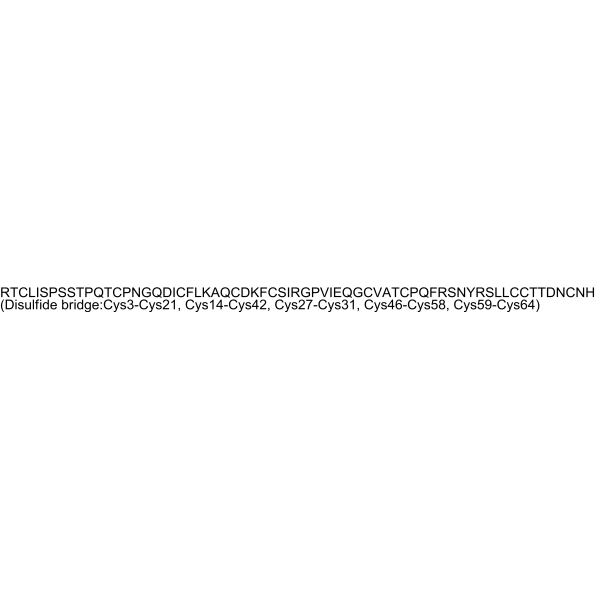
κ-Bungarotoxin (κ-Bgt) is a potent, selective, and slowly reversible antagonist of α3β2 neuronal nicotinic acetylcholine receptors with an IC50 of 2.30 nM .
|
-
- HY-P10273
-
-

- HY-P10730
-
|
|
Radionuclide-Drug Conjugates (RDCs)
|
Cancer
|
|
DOTA-Lanreotide is a radionuclide conjugate (RDC), which is capable of binding to a radionuclide. RDC has the ability to specifically target biomolecules and can be used in medical imaging or therapy .
|
-

- HY-184235
-
|
|
Actin
|
Cancer
|
|
β-actin-IN-1 is a selective and covalent β-actin polymerization inhibitor. β-actin-IN-1 targets Cys272 of β-actin and shows selectivity over α-actin and γ-actin. β-actin-IN-1 inhibits β-actin polymerization and disrupts the actin cytoskeleton in cancer cells, leading to cell migration inhibition as well as cell death. β-actin-IN-1 can be used for the study of osteosarcoma .
|
-

- HY-P11217
-
|
|
Epigenetic Reader Domain
|
Cancer
|
|
MACTIDE is a CD206 targeting peptide with high affinity and stability. MACTIDE is commonly used to enhance the targeting of drugs. MACTIDE can be used in the research of cancer such as breast cancer .
|
-

- HY-P1548B
-
|
Human β-CGRP acetate; CGRP-II (Human) acetate
|
CGRP Receptor
|
Cardiovascular Disease
Inflammation/Immunology
|
|
β-CGRP, human acetate (Human β-CGRP acetate) is one of calcitonin peptides, acts via the complex of calcitonin-receptor-like receptor (CRLR) and receptor-activity-modifying protein (RAMP), with IC50s of 1 nM and 300 nM for CRLR/RAMP1 and CRLR/RAMP2 in cells .
|
-
- HY-103303
-
|
|
CGRP Receptor
|
Metabolic Disease
|
|
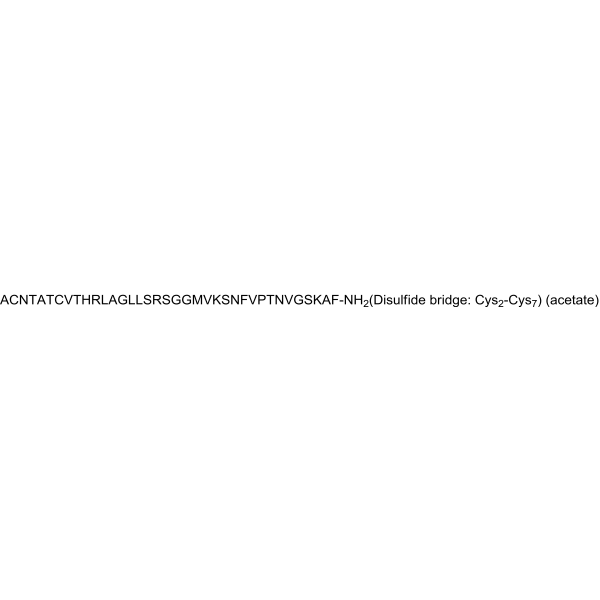
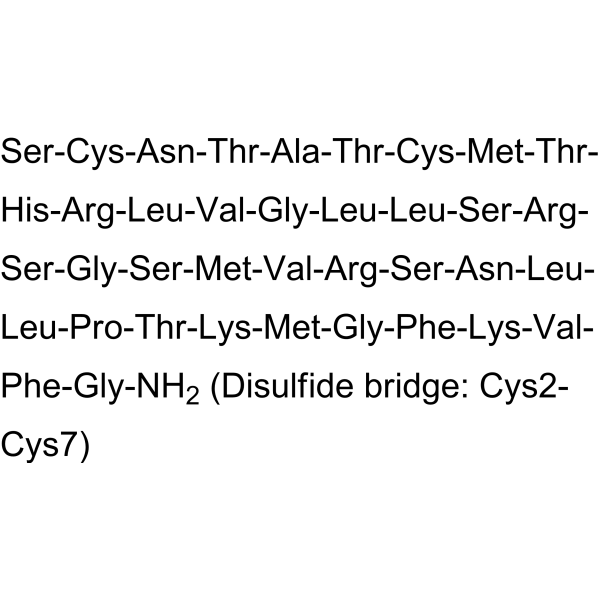
CRSP-1 is short for calcitonin receptor-stimulating peptide-1. CRSP-1 inhibits osteoclast formation by inhibiting the formation and activity of multinucleated osteoclast .
|
-
- HY-P3314
-
-
- HY-P1871
-
|
|
Amylin Receptor
|
Metabolic Disease
|
|
Amylin (IAPP), feline is a 37-amino acid polypeptide from feline. Amylin (IAPP), feline is one of the major secretory products of β-cells of the pancreatic islets. Amylin (IAPP), feline is a regulatory peptide, which inhibits insulin and glucagon secretion .
|
-

- HY-P4928A
-
|
|
Amylin Receptor
|
Metabolic Disease
|
|
Biotinyl-Amylin (mouse, rat) TFA is a biotinylated Amylin (mouse, rat). Amylin (mouse, rat) is a 37-aminoacid pancreatic protein that exerts control over several metabolic events such as glycemia and lacticemia .
|
-

- HY-P5873
-
|
JZTX-X
|
Potassium Channel
|
Neurological Disease
|
|
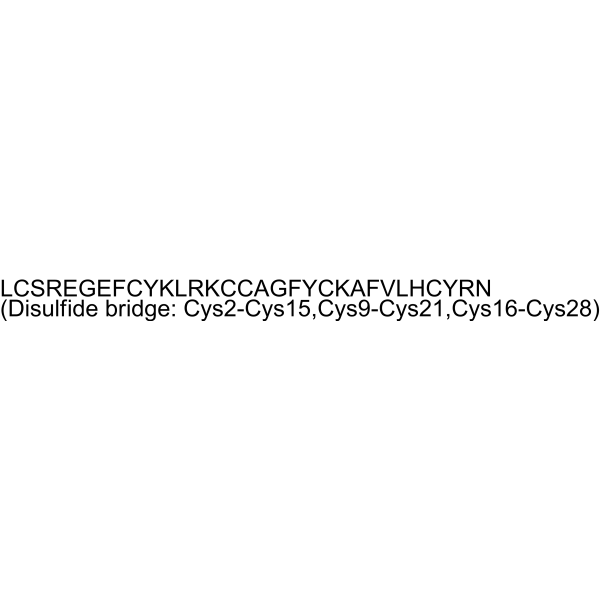
Jingzhaotoxin-X (JZTX-X) is a selective Kv4.2 and Kv4.3 potassium channels inhibitor. Jingzhaotoxin-X causes long-lasting mechanical hyperalgesia .
|
-
- HY-P5871A
-
|
JzTx-XII TFA
|
Potassium Channel
|
Others
|
|
Jingzhaotoxin-XII (JzTx-XII) TFA is a specific Kv4.1 channel inhibitor with an IC50 of 0.363 μM. Jingzhaotoxin-XII TFA interacts with the channels by modifying the gating behavior .
|
-

- HY-P5942
-
-
- HY-P5871
-
|
JzTx-XII
|
Potassium Channel
|
Others
|
|
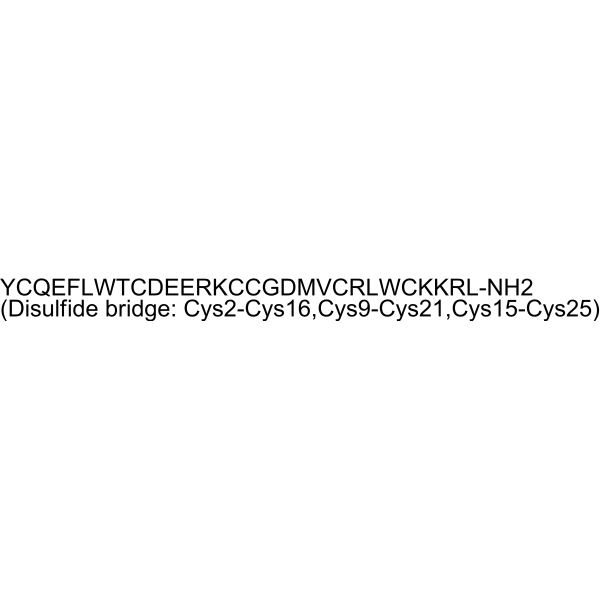
Jingzhaotoxin-XII (JzTx-XII) is a specific Kv4.1 channel inhibitor with an IC50 of 0.363 μM. Jingzhaotoxin-XII interacts with the channels by modifying the gating behavior .
|
-
- HY-P5800
-
|
μ-TrTx-Phlo1b
|
Sodium Channel
|
Neurological Disease
|
|
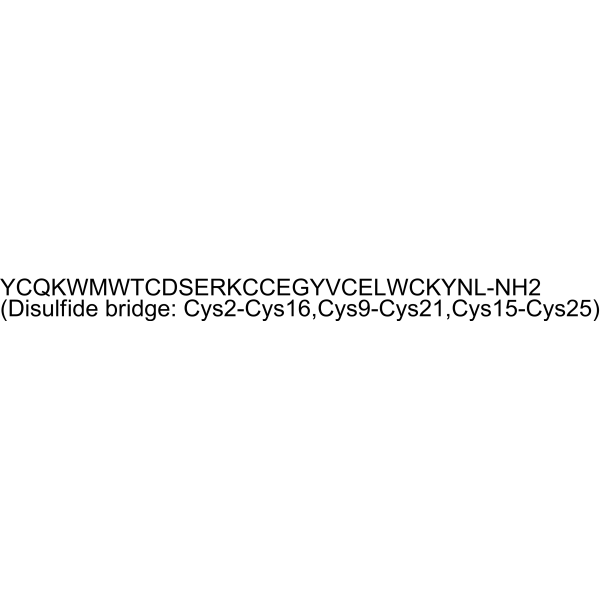
Phlo1b (μ-TrTx-Phlo1b) is a peptide toxin contains 35-amino acid residues. Phlo1b is a selective Nav1.7 inhibitor. Phlo1b has a weak inhibitory effect on Nav1.2 and Nav1.5 .
|
-
- HY-P5739
-
|
|
Bacterial
|
Infection
|
|
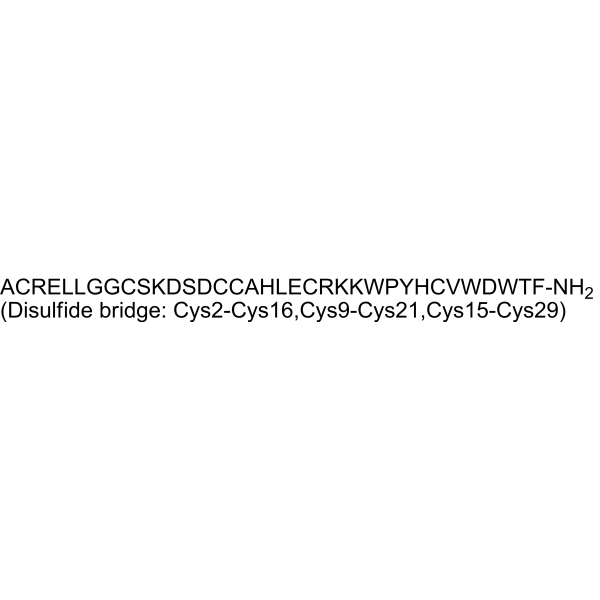
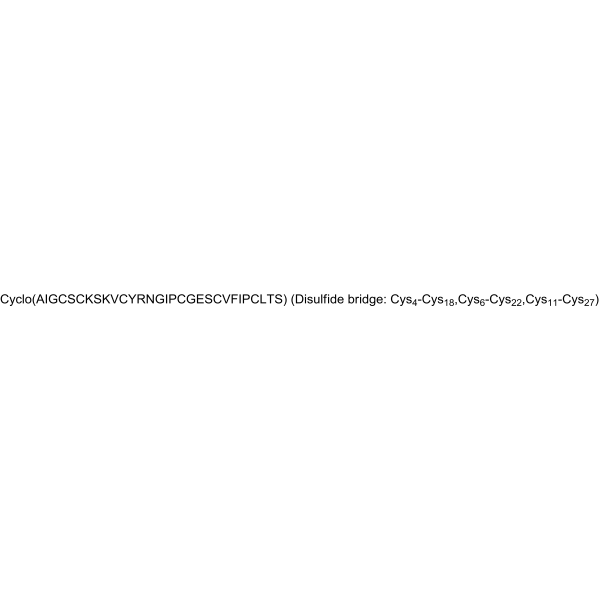
Mram 8 is a cyclotide isolated from Viola philippica, a plant from the Violaceae family .
|
-
- HY-P5801
-
|
μ-TrTx-Phlo1a
|
Sodium Channel
|
Neurological Disease
|
|
Phlo1a (μ-TrTx-Phlo1a) is a peptide toxin contains 35-amino acid residues. Phlo1b is a selective Nav1.7 inhibitor. Phlo1a has a weak inhibitory effect on Nav1.2 and Nav1.5 .
|
-
- HY-P5872
-
|
JZTX-XI
|
Sodium Channel
|
Neurological Disease
|
|
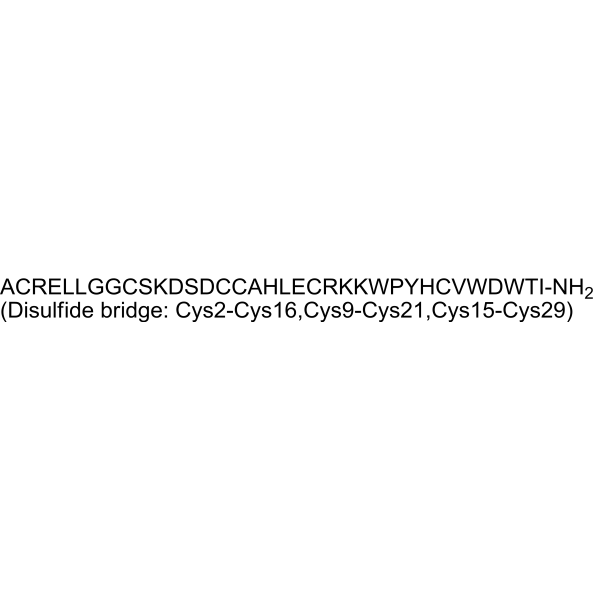
Jingzhaotoxin XI (JZTX-XI) is a sodium conductance inhibitor with an IC50 of 124 nM. Jingzhaotoxin XI slows the fast inactivation (EC50=1.18±0.2 μM) of Nav1.5 expressed in Chinese hamster ovary (CHO-K1) cells .
|
-
- HY-P5868
-
|
|
Sodium Channel
|
Neurological Disease
|
|
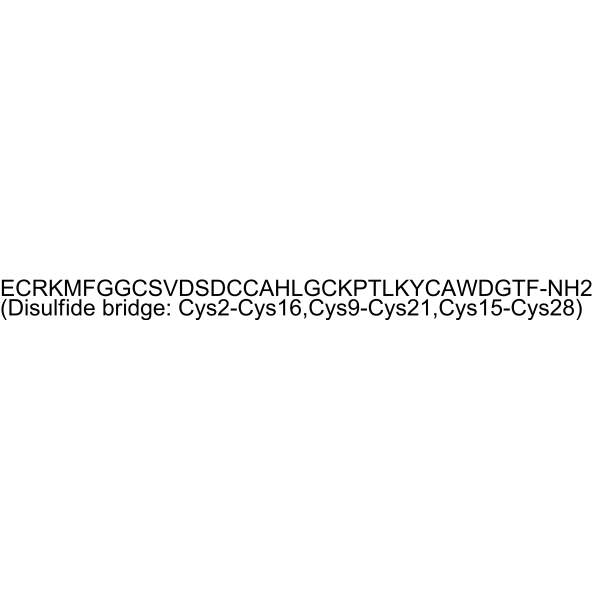
mHuwentoxin-IV is a naturally modified Huwentoxin-IV (HY-P1220). mHuwentoxin-IV inhibits tetrodotoxin-sensitive (TTX-S) voltage-gated sodium channels of dorsal root ganglion neurons with an IC50 of 54.16 nM. mHuwentoxin-IV inhibition of tetrodotoxin-sensitive sodium channels is not reversed by strong depolarization voltages .
|
-
- HY-P5177
-
-

- HY-P5179
-
|
HWTX-I
|
Calcium Channel
Sodium Channel
|
Neurological Disease
|
|
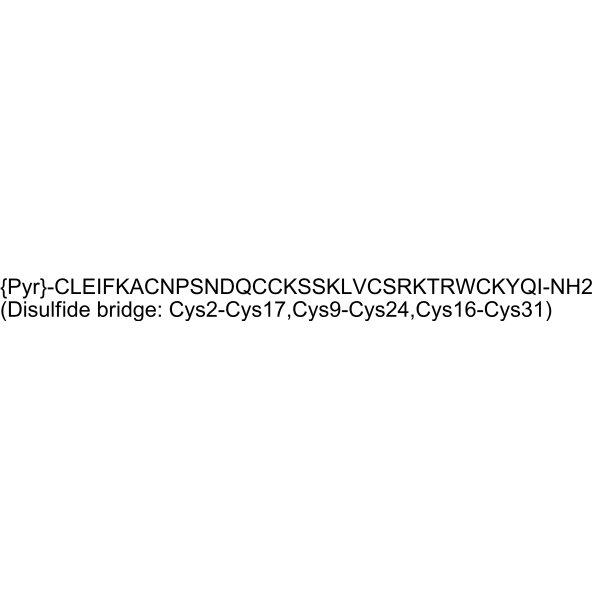
Huwentoxin I (HWTX-I) is a peptide toxin that inhibits voltage-gated sodium channels and N-type calcium channels. Huwentoxin I inhibits sodium channels in rat hippocampus and cockroach dorsal unpaired median (DUM) neurons with IC50 values of 66.1 and 4.80 nM, respectively .
|
-
- HY-P5160
-
|
PhlTx1
|
Sodium Channel
|
Neurological Disease
|
|
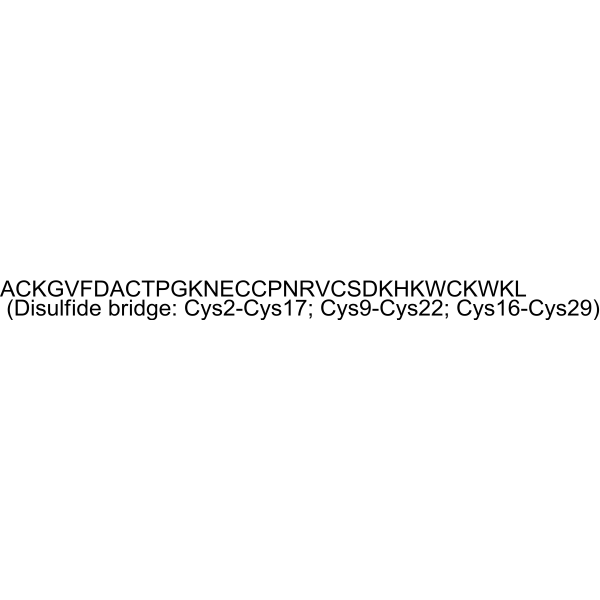
Phlotoxin-1 (PhlTx1) is a 34-amino acid and 3-disulfide bridge peptide. Phlotoxin-1 can be isolated from Phlogiellus genus spider. Phlotoxin-1 is an antinociceptive agent by inhibiting NaV1.7 channel .
|
-
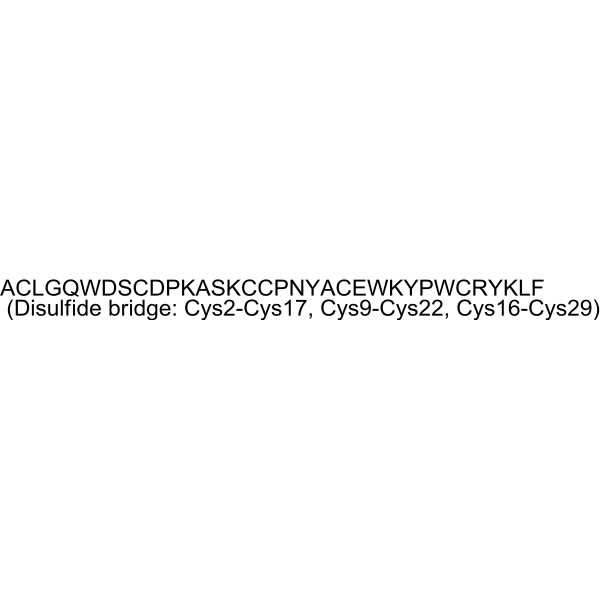
- HY-P5164
-
|
|
Sodium Channel
|
Neurological Disease
|
|
GrTx1 is a peptide toxin originally isolated from the venom of the spider Grammostola rosea. GrTx1 blocks sodium channel, with IC50s of 0.63 μM, 0.23 μM, 0.77 μM, 1.29 μM, 0.63 μM and 0.37 μM for Nav1.1, Nav1.2, Nav1.3, Nav1.4, Nav1.6 and Nav1.7, repectively . GrTx1 can be used for neurological disease research .
|
-
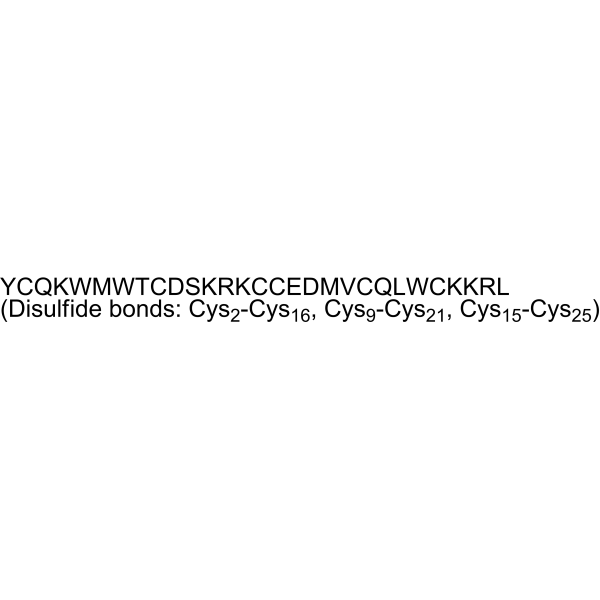
- HY-P5184
-
|
HNTX-IV
|
Sodium Channel
|
Neurological Disease
|
|
Hainantoxin-IV is a specific antagonist of Sodium Channel, targeting to tetrodotoxin-sensitive (TTX-S) voltage-gated sodium channels. His28 and Lys32 are the key resiudes of Hainantoxin-IV for binding with target, while Hainantoxin-IV adopts an inhibitor cystine knot motif .
|
-
- HY-P2785A
-
-
- HY-P5180
-
|
|
Sodium Channel
|
Neurological Disease
|
|
Jingzhaotoxin-V is a peptide that inhibits potassium currents in Xenopus laevis oocytes with an IC50 value of 604.2 nM. Jingzhaotoxin-V also inhibits tetrodotoxin-resistant and tetrodotoxin-sensitive sodium currents in rat dorsal root ganglion neurons with IC50 values of 27.6 and 30.2 nM, respectively .
|
-
- HY-P5626
-
|
|
Bacterial
|
Infection
|
|
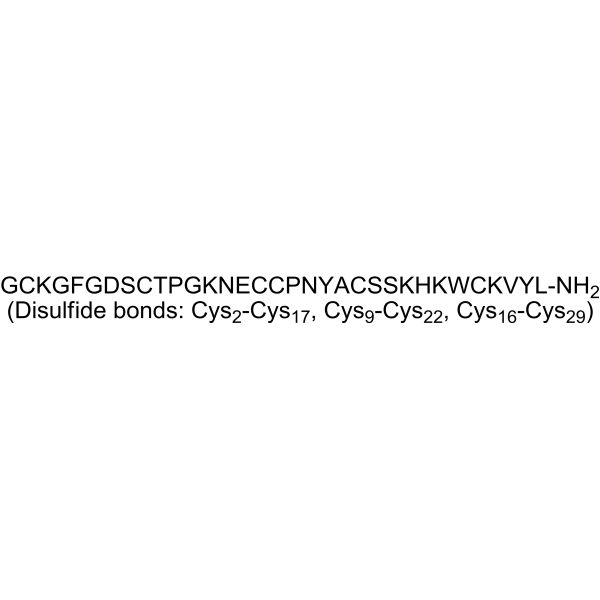
Seabream hepcidin is an antimicrobial peptide with anti-bacterial (V.anguillarum), fungal (S.cerevisiae) and viral hemorrhagic septicemia virus activity .
|
-
- HY-P5153
-
|
μ-TRTX-Tp1a
|
Sodium Channel
|
Neurological Disease
|
|
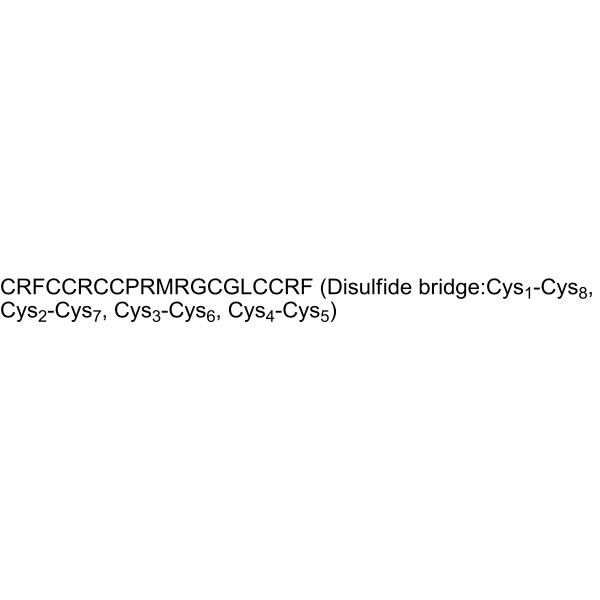
ProTx-III is a selective and potent inhibitor of voltage-gated sodium channel Nav1.7, with an IC50 of 2.1 nM. ProTx-III is a spider venom peptide isolated from the venom of the Peruvian green velvet tarantella. ProTx-III has a typical inhibitor cystine knot motif (ICK). ProTx-III is able to reverse the pain response. ProTx-III can be used to study diseases such as chronic pain, epilepsy, and arrhythmia .
|
-
- HY-P10860
-
|
|
Factor Xa
|
Cardiovascular Disease
|
|
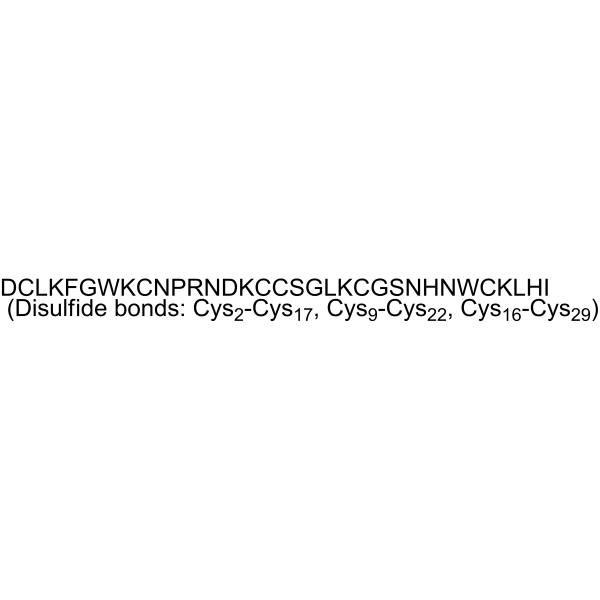
cMCoFx1 is a potent and selective FXIIa cyclic peptide inhibitor. cMCoFx1 has high binding affinity (KD: 900 pM) and inhibitory activity (Ki: 370 pM) for FXIIa. cMCoFx1 can effectively inhibit endogenous clotting pathways, and cMCoFx1 is stable in serum and non-cytotoxic .
|
-

- HY-P2785
-
-
- HY-P0061B
-
|
RC160 diacetate; BMY 41606 diacetate
|
Neurokinin Receptor
|
Cancer
|
|
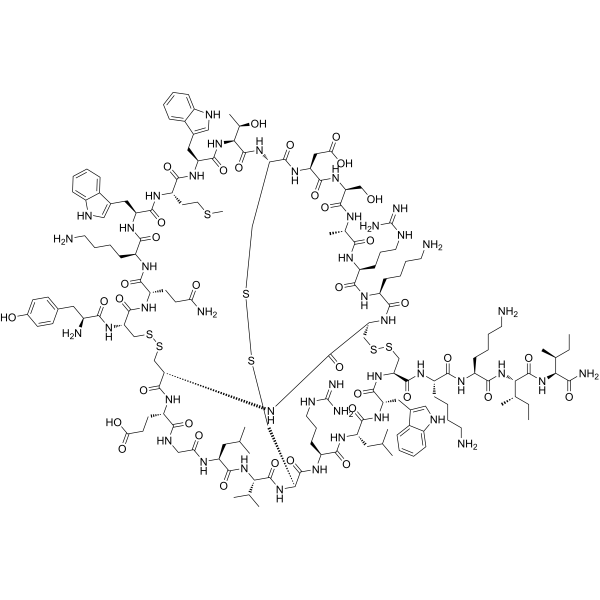
Vapreotide diacetate is a neurokinin-1 (NK1) receptor antagonist, with an IC50 of 330 nM.
|
-

- HY-P1980
-
|
|
Apoptosis
|
Metabolic Disease
|
|
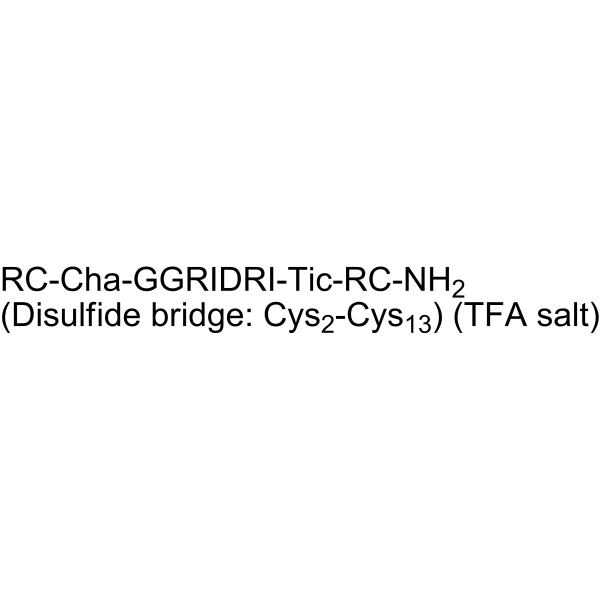
A-71915 (TFA) is a selective inhibitor of ANP receptor (atrial natriuretic peptide-receptor), induces apoptosis and decreases insulin secretion in RINm5F pancreatic β-cells .
|
-
- HY-P5140
-
|
|
Calcium Channel
|
Metabolic Disease
|
|
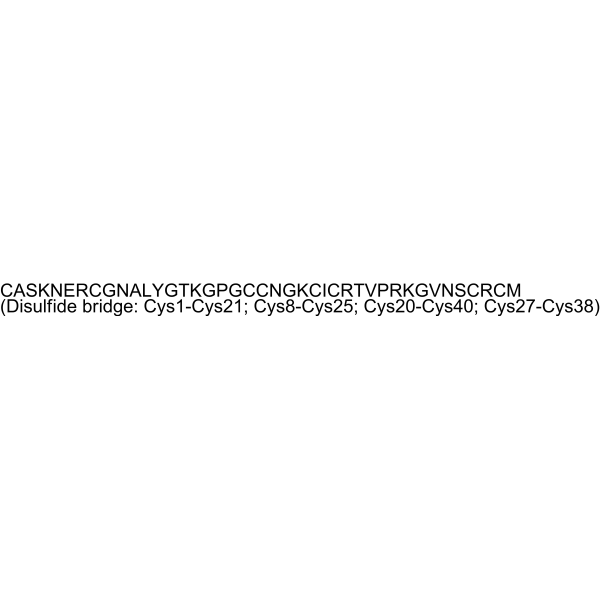
ω-Tbo-IT1 is a peptide toxin that can be isolated from the venom of Tibellus oblongus.ω-Tbo-IT1 is an inhibitor of insect calcium channel .
|
-
- HY-P1959B
-
|
BIM 23014 diTFA
|
Somatostatin Receptor
|
Endocrinology
Cancer
|
|
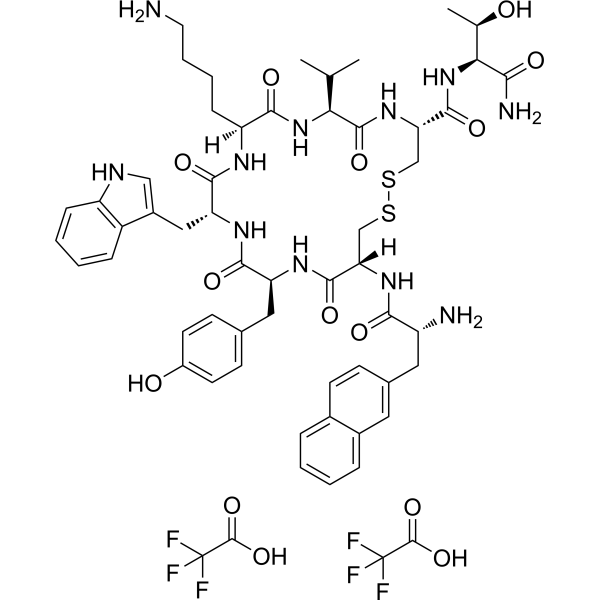
Lanreotide (BIM 23014) diTFA is a somatostatin analogue with antineoplastic activity. Lanreotide diTFA can be used for the research of carcinoid syndrome .
|
-
- HY-185447
-
|
|
PD-1/PD-L1
|
Cancer
|
|
Biotin-itaconate is a biotin-labeled itaconic anhydride that targets PD-L1. Biotin-itaconate acts as a biotin probe for in vitro alkylation assays to identify itaconate-modified protein substrates. Biotin-itaconate is applicable to cancer research .
|
-

- HY-P11470
-
|
|
nAChR
SARS-CoV
|
Infection
|
|
Conofurin-Delta is a potent α7 nAChR inhibitor with an IC50 of 177 nM. Conofurin-Delta also inhibits α9α10 nAChR with an IC50 of 98.1 nM. Conofurin-Delta may be used in SARS-CoV-2 infection research .
|
-

- HY-P11249
-
|
|
nAChR
|
Neurological Disease
|
|
Mr1.1[S4Dap, C16Pen] is a highly active and selective nAChR (human α9α10 nAChR IC50 = 4.0 nM, rat α9α10 nAChR IC50 = 2.7 nM) inhibitor. Mr1.1[S4Dap, C16Pen] can significantly relieve pain and has significant stability. Mr1.1[S4Dap, C16Pen] can be used for the study of neuropathic pain .
|
-
![Mr1.1[S4Dap, C16Pen]](//file.medchemexpress.com/product_pic/hy-p11249.gif)
- HY-P11463
-
|
|
Somatostatin Receptor
|
Metabolic Disease
|
|
Des-threoninol-octreotide (Compound 13) is a Somatostatin analog. Des-threoninol-octreotide inhibits cloned somatostatin receptors with IC50 values of 13.62 nM, 10.63 nM, 10.95 nM for mSSTR2b, rSSTR5 and hSSTR5, respectively .
|
-

- HY-P0036D
-
|
|
Drug Derivative
Radionuclide-Drug Conjugates (RDCs)
Somatostatin Receptor
Apoptosis
|
Cancer
|
|
NOTA‑Octreotide is a selective SSTR2‑targeting PET tracer. NOTA‑Octreotide binds specifically to SSTR2 and accumulates in SSTR2‑expressing tissues. NOTA‑Octreotide enables effective imaging of somatostatin receptor‑positive tumors in mice and shows high specific uptake in SSTR2‑expressing organs in healthy rats. NOTA-Octreotide can be used for PET imaging investigation of neuroendocrine tumors. .
|
-

- HY-P4745
-
|
|
MCHR1 (GPR24)
|
Metabolic Disease
|
|
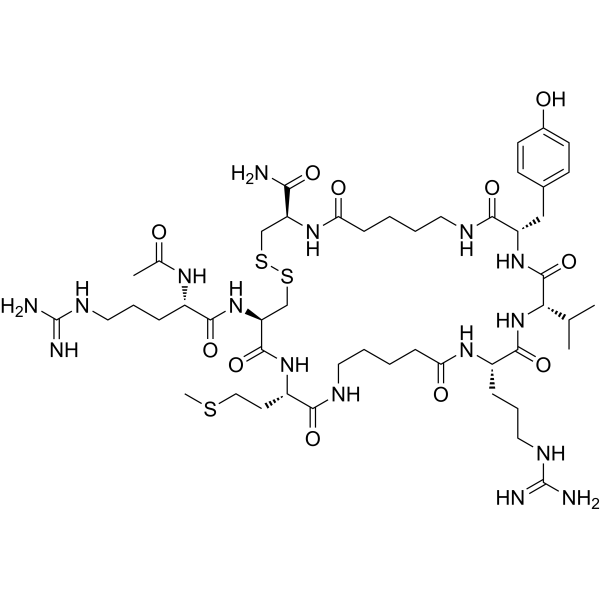
hMCH-1R antagonist 1 (Compound 30) is an effective and selective antagonist of human melanin-concentrating hormone receptor 1 (hMCHR1) with an KB value of 3.6 nM. HMCH-1R antagonist 1 can bind to hMCHR1 and hMCHR2 with IC50 values of 65 nM and 49 nM, respectively. HMCH-1R antagonistist 1 can be used for metabolic research .
|
-
- HY-P2005
-
|
|
Reactive Oxygen Species (ROS)
SOD
|
Others
|
|
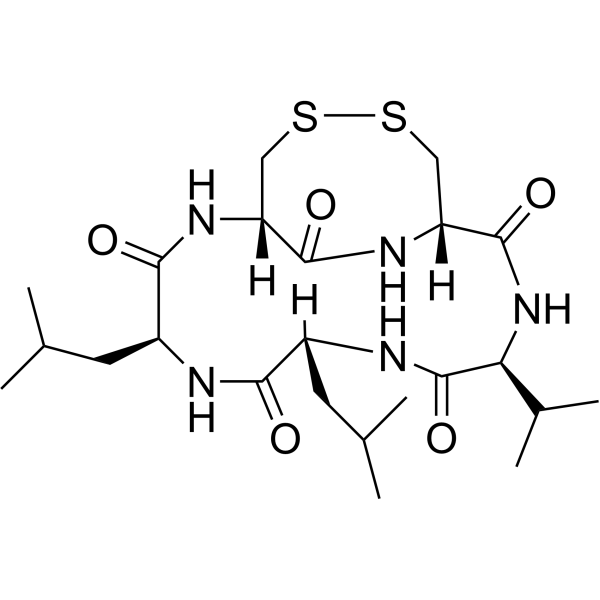
Malformin C is an algicidal peptide can be isolated from Aspergillus and exhibits dose-dependent algicidal activity. Malformin C induces a significant increase in ROS levels in algal cells, resulting in impaired SOD activity and high production of MDA content .
|
-
- HY-P1682A
-
|
POL6326 TFA
|
CXCR
Arrestin
|
Cancer
|
|
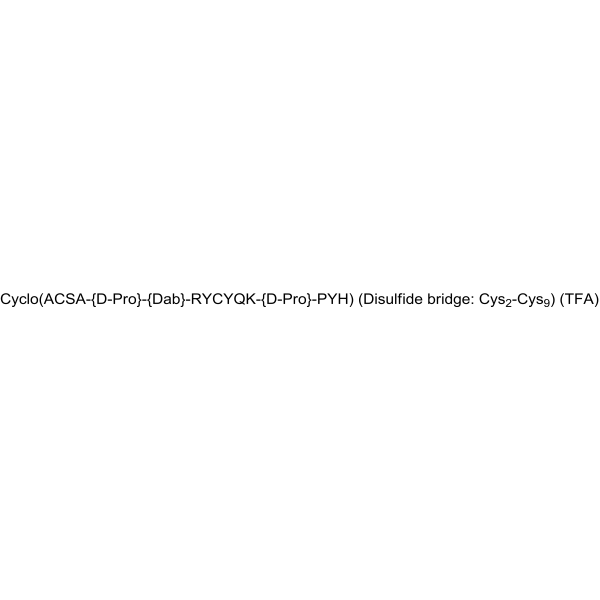
Balixafortide TFA (POL6326 TFA) is a potent, selective, well-tolerated peptidic CXCR4 antagonist with an IC50 < 10 nM. Balixafortide TFA shows 1000-fold selective for CXCR4 than a large panel of receptors including CXCR7. Balixafortide TFA blocks β-arrestin recruitment and calcium flux with IC50s < 10 nM. Balixafortide TFA is also a potent hematopoietic stem and progenitor cell (HSPC) mobilizing agent. Anti-cancer effects .
|
-
- HY-P2112
-
|
DOTA-Nal3-octreotide
|
Radionuclide-Drug Conjugates (RDCs)
Somatostatin Receptor
|
Others
|
|
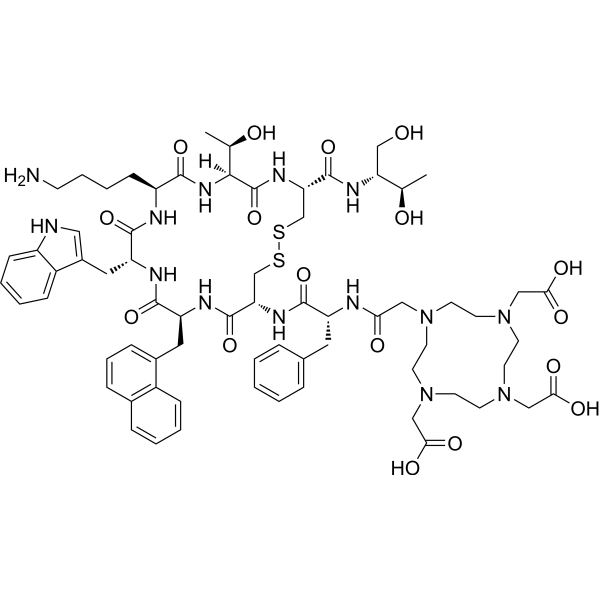
DOTA-NOC (DOTA-Nal3-octreotide) is a high-affinity ligand of somatostatin receptor subtypes 2, 3 and 5. DOTA-NOC can be used for labeling with various radiometals, and development of radiopeptide imaging . DOTA-NOC can be used for the synthesis/research of Radionuclide-Drug Conjugates (RDCs).
|
-
- HY-P11663
-
-

- HY-P1682
-
|
POL6326
|
CXCR
Arrestin
|
Cancer
|
|
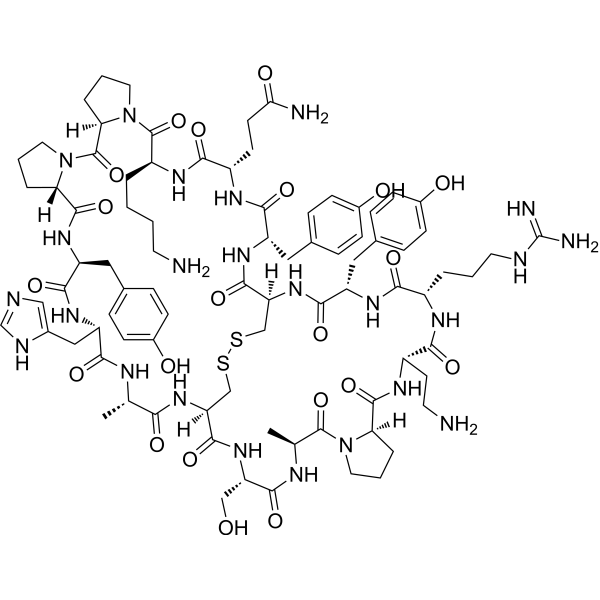
Balixafortide (POL6326) is a potent, selective, well-tolerated peptidic CXCR4 antagonist with an IC50 < 10 nM. Balixafortide shows 1000-fold selective for CXCR4 than a large panel of receptors including CXCR7. Balixafortide blocks β-arrestin recruitment and calcium flux with IC50s < 10 nM. Balixafortide is also a potent hematopoietic stem and progenitor cell (HSPC) mobilizing agent. Anti-cancer effects .
|
-
- HY-P4555
-
|
|
Somatostatin Receptor
|
Neurological Disease
|
|
(D-Phe5,Cys6,11,N-Me-D-Trp8)-Somatostatin-14 (5-12) amide (Compound 4) is a somatostatin analog with Kds of 0.61, 11.05, 23.5, 1200 and >1000 nM for SSTR5, SSTR3, SSTR2, SSTR1 and SSTR4, respectively .
|
-
- HY-P3561A
-
|
|
Melanocortin Receptor
|
Neurological Disease
|
|
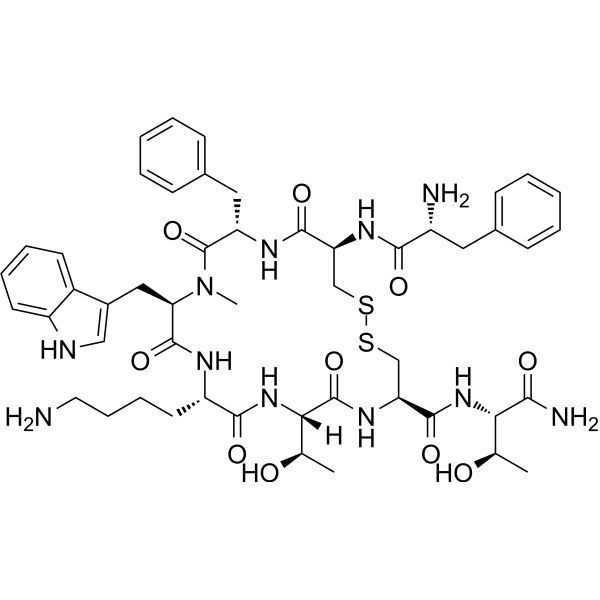
Agouti-related Protein (AGRP) (83-132) Amide (human) TFA is a fragment of agouti-related protein (AGRP) which is a protein found in abundance in the arcuate nucleus of the hypothalamus. AgRP primarily acts as an inverse agonist for the melanocortin-4 receptor (MC4R) to increase food intake .
|
-
- HY-P3561
-
|
|
Melanocortin Receptor
|
Neurological Disease
|
|
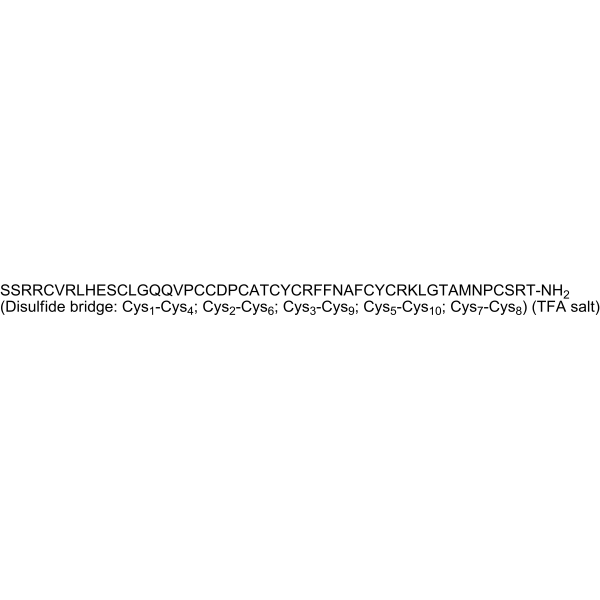
Agouti-related Protein (AGRP) (83-132) Amide (human) is a fragment of agouti-related protein (AGRP) which is a protein found in abundance in the arcuate nucleus of the hypothalamus. AgRP primarily acts as an inverse agonist for the melanocortin-4 receptor (MC4R) to increase food intake .
|
-
- HY-P3124
-
|
|
Somatostatin Receptor
|
Cancer
|
|
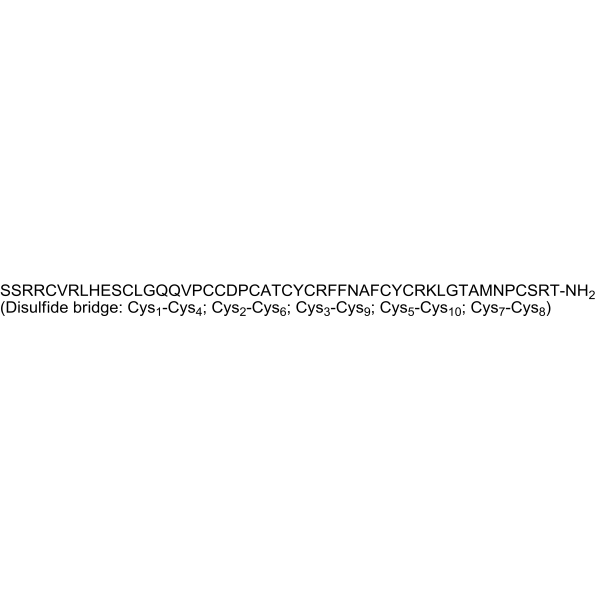
BIM-23190, a somatostatin analog, a selective SSTR2 and SSTR5 agonist, exhibits Ki values of 0.34 nM and 11.1 nM for SSTR2 and SSTR5, respectively. BIM-23190 can be used in the study for cancer and acromegaly .
|
-
- HY-P3124A
-
|
|
Somatostatin Receptor
|
Cancer
|
|
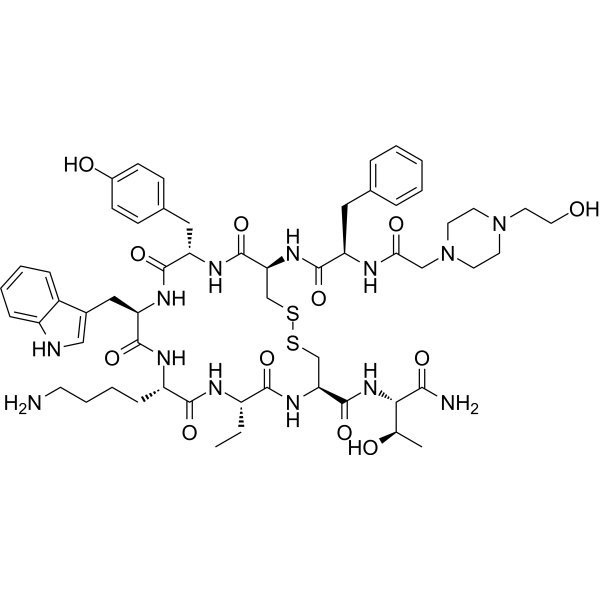
BIM-23190 hydrochloride, a somatostatin analog, a selective SSRT2 and SSRT5 agonist, exhibits Ki values of 0.34 nM and 11.1 nM for SSTR2 and SSTR5, respectively. BIM-23190 can be used in the study for cancer and acromegaly .
|
-
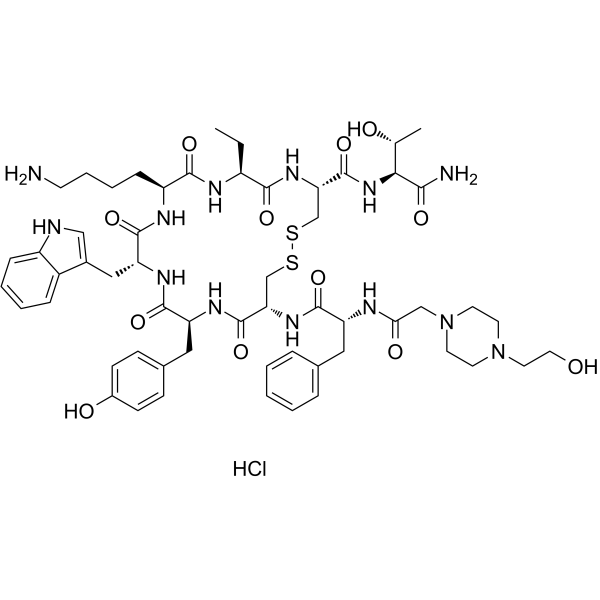
- HY-P2434
-
|
|
Somatostatin Receptor
|
Neurological Disease
Metabolic Disease
Cancer
|
|
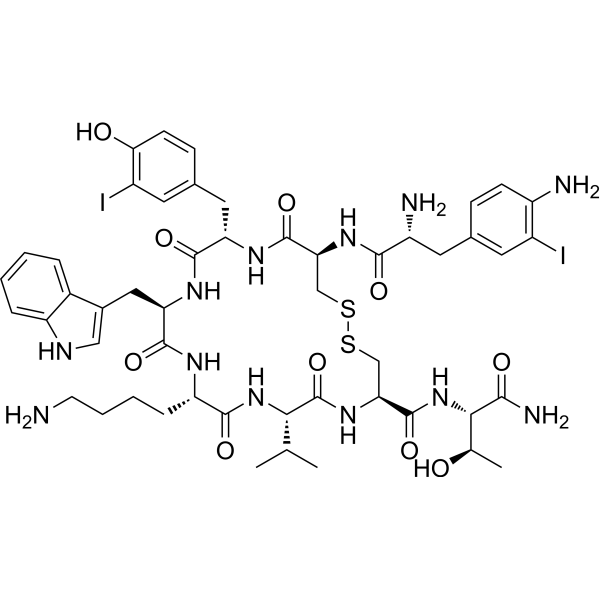
AP102 is a dual SSTR2/SSTR5-specific somatostatin analog (SSA). AP102 is a disulfide-bridged octapeptide SSA containing synthetic iodinated amino acids. AP102 binds with subnanomolar affinity to SSTR2 and SSTR5 (IC50: 0.63 and 0.65 nM, respectively). AP102 does not bind to SSTR1 or SSTR3. AP102 can be used for acromegaly and neuroendocrine tumors research .
|
-
- HY-P0042
-
|
|
Somatostatin Receptor
Calcium Channel
|
Metabolic Disease
|
|
BIM-23197 is a selective SST2 (IC50 = 0.19 nM) agonist. BIM-23197 can effectively stimulate intracellular calcium mobilization in cells expressing SST2. BIM-23197 can be used for research on endocrine related conditions .
|
-

- HY-P5362A
-
|
|
Radionuclide-Drug Conjugates (RDCs)
Somatostatin Receptor
|
Cancer
|
|
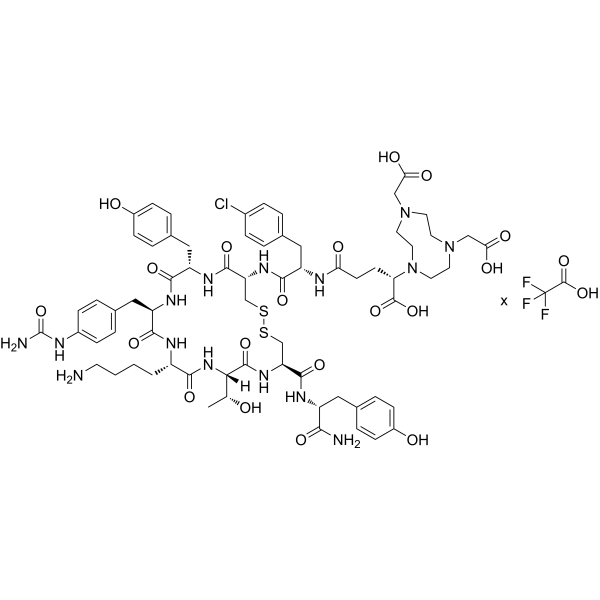
NODAGA-LM3 TFA is a ligand that can cross the blood-brain barrier and targets somatostatin receptor SSTR2 with high affinity (IC50 = 1.3 nM). NODAGA-LM3 TFA does not trigger the internalization of SSTR2 and can inhibit agonist-induced internalization processes. NODAGA-LM3 TFA shows low uptake in normal tissues such as the liver and spleen, but high uptake in the lungs and blood pool. 68Ga-labeled NODAGA-LM3 TFA can serve as a PET imaging agent for well-differentiated neuroendocrine tumors, and is applied in studies related to small cell lung cancer and well-differentiated neuroendocrine tumors .
|
-
- HY-P5362
-
|
|
Radionuclide-Drug Conjugates (RDCs)
Somatostatin Receptor
|
Neurological Disease
Cancer
|
|
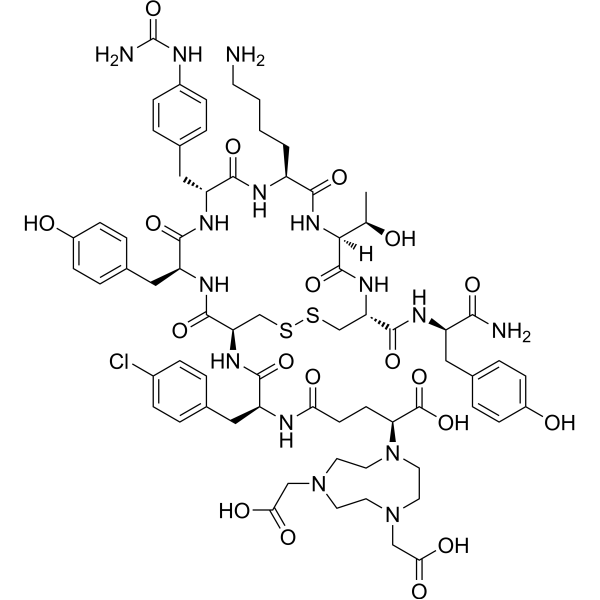
NODAGA-LM3 is a ligand that can cross the blood-brain barrier and targets somatostatin receptor SSTR2 with high affinity (IC50 = 1.3 nM). NODAGA-LM3 does not trigger the internalization of SSTR2 and can inhibit agonist-induced internalization processes. NODAGA-LM3 shows low uptake in normal tissues such as the liver and spleen, but high uptake in the lungs and blood pool. 68Ga-labeled NODAGA-LM3 can serve as a PET imaging agent for well-differentiated neuroendocrine tumors, and is applied in studies related to small cell lung cancer and well-differentiated neuroendocrine tumors .
|
-
- HY-17365
-
-
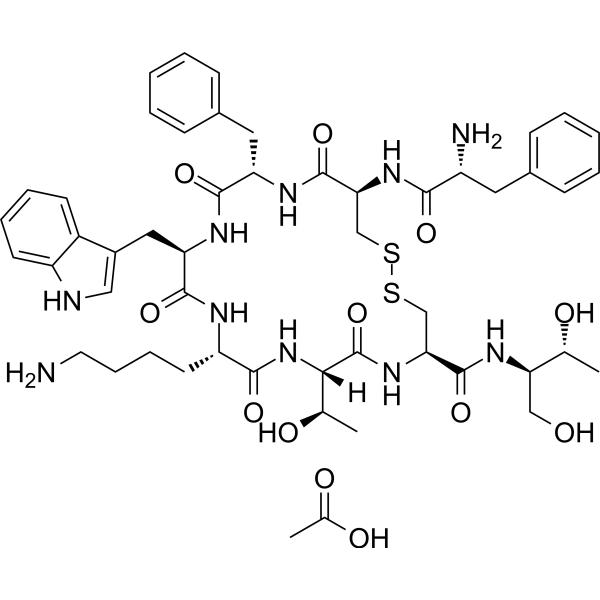
- HY-P10798A
-
|
LY-3841136 sodium
|
Amylin Receptor
Calcium Channel
|
Metabolic Disease
|
|
Eloralintide sodium is an Amylin Receptor agonist. Eloralintide sodium selectively activates AMY1R and AMY3R in cells expressing human or rat AMY1R, AMY3R or CTR. Eloralintide sodium activates AMYRs and CTR in rats, inducing a sustained decrease in plasma Ca 2+ levels. Eloralintide sodium reduces appetite and body weight in both lean and obese rats. Eloralintide sodium can be used for research related to obesity .
|
-

- HY-P10798
-
|
LY-3841136
|
Amylin Receptor
|
Metabolic Disease
|
|
Eloralintide is an amylin receptor (AMYR) activator and long-acting peptide. Eloralintide selectively activates amylin receptors. Eloralintide is modified with a C20 fatty diacid moiety that binds to amylin receptors while retaining selectivity from calcitonin receptors. Eloralintide induces decreased appetite.Eloralintide reduces body weight. Eloralintide can be used for the research of obesity .
|
-

- HY-P5174
-
|
|
Sodium Channel
|
Neurological Disease
|
|
MitTx is a complex formed by MitTx-α and MitTx-β. MitTx is an ASIC1 channel activator with EC50 values of 9.4 and 23 nM for ASIC1a and ASIC1b isoforms, respectively. MitTx is highly selective for ASIC1 isoforms at neutral pH. Under acidic conditions, MitTx greatly enhances proton-evoked ASIC2a channel activation .
|
-

| Cat. No. |
Product Name |
Target |
Research Area |
-
- HY-P0036
-
Octreotide
Maximum Cited Publications
16 Publications Verification
SMS 201-995
|
Somatostatin Receptor
Apoptosis
|
Cardiovascular Disease
Inflammation/Immunology
Endocrinology
Cancer
|
|
Octreotide (SMS 201-995) is a somatostatin receptor agonist and synthetic octapeptide endogenous somatostatin analogue. Octreotide (SMS 201-995) can bind to the somatostatin receptor and mainly subtypes 2, 3, and 5, increases Gi activity, and reduces intracellular cAMP production. Octreotide (SMS 201-995) has antitumor activity, mediates apoptosis and may also be used in disease studies in acromegaly .
|
-
- HY-P1932
-
-
- HY-P1464
-
|
Amylin (rat)
|
Amylin Receptor
|
Metabolic Disease
|
|
Amylin, amide, rat is a potent and high affinity ligand of Amylin receptor AMY1 and AMY3 receptors and variably of AMY2 receptors; binding studies are generally used for the latter receptor.
|
-
- HY-P1548
-
|
Human β-CGRP; CGRP-II (Human)
|
CGRP Receptor
|
Cardiovascular Disease
Inflammation/Immunology
|
|
β-CGRP, human (Human β-CGRP) is one of calcitonin peptides, acts via the complex of calcitonin-receptor-like receptor (CRLR) and receptor-activity-modifying protein (RAMP), with IC50s of 1 nM and 300 nM for CRLR/RAMP1 and CRLR/RAMP2 in cells .
|
-
- HY-P0173A
-
|
|
Chloride Channel
|
Cancer
|
|
Chlorotoxin is a 36 amino-acid peptide from the venom of the Israeli scorpion Leiurus quinquestriatus with anticancer activity. Chlorotoxin is a chloride channel blocker.
|
-
- HY-P1036
-
|
|
Complement System
|
Others
|
|
Compstatin, a 13-residue cyclic peptide, is a potent inhibitor of the complement system C3 with species specificity. Compstatin binds to baboon C3 and is resistant to proteolytic cleavage in baboon blood (similar to humans). Compstatin inhibits only the activation of primates’ complement system. Compstatin exhibits IC50 values of 63 μM and 12 μM for classical and alterative complement pathway, respectively .
|
-
- HY-P10033
-
|
|
Ser/Thr Protease
|
Others
|
|
SFTI-1 is a cyclic peptide trypsin inhibitor consisting of 14 amino acid residues. SFTI-1 belongs to the Bowman-Birk class of inhibitors. Characterized by its small size, high stability, and potent activity, SFTI-1 can be used for research on peptide drug design platforms .
|
-
- HY-P1070A
-
|
DAP amide, human TFA
|
Amylin Receptor
|
Metabolic Disease
|
|
Amylin, amide, human TFA, a 37-amino acid polypeptide, is a pancreatic hormone cosecreted with insulin that exerts unique roles in metabolism and glucose homeostasis. Amylin, amide, human TFA inhibits glucagon secretion, delays gastric emptying, and acts as a satiety agent .
|
-
- HY-P1070
-
|
DAP amide, human
|
Amylin Receptor
|
Metabolic Disease
|
|
Amylin, amide, human, a 37-amino acid polypeptide, is a pancreatic hormone cosecreted with insulin that exerts unique roles in metabolism and glucose homeostasis. Amylin, amide, human inhibits glucagon secretion, delays gastric emptying, and acts as a satiety agent .
|
-
- HY-P10920
-
|
|
Drug Derivative
|
Cancer
|
|
DOTAMTATE is a somatostatin analogue. DOTAMTATE marked 212Pb is promising for research of somatostatin receptor positive neuroendocrine tumors .
|
-
- HY-P4058
-
|
CGRP free acid
|
CGRP Receptor
|
Neurological Disease
|
|
Calcitonin gene-related peptide (CGRP) free acid is a 37-amino acid neuropeptide, which represents the deamidated form of α-CGRP (human) (HY-P1071). Calcitonin gene-related peptide free acid is produced in the central and peripheral nervous systems of rats, and localizes to specific sensory, integrative and motor neuron systems, including those involved in nociception/thermoreception, feeding behavior, olfaction and visceral motor functions .
|
-
- HY-P3732
-
|
|
Integrin
|
Cancer
|
|
RGD-4C is a arginine-glycine-aspartic acid peptide (ACDCRGDCFC) with integrin binding activity. The Arg-Gly-Asp (RGD) sequence serves as the primary integrin recognition site in extracellular matrix proteins, and peptides containing this sequence can mimic the recognition specificity of the matrix proteins. RGD-4C is a αv-integrin ligand, can conjugate with bioactive molecule to exert antitumor effects in animal models .
|
-
- HY-P1959
-
-
- HY-P1959A
-
|
BIM 23014 acetate
|
Somatostatin Receptor
|
Endocrinology
Cancer
|
|
Lanreotide (BIM 23014) acetate is a somatostatin analogue with antineoplastic activity. Lanreotide acetate can be used for the research of carcinoid syndrome .
|
-
- HY-P0123
-
|
|
Peptides
|
Others
|
|
SPACE peptide is a skin penetrating peptide (SPPs). SPACE peptide can enhance topical delivery of a macromolecule, hyaluronic acid .
|
-
- HY-P4941
-
|
|
Peptides
|
Others
|
|
Biotinyl-α-CGRP (mouse, rat) is a polypeptide that can be found by peptide screening. Peptide screening is a research tool that pools active peptides primarily by immunoassay. Peptide screening can be used for protein interaction, functional analysis, epitope screening, especially in the field of agent research and development .
|
-
- HY-P0061A
-
|
RC-160 acetate; BMY-41606 acetate
|
Neurokinin Receptor
|
Cancer
|
|
Vapreotide acetate (RC-160 acetate; BMY-41606 acetate) is a neurokinin-1 (NK1) receptor antagonist, with an IC50 of 330 nM.
|
-
- HY-P1212
-
|
CST-14 (mouse, rat)
|
Somatostatin Receptor
|
Neurological Disease
|
|
Cortistatin 14, mouse, rat (CST-14, human, rat), a neuropeptide with neuronal depressant and sleep modulating properties, can bind to all five cloned somatostatin receptors (SSTRs) and ghrelin receptor to exert its biological activities and co-exists with GABA within the cortex and hippocampus .
|
-
- HY-P1913A
-
|
CGRP II (rat) TFA
|
CGRP Receptor
|
Cardiovascular Disease
|
|
Calcitonin Gene Related Peptide II rat TFA, a CGRP receptor activator, is a potent and long-lasting vasodilator. Calcitonin Gene Related Peptide II rat TFA can be used in the research of cardiovascular diseases .
|
-
- HY-P1548A
-
|
Human β-CGRP TFA; CGRP-II (Human) TFA
|
CGRP Receptor
|
Cardiovascular Disease
Inflammation/Immunology
|
|
β-CGRP, human TFA (Human β-CGRP TFA) is one of calcitonin peptides, acts via the complex of calcitonin-receptor-like receptor (CRLR) and receptor-activity-modifying protein (RAMP), with IC50s of 1 nM and 300 nM for CRLR/RAMP1 and CRLR/RAMP2 in cells .
|
-
- HY-P4946A
-
|
|
Peptides
|
Others
|
|
Biotinyl-α-CGRP (human) TFA is a polypeptide that can be found by peptide screening. Peptide screening is a research tool that pools active peptides primarily by immunoassay. Peptide screening can be used for protein interaction, functional analysis, epitope screening, especially in the field of agent research and development .
|
-
- HY-P0173B
-
|
|
Chloride Channel
|
Cancer
|
|
Chlorotoxin TFA is a peptide isolated from the venom of the scorpion Leiurus quinquestriatus, acts as a chloride channel blocker . Anti-cancer activity .
|
-
- HY-P1604
-
ATX-II
1 Publications Verification
|
Sodium Channel
|
Cardiovascular Disease
Inflammation/Immunology
|
|
ATX-II is a selective sodium channel modulator toxin. ATX-II enhances late sodium current, prevents full sodium channel inactivation, and generates persistent current fractions. ATX-II has pro-arrhythmic effect. ATX-II slows intrinsic heart rate, prolongs QT interval and sinus node recovery time, and causes sinus pauses and arrests. ATX-II can be used for the research of atrial fibrillation, long QT syndrome, and long QT3 syndrome .
|
-
- HY-P1604A
-
|
|
Sodium Channel
|
Cardiovascular Disease
Inflammation/Immunology
|
|
ATX-II TFA is a selective sodium channel modulator toxin. ATX-II TFA enhances late sodium current, prevents full sodium channel inactivation, and generates persistent current fractions. ATX-II TFA has pro-arrhythmic effect. ATX-II TFA slows intrinsic heart rate, prolongs QT interval and sinus node recovery time, and causes sinus pauses and arrests. ATX-II TFA can be used for the research of atrial fibrillation, long QT syndrome, and long QT3 syndrome .
|
-
- HY-P10239
-
|
|
Somatostatin Receptor
Radionuclide-Drug Conjugates (RDCs)
|
Cancer
|
|
Tyr3-Octreotate is a ligand for somatostatin receptor subtype 2 (sst2), with an IC50 value of 1.3 nM against sst2 when labeled with [ 111In-DTPA], and an IC50 value of 1.6 nM against sst2 when labeled with [ 90Y-DOTA]. Radiolabeled Tyr3-Octreotate generates cell-associated radioactivity, and acts as both a tumor growth inhibitor and a tumor cytotoxic agent. When radiolabeled with 177Lu or 90Y, Tyr3-Octreotate serves as a peptide receptor radionuclide therapy (PRRT) analog. Tyr3-Octreotate can be used in studies related to pancreatic tumors .
|
-
- HY-P0061
-
-
- HY-P2026
-
|
|
Natriuretic Peptide Receptor (NPR)
|
Cardiovascular Disease
|
|
A 71915 is a highly potent and competitive natriuretic peptide receptor A (ANP, NPRA) antagonist (pKi= 9.18). A 71915 displaces [ 125I]ANP dose dependently, with a Ki of 0.65 nM. A71915( pA2= 9.48) against rat ANP-induced cGMP production in NB-OK-1 cells .
|
-
- HY-P1565A
-
|
TD 1 Disulfide(peptide) TFA
|
Na+/K+ ATPase
|
Others
|
|
Transdermal Peptide Disulfide TFA (TD 1 Disulfide(peptide) TFA) is a 11-amino acid peptide, binds to Na +/K +-ATPase beta-subunit (ATP1B1), and mainly interacts with the C-terminus of ATP1B1. Transdermal Peptide Disulfide TFA can enhance the transdermal delivery of many macromolecules .
|
-
- HY-P4767
-
|
|
Amylin Receptor
|
Metabolic Disease
|
|
Amylin (1-13) (human) is a fragment and a residues within amyloid cores of Amylin (human IAPP). Amylin is a glucose-regulating hormone, deposits as amyloid fibrils in condition of type II diabetes (T2D). Amylin (1-13) (human) has no effect on firbl formation, as it cannot form fibrils by itself .
|
-
- HY-P1036A
-
|
|
Complement System
|
Others
|
|
Compstatin TFA, a 13-residue cyclic peptide, is a potent inhibitor of the complement system C3 with species specificity. Compstatin TFA binds to baboon C3 and is resistant to proteolytic cleavage in baboon blood (similar to humans). Compstatin TFA inhibits only the activation of primates’ complement system. Compstatin TFA exhibits IC50 values of 63 μM and 12 μM for classical and alterative complement pathway, respectively .
|
-
- HY-P4928
-
|
|
Amylin Receptor
|
Metabolic Disease
|
|
Biotinyl-Amylin (mouse, rat) is a biotinylated Amylin (mouse, rat). Amylin (mouse, rat) is a 37-aminoacid pancreatic protein that exerts control over several metabolic events such as glycemia and lacticemia .
|
-
- HY-108814A
-
|
DX-88 TFA
|
Kallikrein
|
Cardiovascular Disease
|
|
Ecallantide (DX-88) TFA is a specific recombinant plasma kallikrein inhibitor. Ecallantide inhibits the production of bradykinin. Ecallantide may be used to prevent acute attacks of angioedema .
|
-
- HY-P4732
-
|
|
Peptides
|
Others
|
|
5-FAM-Amylin (human) is a polypeptide that can be found by peptide screening. Peptide screening is a research tool that pools active peptides primarily by immunoassay. Peptide screening can be used for protein interaction, functional analysis, epitope screening, especially in the field of agent research and development .
|
-
- HY-P3282
-
|
|
Guanylate Cyclase
|
Metabolic Disease
|
|
MM 419447, a linaclotide metabolite, is a guanylate cyclase-C agonist. MM 419447 has the potential for the research of the irritable bowel syndrome with constipation (IBS-C) .
|
-
- HY-17584A
-
|
|
Guanylate Cyclase
|
Cancer
|
|
Linaclotide acetate is a potent and selective guanylate cyclase C agonist; developed for the treatment of constipation-predominant irritable bowel syndrome (IBS-C) and chronic constipation.
|
-
- HY-P1139
-
|
PCFWKTCK
|
GHSR
|
Metabolic Disease
|
|
Cortistatin-8 (CST-8; PCFWKTCK), a neuropeptide, is a GHS-R1a antagonist by counteracting the response of ghrelin on gastric acid secretion. Cortistatin-8 can modulate GH release from somatotroph cells. Cortistatin-8 is a synthetic CST-analogue devoid of any binding affinity to SST-R but capable to bind the GHS-R1a. Cortistatin-8 can exert antagonistic effects on ghrelin actions either in vitro or in vivo in animals .
|
-
- HY-P1932A
-
-
- HY-P5786
-
-
- HY-P5183
-
|
|
Sodium Channel
|
Neurological Disease
|
|
Hm1a is a venom peptide and a selective hNaV1.1 activator with an EC50 of 7.5 nM. Hm1a enhances hNaV1.1 and hNaV1.3 channel currents via delayed inactivation. Hm1a restores action potential firing in Dravet syndrome GABAergic inhibitory interneurons, reduces interictal epileptiform discharges and whole-brain hyperexcitability, lowers seizure frequency, and rescues premature death in Dravet syndrome mice. Hm1a can be used for the research of neurological disease, such as Dravet syndrome .
|
-
- HY-P11071
-
|
|
PCSK9
LDLR
|
Cardiovascular Disease
|
|
PCSK9 Inhibitor, EGF-A is a PCSK9 inhibitor with LDLR degradation inhibitory activity and LDLR recycling promoting activity. PCSK9 Inhibitor, EGF-A is a synthetic peptide consisting of 42 amino acid residues, which contains the calcium-binding site of the epidermal growth factor A domain (EGF-A). PCSK9 Inhibitor, EGF-A reduces plasma LDL cholesterol levels by maintaining hepatic LDLR levels and enhancing the clearance capacity of circulating LDL. PCSK9 Inhibitor, EGF-A can be used in research related to hypercholesterolemia, premature atherosclerosis, coronary heart disease and familial hypercholesterolemia .
|
-
- HY-P0036A
-
|
SMS 201-995 dihydrochloride
|
Somatostatin Receptor
Apoptosis
|
Inflammation/Immunology
Endocrinology
Cancer
|
|
Octreotide (SMS 201-995) hydrochloride is a somatostatin receptor agonist and synthetic octapeptide endogenous somatostatin analogue. Octreotide hydrochloride can bind to the somatostatin receptors which are mainly subtypes 2, 3 and 5. Octreotide hydrochloride increases Gi activity and reduces intracellular cAMP production. Octreotide hydrochloride has antitumor activity, mediates apoptosis and may also be used in disease studies in acromegaly .
|
-
- HY-P1913
-
|
CGRP II (rat)
|
CGRP Receptor
|
Cardiovascular Disease
|
|
Calcitonin Gene Related Peptide II rat, a CGRP receptor activator, is a potent and long-lasting vasodilator. Calcitonin Gene Related Peptide II rat can be used in the research of cardiovascular diseases .
|
-
- HY-P11045
-
|
|
Sodium Channel
|
Neurological Disease
|
|
JNJ63955918 is a potent, highly selective, blocked-state Nav1.7 blocking peptide with an IC50 of 8.0 nM. JNJ63955918 can be used in pain research .
|
-
- HY-P4946
-
|
|
Peptides
|
Others
|
|
Biotinyl-α-CGRP (human) is a polypeptide that can be found by peptide screening. Peptide screening is a research tool that pools active peptides primarily by immunoassay. Peptide screening can be used for protein interaction, functional analysis, epitope screening, especially in the field of agent research and development .
|
-
- HY-P5809
-
-
- HY-108814
-
|
DX-88
|
Kallikrein
|
Cardiovascular Disease
|
|
Ecallantide (DX-88) is a specific plasma kallikrein inhibitor. Ecallantide inhibits the production of bradykinin. Ecallantide can be used to prevent acute attacks of angioedema .
|
-
- HY-P1719
-
-
- HY-P5160A
-
|
PhlTx1 TFA
|
Sodium Channel
|
Neurological Disease
|
|
Phlotoxin-1 (PhlTx1) is a 34-amino acid and 3-disulfide bridge peptide. Phlotoxin-1 can be isolated from Phlogiellus genus spider. Phlotoxin-1 is an antinociceptive agent by inhibiting NaV1.7 channel .
|
-
- HY-P2786A
-
|
|
Potassium Channel
|
Neurological Disease
|
|
Phrixotoxin 2 is a Kv4 family potassium channel inhibitor, with Ki values in rats of 120 nM for Kv4.2, 110 nM for Kv4.3, and 230 nM for Kv4.1. Phrixotoxin 2 mediates voltage-dependent inhibition of Kv4.2 and Kv4.3 currents, and voltage-independent inhibition of Kv4.1 currents. Phrixotoxin 2 fails to inhibit A-type K + currents in visceral dorsal root ganglion neurons. Phrixotoxin 2 induces contraction of non-pregnant uterine smooth muscle and triggers orofacial cold hyperalgesia in rats. Phrixotoxin 2 can distinguish the contribution of Kv4 subunits to A-type K + currents in different subsets of sensory neurons. Phrixotoxin 2 can be used in research related to chronic pain and trigeminal neuropathic pain .
|
-
- HY-P2569
-
|
|
Apoptosis
|
Cancer
|
|
Malformin A1, a cyclic pentapeptide isolated from Aspergillus niger, possess a range of bioactive properties including antibacterial activity. Malformin A1 shows potent cytotoxic activities on human colorectal cancer cells. Malformin A1 induces apoptosis by activating PARP, caspase 3, -7, and -9 .
|
- HY-P2687
-
|
Urodilatin (human)
|
Natriuretic Peptide Receptor (NPR)
|
Cardiovascular Disease
|
|
Ularitide (Urodilatin), natriuretic peptide, is a vasodilator. Ularitide binds to and activates renal receptors. Ularitide also regulates renal dopamine metabolism Ularitide can be used in the research of heart failure .
|
- HY-P10833
-
|
|
VEGFR
PI3K
Akt
mTOR
ERK
Apoptosis
|
Cardiovascular Disease
Cancer
|
|
C-VGB3 is a selective vascular endothelial growth factor receptor 2 (VEGFR2) antagonist, which inhibits VEGFR2-mediated PI3K/AKT/mTOR and PLCγ/ERK1/2 signaling pathways. C-VGB3 binds to the extracellular domain of VEGFR2, blocking ligand-receptor interaction and inducing apoptosis in endothelial and tumor cells through both intrinsic (involving Bcl2 family and caspases) and extrinsic (death receptor-mediated) pathways. C-VGB3 is promising for research of angiogenesis-related cancers, such as breast cancer .
|
- HY-P10793
-
|
|
EGFR
Apoptosis
|
Cancer
|
|
Cyclic(YCDGFYACYMDV) is a HER2 signaling pathway inhibitor with anti-cancer activity. This compound self-assembles into nanoparticles in aqueous solution and transforms into nanofibers upon specific binding to HER2 on cancer cells. This transformation disrupts HER2 dimerization and subsequent downstream signaling events, leading to cancer cell apoptosis (Apoptosis). The inhibitory effects on HER2 positive breast cancer have been demonstrated to be effective in a murine xenograft model .
|
- HY-P1871A
-
|
|
Amylin Receptor
|
Metabolic Disease
|
|
Amylin (IAPP), feline TFA is a 37-amino acid polypeptide from feline. Amylin (IAPP), feline TFA is one of the major secretory products of β-cells of the pancreatic islets. Amylin (IAPP), feline TFA is a regulatory peptide, which inhibits insulin and glucagon secretion .
|
- HY-P1681A
-
|
|
Sodium Channel
|
Neurological Disease
|
|
GpTx-1 TFA is a peptide-based NaV1.7 sodium channel antagonist isolated from the venom of the Chilean spider Grammostola porter. GpTx-1 TFA demonstrates potent inhibitory activity against the NaV1.7 channel with an IC50 value of 10 nM, while exhibiting excellent selectivity for NaV1.4 (IC50 = 0.301 μM) and NaV1.5 (IC50 = 4.20 μM), showing >20-fold and >950-fold selectivity respectively .
|
- HY-P1681
-
|
|
Sodium Channel
|
Neurological Disease
|
|
GpTx-1 is a peptide-based NaV1.7 sodium channel antagonist isolated from the venom of the Chilean spider Grammostola porter. GpTx-1 demonstrates potent inhibitory activity against the NaV1.7 channel with an IC50 value of 10 nM, while exhibiting excellent selectivity for NaV1.4 (IC50 = 0.301 μM) and NaV1.5 (IC50 = 4.20 μM), showing >20-fold and >950-fold selectivity respectively .
|
- HY-P4370
-
|
|
Bacterial
Fungal
|
Infection
|
|
Hepcidin-20 (human) is a histidine-containing, cysteine-rich, β-sheet structured peptide. Hepcidin-20 (human) shows antifungal activity. Hepcidin-20 (human) inhibits biofilm formation and bacterial cell metabolism of polysaccharide intercellular adhesin (PIA)-positive and PIA-negative strains .
|
- HY-P5900
-
|
m3-HwTx-IV
|
Sodium Channel
|
Neurological Disease
|
|
m3-Huwentoxin IV (m3-HwTx-IV) is a potent NaV inhibitor with IC50s of 3.3, 6.8, 7.2, 8.4, 11.9 and 369 nM against hNaV1.7, hNaV1.6, hNaV1.3, hNaV1.1, hNaV1.2 and hNaV1.4, respectively in QPatch assay. m3-Huwentoxin IV dose-dependently suppresses spontaneous pain induced by the NaV1.7 activator OD1 in a rodent pain model .
|
- HY-P5916
-
|
κ-Theraphotoxin-Gr4a; Kappa-TRTX-Gr4a; Voltage sensor toxin 3; Peptide F
|
Peptides
Potassium Channel
|
Neurological Disease
|
|
VSTx-3 is a KV channel blocker. VSTx-3 is demonstrated to be a potent, TTX-sensitive sodium channel blocker and especially, a potent blocker of NaV1.8 channels (IC50 0.19 μM for hNaV1.3, 0.43 μM for hNaV1.7 and 0.77 μM for hNaV1.8 channels).
|
- HY-P10239A
-
|
|
Radionuclide-Drug Conjugates (RDCs)
|
Cancer
|
|
Tyr3-Octreotate acetate is a somatostatin analog. Tyr3-Octreotate acetate exhibits high uptake into tumor, that is capable to be labeled with radioactive metal and thus exhibits antitumor efficacy. Tyr3-Octreotate acetate can be used for the synthesis/research of Radionuclide-Drug Conjugates (RDCs) .
|
- HY-P0036B
-
|
SMS 201-995 pamoate
|
Somatostatin Receptor
Apoptosis
|
Cardiovascular Disease
Inflammation/Immunology
Endocrinology
Cancer
|
|
Octreotide (SMS 201-995) pamoate is a somatostatin receptor agonist and synthetic octapeptide endogenous somatostatin analogue. Octreotide pamoate can bind to the somatostatin receptors which are mainly subtypes 2, 3 and 5. Octreotide pamoate increases Gi activity and reduces intracellular cAMP production. Octreotide pamoate has antitumor activity, mediates apoptosis and may also be used in disease studies in acromegaly .
|
- HY-P5155
-
|
|
Potassium Channel
|
Neurological Disease
|
|
Stromatoxin 1 is an inhibitor of Potassium Channel, a peptide which can be isolated from tarantulas. Stromatoxin 1 selectively inhibits K(V)2.1, K(V)2.2, K(V)4.2, and K(V)2.1/9.3 channels. K(V)2.1 and K(V)2.2, but not K(V)4.2, channel subunits play a key role in opposing both myogenic and neurogenic urinary bladder smooth muscle (UBSM) contractions in rats .
|
- HY-P5833
-
|
κ-Bgt
|
nAChR
|
Neurological Disease
|
|
κ-Bungarotoxin (κ-Bgt) is a potent, selective, and slowly reversible antagonist of α3β2 neuronal nicotinic acetylcholine receptors with an IC50 of 2.30 nM .
|
- HY-P11217
-
|
|
Epigenetic Reader Domain
|
Cancer
|
|
MACTIDE is a CD206 targeting peptide with high affinity and stability. MACTIDE is commonly used to enhance the targeting of drugs. MACTIDE can be used in the research of cancer such as breast cancer .
|
- HY-P1548B
-
|
Human β-CGRP acetate; CGRP-II (Human) acetate
|
CGRP Receptor
|
Cardiovascular Disease
Inflammation/Immunology
|
|
β-CGRP, human acetate (Human β-CGRP acetate) is one of calcitonin peptides, acts via the complex of calcitonin-receptor-like receptor (CRLR) and receptor-activity-modifying protein (RAMP), with IC50s of 1 nM and 300 nM for CRLR/RAMP1 and CRLR/RAMP2 in cells .
|
- HY-103303
-
|
|
CGRP Receptor
|
Metabolic Disease
|
|
CRSP-1 is short for calcitonin receptor-stimulating peptide-1. CRSP-1 inhibits osteoclast formation by inhibiting the formation and activity of multinucleated osteoclast .
|
- HY-P3314
-
- HY-P1871
-
|
|
Amylin Receptor
|
Metabolic Disease
|
|
Amylin (IAPP), feline is a 37-amino acid polypeptide from feline. Amylin (IAPP), feline is one of the major secretory products of β-cells of the pancreatic islets. Amylin (IAPP), feline is a regulatory peptide, which inhibits insulin and glucagon secretion .
|
- HY-P4928A
-
|
|
Amylin Receptor
|
Metabolic Disease
|
|
Biotinyl-Amylin (mouse, rat) TFA is a biotinylated Amylin (mouse, rat). Amylin (mouse, rat) is a 37-aminoacid pancreatic protein that exerts control over several metabolic events such as glycemia and lacticemia .
|
- HY-P5873
-
|
JZTX-X
|
Potassium Channel
|
Neurological Disease
|
|
Jingzhaotoxin-X (JZTX-X) is a selective Kv4.2 and Kv4.3 potassium channels inhibitor. Jingzhaotoxin-X causes long-lasting mechanical hyperalgesia .
|
- HY-P5871A
-
|
JzTx-XII TFA
|
Potassium Channel
|
Others
|
|
Jingzhaotoxin-XII (JzTx-XII) TFA is a specific Kv4.1 channel inhibitor with an IC50 of 0.363 μM. Jingzhaotoxin-XII TFA interacts with the channels by modifying the gating behavior .
|
- HY-P5942
-
- HY-P5871
-
|
JzTx-XII
|
Potassium Channel
|
Others
|
|
Jingzhaotoxin-XII (JzTx-XII) is a specific Kv4.1 channel inhibitor with an IC50 of 0.363 μM. Jingzhaotoxin-XII interacts with the channels by modifying the gating behavior .
|
- HY-P5800
-
|
μ-TrTx-Phlo1b
|
Sodium Channel
|
Neurological Disease
|
|
Phlo1b (μ-TrTx-Phlo1b) is a peptide toxin contains 35-amino acid residues. Phlo1b is a selective Nav1.7 inhibitor. Phlo1b has a weak inhibitory effect on Nav1.2 and Nav1.5 .
|
- HY-P5739
-
|
|
Bacterial
|
Infection
|
|
Mram 8 is a cyclotide isolated from Viola philippica, a plant from the Violaceae family .
|
- HY-P5801
-
|
μ-TrTx-Phlo1a
|
Sodium Channel
|
Neurological Disease
|
|
Phlo1a (μ-TrTx-Phlo1a) is a peptide toxin contains 35-amino acid residues. Phlo1b is a selective Nav1.7 inhibitor. Phlo1a has a weak inhibitory effect on Nav1.2 and Nav1.5 .
|
- HY-P5872
-
|
JZTX-XI
|
Sodium Channel
|
Neurological Disease
|
|
Jingzhaotoxin XI (JZTX-XI) is a sodium conductance inhibitor with an IC50 of 124 nM. Jingzhaotoxin XI slows the fast inactivation (EC50=1.18±0.2 μM) of Nav1.5 expressed in Chinese hamster ovary (CHO-K1) cells .
|
- HY-P5868
-
|
|
Sodium Channel
|
Neurological Disease
|
|
mHuwentoxin-IV is a naturally modified Huwentoxin-IV (HY-P1220). mHuwentoxin-IV inhibits tetrodotoxin-sensitive (TTX-S) voltage-gated sodium channels of dorsal root ganglion neurons with an IC50 of 54.16 nM. mHuwentoxin-IV inhibition of tetrodotoxin-sensitive sodium channels is not reversed by strong depolarization voltages .
|
- HY-P5177
-
- HY-P5179
-
|
HWTX-I
|
Calcium Channel
Sodium Channel
|
Neurological Disease
|
|
Huwentoxin I (HWTX-I) is a peptide toxin that inhibits voltage-gated sodium channels and N-type calcium channels. Huwentoxin I inhibits sodium channels in rat hippocampus and cockroach dorsal unpaired median (DUM) neurons with IC50 values of 66.1 and 4.80 nM, respectively .
|
- HY-P5160
-
|
PhlTx1
|
Sodium Channel
|
Neurological Disease
|
|
Phlotoxin-1 (PhlTx1) is a 34-amino acid and 3-disulfide bridge peptide. Phlotoxin-1 can be isolated from Phlogiellus genus spider. Phlotoxin-1 is an antinociceptive agent by inhibiting NaV1.7 channel .
|
- HY-P5164
-
|
|
Sodium Channel
|
Neurological Disease
|
|
GrTx1 is a peptide toxin originally isolated from the venom of the spider Grammostola rosea. GrTx1 blocks sodium channel, with IC50s of 0.63 μM, 0.23 μM, 0.77 μM, 1.29 μM, 0.63 μM and 0.37 μM for Nav1.1, Nav1.2, Nav1.3, Nav1.4, Nav1.6 and Nav1.7, repectively . GrTx1 can be used for neurological disease research .
|
- HY-P5184
-
|
HNTX-IV
|
Sodium Channel
|
Neurological Disease
|
|
Hainantoxin-IV is a specific antagonist of Sodium Channel, targeting to tetrodotoxin-sensitive (TTX-S) voltage-gated sodium channels. His28 and Lys32 are the key resiudes of Hainantoxin-IV for binding with target, while Hainantoxin-IV adopts an inhibitor cystine knot motif .
|
- HY-P2785A
-
- HY-P5180
-
|
|
Sodium Channel
|
Neurological Disease
|
|
Jingzhaotoxin-V is a peptide that inhibits potassium currents in Xenopus laevis oocytes with an IC50 value of 604.2 nM. Jingzhaotoxin-V also inhibits tetrodotoxin-resistant and tetrodotoxin-sensitive sodium currents in rat dorsal root ganglion neurons with IC50 values of 27.6 and 30.2 nM, respectively .
|
- HY-P5626
-
|
|
Bacterial
|
Infection
|
|
Seabream hepcidin is an antimicrobial peptide with anti-bacterial (V.anguillarum), fungal (S.cerevisiae) and viral hemorrhagic septicemia virus activity .
|
- HY-P5153
-
|
μ-TRTX-Tp1a
|
Sodium Channel
|
Neurological Disease
|
|
ProTx-III is a selective and potent inhibitor of voltage-gated sodium channel Nav1.7, with an IC50 of 2.1 nM. ProTx-III is a spider venom peptide isolated from the venom of the Peruvian green velvet tarantella. ProTx-III has a typical inhibitor cystine knot motif (ICK). ProTx-III is able to reverse the pain response. ProTx-III can be used to study diseases such as chronic pain, epilepsy, and arrhythmia .
|
- HY-P10860
-
|
|
Factor Xa
|
Cardiovascular Disease
|
|
cMCoFx1 is a potent and selective FXIIa cyclic peptide inhibitor. cMCoFx1 has high binding affinity (KD: 900 pM) and inhibitory activity (Ki: 370 pM) for FXIIa. cMCoFx1 can effectively inhibit endogenous clotting pathways, and cMCoFx1 is stable in serum and non-cytotoxic .
|
- HY-P2785
-
- HY-P0061B
-
|
RC160 diacetate; BMY 41606 diacetate
|
Neurokinin Receptor
|
Cancer
|
|
Vapreotide diacetate is a neurokinin-1 (NK1) receptor antagonist, with an IC50 of 330 nM.
|
- HY-P1980
-
|
|
Apoptosis
|
Metabolic Disease
|
|
A-71915 (TFA) is a selective inhibitor of ANP receptor (atrial natriuretic peptide-receptor), induces apoptosis and decreases insulin secretion in RINm5F pancreatic β-cells .
|
- HY-P5140
-
|
|
Calcium Channel
|
Metabolic Disease
|
|
ω-Tbo-IT1 is a peptide toxin that can be isolated from the venom of Tibellus oblongus.ω-Tbo-IT1 is an inhibitor of insect calcium channel .
|
- HY-P1959B
-
|
BIM 23014 diTFA
|
Somatostatin Receptor
|
Endocrinology
Cancer
|
|
Lanreotide (BIM 23014) diTFA is a somatostatin analogue with antineoplastic activity. Lanreotide diTFA can be used for the research of carcinoid syndrome .
|
- HY-P11470
-
|
|
nAChR
SARS-CoV
|
Infection
|
|
Conofurin-Delta is a potent α7 nAChR inhibitor with an IC50 of 177 nM. Conofurin-Delta also inhibits α9α10 nAChR with an IC50 of 98.1 nM. Conofurin-Delta may be used in SARS-CoV-2 infection research .
|
- HY-P11249
-
|
|
nAChR
|
Neurological Disease
|
|
Mr1.1[S4Dap, C16Pen] is a highly active and selective nAChR (human α9α10 nAChR IC50 = 4.0 nM, rat α9α10 nAChR IC50 = 2.7 nM) inhibitor. Mr1.1[S4Dap, C16Pen] can significantly relieve pain and has significant stability. Mr1.1[S4Dap, C16Pen] can be used for the study of neuropathic pain .
|
- HY-P11463
-
|
|
Somatostatin Receptor
|
Metabolic Disease
|
|
Des-threoninol-octreotide (Compound 13) is a Somatostatin analog. Des-threoninol-octreotide inhibits cloned somatostatin receptors with IC50 values of 13.62 nM, 10.63 nM, 10.95 nM for mSSTR2b, rSSTR5 and hSSTR5, respectively .
|
- HY-P5176
-
|
LtTx-1a
|
Peptides
|
Neurological Disease
|
|
Latartoxin-1a (LtTx-1a) is a peptide toxin can be isolated from L. tarabaevi. Latartoxin-1a is paralytic and lethal to insects and has membrane-bound activity .
|
- HY-P5151
-
|
|
Peptides
|
Others
|
|
LiTx3 is a lethal and cysteine-rich peptide. LiTx3 can be isolated from L. intermedia crude venom. LiTx3 induces flaccid paralysis in Spodoptera frugiperda larvae .
|
- HY-P3196
-
|
|
Peptides
|
Cancer
|
|
Tozuleristide is a tumor-targeting agent covalently conjugated to a derivative of the near-infrared fluorescent dye indocyanine green (ICG). Tozuleristide has the ability to penetrate the blood-brain barrier. Tozuleristide can be used in research related to fluorescence-guided surgery (FGS) .
|
- HY-P0036D
-
|
|
Drug Derivative
Radionuclide-Drug Conjugates (RDCs)
Somatostatin Receptor
Apoptosis
|
Cancer
|
|
NOTA‑Octreotide is a selective SSTR2‑targeting PET tracer. NOTA‑Octreotide binds specifically to SSTR2 and accumulates in SSTR2‑expressing tissues. NOTA‑Octreotide enables effective imaging of somatostatin receptor‑positive tumors in mice and shows high specific uptake in SSTR2‑expressing organs in healthy rats. NOTA-Octreotide can be used for PET imaging investigation of neuroendocrine tumors. .
|
- HY-P10273A
-
|
|
Radionuclide-Drug Conjugates (RDCs)
Biochemical Assay Reagents
|
Cancer
|
|
DOTA-Octreotide TFA is composed of chelator DOTA and Octreotide (HY-P0036). DOTA-Octreotide TFA is used for research of cancer through combination with radioactive elements. DOTA-Octreotide TFA can be used for the synthesis/research of Radionuclide-Drug Conjugates (RDCs) .
|
- HY-P4764
-
|
|
Melanocortin Receptor
|
Cardiovascular Disease
|
|
Ac-DArg-c[Cys-Glu-His-DPhe-Arg-Trp-Cys]-NH 2 is a cyclic octapeptide with MC4R agonism. Ac-DArg-c[Cys-Glu-His-DPhe-Arg-Trp-Cys]-NH 2 significantly increases heart rate and blood pressure .
|
- HY-P10273
-
- HY-P1443
-
|
|
Sodium Channel
|
Cancer
|
|
OD1 is a scorpion α-toxin that can be isolated from the venom of the Iranian yellow scorpion (Odonthobuthus doriae. OD1 is a modulator of mammalian Nav1.7 (EC50: 4.5 nM) .
|
- HY-P5152
-
|
|
Sodium Channel
|
Neurological Disease
|
|
Scorpion toxin Tf2 is a selective human voltage-gated sodium channel Nav1.3 (hNav1.3) activator. Scorpion toxin Tf2 selectively shifts the channel's activation voltage to more negative values, enabling channel opening at resting membrane potentials. Scorpion toxin Tf2 can be used for the research of epilepsy, nociception (after spinal cord injury) .
|
- HY-P4745
-
|
|
MCHR1 (GPR24)
|
Metabolic Disease
|
|
hMCH-1R antagonist 1 (Compound 30) is an effective and selective antagonist of human melanin-concentrating hormone receptor 1 (hMCHR1) with an KB value of 3.6 nM. HMCH-1R antagonist 1 can bind to hMCHR1 and hMCHR2 with IC50 values of 65 nM and 49 nM, respectively. HMCH-1R antagonistist 1 can be used for metabolic research .
|
- HY-P2005
-
|
|
Reactive Oxygen Species (ROS)
SOD
|
Others
|
|
Malformin C is an algicidal peptide can be isolated from Aspergillus and exhibits dose-dependent algicidal activity. Malformin C induces a significant increase in ROS levels in algal cells, resulting in impaired SOD activity and high production of MDA content .
|
- HY-P1682A
-
|
POL6326 TFA
|
CXCR
Arrestin
|
Cancer
|
|
Balixafortide TFA (POL6326 TFA) is a potent, selective, well-tolerated peptidic CXCR4 antagonist with an IC50 < 10 nM. Balixafortide TFA shows 1000-fold selective for CXCR4 than a large panel of receptors including CXCR7. Balixafortide TFA blocks β-arrestin recruitment and calcium flux with IC50s < 10 nM. Balixafortide TFA is also a potent hematopoietic stem and progenitor cell (HSPC) mobilizing agent. Anti-cancer effects .
|
- HY-P2112
-
|
DOTA-Nal3-octreotide
|
Radionuclide-Drug Conjugates (RDCs)
Somatostatin Receptor
|
Others
|
|
DOTA-NOC (DOTA-Nal3-octreotide) is a high-affinity ligand of somatostatin receptor subtypes 2, 3 and 5. DOTA-NOC can be used for labeling with various radiometals, and development of radiopeptide imaging . DOTA-NOC can be used for the synthesis/research of Radionuclide-Drug Conjugates (RDCs).
|
- HY-P11663
-
- HY-P1682
-
|
POL6326
|
CXCR
Arrestin
|
Cancer
|
|
Balixafortide (POL6326) is a potent, selective, well-tolerated peptidic CXCR4 antagonist with an IC50 < 10 nM. Balixafortide shows 1000-fold selective for CXCR4 than a large panel of receptors including CXCR7. Balixafortide blocks β-arrestin recruitment and calcium flux with IC50s < 10 nM. Balixafortide is also a potent hematopoietic stem and progenitor cell (HSPC) mobilizing agent. Anti-cancer effects .
|
- HY-P4555
-
|
|
Somatostatin Receptor
|
Neurological Disease
|
|
(D-Phe5,Cys6,11,N-Me-D-Trp8)-Somatostatin-14 (5-12) amide (Compound 4) is a somatostatin analog with Kds of 0.61, 11.05, 23.5, 1200 and >1000 nM for SSTR5, SSTR3, SSTR2, SSTR1 and SSTR4, respectively .
|
- HY-P3561A
-
|
|
Melanocortin Receptor
|
Neurological Disease
|
|
Agouti-related Protein (AGRP) (83-132) Amide (human) TFA is a fragment of agouti-related protein (AGRP) which is a protein found in abundance in the arcuate nucleus of the hypothalamus. AgRP primarily acts as an inverse agonist for the melanocortin-4 receptor (MC4R) to increase food intake .
|
- HY-P3561
-
|
|
Melanocortin Receptor
|
Neurological Disease
|
|
Agouti-related Protein (AGRP) (83-132) Amide (human) is a fragment of agouti-related protein (AGRP) which is a protein found in abundance in the arcuate nucleus of the hypothalamus. AgRP primarily acts as an inverse agonist for the melanocortin-4 receptor (MC4R) to increase food intake .
|
- HY-P4980
-
|
|
Peptides
|
Others
|
|
Acetyl-Lys5-octreotide is a biologically active peptide .
|
- HY-P3124
-
|
|
Somatostatin Receptor
|
Cancer
|
|
BIM-23190, a somatostatin analog, a selective SSTR2 and SSTR5 agonist, exhibits Ki values of 0.34 nM and 11.1 nM for SSTR2 and SSTR5, respectively. BIM-23190 can be used in the study for cancer and acromegaly .
|
- HY-P3124A
-
|
|
Somatostatin Receptor
|
Cancer
|
|
BIM-23190 hydrochloride, a somatostatin analog, a selective SSRT2 and SSRT5 agonist, exhibits Ki values of 0.34 nM and 11.1 nM for SSTR2 and SSTR5, respectively. BIM-23190 can be used in the study for cancer and acromegaly .
|
- HY-P2434
-
|
|
Somatostatin Receptor
|
Neurological Disease
Metabolic Disease
Cancer
|
|
AP102 is a dual SSTR2/SSTR5-specific somatostatin analog (SSA). AP102 is a disulfide-bridged octapeptide SSA containing synthetic iodinated amino acids. AP102 binds with subnanomolar affinity to SSTR2 and SSTR5 (IC50: 0.63 and 0.65 nM, respectively). AP102 does not bind to SSTR1 or SSTR3. AP102 can be used for acromegaly and neuroendocrine tumors research .
|
- HY-P0042
-
|
|
Somatostatin Receptor
Calcium Channel
|
Metabolic Disease
|
|
BIM-23197 is a selective SST2 (IC50 = 0.19 nM) agonist. BIM-23197 can effectively stimulate intracellular calcium mobilization in cells expressing SST2. BIM-23197 can be used for research on endocrine related conditions .
|
- HY-P5362A
-
|
|
Radionuclide-Drug Conjugates (RDCs)
Somatostatin Receptor
|
Cancer
|
|
NODAGA-LM3 TFA is a ligand that can cross the blood-brain barrier and targets somatostatin receptor SSTR2 with high affinity (IC50 = 1.3 nM). NODAGA-LM3 TFA does not trigger the internalization of SSTR2 and can inhibit agonist-induced internalization processes. NODAGA-LM3 TFA shows low uptake in normal tissues such as the liver and spleen, but high uptake in the lungs and blood pool. 68Ga-labeled NODAGA-LM3 TFA can serve as a PET imaging agent for well-differentiated neuroendocrine tumors, and is applied in studies related to small cell lung cancer and well-differentiated neuroendocrine tumors .
|
- HY-P5362
-
|
|
Radionuclide-Drug Conjugates (RDCs)
Somatostatin Receptor
|
Neurological Disease
Cancer
|
|
NODAGA-LM3 is a ligand that can cross the blood-brain barrier and targets somatostatin receptor SSTR2 with high affinity (IC50 = 1.3 nM). NODAGA-LM3 does not trigger the internalization of SSTR2 and can inhibit agonist-induced internalization processes. NODAGA-LM3 shows low uptake in normal tissues such as the liver and spleen, but high uptake in the lungs and blood pool. 68Ga-labeled NODAGA-LM3 can serve as a PET imaging agent for well-differentiated neuroendocrine tumors, and is applied in studies related to small cell lung cancer and well-differentiated neuroendocrine tumors .
|
- HY-17365
-
- HY-P10798A
-
|
LY-3841136 sodium
|
Amylin Receptor
Calcium Channel
|
Metabolic Disease
|
|
Eloralintide sodium is an Amylin Receptor agonist. Eloralintide sodium selectively activates AMY1R and AMY3R in cells expressing human or rat AMY1R, AMY3R or CTR. Eloralintide sodium activates AMYRs and CTR in rats, inducing a sustained decrease in plasma Ca 2+ levels. Eloralintide sodium reduces appetite and body weight in both lean and obese rats. Eloralintide sodium can be used for research related to obesity .
|
- HY-P10798
-
|
LY-3841136
|
Amylin Receptor
|
Metabolic Disease
|
|
Eloralintide is an amylin receptor (AMYR) activator and long-acting peptide. Eloralintide selectively activates amylin receptors. Eloralintide is modified with a C20 fatty diacid moiety that binds to amylin receptors while retaining selectivity from calcitonin receptors. Eloralintide induces decreased appetite.Eloralintide reduces body weight. Eloralintide can be used for the research of obesity .
|
- HY-P5174
-
|
|
Sodium Channel
|
Neurological Disease
|
|
MitTx is a complex formed by MitTx-α and MitTx-β. MitTx is an ASIC1 channel activator with EC50 values of 9.4 and 23 nM for ASIC1a and ASIC1b isoforms, respectively. MitTx is highly selective for ASIC1 isoforms at neutral pH. Under acidic conditions, MitTx greatly enhances proton-evoked ASIC2a channel activation .
|
| Cat. No. |
Product Name |
Category |
Target |
Chemical Structure |
| Cat. No. |
Product Name |
|
Classification |
-
- HY-184235
-
|
|
|
Alkynes
|
|
β-actin-IN-1 is a selective and covalent β-actin polymerization inhibitor. β-actin-IN-1 targets Cys272 of β-actin and shows selectivity over α-actin and γ-actin. β-actin-IN-1 inhibits β-actin polymerization and disrupts the actin cytoskeleton in cancer cells, leading to cell migration inhibition as well as cell death. β-actin-IN-1 can be used for the study of osteosarcoma .
|
Your information is safe with us. * Required Fields.
Inquiry Information
- Product Name:
- Cat. No.:
- Quantity:
- MCE Japan Authorized Agent:





![Mr1.1[S4Dap, C16Pen]](http://file.medchemexpress.com/product_pic/hy-p11249.gif)





