1. Search Result
Search Result
Pathways Recommended: Stem Cell/Wnt Cell Cycle/DNA Damage
Results for "

H460 cells

" in MedChemExpress (MCE) Product Catalog:

87

Inhibitors & Agonists

6

Peptides

17

Natural
Products

Cat. No. Product Name Target Research Areas Chemical Structure
  • HY-N10503

    Tyrosinase Ras Raf MAPKAPK2 (MK2) Apoptosis Cancer
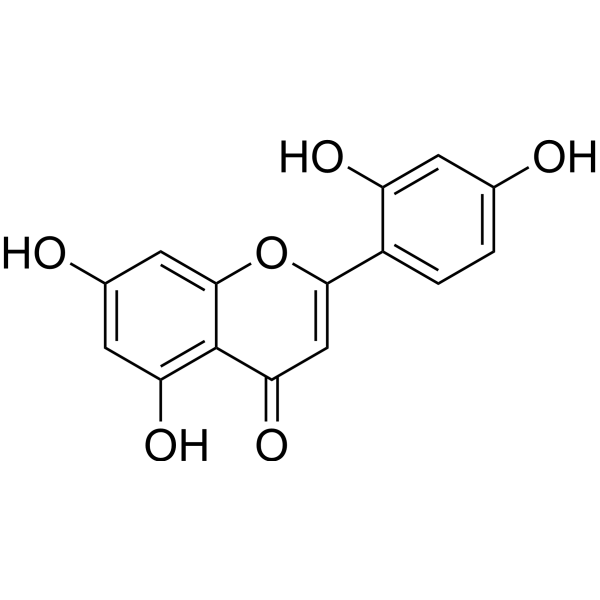
    Norartocarpetin is a tyrosinase inhibitor. Norartocarpetin has strong tyrosinase inhibitory activity with an IC50 value of 0.47 μM. Norartocarpetin as an antibrowning agent can be used for the research of food systems. Norartocarpetin also has a significant anticancer activity in lung carcinoma cells (NCI-H460) with an IC50 value of 22 μM. Norartocarpetin has antiproliferative effects are mediated via targeting Ras/Raf/MAPK signalling pathway, mitochondrial mediated apoptosis, S-phase cell cycle arrest and suppression of cell migration and invasion in human lung carcinoma cells .
    Norartocarpetin
  • HY-P11115

    Apoptosis NF-κB Reactive Oxygen Species (ROS) Inflammation/Immunology Cancer
    CIGB-552 is a cell-penetrating peptide with anti-tumor properties with the IC50 of 23 μM in H460 cells. CIGB-552 can increase the level of protein COMMD1. CIGB-552 significantly inhibits the NF-κB signaling pathway. CIGB-552 can promote apoptosis of the tumor cells. CIGB-552 can induce the accumulation of reactive oxygen species (ROS) in tumor cells. CIGB-552 has anti-inflammatory and anti-angiogenic effects. CIGB-552 can be used for the research of the lung cancer and colon cancer.
    CIGB-552
  • HY-137497

    Ras Apoptosis Cancer
    KRAS inhibitor-9, a potent KRAS inhibitor (Kd=92 μM), blocks the formation of GTP-KRAS and downstream activation of KRAS. KRAS inhibitor-9 binds to KRAS G12D, KRAS G12C and KRAS Q61H protein with a moderate binding affinity. KRAS inhibitor-9 causes G2/M cell cycle arrest and induces apoptosis. KRAS inhibitor-9 selectively inhibits the proliferation of NSCLC cells with KRAS mutation but not normal lung cells .
    KRAS inhibitor-9
  • HY-N0660

    Apoptosis PARP Caspase AMPK Autophagy VEGFR Keap1-Nrf2 STING 11β-HSD Ferroptosis PI3K Akt p38 MAPK ERK Neurological Disease Metabolic Disease Inflammation/Immunology Cancer
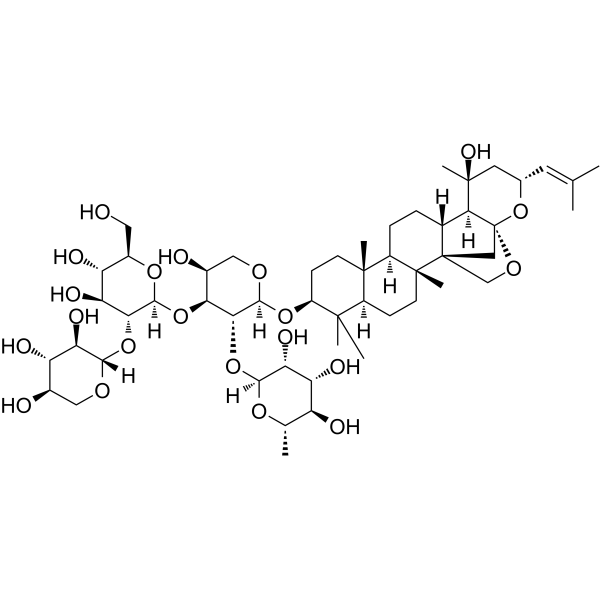
    Jujuboside B is a bioactive saponin component isolated from Ziziphi Spinosae Semen (sour jujube seed), with oral efficacy and blood-brain barrier permeability. Jujuboside B induces acute leukemia cell death and drives necroptosis apoptosis by activating the RIPK1/RIPK3/MLKL pathway. Jujuboside B upregulates the expression of NOXA, PARP and caspase-3, activates AMPK, inhibits the proliferation of breast cancer cells, and induces cell apoptosis and autophagy. Jujuboside B inhibits angiogenesis and tumor growth by blocking the VEGFR-2 signaling pathway. Jujuboside B alleviates liver injury in mice by regulating the Nrf2-STING signaling pathway . Jujuboside B alleviates liver injury by regulating anti-inflammatory responses and downregulating the expression of 11β-HSD2. Jujuboside B induces ferroptosis and overcomes radioresistance in non-small cell lung cancer via the PPARγ-ATF3-Gpx4 signaling pathway. Jujuboside B exerts inhibitory effects on platelet aggregation. Jujuboside B inhibits febrile seizures by suppressing the activity of AMPA receptors. Jujuboside B reverses chronic unpredictable mild stress-promoted tumor progression by blocking the PI3K/Akt and MAPK/ERK pathways and dephosphorylating CREB signaling. Jujuboside B is applicable to related studies on acute leukemia, breast cancer, PM2.5-induced lung injury, hepatotoxicity, liver injury, colorectal cancer, non-small cell lung cancer, thromboembolic diseases, cardiovascular diseases associated with high platelet aggregation, febrile seizures, and depressive-like phenotypes .
    Jujuboside B
  • HY-149265

    Reactive Oxygen Species (ROS) TrxR Ferroptosis Apoptosis Cancer
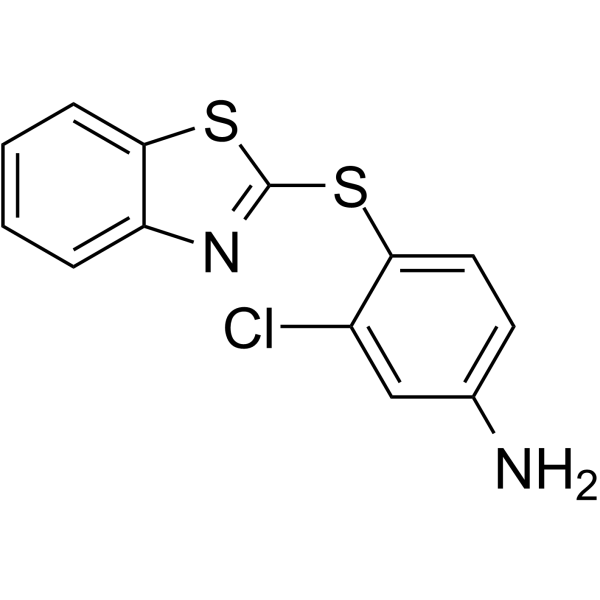
    ROS-generating agent 1 (Compound 2c) covalently modifies the Sec-498 residue of TrxR to generate ROS. ROS-generating agent 1 reduces intracellular TrxR protein level. ROS-generating agent 1 results in ROS-dependent apoptosis and ferroptosis of NCI-H460 cells. ROS-generating agent 1 has anti-cancer activities .
    ROS-generating agent 1
  • HY-N10549
    Gigantol
    1 Publications Verification

    Ferroptosis c-Myc Glutathione Peroxidase JNK Reactive Oxygen Species (ROS) GSK-3 Infection Metabolic Disease Cancer
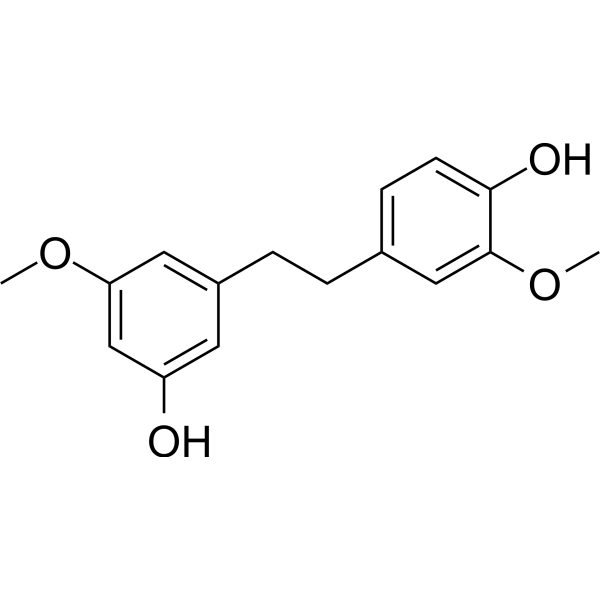
    Gigantol is an orally active bibenzyl compound. Gigantol targets MYC to promote its ubiquitin-proteasomal degradation and inhibit the growth of lung cancer cells. Gigantol exerts anti-lung cancer activity by inducing ferroptosis (Ferroptosis) via the SLC7A11-GPX4 axis. Gigantol restores the sensitivity of mcr-harboring multidrug-resistant bacteria to colistin. Gigantol ameliorates carbon tetrachloride-induced liver injury by inhibiting the activation of the JNK/cPLA2/12-LOX inflammatory pathway. Gigantol promotes cholesterol metabolism and progesterone biosynthesis in Leydig cells. Gigantol can be used in studies related to diseases such as lung cancer, multidrug-resistant Gram-negative bacterial infections, and acute liver injury .
    Gigantol
  • HY-17026A

    dFdCTP

    Drug Metabolite DNA/RNA Synthesis Apoptosis Cancer
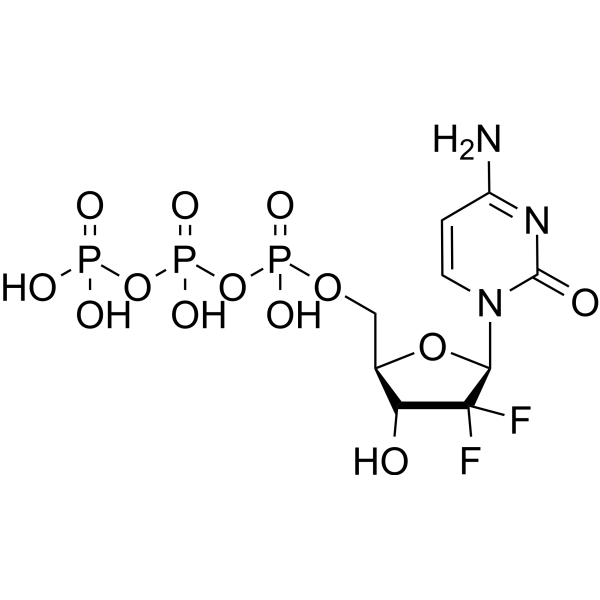
    Gemcitabine triphosphate (dFdCTP) is the active metabolite of Gemcitabine (HY-17026). The mechanism of Gemcitabine triphosphate cell-killing is its competition with cytidine triphosphate during DNA replication, which results in the inhibition of chain elongation. Gemcitabine triphosphate shows a Ki of 11.2 μM against DNA polymerase α and 14.4 μM against DNA polymerase ε. Gemcitabine triphosphate partially inhibits dCMP deaminase and acts as a substrate for DNA synthesis to incorporate into cellular DNA and RNA. Gemcitabine triphosphate disrupts DNA and RNA synthesis, arrests cell cycle in G0/G1 and S phases, triggers apoptosis, reduces tumor cell proliferation. Gemcitabine triphosphate can be used for the research of pancreatic cancer and non-small cell lung cancer .
    Gemcitabine triphosphate
  • HY-168566

    HSP Cancer
    EV206 is a Hsp70 binder and apoptosis inducer that binds to the N-terminal domain of Hsp70, promotes Hsp70 degradation via the ubiquitin-proteasome system, and reduces Hsp70 protein stability. EV206 induces apoptotic cell death, inhibits colony formation, and downregulates the expression of cancer stem cell-related markers in non-small cell lung cancer cells. EV206 inhibits the growth of H460 xenograft tumors in nude mice and can be used for the research of non-small cell lung cancer .
    EV206
  • HY-142095

    Histone Methyltransferase Cancer
    NSD3-IN-3 is a potent NSD3 inhibtor with an IC50 value of 1.86 μM. NSD3-IN-3 has anticancer activity and significantly inhibits the growth and proliferation of non-small cell lung cancer cell line H460 .
    NSD3-IN-3
  • HY-102066

    AZD-7451

    Trk Receptor Cancer
    Utatrectinib (AZD-7451) is a potent, selective and orally active Trk inhibitor. Utatrectinib blocks TrkC activation and associated tumorigenic behaviors .
    Utatrectinib
  • HY-16018A

    ABT-348 hydrochloride

    Aurora Kinase PDGFR VEGFR Cancer
    Ilorasertib (ABT-348) hydrochloride is a potent, orally active and ATP-competitive aurora inhibitor with IC50s of116, 5, 1 nM for aurora A, aurora B, aurora C, respectively. Ilorasertib hydrochloride also is a potent VEGF, PDGF inhibitor. Ilorasertib hydrochloride has the potential for the research of acute myeloid leukemia (AML) and myelodysplastic syndrome (MDS) .
    Ilorasertib hydrochloride
  • HY-113638

    GS-456332

    Stearoyl-CoA Desaturase (SCD) Apoptosis Cancer
    CVT-11127 is a potent SCD inhibitor. CVT-11127 induces apoposis and arrests the cell cycle at the G1/S phase. CVT-11127 has the potential for the research of lung cancer .
    CVT-11127
  • HY-16018

    ABT-348

    Aurora Kinase VEGFR PDGFR Cancer
    Ilorasertib (ABT-348) is a potent, orally active and ATP-competitive aurora inhibitor with IC50s of116, 5, 1 nM for aurora A, aurora B, aurora C, respectively. Ilorasertib also is a potent VEGF, PDGF inhibitor. Ilorasertib has the potential for the research of acute myeloid leukemia (AML) and myelodysplastic syndrome (MDS) .
    Ilorasertib
  • HY-145312

    ATM/ATR Cancer
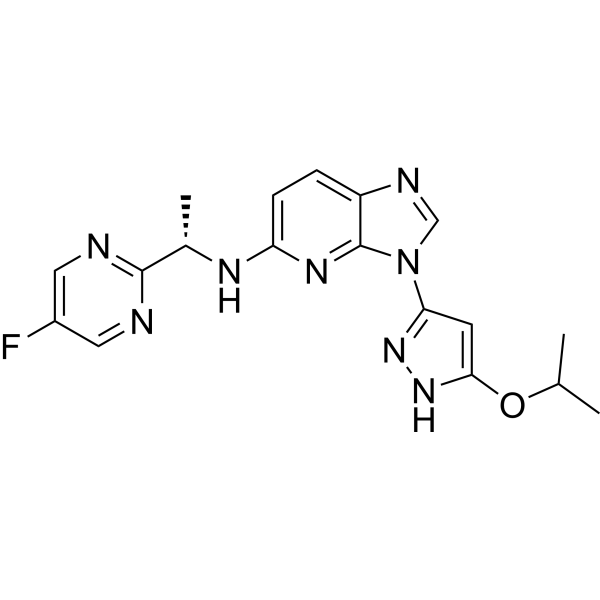
    ATR-IN-4 is a potent ATR (Ataxia telangiectasia mutated gene Rad 3-associated kinase) inhibitor. ATR-IN-4 inhibits growth of human prostate cancer cells DU145 and human lung cancer cells NCI-H460 with IC50s of 130.9 nM and 41 .33 nM, respectively. (Patent CN112142744A, compound 13) .
    ATR-IN-4
  • HY-162753

    P-glycoprotein Cancer
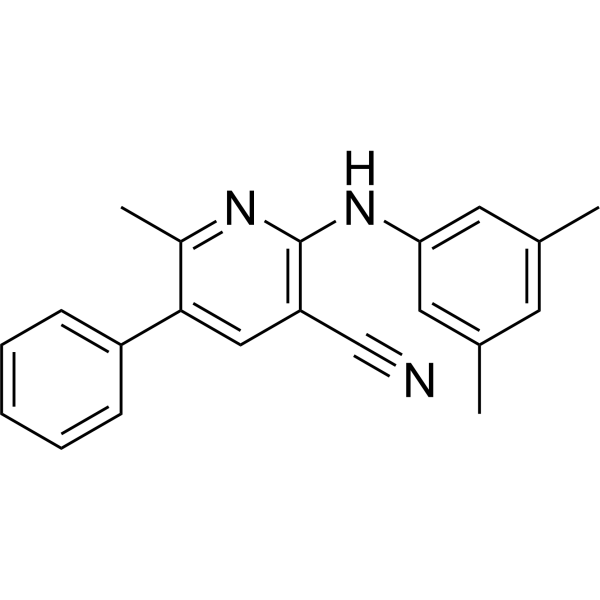
    ZW-1226 is a dual Tyrosyl DNA phosphodiesterase 2 (TDP2) and Multidrug resistance-associated protein 1 (MRP1) inhibitor with IC50 values of 0.2 and 0.5 μM, respectively. ZW-1226 exhibits selectivity over other ABC transporters. ZW-1226 elevates intracellular GSH levels, and reverses MRP1-mediated drug resistance. ZW-1226 can be used for the research of leukemia, non-small-cell lung cancer, and multidrug resistant small-cell lung cancer .
    ZW-1226
  • HY-121811

    Lanceolatin C

    Glycosidase Phosphatase Interleukin Related TNF Receptor COX Beclin1 GLUT FAK Akt mTOR p38 MAPK Keap1-Nrf2 Apoptosis Amyloid-β Tau Protein Autophagy Neurological Disease Inflammation/Immunology Cancer
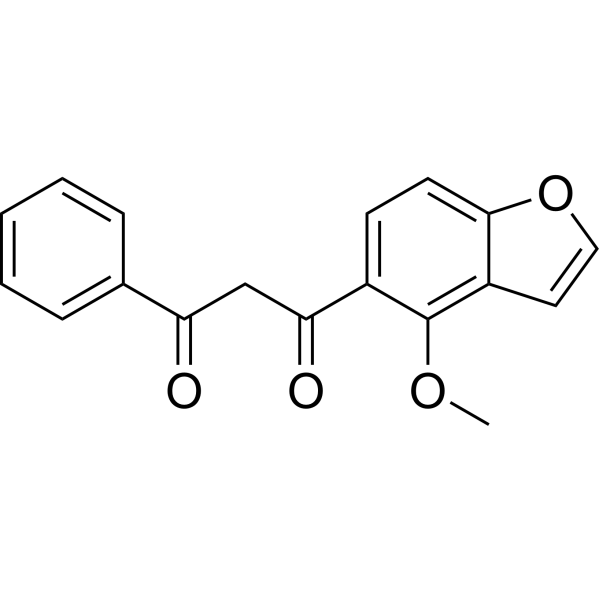
    Pongamol is an orally active flavonoid with an IC50 of 75 μM and a Ki of 58 μM against PTPase-1B, and an IC50 of 103.5 μM against intestinal α-Glycosidase. Pongamol reduces the release of IL‑1β, TNF‑α, COX‑2 and iNOS in cells, reverses the nuclear translocation of NF‑κB, and upregulates the levels of Beclin 1 and LC3 Ⅱ/LC3 Ⅰ. Pongamol promotes glucose uptake by increasing the level of GLUT4 on the surface of skeletal muscle cells. Pongamol inhibits epithelial-mesenchymal transition by suppressing the FAK/Akt-mTOR signaling pathway. Pongamol inhibits neuronal cytotoxicity, suppresses cell apoptosis and extends the lifespan of Caenorhabditis elegans by activating the MAPKs/Nrf2 signaling pathway. Pongamol exerts hypoglycemic effects in diabetic mouse models. Pongamol alleviates oxidative stress, neuroinflammation, deposition and excessive phosphorylation of Tau Protein, and restores autophagy function in Alzheimer's disease mouse models by inhibiting the Akt/mTOR signaling pathway. Pongamol is applicable to research related to Alzheimer's disease, type 2 diabetes, non-small cell lung cancer and postprandial hyperglycemia .
    Pongamol
  • HY-123298
    Chrysotoxine
    1 Publications Verification

    Src Akt Apoptosis Cancer
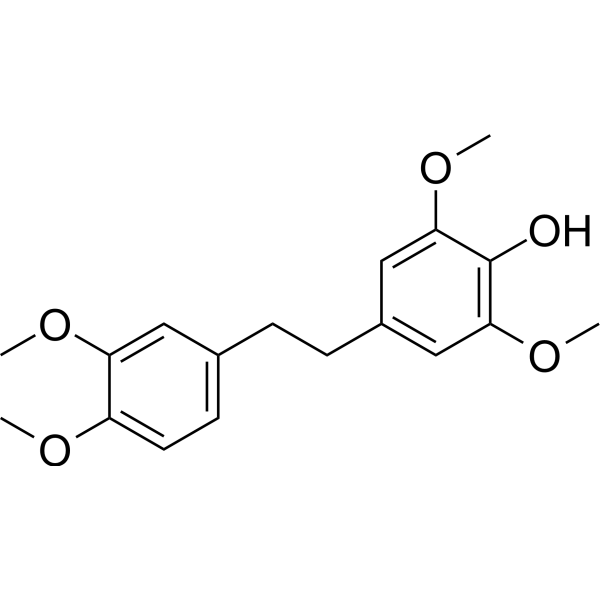
    Chrysotoxine is a dual inhibitor of Src/Akt. Chrysotoxine suppresses cancer stem cells (CSCs) phenotypes by down-regulating Src/Akt signaling. Chrysotoxine reduces cell viability and increases apoptosis level in H460 and H23 cells instead of non-tumor cell lines. Chrysotoxine shows rapid excretion and low bioavailability in rats. Chrysotoxine is used in cancer research .
    Chrysotoxine
  • HY-161313

    Histone Methyltransferase HIF/HIF Prolyl-Hydroxylase Cancer
    DYB-03 is an oral active HIF-1α/EZH2 inhibitor. DYB-03 inhibits migration, invasion, and angiogenesis of lung cancer cells and HUVECs in vitro and in vivo. DYB-03 induces apoptosis in 2-ME2 - and GSK126 -resistant of A549 and H460 cells .
    DYB-03
  • HY-168530

    PD-1/PD-L1 Cancer
    PDL1 degrader-1 (compound PMT-O9-1A) is a potent PD-L1 degrader. PDL1 degrader-1 decreases the protein expression of PD-L1. PDL1 degrader-1 shows cytotoxicity. PDL1 degrader-1 shows anticancer activity .
    PDL1 degrader-1
  • HY-N0867

    HIV ULK Bcl-2 Family Infection Cancer
    13-Oxyingenol-dodecanoate (13OD) is a tumor suppressor agent. 13-Oxyingenol-dodecanoate has anti-HIV-1 activity with EC50 value of 33.7 nM .13-Oxyingenol-dodecanoate can induce the expression of ULK1 to effect mitochondrial dysfunction and cellular autophagy. 13-Oxyingenol-dodecanoate also increases the expression of BAX and suppresses the expression of BCL-2 to effect apoptosis .
    13-Oxyingenol-13-dodecanoate
  • HY-142094

    Histone Methyltransferase Cancer
    NSD3-IN-2 is a potent NSD3 inhibitor with an IC50 value of 17.97 μM. NSD3-IN-2 inhibits the growth and proliferation of non-small cell lung cancer cell lines H460, H1299 and H1650 with anti-cancer activity .
    NSD3-IN-2
  • HY-179149

    Polo-like Kinase (PLK) Apoptosis Cancer
    PLK4-IN-6 (compound C05) is an PLK4 inhibitor (IC50 < 0.1 nM). PLK4-IN-6 has anti proliferative activity against various tumor cells, such as IMR-32 (IC50 = 0.948 μM), MCF-7 (IC50 = 0.979 μM), H460 (IC50 = 1.679 μM) cells. PLK4-IN-6 can significantly induce cell apoptosis and block the cell cycle. PLK4-IN-6 can be used for research on various types of cancer .
    PLK4-IN-6
  • HY-149086

    RAR/RXR Apoptosis PARP Bcl-2 Family Cancer
    BPA-B9 is a RXRα ligand and antagonist targeting the pRXRα-PLK1 interaction. BPA-B9 has excellent RXRα-binding affinity (KD=39.29 ± 1.12 nM). BPA-B9 inhibits the proliferation of cancer cells by inducing mitotic arrest and cell apoptosis .
    BPA-B9
  • HY-124084

    Stearoyl-CoA Desaturase (SCD) Cancer
    SW203668 is an irreversible stearoyl CoA desaturase (SCD) inhibitor with an IC50 of 54 nM. SW203668 covalently binds and inhibits SCD, depletes unsaturated fatty acids, and triggers cell death in sensitive cells. SW203668 requires demethylation by CYP4F11 to form its active SCD-inhibiting form; differential CYP4F11 expression drives selective cytotoxicity. SW203668 exerts cytotoxicity toward CYP4F11-expressing non-small cell lung cancer (NSCLC) cells and spares CYP4F11-lacking NSCLC cells. SW203668 inhibits tumor growth in immunodeficient mice bearing CYP4F11-expressing NSCLC xenografts and spares mouse skin sebocytes. SW203668 can be used for the research of non-small cell lung cancer .
    SW203668
  • HY-P10988

    Apoptosis MDM-2/p53 Integrin Cancer
    LVTX-8 is a peptide toxin, exacted from Lycosa vittata. LVTX-8 has potent anticancer and and anti-metastasis activities towards lung cancer with strong cytotoxicity. LVTX-8 significantly induces apoptosis and inhibits the proliferation, invasion and migration of lung cancer cells through P53 hypoxia pathways and integrin signaling. LVTX-8 significantly inhibits the tumor growth and metastasis in A549/H460 xenograft mice model .
    LVTX-8
  • HY-W103792

    HDAC Cancer
    4-Phenylcinnamic acid is a weak HDAC2 inhiibitor (IC50 > 5 μM). 4-Phenylcinnamic acid has weak cell growth inhibition against tumor cells .
    4-Phenylcinnamic acid
  • HY-N15267

    FAK Akt mTOR Cancer
    Ovalitenone is a flavonoid compound that can be isolated from the plant Millettia peguensis. It shows no cytotoxic effects on lung cancer H460 and A549 cells, but it significantly inhibits anchorage-independent growth, CSC-like phenotypes, colony formation, and the migration and invasion capabilities of cancer cells. Ovalitenone can significantly reduce the levels of N-cadherin, snail, and slug, while increasing E-cadherin, thus inhibiting the EMT pathway. Additionally, Ovalitenone suppresses the signaling pathways regulated by focal adhesion kinase (FAK), ATP-dependent tyrosine kinase (AKT), mammalian target of rapamycin (mTOR), and cell division cycle 42 (Cdc42) .
    Ovalitenone
  • HY-P11115A

    Apoptosis NF-κB Reactive Oxygen Species (ROS) Cancer
    CIGB-552 TFA is a cell-penetrating peptide with anti-tumor properties with the IC50 of 23 μM in H460 cells. CIGB-552 TFA can increase the level of protein COMMD1. CIGB-552 TFA significantly inhibits the NF-κB signaling pathway. CIGB-552 TFA can promote apoptosis of the tumor cells. CIGB-552 TFA can induce the accumulation of reactive oxygen species (ROS) in tumor cells. CIGB-552 TFA has anti-inflammatory and anti-angiogenic effects. CIGB-552 TFA can be used for the research of the lung cancer and colon cancer.
    CIGB-552 TFA
  • HY-101741

    A-289099

    Microtubule/Tubulin Apoptosis Cancer
    A-259745 is an orally active antimitotic agent that binds to the colchicine-binding site of tubulin. A-259745 exhibits potent in vitro cytotoxic activity against both multi-drug-resistant and non-multi-drug-resistant cancer cell lines, with ED50 values of 0.018 μM against HCT-15 and 0.028 μM against NCI-H460 cell lines. A-259745 inhibits tubulin polymerization, disrupts the dynamic equilibrium of the mitotic spindle, arrests dividing cells in metaphase, and subsequently induces apoptosis. A-259745 shows dose-dependent antitumor efficacy in murine tumor models. A-259745 can be used for the study of cancer .
    A-259745
  • HY-147724

    Microtubule/Tubulin Cancer
    Compounds 17O (ic50= 14.0 nm, NCI-H460) and 17p (ic50= 2.9 nm, NCI-H460) and furan groups showed effective cytotoxic activity against various human cancer cell lines at the nanomolar level.
    Microtubule inhibitor 3
  • HY-147728

    Microtubule/Tubulin Cancer
    Compounds 17O (ic50= 14.0 nm, NCI-H460) and 17p (ic50= 2.9 nm, NCI-H460) and furan groups showed effective cytotoxic activity against various human cancer cell lines at the nanomolar level.
    Microtubule inhibitor 7
  • HY-P11102

    Bacterial Fungal HIV Parasite Infection Cancer
    Temporin-Sha is an antibacterial peptide with extensive biological activity. Temporin-Sha exhibits broad-spectrum antibacterial activity (e.g., against L. ivanovii, MIC = 6.25 μM), and is effective against Gram-negative bacteria (such as Escherichia coli, MIC = 10 μM), including drug-resistant strains (such as Methicillin (HY-121544)-resistant Staphylococcus aureus). Temporin-Sha also has inhibitory effects on Candida albicans (MIC = 25 μM), Saccharomyces cerevisiae (MIC = 12 μM), the pre-flagellated and non-flagellated forms of Leishmania infantum (IC50 = 5-20 μM), and Trypanosoma cruzi (IC50 = 17 μM). Temporin-Sha exhibits antiviral activity against HSV-1 and has anti-cancer effects (cytotoxicity against breast cancer cells MCF-7 and lung cancer cells H460, etc.) .
    Temporin-SHa
  • HY-173074

    Microtubule/Tubulin MDM-2/p53 Apoptosis Cancer
    Microtubulin-IN-1 (Compound 8g) is the inhibitor for microtubulin that targets colchicine-binding site, disrupts the microtubulin integrity, and induces the upregulation of p53. Microtubulin-IN-1 exhibits antiproliferative activity in a variety of cancer cell lines (IC50 for NCI-H460, BxPC-3 and HT-29 is 2.4, 1.6 and 2.07 nM, respectively), arrests the cell cycle at G2/M phase, and induces apoptosis in NCI-H460 .
    Microtubulin-IN-1
  • HY-126803

    Antibiotic Infection Cancer
    Saquayamycin B (compound 3) is a new angucycline antibiotic. Saquayamycin B has antitumor activities against a human lung (H-460) and a human breast cancer cell line (MCF-7) with GI50 values of 12.2 and 15.2 µM respectively .
    Saquayamycin B
  • HY-164033

    Ramnodigin

    Apoptosis Cancer
    HOE 689 (Ramnodigin) is an analog of Digitoxin (HY-B1357). HOE 689 exhibits cytotoxicity to lung cancer cells and induces apoptosis in cancer cell NCI-H460 with an IC50 of 52 nM .
    HOE 689
  • HY-N10877

    Others Cancer
    Chlorajapolide F is a nature product that could be isolated from the aerial part of Chloranthus japonicas. Chlorajapolide F has low cytotoxic activity against NCI-H460 and SMMC-7721 cell lines .
    Chlorajapolide F
  • HY-147726

    Microtubule/Tubulin Cancer
    Microtubule inhibitor 5 (compound 17f) is a potent microtubule inhibitor. Microtubule inhibitor 5 shows cytotoxicity with an IC50 value of 154.5 nM for NCI-H460 cells. Microtubule inhibitor 5 shows good cell permeability .
    Microtubule inhibitor 5
  • HY-139882

    Reactive Oxygen Species (ROS) Apoptosis Cancer
    Anticancer agent 16 exhibits good cytotoxic activity against HCT-116, NCI-H460, and SKOV3 cell lines with IC50 8.55 μΜ, 5.41 μΜ, and 6.4 μΜ, respectively.
    Anticancer agent 16
  • HY-146274

    c-Met/HGFR Apoptosis Cancer
    c-Met-IN-10 (compound 26a) is a highly potent c-Met kinase inhibitor with an IC50 value of 16 nM. c-Met-IN-10 has inhibitory activity against cancer cells A549, H460 and HT-29 with IC50s of 0.56 ~ 1.59 μM. c-Met-IN-10 suppresses the colony formation on HT-29 cells, induces HT-29 and A549 cells apoptosis, and inhibits A549 cells motility. c-Met-IN-10 can be used for researching anticancer .
    c-Met-IN-10
  • HY-176435

    mTOR Cancer
    mTOR inhibitor-28 (SM-3) is a potent mTOR inhibitor. mTOR inhibitor-28 inhibits A549, H292, and H460 cells with IC50s of 72.74, 67.66, and 43.24 μM, respectively .
    mTOR inhibitor-28
  • HY-144337

    DNA Alkylator/Crosslinker Cancer
    DNA crosslinker 4 (dihydrochloride) is a potent DNA minor groove binder. DNA crosslinker 4 (dihydrochloride) has certain inhibitory activity against cancer cells NCI-H460, A2780 and MCF-7. DNA crosslinker 4 (dihydrochloride) can be used for researching anticancer .
    DNA crosslinker 4 dihydrochloride
  • HY-169239

    MAGL Cancer
    MAGL-IN-20 (compound ±34) is a reversible monoacylglycerol lipase (MAGL) inhibitor. MAGL-IN-20 exhibits appreciable antiproliferative activities against several cancer cells, including H460, HT29, CT-26, Huh7 and HCCLM-3. .
    MAGL-IN-20
  • HY-169860

    BCRP Cancer
    BCRP-IN-2 has BCRP inhibitory activity and shows even greater inhibition of BCRP after activation by ultraviolet light. BCRP-IN-2 can be a valuable probe for studying the interactions of quinazolinamine derivatives with BCRP, as it stimulates ATP hydrolysis of the BCRP transport protein, increasing the accumulation of mitoxantrone (HY-13502) in H460/MX20 cells with BCRP overexpression .
    BCRP-IN-2
  • HY-161614

    Microtubule/Tubulin Cancer
    Tubulin inhibitor 44 (Compound 26r) is an inhibitor for tubullin. Tubulin inhibitor 44 exhibits cytotoxicity in cancer cells NCI-H460, BxPC-3 and HT-29, with IC50s of 0.96, 0.66 and 0.61 nM, respectively .
    Tubulin inhibitor 44
  • HY-W560574

    Xanthine Oxidase Cancer
    Xanthine oxidase-IN-14 (Compound 3f) is an inhibitor for xanthine oxidase, with IC50 >100 μM. Xanthine oxidase-IN-14 inhibits proliferations of cancer cells MCF-7, NCI-H460 and SF-268, with IC50 greater than 150 μM .
    Xanthine oxidase-IN-14
  • HY-117872

    20-O-Acetylsartorypyrone D

    Fungal Infection
    Sartorypyrone A (20-O-Acetylsartorypyrone D) is a monocyclic terpenoid isolated from the soil fungus Neosartorya fischeri. Sartorypyrone A exhibits in vitro growth inhibitory activity against MCF-7, NCI-H460, and A375-C5 cell lines, and has potential anticancer properties.
    Sartorypyrone A
  • HY-157564

    Apoptosis Cancer
    Antitumor agent-135 (Compound 13) is a potent antitumor agent. Antitumor agent-135 induces cell apoptosis, with IC50s of 3.79 , 10.55, 1.14, and 4.14 μM for NSCLC cell lines (A549, H460, PC-9, and PC-9/GR) .
    Antitumor agent-135
  • HY-N10876

    Others Others
    8-epi-Chlorajapolide F (compound 1) a sesquiterpene that can be isolated from the aboveground part of the Chloranthus japonicus. 8-epi-Chlorajapolide has few cytotoxic to human cancer cell lines NCI-H460 and SMMC-7721 (IC50s>50 μg/mL) .
    8-epi-Chlorajapolide F
  • HY-147725

    Microtubule/Tubulin Cancer
    Microtubule inhibitor 4 (compound 2) is a potent microtubule inhibitor. Microtubule inhibitor 4 shows cytotoxicity with IC50s of 4.0, 3.2, 2.1 nM for NCI-H460, BxPC-3, HT-29 cells, respectively. Microtubule inhibitor 4 shows the inhibition of tubulin polymerization .
    Microtubule inhibitor 4
  • HY-144335

    DNA Alkylator/Crosslinker Cancer
    DNA crosslinker 2 (dihydrochloride) is a potent DNA minor groove binder with DNA binding affinity (ΔTm) of 1.2 °C. DNA crosslinker 2 (dihydrochloride) has certain inhibitory activity against cancer cells NCI-H460, A2780 and MCF-7. DNA crosslinker 2 (dihydrochloride) can be used for researching anticancer .
    DNA crosslinker 2 dihydrochloride

Inquiry Online

Your information is safe with us. * Required Fields.

Salutation


Country or Region *

Applicant Name *


Organization Name *

Department *


Email Address *


Product Name *

Cat. No.


Requested quantity *

Phone Number *


Remarks

Inquiry Online

Inquiry Information

Product Name:
Cat. No.:
Quantity:
MCE Japan Authorized Agent:

