Search Result
Results for "
Helicase Inhibitors
" in MedChemExpress (MCE) Product Catalog:
4
Isotope-Labeled Compounds
| Cat. No. |
Product Name |
Target |
Research Areas |
Chemical Structure |
-
- HY-148699
-
HRO761
3 Publications Verification
Werner syndrome RecQ Helicase-IN-1
|
DNA/RNA Synthesis
|
Cancer
|
|
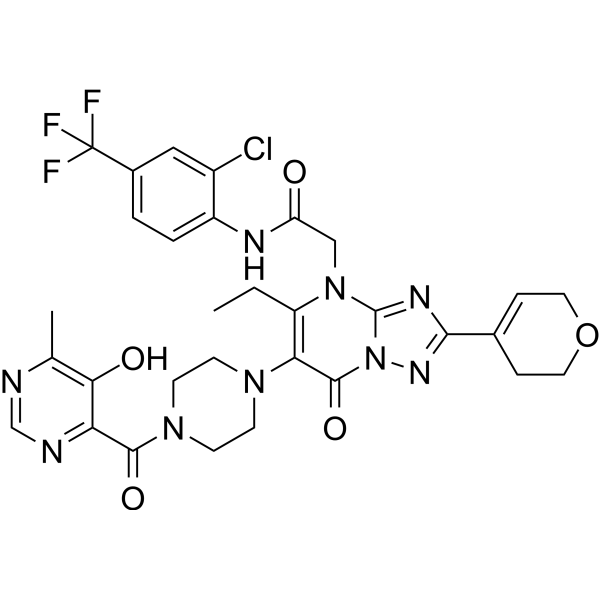
HRO761 (Werner syndrome RecQ helicase-IN-1) (example 42) is a potent Werner syndrome RecQ DNA helicase enzyme (WRN) inhibitor and can be used in cancer research .
|
-
-
- HY-158116
-
|
RO7589831; VVD-133214
|
DNA/RNA Synthesis
|
Cancer
|
|
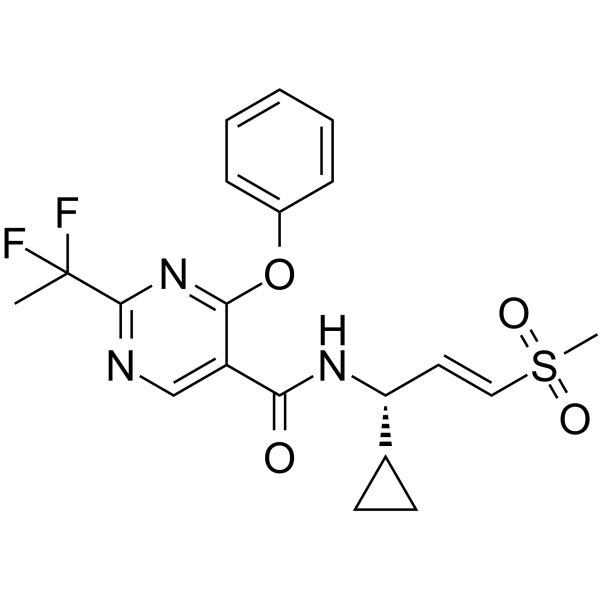
VVD-214 is a synthetic lethal allosteric inhibitor of WRN helicase with an IC50 of 0.1316 µM. VVD-214 covalently binds to cysteine 727 of WRN and inhibits ATP hydrolysis and helicase activity. VVD-214 is potent in causing double-stranded DNA breaks, nuclear swelling, and cell death in high microsatellite instability (MSI) cancers .
|
-
-
- HY-14809
-
|
ASP2151
|
HSV
|
Infection
|
|
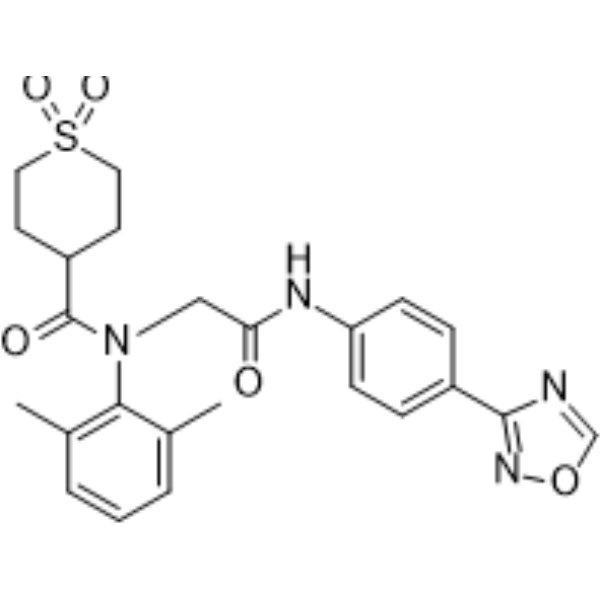
Amenamevir is a helicase-primase inhibitor which has potent antiviral activity against HSVs with an EC50 of 14 ng/mL.
|
-
-
- HY-15594A
-
|
Phen-DC3 Triflate
|
G-quadruplex
|
Cancer
|
|
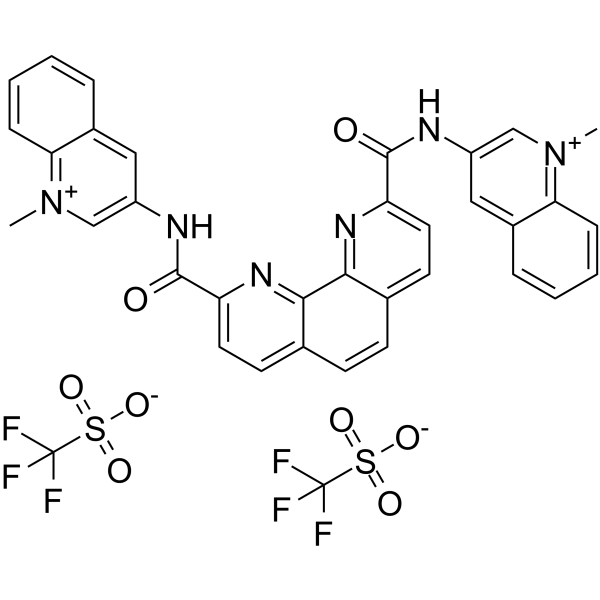
Phen-DC3 Trifluoromethanesulfonate is a G-quadruplex (G4) specific ligand which can inhibit FANCJ and DinG helicases with IC50s of 65±6 and 50±10 nM, respectively.
|
-
-
- HY-169422
-
|
IDE275
|
DNA/RNA Synthesis
|
Cancer
|
|
GSK4418959 (IDE275) is a selective, reversible and orally active WRN helicase inhibitor. GSK4418959 shows >10,000-fold selectivity over other helicases. GSK4418959 inhibits ATPase and DNA unwinding functions in an ATP-competitive manner. GSK4418959 can be used for the study of microsatellite instability-high (MSI-H) cancer, such as colorectal cancer (CRC) and endometrial cancer (EC) .
|
-

-
- HY-100455
-
-
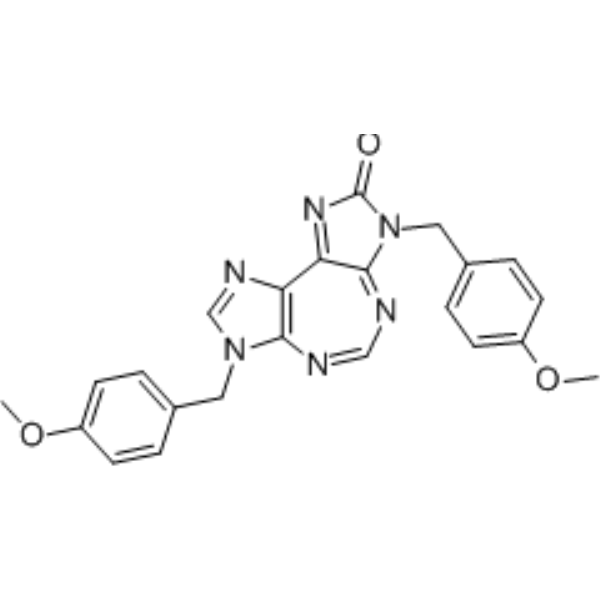
-
- HY-128729
-
|
|
DNA/RNA Synthesis
|
Cancer
|
|
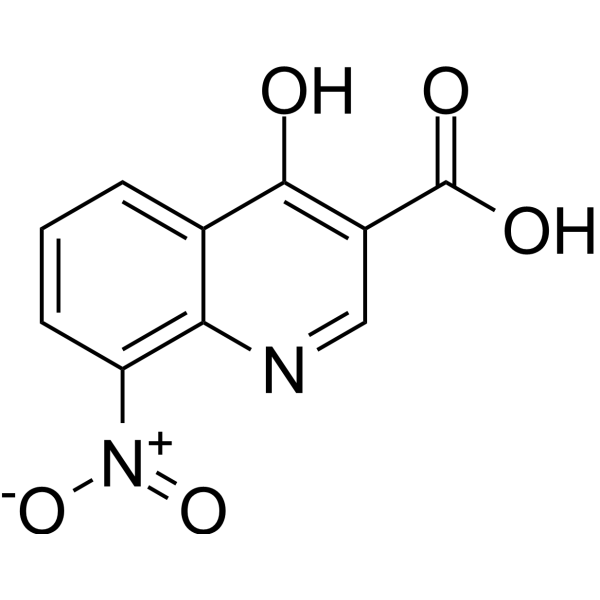
DNA2 inhibitor C5 is a potent, competitive, and specific DNA2 nuclease inhibitor with an IC50 of 20 μM. DNA2 inhibitor C5 inhibits the nuclease, DNA-dependent ATPase, helicase, and DNA-binding activities of DNA2. DNA2 inhibitor C5 can be used in breast cancer and colorectal cancer research .
|
-
-
- HY-12342
-
|
CID-49852229
|
DNA/RNA Synthesis
|
Cancer
|
|
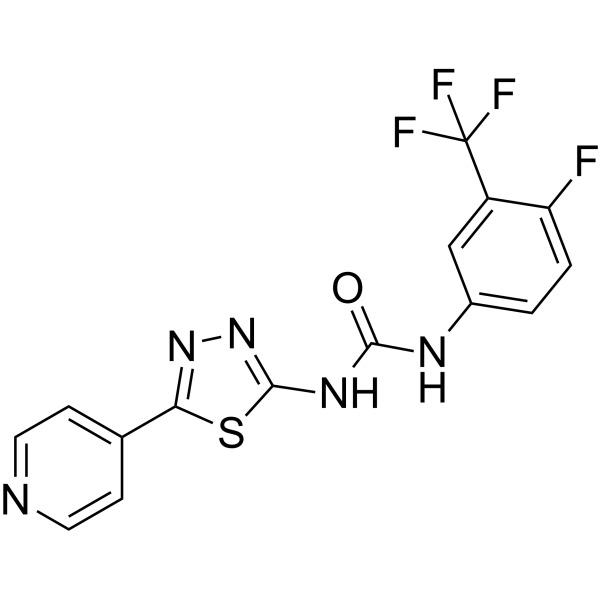
ML216 (CID-49852229) is a potent, selective and cell permeable inhibitor of the DNA unwinding activity of BLM helicase with IC50s of 2.98 μM and 0.97 μM for BLM full-length and BLM 636-1298, respectively. ML216 inhibits ssDNA-dependent ATPase activity of BLM with a Ki of 1.76 μM. Antitumor avtivity .
|
-
-
- HY-150279
-
PolQi2
3 Publications Verification
|
DNA/RNA Synthesis
|
Others
|
|
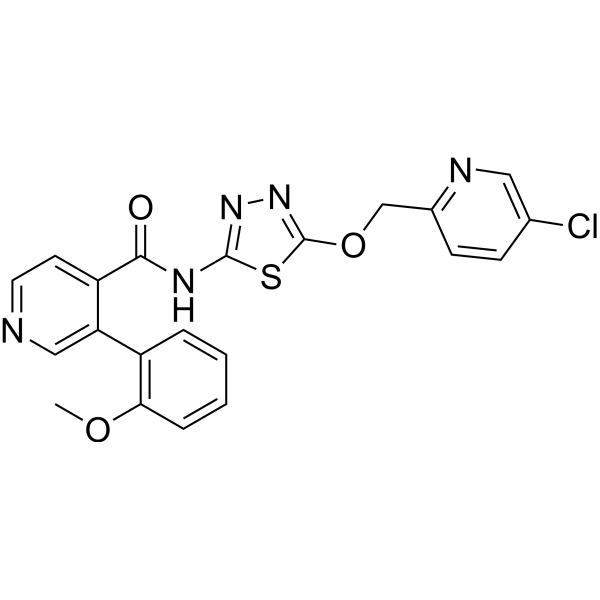
PolQi2 is a PolΘ inhibitor that targets and inhibits alt-EJ (alternative end-joining) repair by inhibiting the helicase domain at the N-terminus of PolΘ. PolQi2 enhances the precision and integration efficiency of gene editing at different loci and in various cell lines. Furthermore, the combined use of PolQi2 with DNA-PK inhibitors reduces the off-target effects of Cas9. PolQi2 can be used in gene editing research .
|
-
-
- HY-15303
-
|
AIC316; BAY 57-1293
|
DNA/RNA Synthesis
HSV
|
Infection
|
|
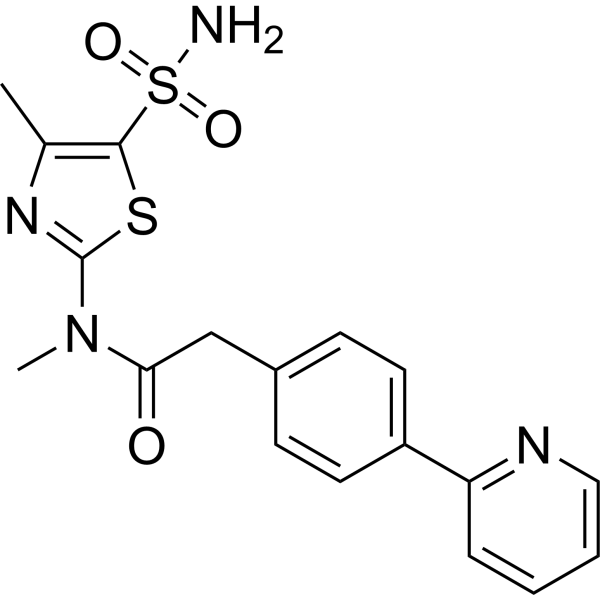
Pritelivir (AIC316), an inhibitor of the viral helicase-primase complex, exhibits antiviral activity in vitro and in animal models of herpes simplex virus (HSV) infection. Pritelivir is active against herpes simplex virus types 1 and 2 (HSV-1 and HSV-2) with the IC50 of 0.02 μM against HSV1-2 .
|
-
-
- HY-110185
-
|
|
DNA/RNA Synthesis
|
Cancer
|
|
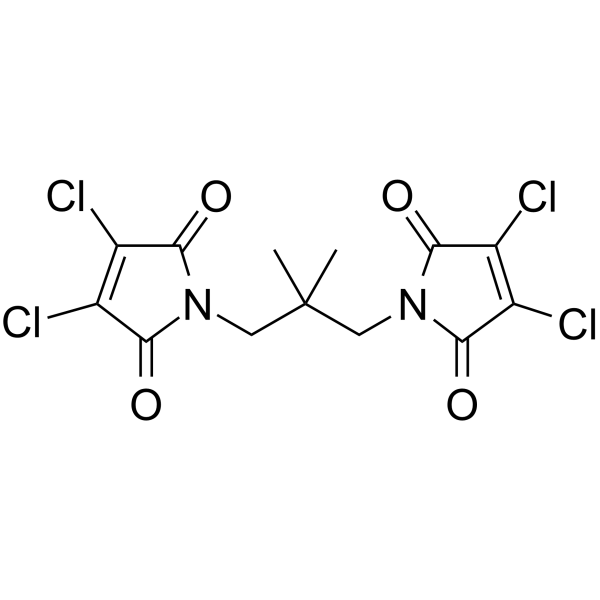
NSC 617145 is a selective werner syndrome helicase (WRN) helicase inhibitor with an IC50 value of 230 nM. NSC 617145 inhibits WRN ATPase, and induces double-strand breaks (DSB) and chromosomal abnormalities. NSC 617145 shows selective for WRN over BLM, FANCJ, ChlR1, RecQ, and UvrD helicases .
|
-
-
- HY-122903
-
|
|
DNA/RNA Synthesis
|
Cancer
|
|
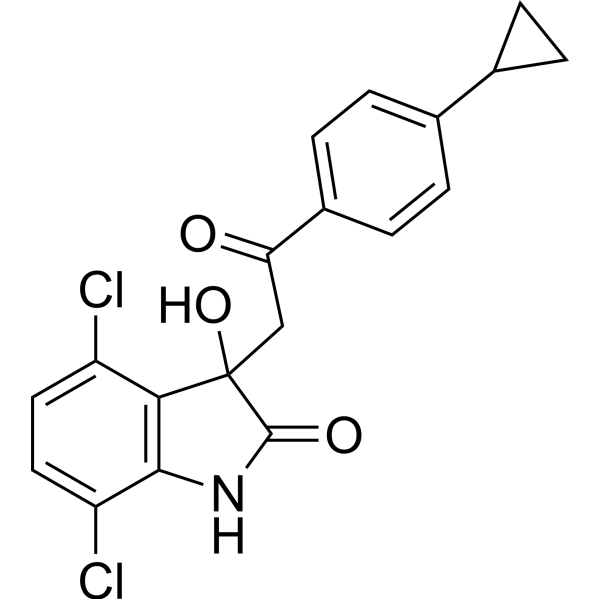
TK216 is an orally active and potent E26 transformation specific (ETS) inhibitor . TK216 directly binds EWS-FLI1 and inhibits EWS-FLI1 protein interactions. TK216 blocks the binding between EWS-FLI1 and RNA helicase A. TK216 has anticancer activity .
|
-
-
- HY-175750
-
|
|
DNA/RNA Synthesis
|
Cancer
|
|
MOMA-341 is a selective Werner RecQ like helicase (WRN) inhibitor. MOMA-341 binds to WRN at cysteine 727 through an allosteric and ATP-competitive binding mechanism. MOMA-341 has antitumor activity and can be used for advanced and metastatic solid tumors research .
|
-

-
- HY-148740
-
|
|
DNA/RNA Synthesis
|
Cancer
|
|
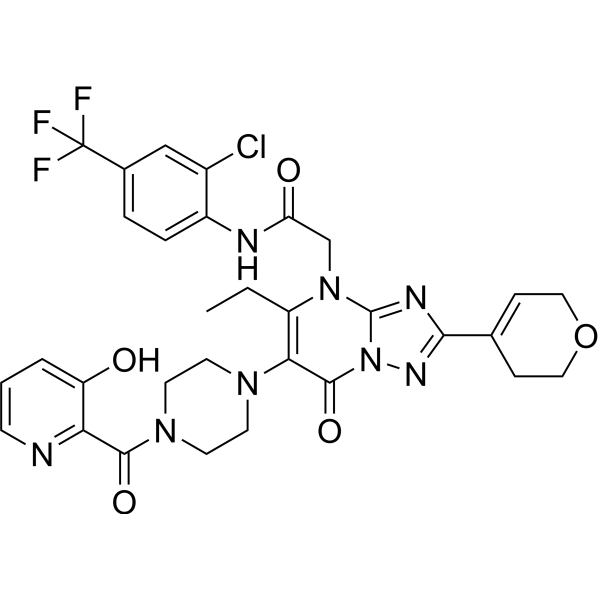
Werner syndrome RecQ helicase-IN-3 is a potent and orally active werner syndrome recQ helicase (WRN) inhibitor with an IC50 value of 0.06 µM. Werner syndrome RecQ helicase-IN-3 shows antiproliferative activity. Werner syndrome RecQ helicase-IN-3 shows anticancer activity .
|
-
-
- HY-156418
-
|
|
DNA/RNA Synthesis
Ferroptosis
Apoptosis
Reactive Oxygen Species (ROS)
|
Cancer
|
|
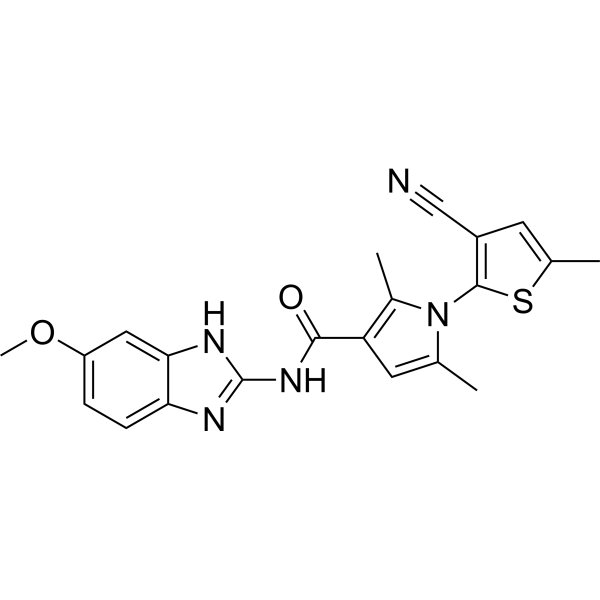
KY386 is a DHX33 helicase inhibitor with an IC50 of 0.019 μM. KY386 inhibits the cell viability of various cancer cells. KY386 induces ferroptosis in cancer cells, and induces apoptosis in some cancer cell lines. KY386 increases the intracellular levels of ROS, LPO and Fe 2+, and decreases the level of GSH in cancer cells . KY386 inhibits the growth of gastric cancer and colon cancer xenografts in nude mice. KY386 is applicable to the related research on liver cancer, lung cancer, pancreatic cancer, colorectal cancer, gastric cancer, breast cancer, leukemia, renal cancer, prostate cancer, esophageal cancer, cervical cancer, brain cancer (glioblastoma) and melanoma .
|
-
-
- HY-156782
-
|
|
DNA/RNA Synthesis
|
Cancer
|
|
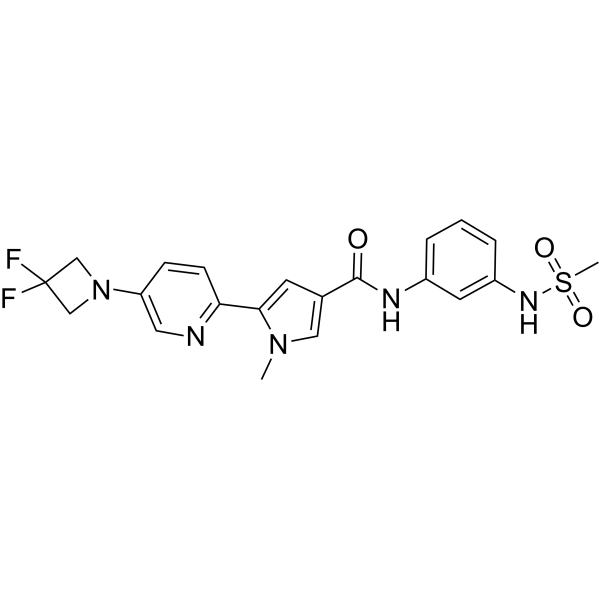
DHX9-IN-1 is an inhibitor of ATP-dependent RNA helicase A (DHX9). Its EC50 value is 1.41 μM. DHX9-IN-1 has anti-tumor activity and can be used in colorectal cancer research .
|
-
-
- HY-150306
-
|
IM-250
|
DNA/RNA Synthesis
HSV
|
Infection
|
|
Adibelivir (IM-250) is an orally active helicase-primase inhibitor. Adibelivir is effective against HSV infection and reduces reactivation of latent HSV. Adibelivir inhibits HSV-1 infection in Vero cells (IC50: ~20 nM). Adibelivir can be used for the study of recurrent herpes disease[1][2].
|
-

-
- HY-160007
-
|
|
DNA/RNA Synthesis
|
Cancer
|
|
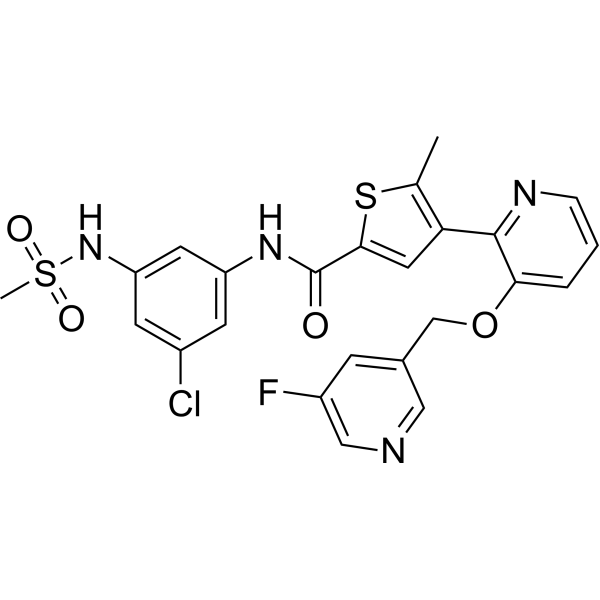
DHX9-IN-3 (Compound 621) is an inhibitor of ATP-dependent RNA helicase A (DHX9). DHX9-IN-3 has an IC50 of 8.7 nM for anti-proliferation in LS411N cells. DHX9-IN-3 can be used in the study of cancer .
|
-
-
- HY-114977
-
|
|
DNA/RNA Synthesis
Apoptosis
Reactive Oxygen Species (ROS)
|
Inflammation/Immunology
Cancer
|
|
Avenanthramide A is an orally active phytoalexin that targets the RNA helicase DDX3 with a KD of 8.8 μM. Avenanthramide A induces mitochondrial swelling and increased ROS production, and triggers apoptosis in CRC cells. Avenanthramide A inhibits smooth muscle cell proliferation and enhances nitric oxide production. Avenanthramide A can be used in research on colorectal cancer and atherosclerosis .
|
-

-
- HY-162471
-
|
|
DNA/RNA Synthesis
ATM/ATR
|
Cancer
|
|
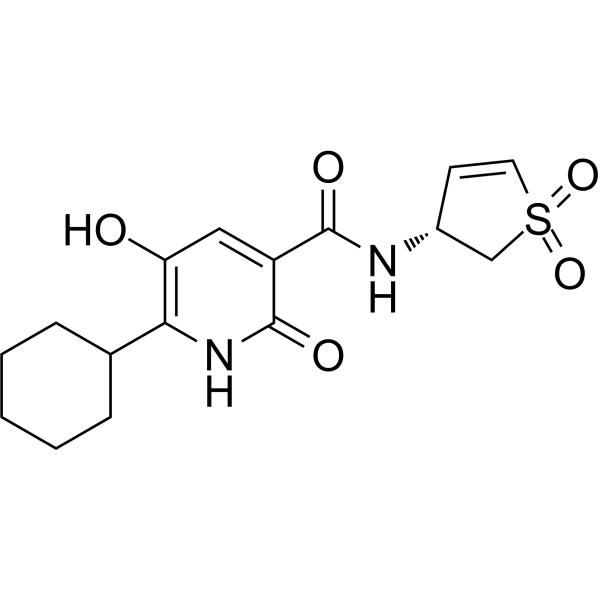
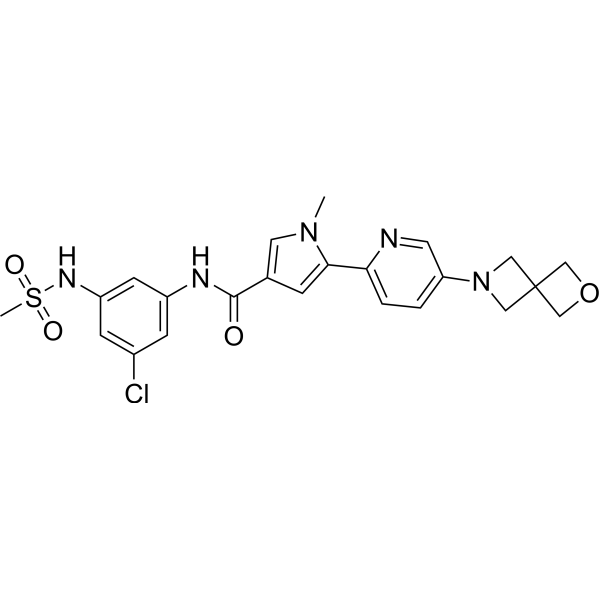
GSK_WRN3 is selective WRN helicase inhibitor (pIC50 = 8.6). SK_WRN3 can selectively inhibit the growth of microsatellite unstable (MSI) cancer cells, induce DNA damage, and cause cell cycle arrest. GSK_WRN3 has anti-tumor activity .
|
-
-
- HY-160009
-
-
-
- HY-157604
-
|
|
DNA/RNA Synthesis
|
Cancer
|
|
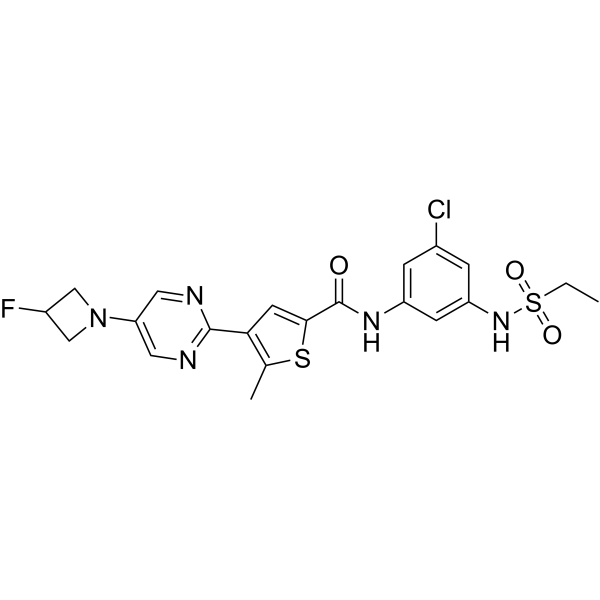
DHX9-IN-9 (509) is a RNA helicase DHX9 inhibitor, with an EC50 of 0.0177 μM in DHX9 cellular target engagement. Used in cancer research .
|
-
-
- HY-136638
-
|
|
DNA/RNA Synthesis
Bacterial
|
Infection
|
|
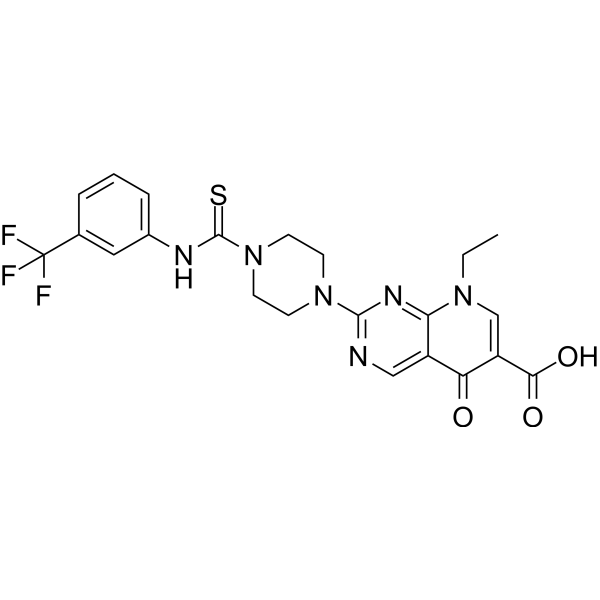
ML328 is a selective inhibitor of bacterial AddAB and RecBCD helicase-nucleases with IC50 values of 26 and 5.1 μM, respectively. ML328 is a gyrase inhibitor. ML328 strongly inhibits the growth of E. coli in the presence of phage. ML328 can be used for the research of bacterial infection .
|
-
-
- HY-N6935
-
|
|
DNA/RNA Synthesis
HCV
Akt
GLUT
|
Infection
Metabolic Disease
|
|
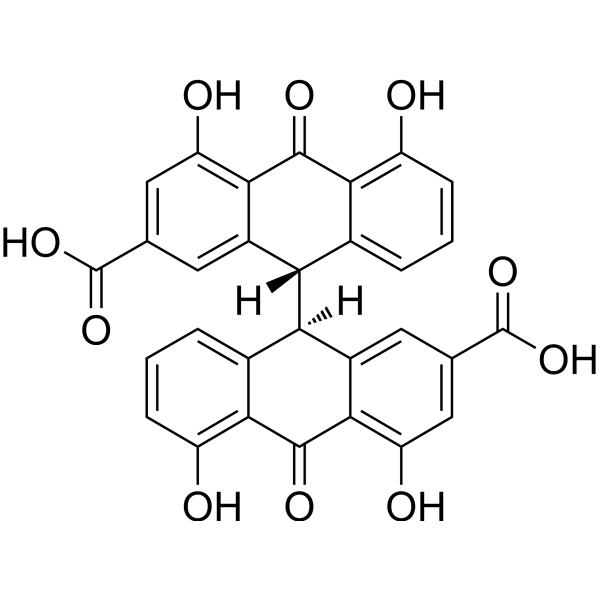
Sennidin B, a stereoisomer isolated from the leaves of Cassia angustifolia, has lower activity than Sennidin A. Sennidin A inhibits HCV NS3 helicase, with an IC50 of 0.8 μM. Sennidin A induces phosphorylation of Akt and glucose transporter 4 (GLUT4) translocation. Sennidin A stimulates the glucose incorporation .
|
-
-
- HY-128712
-
|
|
DNA/RNA Synthesis
|
Cancer
|
|
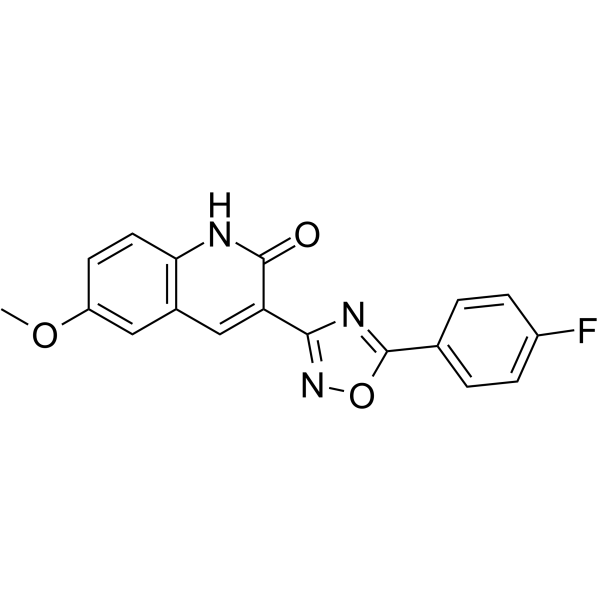
NCGC00029283 is a werner syndrome helicase-nuclease (WRN) helicase inhibitor with IC50s of 2.3 μM, 12.5 μM, and 3.4 μM for WRN, BLM and FANCJ helicase, respectively .
|
-
-
- HY-137820
-
|
|
DNA/RNA Synthesis
|
Others
|
|
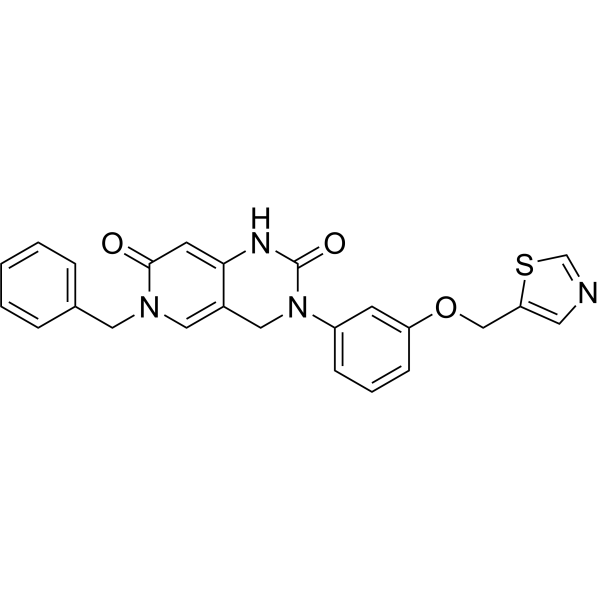
Brr2-IN-3 is a potent and selective Brr2 helicase allosteric Inhibitor. Brr2-IN-3 inhibits helicase activity in dose-dependent manner with an IC50 value of 1.3 μM .
|
-
-
- HY-160859
-
|
|
DNA/RNA Synthesis
|
Cancer
|
|
WRN inhibitor 8 is an inhibitor of WRN helicase with an IC50 value of 48 nM. WRN inhibitor 8 can inhibit the proliferation of tumor cells and be used in the study of cancer .
|
-

-
- HY-105387
-
-
-
- HY-169422A
-
|
IDE275 (enantiomer)
|
DNA/RNA Synthesis
|
Cancer
|
|
GSK4418959 enantiomer is an enantiomer of GSK4418959 (HY-169422). GSK4418959 (IDE275) is a non-covalent, reversible, selective and orally active WRN helicase inhibitor. GSK4418959 inhibits ATPase and DNA unwinding functions in an ATP-competitive manner. GSK4418959 can be used for the study of microsatellite instability-high (MSI-H) cancer .
|
-

-
- HY-148741
-
|
|
DNA/RNA Synthesis
|
Cancer
|
|
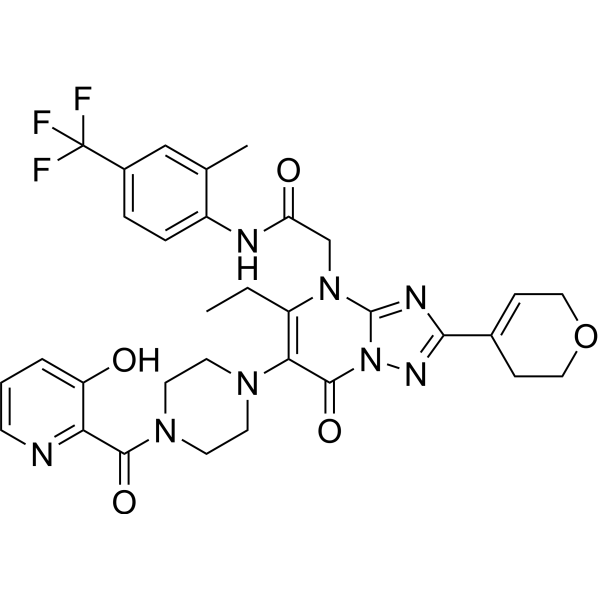
Werner syndrome RecQ helicase-IN-4 is a potent and orally active werner syndrome recQ helicase (WRN) inhibitor with an IC50 value of 0.06 µM. Werner syndrome RecQ helicase-IN-4 shows antiproliferative activity. Werner syndrome RecQ helicase-IN-4 shows anticancer activity .
|
-
-
- HY-163529
-
|
|
HSV
Cytochrome P450
|
Infection
|
|
HN0037 is a selective, orally active Helicase-primase inhibitor. HN0037 is mainly metabolized by CYP3A4. HN0037 inhibits HSV replication by targeting the viral helicase-primase complex, which consists of three proteins encoded by UL5 (helicase), UL52 (primase), and UL8 (scaffold protein that promotes primer synthesis) .
|
-

-
- HY-D0306
-
|
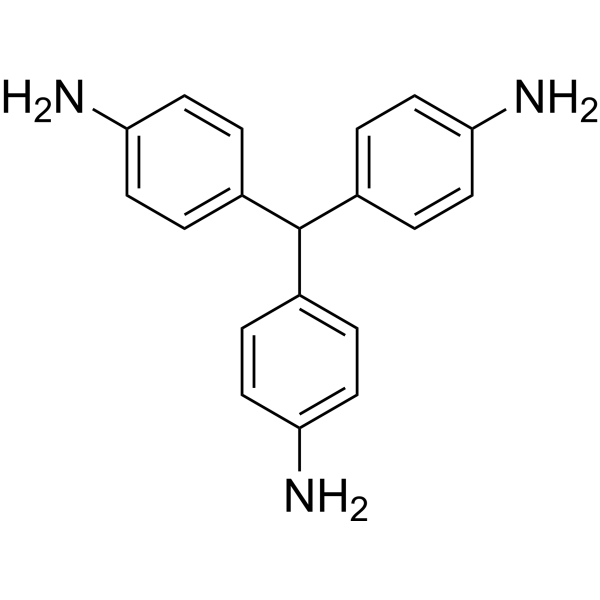
Leucopararosaniline
|
DNA/RNA Synthesis
HCV
|
Infection
|
|
Tris(4-aminophenyl)methane is a triphenylmethane dye. Tris(4-aminophenyl)methane is a weak HCV helicase inhibitor.
|
-
-
- HY-173018
-
|
|
HCV
Dengue Virus
|
Infection
|
|
ML283 is a HCV NS3 helicase inhibitor (IC50: 2.6 μM). ML283 also inhibits DenV ATPase (IC50: 4.0 μM) .
|
-

-
- HY-15594
-
|
|
DNA/RNA Synthesis
|
Cancer
|
|
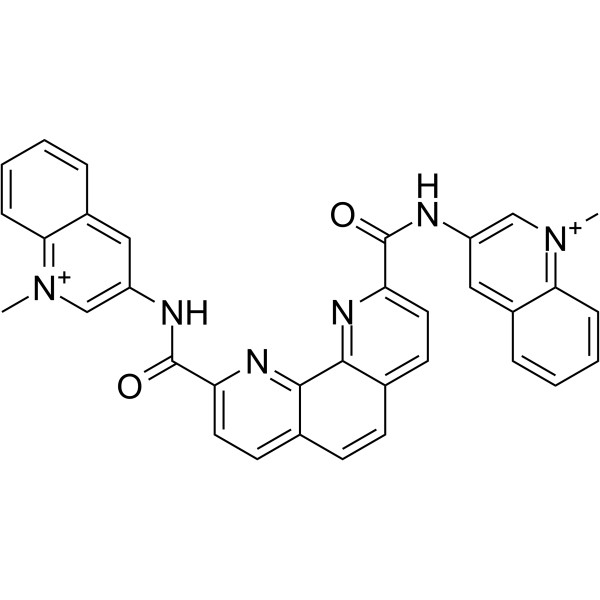
Phen-DC3 is a G-quadruplex (G4) specific ligand which can inhibit FANCJ and DinG helicases with IC50s of 65±6 and 50±10 nM, respectively.
|
-
-
- HY-176268
-
|
RA-0188293; RA-NSP2-1
|
DNA/RNA Synthesis
Virus Protease
Flavivirus
|
Infection
|
|
SGC-NSP2hel-1 (RA-0188293), a chemical probe, is a potent, specific and orally active nsP2 inhibitor. SGC-NSP2hel-1 has broad spectrum activity against multiple alphaviruses of the nsP2 helicase with a CC50 > 250 μM.
SGC-NSP2hel-1 (RA-0188293) shows selectivity index > 4000 against human
RNA helicases. SGC-NSP2hel-1 reduces virus replication and limited virus-induced pathology by forming a stable complex with nsP2 and ATP in a preclinical small animal model of CHIKV disease.
|
-

-
- HY-153692
-
|
|
DNA/RNA Synthesis
|
Cancer
|
|
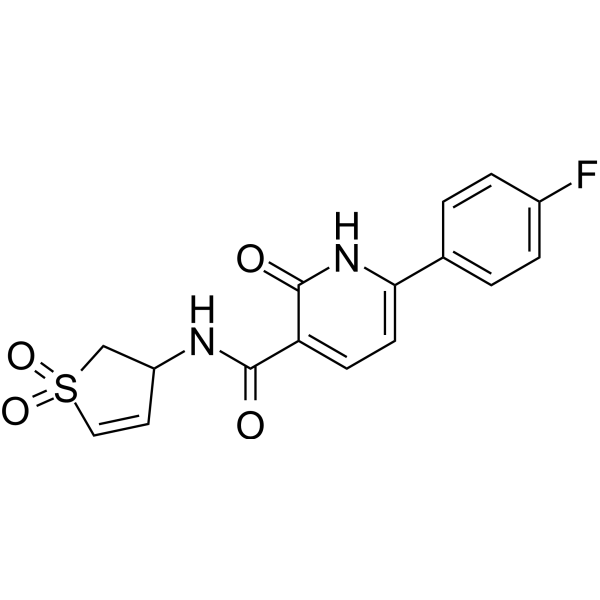
WRN inhibitor 1 is a Wemer Syndrome ATP dependent helicase enzyme (WRN) inhibitor that inhibits WRN helicase domain activity. WRN inhibitor 1 can be used in the study of cancer .
|
-
-
- HY-148700
-
|
|
DNA/RNA Synthesis
|
Cancer
|
|
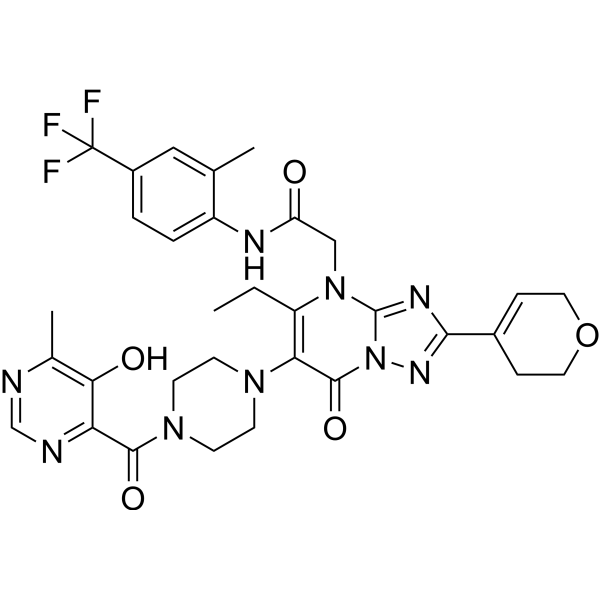
Werner syndrome RecQ helicase-IN-2 (example 57) is a potent Werner syndrome RecQ DNA helicase enzyme (WRN) inhibitor and can be used in cancer research .
|
-
-
- HY-144800
-
|
|
SARS-CoV
|
Infection
|
|
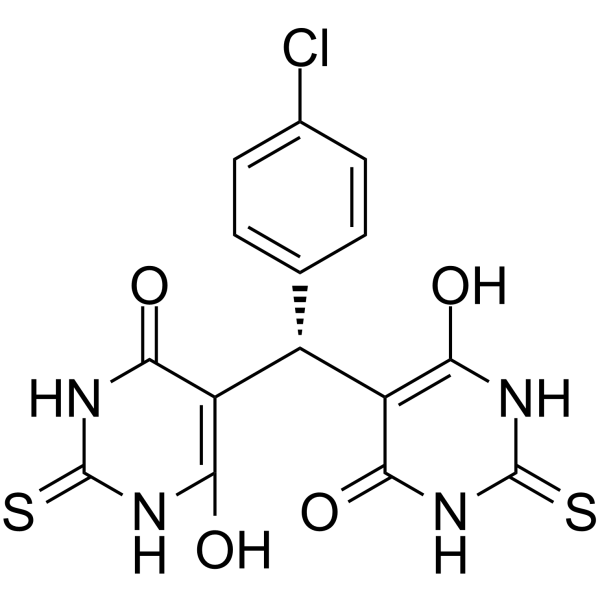
FWM-1 is a potent SARS-COV-2 NSP13 helicase enzyme inhibitor with binding free energy equals -328.6 kcal/mol. FWM-1 effectively disrupts the binding of ATP to the SARS-COV2 helicase enzyme .
|
-
-
- HY-156580
-
|
|
DNA/RNA Synthesis
|
Cancer
|
|
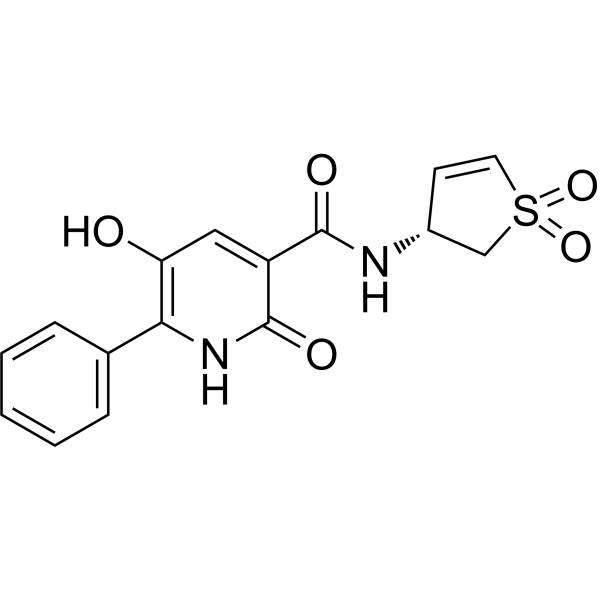
WRN inhibitor 4 is a Werner Syndrome ATP-dependent helicase (WRN) inhibitor. WRN inhibitor 4 can be used for cancer research .
|
-
-
- HY-156579
-
|
|
DNA/RNA Synthesis
|
Cancer
|
|
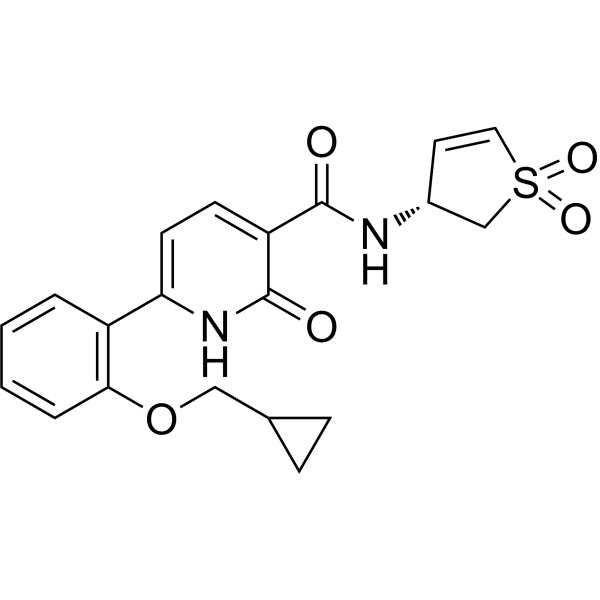
WRN inhibitor 3 (example 110), a cyclic vinyl sulfone compound, is a Wemer Syndrome ATP dependent helicase enzyme (WRN) inhibitor. WRN inhibitor 3 can be used for the research of cancer .
|
-
-
- HY-156581
-
|
|
DNA/RNA Synthesis
|
Cancer
|
|
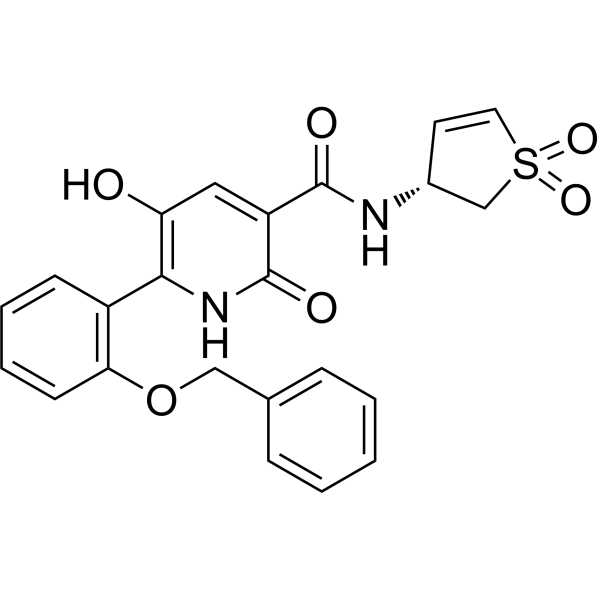
WRN inhibitor 5, a cyclic vinyl sulfone compound, is a Wemer Syndrome ATP dependent helicase enzyme (WRN) inhibitor. WRN inhibitor 5 can be used for the research of cancer, including cancers characterized by microsatellite instability (MSI) and/or defective DNA mismatch repair system (dMMR) .
|
-
-
- HY-15303B
-
|
AIC316 mesylate hydrate; BAY 57-1293 mesylate hydrate
|
DNA/RNA Synthesis
HSV
|
Infection
|
|
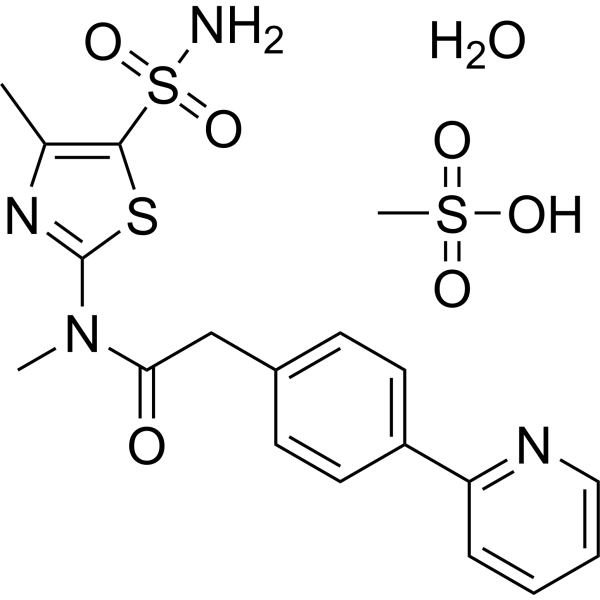
Pritelivir mesylate hydrate (BAY 57-1293 mesylate hydrate), an inhibitor of the viral helicase-primase complex, exhibits antiviral activity in vitro and in animal models of herpes simplex virus (HSV) infection. Pritelivir mesylate hydrate is active against herpes simplex virus types 1 and 2 (HSV-1 and HSV-2) with the IC50 of 0.02 μM against HSV1-2 .
|
-
-
- HY-178991
-
|
|
DNA/RNA Synthesis
|
Cancer
|
|
WRN-IN-21 (Compound 11b) is a WRN helicase inhibitor with pIC50 values for WRN and BLM helicases of 3.6 and 5.4 respectively. WRN-IN-21 can be used for the study of MSI-related cancers .
|
-

-
- HY-169423
-
|
|
DNA/RNA Synthesis
|
Cancer
|
|
WRN inhibitor 17 (Compound 250) is an orally active Werner Syndrome ATP dependent helicase enzyme (WRN) inhibitor, in particular inhibit WRN helicase domain activity. WRN inhibitor 17 is promising for research of cancers .
|
-

-
- HY-168592
-
-

-
- HY-175012
-
-

-
- HY-153973
-
|
|
DNA/RNA Synthesis
|
Cancer
|
|
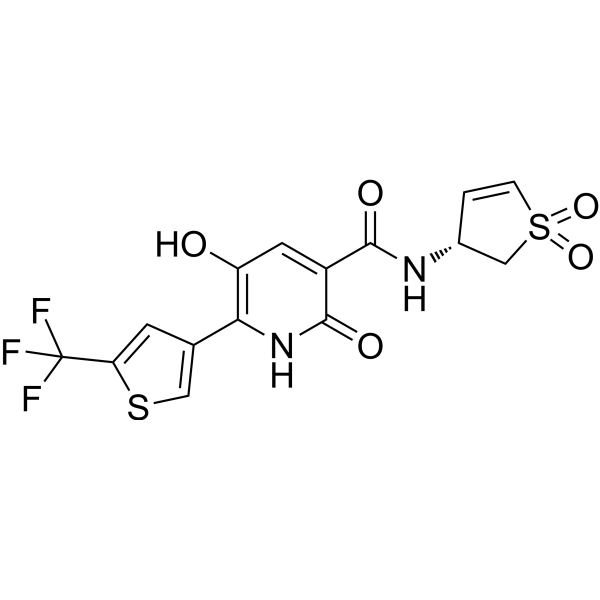
WRN inhibitor 2 (example 118) is a WRN (Werner Syndrome ATP dependent helicase enzyme) inhibitor, with pIC50 ≥ 7.0 .
|
-
-
- HY-160010
-
|
|
DNA/RNA Synthesis
|
Cancer
|
|
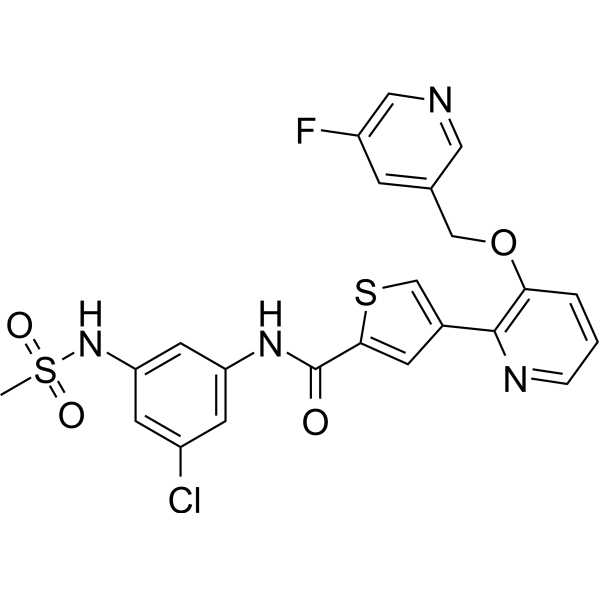
DHX9-IN-6 (Compound 620) is an ATP-dependent inhibitor of RNA helicase A (DHX9) with potential for cancer research .
|
-
-
- HY-160008
-
|
|
DNA/RNA Synthesis
|
Cancer
|
|
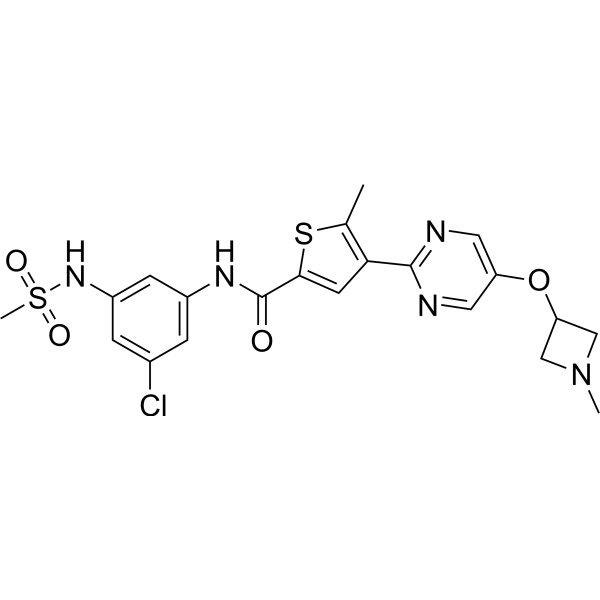
DHX9-IN-4 (Compound 609) is an ATP-dependent inhibitor of RNA helicase A (DHX9) with potential for cancer research .
|
-
-
- HY-14809R
-
|
ASP2151 (Standard)
|
Reference Standards
HSV
|
Infection
|
|
Amenamevir (Standard) is the analytical standard of Amenamevir. This product is intended for research and analytical applications. Amenamevir is a helicase-primase inhibitor which has potent antiviral activity against HSVs with an EC50 of 14 ng/mL.
|
-

- HY-157607
-
|
|
DNA/RNA Synthesis
|
Cancer
|
|
DHX9-IN-15 (287) is a RNA helicase DHX9 inhibitor, with an EC50 of 0.232 μM in DHX9 cellular target engagement. Used in cancer research .
|
-
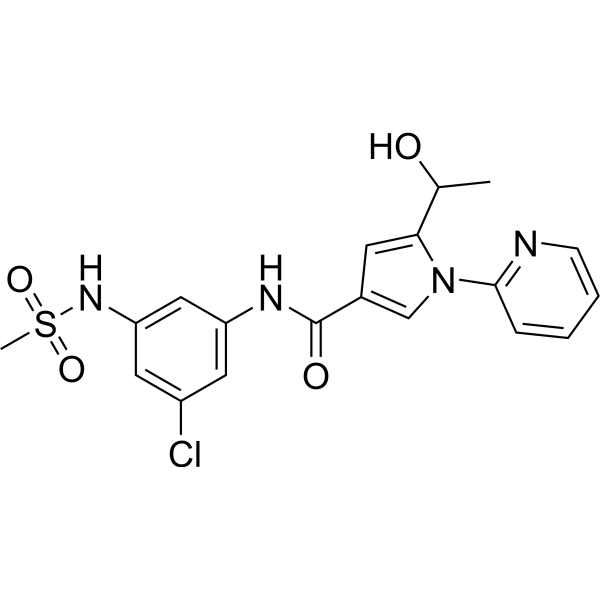
- HY-157612
-
|
|
DNA/RNA Synthesis
|
Cancer
|
|
DHX9-IN-16 (208) is a RNA helicase DHX9 inhibitor, with an EC50 of 0.125 μM in DHX9 cellular target engagement. Used in cancer research .
|
-
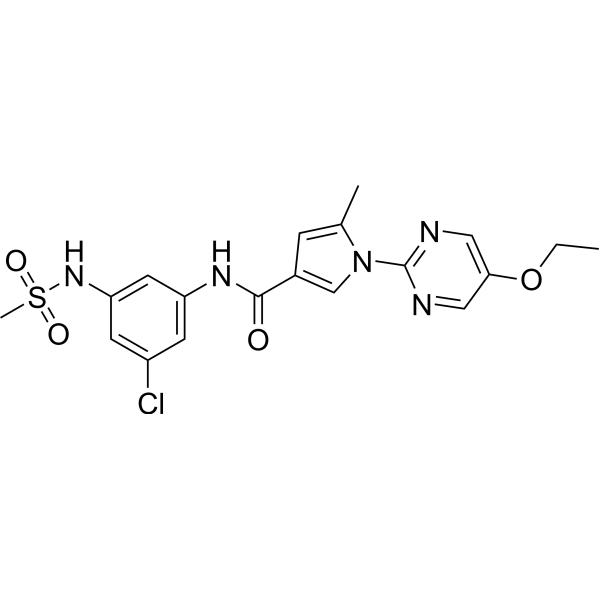
- HY-157606
-
|
|
DNA/RNA Synthesis
|
Cancer
|
|
DHX9-IN-13 (389) is a RNA helicase DHX9 inhibitor, with an EC50 of 3.4 μM in DHX9 cellular target engagement. Used in cancer research .
|
-
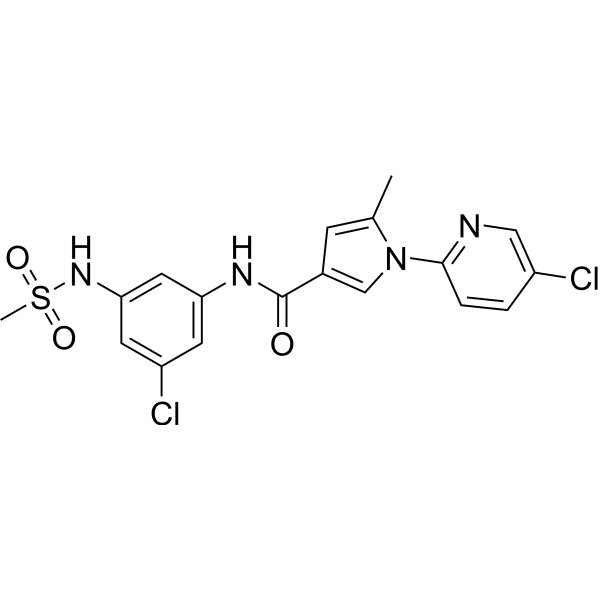
- HY-157605
-
|
|
DNA/RNA Synthesis
|
Cancer
|
|
DHX9-IN-11 (469) is a RNA helicase DHX9 inhibitor, with an EC50 of 0.0838 μM in DHX9 cellular target engagement. Used in cancer research .
|
-
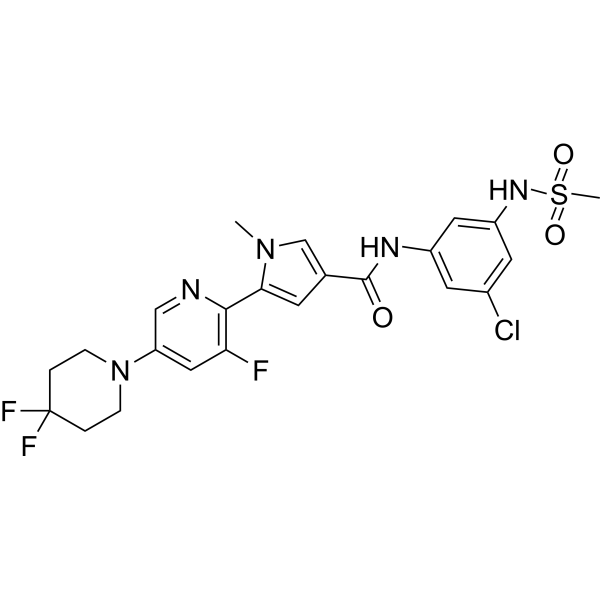
- HY-157611
-
|
|
DNA/RNA Synthesis
|
Cancer
|
|
DHX9-IN-17 (186) is a RNA helicase DHX9 inhibitor, with an EC50 of 0.161 μM in DHX9 cellular target engagement. Used in cancer research .
|
-
- HY-157602
-
|
|
DNA/RNA Synthesis
|
Cancer
|
|
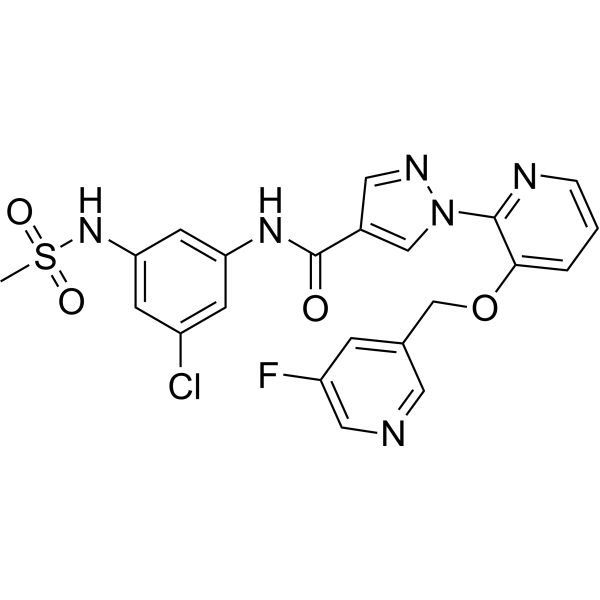
DHX9-IN-8 (Compound 6) is a RNA helicase DHX9 inhibitor, with an EC50 of 3.4 μM in DHX9 cellular target engagement. Used in cancer research .
|
-
- HY-161386
-
|
|
DNA/RNA Synthesis
|
Cancer
|
|
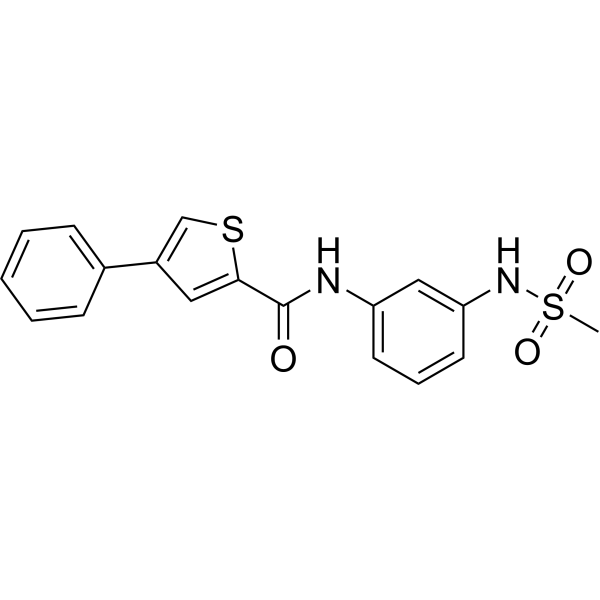
WRN inhibitor 7 (Compound h6) is a WRN inhibitor. WRN inhibitor 7 effectively inhibits WRN's helicase and ATPase activity (IC50: 9.8 μM and 15.8 μM respectively). WRN inhibitor 7 can be used for research of microsatellite instable (MSI) cancers .
|
-
- HY-N6936
-
|
|
DNA/RNA Synthesis
HCV
Akt
GLUT
|
Infection
|
|
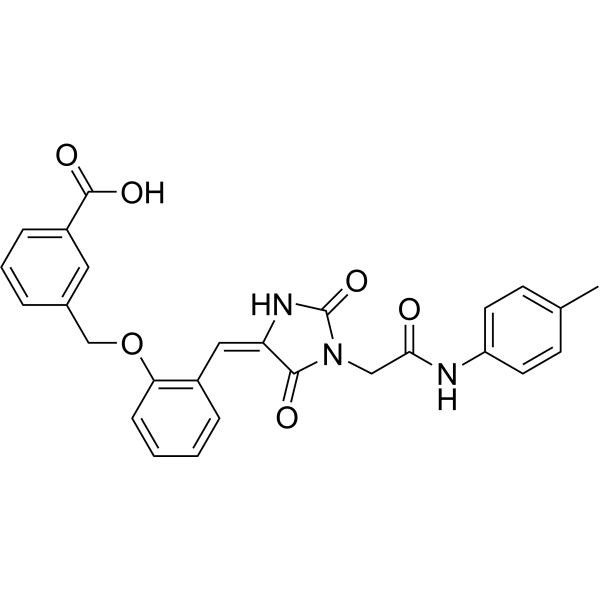
Sennidin A, isolated from the leaves of Cassia angustifolia, inhibits HCV NS3 helicase, with an IC50 of 0.8 μM. Sennidin A induces phosphorylation of Akt and glucose transporter 4 (GLUT4) translocation. Sennidin A stimulates the glucose incorporation .
|
-
- HY-174217
-
|
|
DNA/RNA Synthesis
|
Cancer
|
|
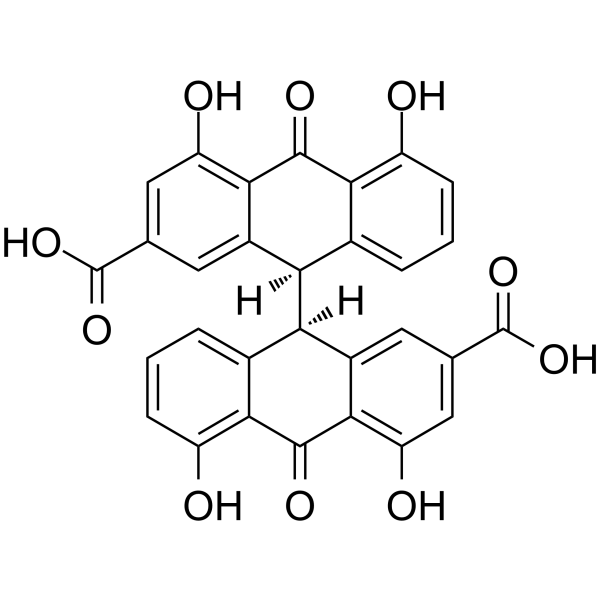
WRN-IN-19 (Compound (S)-27) is a covalent WRN helicase inhibitor, with pIC50 (0 h/4 h) = 5.4/7.5 in the DNA-unwinding
5 endpoint assays. WRN-IN-19 shows synthetic lethality in MSI-H (high microsatellite instability) cancer cells .
|
-

- HY-129767
-
|
|
Eukaryotic Initiation Factor (eIF)
|
Cancer
|
|
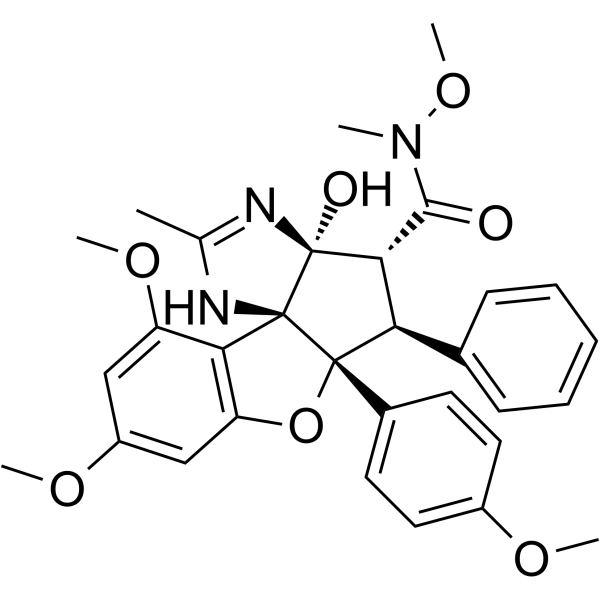
CMLD012612 is an amidino-rocaglate containing a hydroxamate group and is a potent eukaryotic initiation factor 4A (eIF4A) inhibitor. CMLD012612 inhibits cell translation and is cytotoxic to NIH/3T3 cells with an IC50 value of 2 nM. CMLD012612 inhibits eukaryotic translation initiation by modifying the behavior of the RNA helicase (eIF4A) and possesses potent anti-neoplastic activity .
|
-
- HY-163941
-
|
|
DNA/RNA Synthesis
|
Cancer
|
|
GSK_WRN2 is a potent and selective covalent WRN helicase inhibitor that suppresses replication stress caused by DNA (TA)n dinucleotide repeat expansions. GSK_WRN2 can be used to study microsatellite instability (MSI) cancers .
|
-

- HY-175234
-
|
|
DNA/RNA Synthesis
Virus Protease
|
Infection
|
|
CHIKV nsP2 protease-IN-2 (Compound 2o) is a allosteric nonstructural protein 2 helicase (nsP2hel) inhibitor with IC50s of 0.5 μM and 0.9 μM for nsP2 ATPase and RNA unwindase, respectively. CHIKV nsP2 protease-IN-2 has broad-spectrum antialphaviral activity against chikungunya virus (CHIKV), Mayaro virus (MAYV), and Venezuelan equine encephalitis virus (VEEV) (EC50 of 120 nM for CHIKV-nLuc). CHIKV nsP2 protease-IN-2 can be used for alphaviruses infections research .
|
-

- HY-162146
-
-
- HY-163529A
-
|
|
HSV
|
Infection
|
|
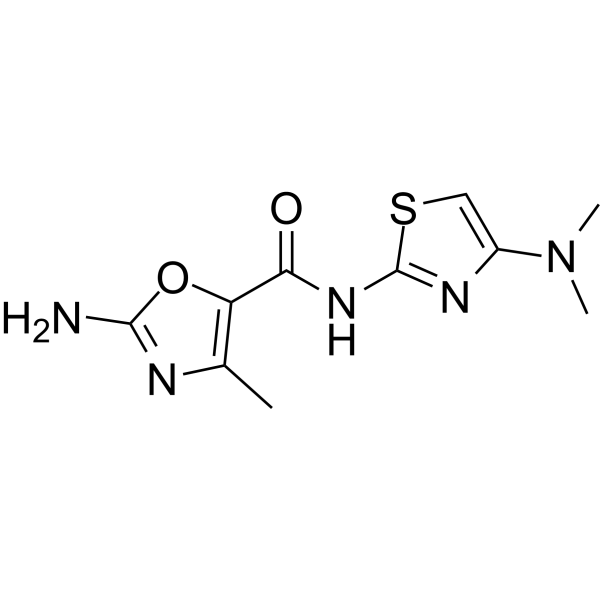
(S)-HN0037 is the (S)-isomer of HN0037 (HY-163529), a selective and orally active helicase-primase inhibitor that inhibits HSV replication by targeting the viral helicase-primase enzyme complex .
|
-

- HY-164852
-
-

- HY-168583
-
|
|
DNA/RNA Synthesis
|
Cancer
|
|
WRN inhibitor 11 (Example 17) is an orally active inhibitor of WRN helicase, with the IC50 of 63 nM .
|
-

- HY-144798
-
|
|
SARS-CoV
|
Infection
|
|
FWM-5 is a potent NSP13 helicase inhibitor. SARS-COV-2 NSP13 helicase enzyme plays crucial role in the virus life cycle. FWM-5 has the potential for the research of infection diseases .
|
-
- HY-N14130
-
-

- HY-N14131
-
-

- HY-N14132
-
-

- HY-176727
-
|
|
DNA/RNA Synthesis
|
Cancer
|
|
WRN inhibitor 19 (Compound 40) is a WRN helicase inhibitor (IC50: 3.7 nM). WRN inhibitor 19 exhibits selective antiproliferative activity in WRN-dependent cancer cells. WRN inhibitor 19 inhibits WRN helicase function by competitively binding to the ATP site and induces DNA damage and cell cycle arrest. WRN inhibitor 19 can be used in the study of WRN-dependent cancers .
|
-

- HY-146987
-
-
- HY-144799
-
-
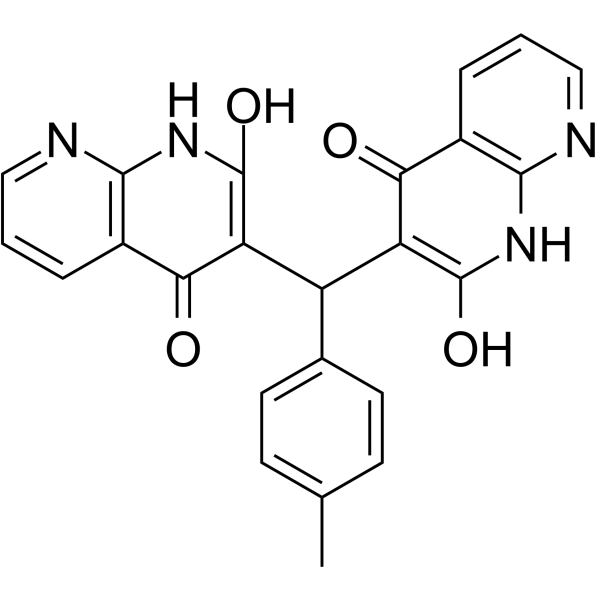
- HY-162711
-
|
|
DNA/RNA Synthesis
|
Cancer
|
|
Methylbiocin is an ATP competitive inhibitor for human CMG helicase with an IC50 of 59 µM. Methylbiocin exhibits potential in cancer research .
|
-

- HY-106305
-
|
CI 958
|
DNA/RNA Synthesis
|
Cancer
|
|
Ledoxantrone (CI 958) is a DNA helicases inhibitor with an IC50 of 0.17 μM. Ledoxantrone can be used in the study of prostate cancer .
|
-

- HY-106305A
-
|
CI 958 trihydrochloride
|
DNA/RNA Synthesis
|
Cancer
|
|
Ledoxantrone (CI 958) trihydrochloride is a DNA helicases inhibitor with an IC50 of 0.17 μM. Ledoxantrone trihydrochloride can be used in the study of prostate cancer .
|
-
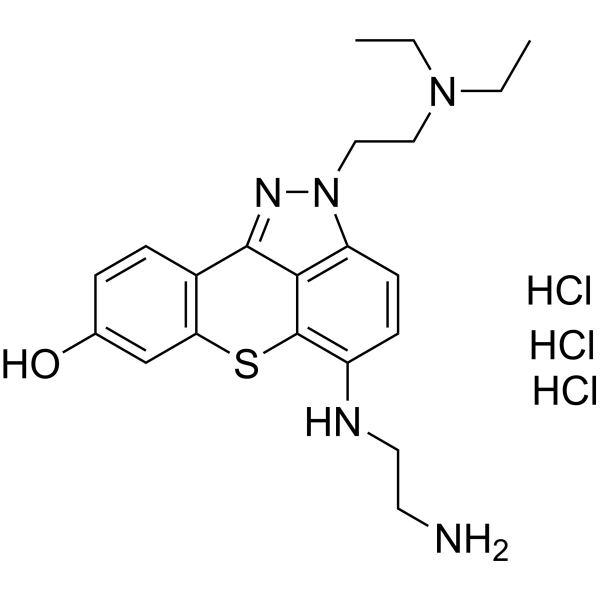
- HY-157610
-
|
|
DNA/RNA Synthesis
|
Cancer
|
|
DHX9-IN-14 (161) is a RNA helicase DHX9 inhibitor, with an EC50 of 3.4 μM in DHX9 cellular target engagement. Used in cancer research .
|
-
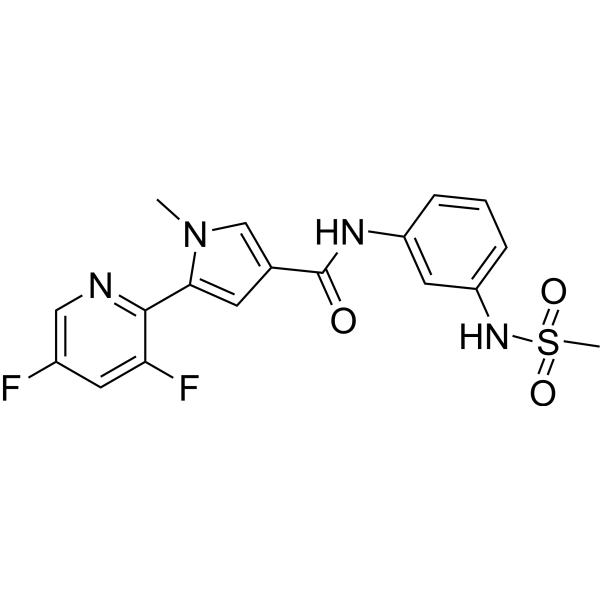
- HY-157609
-
|
|
DNA/RNA Synthesis
|
Cancer
|
|
DHX9-IN-12 (83) is a RNA helicase DHX9 inhibitor, with an EC50 of 0.917 μM in DHX9 cellular target engagement. Used in cancer research .
|
-
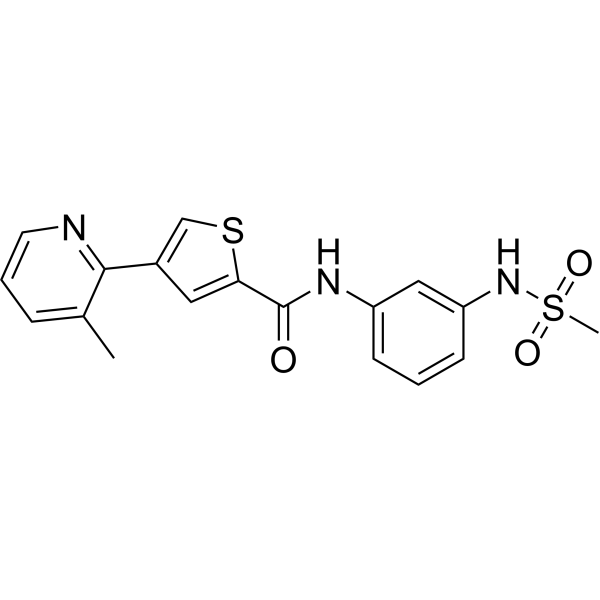
- HY-157603
-
|
|
DNA/RNA Synthesis
|
Cancer
|
|
DHX9-IN-7 (550) is a RNA helicase DHX9 inhibitor, with an EC50 of 0.105 μM in DHX9 cellular target engagement. Used in cancer research .
|
-
- HY-157608
-
|
|
DNA/RNA Synthesis
|
Cancer
|
|
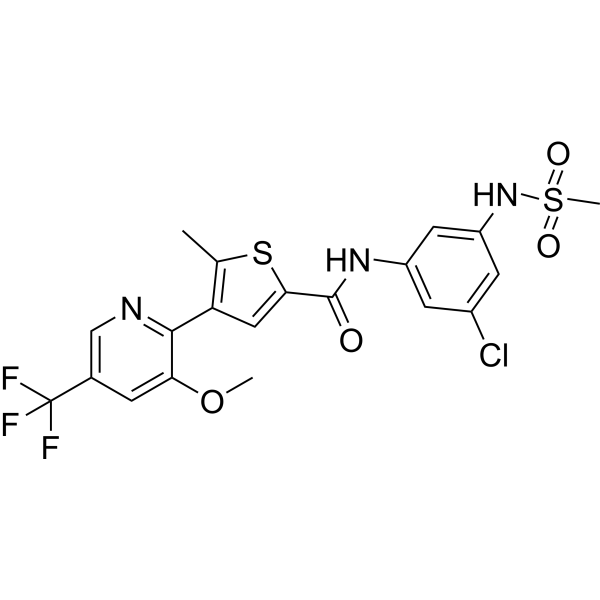
DHX9-IN-10 (49) is a RNA helicase DHX9 inhibitor, with an EC50 of 9.04 μM in DHX9 cellular target engagement. Used in cancer research .
|
-
- HY-106197B
-
|
|
CMV
|
Infection
|
|
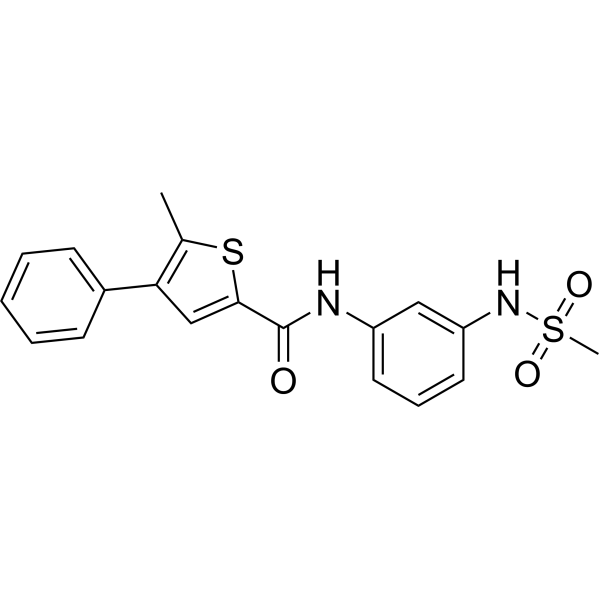
T-0902611 benzenesulfonate is a specific HCMV inhibitor. T-0902611 benzenesulfonate targets and covalently modifies the HCMV helicase–primase complex. T-0902611 benzenesulfonate can be used in the research of HCMV infection .
|
-

- HY-129769
-
|
|
Eukaryotic Initiation Factor (eIF)
|
Cancer
|
|
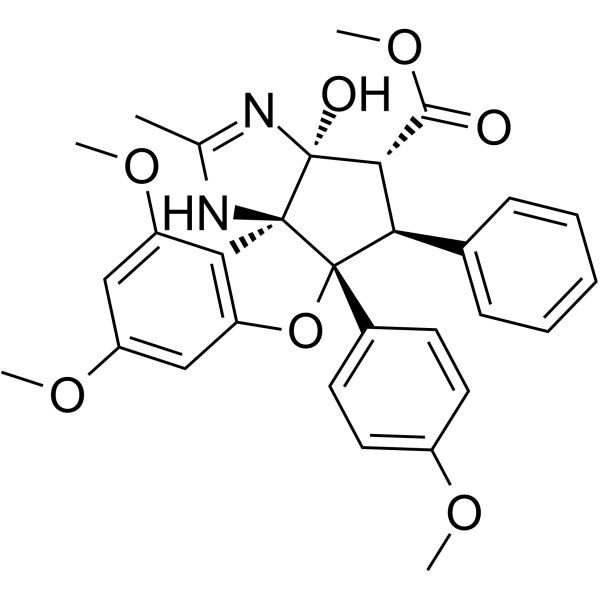
CMLD012073 is an amidino-rocaglates and is a potent eukaryotic initiation factor 4A (eIF4A) inhibitor. CMLD012073 inhibits the growth of NIH/3T3 cells with an IC50 of 10 nM. CMLD012073 inhibits eukaryotic translation initiation by modifying the behavior of the RNA helicase (eIF4A) .
|
-
- HY-161946
-
|
|
DNA/RNA Synthesis
Apoptosis
|
Cancer
|
|
GBM CSCs-IN-1 (Compound (−)-20), a derivative of rocaglate, is a potent inhibitor of glioblastoma stem cells (GBM CSCs) with an EC50 of 45 nM, functioning by targeting the RNA helicase DDX3. Furthermore, GBM CSCs-IN-1 is also capable of inducing apoptosis .
|
-

- HY-163797
-
|
|
DNA/RNA Synthesis
|
Cancer
|
|
WRN inhibitor 10 (Compound P24) is an inhibitor for the Werner helicase WRN with an IC50 of 1.1 nM. WRN inhibitor 10 inhibits the proliferation of cancer cell SW48 with IC50 of 39 nM. WRN inhibitor 10 exhibits good liver microsomal stability and film permeability. WRN inhibitor 10 exhibits good pharmacokinetic characteristics in CD-1 mice .
|
-

- HY-152259
-
|
|
DNA/RNA Synthesis
TMV
|
Infection
|
|
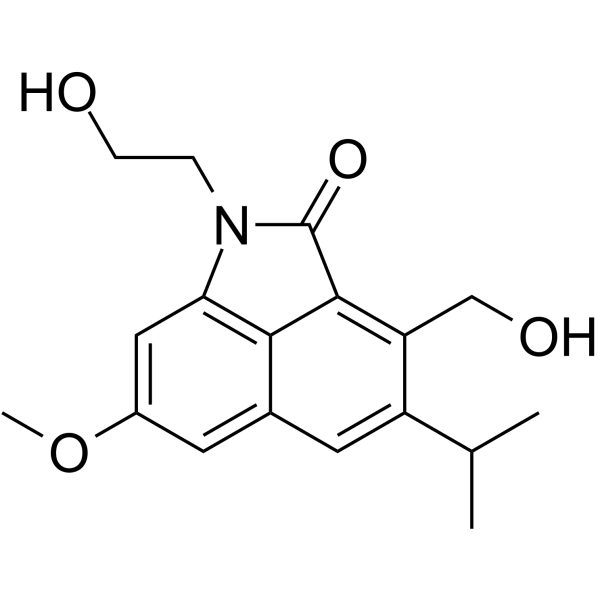
TMV-IN-4 (compound 3) is a tobacco mosaic virus (TMV) inhibitor that effectively induces resistance and enhances plant tolerance to TMV infection by interacting with TMV helicase. TMV-IN-4 enhances peroxidase and superoxide dismutase activity, thereby increasing resistance to TMV in tobacco .
|
-
- HY-163325A
-
|
|
DNA/RNA Synthesis
|
Cancer
|
|
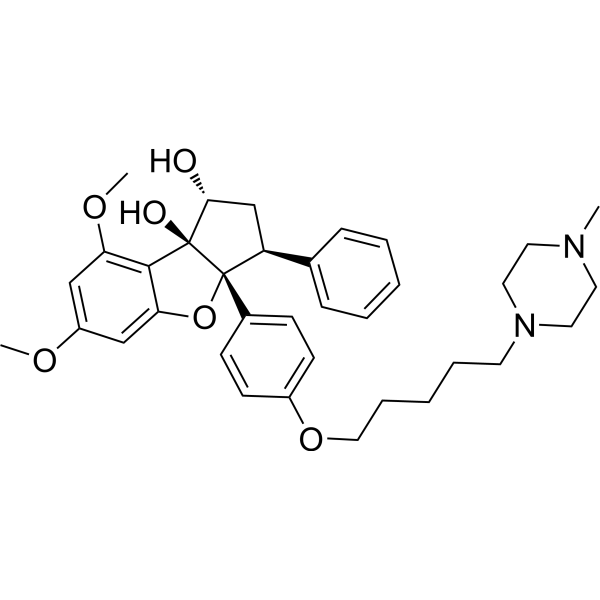
Fli-1-IN-1 (compound 21) is a FLI1 targeting agent that directly binds to and inhibits the EWS-FLI1 protein interaction. EWS-FLI1 can bind to RNA helicase A, and Fli-1-IN-1 inhibits EWS-FLI1 and has potential anticancer activity .
|
-
- HY-163325
-
|
|
DNA/RNA Synthesis
|
Cancer
|
|
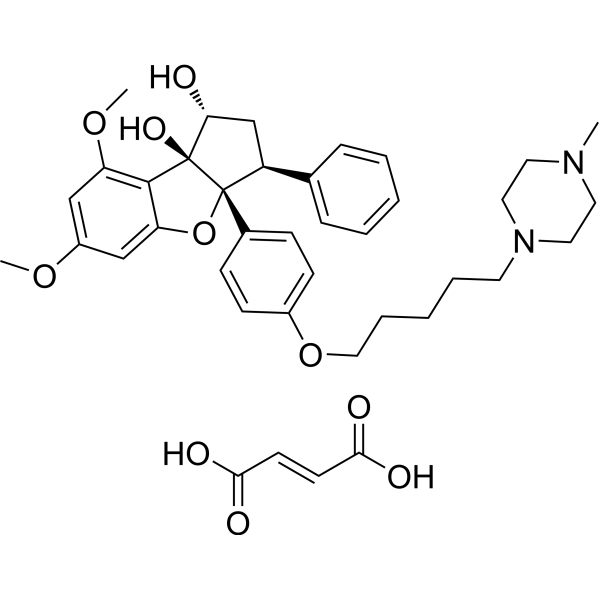
Fli-1-IN-1 (compound 21) fumarate is a FLI1 targeting agent that directly binds to and inhibits the EWS-FLI1 protein interaction. EWS-FLI1 can bind to RNA helicase A, and Fli-1-IN-1 fumarate inhibits EWS-FLI1 and has potential anticancer activity .
|
-
- HY-176912
-
|
|
DNA/RNA Synthesis
|
Cancer
|
|
WRN-IN-22 (compound A01) is a potent Werner syndrome RecQ helicase (WRN) inhibitor (IC50 < 100 nM). WRN-IN-22 can be used for microsatellite instability-high (MSI-H) or mismatch repair deficient (dMMR) cancer research, such as colorectal, gastric, prostate and endometrial cancer .
|
-

- HY-160813
-
|
|
DNA/RNA Synthesis
|
Cancer
|
|
DHX9-IN-13 (Example 1) is a RNA helicase DHX9 inhibitor with an EC50 of 16.4 μM. DHX9-IN-13 exhibits biochemical infection point of 0.32 μM. DHX9-IN-13 can be used for the study of cancers .
|
-

- HY-163546
-
|
|
HSV
|
Infection
|
|
HSV-1-IN-1 (compound 1b) is a drug candidate for herpes simplex virus HSV-1(IC50=0.5 nM) and HSV-2(IC50=16 nM) infection. HSV-1-IN-1 inhibits the helicase-primase complex to prevent viral replication, thereby inhibiting HSV infection .
|
-

- HY-N6936R
-
|
|
Reference Standards
HCV
Akt
GLUT
|
Infection
|
|
Sennidin A (Standard) is the analytical standard of Sennidin A. This product is intended for research and analytical applications. Sennidin A, isolated from the leaves of Cassia angustifolia, inhibits HCV NS3 helicase, with an IC50 of 0.8 μM. Sennidin A induces phosphorylation of Akt and glucose transporter 4 (GLUT4) translocation. Sennidin A stimulates the glucose incorporation .
|
-

- HY-182634
-
|
|
DNA/RNA Synthesis
Phosphatase
|
Cancer
|
|
NCGC00063279 is a reversible Werner Syndrome Helicase-Nuclease (WRN) helicase inhibitor with modest selectivity over BLM and FANCJ helicases, and does not inhibit WRN exonuclease activity at active concentrations. NCGC00063279 inhibits Hematopoietic Protein Tyrosine Phosphatase (HePTP) and reduces proliferation of cancer cells. NCGC00063279 can be used for the research of osteosarcoma .
|
-

- HY-100455R
-
|
|
DNA/RNA Synthesis
Reference Standards
SARS-CoV
|
Cancer
|
|
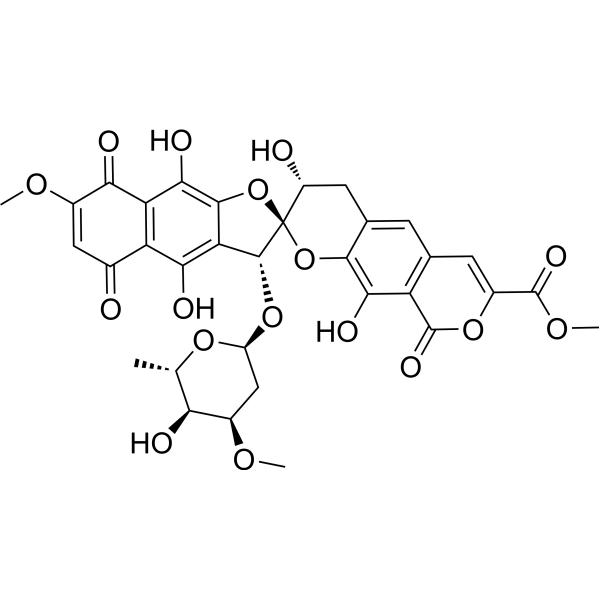
RK-33 (Standard) is the analytical standard of RK-33 (HY-100455). This product is intended for research and analytical applications. RK-33 is an RNA helicase inhibitor against DDX3, and inhibits its helicase activity.
|
-

- HY-179326
-
|
|
DNA/RNA Synthesis
|
Cancer
|
|
WRN-IN-23 is a Werner Syndrome helicase enzyme (WRN) inhibitor. WRN-IN-23 inhibits the ATP-dependent helicase domain activity of WRN. WRN-IN-23 can be used for the research of cancers characterized by microsatellite instability (MSI) and/or defective DNA mismatch repair system (dMMR) .
|
-

- HY-180844
-
|
|
HSV
|
Infection
|
|
ABI-5366 is a helicase-primase inhibitor. ABI-5366 can be used for research of herpes simplex virus (HSV) infection .
|
-

- HY-150306B
-
|
(R)-IM-250
|
HSV
DNA/RNA Synthesis
|
Infection
|
|
(R)-Adibelivir ((R)-IM-250) is a blood-brain barrier-permeable HSV helicase-primase inhibitor. (R)-Adibelivir specifically inhibits the activity of the HSV UL5-UL52-UL8 helicase-primase complex. (R)-Adibelivir affects viral reactivation and significantly reduces the reactivation capacity of latent neuronal HSV reservoirs. (R)-Adibelivir can be used in studies related to herpes simplex virus infection, herpes encephalitis, neonatal herpes, and other related conditions .
|
-

- HY-117802
-
|
|
DNA/RNA Synthesis
HCV
HCV Protease
|
Infection
|
|
CID-50930756 is an HCV NS3 helicase inhibitor with an IC50 of 22 μM.CID-50930756 inhibits HCV NS3 helicase-catalyzed nucleic acid unwinding.CID-50930756 inhibits HCV replication in hepatoma cells harboring a stably transfected subgenomic HCV replicon.CID-50930756 does not exhibit toxicity to hepatoma cells at 10 μM.CID-50930756 shows weak DNA-binding activity, displacing less than 20% of SYBR Green I from DNA at 100 μM.CID-50930756 can be used for the research of hepatitis c .
|
-

- HY-W752451
-
|
ASP2151-d6
|
Isotope-Labeled Compounds
HSV
|
Infection
|
|
Amenamevir-d6 (ASP2151-d6) is the deuterium labeled Amenamevir (HY-14809). Amenamevir is a helicase-primase inhibitor which has potent antiviral activity against HSVs with an EC50 of 14 ng/mL.
|
-

- HY-181557
-
|
|
DNA Alkylator/Crosslinker
DNA/RNA Synthesis
Apoptosis
|
Cancer
|
|
SY-589 is an orally active DNA polymerase Polθ helicase domain inhibitor (IC50=2.29 nM) and DNA damage inducer. SY-589 inhibits the ATPase activity of the Polθ helicase domain and blocks the Polθ-mediated microhomology-mediated end joining (MMEJ) DNA repair pathway (IC50=0.85 nM). SY-589 also induces the accumulation of DNA double-strand breaks by increasing γ-H2AX levels. SY-589 exerts antiproliferative effects on BRCA2-deficient cells and is used in the research of HR-deficient tumors .
|
-

- HY-182313
-
|
|
DNA/RNA Synthesis
|
Cancer
|
|
WRN-IN-25 is an allosteric Werner syndrome helicase (WRN) inhibitor with an IC50 of 15 nM and a Kd of 54 nM. WRN-IN-25 induces DNA damage, reduces cell viability, and exhibits synthetic lethality in WRN-driven high microsatellite instability cancer cells. WRN-IN-25 can be used in research related to microsatellite instability cancers .
|
-

- HY-15303A
-
|
AIC316 mesylate; BAY 57-1293 mesylate
|
DNA/RNA Synthesis
HSV
|
Infection
|
|
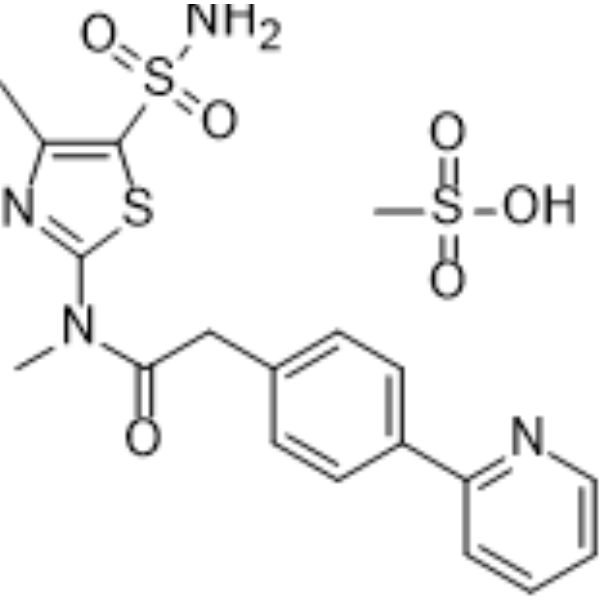
Pritelivir mesylate (BAY 57-1293 mesylate), an inhibitor of the viral helicase-primase complex, exhibits antiviral activity in vitro and in animal models of herpes simplex virus (HSV) infection. Pritelivir mesylate is active against herpes simplex virus types 1 and 2 (HSV-1 and HSV-2) with the IC50 of 0.02 μM against HSV1-2 .
|
-
- HY-161151
-
|
|
DNA/RNA Synthesis
Apoptosis
|
Cancer
|
|
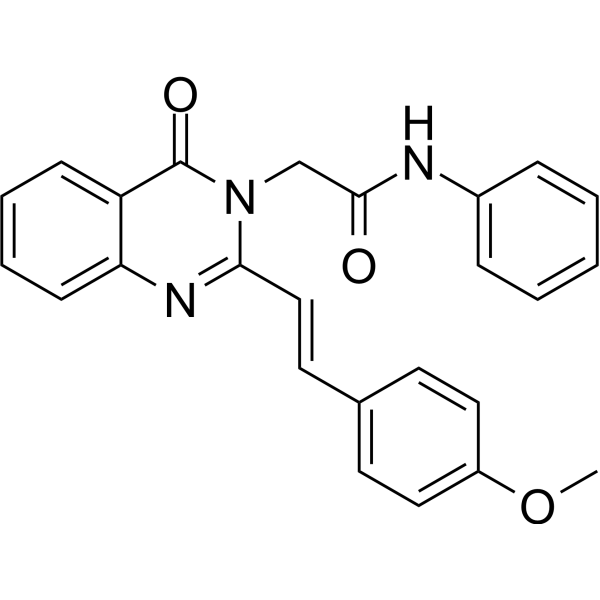
Frangulin B (Compd 11g), a potent anticancer agent, is a potential pan RecQ helicase inhibitor . Frangulin B (Compd 11g) induces apoptosis in both HCT-116 and MDA-MB-231 cell lines, but also causes an G2/M phase cell cycle arrest in HCT-116 cells .
|
-
- HY-162859
-
AB25583
1 Publications Verification
|
DNA/RNA Synthesis
|
Cancer
|
AB25583 is a Polθ helicase (Polθ-hel) small molecule inhibitor, with an IC50 value of 6 nM. AB25583 selectively kills BRCA1/2 deficient cells and works in synergy with Olaparib (HY-10162) in cancer cells carrying pathogenic BRCA1/2 mutations. AB25583 can be used for tumor research .
|
-

- HY-128729R
-
|
|
Reference Standards
DNA/RNA Synthesis
|
Cancer
|
|
DNA2 inhibitor C5 (Standard) is the analytical standard of DNA2 inhibitor C5 (HY-128729). This product is intended for research and analytical applications. DNA2 inhibitor C5 is a potent, competitive, and specific DNA2 nuclease inhibitor with an IC50 of 20 μM. DNA2 inhibitor C5 inhibits the nuclease, DNA-dependent ATPase, helicase, and DNA-binding activities of DNA2. DNA2 inhibitor C5 can be used in breast cancer and colorectal cancer research.
|
-

- HY-150625
-
|
|
DNA/RNA Synthesis
SARS-CoV
|
Infection
|
|
SARS-CoV-2 nsp13-IN-4 (C4 (d)) is a potent and selective nsp13 helicase small-molecule inhibitor and inhibit the ssDNA+ ATPase activity of nsp13 with an IC50 value of 57 μM. SARS-CoV-2 nsp13-IN-4 is agentlike molecule with molecular weight of less than 450Da and can provide a broad-spectrum antiviral effect .
|
-
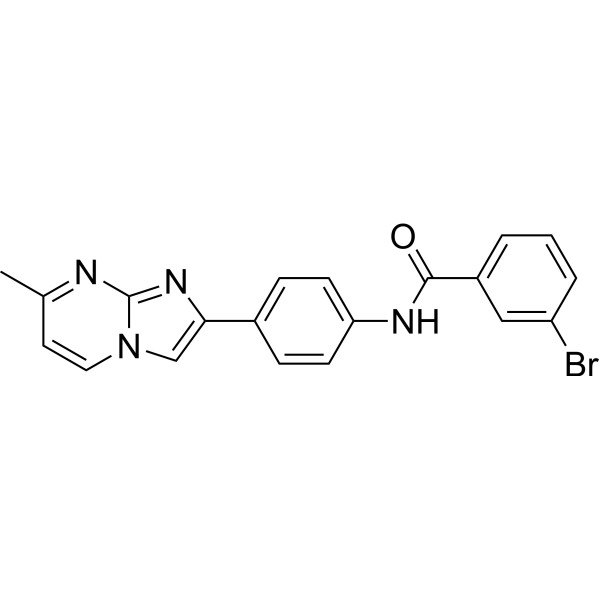
- HY-181562
-
|
|
DNA/RNA Synthesis
|
Cancer
|
|
WRN-IN-24 is an orally active allosteric covalent Werner syndrome helicase (WRN) inhibitor with an IC50 of 201 nM. WRN-IN-24 binds to a novel allosteric cavity, forms an additional hydrogen bond with K894, and functionally inhibits WRN activity. WRN-IN-24 inhibits colorectal cancer cells proliferation and exerts dose-dependent antitumor activity in xenograft mouse models. WRN-IN-24 can be used for the research of microsatellite instability-high cancers, including colorectal cancer .
|
-

- HY-123611
-
|
RX-5902
|
DNA/RNA Synthesis
Apoptosis
|
Cancer
|
|
Supinoxin (RX-5902) is an orally active inhibitor of phosphorylated-p68 RNA helicase (P-p68) and a potent first-in-class anti-cancer agent. Supinoxin interacts with Y593 phosphorylated-p68 and attenuates the nuclear shuttling of β-catenin. Supinoxin induces cell apoptosis and inhibits growth of TNBC cancer cell lines with IC50s ranging from 10 nM to 20 nM .
|
-
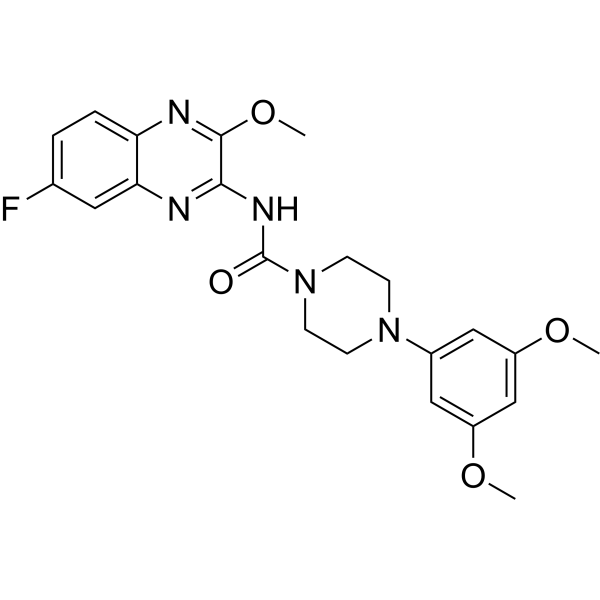
- HY-122903S
-
|
|
Isotope-Labeled Compounds
DNA/RNA Synthesis
|
Cancer
|
|
TK216-d4 is the deuterium labeled TK216 (HY-122903). TK216 is an orally active and potent E26 transformation specific (ETS) inhibitor . TK216 directly binds EWS-FLI1 and inhibits EWS-FLI1 protein interactions. TK216 blocks the binding between EWS-FLI1 and RNA helicase A. TK216 has anticancer activity .
|
-

- HY-163942
-
|
|
DNA/RNA Synthesis
|
Cancer
|
|
GSK_WRN4 is an orally active WRN helicase inhibitor (pIC50=7.6). GSK_WRN4 induces DNA damage markers (p21, p-γH2AX, p-KAP1). GSK_WRN4 selectively inhibits microsatellite-unstable tumor growth in vitro and in vivo by inducing DNA double-strand breaks, particularly at expanded TA repeats and regions of DNA damage .
|
-

- HY-N6935R
-
|
|
Reference Standards
HCV
Akt
GLUT
|
Infection
Metabolic Disease
|
|
Sennidin B (Standard) is the analytical standard of Sennidin B. This product is intended for research and analytical applications. Sennidin B, a stereoisomer isolated from the leaves of Cassia angustifolia, has lower activity than Sennidin A. Sennidin A inhibits HCV NS3 helicase, with an IC50 of 0.8 μM. Sennidin A induces phosphorylation of Akt and glucose transporter 4 (GLUT4) translocation. Sennidin A stimulates the glucose incorporation .
|
-

- HY-114977S
-
|
|
Isotope-Labeled Compounds
Apoptosis
DNA/RNA Synthesis
Reactive Oxygen Species (ROS)
|
Inflammation/Immunology
Cancer
|
|
Avenanthramide A-d4 is the deuterium labeled Avenanthramide A (HY-114977). Avenanthramide A is an orally active phytoalexin that targets the RNA helicase DDX3 with a KD of 8.8 μM. Avenanthramide A induces mitochondrial swelling and increased ROS production, and triggers apoptosis in CRC cells. Avenanthramide A inhibits smooth muscle cell proliferation and enhances nitric oxide production. Avenanthramide A can be used in research on colorectal cancer and atherosclerosis .
|
-

- HY-114977R
-
|
|
Reference Standards
Apoptosis
DNA/RNA Synthesis
Reactive Oxygen Species (ROS)
|
Inflammation/Immunology
Cancer
|
|
Avenanthramide A (Standard) is the analytical standard of Avenanthramide A. This product is intended for research and analytical applications. Avenanthramide A is an orally active phytoalexin that targets the RNA helicase DDX3 with a KD of 8.8 μM. Avenanthramide A induces mitochondrial swelling and increased ROS production, and triggers apoptosis in CRC cells. Avenanthramide A inhibits smooth muscle cell proliferation and enhances nitric oxide production. Avenanthramide A can be used in research on colorectal cancer and atherosclerosis .
|
-

- HY-107825
-
|
|
Endogenous Metabolite
Bacterial
Cholinesterase (ChE)
|
Cardiovascular Disease
Metabolic Disease
Inflammation/Immunology
Cancer
|
|
Flavonol is a cholinesterase (ChE) inhibitor, with an IC50 value of 120 μM and a Ki value of 74 μM. Flavonol has antioxidant, free radical-scavenging, antibacterial properties, and immune modulation functions. Flavonol inhibits the PriA helicase of Staphylococcus aureus. Flavonol can suppress the production of NO in LPS-activated RAW 264.7 cells by inhibiting the expression of the iNOS enzyme. Flavonol shows protective and analgesic effects in mice through various neuronal pathways. Flavonol can be used in research related to tumors and atherosclerosis diseases .
|
-
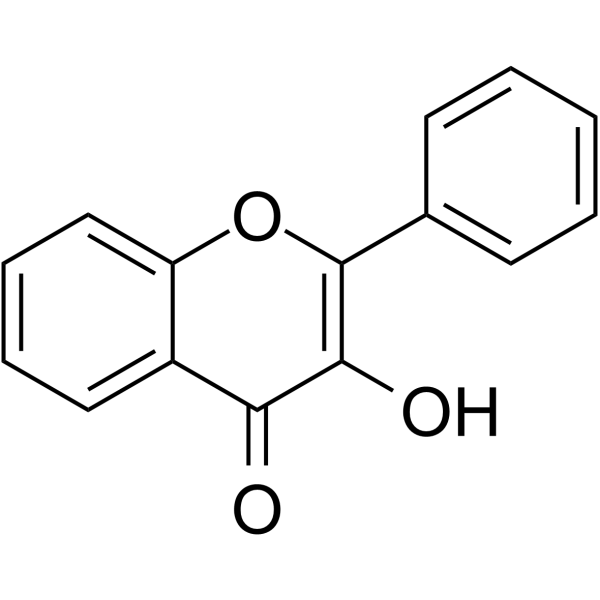
- HY-180578
-
|
|
SARS-CoV
|
Infection
|
|
MWAC-3429 is a potent SARS-CoV-2 Nsp13 helicase inhibitor. MWAC-3429 inhibits SARS-CoV-2 and SARS-CoV1 with EC50s of 5.39 (nLuc assay) and 17.00 μM (CPE assay), respectively, while showing low cytotoxicity in A549-hACE2 cells (CC50 > 50 μM). MWAC-3429 can be used for SARS-CoV-infection research .
|
-

- HY-144256
-
|
|
DNA/RNA Synthesis
Apoptosis
|
Cancer
|
|
CHD1Li 6.11 is a potent and orally active Chromodomain Helicase DNA Binding Protein 1 Like (CHD1L) (oncogenic gene) inhibitor (IC50 = 3.3 µM for cat-CHD1L recombinant protein). CHD1Li 6.11 can inhibit EMT, induce mesenchymal-epithelial transition (reverse EMT) and promote apoptosis in tumor organoid models. CHD1Li 6.11 can be used for the research of cancer, such as colorectal cancer .
|
-
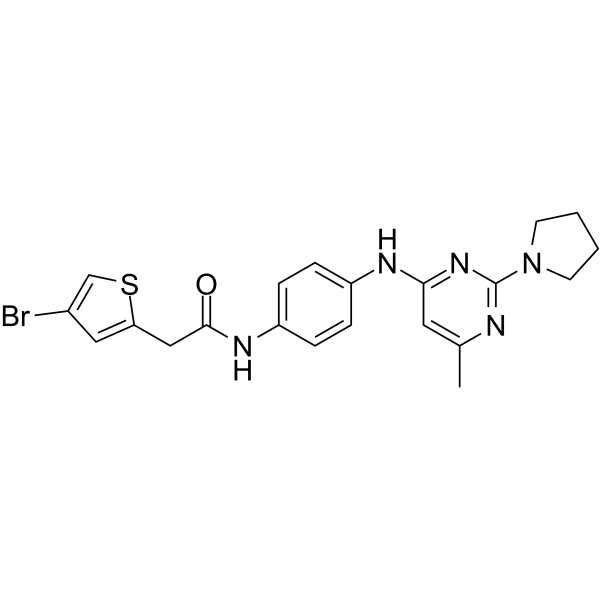
- HY-15303AR
-
|
AIC316 mesylate (Standard); BAY 57-1293 mesylate (Standard)
|
HSV
Reference Standards
|
Infection
|
|
Pritelivir (mesylate) (Standard) is the analytical standard of Pritelivir (mesylate). This product is intended for research and analytical applications. Pritelivir mesylate (BAY 57-1293 mesylate), an inhibitor of the viral helicase-primase complex, exhibits antiviral activity in vitro and in animal models of herpes simplex virus (HSV) infection. Pritelivir mesylate is active against herpes simplex virus types 1 and 2 (HSV-1 and HSV-2) with the IC50 of 0.02 μM against HSV1-2 .
|
-

- HY-15303R
-
|
AIC316 (Standard); BAY 57-1293 (Standard)
|
HSV
Reference Standards
|
Infection
|
|
Pritelivir (Standard) is the analytical standard of Pritelivir. This product is intended for research and analytical applications. Pritelivir (AIC316), an inhibitor of the viral helicase-primase complex, exhibits antiviral activity in vitro and in animal models of herpes simplex virus (HSV) infection. Pritelivir is active against herpes simplex virus types 1 and 2 (HSV-1 and HSV-2) with the IC50 of 0.02 μM against HSV1-2 .
|
-

- HY-146379
-
|
|
DNA/RNA Synthesis
SARS-CoV
|
Infection
|
|
SARS-CoV-2-IN-19 (Compound 6g) is a potent inhibitor of SARS-CoV-2 with an EC50 of 8.8 μM. SARS-CoV-2-IN-19 shows potent activity against SARS-CoV-2 helicase (nsp13), a highly conserved enzyme, highlighting a potentiality against emerging HCoVs outbreaks. SARS-CoV-2-IN-19 has the potential for the research of infection diseases .
|
-
- HY-145685
-
|
|
DNA/RNA Synthesis
|
Cancer
|
|
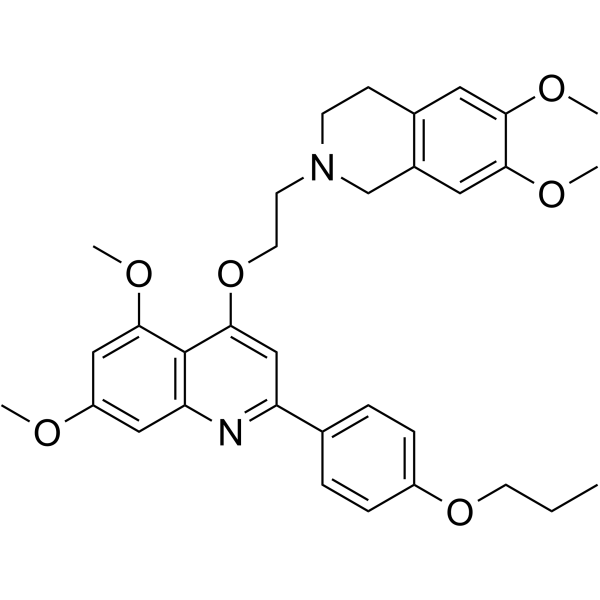
RECQL5-IN-1 (Compound 4a) acts as an orally effective RECQL5 inhibitor (targeting both enzymatic and nonenzymatic domain). RECQL5-IN-1 is a potent inhibitor of RECQL5 helicase activity (IC50=46.3 nM), stabilizes the interaction between RECQL5-RAD51 proteins, causes RAD51 aggregation and homologous recombination repair (HRR) inhibition, thereby exhibiting selective cytotoxicity in RECQL5-expressing cancer cells .
|
-
- HY-107825R
-
|
|
Endogenous Metabolite
Bacterial
Cholinesterase (ChE)
Reference Standards
|
Cardiovascular Disease
Metabolic Disease
Inflammation/Immunology
Cancer
|
|
Flavonol (Standard) is the analytical standard of Flavonol. This product is intended for research and analytical applications. Flavonol is a cholinesterase (ChE) inhibitor, with an IC50 value of 120 μM and a Ki value of 74 μM. Flavonol has antioxidant, free radical-scavenging, antibacterial properties, and immune modulation functions. Flavonol inhibits the PriA helicase of Staphylococcus aureus. Flavonol can suppress the production of NO in LPS-activated RAW 264.7 cells by inhibiting the expression of the iNOS enzyme. Flavonol shows protective and analgesic effects in mice through various neuronal pathways. Flavonol can be used in research related to tumors and atherosclerosis diseases .
|
-

- HY-161916
-
|
|
DNA/RNA Synthesis
|
Cancer
|
|
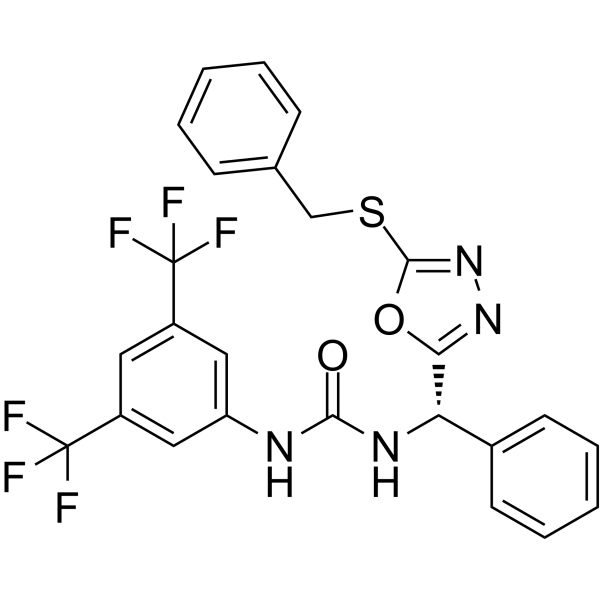
Polθ-IN-4 is an orally active prodrug of a DNA polymerase θ (Polθ) inhibitor with Kms of 3.7, 3.7 and 5.2 μM in human, mouse and rat recombinant alkaline phosphatases. Polθ-IN-4 that inhibits Polθ activity by targeting its ATP-dependent helicase domain. Polθ-IN-4 demonstrates significant anti-tumor activity in multiple animal experiments. Polθ-IN-4 can be used for the studies of breast cancer and ovarian cancer .
|
-

- HY-183610
-
|
|
DNA/RNA Synthesis
PAK
|
Cancer
|
|
WRN-IN-26 is an orally active Werner syndrome helicase (WRN) inhibitor with a human Ki value of 58.7 μM and an IC50 value of 0.026 μM. WRN-IN-26 selectively targets the cysteine residues of WRN. WRN-IN-26 induces the expression of p21 protein in MSI-H tumor cells. WRN-IN-26 inhibits the growth of MSI-H tumor cells and exhibits potent in vivo efficacy in MSI-H xenograft tumor models. WRN-IN-26 can be used for the research of microsatellite instability-high (MSI-H) cancers .
|
-

- HY-15303S
-
|
AIC316-d4-1; BAY 57-1293-d4-1
|
Isotope-Labeled Compounds
HSV
DNA/RNA Synthesis
|
Infection
|
|
Pritelivir-d4-1 (AIC316-d4-1) is deuterium labeled Pritelivir. Pritelivir (AIC316), an inhibitor of the viral helicase-primase complex, exhibits antiviral activity in vitro and in animal models of herpes simplex virus (HSV) infection. Pritelivir is active against herpes simplex virus types 1 and 2 (HSV-1 and HSV-2) with the IC50 of 0.02 μM against HSV1-2 .
|
-

- HY-150306A
-
|
(Rac)-IM-250
|
HSV
DNA/RNA Synthesis
|
Infection
|
|
(Rac)-Adibelivir ((Rac)-IM-250) is a blood-brain barrier-penetrant HSV helicase-primase inhibitor and metabolic stabilizer with antiviral activity. (Rac)-Adibelivir is also effective against Acyclovir (HY-17422)-resistant strains, and its deuterated structure exhibits enhanced metabolic stability, reducing the formation of hydroxylated metabolites. (Rac)-Adibelivir prolongs in vivo half-life, reduces administration dosage, improves oral bioavailability, and achieves higher brain exposure in mice. (Rac)-Adibelivir can be used in the research of herpes simplex infection, herpes encephalitis and Alzheimer's disease .
|
-

- HY-173511
-
|
|
SARS-CoV
|
Infection
|
|
SARS-CoV-2 nsp13-IN-7 (Compound 6r) is a SARS-CoV-2 nsp13 inhibitor (IC50: 0.28 μM). SARS-CoV-2 nsp13-IN-7 interferes with the helicase function of nsp13 by binding to the 5' RNA site and ATP binding site of nsp13. SARS-CoV-2 nsp13-IN-7 can be used as a lead compound for the development of antiviral drugs targeting SARS-CoV-2 nsp13 .
|
-

- HY-181850
-
|
|
G-quadruplex
DNA/RNA Synthesis
Cyclic GMP-AMP Synthase
STING
Autophagy
|
Cancer
|
|
Telomeric G4s ligand 2 is an orally active, selective ligand of telomeric G-quadruplex (G4), with an IC50 of 0.4 μM. Telomeric G4s ligand 2 binds to dimeric telomeric G4, inhibits the activities of DHX36 and BLM helicases. Telomeric G4s ligand 2 activates cGAS-STING and TERRA-ZBP1 pathways, inducing autophagy and G2/M cell cycle arrest, and exhibits antiproliferative effects across cancer cell lines. Telomeric G4s ligand 2 can be used for the study of colorectal cancer .
|
-

- HY-174252
-
|
|
DNA/RNA Synthesis
HSV
|
Infection
|
|
HSV-1/HSV-2-IN-3 inhibits the herpes-simplex-virus (HSV) helicase-primase complex, blocking the coordinated DNA-unwinding and primer-synthesis steps required for viral genome replication. HSV-1/HSV-2-IN-3 exhibits an EC50 of 7.0 nM against HSV-2 in a gD-immunofluorescence cell assay containing 2 % FBS and 57.5 nM when 10 % human serum is present. HSV-1/HSV-2-IN-3 achieves an EC50 of 1.1 nM in a qPCR replication assay. HSV-1/HSV-2-IN-3 shows strong selectivity over human carbonic-anhydrase off-targets (IC50 ≈ 2.9 µM for hCA II and > 35 µM for hCA I). HSV-1/HSV-2-IN-3 can be studied in anti-HSV research .
|
-

| Cat. No. |
Product Name |
Type |
-
- HY-D0306
-
|
Leucopararosaniline
|
Fluorescent Dyes
|
|
Tris(4-aminophenyl)methane is a triphenylmethane dye. Tris(4-aminophenyl)methane is a weak HCV helicase inhibitor.
|
| Cat. No. |
Product Name |
Category |
Target |
Chemical Structure |
| Cat. No. |
Product Name |
Chemical Structure |
-
- HY-122903S
-
|
|
|
TK216-d4 is the deuterium labeled TK216 (HY-122903). TK216 is an orally active and potent E26 transformation specific (ETS) inhibitor . TK216 directly binds EWS-FLI1 and inhibits EWS-FLI1 protein interactions. TK216 blocks the binding between EWS-FLI1 and RNA helicase A. TK216 has anticancer activity .
|
-
-
- HY-114977S
-
|
|
|
Avenanthramide A-d4 is the deuterium labeled Avenanthramide A (HY-114977). Avenanthramide A is an orally active phytoalexin that targets the RNA helicase DDX3 with a KD of 8.8 μM. Avenanthramide A induces mitochondrial swelling and increased ROS production, and triggers apoptosis in CRC cells. Avenanthramide A inhibits smooth muscle cell proliferation and enhances nitric oxide production. Avenanthramide A can be used in research on colorectal cancer and atherosclerosis .
|
-
-
- HY-15303S
-
|
|
|
Pritelivir-d4-1 (AIC316-d4-1) is deuterium labeled Pritelivir. Pritelivir (AIC316), an inhibitor of the viral helicase-primase complex, exhibits antiviral activity in vitro and in animal models of herpes simplex virus (HSV) infection. Pritelivir is active against herpes simplex virus types 1 and 2 (HSV-1 and HSV-2) with the IC50 of 0.02 μM against HSV1-2 .
|
-
-
- HY-W752451
-
|
|
|
Amenamevir-d6 (ASP2151-d6) is the deuterium labeled Amenamevir (HY-14809). Amenamevir is a helicase-primase inhibitor which has potent antiviral activity against HSVs with an EC50 of 14 ng/mL.
|
-
Your information is safe with us. * Required Fields.
Inquiry Information
- Product Name:
- Cat. No.:
- Quantity:
- MCE Japan Authorized Agent:








