Delivery of temperature sensitive items including proteins and kits will be paused on 6/19 for the Juneteenth holiday. For urgent orders please contact customer service.
Omalizumab is a recombinant, humanized, monoclonal antibody against human immunoglobulin E (IgE) with a KD of 0.393 nM. Omalizumab binds to the human FcγRIIb receptors with a KD of 6.37 uM. Omalizumab has the potential for persistent allergic asthma research . The component ratio of this product is Active ingredient : Excipients = 1:1.3-1:1.5.
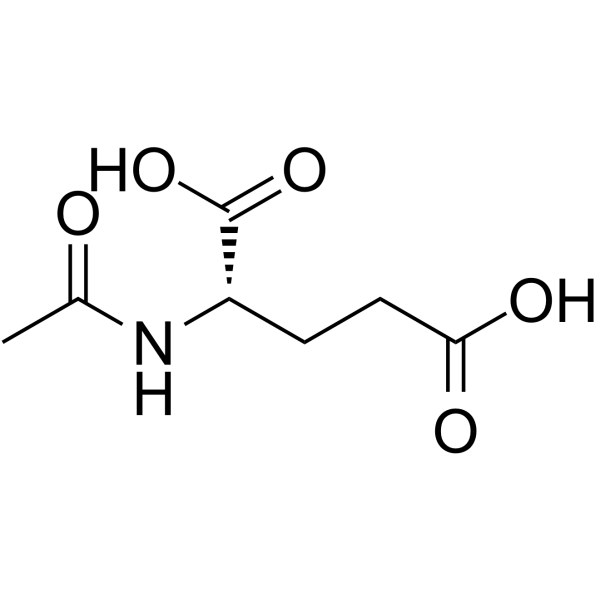
N-Acetyl-L-glutamic acid is a type of glutamic acid that can serve as a component of cell culture media. When combined with media containing inorganic salts, carbohydrates, vitamins, and amino acids, N-Acetyl-L-glutamic acid plays roles in promoting cell growth, enhancing antibody production, etc. N-Acetyl-L-glutamic acid is also an endogenous metabolite that can be found in the brain. Additionally, as an IgE blocker, N-Acetyl-L-glutamic acid can be used in the research of allergic diseases .
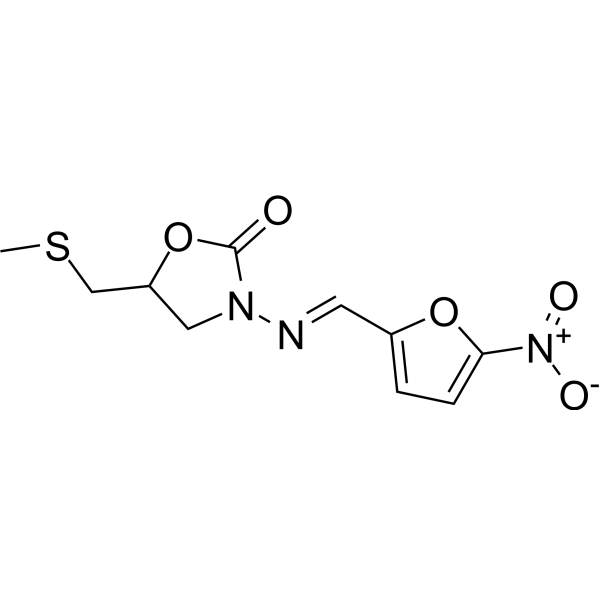
Nifuratel (NF 113) is an orally active broad-spectrum antibiotic with antiprotozoal, antibacterial, anticancer and anti-inflammatory activities, and has good inhibitory effects on Candida and Trichomonas. Nifuratel is also a STAT3 inhibitor, which significantly inhibits the growth and proliferation of human gastric cancer cells and induces apoptosis. In addition, Nifuratel also inhibits mast cell-mediated antigen hypersensitivity reactions and can be used in the study of IgE-mediated allergic diseases .
Verekitug (ASP-7266; TRAB-1; UPB-101) is a human monoclonal antibody targeting the thymic stromal lymphopoietin receptor (TSLPR), with a mean half-life of approximately 20 days. At doses of Verekitug ≥100 mg, complete and sustained TSLPR-specific occupancy is achieved, and the antibody does not bind to IL-7Rα. By inhibiting TSLP-driven inflammatory responses, Verekitug blocks TSLP-induced cell proliferation and TARC expression, while reducing fractional exhaled NO levels, blood eosinophil counts, and levels of IL-5 and IgE. Verekitug significantly improves scores for nasal polyps, nasal congestion and olfactory dysfunction, with favorable safety and good tolerability; potential adverse reactions include headache, upper respiratory tract infection, sinusitis and nasopharyngitis. Verekitug is used in relevant studies on asthma, chronic rhinosinusitis with nasal polyps and chronic obstructive pulmonary disease .
Ligelizumab (QGE 031) is a humanized high-affinity anti-immunoglobulin IgE monoclonal antibody. Ligelizumab selectively inhibits the binding of IgE to the high-affinity receptor FcεRI, while the inhibitory effect on the low-affinity receptor CD23 is weak. Ligelizumab can inhibit the activation of effector cells such as mast cells and Basophil, while reducing the production of IgE by B cells, and restoring the IFN-α production and regulatory T cell (Treg) induction function of plasmacytoid dendritic cells (pDC). Ligelizumab can be used in the study of allergic diseases (such as chronic spontaneous urticaria, allergic asthma) .
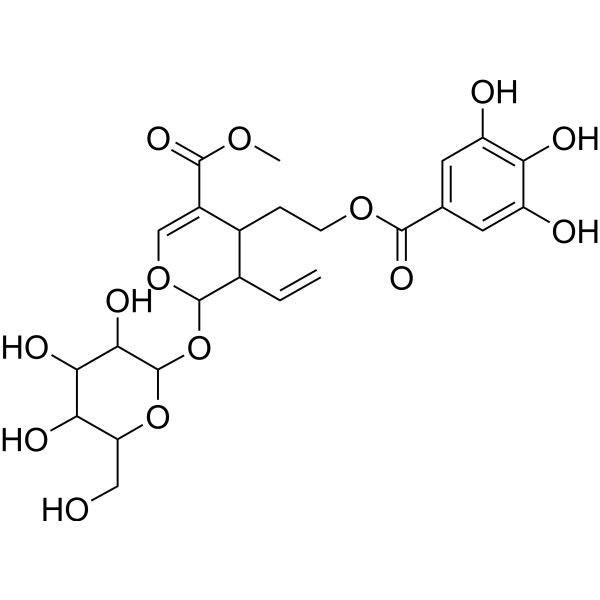
Cornuside is an iridoid glycoside with anti-allergic, anti-inflammatory, and neuroprotective activities. Cornuside exerts anti-allergic activity by downregulating the p38 MAPK, JNK, and NF-κB signaling pathways, and inhibits IgE-mediated histamine release from mast cells. Cornuside improves cognitive impairment in mice by inhibiting BACE1 activity (IC50 = 55.84 μg/mL) and enhancing ChAT activity. Cornuside inhibits LPS (HY-D1056)-induced inflammatory mediators, including iNOS, COX-2, PGE2, TNF-α, IL-6, and IL-1β, by suppressing NF-κB activation .
AK006 is a humanized IgG1 monoclonal antibody agonist targeting Sialic acid-binding immunoglobulin-like lectin6 (Siglec-6). AK006 potently inhibits IgE-mediated human mast cell activation. AK006 can be used for inflammatory diseases like chronic urticaria (CU) and asthma research .
Lirentelimab (AK002) is a humanized IgG1 monoclonal antibody that targets sialic acid-binding Ig-like lectin 8 (SIGLEC8). Lirentelimab induces cell apoptosis of IL-5-activated eosinophils and inhibits IgE-mediated mast cell activation. Lirentelimab can be used for the research of eosinophilic gastritis and duodenitis .
Lunsekimig (SAR443765) is an anti-TSLP/IL13/ALB nonobody composed of 5 sequentially linked variable region heavy chains. Lunsekimig decreases blood eosinophils and lowers plasma levels of IL-5, eotaxin-3, and IgE. Lunsekimig also improves lung function. Lunsekimig can be used for the study and treatment of type 2 inflammatory asthma .
House Dust Mite Extract, from D. pteronyssinus is a house dust mite allergenic extract derived from Dermatophagoides pteronyssinus. House Dust Mite Extract, from D. pteronyssinus increases serum IgE, IgG1 and IgG2a levels, and elevates the levels of Interleukins 4, 5, 6, 10, 13 and 17. House Dust Mite Extract, from D. pteronyssinus induces significant asthmatic pathological changes. House Dust Mite Extract, from D. pteronyssinus can be used in studies related to asthma and allergic conjunctivitis .
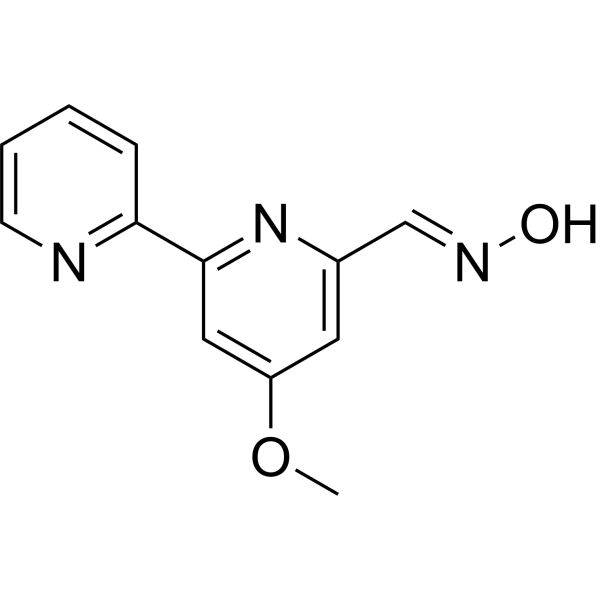
Caerulomycin A is an orally active immunomodulator and antimicrobial agent. Caerulomycin A targets Smad3, STAT1 and GATA-3. Caerulomycin A downregulates GATA-3 expression, inhibits Th2 cell differentiation and Th2 cytokine production, reduces IgE levels, and alleviates pulmonary inflammatory responses and eosinophil infiltration. Caerulomycin A ameliorates collagen-induced arthritis symptoms, reduces joint inflammation and synovitis, and decreases the levels of proinflammatory cytokines in joints. Caerulomycin A inhibits the growth of some filamentous fungi, yeasts and specific bacteria. Caerulomycin A can be used in research related to arthritis and asthma .
Quilizumab (Anti-Human IGHE Recombinant Antibody) is a humanized IgG1κ monoclonal antibody targeting immunoglobulin epsilon (also konwn as: IGHE, IgE). Quilizumab targets the M1-prime fragment of membrane-expressed IGHE/IgE, leading to IGHE/IgE switching and memory B cell depletion. Quilizumab has potential in asthma research .
R112 is a fast and reversible inhibitor of spleen tyrosine kinase (Syk) kinase. R112 inhibits Syk kinase activity with an IC50 value of 226 nM and a Ki value of 96 nM. R112 inhibits IgE-FcεRI signaling pathway. R112 can be used for the research of allergic rhinitis .
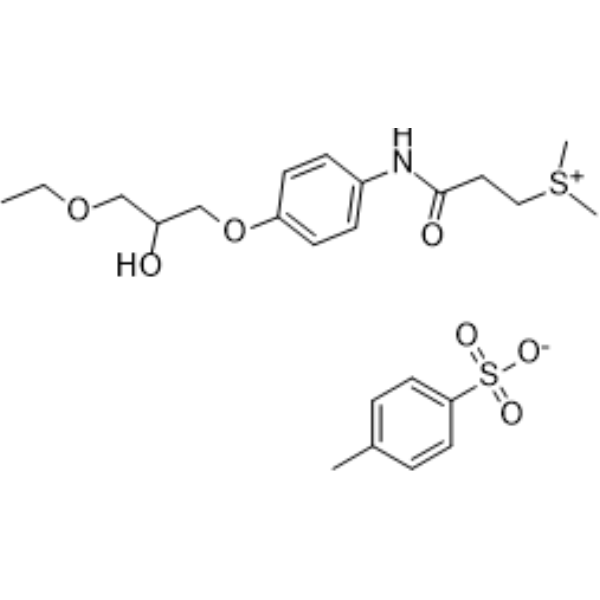
Suplatast Tosilate (IPD 1151T) is an orally active Th2 cytokine inhibitor which can inhibit both IL-4 and IL-5 production from Th2 cells and suppress IgE synthesis. Suplatast Tosilate is an anti-allergic agent. Suplatast Tosilate has antiasthmatic, anti-inflammatory and antifibrotic activity .
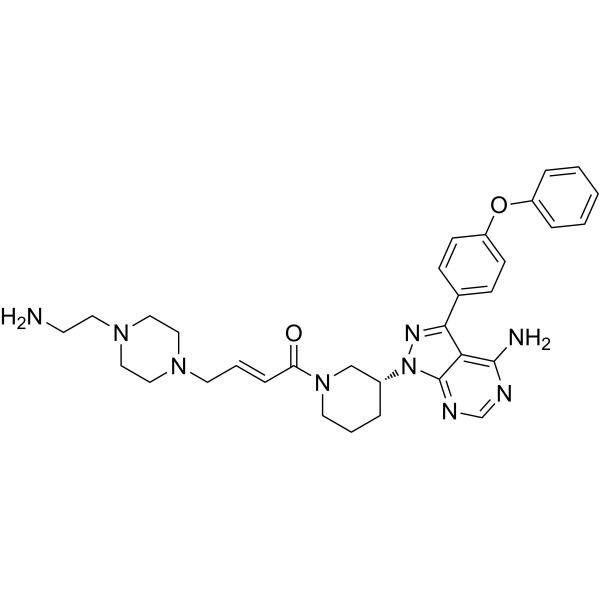
Ibrutinib-MPEA is an orally active, blood-brain barrier permeable inhibitor of BTK and STAT5. As a derivative of Ibrutinib (HY-10997) conjugated with a PROTAC linker, Ibrutinib-MPEA allows the synthesis of a series of PROTAC molecules. Ibrutinib-MPEA significantly reduces the proliferation of neoplastic mast cells and primary mastocytoma cells by inducing apoptosis and inhibiting IgE-dependent histamine release. Ibrutinib-MPEA is applicable to the research of canine mast cell tumors, cerebral ischemia/reperfusion injury in diabetic mice, and neuroinflammation-related diseases .
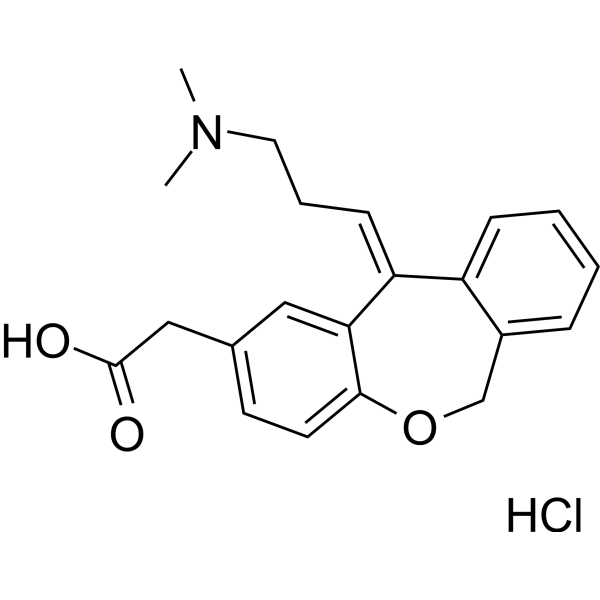
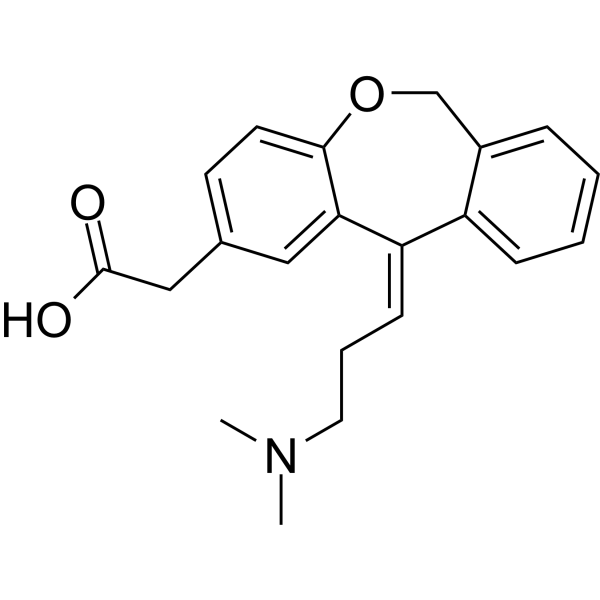
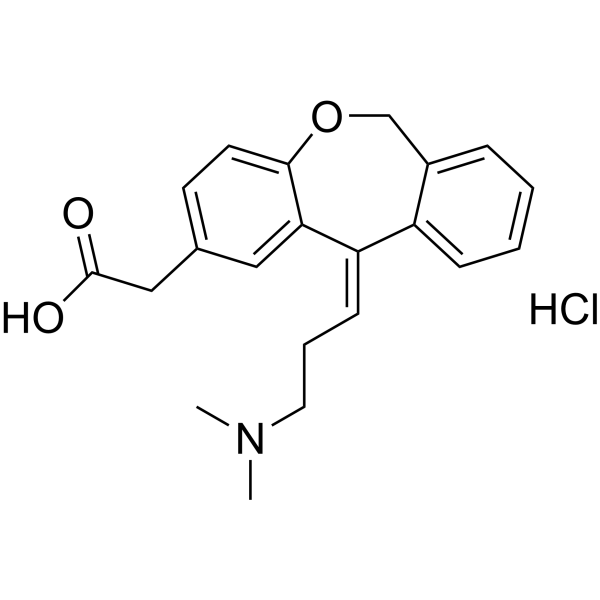
Olopatadine hydrochloride (ALO4943A; KW4679) is an orally active histamine H1 receptor antagonist and mast cell stabilizer. Olopatadine hydrochloride exerts antiallergic effects by blocking histamine H1 receptor-mediated activities. Olopatadine hydrochloride inhibits exocytosis, chemokine release, F-actin polymerization, CXCL10-induced calcium influx, and T cell chemotactic activity. Olopatadine hydrochloride also reduces the expression levels of CXCR3 on the surface of CD4 + and CD8 + T cells. Olopatadine hydrochloride inhibits scratching behavior, improves dermatitis scores, and suppresses intraepidermal neurite outgrowth. Olopatadine hydrochloride simultaneously decreases the levels of inflammatory markers, growth factors, histamine, and specific IgE, while increasing the expression of ErbB3A/HER3A. Olopatadine hydrochloride can be used in research related to seasonal pollinosis, chronic rhinitis, urticaria, allergic conjunctivitis, alopecia areata, and atopic dermatitis .
PVA (Polyvinyl alcohol) (Mw 125000, 98-99% hydrolyzed, ~2800 polymerization) is a water-soluble, biodegradable, biocompatible and non-immunogenic polymer. PVA (Mw 125000, 98-99% hydrolyzed, ~2800 polymerization) causes no irritation to rabbit eyes, no skin sensitization in guinea pigs, promotes the proliferation of human skin keratinocytes, and reduces the loss of corneal endothelial cells. The LD50 of PVA (Mw 125000, 98-99% hydrolyzed, ~2800 polymerization) in rats and dogs is greater than 10 g/kg. PVA (Mw 125000, 98-99% hydrolyzed, ~2800 polymerization) is hardly absorbed by the digestive system, causes no adverse effects upon long-term oral administration, and shows no mutagenicity or carcinogenicity. However, repeated intravenous or portal vein injection of PVA (Mw 125000, 98-99% hydrolyzed, ~2800 polymerization) may induce pathological changes such as glomerular lesions, anemia, hypertension or liver fibrosis in rats or dogs. Crosslinked nanofibers prepared by modifying PVA (Mw 125000, 98-99% hydrolyzed, ~2800 polymerization) can be used in studies related to wound dressings and other applications .
Chavicol (p-Hydroxyallylbenzene) is a phenylpropane compound. Chavicol can be isolated from the bark of Sassafras tzumu. Chavicol exhibits Acetylcholinesterase inhibitory activity (IC50 = 7.42 μM). Chavicol produces a 3% inhibitory effect on antigen-IgE-mediated degranulation in mast cells .
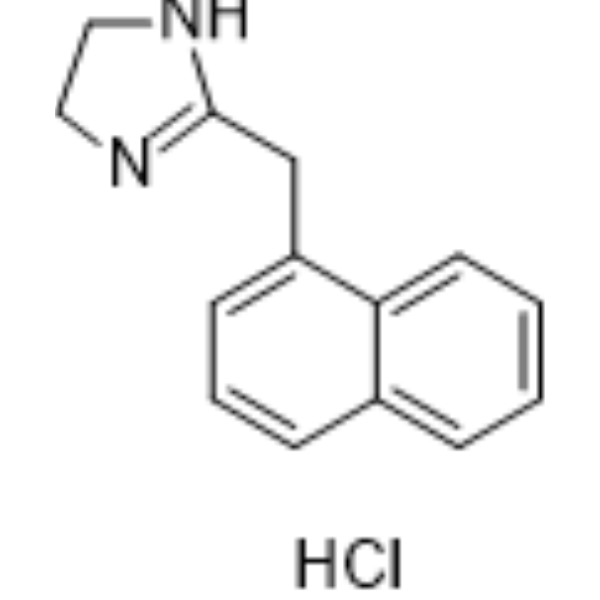
Naphazoline (Naphthazoline) hydrochloride is a potent α-adrenergic receptor agonist. Naphazoline hydrochloride reduces vascular hyperpermeability and promotes vasoconstriction. Naphazoline hydrochloride reduces the levels of inflammatory factors (TNF-α, IL-1β and IL-6), cytokines (IFN-γ and IL-4), IgE, GMCSF, and NGF. Naphazoline hydrochloride can be used for non-bacterial conjunctivitis research .
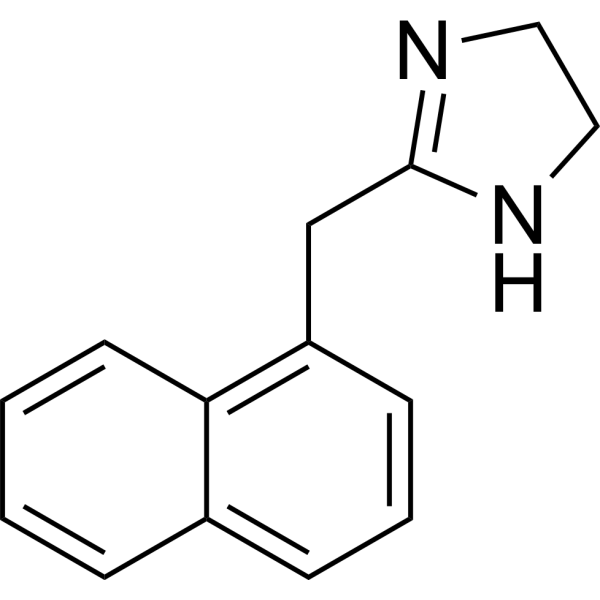
Naphazoline (Naphthazoline) is a potent α-adrenergic receptor agonist. Naphazoline reduces vascular hyperpermeability and promotes vasoconstriction. Naphazoline reduces the levels of inflammatory factors (TNF-α, IL-1β and IL-6), cytokines (IFN-γ and IL-4), IgE, GMCSF, and NGF. Naphazoline can be used for non-bacterial conjunctivitis research .
Himic anhydride is an acid anhydride compound and sensitizer. Himic anhydride with cross-reactivity to hexahydrophthalic anhydride. Himic anhydride induces immunoglobulin E (IgE)-mediated sensitization and allergic immune responses. Himic anhydride can be used for the research of occupational asthma .
Formoterol ((±)Formoterol) is an orally active β2-selective agonist. Formoterol potently relaxes the peripheral airways through stimulating the beta 2-adrenoceptors selectively as is the case in the central airways and that it significantly inhibits IgE-mediated slow reactive substance of anaphylaxis (SRS-A) release through beta-adrenoceptor stimulation .
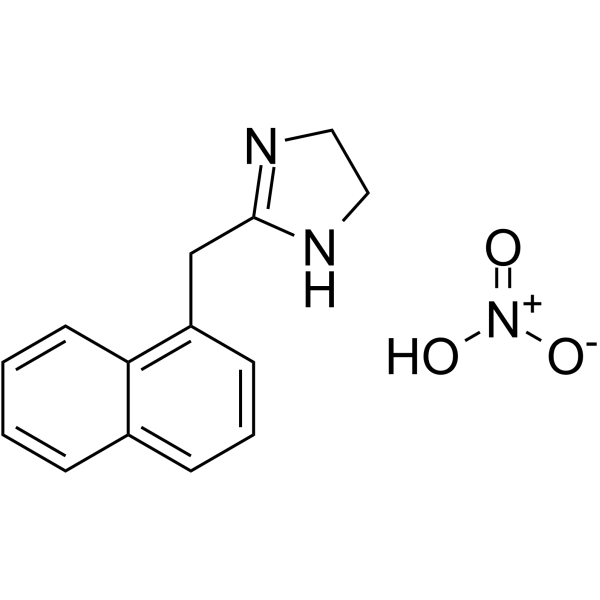
Naphazoline (Naphthazoline) nitrate is an α-adrenergic receptor agonist. Naphazoline nitrate reduces vascular hyperpermeability and promotes vasoconstriction. Naphazoline nitrate reduces the levels of inflammatory factors (TNF-α, IL-1β and IL-6), cytokines (IFN-γ and IL-4), IgE, GMCSF, and NGF. Naphazoline nitrate can be used for non-bacterial conjunctivitis research .
CCG258747 is a selective GRK2 inhibitor (IC50 = 18 nM) with high selectivity over GRK1, GRK5, PKA, and ROCK1 (518, 83, > 5500, and > 550-fold, respectively). CCG258747 also blocks the internalization of the µ-opioid receptor (MOR). CCG258747 attenuates IgE mediated anaphylaxis by inhibiting GRK2 and FcεRI signaling pathway but activates mast cells via MRGPRX2 and MRGPRB2. CCG258747 can be used to study diseases related to overexpression of GRK2 (such as heart failure, opioid tolerance) .
M871 (Galanin-(2-13)-Glu-His-(Pro)3-(Ala-Leu)2-Ala-amide) is an orally active and selective galanin receptor type 2 (GalR2) antagonist. M871 exhibits Ki values of 13.1 nM, 420 nM and >10 μM for GalR2, GalR1 and GalR3 respectively. M871 relieves the mice allergic rhinitis by reducing IgE production, as well as the number of B cells in tissues. M871 can inhibit the nerve invasion of salivary adenoid cystic carcinoma (SACC) and alleviate myocardial ischemia-reperfusion injury. M871 can be used for research on GalR2-related diseases (such as epilepsy, pain) .
Olopatadine (ALO4943A; KW4679) is an orally active histamine H1 receptor antagonist and mast cell stabilizer. Olopatadine exerts antiallergic effects by blocking histamine H1 receptor-mediated activities. Olopatadine inhibits exocytosis, chemokine release, F-actin polymerization, CXCL10-induced calcium influx, and T cell chemotactic activity. Olopatadine also reduces the expression levels of CXCR3 on the surface of CD4 + and CD8 + T cells. Olopatadine inhibits scratching behavior, improves dermatitis scores, and suppresses intraepidermal neurite outgrowth. Olopatadine simultaneously decreases the levels of inflammatory markers, growth factors, histamine, and specific IgE, while increasing the expression of ErbB3A/HER3A. Olopatadine can be used in research related to seasonal pollinosis, chronic rhinitis, urticaria, allergic conjunctivitis, alopecia areata, and atopic dermatitis .
ITK-IN-6 is a highly potent and selective ITK inhibitor (Kd = 387 nM). ITK-IN-6 directly binds to the ITK kinase domain. ITK-IN-6 blocks the release of pro-inflammatory cytokines and the activation and differentiation of Th2 and Th17 cells. ITK-IN-6 improves asthma progression by reducing inflammatory cell infiltration, mucus and IgE production. ITK-IN-6 significantly inhibits airway inflammation and is used in asthma research .
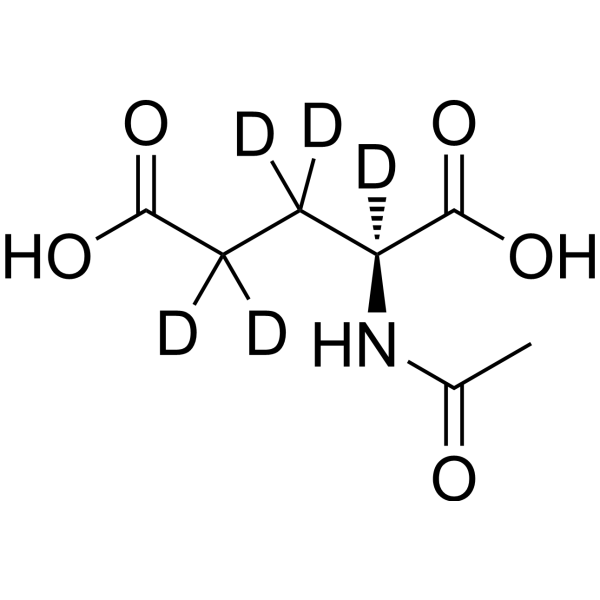
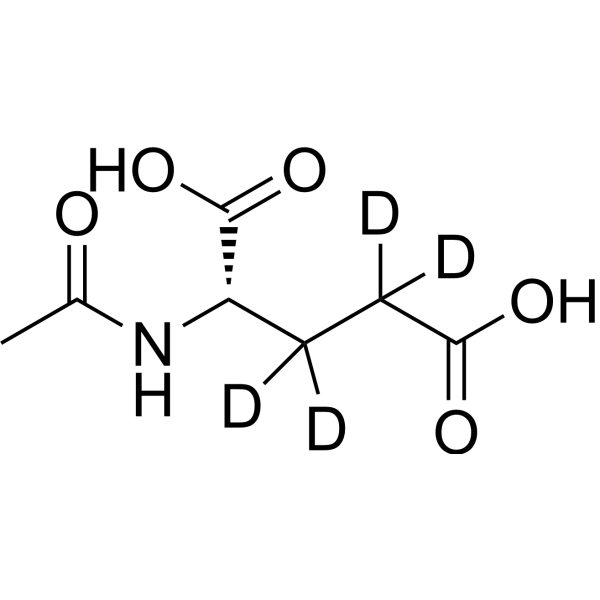
N-Acetyl-L-glutamic acid-d5 is the deuterium labeled N-Acetyl-L-glutamic acid (HY-W015240). N-Acetyl-L-glutamic acid is a type of glutamic acid that can serve as a component of cell culture media. When combined with media containing inorganic salts, carbohydrates, vitamins, and amino acids, N-Acetyl-L-glutamic acid plays roles in promoting cell growth, enhancing antibody production, etc. N-Acetyl-L-glutamic acid is also an endogenous metabolite that can be found in the brain. Additionally, as an IgE blocker, N-Acetyl-L-glutamic acid can be used in the research of allergic diseases .
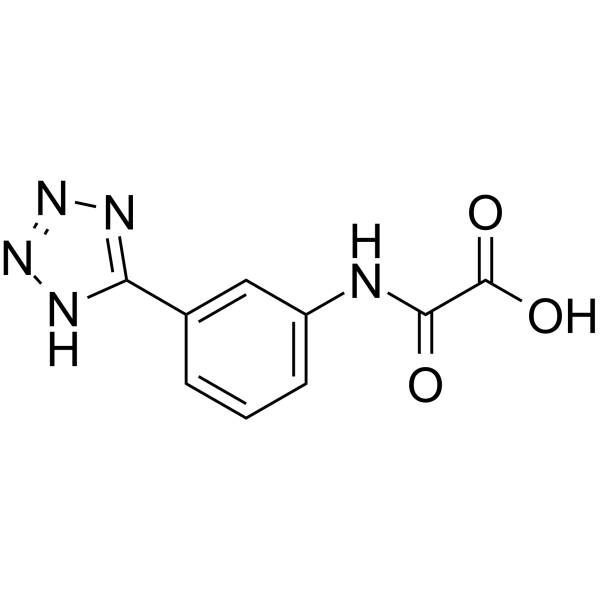
Acitazanolast is an orally active antiallergic agent, can inhibit histamine release. Acitazanolast can be used in study of type I anaphylaxis (immediate) caused by IgE antibodies .
BI1002494 is an orally active, potent, and selective spleen tyrosine kinase (SYK) inhibitor. BI 1002494 exhibits an IC50 of 115 nM in inhibiting high-affinity IgE receptor-mediated mast cell and basophil degranulation. BI1002494 can be utilized in immunology reesearch .
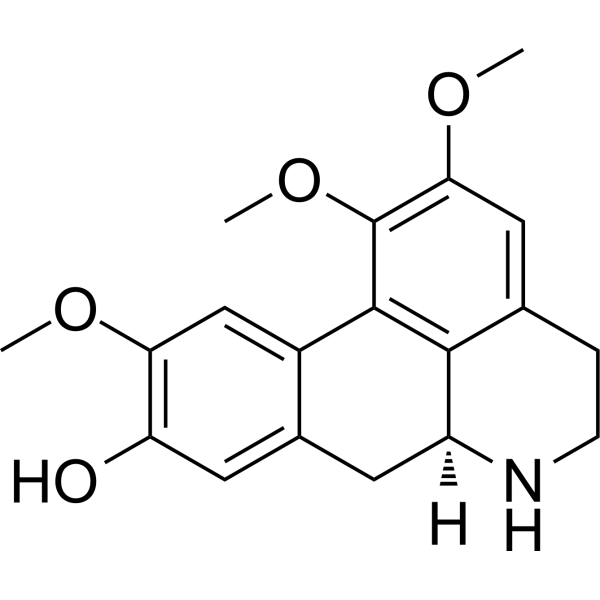
Laurotetanine ((+)-Laurotetanine) is an potent and orally active isoquinoline alkaloid and could be extracted from the roots of Litsea cubeba (Lour.) Pers. Laurotetanine exerts an anti-asthmatic effect by inhibition of IgE, histamine, and inflammatory reactions via down-regulating MUC5AC and NF-κB signaling pathways .
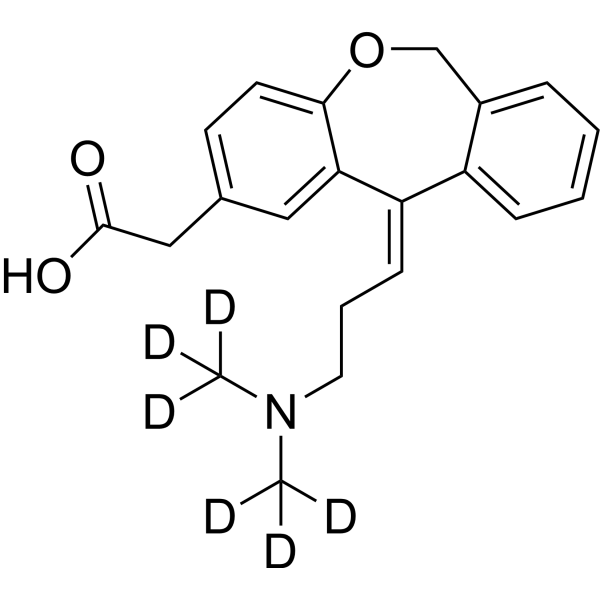
Olopatadine-d6 is the deuterium labeled Olopatadine. Olopatadine hydrochloride (ALO4943A; KW4679) is an orally active histamine H1 receptor antagonist and mast cell stabilizer. Olopatadine hydrochloride exerts antiallergic effects by blocking histamine H1 receptor-mediated activities. Olopatadine hydrochloride inhibits exocytosis, chemokine release, F-actin polymerization, CXCL10-induced calcium influx, and T cell chemotactic activity. Olopatadine hydrochloride also reduces the expression levels of CXCR3 on the surface of CD4 + and CD8 + T cells. Olopatadine hydrochloride inhibits scratching behavior, improves dermatitis scores, and suppresses intraepidermal neurite outgrowth. Olopatadine hydrochloride simultaneously decreases the levels of inflammatory markers, growth factors, histamine, and specific IgE, while increasing the expression of ErbB3A/HER3A. Olopatadine hydrochloride can be used in research related to seasonal pollinosis, chronic rhinitis, urticaria, allergic conjunctivitis, alopecia areata, and atopic dermatitis .
MEDI4212 is a humanized IgG1λ monoclonal antibody inhibitor targeting IgE. MEDI4212 potently inhibits human IgE-mediated functional responses through its receptor FcεRI, such as calcium signaling, β-hexosaminidase release and phagocytosis. MEDI4212 prevents the binding of IgE to CD23 with an IC50 of 8 nM. MEDI4212 can be used severe asthma research .
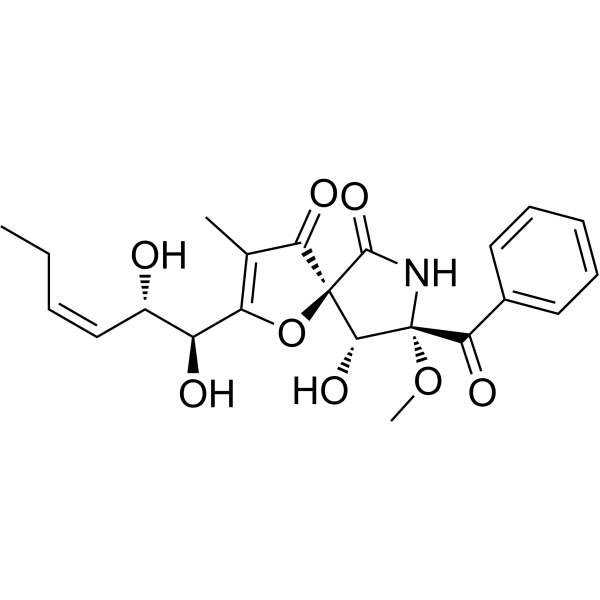
Pseurotin A is a secondary metabolite of Aspergillus and other fungi. Pseurotin A is a competitive inhibitor of chitin synthase and a neuritogenic agent. Pseurotin A inhibits IgE production (IC50 = 3.6 μM). Pseurotin A inhibits the PCSK9-LDLr interaction. Pseurotin A shows dose-dependent reduction of PCSK9, along with increased LDLR levels in hormone-dependent breast cancer cell lines. Pseurotin A exhibits antitumor activity .
FB-825 is a human monoclonal antibody (mAb) targeting IGHE. FB-825 targets the CεmX domain of membrane IgE (mIgE), resulting in the downregulation of mIgE-positive B cells and the production of IgE. FB-825 can be used in Allergic asthma, Atopic dermatitis, Job syndrome and Allergic rhinitis research .
MrgprX2-IN-1 (Compound 2-10) is a selective Mas-related G-protein coupled receptor X2 (MRGPRX2) antagonist. MrgprX2-IN-1 blocks IgE-independent immune responses by inhibiting MRGPRX2-mediated mast cell degranulation and release of inflammatory mediators. MrgprX2-IN-1 is promising for research of pseudo-allergic reactions, chronic pruritus, and inflammatory diseases .
MrgprX2-IN-2 (Compound example 12) is a selective Mas-related G-protein coupled receptor X2 (MRGPRX2) antagonist. MrgprX2-IN-2 blocks IgE-independent immune responses by inhibiting MRGPRX2-mediated mast cell degranulation and release of inflammatory mediators. MrgprX2-IN-2 is promising for research of pseudo-allergic reactions, chronic pruritus, and inflammatory diseases .
Dichotomine C ((R)-(-)-Dichotomine C) is a β-carboline-type alkaloid with antiallergic effects. Dichotomine C inhibits the release of β-hexosaminidase in RBL-2H3 cells with an IC50 of 62 μM. Dichotomine C inhibits the releases of antigen-IgE-mediated TNF-α and IL-4 in RBL-2H3 cells with IC50s of 19 μM and 15 μM, respectively. Dichotomine C can be used for the study of type I allergic reactions .
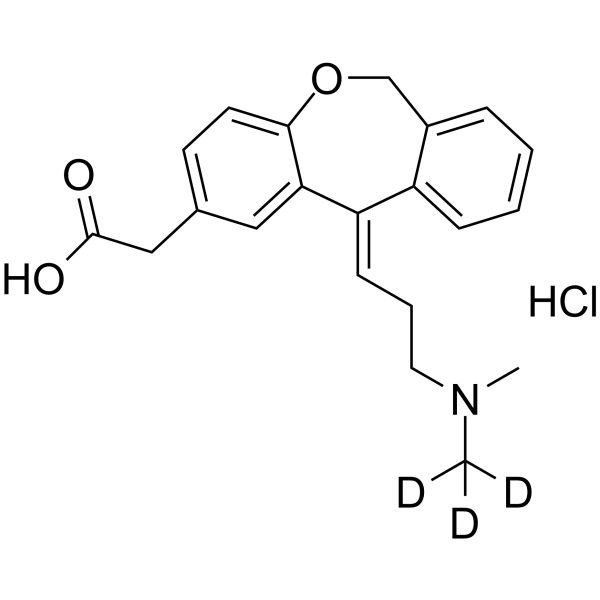
Olopatadine-d3 hydrochloride (ALO4943A-d3) is the deuterium labeled Olopatadine hydrochloride. Olopatadine hydrochloride (ALO4943A; KW4679) is an orally active histamine H1 receptor antagonist and mast cell stabilizer. Olopatadine hydrochloride exerts antiallergic effects by blocking histamine H1 receptor-mediated activities. Olopatadine hydrochloride inhibits exocytosis, chemokine release, F-actin polymerization, CXCL10-induced calcium influx, and T cell chemotactic activity. Olopatadine hydrochloride also reduces the expression levels of CXCR3 on the surface of CD4 + and CD8 + T cells. Olopatadine hydrochloride inhibits scratching behavior, improves dermatitis scores, and suppresses intraepidermal neurite outgrowth. Olopatadine hydrochloride simultaneously decreases the levels of inflammatory markers, growth factors, histamine, and specific IgE, while increasing the expression of ErbB3A/HER3A. Olopatadine hydrochloride can be used in research related to seasonal pollinosis, chronic rhinitis, urticaria, allergic conjunctivitis, alopecia areata, and atopic dermatitis .
Olopatadine (hydrochloride) (Standard) is the analytical standard of Olopatadine (hydrochloride). This product is intended for research and analytical applications. Olopatadine hydrochloride (ALO4943A; KW4679) is an orally active histamine H1 receptor antagonist and mast cell stabilizer. Olopatadine hydrochloride exerts antiallergic effects by blocking histamine H1 receptor-mediated activities. Olopatadine hydrochloride inhibits exocytosis, chemokine release, F-actin polymerization, CXCL10-induced calcium influx, and T cell chemotactic activity. Olopatadine hydrochloride also reduces the expression levels of CXCR3 on the surface of CD4 + and CD8 + T cells. Olopatadine hydrochloride inhibits scratching behavior, improves dermatitis scores, and suppresses intraepidermal neurite outgrowth. Olopatadine hydrochloride simultaneously decreases the levels of inflammatory markers, growth factors, histamine, and specific IgE, while increasing the expression of ErbB3A/HER3A. Olopatadine hydrochloride can be used in research related to seasonal pollinosis, chronic rhinitis, urticaria, allergic conjunctivitis, alopecia areata, and atopic dermatitis .
AVP-13358 is an orally active IgE inhibitor that effectively suppresses immunoglobulin E (IgE)-mediated immune responses, with IC50 values of 8 and 3 nM for IgE inhibition in vivo and in vitro in BALB/c mice, respectively. AVP-13358 acts directly on T cells, inhibiting the production and release of IL-4, IL-5, and IL-13. It also targets other markers critical for the development of allergic responses, including the B cell IgE receptor (CD23) in human monocytes and the CD23 and IL-4 receptors in mouse B cells. AVP-13358 can be used in research related to anti-allergic responses .
Penicillin/OVA is a conjugate of penicillin and Ovalbumins, that is utilized as an antigen in immunological research. Penicillin/OVA causes IgE-dependent anaphylactic response to penicillin in mice .
Tixanox sodium (RS-7540), an anti-allergic compound, is a potent inhibitor of mediator release in the IgE-mediated passive cutaneous anaphylaxis (PCA) reaction .
TEI-6472, a naphthalene derivative, can suppress IgE responses both in vitro and in vivo. TEI-6472 causes significant inhibition of FceRI-mediated histamine release .
Nylidrin (hydrochloride) (Standard) is the analytical standard of Nylidrin (hydrochloride). This product is intended for research and analytical applications. Nylidrin hydrochloride is an inhibitor of IgE-mediated histamine release in passive sensitized rat peritoneal mast cells, and it has anti-allergic effects.
Estatin B is a thiol protease inhibitor found by the Thermophilic Bacterium M4323, which is specific to thiol proteases such as papain, fig protease, and bromelain. Estatin B inhibits the production of IgE antibodies but not IgG in mice .
Elbanizine inhibits histamine, bradykinin, histamin-release from rat mast cells (IC50 of 0.26 μM) and the IgE-mediated passive cutaneous anaphylaxis (PCA) reaction. Elbanizine exhibits antiallergic and antiasthmatic in guinea pig model .
Asobamast is a potent, orally active antiallergic agent that inhibits ige mediated passive pulmonary allergic responses in rats (ED50=4.7 mg/kg) and inhibits antigen-induced mediator release from sensitized guinea pig lung fragments .
Human IL4R mRNA encodes the human interleukin 4 receptor (IL4R) protein, a type I transmembrane protein that can bind interleukin 4 and interleukin 13 to regulate IgE production. IL4R also can bind interleukin 4 to promote differentiation of Th2 cells.
Human IL13 mRNA encodes the human interleukin 13 (IL13) protein, an immunoregulatory cytokine produced primarily by activated Th2 cells. IL13 is involved in several stages of B-cell maturation and differentiation and is found to be critical to the pathogenesis of allergen-induced asthma but operates through mechanisms independent of IgE and eosinophils.
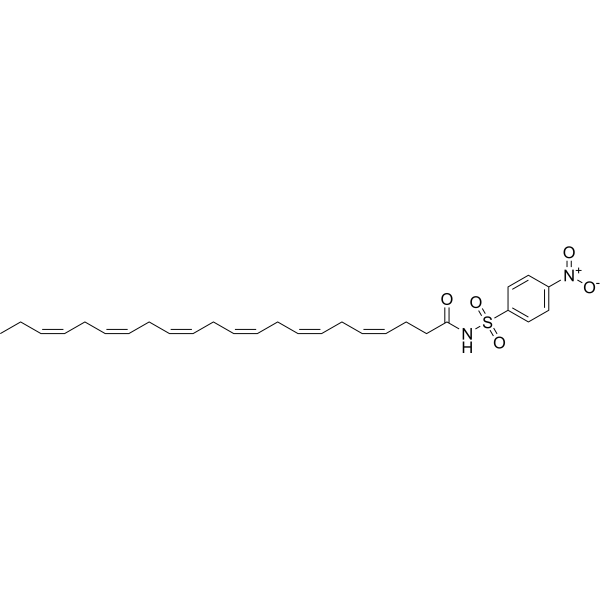
pNPS-DHA (Compound 19) is an orally active DHA-ethanolamide (DHEA) derivative that has antiallergic activity. pNPS-DHA inhibits IgE-dependent passive cutaneous anaphylaxis (PCA) reaction in mice. pNPS-DHA has anti-degranulating activity in RBL-2H3 mast cells with an IC50 of 15 μM .
Benastatin B is an inhibitor for glutathione S-transferase, that inhibits human pi class GST with an IC50 of 1.10 μg/mL. Benastatin B exhibits board-spectrum antibacterial efficacy, inhibits MRSA with MIC 3.1 μg/mL. Benastatin B exhibits anti-inflammatory efficacy through inhibition of IgE mediated β-hexosaminidase release with an IC50 of 79 μg/mL .
Traxanox is an orally available diuretic that enhances phagocytosis of yeast granules by mouse peritoneal macrophages and rat peritoneal polymorphonuclear leukocytes in vitro.
Traxanox inhibits IgE-mediated histamine release and cyclic AMP phosphodiesterase
activity.Traxanox exhibits anti-inflammatory activity, as it inhibits the anaphylactoid reaction and reduces pleural fluid accumulation in experimental models of inflammation. Traxanox also demonstrates a synergistic effect when combined with hydrocortisone or indomethacin in suppressing adjuvant arthritis in rats.
Naphazoline (hydrochloride) (Standard) is the analytical standard of Naphazoline (hydrochloride). This product is intended for research and analytical applications. Naphazoline (Naphthazoline) hydrochloride is a potent α-adrenergic receptor agonist. Naphazoline hydrochloride reduces vascular hyperpermeability and promotes vasoconstriction. Naphazoline hydrochloride reduces the levels of inflammatory factors (TNF-α, IL-1β and IL-6), cytokines (IFN-γ and IL-4), IgE, GMCSF, and NGF。Naphazoline hydrochloride can be used for non-bacterial conjunctivitis research .
Naphazoline (nitrate) (Standard) is the analytical standard of Naphazoline (nitrate). This product is intended for research and analytical applications. Naphazoline (Naphthazoline) nitrate is an α-adrenergic receptor agonist. Naphazoline nitrate reduces vascular hyperpermeability and promotes vasoconstriction. Naphazoline nitrate reduces the levels of inflammatory factors (TNF-α, IL-1β and IL-6), cytokines (IFN-γ and IL-4), IgE, GMCSF, and NGF. Naphazoline nitrate can be used for non-bacterial conjunctivitis research .
N-Acetyl-L-glutamic acid-d4 is the deuterium labeled N-Acetyl-L-glutamic acid (HY-W015240). N-Acetyl-L-glutamic acid is a type of glutamic acid that can serve as a component of cell culture media. When combined with media containing inorganic salts, carbohydrates, vitamins, and amino acids, N-Acetyl-L-glutamic acid plays roles in promoting cell growth, enhancing antibody production, etc. N-Acetyl-L-glutamic acid is also an endogenous metabolite that can be found in the brain. Additionally, as an IgE blocker, N-Acetyl-L-glutamic acid can be used in the research of allergic diseases .
N-Acetyl-L-glutamic acid (Standard) is the analytical standard of N-Acetyl-L-glutamic acid (HY-W015240). This product is intended for research and analytical applications. N-Acetyl-L-glutamic acid is a type of glutamic acid that can serve as a component of cell culture media. When combined with media containing inorganic salts, carbohydrates, vitamins, and amino acids, N-Acetyl-L-glutamic acid plays roles in promoting cell growth, enhancing antibody production, etc. N-Acetyl-L-glutamic acid is also an endogenous metabolite that can be found in the brain. Additionally, as an IgE blocker, N-Acetyl-L-glutamic acid can be used in the research of allergic diseases .
CI-959 is an inhibitor of inflammatory cell activation. CI-959 exhibits anti-inflammatory and anti-allergic activities. CI-959 can inhibit the production of reactive oxygen species by neutrophils, as well as neutrophil adhesion, respiratory burst, and histamine release from mast cells. CI-959 can also inhibit the release of inflammatory mediators such as histamine, leukotrienes, and thromboxane from guinea-pig and human lung tissues, and effectively suppress anti-IgE-induced contractions of human bronchial smooth muscle. CI-959 can be used in the research of inflammatory and allergic diseases, such as asthma .
Cornuside (Standard) is the analytical standard of Cornuside (HY-N0631). This product is intended for research and analytical applications. Cornuside is an iridoid glycoside with anti-allergic, anti-inflammatory, and neuroprotective activities. Cornuside exerts anti-allergic activity by downregulating the p38 MAPK, JNK, and NF-κB signaling pathways, and inhibits IgE-mediated histamine release from mast cells. Cornuside improves cognitive impairment in mice by inhibiting BACE1 activity (IC50 = 55.84 μg/mL) and enhancing ChAT activity. Cornuside inhibits LPS (HY-D1056)-induced inflammatory mediators, including iNOS, COX-2, PGE2, TNF-α, IL-6, and IL-1β, by suppressing NF-κB activation.
Olopatadine-d6 (ALO4943A-d6; KW4679-d6) hydrochloride is deuterium-labeled Olopatadine (hydrochloride) (HY-B0426A). Olopatadine hydrochloride (ALO4943A; KW4679) is an orally active histamine H1 receptor antagonist and mast cell stabilizer. Olopatadine hydrochloride exerts antiallergic effects by blocking histamine H1 receptor-mediated activities. Olopatadine hydrochloride inhibits exocytosis, chemokine release, F-actin polymerization, CXCL10-induced calcium influx, and T cell chemotactic activity. Olopatadine hydrochloride also reduces the expression levels of CXCR3 on the surface of CD4 + and CD8 + T cells. Olopatadine hydrochloride inhibits scratching behavior, improves dermatitis scores, and suppresses intraepidermal neurite outgrowth. Olopatadine hydrochloride simultaneously decreases the levels of inflammatory markers, growth factors, histamine, and specific IgE, while increasing the expression of ErbB3A/HER3A. Olopatadine hydrochloride can be used in research related to seasonal pollinosis, chronic rhinitis, urticaria, allergic conjunctivitis, alopecia areata, and atopic dermatitis .
Phlorofucofuroeckol A is a FcεRI inhibitor with low cytotoxicity toward basophilic leukemia cells. Phlorofucofuroeckol A suppresses binding activity between IgE and FcεRI receptor. Phlorofucofuroeckol A inhibits histamine release from basophilic leukemia cells stimulated by IgE/anti-IgE or calcium ionophore A23187 (HY-N6687). Phlorofucofuroeckol A inhibits β-hexosaminidase release from basophilic leukemia cells stimulated by IgE/DNP-BSA. Phlorofucofuroeckol A can be used for the research of allergy disease .
XW-17 is a PARP14 inhibitor with an IC50 of 3.03 nM and selectivity over other PARP family members.XW-17 suppresses PARP14-mediated mono-ADP-ribosylation, engages and stabilizes endogenous PARP14 protein.XW-17 attenuates skin lesions and decreases expression of IL-4, IL-13, IgE, and IL-17A in an atopic dermatitis-like mouse model.XW-17 can be used for the research of atopic dermatitis .
IGHE Human Pre-designed siRNA Set A contains three designed siRNAs for IGHE gene (Human), as well as a negative control, a positive control, and a FAM-labeled negative control.
QX008N is a humanized IgG1 monoclonal antibody and also a TSLP inhibitor with a KD value of 0.0175 nM. QX008N blocks TSLP-induced signaling pathways by inhibiting the interaction of TSLP-TSLPR-IL-7Rα. QX008N reduces eosinophil and IgE levels, improves pulmonary function, blocks TSLP-induced inflammation, and enhances the inhibitory effect on inflammatory mediators when administered in combination with anti-IL-4R antibodies. QX008N is applicable to relevant research on asthma .
Nivimedone (BRL 10833 free base) is an orally active antiallergic agent. Nivimedone inhibits IgE-mediated passive cutaneous anaphylaxis in rats. Nivimedone suppresses antigen-induced histamine release from lung tissues passively sensitized with atopic serum. Nivimedone can be used in research related to bronchial asthma .
Pilosulin-1 (86-112) is a specific peptide segment of the Pilosulin 1 protein. Pilosulin 1 is the main allergen (Myr p 1) in the venom of Australian diving ants (Myrmecia pilosula), possessing potent cytotoxicity and antibacterial activity. Pilosulin-1 (86-112) is an IgE-binding component and is a secondary allergen .
Tricetinidin chloride is an antioxidant. Tricetinidin chloride protects rat renal cells against oxidative stress and DNA damage by reducing ROS production, increasing GSH levels, restoring mitochondrial membrane potential, and upregulating HO-1 expression. Tricetinidin chloride also inhibits the expression of IgE receptors on human mast cells. Tricetinidin chloride can be used in the research of inflammatory and allergic diseases .
AA 344 is an orally active antiallergic agent. AA 344 inhibits the IgE, IgGa, Concanavalin A (HY-P2149), Dextran -mediated release of histamine. AA 344 shows inhibitory effects on the homologous passive cutaneous anaphylaxis and the passive systemic anaphylaxis in guinea pigs. AA 344 selectively suppresses the type I allergic reaction .
GI-129471 is a MMP inhibitor. GI-129471 exhibits inhibitory activity against cancer cell invasion. GI-129471 can completely block the enhanced production of IgE and IgG1 by mouse B cells induced by rat mast cell protease-I (RMCP-I). GI-129471 can be used for the study of cancer and mast cell chymase-regulated immunological processes .
Mudanpioside E is an orally effective paeoniflorin-type monoterpene glycoside antiallergic agent, with an IC50 of 40.34 μM against IgE-mediated β-hexosaminidase release. Mudanpioside E reverses the inhibitory effect of the modified Xiaoqinglong Decoction extract (paeonia root component removed) on passive cutaneous anaphylaxis in mice. Mudanpioside E itself shows no activity against passive cutaneous anaphylaxis. Mudanpioside E can be used in research related to allergic diseases .
AY 25674 is an orally active antiallergic agent and a PDE inhibitor. AY 25674 inhibits the release of allergic histamine from mast cells. AY 25674 suppresses passive anaphylaxis induced by reaginic (IgE) antibodies. AY 25674 does not inhibit the increased vascular permeability caused by non-reaginic antibodies, serotonin or histamine. AY 25674 reaches its peak activity shortly after administration; rapid tolerance occurs at high doses. AY 25674 can be used in research related to passive anaphylaxis .
4-Methylphthalic anhydride is an organic acid anhydride and an immunogen/sensitizer. 4-Methylphthalic anhydride induces the production of specific immunoglobulin E and immunoglobulin G antibodies. 4-Methylphthalic anhydride is used in studies of occupational allergy .
ROCK2-IN-14 is an orally active, selective ROCK2 inhibitor (IC50=4.8 nM) with 212-fold selectivity over ROCK1 (IC50=1.01 μM). By inhibiting the ROCK2/S100A9 signaling pathway, ROCK2-IN-14 downregulates S100A9 expression, inhibits NM2 phosphorylation and restores cytoskeletal abnormalities. Furthermore, ROCK2-IN-14 reduces inflammatory cytokine levels, alleviates skin inflammation and exerts anti-inflammatory activity. ROCK2-IN-14 also significantly inhibits ear thickening in a mouse model of atopic dermatitis (AD), and decreases the levels of IgE, TNF-α, IL-6 and TSLP. ROCK2-IN-14 can be used for research on atopic dermatitis .
S-Petasin is a phosphodiesterase (PDE) inhibitor with IC50 values of 25.5 μM and 17.5 μM for PDE3 and PDE4, respectively. S-Petasin inhibits cholesterol side-chain cleavage enzyme, 11β-hydroxylase, PPAR-γ, and iNOS induction at RNA and protein levels. S-Petasin induces apoptosis, activates caspases, cleaves PARP, modulates mitochondrial membrane permeability, and regulates BCL2/BAX, p53, Bcl-XL, MMP-2, MMP-9, p21, CDK4, and cyclin D1 expression. S-Petasin reduces inflammatory cell accumulation, cytokine and IgE levels, and enhances serum IgG2a levels. S-Petasin relaxes isolated sensitized guinea pig trachealis and exhibits gastrointestinal anti-spasmodic activity. S-Petasin reduces tonsillitis severity and asthmatic attack frequency. S-Petasin can be used for the research of prostate cancer, obesity, melanoma, allergic asthma, asthma, and peritonitis .
SF-3-030 is a potent, selective and non-ATP competitive ERK1/2 inhibitor. SF-3-030 selectively induces apoptosis in melanoma cells containing mutated BRaf and constitutively active ERK1/2 signalling. SF-3-030 mitigates multiple features of asthma in a murine model of asthma. SF-3-030 can be used for the research of asthma and melanomasup .
House Dust Mite Extract, from D. pteronyssinus is a house dust mite allergenic extract derived from Dermatophagoides pteronyssinus. House Dust Mite Extract, from D. pteronyssinus increases serum IgE, IgG1 and IgG2a levels, and elevates the levels of Interleukins 4, 5, 6, 10, 13 and 17. House Dust Mite Extract, from D. pteronyssinus induces significant asthmatic pathological changes. House Dust Mite Extract, from D. pteronyssinus can be used in studies related to asthma and allergic conjunctivitis .
PVA (Polyvinyl alcohol) (Mw 125000, 98-99% hydrolyzed, ~2800 polymerization) is a water-soluble, biodegradable, biocompatible and non-immunogenic polymer. PVA (Mw 125000, 98-99% hydrolyzed, ~2800 polymerization) causes no irritation to rabbit eyes, no skin sensitization in guinea pigs, promotes the proliferation of human skin keratinocytes, and reduces the loss of corneal endothelial cells. The LD50 of PVA (Mw 125000, 98-99% hydrolyzed, ~2800 polymerization) in rats and dogs is greater than 10 g/kg. PVA (Mw 125000, 98-99% hydrolyzed, ~2800 polymerization) is hardly absorbed by the digestive system, causes no adverse effects upon long-term oral administration, and shows no mutagenicity or carcinogenicity. However, repeated intravenous or portal vein injection of PVA (Mw 125000, 98-99% hydrolyzed, ~2800 polymerization) may induce pathological changes such as glomerular lesions, anemia, hypertension or liver fibrosis in rats or dogs. Crosslinked nanofibers prepared by modifying PVA (Mw 125000, 98-99% hydrolyzed, ~2800 polymerization) can be used in studies related to wound dressings and other applications .
Penicillin/OVA is a conjugate of penicillin and Ovalbumins, that is utilized as an antigen in immunological research. Penicillin/OVA causes IgE-dependent anaphylactic response to penicillin in mice .
M871 (Galanin-(2-13)-Glu-His-(Pro)3-(Ala-Leu)2-Ala-amide) is an orally active and selective galanin receptor type 2 (GalR2) antagonist. M871 exhibits Ki values of 13.1 nM, 420 nM and >10 μM for GalR2, GalR1 and GalR3 respectively. M871 relieves the mice allergic rhinitis by reducing IgE production, as well as the number of B cells in tissues. M871 can inhibit the nerve invasion of salivary adenoid cystic carcinoma (SACC) and alleviate myocardial ischemia-reperfusion injury. M871 can be used for research on GalR2-related diseases (such as epilepsy, pain) .
Pentigetide is a sythsis pepetide (Asp-Ser-Asp-Pro-Arg or D-S-D-P-R), also know as “HEPP” for “Human IgE Pentapeptide”. Pentigetide can not produce IgE inhibition in several different systems, due to the aspartic acids in HEPP changed into an asparagine .
Pilosulin-1 (86-112) is a specific peptide segment of the Pilosulin 1 protein. Pilosulin 1 is the main allergen (Myr p 1) in the venom of Australian diving ants (Myrmecia pilosula), possessing potent cytotoxicity and antibacterial activity. Pilosulin-1 (86-112) is an IgE-binding component and is a secondary allergen .
MCE Protein A Agarose, a 4% highly cross-linked agarose reagent coupled with recombinant Protein A, effectively purifies mammalian monoclonal and polyclonal antibodies, such as human IgG, IgE, IgM.
Omalizumab is a recombinant, humanized, monoclonal antibody against human immunoglobulin E (IgE) with a KD of 0.393 nM. Omalizumab binds to the human FcγRIIb receptors with a KD of 6.37 uM. Omalizumab has the potential for persistent allergic asthma research . The component ratio of this product is Active ingredient : Excipients = 1:1.3-1:1.5.
Verekitug (ASP-7266; TRAB-1; UPB-101) is a human monoclonal antibody targeting the thymic stromal lymphopoietin receptor (TSLPR), with a mean half-life of approximately 20 days. At doses of Verekitug ≥100 mg, complete and sustained TSLPR-specific occupancy is achieved, and the antibody does not bind to IL-7Rα. By inhibiting TSLP-driven inflammatory responses, Verekitug blocks TSLP-induced cell proliferation and TARC expression, while reducing fractional exhaled NO levels, blood eosinophil counts, and levels of IL-5 and IgE. Verekitug significantly improves scores for nasal polyps, nasal congestion and olfactory dysfunction, with favorable safety and good tolerability; potential adverse reactions include headache, upper respiratory tract infection, sinusitis and nasopharyngitis. Verekitug is used in relevant studies on asthma, chronic rhinosinusitis with nasal polyps and chronic obstructive pulmonary disease .
Ligelizumab (QGE 031) is a humanized high-affinity anti-immunoglobulin IgE monoclonal antibody. Ligelizumab selectively inhibits the binding of IgE to the high-affinity receptor FcεRI, while the inhibitory effect on the low-affinity receptor CD23 is weak. Ligelizumab can inhibit the activation of effector cells such as mast cells and Basophil, while reducing the production of IgE by B cells, and restoring the IFN-α production and regulatory T cell (Treg) induction function of plasmacytoid dendritic cells (pDC). Ligelizumab can be used in the study of allergic diseases (such as chronic spontaneous urticaria, allergic asthma) .
AK006 is a humanized IgG1 monoclonal antibody agonist targeting Sialic acid-binding immunoglobulin-like lectin6 (Siglec-6). AK006 potently inhibits IgE-mediated human mast cell activation. AK006 can be used for inflammatory diseases like chronic urticaria (CU) and asthma research .
Lirentelimab (AK002) is a humanized IgG1 monoclonal antibody that targets sialic acid-binding Ig-like lectin 8 (SIGLEC8). Lirentelimab induces cell apoptosis of IL-5-activated eosinophils and inhibits IgE-mediated mast cell activation. Lirentelimab can be used for the research of eosinophilic gastritis and duodenitis .
Lunsekimig (SAR443765) is an anti-TSLP/IL13/ALB nonobody composed of 5 sequentially linked variable region heavy chains. Lunsekimig decreases blood eosinophils and lowers plasma levels of IL-5, eotaxin-3, and IgE. Lunsekimig also improves lung function. Lunsekimig can be used for the study and treatment of type 2 inflammatory asthma .
Quilizumab (Anti-Human IGHE Recombinant Antibody) is a humanized IgG1κ monoclonal antibody targeting immunoglobulin epsilon (also konwn as: IGHE, IgE). Quilizumab targets the M1-prime fragment of membrane-expressed IGHE/IgE, leading to IGHE/IgE switching and memory B cell depletion. Quilizumab has potential in asthma research .
UB-221 is a humanized IgG1 monoclonal antibody inhibitor targeting IgE. UB-221 significantly decreases IgE synthesis by stabilization of membrane-bound CD23 on B lymphocytes and inhibits FcԑRI-mediated basophil activation and degranulation. UB-221 reduces IgE level in cynomolgus macaques and human IgE (ε, κ)-transgenic (hIGHE-knockin) mice. UB-221 can be used for asthma and chronic spontaneous urticaria (CSU) research .
MEDI4212 is a humanized IgG1λ monoclonal antibody inhibitor targeting IgE. MEDI4212 potently inhibits human IgE-mediated functional responses through its receptor FcεRI, such as calcium signaling, β-hexosaminidase release and phagocytosis. MEDI4212 prevents the binding of IgE to CD23 with an IC50 of 8 nM. MEDI4212 can be used severe asthma research .
FB-825 is a human monoclonal antibody (mAb) targeting IGHE. FB-825 targets the CεmX domain of membrane IgE (mIgE), resulting in the downregulation of mIgE-positive B cells and the production of IgE. FB-825 can be used in Allergic asthma, Atopic dermatitis, Job syndrome and Allergic rhinitis research .
QX008N is a humanized IgG1 monoclonal antibody and also a TSLP inhibitor with a KD value of 0.0175 nM. QX008N blocks TSLP-induced signaling pathways by inhibiting the interaction of TSLP-TSLPR-IL-7Rα. QX008N reduces eosinophil and IgE levels, improves pulmonary function, blocks TSLP-induced inflammation, and enhances the inhibitory effect on inflammatory mediators when administered in combination with anti-IL-4R antibodies. QX008N is applicable to relevant research on asthma .
N-Acetyl-L-glutamic acid is a type of glutamic acid that can serve as a component of cell culture media. When combined with media containing inorganic salts, carbohydrates, vitamins, and amino acids, N-Acetyl-L-glutamic acid plays roles in promoting cell growth, enhancing antibody production, etc. N-Acetyl-L-glutamic acid is also an endogenous metabolite that can be found in the brain. Additionally, as an IgE blocker, N-Acetyl-L-glutamic acid can be used in the research of allergic diseases .
Cornuside is an iridoid glycoside with anti-allergic, anti-inflammatory, and neuroprotective activities. Cornuside exerts anti-allergic activity by downregulating the p38 MAPK, JNK, and NF-κB signaling pathways, and inhibits IgE-mediated histamine release from mast cells. Cornuside improves cognitive impairment in mice by inhibiting BACE1 activity (IC50 = 55.84 μg/mL) and enhancing ChAT activity. Cornuside inhibits LPS (HY-D1056)-induced inflammatory mediators, including iNOS, COX-2, PGE2, TNF-α, IL-6, and IL-1β, by suppressing NF-κB activation .
Caerulomycin A is an orally active immunomodulator and antimicrobial agent. Caerulomycin A targets Smad3, STAT1 and GATA-3. Caerulomycin A downregulates GATA-3 expression, inhibits Th2 cell differentiation and Th2 cytokine production, reduces IgE levels, and alleviates pulmonary inflammatory responses and eosinophil infiltration. Caerulomycin A ameliorates collagen-induced arthritis symptoms, reduces joint inflammation and synovitis, and decreases the levels of proinflammatory cytokines in joints. Caerulomycin A inhibits the growth of some filamentous fungi, yeasts and specific bacteria. Caerulomycin A can be used in research related to arthritis and asthma .
Olopatadine hydrochloride (ALO4943A; KW4679) is an orally active histamine H1 receptor antagonist and mast cell stabilizer. Olopatadine hydrochloride exerts antiallergic effects by blocking histamine H1 receptor-mediated activities. Olopatadine hydrochloride inhibits exocytosis, chemokine release, F-actin polymerization, CXCL10-induced calcium influx, and T cell chemotactic activity. Olopatadine hydrochloride also reduces the expression levels of CXCR3 on the surface of CD4 + and CD8 + T cells. Olopatadine hydrochloride inhibits scratching behavior, improves dermatitis scores, and suppresses intraepidermal neurite outgrowth. Olopatadine hydrochloride simultaneously decreases the levels of inflammatory markers, growth factors, histamine, and specific IgE, while increasing the expression of ErbB3A/HER3A. Olopatadine hydrochloride can be used in research related to seasonal pollinosis, chronic rhinitis, urticaria, allergic conjunctivitis, alopecia areata, and atopic dermatitis .
Olopatadine (ALO4943A; KW4679) is an orally active histamine H1 receptor antagonist and mast cell stabilizer. Olopatadine exerts antiallergic effects by blocking histamine H1 receptor-mediated activities. Olopatadine inhibits exocytosis, chemokine release, F-actin polymerization, CXCL10-induced calcium influx, and T cell chemotactic activity. Olopatadine also reduces the expression levels of CXCR3 on the surface of CD4 + and CD8 + T cells. Olopatadine inhibits scratching behavior, improves dermatitis scores, and suppresses intraepidermal neurite outgrowth. Olopatadine simultaneously decreases the levels of inflammatory markers, growth factors, histamine, and specific IgE, while increasing the expression of ErbB3A/HER3A. Olopatadine can be used in research related to seasonal pollinosis, chronic rhinitis, urticaria, allergic conjunctivitis, alopecia areata, and atopic dermatitis .
Laurotetanine ((+)-Laurotetanine) is an potent and orally active isoquinoline alkaloid and could be extracted from the roots of Litsea cubeba (Lour.) Pers. Laurotetanine exerts an anti-asthmatic effect by inhibition of IgE, histamine, and inflammatory reactions via down-regulating MUC5AC and NF-κB signaling pathways .
Pseurotin A is a secondary metabolite of Aspergillus and other fungi. Pseurotin A is a competitive inhibitor of chitin synthase and a neuritogenic agent. Pseurotin A inhibits IgE production (IC50 = 3.6 μM). Pseurotin A inhibits the PCSK9-LDLr interaction. Pseurotin A shows dose-dependent reduction of PCSK9, along with increased LDLR levels in hormone-dependent breast cancer cell lines. Pseurotin A exhibits antitumor activity .
Dichotomine C ((R)-(-)-Dichotomine C) is a β-carboline-type alkaloid with antiallergic effects. Dichotomine C inhibits the release of β-hexosaminidase in RBL-2H3 cells with an IC50 of 62 μM. Dichotomine C inhibits the releases of antigen-IgE-mediated TNF-α and IL-4 in RBL-2H3 cells with IC50s of 19 μM and 15 μM, respectively. Dichotomine C can be used for the study of type I allergic reactions .
Olopatadine (hydrochloride) (Standard) is the analytical standard of Olopatadine (hydrochloride). This product is intended for research and analytical applications. Olopatadine hydrochloride (ALO4943A; KW4679) is an orally active histamine H1 receptor antagonist and mast cell stabilizer. Olopatadine hydrochloride exerts antiallergic effects by blocking histamine H1 receptor-mediated activities. Olopatadine hydrochloride inhibits exocytosis, chemokine release, F-actin polymerization, CXCL10-induced calcium influx, and T cell chemotactic activity. Olopatadine hydrochloride also reduces the expression levels of CXCR3 on the surface of CD4 + and CD8 + T cells. Olopatadine hydrochloride inhibits scratching behavior, improves dermatitis scores, and suppresses intraepidermal neurite outgrowth. Olopatadine hydrochloride simultaneously decreases the levels of inflammatory markers, growth factors, histamine, and specific IgE, while increasing the expression of ErbB3A/HER3A. Olopatadine hydrochloride can be used in research related to seasonal pollinosis, chronic rhinitis, urticaria, allergic conjunctivitis, alopecia areata, and atopic dermatitis .
Nylidrin (hydrochloride) (Standard) is the analytical standard of Nylidrin (hydrochloride). This product is intended for research and analytical applications. Nylidrin hydrochloride is an inhibitor of IgE-mediated histamine release in passive sensitized rat peritoneal mast cells, and it has anti-allergic effects.
Estatin B is a thiol protease inhibitor found by the Thermophilic Bacterium M4323, which is specific to thiol proteases such as papain, fig protease, and bromelain. Estatin B inhibits the production of IgE antibodies but not IgG in mice .
Benastatin B is an inhibitor for glutathione S-transferase, that inhibits human pi class GST with an IC50 of 1.10 μg/mL. Benastatin B exhibits board-spectrum antibacterial efficacy, inhibits MRSA with MIC 3.1 μg/mL. Benastatin B exhibits anti-inflammatory efficacy through inhibition of IgE mediated β-hexosaminidase release with an IC50 of 79 μg/mL .
N-Acetyl-L-glutamic acid (Standard) is the analytical standard of N-Acetyl-L-glutamic acid (HY-W015240). This product is intended for research and analytical applications. N-Acetyl-L-glutamic acid is a type of glutamic acid that can serve as a component of cell culture media. When combined with media containing inorganic salts, carbohydrates, vitamins, and amino acids, N-Acetyl-L-glutamic acid plays roles in promoting cell growth, enhancing antibody production, etc. N-Acetyl-L-glutamic acid is also an endogenous metabolite that can be found in the brain. Additionally, as an IgE blocker, N-Acetyl-L-glutamic acid can be used in the research of allergic diseases .
Cornuside (Standard) is the analytical standard of Cornuside (HY-N0631). This product is intended for research and analytical applications. Cornuside is an iridoid glycoside with anti-allergic, anti-inflammatory, and neuroprotective activities. Cornuside exerts anti-allergic activity by downregulating the p38 MAPK, JNK, and NF-κB signaling pathways, and inhibits IgE-mediated histamine release from mast cells. Cornuside improves cognitive impairment in mice by inhibiting BACE1 activity (IC50 = 55.84 μg/mL) and enhancing ChAT activity. Cornuside inhibits LPS (HY-D1056)-induced inflammatory mediators, including iNOS, COX-2, PGE2, TNF-α, IL-6, and IL-1β, by suppressing NF-κB activation.
Phlorofucofuroeckol A is a FcεRI inhibitor with low cytotoxicity toward basophilic leukemia cells. Phlorofucofuroeckol A suppresses binding activity between IgE and FcεRI receptor. Phlorofucofuroeckol A inhibits histamine release from basophilic leukemia cells stimulated by IgE/anti-IgE or calcium ionophore A23187 (HY-N6687). Phlorofucofuroeckol A inhibits β-hexosaminidase release from basophilic leukemia cells stimulated by IgE/DNP-BSA. Phlorofucofuroeckol A can be used for the research of allergy disease .
Tricetinidin chloride is an antioxidant. Tricetinidin chloride protects rat renal cells against oxidative stress and DNA damage by reducing ROS production, increasing GSH levels, restoring mitochondrial membrane potential, and upregulating HO-1 expression. Tricetinidin chloride also inhibits the expression of IgE receptors on human mast cells. Tricetinidin chloride can be used in the research of inflammatory and allergic diseases .
Mudanpioside E is an orally effective paeoniflorin-type monoterpene glycoside antiallergic agent, with an IC50 of 40.34 μM against IgE-mediated β-hexosaminidase release. Mudanpioside E reverses the inhibitory effect of the modified Xiaoqinglong Decoction extract (paeonia root component removed) on passive cutaneous anaphylaxis in mice. Mudanpioside E itself shows no activity against passive cutaneous anaphylaxis. Mudanpioside E can be used in research related to allergic diseases .
S-Petasin is a phosphodiesterase (PDE) inhibitor with IC50 values of 25.5 μM and 17.5 μM for PDE3 and PDE4, respectively. S-Petasin inhibits cholesterol side-chain cleavage enzyme, 11β-hydroxylase, PPAR-γ, and iNOS induction at RNA and protein levels. S-Petasin induces apoptosis, activates caspases, cleaves PARP, modulates mitochondrial membrane permeability, and regulates BCL2/BAX, p53, Bcl-XL, MMP-2, MMP-9, p21, CDK4, and cyclin D1 expression. S-Petasin reduces inflammatory cell accumulation, cytokine and IgE levels, and enhances serum IgG2a levels. S-Petasin relaxes isolated sensitized guinea pig trachealis and exhibits gastrointestinal anti-spasmodic activity. S-Petasin reduces tonsillitis severity and asthmatic attack frequency. S-Petasin can be used for the research of prostate cancer, obesity, melanoma, allergic asthma, asthma, and peritonitis .
IgE is an important component of the immunoglobulin chain that coordinates humoral immunity. As a receptor, membrane-bound IgE initiates clonal expansion and B cell differentiation. IgE Protein, Mouse (HEK293, His) is the recombinant mouse-derived IgE protein, expressed by HEK293 , with C-His, C-6*His labeled tag.
IgE protein is an important immunoglobulin component that participates in the recognition and effector phases of humoral immunity. As a membrane-bound receptor on B lymphocytes, IgE triggers clonal expansion upon antigen binding, leading to plasma cell differentiation. IgE Protein, Cynomolgus (HEK293, His-Avi) is the recombinant cynomolgus-derived IgE protein, expressed by HEK293 , with C-Avi, C-His labeled tag.
IgE is an important component of the immunoglobulin chain that coordinates humoral immunity. As a receptor, membrane-bound IgE initiates clonal expansion and B cell differentiation. IgE Protein, Mouse (HEK293, His-Avi) is the recombinant mouse-derived IgE protein, expressed by HEK293 , with C-Avi, C-His labeled tag.
IgE protein is an important immunoglobulin component that participates in the recognition and effector phases of humoral immunity. As a membrane-bound receptor on B lymphocytes, IgE triggers clonal expansion upon antigen binding, leading to plasma cell differentiation. IgE Protein, Human (HEK293, His-Avi) is the recombinant human-derived IgE protein, expressed by HEK293 , with C-Avi, C-His labeled tag.
IgE protein is an important immunoglobulin component that participates in the recognition and effector phases of humoral immunity. As a membrane-bound receptor on B lymphocytes, IgE triggers clonal expansion upon antigen binding, leading to plasma cell differentiation. IgE Protein, Human (HEK293, His) is the recombinant human-derived IgE protein, expressed by HEK293 , with C-His labeled tag.
IgE protein is an important immunoglobulin component that participates in the recognition and effector phases of humoral immunity. As a membrane-bound receptor on B lymphocytes, IgE triggers clonal expansion upon antigen binding, leading to plasma cell differentiation. IgE Protein, Cynomolgus (319a.a, HEK293, His) is the recombinant cynomolgus-derived IgE protein, expressed by HEK293, with C-His labeled tag.
IgE protein is an important immunoglobulin component that participates in the recognition and effector phases of humoral immunity. As a membrane-bound receptor on B lymphocytes, IgE triggers clonal expansion upon antigen binding, leading to plasma cell differentiation. IgE Protein, Human (322a.a, HEK293, His) is the recombinant human-derived IgE protein, expressed by HEK293, with C-His labeled tag.
Fc epsilon RI alpha; Fc epsilon RI alpha chain ; high affinity I; receptor for; alpha subunit; Fc fragment of IgE; high affinity I; receptor for; alpha polypeptide; Fc IgE receptor; alpha chain; Fc IgE receptor; alpha polypeptide; Fc-epsilon RI-alpha; FCE 1A; FCE1A; FCER1A; Fcer1a; FCERA_HUMAN; FceRI alpha; FcERI; high affinity IgE receptor;
The Fc epsilon RIA/FCER1A protein is a high-affinity receptor for IgE and critically mediates IgE effector function in myeloid cells. After binding to IgE and cross-linking with antigen, it activates signaling pathways that induce myeloid cell activation and differentiation. Fc epsilon RIA/FCER1A Protein, Human (His-SUMO) is the recombinant human-derived Fc epsilon RIA/FCER1A protein, expressed by E. coli , with N-6*His, N-SUMO labeled tag.
Fc epsilon RI alpha; Fc epsilon RI alpha chain ; high affinity I; receptor for; alpha subunit; Fc fragment of IgE; high affinity I; receptor for; alpha polypeptide; Fc IgE receptor; alpha chain; Fc IgE receptor; alpha polypeptide; Fc-epsilon RI-alpha; FCE 1A; FCE1A; FCER1A; Fcer1a; FCERA_HUMAN; FceRI alpha; FcERI; high affinity IgE receptor;
The Fc epsilon RIA/FCER1A protein is a high-affinity receptor for IgE and critically mediates IgE effector function in myeloid cells. After binding to IgE and cross-linking with antigen, it activates signaling pathways that induce myeloid cell activation and differentiation. Fc epsilon RIA/FCER1A Protein, Human (HEK293,His) is the recombinant human-derived Fc epsilon RIA/FCER1A protein, expressed by HEK293, with C-His labeled tag.
Fc epsilon RI alpha; Fc epsilon RI alpha chain ; high affinity I; receptor for; alpha subunit; Fc fragment of IgE; high affinity I; receptor for; alpha polypeptide; Fc IgE receptor; alpha chain; Fc IgE receptor; alpha polypeptide; Fc-epsilon RI-alpha; FCE 1A; FCE1A; FCER1A; Fcer1a; FCERA_HUMAN; FceRI alpha; FcERI; high affinity IgE receptor;
The Fc epsilon RIA/FCER1A protein is a high-affinity receptor for IgE and critically mediates IgE effector function in myeloid cells. After binding to IgE and cross-linking with antigen, it activates signaling pathways that induce myeloid cell activation and differentiation. Fc epsilon RIA/FCER1A Protein, Human (HEK293) is the recombinant human-derived Fc epsilon RIA/FCER1A protein, expressed by HEK293, with tag free.
Fc epsilon RI alpha; Fc epsilon RI alpha chain ; high affinity I; receptor for; alpha subunit; Fc fragment of IgE; high affinity I; receptor for; alpha polypeptide; Fc IgE receptor; alpha chain; Fc IgE receptor; alpha polypeptide; Fc-epsilon RI-alpha; FCE 1A; FCE1A; FCER1A; Fcer1a; FCERA_HUMAN; FceRI alpha; FcERI; high affinity IgE receptor;
The Fc epsilon RIA/FCER1A protein is a high-affinity receptor for IgE and critically mediates IgE effector function in myeloid cells. After binding to IgE and cross-linking with antigen, it activates signaling pathways that induce myeloid cell activation and differentiation. Fc epsilon RIA/FCER1A Protein, Human (HEK293, Fc) is the recombinant human-derived Fc epsilon RIA/FCER1A protein, expressed by HEK293, with C-hFc labeled tag.
Fc epsilon RI alpha; Fc epsilon RI alpha chain ; high affinity I; receptor for; alpha subunit; Fc fragment of IgE; high affinity I; receptor for; alpha polypeptide; Fc IgE receptor; alpha chain; Fc IgE receptor; alpha polypeptide; Fc-epsilon RI-alpha; FCE 1A; FCE1A; FCER1A; Fcer1a; FCERA_HUMAN; FceRI alpha; FcERI; high affinity IgE receptor
DERP5 protein exhibits a monomeric structure and forms homodimeric trimers through concentration-dependent oligomerization, which plays a key role in allergic reactions. Multiple population studies have shown that DERP5 binds to IgE and is associated with mite allergy symptoms such as asthma and rhinitis. DERP5 Protein, Dermatophagoides pteronyssinus (His) is the recombinant DERP5 protein, expressed by E. coli , with N-His labeled tag.
Galectin-3/LGALS3 Protein is a type of galactoside-binding lectin that has a high binding affinity for carbohydrates with β-galactoside linkages. Galectin-3/LGALS3 Protein interacts with glycosylated proteins to mediate intercellular interactions and adhesion to the extracellular matrix. Galectin-3/LGALS3 Protein plays various roles, including regulating signaling pathways such as Wnt/β-catenin, affecting cell proliferation and survival, modulating immune functions, and influencing tumor progression. Galectin-3/LGALS3 Protein, Human is a recombinant galectin-3/LGALS3 protein expressed in E. coli.
Galectin-3 (LGALS3) is involved in multiple activities, including IgE binding and signaling receptor binding. It negatively regulates T-cell receptor signaling and modulates immune responses by modulating endocytosis and lymphocyte activation. Galectin-3/LGALS3 Protein, Mouse is the recombinant mouse-derived Galectin-3/LGALS3 protein, expressed by E. coli , with tag free.
The Galectin-3/LGALS3 protein is a galactose-specific lectin known for its diverse roles in cellular processes. It binds IgE and synergizes with α-3 and β-1 integrins to promote CSPG4-induced endothelial cell migration. Animal-Free Galectin-3/LGALS3 Protein, Human (His) is the recombinant human-derived animal-FreeGalectin-3/LGALS3 protein, expressed by E. coli , with N-His labeled tag. This product is for cell culture use only.
The Galectin-3/LGALS3 protein is a galactose-specific lectin known for its diverse roles in cellular processes. It binds IgE and synergizes with α-3 and β-1 integrins to promote CSPG4-induced endothelial cell migration. Galectin-3/LGALS3 Protein, Human (HEK293, His) is the recombinant human-derived Galectin-3/LGALS3 protein, expressed by HEK293 , with C-6*His labeled tag.
N-Acetyl-L-glutamic acid-d5 is the deuterium labeled N-Acetyl-L-glutamic acid (HY-W015240). N-Acetyl-L-glutamic acid is a type of glutamic acid that can serve as a component of cell culture media. When combined with media containing inorganic salts, carbohydrates, vitamins, and amino acids, N-Acetyl-L-glutamic acid plays roles in promoting cell growth, enhancing antibody production, etc. N-Acetyl-L-glutamic acid is also an endogenous metabolite that can be found in the brain. Additionally, as an IgE blocker, N-Acetyl-L-glutamic acid can be used in the research of allergic diseases .
Olopatadine-d6 is the deuterium labeled Olopatadine. Olopatadine hydrochloride (ALO4943A; KW4679) is an orally active histamine H1 receptor antagonist and mast cell stabilizer. Olopatadine hydrochloride exerts antiallergic effects by blocking histamine H1 receptor-mediated activities. Olopatadine hydrochloride inhibits exocytosis, chemokine release, F-actin polymerization, CXCL10-induced calcium influx, and T cell chemotactic activity. Olopatadine hydrochloride also reduces the expression levels of CXCR3 on the surface of CD4 + and CD8 + T cells. Olopatadine hydrochloride inhibits scratching behavior, improves dermatitis scores, and suppresses intraepidermal neurite outgrowth. Olopatadine hydrochloride simultaneously decreases the levels of inflammatory markers, growth factors, histamine, and specific IgE, while increasing the expression of ErbB3A/HER3A. Olopatadine hydrochloride can be used in research related to seasonal pollinosis, chronic rhinitis, urticaria, allergic conjunctivitis, alopecia areata, and atopic dermatitis .
Olopatadine-d3 hydrochloride (ALO4943A-d3) is the deuterium labeled Olopatadine hydrochloride. Olopatadine hydrochloride (ALO4943A; KW4679) is an orally active histamine H1 receptor antagonist and mast cell stabilizer. Olopatadine hydrochloride exerts antiallergic effects by blocking histamine H1 receptor-mediated activities. Olopatadine hydrochloride inhibits exocytosis, chemokine release, F-actin polymerization, CXCL10-induced calcium influx, and T cell chemotactic activity. Olopatadine hydrochloride also reduces the expression levels of CXCR3 on the surface of CD4 + and CD8 + T cells. Olopatadine hydrochloride inhibits scratching behavior, improves dermatitis scores, and suppresses intraepidermal neurite outgrowth. Olopatadine hydrochloride simultaneously decreases the levels of inflammatory markers, growth factors, histamine, and specific IgE, while increasing the expression of ErbB3A/HER3A. Olopatadine hydrochloride can be used in research related to seasonal pollinosis, chronic rhinitis, urticaria, allergic conjunctivitis, alopecia areata, and atopic dermatitis .
N-Acetyl-L-glutamic acid-d4 is the deuterium labeled N-Acetyl-L-glutamic acid (HY-W015240). N-Acetyl-L-glutamic acid is a type of glutamic acid that can serve as a component of cell culture media. When combined with media containing inorganic salts, carbohydrates, vitamins, and amino acids, N-Acetyl-L-glutamic acid plays roles in promoting cell growth, enhancing antibody production, etc. N-Acetyl-L-glutamic acid is also an endogenous metabolite that can be found in the brain. Additionally, as an IgE blocker, N-Acetyl-L-glutamic acid can be used in the research of allergic diseases .
Olopatadine-d6 (ALO4943A-d6; KW4679-d6) hydrochloride is deuterium-labeled Olopatadine (hydrochloride) (HY-B0426A). Olopatadine hydrochloride (ALO4943A; KW4679) is an orally active histamine H1 receptor antagonist and mast cell stabilizer. Olopatadine hydrochloride exerts antiallergic effects by blocking histamine H1 receptor-mediated activities. Olopatadine hydrochloride inhibits exocytosis, chemokine release, F-actin polymerization, CXCL10-induced calcium influx, and T cell chemotactic activity. Olopatadine hydrochloride also reduces the expression levels of CXCR3 on the surface of CD4 + and CD8 + T cells. Olopatadine hydrochloride inhibits scratching behavior, improves dermatitis scores, and suppresses intraepidermal neurite outgrowth. Olopatadine hydrochloride simultaneously decreases the levels of inflammatory markers, growth factors, histamine, and specific IgE, while increasing the expression of ErbB3A/HER3A. Olopatadine hydrochloride can be used in research related to seasonal pollinosis, chronic rhinitis, urticaria, allergic conjunctivitis, alopecia areata, and atopic dermatitis .
Rat IgE Isotype Control antibody (YA8871) is a Non-conjugated and Rat origined monoclonal antibody, It can be used as an Rat IgE, kappa isotype control.
Mouse IgE kappa Isotype Control Antibody (YA8864) is a Non-conjugated and Mouse origined monoclonal antibody, It can be used as an Mouse IgE kappa isotype control.
Human IL4R mRNA encodes the human interleukin 4 receptor (IL4R) protein, a type I transmembrane protein that can bind interleukin 4 and interleukin 13 to regulate IgE production. IL4R also can bind interleukin 4 to promote differentiation of Th2 cells.
Human IL13 mRNA encodes the human interleukin 13 (IL13) protein, an immunoregulatory cytokine produced primarily by activated Th2 cells. IL13 is involved in several stages of B-cell maturation and differentiation and is found to be critical to the pathogenesis of allergen-induced asthma but operates through mechanisms independent of IgE and eosinophils.
IGHE Human Pre-designed siRNA Set A contains three designed siRNAs for IGHE gene (Human), as well as a negative control, a positive control, and a FAM-labeled negative control.
Consulta en línea
Your information is safe with us. * Required Fields.
Western blot analysis of extracts from THP-1(lane 2(20μg), Jurkat (lane 3(20μg) and NIH3T3(lane 4(20μg) using FOXO1A (HY-P80132) Rabbit mAb. Proteins were transferred
to a PVDF membrane and blocked with 5% non-fat milk in TBST for 2 hour at room temperature. The primary antibody (1/1000) and Loading control antibody (Beta Actin, HY-P80438, 1/10000) was
used in 5% non-fat milk in TBST at 4°C overnight. Goat Anti-Mouse/Rabbit IgG-HRP Secondary Antibody (1/10000) was used for 1 hour at room temperature.
Western blot analysis of extracts from THP-1(lane 2(20μg), Jurkat (lane 3(20μg) and NIH3T3(lane 4(20μg) using FOXO1A (HY-P80132) Rabbit mAb. Proteins were transferred
to a PVDF membrane and blocked with 5% non-fat milk in TBST for 2 hour at room temperature. The primary antibody (1/1000) and Loading control antibody (Beta Actin, HY-P80438, 1/10000) was
used in 5% non-fat milk in TBST at 4°C overnight. Goat Anti-Mouse/Rabbit IgG-HRP Secondary Antibody (1/10000) was used for 1 hour at room temperature.
Western blot analysis of extracts from THP-1(lane 2(20μg), Jurkat (lane 3(20μg) and NIH3T3(lane 4(20μg) using FOXO1A (HY-P80132) Rabbit mAb. Proteins were transferred
to a PVDF membrane and blocked with 5% non-fat milk in TBST for 2 hour at room temperature. The primary antibody (1/1000) and Loading control antibody (Beta Actin, HY-P80438, 1/10000) was
used in 5% non-fat milk in TBST at 4°C overnight. Goat Anti-Mouse/Rabbit IgG-HRP Secondary Antibody (1/10000) was used for 1 hour at room temperature.
Western blot analysis of extracts from THP-1(lane 2(20μg), Jurkat (lane 3(20μg) and NIH3T3(lane 4(20μg) using FOXO1A (HY-P80132) Rabbit mAb. Proteins were transferred
to a PVDF membrane and blocked with 5% non-fat milk in TBST for 2 hour at room temperature. The primary antibody (1/1000) and Loading control antibody (Beta Actin, HY-P80438, 1/10000) was
MedchemExpress Validation 03
Western blot analysis of extracts from THP-1(lane 2(20μg), Jurkat (lane 3(20μg) and NIH3T3(lane 4(20μg) using FOXO1A (HY-P80132) Rabbit mAb. Proteins were transferred
MedchemExpress Validation 04
Western blot analysis of extracts from THP-1(lane 2(20μg), Jurkat (lane 3(20μg) and NIH3T3(lane 4(20μg) using FOXO1A (HY-P80132) Rabbit mAb. Proteins were transferred
to a PVDF membrane and blocked with 5% non-fat milk in TBST for 2 hour at room temperature. The primary antibody (1/1000) and Loading control antibody (Beta Actin, HY-P80438, 1/10000) was
used in 5% non-fat milk in TBST at 4°C overnight. Goat Anti-Mouse/Rabbit IgG-HRP Secondary Antibody (1/10000) was used for 1 hour at room temperature.
MedchemExpress Validation
Western blot analysis of extracts from THP-1(lane 2(20μg), Jurkat (lane 3(20μg) and NIH3T3(lane 4(20μg) using FOXO1A (HY-P80132) Rabbit mAb. Proteins were transferred
to a PVDF membrane and blocked with 5% non-fat milk in TBST for 2 hour at room temperature. The primary antibody (1/1000) and Loading control antibody (Beta Actin, HY-P80438, 1/10000) was
used in 5% non-fat milk in TBST at 4°C overnight. Goat Anti-Mouse/Rabbit IgG-HRP Secondary Antibody (1/10000) was used for 1 hour at room temperature.
Western blot analysis of extracts from THP-1(lane 2(20μg), Jurkat (lane 3(20μg) and NIH3T3(lane 4(20μg) using FOXO1A (HY-P80132) Rabbit mAb. Proteins were transferred
to a PVDF membrane and blocked with 5% non-fat milk in TBST for 2 hour at room temperature. The primary antibody (1/1000) and Loading control antibody (Beta Actin, HY-P80438, 1/10000) was
used in 5% non-fat milk in TBST at 4°C overnight. Goat Anti-Mouse/Rabbit IgG-HRP Secondary Antibody (1/10000) was used for 1 hour at room temperature.
MedchemExpress Validation
Western blot analysis of extracts from THP-1(lane 2(20μg), Jurkat (lane 3(20μg) and NIH3T3(lane 4(20μg) using FOXO1A (HY-P80132) Rabbit mAb. Proteins were transferred
to a PVDF membrane and blocked with 5% non-fat milk in TBST for 2 hour at room temperature. The primary antibody (1/1000) and Loading control antibody (Beta Actin, HY-P80438, 1/10000) was
used in 5% non-fat milk in TBST at 4°C overnight. Goat Anti-Mouse/Rabbit IgG-HRP Secondary Antibody (1/10000) was used for 1 hour at room temperature.
MedchemExpress Validation
Western blot analysis of extracts from THP-1(lane 2(20μg), Jurkat (lane 3(20μg) and NIH3T3(lane 4(20μg) using FOXO1A (HY-P80132) Rabbit mAb. Proteins were transferred
to a PVDF membrane and blocked with 5% non-fat milk in TBST for 2 hour at room temperature. The primary antibody (1/1000) and Loading control antibody (Beta Actin, HY-P80438, 1/10000) was
used in 5% non-fat milk in TBST at 4°C overnight. Goat Anti-Mouse/Rabbit IgG-HRP Secondary Antibody (1/10000) was used for 1 hour at room temperature.
MedchemExpress Validation
Western blot analysis of extracts from THP-1(lane 2(20μg), Jurkat (lane 3(20μg) and NIH3T3(lane 4(20μg) using FOXO1A (HY-P80132) Rabbit mAb. Proteins were transferred
to a PVDF membrane and blocked with 5% non-fat milk in TBST for 2 hour at room temperature. The primary antibody (1/1000) and Loading control antibody (Beta Actin, HY-P80438, 1/10000) was
used in 5% non-fat milk in TBST at 4°C overnight. Goat Anti-Mouse/Rabbit IgG-HRP Secondary Antibody (1/10000) was used for 1 hour at room temperature.
MedchemExpress Validation
Western blot analysis of extracts from THP-1(lane 2(20μg), Jurkat (lane 3(20μg) and NIH3T3(lane 4(20μg) using FOXO1A (HY-P80132) Rabbit mAb. Proteins were transferred
to a PVDF membrane and blocked with 5% non-fat milk in TBST for 2 hour at room temperature. The primary antibody (1/1000) and Loading control antibody (Beta Actin, HY-P80438, 1/10000) was
used in 5% non-fat milk in TBST at 4°C overnight. Goat Anti-Mouse/Rabbit IgG-HRP Secondary Antibody (1/10000) was used for 1 hour at room temperature.
MedchemExpress Validation
Western blot analysis of extracts from THP-1(lane 2(20μg), Jurkat (lane 3(20μg) and NIH3T3(lane 4(20μg) using FOXO1A (HY-P80132) Rabbit mAb. Proteins were transferred
to a PVDF membrane and blocked with 5% non-fat milk in TBST for 2 hour at room temperature. The primary antibody (1/1000) and Loading control antibody (Beta Actin, HY-P80438, 1/10000) was
used in 5% non-fat milk in TBST at 4°C overnight. Goat Anti-Mouse/Rabbit IgG-HRP Secondary Antibody (1/10000) was used for 1 hour at room temperature.
MedchemExpress Validation
Western blot analysis of extracts from THP-1(lane 2(20μg), Jurkat (lane 3(20μg) and NIH3T3(lane 4(20μg) using FOXO1A (HY-P80132) Rabbit mAb. Proteins were transferred
to a PVDF membrane and blocked with 5% non-fat milk in TBST for 2 hour at room temperature. The primary antibody (1/1000) and Loading control antibody (Beta Actin, HY-P80438, 1/10000) was
used in 5% non-fat milk in TBST at 4°C overnight. Goat Anti-Mouse/Rabbit IgG-HRP Secondary Antibody (1/10000) was used for 1 hour at room temperature.
MedChemExpress values your privacy and your trust is important to us. We use cookies to enhance your website experience. Some cookies are necessary to run the website.
Privacy and Cookie Policy