1. Search Result
Search Result
Results for "

Interleukin-1β

" in MedChemExpress (MCE) Product Catalog:

44

Inhibitors & Agonists

1

Fluorescent Dyes

1

Biochemical Assay Reagents

7

Peptides

1

MCE Kits

6

Inhibitory Antibodies

10

Natural
Products

30

Recombinant Proteins

1

Isotope-Labeled Compounds

6

Antibodies

1

Oligonucleotides

Cat. No. Product Name Target Research Areas Chemical Structure
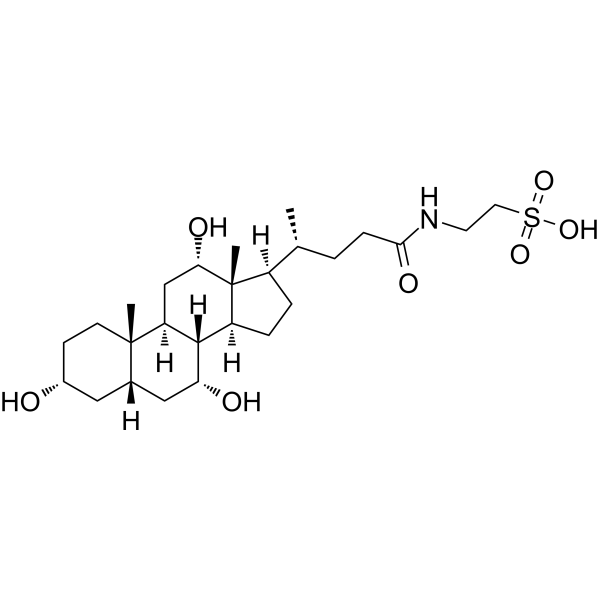
  • HY-B1788
    Taurocholic acid
    Maximum Cited Publications
    31 Publications Verification

    N-Choloyltaurine

    Endogenous Metabolite Neurological Disease Inflammation/Immunology
    Taurocholic acid (N-Choloyltaurine) has marked bioactive effects such as an inhibitory potential against hepatic artery ligation induced biliary damage by upregulation of VEGF-A expression. Taurocholic acid has immunoregulation effect [1].
    Taurocholic acid
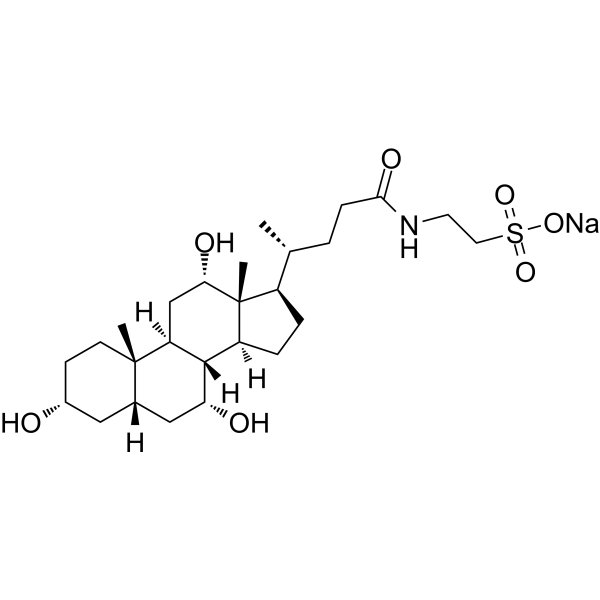
  • HY-N0545
    Taurocholic acid sodium
    Maximum Cited Publications
    31 Publications Verification

    Sodium taurocholate; N-Choloyltaurine sodium

    VEGFR Endogenous Metabolite Cardiovascular Disease Neurological Disease Inflammation/Immunology Cancer
    Taurocholic acid sodium (Sodium taurocholate) has marked bioactive effects such as an inhibitory potential against hepatic artery ligation induced biliary damage by upregulation of VEGF-A expression. Taurocholic acid sodium has immunoregulation effect [1].
    Taurocholic acid sodium
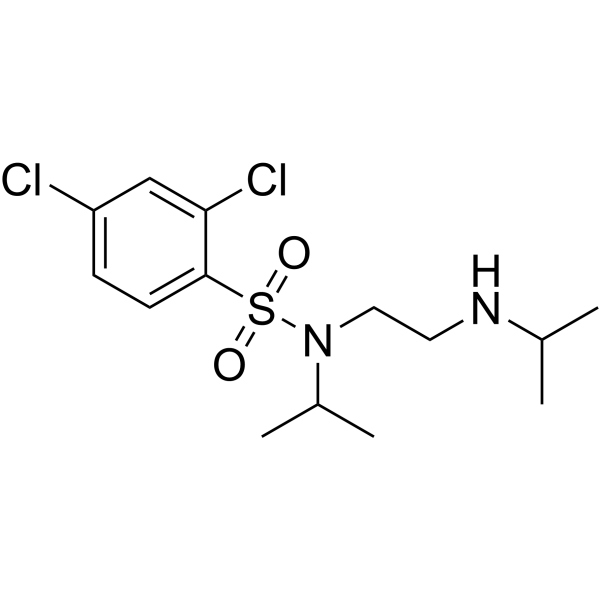
  • HY-19975
    RN-1734
    5+ Cited Publications

    TRP Channel Neurological Disease Cancer
    RN-1734 is selective antagonist of the TRPV4 channel, completely antagonizes 4αPDD-mediated activation of TRPV4 with comparable, low micromolar IC50s for all three species (hTRPV4: 2.3 μM, mTRPV4: 5.9 μM, rTRPV4: 3.2 μM) [1]. RN-1734 clearly decreases the production of tumor necrosis factor α (TNF-α) and interleukin 1β (IL-1β) without altering the number of olig2-positive cells .
    RN-1734
  • HY-169996

    Molecular Glues NOD-like Receptor (NLR) Interleukin Related Neurological Disease Inflammation/Immunology
    NP3-253 is an orally active and brain-penetranted NLRP3 inflammasome inhibitor. NP3-253 functions as a molecular glue that prevents NACHT-subdomain rearrangements, locking NLRP3 in an inactive conformation. NP3-253 inhibits production of pro-inflammatory cytokines IL-1β and IL-18. NP3-253 can be used for the research of inflammation and neurological disease, suah as peritonitis [1].
    NP3-253
  • HY-19676
    Pralnacasan
    1 Publications Verification

    VX-740; HMR 3480

    Caspase Inflammation/Immunology
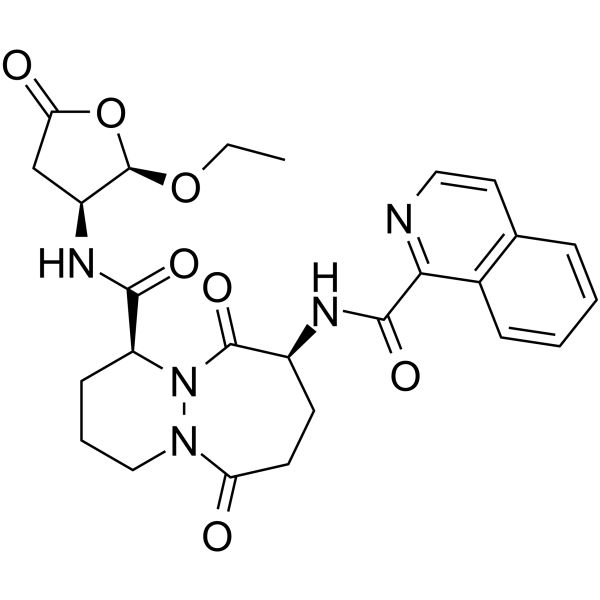
    Pralnacasan (VX-740) is a potent, selective, non-peptide and orally active interleukin-1β converting enzyme (ICE, caspase 1) inhibitor with a Ki of 1.4 nM. Pralnacasan inhibits proinflammatory cytokines IL-18, IL-1β , and IFN-γ. Pralnacasan has the potential for osteoarthritis and rheumatoid arthritis treatment [1] .
    Pralnacasan
  • HY-N12586

    ERK Reactive Oxygen Species (ROS) COX PGE synthase STAT HCV HCV Protease Infection Neurological Disease Cancer
    Pheophytin a is a multi-target inhibitor, anticancer agent, antioxidant and antiviral agent. Pheophytin a directly binds to and inhibits HCV-NS3/4A protease (IC50=0.89 μM) to block viral replication. Pheophytin a also scavenges free radicals, reduces ferric ions, and exhibits cytotoxic activity against breast cancer cells. Pheophytin a effectively inhibits LPS-induced production of nitric oxide, prostaglandin E2, NOS2 and COX-2, as well as various pro-inflammatory cytokines, by downregulating the transcription levels of inflammatory mediators and blocking the ERK1/2 and STAT-1 pathways. In a low nerve growth factor environment, Pheophytin a also enhances ERK1/2 phosphorylation and synergistically promotes neurite outgrowth through MAPK pathway. Pheophytin a can be used to investigate the pathogenic mechanisms of diseases including chronic hepatitis C, sepsis, breast cancer and Alzheimer's disease [1] .
    Pheophytin a
  • HY-N0074
    Byakangelicol
    1 Publications Verification

    COX Inflammation/Immunology
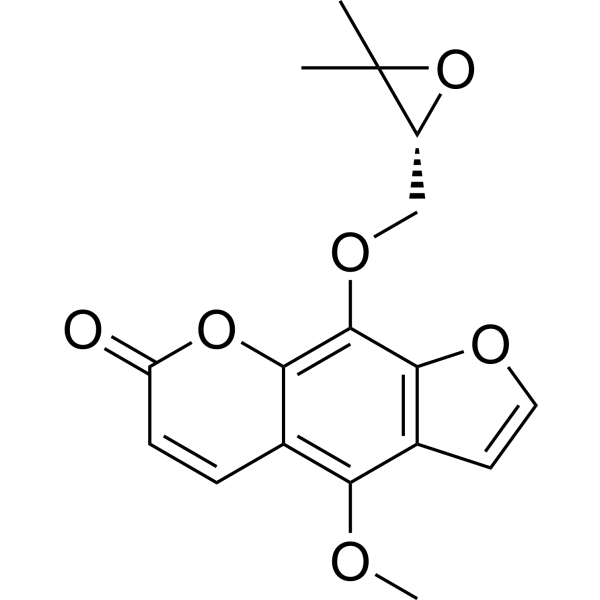
    Byakangelicol, isolated from Angelica dahurica, inhibits interleukin-1beta (IL-1beta) -induced prostaglandin E2 (PGE2) release in A549 cells mediated by suppression of cyclooxygenase-2 (COX-2) expression and the activity of COX-2 enzyme. Byakangelicol has therapeutic potential as an anti-inflammatory agent on airway inflammation [1].
    Byakangelicol
  • HY-156202

    Histone Demethylase PD-1/PD-L1 Apoptosis Cancer
    Geranylgeranoic acid (Compound 5) is inhibits lysine-specific demethylase 1 (LSD1) with an IC50 value of 46.97 µM. Geranylgeranoic acid induces apoptosis via loss of the mitochondrial membrane potential and activation of interleukin-1β-converting enzyme (ICE) and cysteine protease precursor 32 (CPP32) in Huh7 and PLC/PRF/5 human hepatoma cells and MLE-10 transformed mouse hepatocytes. Geranylgeranoic acid an isoprenoid with anticancer activity, which is found in S. chinensis [1] .
    Geranylgeranoic acid
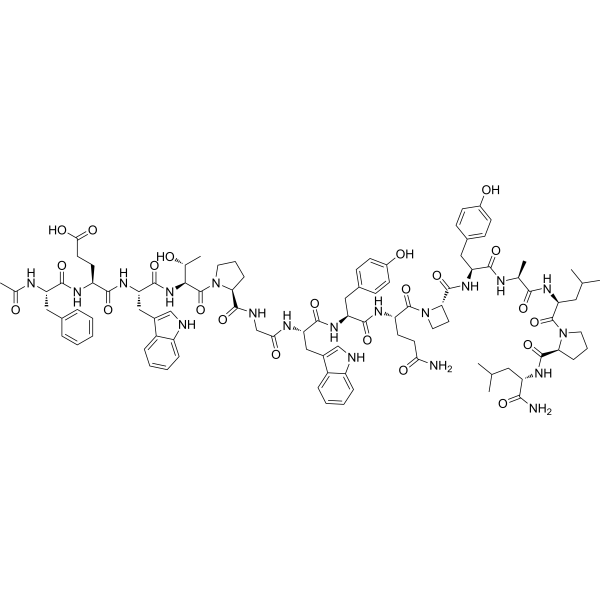
  • HY-P1110
    AF12198
    4 Publications Verification

    Interleukin Related Inflammation/Immunology
    AF12198 is a potent, selective and specific peptide antagonist for human type I interleukin-1 receptor (IL1-R1) (IC50=8 nM) but not the human type II receptor (IC50=6.7 µM) or the murine type I receptor (IC50>200 µM). AF12198 inhibits IL-1-induced IL-8 production (IC50=25 nM) and IL-1-induced intercellular adhesion molecule-1 (ICAM-1) expression (IC50=9 nM) in vitro. AF12198 has anti-inflammatory activities and blocks responses to IL-1 in vivo [1].
    AF12198
  • HY-N0545R

    Sodium taurocholate (Standard); N-Choloyltaurine sodium (Standard)

    Reference Standards VEGFR Endogenous Metabolite Inflammation/Immunology
    Taurocholic acid (sodium) (Standard) is the analytical standard of Taurocholic acid (sodium). This product is intended for research and analytical applications. Taurocholic acid sodium (Sodium taurocholate) has marked bioactive effects such as an inhibitory potential against hepatic artery ligation induced biliary damage by upregulation of VEGF-A expression. Taurocholic acid sodium has immunoregulation effect [1].
    Taurocholic acid sodium (Standard)
  • HY-117432

    NOD-like Receptor (NLR) Inflammation/Immunology
    JC-171 is a selective NLRP3 inflammasome inhibitor, with an IC50 of 8.45 μM for inhibiting LPS/ATP-induced interleukin-1β (IL-1β) release from J774A.1 macrophages [1].
    JC-171
  • HY-P991138

    Genakumab; GenSci048; Kinnazumab

    Interleukin Related Inflammation/Immunology
    Firsekibart is an immunoglobulin G4-λ2 monoclonal antibody targeting human interleukin 1β (IL-1β). Firsekibart is promising for research of inflammation-related diseases, such as rheumatoid arthritis and inflammatory bowel disease [1].
    Firsekibart
  • HY-NP019

    Sirtuin Caspase Apoptosis Neurological Disease
    Agkistrodon halys batroxobin is a thrombin-like serine protease. Agkistrodon halys batroxobin reduces the expression of Sirt1 and extracellular signal-regulated kinase activation in brain tissue. Agkistrodon halys batroxobin reduces cleaved caspase-3 expression and inhibits neuronal apoptosis in rat [1].
    Agkistrodon halys batroxobin
  • HY-103291

    Bradykinin Receptor Inflammation/Immunology Endocrinology
    Sar-[D-Phe8]-des-Arg9-Bradykinin is a agonist of B1 receptor. Sar-[D-Phe8]-des-Arg9-Bradykinin selectively amplifies the contractile response when incubation with human recombinant interleukin-1 β (IL-1 β) in rabbit aortic rings [1].
    Sar-[D-Phe8]-des-Arg9-Bradykinin
  • HY-153261

    NOD-like Receptor (NLR) Inflammation/Immunology
    NLRP3-IN-17 is a potent, selective and orally active NLRP3 inflammasome inhibitor with an IC50 value of 7 nM. NLRP3-IN-17 significantly inhibits NLRP3 dependent IL-1β secretion in mice and can be used for chronic inflammatory diseases research [1].
    NLRP3-IN-17
  • HY-120505

    ERK p38 MAPK Inflammation/Immunology
    ITZ-1 is an orally active and selective extracellular signal-regulated kinase (ERK)-mitogen-activated protein kinase (MAPK) pathway inhibitor with an IC50 of 0.51 μM for inhibiting interleukin-1β (IL-1β)-induced matrix metalloproteinase-13 (MMP-13) production. ITZ-1 reduces MMP-13 expression and suppresses nitric oxide (NO)-induced chondrocyte apoptosi. ITZ-1 is promising for research of osteoarticular diseases [1].
    ITZ-1
  • HY-B1788R

    N-Choloyltaurine (Standard)

    Reference Standards Endogenous Metabolite Inflammation/Immunology
    Taurocholic acid (Standard) is the analytical standard of Taurocholic acid. This product is intended for research and analytical applications. Taurocholic acid (N-Choloyltaurine) has marked bioactive effects such as an inhibitory potential against hepatic artery ligation induced biliary damage by upregulation of VEGF-A expression. Taurocholic acid has immunoregulation effect [1].
    Taurocholic acid (Standard)
  • HY-P5890

    Interleukin Related Caspase Neurological Disease Inflammation/Immunology
    YVAD-CHO is an interleukin-1β converting enzyme (ICE, caspase 1) inhibitor (Ki: 0.76 nM). YVAD-CHO inhibits mature IL-1β production. YVAD-CHO partially delays motoneurone death in lesioned facial nerve mice [1] .
    YVAD-CHO
  • HY-P5890A

    Caspase Interleukin Related Neurological Disease Inflammation/Immunology
    YVAD-CHO TFA is an interleukin-1β converting enzyme (ICE, caspase 1) inhibitor (Ki: 0.76 nM). YVAD-CHO TFA inhibits mature IL-1β production. YVAD-CHO TFA partially delays motoneurone death in lesioned facial nerve mice [1] .
    YVAD-CHO TFA
  • HY-W852084

    Drug Derivative Infection Cancer
    S-27609 is an imidazoquinoline with antiviral and antitumour properties. S-27609 can induce peripheral blood mononuclear cells to produce various cytokines such as interferon-α (IFN-α), tumor necrosis factor-α (TNF-α), and interleukin-1β (IL-1β). S-27609 is promising for research of viral infections (e.g., herpes virus) and tumors [1].
    S-27609
  • HY-155027

    Dipeptidyl Peptidase TNF Receptor Interleukin Related Inflammation/Immunology Cancer
    DPP-4-IN-8 (compound 27) is a potent and selective DPP4 (dipeptidyl peptidase 4) inhibitor, with a Ki of 0.96 μM. DPP-4-IN-8 blocks the dipeptidase activity of DPP4 in both Caco-2 and HepG-2 cells. DPP-4-IN-8 also dose-dependently suppresses the expression levels of the chemokines tumor necrosis factor-α (TNF-α), interleukin-6 (IL-6), and interleukin-1β (IL-1β) [1].
    DPP-4-IN-8
  • HY-141622

    Interleukin Related Caspase SARS-CoV Infection Inflammation/Immunology
    SDZ 224-015 is an orally active inhibitor of the interleukin-1 beta (IL-1β) converting enzyme and caspase-1. SDZ 224-015 possesses anti-COVID-19 activity, targeting M pro (IC50 of 30 nM) [1] .
    SDZ 224-015
  • HY-P991268

    Interleukin Related Inflammation/Immunology
    DLX2323 is an interleukin-1β (IL-1β) modulator. DLX2323 is promising for research of inflammatory diseases [1].
    DLX2323
  • HY-P991269

    Interleukin Related Metabolic Disease
    LY2189102 is a humanized monoclonal antibody inhibitor targeting interleukin-1β (IL-1β). LY2189102 is promising for research of type 2 diabetes [1].
    LY2189102
  • HY-N12837

    Others Inflammation/Immunology
    8-Epiloganin can be isolated from Castilleja rubra and has anti-inflammatory properties. 8-Epiloganin inhibits LPS-induced release of pro-inflammatory cytokines, namely tumor necrosis factor-α and interleukin-1β [1].
    8-Epiloganin
  • HY-P2628

    Fluorescent Dye Others
    Dabcyl-YVADAPV-EDANS is a fluorogenic interleukin-1β converting enzyme (ICE) substrate for measuring ICE-like protease activity. Dabcyl-YVADAPV-EDANS detects fluorescence at 360 nm excitation and 480 nm emission wavelengths. ICE-like protease is a critical mediator of K + deprivation-induced apoptosis of cerebellar granule neurons [1].
    Dabcyl-YVADAPV-EDANS
  • HY-126758

    Apoptosis Glutathione Peroxidase Inflammation/Immunology
    Ludartin a sesquiterpene lactone, which can be isolated from the plant Artemisia carruthii Wood. Ludartin reduces the expression of myeloperoxidase and malondialdehyde, enhances the expression of glutathione and superoxide dismutase in spinal cord tissue. Ludartin inhibits neuronal apoptosis. Ludartin inhibits the upregulation of tumor necrosis factor-α, interleukin-1β, and interleukin-6. Ludartin improves the motor function of rats with spinal cord injury [1].
    Ludartin
  • HY-171589

    NOD-like Receptor (NLR) Interleukin Related Inflammation/Immunology Cancer
    NLRP3-IN-77 (Compound 7n) is a potent NLRP3 inflammasome inhibitor. NLRP3-IN-77 inhibits the viability of THP-1 cells with an IC50 value of 5.36 nM. NLRP3-IN-77 can effectively reduce the secretion of interleukin-1β (IL-1β) and interleukin-18 (IL-18). NLRP3-IN-77 is promising for research of diseases related to the abnormal activation of the NLRP3 inflammasome, such as cancer and inflammatory diseases [1].
    NLRP3-IN-77
  • HY-15026

    Endogenous Metabolite Inflammation/Immunology
    ATB-429, a novel H2S-releasing derivative of mesalamine, demonstrates significant anti-nociceptive and anti-inflammatory effects in models of irritable bowel syndrome (IBS). By releasing hydrogen sulfide (H2S), ATB-429 modulates colorectal distension-induced hypersensitivity in both healthy and postcolitic rats. It attenuates abdominal withdrawal responses and suppresses spinal c-Fos mRNA expression, indicating its potential to alleviate pain associated with gastrointestinal inflammation. Moreover, ATB-429 down-regulates colonic cyclooxygenase-2 and interleukin-1β mRNA expression, effects not observed with mesalamine alone. The mechanism involves ATP-sensitive K+ (KATP) channels, as evidenced by reversal of ATB-429's effects with glibenclamide. These findings suggest ATB-429 could offer therapeutic benefits for managing painful intestinal disorders linked to inflammation [1].
    ATB 429
  • HY-P2630

    Interleukin Related Inflammation/Immunology
    Suc-YVAD-pNA is a substrate of ICE. Interleukin-1β-converting enzyme (ICE) is a cysteine protease responsible for the cleavage of pre-interleukin-1β (pre-IL-1β) to the mature cytokine and a member of a family of related proteases (the caspases) [1].
    Suc-YVAD-pNA
  • HY-N0283S

    Diacerhein-d6; Diacetylrhein-d6

    Interleukin Related Inflammation/Immunology
    Diacerein-d6 is the deuterium labeled Diacerein [1]. Diacerein (Diacerhein), a interleukin-1 beta inhibitor, is a slow-acting medicine of the class anthraquinone used to treat joint diseases .
    Diacerein-d6
  • HY-N0283R

    Diacerhein(Standard); Diacetylrhein (Standard)

    Reference Standards Interleukin Related Inflammation/Immunology
    Diacerein (Standard) is the analytical standard of Diacerein. This product is intended for research and analytical applications. Diacerein (Diacerhein), a interleukin-1 beta inhibitor, is a slow-acting medicine of the class anthraquinone used to treat joint diseases.
    Diacerein (Standard)
  • HY-174627

    mRNA Inflammation/Immunology
    Human IL1B mRNA encodes the human interleukin 1 beta (IL1B) protein, a member of the interleukin 1 cytokine family. IL1B is an important mediator of the inflammatory response, and is involved in a variety of cellular activities, including cell proliferation, differentiation, and apoptosis.
    Human IL1B mRNA
  • HY-11046A

    Endogenous Metabolite Inflammation/Immunology
    KRP-109 is a neutrophil elastase (NE) inhibitor with activity in reducing lung inflammation. KRP-109 improves survival in mouse models and reduces the number of neutrophils and inflammation in the alveolar walls. KRP-109 significantly reduced cell and neutrophil counts in bronchoalveolar lavage fluid, as well as cytokine levels such as interleukin 1β and macrophage inflammatory protein 2. KRP-109 can be used in the research of severe pneumonia [1].
    KRP-109
  • HY-125577

    RU-36384

    Interleukin Related Inflammation/Immunology
    VRT-18858 (RU-36384), the active metabolite of Pralnacasan (HY-19676), is a potent interleukin-1β converting enzyme (ICE) inhibitor (Ki = 1.4 nM). VRT-18858 inhibits LPS (HY-D1056)-induced IL-1β release (IC50 = 0.42 µM) and S. aureus Cowan-induced IL-1β and IL-18 release (IC50=1.3 and 2.1 µM, respectively) in human peripheral blood mononuclear cells. VRT-18858 can be used for osteoarthritis research [1].
    VRT-18858
  • HY-P992024

    Interleukin Related Inflammation/Immunology
    SK48-E26 is a human interleukin-1β (IL-1β) inhibitor, with a IC50 of 400 pM against human IL-1β, a IC50 of 185 pM against cynomolgus monkey IL-1β, and a Ka value ranging from 0.048 nM to 3 nM for human IL-1β. SK48-E26 binds to the conformational epitope of human IL-1β spanning amino acid residues 95-101, and blocks the biological activity of IL-1β. SK48-E26 can be used in research related to IL-1β-mediated inflammatory diseases and osteoarthritis [1] .
    SK48-E26
  • HY-P992022

    Interleukin Related Inflammation/Immunology Cancer
    AK114 is an anti-human interleukin-1 beta (IL-1β) imonoclonal antibody. AK114 binds to interleukin-1 beta and prevents its binding to the IL-1 receptor, suppresses inflammatory responses, tumorigenesis, and angiogenesis mediated by interleukin-1 beta.AK114 exhibits anti-inflammatory, immunomodulating, and antineoplastic activities [1].
    AK114
  • HY-11046

    Elastase Inflammation/Immunology
    KRP-109 is a neutrophil elastase (NE) inhibitor with activity in reducing lung inflammation. KRP-109 improves survival in mouse models and reduces the number of neutrophils and inflammation in the alveolar walls. KRP-109 significantly reduced cell and neutrophil counts in bronchoalveolar lavage fluid, as well as cytokine levels such as interleukin 1β and macrophage inflammatory protein 2. KRP-109 can be used in the research of severe pneumonia [1].
    AX-9657
  • HY-182630

    Interleukin Related TNF Receptor Inflammation/Immunology
    CJ-14897 is a cytokine production inhibitor, with IC50 values of 0.059 μM and 0.59 μM for IL-1β and TNF-α production, respectively, and an IC50 of 180 μM for leucine uptake. CJ-14897 is isolated from the fermentation broth of the basidiomycete Marasmius strain CL21624 [1] .
    CJ-14897
  • HY-P11581

    NOD-like Receptor (NLR) Interleukin Related Caspase Amyloid-β Tau Protein α-synuclein Pyroptosis Neurological Disease
    MNP2 is a NLRP3-ASC interaction inhibitor. MNP2 selectively binds to the PYD domain of ASC (Ka=149 nM) and blocks ASC-PYM binding (Ka=58 nM), thereby inhibiting the interaction between ASC and NLRP3 and suppressing the formation of the NLRP3 inflammasome. MNP2 inhibits IL-1β release and caspase-1 maturation, and reduces the efflux of potassium and chloride ions. MNP2 prevents mitochondrial damage and reactive oxygen species production, and significantly decreases NLRP3 inflammasome formation in neurodegenerative pathologies induced by β-amyloid, Tau protein and α-synuclein. MNP2 is applicable for the research of neurodegenerative diseases [1].
    MNP2
  • HY-120152A

    SphK Interleukin Related TNF Receptor Cardiovascular Disease Inflammation/Immunology
    SLP7111228 hydrochloride is a selective sphingosine kinase 1 (SphK1) inhibitor and anti-inflammatory agent. SLP7111228 hydrochloride selectively inhibits SphK1 and reduces the production of sphingosine-1-phosphate. SLP7111228 hydrochloride decreases lipopolysaccharide-induced TNFα and IL-1β levels. SLP7111228 hydrochloride alleviates obliterative pulmonary arteriopathy, increases cardiac index and decreases total pulmonary vascular resistance index. SLP7111228 hydrochloride can be used in research related to neuroinflammatory diseases and pulmonary hypertension [1] .
    SLP7111228 hydrochloride
  • HY-119138

    p38 MAPK MMP PGE synthase Inflammation/Immunology
    R-130823 is an orally active, highly selective p38α inhibitor with an IC50 of 22 nM against p38α, an IC50 of 820 nM against p38β, and no activity against p38γ or p38δ. R-130823 downregulates downstream cartilage degradation and inflammatory mediators, and inhibits the release of MMP-13, MMP-1 and PGE2. R-130823 reduces hind paw swelling, improves hyperalgesia, and blocks arthritis progression. R-130823 is applicable to research related to osteoarthritis and rheumatoid arthritis [1] .
    R-130823
  • HY-P992382

    Interleukin Related Neurological Disease Inflammation/Immunology
    IC 100 is a humanized IgG4κ monoclonal antibody targeting apoptosis-associated speck-like protein (ASC) with blood-brain barrier permeability. IC 100 specifically inhibits ASC after being endocytosed via its Fc segment, blocks ASC polymerization and inflammasome activation, suppresses IL-1β release, forms complexes with ASC and TRIM21, and evades TRIM21-mediated proteasomal degradation. IC 100 alleviates symptoms associated with autoimmune encephalomyelitis, reduces immune cell infiltration and microglial activation in the mouse EAE model. IC 100 is suitable for research on neuroinflammatory and inflammasome-related diseases such as multiple sclerosis. Isotype comparison: HY-P99003 [1] .
    IC 100
  • HY-N12104

    BMS-182123

    TNF Receptor Infection
    Trichodimerol (BMS-182123) is a TNF-α promoter inhibitor that inhibits the activity of lipopolysaccharide-induced cytokine secretion. Trichodimerol inhibits lipopolysaccharide-induced TNF-α promoter activity, reduces steady-state TNF-α mRNA expression, and does not alter the stability of TNF-α mRNA. Trichodimerol inhibits lipopolysaccharide-induced TNF-α secretion in murine and human immune cells. Trichodimerol reduces lipopolysaccharide-induced IL-1β secretion by 25%-50% in vitro. Trichodimerol does not alter total protein synthesis or constitutive lysozyme secretion at effective concentrations. Trichodimerol can be used for the research of septic shock [1].
    Trichodimerol

Inquiry Online

Your information is safe with us. * Required Fields.

Salutation


Country or Region *

Applicant Name *


Organization Name *

Department *


Email Address *


Product Name *

Cat. No.


Requested quantity *

Phone Number *


Remarks

Inquiry Online

Inquiry Information

Product Name:
Cat. No.:
Quantity:
MCE Japan Authorized Agent:

