Search Result
Results for "
LPS induced mice
" in MedChemExpress (MCE) Product Catalog:
2
Biochemical Assay Reagents
4
Isotope-Labeled Compounds
| Cat. No. |
Product Name |
Target |
Research Areas |
Chemical Structure |
-
- HY-13687
-
IKK 16
Maximum Cited Publications
29 Publications Verification
|
IKK
LRRK2
P-glycoprotein
PKD
NF-κB
TNF Receptor
Interleukin Related
|
Cardiovascular Disease
Inflammation/Immunology
|
|
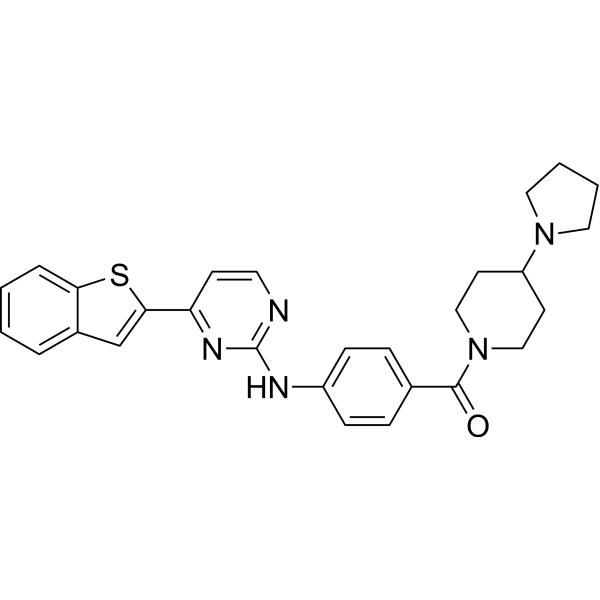
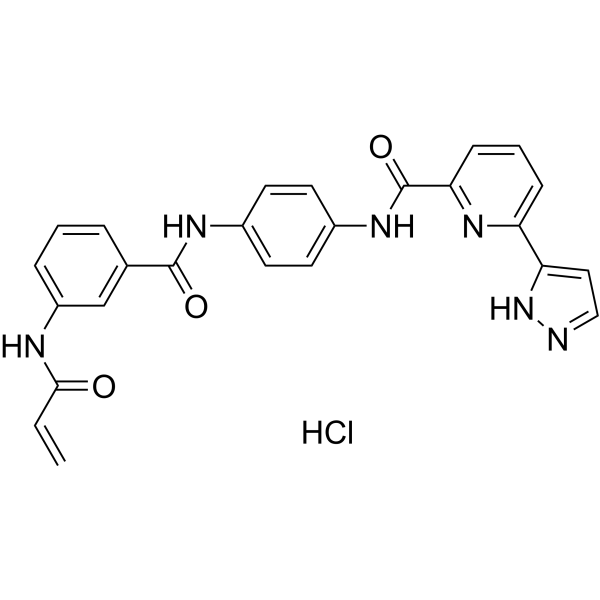
IKK 16 is an orally active IKK inhibitor. IKK 16 shows IC50s of 40 nM, 70 nM, 200 nM, and 50 nM for IKK2, IKK complex, IKK1, and LRRK 2, respectively. IKK 16 is also a pan-PKD inhibitor, inhibiting PKD1, PKD2, and PKD3 with IC50s of 153.9, 115, and 99.7 nM, respectively. IKK 16 is also an ABCB1 inhibitor, interfering with the binding of ABCB1 to its substrates. IKK 16 protects against LPS (HY-D1056)-induced multiple organ dysfunction by reducing the acute inflammatory response induced by endotoxin exposure. IKK 16 can restore renal function and alleviate fibrosis in acute kidney injury. IKK 16 attenuates cardiac dysfunction associated with polymicrobial sepsis in mice with type 2 diabetes mellitus (T2DM) by inhibiting the NF-κB pathway .
|
-
-
- HY-15698A
-
|
|
PKD
Pim
Apoptosis
|
Inflammation/Immunology
Cancer
|
|
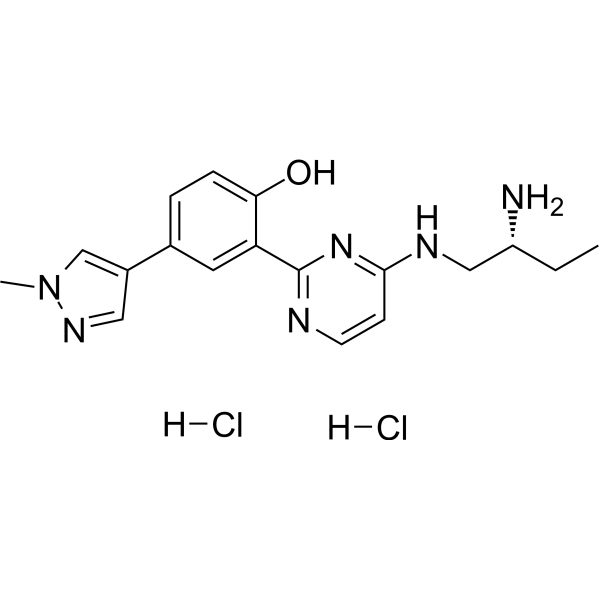
CRT0066101 dihydrochloride is a potent and orally active PKD inhibitor with IC50 values of 1 nM, 2.5 nM and 2 nM for PKD1, PKD2, and PKD3, respectively . CRT0066101 dihydrochloride is also a potent PIM2 inhibitor with an IC50 of ~135.7 nM. CRT0066101 dihydrochloride exhibits anti-inflammatory activity in mice LPS (HY-D1056)-induced lung injury models, and has anticancer effects .
|
-
-
- HY-B2176R
-
|
Adenosine 5'-triphosphate (Standard)
|
Reference Standards
Endogenous Metabolite
|
Metabolic Disease
Inflammation/Immunology
|
ATP (Standard) is the analytical standard of ATP. This product is intended for research and analytical applications. ATP (Adenosine 5'-triphosphate) is a central component of energy storage and metabolism in vivo. ATP provides the metabolic energy to drive metabolic pumps and serves as a coenzyme in cells. ATP is an important endogenous signaling molecule in immunity and inflammation .
In Vitro: ATP (5 mM; 1 hour) co-treatment with LPS (1 μg/mL) has a synergistic effect on the activation of the NLRP3 inflammasome in HGFs .
ATP (2 mM; 0.5-24 hours) induces secretion of IL-1β, KC and MIP-2 from BMDMs in a caspase-1 activation-dependent manner .
ATP promotes neutrophil chemotaxis in vitro .
In Vivo: ATP (50 mg/kg; i.p.) protects mice against bacterial infection in vivo .
ATP induces the secretion of IL-1β, KC and MIP-2 and neutrophils recruitment in vivo .
|
-
-
- HY-15698
-
|
|
PKD
Pim
Apoptosis
|
Inflammation/Immunology
Cancer
|
|
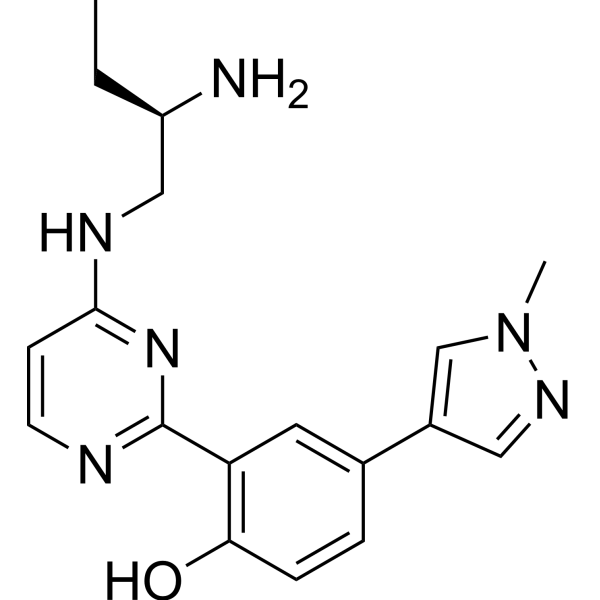
CRT0066101 is a potent and orally active PKD inhibitor with IC50 values of 1 nM, 2.5 nM and 2 nM for PKD1, PKD2, and PKD3, respectively . CRT0066101 is also a potent PIM2 inhibitor with an IC50 of ~135.7 nM. CRT0066101 exhibits anti-inflammatory activity in mice LPS (HY-D1056)-induced lung injury models, and has anticancer effects .
|
-
-
- HY-103017A
-
|
|
IRAK
|
Infection
Inflammation/Immunology
Cancer
|
|
JH-X-119-01 is a potent and selective interleukin-1 receptor-associated kinases 1 (IRAK1) inhibitor. JH-X-119-01 ameliorates LPS-induced sepsis in mice . JH-X-119-01 inhibits IRAK1 biochemically with an apparent IC50 of 9 nM while exhibiting no inhibition of IRAK4 at concentrations up to 10 μM .
|
-
-
- HY-N0631
-
Cornuside
Maximum Cited Publications
6 Publications Verification
|
p38 MAPK
NF-κB
JNK
Cholinesterase (ChE)
Acyltransferase
NO Synthase
Interleukin Related
TNF Receptor
Prostaglandin Receptor
ERK
COX
|
Neurological Disease
Inflammation/Immunology
|
|
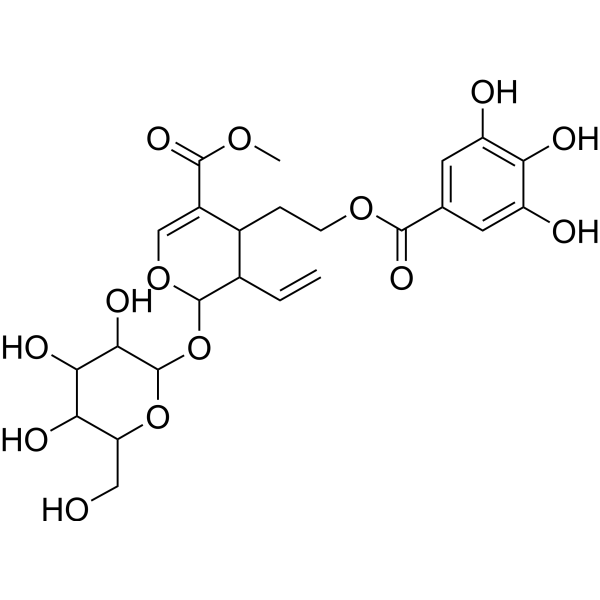
Cornuside is an iridoid glycoside with anti-allergic, anti-inflammatory, and neuroprotective activities. Cornuside exerts anti-allergic activity by downregulating the p38 MAPK, JNK, and NF-κB signaling pathways, and inhibits IgE-mediated histamine release from mast cells. Cornuside improves cognitive impairment in mice by inhibiting BACE1 activity (IC50 = 55.84 μg/mL) and enhancing ChAT activity. Cornuside inhibits LPS (HY-D1056)-induced inflammatory mediators, including iNOS, COX-2, PGE2, TNF-α, IL-6, and IL-1β, by suppressing NF-κB activation .
|
-
-
- HY-170621
-
-
-
- HY-N0493
-
|
|
COX
Lipoxygenase
NF-κB
p38 MAPK
ERK
HIF/HIF Prolyl-Hydroxylase
Keap1-Nrf2
PI3K
Apoptosis
Autophagy
|
Neurological Disease
Inflammation/Immunology
Cancer
|
|
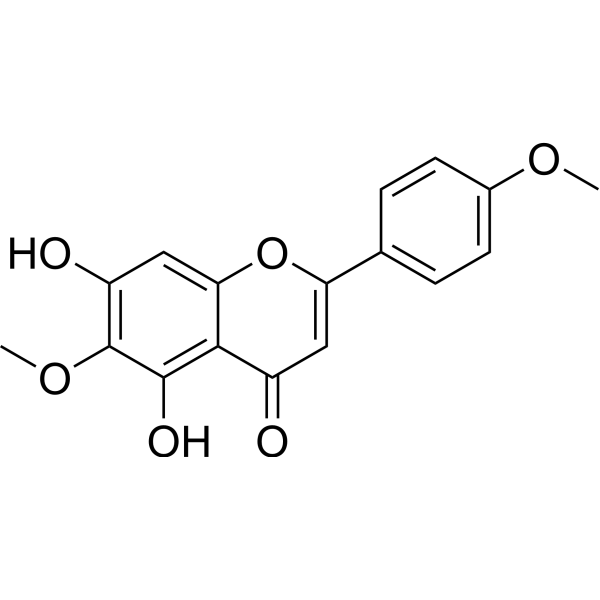
Pectolinarigenin is an orally active dual inhibitor of COX-2/5-LOX with anti-inflammatory, antioxidant, antitumor and neuroprotective activities. Pectolinarigenin exerts neuroprotective and anti-inflammatory effects on astrocyte inflammation via the NFκB and MAPK pathways. Pectolinarigenin inhibits LPS-induced phosphorylation of ERK1/2, N-FκB and p38MAPK, directly inhibits the enzymatic activity or binding of COX-2, 5-LOX and HIF-1α, and reduces the level of XIAP. Pectolinarigenin modifies Keap1 to promote nuclear accumulation of Nrf2, induces ARE-mediated antioxidant enzyme expression, and possesses direct free radical scavenging activity. Pectolinarigenin reduces the release of NO, proinflammatory mediators and leukotrienes, and increases the level of IL-10. Pectolinarigenin induces G2/M cell cycle arrest, apoptosis (Apoptosis) and autophagy (Autophagy) via the PI3K/AKT/mTOR signaling pathway. Pectolinarigenin reduces renal crystal deposition and inhibits melanin synthesis. Pectolinarigenin inhibits inflammation and alleviates allergy in mouse models of inflammation. Pectolinarigenin alleviates renal injury, inflammation and oxidative stress in mice by inhibiting HIF-1α activity. Pectolinarigenin can be used for the research of neurodegenerative diseases, inflammatory/allergic diseases, calcium oxalate nephrocalcinosis, gastric cancer, melasma, post-inflammatory diseases and chloasma .
|
-
-
- HY-124529
-
|
|
11β-HSD
Endogenous Metabolite
|
Metabolic Disease
Inflammation/Immunology
Cancer
|
|
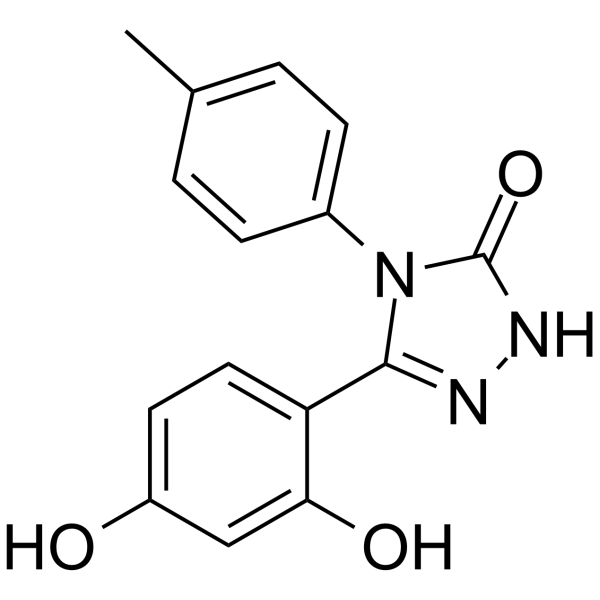
Lunularin is an inhibitor of 11β-hydroxysteroid dehydrogenase 1, with an IC50 of 45.44 μM and a Ki of 35.8 μM against human 11β-HSD1, and an IC50 of 17.39 μM and a Ki of 10.31 μM against rat 11β-HSD1. Lunularin upregulates the transcription levels of Sirt1 and Hmox1 genes in the liver. Lunularin reduces food intake and body weight gain, and decreases blood glucose levels in mice fed a high-fat diet. Lunularin inhibits LPS-induced TLR4-mediated NF-κB pathway activation and nitric oxide production. Lunularin inhibits the proliferation and colony formation of renal cancer and colon cancer cells, and exhibits cancer cell-specific cytotoxicity. Lunularin binds to the steroid-binding site of human 11β-HSD1 and the steroid/NADPH-binding region of rat 11β-HSD1, but does not inhibit 11β-HSD2 or mouse 11β-HSD1. Lunularin can be used in research related to diet-induced obesity, renal cancer, colorectal cancer, inflammatory diseases and metabolic syndrome .
|
-
-
- HY-123936
-
|
|
NF-κB
IKK
COX
Interleukin Related
|
Neurological Disease
Inflammation/Immunology
|
|
SR12343 is a IKK/NF-κB inhibitor and a mimetic of the NF-κB essential modulator (NEMO)-binding domain (NBD). SR12343 inhibits TNF-α- and LPS-induced NF-κB activation by blocking the interaction between IKKβ and NEMO. SR12343 suppresses LPS-induced acute pulmonary inflammation in mice. SR12343 extends the healthspan of naturally aged and accelerated aging mice. SR12343 can be used for research on inflammatory and degenerative diseases .
|
-
-
- HY-103017
-
|
|
IRAK
|
Infection
|
|
JH-X-119-01 hydrochloride is a potent and selective interleukin-1 receptor-associated kinases 1 (IRAK1) inhibitor. JH-X-119-01 hydrochloride ameliorates LPS-induced sepsis in mice .
|
-
-
- HY-B1817
-
|
|
Environmental Pollutants
Apoptosis
Biochemical Assay Reagents
HSP
|
Cardiovascular Disease
Inflammation/Immunology
Cancer
|
|
Zinc acetate acts as an immune response modulator. Zinc acetate enhances the expression of HSP-70 mRNA. Zinc acetate restores the proliferation and cytokine production capacities of splenocytes. Zinc acetate reduces the Apoptosis level of splenocytes in endotoxemic mice. Zinc acetate increases plasma zinc levels and improves survival rates in mice with LPS-induced lethal endotoxemia. Zinc acetate induces rapid death of prostate cancer cell lines in vitro. Zinc acetate inhibits the growth of prostate cancer xenografts in SCID mice. Zinc acetate can be used in endotoxemia research .
|
-
-
- HY-13687A
-
|
|
IKK
LRRK2
P-glycoprotein
PKD
NF-κB
TNF Receptor
Interleukin Related
|
Cardiovascular Disease
Inflammation/Immunology
|
|
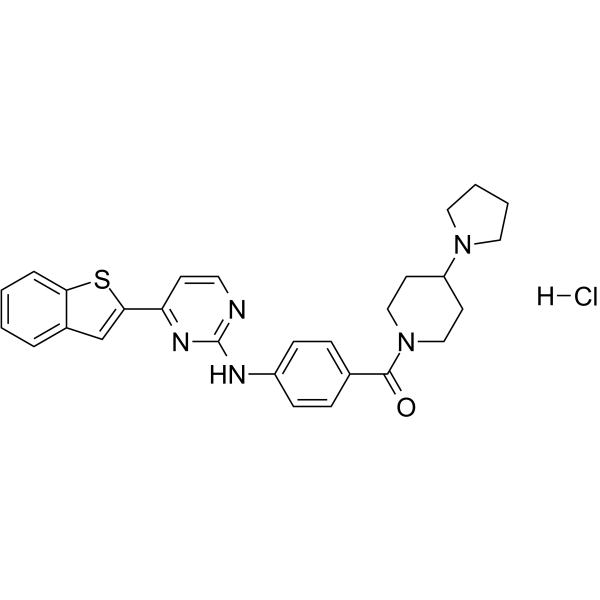
IKK 16 hydrochloride is an orally active IKK inhibitor. IKK 16 hydrochloride shows IC50s of 40 nM, 70 nM, 200 nM, and 50 nM for IKK2, IKK complex, IKK1, and LRRK 2, respectively. IKK 16 hydrochloride is also a pan-PKD inhibitor, inhibiting PKD1, PKD2, and PKD3 with IC50s of 153.9, 115, and 99.7 nM, respectively. IKK 16 hydrochloride is also an ABCB1 inhibitor, interfering with the binding of ABCB1 to its substrates. IKK 16 hydrochloride protects against LPS (HY-D1056)-induced multiple organ dysfunction by reducing the acute inflammatory response induced by endotoxin exposure. IKK 16 hydrochloride can restore renal function and alleviate fibrosis in acute kidney injury. IKK 16 hydrochloride attenuates cardiac dysfunction associated with polymicrobial sepsis in mice with type 2 diabetes mellitus (T2DM) by inhibiting the NF-κB pathway .
|
-
-
- HY-139667
-
|
|
Pyruvate Kinase
|
Neurological Disease
|
|
PKM2-IN-3 is an inhibitor of PKM2 kinase with an IC50 value of 4.1 μM. PKM2-IN-3 exhibits an anti-neuroinflammatory effect by inhibiting PKM2-mediated glycolysis and NLRP3 activation .
|
-
-
- HY-N5025
-
|
|
P2X Receptor
Apoptosis
ERK
p38 MAPK
c-Myc
NF-κB
Reactive Oxygen Species (ROS)
|
Neurological Disease
Inflammation/Immunology
Cancer
|
|
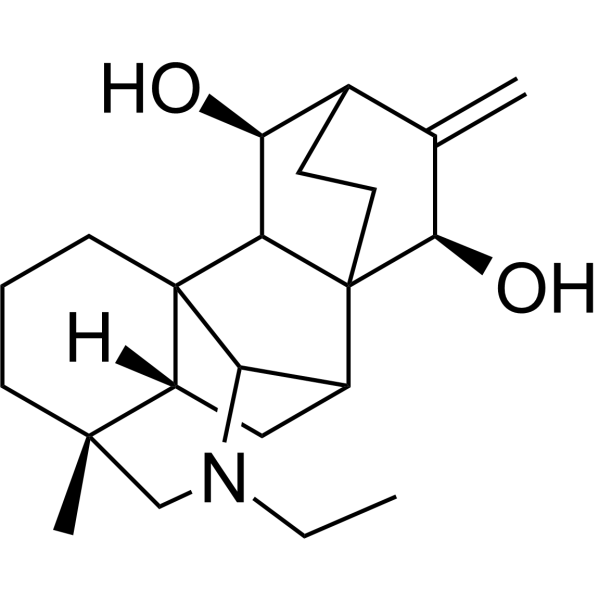
Bullatine A, a diterpenoid alkaloid, is a potent P2X7 antagonist. Bullatine A possesses anti-rheumatic, anti-inflammatory and anti-nociceptive effects. Bullatine A inhibits ATP-induced BV-2 cell death/apoptosis and P2X receptor-mediated inflammatory responses. Bullatine A suppresses glioma cell growth by targeting SIRT6. Bullatine A specifically attenuates pain hypersensitivity in rats. Bullatine A attenuates LPS (HY-D1056)-induced systemic inflammatory response by inhibiting the ROS/JNK/NF-κB pathway in mice. Bullatine A improves despair behavior in Chronic chronic social defeat stress (CSDS) mice. Bullatine A can be used for the study of inflammation, glioblastoma (GBM) and depression .
|
-
-
- HY-128578
-
|
|
PDHK
NO Synthase
Interleukin Related
HIF/HIF Prolyl-Hydroxylase
|
Metabolic Disease
Inflammation/Immunology
|
|
KPLH1130 is a pyruvate dehydrogenase kinase (PDK) inhibitor. KPLH1130 potently inhibits M1 macrophage polarization by reducing the expression of pro-inflammatory cytokines, decreasing the levels of M1 phenotype markers (HIF-1α, iNOS) and nitric oxide (NO) production. KPLH1130 prevents the reduction of mitochondrial oxygen consumption rate (OCR) induced by inflammatory stimuli (LPS ((HY-D1056) + IFN-γ) in various macrophage types. KPLH1130 improves glucose tolerance in HFD-fed mice. KPLH1130 can be used for the study of obesity-associated metabolic disorders and other inflammatory conditions .
|
-
-
- HY-120657
-
|
|
CGRP Receptor
NF-κB
|
Neurological Disease
Metabolic Disease
Inflammation/Immunology
|
|
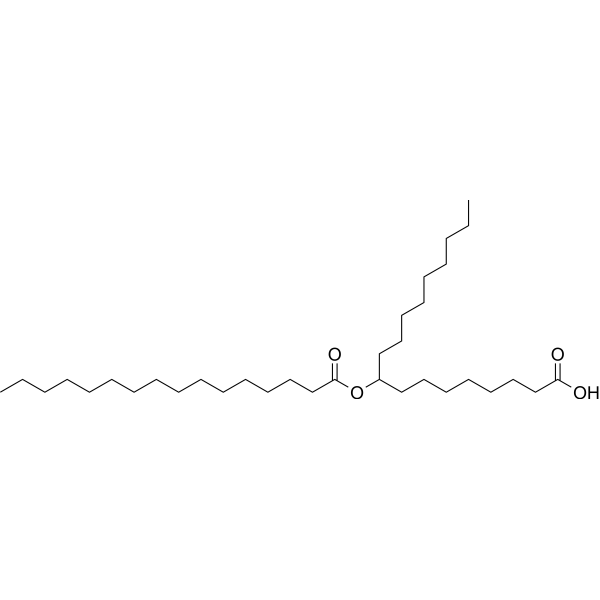
9-PAHSA is an orally active endogenous GPR120 agonist (EC50=18 μM). 9-PAHSA significantly inhibits LPS-induced inflammatory responses by blocking the NF-κB pathway. 9-PAHSA induces adipocyte browning, enhances glucose uptake and reduces lipid accumulation, while improving mitochondrial function and the survival rate of steatotic hepatocytes. In terms of neuroprotection, 9-PAHSA regulates the expression of REST and BDNF in the prefrontal cortex of diabetic mice, and effectively prevents spatial working memory deficits and abnormal social behaviors. 9-PAHSA does not directly regulate insulin secretion or improve systemic insulin sensitivity, and possesses specific anti-inflammatory, metabolic regulatory and neuroprotective properties. 9-PAHSA can be used in the research of diabetes-related cognitive impairment, obesity and non-alcoholic fatty liver disease .
|
-
-
- HY-177204
-
|
|
Ferroptosis
Apoptosis
Glutathione Peroxidase
|
Cardiovascular Disease
|
|
DSPE-PEG2000-WLSEAGPVVTVRALRGTGSW is a polypeptide targeting tenascin-X (Tenascin-X) that can be conjugated with liposomes and exosomes. DSPE-PEG2000-WLSEAGPVVTVRALRGTGSW specifically binds to Tenascin-X on the surface of cardiomyocytes, mediates receptor-dependent uptake of nanocarriers, enhances targeted drug delivery of cargo to cardiomyocytes, and increases drug accumulation in cardiac tissue. DSPE-PEG2000-WLSEAGPVVTVRALRGTGSW protects cardiomyocytes treated with LPS, alleviates oxidative stress, repairs mitochondrial function, inhibits ferroptosis and apoptosis, and downregulates the secretion of pro-inflammatory cytokines at the same time. DSPE-PEG2000-WLSEAGPVVTVRALRGTGSW improves cardiac injury and pathological morphology in mice with sepsis-induced cardiomyopathy, restores GPX4 expression, and promotes the internalization of cardiomyocyte-derived exosomes, making it suitable for related research on sepsis-induced cardiomyopathy, myocardial ischemia-reperfusion injury, and other conditions .
|
-
-
- HY-119678
-
|
|
AMPK
Keap1-Nrf2
|
Cardiovascular Disease
Metabolic Disease
|
|
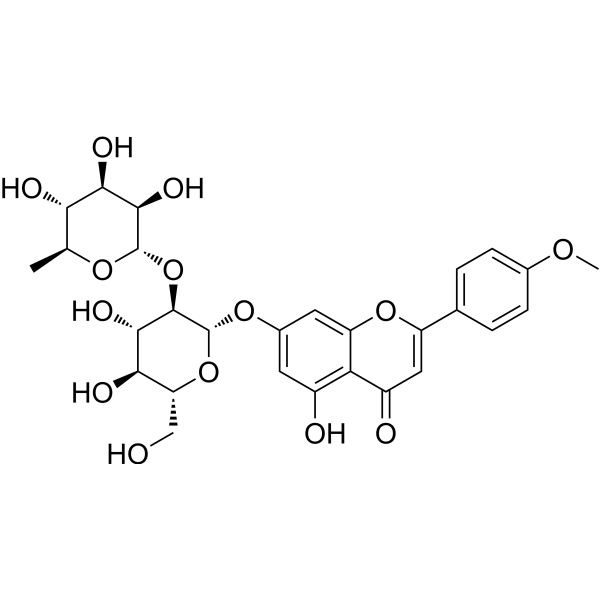
Fortunellin, is a flavonoid, that can be isolated from the fruits of Fortunella margarita (kumquat). Fortunellin exhibits little toxicity to mice and suppresses inflammation and ROS generation in H9C2 cells induced by LPS. Fortunellin protects against fructose-induced inflammation and oxidative stress by enhancing AMPK/Nrf2 pathway. Fortunellin can be used for diabetic cardiomyopathy research .
|
-
-
- HY-N0854
-
|
|
HBV
ERK
JNK
p38 MAPK
STAT
NF-κB
TNF Receptor
Interleukin Related
NO Synthase
COX
|
Metabolic Disease
Cancer
|
|
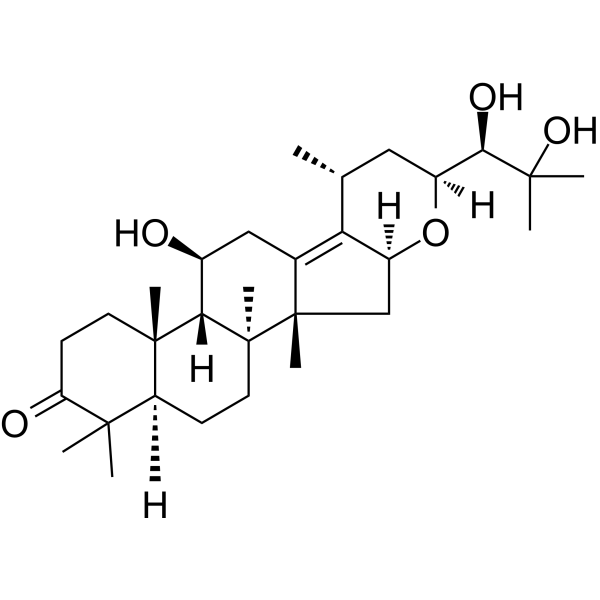
Alisol F is a protostane-type triterpenoid with anti-inflammatory and anti-hepatitis B virus activities. Alisol F inhibits LPS (HY-D1056)-induced phosphorylation of ERK, JNK, p38, STAT3 and NF-κB (p65), suppresses the production of NO, IL-6, TNF-α and IL-1β, and also downregulates the levels of iNOS and COX-2. Alisol F reduces the serum alanine aminotransferase and aspartate aminotransferase levels in mice with acute liver injury and ameliorates their liver pathological damage .
|
-
-
- HY-N3001
-
|
|
STAT
VEGFR
Bcl-2 Family
Survivin
IAP
NF-κB
Apoptosis
Caspase
|
Neurological Disease
Inflammation/Immunology
Cancer
|
|
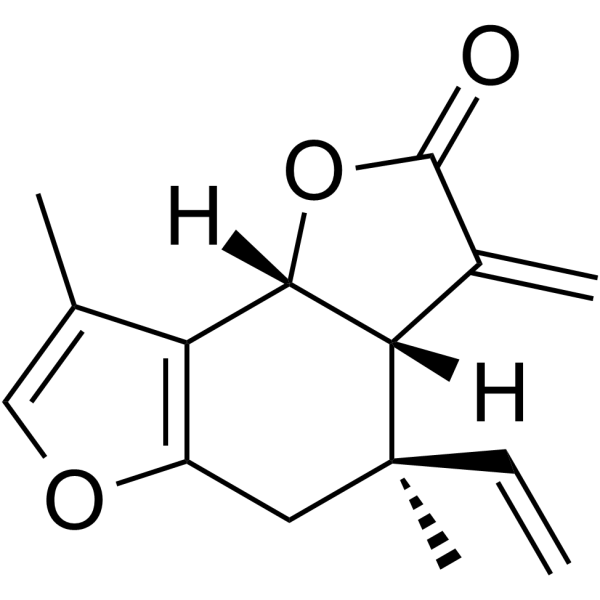
Isolinderalactone is a sesquiterpene that exhibits anti-cancer, anti-inflammatory, and neuroprotective effects. Isolinderalactone inhibits VEGF expression and tyrosine phosphorylation of VEGFR2. Isolinderalactone decreases viability and induces apoptosis in U-87 glioblastoma (GBM) cells and colorectal cancer (CRC) cells. Isolinderalactone induces G2/M phase cell cycle arrest, ROS generation, pJNK/p38 MAPK activation, in colorectal cancer (CRC) cells. Isolinderalactone blocks LPS (HY-D1056)-induced NF-κB activation while activating Nrf2-HMOX1 signaling in RAW264.7 macrophages. Isolinderalactone improves cognitive dysfunction in APP/PS1 mice. Isolinderalactone can be used for the study of Glioblastoma multiforme (GBM), colorectal cancer, Alzheimer’s disease and acute lung injury .
|
-
-
- HY-103639A
-
|
|
Toll-like Receptor (TLR)
|
Infection
|
|
M62812 is a toll-like receptor 4 (TLR4) signaling inhibitor. M62812 inhibits endothelial and leukocyte activation and prevents lethal septic shock in mice. M62812 can reduces LPS-induced coagulation and inflammatory responses. M62812 can be used for the research of sepsis .
|
-
-
- HY-123789
-
|
|
Toll-like Receptor (TLR)
|
Inflammation/Immunology
|
|
T-5342126 is a toll-like receptor 4 (TLR4) antagonist. It reduces LPS-induced production of nitric oxide (NO) in RAW 264.7 cells (IC50=27.8 μM), as well as decreases LPS-induced IL-8, TNF-α, and IL-6 production in isolated human whole blood (IC50s=110.5, 315.6, and 318.4 μM, respectively). T-5342126 (82 mg/kg) reduces ethanol intake and the abundance of ionized calcium-binding adapter molecule 1 (Iba1), a marker of microglial activation, in the central nucleus of the amygdala in ethanol-dependent mice.
|
-
-
- HY-122920
-
|
|
HSV
CMV
Influenza Virus
HIV
NOD-like Receptor (NLR)
YB-1
|
Infection
Inflammation/Immunology
|
|
Soyasaponin II is a saponin with antiviral activity. Soyasaponin II inhibits the replication of HSV-1, HCMV, influenza virus, and HIV-1. Soyasaponin II shows potent inhibition on HSV-1 replication. Soyasaponin II serves as a inhibitor for YB-1 phosphorylation and NLRP3 inflammasome priming and could protect mice against LPS/GalN induced acute liver failure .
|
-
-
- HY-145491
-
|
|
ERK
NF-κB
CCR
|
Inflammation/Immunology
|
|
Resolvin D5 is an anti-inflammatory and analgesic agent produced in M2 macrophages. Resolvin D5 alleviates Paclitaxel (HY-B0015)-induced mechanical allodynia and inflammatory pain by activating the GPR32 receptor, with gender specificity (effective only in male mice) and independence from TRPV1 or TRPA1 channels. Resolvin D5 attenuates LPS-induced ERK phosphorylation and NF-κB nuclear translocation, downregulates proinflammatory mediators such as IL-6 and CCL5, inhibits Th17 cell differentiation and osteoclastogenesis, promotes regulatory T cell differentiation, and shows no cytotoxicity to human monocytes. The level of Resolvin D5 is elevated in arthritic SKG mice, but Resolvin D5 has no effect on dendritic cell differentiation or M1 macrophage polarization, nor does it prevent ZyA-induced arthritis progression. Resolvin D5 is suitable for research related to chemotherapy-induced peripheral neuropathy, inflammatory pain and rheumatoid arthritis .
|
-
-
- HY-113898
-
|
|
Angiotensin-converting Enzyme (ACE)
Toll-like Receptor (TLR)
Interleukin Related
|
Cardiovascular Disease
Neurological Disease
|
|
Ganoderic acid K is a triterpenoid compound. Ganoderic acid K can be isolated from Ganoderma lucidum. Ganoderic acid K inhibits ACE activity with an IC50 of 2.6×10 -5 M. Ganoderic acid K exhibits direct, high-affinity binding to recombinant MD2 protein, with a Kd value of 0.47 μM. It potently inhibits LPS-induced release of TNF-α and IL-6. It reduces cerebral infarction volume and ameliorates neurological dysfunction in mice with ischemic stroke in the tMCAO model. Ganoderic acid K can be used in studies related to hypertension and ischemic stroke .
|
-
-
- HY-141439
-
|
|
Keap1-Nrf2
Quinone Reductase
Glutathione S-transferase
Apoptosis
TNF Receptor
|
Inflammation/Immunology
Cancer
|
|
TBE 31 is an orally active Keap1/Nrf2 pathway activator and NQO1 inducer with a Dm value of 1.1 nM for NQO1. TBE 31 binds to cysteine residues of Keap1, inhibits ubiquitination and degradation of Nrf2, thereby activating the expression of ARE-dependent genes. TBE 31 induces cytoprotective enzymes including NQO1 and GST isoforms, promotes Nrf2 accumulation, and upregulates Nrf2-regulated genes related to antioxidation and lipid metabolism. TBE 31 inhibits pro-inflammatory responses, formation of AFB1-DNA adducts, endoplasmic reticulum stress, cell apoptosis (apoptosis), hepatic fibrosis, oxidative stress, and the expression of ChREBP. TBE 31 reduces the number of tumors in a mouse model of ultraviolet-induced skin carcinogenesis. TBE 31 enhances nerve growth factor-induced neurite outgrowth. TBE 31 attenuates LPS-induced serum TNF-α levels and immobility time in mice. TBE 31 can be used in research related to liver cancer, skin cancer, inflammation-related depression, and non-alcoholic steatohepatitis .
|
-
-
- HY-N7697C
-
|
|
Toll-like Receptor (TLR)
Interleukin Related
Reactive Oxygen Species (ROS)
|
Cardiovascular Disease
Metabolic Disease
Inflammation/Immunology
|
|
Chitohexaose hexahydrochloride is a small molecular polysaccharide. Chitohexaose hexahydrochloride inhibits the binding of AgW to TLR4. Chitohexaose hexahydrochloride upregulates IL-10, inhibits LPS-induced upregulation of ROS, induces alternative activation of macrophages/monocytes, and suppresses LPS-induced production of TNF-α, IL-1β and IL-6. Chitohexaose hexahydrochloride reverses the mortality of mice challenged with APAP or LPS. Chitohexaose hexahydrochloride can be used in research related to Acetaminophen (HY-66005)-induced hepatotoxicity and endotoxemia .
|
-
-
- HY-N7741
-
|
Dehydrozaluzanin C-derivative
|
Bacterial
|
Infection
Inflammation/Immunology
|
|
Isozaluzanin C (Dehydrozaluzanin c-derivative) is an anti-inflammatory agent that can be isolated from Saussurea lappa and has immunomodulatory effects. Isozaluzanin C improves tissue damage (lung, kidney, and liver) and excessive inflammation in mice induced by LPS (HY-D1056) or CRKP infection. Isozaluzanin C can be used in the study of bacterial infections and sepsi .
|
-
-
- HY-175655
-
|
|
p38 MAPK
Cholinesterase (ChE)
Interleukin Related
|
Neurological Disease
Inflammation/Immunology
|
|
BChE/p38-α MAPK-IN-1 is a selective dual inhibitor of hBChE (IC50 = 772 nM) and p38α MAPK (IC50 = 191 nM). BChE/p38-α MAPK-IN-1 reduces the production of pro-inflammatory cytokines (IL-1β, IL-6, IL-8, TNF-α) in cells. BChE/p38-α MAPK-IN-1 improves Scopolamine (HY-N0296)-induced cognitive impairment, as well as alleviates LPS (HY-D1056)-induced spatial learning impairment and exerts anti-neuroinflammatory effects in mice. BChE/p38-α MAPK-IN-1 can be used for the study of Alzheimer’s disease (AD) by targeting both cholinergic deficit and neuroinflammation .
|
-
-
- HY-W770410
-
|
|
Isotope-Labeled Compounds
CGRP Receptor
NF-κB
|
Others
|
|
9-PAHSA- 13C4 is 13C-labeled 9-PAHSA. 9-PAHSAis an orally active endogenous GPR120 agonist (EC50=18 μM). 9-PAHSAsignificantly inhibits LPS-induced inflammatory responses by blocking the NF-κB pathway. 9-PAHSAinduces adipocyte browning, enhances glucose uptake and reduces lipid accumulation, while improving mitochondrial function and the survival rate of steatotic hepatocytes. In terms of neuroprotection, 9-PAHSAregulates the expression of REST and BDNF in the prefrontal cortex of diabetic mice, and effectively prevents spatial working memory deficits and abnormal social behaviors. 9-PAHSAdoes not directly regulate insulin secretion or improve systemic insulin sensitivity, and possesses specific anti-inflammatory, metabolic regulatory and neuroprotective properties. 9-PAHSAcan be used in the research of diabetes-related cognitive impairment, obesity and non-alcoholic fatty liver disease .
|
-
-
- HY-N12042
-
-
-
- HY-N4243
-
|
|
Others
|
Metabolic Disease
|
|
Neocurdione is a hepatoprotective sesquiterpene isolated from Curcuma zedoaria rhizome. Neocurdione exerts potent effect on D-galactosamine- (D-Gain) and lipopolysaccharide- (LPS) induced acute liver injury in mice .
|
-
-
- HY-N10312
-
-
-
- HY-172226
-
|
|
P2Y Receptor
|
Inflammation/Immunology
|
|
P2Y14R antagonist 3 (Compound A) is a potent and orally active P2Y14R antagonist with an IC50 value of 23.60 nM and a Kd value of 7.26 μM. P2Y14R antagonist 3 can reduce the degree of lung injury in the Lipopolysaccharides (LPS) (HY-D1056)-induced acute lung injury mice. P2Y14R antagonist 3 can be used for inflammatory diseases .
|
-
-
- HY-179474
-
|
|
Toll-like Receptor (TLR)
MyD88
|
Inflammation/Immunology
|
|
TSI-13-57 is a pan-TLR inhibitor (IC50: 2.7 μM, 6.03 μM, 7.37 μM, 6.38 μM for TLR9, TLR7, TLR2, TLR4, respectively). TSI-13-57 inhibits homodimerization of the TIR domains of MyD88. TSI-13-57 reduces systemic inflammatory responses in LPS-induced mice .
|
-
-
- HY-174405
-
|
|
PROTACs
Phosphodiesterase (PDE)
TNF Receptor
Interleukin Related
|
Inflammation/Immunology
|
|
PROTAC PDE4 degrader-1 (Compound 9m) is a selective and orally active PDE4 PROTAC degrader with a DC50 of 41.98 μM. PROTAC PDE4 degrader-1 potently inhibits the secretion of pro-inflammatory cytokines such as TNF-α and IL-6. PROTAC PDE4 degrader-1 significantly alleviates pulmonary inflammation in LPS (HY-D1056)-induced acute lung injury (ALI) mice Model . Pink: PDE4 ligand (HY-174410); Blue: CRBN ligase ligand (HY-10984); Black: linker
|
-
-
- HY-D1056A5
-
|
LPS, from Escherichia coli (K-235)
|
Toll-like Receptor (TLR)
|
Inflammation/Immunology
|
Lipopolysaccharides, from E. coli (Escherichia coli) K-235 are lipopolysaccharide endotoxins and TLR-4 activators derived from E. coli, classified as S-type LPS, which can activate pathogen-associated molecular patterns (PAMP) of the immune system and induce cellular secretion of migrasomes. Lipopolysaccharides, from E. coli K-235 exhibit a typical three-part structure: O-antigen (O-antigen), core oligosaccharide (core oligosaccharide), and lipid A (Lipid A). Lipopolysaccharides, from E. coli K-235 have a mitogenic effect on C57BL/10ScN spleen cells. Additionally, LPS purified using butanol and deoxycholic acid methods stimulates spleen cells in C57BL/10ScCR and C3H/HeJ mice .
It is recommended to prepare a solution with concentration ≥2 mg/mL. Vortex thoroughly for more than 10 minutes. Due to the adsorption characteristics of LPS, silanized container or low adsorption centrifuge tubes should be used for aliquoting and storage, and mix thoroughly before use.
|
-
-
- HY-P11250
-
|
|
Bacterial
NO Synthase
Interleukin Related
Reactive Oxygen Species (ROS)
Toll-like Receptor (TLR)
ERK
JNK
p38 MAPK
|
Infection
Inflammation/Immunology
|
|
HVF18-a3-d is an antimicrobial peptide. HVF18-a3-d reduces NO production. HVF18-a3-d inhibits the production of TNF-α and IL-6, reduces ROS production, and suppresses the TLR4 signaling pathway, as well as LPS-induced phosphorylation of ERK, JNK, and p38 MAPK. HVF18-a3-d exhibits antimicrobial activity against a variety of bacteria by disrupting their outer and inner membranes. HVF18-a3-d protects mice from fatal septic shock induced by Acinetobacter baumannii resistant to Carbapenem. HVF18-a3-d shows anti-inflammatory and antioxidant effects .
|
-
-
- HY-13687R
-
|
|
IKK
LRRK2
Reference Standards
P-glycoprotein
PKD
NF-κB
TNF Receptor
Interleukin Related
|
Inflammation/Immunology
|
|
IKK 16 (Standard) is the analytical standard of IKK 16. This product is intended for research and analytical applications. IKK 16 hydrochloride is an orally active IKK inhibitor. IKK 16 hydrochloride shows IC50s of 40 nM, 70 nM, 200 nM, and 50 nM for IKK2, IKK complex, IKK1, and LRRK 2, respectively. IKK 16 hydrochloride is also a pan-PKD inhibitor, inhibiting PKD1, PKD2, and PKD3 with IC50s of 153.9, 115, and 99.7 nM, respectively. IKK 16 hydrochloride is also an ABCB1 inhibitor, interfering with the binding of ABCB1 to its substrates. IKK 16 hydrochloride protects against LPS (HY-D1056)-induced multiple organ dysfunction by reducing the acute inflammatory response induced by endotoxin exposure. IKK 16 hydrochloride can restore renal function and alleviate fibrosis in acute kidney injury. IKK 16 hydrochloride attenuates cardiac dysfunction associated with polymicrobial sepsis in mice with type 2 diabetes mellitus (T2DM) by inhibiting the NF-κB pathway.
|
-
-
- HY-15616
-
|
|
Melanocortin Receptor
|
Cancer
|
|
BMS-470539 is a synthetic MC-1R agonist with potent anti-inflammatory properties. BMS-470539 selectively activates human and murine MC-1R with EC50 values ??of 16.8 nM and 11.6 nM, respectively. In vitro studies have shown that BMS-470539 is able to dose-dependently inhibit TNF-alpha-induced NF-kB activation in human melanoma cells expressing MC-1R. In vivo, subcutaneous injection of BMS-470539 into BALB/c mice effectively inhibited LPS-induced TNF-alpha production with an ED50 of approximately 10 μmol/kg and a pharmacodynamic half-life of approximately 8 hours. It also significantly reduced leukocyte infiltration in a lung inflammation model and attenuated paw swelling in a delayed-type hypersensitivity model, highlighting its efficacy as an anti-inflammatory agent through MC-1R modulation .
|
-
-
- HY-120657S
-
|
|
Isotope-Labeled Compounds
CGRP Receptor
NF-κB
|
Others
|
|
9-PAHSA-d4 is the deuterium labeled 9-PAHSA. 9-PAHSA is an orally active endogenous GPR120 agonist (EC50=18 μM). 9-PAHSA significantly inhibits LPS-induced inflammatory responses by blocking the NF-κB pathway. 9-PAHSA induces adipocyte browning, enhances glucose uptake and reduces lipid accumulation, while improving mitochondrial function and the survival rate of steatotic hepatocytes. In terms of neuroprotection, 9-PAHSA regulates the expression of REST and BDNF in the prefrontal cortex of diabetic mice, and effectively prevents spatial working memory deficits and abnormal social behaviors. 9-PAHSA does not directly regulate insulin secretion or improve systemic insulin sensitivity, and possesses specific anti-inflammatory, metabolic regulatory and neuroprotective properties. 9-PAHSA can be used in the research of diabetes-related cognitive impairment, obesity and non-alcoholic fatty liver disease .
|
-
-
- HY-N1546
-
|
|
Others
|
Inflammation/Immunology
|
|
Protoplumericin A is a bioactive ingredient of Plumeria obtusa L. attenuates. Protoplumericin A mitigated lipopolysaccharide (LPS) -induced acute lung injury in mice. Protoplumericin A can be used to study the LPS-induced anti-inflammatory effect .
|
-
-
- HY-157211
-
|
|
NF-κB
p38 MAPK
|
Inflammation/Immunology
|
|
Anti-inflammatory agent 66 (compound 8) is a pterostilbene derivative with anti-inflammatory activity. Anti-inflammatory agent 66 inhibits pro-inflammatory cytokines by blocking the LPS-induced NF-κB/MAPK signaling pathway and effectively alleviates DSS-induced acute colitis in mice .
|
-
-
- HY-N12087
-
|
|
NF-κB
NO Synthase
Reactive Oxygen Species (ROS)
|
Inflammation/Immunology
|
|
8-Deoxylactucin is an orally active sesquiterpene lactone. 8-Deoxylactucin inhibits LPS (HY-D1056)-induced NO production in RAW264.7 macrophages with an IC50 value of 4.35 μM. 8-Deoxylactucin exerts anti-inflammatory effects by blocking the NF-κB pathway. 8-Deoxylactucin demonstrates hepatoprotective efficacy in LPS/D-galactosamine-induced acute hepatitis model of mice. 8-Deoxylactucin can be used for the study of inflammatory diseases and inflammatory liver injuries .
|
-
-
- HY-124941
-
|
|
Keap1-Nrf2
Reactive Oxygen Species (ROS)
|
Inflammation/Immunology
|
|
7-Deacetylgedunin is an activator of Keap1/Nrf2/HO-1. 7-Deacetylgedunin alleviates mice mortality induced by LPS. 7-Deacetylgedunin inhibits Keap1 expression and suppresses macrophage proliferation. 7-Deacetylgedunin suppresses inflammation in vivo and in vitro .
|
-
-
- HY-176466
-
|
|
Platelet-activating Factor Receptor (PAFR)
TNF Receptor
|
Inflammation/Immunology
|
|
ST-899 is a novel platelet-activating factor (PAF) receptor antagonist. ST-899 can significantly reduce the mortality of mice with endotoxin (LPS)-induced shock. ST-899 can significantly inhibit the increase in serum tumor necrosis factor (TNF) levels induced by LPS, but has no effect on interleukin-6 (IL-6). The regulatory mechanism of ST-899 is to block the positive feedback loop between PAF and TNF, thereby reducing the inflammatory response. ST-899 can be used to study inflammatory diseases such as septic shock .
|
-
-
- HY-15698B
-
|
|
PKD
Pim
Apoptosis
|
Inflammation/Immunology
Cancer
|
|
CRT0066101 trihydrochloride is the trihydrochloride salt form of CRT0066101 (HY-15698). CRT0066101 trihydrochloride is an orally active PKD inhibitor with IC50 values of 1 nM, 2.5 nM and 2 nM for PKD1, PKD2, and PKD3, respectively. CRT0066101 trihydrochloride is also an inhibitor for PIM2 with an IC50 of ~135.7 nM. CRT0066101 trihydrochloride exhibits anti-inflammatory activity in mice LPS (HY-D1056)-induced lung injury models, and has anticancer effects .
|
-
-
- HY-146435
-
|
|
TNF Receptor
|
Inflammation/Immunology
|
|
Anti-inflammatory agent 22 (compound 14a) is an orally active anti-inflammatory agent. Anti-inflammatory agent 22 inhibits LPS-induced TNF-α production with an IC50 value of 14.6 μM. Anti-inflammatory agent 22 has preventive effects on lymphedematous tissue via suppression of adipogenesis. Anti-inflammatory agent 22 suppresses limb lymphedema volume in mice .
|
-
-
- HY-117569
-
|
|
TNF Receptor
|
Inflammation/Immunology
|
|
KF24345 free base is an orally active adenosine uptake inhibitor. KF24345 free base inhibits adenosine uptake by human, mouse, rabbit and hamster erythrocytes with IC50 values of 59.5, 130.1, 104.2 and 30.9 nM, respectively. KF24345 free base has anti-inflammatory activity and can inhibit LPS-induced TNF-α production and leukopenia in mice .
|
-
- HY-158434
-
|
|
IRAK
|
Inflammation/Immunology
|
|
IRAK1-IN-1 (compound B8) is an orally active IRAK1 inhibitor. IRAK1-IN-1 inhibits the release of IL-6 with the IC50 values of 4.57 μM and 6.51 μM on mouse cells J774A. 1 and human cells THP-1, respectively. IRAK1-IN-1 alleviats LPS (HY-D1056)-induced acute lung injury (ALI) and DSS(HY-116282C)-induced colitis in mice .
|
-
- HY-155199
-
|
|
Phosphodiesterase (PDE)
|
Inflammation/Immunology
|
|
PDE1-IN-5 (Compound 10c) is a selective PDE1C inhibitor (IC50: 15 nM). PDE1-IN-5 has anti- inflammatory activity, and inhibits expression of iNOS, TNF-α, IL-1α, IL-1β, and IL-6 induced by LPS. PDE1-IN-5 has anti-inflammatory bowel disease (IBD) effects in the dextran sodium sulfate (DSS)-Induced colitis mice model. PDE1-IN-5 can be used for research of IBD .
|
-
- HY-173518
-
|
|
Heme Oxygenase (HO)
Reactive Oxygen Species (ROS)
NO Synthase
COX
Interleukin Related
|
Inflammation/Immunology
|
|
SIN 14, a derivative of Sinomenine (HY-15122), is an orally active HO-1 activator (KD = 17.2 μM). SIN 14 binds to the catalytic core domain of HO-1 and induces HO-1 activation in catalysis. SIN 14 significantly increases HO-1 stability. SIN 14 has anti-inflammatory effects and inhibits M1 macrophage polarization while promoting M2 polarization in LPS (Lipopolysaccharides)(HY-D1056)-induced RAW264.7 cells. SIN 14 inhibits inflammatory mediator production (eg: NO, IL-6, IL-1β and CCL2, inhibits production of ROS and down-regulates the expression of COX-2 and iNOS. SIN 14 can inhibit RA-related inflammatory edema in collagen-induced arthritis (ClA) mice .
|
-
- HY-N0631R
-
|
|
Reference Standards
Prostaglandin Receptor
ERK
p38 MAPK
Acyltransferase
TNF Receptor
COX
Cholinesterase (ChE)
Interleukin Related
JNK
NO Synthase
NF-κB
|
Neurological Disease
Inflammation/Immunology
|
|
Cornuside (Standard) is the analytical standard of Cornuside (HY-N0631). This product is intended for research and analytical applications. Cornuside is an iridoid glycoside with anti-allergic, anti-inflammatory, and neuroprotective activities. Cornuside exerts anti-allergic activity by downregulating the p38 MAPK, JNK, and NF-κB signaling pathways, and inhibits IgE-mediated histamine release from mast cells. Cornuside improves cognitive impairment in mice by inhibiting BACE1 activity (IC50 = 55.84 μg/mL) and enhancing ChAT activity. Cornuside inhibits LPS (HY-D1056)-induced inflammatory mediators, including iNOS, COX-2, PGE2, TNF-α, IL-6, and IL-1β, by suppressing NF-κB activation.
|
-
- HY-120657R
-
|
|
Reference Standards
CGRP Receptor
NF-κB
|
Cardiovascular Disease
Inflammation/Immunology
|
|
Flumethrin (Standard) is the analytical standard of Flumethrin. This product is intended for research and analytical applications. 9-PAHSA is an orally active endogenous GPR120 agonist (EC50=18 μM). 9-PAHSA significantly inhibits LPS-induced inflammatory responses by blocking the NF-κB pathway. 9-PAHSA induces adipocyte browning, enhances glucose uptake and reduces lipid accumulation, while improving mitochondrial function and the survival rate of steatotic hepatocytes. In terms of neuroprotection, 9-PAHSA regulates the expression of REST and BDNF in the prefrontal cortex of diabetic mice, and effectively prevents spatial working memory deficits and abnormal social behaviors. 9-PAHSA does not directly regulate insulin secretion or improve systemic insulin sensitivity, and possesses specific anti-inflammatory, metabolic regulatory and neuroprotective properties. 9-PAHSA can be used in the research of diabetes-related cognitive impairment, obesity and non-alcoholic fatty liver disease .
|
-
- HY-144026S
-
|
|
CGRP Receptor
NF-κB
|
Inflammation/Immunology
|
|
9-PAHSA-d9 is the deuterium labeled 9-PAHSA (HY-120657). 9-PAHSA is an orally active endogenous GPR120 agonist (EC50=18 μM). 9-PAHSA significantly inhibits LPS-induced inflammatory responses by blocking the NF-κB pathway. 9-PAHSA induces adipocyte browning, enhances glucose uptake and reduces lipid accumulation, while improving mitochondrial function and the survival rate of steatotic hepatocytes. In terms of neuroprotection, 9-PAHSA regulates the expression of REST and BDNF in the prefrontal cortex of diabetic mice, and effectively prevents spatial working memory deficits and abnormal social behaviors. 9-PAHSA does not directly regulate insulin secretion or improve systemic insulin sensitivity, and possesses specific anti-inflammatory, metabolic regulatory and neuroprotective properties. 9-PAHSA can be used in the research of diabetes-related cognitive impairment, obesity and non-alcoholic fatty liver disease .
|
-
- HY-120657S1
-
|
|
Isotope-Labeled Compounds
CGRP Receptor
NF-κB
|
Others
|
|
9-PAHSA-d31 is the deuterium labeled 9-PAHSA. 9-PAHSA is an orally active endogenous GPR120 agonist (EC50=18 μM). 9-PAHSA significantly inhibits LPS-induced inflammatory responses by blocking the NF-κB pathway. 9-PAHSA induces adipocyte browning, enhances glucose uptake and reduces lipid accumulation, while improving mitochondrial function and the survival rate of steatotic hepatocytes. In terms of neuroprotection, 9-PAHSA regulates the expression of REST and BDNF in the prefrontal cortex of diabetic mice, and effectively prevents spatial working memory deficits and abnormal social behaviors. 9-PAHSA does not directly regulate insulin secretion or improve systemic insulin sensitivity, and possesses specific anti-inflammatory, metabolic regulatory and neuroprotective properties. 9-PAHSA can be used in the research of diabetes-related cognitive impairment, obesity and non-alcoholic fatty liver disease .
|
-
- HY-N0493R
-
|
|
Reference Standards
COX
Lipoxygenase
NF-κB
p38 MAPK
ERK
HIF/HIF Prolyl-Hydroxylase
Keap1-Nrf2
PI3K
Apoptosis
Autophagy
|
Inflammation/Immunology
|
|
Pectolinarigenin (Standard) is the analytical standard of Pectolinarigenin. This product is intended for research and analytical applications. Pectolinarigenin is an orally active dual inhibitor of COX-2/5-LOX with anti-inflammatory, antioxidant, antitumor and neuroprotective activities. Pectolinarigenin exerts neuroprotective and anti-inflammatory effects on astrocyte inflammation via the NFκB and MAPK pathways. Pectolinarigenin inhibits LPS-induced phosphorylation of ERK1/2, N-FκB and p38MAPK, directly inhibits the enzymatic activity or binding of COX-2, 5-LOX and HIF-1α, and reduces the level of XIAP. Pectolinarigenin modifies Keap1 to promote nuclear accumulation of Nrf2, induces ARE-mediated antioxidant enzyme expression, and possesses direct free radical scavenging activity. Pectolinarigenin reduces the release of NO, proinflammatory mediators and leukotrienes, and increases the level of IL-10. Pectolinarigenin induces G2/M cell cycle arrest, apoptosis (Apoptosis) and autophagy (Autophagy) via the PI3K/AKT/mTOR signaling pathway. Pectolinarigenin reduces renal crystal deposition and inhibits melanin synthesis. Pectolinarigenin inhibits inflammation and alleviates allergy in mouse models of inflammation. Pectolinarigenin alleviates renal injury, inflammation and oxidative stress in mice by inhibiting HIF-1α activity. Pectolinarigenin can be used for the research of neurodegenerative diseases, inflammatory/allergic diseases, calcium oxalate nephrocalcinosis, gastric cancer, melasma, post-inflammatory diseases and chloasma.
|
-
- HY-182377
-
|
|
Interleukin Related
TNF Receptor
|
Inflammation/Immunology
Cancer
|
|
DT-5461 is an IL-1 and TNF-α antagonist. DT-5461 competitively binds lipid A-binding sites on macrophage receptors, blocks LPS (HY-D1056)-initiated signaling, inhibits LPS-induced cytokine release, prevents LPS-induced serum cytokine production in mice, and protects against LPS-induced lethal endotoxemia. DT-5461 can be used for the research of lethal endotoxemia, medullary tubular mammary carcinoma, poorly differentiated colon adenocarcinoma, squamous-cell lung carcinoma, and gelatinous gastric adenocarcinoma .
|
-
- HY-N17882A
-
|
|
Drug Derivative
|
Metabolic Disease
|
|
Hydroxysaikosaponin D is a hepatocytoprotective saponin found in the roots of Bupleurum scorzonerifolium WILLD. Hydroxysaikosaponin D inhibits D-galactosamine-induced cytotoxicity in primary cultured rat hepatocytes. Hydroxysaikosaponin D mitigates D-galactosamine/LPS-induced liver injury in mice. Hydroxysaikosaponin D can be used for the research of liver injury .
|
-
- HY-123882
-
|
|
Endogenous Metabolite
|
Others
|
|
IRAK4-IN-29 is an IRAK4 inhibitor with good selectivity and low nanomolar activity. IRAK4-IN-29 can effectively block the TLR-mediated signal transduction pathway. IRAK4-IN-29 showed significant inhibitory effects in LPS- and R848-induced cytokine experiments. IRAK4-IN-29 can inhibit LPS-induced TNFα in an in vivo model, showing a similar phenotype to IRAK4 gene-deficient mice. IRAK4-IN-29 has good medicinal chemical properties, such as microsomal stability and solubility, showing potential clinical application value .
|
-
- HY-121621
-
|
|
Endogenous Metabolite
|
Inflammation/Immunology
|
|
RO5101576 is a potent LTB4 receptor antagonist with activity to inhibit LTB4-induced calcium mobilization and chemotaxis of human neutrophils. RO5101576 significantly attenuated LTB4-induced pulmonary eosinophilia in guinea pigs. RO5101576 inhibited allergen- and ozone-induced pulmonary neutrophilia in nonhuman primates with efficacy comparable to that of budesonide. RO5101576 had no effect on LPS-induced neutrophilia in guinea pigs and cigarette smoke-induced neutrophilia in mice and rats. RO5101576 performed well in toxicology studies and was well tolerated .
|
-
- HY-103017R
-
|
|
Reference Standards
IRAK
|
Infection
|
|
JH-X-119-01 hydrochloride (Standard) is the analytical standard of JH-X-119-01 hydrochloride (HY-103017). This product is intended for research and analytical applications. JH-X-119-01 hydrochloride is a potent and selective interleukin-1 receptor-associated kinases 1 (IRAK1) inhibitor. JH-X-119-01 hydrochloride ameliorates LPS-induced sepsis in mice .
|
-
- HY-W011592
-
|
|
NO Synthase
|
Inflammation/Immunology
|
|
N-Phthaloyl-L-glutamic acid is an orally active anti-inflammatory agent. N-Phthaloyl-L-glutamic acid inhibits Lipopolysaccharides (HY-D1056) (LPS)-induced nitric oxide production in murine spleen cells. N-Phthaloyl-L-glutamic acid does not exhibit significant cytotoxicity in vitro against tumor cells and BALB/c mice spleen cell culture. N-Phthaloyl-L-glutamic acid can be used for the research of inflammation .
|
-
- HY-179701
-
|
|
NF-κB
TNF Receptor
Interleukin Related
CXCR
|
Inflammation/Immunology
|
|
NIK-IN-3 is a potent and orally active NF-κB-inducing kinase (NIK) inhibitor with an IC50 of 5.2 nM. NIK-IN-3 suppresses non-canonical NF-κB pathway activation and inhibits the secretion of pro-inflammatory cytokines, such as TNF-α, IL-6, IL-1β and chemokine CXCL12. NIK-IN-3 shows significant anti-inflammatory effects in LPS (HY-D1056)-induced sepsis mice model and DSS (HY-116282)-induced colitis model. NIK-IN-3 can be used for the research of inflammation, such as colitis .
|
-
- HY-103639AR
-
|
|
Reference Standards
Toll-like Receptor (TLR)
|
Infection
|
|
M62812 (Standard) is the analytical standard of M62812 (HY-103639A). This product is intended for research and analytical applications. M62812 is a toll-like receptor 4 (TLR4) signaling inhibitor. M62812 inhibits endothelial and leukocyte activation and prevents lethal septic shock in mice. M62812 can reduces LPS-induced coagulation and inflammatory responses. M62812 can be used for the research of sepsis .
|
-
- HY-P11603
-
|
|
Pyroptosis
|
Inflammation/Immunology
|
|
SK56 is a GSDMD-NT pore inhibitor. SK56 inhibits pyroptosis (Pyroptosis) and the release of pyroptosis-related cytokines in macrophages and human peripheral blood leukocytes. SK56 prevents extensive cell death in human alveolar organoids in an organoid-macrophage co-culture model. SK56 prevents death from infectious shock induced by LPS (HY-D1056) or cecal ligation and puncture in mice. SK56 can be used in studies related to sepsis .
|
-
- HY-180291
-
|
|
NF-κB
Interleukin Related
COX
NO Synthase
|
Metabolic Disease
Inflammation/Immunology
|
|
Anti-inflammatory agent 109 (Compound 2m) is an anti-inflammatory agent. Anti-inflammatory agent 109 directly interacts with p65, attenuates aberrant activation of the NF-κB pathway. Anti-inflammatory agent 109 significantly suppresses the release of key pro-inflammatory mediators, including IL-1β, COX-2, and iNOS. Anti-inflammatory agent 109 conferres robust protection against LPS-induced acute liver injury in septic mice .
|
-
- HY-183357
-
|
|
GABA Receptor
5-HT Receptor
Reactive Oxygen Species (ROS)
TNF Receptor
Interleukin Related
COX
NF-κB
IKK
NO Synthase
|
Neurological Disease
Inflammation/Immunology
|
|
GABAAR/5-HT2AR modulator-1 is an orally active and brain-penetrant GABAAR agonist and 5-HT2AR antagonist with Kd values of 0.89 and 0.78 μM. GABAAR/5-HT2AR modulator-1 blocks 5-HT-stimulated IP1 accumulation, inducing a chloride current, reduces LPS (HY-D1056)-induced increases of ROS, NO, TNF-α, IL-6, IL-1β, iNOS, and COX-2 levels. Antidepressant agent 11 dihydrochloride inhibits NF-κB pathway activation by reducing IκBα and p65 phosphorylation and blocking p65 nuclear translocation. GABAAR/5-HT2AR modulator-1 alleviates depression-like behaviors in LPS-challenged and chronic restraint stress-challenged mice, and protects hippocampal neurons against inflammation-mediated damage .
|
-
- HY-103017AR
-
|
|
Reference Standards
IRAK
|
Infection
Inflammation/Immunology
Cancer
|
|
JH-X-119-01 (Standard) is the analytical standard of JH-X-119-01 (HY-103017A). This product is intended for research and analytical applications. JH-X-119-01 is a potent and selective interleukin-1 receptor-associated kinases 1 (IRAK1) inhibitor. JH-X-119-01 ameliorates LPS-induced sepsis in mice . JH-X-119-01 inhibits IRAK1 biochemically with an apparent IC50 of 9 nM while exhibiting no inhibition of IRAK4 at concentrations up to 10 μM .
|
-
| Cat. No. |
Product Name |
Type |
-
- HY-177204
-
|
|
Biochemical Assay Reagents
|
|
DSPE-PEG2000-WLSEAGPVVTVRALRGTGSW is a polypeptide targeting tenascin-X (Tenascin-X) that can be conjugated with liposomes and exosomes. DSPE-PEG2000-WLSEAGPVVTVRALRGTGSW specifically binds to Tenascin-X on the surface of cardiomyocytes, mediates receptor-dependent uptake of nanocarriers, enhances targeted drug delivery of cargo to cardiomyocytes, and increases drug accumulation in cardiac tissue. DSPE-PEG2000-WLSEAGPVVTVRALRGTGSW protects cardiomyocytes treated with LPS, alleviates oxidative stress, repairs mitochondrial function, inhibits ferroptosis and apoptosis, and downregulates the secretion of pro-inflammatory cytokines at the same time. DSPE-PEG2000-WLSEAGPVVTVRALRGTGSW improves cardiac injury and pathological morphology in mice with sepsis-induced cardiomyopathy, restores GPX4 expression, and promotes the internalization of cardiomyocyte-derived exosomes, making it suitable for related research on sepsis-induced cardiomyopathy, myocardial ischemia-reperfusion injury, and other conditions .
|
-
- HY-D1056A5
-
|
LPS, from Escherichia coli (K-235)
|
Biochemical Assay Reagents
|
Lipopolysaccharides, from E. coli (Escherichia coli) K-235 are lipopolysaccharide endotoxins and TLR-4 activators derived from E. coli, classified as S-type LPS, which can activate pathogen-associated molecular patterns (PAMP) of the immune system and induce cellular secretion of migrasomes. Lipopolysaccharides, from E. coli K-235 exhibit a typical three-part structure: O-antigen (O-antigen), core oligosaccharide (core oligosaccharide), and lipid A (Lipid A). Lipopolysaccharides, from E. coli K-235 have a mitogenic effect on C57BL/10ScN spleen cells. Additionally, LPS purified using butanol and deoxycholic acid methods stimulates spleen cells in C57BL/10ScCR and C3H/HeJ mice .
It is recommended to prepare a solution with concentration ≥2 mg/mL. Vortex thoroughly for more than 10 minutes. Due to the adsorption characteristics of LPS, silanized container or low adsorption centrifuge tubes should be used for aliquoting and storage, and mix thoroughly before use.
|
| Cat. No. |
Product Name |
Target |
Research Area |
-
- HY-P11250
-
|
|
Bacterial
NO Synthase
Interleukin Related
Reactive Oxygen Species (ROS)
Toll-like Receptor (TLR)
ERK
JNK
p38 MAPK
|
Infection
Inflammation/Immunology
|
|
HVF18-a3-d is an antimicrobial peptide. HVF18-a3-d reduces NO production. HVF18-a3-d inhibits the production of TNF-α and IL-6, reduces ROS production, and suppresses the TLR4 signaling pathway, as well as LPS-induced phosphorylation of ERK, JNK, and p38 MAPK. HVF18-a3-d exhibits antimicrobial activity against a variety of bacteria by disrupting their outer and inner membranes. HVF18-a3-d protects mice from fatal septic shock induced by Acinetobacter baumannii resistant to Carbapenem. HVF18-a3-d shows anti-inflammatory and antioxidant effects .
|
-
- HY-P11603
-
|
|
Pyroptosis
|
Inflammation/Immunology
|
|
SK56 is a GSDMD-NT pore inhibitor. SK56 inhibits pyroptosis (Pyroptosis) and the release of pyroptosis-related cytokines in macrophages and human peripheral blood leukocytes. SK56 prevents extensive cell death in human alveolar organoids in an organoid-macrophage co-culture model. SK56 prevents death from infectious shock induced by LPS (HY-D1056) or cecal ligation and puncture in mice. SK56 can be used in studies related to sepsis .
|
| Cat. No. |
Product Name |
Category |
Target |
Chemical Structure |
-
- HY-B2176R
-
|
Adenosine 5'-triphosphate (Standard)
|
Structural Classification
Alkaloids
Human Gut Microbiota Metabolites
Microorganisms
other families
Animals
Other Alkaloids
Plants
Endogenous metabolite
Source Classification
|
Reference Standards
Endogenous Metabolite
|
ATP (Standard) is the analytical standard of ATP. This product is intended for research and analytical applications. ATP (Adenosine 5'-triphosphate) is a central component of energy storage and metabolism in vivo. ATP provides the metabolic energy to drive metabolic pumps and serves as a coenzyme in cells. ATP is an important endogenous signaling molecule in immunity and inflammation .
In Vitro: ATP (5 mM; 1 hour) co-treatment with LPS (1 μg/mL) has a synergistic effect on the activation of the NLRP3 inflammasome in HGFs .
ATP (2 mM; 0.5-24 hours) induces secretion of IL-1β, KC and MIP-2 from BMDMs in a caspase-1 activation-dependent manner .
ATP promotes neutrophil chemotaxis in vitro .
In Vivo: ATP (50 mg/kg; i.p.) protects mice against bacterial infection in vivo .
ATP induces the secretion of IL-1β, KC and MIP-2 and neutrophils recruitment in vivo .
|
-
-
- HY-N0631
-
Cornuside
Maximum Cited Publications
6 Publications Verification
|
Structural Classification
Iridoids
Cornaceae
Classification of Application Fields
Cornus officinalis Sieb. et Zucc.
Terpenoids
Phenols
Polyphenols
Plants
Inflammation/Immunology
Disease Research Fields
Source Classification
|
p38 MAPK
NF-κB
JNK
Cholinesterase (ChE)
Acyltransferase
NO Synthase
Interleukin Related
TNF Receptor
Prostaglandin Receptor
ERK
COX
|
|
Cornuside is an iridoid glycoside with anti-allergic, anti-inflammatory, and neuroprotective activities. Cornuside exerts anti-allergic activity by downregulating the p38 MAPK, JNK, and NF-κB signaling pathways, and inhibits IgE-mediated histamine release from mast cells. Cornuside improves cognitive impairment in mice by inhibiting BACE1 activity (IC50 = 55.84 μg/mL) and enhancing ChAT activity. Cornuside inhibits LPS (HY-D1056)-induced inflammatory mediators, including iNOS, COX-2, PGE2, TNF-α, IL-6, and IL-1β, by suppressing NF-κB activation .
|
-
-
- HY-N0493
-
|
|
Structural Classification
Flavonoids
Classification of Application Fields
Flavones
Campylotropis hirtella (Franch.) Schindl.
Phenols
Polyphenols
Plants
Compositae
Inflammation/Immunology
Disease Research Fields
Source Classification
|
COX
Lipoxygenase
NF-κB
p38 MAPK
ERK
HIF/HIF Prolyl-Hydroxylase
Keap1-Nrf2
PI3K
Apoptosis
Autophagy
|
|
Pectolinarigenin is an orally active dual inhibitor of COX-2/5-LOX with anti-inflammatory, antioxidant, antitumor and neuroprotective activities. Pectolinarigenin exerts neuroprotective and anti-inflammatory effects on astrocyte inflammation via the NFκB and MAPK pathways. Pectolinarigenin inhibits LPS-induced phosphorylation of ERK1/2, N-FκB and p38MAPK, directly inhibits the enzymatic activity or binding of COX-2, 5-LOX and HIF-1α, and reduces the level of XIAP. Pectolinarigenin modifies Keap1 to promote nuclear accumulation of Nrf2, induces ARE-mediated antioxidant enzyme expression, and possesses direct free radical scavenging activity. Pectolinarigenin reduces the release of NO, proinflammatory mediators and leukotrienes, and increases the level of IL-10. Pectolinarigenin induces G2/M cell cycle arrest, apoptosis (Apoptosis) and autophagy (Autophagy) via the PI3K/AKT/mTOR signaling pathway. Pectolinarigenin reduces renal crystal deposition and inhibits melanin synthesis. Pectolinarigenin inhibits inflammation and alleviates allergy in mouse models of inflammation. Pectolinarigenin alleviates renal injury, inflammation and oxidative stress in mice by inhibiting HIF-1α activity. Pectolinarigenin can be used for the research of neurodegenerative diseases, inflammatory/allergic diseases, calcium oxalate nephrocalcinosis, gastric cancer, melasma, post-inflammatory diseases and chloasma .
|
-
-
- HY-124529
-
|
|
Structural Classification
Human Gut Microbiota Metabolites
other families
Conocephalum conicum (L.) Dumort.
Phenols
Polyphenols
Plants
Endogenous metabolite
Source Classification
|
11β-HSD
Endogenous Metabolite
|
|
Lunularin is an inhibitor of 11β-hydroxysteroid dehydrogenase 1, with an IC50 of 45.44 μM and a Ki of 35.8 μM against human 11β-HSD1, and an IC50 of 17.39 μM and a Ki of 10.31 μM against rat 11β-HSD1. Lunularin upregulates the transcription levels of Sirt1 and Hmox1 genes in the liver. Lunularin reduces food intake and body weight gain, and decreases blood glucose levels in mice fed a high-fat diet. Lunularin inhibits LPS-induced TLR4-mediated NF-κB pathway activation and nitric oxide production. Lunularin inhibits the proliferation and colony formation of renal cancer and colon cancer cells, and exhibits cancer cell-specific cytotoxicity. Lunularin binds to the steroid-binding site of human 11β-HSD1 and the steroid/NADPH-binding region of rat 11β-HSD1, but does not inhibit 11β-HSD2 or mouse 11β-HSD1. Lunularin can be used in research related to diet-induced obesity, renal cancer, colorectal cancer, inflammatory diseases and metabolic syndrome .
|
-
-
- HY-N5025
-
-
-
- HY-120657
-
|
|
Structural Classification
Classification of Application Fields
Ketones, Aldehydes, Acids
Other Diseases
Endogenous metabolite
Disease Research Fields
Source Classification
|
CGRP Receptor
NF-κB
|
|
9-PAHSA is an orally active endogenous GPR120 agonist (EC50=18 μM). 9-PAHSA significantly inhibits LPS-induced inflammatory responses by blocking the NF-κB pathway. 9-PAHSA induces adipocyte browning, enhances glucose uptake and reduces lipid accumulation, while improving mitochondrial function and the survival rate of steatotic hepatocytes. In terms of neuroprotection, 9-PAHSA regulates the expression of REST and BDNF in the prefrontal cortex of diabetic mice, and effectively prevents spatial working memory deficits and abnormal social behaviors. 9-PAHSA does not directly regulate insulin secretion or improve systemic insulin sensitivity, and possesses specific anti-inflammatory, metabolic regulatory and neuroprotective properties. 9-PAHSA can be used in the research of diabetes-related cognitive impairment, obesity and non-alcoholic fatty liver disease .
|
-
-
- HY-119678
-
|
|
Flavonoids
Flavones
Rutaceae
Citrus japonica Thunb.
Plants
Source Classification
|
AMPK
Keap1-Nrf2
|
|
Fortunellin, is a flavonoid, that can be isolated from the fruits of Fortunella margarita (kumquat). Fortunellin exhibits little toxicity to mice and suppresses inflammation and ROS generation in H9C2 cells induced by LPS. Fortunellin protects against fructose-induced inflammation and oxidative stress by enhancing AMPK/Nrf2 pathway. Fortunellin can be used for diabetic cardiomyopathy research .
|
-
-
- HY-N0854
-
-
-
- HY-N3001
-
-
-
- HY-122920
-
-
-
- HY-145491
-
|
|
Structural Classification
Ketones, Aldehydes, Acids
Endogenous metabolite
Source Classification
|
ERK
NF-κB
CCR
|
|
Resolvin D5 is an anti-inflammatory and analgesic agent produced in M2 macrophages. Resolvin D5 alleviates Paclitaxel (HY-B0015)-induced mechanical allodynia and inflammatory pain by activating the GPR32 receptor, with gender specificity (effective only in male mice) and independence from TRPV1 or TRPA1 channels. Resolvin D5 attenuates LPS-induced ERK phosphorylation and NF-κB nuclear translocation, downregulates proinflammatory mediators such as IL-6 and CCL5, inhibits Th17 cell differentiation and osteoclastogenesis, promotes regulatory T cell differentiation, and shows no cytotoxicity to human monocytes. The level of Resolvin D5 is elevated in arthritic SKG mice, but Resolvin D5 has no effect on dendritic cell differentiation or M1 macrophage polarization, nor does it prevent ZyA-induced arthritis progression. Resolvin D5 is suitable for research related to chemotherapy-induced peripheral neuropathy, inflammatory pain and rheumatoid arthritis .
|
-
-
- HY-N7697C
-
-
-
- HY-N7741
-
|
Dehydrozaluzanin C-derivative
|
Saussurea costus (Falc.) Lipsch.
Natural Products
Plants
Compositae
Source Classification
|
Bacterial
|
|
Isozaluzanin C (Dehydrozaluzanin c-derivative) is an anti-inflammatory agent that can be isolated from Saussurea lappa and has immunomodulatory effects. Isozaluzanin C improves tissue damage (lung, kidney, and liver) and excessive inflammation in mice induced by LPS (HY-D1056) or CRKP infection. Isozaluzanin C can be used in the study of bacterial infections and sepsi .
|
-
-
- HY-N12042
-
-
-
- HY-N4243
-
-
-
- HY-N10312
-
-
-
- HY-N1546
-
-
-
- HY-N12087
-
-
-
- HY-124941
-
-
-
- HY-N0631R
-
|
|
Structural Classification
Iridoids
Cornaceae
Cornus officinalis Sieb. et Zucc.
Terpenoids
Phenols
Polyphenols
Plants
Source Classification
|
Reference Standards
Prostaglandin Receptor
ERK
p38 MAPK
Acyltransferase
TNF Receptor
COX
Cholinesterase (ChE)
Interleukin Related
JNK
NO Synthase
NF-κB
|
|
Cornuside (Standard) is the analytical standard of Cornuside (HY-N0631). This product is intended for research and analytical applications. Cornuside is an iridoid glycoside with anti-allergic, anti-inflammatory, and neuroprotective activities. Cornuside exerts anti-allergic activity by downregulating the p38 MAPK, JNK, and NF-κB signaling pathways, and inhibits IgE-mediated histamine release from mast cells. Cornuside improves cognitive impairment in mice by inhibiting BACE1 activity (IC50 = 55.84 μg/mL) and enhancing ChAT activity. Cornuside inhibits LPS (HY-D1056)-induced inflammatory mediators, including iNOS, COX-2, PGE2, TNF-α, IL-6, and IL-1β, by suppressing NF-κB activation.
|
-
-
- HY-120657R
-
|
|
Structural Classification
Ketones, Aldehydes, Acids
Endogenous metabolite
Source Classification
|
Reference Standards
CGRP Receptor
NF-κB
|
|
Flumethrin (Standard) is the analytical standard of Flumethrin. This product is intended for research and analytical applications. 9-PAHSA is an orally active endogenous GPR120 agonist (EC50=18 μM). 9-PAHSA significantly inhibits LPS-induced inflammatory responses by blocking the NF-κB pathway. 9-PAHSA induces adipocyte browning, enhances glucose uptake and reduces lipid accumulation, while improving mitochondrial function and the survival rate of steatotic hepatocytes. In terms of neuroprotection, 9-PAHSA regulates the expression of REST and BDNF in the prefrontal cortex of diabetic mice, and effectively prevents spatial working memory deficits and abnormal social behaviors. 9-PAHSA does not directly regulate insulin secretion or improve systemic insulin sensitivity, and possesses specific anti-inflammatory, metabolic regulatory and neuroprotective properties. 9-PAHSA can be used in the research of diabetes-related cognitive impairment, obesity and non-alcoholic fatty liver disease .
|
-
-
- HY-N0493R
-
|
|
Structural Classification
Flavonoids
Flavones
Campylotropis hirtella (Franch.) Schindl.
Phenols
Polyphenols
Plants
Compositae
Source Classification
|
Reference Standards
COX
Lipoxygenase
NF-κB
p38 MAPK
ERK
HIF/HIF Prolyl-Hydroxylase
Keap1-Nrf2
PI3K
Apoptosis
Autophagy
|
|
Pectolinarigenin (Standard) is the analytical standard of Pectolinarigenin. This product is intended for research and analytical applications. Pectolinarigenin is an orally active dual inhibitor of COX-2/5-LOX with anti-inflammatory, antioxidant, antitumor and neuroprotective activities. Pectolinarigenin exerts neuroprotective and anti-inflammatory effects on astrocyte inflammation via the NFκB and MAPK pathways. Pectolinarigenin inhibits LPS-induced phosphorylation of ERK1/2, N-FκB and p38MAPK, directly inhibits the enzymatic activity or binding of COX-2, 5-LOX and HIF-1α, and reduces the level of XIAP. Pectolinarigenin modifies Keap1 to promote nuclear accumulation of Nrf2, induces ARE-mediated antioxidant enzyme expression, and possesses direct free radical scavenging activity. Pectolinarigenin reduces the release of NO, proinflammatory mediators and leukotrienes, and increases the level of IL-10. Pectolinarigenin induces G2/M cell cycle arrest, apoptosis (Apoptosis) and autophagy (Autophagy) via the PI3K/AKT/mTOR signaling pathway. Pectolinarigenin reduces renal crystal deposition and inhibits melanin synthesis. Pectolinarigenin inhibits inflammation and alleviates allergy in mouse models of inflammation. Pectolinarigenin alleviates renal injury, inflammation and oxidative stress in mice by inhibiting HIF-1α activity. Pectolinarigenin can be used for the research of neurodegenerative diseases, inflammatory/allergic diseases, calcium oxalate nephrocalcinosis, gastric cancer, melasma, post-inflammatory diseases and chloasma.
|
-
-
- HY-N17882A
-
-
| Cat. No. |
Product Name |
Chemical Structure |
-
- HY-W770410
-
|
|
|
9-PAHSA- 13C4 is 13C-labeled 9-PAHSA. 9-PAHSAis an orally active endogenous GPR120 agonist (EC50=18 μM). 9-PAHSAsignificantly inhibits LPS-induced inflammatory responses by blocking the NF-κB pathway. 9-PAHSAinduces adipocyte browning, enhances glucose uptake and reduces lipid accumulation, while improving mitochondrial function and the survival rate of steatotic hepatocytes. In terms of neuroprotection, 9-PAHSAregulates the expression of REST and BDNF in the prefrontal cortex of diabetic mice, and effectively prevents spatial working memory deficits and abnormal social behaviors. 9-PAHSAdoes not directly regulate insulin secretion or improve systemic insulin sensitivity, and possesses specific anti-inflammatory, metabolic regulatory and neuroprotective properties. 9-PAHSAcan be used in the research of diabetes-related cognitive impairment, obesity and non-alcoholic fatty liver disease .
|
-
-
- HY-120657S
-
|
|
|
9-PAHSA-d4 is the deuterium labeled 9-PAHSA. 9-PAHSA is an orally active endogenous GPR120 agonist (EC50=18 μM). 9-PAHSA significantly inhibits LPS-induced inflammatory responses by blocking the NF-κB pathway. 9-PAHSA induces adipocyte browning, enhances glucose uptake and reduces lipid accumulation, while improving mitochondrial function and the survival rate of steatotic hepatocytes. In terms of neuroprotection, 9-PAHSA regulates the expression of REST and BDNF in the prefrontal cortex of diabetic mice, and effectively prevents spatial working memory deficits and abnormal social behaviors. 9-PAHSA does not directly regulate insulin secretion or improve systemic insulin sensitivity, and possesses specific anti-inflammatory, metabolic regulatory and neuroprotective properties. 9-PAHSA can be used in the research of diabetes-related cognitive impairment, obesity and non-alcoholic fatty liver disease .
|
-
-
- HY-144026S
-
|
|
|
9-PAHSA-d9 is the deuterium labeled 9-PAHSA (HY-120657). 9-PAHSA is an orally active endogenous GPR120 agonist (EC50=18 μM). 9-PAHSA significantly inhibits LPS-induced inflammatory responses by blocking the NF-κB pathway. 9-PAHSA induces adipocyte browning, enhances glucose uptake and reduces lipid accumulation, while improving mitochondrial function and the survival rate of steatotic hepatocytes. In terms of neuroprotection, 9-PAHSA regulates the expression of REST and BDNF in the prefrontal cortex of diabetic mice, and effectively prevents spatial working memory deficits and abnormal social behaviors. 9-PAHSA does not directly regulate insulin secretion or improve systemic insulin sensitivity, and possesses specific anti-inflammatory, metabolic regulatory and neuroprotective properties. 9-PAHSA can be used in the research of diabetes-related cognitive impairment, obesity and non-alcoholic fatty liver disease .
|
-
-
- HY-120657S1
-
|
|
|
9-PAHSA-d31 is the deuterium labeled 9-PAHSA. 9-PAHSA is an orally active endogenous GPR120 agonist (EC50=18 μM). 9-PAHSA significantly inhibits LPS-induced inflammatory responses by blocking the NF-κB pathway. 9-PAHSA induces adipocyte browning, enhances glucose uptake and reduces lipid accumulation, while improving mitochondrial function and the survival rate of steatotic hepatocytes. In terms of neuroprotection, 9-PAHSA regulates the expression of REST and BDNF in the prefrontal cortex of diabetic mice, and effectively prevents spatial working memory deficits and abnormal social behaviors. 9-PAHSA does not directly regulate insulin secretion or improve systemic insulin sensitivity, and possesses specific anti-inflammatory, metabolic regulatory and neuroprotective properties. 9-PAHSA can be used in the research of diabetes-related cognitive impairment, obesity and non-alcoholic fatty liver disease .
|
-
| Cat. No. |
Product Name |
|
Classification |
-
- HY-177204
-
|
|
|
Pegylated Lipids
|
|
DSPE-PEG2000-WLSEAGPVVTVRALRGTGSW is a polypeptide targeting tenascin-X (Tenascin-X) that can be conjugated with liposomes and exosomes. DSPE-PEG2000-WLSEAGPVVTVRALRGTGSW specifically binds to Tenascin-X on the surface of cardiomyocytes, mediates receptor-dependent uptake of nanocarriers, enhances targeted drug delivery of cargo to cardiomyocytes, and increases drug accumulation in cardiac tissue. DSPE-PEG2000-WLSEAGPVVTVRALRGTGSW protects cardiomyocytes treated with LPS, alleviates oxidative stress, repairs mitochondrial function, inhibits ferroptosis and apoptosis, and downregulates the secretion of pro-inflammatory cytokines at the same time. DSPE-PEG2000-WLSEAGPVVTVRALRGTGSW improves cardiac injury and pathological morphology in mice with sepsis-induced cardiomyopathy, restores GPX4 expression, and promotes the internalization of cardiomyocyte-derived exosomes, making it suitable for related research on sepsis-induced cardiomyopathy, myocardial ischemia-reperfusion injury, and other conditions .
|
Your information is safe with us. * Required Fields.
Inquiry Information
- Product Name:
- Cat. No.:
- Quantity:
- MCE Japan Authorized Agent:

