Search Result
Results for "
Noradrenaline
" in MedChemExpress (MCE) Product Catalog:
16
Isotope-Labeled Compounds
| Cat. No. |
Product Name |
Target |
Research Areas |
Chemical Structure |
-
- HY-13715
-
-
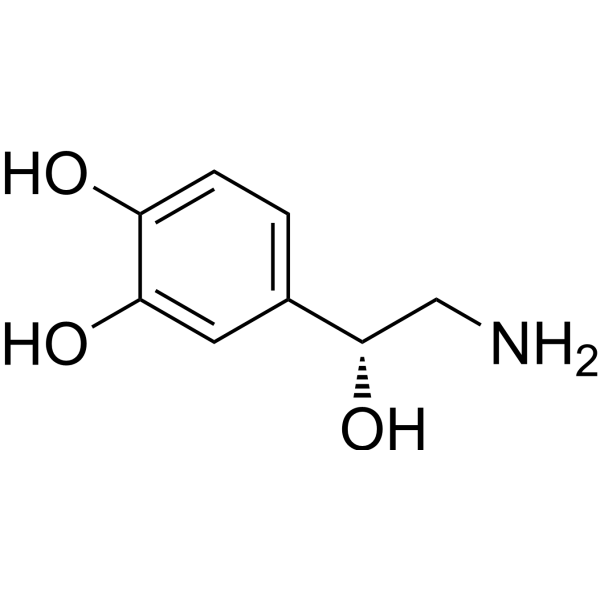
-
- HY-13715A
-
-
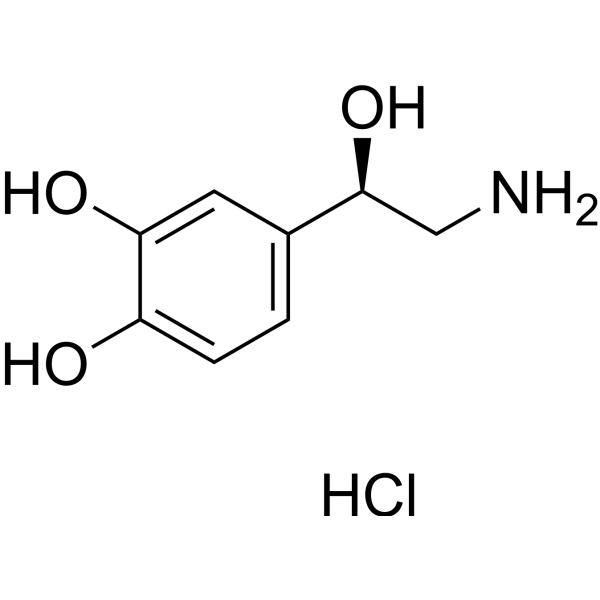
-
- HY-13715B
-
-
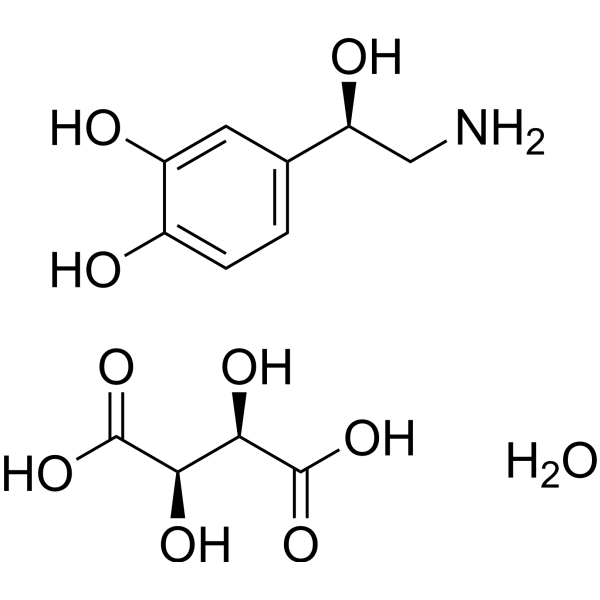
-
- HY-17385
-
|
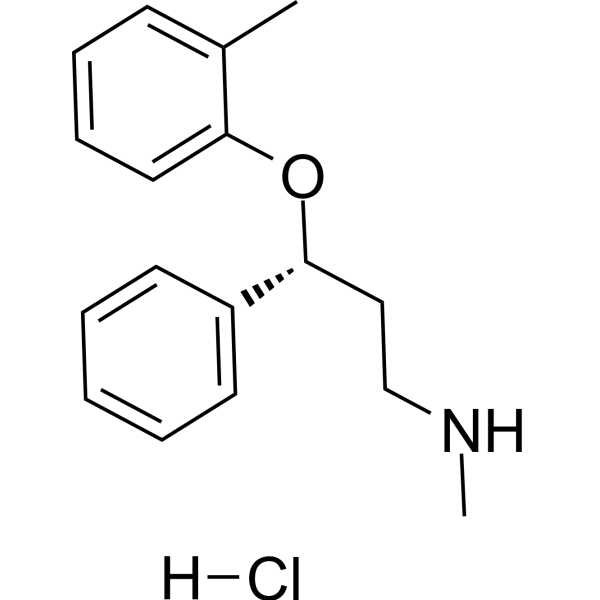
Tomoxetine hydrochloride; (R)-Tomoxetine hydrochloride; LY 139603
|
Adrenergic Receptor
Serotonin Transporter
Sodium Channel
|
Neurological Disease
Cancer
|
|
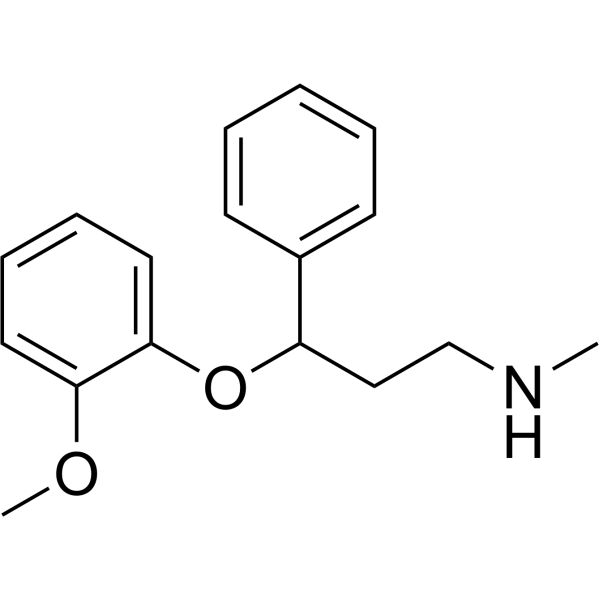
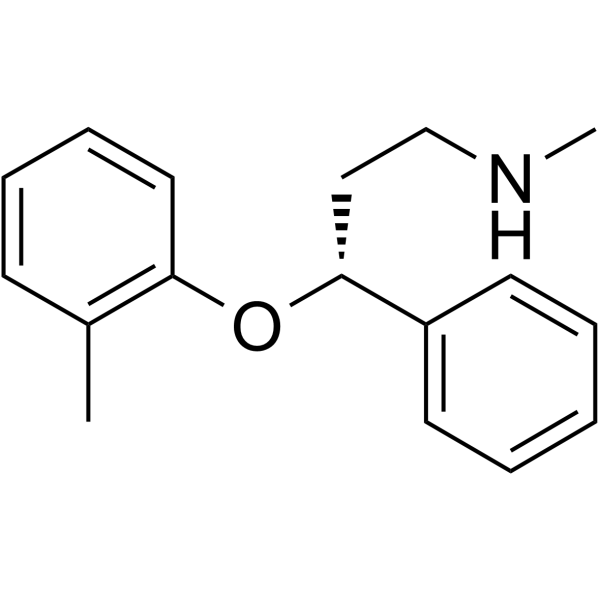
Atomoxetine (Tomoxetine) hydrochloride is a selective noradrenaline reuptake inhibitor with Ki values of 5 nM, 77 nM and 1451 nM for norepinephrine (NE), serotonin (5-HT) and dopamine (DA) transporters, respectively. Atomoxetine hydrochloride is a potent Na + channels (VGSCs) blocker. Atomoxetine hydrochloride can be used for attention-deficit hyperactivity disorder (ADHD) research .
|
-
-
- HY-119209
-
|
|
5-HT Receptor
Cytochrome P450
|
Neurological Disease
Inflammation/Immunology
|
|
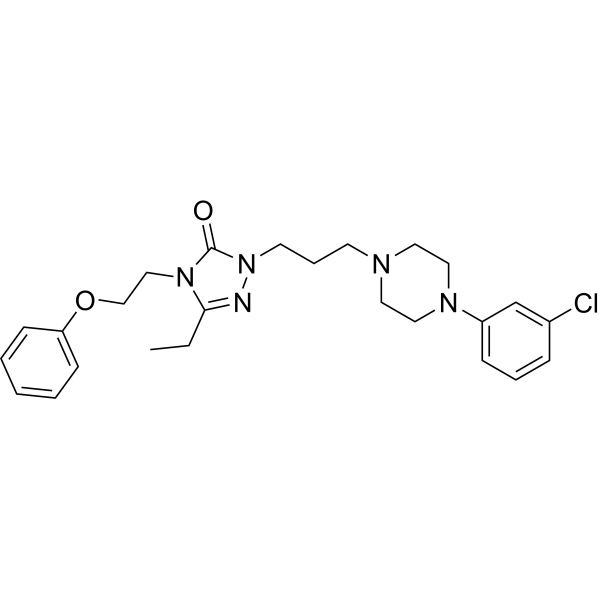
Nefazodone is an orally active phenylpiperazine antidepressant. Nefazodone can potently and selectively block postsynaptic 5-HT2A receptors, and moderately inhibit 5-HT and noradrenaline reuptake. Nefazodone can also relieve the adverse effects of stress on the the immune system of mice. Nefazodone has a high affinity for CYP3A4 isoenzyme, which indicates that it has certain risk of agent-agent interaction .
|
-
-
- HY-14560C
-
|
FCE20124 mesylate; PNU155950E mesylate
|
Adrenergic Receptor
|
Neurological Disease
|
|
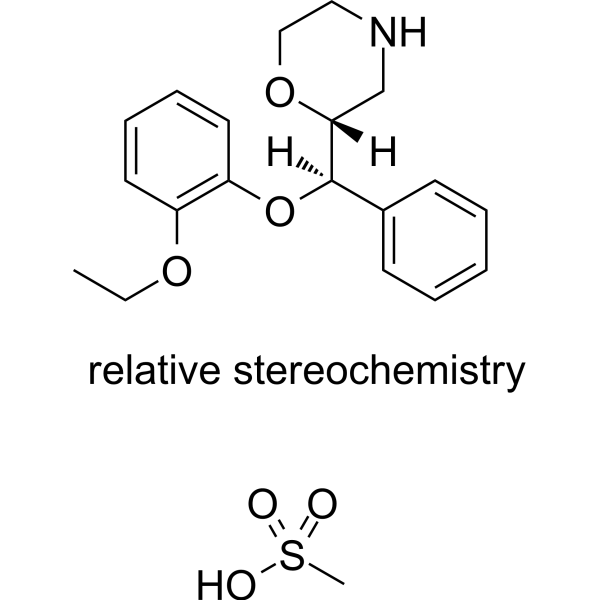
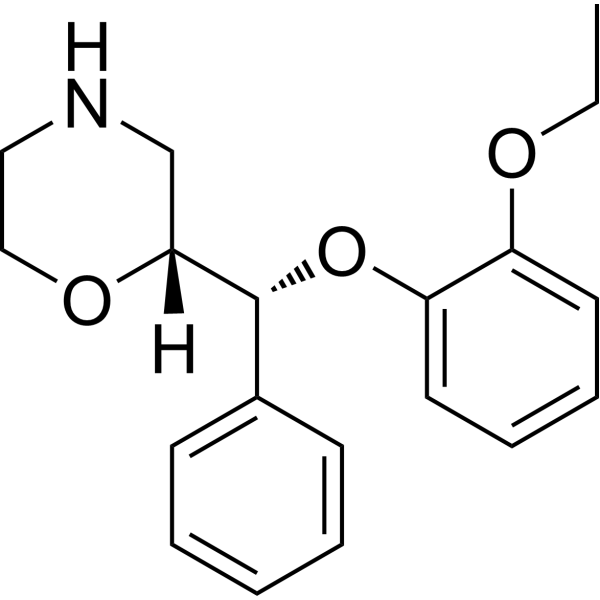
Reboxetine mesylate (FCE20124 mesylate) is a potent, selective, and specific noradrenaline reuptake inhibitor (NARI) for the research of depression. Reboxetine mesylate inhibits the uptake of norepinephrine, with a Ki of 8 nM .
|
-
-
- HY-B1213
-
|
|
5-HT Receptor
Bacterial
|
Neurological Disease
|
|
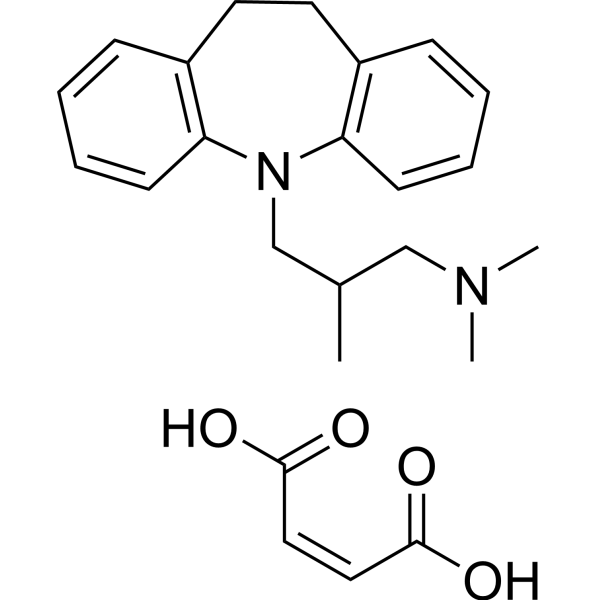
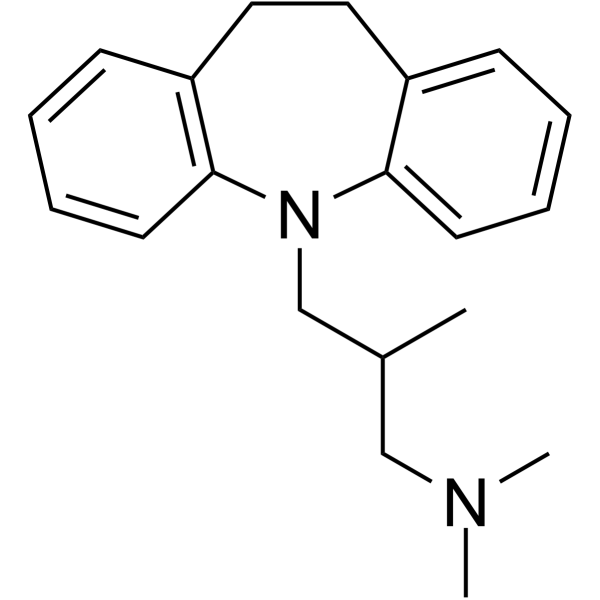
Trimipramine maleate is a 5-HT receptor antagonist, with blood-brain barrier permeability. Trimipramine maleate has pKi binding values of 6.39, 8.10, 4.66 for 5-HT1C, 5-HT2 and 5-HT1A, respectively. Trimipramine maleate is also a potent and selective inhibitor targeting human noradrenaline (hNAT), serotonin (hSERT) and organic cation transporters (hOCT1, hOCT2) with IC50 values of 4.99 μM, 2.11 μM, 3.72 μM, 8.00 μM, respectively. Trimipramine maleate has vascular activity and anxiolytic efficacy .
|
-
-
- HY-B0528A
-
|
(±)-p-Octopamine hydrochloride
|
Adrenergic Receptor
Endogenous Metabolite
|
Neurological Disease
Endocrinology
|
|
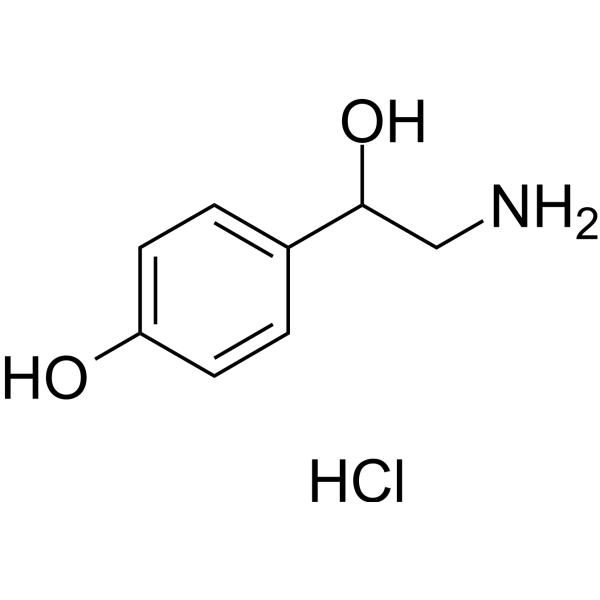
Octopamine ((±)-p-Octopamine) hydrochloride, a biogenic monoamine structurally related to noradrenaline, acts as a neurohormone, a neuromodulator and a neurotransmitter in invertebrates. Octopamine hydrochloride can stimulate alpha2-adrenoceptors (ARs) in Chinese hamster ovary cells transfected with human alpha2-ARs. Octopamine hydrochloride increased glycogenolysis, glycolysis, oxygen uptake, gluconeogenesis and the portal perfusion pressure .
|
-
-
- HY-13715C
-
-
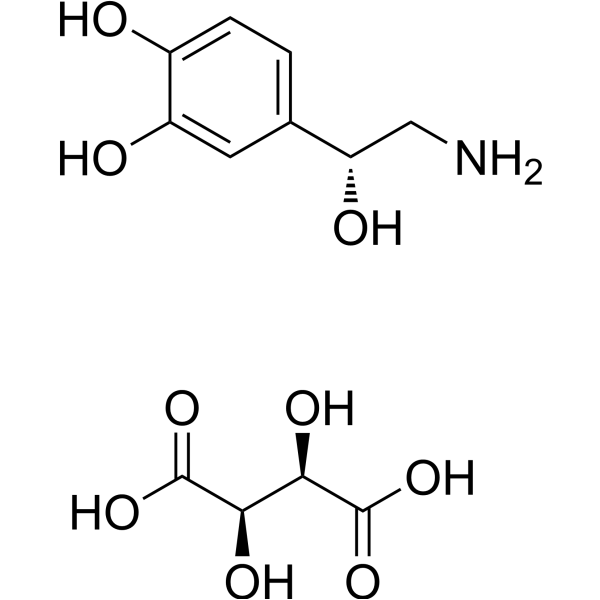
-
- HY-B1396
-
|
BMY-13754; MJ-13754-1
|
5-HT Receptor
Adrenergic Receptor
|
Neurological Disease
Endocrinology
|
|
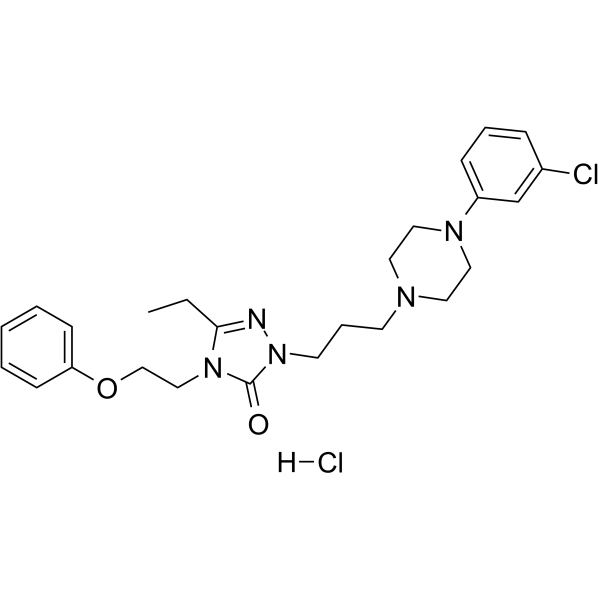
Nefazodone hydrochloride (BMY-13754) is a potent and selective 5HT2A (Ki=5.8 nM) antagonist with moderate inhibition of 5-HT and noradrenaline uptake (IC50 of 290 and 300 nM, respectively). Nefazodone hydrochloride is a phenylpiperazine antidepressant with less alpha-adrenergic blocking activity .
|
-
-
- HY-12390
-
|
Lopramine
|
5-HT Receptor
Adrenergic Receptor
|
Neurological Disease
|
|
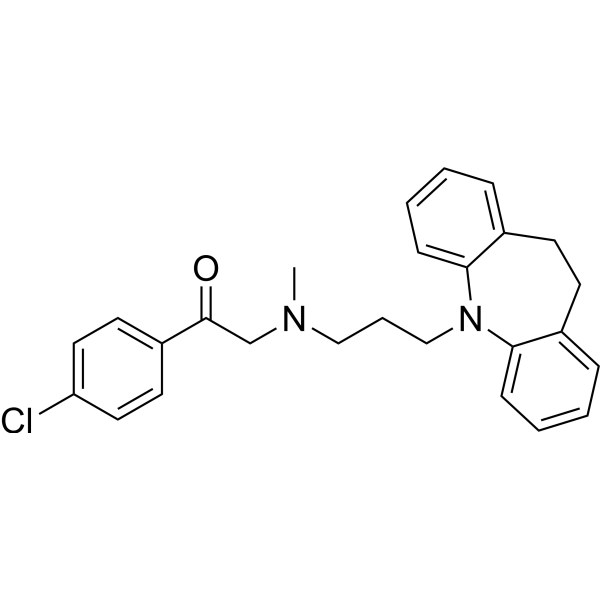
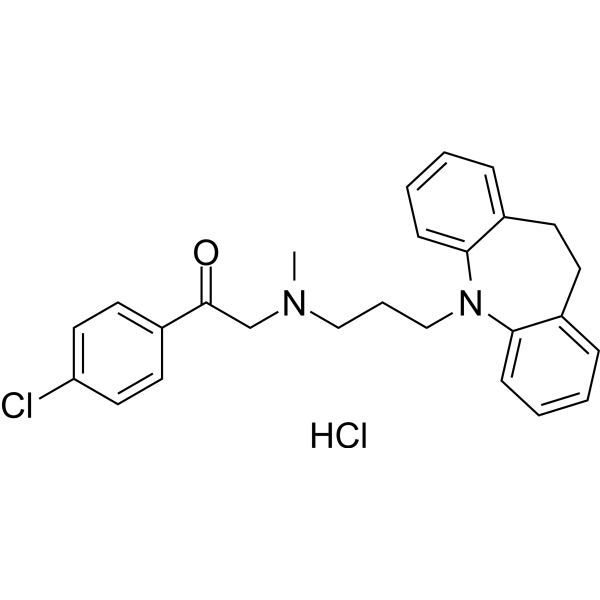
Lofepramine (Lopramine) is a modified tricyclic and orally active antidepressant. Lofepramine inhibits the uptake of Noradrenaline (NA) (HY-13715) and 5-hydroxytryptamine (5-HT) with IC50s of 2.7 μM and 11 μM, respectively. Lofepramine exerts its antidepressant activity by promoting noradrenergic neurotransmission. Lofepramine also enhances serotonergic neurotransmission by inhibiting neuronal uptake of 5-HT and tryptophan pyrrolase. Lofepramine exhibits significant anxiolytic properties. .
|
-
-
- HY-B1704
-
-
-
- HY-B0429
-
|
|
nAChR
|
Neurological Disease
|
|
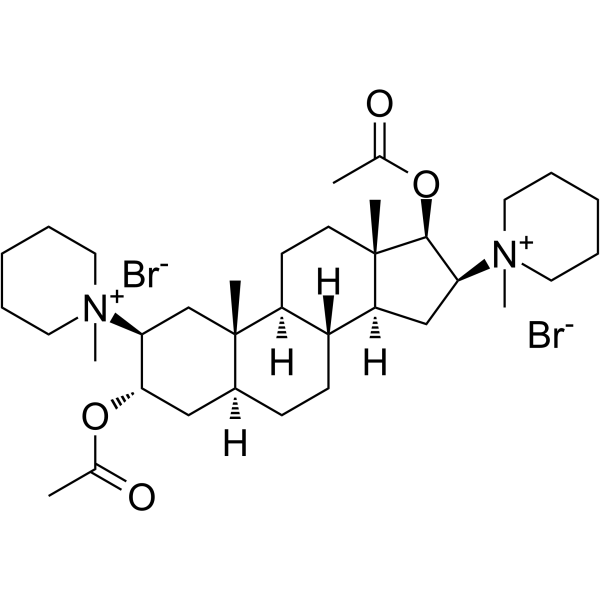
Pancuronium dibromide, a bis-quaternary steroid, is a neuromuscular relaxant. Pancuronium dibromide inhibits neuromuscular transmission by competing with acetylcholine for binding sites on nACh receptors. Pancuronium dibromide also inhibits cardiac muscarinic receptors and has a sympathomimetic action .
|
-
-
- HY-111191
-
|
|
Adrenergic Receptor
|
Neurological Disease
|
|
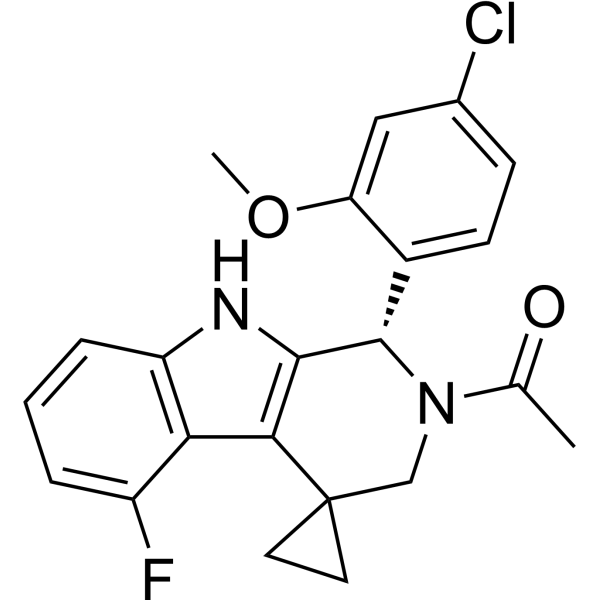
ONO-2952 is a potent, selective and orally active translocator protein 18 kDa (TSPO) antagonist with Ki of 0.33-9.30 nM for rat and human TSPO. ONO-2952 is more selective for TSPO than other receptors, transporters, ion channels and enzymes. ONO-2952 exerts its anti-stress effects through inhibition of excessive activation of noradrenergic system in the brain without the amnesic effect. ONO-2952 has the potential for irritable bowel syndrome treatment .
|
-
-
- HY-A0066A
-
|
Imidaline hydrochloride; NSC35110 hydrochloride
|
Adrenergic Receptor
|
Cardiovascular Disease
Endocrinology
|
|
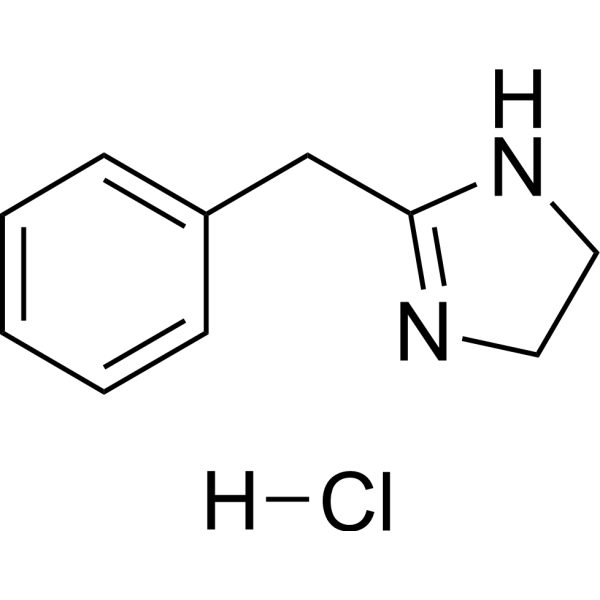
Tolazoline hydrochloride (Imidaline hydrochloride) is an α-adrenergic receptor antagonist. Tolazoline hydrochloride inhibits Noradrenaline (HY-13715)-induced cell contraction, modulates vascular resistance, increases arterial pressure, and reverses bradycardia and tachypnea. Tolazoline hydrochloride can be used to study erectile dysfunction, α2-adrenergic receptor agonist-related poisoning, and skin vascular disease research .
|
-
-
- HY-B1704A
-
|
|
Monoamine Transporter
Sodium Channel
|
Neurological Disease
|
|
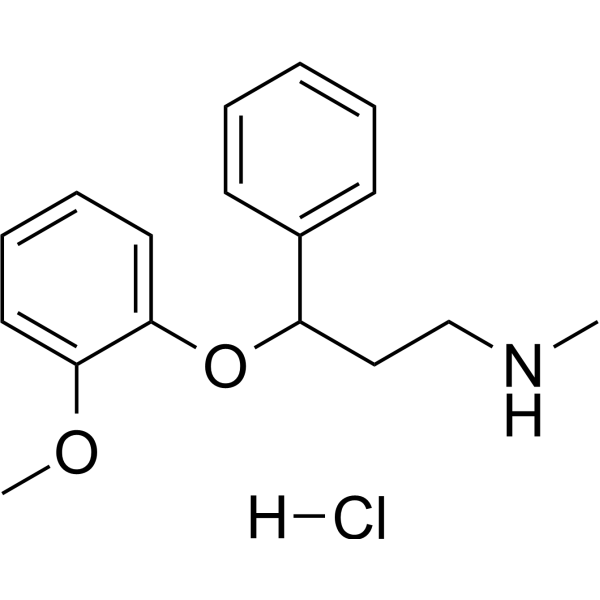
Nisoxetine hydrochloride is a potent and selective inhibitor of noradrenaline transporter (NET), with a Kd of 0.76 nM. Nisoxetine hydrochloride is an antidepressant and local anesthetic, it can block voltage-gated sodium channels .
|
-
-
- HY-B1233
-
|
2-Amino-6-methylheptane; 1,5-Dimethylhexylamine; 6-Methyl-2-heptylamine
|
Dopamine Receptor
|
Others
|
|
Octodrine (2-Amino-6-methylheptane) is a central nervous stimulant that increases the uptake of dopamine and noradrenaline. Octodrine is found to increase the pain threshold, cardiac rate (positive chronotropic effect) and myocardial contractility (positive inotropic effect) .
|
-

-
- HY-U00050
-
|
E-10-OH-NT
|
Drug Metabolite
Adrenergic Receptor
mAChR
|
Neurological Disease
|
|
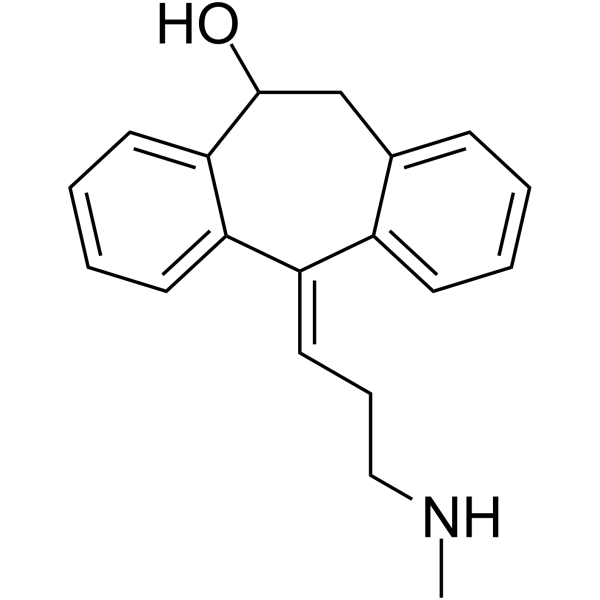
(E)-10-Hydroxynortriptyline (E-10-OH-NT) is a blood-brain barrier-permeable norepinephrine uptake inhibitor. (E)-10-Hydroxynortriptyline effectively promotes central norepinephrine neuronal transmission, with little interindividual variation in in vivo potency. (E)-10-Hydroxynortriptyline has low affinity for muscarinic receptors, exhibits only extremely weak anticholinergic activity, and does not inhibit salivary secretion. (E)-10-Hydroxynortriptyline can be used in studies related to depression .
|
-
-
- HY-A0066
-
|
Imidaline; NSC35110
|
Adrenergic Receptor
|
Cardiovascular Disease
Endocrinology
|
|
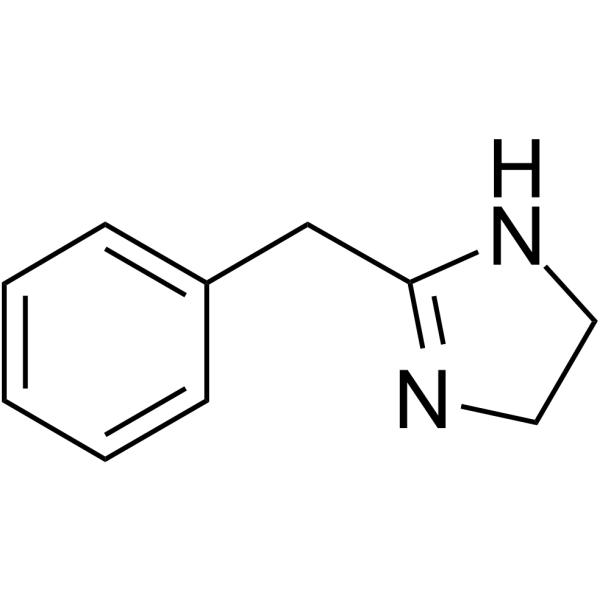
Tolazoline (Imidaline) is an α-adrenergic receptor antagonist. Tolazoline inhibits Noradrenaline (HY-13715)-induced cell contraction, modulates vascular resistance, increases arterial pressure, and reverses bradycardia and tachypnea. Tolazoline can be used to study erectile dysfunction, α2-adrenergic receptor agonist-related poisoning, and skin vascular disease research .
|
-
-
- HY-13715R
-
-
-
- HY-12718A
-
|
|
Adrenergic Receptor
|
Endocrinology
|
|
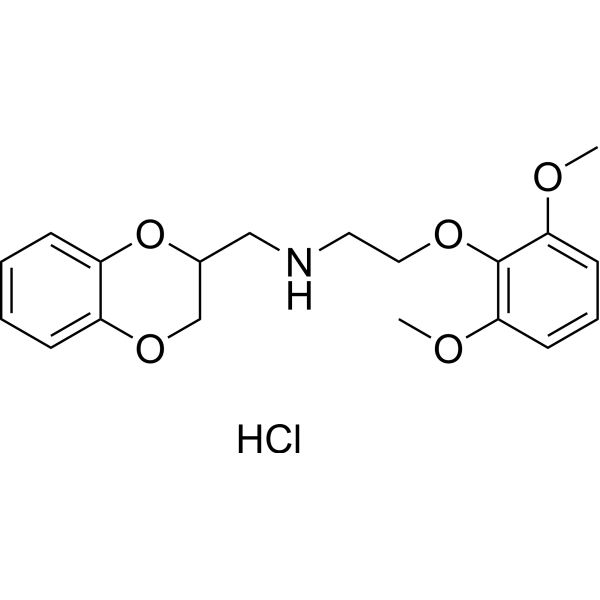
(±)-WB 4101 is a potent antagonist of noradrenaline. (±)-WB 4101 interacts with protein in smooth muscle. (±)-WB 4101 makes drug and receptor bind tightly .
|
-
-
- HY-32126
-
|
|
Drug Intermediate
|
Others
|
|
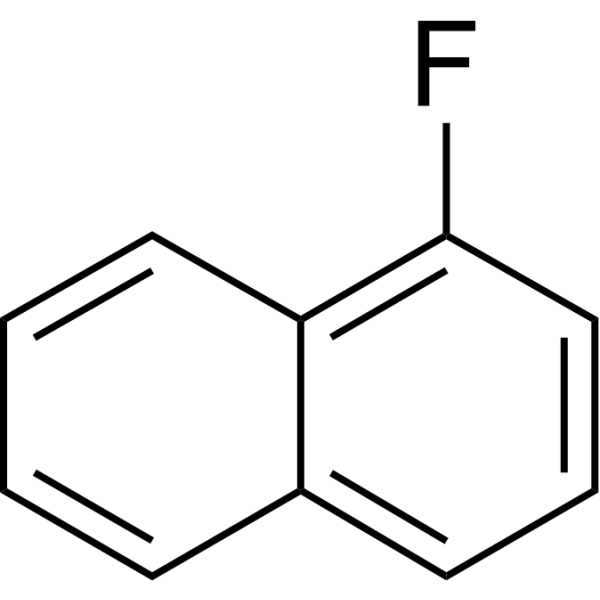
1-Fluoronaphthalene is an organofluorine compound derived from naphthalene derivatives and fluorinated aromatics. 1-Fluoronaphthalene can be used to synthesize LY248686, a potent inhibitor of serotonin and noradrenaline uptake .
|
-
-
- HY-10936
-
|
|
iGluR
|
Neurological Disease
|
|
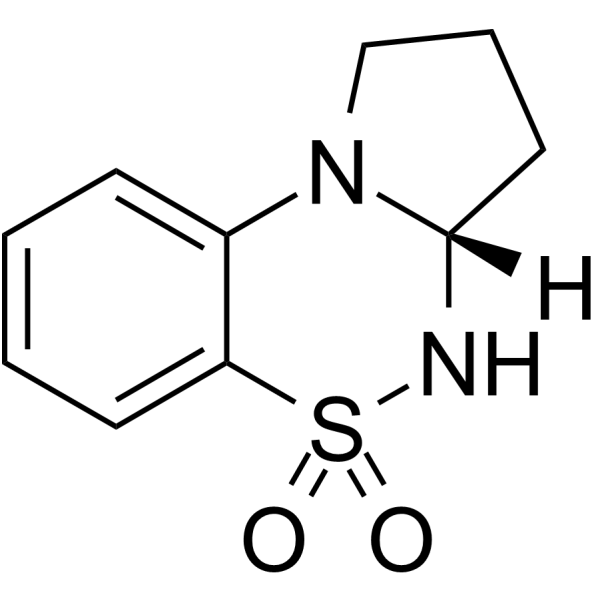
S 18986 is a selective, orally active, brain penetrant positive allosteric modulator of AMPA-type receptors. S 18986 shows cognitive enhancing properties in rodents. S 18986 activates the release of noradrenaline and acetylcholine in rat hippocampus and enhances rat memory in object-recognition tests .
|
-
-
- HY-12394
-
|
Dosulepin; Dothep
|
Histamine Receptor
5-HT Receptor
|
Neurological Disease
|
|
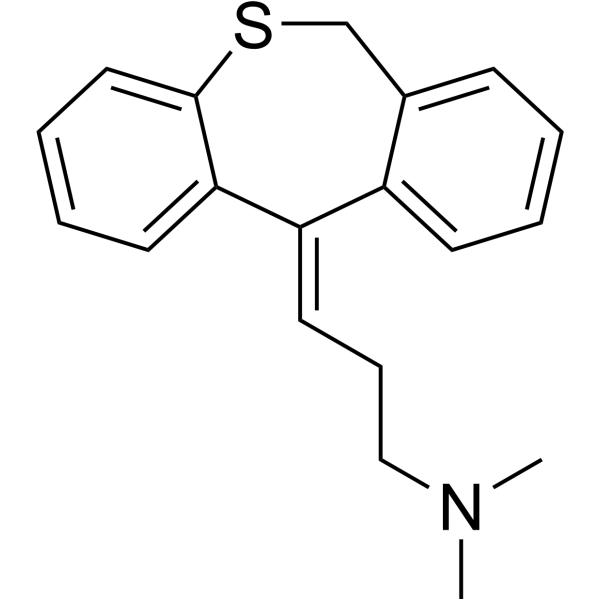
Dothiepin (Dosulepin; Dothep) is an antidepressant agent with sedative/anxiolytic activity. Dothiepin is an inhibitor preferring of noradrenaline uptake than serotonin uptake. Dothiepin facilitates noradrenergic neurotransmission via inhibiting the neuronal uptake. Dothiepin is also an antagonist of histamine H1-receptor without cardiotoxicity. Dothiepin exhibits significant analgesic activity in psychogenic facial pain,idiopathic fibromyalgia syndrome or rheumatoid arthritis .
|
-
-
- HY-14794
-
|
(1R,2S)-Milnacipran; F2696
|
Serotonin Transporter
Adrenergic Receptor
|
Neurological Disease
Metabolic Disease
|
|
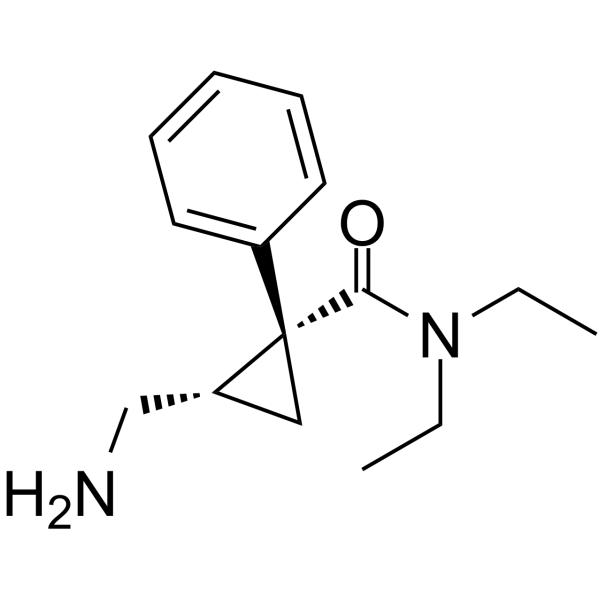
Dextromilnacipran ((1R,2S)-Milnacipran; F2696) is an orally active Serotonin (HY-B1473A)/Noradrenaline (HY-13715) transporter inhibitor. Dextromilnacipran inhibits Serotonin and Noradrenaline reuptake. Dextromilnacipran can be used for the research of depression, fibromyalgia .
|
-
-
- HY-107370
-
|
Tomoxetine; (R)-Tomoxetine
|
Serotonin Transporter
Sodium Channel
|
Neurological Disease
Cancer
|
|
Atomoxetine (Tomoxetine) is a selective noradrenaline reuptake inhibitor with Ki values of 5, 77 and 1451 nM for norepinephrine (NE), serotonin (5-HT) and dopamine (DA) transporters, respectively. Atomoxetine (Tomoxetine) increases of DAEX and NEEX in the PFC and enhances catecholaminergic neurotransmission. Atomoxetine (Tomoxetine) is a potent Na + channels (VGSCs) blocker. Atomoxetine (Tomoxetine) can be used for attention-deficit hyperactivity disorder (ADHD) research .
|
-
-
- HY-B0528AR
-
|
(±)-p-Octopamine hydrochloride (Standard)
|
Reference Standards
Adrenergic Receptor
Endogenous Metabolite
|
Neurological Disease
Endocrinology
|
|
Octopamine (hydrochloride) (Standard) is the analytical standard of Octopamine (hydrochloride). This product is intended for research and analytical applications. Octopamine ((±)-p-Octopamine) hydrochloride, a biogenic monoamine structurally related to noradrenaline, acts as a neurohormone, a neuromodulator and a neurotransmitter in invertebrates. Octopamine hydrochloride can stimulate alpha2-adrenoceptors (ARs) in Chinese hamster ovary cells transfected with human alpha2-ARs. Octopamine hydrochloride increased glycogenolysis, glycolysis, oxygen uptake, gluconeogenesis and the portal perfusion pressure .
|
-

-
- HY-13715AR
-
-

-
- HY-B1233A
-
|
2-Amino-6-methylheptane hydrochloride; 1,5-Dimethylhexylamine hydrochloride; 6-Methyl-2-heptylamine hydrochloride
|
Dopamine Receptor
|
Neurological Disease
|
|
Octodrine (2-Amino-6-methylheptane) is a central nervous activator that increases the uptake of dopamine and noradrenaline. Octodrine is found to increase the pain threshold, cardiac rate (positive chronotropic effect) and myocardial contractility (positive inotropic effect) .
|
-

-
- HY-B0528
-
|
|
Adrenergic Receptor
Endogenous Metabolite
|
Neurological Disease
Endocrinology
|
|
Octopamine is a biogenic monoamine structurally related to noradrenaline, acts as a neurohormone, a neuromodulator and a neurotransmitter in invertebrates. Octopamine can stimulate alpha2-adrenoceptors (ARs) in Chinese hamster ovary cells transfected with human alpha2-ARs. Octopamine increased glycogenolysis, glycolysis, oxygen uptake, gluconeogenesis and the portal perfusion pressure .
|
-

-
- HY-135096
-
|
|
Serotonin Transporter
5-HT Receptor
Histamine Receptor
mAChR
Adrenergic Receptor
Sodium Channel
Trk Receptor
|
Neurological Disease
|
|
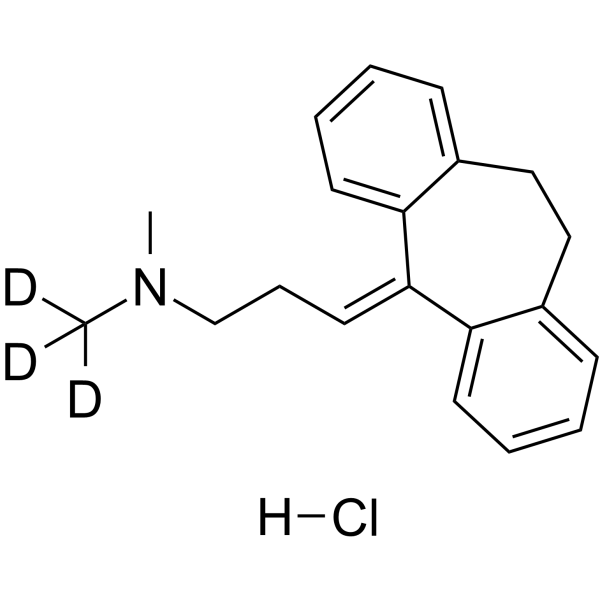
Amitriptyline-d3 hydrochloride is the deuterium labeled Amitriptyline (hydrochloride). Amitriptyline hydrochloride is an inhibitor of serotonin reuptake transporter (SERT) and noradrenaline reuptake transporter (NET), with Kis of 3.45 nM and 13.3 nM for human SERT and NET, respectively. Amitriptyline hydrochloride also weakly binds to dopamine reuptake transporter (DAT) with a Ki of 2.58 μM. Amitriptyline hydrochloride also inhibits adrenergic, muscarinic, histamine and 5-HT receptors. Amitriptyline hydrochloride is a TrkA and TrkB receptors agonist with potent neurotrophic activity. Amitriptyline hydrochloride has antidepressant activity .
|
-
-
- HY-13715BR
-
|
Levarterenol bitartrate monohydrate (Standard); L-Noradrenaline bitartrate monohydrate (Standard)
|
Reference Standards
Adrenergic Receptor
Autophagy
Endogenous Metabolite
|
Cardiovascular Disease
Endocrinology
Cancer
|
|
Norepinephrine (bitartrate monohydrate) (Standard) is the analytical standard of Norepinephrine (bitartrate monohydrate). This product is intended for research and analytical applications. Norepinephrine (Levarterenol; L-Noradrenaline) bitartrate monohydrate is a potent adrenergic receptor (AR) agonist. Norepinephrine activates α1, α2, β1 receptors .
|
-

-
- HY-100796
-
|
Vatensol
|
Dopamine β-hydroxylase
|
Cardiovascular Disease
|
|
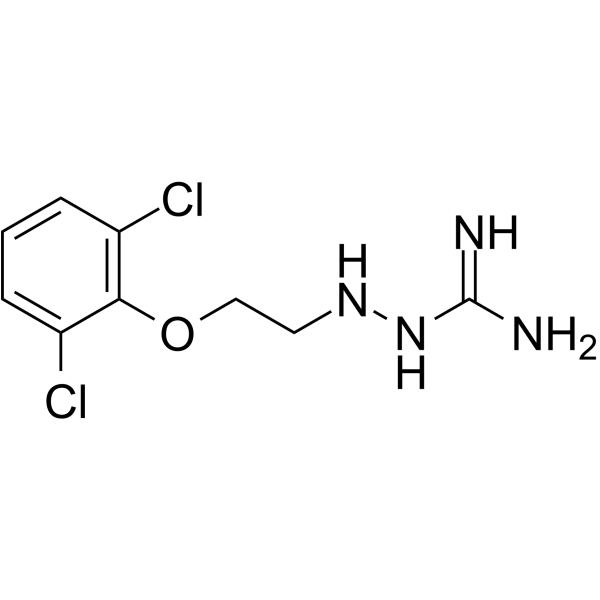
Guanoclor is an antihypertensive compound. Guanoclor is an adrenergic neurone-blocking agent, which also interferes with noradrenaline synthesis by inhibition of the enzyme dopamine beta-hydroxylase .
|
-
-
- HY-148866
-
|
|
Calcium Channel
|
Neurological Disease
Endocrinology
|
|
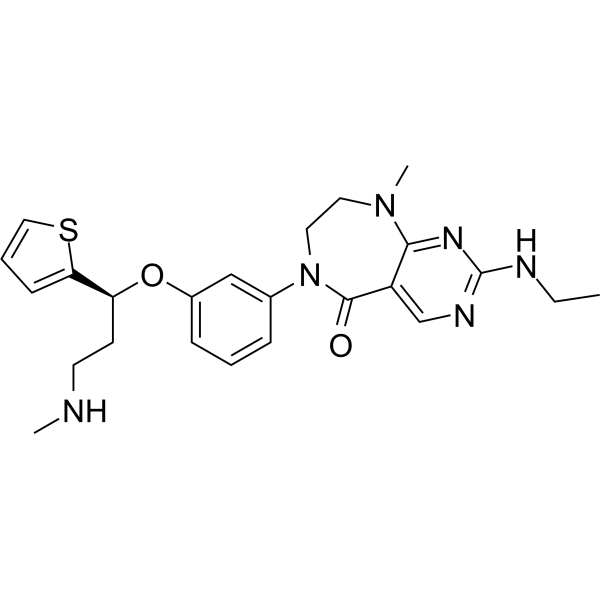
Cavα2δ1&NET-IN-3 (example 216) is an inhibitor of the subunit α2δ of voltage-gated calcium channels (VGCC) and noradrenaline transporter (NET). Cavα2δ1&NET-IN-3 has Kis of 100-500 nM for human α2δ-1 subunit of Cav2.2 calcium channel and NET, respectively .
|
-
-
- HY-B1213A
-
|
|
5-HT Receptor
Bacterial
|
Neurological Disease
|
|
Trimipramine is a 5-HT receptor antagonist, with pKi binding values of 6.39, 8.10, 4.66 for 5-HT1C, 5-HT2 and 5-HT1A, respectively. Trimipramine is also a potent and selective inhibitor targeting human noradrenaline (hNAT), serotonin (hSERT) and organic cation transporters (hOCT1, hOCT2) with IC50 values of 4.99 μM, 2.11 μM, 3.72 μM, 8.00 μM, respectively. Trimipramine has vascular activity and anxiolytic efficacy .
|
-
-
- HY-13715S
-
-
-
- HY-119615
-
|
|
Adrenergic Receptor
|
Neurological Disease
Endocrinology
|
|
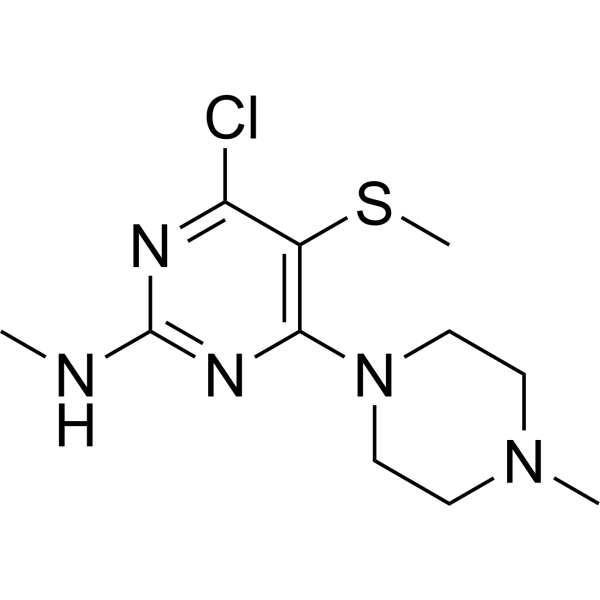
Mezilamine is a potent antidopaminergic agent. Mezilamine induces a concentration dependent increase in the electrically stimulated overflow of 3H-noradrenaline from rat cortical slices, without affecting the basal overflow. Mezilamine acts as a presynaptic α-adrenoceptor antagonist and a postsynaptic α-adrenoceptor agonist .
|
-
-
- HY-13458S1
-
|
L-DOPS-13C2,15N hydrochloride; DOPS-13C2,15N hydrochloride; SM5688-13C2,15N hydrochloride
|
Adrenergic Receptor
Isotope-Labeled Compounds
|
Neurological Disease
|
|
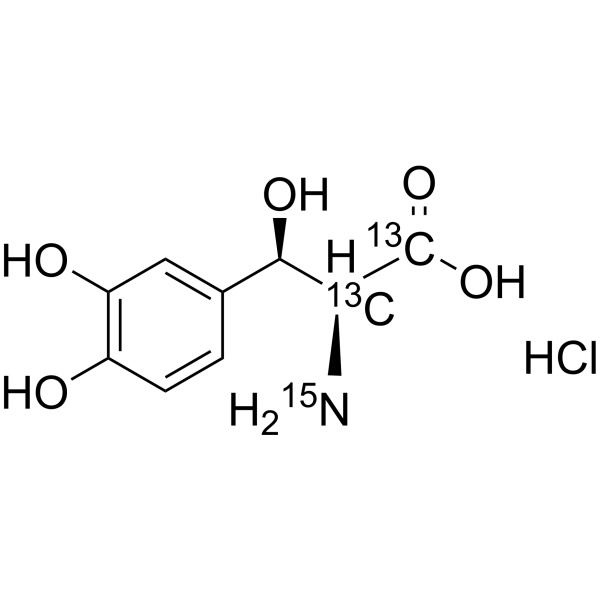
Droxidopa- 13C2, 15N (hydrochloride) is deuterium labeled Droxidopa. Droxidopa(L-DOPS), the mixture of Droxidopa (w/w80%) and Pharmaceutical starch (w/w20%), acts as a proagent to the neurotransmitters norepinephrine (noradrenaline) and epinephrine (adrenaline); Droxidopa(L-DOPS) is capable of crossing the protective blood-brain barrier .
|
-
-
- HY-U00031
-
|
EN3324
|
Opioid Receptor
|
Neurological Disease
|
|
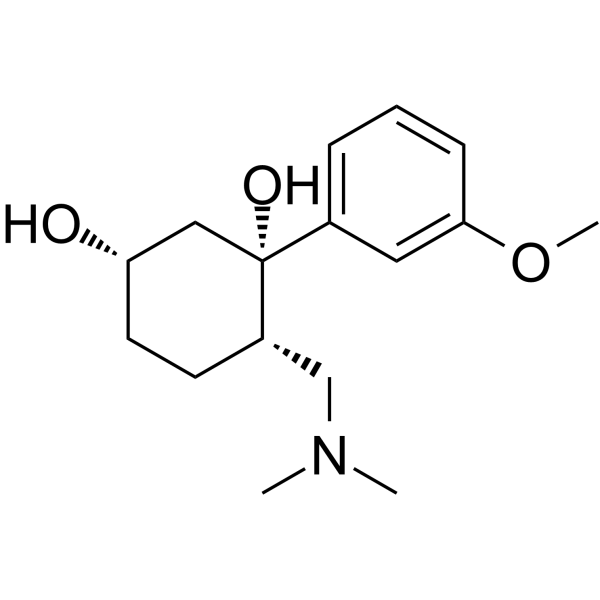
Axomadol (EN3324) is a centrally active analgesic agent with opioid agonistic properties and inhibitory effects on the reuptake of monoamines .
|
-
-
- HY-106523
-
|
KT 210; K 351; Hypadil
|
Adrenergic Receptor
|
Cardiovascular Disease
|
|
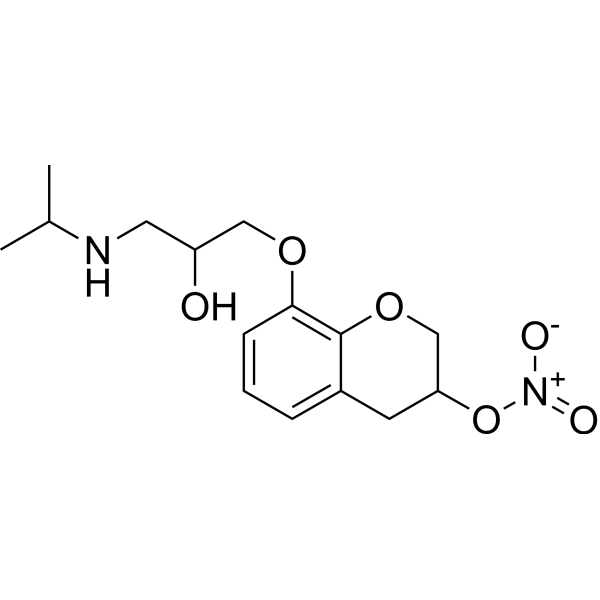
Nipradolol (KT-210; K-351) is a potent blocker of alpha-1-adrenergic receptors. Nipradolol inhibits the increase of intraocular pressure (IOP) in an albino rabbit model induced by Phenylephrine (HY-B0769). Nipradolo suppresses the noradrenaline (NA)-induced muscles contraction, also exhibits vasodilator activity on the dog coronary artery .
|
-
-
- HY-107370A
-
|
(Rac)-Tomoxetine hydrochloride; (Rac)-LY 139603
|
Serotonin Transporter
Sodium Channel
|
Metabolic Disease
Cancer
|
|
(Rac)-Atomoxetine hydrochloride ((Rac)-Tomoxetine (hydrochloride); (Rac)-LY 139603) is the racemic mixture of Atomoxetine hydrochloride (HY-17385). Atomoxetine hydrochloride is a selective noradrenaline reuptake inhibitor with Ki values of 5, 77 and 1451 nM for norepinephrine (NE), serotonin (5-HT) and dopamine (DA) transporters, respectively. Atomoxetine hydrochloride increases of DAEX and NEEX in the PFC and enhances catecholaminergic neurotransmission. Atomoxetine hydrochloride is a potent Na + channels (VGSCs) blocker. Atomoxetine hydrochloride can be used for attention-deficit hyperactivity disorder (ADHD) research .
|
-

-
- HY-16525
-
|
|
Monoamine Transporter
Adrenergic Receptor
|
Neurological Disease
|
|
XEN-2174 is a noradrenaline transporter (NET) inhibitor. XEN-2174 inhibits the reuptake of noradrenaline through non-competitive inhibition, increasing the concentration of noradrenaline in the synaptic cleft, thereby activating α2-adrenergic receptor at the spinal level and exerting analgesic effects. XEN-2174 exhibits long-lasting analgesic effects in models of neuropathic pain and postoperative pain in rats. XEN-2174 can be used in pain research .
|
-

-
- HY-14560
-
-
-
- HY-14794S
-
|
(1R,2S)-Milnacipran-d6; F2696-d6
|
Isotope-Labeled Compounds
Serotonin Transporter
Adrenergic Receptor
|
Metabolic Disease
|
|
Dextromilnacipran-d6 is the deuterium labeled Dextromilnacipran (HY-14794). Dextromilnacipran ((1R,2S)-Milnacipran; F2696) is an orally active Serotonin (HY-B1473A)/Noradrenaline (HY-13715) transporter inhibitor. Dextromilnacipran inhibits Serotonin and Noradrenaline reuptake. Dextromilnacipran can be used for the research of depression, fibromyalgia .
|
-

-
- HY-B0032S
-
-
-
- HY-W284026
-
-

-
- HY-12390A
-
|
Lopramine hydrochloride
|
5-HT Receptor
Adrenergic Receptor
|
Neurological Disease
|
|
Lofepramine (Lopramine) is a modified tricyclic and orally active antidepressant. Lofepramine inhibits the uptake of Noradrenaline (NA) (HY-13715) and 5-hydroxytryptamine (5-HT) with IC50s of 2.7 μM and 11 μM, respectively. Lofepramine exerts its antidepressant activity by promoting noradrenergic neurotransmission. Lofepramine also enhances serotonergic neurotransmission by inhibiting neuronal uptake of 5-HT and tryptophan pyrrolase. Lofepramine exhibits significant anxiolytic properties. .
|
-
-
- HY-18610
-
|
Ro 8-4650 hydrochloride
|
Dopamine Transporter
Adrenergic Receptor
5-HT Receptor
|
Neurological Disease
|
|
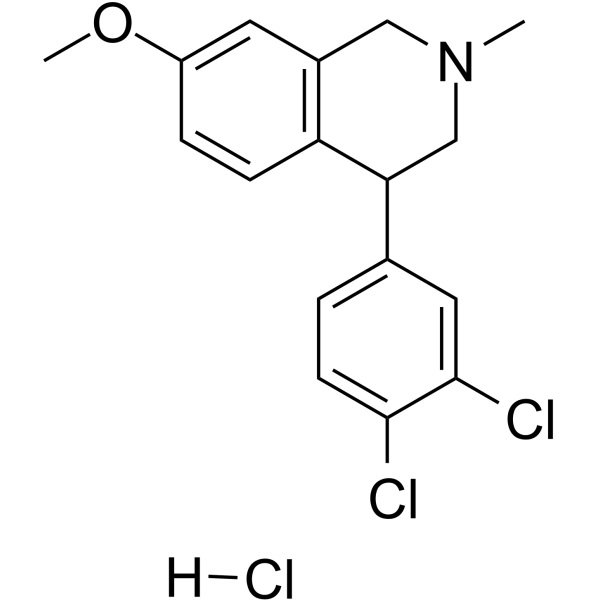
Diclofensine (Ro 8-46500) hydrochloride is an orally active neuronal monoamine uptake inhibitor. Diclofensine hydrochloride blocks the uptake of dopamine, noradrenaline, and serotonin by rat brain synaptosomes with IC50 values of 0.74, 2.3 and 3.7 nM, respectively. Diclofensine hydrochloride potentiates norepinephrine-induced hypertension and attenuates Tyramine (HY-W007606)-induced hypertension. Diclofensine hydrochloride produces psychostimulant and mood-elevating effects without causing sudden disappearance or withdrawal reactions. Diclofensine hydrochloride can be used in the research of moderate to severe depression .
|
-
-
- HY-122300A
-
|
(Rac)-Levoprotiline
|
Adrenergic Receptor
|
Neurological Disease
|
|
Oxaprotiline ((Rac)-Levoprotiline) is a potent Norepinephrine (NE)/Noradrenaline (NA) uptake inhibitor. Oxaprotiline has antidepressant activity .
|
-

-
- HY-A0171
-
|
Ba-30803 free base
|
5-HT Receptor
|
Neurological Disease
|
|
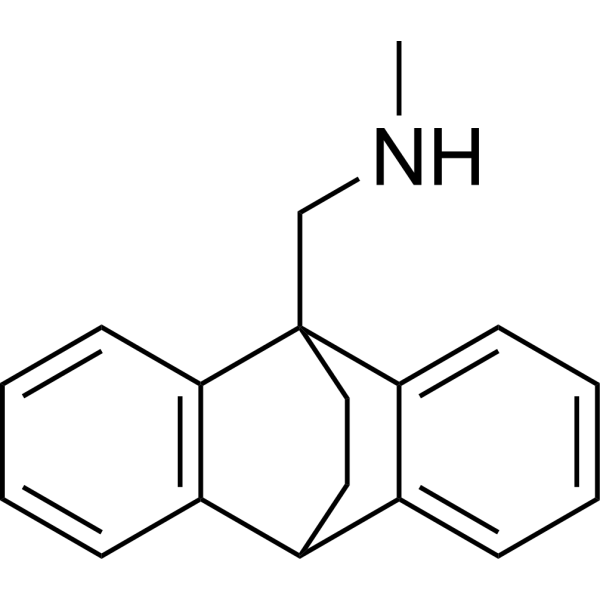
Benzoctamine is an orally active and potent psychoactive agent which possesses tranquillizing properties. Benzoctamine increases the turnover rate of catecholamines. Benzoctamine enhances the [3H]noradrenaline uptake in the rat heart. Benzoctamine also accelerated the disappearance of intracisternally injected [3H]noradrenaline .
|
-
- HY-123498
-
-

- HY-125047
-
|
UK 3557 tosylate
|
Adrenergic Receptor
Serotonin Transporter
|
Neurological Disease
|
|
Daledalin tosylate is an orally active indoline antidepressant targeting noradrenaline and serotonin transporters in the brain. Daledalin tosylate enhances central monoaminergic neurotransmission to alleviate depressive symptoms. Daledalin tosylate is proming for rasearch of depression, including endogenous and neurotic depression .
|
-

- HY-125047A
-
|
UK 3557
|
Serotonin Transporter
Adrenergic Receptor
|
Neurological Disease
|
|
Daledalin (UK 3557) is an orally active indoline antidepressant targeting noradrenaline and serotonin transporters in the brain. Daledalin enhances central monoaminergic neurotransmission to alleviate depressive symptoms. Daledalin is proming for rasearch of depression, including endogenous and neurotic depression .
|
-

- HY-106832
-
|
Watanidipine; AE0047 free base
|
Calcium Channel
|
Cardiovascular Disease
Neurological Disease
|
|
Vatanidipine (Watanidipine) is an orally active dihydropyridine (DHP)-type calcium channel blocker and a useful antihypertensive agent. Vatanidipine shows vasodilatory effects and also suppresses noradrenaline release from sympathetic nerve endings .
|
-

- HY-B1704R
-
|
|
Monoamine Transporter
Sodium Channel
|
Neurological Disease
|
|
Nisoxetine (Standard) is the analytical standard of Nisoxetine. This product is intended for research and analytical applications. Nisoxetine is a potent and selective inhibitor of noradrenaline transporter (NET), with a Kd of 0.76 nM. Nisoxetine is an antidepressant and local anesthetic, it can block voltage-gated sodium channels .
|
-

- HY-32126R
-
|
|
Adrenergic Receptor
Serotonin Transporter
Reference Standards
|
Others
|
|
1-Fluoronaphthalene (Standard) is the analytical standard of 1-Fluoronaphthalene. This product is intended for research and analytical applications. 1-Fluoronaphthalene is an organofluorine compound derived from naphthalene derivatives and fluorinated aromatics. 1-Fluoronaphthalene can be used to synthesize LY248686, a potent inhibitor of serotonin and noradrenaline uptake .
|
-

- HY-106874B
-
|
rel-RS-15385-197
|
Adrenergic Receptor
|
Neurological Disease
|
|
rel-Delequamine (rel-RS-15385-197) is an orally active, brain-penetrant, potent and selective M2-adrenoceptor antagonist and α2-adrenoceptor antagonist. rel-Delequamine has a pKi of 9.45 for α2-adrenoceptors in the rat cortex. rel-Delequamine augments K +-evoked release of noradrenaline with an EC50 of 1 nM .
|
-

- HY-120810
-
|
DDP-225 hydrate hydrochloride
|
5-HT Receptor
|
Neurological Disease
|
|
MCI-225 (DDP-225) hydrate hydrochloride is a selective and orally active noradrenaline (NA) reuptake inhibitor with 5-HT3 receptor antagonism. MCI-225 hydrate hydrochloride has antidepressant-like and anxiolytic-like properties. MCI-225 hydrate hydrochloride can be used for the study of anxiety disorder .
|
-

- HY-Z6843R
-
|
|
Reference Standards
|
|
|
2-Amino-1-(3,4-dihydroxyphenyl)ethanone hydrochloride (Noradrenaline Impurity) (Standard) is the analytical standard of 2-Amino-1-(3,4-dihydroxyphenyl)ethanone hydrochloride (Noradrenaline Impurity). This product is intended for research and analytical applications.
|
-

- HY-123322
-
-
- HY-158264
-
-

- HY-118727
-
-

- HY-105521A
-
|
(S)-Nafenodone; LU-43706
|
Adrenergic Receptor
|
Neurological Disease
|
|
Dexnafenodone hydrochloride ((S)-Nafenodone) as an antidepressant compound, is a potent and selective inhibitor of the synaptosomal uptake of noradrenaline, but has a less potent effect on serotonin uptake and a negligible effect on dopamine uptake.
|
-

- HY-124910
-
-

- HY-122300C
-
|
(Rac)-Levoprotiline hydrochloride
|
Adrenergic Receptor
|
Neurological Disease
|
|
Oxaprotiline hydrochloride is a potent norepinephrine (NA) uptake inhibitor. Oxaprotiline hydrochloride has antidepressant activity .
|
-

- HY-14560S
-
|
|
Isotope-Labeled Compounds
|
Others
|
|
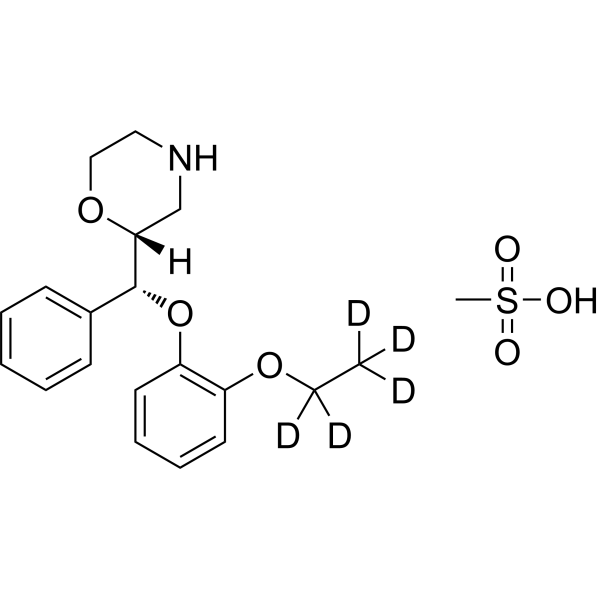
Reboxetine-d5 mesylate is the deuterium labeled Reboxetine mesylatea (HY-14560). Reboxetine is an orally active, potent and selective noradrenaline uptake blocker. Reboxetine can be used for antidepressant research .
|
-
- HY-106832A
-
|
Watanidipine hydrochloride; AE0047
|
Calcium Channel
|
Cardiovascular Disease
Neurological Disease
|
|
Vatanidipine (Watanidipine) hydrochloride is an orally active dihydropyridine (DHP)-type calcium channel blocker and a useful antihypertensive agent. Vatanidipine hydrochloride shows vasodilatory effects and also suppresses noradrenaline release from sympathetic nerve endings .
|
-

- HY-134458A
-
|
Lysyltyrosine TFA
|
P2X Receptor
|
Neurological Disease
|
|
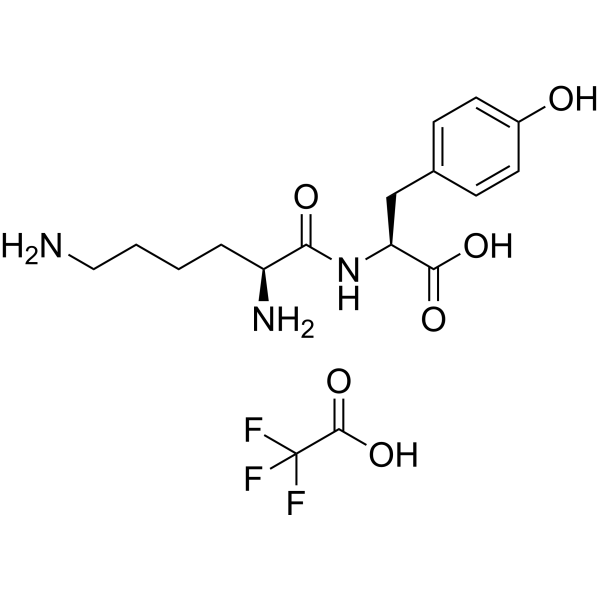
H-Lys-Tyr-OH TFA (Lysyltyrosine TFA) is a dipeptide composed of lysine and tyrosine. H-Lys-Tyr-OH TFA prevents neurological diseases or improves brain function by promoting the release of noradrenaline and tyrosine into the brain .
|
-
- HY-14560CR
-
|
FCE20124 mesylate (Standard); PNU155950E mesylate (Standard)
|
Reference Standards
Adrenergic Receptor
|
Neurological Disease
|
|
Reboxetine (mesylate) (Standard) is the analytical standard of Reboxetine (mesylate). This product is intended for research and analytical applications. Reboxetine mesylate (FCE20124 mesylate) is a potent, selective, and specific noradrenaline reuptake inhibitor (NARI) for the research of depression. Reboxetine mesylate inhibits the uptake of norepinephrine, with a Ki of 8 nM .
|
-

- HY-B1213AR
-
|
|
Reference Standards
5-HT Receptor
Bacterial
|
Neurological Disease
|
|
Trimipramine (Standard) is the analytical standard of Trimipramine. This product is intended for research and analytical applications. Trimipramine is a 5-HT receptor antagonist, with pKi binding values of 6.39, 8.10, 4.66 for 5-HT1C, 5-HT2 and 5-HT1A, respectively. Trimipramine is also a potent and selective inhibitor targeting human noradrenaline (hNAT), serotonin (hSERT) and organic cation transporters (hOCT1, hOCT2) with IC50 values of 4.99 μM, 2.11 μM, 3.72 μM, 8.00 μM, respectively. Trimipramine has vascular activity and anxiolytic efficacy .
|
-

- HY-B1213R
-
|
|
Reference Standards
5-HT Receptor
Bacterial
|
Neurological Disease
|
|
Trimipramine (maleate) (Standard) is the analytical standard of Trimipramine (maleate). This product is intended for research and analytical applications. Trimipramine maleate is a 5-HT receptor antagonist, with pKi binding values of 6.39, 8.10, 4.66 for 5-HT1C, 5-HT2 and 5-HT1A, respectively . Trimipramine maleate is also a potent and selective inhibitor targeting human noradrenaline (hNAT), serotonin (hSERT) and organic cation transporters (hOCT1, hOCT2) with IC50 values of 4.99 μM, 2.11 μM, 3.72 μM, 8.00 μM, respectively . Trimipramine maleate has vascular activity and anxiolytic efficacy .
|
-

- HY-129710
-
|
|
GABA Receptor
|
Neurological Disease
|
|
CGP47656 is a potent GABAB receptor agonist that inhibits Forskolin (HY-15371)-stimulated adenylyl cyclase activity and augments noradrenaline-stimulated adenylyl cyclase activity. CGP47656 is promising for research of brain function-related diseases .
|
-

- HY-150100
-
|
Tyrosine hydroxylase
|
Tyrosine Hydroxylase
|
Neurological Disease
|
|
Tyrosine 3-monooxygenase (Tyrosine hydroxylase) is a rate-limiting enzyme in catecholamine biosynthesis and belongs to the family of aromatic amino acid hydroxylases. Tyrosine 3-monooxygenase catalyzes the initial and rate-limiting step in the biosynthetic pathway of catecholamines, including dopamine, noradrenaline, and adrenaline .
|
-
- HY-162511
-
|
|
Dopamine Transporter
Serotonin Transporter
|
Others
|
|
IP2015 is an inhibitor for monoamine reuptake, that inhibits the reuptake of dopamine, serotonin (5-HT), and noradrenaline. IP2015 increases release of central dopamine and peripheral nitric oxide (NO), causes the NO-mediated relaxation of erectile tissue, and thus induces erection in rat model .
|
-

- HY-14560A
-
|
(R,R)-FCE20124 mesylate; (R,R)-PNU155950E mesylate; (R,R)-(-)-Reboxetine mesylate
|
Adrenergic Receptor
mAChR
|
Neurological Disease
|
|
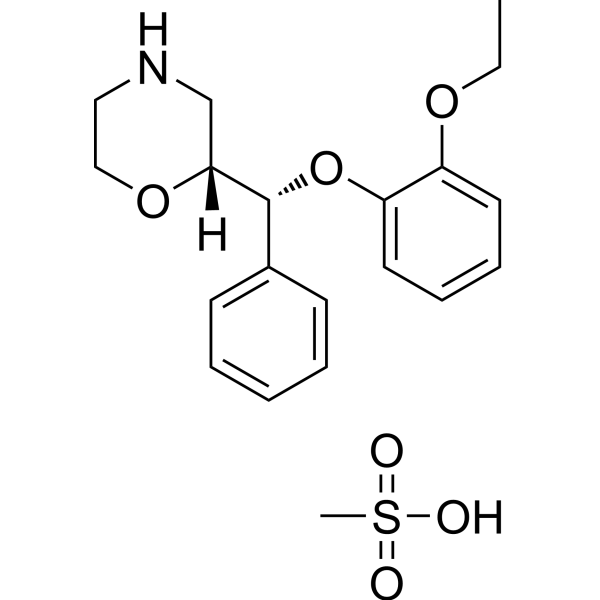
(R,R)-Reboxetine mesylate is an antidepressant agent with great bioavailability. (R,R)-Reboxetine is the enantiomer of Reboxetine, which is a selective noradrenaline reuptake inhibitor. Reboxetine consists of (R,R) and (S,S) enantiomer, has low affinity for alpha-adrenergic and muscarinic receptors and low toxicity in animals .
|
-
- HY-100651R
-
|
|
Reference Standards
Drug Metabolite
|
Neurological Disease
|
|
Desmethylnortriptyline (Standard) is the analytical standard of Desmethylnortriptyline (HY-100651). This product is intended for research and analytical applications. Desmethylnortriptyline is a metabolite of Amitriptyline (HY-B0527) and Nortriptyline (HY-118620). Desmethylnortriptylineinhibits serotonin and noradrenaline uptake, antagonizes acetylcholine-induced contraction. Desmethylnortriptyline can be used for the research of depression .
|
-

- HY-118821
-
|
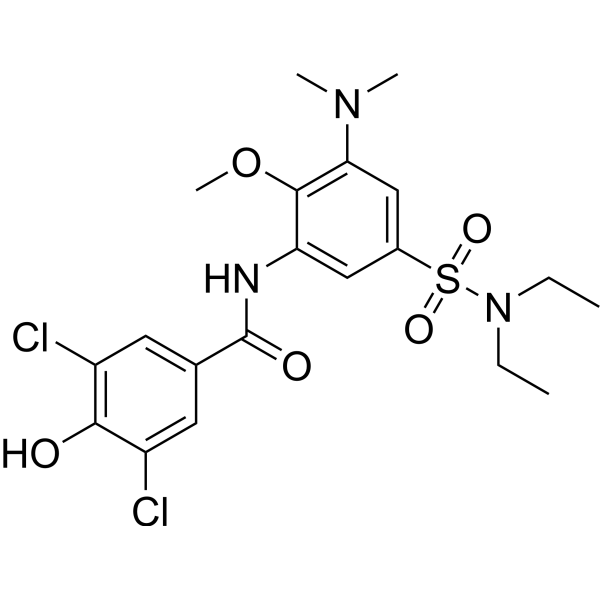
|
CRFR
|
Metabolic Disease
|
|
JTC-017, a specific corticotropin-releasing hormone receptor 1 antagonist, attenuates hippocampal noradrenaline release, visceral perception, adrenocorticotropic hormone release, and anxiety after acute colorectal distention in rats. JTC-017 blocks stress-induced changes in colonic motility after chronic colorectal distention in rats .
|
-
- HY-B1396S
-
|
BMY-13754-d6; MJ-13754-1-d6
|
Isotope-Labeled Compounds
5-HT Receptor
Adrenergic Receptor
|
Neurological Disease
Endocrinology
|
|
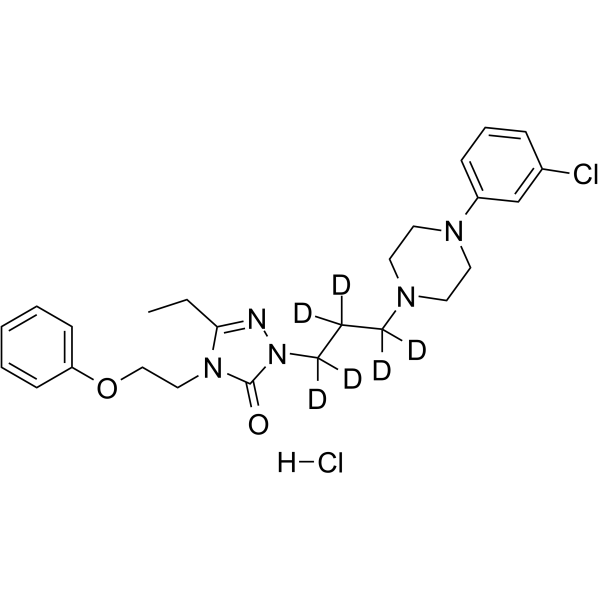
Nefazodone-d6 (hydrochloride) is the deuterium labeled Nefazodone hydrochloride. Nefazodone hydrochloride (BMY-13754) is a potent and selective 5HT2A (Ki=5.8 nM) antagonist with moderate inhibition of 5-HT and noradrenaline uptake (IC50 of 290 and 300 nM, respectively). Nefazodone hydrochloride is a phenylpiperazine antidepressant with less alpha-adrenergic blocking activity .
|
-
- HY-B1396S1
-
|
BMY-13754-d6 dihydrochloride; MJ-13754-1-d6 dihydrochloride
|
Isotope-Labeled Compounds
5-HT Receptor
Adrenergic Receptor
|
Neurological Disease
Endocrinology
|
|
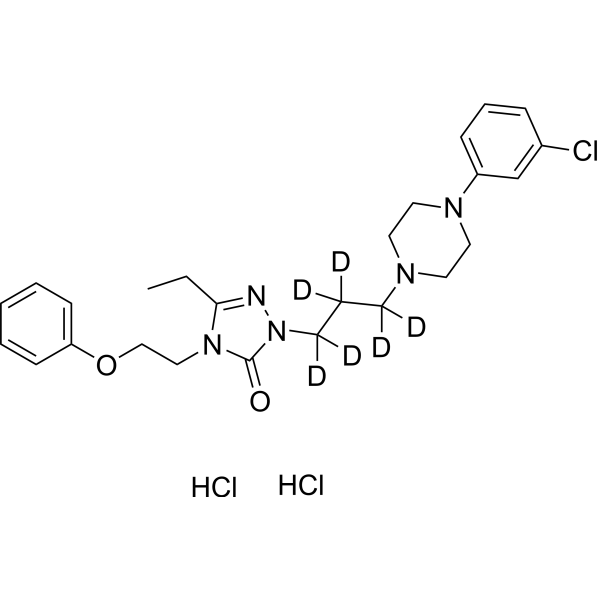
Nefazodone-d6 (dihydrochloride) is deuterium labeled Nefazodone (hydrochloride). Nefazodone hydrochloride (BMY-13754) is a potent and selective 5HT2A (Ki=5.8 nM) antagonist with moderate inhibition of 5-HT and noradrenaline uptake (IC50 of 290 and 300 nM, respectively). Nefazodone hydrochloride is a phenylpiperazine antidepressant with less alpha-adrenergic blocking activity .
|
-
- HY-101355
-
|
|
Adrenergic Receptor
|
Cardiovascular Disease
|
|
CGP 20712 is a highly selective β1-adrenoceptor antagonist (Ki=0.3 nmol/L). CGP 20712’s primary mechanism of action is through competitively binding to β1-receptors, thereby blocking the positive chronotropic effects of adrenaline and noradrenaline .
|
-

- HY-105973
-
|
BRL 14342
|
Serotonin Transporter
|
Neurological Disease
|
|
Clemeprol (BRL 14342) is an orally active Noradrenaline (NA) and 5-HT uptake blocker. Clemeprol inhibits 6-
Hydroxydopamine (HY-B1081)-induced depletion of brain NA. Clemeprol exerts a dose-dependent inhibition of Reserpine (HY-N0480)-induced hypothermia. Clemeprol can be used in the research of depression .
|
-

- HY-B1396R
-
|
BMY-13754 (Standard); MJ-13754-1 (Standard)
|
Reference Standards
5-HT Receptor
Adrenergic Receptor
|
Neurological Disease
Endocrinology
|
|
Nefazodone (hydrochloride) (Standard) is the analytical standard of Nefazodone (hydrochloride). This product is intended for research and analytical applications. Nefazodone hydrochloride (BMY-13754) is a potent and selective 5HT2A (Ki=5.8 nM) antagonist with moderate inhibition of 5-HT and noradrenaline uptake (IC50 of 290 and 300 nM, respectively). Nefazodone hydrochloride is a phenylpiperazine antidepressant with less alpha-adrenergic blocking activity .
|
-

- HY-17385R
-
|
Tomoxetine hydrochloride (Standard); (R)-Tomoxetine hydrochloride (Standard); LY 139603 (Standard)
|
Reference Standards
Adrenergic Receptor
Serotonin Transporter
Sodium Channel
|
Neurological Disease
Cancer
|
|
Atomoxetine (hydrochloride) (Standard) is the analytical standard of Atomoxetine (hydrochloride). This product is intended for research and analytical applications. Atomoxetine (Tomoxetine) hydrochloride is a selective noradrenaline reuptake inhibitor with Ki values of 5 nM, 77 nM and 1451 nM for norepinephrine (NE), serotonin (5-HT) and dopamine (DA) transporters, respectively. Atomoxetine hydrochloride is a potent Na+ channels (VGSCs) blocker. Atomoxetine hydrochloride can be used for attention-deficit hyperactivity disorder (ADHD) research .
|
-

- HY-106617
-
|
|
5-HT Receptor
Adrenergic Receptor
|
Neurological Disease
|
|
Etoperidone, an antidepressant agent, is an orally active serotonin and nor-adrenaline re-uptake antagonist. Etoperidone shows Kd values of 36 nM, 38 nM, 85 nM, and 570 nM for 5-HT2 receptor, α1-adrenergic receptor, 5-HT1A receptor, and α2-adrenergic receptor, respectively .
|
-

- HY-106617A
-
|
|
5-HT Receptor
Adrenergic Receptor
|
Neurological Disease
|
|
Etoperidone hydrochloride, an antidepressant agent, is an orally active serotonin and nor-adrenaline re-uptake antagonist. Etoperidone hydrochloride shows Kd values of 36 nM, 38 nM, 85 nM, and 570 nM for 5-HT2 receptor, α1-adrenergic receptor, 5-HT1A receptor, and α2-adrenergic receptor, respectively .
|
-

- HY-106838A
-
|
|
Adrenergic Receptor
|
Neurological Disease
|
|
Org 6906 is a monoamine reuptake inhibitor that promotes monoaminergic neurotransmission by inhibiting the reuptake of noradrenaline, dopamine, and serotonin. Org 6906 is also an α2 Adrenergic Receptor antagonist, with a pKi value of 6.3 (using the selective α2 adrenergic receptor ligand [ 3H]rauwolscine as a ligand). Org 6906 exhibits antidepressant activity and can be used in research related to neurological disorders .
|
-

- HY-B1396S3
-
|
BMY-13754-d; MJ-13754-1-d
|
Isotope-Labeled Compounds
Adrenergic Receptor
5-HT Receptor
|
Neurological Disease
Endocrinology
|
|
Nefazodone-d4 (hydrochloride) (BMY-13754-d4) is deuterium labeled Nefazodone (hydrochloride). Nefazodone hydrochloride (BMY-13754) is a potent and selective 5HT2A (Ki=5.8 nM) antagonist with moderate inhibition of 5-HT and noradrenaline uptake (IC50 of 290 and 300 nM, respectively). Nefazodone hydrochloride is a phenylpiperazine antidepressant with less alpha-adrenergic blocking activity .
|
-

- HY-147333
-
|
|
Drug Metabolite
|
Neurological Disease
|
|
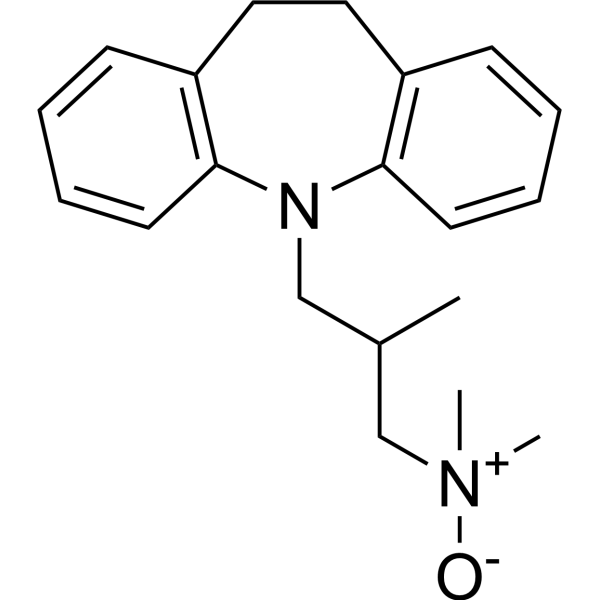
Trimipramine N-oxide is an active metabolite of the tricyclic antidepressant trimipramine. Trimipramine N-oxide inhibits the human monoamine transporters for noradrenaline (hNAT), serotonin (hSERT), dopamine (hDAT) and the human organic cation transporters (hOCT1 and hOCT2) with IC50s of 11.7, 3.59, 9.4, 9.35 and 27.4 nM, respectively. Trimipramine N-oxide can be used for the research of depression and anxiety .
|
-
- HY-B0528AS
-
|
(±)-p-Octopamine-d4 hydrochloride
|
Adrenergic Receptor
Endogenous Metabolite
|
Neurological Disease
Endocrinology
|
|
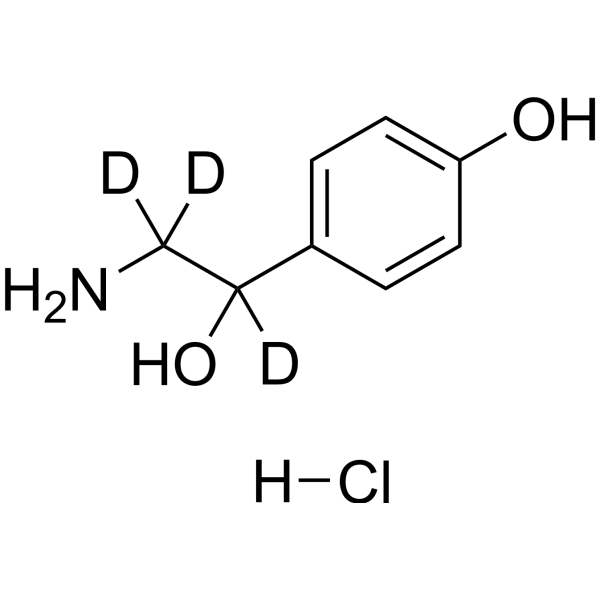
Octopamine-d4 (hydrochloride) is the deuterium labeled Octopamine hydrochloride. Octopamine ((±)-p-Octopamine) hydrochloride, a biogenic monoamine structurally related to noradrenaline, acts as a neurohormone, a neuromodulator and a neurotransmitter in invertebrates. Octopamine hydrochloride can stimulate alpha2-adrenoceptors (ARs) in Chinese hamster ovary cells transfected with human alpha2-ARs. Octopamine hydrochloride increased glycogenolysis, glycolysis, oxygen uptake, gluconeogenesis and the portal perfusion pressure .
|
-
- HY-165378
-
|
(E)-Dosulepin hydrochloride; (E)-Dothep hydrochloride
|
Histamine Receptor
|
Neurological Disease
|
|
(E)-Dothiepin ((E)-Dosulepin;(E)-Dothep) hydrochloride is an antidepressant agent with sedative/anxiolytic activity. (E)-Dothiepin hydrochloride is an inhibitor preferring of noradrenaline uptake than serotonin uptake. (E)-Dothiepin hydrochloride facilitates noradrenergic neurotransmission via inhibiting the neuronal uptake. (E)-Dothiepin hydrochloride is also an antagonist of histamine H1-receptor without cardiotoxicity. (E)-Dothiepin hydrochloride exhibits significant analgesic activity in psychogenic facial pain,idiopathic fibromyalgia syndrome or rheumatoid arthritis .
|
-

- HY-107370S
-
|
Tomoxetine-d7; (R)-Tomoxetine-d7
|
Isotope-Labeled Compounds
Serotonin Transporter
Sodium Channel
|
Neurological Disease
Cancer
|
|
Atomoxetine-d7 (Tomoxetine-d7) is deuterium labeled Atomoxetine. Atomoxetine (Tomoxetine) is a selective noradrenaline reuptake inhibitor with Ki values of 5, 77 and 1451 nM for norepinephrine (NE), serotonin (5-HT) and dopamine (DA) transporters, respectively. Atomoxetine (Tomoxetine) increases of DAEX and NEEX in the PFC and enhances catecholaminergic neurotransmission. Atomoxetine (Tomoxetine) is a potent Na + channels (VGSCs) blocker. Atomoxetine (Tomoxetine) can be used for attention-deficit hyperactivity disorder (ADHD) research .
|
-

- HY-107370S1
-
|
Tomoxetine-d5; (R)-Tomoxetine-d5
|
Isotope-Labeled Compounds
|
Neurological Disease
Cancer
|
|
Atomoxetine-d5 (Tomoxetine-d5) is deuterium labeled Atomoxetine. Atomoxetine (Tomoxetine) is a selective noradrenaline reuptake inhibitor with Ki values of 5, 77 and 1451 nM for norepinephrine (NE), serotonin (5-HT) and dopamine (DA) transporters, respectively. Atomoxetine (Tomoxetine) increases of DAEX and NEEX in the PFC and enhances catecholaminergic neurotransmission. Atomoxetine (Tomoxetine) is a potent Na + channels (VGSCs) blocker. Atomoxetine (Tomoxetine) can be used for attention-deficit hyperactivity disorder (ADHD) research .
|
-

- HY-119209R
-
|
|
5-HT Receptor
Cytochrome P450
Reference Standards
|
Neurological Disease
Inflammation/Immunology
|
|
Nefazodone (Standard) is the analytical standard of Nefazodone. This product is intended for research and analytical applications. Nefazodone is an orally active phenylpiperazine antidepressant. Nefazodone can potently and selectively block postsynaptic 5-HT2A receptors, and moderately inhibit 5-HT and noradrenaline reuptake. Nefazodone can also relieve the adverse effects of stress on the the immune system of mice. Nefazodone has a high affinity for CYP3A4 isoenzyme, which indicates that it has certain risk of agent-agent interaction .
|
-

- HY-14794B
-
|
(1R,2S)-Milnacipran hydrochloride; F2696 hydrochloride
|
Serotonin Transporter
Adrenergic Receptor
|
Neurological Disease
|
|
Dextromilnacipran ((1R,2S)-Milnacipran; F2696) hydrochloride is an orally active Serotonin (HY-B1473A)/Noradrenaline (HY-13715) transporter inhibitor. Dextromilnacipran hydrochloride inhibits Serotonin and Noradrenaline reuptake. Dextromilnacipran hydrochloride can be used for the research of depression, fibromyalgia .
|
-

- HY-N9628
-
|
|
Adrenergic Receptor
|
Neurological Disease
|
|
Polygalatenoside A is a noradrenaline reuptake inhibitor with an IC50 of 30.0 μM against human noradrenaline transporter. Polygalatenoside A can be used in the research of mental disorders .
|
-

- HY-150192
-
|
|
Adrenergic Receptor
|
Neurological Disease
Endocrinology
|
|
Talsupram is a selective noradrenaline inhibitor that has a high affinity for the noradrenaline transporter. Talsupram exhibits anti-hyperalgesic effects. Talsupram can decrease ethanol intake to the levels prior to REM-induced deprivation in rat model .
|
-

- HY-165387
-
|
|
Biochemical Assay Reagents
|
Neurological Disease
|
|
Nafenodone is an antidepressant agent. Nafenodone can reduce the rate and amplitude of contractions and lengthen sinus node recovery time. Nafenodone can inhibit the spontaneous mechanical activity in portal vein segmens with an IC50 of 1.4 μM in rat isolated vascular smooth muscle. Nafenodone relaxes the contractions induced by high K + and noradrenaline .
|
-

- HY-U00031A
-
|
EN3324 hydrochloride
|
Endogenous Metabolite
|
Neurological Disease
|
|
Axomadol hydrochloride is a centrally active analgesic agent with opioid agonistic properties and inhibitory effects on the reuptake of monoamines .
|
-

- HY-17385S1
-
|
Tomoxetine-d7 hydrochloride; (R)-Tomoxetine-d7 hydrochloride
|
Isotope-Labeled Compounds
Serotonin Transporter
Adrenergic Receptor
Sodium Channel
|
Neurological Disease
Cancer
|
|
Atomoxetine-d7 hydrochloride (Tomoxetine-d7 hydrochloride) is the deuterium labeled Atomoxetine hydrochloride (HY-17385). Atomoxetine (Tomoxetine) hydrochloride is a selective noradrenaline reuptake inhibitor with Ki values of 5 nM, 77 nM and 1451 nM for norepinephrine (NE), serotonin (5-HT) and dopamine (DA) transporters, respectively. Atomoxetine hydrochloride is a potent Na+ channels (VGSCs) blocker. Atomoxetine hydrochloride can be used for attention-deficit hyperactivity disorder (ADHD) research .
|
-

- HY-106798
-
|
A-57219; SCH 40054
|
Adrenergic Receptor
|
Cardiovascular Disease
|
|
Nemazoline hydrochloride (A-57219 hydrochloride) is selective α-adrenergic agent with α1-agonist/α2-antagonist activity, which is used as a nasal decongestant. Nemazoline hydrochloride produces decongestion by α1-mediated contraction of capacitance vessels, but not compromises blood flow by virtue of α2-antagonism. Nemazoline hydrochloride also blocks endogenous noradrenaline-mediated α 2-constriction of the resistance vessels .
|
-

- HY-A0066R
-
|
Imidaline (Standard); NSC35110 (Standard)
|
Adrenergic Receptor
Reference Standards
|
Cardiovascular Disease
Endocrinology
|
|
Tolazoline (Standard) is the analytical standard of Tolazoline. This product is intended for research and analytical applications. Tolazoline (Imidaline) is an α-adrenergic receptor antagonist. Tolazoline inhibits Noradrenaline (HY-13715)-induced cell contraction, modulates vascular resistance, increases arterial pressure, and reverses bradycardia and tachypnea. Tolazoline can be used to study erectile dysfunction, α2-adrenergic receptor agonist-related poisoning, and skin vascular disease research .
|
-

- HY-W650803
-
|
A-57219 free base; SCH 40054 free base
|
Adrenergic Receptor
|
Cardiovascular Disease
|
|
Nemazoline (A-57219) is selective α-adrenergic agent with α1-agonist/α2-antagonist activity, which is used as a nasal decongestant. Nemazoline produces decongestion by α1-mediated contraction of capacitance vessels, but not compromises blood flow by virtue of α2-antagonism. Nemazoline also blocks endogenous noradrenaline-mediated α 2-constriction of the resistance vessels .
|
-

- HY-18610A
-
|
Ro 8-4650
|
Dopamine Transporter
Adrenergic Receptor
5-HT Receptor
|
Neurological Disease
|
|
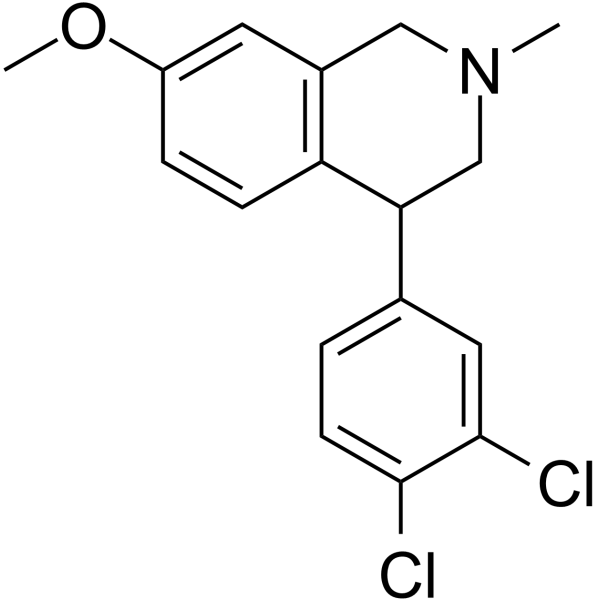
Diclofensine (Ro 8-46500) is an orally active neuronal monoamine uptake inhibitor. Diclofensine blocks the uptake of dopamine, noradrenaline, and serotonin by rat brain synaptosomes with IC50 values of 0.74, 2.3 and 3.7 nM, respectively. Diclofensine potentiates norepinephrine-induced hypertension and attenuates Tyramine (HY-W007606)-induced hypertension. Diclofensine produces psychostimulant and mood-elevating effects without causing sudden disappearance or withdrawal reactions. Diclofensine can be used in the research of moderate to severe depression .
|
-
- HY-121354
-
-
- HY-10121B
-
-
- HY-18610R
-
|
Ro 8-4650 hydrochloride (Standard)
|
Reference Standards
Dopamine Transporter
Adrenergic Receptor
5-HT Receptor
|
Neurological Disease
|
|
Diclofensine (Ro 8-4650) hydrochloride (Standard) is the analytical standard of Diclofensine hydrochloride. This product is intended for research and analytical applications. Diclofensine hydrochloride is an orally active neuronal monoamine uptake inhibitor. Diclofensine hydrochloride blocks the uptake of dopamine, noradrenaline, and serotonin by rat brain synaptosomes with IC50 values of 0.74, 2.3 and 3.7 nM, respectively. Diclofensine hydrochloride potentiates norepinephrine-induced hypertension and attenuates Tyramine (HY-W007606)-induced hypertension. Diclofensine hydrochloride produces psychostimulant and mood-elevating effects without causing sudden disappearance or withdrawal reactions. Diclofensine hydrochloride can be used in the research of moderate to severe depression.
|
-

- HY-A0066AR
-
|
Imidaline hydrochloride (Standard); NSC35110 hydrochloride (Standard)
|
Reference Standards
Adrenergic Receptor
|
Cardiovascular Disease
Endocrinology
|
|
Tolazoline (hydrochloride) (Standard) is the analytical standard of Tolazoline hydrochloride (HY-A0066A). This product is intended for research and analytical applications. Tolazoline hydrochloride (Imidaline hydrochloride) is an α-adrenergic receptor antagonist. Tolazoline hydrochloride inhibits Noradrenaline (HY-13715)-induced cell contraction, modulates vascular resistance, increases arterial pressure, and reverses bradycardia and tachypnea. Tolazoline hydrochloride can be used to study erectile dysfunction, α2-adrenergic receptor agonist-related poisoning, and skin vascular disease research .
|
-

- HY-12390R
-
|
Lopramine (Standard)
|
5-HT Receptor
Adrenergic Receptor
Reference Standards
|
Neurological Disease
|
|
Lofepramine (Standard) is the analytical standard of Lofepramine. This product is intended for research and analytical applications. Lofepramine (Lopramine) is a modified tricyclic and orally active antidepressant. Lofepramine inhibits the uptake of Noradrenaline (NA) (HY-13715) and 5-hydroxytryptamine (5-HT) with IC50s of 2.7 μM and 11 μM, respectively. Lofepramine exerts its antidepressant activity by promoting noradrenergic neurotransmission. Lofepramine also enhances serotonergic neurotransmission by inhibiting neuronal uptake of 5-HT and tryptophan pyrrolase. Lofepramine exhibits significant anxiolytic properties. .
|
-

- HY-W097625
-
|
|
Toll-like Receptor (TLR)
MyD88
p38 MAPK
NF-κB
Heme Oxygenase (HO)
|
Neurological Disease
Inflammation/Immunology
Cancer
|
|
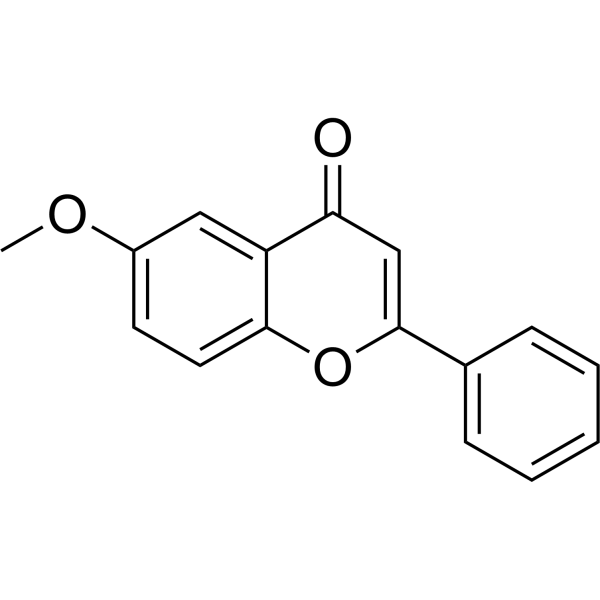
6-Methoxyflavone is an orally active methoxyflavone. 6-Methoxyflavone suppresses neuroinflammation in microglia through the inhibition of TLR4/MyD88/p38 MAPK/NF-κB dependent pathways and the activation of HO-1/NQO-1 signaling. 6-Methoxyflavone induces S-phase arrest through the CCNA2/CDK2/p21CIP1 signaling pathway in HeLa cells. 6-Methoxyflavone inhibits NFAT Translocation into the nucleus and suppresses T cell activation. 6-Methoxyflavone partially restores chronic ethanol-induced behavioral deficits in mice. 6-Methoxyflavone antagonizes chronic constriction injury and diabetes associated neuropathic nociception expression. 6-Methoxyflavone can be used for the study of cancer, inflammation and neurological diseases .
|
-
- HY-W097625R
-
|
|
Toll-like Receptor (TLR)
MyD88
p38 MAPK
NF-κB
Heme Oxygenase (HO)
Reference Standards
PERK
|
Neurological Disease
Metabolic Disease
Inflammation/Immunology
Cancer
|
|
6-Methoxyflavone (Standard) is the analytical standard of 6-Methoxyflavone (HY-W097625). This product is intended for research and analytical applications. 6-Methoxyflavone is an orally active methoxyflavone. 6-Methoxyflavone suppresses neuroinflammation in microglia through the inhibition of TLR4/MyD88/p38 MAPK/NF-κB dependent pathways and the activation of HO-1/NQO-1 signaling. 6-Methoxyflavone induces S-phase arrest through the CCNA2/CDK2/p21CIP1 signaling pathway and activates the PERK/EIF2a/ATF4/CHOP pathway in HeLa cells. 6-Methoxyflavone acts as a Flumazenil (HY-B0009)-insensitive positive allosteric modulator at human recombinant α1β2γ2L and α2β2γ2L GABAα receptors. 6-Methoxyflavone inhibits NFAT Translocation into the nucleus and suppresses T cell activation. 6-Methoxyflavone partially restores chronic ethanol-induced behavioral deficits in mice. 6-Methoxyflavone antagonizes chronic constriction injury and diabetes associated neuropathic nociception expression. 6-Methoxyflavone can be used for the study of cancer, inflammation and neurological diseases .
|
-

- HY-10121R
-
-

- HY-18610S
-
|
|
Isotope-Labeled Compounds
Dopamine Transporter
Adrenergic Receptor
5-HT Receptor
|
Neurological Disease
|
|
Diclofensine-d3 (Ro-8-4650-d3) hydrochloride is the deuterium labeled Diclofensine hydrochloride. Diclofensine hydrochloride is an orally active neuronal monoamine uptake inhibitor. Diclofensine hydrochloride blocks the uptake of dopamine, noradrenaline, and serotonin by rat brain synaptosomes with IC50 values of 0.74, 2.3 and 3.7 nM, respectively. Diclofensine hydrochloride potentiates norepinephrine-induced hypertension and attenuates Tyramine (HY-W007606)-induced hypertension. Diclofensine hydrochloride produces psychostimulant and mood-elevating effects without causing sudden disappearance or withdrawal reactions. Diclofensine hydrochloride can be used in the research of moderate to severe depression.
|
-

- HY-16567
-
-
- HY-10121S2
-
-
- HY-10121
-
-
- HY-W769200
-
|
Org 5222-13C,d3 maleate
|
Isotope-Labeled Compounds
5-HT Receptor
Adrenergic Receptor
Dopamine Receptor
Histamine Receptor
|
Others
|
|
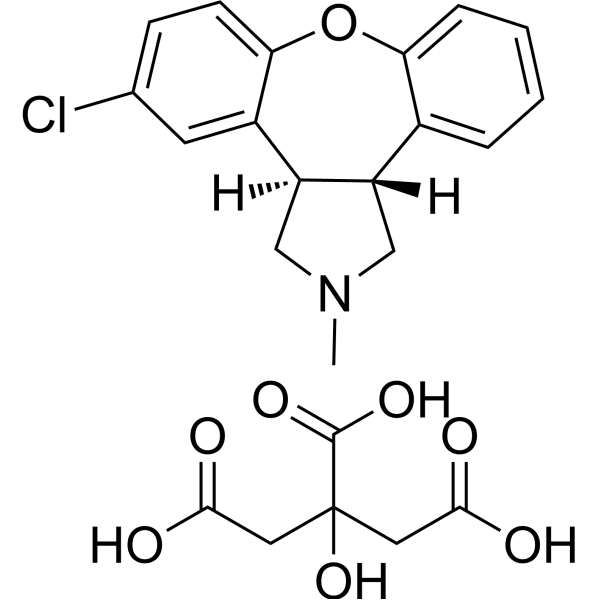
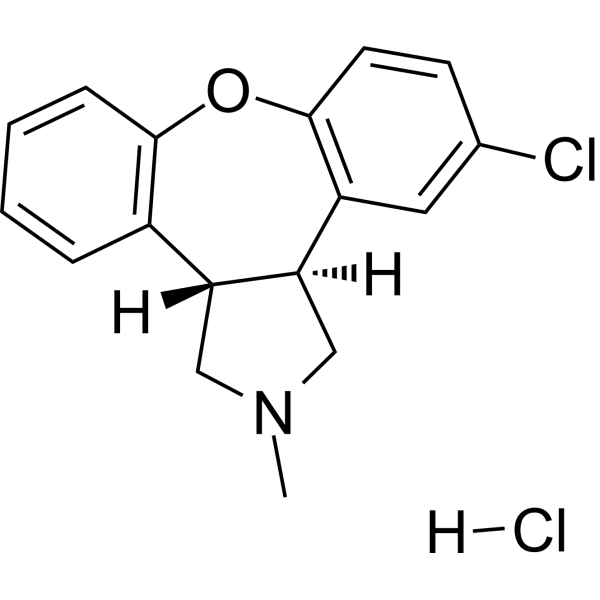
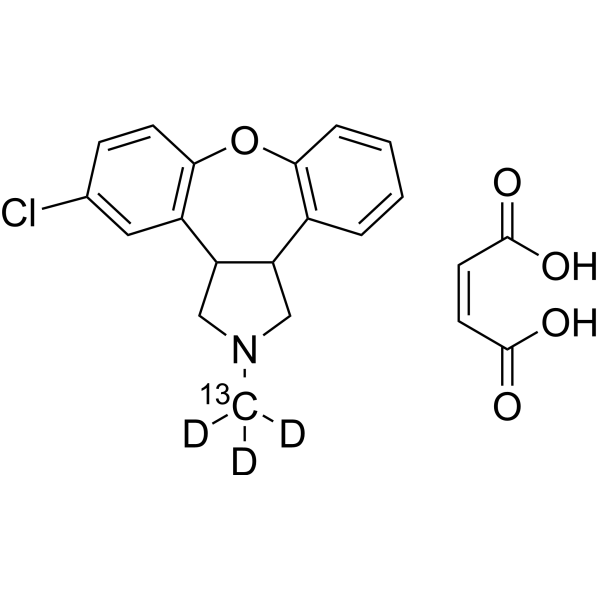
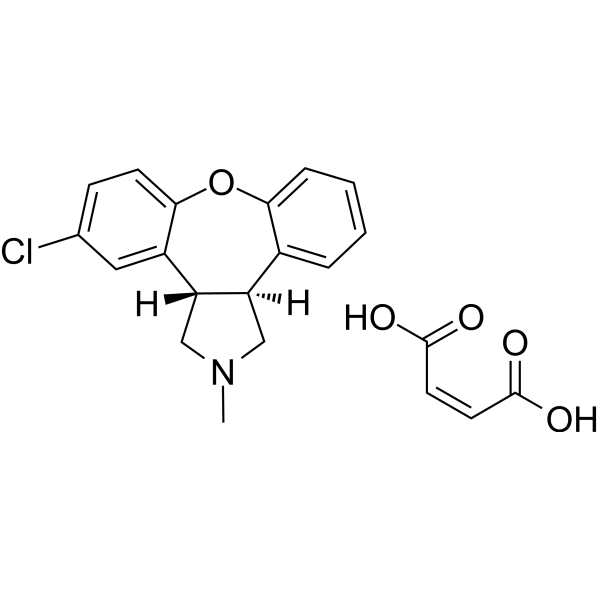
Asenapine- 13C,d3 Maleate is the deuterium labeled and 13C-Asenapine Maleate (HY-11100). Asenapine (Org 5222) Maleate, an atypical antipsychotic, is an antagonist of serotonin receptors (pKi: 8.4-10.5), adrenoceptors (pKi: 8.9-9.5), dopamine receptors (pKi: 8.9-9.4) and histamine receptors (pKi: 8.2-9.0). Asenapine Maleate can be used in the research of schizophrenia and bipolar disorder .
|
-

- HY-11100
-
|
Org 5222 maleate
|
5-HT Receptor
|
Neurological Disease
|
|
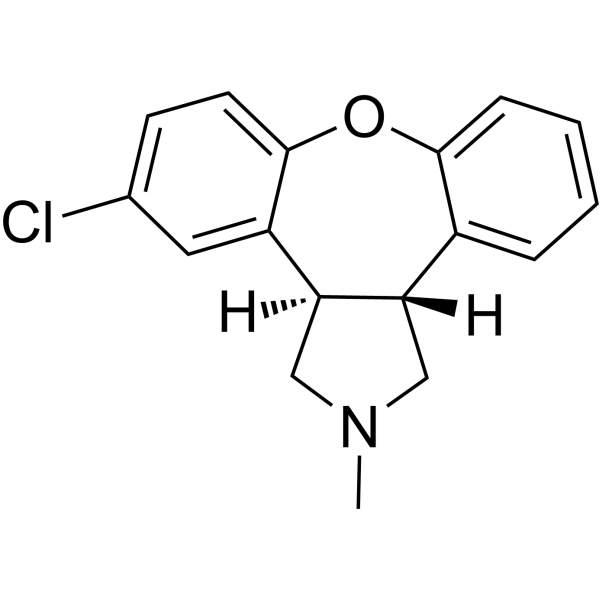
Asenapine (Org 5222) maleate, a brain-penetrant atypical antipsychotic, is an antagonist of serotonin receptors (pKi: 8.4-10.5), adrenoceptors (pKi: 8.9-9.5), dopamine receptors (pKi: 8.9-9.4) and histamine receptors (pKi: 8.2-9.0). Asenapine maleate can be used in the research of schizophrenia and bipolar disorder .
|
-
- HY-N9418R
-
|
|
Phytohormone
Reference Standards
|
Others
|
|
Trimipramine (Standard) is the analytical standard of Trimipramine. This product is intended for research and analytical applications. Trimipramine is a 5-HT receptor antagonist, with pKi binding values of 6.39, 8.10, 4.66 for 5-HT1C, 5-HT2 and 5-HT1A, respectively. Trimipramine is also a potent and selective inhibitor targeting human noradrenaline (hNAT), serotonin (hSERT) and organic cation transporters (hOCT1, hOCT2) with IC50 values of 4.99 μM, 2.11 μM, 3.72 μM, 8.00 μM, respectively. Trimipramine has vascular activity and anxiolytic efficacy .
|
-

- HY-183177
-
|
|
Adrenergic Receptor
|
Cardiovascular Disease
|
|
Zolertine is an α-adrenergic receptor antagonist, with a pKi of 6.35 for rabbit α1A-adrenergic receptor and a pKi of 6.81 for rat α1B-adrenergic receptor. Zolertine competitively blocks α1D-adrenergic receptor-mediated vasoconstriction and α1A-adrenergic receptor-mediated vasoconstriction in arteries. Zolertine can be used in the research of hypertension .
|
-

- HY-W411193
-
|
|
Calcium Channel
|
Cardiovascular Disease
|
|
Pincainide is a calcium channel inhibitor. Pincainide inhibits voltage-gated calcium channel-mediated calcium influx in smooth muscle. Pincainide inhibits norepinephrine- and high potassium-induced contractile responses. Pincainide can be used in the research of heart diseases .
|
-

- HY-W040555
-
|
N-Desalkylquetiapine dihydrochloride
|
Drug Metabolite
5-HT Receptor
HCN Channel
Serotonin Transporter
|
Neurological Disease
|
|
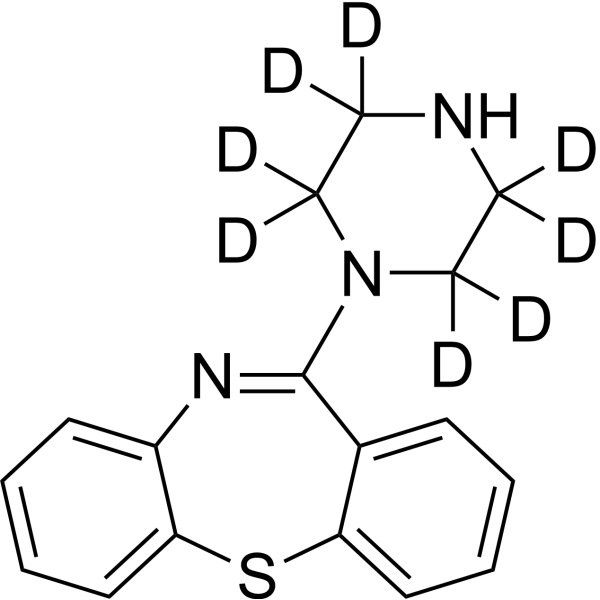
Norquetiapine ( N-Desalkylauetiapine) dihydrochloride, a metabolite of Quetiapine (HY-14544), is a selective HCN1 channel inhibitor, with an IC50 of 13.9 μM. Norquetiapine dihydrochloride selectively inhibits noradrenaline reuptake, is a partial 5-HT1A (Ki = 45 nM) receptor agonist, and acts as an antagonist at presynapticα2 (Ki = 237 nM), 5-HT2C(Ki = 107 nM), and 5-HT7 (Ki = 76 nM) receptors. Norquetiapine dihydrochloride blocks the human cardiac sodium channel Nav1.5 in a state-dependent manner. Norquetiapine dihydrochloride shows partial anti-inflammatory effects in LPS (HY-D1056) injected C57BL/6 mice. Norquetiapine dihydrochloride can be used for the study of depression and inflammation .
|
-

- HY-W052508
-
|
N-Desalkylquetiapine
|
Drug Metabolite
5-HT Receptor
HCN Channel
Serotonin Transporter
|
Neurological Disease
|
|
Norquetiapine ( N-Desalkylauetiapine), a metabolite of Quetiapine (HY-14544), is a selective HCN1 channel inhibitor, with an IC50 of 13.9 μM. Norquetiapine selectively inhibits noradrenaline reuptake, is a partial 5-HT1A (Ki = 45 nM) receptor agonist, and acts as an antagonist at presynapticα2 (Ki = 237 nM), 5-HT2C(Ki = 107 nM), and 5-HT7 (Ki = 76 nM) receptors. Norquetiapine blocks the human cardiac sodium channel Nav1.5 in a state-dependent manner. Norquetiapine shows partial anti-inflammatory effects in LPS (HY-D1056) injected C57BL/6 mice. Norquetiapine can be used for the study of depression and inflammation .
|
-

- HY-W052508S
-
|
N-Desalkylquetiapine-d8
|
Isotope-Labeled Compounds
|
Others
Neurological Disease
Inflammation/Immunology
|
|
Norquetiapine-d8 (N-Desalkylquetiapine-d8) is the deuterium labeled Norquetiapine.Norquetiapine ( N-Desalkylauetiapine), a metabolite of Quetiapine (HY-14544), is a selective HCN1 channel inhibitor, with an IC50 of 13.9 μM. Norquetiapine selectively inhibits noradrenaline reuptake, is a partial 5-HT1A (Ki = 45 nM) receptor agonist, and acts as an antagonist at presynapticα2 (Ki = 237 nM), 5-HT2C(Ki = 107 nM), and 5-HT7 (Ki = 76 nM) receptors. Norquetiapine blocks the human cardiac sodium channel Nav1.5 in a state-dependent manner. Norquetiapine shows partial anti-inflammatory effects in LPS (HY-D1056) injected C57BL/6 mice. Norquetiapine can be used for the study of depression and inflammation .
|
-
- HY-103151
-
|
|
5-HT Receptor
|
Neurological Disease
Metabolic Disease
|
|
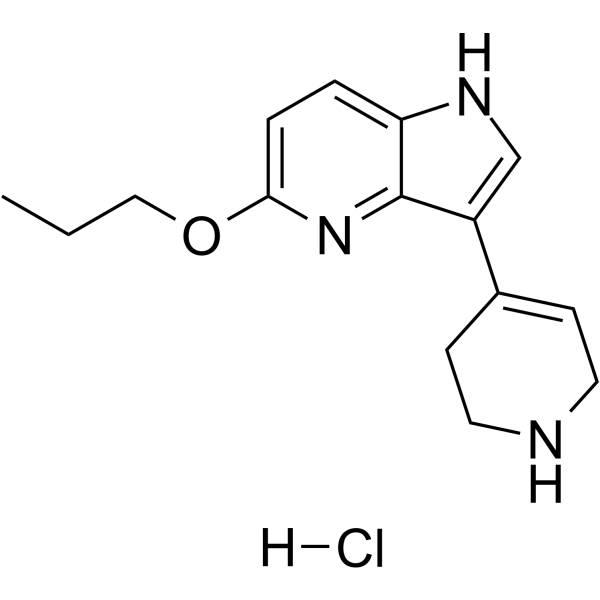
CP94253 hydrochloride is an orally active, brain-penetrant and selective 5-HT1B receptor agonist with an Ki of 2 nM. CP94253 hydrochloride induces antidepressant-like effects, waking enhancement, sleep inhibition, increased sleep latency, hyperlocomotion, and suppressed aggressive behavior. CP94253 hydrochloride can be used for the research of depression and heightened aggressive behavior .
|
-
- HY-W680886
-
|
|
Monoamine Transporter
Serotonin Transporter
Dopamine Transporter
5-HT Receptor
|
Neurological Disease
|
|
6-APDB is a class of monoamine neurotransmitter releaser and Monoamine Transporter modulator that exerts selective effects on human monoamine transporters and acts as a partial agonist at 5-HT2 family receptors. For NET, 6-APDB has an IC50 of 0.56 μM and a Ki of 18 μM; for SERT, it has an IC50 of 2.3 μM and a Ki of 23 μM; for DAT, it has an IC50 of 33 μM and a Ki of >30 μM, and affinity for rat and mouse TAAR1, with Ki values of 1.0 μM and 0.21 μM, respectively. 6-APDB inhibits norepinephrine and 5-HT reuptake, mediates the release of three types of monoamine neurotransmitters, shows a dose-dependent biphasic locomotor effect in mice, and fully substitutes the discriminative stimulus effect of MDMA. 6-APDB shows no significant cytotoxicity at high concentrations, and possesses empathogenic psychoactivity, potential hallucinogenic effects, and behavioral effects associated with intermittent abuse .
|
-

- HY-103151A
-
|
|
5-HT Receptor
|
Neurological Disease
Metabolic Disease
|
|
CP94253 is an orally active, brain-penetrant and selective 5-HT1B receptor agonist with an Ki of 2 nM. CP94253 induces antidepressant-like effects, waking enhancement, sleep inhibition, increased sleep latency, hyperlocomotion, and suppressed aggressive behavior. CP94253 can be used for the research of depression and heightened aggressive behavior .
|
-

- HY-12143
-
|
GR 205171A
|
Neurokinin Receptor
|
Neurological Disease
|
|
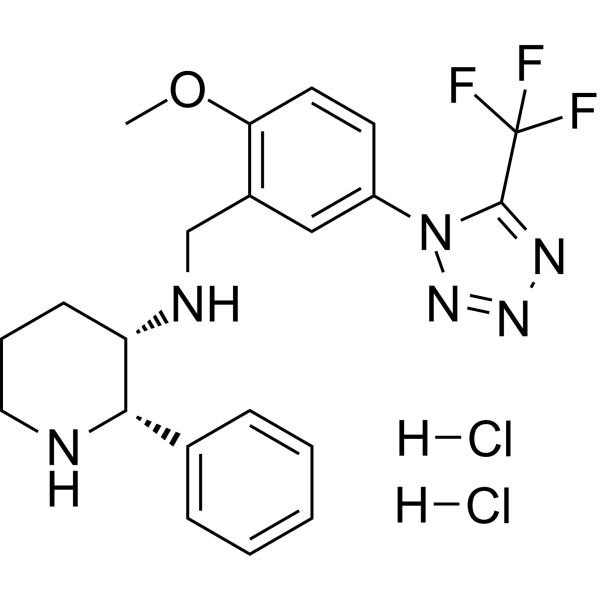
Vofopitant dihydrochloride (GR 205171A) is a blood-brain barrier-permeable NK1 receptor inhibitor with a pKi of 9.02 in mice. Vofopitant dihydrochloride blocks vomiting-related responses and inhibits pseudoptyalism. Vofopitant dihydrochloride exerts anxiolytic effects, regulates 5-HT receptor function and increases central 5-HT release. Vofopitant dihydrochloride improves hyperarousal symptoms of post-traumatic stress disorder. Vofopitant dihydrochloride can be used in research related to depression, anxiety, vomiting and postoperative nausea and vomiting .
|
-
- HY-U00134
-
|
Bencyclane; Benzcyclan
|
5-HT Receptor
|
Cardiovascular Disease
Neurological Disease
|
|
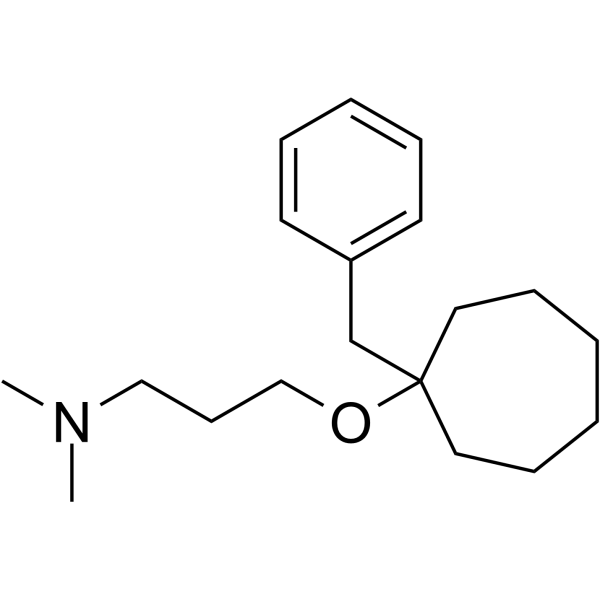
Benzcyclane (Bencyclane; Benzcyclan) is a serotonin receptor antagonist and a cerebral/peripheral vasodilator. Benzcyclane exerts atypical serotonin antagonistic effects in rabbit superior mesenteric arteries. Benzcyclane relaxes high K +-induced contractions in rabbit basilar arteries and superior mesenteric arteries, and selectively inhibits sympathetic nerve stimulation-induced contractions in rabbit pulmonary arteries. Benzcyclane exerts non-competitive norepinephrine antagonistic effects in rabbit superior mesenteric arteries, and slightly reduces the maximum contractile response induced by histamine. Benzcyclane relaxes smooth muscles, induces transient hypotension, inhibits thrombosis, and accelerates blood fibrinolytic activity. Benzcyclane increases cerebral glucose content/uptake, enhances hypoxia tolerance in mice, and increases cerebral blood supply in dogs. Benzcyclane is applicable to studies related to cerebral vascular circulation .
|
-
- HY-14196
-
|
MD 69276
|
Monoamine Oxidase
|
Neurological Disease
|
|
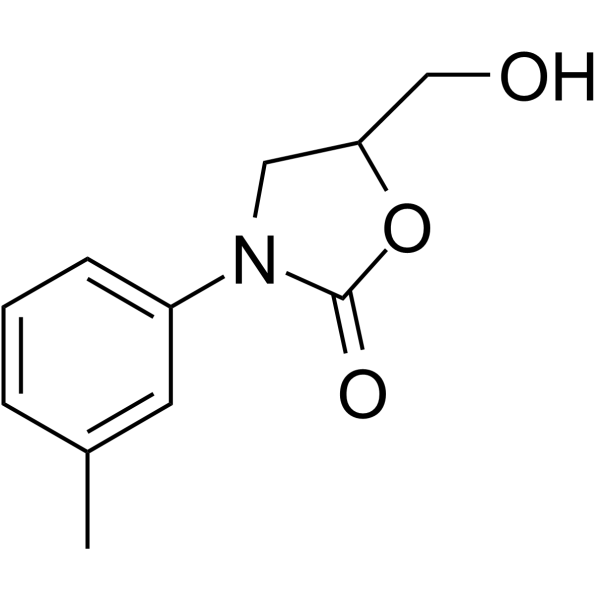
Toloxatone (MD 69276) is a reversible, selective MAO-A inhibitor that can cross the blood-brain barrier. Toloxatone increases the levels of serotonin (5-HT) and norepinephrine in the brain. Toloxatone reduces the immobility time in the forced swimming test in mice, inhibits killing behavior in rats without causing sedation, and shows a correlation between its free plasma concentration and cerebrospinal fluid concentration. Toloxatone is widely used in research related to depression, depressive disorders and Parkinson's disease .
|
-
- HY-118387
-
|
|
Potassium Channel
|
Cardiovascular Disease
|
|
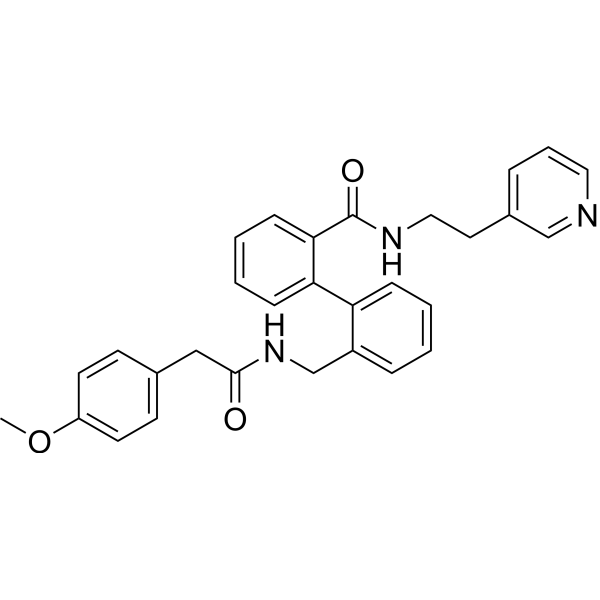
AVE-0118 is a Kv1.5 potassium channel blocker and antiarrhythmic agent. AVE-0118 blocks neuronal Kv1.5 potassium channels, thereby enhancing the release of norepinephrine. AVE-0118 enhances field stimulation-induced neurogenic contraction, an effect sensitive to α1-adrenergic receptor blockade. AVE-0118 terminates persistent atrial fibrillation in some dogs. AVE-0118 is applicable to research related to atrial fibrillation and persistent atrial fibrillation .
|
-
-
-
HY-L906
-
|
|
647 compounds
|
|
On May 15, 2024, "Dimerization and antidepressant recognition at noradrenaline transporter" was published online by Nature. The research findings were an effort from Shanghai Institute of Materia Medica, Chinese Academy of Sciences. This study unraveled the important neural system target - the noradrenaline transporter (NET), obtaining the binding modes of human NET homodimers with the natural substrate norepinephrine (NE) and six selective antidepressants. It laid an important theoretical foundation for understanding the physiological regulation mechanisms of NET and other monoamine transporters.
The Norepinephrine Transporter (NET) Compound Library is obtained by computer-aided virtual screening based on the HY-L901 compound library . The specific screening process includes molecular docking screening, key pharmacophore screening, and CNS-MPO screening, which can be used for new drug discovery targeting the noradrenaline transporter.
|
| Cat. No. |
Product Name |
Target |
Research Area |
-
- HY-16525
-
|
|
Monoamine Transporter
Adrenergic Receptor
|
Neurological Disease
|
|
XEN-2174 is a noradrenaline transporter (NET) inhibitor. XEN-2174 inhibits the reuptake of noradrenaline through non-competitive inhibition, increasing the concentration of noradrenaline in the synaptic cleft, thereby activating α2-adrenergic receptor at the spinal level and exerting analgesic effects. XEN-2174 exhibits long-lasting analgesic effects in models of neuropathic pain and postoperative pain in rats. XEN-2174 can be used in pain research .
|
| Cat. No. |
Product Name |
Category |
Target |
Chemical Structure |
-
- HY-13715
-
-
-
- HY-13715A
-
-
-
- HY-13715B
-
-
-
- HY-B0528A
-
-
-
- HY-13715C
-
-
-
- HY-A0066A
-
-
-
- HY-B1233
-
-
-
- HY-13715R
-
-
-
- HY-W097625
-
|
|
Flavonoids
Flavones
Thymelaeaceae
Plants
Pimelea simplex F.Muell.
Source Classification
|
Toll-like Receptor (TLR)
MyD88
p38 MAPK
NF-κB
Heme Oxygenase (HO)
|
|
6-Methoxyflavone is an orally active methoxyflavone. 6-Methoxyflavone suppresses neuroinflammation in microglia through the inhibition of TLR4/MyD88/p38 MAPK/NF-κB dependent pathways and the activation of HO-1/NQO-1 signaling. 6-Methoxyflavone induces S-phase arrest through the CCNA2/CDK2/p21CIP1 signaling pathway in HeLa cells. 6-Methoxyflavone inhibits NFAT Translocation into the nucleus and suppresses T cell activation. 6-Methoxyflavone partially restores chronic ethanol-induced behavioral deficits in mice. 6-Methoxyflavone antagonizes chronic constriction injury and diabetes associated neuropathic nociception expression. 6-Methoxyflavone can be used for the study of cancer, inflammation and neurological diseases .
|
-
-
- HY-B0528AR
-
|
(±)-p-Octopamine hydrochloride (Standard)
|
Structural Classification
Monophenols
Phenols
Endogenous metabolite
Source Classification
|
Reference Standards
Adrenergic Receptor
Endogenous Metabolite
|
|
Octopamine (hydrochloride) (Standard) is the analytical standard of Octopamine (hydrochloride). This product is intended for research and analytical applications. Octopamine ((±)-p-Octopamine) hydrochloride, a biogenic monoamine structurally related to noradrenaline, acts as a neurohormone, a neuromodulator and a neurotransmitter in invertebrates. Octopamine hydrochloride can stimulate alpha2-adrenoceptors (ARs) in Chinese hamster ovary cells transfected with human alpha2-ARs. Octopamine hydrochloride increased glycogenolysis, glycolysis, oxygen uptake, gluconeogenesis and the portal perfusion pressure .
|
-
-
- HY-13715AR
-
-
-
- HY-B0528
-
|
|
Monophenols
Microorganisms
Phenols
Source Classification
|
Adrenergic Receptor
Endogenous Metabolite
|
|
Octopamine is a biogenic monoamine structurally related to noradrenaline, acts as a neurohormone, a neuromodulator and a neurotransmitter in invertebrates. Octopamine can stimulate alpha2-adrenoceptors (ARs) in Chinese hamster ovary cells transfected with human alpha2-ARs. Octopamine increased glycogenolysis, glycolysis, oxygen uptake, gluconeogenesis and the portal perfusion pressure .
|
-
-
- HY-13715BR
-
-
-
- HY-A0066AR
-
|
Imidaline hydrochloride (Standard); NSC35110 hydrochloride (Standard)
|
Alkaloids
Other Alkaloids
Alpinia officinarum Hance
Plants
Source Classification
Zingiberaceae
|
Reference Standards
Adrenergic Receptor
|
|
Tolazoline (hydrochloride) (Standard) is the analytical standard of Tolazoline hydrochloride (HY-A0066A). This product is intended for research and analytical applications. Tolazoline hydrochloride (Imidaline hydrochloride) is an α-adrenergic receptor antagonist. Tolazoline hydrochloride inhibits Noradrenaline (HY-13715)-induced cell contraction, modulates vascular resistance, increases arterial pressure, and reverses bradycardia and tachypnea. Tolazoline hydrochloride can be used to study erectile dysfunction, α2-adrenergic receptor agonist-related poisoning, and skin vascular disease research .
|
-
-
- HY-N9418R
-
|
|
Rosaceae
Plants
Rosa canina Gremli ex Christ
Source Classification
|
Phytohormone
Reference Standards
|
|
Trimipramine (Standard) is the analytical standard of Trimipramine. This product is intended for research and analytical applications. Trimipramine is a 5-HT receptor antagonist, with pKi binding values of 6.39, 8.10, 4.66 for 5-HT1C, 5-HT2 and 5-HT1A, respectively. Trimipramine is also a potent and selective inhibitor targeting human noradrenaline (hNAT), serotonin (hSERT) and organic cation transporters (hOCT1, hOCT2) with IC50 values of 4.99 μM, 2.11 μM, 3.72 μM, 8.00 μM, respectively. Trimipramine has vascular activity and anxiolytic efficacy .
|
-
-
- HY-N9628
-
-
-
- HY-W097625R
-
|
|
Structural Classification
Flavonoids
Flavones
Thymelaeaceae
Plants
Pimelea simplex F.Muell.
Source Classification
|
Toll-like Receptor (TLR)
MyD88
p38 MAPK
NF-κB
Heme Oxygenase (HO)
Reference Standards
PERK
|
|
6-Methoxyflavone (Standard) is the analytical standard of 6-Methoxyflavone (HY-W097625). This product is intended for research and analytical applications. 6-Methoxyflavone is an orally active methoxyflavone. 6-Methoxyflavone suppresses neuroinflammation in microglia through the inhibition of TLR4/MyD88/p38 MAPK/NF-κB dependent pathways and the activation of HO-1/NQO-1 signaling. 6-Methoxyflavone induces S-phase arrest through the CCNA2/CDK2/p21CIP1 signaling pathway and activates the PERK/EIF2a/ATF4/CHOP pathway in HeLa cells. 6-Methoxyflavone acts as a Flumazenil (HY-B0009)-insensitive positive allosteric modulator at human recombinant α1β2γ2L and α2β2γ2L GABAα receptors. 6-Methoxyflavone inhibits NFAT Translocation into the nucleus and suppresses T cell activation. 6-Methoxyflavone partially restores chronic ethanol-induced behavioral deficits in mice. 6-Methoxyflavone antagonizes chronic constriction injury and diabetes associated neuropathic nociception expression. 6-Methoxyflavone can be used for the study of cancer, inflammation and neurological diseases .
|
-
| Cat. No. |
Product Name |
Chemical Structure |
-
- HY-W052508S
-
|
|
|
Norquetiapine-d8 (N-Desalkylquetiapine-d8) is the deuterium labeled Norquetiapine.Norquetiapine ( N-Desalkylauetiapine), a metabolite of Quetiapine (HY-14544), is a selective HCN1 channel inhibitor, with an IC50 of 13.9 μM. Norquetiapine selectively inhibits noradrenaline reuptake, is a partial 5-HT1A (Ki = 45 nM) receptor agonist, and acts as an antagonist at presynapticα2 (Ki = 237 nM), 5-HT2C(Ki = 107 nM), and 5-HT7 (Ki = 76 nM) receptors. Norquetiapine blocks the human cardiac sodium channel Nav1.5 in a state-dependent manner. Norquetiapine shows partial anti-inflammatory effects in LPS (HY-D1056) injected C57BL/6 mice. Norquetiapine can be used for the study of depression and inflammation .
|
-
-
- HY-13715S
-
|
|
|
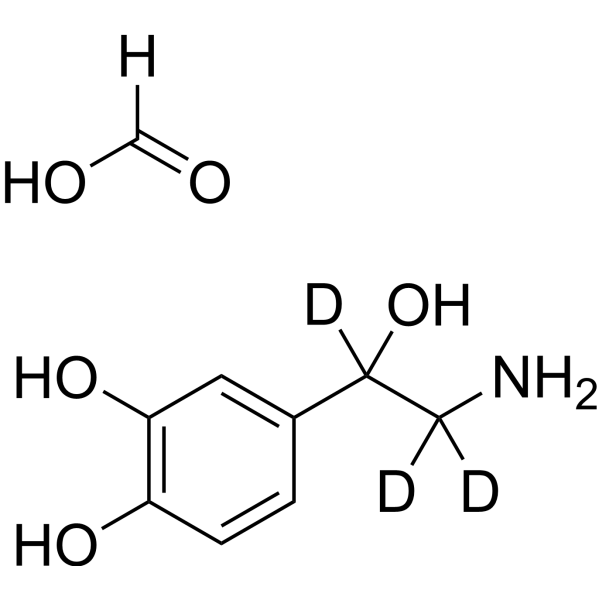
(Rac)-Norepinephrine-d3 (formate) is deuterium labeled Norepinephrine. Norepinephrine (Levarterenol; L-Noradrenaline) is a potent adrenergic receptor (AR) agonist. Norepinephrine activates α1, α2, β1 receptors .
|
-
-
- HY-13458S1
-
|
|
|
Droxidopa- 13C2, 15N (hydrochloride) is deuterium labeled Droxidopa. Droxidopa(L-DOPS), the mixture of Droxidopa (w/w80%) and Pharmaceutical starch (w/w20%), acts as a proagent to the neurotransmitters norepinephrine (noradrenaline) and epinephrine (adrenaline); Droxidopa(L-DOPS) is capable of crossing the protective blood-brain barrier .
|
-
-
- HY-14794S
-
|
|
|
Dextromilnacipran-d6 is the deuterium labeled Dextromilnacipran (HY-14794). Dextromilnacipran ((1R,2S)-Milnacipran; F2696) is an orally active Serotonin (HY-B1473A)/Noradrenaline (HY-13715) transporter inhibitor. Dextromilnacipran inhibits Serotonin and Noradrenaline reuptake. Dextromilnacipran can be used for the research of depression, fibromyalgia .
|
-
-
- HY-B0032S
-
|
|
|
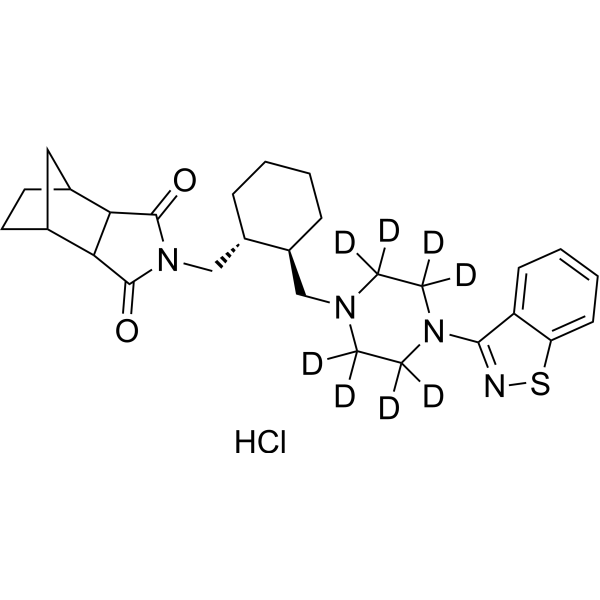
Lurasidone-d8 (hydrochloride) is the deuterium labeled Lurasidone, which is an inhibitor of Dopamine D2, 5-HT2A, 5-HT7, 5-HT1A and noradrenaline α2C.
|
-
-
- HY-14560S
-
|
|
|
Reboxetine-d5 mesylate is the deuterium labeled Reboxetine mesylatea (HY-14560). Reboxetine is an orally active, potent and selective noradrenaline uptake blocker. Reboxetine can be used for antidepressant research .
|
-
-
- HY-B1396S
-
|
|
|
Nefazodone-d6 (hydrochloride) is the deuterium labeled Nefazodone hydrochloride. Nefazodone hydrochloride (BMY-13754) is a potent and selective 5HT2A (Ki=5.8 nM) antagonist with moderate inhibition of 5-HT and noradrenaline uptake (IC50 of 290 and 300 nM, respectively). Nefazodone hydrochloride is a phenylpiperazine antidepressant with less alpha-adrenergic blocking activity .
|
-
-
- HY-B1396S1
-
|
|
|
Nefazodone-d6 (dihydrochloride) is deuterium labeled Nefazodone (hydrochloride). Nefazodone hydrochloride (BMY-13754) is a potent and selective 5HT2A (Ki=5.8 nM) antagonist with moderate inhibition of 5-HT and noradrenaline uptake (IC50 of 290 and 300 nM, respectively). Nefazodone hydrochloride is a phenylpiperazine antidepressant with less alpha-adrenergic blocking activity .
|
-
-
- HY-B1396S3
-
|
|
|
Nefazodone-d4 (hydrochloride) (BMY-13754-d4) is deuterium labeled Nefazodone (hydrochloride). Nefazodone hydrochloride (BMY-13754) is a potent and selective 5HT2A (Ki=5.8 nM) antagonist with moderate inhibition of 5-HT and noradrenaline uptake (IC50 of 290 and 300 nM, respectively). Nefazodone hydrochloride is a phenylpiperazine antidepressant with less alpha-adrenergic blocking activity .
|
-
-
- HY-B0528AS
-
|
|
|
Octopamine-d4 (hydrochloride) is the deuterium labeled Octopamine hydrochloride. Octopamine ((±)-p-Octopamine) hydrochloride, a biogenic monoamine structurally related to noradrenaline, acts as a neurohormone, a neuromodulator and a neurotransmitter in invertebrates. Octopamine hydrochloride can stimulate alpha2-adrenoceptors (ARs) in Chinese hamster ovary cells transfected with human alpha2-ARs. Octopamine hydrochloride increased glycogenolysis, glycolysis, oxygen uptake, gluconeogenesis and the portal perfusion pressure .
|
-
-
- HY-107370S
-
|
|
|
Atomoxetine-d7 (Tomoxetine-d7) is deuterium labeled Atomoxetine. Atomoxetine (Tomoxetine) is a selective noradrenaline reuptake inhibitor with Ki values of 5, 77 and 1451 nM for norepinephrine (NE), serotonin (5-HT) and dopamine (DA) transporters, respectively. Atomoxetine (Tomoxetine) increases of DAEX and NEEX in the PFC and enhances catecholaminergic neurotransmission. Atomoxetine (Tomoxetine) is a potent Na + channels (VGSCs) blocker. Atomoxetine (Tomoxetine) can be used for attention-deficit hyperactivity disorder (ADHD) research .
|
-
-
- HY-107370S1
-
|
|
|
Atomoxetine-d5 (Tomoxetine-d5) is deuterium labeled Atomoxetine. Atomoxetine (Tomoxetine) is a selective noradrenaline reuptake inhibitor with Ki values of 5, 77 and 1451 nM for norepinephrine (NE), serotonin (5-HT) and dopamine (DA) transporters, respectively. Atomoxetine (Tomoxetine) increases of DAEX and NEEX in the PFC and enhances catecholaminergic neurotransmission. Atomoxetine (Tomoxetine) is a potent Na + channels (VGSCs) blocker. Atomoxetine (Tomoxetine) can be used for attention-deficit hyperactivity disorder (ADHD) research .
|
-
-
- HY-18610S
-
|
|
|
Diclofensine-d3 (Ro-8-4650-d3) hydrochloride is the deuterium labeled Diclofensine hydrochloride. Diclofensine hydrochloride is an orally active neuronal monoamine uptake inhibitor. Diclofensine hydrochloride blocks the uptake of dopamine, noradrenaline, and serotonin by rat brain synaptosomes with IC50 values of 0.74, 2.3 and 3.7 nM, respectively. Diclofensine hydrochloride potentiates norepinephrine-induced hypertension and attenuates Tyramine (HY-W007606)-induced hypertension. Diclofensine hydrochloride produces psychostimulant and mood-elevating effects without causing sudden disappearance or withdrawal reactions. Diclofensine hydrochloride can be used in the research of moderate to severe depression.
|
-
-
- HY-10121S2
-
|
|
|
Asenapine- 13C,d3 is 13C and deuterated labeled Asenapine (HY-10121). Asenapine (Org 5222), an atypical antipsychotic, is an antagonist of serotonin receptors (pKi: 8.4-10.5), adrenoceptors (pKi: 8.9-9.5), dopamine receptors (pKi: 8.9-9.4) and histamine receptors (pKi: 8.2-9.0). Asenapine can be used in the research of schizophrenia and bipolar disorder .
|
-
-
- HY-W769200
-
|
|
|
Asenapine- 13C,d3 Maleate is the deuterium labeled and 13C-Asenapine Maleate (HY-11100). Asenapine (Org 5222) Maleate, an atypical antipsychotic, is an antagonist of serotonin receptors (pKi: 8.4-10.5), adrenoceptors (pKi: 8.9-9.5), dopamine receptors (pKi: 8.9-9.4) and histamine receptors (pKi: 8.2-9.0). Asenapine Maleate can be used in the research of schizophrenia and bipolar disorder .
|
-
-
- HY-17385S1
-
|
|
|
Atomoxetine-d7 hydrochloride (Tomoxetine-d7 hydrochloride) is the deuterium labeled Atomoxetine hydrochloride (HY-17385). Atomoxetine (Tomoxetine) hydrochloride is a selective noradrenaline reuptake inhibitor with Ki values of 5 nM, 77 nM and 1451 nM for norepinephrine (NE), serotonin (5-HT) and dopamine (DA) transporters, respectively. Atomoxetine hydrochloride is a potent Na+ channels (VGSCs) blocker. Atomoxetine hydrochloride can be used for attention-deficit hyperactivity disorder (ADHD) research .
|
-
Your information is safe with us. * Required Fields.
Inquiry Information
- Product Name:
- Cat. No.:
- Quantity:
- MCE Japan Authorized Agent:








