Search Result
Results for "
Tumor regression
" in MedChemExpress (MCE) Product Catalog:
1
Biochemical Assay Reagents
| Cat. No. |
Product Name |
Target |
Research Areas |
Chemical Structure |
-
- HY-136927
-
|
|
STING
|
Inflammation/Immunology
Cancer
|
|
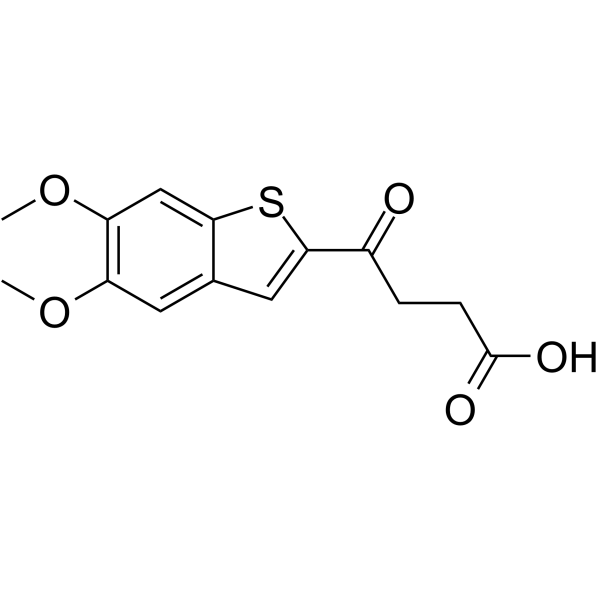
MSA-2, a potent and orally available non-nucleotide STING agonist, is bound to STING as a noncovalent dimer with nanomolar affinity. MSA-2 shows EC50s of 8.3 and 24 μM for human STING isoforms WT and HAQ, respectively. MSA-2 stimulates interferon-β secretion in tumors, induces tumor regression with durable antitumor immunity, and synergizes with anti-PD-1 in syngeneic mouse tumor models .
|
-
-
- HY-145483
-
KT-474
1 Publications Verification
KYM-001; PROTAC IRAK4 degrader-7
|
PROTACs
IRAK
Apoptosis
|
Cancer
|
|
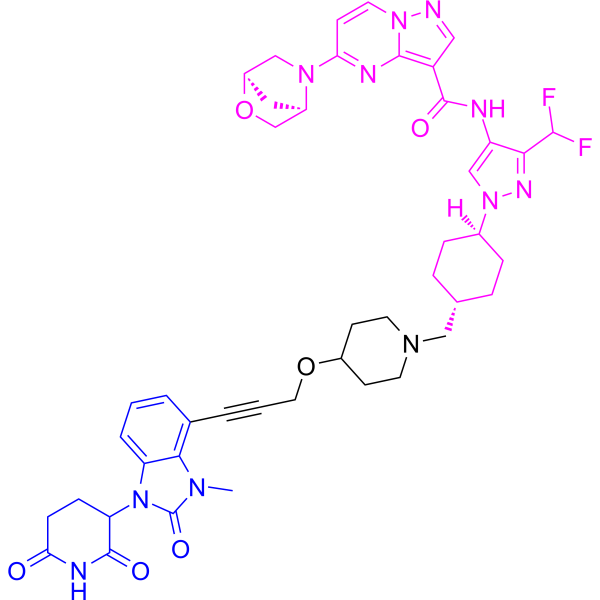
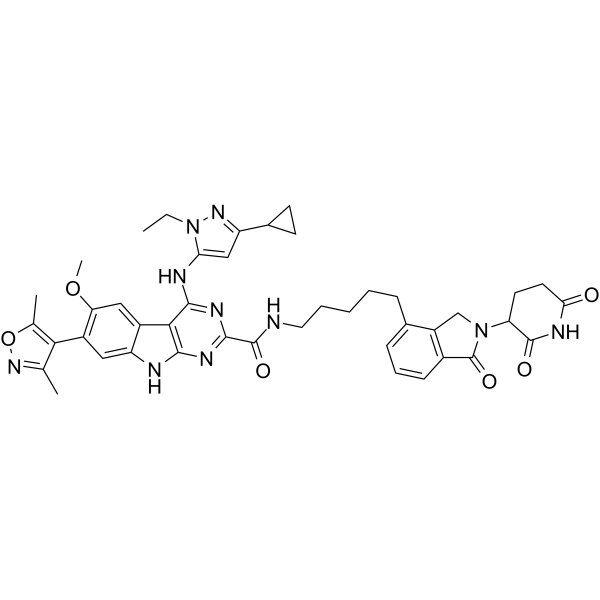
KT-474 (KYM-001; PROTAC IRAK4 degrader-7) is an orally active PROTAC IRAK4 degrader with anti-tumor effects. KT-474 inhibits the cell cycle and induces apoptosis. KT-474 induces tumor regression in a xenograft model of MYD88-mutated ABC DLBCL. KT-474 is a click chemistry reagent, containing an alkyne group, which can undergo copper-catalyzed azide-alkyne cycloaddition (CuAAc) with molecules containing azide groups .
|
-
-
- HY-12885
-
|
ADU-S100; MIW815; ML RR-S2 CDA
|
STING
|
Inflammation/Immunology
Cancer
|
|
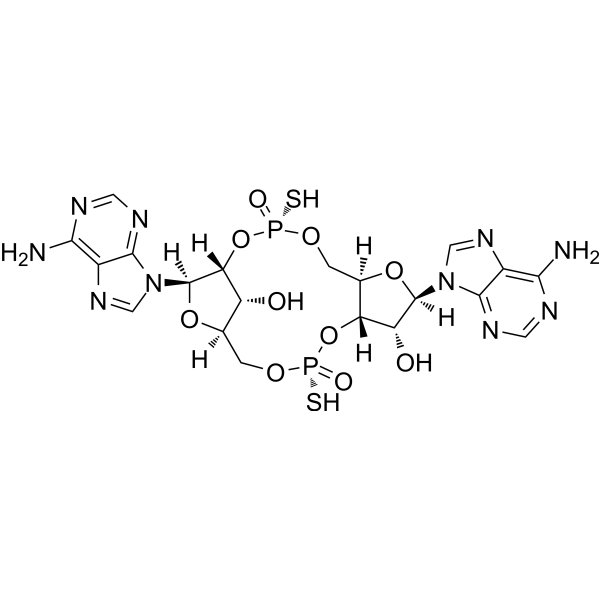
2’3’-c-di-AM(PS)2 (Rp,Rp) (ADU-S100), an activator of stimulator of interferon genes (STING), leads to potent and systemic tumor regression and immunity .
|
-
-
- HY-12885B
-
|
ADU-S100 ammonium salt; MIW815 ammonium salt; ML RR-S2 CDA ammonium salt
|
STING
|
Inflammation/Immunology
Cancer
|
|
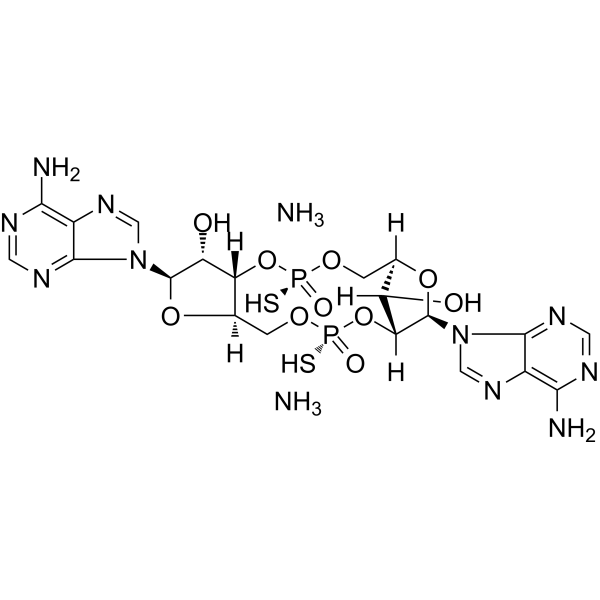
2’3’-c-di-AM(PS)2 (Rp,Rp) ammonium salt (ADU-S100 ammonium salt), an activator of stimulator of interferon genes (STING), leads to potent and systemic tumor regression and immunity .
|
-
-
- HY-131328
-
|
LOXO-305
|
Btk
|
Cancer
|
|
Pirtobrutinib (LOXO-305), a highly selective and non-covalent next generation BTK inhibitor, inhibits diverse BTK C481 substitution mutations. Pirtobrutinib causes regression of BTK-dependent lymphoma tumors in mouse xenograft models. Pirtobrutinib is also more than 300-fold selective for BTK versus 370 other kinases tested and shows no significant inhibition of non-kinase off-targets at 1 μM .
|
-
-
- HY-129602
-
SD-36
Maximum Cited Publications
9 Publications Verification
|
PROTACs
STAT
Apoptosis
|
Cancer
|
|
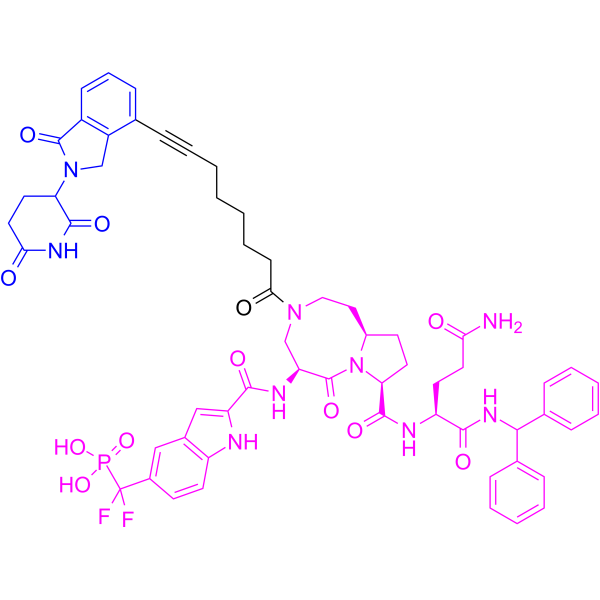
SD-36 is a potent and efficacious STAT3 PROTAC degrader (Kd=~50 nM), and demonstrates high selectivity over other STAT members. SD-36 also effectively degrades mutated STAT3 proteins in cells and suppresses the transcriptional activity of STAT3 (IC50=10 nM). SD-36 exerts robust anti-tumor activity, and achieves complete and long-lasting tumor regression in mouse tumor models. SD-36 is composed of the STAT3 inhibitor SI-109, a linker, and an analog of Cereblon ligand Lenalidomide for E3 ubiquitin ligase . SD-36 is a click chemistry reagent, it contains an Alkyne group and can undergo copper-catalyzed azide-alkyne cycloaddition (CuAAc) with molecules containing Azide groups.
|
-
-
- HY-156681
-
|
STX-478; STX-478-101; LY4064809
|
PI3K
|
Cancer
|
|
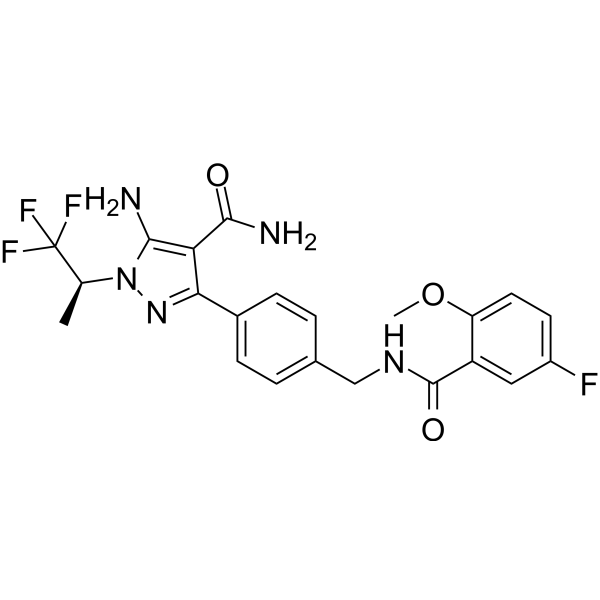
STX-478 (compound 80) is an oral CNS-penetrant allosteric mutant-selective PI3Kα inhibitor. STX-478 shows robust and durable tumor regression and can be used in cancer research .
|
-
-
- HY-156633
-
|
PC14586
|
MDM-2/p53
|
Cancer
|
|
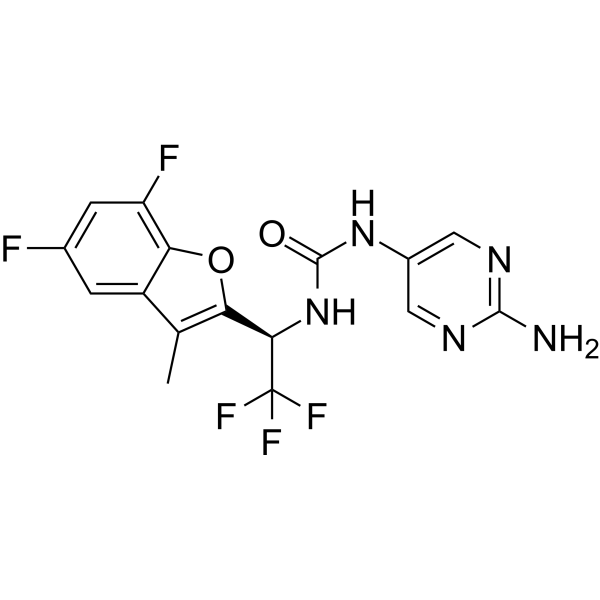
Rezatapopt (PC14586) is an orally active antineoplastic agent. Rezatapopt binds to a pocket created by the TP53 Y220C mutation. Rezatapopt restores p53 tumor suppressor functions by stabilization of the p53 protein structure. Rezatapopt demonstrates tumor inhibition and regression in mouse models with established human tumor xenografts harboring the TP53 Y220C mutation .
|
-
-
- HY-147250
-
|
RLY-4008
|
FGFR
|
Cancer
|
|
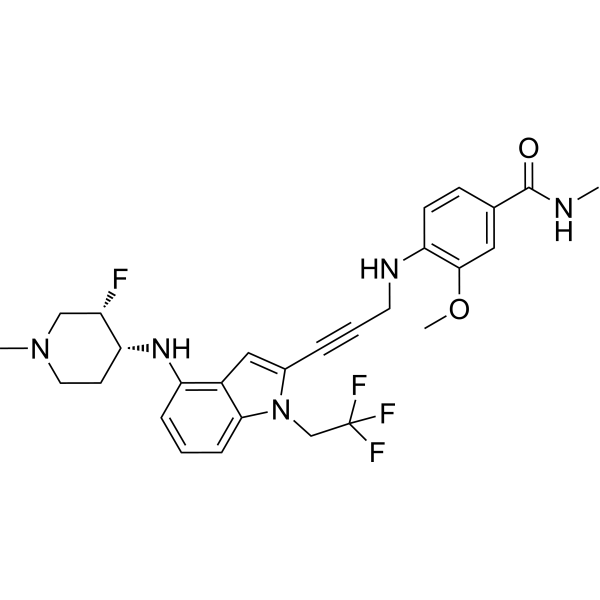
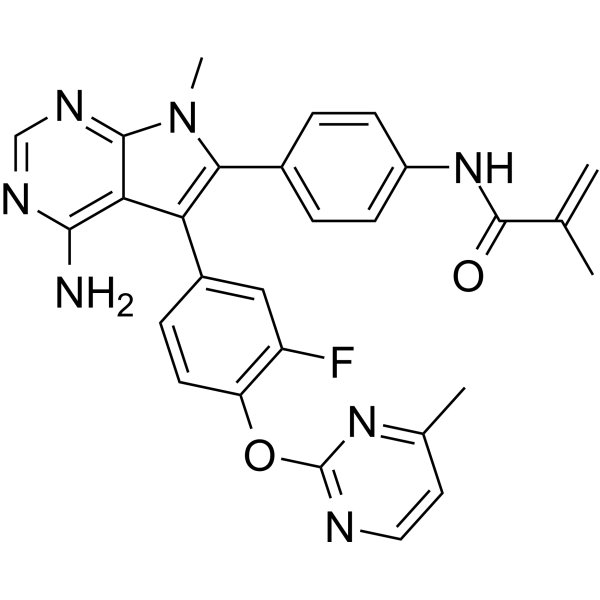
Lirafugratinib (RLY-4008) is an orally active, irreversible and highly selective FGFR2 inhibitor with an IC50 of 3 nM. Lirafugratinib covalently binds to Cys491. Lirafugratinib targets FGFR2 primary alterations and resistance mutations and induces tumor regression while sparing other FGFRs .
|
-
-
- HY-175749
-
|
|
Molecular Glues
Wee1
|
Inflammation/Immunology
Cancer
|
|
BMS-986463, a CRBN E3 ligase modulator (CELMoD), is a WEE1 kinase molecular glue degrader. BMS-986463 significantly inhibits tumor regression and reduces the level of phospho-CDK2. BMS-986463 can be used for advanced malignant solid tumors like non-small cell lung cancer (NSCLC) research .
|
-

-
- HY-141523
-
|
RMC-4630; SHP2-IN-7
|
SHP2
Phosphatase
|
Cancer
|
|
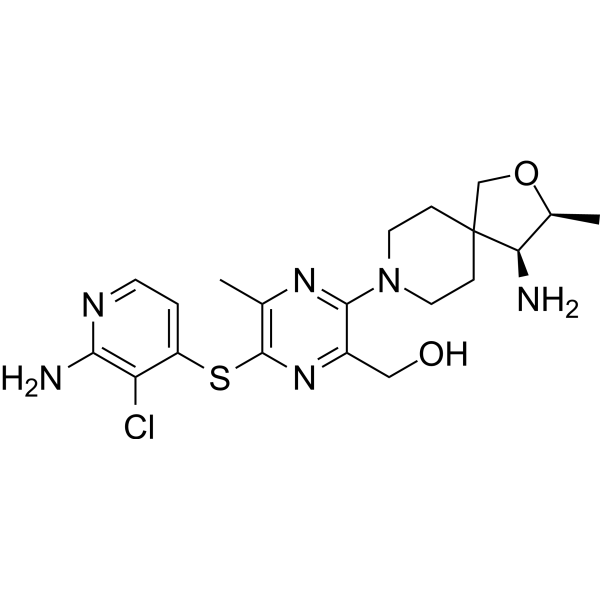
Vociprotafib (RMC-4630) is an orally active, selective and potent phosphatase SHP2 inhibitor, which blocks activation of the RAS-RAF-MEK-ERK signaling pathway with antitumor activity. Vociprotafib accelerates the time to, and increases the magnitude of, tumor regressions in Osimertinib (HY-15772)-sensitive EGFR-mutant tumors of mice .
|
-
-
- HY-P9933
-
|
APN-311; Ch14.18; MAb-14.18
|
Apoptosis
PERK
mTOR
|
Cancer
|
|
Dinutuximab (APN-311) is a chimeric human-mouse anti-GD2 monoclonal antibody. Dinutuximab can bind to GD2 on the cell surface, triggering antibody-dependent cell-mediated cytotoxicity and complement-dependent cytotoxicity, and promoting tumor regression. Dinutuximab can inhibit the growth, invasion, and migration and induce apoptosis of tumor cells. Dinutuximab can be used in the research of tumors such as neuroblastoma and breast cancer .
|
-

-
- HY-16231
-
|
|
Apoptosis
|
Cancer
|
|
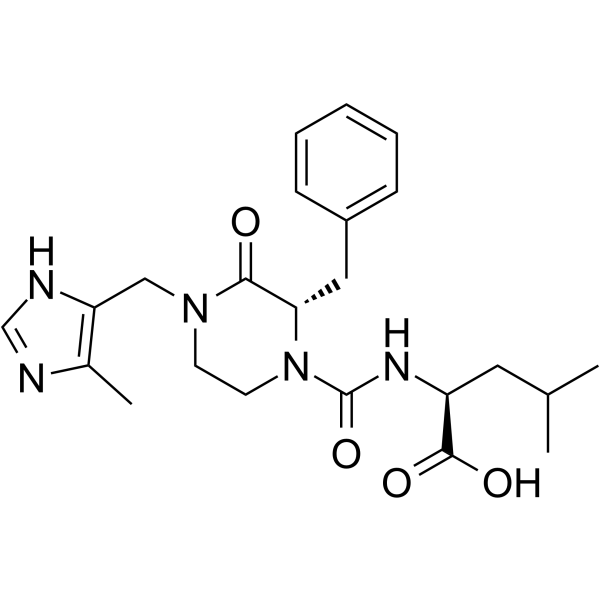
GGTI-2418 is a highly potent, competitive, and selective geranylgeranyltransferase I (GGTase I) inhibitor. GGTI-2418 inhibits GGTase I and FTase activities with IC50s of 9.5 nM and 53 μM, respectively. GGTI-2418 also increases p27(Kip1) and induces significant regression of breast tumors .
|
-
-
- HY-148807
-
|
QC8222 free base; TACH 101 free base
|
Histone Demethylase
Apoptosis
|
Cancer
|
|
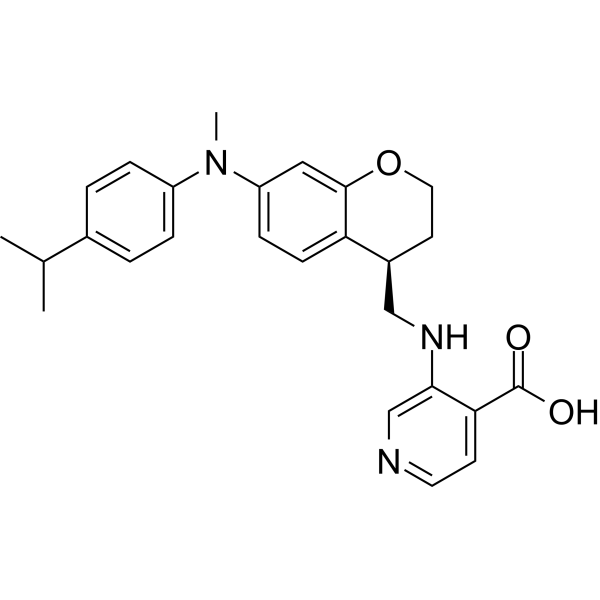
Zavondemstat (QC8222 free base; TACH 101 free base) is an orally active pan-KDM4 inhibitor, with a IC50 ≤ 0.08 μM against human KDM4A-D and a Kᵢ of 0.52 μM against human KDM4C. Zavondemstat induces cell apoptosis, causes S-phase cell cycle arrest, reduces the population of tumor-initiating cells and inhibits cancer cell proliferation. Zavondemstat suppresses tumor growth and induces tumor regression in mouse xenograft models. Zavondemstat can be used for the research of various cancers including colorectal cancer, esophageal squamous cell carcinoma and triple-negative breast cancer .
|
-
-
- HY-159642
-
|
TYRA-300
|
FGFR
ERK
|
Metabolic Disease
Cancer
|
|
Dabogratinib (TYRA-300) is an orally active, selective FGFR3 inhibitor with an IC50 of 11 nM. Dabogratinib exhibits antitumor activity against urothelial carcinoma and solid tumors. Dabogratinib downregulates the FGFR3 and ERK1/2 signaling pathways, and induces tumor growth inhibition and regression in FGFR3-altered xenograft models. Dabogratinib promotes chondrocyte proliferation and differentiation, drives endochondral bone formation and overall body growth, partially restores long bone proportions, and improves craniofacial and spinal morphology. Dabogratinib can be used for the research of metastatic urothelial carcinoma, achondroplasia and hypochondroplasia .
|
-

-
- HY-161952
-
|
JAB-3312
|
SHP2
|
Cancer
|
|
Sitneprotafib (JAB-3312) is an orally effective anticancer phosphatase SHP2 inhibitor (IC50: 1.9 nM) with anti-cancer activity. Sitneprotafib has good tolerability and significantly induced tumor regression in a KYSE-520 mouse xenograft model .
|
-

-
- HY-P99948
-
|
AMG-596
|
EGFR
CD3
|
Neurological Disease
Cancer
|
|
Etevritamab (AMG-596) is a bispecific T-cell engager that targets EGFRvIII and CD3. Etevritamab simultaneously binds CD3 on T cells and EGFRvIII on glioblastoma multiforme cells, thereby forming a bridge structure. Etevritamab triggers T-cell activation, proliferation, secretion of cytotoxic substances, and tumor cell lysis. Etevritamab extends overall survival and induces tumor regression in mouse models of glioblastoma multiforme. Etevritamab can be used for research related to glioblastoma .
|
-

-
- HY-114440
-
|
GR-MD-02
|
Galectin
Apoptosis
|
Cancer
|
|
Belapectin (GR-MD-02) is a Galectin-3 (Gal-3) inhibitor. Belapectin drives tumor-induced immunosuppression by inducing T cell Apoptosis. Belapectin promotes tumor regression and improves survival of tumor-bearing mice through a CD8+ T cell-dependent mechanism. Belapectin binds to Gal-3 with affinity Ki of 2.8 μM .
|
-

-
- HY-101519
-
|
ZBC 260
|
PROTACs
Epigenetic Reader Domain
Apoptosis
|
Cancer
|
|
BETd-260 (ZBC 260) is a PROTAC connected by ligands for Cereblon and BET, with as low as 30 pM against BRD4 protein in RS4;11 leukemia cell line . BETd-260 potently suppresses cell viability and robustly induces apoptosis in hepatocellular carcinoma (HCC) cells .
|
-
-
- HY-147250A
-
|
RLY-4008 hydrochloride
|
FGFR
|
Cancer
|
|
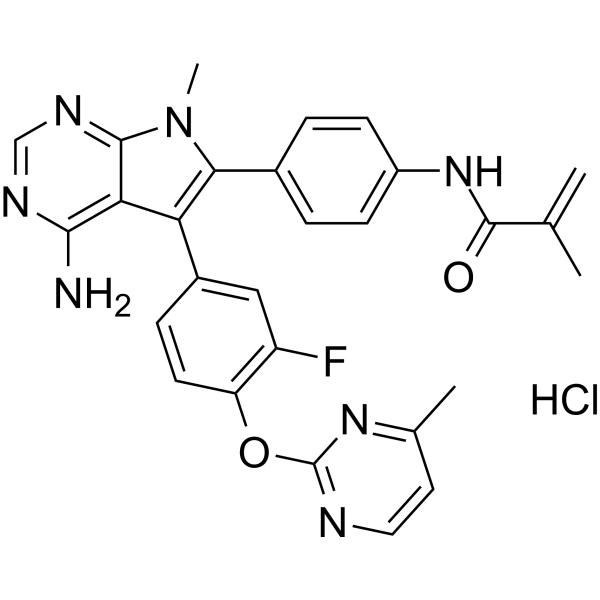
Lirafugratinib (RLY-4008) hydrochloride is an orally active, irreversible and highly selective FGFR2 inhibitor with an IC50 of 3 nM. Lirafugratinib hydrochloride covalently binds to Cys491. Lirafugratinib hydrochloride targets FGFR2 primary alterations and resistance mutations and induces tumor regression while sparing other FGFRs .
|
-
-
- HY-172429
-
|
ORIC-114
|
EGFR
|
Neurological Disease
Cancer
|
|
Enozertinib (ORIC-114) is an orally active, CNS-penetrant, highly selective and irreversible dual EGFR/HER2 inhibitor that exhibits potent and targeted inhibition of exon 20 insertion mutations. Enozertinib exhibits high kinome selectivity for the EGFR family of receptors to reduce off-target kinase liabilities. Enozertinib induces tumor regression and demonstrates antitumor activity in central nervous system and non-small cell lung cancer (NSCLC) tumor models. Enozertinib can be used for the research of solid tumors and NSCLC .
|
-

-
- HY-153358
-
|
|
HDAC
|
Cancer
|
|
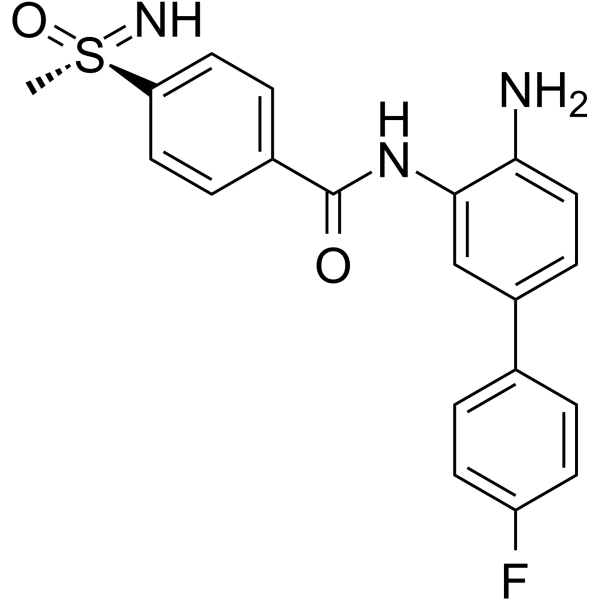
TNG260 is a selective, orally effective inhibitor of HDAC1 and CoREST complex, with a 10-fold selectivity for HDAC1 over HDAC3 and a 500-fold selectivity for CoREST complex over NuRD and Sin3 complex. TNG260 reshapes the tumor immune microenvironment, reduces immunosuppressive neutrophil infiltration, promotes effector T cell recruitment, and reverses anti-PD-1 resistance caused by STK11 deficiency by inhibiting the activity of the CoREST-HDAC1 complex. TNG260 induces durable tumor regression in combination with α-PD1 in MC38 tumor-bearing mice with STK11 mutations, and has lower toxicity to bone marrow cells than non-selective HDAC inhibitors .
|
-
-
- HY-169360
-
|
|
PROTACs
STAT
|
Cancer
|
|
SD-436 is a highly selective and efficacious STAT3 PROTAC degrader (DC50: 0.5 μM), with IC50 of 19 nM (STAT3), 270 nM (STAT1), 360 nM (STAT4), >10 μM (STAT5) and >10 μM (STAT6). SD-436 promotes ubiquitination and degradation of STAT3, and induces tumor regression. SD-436 can be used for tumor research, such as leukemia and lymphoma (Pink: STAT3 ligand (HY-169361); Blue: E3 ligase ligand (HY-43722); Black: linker (HY-147052) .
|
-

-
- HY-132234
-
|
|
Epigenetic Reader Domain
|
Cancer
|
|
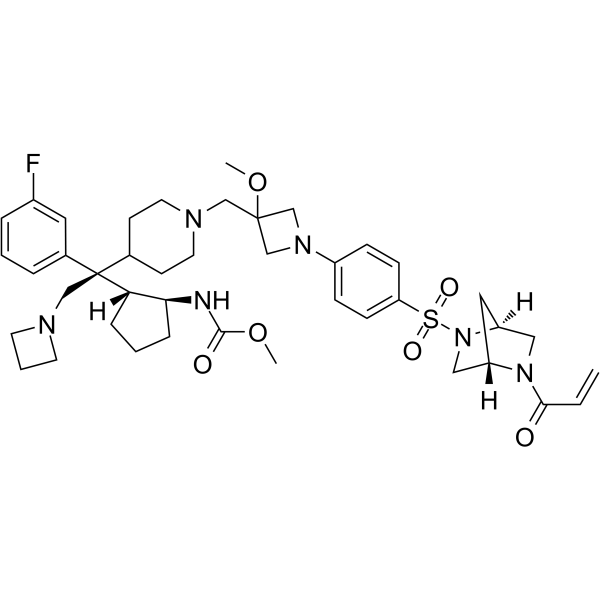
M‑1121 is a covalent and orally active inhibitor of the menin-MLL interaction capable of achieving complete and persistent tumor regression .
|
-
-
- HY-136447
-
ASP4132
1 Publications Verification
|
AMPK
|
Cancer
|
|
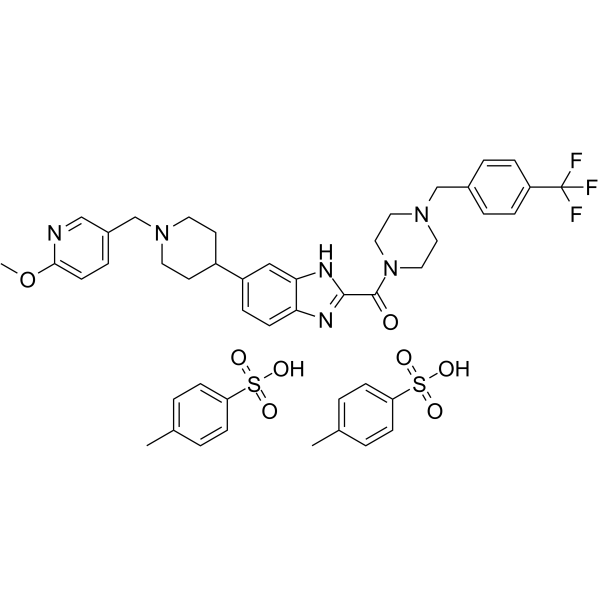
ASP4132 is an orally active, potent AMPK activator with an EC50 of 18 nM. ASP4132 has anti-cancer activity and makes tumor regression in breast cancer xenograft mouse models .
|
-
-
- HY-P99776
-
|
XmAb-13676
|
CD20
CD3
|
Cancer
|
|
Plamotamab (XmAb-13676) is a human bispecific antibody (bsAb) that binds CD3 and CD20. Plamotamab recruits cytotoxic T cells to kill CD20 + expressing tumor cells. Plamotamab induces a mild hematologic reaction (MR), and results in tumor regression in vivo .
|
-

-
- HY-102087
-
JPM-OEt
3 Publications Verification
|
Cathepsin
|
Cancer
|
|
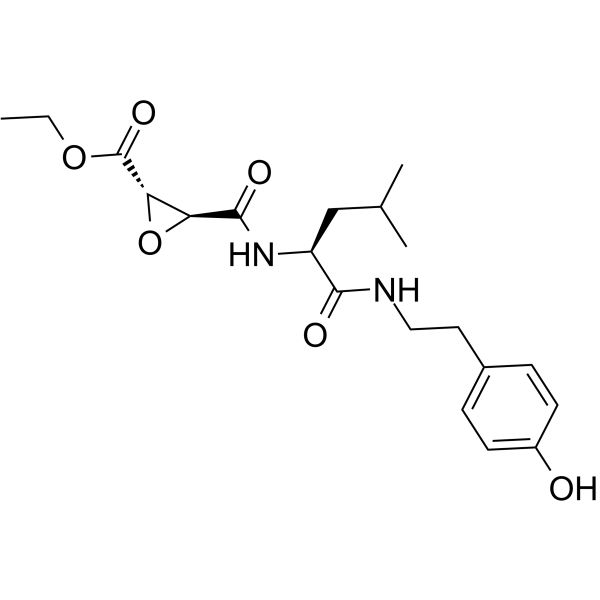
JPM-OEt is a broad spectrum cysteine cathepsin inhibitor. JPM-OEt binds covalently in the active site, and irreversibly inhibits the cysteine cathepsin family. Antitumor activity .
|
-
-
- HY-172429A
-
|
ORIC-114 hemihydrate
|
EGFR
|
Neurological Disease
Cancer
|
|
Enozertinib (ORIC-114) hemihydrate is an orally active, CNS-penetrant, highly selective and irreversible dual EGFR/HER2 inhibitor that exhibits potent and targeted inhibition of exon 20 insertion mutations. Enozertinib hemihydrate exhibits high kinome selectivity for the EGFR family of receptors to reduce off-target kinase liabilities. Enozertinib hemihydrate induces tumor regression and demonstrates antitumor activity in central nervous system and non-small cell lung cancer (NSCLC) tumor models. Enozertinib hemihydrate can be used for the research of solid tumors and NSCLC .
|
-

-
- HY-13479
-
|
|
HSP
|
Cancer
|
|
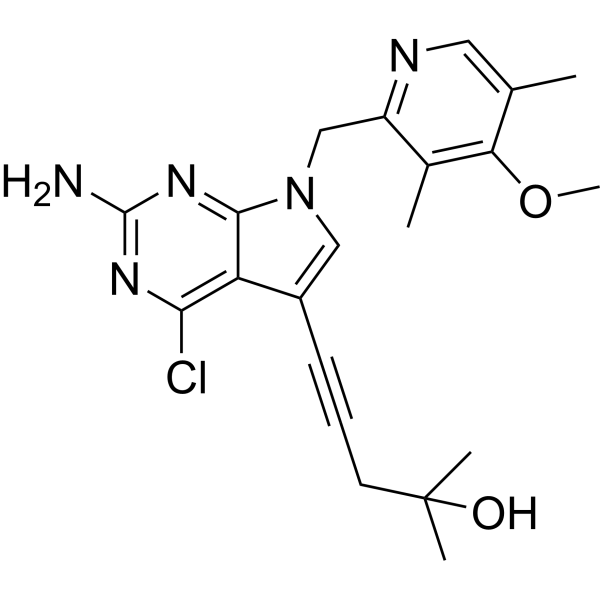
EC144 is a potent and selective inhibitor of heat shock protein 90 (Hsp90) with an IC50 of 1.1 nM. EC144 inhibits tumor growth and causes partial tumor regressions. EC144 has the potential for the research of cancer diseases . EC144 is a click chemistry reagent, it contains an Alkyne group and can undergo copper-catalyzed azide-alkyne cycloaddition (CuAAc) with molecules containing Azide groups.
|
-
-
- HY-145734
-
|
|
Microtubule/Tubulin
|
Cancer
|
|
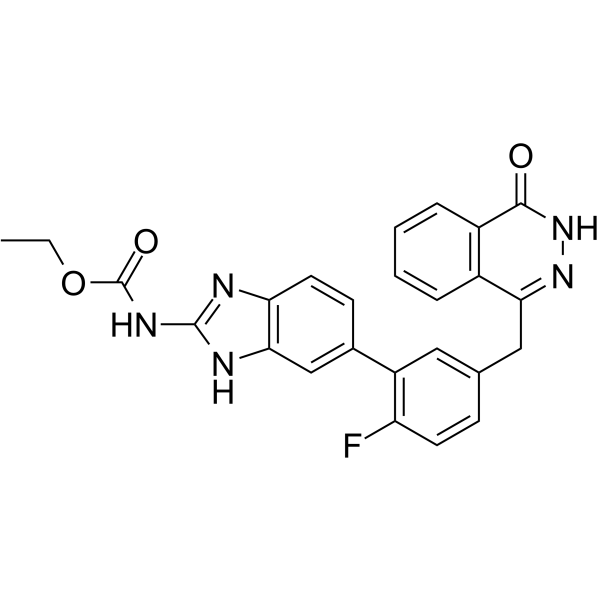
AMXI-5001 is a potent, orally active, and dual parp1/2 and microtubule polymerization inhibitor. MXI-5001 exhibits selective antitumor cytotoxicity across a wide variety of human cancer cells with much lower IC50s than existing clinical PARP1/2 inhibitors. AMXI-5001 induces complete regression of established tumors, including exceedingly large tumors .
|
-
-
- HY-148274
-
|
|
PROTACs
IRAK
Apoptosis
|
Cancer
|
|
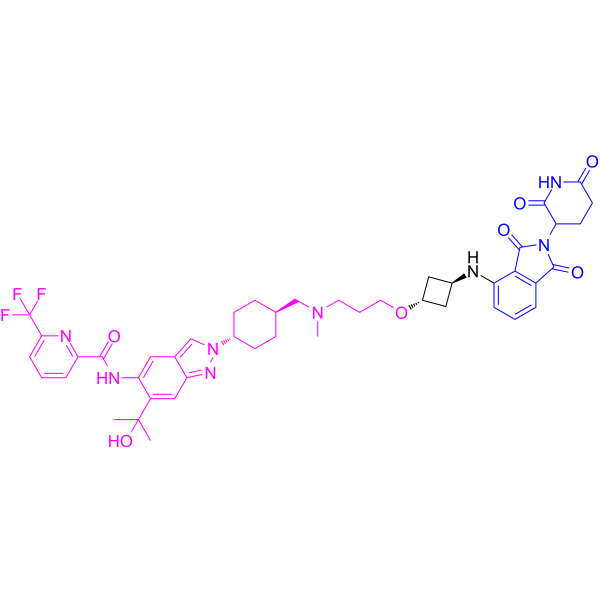
KTX-582 is a potent IRAK4 degrader with DC50 values of 4 nM and 5 nM for IRAK4 and Ikaros, respectively. KTX-582 can induce apoptosis in MYD88 MT DLBCL, and is efficient to induce in vivo tumor regressions in lymphoma model .
|
-
-
- HY-175743
-
|
|
FGFR
|
Cancer
|
|
TYRA-200 is a potent and orally active FGFR2 inhibitor. TYRA-200 inhibits the kinase activity of wild-type FGFR2 and its mutants. TYRA-200 induces significant tumor regression in FGFR2-driven cancer models. TYRA-200 can be used for the research of FGFR2-altered advanced solid tumors, intrahepatic cholangiocarcinoma, and endometrial cancer .
|
-

-
- HY-110201
-
|
|
Estrogen Receptor/ERR
|
Cancer
|
|
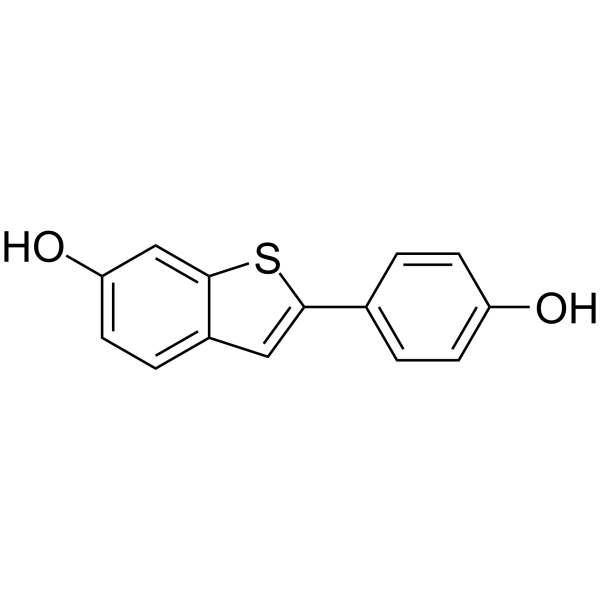
Estrogen receptor modulator 1 (compound 18) is an orally active and selective estrogen receptor modulator (SERM), with a pIC50 of 0.46. Estrogen receptor modulator 1 induces regression of Tamoxifen-resistant, hormone independent xenograft tumors .
|
-
-
- HY-172423
-
|
KO-2806
|
Farnesyl Transferase
mTOR
VEGFR
|
Cancer
|
|
Darlifarnib (KO-2806) is an orally active farnesyl transferase inhibitor. Darlifarnib inhibits the mTORC1 signaling pathway, thereby enhancing the anti-angiogenic properties of tyrosine kinase inhibitors. When used in combination with anti-VEGFR tyrosine kinase inhibitors, Darlifarnib promotes renal cell carcinoma tumor regression and inhibits tumor neovascularization. Darlifarnib sensitizes renal cell carcinoma tumors that progress after anti-VEGFR TKI treatment .
|
-

-
- HY-10517A
-
|
(Z)-SU6668; (Z)-TSU-68
|
VEGFR
PDGFR
FGFR
|
Cancer
|
|
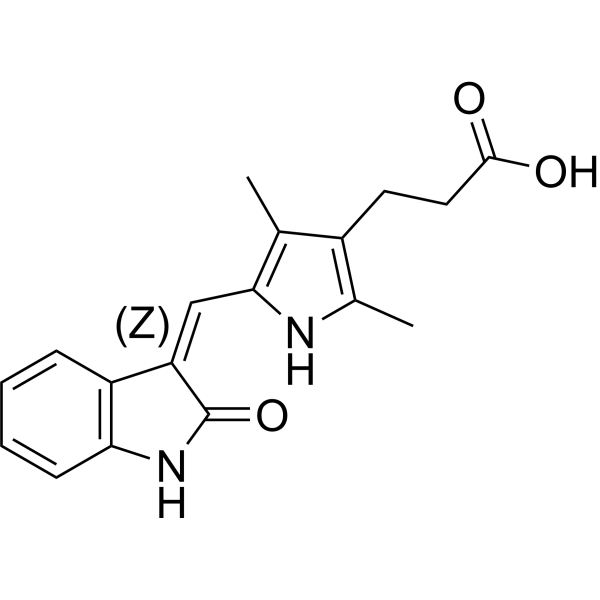
(Z)-Orantinib ((Z)-SU6668) is a potent, selective, orally active and ATP competitive inhibitor of Flk‐1/KDR, PDGFRβ, and FGFR1, with IC50s of 2.1, 0.008, and 1.2 µM, respectively. (Z)-Orantinib is a potent antiangiogenic and antitumor agent that induces regression of established tumors .
|
-
-
- HY-155537
-
|
YK-029A
|
EGFR
|
Cancer
|
|
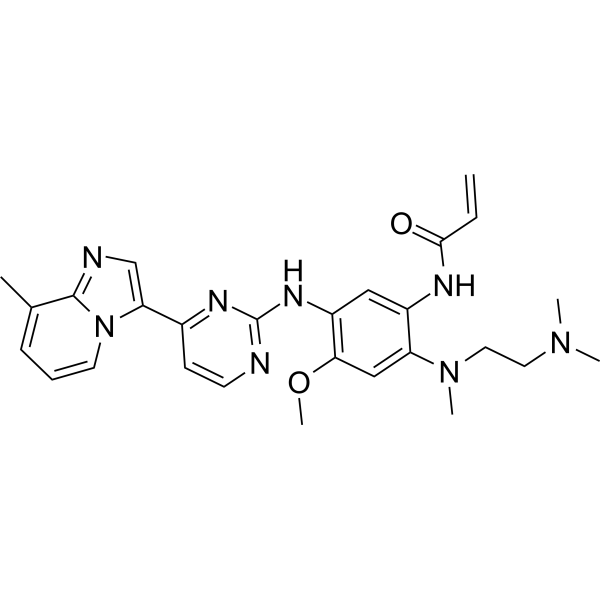
YK-029A is an orally active inhibitor of mutant EGFR,targeting to both the T790M mutations (EGFR T790M) and exon 20 insertion of EGFR (EGFRex20ins). YK-029A exhibits significant antitumor activity,and results tumor regression in EGFRex20ins-driven PDX models .
|
-
-
- HY-178238
-
|
|
ADC Payload
Topoisomerase
|
Cancer
|
|
LD2-3 is a cytotoxic compound derived from Exatecan (HY-13631), designed to be conjugated with anti-FGFR2b or anti-CEA antibodies to form intact antibody-drug conjugate (ADC) molecules. LD2-3 exhibits a remarkable bystander killing effect: it not only effectively kills FGFR2b-positive tumor cells, but also eliminates surrounding FGFR2b-negative cells in co-culture and mixed tumor xenograft models, thereby inducing complete tumor regression. LD2-3 can be used for anti-tumor research in relevant fields such as gastric cancer and lung cancer .
|
-

-
- HY-155356
-
|
|
PROTACs
Ras
|
Cancer
|
|
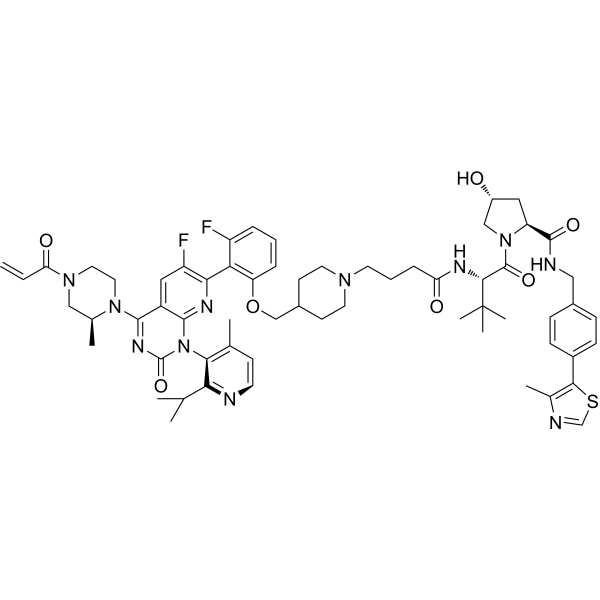
YN14 is a KRASG12C proteolysis targeting chimera (PROTAC). YN14 is highly potent and selective KRASG12C degrader and induces a stable KRASG12C: YN14: VHL ternary complex with low binding free energy (ΔG). YN14 has antiproliferative effects and significantly inhibits KRASG12C-mutant cancer cell growth. YN14 leads to tumor regression with tumor growth inhibition (TGI%) rates more than 100 % in the MIA PaCa-2 xenograft model.
|
-
-
- HY-159643
-
|
|
MAP4K
IFNAR
Interleukin Related
|
Inflammation/Immunology
Cancer
|
|
NDI-101150 is an orally active, potent and selective hematopoietic progenitor cell kinase 1 (HPK1) inhibitor with an IC50 of 0.7 nM. NDI-101150 blocks HPK1-mediated negative regulation of immune receptor signaling, inhibits immunosuppression of T cell activation, enhances antigen-specific antibody production and augments B-cell activation. NDI-101150 inhibits tumor growth in syngeneic tumor models, establishes durable antitumor immune memory, and synergizes with anti-PD1 to enhance exhausted T cell activity and drive tumor regressions. NDI-101150 can be used for the research of cancer, such as breast cancer and colon cancer .
|
-

-
- HY-P991358
-
|
LFA-102; X213
|
Estrogen Receptor/ERR
STAT
Akt
|
Cancer
|
|
XOMA-213 (LFA-102; X213) is a human monoclonal antibody (mAb) targeting the prolactin receptor (PRLR), with a Kd value of 2 nM against the human target. XOMA-213 blocks PRL-induced cell proliferation and inhibits the activation of multiple PRLR ligands, including PRL and human growth hormone (hGH). XOMA-213 suppresses PRL-induced phosphorylation of Stat5, Akt and ERK1/2 in cells. XOMA-213 induces tumor regression, delays disease progression, and inhibits PRLR signaling as well as tumor growth. XOMA-213 can be used in research related to breast cancer .
|
-

-
- HY-160047
-
|
|
PDGFR
|
Cancer
|
|
AX102 sodium is a 34 bp length nucleotide aptamer modified at the 5' end with a 40 kDa polyethylene glycol moiety. AX102 selectively binds platelet-derived growth factor B (PDGF-B) and causes tumor vessel regression .
|
-
-
- HY-10984A
-
|
(S)-CC-4047
|
Endogenous Metabolite
|
Cancer
|
|
(S)-Pomalidomide ((S)-CC-4047) is an angiogenesis-inhibiting drug with growth-inhibitory activity against B-cell tumors. (S)-Pomalidomide can induce complete tumor regression in BurKitt lymphoma cells. (S)-Pomalidomide serves as an immunomodulator with potential applications in inhibiting hematological malignancies .
|
-

-
- HY-111965
-
-

-
- HY-100765
-
|
|
MDM-2/p53
E1/E2/E3 Enzyme
|
Cancer
|
|
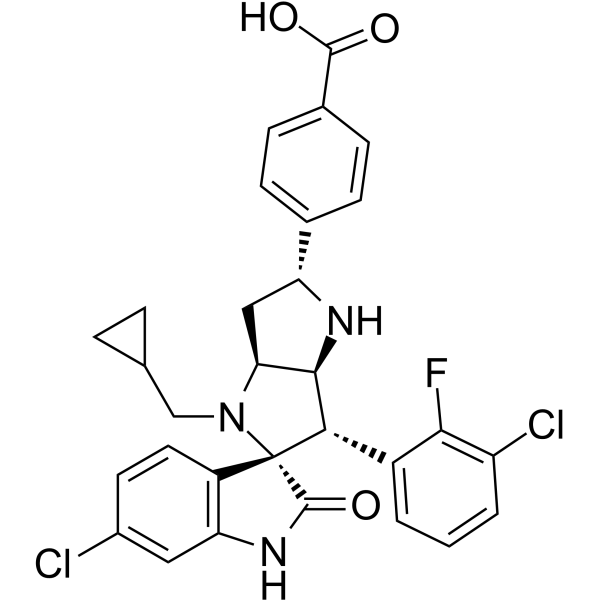
BI-0252 is an orally active, selective MDM2-p53 inhibitor with an IC50 of 4 nM. BI-0252 can induce tumor regressions in all animals of a mouse SJSA-1 xenograft, with concomitant induction of the tumor protein p53 (TP53) target genes and markers of apoptosis .
|
-
-
- HY-126850
-
|
|
EGFR
|
Cancer
|
|
4-Epidoxycycline is a liver metabolite of the antibiotic doxycycline (doxycycline, HY-N0565) and doesn't have antibiotic properties in mice. 4-Epidoxycycline’s ability to regulate HER2 gene expression in vitro and in live mouse models is similar to that of doxycycline, and it shows comparable high efficacy in tumor tissues, achieving over 95% tumor regression rates .
|
-

-
- HY-118899
-
|
|
Endogenous Metabolite
|
Cancer
|
|
XR5944 is an anti-tumor compound with DNA-targeting activity. As a topoisomerase inhibitor, XR5944 can effectively inhibit the activities of topoisomerase I and II. XR5944 shows excellent anti-tumor activity against human and mouse tumor cells in vitro and in vivo. XR5944 exhibits significant potency in multiple cell lines, with IC50 values of 0.04-0.4 nM. XR5944 is not affected by atypical drug resistance in cells and remains significantly active even in cells overexpressing P-glycoprotein or multidrug resistance-related proteins. XR5944 showed anti-tumor efficacy in human tumor models of H69 small cell lung cancer and HT29 colon cancer, inducing tumor regression in most animals in the HT29 model. XR5944 can be used to study biological processes related to colon and lung cancer .
|
-

-
- HY-164429
-
|
|
Integrin
Elastase
|
Cancer
|
|
VIP236 is a small-molecule drug conjugate targeting αvβ3 integrin. VIP236 achieves tumor homing via specific binding to αvβ3 integrin and delivers its payload to the tumor microenvironment. The linker of VIP236 is cleavable by neutrophil elastase, which is highly expressed in the tumor microenvironment, to release the payload 7-ethylcamptothecin. This payload induces DNA damage by inhibiting topoisomerase 1, thereby exerting anti-tumor effects. VIP236 exhibits excellent plasma stability and tumor targeting property, with a tumor/plasma payload ratio 10-fold higher than that of the single administration. It effectively induces tumor regression, reduces metastasis formation, and shows good tolerance in mouse models. VIP236 has been used in studies related to non-small cell lung cancer, clear cell renal cell carcinoma, colon cancer, triple-negative breast cancer, small cell lung cancer, and metastatic solid tumors .
|
-

-
- HY-114228
-
|
|
PROTACs
Epigenetic Reader Domain
|
Cancer
|
|
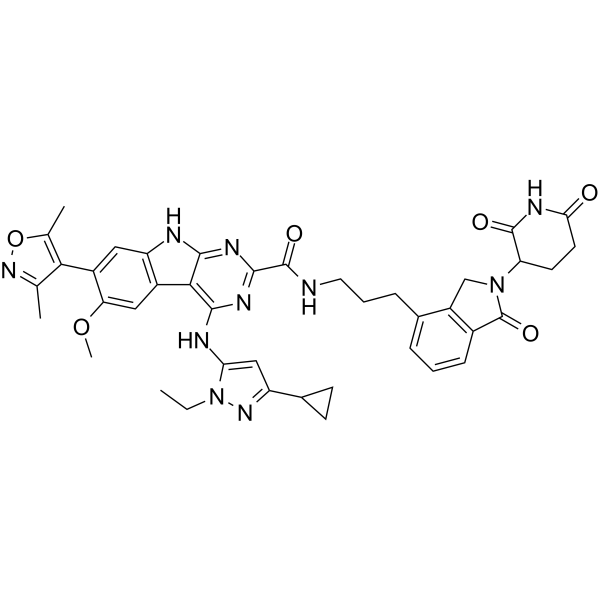
PROTAC BET degrader-2 is a PROTAC connected by ligands for Cereblon and BET with an IC50 value of 9.6 nM in cell growth inhibition in the RS4;11 cells and capable of achieving tumor regression.
|
-
-
- HY-179395
-
|
|
YAP
|
Cancer
|
|
TEAD-IN-23 (Compound 22) is an efficient pan-TEAD inhibitor with an IC50 of 10 nM. TEAD-IN-23 exhibits potent anti-proliferative activity in both NCI-H226 and MSTO-211H. TEAD-IN-23 causes complete tumor regression in the MSTO-211H xenograft tumor model. TEAD-IN-23 can be used for the study of mesothelioma and hepatocellular carcinoma .
|
-

-
- HY-169327
-
|
|
PROTACs
MDM-2/p53
|
Cancer
|
|
MD-265 is a PROTAC degrader that can break down MDM2, leading to activation of p53 in cancer cells carrying wild-type p53. MD-265 achieves complete tumor regression and improves long-term survival of mice with leukemia. (Pink: MI-1063 (HY-133754); Black: linker; Blue: Lenalidomide (HY-A0003) .
|
-

- HY-174308
-
|
|
STING
|
Inflammation/Immunology
Cancer
|
ZSA-215 is a potent and orally active STING agonist with an EC50 of 3.3 μM. ZSA-215 enhances STING signaling through promoting the phosphorylation of STING and interferon regulatory factor 3 (IRF3) and secretion of IFN-β. ZSA-215 inhibits tumor regression and long-term survival of mice in MC38 colon cancer model. ZSA-215 can be used to the study of colon cancerr .
|
-

- HY-126932
-
|
|
Estrogen Receptor/ERR
|
Cancer
|
|
TTC-352 is an orally bioavailable selective human estrogen receptor (ER) α partial agonist (ShERPA). TTC-352 inhibits the growth of three ER+ breast cancer cells. TTC-352 induces tumor regression accompanied by exit of ERα from the nucleus to extranuclear sites .
|
-

- HY-P11417
-
|
|
DNA/RNA Synthesis
|
Cancer
|
|
Epidermal mitosis inhibiting pentapeptide is a five-peptide that acts as a physiological inhibitor of epidermal cell proliferation. This pentapeptide can significantly reduce the DNA synthesis rate and mitotic rate of epidermal keratinocytes. Epidermal mitosis inhibiting pentapeptide moderately enhances the occurrence of skin tumors in skin cancer models, but also shows a higher tendency to promote the regression of already formed tumors. Epidermal mitosis inhibiting pentapeptide can be hydrolyzed by angiotensin-converting enzyme (ACE). Epidermal mitosis inhibiting pentapeptide can be used in cancer process research .
|
-

- HY-P991004
-
|
LB-101
|
CD47
PD-1/PD-L1
|
Cancer
|
|
Itanistomig (LB-101) is a tetravalent bispecific antibody targeting PD-L1 and CD47. Itanistomig blocks PD-L1 and achieves tumor enrichment through binding to PD-L1, and also exerts conditional CD47 blocking activity via cleavage of the hinge linker in the PD-L1-positive tumor microenvironment. Itanistomig induces antibody-dependent cellular phagocytosis in human CD14 + cells and drives tumor regression. Itanistomig can be used in research related to solid tumors .
|
-

- HY-177483
-
|
Oxaliplatin-artesunate
|
Ferroptosis
Mitochondrial Metabolism
Glutathione Peroxidase
Transferrin Receptor
MMP
Dihydroorotate Dehydrogenase
|
Cancer
|
|
OART (Oxaliplatin-artesunate) is a ferroptosis inducer. OART significantly inhibits tumor cell proliferation. OART induces cytoplasmic and mitochondrial LPO to promote tumor ferroptosis, via destroying glutathione-mediated ferroptosis defense system and enhancing iron-dependent Fenton reaction. OART enhances tumor immunogenicity, transforming tumor environment from immunosuppressive to immunosensitive. OART has strong tumor regression in tumor-bearing mouse models. OART can be used for cancer immunotherapy research .
|
-

- HY-148291
-
|
|
LPL Receptor
Phosphodiesterase (PDE)
|
Cancer
|
|
BrP-LPA sodium is a pan-opposite agent for lysophosphatidic acid (LPA). It has antagonistic activity against LPA1 (IC50 = 4520 nM), LPA2 (IC50 = 468 nM), LPA3, and LPA4. BrP-LPA sodium also has partial agonistic activity for LPA5, with its EC50 being 1282 nM. BrP-LPA sodium has ATX inhibitory activity. BrP-LPA sodium effectively inhibits the migration and invasion of breast cancer cells. BrP-LPA sodium achieves tumor regression and anti-angiogenesis in mice breast cancer xenograft model. BrP-LPA sodium can be used for the study of breast cancer .
|
-

- HY-111145
-
|
|
Androgen Receptor
|
Cancer
|
|
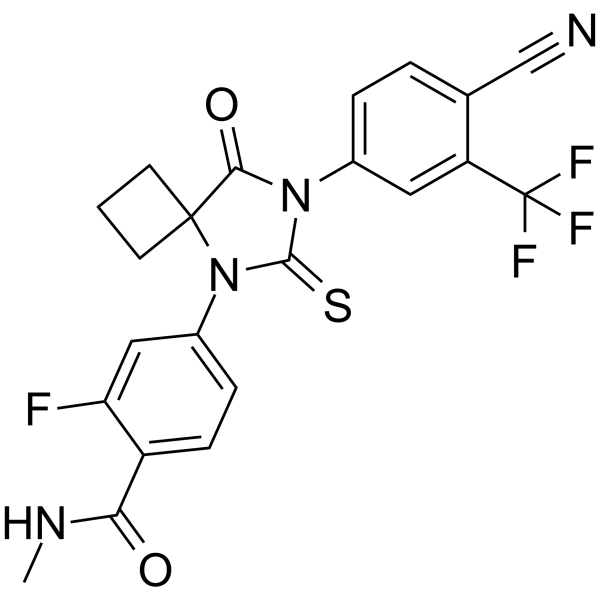
RD162, a diarylthiohydantoin, is an orally active non-steroidal antiandrogen (NSAA). RD162 specifically binds to androgen receptor (AR). RD162 induces tumor regression in mouse models of castration-resistant human prostate cancer .
|
-
- HY-16634
-
|
|
MDM-2/p53
|
Cancer
|
|
MI-888 (TFA) is an orally active MDM2-p53 interaction inhibitor with a Ki of 0.44 nM. MI-888 (TFA) can achieve rapid, complete, and sustained tumor regression in a xenograft mouse model of cancer .
|
-

- HY-178098
-
|
|
YAP
|
Cancer
|
|
TEAD-IN-21 is a potent and orally active pan-TEAD inhibitor with an IC50 of 3 nM. TEAD-IN-21 effectively inhibited the proliferation of Huh-7 cells. TEAD-IN-21 selectively downregulates TEAD-dependent downstream genes. TEAD-IN-21 achieves tumor regression in a liver cancer-derived tumor xenograft mice model. TEAD-IN-21 can be used in the research of hepatocellular carcinoma (HCC) .
|
-

- HY-145414
-
|
|
Reactive Oxygen Species (ROS)
|
Cancer
|
|
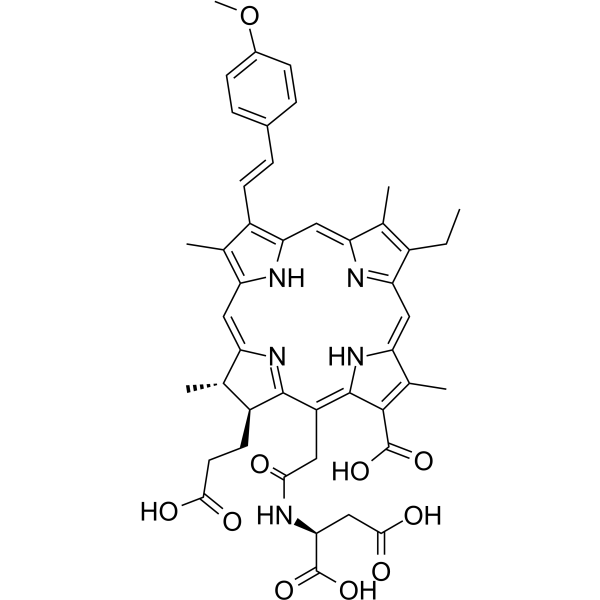
DYSP-C34 is a potent, biocompatible, and ultrasound (US)-triggered multifunctional molecular machine. DYSP-C34 has multiple favorable properties, such as improved lipophilic/hydrophilic balance, intensified US-induced ROS production capacity, and better cellular permeability, resulting in the excellent tumor target efficiency and notable sonodynamic therapy (SDT)-mediated tumor regression. DYSP-C34 exhibits mild immunogenicity by stimulating APCs directly .
|
-
- HY-173404
-
|
|
STING
Interleukin Related
IFNAR
TNF Receptor
CXCR
|
Inflammation/Immunology
Cancer
|
|
VB-85247 is a STING agonist. VB-85247 induces upregulation of inflammatory cytokines IFNα/β, TNFα, IL6, and CXCL10, as well as maturation and activation of dendritic cells by activating the STING pathway. VB-85247 can achieve regression of intrabladder tumors and can be used in bladder cancer research .
|
-

- HY-168088
-
|
|
HDAC
DNA Methyltransferase
|
Cancer
|
|
DNMT1/HDAC-IN-1 (compound (R)-23a) is a DNMT1/HDAC dual inhibitor (HDAC1:IC50=0.05 μM), HDAC1 is a major HDAC isoform that interacts with DNMT1 in multiple protein complexes for transcriptional silencing of TSGs. DNMT1/HDAC-IN-1 can reshape the tumor immune microenvironment and induce tumor regression, and effectively reverse cancer-specific epigenetic abnormalities .
|
-

- HY-169937
-
|
|
Epigenetic Reader Domain
|
Cancer
|
|
(R)-SR-C-107 is an orally available inhibitor of ENL (YEAST domain-containing protein) designed to target acute myeloid leukemia (AML). (R)-SR-C-107 targets ENL with IC50 and KD of 40 nM and 144 nM, respectively. (R)-SR-C-107 demonstrates in vivo efficacy in a xenograft mouse model of AML, with a tumor regression rate of 45% at a dose of 200 mg/kg (PO; QD) .
|
-

- HY-148807A
-
|
QC8222; TACH 101
|
Apoptosis
Histone Demethylase
|
Cancer
|
|
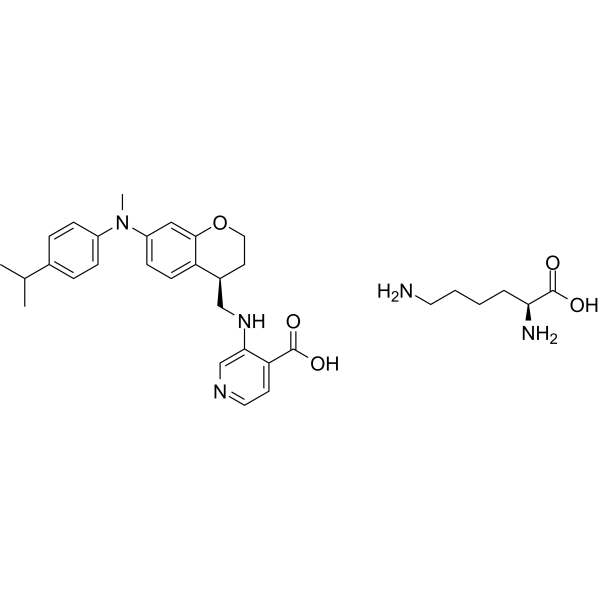
Zavondemstat (QC8222; TACH 101) L-lysine is an orally active pan-KDM4 inhibitor, with a IC50 ≤ 0.08 μM against human KDM4A-D and a Kᵢ of 0.52 μM against human KDM4C. Zavondemstat L-lysine induces cell apoptosis, causes S-phase cell cycle arrest, reduces the population of tumor-initiating cells and inhibits cancer cell proliferation. Zavondemstat L-lysine suppresses tumor growth and induces tumor regression in mouse xenograft models. Zavondemstat L-lysine can be used for the research of various cancers including colorectal cancer, esophageal squamous cell carcinoma and triple-negative breast cancer .
|
-
- HY-178008
-
|
|
Bcl-2 Family
Caspase
Apoptosis
|
Cancer
|
|
Mcl-1-IN-16 is an effective macrocyclic myeloid cell leukemia 1 (Mcl-1) inhibitor with a Ki of below 0.08 nM. Mcl-1-IN-16 maintains high selectivity (>50,000-fold) for Mcl-1 over other antiapoptotic Bcl-2 family members Bcl-2 and Bcl-xL. Mcl-1-IN-16 leads to the activation of caspase-3/7, thereby initiating cell apoptosis. Mcl-1-IN-16 achieves tumor regression in a lung cancer-derived tumor xenograft mice model. Mcl-1-IN-16 can be used in the research of solid tumor such as nonsmall cell lung cancer (NSCLC) .
|
-

- HY-10823
-
|
GW1843; 1843U89; OSI-7904
|
Thymidylate Synthase
DNA/RNA Synthesis
|
Cancer
|
|
OSI-7904L (GW1843; 1843U89; OSI-7904) is a thymidylate synthase (TS) inhibitor with a Ki of 90 pM. OSI-7904L blocks de novo synthesis of thymidine nucleotides, DNA synthesis and induces cell death. OSI-7904L inhibits the growth of human cells, induces tumor regression, and achieves durable antitumor effects in mouse xenograft models. OSI-7904L can be used in research related to colon adenocarcinoma .
|
-

- HY-168012
-
|
|
Ras
Phosphatase
|
Cancer
|
|
Pan-RAS-IN-6 (compound 24) is an inhibitor targeting DUSP6, which reduces MAPK activation in the brain of the NCI-H1373-Luc model (DUSP6), at the same time, it shows significant tumor growth inhibition and tumor regression effects in the NSCLC brain metastasis mouse model. Pan-RAS-IN-6 shows high selectivity and strong inhibitory effects, especially in KRAS mutation-related signaling pathways, demonstrating varying inhibitory activity against different KRAS mutants and interacting proteins. The IC50 values for KRAS G12C, G12D, and G12V are 1.3 nM, 4.7 nM, and 0.3 nM, respectively .
|
-

- HY-120264
-
|
|
Zinc Finger Protein
|
Cancer
|
|
YPC-22026 is a zinc-finger protein 143 (ZNF143) inhibitor with an IC50 value of 9.0 μM. YPC-22026 is a potent tumor regression inducer. YPC-22026 exhibits anti‐tumor activities .
|
-

- HY-161373
-
|
|
PI3K
|
Cancer
|
|
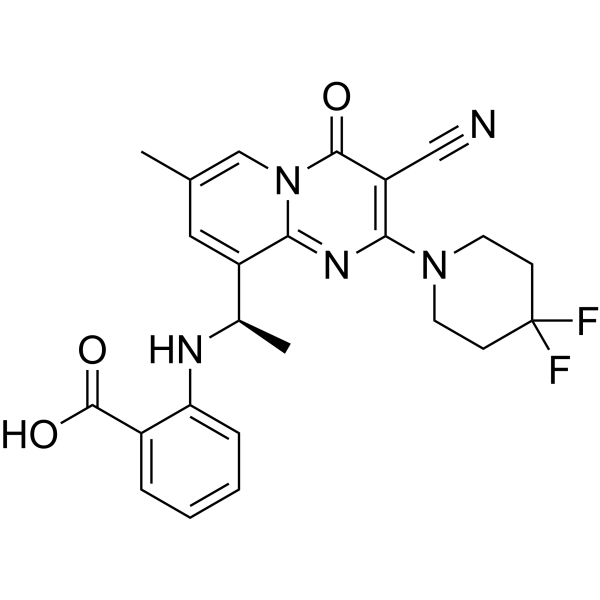
PI3Kα-IN-22 (Compound 17) is an orally active, potent and selective inhibitor of PI3Kα H1047R, with an IC50 of 1 nM for pAKT T47D AlphaLISA. PI3Kα-IN-22 can induce tumor regressions in the HCC1954 tumor model in mice .
|
-
- HY-160048
-
|
|
PDGFR
|
Cancer
|
|
PEG40K unconjugated/naked AX102 sodium is AX102 without PEG40K conjugation. AX102 is a DNA oligonucleotide aptamer for platelet-derived growth factor PDGF-B. AX102 is 34 bases in length, selectively binds platelet-derived growth factor B (PDGF-B), and causes tumor vessel regression .
|
-
- HY-117707
-
|
|
Raf
|
Cancer
|
|
EBI-907 is an orally active and highly potent B-Raf V600E inhibitor. EBI-907 demonstrates excellent A375 and Colo-205 cellular antiproliferative activity with IC50 values of 13 nM and 14 nM, respectively. EBI-907 can also cause tumor regression in a B-Raf V600E-dependent Colo-205 tumor xenograft model of mice. EBI-907 is promising for research of melanoma and B-Raf V600E associated cancers .
|
-

- HY-162881
-
|
|
EGFR
|
Cancer
|
DS06652923 is an orally active EGFR triple mutation inhibitor. DS06652923 has a growth inhibition effect on Ba/F3 EGFR del19/T90M/C797S cells, with a GI50 value of 9.4 nM. DS06652923 can lead to tumor regression in Ba/F3 xenograft models .
|
-

- HY-145734A
-
|
|
Microtubule/Tubulin
|
Cancer
|
|
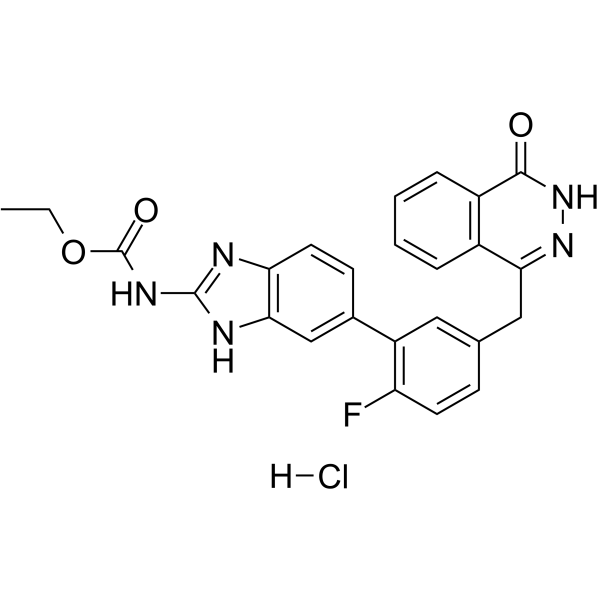
AMXI-5001 hydrochloride is a potent, orally active, and dual parp1/2 and microtubule polymerization inhibitor. MXI-5001 hydrochloride exhibits selective antitumor cytotoxicity across a wide variety of human cancer cells with much lower IC50s than existing clinical PARP1/2 inhibitors. AMXI-5001 hydrochloride induces complete regression of established tumors, including exceedingly large tumors .
|
-
- HY-143881
-
|
|
FGFR
|
Cancer
|
|
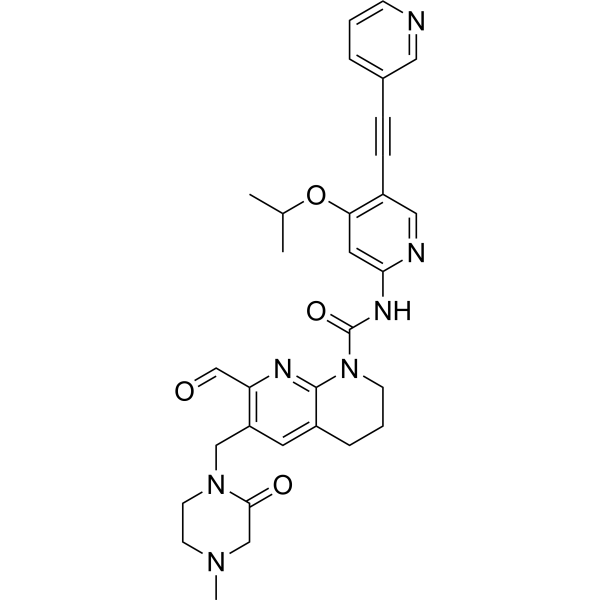
FGFR4-IN-6 (Compound 9ka) is a covalently reversible FGFR4 inhibitor with an IC50 value of 5.4 nM. FGFR4-IN-6 also exhibits good oral pharmacokinetic properties. FGFR4-IN-6 induces significant tumor regressions in a xenograft mouse model of Hep3B2.1-7 HCC cell line without an obvious sign of toxicity . FGFR4-IN-6 is a click chemistry reagent, it contains an Alkyne group and can undergo copper-catalyzed azide-alkyne cycloaddition (CuAAc) with molecules containing Azide groups.
|
-
- HY-164490
-
|
|
EGFR
Apoptosis
|
Cancer
|
|
LS-106 is an orally active and potent inhibitor against epidermal growth factor receptor (EGFR) . LS-106 exhibits antitumor activities both in vitro and in vivo. LS-106 inhibits the kinase activities of EGFR 19del/T790M/C797S and EGFR L858R/T790M/C797S with IC50 values of 2.4 nmol/L and 3.1 nmol/L, respectively, which is more potent than Osimertinib (HY-15772). LS-106 induces Apoptosis, suppresses cell proliferation of tumor cells harboring EGFR 19del/T790M/C797S and leas to significant tumor regression in a C797S-mutant xenograft model .
|
-

- HY-151559
-
|
|
Checkpoint Kinase (Chk)
STAT
CXCR
CCR
|
Cancer
|
|
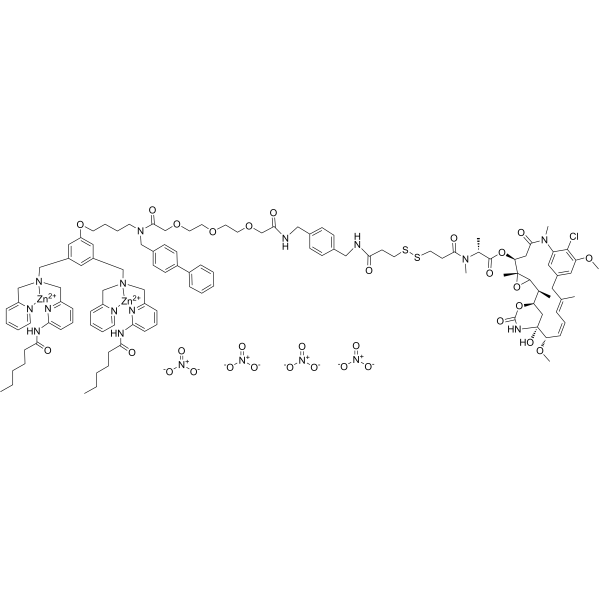
Zn-DPA-maytansinoid conjugate 1 is a small molecule-based maytansinoid conjugate targeting immune checkpoint. Zn-DPA-maytansinoid conjugate 1 induces lasting regression of tumor growth and rejuvenates tumor microenvironment (TME) to an "inflamed hot tumor" .
|
-
- HY-122315
-
|
NSC-741909
|
JNK
Apoptosis
|
Cancer
|
|
Oncrasin-60 (NSC-741909) is a compound with antitumor activity that is active against multiple cancer cell lines in vitro and can induce tumor regression in vivo, with its mechanism involving JNK activation and STAT3 inhibition.
|
-

- HY-172937
-
|
|
Estrogen Receptor/ERR
|
Cancer
|
|
ERα degrader 13 (compound MR3) is potent ERα degrader with an IC50 of 0.55 μM. ERα degrader 13 induces an obvious tumor regression in the breast cancer xenograft mouse model .
|
-

- HY-131909
-
|
|
Anaplastic lymphoma kinase (ALK)
|
Cancer
|
|
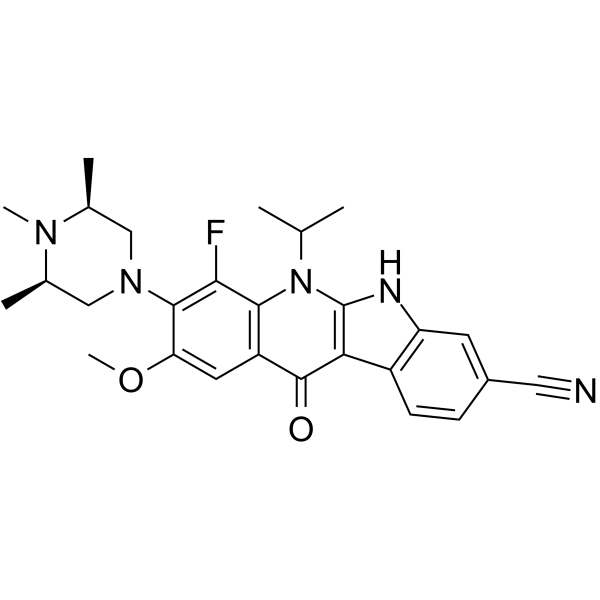
CJ-2360 is a potent and orally active ALK inhibitor with IC50s of 2.2, 4.0, 8.8, 6.3, and 8.9 nM against wild-type ALK and F1197M, G1269A, L1196M, and S1206Y ALK mutants, respectively. CJ-2360 displays potent inhibitory activity against two clinically reported ALK mutants (C1156Y and L1196M) and a few other kinases (LTK, MERTK, CLK1, DAPK1, and DAPK2) among the 468 kinases evaluated .
|
-
- HY-148807C
-
|
QC8222 sodium; TACH 101 sodium
|
Apoptosis
Histone Demethylase
|
Cancer
|
|
Zavondemstat (QC8222; TACH 101) sodium is an orally active pan-KDM4 inhibitor, with a IC50 ≤ 0.08 μM against human KDM4A-D and a Kᵢ of 0.52 μM against human KDM4C. Zavondemstat sodium induces cell apoptosis, causes S-phase cell cycle arrest, reduces the population of tumor-initiating cells and inhibits cancer cell proliferation. Zavondemstat sodium suppresses tumor growth and induces tumor regression in mouse xenograft models. Zavondemstat sodium can be used for the research of various cancers including colorectal cancer, esophageal squamous cell carcinoma and triple-negative breast cancer .
|
-

- HY-145483A
-
|
KYM-001 hydrochloride; PROTAC IRAK4 degrader-7 hydrochloride
|
PROTACs
IRAK
Apoptosis
|
Cancer
|
|
KT-474 (KYM-001; PROTAC IRAK4 degrader-7) hydrochloride is an orally active PROTAC IRAK4 degrader with anti-tumor effects. KT-474 inhibits the cell cycle and induces apoptosis. KT-474 induces tumor regression in a xenograft model of MYD88-mutated ABC DLBCL. KT-474 is a click chemistry reagent, containing an alkyne group, which can undergo copper-catalyzed azide-alkyne cycloaddition (CuAAc) with molecules containing azide groups .
|
-

- HY-149695
-
|
|
EGFR
|
Cancer
|
|
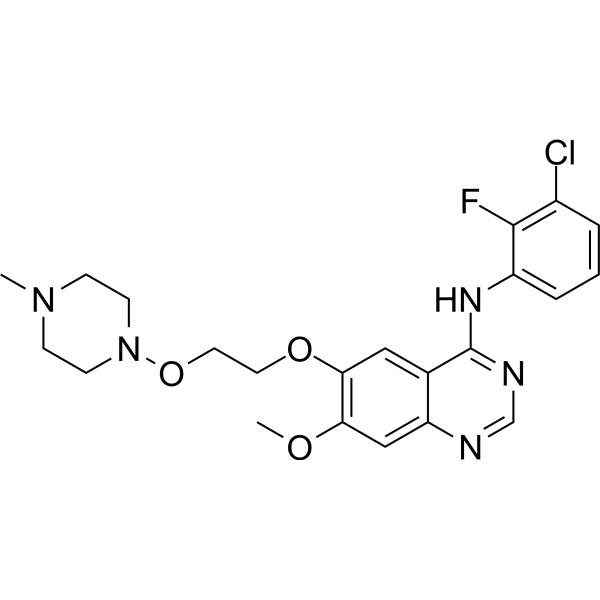
EGFR-IN-91 (compound 9) is an orally available EGFR inhibitor with blood-brain barrier penetrability. EGFR-IN-91 inhibits EGFR L858R/C797S and EGFR exon 19del/C797S, inducing tumor regression in xenograft (PDX) mouse models. EGFR-IN-91 has the potential to inhibit localized and metastatic non-small cell lung cancer (NSCLC) driven by EGFR mutants .
|
-
- HY-175290
-
|
|
Arf Family GTPase
|
Cancer
|
|
Arf1-GEFs-IN-1 is a potent and orally active ADP-ribosylation factor 1- guanine nucleotide exchange factors (Arf1-GEFs) inhibitor with an IC50 value of 40.85 μM against CT26 cells. Arf1-GEFs-IN-1 primarily mediates tumor regression by triggering anti-tumor immune responses, rather than through direct cytotoxicity. Arf1-GEFs-IN-1 effectively promotes CCL5 expression, demonstrates excellent in vivo efficacy. Arf1-GEFs-IN-1 can be used for the study of colon cancer .
|
-

- HY-183596
-
|
|
Drug Intermediate
|
Cancer
|
|
L-His-BPA is a prodrug of L-p-Boronophenylalanine (L-BPA) (HY-W087830), formed by the peptide bond linkage of L-histidine (L-His) (HY-N0832) and L-BPA. L-His-BPA is rapidly cleaved by endogenous proteases to de novo release L-BPA in the systemic circulation. When used in combination with neutron irradiation, L-His-BPA induces complete and durable tumor regression, elicits cancer vaccine responses, and produces abscopal inhibitory effects on unirradiated distant tumors. L-His-BPA can be used in studies of boron neutron capture therapy (BNCT) for relapsed/advanced solid tumors .
|
-

- HY-186149
-
|
|
NOD-like Receptor (NLR)
|
Cancer
|
|
Phosphate muramyl dipeptide is a class of lipophilic derivatives synthesized based on the structural characteristics of mycobacterial cell walls. Phosphate muramyl dipeptide represents the minimal essential structural unit with immunostimulatory activity, and exhibits significant activity in tumor regression assays. Phosphate muramyl dipeptide possesses anti-tumor potential .
|
-

- HY-P991966
-
|
|
EGFR
|
Cancer
|
|
Anti-Human/Mouse EGFR Antibody (7A7) ia an anti-mouse EGFR monoclonal antibody proposed to be the mouse equivalent of cetuximab. Anti-Human/Mouse EGFR Antibody (7A7) fails to induce tumor regression in the HPV38 tumor model where EGFR is not expressed in mice. Anti-Human/Mouse EGFR Antibody (7A7) can be used in EGFR-expressing HPV38 tumor-related studies .
|
-

- HY-182906
-
|
|
Wee1
CDK
|
Cancer
|
|
XL495 is an potent, selective and orally active PKMYT1 inhibitor. XL495 inhibits CDK1 Thr14 phosphorylation and induces KAP1 Ser824 phosphorylation in xenograft tumors. XL495 reduces tumor growth in colorectal and breast cancer xenograft models, and achieves tumor regression with DNA-damaging agents in colorectal cancer xenograft models. XL495 can be used for the research of cancer, such as breast cancer and colorectal cancer .
|
-

- HY-P992473
-
|
|
TNF Receptor
|
Inflammation/Immunology
Cancer
|
|
TAS266 is a tetrameric nanobody agonist targeting DR5. TAS266 selectively induces cancer cell death. TAS266 triggers sustained tumor regression in xenograft models and also elicits immunogenic responses including antibody binding. TAS266 exhibits superior anti-tumor efficacy compared with traditional DR5-targeting strategies. TAS266 can be used in research related to pancreatic cancer and advanced solid tumors .
|
-

- HY-102087R
-
|
|
Reference Standards
Cathepsin
|
Cancer
|
|
JPM-OEt (Standard) is the analytical standard of JPM-OEt (HY-102087). This product is intended for research and analytical applications. JPM-OEt is a broad spectrum cysteine cathepsin inhibitor. JPM-OEt binds covalently in the active site, and irreversibly inhibits the cysteine cathepsin family. Antitumor activity .
|
-

- HY-P992357
-
|
|
PD-1/PD-L1
|
Cancer
|
|
GNUV201 is a PD-1 inhibitor with cross-reactivity in humans, mice and monkeys, which effectively blocks the PD-1/PD-L1 interaction. GNUV201 activates T cells and restores their anti-tumor activity, effectively inducing tumor regression. GNUV201 can be used in the research of related diseases such as colorectal cancer, melanoma, pancreatic cancer and colon cancer .
|
-

- HY-182922
-
|
|
PROTACs
STAT
|
Cancer
|
|
SD-965 is a selective STAT3 PROTAC degrader with a DC50 of 0.14 μM. SD-965 promotes the ubiquitination and degradation of STAT3. SD-965 induces rapid, complete and persistent depletion of STAT3 protein. SD-965 induces tumor regression in mouse xenograft models of leukemia and lymphoma .
|
-

- HY-182793
-
|
|
Histone Methyltransferase
|
Cancer
|
|
MLL1-IN-1 is an orally active MLL1 inhibitor with an IC50 of 0.043 μM. MLL1-IN-1 induces Menin protein degradation and inhibits the proliferation of leukemia cells. MLL1-IN-1 can induce tumor regression in leukemia-bearing mice. MLL1-IN-1 is useful for research into MLL1-associated leukemia .
|
-

- HY-182912
-
|
|
Molecular Glues
Epigenetic Reader Domain
|
Cancer
|
|
PLX-4104 is an orally active BRD4 molecular glue degrader with a DC50 of 2 nM. PLX-4104 selectively promotes BRD4 degradation via DCAF11 recruitment, triggering ubiquitination and proteasomal breakdown. PLX-4104 inhibits cancer cell proliferation. PLX-4104 induces complete regression of AML xenograft tumors. PLX-4104 can be used for the research of acute myeloid leukemia .
|
-

- HY-181494
-
|
|
FAP
|
Cancer
|
|
FAPI-X5 is a fibroblast activation protein (FAP) inhibitor. FAPI-X5 binds to the FAP catalytic domain, forming hydrogen bonds with key active residues and engaging in π-π stacking to drive functional inhibition. FAPI-X5 exhibits albumin binding activity to prolong systemic circulation half-life. FAPI-X5 induces cytostatic effects on glioblastoma tumors, slowing tumor growth without regression. FAPI-X5, when labeled with 68Ga, acts as a PET tracer with rapid tumor uptake and high-contrast imaging in glioblastoma tumor-bearing mice. FAPI-X5, when labeled with 177Lu or 47Sc, functions as a targeted radionuclide agent with prolonged tumor retention. FAPI-X5 can be used for the research of glioblastoma .
|
-

- HY-182914
-
|
|
EGFR
Akt
Bcl-2 Family
Apoptosis
|
Cancer
|
|
NGI‑189 is a selective OST‑A inhibitor. NGI‑189 inhibits the STT3A catalytic subunit of the OST complex and reduces N‑glycosylation of target glycoproteins. NGI‑189 blocks oncogenic and bypass signaling, reduces phosphorylation of EGFR, AKT, p70S6K and S6RP, and induces cell cycle arrest and apoptosis. NGI‑189 markedly suppresses tumor growth and induces tumor regression in non‑small cell lung cancer (NSCLC) xenograft models. NGI‑189 can be used for the research of EGFR‑mutant non‑small cell lung cancer .
|
-

- HY-186087
-
|
|
Ras
ERK
Cyclophilin
|
Cancer
|
|
RM-046 is an orally active, selective ternary complex inhibitor of KRAS Q61H (active form). RM-046 forms a ternary complex with cyclophilin A, binds to active KRAS Q61H in a non-covalent manner, blocks effector binding via steric hindrance and inhibits downstream signal transduction. RM-046 inhibits ERK phosphorylation and cancer cell proliferation, and induces sustained RAS pathway signal inhibition, anti-tumor activity and tumor regression in preclinical xenograft models. RM-046 can be used for the research of KRAS Q61H mutant cancers .
|
-

- HY-181780
-
|
|
Trk Receptor
|
Cancer
|
|
TRK-IN-34 is an orally active TRKand TRKC mutant kinase inhibitor, with IC50 values of 0.75 nM and 0.96 nM against TRKA G595R and TRKA G667C, respectively. TRK-IN-34 inhibits the kinase activities of TRKA G595R and TRKA G667C at the functional level. TRK-IN-34 inhibits the proliferation of TRKA-transfected cells, exerts tumor growth-inhibitory effects and achieves partial tumor regression in xenograft models. TRK-IN-34 can be used to study TRK inhibitor-resistant cancers driven by the TRKA G667C mutation .
|
-

- HY-10517AR
-
|
(Z)-SU6668 (Standard); (Z)-TSU-68 (Standard)
|
Reference Standards
VEGFR
PDGFR
FGFR
|
Cancer
|
|
(Z)-Orantinib (Standard) is the analytical standard of (Z)-Orantinib (HY-10517A). This product is intended for research and analytical applications. (Z)-Orantinib ((Z)-SU6668) is a potent, selective, orally active and ATP competitive inhibitor of Flk‐1/KDR, PDGFRβ, and FGFR1, with IC50s of 2.1, 0.008, and 1.2 μM, respectively. (Z)-Orantinib is a potent antiangiogenic and antitumor agent that induces regression of established tumors .
|
-

- HY-180967
-
|
|
Bcr-Abl
PROTACs
Apoptosis
|
Cancer
|
|
PROTAC BCR-ABL Degrader-2 is a selective Bcr-Abl T315 PROTAC degrader with a DC50 of 108.7 nM in Ba/F3 Bcr-Abl T315I cells. PROTAC BCR-ABL Degrader-2 exhibits the most potent degradation efficacy with DR of 69.89% and 94.23% at 100 and 300 nM, respectively. PROTAC BCR-ABL Degrader-2 demonstrates high plasma exposure, and induces significant tumor regression and induces tumor cell apoptosis with a good safety profile in vivo. PROTAC BCR-ABL Degrader-2 can be used for chronic myeloid leukemia (CML) research .
|
-

- HY-180969
-
|
|
PROTACs
Bcr-Abl
|
Cancer
|
|
SIAIS056 is a BCR-ABL PROTAC degrader with a DC50 value of 0.18 nM. SIAIS056 time-dependently inhibits the BCR-ABL signaling pathway, accompanied by decreased phosphorylation of BCR-ABL and the downstream molecules STAT5 and CRKL in K562 cells. SIAIS056 induces the degradation of several clinically relevant resistance-conferring mutations of BCR-ABL. SIAIS056 exhibits anti-proliferative activity and induces substantial tumor regression in K562 xenograft models. SIAIS056 can be used for leukemia research .
|
-

- HY-148813
-
AK-2292
2 Publications Verification
|
PROTACs
STAT
|
Cancer
|
|
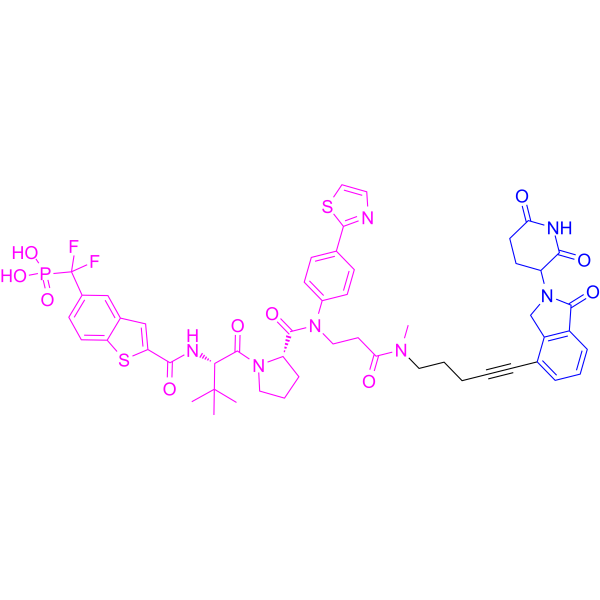
AK-2292 is a potent and selective STAT5 PROTAC degrader, with a DC50 of 0.10 μM. AK-2292 induces degradation of STAT5A/B proteins in vitro and in vivo. AK-2292 can induce tumor regression in acute myeloid leukemia and chronic myeloid leukemia xenograft mouse models . AK-2292 is a click chemistry reagent, it contains an Alkyne group and can undergo copper-catalyzed azide-alkyne cycloaddition (CuAAc) with molecules containing Azide groups.
|
-
- HY-184124
-
|
|
Androgen Receptor
Histone Acetyltransferase
|
Cancer
|
|
JYZ3032 is an orally active super inhibitor of androgen receptor (AR) and p300/CBP. JYZ3032 redirects the catalytic activity of p300 and locks the complex in a transcriptionally inactive state, thereby inhibiting AR-driven transcription and proliferation. JYZ3032 induces deep and durable tumor regression in castration-resistant and patient-derived xenograft models, and exhibits good tolerability. JYZ3032 can be used in research related to metastatic castration-resistant prostate cancer and prostate cancer .
|
-

- HY-180913
-
|
|
Connective Peptide
|
Cancer
|
|
FQI2-34 is an orally active TFCP2 (LSF) small molecule allosteric inhibitor. FQI2-34 directly binds to the LSF protein (Ki = 63 nM), inhibits the oligomerization of LSF, efficiently suppresses the transcriptional activity of LSF (IC₅₀ = 48 nM), and interferes with the SF-DNA interaction. FQI2-34 exhibits significant anti-proliferative activity against Huh7 cells and induces tumor regression in mouse models. FQI2-34 can be used for research on liver cancer .
|
-

- HY-159642G
-
|
TYRA-300
|
FGFR
ERK
|
Metabolic Disease
Cancer
|
|
Dabogratinib (TYRA-300) (GMP) is Dabogratinib (HY-159642) produced by using GMP guidelines. GMP small molecules work appropriately as an auxiliary reagent for cell therapy manufacture. Dabogratinib is an orally active, selective FGFR3 inhibitor with an IC50 of 11 nM. Dabogratinib exhibits antitumor activity against urothelial carcinoma and solid tumors. Dabogratinib downregulates the FGFR3 and ERK1/2 signaling pathways, and induces tumor growth inhibition and regression in FGFR3-altered xenograft models. Dabogratinib promotes chondrocyte proliferation and differentiation, drives endochondral bone formation and overall body growth, partially restores long bone proportions, and improves craniofacial and spinal morphology. Dabogratinib can be used for the research of metastatic urothelial carcinoma, achondroplasia and hypochondroplasia .
|
-

- HY-185075
-
|
LY4050784
|
SWI/SNF Complex
|
Cancer
|
|
FHD-909 (LY4050784) is an orally active and selective SMARCA2 (BRM) ATPase inhibitor. FHD-909 potently inhibits purified BRM ATPase with an IC50 of 0.0025 μM and exhibits 35.69-fold selectivity for BRM over purified SMARCA4 (BRG1) ATPase. FHD-909 induces synthetic lethality, suppresses cell proliferation, modulates target gene expression, and achieves remarkable tumor growth inhibition and regression in SMARCA4-mutant cancer cells and xenograft models. FHD-909 can be used for the research of SMARCA4/BRG1-mutant cancers, advanced solid tumors, and BAF complex-related disorders .
|
-

- HY-183116
-
|
|
Molecular Glues
Anaplastic lymphoma kinase (ALK)
|
Cancer
|
|
TRI-611 is a brain-penetrant, orally active molecular glue degrader targeting ALK. TRI-611 engages ALK via a distal degron, forms a ternary complex with CRBN, triggers ALK polyubiquitination and degradation, including TKI-resistant ALK fusion proteins. TRI-611 inhibits ALK downstream signaling pathways, induces anti-proliferative effects in ALK-positive cancer cells. TRI-611 induces regression of ALK-positive non-small cell lung cancer tumors in preclinical xenograft models. TRI-611 can be used for the research of ALK-positive non-small cell lung cancer, including TKI-refractory tumors and central nervous system metastases .
|
-

- HY-186086
-
|
|
Ras
|
Cancer
|
|
RM-041 is a selective, orally active KRAS G13C (ON) inhibitor that forms a covalent complex with KRAS G13C (ON) and Cyclophilin A. RM-041 blocks the binding of RAS effector proteins via steric hindrance, and then covalently binds to Cys-13 to form an irreversible inhibitory complex, thereby inhibiting the proliferation of KRAS G13C mutant cancer cells. RM-041 induces regression of KRAS G13C tumors in cellular and xenograft tumor models. RM-041 exerts a synergistic effect when combined with upstream node inhibitors (such as SHP2 inhibitors). RM-041 can be used for the research of non-small cell lung cancer .
|
-

- HY-P992060
-
|
|
CD20
NF-κB
|
Inflammation/Immunology
Cancer
|
|
Anti-Mouse CD20 Antibody (18B12) is a B cell depleting agent that targets mouse CD20. Anti-Mouse CD20 Antibody (18B12) not only inhibits the growth of mesothelioma, lung cancer and thymoma, but also significantly enhances the efficacy of adenoviral tumor antigen vaccines and induces tumor regression by increasing the number of tumor-specific CD8 + T cells. Anti-Mouse CD20 Antibody (18B12) reduces B cell infiltration into the central nervous system of mice with experimental autoimmune encephalomyelitis, and delays motor dysfunction and neuronal death after spinal cord injury by alleviating inflammatory responses and tissue damage. Anti-Mouse CD20 Antibody (18B12) is widely applicable to research in fields related to mesothelioma, lung cancer, thymoma, experimental autoimmune encephalomyelitis and spinal cord injury .
|
-

- HY-172736
-
|
|
PROTACs
BCL6
CD20
|
Cancer
|
|
BMS-986458 is a highly selective, orally active cereblon-based BCL6 PROTAC degrader and antitumor agent. BMS-986458 selectively degrades BCL6 by binding cereblon to the BTB domain of BCL6, thereby regulating the cell cycle, antiproliferative and interferon signaling pathways, and upregulating the expression and distribution of CD20. BMS-986458 modulates the phenotype of follicular helper T cells and reduces circulating tumor DNA levels. The combination of BMS-986458 with CD20xCD3 bispecific antibody also enhances the efficiency of T cell tumor infiltration and expansion. BMS-986458 induces regression of BCL6-positive tumors and prolongs survival, and it is suitable for research related to B-cell non-Hodgkin lymphoma, diffuse large B-cell lymphoma, follicular lymphoma, and relapsed/refractory lymphoma .
|
-

- HY-149427
-
|
|
PI3K
|
Cancer
|
|
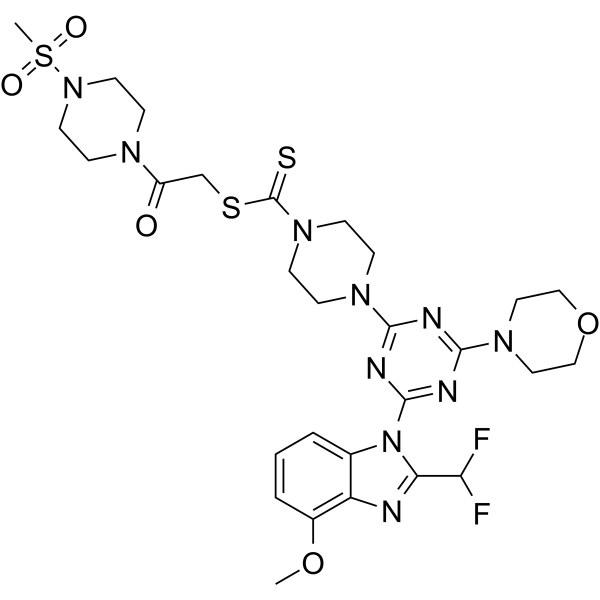
PI3Kα-IN-12 (compound 13) is a highly selective PI3Kα inhibitor (IC50: 1.2 nM). PI3Kα-IN-12 inhibits HCT-116 and U87-MG with IC50s values of 0.83 and 1.25 μM, respectively. PI3Kα-IN-12 (40 mg/kg; IP) causes tumor regression in a U87-MG cell line xenograft mouse model .
|
-
- HY-P992012
-
|
|
Opioid Receptor
|
Neurological Disease
Cancer
|
|
CA1001 is a small-molecule ZNF74 inhibitor and a peripherally restricted κ/δ dual opioid receptor agonist. CA1001 exhibits potent antitumor activity both in vitro and in vivo. CA1001, in combination with immune checkpoint inhibitors, significantly enhances tumor regression. CA1001 activates peripherally restricted κ/δ dual opioid receptors and exerts analgesic effects under conditions of inflammatory pain, neuropathic pain, and mechanical hyperalgesia. CA1001 can be used in research related to melanoma, mechanical hyperalgesia, neuropathic pain, and inflammatory arthritis pain.
|
-

- HY-163410
-
|
|
PROTACs
Epigenetic Reader Domain
|
Cancer
|
|
AU-24118 is a selective and orally bioavailable PROTAC degrader of mSWI-SNF ATPases (SMARCA2 and SMARCA4) and PBRM1. AU-24118 integrates a bait moiety binding to the bromodomains of SMARCA2 and SMARCA4, along with a ligand moiety for CRBN ligase. AU-24118 demonstrates tumor regression in prostate cancer model. AU-24118 can be studied to combat prostate cancer. (Pink: PBRM1/SMARCA2,4 ligand (HY-171774); Blue: CRBN ligand (HY-171775)) .
|
-
- HY-164992
-
|
MRG002; Trastuzumab MMAE
|
Antibody-Drug Conjugates (ADCs)
EGFR
Microtubule/Tubulin
|
Cancer
|
|
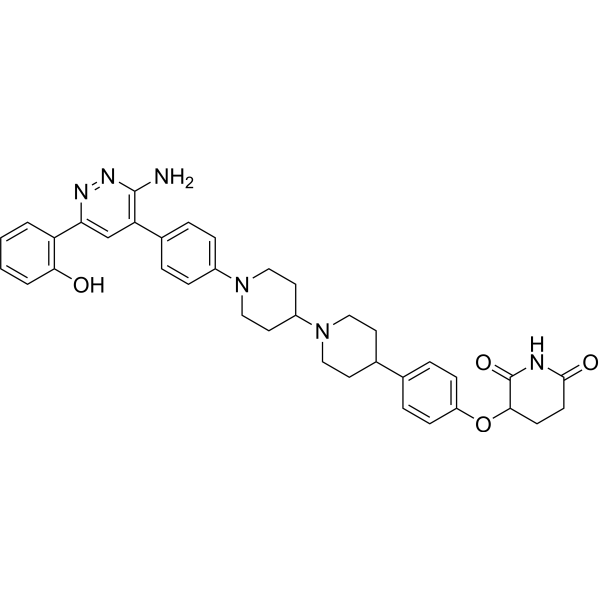
Trastuzumab vedotin (MRG002; Trastuzumab MMAE) is an antibody-drug conjugate and cytotoxin targeting HER2, with a Kd of 7.50E-11 M for human HER2. After binding to HER2, Trastuzumab vedotin undergoes internalization and lysosomal trafficking, delivering a cytotoxic payload to HER2-expressing cells and inducing tumor regression in in vivo xenograft models with HER2-expressing tumors. The anti-tumor activity of Trastuzumab vedotin is enhanced when used in combination with anti-PD-1 antibodies, and it exhibits preclinical anti-tumor activity in drug-resistant breast cancer, gastric cancer, and urothelial carcinoma PDX models. Trastuzumab vedotin has low antibody-dependent cellular cytotoxicity activity and can be used in studies related to HER2-positive breast cancer, HER2-positive gastric cancer, and unresectable locally advanced or metastatic HER2-positive urothelial carcinoma .
|
-

- HY-185426
-
|
SC-011
|
Antibody-Drug Conjugates (ADCs)
|
Cancer
|
|
ABBV-011 (SC-011) is a SEZ6-targeted, antibody-drug conjugate (ADC). ABBV-011 binds cell surface-expressed SEZ6 by anti-SEZ6 antibody Turmetabart (HY-P991041), triggers ADC-receptor complex internalization into lysosomes, releases Calicheamicin (HY-19609) payload, and mediates cytotoxicity. ABBV-011 induces tumor regression and mediates selective killing of SEZ6-positive cells. ABBV-011 can be used for the research of small cell lung cancer .
|
-

- HY-156498
-
|
|
Ras
ERK
Raf
Ribosomal S6 Kinase (RSK)
AMPK
Apoptosis
PARP
|
Cancer
|
|
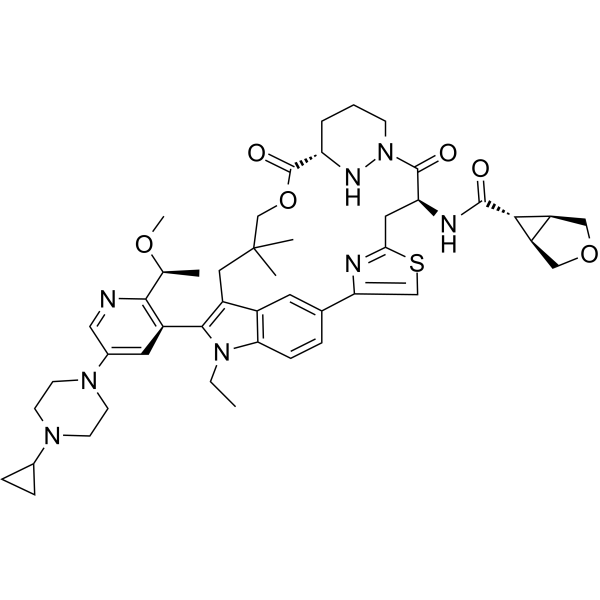
RMC-7977 is an orally active triple-complex RAS inhibitor that can simultaneously bind to cyclophilin A (CYPA) (Kd = 195 nM) and KRAS (G12V) (Kd = 292 μM). It exhibits broad-spectrum inhibitory activity against KRAS, NRAS, and HRAS proteins and their various wild-type and mutant variants. RMC-7977 induces apoptosis by inhibiting the phosphorylation of ERK, CRAF, and RSK, as well as increasing PARP cleavage. This leads to tumor regression, reduces resistance in KRAS G12C cancer models, and demonstrates good tolerability across various RAS cancer models .
|
-
- HY-17493
-
|
|
MDM-2/p53
Apoptosis
|
Neurological Disease
Cancer
|
|
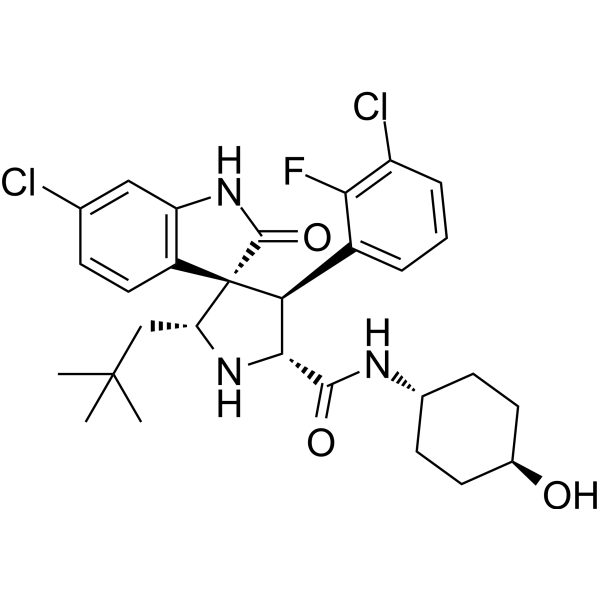
MI-773 is an orally active, selective MDM2-p53 interaction inhibitor with a Ki of 0.88 nM for MDM2. MI-773 blocks the MDM2-TP53 interaction. MI-773 potently activates p53. MI-773 induces Apoptosis. MI-773 causes tumor regression in xenograft models of adenoid cystic carcinoma. MI-773 exhibits anticancer effects in neuroblastoma. MI-773 TFA can be used for the research of adenoid cystic carcinoma .
|
-
- HY-174850
-
|
|
Btk
|
Cancer
|
|
CFON-026 is a selective, orally active and non-covalent BTK inhibitor with an IC50 of 0.27 nM. CFON-026 has significant antitumor activity against wild-type BTK (TMD8 and REC-1) and all clinically relevant BTK resistance mutations (BTK C481S, T474I, L528W and V416L). CFON-026 induces complete tumor regression in TMD8 xenograft mice model. CFON-026 can be used for research of hematological cancers like chronic lymphocytic leukemia and waldenström macroglobulinemia .
|
-

- HY-170919
-
|
|
FGFR
|
Cancer
|
|
FGFR2/3-IN-2 (compound 10) is an orally active FGFR2 and FGFR3 inhibitor. FGFR2/3-IN-2 inhibits FGFR2 and FGFR3 with IC50s of 3.7 nM and 31.2 nM (preincubation time 1 h), respectively. FGFR2/3-IN-2 spares FGFR1/4 and other kinases without causing diarrhea and serum phosphate elevation in vivo. FGFR2/3-IN-2 induces tumor stasis or regression in the SNU-16 gastric cancer model .
|
-

- HY-181838
-
|
|
CDK
Apoptosis
|
Cancer
|
|
CIRc-014 is an orally active Cyclin A/B inhibitor with a Cyclin A IC50 of 0.05 μM, Cyclin A Kd of 2.7 nM, Cyclin B IC50 of less than 0.02 μM and Cyclin B Kd of 1.0 nM. CIRc-014 activates the spindle assembly checkpoint and promotes the formation of a complex between Cyclin B and CDK2 by blocking the RxL interaction of Cyclin A/B. CIRc-014 can induce replication stress, DNA damage, mitotic arrest and apoptosis in tumor cells. CIRc-014 showed tumor growth inhibition and regression in NCI-H69 and NCI-H446 small cell lung cancer xenograft models. CIRc-014 can be used for the research of small-cell lung cancer .
|
-

- HY-17493A
-
|
|
MDM-2/p53
Apoptosis
|
Neurological Disease
Cancer
|
|
MI-773 TFA is an orally active, selective MDM2-p53 interaction inhibitor with a Ki of 0.88 nM for MDM2. MI-773 TFA blocks the MDM2-TP53 interaction. MI-773 TFA potently activates p53. MI-773 TFA induces Apoptosis. MI-773 TFA causes tumor regression in xenograft models of adenoid cystic carcinoma. MI-773 TFA exhibits anticancer effects in neuroblastoma. MI-773 TFA can be used for the research of adenoid cystic carcinoma .
|
-

- HY-174458
-
|
|
PROTACs
MDM-2/p53
IKZF Family
Casein Kinase
|
Cancer
|
|
MD-4251 is an orally active MDM2 PROTAC degrader. MD-4251 potently degrades MDM2 in RS4;11 cells (DC50: 0.2 nM) and actives p53. MD-4251 shows strong antiproliferative activity against acute leukemia cells (wild-type p53) with minimal efficacy in mutant type. MD-4251 induces complete tumor regression in RS4;11 xenograft mice model . Pink: MDM2 ligand (HY-130684); Blue: CRBN ligase ligand (HY-W883326); Black: linker
|
-

- HY-148029
-
|
TAK-676
|
STING
|
Cancer
|
|
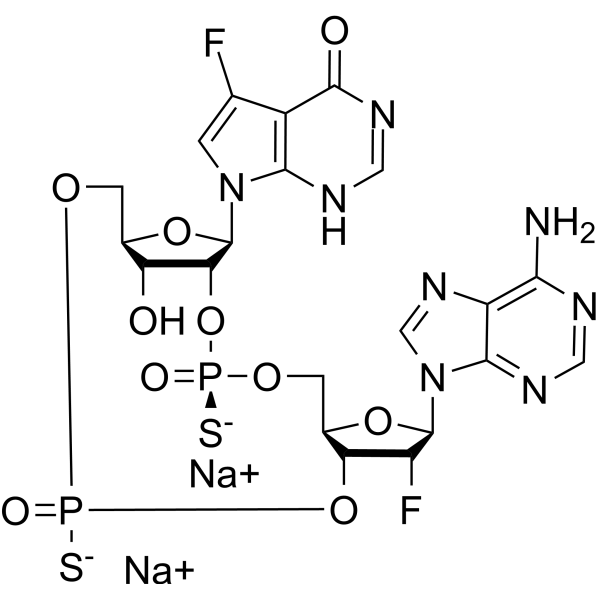
Dazostinag disodium (TAK-676) is an agonist of STING, triggering the activation of STING signaling pathway and type I interferons. Dazostinag disodium is also a modulator of immune system, resulting complete regressions and durable memory T-cell immunity. Dazostinag disodium promotes durable IFN-dependent antitumor immunity .
|
-
- HY-181420A
-
|
|
Ras
Phosphatase
ERK
Apoptosis
|
Cancer
|
|
BBO-11818 is an orally active, highly selective (relative to NRAS and HRAS), non-covalent pan-KRAS inhibitor (IC50=28-120 nM). BBO-11818 specifically binds to the Switch-II/Helix 3 pocket, disrupts the KRAS:RAF1 interaction by inducing conformational changes, and blocks the MAPK signaling pathway. BBO-11818 exhibits significant anti-tumor activity, which not only inhibits cell proliferation and induces apoptosis, but also drives tumor regression in xenograft models. BBO-11818 produces synergistic effects when combined with Cetuximab (HY-P9905), anti-PD-1 antibody or PI3Kα inhibitor. BBO-11818 is used in the research of KRAS mutation-related malignancies such as pancreatic cancer, non-small cell lung cancer and colorectal cancer .
|
-

- HY-123868
-
|
|
Steroid Sulfatase
|
Cancer
|
|
KW-2581 is a steroidal selective steroid sulfatase (STS) inhibitor with an IC50 of 4 nM. KW-2581 inhibits STS activity of ZR-75-1 cells with an IC50 of 13 nM. KW-2581 inhibits the E1S-stimulated growth of ZR-75-1 cells with an IC50 of 0.18 nM. KW-2581 inhibits sulfated-estrogen dependent growth of breast cancer cells both in vitro and in vivo. KW-2581 induced regression in E1S-induced tumor growth. KW-2581 can be studied in research on hormone receptors-positive breast cancer .
|
-

- HY-128481
-
|
|
STING
|
Inflammation/Immunology
Cancer
|
|
SB24011 is a STING modulator and a TRIM29-STING protein-protein interaction inhibitor. SB24011 blocks TRIM29-induced K48-linked specific ubiquitination by binding to STING, thereby upregulating intracellular STING protein levels. SB24011 enhances inflammatory cytokine expression and STING-mediated immune responses, and exhibits abscopal antitumor activity that promotes tumor regression and activates T cell infiltration. When combined with STING agonists or anti-PD1 antibodies, SB24011 synergistically enhances antitumor responses. SB24011 is suitable for research related to colon cancer and melanoma .
|
-
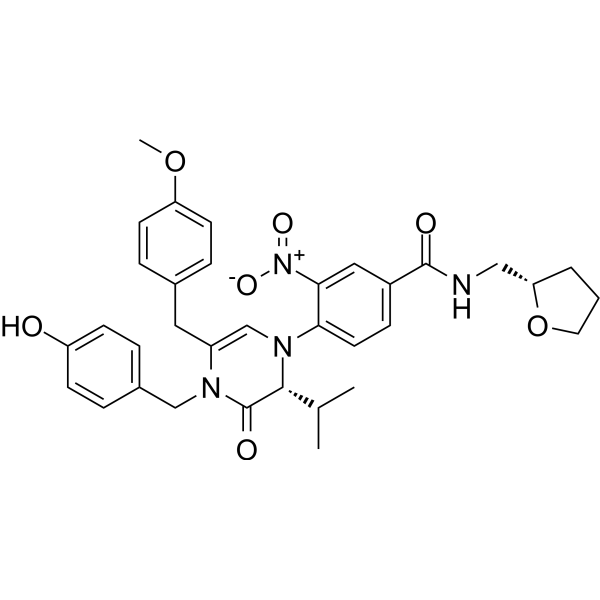
- HY-148511
-
|
CMP-001
|
Toll-like Receptor (TLR)
IFNAR
PD-1/PD-L1
Indoleamine 2,3-Dioxygenase (IDO)
|
Cancer
|
|
Vidutolimod (CMP-001) is a virus-like particle containing a TLR9 activator . Vidutolimod induces human peripheral blood mononuclear cells to secrete IFNα, and upregulates the gene expression of CXCL10, PDL1, IDO and CD80. Vidutolimod activates TLR9, which in turn triggers plasmacytoid dendritic cell activation, production of IFNγ and TNFα, induction of CXCL10, and recruitment of antitumor T cells. Vidutolimod causes influenza-like symptoms, hypotension and tumor regression, and its activity depends on the presence of anti-Qβ antibodies. Vidutolimod modulates monocyte function, promotes CD4 T cell proliferation, and activates multiple immune cell types in an environment with anti-Qβ antibodies. Vidutolimod prolongs the survival of tumor-bearing mice. Vidutolimod is used in research related to advanced melanoma, head and neck squamous cell carcinoma, and advanced non-small cell lung cancer .
|
-

- HY-155847
-
|
|
Phosphatase
PD-1/PD-L1
|
Inflammation/Immunology
Cancer
|
|
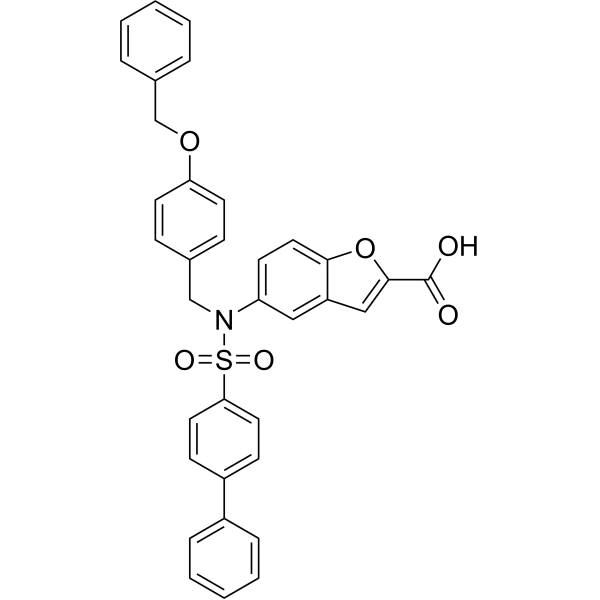
LYP-IN-3 is a selective, orally active and reversible lymphoid-tyrosine phosphatase (LYP) inhibitor (IC50 = 2.55 μM, Ki = 0.93 μM). D34 exhibits high selectivity of PTP1B, PTPN12, PTPN5 and SSH2. LYP-IN-3 regulates the T-cell receptor (TCR) signaling by specifically inhibiting LYP. LYP-IN-3 does not significantly inhibit MC38 cell viability; its anti-tumor effect stems from immune regulation. LYP-IN-3 can significantly upregulate PD-L1 or PD-1 expression in different immune cells. LYP-IN-3 facilitates T-cell infiltration and enhances T-cell functions. LYP-IN-3 synergizes with PD-L1 blockade can significantly improve colorectal tumor regression. LYP-IN-3 can be used for the study of colorectal cancer .
|
-
- HY-P990688
-
|
AMG-509
|
CD3
|
Cancer
|
|
Xaluritamig (AMG-509) is a bispecific T cell engager and cytolytic agent with a Kd of 27.6 nM for human CD3ε. Xaluritamig binds to CD3ε via an anti-CD3 single-chain variable fragment (scFv) domain, and to STEAP1 via a bispecific anti-STEAP1 antigen-binding fragment (Fab) domain, thereby recruiting and activating T cells and forming a bridge between T cells and STEAP1-expressing cancer cells. Xaluritamig induces T cell-mediated redirected cytotoxicity, tumor cell lysis, cytokine release, CD8 + T cell activation and expansion, as well as tumor stasis or regression. Xaluritamig contains an Fc domain with no effector function, which prolongs serum half-life, exhibits only minimal activity against cells with low STEAP1 expression and normal cells, and shows extremely low target-related off-tumor toxicity in cynomolgus monkeys. Xaluritamig is used in STEAP1×CD3 XmAb 2+1 immunotherapy and in research on metastatic castration-resistant prostate cancer and Ewing sarcoma .
|
-

- HY-157228
-
|
|
PROTACs
Ras
|
Cancer
|
|
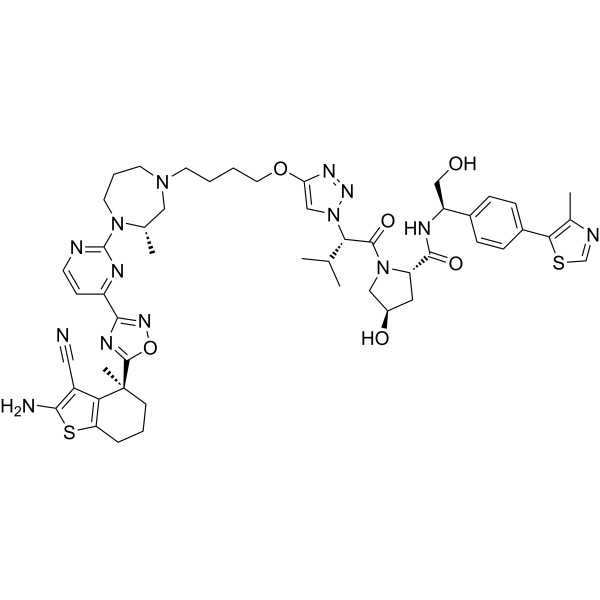
ACBI3 (compound 7), a chemical probe, is a PROTAC targeting KRAS. ACBI3 is composed of PROTAC target protein ligand pan-KRAS degrader 1 (HY-162960) (red part), E3 ligase ligand E3 ligase Ligand 43 (HY-401613) (blue part) and PROTAC Linker 1-Bromo-4-(ethynyloxy)butane (HY-169992) (black part), among which the conjugate of E3 ubiquitin ligase ligand + Linker is E3 Ligase Ligand-linker Conjugate 143 (HY-169995). ACBI3 achieves in vivo degradation of oncogenic KRAS, resulting in durable pathway modulation and tumor regressions in KRAS mutant xenograft mouse models .
|
-
- HY-159607
-
|
|
PROTACs
SWI/SNF Complex
|
Cancer
|
|
PRT3789 is a selective SMARCA2 PROTAC degrader (DC50 in HeLa cell: 0.72 nM for SMARCA2, 14 nM for SMARCA4). PRT3789 forms a stable ternary complex with Von Hippel-Lindau (VHL) E3 ligase, induces polyubiquitination at SMARCA2-specific lysine residues, and drives proteasome-dependent SMARCA2 degradation. PRT3789 disrupts SWI/SNF chromatin remodeling complex integrity, induces dissociation of specific subunits, suppresses oncogenic gene expression, reduces chromatin accessibility, and upregulates antigen processing/presentation-related gene expression. PRT3789 induces synthetic lethality, inhibits proliferation and colony formation, and drives tumor growth inhibition and regression in SMARCA4-deficient contexts. PRT3789 can be used for the research of SMARCA4-mutated solid tumors, non-small cell lung cancer, endometrial cancer, colorectal cancer, bladder cancer, esophageal cancer, ovarian cancer, and gastric cancer .
|
-

- HY-181420
-
|
|
ERK
Apoptosis
Phosphatase
Ras
|
Cancer
|
|
(S,R,S)-BBO-11818 is an orally active, highly selective (relative to NRAS and HRAS), non-covalent pan-KRAS inhibitor (IC50=28-120 nM). (S,R,S)-BBO-11818 specifically binds to the Switch-II/Helix 3 pocket, disrupts the KRAS:RAF1 interaction by inducing conformational changes, and blocks the MAPK signaling pathway. (S,R,S)-BBO-11818 exhibits significant anti-tumor activity, which not only inhibits cell proliferation and induces apoptosis, but also drives tumor regression in xenograft models. (S,R,S)-BBO-11818 produces synergistic effects when combined with Cetuximab (HY-P9905), anti-PD-1 antibody or PI3Kα inhibitor. (S,R,S)-BBO-11818 is used in the research of KRAS mutation-related malignancies such as pancreatic cancer, non-small cell lung cancer and colorectal cancer .
|
-

- HY-170451
-
|
KT-253
|
PROTACs
MDM-2/p53
Apoptosis
|
Cancer
|
|
Seldegamadlin (KT-253) is a selective p53 stabilizer and a MDM2 PROTAC degrader (DC50 = 0.4 nM). Seldegamadlin inhibits the proliferation of cancer cell RS4;11 with an IC50 of 0.3 nM, arrests the cell cycle at G2/M phase, and induces apoptosis. Seldegamadlin upregulates p53 activity and overcomes the p53-MDM2 feedback loop. Seldegamadlin can be used for the study of hematologic and solid tumors, such as acute myeloid leukemia (AML) and acute lymphoblastic leukemia (ALL). (Pink: ligand for target protein MDM2 ligand 4 (HY-170452); Black: linker (HY-W001478); Blue: ligand for E3 ligase cereblon (HY-163927)) .
|
-

- HY-171509
-
|
|
Drug-Linker Conjugates for ADC
Apoptosis
|
Cancer
|
|
Mal-N(Me)-C6-N(Me)-PNU-159682 (Compound 27), an agent-linker conjugate for ADC, consists the ADC linker Mal-N(Me)-C6-N(Me) and a potent ADC cytotoxin PNU-159682. Mal-N(Me)-C6-N(Me)-PNU-159682 (Compound 27) selectively delivers the payload to CD46-expressing cells, where the linker is cleaved by cathepsin B to release PNU-159682, inducing DNA damage and apoptosis. Mal-N(Me)-C6-N(Me)-PNU-159682 shows durable tumor regression in xenograft (PDX) models of non-small cell lung cancer (NSCLC) and colorectal cancer (CRC) .
|
-

- HY-183594
-
|
|
Drug-Linker Conjugates for ADC
|
Others
|
|
Exatecan-(D-2,4-DHB)-NH2-AA (bPEG8)-Mal is a linker-payload conjugate. Exatecan-(D-2,4-DHB)-NH2-AA (bPEG8)-Mal contains the linker D-2,4-DHB-NH2-AA(bPEG8)-Mal (HY-183595) and the cytotoxic agent Exatecan (HY-13631), a potent DNA topoisomerase I inhibitor. Exatecan-(D-2,4-DHB)-NH2-AA (bPEG8)-Mal can be utilized for the development of antibody-drug conjugates (ADCs) .
|
-

- HY-175870A
-
|
|
Ras
ERK
|
Cancer
|
|
(7R)-Eras-4001 is an orally active KRAS mutant inhibitor with remarkable selectivity for H-RAS and N-RAS. (7R)-Eras-4001 effectively suppresses cancer cell viability by blocking downstream signaling pathways mediated by RAF family proteins, inhibiting the formation of the KRAS G12D-RAF1 RBD complex and the phosphorylation of ERK1/2. (7R)-Eras-4001 induces tumor growth inhibition and regression in a dose-dependent manner, and also reduces plasma ERK1/2 phosphorylation levels. (7R)-Eras-4001 exerts a synergistic effect with anti-PD-1 Cetuximab (HY-P9905). (7R)-Eras-4001 can be used in research on non-small cell lung cancer, pancreatic cancer, colorectal cancer, and ovarian cancer .
|
-

- HY-183629
-
|
|
Zinc Finger Protein
Apoptosis
|
Cardiovascular Disease
Cancer
|
|
ZNF281-IN-1 is a ZNF281 inhibitor. ZNF281-IN-1 disrupts the binding of transcriptionally active DNA-bound ZNF281 to the promoters of target genes including TRIM35 and ZEB1. ZNF281-IN-1 inhibits tumor cell proliferation, stabilizes P53 and upregulates PUMA to induce apoptosis, while triggering cellular senescence. ZNF281-IN-1 completely prevents Doxorubicin (HY-15142A)-induced cardiotoxicity (AIC), and enhances rather than impairs the antitumor efficacy of Doxorubicin. ZNF281-IN-1 completely blocks the distant metastasis of melanoma to the lungs. ZNF281-IN-1 can be used in the research of cardiotoxicity, lung cancer and metastatic melanoma .
|
-

- HY-157229
-
STX-721
1 Publications Verification
|
EGFR
ERK
|
Cancer
|
|
STX-721 is an orally active, irreversible, covalent EGFR exon 20 insertion (ex20ins) inhibitor that selectively targets ex20ins-mutant dynamic protein states. STX-721 potently inhibits the kinase activity of EGFR ex20ins mutants (NPG, ASV, SVD). STX-721 inhibits phosphorylation of EGFR (pEGFR Y1068) and downstream ERK (pERK Thr202/Tyr204), and suppresses proliferation of ex20ins-mutant Ba/F3 cells and human NSCLC cell lines (NCI-H2073 ASV KI, CUTO-14 ASV). STX-721 induces tumor regression in EGFR ex20ins-mutant PDX/CDX models. STX-721 can be used for the study of non-small cell lung cancer (NSCLC) harboring EGFR or HER2 ex20ins mutations .
|
-
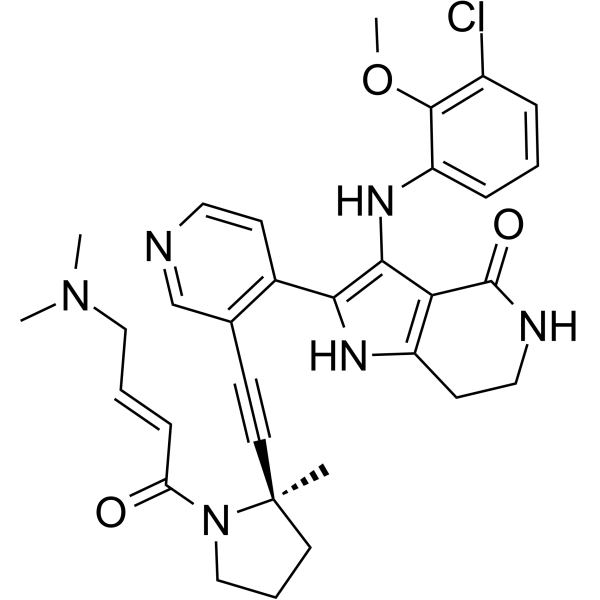
- HY-178061
-
|
|
ERK
RET
|
Cancer
|
|
APS03118 is an orally active, potent and selective rearranged during transfection (RET) inhibitor. APS03118 broadly inhibits RET fusions and mutations (including G810, V804, L730, and Y806 variants), with IC50 values predominantly below 1 nM (0.095 nM for WT; ranging from 0.00438 to 5.72 nM for mutants), and demonstrates marked superiority against RET G810 mutations. APS03118 inhibits the entire RET signaling pathway (including RET, Shc, and ERK1/2), with >20-fold selectivity over most off-target kinases (except FLT3 and YES). APS03118 induces complete tumor regression in KIF5B-RET and CCDC6-RET V804 M patient derived xenografts (PDXs) and significantly prolongs survival in an intracranial CCDC6-RET metastasis mice model. APS03118 can be used for selective RET inhibitor (SRI)-resistant, RET-driven cancer research .
|
-

- HY-179617
-
|
|
E1/E2/E3 Enzyme
Interleukin Related
|
Cancer
|
|
Cbl-b-IN-30 is an orally active Casitas B-lineage lymphoma-b (CBLB) inhibitor. Cbl-b-IN-30 specifically binds to CBLB and inhibits its E3 ubiquitin ligase activity with an IC50 of 9.1 nM. Cbl-b-IN-30 can promote IL-2 secretion (EC50 = 187.5 nM) and enhance T cell activation. Cbl-b-IN-30 exerts antitumor activity and can induce immune memory. Cbl-b-IN-30 can be used for the research of colon cancer .
|
-

| Cat. No. |
Product Name |
Type |
-
- HY-164992
-
|
MRG002; Trastuzumab MMAE
|
Fluorescent Dyes
|
|
Trastuzumab vedotin (MRG002; Trastuzumab MMAE) is an antibody-drug conjugate and cytotoxin targeting HER2, with a Kd of 7.50E-11 M for human HER2. After binding to HER2, Trastuzumab vedotin undergoes internalization and lysosomal trafficking, delivering a cytotoxic payload to HER2-expressing cells and inducing tumor regression in in vivo xenograft models with HER2-expressing tumors. The anti-tumor activity of Trastuzumab vedotin is enhanced when used in combination with anti-PD-1 antibodies, and it exhibits preclinical anti-tumor activity in drug-resistant breast cancer, gastric cancer, and urothelial carcinoma PDX models. Trastuzumab vedotin has low antibody-dependent cellular cytotoxicity activity and can be used in studies related to HER2-positive breast cancer, HER2-positive gastric cancer, and unresectable locally advanced or metastatic HER2-positive urothelial carcinoma .
|
-
- HY-159642G
-
|
TYRA-300
|
Fluorescent Dyes
|
|
Dabogratinib (TYRA-300) (GMP) is Dabogratinib (HY-159642) produced by using GMP guidelines. GMP small molecules work appropriately as an auxiliary reagent for cell therapy manufacture. Dabogratinib is an orally active, selective FGFR3 inhibitor with an IC50 of 11 nM. Dabogratinib exhibits antitumor activity against urothelial carcinoma and solid tumors. Dabogratinib downregulates the FGFR3 and ERK1/2 signaling pathways, and induces tumor growth inhibition and regression in FGFR3-altered xenograft models. Dabogratinib promotes chondrocyte proliferation and differentiation, drives endochondral bone formation and overall body growth, partially restores long bone proportions, and improves craniofacial and spinal morphology. Dabogratinib can be used for the research of metastatic urothelial carcinoma, achondroplasia and hypochondroplasia .
|
| Cat. No. |
Product Name |
Type |
-
- HY-159642G
-
|
TYRA-300
|
Biochemical Assay Reagents
|
|
Dabogratinib (TYRA-300) (GMP) is Dabogratinib (HY-159642) produced by using GMP guidelines. GMP small molecules work appropriately as an auxiliary reagent for cell therapy manufacture. Dabogratinib is an orally active, selective FGFR3 inhibitor with an IC50 of 11 nM. Dabogratinib exhibits antitumor activity against urothelial carcinoma and solid tumors. Dabogratinib downregulates the FGFR3 and ERK1/2 signaling pathways, and induces tumor growth inhibition and regression in FGFR3-altered xenograft models. Dabogratinib promotes chondrocyte proliferation and differentiation, drives endochondral bone formation and overall body growth, partially restores long bone proportions, and improves craniofacial and spinal morphology. Dabogratinib can be used for the research of metastatic urothelial carcinoma, achondroplasia and hypochondroplasia .
|
| Cat. No. |
Product Name |
Target |
Research Area |
-
- HY-P11417
-
|
|
DNA/RNA Synthesis
|
Cancer
|
|
Epidermal mitosis inhibiting pentapeptide is a five-peptide that acts as a physiological inhibitor of epidermal cell proliferation. This pentapeptide can significantly reduce the DNA synthesis rate and mitotic rate of epidermal keratinocytes. Epidermal mitosis inhibiting pentapeptide moderately enhances the occurrence of skin tumors in skin cancer models, but also shows a higher tendency to promote the regression of already formed tumors. Epidermal mitosis inhibiting pentapeptide can be hydrolyzed by angiotensin-converting enzyme (ACE). Epidermal mitosis inhibiting pentapeptide can be used in cancer process research .
|
| Cat. No. |
Product Name |
Target |
Research Area |
Image |
-
- HY-P990688
-
|
AMG-509
|
CD3
|
Cancer
|
|
Xaluritamig (AMG-509) is a bispecific T cell engager and cytolytic agent with a Kd of 27.6 nM for human CD3ε. Xaluritamig binds to CD3ε via an anti-CD3 single-chain variable fragment (scFv) domain, and to STEAP1 via a bispecific anti-STEAP1 antigen-binding fragment (Fab) domain, thereby recruiting and activating T cells and forming a bridge between T cells and STEAP1-expressing cancer cells. Xaluritamig induces T cell-mediated redirected cytotoxicity, tumor cell lysis, cytokine release, CD8 + T cell activation and expansion, as well as tumor stasis or regression. Xaluritamig contains an Fc domain with no effector function, which prolongs serum half-life, exhibits only minimal activity against cells with low STEAP1 expression and normal cells, and shows extremely low target-related off-tumor toxicity in cynomolgus monkeys. Xaluritamig is used in STEAP1×CD3 XmAb 2+1 immunotherapy and in research on metastatic castration-resistant prostate cancer and Ewing sarcoma .
|
-

(5)
-
- HY-P9933
-
|
APN-311; Ch14.18; MAb-14.18
|
Apoptosis
PERK
mTOR
|
Cancer
|
|
Dinutuximab (APN-311) is a chimeric human-mouse anti-GD2 monoclonal antibody. Dinutuximab can bind to GD2 on the cell surface, triggering antibody-dependent cell-mediated cytotoxicity and complement-dependent cytotoxicity, and promoting tumor regression. Dinutuximab can inhibit the growth, invasion, and migration and induce apoptosis of tumor cells. Dinutuximab can be used in the research of tumors such as neuroblastoma and breast cancer .
|
-
(5)
-
- HY-P99948
-
|
AMG-596
|
EGFR
CD3
|
Neurological Disease
Cancer
|
|
Etevritamab (AMG-596) is a bispecific T-cell engager that targets EGFRvIII and CD3. Etevritamab simultaneously binds CD3 on T cells and EGFRvIII on glioblastoma multiforme cells, thereby forming a bridge structure. Etevritamab triggers T-cell activation, proliferation, secretion of cytotoxic substances, and tumor cell lysis. Etevritamab extends overall survival and induces tumor regression in mouse models of glioblastoma multiforme. Etevritamab can be used for research related to glioblastoma .
|
-
(5)
-
- HY-P99776
-
|
XmAb-13676
|
CD20
CD3
|
Cancer
|
|
Plamotamab (XmAb-13676) is a human bispecific antibody (bsAb) that binds CD3 and CD20. Plamotamab recruits cytotoxic T cells to kill CD20 + expressing tumor cells. Plamotamab induces a mild hematologic reaction (MR), and results in tumor regression in vivo .
|
-
(5)
-
- HY-P991358
-
|
LFA-102; X213
|
Estrogen Receptor/ERR
STAT
Akt
|
Cancer
|
|
XOMA-213 (LFA-102; X213) is a human monoclonal antibody (mAb) targeting the prolactin receptor (PRLR), with a Kd value of 2 nM against the human target. XOMA-213 blocks PRL-induced cell proliferation and inhibits the activation of multiple PRLR ligands, including PRL and human growth hormone (hGH). XOMA-213 suppresses PRL-induced phosphorylation of Stat5, Akt and ERK1/2 in cells. XOMA-213 induces tumor regression, delays disease progression, and inhibits PRLR signaling as well as tumor growth. XOMA-213 can be used in research related to breast cancer .
|
-
(5)
-
- HY-111965
-
-
(5)
-
- HY-P991004
-
|
LB-101
|
CD47
PD-1/PD-L1
|
Cancer
|
|
Itanistomig (LB-101) is a tetravalent bispecific antibody targeting PD-L1 and CD47. Itanistomig blocks PD-L1 and achieves tumor enrichment through binding to PD-L1, and also exerts conditional CD47 blocking activity via cleavage of the hinge linker in the PD-L1-positive tumor microenvironment. Itanistomig induces antibody-dependent cellular phagocytosis in human CD14 + cells and drives tumor regression. Itanistomig can be used in research related to solid tumors .
|
-
(5)
-
- HY-P991186
-
|
|
Inhibitory Antibodies
|
Cancer
|
|
IMM-20059 is humanized IgG1 monoclonal antibody targeting EPN1. IMM-20059 in combination with Atezolizumab (HY-P9904) significantly enhances tumor regression in the B16.F10 syngeneic melanoma model .
|
-

(5)
-
- HY-P991966
-
|
|
EGFR
|
Cancer
|
|
Anti-Human/Mouse EGFR Antibody (7A7) ia an anti-mouse EGFR monoclonal antibody proposed to be the mouse equivalent of cetuximab. Anti-Human/Mouse EGFR Antibody (7A7) fails to induce tumor regression in the HPV38 tumor model where EGFR is not expressed in mice. Anti-Human/Mouse EGFR Antibody (7A7) can be used in EGFR-expressing HPV38 tumor-related studies .
|
-
(5)
-
- HY-P992473
-
|
|
TNF Receptor
|
Inflammation/Immunology
Cancer
|
|
TAS266 is a tetrameric nanobody agonist targeting DR5. TAS266 selectively induces cancer cell death. TAS266 triggers sustained tumor regression in xenograft models and also elicits immunogenic responses including antibody binding. TAS266 exhibits superior anti-tumor efficacy compared with traditional DR5-targeting strategies. TAS266 can be used in research related to pancreatic cancer and advanced solid tumors .
|
-
(5)
-
- HY-P992357
-
|
|
PD-1/PD-L1
|
Cancer
|
|
GNUV201 is a PD-1 inhibitor with cross-reactivity in humans, mice and monkeys, which effectively blocks the PD-1/PD-L1 interaction. GNUV201 activates T cells and restores their anti-tumor activity, effectively inducing tumor regression. GNUV201 can be used in the research of related diseases such as colorectal cancer, melanoma, pancreatic cancer and colon cancer .
|
-
(5)
-
- HY-P992060
-
|
|
CD20
NF-κB
|
Inflammation/Immunology
Cancer
|
|
Anti-Mouse CD20 Antibody (18B12) is a B cell depleting agent that targets mouse CD20. Anti-Mouse CD20 Antibody (18B12) not only inhibits the growth of mesothelioma, lung cancer and thymoma, but also significantly enhances the efficacy of adenoviral tumor antigen vaccines and induces tumor regression by increasing the number of tumor-specific CD8 + T cells. Anti-Mouse CD20 Antibody (18B12) reduces B cell infiltration into the central nervous system of mice with experimental autoimmune encephalomyelitis, and delays motor dysfunction and neuronal death after spinal cord injury by alleviating inflammatory responses and tissue damage. Anti-Mouse CD20 Antibody (18B12) is widely applicable to research in fields related to mesothelioma, lung cancer, thymoma, experimental autoimmune encephalomyelitis and spinal cord injury .
|
-
(5)
-
- HY-P992012
-
|
|
Opioid Receptor
|
Neurological Disease
Cancer
|
|
CA1001 is a small-molecule ZNF74 inhibitor and a peripherally restricted κ/δ dual opioid receptor agonist. CA1001 exhibits potent antitumor activity both in vitro and in vivo. CA1001, in combination with immune checkpoint inhibitors, significantly enhances tumor regression. CA1001 activates peripherally restricted κ/δ dual opioid receptors and exerts analgesic effects under conditions of inflammatory pain, neuropathic pain, and mechanical hyperalgesia. CA1001 can be used in research related to melanoma, mechanical hyperalgesia, neuropathic pain, and inflammatory arthritis pain.
|
-
(5)
| Cat. No. |
Product Name |
|
Classification |
-
- HY-145483
-
KT-474
1 Publications Verification
KYM-001; PROTAC IRAK4 degrader-7
|
|
PROTAC Synthesis
|
|
KT-474 (KYM-001; PROTAC IRAK4 degrader-7) is an orally active PROTAC IRAK4 degrader with anti-tumor effects. KT-474 inhibits the cell cycle and induces apoptosis. KT-474 induces tumor regression in a xenograft model of MYD88-mutated ABC DLBCL. KT-474 is a click chemistry reagent, containing an alkyne group, which can undergo copper-catalyzed azide-alkyne cycloaddition (CuAAc) with molecules containing azide groups .
|
-
- HY-129602
-
SD-36
Maximum Cited Publications
9 Publications Verification
|
|
PROTAC Synthesis
|
|
SD-36 is a potent and efficacious STAT3 PROTAC degrader (Kd=~50 nM), and demonstrates high selectivity over other STAT members. SD-36 also effectively degrades mutated STAT3 proteins in cells and suppresses the transcriptional activity of STAT3 (IC50=10 nM). SD-36 exerts robust anti-tumor activity, and achieves complete and long-lasting tumor regression in mouse tumor models. SD-36 is composed of the STAT3 inhibitor SI-109, a linker, and an analog of Cereblon ligand Lenalidomide for E3 ubiquitin ligase . SD-36 is a click chemistry reagent, it contains an Alkyne group and can undergo copper-catalyzed azide-alkyne cycloaddition (CuAAc) with molecules containing Azide groups.
|
-
- HY-148813
-
AK-2292
2 Publications Verification
|
|
PROTAC Synthesis
|
|
AK-2292 is a potent and selective STAT5 PROTAC degrader, with a DC50 of 0.10 μM. AK-2292 induces degradation of STAT5A/B proteins in vitro and in vivo. AK-2292 can induce tumor regression in acute myeloid leukemia and chronic myeloid leukemia xenograft mouse models . AK-2292 is a click chemistry reagent, it contains an Alkyne group and can undergo copper-catalyzed azide-alkyne cycloaddition (CuAAc) with molecules containing Azide groups.
|
| Cat. No. |
Product Name |
|
Classification |
-
- HY-148511
-
|
CMP-001
|
|
CpG ODNs
|
|
Vidutolimod (CMP-001) is a virus-like particle containing a TLR9 activator . Vidutolimod induces human peripheral blood mononuclear cells to secrete IFNα, and upregulates the gene expression of CXCL10, PDL1, IDO and CD80. Vidutolimod activates TLR9, which in turn triggers plasmacytoid dendritic cell activation, production of IFNγ and TNFα, induction of CXCL10, and recruitment of antitumor T cells. Vidutolimod causes influenza-like symptoms, hypotension and tumor regression, and its activity depends on the presence of anti-Qβ antibodies. Vidutolimod modulates monocyte function, promotes CD4 T cell proliferation, and activates multiple immune cell types in an environment with anti-Qβ antibodies. Vidutolimod prolongs the survival of tumor-bearing mice. Vidutolimod is used in research related to advanced melanoma, head and neck squamous cell carcinoma, and advanced non-small cell lung cancer .
|
-
- HY-160047
-
|
|
|
Aptamers
|
|
AX102 sodium is a 34 bp length nucleotide aptamer modified at the 5' end with a 40 kDa polyethylene glycol moiety. AX102 selectively binds platelet-derived growth factor B (PDGF-B) and causes tumor vessel regression .
|
-
- HY-160048
-
|
|
|
Aptamers
|
|
PEG40K unconjugated/naked AX102 sodium is AX102 without PEG40K conjugation. AX102 is a DNA oligonucleotide aptamer for platelet-derived growth factor PDGF-B. AX102 is 34 bases in length, selectively binds platelet-derived growth factor B (PDGF-B), and causes tumor vessel regression .
|
| Cat. No. |
Product Name |
Target |
Research Areas |
Chemical Structure |
-
- HY-159642G
-
|
TYRA-300
|
FGFR
ERK
|
Metabolic Disease
Cancer
|
|
Dabogratinib (TYRA-300) (GMP) is Dabogratinib (HY-159642) produced by using GMP guidelines. GMP small molecules work appropriately as an auxiliary reagent for cell therapy manufacture. Dabogratinib is an orally active, selective FGFR3 inhibitor with an IC50 of 11 nM. Dabogratinib exhibits antitumor activity against urothelial carcinoma and solid tumors. Dabogratinib downregulates the FGFR3 and ERK1/2 signaling pathways, and induces tumor growth inhibition and regression in FGFR3-altered xenograft models. Dabogratinib promotes chondrocyte proliferation and differentiation, drives endochondral bone formation and overall body growth, partially restores long bone proportions, and improves craniofacial and spinal morphology. Dabogratinib can be used for the research of metastatic urothelial carcinoma, achondroplasia and hypochondroplasia .
|
-
Your information is safe with us. * Required Fields.
Inquiry Information
- Product Name:
- Cat. No.:
- Quantity:
- MCE Japan Authorized Agent:








