
1. Search Result
Search Result
Results for "

Wnt/β-catenin signalling pathway

" in MedChemExpress (MCE) Product Catalog:

109

Inhibitors & Agonists

1

Screening Libraries

1

Fluorescent Dyes

2

Biochemical Assay Reagents

6

Peptides

2

MCE Kits

26

Natural
Products

2

Isotope-Labeled Compounds

1

GMP Molecules

Cat. No. Product Name Target Research Areas Chemical Structure
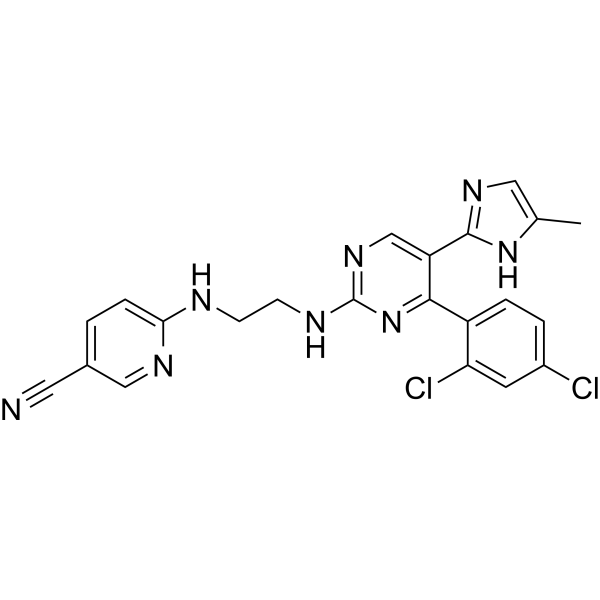
  • HY-10182
    Laduviglusib
    Maximum Cited Publications
    295 Publications Verification

    CHIR-99021; CT99021

    Organoid GSK-3 Wnt β-catenin Autophagy Metabolic Disease Cancer
    Laduviglusib (CHIR-99021) is a potent, selective and orally active GSK-3α/β inhibitor with IC50s of 10 nM and 6.7 nM. Laduviglusib shows >500-fold selectivity for GSK-3 over CDC2, ERK2 and other protein kinases. Laduviglusib is also a potent Wnt/β-catenin signaling pathway activator. Laduviglusib enhances mouse and human embryonic stem cells self-renewal. Laduviglusib induces autophagy .
    Laduviglusib
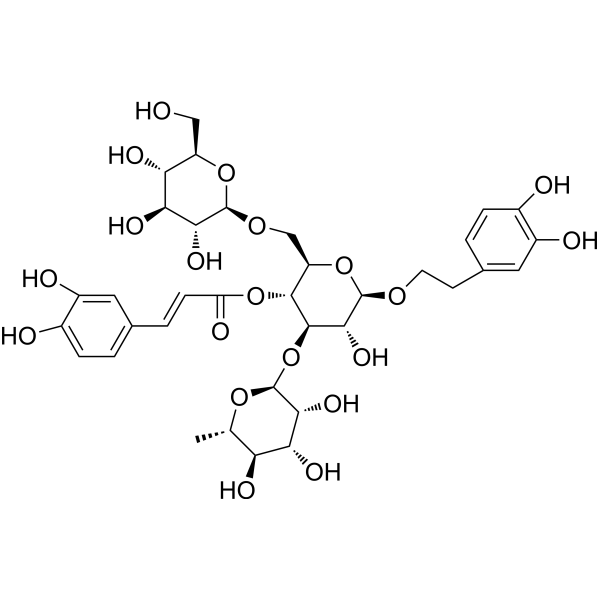
  • HY-N0020
    Echinacoside
    Maximum Cited Publications
    20 Publications Verification

    Wnt Reactive Oxygen Species (ROS) Neurological Disease
    Echinacoside, one of the phenylethanoids isolated from the stems of Cistanche deserticola, effectively inhibits Wnt/β-catenin signaling. Echinacoside elicits neuroprotection by activating Trk receptors and their downstream signal pathways. Antiosteoporotic activity .
    Echinacoside
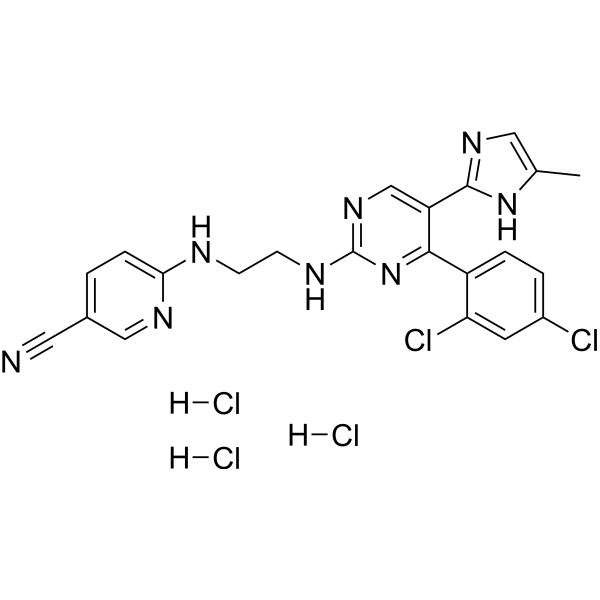
  • HY-10182B
    Laduviglusib trihydrochloride
    Maximum Cited Publications
    295 Publications Verification

    CHIR-99021 trihydrochloride; CT99021 trihydrochloride

    Organoid GSK-3 Wnt β-catenin Autophagy Cancer
    Laduviglusib (CHIR-99021) trihydrochloride is a potent and selective GSK-3α/β inhibitor with IC50s of 10 nM and 6.7 nM. Laduviglusib trihydrochloride shows >500-fold selectivity for GSK-3 over CDC2, ERK2 and other protein kinases. Laduviglusib trihydrochloride is also a potent Wnt/β-catenin signaling pathway activator. Laduviglusib trihydrochloride enhances mouse and human embryonic stem cells self-renewal. Laduviglusib trihydrochloride induces autophagy .
    Laduviglusib trihydrochloride
  • HY-N1499

    Wnt β-catenin TGF-beta/Smad Bacterial Infection Neurological Disease Metabolic Disease Inflammation/Immunology Cancer
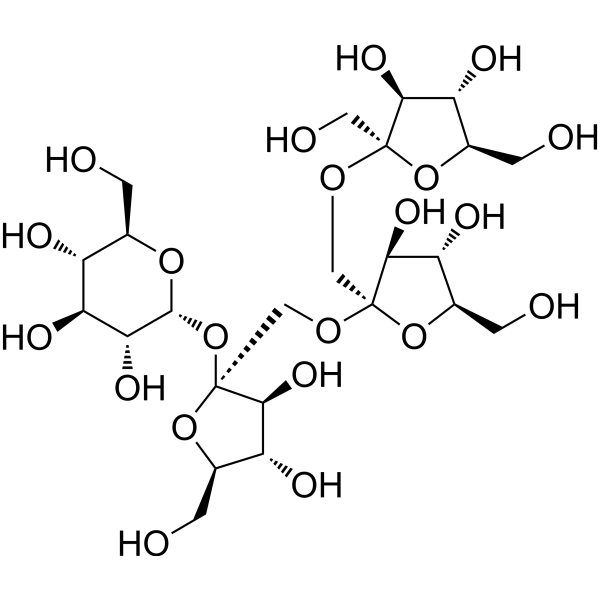
    Nystose is a tetrasaccharide with two fructose molecules linked via beta (1→2) bonds to the fructosyl moiety of sucrose. Nystose exhibits prebiotic, immunomodulatory, and metabolism regulating activities. Nystose promotes the bone mineralization by activating the Wnt/β-catenin signaling pathway .
    Nystose
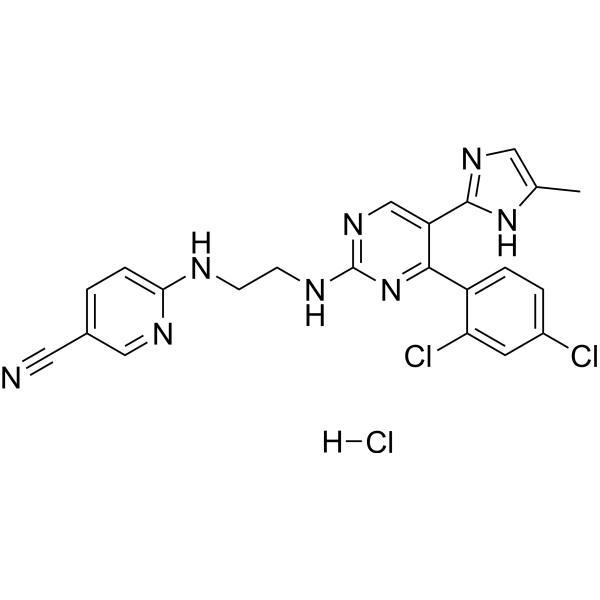
  • HY-10182A
    Laduviglusib monohydrochloride
    Maximum Cited Publications
    295 Publications Verification

    CHIR-99021 monohydrochloride; CT99021 monohydrochloride

    Organoid GSK-3 Wnt β-catenin Autophagy Cancer
    Laduviglusib (CHIR-99021) monohydrochloride is a potent and selective GSK-3α/β inhibitor with IC50s of 10 nM and 6.7 nM. Laduviglusib monohydrochloride shows >500-fold selectivity for GSK-3 over CDC2, ERK2 and other protein kinases. Laduviglusib monohydrochloride is also a potent Wnt/β-catenin signaling pathway activator. Laduviglusib monohydrochloride enhances mouse and human embryonic stem cells self-renewal. Laduviglusib monohydrochloride induces autophagy .
    Laduviglusib monohydrochloride
  • HY-N0101
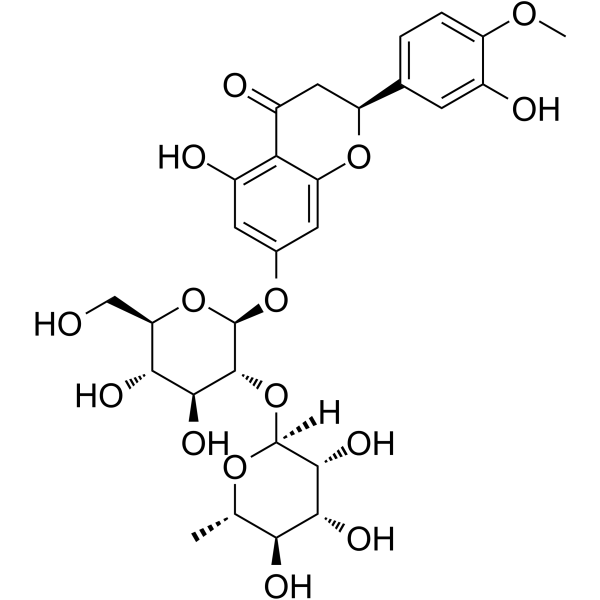
    Neohesperidin
    5+ Cited Publications

    Hesperetin 7-O-neohesperidoside

    β-catenin Wnt Inflammation/Immunology
    Neohesperidin is a flavonoid compound abundant in citrus plants with antioxidant and anti-inflammatory effects. Neohesperidin can upregulate the Wnt/β-catenin signaling pathway, enhance the nuclear translocation of β-catenin and the differentiation of bone marrow stromal cells .
    Neohesperidin
  • HY-142870

    Pyruvate Carboxylase (PC) Apoptosis β-catenin ERK Wnt Cancer
    ZY-444 is an anti-cancer agent, targeting pyruvate carboxylase (PC). ZY-444 suppresses the Wnt/β-catenin/Snail signaling pathway by blocking nuclear translocation of β-catenin. ZY-444 selectively inhibits proliferation, migration, and invasion and induces apoptosis in cancer cells. ZY-444 exhibits potent anti-tumor in cancer mouse models. ZY-444 can be used for the study of breast cancer, lung cancer (NSCLC), prostate cancer and iodine-refractory thyroid cancer .
    ZY-444
  • HY-14930

    SK3530

    Phosphodiesterase (PDE) Glucocorticoid Receptor Wnt β-catenin Apoptosis Neurological Disease Inflammation/Immunology Endocrinology
    Mirodenafil (SK3530) is an orally active, potent, reversible, and selective phosphodiesterase 5 (PDE5) inhibitor. Mirodenafil is a glucocorticoid receptor (GR) modulator Mirodenafil activates the Wnt/β-catenin signaling pathway by downregulating Dkk1 expression. Mirodenafil can be used for the research of erectile dysfunction (ED), Alzheimer’s disease (AD) and systemic sclerosis (SSc) .
    Mirodenafil
  • HY-N0432

    Astrasieversianin IV; Cyclosieversioside B

    Wnt β-catenin Metabolic Disease
    Astragaloside I, one of the main active ingredients in Astragalus membranaceus, has osteogenic properties. Astragaloside I stimulates osteoblast differentiation through activating the Wnt/β-catenin signaling pathway .
    Astragaloside I
  • HY-122816
    HLY78
    10+ Cited Publications

    Wnt β-catenin Apoptosis Cardiovascular Disease Neurological Disease Cancer
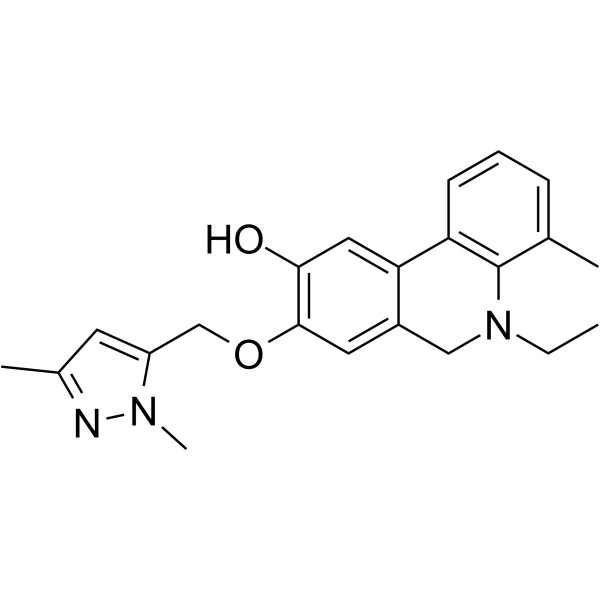
    HLY78, a Lycorine (HY-N0288) derivative, is a potent activator of the Wnt/β-catenin signaling pathway. HLY78 targets the DIX domain of Axin and promotes the Axin-LRP6 (lipoprotein receptor-related protein 6) association, thus promoting LRP6 phosphorylation and Wnt signal transduction. HLY78 can be used for subarachnoid hemorrhage (SAH) research .
    HLY78
  • HY-14933
    Prinaberel
    3 Publications Verification

    ERB-041

    Estrogen Receptor/ERR Wnt Apoptosis Cancer
    Prinaberel (ERB-041) is a potent and selective estrogen receptor (ER) β agonist with IC50s of 5.4, 3.1 and 3.7 nM for human, rat and mouse ERβ, respectively. Prinaberel displays >200-fold selectivity for ERβ over ERα. Prinaberel is a potent skin cancer chemopreventive agent that acts by dampening the WNT/β-catenin signaling pathway. Prinaberel induces ovarian cancer apoptosis .
    Prinaberel
  • HY-Y1325I

    Environmental Pollutants Biochemical Assay Reagents Apoptosis NO Synthase p38 MAPK Heme Oxygenase (HO) Keap1-Nrf2 Wnt β-catenin Metabolic Disease Inflammation/Immunology Cancer
    Sodium acetate trihydrate, 99.5% is a short-chain fatty acid salt with multiple biological activities. Sodium acetate trihydrate, 99.5% serves as a direct precursor of acetyl-CoA, and it extensively affects gene expression by promoting histone acetylation. Sodium acetate trihydrate, 99.5% can activate the p38 MAPK pathway to induce cancer cell apoptosis. Sodium acetate trihydrate, 99.5% can activate the Wnt/β-catenin signaling pathway to stimulate the proliferation and migration of cecal epithelial cells, thereby improving intestinal health. Sodium acetate trihydrate, 99.5% alleviates lead accumulation and oxidative damage by upregulating the testosterone-dependent eNOS/NO/cGMP signaling pathway, as well as activating the Nrf2/HO-1 pathway and its downstream antioxidant enzymes .
    Sodium acetate trihydrate, 99.5%
  • HY-B0194A

    Adrenergic Receptor Apoptosis Akt Wnt β-catenin Neurological Disease Endocrinology Cancer
    Tizanidine hydrochloride, a skeletal muscle relaxant, is an orally effective central α2-adrenoceptor agonist (IC50 = 6.9 nmol). Tizanidine hydrochloride primarily exerts muscle relaxation effects by inhibiting the release of excitatory amino acids (glutamate and aspartate) from the presynaptic terminals of spinal cord interneurons. Tizanidine hydrochloride has anti-injury activity and can inhibit gastrointestinal (GI) transport. Tizanidine hydrochloride can inhibit the proliferation, migration, and invasion of lung cancer cells and induce cell apoptosis by upregulating Nischarin and inhibiting the AKT and Wnt3a/β-catenin signaling pathways. Tizanidine hydrochloride can be used to treat spasticity caused by diseases such as multiple sclerosis (MS), stroke, and spinal cord injury (SCI) .
    Tizanidine hydrochloride
  • HY-B0194

    Adrenergic Receptor Apoptosis Akt Wnt β-catenin Neurological Disease Endocrinology Cancer
    Tizanidine, a skeletal muscle relaxant, is an orally effective central α2-adrenoceptor agonist (IC50 = 6.9 nmol). Tizanidine primarily exerts muscle relaxation effects by inhibiting the release of excitatory amino acids (glutamate and aspartate) from the presynaptic terminals of spinal cord interneurons. Tizanidine has anti-injury activity and can inhibit gastrointestinal (GI) transport. Tizanidine can inhibit the proliferation, migration, and invasion of lung cancer cells and induce cell apoptosis by upregulating Nischarin and inhibiting the AKT and Wnt3a/β-catenin signaling pathways. Tizanidine can be used to treat spasticity caused by diseases such as multiple sclerosis (MS), stroke, and spinal cord injury (SCI) .
    Tizanidine
  • HY-P5819
    xStAx-VHLL
    3 Publications Verification

    Wnt PROTACs β-catenin Cancer
    xStAx-VHLL is a β-catenin PROTAC degrader that promotes ubiquitination and proteasome degradation of β-catenin. xStAx-VHLL inhibits the Wnt/β-catenin signaling pathway. xStAx-VHLL can inhibit the proliferation of colon cancer cells and has anti-tumor activity .
    xStAx-VHLL
  • HY-141891

    Wnt E1/E2/E3 Enzyme Cardiovascular Disease Neurological Disease Inflammation/Immunology Cancer
    M435-1279 is a UBE2T inhibitor. M435-1279 inhibits the Wnt/β-catenin signaling pathway hyperactivation through blocking UBE2T-mediated degradation of RACK1 .
    M435-1279
  • HY-D0961

    Fluorescent Dye Wnt β-catenin Neurological Disease Inflammation/Immunology Cancer
    Gallocyanine chloride is a synthetic blue dyestuff that can be used as a potential agent for the research of Alzheimer's disease and related neurodegenerative tauopathies. Gallocyanine chloride inhibits DKK1/LRP6 interaction (IC50=6.38 μM), activates Wnt signaling pathway, and causes β-catenin accumulation. Gallocyanine chloride exhibits anti-metastasis, anti-inflammatory and anti-fibrosis activities. Gallocyanine chloride can be used as a fluorescent probe for detection of superoxide anion radicals .
    Gallocyanine chloride
  • HY-18285

    Wnt Casein Kinase ERK CDK Cancer
    Longdaysin is a inhibitor of the Wnt/β-catenin signaling pathway, which exerts antitumor effect through blocking CK1δ/ε-dependent Wnt signaling. Longdaysin inhibits CK1α, CK1δ, CDK7, and ERK2 with IC50s of  5.6 µM, 8.8 µM, 29 µM, and 52 µM, respectively .
    Longdaysin
  • HY-119711

    MMP Cancer
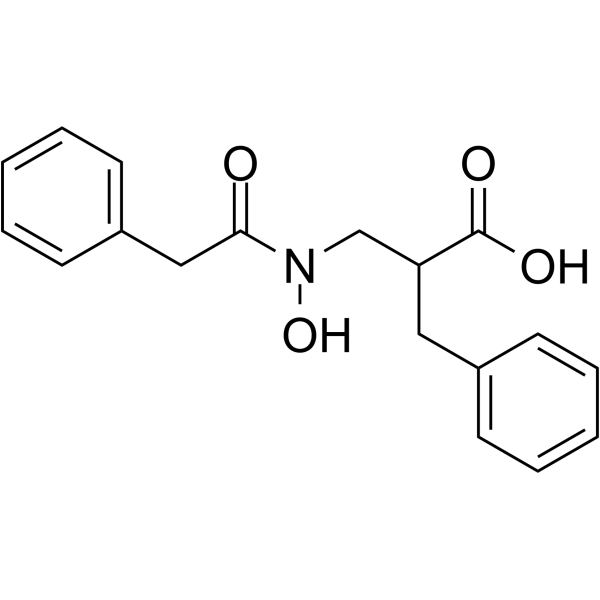
    NNGH is a stromelysin-1 (MMP-3) inhibitor. MMP-3 is both a direct transcriptional target and a necessary contributor of the Wnt/β-catenin signaling pathway. Matrix metalloproteinases (MMPs) play a well-defined role in later stages of tumor progression .
    NNGH
  • HY-129566

    ERK Wnt β-catenin RUNX Neurological Disease Metabolic Disease Inflammation/Immunology Cancer
    Withanolide B is an active component of W. somnifera Dunal. Withanolide B promotes osteogenic differentiation of hBMSCs via ERK1/2 and Wnt/β-catenin signaling pathways. Withanolide B exhibits neuroprotective, anti-arthritic, anti-aging and anti-cancer effects .
    Withanolide B
  • HY-14930A

    SK-3530 dihydrochloride

    Phosphodiesterase (PDE) Glucocorticoid Receptor Wnt β-catenin Apoptosis Neurological Disease Inflammation/Immunology Endocrinology
    Mirodenafil (SK3530) dihydrochloride is an orally active, potent, reversible, and selective phosphodiesterase 5 (PDE5) inhibitor. Mirodenafil dihydrochloride is a glucocorticoid receptor (GR) modulator Mirodenafil dihydrochloride activates the Wnt/β-catenin signaling pathway by downregulating Dkk1 expression. Mirodenafil dihydrochloride can be used for the research of erectile dysfunction (ED), Alzheimer’s disease (AD) and systemic sclerosis (SSc) .
    Mirodenafil dihydrochloride
  • HY-12170
    Prinomastat
    4 Publications Verification

    AG3340; KB-R9896

    MMP Apoptosis Cancer
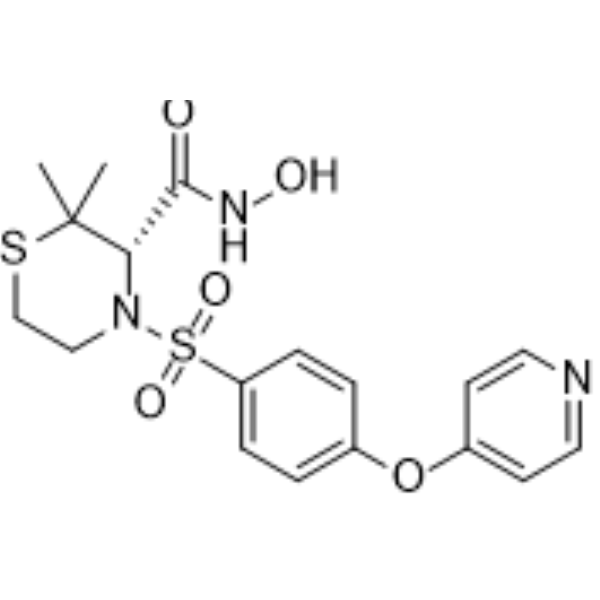
    Prinomastat (AG3340) is a broad spectrum, potent, orally active metalloproteinase (MMP) inhibitor with IC50s of 79, 6.3 and 5.0 nM for MMP-1, MMP-3 and MMP-9, respectively. Prinomastat inhibits MMP-2, MMP-3, MMP-13 and MMP-9 with Kis of 0.05 nM, 0.3 nM, 0.03 nM and 0.26 nM, respectively. Prinomastat crosses blood-brain barrier. Antitumor avtivity .
    Prinomastat
  • HY-145669
    DIF-3
    5+ Cited Publications

    Wnt CDK GSK-3 Infection Cancer
    DIF-3 is an orally active anticancer agent. DIF-3 reduces the expression levels of cyclin D1 and c-Myc by facilitating their degradation via activation of GSK-3β. DIF-3 inhibits Wnt/β-catenin signaling pathway-related proteins in cells. DIF-3 induces reactive oxygen species (ROS) and autophagy. DIF suppresses the growth of Trypanosoma. cruzi in HT1080 cells. DIF-3 exerts antitumor effects both in vitro and in vivo .
    DIF-3
  • HY-70005
    CPA inhibitor
    3 Publications Verification

    Carboxypeptidase inhibitor

    Carboxypeptidase Wnt β-catenin Inflammation/Immunology
    CPA inhibitor (Compound 5) (Carboxypeptidase inhibitor) is an orally active competitive carboxypeptidase A (CPA) inhibitor with a Ki value of 0.32 μM. CPA inhibitor blocks the activity of carboxypeptidase A3 (CPA3). CPA activator activates the Wnt/Lrp6/β-catenin signaling pathway. CPA inhibitor reduces epithelial damage. CPA inhibitor is applicable to research related to inflammatory bowel disease, including ulcerative colitis and Crohn's disease .
    CPA inhibitor
  • HY-164478

    PARP Wnt β-catenin Cancer
    G-631 is an orally active tankyrase(TNKS1/TNKS2) inhibitor. G-631 stabilizes AXIN and inhibits the Wnt/β-catenin signaling pathway. G-631 can be used in studies related to cancers such as colorectal cancer .
    G-631
  • HY-P10810

    Wnt β-catenin Cancer
    QPH-FR is a LGR5 inhibitor. QPH-FR competitively binds to LGR5 and prevents the formation of the LGR5/RSPO1 complex. QPH-FR promotes RNF43/ZNRF3-mediated ubiquitination of FZD receptors, inhibits the Wnt β-catenin signaling pathway, and reduces the stemness of colorectal cancer cells. QPH-FR is applicable to relevant research on colorectal cancer .
    QPH-FR
  • HY-N2375

    Wnt β-catenin p38 MAPK Metabolic Disease
    L-Quebrachitol is a methoxy analog of inositol that can be isolated from plants. L-Quebrachitol has free-radical scavenging, gastroprotection, anti-platelet aggregation and anti-diabetic activity. L-Quebrachitol promotes osteoblastogenesis by uppregulation of BMP-2, runt-related transcription factor-2 (Runx2), MAPK (ERK, JNK, p38α), and Wnt/β-catenin signaling pathway .
    L-Quebrachitol
  • HY-10182R

    CHIR-99021 (Standard); CT99021 (Standard)

    Organoid GSK-3 Autophagy Wnt β-catenin Reference Standards Cancer
    Laduviglusib (Standard) is the analytical standard of Laduviglusib. Laduviglusib (CHIR-99021) is a potent, selective and orally active GSK-3α/β inhibitor with IC50s of 10 nM and 6.7 nM. Laduviglusib shows >500-fold selectivity for GSK-3 over CDC2, ERK2 and other protein kinases. Laduviglusib is also a potent Wnt/β-catenin signaling pathway activator. Laduviglusib enhances mouse and human embryonic stem cells self-renewal. Laduviglusib induces autophagy .
    Laduviglusib (Standard)
  • HY-172920

    Wnt β-catenin EGFR ERK COX Akt GSK-3 c-Myc Apoptosis Interleukin Related JNK Inflammation/Immunology Cancer
    Wnt/β-catenin-IN-6 is an orally active Wnt/β-catenin pathway inhibitor. Wnt/β-catenin-IN-6 blocks the AKT/GSK-3β/β-catenin signaling pathway, leading to reduced expression of Wnt target genes (c-Myc, c-Jun). Wnt/β-catenin-IN-6 reduces COX2 expression and IL-8 levels, highlighting its dual anti-inflammatory and antitumor effects. Wnt/β-catenin-IN-6 can induce apoptosis. Wnt/β-catenin-IN-6 serves as a tool for non-small cell lung cancer (NSCLC) research .
    Wnt/β-catenin-IN-6
  • HY-138301
    Miclxin
    1 Publications Verification

    DS37262926

    Wnt β-catenin Apoptosis Cancer
    Miclxin (DS37262926) is a potent inhibitor of mutant β-catenin, involving in Wnt signaling pathway. Miclxin induces β-catenin-dependent apoptosis, leads to severe mitochondrial damage with the loss of mitochondrial membrane. Miclxin kills tumor via targeting to MIC60, a major components of the mitochondrial contact site and cristae organizing system (MICOS) complex .
    Miclxin
  • HY-144984

    β-catenin Molecular Glues Cancer
    NRX-1933 is a type of molecular glue. NRX-1933 is a β-catenin:β-TrCP interaction enhancer for the development of small molecule degraders. NRX-1933 promotes the ubiquitination of mutated β-Catenin, leading to degradation. NRX-1933 can be applied to tumor research on abnormal activation of Wnt/β - catenin signaling pathway .
    NRX-1933
  • HY-N0899

    JAK STAT Wnt β-catenin Inflammation/Immunology Cancer
    Wilforine is an orally active JAK-STAT pathway inhibitor with immunomodulatory effects and the ability to inhibit osteoclast fusion. Wilforine disrupts lipid raft integrity, reprograms cholesterol and glycosphingolipid metabolic pathways, regulates NF-κB and the complement system, and modulates the expression of various interleukins. Wilforine also inhibits the Wnt11/β-catenin signaling pathway and suppresses the proliferation of fibroblast-like synoviocytes. Wilforine can serve as a quality and pharmacokinetic marker for Tripterygium glycoside tablets, and can be applied to research on related diseases such as rheumatoid arthritis, inflammatory osteolysis, and SAPHO syndrome .
    Wilforine
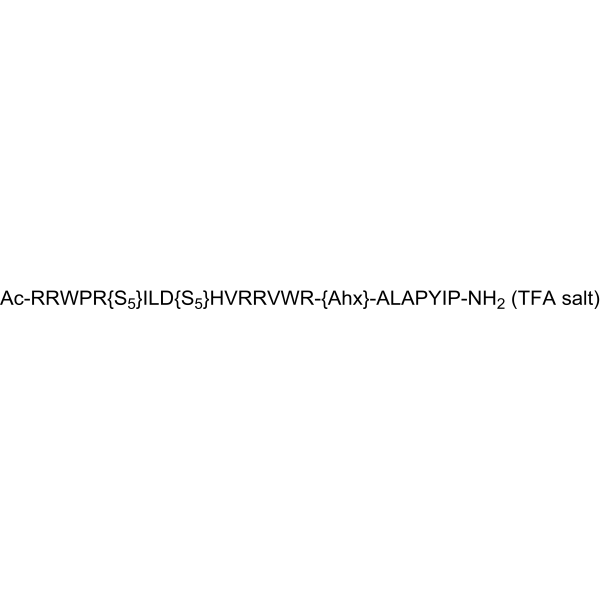
  • HY-P10392AF

    Wnt β-catenin Cancer
    fStAx-35R TFA is the hydrocarbon-stapled peptide. fStAx-35R TFA inhibits Wnt/β-catenin signaling pathway by disrupting the β-catenin-TCF interaction. fStAx-35R TFA can be used in cancer research .
    fStAx-35R TFA
  • HY-12170A
    Prinomastat hydrochloride
    4 Publications Verification

    AG3340 hydrochloride; KB-R9896 hydrochloride

    MMP Apoptosis Cancer
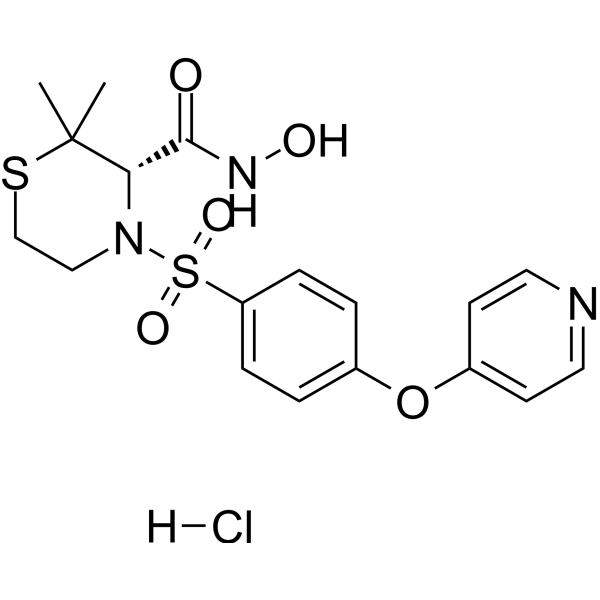
    Prinomastat hydrochloride (AG3340 hydrochloride) is a broad spectrum, potent, orally active metalloproteinase (MMP) inhibitor with IC50s of 79, 6.3 and 5.0 nM for MMP-1, MMP-3 and MMP-9, respectively. Prinomastat hydrochloride inhibits MMP-2, MMP-3, MMP-13 and MMP-9 with Kis of 0.05 nM, 0.3 nM, 0.03 nM and 0.26 nM, respectively. Prinomastat hydrochloride can cross blood-brain barrier. Antitumor avtivity .
    Prinomastat hydrochloride
  • HY-P5819A
    xStAx-VHLL TFA
    3 Publications Verification

    PROTACs β-catenin Wnt Cancer
    xStAx-VHLL TFA is a β-catenin PROTAC degrader that promotes ubiquitination and proteasome degradation of β-catenin. xStAx-VHLL TFA inhibits the Wnt/β-catenin signaling pathway. xStAx-VHLL TFA can inhibit the proliferation of colon cancer cells and has anti-tumor activity .
    xStAx-VHLL TFA
  • HY-148055

    Wnt β-catenin Cardiovascular Disease
    Wnt/β-catenin agonist 3 (compound 98) is a Wnt/β-catenin signalling pathway agonist. Wnt/β-catenin agonist 3 can be used for the research of osteoporosis .
    Wnt/β-catenin agonist 3
  • HY-114321
    Wnt/β-catenin agonist 1
    5+ Cited Publications

    Wnt Cancer
    Wnt/β-catenin agonist 1 (compound 3f) is a Wnt/β-catenin signalling pathway agonist, with an EC50 of 0.27 μM .
    Wnt/β-catenin agonist 1
  • HY-P4858

    GSK-3 Wnt Cancer
    C-Peptide 1 (rat), a peptide, is aβ-catenin/GSK-3β activator. C-Peptide 1 (rat) can regulate the Wnt/β-catenin signaling pathway. C-Peptide 1 (rat) can be used for the research of cancer .
    C-Peptide 1 (rat)
  • HY-N2785

    Wnt Metabolic Disease
    Desmethylicaritin is a phytoestrogenic molecule, has inducible effect on directional differentiation of embryonic stem cells into cardiomyocytes. Desmethylicaritin also suppresses adipogenesis via Wnt/β-catenin signaling pathway .
    Desmethylicaritin
  • HY-151463

    Wnt CDK β-catenin Cancer
    CDK8-IN-11 is a potent and selective CDK8 inhibitor with an IC50 value of 46 nM. CDK8-IN-11 inhibits WNT/β-catenin signaling pathway. CDK8-IN-11 can be used in the research of colon cancer .
    CDK8-IN-11
  • HY-W100287

    NF-κB p38 MAPK Interleukin Related IKK JNK β-catenin Wnt Neurological Disease Inflammation/Immunology Cancer
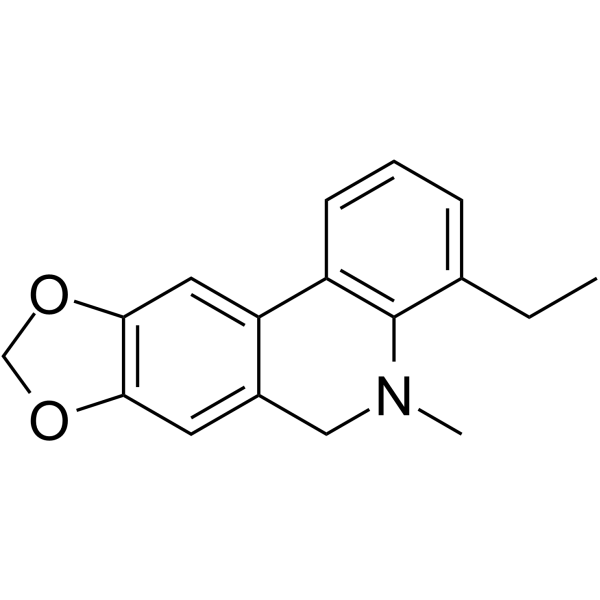
    Murrayafoline A is a carbazole alkaloid that can be extracted from Murraya tetramera. Murrayafoline A directly targets Specificity protein 1 (Sp1), thereby inhibiting NF-κB and MAPK signaling pathways. Murrayafoline a induces a G0/G1-phase arrest in platelet-derived growth factor (PDGF)-stimulated vascular smooth muscle cells. Murrayafoline A attenuates the Wnt/β-catenin pathway by promoting the degradation of intracellular β-catenin proteins. Murrayafoline A enhances the contraction of rat ventricular myocytes and L-type calcium current by activating protein kinase C. Murrayafoline A inhibits LPS (HY-D1056)-induced neuroinflammation in vivo. Murrayafoline A can be used for the study of inflammation, vascular complications and colon cancer .
    Murrayafoline A
  • HY-163409

    Wnt β-catenin Inflammation/Immunology Cancer
    CKG012 is an inhibitor for Wnt/βcatenin signaling pathway. CGK012 inhibits release of HMGB1 and transcription of β-catenin, exhibits attenuating activities against cecal ligation and puncture (CLP)-induced sepsis and multiple myeloma cancer .
    CGK012
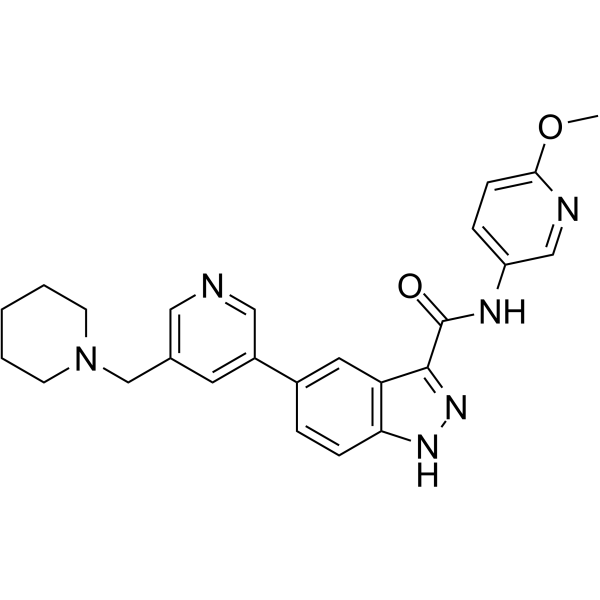
  • HY-160709

    Wnt β-catenin Cancer
    Wnt/β-catenin-IN-2 (Compound 3235-0367) is a Wnt/β-catenin signaling pathway inhibitor, with IC50 and KD values of 7.1 and 2.5 μM, respectively. Wnt/β-catenin-IN-2 can be used for the research of cancer .
    Wnt/β-catenin-IN-2
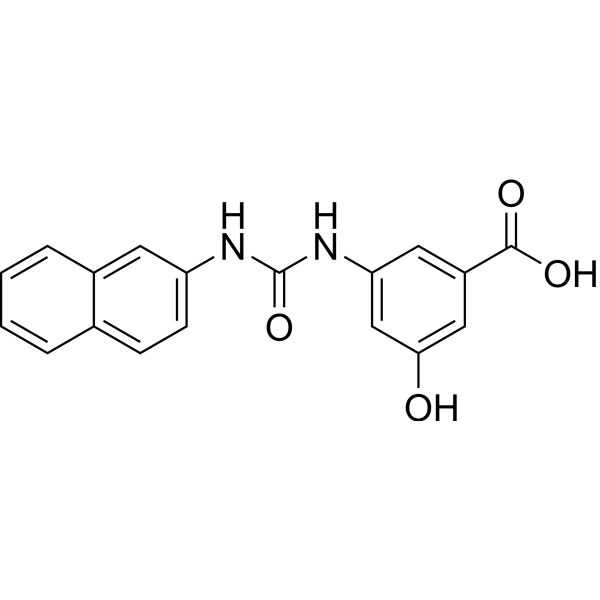
  • HY-137454
    Teplinovivint
    2 Publications Verification

    Wnt β-catenin Inflammation/Immunology
    Teplinovivint is a potent wnt/β-catenin signaling pathway inhibitor. Teplinovivint has anti-inflammatory activity and has the potential for tendinopathy research .
    Teplinovivint
  • HY-108437

    Wnt Infection Cancer
    exo-IWR-1, an inactive stereoisomer of Endo-IWR-1, is a negative control of IWR-1 (HY-12238). IWR-1 is a tankyrase inhibitor which inhibits Wnt/β-catenin signaling pathway .
    exo-IWR-1
  • HY-W010995

    Wnt Survivin β-catenin Cancer
    2,5-Dimethylcelecoxib is an analogue of celecoxib (HY-14398) with anticancer activity but without COX-2 inhibitory activity. 2,5-Dimethylcelecoxib exerts its anti-cancer cell proliferation effect by inhibiting the core mechanism of the Wnt/β-catenin signaling pathway. 2,5-Dimethylcelecoxib also inhibits T-cell factor-dependent transcriptional activity and inhibits expression of the Wnt/β-catenin target gene products cyclin D1 and survivin .
    2,5-Dimethylcelecoxib
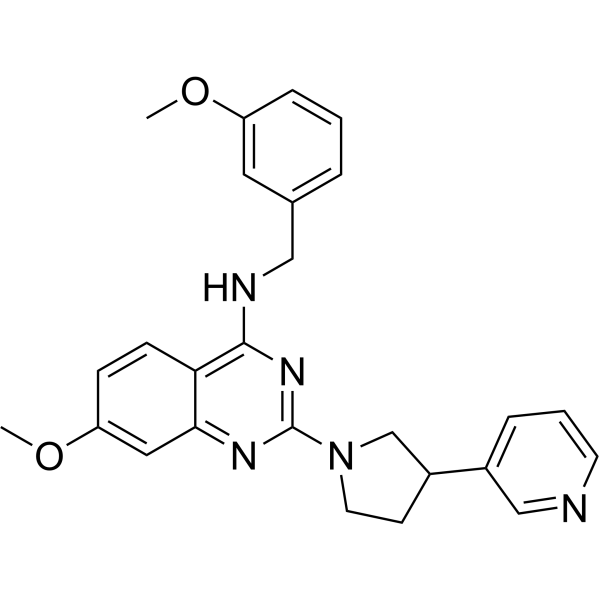
  • HY-10860

    sFRP-1 Wnt β-catenin Metabolic Disease
    WAY-362692 is a secreted frizzled-related protein (sFRP-1) inhibitor (IC50 of 0.02 μM), targeting the netrin domain of sFRP-1. WAY-362692 can competitively inhibit the interaction between sFRP-1 and Wnt proteins, and activate the Wnt/β-catenin signaling pathway (EC50 = 0.03 μM). WAY-362692 can activate osteoblasts and promote bone remodeling. WAY-362692 can be used for the research of metabolic disease, such as osteoporosis .
    WAY-362692
  • HY-121118
    Coronaridine
    1 Publications Verification

    Wnt Neurological Disease Cancer
    Coronaridine, an iboga type alkaloid, inhibits the wnt signaling pathway by decreasing β-catenin expression .
    Coronaridine
  • HY-172171

    GSK-3 β-catenin Wnt Neurological Disease
    GSK3β-IN-2 (Compound S01) is the inhibitor for GSK3β with an IC50 of 0.35 nM. GSK3β-IN-2 activates Wnt/β-catenin signaling pathway, promotes neurogenesis and neurite growth. GSK3β-IN-2 inhibits Aβ-induced tau hyperphosphorylation at Ser396, reduces the formation of neurofibrillary tangles. GSK3β-IN-2 ameliorates Alzheimer's Disease in zebrafish model .
    GSK3β-IN-2
  • HY-173482

    Wnt β-catenin Cancer
    TFAP4/Wnt/β-catenin-IN-1 (Compound A61) is an orally active TFAP4/Wnt/β-catenin inhibitor. TFAP4/Wnt/β-catenin-IN-1 has significant anticancer activity against a variety of cancer cells (such as gastric cancer, lung cancer, breast cancer, etc.), and has the strongest anticancer activity against MGC-803 gastric cancer cells (IC50: 3.92 μM). TFAP4/Wnt/β-catenin-IN-1 induces apoptosis and cell cycle arrest (S phase) in cancer cells by inhibiting the TFAP4/Wnt/β-catenin signaling pathway. TFAP4/Wnt/β-catenin-IN-1 can be used in the study of gastric cancer .
    TFAP4/Wnt/β-catenin-IN-1

Inquiry Online

Your information is safe with us. * Required Fields.

Salutation


Country or Region *

Applicant Name *


Organization Name *

Department *


Email Address *


Product Name *

Cat. No.


Requested quantity *

Phone Number *


Remarks

Inquiry Online

Inquiry Information

Product Name:
Cat. No.:
Quantity:
MCE Japan Authorized Agent:

