
1. Search Result
Search Result
Results for "

cardiomyopathy

" in MedChemExpress (MCE) Product Catalog:

96

Inhibitors & Agonists

3

Biochemical Assay Reagents

3

Peptides

2

Inhibitory Antibodies

19

Natural
Products

1

Recombinant Proteins

5

Isotope-Labeled Compounds

2

Antibodies

6

Oligonucleotides

Cat. No. Product Name Target Research Areas Chemical Structure
  • HY-44134
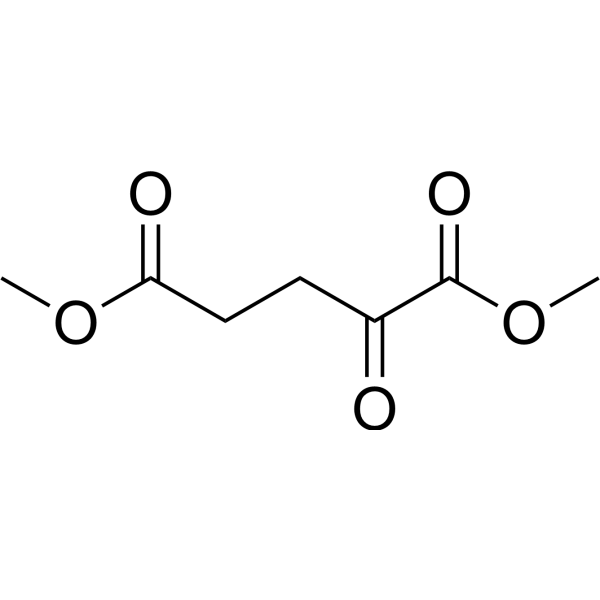
    Dimethyl 2-oxoglutarate
    1 Publications Verification

    Dimethyl α-ketoglutarate

    Endogenous Metabolite Drug Derivative Autophagy Mitochondrial Metabolism Reactive Oxygen Species (ROS) Cardiovascular Disease Neurological Disease Metabolic Disease
    Dimethyl 2-oxoglutarate (Dimethyl α-ketoglutarate) is a cell-permeable derivative of 2-oxoglutarate and tricarboxylic acid cycle metabolite with antioxidant properties. Dimethyl 2-oxoglutarate inhibits Autophagy. Dimethyl 2-oxoglutarate prevents mitochondrial damage and reduces ROS production. Dimethyl 2-oxoglutarate alleviates Carbon tetrachloride (HY-Y0298)-induced liver fibrosis. Dimethyl-2-oxoglutaric acid can be used in the research of diseases such as Alzheimer's disease, diabetes, and cardiomyopathy .
    Dimethyl 2-oxoglutarate
  • HY-B0573
    Propranolol hydrochloride
    40+ Cited Publications

    Adrenergic Receptor Bacterial Cardiovascular Disease Infection Neurological Disease Metabolic Disease Cancer
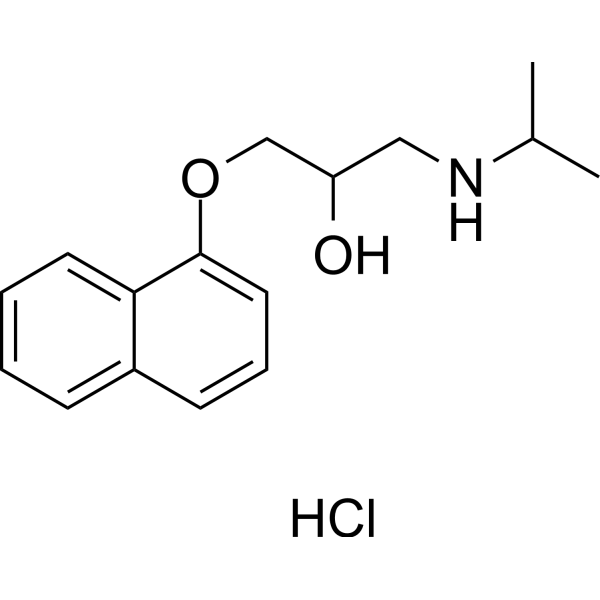
    Propranolol hydrochloride is a nonselective and BBB-permeableβ-adrenergic receptor (βAR) antagonist, has high affinity for the β1AR and β2AR with Ki values of 1.8 nM and 0.8 nM, respectively. Propranolol hydrochloride inhibits [ 3H]-DHA binding to rat brain membrane preparation with an IC50 of 12 nM. Propranolol hydrochloride is used for study of hypertension, pheochromocytoma, myocardial infarction, cardiac arrhythmias, angina pectoris, and hypertrophic cardiomyopathy .
    Propranolol hydrochloride
  • HY-B0573B
    Propranolol
    40+ Cited Publications

    Adrenergic Receptor Bacterial Cardiovascular Disease Infection Neurological Disease Metabolic Disease Cancer
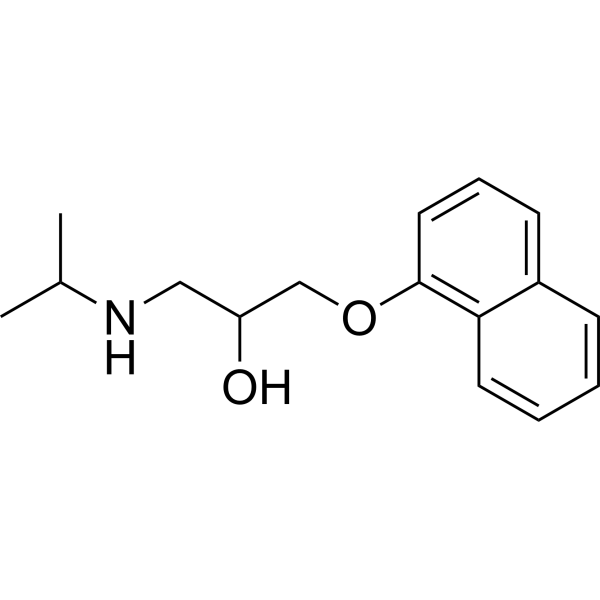
    Propranolol is a nonselective and BBB-permeable β-adrenergic receptor (βAR) antagonist, has high affinity for the β1AR and β2AR with Ki values of 1.8 nM and 0.8 nM, respectively . Propranolol inhibits [ 3H]-DHA binding to rat brain membrane preparation with an IC50 of 12 nM . Propranolol is used for the study of hypertension, pheochromocytoma, myocardial infarction, cardiac arrhythmias, angina pectoris, and hypertrophic cardiomyopathy .
    Propranolol
  • HY-139465
    Aficamten
    3 Publications Verification

    CK-274; CK-3773274

    Myosin Cardiovascular Disease
    Aficamten (CK-274) is a potent cardiac myosin inhibitor with an IC50 of 1.4 μM. Aficamten can be used for the research of hypertrophic cardiomyopathy (HCM) .
    Aficamten
  • HY-18204A
    Sacubitril/Valsartan
    5+ Cited Publications

    LCZ696

    Angiotensin Receptor Neprilysin Apoptosis Cardiovascular Disease Endocrinology Cancer
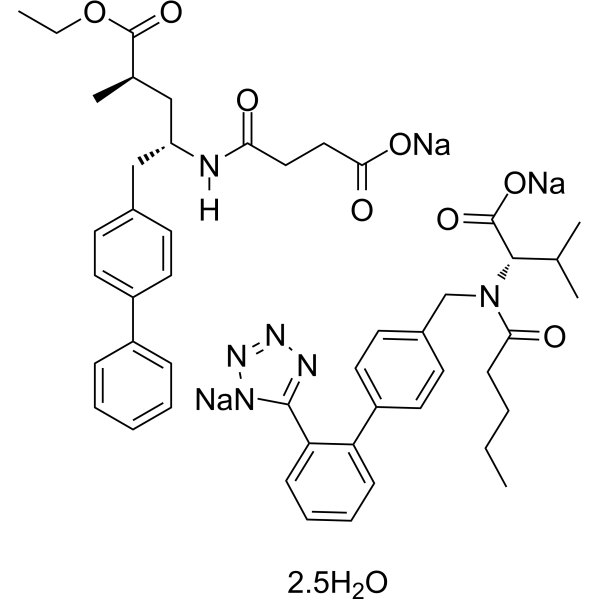
    Sacubitril/Valsartan (LCZ696), comprised Valsartan and Sacubitril (AHU377) in 1:1 molar ratio, is a first-in-class, orally bioavailable, and dual-acting angiotensin receptor-neprilysin (ARN) inhibitor for hypertension and heart failure . Sacubitril/Valsartan ameliorates diabetic cardiomyopathy by inhibiting inflammation, oxidative stress and apoptosis .
    Sacubitril/Valsartan
  • HY-B0388
    Probucol
    2 Publications Verification

    DH-581

    Virus Protease Apoptosis Reactive Oxygen Species (ROS) Glutathione Peroxidase Caspase Infection Neurological Disease Metabolic Disease Inflammation/Immunology Cancer
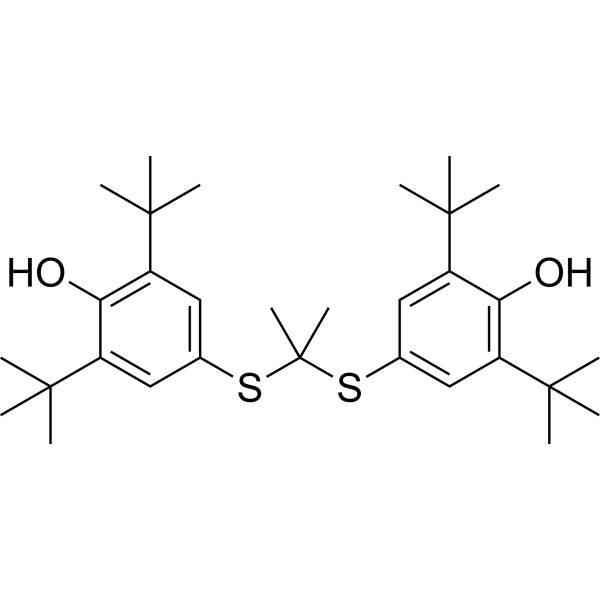
    Probucol (DH-581) is an anti-hyperlipidemic agent. Probucol activates glutathione peroxidase. Probucol promotes low density lipoprotein (LDL) catabolism, inhibits ABCA1-dependent cholesterol efflux, and decreases HDL-C levels. Probucol also has anti-inflammatory, antioxidant and neuroprotective properties. Probucol can be used for researches on bone, cardiovascular, cancer, neurological, and metabolism-related diseases .
    Probucol
  • HY-N0716B
    Berberine sulfate
    Maximum Cited Publications
    77 Publications Verification

    Natural Yellow 18 sulfate

    Antibiotic Topoisomerase Autophagy Bacterial Reactive Oxygen Species (ROS) Parasite Apoptosis PI3K Akt Caspase JNK AP-1 NF-κB Infection Cardiovascular Disease Neurological Disease Metabolic Disease Inflammation/Immunology Cancer
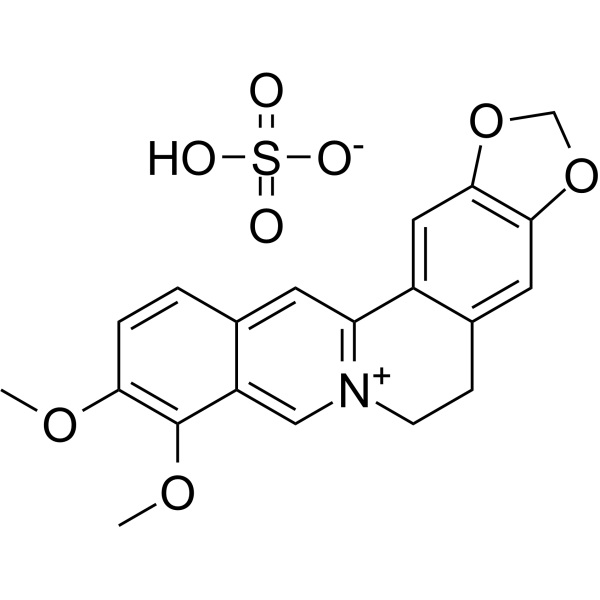
    Berberine sulfate is an alkaloid isolated from the Chinese herbal medicine Huanglian, as an antibiotic. Berberine sulfate induces reactive oxygen species (ROS) generation and inhibits DNA topoisomerase. Berberine sulfate has antineoplastic properties. The sulfate form improves bioavailability .
    Berberine sulfate
  • HY-N6653
    Lentinan
    5+ Cited Publications

    JAK Keap1-Nrf2 Apoptosis Infection Metabolic Disease Inflammation/Immunology Cancer
    Lentinan is an orally active biocompatible multifunctional polysaccharide with biological activities such as anti-inflammatory, antioxidant, immune regulation, anti-tumor, hypoglycemic, and lipid-lowering [1][4].
    Lentinan
  • HY-112654
    GCN2iB
    55+ Cited Publications

    Eukaryotic Initiation Factor (eIF) Glutathione Peroxidase Cardiovascular Disease Metabolic Disease Cancer
    GCN2iB is an ATP-competitive, selective GCN2 inhibitor with an IC50 of 2.4 nM. GCN2iB inhibits the activation of the GCN2 pathway and upregulates GPX4. GCN2iB enhances the anticancer effect of ASNase against acute lymphoblastic leukemia. GCN2iB increases left ventricular ejection fraction, while reducing fasting blood glucose and myocardial fibrosis. GCN2iB can be used in research related to acute lymphoblastic leukemia, acute myeloid leukemia and diabetic cardiomyopathy .
    GCN2iB
  • HY-128700
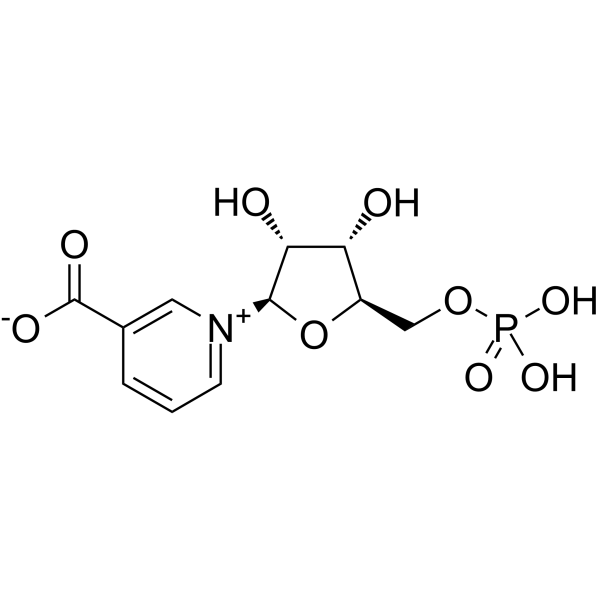
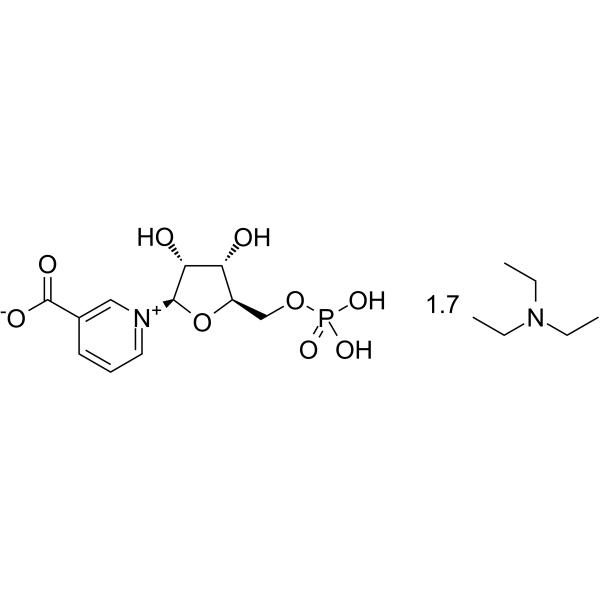
    Nicotinic acid mononucleotide
    1 Publications Verification

    Endogenous Metabolite Sirtuin Neurological Disease Inflammation/Immunology Cancer
    Nicotinic acid mononucleotide acts as a SARM1 inhibitor and a NAD + biosynthesis intermediate, with an IC50 value of 93.3 μM against SARM1. Nicotinic acid mononucleotide exerts axon-protective effects, delays axonal degeneration, elevates NAD + levels, enhances Sirt1 activity, improves myocardial capillary density and alleviates myocardial fibrosis. Nicotinic acid mononucleotide reverses diabetic cardiomyopathy in diabetic mice by increasing myocardial NAD + levels. Nicotinic acid mononucleotide is applicable to research related to cancer, multiple sclerosis, diabetic cardiomyopathy, neurodegenerative diseases and Huntington's disease .
    Nicotinic acid mononucleotide
  • HY-128326

    MAP3K Cardiovascular Disease
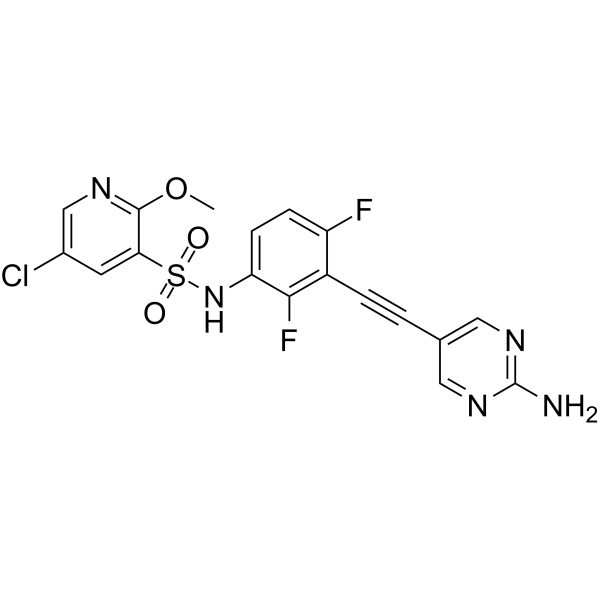
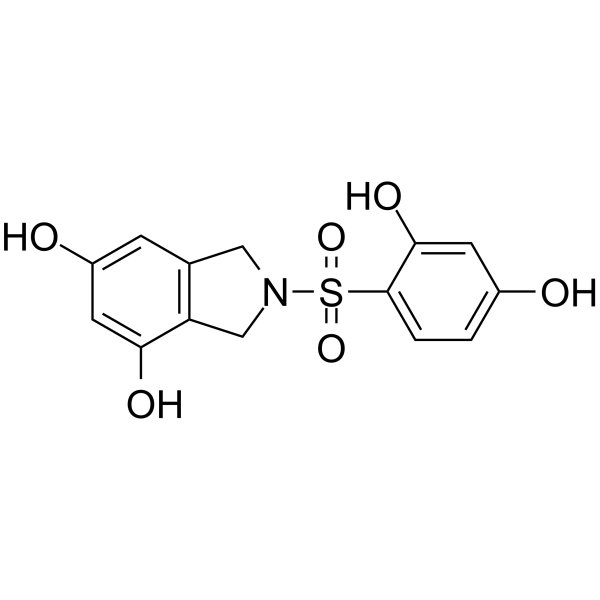
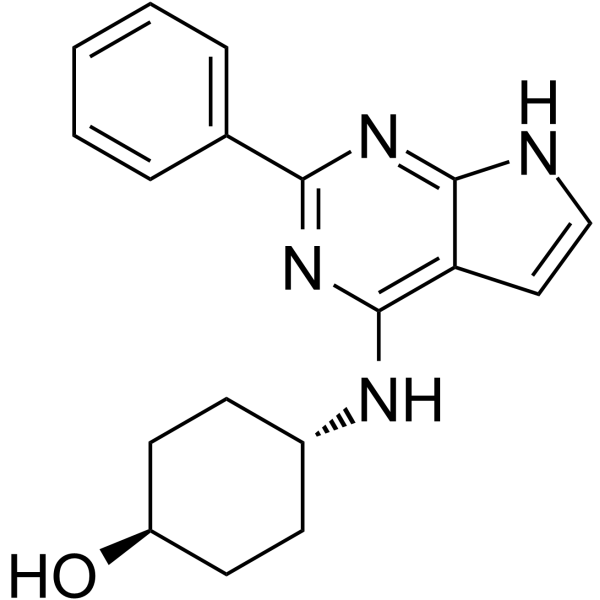
    ZAK-IN-1 is an orally active and selective selective leucine-zipper and sterile‑α motif kinase (ZAK) inhibitor with IC50 of 4 nM and KD of 8 nM. ZAK-IN-1 exhibits excellent selectivity against a panel of 403 wild-type kinases. ZAK-IN-1 blocks p38/GATA-4 and JNK/c-Jun signaling and shows promising anti antihypertrophic cardiomyopathy (HCM) efficacy. ZAK-IN-1 can be used for the study of HCM .
    ZAK-IN-1
  • HY-125863

    G6PD

    Endogenous Metabolite Metabolic Disease Cancer
    Glucose-6-phosphate dehydrogenase, Microorganism (G6PD) is the rate-limiting enzyme of the pentose phosphate pathway. Glucose-6-phosphate dehydrogenase, Microorganism is a primary source of NADPH in antioxidant pathways, nitric oxide synthase, NADPH oxidase, cytochrome p450 systems, and others. Glucose-6-phosphate dehydrogenase, Microorganism is applicable in research related to diabetes, endothelial dysfunction, cancer, and cardiomyopathy .
    Glucose-6-phosphate dehydrogenase, Microorganism
  • HY-N0657
    Pinoresinol Diglucoside
    1 Publications Verification

    NF-κB Keap1-Nrf2 Heme Oxygenase (HO) TGF-beta/Smad Akt mTOR PI3K Cardiovascular Disease Neurological Disease Metabolic Disease Inflammation/Immunology
    Pinoresinol Diglucoside is an orally active lignan with multifunctional bioactivity. Pinoresinol Diglucoside interacts with targets including ALB, HIF1A, GSK3B, BCL2, MARK3, IL6, NF-κB p65, Nrf2, HO-1, and TLR4, and modulates pathways including PI3K-Akt, estrogen, MAPK, Rap1, AKT/mTOR/NF-κB, and TGF-β1/Smads. Pinoresinol Diglucoside regulates osteogenesis, bone resorption, oxidative stress, inflammation, apoptosis, ferroptosis, ferritinophagy, cardiac fibrosis, and vasorelaxation. Pinoresinol Diglucoside can be used for the research of osteoporosis, ischemia/reperfusion-induced brain injury, Alzheimer’s disease, myocardial ischemia-reperfusion injury, chondrodysplasia, diabetic cardiomyopathy, cardiac hypertrophy, hypertension, cisplatin-induced hearing loss, atherosclerotic cardiovascular diseases, and disuse osteoporosis .
    Pinoresinol Diglucoside
  • HY-119850

    ARM036; S44121

    Calcium Channel Cardiovascular Disease
    Aladorian (ARM036; S44121) is a non-peptidic ryanodine receptor 2 (RyR2) stabilizer. Aladorian stabilizes RyR2 channels and rectifies abnormal Ca²⁺ handling in cardiomyocytes. Aladorian improves cardiomyocyte Ca²⁺ homeostasis independent of dystrophin restoration. Aladorian attenuates early cardiomyopathy and enhances left ventricular function in a canine muscular dystrophy model. Aladorian can be used for the research of heart failure, Duchenne muscular dystrophy-associated cardiomyopathy and muscular dystrophy .
    Aladorian
  • HY-148826

    ARC 183; BC 007

    G Protein-coupled Receptor Kinase (GRK) Cardiovascular Disease
    Rovunaptabin (ARC 183) is an aptamer, a single-stranded DNA molecule composed of 15 deoxynucleotides. It acts as a broad-spectrum neutralizer of pathogenic G-protein-coupled receptor autoantibodies. Rovunaptabin can be used in research related to cardiomyopathy and pulmonary hypertension .
    Rovunaptabin
  • HY-N1990
    Gypenoside XLIX
    2 Publications Verification

    PPAR Sirtuin Keap1-Nrf2 Toll-like Receptor (TLR) NF-κB Reactive Oxygen Species (ROS) NOD-like Receptor (NLR) Apoptosis Pyroptosis Autophagy Cardiovascular Disease Neurological Disease Metabolic Disease Inflammation/Immunology
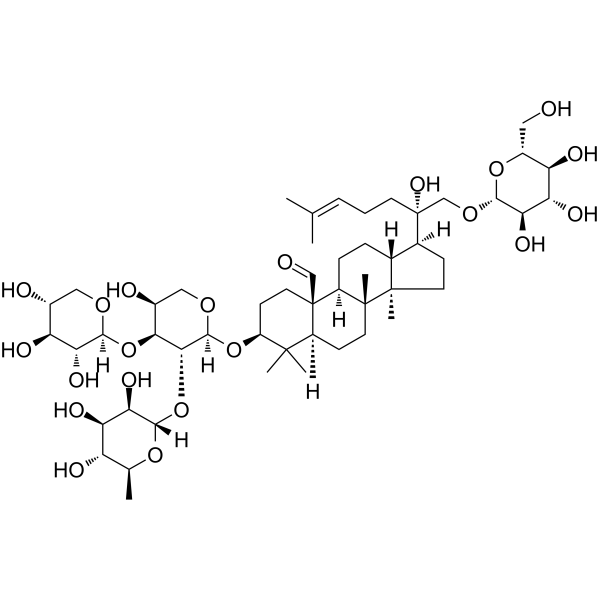
    Gypenoside XLIX is a multifunctional bioactive compound that can be isolated from Gynostemma pentaphyllum, with a Ka value of 1.58 μM for its binding to SIRT1. Gypenoside XLIX acts as a PPAR-α agonist. It inhibits the activation of TLR4-mediated NF-κB signaling pathway by activating the Sirt1/Nrf2 signaling pathway, reduces ROS accumulation, and alleviates hepatic inflammatory injury in mice with sepsis-induced liver disease. Gypenoside XLIX targets SIRT1 to block YAP-NLRP3 activation and improve sepsis-induced cardiomyopathy. Gypenoside XLIX inhibits apoptosis (Apoptosis), pyroptosis (Pyroptosis), autophagy (Autophagy), lipid peroxidation, pro-inflammatory cytokines and anti-inflammatory cytokines. Gypenoside XLIX alleviates sepsis-induced splenic injury by inhibiting inflammation and oxidative stress, and mitigates sepsis-associated encephalopathy by targeting PPAR-α. Gypenoside XLIX prevents acute kidney injury by inhibiting IGFBP7/IGF1R-mediated programmed cell death and inflammation. Gypenoside XLIX inhibits the expression and activity of vascular cell adhesion molecule-1 in cytokine-induced human endothelial cells. Gypenoside XLIX is applicable to research related to acute liver injury, lung injury, cardiomyopathy, acute splenic injury, sepsis-associated encephalopathy, acute kidney injury, atherosclerosis and chronic inflammation .
    Gypenoside XLIX
  • HY-112974

    GSK-2998728; ISIS-420915

    Transthyretin (TTR) Cardiovascular Disease Neurological Disease
    Inotersen (GSK-2998728; ISIS-420915) is a 2'-O-methoxyethyl-modified antisense oligonucleotide and transthyretin (TTR) inhibitor with low genotoxicity. Inotersen triggers RNase H1-mediated degradation by binding to TTR mRNA, thereby effectively reducing the production of both mutant and wild-type transthyretin in the liver. Inotersen significantly reduces amyloid fiber deposition, yet specific toxicities such as inflammation or tumors are observed at high doses in some animal models. Inotersen is used in studies of hereditary transthyretin amyloidosis and the associated polyneuropathy and cardiomyopathy .
    Inotersen
  • HY-N0716A
    Berberine hemisulfate
    50+ Cited Publications

    Natural Yellow 18 hemisulfate

    Antibiotic Topoisomerase Autophagy Bacterial Reactive Oxygen Species (ROS) Apoptosis PI3K Akt Caspase JNK AP-1 NF-κB Infection Cardiovascular Disease Neurological Disease Metabolic Disease Inflammation/Immunology Cancer
    Berberine hemisulfate is the hemisulfate form of Berberine (HY-N0716). Berberine hemisulfate is an alkaloid isolated from the Chinese herbal medicine Huanglian. Berberine hemisulfate exhibits anti-inflammatory, antibiobic, antitumor, cardiovascular protective and neuroprotective activity .
    Berberine hemisulfate
  • HY-N0716

    Natural Yellow 18

    Antibiotic Topoisomerase Autophagy Bacterial Reactive Oxygen Species (ROS) Parasite Apoptosis PI3K Akt Caspase JNK AP-1 NF-κB Infection Cardiovascular Disease Neurological Disease Metabolic Disease Inflammation/Immunology Cancer
    Berberine (Natural Yellow 18) is an alkaloid isolated from the Chinese herbal medicine Huanglian, as an antibiotic. Berberine (Natural Yellow 18) induces reactive oxygen species (ROS) generation and inhibits DNA topoisomerase. Berberine (Natural Yellow 18) has antineoplastic properties. The sulfate form (HY-N0716B) improves bioavailability .
    Berberine
  • HY-148089
    Eplontersen
    1 Publications Verification

    Transthyretin (TTR) Neurological Disease
    Eplontersen is a triantennary N-acetyl galactosamine (GalNAc3-7a)-conjugated antisense oligonucleotide targeting transthyretin (TTR) mRNA to inhibit production of both variant and wild-type TTR protein. Misfolded TTR induces amyloid fibrils formation in the heart and peripheral nerves, leads to amyloid TTR (ATTR) amyloidosis diseases .
    Eplontersen
  • HY-121744
    PS10
    5+ Cited Publications

    PDHK Inflammation/Immunology
    PS10 is a novel, potent and ATP-competitive pan-PDK inhibitor, inhibits all PDK isoforms with IC50 of 0.8 μM, 0.76 μM, 2.1 μM and 21.3 μM for PDK2, PDK4, PDK1, and PDK3, respectively. PS10 shows high affinity for PDK2 (Kd= 239 nM) than for Hsp90 (Kd= 47 μM) . PS10 improves glucose tolerance, stimulates myocardial carbohydrate oxidation in diet-induced obesity. PS10 has the potential for the investigation of diabetic cardiomyopathy .PDK: pyruvate dehydrogenase kinase
    PS10
  • HY-159821

    CK-4021586; CK-586

    Myosin Cardiovascular Disease
    Ulacamten (CK-4021586; CK-586) is an orally active cardiac myosin inhibitor and an inhibitor of the double-headed cardiac heavy meromyosin (HMM)ATPase (excluding single-headed myosin subfragment-1), with an EC50 of 2.9 μM. Ulacamten regulates cardiac myosin, reduces excessive myocardial contractility, and alleviates left ventricular outflow tract obstruction. Ulacamten increases the left ventricular short-axis systolic internal diameter, inhibits dobutamine-induced exacerbation of obstruction, and exerts only a mild reducing effect on left ventricular systolic function. Ulacamten also inhibits the fractional shortening of the short axis without altering calcium transients. Ulacamten shows good safety and tolerability in purpose-bred cats with naturally occurring obstructive hypertrophic cardiomyopathy .
    Ulacamten
  • HY-P10728

    RXFP Receptor ERK Cardiovascular Disease Inflammation/Immunology
    B7-33 is a single-chain relaxin mimetic and a selective relaxin receptor 1 (RXFP1) agonist. B7-33 phosphorylates ERK1/2 without inducing activation of the cAMP signaling pathway. B7-33 exhibits anti-fibrotic and cardioprotective activities. B7-33 can be used in the research of vascular diseases such as cardiomyopathy, myocardial infarction and fibrosis .
    B7-33
  • HY-173117

    CaMK Cardiovascular Disease Cancer
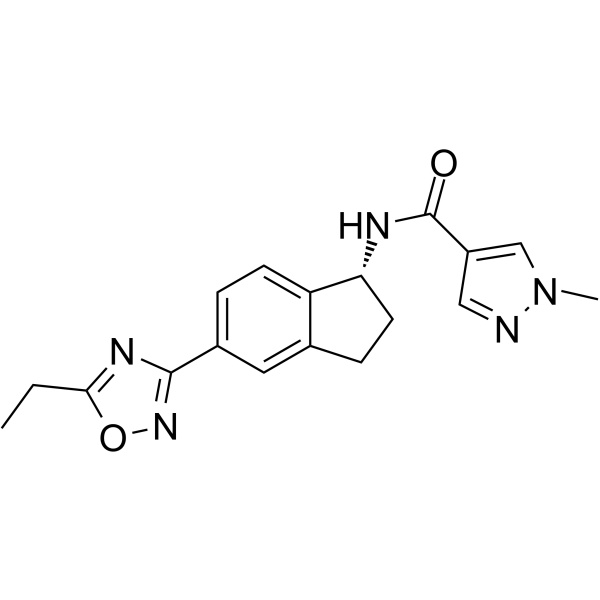
    RA306 is an orally active CaMKIIδ/γ inhibitor with IC50 values of 15, 25, 61, and 420 nM against CaMKIIδ, γ, α, and β isoforms, respectively. RA306 reduces the serine/threonine phosphorylation level of PEAK1, inhibits PEAK1-mediated cancer cell migration and invasion, and attenuates the growth and metastasis of cancer xenografts. RA306 can be used in research related to triple-negative breast cancer and dilated cardiomyopathy .
    RA306
  • HY-P99047

    AB 0024; GS 6624

    Monoamine Oxidase Cardiovascular Disease Inflammation/Immunology
    Simtuzumab (AB 0024; GS 6624) is a monoclonal antibody directed against Lysyl oxidase like-2 (LOXL2). Simtuzumab non-competitively blocks collagen cross-linking, reduces LOXL2 protein expression and attenuates extracellular matrix changes. Simtuzumab reduces myocardial fibrosis and prevents cardiac dysfunction. Simtuzumab lowers Myh7 and Nppa gene expression, reduces contraction heterogeneity, and cuts COL1A1 deposition. Simtuzumab can be used for the research of LMNA mutation-induced dilated cardiomyopathy, idiopathic pulmonary fibrosis, and primary sclerosing cholangitis .
    Simtuzumab
  • HY-14858
    Derenofylline
    2 Publications Verification

    SLV 320

    Adenosine Receptor Cardiovascular Disease
    Derenofylline (SLV 320) is a potent, selective and orally active adenosine A1 receptor antagonist, with Ki values of 1 nM, 200 nM and 398 nM for human A1, A3 and A2A receptors respectively. Derenofylline suppresses cardiac fibrosis and attenuates albuminuria without affecting blood pressure in rats .
    Derenofylline
  • HY-168894

    Ferroptosis JAK STAT p38 MAPK AMPK GSK-3 Apoptosis HSP TNF Receptor Cardiovascular Disease Neurological Disease Metabolic Disease Cancer
    CT-1 is a secreted protein belonging to the IL-6 cytokine family. Overexpression of CT-1 enhances cell proliferation, migration and angiogenesis via the ADMA/DDAH pathway. CT-1 inhibits the growth of triple-negative breast cancer cells by simultaneously inducing Ferroptosis in N2-type tumor-associated neutrophils and cancer cells. CT-1 activates the Jak/STAT-3, p42/p44 MAPK and AMPK pathways, and inhibits GSK-3β activity through phosphorylation to induce cardiomyocyte hypertrophy. CT-1 enhances the viability of cardiomyocytes and neurons, reduces cell Apoptosis, induces the expression of heat shock proteins (HSP) and BNP, and inhibits TNF levels. CT-1 exerts anti-tumor activity in mouse models of triple-negative breast cancer. CT-1 improves cognitive impairment in mice. CT-1 is applicable to the research of ischemic heart disease, triple-negative breast cancer, myocardial hypertrophy, Parkinson's disease, hypertensive heart disease, myocardial infarction, acute Chagas cardiomyopathy, high-fat diet-induced cognitive impairment and diabetes-related cognitive impairment .
    CT-1
  • HY-B1016

    AR-12008

    PDGFR Phosphodiesterase (PDE) Prostaglandin Receptor Cardiovascular Disease Neurological Disease
    Trapidil (AR-12008) is an orally active vasodilator and antiplatelet agent. Trapidil antagonizes platelet-derived growth factor (PDGF), inhibits phosphodiesterase, thromboxane A2 synthesis and pro-inflammatory cytokine production. Trapidil promotes prostacyclin biosynthesis, reduces lipid peroxidation, regulates nitric oxide metabolism, and inhibits cell proliferation and migration. Trapidil exerts tissue-protective effects, regulates bone turnover, and inhibits pyroptosis via the GPX3/Nrf2 pathway. Trapidil is applicable to research related to renal ischemia-reperfusion injury, chronic stable angina, restenosis, meningioma, diabetic cardiomyopathy and peripheral nerve crush injury .
    Trapidil
  • HY-18967

    AT-001; Aldose reductase-IN-1

    Aldose Reductase Metabolic Disease
    Caficrestat (AT-001) is an orally active aldose reductase inhibitor. Caficrestat can be used in the study of diabetic cardiomyopathy .
    Caficrestat
  • HY-175746

    CX3CR1 Cardiovascular Disease
    AZD0233 is an orally active CX3CR1 antagonist. AZD0233 modulates the CX3CR1/CX3CL1 signaling axis via immunomodulatory effects. AZD0233 has improved physicochemical properties, metabolic stability, low toxicity and CYP inhibition. AZD0233 improves cardiac function and reduces macrophages and fibrotic scar in mice model of dilated cardiomyopathy. AZD0233 can be used for cardiovascular diseases like dilated cardiomyopathy research .
    AZD0233
  • HY-103320A
    Calhex 231 hydrochloride
    5+ Cited Publications

    CaSR Metabolic Disease
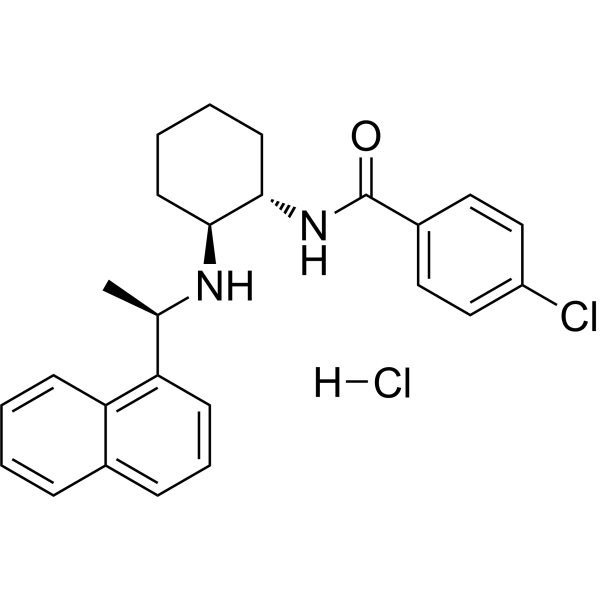
    Calhex 231 hydrochloride is a potent negative allosteric modulator that blocks (IC50 = 0.39 μM) increases in [ 3H]inositol phosphates elicited by activating the human wild-type CaSR transiently Ca 2+-sensing receptor. Calhex 231 hydrochloride can be used in the study of traumatic hemorrhagic shock (THS) and diabetic cardiomyopathy (DCM) .
    Calhex 231 hydrochloride
  • HY-177204

    Ferroptosis Apoptosis Glutathione Peroxidase Cardiovascular Disease
    DSPE-PEG2000-WLSEAGPVVTVRALRGTGSW is a polypeptide targeting tenascin-X (Tenascin-X) that can be conjugated with liposomes and exosomes. DSPE-PEG2000-WLSEAGPVVTVRALRGTGSW specifically binds to Tenascin-X on the surface of cardiomyocytes, mediates receptor-dependent uptake of nanocarriers, enhances targeted drug delivery of cargo to cardiomyocytes, and increases drug accumulation in cardiac tissue. DSPE-PEG2000-WLSEAGPVVTVRALRGTGSW protects cardiomyocytes treated with LPS, alleviates oxidative stress, repairs mitochondrial function, inhibits ferroptosis and apoptosis, and downregulates the secretion of pro-inflammatory cytokines at the same time. DSPE-PEG2000-WLSEAGPVVTVRALRGTGSW improves cardiac injury and pathological morphology in mice with sepsis-induced cardiomyopathy, restores GPX4 expression, and promotes the internalization of cardiomyocyte-derived exosomes, making it suitable for related research on sepsis-induced cardiomyopathy, myocardial ischemia-reperfusion injury, and other conditions .
    DSPE-PEG2000-WLSEAGPVVTVRALRGTGSW
  • HY-B0573S1

    Adrenergic Receptor Neurological Disease Endocrinology
    Propranolol-d7 (ring-d7) is the deuterium labeled Propranolol hydrochloride. Propranolol hydrochloride is a nonselective β-adrenergic receptor (βAR) antagonist, has high affinity for the β1AR and β2AR with Ki values of 1.8 nM and 0.8 nM, respectively . Propranolol hydrochloride inhibits [3H]-DHA binding to rat brain membrane preparation with an IC50 of 12 nM . Propranolol hydrochloride is used for study of hypertension, pheochromocytoma, myocardial infarction, cardiac arrhythmias, angina pectoris, and hypertrophic cardiomyopathy .
    Propranolol-d7 (ring-d7)
  • HY-148089A
    Eplontersen sodium
    1 Publications Verification

    Transthyretin (TTR) Neurological Disease
    Eplontersen sodium the sodium salt form of Eplontersen (HY-148089). Eplontersen sodium is a triantennary N-acetyl galactosamine (GalNAc3-7a)-conjugated antisense oligonucleotide targeting transthyretin (TTR) mRNA to inhibit production of both variant and wild-type TTR protein. Misfolded TTR induces amyloid fibrils formation in the heart and peripheral nerves, leads to amyloid TTR (ATTR) amyloidosis diseases .
    Eplontersen sodium
  • HY-105218A
    Ifetroban sodium
    1 Publications Verification

    BMS-180291 sodium

    Prostaglandin Receptor Cardiovascular Disease Endocrinology Cancer
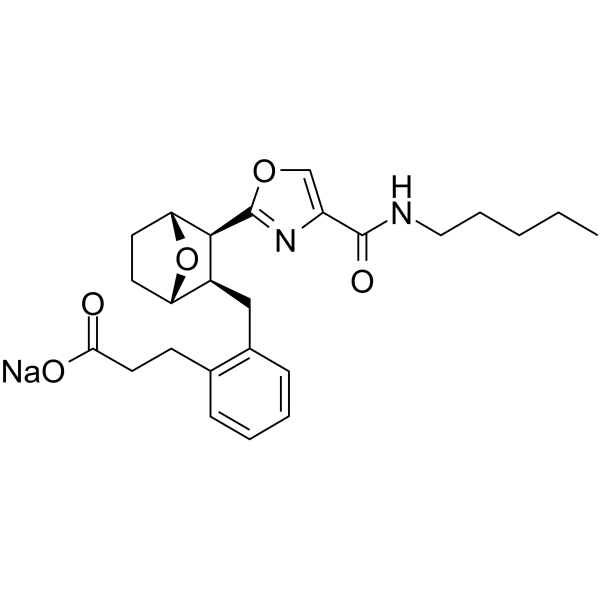
    Ifetroban (BMS-180291) sodium is an orally active antagonist of thromboxane A2 (TXA2) or prostaglandin H2 (PGH2) receptor. Ifetroban sodium shows antiplatelet activity, and inhibits tumor cell migration without affecting cell proliferation. Ifetroban sodium can be used for myocardial ischemia, hypertension, stroke, thrombosis, cardiomyopathy research .
    Ifetroban sodium
  • HY-105218
    Ifetroban
    1 Publications Verification

    BMS-180291

    Prostaglandin Receptor Cardiovascular Disease Endocrinology Cancer
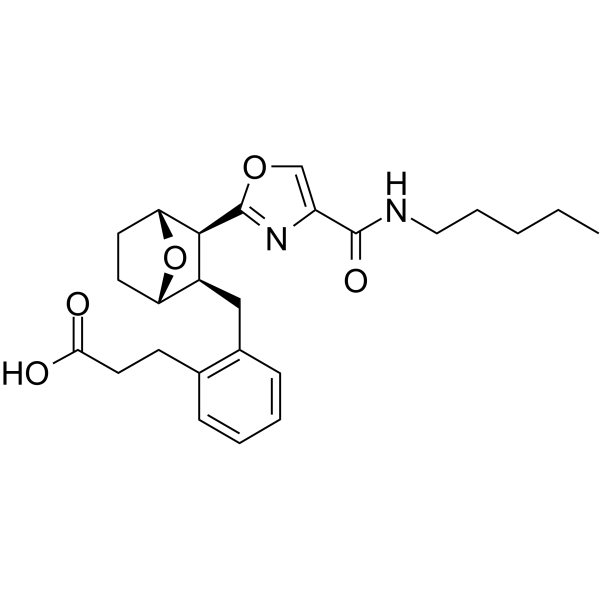
    Ifetroban (BMS-180291) is an orally active antagonist of thromboxane A2 (TXA2) or prostaglandin H2 (PGH2) receptor. Ifetroban shows antiplatelet activity, and inhibits tumor cell migration without affecting cell proliferation. Ifetroban can be used for myocardial ischemia, hypertension, stroke, thrombosis, cardiomyopathy research .
    Ifetroban
  • HY-19664

    OPC-13340

    Calcium Channel NO Synthase Cardiovascular Disease
    Pranidipine (OPC-13340) is an orally active L-type voltage-dependent calcium channel (L-VDCC) blocker with a Ki value of 0.16 nM. Pranidipine inhibits calcium-induced contraction, suppresses slow-response action potentials, shortens action potential duration, reduces systolic and diastolic blood pressure, and exerts vasodilatory effects. Pranidipine enhances its vasodilatory effect by blocking NO decomposition. Pranidipine can be used in research related to essential hypertension, angina pectoris, myocardial infarction, and dilated cardiomyopathy .
    Pranidipine
  • HY-B0573BS

    Adrenergic Receptor Cardiovascular Disease Neurological Disease Endocrinology
    Propranolol-d7 is the deuterium labeled Propranolol. Propranolol is a nonselective β-adrenergic receptor (βAR) antagonist, has high affinity for the β1AR and β2AR with Ki values of 1.8 nM and 0.8 nM, respectively . Propranolol inhibits [3H]-DHA binding to rat brain membrane preparation with an IC50 of 12 nM . Propranolol is used for the study of hypertension, pheochromocytoma, myocardial infarction, cardiac arrhythmias, angina pectoris, and hypertrophic cardiomyopathy .
    Propranolol-d7
  • HY-B0573S

    Adrenergic Receptor Cardiovascular Disease Neurological Disease Endocrinology
    Propranolol-d7 (hydrochloride) is a deuterium labeled Propranolol hydrochloride. Propranolol hydrochloride is a nonselective β-adrenergic receptor (βAR) antagonist, has high affinity for the β1AR and β2AR with Ki values of 1.8 nM and 0.8 nM, respectively . Propranolol hydrochloride inhibits [3H]-DHA binding to rat brain membrane preparation with an IC50 of 12 nM . Propranolol hydrochloride is used for the study of hypertension, pheochromocytoma, myocardial infarction, cardiac arrhythmias, angina pectoris, and hypertrophic cardiomyopathy .
    Propranolol-d7 hydrochloride
  • HY-116364B

    3'-Azido-3'-deoxythymidine-5'-triphosphate tetraammonium

    HIV DNA/RNA Synthesis HBV Reactive Oxygen Species (ROS) Apoptosis Infection
    AZT triphosphate (3'-Azido-3'-deoxythymidine-5'-triphosphate) tetraammonium is an active triphosphate metabolite of Zidovudine (AZT). AZT triphosphate tetraammonium exhibits antiretroviral activity and inhibits replication of HIV. AZT triphosphate tetraammonium also inhibits the DNA polymerase of HBV. AZT triphosphate tetraammonium activates the mitochondria-mediated apoptosis pathway .
    AZT triphosphate tetraammonium
  • HY-145816A
    JPS016 TFA
    1 Publications Verification

    HDAC PROTACs Apoptosis PINK1/Parkin Autophagy Reactive Oxygen Species (ROS) Cancer
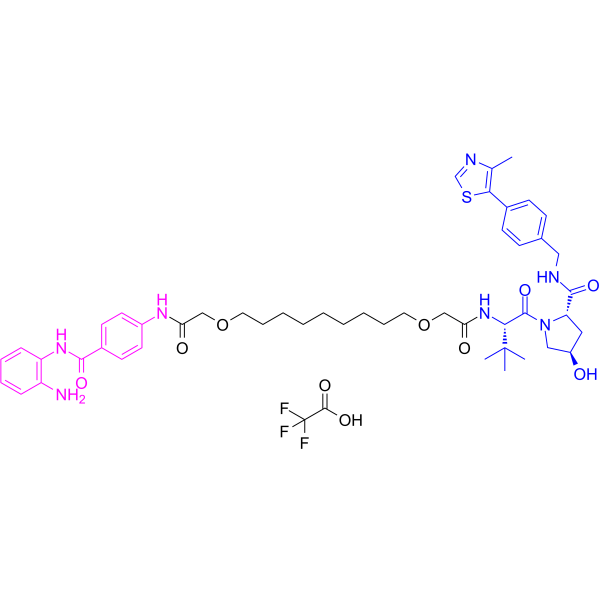
    JPS016 TFA is a class I histone deacetylase (HDAC) PROTAC inhibitor. JPS016 TFA recruits the VHL E3 ligase (Ligands for E3 Ligase) to mediate the ubiquitination and proteasomal degradation of HDAC1, HDAC2 and HDAC3. JPS016 TFA reduces the viability of colon cancer cells and induces Apoptosis. JPS016 TFA activates the PINK1/Parkin mitochondrial Autophagy pathway, enhances cardiomyocyte viability, alleviates mitochondrial damage, and reduces mitochondrial ROS production in cells. JPS016 TFA is applicable to research related to colon cancer and sepsis cardiomyopathy .
    JPS016 TFA
  • HY-N9362

    EmodAN

    Ferroptosis Antibiotic Cardiovascular Disease Infection
    Emodinanthrone (EmodAn) is a MARCH7 stabilizer that inhibits ferroptosis (EC50=70 nM). Emodinanthrone is also a precursor to Emodin (HY-14393) and possesses antibiotic activity. Emodinanthrone directly binds to MARCH7 and blocks its ubiquitination-mediated degradation at the K608 site; this action enhances MARCH7-mediated K48 ubiquitination and degradation of NCOA4, as well as its regulation of the intracellular localization of TFR1 via K63 ubiquitination, thereby reducing the intracellular labile iron pool and blocking ferroptosis. Emodinanthrone demonstrates in vivo cardioprotective effects and exhibits a favorable safety profile. Emodinanthrone is applicable to research on ferroptosis-related cardiovascular diseases, including Doxorubicin (HY-15142A)-induced cardiomyopathy and myocardial ischemia-reperfusion injury .
    Emodinanthrone
  • HY-145564

    PF-07265803

    p38 MAPK Cardiovascular Disease Inflammation/Immunology
    Emprumapimod (PF-07265803) is a potent, orally active and selective inhibitor of p38α MAPK directly inhibits LPS-induced IL-6 production from RPMI-8226 cell (IC50=100 pM). Emprumapimod can be used for the research of dilated cardiomyopathy and acute inflammatory pain .
    Emprumapimod
  • HY-115704

    Amino acid Transporter Others
    Butyryl-L-carnitine chloride is an acylcarnitine that can be isolated from Plasma/Serum .
    Butyryl-L-carnitine chloride
  • HY-117772

    iGluR Metabolic Disease Inflammation/Immunology
    FSC231 is a PSD‐95/DLG/ZO‐1 (PDZ) domain inhibitor of PICK1. FSC231 has analgesic effects .
    FSC231
  • HY-119678
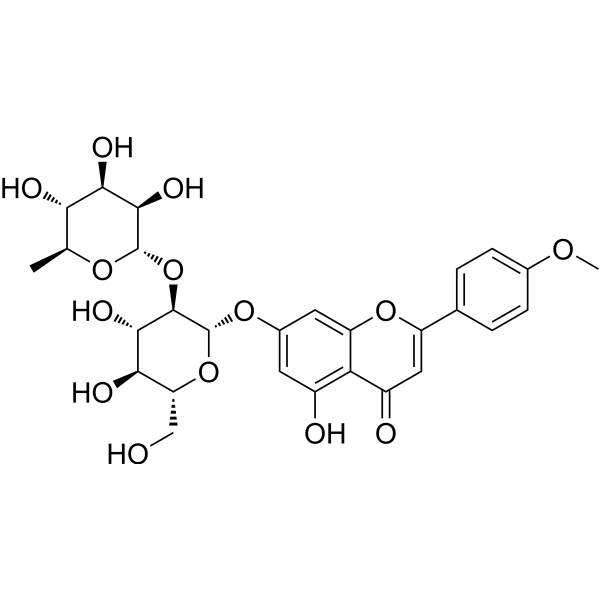
    Fortunellin
    1 Publications Verification

    AMPK Keap1-Nrf2 Cardiovascular Disease Metabolic Disease
    Fortunellin, is a flavonoid, that can be isolated from the fruits of Fortunella margarita (kumquat). Fortunellin exhibits little toxicity to mice and suppresses inflammation and ROS generation in H9C2 cells induced by LPS. Fortunellin protects against fructose-induced inflammation and oxidative stress by enhancing AMPK/Nrf2 pathway. Fortunellin can be used for diabetic cardiomyopathy research .
    Fortunellin
  • HY-148542

    SD-142

    Endogenous Metabolite Cardiovascular Disease Cancer
    EpoY (SD-142) acts as an irreversible inhibitor of the brain's primary tubulin tyrosine carboxypeptidase (TCP), a complex formed by vasohibin-1 (VASH1) and the small vasohibin binding protein (SVBP). By inhibiting TCP with an IC50 value of approximately 500 nM, EpoY effectively decreases levels of detyrosinated alpha-tubulin, which is crucial for microtubule dynamics and neuronal differentiation. This inhibition leads to significant differentiation defects and has been linked to underlying issues associated with cancer and cardiomyopathies.
    EpoY
  • HY-B0573R

    Reference Standards Adrenergic Receptor Bacterial Neurological Disease Endocrinology Cancer
    Propranolol (hydrochloride) (Standard) is the analytical standard of Propranolol (hydrochloride). This product is intended for research and analytical applications. Propranolol hydrochloride is a nonselective β-adrenergic receptor (βAR) antagonist, has high affinity for the β1AR and β2AR with Ki values of 1.8 nM and 0.8 nM, respectively . Propranolol hydrochloride inhibits [ 3H]-DHA binding to rat brain membrane preparation with an IC50 of 12 nM . Propranolol hydrochloride is used for study of hypertension, pheochromocytoma, myocardial infarction, cardiac arrhythmias, angina pectoris, and hypertrophic cardiomyopathy .
    Propranolol hydrochloride (Standard)
  • HY-134299

    8-(4-Chlorophenylthio)-cAMP-AM

    Ras PKA Cardiovascular Disease Metabolic Disease Cancer
    8-CPT-cAMP-AM (8-(4-Chlorophenylthio)-cAMP-AM) is an Epac/PKA activator. 8-CPT-cAMP-AM potentiates glucose-dependent first- and second-phase insulin secretion, induces β-cell depolarization, modulates intracellular calcium via influx and ryanodine-sensitive store mobilization, and facilitates calcium-induced calcium release resistant to PKA inhibition. 8-CPT-cAMP-AM can be used for the research of cardiac hypertrophy, diabetic cardiomyopathy, and melanoma .
    8-CPT-cAMP-AM
  • HY-172424

    Myosin Cardiovascular Disease
    Delocamten is the inhibitor for cardiac myosin with an IC50 of 1.1 μM. Delocamten can be used in researchs of hypertrophic cardiomyopathy, left ventricular hypertrophy and diastolic dysfunction .
    Delocamten

Inquiry Online

Your information is safe with us. * Required Fields.

Salutation


Country or Region *

Applicant Name *


Organization Name *

Department *


Email Address *


Product Name *

Cat. No.


Requested quantity *

Phone Number *


Remarks

Inquiry Online

Inquiry Information

Product Name:
Cat. No.:
Quantity:
MCE Japan Authorized Agent:

