From 11:00 pm to 12:00 pm EST ( 8:00 pm to 9:00 pm PST ) on January 6th, the website will be under maintenance. We are sorry for the inconvenience. Please arrange your schedule properly.
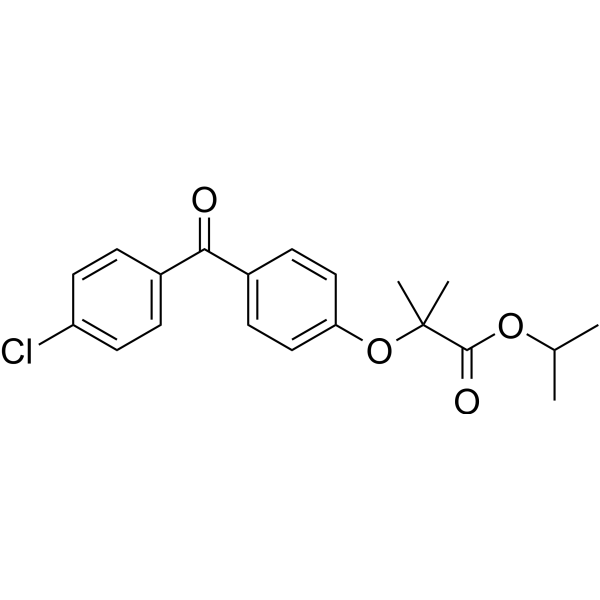
Fenofibrate is a selective PPARα agonist with an EC50 of 30 μM. Fenofibrate also inhibits human cytochrome P450 isoforms, with IC50s of 0.2, 0.7, 9.7, 4.8 and 142.1 μM for CYP2C19, CYP2B6, CYP2C9, CYP2C8, and CYP3A4, respectively.
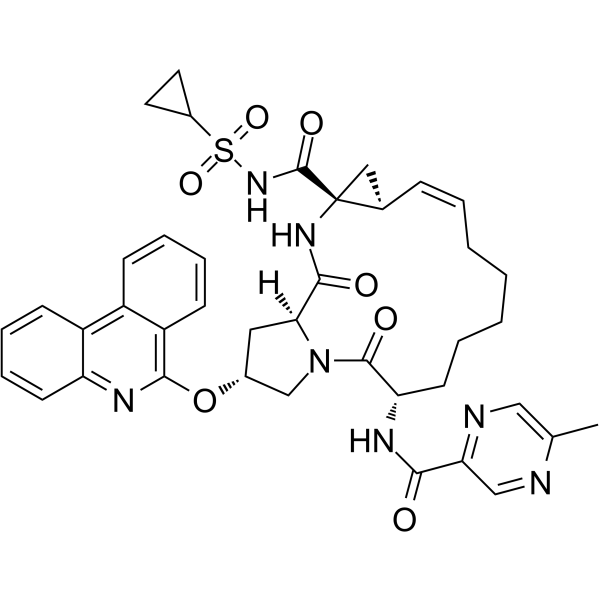
Paritaprevir (ABT-450) is a potent, orally active and antiviral non-structural protein 3/4A (NS3/4A) protease inhibitor with EC50s of 1 and 0.21 nM against HCV 1a and 1b, respectively. Paritaprevir is also a SARS-CoV 3CL pro inhibitor with an IC50 of 1.31 μM. Paritaprevir is metabolized primarily by cytochrome P450 (CYP) 3A. The plasma concentration and half-life of Paritaprevir can be enhanced by Ritonavir (a CYP450 inhibitor) .
6α-Hydroxy paclitaxel is one of the main metabolites of Paclitaxel (PTX) (HY-B0015), and it is generated by the liver cytochrome P450 enzyme CYP2C8. 6α-Hydroxy paclitaxel has bone marrow toxicity, but it can enhance the cytotoxicity of PTX against leukemia cells without causing cell toxicity. 6α-Hydroxy paclitaxel can be used in leukemia research .
Antimycin A2 is a selective inhibitor of the cytochromeb-c1 complex in the mitochondrial electron transport chain. Antimycin A2 disrupts mitochondrial membrane potential and produces reactive oxygen species (ROS) by inhibiting electron transfer between cytochromeb and c. Antimycin A2 has bactericidal and piscicidal activity, as well as tumor cell growth inhibitory effects, and can induce S-phase cell cycle arrest and apoptosis in HeLa cells. Antimycin A2 is suitable for research of cervical cancer and fisheries management. Antimycin A2 can be naturally isolated from the fermentation products of Streptomyces sp. strains .
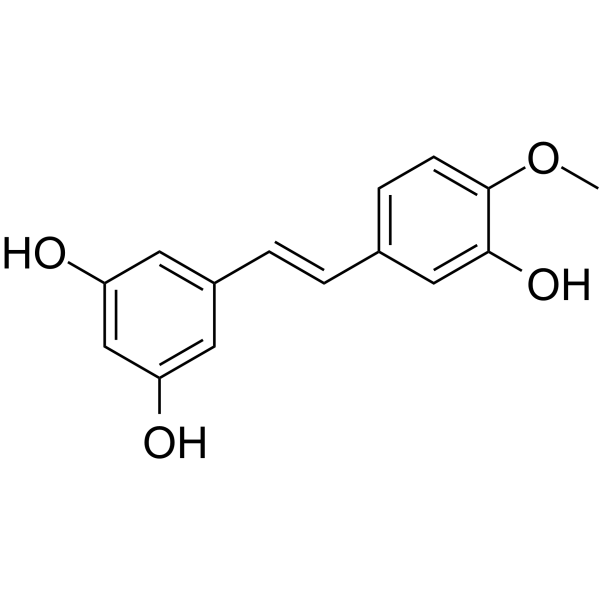
Rhapontigenin is a natural analog of resveratrol with anticancer, antioxidant, antifungal and antibacterial activities. Rhapontigenin is amechanism-based, potent and selective cytochrome P450 1A1 inactivator (IC50
= 400 nM). Rhapontigenin exhibits 400-fold and 23-fold selectivity for P450 1A1 over P450 1A2 and P450 1B1, respectively .
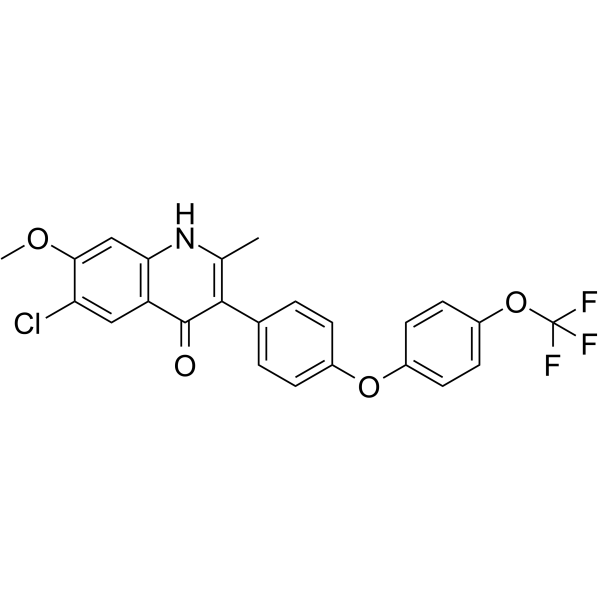
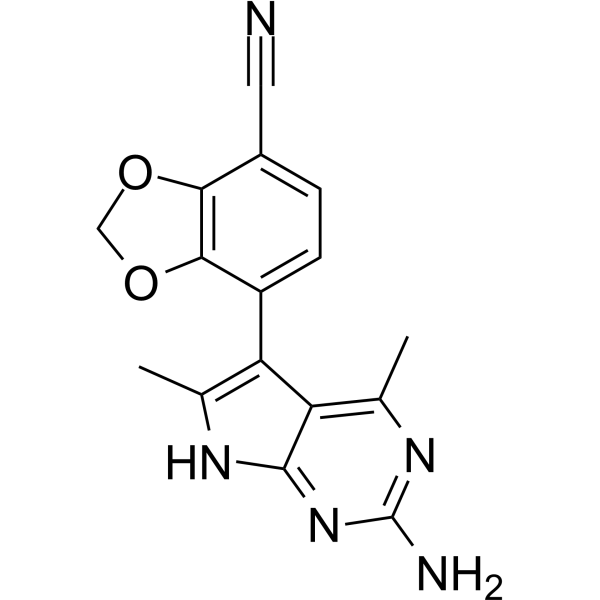
ELQ-300 is a potent and orally bioavailable antimalarial agent, acts as an inhibitor of the reductive (Qi) site of the cytochrome bc1 complex (cyt bc1). ELQ-300 inhibits growth of P. falciparum Dd2, Tm90-C2B, and D1 with IC50 values of 6.6, 4.6 and 160 nM, respectively. ELQ-300 can be used for the research of antimalarial .
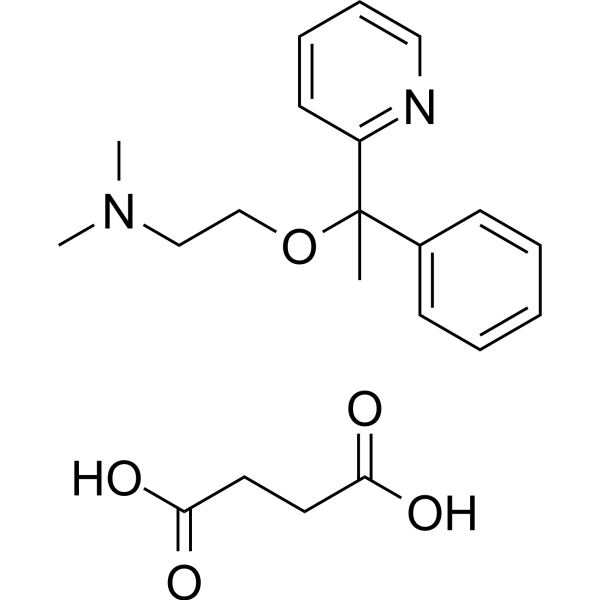
Doxylamine succinate is a first-generation antihistamine and acts as a histamine H1 receptor antagonist. Doxylamine succinate is orally active, possessing analgesic and hypnotic activities. Doxylamine succinate enhances the activities of CYP2B, CYP2A, CYP3A and thyroxine-glucuronosyltransferase via promoting substrate hydroxylation and thyroxine metabolic pathways. Doxylamine succinate decreases serum thyroxine (T4) level and elevates serum thyroid-stimulating hormone (TSH) level. Doxylamine succinate induces liver enlargement and increases the activities of hepatic microsomal cytochrome P450, cytochromeb5 and NADPH-cytochrome c reductase. Doxylamine succinate can be used for the research of nausea, allergy, insomnia .
(-)-Fenchone is a bicyclic monoterpene and serves as a substrate for human liver microsomal cytochrome P450 enzymes CYP2A6 and CYP2B6. (-)-Fenchone is not metabolized by human CYP1A1, CYP1A2, CYP1B1, CYP2C8, CYP2C9, CYP2C19, CYP2D6, CYP2E1, or CYP3A4 enzymes. (-)-Fenchone undergoes hydroxylation to produce 6-exo-hydroxyfenchone, 6-endo-hydroxyfenchone, and 10-hydroxyfenchone. During the metabolism of (-)-Fenchone, CYP2A6 may play a more important role than CYP2B6 .
LKY-047, a Decursin derivative, is a potent and selective reversible competitive cytochrome P45022J2 (CYP2J2) inhibitor with an IC50 of 1.7 μM. LKY-047 is inactive against other human P450s, such as CYPs 1A2, 2A6, 2B6, 2C8, 2C9, 2C19, 2D6, 2E1, and 3A .
Decoquinate is an orally active, selective inhibitor of the mitochondrial bc1 complex, targeting Eimeria spp. sporozoites and first generation schizonts, and Plasmodium spp. Decoquinate inhibits electron transfer by competitively binding to the mitochondrial cytochromeb system, blocking the parasite's energy metabolism, thereby inhibiting its development and reproduction. Decoquinate has significant anticoccidial activity, preventing intestinal damage and improving host growth performance, and also has inhibitory effects on the liver and blood stages of Plasmodium. Decoquinate is mainly used in veterinary research to prevent and treat coccidiosis in ruminants and poultry .
Androst-5-enediol sulfate (5-Androstenediol 3-sulfate) sodium salt is an adrenal Δ5-steroid sulfate that synthesized by zona reticularis of adrenal depending on the lyase and Cytochromeb5 type A (CYB5A) activity. Androst-5-enediol sulfate sodium salt is a precursor hormone and can be desulfated to produce more potent androgens, including testosterone, in peripheral tissues like skin and liver. The serum level of Androst-5-enediol sulfate sodium salt has an age-related increase .
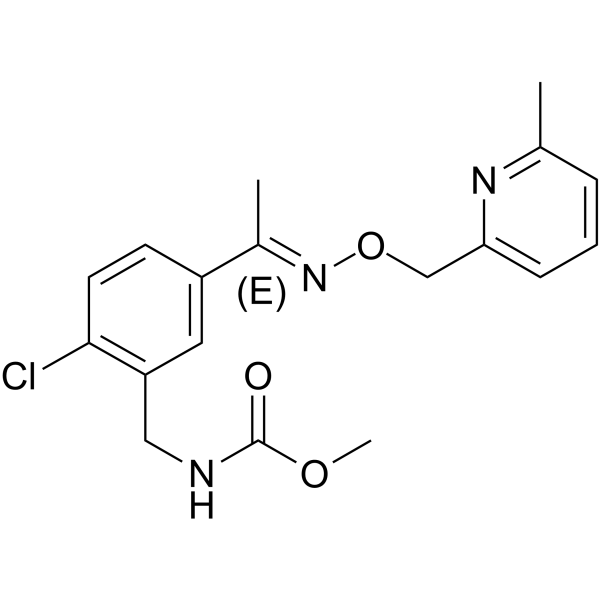
Pyribencarb is a benzylcarbamate-type fungicide, which is active against a wide range of plant pathogenic fungi. Pyribencarb is a potent Qo inhibitor of cytochromeb. Pyribencarb is especially active against Botrytis cinerea and Sclerotinia sclerotirum .
Fenofibrate-d6 is the deuterium labeled Fenofibrate. Fenofibrate is a selective PPARα agonist with an EC50 of 30 μM. Fenofibrate also inhibits human cytochrome P450 isoforms, with IC50s of 0.2, 0.7, 9.7, 4.8 and 142.1 μM for CYP2C19, CYP2B6, CYP2C9, CYP2C8, and CYP3A4, respectively.
6α-Hydroxy Paclitaxel-d5 is the deuterium labeled 6α-Hydroxy paclitaxel. 6α-Hydroxy paclitaxel is one of the main metabolites of Paclitaxel (PTX) (HY-B0015), and it is generated by the liver cytochrome P450 enzyme CYP2C8. 6α-Hydroxy paclitaxel has bone marrow toxicity, but it can enhance the cytotoxicity of PTX against leukemia cells without causing cell toxicity. 6α-Hydroxy paclitaxel can be used in leukemia research.
DNDI-6174 is an orally active Leishmaniacytochromeb (Qi site of cytochrome bc1 complex/complex III) inhibitor. DNDI-6174 binds to the Qi site of Leishmaniacytochromeb, inhibits cytochrome bc1 complex activity in the parasite's electron transport chain across promastigote and axenic amastigote stages. DNDI-6174 reduces parasite burden in rodent models, inhibits growth of various Leishmania species, drug-resistant clinical isolates, and Trypanosoma cruzi, with marginal activity against Trypanosoma brucei. DNDI-6174 can be used for the research of visceral leishmaniasis, cutaneous leishmaniasis .
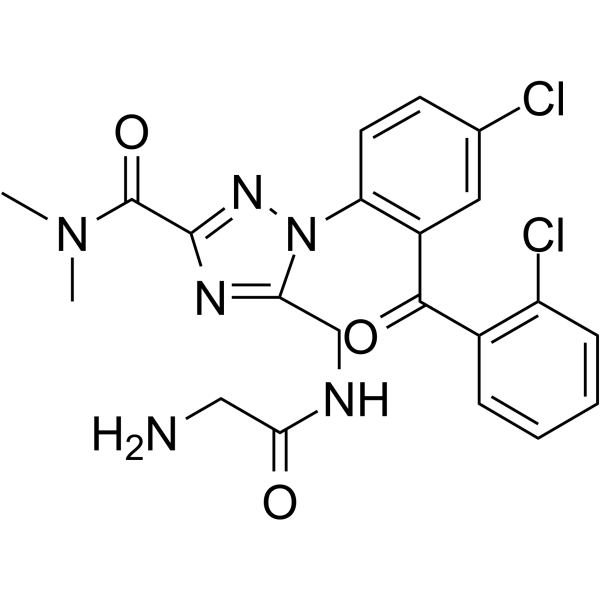
Rilmazafone (450191S) is an orally active sleep inducer. Rilmazafone targets cytochromeP-450b and cytochrome P-450e. Rilmazafone induces hepatic drug-metabolizing enzyme activity in rats, mice and dogs. Rilmazafone is applicable for insomnia-related research .
1-Ethynylpyrene is an aryl acetylenic inhibitor of cytochromes P450 1A1, 1A2, and 2B1 with IC50s of 0.18, 0.32, and 0.04 μM, respectively . 1-Ethynylpyrene is a click chemistry reagent, it contains an Alkyne group and can undergo copper-catalyzed azide-alkyne cycloaddition (CuAAc) with molecules containing Azide groups.
Fenofibrate (Standard) is the analytical standard of Fenofibrate. This product is intended for research and analytical applications. Fenofibrate is a selective PPARα agonist with an EC50 of 30 μM. Fenofibrate also inhibits human cytochrome P450 isoforms, with IC50s of 0.2, 0.7, 9.7, 4.8 and 142.1 μM for CYP2C19, CYP2B6, CYP2C9, CYP2C8, and CYP3A4, respectively.
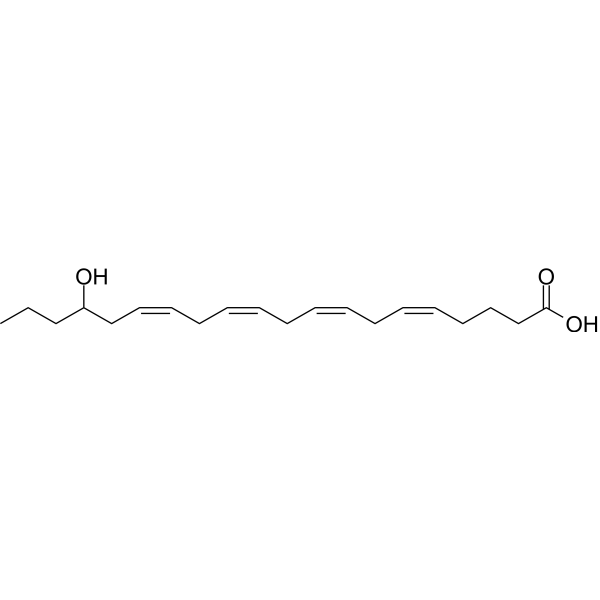
17-HETE is arachidonic acid metabolite through cytochrome P-450 pathways, which consists of 17R-HETE and 17S-HETE enantiomers. 17-HETE serves as allosteric activator of the cytochromeP450 1B1 and inhibitor of ATPase, induces cardic hypertrophy .
CYP1B1 ligand 3 (Compound A1) is a selective inhibitor for cytochrome P450 enzyme CYP1B1 with an IC50 of 11.9 nM. CYP1B1 ligand 3 can be utilized for the synthesis of PROTAC CYP1B1 degrader-2 (HY-158429) .
Flu-6 is a metabolite of Flutamide (HY-B0022). FLU-6 production in the liver requires the involvement of NADPH: cytochrome P450 reductase (CPR). Flutamide can inhibit prostate cancer progression .
Oxadiazon (Standard) is the analytical standard of Oxadiazon (HY-B1880). This product is intended for research and analytical applications. Oxadiazon is an orally active herbicide. Oxadiazon reduces hepatic cytochrome P450 levels. Oxadiazon increases palmitoyl CoA oxidase, acetyl carnitine transferase, and hepatic ALAS activity. Oxadiazon induces hepatomegaly and experimental porphyria. Oxadiazon controls weeds. Oxadiazon may be used in neurodegenerative disease research .
Thujopsene is the inhibitor for cytochrome P450, that inhibits CYP2B6, CYP3A4, CYP2C19, CYP2C8, CYP2C9 with IC50s of 1.3, 12.6, 13.6, 29.8, and 44.9 μM, respectively. Thujopsene binds to PKM2, inhibits the metabolism pathway of cancer cell, induces apoptosis in MKN45, thereby exhibiting antitumor efficacy. Thujopsene exhibits anti-termite and antifungal activities through autoxidation .
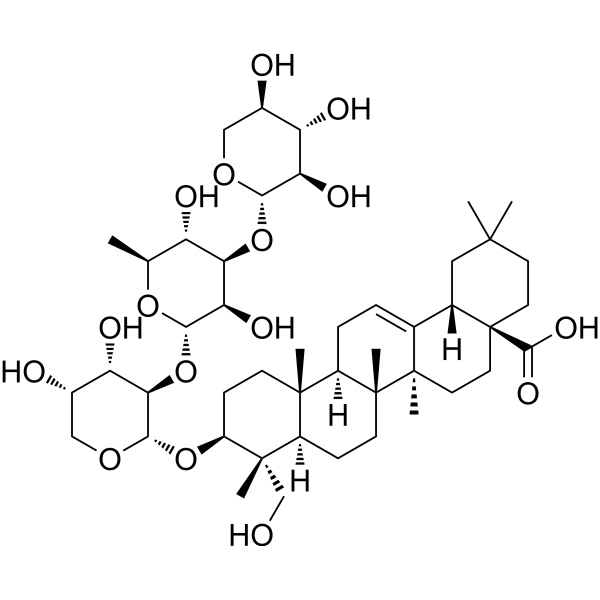
Sapindoside B is a substance with hepatoprotective activity, and also acts as a cytochrome P-450 (cytochrome P-450) inhibitor, antibacterial agent and membrane-disrupting agent. Sapindoside B reversibly inhibits the content of cytochrome P-450 in liver microsomes, suppresses the phenobarbital-induced increase in enzyme content, reduces the production of active metabolites mediated by cytochrome P-450, and alleviates hepatotoxic injury. Sapindoside B binds to Cutibacterium acnes lipase, reduces lipase activity, inhibits biofilm formation, and decreases bacterial adhesion. Sapindoside B exhibits cytotoxicity against human cancer, liver cancer, leukemia and glioblastoma cells. Sapindoside B inhibits mycelial growth of phytopathogenic fungal strains, possesses antibacterial activity against dermatophytes, and also has hemolytic/membrane-lytic activity. Sapindoside B can be used in research related to liver injury, Cutibacterium acnes biofilm-associated infections, gastric cancer, carcinoma, promyelocytic leukemia, glioblastoma, apple scab and grape gray mold .
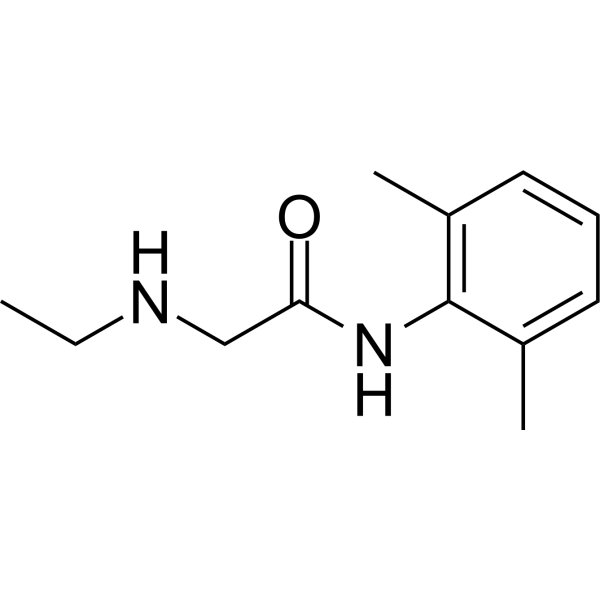
Monoethylglycinexylidide is a metabolite of Lidocain (HY-B0185) via oxidative N-deethylation of Lignocaine by liver cytochrome P-450 enzymes in the liver [1] .
1-Ethynylnaphthalene is a selective inhibitor of cytochromeP450 1B1. 1-Ethynylnaphthalene is a click chemistry reagent, it contains an Alkyne group and can undergo copper-catalyzed azide-alkyne cycloaddition (CuAAc) with molecules containing Azide groups.
Monoethylglycinexylidide (MEGX) hydrochloride is a metabolite of Lidocain (HY-B0185) via oxidative N-deethylation of Lignocaine by liver cytochrome P-450 enzymes in the liver. Monoethylglycinexylidide has proven to be a highly sensitive indicator of hepatic dysfunction, especially in the field of liver transplantation .
Dehydro-ZINC39395747 is a derivative of ZINC39395747. ZINC39395747 is a potent cytochromeb5 reductase 3 (CYB5R3) inhibitor with an IC50 of 9.14 μM and a Kd of 1.11 μM. ZINC39395747 can increase NO bioavailability in vascular cells .
11-HETE (11-Hydroxy-5,8,12,14-eicosatetraenoic acid) is the activator for cytochrome P450. 11-HETE upregulates the mRNA expressions of CYP1B1, CYP1A1, CYP4A11, CYP4F11, and CYP4F2, induces cell hypertrophy in RL-14 cell, and exhibits potential to be used in cardiovascular diseases .
MCPA-d3 is the deuterium labeled MCPA (HY-B0859). MCPA is an orally active phenoxyacetic acid herbicide. MCPA interferes with membrane integrity, energy metabolism (decreases ATP levels), and redox balance in plant cells. MCPA increases hepatic cytochrome P-450 levels and increases aniline hydroxylase and 7-ethoxycoumarin O-deethylase activities. MCPA can be used to control broadleaf weeds .
Doxylamine is a first-generation antihistamine and acts as a histamine H1 receptor antagonist. Doxylamine is orally active, possessing analgesic and hypnotic activities. Doxylamine enhances the activities of CYP2B, CYP2A, CYP3A and thyroxine-glucuronosyltransferase via promoting substrate hydroxylation and thyroxine metabolic pathways. Doxylamine decreases serum thyroxine (T4) level and elevates serum thyroid-stimulating hormone (TSH) level. Doxylamine induces liver enlargement and increases the activities of hepatic microsomal cytochrome P450, cytochromeb5 and NADPH-cytochrome c reductase. Doxylamine can be used for the research of nausea, allergy, insomnia .
Gamhepathiopine is a thienopyrimidinone compound. Gamhepathiopine exerts antimalarial effects by targeting the Qo site of Plasmodium falciparumcytochromeb and inhibiting the activity of complex III in the electron transport chain .
Promethazine sulfoxide is a metabolite of the histamine H1 receptor antagonist Promethazine (HY-B1296). It is formed from promethazine by the cytochrome P450 (CYP) isoform CYP2D6.
Doxylamine succinate (Standard) is the analytical standard of Doxylamine succinate (HY-A0069). This product is intended for research and analytical applications. Doxylamine succinate is a first-generation antihistamine and acts as a histamine H1 receptor antagonist. Doxylamine succinate is orally active, possessing analgesic and hypnotic activities. Doxylamine succinate enhances the activities of CYP2B, CYP2A, CYP3A and thyroxine-glucuronosyltransferase via promoting substrate hydroxylation and thyroxine metabolic pathways. Doxylamine succinate decreases serum thyroxine (T4) level and elevates serum thyroid-stimulating hormone (TSH) level. Doxylamine succinate induces liver enlargement and increases the activities of hepatic microsomal cytochrome P450, cytochromeb5 and NADPH-cytochrome c reductase. Doxylamine succinate can be used for the research of nausea, allergy, insomnia .
Clindamycin sulfoxide is an active metabolite of the antibiotic Clindamycin (HY-B1455). It is formed via S-oxidation of clindamycin primarily by the cytochrome P450 (CYP) isoform CYP3A4. Clindamycin sulfoxide inhibits the growth of P. prevotti, B. fragilis, and C. sordelli in vitro with MIC values of 2, 2, and 1 mg/L, respectively.
Hydramethylnon (AC217300) is an amidinohydrazone insecticide. Hydramethylnon's mechanism of action is through inhibition of mitochondrial respiration by inhibiting the electron transport chain at the cytochromeb-c1 complex. Hydramethylnon can be used to eliminate red imported fire ants, cockroaches, and other insects .
Plastoquinone (PQ-9) is a photosynthetic electron carrier as well as a redox sensor capable of regulating state transitions and gene expression. Plastoquinone transfers electrons to the cytochromeb6/f complex via the Q cycle, and participates in the establishment of the thylakoid transmembrane pH gradient. Plastoquinone can react with ROS. Plastoquinone is used in plant photosynthesis research .
4-Hydroxy atorvastatin hemicalcium is a metabolite of Atorvastatin (HY-B0589). Atorvastatin is an orally active HMG-CoA reductase inhibitor, has the ability to effectively decrease blood lipids. Atorvastatin is metabolized by the cytochrome P450 (CYP) isoform CYP3A4 to form 4-hydroxy atorvastatin .
CYP1B1-IN-12 is a selective cytochrome P450 1B1(CYP1B1) inhibitor with an IC50 of 6.05 nM. CYP1B1-IN-12 demonstrates remarkable selectivity, exceeding 1600-fold and 16,000-fold over CYP1A1 and CYP1A2, respectively. CYP1B1-IN-12 can enhance Paclitaxel (HY-B0015)-mediated apoptosis and restore Paclitaxel sensitivity in A549/Taxol-resistant cells. CYP1B1-IN-12 can inhibit the epithelial-mesenchymal transition process and reduce cells migration and invasion. CYP1B1-IN-12 can be used for the research of cancer, such as non-small cell lung cancer (NSCLC) .
Anhydroerythromycin A is a degradation product of the macrolide antibiotic erythromycin. Anhydroerythromycin A is formed via degradation of erythromycin in acidic aqueous solutions in vitro as well as in vivo. Anhydroerythromycin A is active against S. aureus and B. cereus in vitro (MICs = 12.5 and 6.25 μg/ml, respectively). Anhydroerythromycin A also inhibits steroid 6β-hydroxylase activity associated with the cytochrome P450 (CYP) isoform CYP3A in human liver microsomes.
Fipronil- 13C6 is the 13C-labeled Fipronil. Fipronil is an insecticide that acts as a selective antagonist of insect GABA receptors (IC50s = 30 nM and 1,600 nM for cockroach and rat receptors, respectively). Fipronil also inhibits desensitizing and non-desensitizing glutamate-induced chloride currents in cockroach neurons (IC50s = 800 nM and 10 nM, respectively). Fipronil induces activity of the cytochrome P450 (CYP) isoforms CYP1A1/2, CYP2B1/2, and CYP3A1/2 in isolated rat liver microsomes.
Econazole (Standard) ((±)-Econazol (Standard)) is the analytical standard of Econazole (HY-B0885). This product is intended for research and analytical applications. Econazole ((±)-Econazol) is an orally active imidazole antifungal agent, as well as a cytochrome P-450 inhibitor and a blocker of calcium and manganese ion uptake. Econazole is active against a variety of fungi and some Gram-positive bacteria, but has no significant activity against Gram-negative bacteria. Econazole can inhibit the synthesis of prostaglandins and can also induce liver damage .
GW7845 is an orally active non-thiazolidinedione, tyrosine-derived PPARγ agonist. GW7845 is effective at inhibiting voltage-dependent calcium channels (VDCC) and relaxing pressurized arteries with IC50 of 3 μM by using Ba 2+ as the charge carrier through VDCC. GW7845-induced apoptosis is mitochondria- and apoptosome-dependent. GW7845 induces rapid mitochondrial membrane depolarization and release of cytochrome c in primary pro-B cells and BU-11 cells .
Fenofibrate (GMP) is Fenofibrate (HY-17356) produced by using GMP guidelines. GMP small molecules work appropriately as an auxiliary reagent for cell therapy manufacture. Fenofibrate is a selective PPARα agonist with an EC50 of 30 μM. Fenofibrate also inhibits human cytochrome P450 isoforms, with IC50s of 0.2, 0.7, 9.7, 4.8 and 142.1 μM for CYP2C19, CYP2B6, CYP2C9, CYP2C8, and CYP3A4, respectively.
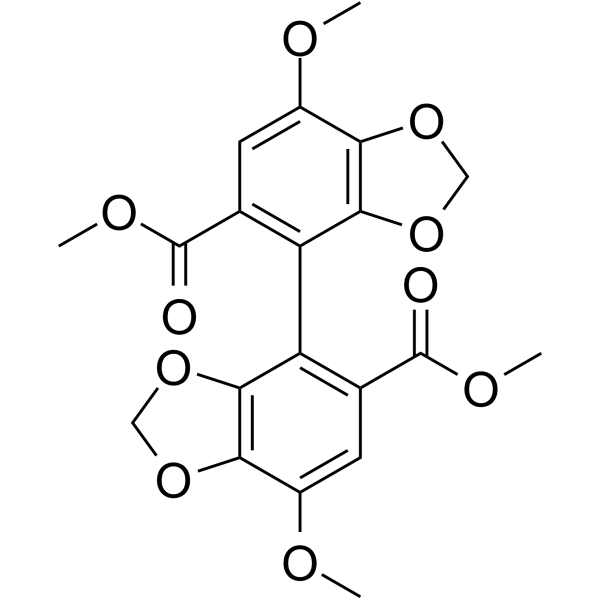
Bifendate (DDB), extracted from Schisandrae chinensis, is an orally active anti-HBV agent against chronic hepatitis B. Bifendate inhibits ATG5-dependent autophagy and attenuates oleic acid-induced lipid accumulation with anti-oxidant properties in vitro. Bifendate can decrease alanine transaminase (ALT) level in mice. Bifendate attenuates hepatic steatosis in cholesterol/bile salt- and high-fat diet-induced hypercholesterolemia in mice. Bifendate potently increases the activity of cytochrome proteins (CYPs) and reverse P-gp-mediated multi-drug resistance (MDR) .
Cytochrome c-pigeon (88-104) (PCC 88-104) has full stimulatory activity for pigeon cytochrome c-primed T cells from B10.A mice. The I-E k-restricted T cell response to Cytochrome c pigeon (pcyt c) is specific for the COOH-terminal sequence 88-104 .
Cyprocide-B is activated by Cytochrome P450 and converted to electrophilic metabolites that selectively kill nematodes C. elegans. Cyprocide-B is promising for research of selective nematicide .
17S-HETE is arachidonic acid metabolite through cytochrome P-450 pathways. 17S-HETE serves as allosteric activator of the cytochromeP450 1B1 and inhibitor of ATPase, induces cardic hypertrophy .
Crocacin B has anti-yeast and filamentous fungal activity. Crocacin B can inhibit mouse fibroblasts L929. In the microsomes of the calf's heart, Crocacin B can interrupt the bc1 segment of electronic transmission, causes redshift of 569 nm peak in cytochromeB reduction spectrum .
6b-Hydroxy triamcinolone acetonide is a metabolite of the synthetic corticosteroid Triamcinolone acetonide (HY-B0636). 6b-Hydroxy triamcinolone acetonide is formed from triamcinolone acetonide by the cytochrome P450 (CYP) isoforms CYP3A4, CYP3A5, and CYP3A7.
Doxylamine-d5 is deuterium labeled Doxylamine (HY-A0069A). Doxylamine is a first-generation antihistamine and acts as a histamine H1 receptor antagonist. Doxylamine is orally active, possessing analgesic and hypnotic activities. Doxylamine enhances the activities of CYP2B, CYP2A, CYP3A and thyroxine-glucuronosyltransferase via promoting substrate hydroxylation and thyroxine metabolic pathways. Doxylamine decreases serum thyroxine (T4) level and elevates serum thyroid-stimulating hormone (TSH) level. Doxylamine induces liver enlargement and increases the activities of hepatic microsomal cytochrome P450, cytochromeb5 and NADPH-cytochrome c reductase. Doxylamine can be used for the research of nausea, allergy, insomnia .
trans-hydroxy Glimepiride is an active metabolite of the sulfonylurea Glimepiride (HY-B0104). It is formed from glimepiride primarily in the liver by the cytochrome P450 (CYP) isoform CYP2C9.
8-Hydroxy mirtazapine is a metabolite of the antidepressant Mirtazapine (HY-B0352). 8-Hydroxy mirtazapine is formed from mMirtazapine by the cytochrome P450 (CYP) isoform CYP2D6.
o-Desmethyl ranolazine (CVT-2514; RS-88390) is a metabolite of Ranolazine (HY-B0280), formed through metabolism of Ranolazine by enzymes of the cytochrome P450 (CYP) 3A family .
21-Hydroxyeplerenone is a major metabolite of the mineralocorticoid receptor antagonist Eplerenone (HY-B0251). 21-Hydroxyeplerenone is formed from eplerenone by the cytochrome P450 (CYP) isoform CYP3A4.
Dual AChE-MAO B-IN-1 (compound 15) is an orally bioavailable CNS-permeant potent inhibitor of both human AChE (IC50=550 nM) and MAO B (IC50=8.2 nM). Dual AChE-MAO B-IN-1 behaves as a safe and metabolically stable neuroprotective agent, devoid of cytochrome liability .
Doxylamine-d5 succinate is deuterium labeled Doxylamine succinate (HY-A0069A). Doxylamine succinate is a first-generation antihistamine and acts as a histamine H1 receptor antagonist. Doxylamine succinate is orally active, possessing analgesic and hypnotic activities. Doxylamine succinate enhances the activities of CYP2B, CYP2A, CYP3A and thyroxine-glucuronosyltransferase via promoting substrate hydroxylation and thyroxine metabolic pathways. Doxylamine succinate decreases serum thyroxine (T4) level and elevates serum thyroid-stimulating hormone (TSH) level. Doxylamine succinate induces liver enlargement and increases the activities of hepatic microsomal cytochrome P450, cytochromeb5 and NADPH-cytochrome c reductase. Doxylamine succinate can be used for the research of nausea, allergy, insomnia .
Monoethylglycinexylidide (Standard) is the analytical standard of Monoethylglycinexylidide. This product is intended for research and analytical applications. Monoethylglycinexylidide is a metabolite of Lidocain (HY-B0185) via oxidative N-deethylation of Lignocaine by liver cytochrome P-450 enzymes in the liver .
Hydroxymethyl tolperisone hydrochloride is a metabolite of Tolperisone (HY-B1139A). Hydroxymethyl tolperisone hydrochloride is formed from tolperisone primarily by the cytochrome P450 (CYP) isoform CYP2D6 and to a lesser extent by CYP2C19 and CYP1A2.
22-HDHA (22-Hydroxy Docosahexaenoic acid) is an oxidation product of docosahexaenoic acid. In vitro, it is formed upon incubation of rat liver microsomes with DHA and NADPH and also by the human cytochrome P450 (CYP) isoform CYP4F3B in BTI-TN-5B1-4 microsomes. Serum levels of 22-HDHA increase following dietary DHA supplementation in humans.
hCYP1B1-IN-2 (compound 3n) is a potent human cytochrome P450 1B1 enzyme hCYP1B1 inhibitor. hCYP1B1-IN-2 shows the extremely potent anti-hCYP1B1 activity (IC50=0.040 nM) and blocks AhR transcription activity. hCYP1B1-IN-2 potently inhibits hCYP1B1 via a mix inhibition manner, showing a Ki value of 21.71 pM .
Crocacin A has anti-yeast and filamentous fungal activity. Crocacin A can inhibit mouse fibroblasts L929. In the microsomes of the calf's heart, Crocacin A can interrupt the bc1 segment of electronic transmission, causes redshift of 569 nm peak in cytochromeB reduction spectrum .
PROTAC CYP1B1 degrader-1 (Compound 6C), a α-naphthoflavone chimera derivative, is able to eliminate cytochrome P450 (CYP)1B1-mediated agent resistance via targeted CYP1B1 degradation, with IC50s of 95.1 and 9838.6 nM for CYP1B1 and CYP1A2, respectively. PROTAC CYP1B1 degrader-1 can be used for the research of CYP1B1-overexpressing prostate cancer .
7-Ethoxy-4-methylcoumarin (Standard) is the analytical standard of 7-Ethoxy-4-methylcoumarin. This product is intended for research and analytical applications. 7-Ethoxy-4-methylcoumarin is a coumarin derivative and can be used as a substrate probe of mammalian cytochromes P450 1A1, 2B4 and 2B6 .
NW-1772 (methanesulfonate) (compound 22b) is a potent and selective monoamine oxidase (MAO) B inhibitor. NW-1772 has some advantages, such as rapid blood-brain barrier penetration, short-acting and reversible inhibitory activity, slight inhibition of selected cytochrome P450s, and low in vitro toxicity. NW-1772 can be used for the research of neurodegenerative diseases .
Difenoconazole-d6 is the deuterium labeled Difenoconazole (HY-B0850). Difenoconazole is a sterol demethylation inhibitor, as a fungicide. Difenoconazole binds the heme portion of the fungal cytochrome P450 51, interferes the mycelial growth and inhibits the spore germination of pathogens, suppressing fungal growth .
Pyribencarb (Standard) is the analytical standard of Pyribencarb. This product is intended for research and analytical applications. Pyribencarb is a benzylcarbamate-type fungicide, which is active against a wide range of plant pathogenic fungi. Pyribencarb is a potent Qo inhibitor of cytochromeb. Pyribencarb is especially active against Botrytis cinerea and Sclerotinia sclerotirum .
Inz-1 is a potent and selective mitochondrial cytochrome bc1 inhibitor for yeast (IC50=8.092 μM) over humans (IC50=45.320 μM). Inz-1 reverses Fluconazole (HY-B0101) or other triazole antifungals’ resistance in the pathogenic fungus Candida albicans .
ZINC05626394 is a cytochromeb5 reductase 3 inhibitor with activity by increasing nitric oxide bioavailability. ZINC05626394 may have potential applications in anti-cancer suppression, especially in combination with antibody drug conjugates (ADCs) and immune checkpoint inhibitors. The efficacy of ZINC05626394 may be limited by different mechanisms, including antigen-related resistance and failure of endocytosis .
SCYX-6759 is an orally active, blood-brain barrier permeable anti-T. brucei agent. SCYX-6759 inhibits cytochrome P450 (IC50s: 30.3, 30.6, 47.4 μM for 2D6, 2C9, 2C19, respectively.) SCYX-6759 exhibits potent activity against T. b. brucei 427, T. b. rhodesiense STIB900, and T. b. gambiense STIB930, with IC50s of 0.07, 0.038 and 0.030 μg/mL, respectively .
Veratrole-d2-1 is the deuterium labeled Veratrole (HY-B1812). Veratrole (1,2-Dimethoxybenzene) is a key compound that widely exists in plants and attracts pollinators. The release of Veratrole has a circadian rhythm and plays an important role in plant reproduction, species differentiation, and interactions with pollinators. In addition, Veratrole can be demethylated bycytochrome P-450 in Streptomyces setonii .
N-(4-Ethoxyphenyl)acetamide-2,2,2-d3 is the deuterium labeled Phenacetin (HY-B0476). Phenacetin (Acetophenetidin) is a non-opioid analgesic/antipyretic agent. Phenacetin is a selective COX-3 inhibitor. Phenacetin is used as probe of cytochrome P450 enzymes CYP1A2 in human liver microsomes and in rats .
MCPA-d3-1 is the deuterium labeled MCPA (HY-B0859). MCPA is an orally active phenoxyacetic acid herbicide. MCPA interferes with membrane integrity, energy metabolism (decreases ATP levels), and redox balance in plant cells. MCPA increases hepatic cytochrome P-450 levels and increases aniline hydroxylase and 7-ethoxycoumarin O-deethylase activities. MCPA can be used to control broadleaf weeds .
Rhapontigenin (Standard) is the analytical standard of Rhapontigenin. This product is intended for research and analytical applications. Rhapontigenin is a natural analog of resveratrol with anticancer, antioxidant, antifungal and antibacterial activities. Rhapontigenin is amechanism-based, potent and selective cytochrome P450 1A1 inactivator (IC50
= 400 nM). Rhapontigenin exhibits 400-fold and 23-fold selectivity for P450 1A1 over P450 1A2 and P450 1B1, respectively .
Econazole-d6 ((±)-Econazol-d6) is the deuterium labeled Econazole (HY-B0885). Econazole is an orally active imidazole antifungal agent, as well as a cytochrome P-450 inhibitor and a blocker of calcium and manganese ion uptake. Econazole is active against a variety of fungi and some Gram-positive bacteria, but has no significant activity against Gram-negative bacteria. Econazole can inhibit the synthesis of prostaglandins and can also induce liver damage .
Fenofibrate-13C6 is a deuterated labeled Fenofibrate . Fenofibrate is a selective PPARα agonist with an EC50 of 30 μM. Fenofibrate also inhibits human cytochrome P450 isoforms, with IC50s of 0.2, 0.7, 9.7, 4.8 and 142.1 μM for CYP2C19, CYP2B6, CYP2C9, CYP2C8, and CYP3A4, respectively.
Fenofibrate-d4 is the deuterium labeled Fenofibrate . Fenofibrate is a selective PPARα agonist with an EC50 of 30 μM. Fenofibrate also inhibits human cytochrome P450 isoforms, with IC50s of 0.2, 0.7, 9.7, 4.8 and 142.1 μM for CYP2C19, CYP2B6, CYP2C9, CYP2C8, and CYP3A4, respectively .
20-HEPE is a metabolite of eicosapentaenoic acid formed by ω-oxidation of EPA by cytochrome P450 (CYP) ω-oxidases, including human CYP4F3B. At 10 μM, it activates peroxisome proliferator-activated receptor α (PPARα) in COS-7 cells expressing a luciferase reporter gene. 20-HEPE also activates mouse transient receptor potential vanilloid receptor 1 (mTRPV1) in vitro but lacks analgesic activity in rats.
MCPA- 13C8 is the 13C-labeled MCPA (HY-B0859). MCPA is an orally active phenoxyacetic acid herbicide. MCPA interferes with membrane integrity, energy metabolism (decreases ATP levels), and redox balance in plant cells. MCPA increases hepatic cytochrome P-450 levels and increases aniline hydroxylase and 7-ethoxycoumarin O-deethylase activities. MCPA can be used to control broadleaf weeds .
MCPA (Standard) is the analytical standard of MCPA (HY-B0859). This product is intended for research and analytical applications. MCPA is an orally active phenoxyacetic acid herbicide. MCPA interferes with membrane integrity, energy metabolism (decreases ATP levels), and redox balance in plant cells. MCPA increases hepatic cytochrome P-450 levels and increases aniline hydroxylase and 7-ethoxycoumarin O-deethylase activities. MCPA can be used to control broadleaf weeds .
Ticlopidine-d4 hydrochloride is the deuterium labeled Ticlopidine hydrochloride (HY-B0153A). Ticlopidine (PCR 5332) hydrochloride, an antithrombotic proagent, acts as an allosteric, noncompetitive inhibitor of CD39 with the IC50 of 81.7 μM. Ticlopidine hydrochloride blocks several NTPDase isoenzymes with IC50s of 170 μM and 149 μM for NTPDase2 and NTPDase3, respectively . Ticlopidine hydrochloride is an inhibitor of CYP2C19 human liver cytochrome. Ticlopidine hydrochloride inhibits CYP2C9 and CYP3A4 with IC50s of 26.0 and 32.3 μM, respectively .
Amquinate is a coccidiostat and a cytochromeb inhibitor. Amquinate blocks cytochrome-mediated electron transport near cytochromeb in mitochondria, acting downstream of coenzyme Q without affecting succinate dehydrogenase or NADH dehydrogenase. Amquinate inhibits succinate- and malate plus pyruvate-supported mitochondrial respiration in Eimeria tenella and does not affect L-ascorbate-supported respiration or any mitochondrial respiration in chicken liver mitochondria. Amquinate exhibits selective anticoccidial activity against wild-type Eimeria tenella. Amquinate can be used for the research of coccidiosis (Eimeria tenella infection) .
CD564 (Compound 11b) is a cytochromeP450CYP26A1 and CYP26B1 inhibitor, with IC50 values of 1.63 μM and 0.52 μM, respectively. Cytochrome P450 CYP26 enzymes clear all-trans retinoic acid (atRA) .
CYP1B1-IN-10 (Compound 15C) is a highly selective human cytochrome P450 1B1 (hCYP1B1) inhibitor (IC50=0.11 μM). CYP1B1-IN-10 is promising for research of hormone-dependent tumors (e.g., breast and ovarian cancers) .
SYAF080 is a human A₂B adenosine receptor(hA₂B AdoR) antagonist with a Ki of 23.6 nM and a KB of 25.2 nM. SYAF080no relevant inhibition of human CYP450 cytochromes. SYAF080 can be used for the research of inflammation, metabolic and cardiovascular disease .
ND-011458 is an Antibacterial agent, a QcrB inhibitor, and also an inhibitor of cytochromebcc:aa3 oxidase function. ND-011458 binds to the QcrB subunit of cytochrome bcc:aa3 oxidase. ND-011458 inhibits ATP formation. When used in combination with Clofazimine (HY-B1046), ND-011458 exhibits bactericidal activity against Mycobacterium abscessus. ND-011458 can be used in studies related to Mycobacterium abscessus pulmonary infections .
Crocacin C has anti-yeast and filamentous fungal activity. Crocacin C can inhibit mouse fibroblasts L929. In the microsomes of the calf's heart, Crocacin C can interrupt the bc1 segment of electronic transmission, causes redshift of 569 nm peak in cytochromeB reduction spectrum .
Crocacin D has anti-yeast and filamentous fungal activity. Crocacin D can inhibit mouse fibroblasts L929. In the microsomes of the calf's heart, Crocacin D can interrupt the bc1 segment of electronic transmission, causes redshift of 569 nm peak in cytochromeB reduction spectrum .
7ETMC is a cytochrome P450 inhibitor with selective inhibition of human cytochrome P450s 1A1 and 1A2. 7ETMC has inhibitory effects on P450s 1A1 and 1A2 with IC?? values of 0.46μM and 0.50μM, respectively, within the first six minutes, and has no inhibitory activity against P450s 2A6 and 2B1. Except for 7-ethynyl-3-methyl-4-phenylcoumarin, the remaining inhibitors show mechanism-based inhibition of P450s 1A1 and 1A2.
Antifungal agent 160 is a cytochrome bc1 complex inhibitor with activity against Alternaria solani, Gibberella zeae, Colletotrichum gloeosporioides, and Fusarium oxysporum f. sp. melonis. Antifungal agent 160 impairs ATP synthesis, suppresses ATPase activity, induces ROS bursts, compromises plasma membrane integrity, and suppresses fungal growth. Antifungal agent 160 can be used for the research of fungal infection .
Fomepizole-d2 (4-Methylpyrazole-d2) is the deuterium labeled Fomepizole (HY-B0876). Fomepizole (4-Methylpyrazole) is a potent cytochrome P450 (CYP2E1) inhibitor. Fomepizole is a competitive inhibitor of the enzyme alcohol dehydrogenase. Fomepizole blocks further conversion of methanol and ethylene glycol to toxic metabolites. Fomepizole has the potential for an antidote for ethylene glycol or methanol poisoning .
Hancockiamide C is a phenylacetic piperazine natural products found in Aspergillus hancockii. Hancockiamide C is synthesized via the hkm biosynthetic gene cluster, involving NRPS Hkm11 and the acetyltransferase Hkm3. Hancockiamide C inhibits seed germination of Arabidopsis thaliana (MIC = 6.3 μg/mL), but shows no activity against Eragrostis tef seeds .
Sulfaphenazole-d4 is the deuterium labeled Sulfaphenazole (HY-B1218). Sulfaphenazole is a selective inhibitor of human cytochrome P450 (CYP) 2C9 enzyme. Sulfaphenazole is a cytoprotective agent against light-induced death of photoreceptors. Sulfaphenazole inhibits light-induced necrosis and mitochondrial stress-initiated apoptosis. Sulfaphenazole is an off patent sulfonamide antibiotic and demonstrates bactericidal activity through enhanced M1 macrophage activity. Sulfaphenazole can significantly reduce infarct size and restore post-ischemic coronary flow following ischemia and reperfusion .
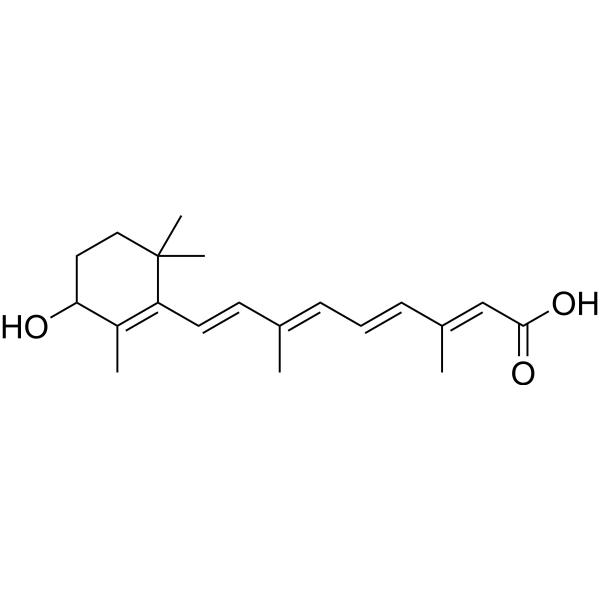
4-Hydroxyretinoic acid (4-HRA) is a derivative of Retinoic acid (HY-14649). 4-Hydroxyretinoic acid is formed via the catalysis of retinol by cytochromeP-450 isoenzymes. 4-Hydroxyretinoic acid also serves as a substrate for UDP-glucuronosyltransferase (s) and recombinant UGT2B7. 4-Hydroxyretinoic acid binds to the nuclear receptor RAR (Retinoic Acid Receptor), activates RAR and RXR-alpha, subsequently regulates gene expression and cell differentiation, and induces cancer cell apoptosis (Apoptosis). 4-Hydroxyretinoic acid also participates in multiple physiological processes such as immunoregulation, neuroprotection and antioxidation .
Ticlopidine hydrochloride-d6 is the deuterium labeled Ticlopidine hydrochloride (HY-B0153A). Ticlopidine (PCR 5332) hydrochloride, an antithrombotic proagent, acts as an allosteric, noncompetitive inhibitor of CD39 with the IC50 of 81.7 μM. Ticlopidine hydrochloride blocks several NTPDase isoenzymes with IC50s of 170 μM and 149 μM for NTPDase2 and NTPDase3, respectively . Ticlopidine hydrochloride is an inhibitor of CYP2C19 human liver cytochrome. Ticlopidine hydrochloride inhibits CYP2C9 and CYP3A4 with IC50s of 26.0 and 32.3 μM, respectively .
Bifendate (DDB), extracted from Schisandrae chinensis, is an orally active anti-HBV agent against chronic hepatitis B. Bifendate inhibits ATG5-dependent autophagy and attenuates oleic acid-induced lipid accumulation with anti-oxidant properties in vitro. Bifendate can decrease alanine transaminase (ALT) level in mice. Bifendate attenuates hepatic steatosis in cholesterol/bile salt- and high-fat diet-induced hypercholesterolemia in mice. Bifendate potently increases the activity of cytochrome proteins (CYPs) and reverse P-gp-mediated multi-drug resistance (MDR) .
Paritaprevir (ABT-450) dihydrate is a potent, orally active and antiviral non-structural protein 3/4A (NS3/4A) protease inhibitor with EC50s of 1 and 0.21 nM against HCV 1a and 1b, respectively. Paritaprevir dihydrate is also a SARS-CoV 3CL pro inhibitor with an IC50 of 1.31 μM. Paritaprevir dihydrate is metabolized primarily by cytochrome P450 (CYP) 3A. The plasma concentration and half-life of Paritaprevir dihydrate can be enhanced by Ritonavir (a CYP450 inhibitor) .
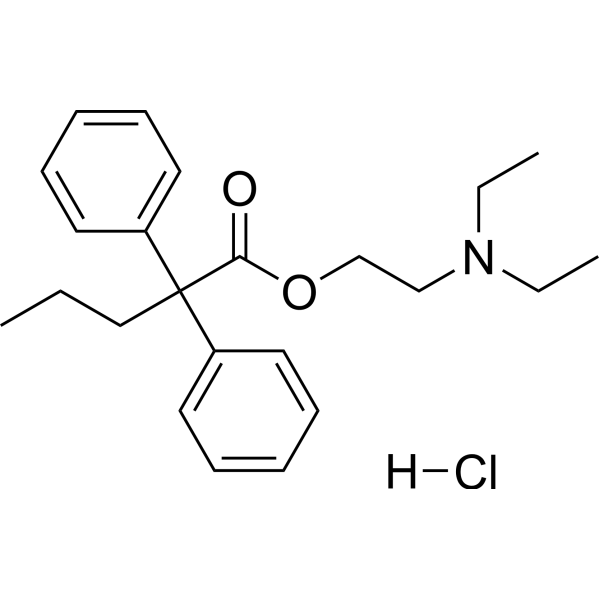
Proadifen (SKF-525A) hydrochloride is a non-competitive Cytochrome P450 inhibitor with an IC50 value of 19 μM. Proadifen hydrochloride reduces monoamine oxidase A (MAO-A) activity and reverses the antidepressantlike behavioral effect of Imipramine (HY-B1490A) and Desipramine (HY-B1272A) in rats. Proadifen hydrochloride also reduces N, N-dimethyltryptamine (DMT) metabolism in liver microsomes and inhibits N-demethylationand Acridone (HY-W007771) formation. Proadifen hydrochloride augments Lipopolysaccharide (LPS) (HY-D1056)-induced fever and exacerbates Prostaglandin E2 (PGE2) (HY-101952) levels in the rat. Proadifen hydrochloride is promising for research of metabolism-related deseases, ovarian carcinoma, inflammation and dopamine neurons-related deseases .
Paritaprevir (Standard) is the analytical standard of Paritaprevir. This product is intended for research and analytical applications. Paritaprevir (ABT-450) is a potent, orally active and antiviral non-structural protein 3/4A (NS3/4A) protease inhibitor with EC50s of 1 and 0.21 nM against HCV 1a and 1b, respectively. Paritaprevir is also a SARS-CoV 3CLpro inhibitor with an IC50 of 1.31 μM. Paritaprevir is metabolized primarily by cytochrome P450 (CYP) 3A. The plasma concentration and half-life of Paritaprevir can be enhanced by Ritonavir (a CYP450 inhibitor) .
Ticlopidine hydrochloride (Standard) is the analytical standard of Ticlopidine hydrochloride (HY-B0153A). This product is intended for research and analytical applications. Ticlopidine (PCR 5332) hydrochloride, an antithrombotic proagent, acts as an allosteric, noncompetitive inhibitor of CD39 with the IC50 of 81.7 μM. Ticlopidine hydrochloride blocks several NTPDase isoenzymes with IC50s of 170 μM and 149 μM for NTPDase2 and NTPDase3, respectively . Ticlopidine hydrochloride is an inhibitor of CYP2C19 human liver cytochrome. Ticlopidine hydrochloride inhibits CYP2C9 and CYP3A4 with IC50s of 26.0 and 32.3 μM, respectively .
Proadifen (hydrochloride) (Standard) is the analytical standard of Proadifen (hydrochloride). This product is intended for research and analytical applications. Proadifen (SKF-525A) hydrochloride is a non-competitive Cytochrome P450 inhibitor with an IC50 value of 19 μM. Proadifen hydrochloride reduces monoamine oxidase A (MAO-A) activity and reverses the antidepressantlike behavioral effect of Imipramine (HY-B1490A) and Desipramine (HY-B1272A) in rats. Proadifen hydrochloride also reduces N, N-dimethyltryptamine (DMT) metabolism in liver microsomes and inhibits N-demethylationand Acridone (HY-W007771) formation. Proadifen hydrochloride augments Lipopolysaccharide (LPS) (HY-D1056)-induced fever and exacerbates Prostaglandin E2 (PGE2) (HY-101952) levels in the rat. Proadifen hydrochloride is promising for research of metabolism-related deseases, ovarian carcinoma, inflammation and dopamine neurons-related deseases [4] .
PUMA2A is a PUMA BH3-only peptide. PUMA2A can be used as a negative control in Cytochrome C release assays and BH3 profiling. PUMA2A can be used in the research of chronic myeloid leukemia .
Levobupivacaine-d9 ((S)-(–)-Bupivacaie-d9) hydrochloride is deuterium labeled Levobupivacaine hydrochloride (HY-B0653A). Levobupivacaine hydrochloride ((S)-(-)-Bupivacaine monohydrochloride) is a long-acting amide local agent that can suppress or relieve pain. Levobupivacaine hydrochloride exerts agent that can suppress or relieve pain. and analgesic effects through reversible blockade of neuronal sodium channel. Levobupivacaine hydrochloride can inhibit impulse transmission and conduction in cardiovascular and other tissues, possessing certain cardiac and CNS toxicity. Levobupivacaine hydrochloride is metabolized by hepatic cytochrome P450 (CYP450) enzymes in vivo. Levobupivacaine hydrochloride can also induce ferroptosis by miR-489-3p/SLC7A11 signaling in gastric cancer .
Bucladesine (Dibutyryl cAMP; DBcAMP) sodium (Standard) is the analytical standard of Bucladesine sodiumn (HY-B0764). This product is intended for research and analytical applications. Bucladesine is a membrane-permeable 3′, 5′-cyclic adenosine monophosphate (cAMP) analog. Bucladesine selectively activates cAMP dependent protein kinase (PKA) by increasing the intracellular level of cAMP. Bucladesine significantly attenuates MDMA-induced increases in hippocampal mitochondrial ROS formation, mitochondrial outer membrane damage, cytochrome c release, and hippocampal ADP/ATP ratio, thereby improving spatial learning and memory impairments. Bucladesine exhibit anti-nociceptive and anti-inflammation effect. Bucladesine can inhibit cancer cells proliferation, induce apoptosis. Bucladesine can be used for the researches of neurological disease, cancer, inflammation .
ETX1975-3 is an orally active inhibitor and bactericide targeting the bdcytochrome oxidase of Mycobacterium tuberculosis. ETX1975-3 disrupts electron transfer between the b-heme centers of the target enzyme, and in combination with Q203 (HY-101040), exerts bactericidal activity against both replicating and non-replicating Mycobacterium tuberculosis, and reduces bacterial loads in acute mouse models. ETX1975-3 retains activity against clinical isolates of multidrug-resistant/extensively drug-resistant Mycobacterium tuberculosis and non-tuberculous mycobacteria, while possessing favorable preclinical ADMET properties. ETX1975-3 can be used in studies related to tuberculosis and non-tuberculous mycobacterial infections .
Bucladesine (Dibutyryl cAMP; DBcAMP) sodium (GMP) is a Bucladesine sodium (HY-B0764) produced by using GMP guidelines. Bucladesine (Dibutyryl cAMP; DBcAMP) is a membrane-permeable 3′, 5′-cyclic adenosine monophosphate (cAMP) analog. Bucladesine selectively activates cAMP dependent protein kinase (PKA) by increasing the intracellular level of cAMP. Bucladesine significantly attenuates MDMA-induced increases in hippocampal mitochondrial ROS formation, mitochondrial outer membrane damage, cytochrome c release, and hippocampal ADP/ATP ratio, thereby improving spatial learning and memory impairments. Bucladesine exhibit anti-nociceptive and anti-inflammation effect. Bucladesine can inhibit cancer cells proliferation, induce apoptosis. Bucladesine can be used for the researches of neurological disease, cancer, inflammation .
Fenofibrate (GMP) is Fenofibrate (HY-17356) produced by using GMP guidelines. GMP small molecules work appropriately as an auxiliary reagent for cell therapy manufacture. Fenofibrate is a selective PPARα agonist with an EC50 of 30 μM. Fenofibrate also inhibits human cytochrome P450 isoforms, with IC50s of 0.2, 0.7, 9.7, 4.8 and 142.1 μM for CYP2C19, CYP2B6, CYP2C9, CYP2C8, and CYP3A4, respectively.
7-Ethoxy-4-methylcoumarin (Standard) is the analytical standard of 7-Ethoxy-4-methylcoumarin. This product is intended for research and analytical applications. 7-Ethoxy-4-methylcoumarin is a coumarin derivative and can be used as a substrate probe of mammalian cytochromes P450 1A1, 2B4 and 2B6 .
Fenofibrate (GMP) is Fenofibrate (HY-17356) produced by using GMP guidelines. GMP small molecules work appropriately as an auxiliary reagent for cell therapy manufacture. Fenofibrate is a selective PPARα agonist with an EC50 of 30 μM. Fenofibrate also inhibits human cytochrome P450 isoforms, with IC50s of 0.2, 0.7, 9.7, 4.8 and 142.1 μM for CYP2C19, CYP2B6, CYP2C9, CYP2C8, and CYP3A4, respectively.
Cytochrome c-pigeon (88-104) (PCC 88-104) has full stimulatory activity for pigeon cytochrome c-primed T cells from B10.A mice. The I-E k-restricted T cell response to Cytochrome c pigeon (pcyt c) is specific for the COOH-terminal sequence 88-104 .
PUMA2A is a PUMA BH3-only peptide. PUMA2A can be used as a negative control in Cytochrome C release assays and BH3 profiling. PUMA2A can be used in the research of chronic myeloid leukemia .
Antimycin A2 is a selective inhibitor of the cytochromeb-c1 complex in the mitochondrial electron transport chain. Antimycin A2 disrupts mitochondrial membrane potential and produces reactive oxygen species (ROS) by inhibiting electron transfer between cytochromeb and c. Antimycin A2 has bactericidal and piscicidal activity, as well as tumor cell growth inhibitory effects, and can induce S-phase cell cycle arrest and apoptosis in HeLa cells. Antimycin A2 is suitable for research of cervical cancer and fisheries management. Antimycin A2 can be naturally isolated from the fermentation products of Streptomyces sp. strains .
Rhapontigenin is a natural analog of resveratrol with anticancer, antioxidant, antifungal and antibacterial activities. Rhapontigenin is amechanism-based, potent and selective cytochrome P450 1A1 inactivator (IC50
= 400 nM). Rhapontigenin exhibits 400-fold and 23-fold selectivity for P450 1A1 over P450 1A2 and P450 1B1, respectively .
(-)-Fenchone is a bicyclic monoterpene and serves as a substrate for human liver microsomal cytochrome P450 enzymes CYP2A6 and CYP2B6. (-)-Fenchone is not metabolized by human CYP1A1, CYP1A2, CYP1B1, CYP2C8, CYP2C9, CYP2C19, CYP2D6, CYP2E1, or CYP3A4 enzymes. (-)-Fenchone undergoes hydroxylation to produce 6-exo-hydroxyfenchone, 6-endo-hydroxyfenchone, and 10-hydroxyfenchone. During the metabolism of (-)-Fenchone, CYP2A6 may play a more important role than CYP2B6 .
Androst-5-enediol sulfate (5-Androstenediol 3-sulfate) sodium salt is an adrenal Δ5-steroid sulfate that synthesized by zona reticularis of adrenal depending on the lyase and Cytochromeb5 type A (CYB5A) activity. Androst-5-enediol sulfate sodium salt is a precursor hormone and can be desulfated to produce more potent androgens, including testosterone, in peripheral tissues like skin and liver. The serum level of Androst-5-enediol sulfate sodium salt has an age-related increase .
Sapindoside B is a substance with hepatoprotective activity, and also acts as a cytochrome P-450 (cytochrome P-450) inhibitor, antibacterial agent and membrane-disrupting agent. Sapindoside B reversibly inhibits the content of cytochrome P-450 in liver microsomes, suppresses the phenobarbital-induced increase in enzyme content, reduces the production of active metabolites mediated by cytochrome P-450, and alleviates hepatotoxic injury. Sapindoside B binds to Cutibacterium acnes lipase, reduces lipase activity, inhibits biofilm formation, and decreases bacterial adhesion. Sapindoside B exhibits cytotoxicity against human cancer, liver cancer, leukemia and glioblastoma cells. Sapindoside B inhibits mycelial growth of phytopathogenic fungal strains, possesses antibacterial activity against dermatophytes, and also has hemolytic/membrane-lytic activity. Sapindoside B can be used in research related to liver injury, Cutibacterium acnes biofilm-associated infections, gastric cancer, carcinoma, promyelocytic leukemia, glioblastoma, apple scab and grape gray mold .
Plastoquinone (PQ-9) is a photosynthetic electron carrier as well as a redox sensor capable of regulating state transitions and gene expression. Plastoquinone transfers electrons to the cytochromeb6/f complex via the Q cycle, and participates in the establishment of the thylakoid transmembrane pH gradient. Plastoquinone can react with ROS. Plastoquinone is used in plant photosynthesis research .
Anhydroerythromycin A is a degradation product of the macrolide antibiotic erythromycin. Anhydroerythromycin A is formed via degradation of erythromycin in acidic aqueous solutions in vitro as well as in vivo. Anhydroerythromycin A is active against S. aureus and B. cereus in vitro (MICs = 12.5 and 6.25 μg/ml, respectively). Anhydroerythromycin A also inhibits steroid 6β-hydroxylase activity associated with the cytochrome P450 (CYP) isoform CYP3A in human liver microsomes.
Crocacin B has anti-yeast and filamentous fungal activity. Crocacin B can inhibit mouse fibroblasts L929. In the microsomes of the calf's heart, Crocacin B can interrupt the bc1 segment of electronic transmission, causes redshift of 569 nm peak in cytochromeB reduction spectrum .
Crocacin A has anti-yeast and filamentous fungal activity. Crocacin A can inhibit mouse fibroblasts L929. In the microsomes of the calf's heart, Crocacin A can interrupt the bc1 segment of electronic transmission, causes redshift of 569 nm peak in cytochromeB reduction spectrum .
Rhapontigenin (Standard) is the analytical standard of Rhapontigenin. This product is intended for research and analytical applications. Rhapontigenin is a natural analog of resveratrol with anticancer, antioxidant, antifungal and antibacterial activities. Rhapontigenin is amechanism-based, potent and selective cytochrome P450 1A1 inactivator (IC50
= 400 nM). Rhapontigenin exhibits 400-fold and 23-fold selectivity for P450 1A1 over P450 1A2 and P450 1B1, respectively .
Amquinate is a coccidiostat and a cytochromeb inhibitor. Amquinate blocks cytochrome-mediated electron transport near cytochromeb in mitochondria, acting downstream of coenzyme Q without affecting succinate dehydrogenase or NADH dehydrogenase. Amquinate inhibits succinate- and malate plus pyruvate-supported mitochondrial respiration in Eimeria tenella and does not affect L-ascorbate-supported respiration or any mitochondrial respiration in chicken liver mitochondria. Amquinate exhibits selective anticoccidial activity against wild-type Eimeria tenella. Amquinate can be used for the research of coccidiosis (Eimeria tenella infection) .
Crocacin C has anti-yeast and filamentous fungal activity. Crocacin C can inhibit mouse fibroblasts L929. In the microsomes of the calf's heart, Crocacin C can interrupt the bc1 segment of electronic transmission, causes redshift of 569 nm peak in cytochromeB reduction spectrum .
Crocacin D has anti-yeast and filamentous fungal activity. Crocacin D can inhibit mouse fibroblasts L929. In the microsomes of the calf's heart, Crocacin D can interrupt the bc1 segment of electronic transmission, causes redshift of 569 nm peak in cytochromeB reduction spectrum .
Hancockiamide C is a phenylacetic piperazine natural products found in Aspergillus hancockii. Hancockiamide C is synthesized via the hkm biosynthetic gene cluster, involving NRPS Hkm11 and the acetyltransferase Hkm3. Hancockiamide C inhibits seed germination of Arabidopsis thaliana (MIC = 6.3 μg/mL), but shows no activity against Eragrostis tef seeds .
Cytochrome b5 (CYB5A) is a vital membrane-bound hemoprotein acting as an electron carrier for diverse membrane-bound oxygenases. Positioned in cellular membranes, it crucially facilitates electron transfer processes, supporting the activity of oxygenase enzymes. CYB5A's role as an electron carrier highlights its significance in cellular redox reactions and metabolic pathways involving oxygenases. Cytochrome b5/CYB5A Protein, Human (His) is the recombinant human-derived Cytochrome b5/CYB5A protein, expressed by E. coli , with N-6*His labeled tag.
The CYBB/Nox2 protein is an important membrane-bound oxidase in phagocytes and is critical for superoxide production. As the terminal element of the respiratory chain, it transfers a single electron from NADPH to molecular oxygen. CYBB/Nox2 Protein, Human (His) is the recombinant human-derived CYBB/Nox2 protein, expressed by E. coli , with N-6*His labeled tag.
CYP11B2 Protein, a cytochrome P450 monooxygenase, synthesizes aldosterone, pivotal for salt and water balance, impacting blood pressure and cardiovascular health. Mechanistically, it orchestrates three oxidative reactions, forming aldosterone, utilizing molecular oxygen and a mitochondrial transfer system. Additionally, CYP11B2 may be involved in the androgen metabolic pathway, expanding its physiological roles. CYP11B2 Protein, Human (His-SUMO) is the recombinant human-derived CYP11B2 protein, expressed by E. coli , with N-6*His, N-SUMO labeled tag.
The COX5B protein is a component of cytochrome c oxidase, the final enzyme in the mitochondrial electron transport chain. COX5B Protein, Human (His) is the recombinant human-derived COX5B protein, expressed by E. coli , with N-His labeled tag.
CYP21A2 Protein, a cytochrome P450 monooxygenase, crucially hydroxylates progesterone and 17alpha-hydroxyprogesterone at C-21, yielding vital intermediates for mineralocorticoid and glucocorticoid biosynthesis in adrenal steroidogenesis. This enzymatic process involves molecular oxygen, with NADPH providing essential electrons via cytochrome P450 reductase (CPR). CYP21A2 plays a pivotal role in regulating adrenal cortex hormone production. CYP21A2 Protein, Human (His) is the recombinant human-derived CYP21A2 protein, expressed by E. coli , with N-6*His labeled tag.
UQCRH is an important component of the mitochondrial electron transport chain and contributes to oxidative phosphorylation within the ubiquinol-cytochrome c oxidoreductase complex. It operates in the respiratory chain, transferring electrons from NADH and succinate to molecular oxygen, establishing an electrochemical gradient for ATP synthesis. UQCRH Protein, Human (GST) is the recombinant human-derived UQCRH protein, expressed by E. coli , with N-GST labeled tag.
CYB5R1 is an important member of the NADH-cytochrome b5 reductase family and plays a crucial role in fatty acid desaturation, cholesterol biosynthesis, drug metabolism, and erythrocyte methemoglobin reduction. Utilizing NADH, CYB5R1 promotes the reduction of cytochrome b5, contributing to enzymatic processes in lipid metabolism, sterol synthesis, and drug biotransformation. CYB5R1 Protein, Human (His) is the recombinant human-derived CYB5R1 protein, expressed by E. coli , with N-His labeled tag.
The COX4I1 protein is a component of cytochrome c oxidase, the final enzyme in the mitochondrial electron transport chain responsible for oxidative phosphorylation. COX4I1 Protein, Human (His-SUMO) is the recombinant human-derived COX4I1 protein, expressed by E. coli , with N-6*His, N-SUMO labeled tag.
Fenofibrate-d6 is the deuterium labeled Fenofibrate. Fenofibrate is a selective PPARα agonist with an EC50 of 30 μM. Fenofibrate also inhibits human cytochrome P450 isoforms, with IC50s of 0.2, 0.7, 9.7, 4.8 and 142.1 μM for CYP2C19, CYP2B6, CYP2C9, CYP2C8, and CYP3A4, respectively.
6α-Hydroxy Paclitaxel-d5 is the deuterium labeled 6α-Hydroxy paclitaxel. 6α-Hydroxy paclitaxel is one of the main metabolites of Paclitaxel (PTX) (HY-B0015), and it is generated by the liver cytochrome P450 enzyme CYP2C8. 6α-Hydroxy paclitaxel has bone marrow toxicity, but it can enhance the cytotoxicity of PTX against leukemia cells without causing cell toxicity. 6α-Hydroxy paclitaxel can be used in leukemia research.
MCPA-d3 is the deuterium labeled MCPA (HY-B0859). MCPA is an orally active phenoxyacetic acid herbicide. MCPA interferes with membrane integrity, energy metabolism (decreases ATP levels), and redox balance in plant cells. MCPA increases hepatic cytochrome P-450 levels and increases aniline hydroxylase and 7-ethoxycoumarin O-deethylase activities. MCPA can be used to control broadleaf weeds .
Fipronil- 13C6 is the 13C-labeled Fipronil. Fipronil is an insecticide that acts as a selective antagonist of insect GABA receptors (IC50s = 30 nM and 1,600 nM for cockroach and rat receptors, respectively). Fipronil also inhibits desensitizing and non-desensitizing glutamate-induced chloride currents in cockroach neurons (IC50s = 800 nM and 10 nM, respectively). Fipronil induces activity of the cytochrome P450 (CYP) isoforms CYP1A1/2, CYP2B1/2, and CYP3A1/2 in isolated rat liver microsomes.
Doxylamine-d5 is deuterium labeled Doxylamine (HY-A0069A). Doxylamine is a first-generation antihistamine and acts as a histamine H1 receptor antagonist. Doxylamine is orally active, possessing analgesic and hypnotic activities. Doxylamine enhances the activities of CYP2B, CYP2A, CYP3A and thyroxine-glucuronosyltransferase via promoting substrate hydroxylation and thyroxine metabolic pathways. Doxylamine decreases serum thyroxine (T4) level and elevates serum thyroid-stimulating hormone (TSH) level. Doxylamine induces liver enlargement and increases the activities of hepatic microsomal cytochrome P450, cytochromeb5 and NADPH-cytochrome c reductase. Doxylamine can be used for the research of nausea, allergy, insomnia .
Doxylamine-d5 succinate is deuterium labeled Doxylamine succinate (HY-A0069A). Doxylamine succinate is a first-generation antihistamine and acts as a histamine H1 receptor antagonist. Doxylamine succinate is orally active, possessing analgesic and hypnotic activities. Doxylamine succinate enhances the activities of CYP2B, CYP2A, CYP3A and thyroxine-glucuronosyltransferase via promoting substrate hydroxylation and thyroxine metabolic pathways. Doxylamine succinate decreases serum thyroxine (T4) level and elevates serum thyroid-stimulating hormone (TSH) level. Doxylamine succinate induces liver enlargement and increases the activities of hepatic microsomal cytochrome P450, cytochromeb5 and NADPH-cytochrome c reductase. Doxylamine succinate can be used for the research of nausea, allergy, insomnia .
Difenoconazole-d6 is the deuterium labeled Difenoconazole (HY-B0850). Difenoconazole is a sterol demethylation inhibitor, as a fungicide. Difenoconazole binds the heme portion of the fungal cytochrome P450 51, interferes the mycelial growth and inhibits the spore germination of pathogens, suppressing fungal growth .
Veratrole-d2-1 is the deuterium labeled Veratrole (HY-B1812). Veratrole (1,2-Dimethoxybenzene) is a key compound that widely exists in plants and attracts pollinators. The release of Veratrole has a circadian rhythm and plays an important role in plant reproduction, species differentiation, and interactions with pollinators. In addition, Veratrole can be demethylated bycytochrome P-450 in Streptomyces setonii .
N-(4-Ethoxyphenyl)acetamide-2,2,2-d3 is the deuterium labeled Phenacetin (HY-B0476). Phenacetin (Acetophenetidin) is a non-opioid analgesic/antipyretic agent. Phenacetin is a selective COX-3 inhibitor. Phenacetin is used as probe of cytochrome P450 enzymes CYP1A2 in human liver microsomes and in rats .
MCPA-d3-1 is the deuterium labeled MCPA (HY-B0859). MCPA is an orally active phenoxyacetic acid herbicide. MCPA interferes with membrane integrity, energy metabolism (decreases ATP levels), and redox balance in plant cells. MCPA increases hepatic cytochrome P-450 levels and increases aniline hydroxylase and 7-ethoxycoumarin O-deethylase activities. MCPA can be used to control broadleaf weeds .
Econazole-d6 ((±)-Econazol-d6) is the deuterium labeled Econazole (HY-B0885). Econazole is an orally active imidazole antifungal agent, as well as a cytochrome P-450 inhibitor and a blocker of calcium and manganese ion uptake. Econazole is active against a variety of fungi and some Gram-positive bacteria, but has no significant activity against Gram-negative bacteria. Econazole can inhibit the synthesis of prostaglandins and can also induce liver damage .
Fenofibrate-13C6 is a deuterated labeled Fenofibrate . Fenofibrate is a selective PPARα agonist with an EC50 of 30 μM. Fenofibrate also inhibits human cytochrome P450 isoforms, with IC50s of 0.2, 0.7, 9.7, 4.8 and 142.1 μM for CYP2C19, CYP2B6, CYP2C9, CYP2C8, and CYP3A4, respectively.
Fenofibrate-d4 is the deuterium labeled Fenofibrate . Fenofibrate is a selective PPARα agonist with an EC50 of 30 μM. Fenofibrate also inhibits human cytochrome P450 isoforms, with IC50s of 0.2, 0.7, 9.7, 4.8 and 142.1 μM for CYP2C19, CYP2B6, CYP2C9, CYP2C8, and CYP3A4, respectively .
MCPA- 13C8 is the 13C-labeled MCPA (HY-B0859). MCPA is an orally active phenoxyacetic acid herbicide. MCPA interferes with membrane integrity, energy metabolism (decreases ATP levels), and redox balance in plant cells. MCPA increases hepatic cytochrome P-450 levels and increases aniline hydroxylase and 7-ethoxycoumarin O-deethylase activities. MCPA can be used to control broadleaf weeds .
Ticlopidine-d4 hydrochloride is the deuterium labeled Ticlopidine hydrochloride (HY-B0153A). Ticlopidine (PCR 5332) hydrochloride, an antithrombotic proagent, acts as an allosteric, noncompetitive inhibitor of CD39 with the IC50 of 81.7 μM. Ticlopidine hydrochloride blocks several NTPDase isoenzymes with IC50s of 170 μM and 149 μM for NTPDase2 and NTPDase3, respectively . Ticlopidine hydrochloride is an inhibitor of CYP2C19 human liver cytochrome. Ticlopidine hydrochloride inhibits CYP2C9 and CYP3A4 with IC50s of 26.0 and 32.3 μM, respectively .
Ticlopidine hydrochloride-d6 is the deuterium labeled Ticlopidine hydrochloride (HY-B0153A). Ticlopidine (PCR 5332) hydrochloride, an antithrombotic proagent, acts as an allosteric, noncompetitive inhibitor of CD39 with the IC50 of 81.7 μM. Ticlopidine hydrochloride blocks several NTPDase isoenzymes with IC50s of 170 μM and 149 μM for NTPDase2 and NTPDase3, respectively . Ticlopidine hydrochloride is an inhibitor of CYP2C19 human liver cytochrome. Ticlopidine hydrochloride inhibits CYP2C9 and CYP3A4 with IC50s of 26.0 and 32.3 μM, respectively .
Levobupivacaine-d9 ((S)-(–)-Bupivacaie-d9) hydrochloride is deuterium labeled Levobupivacaine hydrochloride (HY-B0653A). Levobupivacaine hydrochloride ((S)-(-)-Bupivacaine monohydrochloride) is a long-acting amide local agent that can suppress or relieve pain. Levobupivacaine hydrochloride exerts agent that can suppress or relieve pain. and analgesic effects through reversible blockade of neuronal sodium channel. Levobupivacaine hydrochloride can inhibit impulse transmission and conduction in cardiovascular and other tissues, possessing certain cardiac and CNS toxicity. Levobupivacaine hydrochloride is metabolized by hepatic cytochrome P450 (CYP450) enzymes in vivo. Levobupivacaine hydrochloride can also induce ferroptosis by miR-489-3p/SLC7A11 signaling in gastric cancer .
Fomepizole-d2 (4-Methylpyrazole-d2) is the deuterium labeled Fomepizole (HY-B0876). Fomepizole (4-Methylpyrazole) is a potent cytochrome P450 (CYP2E1) inhibitor. Fomepizole is a competitive inhibitor of the enzyme alcohol dehydrogenase. Fomepizole blocks further conversion of methanol and ethylene glycol to toxic metabolites. Fomepizole has the potential for an antidote for ethylene glycol or methanol poisoning .
Sulfaphenazole-d4 is the deuterium labeled Sulfaphenazole (HY-B1218). Sulfaphenazole is a selective inhibitor of human cytochrome P450 (CYP) 2C9 enzyme. Sulfaphenazole is a cytoprotective agent against light-induced death of photoreceptors. Sulfaphenazole inhibits light-induced necrosis and mitochondrial stress-initiated apoptosis. Sulfaphenazole is an off patent sulfonamide antibiotic and demonstrates bactericidal activity through enhanced M1 macrophage activity. Sulfaphenazole can significantly reduce infarct size and restore post-ischemic coronary flow following ischemia and reperfusion .
CYP2B6 (Cytochrome P450 2B6) Antibody (YA7956) is a Mouse-derived and non-conjugated IgG2a monoclonal antibody, targeting to CYP2B6 (Cytochrome P450 2B6).
1-Ethynylpyrene is an aryl acetylenic inhibitor of cytochromes P450 1A1, 1A2, and 2B1 with IC50s of 0.18, 0.32, and 0.04 μM, respectively . 1-Ethynylpyrene is a click chemistry reagent, it contains an Alkyne group and can undergo copper-catalyzed azide-alkyne cycloaddition (CuAAc) with molecules containing Azide groups.
1-Ethynylnaphthalene is a selective inhibitor of cytochromeP450 1B1. 1-Ethynylnaphthalene is a click chemistry reagent, it contains an Alkyne group and can undergo copper-catalyzed azide-alkyne cycloaddition (CuAAc) with molecules containing Azide groups.
7ETMC is a cytochrome P450 inhibitor with selective inhibition of human cytochrome P450s 1A1 and 1A2. 7ETMC has inhibitory effects on P450s 1A1 and 1A2 with IC?? values of 0.46μM and 0.50μM, respectively, within the first six minutes, and has no inhibitory activity against P450s 2A6 and 2B1. Except for 7-ethynyl-3-methyl-4-phenylcoumarin, the remaining inhibitors show mechanism-based inhibition of P450s 1A1 and 1A2.
Fenofibrate (GMP) is Fenofibrate (HY-17356) produced by using GMP guidelines. GMP small molecules work appropriately as an auxiliary reagent for cell therapy manufacture. Fenofibrate is a selective PPARα agonist with an EC50 of 30 μM. Fenofibrate also inhibits human cytochrome P450 isoforms, with IC50s of 0.2, 0.7, 9.7, 4.8 and 142.1 μM for CYP2C19, CYP2B6, CYP2C9, CYP2C8, and CYP3A4, respectively.
Bucladesine (Dibutyryl cAMP; DBcAMP) sodium (GMP) is a Bucladesine sodium (HY-B0764) produced by using GMP guidelines. Bucladesine (Dibutyryl cAMP; DBcAMP) is a membrane-permeable 3′, 5′-cyclic adenosine monophosphate (cAMP) analog. Bucladesine selectively activates cAMP dependent protein kinase (PKA) by increasing the intracellular level of cAMP. Bucladesine significantly attenuates MDMA-induced increases in hippocampal mitochondrial ROS formation, mitochondrial outer membrane damage, cytochrome c release, and hippocampal ADP/ATP ratio, thereby improving spatial learning and memory impairments. Bucladesine exhibit anti-nociceptive and anti-inflammation effect. Bucladesine can inhibit cancer cells proliferation, induce apoptosis. Bucladesine can be used for the researches of neurological disease, cancer, inflammation .
Inquiry Online
Your information is safe with us. * Required Fields.
Western blot analysis of extracts from THP-1(lane 2(20μg), Jurkat (lane 3(20μg) and NIH3T3(lane 4(20μg) using FOXO1A (HY-P80132) Rabbit mAb. Proteins were transferred
to a PVDF membrane and blocked with 5% non-fat milk in TBST for 2 hour at room temperature. The primary antibody (1/1000) and Loading control antibody (Beta Actin, HY-P80438, 1/10000) was
used in 5% non-fat milk in TBST at 4°C overnight. Goat Anti-Mouse/Rabbit IgG-HRP Secondary Antibody (1/10000) was used for 1 hour at room temperature.
Western blot analysis of extracts from THP-1(lane 2(20μg), Jurkat (lane 3(20μg) and NIH3T3(lane 4(20μg) using FOXO1A (HY-P80132) Rabbit mAb. Proteins were transferred
to a PVDF membrane and blocked with 5% non-fat milk in TBST for 2 hour at room temperature. The primary antibody (1/1000) and Loading control antibody (Beta Actin, HY-P80438, 1/10000) was
used in 5% non-fat milk in TBST at 4°C overnight. Goat Anti-Mouse/Rabbit IgG-HRP Secondary Antibody (1/10000) was used for 1 hour at room temperature.
Western blot analysis of extracts from THP-1(lane 2(20μg), Jurkat (lane 3(20μg) and NIH3T3(lane 4(20μg) using FOXO1A (HY-P80132) Rabbit mAb. Proteins were transferred
to a PVDF membrane and blocked with 5% non-fat milk in TBST for 2 hour at room temperature. The primary antibody (1/1000) and Loading control antibody (Beta Actin, HY-P80438, 1/10000) was
used in 5% non-fat milk in TBST at 4°C overnight. Goat Anti-Mouse/Rabbit IgG-HRP Secondary Antibody (1/10000) was used for 1 hour at room temperature.
Western blot analysis of extracts from THP-1(lane 2(20μg), Jurkat (lane 3(20μg) and NIH3T3(lane 4(20μg) using FOXO1A (HY-P80132) Rabbit mAb. Proteins were transferred
to a PVDF membrane and blocked with 5% non-fat milk in TBST for 2 hour at room temperature. The primary antibody (1/1000) and Loading control antibody (Beta Actin, HY-P80438, 1/10000) was
MedchemExpress Validation 03
Western blot analysis of extracts from THP-1(lane 2(20μg), Jurkat (lane 3(20μg) and NIH3T3(lane 4(20μg) using FOXO1A (HY-P80132) Rabbit mAb. Proteins were transferred
MedchemExpress Validation 04
Western blot analysis of extracts from THP-1(lane 2(20μg), Jurkat (lane 3(20μg) and NIH3T3(lane 4(20μg) using FOXO1A (HY-P80132) Rabbit mAb. Proteins were transferred
to a PVDF membrane and blocked with 5% non-fat milk in TBST for 2 hour at room temperature. The primary antibody (1/1000) and Loading control antibody (Beta Actin, HY-P80438, 1/10000) was
used in 5% non-fat milk in TBST at 4°C overnight. Goat Anti-Mouse/Rabbit IgG-HRP Secondary Antibody (1/10000) was used for 1 hour at room temperature.
MedchemExpress Validation
Western blot analysis of extracts from THP-1(lane 2(20μg), Jurkat (lane 3(20μg) and NIH3T3(lane 4(20μg) using FOXO1A (HY-P80132) Rabbit mAb. Proteins were transferred
to a PVDF membrane and blocked with 5% non-fat milk in TBST for 2 hour at room temperature. The primary antibody (1/1000) and Loading control antibody (Beta Actin, HY-P80438, 1/10000) was
used in 5% non-fat milk in TBST at 4°C overnight. Goat Anti-Mouse/Rabbit IgG-HRP Secondary Antibody (1/10000) was used for 1 hour at room temperature.
Western blot analysis of extracts from THP-1(lane 2(20μg), Jurkat (lane 3(20μg) and NIH3T3(lane 4(20μg) using FOXO1A (HY-P80132) Rabbit mAb. Proteins were transferred
to a PVDF membrane and blocked with 5% non-fat milk in TBST for 2 hour at room temperature. The primary antibody (1/1000) and Loading control antibody (Beta Actin, HY-P80438, 1/10000) was
used in 5% non-fat milk in TBST at 4°C overnight. Goat Anti-Mouse/Rabbit IgG-HRP Secondary Antibody (1/10000) was used for 1 hour at room temperature.
MedchemExpress Validation
Western blot analysis of extracts from THP-1(lane 2(20μg), Jurkat (lane 3(20μg) and NIH3T3(lane 4(20μg) using FOXO1A (HY-P80132) Rabbit mAb. Proteins were transferred
to a PVDF membrane and blocked with 5% non-fat milk in TBST for 2 hour at room temperature. The primary antibody (1/1000) and Loading control antibody (Beta Actin, HY-P80438, 1/10000) was
used in 5% non-fat milk in TBST at 4°C overnight. Goat Anti-Mouse/Rabbit IgG-HRP Secondary Antibody (1/10000) was used for 1 hour at room temperature.
MedchemExpress Validation
Western blot analysis of extracts from THP-1(lane 2(20μg), Jurkat (lane 3(20μg) and NIH3T3(lane 4(20μg) using FOXO1A (HY-P80132) Rabbit mAb. Proteins were transferred
to a PVDF membrane and blocked with 5% non-fat milk in TBST for 2 hour at room temperature. The primary antibody (1/1000) and Loading control antibody (Beta Actin, HY-P80438, 1/10000) was
used in 5% non-fat milk in TBST at 4°C overnight. Goat Anti-Mouse/Rabbit IgG-HRP Secondary Antibody (1/10000) was used for 1 hour at room temperature.
MedchemExpress Validation
Western blot analysis of extracts from THP-1(lane 2(20μg), Jurkat (lane 3(20μg) and NIH3T3(lane 4(20μg) using FOXO1A (HY-P80132) Rabbit mAb. Proteins were transferred
to a PVDF membrane and blocked with 5% non-fat milk in TBST for 2 hour at room temperature. The primary antibody (1/1000) and Loading control antibody (Beta Actin, HY-P80438, 1/10000) was
used in 5% non-fat milk in TBST at 4°C overnight. Goat Anti-Mouse/Rabbit IgG-HRP Secondary Antibody (1/10000) was used for 1 hour at room temperature.
MedchemExpress Validation
Western blot analysis of extracts from THP-1(lane 2(20μg), Jurkat (lane 3(20μg) and NIH3T3(lane 4(20μg) using FOXO1A (HY-P80132) Rabbit mAb. Proteins were transferred
to a PVDF membrane and blocked with 5% non-fat milk in TBST for 2 hour at room temperature. The primary antibody (1/1000) and Loading control antibody (Beta Actin, HY-P80438, 1/10000) was
used in 5% non-fat milk in TBST at 4°C overnight. Goat Anti-Mouse/Rabbit IgG-HRP Secondary Antibody (1/10000) was used for 1 hour at room temperature.
MedchemExpress Validation
Western blot analysis of extracts from THP-1(lane 2(20μg), Jurkat (lane 3(20μg) and NIH3T3(lane 4(20μg) using FOXO1A (HY-P80132) Rabbit mAb. Proteins were transferred
to a PVDF membrane and blocked with 5% non-fat milk in TBST for 2 hour at room temperature. The primary antibody (1/1000) and Loading control antibody (Beta Actin, HY-P80438, 1/10000) was
used in 5% non-fat milk in TBST at 4°C overnight. Goat Anti-Mouse/Rabbit IgG-HRP Secondary Antibody (1/10000) was used for 1 hour at room temperature.
MedchemExpress Validation
Western blot analysis of extracts from THP-1(lane 2(20μg), Jurkat (lane 3(20μg) and NIH3T3(lane 4(20μg) using FOXO1A (HY-P80132) Rabbit mAb. Proteins were transferred
to a PVDF membrane and blocked with 5% non-fat milk in TBST for 2 hour at room temperature. The primary antibody (1/1000) and Loading control antibody (Beta Actin, HY-P80438, 1/10000) was
used in 5% non-fat milk in TBST at 4°C overnight. Goat Anti-Mouse/Rabbit IgG-HRP Secondary Antibody (1/10000) was used for 1 hour at room temperature.
MedChemExpress values your privacy and your trust is important to us. We use cookies to enhance your website experience. Some cookies are necessary to run the website.
Privacy and Cookie Policy

