1. Search Result
Search Result
Results for "

innate+immunity

" in MedChemExpress (MCE) Product Catalog:

125

Inhibitors & Agonists

4

Screening Libraries

1

Fluorescent Dyes

11

Biochemical Assay Reagents

16

Peptides

3

Inhibitory Antibodies

10

Natural
Products

4

Isotope-Labeled Compounds

1

Click Chemistry

24

Oligonucleotides

Cat. No. Product Name Target Research Areas Chemical Structure
  • HY-125859
    Peroxidase, Horseradish
    1 Publications Verification

    Reactive Oxygen Species (ROS) Inflammation/Immunology Endocrinology
    Peroxidase, Horseradish actively involves in oxidizing reactive oxygen species, innate immunity, hormone biosynthesis and pathogenesis of several diseases .
    Peroxidase, Horseradish
  • HY-131370B
    Intralipid 20%
    4 Publications Verification

    Biochemical Assay Reagents Cancer
    Intralipid 20% is a safe fat emulsion that can be used as a nutritional supplement. Intralipid 20% effectively inhibits the opening of the mitochondrial permeability transition pore, effectively protecting the heart from ischaemia-reperfusion injury and has some potential to modulate the innate immune response .
    Intralipid 20%
  • HY-B2123
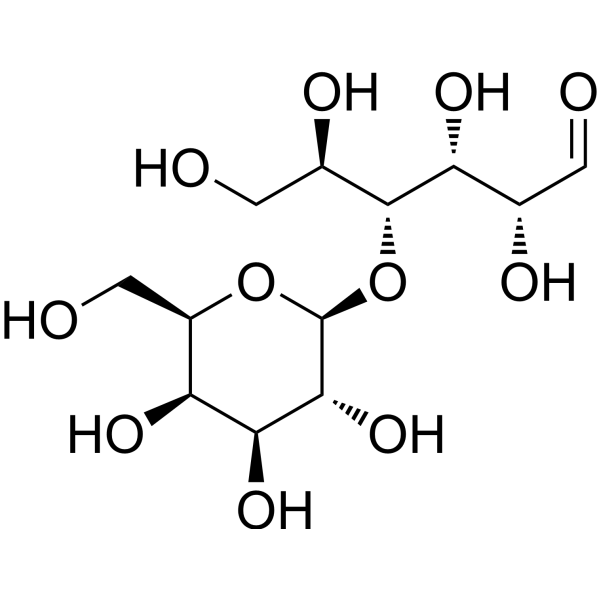
    Lactose
    3 Publications Verification

    Environmental Pollutants Endogenous Metabolite Interleukin Related ERK NF-κB Inflammation/Immunology
    Lactose is a β-galactoside consisting of galactose and glucose residues, the main carbohydrate in mammalian breast milk. Lactose, a macronutrient and an inducer of host innate immune responses, possesses immune modulatory functions .
    Lactose
  • HY-111498A
    RGX-104
    3 Publications Verification

    Abequolixron

    LXR Inflammation/Immunology Cancer
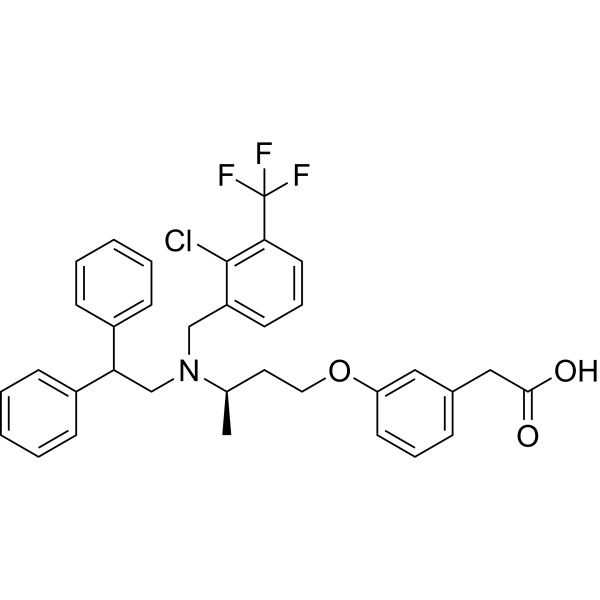
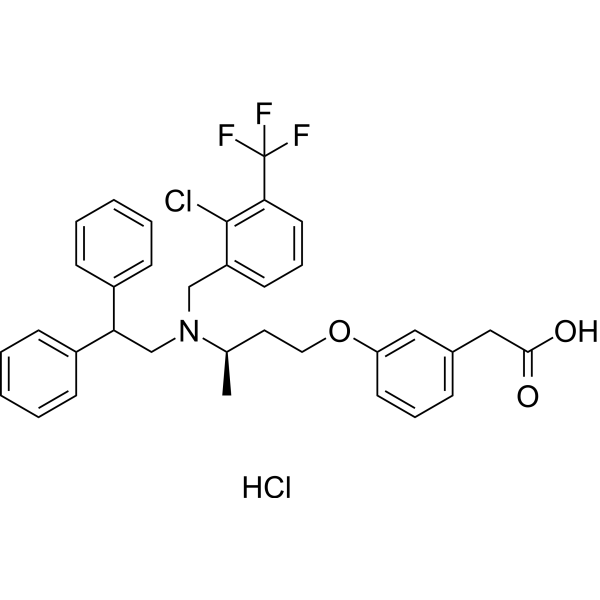
    RGX-104 is an orally bioavailable and potent liver-X nuclear hormone receptor (LXR) agonist that modulates innate immunity via transcriptional activation of the ApoE gene.
    RGX-104
  • HY-12445
    Asnuciclib
    2 Publications Verification

    CDKI-73; LS-007

    CDK Apoptosis Inflammation/Immunology Cancer
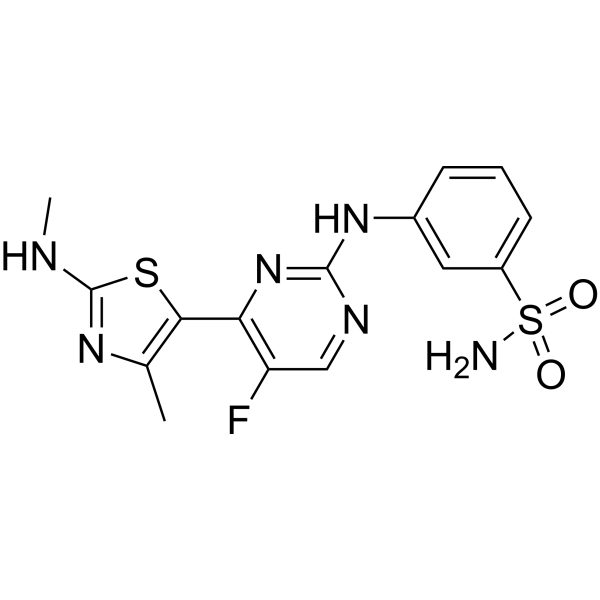
    Asnuciclib (CDKI-73; LS-007) is an orally active and highly efficacious CDK9 inhibitor, with Ki values of 4 nM, 4 nM and 3 nM for CDK9, CDK1 and CDK2, respectively. Asnuciclib down-regulates the RNAPII phosphorylation. Asnuciclib is also a novel pharmacological inhibitor of Rab11 cargo delivery and innate immune secretion .
    Asnuciclib
  • HY-153079

    mRNA Others
    eGFP mRNA (N1-Me-Pseudo UTP) will express green fluorescent protein, originally isolated from the jellyfish, Aequorea victoria. The eGFP is a commonly used direct detection reporter in mammalian cell culture, yielding bright green fluorescence. The substitution with N1-Me-Pseudo UTP (m1Ψ) improves protein expression and reduces innate immune response.
    eGFP mRNA (N1-Me-Pseudo UTP)
  • HY-147295

    BTH 1677; Imprime PGG

    Toll-like Receptor (TLR) Inflammation/Immunology Cancer
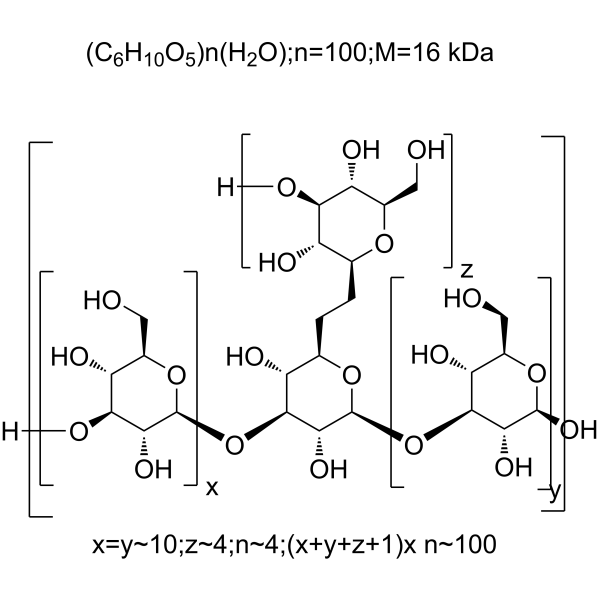
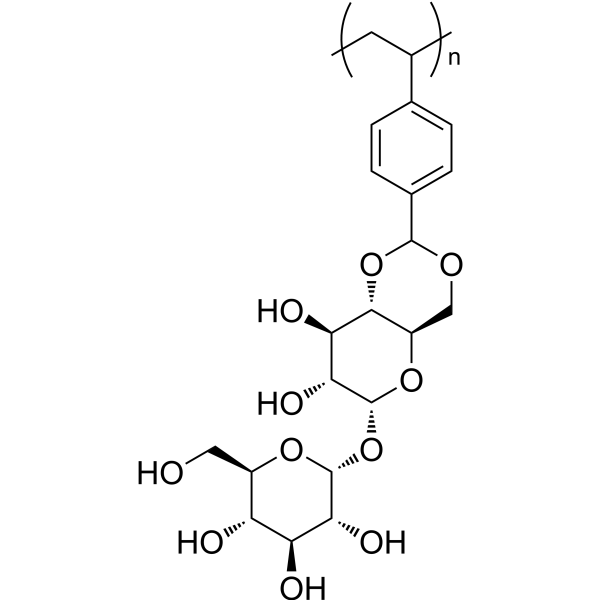
    Odetiglucan is a novel β-glucan that is a potent immunostimulant and a Dectin-1 (CLEC7A) agonist. Odetiglucan activates innate immune effector cells and triggers a coordinated anti-cancer immune response .
    Odetiglucan
  • HY-P99044
    Sabatolimab
    1 Publications Verification

    MBG453

    Tim3 Inflammation/Immunology
    Sabatolimab (MBG453) is a high-affinity, humanized, IgG4 (S228P) antibody targeting TIM-3, an inhibitory receptor that regulates adaptive and innate immune responses. Sabatolimab is a potential immunosuppression agent that can target TIM-3 on immune and myeloid cells .
    Sabatolimab
  • HY-B0944
    Pidotimod
    2 Publications Verification

    Bacterial Inflammation/Immunology
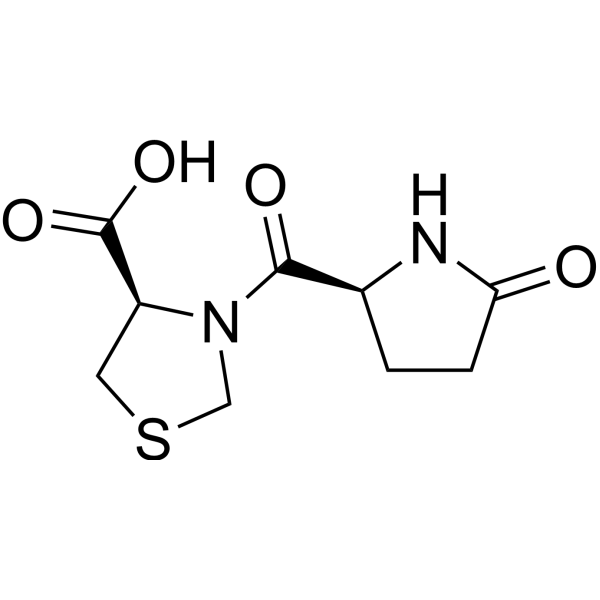
    Pidotimod is an orally active dipeptide immunostimulant with immunomodulatory properties on the adaptive and the innate immune responses. Pidotimod increases macrophage activity and humoral immune functions. Pidotimod can be used for the research of chronic bronchitis, chronic obstructive pulmonary disease (COPD), bronchiectasis, and chronic idiopathic urticaria,et al .
    Pidotimod
  • HY-139374
    Zabedosertib
    2 Publications Verification

    BAY 1834845

    IRAK Inflammation/Immunology
    Zabedosertib (BAY 1834845) is a selective, orally active IRAK4 inhibitor with immunomodulatory potential, IC50 is 3.55 nM. IRAK4 is a protein kinase involved in signaling innate immune responses from Toll-like receptors . Zabedosertib exhibits anti-inflammatory property against IL-β, LPS (HY-D1056) and Imiquimod (HY-B1080) induced inflammation .
    Zabedosertib
  • HY-109035
    Inarigivir soproxil
    1 Publications Verification

    SB9200; GS-9992

    HCV HBV Infection
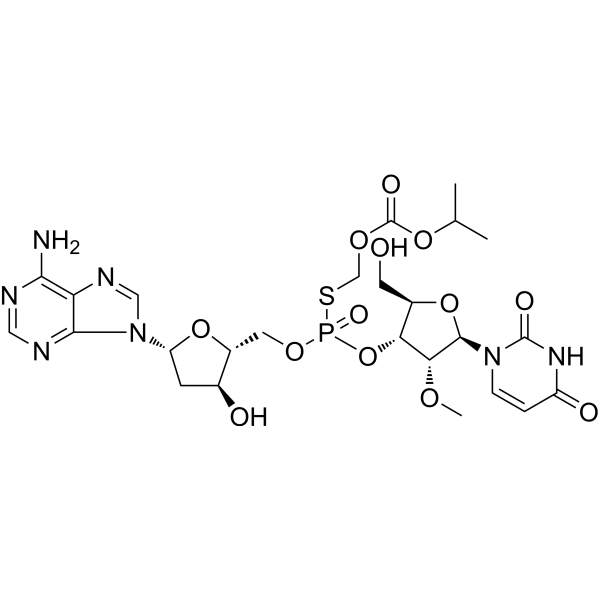
    Inarigivir soproxil (SB9200) is an agonist of innate immunity and shows potent antiviral activity against resistant HCV variants, with EC50s of 2.2 and 1.0 μM for HCV 1a/1b in cells of genotype 1 HCV replicon systems. Inarigivir soproxil, an orally bioavailable proagent of SB 9000, has broad-spectrum antiviral activity against RNA viruses including HCV, norovirus, respiratory syncytial virus and influenza and HBV .
    Inarigivir soproxil
  • HY-111498
    RGX-104 hydrochloride
    3 Publications Verification

    Abequolixron hydrochloride

    LXR Inflammation/Immunology Cancer
    RGX-104 hydrochloride is a small-molecule LXR agonist that modulates innate immunity via transcriptional activation of the ApoE gene.
    RGX-104 hydrochloride
  • HY-B1080
    Tilorone dihydrochloride
    2 Publications Verification

    HIF/HIF Prolyl-Hydroxylase Influenza Virus Infection Neurological Disease
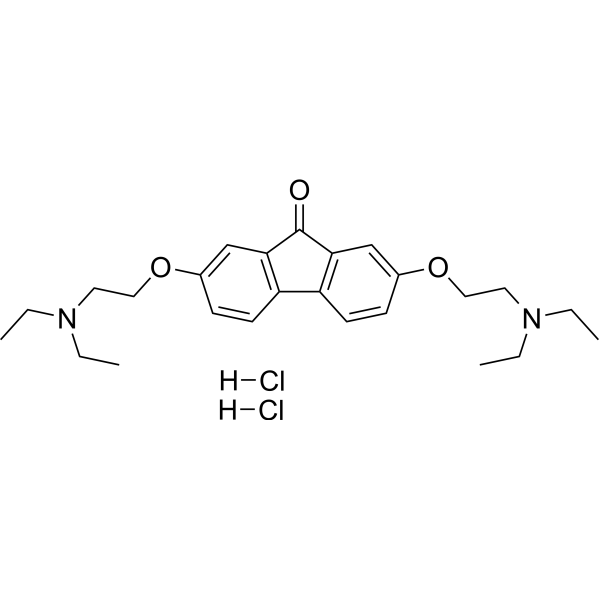
    Tilorone dihydrochloride is an orally active interferon (IFN) inducer with broad-spectrum antiviral activities. Tilorone dihydrochloride possesses robust anti-Severe fever with thrombocytopenia syndrome virus (SFTSV) activity in vitro and in vivo through stimulation of host innate immunity. Tilorone dihydrochloride can penetrate the blood-brain barrier to activate HIF in the CNS .Tilorone dihydrochloride exhibits an inhibitory activity with EC50 of 230 nM against Ebola virus (EBOV) .
    Tilorone dihydrochloride
  • HY-128570

    Complement System Inflammation/Immunology
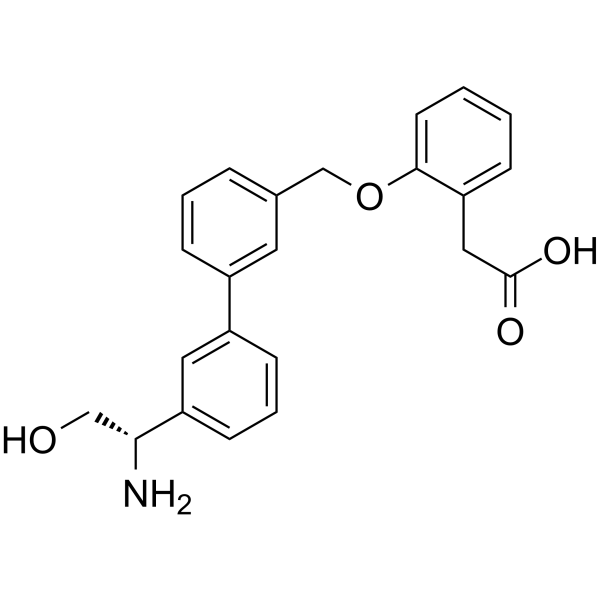
    FD-IN-1 (Compound 12) is an orally bioavailable and selective factor D (FD) inhibitor with an IC50 of 12 nM. Complement FD, a highly specific S1 serine protease, plays a central role in the alternative complement pathway of the innate immune system. FD-IN-1 also inhibits factor XIa (FXIa) and Tryptase β2 with IC50s of 7.7 and 6.5 µM, respectively .
    FD-IN-1
  • HY-173189

    2′,5′-ApApA; 2′,5′-trioligoadenylate; 5'-O-Triphosphoryladenylyl-(2'→5')-adenylyl-(2'→5')-adenosine

    DNA/RNA Synthesis RSV Infection Cancer
    2-5A is a RNase L activator, signal mediator and innate immune second messenger. 2-5A induces the expression of interferons and interferon-stimulated genes in recipient cells in a RNase L-dependent manner. 2-5A inhibits tumor growth in mouse models via paracrine RNase L activation derived from cancer cells. 2-5A can be used in studies related to viral infection and cancer .
    2-5A
  • HY-101572

    Methyl caprooyl tyrosinate

    SphK Inflammation/Immunology Cancer
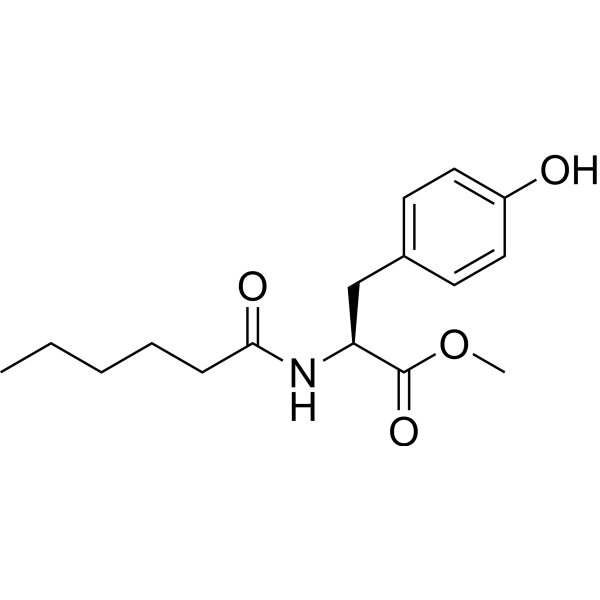
    MHP (Methyl caprooyl tyrosinate) is an activator of sphingosine kinase (SPHK1), and significantly stimulates CAMP mRNA and protein production. MHP (Methyl caprooyl tyrosinate) enhances antimicrobial defense and innate immunity .
    MHP
  • HY-111582

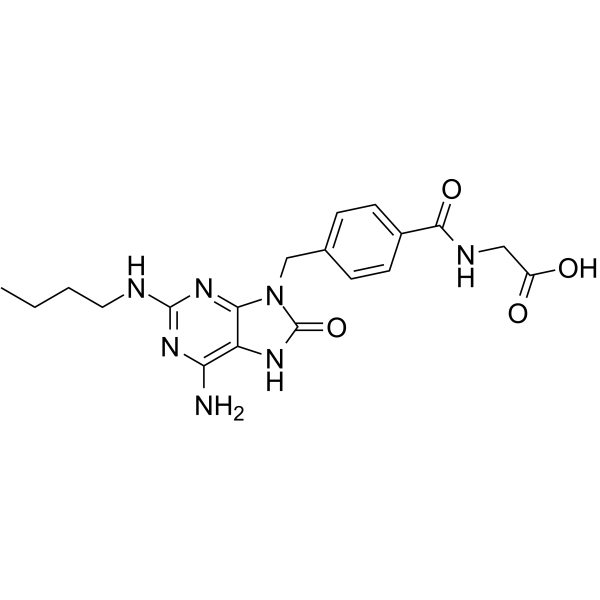
    Toll-like Receptor (TLR) Inflammation/Immunology
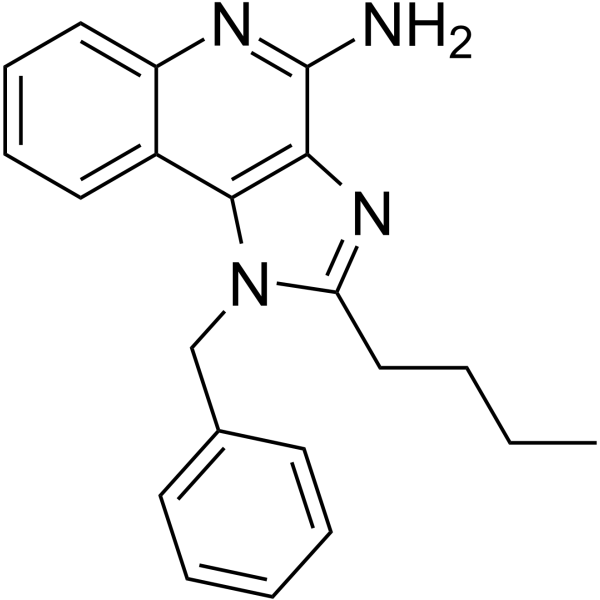
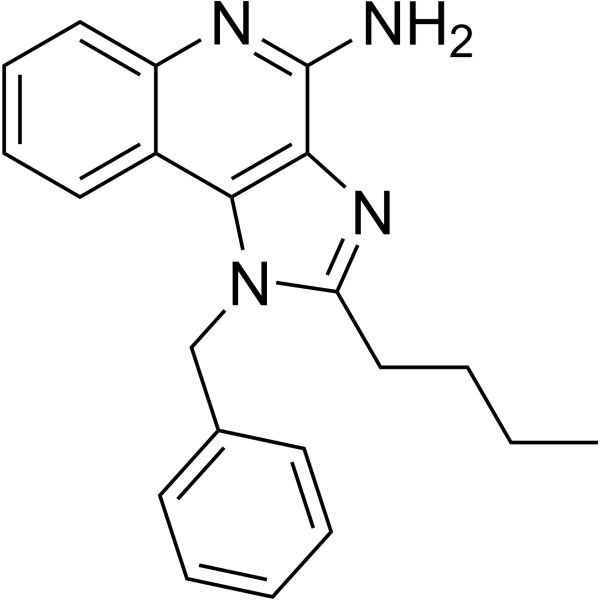
    BBIQ is a imidazoquinoline compound and a potent and selectively toll-like receptor 7 (TLR7) agonist with an EC50 of 59.1 nM for human TLR7. BBIQ is a powerful vaccine adjuvant that enhances innate immune responses .
    BBIQ
  • HY-160487

    IRAK Apoptosis Cancer
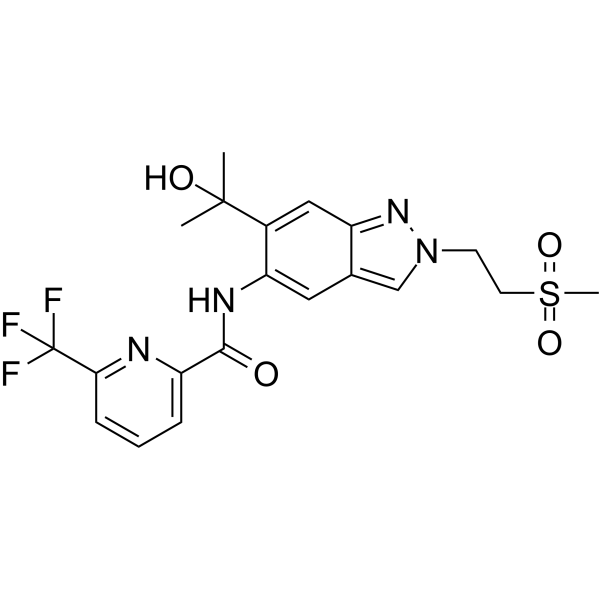
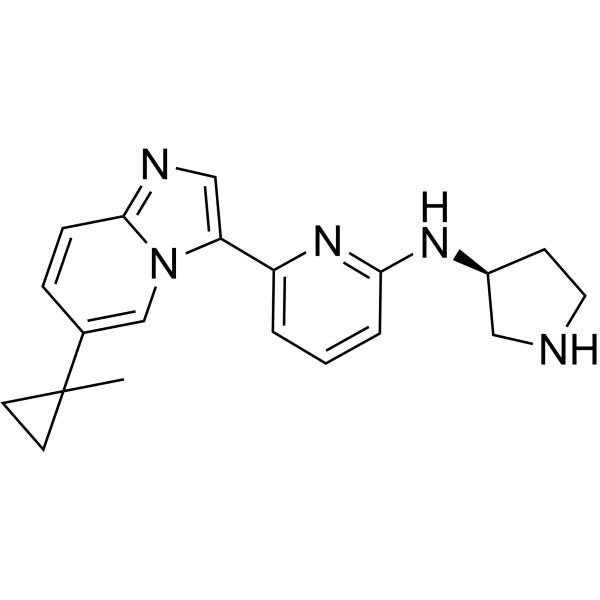
    KME-2780 is the orally active inhibitor for IRAK1 and IRAK4 with IC50s of 19 nM and 0.5 nM. KME-2780 can be used for research of dysregulation of innate immune signaling and hematologic malignancies .
    KME-2780
  • HY-100176

    3M-852A

    Toll-like Receptor (TLR) Apoptosis TNF Receptor HCV Interleukin Related Infection Inflammation/Immunology Cancer
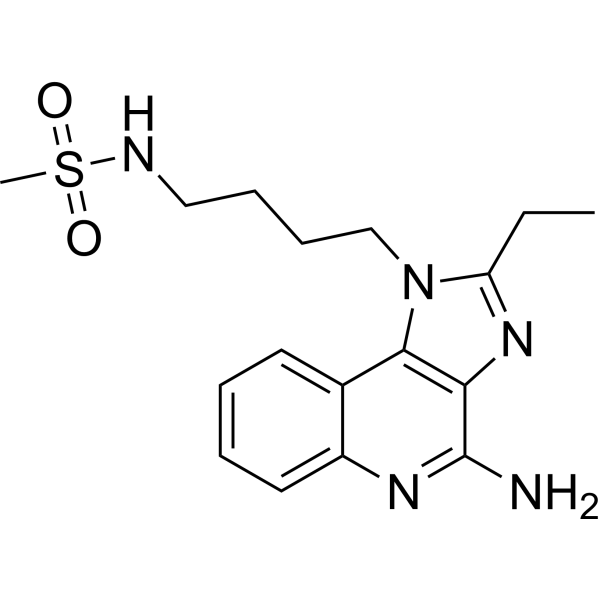
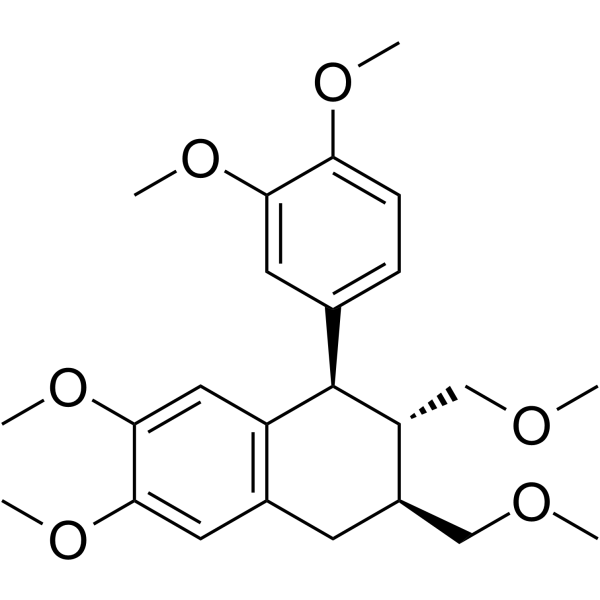
    PF-4878691 (3M-852A) is an orally active TLR7 agonist. PF-4878691 has the innate immune response activity, antiviral efficacy against HCV, and can be used for the research of cancer .
    PF-4878691
  • HY-P2076

    SGX942

    p62 Bacterial Infection Cancer
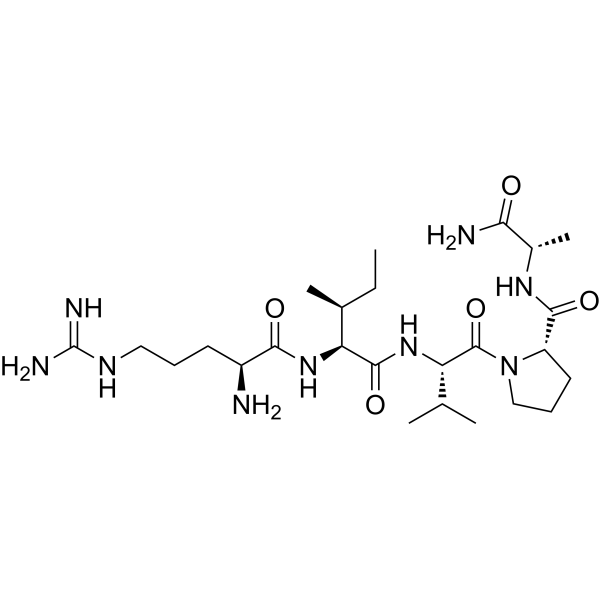
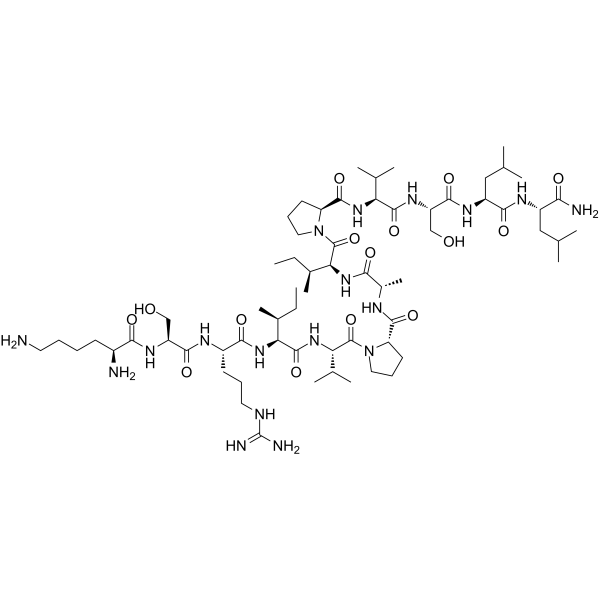
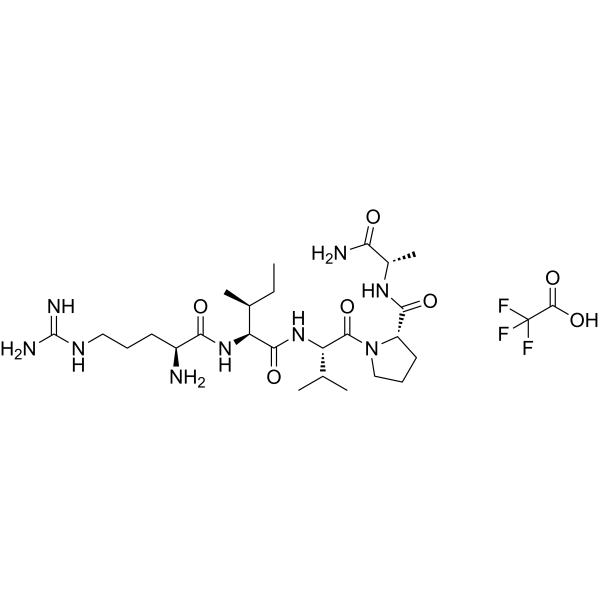
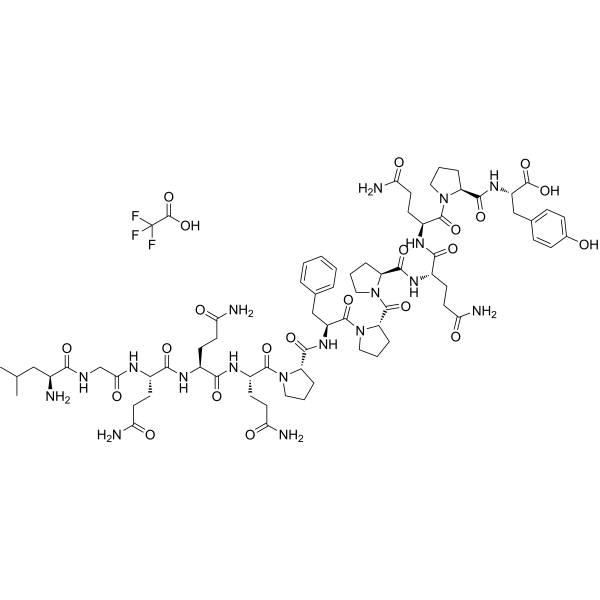
    Dusquetide (SGX942) is a first-in-class innate defense regulator (IDR). Dusquetide modulates the innate immune response to both PAMPs and DAMPs by binding to p62. Dusquetide shows activity in both reducing inflammation and increasing clearance of bacterial infection . DAMPs: damage-associated molecular patterns; PAMPs: pathogen-associated molecular patterns
    Dusquetide
  • HY-N6714

    Topoisomerase Androgen Receptor Estrogen Receptor/ERR Apoptosis Infection Cancer
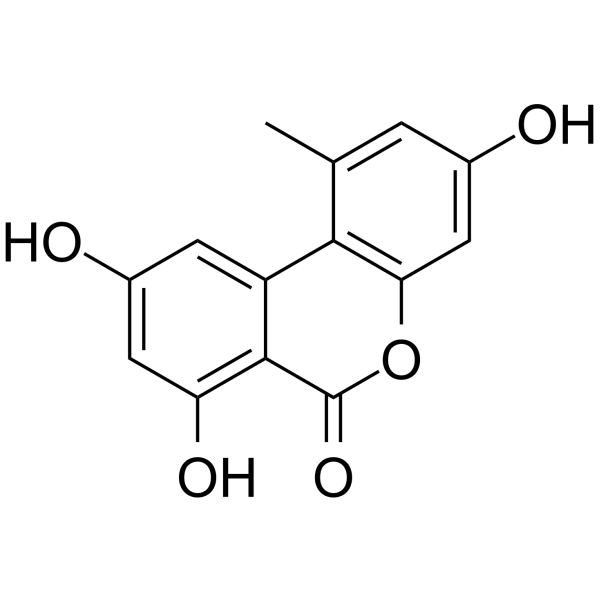
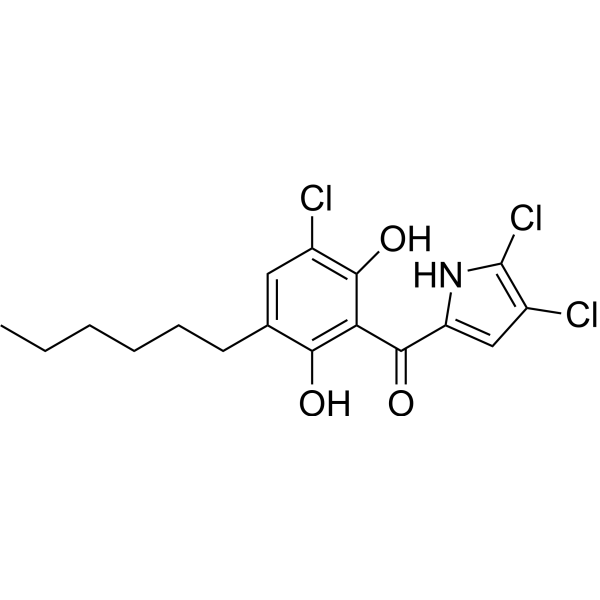
    Alternariol is an orally ingested mycotoxin produced by Alternaria, capable of inhibiting the activity of topoisomerase I and II (topoisomerase I, topoisomerase II). Alternariol has weak estrogenic (Estrogen Receptor/ERR) and androgen/antiandrogen (Androgen Receptor) effects. Alternariol can induce apoptosis, trigger cell cycle arrest, suppress innate immune responses, and exhibit anti-tumor activity. Alternariol has genotoxic, mutagenic, and endocrine-disrupting effects .
    Alternariol
  • HY-W041892
    Dimethyl itaconate
    1 Publications Verification

    Reactive Oxygen Species (ROS) Infection Neurological Disease Inflammation/Immunology
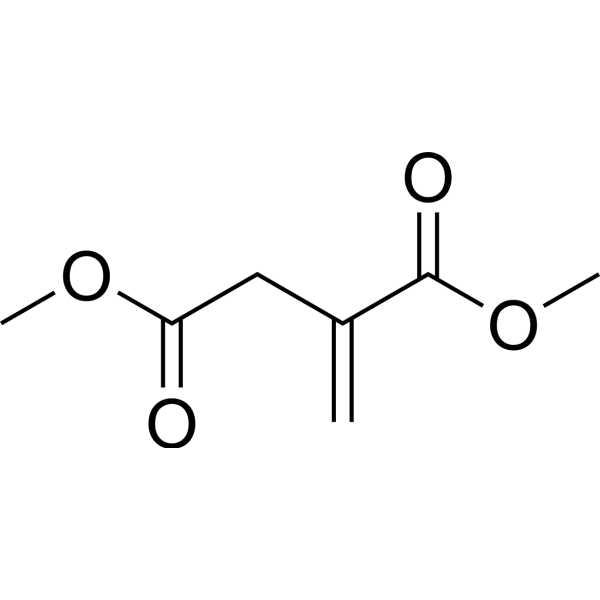
    Dimethyl itaconate induces innate immune memory (trained immunity), and exhibits immunomodulatory property. Dimethyl itaconate inhibits the activation of microglia, reduces the neuroinflammation and synaptic structural damage. Dimethyl itaconate regulates the composition of intestinal flora .
    Dimethyl itaconate
  • HY-147338A

    5-Methyl-CTP trisodium

    DNA/RNA Synthesis Others
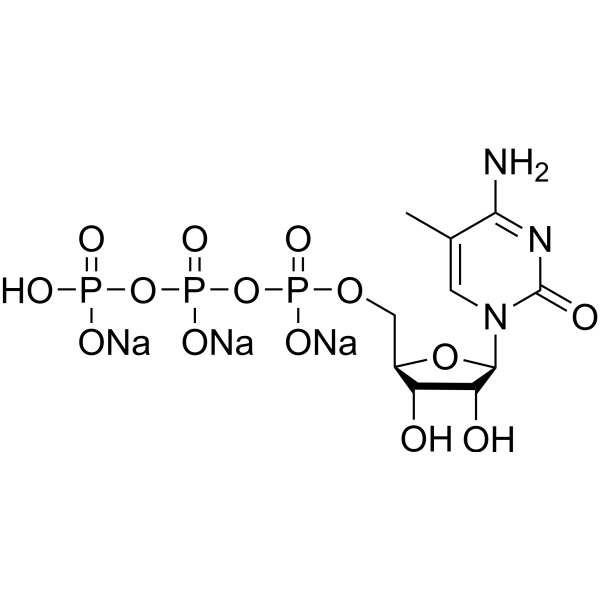
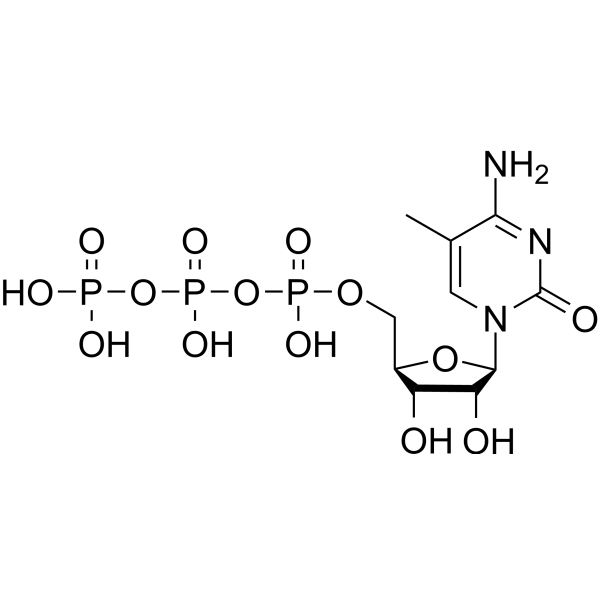
    5-Methylcytidine 5′-triphosphate (5-Methyl-CTP) trisodium is a modified nucleoside triphosphate. 5-Methylcytidine 5′-triphosphate trisodium can apply in replacing unmodified mRNA, resulting in the increase of translational properties and stability, as well as the reduction of innate immune responses in human and other mammalian cells .
    5-Methylcytidine 5′-triphosphate trisodium
  • HY-158045

    PROTACs PARP Cancer
    PROTAC PARP1 degrader-1 is a PARP1 PROTAC degrader with a DC50 value of 252.5 nM. PROTAC PARP1 degrader-1, combined with Daunorubicin (HY-13062A), induces the accumulation of cytoplasmic DNA fragments, activates the cGAS/STING innate immune pathway, and remodels the tumor microenvironment. PROTAC PARP1 degrader-1 can be used in research related to breast cancer .
    PROTAC PARP1 degrader-1
  • HY-153775

    E1/E2/E3 Enzyme Apoptosis Cancer
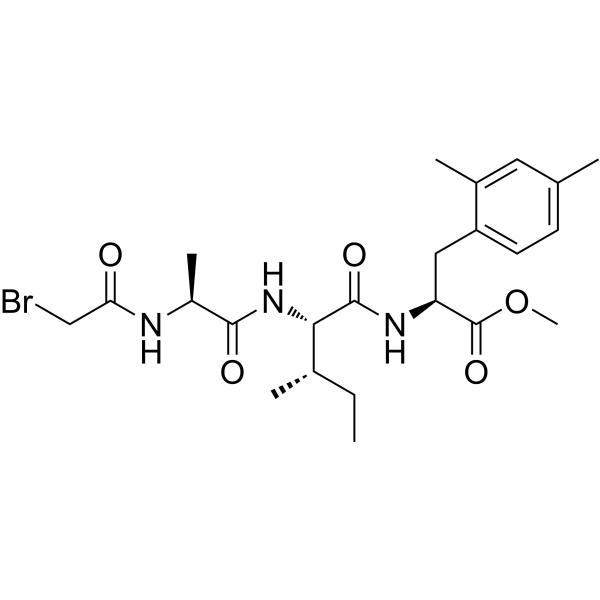
    UC-764864 is a selective UBE2N inhibitor. UC-764864 covalently binds UBE2N catalytic Cys87, blocks ubiquitin-UBE2N thioester formation and polyubiquitin chain synthesis. UC-764864 blocks ubiquitination of innate immune- and inflammatory-related substrates, and induces cell apoptosis. UC-764864 can be used for the research of acute myeloid leukemia .
    UC-764864
  • HY-145894
    NaPi2b-IN-2
    1 Publications Verification

    Sodium Channel Metabolic Disease
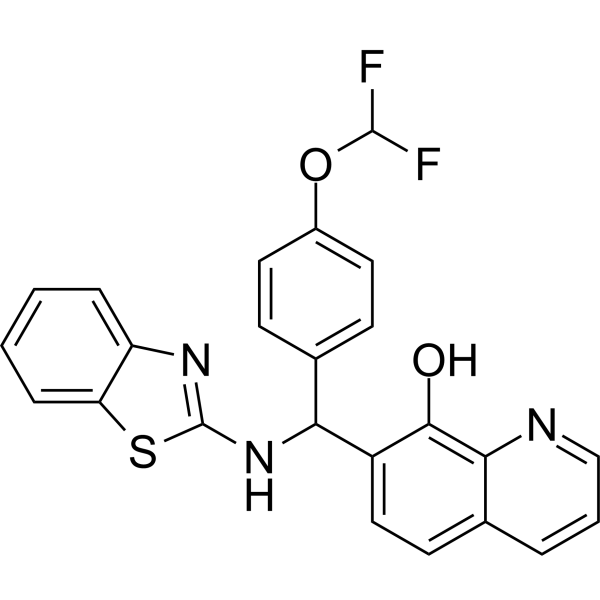
    NaPi2b-IN-2 is a potent inhibitor of sodium-dependent phosphate transporter 2b (SLC34A2, NaPi2b), with an IC50 value of 38 nM against human NaPi2b. NaPi2b-IN-2 reduces intracellular phosphate levels and enhances innate immune gene expression. NaPi2b-IN-2 can be used in research related to hyperphosphatemia .
    NaPi2b-IN-2
  • HY-153879

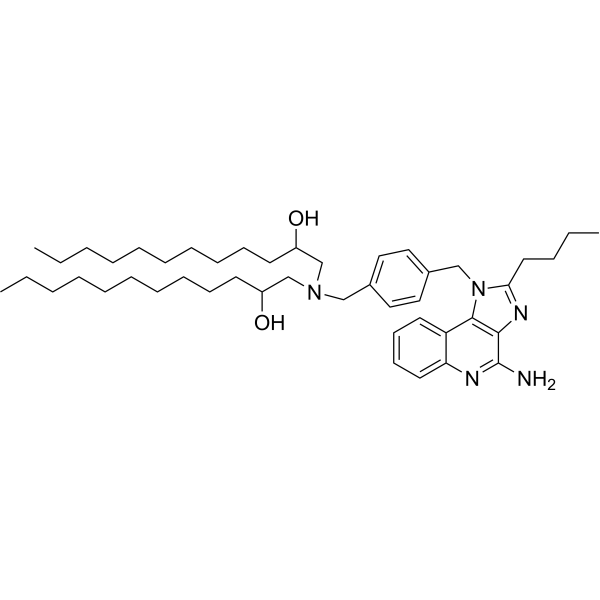
    Liposome Toll-like Receptor (TLR) Infection Inflammation/Immunology
    C12-TLRa is an ionized adjuvant lipid. C12-TLRa targets TLR7/8 receptors in endosomes. C12-TLRa enhances mRNA delivery as a structural component of LNPs. C12-TLRa enhances innate immune responses. C12-TLRa can be used for the research of SARS-CoV-2 mRNA vaccine .
    C12-TLRa
  • HY-135905

    Toll-like Receptor (TLR) Inflammation/Immunology
    CL264 is a TLR7-specific agonist for innate immune signals research .
    CL264
  • HY-B2123R

    Reference Standards Endogenous Metabolite Interleukin Related ERK NF-κB Inflammation/Immunology
    Lactose (Standard) is the analytical standard of Lactose. This product is intended for research and analytical applications. Lactose is a β-galactoside consisting of galactose and glucose residues, the main carbohydrate in mammalian breast milk. Lactose, a macronutrient and an inducer of host innate immune responses, possesses immune modulatory functions .
    Lactose (Standard)
  • HY-101092A

    Toll-like Receptor (TLR) Infection Cancer
    QS-21 is a mixture of QS-21-Xyl (HY-101092B) and QS-21-Api (HY-101092), with a ratio of 35:65. QS-21 is an innate immune system-targeted adjuvant. QS-21 is promising for research of oncology vaccines (e.g., melanoma) and infectious disease vaccines (e.g., HIV, malaria) .
    QS-21
  • HY-Y0683A

    Biochemical Assay Reagents Infection Inflammation/Immunology
    Petrolatum (white) is mainly composed of hydrocarbons, possesses strong water resistance and moisturizing properties, and is commonly used as a pharmaceutical excipient. Petrolatum (white) penetrates into stratum corneum cells, improves skin barrier function, repairs epidermal structure, and reduces transepidermal water loss and the risk of skin damage. Petrolatum (white) induces the expression of antimicrobial peptides, innate immune genes, filaggrin and loricrin. Petrolatum (white) is used in research on atopic dermatitis and post-operative skin infections .
    Petrolatum (white)
  • HY-P99928

    MK 7110; CD24 Fc

    Transmembrane Glycoprotein Cancer
    Efprezimod alfa (MK 7110; CD24 Fc) is a humanized CD24-Fc fusion protein. Efprezimod alfa enhances the interaction between CD24 and Siglec-10, thereby regulating the response of innate immune cells to damage-associated molecular patterns, inhibiting the activation of antigen-presenting cells and subsequent inflammatory responses. Efprezimod alfa is applicable to the research of acute graft-versus-host disease and acquired immunodeficiency syndrome .
    Efprezimod alfa
  • HY-123805

    RIG-I-like receptor (RLR) HCV IFNAR Infection
    KIN1400 is a potent IRF3 activator. KIN1400 triggers IRF3-dependent innate immune antiviral genes (RIG-I, MDA5, IFIT1, and Mx1) and IFN-β expression. KIN1400 inhibits WNV and DV, two mosquito-borne members of the Flaviviridae and the genus Flavivirus. KIN1400 also inhibits HCV replication. KIN1400 induces innate antiviral immunity through a MAVS-IRF3 axis .
    KIN1400
  • HY-N16463

    Drug Intermediate Others
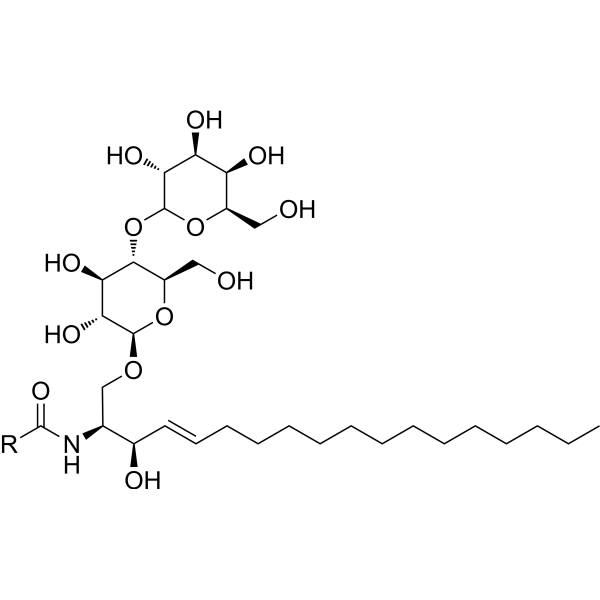
    QS-S2 is the impurity of QS-21 (HY-101092A). QS-21 is an innate immune system-targeted adjuvant .
    QS-S2
  • HY-159114

    Biochemical Assay Reagents Inflammation/Immunology
    Whole Glucan Particles is a Dectin-1a agonist. Whole Glucan Particles activates the innate immune system to improve the function of macrophages, monocytes and other immune cells .
    Whole Glucan Particles
  • HY-N6689
    Destruxin A
    1 Publications Verification

    Insecticide Bacterial Infection Inflammation/Immunology Cancer
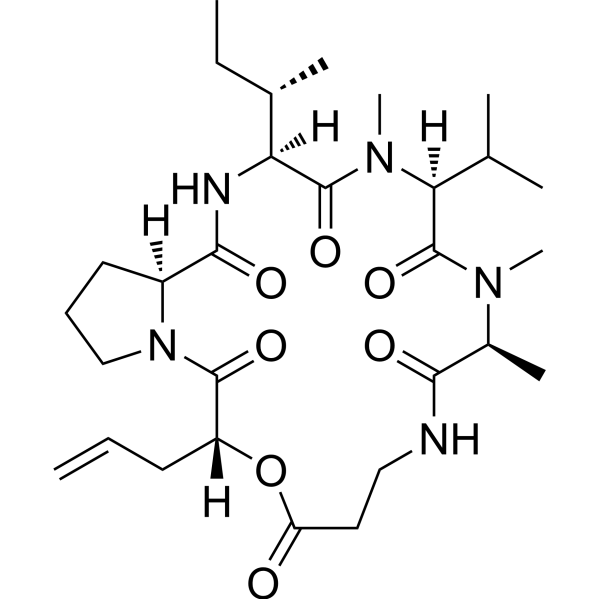
    Destruxin A is a fungal cyclopeptide with insecticidal and antiviral activities. Destruxin A has a certain inhibitory effect on leukemia cells in vitro. Destruxin A can also specifically inhibit the innate immune response of Drosophila melanogaster, making the flies more susceptible to bacterial infections .
    Destruxin A
  • HY-101954

    ORI-9020; SB-9000

    HBV Infection
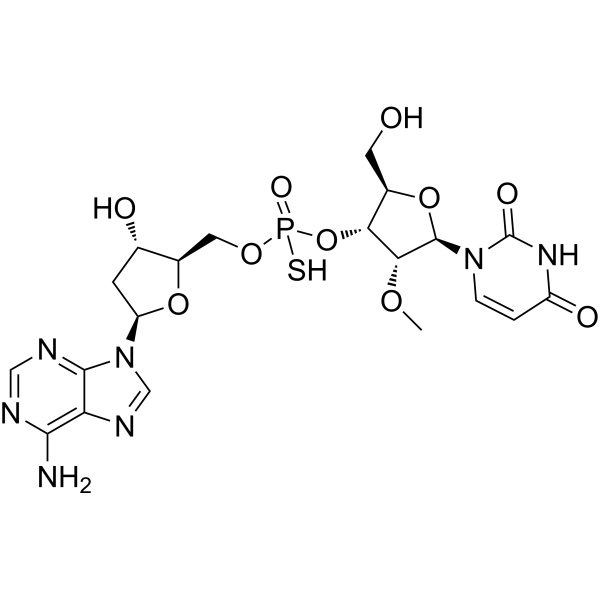
    Inarigivir (ORI-9020) is a dinucleotide antiviral drug that can significantly reduce liver HBV DNA in transgenic mice expressing hepatitis B virus. Inarigivir (ORI-9020) act as a RIG-I agonist to activate cellular innate immune responses .
    Inarigivir
  • HY-101954A

    ORI-9020 ammonium; SB-9000 ammonium

    HBV Infection Inflammation/Immunology
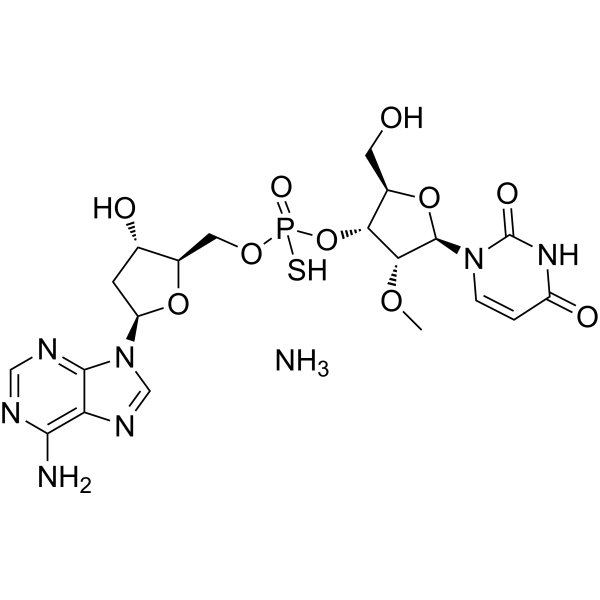
    Inarigivir (ORI-9020) ammonium is a dinucleotide antiviral drug that can significantly reduce liver HBV DNA in transgenic mice expressing hepatitis B virus. Inarigivir (ORI-9020) ammonium acts as a RIG-I (Retinoic acid-inducible gene-I) agonist to activate cellular innate immune responses .
    Inarigivir ammonium
  • HY-176296

    SR-8541A

    Phosphodiesterase (PDE) STING Cancer
    Vizenpistat is an orally active ENPP1 inhibitor. Vizenpistat increases cGAMP levels, blocks 2′3′-cGAMP hydrolysis, inhibits adenosine production, regulates innate immune signaling mediated by the STING pathway, and modulates anti-tumor immune responses. Vizenpistat is applicable to research related to breast cancer and metastatic microsatellite-stable colorectal cancer .
    Vizenpistat
  • HY-138646

    Poly(dA:dT) sodium

    Cyclic GMP-AMP Synthase STING Inflammation/Immunology
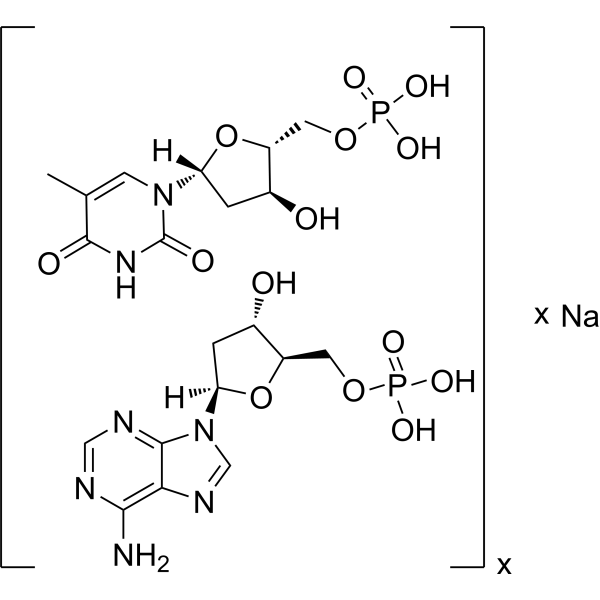
    Poly(deoxyadenylic-thymidylic) acid (Poly(dA:dT)) sodium is a double-stranded DNA stimulant. Poly(deoxyadenylic-thymidylic) acid sodium is recognized by the intracellular DNA sensor DDX41 and activates the innate immune pathway via the adaptor protein STING, inducing the production of cytokines such as type I interferons. Poly(deoxyadenylic-thymidylic) acid sodium also serves as an in vitro transcription template for free RNA polymerase .
    Poly(deoxyadenylic-thymidylic) acid sodium
  • HY-141567

    Pseudo-UTP

    DNA/RNA Synthesis Infection
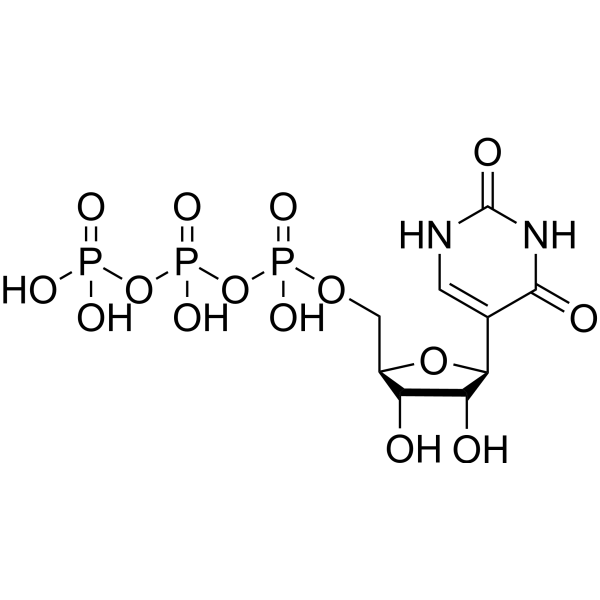
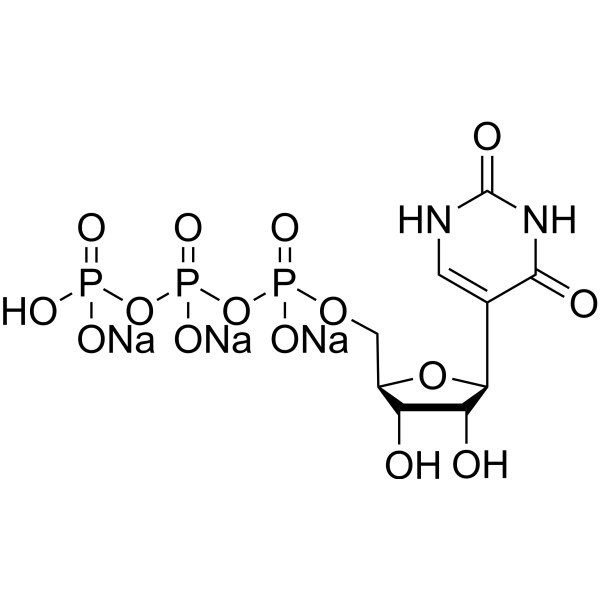
    Pseudouridine 5'-triphosphate (Pseudo-UTP) is a modified ribonucleoside triphosphate and uracil base-modified UTP derivative. Pseudouridine 5'-triphosphate enhances translational properties and stability of mRNA, reduces innate immune responses in mammalian cells, and inhibits signal-dependent transcription termination of vaccinia virus early gene transcription while supporting transcription elongation. Pseudouridine 5'-triphosphate can be used for the research of vaccinia virus infection .
    Pseudouridine 5'-triphosphate
  • HY-P5407

    SARS-CoV Angiotensin-converting Enzyme (ACE) Infection Cancer
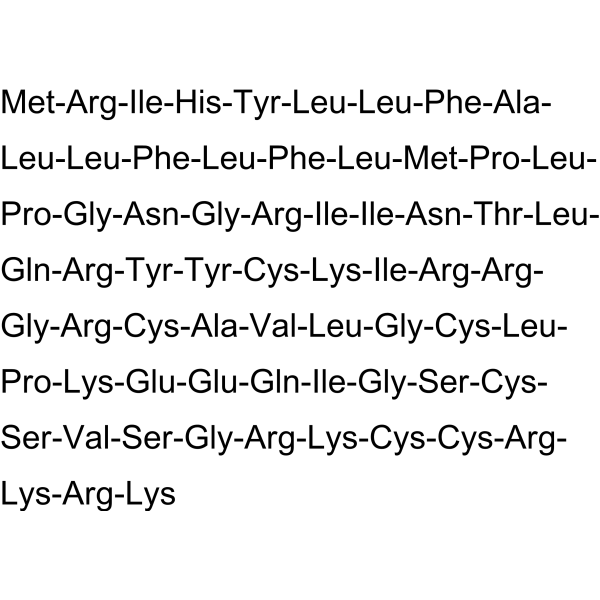
    HD5 is an innate immune effector peptide and SARS-CoV Inhibitor. HD5 binds to the ligand-binding domain of angiotensin-converting enzyme-2 (ACE2) via multiple hydrogen bonds to competitively block the receptor, shielding it from viral recognition. HD5 can be used for the research of COVID-19, HPV16 infection, epithelial ovarian cancer, small-cell lung cancer, and colon cancer .
    HD5
  • HY-144002

    RC-529

    Biochemical Assay Reagents Inflammation/Immunology
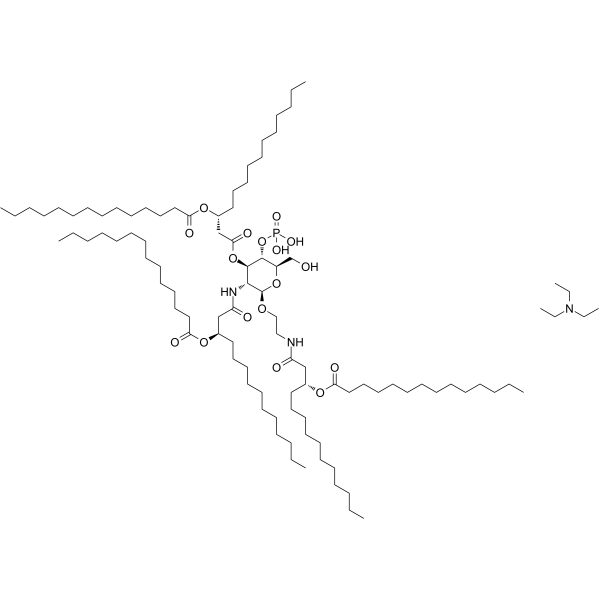
    RIBI-529 (RC-529), a lipid A mimetic (aminoalkyl glucosaminide 4-phosphate), is a adjuvant with a similar efficacy to MPL (Corixa). RIBI-529 signals through Toll-like receptor 4 to stimulate the innate immune system .
    RIBI-529
  • HY-147338

    5-Methyl-CTP

    DNA/RNA Synthesis Others
    5-Methylcytidine 5′-triphosphate (5-Methyl-CTP) is a modified nucleoside triphosphates. 5-Methylcytidine 5′-triphosphate can apply in replacing unmodified mRNA, resulting in the increase of translational properties and stability, as well as the reduction of innate immune responses in human and other mammalian cells .
    5-Methylcytidine 5′-triphosphate
  • HY-P10400

    Phytohormone Inflammation/Immunology
    AtPep1 is a plant elicitor peptide. AtPep1 activates transcription of the defensive gene defensin (PDF1.2) and activates the synthesis of H2O2, which are components of the innate immune response against pathogens. AtPep1 can be isolated from extracts of Arabidopsis leaves .
    AtPep1
  • HY-174496

    mRNA Others
    eGFP mRNA (5moU) expresses a green fluorescent protein, originally isolated from the jellyfish, Aequorea victoria. EGFP is a commonly used direct detection reporter in mammalian cell culture, yielding bright green fluorescence. The substitution with 5’-Methoxyuridine (5moU) improves protein expression and reduces innate immune response.
    eGFP mRNA (5moU)
  • HY-148420

    STING Inflammation/Immunology
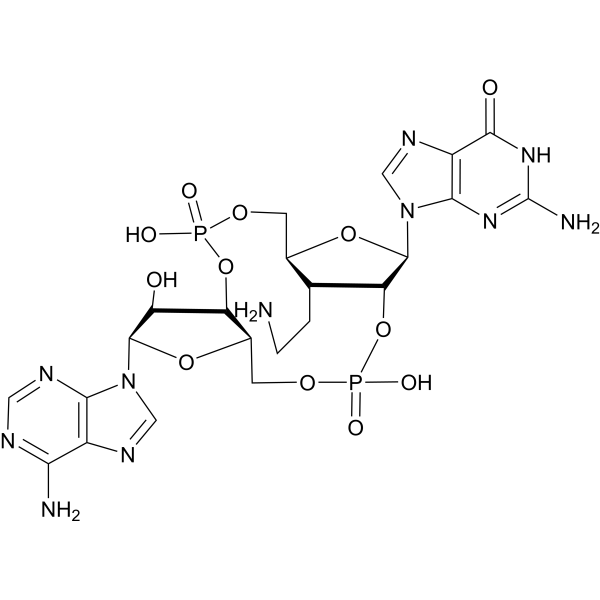
    CDN-A is a cyclic di-nucleotide, it can be used to synthesis antibody-drug conjugate (ADC). Cyclic di-nucleotides are potent stimulators of innate and adaptive immune responses. In humans, cyclic di-nucleotide, which are either produced endogenously in response to foreign DNA or by invading bacterial pathogens, trigger the innate immune system by activating the expression of interferon genes .
    CDN-A
  • HY-E70365

    Biochemical Assay Reagents Inflammation/Immunology
    IdeS protease is an IgG-specific endopeptidase, which is highly specific for the lower hinge region of IgG. IdeS protease represses innate immune responses to promote streptococcal survival in an inflammatory environment .
    IdeS protease
  • HY-150965

    NOD-like Receptor (NLR) Inflammation/Immunology
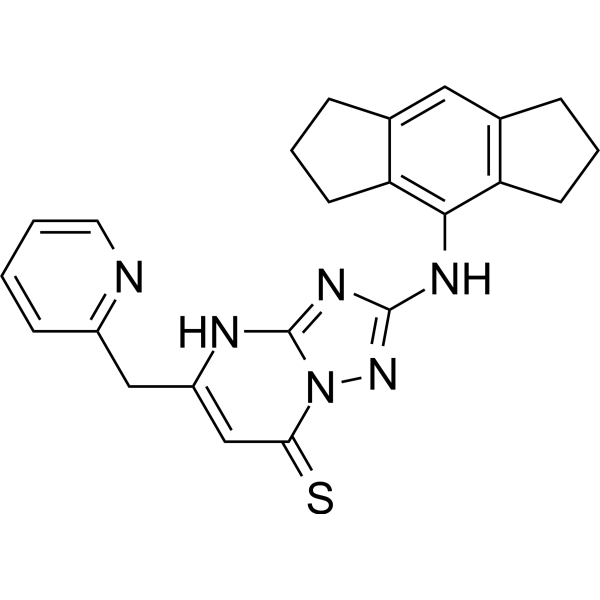
    NDT-30805 is a selective NLRP3 inflammasome inhibitor. NDT-30805 is a triazolopyrimidinone derivative and inhibits IL-1β release in PBMCs with an IC50 of 0.013 μM. NDT-30805 can be used for the research of inflammation and innate immunity .
    NDT-30805
  • HY-162966

    Cyclic GMP-AMP Synthase PROTACs STING Cancer
    MS7829 is a deubiquitinase-targeting chimera (DUBTAC) that targets cGAS. MS7829 recruits OTUB1 to cGAS, binds covalently to OTUB1, stabilizes the protein abundance of cGAS, and activates the cGAS-STING-IRF3 innate immune signaling pathway in an OTUB1-dependent manner. MS7829 is applicable to cancer-related research .
    MS7829

Inquiry Online

Your information is safe with us. * Required Fields.

Salutation


Country or Region *

Applicant Name *


Organization Name *

Department *


Email Address *


Product Name *

Cat. No.


Requested quantity *

Phone Number *


Remarks

Inquiry Online

Inquiry Information

Product Name:
Cat. No.:
Quantity:
MCE Japan Authorized Agent: