1. Search Result
Search Result
Pathways Recommended: Membrane Transporter/Ion Channel
Results for "

ion channel activity

" in MedChemExpress (MCE) Product Catalog:

88

Inhibitors & Agonists

6

Screening Libraries

2

Fluorescent Dyes

1

Biochemical Assay Reagents

2

Peptides

8

Natural
Products

8

Isotope-Labeled Compounds

Cat. No. Product Name Target Research Areas Chemical Structure
  • HY-100001
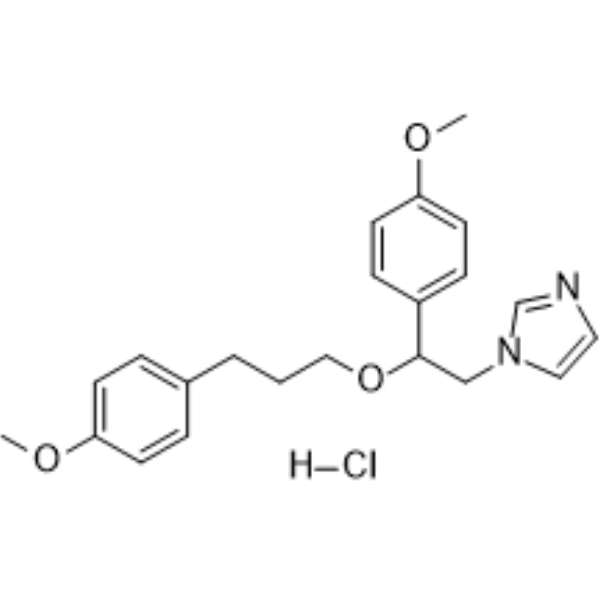
    SKF-96365 (hydrochloride)
    Maximum Cited Publications
    27 Publications Verification

    TRP Channel CRAC Channel Autophagy CaMK Akt Apoptosis Na+/Ca2+ Exchanger Calcium Channel Neurological Disease Inflammation/Immunology Cancer
    SKF-96365 hydrochloride is a TRPC channel antagonist and store-operated calcium entry (SOCE) inhibitor. SKF-96365 hydrochloride reduces calcium ion influx by inhibiting the activity and expression of TRPC6, STIM1 and Orai1. SKF-96365 hydrochloride inhibits voltage-gated sodium current (cardiac INa/NaV1.5) and slows myocardial conduction. SKF-96365 hydrochloride inhibits phosphorylation/activation of CaMKIIγ and suppresses the downstream AKT signaling pathway. SKF-96365 hydrochloride induces G2/M phase cell cycle arrest, apoptosis and cytoprotective autophagy in colorectal cancer cells. SKF-96365 hydrochloride alleviates allergic rhinitis symptoms by reducing inflammatory cytokine levels. SKF-96365 hydrochloride reduces intracellular calcium overload, inhibits Homer1 expression, prevents nuclear damage and suppresses apoptosis. SKF-96365 hydrochloride inhibits the growth of colorectal cancer xenografts in nude mice . SKF-96365 hydrochloride is applicable to research related to allergic rhinitis, colorectal cancer, Parkinson's disease, persistent spontaneous nociception and hyperalgesia .
    SKF-96365 (hydrochloride)
  • HY-128933
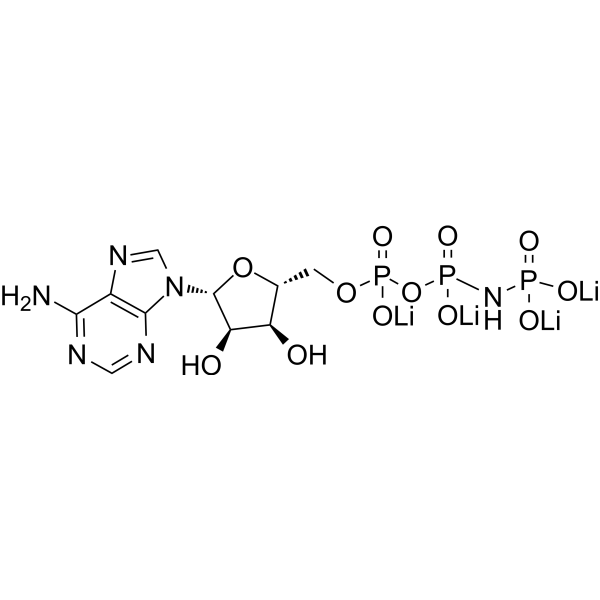
    AMP-PNP tetralithium
    3 Publications Verification

    Adenylyl-imidodiphosphate tetralithium

    Potassium Channel Metabolic Disease
    AMP-PNP (Adenylyl-imidodiphosphate) tetralithium is a non-hydrolyzable ATP analog. AMP-PNP tetralithium binds to ATP binding sites competely but is not hydrolyzed by enzymes, providing stable experimental conditions for studying ATP-dependent processes. AMP-PNP tetralithium can also be used to study enzyme activity, kinase regulation, DNA/RNA metabolism, ion channel function, and protein complex assembly .
    AMP-PNP tetralithium
  • HY-B0402
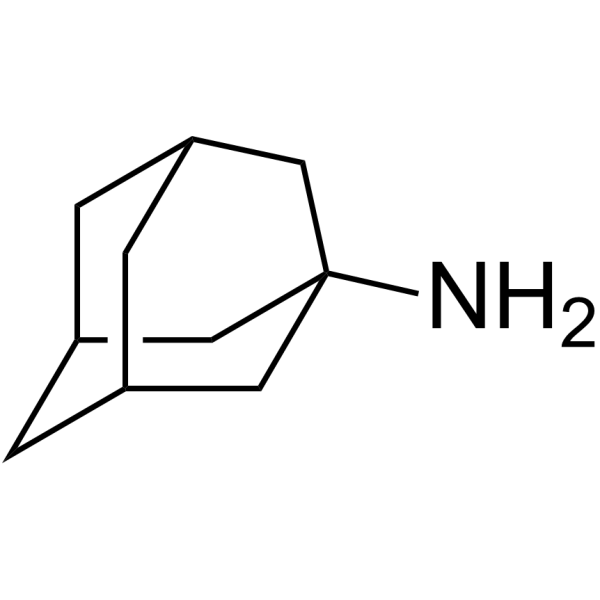
    Amantadine
    5+ Cited Publications

    1-Adamantanamine; 1-Aminoadamantane

    Influenza Virus Orthopoxvirus SARS-CoV Apoptosis CDK Bcl-2 Family Infection Neurological Disease Cancer
    Amantadine (1-Adamantanamine) is an orally avtive and potent antiviral agent with activity against influenza A viruses. Amantadine inhibits several ion channels such as NMDA and M2, and also inhibits Coronavirus ion channels. Amantadine also has anti-orthopoxvirus and anticancer activity. Amantadine can be used for Parkinson's disease, postoperative cognitive dysfunction (POCD) and COVID-19 research .
    Amantadine
  • HY-B0402A
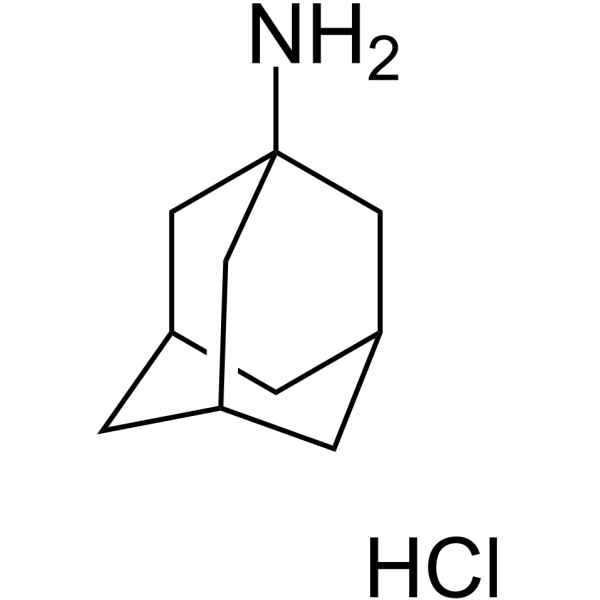
    Amantadine hydrochloride
    5+ Cited Publications

    1-Adamantanamine hydrochloride; 1-Adamantylamine hydrochloride; 1-Aminoadamantane hydrochloride

    Influenza Virus Orthopoxvirus SARS-CoV Apoptosis Bcl-2 Family CDK Infection Neurological Disease Cancer
    Amantadine (1-Adamantanamine) hydrochloride is an orally avtive and potent antiviral agent with activity against influenza A viruses. Amantadine hydrochloride inhibits several ion channels such as NMDA and M2, and also inhibits Coronavirus ion channels. Amantadine hydrochloride also has anti-orthopoxvirus and anticancer activity. Amantadine hydrochloride can be used for Parkinson's disease, postoperative cognitive dysfunction (POCD) and COVID-19 research .
    Amantadine hydrochloride
  • HY-130605
    BAY-1797
    4 Publications Verification

    P2X Receptor Neurological Disease
    BAY-1797, a chemical probe, is a potent, orally active, and selective P2X4 antagonist, with an IC50 of 211 nM against human P2X4. BAY-1797 displays no or very weak activity on the other P2X ion channels. BAY-1797 shows anti-nociceptive and anti-inflammatory effects .
    BAY-1797
  • HY-130777A
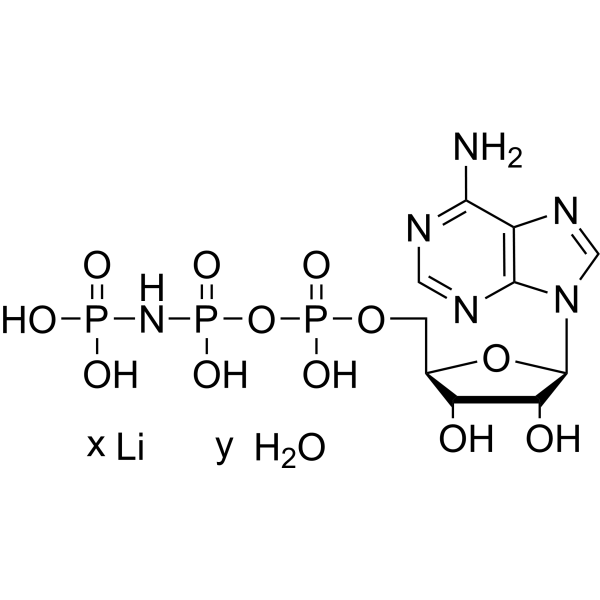
    AMP-PNP lithium hydrate
    3 Publications Verification

    Adenylyl imidodiphosphate lithium hydrate

    Drug Derivative Metabolic Disease
    AMP-PNP (Adenylyl imidodiphosphate) lithium hydrate is a non-hydrolyzable ATP analog. AMP-PNP lithium hydrate binds to ATP binding sites competely but is not hydrolyzed by enzymes, providing stable experimental conditions for studying ATP-dependent processes. AMP-PNP lithium hydrate can also be used to study enzyme activity, kinase regulation, DNA/RNA metabolism, ion channel function, and protein complex assembly .
    AMP-PNP lithium hydrate
  • HY-B0338

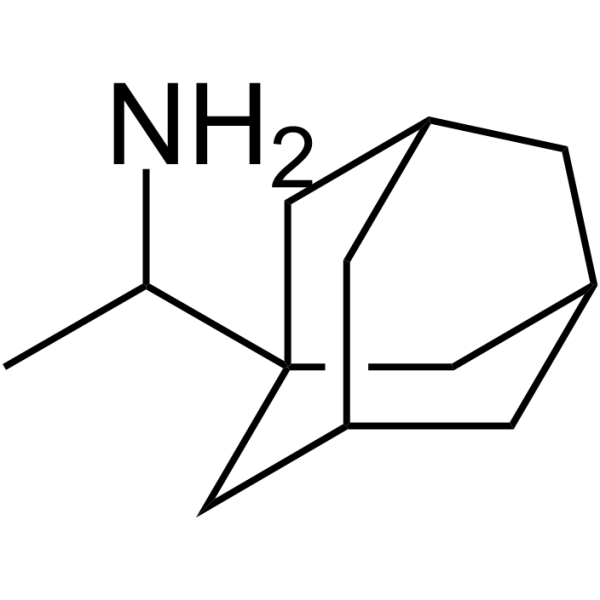
    1-Rimantadine

    Influenza Virus Autophagy Infection
    Rimantadine (1-Rimantadine) is an orally active inhibitor for M2 protein, which blocks the hydrogen ion channel activity, prevents the entry and replication of the virus, and exhibits board-spectrum antiviral activity. Rimantadine significantly inhibits hepatitis A virus (HAV) replication at the post-entry stage in Huh7 cells. Rimantadine enhances autophagy. Rimantadine has a significant protective effect against H3N2 virus in mouse model .
    Rimantadine
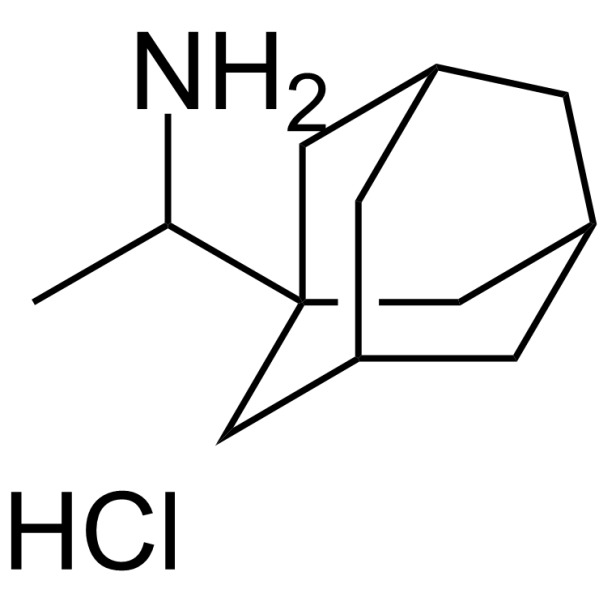
  • HY-B0338A

    Influenza Virus Autophagy Infection
    Rimantadine hydrochloride (Flumadine hydrochloride) is an orally active inhibitor for M2 protein, that blocks the hydrogen ion channel activity, prevents the entry and replication of the virus, and exhibits board-spectrum antiviral activity .
    Rimantadine hydrochloride
  • HY-B0997

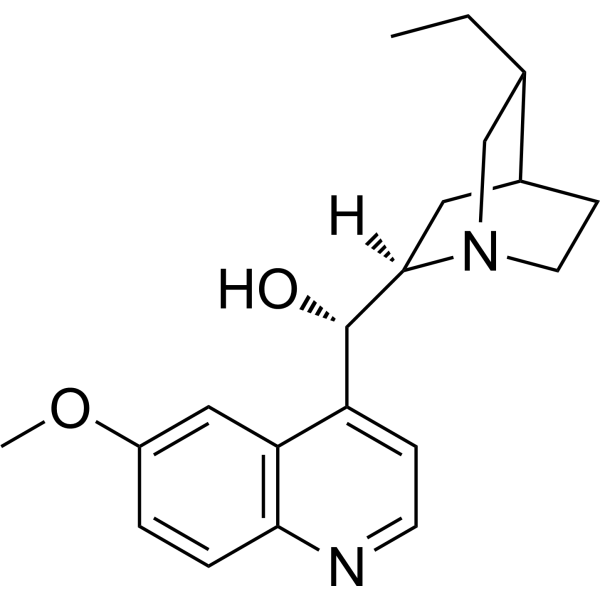
    Dihydroquinidine; (+)-Hydroquinidine; Hydroconquinine

    Others Cardiovascular Disease Cancer
    Hydroquinidine (Dihydroquinidine) is a potent ion channel blocker, which exhibits strong anti-cancer activity on colon, pancreatic, and hepatocellular cancer cells. Hydroquinidine prolongs the QT interval and has antiarrhythmic efficacy .
    Hydroquinidine
  • HY-162666

    Potassium Channel Neurological Disease
    TMEM175 modulator 1 (compound 47) is a TMEM175 modulator.TMEM175 modulator 1 modulates activity of the lysosomal potassium ion channel TMEM175.TMEM175 modulator 1 can be used for the research of parkinson’s disease, dementia, alzheimer’s disease, l-dopa induced dyskinesia .
    TMEM175 modulator 1
  • HY-N8264
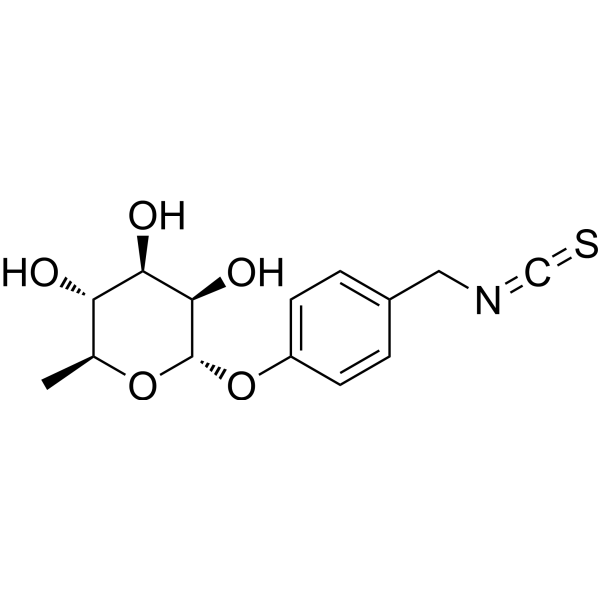
    Moringin
    1 Publications Verification

    TRP Channel Neurological Disease Inflammation/Immunology Cancer
    Moringin is a potent and selective TRPA1 ion channel natural agonist with an EC50 of 3.14 μM. Moringin does not activate or activates very weakly the vanilloids somatosensory channels TRPV1, TRPV2, TRPV3 and TRPV4, and the melastatin cooling receptor TRPM8. Moringin has hypoglycemic, antimicrobial, anti-inflammatory, anticancer and neuroprotection activities .
    Moringin
  • HY-A0082

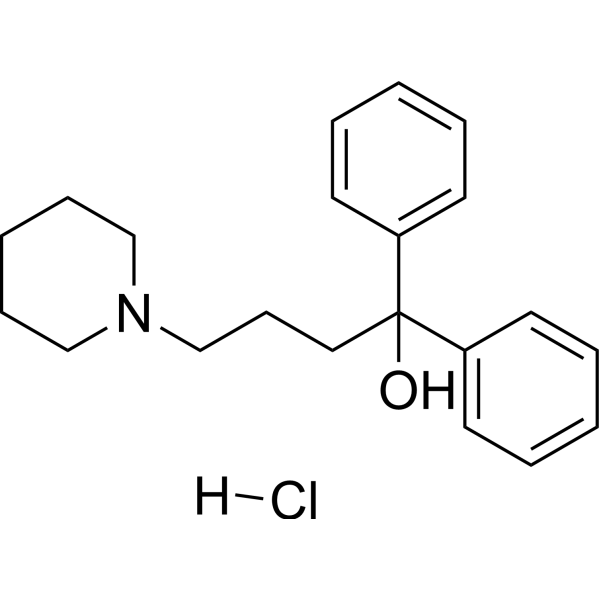
    Difenidol hydrochloride

    mAChR Sodium Channel Neurological Disease
    Diphenidol hydrochloride (Difenidol hydrochloride) is a non-selective muscarinic M1-M4 receptor antagonist, has anti-arrhythmic activity. Diphenidol hydrochloride is also a potent non-specific blocker of voltage-gated ion channels (Na +, K +, and Ca 2+) in neuronal cells. Diphenidol hydrochloride can be used in the study of antivertigo and antinausea .
    Diphenidol hydrochloride
  • HY-153468

    TEQ103; Sera2

    Sodium Channel TRP Channel Cancer
    ErSO-TFPy (TEQ103) is an ERα+ tumor cell inhibitor with low nanomolar cytotoxic activity against ERα+ breast cancer cells. ErSO-TFPy activates the sodium channel TRPM4, causes an imbalance of intracellular calcium and sodium ions. ErSO-TFPy dysregulates calcium homeostasis in ERα+ tumor cells, triggers the anticipatory unfolded protein response, and induces rapid immune cell-independent necrotic cell death. ErSO-TFPy can be used for the research of estrogen receptor alpha positive breast cancer .
    ErSO-TFPy
  • HY-P5712
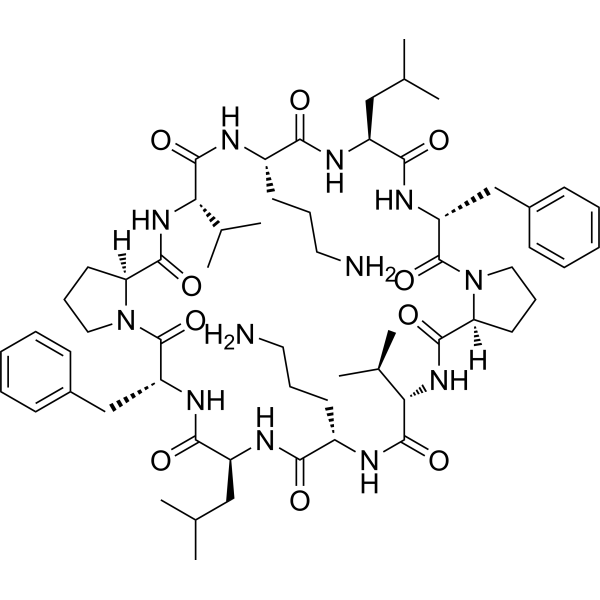
    Gramicidin S
    1 Publications Verification

    Gramicidin soviet

    Antibiotic Bacterial Na+/K+ ATPase Infection
    Gramicidin S (Gramicidin soviet) is a cationic cyclic peptide antibiotic that selectively targets bacterial cell membranes and has anticancer activity. Gramicidin S also exerts antibacterial activity by destroying membrane integrity and interfering with membrane protein function. Gramicidin S inserts into the phospholipid bilayer through hydrophobic amino acid residues, specifically binds to negatively charged membrane lipids and disrupts membrane structure, thereby inhibiting cell division and cell wall synthesis, and ultimately causing bacterial death. Gramicidin S also inhibits ion channels, with IC50s of 41 μM, 24 μM, and 3 μM for Na +/K +-ATPase, tobacco leaf plasma membrane Mg 2+/K +-ATPase, and rat heart plasma membrane Ca 2+-ATPase, respectively .
    Gramicidin S
  • HY-116838

    Bacterial Infection
    TAM-16 is a potent and orally active polyketide synthase 13 (Pks13) inhibitor with an IC50 value of 0.32 μM. TAM-16 has promising activity against Mycobacterium tuberculosis. TAM-16 inhibits hERG cardiac ion channel .
    TAM-16
  • HY-B0380A

    Opioid Receptor Toll-like Receptor (TLR) Calcium Channel Potassium Channel IRAK ERK JNK NF-κB Akt Apoptosis Neurological Disease Metabolic Disease Inflammation/Immunology Cancer
    Trimebutine maleate is a multi-target inhibitor and opioid receptor agonist with antimuscarinic activity. Trimebutine maleate inhibits L-type Ca 2+ channels and large-conductance calcium-activated potassium channels (BKCa channels), thereby inhibiting extracellular calcium influx and potassium ion efflux. Trimebutine maleate also targets Toll-like receptors, inhibits Toll-like receptor 2/4/7/8/9 signals, and inhibits LPS-induced IRAK1 activation, as well as ERK1/2, JNK and NF-κB activation, thereby exerting anti-inflammatory effects. Trimebutine maleate also induces tumor cell apoptosis by inhibiting the AKT/ERK pathway. Trimebutine maleate also inhibits excessive contraction of smooth muscle and can be used in the study of gastrointestinal disorders such as irritable bowel syndrome (IBS) .
    Trimebutine maleate
  • HY-B0380

    Opioid Receptor Toll-like Receptor (TLR) Calcium Channel Potassium Channel IRAK ERK JNK NF-κB Akt Apoptosis Neurological Disease Metabolic Disease Inflammation/Immunology Cancer
    Trimebutine is a multi-target inhibitor and opioid receptor agonist with antimuscarinic activity. Trimebutine inhibits L-type Ca 2+ channels and large-conductance calcium-activated potassium channels (BKCa channels), thereby inhibiting extracellular calcium influx and potassium ion efflux. Trimebutine also targets Toll-like receptors, inhibits Toll-like receptor 2/4/7/8/9 signals, and inhibits LPS-induced IRAK1 activation, as well as ERK1/2, JNK and NF-κB activation, thereby exerting anti-inflammatory effects. Trimebutine also induces tumor cell apoptosis by inhibiting the AKT/ERK pathway. Trimebutine also inhibits excessive contraction of smooth muscle and can be used in the study of gastrointestinal disorders such as irritable bowel syndrome (IBS) .
    Trimebutine
  • HY-14336A

    SB 271046A

    5-HT Receptor Neurological Disease
    SB 271046 Hydrochloride (SB 271046A) is a potent, selective, orally active and BBB-permeable 5-HT6 receptor antagonist with pKi of 9.02, 8.55, and 8.81 for rat, pig and human, respectively. SB 271046 Hydrochloride is over 200 fold selective for the 5-HT6 receptor vs 55 other receptors, binding sites and ion channels. Anticonvulsant activity (EC50=0.16 μM) .
    SB 271046 Hydrochloride
  • HY-105028

    CP-66248

    COX Lipoxygenase Potassium Channel MMP Inflammation/Immunology
    Tenidap (CP-66248) is an orally active dual inhibitor of 5-LOX and COX with anti-inflammatory and immunomodulatory properties. Tenidap downregulates the expression of IL-1 receptors in chondrocytes, reduces the release of pro-inflammatory cytokines such as IL-1, IL-6 and TNF-α, and inhibits MMP production and cartilage degradation. Tenidap also blocks bone resorption and leukocyte adhesion to vascular endothelium, interferes with ion and pH changes associated with mouse sperm capacitation, and selectively enhances the activity of hKir2.3 channels (EC50=1.3 μM). Tenidap is applicable to research related to rheumatoid arthritis .
    Tenidap
  • HY-129763

    Fluorescent Dye Cardiovascular Disease
    Di-4-ANEPPS is a voltage-sensitive dye that acts on voltage-gated ion channels (such as sodium channels) and inhibits sodium current, significantly reducing sodium current density, although specific values like IC50 remain unclear. It mainly binds to the voltage-sensitive regions on the cell membrane, changing its fluorescence properties to reflect membrane potential changes and thus affecting the function of ion channels to exert its activity. This substance can be used in cardiovascular research, such as the electrophysiology of cardiomyocytes, myocardial ischemia, and the effects of drugs on cardiomyocytes. It is of great value in evaluating drug cardiotoxicity and exploring the mechanisms of arrhythmias .
    Di-4-ANEPPS
  • HY-143481

    Sodium Channel Neurological Disease Inflammation/Immunology
    Nav1.8-IN-2 (compound 35A) is a Nav1.8 voltage-gated sodium ion inhibitor with an IC50 of 0.4 nM (HEK 293 cells). Nav1.8-IN-2 inhibits the activity of Nav1.8 voltage-gated sodium ion channels, mediates sodium ion influx in excitable cells, and is associated with the initiation and conduction of action potentials. Nav1.8-IN-2 can be used for research related to pain, cough, itching, etc .
    Nav1.8-IN-2
  • HY-B1173
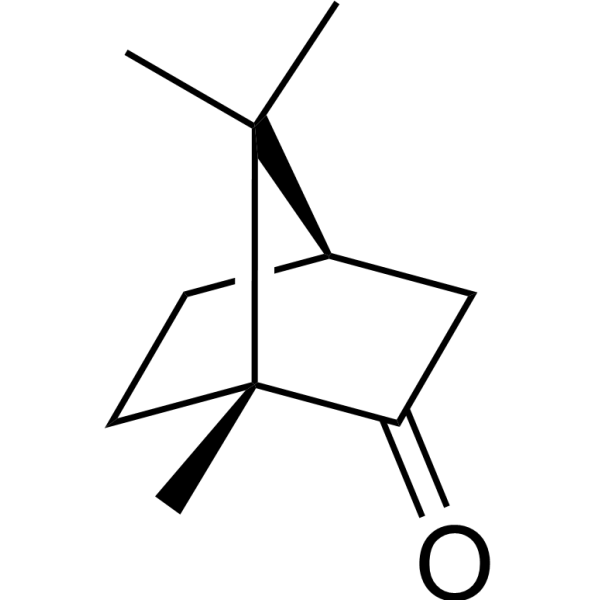
    (+)-Camphor
    1 Publications Verification

    D-(+)-Camphor; (1R)-(+)-Camphor

    Environmental Pollutants Bacterial Neurological Disease Inflammation/Immunology Cancer
    (+)-Camphor (D-(+)-Camphor; (1R)-(+)-Camphor) is an isomer of Camphor. Camphor is an agonist of monoterpenoid transient receptor potential (TRP) channels (such as TRPV1, TRPV3, TRPM8) and an inhibitor of TRPA1 channels. Camphor's derivatives have multiple biological activities, including antibacterial, antiviral, antioxidant, analgesic and anticancer. Camphor can selectively activate cold-sensitive TRP channels and inhibit TRPA1-mediated nociceptive signals. Camphor stimulates the cold-sensing nerve endings in the skin and regulates the activity of ion channels to exert analgesic, anti-inflammatory and anti-itching effects. It also has anti-proliferative and anti-mutagenic activities on tumor cells, which may be related to inhibiting ribosome function or inducing cell apoptosis. Camphor can be absorbed through the skin and (+)-Camphor can be used in the study of muscle and joint pain and inflammation .
    (+)-Camphor
  • HY-N4246

    Aquaporin PKC Akt PI3K Apoptosis Monoamine Oxidase Pregnane X Receptor (PXR) Cardiovascular Disease Neurological Disease Inflammation/Immunology Cancer
    Bacopaside I is an orally active aquaporin AQP1 inhibitor and PKC modulator with neuroprotective and anticancer activities. Bacopaside I specifically blocks the water channel and cGMP-gated ion channel activities of AQP1 without affecting AQP4, thereby inhibiting the migration of colon cancer cells expressing AQP1. Bacopaside I activates the Akt pathway by interacting with PI3K, specifically inhibits MAO-A, effectively alleviates neuron necrosis and apoptosis induced by oxygen-glucose deprivation, reduces oxidative stress, and regulates the surface expression of neuroreceptors. When combined with Bacopaside II (HY-N6016), Bacopaside I significantly reduces the viability, proliferation and invasion ability of breast cancer cells, and binds to the pregnane X receptor (PXR). Bacopaside I is applicable to the research of colon cancer, breast cancer, vascular dementia, cerebral ischemia and other related diseases .
    Bacopaside I
  • HY-14834A

    ATI-2042 tartrate

    Potassium Channel Sodium Channel Calcium Channel Cardiovascular Disease
    Budiodarone (ATI-2042) tartrate is a chemical analogue of Amiodarone (HY-14187) with balanced, multiple cardiac ion channel (potassium, sodium and calcium channels) inhibiting activity. Budiodarone tartrate is an antiarrhythmic agent .
    Budiodarone tartrate
  • HY-B0402S1

    1-Adamantanamine-d6; 1-Aminoadamantane-d6

    Apoptosis CDK SARS-CoV Bcl-2 Family Influenza Virus Orthopoxvirus Cancer
    Amantadine-d6 is the deuterium labeled Amantadine . Amantadine (1-Adamantanamine) is an orally avtive and potent antiviral agent with activity against influenza A viruses. Amantadine inhibits several ion channels such as NMDA and M2, and also inhibits Coronavirus ion channels. Amantadine also has anti-orthopoxvirus and anticancer activity. Amantadine can be used for Parkinson's disease, postoperative cognitive dysfunction (POCD) and COVID-19 research .
    Amantadine-d6
  • HY-131868

    TRP Channel Neurological Disease
    TRPV3 antagonist 74a is a potent and selective TRPV3 antagonist. TRPV3 antagonist 74a displays no significant activity against a panel of other ion channels. TRPV3 antagonist 74a can be used for the research of neuropathic pain .
    TRPV3 antagonist 74a
  • HY-110184

    Potassium Channel Neurological Disease
    PK-THPP is a potent and brain-penetrant TWIK-related acid-sensitive K + ion channel (K2P9.1 or TASK-3) blocker with IC50s of 35 nM and 300 nM for TASK-3 and TASK-1, respectively. PK-THPP shows no or less activity against other K + channels. PK-THPP is an effective breathing stimulant and can be used for the study of breathing disorders .
    PK-THPP
  • HY-108512
    PD 144418
    1 Publications Verification

    Sigma Receptor Neurological Disease
    PD 144418 is a highly affinity, potent and selective sigma 1 (σ1) receptor ligand (Ki values of 0.08 nM and 1377 nM for σ1 and σ2 respectively). PD 144418 devoids of any significant affinity for other receptors, ion channels and enzymes. PD 144418 shows potential antipsychotic activity .
    PD 144418
  • HY-D0142

    Fluorescent Dye Others
    Pyrene-1,3,6,8-tetrasulfonic acid tetrasodium is a fluorescent dye and pH indicator, also as a ligand of multifunctional metal-organic framework. Pyrene-1,3,6,8-tetrasulfonic acid tetrasodium has been used to detect CO2 release. Pyrene-1,3,6,8-tetrasulfonic acid tetrasodium acts as a water-soluble fluorescent dye for fluorescence quenching assays monitoring gramicidin ion-channel activity .
    Pyrene-1,3,6,8-tetrasulfonic acid tetrasodium
  • HY-107544

    PKA Metabolic Disease
    8-pCPT-2'-O-Me-cAMP-AM is a cyclic AMP analogue, selectively activates Epac-Rap signaling pathway. 8-pCPT-2'-O-Me-cAMP-AM protects renal function by activating Epac from ischemia injury. 8-pCPT-2'-O-Me-cAMP-AM also stimulates insulin secretion by interaction with PKA pathway .
    8-pCPT-2'-O-Me-cAMP-AM
  • HY-111013

    Drug Derivative Adrenergic Receptor Cardiovascular Disease
    VK-II-86 is a Carvedilol (HY-B0006) analogue lacking antagonist activity at β-adrenoceptors, in hypokalaemia. VK-II-86 prevents hypokalaemia-induced ventricular arrhythmia through multi-channel effects. VK-II-86 prevents all hypokalaemia-induced changes in ion channel activity and oxidative stress .
    VK-II-86
  • HY-N4097

    Others Neurological Disease
    Incensole, a 14-membered diterpenoid, is isolated from both essential oils and resins of frankincense. Incensole has shown anti-inflammatory and anti-depression activities due to their ability to activate ion channels in the brain to alleviate anxiety or depression .
    Incensole
  • HY-B0402S

    1-Adamantanamine-d15; 1-Aminoadamantane-d15

    Influenza Virus Orthopoxvirus SARS-CoV Apoptosis Infection Neurological Disease Cancer
    Amantadine-d15 is the deuterium labeled Amantadine. Amantadine (1-Adamantanamine) is an antiviral agent with activity against influenza A viruses. Amantadine blocks the proton flow through the M2 ion channel (M2 proton channel of influenza A) and thus prevents the release of viral RNA into the cytoplasm of the infected cells. Amantadine is an antiparkinsonian agent .
    Amantadine-d15
  • HY-118967

    VU0183254

    HCN Channel Others
    VUANT1 (VU0183254) is an allosteric antagonist of insect odorant receptor ion channels, which has the activity of inhibiting insect odorant receptor signaling. VUANT1 can inhibit the activation of insect odorant receptors through allosteric regulation, which is important for the study of the molecular mechanism of insect olfactory signaling. Although it may be of limited use in insect control programs, it can be used as a pharmacological tool to study related mechanisms.
    VUANT1
  • HY-119101
    AZD-5672
    1 Publications Verification

    CCR Potassium Channel P-glycoprotein Inflammation/Immunology
    AZD-5672 is an orally active, potent, and selective CCR5 antagonist (IC50=0.32 nM). AZD-5672 shows moderate activity against the hERG ion channel (binding IC50=7.3 μM). AZD5672 is a substrate of human P-gp, and inhibits P-gp-mediated digoxin transport (IC50=32 μM). AZD-5672 can be used for the research of rheumatoid arthritis .
    AZD-5672
  • HY-A0236

    Sodium Channel Potassium Channel Calcium Channel Calmodulin Cardiovascular Disease
    Aprindine is an Ib-class anti-arrhythmic agent. Aprindine mainly exerts its effect by blocking sodium channels (INa), thereby reducing the excitability and conduction velocity of cardiac muscle cells. Aprindine significantly inhibits delayed potassium currents, which helps to prolong the atrial effective refractory period (AERP) and inhibit the occurrence of atrial fibrillation. Aprindine can also regulate intracellular calcium ion concentration by inhibiting Na +/Ca 2+ exchange current (INCX), thereby further stabilizing cardiac electrical activity. Aprindine can be used for the study of atrial fibrillation (AF) and ventricular arrhythmias .
    Aprindine
  • HY-W008581

    3-O-Methyl estradiol; 17β-Estradiol 3-methyl ether; 3-Methoxyestradiol

    Biochemical Assay Reagents TRP Channel Microtubule/Tubulin Autophagy Metabolic Disease Cancer
    Estradiol 3-methyl ether (EDME) is a highly selective TRPML1 ion channel antagonist and microtubule (microtubule) depolymerizing agent, with IC50 values of 0.22 μM and 3.8 μM against TRPML1 and TRPML2, respectively; it shows no activity against TRPML3. Estradiol 3-methyl ether induces the disruption of cytoplasmic microtubule networks in mammalian cells, with an EC50 of 9 μM. Independent of estrogen receptors, Estradiol 3-methyl ether blocks autophagy (autophagy), TFEB nuclear translocation, and inhibits the migration and invasion of triple-negative breast cancer cells by suppressing TRPML1. Estradiol 3-methyl ether is applicable for relevant research on triple-negative breast cancer .
    Estradiol 3-methyl ether
  • HY-125942
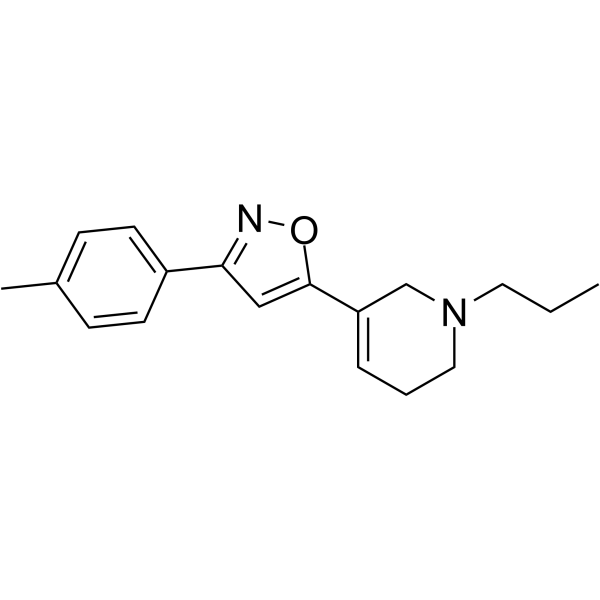
    SKF-96365
    Maximum Cited Publications
    27 Publications Verification

    CRAC Channel TRP Channel CaMK Akt Apoptosis Autophagy Na+/Ca2+ Exchanger Calcium Channel Neurological Disease Inflammation/Immunology Cancer
    SKF-96365 is a TRPC channel antagonist and store-operated calcium entry (SOCE) inhibitor. SKF-96365 reduces calcium ion influx by inhibiting the activity and expression of TRPC6, STIM1 and Orai1. SKF-96365 inhibits voltage-gated sodium current (cardiac INa/NaV1.5) and slows myocardial conduction. SKF-96365 inhibits phosphorylation/activation of CaMKIIγ and suppresses the downstream AKT signaling pathway. SKF-96365 induces G2/M phase cell cycle arrest, apoptosis and cytoprotective autophagy in colorectal cancer cells. SKF-96365 alleviates allergic rhinitis symptoms by reducing inflammatory cytokine levels. SKF-96365 reduces intracellular calcium overload, inhibits Homer1 expression, prevents nuclear damage and suppresses apoptosis. SKF-96365 inhibits the growth of colorectal cancer xenografts in nude mice . SKF-96365 is applicable to research related to allergic rhinitis, colorectal cancer, Parkinson's disease, persistent spontaneous nociception and hyperalgesia .
    SKF-96365
  • HY-B0402B

    1-Adamantanamine sulfate; 1-Aminoadamantane sulfate

    Influenza Virus Orthopoxvirus SARS-CoV Apoptosis CDK Bcl-2 Family Infection Neurological Disease Cancer
    Amantadine (1-Adamantanamine) sulfate is an orally avtive and potent antiviral agent with activity against influenza A viruses. Amantadine sulfate inhibits several ion channels such as NMDA and M2, and also inhibits Coronavirus ion channels. Amantadine sulfate also has anti-orthopoxvirus and anticancer activity. Amantadine sulfate can be used for Parkinson's disease, postoperative cognitive dysfunction (POCD) and COVID-19 research .
    Amantadine sulfate
  • HY-108512A
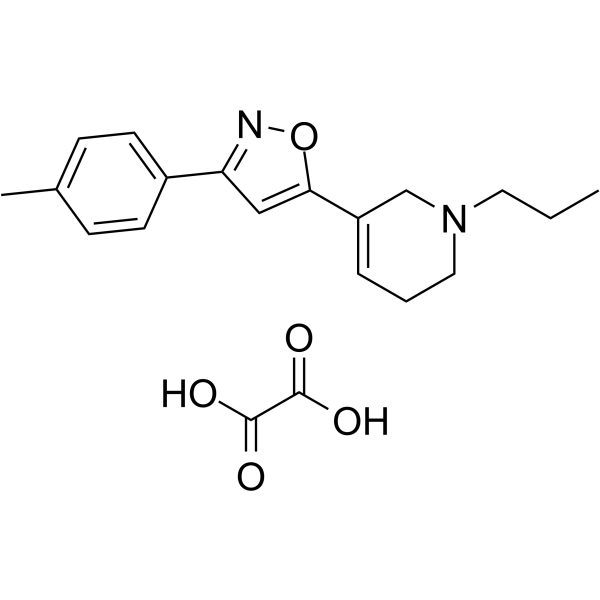
    PD 144418 oxalate
    1 Publications Verification

    Sigma Receptor Neurological Disease
    PD 144418 oxalate is a highly affinity, potent and selective sigma 1 (σ1) receptor ligand (Ki values of 0.08 nM and 1377 nM for σ1 and σ2 respectively). PD 144418 oxalate devoids of any significant affinity for other receptors, ion channels and enzymes. PD 144418 oxalate shows potential antipsychotic activity .
    PD 144418 oxalate
  • HY-103550

    mGluR Neurological Disease
    A-841720 is a potent, non-competitive and selective mGlu1 receptor antagonist with an IC50 of 10 nM for human mGlu1 receptor. A-841720 displays 34-fold selectivity over mGlu5 (IC50 of 342 nM), and no significant activity at a range of other neurotransmitter receptors, ion channels, and transporters. A-841720 has the potential for chronic pain research .
    A-841720
  • HY-111527

    Calcium Channel Neurological Disease
    PPZ2 is a diacylglycerol (DAG)-activated TRPC3/TRPC6/TRPC7 channel activator with activity in promoting neuronal development and survival. PPZ2 activates recombinant TRPC3/TRPC6/TRPC7 channels in a dose-dependent manner without affecting other TRPC channels. PPZ2 elicits cation currents and calcium ion (Ca(2+)) influx in cultured central neurons. PPZ2 is able to induce BDNF-like neurite outgrowth and neuroprotection, an effect that disappears after TRPC3/TRPC6/TRPC7 knockdown or inhibition. PPZ2 also increases the activation of the calcium-dependent transcription factor cAMP response element binding protein. The effects of PPZ2 suggest that calcium signaling mediated by activation of DAG-activated TRPC channels plays an important role in its neurotrophic effects .
    PPZ2
  • HY-12946

    Glucocorticoid Receptor Cytochrome P450 HCV Protease Infection Inflammation/Immunology
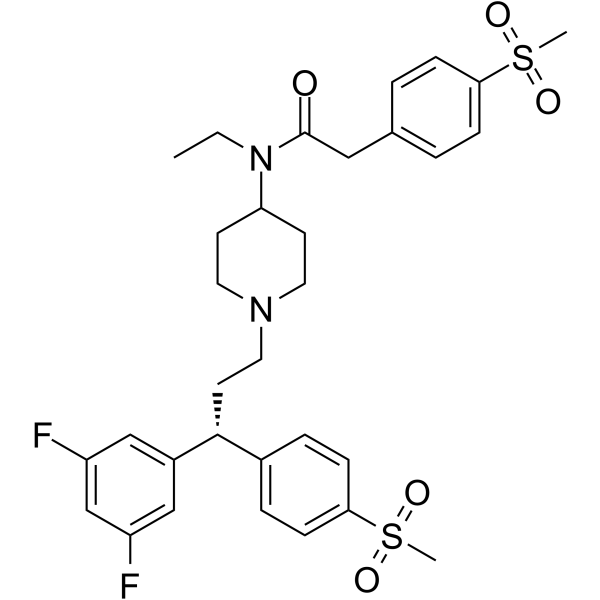
    BI 653048, a chemical probe, is a selective and orally active nonsteroidal glucocorticoid (GC) agonist with an IC50 value of 55 nM . BI 653048 inhibits CP1A2, CYP2D6, CYP2C9, CYP2C19 and CYP3A4 isoforms’ activity and reduces affinity for the hERG ion channel (IC50>30 μM) . BI 653048 (Compound 103) is also a HCV NS3 protease inhibitor that can reduce viral loads infected with the hepatitis C virus .
    BI 653048
  • HY-A0236A

    Sodium Channel Potassium Channel Calcium Channel Calmodulin Cardiovascular Disease
    Aprindine hydrochloride is an Ib-class anti-arrhythmic agent. Aprindine hydrochloride mainly exerts its effect by blocking sodium channels (INa), thereby reducing the excitability and conduction velocity of cardiac muscle cells. Aprindine hydrochloride significantly inhibits delayed potassium currents, which helps to prolong the atrial effective refractory period (AERP) and inhibit the occurrence of atrial fibrillation. Aprindine hydrochloride can also regulate intracellular calcium ion concentration by inhibiting Na +/Ca 2+ exchange current (INCX), thereby further stabilizing cardiac electrical activity. Aprindine hydrochloride can be used for the study of atrial fibrillation (AF) and ventricular arrhythmias .
    Aprindine hydrochloride
  • HY-Z6848

    Sodium Channel Neurological Disease
    (R)-(+)-Bupivacaine hydrochloride is a voltage-gated sodium channel inhibitor. (R)-(+)-Bupivacaine hydrochloride can selectively block the voltage-gated sodium channels on nerve cell membranes, inhibit the influx of sodium ions, and thus prevent the generation and conduction of nerve impulses, exerting local anesthetic activity. (R)-(+)-Bupivacaine hydrochloride can be used in research of acute pains .
    (R)-(+)-Bupivacaine hydrochloride
  • HY-W009065

    Others Cardiovascular Disease Cancer
    Hydroquinidine hydrochloride is a potent ion channel blocker, which exhibits strong anti-cancer activity on colon, pancreatic, and hepatocellular cancer cells. Hydroquinidine hydrochloride prolongs the QT interval and has antiarrhythmic efficacy .
    Hydroquinidine hydrochloride
  • HY-131261

    Drug Metabolite Inflammation/Immunology
    Ibuprofen alcohol, a nonsteroidal antiinflammatory agent (NSAID), exhibits very little activity for acid-sensing ion channels (ASICs) .
    Ibuprofen alcohol
  • HY-B0402AR

    1-Adamantanamine hydrochloride (Standard); 1-Adamantylamine hydrochloride (Standard); 1-Aminoadamantane hydrochloride (Standard)

    Reference Standards Influenza Virus Orthopoxvirus SARS-CoV Apoptosis Bcl-2 Family CDK Infection Neurological Disease Cancer
    Amantadine (hydrochloride) (Standard) is the analytical standard of Amantadine (hydrochloride). This product is intended for research and analytical applications. Amantadine (1-Adamantanamine) hydrochloride is an orally avtive and potent antiviral agent with activity against influenza A viruses. Amantadine hydrochloride inhibits several ion channels such as NMDA and M2, and also inhibits Coronavirus ion channels. Amantadine hydrochloride also has anti-orthopoxvirus and anticancer activity. Amantadine hydrochloride can be used for Parkinson's disease, postoperative cognitive dysfunction (POCD) and COVID-19 research .
    Amantadine hydrochloride (Standard)
  • HY-B0402R1

    1-Adamantanamine in Methanol (Standard); 1-Aminoadamantane in Methanol (Standard)

    Reference Standards Influenza Virus Orthopoxvirus SARS-CoV Apoptosis CDK Bcl-2 Family Infection Neurological Disease Cancer
    Amantadine in Methanol (Standard) is the solution of Amantadine (Standard). This product is intended for research and analytical applications. Amantadine (1-Adamantanamine) is an orally avtive and potent antiviral agent with activity against influenza A viruses. Amantadine inhibits several ion channels such as NMDA and M2, and also inhibits Coronavirus ion channels. Amantadine also has anti-orthopoxvirus and anticancer activity. Amantadine can be used for Parkinson's disease, postoperative cognitive dysfunction (POCD) and COVID-19 research [4] .
    Amantadine in Methanol (Standard)
  • HY-115606

    NKCC Endogenous Metabolite Neurological Disease
    ML007 is a selective antagonist targeting the neuron-specific potassium-chloride co-transporter 2 (KCC2) with an IC50 for KCC2 is 537 nM, while its inhibitory activity on KCC1 is extremely weak (IC50 > 50 μM). ML077 inhibits the chloride ion excretion function of KCC2, increasing the intracellular chloride ion concentration, thereby enhancing the depolarization mediated by chloride ion channels. ML007 can promote glucose-stimulated insulin secretion (GSIS) without relying on KATP channels. ML007 can be used to study the functions related to pain, epilepsy, and insulin secretion .
    ML077

Inquiry Online

Your information is safe with us. * Required Fields.

Salutation


Country or Region *

Applicant Name *


Organization Name *

Department *


Email Address *


Product Name *

Cat. No.


Requested quantity *

Phone Number *


Remarks

Inquiry Online

Inquiry Information

Product Name:
Cat. No.:
Quantity:
MCE Japan Authorized Agent:

