
Search Result
Results for "
rat heart
" in MedChemExpress (MCE) Product Catalog:
1
Biochemical Assay Reagents
4
Isotope-Labeled Compounds
| Cat. No. |
Product Name |
Target |
Research Areas |
Chemical Structure |
-
- HY-P0203
-
|
CGRP (83-119), mouse, rat
|
CGRP Receptor
|
Cardiovascular Disease
Metabolic Disease
Inflammation/Immunology
|
|
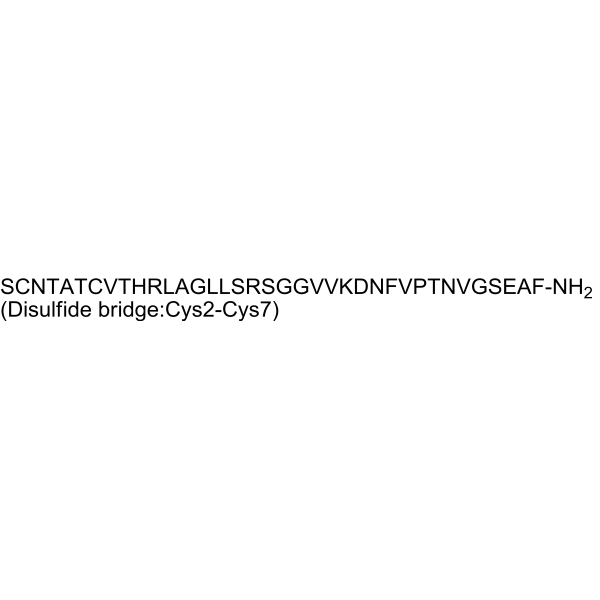
α-CGRP (mouse, rat), a neuropeptide (calcitonin gene-related peptide (CGRP)) mainly expressed in neuromuscular junction, is a potent vasodilator. α-CGRP (mouse, rat) can lead to a fall in blood pressure and an increase in heart rate by peripheral administration, also relax colonie smooth muscle. α-CGRP (mouse, rat) has the potential in cardiovascular, pro-inflammatory, migraine and metabolic studies .
|
-
-
- HY-131925
-
|
DEA NONOate diethylamine
|
Bacterial
|
Infection
|
|
Diethylamine NONOate (DEA NONOate, diethylammonium salt) is a nitric oxide donor. Diethylamine NONOate is a potent antimicrobial agent, which can inhibit Escherichia coli growth. Diethylamine NONOate also can enhance preservation of the donor rat heart .
|
-
-
- HY-A0119
-
|
Sodium nitroprusside dihydrate; Sodium Nitroferricyanide(III) Dihydrate
|
Autophagy
|
Cardiovascular Disease
Cancer
|
|
Nitroprusside disodium dehydrate (Sodium nitroprusside dihydrate) is a vasodilator that available for the research of acute hypertension, heart failure. Nitroprusside disodium dehydrate induces autophagy in glutathione-depleted osteoblasts. Nitroprusside disodium dehydrate acts as a nitric oxide (NO) donor in a rat intestinal ischemia reperfusion model .
|
-
-
- HY-N1462
-
|
|
Chloride Channel
Autophagy
mTOR
AMPK
|
Cardiovascular Disease
Metabolic Disease
Cancer
|
|
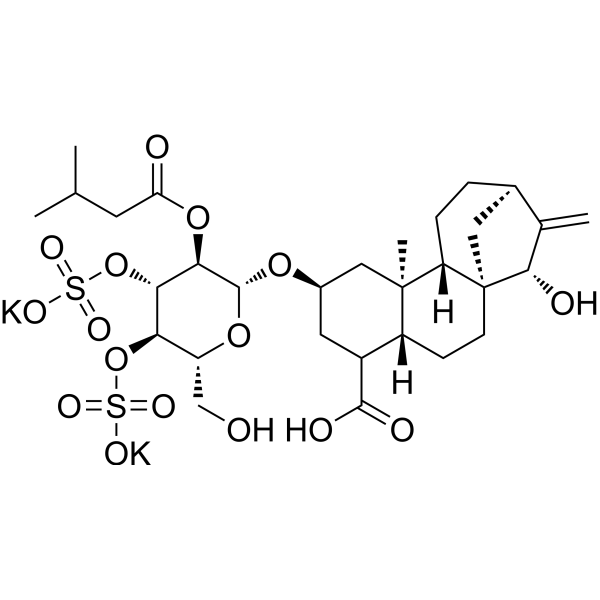
Atractyloside potassium salt is a powerful and specific inhibitor of mitochondrial ADP/ATP transport. Atractyloside potassium salt inhibits chloride channels from mitochondrial membranes of rat heart. Atractyloside potassium salt activates autophagy, inhibits ANT2, mTOR and promotes the activation of p-AMPK. Atractyloside potassium salt has anti-cancer effects on non-small cell lung cancer and can inhibit liver steatosis. Atractylodesin potassium salt has nephrotoxicity .
|
-
-
- HY-W018026
-
|
L-p-Hydroxyphenylglycine; 4-Hydroxy-L-phenylglycine; UK 25842
|
Acyltransferase
Apoptosis
|
Cardiovascular Disease
Metabolic Disease
|
|
Oxfenicine (L-p-Hydroxyphenylglycine) is an orally active carnitine palmitoyltransferase-1 inhibitor. Oxfenicine inhibits the oxidation of fatty acids in the heart, protecting cardiac tissue from necrotic damage during ischemia, and also has an inhibitory effect on cardiac tissue apoptosis. In addition, Oxfenicine promotes lipolysis in a high-fat diet rat model. Oxfenicine can be used in the study of cardiovascular and metabolic diseases .
|
-
-
- HY-14993
-
|
|
Protease Activated Receptor (PAR)
Apoptosis
|
Cardiovascular Disease
|
|
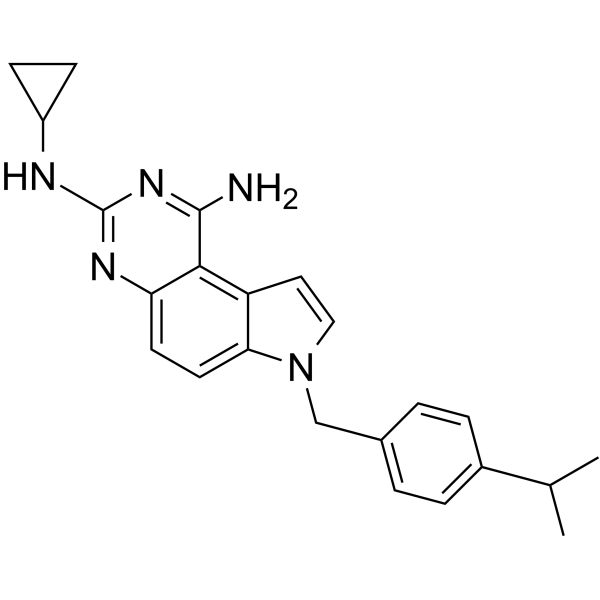
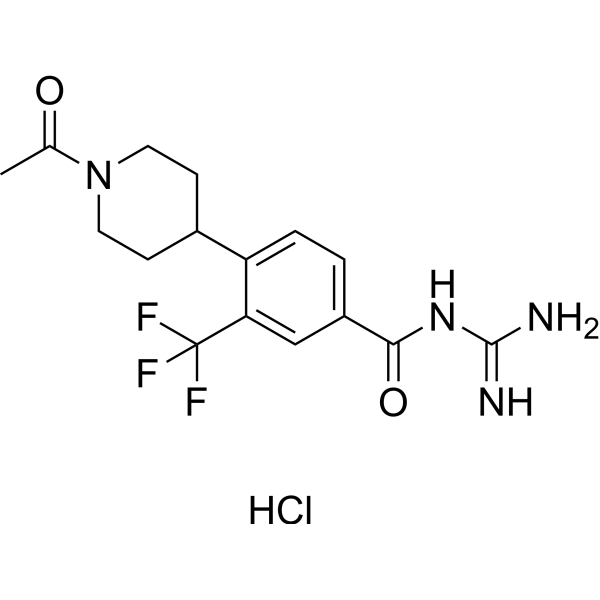
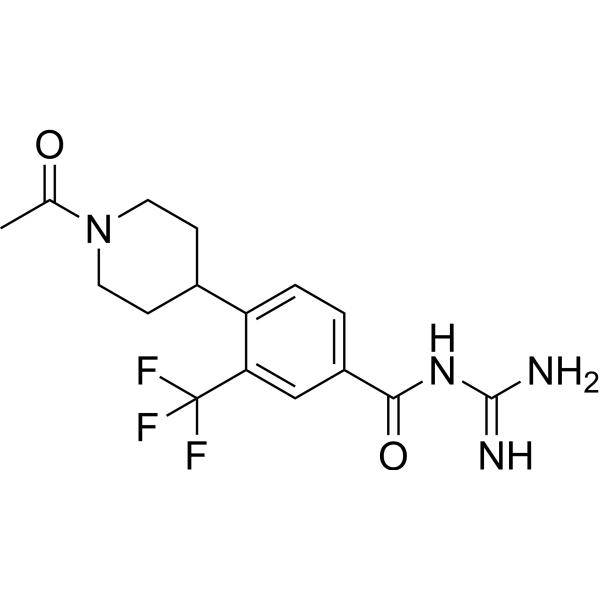
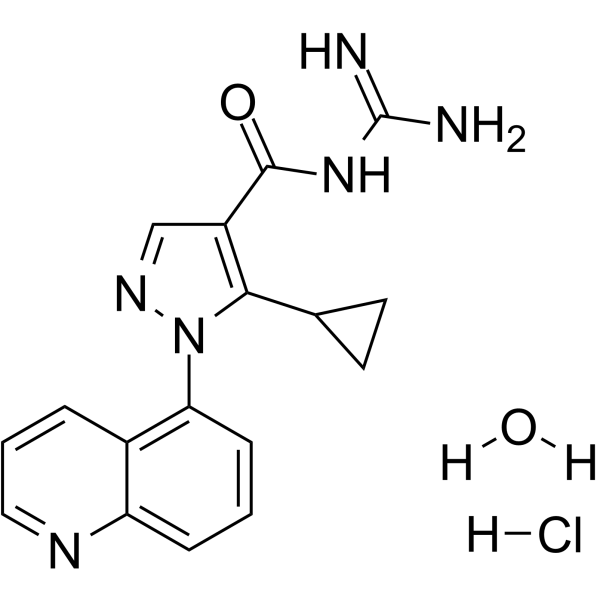
SCH79797 is a highly potent, selective nonpeptide protease activated receptor 1 (PAR1) antagonist. SCH79797 inhibits binding of a high-affinity thrombin receptor-activating peptide to PAR1 with an IC50 of 70 nM and a Ki of 35 nM. SCH79797 inhibits thrombin-induced platelet aggregation with an IC50 of 3 μM. SCH79797 has antiproliferative and pro-apoptotic effects, and limits myocardial ischemia/reperfusion injury in rat hearts. SCH79797 also potently prevents PAR1 activation in vascular smooth muscle cells, endothelial cells, and astrocytes .
|
-
-
- HY-101381
-
|
AF-DX 116
|
mAChR
|
Neurological Disease
Metabolic Disease
|
|
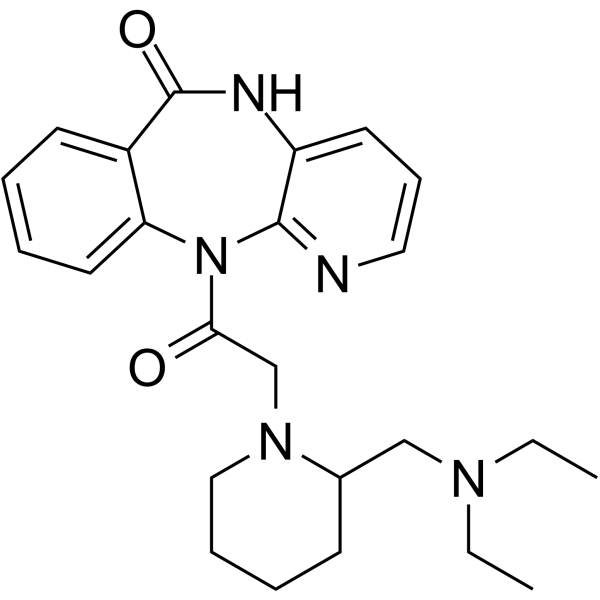
Otenzepad (AF-DX 116) is a selective and competitive M2 muscarinic acetylcholine receptor antagonist, with IC50 values of 640 nM and 386 nM for rabbit peripheral lung and rat heart, respectively .
|
-
-
- HY-150508
-
MK-0159
1 Publications Verification
|
CD38
|
Cardiovascular Disease
Metabolic Disease
Inflammation/Immunology
|
|
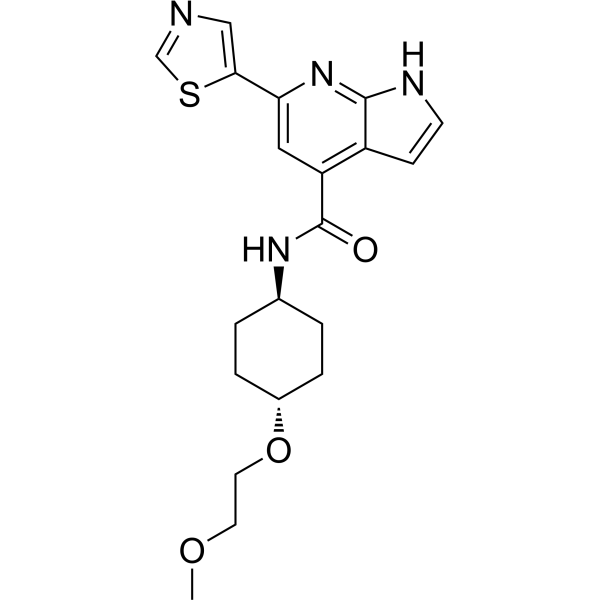
MK-0159 is an orally active, potent and selective CD38 inhibitor, with IC50 values of 22, 3, and 70 nM for human, mouse and rat CD38, respectively. MK-0159 also shows good microsomal stability for human and rodent liver microsomes. MK-0159 increases NAD + (nicotinamide adenine dinucleotide) and reduces ADPR (adenosine diphosphate ribose) in whole blood and heart .
|
-
-
- HY-163689
-
|
BI 690517
|
Mineralocorticoid Receptor
|
Cardiovascular Disease
Metabolic Disease
|
|
Vicadrostat (BI 690517) is an orally active aldosterone synthase (aldosterone synthase) inhibitor, with IC50 values of 19 nM, 16 nM, and 18 μM against human, cynomolgus monkey, and rat aldosterone synthase, respectively. Vicadrostat has an in vivo IC50 of 25 nM for aldosterone synthesis. Vicadrostat exhibits high selectivity for cortisol synthase; it reduces aldosterone production and decreases plasma aldosterone levels. Vicadrostat can be used in the research of chronic kidney disease, heart failure, and hypertension .
|
-
-
- HY-W016733
-
|
H-D-Cit-OH
|
Endogenous Metabolite
|
Cardiovascular Disease
|
|
D-Citrulline (H-D-Cit-OH) is a stereoisomer of L-citrulline (HY-N0391). D-Citrulline significantly attenuates polymorphonuclear leukocyte (PMN)-induced cardiac contractile dysfunction in the isolated perfused rat heart subjected to ischemia/reperfusion via a non-NO-mediated mechanism .
|
-
-
- HY-14994
-
|
|
Protease Activated Receptor (PAR)
Apoptosis
|
Cardiovascular Disease
|
|
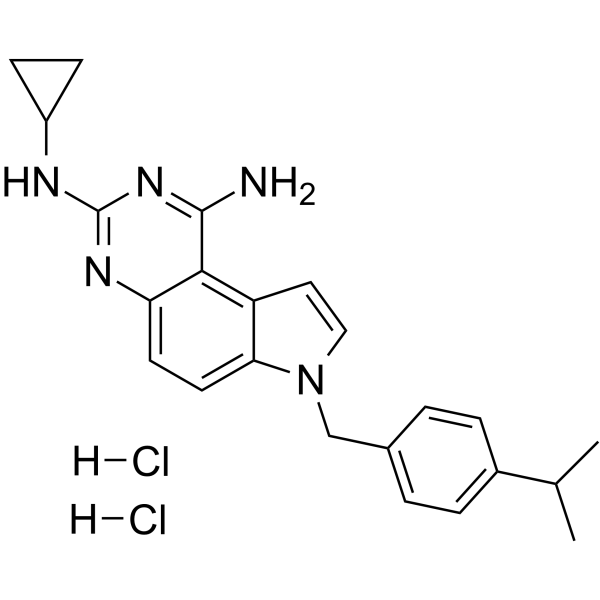
SCH79797 dihydrochloride is a highly potent, selective nonpeptide protease activated receptor 1 (PAR1) antagonist. SCH79797 dihydrochloride inhibits binding of a high-affinity thrombin receptor-activating peptide to PAR1 with an IC50 of 70 nM and a Ki of 35 nM. SCH79797 dihydrochloride inhibits thrombin-induced platelet aggregation with an IC50 of 3 μM. SCH79797 dihydrochloride has antiproliferative and pro-apoptotic effects, and limits myocardial ischemia/reperfusion injury in rat hearts. SCH79797 dihydrochloride also potently prevents PAR1 activation in vascular smooth muscle cells, endothelial cells, and astrocytes .
|
-
-
- HY-P5712
-
|
Gramicidin soviet
|
Antibiotic
Bacterial
Na+/K+ ATPase
|
Infection
|
|
Gramicidin S (Gramicidin soviet) is a cationic cyclic peptide antibiotic that selectively targets bacterial cell membranes and has anticancer activity. Gramicidin S also exerts antibacterial activity by destroying membrane integrity and interfering with membrane protein function. Gramicidin S inserts into the phospholipid bilayer through hydrophobic amino acid residues, specifically binds to negatively charged membrane lipids and disrupts membrane structure, thereby inhibiting cell division and cell wall synthesis, and ultimately causing bacterial death. Gramicidin S also inhibits ion channels, with IC50s of 41 μM, 24 μM, and 3 μM for Na +/K +-ATPase, tobacco leaf plasma membrane Mg 2+/K +-ATPase, and rat heart plasma membrane Ca 2+-ATPase, respectively .
|
-
-
- HY-116513
-
-
-
- HY-B1486
-
|
Ba 39089
|
Adrenergic Receptor
|
Cardiovascular Disease
|
|
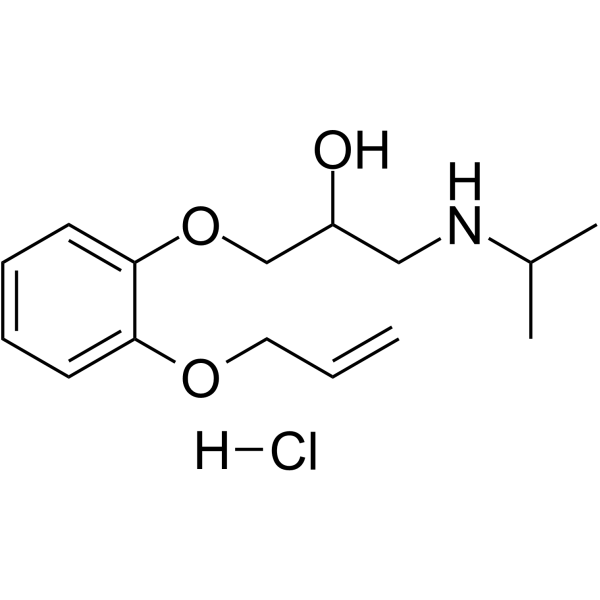
Oxprenolol hydrochloride (Ba 39089) is an orally bioavailable β-adrenergic receptor (β-AR) antagonist with a Ki of 7.10 nM in a radioligand binding assay using rat heart muscle .
|
-
-
- HY-B0817
-
|
|
Environmental Pollutants
Parasite
|
Infection
|
|
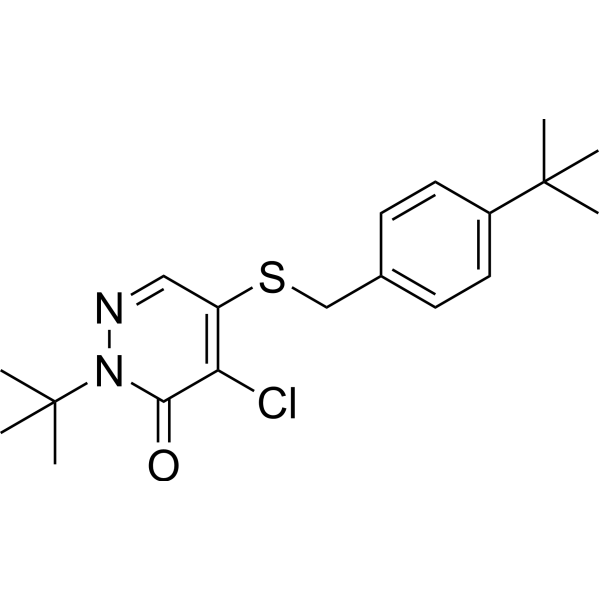
Pyridaben is a mitochondrial electron transport inhibitor (METI) acaricide that promotes the formation of damaging oxygen and nitrogen radicals. Pyridaben selectively inhibits complex I (NADH dehydrogenase) with an IC50 value of 2.4 nM (assay sites: rat liver and bovine heart mitochondria). Pyridaben also significantly inhibits rat mitochondrial mtNOS function .
|
-
-
- HY-P0203A
-
|
CGRP (83-119), mouse, rat TFA
|
CGRP Receptor
|
Cardiovascular Disease
Metabolic Disease
Inflammation/Immunology
|
|
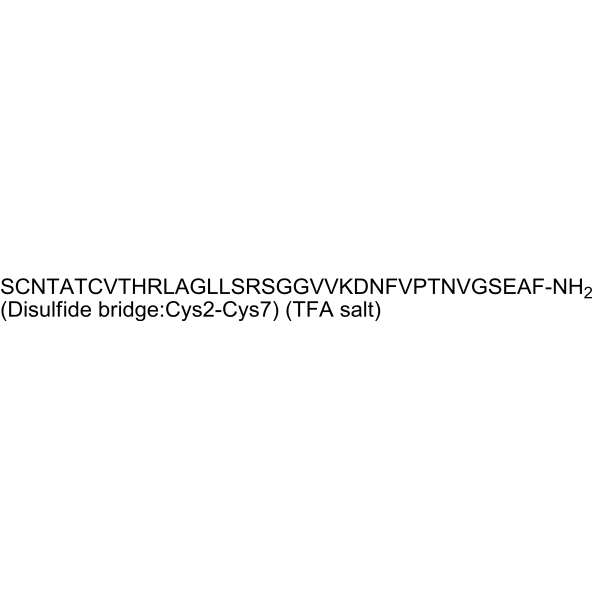
α-CGRP (mouse, rat) TFA, a neuropeptide (calcitonin gene-related peptide (CGRP)) mainly expressed in neuromuscular junction, is a potent vasodilator. α-CGRP (mouse, rat) TFA can lead to a fall in blood pressure and an increase in heart rate by peripheral administration, also relax colonie smooth muscle. α-CGRP (mouse, rat) TFA has the potential in cardiovascular, pro-inflammatory, migraine and metabolic studies .
|
-
-
- HY-101327A
-
|
Corwin hemifumarate; ICI 118587 hemifumarate
|
Adrenergic Receptor
|
Cardiovascular Disease
Neurological Disease
Metabolic Disease
|
|
Xamoterol (Corwin; ICI 118587) hemifumarate is an orally active and selective β1-adrenoceptor partial agonist. Xamoterol hemifumarate acts as agonist at low sympathetic tone, antagonist at high sympathetic tone, with context-dependent cardiovascular effects including modulated heart rate, blood pressure, and cardiac output. Xamoterol hemifumarate can be used for the research of heart failure, postural hypotension, and ischemic heart disease .
|
-
-
- HY-W042301
-
|
|
Anion Exchangers
Carbonic Anhydrase
Endothelin Receptor
|
Cardiovascular Disease
|
|
Xipamide is an orally active carbonic anhydrase (CA) inhibitor and Na +/Cl --potassium transporter inhibitor with diuretic and antihypertensive effects. Xipamide reduces NaCl reabsorption by inhibiting the Cl -/NaCO3 - anion exchanger, and increases calcium reabsorption while promoting potassium and magnesium excretion. Xipamide is mainly cleared via the renal pathway and causes a temporary decrease in glomerular filtration rate under specific conditions. Xipamide does not affect Ca 2+ signaling induced by endothelin-1 and other factors, nor does it inhibit various ion cotransport or pump activities in red blood cells. Xipamide can be used in researches related to cardiovascular diseases, hypertension (especially with left ventricular hypertrophy), advanced renal failure, and liver cirrhosis with ascites .
|
-
-
- HY-N6020B
-
Butin
1 Publications Verification
|
Others
|
Cardiovascular Disease
Inflammation/Immunology
|
|
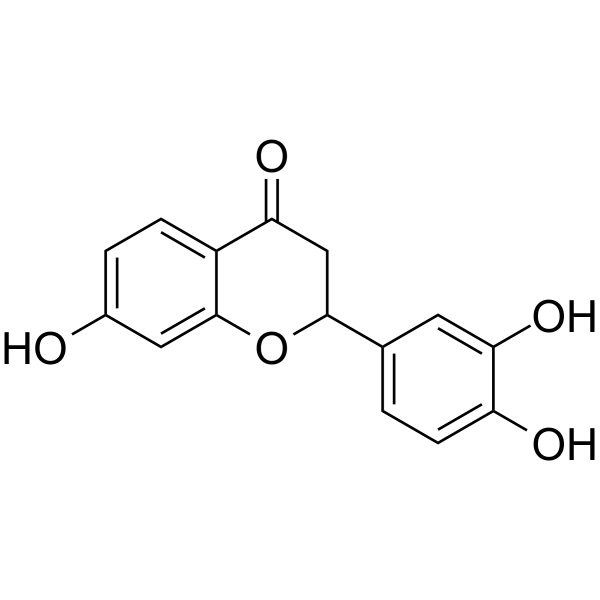
Butin is a major biologically active flavonoid isolated from the heartwood of Dalbergia odorifera with oral activity, with strong antioxidant, antiplatelet and anti-inflammatory activities. Butin significantly alleviates myocardial infarction and improves heart function, together with prevents diabetes-induced cardiac oxidative damage in rat .
|
-
-
- HY-139409A
-
|
|
Hexokinase
Glucose-6-Phosphate Isomerase (GPI)
|
Cancer
|
|
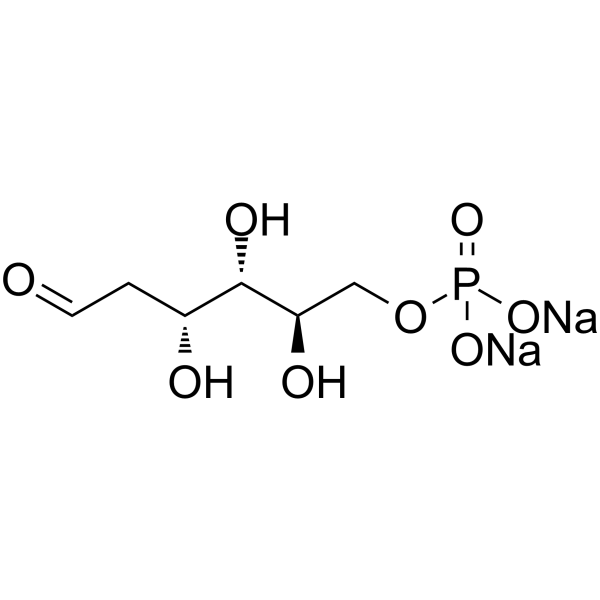
2-Deoxy-D-glucose 6-phosphate disodium is an ATP-competitive, 2-deoxy-D-glucose non-competitive Hexokinase inhibitor, with a Ki value of 1.45 mM against bovine heart hexokinase. 2-Deoxy-D-glucose 6-phosphate disodium exerts ATP-competitive and 2-deoxy-D-glucose non-competitive inhibitory effects on bovine heart hexokinase. 2-DG inhibits glycolysis via the production and intracellular accumulation of 2-Deoxy-D-glucose 6-phosphate disodium, thereby inhibiting the functions of hexokinase and Glucose-6-phosphate isomerase, and inducing cell death. 2-Deoxy-D-glucose 6-phosphate disodium can be used in cancer-related research .
|
-
-
- HY-107428
-
|
|
MMP
|
Cardiovascular Disease
|
|
PD-166793 is a potent, selective, orally active and wide-broad spectrum inhibitor of MMP, exhibiting nanomolar potency against MMP-2, MMP-3 and MMP-13 (IC50=4, 7, and 8 nM, respectively) and micromolar potency vs MMP-1, -7 and -9 (IC50=6.0, 7.2, and 7.9 μM, respectively). PD-166793 can attenuate left ventricular remodeling and dysfunction in a rat model of progressive heart failure .
|
-
-
- HY-18071
-
BI-9627
3 Publications Verification
|
Na+/H+ Exchanger (NHE)
Autophagy
|
Cardiovascular Disease
|
|
BI-9627, a chemical probe, is a potent sodium-hydrogen exchanger isoform 1 (NHE1) inhibitor (IC50 = 6 and 31 nM in intracellular pH recovery (pHi) and human platelet swelling assays). BI-9627 displays >30-fold selectivity against NHE2 and with no measurable inhibitory activity against the NHE3 isoform. BI-9627 decreases autophagy in HTR-8/SVneo cells. BI-9627 can significantly reduce the pHi of human sperm and partially reverse the effect of DMA. BI-9627 prolongs Ca 2+ recovery time in KO hiPSC-CMs. BI-9627 shows low DDI (agent-agent interaction) potential, excellent pharmacokinetics in rat and dog, and remarkably potent activity in the isolated heart model of ischemia-reperfusion injury .
|
-
-
- HY-B0384
-
|
|
Angiotensin-converting Enzyme (ACE)
|
Cardiovascular Disease
|
|
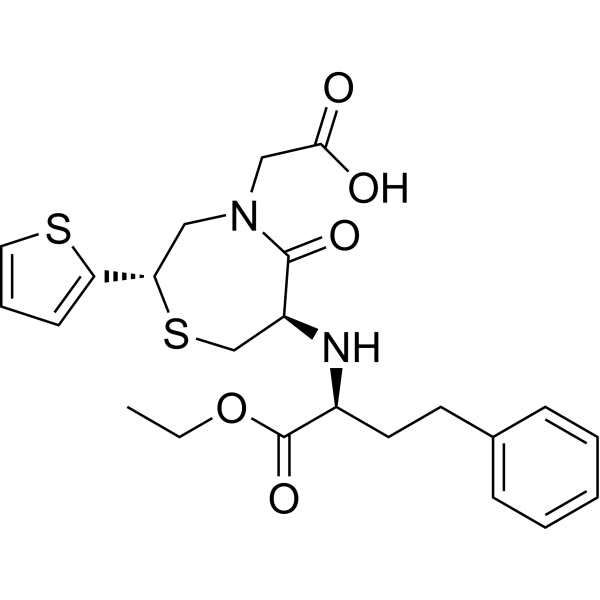
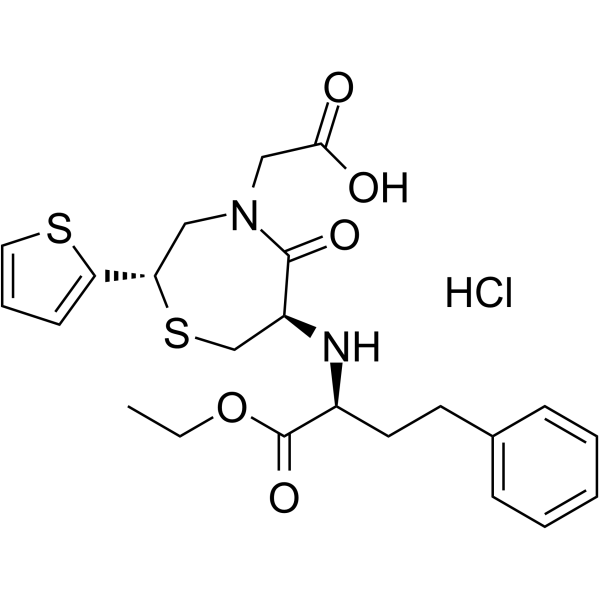
Temocapril hydrochloride is an orally active angiotensin-converting enzyme (ACE) inhibitor. Temocapril hydrochloride can be used for the research of hypertension, congestive heart failure, acute myocardial infarction, insulin resistance, and renal diseases .
|
-
-
- HY-P1130
-
|
Galanin-(2-13)-Glu-His-(Pro)3-(Ala-Leu)2-Ala-amide
|
Neuropeptide Y Receptor
|
Cardiovascular Disease
Neurological Disease
Inflammation/Immunology
Endocrinology
Cancer
|
|
M871 (Galanin-(2-13)-Glu-His-(Pro)3-(Ala-Leu)2-Ala-amide) is an orally active and selective galanin receptor type 2 (GalR2) antagonist. M871 exhibits Ki values of 13.1 nM, 420 nM and >10 μM for GalR2, GalR1 and GalR3 respectively. M871 relieves the mice allergic rhinitis by reducing IgE production, as well as the number of B cells in tissues. M871 can inhibit the nerve invasion of salivary adenoid cystic carcinoma (SACC) and alleviate myocardial ischemia-reperfusion injury. M871 can be used for research on GalR2-related diseases (such as epilepsy, pain) .
|
-
-
- HY-N0597
-
|
|
Others
Insulin Receptor
|
Cardiovascular Disease
Others
Metabolic Disease
Cancer
|
|
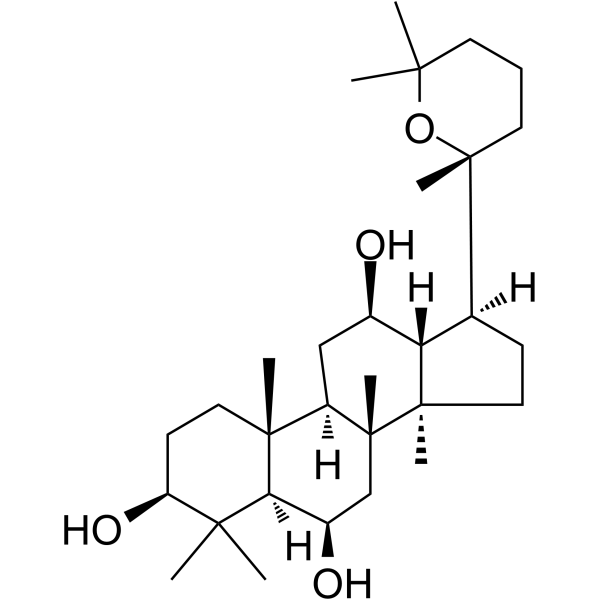
Panaxatriol is an orally active insulin sensitizer. Panaxatriol enhances the phosphorylation levels of Akt, insulin receptor and p70S6K in skeletal muscle. Panaxatriol reduces the mRNA expression level of Atrogin1 in skeletal muscle. Panaxatriol induces apoptosis, pre-G1 cell cycle arrest and increased intracellular ROS levels in prostate cancer cells, decreases mitochondrial membrane potential, inhibits cell migration and reduces colony formation. Panaxatriol can be used in research related to insulin resistance, myocardial ischemia/reperfusion injury and prostate cancer .
|
-
-
- HY-100713
-
|
|
Angiotensin-converting Enzyme (ACE)
|
Cardiovascular Disease
|
|
Temocapril is an orally active angiotensin-converting enzyme (ACE) inhibitor. Temocapril can be used for the research of hypertension, congestive heart failure, acute myocardial infarction, insulin resistance, and renal diseases .
|
-
-
- HY-P1519B
-
|
BNP (1-32), rat acetate
|
Angiotensin Receptor
|
Cardiovascular Disease
|
|
Brain Natriuretic Peptide (1-32), rat acetate (BNP (1-32), rat acetate) is a 32 amino acid polypeptide secreted by the ventricles of the heart in response to excessive stretching of heart muscle cells (cardiomyocytes) .
|
-
-
- HY-151229
-
|
DETC-Me; DDTC-Me; Diethyldithiocarbamic acid methyl ester
|
Aldehyde Dehydrogenase (ALDH)
|
Metabolic Disease
|
|
S-Methyl-N,N-diethylthiolcarbamate (DETC-Me; DDTC-Me) is the active metabolite of the aldehyde dehydrogenase inhibitor disulfiram (HY-B0240). It is produced by the methylation of the disulfiram metabolite diethyldithiocarbamate in mouse liver microsomes. S-Methyl-N,N-diethylthiolcarbamate (DETC-Me; DDTC-Me) inhibits rat liver low Km aldehyde dehydrogenase (ALDH) (ID50=15.5 mg/kg). When administered at a dose of 20.6 mg/kg, it decreases mean arterial pressure (MAP) and increases heart rate in rats during ethanol stimulation.
|
-
-
- HY-B1341
-
|
Enidrel; SC-4642; NSC 15432
|
Endogenous Metabolite
Progesterone Receptor
|
Cancer
|
|
Norethynodrel (Enidrel; SC-4642) is an orally active progestogen analog that reduces estrogen-like effects and enhances progestogen-like responses in endometrial stromal cells. Norethynodrel also promotes cell maturation and predecidual cell formation by inducing organelle hyperplasia and glycogen accumulation. Norethynodrel competitively inhibits drug-metabolizing enzymes in rat liver microsomes, thereby prolonging Pentobarbital sleep time, while exhibiting multiple effects including reduced body weight gain, attenuated heart rate elevation and ovulation inhibition. In mouse models, Norethynodrel significantly increases the incidence of mammary adenocarcinoma, cervical cancer and pituitary tumors. Norethynodrel can be used for mechanism research on related diseases such as mammary adenocarcinoma, cervical cancer, ovarian tubular adenoma and pituitary adenoma .
|
-
-
- HY-18071A
-
|
|
Na+/H+ Exchanger (NHE)
Autophagy
|
Cardiovascular Disease
|
|
BI-9627 hydrochloride is a potent sodium-hydrogen exchanger isoform 1 (NHE1) inhibitor (IC50 = 6 and 31 nM in intracellular pH recovery (pHi) and human platelet swelling assays). BI-9627 hydrochloride displays >30-fold selectivity against NHE2 and with no measurable inhibitory activity against the NHE3 isoform. BI-9627 hydrochloride decreases autophagy in HTR-8/SVneo cells. BI-9627 hydrochloride can significantly reduce the pHi of human sperm and partially reverse the effect of DMA. BI-9627 hydrochloride prolongs Ca 2+ recovery time in KO hiPSC-CMs. BI-9627 hydrochloride shows low DDI (agent-agent interaction) potential, excellent pharmacokinetics in rat and dog, and remarkably potent activity in the isolated heart model of ischemia-reperfusion injury .
|
-
-
- HY-18347
-
|
YM 087 free base
|
Vasopressin Receptor
|
Cardiovascular Disease
|
|
Conivaptan (YM 087 free base) is antagonist for vasopressin V1A receptor and vasopressin V2 receptor. Conivaptan ameliorates congestive heart failure, improves cardiac systolic function .
|
-
-
- HY-N1964A
-
|
|
Drug Derivative
|
Metabolic Disease
|
|
Gibberellic acid, suitable for plant cell culture (GA3, suitable for plant cell culture) is a natural plant growth regulator with oral bioactivity. Gibberellic acid, suitable for plant cell culture governs multiple plant developmental events, including seed germination, cell elongation, floral organ formation, and rice spikelet fertility. Gibberellic acid, suitable for plant cell culture optimizes root morphology and secondary metabolite production in Echinacea purpurea hairy roots, and serves as a bioactive seed priming agent to improve chilling stress tolerance in chickpea. Gibberellic acid, suitable for plant cell culture mediates modulation of enzyme activity and secondary metabolism in plants and exerts tissue-specific regulatory effects on antioxidant systems and lipid peroxidation in rats. Gibberellic acid, suitable for plant cell culture can be used in studies of plant growth, metabolism, and abiotic stress responses .
|
-
-
- HY-P1519
-
|
BNP (1-32), rat
|
Angiotensin Receptor
|
Cardiovascular Disease
|
|
Brain Natriuretic Peptide (1-32), rat (BNP (1-32), rat) is a 32 amino acid polypeptide secreted by the ventricles of the heart in response to excessive stretching of heart muscle cells (cardiomyocytes) .
|
-
-
- HY-P1573
-
-
-
- HY-B1486AS
-
-
-
- HY-163120
-
|
|
Myosin
|
Cardiovascular Disease
|
|
Myosin-IN-1 (compound F10) is a Myosin inhibitor that specifically targets cardiac myosin. Myosin-IN-1 stabilizes the biochemical and structural closed state of the cardiac myosin motor domain and reduces myocardial force production and calcium sensitivity in vitro. Myosin-IN-1 acts as a negative inotropic agent in isolated Langendroff-perfused rat hearts, reducing stress in isolated myofilaments and left ventricular pressure development. Myosin-IN-1 can be used in heart failure research .
|
-
-
- HY-122215
-
|
N-696
|
Adrenergic Receptor
|
Endocrinology
|
|
Tilisolol hydrochloride (N-696) is a non-selective β-adrenergic antagonist with vasodilatory and hypotensive activities. Tilisolol hydrochloride exerts its effects in canine coronary arteries by opening ATP-sensitive K+ channels. Tilisolol hydrochloride exhibits concentration-dependent relaxation in KCl-precontracted rat thoracic aorta. Tilisolol hydrochloride reduces diastolic blood pressure in a dose-dependent manner and slightly increases heart rate in spinal cord stimulated rats .
|
-
-
- HY-139409
-
|
|
Hexokinase
Glucose-6-Phosphate Isomerase (GPI)
|
Cancer
|
|
2-Deoxy-D-glucose 6-phosphate disodium is an ATP-competitive and 2-deoxy-D-glucose non-competitive Hexokinase inhibitor, with a Ki value of 1.45 mM against bovine heart hexokinase. 2-Deoxy-D-glucose 6-phosphate disodium exerts ATP-competitive and 2-deoxy-D-glucose non-competitive inhibitory effects on bovine heart hexokinase. 2-DG inhibits glycolysis via the generation and intracellular accumulation of 2-Deoxy-D-glucose 6-phosphate disodium, thereby inhibiting the functions of hexokinase and Glucose-6-phosphate isomerase, and inducing cell death. 2-Deoxy-D-glucose 6-phosphate disodium can be used in cancer-related research .
|
-
-
- HY-P990288
-
|
|
Integrin
Transmembrane Glycoprotein
|
Inflammation/Immunology
|
|
Anti-Mouse CD18 Antibody (M18/2) is a rat-derived IgG2a κ type antibody inhibitor, targeting to mouse CD18. Anti-Mouse CD18 Antibody (M18/2) can neutralize lymphocyte function-associated antigen 1 (LFA-1). Anti-Mouse CD18 Antibody (M18/2) can be used for the researches of immunology, such as heart transplantation .
|
-
-
- HY-B1277A
-
|
|
mAChR
Cholinesterase (ChE)
|
Cardiovascular Disease
Neurological Disease
|
|
Trihexyphenidyl is a selective and orally active M1 muscarinic receptor antagonist with an IC50 of 3.7 nM for rat cerebral cortex M1 muscarinic receptors. Trihexyphenidyl modulates cholinergic activity, countering acetylcholine supersensitivity in neural pathways. Trihexyphenidyl improves movement disorder, inhibits McN-A-343 (HY-107648)-induced pressor responses, vagally-induced bradycardia and vasodilatation. Trihexyphenidyl can be used for the research of Parkinson's disease. .
|
-
-
- HY-P3678
-
|
|
Neuropeptide Y Receptor
|
Cardiovascular Disease
Neurological Disease
|
|
Neuropeptide Y (18-36) (porcine) is a competitive neuropeptide Y (NPY) cardiac receptor antagonist. Neuropeptide Y (18-36) (porcine) inhibits the binding of I-NPY to cardiac ventricular membranes in a concentration-dependent manner with an IC50 value of 158 nM and an Ki value of 140 nM. Neuropeptide Y (18-36) (porcine) can be used for the research of congestive heart failure .
|
-
-
- HY-136903
-
|
|
Calcium Channel
Proteasome
Reactive Oxygen Species (ROS)
|
Cardiovascular Disease
Neurological Disease
Inflammation/Immunology
|
|
SNJ-1945 is an orally active Calpain inhibitor that can cross the blood-brain barrier. SNJ-1945 protects rat hearts against cardiac arrest-reperfusion injury by inhibiting the hydrolysis of α-fodrin. SNJ-1945 inhibits VEGF-induced angiogenesis in retinal endothelial cells. SNJ-1945 also protects SH-SY5Y cells from damage induced by MPP+ (HY-W008719) and Rotenone (HY-B1756). SNJ-1945 exhibits anti-inflammatory and neuroprotective activities in a mouse model of multiple sclerosis. SNJ-1945 can be used for the research of cardiovascular, nervous system and inflammatory diseases .
|
-
-
- HY-160076
-
|
|
Apelin Receptor (APJ)
|
Cardiovascular Disease
|
|
APJ receptor agonist 8 (compound 99) is an agonist of APJ receptor. APJ receptor agonist 8 increases the load independent cardiac contractility of isolated perfused rat hearts .
|
-
-
- HY-B1486A
-
|
Ba 39089 free base
|
Adrenergic Receptor
|
Cardiovascular Disease
|
|
Oxprenolol (Ba 39089 free base) is an orally bioavailable β-adrenergic receptor (β-AR) antagonist with a Ki of 7.10 nM in a radioligand binding assay using rat heart muscle .
|
-
-
- HY-P2636
-
|
Prepro CCK Fragment V-9-M
|
Histamine Receptor
|
Metabolic Disease
|
|
Cholecystokinin Precursor (24-32) (rat) is a cholecystokinin precursor that can be expressed in the heart, lungs, and kidneys as well as in the gastrointestinal tract and brain. Cholecystokinin is a brain-gut peptide that stimulates gallbladder contraction and pancreatic exocrine secretion and also acts as a neurotransmitter .
|
-
-
- HY-B1486S
-
|
Ba 39089-d7
|
Adrenergic Receptor
|
Cardiovascular Disease
|
|
Oxprenolol-d7 (hydrochloride) is the deuterium labeled Oxprenolol hydrochloride. Oxprenolol hydrochloride (Ba 39089) is an orally bioavailable β-adrenergic receptor (β-AR) antagonist with a Ki of 7.10 nM in a radioligand binding assay using rat heart muscle .
|
-
-
- HY-P10720
-
|
|
Endogenous Metabolite
|
Cardiovascular Disease
|
C-Type Natriuretic Peptide (1-53), Porcine, Rat, mouse is an activator of particulate guanylate cyclase B (pGC-B), which is highly expressed in endothelial cells, kidneys, and the heart. C-Type Natriuretic Peptide (1-53), Porcine, Rat, mouse can mediate a potent anti-fibrotic effect in human cardiac and renal fibroblasts by generating the second messenger cGMP .
|
-
-
- HY-105362
-
|
|
Endothelin Receptor
|
Cardiovascular Disease
|
|
PD 155080 is a selective endothelin A receptor (ETA receptor) antagonist. PD 155080 reduces coronary resistance in the isolated rat heart model. PD 155080 improves myocardial systolic function and diastolic function in the ischemia/reperfusion model. PD 155080 can be used for the study of cardiovascular diseases .
|
-
-
- HY-113322
-
|
3-Hydroxyquinidine
|
Drug Metabolite
|
Cardiovascular Disease
|
|
3-Hydroxyquinine is a metabolite of Quinidine (HY-B1751). 3-Hydroxyquinine prevents ventricular fibrillation and ventricular tachycardia after coronary reperfusion in an isolated rat heart reperfusion arrhythmia model in a concentration-dependent manner. 3-Hydroxyquinine can be used in the study of cardiac arrhythmias .
|
-
-
- HY-120321
-
|
|
Mineralocorticoid Receptor
Carbonic Anhydrase
|
Cardiovascular Disease
|
|
DSR-71167 is an orally active mineralocorticoid receptor (MR) antagonist with an IC50 of 0.26 μM. DSR-71167 exhibits weak carbonic anhydrase (CA) inhibitory activity with an IC50 of 19 μM. DSR-71167 can dose-dependently increase urinary sodium excretion in rat models and has a very low risk of hyperkalemia in potassium-loading rat models. DSR-71167 lowers systolic blood pressure in hypertensive rat models. DSR-71167 can be used for research on hypertension and heart failure .
|
-
- HY-100418
-
SKA-111
1 Publications Verification
|
Potassium Channel
|
Cardiovascular Disease
|
|
SKA-111 is a selective activator of potassium phannel KCa 3.1 , evokes KCa 3.1 membrane hyperpolarization in porcine endothelial cell. SKA-111 is capable of improving Bradykinin (HY-P0206)-induced coronary dilations in the isolated rat heart and can be used for cardiovascular disease research .
|
-
- HY-N13747
-
|
|
Myosin
PKC
Calcium Channel
|
Cardiovascular Disease
|
|
Chrysosplenol C is a type of flavonoid compound. Chrysosplenol C selectively activates cardiac myosin ATPase, with its EC50 being 45 µM. Chrysosplenol C enhances the release of intracellular calcium ions by activating protein kinase C (PKC), thereby increasing the contractility of rat ventricular muscle cells. Chrysosplenol C can be used in the research of heart failure .
|
-
- HY-133036
-
|
|
Apelin Receptor (APJ)
|
Cardiovascular Disease
|
|
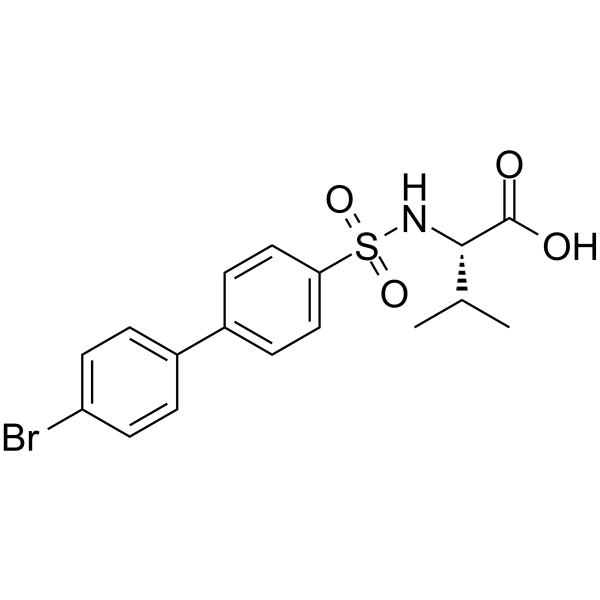
APJ receptor agonist 1, a biphenyl acid derivative, is a potent APJ receptor (APJ-R) agonist (EC50s 0.093 and 0.12 nM for human and rat APJ-R, respectively). APJ receptor agonist 1 displays in vitro potency to apelin-13, the endogenous peptidic ligand for the APJ receptor. APJ receptor agonist 1 has the potential for the research of heart failure .
|
-
- HY-101327
-
|
Corwin; ICI 118587
|
Adrenergic Receptor
|
Cardiovascular Disease
Neurological Disease
Metabolic Disease
|
|
Xamoterol (Corwin; ICI 118587) is an orally active and selective β1-adrenoceptor partial agonist. Xamoterol acts as agonist at low sympathetic tone, antagonist at high sympathetic tone, with context-dependent cardiovascular effects including modulated heart rate, blood pressure, and cardiac output. Xamoterol can be used for the research of heart failure, postural hypotension, and ischemic heart disease .
|
-
- HY-169940
-
|
|
HDAC
|
Inflammation/Immunology
|
|
Fibrostat (Compound 5n) is a selective HDAC6 inhibitor that exerts antifibrotic effects by inhibiting HDAC6 activity, with an IC50 value of 63 nM. It also exhibits good selectivity over HDAC1, HDAC3, HDAC5, HDAC8, HDAC10, and HDAC11. Fibrostat significantly downregulates fibrotic markers (fibronectin and collagen 1) in fibroblasts. Additionally, Fibrostat demonstrated no toxicity in rat-perfused heart and zebrafish larvae models. Fibrostat shows potential for research into fibrosis-related diseases .
|
-
- HY-14993R
-
|
|
Protease Activated Receptor (PAR)
Apoptosis
|
Cardiovascular Disease
|
|
SCH79797 (Standard) is the analytical standard of SCH79797. This product is intended for research and analytical applications. SCH79797 is a highly potent, selective nonpeptide protease activated receptor 1 (PAR1) antagonist. SCH79797 inhibits binding of a high-affinity thrombin receptor-activating peptide to PAR1 with an IC50 of 70 nM and a Ki of 35 nM. SCH79797 inhibits thrombin-induced platelet aggregation with an IC50 of 3 μM. SCH79797 has antiproliferative and pro-apoptotic effects, and limits myocardial ischemia/reperfusion injury in rat hearts. SCH79797 also potently prevents PAR1 activation in vascular smooth muscle cells, endothelial cells, and astrocytes .
|
-
- HY-162729
-
|
|
Histone Demethylase
Monoamine Oxidase
TGF-beta/Smad
|
Cardiovascular Disease
|
|
LSD1-IN-34 (Compound 7d) is the orally active inhibitor for Lysine-specific demethylase (LSD) and monoamine oxidase (MAO), with IC50 of 4.51 and 18.46 nM, for LSD1 and MAO A. LSD1-IN-34 inhibits the Ang II-induced neonatal rat myocardial fibroblasts (NRCFs) activation, without significant toxicity (20 μM). LSD1-IN-34 inhibits TGFβ/Smad signaling pathway, and ameliorates heart failure in mice. LSD1-IN-34 exhibits good pharmacokinetic characteristics in rats .
|
-
- HY-P1573A
-
-
- HY-120325
-
-
- HY-P2060
-
|
|
Renin
|
Cardiovascular Disease
|
|
CGP 44099 is a renin inhibitor. CGP 44099 can be used to study the ischemic injury and reperfusion arrhythmias in rat hearts .
|
-
- HY-U00136
-
-
- HY-165045
-
|
DG(15:0/15:0/0:0); 1,2-Dipentadecanoin
|
Endogenous Metabolite
|
Others
|
|
1,2-Dipentadecanoyl-rac-glycerol (DG(15:0/15:0/0:0)) is a compound mentioned in the study of the effects of insulin on 1,2-diacylglycerol in rat hearts. Insulin can increase the content of 1,2-diacylglycerol with a specific fatty acid composition in the heart, which may be related to cardiac contractility.
|
-
- HY-P3057
-
-
- HY-123187
-
|
|
JAK
|
Cardiovascular Disease
|
AS2553627 is a type of JAK inhibitor, with IC50 values of 0.46, 0.30, 0.14, and 2.0 nM for JAK1, JAK2, JAK3 and TYK2, respectively. AS2553627 can inhibit the proliferation of human and rat T cells stimulated by IL-2, with IC50 values of 2.4 and 4.3 nM, respectively. AS2553627 can reduce cardiac allograft vasculopathy and fibrosis in a rat heart transplant model, effectively extending survival rates. AS2553627 can be used to prevent acute and chronic rejection in heart transplants .
|
-
- HY-B1334AS
-
-
- HY-18211
-
|
|
Angiotensin-converting Enzyme (ACE)
|
Cardiovascular Disease
|
|
CGS 35601 is the inhibitor for endothelin-converting enzyme-1 (ECE-1), neutral endopeptidase 24.11 (NEP), and angiotensin-converting enzyme (ACE), with IC50s of 55, 2, and 22 nM, respectively. CGS 35601 suppresses the big endothelin-1 (big ET-1)- and angiotensin I-induced pressor response, and enhances circulation of atrial natriuretic peptide (ANP), regulates the cardiovascular function in SD rats .
|
-
- HY-N4080
-
|
|
mAChR
|
Inflammation/Immunology
|
|
Cyclobuxine D is a steroidal alkaloid extracted from Buxus microphylla. Cyclobuxine D has a significant bradycardic effect in the rat heart and an inhibitory action on acetylcholine and Ba ++−induced contraction of the longitudinal muscle isolated from the rabbit jejunum .
|
-
- HY-W008226R
-
|
2,4,6-trihydroxyacetophenone (Standard); 1-(2,4,6-Trihydroxyphenyl)ethanone (Standard)
|
Reference Standards
Cytochrome P450
Bacterial
Antibiotic
|
Infection
Metabolic Disease
|
|
Oxprenolol (hydrochloride) (Standard) is the analytical standard of Oxprenolol (hydrochloride). This product is intended for research and analytical applications. Oxprenolol hydrochloride (Ba 39089) is an orally bioavailable β-adrenergic receptor (β-AR) antagonist with a Ki of 7.10 nM in a radioligand binding assay using rat heart muscle .
|
-
- HY-B1486R
-
|
Ba 39089 (Standard)
|
Reference Standards
Adrenergic Receptor
|
Cardiovascular Disease
|
|
Oxprenolol (hydrochloride) (Standard) is the analytical standard of Oxprenolol (hydrochloride). This product is intended for research and analytical applications. Oxprenolol hydrochloride (Ba 39089) is an orally bioavailable β-adrenergic receptor (β-AR) antagonist with a Ki of 7.10 nM in a radioligand binding assay using rat heart muscle .
|
-
- HY-B0817S
-
|
|
Parasite
|
Infection
|
|
Pyridaben-d13 is the deuterium labeled Pyridaben . Pyridaben is a mitochondrial electron transport inhibitor (METI) acaricide that promotes the formation of damaging oxygen and nitrogen radicals. Pyridaben selectively inhibits complex I (NADH dehydrogenase) with an IC50 value of 2.4 nM (assay sites: rat liver and bovine heart mitochondria). Pyridaben also significantly inhibits rat mitochondrial mtNOS function .
|
-
- HY-A0171
-
|
Ba-30803 free base
|
5-HT Receptor
|
Neurological Disease
|
|
Benzoctamine is an orally active and potent psychoactive agent which possesses tranquillizing properties. Benzoctamine increases the turnover rate of catecholamines. Benzoctamine enhances the [3H]noradrenaline uptake in the rat heart. Benzoctamine also accelerated the disappearance of intracisternally injected [3H]noradrenaline .
|
-
- HY-B0817R
-
|
|
Reference Standards
Parasite
|
Infection
|
|
Pyridaben (Standard) is the analytical standard of Pyridaben. This product is intended for research and analytical applications. Pyridaben is a mitochondrial electron transport inhibitor (METI) acaricide that promotes the formation of damaging oxygen and nitrogen radicals. Pyridaben selectively inhibits complex I (NADH dehydrogenase) with an IC50 value of 2.4 nM (assay sites: rat liver and bovine heart mitochondria). Pyridaben also significantly inhibits rat mitochondrial mtNOS function .
|
-
- HY-171467
-
|
DPTN
|
Adenosine Receptor
|
Inflammation/Immunology
Cancer
|
|
MRS7799 is a selective A 3 Adenosine Receptor antagonist agsinst human, mouse, and rat A3AR with Kds of 0.55, 3.74 and 2.80 nM, respectively. MRS7799 can be used in the study of neurodegeneration, cancer, ischemia of the heart and brain, autoimmune inflammatory diseases .
|
-
- HY-N6020BR
-
|
|
Reference Standards
Others
|
Cardiovascular Disease
Inflammation/Immunology
|
|
Butin is a major biologically active flavonoid isolated from the heartwood of Dalbergia odorifera with oral activity, with strong antioxidant, antiplatelet and anti-inflammatory activities. Butin significantly alleviates myocardial infarction and improves heart function, together with prevents diabetes-induced cardiac oxidative damage in rat .
|
-
- HY-130748
-
|
|
PKC
Phosphodiesterase (PDE)
|
Infection
|
|
K-252d is an indolocarbazole alkaloid found in Nocardiopsis. It is a PKC inhibitor that inhibits PKC isolated from rat brain (IC50=350 nM). It also inhibits calcium- and calmodulin-dependent phosphodiesterase isolated from bovine heart (IC50=46.2 μM).
|
-
- HY-108998
-
|
|
Histone Methyltransferase
|
Cardiovascular Disease
|
|
Bisaramil hydrochloride is an antiarrhythmic compound with activity in inhibiting free radical generation. Bisaramil hydrochloride directly blocks sodium currents and exhibits enhanced sodium channel blocking ability. Bisaramil hydrochloride inhibits isoproterenol-induced slow calcium action potentials in cardiomyocytes. Bisaramil hydrochloride reduces heart rate and prolongs the PR, QRS, and QT intervals in the electrocardiogram, showing blocking effects on sodium and potassium channels. Bisaramil hydrochloride reduces cardiac conduction velocity, increases the threshold current for capture and atrial fibrillation, and prolongs the effective refractory period. Bisaramil hydrochloride reduces ventricular arrhythmias and eliminates mortality caused by ventricular fibrillation in ischemic rat hearts .
|
-
- HY-19240
-
|
BG9719; CVT-124
|
Adenosine Receptor
|
Cardiovascular Disease
|
|
Naxifylline (BG9719; CVT-124) is a potent and selective A1-adenosine antagonist with Ki values of 0.67 and 0.45 nM for rat and cloned human A1-receptors, respectively. Naxifylline is a potassium-sparing diuretic for the study of edema associated with congestive heart failure .
|
-
- HY-B0887BR
-
|
(-)-trans-NRDC-143 (Standard); (1S)-trans-Permethrin (Standard)
|
Insecticide
Reference Standards
|
Others
|
|
Atractyloside (potassium salt) (Standard) is the analytical standard of Atractyloside (potassium salt). This product is intended for research and analytical applications. Atractyloside potassium salt is a toxic diterpenoid glycoside that can be isolated from the fruits of Xanthium sibiricum. Atractyloside potassium salt is a powerful and specific inhibitor of mitochondrial ADP/ATP transport. Atractyloside potassium salt inhibits chloride channels from mitochondrial membranes of rat heart .
|
-
- HY-P1428A
-
|
|
Neuropeptide Y Receptor
|
Cardiovascular Disease
|
|
RFRP-1(human) TFA is a potent endogenous NPFF receptor agonist (EC50 values are 0.0011 and 29 nM for NPFF2 and NPFF1, respectively). Attenuates contractile function of isolated rat and rabbit cardiac myocytes. Reduces heart rate, stroke volume, ejection fraction and cardiac output, and increases plasma prolactin levels in rats.
|
-
- HY-136625
-
|
|
N-myristoyltransferase
|
Cardiovascular Disease
|
|
LY134046 is an inhibitor of norepinephrine N-methyltransferase (NMT) with cardiovascular activity. LY134046 causes sustained reductions in mean arterial blood pressure and heart rate, but no significant reductions in norepinephrine concentrations in the rat brain. LY134046 does not interact with adrenergic or cholinergic receptors, and its hypotensive and bradycardic effects do not require neurogenic tension. LY134046 (40 mg/kg/day) causes sustained and significant inhibition of hypothalamic and brainstem NMT activity, resulting in central norepinephrine depletion.
|
-
- HY-19310
-
|
|
Adenosine Receptor
|
Cardiovascular Disease
Metabolic Disease
|
|
AMP-579 is an adenosine receptor agonist that primarily targets adenosine A1 and A2A receptors (with Ki values of 1.7 and 4.5 nM for the A1 receptor in rat brain and adipocytes, and a Ki value of 56 nM for the A2A receptor in rat brain). AMP-579 inhibits lipolysis, restores insulin-dependent glucose transport, and reduces heart rate through the activation of A1 receptors, while it induces vasodilation, particularly in coronary arteries, through the activation of A2A receptors (with an IC50 of 0.3 μM in porcine coronary arterial rings). AMP 579 shows potential for application in cardioprotection and the treatment of acute myocardial infarction .
|
-
- HY-N1462R
-
|
|
Reference Standards
Chloride Channel
Autophagy
mTOR
AMPK
|
Cardiovascular Disease
Metabolic Disease
Cancer
|
|
Atractyloside (potassium salt) (Standard) is the analytical standard of Atractyloside (potassium salt). This product is intended for use in research and analytical applications. Atractyloside potassium salt is a powerful and specific inhibitor of mitochondrial ADP/ATP transport. Atractyloside potassium salt inhibits chloride channels from mitochondrial membranes of rat heart. Atractyloside potassium salt activates autophagy, inhibits ANT2, mTOR and promotes the activation of p-AMPK. Atractyloside potassium salt has anti-cancer effects on non-small cell lung cancer and can inhibit liver steatosis. Atractylodesin potassium salt has nephrotoxicity .
|
-
- HY-163735
-
|
|
Potassium Channel
|
Cardiovascular Disease
|
|
BA6b9 is an allosteric inhibitor of SK4 channels that targets the CaM–PIP2-binding domain with a IC50 value of 8.6 µM (WT SK4). BA6b9 inhibits SK4 channels by interacting with two specific residues, Arg191 and His192 in the S4–S5 linker. BA6b9 significantly prolongs atrial and atrioventricular effective refractory period (ERP) and reduces atrial fibrillation (AF) induction in rat isolated hearts, which has the potential to be used for the research of arrhythmia .
|
-
- HY-14994R
-
|
|
Protease Activated Receptor (PAR)
Apoptosis
|
Cardiovascular Disease
|
|
SCH79797 (dihydrochloride) (Standard) is the analytical standard of SCH79797 (dihydrochloride). This product is intended for research and analytical applications. SCH79797 dihydrochloride is a highly potent, selective nonpeptide protease activated receptor 1 (PAR1) antagonist. SCH79797 dihydrochloride inhibits binding of a high-affinity thrombin receptor-activating peptide to PAR1 with an IC50 of 70 nM and a Ki of 35 nM. SCH79797 dihydrochloride inhibits thrombin-induced platelet aggregation with an IC50 of 3 μM. SCH79797 dihydrochloride has antiproliferative and pro-apoptotic effects, and limits myocardial ischemia/reperfusion injury in rat hearts. SCH79797 dihydrochloride also potently prevents PAR1 activation in vascular smooth muscle cells, endothelial cells, and astrocytes .
|
-
- HY-100713R
-
|
|
Reference Standards
Angiotensin-converting Enzyme (ACE)
|
Cardiovascular Disease
|
|
Temocapril (Standard) is the analytical standard of Temocapril. This product is intended for research and analytical applications. Temocapril is an orally active angiotensin-converting enzyme (ACE) inhibitor. Temocapril can be used for the research of hypertension, congestive heart failure, acute myocardial infarction, insulin resistance, and renal diseases .
|
-
- HY-181063
-
|
|
Sodium Channel
|
Cardiovascular Disease
|
|
Nav1.5-IN-1 is a selective Nav1.5 inhibitor with an IC50 of 1.38 μM. Nav1.5-IN-1 shows selectivity over other Nav subtypes. Nav1.5-IN-1 reduces cardiac conduction in isolated rat hearts.Nav1.5-IN-1 can be used for the research of arrhythmias .
|
-
- HY-186083
-
|
|
mAChR
|
Cardiovascular Disease
|
|
Propylbenzilylcholine mustard (PrBCM) is an irreversible, covalently binding selective antagonist targeting rat cardiac muscarinic receptors, with a preference for muscarinic receptor subtypes that show low affinity for agonists. Propylbenzilylcholine mustard inactivates such receptors in a dose- and time-dependent manner in vitro, and its receptor selectivity remains stable across different ionic strengths and in GTP-containing buffer systems. Propylbenzilylcholine mustard can be applied to basic pharmacological studies on the structure and function of muscarinic receptors, especially focusing on the heterogeneity of cardiac muscarinic receptors and related cardiovascular pharmacological research .
|
-
- HY-165443
-
|
Nervocidine
|
Na+/K+ ATPase
|
Cardiovascular Disease
|
|
Cassaine (Nervocidine) is a Na +/K +-ATPase inhibitor. Cassaine stabilizes phosphorylated intermediates, slows spontaneous dephosphorylation and blocks potassium-stimulated dephosphorylation. Cassaine exhibits non-competitive inhibition with respect to K +, shows inhibition enhanced by Pi and antagonized by Na +. Cassaine induces positive inotropic effects in perfused hearts with faster inotropy offset. Cassaine can be used for research on cardiac arrhythmias .
|
-
- HY-W436366
-
|
|
GABA Receptor
Mitochondrial Metabolism
|
Cardiovascular Disease
|
|
SSR180575 is a specific and potent peripheral benzodiazepine receptor ligand. SSR180575 irreversibly and specifically binds with high affinity on rat heart mitochondria (Kd = 1.95 nM). SSR180575 can be used in the research of cardiovascular diseases .
|
-
- HY-149796
-
|
|
Adrenergic Receptor
|
Cardiovascular Disease
|
|
Tazolol is a specific β-adrenergic antagonist (IC50: 700 nM for (-) isoproterenol-elicited accumulation of cyclic AMP in rat cortical slices). Tazolol produces a significant and sustained increase in cardiac output and stroke volume. Tazolol can be used in the research of heart failure .
|
-
- HY-126862
-
|
|
mAChR
|
Others
|
|
AQ-RA 721 is a muscarinic receptor antagonist with differential affinity for the m4 and M2 sites, which can be used to characterize muscarinic receptor subtypes. Other muscarinic receptor antagonists have differential affinity for the M1 (rat cerebral cortex), M2 (rat heart), M3 (rat submandibular gland), m4 (receptor expressed in Chinese hamster ovary cells transfected with CHO), and guinea pig uterine smooth muscle at the muscarinic binding site .
|
-
- HY-101327AR
-
|
Corwin hemifumarate (Standard); ICI 118587 hemifumarate (Standard)
|
Adrenergic Receptor
Reference Standards
|
Cardiovascular Disease
Neurological Disease
Metabolic Disease
|
|
Xamoterol hemifumarate (Standard) is the analytical standard of Xamoterol hemifumarate (HY-101327A). This product is intended for research and analytical applications. Xamoterol (Corwin; ICI 118587) hemifumarate is an orally active and selective β1-adrenoceptor partial agonist. Xamoterol hemifumarate acts as agonist at low sympathetic tone, antagonist at high sympathetic tone, with context-dependent cardiovascular effects including modulated heart rate, blood pressure, and cardiac output. Xamoterol hemifumarate can be used for the research of heart failure, postural hypotension, and ischemic heart disease .
|
-
- HY-181822
-
|
|
Formyl Peptide Receptor (FPR)
Arrestin
PKA
Interleukin Related
|
Cardiovascular Disease
|
|
BMS-986331 is an orally active selective N-Formyl Peptide Receptor 2 (FPR2) agonist with an EC50 of 0.5 nM in humans and 1 nM in rats. BMS-986331 activates Gαi2, GαoA, Gα12, Gα13 signaling pathways, recruits β-arrestin1 and β-arrestin2, and inhibits downstream cAMP. BMS-986331 induces the expression and release of the pro-resolution cytokine IL-10. BMS-986331 improves cardiac structure and function in a rat model of heart failure induced by permanent coronary artery occlusion. BMS-986331 can be used for the research of heart failure .
|
-
- HY-114554
-
|
|
Phosphodiesterase (PDE)
PKC
Bacterial
|
Infection
|
|
KS 619-1 is a Ca 2+/calmodulin-dependent cyclic nucleotide phosphodiesterase inhibitor. KS 619-1 exhibits strong inhibitory activity against this enzyme derived from bovine brain and heart, but shows weak inhibitory effects on calmodulin-independent phosphodiesterase and protein kinase C. KS 619-1 displays weak antibacterial activity against Staphylococcus aureus .
|
-
- HY-182248
-
|
ST1326 chloride
|
Carnitine Palmitoyltransferase (CPT)
Acyltransferase
|
Metabolic Disease
|
|
Teglicar chloride (ST1326 chloride) is an orally active, reversible, mixed-type, selective inhibitor of hepatic carnitine palmitoyltransferase I (L-CPT I), with an IC50 of 1.1 μM against rat L-CPT I. Teglicar chloride reduces serum glucose levels. Teglicar chloride exhibits antiketotic activity in normal fasted rats. Teglicar chloride can be used in research related to type 2 diabetes and ketoacidosis .
|
-
- HY-107428R
-
|
|
Reference Standards
MMP
|
Cardiovascular Disease
|
|
PD-166793 (Standard) is the analytical standard of PD-166793 (HY-107428). This product is intended for research and analytical applications. PD-166793 is a potent, selective, orally active and wide-broad spectrum inhibitor of MMP, exhibiting nanomolar potency against MMP-2, MMP-3 and MMP-13 (IC50=4, 7, and 8 nM, respectively) and micromolar potency vs MMP-1, -7 and -9 (IC50=6.0, 7.2, and 7.9 μM, respectively). PD-166793 can attenuate left ventricular remodeling and dysfunction in a rat model of progressive heart failure .
|
-
- HY-183921
-
|
|
Calcium Channel
|
Cardiovascular Disease
Inflammation/Immunology
|
|
SQ 32547 is a dihydropyridine calcium channel inhibitor with antihypertensive and anti-ischemic activities. SQ 32547 modulates sarcolemmal voltage-dependent calcium channels to inhibit calcium influx, and exerts direct anti-ischemic activity by suppressing myocardial contracture formation and reducing lactate dehydrogenase (LDH) release. SQ 32547 can be used in research related to hypertension, angina pectoris and neurogenic inflammation .
|
-
- HY-P990823
-
|
|
PD-1/PD-L1
|
Infection
Metabolic Disease
Inflammation/Immunology
Cancer
|
|
Anti-Mouse PD-L1/B7-H1 Antibody (10F.2H11) is rat-derived IgG2b κ type antibody inhibitor, targeting to PD-L1/B7-H1. Anti-Mouse PD-L1/B7-H1 Antibody (10F.2H11) can block PD-L1/ B7-1 interactions and does not block PD-L1/PD-1 interactions. Anti-Mouse PD-L1/B7-H1 Antibody (10F.2H11) can be used for the researches of cancer, infection, immunology and metabolic disease, such as MB49 tumor, heart graft and diabetes .
|
-
- HY-B0384R
-
|
|
Angiotensin-converting Enzyme (ACE)
Reference Standards
|
Cardiovascular Disease
|
|
Temocapril (hydrochloride) (Standard) is the analytical standard of Temocapril (hydrochloride). This product is intended for research and analytical applications. Temocapril hydrochloride is an orally active angiotensin-converting enzyme (ACE) inhibitor. Temocapril hydrochloride can be used for the research of hypertension, congestive heart failure, acute myocardial infarction, insulin resistance, and renal diseases .
|
-
- HY-182301
-
|
|
Renin
|
Cardiovascular Disease
|
|
CP 71362 is a renin inhibitor, a highly potent substrate-analog transition state mimic with antihypertensive properties. CP 71362 exhibits significant inhibitory activity against plasma renin from rats, dogs, and humans (IC50 values are 3 nM, 0.0033 nM, and 20 nM, respectively). CP 71362 reduces the mean arterial pressure of anesthetized and conscious sodium-depleted animals in a dose-dependent manner, and has pharmacokinetic characteristics of rapid elimination and short duration of action. CP 71362 can be used in research related to hypertension and congestive heart failure .
|
-
- HY-E70394
-
|
Acetonyl-coenzyme A
|
Biochemical Assay Reagents
N-myristoyltransferase
|
Metabolic Disease
|
|
S-Acetonyl-CoA (Acetonyl-coenzyme A) is a non-reactive structural analog of acetyl-CoA that acts as a competitive inhibitor against multiple target enzymes. S-Acetonyl-CoA lacks the characteristic thioester group of acetyl-CoA, retaining only a thioether structure. S-Acetonyl-CoA competes with acetyl-CoA for binding to citrate synthase, phosphate transacetylase, carnitine acetyltransferase, and N-myristoyltransferase 1. S-Acetonyl-CoA serves as a reagent for investigating acetyl-CoA-dependent physiological processes .
|
-
| Cat. No. |
Product Name |
Type |
-
- HY-N1964A
-
|
|
Biochemical Assay Reagents
|
|
Gibberellic acid, suitable for plant cell culture (GA3, suitable for plant cell culture) is a natural plant growth regulator with oral bioactivity. Gibberellic acid, suitable for plant cell culture governs multiple plant developmental events, including seed germination, cell elongation, floral organ formation, and rice spikelet fertility. Gibberellic acid, suitable for plant cell culture optimizes root morphology and secondary metabolite production in Echinacea purpurea hairy roots, and serves as a bioactive seed priming agent to improve chilling stress tolerance in chickpea. Gibberellic acid, suitable for plant cell culture mediates modulation of enzyme activity and secondary metabolism in plants and exerts tissue-specific regulatory effects on antioxidant systems and lipid peroxidation in rats. Gibberellic acid, suitable for plant cell culture can be used in studies of plant growth, metabolism, and abiotic stress responses .
|
| Cat. No. |
Product Name |
Target |
Research Area |
-
- HY-P0203
-
|
CGRP (83-119), mouse, rat
|
CGRP Receptor
|
Cardiovascular Disease
Metabolic Disease
Inflammation/Immunology
|
|
α-CGRP (mouse, rat), a neuropeptide (calcitonin gene-related peptide (CGRP)) mainly expressed in neuromuscular junction, is a potent vasodilator. α-CGRP (mouse, rat) can lead to a fall in blood pressure and an increase in heart rate by peripheral administration, also relax colonie smooth muscle. α-CGRP (mouse, rat) has the potential in cardiovascular, pro-inflammatory, migraine and metabolic studies .
|
-
- HY-W016733
-
|
H-D-Cit-OH
|
Endogenous Metabolite
|
Cardiovascular Disease
|
|
D-Citrulline (H-D-Cit-OH) is a stereoisomer of L-citrulline (HY-N0391). D-Citrulline significantly attenuates polymorphonuclear leukocyte (PMN)-induced cardiac contractile dysfunction in the isolated perfused rat heart subjected to ischemia/reperfusion via a non-NO-mediated mechanism .
|
-
- HY-P5712
-
|
Gramicidin soviet
|
Antibiotic
Bacterial
Na+/K+ ATPase
|
Infection
|
|
Gramicidin S (Gramicidin soviet) is a cationic cyclic peptide antibiotic that selectively targets bacterial cell membranes and has anticancer activity. Gramicidin S also exerts antibacterial activity by destroying membrane integrity and interfering with membrane protein function. Gramicidin S inserts into the phospholipid bilayer through hydrophobic amino acid residues, specifically binds to negatively charged membrane lipids and disrupts membrane structure, thereby inhibiting cell division and cell wall synthesis, and ultimately causing bacterial death. Gramicidin S also inhibits ion channels, with IC50s of 41 μM, 24 μM, and 3 μM for Na +/K +-ATPase, tobacco leaf plasma membrane Mg 2+/K +-ATPase, and rat heart plasma membrane Ca 2+-ATPase, respectively .
|
-
- HY-P0203A
-
|
CGRP (83-119), mouse, rat TFA
|
CGRP Receptor
|
Cardiovascular Disease
Metabolic Disease
Inflammation/Immunology
|
|
α-CGRP (mouse, rat) TFA, a neuropeptide (calcitonin gene-related peptide (CGRP)) mainly expressed in neuromuscular junction, is a potent vasodilator. α-CGRP (mouse, rat) TFA can lead to a fall in blood pressure and an increase in heart rate by peripheral administration, also relax colonie smooth muscle. α-CGRP (mouse, rat) TFA has the potential in cardiovascular, pro-inflammatory, migraine and metabolic studies .
|
-
- HY-P1130
-
|
Galanin-(2-13)-Glu-His-(Pro)3-(Ala-Leu)2-Ala-amide
|
Neuropeptide Y Receptor
|
Cardiovascular Disease
Neurological Disease
Inflammation/Immunology
Endocrinology
Cancer
|
|
M871 (Galanin-(2-13)-Glu-His-(Pro)3-(Ala-Leu)2-Ala-amide) is an orally active and selective galanin receptor type 2 (GalR2) antagonist. M871 exhibits Ki values of 13.1 nM, 420 nM and >10 μM for GalR2, GalR1 and GalR3 respectively. M871 relieves the mice allergic rhinitis by reducing IgE production, as well as the number of B cells in tissues. M871 can inhibit the nerve invasion of salivary adenoid cystic carcinoma (SACC) and alleviate myocardial ischemia-reperfusion injury. M871 can be used for research on GalR2-related diseases (such as epilepsy, pain) .
|
-
- HY-P1519B
-
|
BNP (1-32), rat acetate
|
Angiotensin Receptor
|
Cardiovascular Disease
|
|
Brain Natriuretic Peptide (1-32), rat acetate (BNP (1-32), rat acetate) is a 32 amino acid polypeptide secreted by the ventricles of the heart in response to excessive stretching of heart muscle cells (cardiomyocytes) .
|
-
- HY-P1519
-
|
BNP (1-32), rat
|
Angiotensin Receptor
|
Cardiovascular Disease
|
|
Brain Natriuretic Peptide (1-32), rat (BNP (1-32), rat) is a 32 amino acid polypeptide secreted by the ventricles of the heart in response to excessive stretching of heart muscle cells (cardiomyocytes) .
|
-
- HY-P1573
-
-
- HY-P5490
-
|
NPQ 53-70
|
Peptides
|
Others
|
|
Spexin-2 (53-70), human,mouse,rat (NPQ 53-70) is a biological active peptide. (This is Spexin-2 (53-70), non-amidated version of the novel peptide hormone that is derived from prohormone proNPQ and is conserved amongst mammalian species. It is a central modulator of cardiovascular and renal function. Spexin-2, when administered to rats, decreases heart rate and increases urine flow rate)
|
-
- HY-P3678
-
|
|
Neuropeptide Y Receptor
|
Cardiovascular Disease
Neurological Disease
|
|
Neuropeptide Y (18-36) (porcine) is a competitive neuropeptide Y (NPY) cardiac receptor antagonist. Neuropeptide Y (18-36) (porcine) inhibits the binding of I-NPY to cardiac ventricular membranes in a concentration-dependent manner with an IC50 value of 158 nM and an Ki value of 140 nM. Neuropeptide Y (18-36) (porcine) can be used for the research of congestive heart failure .
|
-
- HY-P2636
-
|
Prepro CCK Fragment V-9-M
|
Histamine Receptor
|
Metabolic Disease
|
|
Cholecystokinin Precursor (24-32) (rat) is a cholecystokinin precursor that can be expressed in the heart, lungs, and kidneys as well as in the gastrointestinal tract and brain. Cholecystokinin is a brain-gut peptide that stimulates gallbladder contraction and pancreatic exocrine secretion and also acts as a neurotransmitter .
|
-
- HY-P10720
-
|
|
Endogenous Metabolite
|
Cardiovascular Disease
|
C-Type Natriuretic Peptide (1-53), Porcine, Rat, mouse is an activator of particulate guanylate cyclase B (pGC-B), which is highly expressed in endothelial cells, kidneys, and the heart. C-Type Natriuretic Peptide (1-53), Porcine, Rat, mouse can mediate a potent anti-fibrotic effect in human cardiac and renal fibroblasts by generating the second messenger cGMP .
|
-
- HY-P1573A
-
-
- HY-P2060
-
|
|
Renin
|
Cardiovascular Disease
|
|
CGP 44099 is a renin inhibitor. CGP 44099 can be used to study the ischemic injury and reperfusion arrhythmias in rat hearts .
|
-
- HY-P3057
-
-
- HY-P1428A
-
|
|
Neuropeptide Y Receptor
|
Cardiovascular Disease
|
|
RFRP-1(human) TFA is a potent endogenous NPFF receptor agonist (EC50 values are 0.0011 and 29 nM for NPFF2 and NPFF1, respectively). Attenuates contractile function of isolated rat and rabbit cardiac myocytes. Reduces heart rate, stroke volume, ejection fraction and cardiac output, and increases plasma prolactin levels in rats.
|
| Cat. No. |
Product Name |
Target |
Research Area |
Image |
-
- HY-P990288
-
|
|
Integrin
Transmembrane Glycoprotein
|
Inflammation/Immunology
|
|
Anti-Mouse CD18 Antibody (M18/2) is a rat-derived IgG2a κ type antibody inhibitor, targeting to mouse CD18. Anti-Mouse CD18 Antibody (M18/2) can neutralize lymphocyte function-associated antigen 1 (LFA-1). Anti-Mouse CD18 Antibody (M18/2) can be used for the researches of immunology, such as heart transplantation .
|
-
(5)
-
- HY-P990823
-
|
|
PD-1/PD-L1
|
Infection
Metabolic Disease
Inflammation/Immunology
Cancer
|
|
Anti-Mouse PD-L1/B7-H1 Antibody (10F.2H11) is rat-derived IgG2b κ type antibody inhibitor, targeting to PD-L1/B7-H1. Anti-Mouse PD-L1/B7-H1 Antibody (10F.2H11) can block PD-L1/ B7-1 interactions and does not block PD-L1/PD-1 interactions. Anti-Mouse PD-L1/B7-H1 Antibody (10F.2H11) can be used for the researches of cancer, infection, immunology and metabolic disease, such as MB49 tumor, heart graft and diabetes .
|
-
(5)
| Cat. No. |
Product Name |
Category |
Target |
Chemical Structure |
| Cat. No. |
Product Name |
Chemical Structure |
-
- HY-B1486AS
-
|
|
|
Oxprenolol-d7 is the deuterium labeled Oxprenolol. Oxprenolol (Ba 39089 free base) is an orally bioavailable β-adrenergic receptor (β-AR) antagonist with a Ki of 7.10 nM in a radioligand binding assay using rat heart muscle .
|
-
-
- HY-B1486S
-
|
|
|
Oxprenolol-d7 (hydrochloride) is the deuterium labeled Oxprenolol hydrochloride. Oxprenolol hydrochloride (Ba 39089) is an orally bioavailable β-adrenergic receptor (β-AR) antagonist with a Ki of 7.10 nM in a radioligand binding assay using rat heart muscle .
|
-
-
- HY-B1334AS
-
|
|
|
Perhexiline-d11 (maleate) is the deuterium labeled Perhexiline maleate. Perhexiline maleate is a potent carnitine palmitoyltransferase 1 (CPT 1) inhibitor with IC50s of 77 and 148 μM for rat heart and liver CPT 1, respectively.
|
-
-
- HY-B0817S
-
|
|
|
Pyridaben-d13 is the deuterium labeled Pyridaben . Pyridaben is a mitochondrial electron transport inhibitor (METI) acaricide that promotes the formation of damaging oxygen and nitrogen radicals. Pyridaben selectively inhibits complex I (NADH dehydrogenase) with an IC50 value of 2.4 nM (assay sites: rat liver and bovine heart mitochondria). Pyridaben also significantly inhibits rat mitochondrial mtNOS function .
|
-
| Cat. No. |
Product Name |
|
Classification |
-
- HY-B1341
-
|
Enidrel; SC-4642; NSC 15432
|
|
Alkynes
|
|
Norethynodrel (Enidrel; SC-4642) is an orally active progestogen analog that reduces estrogen-like effects and enhances progestogen-like responses in endometrial stromal cells. Norethynodrel also promotes cell maturation and predecidual cell formation by inducing organelle hyperplasia and glycogen accumulation. Norethynodrel competitively inhibits drug-metabolizing enzymes in rat liver microsomes, thereby prolonging Pentobarbital sleep time, while exhibiting multiple effects including reduced body weight gain, attenuated heart rate elevation and ovulation inhibition. In mouse models, Norethynodrel significantly increases the incidence of mammary adenocarcinoma, cervical cancer and pituitary tumors. Norethynodrel can be used for mechanism research on related diseases such as mammary adenocarcinoma, cervical cancer, ovarian tubular adenoma and pituitary adenoma .
|
Your information is safe with us. * Required Fields.
Inquiry Information
- Product Name:
- Cat. No.:
- Quantity:
- MCE Japan Authorized Agent:

