

1. Search Result
Search Result
Results for "

receptor binding domain

" in MedChemExpress (MCE) Product Catalog:

163

Inhibitors & Agonists

1

Biochemical Assay Reagents

17

Peptides

29

Inhibitory Antibodies

6

Natural
Products

2

Recombinant Proteins

1

Isotope-Labeled Compounds

3

Antibodies

1

Click Chemistry

Cat. No. Product Name Target Research Areas Chemical Structure
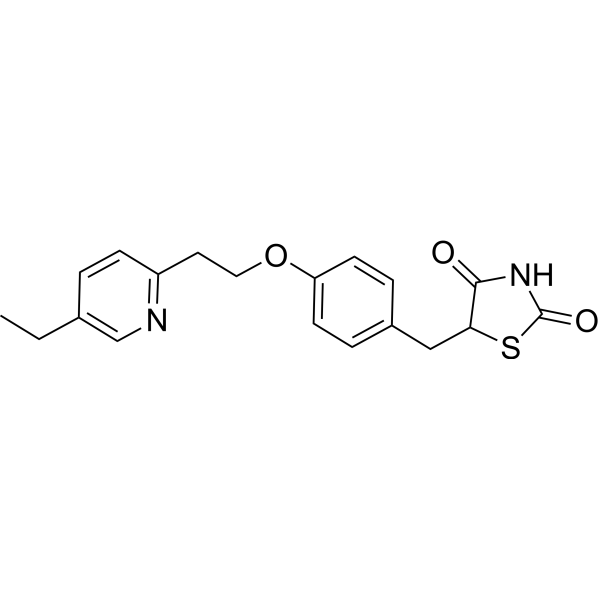
  • HY-13956
    Pioglitazone
    Maximum Cited Publications
    47 Publications Verification

    U 72107

    PPAR Ferroptosis Metabolic Disease Cancer
    Pioglitazone (U 72107) is an orally active and selective PPARγ (peroxisome proliferator-activated receptor) agonist with high affinity binding to the PPARγ ligand-binding domain with EC50 of 0.93 and 0.99 μM for human and mouse PPARγ, respectively. Pioglitazone can be used in diabetes research .
    Pioglitazone
  • HY-109176
    Giredestrant
    5 Publications Verification

    GDC-9545; RG6171

    Estrogen Receptor/ERR Cancer
    Giredestrant (GDC-9545), a non-steroidal estrogen receptor (ER) ligand, is an orally active and selective ER antagonist. Giredestrant potently competes with Estradiol for binding and induces a conformational change within the ER ligand binding domain. Giredestrant has anti-tumor activity .
    Giredestrant
  • HY-14422
    SR1078
    10+ Cited Publications

    ROR Cancer
    SR1078 is a selective agonist of retinoic acid receptor-related orphan receptor α/γ (RORα/RORγ). SR1078 directly binds to the ligand binding domain of RORα and RORγ and increases the transcriptional activity of these receptors, leading to stimulation of RORα/γ target gene transcription .
    SR1078
  • HY-10799
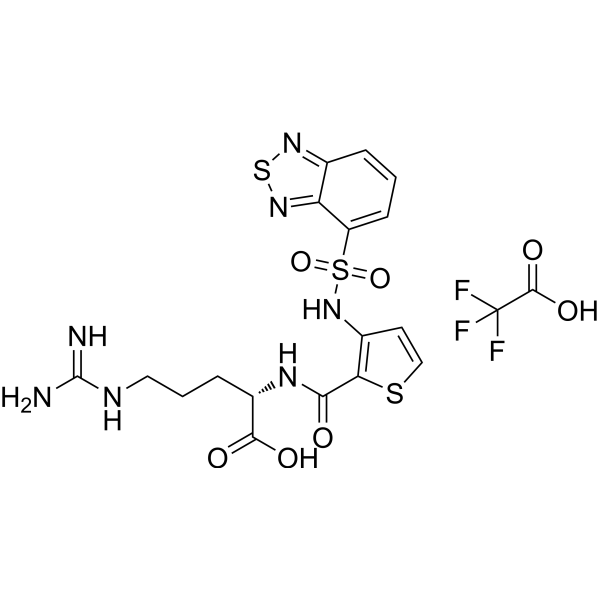
    EG00229 trifluoroacetate
    10+ Cited Publications

    Complement System Cancer
    EG00229 is a neuropilin 1 (NRP1) receptor antagonist. EG00229 selectively inhibits VEGF-A binding to NRP1 b1 domain with an IC50 of 3 μM, but has no effect on VEGFA binding to VEGFR-1 and VEGFR-2 .
    EG00229 trifluoroacetate
  • HY-P99339

    IMCgp100

    Interleukin Related TNF Receptor Cancer
    Tebentafusp (IMCgp100) is a bispecific fusion protein to target gp100 peptide-HLA-A*02:01 (a melanoma-associated antigen). Tebentafusp guides T cells to kill gp100-expressing tumor cells via a high affinity T-cell receptor (TCR) binding domain and an anti-CD3 T-cell engaging domain. Tebentafusp leads to inflammatory cytokines and cytolytic proteins production, resulting in the direct lysis of tumour cells .
    Tebentafusp
  • HY-122611A
    CSRM617 hydrochloride
    1 Publications Verification

    Androgen Receptor Apoptosis Cancer
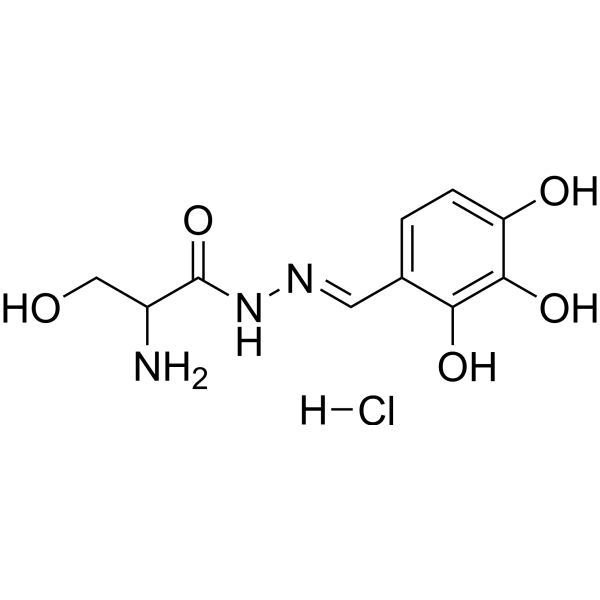
    CSRM617 hydrochloride is a selective small-molecule inhibitor of the transcription factor ONECUT2 (OC2, a master regulator of androgen receptor) with a Kd of 7.43 uM in SPR assays, binding to OC2-HOX domain directly. CSRM617 hydrochloride induces apoptosis by appearance of cleaved Caspase-3 and PARP. CSRM617 hydrochloride is well tolerated in the prostate cancer mouse model
    CSRM617 hydrochloride
  • HY-23999
    BI-0115
    2 Publications Verification

    LOX-1 Cardiovascular Disease
    BI-0115 is a selective inhibitor of LOX-1 (IC50=5.4 μM) that blocks cellular uptake of oxLDL. BI-0115 binding triggers receptor inhibition by formation of dimers of the homodimeric ligand binding domain .
    BI-0115
  • HY-100691
    NOD-IN-1
    5+ Cited Publications

    NOD-like Receptor (NLR) Inflammation/Immunology
    NOD-IN-1 is a potent mixed inhibitor of nucleotide-binding oligomerization domain (NOD)-like receptors, NOD1 and NOD2, with IC50 of 5.74 μM and 6.45 μM, respectively.
    NOD-IN-1
  • HY-120087

    MOFs HIF/HIF Prolyl-Hydroxylase Cancer
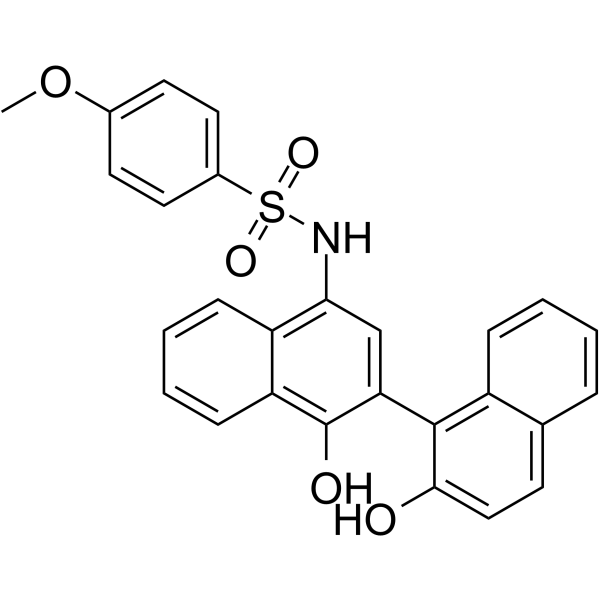
    KG-548 is an ARNT/TACC3 disruptor and a HIF-1α inhibitor. KG-548 directly interferes with ARNT/TACC3 complex formation by competing with TACC3 for binding to the ARNT PAS-B domain. ARNT is the aryl hydrocarbon receptor nuclear translocator, also known as HIF-β .
    KG-548
  • HY-P99556

    AZD8895; COV2-2196

    SARS-CoV Infection
    Tixagevimab (AZD8895) is a human monoclonal antibody that targets the SARS-CoV-2 receptor binding domain (RBD). It exhibits neutralizing activity against SARS-CoV-2 by binding to the RBD and the S-glycoprotein ectodomain and blocking S-glycoprotein-mediated binding to the receptor .
    Tixagevimab
  • HY-132205

    Estrogen Receptor/ERR Metabolic Disease
    DS45500853 is an estrogen-related receptor α (ERRα) agonist. DS45500853 inhibits the binding between receptor-interacting protein 140 (RIP140) corepressor peptide (10 nM) and GST-ERRα ligand-binding domain (LBD; 1.2 μM) with an IC50 value of 0.80 μM. DS45500853 can be used for the research of metabolic disorders, including type 2 diabetes mellitus (T2DM) .
    DS45500853
  • HY-P99155

    2F8; HUMAX-EGFR

    EGFR Cancer
    Zalutumumab is a high affinity, completely human IgG1 monoclonal antibody targeting EGFR. Zalutumumab binds to domain III of the EGF receptor and acts by blocking the binding of EGF and by sterically interfering with the active conformation of the receptor. Zalutumumab binds with IgG and its Fab fragment with EC50s of 7 and 19 nM, respectively. Zalutumumab can be used for the research of cancer .
    Zalutumumab
  • HY-122616

    Trk Receptor Neurological Disease
    PF-06273340 is a peripherally restricted pan-Trk inhibitor with IC50 values of 6, 4, 3 nM for TrkA, TrkB, and TrkC receptors. PF-06273340 binds in a DFG-out conformation, targeting less conserved kinase ligand binding domain regions outside the ATP binding pocket. PF-06273340 exhibits anti-hyperalgesic and analgesic effects. PF-06273340 can be used for the research of pain .
    PF-06273340
  • HY-136242

    Estrogen Receptor/ERR Endocrinology Cancer
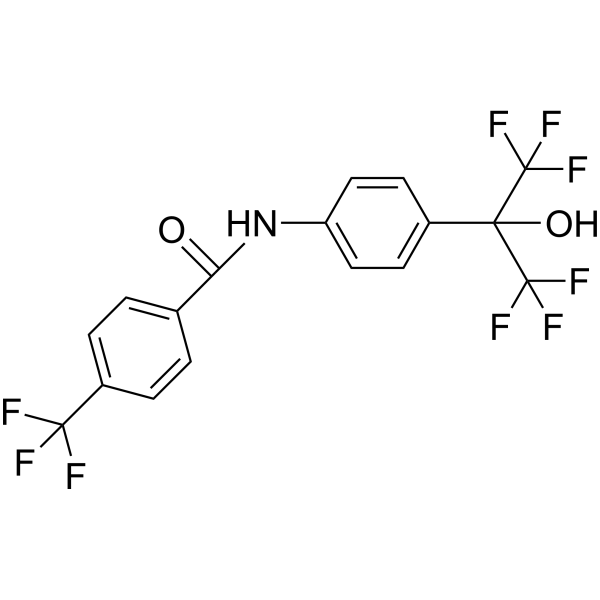
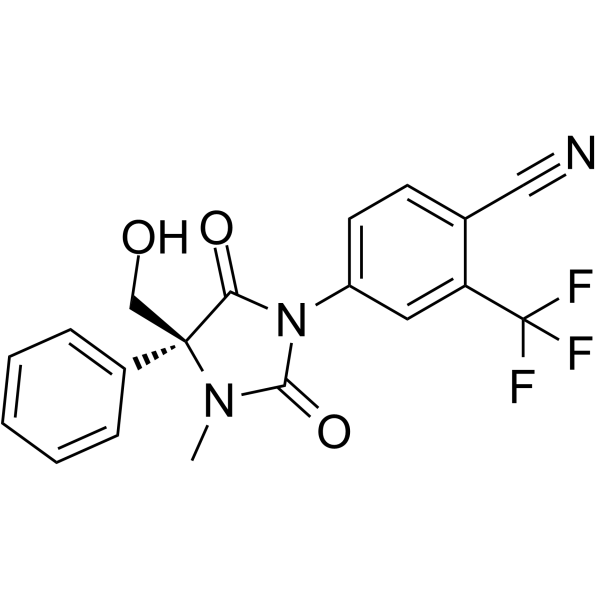
    UT-34 is a potent, selective, orally bioactive second-generation pan-androgen receptor (AR) antagonist and degrader, with IC50 values of 211.7 nM, 262.4 nM, and 215.7 nM for wild-type AR, F876L-AR, and W741L-AR, respectively. UT-34 binds to the ligand-binding domain (LBD) and functional 1 (AF-1) domain of AR and requires the ubiquitin-proteasome pathway for AR degradation. UT-34 has anti-prostate cancer effects.
    UT-34
  • HY-P2975

    Mouse laminin (Engelbreth-Holm-Swarm murine sarcoma basement membrane)

    Endogenous Metabolite Biochemical Assay Reagents Neurological Disease
    Laminin (Engelbreth-Holm-Swarm murine sarcoma basement membrane) is a crucial structural element in animal tissues, forming part of the scaffolding that supports tissue architecture. It interacts with type IV collagen through entactin and perlecan, connects to cell membranes via integrin receptors, dystroglycan complexes, and Lutheran blood group glycoproteins, and contains functional domains that facilitate collagen binding, cell adhesion, heparin interaction, and promote neurite outgrowth.
    Laminin (Engelbreth-Holm-Swarm murine sarcoma basement membrane)
  • HY-W587839

    Pregnane X Receptor (PXR) Endocrinology
    4,8-Dioxa-3H-perfluorononanoic acid is an ether-substituted polyfluoroalkyl compound and also a ligand of human pregnane X receptor (hPXR), which binds to the ligand-binding domain of hPXR. 4,8-Dioxa-3H-perfluorononanoic acid targets Arg-410, Lys-210, Lys-226, Met-323 and His-327 residues. Its binding process relies on long-range electrostatic interactions, and no significant hydrogen bonds form with hPXR residues. 4,8-Dioxa-3H-perfluorononanoic acid is used as a substitute for PFOA in Germany. 4,8-Dioxa-3H-perfluorononanoic acid is detectable in environmental matrices such as river water near fluoride production plants, accumulates in organisms including grass, deer liver and locusts, and is present in plasma samples of populations in southern Germany .
    4,8-Dioxa-3H-perfluorononanoic acid
  • HY-18102
    GLPG0492
    5+ Cited Publications

    Androgen Receptor Neurological Disease
    GLPG0492 is an orally active, non-steroidal selective androgen receptor modulator. GLPG0492 exerts functional transactivation by binding to the ligand-binding domain of the receptor, exhibiting preferential partial agonist activity in muscle and bone tissues with low activity in reproductive tissues. GLPG0492 effectively counteracts muscle atrophy-related pathways, significantly enhances muscle strength, maintains motor ability, reduces fibrosis and improves electrophysiological parameters. GLPG0492 prevents immobilization-induced muscle atrophy and regulates muscle mass homeostasis, serving as a valuable tool compound for studies on Duchenne muscular dystrophy, muscle loss and various types of disuse musculoskeletal atrophy .
    GLPG0492
  • HY-138283
    MR837
    1 Publications Verification

    Histone Methyltransferase Cancer
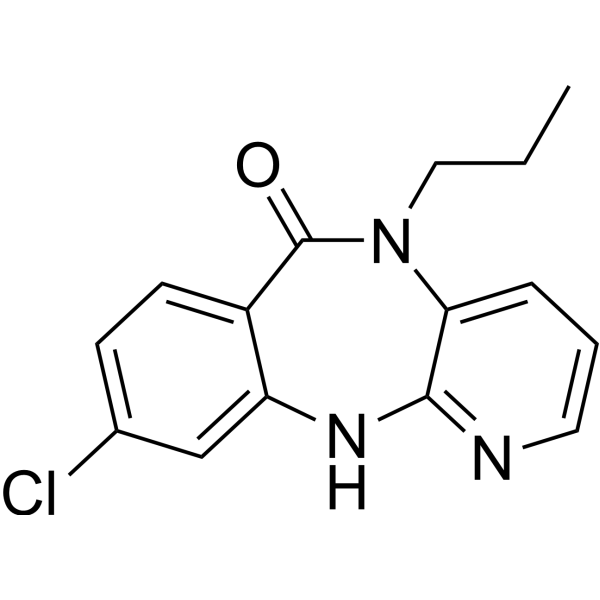
    MR837 is an inhibitor of NSD2-PWWP1. MR837 can bind with human nuclear receptor binding SET domain protein 2 (PWWP domain) .
    MR837
  • HY-P991055

    RG-6234; RO-7425781

    CD3 Inflammation/Immunology
    Forimtamig (RG-6324) is a GPRC5DxCD3 T-cell-engaging bispecific antibody. Forimtamig has a 2 + 1 format, comprising two high-affinity GPRC5D binding moieties and one CD3 binder. Forimtamig further features a P329G LALA mutated Fc domain that inhibits Fcγ receptor and C1q binding, yet retains binding to the neonatal Fc receptor. The isotype control for Forimtamig can refer to Human IgG1 kappa, Isotype Control (HY-P99001) .
    Forimtamig
  • HY-P0295

    GRGDS

    Integrin Others
    Gly-Arg-Gly-Asp-Ser (GRGDS) is a pentapeptide that forms the cell-binding domain of a glycoprotein, osteopontin. Gly-Arg-Gly-Asp-Ser binds to integrin receptors αvβ3 and αvβ5 with estimated IC50 of ~5 and ~6.5 μM
    Gly-Arg-Gly-Asp-Ser
  • HY-103565
    AMN082
    1 Publications Verification

    mGluR Neurological Disease
    AMN082, a selective, orally active, and brain penetrant mGluR7 agonist, directly activates receptor signaling via an allosteric site in the transmembrane domain. AMN082 potently inhibits cAMP accumulation and stimulates GTPγS binding (EC50 values, 64-290 nM) at transfected mammalian cells expressing mGluR7. AMN082 shows selectivity over other mGluR subtypes and selected ionotropic glutamate receptors. Antidepressant effects .
    AMN082
  • HY-117669

    Androgen Receptor Cancer
    VPC-14228 is an inhibitor that selectively targets androgen receptor DNA binding domain (AR-DBD). VPC-14228 inhibits the interaction between AR and DNA, thereby blocking AR-mediated transcriptional activation. VPC-14228 does not rely on nuclear localization inhibition, but rather inhibits the activity of full-length AR and splice variant AR-V7 by interfering with AR binding to chromatin. And VPC-14228 has high selectivity for other nuclear receptors such as ER and PR. VPC-14228 can be used in the study of prostate cancer [2].
    VPC-14228
  • HY-116501

    Androgen Receptor Cancer
    VPC-14449 is a potent and selective inhibitor of the DNA-binding domain of the androgen receptor (AR-DBD), with IC50 of 0.34 μM for full-length human AR. VPC-14449 reduces the ability of full-length AR as well as AR variants to interact with chromatin. VPC-14449 can be used for the research of prostate cancer .
    VPC-14449
  • HY-P10579
    123B9
    1 Publications Verification

    Ephrin Receptor Cancer
    123B9, a tumor-homing agent, is a potent and selective EphA2 agonist with a Kd value of 4.0 μM. 123B9 selectively targets the EphA2 tyrosine kinase receptor ligand-binding domain. 123B9 does not appreciably inhibit the ligand binding domains of the most closely related EphA3 and EphA4 receptors .
    123B9
  • HY-P3343A
    hFSH-β-(33-53) TFA
    1 Publications Verification

    Estrogen Receptor/ERR Cancer
    hFSH-β-(33-53) TFA, a thiol-containing peptide which corresponds to a second FSH receptor-binding domain, is a FSHR (follicle-stimulating hormone receptor) antagonist. hFSH-β-(33-53) TFA inhibits binding of FSH to receptor and is a partial agonist of estradiol synthesis in Sertoli cells .
    hFSH-β-(33-53) TFA
  • HY-151101
    MS159
    1 Publications Verification

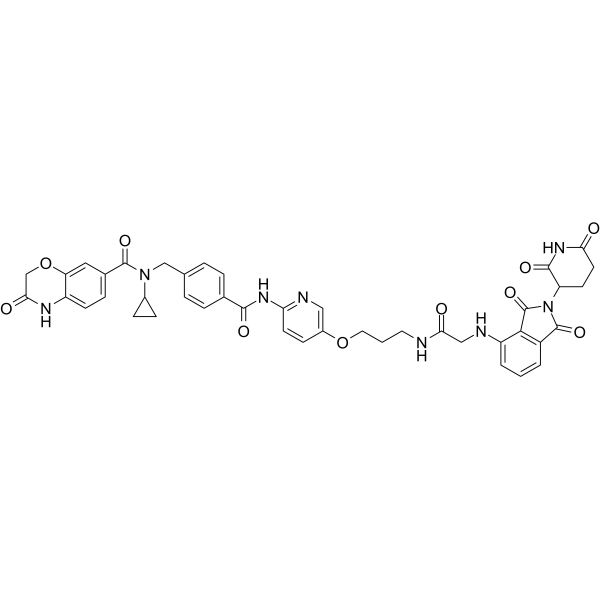
    PROTACs Cancer
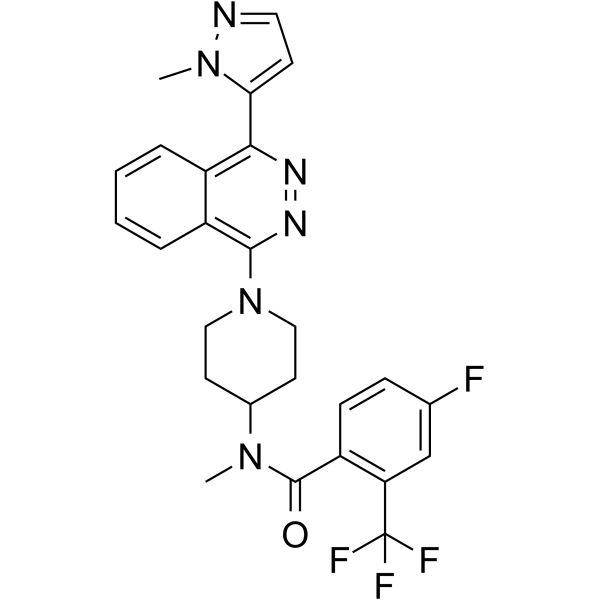
    MS159 is a potent nuclear receptor binding SET structural domain protein 2 (NSD2) PROTACdegrader. MS159 inhibits the growth of tumour cells. MS159 is a useful chemical tool for exploring the role of NSD2 in health and disease .
    MS159
  • HY-143201

    Estrogen Receptor/ERR Metabolic Disease
    DS20362725 is an estrogen-related receptor α (ERRα) agonist. DS20362725 inhibits the binding between receptor-interacting protein 140 (RIP140) corepressor peptide (10 nM) and GST-ERRα ligand-binding domain (LBD; 1.2 μM) with an IC50 value of 0.6 μM. DS20362725 can be used for the research of metabolic disorders, including type 2 diabetes mellitus (T2DM) .
    DS20362725
  • HY-114208A

    Histone Methyltransferase Cancer
    BI-9321 trihydrochloride is a potent, selective and cellular active nuclear receptor-binding SET domain 3 (NSD3)-PWWP1 domain antagonist with a Kd value of 166 nM. BI-9321 trihydrochloride is inactive against NSD2-PWWP1 and NSD3-PWWP2. BI-9321 trihydrochloride specifically disrupts histone interactions of the NSD3-PWWP1 domain with an IC50 of 1.2 μM in U2OS cells .
    BI-9321 trihydrochloride
  • HY-138067

    SARS-CoV Inflammation/Immunology
    SSAA09E2 is an inhibitor of SARS-CoV (Severe acute respiratory syndrome-Coronavirus) replication, acting by blocking early interactions of SARS-S with the receptor for SARS-CoV, Angiotensin Converting Enzyme-2 (ACE2) .
    SSAA09E2
  • HY-P99969

    CMAB-302; Cipterbin

    EGFR Cancer
    Inetetamab is a monoclonal antibody binding to domain IV of HER2 receptor. Inetetamab alone or together with tyrosine kinase inhibitors has antitumor activities .
    Inetetamab
  • HY-P99346

    CT-P59

    SARS-CoV Angiotensin-converting Enzyme (ACE) Infection
    Regdanvimab (CT-P59) is a human monoclonal antibody that targets the receptor-binding domain of SARS-CoV-2 spike protein, blocking interaction with ACE2 for viral entry. Regdanvimab can be used for the research of COVID-19 .
    Regdanvimab
  • HY-127024A

    Thyroid Hormone Receptor Metabolic Disease
    TR antagonist 2 (Compound 10a) is a competitive thyroid hormone receptors (TRα/β) antagonist (IC50=47 nM). TR antagonist 2 competes with triiodothyronine (T3) for binding to the ligand-binding domain of TR to block receptor-coactivator complex formation and inhibit target gene transcription, reducing thyroid hormone-mediated hypermetabolic effects. TR antagonist 2 is promising for research of hyperthyroidism (e.g., Graves' disease) and thyrotoxicosis .
    TR antagonist 2
  • HY-P10413

    Androgen Receptor Metabolic Disease Endocrinology
    SHBG 141-161 is a GPRC6A receptor agonist. SHBG 141-161 mimics the action of GPRC6A endogenous agonist uncarboxylated osteocalcin by binding to GPRC6A and promoting downstream signaling to increase testosterone and insulin secretion. SHBG 141-161 also reduces the affinity of GPRC6A to GDP protein by binding to the outer cell domain of GPRC6A thus affecting the dynamics of signal transduction. SHBG 141-161 can be used to study GPRC6A in energy metabolism and endocrine regulation .
    SHBG(141–161)
  • HY-P99435

    BRII-196

    SARS-CoV Infection
    Amubarvimab (BRII-196) is a human IgG1 mAb that bind to non-competing epitopes on the receptor binding domain (RBD) of spike protein, with a KD of 5.88 nM. Amubarvimab can effectively neutralize SARS-CoV-2 variants .
    Amubarvimab
  • HY-P1396

    G Protein-coupled Receptor Kinase (GRK) Others
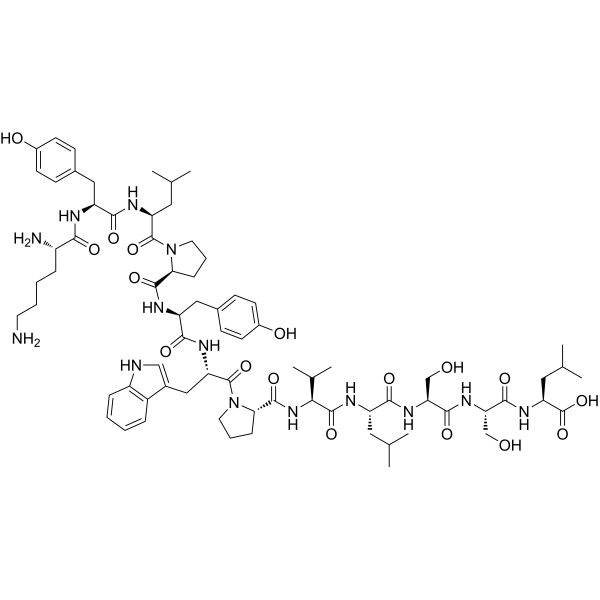
    GRK2i is a Gβγ-inhibitory peptide that selectively prevents Gβγ-mediated signaling. GRK2i corresponds to the Gβγ-binding domain of GRK2 (G-protein-coupled receptor kinase 2) .
    GRK2i
  • HY-137818

    Estrogen Receptor/ERR Cardiovascular Disease
    SR19881 is a potent dual agonist of ERRγ and ERRβ, with EC50 values of 0.39 and 0.63 μM, respectively .
    SR19881
  • HY-114208

    Histone Methyltransferase Cancer
    BI-9321, a chemical probe, is a potent, selective and cellular active nuclear receptor-binding SET domain 3 (NSD3)-PWWP1 domain antagonist with a Kd value of 166 nM. BI-9321 is inactive against NSD2-PWWP1 and NSD3-PWWP2. BI-9321 specifically disrupts histone interactions of the NSD3-PWWP1 domain with an IC50 of 1.2 μM in U2OS cells .
    BI-9321
  • HY-P0316

    Thrombin NO Synthase Cardiovascular Disease
    TP508 is a 23-amino acid nonproteolytic thrombin peptide that represents a portion of the receptor-binding domain of thrombin molecule. TP508 activates endothelial NO synthase (eNOS) and stimulates production of NO in human endothelial cells. TP508 activates endothelial cells and stem cells to revascularize and regenerate tissues .
    TP508
  • HY-122611

    Androgen Receptor Apoptosis Cancer
    CSRM617 is a selective small-molecule inhibitor of the transcription factor ONECUT2 (OC2, a master regulator of androgen receptor) with a Kd of 7.43 uM in SPR assays, binding to OC2-HOX domain directly. CSRM617 induces apoptosis by appearance of cleaved Caspase-3 and PARP. CSRM617 is well tolerated in the prostate cancer mouse model
    CSRM617
  • HY-139046

    Adrenergic Receptor Neurological Disease
    MEPB is a modulator of AF-2 of the androgen receptor. MEPB increases co-repressor binding of AR. MEPB can bind to the BF3 pocket of AR specifically, thereby modulating the binding of co-regulators to the AF2 domain. MEPB alleviates degeneration in spinal bulbar muscular atrophy mouse model .
    MEPB
  • HY-P99467

    BMS 4182137; VIR 7832

    SARS-CoV Infection
    Beludavimab (BMS 4182137; VIR 7832) is a monoclonal antibody targeting the spike glycoprotein of SARS-CoV-2. Beludavimab binds to recombinant spike protein receptor-binding domain (S-RBD) with an EC50 value of 14.9 ng/mL and a Kd of 0.21 nM .
    Beludavimab
  • HY-P0316A

    Thrombin NO Synthase Cardiovascular Disease
    TP508 TFA is a 23-amino acid nonproteolytic thrombin peptide that represents a portion of the receptor-binding domain of thrombin molecule. TP508 TFA activates endothelial NO synthase (eNOS) and stimulates production of NO in human endothelial cells. TP508 TFA activates endothelial cells and stem cells to revascularize and regenerate tissues .
    TP508 TFA
  • HY-P99155A

    EGFR Cancer
    Zalutumumab (powder) is a high affinity, completely human IgG1 monoclonal antibody targeting EGFR. Zalutumumab (powder) binds to domain III of the EGF receptor and acts by blocking the binding of EGF and by sterically interfering with the active conformation of the receptor. Zalutumumab (powder) binds with IgG and its Fab fragment with EC50s of 7 and 19 nM, respectively. Zalutumumab (powder) can be used for the research of cancer .
    Zalutumumab (powder)
  • HY-P10550

    VEGFR Cancer
    VGB4 is a VEGF-A and VEGF-B antagonist peptide that duplicates two binding domains of VEGF-B (loop 1 and loop3) and are linked together by the receptor-binding domain of VEGF-A (loop3). VGB4 has significant anti-angiogenic and anti-tumor activities and can regulate tumor growth and metastasis through multiple mechanisms. VGB4 could be used in anti-tumor research .
    VGB4
  • HY-135903

    GDC-9545 tartrate; RG6171 tartrate

    Estrogen Receptor/ERR Cancer
    Giredestrant tartrate (GDC-9545 tartrate), a non-steroidal ER ligand, is an orally active and selective estrogen receptor (ER) antagonist. Giredestrant tartrate potently competes with estradiol for binding and induces a conformational change within the ER ligand binding domain. Anti-tumor activity .
    Giredestrant tartrate
  • HY-P9806

    MERS-D12; MERS Antibody-D12

    SARS-CoV Infection
    Anti-MERS-D12 mAb (MERS-D12; MERS Antibody-D12) is a human monoclonal IgG1. Anti-MERS-D12 mAb binds directly to the DPP4 interacting region of the MERS-CoV Spike receptor binding domain (RBD) and effect neutralization by directly blocking receptor binding .
    Anti-MERS-D12 mAb
  • HY-145641

    BMS-986413; C-144-LS

    SARS-CoV Infection
    Crexavibart (BMS-986413; C-144-LS) is an IgG1λ2 antibody that targets the SARS-CoV2 spike (S) glycoprotein receptor-binding domain .
    Crexavibart
  • HY-110392

    Estrogen Receptor/ERR Cancer
    CMP8, a selective ligand for estrogen receptor, binds to the mutant estrogen receptor ligand binding domain (ERLBD). CMP8 exhibits IC50 values of 29 nM , 41 nM, 1100 nM and 2200 nM for MGERα, MGRERα, hERα and hERβ, respectively .
    CMP8
  • HY-13956B

    U 72107 potassium

    PPAR Ferroptosis Metabolic Disease Cancer
    Pioglitazone (U 72107) potassium is an orally active and selective PPARγ (peroxisome proliferator-activated receptor) agonist with high affinity binding to the PPARγ ligand-binding domain with EC50 of 0.93 μM and 0.99 μM for human and mouse PPARγ, respectively. Pioglitazone potassium can be used in diabetes research .
    Pioglitazone potassium
  • HY-120694

    RUC-2

    Integrin Cardiovascular Disease
    ML165 (RUC-2) is an aIIbb3 receptor antagonist. ML165 has orthosteric inhibition effect at the RGD binding domain. ML165 inhibits platelet adhesion to fibrinogen, and inhibits platelet aggregation (IC50: 96 nM) .
    ML165

Inquiry Online

Your information is safe with us. * Required Fields.

Salutation


Country or Region *

Applicant Name *


Organization Name *

Department *


Email Address *


Product Name *

Cat. No.


Requested quantity *

Phone Number *


Remarks

Inquiry Online

Inquiry Information

Product Name:
Cat. No.:
Quantity:
MCE Japan Authorized Agent:

