Delivery of temperature sensitive items including proteins and kits will be paused on 6/19 for the Juneteenth holiday. For urgent orders please contact customer service.
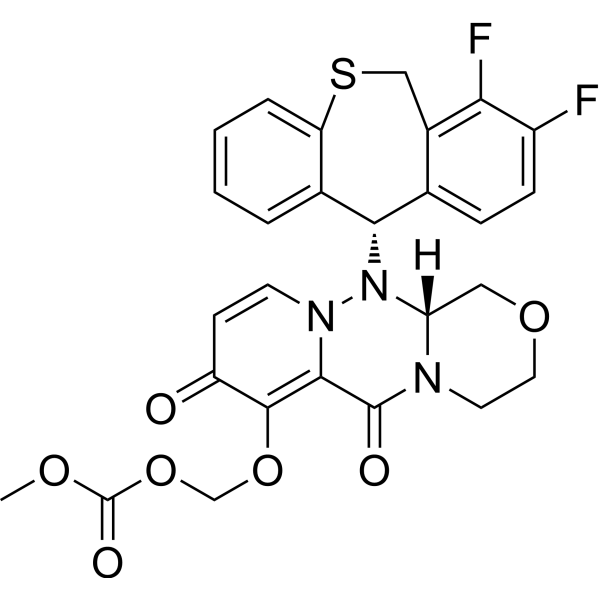
Baloxavir marboxil (S-033188) is a selective inhibitor of influenza cap-dependent endonuclease. Baloxavir marboxil, a potent antiviral agent, shows activity against influenza A and Bvirus .
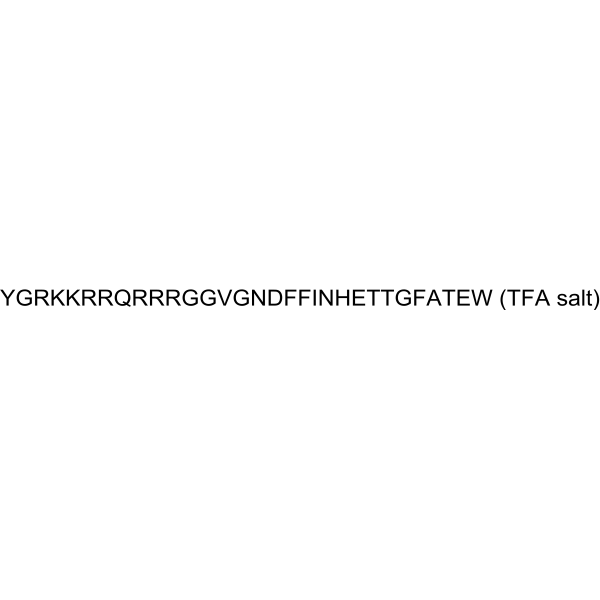
TAT (YGRKKRRQRRR) is derived from the transactivator of transcription (TAT) of human immunodeficiency virus-1 (HIV-1) and is a cell-penetrating peptide. TAT can increase the yields and the solubility of heterologous proteins [1].
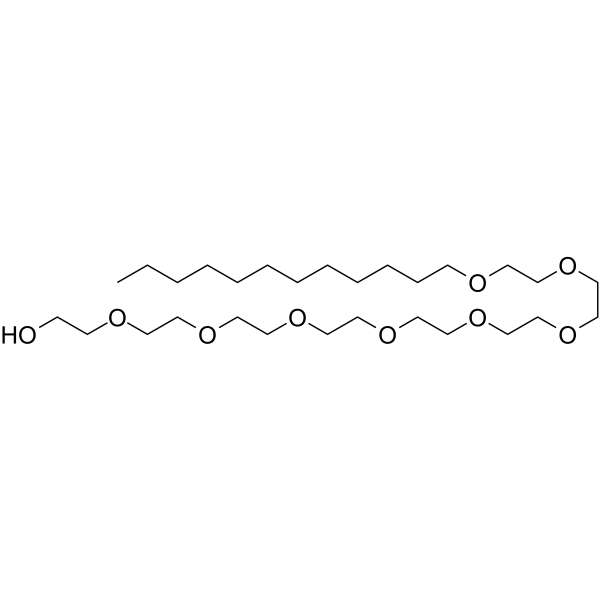
Octaethylene glycol monododecyl ether (C12E8) is an non-ionic detergent that can be used for membrane protein extraction. Octaethylene glycol monododecyl ether can solubilize the viral membrane of intact influenza virus .
Diridavumab is a monoclonal anti-HA stalk antibody. Diridavumab stabilizes the prefusion HA structure and prevents pH-dependent fusion of cellular and viral membranes in endosomes. Diridavumab can be used in research of H2 influenza virus .
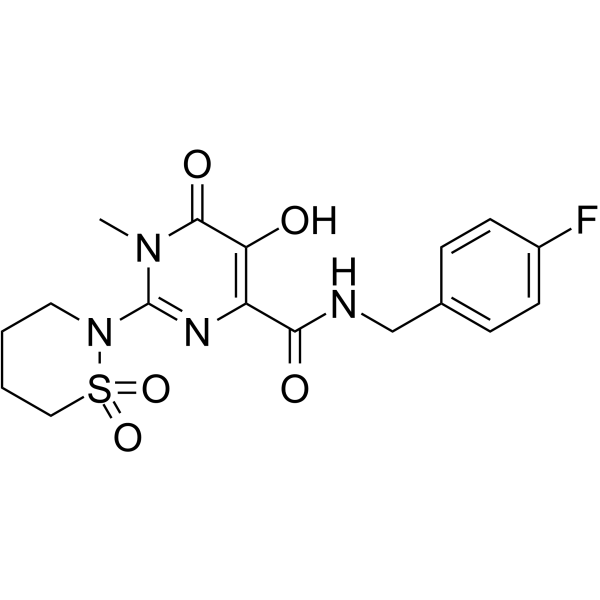
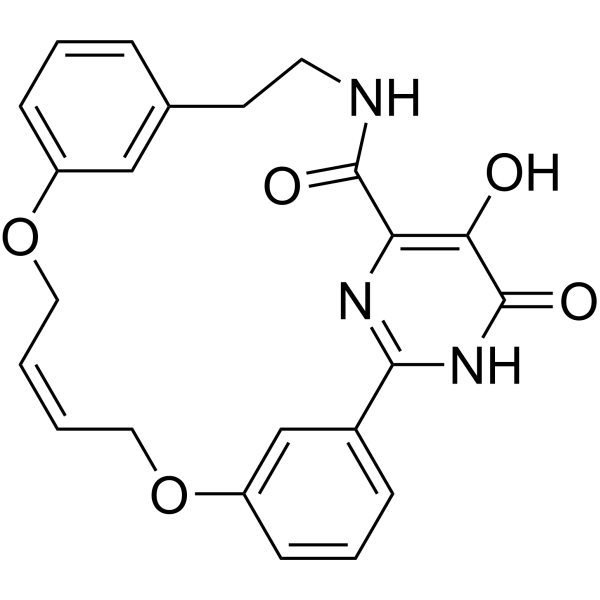
BMS-707035 is a potent orally active HIV-1 integrase strand transfer inhibitor (INSTI). BMS-707035 has enzyme inhibitory with an IC50 value of 3 nM. BMS-707035 also has weak CYP inhibiton and antiviral activity. BMS-707035 can be used for the research of human immunodeficiency virus-1 (HIV-1) [1].
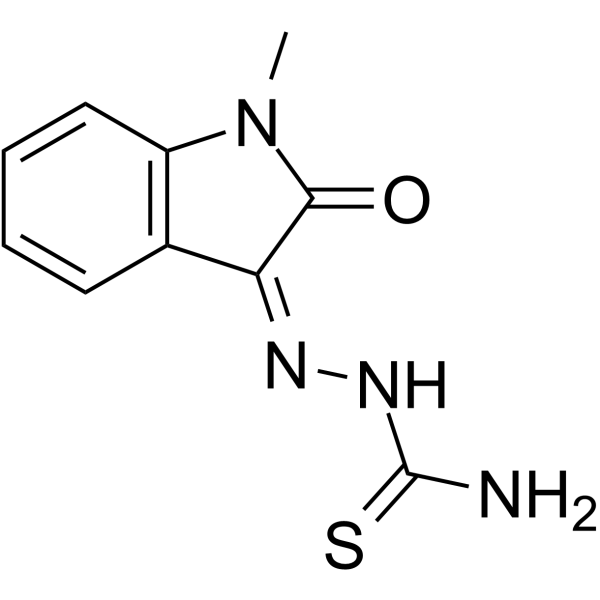
Methisazone (Marboran) is an antiviral agent that works by inhibiting mRNA and protein synthesis. Methisazone is also a SARS-CoV-2 (COVID-19) inhibitor. Methisazone is mainly used in pox viruses .
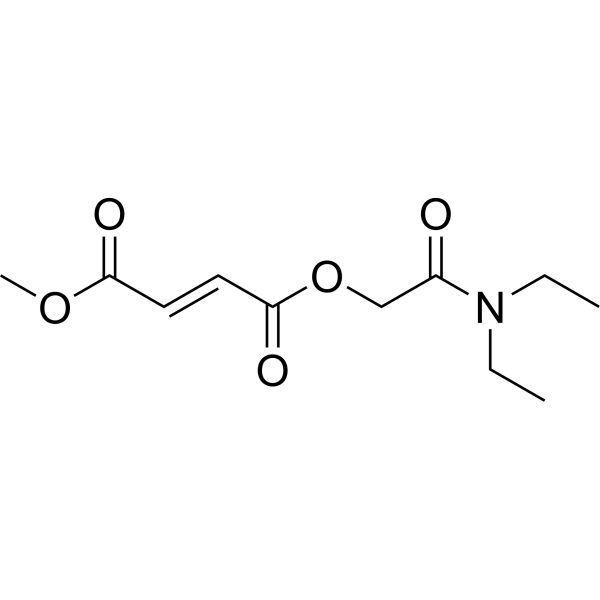
Tepilamide fumarate (XP-23829; PPC-06) is an oral fumaric acid ester, acts as a proagent ofMonomethyl fumarate (HY-103252), and is used in the research of moderate to severe chronic plaque psoriasis. Tepilamide fumarate can enhance the effectiveness of oncolytic viruses .
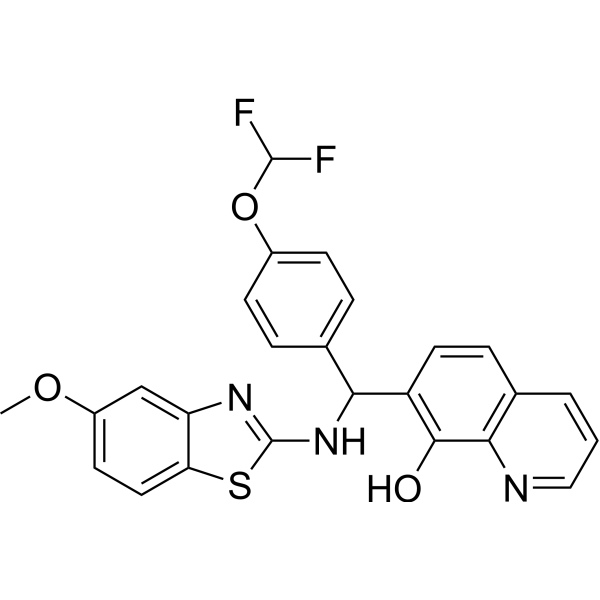
KIN1408 is an agonist of the RIG-1-like receptor (RLR) pathway and exhibits a broad-spectrum antiviral activity. KIN1408 exhibits activity against HCV, influenza A, dengue virus 2, Ebola, Nipah, and Lassa viruses .
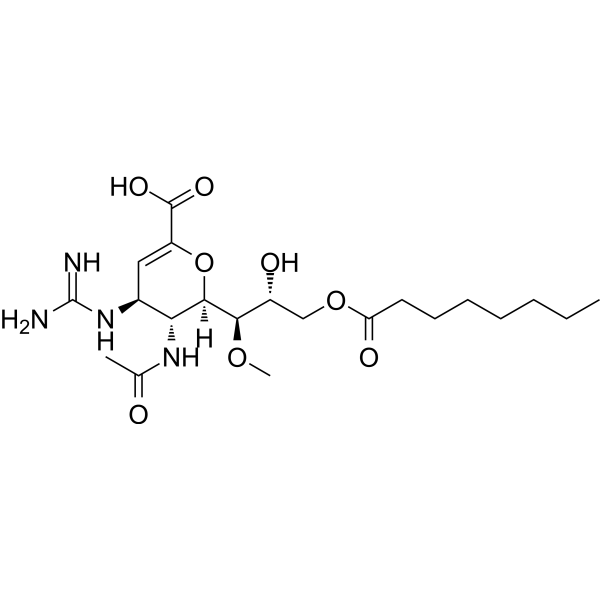
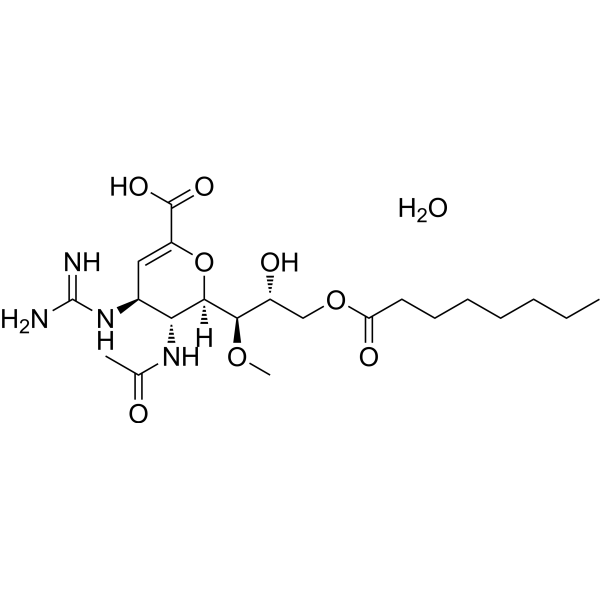
Laninamivir octanoate (CS-8958), a proagent of Laninamivir, is a long-acting neuraminidase (NA) inhibitor with anti-influenza virus activity. Laninamivir octanoate shows anti-influenza activity against Oseltamivir-resistant viruses, and also against the pandemic influenza viruses .
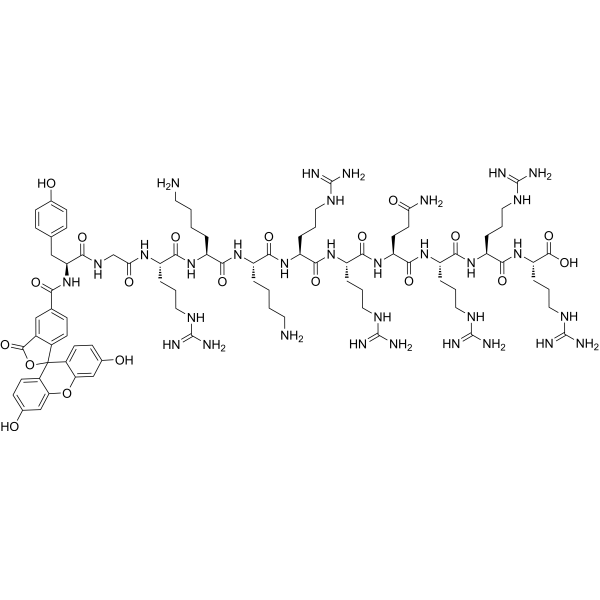
TAT (47-57), FAM-labeled acetate is a 5(6)-Carboxyfluorescein (HY-15940)-labeled TAT (HY-P0281). TAT (YGRKKRRQRRR) is derived from the transactivator of transcription (TAT) of human immunodeficiency virus-1 (HIV-1) and is a cell-penetrating peptide [1].
TAT (47-57), FAM-labeled is a 5(6)-Carboxyfluorescein (HY-15940)-labeled TAT (HY-P0281). TAT (YGRKKRRQRRR) is derived from the transactivator of transcription (TAT) of human immunodeficiency virus-1 (HIV-1) and is a cell-penetrating peptide [1].
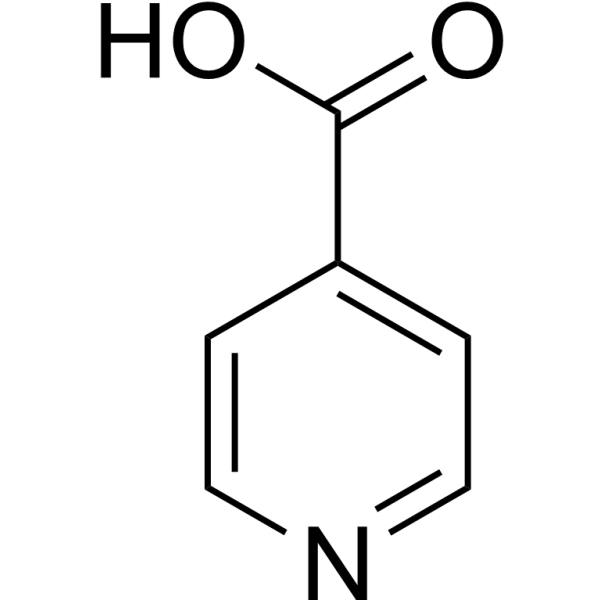
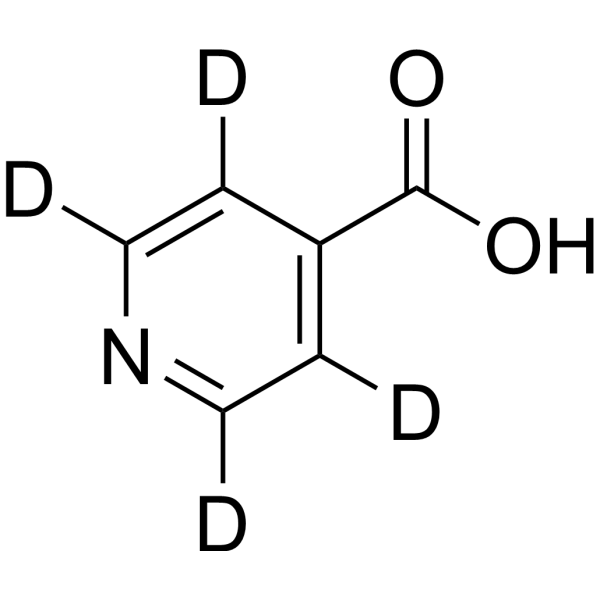
Isonicotinic acid is an Isoniazid (HY-B0329) metabolite. The Isonicotinic acid derivative Enisamium inhibits the replication of multiple subtypes of influenza A virus .
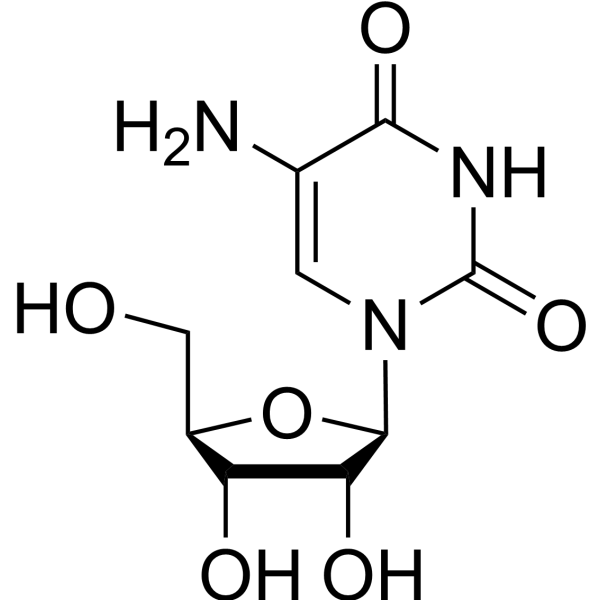
5-Aminouridine can modify nucleobases and can be incorporated into the target DNA. 5-Aminouridine exhibits a wide range of biological activity and it inhibits the growth of tumors, fungi and viruses .
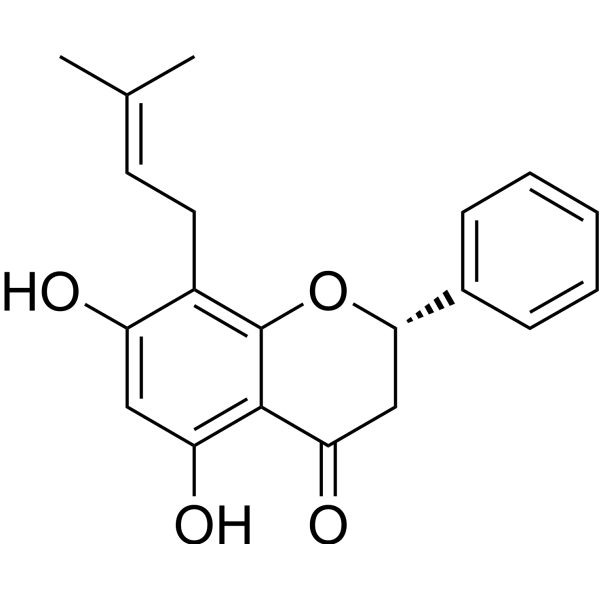
Glabranine, an flavonoid, is isolated from Tephrosia s.p, exerts a inhibitory effect in vitro on the dengue virus .
Glabranine forms interaction with the soluble ectodomain of DENV type 2 (DENV2) E protein .
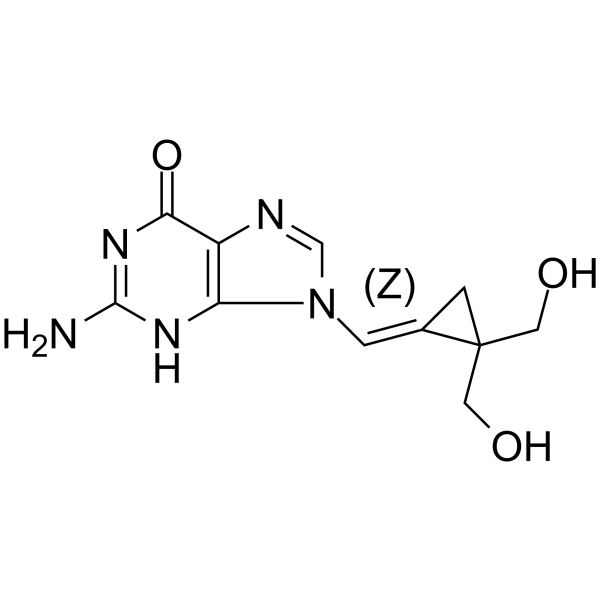
Cyclopropavir (Filociclovir) is an orally active and broad-spectrum anti-herpesvirus compound. Cyclopropavir inhibits UL97 kinase activity. Cyclopropavir has antiviral activity against HCMV, MCMV, and HAdV6 viruses .
Abl Cytosolic Substrate is a substrate for Abelson tyrosine kinase (Abl ). Abl Protein Tyrosine Kinase (AbI) is a truncated form of the v-AbI Protein Tyrosine Kinase, a partner in the Gag-Abl fusion protein of the Abelson murine leukemia virus .
Baloxavir marboxil (Standard) is the analytical standard of Baloxavir marboxil. This product is intended for research and analytical applications. Baloxavir marboxil (S-033188) is a selective inhibitor of influenza cap-dependent endonuclease. Baloxavir marboxil, a potent antiviral agent, shows activity against influenza A and Bvirus .
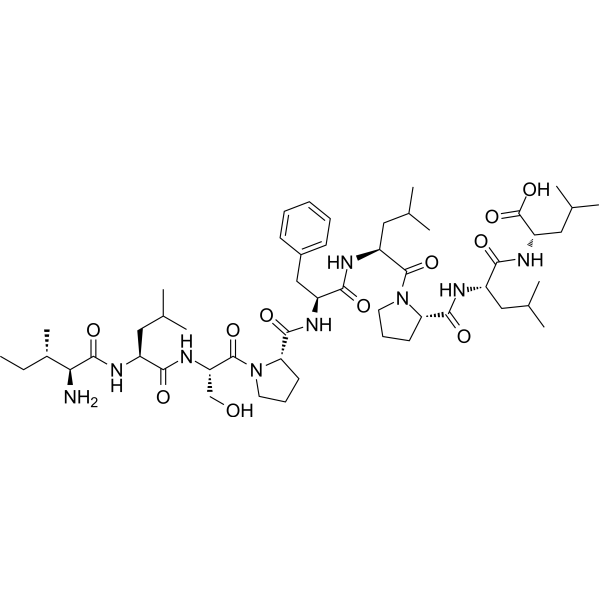
Influenza HA (307-319) is 13 amino acids 307 to 319 fragment of Influenza HA. Influenza HA is a glycoprotein found on the surface of influenza viruses .
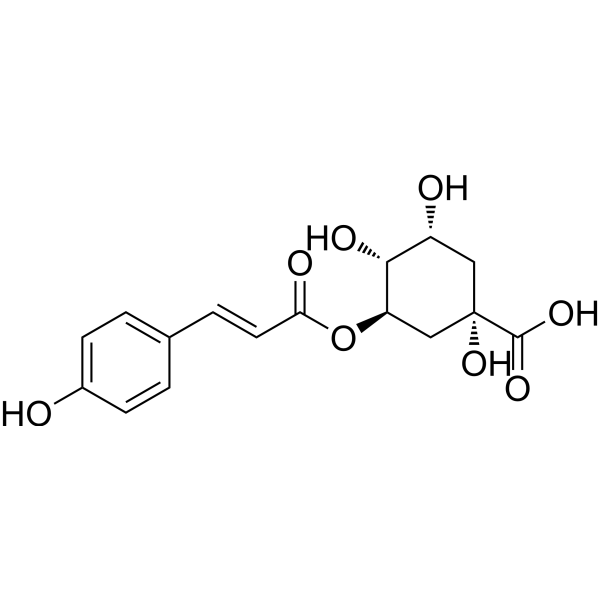
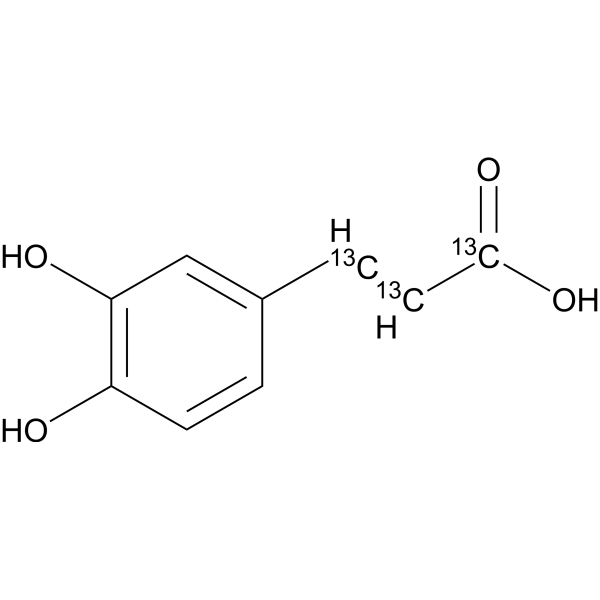
Caffeic acid- 13C3 is an 13C labeled caffeic acid. Caffeic acid is a phytonutrient belonging to the flavonoids. Caffeic acid and its derivatives, are potential antimicrobial agents, chronic infection induced by microbes such as bacteria, fungi, and viruses .
TAT (TAT(47-57)) acetate is derived from the transactivator of transcription (TAT) of human immunodeficiency virus-1 (HIV-1) and is a cell-penetrating peptide. TAT acetate can increase the yields and the solubility of heterologous proteins [1].
2',3'-O-Isopropylideneuridine is a modified uridine. 2',3'-O-Isopropylideneuridine can be used in the research of viral diseases (such as cytomegalovirus and varicella-zoster virus) .
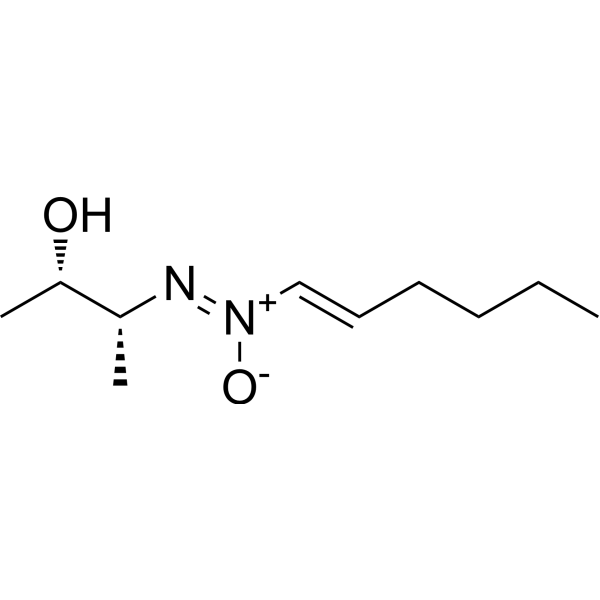
Noformicin has inhibitory effect on mumps virus and Newcastle disease virus in chicken embryo. Noformicin also extended the survival of mice infected with swine, influenza A (PR8) and influenza B (Lee) viruses .
JLJ648 is a Gag-Pol dimerizer with antiviral activity. JLJ648 can inhibit HIV replication and induce infected cell pyroptosis. JLJ648 can be used for the research of infection, such as HIV (human immunodeficiency virus) .
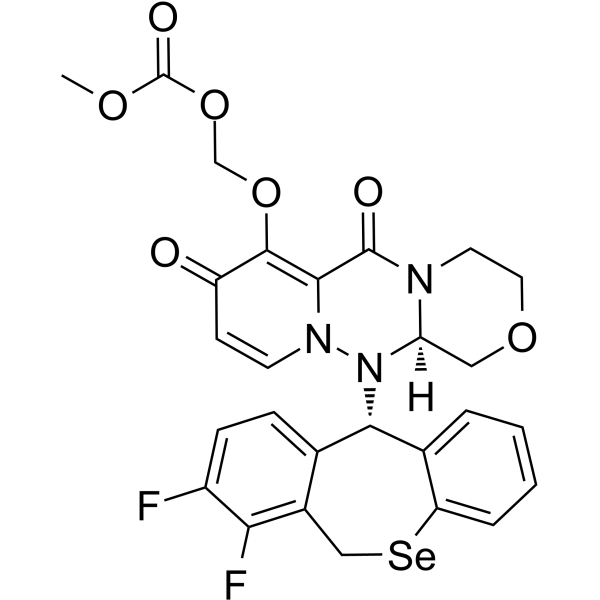
Sebaloxavir marboxil (Cap-dependent endonuclease-IN-15) (Compound c-1) is a potent inhibitor of cap-dependent endonuclease (CEN). Sebaloxavir marboxil inhibits the replication of influenza virus. Sebaloxavir marboxil has the potential for the research of viral infections caused by influenza viruses .
BMS-707035 (Standard) is the analytical standard of BMS-707035. This product is intended for research and analytical applications. BMS-707035 is a potent orally active HIV-1 integrase strand transfer inhibitor (INSTI). BMS-707035 has enzyme inhibitory with an IC50 value of 3 nM. BMS-707035 also has weak CYP inhibiton and antiviral activity. BMS-707035 can be used for the research of human immunodeficiency virus-1 (HIV-1) [1].
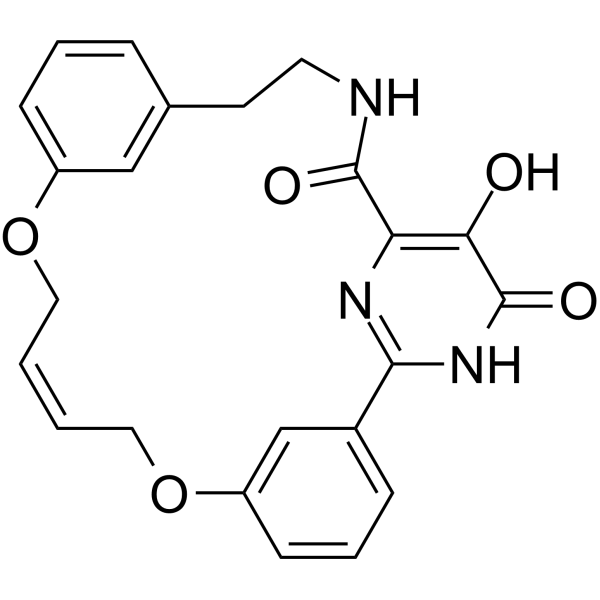
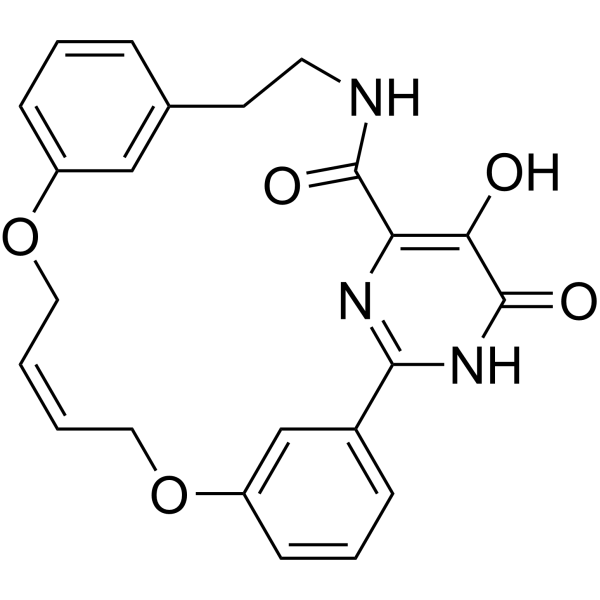
HIV-1 integrase inhibitor 10 is an orally active HIV-1 allosteric integrase inhibitor (ALLINI). HIV-1 integrase inhibitor 10 can inhibit viral outgrowth of the NLRepRluc virus in MT-2 cells with EC50 values of 3-5 nM. HIV-1 integrase inhibitor 10 can be used for the research of Human immunodeficiency virus-1 (HIV-1) [1].
Anti-Mouse TCR V gamma 2 Antibody (UC3-10A6) is an Armenian Hamster-derived IgG antibody inhibitor, targeting to mouse TCR V gamma 2. Anti-Mouse TCR V gamma 2 Antibody (UC3-10A6) reacts with an epitope on the delta chain of the mouse Vγ2 TCR (V gamma 2 T cell receptor). Anti-Mouse TCR V gamma 2 Antibody (UC3-10A6) can deplete γδ T cell. Anti-Mouse TCR V gamma 2 Antibody (UC3-10A6) can be used for the researches of infection and immunology, such as herpes simplex virus-1 (HSV-1) infection [1] .
trans-J-113863 is a potent chemokine CCR1 and CCR3 receptor antagonist, and inhibits MIP-1α-induced chemotaxis in CCR1 transfectants and eotaxin-induced chemotaxis in CCR3 transfectants with IC50 of 9.57 and 93.8 nM,respectively [1] .
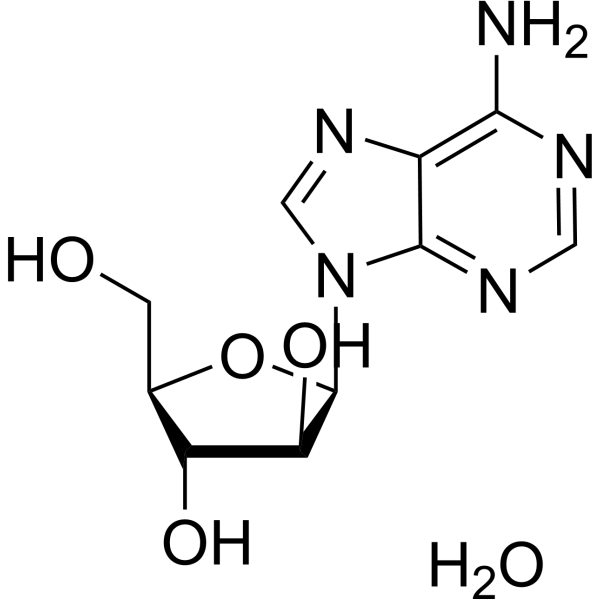
Vidarabine (monohydrate) (Standard) is the analytical standard of Vidarabine (monohydrate). This product is intended for research and analytical applications. Vidarabine monohydrate is an adenine arabinoside. Vidarabine monohydrate an antiviral agent which is active against herpes simplex viruses (HSV) and varicella zoster viruses[1].
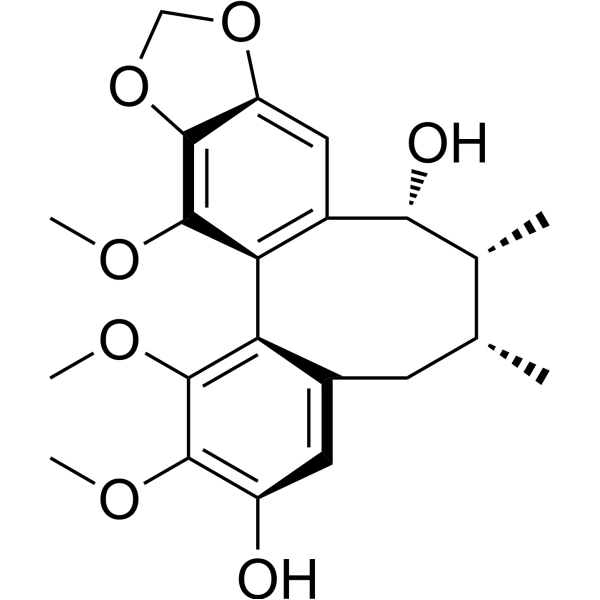
Kadsuralignan A (compound 1) is a dibenzocyclooctadiene lignan isolated from the leaves and stems of Schisandra lancifolia. Kadsuralignan A has anti-HIV activity with EC50=2.23 μg/mL [1].
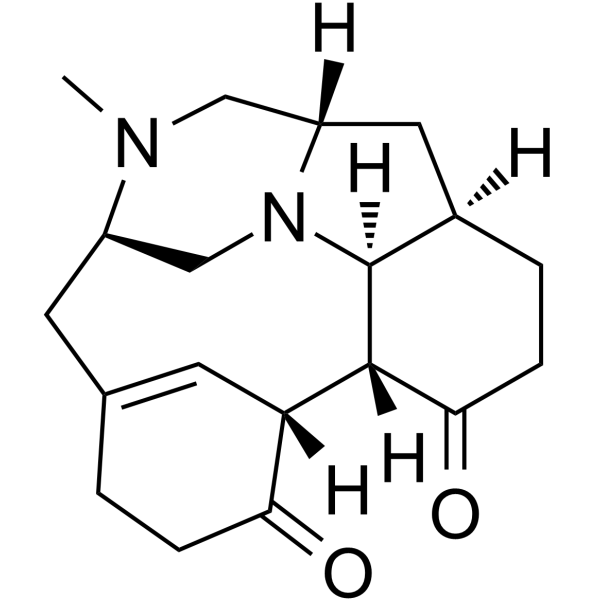
Herquline A (Herqueline A) is a fungal piperazine alkaloid. Herquline A is a fungal metabolite that inhibits platelet aggregation and replication of the influenza virus .
Levovirin valinate hydrochloride (R1518) is a prodrug of Levovirin (HY-119415) with oral activity, exhibiting antiviral activity against hepatitis C virus .
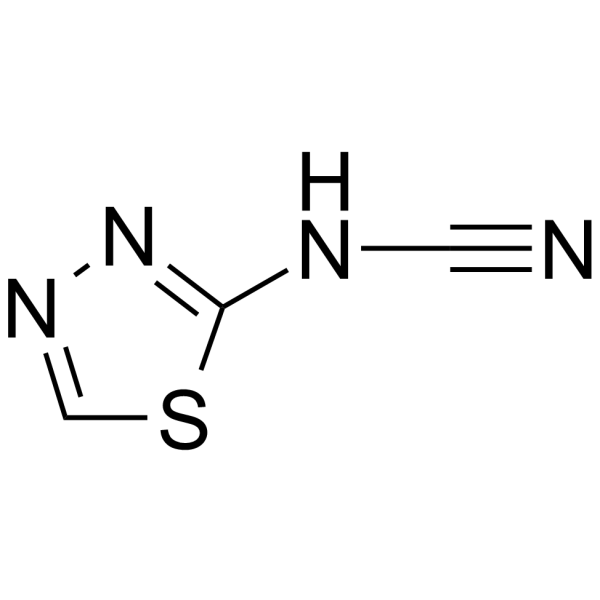
Amitivir (LY 217896), a thiadiazole derivative, possesses broad antiviral activity against orthomyxo- and paramyxoviruses. Amitivir is effective against influenza A and Bviruses .
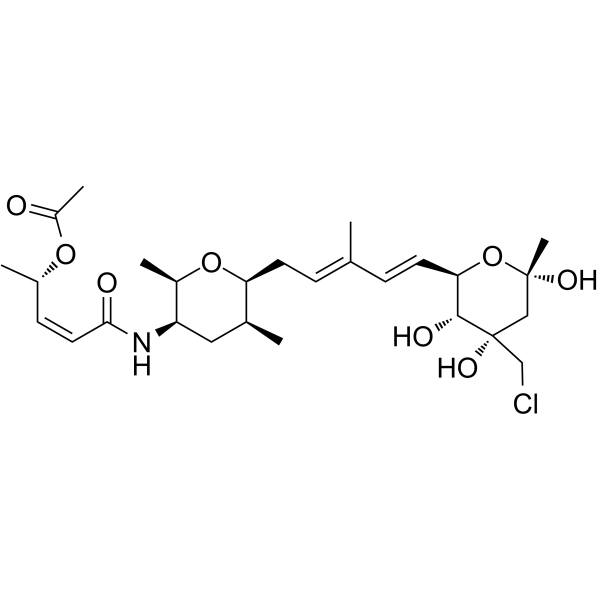
FR901463 is a potent anti-cancer agent and can be used for cancer research. FR901463 enhances the transcriptional activity of the promoter of SV40 DNA virus .
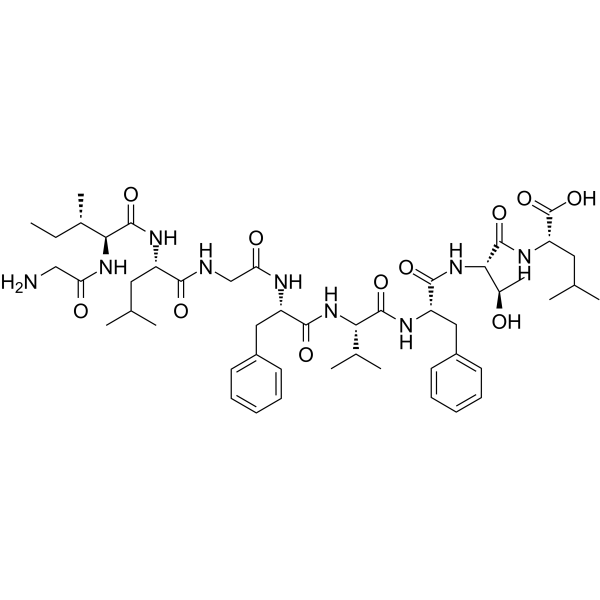
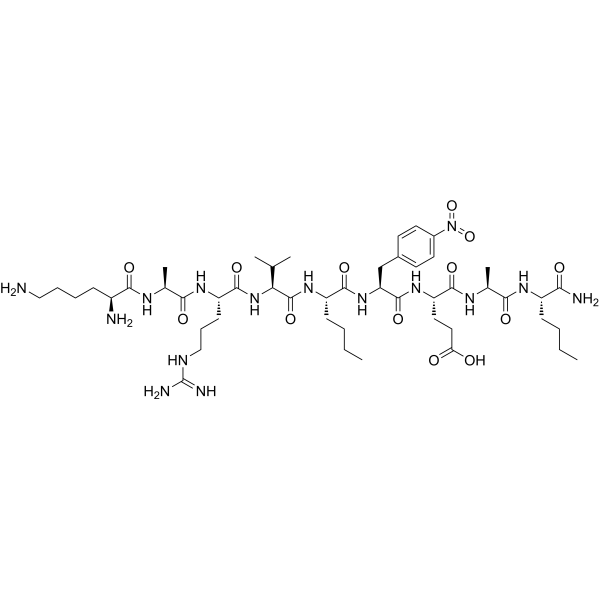
HIV Protease Substrate IV is a substrate of HIV protease. HIV Protease Substrate IV can be used to measure the activity of HIV (human immunodeficiency virus) -1 protease [1].
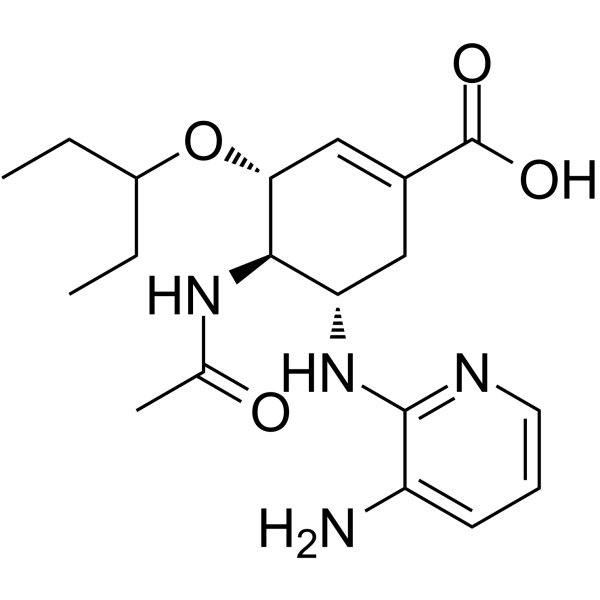
Influenza A virus-IN-4 (compound 23b), an Oseltamivir derivative, is a potent inhibitor of neuraminidase. Influenza A virus-IN-4 exerts powerful inhibitions on influenza viruses .
RdRP-IN-5 (compound 20) is a potent influenza virusRNA-dependent RNA polymerase (RdRP) inhibitor. RdRP-IN-5 can be used in research of influenza virus .
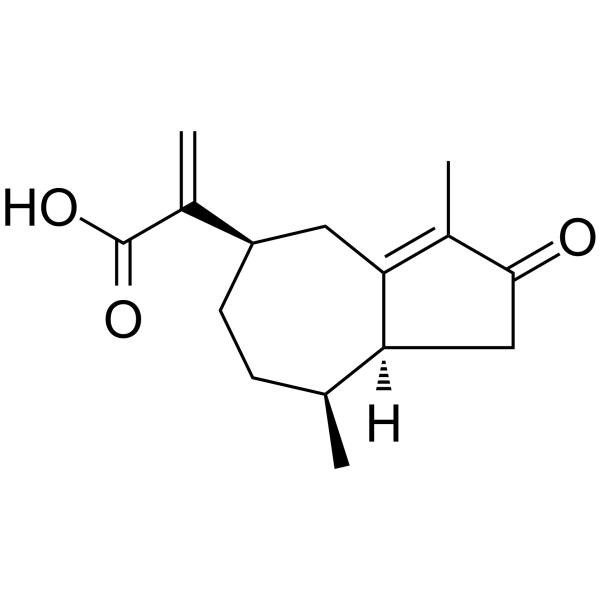
Drechslerine A has neuraminidase inhibitory activity (IC50: 0.79 μM). Drechslerine A is a terpene that can be isolated from endophytic Cochliobolus. Drechslerine A can be used for research of Influenza Virus .
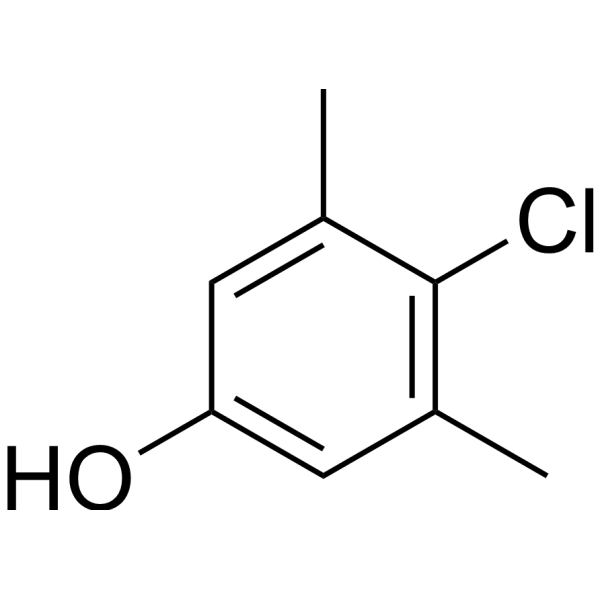
Chloroxylenol (Standard) is the analytical standard of Chloroxylenol. This product is intended for research and analytical applications. Chloroxylenol is a broad-spectrum antibacterial agent that can be used to control bacteria, algae, fungi and viruses .
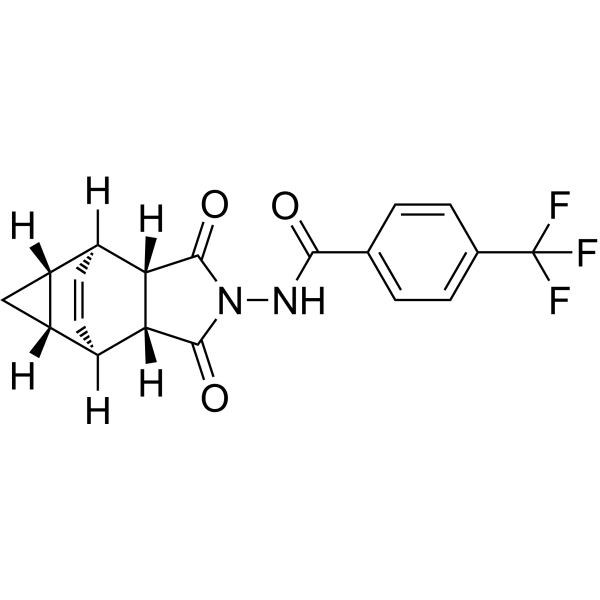
trans-RdRP-IN-5 (compound 18) is a potent influenza virusRNA-dependent RNA polymerase (RdRP) inhibitor. trans-RdRP-IN-5 can be used in research of influenza virus .
cis-RdRP-IN-5 (compound 19) is a potent influenza virusRNA-dependent RNA polymerase (RdRP) inhibitor. cis-RdRP-IN-5 can be used in research of influenza virus .
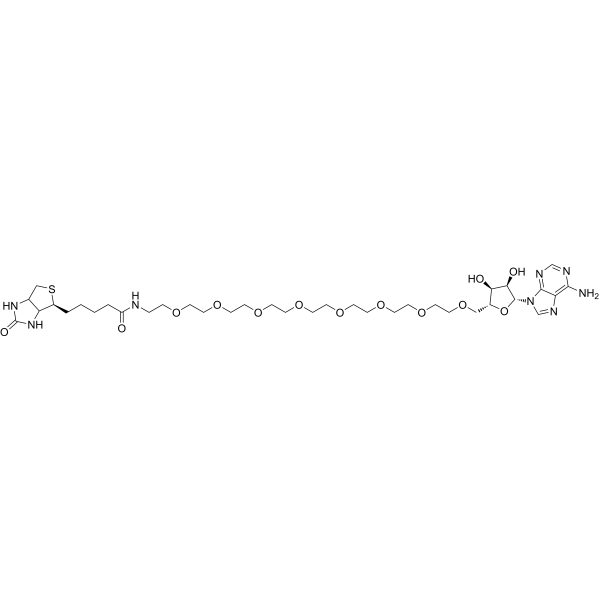
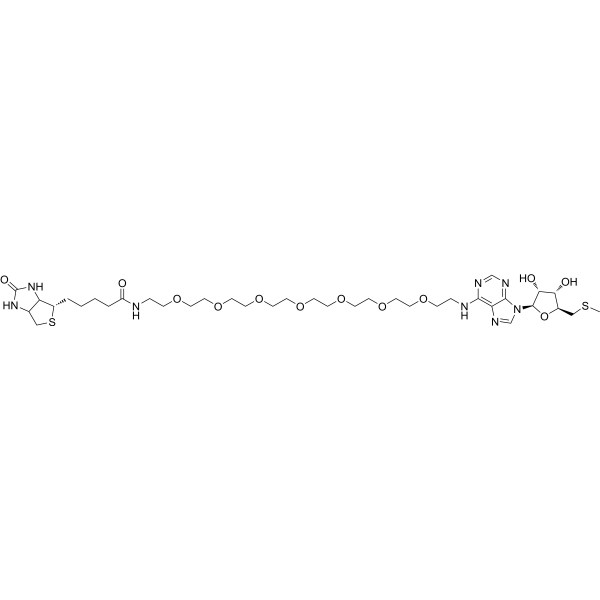
Biotin-PEG8-Vidarabine is a PEG-based linker that incorporates adenosine analog Vidarabine. Vidarabine is an antiviral agent which is active against herpes simplex and varicella zoster viruses .
LY53857 free base is a selective 5-HT2 receptor antagonist with the ED50 of 17.5 nM. LY53857 free base shows antiviral activity against influenza A virus .
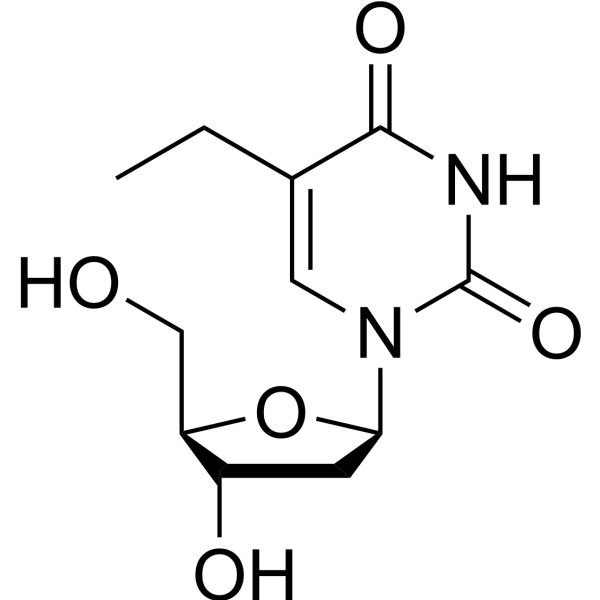
Edoxudine-d5 (EUDR-d5) is the deuterium labeled Edoxudine (HY-B1011). Edoxudine is an antiviral active molecule and thymidine analog. Edoxudine is effective against herpes simplex virus .
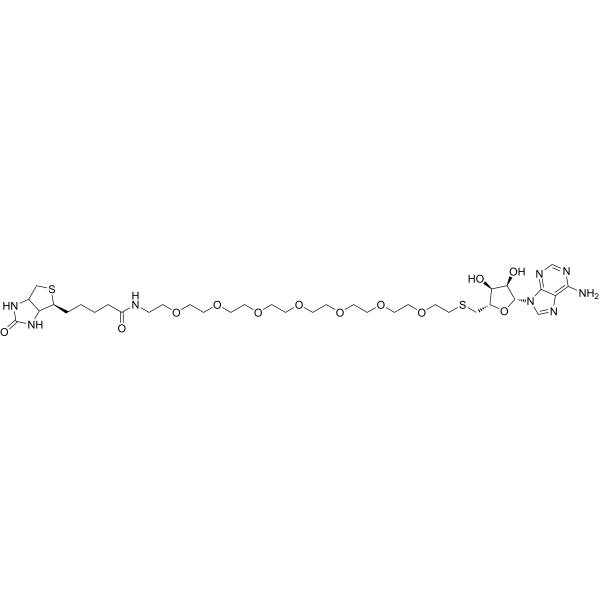
Biotin-PEG7-C2-S-Vidarabine is a PEG-based linker that incorporates adenosine analog Vidarabine. Vidarabine is an antiviral agent which is active against herpes simplex and varicella zoster viruses .
Maniwamycin E is a maniwamycin derivative isolated from the culture extract of thermotolerant Streptomyces sp. JA74. Maniwamycin E shows antiviral activity against SARS-CoV-2 and influenza (H1N1) virus .
Antiviral agent 12 is a antiviral compound. Antiviral agent 12 inhibits Ebola virus entry into host cells by binding to surface glycoprotein, EC50 is 3.9 μM. Antiviral agent 12 can be used in the study of Ebola virus .
Isonicotinic acid-d4 is the deuterium labeled Isonicotinic acid (HY-I0736). Isonicotinic acid is an Isoniazid (HY-B0329) metabolite. The Isonicotinic acid derivative Enisamium inhibits the replication of multiple subtypes of influenza A virus .
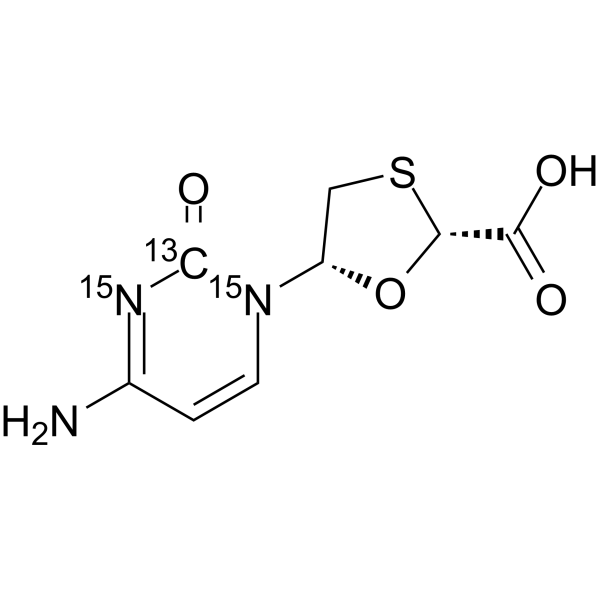
Lamivudine- 13C, 15N2 is a labelled impurity of Lamivudine (BCH-189). Lamivudine is a nucleoside reverse transcriptase inhibitors (NRTIs), and can inhibit HIV reverse transcriptase 1/2 and the reverse transcriptase of hepatitis B virus .
Isonicotinic acid (Standard) is the analytical standard of Isonicotinic acid (HY-I0736). This product is intended for research and analytical applications. Isonicotinic acid is an Isoniazid (HY-B0329) metabolite. The Isonicotinic acid derivative Enisamium inhibits the replication of multiple subtypes of influenza A virus .
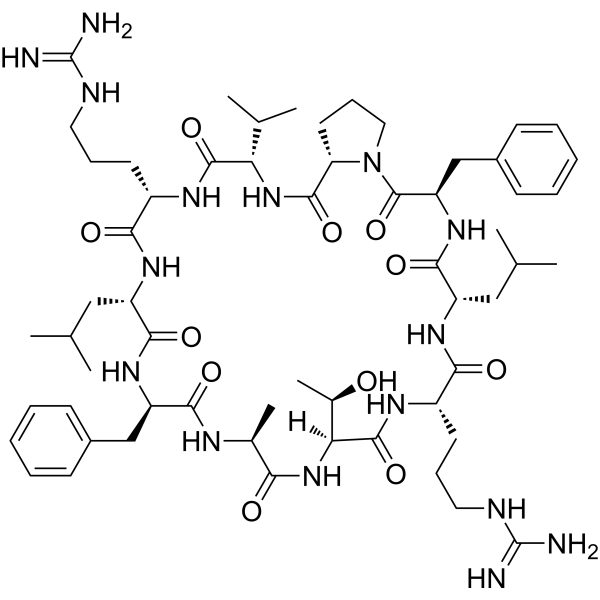
GF-17 is a polypeptide containing 17 amino acids. is the precursor peptide of GF19. GF-17 exhibits significant antiviral activity. GF-17 can be used for research on viral infections such as HSV-1virus .
Laninamivir octanoate hydrate (CS-8958 hydrate), a prodrug of Laninamivir, is a long-acting neuraminidase (NA) inhibitor with anti-influenza virus activity. Laninamivir octanoate hydrate shows anti-influenza activity against Oseltamivir-resistant viruses, and also against the pandemic influenza viruses .
Laninamivir TFA (R 125489 TFA) is an antiviral compound with inhibitory and prophylactic activity against influenza A and B viruses. Laninamivir TFA is a long-acting neuraminidase inhibitor administered by nasal inhalation. Laninamivir TFA has shown good safety and efficacy in the inhibition of influenza viruses .
(Threo)-Indinavir is a protease inhibitor that plays an important role in HIV/AIDS suppression. (Threo)-Indinavir is used as a component of highly active antiretroviral suppression. By inhibiting the viral protease, (threo)-Indinavir ((threo)-MK-639) is able to effectively block the replication of the HIV virus .
CID15997213 is a blood-brain barrier penetrating antiviral agent. CID15997213 targets the amino-terminal domain of the VEEV nonstructural protein 2 (nsP2). CID15997213 shows alphavirus-specific antiviral effect, inhibiting VEEV and Western equine encephalitis virus .
Biotin-PEG7-C2-NH-Vidarabine-S-CH3 is a PEG-based linker that incorporates adenosine analog Vidarabine. Vidarabine is an antiviral agent which is active against herpes simplex and varicella zoster viruses .
5-Oxo leukotriene B4 is a byproduct in the synthesis of 12-oxo LTB4 (HY-130497) with antiviral activity. 5-Oxo leukotriene B4 is promising for research of viral infections caused by human and animal enveloped RNA viruses .
Antiviral agent 82 (example 1) is an anti-HCV agent. Antiviral agent 82 can be used to prevent infection with flaviviruses, particularly hepatitis C virus .
DHODH-IN-34 (Compound 21q) is a potent human dihydroorotate dehydrogenase (DHODH) inhibitor with an IC50 value of 13 nM. DHODH-IN-34 is promising for research of RNA viruses such as measles virus and chikungunya virus .
(S)-HPMPA is an antiviral agent. (S)-HPMPA can bind to and interfere with viral DNA polymerase activity, thereby inhibiting viral DNA synthesis. (S)-HPMPA can be used for the study of DNA viruses .
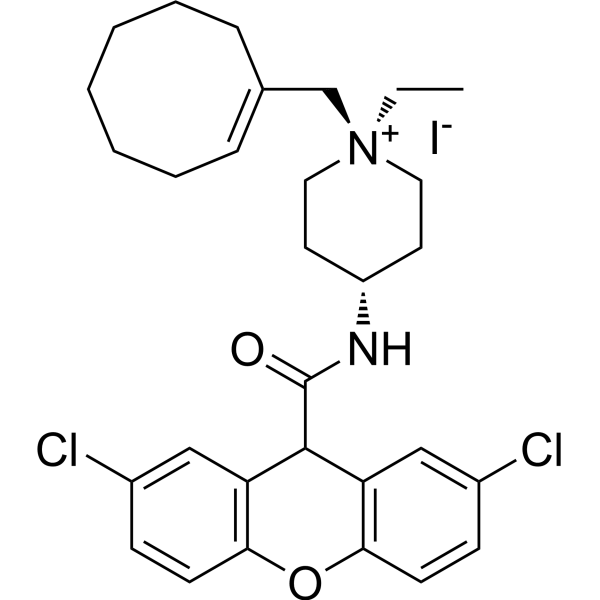
U18666A (Standard) is the analytical standard of U18666A (HY-107433). This product is intended for research and analytical applications. U18666A, an intra-cellular cholesterol transport inhibitor, inhibits replication of Ebola virus, dengue virus, and human hepatitis C virus .
Sodium 3-iodobenzenesulfonate (Compound 5) is an intermediate. Sodium 3-iodobenzenesulfonate Sodium 3-iodobenzenesulfonate can be used to synthesize 3-amidinophenylalanine-derived Matriptase inhibitors. Sodium 3-iodobenzenesulfonate can be used in the research of H9N2 influenza virus .
8-Bromo-harmane is a β-carboline derivative with anti-HSV-1 activity. 8-Bromo-harmane is non-cytotoxic. 8-Bromo-harmane can be used for the research of herpes simplex virus 1(HSV-1) infection [1].
Leucomycin (Kitasamycin) is an orally active macrolide antibiotic produced by Streptomyces kitasatoensis. Leucomycin has broad-spectrum antibacterial activities against gram-positive and gram-negative bacteria, mycoplasma, leptospira, spirochaetes, rickettsiae and some larger viruses .
ISD sodium is an interferon-stimulatory DNA, a 45 bp non-CpG double-stranded oligonucleotide derived from the genome of Listeria monocytogenes. ISD sodium potently induces type I interferon production via the cGAS‑STING‑TBK1‑IRF3 pathway [1] .
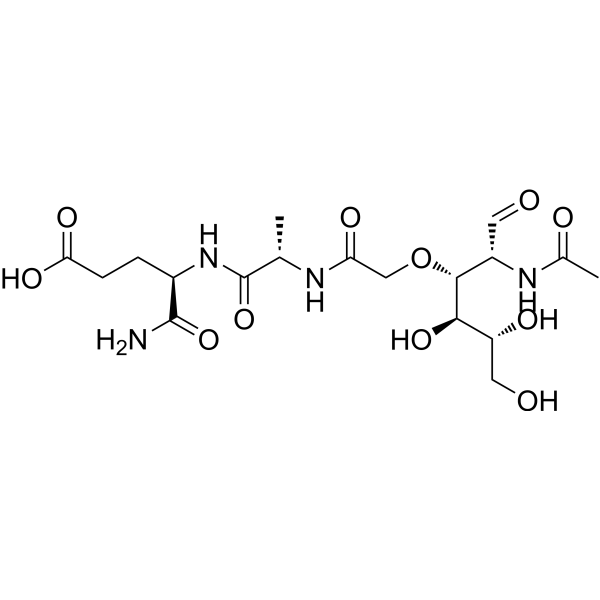
Almurtide (nor-MDP), a muramyl dipeptide derivative with anti-inflammatory and anti-tumor activity. Almurtide also shows protective effects against intraperitoneal Pseudomonas aeruginosa infection or intravenously Candida albicans infection in mice. Almurtide also inhibits the carcinogenic Friend leukemia virus .
SARS-CoV-2 3CLpro-IN-22 (Compound 17) is a cathepsin L (CTSL ) inhibitor with an IC50 value of 32.5 nM. SARS-CoV-2 3CLpro-IN-22 can be used for the study of SARS-CoV-2 virus .
BIBX 1382 dihydrochloride is an ErbB kinase inhibitor with significant antiviral activity. BIBX 1382 affects the ability of viruses to enter host cells by inhibiting members of the ErbB kinase family. It can be used to study the interaction mechanism between virus and host and the broad spectrum intervention of highly pathogenic viruses .
Oseltamivir acid (Standard) is the analytical standard of Oseltamivir acid. This product is intended for research and analytical applications. Oseltamivir acid (GS 4071), the active metabolite of Oseltamivir phosphate, is an orally bioavailable, potent and selective inhibitor of influenza virus neuraminidase (IC50=2 nM) with activity against both influenza A and B viruses .
VD5123 is a serine protease inhibitor. VD5123 inhibits TMPRS2, HGFA, matriptase, hepsin with IC50s of 15, 3980, 140, 37 nM respectively. VD5123 can be used for antiviral research, such as SARS-CoV-2 and broad panel of coronaviruses and influenza viruses .
SARS-CoV-2 Mpro-IN-10 (27h) is a potent M pro inhibitor with IC50 value and EC50 values of 10.9 nM and 43.6 nM, respectively. SARS-CoV-2 Mpro-IN-10 can be used for the research of SARS-CoV-2 virus .
CHIKV nsP2 protease-IN-1(compound J13) is an oral active non-structural protein 2 protease inhibitor with the EC50 of 0.39 μM aganist of CHIKV S27. CHIKV nsP2 protease-IN-1 can be used for study of Chikungunya virus .
TTHP 512 is an influenza A virus (IAV) inhibitor. TTHP 512 demonstrates significant antiviral activity with an IC50 value of 1.46 μM. TTHP 512 inhibits the expression of viral nucleoprotein (NP) and PB2 protein, thereby disrupting the viral replication process. TTHP 512 is promising for research of influenza A virus .
HBV Seq2 aa:179-186 serve as effective motifs for CTL response in H-2b system after in vitro restimulation of the primed T cells. HBV Seq2 aa:179-186 is a novel epitope identified on the surface antigen of hepatitis B virus .
DPC-082 is a potent non-nucleoside reverse transcriptase inhibitor (NNRTI) of HIV-1. DPC-082 inhibits wild-type RF virus with an IC90 of 2.0 nM. DPC-082 inhibits various single and many multiple amino acid substituted HIV-1 mutant viruses .
R-82150 (TIBO-R 82150) is an HIV-1 reverse transcriptase inhibitor that blocks the reverse transcription of viral RNA by binding to the non-substrate binding site of reverse transcriptase, thereby inhibiting viral replication. R-82150 does not inhibit the replication of HIV-2, other RNA viruses, and DNA viruses .
MI-1904 is the inhibitor for matriptase/TMPRSS2, that exhibits antiviral activity against influenza virus H1N1 and H9N2. MI-1904 blocks the cleavage of glycoproteins on the viral surface, prevents the virus from binding to host cell receptors, and thus inhibits the entry and replication of the virus .
D715-2441 is an influenza virus RNA polymerase inhibitor (IC50=1.7-4.4 μM). D715-2441 exhibits broad-spectrum antiviral activity against multiple influenza A strains. D715-2441 is promising for research of seasonal influenza and influenza viruses .
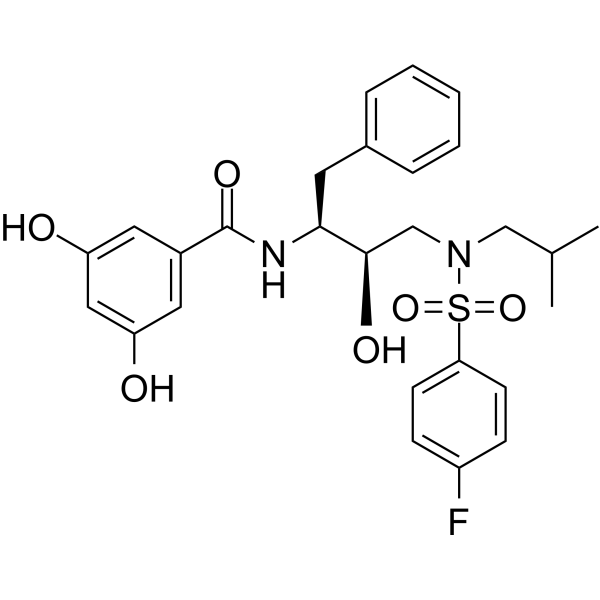
HIV-1 protease-IN-6 (compound 17d) is a potent HIV-1 protease inhibitor, with an IC50 of 21 pM and a Ki of 4.7 pM, respectively. HIV-1 protease-IN-6 exhibits potent antiviral activity to DRV (darunavir)-resistant variant, even more than wild type virus .
Olendalizumab (ALXN1007) is a mouse-derived and humanized IgG2-G4-κ antibody, targeting to Complement protein C5a (Ki=60 pM). Olendalizumab targets the complement inflammatory pathway. Moreover, Olendalizumab can be used for research of complement mediated disorder caused by corona virus .
2-PADQZ is an antiviral compound with activity against influenza viruses. 2-PADQZ specifically binds to the influenza A virus RNA promoter and forms a binding site at the internal loop. 2-PADQZ has a significant inhibitory effect on H1N1 and H3N2 influenza A viruses and influenza B viruses .
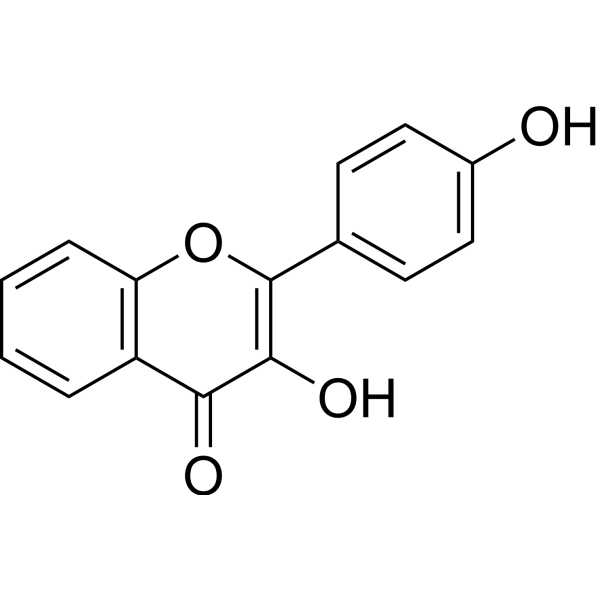
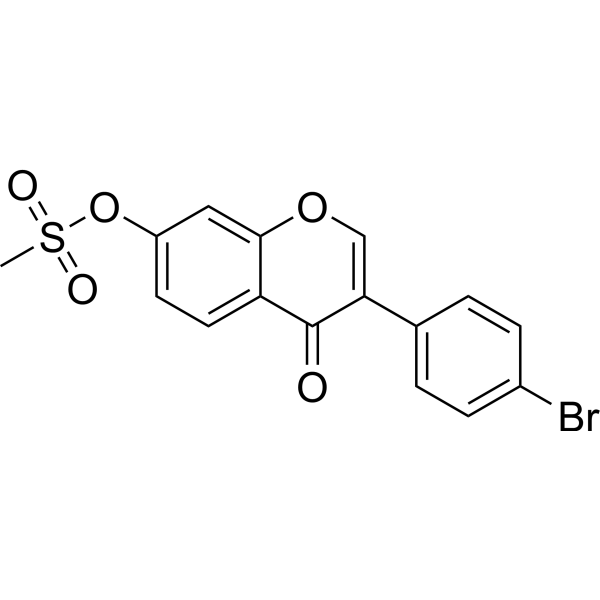
KIN101 is a potent RNA viral inhibitor with IC50s of 2 μM, >5 μM for influenza virus and Dengue virus (DNV), respectively. KIN101, an isoflavone agonist of IRF-3 dependent signaling, induces IRF-3 nuclear translocation. KIN101 has broad-spectrum activity against RNA viruses .
RO5487624, an analogue of RO5464466 (HY-120690), is an orally active hemagglutinin (HA) inhibitor of influenza H1N1viruses that abolishes influenza virus fusion by blocking HA conformational changes in low pH environments. RO5487624 displays a protective effect on mice that are lethally challenged with influenza H1N1virus .
Octaethylene glycol monododecyl ether (Standard) is the analytical standard of Octaethylene glycol monododecyl ether. This product is intended for research and analytical applications. Octaethylene glycol monododecyl ether (C12E8) is an non-ionic detergent that can be used for membrane protein extraction. Octaethylene glycol monododecyl ether can solubilize the viral membrane of intact influenza virus .
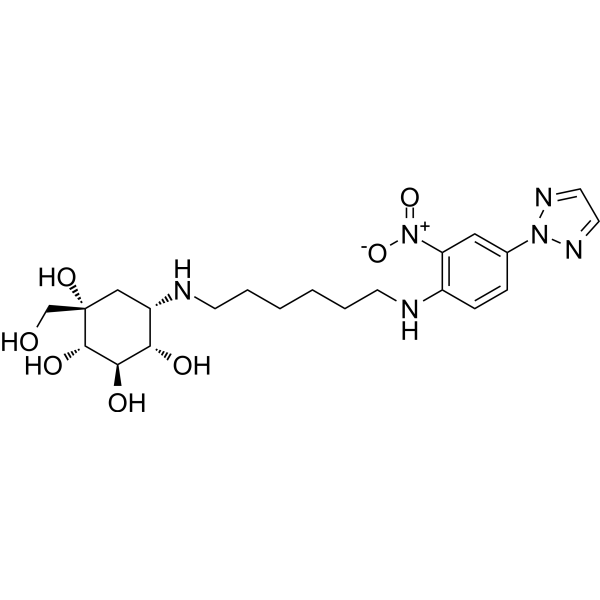
EB-0176 is a potent inhibitor of ER α-glucosidases (α-Glu) Iand II with IC50s of 0.6439 and 0.0011 μM, respectively. EB-0176 is a N-substituted derivative of valiolamine with broad-spectrum antiviral. EB-0176 has the potential for the reseach of broad-spectrum agent against the existing and emerging viruses .
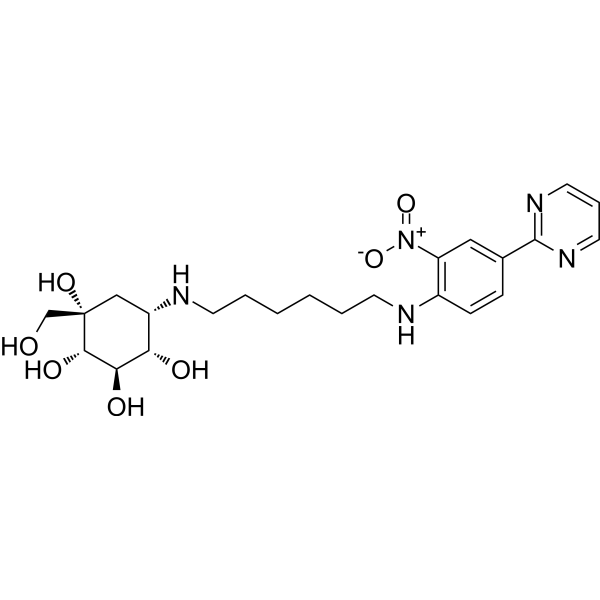
EB-0156 is a potent inhibitor of ER α-glucosidases (α-Glu) Iand II with IC50s of 0.0479 and less than 0.001 μM, respectively. EB-0156 is a N-substituted derivative of valiolamine with broad-spectrum antiviral. EB-0156 has the potential for the reseach of broad-spectrum agent against the existing and emerging viruses .
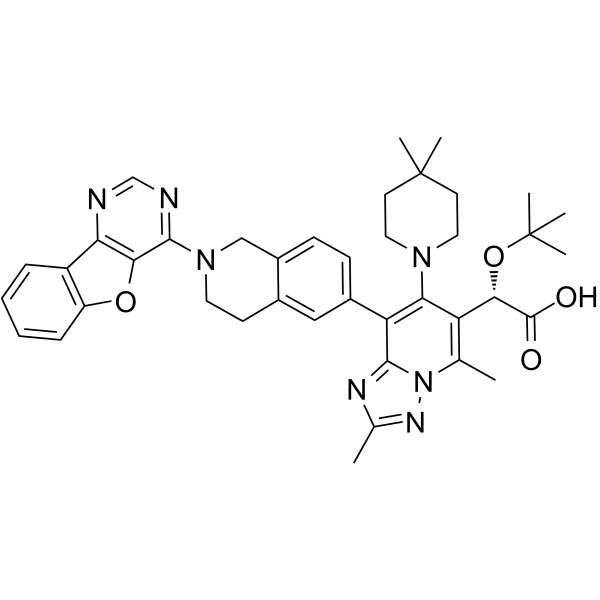
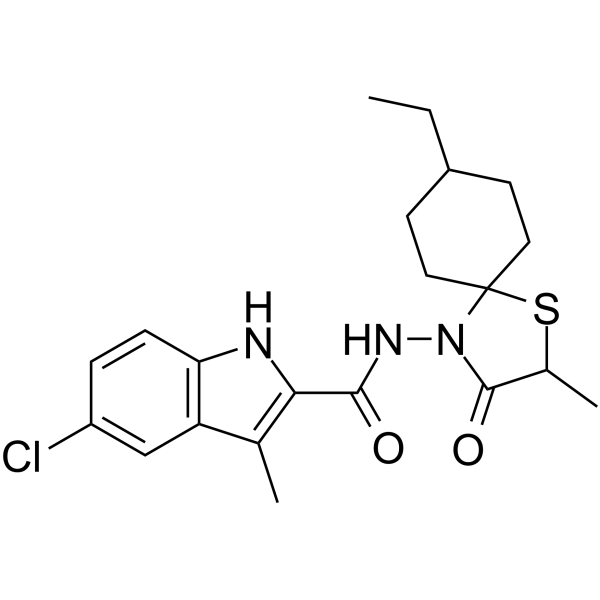
AAK1-IN-7 (Compound 16) is a dual AAK1/GAK inhibitor (EC50 values are 40 and 80 nM, respectively). AAK1-IN-7 inhibits the phosphorylation of AP2-µ2 subunit at T156. AAK1-IN-7 has weak antiviral activity against RNA viruses .
GW695634 is an orally active prodrug of GW678248. GW695634 undergoes amidolysis in vivo to release the active ingredient GW678248, thereby inhibiting viral replication. GW678248 is a non-nucleoside reverse transcriptase inhibitor (NNRTi) with potent antiviral activity against Efavirenz (HY-10572)-resistant and Nevirapine (HY-10570)-resistant HIV and AIDSviruses .
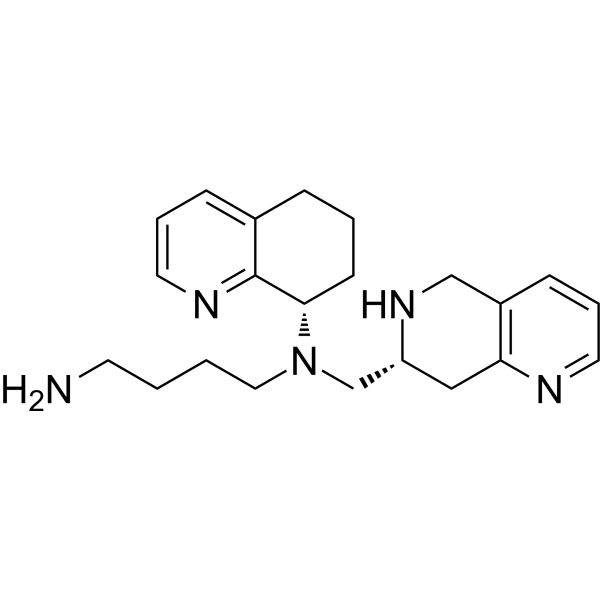
CXCR4 antagonist 3 (compound 12a) is a potent antagonist of CXCR4 with an IC50 of 11 nM. CXCR4 antagonist 3 is a congener of TIQ15. CXCR4 antagonist 3 demonstrates the best overall properties including CXCR4 antagonism, CYP 2D6 inhibition, metabolic stability, and permeability. CXCR4 antagonist 3 has the potential for the research of human immunodeficiency virus .
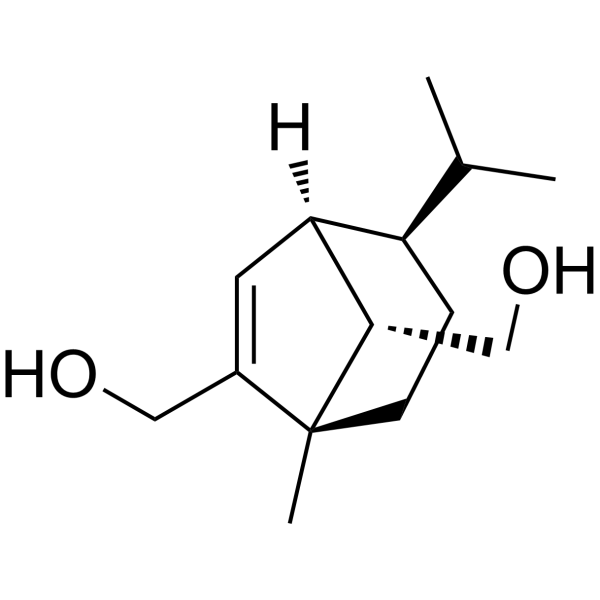
(Z)-γ-Bisabolene is a monocyclic bisabolane-type sesquiterpene hydrocarbon found in the essential oil of Galinsoga parviflora, acting as a mosquito larvicide and oviposition deterrent. (Z)-γ-Bisabolene induces acute toxicity in larvae of six mosquito species. (Z)-γ-Bisabolene deters oviposition in gravid females of six mosquito species. (Z)-γ-Bisabolene can be used for the research of malaria, dengue, japanese encephalitis, zika virus .
Eprociclovir sodium is an antiviral drug with nucleoside analogues. The triphosphate form of Eprociclovir sodium is converted into the active form within virus-infected cells by the virus and possible cellular enzymes, including the viral thymidine kinase, thereby inhibiting the activity of the viral DNA polymerase. The primary activity of Eprociclovir sodium is against herpes viruses, including but not limited to cytomegalovirus (CMV) and herpes simplex virus (HSV). Eprociclovir sodium can be used in studies interfered with by sensitive viruses .
Eprociclovir is an antiviral drug with nucleoside analogues. The triphosphate form of Eprociclovir is converted into the active form within virus-infected cells by the virus and possible cellular enzymes, including the viral thymidine kinase, thereby inhibiting the activity of the viral DNA polymerase. The primary activity of Eprociclovir is against herpes viruses, including but not limited to cytomegalovirus (CMV) and herpes simplex virus (HSV). Eprociclovir can be used in studies interfered with by sensitive viruses .
Eprociclovir potassium is an antiviral drug with nucleoside analogues. The triphosphate form of Eprociclovir potassium is converted into the active form within virus-infected cells by the virus and possible cellular enzymes, including the viral thymidine kinase, thereby inhibiting the activity of the viral DNA polymerase. The primary activity of Eprociclovir potassium is against herpes viruses, including but not limited to cytomegalovirus (CMV) and herpes simplex virus (HSV). Eprociclovir potassium can be used in studies interfered with by sensitive viruses .
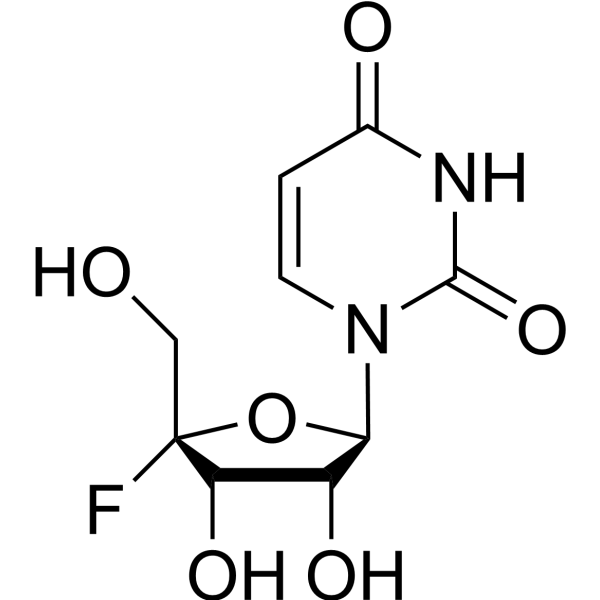
EIDD-2749 (4'-Fluorouridine) is an orally active RdRp inhibitor. EIDD-2749 effectively blocks the replication of RSV and SARS-CoV-2. EIDD-2749 also exhibits activity against HCV and lymphocytic choriomeningitis virus (LCMV). EIDD-2749 is a promising oral therapeutic candidate for COVID-19 and is also suitable for research on other RNA viruses .
HCV NS5B polymerase-IN-3 (Compound 30a) is an inhibitor of the HCV NS5B polymerase. HCV NS5B polymerase-IN-3 exhibits anti-HCV activity in the Huh7 replicon cell line with an EC50 of 0.23 μM and shows no obvious cytotoxicity. HCV NS5B polymerase-IN-3 can be used in research related to the hepatitis C virus .
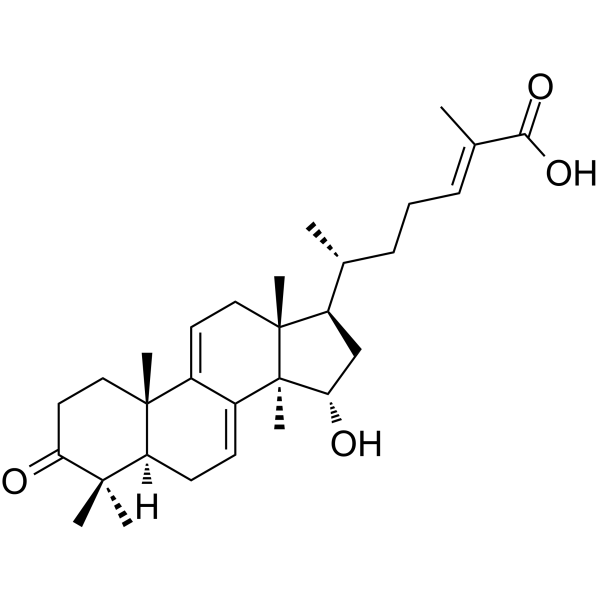
Ganoderic acid TR is a broad-spectrum inhibitor of influenza neuraminidase enzymes (NAs). Ganoderic acid TR has IC50 values of 10.9 and 4.6 μM for H5N1 and H1N1 NAs, respectively. Ganoderic acid TR is limited by cytotoxicity and shows only weak activity against Oseltamivir (HY-13317)-resistant H1N1viruses and influenza B viruses .
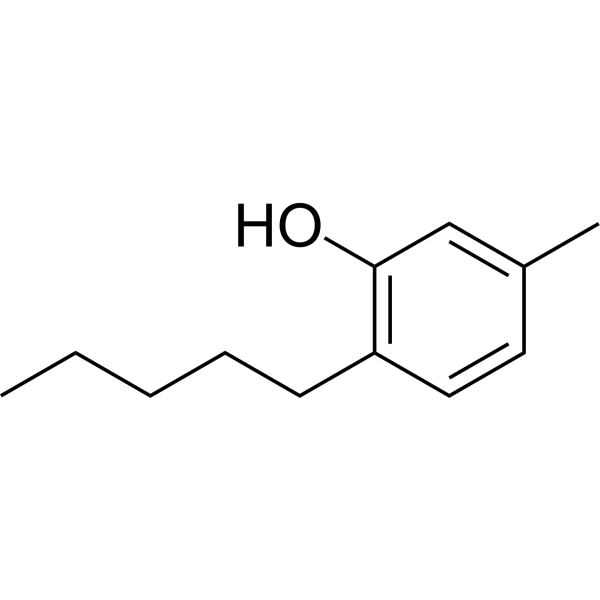
Amylmetacresol is a phenolic compound with topical antibacterial and antiviral activity. Amylmetacresol works by destroying the protein structure of the virus surface or interfering with the function of the virus lipid membrane. Amylmetacresol inhibits the attachment and replication of respiratory viruses such as human Rhinovirus 1a and influenza virus A, without significant effect on viruses such as HRV8. Amylmetacresol is mainly applied topically to the throat to relieve viral sore throats. Amylmetacresol is more active against enveloped viruses than non-enveloped viruses .
HIV-1 inhibitor-75 is a human immunodeficiency virus 1(HIV-1) inhibitor, with an EC50 value ranging from 0.0039 to 0.338 μM. The binding target of HIV-1 inhibitor-75 is reverse transcriptase, with an IC50 value of 0.055 μM. HIV-1 inhibitor-75 shows good in vitro metabolic stability, exhibiting moderate clearance rates and a longer half-life in human plasma and liver microsomes [1].
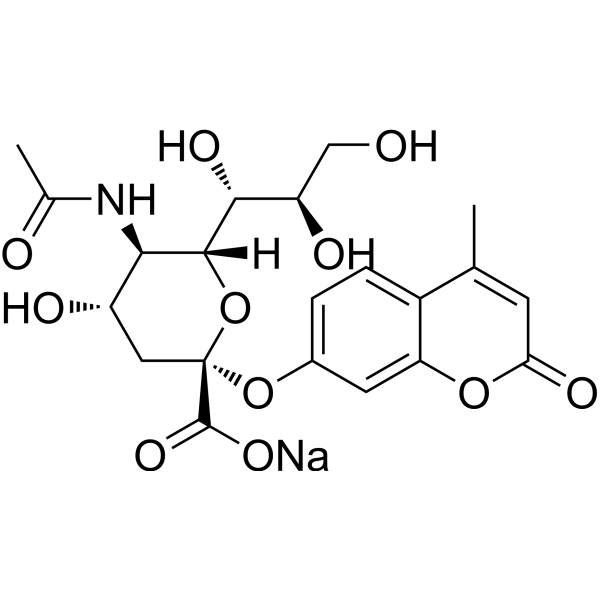
4-MUNANA is a substrate of influenza virus neuraminidase (NA) with high selectivity and irreversible reaction. In the enzymatic reaction, 4-MUNANA is hydrolyzed by NA to generate fluorescent 4-methylumbelliferone (4-MU). By detecting the fluorescence intensity of 4-MU, quantitative analysis of NA activity can be achieved. 4-MUNANA can be used in influenza-related research, such as screening NA inhibitors, developing new anti-influenza drugs, and studying the infection mechanism of influenza viruses .
BMY-27709 is an influenza virus growth inhibitor with an IC50 value of 3-8 μM against A/WSN/33 virus growth, and also exhibits inhibitory activity against some subtypes of influenza viruses. BMY-27709 acts early in the course of H1 and H2 virus infections, and exhibits antiviral activity through inhibition of hemagglutinin proteins. However, BMY-27709 has no effect on H3 subtype viruses and influenza B/Lee/40 viruses .
Fluoroneplanocin A-8N (Compound 3a) is an inhibitor targeting SAH hydrolase (IC50 = 1.51 μM) and viral RNA polymerase. Fluoroneplanocin A-8N exhibits broad-spectrum anti-SARS-CoV-2 and dengue virus activity, with EC50 values of 12.2 and 37.4 μM respectively. Fluoroneplanocin A-8N has no cytotoxicity. Fluoroneplanocin A-8N can be used for anti-positive-strand viruses .
4-MUNANA (solution) is a substrate of influenza virus neuraminidase (NA) with high selectivity and irreversible reaction. In the enzymatic reaction, 4-MUNANA is hydrolyzed by NA to generate fluorescent 4-methylumbelliferone (4-MU). By detecting the fluorescence intensity of 4-MU, quantitative analysis of NA activity can be achieved. 4-MUNANA can be used in influenza-related research, such as screening NA inhibitors, developing new anti-influenza drugs, and studying the infection mechanism of influenza viruses . Solvent and Concentration: Sterile water: 10 mM
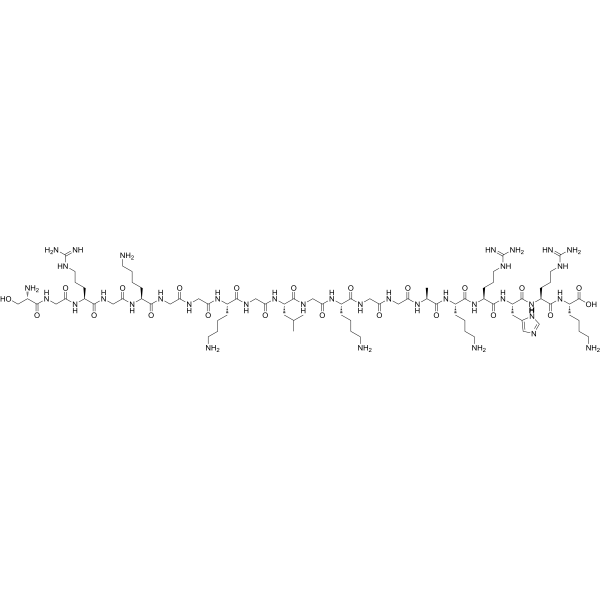
Tat-beclin 1 scrambled is the scrambled part and a scrambled control of Tat-beclin 1 (HY-P2260), which is derived from a region of the autophagy protein, beclin 1. beclin 1 induces autophagy via binding human immunodeficiency virus, HIV-1 Nef and interacting with negative regulator GAPR-1 (GLIPR2). Tat-beclin 1 decreases the accumulation of polyglutamine expansion protein aggregates and the replication of several pathogens, such as HIV-1. Tat-beclin 1 also reduces mortality in mice infected with chikungunya or West Nile virus .
Tat-beclin 1 scrambled TFA is the scrambled part and a scrambled control of Tat-beclin 1 (HY-P2260), which is derived from a region of the autophagy protein, beclin 1. beclin 1 induces autophagy via binding human immunodeficiency virus, HIV-1 Nef and interacting with negative regulator GAPR-1 (GLIPR2). Tat-beclin 1 decreases the accumulation of polyglutamine expansion protein aggregates and the replication of several pathogens, such as HIV-1. Tat-beclin 1 also reduces mortality in mice infected with chikungunya or West Nile virus .
NSC-323241 is a potent STT3A-mediated mega protein complex assembly inhibitor. NSC-323241 disrupts he endoplasmic reticulum (ER) mega complex nucleated by STT3A during dengue virus (DENV) and Zika virus (ZIKV) infection. NSC-323241 targets the binding of STT3A subcomplex with viral nonstructural proteins (e.g., NS2B, NS3) and host translocon proteins, disrupting the formation of viral replication microenvironment. NSC-323241 is promising for research of flavivirus infection, such as dengue fever and Zika virus .
Anti-NKG2D/CD314 Antibody (1D11) is a kind of mouse IgG1 κ chimeric antibody, targeting to human NKG2D/CD314. Anti-NKG2D/CD314 Antibody (1D11) can block the binding of NKG2D to its ligands. Anti-NKG2D/CD314 Antibody (1D11) can be used for the research of infection, such as HIV (human immunodeficiency virus) .
CHIKV-IN-1 (Compound 3a) is a compound that inhibits the Chikungunya virus (CHIKV) with an EC50 of 0.12 μM. CHIKV-IN-1 is a potent inhibitor of the S-adenosyl-L-homocysteine hydrolase (SAH hydrolase), with an IC50 of 0.36 μM. CHIKV-IN-1 is only effective against CHIKV and some other alphaviruses, but has no activity against other RNA viruses such as SARS-CoV, MERS-CoV, and ZIKV. CHIKV-IN-1 has extremely low cytotoxicity (CC₅₀ > 250 μM), and it has an extremely high selectivity index (SI > 2083). CHIKV-IN-1 can be used in research on anti-Chikungunya virus .
Nsp12-IN-2 (Compound 8), the triphosphate metabolite of 4'-thiouridine (HY-W113081), is a SARS-CoV-2 Nsp12 inhibitor. Nsp12-IN-2 inhibits the RNA-dependent RNA polymerase (RdRp) activity of the SARS-CoV-2 Nsp12-Nsp7-Nsp8 complex, terminates RNA synthesis and also blocks the RNAylation and NMPylation of Nsp9. Nsp12-IN-2 is promising for research of infections caused by SARS-CoV-2, other coronaviruses, and other RNA viruses .
PD-1/PD-L1-IN-58 (compound 2) is a novel inhibitor of PD-1/PD-L1. PD-1/PD-L1-IN-58 selectively binds to PD-L1 over PD-1, with a dissociation rate constant (KD) value of 77.60 nM. PD-1/PD-L1-IN-58 has oral activity. PD-1/PD-L1-IN-58 can be used in the research of influenza A virus .
H2-D b restricted epitopes VSV Nucleoprotein (52-59) is a 9-mer peptide derived from the nucleoprotein of Vesicular Stomatitis Virus (VSV). H2-D b restricted epitopes VSV Nucleoprotein (52-59) binds to MHC class I molecules and presents itself to CD8+ T cells, thereby activating cytotoxic T lymphocytes (CTLs), which can recognize and kill cells expressing the corresponding antigen. H2-D b restricted epitopes VSV Nucleoprotein (52-59) can be used in the development of CTL vaccines against Ebola virus .
Vidarabine monohydrate is a Purine nucleoside derivative and Antiviral agent. The triphosphate derivative of Vidarabine monohydrate competitively inhibits DNA polymerase, incorporates into the terminus of elongating DNA molecules, and interferes with the early steps of viral DNA synthesis. Vidarabine monohydrate inhibits the replication of herpes simplex virus, varicella-zoster virus, cytomegalovirus, Epstein-Barr virus and vaccinia virus, reduces viral shedding, and accelerates skin healing. Vidarabine monohydrate is metabolized to arabinosyl hypoxanthine, causes minimal impairment of corneal wound healing in rabbit models, and is associated with recurrence of herpes simplex encephalitis. Vidarabine monohydrate can be used in the research of herpetic keratoconjunctivitis, herpes simplex encephalitis, herpetic uveitis, and chronic active hepatitis associated with hepatitis B virus .
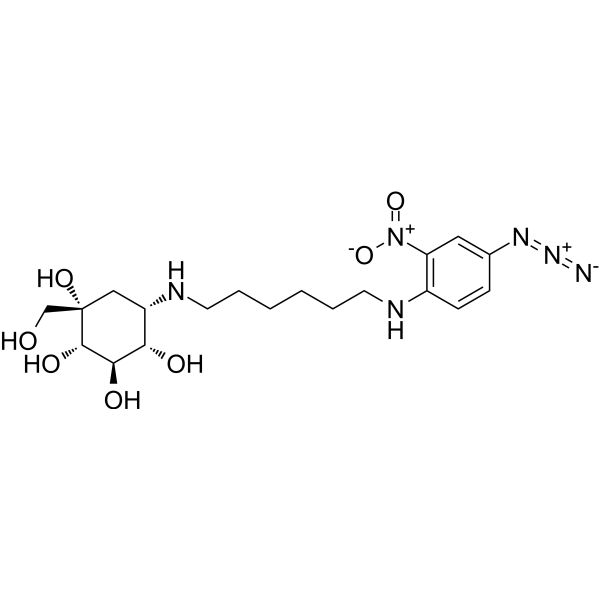
EB-0150 is a potent inhibitor of ER α-glucosidases (α-Glu) Iand II with IC50s of 0.73 and 0.0337 μM, respectively. EB-0150 is a N-substituted derivative of valiolamine with broad-spectrum antiviral. EB-0150 has the potential for the reseach of broad-spectrum agent against the existing and emerging viruses . EB-0150 is a click chemistry reagent, it contains an Azide group and can undergo copper-catalyzed azide-alkyne cycloaddition reaction (CuAAc) with molecules containing Alkyne groups. It can also undergo strain-promoted alkyne-azide cycloaddition (SPAAC) reactions with molecules containing DBCO or BCN groups.
Tecovirimat (ST-246) is an orally bioavailable and selective compound against orthopoxviruses including vaccinia, monkeypox, camelpox, cowpox, ectromelia (mousepox), smallpox and variola viruses. Tecovirimat is evaluated against vaccinia, cowpox virus, ectromelia virus with EC50 values of 0.01 μM, 0.48 μM and 0.05 μM, respectively. Tecovirimat targets the orthopoxvirus protein VP37 which is necessary for membrane envelopment of intracellular mature virus particles to form enveloped virus. Tecovirimat exerts antiviral activity on the target of the cowpox virusV061 gene, which is homologous to vaccinia virusF13L, encoding a major envelope protein (p37) required for production of extracellular virus .
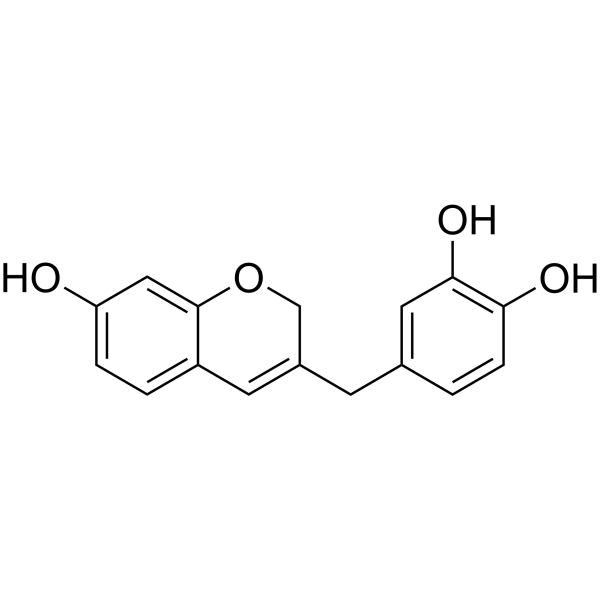
7,3',4'-Trihydroxy-3-benzyl-2H-chromene is an reversible noncompetitive neuraminidase (NA) inhibitor. 7,3',4'-Trihydroxy-3-benzyl-2H-chromene can be isolated from the dried heartwood of Caesalpinia sappan L. 7,3',4'-Trihydroxy-3-benzyl-2H-chromene has potent NAs inhibitory activities with IC50 values of 34.6 µM [H1N1], 39.5 µM [H3N2], and 50.5µM [H9N2], respectively. 7,3',4'-Trihydroxy-3-benzyl-2H-chromene can be used for the research of influenza virus .
TLR7/8 agonist 13 is an orally active dual agonist of TLR7 (lowest effective concentrations (LEC) [hTLR7] = 1.6 μM) and TLR8 (LEC [hTLR8] = 1.6 μM). TLR7/8 agonist 13 exhibits agonistic activity against human peripheral blood mononuclear cells (hPBMCs) (LEC [hPBMC] = 0.5 μM). TLR7/8 agonist 13 induces endogenous IFNα, activating myeloid dendritic cells and monocytes toward a TH1 phenotype in mice and cynomolgus monkeys. TLR7/8 agonist 13 reduces viral load and HBV surface antigen expression in a mouse model of chronic AAV-HBV infection. TLR7/8 agonist 13 has the potential to indirectly induce IFNγ, which may promote HBV antigen-specific CD8 T cell-mediated responses. TLR7/8 agonist 13 can be used to study hepatitis B virus .
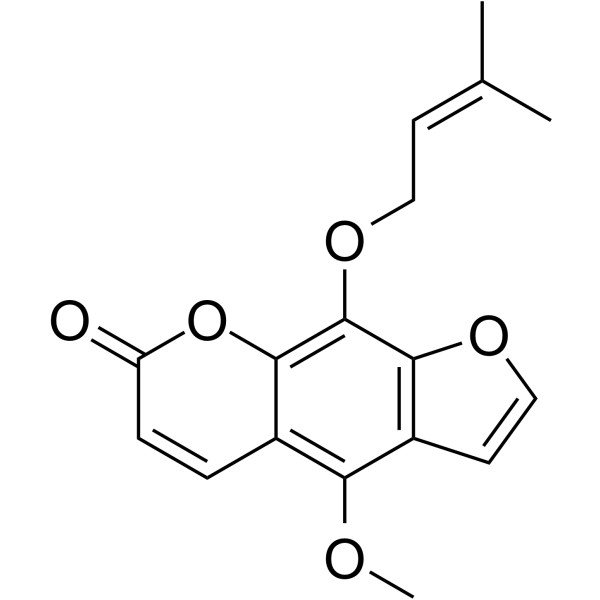
Phellopterin, an orally active furocoumarin with multiple biological activities. Phellopterin is a partial agonist of the central benzodiazepine receptors. Phellopterin exerts anti-inflammatory effects by upregulating SIRT1, downregulating ICAM-1 (reducing chronic inflammation, aiding diabetic ulcer healing), inhibiting STAT3 phosphorylation (easing atopic dermatitis inflammation), regulating Akt/PKC pathways (lowering TNF-α-induced VCAM-1 to block monocyte adhesion), and inhibiting TLR4/NF-κB pathway and macrophage M2 polarization (alleviating colitis-related cancers). Phellopterin suppresses ovarian cancer progression via inhibiting the PU.1/CLEC5A/PI3K-AKT loop (inducing cell cycle arrest, apoptosis, DNA damage). Phellopterin alleviates murine diabetes by promoting adipocyte differentiation and increasing PPARγ. Phellopterin also has anti-HSV-1 activity. Phellopterin can be used for studying anti-inflammation, anti-cancer (e.g., ovarian cancer, colitis cancer), blood glucose lowering, anti-diabetes, and anti-virus .
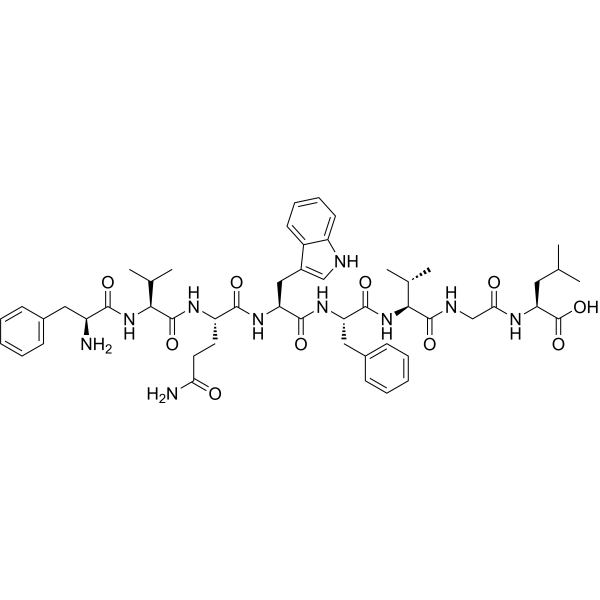
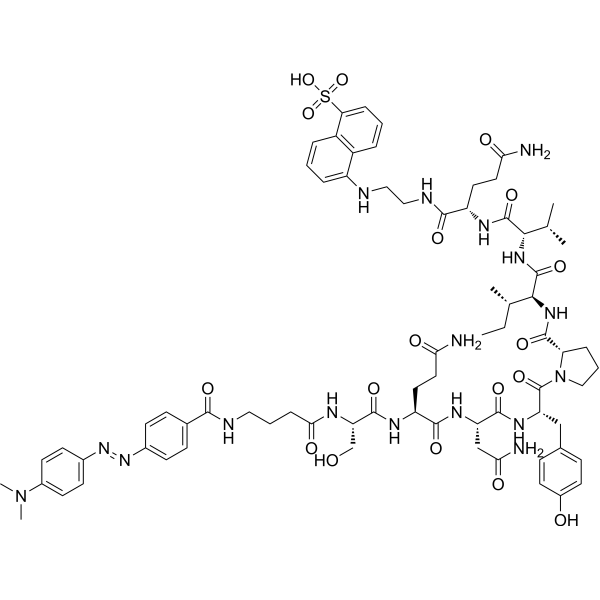
DABCYL-GABA-Ser-Gln-Asn-Tyr-Pro-Ile-Val-Gln-EDANS is a biological active peptide. (DABCYL-GABA-Ser-Gln-Asn-Tyr-Pro-Ile-Val-Gln-EDANS is also called HIV protease substrate I in some literature. It is widely used for the continuous assay for HIV protease activity. The 11-Kd protease (PR) encoded by the human immunodeficiency virus 1 (HIV-1) is essential for the correct processing of viral polyproteins and the maturation of infectious virus, and is therefore a target for the design of selective acquired immunodeficiency syndrome (AIDS) therapeutics. The FRET-based fluorogenic substrate is derived from a natural processing site for HIV-1 PR. Incubation of recombinant HIV-1 PR with the fluorogenic substrate resulted in specific cleavage at the Tyr-Pro bond and a time-dependent increase in fluorescence intensity that is linearly related to the extent of substrate hydrolysis. The fluorescence quantum yields of the HIV-1 PR substrate in the FRET assay increased by 40.0- and 34.4-fold, respectively, per mole of substrate cleaved. Because of its simplicity and precision in the determination of reaction rates required for kinetic analysis, this substrate offers many advantages over the commonly used HPLC or electrophoresis-based assays for peptide substrate hydrolysis by retroviral PRs. Abs/Em = 340nm/490nm.)
4-MUNANA is a substrate of influenza virus neuraminidase (NA) with high selectivity and irreversible reaction. In the enzymatic reaction, 4-MUNANA is hydrolyzed by NA to generate fluorescent 4-methylumbelliferone (4-MU). By detecting the fluorescence intensity of 4-MU, quantitative analysis of NA activity can be achieved. 4-MUNANA can be used in influenza-related research, such as screening NA inhibitors, developing new anti-influenza drugs, and studying the infection mechanism of influenza viruses .
4-MUNANA (solution) is a substrate of influenza virus neuraminidase (NA) with high selectivity and irreversible reaction. In the enzymatic reaction, 4-MUNANA is hydrolyzed by NA to generate fluorescent 4-methylumbelliferone (4-MU). By detecting the fluorescence intensity of 4-MU, quantitative analysis of NA activity can be achieved. 4-MUNANA can be used in influenza-related research, such as screening NA inhibitors, developing new anti-influenza drugs, and studying the infection mechanism of influenza viruses . Solvent and Concentration: Sterile water: 10 mM
2',3'-O-Isopropylideneuridine is a modified uridine. 2',3'-O-Isopropylideneuridine can be used in the research of viral diseases (such as cytomegalovirus and varicella-zoster virus) .
TAT (YGRKKRRQRRR) is derived from the transactivator of transcription (TAT) of human immunodeficiency virus-1 (HIV-1) and is a cell-penetrating peptide. TAT can increase the yields and the solubility of heterologous proteins [1].
TAT (47-57), FAM-labeled acetate is a 5(6)-Carboxyfluorescein (HY-15940)-labeled TAT (HY-P0281). TAT (YGRKKRRQRRR) is derived from the transactivator of transcription (TAT) of human immunodeficiency virus-1 (HIV-1) and is a cell-penetrating peptide [1].
TAT (47-57), FAM-labeled is a 5(6)-Carboxyfluorescein (HY-15940)-labeled TAT (HY-P0281). TAT (YGRKKRRQRRR) is derived from the transactivator of transcription (TAT) of human immunodeficiency virus-1 (HIV-1) and is a cell-penetrating peptide [1].
Abl Cytosolic Substrate is a substrate for Abelson tyrosine kinase (Abl ). Abl Protein Tyrosine Kinase (AbI) is a truncated form of the v-AbI Protein Tyrosine Kinase, a partner in the Gag-Abl fusion protein of the Abelson murine leukemia virus .
Influenza HA (307-319) is 13 amino acids 307 to 319 fragment of Influenza HA. Influenza HA is a glycoprotein found on the surface of influenza viruses .
Tat-beclin 1 scrambled is the scrambled part and a scrambled control of Tat-beclin 1 (HY-P2260), which is derived from a region of the autophagy protein, beclin 1. beclin 1 induces autophagy via binding human immunodeficiency virus, HIV-1 Nef and interacting with negative regulator GAPR-1 (GLIPR2). Tat-beclin 1 decreases the accumulation of polyglutamine expansion protein aggregates and the replication of several pathogens, such as HIV-1. Tat-beclin 1 also reduces mortality in mice infected with chikungunya or West Nile virus .
Tat-beclin 1 scrambled TFA is the scrambled part and a scrambled control of Tat-beclin 1 (HY-P2260), which is derived from a region of the autophagy protein, beclin 1. beclin 1 induces autophagy via binding human immunodeficiency virus, HIV-1 Nef and interacting with negative regulator GAPR-1 (GLIPR2). Tat-beclin 1 decreases the accumulation of polyglutamine expansion protein aggregates and the replication of several pathogens, such as HIV-1. Tat-beclin 1 also reduces mortality in mice infected with chikungunya or West Nile virus .
TAT (TAT(47-57)) acetate is derived from the transactivator of transcription (TAT) of human immunodeficiency virus-1 (HIV-1) and is a cell-penetrating peptide. TAT acetate can increase the yields and the solubility of heterologous proteins [1].
HIV Protease Substrate IV is a substrate of HIV protease. HIV Protease Substrate IV can be used to measure the activity of HIV (human immunodeficiency virus) -1 protease [1].
GF-17 is a polypeptide containing 17 amino acids. is the precursor peptide of GF19. GF-17 exhibits significant antiviral activity. GF-17 can be used for research on viral infections such as HSV-1virus .
HBV Seq2 aa:179-186 serve as effective motifs for CTL response in H-2b system after in vitro restimulation of the primed T cells. HBV Seq2 aa:179-186 is a novel epitope identified on the surface antigen of hepatitis B virus .
H2-D b restricted epitopes VSV Nucleoprotein (52-59) is a 9-mer peptide derived from the nucleoprotein of Vesicular Stomatitis Virus (VSV). H2-D b restricted epitopes VSV Nucleoprotein (52-59) binds to MHC class I molecules and presents itself to CD8+ T cells, thereby activating cytotoxic T lymphocytes (CTLs), which can recognize and kill cells expressing the corresponding antigen. H2-D b restricted epitopes VSV Nucleoprotein (52-59) can be used in the development of CTL vaccines against Ebola virus .
DABCYL-GABA-Ser-Gln-Asn-Tyr-Pro-Ile-Val-Gln-EDANS is a biological active peptide. (DABCYL-GABA-Ser-Gln-Asn-Tyr-Pro-Ile-Val-Gln-EDANS is also called HIV protease substrate I in some literature. It is widely used for the continuous assay for HIV protease activity. The 11-Kd protease (PR) encoded by the human immunodeficiency virus 1 (HIV-1) is essential for the correct processing of viral polyproteins and the maturation of infectious virus, and is therefore a target for the design of selective acquired immunodeficiency syndrome (AIDS) therapeutics. The FRET-based fluorogenic substrate is derived from a natural processing site for HIV-1 PR. Incubation of recombinant HIV-1 PR with the fluorogenic substrate resulted in specific cleavage at the Tyr-Pro bond and a time-dependent increase in fluorescence intensity that is linearly related to the extent of substrate hydrolysis. The fluorescence quantum yields of the HIV-1 PR substrate in the FRET assay increased by 40.0- and 34.4-fold, respectively, per mole of substrate cleaved. Because of its simplicity and precision in the determination of reaction rates required for kinetic analysis, this substrate offers many advantages over the commonly used HPLC or electrophoresis-based assays for peptide substrate hydrolysis by retroviral PRs. Abs/Em = 340nm/490nm.)
Diridavumab is a monoclonal anti-HA stalk antibody. Diridavumab stabilizes the prefusion HA structure and prevents pH-dependent fusion of cellular and viral membranes in endosomes. Diridavumab can be used in research of H2 influenza virus .
Olendalizumab (ALXN1007) is a mouse-derived and humanized IgG2-G4-κ antibody, targeting to Complement protein C5a (Ki=60 pM). Olendalizumab targets the complement inflammatory pathway. Moreover, Olendalizumab can be used for research of complement mediated disorder caused by corona virus .
Anti-Mouse TCR V gamma 2 Antibody (UC3-10A6) is an Armenian Hamster-derived IgG antibody inhibitor, targeting to mouse TCR V gamma 2. Anti-Mouse TCR V gamma 2 Antibody (UC3-10A6) reacts with an epitope on the delta chain of the mouse Vγ2 TCR (V gamma 2 T cell receptor). Anti-Mouse TCR V gamma 2 Antibody (UC3-10A6) can deplete γδ T cell. Anti-Mouse TCR V gamma 2 Antibody (UC3-10A6) can be used for the researches of infection and immunology, such as herpes simplex virus-1 (HSV-1) infection [1] .
Anti-NKG2D/CD314 Antibody (1D11) is a kind of mouse IgG1 κ chimeric antibody, targeting to human NKG2D/CD314. Anti-NKG2D/CD314 Antibody (1D11) can block the binding of NKG2D to its ligands. Anti-NKG2D/CD314 Antibody (1D11) can be used for the research of infection, such as HIV (human immunodeficiency virus) .
TAT (YGRKKRRQRRR) is derived from the transactivator of transcription (TAT) of human immunodeficiency virus-1 (HIV-1) and is a cell-penetrating peptide. TAT can increase the yields and the solubility of heterologous proteins [1].
Leucomycin (Kitasamycin) is an orally active macrolide antibiotic produced by Streptomyces kitasatoensis. Leucomycin has broad-spectrum antibacterial activities against gram-positive and gram-negative bacteria, mycoplasma, leptospira, spirochaetes, rickettsiae and some larger viruses .
Phellopterin, an orally active furocoumarin with multiple biological activities. Phellopterin is a partial agonist of the central benzodiazepine receptors. Phellopterin exerts anti-inflammatory effects by upregulating SIRT1, downregulating ICAM-1 (reducing chronic inflammation, aiding diabetic ulcer healing), inhibiting STAT3 phosphorylation (easing atopic dermatitis inflammation), regulating Akt/PKC pathways (lowering TNF-α-induced VCAM-1 to block monocyte adhesion), and inhibiting TLR4/NF-κB pathway and macrophage M2 polarization (alleviating colitis-related cancers). Phellopterin suppresses ovarian cancer progression via inhibiting the PU.1/CLEC5A/PI3K-AKT loop (inducing cell cycle arrest, apoptosis, DNA damage). Phellopterin alleviates murine diabetes by promoting adipocyte differentiation and increasing PPARγ. Phellopterin also has anti-HSV-1 activity. Phellopterin can be used for studying anti-inflammation, anti-cancer (e.g., ovarian cancer, colitis cancer), blood glucose lowering, anti-diabetes, and anti-virus .
Isonicotinic acid is an Isoniazid (HY-B0329) metabolite. The Isonicotinic acid derivative Enisamium inhibits the replication of multiple subtypes of influenza A virus .
Glabranine, an flavonoid, is isolated from Tephrosia s.p, exerts a inhibitory effect in vitro on the dengue virus .
Glabranine forms interaction with the soluble ectodomain of DENV type 2 (DENV2) E protein .
7,3',4'-Trihydroxy-3-benzyl-2H-chromene is an reversible noncompetitive neuraminidase (NA) inhibitor. 7,3',4'-Trihydroxy-3-benzyl-2H-chromene can be isolated from the dried heartwood of Caesalpinia sappan L. 7,3',4'-Trihydroxy-3-benzyl-2H-chromene has potent NAs inhibitory activities with IC50 values of 34.6 µM [H1N1], 39.5 µM [H3N2], and 50.5µM [H9N2], respectively. 7,3',4'-Trihydroxy-3-benzyl-2H-chromene can be used for the research of influenza virus .
Noformicin has inhibitory effect on mumps virus and Newcastle disease virus in chicken embryo. Noformicin also extended the survival of mice infected with swine, influenza A (PR8) and influenza B (Lee) viruses .
Ganoderic acid TR is a broad-spectrum inhibitor of influenza neuraminidase enzymes (NAs). Ganoderic acid TR has IC50 values of 10.9 and 4.6 μM for H5N1 and H1N1 NAs, respectively. Ganoderic acid TR is limited by cytotoxicity and shows only weak activity against Oseltamivir (HY-13317)-resistant H1N1viruses and influenza B viruses .
Kadsuralignan A (compound 1) is a dibenzocyclooctadiene lignan isolated from the leaves and stems of Schisandra lancifolia. Kadsuralignan A has anti-HIV activity with EC50=2.23 μg/mL [1].
Herquline A (Herqueline A) is a fungal piperazine alkaloid. Herquline A is a fungal metabolite that inhibits platelet aggregation and replication of the influenza virus .
Drechslerine A has neuraminidase inhibitory activity (IC50: 0.79 μM). Drechslerine A is a terpene that can be isolated from endophytic Cochliobolus. Drechslerine A can be used for research of Influenza Virus .
Maniwamycin E is a maniwamycin derivative isolated from the culture extract of thermotolerant Streptomyces sp. JA74. Maniwamycin E shows antiviral activity against SARS-CoV-2 and influenza (H1N1) virus .
Isonicotinic acid (Standard) is the analytical standard of Isonicotinic acid (HY-I0736). This product is intended for research and analytical applications. Isonicotinic acid is an Isoniazid (HY-B0329) metabolite. The Isonicotinic acid derivative Enisamium inhibits the replication of multiple subtypes of influenza A virus .
(Z)-γ-Bisabolene is a monocyclic bisabolane-type sesquiterpene hydrocarbon found in the essential oil of Galinsoga parviflora, acting as a mosquito larvicide and oviposition deterrent. (Z)-γ-Bisabolene induces acute toxicity in larvae of six mosquito species. (Z)-γ-Bisabolene deters oviposition in gravid females of six mosquito species. (Z)-γ-Bisabolene can be used for the research of malaria, dengue, japanese encephalitis, zika virus .
The NS1 protein plays a key role in viral budding, association with cell membranes, and facilitating the assembly of viral RNA into nucleocapsids to form mature viral particles.During entry, NS1 induces genome penetration into the host cytoplasm.E/Envelope Protein, Dengue virus 1 (101a.a, HEK293, His) is the recombinant Virus-derived E/Envelope protein, expressed by HEK293 , with C-His labeled tag.
The NS1 protein plays a key role in viral budding, association with cell membranes, and facilitating the assembly of viral RNA into nucleocapsids to form mature viral particles.During entry, NS1 induces genome penetration into the host cytoplasm.NS1 Protein, Dengue virus 1 (HEK293, His) is the recombinant Virus-derived NS1 protein, expressed by HEK293 , with N-His labeled tag.
The envelope glycoprotein gp120 protein facilitates viral capture and dissemination by dendritic cells and endothelial cells by attaching the virus to host lymphocytes through binding to the CD4 receptor.HIV exploits the migratory properties of dendritic cells to access CD4+ T cells, leading to infection.envelope glycoprotein gp120 Protein, HIV-1 (AAC31819, HEK293, His) is the recombinant Virus-derived envelope glycoprotein gp120 protein, expressed by HEK293 , with C-His labeled tag.
HIV-1 gp140 Protein is the gp160 ectodomain, and can lead to the production of trimers that can mimic the native Env spike. HIV-1 gp140 trimers is able to elicit neutralizing antibody responses in immunized animals. HIV-1 gp140 Protein (646a.a, HEK293, Fc) is the recombinant Virus-derived HIV-1 gp140 protein, expressed by HEK293 , with C-hFc labeled tag.
The NS1 protein plays a key role in viral budding, association with cell membranes, and facilitating the assembly of viral RNA into nucleocapsids to form mature viral particles.During entry, NS1 induces genome penetration into the host cytoplasm.E/Envelope Protein, Dengue virus 1 (101a.a, sf9, His) is the recombinant Virus-derived E/Envelope protein, expressed by Sf9 insect cells , with C-His labeled tag.
Caffeic acid- 13C3 is an 13C labeled caffeic acid. Caffeic acid is a phytonutrient belonging to the flavonoids. Caffeic acid and its derivatives, are potential antimicrobial agents, chronic infection induced by microbes such as bacteria, fungi, and viruses .
Edoxudine-d5 (EUDR-d5) is the deuterium labeled Edoxudine (HY-B1011). Edoxudine is an antiviral active molecule and thymidine analog. Edoxudine is effective against herpes simplex virus .
Isonicotinic acid-d4 is the deuterium labeled Isonicotinic acid (HY-I0736). Isonicotinic acid is an Isoniazid (HY-B0329) metabolite. The Isonicotinic acid derivative Enisamium inhibits the replication of multiple subtypes of influenza A virus .
Lamivudine- 13C, 15N2 is a labelled impurity of Lamivudine (BCH-189). Lamivudine is a nucleoside reverse transcriptase inhibitors (NRTIs), and can inhibit HIV reverse transcriptase 1/2 and the reverse transcriptase of hepatitis B virus .
EB-0150 is a potent inhibitor of ER α-glucosidases (α-Glu) Iand II with IC50s of 0.73 and 0.0337 μM, respectively. EB-0150 is a N-substituted derivative of valiolamine with broad-spectrum antiviral. EB-0150 has the potential for the reseach of broad-spectrum agent against the existing and emerging viruses . EB-0150 is a click chemistry reagent, it contains an Azide group and can undergo copper-catalyzed azide-alkyne cycloaddition reaction (CuAAc) with molecules containing Alkyne groups. It can also undergo strain-promoted alkyne-azide cycloaddition (SPAAC) reactions with molecules containing DBCO or BCN groups.
ISD sodium is an interferon-stimulatory DNA, a 45 bp non-CpG double-stranded oligonucleotide derived from the genome of Listeria monocytogenes. ISD sodium potently induces type I interferon production via the cGAS‑STING‑TBK1‑IRF3 pathway [1] .
2',3'-O-Isopropylideneuridine is a modified uridine. 2',3'-O-Isopropylideneuridine can be used in the research of viral diseases (such as cytomegalovirus and varicella-zoster virus) .
Inquiry Online
Your information is safe with us. * Required Fields.
Western blot analysis of extracts from THP-1(lane 2(20μg), Jurkat (lane 3(20μg) and NIH3T3(lane 4(20μg) using FOXO1A (HY-P80132) Rabbit mAb. Proteins were transferred
to a PVDF membrane and blocked with 5% non-fat milk in TBST for 2 hour at room temperature. The primary antibody (1/1000) and Loading control antibody (Beta Actin, HY-P80438, 1/10000) was
used in 5% non-fat milk in TBST at 4°C overnight. Goat Anti-Mouse/Rabbit IgG-HRP Secondary Antibody (1/10000) was used for 1 hour at room temperature.
Western blot analysis of extracts from THP-1(lane 2(20μg), Jurkat (lane 3(20μg) and NIH3T3(lane 4(20μg) using FOXO1A (HY-P80132) Rabbit mAb. Proteins were transferred
to a PVDF membrane and blocked with 5% non-fat milk in TBST for 2 hour at room temperature. The primary antibody (1/1000) and Loading control antibody (Beta Actin, HY-P80438, 1/10000) was
used in 5% non-fat milk in TBST at 4°C overnight. Goat Anti-Mouse/Rabbit IgG-HRP Secondary Antibody (1/10000) was used for 1 hour at room temperature.
Western blot analysis of extracts from THP-1(lane 2(20μg), Jurkat (lane 3(20μg) and NIH3T3(lane 4(20μg) using FOXO1A (HY-P80132) Rabbit mAb. Proteins were transferred
to a PVDF membrane and blocked with 5% non-fat milk in TBST for 2 hour at room temperature. The primary antibody (1/1000) and Loading control antibody (Beta Actin, HY-P80438, 1/10000) was
used in 5% non-fat milk in TBST at 4°C overnight. Goat Anti-Mouse/Rabbit IgG-HRP Secondary Antibody (1/10000) was used for 1 hour at room temperature.
Western blot analysis of extracts from THP-1(lane 2(20μg), Jurkat (lane 3(20μg) and NIH3T3(lane 4(20μg) using FOXO1A (HY-P80132) Rabbit mAb. Proteins were transferred
to a PVDF membrane and blocked with 5% non-fat milk in TBST for 2 hour at room temperature. The primary antibody (1/1000) and Loading control antibody (Beta Actin, HY-P80438, 1/10000) was
MedchemExpress Validation 03
Western blot analysis of extracts from THP-1(lane 2(20μg), Jurkat (lane 3(20μg) and NIH3T3(lane 4(20μg) using FOXO1A (HY-P80132) Rabbit mAb. Proteins were transferred
MedchemExpress Validation 04
Western blot analysis of extracts from THP-1(lane 2(20μg), Jurkat (lane 3(20μg) and NIH3T3(lane 4(20μg) using FOXO1A (HY-P80132) Rabbit mAb. Proteins were transferred
to a PVDF membrane and blocked with 5% non-fat milk in TBST for 2 hour at room temperature. The primary antibody (1/1000) and Loading control antibody (Beta Actin, HY-P80438, 1/10000) was
used in 5% non-fat milk in TBST at 4°C overnight. Goat Anti-Mouse/Rabbit IgG-HRP Secondary Antibody (1/10000) was used for 1 hour at room temperature.
MedchemExpress Validation
Western blot analysis of extracts from THP-1(lane 2(20μg), Jurkat (lane 3(20μg) and NIH3T3(lane 4(20μg) using FOXO1A (HY-P80132) Rabbit mAb. Proteins were transferred
to a PVDF membrane and blocked with 5% non-fat milk in TBST for 2 hour at room temperature. The primary antibody (1/1000) and Loading control antibody (Beta Actin, HY-P80438, 1/10000) was
used in 5% non-fat milk in TBST at 4°C overnight. Goat Anti-Mouse/Rabbit IgG-HRP Secondary Antibody (1/10000) was used for 1 hour at room temperature.
Western blot analysis of extracts from THP-1(lane 2(20μg), Jurkat (lane 3(20μg) and NIH3T3(lane 4(20μg) using FOXO1A (HY-P80132) Rabbit mAb. Proteins were transferred
to a PVDF membrane and blocked with 5% non-fat milk in TBST for 2 hour at room temperature. The primary antibody (1/1000) and Loading control antibody (Beta Actin, HY-P80438, 1/10000) was
used in 5% non-fat milk in TBST at 4°C overnight. Goat Anti-Mouse/Rabbit IgG-HRP Secondary Antibody (1/10000) was used for 1 hour at room temperature.
MedchemExpress Validation
Western blot analysis of extracts from THP-1(lane 2(20μg), Jurkat (lane 3(20μg) and NIH3T3(lane 4(20μg) using FOXO1A (HY-P80132) Rabbit mAb. Proteins were transferred
to a PVDF membrane and blocked with 5% non-fat milk in TBST for 2 hour at room temperature. The primary antibody (1/1000) and Loading control antibody (Beta Actin, HY-P80438, 1/10000) was
used in 5% non-fat milk in TBST at 4°C overnight. Goat Anti-Mouse/Rabbit IgG-HRP Secondary Antibody (1/10000) was used for 1 hour at room temperature.
MedchemExpress Validation
Western blot analysis of extracts from THP-1(lane 2(20μg), Jurkat (lane 3(20μg) and NIH3T3(lane 4(20μg) using FOXO1A (HY-P80132) Rabbit mAb. Proteins were transferred
to a PVDF membrane and blocked with 5% non-fat milk in TBST for 2 hour at room temperature. The primary antibody (1/1000) and Loading control antibody (Beta Actin, HY-P80438, 1/10000) was
used in 5% non-fat milk in TBST at 4°C overnight. Goat Anti-Mouse/Rabbit IgG-HRP Secondary Antibody (1/10000) was used for 1 hour at room temperature.
MedchemExpress Validation
Western blot analysis of extracts from THP-1(lane 2(20μg), Jurkat (lane 3(20μg) and NIH3T3(lane 4(20μg) using FOXO1A (HY-P80132) Rabbit mAb. Proteins were transferred
to a PVDF membrane and blocked with 5% non-fat milk in TBST for 2 hour at room temperature. The primary antibody (1/1000) and Loading control antibody (Beta Actin, HY-P80438, 1/10000) was
used in 5% non-fat milk in TBST at 4°C overnight. Goat Anti-Mouse/Rabbit IgG-HRP Secondary Antibody (1/10000) was used for 1 hour at room temperature.
MedchemExpress Validation
Western blot analysis of extracts from THP-1(lane 2(20μg), Jurkat (lane 3(20μg) and NIH3T3(lane 4(20μg) using FOXO1A (HY-P80132) Rabbit mAb. Proteins were transferred
to a PVDF membrane and blocked with 5% non-fat milk in TBST for 2 hour at room temperature. The primary antibody (1/1000) and Loading control antibody (Beta Actin, HY-P80438, 1/10000) was
used in 5% non-fat milk in TBST at 4°C overnight. Goat Anti-Mouse/Rabbit IgG-HRP Secondary Antibody (1/10000) was used for 1 hour at room temperature.
MedchemExpress Validation
Western blot analysis of extracts from THP-1(lane 2(20μg), Jurkat (lane 3(20μg) and NIH3T3(lane 4(20μg) using FOXO1A (HY-P80132) Rabbit mAb. Proteins were transferred
to a PVDF membrane and blocked with 5% non-fat milk in TBST for 2 hour at room temperature. The primary antibody (1/1000) and Loading control antibody (Beta Actin, HY-P80438, 1/10000) was
used in 5% non-fat milk in TBST at 4°C overnight. Goat Anti-Mouse/Rabbit IgG-HRP Secondary Antibody (1/10000) was used for 1 hour at room temperature.
MedchemExpress Validation
Western blot analysis of extracts from THP-1(lane 2(20μg), Jurkat (lane 3(20μg) and NIH3T3(lane 4(20μg) using FOXO1A (HY-P80132) Rabbit mAb. Proteins were transferred
to a PVDF membrane and blocked with 5% non-fat milk in TBST for 2 hour at room temperature. The primary antibody (1/1000) and Loading control antibody (Beta Actin, HY-P80438, 1/10000) was
used in 5% non-fat milk in TBST at 4°C overnight. Goat Anti-Mouse/Rabbit IgG-HRP Secondary Antibody (1/10000) was used for 1 hour at room temperature.
MedChemExpress values your privacy and your trust is important to us. We use cookies to enhance your website experience. Some cookies are necessary to run the website.
Privacy and Cookie Policy