1. Search Result
Search Result
Results for "

205

" in MedChemExpress (MCE) Product Catalog:

124

Inhibitors & Agonists

2

Screening Libraries

1

Fluorescent Dyes

2

Biochemical Assay Reagents

9

Peptides

8

Inhibitory Antibodies

9

Natural
Products

7

Recombinant Proteins

1

Isotope-Labeled Compounds

17

Antibodies

2

Click Chemistry

21

Oligonucleotides

Cat. No. Product Name Target Research Areas Chemical Structure
  • HY-NP205

    Biochemical Assay Reagents Metabolic Disease
    Glycated Albumin (Human) is an alternative marker for glycemic control. Glycated Albumin (Human) can react with glucose .
    Glycated Albumin (Human)
  • HY-139611
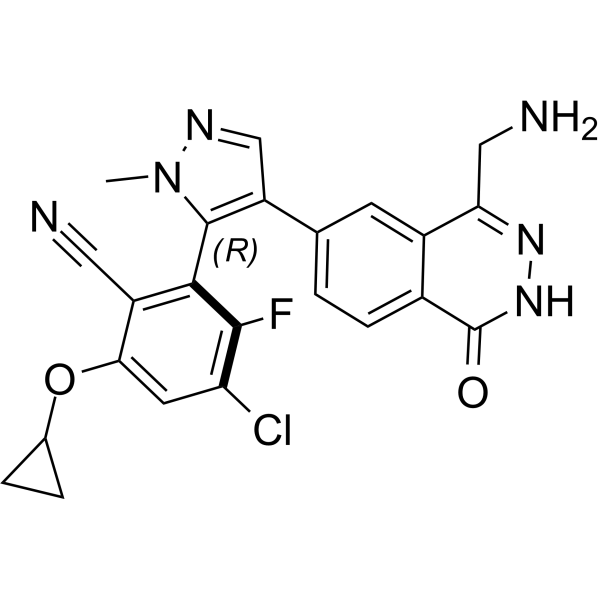
    Navlimetostat
    3 Publications Verification

    MRTX-1719; BMS-986504

    Histone Methyltransferase Cancer
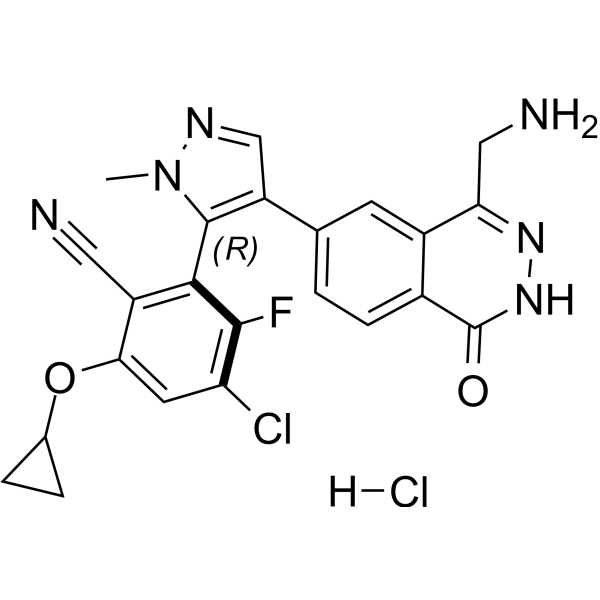
    Navlimetostat is a potent, orally active, selective PRMT5-MTA complex inhibitor, with IC50 of 3.6 and 20.5 nM for PRMT5-MTA and PRMT5. Navlimetostat binds to the PRMT5-MTA complex, with KD value of 0.14 pM. Navlimetostat shows antineoplastic activity in vitro and in vivo, and can be used for cancer study .
    Navlimetostat
  • HY-P99260

    AMG 655; TRAIL-R2 mAb; Human Anti-TNFRSF10B Recombinant Antibody

    TNF Receptor Cancer
    Conatumumab (AMG 655) is a human monoclonal agonist antibody against human death receptor 5 (DR5, TRAILR2) (Kd: 1 nM for the long form of DR5, 0.8 nM for the short form of DR5). Conatumumab induces apoptosis via caspase activation. Conatumumab can be used in the research of cancers. .
    Conatumumab
  • HY-110136
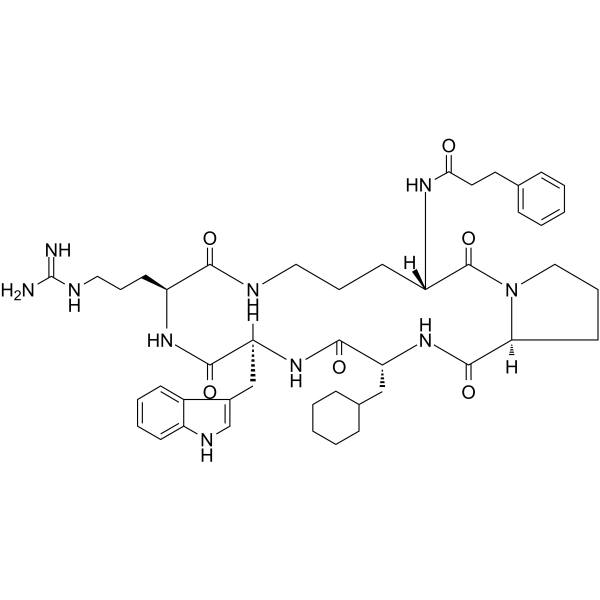
    PMX 205
    10+ Cited Publications

    Complement System Inflammation/Immunology
    PMX 205 is a potent complement C5a receptor (C5aR; CD88) antagonist.
    PMX 205
  • HY-120691A
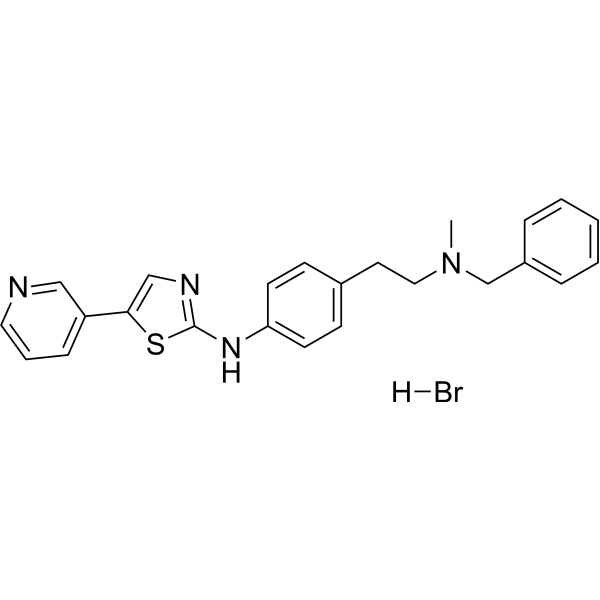
    GSK205
    Maximum Cited Publications
    13 Publications Verification

    TRP Channel Metabolic Disease Inflammation/Immunology
    GSK205 is a potent, selective TRPV4 antagonist with an IC50 of 4.19  μM for inhibiting TRPV4-mediated Ca 2+ influx .
    GSK205
  • HY-P4717

    IFNAR Inflammation/Immunology
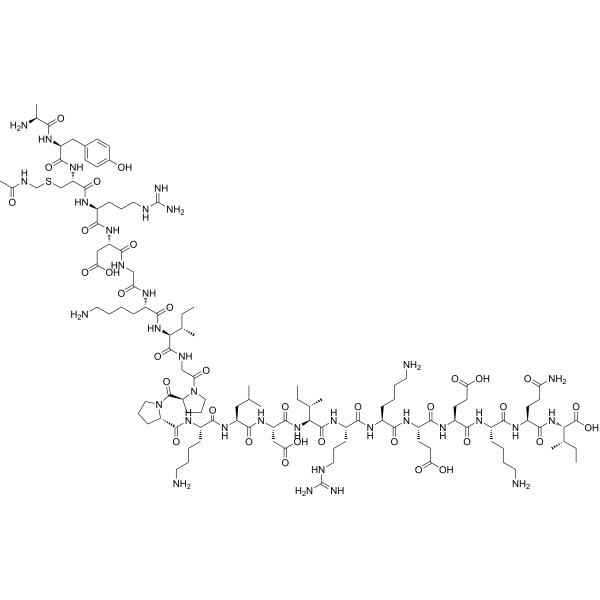
    IFN-γ Antagonist 1 (AYCRDGKIGPPKLDIRKEEKQI) is an interferon-γ (IFN-γ) antagonist. IFN-γ Antagonist 1 inhibits IFN-γ-induced HLR/DR antigen expression in cells. IFN-γ Antagonist 1 can be used in researches of diseases with abnormal immune regulation .
    IFN-γ Antagonist 1
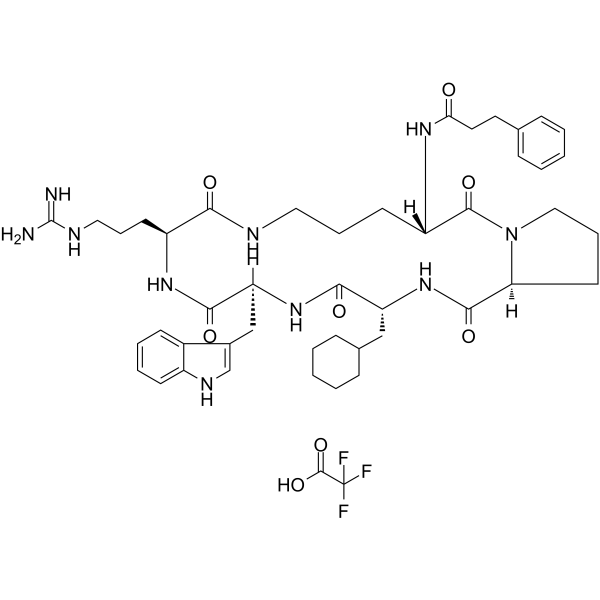
  • HY-110136A
    PMX 205 Trifluoroacetate
    10+ Cited Publications

    Complement System Inflammation/Immunology
    PMX 205 Trifluoroacetate is a specific complement C5aR1 isoform antagonist .
    PMX 205 Trifluoroacetate
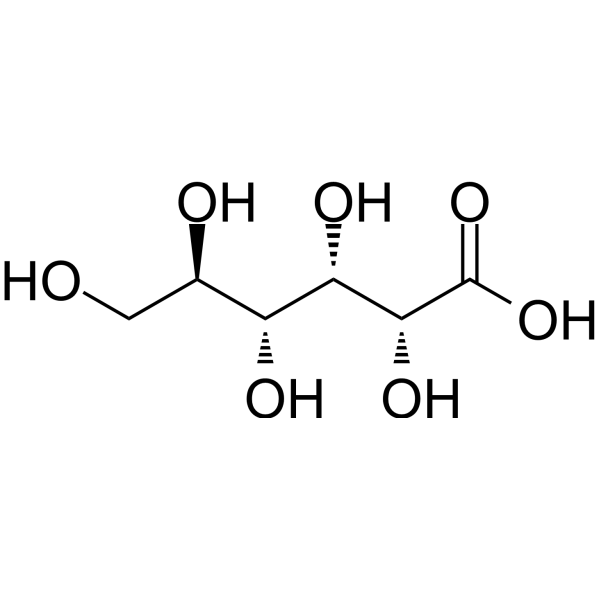
  • HY-Y0569

    Environmental Pollutants Endogenous Metabolite Fungal Infection Metabolic Disease Cancer
    D-Gluconic acid is the carboxylic acid by the oxidation with antiseptic and chelating properties.
    D-Gluconic acid (solution) (51.205% in water)
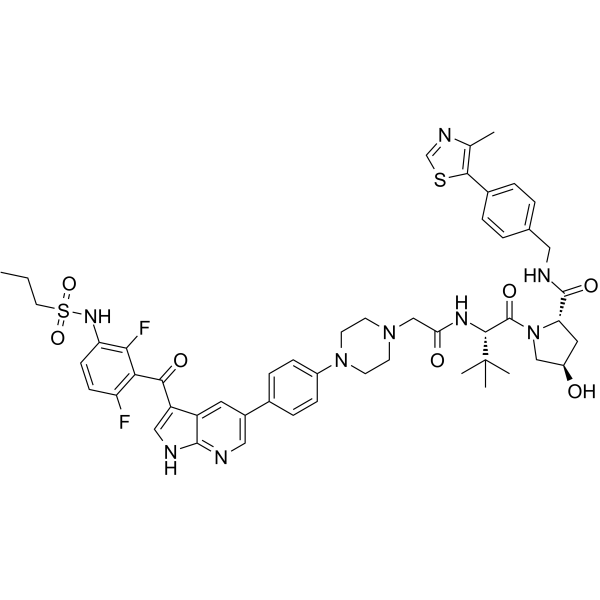
  • HY-136420

    PROTACs Raf Apoptosis Cancer
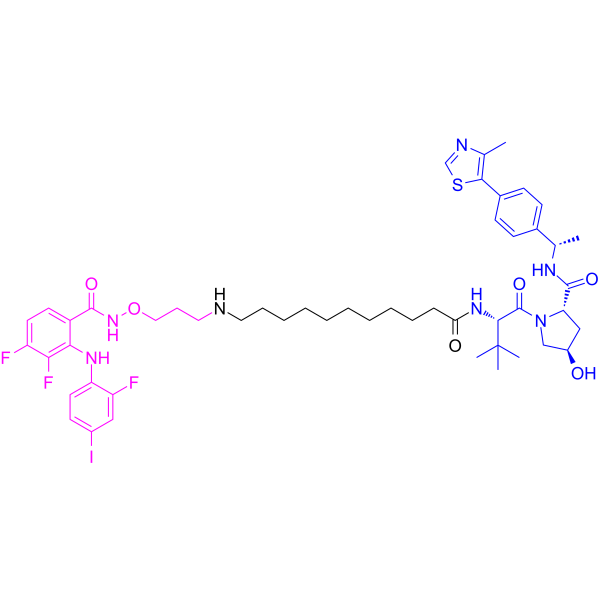
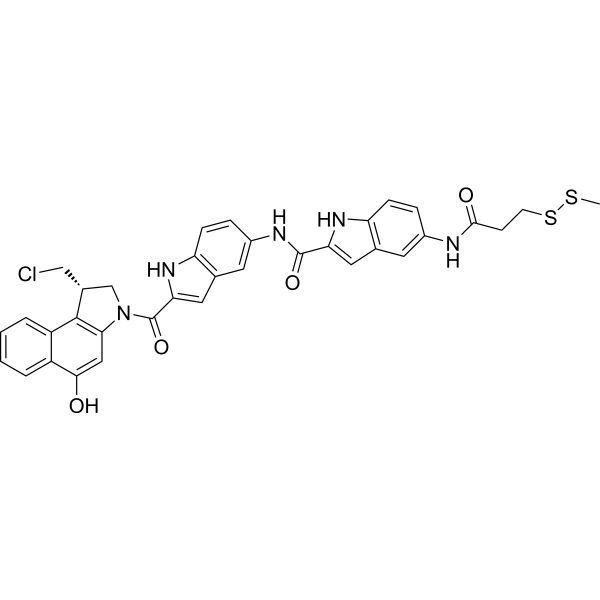
    SJF-0628 is a RAF PROTAC degrader. SJF-0628 induces targeted degradation of BRAF in various cancer cell lines (colorectal cancer cell lines (Colo-205, LS-411N, HT-29, RKO) and triple-negative breast cancer cell line DU-4475). SJF-0628 decreases pMEK and pErk levels in DU-4475 cells. SJF-0628 has anti-tumor activity. SJF-0628 can be used for research of colorectal cancer and triple-negative breast cancer. (Pink: RAF ligand (HY-12057), Blue: VHL Ligand ( HY-125845), Black: Linker (HY-B0912)) .
    SJF-0628
  • HY-NP0204

    ELOVL Apoptosis NOD-like Receptor (NLR) Caspase Tau Protein Neurological Disease Inflammation/Immunology
    Mouse Serum Albumin is most abundant protein in plasma, which leaks into the brain parenchyma when the blood-brain barrier (BBB) is impaired. Mouse Serum Albumin induces astrocytes to A1 phenotype to remarkably increase levels of Elovl1. Mouse Serum Albumin promotes VLSFAs secretion and causes neuronal lippoapoptosis through endoplasmic reticulum stress response pathway. MSA-activated microglia triggeres remarkable tau phosphorylation at multiple sites (Ser202/Thr205) through NLRP3 inflammasome pathway. Mouse Serum Albumin decreases the spatial learning and memory abilities in mice. Mouse Serum Albumin can be used for the study of neurodegenerative diseases like Alzheimer’s disease (AD) and frontotemporal dementia (FTD) .
    Mouse Serum Albumin
  • HY-120056
    YKL-06-061
    3 Publications Verification

    Salt-inducible Kinase (SIK) Inflammation/Immunology
    YKL-06-061 is a potent, selective, second-generation salt-inducible kinase (SIK) inhibitor with IC50 values of 6.56 nM/1.77 nM/20.5 nM for SIK1/2/3, respectively .
    YKL-06-061
  • HY-164027

    E1/E2/E3 Enzyme Metabolic Disease Cancer
    MyoMed 205 is an orally active muscle ring finger protein 1 (MuRF1) inhibitor. MyoMed-205 reduces ubiquitination and subsequent proteasomal degradation of muscle proteins by inhibiting MuRF1 activity. MyoMed 205 augments muscle performance, attenuates muscle weight loss and alleviates disease-induced weight loss. MyoMed 205 can be used for the research of cancer cachexia, type 2 diabetes mellitus, and heart failure with preserved ejection fraction .
    MyoMed 205
  • HY-115625

    Progesterone Receptor Apoptosis Glycosyltransferase Cancer
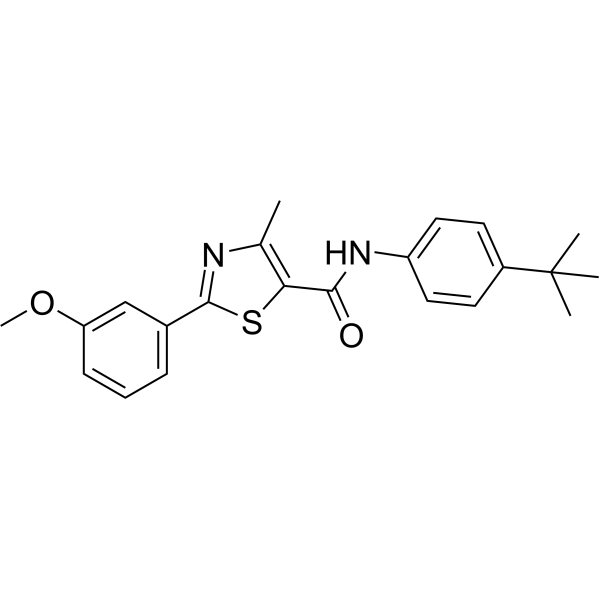
    AG-205 is a progesterone receptor membrane component 1 (PGRMC1) antagonist and CGT inhibitor, with an IC50 of 50 μM against rat CGT. AG-205 exhibits antimitotic, antimigratory and anti-invasive activities. AG-205 increases the expression of genes encoding cholesterol biosynthesis pathway or steroidogenic enzymes. AG-205 promotes the regulation of cell cycle by apoptosis and reduces the migratory and invasive capacities of ovarian and breast cancer cells. AG-205 can be used in research related to renal cancer and breast cancer .
    AG-205
  • HY-N6002
    3'-Hydroxypterostilbene
    1 Publications Verification

    Apoptosis Autophagy Cancer
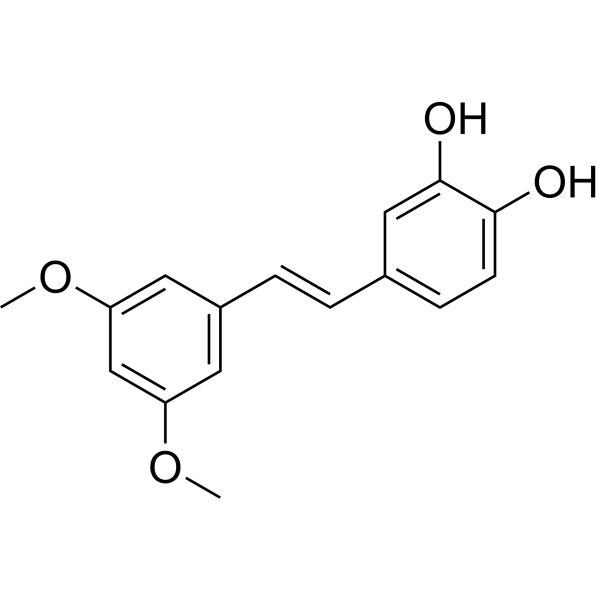
    3'-Hydroxypterostilbene is a Pterostilbene (HY-N0828) analogue. 3'-Hydroxypterostilbene inhibits the growth of COLO 205, HCT-116 and HT-29 cells with IC50s of 9.0, 40.2 and 70.9 μM, respectively. 3'-Hydroxypterostilbene significantly down-regulates PI3K/Akt and MAPKs signaling pathways and effectively inhibits the growth of human colon cancer cells by inducing apoptosis and autophagy. 3'-Hydroxypterostilbene can be used for the research of cancer .
    3'-Hydroxypterostilbene
  • HY-P4717A

    IFNAR Inflammation/Immunology
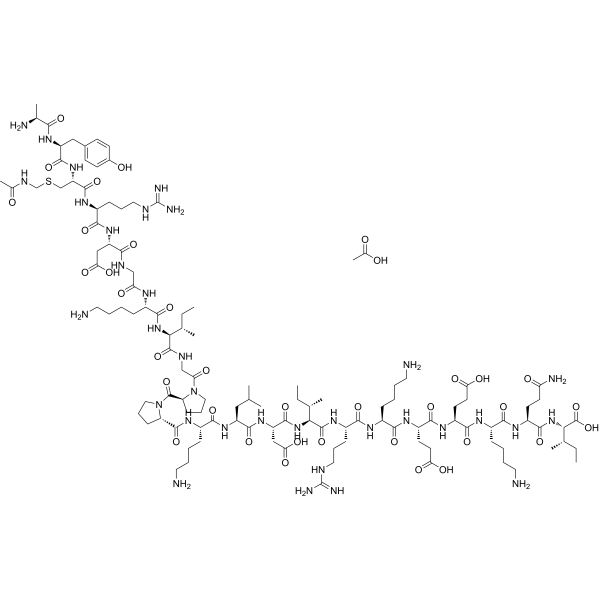
    IFN-γ Antagonist 1 (AYCRDGKIGPPKLDIRKEEKQI) acetate is an interferon-γ (IFN-γ) antagonist. IFN-γ Antagonist 1 acetate inhibits IFN-γ-induced HLR/DR antigen expression in cells. IFN-γ Antagonist 1 acetate can be used in researches of diseases with abnormal immune regulation .
    IFN-γ Antagonist 1 acetate
  • HY-163759

    Molecular Glues HuR Cancer
    HuR degrader 2 (Compound 3) is a molecule glue, which targets RNA-binding protein Hu antigen R (HuR) and degrades 30% HuR at 0.1 μM. HuR degrader 2 inhibits the proliferation of cancer cell Colo-205, with IC50≤200 nM. HuR degrader 2 exhibits a high affinity with cereblon, with an HTRF ratio < 0.02 .
    HuR degrader 2
  • HY-130602

    PROTACs MEK Cancer
    MS432 is a first-in-class and highly selective PD0325901-based von Hippel-Lindau-recruiting PROTAC degrader for MEK1 and MEK2. MS432 displays good plasma exposure in mice, exhibiting DC50 values of 31 nM and 17 nM for MEK1, MEK2 in HT29 cells respectively .
    MS432
  • HY-P990284

    C-type Lectin-like Receptors (CTLRs) Metabolic Disease Inflammation/Immunology Cancer
    Anti-Mouse CD205 Antibody (NLDC-145) is a rat-derived IgG2aκ type antibody inhibitor, targeting to mouse CD205. Anti-Mouse CD205 Antibody (NLDC-145) reacts with CD205 also known as DEC-205. Anti-Mouse CD205 Antibody (NLDC-145) can be used for the researches of cancer, inflammation, immunology and metabolic disease, such as colitis, D2F2/E2 tumor and diabetes .
    Anti-Mouse CD205 Antibody (NLDC-145)
  • HY-P99540

    PSB-205; QL1706 (iparomlimab/tuvonralimab); PBS105

    CTLA-4 Cancer
    Tuvonralimab (PSB-205) is a humanized IgG1 monoclonal antibody against CTLA-4. Tuvonralimab can be used in the research of tumors. Recommend Isotype Controls: Human IgG1 kappa, Isotype Control (HY-P99001) .
    Tuvonralimab
  • HY-13736A

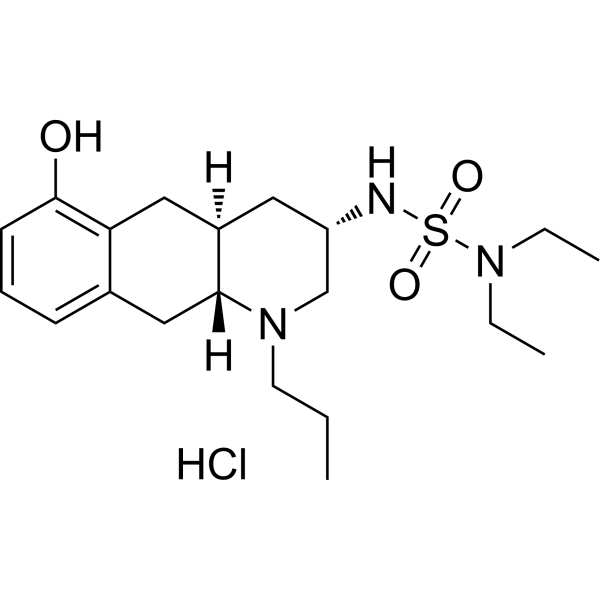
    CV205-502 hydrochloride

    Dopamine Receptor Akt Neurological Disease Cancer
    Quinagolide hydrochloride (CV205-502 hydrochloride) is a selective and orally active dopamine D2 receptor agonist. Quinagolide hydrochloride is an inhibitor of prolactin. Quinagolide hydrochloride down-regulates AKT levels and its phosphorylation. Quinagolide hydrochloride shows antitumor effects, it can be used for the research of cancer .
    Quinagolide hydrochloride
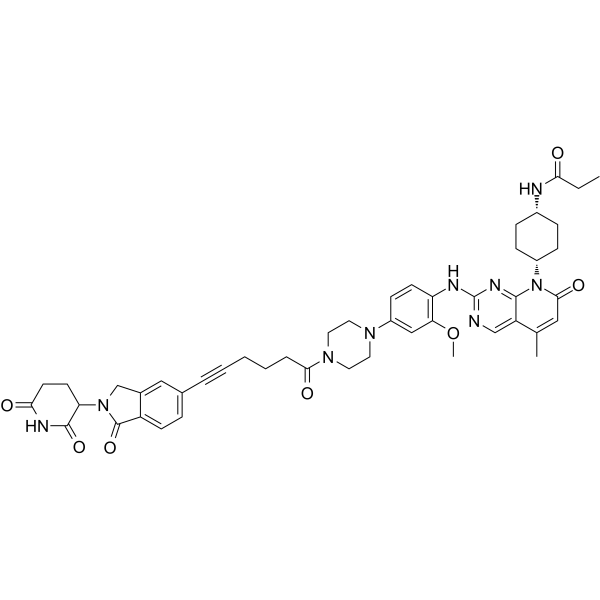
  • HY-143904

    PROTACs Mps1 Cancer
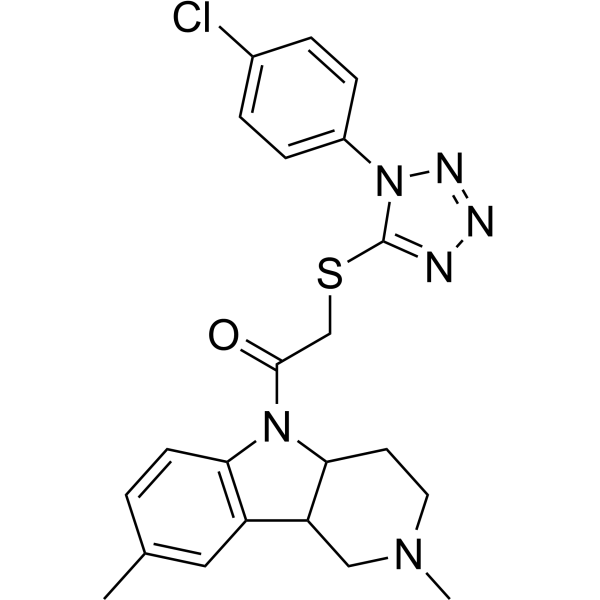
    PROTAC TTK degrader-1 is a potent TTK (threonine tyrosine kinase) PROTAC degrader, with DC50 values of 1.7 and 5.8 nM in COLO-205 and HCT-116 cell, respectively. PROTAC TTK degrader-1 exhibits target degradation and anticancer efficacy in a xenograft mouse model of COLO-205 human colorectal cancer cells .
    PROTAC TTK degrader-1
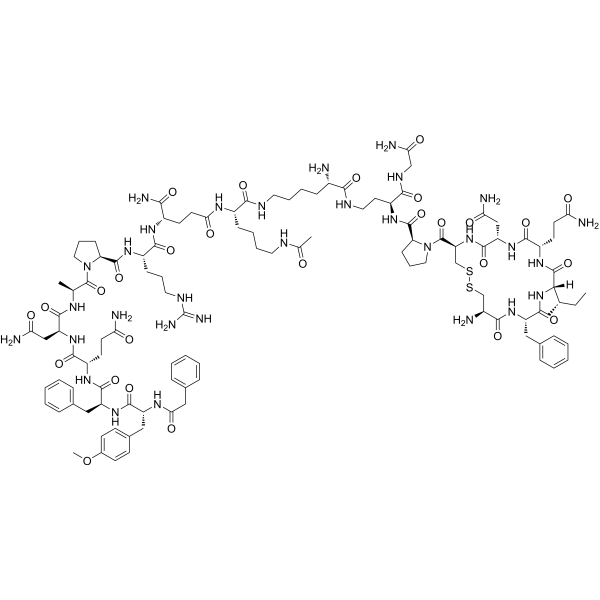
  • HY-P5535

    OCE-205

    Vasopressin Receptor Inflammation/Immunology
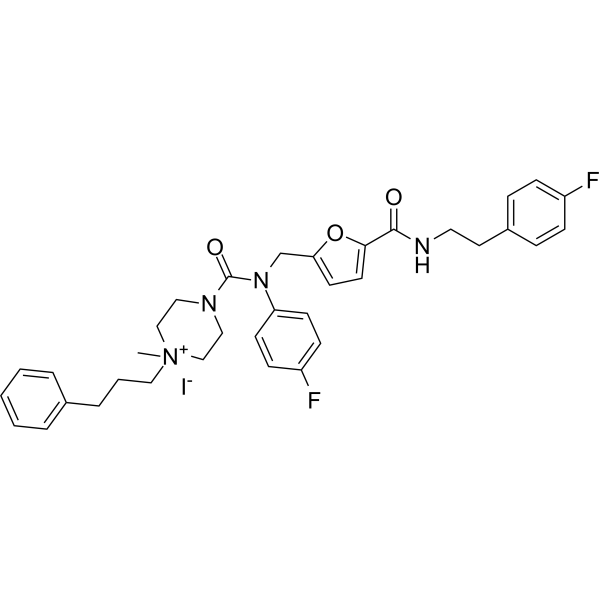
    Invopressin (Compound 42) is a vasopressin V1A receptor partial agonist (EC50: 1.0 nM). Invopressin can be used for research of cirrhosis, including bacterial peritonitis, HRS2 and refractory ascites .
    Invopressin
  • HY-136199
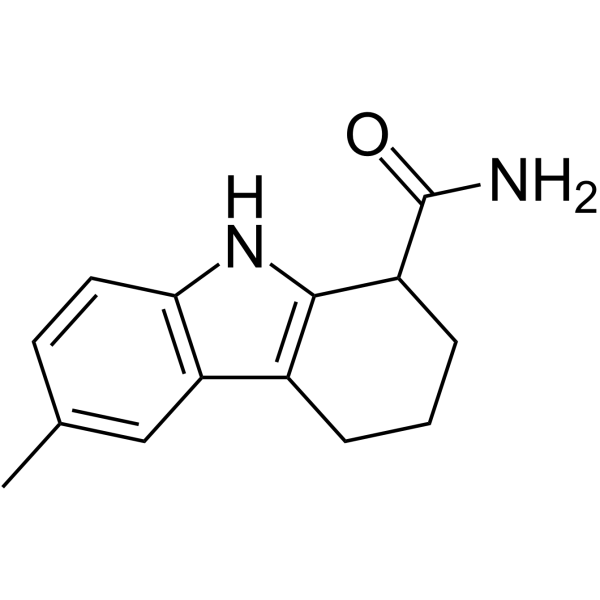
    SIRT1-IN-1
    1 Publications Verification

    Sirtuin CMV Infection
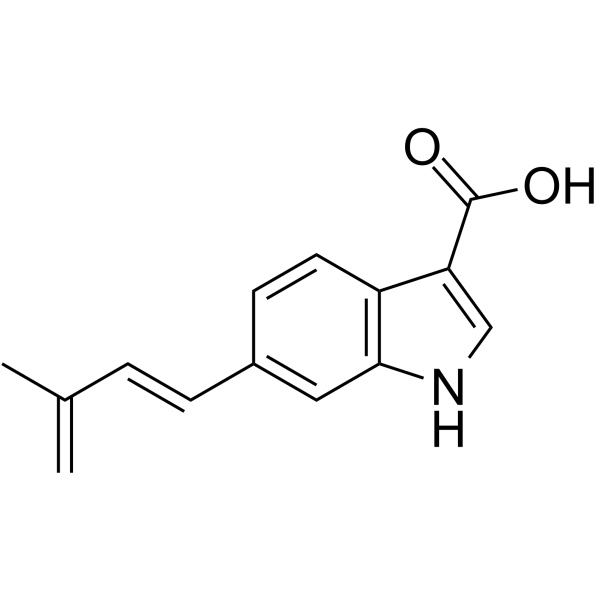
    SIRT1-IN-1 is a selective SIRT1 inhibitor with an IC50 of 0.205 μM. SIRT1-IN-1 inhibits SIRT2 with an IC50 of 11.5 μM . SIRT1-IN-1, a indole, is a cytomegalovirus (CMV) inhibitors and has antiviral activity .
    SIRT1-IN-1
  • HY-121012

    NF-κB Akt Endocrinology
    (rac)-AG-205 is a potent inhibitor of progesterone receptor membrane component 1 (Pgrmc1) that induces genes involved in sterol synthesis, including the INSIG1 protein, which forms a complex with PGRMC1. (rac)-AG-205 prevents neuronal resistance to hypoxic ischaemia by blocking NF-kB signalling and activation of the BDNF/PI3K/AKT pathway .
    (rac)-AG-205
  • HY-148413
    Aprinocarsen sodium
    1 Publications Verification

    ISIS 3521 sodium

    PKC Cancer
    Aprinocarsen (ISIS 3521) sodium, a specific antisense oligonucleotide inhibitor of protein kinase C-alpha (PKC-α). Aprinocarsen sodium is a 20-mer oligonucleotide, it regulates cell differentiation and proliferation. Aprinocarsen sodium inhibits the growth of human tumor cell lines in nude mice. Aprinocarsen sodium shows the value as a chemotherapeutic compound of human cancers .
    Aprinocarsen sodium
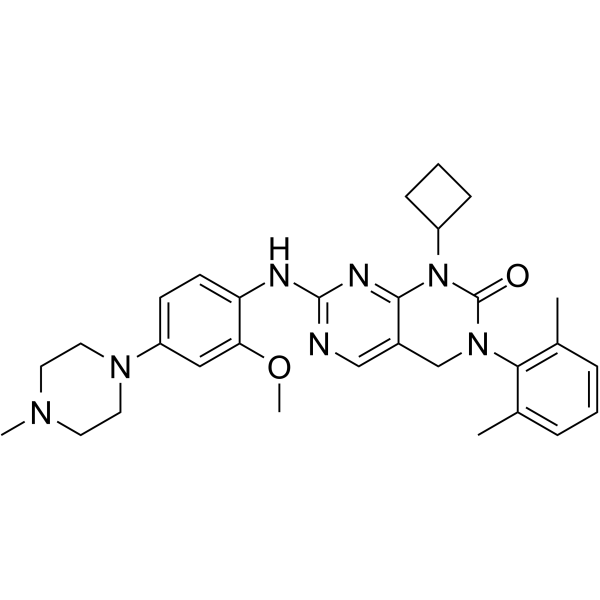
  • HY-151367

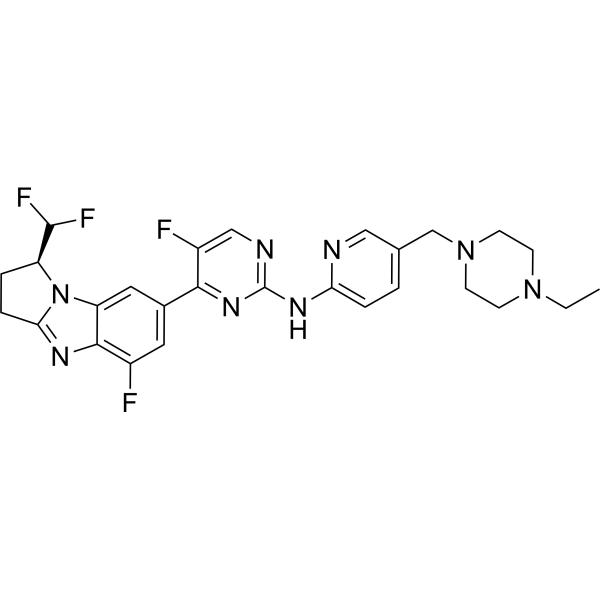
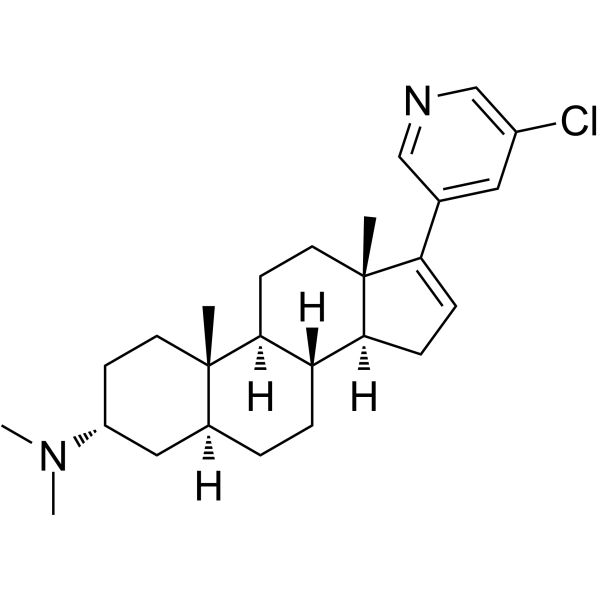
    ERK Cancer
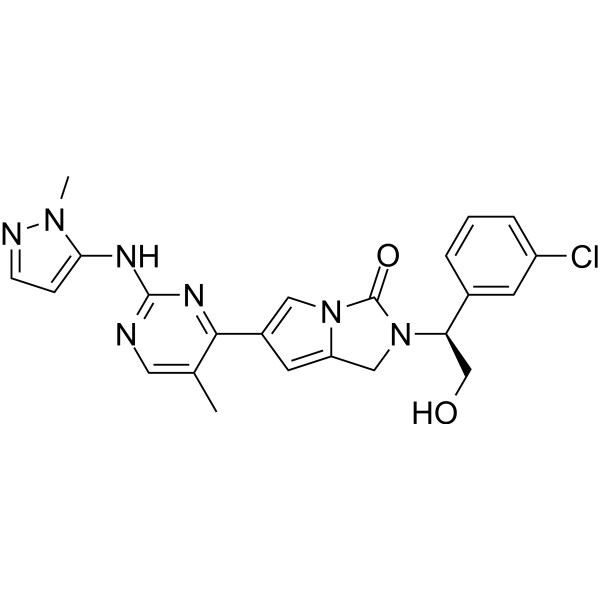
    SHR2415 is a highly potent, selective and orally active ERK1/2 inhibitor. SHR2415 has inhibition activity for ERK1 and ERK2 with IC50 values of 2.8 nM and 5.9 nM, respectively. SHR2415 exhibits high potency with an IC50 value of 44.6 nM in Colo205 cells. SHR2415 can be used for the research of cancer .
    SHR2415
  • HY-109134

    TAS-205 free base

    Prostaglandin Receptor Metabolic Disease Inflammation/Immunology
    Pizuglanstat (Compound 3; TAS-205 free base) is an orally active prostaglandin D synthase inhibitor with an IC50 of 76 nM for human hematopoietic prostaglandin D synthase. Pizuglanstat inhibits the synthesis of PGD2. Pizuglanstat improves experimental allergic rhinitis. Pizuglanstat can be used in the study of muscle regenerative diseases such as muscular dystrophy .
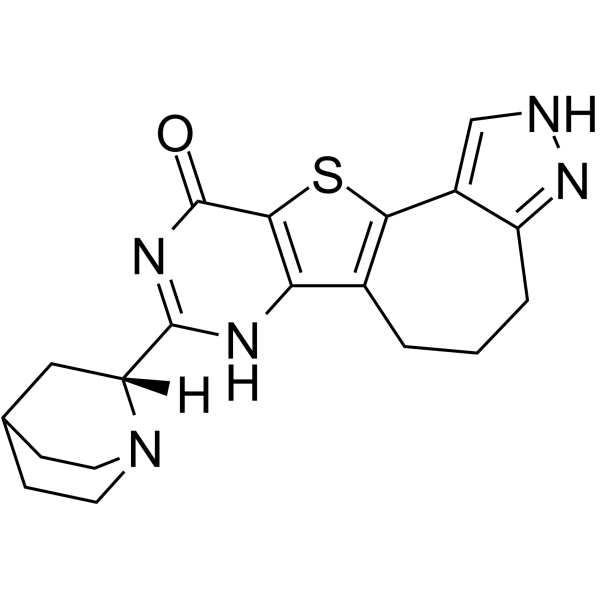
    Pizuglanstat
  • HY-155341

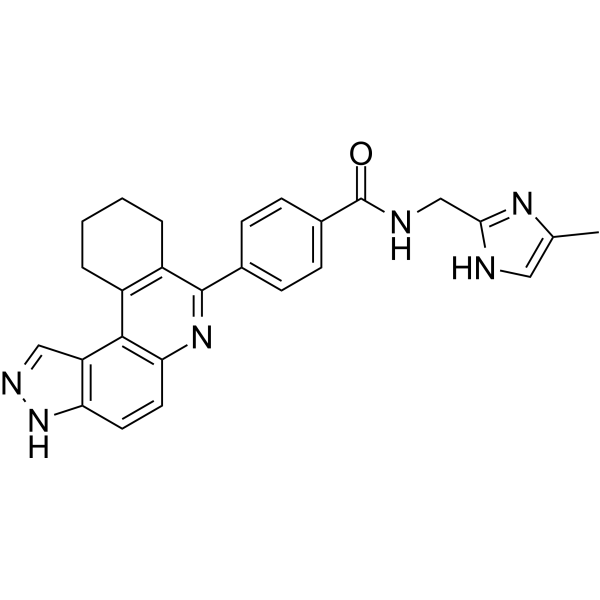
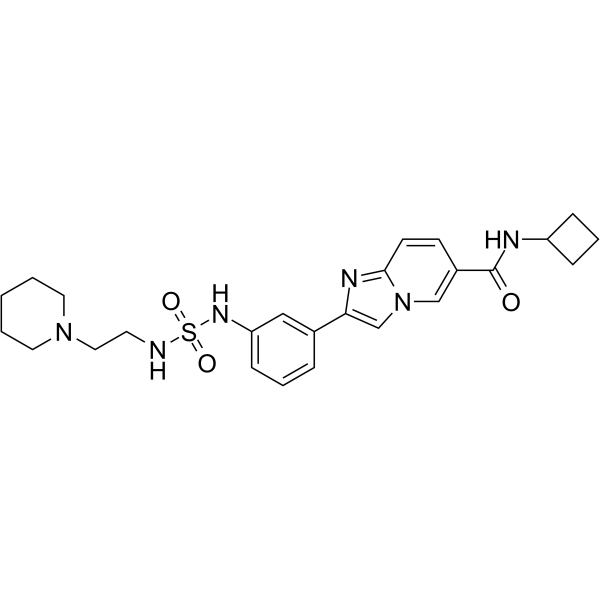
    FLT3 Haspin Kinase Cancer
    HSK205 is a dual FLT3 and haspin inhibitor, with IC50 of 0.187 nM for FLT3. HSK205 has antitumor activity .
    HSK205
  • HY-R00419

    MicroRNA Cancer
    hsa-miR-205-3p mimics are small, chemically synthesized double-stranded RNAs that mimic endogenous miRNAs and enable miRNA functional analysis by up-regulation of miRNA activity.
    hsa-miR-205-3p mimic
    hsa-miR-205-3p mimic
  • HY-178748

    Pyruvate Kinase Apoptosis Endogenous Metabolite Reactive Oxygen Species (ROS) Cancer
    PKM2-IN-12 is an orally active PKM2 inhibitor with an IC50 of 10 nM. PKM2-IN-12 inhibits COLO-205 cell proliferation and migration, arrests the cell cycle, and induces apoptosis. PKM2-IN-12 significantly reduces cellular levels of lactate, pyruvate, and ROS. PKM2-IN-12 directly kills cancer cells and restores disrupted gut microbiota balance in mice model. PKM2-IN-12 can be used to study colorectal cancer .
    PKM2-IN-12
  • HY-118352

    HDAC Neurological Disease
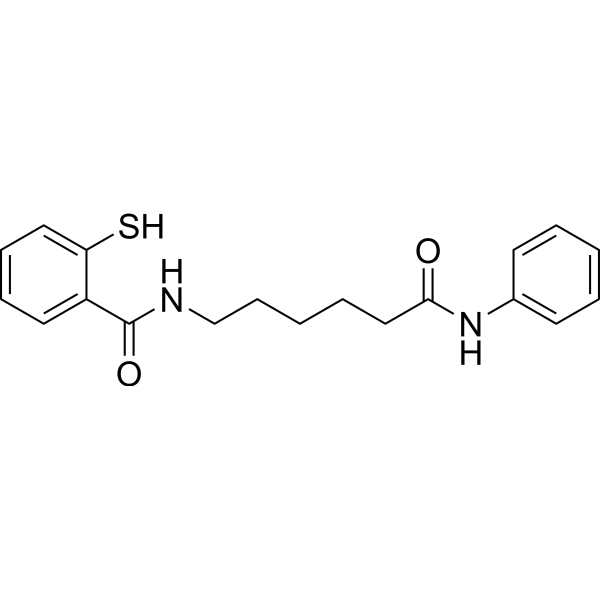
    LB-205 is a pan-histone deacetylase inhibitor (HDACi). LB-205 can be used for the research of acute traumatic brain injury .
    LB-205
  • HY-161379

    CDK Cancer
    CLZX-205 (compound C-7) is a selective inhibitor of CDK9, with the IC50 of 2.9 nM. CLZX-205 plays an important role in cancer research .
    CLZX-205
  • HY-109134A

    TAS-205

    Prostaglandin Receptor Metabolic Disease Inflammation/Immunology
    Pizuglanstat hydrate (Compound 3; TAS-205) is an orally active prostaglandin D synthase inhibitor with an IC50 of 76 nM for human hematopoietic prostaglandin D synthase. Pizuglanstat hydrate inhibits the synthesis of PGD2. Pizuglanstat hydrate improves experimental allergic rhinitis. Pizuglanstat hydrate can be used in the study of muscle regenerative diseases such as muscular dystrophy .
    Pizuglanstat hydrate
  • HY-P1885

    HIV Infection
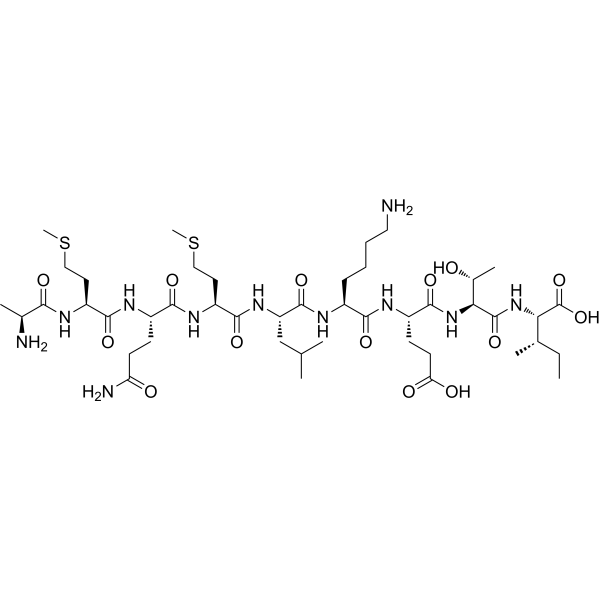
    HIV gag peptide (197-205) is a H-2K d-restricted epitope derived from the p24 portion of the HIV-1 gag protein, consists of amino acids 197-205 (AMQMLKETI) .
    HIV gag peptide (197-205)
  • HY-RS21940

    Small Interfering RNA (siRNA) Others

    Slc7a2 Mouse Pre-designed siRNA Set A contains three designed siRNAs for Slc7a2 gene (Mouse), as well as a negative control, a positive control, and a FAM-labeled negative control.

    Slc7a2 Mouse Pre-designed siRNA Set A
    Slc7a2 Mouse Pre-designed siRNA Set A
  • HY-143905

    PROTACs Mps1 Cancer
    PROTAC TTK degrader-2 is a potent TTK (threonine tyrosine kinase) PROTAC degrader, with DC50 values of 3.1 and 12.4 nM in COLO-205 and HCT-116 cell, respectively. PROTAC TTK degrader-2 exhibits target degradation and anticancer efficacy in a xenograft mouse model of COLO-205 human colorectal cancer cells .
    PROTAC TTK degrader-2
  • HY-144283

    Btk Cancer
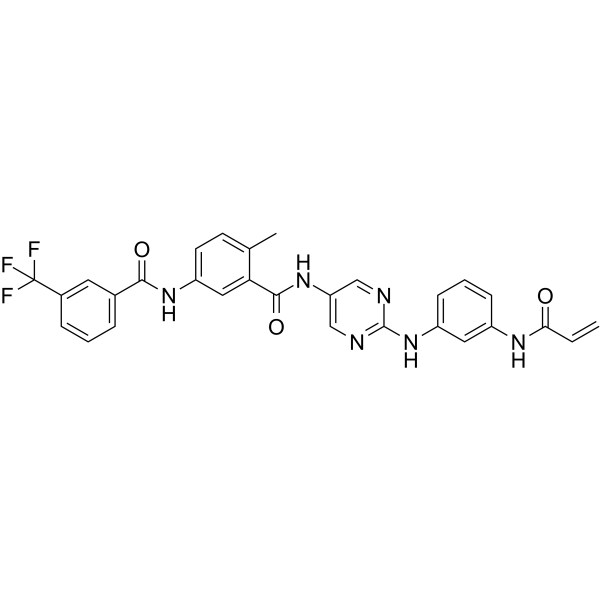
    BLK-IN-1 (compound 1) is a selective and covalent inhibitor of B-Lymphoid tyrosine kinase (BLK) and BTK, with IC50s of 18.8 nM and 20.5 nM, respectively. BLK-IN-1 can be used for the research of cancer .
    BLK-IN-1
  • HY-162134

    Parasite Infection
    Trypanothione synthetase-IN-5 (compound 9) is a trypanothione reductase (TR) inhibitor, with an IC50 of 20.5 μM for Leishmania infantum TR. Trypanothione synthetase-IN-5 also has inhibitory activity for human glutathione reductase (hGR), with an IC50 of 62.4 μM .
    Trypanothione synthetase-IN-5
  • HY-117172

    Phosphorylase Metabolic Disease
    CP320626 is a potent inhibitor of human liver glycogen phosphorylase (IC50=205 nM). CP320626 reduces blood glucose in diabetic mice without changing plasma insulin levels. CP320626 can be used in the study of type 2 diabetes .
    CP320626
  • HY-135217

    Apoptosis Cancer
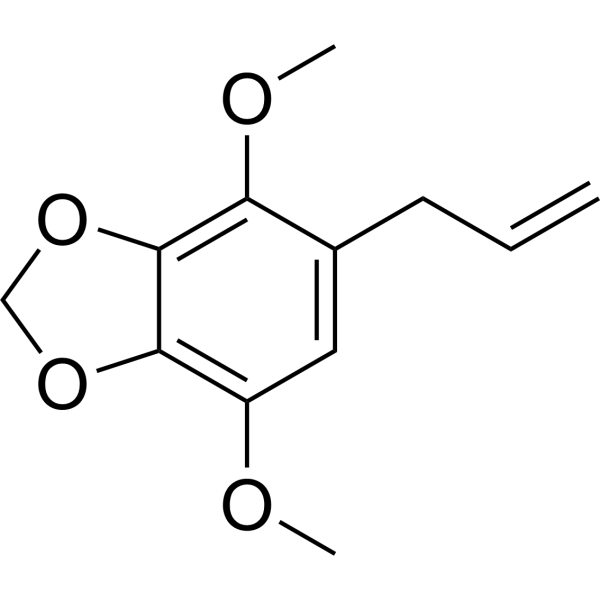
    Apiole is an anti-tumor agent that induces apoptosis and inhibits human colon cancer cells by inducing G0/G1 cell cycle arrest. Apiole also significantly inhibited colon tumor development in an in vivo mouse xenograft model .
    Apiole
  • HY-B1714

    Drug Derivative Cancer
    NSC 601980 analog is an analogue of NSC601980. In yeast screening experiments, NSC 601980 exhibited antitumor activity, effectively inhibiting cell proliferation in both COLO 205 and HT29 cell lines, with Log GI 50 values of -6.6 and -6.9, respectively.
    NSC 601980 analog
  • HY-114646

    Endogenous Metabolite Cancer
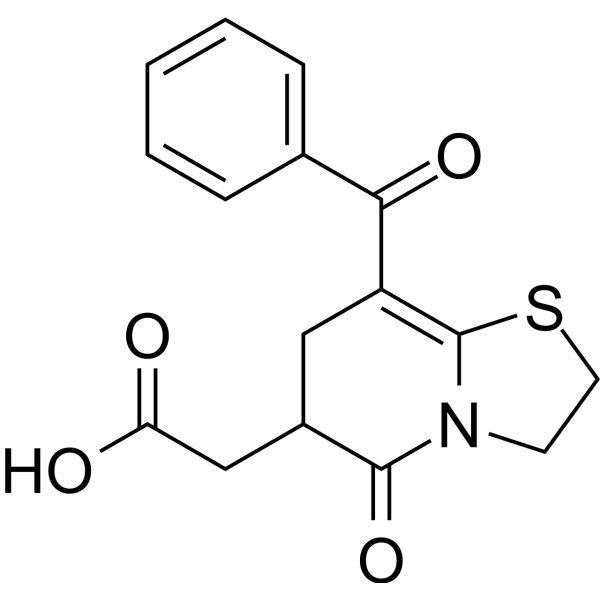
    TMC-205 is a natural fungal metabolite with antiproliferative activity against cancer cell lines. TMC-205 is a transcriptional up-regulator of SV40 promoter .
    TMC-205
  • HY-168843

    Apoptosis Autophagy Cancer
    PSP205 is a potent anticancer agent. PSP205 shows cytotoxicity. PSP205 induces apoptosis. PSP205 induces ER-stress-mediated autophagy. PSP205 increases the protein expression of LC3BII and increases the CHOP and spliced XBP1 at the mRNA and protein levels .
    PSP205
  • HY-162456

    Apoptosis Reactive Oxygen Species (ROS) Cancer
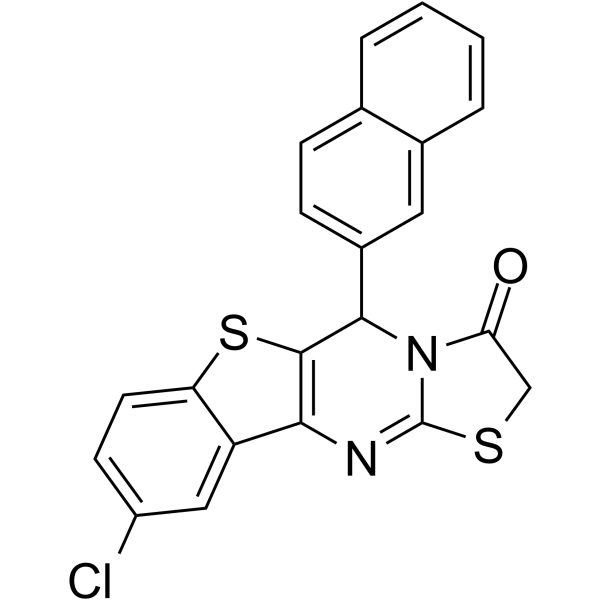
    Anticancer agent 205 (compound 9) is a potent anticancer agent. Anticancer agent 205 binds to G4-mtDNA target and inhibits the replication, transcription, and translation of mtDNA (mitochondrial genome). Anticancer agent 205 causes mitochondrial dysfunction, increases ROS production, induces DNA damage and cellular senescence. Anticancer agent 205 induces apoptosis and cell cycle arrests at G0/G1 phase. Anticancer agent 205 has the potential for the research of colorectal cancer .
    Anticancer agent 205
  • HY-117515

    Apoptosis Cancer
    YLT205 is an anticancer agent and induces cell apoptosis. YLT205 inhibits tumor growth in vivo and in vitro .
    YLT205
  • HY-162429

    Bacterial Infection
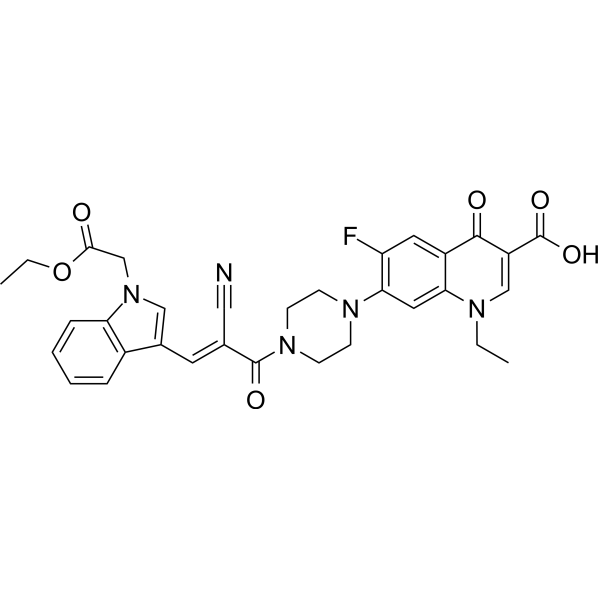
    Antibacterial agent 205 (Compound 10d) is a indolylacryloyl-derived oxacins, which exhibits broad antibacterial spectrum with MIC of 0.25-0.5 μg/mL. Antibacterial agent 205 reduces the exopolysaccharide, eliminates the biofilm, and thus attenuates the drug resistance. Antibacterial agent 205 exhibits antibacterial activity through destory of membrane integrity, accumulation of reactive oxygen species ROS, and inhibition of DNA replication .
    Antibacterial agent 205
  • HY-19089

    Phosphodiesterase (PDE) Cardiovascular Disease
    DPN-205-734 is an orally administered cGMP-PDE inhibitor. DPN-205-734 exhibits positive inotropic effects in various animal cardiomyocytes. DPN-205-734 reduces blood pressure and total peripheral resistance in multiple animal models, demonstrating a debulking effect. DPN-205-734 can be used in research on cardiovascular and cerebrovascular diseases such as heart failure .
    DPN-205-734
  • HY-162985

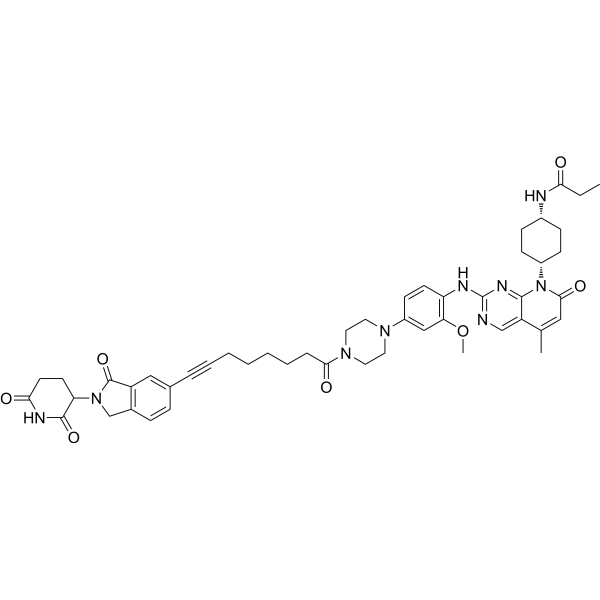
    CDK Cancer
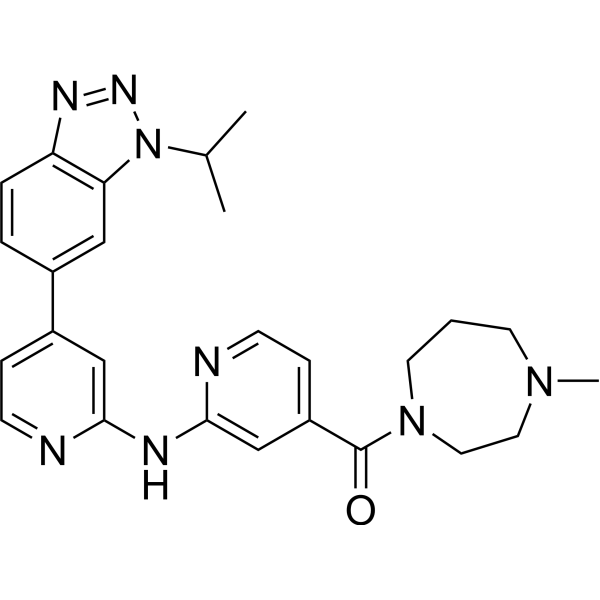
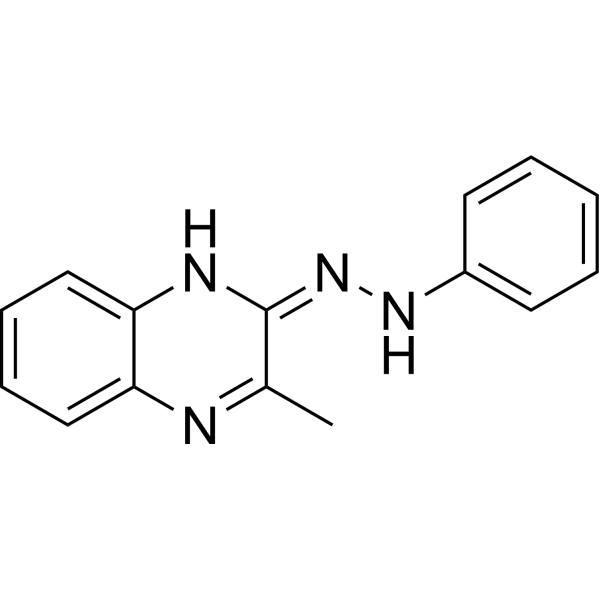
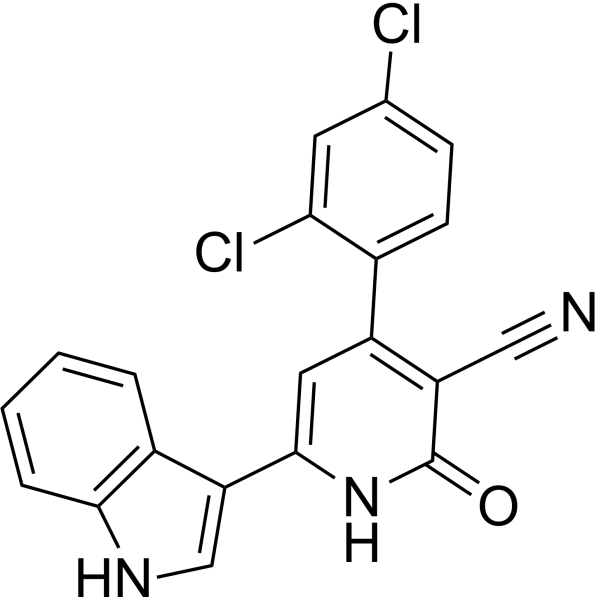
    JHD205 is a CDK4/6 inhibitor that induces apoptosis and DNA damage. JHD205 inhibits DNA repair by upregulating Caspase3 and p-H2AX. JHD205 has superior potency to Abemaciclib (HY-16297A) in a xenograft chick embryo breast cancer model. .
    JHD205
  • HY-136934

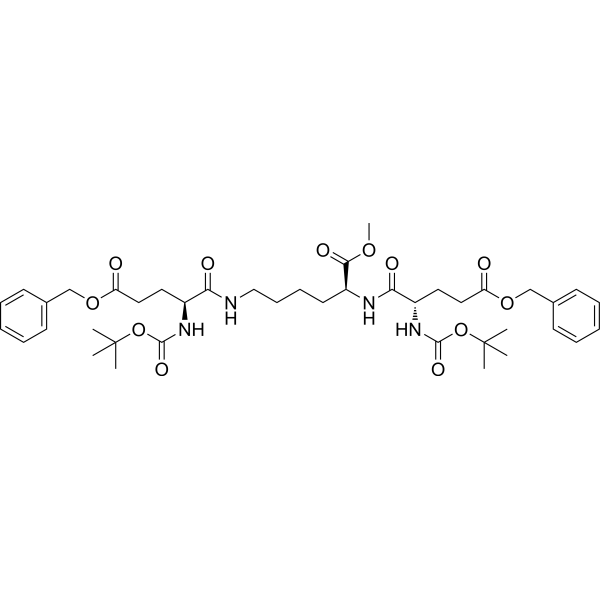
    [Boc-Glu(Obzl)]2-Lys-Ome

    P-glycoprotein Cancer
    Reversin 205 ([Boc-Glu(Obzl)]2-Lys-Ome) is a P-glycoprotein (ABCB1) inhibitor. Reversin 205 is a peptide chemosensitizer .
    Reversin 205
  • HY-103143A

    5-HT Receptor Neurological Disease
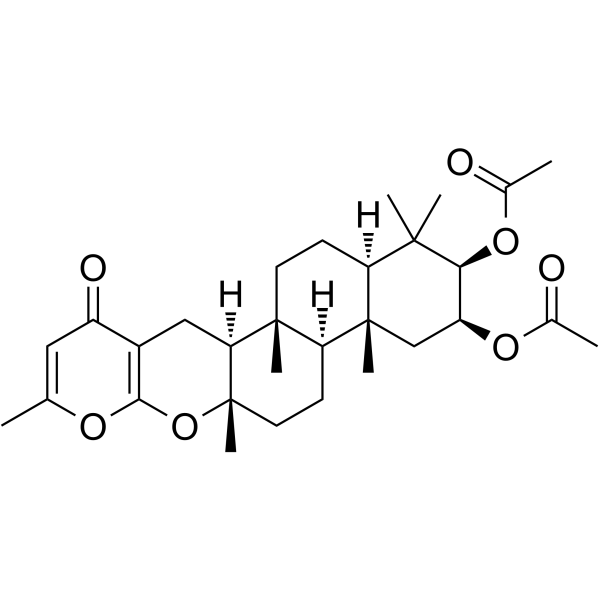
    SDZ 205-557 is a selective 5-HT4 receptors antagonist. SDZ 205-557 can be used for neurological research .
    SDZ 205-557

Inquiry Online

Your information is safe with us. * Required Fields.
Salutation


Country or Region *

Applicant Name *


Organization Name *

Department *


Email Address *


Product Name *

Cat. No.


Requested quantity *

Phone Number *


Remarks

Inquiry Online

Inquiry Information

Product Name:
Cat. No.:
Quantity:
MCE Japan Authorized Agent: