Search Result
Results for "
racemic-
" in MedChemExpress (MCE) Product Catalog:
7
Biochemical Assay Reagents
42
Isotope-Labeled Compounds
| Cat. No. |
Product Name |
Target |
Research Areas |
Chemical Structure |
-
- HY-18733
-
-
-
- HY-134818
-
-
-
- HY-N0454
-
|
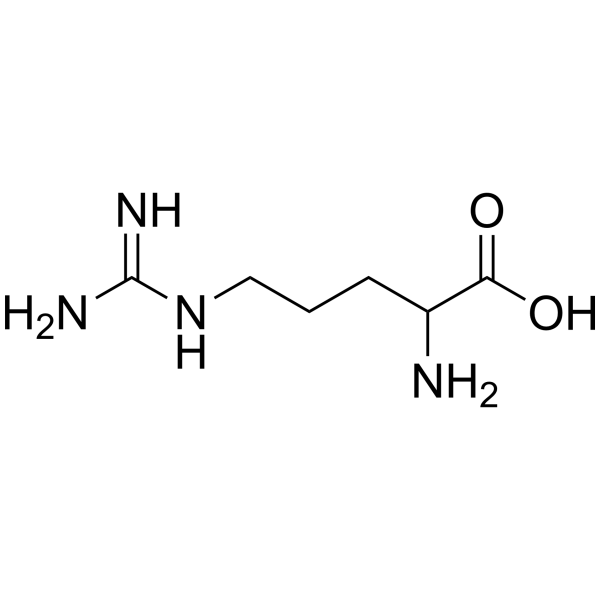
(±)-Arginine
|
Endogenous Metabolite
|
Cardiovascular Disease
|
|
DL-Arginine is the racemic compound of L-Arginine (HY-N0455) and D-Arginine (HY-W016781). Arginine is an essential amino acid that requires additional supplementation in traumatic or diseased conditions. Arginine is involved in T cell activation, proliferation, and differentiation, and affects the function of immune cells .
|
-
-
- HY-B2236
-
|
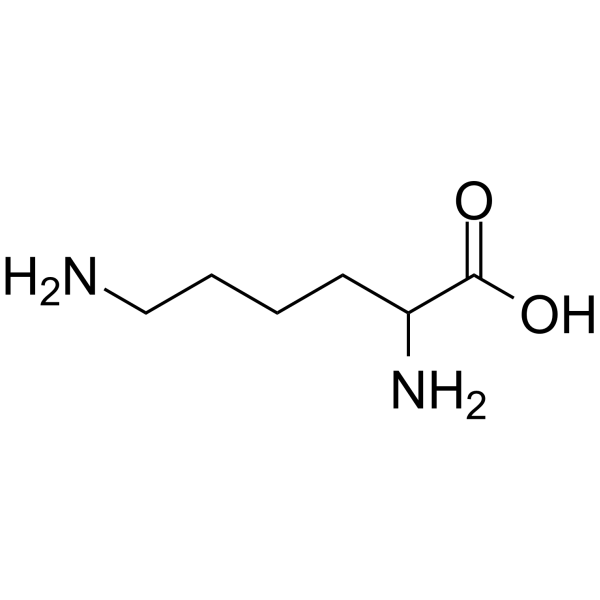
(±)-2,6-Diaminocaproic acid
|
Endogenous Metabolite
|
Metabolic Disease
|
|
DL-Lysine is a racemic mixture of the D-Lysine and L-Lysine. Lysine is an α-amino acid that is used in the biosynthesis of proteins .
|
-
-
- HY-145605
-
-
-
- HY-41456
-
|
|
Biochemical Assay Reagents
|
Others
|
|
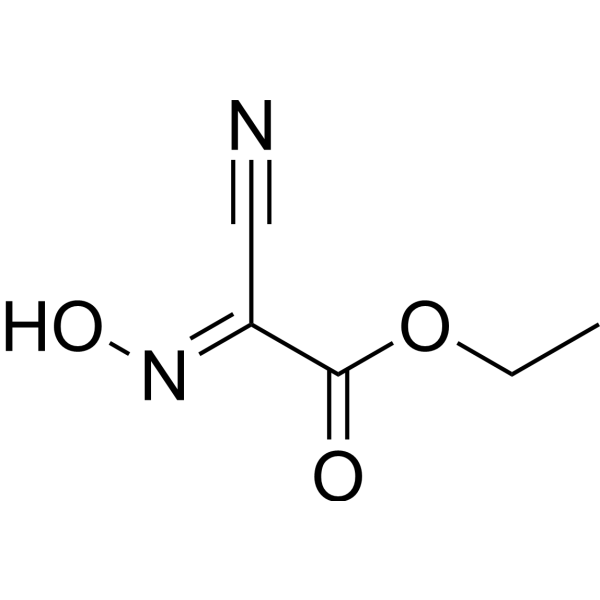
Ethyl 2-cyano-2-(hydroxyimino) acetate (Oxyma) is a peptide coupling additive. Ethyl 2-cyano-2-(hydroxyimino) acetate suppresses racemization during peptide coupling and improves the coupling efficiency of both solution-phase and solid-phase peptide synthesis .
|
-
-
- HY-N7142S
-
|
|
Adrenergic Receptor
|
Neurological Disease
Metabolic Disease
|
|
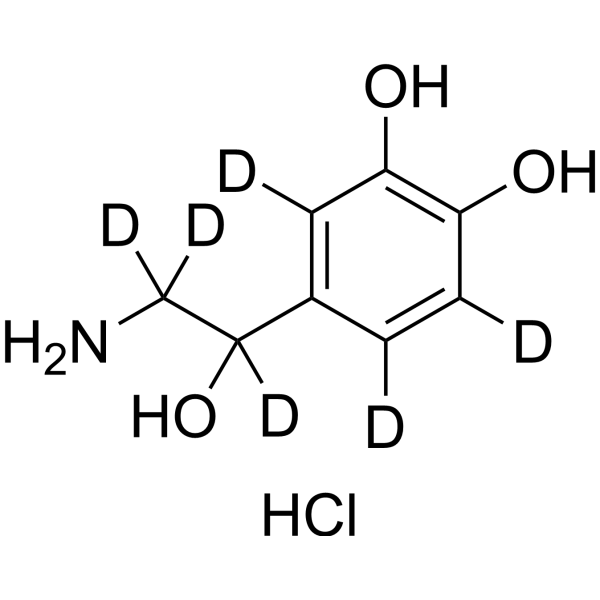
DL-Norepinephrine-d6 hydrochloride is the deuterium labeled DL-Norepinephrine hydrochloride. DL-Norepinephrine hydrochloride is an external racemic catecholamine neurotransmitter, which is an equal mixture of the left-handed (L-, with activity) and right-handed (D-, with very low or no activity) stereoisomers. DL-Norepinephrine hydrochloride after being labeled with tritium can be used as a tracer for the research on Parkinson's disease .
|
-
-
- HY-110406A
-
|
13-Hydroperoxylinoleic acid; Linoleic acid 13-hydroperoxide
|
Endogenous Metabolite
|
Others
|
|
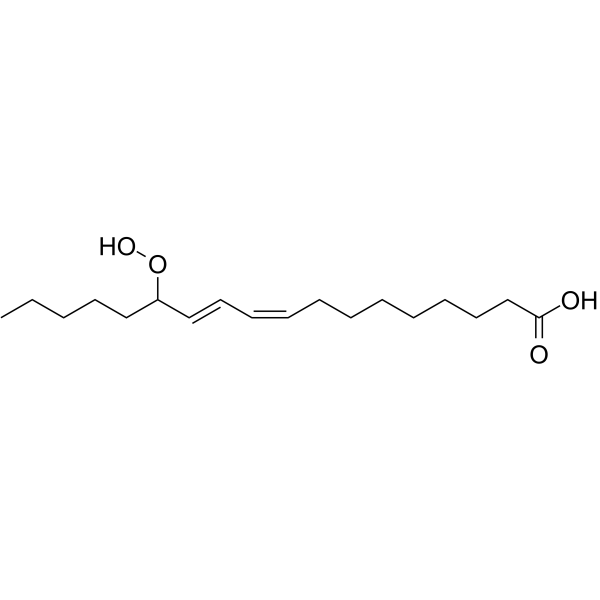
(±)13-HpODE (13-hydroperoxylinoleic acid) is a racemic mixture of hydroperoxides, which is produced by the oxidation of linoleic acid by lipoxygenase .
|
-
-
- HY-W014375
-
|
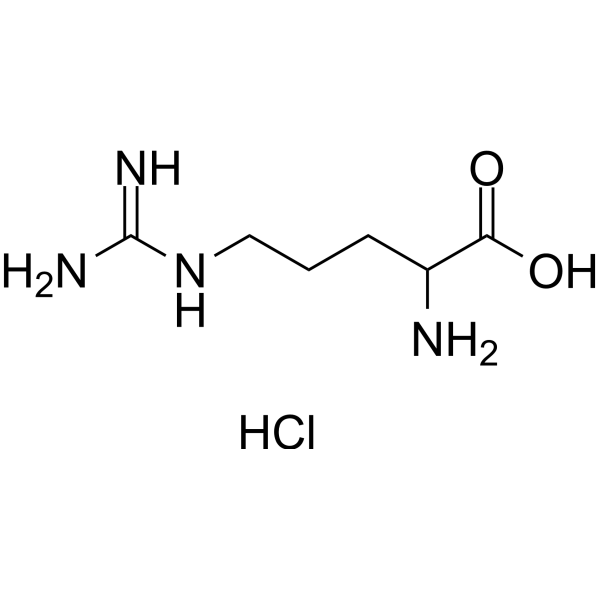
(±)-Arginine hydrochloride
|
Endogenous Metabolite
|
Cardiovascular Disease
|
|
DL-Arginine ((±)-Arginine) hydrochloride is the racemic compound of L-Arginine (HY-N0455) and D-Arginine (HY-W016781). Arginine is an essential amino acid that requires additional supplementation in traumatic or diseased conditions. Arginine is involved in T cell activation, proliferation, and differentiation, and affects the function of immune cells .
|
-
-
- HY-Y1315
-
|
|
Biochemical Assay Reagents
|
Endocrinology
|
|
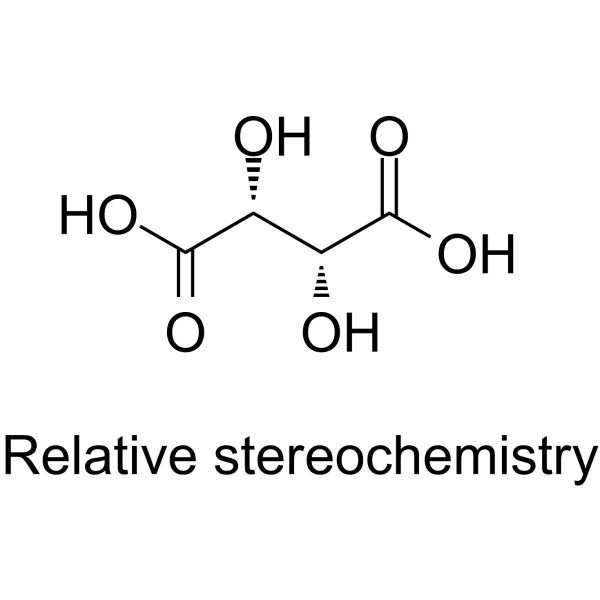
DL-Tartaric acid is an orally active and non-racemic mixture of L- and D-tartaric acid with antioxidant activity. 14C-labeled DL-Tartaric acid is nephrotoxic .
|
-
-
- HY-N7142
-
|
|
Adrenergic Receptor
|
Neurological Disease
|
|
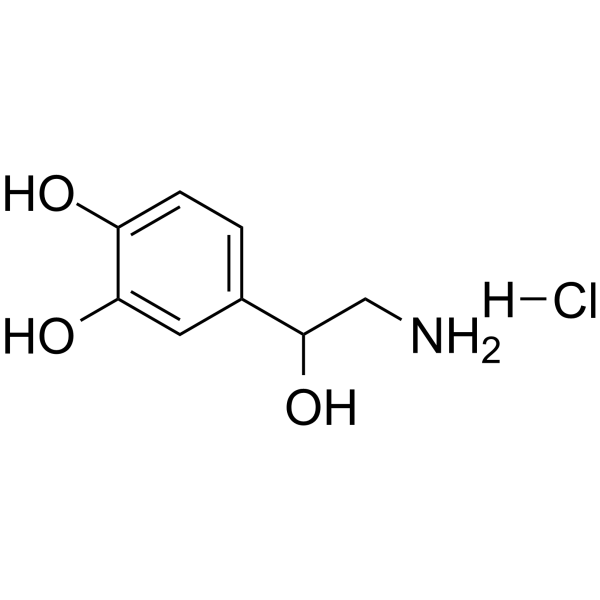
DL-Norepinephrine hydrochloride is an external racemic catecholamine neurotransmitter, which is an equal mixture of the left-handed (L-, with activity) and right-handed (D-, with very low or no activity) stereoisomers. DL-Norepinephrine hydrochloride after being labeled with tritium can be used as a tracer for the research on Parkinson's disease .
|
-
-
- HY-135026
-
|
|
Adrenergic Receptor
|
Neurological Disease
|
|
DL-Norepinephrine tartrate is an external racemic catecholamine neurotransmitter, which is an equal mixture of the left-handed (L-, with activity) and right-handed (D-, with very low or no activity) stereoisomers. DL-Norepinephrine tartrate after being labeled with tritium can be used as a tracer for the research on Parkinson's disease .
|
-

-
- HY-N0585
-
|
(Rac)-NCTD
|
Apoptosis
|
Cancer
|
|
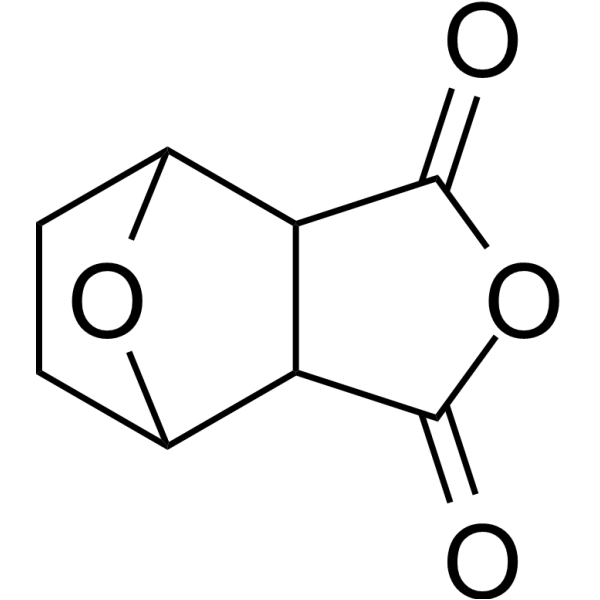
(Rac)-Norcantharidin ((Rac)-NCTD) is the racemic form of Norcantharidin. Norcantharidin is a demethylated derivative of Cantharidin (HY-N0209) and has antitumor activity .
|
-
-
- HY-N2064
-
|
|
mAChR
|
Neurological Disease
|
|
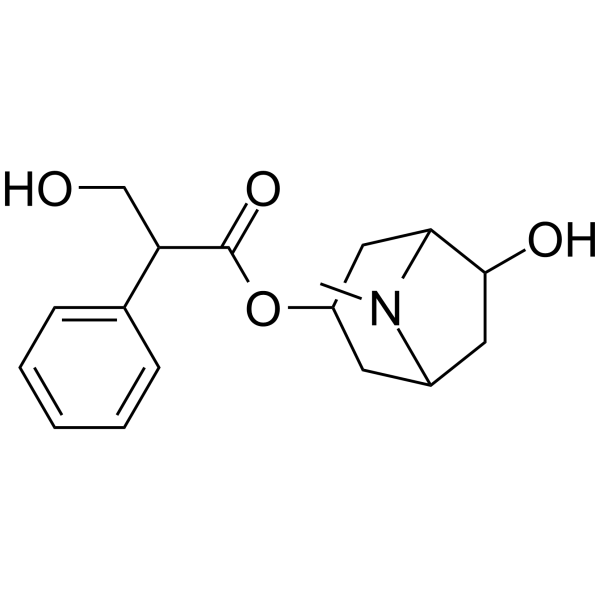
Racanisodamine is one of the racemic isomers of anisodamine, resembles anisodamine in pharmacological effect. Racanisodamine is a non-selective muscarinic antagonist, used as a component of eye drops for myopic control .
|
-
-
- HY-113904S
-
|
|
Reverse Transcriptase
HIV
HBV
|
Infection
|
|
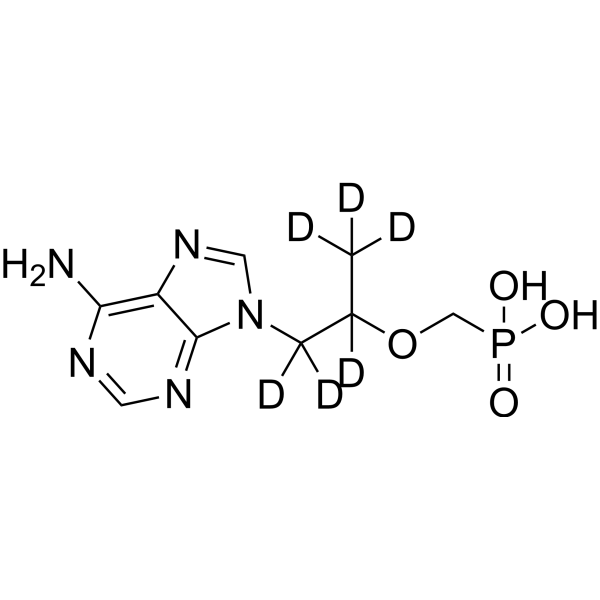
(Rac)-Tenofovir-d6 is a labelled racemic Tenofovir. Tenofovir (GS 1278) is a nucleotide reverse transcriptase inhibitor to treat HIV and chronic Hepatitis B (HBV) .
|
-
-
- HY-107501
-
|
(Rac)-1-Oleoyl-sn-glycero-3-phosphate sodium; (Rac)-1-Oleoyl-LPA sodium
|
Drug Isomer
|
Neurological Disease
|
|
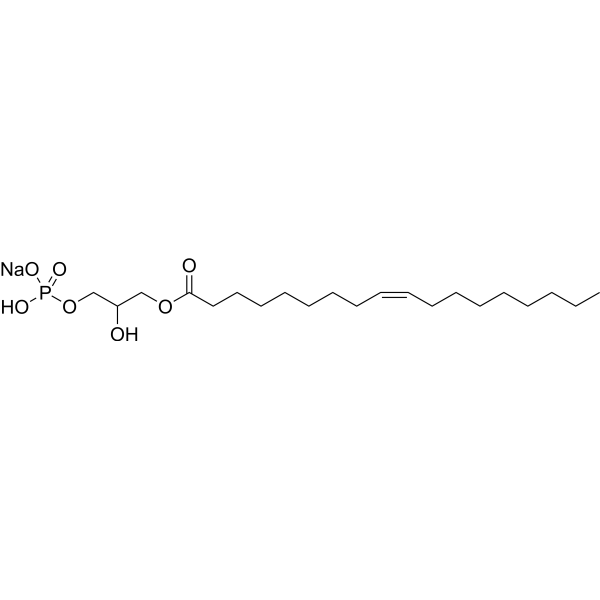
(Rac)-1-Oleoyl lysophosphatidic acid ((Rac)-1-Oleoyl-sn-glycero-3-phosphate) sodium is the racemic isomer of 1-Oleoyl lysophosphatidic acid sodium (HY-107614) .
|
-
-
- HY-15338A
-
|
|
CDK
|
Cancer
|
|
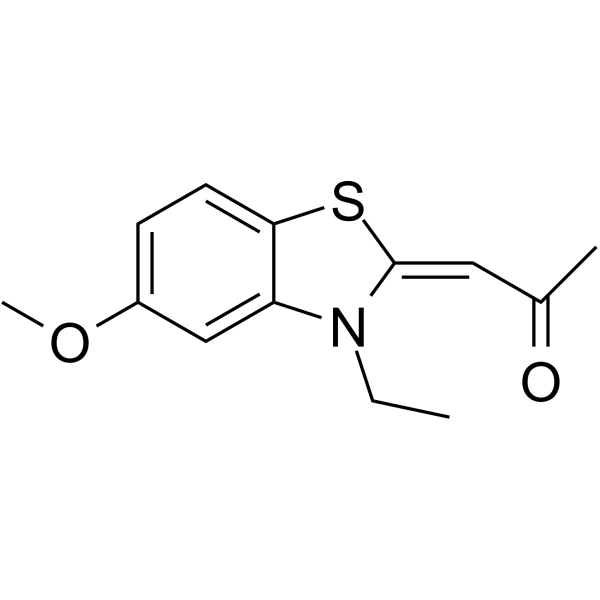
(E/Z)-TG003 is a racemic compound of (Z)-TG003 and (E)-TG003. (Z)-TG003 is a potent inhibitor of Clk1/Sty; inhibits Clk1 and Clk4 with IC50 values of 20 and 15 nM, respectively .
|
-
-
- HY-19966
-
|
|
Kinesin
Apoptosis
|
Cancer
|
|
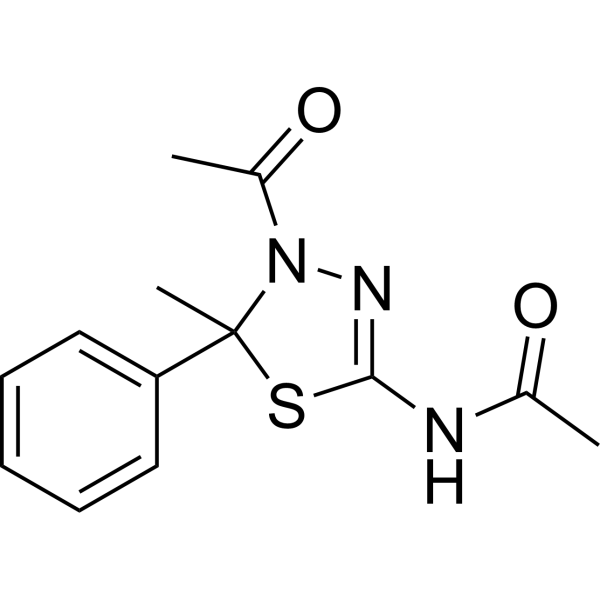
K858 Racemic is an ATP-uncompetitive inhibitor of kinesin Eg5 with an IC50 of 1.3 μM.
|
-
-
- HY-N0074A
-
|
|
Others
|
Others
|
|
(±)-Byakangelicol is a natural racemic furanocoumarin found in Magydaris panacifolia .
|
-

-
- HY-W017442
-
|
|
Endogenous Metabolite
|
Others
|
|
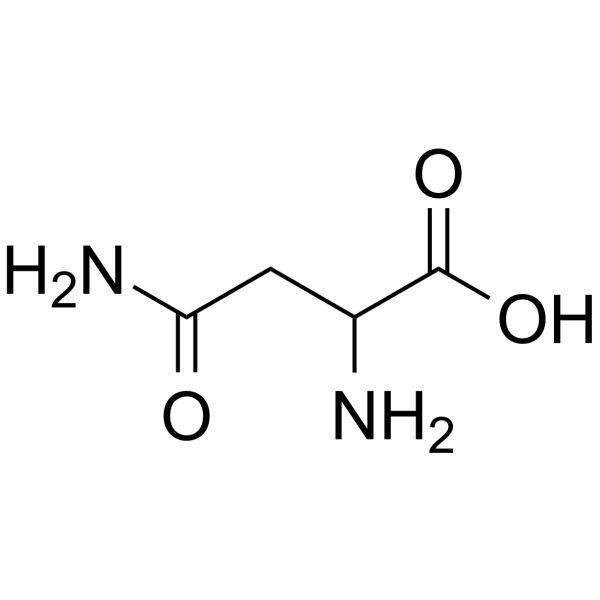
DL-Asparagine is a racemic melange of the Aparagine L and D-enantiomers. DL-Asparagine has been used in growth-media for bacteria-growth .
|
-
-
- HY-W041895
-
|
|
Endogenous Metabolite
DNA/RNA Synthesis
Bacterial
|
Infection
|
|
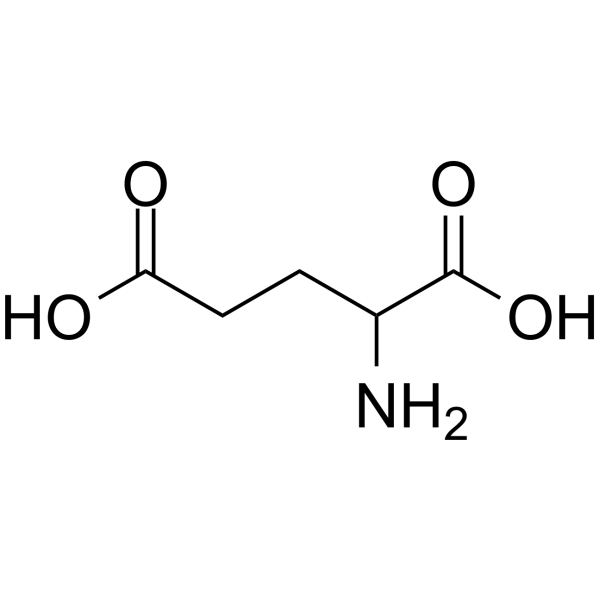
DL-Glutamic acid is a racemic amino acid mixture and an antibacterial agent. DL-Glutamic acid reduces RNA and DNA levels, with a more significant effect on RNA. DL-Glutamic acid inhibits cell division of Rhodospirillum rubrum .
|
-
-
- HY-113884A
-
|
(±)-13-HODE
|
Endogenous Metabolite
|
Metabolic Disease
|
|
(±)13-HODE is one of the two racemic monohydroxy fatty acids resulting from the non-enzymatic oxidation of linoleic acid. It is the principle hydroxylated fatty acid in human psoriatic skin scales, with a mean concentration of 17 ng/mg.
|
-

-
- HY-18733R
-
-
-
- HY-100841
-
|
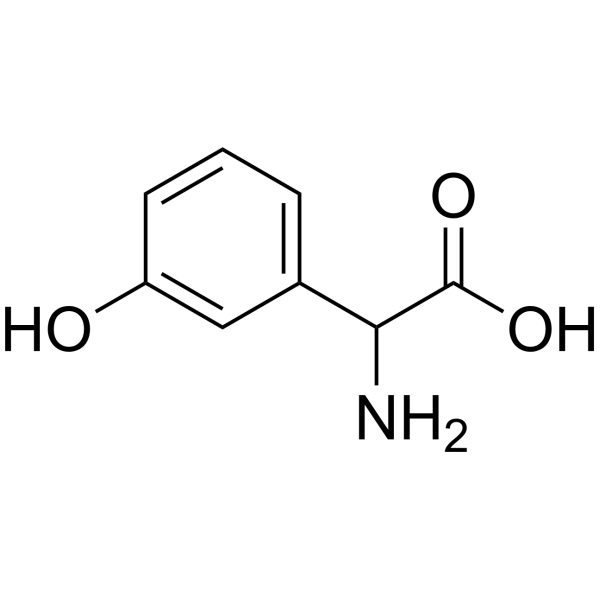
3HPG
|
mGluR
|
Neurological Disease
|
|
(Rac)-3-Hydroxyphenylglycine (3HPG) is a racemic mixture of (S)-3-hydroxyphenylglycine and (R)-3-hydroxyphenylglycine. (S)-3-Hydroxyphenylglycine is a potent and selective mGluR1 agonist .
|
-
-
- HY-135113
-
|
|
Amino Acid Derivatives
|
Others
|
|
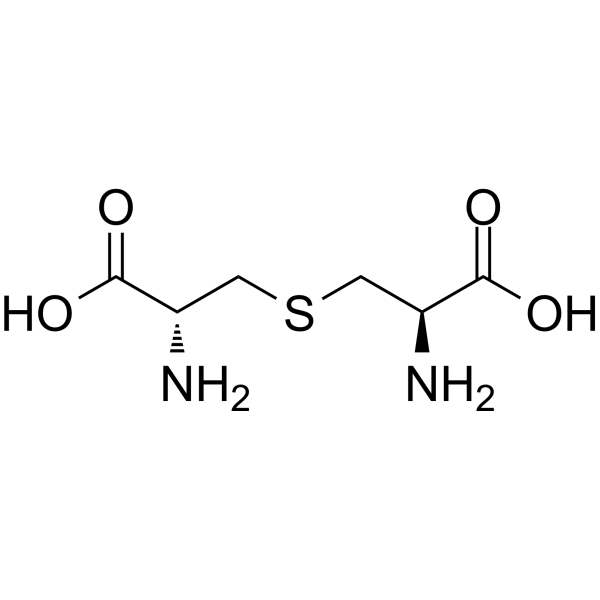
DL/meso-Lanthionine is a mixture of the racemic mixture (DL-) and meso- isomers of Lanthionine. Lanthionine is a non-protein amino acid composed of two alanine residues cross-linked by a thioether bond and is a structural component of the bacterial cell wall.
|
-
-
- HY-102094
-
|
|
mGluR
|
Neurological Disease
|
|
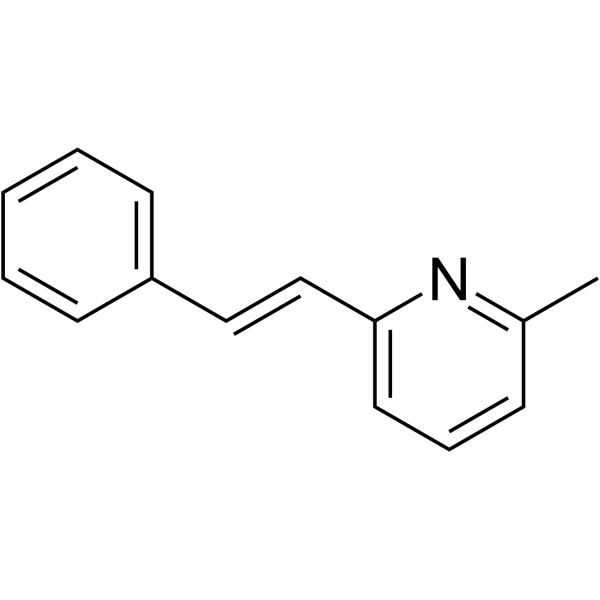
(E/Z)-SIB-1893 is a racemic compound of (E)-SIB-1893 and (Z)-SIB-1893 isomers. (E)-SIB-1893 is a selective non-competitive metabotropic glutamate subtype 5 receptor (mGluR5) antagonist .
|
-
-
- HY-119961
-
|
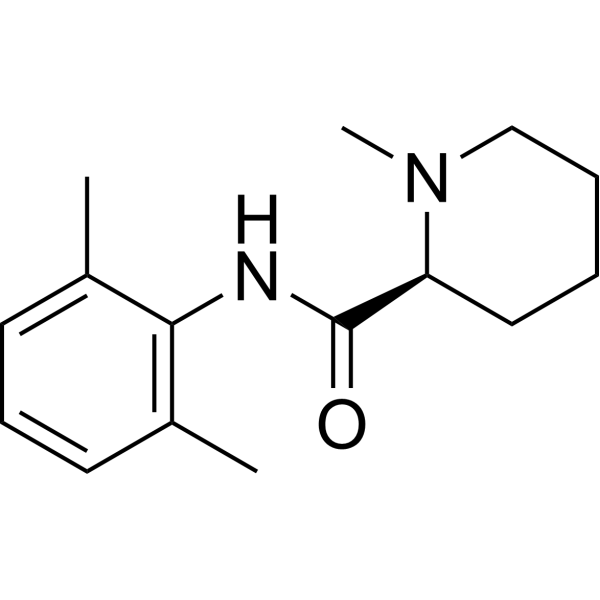
Dexivacaine; (S)-Mepivacaine
|
Sodium Channel
|
Cardiovascular Disease
|
|
(+)-Mepivacaine is a racemic isomer of Mepivacaine (HY-B0517), which has analgesic and vasoconstrictive activity. Mepivacaine is an amide type agent that temporarily causes local loss of consciousness. Mepivacaine binds to specific voltage-gated sodium channels on neuronal cell membranes, inhibiting sodium influx and membrane depolarization .
|
-
-
- HY-B0267C
-
|
Aroxybutynin
|
mAChR
|
Neurological Disease
|
|
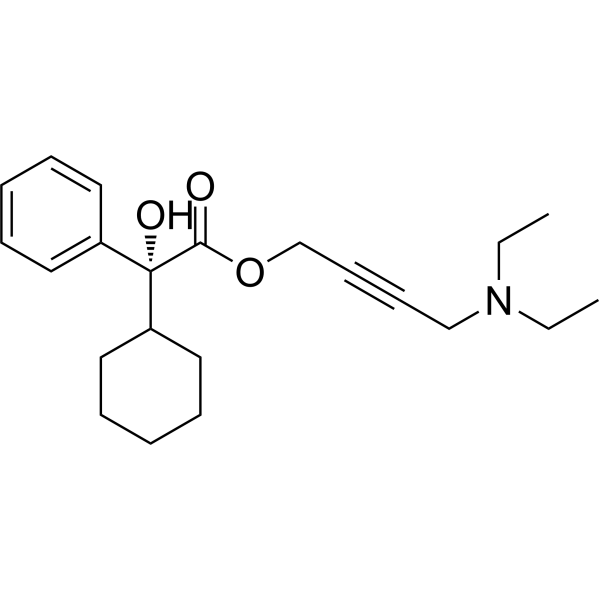
(R)-Oxybutynin (Aroxybutynin) is the racemic isomer of Oxybutynin and an orally active muscarinic receptor antagonist. (R)-Oxybutynin has antispasmodic, antimuscarinic, and anticholinergic activities and competitively antagonizes carbachol-induced contractions. (R)-Oxybutynin can be used to study urinary incontinence caused by neurogenic bladder dysfunction .
|
-
-
- HY-14605BS
-
|
AGN1135-13C3; TVP1012-13C3 racemic
|
Isotope-Labeled Compounds
Monoamine Oxidase
|
Neurological Disease
|
|
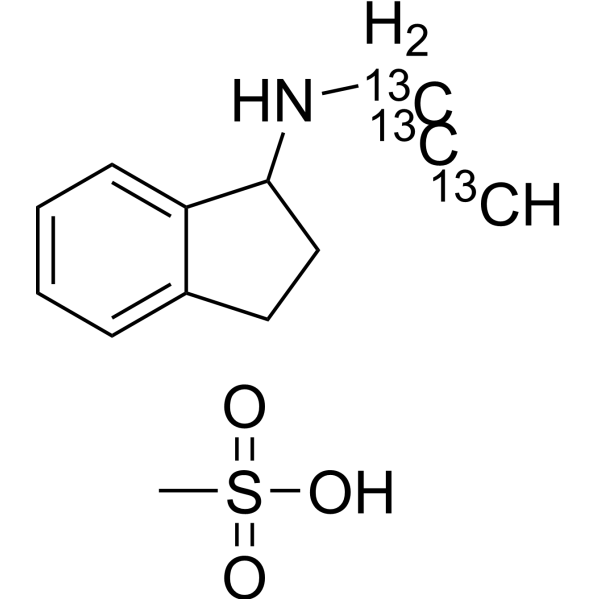
Rasagiline- 13C3 (mesylate racemic) is a 13C-labeled Rasagiline mesylate racemic. Rasagiline mesylate racemic is a highly potent selective irreversible mitochondrial monoamine oxidase (MAO) inhibitor . Rasagiline-13C3 (mesylate racemic) is a click chemistry reagent, it contains an Alkyne group and can undergo copper-catalyzed azide-alkyne cycloaddition (CuAAc) with molecules containing Azide groups.
|
-
-
- HY-116663
-
|
(±)20-HDoHE
|
Endogenous Metabolite
|
Neurological Disease
|
|
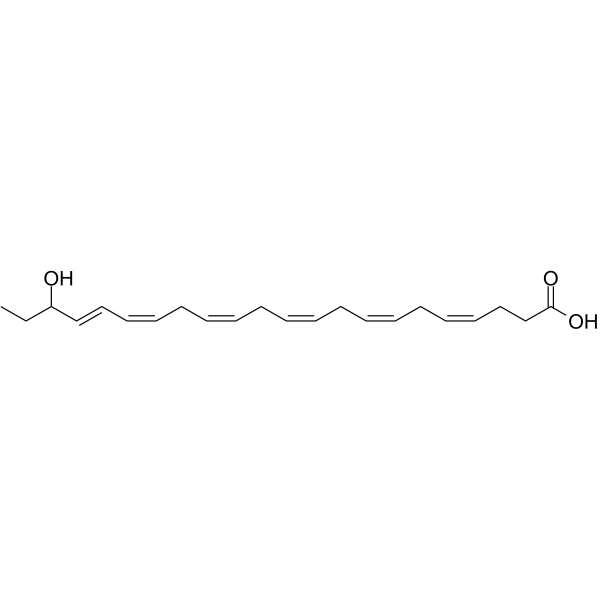
(±)20-HDHA ((±)20-HDoHE) is a racemic mixture and is an autoxidation product of Docosahexaenoic acid (DHA). (±)20-HDHA is also formed by peroxidation process in human platelets and rat brain homogenate .
|
-
-
- HY-130319A
-
|
|
PPAR
|
Cardiovascular Disease
Metabolic Disease
|
|
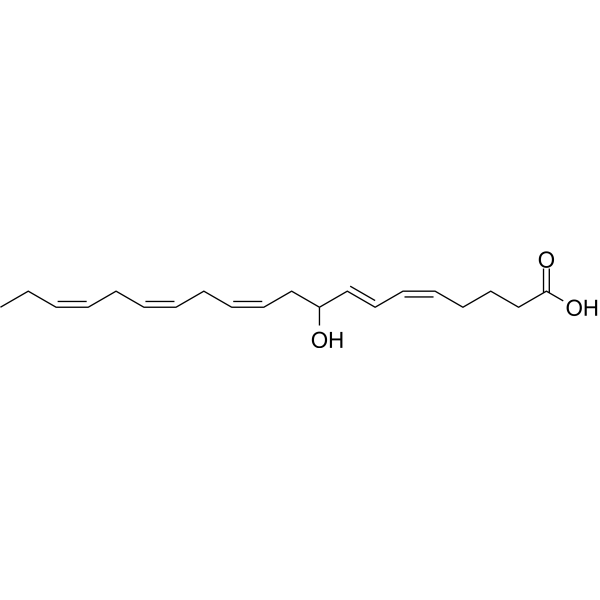
9-HEPE, a oxidation product of Eicosapentaenoic acid, is a racemic mixture of 9(R)-HEPE and 9(S)-HEPE. 9-HEPE induces fatty acid oxidation, adipogenesis, and glucose uptake via activation of PPARs in vivo .
|
-
-
- HY-151525A
-
|
|
YAP
|
Cancer
|
|
(R,S)-YAP-TEAD-IN-2 is the racemic mixture of YAP-TEAD-IN-2 (HY-151525). YAP-TEAD-IN-2 (Compound 6) is a potent inhibitor of YAP-TEAD PPIs (protein-protein interaction) with an IC50 of 2.7 nM .
|
-

-
- HY-121987A
-
|
|
Lipoxygenase
|
Inflammation/Immunology
|
|
(±)15-HEDE is a racemic mixture of the monohydroxy fatty acids 15(R)-HEDE and 15(S)-HEDE. 15-HEDE is formed from eicosadienoic acid in macrophages. It inhibits 5-lipoxygenase (5-LO; IC50=35 μM).
|
-

-
- HY-101526R
-
|
GENZ-882706 racemate
|
Reference Standards
c-Fms
|
Others
|
|
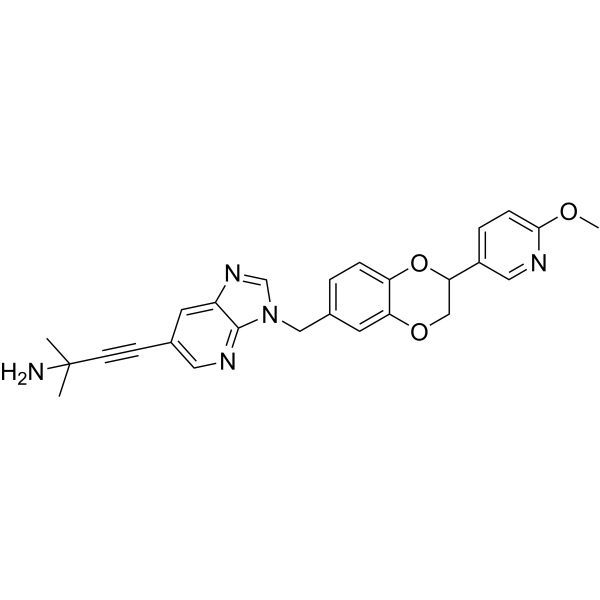
GENZ-882706(Raceme) is the racemate of GENZ-882706. GENZ-882706(Raceme) is a click chemistry reagent, it contains an Alkyne group and can undergo copper-catalyzed azide-alkyne cycloaddition (CuAAc) with molecules containing Azide groups.
|
-
-
- HY-14735
-
|
XP 19986
|
GABA Receptor
|
Neurological Disease
|
|
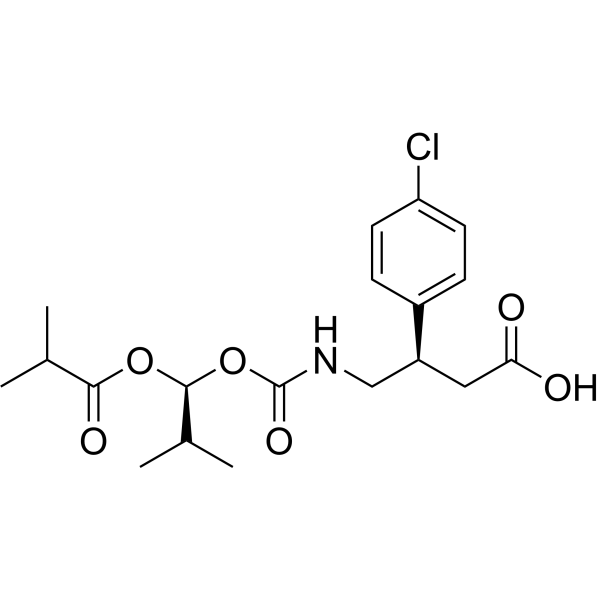
Arbaclofen placarbil is a novel transported proagent of the active R-isomer of baclofen. Baclofen is a racemic GABAB receptor agonist
|
-
-
- HY-B2236A
-
|
(±)-2,6-Diaminocaproic acid monohydrate
|
Biochemical Assay Reagents
|
Metabolic Disease
|
|
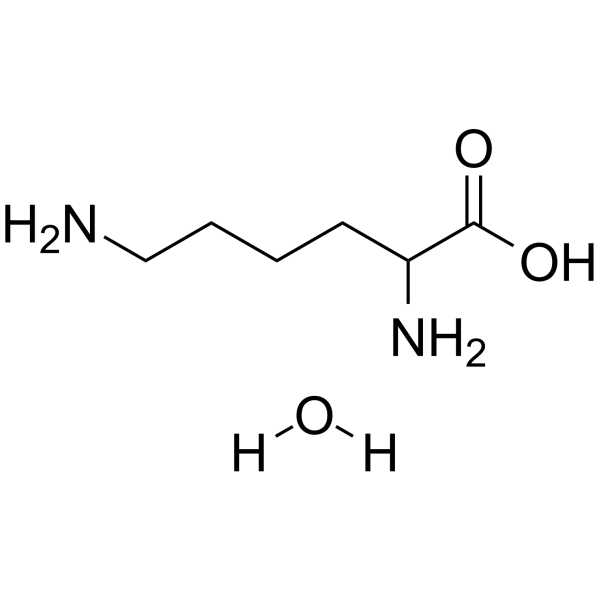
DL-Lysine monohydrate is a racemic mixture of the D-Lysine and L-Lysine. Lysine is an α-amino acid that is used in the biosynthesis of proteins .
|
-
-
- HY-104065A
-
|
(Rac)-SHR-1258
|
Drug Isomer
|
Cancer
|
|
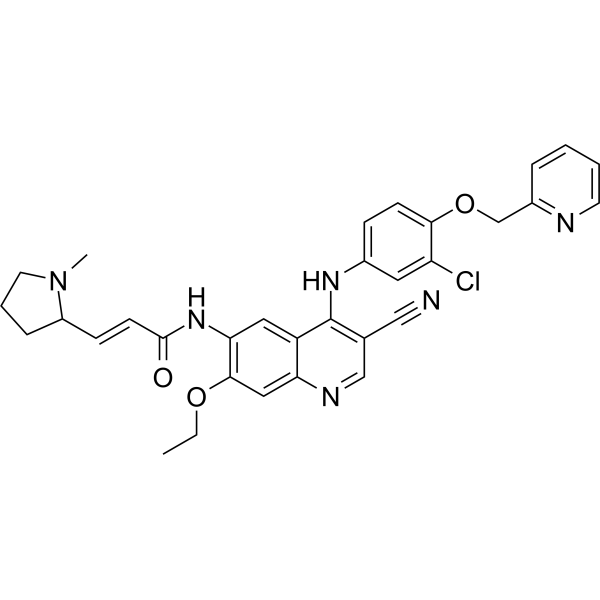
(Rac)-Pyrotinib ((Rac)-SHR-1258) is the racemic form of Pyrotinib (HY-104065). Pyrotinib is a potent and selective dual EGFR/HER2 receptor inhibitor.
|
-
-
- HY-W752055
-
-
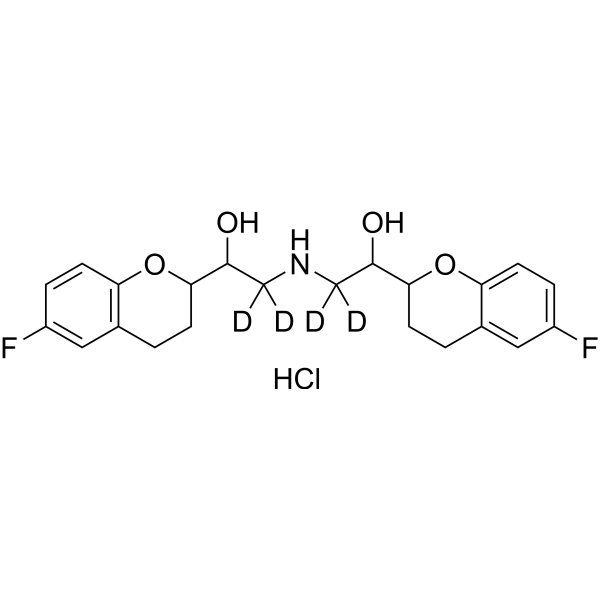
-
- HY-W295313
-
|
|
Drug Derivative
|
Others
|
|
(+)-Neoisomenthol is one of the isomers of (±)-Neoisomenthol. (±)-Neoisomenthol is a compound that belongs to the class of monoterpenes. (±)-Neoisomenthol is a volatile constituent of Mentha arvensis with a peppermint odor and taste. It is a chiral compound, existing as a racemic mixture of two enantiomers, (+)-neoisomenthol and (-)-neoisomenthol.
|
-

-
- HY-120408
-
|
Atroscine
|
Adrenergic Receptor
|
Neurological Disease
|
|
(±)-Scopolamine (Atroscine) is the racemic modification of Scopolamine. (±)-Scopolamine inhibits α-adrenergic receptor activity. (±)-Scopolamine has Ki values of 33 μM and 7.25 nM for α1-adrenerg receptor and muscarinic cholinergic receptor, respectively .
|
-

-
- HY-B0259S
-
|
|
Isotope-Labeled Compounds
Potassium Channel
|
Cardiovascular Disease
|
|
(rac)-Indapamide-d3 is a labelled racemic Indapamide. Indapamide is an orally active sulphonamide diuretic agent, that can reduce blood pressure by decreasing vascular reactivity and peripheral vascular resistance. Indapamide is also can reduce left ventricular hypertrophy .
|
-
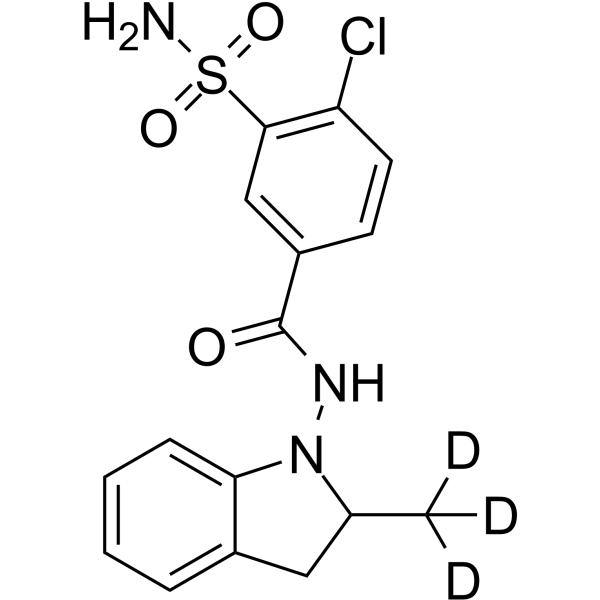
-
- HY-100096A
-
|
(Rac)-Emtricitabine sulfoxide; (Rac)-Emtricitabine Degradant-III
|
HIV
Reverse Transcriptase
|
Infection
|
|
(Rac)-Emtricitabine S-oxide ((Rac)-Emtricitabine sulfoxide; (Rac)-Emtricitabine Degradant-III) is Emtricitabine S-oxide (HY-100096) racemic modification. Emtricitabine S-oxide is a major degradation product of Emtricitabine. Emtricitabine is a potent nucleoside reverse transcriptase inhibitor used for the treatment of HIV infection.
|
-

-
- HY-N0585R
-
|
(Rac)-NCTD (Standard)
|
Reference Standards
Apoptosis
|
Cancer
|
|
(Rac)-Norcantharidin (Standard) is the analytical standard of (Rac)-Norcantharidin (HY-N0585). This product is intended for research and analytical applications. (Rac)-Norcantharidin ((Rac)-NCTD) is the racemic form of Norcantharidin. Norcantharidin is a demethylated derivative of Cantharidin (HY-N0209) and has antitumor activity .
|
-

-
- HY-107459
-
|
(E/Z)-Tyrphostin AG490; (E/Z)-Tyrphostin B42
|
EGFR
STAT
JAK
|
Cancer
|
|
(E/Z)-AG490 ((E/Z)-Tyrphostin AG490) is a racemic compound of (E)-AG490 and (Z)-AG490 isomers. (E)-AG490 (HY-12000) is a tyrosine kinase inhibitor that inhibits EGFR, Stat-3 and JAK2/3.
|
-
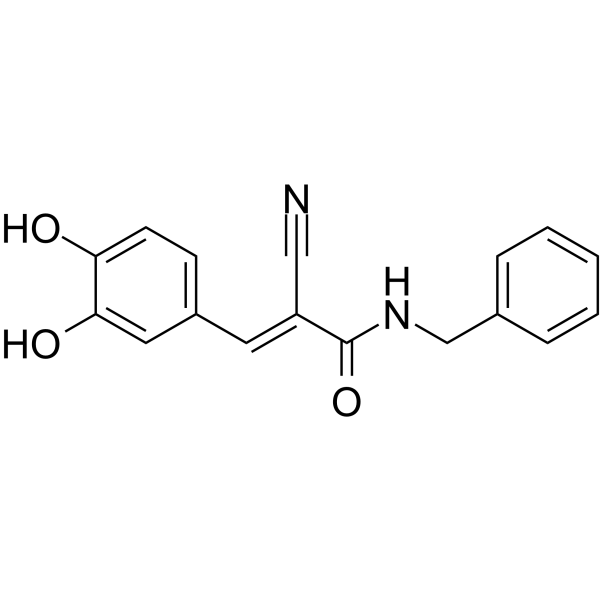
-
- HY-150649
-
|
|
17β-HSD
|
Cancer
|
|
S07-2005 racemic is a potent and selective aldo-keto reductase 1C3 (AKR1C3) inhibitor with an IC50 value of 0.13 μM and 0.75 μM for AKR1C3 and AKR1C4, respectively. S07-2005 racemic has potential as a chemotherapeutic potentiator for cancer agent resistance .
|
-
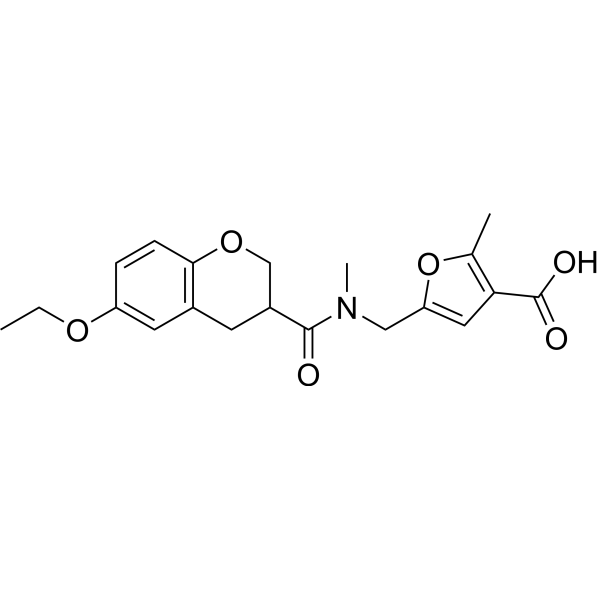
-
- HY-100869B
-
|
|
WDR5
|
Cancer
|
|
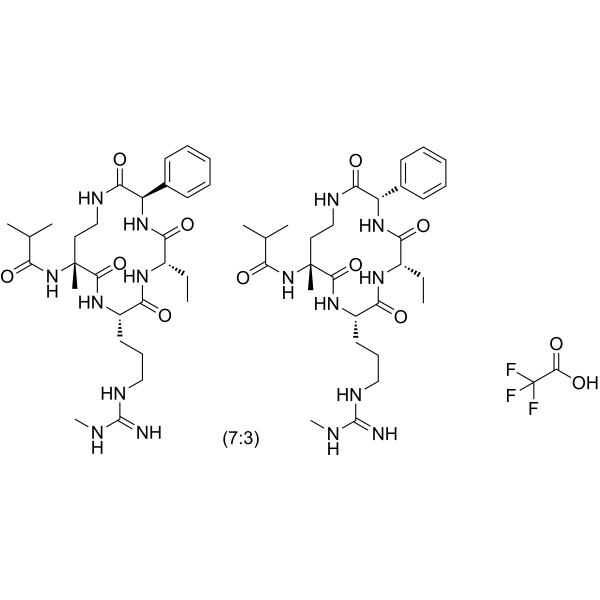
MM-589 (racemic mixture) TFA, is a racemic mixture of MM-589 TFA (HY-100869A). MM-589 TFA is a potent inhibitor of WD repeat domain 5 (WDR5) and mixed lineage leukemia (MLL) protein-protein interaction. MM-589 binds to WDR5 with an IC50 of 0.90 nM and inhibits the MLL H3K4 methyltransferase activity with an IC50 of 12.7 nM .
|
-
-
- HY-70028
-
|
|
MDM-2/p53
E1/E2/E3 Enzyme
|
Cancer
|
|
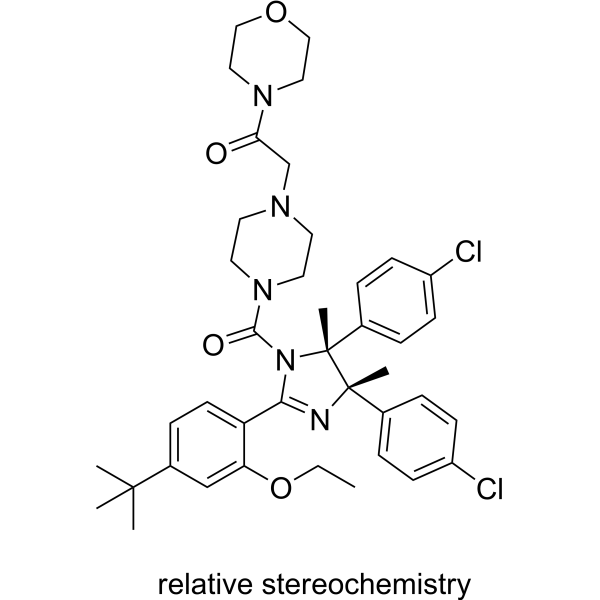
p53 and MDM2 proteins-interaction-inhibitor (racemic) (Compound 2j) is an inhibitor of the interaction between p53 and MDM2 proteins.
|
-
-
- HY-U00356
-
-
-
- HY-145263A
-
-
-
- HY-W017442R
-
-

- HY-114514
-
-

- HY-N3422A
-
|
|
Drug Isomer
|
Cancer
|
|
(rac)-Khellactone is the racemic form of Khellactone. (rac)-Khellactone is a type of coumarin, and its derivatives are expected to be used in the research of the anti-cancer field .
|
-

- HY-12993A
-
|
A-60444 racemate
|
RSV
|
Others
|
|
RSV604 (A-60444) racemate is a racemic mixture, shows less potency against strains of respiratory syncytial virus (RSV) than the S-isomer.
|
-
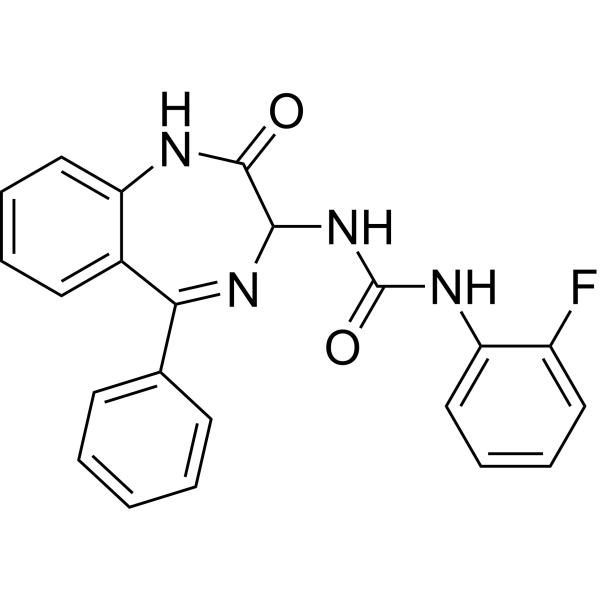
- HY-172009
-
|
|
Drug Isomer
|
Others
|
|
8-Amino-7-oxononanoic acid hydrochloride is a racemic mixture of 8(R)-KAPA and the vitamer of biotin 8(S)-KAPA.
|
-

- HY-120658
-
|
|
Antibiotic
Bacterial
|
Infection
|
|
(Rac)-LY193239 is a racemic modification of LY193239 (HY-120658A). LY193239 is a higher-lactam pyrazolidinone antibacterial agent .
|
-

- HY-W127386
-
|
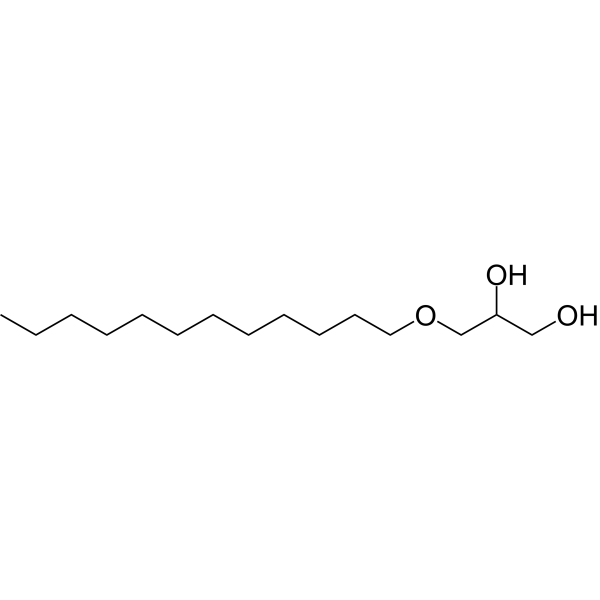
3-Dodecyloxypropane-1,2-diol
|
Biochemical Assay Reagents
|
Others
|
|
1-O-Dodecyl-rac-glycerol is a class of organic compounds belonging to the class of racemic glycerol derivatives. It consists of a dodecyl chain attached to the sn-1 position of the racemic glycerol molecule. 1-O-Dodecyl-rac-glycerol has various applications in the pharmaceutical industry, especially as an intermediate in the synthesis of lipid drug delivery systems and membranes. Additionally, it has potential use as an emulsifier and surfactant in cosmetic and personal care products.
|
-
- HY-B1184S
-
-

- HY-W178699
-
|
|
Drug Derivative
|
Others
|
|
(±)-Neoisomenthol is a monoterpene. (±)-Neoisomenthol is a volatile constituent of Mentha arvensis with a peppermint odor and taste. (±)-Neoisomenthol is a chiral compound, existing as a racemic mixture of two enantiomers, (+)-Neoisomenthol and (-)-Neoisomenthol .
|
-

- HY-N2064R
-
|
|
Reference Standards
mAChR
|
Neurological Disease
|
|
Racanisodamine is one of the racemic isomers of anisodamine, resembles anisodamine in pharmacological effect. Racanisodamine is a non-selective muscarinic antagonist, used as a component of eye drops for myopic control .
|
-

- HY-115441
-
|
(Rac)-NND 502
|
Antibiotic
Fungal
|
Infection
|
|
(Rac)-Luliconazole ((Rac)-NND 502) is the racemic isomer of Luliconazole (HY-14283). Luliconazole is a topical antifungal imidazole antibiotic with broad-spectrum and potent antifungal activity .
|
-

- HY-120109
-
|
|
Endogenous Metabolite
|
Cancer
|
|
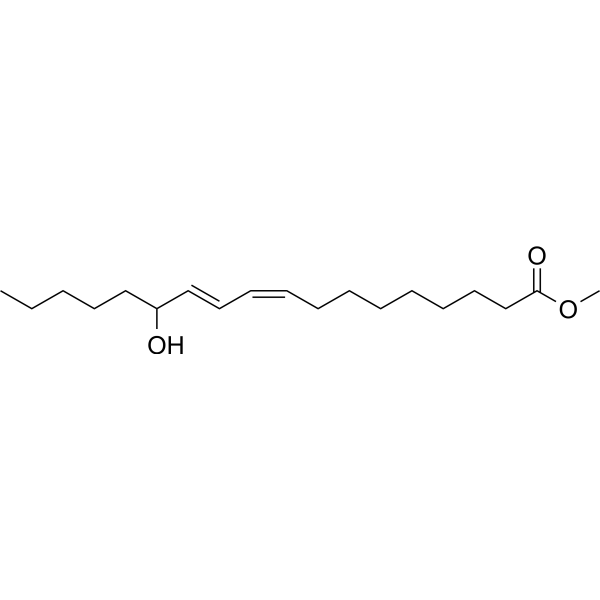
13-HODE methyl ester, a racemic mixture of 13(R)-HODE methyl ester and 13(S)-HODE methyl ester, is a 15-lipoxygenase metabolite of Linoleic acid .
|
-
- HY-W010143
-
|
(Rac)-Norcotinine
|
Drug Metabolite
|
Cardiovascular Disease
|
|
(R,S)-Norcotinine ((Rac)-Norcotinine) is the racemic mixture of Norcotinine. (R,S)-Norcotinine is a biomarker of secondhand smoke exposure and is associated with the toxic mechanisms of secondhand smoke on cardiovascular development .
|
-

- HY-I0635
-
|
(Rac)-CC-10004
|
Phosphodiesterase (PDE)
|
Inflammation/Immunology
|
|
(Rac)-Apremilast ((Rac)-CC-10004) is the racemic mixture of Apremilast. (Rac)-Apremilast has anti-inflammatory properties and can be used for research on inflammatory diseases, such as psoriasis .
|
-

- HY-B0203BS1
-
-
- HY-138082
-
|
|
Akt
FAK
|
Cancer
|
|
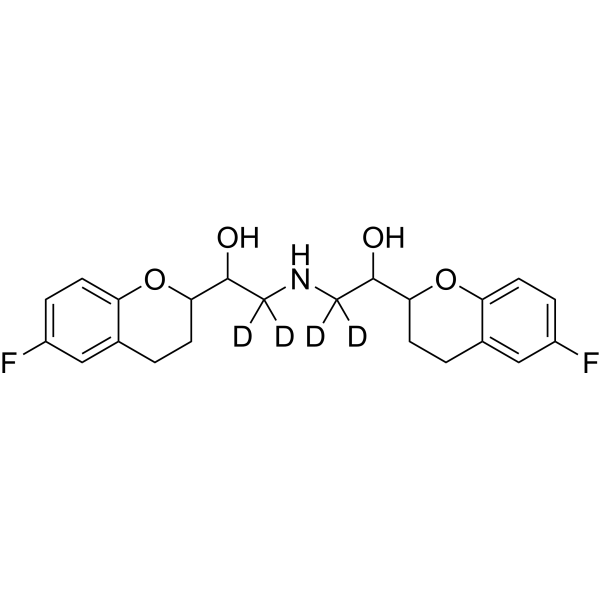
Rac-ZINC4085554 is the racemic form of ZINC4085554. ZINC4085554 interferes with the interaction between Akt1 and FAK. ZINC4085554 is useful in colon cancer research .
|
-

- HY-130310B
-
|
11-hydroxy-12,14-Eicosadienoic acid
|
COX
|
Metabolic Disease
|
|
(±)11-HEDE is a racemic mixture of the monohydroxy fatty acids 11(S)-HEDE and 11(R)-HEDE. 11-HEDE is formed from eicosadienoic acid by cyclooxygenase (COX) and in macrophages.
|
-

- HY-76251S1
-
|
|
COX
|
Inflammation/Immunology
Cancer
|
|
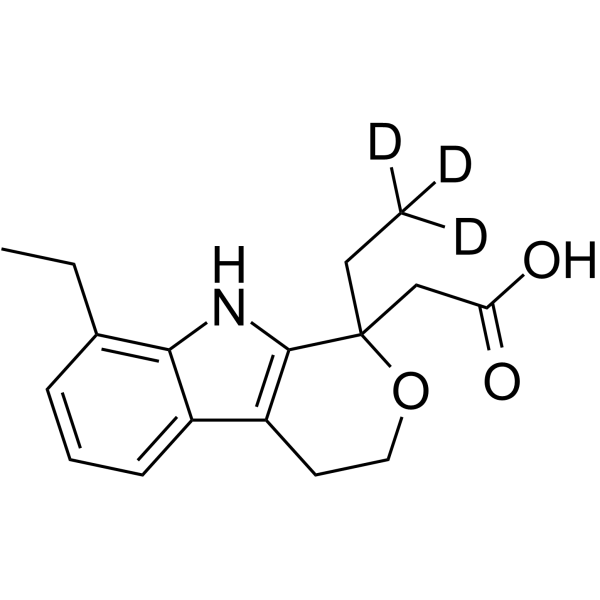
(rac)-Etodolac-d3 is a labelled racemic Etodolac. Etodolac (AY-24236) is a non-steroidal anti-inflammatory compound that is a non-selective inhibitor of COX (IC50=53.5 nM)
|
-
- HY-19489S1
-
-
- HY-120723
-
-

- HY-W742809
-
|
|
Drug Derivative
|
Others
|
|
(S)-7-Hydroxywarfarin is the S stereoisomer of 7-Hydroxywarfarin (HY-139167). (S)-7-Hydroxywarfarin is the inactive, major metabolite of racemic Warfarin (HY-B0687) .
|
-

- HY-W354544
-
|
Dihydrodiethylstilbestrol
|
Estrogen Receptor/ERR
|
Endocrinology
|
|
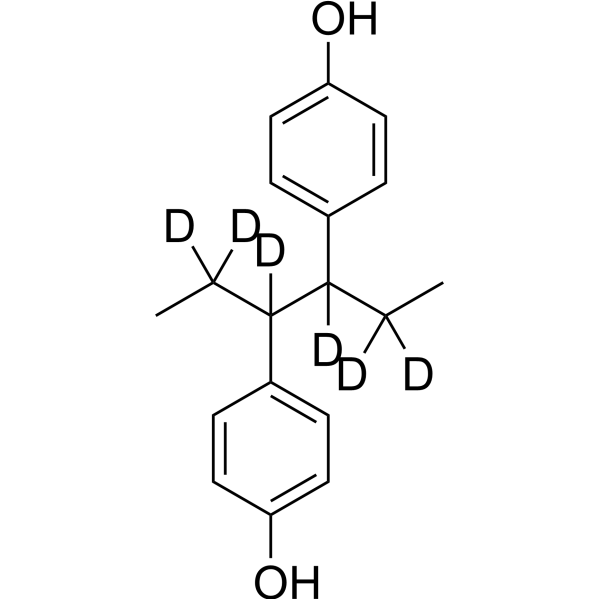
(Rac)-Hexestrol is the racemic form of Hexestrol (HY-B1662). Hexestrol is a synthetic non-steroidal estrogen. (Rac)-Hexestrol usually appears in deuterated form and is used as an internal standard for precise quantitative analysis in analytical chemistry.
|
-

- HY-B1662S2
-
-
- HY-W008914
-
|
|
EGFR
|
Cancer
|
|
(E/Z)-CP-724714 is a racemic compound of (E)-CP-724714 and (Z)-CP-724714 isomers. CP-724714 is a potent and selective orally active ErbB2 (HER2) inhibitor .
|
-
- HY-112438A
-
|
|
Deubiquitinase
|
Cancer
|
|
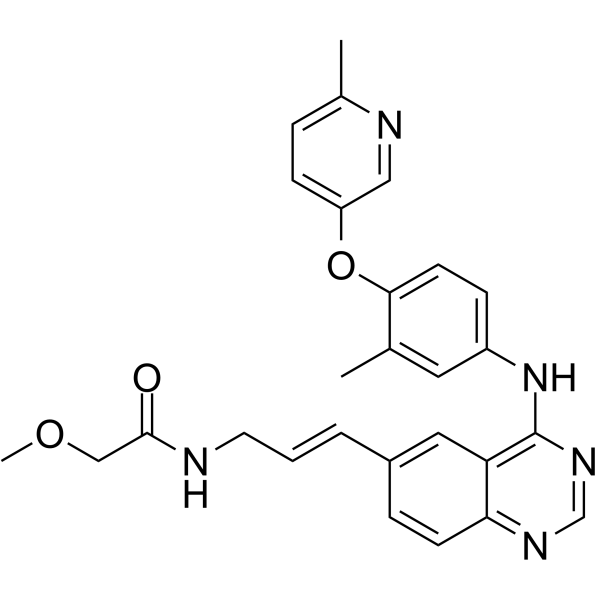
rac-MF-094 is the racemic mixture of MF-094 (HY-112438). MF-094 is a potent and selective USP30 inhibitor with an IC50 of 120 nM. MF-094 increases protein ubiquitination and accelerates mitophagy .
|
-

- HY-W391940
-
|
|
Fungal
Antibiotic
|
Infection
|
|
(Rac)-Amorolfine hydrochloride is the racemic form of Amorolfine hydrochloride. Amorolfine (Ro 14-4767/002) hydrochloride (HY-B0238) is an effective antifungal agent. Amorolfine hydrochloride inhibits the biosynthesis of ergosterol and has research potential for treating onychomycosis caused by Neoscytalidium dimidiatum .
|
-

- HY-113972A
-
|
|
Drug Isomer
|
Inflammation/Immunology
|
|
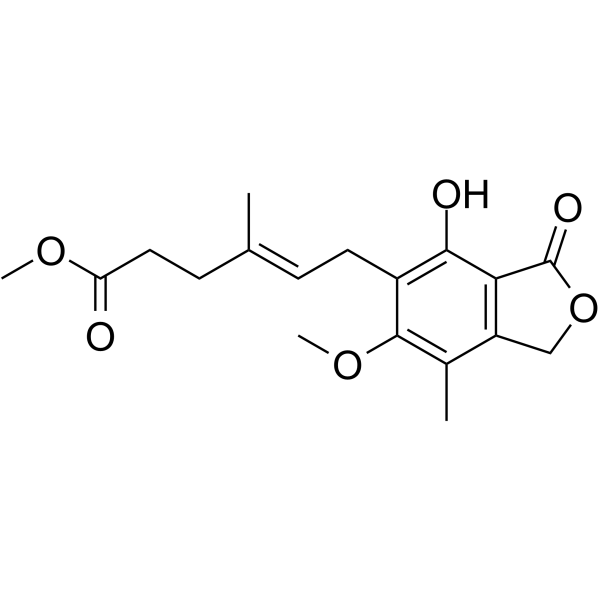
(E/Z)-Methyl mycophenolate is a racemic compound of (Z)-Methyl mycophenolate and (E)-Methyl mycophenolate isomers. Methyl mycophenolate is a methyl ester of mycophenolic acid. Methyl mycophenolate can be used to synthesize mycophenolic acid β-D-glucuronide and phenolic glycosides .
|
-
- HY-Y1315R
-
|
|
Biochemical Assay Reagents
Reference Standards
|
Others
|
|
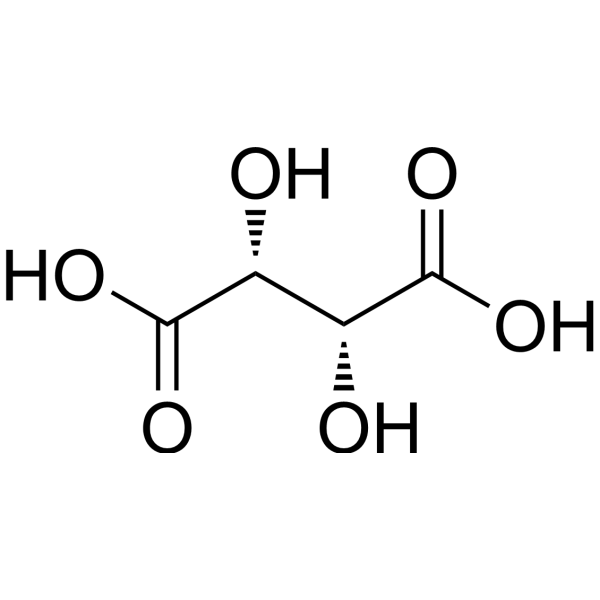
DL-Tartaric acid (Standard) is the analytical standard of DL-Tartaric acid. This product is intended for research and analytical applications. DL-Tartaric acid is a non-racemic mixture of L- and D-tartaric acid with antioxidant activity. 14C-labeled DL-Tartaric acid is nephrotoxic .
|
-
- HY-10011B
-
|
|
CXCR
|
Inflammation/Immunology
Endocrinology
|
|
(Rac)-SCH 563705 is a racemic mixture of SCH 563705 (HY-10011). SCH 563705 (compound 16) is a potent and orally active CXCR2 and CXCR1 antagonist with IC50 values of 1.3 nM and 7.3 nM and Ki values of 1 nM and 3 nM, respectively .
|
-

- HY-12011A
-
|
|
Bcl-2 Family
|
|
|
(Rac)-HA14-1 is the racemic form of HA14-1 (HY-12011). HA14-1 is a Bcl-2/Bcl-xL antagonist with an IC50 of approximately 9 μM against Bcl-2 .
|
-

- HY-107370AS
-
|
(Rac)-Tomoxetine d7 hydrochloride; (Rac)-LY 139603 d7
|
Serotonin Transporter
Sodium Channel
Isotope-Labeled Compounds
|
Neurological Disease
|
|
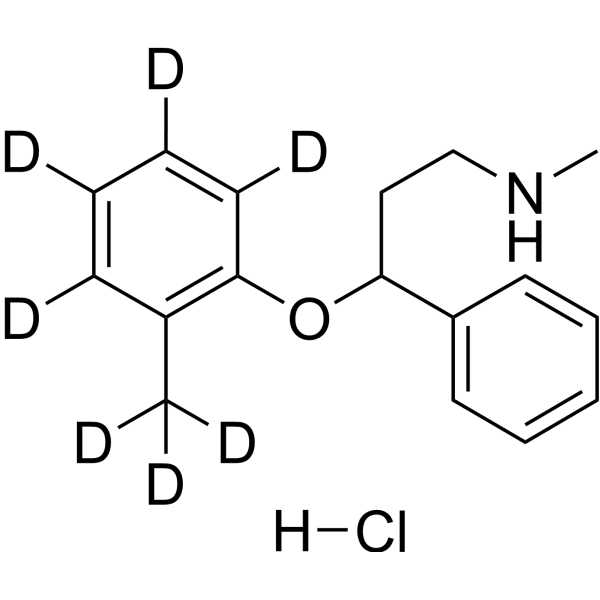
(Rac)-Atomoxetine-d7 (hydrochloride) is a deuterium labeled (Rac)-Atomoxetine hydrochloride. (Rac)-Atomoxetine hydrochloride is a racemic form of Atomoxetine hydrochloride. Atomoxetine hydrochloride is a potent and selective noradrenalin re-uptake inhibitor (Ki values are 5 nM, 77 nM and 1451 nM for inhibition of radioligand binding to human NET, SERT and DAT respectively) .
|
-
- HY-B0105BS
-
|
(-)-Ketoconazole-d3; (-)-Ketoconazol-d3; (-)-R 41400-d3
|
Isotope-Labeled Compounds
Fungal
|
Infection
Inflammation/Immunology
|
|
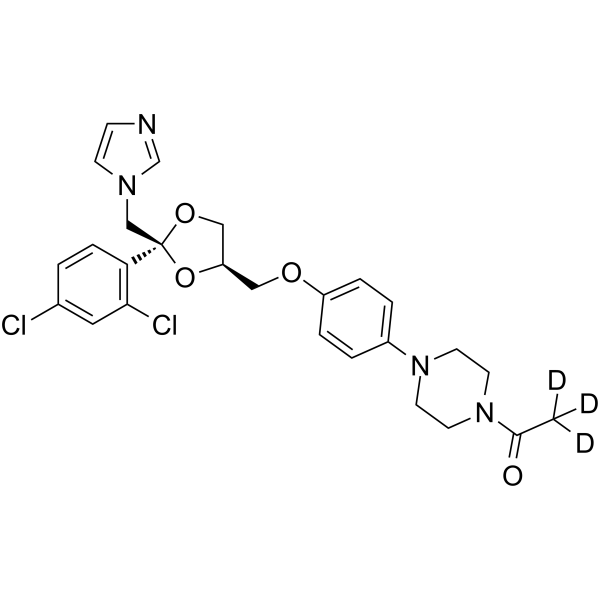
(-)-Ketoconazole-d3 is deuterium labeled (-)-Ketoconazole. (-)-Ketoconazole ((-)-R 41400) is one of the enantiomer of Ketoconazole. Ketoconazole is a racemic mixture of two enantiomers, levoketoconazole ((2S,4R)-(−)-ketoconazole) and dextroketoconazole ((2R,4S)-(+)-ketoconazole).
|
-
- HY-18733S
-
-

- HY-B2236S3
-
|
(±)-2,6-Diaminocaproic acid-15N2 hydrochloride
|
Isotope-Labeled Compounds
|
Metabolic Disease
|
|
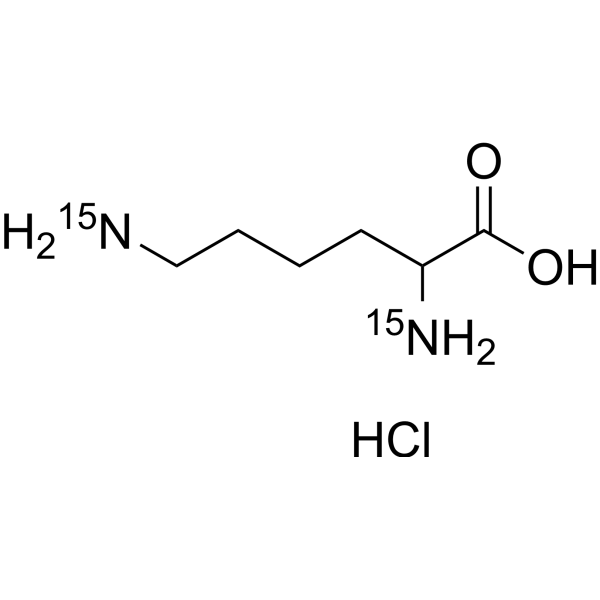
DL-Lysine- 15N2 hydrochloride ((±)-2,6-Diaminocaproic acid- 15N2 hydrochloride) is 15N labeled DL-Lysine (HY-B2236). DL-Lysine is a racemic mixture of the D-Lysine and L-Lysine. Lysine is an α-amino acid that is used in the biosynthesis of proteins.
|
-
- HY-173388
-
|
|
Toll-like Receptor (TLR)
JNK
NF-κB
NO Synthase
COX
|
Inflammation/Immunology
|
|
TLR4-IN-2 (Compound Racemic-11k) is inhibitors of TLR4, JNK, and NF-κB. TLR4-IN-2 inhibits NO production in LPS-stimulated RAW264.7 cells with an IC50 value of 23.2 µM. TLR4-IN-2 exerts anti-inflammatory activity by inhibiting TLR4 expression, reducing JNK phosphorylation, thereby suppressing the activation of NF-κB, blocking the transcription of inflammation-related genes, reducing the expression of iNOS and COX-2, and decreasing the production of inflammatory mediators such as NO, PGE 2, and TNF-α. TLR4-IN-2 is promising for research of inflammatory diseases, such as rheumatoid arthritis and various inflammatory disorders .
|
-

- HY-B2236S1
-
|
(±)-2,6-Diaminocaproic acid-13C6 hydrochloride
|
Isotope-Labeled Compounds
|
Metabolic Disease
|
|
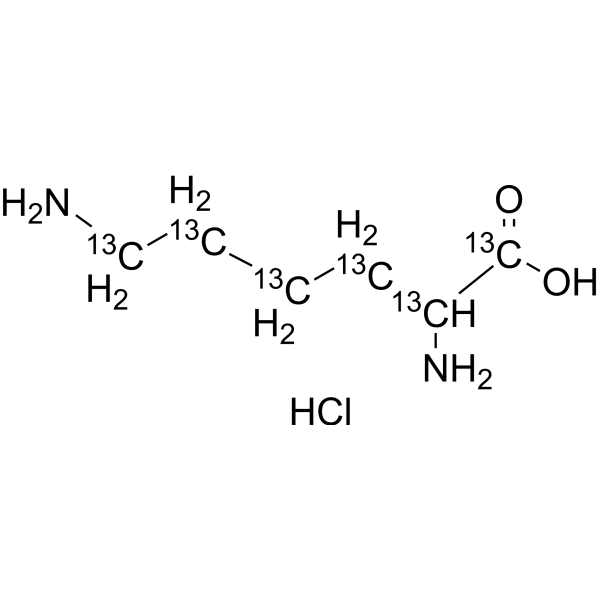
DL-Lysine- 13C6 hydrochloride ((±)-2,6-Diaminocaproic acid- 13C6 hydrochloride) is 13C-labeled DL-Lysine (HY-B2236). DL-Lysine is a racemic mixture of the D-Lysine and L-Lysine. Lysine is an α-amino acid that is used in the biosynthesis of proteins.
|
-
- HY-176106
-
|
|
Opioid Receptor
|
Others
|
|
1-Naphthyl U-47700 is an α-isomer. 1-Naphthyl U-47700 is a racemic mixtures of the trans-isomers [R,R and S,S]. 1-Naphthyl U-47700 activates MOR in a concentration-dependent manner (EC50 > 23 μM) .
|
-

- HY-126108
-
|
|
Others
|
Metabolic Disease
|
|
(±)8-HEPE is produced by non-enzymatic oxidation of EPA. It contains equal amounts of (±)8-HEPE and 8(R)-HEPE. The ability of (±)8-HEPE to induce hatching of E. modestus and B. balanoides eggs is probably due to the presence of the 8(R) isomer within the racemic mixture.
|
-

- HY-172008
-
-

- HY-P2986A
-
|
|
Endogenous Metabolite
|
Metabolic Disease
|
|
D-Amino Acid Oxidase, Porcine (EC 1.4.3.3) is used in the measurement of D-alanine and FAD, and in the preparation of L-amino acids from racemic mixtures.
|
-

- HY-183113
-
-

- HY-100013
-
|
|
Others
|
Neurological Disease
|
|
2-PCCA is a racemic form of the GPR88 receptor agonist, and inhibits GPR88-mediated cAMP production, with an EC50 of 116 nM in HEK293 cells.
|
-

- HY-W683412
-
|
|
Drug Isomer
|
Others
|
|
(Rac)-Clodinafop-propargyl is the racemic form of Clodinafop-propargyl (HY-136380). Clodinafop-propargyl is an arylphenoxypropionic acid herbicide that can be used to control the emergence of annual grasses .
|
-

- HY-W780189
-
|
(rac)-AAD1566; (rac)-NUZ-001
|
Parasite
mTOR
|
Infection
Cancer
|
|
(rac)-Monepantel ((rac)-AAD1566) is the racemic form of Monepantel (HY-14774). Monepantel (AAD1566, NUZ-001), an antiparasitic agent, is an orally active mTOR inhibitor .
|
-

- HY-Z16647
-
|
|
Others
|
Others
|
|
(-) -Neoisomenthol is one of the isomers of (±) -Neoisomenthol. (±) -Neoisomenthol is a compound that belongs to the class of monoterpenes. (±) -Neoisomenthol is a volatile constituent of Mentha arvensis with a peppermint odor and taste. It is a chiral compound, existing as a racemic mixture of two enantiomers, (+) -neoisomenthol and (-) -neoisomenthol.
|
-

- HY-B2236S
-
|
(±)-2,6-Diaminocaproic acid-d4 dihydrochloride
|
Isotope-Labeled Compounds
|
Metabolic Disease
|
|
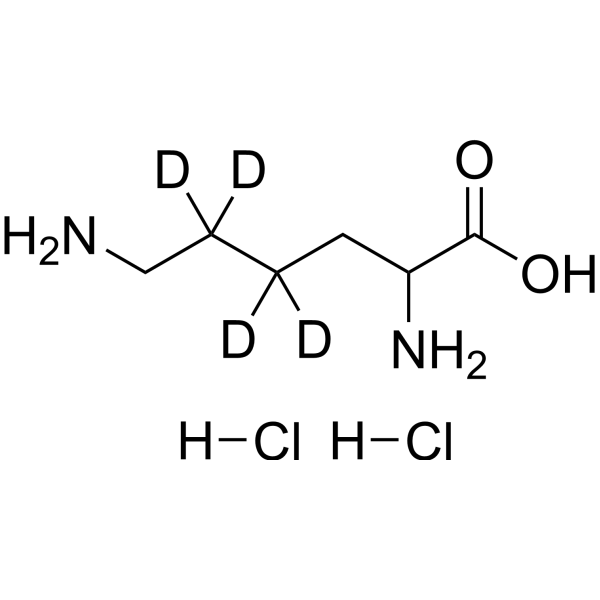
DL-Lysine-4,4,5,5-d4 (dihydrochloride) is the deuterium labeled DL-Lysine. DL-Lysine is a racemic mixture of the D-Lysine and L-Lysine. Lysine is an α-amino acid that is used in the biosynthesis of proteins .
|
-
- HY-N1384B
-
|
|
Biochemical Assay Reagents
|
Others
|
|
(rel)-Ambroxide is the racemic form of Ambroxide (HY-N1384). Ambroxide is a naturally occurring terpenoid. Ambroxide is one of the key constituents of ambergris. Ambroxide is used in the manufacture of high-end perfumes to improve the aroma quality and fragrance lasting time of perfumes .
|
-

- HY-N1384A
-
|
|
Biochemical Assay Reagents
|
Others
|
|
(rac)-Ambroxide is a racemic mixture of Ambroxide (HY-N1384). Ambroxide is a naturally occurring terpenoid. Ambroxide is one of the key constituents of ambergris. Ambroxide is used in the manufacture of high-end perfumes to improve the aroma quality and fragrance lasting time of perfumes .
|
-

- HY-181475
-
|
|
Drug Derivative
|
Inflammation/Immunology
|
|
8,12-Iso-iPF2α-VI-1,5-lactone is a racemic mixture of the lactone form of the free acid 8,12-iso-iPF2α-VI, and is used in studies of immune-related diseases .
|
-

- HY-104065AR
-
|
(Rac)-SHR-1258 (Standard)
|
Drug Isomer
Reference Standards
|
Cancer
|
|
(Rac)-Pyrotinib (Standard) is the analytical standard of (Rac)-Pyrotinib (HY-104065A). This product is intended for research and analytical applications. (Rac)-Pyrotinib ((Rac)-SHR-1258) is the racemic form of Pyrotinib (HY-104065). Pyrotinib is a potent and selective dual EGFR/HER2 receptor inhibitor.
|
-

- HY-186206
-
|
|
Drug Metabolite
|
Cancer
|
|
(Rac)-EGC-M7 is a racemic microbial metabolite of green tea Catechin (EGC) (HY-N0898), and acts as an inhibitor of nitric oxide production and cancer cell growth. (Rac)-EGC-M7 can be used in the research of esophageal squamous cell carcinoma and colon adenocarcinoma .
|
-

- HY-12364C
-
|
(+)-C75
|
Carnitine Palmitoyltransferase (CPT)
Mitochondrial Metabolism
|
Others
|
|
(+)-trans-C75 ((+)-C75) is an enantiomer of C75 (HY-12364) (a fatty acid synthase inhibitor). (+)-trans-C75 is less potent than the racemic mixture or the (-) enantiomer in enhancing the cancer-killing ability of ionizing radiation. (+)-trans-C75 inhibits CPT1 and is an anorectic agent .
|
-

- HY-107091A
-
|
(Rac)-DA-DKP
|
Others
|
Inflammation/Immunology
|
|
(Rac)-Aspartyl-alanyl-diketopiperazine ((Rac)-DA-DKP) is the racemic form of Aspartyl-alanyl-diketopiperazine (HY-107091). Aspartyl-alanyl-diketopiperazine is an immunomodulatory molecule generated by cleavage and cyclization from the N-terminus of human albumin and can modulate the inflammatory immune response through a molecular pathway implicated in T- lymphocyte anergy.
|
-

- HY-N7142S1
-
|
|
Adrenergic Receptor
|
Neurological Disease
|
|
DL-Norepinephrine-d3 hydrochloride is the deuterium labeled DL-Norepinephrine hydrochloride. DL-Norepinephrine hydrochloride is an external racemic catecholamine neurotransmitter, which is an equal mixture of the left-handed (L-, with activity) and right-handed (D-, with very low or no activity) stereoisomers. DL-Norepinephrine hydrochloride after being labeled with tritium can be used as a tracer for the research on Parkinson's disease.
|
-
- HY-N7142S3
-
|
|
Isotope-Labeled Compounds
Adrenergic Receptor
|
Cardiovascular Disease
Neurological Disease
|
|
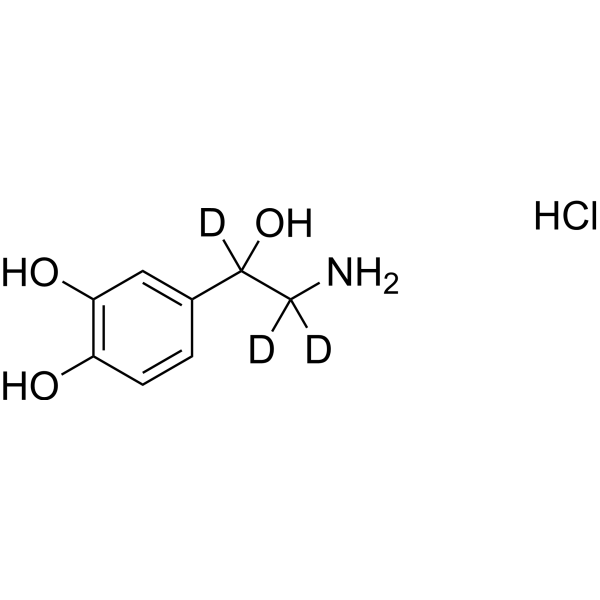
DL-Norepinephrine-d6 is the deuterium labeled DL-Norepinephrine. DL-Norepinephrine is an external racemic catecholamine neurotransmitter, which is an equal mixture of the left-handed (L-, with activity) and right-handed (D-, with very low or no activity) stereoisomers. DL-Norepinephrine after being labeled with tritium can be used as a tracer for the research on Parkinson's disease .
|
-

- HY-14258
-
Escitalopram
Maximum Cited Publications
11 Publications Verification
(S)-Citalopram; (S)-(+)-Citalopram
|
Serotonin Transporter
|
Neurological Disease
|
|
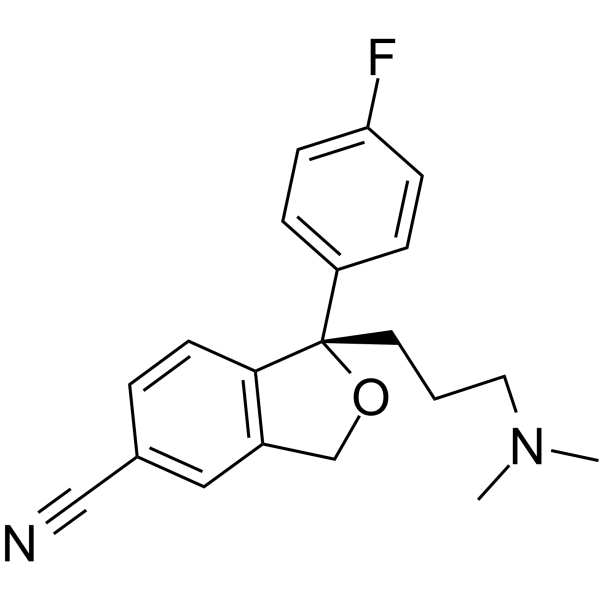
Escitalopram ((S)-Citalopram), the S-enantiomer of racemic Citalopram, is a selective serotonin reuptake inhibitor (SSRI) with a Ki of 0.89 nM. Escitalopram has ∼30 fold higher binding affinity than its R(-)-enantiomer and shows selectivity over both dopamine transporter (DAT) and norepinephrine transporter (NET). Escitalopram is an antidepressant for the research of major depression .
|
-
- HY-18733G
-
|
(R)-(+)-α-Lipoic acid; R-(+)-Thioctic acid
|
Reactive Oxygen Species (ROS)
Mitochondrial Metabolism
Endogenous Metabolite
|
Inflammation/Immunology
Cancer
|
|
Lipoic acid (GMP) ((R)-(+)-α-Lipoic acid (GMP)) is Lipoic acid (HY-18733) produced by using GMP guidelines. GMP small molecules works appropriately as an auxiliary reagent for cell therapy manufacture. Lipoic acid ((R)-(+)-α-Lipoic acid) is an antioxidant, which is an essential cofactor of mitochondrial enzyme complexes. (R)-(+)-α-Lipoic acid is more effective than racemic Lipoic acid.
|
-

- HY-118091
-
|
|
5 alpha Reductase
|
Endocrinology
|
|
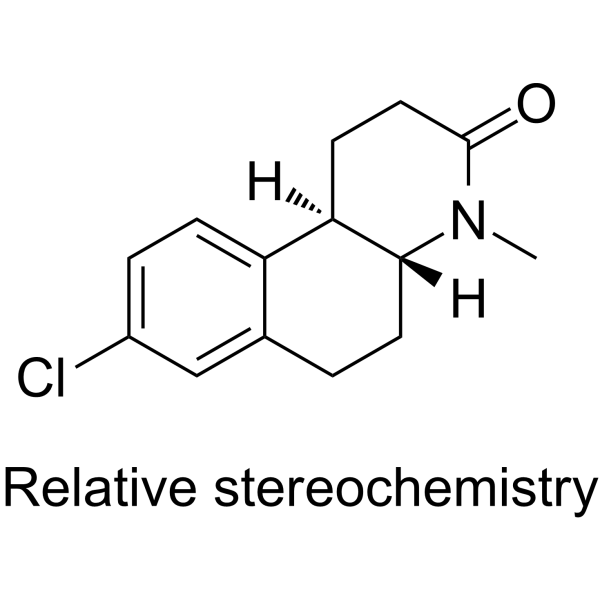
LY191704, as a benzoquinolinone, is a potent, nonsteroidal, noncompetitive and selective human type I 5α-reductase inhibitor. LY191704 is a racemic mixture of the compounds LY300502 and LY300503. LY191704 may be useful in the research of human endocrine disorders associated with overproduction of dihydrotestosterone (DHT) by 5α-reductase type 1 .
|
-
- HY-14258A
-
|
(S)-Citalopram oxalate; (S)-(+)-Citalopram oxalate
|
Serotonin Transporter
|
Neurological Disease
Cancer
|
|
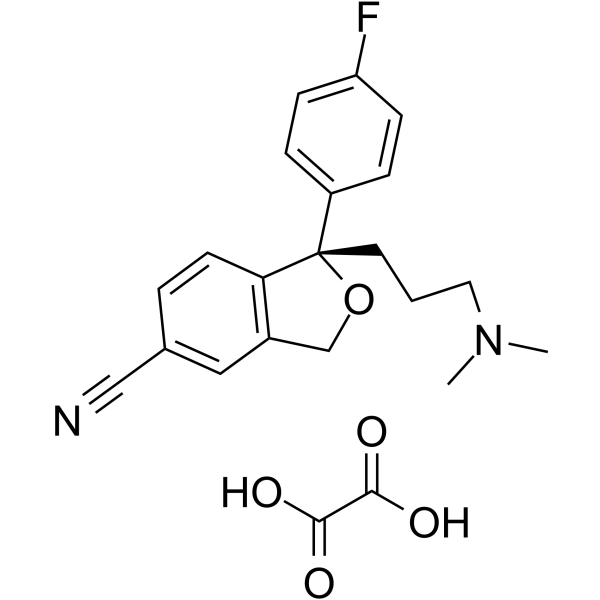
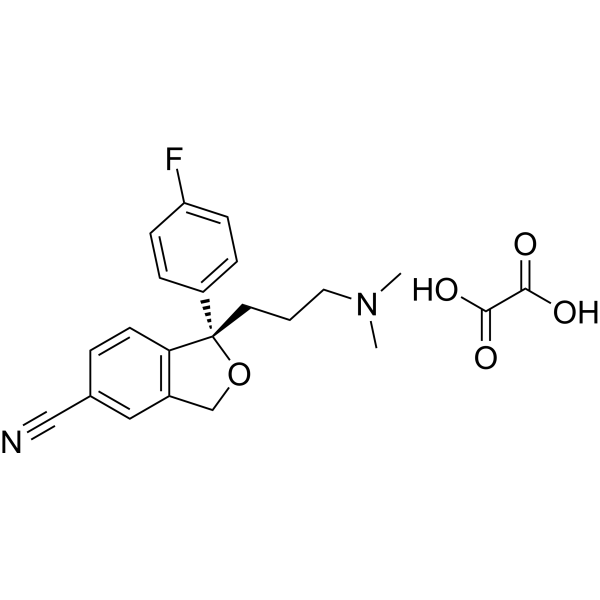
Escitalopram ((S)-Citalopram) oxalate, the S-enantiomer of racemic Citalopram, is a selective serotonin reuptake inhibitor (SSRI) with a Ki of 0.89 nM. Escitalopram oxalate has ∼30 fold higher binding affinity than its R(-)-enantiomer and shows selectivity over both dopamine transporter (DAT) and norepinephrine transporter (NET). Escitalopram oxalate is an antidepressant for the research of major depression .
|
-
- HY-137258
-
|
|
Cytochrome P450
|
Metabolic Disease
|
|
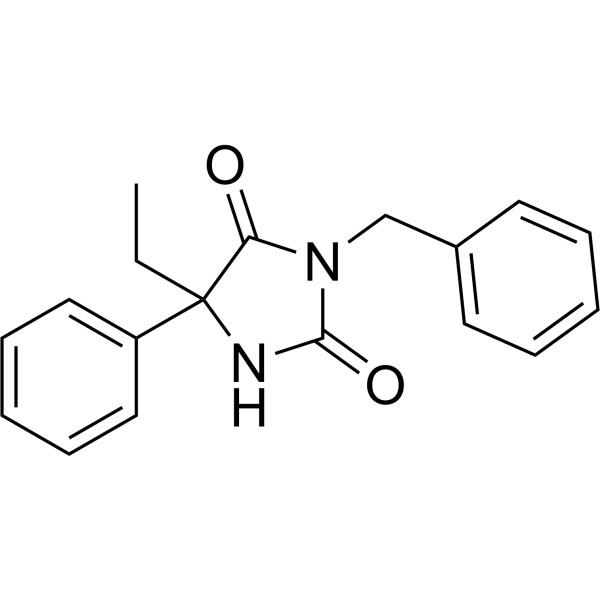
(±)-N-3-Benzylnirvanol is a racemic mixture of (+)-N-3-Benzylnirvanol and (-)-N-3-Benzylnirvanol. (+)-N-3-Benzylnirvanol and (–)-N-3-Benzylnirvanol are potent and selective cytochrome P450 inhibitors with Ki values of 0.25 and 5.3 μM for CYP2C19, respectively .
|
-
- HY-B2236S2
-
|
(±)-2,6-Diaminocaproic acid-13C6,15N2 hydrochloride
|
Isotope-Labeled Compounds
|
Metabolic Disease
|
|
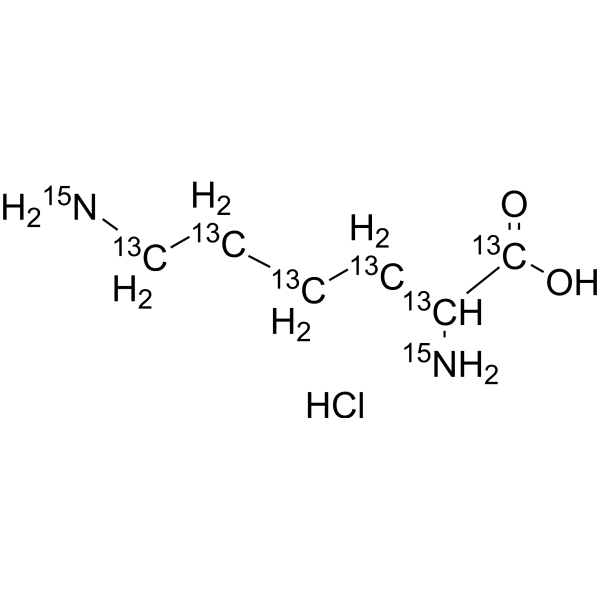
DL-Lysine- 13C6, 15N2 hydrochloride ((±)-2,6-Diaminocaproic acid- 13C6, 15N2 hydrochloride) is 13C and 15N-labeled DL-Lysine (HY-B2236). DL-Lysine is a racemic mixture of the D-Lysine and L-Lysine. Lysine is an α-amino acid that is used in the biosynthesis of proteins.
|
-
- HY-16023B
-
|
EM-343; (Rac)-EM-652
|
Estrogen Receptor/ERR
|
Cancer
|
|
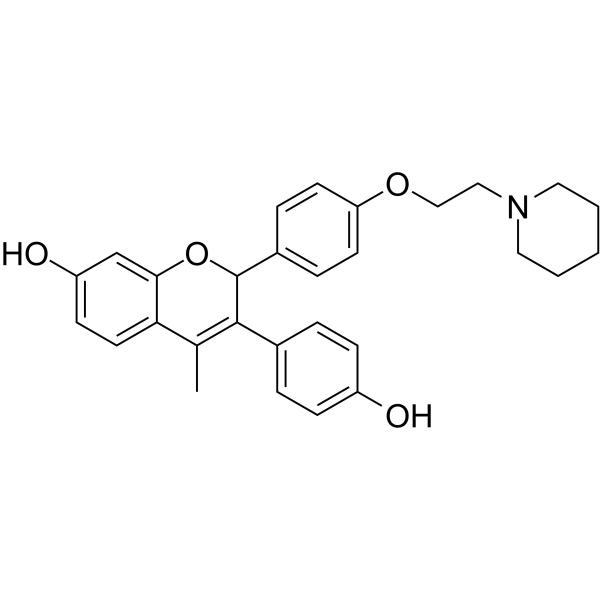
(Rac)-Acolbifene (EM-343; (Rac)-EM-652) is the racemic form of EM652 (estrogen receptor?antagonist), has anti-estrogenic and estrogenic activities. (Rac)-Acolbifene (EM-343; (Rac)-EM-652) contains a piperidine ring, shows good pharmacological profile,relative binding affinity (RBA)=380 .
|
-
- HY-B0827A
-
|
(R)-MTI-446
|
nAChR
Parasite
|
Infection
|
|
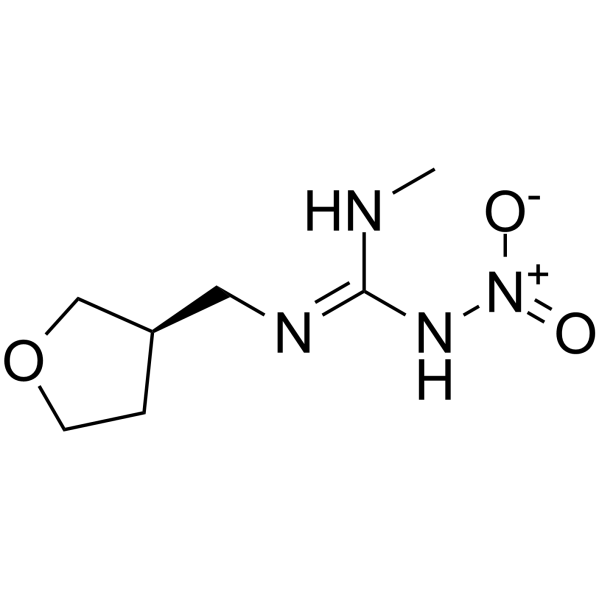
(R)-Dinotefuran ((R)-MTI-446), a neonicotinoid pesticide, exhibits comparative insecticidal activities (1.7-2.4 times) to typical sucking pests Aphis gossypii and Apolygus lucorum compared to racemic mixtures by inhibiting nicotinic acetylcholine receptors. (R)-Dinotefuran has a good efficacy in controlling target pests while minimizing hazard to honeybees .
|
-
- HY-112149A
-
|
|
Epigenetic Reader Domain
|
Inflammation/Immunology
Cancer
|
|
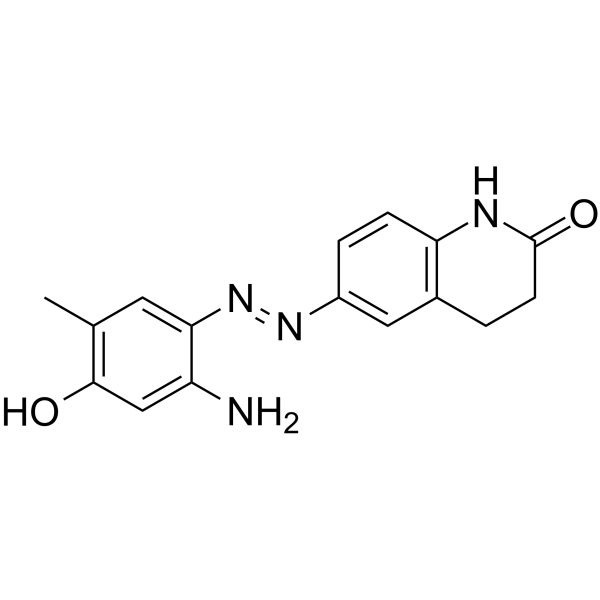
(E/Z)-ZL0420 is a racemic compound of (Z)-ZL0420 and (E)-ZL0420 isomers. (E)-ZL0420 is a potent and selective bromodomain-containing protein 4 (BRD4) inhibitor with IC50 values of 27 nM against BRD4 BD1 and 32 nM against BRD4 BD2 .
|
-
- HY-14190A
-
|
(rac)-R-411 free base
|
Drug Isomer
|
Others
|
|
(rac)-Valategrast ((rac)-R-411 free base) is a racemic compound of Valategrast (HY-14190). Valategrast is a potent, orally active dual antagonist of integrin α4β1 (VLA-4) and α4β7. Valategrast may be used in research on chronic obstructive pulmonary disease (COPD) and asthma.
|
-

- HY-108286A
-
|
(-)-Cordanum
|
Drug Isomer
|
Others
|
|
(-)-Talinolol ((-)-Cordanum) is the S-configuration levorotatory single optical enantiomer of the racemic mixture of Talinolol (HY-108286). Talinolol (Cordanum) is a long-acting, cardioselective β1-adrenergic receptor blocker. Talinolol possesses cardioprotective and antihypertensive activities. Talinolol is also a well-known and frequently used substrate for P-glycoprotein (P-gp) active probes.
|
-

- HY-B0203B
-
|
(Rac)-R 065824
|
Adrenergic Receptor
NADPH Oxidase
|
Cardiovascular Disease
|
|
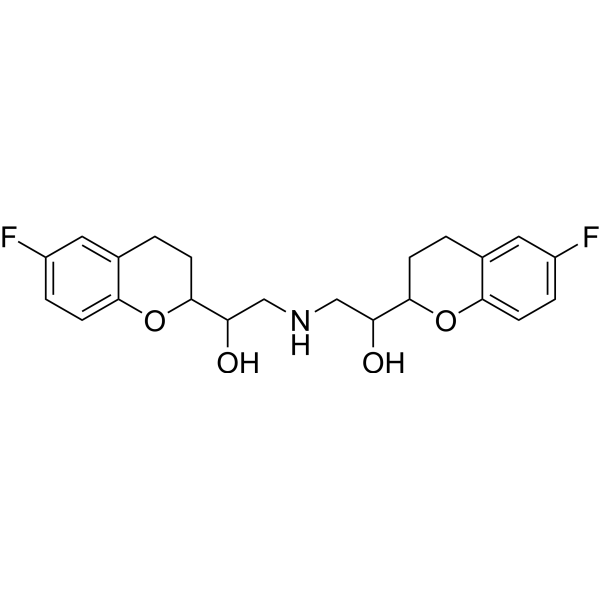
(Rac)-Nebivolol ((Rac)-R 065824) is a racemic isomer of Nebivolol. Nebivolol is a selective β1-adrenergic receptor antagonist with an IC50 value of 0.8 nM. Nebivolol can prevent up-regulation of Nox2/NADPH oxidase and lipoperoxidation in the early stages of ethanol-induced cardiac toxicity. Vasodilatory activity .
|
-
- HY-178511
-
|
|
Kinesin
|
Cancer
|
|
KIF18A-IN-17 (Example 37A) is a KIF18A inhibitor with racemic form with an IC50 of 48 nM. KIF18A-IN-17 exhibits anti-proliferative activity against HT29 cells. KIF18A-IN-17 can be used for the study of cancers such as breast cancer and ovarian cancer .
|
-

- HY-14198B
-
|
(±)-Deprenyl hydrochloride
|
Monoamine Oxidase
|
Neurological Disease
|
|
(±)-Selegiline (Deprenyl) hydrochloride is the racemic of Selegiline (HY-14198). Selegiline is a potent, selective and irreversible inhibitor of MAO-B, with an IC50 of 51 nM. Selegiline exhibits 450-flod selectivity for MAO-B over MAO-A (IC50=23 μM). Selegiline can be used for the research of Parkinson's disease, Alzheimer's disease and major depressive disorder .
|
-

- HY-131904
-
POMHEX
3 Publications Verification
|
Enolase
Apoptosis
|
Metabolic Disease
Cancer
|
|
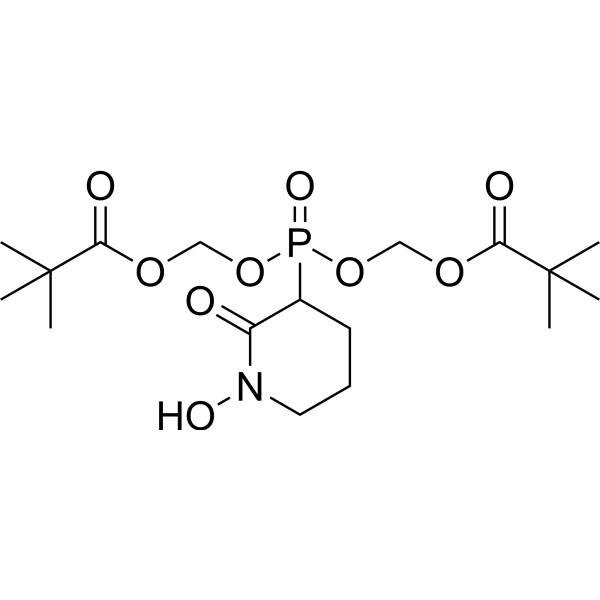
POMHEX, a racemic mixture and a cell-permeable pivaloyloxymethyl (POM) proagent of HEX, is a potent, ENO2-specific inhibitor of enolase. POMHEX exhibits low-nanomolar potency against ENO1-deleted cells in vitro and is capable of eradicating ENO1-deleted xenografted tumours in vivo. POMHEX is a potent glycolysis inhibitor .
|
-
- HY-111226A
-
-
- HY-17494S
-
|
(Rac)-L-714,465 maleate; (Rac)-MK 950-d5
|
Isotope-Labeled Compounds
Adrenergic Receptor
|
Cardiovascular Disease
Neurological Disease
|
|
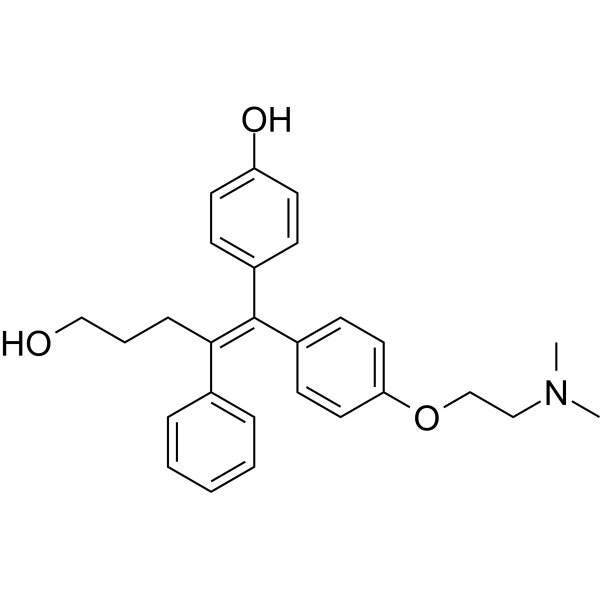
rac Timolol-d5 (maleate) is a labelled racemic (S)-Timolol maleate. (S)-Timolol Maleate (L-714,465 Maleate) is a non-cardioselective hydrophilic β-adrenoceptor blocker. (S)-Timolol Maleate is widely used as standard medication for intraocular pressure (glaucoma) by preventing the production of aqueous humor. (S)-Timolol Maleate can be used for hypertension, angina pectoris and myocardial infarction .
|
-
- HY-15427A
-
|
|
Btk
Drug Isomer
|
Inflammation/Immunology
|
|
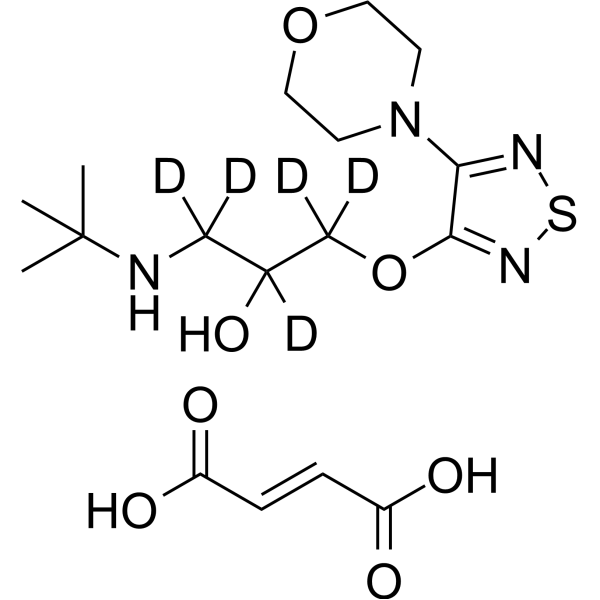
GDC-0834 Racemate is the racemic form of GDC-0834 (HY-15427). GDC-0834 is an orally active selective, potent, and reversible BTK inhibitor with an IC50 of 5.9 nM. GDC-0834 demonstrates pBTK-Tyr223 inhibition in mice and rats. GDC-0834 can be used for research of rheumatoid arthritis (RA) .
|
-
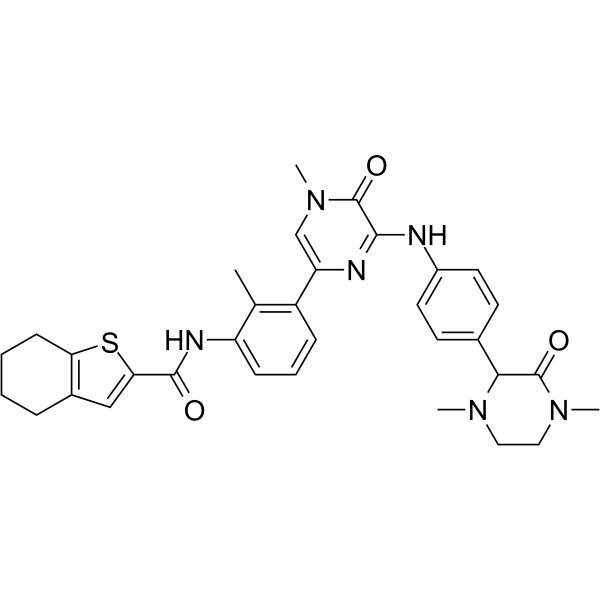
- HY-106601A
-
|
LY-150720 hydrochloride
|
Opioid Receptor
|
Neurological Disease
|
|
Picenadol (LY-150720) hydrochloride is an opioid mixed agonist-antagonist analgesic. Picenadol hydrochloride is an external racemic mixture, where its d-isomer (LY136596) is a potent μ-opioid receptor agonist, and the l-isomer (LY136595) is a weak μ-receptor competitive antagonist, which can inhibit the agonist effect and reduce the risk of dependence. Picenadol hydrochloride has anticholinergic activity .
|
-

- HY-70053S
-
|
|
Isotope-Labeled Compounds
mAChR
|
Neurological Disease
Metabolic Disease
|
|
(Rac)-Fesoterodine-d14 fumarate is a labelled racemic Fesoterodine. Fesoterodine is an orally active, nonsubtype selective, competitive muscarinic receptor (mAChR) antagonist with pKivalues of 8.0, 7.7, 7.4, 7.3, 7.5 for M1, M2, M3, M4, M5 receptors, respectively. Fesoterodine is used for the overactive bladder (OAB) .
|
-

- HY-100742R
-
|
|
Lactate Dehydrogenase
Reference Standards
|
Cancer
|
|
GNE-140 racemate (Standard) is the analytical standard of GNE-140 racemate (HY-100742). This product is intended for research and analytical applications. GNE-140 racemate is an external racemic mixture of (R)-GNE-140 (HY-100742A) and (S)-GNE-140 (HY-100742B). GNE-140 racemate is also an effective lactate dehydrogenase (LDH) inhibitor.
|
-

- HY-118241
-
|
|
Lactate Dehydrogenase
|
Cancer
|
|
GNE-140 (Compound 28) is an external racemic mixture of (R)-GNE-140 (HY-100742A) and (S)-GNE-140 (HY-100742B). GNE-140 is an effective lactate dehydrogenase (LDH) inhibitor, with the IC50 values for LDHA and LDHB being 9 nM and 30 nM respectively. GNE-140 can be used in cancer research .
|
-

- HY-106601
-
|
LY-150720
|
Opioid Receptor
|
Neurological Disease
|
|
Picenadol (LY-150720) is an opioid mixed agonist-antagonist analgesic. Picenadol is an external racemic mixture, where its d-isomer (LY136596) is a potent μ-opioid receptor agonist, and the l-isomer (LY136595) is a weak μ-receptor competitive antagonist, which can inhibit the agonist effect and reduce the risk of dependence. Picenadol has anticholinergic activity .
|
-

- HY-N0454R
-
|
(±)-Arginine (Standard)
|
Reference Standards
Endogenous Metabolite
|
Cardiovascular Disease
|
|
DL-Arginine (Standard) is the analytical standard of DL-Arginine. This product is intended for research and analytical applications. DL-Arginine is the racemic compound of L-Arginine (HY-N0455) and D-Arginine (HY-W016781). Arginine is an essential amino acid that requires additional supplementation in traumatic or diseased conditions. Arginine is involved in T cell activation, proliferation, and differentiation, and affects the function of immune cells .
|
-

- HY-14258R
-
|
(S)-Citalopram (Standard); (S)-(+)-Citalopram (Standard)
|
Serotonin Transporter
Reference Standards
|
Neurological Disease
Cancer
|
|
Escitalopram (Standard) is the analytical standard of Escitalopram. This product is intended for research and analytical applications. Escitalopram ((S)-Citalopram), the S-enantiomer of racemic Citalopram, is a selective serotonin reuptake inhibitor (SSRI) with a Ki of 0.89 nM. Escitalopram has ~30 fold higher binding affinity than its R(-)-enantiomer and shows selectivity over both dopamine transporter (DAT) and norepinephrine transporter (NET). Escitalopram is an antidepressant for the research of major depression .
|
-

- HY-112163A
-
|
rel-eFT226
|
Eukaryotic Initiation Factor (eIF)
SARS-CoV
Apoptosis
|
Infection
Cancer
|
|
rel-Zotatifin is the racemic isomer of Zotatifin, acts as an eIF4A inhibitor with activity less than Zotatifin. Zotatifin (eFT226) is a potent, selective, and well-tolerated eIF4A inhibitor. Zotatifin promotes eIF4A binding to specific mRNA sequences with recognition motifs in the 5’-UTRs (IC50=2 nM) and interferes with the assembly of the eIF4F initiation complex .
|
-
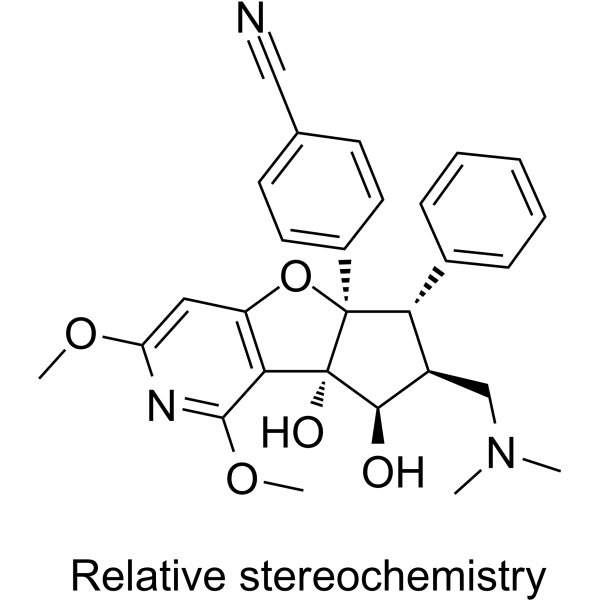
- HY-B0267CS
-
|
Aroxybutynin-d10
|
Isotope-Labeled Compounds
mAChR
|
Neurological Disease
|
|
(R)-Oxybutynin-d10 (Aroxybutynin-d10) is deuterium labeled (R)-Oxybutynin. (R)-Oxybutynin (Aroxybutynin) is the racemic isomer of Oxybutynin and an orally active muscarinic receptor antagonist. (R)-Oxybutynin has antispasmodic, antimuscarinic, and anticholinergic activities and competitively antagonizes carbachol-induced contractions. (R)-Oxybutynin can be used to study urinary incontinence caused by neurogenic bladder dysfunction .
|
-

- HY-W014375S3
-
|
(±)-Arginine-d7 hydrochloride
|
Isotope-Labeled Compounds
Endogenous Metabolite
|
Cardiovascular Disease
|
|
DL-Arginine-d7 hydrochloride is deuterium labeled DL-Arginine hydrochloride (HY-W014375). DL-Arginine ((±)-Arginine) hydrochloride is the racemic compound of L-Arginine (HY-N0455) and D-Arginine (HY-W016781). Arginine is an essential amino acid that requires additional supplementation in traumatic or diseased conditions. Arginine is involved in T cell activation, proliferation, and differentiation, and affects the function of immune cells .
|
-
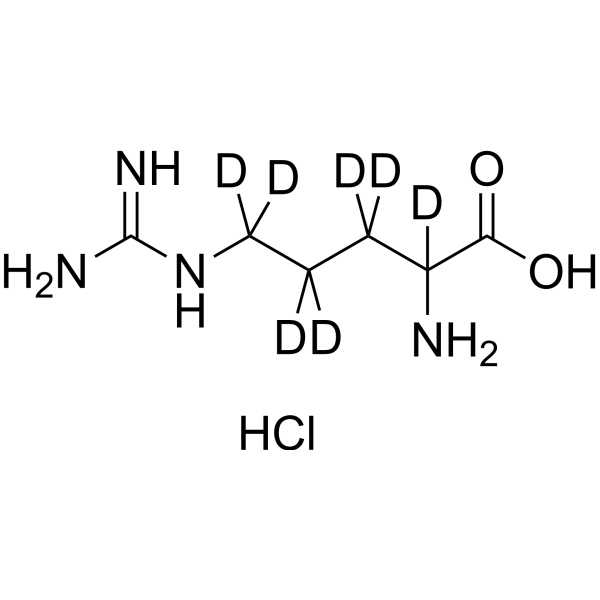
- HY-14258AS
-
|
|
Serotonin Transporter
|
Neurological Disease
|
|
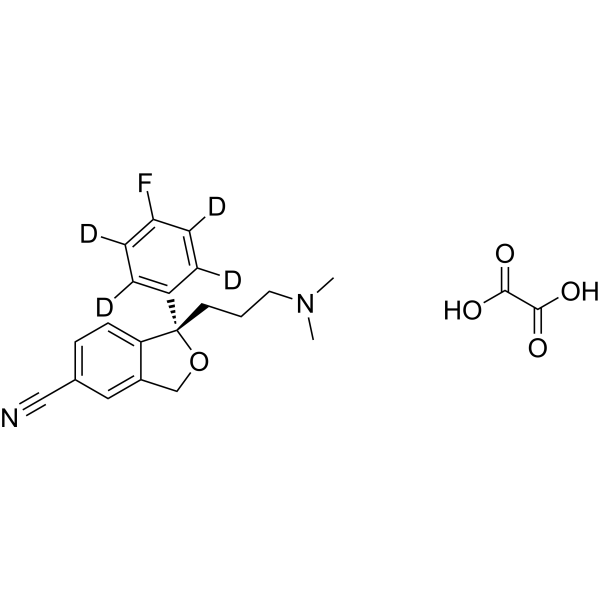
Escitalopram-d6 (oxalate) is the deuterium labeled Escitalopram oxalate. Escitalopram ((S)-Citalopram) oxalate, the S-enantiomer of racemic Citalopram, is a selective serotonin reuptake inhibitor (SSRI) with a Ki of 0.89 nM. Escitalopram oxalate has ~30 fold higher binding affinity than its R(-)-enantiomer and shows selectivity over both dopamine transporter (DAT) and norepinephrine transporter (NET). Escitalopram oxalate is an antidepressant for the research of major depression .
|
-
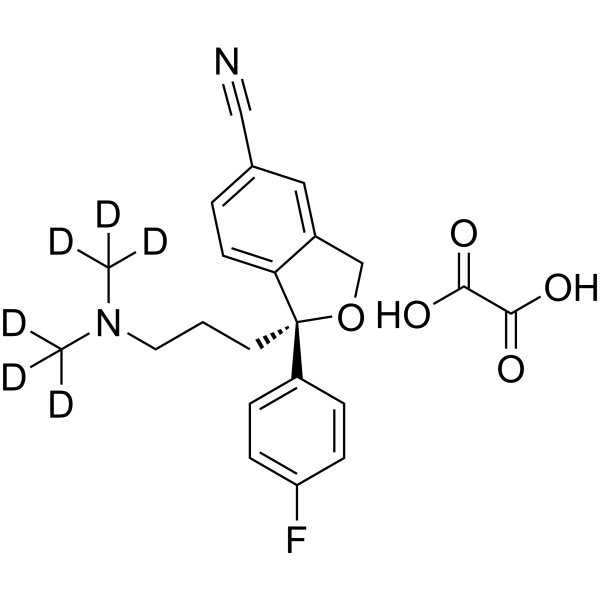
- HY-W1005647
-
|
|
Biochemical Assay Reagents
|
Others
|
|
(rac)-Isoleucine is the racemic form of Isoleucine. Isoleucine is a mixture of the diastereomers L-isoleucine, L-alloisoleucine, D-isoleucine, and D-alloisoleucine. L-isoleucine is a branched-chain amino acid that acts as a nitrogen donor, and has roles in glucose consumption, fatty acid metabolism, as well as immune function. L-Alloisoleucine is generated by transamination of L-isoleucine. D-Isoleucine and D-alloisoleucine are enantiomers of L-isoleucine and L-alloisoleucine, respectively .
|
-

- HY-Z7721
-
|
(Rac)-TRK-100; (Rac)-ML 1129 sodium
|
Prostaglandin Receptor
|
Cardiovascular Disease
|
|
(Rac)-Beraprost ((Rac)-ML 1129) sodium is a racemic isomer of Beraprost sodium (HY-13569A). Beraprost sodium is an orally active prostacyclin analog that inhibits the release of Ca 2+ from intracellular storage sites by binding to prostacyclin membrane receptors (Prostaglandin Receptor), leading to relaxation of smooth muscle cells and vasodilation. Beraprost sodium has vasodilatory, antiplatelet, and cytoprotective effects, making it promising for research in the field of cardiovascular diseases, such as thromboangiitis obliterans and atherosclerosis .
|
-

- HY-10011BR
-
|
|
CXCR
Reference Standards
|
Inflammation/Immunology
Endocrinology
|
|
(Rac)-SCH 563705 (Standard) is the analytical standard of (Rac)-SCH 563705 (HY-10011B). This product is intended for research and analytical applications. (Rac)-SCH 563705 is a racemic mixture of SCH 563705 (HY-10011). SCH 563705 (compound 16) is a potent and orally active CXCR2 and CXCR1 antagonist with IC50 values of 1.3 nM and 7.3 nM and Ki values of 1 nM and 3 nM, respectively .
|
-

- HY-14258AS1
-
|
(S)-Citalopram-d4 oxalate; (S)-(+)-Citalopram-d4 oxalate
|
Isotope-Labeled Compounds
Serotonin Transporter
|
Neurological Disease
|
|
Escitalopram-d4 (oxalate) is deuterium labeled Escitalopram (oxalate). Escitalopram ((S)-Citalopram) oxalate, the S-enantiomer of racemic Citalopram, is a selective serotonin reuptake inhibitor (SSRI) with a Ki of 0.89 nM. Escitalopram oxalate has ~30 fold higher binding affinity than its R(-)-enantiomer and shows selectivity over both dopamine transporter (DAT) and norepinephrine transporter (NET). Escitalopram oxalate is an antidepressant for the research of major depression .
|
-
- HY-B0105B
-
|
(-)-Ketoconazole; (-)-Ketoconazol; (-)-R 41400
|
Cytochrome P450
|
Infection
Inflammation/Immunology
|
|
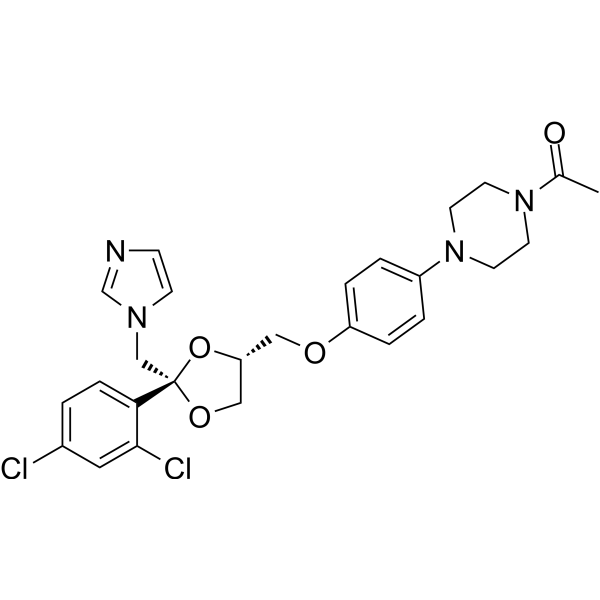
Levoketoconazole ((-)-Ketoconazole) is the 2S,4R enantiomer derived from racemic Ketoconazole (HY-B0105). Levoketoconazole is a potent and orally active cortisol synthesis inhibitor. Levoketoconazole inhibits key steps in cortisol and testosterone synthesis by inhibiting CYP11B1, CYP11A1, and CYP17A1. Levoketoconazole can be used for research on endogenous Cushing’s syndrome .
|
-
- HY-102094R
-
|
|
Reference Standards
mGluR
|
Neurological Disease
|
|
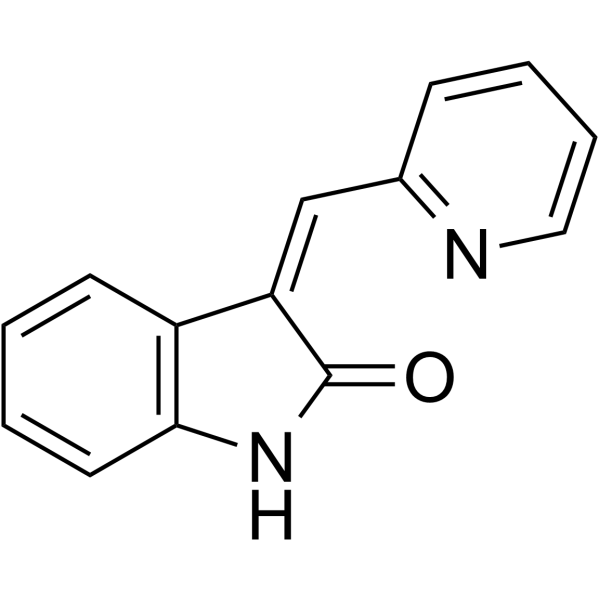
(E/Z)-SIB-1893 (Standard) is the analytical standard of (E/Z)-SIB-1893 (HY-102094). This product is intended for research and analytical applications. (E/Z)-SIB-1893 is a racemic compound of (E)-SIB-1893 and (Z)-SIB-1893 isomers. (E)-SIB-1893 is a selective non-competitive metabotropic glutamate subtype 5 receptor (mGluR5) antagonist .
|
-

- HY-103374B
-
|
(±)-Eseroline phenylcarbamate
|
Cholinesterase (ChE)
Amyloid-β
|
Neurological Disease
|
|
(±)Phenserine ((±)-Eseroline phenylcarbamate) is the racemic form of Phenserine (HY-103374). Phenserine is a derivative of Physostigmine (HY-N6608) and is an effective, non-competitive, long-acting and selective AChE inhibitor. Phenserine can reduce the formation of β-amyloid precursor protein (APP) and β-amyloid peptide (Aβ). Phenserine can improve cognitive ability and slow down the progression of Alzheimer's disease .
|
-

- HY-14258AR
-
|
(S)-Citalopram oxalate (Standard); (S)-(+)-Citalopram oxalate (Standard)
|
Reference Standards
Serotonin Transporter
|
Neurological Disease
Cancer
|
|
Escitalopram (oxalate) (Standard) is the analytical standard of Escitalopram (oxalate). This product is intended for research and analytical applications. Escitalopram ((S)-Citalopram) oxalate, the S-enantiomer of racemic Citalopram, is a selective serotonin reuptake inhibitor (SSRI) with a Ki of 0.89 nM. Escitalopram oxalate has ∼30 fold higher binding affinity than its R(-)-enantiomer and shows selectivity over both dopamine transporter (DAT) and norepinephrine transporter (NET). Escitalopram oxalate is an antidepressant for the research of major depression .
|
-
- HY-107370A
-
|
(Rac)-Tomoxetine hydrochloride; (Rac)-LY 139603
|
Serotonin Transporter
Sodium Channel
|
Metabolic Disease
Cancer
|
|
(Rac)-Atomoxetine hydrochloride ((Rac)-Tomoxetine (hydrochloride); (Rac)-LY 139603) is the racemic mixture of Atomoxetine hydrochloride (HY-17385). Atomoxetine hydrochloride is a selective noradrenaline reuptake inhibitor with Ki values of 5, 77 and 1451 nM for norepinephrine (NE), serotonin (5-HT) and dopamine (DA) transporters, respectively. Atomoxetine hydrochloride increases of DAEX and NEEX in the PFC and enhances catecholaminergic neurotransmission. Atomoxetine hydrochloride is a potent Na + channels (VGSCs) blocker. Atomoxetine hydrochloride can be used for attention-deficit hyperactivity disorder (ADHD) research .
|
-

- HY-126144A
-
|
|
GSK-3
|
Metabolic Disease
|
|
(E/Z)-GSK-3β inhibitor 1 is a racemic compound of (E)-GSK-3β inhibitor 1 and (Z)-GSK-3β inhibitor 1 isomers. GSK-3β inhibitor 1 (compound 3a) is a glycogen synthase kinase 3β (GSK-3β) inhibitor and demonstrates high antidiabetic efficacy, with an IC50 of 4.9 nM .
|
-
- HY-100742
-
|
|
Lactate Dehydrogenase
|
Cancer
|
|
GNE-140 racemate (Compound 28) is an external racemization mixture of (R)-GNE-140 (HY-100742A) and (S)-GNE-140 (HY-100742B), and it is also an interconformational isomer of GNE-140 (HY-118241). GNE-140 racemate is also an effective lactate dehydrogenase (LDH) inhibitor, with the IC50 values for LDHA and LDHB being 9 nM and 30 nM respectively. GNE-140 racemate can be used in cancer research .
|
-
- HY-W013411
-
|
(E/Z)-UIC-1005
|
Raf
|
Cancer
|
|
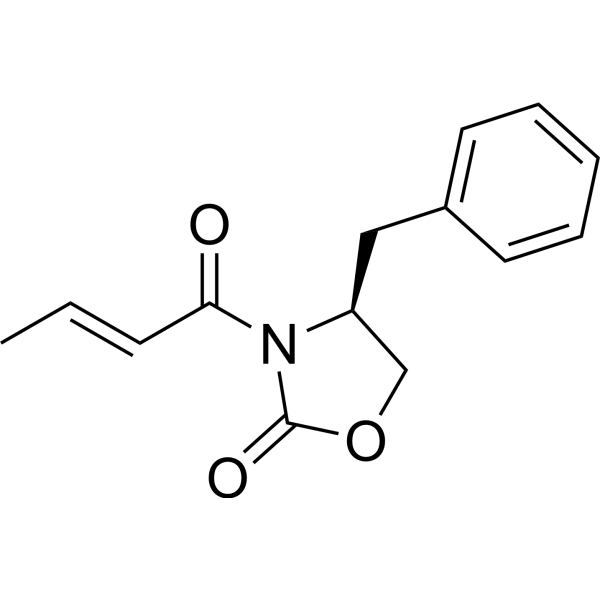
(E/Z)-Locostatin ((E/Z)-UIC-1005) is a racemic of Locostatin. Locostatin (UIC-1005) is a potent RKIP inhibitor. Locostatin binds Raf kinase inhibitor RKIP protein and disrupts the interaction of RKIP with Raf-1 kinase and G protein-coupled receptor kinase 2. Locostatin inhibits cell proliferation and migration. Locostatin aggravates thioacetamide (HY-Y0698)-induced acute liver failure in mice .
|
-
- HY-10572BS
-
|
|
Isotope-Labeled Compounds
Reverse Transcriptase
HIV
Autophagy
|
Infection
Cancer
|
|
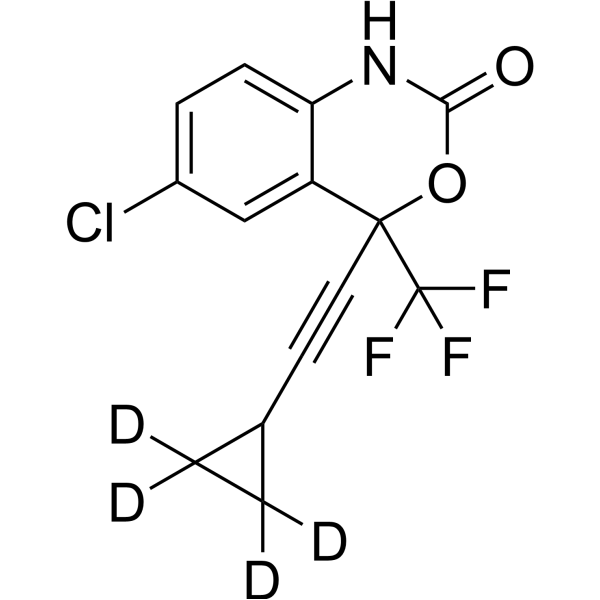
(Rac)-Efavirenz-d4 is a labelled racemic Efavirenz. Efavirenz (DMP 266) is a potent inhibitor of the wild-type HIV-1 reverse transcriptase with a Ki of 2.93 nM and exhibits an IC95 of 1.5 nM for the inhibition of HIV-1 replicative spread in cell culture . (Rac)-Efavirenz-d4 is a click chemistry reagent, it contains an Alkyne group and can undergo copper-catalyzed azide-alkyne cycloaddition (CuAAc) with molecules containing Azide groups.
|
-
- HY-N0106
-
|
(Rac)-Danshensu sodium; (Rac)-Tanshinol sodium
|
Keap1-Nrf2
NF-κB
Mitochondrial Metabolism
Apoptosis
|
Infection
Cardiovascular Disease
Inflammation/Immunology
|
|
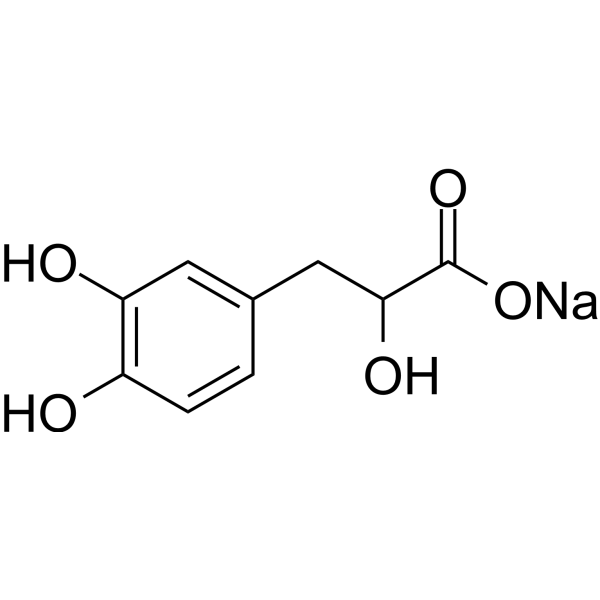
(Rac)-Salvianic acid A sodium is the racemic form of Salvianic acid A (HY-N1913). Salvianic acid A is an orally active phenolic compound that induces Nrf2/HO-1 activation and inhibits the NF-κB pathway, and it also activates the mitochondrial antioxidant defense system (Mitochondrial Metabolism). Salvianic acid A exhibits anti-inflammatory, antioxidant, and anti-apoptotic properties (Apoptosis), demonstrating potential for research into inflammation and cardiovascular diseases .
|
-
- HY-19202
-
|
rac-EMA401; rac-PD-126055; EMA400
|
Angiotensin Receptor
|
Neurological Disease
|
|
rac-Olodanrigan (rac-EMA401; EMA400) is a racemic mixture of the S-enantiomer (EMA401; HY-13106) and R-enantiomer (EMA402). rac-Olodanrigan is a potent and selective AT2 receptor antagonist with IC50s of 75.2 nM and 2918 nM for AT2R and AT1R, respectively. rac-Olodanrigan evokes dose-dependent relief of mechanical allodynia in the ipsilateral hind paws of rats with a chronic constriction injury (CCI) of the sciatic nerve .
|
-

- HY-17368S1
-
|
(Rac)-ENA 713-d6 free base; (Rac)-SDZ-ENA 713-d6 free base
|
Isotope-Labeled Compounds
Cholinesterase (ChE)
|
Neurological Disease
|
|
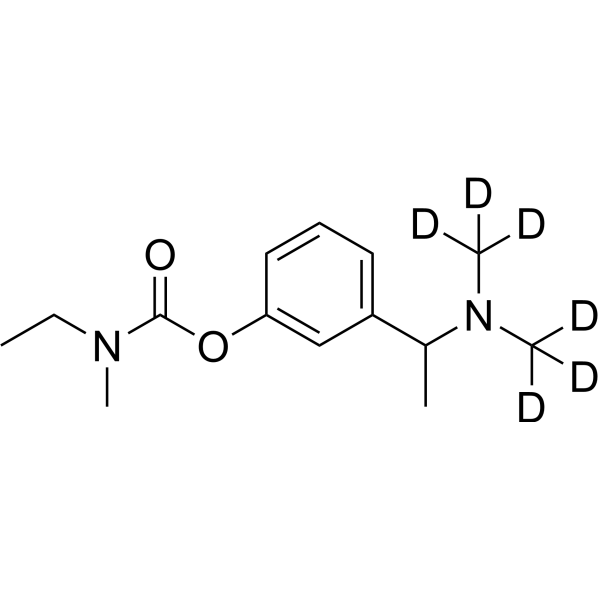
(Rac)-Rivastigmine-d6 is a labelled racemic Rivastigmine. Rivastigmine (ENA 713 free base) is an orally active and potent cholinesterase (ChE) inhibitor and inhibits butyrylcholinesterase (BChE) and acetylcholinesteras (AChE) with IC50s of 0.037 μM , 4.15 μM, respectively. Rivastigmine can pass the blood brain barrier (BBB). Rivastigmine is a parasympathomimetic or cholinergic agent used for the research of mild to moderate dementia of the Alzheimer's type and dementia due to Parkinson's disease .
|
-
- HY-W014375S4
-
|
(±)-Arginine-13C6,15N4 hydrochloride
|
Isotope-Labeled Compounds
Endogenous Metabolite
|
Cardiovascular Disease
|
|
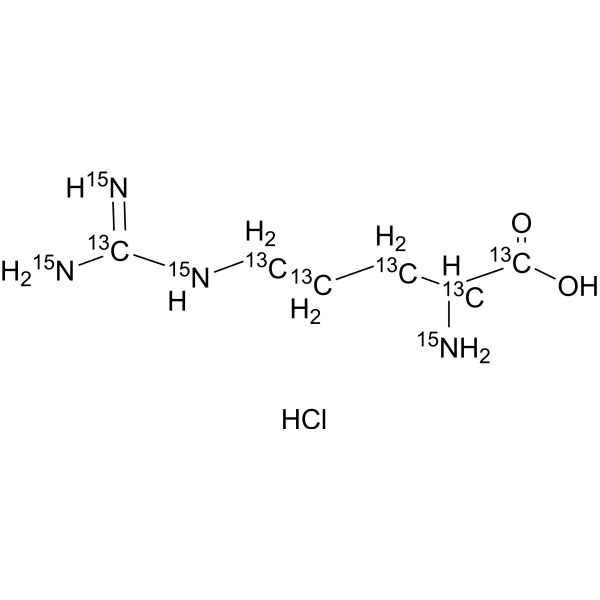
DL-Arginine- 13C6, 15N4 hydrochloride is 13C and 15N-labeled DL-Arginine hydrochloride (HY-W014375). DL-Arginine ((±)-Arginine) hydrochloride is the racemic compound of L-Arginine (HY-N0455) and D-Arginine (HY-W016781). Arginine is an essential amino acid that requires additional supplementation in traumatic or diseased conditions. Arginine is involved in T cell activation, proliferation, and differentiation, and affects the function of immune cells .
|
-
- HY-W014375S
-
|
(±)-Arginine-15N4,d7 hydrochloride
|
Isotope-Labeled Compounds
Endogenous Metabolite
|
Cardiovascular Disease
|
|
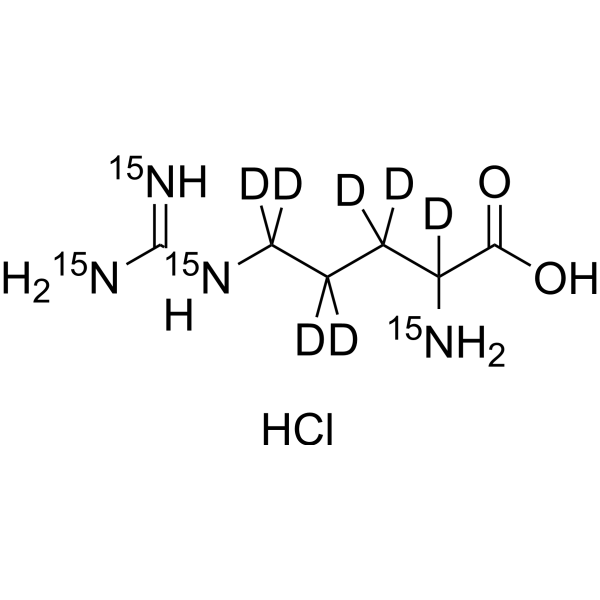
DL-Arginine- 15N4,d7 hydrochloride is deuterium and 15N labeled DL-Arginine hydrochloride (HY-W014375). DL-Arginine ((±)-Arginine) hydrochloride is the racemic compound of L-Arginine (HY-N0455) and D-Arginine (HY-W016781). Arginine is an essential amino acid that requires additional supplementation in traumatic or diseased conditions. Arginine is involved in T cell activation, proliferation, and differentiation, and affects the function of immune cells .
|
-
- HY-E71132
-
|
|
Biochemical Assay Reagents
|
Others
|
|
(S)-Sulfolactate dehydrogenase (EC 1.1.1.310) acts on the (S)-enantiomer of 3-sulfolactate. (S)-Sulfolactate dehydrogenase (EC 1.1.1.310) binds to (2R)-3-sulfolactate dehydrogenase (NADP+) to form a racemic enzyme system that converts (2S)-3-sulfolactate to (2R)-3-sulfolactate. (S)-Sulfolactate dehydrogenase (EC 1.1.1.310) is specific for NAD+.
|
-

- HY-116790B
-
|
(Rac)-Penbutolol; (±)-Isopenbutolol
|
Adrenergic Receptor
|
Cardiovascular Disease
|
|
(±)-Penbutolol ((Rac)-Penbutolol) is the racemic mixture of Penbutolol. (±)-Penbutolol is an orally active β-adrenergic receptor antagonist. (±)-Penbutolol antagonizes exercise-induced tachycardia, reduces the increase in peak expiratory flow rate (PEFR) caused by exercise, and decreases resting plasma renin activity (PRA). (±)-Penbutolol reaches peak plasma concentration 1 hour after oral administration, with a half-life of 4.5 hours, and is converted into an active metabolite in the body. (±)-Penbutolol can be used in cardiovascular-related disease research .
|
-

- HY-131445A
-
|
|
Orphan Nuclear Receptor
|
Metabolic Disease
Inflammation/Immunology
|
|
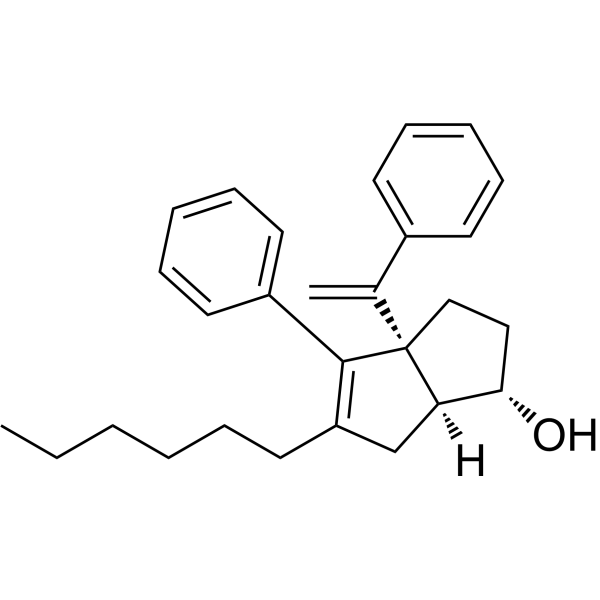
SS-RJW100 is a enantiomer of RJW100, which is a racemic agonist of nuclear receptor liver receptor homolog 1 (LRH-1) and steroidogenic factor 1 (SF-1). SS-RJW100 promotes recruitment of coregulator protein fragments in vitro, recruits the transcriptional intermediary factor 2 (Tif2) coactivator to LRH-1. SS-RJW100 diminishes LRH-1 allosteric activation networks, shows poor thermal stability .
|
-
- HY-107459R
-
|
(E/Z)-Tyrphostin AG490 (Standard); (E/Z)-Tyrphostin B42 (Standard)
|
Reference Standards
EGFR
STAT
JAK
|
Cancer
|
|
(E/Z)-AG490 (Standard) is the analytical standard of (E/Z)-AG490 (HY-107459). This product is intended for research and analytical applications. (E/Z)-AG490 ((E/Z)-Tyrphostin AG490) is a racemic compound of (E)-AG490 and (Z)-AG490 isomers. (E)-AG490 (HY-12000) is a tyrosine Kinase inhibitor that inhibits EGFR, Stat-3 and JAK2/3.
|
-

- HY-108539A
-
|
|
Ras
|
Metabolic Disease
|
|
(R)-CE3F4 is a potent and selective inhibitor of exchange protein directly activated by cAMP isoform 1 (Epac1), with an IC50 of 4.2 μM, with 10-fold selectivity for Epac1 over Epac2 (IC50, 44 μM). (R)-CE3F4 is more potent than racemic CE3F4 and (S)-CE3F4 .
|
-
- HY-W012908
-
|
|
Biochemical Assay Reagents
|
Infection
Cancer
|
|
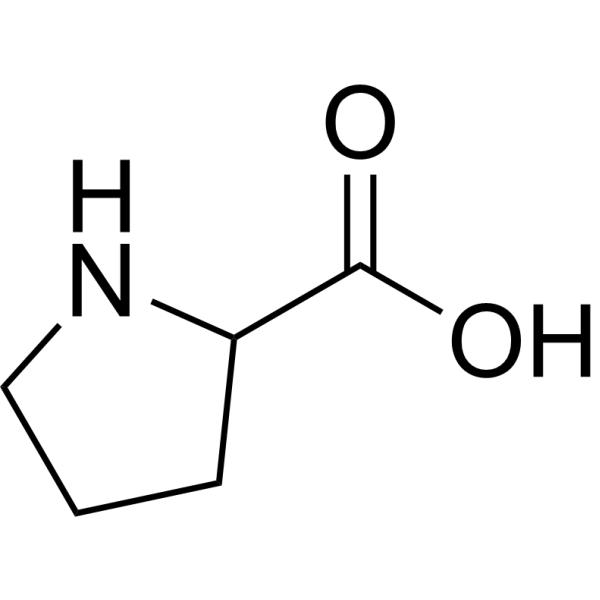
DL-Proline is a racemic mixture of D-Proline and L-Prolin. DL-Proline is a cyclic imino acid with a five-membered ring structure. DL-Proline is a key structural unit in peptide synthesis. DL-Proline can stabilize the β-turn conformation and affect the secondary structure of the peptide. DL-Proline has biological activities such as regulating peptide conformation and enhancing the stability of cyclic peptides. DL-Proline can be used to study diseases related to peptide structure and function, such as cancer and bacterial infection .
|
-
- HY-14545
-
|
(Rac)-Aramisulpride; (Rac)-Esamisulpride; DAN 2163
|
Dopamine Receptor
5-HT Receptor
|
Neurological Disease
|
|
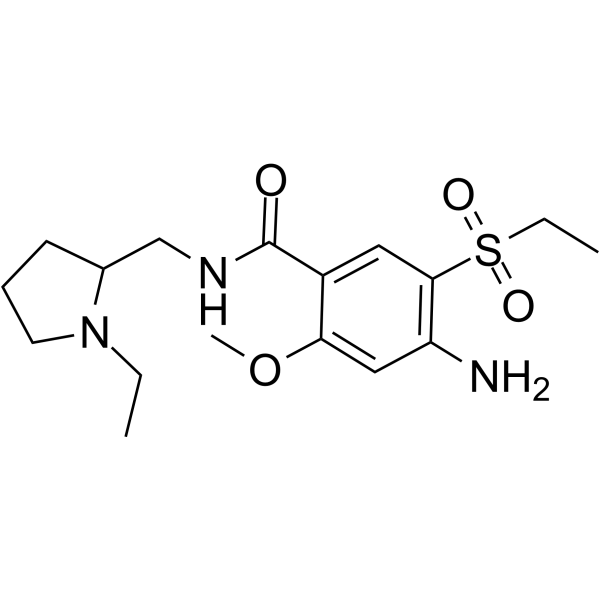
Amisulpride ((Rac)-Aramisulpride) is a racemic (50:50) mixture of the R-Amisulpride (HY-109167) and S-Amisulpride (HY-126068). Amisulpride is a dopamine D2/D3 receptor antagonist with Ki values of 2.8 and 3.2 nM for human dopamine b>D2 and b>D3, respectively. Amisulpride is a 5-HT7 receptor antagonist with a Ki of 44 nM. Amisulpride can be used in psychiatric research .
|
-
- HY-178193A
-
|
|
DNA/RNA Synthesis
Akt
PD-1/PD-L1
|
Cancer
|
|
(Rac)-Chem-0199 is the racemic mixture of Chem-0199 (HY-178193). Chem-0199 is an Adipocyte Enhancer-Binding Protein 1 (AEBP1) inhibitor. Chem-0199 can disrupt the interaction between AEBP1 and CKAP4, thereby enhances antitumor immunity. Chem-0199 can inhibit Akt phosphorylation (p-Akt) and downregulates PD-L1 expression. Chem-0199 can be used for the research of cancer, such as colon cancer .
|
-

- HY-N2362
-
|
DL-2-Aminopropionic acid
|
Endogenous Metabolite
|
Metabolic Disease
|
|
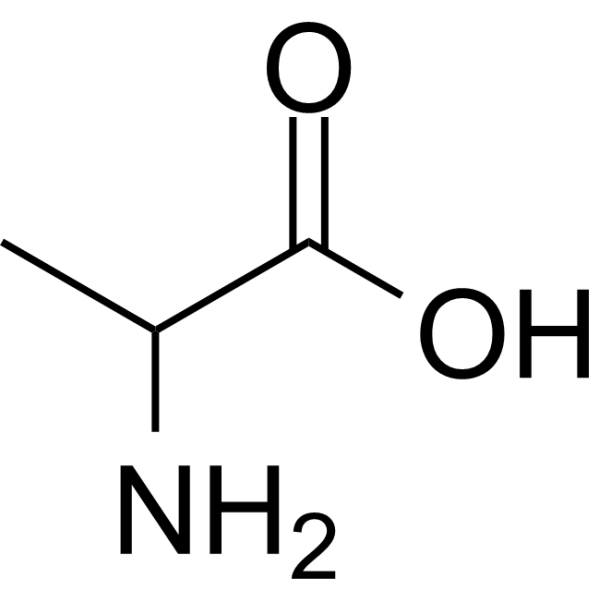
DL-alanine, an orally active amino acid, is the racemic compound of L- and D-alanine. DL-alanine is employed both as a reducing and a capping agent, used with silver nitrate aqueous solutions for the production of nanoparticles. DL-alanine can be used for the research of transition metals chelation, such as Cu(II), Zn(II), Cd(11). DL-alanine, a sweetener, is classed together with glycine and sodium saccharin. DL-alanine plays a key role in the glucose-alanine cycle between tissues and liver .
|
-
- HY-137258A
-
|
|
Drug Isomer
Cytochrome P450
|
Metabolic Disease
|
|
(R)-N-3-Benzylnirvanol is the R-isomer of (±)-N-3-Benzylnirvanol (HY-137258). (±)-N-3-Benzylnirvanol is a racemic mixture of (+)-N-3-Benzylnirvanol and (-)-N-3-Benzylnirvanol. (+)-N-3-Benzylnirvanol and (–)-N-3-Benzylnirvanol are potent and selective cytochrome P450 inhibitors with Ki values of 0.25 and 5.3 μM for CYP2C19, respectively .
|
-

- HY-113764
-
|
(Rac)-C4-HSL
|
Bacterial
|
Infection
Inflammation/Immunology
|
|
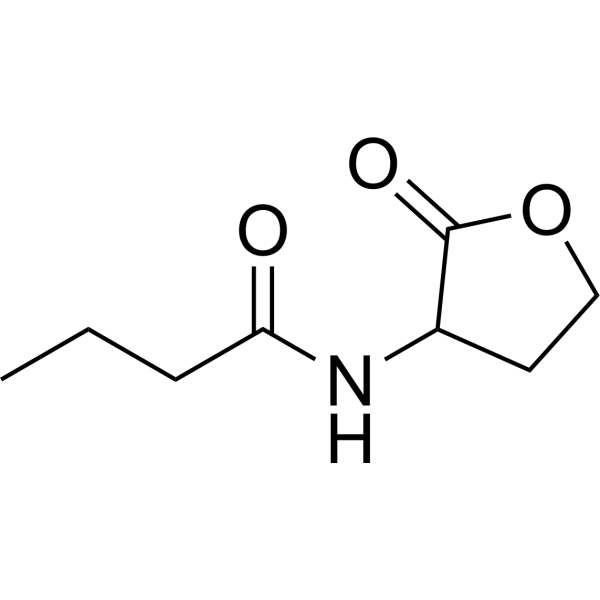
N-Butanoyl-DL-homoserine lactone ((Rac)-C4-HSL) is a racemic mixture of N-Butanoyl-D-homoserine lactone and N-Butanoyl-L-homoserine lactone. N-Butanoyl-L-homoserine lactone is a cleavable ADC linker used in the synthesis of antibody-drug conjugates (ADCs). N-Butanoyl-L-homoserine lactone has antibacterial activity and is used in antibacterial biofilm. N-Butanoyl-L-homoserine lactone aptamers blocks qurom sensing and inhibits biofilm formation in Pseudomonas aeruginosa .
|
-
- HY-130675
-
|
(±)15-hydroxyeicosapentaenoic acid; 15-OHEPA
|
Lipoxygenase
Bacterial
|
Metabolic Disease
|
|
(±)15-HEPE is a racemic mixture of the monohydroxy fatty acids 15(R)-HEPE and 15(S)-HEPE (HY-130675A). (±)15-HEPE is active against P. acnes and S. aureus (MICs = 128 and 512 mg/L, respectively). It inhibits aggregation of isolated rat neutrophils induced by the formyl peptide receptor agonist fMLP (IC50 = 4.7 µM). Bronchoalveolar lavage fluid (BALF) levels of (±)15-HEPE are increased in patients with allergic asthma or COVID-19.
|
-

- HY-124627
-
|
|
Estrogen Receptor/ERR
|
Cancer
|
|
THIQ-40 is a tetrahydroisoquinoline-based, orally active, and selective estrogen receptor ERα degrader (SERD) (IC50=17 nM), with antitumor efficacy. THIQ-40 possesses functional ERα antagonistic activity, promotes ERα degradation and forms stable ERαLBD complexes. THIQ-40 shows the characteristic of rapid racemization in multi-species plasma. THIQ-40 can be widely applied to studies on the relevant mechanisms and drug development of ERα-positive breast cancer .
|
-

- HY-B0203BS2
-
|
(Rac)-R 065824-d2,15N
|
NADPH Oxidase
Adrenergic Receptor
Isotope-Labeled Compounds
|
Cardiovascular Disease
|
|
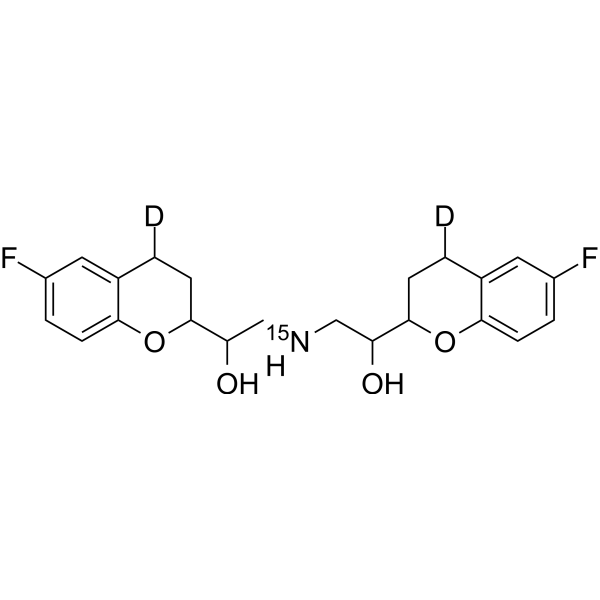
(Rac)-Nebivolol-d2, 15N is 15N and deuterated labeled (Rac)-Nebivolol (HY-B0203B). (Rac)-Nebivolol ((Rac)-R 065824) is a racemic isomer of Nebivolol. Nebivolol is a selective β1-adrenergic receptor antagonist with an IC50 value of 0.8 nM. Nebivolol can prevent up-regulation of Nox2/NADPH oxidase and lipoperoxidation in the early stages of ethanol-induced cardiac toxicity. Vasodilatory activity .
|
-
- HY-B0399A
-
|
DL-Carnitine; DL-Levocarnitine
|
Mitochondrial Metabolism
|
Metabolic Disease
|
|
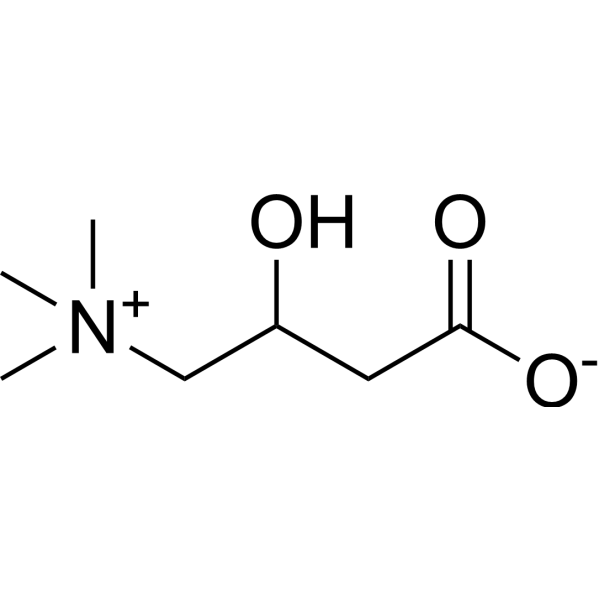
(±)-Carnitine (DL-Carnitine) is an orally effective racemic mixture of L-Carnitine (HY-B0399) and D-Carnitine. (±)-Carnitine elevates the mitochondrial NAD +/NADH ratio in the presence of 1,3-butanediol (HY-77490A). (±)-Carnitine does not increase glucose and urea production from L-glutamine, but stimulates propionate gluconeogenesis in rat renal cortical slices, and significantly reduces hepatic ketone body levels in rats fed a diet containing 30% high fat plus 20% 1,3-butanediol .
|
-
- HY-W014375S1
-
|
(±)-Arginine-13C6,15N4,d7 hydrochloride
|
Isotope-Labeled Compounds
Endogenous Metabolite
|
Cardiovascular Disease
|
|
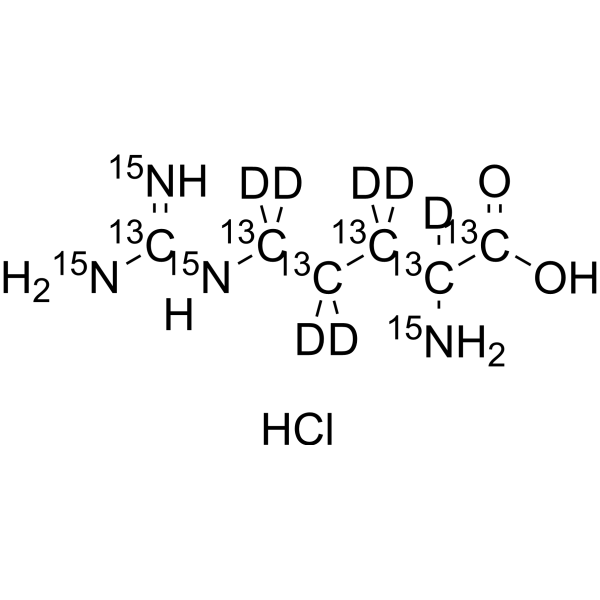
DL-Arginine- 13C6, 15N4,d7 hydrochloride is 13C and 15N-labeled DL-Arginine hydrochloride (HY-W014375). DL-Arginine ((±)-Arginine) hydrochloride is the racemic compound of L-Arginine (HY-N0455) and D-Arginine (HY-W016781). Arginine is an essential amino acid that requires additional supplementation in traumatic or diseased conditions. Arginine is involved in T cell activation, proliferation, and differentiation, and affects the function of immune cells .
|
-
- HY-W010712S1
-
|
|
Isotope-Labeled Compounds
Amino Acid Derivatives
|
Others
|
|
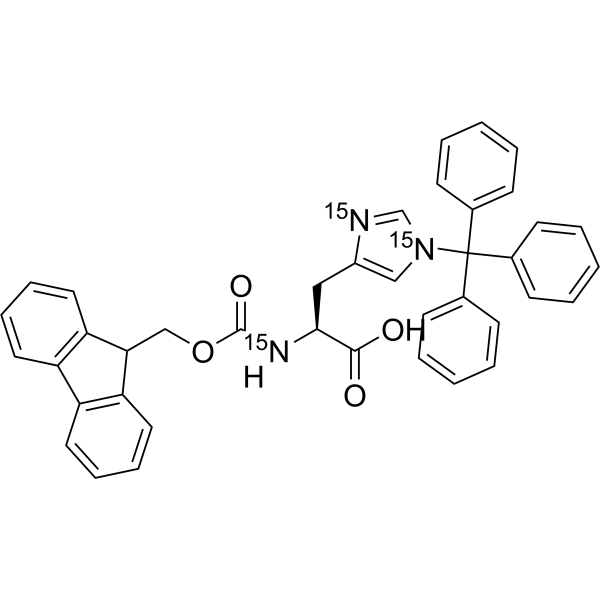
Fmoc-His(Trt)-OH- 15N3 is the 15N labeled Fmoc-His(Trt)-OH (HY-W010712). Fmoc-His (Trt)-OH is a histidine derivative. Fmoc-His(Trt)-OH has trityl (Trt) group to protect the side-chain of His. Fmoc-His(Trt)-OH has Fmoc group to protect -αNH2. Fmoc-His(Trt)-OH can be used for solid phase synthesis of peptides, providing protection against racemization and by-product formation .
|
-
- HY-173630A
-
|
|
Molecular Glues
IKZF Family
|
Cancer
|
|
(R)-BMS-986449 is the racemic mixture of BMS-986449 (HY-173630). BMS-986449 is a CELMoD molecular glue and an IKZF2/IKZF4 degrader. BMS-986449 targets the degradation of transcription factors Helios (IKZF2) and Eos (IKZF4) in regulatory T (Treg) cells. BMS-986449 redirects the E3 ubiquitin ligase Cereblon to induce the degradation of Helios and Eos, reprogramming Treg cells and enhancing antitumor immunity. BMS-986449 is promising for research of advanced solid tumors .
|
-

- HY-118590A
-
|
|
Topoisomerase
DNA/RNA Synthesis
Apoptosis
Fungal
|
Infection
Cardiovascular Disease
Inflammation/Immunology
Cancer
|
|
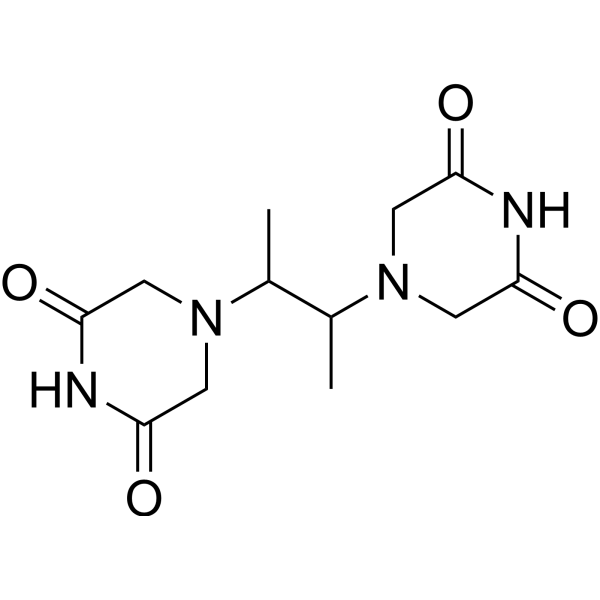
ICRF-196 is an racemic mixture of the (S,S)- and (R,R)-isomers of ICRF-193 (HY-118590). ICRF-193 is a DNA Topoisomerase II inhibitor. ICRF-193 can inhibit DNA syntheses and induces apoptosis. ICRF-193 exhibits anti-cancer and anti-inflammation effects. ICRF-193 shows cardioprotective effect against anthracycline toxicity to cardiomyocytes. ICRF-193 can be used for the researches of cancer, infection, inflammation and cardiovascular disease, such as acute promyelocytic leukemia .
|
-
- HY-N2362S2
-
|
DL-2-Aminopropionic acid-d3
|
Endogenous Metabolite
|
Metabolic Disease
|
|
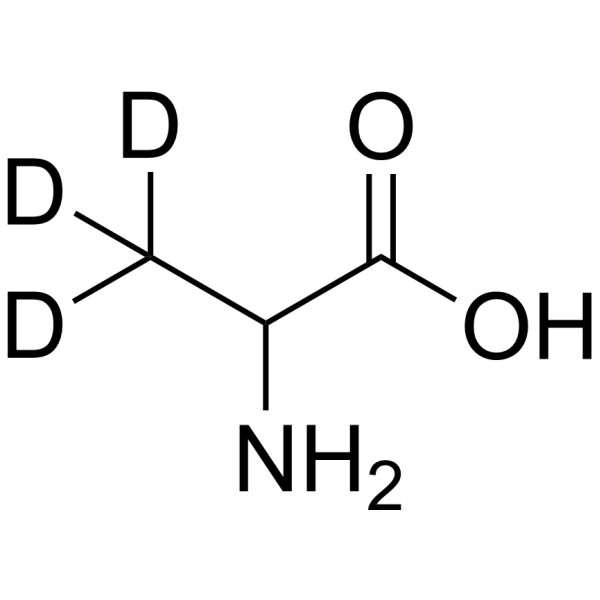
DL-Alanine-d3 is the deuterium labeled DL-Alanine. DL-alanine, an amino acid, is the racemic compound of L- and D-alanine. DL-alanine is employed both as a reducing and a capping agent, used with silver nitrate aqueous solutions for the production of nanoparticles. DL-alanine can be used for the research of transition metals chelation, such as Cu(II), Zn(II), Cd(11). DL-alanine, a sweetener, is classed together with glycine, and sodium saccharin. DL-alanine plays a key role in the glucose-alanine cycle between tissues and liver .
|
-
- HY-Y0549
-
|
Diphenylmethane-α-carboxylic Acid
|
Biochemical Assay Reagents
|
Others
|
|
Diphenylacetic acid (Diphenylmethane-α-carboxylic Acid) is a biochemical reagent that can be used as a biological material or organic compound for life science related research. Diphenylacetic acid can be used as a reagent in the kinetic resolution of racemic 2-hydroxy-y-butyrolactones by asymmetric esterification in the presence of pivalic anhydride and chiral acyl-transfer catalyst. Diphenylacetic acid can act as a catalyst to synthesize 2-allyl-3-oxazolin-5-one derivatives via Rh-catalyzed coupling reaction of azlactones and alkynes followed by aza-Cope rearrangement .
|
-

- HY-N0106R
-
|
(Rac)-Danshensu sodium (Standard); (Rac)-Tanshinol sodium (Standard)
|
Reference Standards
Keap1-Nrf2
NF-κB
Mitochondrial Metabolism
Apoptosis
|
Infection
Cardiovascular Disease
Inflammation/Immunology
|
|
(Rac)-Salvianic acid A (sodium) (Standard) is the analytical standard of (Rac)-Salvianic acid A (sodium). This product is intended for research and analytical applications. (Rac)-Salvianic acid A sodium is the racemic form of Salvianic acid A (HY-N1913). Salvianic acid A is an orally active phenolic compound that induces Nrf2/HO-1 activation and inhibits the NF-κB pathway, and it also activates the mitochondrial antioxidant defense system (Mitochondrial Metabolism). Salvianic acid A exhibits anti-inflammatory, antioxidant, and anti-apoptotic properties (Apoptosis), demonstrating potential for research into inflammation and cardiovascular diseases .
|
-

- HY-W002530
-
|
|
Biochemical Assay Reagents
|
Infection
|
|
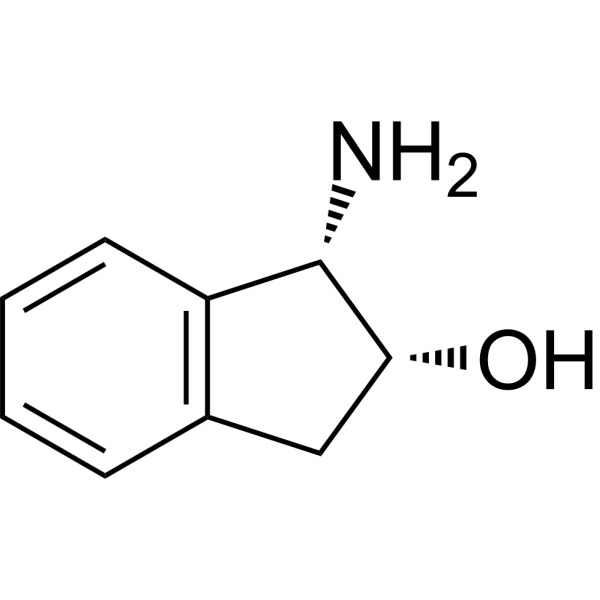
(1S,2R)-1-Aminoindan-2-ol is a chiral resolving agent. (1S,2R)-1-Aminoindan-2-ol efficiently resolves various racemic 2-arylalkanoic acids and precisely controls the stereostructure of the products in asymmetric syntheses. (1S,2R)-1-Aminoindan-2-ol can be used in the synthesis of HIV protease inhibitors .
|
-
- HY-N2362S5
-
|
DL-2-Aminopropionic acid-15N
|
Endogenous Metabolite
|
Metabolic Disease
|
|
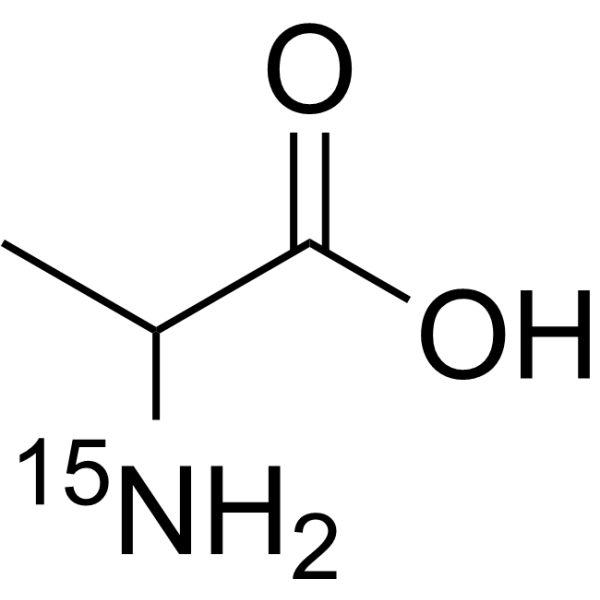
DL-Alanine- 15N is the 15N labeled DL-Alanine . DL-alanine, an amino acid, is the racemic compound of L- and D-alanine. DL-alanine is employed both as a reducing and a capping agent, used with silver nitrate aqueous solutions for the production of nanoparticles. DL-alanine can be used for the research of transition metals chelation, such as Cu(II), Zn(II), Cd(11). DL-alanine, a sweetener, is classed together with glycine, and sodium saccharin. DL-alanine plays a key role in the glucose-alanine cycle between tissues and liver .
|
-
- HY-103019A
-
|
(±)-BAY-1251152; (±)-VIP152
|
CDK
Apoptosis
DNA/RNA Synthesis
|
Cancer
|
|
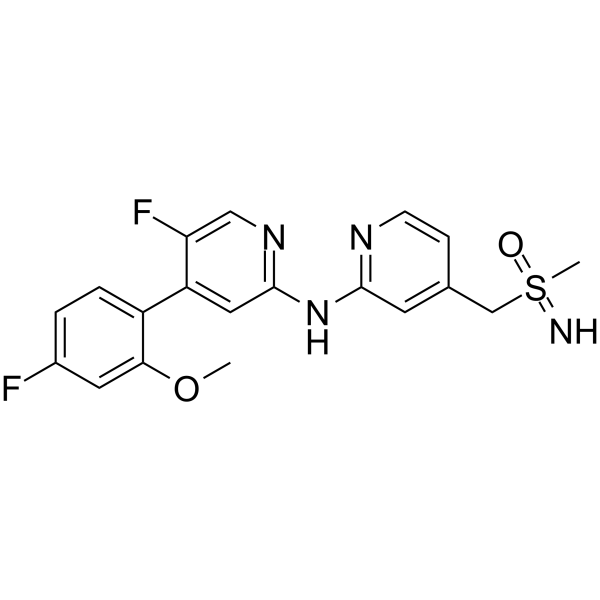
(±)-Enitociclib ((±)-BAY-1251152) is the racemic mixture of Enitociclib (HY-103019E). Enitociclib is a selective CDK9 inhibitor and apoptosis inducer. Enitociclib inhibits CDK9 activity and reduces the phosphorylation of Ser2 in the carboxyl-terminal domain (CTD) of RNA polymerase Pol II, thereby downregulating the transcription of key oncogenes such as MYC and MCL1. Enitociclib has anti-proliferative activity targeting MYC + lymphoma and multiple myeloma (MM) cells, and has synergistic effects with Bortezomib (HY-10227) and Lenalidomide (HY-A0003), and can be used in the research of hematological malignancies .
|
-
- HY-N2362S1
-
|
DL-2-Aminopropionic acid-13C-3
|
Isotope-Labeled Compounds
Endogenous Metabolite
|
Metabolic Disease
|
|
DL-Alanine- 13C-3 is the 13C-labeled DL-Alanine. DL-alanine, an amino acid, is the racemic compound of L- and D-alanine. DL-alanine is employed both as a reducing and a capping agent, used with silver nitrate aqueous solutions for the production of nanoparticles. DL-alanine can be used for the research of transition metals chelation, such as Cu(II), Zn(II), Cd(11). DL-alanine, a sweetener, is classed together with glycine, and sodium saccharin. DL-alanine plays a key role in the glucose-alanine cycle between tissues and liver .
|
-
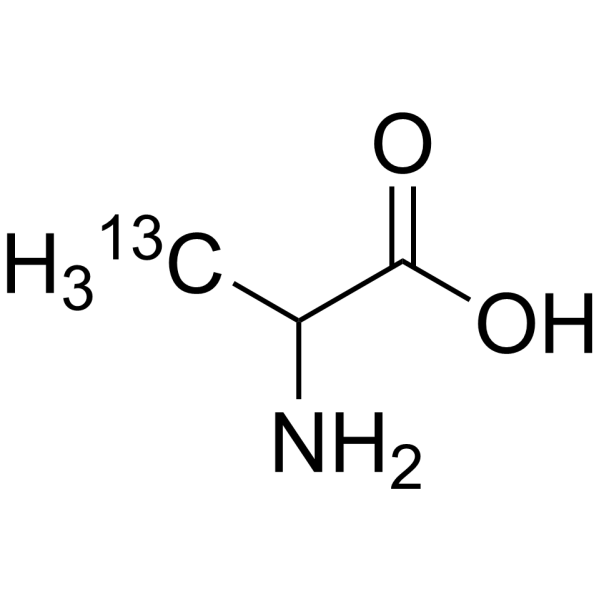
- HY-175510
-
|
|
TREM receptor
|
Neurological Disease
|
|
TREM2 agonist-5 is the microglial lipid-sensing receptor (TREM2) agonist with a Kd of 71.36 μM. TREM2 agonist-5 is a racemic structural analog of the TREM2 agonist VG-3927 and exhibits superior microglial phagocytosis and activates TREM2 signaling in HEK293-hTREM2/DAP12 cells. TREM2 agonist-5 displays a superior in vitro pharmacokinetic profile to VG-3927. TREM2 agonist-5 can used for the study of Alzheimer’s disease .
|
-

- HY-N2362S
-
|
DL-2-Aminopropionic acid-13C-1
|
Endogenous Metabolite
|
Metabolic Disease
|
|
DL-Alanine- 13C-1 is the 13C-labeled DL-Alanine. DL-alanine, an amino acid, is the racemic compound of L- and D-alanine. DL-alanine is employed both as a reducing and a capping agent, used with silver nitrate aqueous solutions for the production of nanoparticles. DL-alanine can be used for the research of transition metals chelation, such as Cu(II), Zn(II), Cd(11). DL-alanine, a sweetener, is classed together with glycine, and sodium saccharin. DL-alanine plays a key role in the glucose-alanine cycle between tissues and liver .
|
-
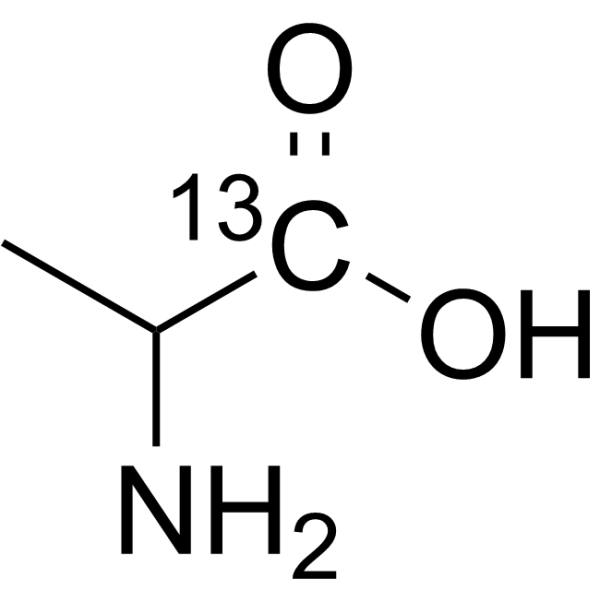
- HY-118590
-
|
|
Topoisomerase
DNA/RNA Synthesis
Apoptosis
Fungal
|
Infection
Cardiovascular Disease
Inflammation/Immunology
Cancer
|
|
ICRF-193 is a DNA Topoisomerase II inhibitor. (S,S)- and (R,R)-isomers ICRF-193 make up an racemic mixture, ICRF-196 (HY-118590A). ICRF-193 can inhibit DNA syntheses and induces apoptosis. ICRF-193 exhibits anti-cancer and anti-inflammation effects. ICRF-193 shows cardioprotective effect against anthracycline toxicity to cardiomyocytes. ICRF-193 can be used for the researches of cancer, infection, inflammation and cardiovascular disease, such as acute promyelocytic leukemia .
|
-
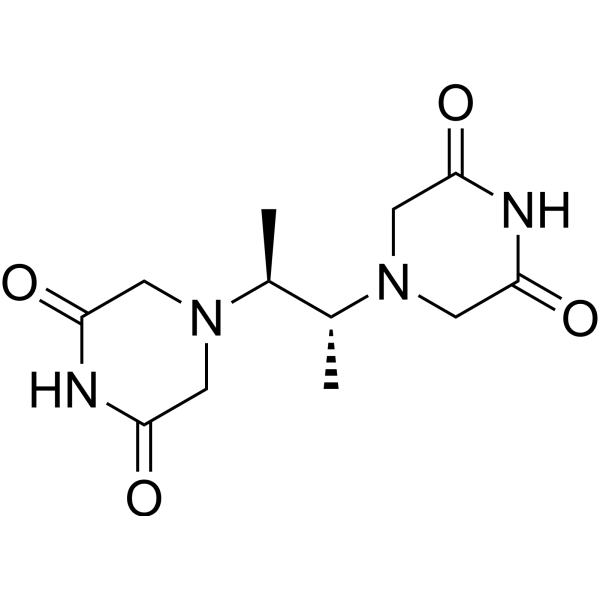
- HY-162596A
-
|
(Rac)-BA-1049
|
ROCK
|
Neurological Disease
|
|
(Rac)-NRL-1049 is the racemic mixture of NRL-1049 (BA-1049 (free base)) (HY-162596). NRL-1049 is an orally available and selective ROCK2 inhibitor with IC50 values of 0.59 µM for ROCK2 and 26 µM for ROCK1, respectively. NRL-1049 modulates ROCK signaling, preserves blood-brain barrier integrity, reduces edema, seizures and hemorrhage, and alleviates cerebral cavernous malformation lesion burden. NRL-1049 can be used for the study of acute brain injury, ischemic stroke, and cerebral cavernous malformations .
|
-

- HY-137390A
-
|
|
HMG-CoA Reductase (HMGCR)
|
Cardiovascular Disease
Metabolic Disease
|
|
(3S,5R)-Fluvastatin (potassium) is a synthetic hypolipidemic drug that inhibits HMG-CoA reductase activity. (3S,5R)-Fluvastatin (potassium) has similar antioxidative effects on copper ion-induced LDL oxidation compared to its 3R,5S enantiomer. (3S,5R)-Fluvastatin (potassium) and its metabolites demonstrate a potential to exhibit anti-atherosclerotic effects through their antioxidative activities. (3S,5R)-Fluvastatin (potassium) is clinically utilized as part of a racemic mixture for reducing plasma cholesterol levels.
|
-

- HY-113764R
-
|
(Rac)-C4-HSL (Standard)
|
Bacterial
Reference Standards
|
Infection
Inflammation/Immunology
|
|
N-Butanoyl-DL-homoserine lactone (Standard) is the analytical standard of N-Butanoyl-DL-homoserine lactone. This product is intended for research and analytical applications. N-Butanoyl-DL-homoserine lactone ((Rac)-C4-HSL) is a racemic mixture of N-Butanoyl-D-homoserine lactone and N-Butanoyl-L-homoserine lactone. N-Butanoyl-L-homoserine lactone is a cleavable ADC linker used in the synthesis of antibody-drug conjugates (ADCs). N-Butanoyl-L-homoserine lactone has antibacterial activity and is used in antibacterial biofilm. N-Butanoyl-L-homoserine lactone aptamers blocks qurom sensing and inhibits biofilm formation in Pseudomonas aeruginosa .
|
-

- HY-16950A
-
|
Afimoxifene; 4-OHT
|
Estrogen Receptor/ERR
Adhesion G Protein-coupled Receptors (AGPCRs)
Drug Metabolite
|
Metabolic Disease
Cancer
|
|
(E/Z)-4-Hydroxytamoxifen (Afimoxifene) is a racemic compound of (Z)-4-Hydroxytamoxifen and (E)-4-Hydroxytamoxifen isomers. (E/Z)-4-Hydroxytamoxifen is a selective estrogen receptor modulator with mixed estrogenic and antiestrogenic activity, which is also an active metabolite of Tamoxifen (HY-13757A). (E/Z)-4-Hydroxytamoxifen is an agonist of the G protein-coupled estrogen receptor (GPER) with relatively low affinity (100-1000 nM). (E/Z)-4-Hydroxytamoxifen is promising for research of cyclical mastalgia, such as breast pain, tenderness, and nodularity .
|
-
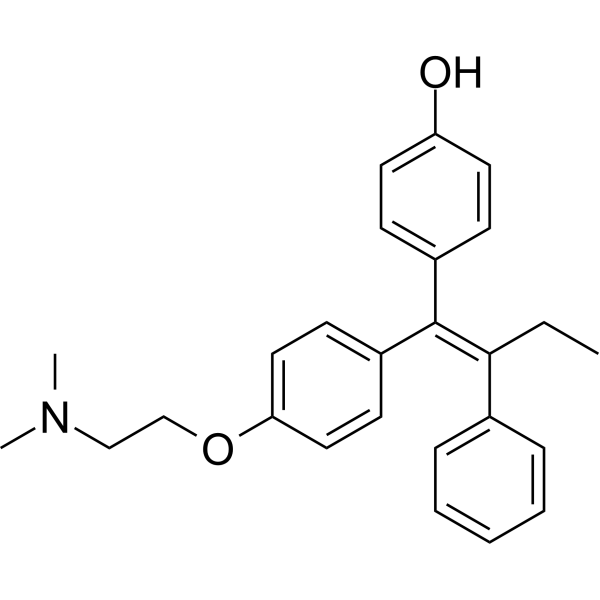
- HY-50097
-
|
|
Drug Intermediate
|
Others
|
|
3-Bromo-2-methylaniline is an aromatic amine compound and aniline derivative that serves as a starting material and synthetic precursor. 3-Bromo-2-methylaniline acts as a starting material for the synthesis of 4-bromo-1H-indazole and racemic 3,9-dibromo-4,10-dimethyl-6H,12H-5,11-methanodibenzodiazocine. It also serves as a precursor for the regioselective bromination and subsequent deamination to synthesize 1,2-dibromo-3-methylbenzene .
|
-
- HY-N2362S8
-
|
DL-2-Aminopropionic acid-d7
|
Isotope-Labeled Compounds
|
Metabolic Disease
|
|
DL-Alanine-d7 (DL-2-Aminopropionic acid-d7) is deuterium labeled DL-Alanine. DL-alanine, an orally active amino acid, is the racemic compound of L- and D-alanine. DL-alanine is employed both as a reducing and a capping agent, used with silver nitrate aqueous solutions for the production of nanoparticles. DL-alanine can be used for the research of transition metals chelation, such as Cu(II), Zn(II), Cd(11). DL-alanine, a sweetener, is classed together with glycine and sodium saccharin. DL-alanine plays a key role in the glucose-alanine cycle between tissues and liver .
|
-

- HY-158976
-
|
Lactated ringer's solution (LRS)
|
Biochemical Assay Reagents
Collagen
HSP
|
Inflammation/Immunology
|
|
Sodium lactate ringer's solution (Lactated ringer's solution (LRS)) is an isotonic crystal intravenous injection and arthroscopic irrigation solution containing racemic sodium lactate and electrolytes such as sodium, potassium, calcium and chloride (130 mEq sodium/L, 274 mOsm/L), which can be used as a cell integrity protectant. Sodium lactate ringer's solution maintains the integrity of human meniscus cells, ensures that they retain normal cell morphology, membrane regularity, size and density, and does not alter the mRNA expression levels of α1 (I) procollagen, α1 (II) procollagen, aggrecan or HSP70. Sodium lactate ringer's solution can be applied to studies related to extracellular fluid deficiency and meniscus tears .
|
-

- HY-W076861
-
|
|
Amino Acid Derivatives
|
Infection
|
|
3-Amino-3-(4-methoxyphenyl)propanoic acid is a β-amino acid. 3-Amino-3-(4-methoxyphenyl)propanoic acid can be stereoselectively synthesized using alanine as an amino donor and 3-(4-methoxyphenyl)3-oxopropanoic acid as an amino acceptor with a β-amino acid transaminase. 3-Amino-3-(4-methoxyphenyl)propanoic acid can be enantiomerically enriched from a racemic mixture using pyruvic acid as an amino acceptor with a β-amino acid transaminase. 3-Amino-3-(4-methoxyphenyl)propanoic acid can be used for research of bacterial and fungal infections .
|
-

- HY-12142S
-
|
rac-GR 205171-d3
|
Isotope-Labeled Compounds
Neurokinin Receptor
|
Neurological Disease
|
|
rac-Vofopitant-d3 (rac-GR 205171-d3) is a racemic form of deuterated Vofopitant (HY-12142). Vofopitant (GR 205171A) is a blood-brain barrier-permeable NK1 receptor inhibitor with a pKi of 9.02 in mice. Vofopitant blocks vomiting-related responses and inhibits pseudoptyalism. Vofopitant exerts anxiolytic effects, regulates 5-HT receptor function and increases central 5-HT release. Vofopitant improves hyperarousal symptoms of post-traumatic stress disorder. Vofopitant can be used in research related to depression, anxiety, vomiting and postoperative nausea and vomiting .
|
-
- HY-N2362S9
-
|
DL-2-Aminopropionic acid-13C2,15N2
|
Isotope-Labeled Compounds
Endogenous Metabolite
|
Metabolic Disease
|
|
DL-Alanine- 13C2, 15N (DL-2-Aminopropionic acid- 13C2, 15N) is 13C and 15N labeled DL-Alanine. DL-alanine, an orally active amino acid, is the racemic compound of L- and D-alanine. DL-alanine is employed both as a reducing and a capping agent, used with silver nitrate aqueous solutions for the production of nanoparticles. DL-alanine can be used for the research of transition metals chelation, such as Cu(II), Zn(II), Cd(11). DL-alanine, a sweetener, is classed together with glycine and sodium saccharin. DL-alanine plays a key role in the glucose-alanine cycle between tissues and liver .
|
-

- HY-15997
-
|
(-)-Trans-(1S,2S)-U-50488 hydrochloride
|
Opioid Receptor
|
Infection
Cancer
|
|
(-)-U-50488 hydrochloride ((-)-Trans-(1S,2S)-U-50488 hydrochloride) is a selective kappa-opioid receptor (KOR) agonist (b>Kd=2.2 nM) over μ-opioid receptor (MOR) (b>Kd=430 nM). (-)-U-50488 hydrochloride is a more active enantiomer than (+)?trans-(1R,2R) U-50488 (HY-15997A)?or the (±)?trans-racemic mixture U-50488 (HY-15997B). (-)-U-50488 hydrochloride has a potent and sustained anti-HIV effect in fected blood monocyte-derived macrophages (MDM) .
|
-

- HY-103019AR
-
|
(±)-BAY-1251152 (Standard); (±)-VIP152 (Standard)
|
Reference Standards
CDK
Apoptosis
DNA/RNA Synthesis
|
Cancer
|
|
(±)-Enitociclib (Standard) is the analytical standard of (±)-Enitociclib (HY-103019A). This product is intended for research and analytical applications. (±)-Enitociclib ((±)-BAY-1251152) is the racemic mixture of Enitociclib (HY-103019E). Enitociclib is a selective CDK9 inhibitor and apoptosis inducer. Enitociclib inhibits CDK9 activity and reduces the phosphorylation of Ser2 in the carboxyl-terminal domain (CTD) of RNA polymerase Pol II, thereby downregulating the transcription of key oncogenes such as MYC and MCL1. Enitociclib has anti-proliferative activity targeting MYC+ lymphoma and multiple myeloma (MM) cells, and has synergistic effects with Bortezomib (HY-10227) and Lenalidomide (HY-A0003), and can be used in the research of hematological malignancies .
|
-

- HY-15746S
-
|
|
Isotope-Labeled Compounds
Adrenergic Receptor
|
Cardiovascular Disease
Endocrinology
|
|
(rac)-Dobutamine-d4 (hydrochloride) is a labelled racemic Dobutamine hydrochloride. Dobutamine hydrochloride is a synthetic catecholamine that acts on α1-AR, β1-AR, β2-AR (α-1, β-1 andβ-2 adrenoceptors). Dobutamine hydrochloride is a selective β1-AR agonist, relatively weak activity at α1-AR and β2-AR. Dobutamine hydrochloride can increase cardiac output and correct hypoperfusion .
|
-
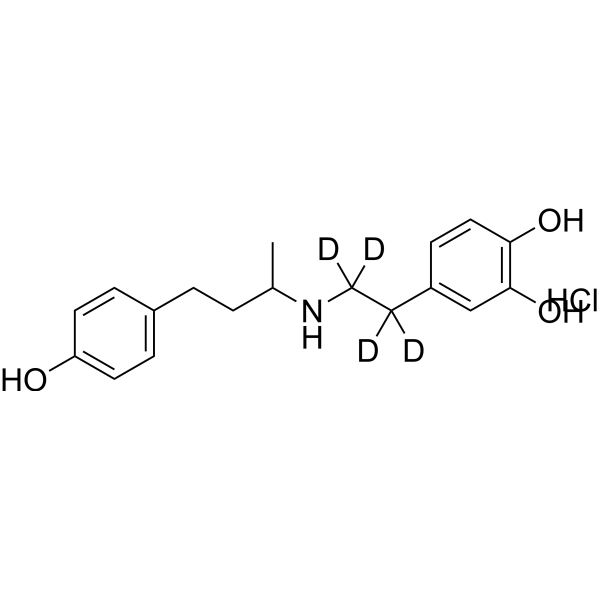
- HY-15746S1
-
|
|
Isotope-Labeled Compounds
Adrenergic Receptor
|
Cardiovascular Disease
Endocrinology
|
|
(rac)-Dobutamine-d6 (hydrochloride) is a labelled racemic Dobutamine hydrochloride. Dobutamine hydrochloride is a synthetic catecholamine that acts on α1-AR, β1-AR, β2-AR (α-1, β-1 andβ-2 adrenoceptors). Dobutamine hydrochloride is a selective β1-AR agonist, relatively weak activity at α1-AR and β2-AR. Dobutamine hydrochloride can increase cardiac output and correct hypoperfusion .
|
-
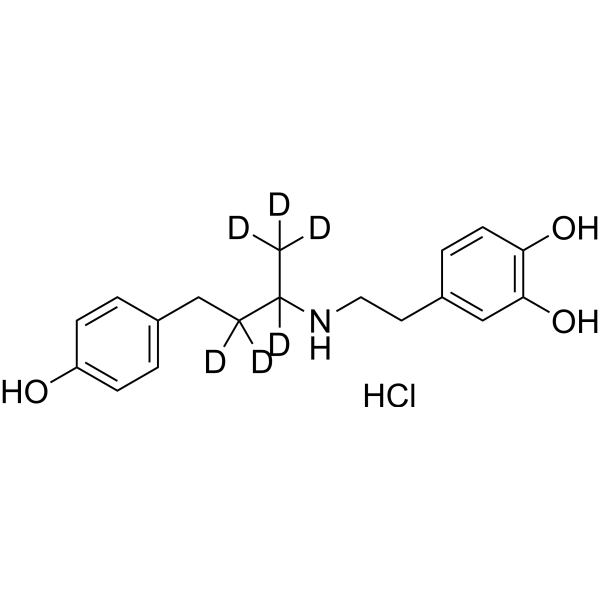
- HY-100573A
-
-
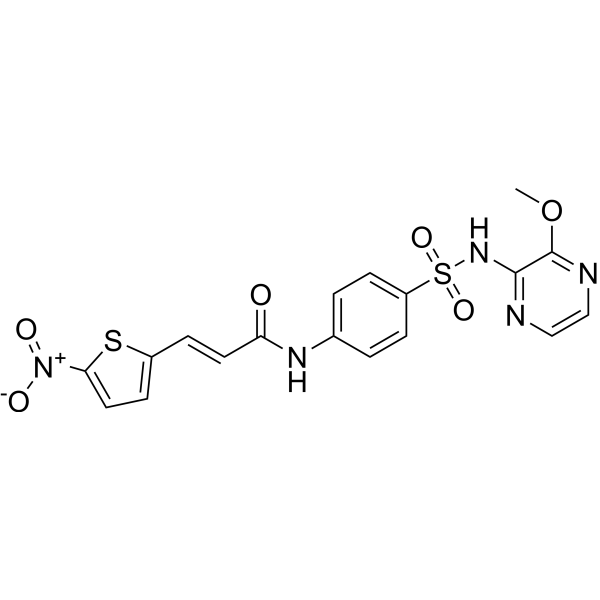
- HY-N2362S7
-
|
DL-2-Aminopropionic acid-13C3-4
|
Isotope-Labeled Compounds
Endogenous Metabolite
|
Metabolic Disease
|
|
DL-Alanine- 13C3-4 (DL-2-Aminopropionic acid- 13C3-4) is the 13C-labeled DL-Alanine (HY-N2362). DL-Alanine, an orally active amino acid, is the racemic compound of L- and D-alanine. DL-alanine is employed both as a reducing and a capping agent, used with silver nitrate aqueous solutions for the production of nanoparticles. DL-alanine can be used for the research of transition metals chelation, such as Cu(II), Zn(II), Cd(11). DL-alanine, a sweetener, is classed together with glycine and sodium saccharin. DL-alanine plays a key role in the glucose-alanine cycle between tissues and liver .
|
-

- HY-16950AR
-
|
Afimoxifene (Standard); 4-OHT (Standard)
|
Reference Standards
Estrogen Receptor/ERR
Endogenous Metabolite
|
Cancer
|
|
(E/Z)-4-Hydroxytamoxifen (Standard) is the analytical standard of (E/Z)-4-Hydroxytamoxifen. This product is intended for research and analytical applications. (E/Z)-4-Hydroxytamoxifen (Afimoxifene) is a racemic compound of (Z)-4-Hydroxytamoxifen and (E)-4-Hydroxytamoxifen isomers. (E/Z)-4-Hydroxytamoxifen is a selective estrogen receptor modulator with mixed estrogenic and antiestrogenic activity, which is also an active metabolite of Tamoxifen (HY-13757A). (E/Z)-4-Hydroxytamoxifen is an agonist of the G protein-coupled estrogen receptor (GPER) with relatively low affinity (100-1000 nM). (E/Z)-4-Hydroxytamoxifen is promising for research of cyclical mastalgia, such as breast pain, tenderness, and nodularity .
|
-

- HY-W010712
-
|
|
Amino Acid Derivatives
|
Others
|
|
Fmoc-His(Trt)-OH is a histidine derivative with a trityl (Trt) group protecting the His side chain. Fmoc-His(Trt)-OH also has an Fmoc group protecting the α-NH2 group. Fmoc-His(Trt)-OH can be used in solid-phase peptide synthesis to prevent racemization and byproduct formation. Fmoc-His(Trt)-OH acts as a protected histidine precursor in solid-phase peptide synthesis (SPPS), participating in peptide chain construction through amide bond formation. Fmoc-His(Trt)-OH can be precisely incorporated into the target peptide sequence, ensuring correct peptide chain synthesis and reducing impurity formation. Fmoc-His(Trt)-OH is mainly used in the solid-phase synthesis research of pharmaceutical peptides and bioactive peptides, and is particularly suitable for the preparation of peptide drugs requiring precise control of histidine configuration .
|
-
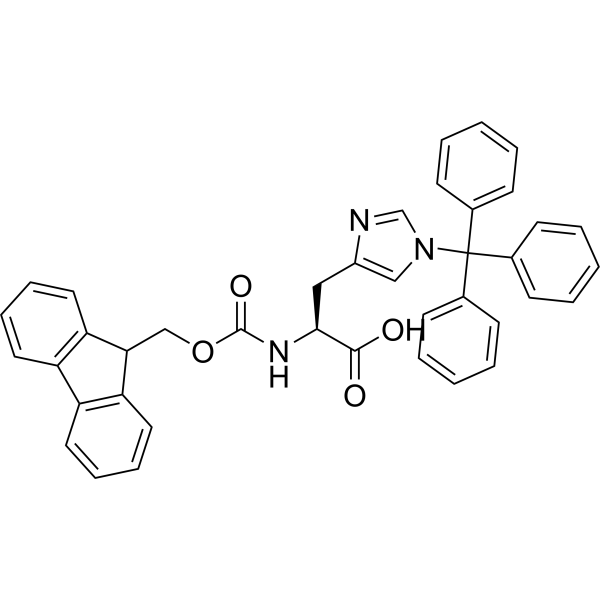
- HY-138794A
-
|
|
Deubiquitinase
|
Cancer
|
|
(Rac)-XL177A is the racemic isomer of XL177A (HY-138794). XL177A is a covalent USP7 inhibitor that blocks the deubiquitinase activity of USP7. XL177A destabilizes non-canonical PRC1 complexes or KDM6A and reduces chromatin deposition of H2AK119Ub, thereby relieving the repression of neuronal differentiation programs. Meanwhile, XL177A also regulates the ELOF1-UVSSA-USP7-nuclear β-catenin axis, decreasing the transcription levels of related proteins and the accumulation of nuclear β-catenin. XL177A exerts antiviral effects by reducing the expression levels of coronavirus receptors, and exhibits inhibitory activity against APC-mutated colorectal cancer cells, neuroblastoma, and coronaviruses including SARS-CoV-2 variants. XL177A is mainly used in studies related to colorectal cancer, neuroblastoma, and coronavirus infections .
|
-

- HY-142104
-
|
2-Chlorotrityl Chloride Resin (100-200 mesh,1% DVB,0.4-3.0mmol/g)
|
Drug Intermediate
|
Cancer
|
|
2-CTC Resin (100-200 mesh,1% DVB,0.4-3.0mmol/g) is a solid-phase synthesis carrier that has been used to study metabolic disorders in prostate cancer cells. 2-CTC Resin (100-200 mesh,1% DVB,0.4-3.0mmol/g) can be used as a reaction solution of terminal residues and adenine nucleotides to form cyclic peptides. 2-CTC Resin (100-200 mesh,1% DVB,0.4-3.0mmol/g) can prevent racemization during the incorporation of the first protected amino acid and minimized diketopiperazine formation. 2-CTC Resin (100-200 mesh,1% DVB,0.4-3.0mmol/g) is one of the most commonly used and versatile resins available for large-scale production of peptides .
|
-

- HY-132184
-
|
5,6-EET; (±)5,6-EpETrE
|
Adrenergic Receptor
Calcium Channel
|
Endocrinology
|
|
5,6-Epoxyeicosatrienoic acid (5,6-EET; (±)5,6-EpETrE) is a fully racemic version of the enantiomeric forms biosynthesized from arachidonic acid by cytochrome P450 enzymes. In solution, 5,6-Epoxyeicosatrienoic acid degrades into 5,6-DiHET and 5,6-δ-lactone, which can be converted to 5,6-DiHET and quantified by GC-MS. In neuroendocrine cells, such as the anterior pituitary and pancreatic islets, 5,6-Epoxyeicosatrienoic acid has been implicated in the mobilization of calcium and hormone secretion. 5,6-Epoxyeicosatrienoic acid is an inhibitor of T-type voltage-gated calcium channels (Cav3) that inhibits isoforms Cav3.1, Cav3.2 (IC50=0.54 μM), and Cav3. and decreases nifedipine-resistant phenylephrine-induced vasoconstriction in isolated mouse mesenteric arteries via Cav3.2 blockade when used at a concentration of 3 μM. In addition, it is a substrate of COX-1 and COX-2.
|
-

- HY-N0448A
-
|
|
AMPK
TNF Receptor
Apoptosis
Akt
PI3K
Reactive Oxygen Species (ROS)
Interleukin Related
|
Neurological Disease
Inflammation/Immunology
Cancer
|
|
(±)-10-Gingerol is the racemic form of 10-Gingerol (HY-N0448). 10-Gingerol is an AMPK agonist, which is found in the ginger oleoresin from fresh rhizome with anti-inflammatory, antioxidant and anti-proliferative activities. 10-Gingerol suppresses neointimal hyperplasia and inhibits vascular smooth muscle cell proliferation. 10-Gingerol exhibits substantial scavenging activities with an IC50 value of 10.47 μM against DPPH radical, an IC50 value of 1.68 μM against superoxide radical and an IC50 value of 1.35 μM against hydroxyl radical. 10-Gingerol inhibits the proliferation of MDA-MB-231 tumor cell line with an IC50 of 12.1 μM. 10-Gingerol suppresses the proliferation, migration, invasion, and induced apoptosis through targeting the PI3K/Akt signaling pathway in MDA-MB-231/IR cells. 10-Gingerol can be used in research on various common cancers such as ovarian cancer and colon cancer, as well as colitis and neurodegenerative diseases .
|
-

- HY-118156
-
|
|
Others
|
Others
|
|
L-699333 is a 5-lipoxygenase (5-LO) inhibitor belonging to the thieno[2,3,4-cd]indole class. This compound has a 2-ethoxybutyric acid side chain and is a potent inhibitor of the biosynthesis of 5-HPETE and LTB4 produced from human 5-LO, with ICm values of 22 nM, 7 nM, and 3.8 pM for human neutrophils and whole blood, respectively. L-699333 has shown anti-inflammatory and antiasthmatic effects in a variety of animal models, including rat pleurisy models, antigen-induced wheezing models, and awake macaque and sheep asthma models. Its inhibition of 5-LO is highly selective, with higher ICm values or stronger competitive inhibition in FLAP binding assays compared to inhibition of human 15-LO, porcine 12-LO, and ram epididymal cyclooxygenase. The racemic enantiomer 14g of L-699333 is the most potent enantiomer to date, with inhibitory effects similar to those of the known MK-0591, which has been shown in clinical trials to inhibit the biochemical effects of LTB4 biosynthesis in vitro and LTE4 excretion in urine.
|
-

| Cat. No. |
Product Name |
Type |
-
- HY-18733G
-
|
(R)-(+)-α-Lipoic acid; R-(+)-Thioctic acid
|
Fluorescent Dyes
|
|
Lipoic acid (GMP) ((R)-(+)-α-Lipoic acid (GMP)) is Lipoic acid (HY-18733) produced by using GMP guidelines. GMP small molecules works appropriately as an auxiliary reagent for cell therapy manufacture. Lipoic acid ((R)-(+)-α-Lipoic acid) is an antioxidant, which is an essential cofactor of mitochondrial enzyme complexes. (R)-(+)-α-Lipoic acid is more effective than racemic Lipoic acid.
|
| Cat. No. |
Product Name |
Type |
-
- HY-41456
-
|
|
Biochemical Assay Reagents
|
|
Ethyl 2-cyano-2-(hydroxyimino) acetate (Oxyma) is a peptide coupling additive. Ethyl 2-cyano-2-(hydroxyimino) acetate suppresses racemization during peptide coupling and improves the coupling efficiency of both solution-phase and solid-phase peptide synthesis .
|
-
- HY-W002530
-
|
|
Biochemical Assay Reagents
|
|
(1S,2R)-1-Aminoindan-2-ol is a chiral resolving agent. (1S,2R)-1-Aminoindan-2-ol efficiently resolves various racemic 2-arylalkanoic acids and precisely controls the stereostructure of the products in asymmetric syntheses. (1S,2R)-1-Aminoindan-2-ol can be used in the synthesis of HIV protease inhibitors .
|
-
- HY-50097
-
|
|
Biochemical Assay Reagents
|
|
3-Bromo-2-methylaniline is an aromatic amine compound and aniline derivative that serves as a starting material and synthetic precursor. 3-Bromo-2-methylaniline acts as a starting material for the synthesis of 4-bromo-1H-indazole and racemic 3,9-dibromo-4,10-dimethyl-6H,12H-5,11-methanodibenzodiazocine. It also serves as a precursor for the regioselective bromination and subsequent deamination to synthesize 1,2-dibromo-3-methylbenzene .
|
-
- HY-158976
-
|
Lactated ringer's solution (LRS)
|
Biochemical Assay Reagents
|
|
Sodium lactate ringer's solution (Lactated ringer's solution (LRS)) is an isotonic crystal intravenous injection and arthroscopic irrigation solution containing racemic sodium lactate and electrolytes such as sodium, potassium, calcium and chloride (130 mEq sodium/L, 274 mOsm/L), which can be used as a cell integrity protectant. Sodium lactate ringer's solution maintains the integrity of human meniscus cells, ensures that they retain normal cell morphology, membrane regularity, size and density, and does not alter the mRNA expression levels of α1 (I) procollagen, α1 (II) procollagen, aggrecan or HSP70. Sodium lactate ringer's solution can be applied to studies related to extracellular fluid deficiency and meniscus tears .
|
-
- HY-Y0549
-
|
Diphenylmethane-α-carboxylic Acid
|
Biochemical Assay Reagents
|
|
Diphenylacetic acid (Diphenylmethane-α-carboxylic Acid) is a biochemical reagent that can be used as a biological material or organic compound for life science related research. Diphenylacetic acid can be used as a reagent in the kinetic resolution of racemic 2-hydroxy-y-butyrolactones by asymmetric esterification in the presence of pivalic anhydride and chiral acyl-transfer catalyst. Diphenylacetic acid can act as a catalyst to synthesize 2-allyl-3-oxazolin-5-one derivatives via Rh-catalyzed coupling reaction of azlactones and alkynes followed by aza-Cope rearrangement .
|
-
- HY-W127386
-
|
3-Dodecyloxypropane-1,2-diol
|
Biochemical Assay Reagents
|
|
1-O-Dodecyl-rac-glycerol is a class of organic compounds belonging to the class of racemic glycerol derivatives. It consists of a dodecyl chain attached to the sn-1 position of the racemic glycerol molecule. 1-O-Dodecyl-rac-glycerol has various applications in the pharmaceutical industry, especially as an intermediate in the synthesis of lipid drug delivery systems and membranes. Additionally, it has potential use as an emulsifier and surfactant in cosmetic and personal care products.
|
-
- HY-18733G
-
|
(R)-(+)-α-Lipoic acid; R-(+)-Thioctic acid
|
Biochemical Assay Reagents
|
|
Lipoic acid (GMP) ((R)-(+)-α-Lipoic acid (GMP)) is Lipoic acid (HY-18733) produced by using GMP guidelines. GMP small molecules works appropriately as an auxiliary reagent for cell therapy manufacture. Lipoic acid ((R)-(+)-α-Lipoic acid) is an antioxidant, which is an essential cofactor of mitochondrial enzyme complexes. (R)-(+)-α-Lipoic acid is more effective than racemic Lipoic acid.
|
| Cat. No. |
Product Name |
Target |
Research Area |
-
- HY-W010712
-
|
|
Amino Acid Derivatives
|
Others
|
|
Fmoc-His(Trt)-OH is a histidine derivative with a trityl (Trt) group protecting the His side chain. Fmoc-His(Trt)-OH also has an Fmoc group protecting the α-NH2 group. Fmoc-His(Trt)-OH can be used in solid-phase peptide synthesis to prevent racemization and byproduct formation. Fmoc-His(Trt)-OH acts as a protected histidine precursor in solid-phase peptide synthesis (SPPS), participating in peptide chain construction through amide bond formation. Fmoc-His(Trt)-OH can be precisely incorporated into the target peptide sequence, ensuring correct peptide chain synthesis and reducing impurity formation. Fmoc-His(Trt)-OH is mainly used in the solid-phase synthesis research of pharmaceutical peptides and bioactive peptides, and is particularly suitable for the preparation of peptide drugs requiring precise control of histidine configuration .
|
-
- HY-W014375
-
|
(±)-Arginine hydrochloride
|
Endogenous Metabolite
|
Cardiovascular Disease
|
|
DL-Arginine ((±)-Arginine) hydrochloride is the racemic compound of L-Arginine (HY-N0455) and D-Arginine (HY-W016781). Arginine is an essential amino acid that requires additional supplementation in traumatic or diseased conditions. Arginine is involved in T cell activation, proliferation, and differentiation, and affects the function of immune cells .
|
-
- HY-W012908
-
|
|
Biochemical Assay Reagents
|
Infection
Cancer
|
|
DL-Proline is a racemic mixture of D-Proline and L-Prolin. DL-Proline is a cyclic imino acid with a five-membered ring structure. DL-Proline is a key structural unit in peptide synthesis. DL-Proline can stabilize the β-turn conformation and affect the secondary structure of the peptide. DL-Proline has biological activities such as regulating peptide conformation and enhancing the stability of cyclic peptides. DL-Proline can be used to study diseases related to peptide structure and function, such as cancer and bacterial infection .
|
-
- HY-135113
-
|
|
Amino Acid Derivatives
|
Others
|
|
DL/meso-Lanthionine is a mixture of the racemic mixture (DL-) and meso- isomers of Lanthionine. Lanthionine is a non-protein amino acid composed of two alanine residues cross-linked by a thioether bond and is a structural component of the bacterial cell wall.
|
| Cat. No. |
Product Name |
Category |
Target |
Chemical Structure |
-
- HY-16950A
-
-
-
- HY-18733
-
-
-
- HY-14258
-
Escitalopram
Maximum Cited Publications
11 Publications Verification
(S)-Citalopram; (S)-(+)-Citalopram
|
Natural Products
Endogenous metabolite
Source Classification
|
Serotonin Transporter
|
|
Escitalopram ((S)-Citalopram), the S-enantiomer of racemic Citalopram, is a selective serotonin reuptake inhibitor (SSRI) with a Ki of 0.89 nM. Escitalopram has ∼30 fold higher binding affinity than its R(-)-enantiomer and shows selectivity over both dopamine transporter (DAT) and norepinephrine transporter (NET). Escitalopram is an antidepressant for the research of major depression .
|
-
-
- HY-N0454
-
-
-
- HY-B2236
-
-
-
- HY-N0106
-
-
-
- HY-N2362
-
-
-
- HY-N7142
-
-
-
- HY-N0585
-
-
-
- HY-N2064
-
-
-
- HY-N0074A
-
-
-
- HY-W017442
-
-
-
- HY-W041895
-
-
-
- HY-18733R
-
-
-
- HY-116663
-
-
-
- HY-B0399A
-
-
-
- HY-120408
-
-
-
- HY-N0585R
-
-
-
- HY-16950AR
-
|
Afimoxifene (Standard); 4-OHT (Standard)
|
Structural Classification
Alkaloids
Monophenols
Other Alkaloids
Phenols
Endogenous metabolite
Source Classification
|
Reference Standards
Estrogen Receptor/ERR
Endogenous Metabolite
|
|
(E/Z)-4-Hydroxytamoxifen (Standard) is the analytical standard of (E/Z)-4-Hydroxytamoxifen. This product is intended for research and analytical applications. (E/Z)-4-Hydroxytamoxifen (Afimoxifene) is a racemic compound of (Z)-4-Hydroxytamoxifen and (E)-4-Hydroxytamoxifen isomers. (E/Z)-4-Hydroxytamoxifen is a selective estrogen receptor modulator with mixed estrogenic and antiestrogenic activity, which is also an active metabolite of Tamoxifen (HY-13757A). (E/Z)-4-Hydroxytamoxifen is an agonist of the G protein-coupled estrogen receptor (GPER) with relatively low affinity (100-1000 nM). (E/Z)-4-Hydroxytamoxifen is promising for research of cyclical mastalgia, such as breast pain, tenderness, and nodularity .
|
-
-
- HY-W017442R
-
-
-
- HY-N3422A
-
-
-
- HY-W178699
-
-
-
- HY-N2064R
-
-
-
- HY-120109
-
-
-
- HY-N0454R
-
|
(±)-Arginine (Standard)
|
Structural Classification
Amino acids
Endogenous metabolite
Source Classification
|
Reference Standards
Endogenous Metabolite
|
|
DL-Arginine (Standard) is the analytical standard of DL-Arginine. This product is intended for research and analytical applications. DL-Arginine is the racemic compound of L-Arginine (HY-N0455) and D-Arginine (HY-W016781). Arginine is an essential amino acid that requires additional supplementation in traumatic or diseased conditions. Arginine is involved in T cell activation, proliferation, and differentiation, and affects the function of immune cells .
|
-
-
- HY-14258R
-
|
(S)-Citalopram (Standard); (S)-(+)-Citalopram (Standard)
|
Structural Classification
Natural Products
Endogenous metabolite
Source Classification
|
Serotonin Transporter
Reference Standards
|
|
Escitalopram (Standard) is the analytical standard of Escitalopram. This product is intended for research and analytical applications. Escitalopram ((S)-Citalopram), the S-enantiomer of racemic Citalopram, is a selective serotonin reuptake inhibitor (SSRI) with a Ki of 0.89 nM. Escitalopram has ~30 fold higher binding affinity than its R(-)-enantiomer and shows selectivity over both dopamine transporter (DAT) and norepinephrine transporter (NET). Escitalopram is an antidepressant for the research of major depression .
|
-
-
- HY-N0106R
-
-
-
- HY-N1384B
-
-
-
- HY-N0448A
-
|
|
Zingiber officinale Roscoe
Structural Classification
Other Phenylpropanoids
Phenylpropanoids
Plants
Source Classification
Zingiberaceae
|
AMPK
TNF Receptor
Apoptosis
Akt
PI3K
Reactive Oxygen Species (ROS)
Interleukin Related
|
|
(±)-10-Gingerol is the racemic form of 10-Gingerol (HY-N0448). 10-Gingerol is an AMPK agonist, which is found in the ginger oleoresin from fresh rhizome with anti-inflammatory, antioxidant and anti-proliferative activities. 10-Gingerol suppresses neointimal hyperplasia and inhibits vascular smooth muscle cell proliferation. 10-Gingerol exhibits substantial scavenging activities with an IC50 value of 10.47 μM against DPPH radical, an IC50 value of 1.68 μM against superoxide radical and an IC50 value of 1.35 μM against hydroxyl radical. 10-Gingerol inhibits the proliferation of MDA-MB-231 tumor cell line with an IC50 of 12.1 μM. 10-Gingerol suppresses the proliferation, migration, invasion, and induced apoptosis through targeting the PI3K/Akt signaling pathway in MDA-MB-231/IR cells. 10-Gingerol can be used in research on various common cancers such as ovarian cancer and colon cancer, as well as colitis and neurodegenerative diseases .
|
-
| Cat. No. |
Product Name |
Chemical Structure |
-
- HY-N7142S
-
|
|
|
DL-Norepinephrine-d6 hydrochloride is the deuterium labeled DL-Norepinephrine hydrochloride. DL-Norepinephrine hydrochloride is an external racemic catecholamine neurotransmitter, which is an equal mixture of the left-handed (L-, with activity) and right-handed (D-, with very low or no activity) stereoisomers. DL-Norepinephrine hydrochloride after being labeled with tritium can be used as a tracer for the research on Parkinson's disease .
|
-
-
- HY-113904S
-
|
|
|
(Rac)-Tenofovir-d6 is a labelled racemic Tenofovir. Tenofovir (GS 1278) is a nucleotide reverse transcriptase inhibitor to treat HIV and chronic Hepatitis B (HBV) .
|
-
-
- HY-N7142S3
-
|
|
|
DL-Norepinephrine-d6 is the deuterium labeled DL-Norepinephrine. DL-Norepinephrine is an external racemic catecholamine neurotransmitter, which is an equal mixture of the left-handed (L-, with activity) and right-handed (D-, with very low or no activity) stereoisomers. DL-Norepinephrine after being labeled with tritium can be used as a tracer for the research on Parkinson's disease .
|
-
-
- HY-W014375S4
-
|
|
|
DL-Arginine- 13C6, 15N4 hydrochloride is 13C and 15N-labeled DL-Arginine hydrochloride (HY-W014375). DL-Arginine ((±)-Arginine) hydrochloride is the racemic compound of L-Arginine (HY-N0455) and D-Arginine (HY-W016781). Arginine is an essential amino acid that requires additional supplementation in traumatic or diseased conditions. Arginine is involved in T cell activation, proliferation, and differentiation, and affects the function of immune cells .
|
-
-
- HY-14605BS
-
|
|
|
Rasagiline- 13C3 (mesylate racemic) is a 13C-labeled Rasagiline mesylate racemic. Rasagiline mesylate racemic is a highly potent selective irreversible mitochondrial monoamine oxidase (MAO) inhibitor . Rasagiline-13C3 (mesylate racemic) is a click chemistry reagent, it contains an Alkyne group and can undergo copper-catalyzed azide-alkyne cycloaddition (CuAAc) with molecules containing Azide groups.
|
-
-
- HY-N7142S1
-
|
|
|
DL-Norepinephrine-d3 hydrochloride is the deuterium labeled DL-Norepinephrine hydrochloride. DL-Norepinephrine hydrochloride is an external racemic catecholamine neurotransmitter, which is an equal mixture of the left-handed (L-, with activity) and right-handed (D-, with very low or no activity) stereoisomers. DL-Norepinephrine hydrochloride after being labeled with tritium can be used as a tracer for the research on Parkinson's disease.
|
-
-
- HY-14258AS
-
|
|
|
Escitalopram-d6 (oxalate) is the deuterium labeled Escitalopram oxalate. Escitalopram ((S)-Citalopram) oxalate, the S-enantiomer of racemic Citalopram, is a selective serotonin reuptake inhibitor (SSRI) with a Ki of 0.89 nM. Escitalopram oxalate has ~30 fold higher binding affinity than its R(-)-enantiomer and shows selectivity over both dopamine transporter (DAT) and norepinephrine transporter (NET). Escitalopram oxalate is an antidepressant for the research of major depression .
|
-
-
- HY-N2362S2
-
|
|
|
DL-Alanine-d3 is the deuterium labeled DL-Alanine. DL-alanine, an amino acid, is the racemic compound of L- and D-alanine. DL-alanine is employed both as a reducing and a capping agent, used with silver nitrate aqueous solutions for the production of nanoparticles. DL-alanine can be used for the research of transition metals chelation, such as Cu(II), Zn(II), Cd(11). DL-alanine, a sweetener, is classed together with glycine, and sodium saccharin. DL-alanine plays a key role in the glucose-alanine cycle between tissues and liver .
|
-
-
- HY-W752055
-
|
|
|
(Rac)-Nebivolol-d4 hydrochloride is a labelled racemic Nebivolol. Nebivolol selectively inhibits β1-adrenergic receptor with an IC50 of 0.8 nM .
|
-
-
- HY-B0259S
-
|
|
|
(rac)-Indapamide-d3 is a labelled racemic Indapamide. Indapamide is an orally active sulphonamide diuretic agent, that can reduce blood pressure by decreasing vascular reactivity and peripheral vascular resistance. Indapamide is also can reduce left ventricular hypertrophy .
|
-
-
- HY-14258AS1
-
|
|
|
Escitalopram-d4 (oxalate) is deuterium labeled Escitalopram (oxalate). Escitalopram ((S)-Citalopram) oxalate, the S-enantiomer of racemic Citalopram, is a selective serotonin reuptake inhibitor (SSRI) with a Ki of 0.89 nM. Escitalopram oxalate has ~30 fold higher binding affinity than its R(-)-enantiomer and shows selectivity over both dopamine transporter (DAT) and norepinephrine transporter (NET). Escitalopram oxalate is an antidepressant for the research of major depression .
|
-
-
- HY-B1184S
-
|
|
|
(Rac)-Mephenytoin-d3 is a labelled racemic Mephenytoin. Mephenytoin, an anticonvulsant, is the CYP2C19 and CYP2B6 substrate .
|
-
-
- HY-B0203BS1
-
|
|
|
(rac)-Nebivolol-d4 is a labelled racemic Nebivolol. Nebivolol selectively inhibits β1- adrenergic receptor with IC50 of 0.8 nM[1][2].
|
-
-
- HY-76251S1
-
|
|
|
(rac)-Etodolac-d3 is a labelled racemic Etodolac. Etodolac (AY-24236) is a non-steroidal anti-inflammatory compound that is a non-selective inhibitor of COX (IC50=53.5 nM)
|
-
-
- HY-19489S1
-
|
|
|
(Rac)-Levomepromazine-d3 (hydrochloride) is a labelled racemic Methotrimeprazine, which is a phenothiazine which has antagonist actions at multiple neurotransmitter receptor sites, including dopaminergic, cholinergic, serotonin and histamine receptors .
|
-
-
- HY-B1662S2
-
|
|
|
(Rac)-Hexestrol-d6-1 is the deuterium labeled (Rac)-Hexestrol (HY-W354544) . (Rac)-Hexestrol is the racemic form of Hexestrol (HY-B1662). Hexestrol is a synthetic non-steroidal estrogen.
|
-
-
- HY-107370AS
-
|
|
|
(Rac)-Atomoxetine-d7 (hydrochloride) is a deuterium labeled (Rac)-Atomoxetine hydrochloride. (Rac)-Atomoxetine hydrochloride is a racemic form of Atomoxetine hydrochloride. Atomoxetine hydrochloride is a potent and selective noradrenalin re-uptake inhibitor (Ki values are 5 nM, 77 nM and 1451 nM for inhibition of radioligand binding to human NET, SERT and DAT respectively) .
|
-
-
- HY-B0105BS
-
|
|
|
(-)-Ketoconazole-d3 is deuterium labeled (-)-Ketoconazole. (-)-Ketoconazole ((-)-R 41400) is one of the enantiomer of Ketoconazole. Ketoconazole is a racemic mixture of two enantiomers, levoketoconazole ((2S,4R)-(−)-ketoconazole) and dextroketoconazole ((2R,4S)-(+)-ketoconazole).
|
-
-
- HY-18733S
-
|
|
|
Lipoic acid-d4 ((R)-(+)-α-Lipoic acid-d4) is deuterium labeled Lipoic acid. Lipoic acid ((R)-(+)-α-Lipoic acid) is an antioxidant, which is an essential cofactor of mitochondrial enzyme complexes. (R)-(+)-α-Lipoic acid is more effective than racemic Lipoic acid .
|
-
-
- HY-B2236S3
-
|
|
|
DL-Lysine- 15N2 hydrochloride ((±)-2,6-Diaminocaproic acid- 15N2 hydrochloride) is 15N labeled DL-Lysine (HY-B2236). DL-Lysine is a racemic mixture of the D-Lysine and L-Lysine. Lysine is an α-amino acid that is used in the biosynthesis of proteins.
|
-
-
- HY-B2236S1
-
|
|
|
DL-Lysine- 13C6 hydrochloride ((±)-2,6-Diaminocaproic acid- 13C6 hydrochloride) is 13C-labeled DL-Lysine (HY-B2236). DL-Lysine is a racemic mixture of the D-Lysine and L-Lysine. Lysine is an α-amino acid that is used in the biosynthesis of proteins.
|
-
-
- HY-B2236S2
-
|
|
|
DL-Lysine- 13C6, 15N2 hydrochloride ((±)-2,6-Diaminocaproic acid- 13C6, 15N2 hydrochloride) is 13C and 15N-labeled DL-Lysine (HY-B2236). DL-Lysine is a racemic mixture of the D-Lysine and L-Lysine. Lysine is an α-amino acid that is used in the biosynthesis of proteins.
|
-
-
- HY-17494S
-
|
|
|
rac Timolol-d5 (maleate) is a labelled racemic (S)-Timolol maleate. (S)-Timolol Maleate (L-714,465 Maleate) is a non-cardioselective hydrophilic β-adrenoceptor blocker. (S)-Timolol Maleate is widely used as standard medication for intraocular pressure (glaucoma) by preventing the production of aqueous humor. (S)-Timolol Maleate can be used for hypertension, angina pectoris and myocardial infarction .
|
-
-
- HY-70053S
-
|
|
|
(Rac)-Fesoterodine-d14 fumarate is a labelled racemic Fesoterodine. Fesoterodine is an orally active, nonsubtype selective, competitive muscarinic receptor (mAChR) antagonist with pKivalues of 8.0, 7.7, 7.4, 7.3, 7.5 for M1, M2, M3, M4, M5 receptors, respectively. Fesoterodine is used for the overactive bladder (OAB) .
|
-
-
- HY-B0267CS
-
|
|
|
(R)-Oxybutynin-d10 (Aroxybutynin-d10) is deuterium labeled (R)-Oxybutynin. (R)-Oxybutynin (Aroxybutynin) is the racemic isomer of Oxybutynin and an orally active muscarinic receptor antagonist. (R)-Oxybutynin has antispasmodic, antimuscarinic, and anticholinergic activities and competitively antagonizes carbachol-induced contractions. (R)-Oxybutynin can be used to study urinary incontinence caused by neurogenic bladder dysfunction .
|
-
-
- HY-W014375S3
-
|
|
|
DL-Arginine-d7 hydrochloride is deuterium labeled DL-Arginine hydrochloride (HY-W014375). DL-Arginine ((±)-Arginine) hydrochloride is the racemic compound of L-Arginine (HY-N0455) and D-Arginine (HY-W016781). Arginine is an essential amino acid that requires additional supplementation in traumatic or diseased conditions. Arginine is involved in T cell activation, proliferation, and differentiation, and affects the function of immune cells .
|
-
-
- HY-10572BS
-
|
|
|
(Rac)-Efavirenz-d4 is a labelled racemic Efavirenz. Efavirenz (DMP 266) is a potent inhibitor of the wild-type HIV-1 reverse transcriptase with a Ki of 2.93 nM and exhibits an IC95 of 1.5 nM for the inhibition of HIV-1 replicative spread in cell culture . (Rac)-Efavirenz-d4 is a click chemistry reagent, it contains an Alkyne group and can undergo copper-catalyzed azide-alkyne cycloaddition (CuAAc) with molecules containing Azide groups.
|
-
-
- HY-17368S1
-
|
|
|
(Rac)-Rivastigmine-d6 is a labelled racemic Rivastigmine. Rivastigmine (ENA 713 free base) is an orally active and potent cholinesterase (ChE) inhibitor and inhibits butyrylcholinesterase (BChE) and acetylcholinesteras (AChE) with IC50s of 0.037 μM , 4.15 μM, respectively. Rivastigmine can pass the blood brain barrier (BBB). Rivastigmine is a parasympathomimetic or cholinergic agent used for the research of mild to moderate dementia of the Alzheimer's type and dementia due to Parkinson's disease .
|
-
-
- HY-W014375S
-
|
|
|
DL-Arginine- 15N4,d7 hydrochloride is deuterium and 15N labeled DL-Arginine hydrochloride (HY-W014375). DL-Arginine ((±)-Arginine) hydrochloride is the racemic compound of L-Arginine (HY-N0455) and D-Arginine (HY-W016781). Arginine is an essential amino acid that requires additional supplementation in traumatic or diseased conditions. Arginine is involved in T cell activation, proliferation, and differentiation, and affects the function of immune cells .
|
-
-
- HY-B0203BS2
-
|
|
|
(Rac)-Nebivolol-d2, 15N is 15N and deuterated labeled (Rac)-Nebivolol (HY-B0203B). (Rac)-Nebivolol ((Rac)-R 065824) is a racemic isomer of Nebivolol. Nebivolol is a selective β1-adrenergic receptor antagonist with an IC50 value of 0.8 nM. Nebivolol can prevent up-regulation of Nox2/NADPH oxidase and lipoperoxidation in the early stages of ethanol-induced cardiac toxicity. Vasodilatory activity .
|
-
-
- HY-W014375S1
-
|
|
|
DL-Arginine- 13C6, 15N4,d7 hydrochloride is 13C and 15N-labeled DL-Arginine hydrochloride (HY-W014375). DL-Arginine ((±)-Arginine) hydrochloride is the racemic compound of L-Arginine (HY-N0455) and D-Arginine (HY-W016781). Arginine is an essential amino acid that requires additional supplementation in traumatic or diseased conditions. Arginine is involved in T cell activation, proliferation, and differentiation, and affects the function of immune cells .
|
-
-
- HY-W010712S1
-
|
|
|
Fmoc-His(Trt)-OH- 15N3 is the 15N labeled Fmoc-His(Trt)-OH (HY-W010712). Fmoc-His (Trt)-OH is a histidine derivative. Fmoc-His(Trt)-OH has trityl (Trt) group to protect the side-chain of His. Fmoc-His(Trt)-OH has Fmoc group to protect -αNH2. Fmoc-His(Trt)-OH can be used for solid phase synthesis of peptides, providing protection against racemization and by-product formation .
|
-
-
- HY-N2362S5
-
|
|
|
DL-Alanine- 15N is the 15N labeled DL-Alanine . DL-alanine, an amino acid, is the racemic compound of L- and D-alanine. DL-alanine is employed both as a reducing and a capping agent, used with silver nitrate aqueous solutions for the production of nanoparticles. DL-alanine can be used for the research of transition metals chelation, such as Cu(II), Zn(II), Cd(11). DL-alanine, a sweetener, is classed together with glycine, and sodium saccharin. DL-alanine plays a key role in the glucose-alanine cycle between tissues and liver .
|
-
-
- HY-N2362S1
-
|
|
|
DL-Alanine- 13C-3 is the 13C-labeled DL-Alanine. DL-alanine, an amino acid, is the racemic compound of L- and D-alanine. DL-alanine is employed both as a reducing and a capping agent, used with silver nitrate aqueous solutions for the production of nanoparticles. DL-alanine can be used for the research of transition metals chelation, such as Cu(II), Zn(II), Cd(11). DL-alanine, a sweetener, is classed together with glycine, and sodium saccharin. DL-alanine plays a key role in the glucose-alanine cycle between tissues and liver .
|
-
-
- HY-N2362S
-
|
|
|
DL-Alanine- 13C-1 is the 13C-labeled DL-Alanine. DL-alanine, an amino acid, is the racemic compound of L- and D-alanine. DL-alanine is employed both as a reducing and a capping agent, used with silver nitrate aqueous solutions for the production of nanoparticles. DL-alanine can be used for the research of transition metals chelation, such as Cu(II), Zn(II), Cd(11). DL-alanine, a sweetener, is classed together with glycine, and sodium saccharin. DL-alanine plays a key role in the glucose-alanine cycle between tissues and liver .
|
-
-
- HY-N2362S8
-
|
|
|
DL-Alanine-d7 (DL-2-Aminopropionic acid-d7) is deuterium labeled DL-Alanine. DL-alanine, an orally active amino acid, is the racemic compound of L- and D-alanine. DL-alanine is employed both as a reducing and a capping agent, used with silver nitrate aqueous solutions for the production of nanoparticles. DL-alanine can be used for the research of transition metals chelation, such as Cu(II), Zn(II), Cd(11). DL-alanine, a sweetener, is classed together with glycine and sodium saccharin. DL-alanine plays a key role in the glucose-alanine cycle between tissues and liver .
|
-
-
- HY-12142S
-
|
|
|
rac-Vofopitant-d3 (rac-GR 205171-d3) is a racemic form of deuterated Vofopitant (HY-12142). Vofopitant (GR 205171A) is a blood-brain barrier-permeable NK1 receptor inhibitor with a pKi of 9.02 in mice. Vofopitant blocks vomiting-related responses and inhibits pseudoptyalism. Vofopitant exerts anxiolytic effects, regulates 5-HT receptor function and increases central 5-HT release. Vofopitant improves hyperarousal symptoms of post-traumatic stress disorder. Vofopitant can be used in research related to depression, anxiety, vomiting and postoperative nausea and vomiting .
|
-
-
- HY-15746S
-
|
|
|
(rac)-Dobutamine-d4 (hydrochloride) is a labelled racemic Dobutamine hydrochloride. Dobutamine hydrochloride is a synthetic catecholamine that acts on α1-AR, β1-AR, β2-AR (α-1, β-1 andβ-2 adrenoceptors). Dobutamine hydrochloride is a selective β1-AR agonist, relatively weak activity at α1-AR and β2-AR. Dobutamine hydrochloride can increase cardiac output and correct hypoperfusion .
|
-
-
- HY-N2362S9
-
|
|
|
DL-Alanine- 13C2, 15N (DL-2-Aminopropionic acid- 13C2, 15N) is 13C and 15N labeled DL-Alanine. DL-alanine, an orally active amino acid, is the racemic compound of L- and D-alanine. DL-alanine is employed both as a reducing and a capping agent, used with silver nitrate aqueous solutions for the production of nanoparticles. DL-alanine can be used for the research of transition metals chelation, such as Cu(II), Zn(II), Cd(11). DL-alanine, a sweetener, is classed together with glycine and sodium saccharin. DL-alanine plays a key role in the glucose-alanine cycle between tissues and liver .
|
-
-
- HY-15746S1
-
|
|
|
(rac)-Dobutamine-d6 (hydrochloride) is a labelled racemic Dobutamine hydrochloride. Dobutamine hydrochloride is a synthetic catecholamine that acts on α1-AR, β1-AR, β2-AR (α-1, β-1 andβ-2 adrenoceptors). Dobutamine hydrochloride is a selective β1-AR agonist, relatively weak activity at α1-AR and β2-AR. Dobutamine hydrochloride can increase cardiac output and correct hypoperfusion .
|
-
-
- HY-B2236S
-
|
|
|
DL-Lysine-4,4,5,5-d4 (dihydrochloride) is the deuterium labeled DL-Lysine. DL-Lysine is a racemic mixture of the D-Lysine and L-Lysine. Lysine is an α-amino acid that is used in the biosynthesis of proteins .
|
-
-
- HY-N2362S7
-
|
|
|
DL-Alanine- 13C3-4 (DL-2-Aminopropionic acid- 13C3-4) is the 13C-labeled DL-Alanine (HY-N2362). DL-Alanine, an orally active amino acid, is the racemic compound of L- and D-alanine. DL-alanine is employed both as a reducing and a capping agent, used with silver nitrate aqueous solutions for the production of nanoparticles. DL-alanine can be used for the research of transition metals chelation, such as Cu(II), Zn(II), Cd(11). DL-alanine, a sweetener, is classed together with glycine and sodium saccharin. DL-alanine plays a key role in the glucose-alanine cycle between tissues and liver .
|
-
| Cat. No. |
Product Name |
|
Classification |
-
- HY-14605BS
-
|
AGN1135-13C3; TVP1012-13C3 racemic
|
|
Alkynes
|
|
Rasagiline- 13C3 (mesylate racemic) is a 13C-labeled Rasagiline mesylate racemic. Rasagiline mesylate racemic is a highly potent selective irreversible mitochondrial monoamine oxidase (MAO) inhibitor . Rasagiline-13C3 (mesylate racemic) is a click chemistry reagent, it contains an Alkyne group and can undergo copper-catalyzed azide-alkyne cycloaddition (CuAAc) with molecules containing Azide groups.
|
-
- HY-W683412
-
|
|
|
Alkynes
|
|
(Rac)-Clodinafop-propargyl is the racemic form of Clodinafop-propargyl (HY-136380). Clodinafop-propargyl is an arylphenoxypropionic acid herbicide that can be used to control the emergence of annual grasses .
|
-
- HY-14198B
-
|
(±)-Deprenyl hydrochloride
|
|
Alkynes
|
|
(±)-Selegiline (Deprenyl) hydrochloride is the racemic of Selegiline (HY-14198). Selegiline is a potent, selective and irreversible inhibitor of MAO-B, with an IC50 of 51 nM. Selegiline exhibits 450-flod selectivity for MAO-B over MAO-A (IC50=23 μM). Selegiline can be used for the research of Parkinson's disease, Alzheimer's disease and major depressive disorder .
|
| Cat. No. |
Product Name |
Target |
Research Areas |
Chemical Structure |
Your information is safe with us. * Required Fields.
Inquiry Information
- Product Name:
- Cat. No.:
- Quantity:
- MCE Japan Authorized Agent:








