
1. Search Result
Search Result
Results for "

4 mu Inhibitors

" in MedChemExpress (MCE) Product Catalog:

99

Inhibitors & Agonists

2

Fluorescent Dyes

10

Peptides

12

Natural
Products

7

Isotope-Labeled Compounds

Targets Recommended:
Cat. No. 상품명 Target 연구분야 Chemical Structure
  • HY-W019823
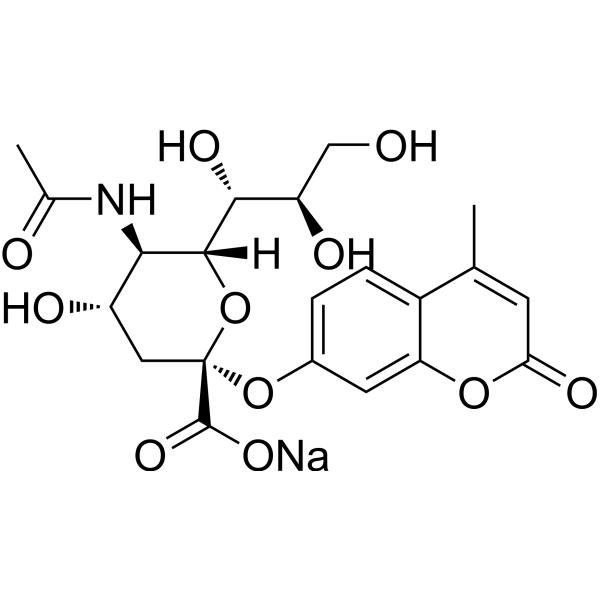
    4-MUNANA
    2 Publications Verification

    Fluorescent Dye Infection Neurological Disease
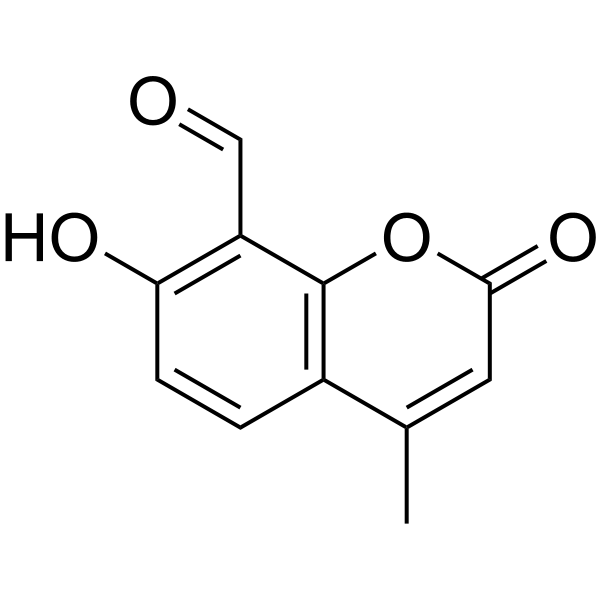
    4-MUNANA is a substrate of influenza virus neuraminidase (NA) with high selectivity and irreversible reaction. In the enzymatic reaction, 4-MUNANA is hydrolyzed by NA to generate fluorescent 4-methylumbelliferone (4-MU). By detecting the fluorescence intensity of 4-MU, quantitative analysis of NA activity can be achieved. 4-MUNANA can be used in influenza-related research, such as screening NA inhibitors, developing new anti-influenza drugs, and studying the infection mechanism of influenza viruses .
    4-MUNANA
  • HY-100754
    Ritlecitinib
    5+ Cited Publications

    PF-06651600

    JAK Interleukin Related STAT Inflammation/Immunology
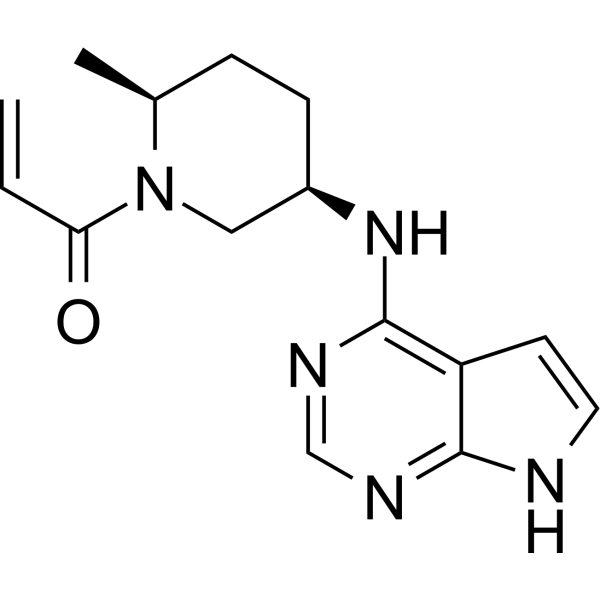
    Ritlecitinib (PF-06651600) is a highly selective, orally active, irreversible covalent JAK3 inhibitor (IC50=33 nM) without inhibitory activity towards JAK1, JAK2, and TYK2 (IC50 >10 μ M). Ritlecitinib rapidly inactivates the JAK3 kinase, and blocks signaling and downstream STAT phosphorylation mediated by common gamma chain cytokines such as IL-2 and IL-15. Ritlecitinib can inhibit Th1/Th17 cell differentiation and function, and effectively suppress preclinical animal models such as alopecia areata, adjuvant-induced arthritis (AIA), and experimental autoimmune encephalomyelitis (EAE) .
    Ritlecitinib
  • HY-N6771
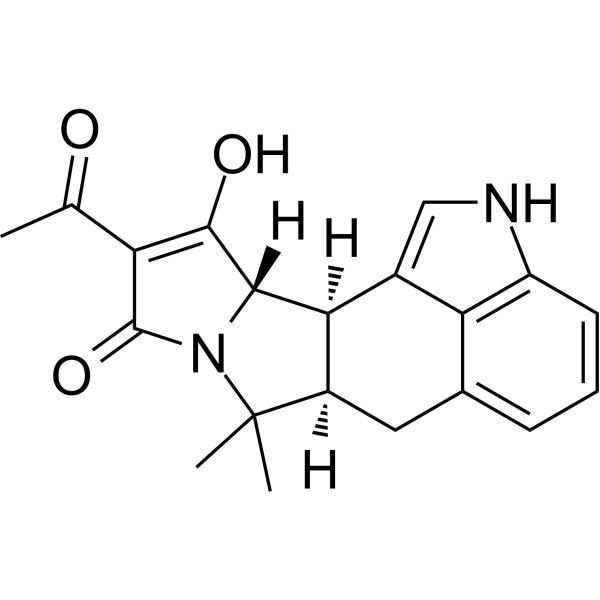
    Cyclopiazonic acid
    Maximum Cited Publications
    7 Publications Verification

    Calcium Channel 5-HT Receptor MDM-2/p53 Apoptosis RSV Infection
    Cyclopiazonic acid is an endoplasmic reticulum calcium ATPase (ECAs) inhibitor and human respiratory syncytial virus (RSV) inhibitor (EC50 value of 4.13 μ M), which can reduce the antagonistic effect of 5-HT receptors in rat thoracic aorta, induce p53 dependent cell apoptosis and reproductive toxicity in mouse testes, and inhibit the biological activation of aflatoxin B [1][4][5].
    Cyclopiazonic acid
  • HY-10940
    Pifithrin-μ
    15+ Cited Publications

    PFTμ; 2-Phenylethynesulfonamide

    MDM-2/p53 HSP Autophagy Neurological Disease Cancer
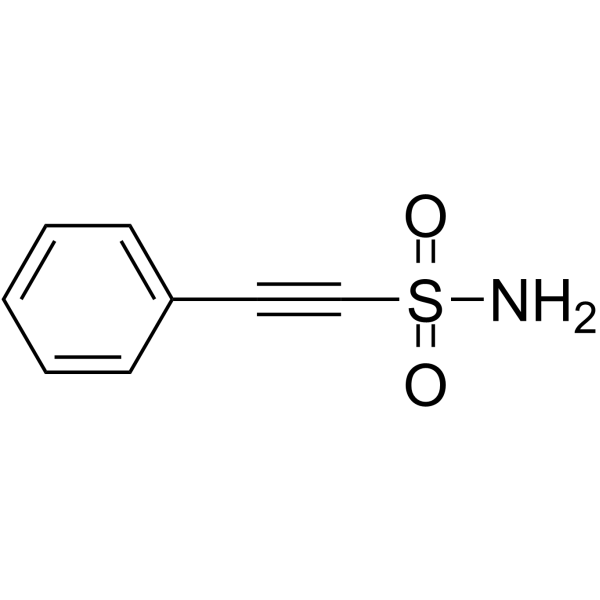
    Pifithrin-μ is an inhibitor of p53 and HSP70, with antitumor and neuroprotective activity.
    Pifithrin-μ
  • HY-19707
    4μ8C
    Maximum Cited Publications
    69 Publications Verification

    IRE1 Inhibitor III

    IRE1 Metabolic Disease
    4μ8C (IRE1 Inhibitor III) is a small-molecule inhibitor of IRE1α.
    4μ8C
  • HY-100529
    PD150606
    10+ Cited Publications

    Proteasome Cancer
    PD 150606 is a selective, cell-permeable non-peptide calpain inhibitor with Ki values of 0.21 μM and 0.37 μM for μ- and m-calpains respectively, which is neuroprotective .
    PD150606
  • HY-76711

    Opioid Receptor Neurological Disease Metabolic Disease Inflammation/Immunology Cancer
    Naltrexone is an orally active, long-acting opioid receptor (opioid receptor) antagonist. Naltrexone blocks the euphoric effects of exogenous opioids and reduces alcohol craving by blocking opioid receptors (μ, κ, and δ) as well as opioid growth factor receptors. Low doses of Naltrexone are used to relieve chronic pain, treat inflammatory diseases and inhibit tumor growth, while high doses or continuous administration exert pro-inflammatory or pro-proliferative effects. Naltrexone relieves intractable pruritus caused by psoriasis, atopic dermatitis and other conditions, and its combination with Bupropion (HY-B0403) inhibits food craving, thereby reducing body weight .
    Naltrexone
  • HY-A0118A
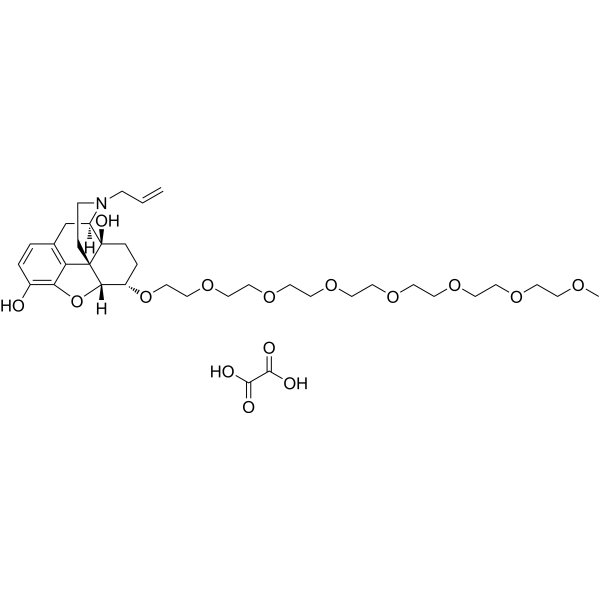
    Naloxegol oxalate
    2 Publications Verification

    NKTR-118 oxalate; AZ-13337019 oxalate

    Opioid Receptor Metabolic Disease
    Naloxegol oxalate (NKTR-118 oxalate; AZ-13337019 oxalate) is an orally active peripherally acting μ-opioid receptor antagonist with a target Ki of 7.42 nM. Naloxegol oxalate inhibits the binding of opioids to μ-opioid receptors in the gastrointestinal tract, and alleviates opioid-induced gastrointestinal hypomotility, delayed transit, hypertonicity, and increased fluid reabsorption. Naloxegol oxalate is applicable to research related to opioid-induced constipation .
    Naloxegol oxalate
  • HY-N0923
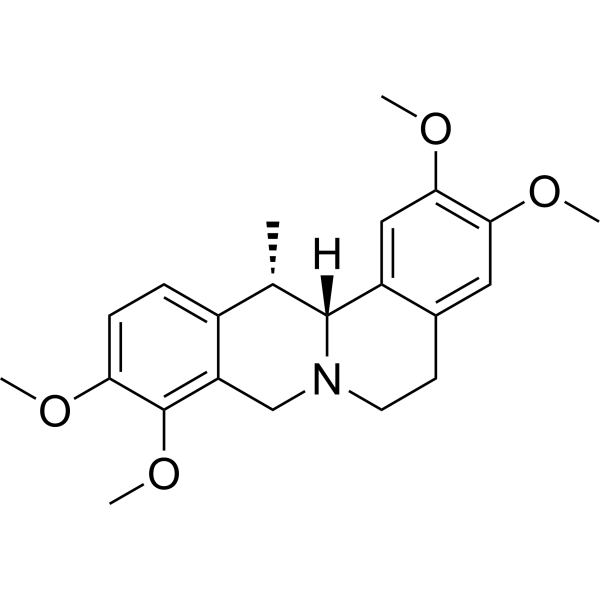
    Corydaline
    1 Publications Verification

    (+)-Corydaline; Corydalin

    Cholinesterase (ChE) Enterovirus Opioid Receptor Neurological Disease
    Corydaline ((+)-Corydaline), an isoquinoline alkaloid isolated from Corydalis yanhusuo, is an AChE inhibitor with an IC50 of 226 μM. Corydaline is a μ-opioid receptor (Ki of 1.23 μM) agonist and inhibits enterovirus 71 (EV71) replication (IC50 of 25.23 μM). Corydaline has anti-angiogenic, anti-allergic and gastric-emptying and antinociceptive activities .
    Corydaline
  • HY-90003
    Tianeptine
    1 Publications Verification

    Opioid Receptor iGluR MMP PI3K Akt NF-κB Neurological Disease Inflammation/Immunology
    Tianeptine is an atypical antidepressant. Tianeptine is a moderate-intensity agonist of the μ-opioid receptor (MOR), and to a lesser extent, is an agonist of the δ-opioid receptor (DOR). Tianeptine is a glutamate modulator that can enhance AMPA receptor and antagonize NMDA receptor. tianeptine increases sensitivity of the α1 adrenergic receptor, which only manifests in chronic treatment. Tianeptine exerts neuroprotective effects under stress/inflammation-induced conditions, exhibiting anti-inflammatory and antioxidant properties. Tianeptine inhibits MMP-9 by suppressing the PI3K/Akt-mediated NF-κB pathway. Tianeptine can be used to alleviate symptoms of depression and anxiety, but does not cause sedative effects .
    Tianeptine
  • HY-N2392
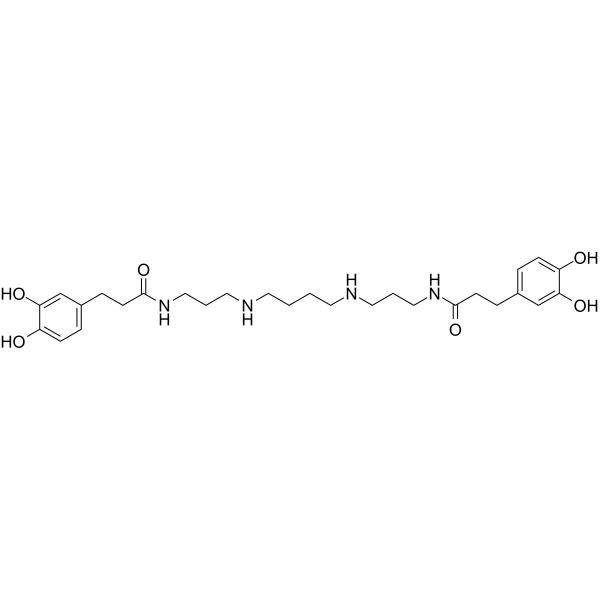
    Kukoamine A
    1 Publications Verification

    Parasite Lipoxygenase Opioid Receptor Apoptosis Autophagy Reactive Oxygen Species (ROS) Interleukin Related TNF Receptor PGE synthase COX Infection Neurological Disease Metabolic Disease Inflammation/Immunology Cancer
    Kukoamine A, a spermine alkaloid, is an orally active and brain-penetrant component found in the root barks of Lycium chinense (L. chinense) Miller. Kukoamine A inhibits purified Crithidia fasciculata trypanothione reductase and soybean lipoxygenase, activates μ-opioid receptor. Kukoamine A can inhibt cancer cell proliferation, migration and invasion, cause G0/G1 phase cell cycle arrest and induce apoptosis. Kukoamine A exerts neuroprotective effect and can induce autophagy . Kukoamine A inhibits LPS (HY-D1056)-induced NO, ROS, PGE2, TNF-α, IL-1β, IL-6 production and COX-2 activity. Kukoamine A reverses palmitic acid-induced insulin resistance, lipid accumulation, and oxidative stress via downregulation of Srebp-1c. Kukoamine A can be used for the research of cancer, infection, inflammation, metabolic and neurological disease, such as glioblastoma and Parkinson's disease .
    Kukoamine A
  • HY-B0914

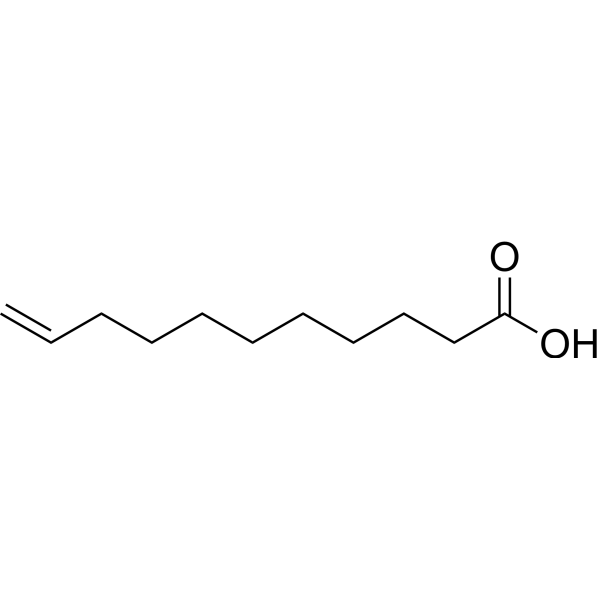
    Undecylenic acid

    Environmental Pollutants Bacterial Fungal Proteasome Amyloid-β Reactive Oxygen Species (ROS) Infection Neurological Disease Endocrinology Cancer
    10-Undecenoic acid (Undecylenic acid) is an antifungal agent. 10-Undecenoic acid inhibits oligomerization, scavenges ROS and inhibits μ-calpain activity. 10-Undecenoic acid has neuroprotective effects. 10-Undecenoic acid has anticancer effects on a variety of tumors. 10-Undecenoic acid inhibits C. albicans biofilm formation and MRSA infection. 10-Undecenoic acid inhibits quorum sensing signals of Bacillus subtilis and Pseudomonas aeruginosa .
    10-Undecenoic acid,98% (stabilized with TBC)
  • HY-145404
    Mitragynine pseudoindoxyl
    1 Publications Verification

    Opioid Receptor Metabolic Disease
    Mitragynine pseudoindoxyl is a potent orally active agonist of the μ-opioid receptor (MOR-1, Ki=0.8 nM) and an antagonist of the δ-opioid receptor (DOR-1, Ki=3.0 nM). Mitragynine pseudoindoxyl has moderate affinity for the κ-opioid receptor (KOR-1, Ki=24 nM) and does not recruit β-arrestin-2, acting through G protein-mediated signaling pathways without β-arrestin-2-related activation. Mitragynine pseudoindoxyl produces potent analgesic activity through a mixed μ-agonist/δ-antagonist mechanism, with low side effects such as physical dependence, respiratory depression, and constipation, and no rewarding or aversive behaviors. Mitragynine pseudoindoxyl reduces hyperactivity, inhibits GI transit, and enhances characteristics, making it a potential analgesic .
    Mitragynine pseudoindoxyl
  • HY-100754C
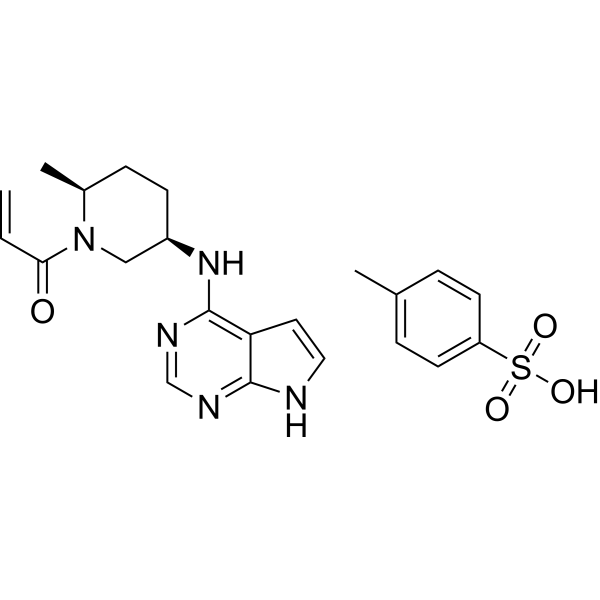
    Ritlecitinib tosylate
    5+ Cited Publications

    PF-06651600 tosylate

    JAK Interleukin Related STAT Inflammation/Immunology
    Ritlecitinib (PF-06651600) tosylate is a highly selective, orally active, irreversible covalent JAK3 inhibitor (IC50=33 nM) without inhibitory activity towards JAK1, JAK2, and TYK2 (IC50 >10 μ M). Ritlecitinib tosylate rapidly inactivates the JAK3 kinase, and blocks signaling and downstream STAT phosphorylation mediated by common gamma chain cytokines such as IL-2 and IL-15. Ritlecitinib tosylate can inhibit Th1/Th17 cell differentiation and function, and effectively suppress preclinical animal models such as alopecia areata, adjuvant-induced arthritis (AIA), and experimental autoimmune encephalomyelitis (EAE) .
    Ritlecitinib tosylate
  • HY-N0541
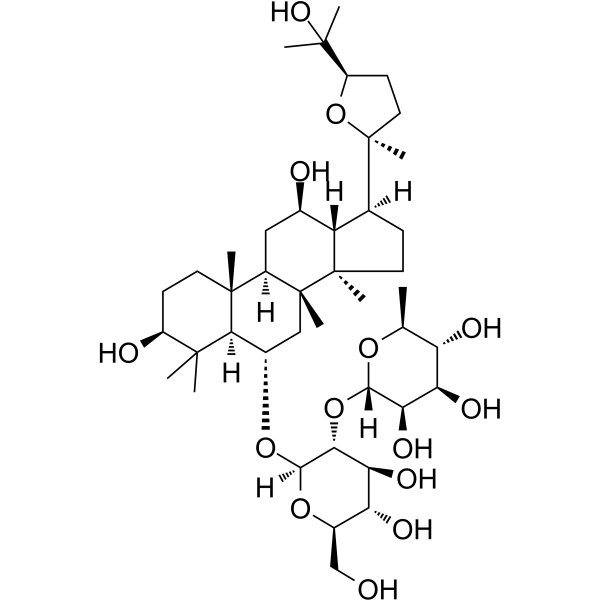
    Pseudoginsenoside F11
    2 Publications Verification

    Ginsenoside A1

    Amyloid-β JNK MDM-2/p53 Caspase SOD Glutathione Peroxidase NO Synthase Cardiovascular Disease Neurological Disease
    Pseudoginsenoside F11 is an orally active neuroprotective agent. Pseudoginsenoside F11 reduces the expression of β-amyloid precursor protein, inhibits the production of 1-40, downregulates the expression of JNK2, p53 and activated Caspase 3, and restores the activities of SOD and Glutathione peroxidase. Pseudoginsenoside F11 inhibits the excessive activation of μ-Calpain and restores the level of neuronal Nitric oxide synthase. Pseudoginsenoside F11 reduces infarct volume, alleviates cerebral edema, decreases neuronal loss, improves neurological deficits and enhances long-term functional outcomes in transient cerebral ischemia models. Pseudoginsenoside F11 antagonizes Methamphetamine-induced behavioral deficits, dopamine level reduction and neurotoxicity without altering the baseline behaviors of normal mice. Pseudoginsenoside F11 can be used in studies related to Alzheimer's disease, transient cerebral ischemic injury and Methamphetamine-induced neurotoxicity .
    Pseudoginsenoside F11
  • HY-B0914A
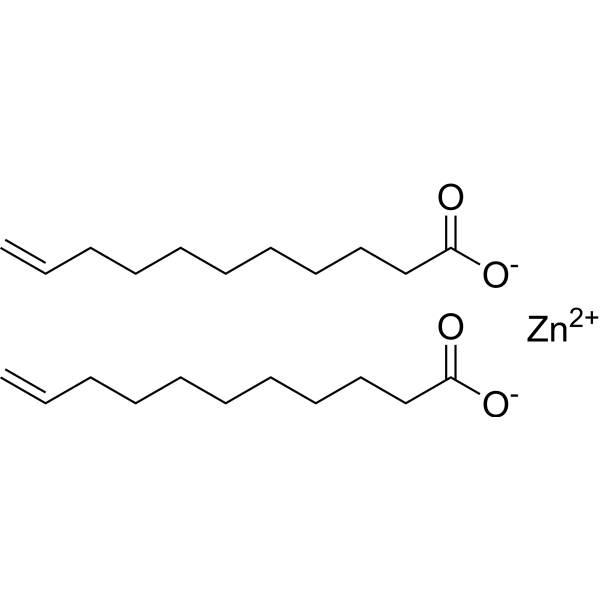
    10-Undecenoic acid zinc salt
    2 Publications Verification

    Zinc undecylenate

    Fungal Bacterial Amyloid-β Reactive Oxygen Species (ROS) Proteasome Infection Neurological Disease Endocrinology Cancer
    10-Undecenoic acid zinc salt (Undecylenic acid zinc salt) is an antifungal agent. 10-Undecenoic acid zinc salt inhibits oligomerization, scavenges ROS and inhibits μ-calpain activity. 10-Undecenoic acid zinc salt has neuroprotective effects. 10-Undecenoic acid zinc salt has anticancer effects on a variety of tumors. 10-Undecenoic acid zinc salt inhibits C. albicans biofilm formation and MRSA infection. 10-Undecenoic acid zinc salt inhibits quorum sensing signals of Bacillus subtilis and Pseudomonas aeruginosa .
    10-Undecenoic acid zinc salt
  • HY-130118

    Mas-related G-protein-coupled Receptor (MRGPR) Neurological Disease
    MRGPRX1 agonist 1 is a highly potent MRGPRX1 agonist (EC50=50 nM) with greater than 50-fold selectivity for δ, μ, and κ opioid receptors. MRGPRX1 agonist 1 is inactive against MRGPRC11. MRGPRC11 inhibits high voltage-activated (HVA) Ca 2+ currents, reduces neurotransmitter release, and mitigates nociceptive transmission in the spinal cord. MRGPRX1 agonist 1 is useful for the study of chronic pain, especially neuropathic pain .
    MRGPRX1 agonist 1
  • HY-N2571

    Reverse Transcriptase HIV Opioid Receptor Infection Neurological Disease Cancer
    Corydine is a HIV-1 reverse transcriptase inhibitor and μ-opioid receptor (MOR) agonist, with an IC50 of 356.7 μg/mL against HIV-1 reverse transcriptase, an EC50 of 0.51 μM for MOR, and a Ki of 2.82 μM for MOR. Corydine produces antinociceptive effects by inhibiting acetic acid-induced writhing behavior in a MOR-dependent manner. Corydine inhibits the proliferation of cancer cells, mitogen-stimulated lymphocytes and IL-2-dependent cells. Corydine can be used in studies related to human immunodeficiency virus infection, visceral pain, leukemia, melanoma, bladder cancer and colon adenocarcinoma .
    Corydine
  • HY-136832

    Serotonin Transporter Potassium Channel Arrestin Opioid Receptor Cardiovascular Disease Neurological Disease
    Noribogaine hydrochloride is an orally active, blood-brain barrier permeable SERT inhibitor (IC50=50-300 nM) and hERG channel blocker. Noribogaine hydrochloride enhances serotonergic transmission, activates the κ-opioid receptor (OPRK) G protein signaling pathway and inhibits β-arrestin recruitment. Meanwhile, Noribogaine hydrochloride blocks the μ-opioid receptor (OPRM) signaling pathway as well as ion channels associated with cardiac repolarization. Noribogaine hydrochloride induces neuritogenesis, upregulates GDNF mRNA expression, and modulates opioid tolerance. Noribogaine hydrochloride reduces alcohol-seeking behavior in experimental animals, and is widely used in studies related to depression, addiction, alcoholism, and cardiotoxicity .
    Noribogaine hydrochloride
  • HY-144223
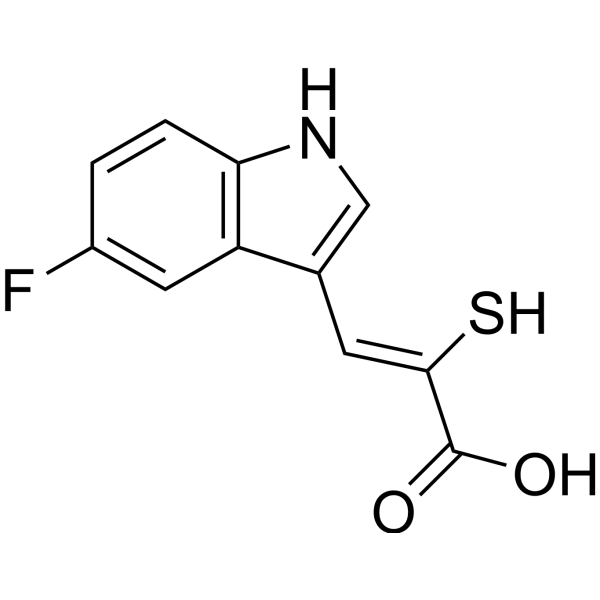
    NLRP3/AIM2-IN-2
    2 Publications Verification

    NOD-like Receptor (NLR) AIM2 Inflammation/Immunology
    NLRP3/aim2-in-2 (compound 8) is a new potent inhibitor with different species-specific effects on NLRP3 and AIM2 inflammasome dependent cell death. Its < b > IC < sub > 50 < / sub > < / b > value is 0.2392 μ M。
    NLRP3/AIM2-IN-2
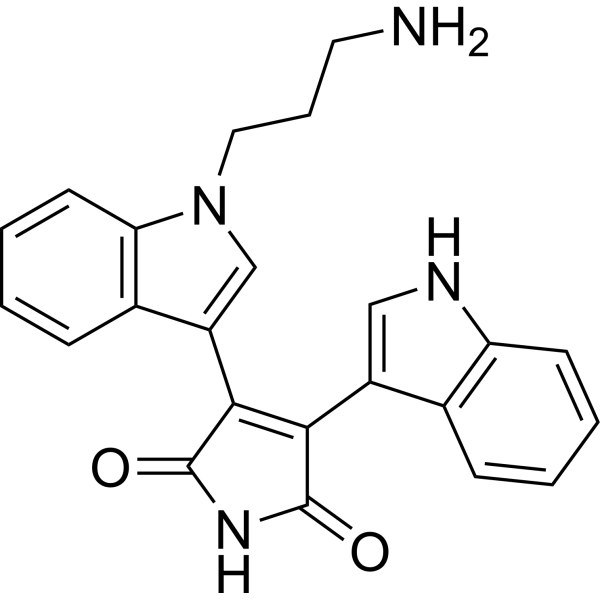
  • HY-16903

    PKC Inflammation/Immunology
    MS-553 is a potent, ATP-competitive and reversible inhibitor of conventional PKC enzymes with Kis of 5.3 and 10.4 nM for human PKCβ and PKCα, and IC50s of 2.3, 8.1, 7.6, 25.6, 57.5, 314, 808 nM for PKCα, PKCβI, PKCβII, PKCθ, PKCγ, PKC mu and PKCε, respectively.
    MS-553
  • HY-19749
    PD 151746
    5+ Cited Publications

    Proteasome Interleukin Related Cardiovascular Disease Inflammation/Immunology Cancer
    PD 151746 is a selective calpain-1 inhibitor with an IC50 of 260 nM. PD 151746 binds μ-calpain Ca 2+-binding sites, and shows selectivity over cathepsin B, papain, trypsin, thermolysin, and basal calcineurin. PD 151746 reduces Oxidized low-density lipoprotein (oxLDL)-induced cytotoxicity, apoptotic DNA fragmentation, and blocks IL-1α maturation. PD 151746 can be used for the research of atherosclerosis and psoriasis .
    PD 151746
  • HY-90003A
    Tianeptine sodium salt
    1 Publications Verification

    Opioid Receptor iGluR MMP PI3K Akt NF-κB Neurological Disease Inflammation/Immunology
    Tianeptine sodium salt is an atypical antidepressant. Tianeptine sodium salt is a moderate-intensity agonist of the μ-opioid receptor (MOR), and to a lesser extent, is an agonist of the δ-opioid receptor (DOR). Tianeptine sodium salt is a glutamate modulator that can enhance AMPA receptor and antagonize NMDA receptor. Tianeptine sodium salt increases sensitivity of the α1 adrenergic receptor, which only manifests in chronic treatment. Tianeptine sodium salt exerts neuroprotective effects under stress/inflammation-induced conditions, exhibiting anti-inflammatory and antioxidant properties. Tianeptine sodium salt inhibits MMP-9 by suppressing the PI3K/Akt-mediated NF-κB pathway. Tianeptine sodium salt can be used to alleviate symptoms of depression and anxiety, but does not cause sedative effects .
    Tianeptine sodium salt
  • HY-DY1034

    Fluorescent Dye Infection Neurological Disease
    4-MUNANA (solution) is a substrate of influenza virus neuraminidase (NA) with high selectivity and irreversible reaction. In the enzymatic reaction, 4-MUNANA is hydrolyzed by NA to generate fluorescent 4-methylumbelliferone (4-MU). By detecting the fluorescence intensity of 4-MU, quantitative analysis of NA activity can be achieved. 4-MUNANA can be used in influenza-related research, such as screening NA inhibitors, developing new anti-influenza drugs, and studying the infection mechanism of influenza viruses .
    Solvent and Concentration: Sterile water: 10 mM
    4-MUNANA (solution)
  • HY-170844

    Endonuclease Cancer
    MU147 is an MRE11 nuclease inhibitor and chemical probe with anticancer activity, which is lethal to Ehrlich ascites tumor cells both in vitro and in vivo. MU147 also eliminates the double-strand break repair mechanism dependent on the MRE11 nuclease activity without impairing the activation of ATM. MU147 also impairs the degradation of nascent strands of stalled replication FOX and selectively affects brca2-deficient cells .
    MU147
  • HY-177416

    DYRK Cancer
    MU1787 is a highly selective homeodomain-interacting protein kinase (HIPK) inhibitor with a furopyridine core, and shows improved selectivity against CLKs, with inactivity against DYRK1B, DYRK2, and MLK2/3 in in vitro cellular assays. MU1787 can be used for the research of malignancies .
    MU1787
  • HY-101318
    β-Funaltrexamine hydrochloride
    2 Publications Verification

    β-FNA hydrochloride

    Opioid Receptor p38 MAPK STAT NF-κB NO Synthase Toll-like Receptor (TLR) Cardiovascular Disease Neurological Disease
    β-Funaltrexamine (β-FNA) hydrochloride is a blood-brain barrier-permeable, selective and irreversible μ-opioid receptor antagonist with immunomodulatory, anti-inflammatory and neuroprotective activities. β-Funaltrexamine hydrochloride inhibits p38 MAPK and TLR4 signaling by blocking μ-opioid receptors, and reduces the transcriptional activities of NF-κB, AP-1, CREB and Stat. Furthermore, β-Funaltrexamine hydrochloride inhibits iNOS activation and pro-inflammatory microglial polarization, converting microglia to an anti-inflammatory phenotype, thereby downregulating neuroinflammation and ameliorating neuronal degeneration. β-Funaltrexamine hydrochloride is widely applicable to research related to stroke, cerebral ischemia/reperfusion injury and neurodegenerative diseases .
    β-Funaltrexamine hydrochloride
  • HY-76711S

    Isotope-Labeled Compounds Opioid Receptor Neurological Disease Metabolic Disease Inflammation/Immunology Cancer
    Naltrexone-d4 is deuterium labeled Naltrexone (HY-76711). Naltrexone is an orally active, long-acting opioid receptor (opioid receptor) antagonist. Naltrexone blocks the euphoric effects of exogenous opioids and reduces alcohol craving by blocking opioid receptors (μ, κ, and δ) as well as opioid growth factor receptors. Low doses of Naltrexone are used to relieve chronic pain, treat inflammatory diseases and inhibit tumor growth, while high doses or continuous administration exert pro-inflammatory or pro-proliferative effects. Naltrexone relieves intractable pruritus caused by psoriasis, atopic dermatitis and other conditions, and its combination with Bupropion (HY-B0403) inhibits food craving, thereby reducing body weight.
    Naltrexone-d4
  • HY-170845

    Endonuclease Cancer
    MU1409 is an inhibitor of MRE11 nuclease with an IC50 of 12.1 μM. Additionally, MU1409 also inhibits FEN1 and EXO1, with IC50 values of 24.2 and 176.4 μM, respectively. MU1409 affects DNA repair in cells, preventing the degradation of stalled replication forks in BRCA2-deficient cells, making it a promising candidate for research on BRCA2 mutation-induced cancers .
    MU1409
  • HY-P1081
    Acetyl-Calpastatin(184-210)(human)
    1 Publications Verification

    Proteasome Inflammation/Immunology
    Acetyl-Calpastatin(184-210)(human) is a potent, selective and reversible calpain inhibitor with Ki values of 0.2 nM and 6 μM for μ-calpain and cathepsin L, respectively .
    Acetyl-Calpastatin(184-210)(human)
  • HY-125290

    CDK DYRK Cancer
    MU1210 (compound 12f), a chemical probe, is an inhibitor of CDC-like kinases Clk1, Clk2, and Clk4 (with IC50 values of 8, 20, and 12 nM respectively), with IC50 for HIPK1 and DYRK2 are 187 and 1309 nM. MU1210 also has favorable pharmacokinetic characteristics (in mice, 10 mg/kg, intraperitoneal injection: Cmax=1.24 μM, T1/2=58 minutes; no acute toxicity observed) .
    MU1210
  • HY-169450

    9-O-Desmethyl mitragynine

    Opioid Receptor Neurological Disease
    (-)-9-Hydroxycorynantheidine (9-O-Desmethyl mitragynine), the 9-demethyl analogue of Mitragynine, is a selective and partial agonist of μ-opioid receptor. (-)-9-Hydroxycorynantheidine inhibits electrically stimulated twitch contraction in guinea-pig ileum .
    (-)-9-Hydroxycorynantheidine
  • HY-112478

    Phosphatase SHP2 Cancer
    PTP Inhibitor IV is a protein tyrosine phosphatase (PTP) inhibitor that competitively inhibits DUSP14 phosphatase activity with an 50 of 5.21 μM . PTP Inhibitor IV inhibits SHP-2, PTP1B, PTP-ε, PTP Meg-2, PTP-σ, PTP-β, and PTP-μ with 50s of 1.8 μM, 2.5 μM, 8.4 μM, 13 μM, 20 μM, 6.4 μM, and 6.7 μM, respectively .
    PTP Inhibitor IV
  • HY-B0914R

    Undecylenic acid (Standard)

    Reference Standards Fungal Amyloid-β Reactive Oxygen Species (ROS) Proteasome Bacterial Infection Neurological Disease Endocrinology Cancer
    10-Undecenoic acid (Standard) is the analytical standard of 10-Undecenoic acid. This product is intended for research and analytical applications. 10-Undecenoic acid (Undecylenic acid) is an antifungal agent. 10-Undecenoic acid inhibits oligomerization, scavenges ROS and inhibits μ-calpain activity. 10-Undecenoic acid has neuroprotective effects. 10-Undecenoic acid has anticancer effects on a variety of tumors. 10-Undecenoic acid inhibits C. albicans biofilm formation and MRSA infection. 10-Undecenoic acid inhibits quorum sensing signals of Bacillus subtilis and Pseudomonas aeruginosa .
    10-Undecenoic acid (Standard)
  • HY-10940R

    PFTμ (Standard); 2-Phenylethynesulfonamide (Standard)

    MDM-2/p53 HSP Autophagy Reference Standards Neurological Disease Cancer
    Pifithrin-μ (Standard) is the analytical standard of Pifithrin-μ. This product is intended for research and analytical applications. Pifithrin-μ is an inhibitor of p53 and HSP70, with antitumor and neuroprotective activity.
    Pifithrin-μ (Standard)
  • HY-148246

    TGF-β Receptor Cancer
    MU1700, a chemical probe, is an orally active and potent ALK1/2 inhibitor with IC50s of 13 nM and 6 nM, respectively. MU1700 shows cell membrane permeability and high brain permeability .
    MU1700
  • HY-112927

    Checkpoint Kinase (Chk) Cancer
    MU380 is a potent and selective CHK1 inhibitor that induces apoptosis and has anticancer activity .
    MU380
  • HY-139678

    FLAP Opioid Receptor Apoptosis STING Neurological Disease Cancer
    SC13 is an orally active, selective Flap structure-specific endonuclease 1 (FEN1) inhibitor and mu opioid receptor (MOR) activator. SC13 impairs DNA damage repair and induces apoptosis in cancer cells. SC13 activates cGAS-STING signaling, increases chemokine secretion, and promotes CAR-T cell infiltration at solid tumour sites. SC13 can be used for the research of solid tumours and pain .
    SC13
  • HY-19876

    Debio-0827

    Opioid Receptor Aminopeptidase Neprilysin Neurological Disease Metabolic Disease
    PL37 (Debio-0827) is an orally active Enkephalinase dual inhibitor (dual inhibition refers to the simultaneous inhibition of Neutral Endopeptidase and Aminopeptidase N activities). PL37 exerts its anti-hyperalgesic effects by activating μ-opioid receptors (µ-opioid receptors), with an ED50 value of 13.4 mg/kg for analgesic effects in mice. PL37 can be used to study diabetic neuropathic pain .
    PL37
  • HY-76711R

    Reference Standards Opioid Receptor Neurological Disease Metabolic Disease Inflammation/Immunology Cancer
    Naltrexone (Standard) is the analytical standard of Naltrexone (HY-76711). This product is intended for research and analytical applications. Naltrexone is an orally active, long-acting opioid receptor (opioid receptor) antagonist. Naltrexone blocks the euphoric effects of exogenous opioids and reduces alcohol craving by blocking opioid receptors (μ, κ, and δ) as well as opioid growth factor receptors. Low doses of Naltrexone are used to relieve chronic pain, treat inflammatory diseases and inhibit tumor growth, while high doses or continuous administration exert pro-inflammatory or pro-proliferative effects. Naltrexone relieves intractable pruritus caused by psoriasis, atopic dermatitis and other conditions, and its combination with Bupropion (HY-B0403) inhibits food craving, thereby reducing body weight.
    Naltrexone (Standard)
  • HY-175812

    Endonuclease Cancer
    MU876 (Compound 32) is a MUS81 inhibitor with an IC50 of 0.5  μM. MU876 effectively inhibits MUS81-dependent homologous recombination (HR) and break-induced replication (BIR) pathways. MU876 sensitizes cancer cells to DNA-damaging agents, such as Cisplatin (HY-17394), through impairing their ability to repair DNA lesions. MU876 can be used for cancers chemotherapy research .
    MU876
  • HY-170546

    Haspin Kinase Cancer
    MU1920 is an ATP-competitive, selective inhibitor for haspin with an IC50 of 6 nM. MU1920 exhibits good pharmacokinetic properties and metabolic stability in mouse plasma and microsomes without obvious anticancer effects, which can be used for development of chemical probes .
    MU1920
  • HY-P5809

    μ-TrTx-Pe1b

    Sodium Channel Neurological Disease
    Pe1b (μ-TrTx-Pe1b) is a selective Nav1.7 inhibitor with an IC50 of 167 nM .
    Pe1b
  • HY-116171

    Proteasome Cardiovascular Disease Neurological Disease
    (Rac)-Calpain Inhibitor XII is a reversible and selective inhibitor of calpain I (μ-calpain, Ki=19 nM). (Rac)-Calpain Inhibitor XII has lower affinities for calpain II (m-calpain, Ki=120 nM) and cathepsin B (Ki=750 nM). (Rac)-Calpain Inhibitor XII has the potential for studying the role of calpains in diverse processes, including neutrophil chemotaxis, neuronal signaling, and cardiac response to injury .
    (Rac)-Calpain Inhibitor XII
  • HY-178235

    Opioid Receptor Neurological Disease
    MDAN-21 is a bivalent opioid ligand that contains both μ-opioid receptor agonists and δ-opioid receptor antagonists. MDAN-21 has a strong analgesic effect and does not produce tolerance in mouse studies. MDAN-21 can effectively inhibit the withdrawal of morphine dependent monkeys and alleviate abnormal pain in the study of rhesus monkeys. MDAN-21 can be used for the study of allodynia .
    MDAN-21
  • HY-13906

    (+)-Largazole

    HDAC Neurological Disease Cancer
    Largazole ((+)-Largazole) is a potent, selective, orally active and brain-penetrant class I HDAC inhibitor found in marine cyanobacteria. Largazole shows an IC50 of 0.07 nM for HDAC2. Largazole releases its active form Largazole thiol (HY-170890) after hydrolysis. Largazole has a strong inhibitory effect on SF-268, SF-295 and SH-SY5Y cells, with IC50 values of 62, 68 and 102 nM respectively Largazole can upregulate the tumor suppressor gene Pax6 to inhibit the proliferation, invasion and colony formation of glioblastoma cells. Largazole can significantly upregulated brain-derived neurotrophic factor BDNF, neuronal transcription factor Pax6, and μ-opioid receptor gene Oprm1. Largazole exerts antitumor and neuroprotective effects. Largazole can be used for researches of Glioblastoma and Alzheimer’s disease .
    Largazole
  • HY-P5989

    mu-Val-HPh-FMK

    Antibiotic Infection
    Calpain inhibitor V (Mu-Val-HPh-FMK) is a cell-permeable and irreversible inhibitor of calpain that has anti-chlamydial activity .
    Calpain inhibitor V
  • HY-A0118

    NKTR-118; AZ-13337019

    Opioid Receptor Neurological Disease Cancer
    Naloxegol (NKTR-118; AZ-13337019) is an orally active peripherally acting μ-opioid receptor antagonist with a target Ki of 7.42 nM. Naloxegol inhibits the binding of opioids to μ-opioid receptors in the gastrointestinal tract, and alleviates opioid-induced gastrointestinal hypomotility, delayed transit, hypertonicity, and increased fluid reabsorption. Naloxegol is applicable to research related to opioid-induced constipation .
    Naloxegol
  • HY-106601A

    LY-150720 hydrochloride

    Opioid Receptor Neurological Disease
    Picenadol (LY-150720) hydrochloride is an opioid mixed agonist-antagonist analgesic. Picenadol hydrochloride is an external racemic mixture, where its d-isomer (LY136596) is a potent μ-opioid receptor agonist, and the l-isomer (LY136595) is a weak μ-receptor competitive antagonist, which can inhibit the agonist effect and reduce the risk of dependence. Picenadol hydrochloride has anticholinergic activity .
    Picenadol hydrochloride
  • HY-122489A

    Opioid Receptor GABA Receptor Cardiovascular Disease Neurological Disease
    (S)-Laudanosine is an alkaloid that can be found in poppies and is the S-enantiomer of Laudanosine. Laudanosine acts on the central nervous system and cardiovascular system, inhibiting low-affinity GABA receptors with an IC50 value of 10 μM, and can cause seizures, hypotension, and bradycardia. Additionally, Laudanosine exerts analgesic effects by competitively binding to the opioid Mu-1 receptor (Ki = 2.7 μM) .
    (S)-Laudanosine

온라인 문의

Your information is safe with us. * Required Fields.

호칭


Country or Region *

고객명 *


회사명 *

Department *


메일주소 *


상품명 *

Cat. No.


Requested quantity *

전화번호 *


비고

온라인 문의

Inquiry Information

상품명:
Cat. No.:
수량:
MCE Japan Authorized Agent:

