Search Result
Results for "
A549 cell lines
" in MedChemExpress (MCE) Product Catalog:
1
Biochemical Assay Reagents
| Cat. No. |
Product Name |
Target |
Research Areas |
Chemical Structure |
-
- HY-142997
-
|
|
Liposome
|
Cancer
|
|
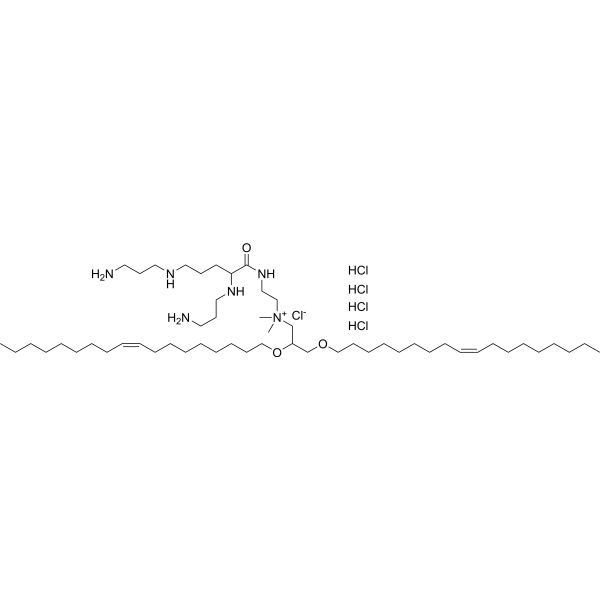
DOSPA is a cationic lipid. DOSPA can form lipid nanoparticles with DOPE (HY-112005) to serve as a carrier for nucleic acid transfection. DOSPA is applicable in research related to drug delivery .
|
-
-
- HY-115537
-
|
|
Apoptosis
|
Cancer
|
|
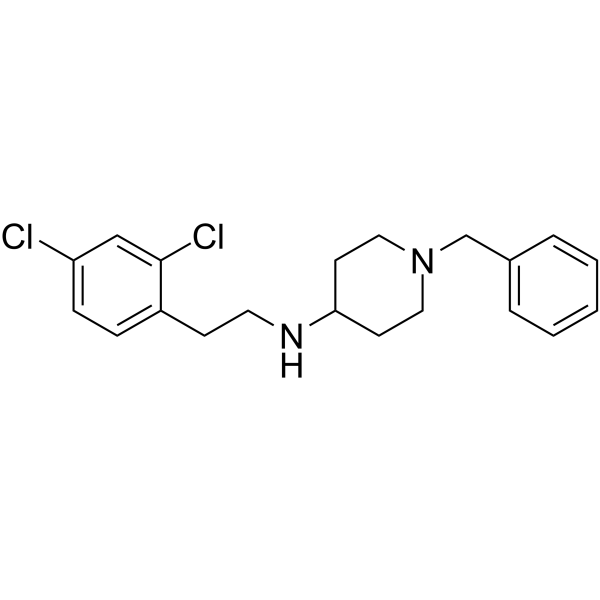
NAE-IN-M22 is a potent, selective and reversible inhibitor of NEDD8 activating enzyme (NAE), with potency in micromolar range. NAE-IN-M22 inhibits multiple cancer cell lines and induces apoptosis in A549 cells. NAE-IN-M22 also can inhibit tumor growth in vivo .
|
-
-
- HY-N10113
-
|
Muconomycin B
|
Apoptosis
Arenavirus
Fungal
Antibiotic
Reactive Oxygen Species (ROS)
|
Infection
Cancer
|
|
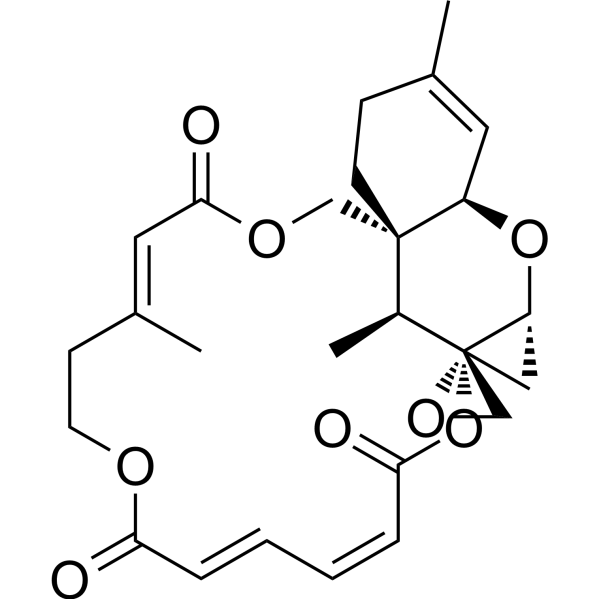
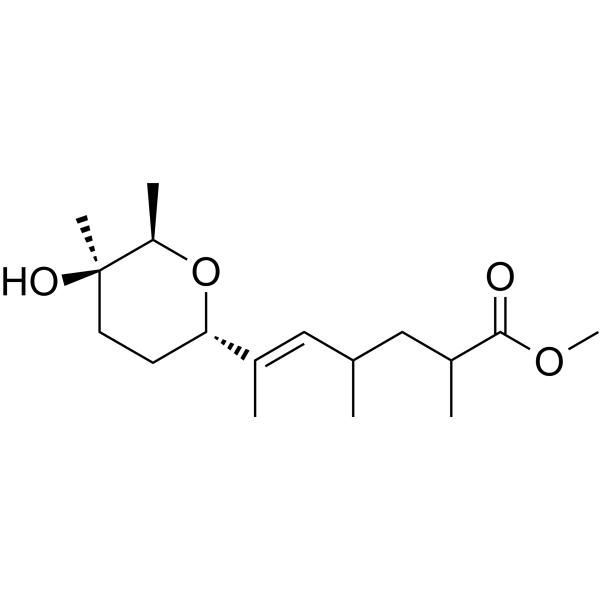
Verrucarin J (Muconomycin B) is a metabolite of the Myrothecium fungus family. Verrucarin J generates reactive oxygen species (ROS) and induces apoptosis of cancer cell lines, such as A549, HCT 116 and SW-620 cells. Verrucarin J shows activities against Candida albicans and Mucor miehei. Verrucarin J inhibits arenavirus Junin (JUNV) yield with an IC50 of 1.2 ng/mL .
|
-
-
- HY-130723A
-
|
|
AMPK
|
Cancer
|
|
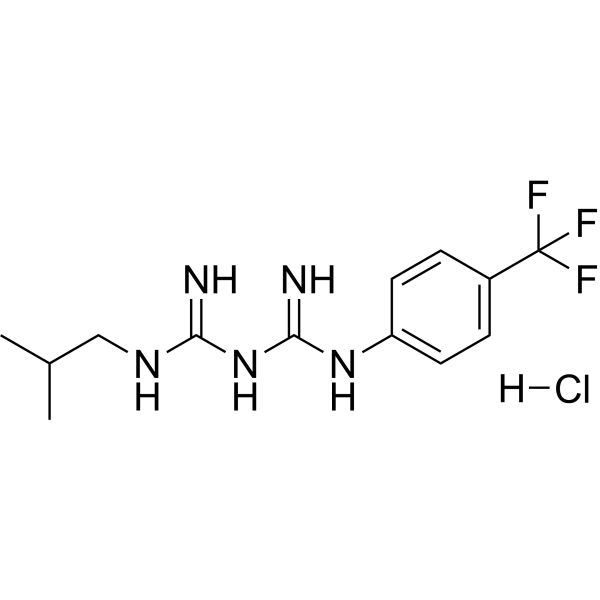
AMPK activator 2 (compound 7a) hydrochloride, a fluorine-containing proguanil derivative, up-regulates AMPK signal pathway and downregulates mTOR/4EBP1/p70S6K. AMPK activator 2 hydrochloride inhibits proliferation and migration of human cancer cell lines (UMUC3, T24, A549) .
|
-
-
- HY-178472
-
|
|
PROTACs
Aurora Kinase
|
Cancer
|
|
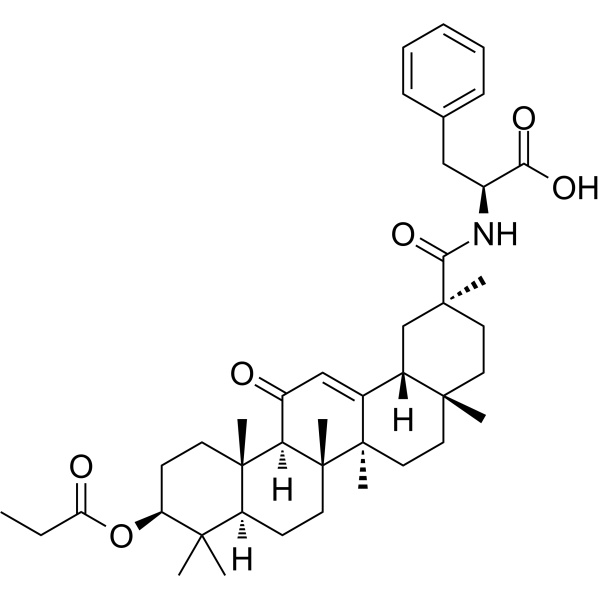
AurAP14 is an Aurora A PROTAC degrader (DC50 = 120 nM). AurAP14 shows significant inhibitory activity against various tumor cell lines, with IC50s of 0.294 μM in A549 cells and 0.534 μM in MCF-7 cells. AurAP14 induces apoptosis and arrests A549 cells in the S and G2/M phases. AurAP14 demonstrates anti-tumor efficacy in nude mouse xenograft models of A549 and A549/PTR. AurAP14can be used in the research on the treatment of Aurora A-overexpressing NSCLC. (Pink: Aurora A ligand (HY-10971), Blue: E3 ligase Ligand (HY-W437598), Black: Linker) .
|
-

-
- HY-N6955
-
|
|
Others
|
Cancer
|
|
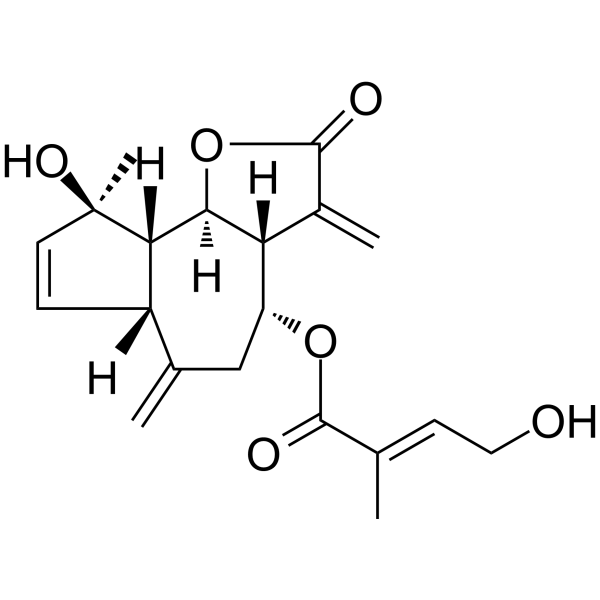
Eupalinilide B is a guaiane type sesquiterpene lactone that can be found in Eupatorium lindleyanum. Eupalinilide B shows potent cytotoxicity against P-388 and A-549 tumor cell lines .
|
-
-
- HY-N10904
-
|
|
Others
|
Cancer
|
|
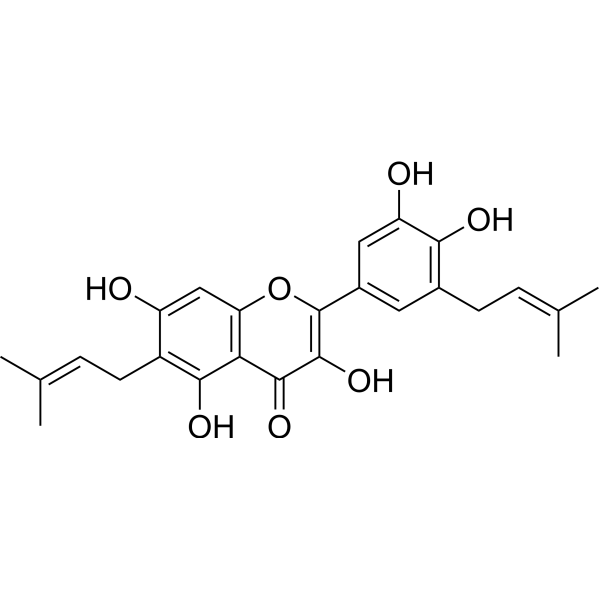
Broussonol E is a diprenylated flavonol. Broussonol E can be isolated from the leaves of Broussonetia kazinoki. Unlike some dinonylated flavonol derivatives, Broussonol E has no cytotoxicity to human tumor cell lines (A549, HCT-8, KB) .
|
-
-
- HY-N10853
-
|
|
Others
|
Cancer
|
|
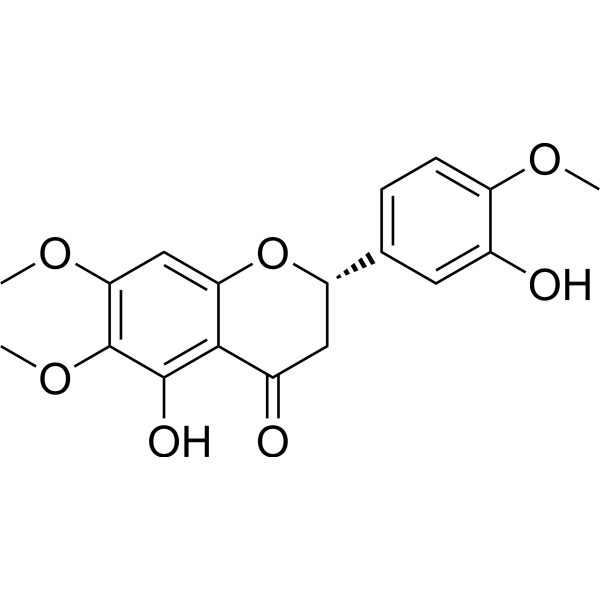
3′,5-Dihydroxy-4′,6,7-trimethoxyflavanone is a nature product that could be isolated from the fruits of Vitex rotundifolia. 3′,5-Dihydroxy-4′,6,7-trimethoxyflavanone has potent cytotoxic activity against A549 and HepG-2 cell lines .
|
-
-
- HY-N8954
-
|
|
Others
|
Cancer
|
|
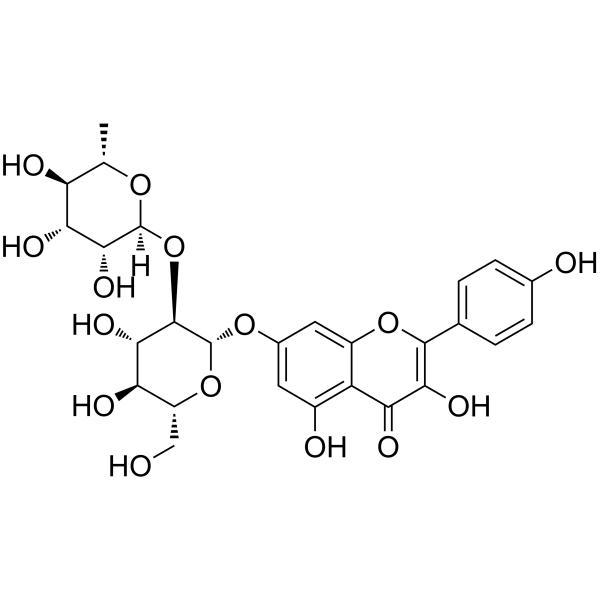
Kaempferol 7-O-neohesperidoside is a ?avonoid glycoside that can be isolated from Litchi chinensis. Kaempferol 7-O-neohesperidoside exhibits significant cytotoxic activity against A549, LAC, Hep-G2, and HeLa cell lines with IC50s of 0.53, 7.93, 0.020, and 0.051 μM, respectively .
|
-
-
- HY-N10208
-
|
|
Endogenous Metabolite
|
Cancer
|
|
Aspericin C is a pyran derivative found in the marine-derived fungus Rhizopus sp. 2-PDA-61. Aspericin C shows cytotoxic activities against P388, A549, HL-60, and BEL-7420 cell lines (IC50=14.6, 7.1, 61.4, and 24.2 μM, respectively) .
|
-
-
- HY-143466
-
|
|
FAK
ULK
AMPK
Apoptosis
Autophagy
|
Cancer
|
|
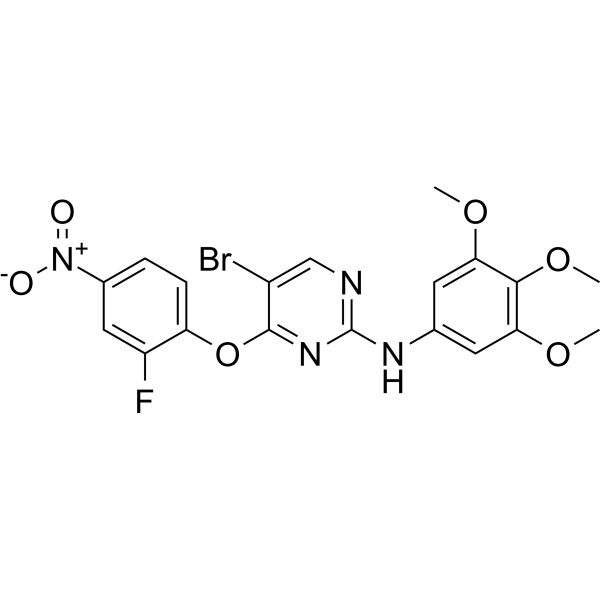
ULK1-IN-2 (compound 3s) is a potent ULK1 inhibitor. ULK1-IN-2 shows highest cytotoxic effect against cancer cell lines, with IC50 of 1.94 μM in A549. ULK1-IN-2 can induce apoptosis and simultaneously block autophagy, and can be used to study NSCLC (Non-small cell lung cancer) .
|
-
-
- HY-170992
-
|
|
Autophagy
CDK
Atg8/LC3
PINK1/Parkin
|
Cancer
|
|
Autophagy agonist-1 (compound 22) is an Autophagy agonist. Autophagy agonist-1 exhibits significant anticancer activity against HepG2 cells and normal cells with IC50s of 8.8 μM and > 50 μM. Autophagy agonist-1 induces G1/S phase cell cycle arrest and inhibits CDK4 and CyclinD1 expression while upregulating P21. Autophagy agonist-1 promotes the accumulation of autophagosomes and the proteins LC3 and PINK1, enhancing autophagy and mitophagy in HepG2 cells .
|
-

-
- HY-162098
-
|
|
PROTACs
Microtubule/Tubulin
Apoptosis
|
Cancer
|
|
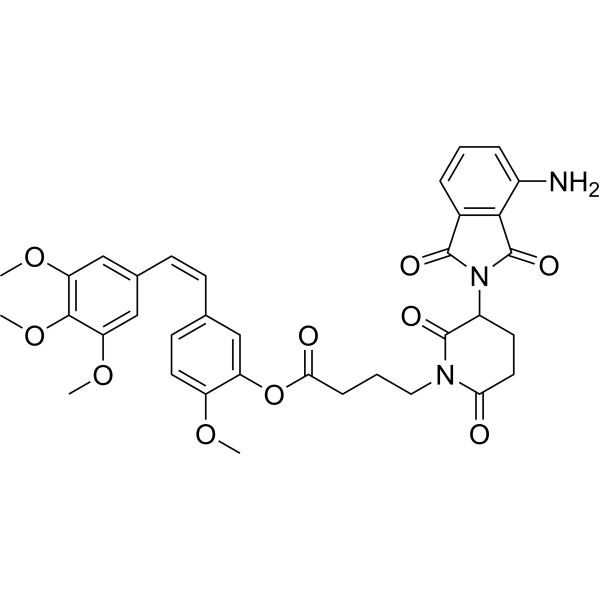
PROTAC tubulin-Degrader-1 is a α/β/β3-tubulin PROTAC degrader. PROTAC tubulin-Degrader-1 exhibits potent anti-proliferative activity against multiple human tumor cell lines. PROTAC tubulin-Degrader-1 induces G2/M phase arrest and apoptosis and inhibits colony formation in A549 and A549/Taxol cells. PROTAC tubulin-Degrader-1demonstrates potent anti-tumor efficacy in A549 and A549/Taxol (Taxol-resistant) xenograft model. PROTAC tubulin-Degrader-1 can be used for the study of non-small cell lung cancer (NSCLC). (Pink: Tubulin ligand (HY-N2146), Blue: CRBN Ligand (HY-10984), Black: Linker (HY-N6056)) .
|
-
-
- HY-N8934
-
|
|
Others
|
Cancer
|
|
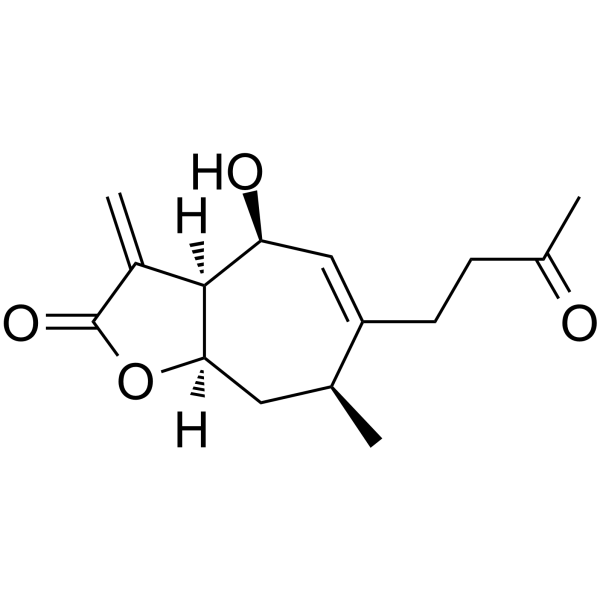
6β-Hydroxytomentosin, a sesquiterpenoid, can be found in flowers of Inula japonica. 6β-Hydroxytomentosin exhibits weak cytotoxicities against A549, SK-OV-3, HepG-2 and HT-29 cell lines .
|
-
-
- HY-148572
-
|
|
Indoleamine 2,3-Dioxygenase (IDO)
NAMPT
|
Cancer
|
|
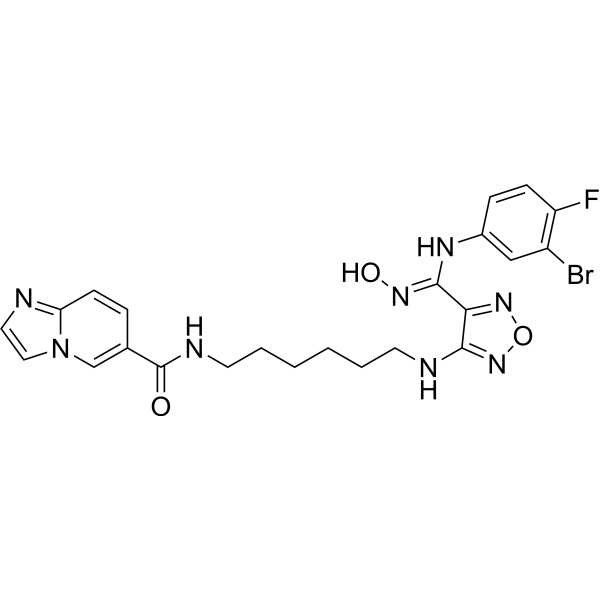
NAMPT/IDO1-IN-1 is an orally active dual inhibitor of NAMPT and IDO1 with IC50s of 57.7 nM and 233 nM, respectively. NAMPT/IDO1-IN-1 blocks NAD+ biosynthesis, inhibits proliferation and migration of Paclitaxel (HY-B0015)- and FK866 (HY-50876)-resistant NSCLC cell lines (A549/R cells). NAMPT/IDO1-IN-1 has shown antitumor effects in mice and enhanced A549/R cell sensitivity to paclitaxel .
|
-
-
- HY-170813
-
|
|
CDK
TGF-beta/Smad
|
Infection
|
|
P162-0948 is a selective CDK8 inhibitor with an IC50 value of 50.4 nM. P162-0948 reduces cell migration and protein expression of EMT-related proteins in A549 human alveolar epithelial cell lines. P162-0948 reduces phosphorylation of Smad, which suggests disruption of the TGF-β/Smad signaling pathway. P162-0948 is promising for research of pulmonary fibrosis .
|
-

-
- HY-170910
-
|
|
HSP
|
Cancer
|
|
Hsp90-IN-39 (Compound 16t) is a HSP90 inhibitor with notable selectivity for the HSP90α isoform. Hsp90-IN-39 demonstrates significant antiproliferative activity in various cancer cell lines, including MCF-7, HCT116, SKBr3, K562, and A549. Hsp90-IN-39 holds potential for cancer research .
|
-

-
- HY-147802
-
|
|
EGFR
Apoptosis
|
Cancer
|
|
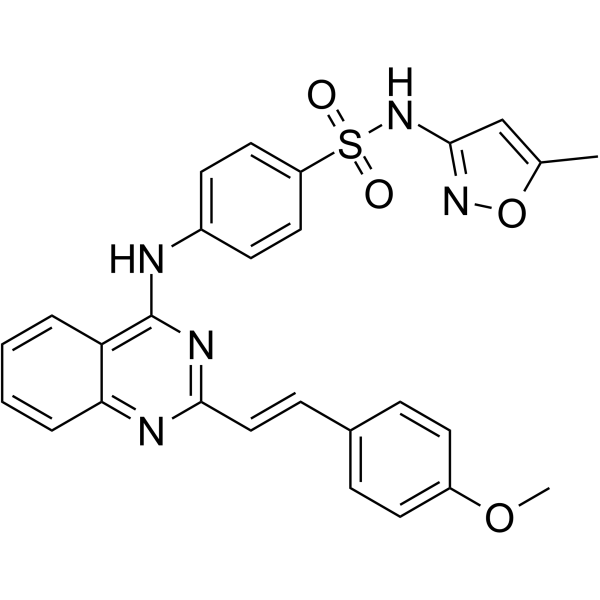
EGFR-IN-59 (Compound 8c) is a EGFR inhibitor (IC50=190 nM) and apoptosis inducer. EGFR-IN-59 exhibits cytotoxicity against non-small lung cancer cell lines (A549) and normal lung fibroblasts (WI38) with IC50s of 8.62 and 52.6 µM, respectively. EGFR-IN-59 can be used for the research of various cancers such as non-small cell lung cancer (NSCLC), head and neck cancer, breast cancer and colorectal cancer .
|
-
-
- HY-172364
-
|
|
Polo-like Kinase (PLK)
|
Cancer
|
|
PLK1-IN-12 is a highly selective and orally active PLK1 inhibitor with an IC50 of 20 nM. PLK1-IN-12 shows more selective for PLK1 than PLK2 (IC50: >10000 nM) and PLK3 (IC50: 3953 nM). PLK1-IN-12 exhibits anticancer potency across a broad spectrum of cell lines. PLK1-IN-12 can be used in anti-leukemia research .
|
-

-
- HY-148978A
-
|
|
Exosomes
Liposome
Endogenous Metabolite
|
Metabolic Disease
|
|
18:0,18:1 PS is the dominant phosphatidylserine subtype in cells, exosomes and HIV particles. It is abundant in the brain and is essential for maintaining membrane structure, lipid raft organization and intracellular trafficking. 18:0,18:1 PS mediates interleaflet membrane coupling through cholesterol-dependent interactions with very long-chain sphingolipids, and can induce the clustering of glycosylphosphatidylinositol-anchored proteins. In addition, clusters formed by the binding of 18:0,18:1 PS to cholesterol not only facilitate the proper distribution of cholesterol in lipid bilayers, but also effectively protect cholesterol from oxidative damage .
|
-

-
- HY-146105
-
|
|
Apoptosis
MDM-2/p53
MMP
Bcl-2 Family
Reactive Oxygen Species (ROS)
|
Cancer
|
|
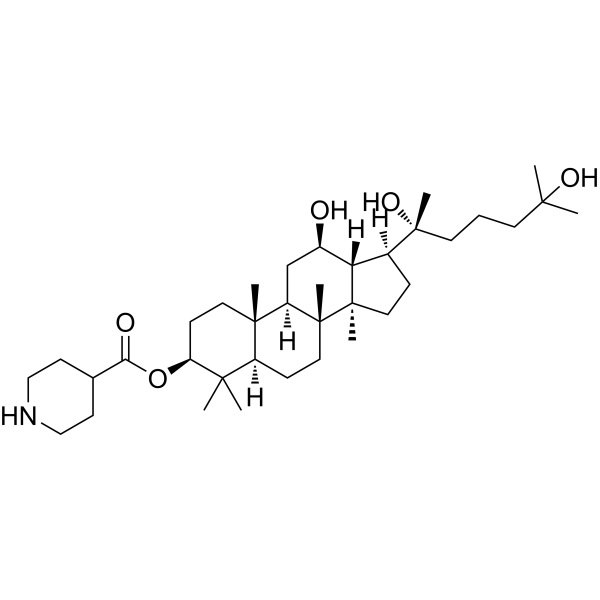
Anticancer agent 65 (compound 4c) shows excellent activity in cancer cell lines, especially A549 cells, with an IC50 of 1.07 μM. Anticancer agent 65 induces S-phase arrest in A549 cells and increases the expression level of p53 and p21. Anticancer agent 65 causes apoptosis, ROS generation and collapse of MMP in A549 cells .
|
-
-
- HY-N10201
-
|
|
Endogenous Metabolite
|
Cancer
|
|
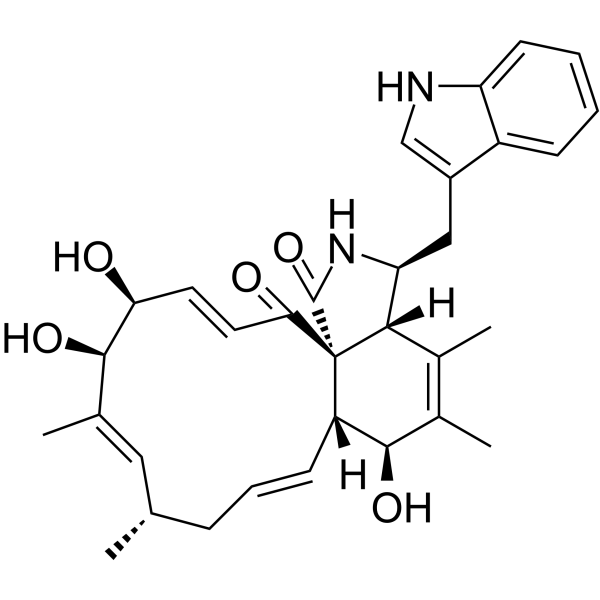
Cytoglobosin C, a cytochalasan derivative, shows potent cytotoxicity against both SGC-7901 and A549 cell lines (IC50<10 μM) .
|
-
-
- HY-173367
-
|
|
EGFR
PI3K
mTOR
|
Cancer
|
|
Anticancer agent 271 (compound 5C) has antiproliferative activity against lung (A549), colon (Caco-2) cancer cell lines, and human lung fibroblast (WI38) with an IC50 value of 9.18 μM on A549 cells. Anticancer agent 271 downregulates PI3K and mTOR gene expression that can be used for cancer research .
|
-

-
- HY-173515
-
|
|
FAK
|
Cancer
|
|
FAK-IN-26 is a BBB-penetrable Focal Adhesion Kinase (FAK) inhibitor (IC50: 0.87 nM). FAK-IN-26 significantly suppresses tumor cell viability, cancer stem cell activity, and cell migration in A549 and SKOV-3 cell lines. FAK-IN-26 has potent anti-cancer activity in A549 and SKOV-3 tumor mice models with tumor inhibition rates of 59.15 % and 57.9 % .
|
-

-
- HY-146462
-
|
|
Apoptosis
ROS Kinase
|
Cancer
|
|
Anticancer agent 59 (compound 11) has inhibitory activity against kinds of cancer cell lines, especially in A549 with IC50 of 0.2 μM. Anticancer agent 59 induces apoptosis and an increase of Ca 2+ and ROS in cancer cells. Anticancer agent 59 significantly decreases mitochondrial membrane potential. Anticancer agent 59 can suppress tumor growth in A549 mouse xenograft model .
|
-
-
- HY-162034
-
|
|
FAK
|
Cancer
|
|
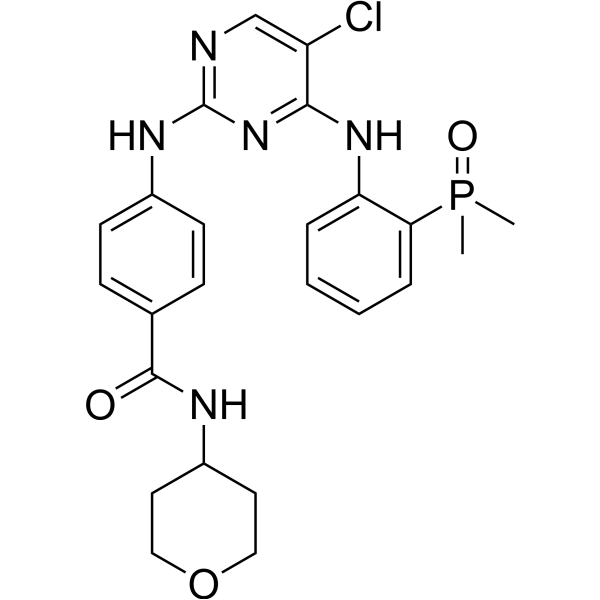
FAK-IN-17 is a focal adhesion kinase (FAK) inhibitor. FAK-IN-17 possesses anticancer activity against A549 and MDA-MB-231 cell lines with IC50 values of 130 nM and 94 nM .
|
-
-
- HY-N4251
-
|
(-)-Periplocoside M
|
Others
|
Cancer
|
|
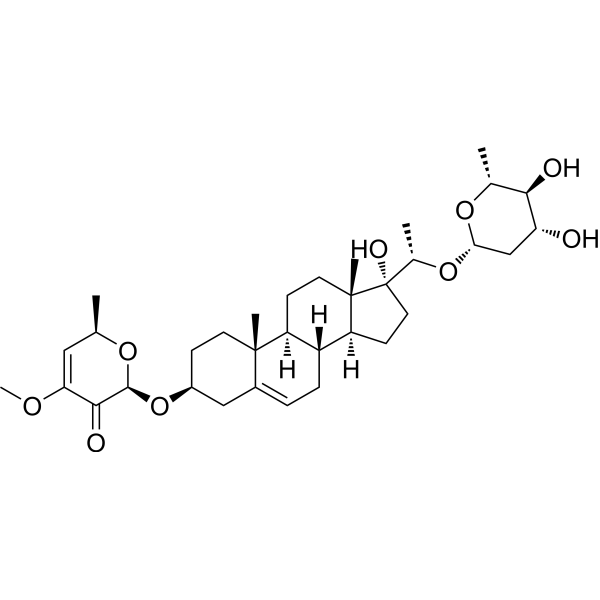
Periplocoside M (compound 8) is a natural product isolated from the root bark of Periploca sepium. Periplocoside M shows antitumor activity against human A-549 and HepG2 cell lines, with the IC50 of 4.84 and 7.06 μM .
|
-
-
- HY-N7535
-
|
|
Others
|
Cancer
|
|
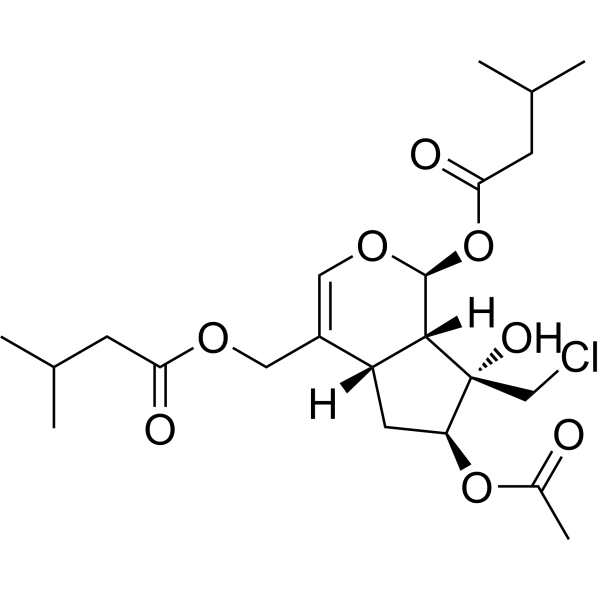
Chlorovaltrate K is a chlorinated valepotriate with anticancer effects. Chlorovaltrate K shows moderate cytotoxicity against A549, PC-3M, HCT-8 and Bel 7402 cell lines with IC50 values of 2.32-8.26 μM .
|
-
-
- HY-N10351
-
|
|
Apoptosis
|
Cancer
|
|
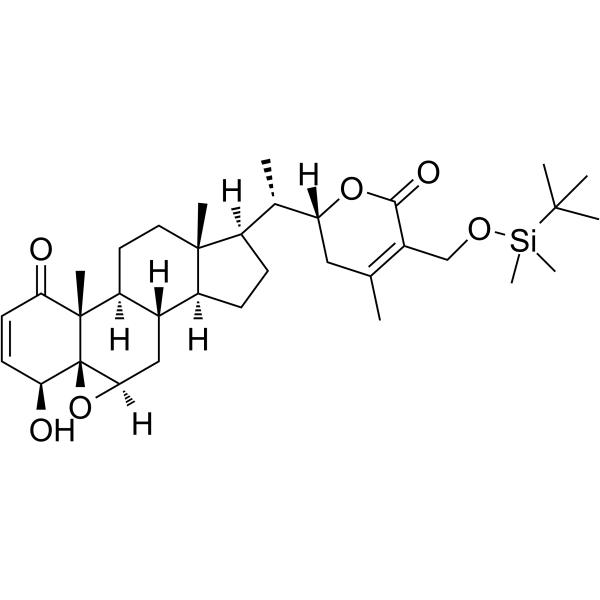
27-O-(tert-Butyldimethylsilyl)withaferin A (compound 9a), a natural withanolide, is an apoptosis inducer. 27-O-(tert-Butyldimethylsilyl)withaferin A shows antiproliferative activity against HeLa, A-549 and MCF-7 human cancer cell lines, and against normal Vero cells .
|
-
-
- HY-147862
-
|
|
EGFR
Apoptosis
|
Cancer
|
|
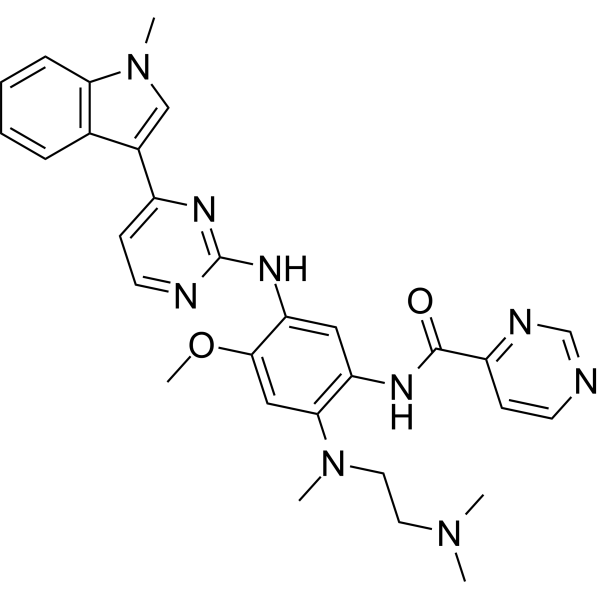
EGFR-IN-62 (compound 9h) is a potent and reversible EGFR kinase inhibitor, with IC50 values of 10 nM (L858R/T790 M), 29 nM (WT), and 242 nM (L858R/T790 M/C797S), respectively. EGFR-IN-62 shows antiproliferative activity against A549 and H1975 cell lines, with IC50 values of 2.53 and 1.56 μM, respectively. EGFR-IN-62 induces dose-dependent apoptosis process, G1/G0-phase arrestation, and the inhibition of motility on A549 and/or H1975 cell lines .
|
-
-
- HY-157402
-
|
|
Topoisomerase
EGFR
|
Cancer
|
|
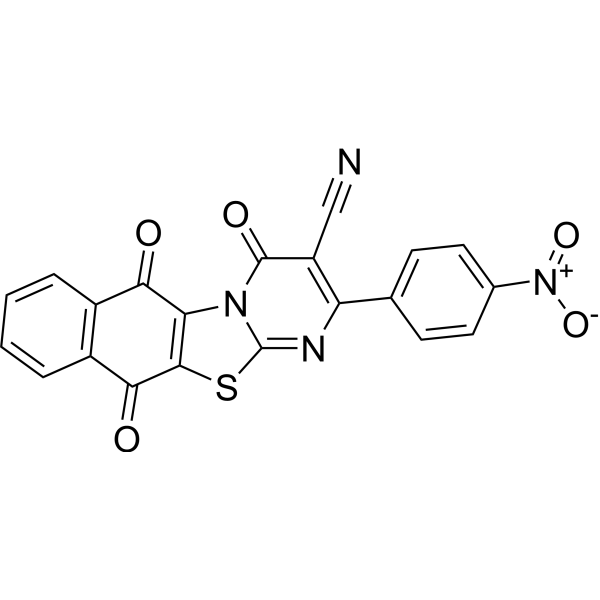
Topoisomerase II/EGFR-IN-1 is topoisomerase II/EGFR dual inhibitor. Topoisomerase II/EGFR-IN-1 has superior cytotoxic activity to MCF-7, A549 and HCT-116 cell lines, displays strong apoptotic activity and can be used for the research of cancer .
|
-
-
- HY-157564
-
|
|
Apoptosis
|
Cancer
|
|
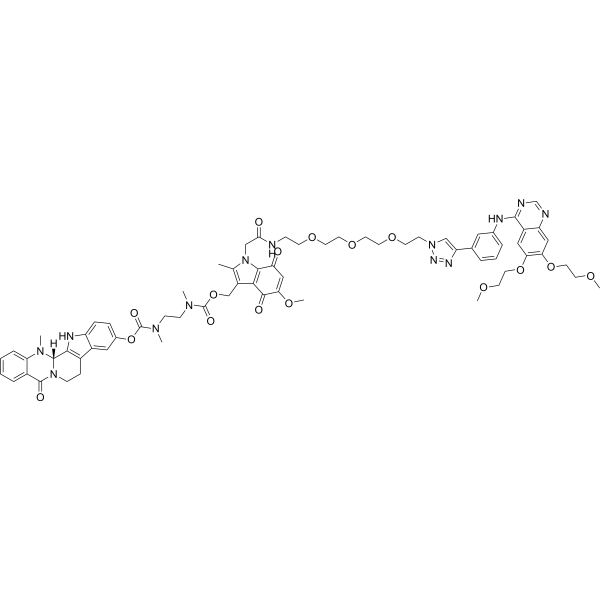
Antitumor agent-135 (Compound 13) is a potent antitumor agent. Antitumor agent-135 induces cell apoptosis, with IC50s of 3.79 , 10.55, 1.14, and 4.14 μM for NSCLC cell lines (A549, H460, PC-9, and PC-9/GR) .
|
-
-
- HY-N10354
-
|
|
Apoptosis
|
Cancer
|
|
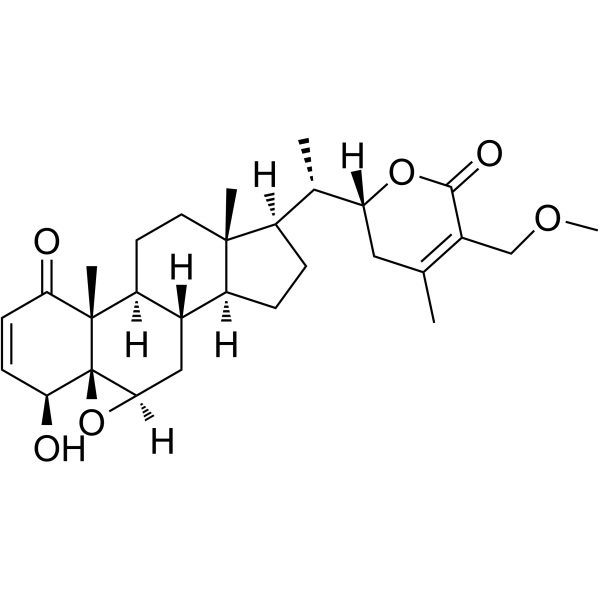
27-Methyl withaferin A (comppund 26) is an apoptosis inducer with anticancer effects. 27-Methyl withaferin A shows antiproliferative effects against HeLa, A-549 and MCF-7 human tumor cell lines with IC50 values of 3.2 μM, 4.2 μM and 1.4 μM, respectively .
|
-
-
- HY-161824
-
|
|
Drug Intermediate
|
Cancer
|
|
Antiproliferative agent-52 (Compound 4a) is an antiproliferative agent that exhibits significant antiproliferative activity against four human tumor cell lines (A549, A2780, SKOV3, HCC827), with IC50 values ranging from 5.83 to 8.63 nM. Antiproliferative agent-52 can be used in cancer research .
|
-

-
- HY-N3210
-
|
|
Others
|
Cancer
|
|
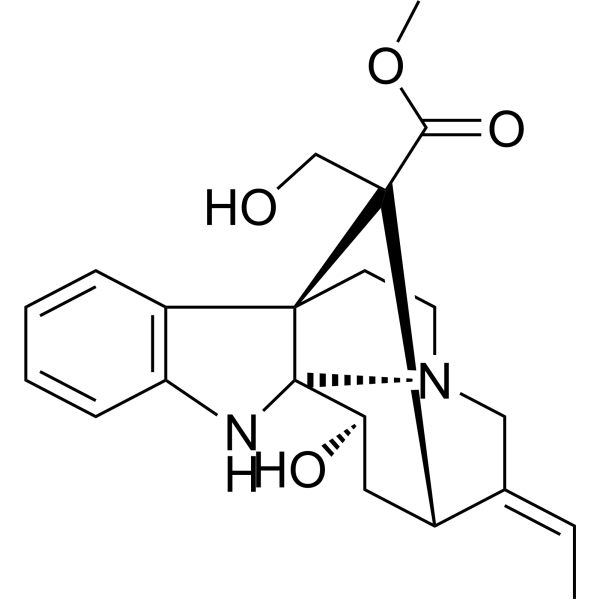
Nb-Demethylechitamine is an alkaloid isolated from the methanol extract of Alstonia rostrata twigs. Nb-Demethylechitamine has in vitro cytotoxic activity against several human cancer cell lines, including human myeloid leukemia HL-60, liver cancer SMMC-7721, lung cancer A-549, breast cancer MCF-7, and colon cancer SW480 cells .
|
-
-
- HY-130723
-
|
|
AMPK
|
Cancer
|
|
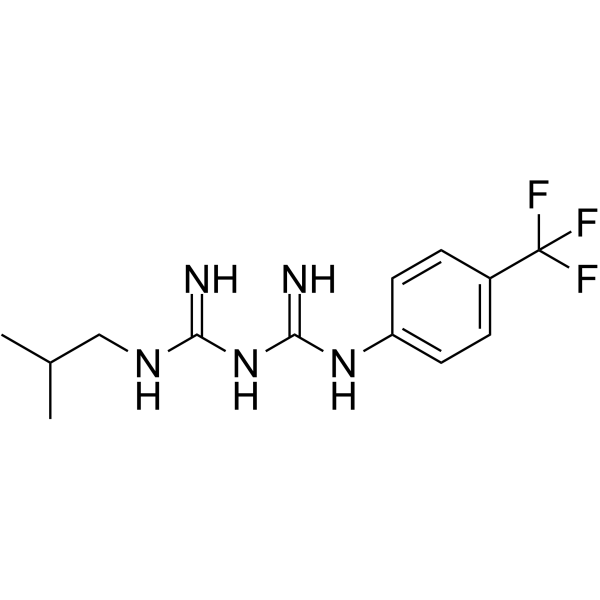
AMPK activator 2 (compound 7a), a fluorine-containing proguanil derivative, up-regulates AMPK signal pathway and downregulates mTOR/4EBP1/p70S6K. AMPK activator 2 inhibits proliferation and migration of human cancer cell lines (UMUC3, T24, A549) .
|
-
-
- HY-N15614
-
|
|
Others
|
Cancer
|
|
Cassamine is a diterpenoid compound that can be isolated from the bark of Erythrophleum fordii. Cassamine exhibits certain cytotoxicity against non-small cell lung cancer cell lines, with IC50 values of 3.4, 2.1, and 1.9 μM against A549, NCI-H1975, and NCI-H1299, respectively. Cassamine has antitumor activity and can be used in the research of lung cancer and other tumors .
|
-

-
- HY-135453
-
|
|
Bacterial
|
Infection
|
|
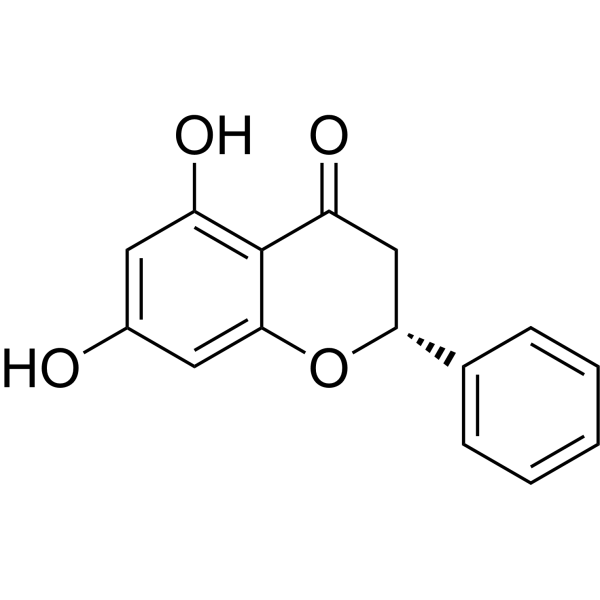
(-)-Pinocembrin exhibits anti-mycobacterium activity against mycobacteriuum tuberculosis H37Ra with an IC50 value of 1.11 mg/mL in dormant phase and 1.21 mg/mL in active phase, respectively. (-)-Pinocembrin has potent antiproliferative activity with IC50 values of 1.88-11.00 mg/mL against THP-1, A549, Panc-1, HeLa and MCF7 cell lines .
|
-
-
- HY-N12606
-
|
|
Fungal
|
Infection
|
|
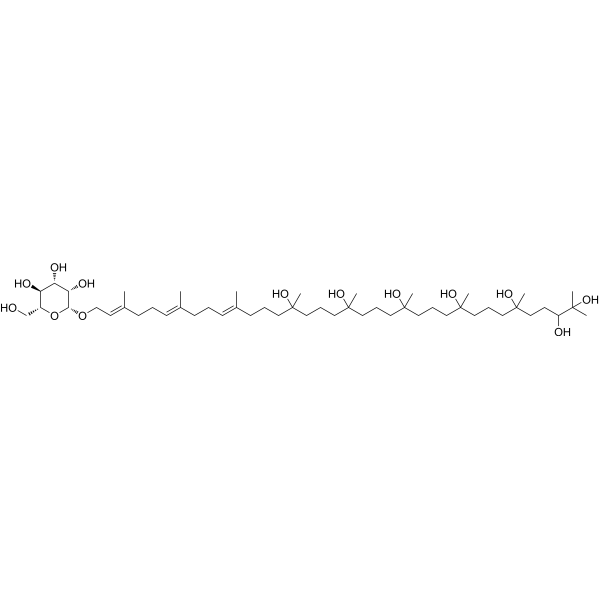
Neodidymelliosides A (compound 1)It is a secondary metabolite of fungi and has a significant inhibitory effect on Staphylococcus aureus and Candida albicans biofilms. Neodidymelliosides AIt also has anti-cancer activity and can inhibit KB3.1 (cervix),PC-3 (prostate),MCF-7(breast),SKOV-3 (ovary),A431 (skin )and A549 (lung )Cell viability of cell lines .
|
-
-
- HY-172449
-
|
|
Hedgehog
|
Cancer
|
|
GLI1-IN-3 (Compound 11a), a triterpenoid analogue, can inhibit Hedgehog signaling in GLI1 overexpression cancer cells. GLI1-IN-3 inhibits the proliferation in NSCLC and prostate cancer cell lines exhibiting hyper-activated Hh signaling. GLI1-IN-3 can also decrease the expression of endogenous GLI1 protein and its target genes associated with tumor progression and proliferation in A549 and DU-145 cancer cells .
|
-

-
- HY-N0985
-
|
|
Others
|
Cancer
|
|
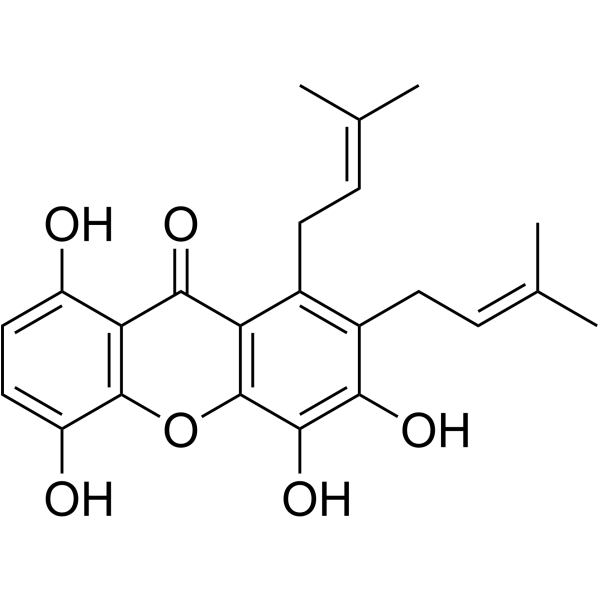
1,4,5,6-Tetrahydroxy-7,8-diprenylxanthone is a xanthone that can be isolated from Garcinia xanthochymus. 1,4,5,6-Tetrahydroxy-7,8-diprenylxanthone shows moderate cytotoxicities against MDA-MB-435S and A549 cell lines with IC50s of 1.3 and 3.86 μg/ml, respectively .
|
-
-
- HY-151295
-
|
|
DNA/RNA Synthesis
|
Cancer
|
|
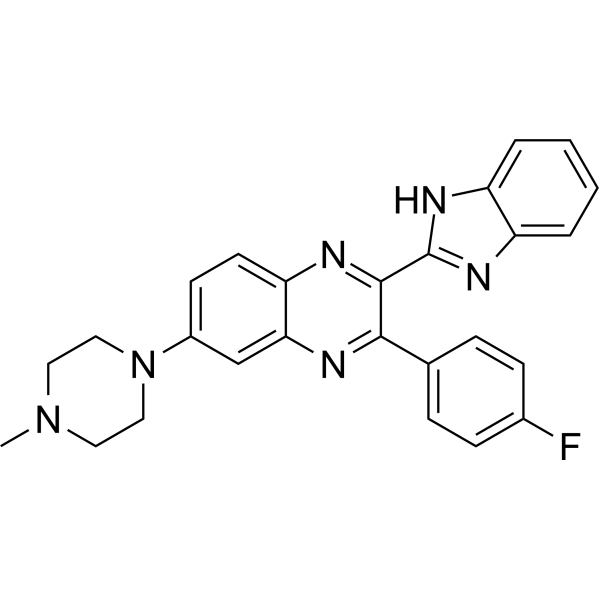
Antitumor agent-75 is a novel potent antitumor agent. Antitumor agent-75 has cytotoxic effects on cancer and normal human cell lines. Antitumor agent-75 shows a highly selective cytotoxic effect against human lung adenocarcinoma (cell line A549) when combined with Antitumor agent-74 (HY-151292), the IC50 value of 2.8 μM. Antitumor agent-75 can be used for the research of cancer .
|
-
-
- HY-172881
-
|
|
Pyruvate Kinase
|
Cancer
|
|
PKM2-IN-10 (Compound 16) is a PKM2 inhibitor. PKM2-IN-10 inhibits the proliferation of A549 and HCC1833 cell lines with IC50 of 3.36 μM and 9.20 μM, respectively. PKM2-IN-10 exhibits antitumor activity in human non-small cell lung cancer (NSCLC) and mouse lung adenocarcinoma models. PKM2-IN-10 can be used in lung cancer research .
|
-

-
- HY-146366
-
|
|
Microtubule/Tubulin
|
Cancer
|
|
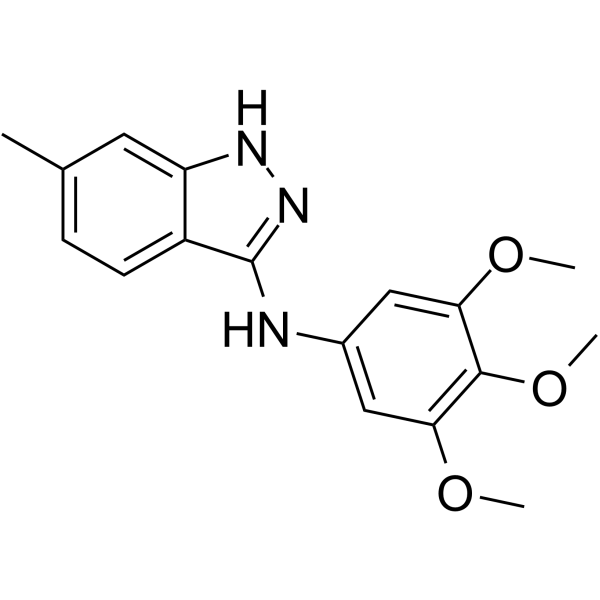
Tubulin inhibitor 26 (compound 3c) is a potent inhibitor of tubulin. Tubulin inhibitor 26 is an indazole derivative compound. Tubulin inhibitor 26 shows noteworthy low nanomolar potency against HepG2, HCT116, SW620, HT29 and A549 cancer cell lines. Tubulin inhibitor 26 arrests tumor cell in G2/M phase and induced cell apoptosis. Tubulin inhibitor 26 suppresses tumor growth in vivo without affecting the mice body weight .
|
-
-
- HY-146715
-
|
|
Microtubule/Tubulin
Apoptosis
|
Cancer
|
|
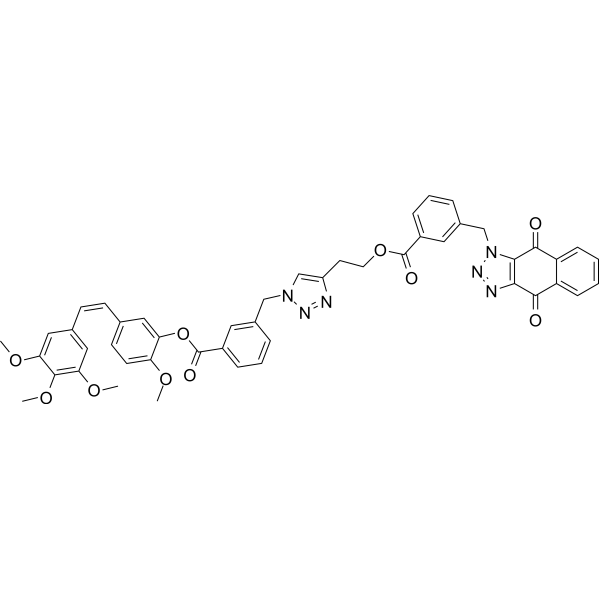
IDO/Tubulin-IN-2 (HT2) is a potent TDO and tubulin inhibitor. IDO/Tubulin-IN-2 also shows potent activity against U87, HepG2, A549, HCT-116, and LO2 cancer cell lines, with IC50 values of 0.43, 0.036, 0.041, 0.095 and 1.04 μM, respectively. IDO/Tubulin-IN-2 remarkably promotes the antitumor activity .
|
-
-
- HY-N15636
-
|
(-)-Coccinine
|
Serotonin Transporter
P-glycoprotein
|
Neurological Disease
Cancer
|
|
Coccinine ((-)-Coccinine) is a weak inhibitor of SERT (IC50: 196.3 μM; Ki: 106.8 μM) and P-gp (IC50: 0.96 mM). Coccinine exhibits significant anti-tumor activity against various cancer cell lines, such as breast cancer (MCF7, Hs578T, MDA-MB-231), colon cancer (HCT-15), and lung cancer (A549). Coccinine can be used in the research of tumors and neurological diseases .
|
-

-
- HY-146461
-
|
|
Apoptosis
Caspase
ROS Kinase
|
Cancer
|
|
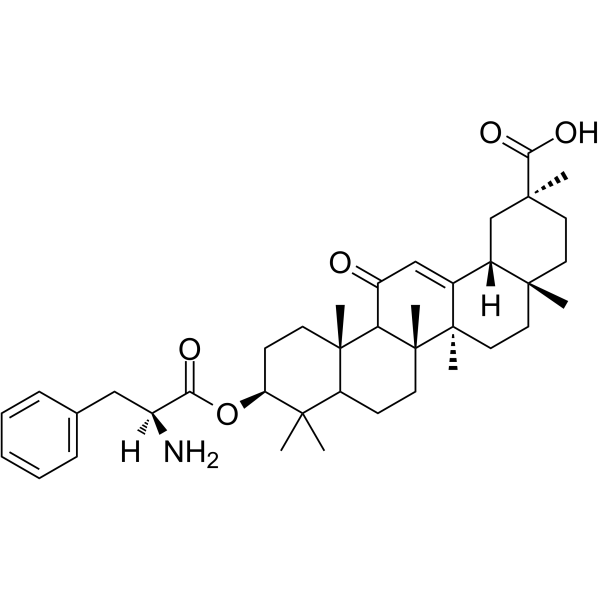
Anticancer agent 58 (compound 16) has inhibitory activity against kinds of cancer cell lines, especially in A549 and T24 with IC50s of 0.6 μM and 0.7 μM, respectively. Anticancer agent 58 induces apoptosis by activating caspase 3/8/9 activity, and induces an increase of Ca 2+ and ROS in cancer cells. Anticancer agent 58 significantly decreases mitochondrial membrane potential. Anticancer agent 58 can suppress tumor growth in T24 mouse xenograft model .
|
-
-
- HY-147947
-
|
|
Microtubule/Tubulin
|
Cancer
|
|
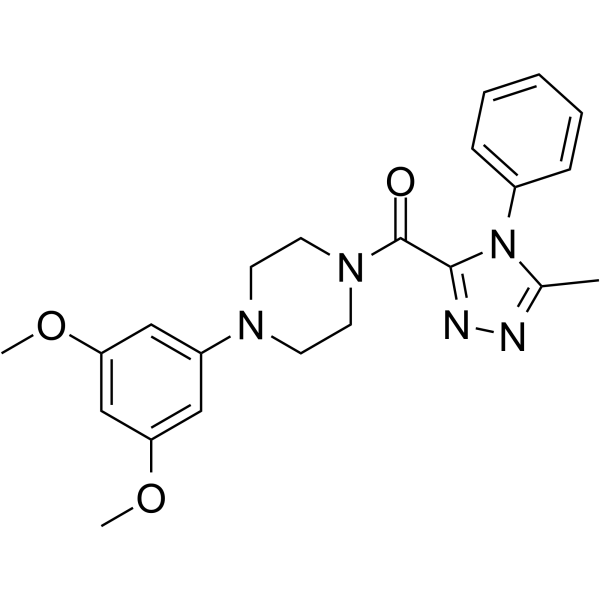
Tubulin polymerization-IN-30 (compound 6e) is a potent Tubulin polymerization inhibitor. Tubulin polymerization-IN-30 is a colchicine binding site inhibitor. Tubulin polymerization-IN-30 can disrupt intracellular microtubule organization, arrest cell cycle at the G2/M phase. Tubulin polymerization-IN-30 exhibits the high potency against the cancer cell lines including SGC-7901, A549 and HeLa, with IC50 values of 2.16, 2.21, and 0.403 μM .
|
-
-
- HY-153259
-
|
|
TNK1
PARP
|
Cancer
|
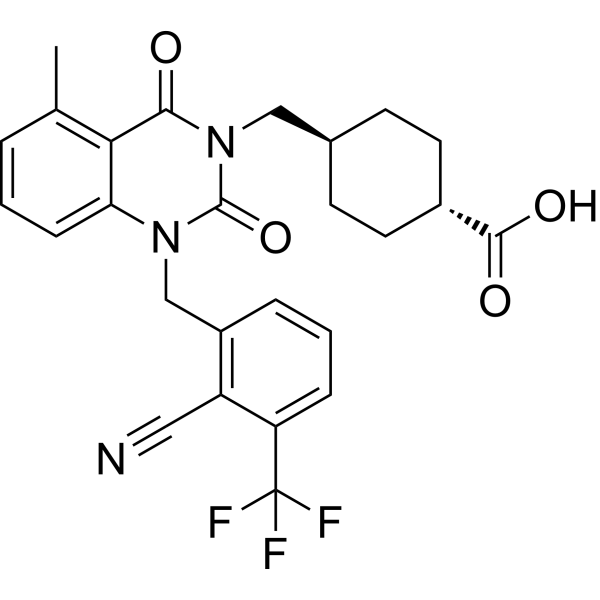
TNKS1/2-IN-2 (Compound 21) is a potent and selective tankyrases inhibitor. TNKS1/2-IN-2 exhibits IC50 values of 4 nM and 63 nM against TNK1 and TNK2 in the enzymatic assay, respectively. TNKS1/2-IN-2 inhibits proliferation of A549 and H292 cell lines with IC50 values of 39.5 nM and 12.8 nM, respectively. TNKS1/2-IN-2 can be used for the research of cancer .
|
-
-
- HY-147860
-
|
|
EGFR
|
Cancer
|
|
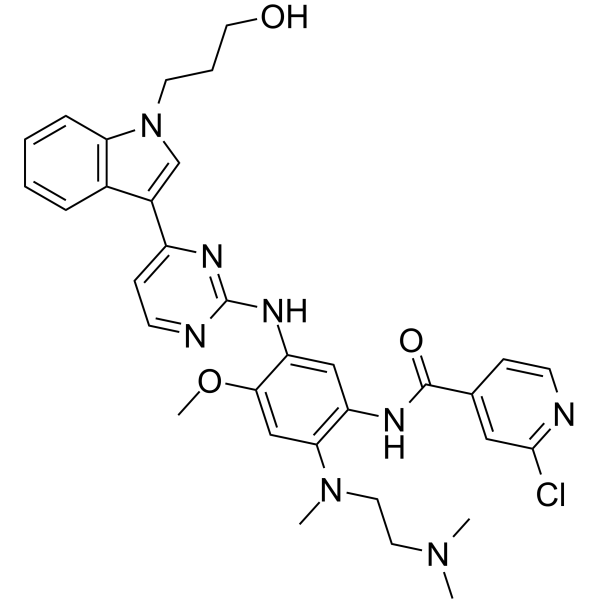
EGFR-IN-61 (compound 22a) is a potent EGFR kinase inhibitor, with IC50 values of 42 nM (L858R/T790 M), 137 nM (L858R/T790 M/C797S), and 743 nM (WT), respectively. EGFR-IN-61 shows antiproliferative activity against A549 and H1975 cell lines, with IC50 values of 2.14 and 1.82 μM, respectively .
|
-
- HY-147504
-
|
|
Apoptosis
Caspase
Bcl-2 Family
|
Cancer
|
|
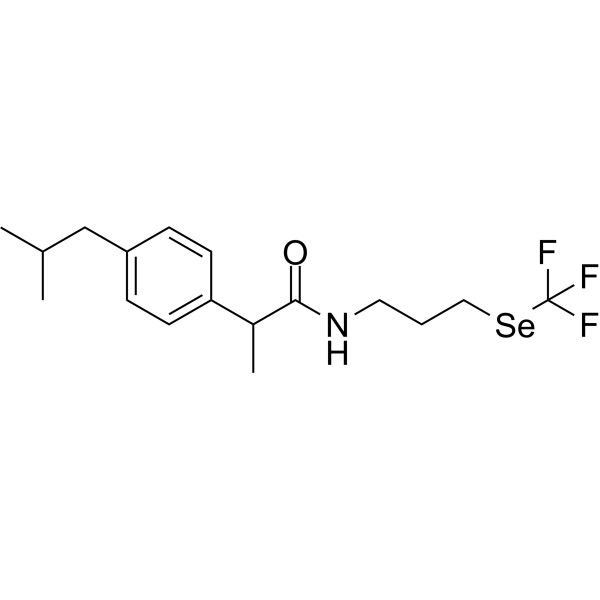
Anticancer agent 63 (compound 3h) shows active in reducing the viability of different cancer cell lines, including SW480, HeLa, A549 and MCF-7, with IC50 values at 24 h of 4.9, 11.5, 9.4, and 3.4 μM, respectively. Anticancer agent 63 induce apoptosis in MCF-7 cells via down-regulating the expression of Bcl-2 and up-regulating the expression of IL-2 and Caspase-3. Anticancer agent 63 also shows antioxidant activity .
|
-
- HY-136727A
-
|
|
Caspase
Apoptosis
|
Cancer
|
|
Ac-LEVD-CHO (TFA) is an inhibitor of caspase-4. Ac-LEVD-CHO (TFA) can inhibit the expression and secretion of IL-1α expression as well as the activation of caspase-4 induced by the T. denticola periodontal pathogen surface protein Td92 in human gingival fibroblasts. Ac-LEVD-CHO (TFA) can also reduce the apoptosis due to the expression of the dominant negative adenoviral RNA-dependent protein kinase in A549 and PC3 cancer cell lines .
|
-

- HY-B0530A
-
|
γ-pipradol hydrochloride
|
Reactive Oxygen Species (ROS)
mAChR
NADPH Oxidase
|
Cancer
|
|
Azacyclonol (γ-pipradol) hydrochloride is a compound with promising anticancer activity, showing effectiveness in inhibiting NOX-derived ROS in A549 human lung cancer cells. Azacyclonol hydrochloride exhibits enhanced proliferation inhibition against androgen-refractory cancer cell lines, specifically DU145 and PC-3. Azacyclonol hydrochloride demonstrates antitumor activity in DU145-xenografted chorioallantoic membrane tumor models. Azacyclonol hydrochloride also acts as a ligand for the M3 muscarinic acetylcholine receptor, which is overexpressed in ARPC. Azacyclonol hydrochloride effectively blocks carbachol-induced proliferation and NOX activity in DU145 cells. Azacyclonol hydrochloride can also be utilized for the treatment of chronic schizophrenia.
|
-

- HY-144791
-
|
|
Bcl-2 Family
MDM-2/p53
Caspase
Apoptosis
|
Cancer
|
|
Bcl-2-IN-6 (compound 10) is a potent Bcl-2 (B-cell lymphoma-2) inhibitor. Bcl-2-IN-7 down-regulates the expression of Bcl-2, and increases the expression of p53, Bax, and caspase-7 mRNA. Bcl-2-IN-7 induces cell cycle arrest and apoptosis in breast cancer MCF-7 cells. Bcl-2-IN-7 shows good anticancer activity, with IC50 values of 20.91, 22.30, 42.29, and 48.00 μM against MCF-7, LoVo, HepG2, and A549 cell lines, respectively .
|
-
- HY-144792
-
|
|
Bcl-2 Family
MDM-2/p53
Caspase
Apoptosis
|
Cancer
|
|
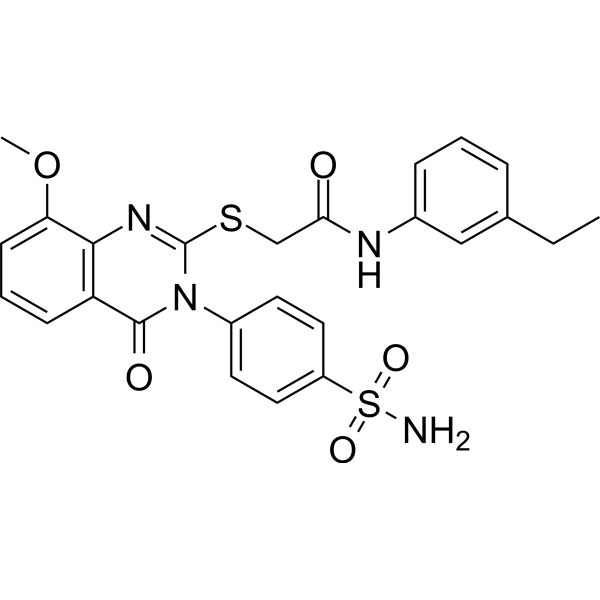
Bcl-2-IN-7 (compound 6) is a potent Bcl-2 (B-cell lymphoma-2) inhibitor. Bcl-2-IN-7 down-regulates the expression of Bcl-2, and increases the expression of p53, Bax, and caspase-7 mRNA. Bcl-2-IN-7 induces cell cycle arrest and apoptosis in breast cancer MCF-7 cells. Bcl-2-IN-7 shows good anticancer activity, with IC50 values of 20.17, 22.64, 45.57, and 51.50 μM against MCF-7, LoVo, HepG2, and A549 cell lines, respectively .
|
-
- HY-115407
-
|
|
Bacterial
|
Infection
Cancer
|
|
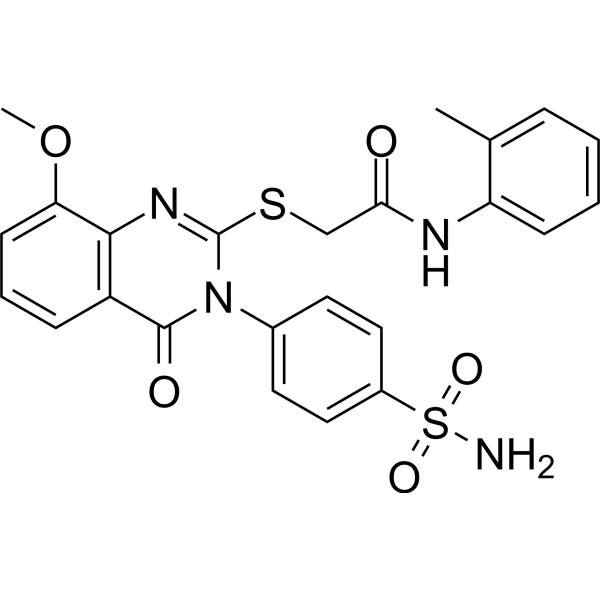
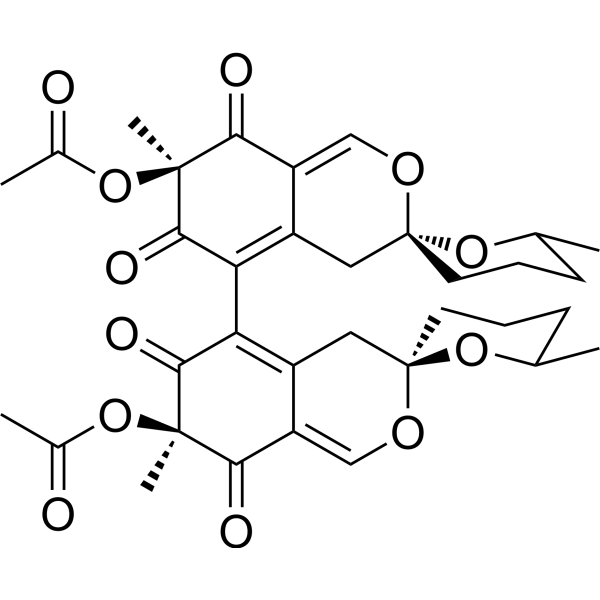
Cochliodone A is an active compound extracted from cultures of the deep-sea derived fungus Chaetomium sp. and has antibacterial and anticancer activity. Cochliodone A is toxic to a variety of bacteria, with MICs of 15.3 μg/mL (V. vulnificus), 32.7 μg/mL (V. rotiferianus), 15.9 μg/mL (S. aureus ATCC 43300), and 16.3 μg/mL (S . aureus CGMCC 1.12409). Cochliodone A also inhibits a variety of cancer cell lines, with IC50s of 28.1 μM (A549), 20.7 μM (HeLa), and 23.2 μM (Hep G2) .
|
-
- HY-162819
-
|
|
Apoptosis
|
Cancer
|
|
Apoptosis inducer 26 (compound [AgCl(dap2SH)(PPh3)2]) is an autophagy inducer based on mononuclear Ag(I) ligands, with antibacterial and anticancer activities against a variety of bacterial strains and cancer cell lines. Apoptosis inducer 26 can effectively inhibit the growth of both Gram(+) and Gram(-) bacteria by causing the accumulation of Ag(I) ions in the bacterial periplasm. Apoptosis inducer 26 can intercalate between base pairs of CT DNA and induce apoptosis in A549 cells. Apoptosis inducer 26 also has the ability to scavenge free radicals, which can protect against oxidative stress .
|
-

- HY-170438
-
|
|
EGFR
|
Cancer
|
|
EGFR-IN-139 (compound PD 18) is an epidermal growth factor receptor (EGFR) inhibitor, with IC50s of 12.88 (wild type), 10.84 (L858R/T790M), 42.68 (L858R/T790M/C797S) nM, respectively. EGFR-IN-139 displays strong anticancer activity against A549 and H1975 cancer cell lines, which are highly expressed EGFR. EGFR-IN-139 has a strong selectivity to cancer cells. EGFR-IN-139 can be used for nonsmall cell lung cancer (NSCLC) research[1].
|
-

- HY-163434
-
|
|
EGFR
Histone Methyltransferase
|
Cancer
|
|
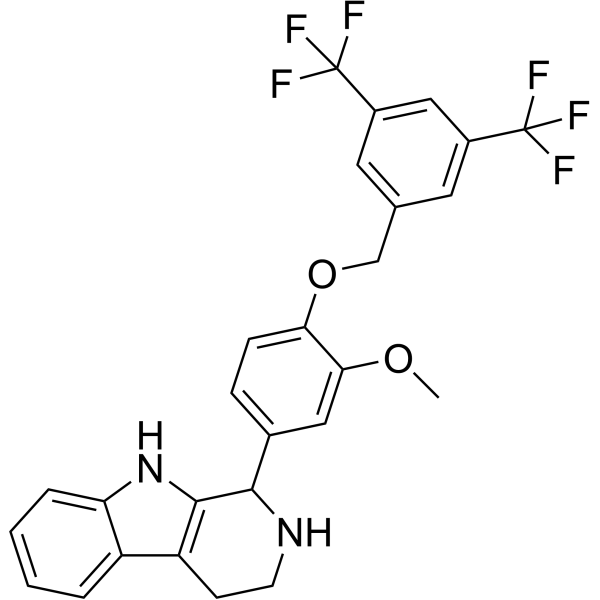
PRMT5/EGFR-IN-1 (Compound 10p) is an orally active dual PRMT5/EGFR inhibitor, with IC50s of 15.47 and 19.31 μM, respectively. PRMT5/EGFR-IN-1 exhibits antiproliferative activity against A549, MCF7, HeLa, and MDA-MB-231 cell lines. PRMT5/EGFR-IN-1 has favorable in vivo PK and PD properties. PRMT5/EGFR-IN-1 can significantly inhibit the growth of MCF7 orthotopic xenograft tumors .
|
-
- HY-169921
-
|
|
c-Myc
Apoptosis
|
Cancer
|
|
c-Myc inhibitor 15 (Compound A5) is a selective c-Myc inhibitor that exerts anticancer effects by disrupting the interaction between c-Myc and Max, leading to the degradation of c-Myc protein and the induction of apoptosis. Its IC50 values are 4.08 μM and 7.86 μM in A549 and NCI-H1299 lung cancer cell lines, respectively, demonstrating strong cytotoxic activity. In a syngeneic tumor model, c-Myc inhibitor 15 exhibited outstanding antitumor efficacy, achieving a tumor growth inhibition rate of 76.4% and significantly reducing c-Myc protein expression levels. c-Myc inhibitor 15 holds promise for research related to c-Myc-driven lung cancers .
|
-

- HY-175297
-
|
|
VEGFR
EGFR
|
Cancer
|
|
EGFR T790M/VEGFR-2-IN-1 (Compound 6) is a dual EGFR T790M mutant (IC50=0.26 μM) and VEGFR-2 (IC50=0.95 μM) inhibitor. EGFR T790M/VEGFR-2-IN-1 blocks tumor cell proliferation and angiogenesis signaling pathways. EGFR T790M/VEGFR-2-IN-1 exhibits potent cytotoxicity against multiple cancer cell lines (HCT116, MCF-7, HepG2, A549; IC50=5.35-9.90 μM). EGFR T790M/VEGFR-2-IN-1 is promising for research of non-small cell lung cancer and solid tumors .
|
-

- HY-N12135
-
|
|
Others
|
Cancer
|
|
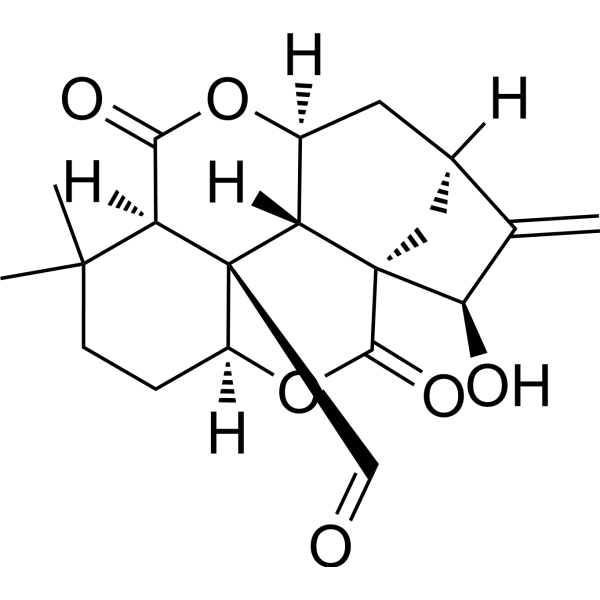
15α-Hydroxy-20-oxo-6,7-seco-ent-kaur-16-en-1,7α(6,11α)-diolide (compound 2) is an enantio-kaurene diterpenoid (ent -kaurene diterpenoid), which can be isolated from Rubescens rubescens. 15α-Hydroxy-20-oxo-6,7-seco-ent-kaur-16-en-1,7α(6,11α)-diolide has cellular activity against EC-1, U87, A549, MCF-7 and HeLa cell lines Toxicity, IC50s are 37.69 μM, 79.362 μM, 80.07 μM, 197.35 μM, 462.13 μM, and 180.09 μM respectively .
|
-
- HY-N8915
-
|
|
Others
|
Others
|
|
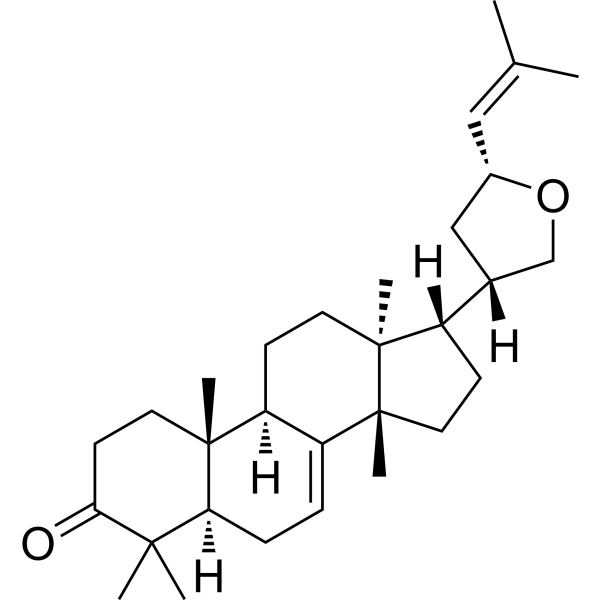
Deoxyflindissone (Compound 13) is a triterpenoid
compound. Deoxyflindissone is isolated from natural Cornus walteri
.Deoxyflindissone has significant cytotoxic activity
.
|
-
- HY-N3318
-
|
|
HIV
|
Infection
|
|
Marsdenoside F is a polyoxygenated pregnane glycoside isolated from the stems of Marsdenia tenacissima. Marsdenoside F showed no significant cytotoxicity against A549 and MCF-7 cell lines, nor did it exhibit significant anti-HIV activity .
|
-

- HY-170549
-
|
|
VEGFR
|
Cancer
|
|
VEGFR-2-IN-60 (compound 5c) is a potent VEGFR-2 inhibitor with an IC50 of 1.07 nM. VEGFR-2-IN-60 exhibits cytotoxic activity against HCC1806, Hela, and A549 cell lines .
|
-

- HY-N16507
-
|
|
Microtubule/Tubulin
|
Cancer
|
|
Bruceoside D is a cytotoxic quassinoid glucoside found in Brucea javanica. Bruceoside D is a microtubule polymerization inhibitor. Bruceoside D demonstrates inhibitory activity against leukemia (CCRF-CEM), non-small cell lung cancer (A549), and ovarian cancer (OVCAR-3) cell lines. Bruceoside D is promising for research of cancers .
|
-

- HY-N1691
-
|
3-Epilycoclavanol
|
Others
|
Cancer
|
|
3-Epilycoclavanol (3-Epilycoclavanol) is a triterpenoid antitumor agent that can be extracted from the dried whole plant of Lycopodium japonicum (a plant of the Lycopodium genus in the Lycopodiaceae family). 3-Epilycoclavanol inhibits human tumor A549 and K562 cell lines at concentrations of 10-100 μg/mL .
|
-

- HY-137052
-
|
N-Methyllycorine iodide
|
Drug Derivative
|
Cancer
|
|
Lycorine methiodide (N-Methyllycorine iodide) is a derivative of Lycorine (HY-N0288). Lycorine methiodide exhibits no significant in vitro antitumor activity against A549, OE21, Hs683, U373, SKMEL, and B16F10 cell lines, with all IC50 values greater than 10 μM .
|
-

- HY-172748
-
|
|
Drug Derivative
|
Neurological Disease
Cancer
|
|
9β-Hydroxyhexahydrocannabinol is a synthetic cannabinoid derivative. 9β-Hydroxyhexahydrocannabinol exhibits cytotoxicity against various tumor cell lines, such as HCT-116, MCF-7, K562, MIAPaCa-2, PANC-1, A549, PC-3 and SW-620, with IC50 values ranging from 15.23 to 33.74 μM. 9β-Hydroxyhexahydrocannabinol can be used in the study of cancer .
|
-

- HY-170508
-
|
|
Cytochrome P450
|
Endocrinology
|
|
Aromatase-IN-4 (Compound 6a) is an aromatase (Aromatase) inhibitor. Aromatase-IN-4 exhibits anticancer activity, with GI50 values of 2.95 μM, 3.35 μM, 2.27 μM, 8.46 nM, and 1.56 μM against the MDAMB-231, MCF-7, A-549, NCI-H23, and A-498 cell lines, respectively . Aromatase-IN-4 effectively blocks aromatase-dependent estrogen production .
|
-

- HY-182349
-
|
|
Bcl-2 Family
|
Cancer
|
|
Bax activator-2 (compound 27c) is a pro-apoptotic agent targeting BAX, with an IC50 of 0.30 μmol/L against human BAX. Bax activator-2 binds to the trigger site of BAX and induces its conformational change. Bax activator-2 induces mitochondrial depolarization, cytochrome c release, caspase-3/9 cleavage and PARP cleavage, thereby initiating apoptosis. Bax activator-2 exhibits cytotoxicity against various cancer cell lines, shows reduced cytotoxicity in BAX-knockout A549 cells, and has low cytotoxicity against non-cancerous cell lines. Bax activator-2 can be used in studies related to acute myeloid leukemia and solid tumors .
|
-

- HY-N16695
-
|
|
Others
|
Others
|
|
(2S,3S)-Pterosin S 14-O-glucoside is a sesquiterpene glycoside compound that can be isolated from the fern Pteris multifida. (2S,3S)-Pterosin S 14-O-glucoside showed no significant cytotoxicity against A549 (human lung adenocarcinoma), LOVO (colon adenocarcinoma), PANC-1 (human pancreatic cancer), and NCI-H446 (human small cell lung cancer) cell lines (IC50 > 100 μM) .
|
-

- HY-179451
-
|
|
Apoptosis
p38 MAPK
Parasite
|
Infection
Inflammation/Immunology
Cancer
|
|
Apoptosis inducer 53 is an apoptosis inducer. Apoptosis inducer 53 can inhibit proliferation of human tumor cell lines (A549, HeLa, SW1573, T-47D, WiDr) with GI50 values of 2.5-9.1 μM. Apoptosis inducer 53 can induce cancer cells apoptosis and reduce colony formation. Apoptosis inducer 53 can activate p38α MAPK signaling and exerts anti-inflammatory effect. Apoptosis inducer 53 also shows anti-Leishmania donovani activity. Apoptosis inducer 53 can be used for the researches of cancer, infection and inflammation .
|
-

- HY-W727102
-
|
|
Others
|
Others
|
|
(Z)-8-β-D-Glucopyranosyloxycinnamic acid is a phenolic glycoside present in the roots of Codonopsis javanica. (Z)-8-β-D-Glucopyranosyloxycinnamic acid exhibits no toxicity against lung cancer, liver cancer and breast cancer cell lines .
|
-

- HY-181890
-
|
|
Glutaminase
|
Cancer
|
|
TRG-192 is a potent and selective glutaminase (GLS) inhibitor with an IC50 of 68 nM. TRG-192 inhibits intracellular glutamate levels. TRG-192 is applicable to related research on non-small cell lung cancer .
|
-

- HY-185075
-
|
LY4050784
|
SWI/SNF Complex
|
Cancer
|
|
FHD-909 (LY4050784) is an orally active and selective SMARCA2 (BRM) ATPase inhibitor. FHD-909 potently inhibits purified BRM ATPase with an IC50 of 0.0025 μM and exhibits 35.69-fold selectivity for BRM over purified SMARCA4 (BRG1) ATPase. FHD-909 induces synthetic lethality, suppresses cell proliferation, modulates target gene expression, and achieves remarkable tumor growth inhibition and regression in SMARCA4-mutant cancer cells and xenograft models. FHD-909 can be used for the research of SMARCA4/BRG1-mutant cancers, advanced solid tumors, and BAF complex-related disorders .
|
-

- HY-N17995
-
|
|
Others
|
Cancer
|
|
GypenosideZ-3 is a dammarane triterpene glycoside found in the roots of Machilus yaoshansis .
|
-

- HY-D3198
-
|
|
Fluorescent Dye
Endogenous Metabolite
|
Cancer
|
|
NIR-fluorescent ceramide is a neutral near-infrared (NIF) fluorescent probe (λem=650 nm) based on the C-bridged nitrobenzoxadiazole SCOTfluor core, which enables visualization of lipid metabolic processes such as sphingolipid trafficking. The emission signal of NIR-fluorescent ceramide increases significantly in liposomal environments. NIR-fluorescent ceramide acts as an intracellular trafficking tracer, localizing to regions surrounding the endoplasmic reticulum and Golgi apparatus within a short period, and then translocating to recycling lysosomes over a longer period, thus enabling real-time visualization of sphingolipid trafficking and biological lipid functions in living cells. NIR-fluorescent ceramide also generates metabolic uptake profiles and provides multiple metabolic readouts in human cancer cell lines .
|
-

- HY-N17074
-
|
|
Others
|
Cancer
|
|
Ethyl (10E,12E)-9-oxooctadeca-10,12-dienoate is a conjugated ketonic fatty acid that can be found in the leaves of Vernicia fordii. Ethyl (10E,12E)-9-oxooctadeca-10,12-dienoate shows no significant cytotoxic activity against cancer cells .
|
-

- HY-182264
-
|
Nordihydroguaiaretic acid tetrapivalate
|
IGF-1R
EGFR
Drug Metabolite
|
Cancer
|
|
Masoprocol tetrapivalate (Nordihydroguaiaretic acid tetrapivalate) is a catecholic butane metabolite and also a tyrosine kinase activity inhibitor of IGF-1R and EGFR. Masoprocol tetrapivalate regulates tyrosine kinase signaling pathways associated with cell proliferation. Masoprocol tetrapivalate can be used in the research of proliferative diseases, including malignant, precancerous or benign cancers, and solid tumors .
|
-

| Cat. No. |
Product Name |
Type |
-
- HY-D3198
-
|
|
Fluorescent Dyes
|
|
NIR-fluorescent ceramide is a neutral near-infrared (NIF) fluorescent probe (λem=650 nm) based on the C-bridged nitrobenzoxadiazole SCOTfluor core, which enables visualization of lipid metabolic processes such as sphingolipid trafficking. The emission signal of NIR-fluorescent ceramide increases significantly in liposomal environments. NIR-fluorescent ceramide acts as an intracellular trafficking tracer, localizing to regions surrounding the endoplasmic reticulum and Golgi apparatus within a short period, and then translocating to recycling lysosomes over a longer period, thus enabling real-time visualization of sphingolipid trafficking and biological lipid functions in living cells. NIR-fluorescent ceramide also generates metabolic uptake profiles and provides multiple metabolic readouts in human cancer cell lines .
|
| Cat. No. |
Product Name |
Type |
-
- HY-142997
-
|
|
Biochemical Assay Reagents
|
|
DOSPA is a cationic lipid. DOSPA can form lipid nanoparticles with DOPE (HY-112005) to serve as a carrier for nucleic acid transfection. DOSPA is applicable in research related to drug delivery .
|
| Cat. No. |
Product Name |
Target |
Research Area |
-
- HY-136727A
-
|
|
Caspase
Apoptosis
|
Cancer
|
|
Ac-LEVD-CHO (TFA) is an inhibitor of caspase-4. Ac-LEVD-CHO (TFA) can inhibit the expression and secretion of IL-1α expression as well as the activation of caspase-4 induced by the T. denticola periodontal pathogen surface protein Td92 in human gingival fibroblasts. Ac-LEVD-CHO (TFA) can also reduce the apoptosis due to the expression of the dominant negative adenoviral RNA-dependent protein kinase in A549 and PC3 cancer cell lines .
|
| Cat. No. |
Product Name |
Category |
Target |
Chemical Structure |
-
- HY-N10113
-
-
-
- HY-N6955
-
-
-
- HY-N10904
-
-
-
- HY-N10853
-
-
-
- HY-N8954
-
-
-
- HY-N10208
-
-
-
- HY-N8934
-
-
-
- HY-N10201
-
-
-
- HY-N4251
-
-
-
- HY-N7535
-
-
-
- HY-N10351
-
-
-
- HY-N3210
-
-
-
- HY-N15614
-
|
|
Alkaloids
Erythrophleum fordii Oliv.
Leguminosae
Other Alkaloids
Plants
Source Classification
|
Others
|
|
Cassamine is a diterpenoid compound that can be isolated from the bark of Erythrophleum fordii. Cassamine exhibits certain cytotoxicity against non-small cell lung cancer cell lines, with IC50 values of 3.4, 2.1, and 1.9 μM against A549, NCI-H1975, and NCI-H1299, respectively. Cassamine has antitumor activity and can be used in the research of lung cancer and other tumors .
|
-
-
- HY-135453
-
-
-
- HY-N12606
-
|
|
Microorganisms
Saccharides
Monosaccharides
Source Classification
|
Fungal
|
|
Neodidymelliosides A (compound 1)It is a secondary metabolite of fungi and has a significant inhibitory effect on Staphylococcus aureus and Candida albicans biofilms. Neodidymelliosides AIt also has anti-cancer activity and can inhibit KB3.1 (cervix),PC-3 (prostate),MCF-7(breast),SKOV-3 (ovary),A431 (skin )and A549 (lung )Cell viability of cell lines .
|
-
-
- HY-N0985
-
-
-
- HY-N15636
-
-
-
- HY-115407
-
|
|
Natural Products
Microorganisms
Source Classification
|
Bacterial
|
|
Cochliodone A is an active compound extracted from cultures of the deep-sea derived fungus Chaetomium sp. and has antibacterial and anticancer activity. Cochliodone A is toxic to a variety of bacteria, with MICs of 15.3 μg/mL (V. vulnificus), 32.7 μg/mL (V. rotiferianus), 15.9 μg/mL (S. aureus ATCC 43300), and 16.3 μg/mL (S . aureus CGMCC 1.12409). Cochliodone A also inhibits a variety of cancer cell lines, with IC50s of 28.1 μM (A549), 20.7 μM (HeLa), and 23.2 μM (Hep G2) .
|
-
-
- HY-N12135
-
|
|
Senegalia pennata (L.) Maslin
Terpenoids
Labiatae
Diterpenoids
Plants
Source Classification
|
Others
|
|
15α-Hydroxy-20-oxo-6,7-seco-ent-kaur-16-en-1,7α(6,11α)-diolide (compound 2) is an enantio-kaurene diterpenoid (ent -kaurene diterpenoid), which can be isolated from Rubescens rubescens. 15α-Hydroxy-20-oxo-6,7-seco-ent-kaur-16-en-1,7α(6,11α)-diolide has cellular activity against EC-1, U87, A549, MCF-7 and HeLa cell lines Toxicity, IC50s are 37.69 μM, 79.362 μM, 80.07 μM, 197.35 μM, 462.13 μM, and 180.09 μM respectively .
|
-
-
- HY-N8915
-
-
-
- HY-N3318
-
-
-
- HY-N16507
-
-
-
- HY-N1691
-
-
-
- HY-N16695
-
-
-
- HY-W727102
-
-
-
- HY-N17995
-
-
-
- HY-N17074
-
-
| Cat. No. |
Product Name |
|
Classification |
-
- HY-142997
-
|
|
|
Cationic Lipids
|
|
DOSPA is a cationic lipid. DOSPA can form lipid nanoparticles with DOPE (HY-112005) to serve as a carrier for nucleic acid transfection. DOSPA is applicable in research related to drug delivery .
|
Your information is safe with us. * Required Fields.
Inquiry Information
- Product Name:
- Cat. No.:
- Quantity:
- MCE Japan Authorized Agent:








