









Search Result
Results for "
GLP-1 agonist
" in MedChemExpress (MCE) Product Catalog:
-
- HY-112185
-
|
LY3502970; GLP-1 receptor agonist 1
|
GCGR
|
Metabolic Disease
Inflammation/Immunology
|
|
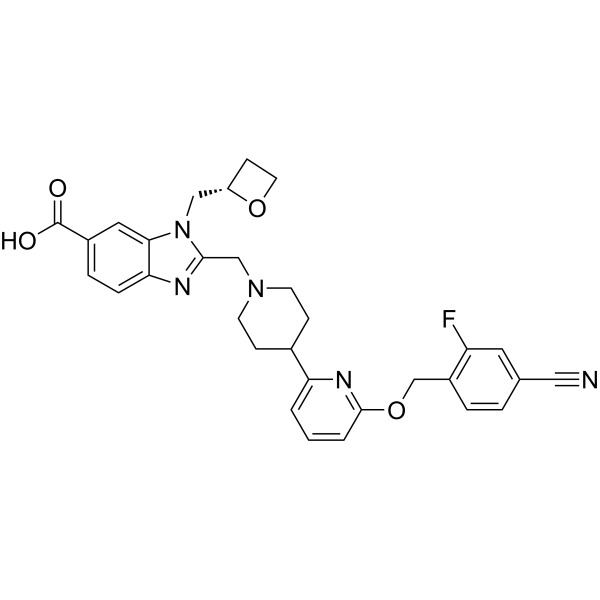
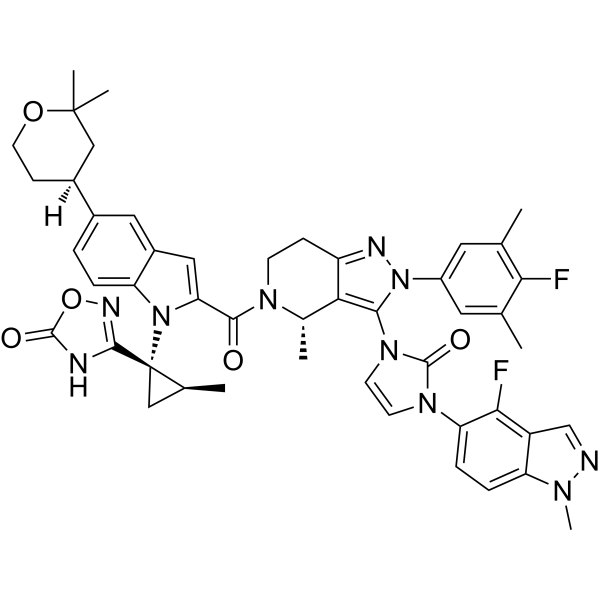
Orforglipron (LY3502970) (Compound 67) is an orally active agonist for Glucagon-like peptide-1 receptor (GLP-1R), which exhibits potency in ameliorates the type 2 diabete .
|
-
-
- HY-P0014
-
-
-
- HY-121835
-
|
|
GCGR
|
Metabolic Disease
|
|
GLP-1R agonist 2 (compound 2) is an effective GLP-1R agonist that exerts its activating effect by forming hydrogen bonds with the Tyr42, Cys71, and Ser84 residues of GLP-1R. GLP-1R agonist 2 has the potential for research in metabolic diseases such as type 2 diabetes and obesity .
|
-
-
- HY-112185A
-
|
LY3502970 hemicalcium hydrate; GLP-1 receptor agonist 1 hemicalcium hydrate
|
GCGR
|
Metabolic Disease
Inflammation/Immunology
|
|
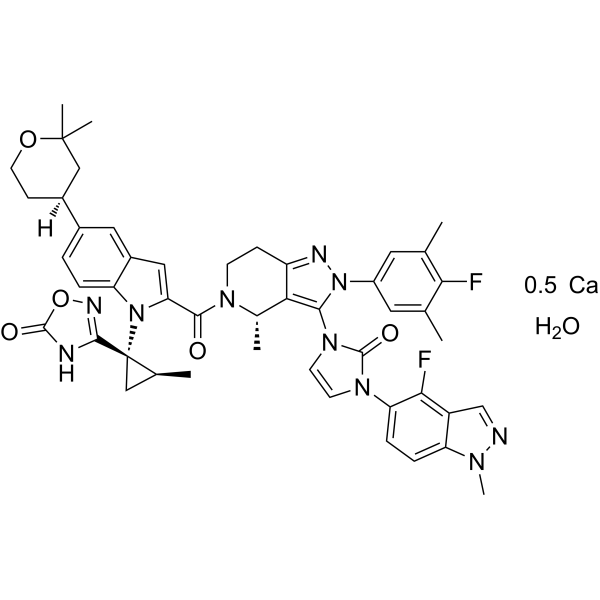
Orforglipron hemicalcium hydrate (LY3502970 hemicalcium hydrate; GLP-1 receptor agonist 1 hemicalcium hydrate) is the calcium salt hydrate form of Orforglipron (HY-112185). Orforglipron is an orally active agonist for Glucagon-like peptide-1 receptor (GLP-1R), which exhibits potency in ameliorating the type 2 diabete .
|
-
-
- HY-P10736
-
|
|
GCGR
|
Metabolic Disease
|
|
AMG133 peptide payload is a GLP-1 analog agonist peptide. AMG133 peptide potently activates GLP-1R, and exhibits weight loss and metabolic improvement activities. AMG133 peptide payload can be used for the synthesis of AMG 133 (HY-164535) .
|
-
-
- HY-103546
-
BETP
1 Publications Verification
|
GCGR
|
Metabolic Disease
|
|
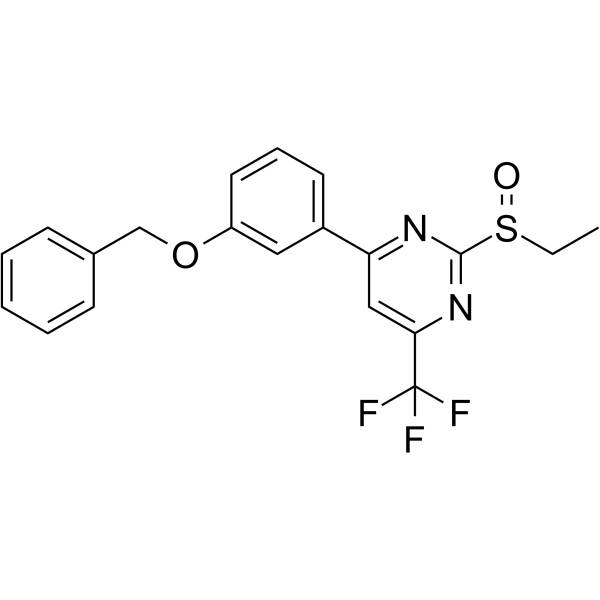
BETP is an agonist of glucagon-like peptide-1 (GLP-1) receptor, with EC50s of 0.66 and 0.755 μM for human and rat GLP-1 receptor, respectively.
|
-
-
- HY-156968
-
|
|
GLP Receptor
|
Metabolic Disease
|
|
GLP-1 receptor agonist 14 (compound 474) is a potent agonist of glucagon-like peptide-1 (GLP-1). GLP-1 receptor agonist 14 plays an important role in diabetes or other metabolic disorders .
|
-
-
- HY-112679
-
-
-
- HY-164774
-
|
|
GLP Receptor
|
Metabolic Disease
Inflammation/Immunology
|
|
(4S)-GLP-1 receptor agonist 14 is a potent and orally active GLP-1 receptor agonist with an EC50 ≤ 20 nM. (4S)-GLP-1 receptor agonist 14 can be used for research on diabetes, obesity, metabolic diseases, cardiovascular diseases, liver diseases, nonalcoholic steatohepatitis (NASH), and other diseases associated with GLP-1 receptor .
|
-
-
- HY-145412
-
|
|
GLP Receptor
|
Metabolic Disease
|
|
GLP-1 receptor agonist 7 (Compound 130b) is a potent agonist of glucagon-like peptide-1 (GLP-1). GLP-1 receptor agonist 7 generates cAMP under the mediation of GLP-1R with an EC50 of ≤ 0.2 nM. GLP-1 receptor agonist 7 can be used to study diseases related to the GLP-1 receptor (particularly type 2 diabetes) .
|
-
-
- HY-145458
-
|
GLP-1 receptor agonist 9
|
GLP Receptor
|
Metabolic Disease
|
|
PF-06954522 is a glucagon-like peptide-1 receptor (GLP-1R) agonist. PF-06954522 is applicable to research related to type 2 diabetes .
|
-
-
- HY-P10302A
-
|
|
GLP Receptor
|
Metabolic Disease
Inflammation/Immunology
|
|
GLP-1R/GIPR agonist-1 sodium is a dual GLP-1/GIP receptor agonist, with an EC50 of 0.57 nM for GLP-1R and an EC50 of 0.75 nM for GIPR. GLP-1R/GIPR agonist-1 sodium reduces food intake, inhibits weight gain, repairs islet damage, improves glucose tolerance, regulates serum lipid and liver enzyme levels, ameliorates hepatic vacuolization, reduces hepatic fat accumulation, delays the progression of hepatic fibrosis, and exhibits long-lasting hypoglycemic activity. GLP-1R/GIPR agonist-1 sodium can be used in research related to type 2 diabetes, obesity, and non-alcoholic steatohepatitis .
|
-
-
- HY-P1145
-
|
GLP-1 (1-37) human
|
GCGR
|
Metabolic Disease
|
|
Glucagon-like peptide 1 (1-37), human is a highly potent agonist of the GLP-1 receptor.
|
-
-
- HY-P11271
-
-
-
- HY-153798
-
|
|
GLP Receptor
|
Metabolic Disease
|
|
GLP-1 receptor agonist 10 (compound 42) is an agonist of GLP Receptor. GLP-1 receptor agonist 10 inhibits food intake and reduces glucose excursion in mice. GLP-1 receptor agonist 10 can be used in the study of type 2 diabetes (T2DM) and obesity .
|
-
-
- HY-P1145A
-
|
HuGLP-1 TFA
|
GCGR
|
Metabolic Disease
|
|
Glucagon-like peptide 1 (1-37), human (TFA) is a highly potent agonist of the GLP-1 receptor.
|
-
-
- HY-153815
-
|
|
GLP Receptor
|
Metabolic Disease
|
|
GLP-1 receptor agonist 11 (compound 3) is an agonist of GLP Receptor. GLP-1 receptor agonist 11 can be used in the study of diseases such as diabetes and non-alc. fatty liver disease .
|
-
-
- HY-P1144
-
|
Glucagon-37 (bovine, porcine)
|
GCGR
|
Metabolic Disease
|
|
Oxyntomodulin (bovine, porcine), a 37-amino acid peptide hormone, is a glucagon-like peptide 1 (GLP-1) receptor agonist .
|
-
-
- HY-P0165
-
|
ITM077; R1583; BIM51077
|
GCGR
|
Metabolic Disease
|
|
Taspoglutide is a long-acting glucagon-like peptide 1 (GLP-1) receptor agonist developed for treatment of type 2 diabetes, with an EC50 value of 0.06 nM.
|
-
-
- HY-144034
-
|
|
GLP Receptor
|
Metabolic Disease
|
|
GLP-1R agonist 3 is a potent agonist of GLP-1R. GLP-1R agonist 3 is a thickened imidazole derivative compound. Glucagon-like peptide-1 (GLP-1) is an intestinal hypoglycemic hormone secreted by L-cells in the lower gastrointestinal tract. GLP-1R agonist 3 has the potential for the research of diabetes (extracted from patent WO2021197464A1, compound 1) .
|
-
-
- HY-153476A
-
|
|
GLP Receptor
GCGR
|
Inflammation/Immunology
|
|
GIP/GLP-1 dual receptor agonist-1 sodium is a GIP/GLP-1 dual receptor agonist. GIP/GLP-1 dual receptor agonist-1 sodium is used in the research of metabolic disorders and fatty liver diseases, including non-alcoholic steatohepatitis (NASH) and non-alcoholic fatty liver disease (NAFLD) .
|
-
-
- HY-153476
-
|
|
GCGR
GLP Receptor
|
Inflammation/Immunology
|
|
GIP/GLP-1 dual receptor agonist-1 is a GIP/GLP-1 dual receptor agonist. GIP/GLP-1 dual receptor agonist-1 is used in the research of metabolic disorders and fatty liver diseases, including non-alcoholic steatohepatitis (NASH) and non-alcoholic fatty liver disease (NAFLD) .
|
-
-
- HY-P1348
-
|
[Gly8,36,Glu22]-GLP-1 (7-37)
|
GCGR
|
Cardiovascular Disease
Metabolic Disease
|
|
GLP-1 moiety from Dulaglutide is a 31-amino acid fragment of Dulaglutide. GLP-1 moiety from Dulaglutide is a glucagon-like peptide 1 receptor (GLP-1) agonist. Dulaglitude can be used in researches of diabetes and myocardial injury .
|
-
-
- HY-138996
-
|
|
GCGR
|
Metabolic Disease
|
|
GLP-1 receptor agonist 8 is a potent agonist of GLP-1 R. GLP-1 receptor agonist 8 has the potential for the research of diabetes, obesity, and nonalcoholic fatty liver disease (NAFLD) (extracted from patent WO2019239319A1, compound 17) .
|
-
-
- HY-P0014B
-
|
|
GLP Receptor
|
Metabolic Disease
|
|
Liraglutide (TFA) is an agonist of glucagon-like peptide 1 receptor (GLP-1). Liraglutide (TFA) can activate GLP-1, leading to the release of insulin in the presence of increased glucose concentration. Liraglutide (TFA) also reduces glucagon secretion in a glucose-dependent manner. Liraglutide (TFA) can be studied in research on type 2 diabetes .
|
-
-
- HY-129657
-
|
|
GCGR
|
Metabolic Disease
|
|
GLP-1 receptor agonist 4 is a glucagon-like peptide-1 receptor (GLP-1R) agonist extracted from patent WO2009111700A2, compound 87, has an EC50 of 64.5 nM. GLP-1 receptor agonist 4 can be used in the research for treatment of diabetes .
|
-
-
- HY-148212
-
|
|
GCGR
|
Cardiovascular Disease
Metabolic Disease
|
|
GLP-1R agonist 17 (Compound example 232) is a GLP-1 receptor agonist. GLP-1R agonist 17 shows excellent agonism on a GLP-1 receptor. GLP-1R agonist 17 can be used for the research of cardiovascular metabolic diseases .
|
-
-
- HY-108795
-
|
GLP-1-Gly8; GLP-1 (7-36) analog
|
GLP Receptor
|
Metabolic Disease
|
|
Albiglutide fragment (GLP-1 (7-36) analog) is an active fragment of Albiglutide (7-36) and a glucagon-like peptide-1 (GLP-1) analog (a long-acting GLP-1 receptor agonist). Albiglutide is produced by the fusion of DPP-4 resistant GLP-1 dimer with the human albumin gene. Moreover, Albiglutide fragment significantly reduces glycosylated hemoglobin (A1C) and is used in type 2 diabetes (T2D) studies .
|
-
-
- HY-144035
-
|
|
GCGR
|
Metabolic Disease
Inflammation/Immunology
|
|
GLP-1R agonist 4 is a glucagon-like peptide-1 (GLP-1) receptor agonist. GLP-1 is an intestinal hypoglycemic hormone secreted by L-cells in the lower gastrointestinal tract. GLP-1R agonist 4 can be used for the research of type 2 diabetes mellitus, obesity, non-alcoholic steatohepatitis, insulin resistance and etc .
|
-
-
- HY-P11271A
-
-
-
- HY-147625
-
|
|
GLP Receptor
|
Metabolic Disease
|
|
GLP-1R agonist 12 (Compound 123) is an agonist of glucagon-like peptide-1 receptors (GLP-1R). GLP-1R agonist 12 can be used for diabetes research .
|
-
-
- HY-170516
-
-
-
- HY-147628
-
-
-
- HY-155147
-
-
-
- HY-153816
-
|
|
GLP Receptor
|
Metabolic Disease
|
|
GLP-1 receptor agonist 12 (compound 20A) is an agonist of GLP Receptor. GLP-1 receptor agonist 12 can be used in the study of diseases such as diabetes .
|
-
-
- HY-147623
-
-
-
- HY-P10591
-
|
Olatorepatidum
|
Insulin Receptor
GLP Receptor
|
Metabolic Disease
|
|
Olatorepatide (Olatorepatidum) is a dual gastric inhibitory polypeptide (GIP) receptor and glucagon like peptide 1 (GLP-1) receptor agonist, with antidiabetic effect .
|
-
-
- HY-P10302
-
|
|
GLP Receptor
Insulin Receptor
|
Metabolic Disease
|
|
GLP-1R/GIPR AgonIST-1 is a double-receptor agonist for GLP-1 (glucagon-like peptide-1) and GIP (glucose-dependent insulin releasing peptide). GLP-1R/GIPR agonist-1 lowers blood sugar by mimicking the action of endogenous hormones GLP-1 and GIP, enhancing insulin secretion while inhibiting glucagon secretion. GLP-1R/GIPR agonist-1 can be used in the study of metabolic diseases such as diabetes, obesity, and non-alcoholic steatohepatitis (NASH) .
|
-
-
- HY-172836S
-
|
|
GCGR
|
Cardiovascular Disease
|
|
GLP-1 receptor agonist 17-d3 (Compound 701) is the deuterium labeled GLP-1R agonist 17 (HY-148212). GLP-1R agonist 17 is a GLP-1 receptor agonist that can be used for the research of cardiovascular metabolic diseases .
|
-
-
- HY-178769
-
|
|
GLP Receptor
|
Metabolic Disease
|
|
GLP-1R agonist 36 (Compound 53) is a GLP-1R agonist with a total of four isomers. GLP-1R agonist 36 can be used for the studies of diabetes and obesity.
|
-
-
- HY-178768
-
|
|
GLP Receptor
|
Metabolic Disease
|
|
GLP-1R agonist 35 (Compound 111-2) is a GLP-1R agonist with an EC50 of 0-10 nM. GLP-1R agonist 36 can be used for the studies of diabetes and obesity .
|
-
-
- HY-P10965
-
|
ZT002
|
GLP Receptor
|
Metabolic Disease
|
|
Zovaglutide (ZT002) is a long-acting, selective GLP-1 receptor agonist. Zovaglutide enhances albumin binding capacity via dual fatty acid chain modification. Zovaglutide exerts metabolic effects through central and peripheral GLP-1 pathways, thereby promoting satiety, reducing caloric intake and enhancing glucose-dependent insulin secretion, with no activity against GIP or glucagon receptors. Zovaglutide can be used in research on type 2 diabetes or obesity .
|
-
-
- HY-178767
-
|
|
GLP Receptor
|
Metabolic Disease
|
|
ECC-5004 (Compound 1) is a GLP-1 receptor agonist with an EC50 of 0-20 nM. ECC-5004 exhibits strong inhibitory effects on OATP1B1, with an IC50 < 1 μM. ECC-5004 can be used to study diseases such as diabetes, obesity, and non-alcoholic fatty liver disease .
|
-
-
- HY-176838
-
|
|
Free Fatty Acid Receptor
GLP Receptor
|
Inflammation/Immunology
|
|
LXT34 (Example 2) is a GPR120 agonist. LXT34 has an anti-inflammatory activity. LXT34 promotes GLP-1 formation in the gastrointestinal tract and improves insulin resistance in macrophages and pancreas cells. LXT34 can be used for inflammatory diseases, such as type 2 diabetes, obesity and non-alcoholic fatty liver research .
|
-
-
- HY-P11235
-
-
-
- HY-147626
-
-
-
- HY-147629
-
-
-
- HY-147627
-
-
-
- HY-170511
-
|
|
GLP Receptor
Potassium Channel
|
Metabolic Disease
|
|
GLP-1 receptor agonist 15 (Example 4) is a GLP receptor agonist with an EC50 of 0.74 nM. The IC50 for the hERG potassium ion channel is 10.1 μM. GLP-1 receptor agonist 15 can be used for research in the field of diabetes .
|
-
-
- HY-176493
-
-
- HY-P11237
-
|
CT-388
|
GCGR
Insulin Receptor
|
Metabolic Disease
|
|
Enicepatide is a dual gastric inhibitory polypeptide (GIP) and glucagon-like peptide 1 (GLP-1) receptor agonist. Enicepatide can be studied in antidiabetic research .
|
-
- HY-162436
-
|
|
GLP Receptor
|
Metabolic Disease
|
|
GLP-1R agonist 21 (Compound I-134) is an agonist for glucagon-like peptide-1 receptor (GLP-1 receptor), with EC50 of 0.0104 nM .
|
-
- HY-162435
-
|
|
GLP Receptor
|
Metabolic Disease
|
|
GLP-1R agonist 20 (Compound I-132) is an agonist for glucagon-like peptide-1 receptor (GLP-1 receptor), with EC50 of 0.0162 nM .
|
-
- HY-162437
-
|
|
GLP Receptor
|
Metabolic Disease
|
|
GLP-1R agonist 22 (Compound I-135) is an agonist for glucagon-like peptide-1 receptor (GLP-1 receptor), with EC50 of 0.0165 nM .
|
-
- HY-W823500
-
|
|
GLP Receptor
|
Metabolic Disease
|
|
GLP-1R agonist 39 (Compound 7) is a potent GLP-1 receptor positive allosteric modulator. GLP-1R agonist 39 can be used for the research of obesity and type 2 diabetes .
|
-
- HY-144033
-
|
|
GCGR
|
Metabolic Disease
|
|
GLP-1R agonist 1 is a potent agonist of GLP-1R. GLP-1R agonist 1 is a thickened imidazole derivative compound. Glucagon-like peptide-1 (GLP-1) is an intestinal hypoglycemic hormone secreted by L-cells in the lower gastrointestinal tract. GLP-1R agonist 1 has the potential for the research of diabetes (extracted from patent WO2021197464A1, compound 4) .
|
-
- HY-129656
-
|
|
GCGR
|
Metabolic Disease
|
|
GLP-1 receptor agonist 3 (compound (R)-4A-1) is a GLP-1 receptor agonist (WO2018109607A1), used for diabetes research. compound (S)-4A-1 shows EC50s of 1.1 nM and 13 nM in Clone H6 and Clone C6 cell lines assay, respectively .
|
-
- HY-145458A
-
|
GLP-1 receptor agonist 9 citrate
|
GLP Receptor
|
Metabolic Disease
|
|
PF-06954522 citrate is an orally active GLP-1R agonist. PF-06954522 citrate can be used for the study of type 2 diabetes mellitus .
|
-
- HY-P11042
-
|
|
GLP Receptor
|
Metabolic Disease
|
|
TE-8105 is a GLP-1 receptor agonist that has demonstrated prolonged and potent efficacy in models of diabetes, obesity, and non-alcoholic steatohepatitis (NASH) .
|
-
- HY-161915
-
|
|
GLP Receptor
|
Metabolic Disease
|
|
GLP-1R agonist 23 (Example 376) is a GLP-1R agonist with an EC50 of 0.056 nM. GLP-1R agonist 23 can be used in diabetes research .
|
-
- HY-168481
-
|
|
GLP Receptor
|
Metabolic Disease
|
|
GLP-1R agonist 27 (compound 21) is a potent and orally active GLP-1R agonist. GLP-1R agonist 27 promots cyclic adenosine monophosphate (cAMP) accumulation. GLP-1R agonist 27 reduces blood glucose levels and food intake. GLP-1R agonist 27 has the potential for the research of obesity and type 2 diabetes mellitus (T2DM) .
|
-
- HY-172410
-
|
|
GLP Receptor
|
Metabolic Disease
|
|
GLP-1R agonist 28 (Compound 19) is an orally active GLP-1R agonist. GLP-1R agonist 28 can increase insulin secretion and can be used in the research of GLP-1R-related diseases .
|
-
- HY-160031
-
|
|
GLP Receptor
|
Cardiovascular Disease
|
|
GLP-1R agonist 19 (M3190) is a potent and selective GLP-1R agonist. GLP-1R agonist 19 has excellent plasma stability, liver microsomal stability, and low hERG toxicity .
|
-
- HY-162306
-
|
|
GLP Receptor
|
Cancer
|
|
GLP-1R agonist 18 (example 117) is an agonist for GLP-1R with an EC50 of 0.044 nM .
|
-
- HY-144134
-
|
|
GCGR
|
Metabolic Disease
|
|
GLP-1R agonist 6 is a potent GLP-1R agonist with an EC50 of 0.15 nM for human GLP-1R (WO2021249492A1, compound 005A or 005B) .
|
-
- HY-171851
-
|
|
GCGR
|
Metabolic Disease
|
|
GLP-1R agonist 32 (Compound 111) is an orally active and highly potent GLP-1R agonist with an EC50 value of 0.017 nM. GLP-1R agonist 32 exerts glucose-regulating activity by activating GLP-1R to stimulate cAMP production, promoting insulin secretion, inhibiting glucagon release, and delaying gastric emptying. GLP-1R agonist 32 is promising for research of type 2 diabetes, obesity, and related metabolic disorders .
|
-
- HY-173479
-
|
|
GLP Receptor
|
Cardiovascular Disease
Metabolic Disease
|
|
GLP-1R agonist 30 is a selective and orally active GLP-1R agonist with an EC50 of 0.048 nM. GLP-1R has excellent selectivity, with EC50 greater than 20 μM for GLP-2R, GIPR, and GCPR. GLP-1R agonist significantly increases cAMP-stimulating activity while markedly reducing hERG inhibitory activities. GLP-1R agonist has preferable absorption and excellent β-arrestin pathway selectivity. GLP-1R agonist effectively improves glucose tolerance and promoted insulin secretion in B-hGLP1R knock-in mice .
|
-
- HY-147622
-
|
|
GCGR
|
Metabolic Disease
|
|
GLP-1R agonist 9 (Compound 96) is a GLP-1R agonist with EC50 values of 1.1 nM and 11 nM against CHO GLP-1R Clone H6 and CHO GLP-1R Clone C6, respectively .
|
-
- HY-144135
-
|
|
GCGR
|
Metabolic Disease
|
|
GLP-1R agonist 7 is a potent GLP-1R agonist with an EC50 of 0.67 µM (WO2021244645A1, compound WXA001) .
|
-
- HY-176770
-
|
|
GLP Receptor
|
Metabolic Disease
|
|
GLP-1R agonist 34 (Compound 1) is an orally active small molecule glucagon-like peptide-1 receptor (GLP-1R) agonist. GLP-1R agonist 34 promotes insulin secretion, inhibits glucagon release, and delays gastric emptying, thereby effectively lowering blood glucose levels. GLP-1R agonist 34 is promising for research of metabolic diseases, including type 2 diabetes, obesity, and non-alcoholic steatohepatitis (NASH) .
|
-
- HY-175420
-
|
|
GLP Receptor
|
Metabolic Disease
|
|
K-757 is a GPR40 agonist with an EC50 of 2.1 ± 0.2 nM for human GPR40. K-757 exhibits a half-life of 1-11 h in Preclinical Species. K-757 stimulates GLP-1 secretion and has potential applications in bariatric research .
|
-
- HY-181257
-
|
|
GLP Receptor
|
Metabolic Disease
|
|
GLP-1 receptor agonist 18 is an orally active GLP-1 receptor agonist with an EC50 of 0.22 nM. GLP-1 receptor agonist 18 can reduces blood sugar levels and body weight. GLP-1 receptor agonist 18 can be used for the research of diabetes .
|
-
- HY-183694
-
|
|
GLP Receptor
|
Metabolic Disease
Inflammation/Immunology
|
|
GLP-1 receptor agonist 22 is an orally active GLP-1 receptor agonist. GLP-1 receptor agonist 22 promotes the accumulation of cAMP. GLP-1 receptor agonist 22 reduces blood glucose levels and inhibits feeding behavior in human glucagon-like peptide-1 receptor knock-in mice. GLP-1 receptor agonist 22 can be used in the research of type 2 diabetes and obesity .
|
-
- HY-183693
-
|
|
GLP Receptor
|
Metabolic Disease
|
|
GLP-1 receptor agonist 21 is an orally active glucagon-like peptide-1 receptor (GLP-1R) agonist with an EC50 of 0.64 nM. GLP-1 receptor agonist 21 reduces blood glucose levels and suppresses cumulative food consumption in diabetic mice. GLP-1 receptor agonist 21 can be used for the researches of type 2 diabetes and obesity .
|
-
- HY-P10910
-
|
|
GLP Receptor
|
Metabolic Disease
|
|
Vensemaglutide is the agonist for glucagon-like peptide 1 (GLP-1) receptor. Vensemaglutide can be used in research of diabetes or other metabolic disorders .
|
-
- HY-162433
-
-
- HY-162434
-
-
- HY-162979
-
|
|
GLP Receptor
|
Metabolic Disease
|
|
GLP-1R agonist 25 (compound 13) is a GLP1-R agonist, with an EC50 of 0.167 nM. GLP-1R agonist 25 can be used in type II diabetes research .
|
-
- HY-13443F
-
|
Lys27(Biotin)-Exendin 4
|
GCGR
|
Others
|
|
Exendin 4, biotin labeled is a biotin labeled Exendin 4 (HY-13443). Exendin 4 is a long-acting GLP-1 receptor agonist .
|
-
- HY-P10952
-
-
- HY-153816A
-
-
- HY-P10327
-
|
|
GLP Receptor
|
Metabolic Disease
|
|
PP18 is a novel OXM-based dual GLP-1 and glucagon receptor agonist with EC50 values of 0.487 nM target hGLP-1R and 0.188 nM target hGcgR .
|
-
- HY-144136
-
|
|
GCGR
|
Metabolic Disease
|
|
GLP-1R agonist 8 is a potent GLP-1R agonist with an EC50 of < 2 nM (WO2021219019A1, compound 129a) .
|
-
- HY-144133
-
|
|
GCGR
|
Metabolic Disease
|
|
GLP-1R agonist 5 is a potent GLP-1R agonist with an EC50 of <10 nM (WO2021259309A1, compound 35) .
|
-
- HY-172673
-
|
|
GCGR
|
Metabolic Disease
|
|
GLP-1R agonist 31 (Compound 1) is an amorphous glucagon-like peptide-1 receptor (GLP-1R) agonist .
|
-
- HY-168585
-
-
- HY-172411
-
|
|
GLP Receptor
|
Metabolic Disease
|
|
GLP-1R agonist 29 (Compound 20) is the agonist for GLP-1R that induces hGLP-1R mediated cAMP stimulation with an EC50 of 0.018 nM. GLP-1R agonist 29 exhibits good pharmacokinetics characteristics with good body exposure of AUC0-∞,sc of 77688 ng·h/mL .
|
-
- HY-108795A
-
|
GLP-1-Gly8 TFA; GLP-1 (7-36) analog TFA
|
GLP Receptor
|
Metabolic Disease
|
|
Albiglutide fragment (GLP-1 (7-36) analog) TFA is an active fragment of Albiglutide (7-36) and a glucagon-like peptide-1 (GLP-1) analog (a long-acting GLP-1 receptor agonist). Albiglutide is produced by the fusion of DPP-4 resistant GLP-1 dimer with the human albumin gene. Moreover, Albiglutide fragment TFA significantly reduces glycosylated hemoglobin (A1C) and is used in type 2 diabetes (T2D) studies .
|
-
- HY-P1144A
-
|
Glucagon-37 (bovine, porcine) TFA
|
GCGR
|
Metabolic Disease
|
|
Oxyntomodulin (bovine, porcine) TFA, a 37-amino acid peptide hormone, is a glucagon-like peptide 1 (GLP-1) receptor agonist .
|
-
- HY-180220
-
|
|
GLP Receptor
|
Metabolic Disease
|
|
GLP-1R agonist 40 (Compound I-1) is an orally active, potent and selective GLP-1R agonist (EC50 = 26.7 pM for cAMP accumulation). GLP-1R agonist 40 shows significant decrease in blood glucose levels. GLP-1R agonist 40 can be used in the research of type 2 diabetes .
|
-
- HY-182849
-
|
|
GLP Receptor
|
Cardiovascular Disease
Metabolic Disease
Inflammation/Immunology
|
|
GLP-1R agonist 44 is a glucagon-like peptide-1 receptor (GLP-1R) agonist. GLP-1R agonist 44 can be used for the research of diseases related to GLP-1R, such as type 2 diabetes, obesity, non-alcoholic fatty liver disease, non-alcoholic steatohepatitis, nephropathy, gout, hematuria, cardiovascular disease .
|
-
- HY-182502
-
|
|
GLP Receptor
|
Metabolic Disease
|
|
GLP-1R-agonist-43 (Compound A) is an orally active GLP-1R agonist with an EC50 of 2.68 nM. GLP-1R-agonist-43 can be used in the research of non-insulin-dependent diabetes mellitus (type 2 diabetes) and obesity .
|
-
- HY-171302
-
|
|
GLP Receptor
|
Metabolic Disease
|
|
GLP-1R/GIPR agonist-2 is a GIPR agonist. GLP-1R/GIPR agonist-2 potentiates GIP(1-42)-induced intracellular cAMP production in cells expressing human GIPR. GLP-1R/GIPR agonist-2 can be used for the research of type II diabetes mellitus .
|
-
- HY-180489
-
|
|
GLP Receptor
|
Metabolic Disease
|
|
GLP-1R agonist 38 (page 15, compound 1) is a glucagon-like peptide-1 receptor (GLP-1R) agonist. GLP-1R agonist 38 can be used for the study of metabolic disorders and related diseases, including but not limited to type II diabetes mellitus (T2DM), obesity and non-alcoholic fatty liver disease (NASH) .
|
-
- HY-P11664
-
-
- HY-P11673
-
|
|
GLP Receptor
|
Metabolic Disease
|
|
Zabopegdutide is a glucagon and glucagon-like peptide 1 (GLP-1) receptor agonist. Zabopegdutide can be used for the study of obesity .
|
-
- HY-P11667
-
|
|
GLP Receptor
|
Metabolic Disease
|
|
Erzemdutide is a glucagon and glucagon-like peptide 1 (GLP-1) receptor agonist. Erzemdutide can be used for the study of obesity .
|
-
- HY-103546R
-
|
|
Reference Standards
GCGR
|
Metabolic Disease
|
|
BETP (Standard) is the analytical standard of BETP (HY-103546). This product is intended for research and analytical applications. BETP is an agonist of glucagon-like peptide-1 (GLP-1) receptor, with EC50s of 0.66 and 0.755 μM for human and rat GLP-1 receptor, respectively.
|
-
- HY-108795R
-
|
GLP-1-Gly8 (Standard); GLP-1 (7-36) analog (Standard)
|
Reference Standards
GLP Receptor
|
Metabolic Disease
|
|
Albiglutide fragment (Standard) is the analytical standard of Albiglutide fragment (HY-108795). This product is intended for research and analytical applications. Albiglutide fragment (GLP-1 (7-36) analog) is an active fragment of Albiglutide (7-36) and a glucagon-like peptide-1 (GLP-1) analog (a long-acting GLP-1 receptor agonist). Albiglutide is produced by the fusion of DPP-4 resistant GLP-1 dimer with the human albumin gene. Moreover, Albiglutide fragment significantly reduces glycosylated hemoglobin (A1C) and is used in type 2 diabetes (T2D) studies .
|
-
- HY-P11674
-
|
|
GLP Receptor
|
Metabolic Disease
|
|
Zantrutide is a glucagon, gastric inhibitory polypeptide (GIP) and glucagon-like peptide 1 (GLP-1) receptor agonist. Zantrutide can be used for the study of metabolic diseases .
|
-
- HY-P0014A
-
|
|
GLP Receptor
|
Metabolic Disease
|
|
Liraglutide acetate is the acetate form of Liraglutide (HY-P0014), a glucagon-like peptide-1 (GLP-1) receptor agonist studied in type 2 diabetes .
|
-
- HY-P10318
-
|
|
GLP Receptor
|
Endocrinology
|
|
SHR-2042 is a selective agonist of the GLP-1 receptor.SHR-2042 improves glycemic control by activating the GLP-1 receptor, enhancing insulin secretion and inhibiting glucagon secretion. SHR-2042 combined with sodium N-(8-[2-hydroxybenzoyl] amino) caprylate (SNAC) promotes monomerization through the formation of micelles and improves oral absorption efficiency .
|
-
- HY-P5311
-
|
GSK-716155
|
GLP Receptor
|
Metabolic Disease
|
|
Albiglutide is a long acting GLP-1 receptor agonist. Albiglutide is a recombinant fusion protein consisting of two copies of a 30-amino-acid sequence of modified human GLP-1 (fragment 7-36), modified with a glycine substituted for the naturally occurring alanine at position 8 in order to augment resistance to DPP-4. Albiglutide can be used for research of Type 2 diabetes .
|
-
- HY-P11672
-
|
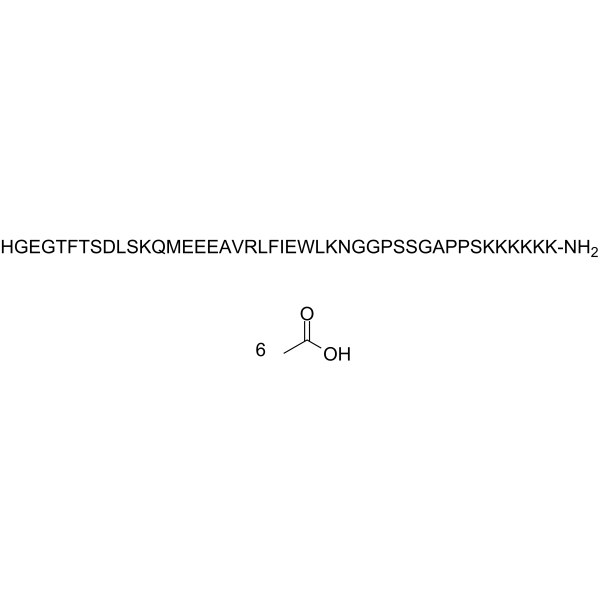
HDM1005
|
GLP Receptor
|
Metabolic Disease
|
|
Poterepatide (HDM1005) is a long-acting GLP-1R/GIPR peptide dual agonist. Poterepatide exhibits potent activity on both GLP-1 and GIP receptors. Poterepatide can be used for the study of obesity and type 2 diabetes .
|
-
- HY-P11270
-
|
BG128
|
Insulin Receptor
GLP Receptor
|
Metabolic Disease
|
|
Relsipatide (BG128) is a dual gastric inhibitory polypeptide (GIP) and glucagon-like peptide 1 (GLP-1) receptor agonist. Enicepatide can be studied in antidiabetic research .
|
-
- HY-P10312
-
|
|
GLP Receptor
|
Metabolic Disease
|
|
SPN009 (Sequence 3) is a GLP-1 Receptor agonist, with EC50 of 2.84 nM. SPN009 attenuates the type II diabetes in DB/DB mice models .
|
-
- HY-116819
-
|
|
GCGR
|
Neurological Disease
Metabolic Disease
|
|
VU0453379 is a blood-brain barrier permeable GLP-1R positive allosteric modulator (PAM) with an EC50 value of 1.3 μM. VU0453379 potentiates the actions of endogenous GLP-1 and synthetic peptide agonists, and promotes GLP-1 receptor internalization. VU0453379 stimulates insulin secretion from primary mouse islets. VU0453379 enhances the function of endogenous GLP-1R and reverses catalepsy in animal models. VU0453379 is useful for research on Parkinson's disease and type 2 diabetes .
|
-
- HY-P0120
-
|
LY2189265
|
GCGR
|
Metabolic Disease
|
|
Dulaglutide (LY2189265) is a glucagon-like peptide-1 (GLP-1) receptor agonist. Dulaglutide can be uesd for the research of type 2 diabetes (T2D) .
|
-
- HY-178492
-
|
|
TRP Channel
|
Neurological Disease
Metabolic Disease
|
|
TRPA1 agonist-2 (Compound 4B) is an orally active and highly selective TRPA1 channel agonist. TRPA1 agonist-2 triggers calcium influx and stimulates GLP-1 secretion. TRPA1 agonist-2 is promising for research of diabetes, obesity, and related neurodegenerative diseases .
|
-
- HY-12976
-
|
|
G Protein-coupled Receptor Kinase (GRK)
|
Metabolic Disease
|
|
DS-1558 is an orally active small molecule G protein-coupled receptor 40 agonist. DS-1558 not only increases the glucose-stimulated insulin secretion by glucagon like peptide-1 (GLP-1) but also potentiated the maximum insulinogenic effects of GLP-1 after an intravenous glucose injection in normal Sprague Dawley rats. DS-1558 is promising for research of type 2 diabetes .
|
-
- HY-P3366
-
|
XW003
|
GCGR
|
Metabolic Disease
|
|
Ecnoglutide (XW003) is a long-acting, cAMP-biased glucagon-like peptide 1 (GLP-1) receptor agonist. Ecnoglutide can be used for research of T2DM and obesity .
|
-
- HY-139276
-
|
|
GLP Receptor
|
Others
|
|
Pal-Glu(OSu)-OH is a side chain of Liraglutide. Liraglutide is a glucagon-like peptide-1 (GLP-1) receptor agonist that can be used for type 2 diabetes mellitus research .
|
-
- HY-162136
-
|
|
Free Fatty Acid Receptor
|
Metabolic Disease
|
|
GPR40 agonist 7 (Compound 1) is an orally active G protein-coupled receptor 40 (GPR40) agonist. GPR40 agonist 7 can significantly increase insulin and GLP-1 secretion, and has a hypoglycemic effect in vivo with an ED50 of 0.58 mg/kg
|
-
- HY-175422
-
|
|
GPR119
|
Metabolic Disease
|
|
K-833 is a GPR119 agonist with EC50 values of 39.8 nM (human), 100nM (mouse), 75.4 nM (rat) and 12.6 nM (dog). K-833 demonstrates a modest increase in GLP-1 secretion and leads to a synergistic increase in GLP-1 levels when combined with AM-5262 (HY-16619) in acute gut peptide secretion assays in mice. K-833 can be used in studies on weight loss .
|
-
- HY-N0630
-
|
|
GCGR
|
Neurological Disease
|
|
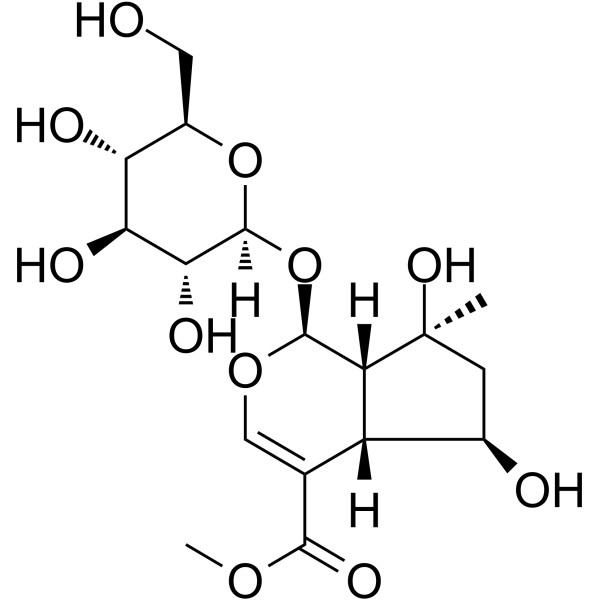
Shanzhiside methy lester is isolated from lamiophlomis rotata. Shanzhiside methyl ester is a small molecule glucagon-like peptide-1 (GLP-1) receptor agonist and has the ability to induce anti-allodynic tolerance .
|
-
- HY-P11666
-
|
LY-3537031
|
GLP Receptor
|
Metabolic Disease
|
|
Brenipatide (LY-3537031) is a dual glucagon-like peptide-1 (GLP-1) and gastric inhibitory polypeptide (GIP) receptor agonist. Brenipatide can be used for the study of metabolic disorders, obesity and diabetes .
|
-
- HY-129658A
-
|
|
GCGR
|
Metabolic Disease
|
|
TT-OAD2 is a non-peptide glucagon-like peptide-1 (GLP-1) receptor agonist with an EC50 of 5 nM. TT-OAD2 has the potential for diabetes treatment .
|
-
- HY-P10736A
-
|
|
GCGR
|
Metabolic Disease
|
|
AMG133 peptide payload TFA is a GLP-1 analog agonist peptide. AMG133 peptide payload TFA potently activates GLP-1R and exhibits weight loss and metabolic improvement activities. AMG133 peptide payload TFA can be used for the synthesis of AMG 133 (HY-164535) .
|
-
- HY-P0014AS
-
-
- HY-129658
-
|
|
GCGR
|
Metabolic Disease
|
|
TT-OAD2 free base is a non-peptide glucagon-like peptide-1 (GLP-1) receptor agonist with an EC50 of 5 nM. TT-OAD2 free base has the potential for diabetes treatment .
|
-
- HY-P0014S2
-
|
|
Isotope-Labeled Compounds
|
Others
|
|
Liraglutide- 13C6, 15 TFA is the 13C and 15N labeledLiraglutide(HY-P0014). Liraglutide is a glucagon-like peptide-1 (GLP-1) receptor agonist used for the study of type 2 diabetes mellitus .
|
-
- HY-P0014S1
-
|
|
Isotope-Labeled Compounds
GLP Receptor
GCGR
|
Others
|
|
Liraglutide- 13C6, 15 tetraTFA is the 13C and 15N labeled Liraglutide (HY-P0014) . Liraglutide is a glucagon-like peptide-1 (GLP-1) receptor agonist used for the study of type 2 diabetes mellitus .
|
-
- HY-12413A
-
|
|
Free Fatty Acid Receptor
|
Metabolic Disease
|
|
BMS-986118 is a potent, orally active, and selective GPR40 agonist with an EC50 of 0.07 µM. BMS-986118 has dual insulinotropic and GLP-1 secretory effects, resulting in robust plasma glucose lowering effects in acute animal models .
|
-
- HY-P3388
-
|
|
GLP Receptor
|
Cardiovascular Disease
Metabolic Disease
|
Utreglutide is an effective glucagon-like peptide 1 (GLP-1) receptor agonist. Utreglutide can lower blood pressure, blood lipids and body weight, and improve cardiovascular metabolism. Utreglutide can be used for research on type 2 diabetes or non-type 2 diabetes obesity .
|
-
- HY-N0630R
-
|
|
Reference Standards
GCGR
|
Neurological Disease
|
|
Shanzhiside methyl ester (Standard) is the analytical standard of Shanzhiside methyl ester. This product is intended for research and analytical applications. Shanzhiside methy lester is isolated from lamiophlomis rotata. Shanzhiside methyl ester is a small molecule glucagon-like peptide-1 (GLP-1) receptor agonist and has the ability to induce anti-allodynic tolerance .
|
-
- HY-175701
-
|
RO7795081; RG6652
|
Arrestin
GLP Receptor
|
Metabolic Disease
|
|
CT-996 is an orally active GLP-1RA agonist with an EC50 of 0.49 nM. CT-996 reduces the recruitment of β-arrestin and the internalization of GLP-1R. CT-996 suppresses postprandial blood glucose in mice expressing human GLP-1 receptors and enhances glucose-stimulated insulin secretion (GSIS) in obese monkeys during intravenous glucose challenge. CT-996 can be used for the research of type 2 diabetes (T2D) and obesity .
|
-
- HY-179131
-
|
|
NOD-like Receptor (NLR)
|
Metabolic Disease
Inflammation/Immunology
|
|
TN-783 is an orally active, brain-penetrant NLRP3 (IC50 = 19.3 nM) inhibitor. TN-783 enhances the effects of the GLP-1 receptor agonist semaglutide. TN-783 requires sustained targeted action, not permanent metabolic remodeling. TN-783 can be used for the study of obesity .
|
-
- HY-13443F2
-
|
Exendin-4-Cys(Cy5)
|
Fluorescent Dye
|
Metabolic Disease
|
|
Exendin-4, Cy5-labeled (Exendin-4-Cys(Cy5)) is a covalently linked Cy5 fluorescent group to Exendin-4 (HY-13443), a GLP-1 receptor agonist. Exendin-4, Cy5-labeled enables the visualization imaging of β cells in vivo, especially for evaluating the expression dynamics of GLP-1R in type 2 diabetes models .
|
-
- HY-P10341
-
|
|
GCGR
|
Metabolic Disease
|
|
ZP3022 is a dual agonist of glucagon-like peptide-1 (GLP-1) and gastrin that has the ability to sustainably improve glycemic control. Additionally, ZP3022 can effectively increase β-cell mass, promote β-cell proliferation, and enhance the function of pancreatic islets. ZP3022 can be used in anti-diabetic research .
|
-
- HY-P2231
-
|
MEDI0382
|
GCGR
|
Metabolic Disease
|
|
Cotadutide (MEDI0382) is a potent dual agonist of glucagon-like peptide-1 (GLP-1) and GCGR with EC50 values of 6.9 pM and 10.2 pM, respectively. Cotadutide exhibits ability to facilitate both weight loss and glycaemic control, and alleviate fibrosis. Cotadutide can be used in the research of obesity and type 2 diabetes (T2D) .
|
-
- HY-P2231A
-
|
MEDI0382 acetate
|
GCGR
|
Metabolic Disease
|
|
Cotadutide (MEDI0382) acetate is a potent dual agonist of glucagon-like peptide-1 (GLP-1) and GCGR with EC50 values of 6.9 pM and 10.2 pM, respectively. Cotadutide acetate exhibits ability to facilitate both weight loss and glycaemic control, and alleviate fibrosis. Cotadutide acetate can be used in the research of obesity and type 2 diabetes (T2D) .
|
-
- HY-164535
-
|
AMG 133
|
Antibody-Drug Conjugates (ADCs)
GLP Receptor
Insulin Receptor
|
Metabolic Disease
|
|
Maridebart cafraglutide (AMG 133) is a long-acting peptide-antibody conjugate that combines GLP-1 receptor agonist with glucose-dependent insulinotropic polypeptide (GIP) receptor antagonism. Maridebart cafraglutide shows antagonist activity against human, cynomolgus monkey and rat GIPR with IC50 values of 46.4 nM, 26.5 nM, 822.3 nM, respectively. Maridebart cafraglutide shows agonist activity against human, cynomolgus monkey, rat and mouse GLP-1R with EC50 values of 24.4 pM, 5.7 pM, 2.4 pM and 123 pM, respectively. Maridebart cafraglutide can be used for the study of obesity and type 2 diabetes .
|
-
- HY-115643
-
|
|
GPR119
|
Metabolic Disease
|
|
AZ13581837 is a GPR120 agonist with oral effectiveness, human EC50 values of 5.2 nM, and mouse EC50 of 4.3 nM. AZ13581837 signals through Gαq, Gαs, and β-arrestin pathways, reduces cAMP production, stimulates GLP-1 secretion, induces glucose lowering, and increases insulin secretion. AZ13581837 can be used for the research of type 2 diabetes .
|
-
- HY-109692
-
|
|
Free Fatty Acid Receptor
|
Metabolic Disease
Inflammation/Immunology
|
|
GPR120 Agonist 5 (compound 12) is an agonist targeting GPR120 (EC50=1.2 μM). GPR120 Agonist 5 promotes the release of glucagon-like 1 (GLP-1) by binding to the GPR120 receptor, which in turn binds to its receptors on pancreatic beta cells, increasing insulin secretion and thereby lowering blood sugar levels. GPR120 Agonist 5 also helps reduce chronic low-grade inflammation, which plays an important role in the pathogenesis of obesity, insulin resistance, and type 2 diabetes. GPR120 Agonist 5 can be used to investigate the mechanism of action of GPR120 in metabolic and inflammatory diseases .
|
-
- HY-P11262
-
|
|
GLP Receptor
|
Metabolic Disease
|
|
GUB021794 is a potent and highly selective glucagon-like peptide-1 receptor (GLP-1R) agonist developed using the streaMLine platform with an EC50 value of 18 pM. GUB021794 has a very weak activity against SCTR, with an EC50 value of 190 nM. GUB021794 can significantly reduce the body weight, food intake, and total fat mass of mice in a diet-induced obesity (DIO) model. GUB021794 can be used for research on obesity/diabetes .
|
-
- HY-P0119A
-
-
- HY-P0119
-
-
- HY-120493A
-
|
|
Free Fatty Acid Receptor
|
Metabolic Disease
|
|
AM-6226 is a potent and orally active G protein coupled receptor 40 (GPR40) full agonist with an EC50 of 0.12 μM. AM-6226 can activate the GPR40 receptors on pancreatic β cells and enteroendocrine L cells, promote insulin secretion in a glucose-dependent manner and also increase the release of incretin hormones (GLP-1, GIP), thereby avoiding the risk of hypoglycemia. AM-6226 can be used for the research of metabolic disease, such as diabetes .
|
-
- HY-108020
-
|
|
Free Fatty Acid Receptor
|
Endocrinology
|
|
LY2881835 is a potent and selective agonist of G protein-coupled receptor 40 (GPR40). LY2881835 has efficacious and durable dose-dependent reductions in glucose levels along with significant increases in insulin and GLP-1 secretion. LY2881835 has the potential for the research of type 2 diabetes mellitus . LY2881835 is a click chemistry reagent, it contains an Alkyne group and can undergo copper-catalyzed azide-alkyne cycloaddition (CuAAc) with molecules containing Azide groups.
|
-
- HY-107535
-
|
|
GPR119
TRP Channel
|
Metabolic Disease
|
|
AS1269574 is a potent, orally available GPR119 agonist, with an EC50 of 2.5 μM in HEK293 cells expressing human GPR119. AS1269574 activates TRPA1 cation channels to stimulate glucagon-like peptide-1 (GLP-1) secretion. AS1269574 specifically induces glucose-dependent insulin secretion from pancreatic β-cells only under high-glucose conditions. AS1269574 has the potential for the research of type 2 diabetes .
|
-
- HY-120493
-
|
|
Free Fatty Acid Receptor
|
Metabolic Disease
|
|
(rel)-AM-6226 is the relative stereoisomer of AM-6226 (HY-120493A). AM-6226 is a potent, orally active full agonist of G protein-coupled receptor 40 (GPR40) with an EC50 value of 0.12 μM. AM-6226 activates GPR40 receptors on pancreatic β-cells and enteroendocrine L-cells, promotes insulin secretion in a glucose-dependent manner, and increases the release of incretin hormones (GLP-1, GIP), thus avoiding the risk of hypoglycemia. AM-6226 can be used in the research of metabolic diseases such as diabetes .
|
-
- HY-P0119S
-
-
- HY-107535R
-
|
|
Reference Standards
GPR119
TRP Channel
|
Metabolic Disease
|
|
AS1269574 (Standard) is the analytical standard of AS1269574 (HY-107535). This product is intended for research and analytical applications. AS1269574 is a potent, orally available GPR119 agonist, with an EC50 of 2.5 μM in HEK293 cells expressing human GPR119. AS1269574 activates TRPA1 cation channels to stimulate glucagon-like peptide-1 (GLP-1) secretion. AS1269574 specifically induces glucose-dependent insulin secretion from pancreatic β-cells only under high-glucose conditions. AS1269574 has the potential for the research of type 2 diabetes .
|
-
- HY-W011121
-
|
2-OG
|
GPR119
NF-κB
TGF-beta/Smad
GLP Receptor
|
Metabolic Disease
|
|
2-Oleoylglycerol (2-OG) is a lipid found in the diet. It is a GPR119 agonist, with an EC50 value of 2.5 μM in activating hGPR119 in transiently transfected COS-7 cells. 2-Oleoylglycerol enhances the inflammatory response of macrophages and promotes fibrosis by activating the GPR119/TAK1/NF-κB/TGF-β1 signaling pathway. It also stimulates glucagon-like peptide 1 (GLP-1) secretion in vivo. 2-Oleoylglycerol is expected to be used in the research of non-alcoholic steatohepatitis (NASH) .
|
-
- HY-126855
-
|
7-Sulfocholic acid
|
G protein-coupled Bile Acid Receptor 1
MHC
|
Metabolic Disease
|
|
Cholic acid 7-sulfate (7-Sulfocholic acid) is a selective agonist targeting TGR5 (EC50=0.17 μM) and a ligand for MHC class I-related protein (MR1). As a gut-restricted TGR5 agonist, cholic acid 7-sulfate binds to TGR5 on enteroendocrine L cells, induces GLP-1 secretion, and improves glucose tolerance in a TGR5-dependent manner. Cholic acid 7-sulfate also acts as an endogenous ligand for MR1, promoting the survival of mucosal-associated invariant T cells MAIT and the expression of homeostatic gene signatures, affecting MAIT cell development and function. Cholic acid 7-sulfate is mainly used in the research of diabetes and MAIT cell-related immune regulation .
|
-
- HY-113513
-
|
|
Others
|
Cancer
|
|
5(S)-HEPE is an active metabolite of eicosapentaenoic acid. It is formed from EPA by 5-lipoxygenase (5-LO). 5(S)-HEPE is an agonist of G protein-coupled receptor 119 (GPR119). It increases cAMP accumulation in CHO-K1 cells expressing human GPR119 when used at a concentration of 10 μM. 5(S)-HEPE increases glucose-induced insulin secretion from MING6 insulinoma pancreatic islets and glucagon-like peptide 1 (GLP-1) secretion from HuTu 80 adenocarcinoma cells when used at a concentration of 10 μM. Serum levels of 5(S)-HEPE are elevated in patients with hyperlipidemia.
|
-
- HY-P11274A
-
|
Amycretin sodium; NN 9487 sodium
|
Amylin Receptor
Insulin Receptor
GCGR
|
Metabolic Disease
|
Zenagamtide (Amycretin; NN 9487) sodium is an orally active, blood-brain barrier permeable triple agonist that targets GLP-1, amylin (Amylin Receptor) and calcitonin receptor (Calcitonin Receptor). Zenagamtide sodium is a single peptide consisting of 68 amino acids that can target brain regions regulating food intake, significantly suppress appetite and reduce energy intake. Therefore, Zenagamtide sodium improves body weight, waist circumference, glycated hemoglobin and lipid profile, and also alleviates the histological features of metabolic dysfunction-associated steatotic liver disease (MASLD) and enhances insulin sensitivity. Zenagamtide sodium may cause transient increases in heart rate and fluctuations in serum calcium levels, but it is an important compound for the study of overweight, obesity, insulin resistance and related metabolic diseases .
|
-
- HY-P11274
-
|
Amycretin; NN 9487
|
Amylin Receptor
GCGR
Insulin Receptor
|
Metabolic Disease
|
Zenagamtide (Amycretin; NN 9487) is an orally active, blood-brain barrier permeable triple agonist that targets GLP-1, amylin (Amylin Receptor) and calcitonin receptor (Calcitonin Receptor). Zenagamtide is a single peptide consisting of 68 amino acids that can target brain regions regulating food intake, significantly suppress appetite and reduce energy intake. Therefore, Zenagamtide improves body weight, waist circumference, glycated hemoglobin and lipid profile, and also alleviates the histological features of metabolic dysfunction-associated steatotic liver disease (MASLD) and enhances insulin sensitivity. Zenagamtide may cause transient increases in heart rate and fluctuations in serum calcium levels, but it is an important compound for the study of overweight, obesity, insulin resistance and related metabolic diseases .
|
-
- HY-107648
-
|
|
mAChR
|
Neurological Disease
Inflammation/Immunology
|
|
McN-A-343 is a selective M1 muscarinic agonist that stimulates muscarinic transmission in sympathetic ganglia. McN-A-343 produces a significant inhibitory effect on Muscarine (HY-121404)-evoked catecholamine secretion from the isolated perfused rat adrenal gland. McN-A-343 is involved in the regulation of neuronal firing and activates enteroendocrine L cells to release glucagon-like peptide 1 (GLP-1) and modulates the secretion of α-melanocyte stimulating hormone (α-MSH) from the pituitary gland in the central nervous system. McN-A-343 reduces colonic inflammation and oxidative stress in Acetic acid (HY-Y0319)-induced ulcerative colitis (UC) mice. McN-A-343 can be used for the study of ulcerative colitis .
|
-
- HY-N15721
-
|
Trp-CA
|
Orphan GPCR
GLP Receptor
|
Metabolic Disease
|
|
Tryptophan-cholic acid (Trp-CA) is a microbial amino acid-conjugated bile acid that acts as an endogenous ligand and agonist (EC50=9.6 μM) for the orphan G protein-coupled receptor (GPCR) MRGPRE (Mas-related G protein-coupled receptor family member E). Tryptophan-cholic acid is orally effective but has poor oral absorption and does not cross the blood-brain barrier. Tryptophan-cholic acid promotes the secretion of glucagon-like peptide GLP-1, thereby improving glucose tolerance in diabetic mice. Tryptophan-cholic acid improves glucose tolerance, promotes insulin secretion, and alleviates high-fat diet-induced hepatic steatosis without causing pruritus side effects. Tryptophan-cholic acid is primarily used in research on type 2 diabetes (T2D) .
|
-
- HY-W701772
-
|
2-OG-d5
|
Isotope-Labeled Compounds
GPR119
TGF-beta/Smad
NF-κB
GLP Receptor
|
Metabolic Disease
|
|
2-Oleoylglycerol-d5 (2-OG-d5) is the deuterium labeled 2-Oleoylglycerol (HY-W011121). 2-Oleoylglycerol (2-OG) is a lipid found in the diet. It is a GPR119 agonist, with an EC50 value of 2.5 μM in activating hGPR119 in transiently transfected COS-7 cells. 2-Oleoylglycerol enhances the inflammatory response of macrophages and promotes fibrosis by activating the GPR119/TAK1/NF-κB/TGF-β1 signaling pathway. It also stimulates glucagon-like peptide 1 (GLP-1) secretion in vivo. 2-Oleoylglycerol is expected to be used in the research of non-alcoholic steatohepatitis (NASH) .
|
-
- HY-126855S
-
|
7-Sulfocholic acid-d4
|
Isotope-Labeled Compounds
G protein-coupled Bile Acid Receptor 1
MHC
|
Metabolic Disease
|
|
Cholic acid 7-sulfate-d4 (7-Sulfocholic acid-d4) is the deuterium labeled Cholic acid 7-sulfate (HY-126855). Cholic acid 7-sulfate is a selective agonist targeting TGR5 (EC50=0.17 μM) and a ligand for MHC class I-related protein (MR1). As a gut-restricted TGR5 agonist, cholic acid 7-sulfate binds to TGR5 on enteroendocrine L cells, induces GLP-1 secretion, and improves glucose tolerance in a TGR5-dependent manner. Cholic acid 7-sulfate also acts as an endogenous ligand for MR1, promoting the survival of mucosal-associated invariant T cells MAIT and the expression of homeostatic gene signatures, affecting MAIT cell development and function. Cholic acid 7-sulfate is mainly used in the research of diabetes and MAIT cell-related immune regulation .
|
-
- HY-P11670
-
-
- HY-171850
-
|
|
GLP Receptor
|
Metabolic Disease
Inflammation/Immunology
|
|
GLP-1R modulator-1 (Compound 384) is an orally active, potent selective glucagon-like peptide-1 receptor (GLP-1R) agonist. GLP-1R modulator-1 activates G-protein coupled signaling, elevates intracellular cAMP levels, promotes insulin secretion, delays gastric emptying and suppresses appetite. GLP-1R modulator-1 is promising for research of type 2 diabetes, obesity, and non-alcoholic steatohepatitis (NASH) .
|
-
- HY-P3255
-
-
- HY-P4386
-
|
|
GLP Receptor
|
Metabolic Disease
|
|
(Asp28)-Exenatide is a degradation product of exenatide (HY-13443). (Asp28)-Exenatide can be used as a GLP-1R agonist .
|
-
- HY-125824
-
|
PF-06882961
|
GCGR
|
Metabolic Disease
|
|
Danuglipron (PF-06882961) is an orally active glucagon-like peptide-1 receptor (GLP-1R) agonist. Danuglipron has the potential for type 2 diabetes research .
|
-
- HY-P3506
-
|
LY3437943
|
GCGR
GLP Receptor
|
Metabolic Disease
|
|
Retatrutide (LY3437943) is a triple agonist peptide of the glucagon receptor (GCGR), glucosedependent insulinotropic polypeptide receptor (GIPR), and glucagon-like peptide-1 receptor (GLP-1R). Retatrutide binds human GCGR, GIPR, and GLP-1R with EC50 values of 5.79, 0.0643 and 0.775 nM, respectively. Retatrutide can be used for the research of obesity .
|
-
- HY-P3506B
-
|
LY3437943 acetate
|
GCGR
GLP Receptor
|
Metabolic Disease
|
|
Retatrutide (LY3437943) acetate is a triple agonist peptide of the glucagon receptor (GCGR), glucosedependent insulinotropic polypeptide receptor (GIPR), and glucagon-like peptide-1 receptor (GLP-1R). Retatrutide acetate inhibits human GCGR, GIPR, and GLP-1R with EC50 values of 5.79, 0.0643 and 0.775 nM, respectively. Retatrutide acetate can be used for the research of obesity .
|
-
- HY-P5161
-
-
- HY-153865
-
|
PF-07081532
|
GLP Receptor
|
Metabolic Disease
|
|
Lotiglipron (PF-07081532) is an orally active GLP-1R agonist. Lotiglipron reduces glucose and body weight, and can be used for research of Type 2 diabetes mellitus (T2DM) .
|
-
- HY-P10032
-
-
- HY-P3506A
-
|
LY3437943 TFA
|
GLP Receptor
GCGR
|
Metabolic Disease
|
|
Retatrutide (LY3437943) TFA is a triple agonist peptide of the glucagon receptor (GCGR), glucosedependent insulinotropic polypeptide receptor (GIPR), and glucagon-like peptide-1 receptor (GLP-1R). Retatrutide TFA binds human GCGR, GIPR, and GLP-1R with EC50 values of 5.79, 0.0643 and 0.775 nM, respectively. Retatrutide TFA can be used for the research of obesity .
|
-
- HY-P10716
-
|
|
GLP Receptor
|
Metabolic Disease
|
|
Exendin-P5 is a selective agonist that targets the GLP-1R. Exendin-P5 promotes rapid activation of G proteins by transient interactions with the transmembrane domain of GLP-1R, enhancing its potency in G protein-mediated signaling and accelerating cAMP production. This mechanism suggests the potential application of Exendin-P5 in the study of metabolic diseases .
|
-
- HY-125824A
-
|
PF-06882961 tromethamine
|
GCGR
|
Metabolic Disease
|
|
Danuglipron (PF-06882961) tromethamine is an orally active glucagon-like peptide-1 receptor (GLP-1R) agonist. Danuglipron tromethamine has the potential for type 2 diabetes research .
|
-
- HY-P5161A
-
-
- HY-145632
-
|
ALT-801
|
GLP Receptor
GCGR
|
Metabolic Disease
|
|
Pemvidutide (ALT-801) is a GLP-1R/GCGR dual agonist, shows striking reductions in body weight, liver fat and serum lipids. Pemvidutide can be used in non-alcoholic steatohepatitis (NASH) and obesity research .
|
-
- HY-172811
-
|
|
GCGR
|
Metabolic Disease
|
|
DA-302168S is an orally active and selective agonist targeting the GLP-1R, with EC50 value of 1.32 nM. DA-302168S stimulates insulin secretion and shows hypoglycemic effects. DA-302168S decreases food intake. DA-302168S mainly activates GLP-1R of monkeys and humans, and exhibits little excitatory effect on GLP-1R of rats, mice, and dogs. DA-302168S can be used for type 2 diabetes and obesity study .
|
-
- HY-P10929
-
|
|
Drug Intermediate
|
Others
|
|
Fmoc-Lys(tBuO-Ara-Glu(AEEA-AEEA)-OtBu)-OH is a drug intermediate in the synthesis of Tirzepatide. Tirzepatide is a dual glucose-dependent insulinotropic peptide (GIP) and glucagon-like peptide-1 receptor (GLP-1R) agonist .
|
-
- HY-145632A
-
|
ALT-801 TFA
|
GLP Receptor
GCGR
|
Metabolic Disease
|
|
Pemvidutide (ALT-801) TFA is a GLP-1R/GCGR dual agonist, shows striking reductions in body weight, liver fat and serum lipids. Pemvidutide TFA can be used in non-alcoholic steatohepatitis (NASH) and obesity research .
|
-
- HY-P11279
-
|
|
GLP Receptor
GCGR
Neuropeptide Y Receptor
|
Metabolic Disease
|
TC2 is an efficient GIPR-preferring monomeric quadruple agonist that can respectively activate GIPR, GLP-1R, GcgR, and Y2R with IC50 values of 0.47, 2.1, 30, and 55 nM respectively. TC2 exhibits a significant GLP-1R preference, with a significant reduction in β-inhibitory protein 2 (βArr2) recruitment, while maintaining a strong cAMP signal. TC2 can be used for research on obesity and diabetes .
|
-
- HY-P10032A
-
-
- HY-177295
-
|
LY3549492
|
GLP Receptor
Phosphodiesterase (PDE)
|
Neurological Disease
Metabolic Disease
Inflammation/Immunology
Cancer
|
|
Naperiglipron (LY3549492) is an orally active Glucagon-like peptide 1 receptor (GLP-1R) agonist with an EC50 of 1.14 nM for hGLP-1R. Naperiglipron significantly decreases the level of blood glucose in GLP-1R knock-in mouse models. Naperiglipron inhibits PDE10A1 enzyme activity (IC50: 7.43 μM) with a weak hERG inhibitory activity. Naperiglipron can be used for type II diabetes mellitus (T2DM) and obesity research .
|
-
- HY-P11044
-
|
|
GCGR
Neuropeptide Y Receptor
|
Metabolic Disease
|
|
GEP12 is a GLP-1R/Y1-R/Y2-R tri-receptor agonist peptide with an EC50 of 17.3 nM and an IC50 of 19.2 nM for receptor binding. GEP12 may promote glycemic control and weight loss .
|
-
- HY-P11233
-
|
|
GLP Receptor
|
Metabolic Disease
|
|
Acmopatide (Compound E-153) is a dual-acting GIP/GLP-1 receptor agonist. Acmopatide is used in anti-diabetic research .
|
-
- HY-P3375
-
|
IBI-362; LY-3305677; OXM-3
|
GCGR
GLP Receptor
|
Metabolic Disease
|
|
Mazdutide (IBI-362; LY-3305677) is a long-acting synthetic oxyntomodulin analog. Mazdutide is also a co-agonist of glucagon-like peptide (GLP-1R) and glucagon receptor (GCGR). Mazdutide binds human and mouse GCGR (Ki: 17.7 nM and 15.9 nM, respectively) and GLP-1R (Ki: 28.6 nM and 25.1 nM, respectively) and stimulates insulin secretion from mouse islets (EC50: 5.2 nM). Mazdutide is used in studies of obesity and type 2 diabetes (T2D) .
|
-
- HY-160734
-
|
GSBR-1290
|
GLP Receptor
|
Metabolic Disease
|
|
Aleniglipron (GSBR-1290) is an orally active glucagon-like peptide-1 receptor (GLP-1R) agonist, with an EC50 value of less than 0.1 nM in HDB cell lines in cAMP stimulation assays. Aleniglipron selectively activates the Gαs-cAMP signaling pathway of GLP-1R without β-arrestin recruitment. Aleniglipron induces insulin release, promotes glucose clearance, reduces food intake and decreases body weight. Aleniglipron is applicable to research related to type 2 diabetes and obesity .
|
-
- HY-P0165B
-
|
ITM077 acetate; R1583 acetate; BIM51077 acetate
|
GLP Receptor
|
Metabolic Disease
|
|
Taspoglutide (R1583) acetate is an agonist of the glucagon-like peptide 1 receptor (GLP-1R) with an Ki value of 1.1 nM. Taspoglutide acetate induces cAMP accumulation in CHO-K1 cells expressing human GLP-1R (EC50 = 0.06 nM). Taspoglutide acetate decreases blood levels of glucose and increases blood levels of insulin in a glucose tolerance test in Zucker diabetic obese rats. Taspoglutide acetate reduces blood levels of gastric inhibitory polypeptide (GIP), plasma levels of triglycerides, and body weight in the same model .
|
-
- HY-P3375A
-
|
IBI-362 TFA; LY-3305677 TFA; OXM-3 TFA
|
GCGR
GLP Receptor
|
Metabolic Disease
|
|
Mazdutide (IBI-362; LY-3305677) TFA is a long-acting synthetic oxyntomodulin analog. Mazdutide is also a co-agonist of glucagon-like peptide (GLP-1R) and glucagon receptor (GCGR). Mazdutide TFA binds human and mouse GCGR (Ki: 17.7 nM and 15.9 nM, respectively) and GLP-1R (Ki: 28.6 nM and 25.1 nM, respectively) and stimulates insulin secretion from mouse islets (EC50: 5.2 nM). Mazdutide TFA is used in studies of obesity and type 2 diabetes (T2D) .
|
-
- HY-P10031
-
|
|
GLP Receptor
GCGR
|
Metabolic Disease
|
|
SAR441255 is a GLP-1R/GCGR/GIPR agonist, with human EC50 values of 1.03 pM, 1.01 pM, and 0.73 pM, respectively. SAR441255 stimulates receptor activity and drives cAMP accumulation. SAR441255 can be used for the research of type 2 diabetes, obesity .
|
-
- HY-P11043
-
|
|
GLP Receptor
Neuropeptide Y Receptor
Arrestin
|
Metabolic Disease
|
|
GEP44 is a peptide biased triple agonist targeting Glucagon-like peptide 1 receptor (GLP-1R), neuropeptide Y1 Receptor (Y1-R), and neuropeptide Y2 Receptor (Y2-R). GEP44 induces Y1-R antagonist-controlled, GLP-1R-dependent stimulation of insulin secretion in both rat and human pancreatic islets by counteracting effects of Y1-R and GLP-1R agonism. GEP44 promotes insulin-independent Y1-R-mediated glucose uptake in muscle tissue and significantly reduces food intake and body weight in diet-induced obese rat models. GEP44 can be used for obesity and type 2 diabetes mellitus research .
|
-
- HY-P3291
-
|
ZP7570
|
GCGR
|
Metabolic Disease
|
|
Dapiglutide (ZP7570) is a long-acting glucagon-like peptide-1 receptor 1R (GLP-1R)/Glucagon-like peptide-2 receptor (GLP-2R) dual agonist. Dapiglutide alleviates intestinal dysfunction in a mouse short bowel model and has anti-obesity effects .
|
-
- HY-45894
-
|
Semaglutide side chain
|
GLP Receptor
|
Metabolic Disease
Inflammation/Immunology
|
|
tBuO-Ste-Glu(AEEA-AEEA-OH)-OtBu is an intermediate in the synthesis of the glucagon-like peptide 1 receptor (GLP-1R) agonist Semaglutide (HY-114118). tBuO-Ste-Glu(AEEA-AEEA-OH)-OtBu exhibits a strong binding affinity to albumin and can be used to modify SN38 prodrugs to improve tumor distribution .
|
-
- HY-P10337
-
|
|
GCGR
GLP Receptor
|
Metabolic Disease
Endocrinology
|
|
OXM-7 is a dual agonist of GLP-1R (EC50=0.024 nM) and GCGR (EC50=0.082 nM). OXM-7 can enhance glucose-stimulated insulin secretion and hepatic glucose output. OXM-7 lowers blood glucose levels. OXM-7 improves lipid metabolism .
|
-
- HY-145156
-
|
|
GLP Receptor
|
Metabolic Disease
|
|
CHU-128 is an effective and selective GLP-1R agonist. CHU-128 exhibits strong signal specificity and can activate the Gs/cAMP pathway, but it cannot activate the Gq/calcium signal, ERK phosphorylation, or recruit β-inhibitory proteins. CHU-128 can be used for research on type 2 diabetes .
|
-
- HY-P11275
-
|
|
GLP Receptor
GCGR
Neuropeptide Y Receptor
|
Metabolic Disease
|
TC4 is a highly balanced single-molecule quadruple agonist that can respectively activate GIPR, GLP-1R, GcgR, and Y2R with IC50 values of 0.95, 31, 81, and 1100 nM respectively. TC4 exhibits extremely strong signal bias on GLP-1R and has very low recruitment efficacy for β-inhibitor protein 2 (βArr2) and this strong cAMP preference is believed to maximize metabolic benefits (such as weight loss and hypoglycemia) while possibly minimizing side effects mediated by β-inhibitor protein recruitment (such as receptor desensitization). TC4 can be used for research on obesity and diabetes .
|
-
- HY-114118F4
-
|
Semaglutide-Lys(FITC)
|
Fluorescent Dye
GLP Receptor
|
Metabolic Disease
|
|
Semaglutide-FITC (Semaglutide-Lys(FITC)) is a FITC-labeled Semaglutide (a GLP-1R agonist) (HY-114118). Semaglutide-FITC can be used to directly track the distribution, cellular uptake, and transmembrane transport process of vesicles through techniques such as fluorescence imaging and flow cytometry. Semaglutide-FITC can be employed to study the movement and penetration ability of mixed vesicles in porcine intestinal mucus in vitro .
|
-
- HY-P10018
-
|
SAR425899
|
GLP Receptor
GCGR
|
Metabolic Disease
|
|
Bamadutide (SAR425899) is a potent dual glucagon-like peptide-1 receptor/glucagon receptor (GLP-1R/GCGR) agonist. Bamadutide improves post-meal blood glucose control by significantly enhancing β-cell function and slowing down the rate of glucose absorption in the body. Bamadutide can be used for the research of metabolic diseases such as type 2 diabetes .
|
-
- HY-P3491
-
-
- HY-114118
-
|
|
GLP Receptor
Insulin Receptor
α-synuclein
Apoptosis
p38 MAPK
Autophagy
Bcl-2 Family
|
Neurological Disease
Metabolic Disease
Cancer
|
|
Semaglutide is a long-acting, selective, competitive GLP-1R agonist that can penetrate the blood-brain barrier. After activating GLP-1R, Semaglutide promotes insulin secretion, inhibits gastric emptying and appetite, and at the same time enhances autophagy, inhibits oxidative stress and apoptosis. Semaglutide also regulates mitochondrial function and lipid metabolism (such as reducing de novo lipogenesis in the liver). Semaglutide has activities such as lowering blood sugar, reducing weight, neuroprotection (such as improving motor function in Parkinson's disease models, reducing α-synuclein aggregation) and improving hepatic steatosis. Semaglutide can be used for the study of neurodegenerative diseases and liver diseases such as type 2 diabetes, obesity, Parkinson's disease, metabolic associated fatty liver disease (MASLD), and cancer .
|
-
- HY-114118B
-
|
|
GLP Receptor
Insulin Receptor
α-synuclein
Apoptosis
p38 MAPK
Autophagy
Bcl-2 Family
|
Neurological Disease
Metabolic Disease
Cancer
|
|
Semaglutide acetate is a long-acting, selective, competitive GLP-1R agonist that can penetrate the blood-brain barrier. After activating GLP-1R, Semaglutide acetate promotes insulin secretion, inhibits gastric emptying and appetite, and at the same time enhances autophagy, inhibits oxidative stress and apoptosis. Semaglutide acetate also regulates mitochondrial function and lipid metabolism (such as reducing de novo lipogenesis in the liver). Semaglutide acetate has activities such as lowering blood sugar, reducing weight, neuroprotection (such as improving motor function in Parkinson's disease models, reducing α-synuclein aggregation) and improving hepatic steatosis. Semaglutide acetate can be used for the study of neurodegenerative diseases and liver diseases such as type 2 diabetes, obesity, Parkinson's disease, metabolic associated fatty liver disease (MASLD), and cancer .
|
-
- HY-114118C
-
|
|
GLP Receptor
Insulin Receptor
α-synuclein
Apoptosis
p38 MAPK
Autophagy
Bcl-2 Family
|
Neurological Disease
Metabolic Disease
Cancer
|
|
Semaglutide sodium is a long-acting, selective, competitive GLP-1R agonist that can penetrate the blood-brain barrier. After activating GLP-1R, Semaglutide sodium promotes insulin secretion, inhibits gastric emptying and appetite, and at the same time enhances autophagy, inhibits oxidative stress and apoptosis. Semaglutide sodium also regulates mitochondrial function and lipid metabolism (such as reducing de novo lipogenesis in the liver). Semaglutide sodium has activities such as lowering blood sugar, reducing weight, neuroprotection (such as improving motor function in Parkinson's disease models, reducing α-synuclein aggregation) and improving hepatic steatosis. Semaglutide sodium can be used for the study of neurodegenerative diseases and liver diseases such as type 2 diabetes, obesity, Parkinson's disease, metabolic associated fatty liver disease (MASLD), and cancer .
|
-
- HY-P3539
-
|
|
GCGR
|
Neurological Disease
Endocrinology
|
|
Exendin-4 (3-39) is a peptide. Exendin-4 (3-39) is a truncated form of Exendin-4 (HY-13443) that lacks the first two amino acids. Exendin-4 is a potent Glucagon-like peptide-1 receptor (GLP-1r) agonist. Exendin-4 (3-39) and Exendin-4 can be used for the research of diabetic and hypothalamic-pituitary-adrenal (HPA) axis .
|
-
- HY-P4146
-
|
BI 456906
|
GLP Receptor
GCGR
|
Metabolic Disease
|
|
Survodutide (BI 456906) is a potent, selective glucagon receptor/GLP-1 receptor (GCGR/GLP-1R) dual agonist with EC50s of 0.52 nM and 0.33 nM in CHO-K1 cells, respectively. Survodutide, a 29-amino-acid peptide, is a potent acylated peptide containing a C18 fatty acid. Survodutide has robust anti-obesity efficacy achieved by increasing energy expenditure and decreasing food intake .
|
-
- HY-P4146B
-
|
BI 456906 sodium
|
GLP Receptor
GCGR
|
Metabolic Disease
|
|
Survodutide (BI 456906) sodium is a potent, selective glucagon receptor/GLP-1 receptor (GCGR/GLP-1R) dual agonist with EC50s of 0.52 nM and 0.33 nM in CHO-K1 cells, respectively. Survodutide sodium, a 29-amino-acid peptide, is a potent acylated peptide containing a C18 fatty acid. Survodutide sodium has robust anti-obesity efficacy achieved by increasing energy expenditure and decreasing food intake .
|
-
- HY-P10842
-
|
|
GLP Receptor
Akt
|
Metabolic Disease
Inflammation/Immunology
|
|
d-GLP-2 E33A is an agonist for the glucagon-like peptide 2 receptor (GLP-2R) with an EC50 of 414 nM. d-GLP-2 E33A can activate GLP-2R and increase the phosphorylation of AKT, but has no stimulative effect on GLP-1R. d-GLP-2 E33A can be used in the study of diseases such as intestinal malabsorption and inflammatory bowel diseases .
|
-
- HY-P11487
-
|
|
GLP Receptor
GCGR
|
Cardiovascular Disease
Metabolic Disease
|
|
UTG-4 is a GLP-1R, GIPR, and GCGR agonist with EC50 values of 126.3 pM, 29.2 pM, and 250.2 pM, respectively. UTG-4 binds to HSA (Kd = 14.6 μM). UTG-4 effectively alleviates endothelial-mesenchymal transition. UTG-4 promotes weight loss, inhibits food intake, improves glucose tolerance, and has a significant anti-atherosclerotic effect .
|
-
- HY-114118S1
-
|
|
Isotope-Labeled Compounds
GLP Receptor
Insulin Receptor
α-synuclein
Apoptosis
p38 MAPK
Autophagy
Bcl-2 Family
|
Neurological Disease
Metabolic Disease
Cancer
|
|
Semaglutide-d8 tetraTFA is the deuterium labeled Semaglutide (HY-114118). Semaglutide is a long-acting, selective, competitive GLP-1R agonist that can penetrate the blood-brain barrier. After activating GLP-1R, Semaglutide promotes insulin secretion, inhibits gastric emptying and appetite, and at the same time enhances autophagy, inhibits oxidative stress and apoptosis. Semaglutide also regulates mitochondrial function and lipid metabolism (such as reducing de novo lipogenesis in the liver). Semaglutide has activities such as lowering blood sugar, reducing weight, neuroprotection (such as improving motor function in Parkinson's disease models, reducing α-synuclein aggregation) and improving hepatic steatosis. Semaglutide can be used for the study of neurodegenerative diseases and liver diseases such as type 2 diabetes, obesity, Parkinson's disease, metabolic associated fatty liver disease (MASLD), and cancer .
|
-
- HY-114118A
-
|
|
GLP Receptor
Insulin Receptor
α-synuclein
Apoptosis
p38 MAPK
Autophagy
Bcl-2 Family
|
Neurological Disease
Metabolic Disease
Cancer
|
|
Semaglutide TFA is a long-acting, selective, competitive GLP-1R agonist that can penetrate the blood-brain barrier. After activating GLP-1R, Semaglutide TFA promotes insulin secretion, inhibits gastric emptying and appetite, and at the same time enhances autophagy, inhibits oxidative stress and apoptosis. Semaglutide TFA also regulates mitochondrial function and lipid metabolism (such as reducing de novo lipogenesis in the liver). Semaglutide TFA has activities such as lowering blood sugar, reducing weight, neuroprotection (such as improving motor function in Parkinson's disease models, reducing α-synuclein aggregation) and improving hepatic steatosis. Semaglutide TFA can be used for the study of neurodegenerative diseases and liver diseases such as type 2 diabetes, obesity, Parkinson's disease, metabolic associated fatty liver disease (MASLD), and cancer .
|
-
- HY-114118CP
-
|
|
GLP Receptor
Insulin Receptor
α-synuclein
Apoptosis
p38 MAPK
Autophagy
Bcl-2 Family
|
Neurological Disease
Metabolic Disease
Cancer
|
|
Semaglutide (crude) is the crude form of Semaglutide (HY-114118). Semaglutide is a long-acting, selective, competitive GLP-1R agonist that can penetrate the blood-brain barrier. After activating GLP-1R, Semaglutide promotes insulin secretion, inhibits gastric emptying and appetite, and at the same time enhances Autophagy, inhibits oxidative stress and Apoptosis. Semaglutide also regulates mitochondrial function and lipid metabolism (such as reducing de novo lipogenesis in the liver). Semaglutide has activities such as lowering blood sugar, reducing weight, neuroprotection (such as improving motor function in Parkinson's disease models, reducing α-synuclein aggregation) and improving hepatic steatosis. Semaglutide can be used for the study of neurodegenerative diseases and liver diseases such as type 2 diabetes, obesity, Parkinson's disease, metabolic associated fatty liver disease (MASLD), and cancer .
|
-
- HY-114118S
-
|
|
Isotope-Labeled Compounds
GLP Receptor
Insulin Receptor
α-synuclein
Apoptosis
p38 MAPK
Autophagy
Bcl-2 Family
|
Neurological Disease
Metabolic Disease
Cancer
|
|
Semaglutide-d8 is the deuterium labeled Semaglutide (HY-114118). Semaglutide is a long-acting, selective, competitive GLP-1R agonist that can penetrate the blood-brain barrier. After activating GLP-1R, Semaglutide promotes insulin secretion, inhibits gastric emptying and appetite, and at the same time enhances autophagy, inhibits oxidative stress and apoptosis. Semaglutide also regulates mitochondrial function and lipid metabolism (such as reducing de novo lipogenesis in the liver). Semaglutide has activities such as lowering blood sugar, reducing weight, neuroprotection (such as improving motor function in Parkinson's disease models, reducing α-synuclein aggregation) and improving hepatic steatosis. Semaglutide can be used for the study of neurodegenerative diseases and liver diseases such as type 2 diabetes, obesity, Parkinson's disease, metabolic associated fatty liver disease (MASLD), and cancer .
|
-
- HY-P4146A
-
|
BI 456906 TFA
|
GLP Receptor
GCGR
|
Metabolic Disease
|
|
Survodutide (BI 456906) TFA is a potent, selective glucagon receptor/GLP-1 receptor (GCGR/GLP-1R) dual agonist with EC50s of 0.52 nM and 0.33 nM in CHO-K1 cells, respectively. Survodutide TFA, a 29-amino-acid peptide, is a potent acylated peptide containing a C18 fatty acid. Survodutide TFA has robust anti-obesity efficacy achieved by increasing energy expenditure and decreasing food intake .
|
-
- HY-181709
-
|
TG062
|
GLP Receptor
GCGR
|
Metabolic Disease
Inflammation/Immunology
|
|
TPM003 (TG062) is a triple agonist of GLP-1R, GIPR and GCGR, with EC50 values of 33.9, 12.5 and 92.9 pM, respectively. TPM003 suppresses appetite, regulates blood glucose, enhances insulin sensitivity, reduces gastrointestinal intolerance, promotes hepatic lipid mobilization and increases energy expenditure. TPM003 induces weight loss, improves metabolic parameters, reverses hepatic steatosis and optimizes liver function markers. TPM003 is applicable for research on obesity and non-alcoholic steatohepatitis .
|
-
- HY-114118S3
-
|
|
Isotope-Labeled Compounds
GLP Receptor
Insulin Receptor
α-synuclein
Apoptosis
p38 MAPK
Autophagy
Bcl-2 Family
|
Metabolic Disease
|
|
Semaglutide- 13C6, 15N TFA is the 13C- and 15N-labeled Semaglutide TFA (HY-114118A). Semaglutide TFA is a long-acting, selective, competitive GLP-1R agonist that can penetrate the blood-brain barrier. After activating GLP-1R, Semaglutide TFA promotes insulin secretion, inhibits gastric emptying and appetite, and at the same time enhances autophagy, inhibits oxidative stress and apoptosis. Semaglutide TFA also regulates mitochondrial function and lipid metabolism (such as reducing de novo lipogenesis in the liver). Semaglutide TFA has activities such as lowering blood sugar, reducing weight, neuroprotection (such as improving motor function in Parkinson's disease models, reducing α-synuclein aggregation) and improving hepatic steatosis. Semaglutide TFA can be used for the study of neurodegenerative diseases and liver diseases such as type 2 diabetes, obesity, Parkinson's disease, metabolic associated fatty liver disease (MASLD), and cancer .
|
-
- HY-P10019
-
|
NLY01
|
GCGR
|
Neurological Disease
Inflammation/Immunology
|
|
Pegsebrenatide (NLY01) is a blood-brain barrier-penetrant GLP-1R agonist. Pegsebrenatide alleviates retinal inflammation and neuronal death secondary to ocular hypertension . Pegsebrenatide significantly delays onset and reduces disease severity in experimental autoimmune encephalomyelitis . Pegsebrenatide inhibits the formation of A1 reactive astrocytes in nerve cells and reduces the loss of retinal ganglion cells and dopaminergic neurons. Pegsebrenatide exerts neuroprotective effects in a mouse model of Parkinson's disease by directly preventing microglia-mediated conversion of astrocytes to the A1 neurotoxic phenotype. Pegsebrenatide can be used for research on glaucoma, Parkinson's disease, and multiple sclerosis .
|
-
- HY-N2452
-
|
|
GLP Receptor
|
Cardiovascular Disease
Infection
Metabolic Disease
|
|
Cochinchinenin C is a GLP-1R agonist that binds to the extracellular domain of the receptor via hydrophobic interactions and hydrogen bonds, and promotes glucose-dependent insulin secretion from pancreatic β-cells. Cochinchinenin C also increases intracellular cAMP and ATP levels. At low concentrations, Cochinchinenin C binds to human serum albumin, alters its microenvironment, and induces dominant static fluorescence quenching. Cochinchinenin C shows almost no cytotoxicity to pancreatic β-cells, and exerts a synergistic effect with Loureirin A (HY-N1505) when binding to human serum albumin. Cochinchinenin C has been widely used in studies of type 2 diabetes, Helicobacter pylori infection, thrombotic diseases, and other conditions .
|
-
- HY-179728
-
|
|
Amylin Receptor
CGRP Receptor
|
Metabolic Disease
|
|
Amylin agonist 1 (Example 239a) is a receptor 3 for pancreatic amyloid peptide (bAMY3R) agonist, and its EC50 for stimulating cAMP production in cells is 6.17 nM. Amylin agonist 1 is also a receptor for calcitonin (bCTR) agonist, with its EC50 being 8.58 nM. Amylin agonist 1 can be used for research on type 2 diabetes and obesity .
|
-
- HY-163996
-
|
|
GLP Receptor
Potassium Channel
Cytochrome P450
|
Metabolic Disease
|
|
DD202-114 is a potent and selective GLP1R agonist. DD202-114 inhibits hERG with an IC50 of 15.9 μM. DD202-114 exhibits strong CYP2C8 inhibition with an IC50 of 0.22 μM. DD202-114 promotes cAMP accumulation. DD202-114 reduces blood glucose levels and food intake. DD202-114 has the potential to be used in the study of type 2 diabetes mellitus (T2DM) and obesity .
|
-
- HY-181564
-
|
|
Acyltransferase
|
Metabolic Disease
|
|
MGAT2-IN-7 (compound 27Q) is a substituted benzenesulfonamide compound and also a monoacylglycerol acyltransferase 2 (MGAT2) inhibitor. MGAT2-IN-7 is used for research on obesity and metabolic dysfunction-associated steatotic liver disease (MASLD) .
|
-
-
- HY-164535
-
|
AMG 133
|
蛍光色素
|
|
Maridebart cafraglutide (AMG 133) is a long-acting peptide-antibody conjugate that combines GLP-1 receptor agonist with glucose-dependent insulinotropic polypeptide (GIP) receptor antagonism. Maridebart cafraglutide shows antagonist activity against human, cynomolgus monkey and rat GIPR with IC50 values of 46.4 nM, 26.5 nM, 822.3 nM, respectively. Maridebart cafraglutide shows agonist activity against human, cynomolgus monkey, rat and mouse GLP-1R with EC50 values of 24.4 pM, 5.7 pM, 2.4 pM and 123 pM, respectively. Maridebart cafraglutide can be used for the study of obesity and type 2 diabetes .
|
-
- HY-114118
-
|
|
GLP Receptor
Insulin Receptor
α-synuclein
Apoptosis
p38 MAPK
Autophagy
Bcl-2 Family
|
Neurological Disease
Metabolic Disease
Cancer
|
|
Semaglutide is a long-acting, selective, competitive GLP-1R agonist that can penetrate the blood-brain barrier. After activating GLP-1R, Semaglutide promotes insulin secretion, inhibits gastric emptying and appetite, and at the same time enhances autophagy, inhibits oxidative stress and apoptosis. Semaglutide also regulates mitochondrial function and lipid metabolism (such as reducing de novo lipogenesis in the liver). Semaglutide has activities such as lowering blood sugar, reducing weight, neuroprotection (such as improving motor function in Parkinson's disease models, reducing α-synuclein aggregation) and improving hepatic steatosis. Semaglutide can be used for the study of neurodegenerative diseases and liver diseases such as type 2 diabetes, obesity, Parkinson's disease, metabolic associated fatty liver disease (MASLD), and cancer .
|
-
- HY-P0014
-
-
- HY-P3506
-
|
LY3437943
|
GCGR
GLP Receptor
|
Metabolic Disease
|
|
Retatrutide (LY3437943) is a triple agonist peptide of the glucagon receptor (GCGR), glucosedependent insulinotropic polypeptide receptor (GIPR), and glucagon-like peptide-1 receptor (GLP-1R). Retatrutide binds human GCGR, GIPR, and GLP-1R with EC50 values of 5.79, 0.0643 and 0.775 nM, respectively. Retatrutide can be used for the research of obesity .
|
-
- HY-P0120
-
|
LY2189265
|
GCGR
|
Metabolic Disease
|
|
Dulaglutide (LY2189265) is a glucagon-like peptide-1 (GLP-1) receptor agonist. Dulaglutide can be uesd for the research of type 2 diabetes (T2D) .
|
-
- HY-P3375
-
|
IBI-362; LY-3305677; OXM-3
|
GCGR
GLP Receptor
|
Metabolic Disease
|
|
Mazdutide (IBI-362; LY-3305677) is a long-acting synthetic oxyntomodulin analog. Mazdutide is also a co-agonist of glucagon-like peptide (GLP-1R) and glucagon receptor (GCGR). Mazdutide binds human and mouse GCGR (Ki: 17.7 nM and 15.9 nM, respectively) and GLP-1R (Ki: 28.6 nM and 25.1 nM, respectively) and stimulates insulin secretion from mouse islets (EC50: 5.2 nM). Mazdutide is used in studies of obesity and type 2 diabetes (T2D) .
|
-
- HY-P4146
-
|
BI 456906
|
GLP Receptor
GCGR
|
Metabolic Disease
|
|
Survodutide (BI 456906) is a potent, selective glucagon receptor/GLP-1 receptor (GCGR/GLP-1R) dual agonist with EC50s of 0.52 nM and 0.33 nM in CHO-K1 cells, respectively. Survodutide, a 29-amino-acid peptide, is a potent acylated peptide containing a C18 fatty acid. Survodutide has robust anti-obesity efficacy achieved by increasing energy expenditure and decreasing food intake .
|
-
- HY-114118B
-
|
|
GLP Receptor
Insulin Receptor
α-synuclein
Apoptosis
p38 MAPK
Autophagy
Bcl-2 Family
|
Neurological Disease
Metabolic Disease
Cancer
|
|
Semaglutide acetate is a long-acting, selective, competitive GLP-1R agonist that can penetrate the blood-brain barrier. After activating GLP-1R, Semaglutide acetate promotes insulin secretion, inhibits gastric emptying and appetite, and at the same time enhances autophagy, inhibits oxidative stress and apoptosis. Semaglutide acetate also regulates mitochondrial function and lipid metabolism (such as reducing de novo lipogenesis in the liver). Semaglutide acetate has activities such as lowering blood sugar, reducing weight, neuroprotection (such as improving motor function in Parkinson's disease models, reducing α-synuclein aggregation) and improving hepatic steatosis. Semaglutide acetate can be used for the study of neurodegenerative diseases and liver diseases such as type 2 diabetes, obesity, Parkinson's disease, metabolic associated fatty liver disease (MASLD), and cancer .
|
-
- HY-114118A
-
|
|
GLP Receptor
Insulin Receptor
α-synuclein
Apoptosis
p38 MAPK
Autophagy
Bcl-2 Family
|
Neurological Disease
Metabolic Disease
Cancer
|
|
Semaglutide TFA is a long-acting, selective, competitive GLP-1R agonist that can penetrate the blood-brain barrier. After activating GLP-1R, Semaglutide TFA promotes insulin secretion, inhibits gastric emptying and appetite, and at the same time enhances autophagy, inhibits oxidative stress and apoptosis. Semaglutide TFA also regulates mitochondrial function and lipid metabolism (such as reducing de novo lipogenesis in the liver). Semaglutide TFA has activities such as lowering blood sugar, reducing weight, neuroprotection (such as improving motor function in Parkinson's disease models, reducing α-synuclein aggregation) and improving hepatic steatosis. Semaglutide TFA can be used for the study of neurodegenerative diseases and liver diseases such as type 2 diabetes, obesity, Parkinson's disease, metabolic associated fatty liver disease (MASLD), and cancer .
|
-
- HY-P3366
-
|
XW003
|
GCGR
|
Metabolic Disease
|
|
Ecnoglutide (XW003) is a long-acting, cAMP-biased glucagon-like peptide 1 (GLP-1) receptor agonist. Ecnoglutide can be used for research of T2DM and obesity .
|
-
- HY-P0119
-
-
- HY-P11274A
-
|
Amycretin sodium; NN 9487 sodium
|
Amylin Receptor
Insulin Receptor
GCGR
|
Metabolic Disease
|
Zenagamtide (Amycretin; NN 9487) sodium is an orally active, blood-brain barrier permeable triple agonist that targets GLP-1, amylin (Amylin Receptor) and calcitonin receptor (Calcitonin Receptor). Zenagamtide sodium is a single peptide consisting of 68 amino acids that can target brain regions regulating food intake, significantly suppress appetite and reduce energy intake. Therefore, Zenagamtide sodium improves body weight, waist circumference, glycated hemoglobin and lipid profile, and also alleviates the histological features of metabolic dysfunction-associated steatotic liver disease (MASLD) and enhances insulin sensitivity. Zenagamtide sodium may cause transient increases in heart rate and fluctuations in serum calcium levels, but it is an important compound for the study of overweight, obesity, insulin resistance and related metabolic diseases .
|
-
- HY-P10736
-
|
|
GCGR
|
Metabolic Disease
|
|
AMG133 peptide payload is a GLP-1 analog agonist peptide. AMG133 peptide potently activates GLP-1R, and exhibits weight loss and metabolic improvement activities. AMG133 peptide payload can be used for the synthesis of AMG 133 (HY-164535) .
|
-
- HY-P10736A
-
|
|
GCGR
|
Metabolic Disease
|
|
AMG133 peptide payload TFA is a GLP-1 analog agonist peptide. AMG133 peptide payload TFA potently activates GLP-1R and exhibits weight loss and metabolic improvement activities. AMG133 peptide payload TFA can be used for the synthesis of AMG 133 (HY-164535) .
|
-
- HY-P3506A
-
|
LY3437943 TFA
|
GLP Receptor
GCGR
|
Metabolic Disease
|
|
Retatrutide (LY3437943) TFA is a triple agonist peptide of the glucagon receptor (GCGR), glucosedependent insulinotropic polypeptide receptor (GIPR), and glucagon-like peptide-1 receptor (GLP-1R). Retatrutide TFA binds human GCGR, GIPR, and GLP-1R with EC50 values of 5.79, 0.0643 and 0.775 nM, respectively. Retatrutide TFA can be used for the research of obesity .
|
-
- HY-145632
-
|
ALT-801
|
GLP Receptor
GCGR
|
Metabolic Disease
|
|
Pemvidutide (ALT-801) is a GLP-1R/GCGR dual agonist, shows striking reductions in body weight, liver fat and serum lipids. Pemvidutide can be used in non-alcoholic steatohepatitis (NASH) and obesity research .
|
-
- HY-114118CP
-
|
|
GLP Receptor
Insulin Receptor
α-synuclein
Apoptosis
p38 MAPK
Autophagy
Bcl-2 Family
|
Neurological Disease
Metabolic Disease
Cancer
|
|
Semaglutide (crude) is the crude form of Semaglutide (HY-114118). Semaglutide is a long-acting, selective, competitive GLP-1R agonist that can penetrate the blood-brain barrier. After activating GLP-1R, Semaglutide promotes insulin secretion, inhibits gastric emptying and appetite, and at the same time enhances Autophagy, inhibits oxidative stress and Apoptosis. Semaglutide also regulates mitochondrial function and lipid metabolism (such as reducing de novo lipogenesis in the liver). Semaglutide has activities such as lowering blood sugar, reducing weight, neuroprotection (such as improving motor function in Parkinson's disease models, reducing α-synuclein aggregation) and improving hepatic steatosis. Semaglutide can be used for the study of neurodegenerative diseases and liver diseases such as type 2 diabetes, obesity, Parkinson's disease, metabolic associated fatty liver disease (MASLD), and cancer .
|
-
- HY-P2231
-
|
MEDI0382
|
GCGR
|
Metabolic Disease
|
|
Cotadutide (MEDI0382) is a potent dual agonist of glucagon-like peptide-1 (GLP-1) and GCGR with EC50 values of 6.9 pM and 10.2 pM, respectively. Cotadutide exhibits ability to facilitate both weight loss and glycaemic control, and alleviate fibrosis. Cotadutide can be used in the research of obesity and type 2 diabetes (T2D) .
|
-
- HY-P2231A
-
|
MEDI0382 acetate
|
GCGR
|
Metabolic Disease
|
|
Cotadutide (MEDI0382) acetate is a potent dual agonist of glucagon-like peptide-1 (GLP-1) and GCGR with EC50 values of 6.9 pM and 10.2 pM, respectively. Cotadutide acetate exhibits ability to facilitate both weight loss and glycaemic control, and alleviate fibrosis. Cotadutide acetate can be used in the research of obesity and type 2 diabetes (T2D) .
|
-
- HY-P11274
-
|
Amycretin; NN 9487
|
Amylin Receptor
GCGR
Insulin Receptor
|
Metabolic Disease
|
Zenagamtide (Amycretin; NN 9487) is an orally active, blood-brain barrier permeable triple agonist that targets GLP-1, amylin (Amylin Receptor) and calcitonin receptor (Calcitonin Receptor). Zenagamtide is a single peptide consisting of 68 amino acids that can target brain regions regulating food intake, significantly suppress appetite and reduce energy intake. Therefore, Zenagamtide improves body weight, waist circumference, glycated hemoglobin and lipid profile, and also alleviates the histological features of metabolic dysfunction-associated steatotic liver disease (MASLD) and enhances insulin sensitivity. Zenagamtide may cause transient increases in heart rate and fluctuations in serum calcium levels, but it is an important compound for the study of overweight, obesity, insulin resistance and related metabolic diseases .
|
-
- HY-P10302A
-
|
|
GLP Receptor
|
Metabolic Disease
Inflammation/Immunology
|
|
GLP-1R/GIPR agonist-1 sodium is a dual GLP-1/GIP receptor agonist, with an EC50 of 0.57 nM for GLP-1R and an EC50 of 0.75 nM for GIPR. GLP-1R/GIPR agonist-1 sodium reduces food intake, inhibits weight gain, repairs islet damage, improves glucose tolerance, regulates serum lipid and liver enzyme levels, ameliorates hepatic vacuolization, reduces hepatic fat accumulation, delays the progression of hepatic fibrosis, and exhibits long-lasting hypoglycemic activity. GLP-1R/GIPR agonist-1 sodium can be used in research related to type 2 diabetes, obesity, and non-alcoholic steatohepatitis .
|
-
- HY-P3375A
-
|
IBI-362 TFA; LY-3305677 TFA; OXM-3 TFA
|
GCGR
GLP Receptor
|
Metabolic Disease
|
|
Mazdutide (IBI-362; LY-3305677) TFA is a long-acting synthetic oxyntomodulin analog. Mazdutide is also a co-agonist of glucagon-like peptide (GLP-1R) and glucagon receptor (GCGR). Mazdutide TFA binds human and mouse GCGR (Ki: 17.7 nM and 15.9 nM, respectively) and GLP-1R (Ki: 28.6 nM and 25.1 nM, respectively) and stimulates insulin secretion from mouse islets (EC50: 5.2 nM). Mazdutide TFA is used in studies of obesity and type 2 diabetes (T2D) .
|
-
- HY-P1145
-
|
GLP-1 (1-37) human
|
GCGR
|
Metabolic Disease
|
|
Glucagon-like peptide 1 (1-37), human is a highly potent agonist of the GLP-1 receptor.
|
-
- HY-P11271
-
-
- HY-P10929
-
|
|
Drug Intermediate
|
Others
|
|
Fmoc-Lys(tBuO-Ara-Glu(AEEA-AEEA)-OtBu)-OH is a drug intermediate in the synthesis of Tirzepatide. Tirzepatide is a dual glucose-dependent insulinotropic peptide (GIP) and glucagon-like peptide-1 receptor (GLP-1R) agonist .
|
-
- HY-P3291
-
|
ZP7570
|
GCGR
|
Metabolic Disease
|
|
Dapiglutide (ZP7570) is a long-acting glucagon-like peptide-1 receptor 1R (GLP-1R)/Glucagon-like peptide-2 receptor (GLP-2R) dual agonist. Dapiglutide alleviates intestinal dysfunction in a mouse short bowel model and has anti-obesity effects .
|
-
- HY-45894
-
|
Semaglutide side chain
|
GLP Receptor
|
Metabolic Disease
Inflammation/Immunology
|
|
tBuO-Ste-Glu(AEEA-AEEA-OH)-OtBu is an intermediate in the synthesis of the glucagon-like peptide 1 receptor (GLP-1R) agonist Semaglutide (HY-114118). tBuO-Ste-Glu(AEEA-AEEA-OH)-OtBu exhibits a strong binding affinity to albumin and can be used to modify SN38 prodrugs to improve tumor distribution .
|
-
- HY-114118S1
-
|
|
Isotope-Labeled Compounds
GLP Receptor
Insulin Receptor
α-synuclein
Apoptosis
p38 MAPK
Autophagy
Bcl-2 Family
|
Neurological Disease
Metabolic Disease
Cancer
|
|
Semaglutide-d8 tetraTFA is the deuterium labeled Semaglutide (HY-114118). Semaglutide is a long-acting, selective, competitive GLP-1R agonist that can penetrate the blood-brain barrier. After activating GLP-1R, Semaglutide promotes insulin secretion, inhibits gastric emptying and appetite, and at the same time enhances autophagy, inhibits oxidative stress and apoptosis. Semaglutide also regulates mitochondrial function and lipid metabolism (such as reducing de novo lipogenesis in the liver). Semaglutide has activities such as lowering blood sugar, reducing weight, neuroprotection (such as improving motor function in Parkinson's disease models, reducing α-synuclein aggregation) and improving hepatic steatosis. Semaglutide can be used for the study of neurodegenerative diseases and liver diseases such as type 2 diabetes, obesity, Parkinson's disease, metabolic associated fatty liver disease (MASLD), and cancer .
|
-
- HY-114118S
-
|
|
Isotope-Labeled Compounds
GLP Receptor
Insulin Receptor
α-synuclein
Apoptosis
p38 MAPK
Autophagy
Bcl-2 Family
|
Neurological Disease
Metabolic Disease
Cancer
|
|
Semaglutide-d8 is the deuterium labeled Semaglutide (HY-114118). Semaglutide is a long-acting, selective, competitive GLP-1R agonist that can penetrate the blood-brain barrier. After activating GLP-1R, Semaglutide promotes insulin secretion, inhibits gastric emptying and appetite, and at the same time enhances autophagy, inhibits oxidative stress and apoptosis. Semaglutide also regulates mitochondrial function and lipid metabolism (such as reducing de novo lipogenesis in the liver). Semaglutide has activities such as lowering blood sugar, reducing weight, neuroprotection (such as improving motor function in Parkinson's disease models, reducing α-synuclein aggregation) and improving hepatic steatosis. Semaglutide can be used for the study of neurodegenerative diseases and liver diseases such as type 2 diabetes, obesity, Parkinson's disease, metabolic associated fatty liver disease (MASLD), and cancer .
|
-
- HY-P1145A
-
|
HuGLP-1 TFA
|
GCGR
|
Metabolic Disease
|
|
Glucagon-like peptide 1 (1-37), human (TFA) is a highly potent agonist of the GLP-1 receptor.
|
-
- HY-P1144
-
|
Glucagon-37 (bovine, porcine)
|
GCGR
|
Metabolic Disease
|
|
Oxyntomodulin (bovine, porcine), a 37-amino acid peptide hormone, is a glucagon-like peptide 1 (GLP-1) receptor agonist .
|
-
- HY-P0165
-
|
ITM077; R1583; BIM51077
|
GCGR
|
Metabolic Disease
|
|
Taspoglutide is a long-acting glucagon-like peptide 1 (GLP-1) receptor agonist developed for treatment of type 2 diabetes, with an EC50 value of 0.06 nM.
|
-
- HY-P0014S1
-
|
|
Isotope-Labeled Compounds
GLP Receptor
GCGR
|
Others
|
|
Liraglutide- 13C6, 15 tetraTFA is the 13C and 15N labeled Liraglutide (HY-P0014) . Liraglutide is a glucagon-like peptide-1 (GLP-1) receptor agonist used for the study of type 2 diabetes mellitus .
|
-
- HY-P10031
-
|
|
GLP Receptor
GCGR
|
Metabolic Disease
|
|
SAR441255 is a GLP-1R/GCGR/GIPR agonist, with human EC50 values of 1.03 pM, 1.01 pM, and 0.73 pM, respectively. SAR441255 stimulates receptor activity and drives cAMP accumulation. SAR441255 can be used for the research of type 2 diabetes, obesity .
|
-
- HY-153476A
-
|
|
GLP Receptor
GCGR
|
Inflammation/Immunology
|
|
GIP/GLP-1 dual receptor agonist-1 sodium is a GIP/GLP-1 dual receptor agonist. GIP/GLP-1 dual receptor agonist-1 sodium is used in the research of metabolic disorders and fatty liver diseases, including non-alcoholic steatohepatitis (NASH) and non-alcoholic fatty liver disease (NAFLD) .
|
-
- HY-153476
-
|
|
GCGR
GLP Receptor
|
Inflammation/Immunology
|
|
GIP/GLP-1 dual receptor agonist-1 is a GIP/GLP-1 dual receptor agonist. GIP/GLP-1 dual receptor agonist-1 is used in the research of metabolic disorders and fatty liver diseases, including non-alcoholic steatohepatitis (NASH) and non-alcoholic fatty liver disease (NAFLD) .
|
-
- HY-P10018
-
|
SAR425899
|
GLP Receptor
GCGR
|
Metabolic Disease
|
|
Bamadutide (SAR425899) is a potent dual glucagon-like peptide-1 receptor/glucagon receptor (GLP-1R/GCGR) agonist. Bamadutide improves post-meal blood glucose control by significantly enhancing β-cell function and slowing down the rate of glucose absorption in the body. Bamadutide can be used for the research of metabolic diseases such as type 2 diabetes .
|
-
- HY-P1348
-
|
[Gly8,36,Glu22]-GLP-1 (7-37)
|
GCGR
|
Cardiovascular Disease
Metabolic Disease
|
|
GLP-1 moiety from Dulaglutide is a 31-amino acid fragment of Dulaglutide. GLP-1 moiety from Dulaglutide is a glucagon-like peptide 1 receptor (GLP-1) agonist. Dulaglitude can be used in researches of diabetes and myocardial injury .
|
-
- HY-P0014B
-
|
|
GLP Receptor
|
Metabolic Disease
|
|
Liraglutide (TFA) is an agonist of glucagon-like peptide 1 receptor (GLP-1). Liraglutide (TFA) can activate GLP-1, leading to the release of insulin in the presence of increased glucose concentration. Liraglutide (TFA) also reduces glucagon secretion in a glucose-dependent manner. Liraglutide (TFA) can be studied in research on type 2 diabetes .
|
-
- HY-P0119A
-
-
- HY-P10032
-
-
- HY-P10019
-
|
NLY01
|
GCGR
|
Neurological Disease
Inflammation/Immunology
|
|
Pegsebrenatide (NLY01) is a blood-brain barrier-penetrant GLP-1R agonist. Pegsebrenatide alleviates retinal inflammation and neuronal death secondary to ocular hypertension . Pegsebrenatide significantly delays onset and reduces disease severity in experimental autoimmune encephalomyelitis . Pegsebrenatide inhibits the formation of A1 reactive astrocytes in nerve cells and reduces the loss of retinal ganglion cells and dopaminergic neurons. Pegsebrenatide exerts neuroprotective effects in a mouse model of Parkinson's disease by directly preventing microglia-mediated conversion of astrocytes to the A1 neurotoxic phenotype. Pegsebrenatide can be used for research on glaucoma, Parkinson's disease, and multiple sclerosis .
|
-
- HY-108795
-
|
GLP-1-Gly8; GLP-1 (7-36) analog
|
GLP Receptor
|
Metabolic Disease
|
|
Albiglutide fragment (GLP-1 (7-36) analog) is an active fragment of Albiglutide (7-36) and a glucagon-like peptide-1 (GLP-1) analog (a long-acting GLP-1 receptor agonist). Albiglutide is produced by the fusion of DPP-4 resistant GLP-1 dimer with the human albumin gene. Moreover, Albiglutide fragment significantly reduces glycosylated hemoglobin (A1C) and is used in type 2 diabetes (T2D) studies .
|
-
- HY-P10341
-
|
|
GCGR
|
Metabolic Disease
|
|
ZP3022 is a dual agonist of glucagon-like peptide-1 (GLP-1) and gastrin that has the ability to sustainably improve glycemic control. Additionally, ZP3022 can effectively increase β-cell mass, promote β-cell proliferation, and enhance the function of pancreatic islets. ZP3022 can be used in anti-diabetic research .
|
-
- HY-P11271A
-
-
- HY-P10716
-
|
|
GLP Receptor
|
Metabolic Disease
|
|
Exendin-P5 is a selective agonist that targets the GLP-1R. Exendin-P5 promotes rapid activation of G proteins by transient interactions with the transmembrane domain of GLP-1R, enhancing its potency in G protein-mediated signaling and accelerating cAMP production. This mechanism suggests the potential application of Exendin-P5 in the study of metabolic diseases .
|
-
- HY-145632A
-
|
ALT-801 TFA
|
GLP Receptor
GCGR
|
Metabolic Disease
|
|
Pemvidutide (ALT-801) TFA is a GLP-1R/GCGR dual agonist, shows striking reductions in body weight, liver fat and serum lipids. Pemvidutide TFA can be used in non-alcoholic steatohepatitis (NASH) and obesity research .
|
-
- HY-P10591
-
|
Olatorepatidum
|
Insulin Receptor
GLP Receptor
|
Metabolic Disease
|
|
Olatorepatide (Olatorepatidum) is a dual gastric inhibitory polypeptide (GIP) receptor and glucagon like peptide 1 (GLP-1) receptor agonist, with antidiabetic effect .
|
-
- HY-P10302
-
|
|
GLP Receptor
Insulin Receptor
|
Metabolic Disease
|
|
GLP-1R/GIPR AgonIST-1 is a double-receptor agonist for GLP-1 (glucagon-like peptide-1) and GIP (glucose-dependent insulin releasing peptide). GLP-1R/GIPR agonist-1 lowers blood sugar by mimicking the action of endogenous hormones GLP-1 and GIP, enhancing insulin secretion while inhibiting glucagon secretion. GLP-1R/GIPR agonist-1 can be used in the study of metabolic diseases such as diabetes, obesity, and non-alcoholic steatohepatitis (NASH) .
|
-
- HY-P3388
-
|
|
GLP Receptor
|
Cardiovascular Disease
Metabolic Disease
|
Utreglutide is an effective glucagon-like peptide 1 (GLP-1) receptor agonist. Utreglutide can lower blood pressure, blood lipids and body weight, and improve cardiovascular metabolism. Utreglutide can be used for research on type 2 diabetes or non-type 2 diabetes obesity .
|
-
- HY-P3506B
-
|
LY3437943 acetate
|
GCGR
GLP Receptor
|
Metabolic Disease
|
|
Retatrutide (LY3437943) acetate is a triple agonist peptide of the glucagon receptor (GCGR), glucosedependent insulinotropic polypeptide receptor (GIPR), and glucagon-like peptide-1 receptor (GLP-1R). Retatrutide acetate inhibits human GCGR, GIPR, and GLP-1R with EC50 values of 5.79, 0.0643 and 0.775 nM, respectively. Retatrutide acetate can be used for the research of obesity .
|
- HY-P10965
-
|
ZT002
|
GLP Receptor
|
Metabolic Disease
|
|
Zovaglutide (ZT002) is a long-acting, selective GLP-1 receptor agonist. Zovaglutide enhances albumin binding capacity via dual fatty acid chain modification. Zovaglutide exerts metabolic effects through central and peripheral GLP-1 pathways, thereby promoting satiety, reducing caloric intake and enhancing glucose-dependent insulin secretion, with no activity against GIP or glucagon receptors. Zovaglutide can be used in research on type 2 diabetes or obesity .
|
- HY-P11235
-
- HY-P11237
-
|
CT-388
|
GCGR
Insulin Receptor
|
Metabolic Disease
|
|
Enicepatide is a dual gastric inhibitory polypeptide (GIP) and glucagon-like peptide 1 (GLP-1) receptor agonist. Enicepatide can be studied in antidiabetic research .
|
- HY-P11270
-
|
BG128
|
Insulin Receptor
GLP Receptor
|
Metabolic Disease
|
|
Relsipatide (BG128) is a dual gastric inhibitory polypeptide (GIP) and glucagon-like peptide 1 (GLP-1) receptor agonist. Enicepatide can be studied in antidiabetic research .
|
- HY-P0014AS
-
- HY-P11042
-
|
|
GLP Receptor
|
Metabolic Disease
|
|
TE-8105 is a GLP-1 receptor agonist that has demonstrated prolonged and potent efficacy in models of diabetes, obesity, and non-alcoholic steatohepatitis (NASH) .
|
- HY-P3255
-
- HY-P11233
-
|
|
GLP Receptor
|
Metabolic Disease
|
|
Acmopatide (Compound E-153) is a dual-acting GIP/GLP-1 receptor agonist. Acmopatide is used in anti-diabetic research .
|
- HY-P11043
-
|
|
GLP Receptor
Neuropeptide Y Receptor
Arrestin
|
Metabolic Disease
|
|
GEP44 is a peptide biased triple agonist targeting Glucagon-like peptide 1 receptor (GLP-1R), neuropeptide Y1 Receptor (Y1-R), and neuropeptide Y2 Receptor (Y2-R). GEP44 induces Y1-R antagonist-controlled, GLP-1R-dependent stimulation of insulin secretion in both rat and human pancreatic islets by counteracting effects of Y1-R and GLP-1R agonism. GEP44 promotes insulin-independent Y1-R-mediated glucose uptake in muscle tissue and significantly reduces food intake and body weight in diet-induced obese rat models. GEP44 can be used for obesity and type 2 diabetes mellitus research .
|
- HY-P3491
-
- HY-P3539
-
|
|
GCGR
|
Neurological Disease
Endocrinology
|
|
Exendin-4 (3-39) is a peptide. Exendin-4 (3-39) is a truncated form of Exendin-4 (HY-13443) that lacks the first two amino acids. Exendin-4 is a potent Glucagon-like peptide-1 receptor (GLP-1r) agonist. Exendin-4 (3-39) and Exendin-4 can be used for the research of diabetic and hypothalamic-pituitary-adrenal (HPA) axis .
|
- HY-P4146A
-
|
BI 456906 TFA
|
GLP Receptor
GCGR
|
Metabolic Disease
|
|
Survodutide (BI 456906) TFA is a potent, selective glucagon receptor/GLP-1 receptor (GCGR/GLP-1R) dual agonist with EC50s of 0.52 nM and 0.33 nM in CHO-K1 cells, respectively. Survodutide TFA, a 29-amino-acid peptide, is a potent acylated peptide containing a C18 fatty acid. Survodutide TFA has robust anti-obesity efficacy achieved by increasing energy expenditure and decreasing food intake .
|
- HY-P10910
-
|
|
GLP Receptor
|
Metabolic Disease
|
|
Vensemaglutide is the agonist for glucagon-like peptide 1 (GLP-1) receptor. Vensemaglutide can be used in research of diabetes or other metabolic disorders .
|
- HY-13443F
-
|
Lys27(Biotin)-Exendin 4
|
GCGR
|
Others
|
|
Exendin 4, biotin labeled is a biotin labeled Exendin 4 (HY-13443). Exendin 4 is a long-acting GLP-1 receptor agonist .
|
- HY-P0014A
-
|
|
GLP Receptor
|
Metabolic Disease
|
|
Liraglutide acetate is the acetate form of Liraglutide (HY-P0014), a glucagon-like peptide-1 (GLP-1) receptor agonist studied in type 2 diabetes .
|
- HY-P10952
-
- HY-P10318
-
|
|
GLP Receptor
|
Endocrinology
|
|
SHR-2042 is a selective agonist of the GLP-1 receptor.SHR-2042 improves glycemic control by activating the GLP-1 receptor, enhancing insulin secretion and inhibiting glucagon secretion. SHR-2042 combined with sodium N-(8-[2-hydroxybenzoyl] amino) caprylate (SNAC) promotes monomerization through the formation of micelles and improves oral absorption efficiency .
|
- HY-P0014S2
-
|
|
Isotope-Labeled Compounds
|
Others
|
|
Liraglutide- 13C6, 15 TFA is the 13C and 15N labeledLiraglutide(HY-P0014). Liraglutide is a glucagon-like peptide-1 (GLP-1) receptor agonist used for the study of type 2 diabetes mellitus .
|
- HY-13443F2
-
|
Exendin-4-Cys(Cy5)
|
Fluorescent Dye
|
Metabolic Disease
|
|
Exendin-4, Cy5-labeled (Exendin-4-Cys(Cy5)) is a covalently linked Cy5 fluorescent group to Exendin-4 (HY-13443), a GLP-1 receptor agonist. Exendin-4, Cy5-labeled enables the visualization imaging of β cells in vivo, especially for evaluating the expression dynamics of GLP-1R in type 2 diabetes models .
|
- HY-P11262
-
|
|
GLP Receptor
|
Metabolic Disease
|
|
GUB021794 is a potent and highly selective glucagon-like peptide-1 receptor (GLP-1R) agonist developed using the streaMLine platform with an EC50 value of 18 pM. GUB021794 has a very weak activity against SCTR, with an EC50 value of 190 nM. GUB021794 can significantly reduce the body weight, food intake, and total fat mass of mice in a diet-induced obesity (DIO) model. GUB021794 can be used for research on obesity/diabetes .
|
- HY-P10327
-
|
|
GLP Receptor
|
Metabolic Disease
|
|
PP18 is a novel OXM-based dual GLP-1 and glucagon receptor agonist with EC50 values of 0.487 nM target hGLP-1R and 0.188 nM target hGcgR .
|
- HY-P10337
-
|
|
GCGR
GLP Receptor
|
Metabolic Disease
Endocrinology
|
|
OXM-7 is a dual agonist of GLP-1R (EC50=0.024 nM) and GCGR (EC50=0.082 nM). OXM-7 can enhance glucose-stimulated insulin secretion and hepatic glucose output. OXM-7 lowers blood glucose levels. OXM-7 improves lipid metabolism .
|
- HY-P4146B
-
|
BI 456906 sodium
|
GLP Receptor
GCGR
|
Metabolic Disease
|
|
Survodutide (BI 456906) sodium is a potent, selective glucagon receptor/GLP-1 receptor (GCGR/GLP-1R) dual agonist with EC50s of 0.52 nM and 0.33 nM in CHO-K1 cells, respectively. Survodutide sodium, a 29-amino-acid peptide, is a potent acylated peptide containing a C18 fatty acid. Survodutide sodium has robust anti-obesity efficacy achieved by increasing energy expenditure and decreasing food intake .
|
- HY-108795A
-
|
GLP-1-Gly8 TFA; GLP-1 (7-36) analog TFA
|
GLP Receptor
|
Metabolic Disease
|
|
Albiglutide fragment (GLP-1 (7-36) analog) TFA is an active fragment of Albiglutide (7-36) and a glucagon-like peptide-1 (GLP-1) analog (a long-acting GLP-1 receptor agonist). Albiglutide is produced by the fusion of DPP-4 resistant GLP-1 dimer with the human albumin gene. Moreover, Albiglutide fragment TFA significantly reduces glycosylated hemoglobin (A1C) and is used in type 2 diabetes (T2D) studies .
|
- HY-P1144A
-
|
Glucagon-37 (bovine, porcine) TFA
|
GCGR
|
Metabolic Disease
|
|
Oxyntomodulin (bovine, porcine) TFA, a 37-amino acid peptide hormone, is a glucagon-like peptide 1 (GLP-1) receptor agonist .
|
- HY-P10312
-
|
|
GLP Receptor
|
Metabolic Disease
|
|
SPN009 (Sequence 3) is a GLP-1 Receptor agonist, with EC50 of 2.84 nM. SPN009 attenuates the type II diabetes in DB/DB mice models .
|
- HY-P0119S
-
- HY-P4386
-
|
|
GLP Receptor
|
Metabolic Disease
|
|
(Asp28)-Exenatide is a degradation product of exenatide (HY-13443). (Asp28)-Exenatide can be used as a GLP-1R agonist .
|
- HY-P5161
-
- HY-P5161A
-
- HY-P11279
-
|
|
GLP Receptor
GCGR
Neuropeptide Y Receptor
|
Metabolic Disease
|
TC2 is an efficient GIPR-preferring monomeric quadruple agonist that can respectively activate GIPR, GLP-1R, GcgR, and Y2R with IC50 values of 0.47, 2.1, 30, and 55 nM respectively. TC2 exhibits a significant GLP-1R preference, with a significant reduction in β-inhibitory protein 2 (βArr2) recruitment, while maintaining a strong cAMP signal. TC2 can be used for research on obesity and diabetes .
|
- HY-P10032A
-
- HY-P11044
-
|
|
GCGR
Neuropeptide Y Receptor
|
Metabolic Disease
|
|
GEP12 is a GLP-1R/Y1-R/Y2-R tri-receptor agonist peptide with an EC50 of 17.3 nM and an IC50 of 19.2 nM for receptor binding. GEP12 may promote glycemic control and weight loss .
|
- HY-P0165B
-
|
ITM077 acetate; R1583 acetate; BIM51077 acetate
|
GLP Receptor
|
Metabolic Disease
|
|
Taspoglutide (R1583) acetate is an agonist of the glucagon-like peptide 1 receptor (GLP-1R) with an Ki value of 1.1 nM. Taspoglutide acetate induces cAMP accumulation in CHO-K1 cells expressing human GLP-1R (EC50 = 0.06 nM). Taspoglutide acetate decreases blood levels of glucose and increases blood levels of insulin in a glucose tolerance test in Zucker diabetic obese rats. Taspoglutide acetate reduces blood levels of gastric inhibitory polypeptide (GIP), plasma levels of triglycerides, and body weight in the same model .
|
- HY-P11275
-
|
|
GLP Receptor
GCGR
Neuropeptide Y Receptor
|
Metabolic Disease
|
TC4 is a highly balanced single-molecule quadruple agonist that can respectively activate GIPR, GLP-1R, GcgR, and Y2R with IC50 values of 0.95, 31, 81, and 1100 nM respectively. TC4 exhibits extremely strong signal bias on GLP-1R and has very low recruitment efficacy for β-inhibitor protein 2 (βArr2) and this strong cAMP preference is believed to maximize metabolic benefits (such as weight loss and hypoglycemia) while possibly minimizing side effects mediated by β-inhibitor protein recruitment (such as receptor desensitization). TC4 can be used for research on obesity and diabetes .
|
- HY-P10842
-
|
|
GLP Receptor
Akt
|
Metabolic Disease
Inflammation/Immunology
|
|
d-GLP-2 E33A is an agonist for the glucagon-like peptide 2 receptor (GLP-2R) with an EC50 of 414 nM. d-GLP-2 E33A can activate GLP-2R and increase the phosphorylation of AKT, but has no stimulative effect on GLP-1R. d-GLP-2 E33A can be used in the study of diseases such as intestinal malabsorption and inflammatory bowel diseases .
|
- HY-P11664
-
- HY-P11673
-
|
|
GLP Receptor
|
Metabolic Disease
|
|
Zabopegdutide is a glucagon and glucagon-like peptide 1 (GLP-1) receptor agonist. Zabopegdutide can be used for the study of obesity .
|
- HY-P11667
-
|
|
GLP Receptor
|
Metabolic Disease
|
|
Erzemdutide is a glucagon and glucagon-like peptide 1 (GLP-1) receptor agonist. Erzemdutide can be used for the study of obesity .
|
- HY-108795R
-
|
GLP-1-Gly8 (Standard); GLP-1 (7-36) analog (Standard)
|
Reference Standards
GLP Receptor
|
Metabolic Disease
|
|
Albiglutide fragment (Standard) is the analytical standard of Albiglutide fragment (HY-108795). This product is intended for research and analytical applications. Albiglutide fragment (GLP-1 (7-36) analog) is an active fragment of Albiglutide (7-36) and a glucagon-like peptide-1 (GLP-1) analog (a long-acting GLP-1 receptor agonist). Albiglutide is produced by the fusion of DPP-4 resistant GLP-1 dimer with the human albumin gene. Moreover, Albiglutide fragment significantly reduces glycosylated hemoglobin (A1C) and is used in type 2 diabetes (T2D) studies .
|
- HY-P11674
-
|
|
GLP Receptor
|
Metabolic Disease
|
|
Zantrutide is a glucagon, gastric inhibitory polypeptide (GIP) and glucagon-like peptide 1 (GLP-1) receptor agonist. Zantrutide can be used for the study of metabolic diseases .
|
- HY-P11672
-
|
HDM1005
|
GLP Receptor
|
Metabolic Disease
|
|
Poterepatide (HDM1005) is a long-acting GLP-1R/GIPR peptide dual agonist. Poterepatide exhibits potent activity on both GLP-1 and GIP receptors. Poterepatide can be used for the study of obesity and type 2 diabetes .
|
- HY-P11666
-
|
LY-3537031
|
GLP Receptor
|
Metabolic Disease
|
|
Brenipatide (LY-3537031) is a dual glucagon-like peptide-1 (GLP-1) and gastric inhibitory polypeptide (GIP) receptor agonist. Brenipatide can be used for the study of metabolic disorders, obesity and diabetes .
|
- HY-P11670
-
- HY-114118F4
-
|
Semaglutide-Lys(FITC)
|
Fluorescent Dye
GLP Receptor
|
Metabolic Disease
|
|
Semaglutide-FITC (Semaglutide-Lys(FITC)) is a FITC-labeled Semaglutide (a GLP-1R agonist) (HY-114118). Semaglutide-FITC can be used to directly track the distribution, cellular uptake, and transmembrane transport process of vesicles through techniques such as fluorescence imaging and flow cytometry. Semaglutide-FITC can be employed to study the movement and penetration ability of mixed vesicles in porcine intestinal mucus in vitro .
|
- HY-114118C
-
|
|
GLP Receptor
Insulin Receptor
α-synuclein
Apoptosis
p38 MAPK
Autophagy
Bcl-2 Family
|
Neurological Disease
Metabolic Disease
Cancer
|
|
Semaglutide sodium is a long-acting, selective, competitive GLP-1R agonist that can penetrate the blood-brain barrier. After activating GLP-1R, Semaglutide sodium promotes insulin secretion, inhibits gastric emptying and appetite, and at the same time enhances autophagy, inhibits oxidative stress and apoptosis. Semaglutide sodium also regulates mitochondrial function and lipid metabolism (such as reducing de novo lipogenesis in the liver). Semaglutide sodium has activities such as lowering blood sugar, reducing weight, neuroprotection (such as improving motor function in Parkinson's disease models, reducing α-synuclein aggregation) and improving hepatic steatosis. Semaglutide sodium can be used for the study of neurodegenerative diseases and liver diseases such as type 2 diabetes, obesity, Parkinson's disease, metabolic associated fatty liver disease (MASLD), and cancer .
|
- HY-P11487
-
|
|
GLP Receptor
GCGR
|
Cardiovascular Disease
Metabolic Disease
|
|
UTG-4 is a GLP-1R, GIPR, and GCGR agonist with EC50 values of 126.3 pM, 29.2 pM, and 250.2 pM, respectively. UTG-4 binds to HSA (Kd = 14.6 μM). UTG-4 effectively alleviates endothelial-mesenchymal transition. UTG-4 promotes weight loss, inhibits food intake, improves glucose tolerance, and has a significant anti-atherosclerotic effect .
|
| 製品番号 |
製品名 |
Target |
研究分野 |
Image |
-
- HY-P5311
-
|
GSK-716155
|
GLP Receptor
|
Metabolic Disease
|
|
Albiglutide is a long acting GLP-1 receptor agonist. Albiglutide is a recombinant fusion protein consisting of two copies of a 30-amino-acid sequence of modified human GLP-1 (fragment 7-36), modified with a glycine substituted for the naturally occurring alanine at position 8 in order to augment resistance to DPP-4. Albiglutide can be used for research of Type 2 diabetes .
|
-
(5)
| 製品番号 |
製品名 |
Category |
Target |
構造式 |
-
- HY-W011121
-
-
-
- HY-N15721
-
|
Trp-CA
|
Triterpenes
Structural Classification
Terpenoids
Endogenous metabolite
Source Classification
|
Orphan GPCR
GLP Receptor
|
|
Tryptophan-cholic acid (Trp-CA) is a microbial amino acid-conjugated bile acid that acts as an endogenous ligand and agonist (EC50=9.6 μM) for the orphan G protein-coupled receptor (GPCR) MRGPRE (Mas-related G protein-coupled receptor family member E). Tryptophan-cholic acid is orally effective but has poor oral absorption and does not cross the blood-brain barrier. Tryptophan-cholic acid promotes the secretion of glucagon-like peptide GLP-1, thereby improving glucose tolerance in diabetic mice. Tryptophan-cholic acid improves glucose tolerance, promotes insulin secretion, and alleviates high-fat diet-induced hepatic steatosis without causing pruritus side effects. Tryptophan-cholic acid is primarily used in research on type 2 diabetes (T2D) .
|
-
-
- HY-N0630
-
-
-
- HY-N2452
-
|
|
other families
Classification of Application Fields
Phenols
Polyphenols
Metabolic Disease
Plants
Disease Research Fields
Source Classification
|
GLP Receptor
|
|
Cochinchinenin C is a GLP-1R agonist that binds to the extracellular domain of the receptor via hydrophobic interactions and hydrogen bonds, and promotes glucose-dependent insulin secretion from pancreatic β-cells. Cochinchinenin C also increases intracellular cAMP and ATP levels. At low concentrations, Cochinchinenin C binds to human serum albumin, alters its microenvironment, and induces dominant static fluorescence quenching. Cochinchinenin C shows almost no cytotoxicity to pancreatic β-cells, and exerts a synergistic effect with Loureirin A (HY-N1505) when binding to human serum albumin. Cochinchinenin C has been widely used in studies of type 2 diabetes, Helicobacter pylori infection, thrombotic diseases, and other conditions .
|
-
-
- HY-N0630R
-
-
-
- HY-113513
-
|
|
Microorganisms
Source Classification
|
Others
|
|
5(S)-HEPE is an active metabolite of eicosapentaenoic acid. It is formed from EPA by 5-lipoxygenase (5-LO). 5(S)-HEPE is an agonist of G protein-coupled receptor 119 (GPR119). It increases cAMP accumulation in CHO-K1 cells expressing human GPR119 when used at a concentration of 10 μM. 5(S)-HEPE increases glucose-induced insulin secretion from MING6 insulinoma pancreatic islets and glucagon-like peptide 1 (GLP-1) secretion from HuTu 80 adenocarcinoma cells when used at a concentration of 10 μM. Serum levels of 5(S)-HEPE are elevated in patients with hyperlipidemia.
|
-
-
- HY-114118S3
-
|
|
|
Semaglutide- 13C6, 15N TFA is the 13C- and 15N-labeled Semaglutide TFA (HY-114118A). Semaglutide TFA is a long-acting, selective, competitive GLP-1R agonist that can penetrate the blood-brain barrier. After activating GLP-1R, Semaglutide TFA promotes insulin secretion, inhibits gastric emptying and appetite, and at the same time enhances autophagy, inhibits oxidative stress and apoptosis. Semaglutide TFA also regulates mitochondrial function and lipid metabolism (such as reducing de novo lipogenesis in the liver). Semaglutide TFA has activities such as lowering blood sugar, reducing weight, neuroprotection (such as improving motor function in Parkinson's disease models, reducing α-synuclein aggregation) and improving hepatic steatosis. Semaglutide TFA can be used for the study of neurodegenerative diseases and liver diseases such as type 2 diabetes, obesity, Parkinson's disease, metabolic associated fatty liver disease (MASLD), and cancer .
|
-
-
- HY-114118S1
-
|
|
|
Semaglutide-d8 tetraTFA is the deuterium labeled Semaglutide (HY-114118). Semaglutide is a long-acting, selective, competitive GLP-1R agonist that can penetrate the blood-brain barrier. After activating GLP-1R, Semaglutide promotes insulin secretion, inhibits gastric emptying and appetite, and at the same time enhances autophagy, inhibits oxidative stress and apoptosis. Semaglutide also regulates mitochondrial function and lipid metabolism (such as reducing de novo lipogenesis in the liver). Semaglutide has activities such as lowering blood sugar, reducing weight, neuroprotection (such as improving motor function in Parkinson's disease models, reducing α-synuclein aggregation) and improving hepatic steatosis. Semaglutide can be used for the study of neurodegenerative diseases and liver diseases such as type 2 diabetes, obesity, Parkinson's disease, metabolic associated fatty liver disease (MASLD), and cancer .
|
-
-
- HY-114118S
-
|
|
|
Semaglutide-d8 is the deuterium labeled Semaglutide (HY-114118). Semaglutide is a long-acting, selective, competitive GLP-1R agonist that can penetrate the blood-brain barrier. After activating GLP-1R, Semaglutide promotes insulin secretion, inhibits gastric emptying and appetite, and at the same time enhances autophagy, inhibits oxidative stress and apoptosis. Semaglutide also regulates mitochondrial function and lipid metabolism (such as reducing de novo lipogenesis in the liver). Semaglutide has activities such as lowering blood sugar, reducing weight, neuroprotection (such as improving motor function in Parkinson's disease models, reducing α-synuclein aggregation) and improving hepatic steatosis. Semaglutide can be used for the study of neurodegenerative diseases and liver diseases such as type 2 diabetes, obesity, Parkinson's disease, metabolic associated fatty liver disease (MASLD), and cancer .
|
-
-
- HY-P0014S1
-
|
|
|
Liraglutide- 13C6, 15 tetraTFA is the 13C and 15N labeled Liraglutide (HY-P0014) . Liraglutide is a glucagon-like peptide-1 (GLP-1) receptor agonist used for the study of type 2 diabetes mellitus .
|
-
-
- HY-172836S
-
|
|
|
GLP-1 receptor agonist 17-d3 (Compound 701) is the deuterium labeled GLP-1R agonist 17 (HY-148212). GLP-1R agonist 17 is a GLP-1 receptor agonist that can be used for the research of cardiovascular metabolic diseases .
|
-
-
- HY-P0014AS
-
|
|
|
Liraglutide-d8 tetraTFA is deuterium labeled Liraglutide (HY-P0014). Liraglutide is a glucagon-like peptide-1 (GLP-1) receptor agonist used for the study of type 2 diabetes mellitus .
|
-
-
- HY-P0014S2
-
|
|
|
Liraglutide- 13C6, 15 TFA is the 13C and 15N labeledLiraglutide(HY-P0014). Liraglutide is a glucagon-like peptide-1 (GLP-1) receptor agonist used for the study of type 2 diabetes mellitus .
|
-
-
- HY-P0119S
-
|
|
|
Lixisenatide (Leu- 13C6, 15N) TFA is the 13C- and 15N-labeled Lixisenatide (HY-P0119). Lixisenatide is a glucagon-like peptide-1 (GLP-1) receptor agonist. Lixisenatide inhibits the inflammatory response through down regulation of pro-inflammatory cytokines, and suppresses of the Akt-MEK1/2 signaling pathway. Lixisenatide can inhibit oxidative stress, mitochondrial dysfunction and apoptosis. Lixisenatide can be used for the researches of inflammation, metabolic disease, neurological disease and cardiovascular disease, such as rheumatoid arthritis, diabetes, Alzheimer's disease and atherosclerosis .
|
-
-
- HY-W701772
-
|
|
|
2-Oleoylglycerol-d5 (2-OG-d5) is the deuterium labeled 2-Oleoylglycerol (HY-W011121). 2-Oleoylglycerol (2-OG) is a lipid found in the diet. It is a GPR119 agonist, with an EC50 value of 2.5 μM in activating hGPR119 in transiently transfected COS-7 cells. 2-Oleoylglycerol enhances the inflammatory response of macrophages and promotes fibrosis by activating the GPR119/TAK1/NF-κB/TGF-β1 signaling pathway. It also stimulates glucagon-like peptide 1 (GLP-1) secretion in vivo. 2-Oleoylglycerol is expected to be used in the research of non-alcoholic steatohepatitis (NASH) .
|
-
-
- HY-126855S
-
|
|
|
Cholic acid 7-sulfate-d4 (7-Sulfocholic acid-d4) is the deuterium labeled Cholic acid 7-sulfate (HY-126855). Cholic acid 7-sulfate is a selective agonist targeting TGR5 (EC50=0.17 μM) and a ligand for MHC class I-related protein (MR1). As a gut-restricted TGR5 agonist, cholic acid 7-sulfate binds to TGR5 on enteroendocrine L cells, induces GLP-1 secretion, and improves glucose tolerance in a TGR5-dependent manner. Cholic acid 7-sulfate also acts as an endogenous ligand for MR1, promoting the survival of mucosal-associated invariant T cells MAIT and the expression of homeostatic gene signatures, affecting MAIT cell development and function. Cholic acid 7-sulfate is mainly used in the research of diabetes and MAIT cell-related immune regulation .
|
-
-
- HY-115643
-
|
|
|
Alkynes
|
|
AZ13581837 is a GPR120 agonist with oral effectiveness, human EC50 values of 5.2 nM, and mouse EC50 of 4.3 nM. AZ13581837 signals through Gαq, Gαs, and β-arrestin pathways, reduces cAMP production, stimulates GLP-1 secretion, induces glucose lowering, and increases insulin secretion. AZ13581837 can be used for the research of type 2 diabetes .
|
入力情報は安全に管理されます. ※ 必須入力項目.
Inquiry Information
- 製品名:
- 製品番号:
- 数量:
- MCE 日本正規代理店:

