1. Search Result
Search Result
Results for "

KIR

" in MedChemExpress (MCE) Product Catalog:

92

Inhibitors & Agonists

7

Fluorescent Dyes

1

Biochemical Assay Reagents

5

Peptides

3

Inhibitory Antibodies

8

Natural
Products

26

Recombinant Proteins

9

Isotope-Labeled Compounds

10

Antibodies

14

Oligonucleotides

Cat. No. Product Name Target Research Areas Chemical Structure
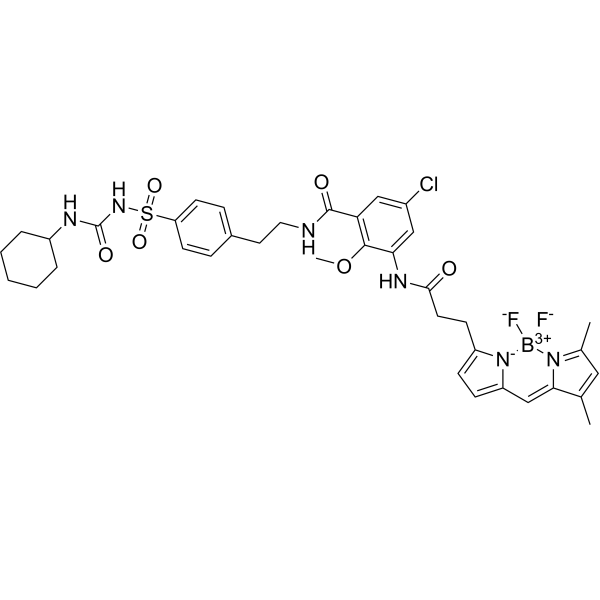
  • HY-D1297
    ER-Tracker Green
    Maximum Cited Publications
    6 Publications Verification

    Fluorescent Dye Others
    ER-Tracker dye is a derivative of BODIPY series dyes coupled with Glibenclamide (HY-15206), highly selective binding to the endoplasmic reticulum, non-toxic to cells at low concentrations, this type of dye is an environmentally sensitive probe, and formaldehyde treatment can still retain part of the fluorescence, with high fluorescence life, good extinction coefficient and other characteristics. Glibenclamide is an atp-dependent K + channel blocker (Kir6, KATP) and CFTR Cl-channel blocker that binds in the endoplasmic reticulum. ER-Tracker is not suitable for staining cells after fixation .
    ER-Tracker Green
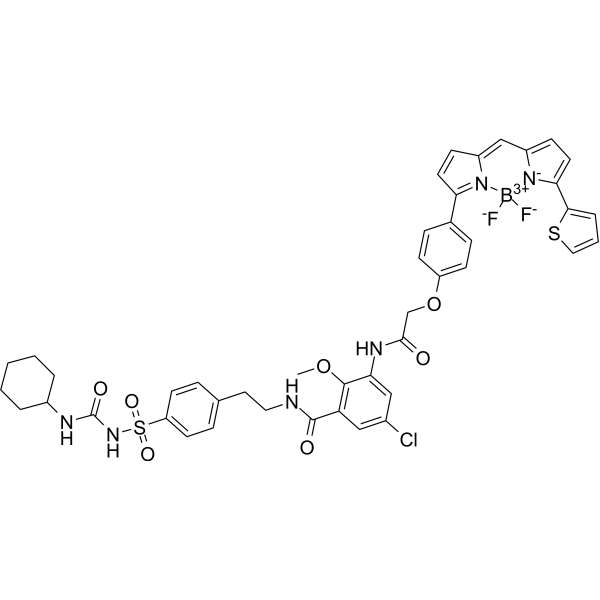
  • HY-D1431
    ER-Tracker Red
    4 Publications Verification

    Fluorescent Dye Cancer
    ER-Tracker dye is a derivative of BODIPY series dyes coupled with Glibenclamide (HY-15206), highly selective binding to the endoplasmic reticulum, non-toxic to cells at low concentrations, this type of dye is an environmentally sensitive probe, and formaldehyde treatment can still retain part of the fluorescence, with high fluorescence life, good extinction coefficient and other characteristics. Glibenclamide is an atp-dependent K + channel blocker (Kir6, KATP) and CFTR Cl-channel blocker that binds in the endoplasmic reticulum. ER-Tracker is not suitable for staining cells after fixation. Ex/Em=587/615 nm .
    ER-Tracker Red
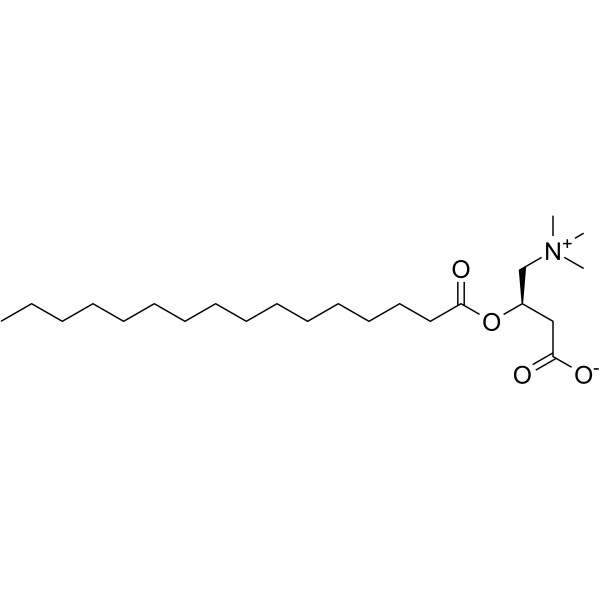
  • HY-113147
    L-Palmitoylcarnitine
    2 Publications Verification

    Potassium Channel Endogenous Metabolite Cardiovascular Disease Metabolic Disease
    L-Palmitoylcarnitine, a long-chain acylcarnitine and a fatty acid metabolite, accumulates in the sarcolemma and deranges the membrane lipid environment during ischaemia. L-Palmitoylcarnitine inhibits KATP channel activity, without affecting the single channel conductance, through interaction with Kir6.2 .
    L-Palmitoylcarnitine
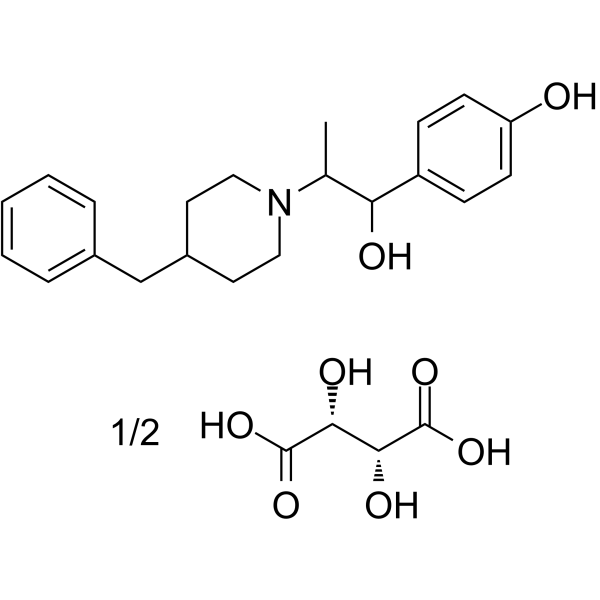
  • HY-12882A
    Ifenprodil tartrate
    Maximum Cited Publications
    10 Publications Verification

    NP-120 tartrate; RC-61-91 tartrate

    iGluR Adrenergic Receptor Potassium Channel Calcium Channel Influenza Virus Infection Neurological Disease
    Ifenprodil (NP-120) tartrate, a cerebral vasodilator, is a noncompetitive NMDA receptor antagonist. Ifenprodil tartrate exerts high affinity at NR1A/NR2B receptors (IC50=0.34 μM) over 400-fold than at NR1A/NR2A receptors (IC50=146 μM) . Ifenprodil tartrate is an α1 adrenergic receptor antagonist. Ifenprodil tartrate inhibits GIRK (Kir3), reduces inward currents through the basal GIRK activity. Ifenprodil tartrate has reliable inhibitory effects against A/H1N1 strains (EC50 of 6.6 µM). Ifenprodil tartrate has neuroprotective, anticonvulsant and antinociceptive effects. Ifenprodil tartrate can be used for the study of cerebrovascular diseases and peripheral arterial obliterative disease .
    Ifenprodil tartrate
  • HY-113147A
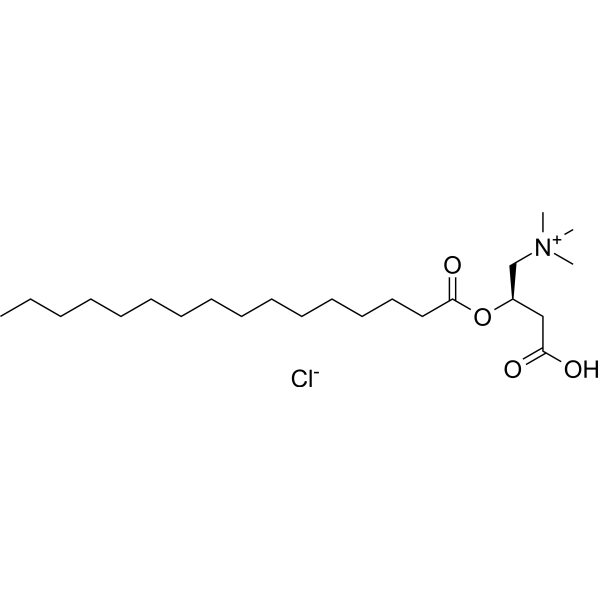
    L-Palmitoylcarnitine chloride
    2 Publications Verification

    Potassium Channel Endogenous Metabolite Cardiovascular Disease Metabolic Disease
    L-Palmitoylcarnitine chloride, a long-chain acylcarnitine and a fatty acid metabolite, accumulates in the sarcolemma and deranges the membrane lipid environment during ischaemia. L-Palmitoylcarnitine chloride inhibits KATP channel activity, without affecting the single channel conductance, through interaction with Kir6.2 .
    L-Palmitoylcarnitine chloride
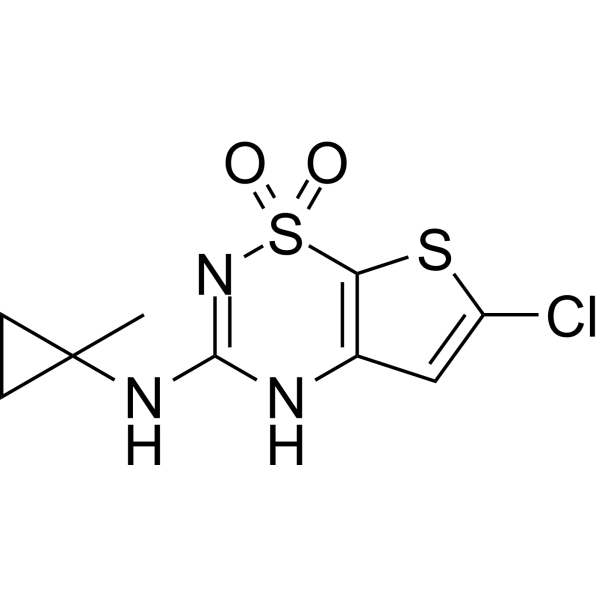
  • HY-119322

    NN414

    Potassium Channel Metabolic Disease
    Tifenazoxide (NN414) is a potent, orally active and SUR1/Kir6.2 selective K ATP channels opener. Tifenazoxide has antidiabetic effect, can inhibit glucose stimulated insulin release in vitro and in vivo, and has a beneficial effect on glucose homeostasis .
    Tifenazoxide
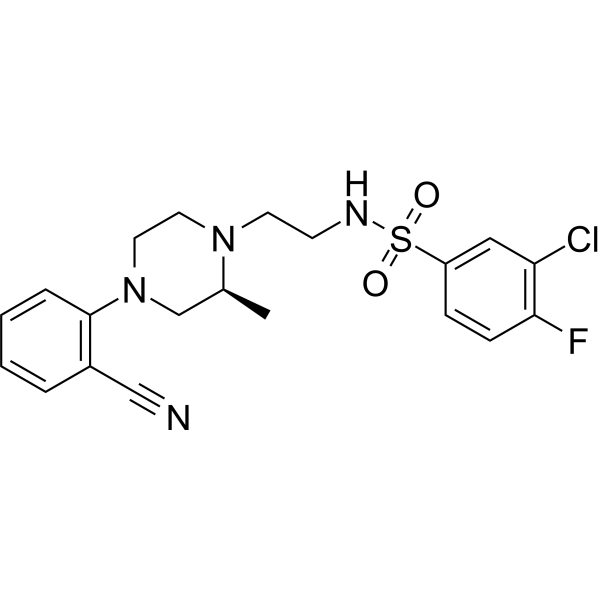
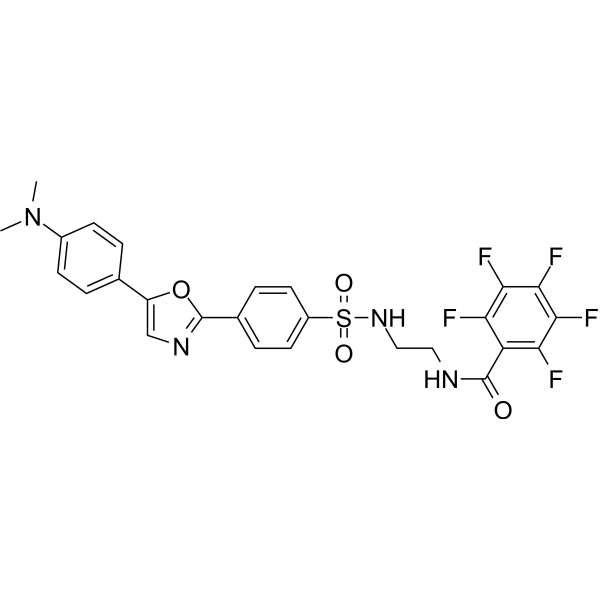
  • HY-148304

    Potassium Channel Neurological Disease Metabolic Disease Inflammation/Immunology Cancer
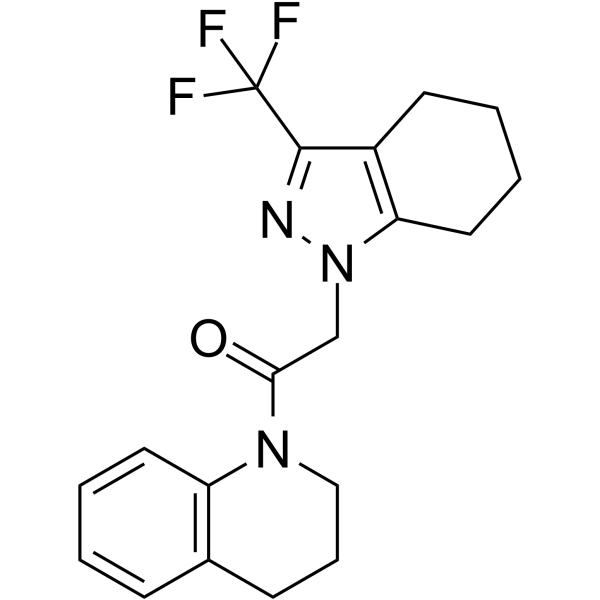
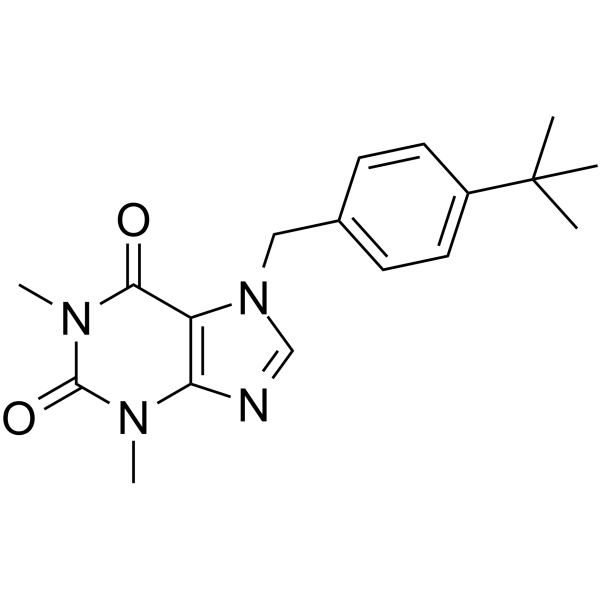
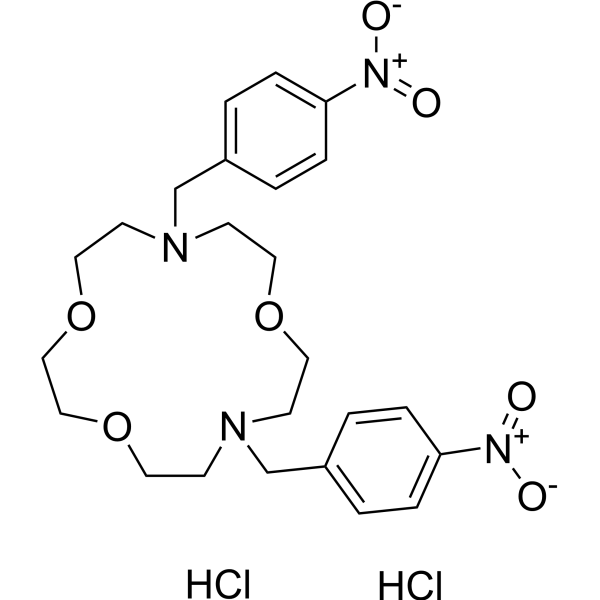
    VU6036720 is a potent and specific in vitro inhibitor of Kir4.1/5.1. VU6036720 can inhibit Kir4.1/5.1 channels with an IC50 value of 0.24 μM. VU6036720 can be used for the research of brain and kidney .
    VU6036720
  • HY-P1275
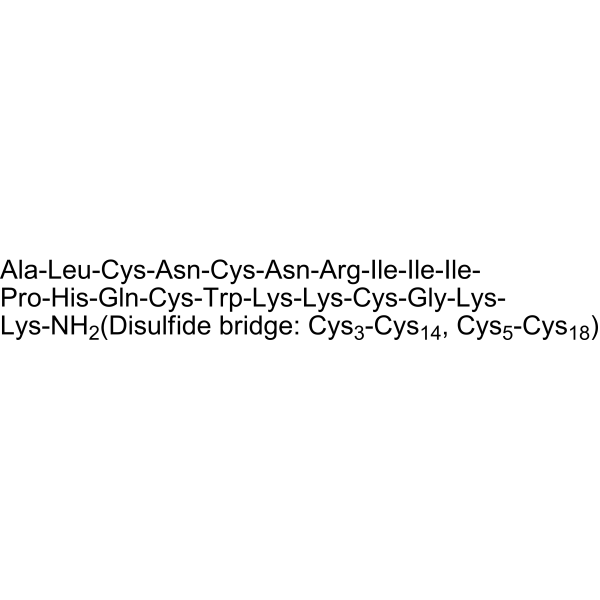
    Tertiapin-Q
    3 Publications Verification

    Potassium Channel Cardiovascular Disease
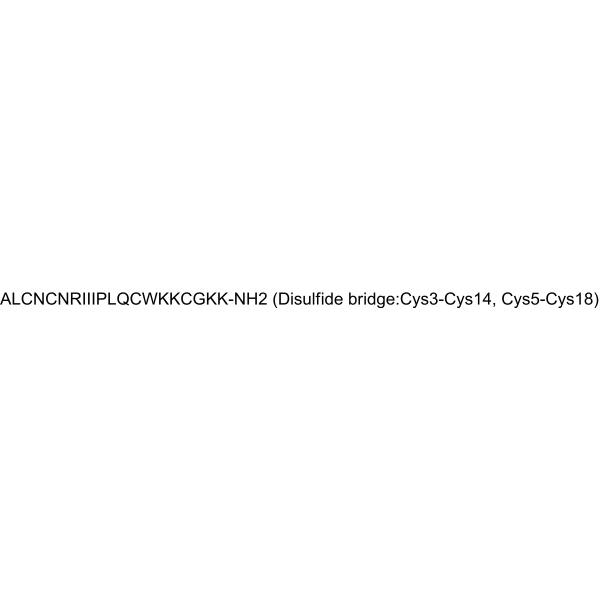
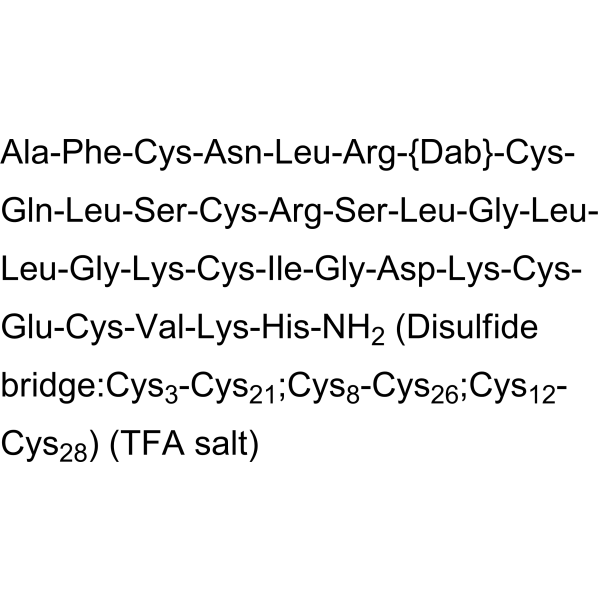
    Tertiapin-Q is a highly selective blocker of GIRK1/4 heterodimer and ROMK1 (Kir1.1).
    Tertiapin-Q
  • HY-B1194

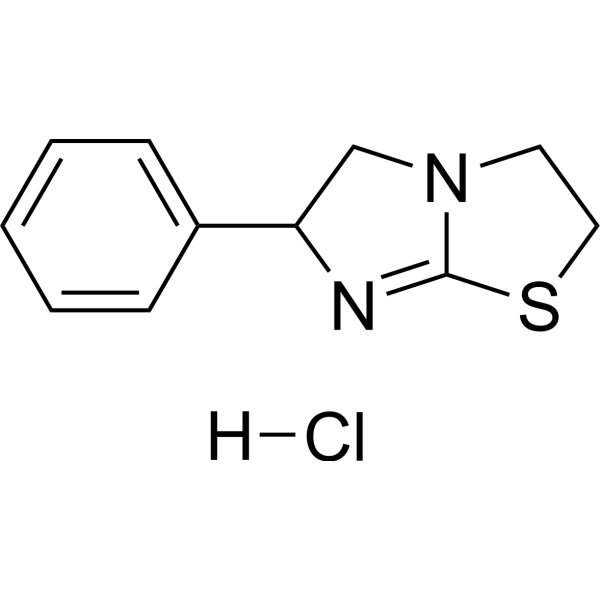
    (±)-Tetramisole hydrochloride; DL-Tetramisole hydrochloride; R-829

    Potassium Channel Parasite PKA Infection Cardiovascular Disease
    Tetramisole hydrochloride is an orally active, selective inward rectifier potassium channel agonist with an EC50 of approximately 30 μM for the Kir2.1 subunit. Tetramisole hydrochloride is also an anti-nematode agent that blocks neuromuscular transmission by non-competitive depolarization. Tetramisole hydrochloride promotes the forward transport of Kir2.1 channels, hyperpolarizes the resting potential (RP), shortens the action potential duration (APD), inhibits intracellular calcium overload and the PKA signaling pathway, and exerts anti-arrhythmic and anti-myocardial remodeling activities. Tetramisole hydrochloride can be used in cardiac electrophysiology research and research related to myocardial ischemia and heart failure .
    Tetramisole hydrochloride
  • HY-108573
    P-1075
    1 Publications Verification

    Potassium Channel Cardiovascular Disease
    P-1075 is a potent activator of sulfonylurea receptor 2-associated ATP-sensitive potassium channels (SUR2-KIR6), with an EC50 value of 45 nM for SUR2B-KIR6 channel activation . P-1075 also P1075 opens mitochondrial K(ATP) channels and generates reactive oxygen species resulting in cardioprotection of rabbit hearts .
    P-1075
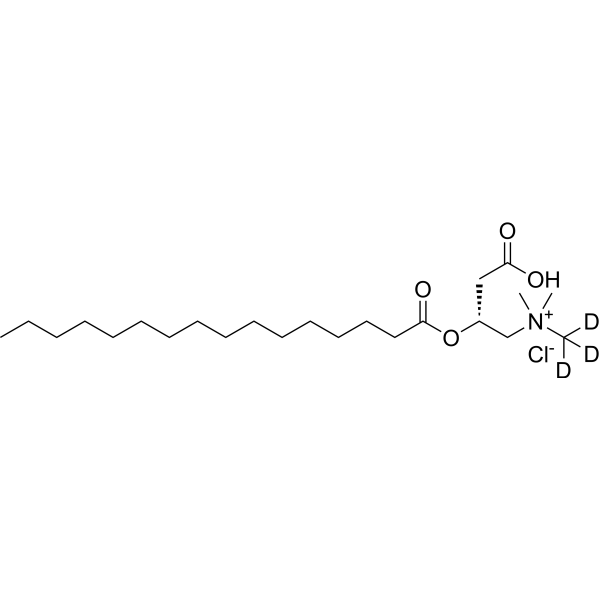
  • HY-113147AS

    Potassium Channel Endogenous Metabolite Cardiovascular Disease Metabolic Disease
    L-Palmitoylcarnitine-d3 hydrochloride is the deuterium labeled L-Palmitoylcarnitine hydrochloride. L-Palmitoylcarnitine hydrochloride, a long-chain acylcarnitine and a fatty acid metabolite, accumulates in the sarcolemma and deranges the membrane lipid environment during ischaemia. L-Palmitoylcarnitine hydrochloride inhibits KATP channel activity, without affecting the single channel conductance, through interaction with Kir6.2 .
    L-Palmitoylcarnitine-d3 hydrochloride
  • HY-100230A
    ML133 hydrochloride
    2 Publications Verification

    Potassium Channel Others
    ML133 hydrochloride is a selective Kir2 family channels inhibitor, with an IC50 of 1.8 μM at pH 7.4 and 290 nM at pH 8.5 .
    ML133 hydrochloride
  • HY-D1429

    Fluorescent Dye Others
    ER-Tracker dye is a derivative of BODIPY series dyes coupled with Glibenclamide (HY-15206), highly selective binding to the endoplasmic reticulum, non-toxic to cells at low concentrations, this type of dye is an environmentally sensitive probe, and formaldehyde treatment can still retain part of the fluorescence, with high fluorescence life, good extinction coefficient and other characteristics. Glibenclamide is an atp-dependent K + channel blocker (Kir6, KATP) and CFTR Cl-channel blocker that binds in the endoplasmic reticulum. ER-Tracker is not suitable for staining fixed cells. Staining followed by fixation is possible, but cells fixed with aldehydes will only retain partial fluorescence (Ex/Em = 374/ 430-640 nm) .
    ER-Tracker Blue-White DPX
  • HY-122697

    Potassium Channel Cardiovascular Disease Neurological Disease Endocrinology
    ML418 is a potent, selective and CNS penetrating Kir7.1 potassium channel blocker. ML418 inhibits Kir7.1 with an IC50 value of 0.31 μM. ML418 can be used for the research of neurological, cardiovascular, endocrine and muscle disorders.
    ML418
  • HY-P99208
    Lirilumab
    3 Publications Verification

    IPH2102

    Transmembrane Glycoprotein Cancer
    Lirilumab (IPH2102) is an anti-KIR monoclonal antibody, and shows antitumor activity. Lirilumab can be used in Leukemia, squamous cell carcinoma of the head and neck (SCCHN) research .
    Lirilumab
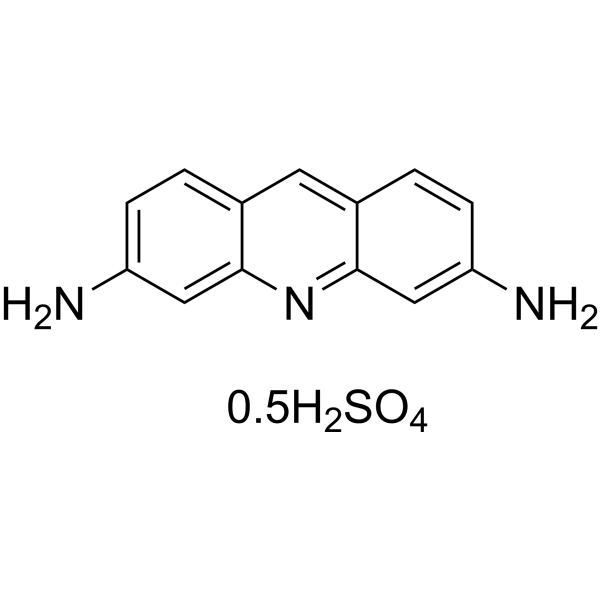
  • HY-B0883
    3,6-Diaminoacridine hemisulfate
    3 Publications Verification

    Bacterial Fluorescent Dye Potassium Channel DNA/RNA Synthesis Infection Neurological Disease Cancer
    3,6-Diaminoacridine hemisulfate is a multifunctional acridine compound. 3,6-Diaminoacridine hemisulfate is an acridine dye and also a DNA inserter. 3,6-Diaminoacridine hemisulfate is a potent broad-spectrum antibacterial agent. Its mechanism is to insert into bacterial DNA, interfering with replication and transcription, leading to bacterial lysis. 3,6-Diaminoacridine hemisulfate is a Kir3.2 potassium channel blocker and can be used to study the neurological phenotype of Down syndrome. 3,6-Diaminoacridine hemisulfate can penetrate the stratum corneum of the skin and accumulate in the cell nucleus. Long-term exposure may induce skin cancer or other malignant tumors .
    3,6-Diaminoacridine hemisulfate
  • HY-127106
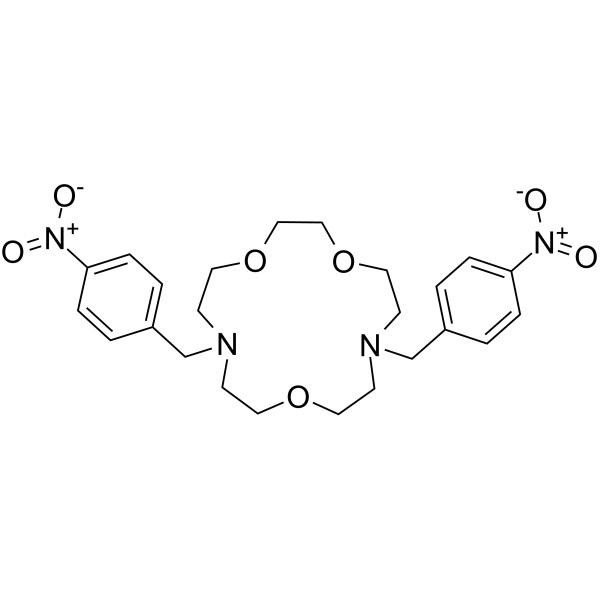
    VU0810464
    1 Publications Verification

    Potassium Channel Neurological Disease
    VU0810464 is a potent and selective non-ureaG protein-gated inwardly-rectifying potassium channels (GIRK, Kir3) activator. VU0810464 displays nanomolar potency for neuronal (EC50=165 nM) and GIRK1/4 (EC50=720 nM) channels with improved brain penetration .
    VU0810464
  • HY-12882
    Ifenprodil
    Maximum Cited Publications
    10 Publications Verification

    NP-120; RC-61-91

    iGluR Adrenergic Receptor Potassium Channel Calcium Channel Influenza Virus Infection Neurological Disease
    Ifenprodil (NP-120), a cerebral vasodilator, is a noncompetitive NMDA receptor antagonist. Ifenprodil exerts high affinity at NR1A/NR2B receptors (IC50=0.34 μM) over 400-fold than at NR1A/NR2A receptors (IC50=146 μM) . Ifenprodil is an α1 adrenergic receptor antagonist. Ifenprodil inhibits GIRK (Kir3), reduces inward currents through the basal GIRK activity. Ifenprodil has reliable inhibitory effects against A/H1N1 strains (EC50 of 6.6 µM). Ifenprodil has neuroprotective, anticonvulsant and antinociceptive effects. Ifenprodil can be used for the study of cerebrovascular diseases and peripheral arterial obliterative disease .
    Ifenprodil
  • HY-118607

    Potassium Channel Parasite Infection
    VU041 is a first submicromolar-affinity inhibitor of Anopheles (An.) gambiae and Aedes (Ae.) aegypti inward rectifier potassium 1 (Kir1) channels with IC50 values of 2.5 μM and 1.7 μM, respectively. VU041 inhibits appreciably is mammalian Kir2.1 (IC50 of 12.7 μM), and has less inhibitory effect on mammalian Kir1.1, Kir4.1, Kir6.2/SUR1, and Kir7.1. VU041 also induces impaired Malpighian tubule function .
    VU041
  • HY-122560A
    VU0134992 hydrochloride
    4 Publications Verification

    Potassium Channel Cardiovascular Disease
    VU0134992 hydrochloride is the first subtype-preferring, orally active and selective Kir4.1 potassium channel pore blocker, with an IC50 of 0.97 µM. VU0134992 hydrochloride is 9-fold selective for homomeric Kir4.1 over Kir4.1/5.1 concatemeric channels (IC50=9 µM) at -120 mV .
    VU0134992 hydrochloride
  • HY-122560
    VU0134992
    4 Publications Verification

    Potassium Channel Cardiovascular Disease
    VU0134992 is the first subtype-preferring, orally active and selective Kir4.1 potassium channel pore blocker, with an IC50 of 0.97 µM. VU0134992 is 9-fold selective for homomeric Kir4.1 over Kir4.1/5.1 concatemeric channels (IC50=9 µM) at -120 mV .
    VU0134992
  • HY-B0682A
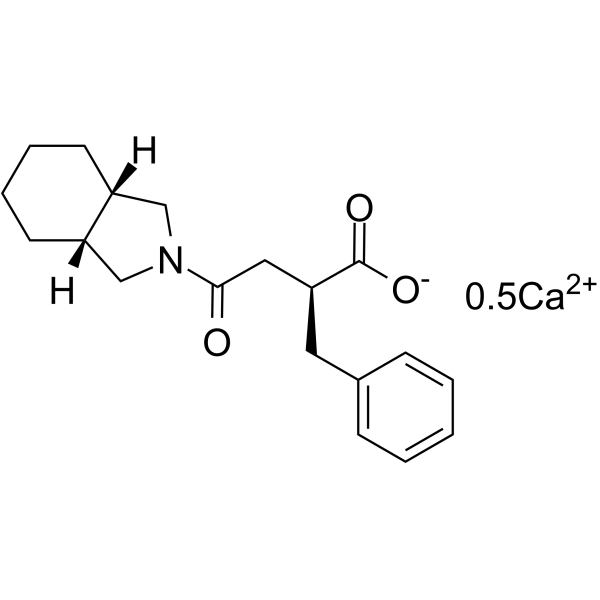
    Mitiglinide calcium hydrate
    2 Publications Verification

    KAD-1229; S-21403

    Potassium Channel Metabolic Disease
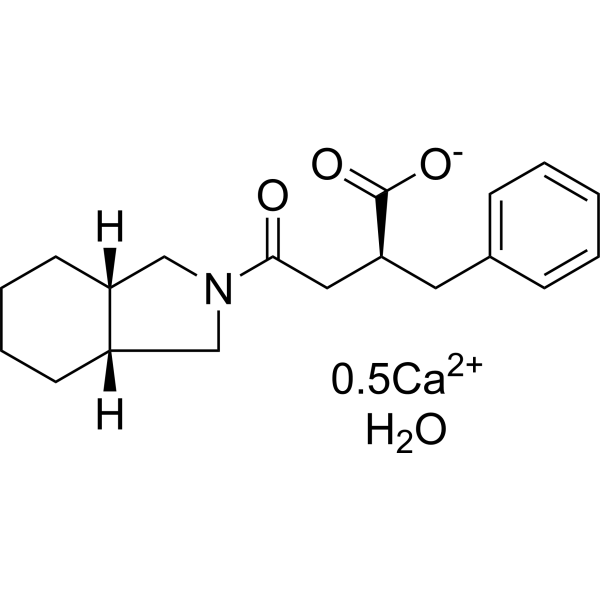
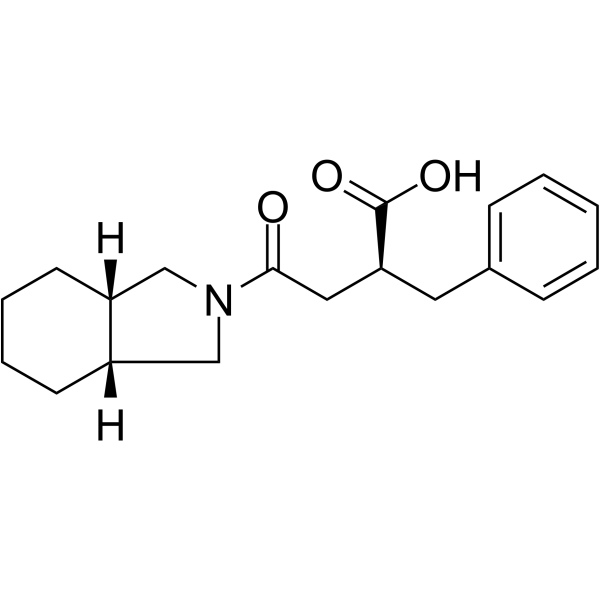
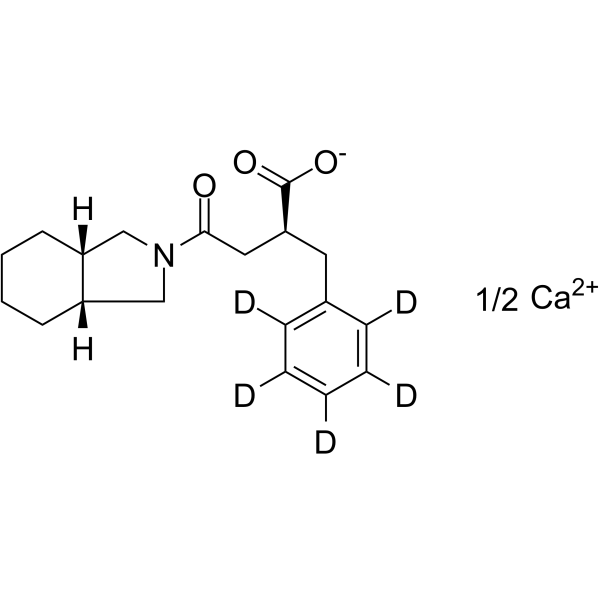
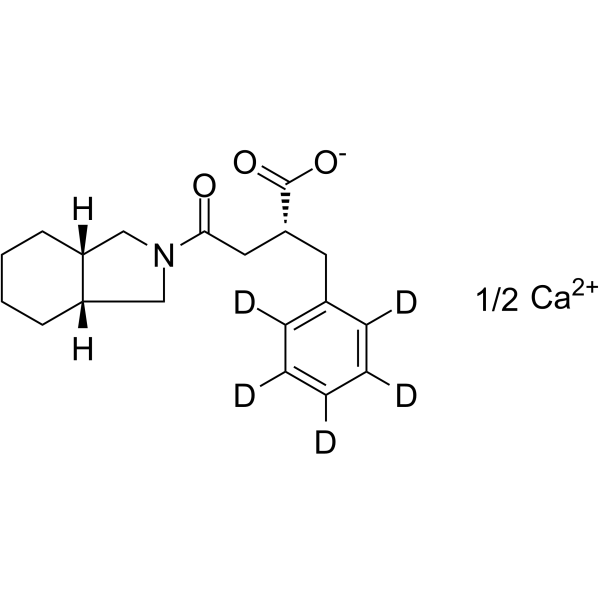
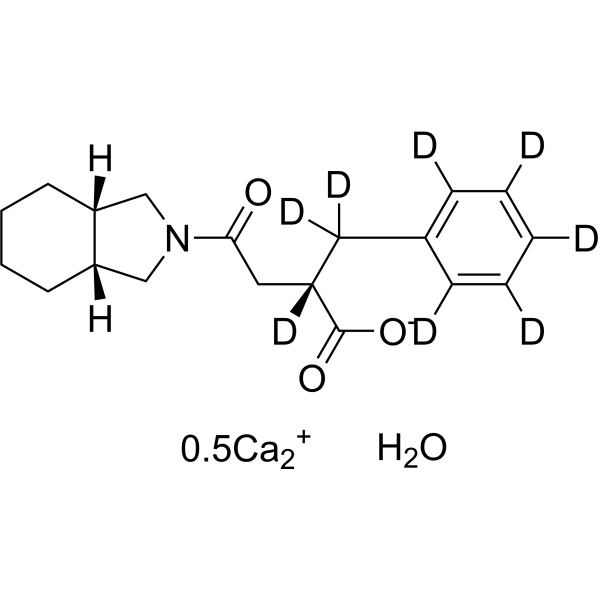
    Mitiglinide calcium hydrate (KAD-1229), an insulinotropic agent, is an ATP-sensitive K + (KATP) channel antagonist. Mitiglinide calcium hydrate is highly specific to the Kir6.2/SUR1 complex (the pancreatic beta-cell KATP channel). Mitiglinide Calcium hydrate can be used for the research of type 2 diabetes .
    Mitiglinide calcium hydrate
  • HY-17398
    Mitiglinide calcium
    2 Publications Verification

    KAD-1229 anhydrous; S21403 anhydrous

    Potassium Channel Metabolic Disease
    Mitiglinide Calcium (KAD-1229 anhydrous), an insulinotropic agent, is an ATP-sensitive K + (KATP) channel antagonist. Mitiglinide Calcium is highly specific to the Kir6.2/SUR1 complex (the pancreatic beta-cell KATP channel). Mitiglinide Calcium can be used for the research of type 2 diabetes .
    Mitiglinide calcium
  • HY-DY1074

    Fluorescent Dye Others
    ER-Tracker dye is a derivative of BODIPY series dyes coupled with Glibenclamide (HY-15206) , highly selective binding to the endoplasmic reticulum, non-toxic to cells at low concentrations, this type of dye is an environmentally sensitive probe, and formaldehyde treatment can still retain part of the fluorescence, with high fluorescence life, good extinction coefficient and other characteristics. Glibenclamide is an atp-dependent K + channel blocker (Kir6, KATP) and CFTR Cl-channel blocker that binds in the endoplasmic reticulum. ER-Tracker is not suitable for staining fixed cells. Staining followed by fixation is possible, but cells fixed with aldehydes will only retain partial fluorescence .
    Solvent and concentration: DMSO: 1 mM
    ER-Tracker Blue-White DPX (solution)
  • HY-112544
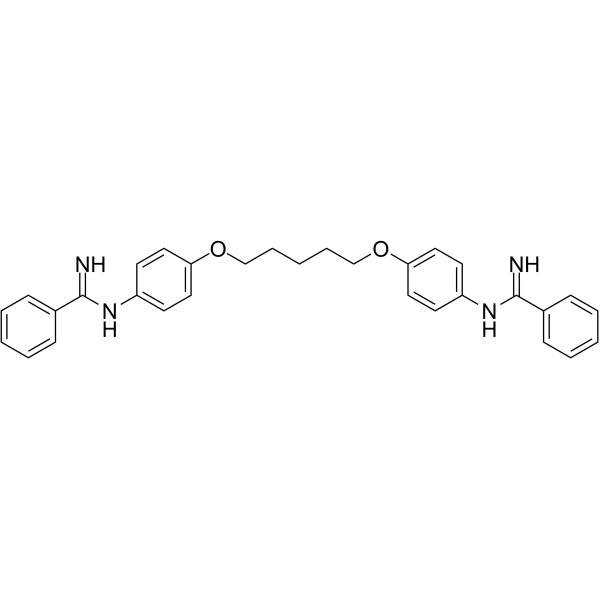
    IK1 inhibitor PA-6
    1 Publications Verification

    PA-6

    Potassium Channel Cardiovascular Disease
    IK1 inhibitor PA-6 (PA-6), a pentamidine analogue, is a selective and potent IK1 (KIR2.x ion-channel-carried inward rectifier current) inhibitor, with IC50 values of 12-15 nM for human and mouse KIR2.x currents. IK1 inhibitor PA-6 (PA-6) elevates KIR2.1 protein expression and induces intracellular KIR2.1 accumulation. IK1 inhibitor PA-6 (PA-6) has the potential to treat atrial fibrillation and arrhythmia .
    IK1 inhibitor PA-6
  • HY-108595
    VU590
    2 Publications Verification

    Potassium Channel Others
    VU590 is a potent and moderately selective ROMK (Kir1.1) inhibitor, with an IC50 of 290 nM. VU590 also inhibits Kir7.1, with an IC50 of 8 μM. VU590 is not a good probe of ROMK function in the kidney .
    VU590
  • HY-148304A

    Potassium Channel Metabolic Disease Inflammation/Immunology Cancer
    VU6036720 hydrochloride is a potent and specific in vitro inhibitor of Kir4.1/5.1. VU6036720 hydrochloride can inhibit Kir4.1/5.1 channels with an IC50 value of 0.24 μM. VU6036720 hydrochloride can be used for the research of brain and kidney .
    VU6036720 hydrochloride
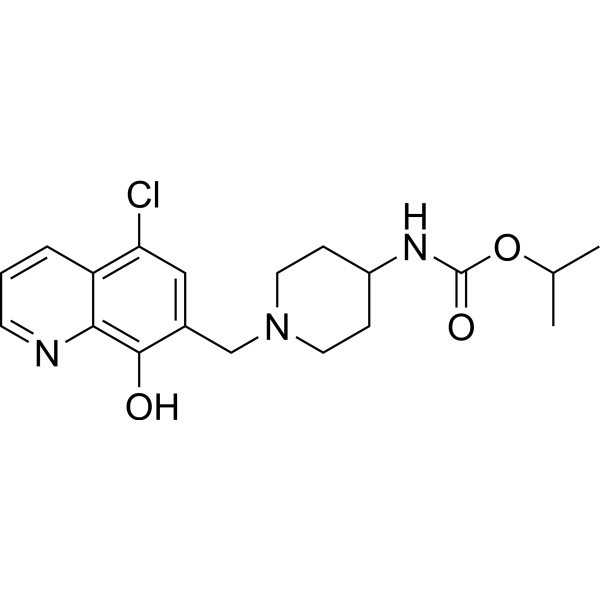
  • HY-124424

    Potassium Channel Others Neurological Disease
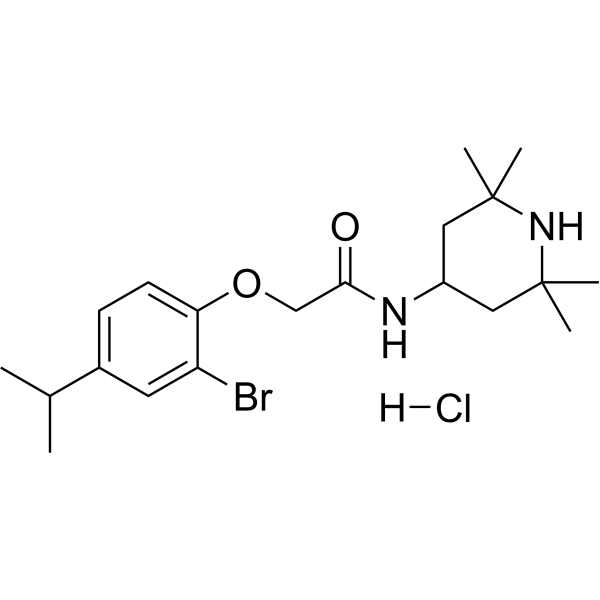
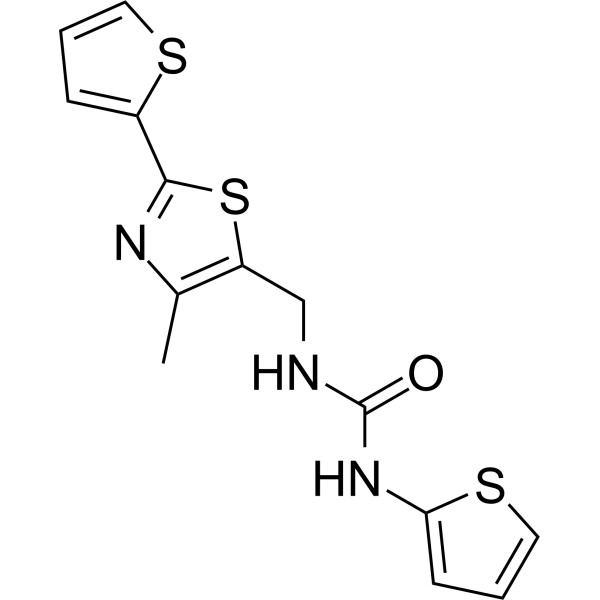
    VU0071063 is a potent and specific Kir6.2/SUR1 opener (EC50=7.44 μM) and can be used for investigating Kir6.2/SUR1 expressed in the pancreas and brain. VU0071063 inhibits insulin secretion by inducing hyperpolarization of β-cell membrane potential. VU0071063 chemotype has a very steep structure-activity relationships .
    VU0071063
  • HY-162322

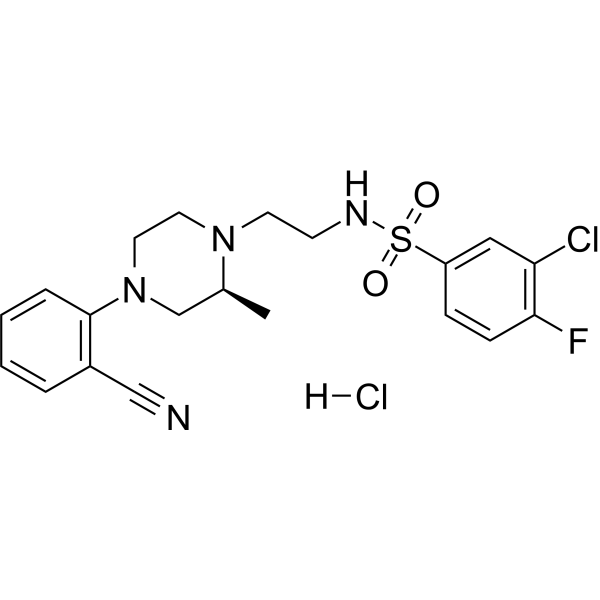
    Potassium Channel Cardiovascular Disease
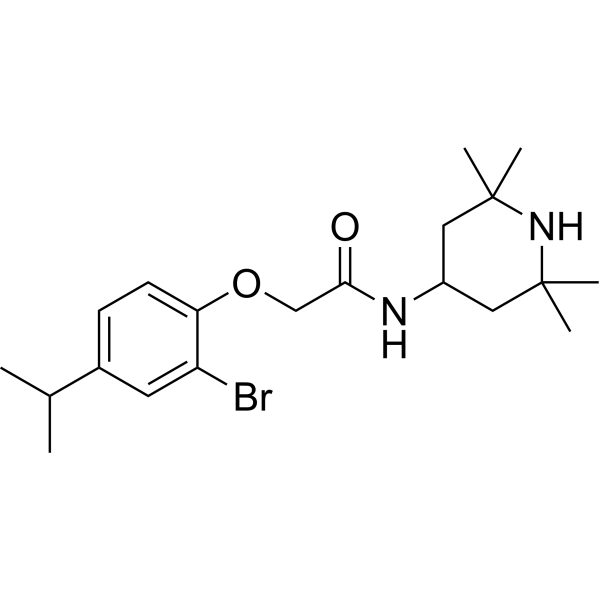
    VU0542270 is a selective vascular Kir6.1/SUR2B KATP channel inhibitor with an IC50 value of 100 nM. VU0542270 has an IC50 > 30 μM for the other nine members of the Kir channel family. VU0542270 can be used in the study of cardiovascular disease .
    VU0542270
  • HY-108585A

    Potassium Channel Neurological Disease
    VU591 is a potent, selective renal outer medullary potassium channel (ROMK or Kir1.1) inhibitor, with an IC50 of 0.24 μM. VU591 can be used for neurological research with HY-108585 (the equivalent of VU591 hydrochloride) .
    VU591
  • HY-113147B
    L-Palmitoylcarnitine TFA
    2 Publications Verification

    Endogenous Metabolite Potassium Channel Cardiovascular Disease Metabolic Disease
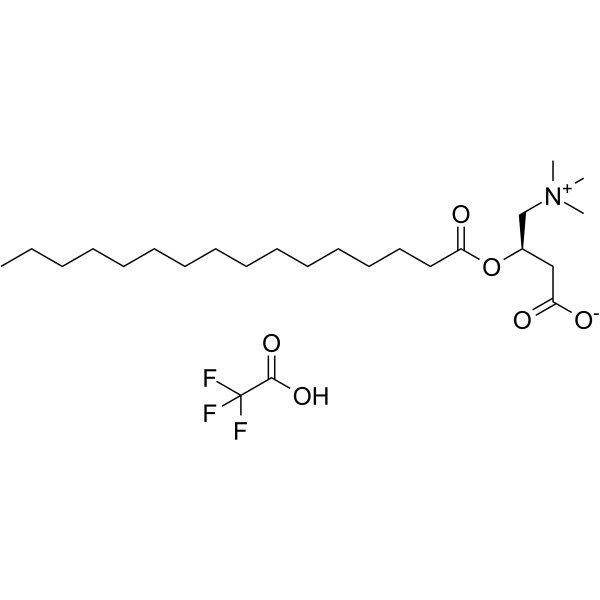
    L-Palmitoylcarnitine TFA, a long-chain acylcarnitine and a fatty acid metabolite, accumulates in the sarcolemma and deranges the membrane lipid environment during ischaemia. L-Palmitoylcarnitine TFA inhibits KATP channel activity, without affecting the single channel conductance, through interaction with Kir6.2 .
    L-Palmitoylcarnitine TFA
  • HY-106577

    Cifenline; Ro 22-7796

    Potassium Channel Cardiovascular Disease Metabolic Disease
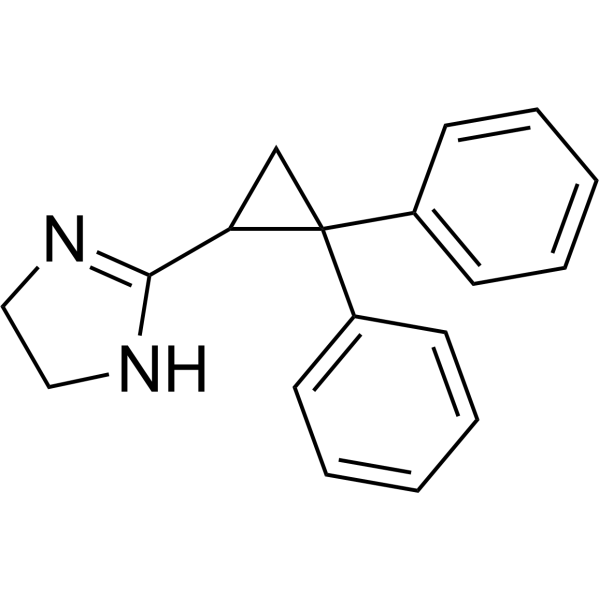
    Cibenzoline is a class Ia antiarrhythmic active molecule with low anticholinergic activity. Cibenzoline is a KATP channel inhibitor, acting through the pore forming subunit Kir6.2, with an IC50 of 22.2 μM. Cibenzoline inhibits IKr and IKs currents with IC50 values of 8.8 μM and 12.3 μM, respectively. Cibenzoline is used in the study of cardiac diseases. In addition, Cibenzoline can induce hypoglycemia .
    Cibenzoline
  • HY-W017387
    Sodium α-ketoisocaproate
    1 Publications Verification

    Sodium 4-methyl-2-oxopentanoate; 2-Ketoisocaproic acid sodium salt

    Branched Chain Amino Acid Transaminase (BCAT) Potassium Channel Na+/Ca2+ Exchanger Metabolic Disease
    Sodium α-ketoisocaproate (Sodium 4-methyl-2-oxopentanoate) is an insulin secretagogue. Sodium α-ketoisocaproate undergoes transamination catalyzed by BCAT and BCATm to produce α-ketoglutarate and leucine; it also binds to the SUR1 site to inhibit KATP channel activity, but does not directly affect the Kir6.2 subunit. Sodium α-ketoisocaproate regulates Ca 2+ influx. Sodium α-ketoisocaproate exerts insulinotropic activity in pancreatic islets and intact mouse pancreata with sufficient BCATm expression. Sodium α-ketoisocaproate can be used in research related to type 2 diabetes .
    Sodium α-ketoisocaproate
  • HY-108589

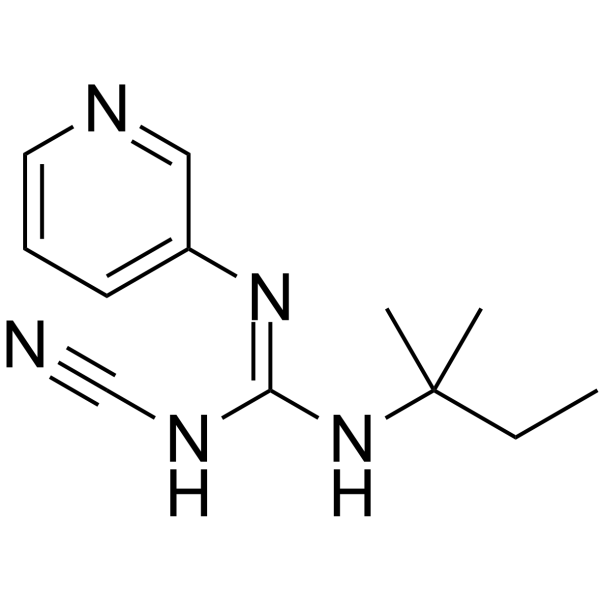
    PNU 37883A

    Potassium Channel Neurological Disease
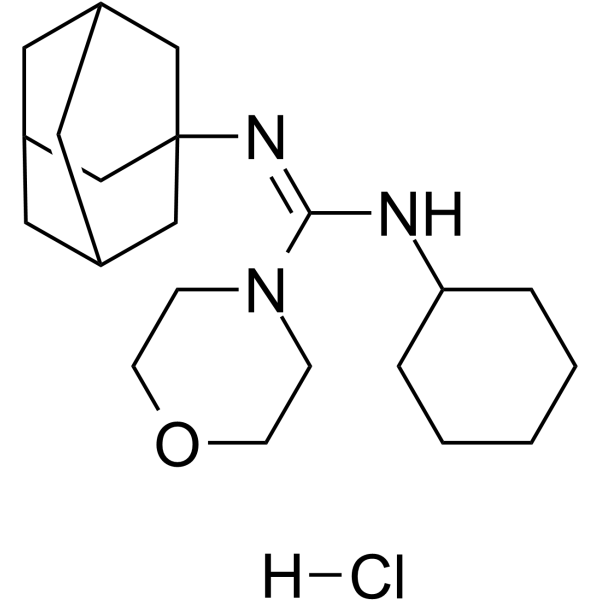
    PNU 37883 hydrochloride (PNU 37883A) is a selective vascular ATP-sensitive potassium (Kir6, KATP) channels blocker. PNU 37883 hydrochloride has diuretic effects with specific binding in kidney and vascular smooth muscle rather than in brain or pancreatic beta cells .
    PNU 37883 hydrochloride
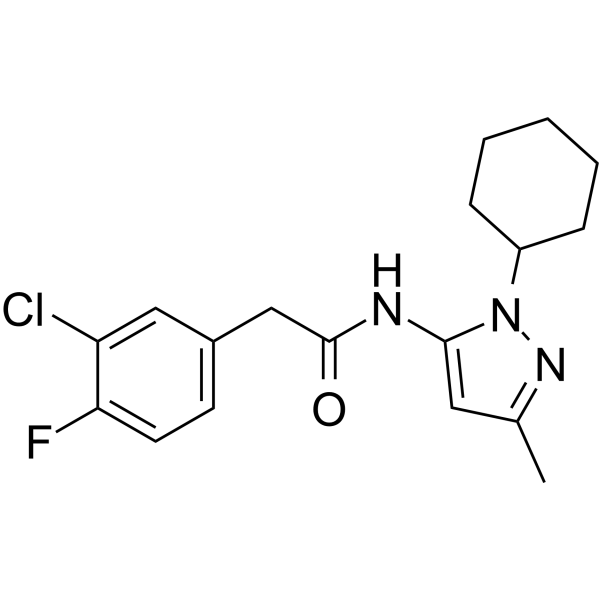
  • HY-173162

    P-glycoprotein Potassium Channel Cardiovascular Disease Cancer
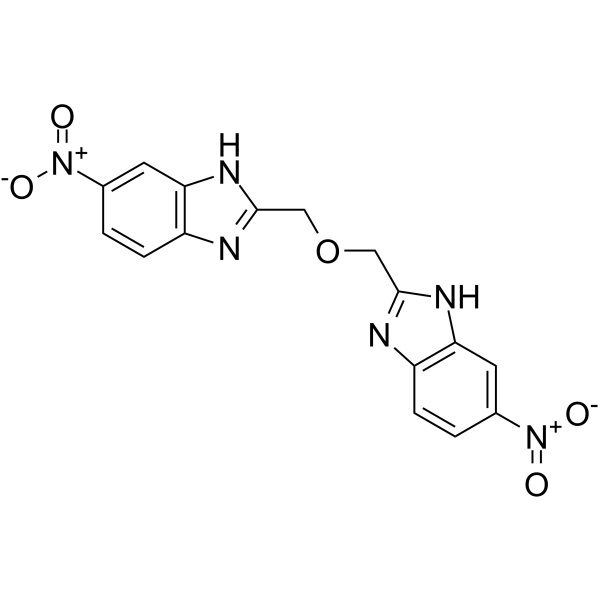
    GPV0057 (Compound 5d) is a selective and potent P-glycoprotein (P-gp) inhibitor. GPV0057 is also a selective potassium channel Kir2.1 activator. GPV0057 competitively binds to the substrate-binding site of P-gp, inhibiting ATP-dependent drug efflux to reverse multidrug resistance in tumor cells. GPV0057 can also stabilizes the open state of Kir2.1 and promotes potassium ion influx. GPV0057 is promising for research of tumors with high P-gp expression, Kir2.1-deficient diseases such as heart failure and Andersen-Tawil Syndrome .
    GPV0057
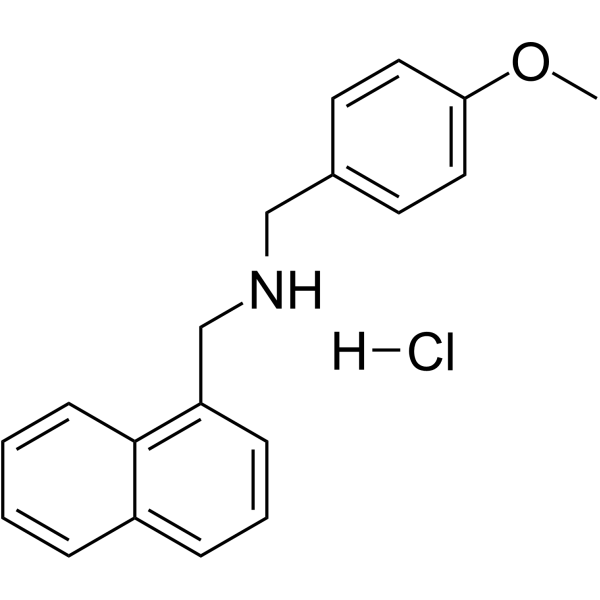
  • HY-178058A

    Potassium Channel Others
    VU6080824 (hydrochloride), a derivative of ML-133 (HY-100230), is an inward-rectifier potassium channel (Kir2.1) inhibitor with an IC50 of 0.35  μM. VU6080824 (hydrochloride) has superior thallium flux and manual patch clamp (MPC) functional potency .
    VU6080824 hydrochloride
  • HY-167548

    PKC Potassium Channel Others
    L-α-Phosphatidylinositol-4,5-bisphosphate ammonium is a key signaling lipid. L-α-Phosphatidylinositol-4,5-bisphosphate ammonium is an activator of PKC in the presence of calcium ions and phospholipid serine. L-α-Phosphatidylinositol-4,5-bisphosphate ammonium is also an antagonist of the KIR3.4 (ATP-sensitive potassium, KATP) channel. L-α-Phosphatidylinositol-4,5-bisphosphate ammonium can be used in research related to signal transduction, ion channel regulation, and membrane transport.
    L-α-Phosphatidylinositol-4,5-bisphosphate ammonium
  • HY-DY1043

    Fluorescent Dye Others
    ER-Tracker dye is a derivative of BODIPY series dyes coupled with Glibenclamide (HY-15206) , highly selective binding to the endoplasmic reticulum, non-toxic to cells at low concentrations, this type of dye is an environmentally sensitive probe, and formaldehyde treatment can still retain part of the fluorescence, with high fluorescence life, good extinction coefficient and other characteristics. Glibenclamide is an atp-dependent K + channel blocker (Kir6, KATP) and CFTR Cl-channel blocker that binds in the endoplasmic reticulum. ER-Tracker is not suitable for staining cells after fixation .
    Solvent and concentration: DMSO: 1 mM
    ER-Tracker Green (solution)
  • HY-108585

    Potassium Channel Neurological Disease
    VU591 hydrochloride is a potent, selective renal outer medullary potassium channel (ROMK or Kir1.1) inhibitor, with an IC50 of 0.24 μM. VU591 hydrochloride can be used for neurological research with HY-108585A (the equivalent of VU591 hydrochloride) .
    VU591 hydrochloride
  • HY-DY1026

    Fluorescent Dye Cancer
    ER-Tracker dye is a derivative of BODIPY series dyes coupled with Glibenclamide (HY-15206) , highly selective binding to the endoplasmic reticulum, non-toxic to cells at low concentrations, this type of dye is an environmentally sensitive probe, and formaldehyde treatment can still retain part of the fluorescence, with high fluorescence life, good extinction coefficient and other characteristics. Glibenclamide is an atp-dependent K + channel blocker (Kir6, KATP) and CFTR Cl-channel blocker that binds in the endoplasmic reticulum. ER-Tracker is not suitable for staining cells after fixation. Ex/Em=587/615 nm .
    Solvent and concentration: DMSO: 1 mM
    ER-Tracker Red (solution)
  • HY-117160

    4-trans-hydroxycyclohexyl Glyburide; 4-trans-hydroxy Glibenclamide

    Potassium Channel Neurological Disease
    rac-trans-4-hydroxy Glyburide is an active metabolite of the SUR1/Kir6.2 sulfonylurea inhibitor glyburide (HY-15206). It is formed from glyburide by the cytochrome P450 (CYP) isoforms CYP2C8 and CYP2C9. rac-trans-4-hydroxy Glyburide inhibits glyburide binding to rat brain synaptosomes at the high and low affinity sites of SUR1/Kir6.2 with IC50 values of 0.95 and 100 nM, respectively.
    4-trans-Hydroxy-glibenclamide
  • HY-B0682

    KAD-1229 free acid anhydrous; S21403 free acid anhydrous

    Potassium Channel Metabolic Disease
    Mitiglinide (KAD-1229), an insulinotropic agent, is an ATP-sensitive K + (KATP) channel antagonist. Mitiglinide is highly specific to the Kir6.2/SUR1 complex (the pancreatic beta-cell KATP channel). Mitiglinide can be used for the research of type 2 diabetes .

    Mitiglinide
  • HY-178058

    Potassium Channel Others
    VU6080824 (Compound 5s), a derivative of ML-133 (HY-100230), is an inward-rectifier potassium channel (Kir2.1) inhibitor with an IC50 of 0.35  μM. VU6080824 has superior thallium flux and manual patch clamp (MPC) functional potency .

    VU6080824
  • HY-P4032

    HCV Inflammation/Immunology
    HCV Peptide (35-44), a HCV core protein at positions 35 to 44, is a HLA-A2-restricted CTL epitope. HCV Peptide (35-44) inhibits NK cell activity via two distinct mechanisms, directly via KIR2DL2/3, and synergistically via the CD94:NKG2A receptor .
    HCV Peptide (35-44)
  • HY-100230

    Potassium Channel Others
    ML133 is a selective Kir2 family channels inhibitor, with an IC50 of 1.8 μM at pH 7.4 and 290 nM at pH 8.5 .
    ML-133
  • HY-108582

    Potassium Channel Cardiovascular Disease
    Y-27152, a proagent of the KATP (Kir6) channel opener Y-26763, is a long-acting K+ channel opener with less tachycardia: antihypertensive effects in hypertensive rats and dogs in conscious state .
    Y-27152
  • HY-RS07308

    Small Interfering RNA (siRNA) Others

    KIR3DL1 Human Pre-designed siRNA Set A contains three designed siRNAs for KIR3DL1 gene (Human), as well as a negative control, a positive control, and a FAM-labeled negative control.

    KIR3DL1 Human Pre-designed siRNA Set A
    KIR3DL1 Human Pre-designed siRNA Set A
  • HY-RS07305

    Small Interfering RNA (siRNA) Others

    KIR2DS1 Human Pre-designed siRNA Set A contains three designed siRNAs for KIR2DS1 gene (Human), as well as a negative control, a positive control, and a FAM-labeled negative control.

    KIR2DS1 Human Pre-designed siRNA Set A
    KIR2DS1 Human Pre-designed siRNA Set A
  • HY-RS26716

    Small Interfering RNA (siRNA) Others

    Kir3dl1 Rat Pre-designed siRNA Set A contains three designed siRNAs for Kir3dl1 gene (Rat), as well as a negative control, a positive control, and a FAM-labeled negative control.

    Kir3dl1 Rat Pre-designed siRNA Set A
    Kir3dl1 Rat Pre-designed siRNA Set A
  • HY-RS20211

    Small Interfering RNA (siRNA) Others

    Kir3dl1 Mouse Pre-designed siRNA Set A contains three designed siRNAs for Kir3dl1 gene (Mouse), as well as a negative control, a positive control, and a FAM-labeled negative control.

    Kir3dl1 Mouse Pre-designed siRNA Set A
    Kir3dl1 Mouse Pre-designed siRNA Set A

Inquiry Online

Your information is safe with us. * Required Fields.

Salutation


Country or Region *

Applicant Name *


Organization Name *

Department *


Email Address *


Product Name *

Cat. No.


Requested quantity *

Phone Number *


Remarks

Inquiry Online

Inquiry Information

Product Name:
Cat. No.:
Quantity:
MCE Japan Authorized Agent: