1. Search Result
Search Result
Results for "

active transport

" in MedChemExpress (MCE) Product Catalog:

125

Inhibitors & Agonists

1

Screening Libraries

2

Fluorescent Dye

3

Biochemical Assay Reagents

3

Peptides

13

Natural
Products

18

Isotope-Labeled Compounds

3

Oligonucleotides

Targets Recommended:
Cat. No. Product Name Target Research Areas Chemical Structure
  • HY-N1132
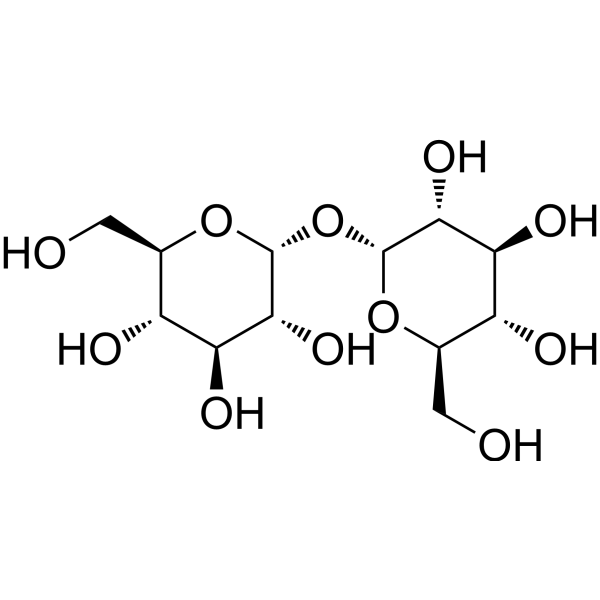
    D-(+)-Trehalose
    5+ Cited Publications

    D-Trehalose; α,α-Trehalose

    Endogenous Metabolite Metabolic Disease
    D-(+)-Trehalose (α,α-Trehalose) is an orally active disaccharide, showing anti-desiccant and cryopreservative activities. D-(+)-Trehalose acts as an osmolyte, and stress protectant and helps in the storage and transport of carbon. D-(+)-Trehalose can be used as a food ingredient and pharmaceutical excipient .
    D-(+)-Trehalose
  • HY-101561
    Avapritinib
    10+ Cited Publications

    BLU-285

    c-Kit PDGFR Cancer
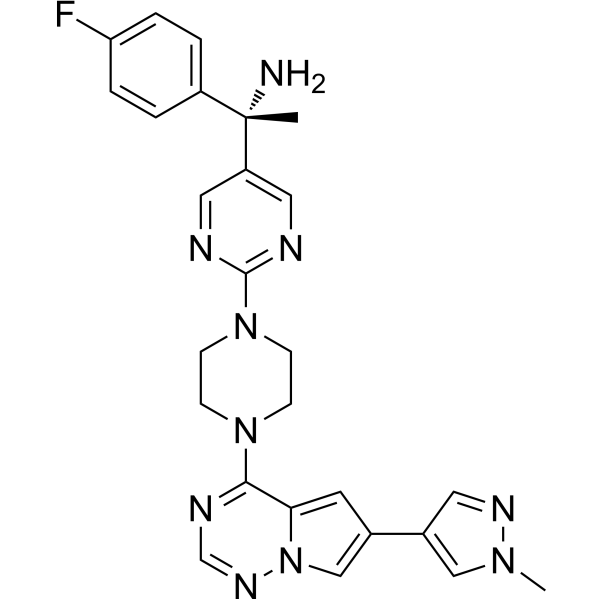
    Avapritinib (BLU-285) is a highly potent, selective, and orally active KIT and PDGFRA activation loop mutant kinases inhibitor with IC50s of 0.27 and 0.24 nM for KIT D816V and PDGFRA D842V, respectively. Avapritinib (BLU-285) binds the active conformation of the kinase and shows antitumor activity. Avapritinib (BLU-285) attenuates the transport function of both ABCB1 and ABCG2 .
    Avapritinib
  • HY-N6684
    Deoxynivalenol
    Maximum Cited Publications
    16 Publications Verification

    Vomitoxin

    P-glycoprotein Metabolic Disease
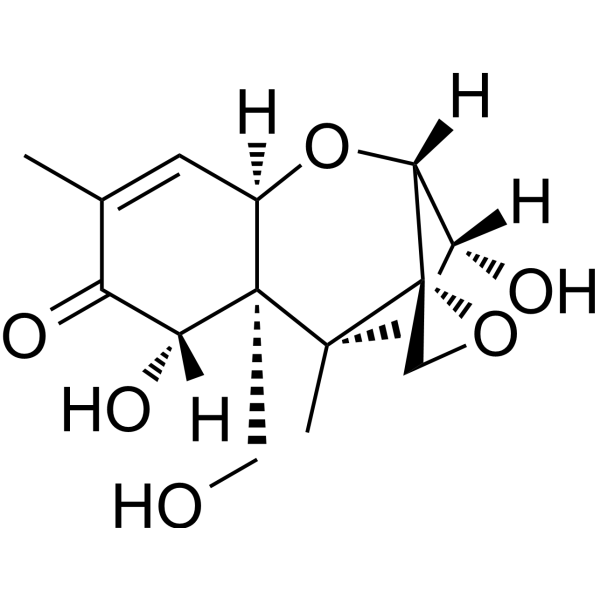
    Deoxynivalenol, an orally active mycotoxin of the trichothecenes family, crosses the intestinal mucosa by a paracellular pathway through the tight junctions. The Deoxynivalenol transport is not affected by P-glycoprotein (PgP) or multidrug resistance-associated proteins (MRPs) inhibitors .
    Deoxynivalenol
  • HY-D0937
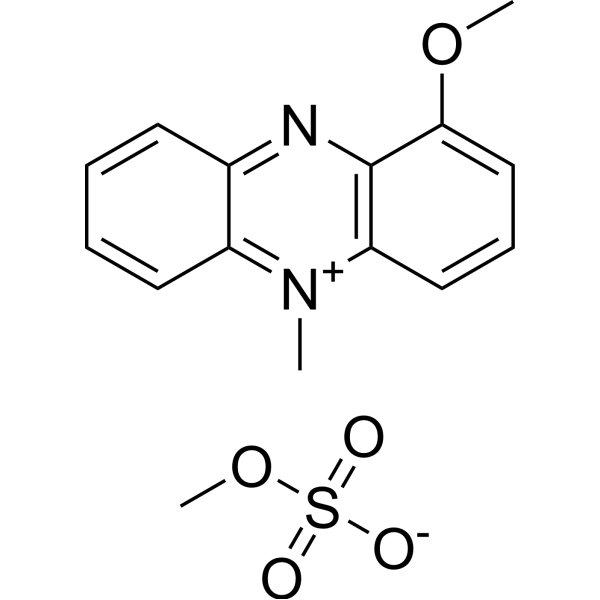
    Methoxy-PMS
    5+ Cited Publications

    1-Methoxy PMS; 1-Methoxyphenazine methosulfate

    Reactive Oxygen Species (ROS) Others
    Methoxy-PMS (1-Methoxy PMS), an active oxygen formation inducer, is stable electron-transport mediator between NAD(P)H and tetrazolium dyes .
    Methoxy-PMS
  • HY-B0804
    Nadolol
    5 Publications Verification

    SQ-11725

    Adrenergic Receptor Cardiovascular Disease
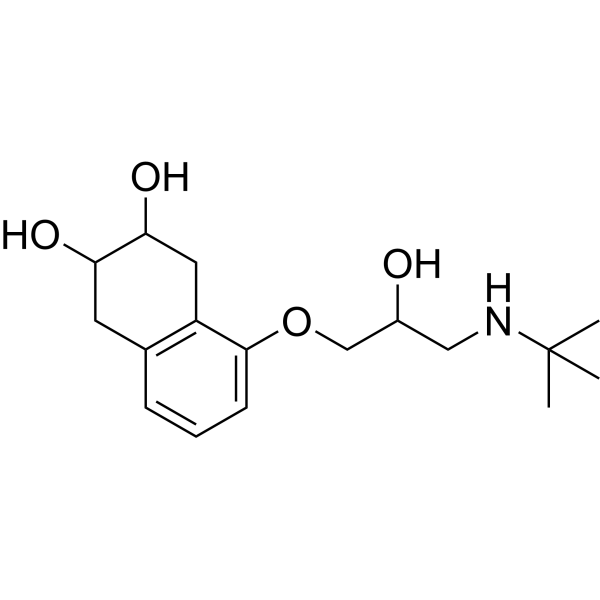
    Nadolol (SQ-11725) is a non-selective and orally active β-adrenergic receptors blocker and is a substrate of organic anion transporting polypeptide 1A2 (OATP1A2). Nadolol has the the potential for high blood pressure, angina pectoris and vascular headaches research .
    Nadolol
  • HY-145597
    KL-11743
    5 Publications Verification

    GLUT Disulfidptosis Metabolic Disease Cancer
    KL-11743 is a potent, orally active, and glucose-competitive inhibitor of the class I glucose transporters, with IC50s of 115, 137, 90, and 68 nM for GLUT1, GLUT2, GLUT3, and GLUT4, respectively. KL-11743 specifically blocks glucose metabolism. KL-11743 can synergize with electron transport inhibitors to induce cell death. In addition, KL-11743 can induce the formation of disulfide bonds in actin cytoskeletal proteins, leading to the occurrence of cellular disulfidptosis .
    KL-11743
  • HY-145603
    Vanzacaftor
    4 Publications Verification

    VX-121

    CFTR Chloride Channel Neurological Disease
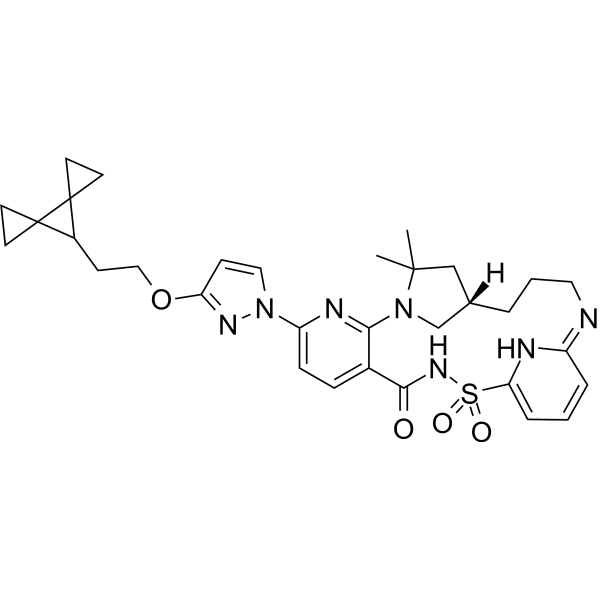
    Vanzacaftor (VX-121) is an orally active noval corrector of Cystic fibrosis transmembrane conductance regulator (CFTR). Vanzacaftor improves processing and trafficking of CFTR protein as well as increases chloride transport in triple combined with Tezacaftor (HY-15448) and Deutivacaftor. Vanzacaftor-Tezacaftor-Deutivacaftor is safe and well tolerated, improving lung function, respiratory symptoms, and CFTR function with cystic fibrosis, which is promising for research in the field of cystic fibrosis diseases .
    Vanzacaftor
  • HY-14929A
    Migalastat hydrochloride
    1 Publications Verification

    GR181413A

    Glycosidase Others
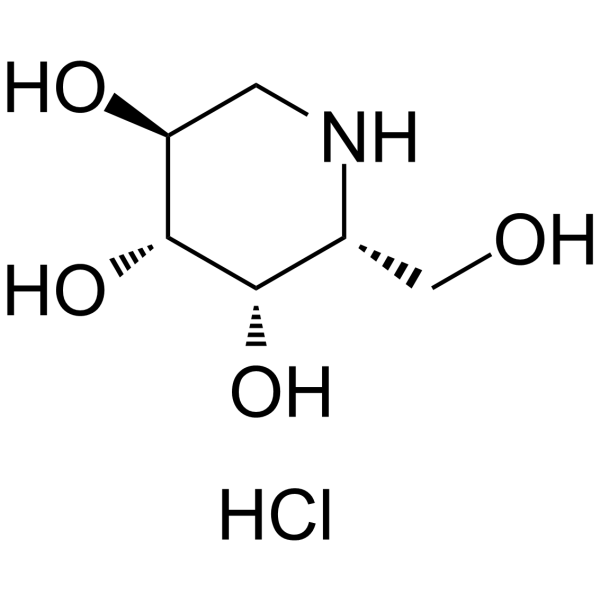
    Migalastat (GR181413A free base) hydrochloride is an orally active α-galactosidase A molecular chaperone, with an IC50 value of 0.04 μM for human α-Gal A. Migalastat binds to the active site of certain unstable mutant forms of α-galactosidase A, facilitating their transport to the lysosome. After dissociation in the acidic environment, Migalastat enables the mutant α-galactosidase A to exhibit biological activity .
    Migalastat hydrochloride
  • HY-10466
    Daclatasvir
    Maximum Cited Publications
    47 Publications Verification

    BMS-790052; EBP 883

    HCV Infection
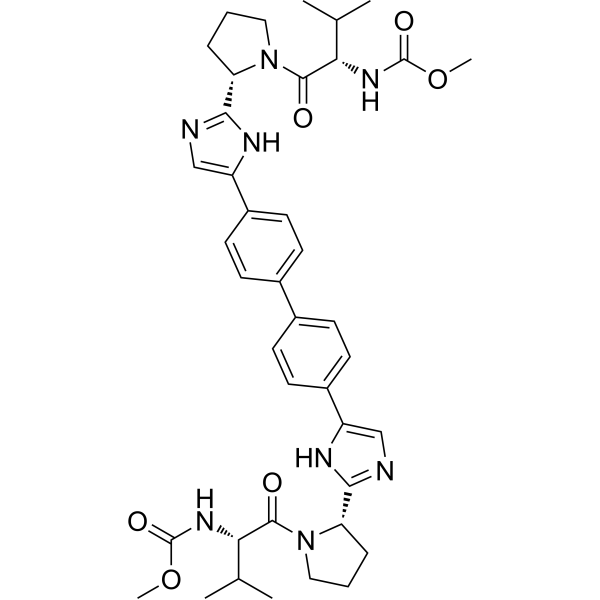
    Daclatasvir (BMS-790052) is a potent and orally active HCV NS5A protein inhibitor with EC50s range of 9-146 pM for multiple HCV replicon genotypes. Daclatasvir is also a organic anion transporting polypeptide 1B (OATP1B) and OATP1B3 inhibitor with IC50s of 1.5 µM and 3.27 µM, respectively .
    Daclatasvir
  • HY-CP002

    Biochemical Assay Reagents Others
    Bovine Serum Albumin (BSA) is a 583 amino acid protein consisting of three homologous full alpha structural domains. BSA is a spherical protein essential for the transport of molecules such as fatty acids, drugs and hormones from the blood. It is used in many biochemical applications as a drug carrier for biologically active compounds. For long-term storage, recombinant protein solution should be diluted further with 0.1% BSA .
    Bovine Serum Albumin, Carrier Protein
  • HY-20558
    D-(+)-Malic acid
    1 Publications Verification

    D-Malic acid

    Endogenous Metabolite Metabolic Disease
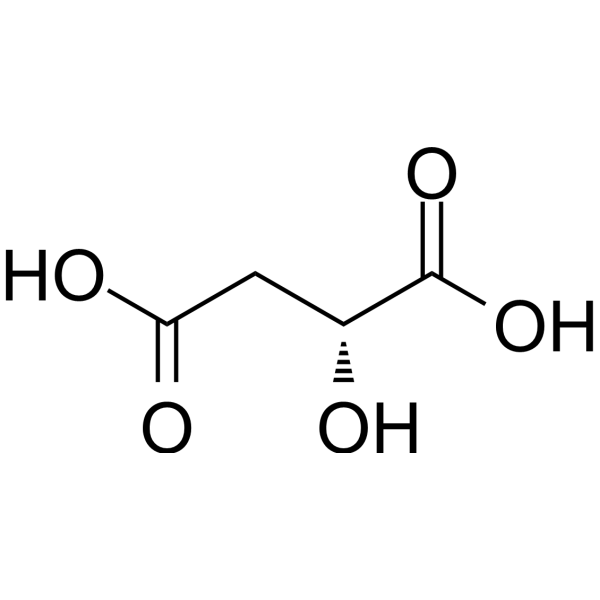
    D-(+)-Malic acid (D-Malic acid), an active enantiomer of Malic acid, is a competitive inhibitor of L(--)malic acid transport .
    D-(+)-Malic acid
  • HY-P5971

    Mifomelatide

    Melanocortin Receptor Neurological Disease Metabolic Disease
    TCMCB07, a cyclic nonapeptide peptide, is an orally active and brain-penetrant melanocortin receptor 4 (MC4R) antagonist. TCMCB07 plays an important role in cachexia. TCMCB07 has potential transport capabilities .
    TCMCB07
  • HY-108347
    CP-100356 hydrochloride
    5+ Cited Publications

    P-glycoprotein BCRP Metabolic Disease
    CP-100356 hydrochloride is an orally active dual MDR1 (P-gp)/BCRP inhibitor, with an IC50s of 0.5 and 1.5 µM for inhibiting MDR1-mediated Calcein-AM transport and BCRP-mediated Prazosin transport, respectively. CP-100356 hydrochloride is also a weak inhibitor of OATP1B1 (IC50=∼66 µM). CP-100356 hydrochloride is devoid of inhibition against MRP2 and major human P450 enzymes (IC50>15 µM) .
    CP-100356 hydrochloride
  • HY-B1246
    Thonzonium bromide
    5+ Cited Publications

    Bacterial Proton Pump Infection
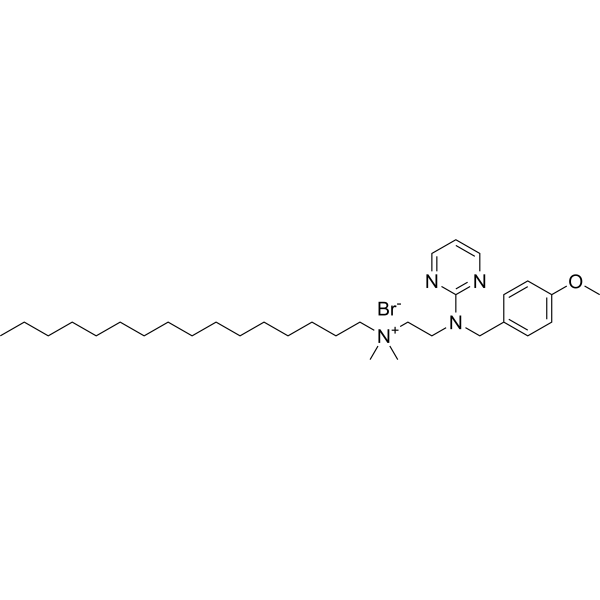
    Thonzonium bromide is an antibacterial agent that is structurally similar to Farnesol (HY-Y0248A). Thonzonium bromide is also a monocationic surface-active agent, which inhibits RANKL-induced osteoclast formation and bone resorption in vitro and prevents LPS-induced bone loss in vivo. Thonzonium bromide inhibits proton transport in a dose-dependent manner (EC50=69 μM) .
    Thonzonium bromide
  • HY-10465
    Daclatasvir dihydrochloride
    Maximum Cited Publications
    47 Publications Verification

    BMS-790052 dihydrochloride; EBP 883 dihydrochloride

    HCV Infection
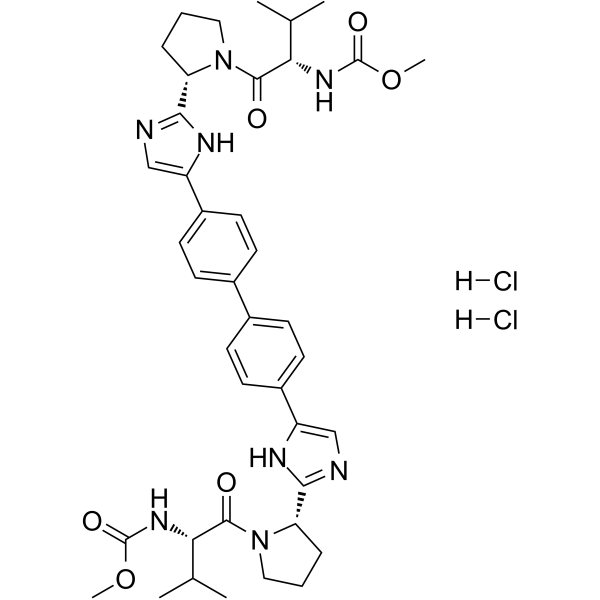
    Daclatasvir dihydrochloride (BMS-790052 dihydrochloride) is a potent and orally active HCV NS5A protein inhibitor with EC50s range of 9-146 pM for multiple HCV replicon genotypes. Daclatasvir dihydrochloride is also an organic anion transporting polypeptide 1B (OATP1B) and OATP1B3 inhibitor with IC50s of 1.5 μM and 3.27 μM, respectively .
    Daclatasvir dihydrochloride
  • HY-135336A

    (S)-(-)-Verapamil hydrochloride

    P-glycoprotein Leukotriene Receptor Calcium Channel Apoptosis Cancer
    (S)-Verapamil hydrochloride (S(-)-Verapamil hydrochloride) inhibits leukotriene C4 (LTC4) and calcein transport by MRP1. (S)-Verapamil hydrochloride leads to the death of potentially resistant tumor cells .
    (S)-Verapamil hydrochloride
  • HY-135336

    (R)-(+)-Verapamil hydrochloride

    P-glycoprotein Apoptosis Calcium Channel Infection Metabolic Disease
    (R)-Verapamil hydrochloride ((R)-(+)-Verapamil hydrochloride) is an orally active P-Glycoprotein inhibitor. (R)-Verapamil hydrochloride blocks MRP1 mediated transport. (R)-Verapamil hydrochloride induces Apoptosis and inhibits L-type calcium channels BZPcc, DHPcc and PLLcc. (R)-Verapamil hydrochloride has anti-septic shock and anti-diabetic effects .
    (R)-Verapamil hydrochloride
  • HY-113355

    Endogenous Metabolite Apoptosis Neurological Disease Inflammation/Immunology Endocrinology
    NADH is an orally active dehydrogenase coenzyme that acts as a crucial electron carrier in cellular respiration and participates in ATP production. NADH promotes metabolism, supports brain function, and counteracts oxidative stress by transferring electrons to the electron transport chain. As a signaling molecule, NADH regulates multiple biological processes, including anti-apoptosis, synaptic plasticity, gene expression, and calcium homeostasis. Redox imbalance of NADH/NAD⁺ is one of the key pathological mechanisms of various diseases, such as diabetic nephropathy, neurodegenerative diseases, and ischemia-reperfusion injury.
    NADH
  • HY-B1194

    (±)-Tetramisole hydrochloride; DL-Tetramisole hydrochloride; R-829

    Potassium Channel Parasite PKA Infection Cardiovascular Disease
    Tetramisole hydrochloride is an orally active, selective inward rectifier potassium channel agonist with an EC50 of approximately 30 μM for the Kir2.1 subunit. Tetramisole hydrochloride is also an anti-nematode agent that blocks neuromuscular transmission by non-competitive depolarization. Tetramisole hydrochloride promotes the forward transport of Kir2.1 channels, hyperpolarizes the resting potential (RP), shortens the action potential duration (APD), inhibits intracellular calcium overload and the PKA signaling pathway, and exerts anti-arrhythmic and anti-myocardial remodeling activities. Tetramisole hydrochloride can be used in cardiac electrophysiology research and research related to myocardial ischemia and heart failure .
    Tetramisole hydrochloride
  • HY-18282

    LXR Cardiovascular Disease Metabolic Disease Cancer
    AZ876 is a selective, orally active agonist of liver X receptor (LXRα/β) (Ki=0.007 μM [LXRα, human], 0.011 μM [LXRβ, human]. AZ876 induces the expression of target genes such as ABCA1 and ABCG1, promotes reverse cholesterol transport (RCT) and regulates lipid metabolism and anti-inflammatory effects. AZ876 increases cardiac polyunsaturated fatty acid levels, reduces myocardial fibrosis, and reduces lesion area and monocyte adhesion in atherosclerosis models. AZ876 can be used in cardiovascular disease research, such as preventing and treating β-adrenergic-induced cardiac diastolic dysfunction and inhibiting the progression of atherosclerosis .
    AZ876
  • HY-161307

    HDAC Microtubule/Tubulin Neurological Disease
    T-518 is an orally active, BBB-penetrant and potent DFMO-based HDAC6 inhibitor with high selectivity (IC50 = 36 nM). T-518 improves axonal transport. T-518 ameliorates object recognition deficit. T-518 can be studied in research for Alzheimer’s disease and tauopathy .
    T-518
  • HY-135749

    IGF-1R Neurological Disease Inflammation/Immunology
    BN201 promotes neuronal differentiation, the differentiation of precursor cells to mature oligodendrocytes (EC50 of 6.3 μM) in vitro, and the myelination of new axons (EC50 of 16.6 μM). BN201 is able to cross the blood-brain barrier by active transport and activate pathways (IGF-1 pathway) associated with the response to stress and neuron survival. BN201 has potently neuroprotective effects .
    BN201
  • HY-W020246

    TMTM

    Squalene Monooxygenase Bacterial Infection Inflammation/Immunology
    Tetramethylthiuram monosulfide (TMTM) is an orally active microsomal monooxygenases inhibitor. Tetramethylthiuram monosulfide is used as an accelerator and activator in the processing of natural rubber and butyl rubber. Tetramethylthiuram monosulfide reduces palmitic acid incorporation into microsomal phospholipids, disrupts microsomal membrane integrity, and impairs electron transport during oxygenation. Tetramethylthiuram monosulfide can be used for the research of fungal infection, bacterial infection and allergic contact dermatitis .
    Tetramethylthiuram monosulfide
  • HY-125469

    PF-04895162

    Potassium Channel Neurological Disease
    ICA-105665 (PF-04895162) is a potent and orally active neuronal Kv7.2/7.3 and Kv7.3/7.5 potassium channels opener. ICA-105665 inhibits liver mitochondrial function and bile salt export protein (BSEP) transport (IC50 of 311 μM). ICA-105665 can penetrate the blood-brain barrier and has antiseizure effects .
    ICA-105665
  • HY-N4104
    Agaric acid
    1 Publications Verification

    Agaricinic Acid

    Mitochondrial Metabolism Bacterial Calcium Channel Infection Metabolic Disease
    Agaric acid (Agaricinic Acid) is an orally active inhibitor of adenine nucleotide translocase found in specific fungi. Agaric acid can inhibit the biofilm formation of various bacteria such as Salmonella. Agaric acid can also induce mitochondrial permeability transition, prompting mitochondria to release Ca 2+, disrupting the transmembrane potential, and causing mitochondrial swelling. In addition, Agaric acid can also inhibit citrate transport in liver mitochondria and participate in the inhibition of fatty acid synthesis, affecting multiple metabolic processes .
    Agaric acid
  • HY-P3003

    Potassium Channel Apoptosis Autophagy Reactive Oxygen Species (ROS) Mitochondrial Metabolism Infection Neurological Disease Metabolic Disease Inflammation/Immunology
    Cereulide is an orally active, blood-brain barrier-permeable emetic toxin. Cereulide acts as a potassium ionophore that inserts into membranes, forms complexes with K +, and transports K + from the cytoplasm into the mitochondrial matrix. Cereulide disrupts the electrochemical gradient of the inner mitochondrial membrane, leading to mitochondrial swelling and dysfunction, uncoupling of oxidative phosphorylation, inhibition of ATP synthesis, ROS accumulation, and ultimately triggering apoptosis and autophagy. Cereulide exhibits multi-organ toxicity and can be used for research on emetic food poisoning .
    Cereulide
  • HY-141700
    FATP1-IN-2
    2 Publications Verification

    FATP Metabolic Disease
    FATP1-IN-2 (compound 12a), an arylpiperazine derivative, is an orally active fatty acid transport protein 1 (FATP1) inhibitor (human IC50=0.43 μM, mouse IC50=0.39 μM) .
    FATP1-IN-2
  • HY-116716
    PIN1 inhibitor API-1
    1 Publications Verification

    MicroRNA Cancer
    PIN1 inhibitor API-1 is a specific Pin1 (peptidyl-prolyl cis-trans isomerase NIMA-interacting 1) inhibitor (API-1) with an IC50 of 72.3 nM. PIN1 inhibitor API-1 directly and specifically binds to the Pin1 peptidyl-prolyl isomerase (PPIase) domain and potently inhibits Pin1 cis-trans isomerizing activity. PIN1 inhibitor API-1 retains the active conformation of pXPO5 and restores the ability of pXPO5 to transport pre-miRNAs from nucleus to cytoplasm, thus up-regulating the anticancer miRNA biogenesis to suppress both in vitro and in vivo hepatocellular carcinoma development .
    PIN1 inhibitor API-1
  • HY-136450

    TCBZ-SO

    Parasite BCRP Infection Cancer
    Triclabendazole sulfoxide (TCBZ-SO) is an orally active ABCG2 inhibitor with antiparasitic activity. Triclabendazole sulfoxide inhibits ABCG2-mediated active efflux and ATPase activity. Triclabendazole sulfoxide increases the intracellular accumulation of Mitoxantrone (HY-13502). Triclabendazole sulfoxide reduces the apical-directed transepithelial transport of Nitrofurantoin and Danofloxacin, while increasing their basolateral-directed transepithelial transport. Triclabendazole sulfoxide elevates the plasma levels of sulfasalazine in wild-type mice. Triclabendazole sulfoxide decreases ABCG2-mediated secretion of Nitrofurantoin into milk in wild-type lactating mice. Triclabendazole sulfoxide can be used in the research of insecticidal agents and cancers such as breast cancer .
    Triclabendazole sulfoxide
  • HY-119101
    AZD-5672
    1 Publications Verification

    CCR Potassium Channel P-glycoprotein Inflammation/Immunology
    AZD-5672 is an orally active, potent, and selective CCR5 antagonist (IC50=0.32 nM). AZD-5672 shows moderate activity against the hERG ion channel (binding IC50=7.3 μM). AZD5672 is a substrate of human P-gp, and inhibits P-gp-mediated digoxin transport (IC50=32 μM). AZD-5672 can be used for the research of rheumatoid arthritis .
    AZD-5672
  • HY-161137

    Amino acid Transporter iGluR Neurological Disease
    LQFM215 is a proline transporter (PROT) inhibitor. LQFM215 inhibits proline transport by competitively binding to the active site of PROT. LQFM215 effectively reduces hyperlocomotion and enhances social interaction .
    LQFM215
  • HY-D1584

    Phospholipase Others
    C12 NBD sphingomyelin is an active derivative of Sphingomyelin (HY-113498) that is tagged with fluorescent C12 nitrobenzoxadiazole (C12 NBD). C12 NBD sphingomyelin can be used as a sphingomyelinase substrate for studying the metabolism and transport of sphingomyelins (Ex=470 nm, Em=525 nm) .
    C12 NBD Sphingomyelin
  • HY-154508

    2’-Deoxy-5-Fluorouridine 5’-phosphate triethylammonium

    Nucleoside Antimetabolite/Analog Thymidylate Synthase Cancer
    FdUMP triethylammonium is the intracellular active form of 5-fluorouracil (5-FU). 5-FU is converted to FdUMP after being transported into the cell by various enzymes. FdUMP forms a ternary complex with thymidylate synthase and its cofactor 5,10-methylene tetrahydrofolate, inhibiting the activity of thymidylate synthase, which in turn leads to the suppression of DNA synthesis.
    FdUMP triethylammonium
  • HY-131286A

    LY-544344 (hydrochloride)

    Drug Derivative mGluR Neurological Disease
    Talaglumetad hydrochloride (LY-544344 hydrochloride) is an orally active prodrug of Eglumegad (HY-18941) and a metabotropic glutamate receptor 2/3 (mGluR2/3) agonist. Talaglumetad hydrochloride undergoes transmembrane transport via the intestinal peptide transporter hPepT1, and is enzymatically hydrolyzed to produce L-alanine and the parent drug Eglumegad after entering the body. Talaglumetad hydrochloride can be used in research related to metabotropic glutamate receptor 2-associated neurological systems .
    Talaglumetad (hydrochloride)
  • HY-P3003S

    Isotope-Labeled Compounds Apoptosis Potassium Channel Mitochondrial Metabolism Autophagy Reactive Oxygen Species (ROS) Infection Neurological Disease Metabolic Disease Inflammation/Immunology
    Cereulide- 13C6 is a deuterated form of Cereulide. Cereulide is an orally active, blood-brain barrier-permeable emetic toxin. Cereulide acts as a potassium ionophore that inserts into membranes, forms complexes with K +, and transports K + from the cytoplasm into the mitochondrial matrix. Cereulide disrupts the electrochemical gradient of the inner mitochondrial membrane, leading to mitochondrial swelling and dysfunction, uncoupling of oxidative phosphorylation, inhibition of ATP synthesis, ROS accumulation, and ultimately triggering apoptosis and autophagy. Cereulide exhibits multi-organ toxicity and can be used for research on emetic food poisoning.
    Cereulide-13C6
  • HY-B2119

    Tauroglycocholic acid sodium salt

    Biochemical Assay Reagents Metabolic Disease
    Sodium tauroglycocholate (Tauroglycocholic acid sodium salt) is a multifunctional surfactant and penetration enhancer that can serve as a cholegraphic contrast agent. In organic solvents, Sodium tauroglycocholate embeds and stabilizes invertase by forming reverse micelles, and prolongs its active lifespan. In terms of transdermal absorption, Sodium tauroglycocholate effectively regulates the flux of aminophylline through snake slough by binding to keratin filaments, disrupting keratinocytes and altering lipid components of the stratum corneum. It exhibits rapid penetration characteristics without lag time at a concentration of 100 μg/mL. Sodium tauroglycocholate does not interfere with the hepatic uptake of Gd-EOB-DTPA by the bile acid transport system in rat hepatocytes .
    Sodium tauroglycocholate
  • HY-162066

    Parasite Infection
    DNDI-6174 is an orally active Leishmania cytochrome b (Qi site of cytochrome bc1 complex/complex III) inhibitor. DNDI-6174 binds to the Qi site of Leishmania cytochrome b, inhibits cytochrome bc1 complex activity in the parasite's electron transport chain across promastigote and axenic amastigote stages. DNDI-6174 reduces parasite burden in rodent models, inhibits growth of various Leishmania species, drug-resistant clinical isolates, and Trypanosoma cruzi, with marginal activity against Trypanosoma brucei. DNDI-6174 can be used for the research of visceral leishmaniasis, cutaneous leishmaniasis .
    DNDI-6174
  • HY-B1837A

    beta-Cyfluthrin

    Environmental Pollutants Calcium Channel SOD Neurological Disease
    β-Cyfluthrin (beta-Cyfluthrin) is a type II synthetic pyrethroid and also an active ingredient of many insecticide products used for pestsin agriculture. β-Cyfluthrin is a neurotoxicant and affects calcium concentration in nervous tissue by inhibiting Ca 2+ ATPase involved in calcium transport .
    β-Cyfluthrin
  • HY-10465R

    BMS-790052 dihydrochloride (Standard); EBP 883 dihydrochloride (Standard)

    Reference Standards HCV Infection
    Daclatasvir (dihydrochloride) (Standard) is the analytical standard of Daclatasvir (dihydrochloride). This product is intended for research and analytical applications. Daclatasvir dihydrochloride (BMS-790052 dihydrochloride) is a potent and orally active HCV NS5A protein inhibitor with EC50s range of 9-146 pM for multiple HCV replicon genotypes. Daclatasvir dihydrochloride is also an organic anion transporting polypeptide 1B (OATP1B) and OATP1B3 inhibitor with IC50s of 1.5 µM and 3.27 µM, respectively .
    Daclatasvir dihydrochloride (Standard)
  • HY-145603S

    VX-121-d4

    Isotope-Labeled Compounds CFTR Chloride Channel Neurological Disease
    Vanzacaftor-d4 (VX-121-d4) is the deuterium labeled Vanzacaftor (HY-145603). Vanzacaftor is an orally active noval corrector of Cystic fibrosis transmembrane conductance regulator (CFTR). Vanzacaftor improves processing and trafficking of CFTR protein as well as increases chloride transport in triple combined with Tezacaftor (HY-15448) and Deutivacaftor. Vanzacaftor-Tezacaftor-Deutivacaftor is safe and well tolerated, improving lung function, respiratory symptoms, and CFTR function with cystic fibrosis, which is promising for research in the field of cystic fibrosis diseases .
    Vanzacaftor-d4
  • HY-153136

    Liposome Others
    LNP Lipid-1 (Method B) is a lipid compound. LNP Lipid-1 is involved in the synthesis of lipid nanoparticles compositions. LNP Lipid-1 has potential applications in the transport of biologically active substances such as small molecule agents, proteins, and nucleic acids .
    LNP Lipid-1
  • HY-14929

    GR181413A free base; 1-Deoxygalactonojirimycin

    Glycosidase Others
    Migalastat (GR181413A free base) is an orally active α-galactosidase A molecular chaperone, with an IC50 value of 0.04 μM for human α-Gal A. Migalastat binds to the active site of certain unstable mutant forms of α-galactosidase A, facilitating their transport to the lysosome. After dissociation in the acidic environment, Migalastat enables the mutant α-galactosidase A to exhibit biological activity .
    Migalastat
  • HY-164799

    FXR Inflammation/Immunology
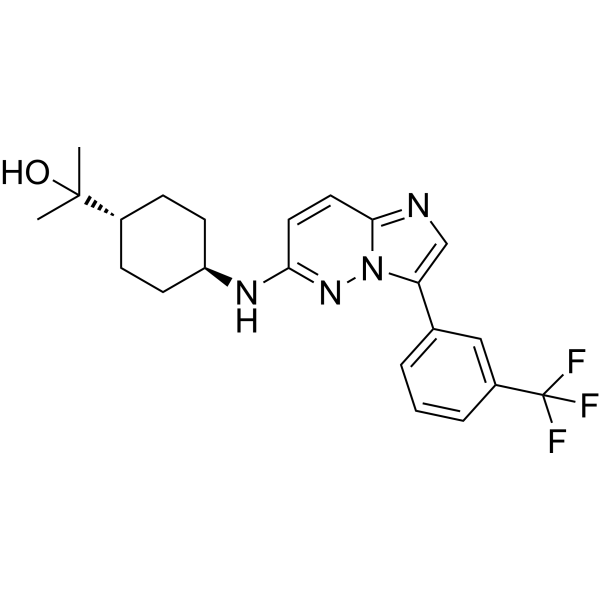
    FXR agonist 12 (Compound C7) is the orally active agonist for FXR. FXR agonist 12 down-regulates bile acid synthesis-related genes, and up-regulates bile acid transport-related genes in HepG2 cells. FXR agonist 12 improves ANIT-induced cholestasis, ameliorates the liver damage and fibrosis in mouse NASH models .
    FXR agonist 12
  • HY-121045

    KO 1366

    Adrenergic Receptor Cardiovascular Disease
    Bunitrolol hydrochloride is an orally active β-adrenergic blocker that has a high affinity for β-adrenergic receptors. Bunitrolol hydrochloride exerts significant β-receptor antagonist activity and has weak α1-blocking activity. Bunitrolol hydrochloride is mainly used in the study of cardiovascular diseases such as hypertension and angina pectoris, and is also used in placental transport research .
    Bunitrolol
  • HY-179107

    Amino acid Transporter Metabolic Disease
    SLC6A19-IN-3 (Compound 83-P1-P2) is a potent, selective and orally active SLC6A19 inhibitor with an IC50 of 28 nM. SLC6A19-IN-3 can block SLC6A19-mediated transmembrane transport of phenylalanine, reducing intestinal absorption of phenylalanine from food and renal tubular reabsorption of phenylalanine. SLC6A19-IN-3 can be used for the research of metabolic disease, such as phenylketonuria .
    SLC6A19-IN-3
  • HY-179571

    PPTD

    Reactive Oxygen Species (ROS) Ferroptosis Cancer
    ZIP 14-IN-1 (PPTD) is a selective and orally active ZIP14 inhibitor. ZIP 14-IN-1 inhibits ZIP14 while sparing ZIP8 (SLC39A8). ZIP 14-IN-1 efficiently blocks ZIP14-mediated uptake of multiple divalent metals (zinc, iron, manganese and cadmium). ZIP 14-IN-1 binds to a pocket formed at the dimer interface of ZIP14, obstructing the metal transport pathway. ZIP 14-IN-1 effectively reverses the consequent elevation of reactive oxygen species (ROS) and lipid peroxidation, attenuating metal-induced cytotoxicity. ZIP 14-IN-1 can be uses for cancer cachexia research .
    ZIP14-IN-1
  • HY-14735

    XP 19986

    GABA Receptor Neurological Disease
    Arbaclofen placarbil is a novel transported proagent of the active R-isomer of baclofen. Baclofen is a racemic GABAB receptor agonist
    Arbaclofen placarbil
  • HY-108347A

    P-glycoprotein BCRP Metabolic Disease
    CP-100356 is an orally active dual MDR1 (P-gp)/BCRP inhibitor, with an IC50s of 0.5 and 1.5 µM for inhibiting MDR1-mediated Calcein-AM transport and BCRP-mediated Prazosin transport, respectively. CP-100356 is also a weak inhibitor of OATP1B1 (IC50 = ∼66 µM). CP-100356 is devoid of inhibition against MRP2 and major human P450 enzymes (IC50 > 15 µM) .
    CP-100356
  • HY-N6684R

    Vomitoxin (Standard)

    P-glycoprotein Reference Standards Metabolic Disease
    Deoxynivalenol (Standard) is the analytical standard of Deoxynivalenol. This product is intended for research and analytical applications. Deoxynivalenol, an orally active mycotoxin of the trichothecenes family, crosses the intestinal mucosa by a paracellular pathway through the tight junctions. The Deoxynivalenol transport is not affected by P-glycoprotein (PgP) or multidrug resistance-associated proteins (MRPs) inhibitors .
    Deoxynivalenol (Standard)
  • HY-170369

    Mitochondrial Metabolism Metabolic Disease
    SHO1122147 (Compound 7m) affects the mitochondrial electron transport chain, exhibits mitochondrial uncoupling activity (EC50=3.6 μM), and increases the oxygen consumption rate (OCR=69%) and promotes cellular respiration. SHO1122147 is orally active, and can be used in reaearch of obesity and metabolic dysfunction-associated steatohepatitis (MASH) .
    SHO1122147

Inquiry Online

Your information is safe with us. * Required Fields.

Salutation


Country or Region *

Applicant Name *


Organization Name *

Department *


Email Address *


Product Name *

Cat. No.


Requested quantity *

Phone Number *


Remarks

Inquiry Online

Inquiry Information

Product Name:
Cat. No.:
Quantity:
MCE Japan Authorized Agent:

