1. Search Result
Search Result
Results for "

diabetic rats

" in MedChemExpress (MCE) Product Catalog:

99

阻害剤およびアゴニスト

2

生化学アッセイ試薬

12

ペプチド

1

阻害性抗体

26

天然物

2

同位体標識化合物

製品番号 製品名 Target 研究分野 構造式
  • HY-B0442
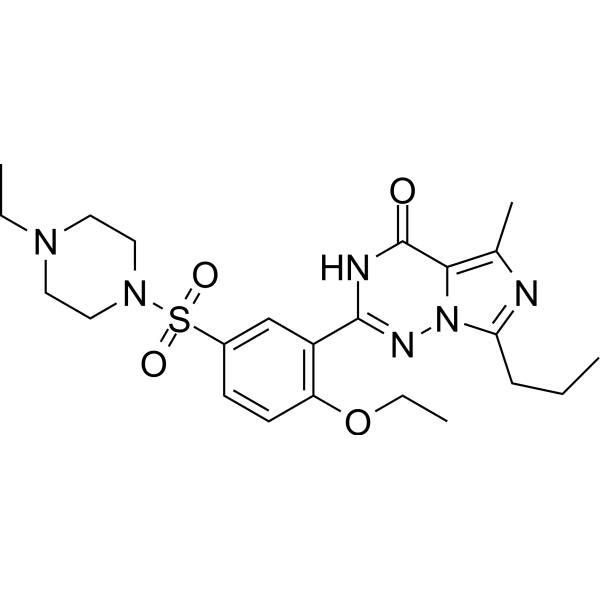
    Vardenafil
    5 Publications Verification

    Phosphodiesterase (PDE) Endogenous Metabolite Metabolic Disease Inflammation/Immunology Endocrinology Cancer
    Vardenafil is a selective and orally active inhibitor of phosphodiesterase-5 (PDE5), with an IC50 of 0.7 nM. Vardenafil shows inhibitory towards PDE1, PDE6 with IC50s of 180 nM, and 11 nM, while IC50s are >1000 nM for PDE3 and PDE4 . Vardenafil competitively inhibits cyclic guanosine monophosphate (cGMP) hydrolysis and thus increases cGMP levels . Vardenafil can be used for the research of erectile dysfunction, hepatitis, diabetes [1]-[6].
    Vardenafil
  • HY-P3247

    Insulin Receptor Neurological Disease Metabolic Disease
    [D-Ala2]-GIP (human) is a GIP receptor agonist (EC50 = 630 pM). [D-Ala2]-GIP (human) improves glucose tolerance. [D-Ala2]-GIP (human) shows neuroprotective activity in MPTP (HY-W114750)-induced Parkinson's disease model. [D-Ala2]-GIP (human) also improves cognitive function and hippocampal synaptic plasticity in obese diabetic rats. [D-Ala2]-GIP (human) can be used for research of type 2 diabetes, Parkinson's disease, etc
    [D-Ala2]-GIP (human)
  • HY-121401A

    (1R)-(−)-Myrtenal; (−)-(1R,5S)-Myrtenal

    Akt Metabolic Disease Cancer
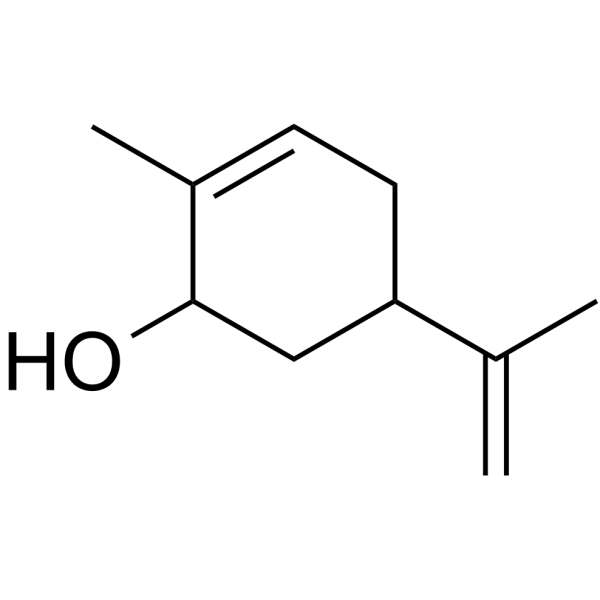
    (-)-Myrtenal ((1R)-(-)-Myrtenal) is an orally active terpene with antitumour activity. (-)-Myrtenal ameliorates hyperglycemia by enhancing GLUT2 through Akt in the skeletal muscle and liver of diabetic rats .
    (−)-Myrtenal
  • HY-142240

    HSK16149

    Calcium Channel Neurological Disease
    Crisugabalin is an orally active, selective ligand for the α2δ subunit of voltage-gated calcium channels, with a target IC50 of 3.96 nM in rats. Crisugabalin inhibits the binding of [ 3H]gabapentin to the α2δ subunit, reduces calcium influx, decreases neuronal excitability, and impairs nociceptive transmission. Crisugabalin alleviates mechanical allodynia, neuropathic pain and inflammatory pain in rats, and reduces phase II pain behaviors. Crisugabalin can be used in research related to chronic pain, neuropathic pain, diabetic neuropathy, fibromyalgia, inflammatory pain, diabetic peripheral neuropathy and postherpetic neuralgia.
    Crisugabalin
  • HY-117661
    SPHINX31
    10+ Cited Publications

    SRPK VEGFR Cardiovascular Disease Cancer
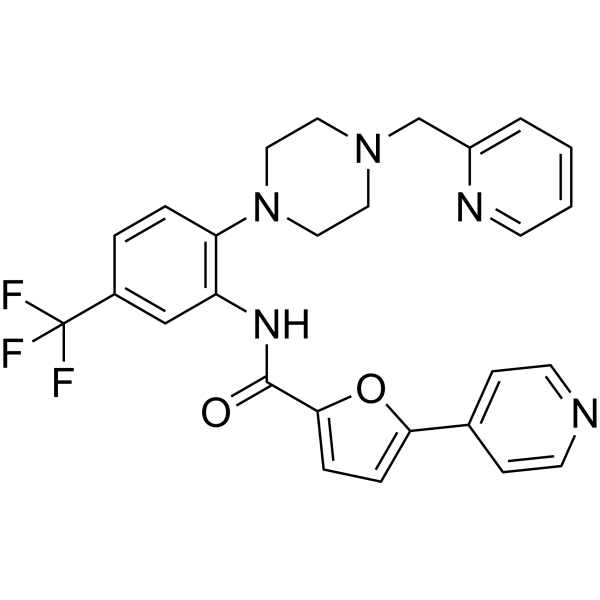
    SPHINX31 is a potent and selective SRPK1 inhibitor, with an IC50 of 5.9 nM. SPHINX31 inhibits phosphorylation of serine/arginine-rich splicing factor 1 (SRSF1). SPHINX31 also decreases the mRNA expression of pro-angiogenic VEGF-A165a isoform. SPHINX31 can be used to research neovascular eye disease .
    SPHINX31
  • HY-B0442A
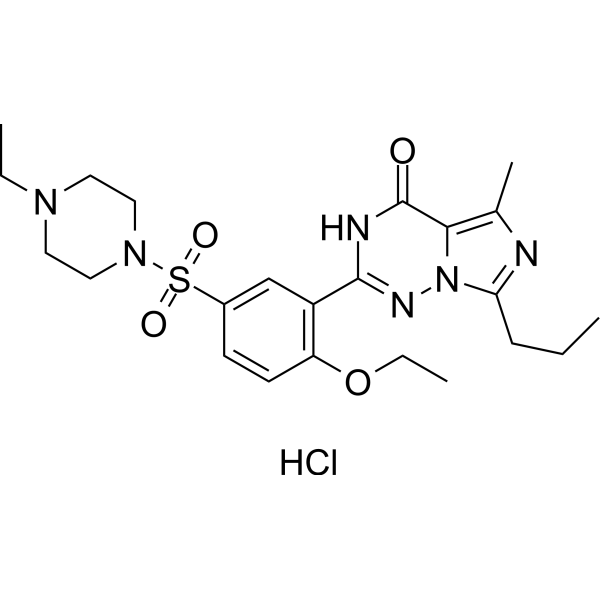
    Vardenafil hydrochloride
    5 Publications Verification

    Phosphodiesterase (PDE) Endogenous Metabolite Metabolic Disease Inflammation/Immunology Endocrinology Cancer
    Vardenafil hydrochloride is a selective and orally active inhibitor of phosphodiesterase-5 (PDE5), with an IC50 of 0.7 nM. Vardenafil hydrochloride shows inhibitory towards PDE1, PDE6 with IC50s of 180 nM, and 11 nM, while IC50s are >1000 nM for PDE3 and PDE4 . Vardenafil hydrochloride competitively inhibits cyclic guanosine monophosphate (cGMP) hydrolysis and thus increases cGMP levels . Vardenafil hydrochloride can be used for the research of erectile dysfunction, hepatitis, diabetes [1]-[6].
    Vardenafil hydrochloride
  • HY-19687
    Zopolrestat
    1 Publications Verification

    CP73850

    Aldose Reductase Metabolic Disease
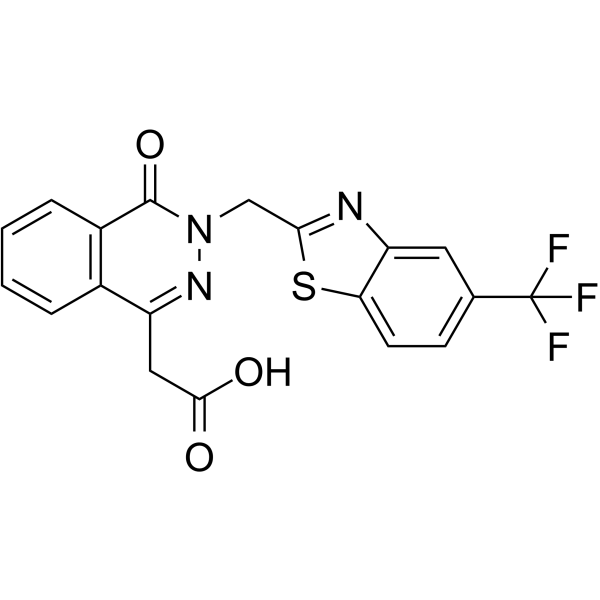
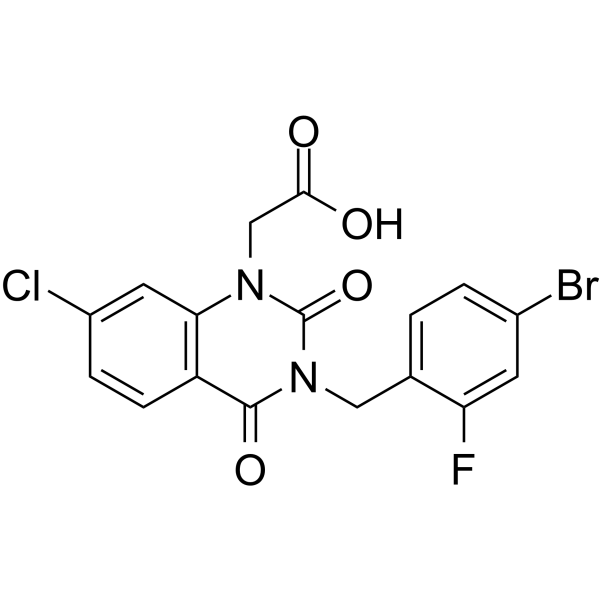
    Zopolrestat (CP73850) is a potent, orally active aldose reductase (AR) inhibitor with an IC50 of 3.1 nM. Zopolrestat is used for the research of diabetic complications .
    Zopolrestat
  • HY-P3206

    Thymulin; Thymic factor

    ERK Neurological Disease Inflammation/Immunology Endocrinology
    Serum thymic factor (Thymulin) is a zinc-dependent immunomodulatory peptide hormone, which can be produced by the thymic epithelial cells. Serum thymic factor stimulates the release of hormones from the pituitary gland, exhibits hypophysiotropic activity. Serum thymic factor protects rats from Cephaloridine (HY-B2072)-induced nephrotoxicity by inhibiting ERK activation. Serum thymic factor exhibits anti-diabetic, anti-inflammatory and analgesic effects. Serum thymic factor can be used in research about endocrine, reproductive, neurodegenerative and inflammatory diseases .
    Serum thymic factor
  • HY-77490

    Endogenous Metabolite Metabolic Disease
    (R)-(-)-1,3-Butanediol is the R-enantiomer of 1,3-Butanediol (HY-77490A). (R)-(-)-1,3-Butanediol exhibits anti-diabetic property in rats. (R)-(-)-1,3-Butanediol can be used as flavoring and fragrance agents. (R)-(-)-1,3-Butanediol is used to regulate the metabolism of carbohydrate and lipid. .
    (R)-(-)-1,3-Butanediol
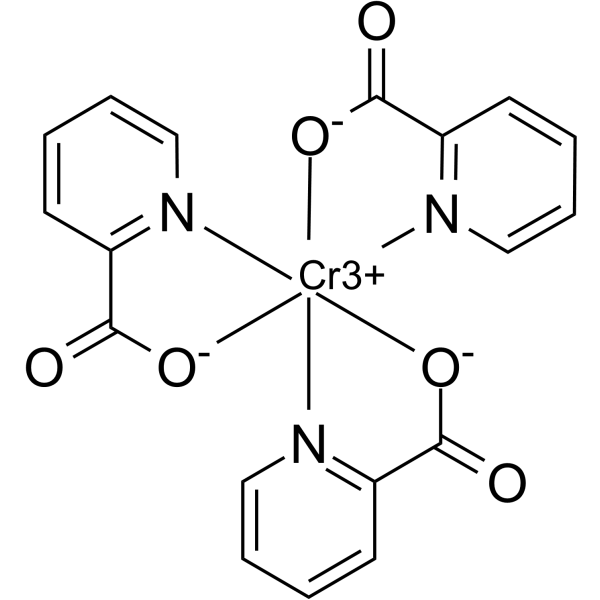
  • HY-125588
    Chromium picolinate
    2 Publications Verification

    Chromium (III) picolinate; Cr(Pic)3

    Apoptosis p38 MAPK Metabolic Disease
    Chromium picolinate (Chromium (III) picolinate) is a compound that has oral activity. Chromium picolinate induces apoptosis. Chromium picolinate is the activator of p38 MAPK. Chromium picolinate has antioxidant activity. Chromium picolinate can be used in research on type 2 diabetes .
    Chromium picolinate
  • HY-14806A
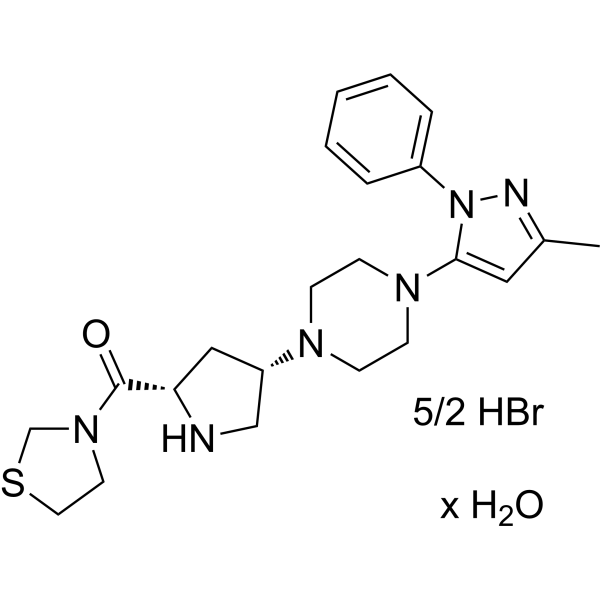
    Teneligliptin hydrobromide
    5+ Cited Publications

    MP-513 hydrobromide

    Dipeptidyl Peptidase NOD-like Receptor (NLR) Interleukin Related AMPK Reactive Oxygen Species (ROS) Apoptosis p38 MAPK NF-κB JNK Cardiovascular Disease Neurological Disease Metabolic Disease
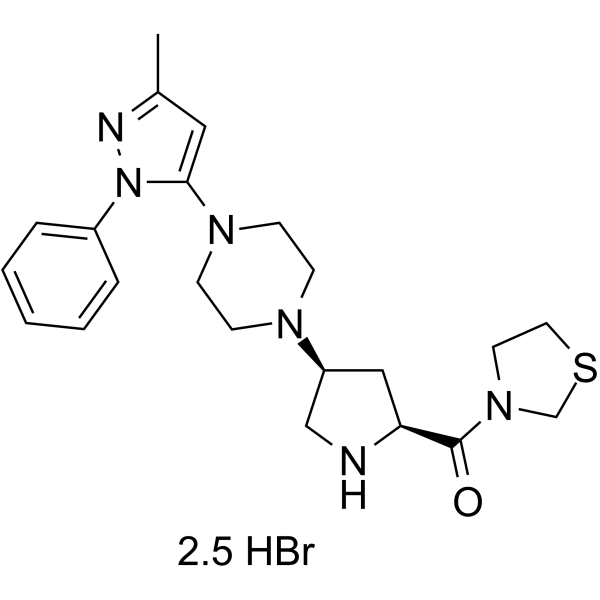
    Teneligliptin (MP-513) hydrobromide is an orally active and selective dipeptidyl peptidase 4 (DPP-4) inhibitor (IC50s: 0.37 and 0.29 nM for the human and rat DPP-4, respectively). Teneligliptin hydrobromide improves blood glucose levels and can be used in researches related to type 2 diabetes mellitus .
    Teneligliptin hydrobromide
  • HY-W027553

    NIK-247 free base; Amiridine free base

    Cholinesterase (ChE) Potassium Channel Sodium Channel Neurological Disease Metabolic Disease
    Ipidacrine is orally active and brain-penetrant AChE and BuChE inhibitors with IC50 values of 1 μM and 1.9 μM, respectively, which is also a partial agonist of M2-cholinergic receptors and a reversible cholinesterase inhibitor. Ipidacrine has a stimulating effect on neuromuscular transmission and excitation along the nerve fibres with a moderately anti-pain effect. Ipidacrine is an aminopyridines and is structurally similar to Tacrine (HY-111338). Ipidacrine is effective in various amnesia models, improves erectile function and inhibits K + and Na +-channels in the neuronal membrane in diabetic rats. Ipidacrine is promising for research of Alzheimer’s disease, ischaemic stroke, idiopathic neuropathy of the facial nerve, diabetes mellitus-induced erectile dysfunction and other deficits in central or peripheral cholinergic deseases .
    Ipidacrine
  • HY-B0442B
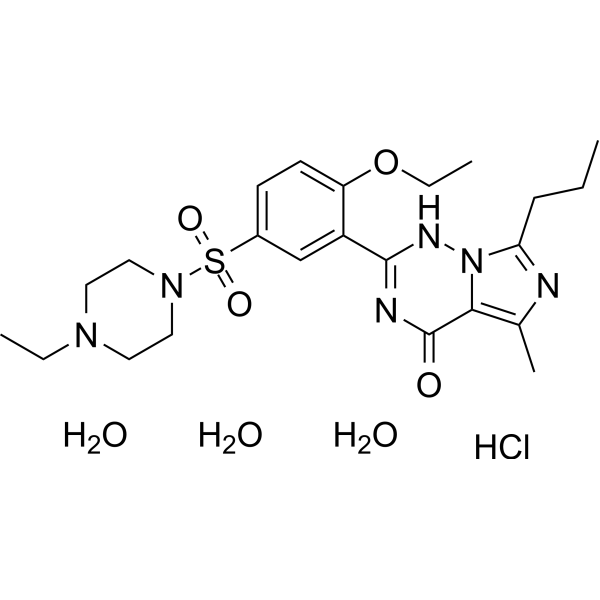
    Vardenafil hydrochloride trihydrate
    5 Publications Verification

    Endogenous Metabolite Phosphodiesterase (PDE) Metabolic Disease Inflammation/Immunology Endocrinology
    Vardenafil hydrochloride trihydrate is a selective and orally active inhibitor of phosphodiesterase-5 (PDE5), with an IC50 of 0.7 nM. Vardenafil hydrochloride trihydrate shows inhibitory towards PDE1, PDE6 with IC50s of 180 nM, and 11 nM, while IC50s are >1000 nM for PDE3 and PDE4 . Vardenafil hydrochloride trihydrate competitively inhibits cyclic guanosine monophosphate (cGMP) hydrolysis and thus increases cGMP levels . Vardenafil hydrochloride trihydrate can be used for the research of erectile dysfunction, hepatitis, diabetes [1]-[6].
    Vardenafil hydrochloride trihydrate
  • HY-105088

    MSI 78 free base

    Bacterial Infection
    Pexiganan (MSI 78) is an orally active antimicrobial peptide with broad-spectrum bactericidal. Pexiganan disrupts bacterial cell membranes, induces peptidoglycan damage and cell lysis. Pexiganan TFA can be used for the research of bacterial infection .
    Pexiganan
  • HY-145633

    OPT 302; VGX-300

    VEGFR Cardiovascular Disease
    Sozinibercept (OPT 302; VGX-300) is a soluble form of VEGFR-3, potently inhibits the activity of VEGF-C/D, which are the proangiogenic factors, inhibiting angiogenesis and vascular leakage. Sozinibercept also inhibits diabetic retinal edema in rats .
    Sozinibercept
  • HY-128447
    Allyl methyl sulfide
    1 Publications Verification

    Endogenous Metabolite SOD NF-κB GLUT Metabolic Disease Inflammation/Immunology
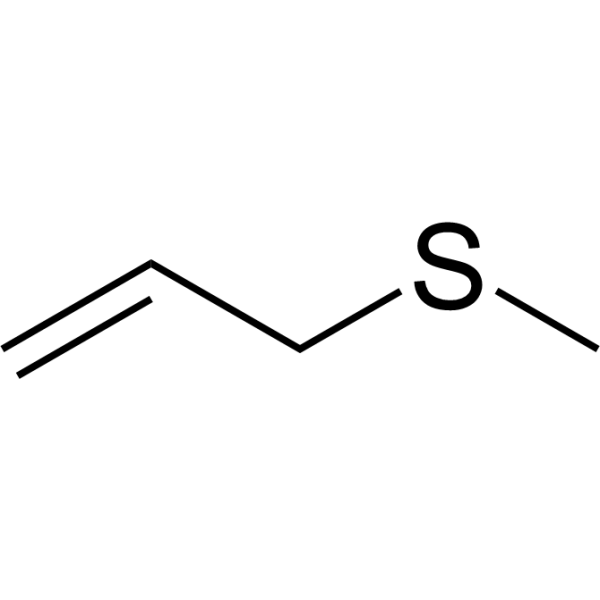
    Allyl methyl sulfide is an orally active organic sulfide. Allyl methyl sulfide is one of the main active ingredients in garlic volatile metabolites. Allyl methyl sulfide can be extracted from garlic. Allyl methyl sulfide enhances SOD activity, inhibits NF-κB signaling pathway, and upregulates pancreatic GLUT2 expression. Allyl methyl sulfide has significant antioxidant, anti-inflammatory and hypoglycemic activities. Allyl methyl sulfide can be used in the research of diabetes and its complications .
    Allyl methyl sulfide
  • HY-14806B

    MP-513 hydrobromide hydrate

    NOD-like Receptor (NLR) Interleukin Related AMPK Reactive Oxygen Species (ROS) Toll-like Receptor (TLR) NF-κB JNK p38 MAPK Apoptosis Cardiovascular Disease Neurological Disease Metabolic Disease
    Teneligliptin (MP-513) hydrobromide hydrate is an orally active and selective dipeptidyl peptidase 4 (DPP-4) inhibitor (IC50s: 0.37 and 0.29 nM for the human and rat DPP-4, respectively). Teneligliptin hydrobromide hydrate improves blood glucose levels and can be used in researches related to type 2 diabetes mellitus .
    Teneligliptin hydrobromide hydrate
  • HY-N2896

    Reactive Oxygen Species (ROS) Apoptosis Fungal Bacterial NF-κB SOD AMPK mTOR Notch Toll-like Receptor (TLR) Wnt MyD88 Sirtuin Infection Neurological Disease Inflammation/Immunology Cancer
    Arjunolic acid is an orally active, multifunctional bioactive compound. Arjunolic acid exhibits free radical scavenging activity, as well as fungal and bacterial activities. Arjunolic acid induces apoptosis (Apoptosis) in various cancer cells. Arjunolic acid protects hepatocytes against induced oxidative stress and apoptosis by reducing reactive oxygen species and inhibiting NF-κB activation. Arjunolic acid regulates pancreatic dysfunction in type 2 diabetic rats by blocking the activation of the TLR-4/MyD88 and canonical Wnt pathways. Arjunolic acid inhibits neuroinflammation and ameliorates depressive behaviors via the SIRT1/AMPK/Notch1 signaling pathway in microglia. Arjunolic acid improves Crohn's disease-like colitis by restoring gut microbiota composition and inhibiting TLR4 signaling. Arjunolic acid suppresses osteosarcoma progression by inhibiting Wnt3a-mediated M2 polarization of macrophages. Arjunolic acid ameliorates diabetic retinopathy via the autophagy pathway regulated by AMPK/mTOR/HO-1. Arjunolic acid is applicable to research related to type 2 diabetes, organ toxicity, depression, Crohn's disease, osteosarcoma, diabetic retinopathy, and testicular dysfunction .
    Arjunolic acid
  • HY-113357

    Endogenous Metabolite Neurological Disease Metabolic Disease Inflammation/Immunology
    m-Coumaric acid is a polyphenol metabolite from caffeic acid, formed by the gut microflora and the amount in human biofluids is diet-dependant. m-Coumaric acid is a BBB-penetrant metabolite of chlorogenic acid. m-Coumaric acid stimulates the cerebral nerves in vitro. m-Coumaric acid can evoke neurite outgrowth in hippocampal neuronal cells. m-Coumaric acid can promote neuronal differentiation. m-Coumaric acid increases spontaneous locomotor activity in mice by acting on the central nervous system. m-Coumaric acid inhibits the oxidation of L-dopa by epidermis tyrosinase. m-Coumaric acid attenuates non-catalytic protein glycosylation in retinas of diabetic rats .
    m-Coumaric acid
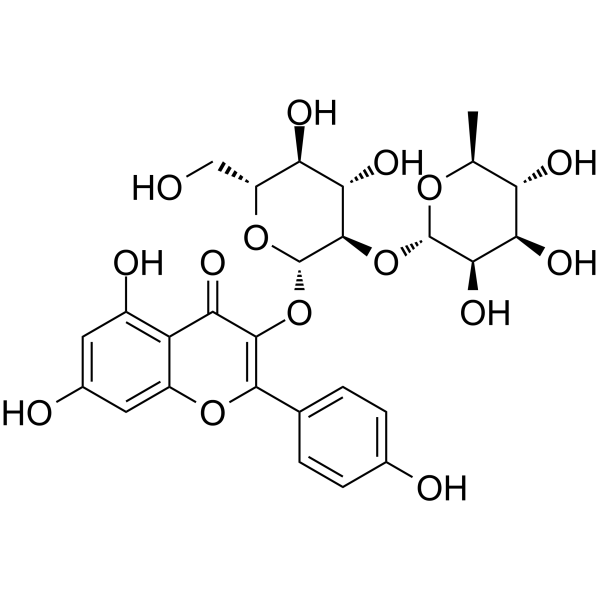
  • HY-107207
    Kaempferol 3-neohesperidoside
    3 Publications Verification

    Kaempferol 3-O-neohesperidoside

    Insulin Receptor PI3K PKC Metabolic Disease
    Kaempferol 3-neohesperidoside (Kaempferol 3-O-neohesperidoside) is a flavonoid. Kaempferol 3-neohesperidoside mimics insulin action via the PI3K/PKC pathway, significantly promoting glucose uptake and increasing muscle glycogen content in rat soleus muscles. Kaempferol 3-neohesperidoside also exhibits anti-glycation activity. Kaempferol 3-neohesperidoside binds to albumin through hydrogen bonding and hydrophobic interactions, and inhibits the formation of advanced glycation end products. Kaempferol 3-neohesperidoside can be used in studies of diabetes and its related complications .
    Kaempferol 3-neohesperidoside
  • HY-W020086

    2,3-Phenazinediamine; NNC39-0028

    DNA Alkylator/Crosslinker Fluorescent Dye Metabolic Disease
    2,3-Diaminophenazine (2,3-Phenazinediamine) is an orally active amino derivative of phenazine. 2,3-Diaminophenazine can intercalate into DNA. 2,3-Diaminophenazine triggers photochemical reactions. 2,3-Diaminophenazine inhibits vascular hypertrophy and tissue AGE deposition in diabetic rats. 2,3-Diaminophenazine can be used for luminescence and diabetes research .
    2,3-Diaminophenazine
  • HY-117623

    PF-249

    AMPK Metabolic Disease
    PF-06685249 (PF-249) is a potent and orally active allosteric AMPK activator with an EC50 of 12 nM for recombinant AMPK α1β1γ1. PF-06685249 improves renal function in ZSF-1 rats with diabetic nephropathy. PF-06685249 can be used for diabetic nephropathy research .
    PF-06685249
  • HY-N2531

    Autophagy Cardiovascular Disease
    Notoginsenoside Fc, a protopanaxadiol- (PPD-) type saponin isolated from the leaves of Panax notoginseng, effectively counteracts platelet aggregation. Notoginsenoside Fc can accelerate reendothelialization following vascular injury in diabetic rats by promoting autophagy .
    Notoginsenoside Fc
  • HY-10655
    Palosuran
    4 Publications Verification

    ACT-058362

    Urotensin Receptor Cardiovascular Disease
    Palosuran (ACT-058362) is a potent, selective, and orally active antagonist of urotensin II receptor, with an IC50 of 3.6 nM for CHO cell membranes expressing human recombinant receptors. Palosuran can improves pancreatic and renal function in diabetic rats .
    Palosuran
  • HY-107384A

    EMD-61753 hydrochloride

    Opioid Receptor Neurological Disease Metabolic Disease Inflammation/Immunology
    Asimadoline (EMD-61753) hydrochloride is an orally active, selective and peripherally active κ-opioid agonist with IC50s of 5.6 nM (guinea pig) and 1.2 nM (human recombinant). Asimadoline hydrochloride has low permeability across the blood brain barrier and has peripheral anti-inflammatory actions. Asimadoline hydrochloride ameliorates allodynia in diabetic rats and has the potential for irritable bowel syndrome (IBS) .
    Asimadoline hydrochloride
  • HY-W984782

    GLUT Bacterial Fungal AMPK PPAR Reactive Oxygen Species (ROS) Apoptosis SOD Infection Metabolic Disease Cancer
    Flindersine is an alkaloid with multiple activities including antibacterial, antifungal, antitumor, and antidiabetic properties. Flindersine increases the activity of antioxidant enzymes, restores the levels of renal biomarkers, and reduces blood glucose, blood lipid, and insulin levels in diabetic rats. Flindersine inhibits the growth of Gram-positive bacteria, Gram-negative bacteria, drug-resistant bacteria, as well as dermatophytes, filamentous fungi, and yeasts. Flindersine reduces the viability of cancer cells and induces apoptosis. Flindersine can be used in research related to breast cancer, type 2 diabetes, bacterial infections, and fungal infections .
    Flindersine
  • HY-B0400B

    Sorbito, for cell culture; D-Glucitol, for cell culture

    Environmental Pollutants Biochemical Assay Reagents Others
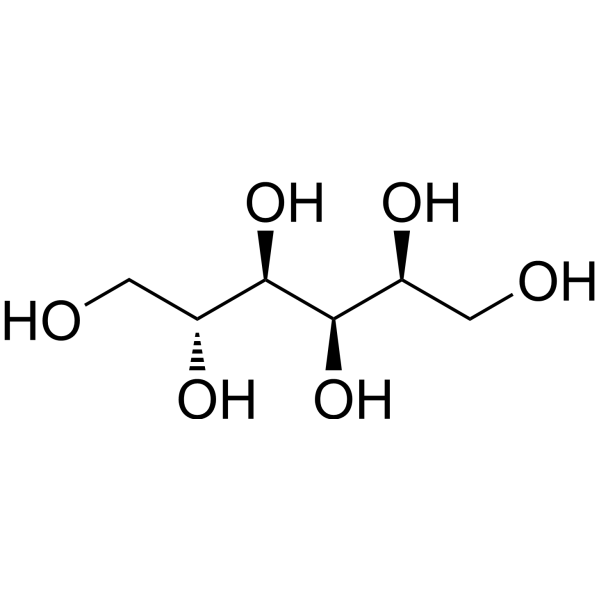
    D-Sorbitol (D-Glucitol), for cell culture is a six-carbon sugar alcohol that can be used as a sugar substitute. D-Sorbitol, for cell culture serves as an osmotic regulator, cryoprotectant and carbon source in various plant and microbial cell culture media .
    D-Sorbitol, for cell culture
  • HY-N1940
    β-Anhydroicaritin
    3 Publications Verification

    Cycloicaritin

    Interleukin Related TNF Receptor MMP Inflammation/Immunology Cancer
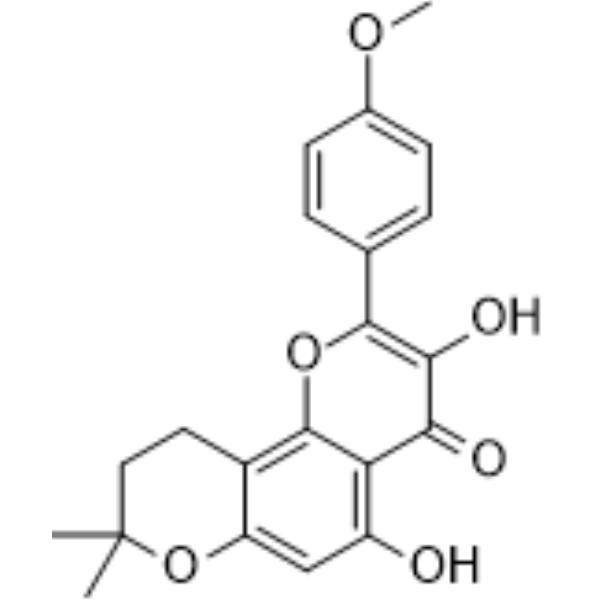
    β-Anhydroicaritin is isolated from Boswellia carterii Birdware, has important biological and pharmacological effects, such as antiosteoporosis, estrogen regulation and antitumor properties . β-Anhydroicaritin ameliorates the degradation of periodontal tissue and inhibits the synthesis and secretion of TNF-α and MMP-3 in diabetic rats . β-Anhydroicaritin decreases the overproduction of NO, IL-10, TNF-α, MCP-1 and IL-6 in inperitonitis mice. β-Anhydroicaritin inhibits the elevation of intracellular Ca 2+, and markedly decreases iNOS protein expression .
    β-Anhydroicaritin
  • HY-P3206A

    Thymulin acetate; Thymic factor acetate

    ERK Neurological Disease Inflammation/Immunology Endocrinology
    Serum thymic factor acetate (Thymulin acetate) is the acetate salt form of Serum thymic factor (HY-P3206). Serum thymic factor acetate is a zinc-dependent immunomodulatory peptide hormone, which can be produced by the thymic epithelial cells. Serum thymic factor acetate stimulates the release of hormones from the pituitary gland, exhibits hypophysiotropic activity. Serum thymic factor acetate protects rats from Cephaloridine (HY-B2072)-induced nephrotoxicity by inhibiting ERK activation. Serum thymic factor acetate exhibits anti-diabetic, anti-inflammatory and analgesic effects. Serum thymic factor acetate can be used in research about endocrine, reproductive, neurodegenerative and inflammatory diseases .
    Serum thymic factor acetate
  • HY-143312

    GLP Receptor Metabolic Disease Inflammation/Immunology
    V-0219 is an orally active glucagon-like peptide-1 receptor (GLP-1R) positive allosteric modulator. V-0219 potentiates GLP-1R stimulation, and enhances GLP-1-induced cAMP production and insulin secretion. V-0219 potentiates glucose-dependent insulin secretion. V-0219 improves glucose handling in normal and diabetic rodents. V-0219 can be used for the research of obesity-associated diabetes .
    V-0219
  • HY-136642

    Glucocorticoid Receptor Inflammation/Immunology
    Fluocinolone is a potent steroid with highly selective glucocorticoid receptor agonist activity. Fluocinolone stabilizes the blood-retinal barrier by enhancing endothelial tight junctions, inhibiting the VEGF pathway and inflammatory factors. Fluocinolone has high lipophilicity, enabling long-term sustained release in the vitreous. Fluocinolone is used in research related to dermatological diseases, diabetic macular edema, uveitis and oral lichen planus .
    Fluocinolone
  • HY-N10423

    (-)-Cubebin

    Cholinesterase (ChE) Bacterial Fungal Parasite p38 MAPK Infection Neurological Disease Metabolic Disease Inflammation/Immunology Cancer
    Cubebin ((-)-Cubebin), a dibenzyl butyrolactone lignan, is an orally active AChE inhibitor. Cubebin binds to active sites of NF-κB, TNF-α, and TGF-β1 via hydrogen and hydrophobic interactions, obstructing critical residues to inhibit pro-inflammatory or renal fibrosis-related activity. Cubebin enhances p38 MAPK phosphorylation to increase tyrosinase gene expression, stimulating melanogenesis via elevated tyrosinase activity, expression, and mRNA levels. Cubebin reduces oxidative stress via enhanced endogenous antioxidant enzyme activity and inhibited lipid peroxidation, regulates lipid metabolism, improves glycemic control, and exerts renoprotective effects via reduced renal dysfunction markers and improved renal architecture. Cubebin shows antimicrobial activity. Cubebin exerts larvicidal activity against Angiostrongylus cantonensis larvae, with no cytotoxicity toward monkey or human cell lines or Caenorhabditis elegans. Cubebin can be used for the research of diabetic nephropathy, melanoma, colon adenocarcinoma, neuroangiostrongyliasis, Alzheimer’s disease (AD) and depression .
    Cubebin
  • HY-116239
    Zenarestat
    1 Publications Verification

    Aldose Reductase Neurological Disease Metabolic Disease
    Zenarestat is a potent and orally active aldose reductase inhibitor. Zenarestat improves diabetic peripheral neuropathy in Zucker diabetic fatty rats .
    Zenarestat
  • HY-106246

    EMD 281014 free base; LY 2422347

    5-HT Receptor Neurological Disease Metabolic Disease
    Pruvanserin (EMD 281014 free base) is a selective 5-HT2A receptor antagonist. Pruvanserin alleviates tactile allodynia in diabetic rats. Pruvanserin can also be used for research of insomnia .
    Pruvanserin
  • HY-N3015

    Others Metabolic Disease
    Bruceine E is a quassinoid from seeds of Brucea javanica (L.) Merr, exhibiting hypoglycemia effect . Bruceine E exhibits blood glucose lowering effect in both nondiabetic mice and Streptozotocin (STZ (HY-13753))-induced diabetic rats at lower dose .
    Bruceine E
  • HY-163853

    GLUT Akt Metabolic Disease
    Antidiabetic agent 6 (Compound 19) is an antidiabetic Agent. Antidiabetic agent 6 stimulates GLUT4 translocation by activation of the PI3K/AKT-dependent signaling pathway. Antidiabetic agent 6 reduces blood glucose levels in Streptozotocin (HY-13753)-induced diabetic rats .
    Antidiabetic agent 6
  • HY-P1131

    Neuropeptide Y Receptor Cardiovascular Disease
    M617 is a selective galanin receptor 1 (GAL1) agonist, with Kis of 0.23 and 5.71 nM for GAL1 and GAL2, respectively. M617, acting through its central GAL1, can promote GLUT4 expression and enhance GLUT4 content in the cardiac muscle of type 2 diabetic rats .
    M617
  • HY-143312A

    GLP Receptor Metabolic Disease Inflammation/Immunology
    V-0219 hydrochloride is an orally active glucagon-like peptide-1 receptor (GLP-1R) positive allosteric modulator. V-0219 hydrochloride potentiates GLP-1R stimulation, and enhances GLP-1-induced cAMP production and insulin secretion. V-0219 hydrochloride potentiates glucose-dependent insulin secretion. V-0219 hydrochloride improves glucose handling in normal and diabetic rodents. V-0219 hydrochloride can be used for the research of obesity-associated diabetes .
    V-0219 hydrochloride
  • HY-162325

    Aldose Reductase Mitochondrial Metabolism Apoptosis Mitophagy Metabolic Disease
    WJ-39 is an orally active aldose reductase (AR) inhibitor. WJ-39 improves tubular damage in diabetic nephropathy rats by activating PINK1/Parkin signaling, promoting mitophagy, and attenuating apoptosis .
    WJ-39
  • HY-W127391

    (Rac)-1,2-Didodecanoylglycerol

    Biochemical Assay Reagents Others
    1,2-Dilaurin is a diacylglycerol containing lauric acid at the sn-1 and sn-2 positions. It has been used as an internal standard for the quantification of diglycerides in rat desheathed sciatic nerves. [1] Monomolecular films containing 1,2-dilauroyl-rac-glycerol have been used as substrates to measure surface pressure and the effect of pancreatic procolipase and colipase on porcine pancreatic lipase activity. [2] References: [1]. Zhu, X. and Eichberg, J. 1,2-Diacylglycerol content and its arachidonyl-containing molecular species are reduced in the sciatic nerve of streptozotocin-induced diabetic rats. J. Neurochemistry. 55(3), 1087-1090 (1990).[2]. Wieloch, T., Borgstr m, B., Piéroni, G. et al. Porcine trypsinogen and its trypsin-activated form: lipid binding and lipase activation on monomolecular membranes. FEBS Express. 128(2), 217-220 (1981).
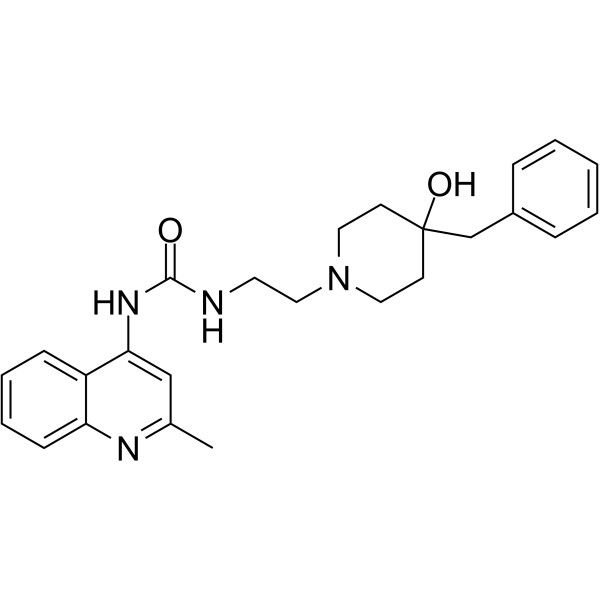
    1,2-Dilaurin
  • HY-106915

    SPR 210

    Aldose Reductase Neurological Disease Metabolic Disease
    SG-210 (SPR 210) is an orally active and selective aldose reductase (AR) inhibitor. SG-210 has IC50 values of 9.5 nM and 10 nM for AR from porcine lens and human placenta, respectively. SG-210 can inhibit sorbitol accumulation and ameliorate diabetic neuropathy and retinopathy in Streptozotocin (HY-13753)-induced diabetic rats. SG-210 can be used in the research of diseases such as diabetes-related complications .
    SG-210
  • HY-N9363

    Others Metabolic Disease
    Corymbiferin is one of active constituents, responsible for anti-diabetic properties. Corymbiferin improves antioxidant capacity and carbohydrate metabolism in diabetic rats, along with the improvement of histopathology of livers and pancreatic β cells .
    Corymbiferin
  • HY-144289

    Glucokinase Metabolic Disease
    BMS-820132 is an orally active and partial glucokinase (GK) activator with a AC50 of 29 nM. BMS-820132 decreases the glucose levels in glucose tolerance test (OGTT) model in normal rats, but not Zucker diabetic fatty (ZDF) rats. BMS-820132 exhibits pharmacological toxicity secondary to strong GK activation .
    BMS-820132
  • HY-178363

    Amylases Metabolic Disease Endocrinology
    α-Amylase-IN-13 is an orally active, selective, brain-penetrant α-amylase inhibitor (IC50 = 0.71 μM). α-Amylase-IN-13 inhibits α-amylase through a mixed type of inhibition mechanism. α-Amylase-IN-13 leads to a significant reduction in blood glucose level in diabetic rats. α-Amylase-IN-13 causes significant histopathological improvements in the kidney, liver, and pancreas. α-Amylase-IN-13 can be used for the study of diabetic complications .
    α-Amylase-IN-13
  • HY-107384

    EMD-61753

    Opioid Receptor Neurological Disease Metabolic Disease Inflammation/Immunology
    Asimadoline (EMD-61753) is an orally active, selective and peripherally active κ-opioid agonist with IC50s of 5.6 nM (guinea pig) and 1.2 nM (human recombinant). Asimadoline has low permeability across the blood brain barrier and has peripheral anti-inflammatory actions. Asimadoline ameliorates allodynia in diabetic rats and has the potential for irritable bowel syndrome (IBS) .
    Asimadoline
  • HY-145604

    RG7774

    Cannabinoid Receptor Cardiovascular Disease Neurological Disease Metabolic Disease Inflammation/Immunology
    Vicasinabin (RG7774) is an orally active, selective, and full CB2R agonist, with EC50 values of 2.81 nM and 2.60 nM for human CB2R and mouse CB2R, respectively. Vicasinabin inhibits inflammation, reduces leukocyte adhesion and decreases vascular permeability by selectively activating CB2R. Vicasinabin can be used in the researches for diabetic retinopathy, uveitis and laser-induced choroidal neovascularization .
    Vicasinabin
  • HY-P1556

    PKG Cardiovascular Disease
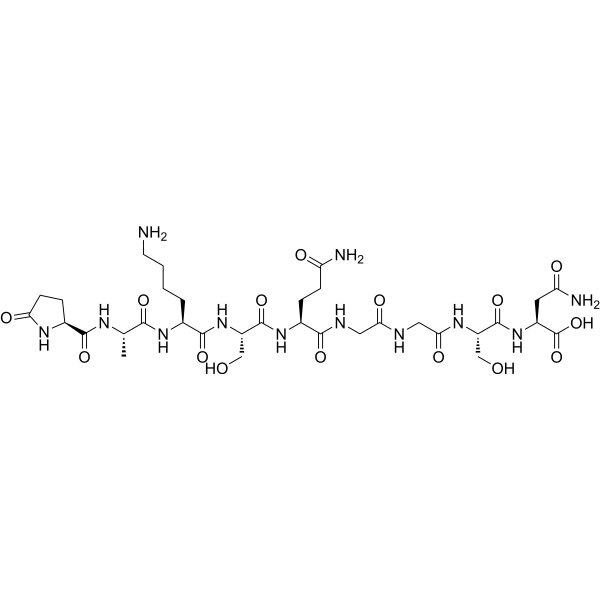
    Vasonatrin Peptide (VNP) is a chimera of atrial natriuretic peptide (ANP) and C-type natriuretic peptide (CNP). Vasonatrin peptide possesses the venodilating actions of CNP, the natriuretic actions of ANP, and unique arterial vasodilating actions not associated with either ANP or CNP. Vasonatrin Peptide protects the diabetic heart against ischemia-reperfusion injury by inhibiting ER stress via the cGMP-PKG signaling pathway .
    Vasonatrin Peptide (VNP)
  • HY-113357R

    Reference Standards Endogenous Metabolite Neurological Disease Inflammation/Immunology
    m-Coumaric acid (Standard) is the analytical standard of m-Coumaric acid. This product is intended for research and analytical applications. m-Coumaric acid is a polyphenol metabolite from caffeic acid, formed by the gut microflora and the amount in human biofluids is diet-dependant. m-Coumaric acid is a BBB-penetrant metabolite of chlorogenic acid. m-Coumaric acid stimulates the cerebral nerves in vitro. m-Coumaric acid can evoke neurite outgrowth in hippocampal neuronal cells. m-Coumaric acid can promote neuronal differentiation. m-Coumaric acid increases spontaneous locomotor activity in mice by acting on the central nervous system. m-Coumaric acid inhibits the oxidation of L-dopa by epidermis tyrosinase. m-Coumaric acid attenuates non-catalytic protein glycosylation in retinas of diabetic rats .
    m-Coumaric acid (Standard)
  • HY-B0442AS

    Endogenous Metabolite Phosphodiesterase (PDE) Isotope-Labeled Compounds Metabolic Disease Inflammation/Immunology Endocrinology
    Vardenafil-d5 hydrochloride is deuterated labeled Vardenafil hydrochloride (HY-B0442A). Vardenafil hydrochloride is a selective and orally active inhibitor of phosphodiesterase-5 (PDE5), with an IC50 of 0.7 nM. Vardenafil hydrochloride shows inhibitory towards PDE1, PDE6 with IC50s of 180 nM, and 11 nM, while IC50s are >1000 nM for PDE3 and PDE4 . Vardenafil hydrochloride competitively inhibits cyclic guanosine monophosphate (cGMP) hydrolysis and thus increases cGMP levels . Vardenafil hydrochloride can be used for the research of erectile dysfunction, hepatitis, diabetes [1]-[6].
    Vardenafil-d5 hydrochloride
  • HY-174145

    GLUT Metabolic Disease
    GLUT4 activator 3 (Compound 13a) is an antidiabetic agent targeting GLUT4 translocation in skeletal muscle. GLUT4 activator 3 can promote the translocation of glucose transporter 4 (GLUT4) in skeletal muscle cells. GLUT4 activator 3 reduces blood glucose in STZ-induced diabetic rats .
    GLUT4 activator 3

オンラインお問い合わせ

入力情報は安全に管理されます. 必須入力項目.

タイトル


国或いは地域 *

お名前 *


組纖名 *

デパートメント *


メールアドレス *


製品名 *

製品番号


カスタマ需要量 *

電話番号 *


必ず会社名を記載ください。個人への返信は行いません。

備考

バルクお問い合わせ

Inquiry Information

製品名:
製品番号:
数量:
MCE 日本正規代理店:

