
Search Result
Results for "
herpes simplex viruses
" in MedChemExpress (MCE) Product Catalog:
2
Biochemical Assay Reagents
6
Isotope-Labeled Compounds
| Cat. No. |
Product Name |
Target |
Research Areas |
Chemical Structure |
-
- HY-N6733
-
Aphidicolin
Maximum Cited Publications
15 Publications Verification
|
DNA/RNA Synthesis
HSV
Apoptosis
Antibiotic
Orthopoxvirus
|
Infection
Inflammation/Immunology
|
|
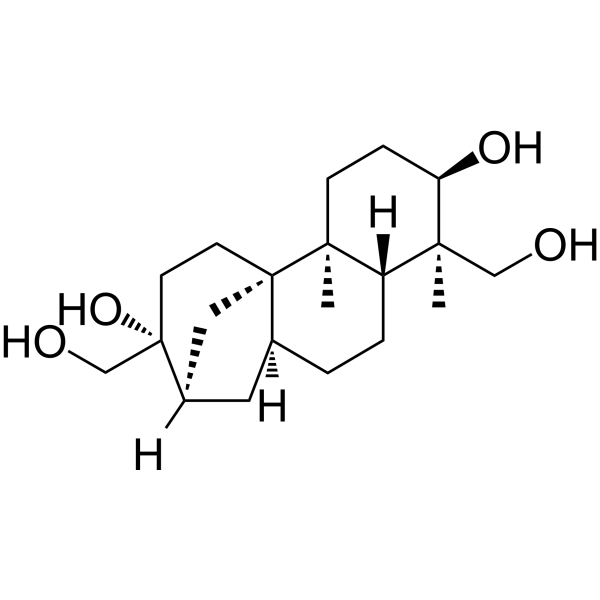
Aphidicolin is an inhibitor of DNA polymerase α and δ, prevents mitotic cell division by interfering DNA polymerase activity. Aphidicolin is an antibiotic produced by mold Cephalosporium aphidicola, inhibits cellular deoxyribonucleic acid synthesis and the growth of herpes simplex virus. Aphidicolin exhibits anti-orthopoxvirus activity and potentiates apoptosis induced by arabinosyl nucleosides in a human promyelocytic leukemia cell line .
|
-
-
- HY-14532
-
|
CMX001; HDP-CDV
|
CMV
HSV
Orthopoxvirus
|
Infection
|
|
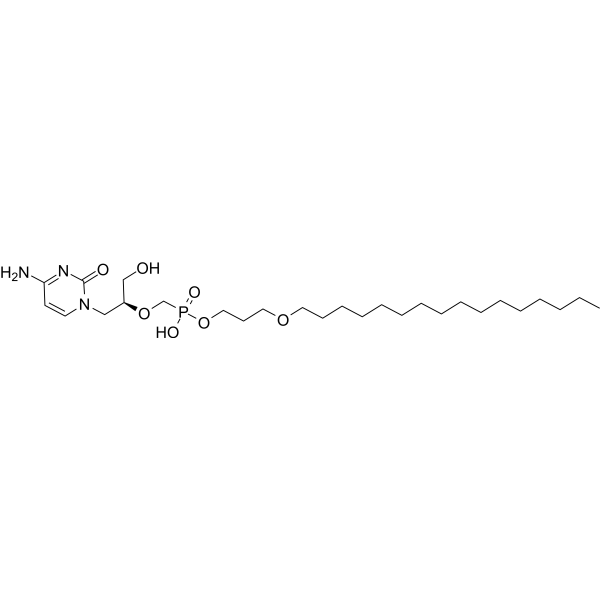
Brincidofovir (CMX001), the lipid-conjugated prodrug of Cidofovir (HY-17438), is an orally available, long-acting antiviral. Brincidofovir shows activity against a broad spectrum of DNA viruses including cytomegalovirus (CMV), adenovirus (ADV), varicella zoster virus, herpes simplex virus, polyomaviruses, papillomaviruses, poxviruses, and mixed double-stranded DNA virus infections. Brincidofovir, an oral antiviral in late stage development, has proven effective against orthopoxviruses in vitro and in vivo .
|
-
-
- HY-12725
-
|
|
Histone Demethylase
HSV
CMV
|
Cancer
|
|
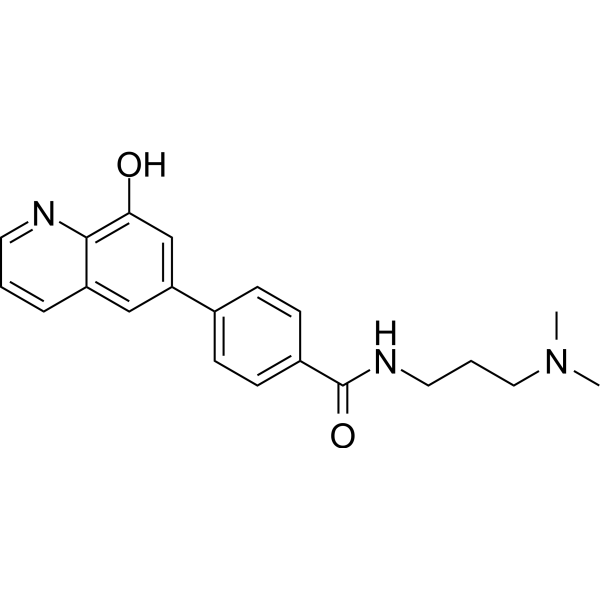
ML324 is a potent JMJD2 demethylase inhibitor with antiviral activity. ML324 also exhibits inhibition for the histone demethylase KDM4B, with an IC50 of 4.9 μM. ML324 has potent anti-viral activity against both herpes simplex virus (HSV) and human cytomegalovirus (hCMV) infection via inhibition viral IE gene expression .
|
-
-
- HY-125474
-
|
|
Environmental Pollutants
HIV
HSV
|
Infection
Cancer
|
|
Carrageenan is an antiviral and anticancer agent. Carrageenan inhibits herpes simplex virus (HSV), HIV, and hepatitis A virus (HAV) by directly binding to the viral capsid to block the attachment of viruses such as HPV to HSPG factors on the cell surface. Carrageenan delays and arrests cell cycle progression, exhibits cytotoxicity against HeLa cancer cells, and can be applied to studies related to cervical cancer, genital warts, hepatitis A, and other conditions. Carrageenan also induces acute non-immune inflammation, triggers a three-phase inflammatory response involving the release of multiple proinflammatory mediators, and causes persistent edema, hyperalgesia, and neutrophil recruitment in mice .
|
-
-
- HY-15303
-
|
AIC316; BAY 57-1293
|
DNA/RNA Synthesis
HSV
|
Infection
|
|
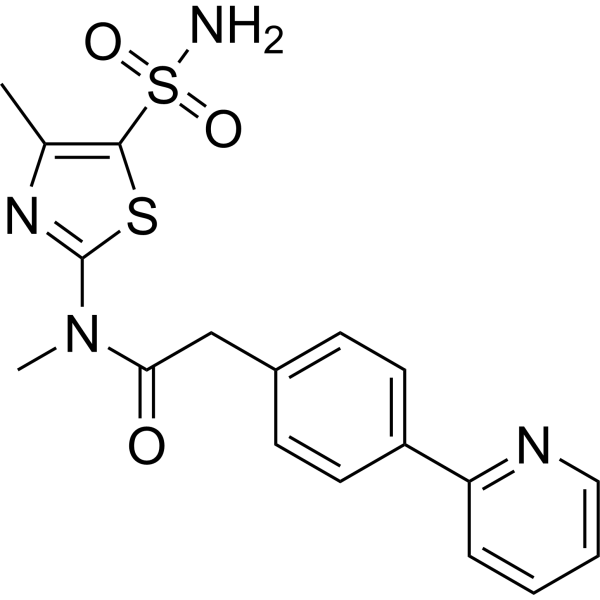
Pritelivir (AIC316), an inhibitor of the viral helicase-primase complex, exhibits antiviral activity in vitro and in animal models of herpes simplex virus (HSV) infection. Pritelivir is active against herpes simplex virus types 1 and 2 (HSV-1 and HSV-2) with the IC50 of 0.02 μM against HSV1-2 .
|
-
-
- HY-168034
-
|
|
STING
Integrin
NF-κB
SARS-CoV
|
Infection
Inflammation/Immunology
|
|
diABZI-4 is a STING activator and broad-spectrum antiviral agent with immunostimulatory activity. diABZI-4 triggers the TBK1-IRF3 and NF-κB signaling cascades by inducing STING oligomerization, thereby promoting the production of type I/III interferons and various proinflammatory cytokines. diABZI-4 exhibits broad-spectrum antiviral activity and effectively inhibits the replication of influenza A virus, SARS-CoV-2, herpes simplex virus, and other viruses. diABZI-4 also activates lymphocytes and macrophages to provide significant pre- and post-exposure protection in viral disease models. diABZI-4 can be used to study COVID-19, respiratory viral infections, and related immunopathological mechanisms .
|
-
-
- HY-B0420A
-
|
ABOB hydrochloride
|
Influenza Virus
HCV
HSV
Apoptosis
Caspase
|
Infection
|
|
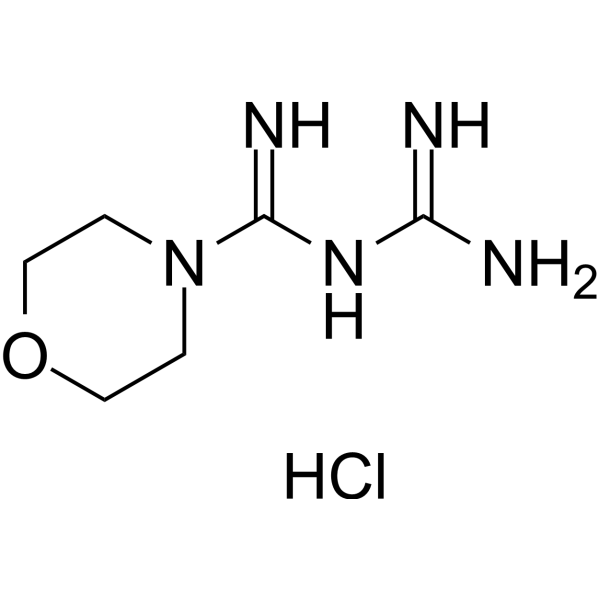
Moroxydine (ABOB) hydrochloride is a broad-spectrum agent with multi-antiviral activities against DNA and RNA viruses, including influenza virus, herpes simplex, varicella zoster, measles, mumps disease, hepatitis C virus, etc. Moroxydine hydrochloride exhibits excellent antiviral activity and shows low cytotoxicity to cells infected by dsRNA viruses (grass carp reovirus, GCRV) and large DNA viruses (giant salamander iridovirus, GSIV). Moroxydine hydrochloride blocks the GCRV-induced cytopathic effects and eliminates nucleocapsids in ctenopharyngodon idella kidney (CIK) cells to keep the normal morphological structure. Moroxydine hydrochloride significantly inhibits the apoptosis, the caspase 3 activity, Bax expression and down-regulates Bcl-2 levels .
|
-
-
- HY-113431
-
|
|
Nucleoside Antimetabolite/Analog
HSV
DNA/RNA Synthesis
|
Infection
|
|
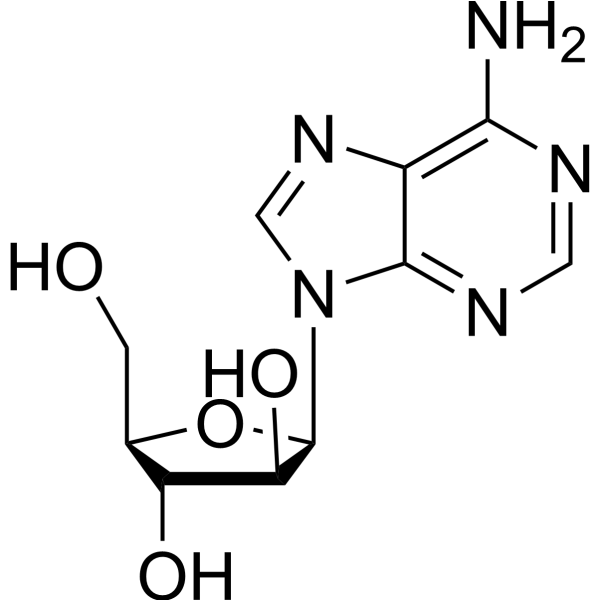
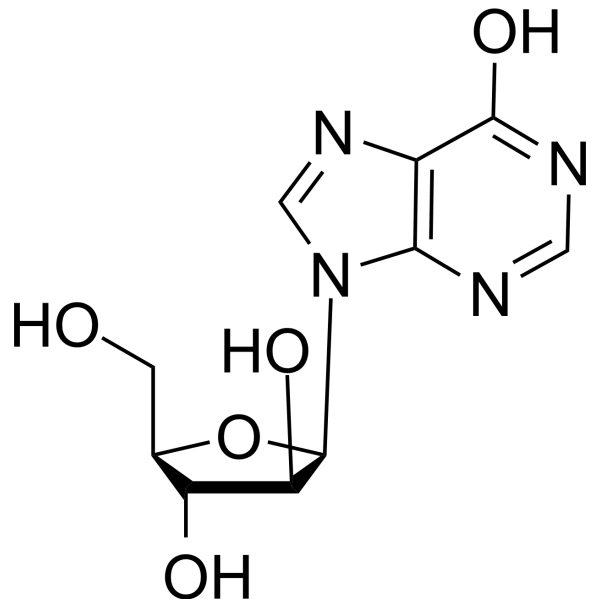
Arabinosylhypoxanthine is a purine nucleoside analog. Arabinosylhypoxanthine selectively inhibits viral DNA synthesis. Arabinosylhypoxanthine exhibits anti-HSV activity. Arabinosylhypoxanthine can be used in studies related to herpes simplex virus infection .
|
-
-
- HY-B1011
-
|
EUDR
|
Virus Protease
|
Infection
|
|
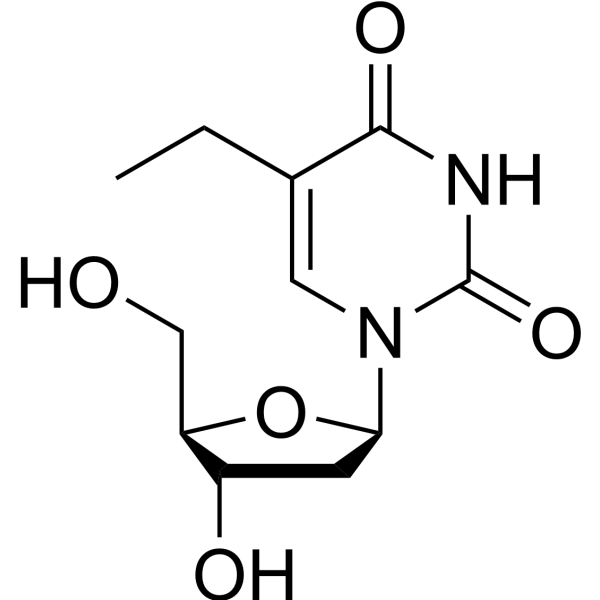
Edoxudine is an antiviral active molecule and thymidine analog. Edoxudine is effective against herpes simplex virus .
|
-
-
- HY-B0222
-
|
Behenyl alcohol
|
Environmental Pollutants
HSV
|
Infection
|
|
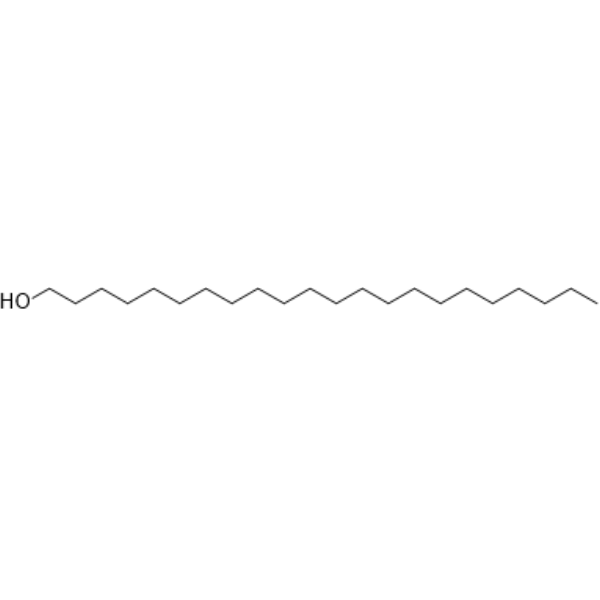
1-Docosanol (Behenyl alcohol) is a saturated fatty alcohol with reported inhibitory activity against lipid-enveloped viruses, including herpes simplex virus (HSV) .
|
-
-
- HY-107801
-
|
Imunovir; Delimmun; Groprinosin
|
Interleukin Related
HSV
HIV
HPV
|
Infection
Inflammation/Immunology
|
|
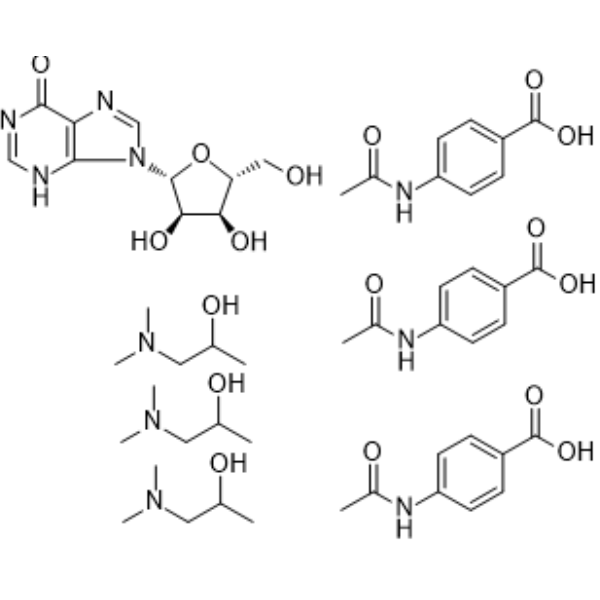
Inosine pranobex is an orally active immunomodulator. Inosine pranobex has broad-spectrum antiviral activity. Inosine pranobex inhibits human immunodeficiency virus (HIV), herpes simplex virus (HSV), vaccinia virus (VACV), human tumor virus (HPV), Cytomegalovirus, influenza virus (INFV), parainfluenza virus (PIV), and Epstein-Barr virus
.
|
-
-
- HY-N2004
-
|
(±)-Isoborneol
|
Environmental Pollutants
HSV
|
Infection
Neurological Disease
|
|
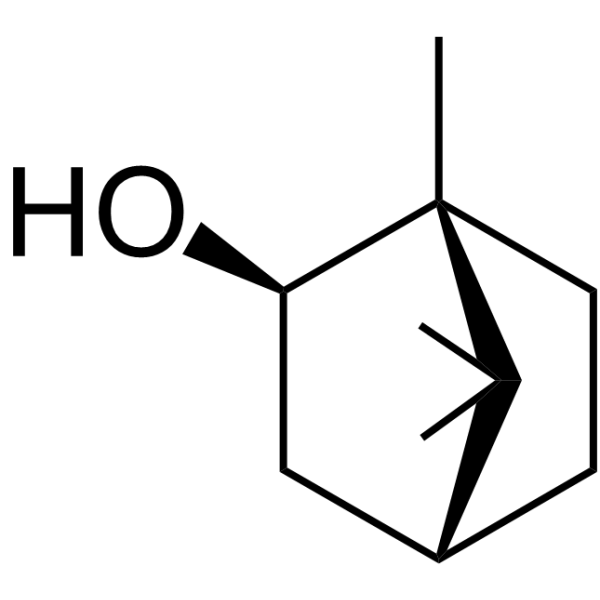
Isoborneol ((±)-Isoborneol) is a monoterpenoid alcohol present in the essential oils of numerous medicinal plants and has antioxidant and antiviral properties. Isoborneol is a potent inhibitor of herpes simplex virus type 1 (HSV-1) .
|
-
-
- HY-W291131
-
|
IBT
|
HSV
Orthopoxvirus
|
Infection
|
|
Isatin-β-thiosemicarbazone is a potent anti-poxvirus agent (including monkeypox virus, orthopoxvirus, vaccinia virus, etc). Isatin-β-thiosemicarbazone also is a potent herpes simplex virus (HSV) inhibitor. Isatin-β-thiosemicarbazone exhibits
|
-
-
- HY-N6666
-
|
|
HSV
Antibiotic
|
Infection
|
|
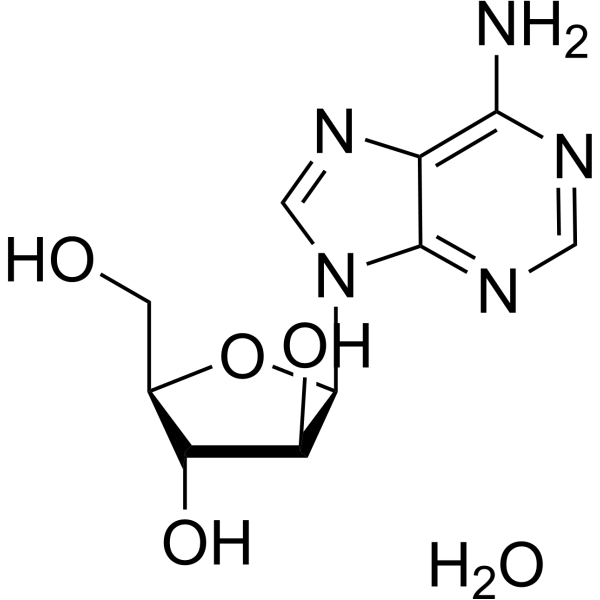
Vidarabine monohydrate is an adenine arabinoside. Vidarabine monohydrate an antiviral agent which is active against herpes simplex viruses (HSV) and varicella zoster viruses .
|
-
-
- HY-W012738
-
|
|
Influenza Virus
GABA Receptor
|
Infection
|
|
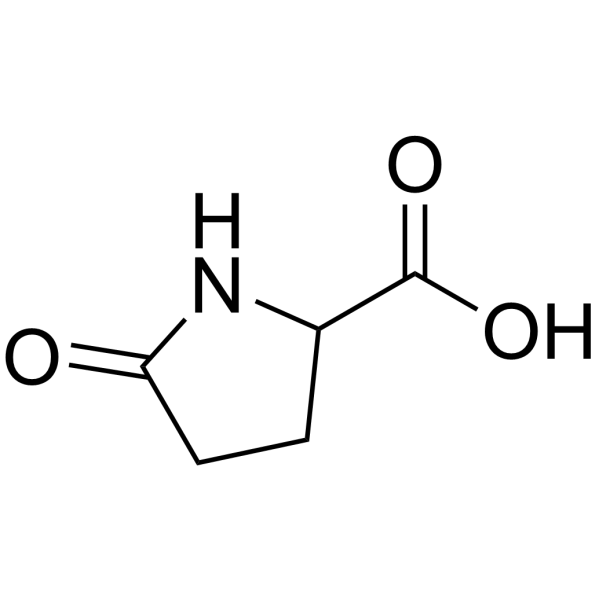
DL-Pyroglutamic acid (CAE) as an inactivator of hepatitis B surface, inactivates vaccinia virus, herpes simplex virus, and influenza virus except poliovirus. DL-Pyroglutamic acid is also a possible inhibitor of GABA transaminase, increases GABA amount with antiepileptic action .
|
-
-
- HY-160222
-
|
|
HSV
STING
IFNAR
NF-κB
|
Infection
|
|
HSV-60mer sodium is a 60 bp double-stranded DNA oligonucleotide derived from the HSV-1 genome, and also an IFNβ inducer. HSV-60mer sodium colocalizes with endogenous cytoplasmic IFI16 in immune cells. HSV-60mer sodium activates the transcription factors IRF3 and NF-κB, induces the production of proinflammatory cytokines, and inhibits HSV-1 replication in immune cells. HSV-60mer sodium can be used in studies related to herpes simplex virus type 1 infection .
|
-
-
- HY-173679
-
|
|
PROTACs
PARP
Interleukin Related
STAT
Integrin
HSV
VSV
|
Infection
Cancer
|
|
RBN012811 is a highly selective PROTAC-based PARP14 degrader. RBN012811 forms a ternary complex with cereblon by binding to the NAD + site of PARP14, and mediates the specific degradation of PARP14 via the ubiquitin-proteasome pathway (IC50=10 nM). RBN012811 effectively depletes endogenous PARP14 in various cell lines and primary human macrophages, thereby downregulating IL-10 production and IFN-β mRNA levels, increasing phosphorylated STAT1 levels to enhance inflammatory signaling, and inhibiting interferon-induced ADPr condensate formation. RBN012811 also modulates viral replication, exhibiting increased HSV1 replication while reducing VSV replication. RBN012811 has important application value in research related to cancer and viral infections .
|
-
-
- HY-P1958
-
|
|
HSV
|
Infection
|
|
Histone H4 (2-21) is the core histones associated with chromatinization of herpes simplex virus 1 (HSV-1) genomes .
|
-
-
- HY-U00124B
-
|
|
HSV
|
Infection
|
|
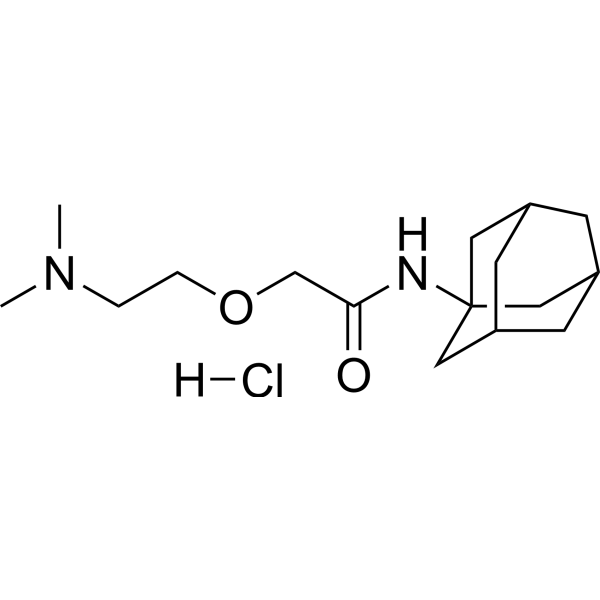
Tromantadine hydrochloride, an Amantadine derivative with antiherpetic activity, inhibits herpes simplex virus type 1 (HSV-1) and HSV-2 replication .
|
-
-
- HY-N1060
-
|
|
HSV
Apoptosis
|
Infection
Cancer
|
|
Yatein is a lignan isolated from A. chilensis, with antiproliferative activity . Yatein suppresses herpes simplex virus type 1 (HSV-1 ) replication by interruption the immediate-early gene expression .
|
-
-
- HY-N3395
-
|
|
HSV
|
Infection
|
|
Leachianone G is an antiviral flavonoid from the root bark of Morus alba L. Leachianone G shows potent antiviral activity against herpes simplex type 1 virus (HSV-1) with an IC50 value of 1.6 μg/mL .
|
-
-
- HY-P5997
-
|
|
Autophagy
Cyclic GMP-AMP Synthase
|
Inflammation/Immunology
|
|
XQ2B is a specific cGAS inhibitor targeting protein-DNA interaction and phase separation. XQ2B markedly reduces ISD-induced Autophagy. XQ2B inhibits herpes simplex virus 1 (HSV-1)-induced antiviral immune responses and enhances HSV-1 infection .
|
-
-
- HY-106892
-
|
348U87
|
DNA/RNA Synthesis
|
Infection
|
|
BW 348U87 is an inhibitor for ribonucleotide reductase, which exhibits synergistic effect with Acyclovir (HY-17422), potentiate the antiviral activity of Acyclovir against herpes simplex virus (HSV) in athymic nude mouse model .
|
-
-
- HY-P10868
-
|
RLS-0071
|
Reactive Oxygen Species (ROS)
|
Infection
Inflammation/Immunology
|
|
Pegtarazimod (RLS-0071) is a dual-target anti-inflammatory peptide that exerts its effects by simultaneously regulating the complement system and neutrophil-associated inflammatory pathways. Pegtarazimod reduces ROS production both in vitro and in vivo, and decreases the level of neutrophil elastase, a marker of neutrophil extracellular traps (NETs), in vivo, thereby alleviating inflammatory responses. Pegtarazimod significantly improves the survival rate of mice in multiple in vivo models of acute graft-versus-host disease (aGVHD). Pegtarazimod inhibits the activation of the C1 complex, reduces the herpes zoster-like spread of herpes simplex virus type 1 skin infection, and improves the survival rate of infected mice . Pegtarazimod can be used in research related to acute graft-versus-host disease, acute pulmonary diseases, and skin herpes simplex virus type 1 infection .
|
-
-
- HY-15303A
-
|
AIC316 mesylate; BAY 57-1293 mesylate
|
DNA/RNA Synthesis
HSV
|
Infection
|
|
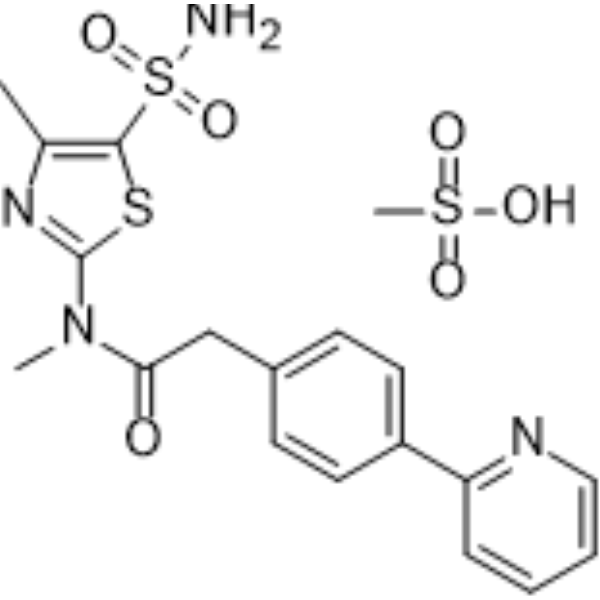
Pritelivir mesylate (BAY 57-1293 mesylate), an inhibitor of the viral helicase-primase complex, exhibits antiviral activity in vitro and in animal models of herpes simplex virus (HSV) infection. Pritelivir mesylate is active against herpes simplex virus types 1 and 2 (HSV-1 and HSV-2) with the IC50 of 0.02 μM against HSV1-2 .
|
-
-
- HY-W002008
-
-
-
- HY-114247
-
|
D-FMAU
|
Nucleoside Antimetabolite/Analog
|
Infection
Cancer
|
|
FMAU is a nucleoside analog and cell proliferation marker that can be phosphorylated by human thymidine kinase and subsequently incorporated into DNA. FMAU is applicable to research related to herpes simplex virus infection, various cancers, hepatitis B virus infection, and Epstein-Barr virus infection .
|
-
-
- HY-129861
-
|
|
HSV
|
Infection
Cancer
|
|
5'-Ethynyl-2'-deoxycytidine is an inhibitor for HSV, that inhibits the cytopathic effect of HSV-1 in primary rabbit kidney cell with a MIC of 0.2 μg/mL. 5'-Ethynyl-2'-deoxycytidine inhibits the proliferation of leukemia L1210 cell with an IC50 of 64.5 μg/mL .
|
-
-
- HY-163529
-
|
|
HSV
Cytochrome P450
|
Infection
|
|
HN0037 is a selective, orally active Helicase-primase inhibitor. HN0037 is mainly metabolized by CYP3A4. HN0037 inhibits HSV replication by targeting the viral helicase-primase complex, which consists of three proteins encoded by UL5 (helicase), UL52 (primase), and UL8 (scaffold protein that promotes primer synthesis) .
|
-
-
- HY-14743B
-
|
SCV 07 hydrochloride; Gamma-D-glutamyl-L-tryptophan hydrochloride
|
Bacterial
STAT
|
Infection
Inflammation/Immunology
Cancer
|
|
Golotimod hydrochloride (SCV 07 hydrochloride), an immunomodulating peptide with antimicrobial activity, significantly increases the efficacy of antituberculosis therapy, stimulates thymic and splenic cell proliferation, and improves macrophage function. Golotimod hydrochloride (SCV 07 hydrochloride) inhibits STAT3 signaling and modulates the duration and severity of oral mucositis in animal models that received radiation or a combination of radiation and Cisplatin. Golotimod hydrochloride (SCV 07 hydrochloride) is also a potential therapeutic for recurrent genital herpes simplex virus type 2 (HSV-2) .
|
-
-
- HY-123032
-
|
BV-araU
|
DNA/RNA Synthesis
|
Infection
|
|
Sorivudine (BV-araU) is an orally active synthetic pyrimidine nucleoside antimetabolite agent. Sorivudine derives its antiviral activity from selective conversion by a specific thymidine kinase present in certain DNA viruses to nucleotides, which can in turn interfere with viral DNA synthesis .
|
-
-
- HY-15303B
-
|
AIC316 mesylate hydrate; BAY 57-1293 mesylate hydrate
|
DNA/RNA Synthesis
HSV
|
Infection
|
|
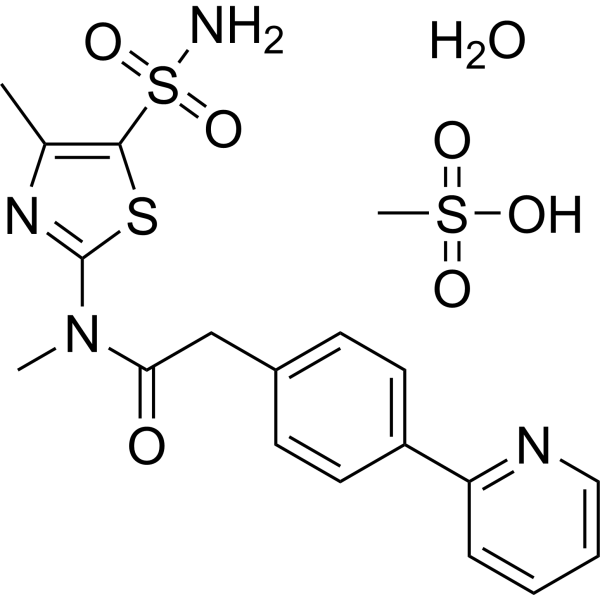
Pritelivir mesylate hydrate (BAY 57-1293 mesylate hydrate), an inhibitor of the viral helicase-primase complex, exhibits antiviral activity in vitro and in animal models of herpes simplex virus (HSV) infection. Pritelivir mesylate hydrate is active against herpes simplex virus types 1 and 2 (HSV-1 and HSV-2) with the IC50 of 0.02 μM against HSV1-2 .
|
-
-
- HY-17422B
-
|
|
DNA/RNA Synthesis
HSV
Antibiotic
|
Infection
Cancer
|
|
Acyclovir monophosphate is a potent anti-herpes simplex virus (HSV) agent. Acyclovir monophosphate blocks DNA synthesis through the inhibition of the viral DNA polymerase and terminates the chain elongation of the viral DNA. Acyclovir monophosphate shows antitumor activity .
|
-
-
- HY-14532S
-
|
CMX001-d6; HDP-CDV-d6
|
Isotope-Labeled Compounds
HSV
CMV
Orthopoxvirus
|
Infection
|
|
Brincidofovir-d6 (CMX001-d6) is the deuterium labeled Brincidofovir (HY-14532). Brincidofovir (CMX001), the lipid-conjugated prodrug of Cidofovir (HY-17438), is an orally available, long-acting antiviral. Brincidofovir shows activity against a broad spectrum of DNA viruses including cytomegalovirus (CMV), adenovirus (ADV), varicella zoster virus, herpes simplex virus, polyomaviruses, papillomaviruses, poxviruses, and mixed double-stranded DNA virus infections. Brincidofovir, an oral antiviral in late stage development, has proven effective against orthopoxviruses in vitro and in vivo. .
|
-
-
- HY-149267
-
|
|
STING
SARS-CoV
|
Infection
|
|
STING agonist-30 is a potent STING agonist. STING agonist-30 exhibits STING-dependent immune activation. STING agonist-30 has extensive inhibitory effects on various viruses, including the herpes simplex virus (HSV), rotavirus, and severe acute respiratory syndrome coronavirus 2 (SARS-CoV-2) .
|
-
-
- HY-14743
-
|
SCV 07; Gamma-D-glutamyl-L-tryptophan
|
Bacterial
STAT
|
Infection
Inflammation/Immunology
Cancer
|
|
Golotimod (SCV-07), an immunomodulating peptide with antimicrobial activity, significantly increases the efficacy of antituberculosis therapy, stimulates thymic and splenic cell proliferation, and improves macrophage function. Golotimod (SCV-07) inhibits STAT3 signaling and modulates the duration and severity of oral mucositis in animal models that received radiation or a combination of radiation and Cisplatin. Golotimod (SCV-07) is also a potential therapeutic for recurrent genital herpes simplex virus type 2 (HSV-2) .
|
-
-
- HY-W016937
-
|
ABOB
|
Influenza Virus
HSV
HCV
Apoptosis
Caspase
|
Infection
Inflammation/Immunology
|
|
Moroxydine (ABOB) is a broad-spectrum agent with multi-antiviral activities against DNA and RNA viruses, including influenza virus, herpes simplex, varicella zoster, measles, mumps disease, hepatitis C virus, etc. Moroxydine exhibits excellent antiviral activity and shows low cytotoxicity to cells infected by dsRNA viruses (grass carp reovirus, GCRV) and large DNA viruses (giant salamander iridovirus, GSIV). Moroxydine blocks the GCRV-induced cytopathic effects and eliminates nucleocapsids in ctenopharyngodon idella kidney (CIK) cells to keep the normal morphological structure. Moroxydine significantly inhibits the apoptosis, the caspase 3 activity, Bax expression and down-regulates Bcl-2 levels [1][2][3].
|
-
-
- HY-U00224
-
|
|
EBV
VZV
HSV
|
Infection
|
|
BRL44385 is a potent and selective inhibitor of the replication of herpes simplex virus types 1 and 2 (HSV-1 and HSV2), varicella zoster virus (VZV) and Epstein-Barr virus (EBV).
|
-
-
- HY-N6733R
-
|
|
Reference Standards
DNA/RNA Synthesis
HSV
Apoptosis
Antibiotic
Orthopoxvirus
|
Infection
Inflammation/Immunology
|
|
Aphidicolin (Standard) is the analytical standard of Aphidicolin. This product is intended for research and analytical applications. Aphidicolin is an inhibitor of DNA polymerase α and δ, prevents mitotic cell division by interfering DNA polymerase activity. Aphidicolin is an antibiotic produced by mold Cephalosporium aphidicola, inhibits cellular deoxyribonucleic acid synthesis and the growth of herpes simplex virus. Aphidicolin exhibits anti-orthopoxvirus activity and potentiates apoptosis induced by arabinosyl nucleosides in a human promyelocytic leukemia cell line .
|
-
-
- HY-105098
-
|
BMS-180194; SQ 34514
|
HBV
HIV
CMV
EBV
Nucleoside Antimetabolite/Analog
|
Infection
|
|
Lobucavir (BMS-180194; SQ 34514),a nucleoside analogue,is an antiviral agent. Lobucavir shows a broad spectrum of activity against HBV,HIV/AIDS,and α,β,and γ herpes viruses including CMV,herpes-simplex,varicella-zoster,and Epstein-Barr virus .
|
-
-
- HY-U00124
-
|
|
HSV
|
Infection
|
|
Tromantadine hydrochloride, an Amantadine derivative with antiherpetic activity, inhibits herpes simplex virus type 1 (HSV-1) and HSV-2 replication .
|
-
-
- HY-15303AR
-
|
AIC316 mesylate (Standard); BAY 57-1293 mesylate (Standard)
|
HSV
Reference Standards
|
Infection
|
|
Pritelivir (mesylate) (Standard) is the analytical standard of Pritelivir (mesylate). This product is intended for research and analytical applications. Pritelivir mesylate (BAY 57-1293 mesylate), an inhibitor of the viral helicase-primase complex, exhibits antiviral activity in vitro and in animal models of herpes simplex virus (HSV) infection. Pritelivir mesylate is active against herpes simplex virus types 1 and 2 (HSV-1 and HSV-2) with the IC50 of 0.02 μM against HSV1-2 .
|
-
-
- HY-15303R
-
|
AIC316 (Standard); BAY 57-1293 (Standard)
|
HSV
Reference Standards
|
Infection
|
|
Pritelivir (Standard) is the analytical standard of Pritelivir. This product is intended for research and analytical applications. Pritelivir (AIC316), an inhibitor of the viral helicase-primase complex, exhibits antiviral activity in vitro and in animal models of herpes simplex virus (HSV) infection. Pritelivir is active against herpes simplex virus types 1 and 2 (HSV-1 and HSV-2) with the IC50 of 0.02 μM against HSV1-2 .
|
-
-
- HY-P5644
-
|
|
Bacterial
|
Infection
|
|
Retrocyclin-3 is an antimicrobial peptide against human immunodeficiency virus, influenza A and herpes simplex virus .
|
-
-
- HY-P5643
-
|
|
Bacterial
|
Infection
|
|
Retrocyclin-2 is an antimicrobial peptide against human immunodeficiency virus, influenza A and herpes simplex virus .
|
-
-
- HY-123211
-
|
|
HSV
|
Infection
|
|
WAY-150138 inhibits replication of herpes simplex virus type 1 (HSV-1) that acts by preventing the incorporation of DNA-packaging proteins into capsids as they are assembled
|
-
-
- HY-177638
-
|
|
HSV
|
Infection
|
|
ISIS 1082 is an antisense oligonucleotide targeted to the translation initiation codon of herpes simplex virus (HSV) type 1 and 2 virion capsid protein. It has been shown to inhibit HSV-1 replication in vitro
|
-
-
- HY-107338
-
|
Vratizolin; Wratizolin
|
VZV
HSV
Interleukin Related
|
Infection
Inflammation/Immunology
Cancer
|
|
Denotivir (Vratizolin) is an orally active antiviral agent for herpes simplex virus (HSV) and varicella-zoster virus (VZV). Denotivir inhibits the proliferation of various cancer cells, and exhibits anti-leukemic activity. Denotivir inhibits the generation of TNF-α, IL-1 and IL-6, exhibits immunosuppressive efficacy .
|
-
-
- HY-107801R
-
|
Imunovir (Standard); Delimmun (Standard); Groprinosin (Standard); (Standard)
|
Reference Standards
Interleukin Related
HSV
HIV
HPV
|
Infection
Inflammation/Immunology
|
|
Inosine pranobex (Standard) is the analytical standard of Inosine pranobex. This product is intended for research and analytical applications. Inosine pranobex is an orally active immunomodulator. Inosine pranobex has broad-spectrum antiviral activity. Inosine pranobex inhibits human immunodeficiency virus (HIV), herpes simplex virus (HSV), vaccinia virus (VACV), human tumor virus (HPV), Cytomegalovirus, influenza virus (INFV), parainfluenza virus (PIV), and Epstein-Barr virus .
|
-
-
- HY-B0222S
-
|
|
HSV
|
Infection
|
|
1-Docosanol-d45 is the deuterium labeled 1-Docosanol. 1-Docosanol is a saturated fatty alcohol used traditionally as an emollient, emulsifier, and thickener in cosmetics, and nutritional supplement. 1-Docosanol is an inhibitor of lipid-enveloped viruses including herpes simplex.
|
-
- HY-A0061S
-
|
Trifluorothymidine-13C,15N2; 5-Trifluorothymidine-13C,15N2; TFT-13C,15N2
|
Thymidylate Synthase
Nucleoside Antimetabolite/Analog
HSV
Orthopoxvirus
|
Cancer
|
|
Trifluridine- 13C, 15N2 is the 13C and 15N labeled Trifluridine . Trifluridine (Trifluorothymidine;5-Trifluorothymidine;TFT) is an irreversible thymidylate synthase inhibitor, and thereby suppresses DNA synthesis. Trifluridine is an antiviral agent for herpes simplex virus (HSV) infection. Trifluorothymidine also has anti-orthopoxvirus activity .
|
-
- HY-N6666R
-
|
|
Reference Standards
HSV
Antibiotic
|
Infection
|
|
Vidarabine (monohydrate) (Standard) is the analytical standard of Vidarabine (monohydrate). This product is intended for research and analytical applications. Vidarabine monohydrate is an adenine arabinoside. Vidarabine monohydrate an antiviral agent which is active against herpes simplex viruses (HSV) and varicella zoster viruses[1].
|
-
- HY-176163
-
|
|
HSV
|
Infection
|
|
HSV-1-IN-2 (compound 5i) is a potent Herpes simplex virus type 1 (HSV-1) inhibitor with an EC50 of 1.95 μM. HSV-1-IN-2 inhibits apoptosis and improves herpes encephalitis model mouse survival .
|
-
- HY-163546
-
|
|
HSV
|
Infection
|
|
HSV-1-IN-1 (compound 1b) is a drug candidate for herpes simplex virus HSV-1(IC50=0.5 nM) and HSV-2(IC50=16 nM) infection. HSV-1-IN-1 inhibits the helicase-primase complex to prevent viral replication, thereby inhibiting HSV infection .
|
-
- HY-121763
-
|
|
HSV
|
Infection
|
|
SCH-43478 is a non-nucleoside antiviral agent. SCH-43478 shows potent and selective activity against herpes simplex virus type 2 (HSV-2) with an IC50 of 1.8 μg/mL using Vero cells. SCH-43478 demonstrates significant efficacy in the guinea pig genital model of HSV infection .
|
-
- HY-N16130
-
|
|
Drug Derivative
|
Others
|
|
Kuwanon S is a flavonoid compound that can be isolated from the root bark of Morus alba L. Kuwanon S is commonly used in organic synthesis and biochemistry experiments .
|
-
- HY-B0420AR
-
|
ABOB hydrochloride (Standard)
|
Influenza Virus
HCV
HSV
Apoptosis
Caspase
Reference Standards
|
Infection
|
|
Moroxydine (ABOB) hydrochloride (Standard) is the analytical standard of Moroxydine (ABOB) hydrochloride (HY-B0420A). Moroxydine (ABOB) hydrochloride is a broad-spectrum agent with multi-antiviral activities against DNA and RNA viruses, including influenza virus, herpes simplex, varicella zoster, measles, mumps disease, hepatitis C virus, etc. Moroxydine hydrochloride exhibits excellent antiviral activity and shows low cytotoxicity to cells infected by dsRNA viruses (grass carp reovirus, GCRV) and large DNA viruses (giant salamander iridovirus, GSIV). Moroxydine hydrochloride blocks the GCRV-induced cytopathic effects and eliminates nucleocapsids in ctenopharyngodon idella kidney (CIK) cells to keep the normal morphological structure. Moroxydine hydrochloride significantly inhibits the apoptosis, the caspase 3 activity, Bax expression and down-regulates Bcl-2 levels.
|
-
- HY-N14265
-
|
|
Influenza Virus
|
Infection
|
|
Kistamicin B has antiviral effect, and its ID50s against influenza virus MDCK cells and herpes simplex virus are respectively 1.8 μg/mL and 30 μg/mL .
|
-
- HY-N14446
-
|
|
HSV
|
Infection
|
|
Karalicin inhibits herpes simplex virus HSV-1, HSV-2, vaccinia virus, polio virus type I with the IC50s (μg/mL) of 0.004, 0.008, 0.016 and 0.016 .
|
-
- HY-16740B
-
|
A-5021 sodium
|
DNA/RNA Synthesis
|
Infection
|
|
Eprociclovir sodium is an antiviral drug with nucleoside analogues. The triphosphate form of Eprociclovir sodium is converted into the active form within virus-infected cells by the virus and possible cellular enzymes, including the viral thymidine kinase, thereby inhibiting the activity of the viral DNA polymerase. The primary activity of Eprociclovir sodium is against herpes viruses, including but not limited to cytomegalovirus (CMV) and herpes simplex virus (HSV). Eprociclovir sodium can be used in studies interfered with by sensitive viruses .
|
-
- HY-16740
-
|
A-5021
|
DNA/RNA Synthesis
|
Infection
|
|
Eprociclovir is an antiviral drug with nucleoside analogues. The triphosphate form of Eprociclovir is converted into the active form within virus-infected cells by the virus and possible cellular enzymes, including the viral thymidine kinase, thereby inhibiting the activity of the viral DNA polymerase. The primary activity of Eprociclovir is against herpes viruses, including but not limited to cytomegalovirus (CMV) and herpes simplex virus (HSV). Eprociclovir can be used in studies interfered with by sensitive viruses .
|
-
- HY-16740A
-
|
A-5021 potassium
|
DNA/RNA Synthesis
|
Infection
|
|
Eprociclovir potassium is an antiviral drug with nucleoside analogues. The triphosphate form of Eprociclovir potassium is converted into the active form within virus-infected cells by the virus and possible cellular enzymes, including the viral thymidine kinase, thereby inhibiting the activity of the viral DNA polymerase. The primary activity of Eprociclovir potassium is against herpes viruses, including but not limited to cytomegalovirus (CMV) and herpes simplex virus (HSV). Eprociclovir potassium can be used in studies interfered with by sensitive viruses .
|
-
- HY-N14563
-
|
|
Bacterial
HSV
|
Infection
|
|
Cycloviracin B1 has anti-herpes simplex virus Type I (HSV-1) activity and has weak anti-Gram-positive bacterial activity .
|
-
- HY-15303S
-
|
AIC316-d4-1; BAY 57-1293-d4-1
|
Isotope-Labeled Compounds
HSV
DNA/RNA Synthesis
|
Infection
|
|
Pritelivir-d4-1 (AIC316-d4-1) is deuterium labeled Pritelivir. Pritelivir (AIC316), an inhibitor of the viral helicase-primase complex, exhibits antiviral activity in vitro and in animal models of herpes simplex virus (HSV) infection. Pritelivir is active against herpes simplex virus types 1 and 2 (HSV-1 and HSV-2) with the IC50 of 0.02 μM against HSV1-2 .
|
-
- HY-N14564
-
|
|
Antibiotic
HSV
|
Infection
|
|
Cycloviracin B2 is an antibiotic with antiviral activity. Cycloviracin B2 has a strong inhibitory activity against herpes simplex virus type 1 (HSV-1) .
|
-
- HY-N14264
-
|
|
Influenza Virus
Bacterial
|
Infection
|
|
Kistamicin A has antiviral effect, and its ID50s against influenza virus MDCK cells and herpes simplex virus are respectively 3.6 μg/mL and 44 μg/mL. Kistamicin A also has anti-Gram-positive bacterial effects .
|
-
- HY-145246
-
-
- HY-N12191
-
|
|
HSV
|
Others
|
|
Cangorinine E-1 (compound 11) is a dihydroagarofuran derivative of the sesquiterpenoid family. Cangorinine E-1 exhibits weak inhibitory effects on herpes simplex virus type II (HSV) .
|
-
- HY-177638A
-
|
|
HSV
|
Infection
|
|
ISIS 1082 sodium is an antisense oligonucleotide targeted to the translation initiation codon of herpes simplex virus (HSV) type 1 and 2 virion capsid protein. It has been shown to inhibit HSV-1 replication in vitro
|
-
- HY-W747737
-
|
(E)-5-(2-Bromovinyl)-dUTP; BVdUTP
|
VZV
DNA/RNA Synthesis
HSV
|
Infection
|
|
BVDU 5′-Triphosphate is an antivirus agent with 5′-Triphosphate label, targeting viral DNA polymerase. BVDU 5′-Triphosphate shows excellent selectivity against varicella-zoster virus (VZV) and herpes simplex virus type 1 (HSV-1), due to a specific phosphorylation by the virus-encoded thymidine kinase.
|
-
- HY-B0222R
-
|
Behenyl alcohol (Standard)
|
Reference Standards
HSV
|
Infection
|
|
1-Docosanol (Standard) is the analytical standard of 1-Docosanol. This product is intended for research and analytical applications. 1-Docosanol (Behenyl alcohol) is a saturated fatty alcohol with reported inhibitory activity against lipid-enveloped viruses, including herpes simplex virus (HSV) .
|
-
- HY-W705873
-
|
EUDR-d5
|
Isotope-Labeled Compounds
Virus Protease
|
Infection
|
|
Edoxudine-d5 (EUDR-d5) is the deuterium labeled Edoxudine (HY-B1011). Edoxudine is an antiviral active molecule and thymidine analog. Edoxudine is effective against herpes simplex virus .
|
-
- HY-W747737A
-
|
(E)-5-(2-Bromovinyl)-dUTP ammonium; BVdUTP ammonium
|
VZV
DNA/RNA Synthesis
HSV
|
Infection
|
|
BVDU 5′-Triphosphate ammonium is an antivirus agent with 5′-Triphosphate label, targeting viral DNA polymerase. BVDU 5′-Triphosphate ammonium shows excellent selectivity against varicella-zoster virus (VZV) and herpes simplex virus type 1 (HSV-1), due to a specific phosphorylation by the virus-encoded thymidine kinase.
|
-
- HY-145247
-
-
- HY-P4773
-
|
|
HSV
|
Infection
|
|
HSV-1 Protease substrate is a peptide substrate for HSV-1 (Herpes Simplex Virus Type 1) protease, and the specificity constant (kcat/Km) at pH 7.5 for cleavage is 5.2 M -1 s -1 .
|
-
- HY-145248
-
-
- HY-162701
-
|
|
SARS-CoV
Influenza Virus
RSV
HSV
|
Infection
|
|
Antiviral agent 58 (Compound J1) is an orally active antiviral agent with broad-spectrum antiviral activity against enveloped viruses, including influenza A virus (IAV), respiratory syncytial virus (RSV), severe acute respiratory syndrome coronavirus 2 (SARS-CoV-2), human coronavirus OC43 (HCoV-OC43), herpes simplex virus type 1 (HSV-1), and HSV-2 .
|
-
- HY-N2004R
-
|
(±)-Isoborneol (Standard)
|
Reference Standards
HSV
|
Infection
Neurological Disease
|
|
Isoborneol (Standard) is the analytical standard of Isoborneol. This product is intended for research and analytical applications. Isoborneol ((±)-Isoborneol) is a monoterpenoid alcohol present in the essential oils of numerous medicinal plants and has antioxidant and antiviral properties. Isoborneol is a potent inhibitor of herpes simplex virus type 1 (HSV-1) .
|
-
- HY-P1862
-
|
|
HSV
|
Infection
|
|
HSV-gB2 (498-505) is an immunodominant epitope from herpes simplex virus (HSV) glycoprotein B residues 498-505, acts as H-2Kb-restricted and HSV-1/2-cross-reactive cytotoxic T-lymphocyte (CTL) recognition epitope .
|
-
- HY-E70172
-
|
EC:2.8.2.23; HS3ST4; 3-OST-4
|
Notch
|
Neurological Disease
|
|
Heparan Sulfate 3-O-Sulfotransferase 4 is a sulfotransferase. Heparan Sulfate 3-O-Sulfotransferase 4 regulates Notch signaling .
|
-
- HY-W713297
-
|
ABOB hydrochloride-d8
|
Influenza Virus
Isotope-Labeled Compounds
HCV
HSV
Apoptosis
Caspase
|
Infection
|
|
Moroxydine hydrochloride-d8 (ABOB hydrochloride-d8) is the deuterium labeled Moroxydine (ABOB) hydrochloride (HY-B0420A). Moroxydine hydrochloride is a broad-spectrum agent with multi-antiviral activities against DNA and RNA viruses, including influenza virus, herpes simplex, varicella zoster, measles, mumps disease, hepatitis C virus, etc. Moroxydine hydrochloride exhibits excellent antiviral activity and shows low cytotoxicity to cells infected by dsRNA viruses (grass carp reovirus, GCRV) and large DNA viruses (giant salamander iridovirus, GSIV). Moroxydine hydrochloride blocks the GCRV-induced cytopathic effects and eliminates nucleocapsids in ctenopharyngodon idella kidney (CIK) cells to keep the normal morphological structure. Moroxydine hydrochloride significantly inhibits the apoptosis, the caspase 3 activity, Bax expression and down-regulates Bcl-2 levels [1][2][3].
|
-
- HY-186203
-
|
|
HSV
|
Infection
|
|
8-Bromo-harmane is a β-carboline derivative with anti-HSV-1 activity. 8-Bromo-harmane is non-cytotoxic. 8-Bromo-harmane can be used for the research of herpes simplex virus 1 (HSV-1) infection .
|
-
- HY-14743A
-
|
SCV 07 TFA; Gamma-D-glutamyl-L-tryptophan TFA
|
Bacterial
STAT
|
Infection
Inflammation/Immunology
Cancer
|
|
Golotimod TFA (SCV 07 TFA), an immunomodulating peptide with antimicrobial activity, significantly increases the efficacy of antituberculosis therapy, stimulates thymic and splenic cell proliferation, and improves macrophage function. Golotimod TFA (SCV 07 TFA) inhibits STAT3 signaling and modulates the duration and severity of oral mucositis in animal models that received radiation or a combination of radiation and Cisplatin. Golotimod TFA (SCV 07 TFA) is also a potential therapeutic for recurrent genital herpes simplex virus type 2 (HSV-2) .
|
-
- HY-14743R
-
|
SCV 07 (Standard); Gamma-D-glutamyl-L-tryptophan (Standard)
|
Bacterial
STAT
Reference Standards
|
Infection
Inflammation/Immunology
Cancer
|
|
Golotimod (Standard) is the analytical standard of Golotimod. This product is intended for research and analytical applications. Golotimod (SCV-07), an immunomodulating peptide with antimicrobial activity, significantly increases the efficacy of antituberculosis therapy, stimulates thymic and splenic cell proliferation, and improves macrophage function. Golotimod (SCV-07) inhibits STAT3 signaling and modulates the duration and severity of oral mucositis in animal models that received radiation or a combination of radiation and Cisplatin. Golotimod (SCV-07) is also a potential therapeutic for recurrent genital herpes simplex virus type 2 (HSV-2) .
|
-
- HY-170940
-
|
|
DYRK
Enterovirus
|
Infection
|
|
Dyrk1A-IN-12 (compound S43) is a Dyrk (Dual specificity tyrosine phosphorylation regulated kinase 1A inhibitor. Dyrk1A-IN-12 inhibits Dyrk1A with a IC50 of 95 nM. Dyrk1A-IN-12 shows anti-EV-A71 activity with an EC50 of 4.4 μM, CC50 of 12.8 μM and SI of 2.9. Dyrk1A-IN-12 shows potent inhibition against herpes simplex virus (HSV) .
|
-
- HY-P99147
-
|
|
CD3
|
Infection
Inflammation/Immunology
|
|
Anti-Mouse TCR V gamma 2 Antibody (UC3-10A6) is an Armenian Hamster-derived IgG antibody inhibitor, targeting to mouse TCR V gamma 2. Anti-Mouse TCR V gamma 2 Antibody (UC3-10A6) reacts with an epitope on the delta chain of the mouse Vγ2 TCR (V gamma 2 T cell receptor). Anti-Mouse TCR V gamma 2 Antibody (UC3-10A6) can deplete γδ T cell. Anti-Mouse TCR V gamma 2 Antibody (UC3-10A6) can be used for the researches of infection and immunology, such as herpes simplex virus-1 (HSV-1) infection .
|
-
- HY-137985
-
|
Stachybotrydial; F 1839M; Stachybotrydial
|
HSV
Virus Protease
|
Infection
|
|
Mer-NF5003F (Stachybotrydial; F 1839M), a sesquiterpene isolated from Stachybotrys, inhibits avian medulloblastoma virus (AMV) protease (IC50=7.8 μM). Mer-NF5003F inhibits sialyltransferase 6N (ST6N), ST3O, and ST3N (IC50=0.61, 6.7, and 10 μg/mL, respectively), and fucosyltransferase (IC50=11.3 μg/mL). Mer-NF5003F has in vitro activity against herpes simplex virus HSV-1 (IC50=4.32 μg/mL) and multidrug-resistant Plasmodium falciparum K1 strain (IC50=0.85 μg/mL).
|
-
- HY-151269A
-
|
|
SARS-CoV
|
Infection
|
|
SARS-CoV-2-IN-23 disodium is a two-armed diphosphate ester and medium length molecular tweezers. SARS-CoV-2-IN-23 disodium exhibits antiviral activity with IC50s of 8.2 μM and 2.6 μM against SARS-CoV-2 activity and the spike pseudoparticle transduction, respectively. SARS-CoV-2-IN-23 disodium induces liposomal membrane disruption with an EC50 value of 4.4 μM .
|
-
- HY-151269
-
|
|
SARS-CoV
|
Infection
|
|
SARS-CoV-2-IN-23 is a two-armed diphosphate ester and medium length molecular tweezers. SARS-CoV-2-IN-23 exhibits antiviral activity with IC50s of 8.2 μM and 2.6 μM against SARS-CoV-2 activity and the spike pseudoparticle transduction, respectively. SARS-CoV-2-IN-23 induces liposomal membrane disruption with an EC50 value of 4.4 μM .
|
-
- HY-151276A
-
|
|
SARS-CoV
|
Infection
|
|
SARS-CoV-2-IN-29 disodium is a two-armed diphosphate ester with benzene system and molecular tweezers. SARS-CoV-2-IN-29 disodium exhibits antiviral activity with IC50s of 1.5 μM and 1.6 μM against SARS-CoV-2 activity and the spike pseudoparticle transduction, respectively. SARS-CoV-2-IN-29 disodium induces liposomal membrane disruption with an EC50 value of 3.0 μM .
|
-
- HY-151278
-
|
|
SARS-CoV
|
Infection
|
|
SARS-CoV-2-IN-30 is a two-armed diphosphate ester with benzene system and molecular tweezers. SARS-CoV-2-IN-30 exhibits antiviral activity with IC50s of 0.6 μM and 6.9 μM against SARS-CoV-2 activity and the spike pseudoparticle transduction, respectively. SARS-CoV-2-IN-30 induces liposomal membrane disruption with an EC50 value of 6.9 μM .
|
-
- HY-151276
-
|
|
SARS-CoV
|
Infection
|
|
SARS-CoV-2-IN-29 is a two-armed diphosphate ester with benzene system and molecular tweezers. SARS-CoV-2-IN-29 exhibits antiviral activity with IC50s of 1.5 μM and 1.6 μM against SARS-CoV-2 activity and the spike pseudoparticle transduction, respectively. SARS-CoV-2-IN-29 induces liposomal membrane disruption with an EC50 value of 3.0 μM .
|
-
- HY-151278A
-
|
|
SARS-CoV
|
Infection
|
|
SARS-CoV-2-IN-30 disodium is a two-armed diphosphate ester with benzene system and molecular tweezers. SARS-CoV-2-IN-30 disodium exhibits antiviral activity with IC50s of 0.6 μM and 6.9 μM against SARS-CoV-2 activity and the spike pseudoparticle transduction, respectively. SARS-CoV-2-IN-30 disodium induces liposomal membrane disruption with an EC50 value of 6.9 μM .
|
-
- HY-150306B
-
|
(R)-IM-250
|
HSV
DNA/RNA Synthesis
|
Infection
|
|
(R)-Adibelivir ((R)-IM-250) is a blood-brain barrier-permeable HSV helicase-primase inhibitor. (R)-Adibelivir specifically inhibits the activity of the HSV UL5-UL52-UL8 helicase-primase complex. (R)-Adibelivir affects viral reactivation and significantly reduces the reactivation capacity of latent neuronal HSV reservoirs. (R)-Adibelivir can be used in studies related to herpes simplex virus infection, herpes encephalitis, neonatal herpes, and other related conditions .
|
-
- HY-180844
-
|
|
HSV
|
Infection
|
|
ABI-5366 is a helicase-primase inhibitor. ABI-5366 can be used for research of herpes simplex virus (HSV) infection .
|
-
- HY-105111
-
|
|
Parasite
Angiotensin-converting Enzyme (ACE)
HSV
DNA/RNA Synthesis
|
Cardiovascular Disease
Metabolic Disease
|
|
P-536 is a ACE inhibitor that also inhibits herpes simplex virus HSV-1 thymidine kinase and Trypanosoma cruzi RNA polymerase. By inhibiting the renin-angiotensin system, downregulating the expression of AT1R and NOX4, and reducing oxidative stress (decreasing plasma hydrogen peroxide (H2O2) and 8-isoprostaglandin levels), P-536 effectively reduces systolic blood pressure and improves vascular reactivity. P-536 also inhibits the replication of DNA/RNA viruses such as HSV-1 by blocking nucleotide metabolism and nucleic acid synthesis, competitively inhibits RNA synthesis in Trypanosoma cruzi, and inhibits amastigote replication, thereby impeding its growth. P-536 is suitable for research on hypertension, insulin resistance, and Chagas disease .
|
-
- HY-174517
-
|
|
mRNA
|
Inflammation/Immunology
|
|
Human TNFRSF14 mRNA encodes the human TNF receptor superfamily member 14 (TNFRSF14) protein, a member of the TNF receptor superfamily. TNFRSF14 functions in signal transduction pathways that activate inflammatory and inhibitory T-cell immune response. It binds herpes simplex virus (HSV) viral envelope glycoprotein D (gD), mediating its entry into cells.
|
-
- HY-150306A
-
|
(Rac)-IM-250
|
HSV
DNA/RNA Synthesis
|
Infection
|
|
(Rac)-Adibelivir ((Rac)-IM-250) is a blood-brain barrier-penetrant HSV helicase-primase inhibitor and metabolic stabilizer with antiviral activity. (Rac)-Adibelivir is also effective against Acyclovir (HY-17422)-resistant strains, and its deuterated structure exhibits enhanced metabolic stability, reducing the formation of hydroxylated metabolites. (Rac)-Adibelivir prolongs in vivo half-life, reduces administration dosage, improves oral bioavailability, and achieves higher brain exposure in mice. (Rac)-Adibelivir can be used in the research of herpes simplex infection, herpes encephalitis and Alzheimer's disease .
|
-
- HY-170547A
-
|
|
HSV
CMV
EBV
DNA/RNA Synthesis
|
Infection
|
|
DNA polymerase-IN-6 formic is an antiviral agent and a DNA polymerase inhibitor. DNA polymerase-IN-6 formic inhibits the replication of HCMV, HSV-1, HSV-2 and EBV. DNA polymerase-IN-6 formic exhibits low cytotoxicity in mammalian cells. DNA polymerase-IN-6 formic can be used in research related to viral infections .
|
-
- HY-180881
-
|
|
HSV
Tau Protein
Akt
GSK-3
|
Neurological Disease
|
|
PAV-174 is a potent antiviral agent that targets a host protein. PAV-174 prevents Herpes simplex virus (HSV-1) infection in cells (IC50 of 0.02 μM in Vero cells) and human brain organoids. PAV-174 inhibits oxidized macrophage migration inhibitory factor (oxMIF)-induced tau phosphorylation in vitro and in vivo independent of infection. PAV-174 reduces HSV-1-induced tau phosphorylation via the Akt/GSK3β signaling pathway. PAV-174 can be used for Alzheimer’s disease research .
|
-
- HY-N0772
-
|
|
VEGFR
NOD-like Receptor (NLR)
NF-κB
Bacterial
AMPK
Acetyl-CoA Carboxylase
Apoptosis
Reactive Oxygen Species (ROS)
HSV
Drug Derivative
|
Infection
Metabolic Disease
Inflammation/Immunology
Cancer
|
|
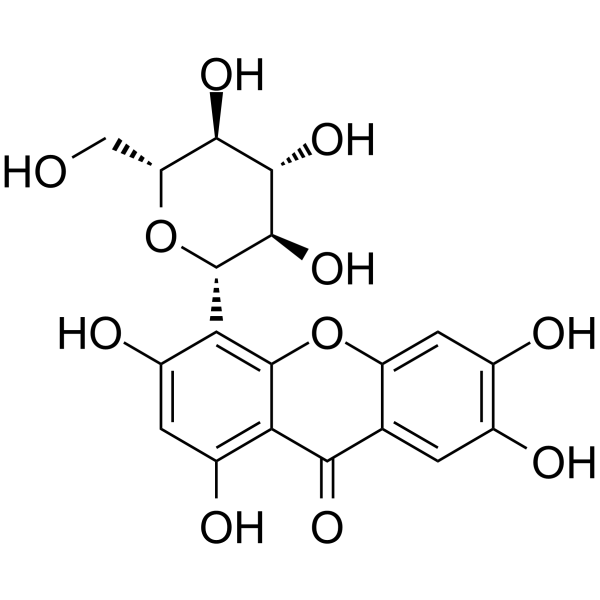
Isomangiferin is an orally active xanthone C-glucoside, and its chemical structure is similar to Mangiferin (HY-N0290). Isomangiferin is an effective VEGFR-2 kinase inhibitor, which can induces cell apoptosis, inhibit the growth, metastasis and angiogenesis of breast cancer. Isomangiferin exerts anti-inflammatory effects by inhibiting the HMGB1/NLRP3/NF-κB signaling pathway, thereby improving the renal function indicators of diabetic mice. Isomangiferin exhibits inhibitory effects on various bacteria and herpes simplex virus type 1 (HSV-1). Isomangiferin promotes the migration and osteogenic differentiation of bone marrow mesenchymal stem cells (BMSCs) and reduces cell apoptosis and the production of ROS by activating the AMPK/ACC pathway, thereby facilitating fracture healing .
|
-
- HY-151274
-
|
|
SARS-CoV
|
Infection
|
|
SARS-CoV-2-IN-28 is a two-armed diphosphate ester with C7 alkyl and molecular tweezers with extended length. SARS-CoV-2-IN-28 exhibits antiviral activity with IC50s of 0.4 μM and 1.0 μM against SARS-CoV-2 activity and the spike pseudoparticle transduction, respectively. SARS-CoV-2-IN-28 induces liposomal membrane disruption with an EC50 value of 4.4 μM .
|
-
- HY-151274A
-
|
|
SARS-CoV
|
Infection
|
|
SARS-CoV-2-IN-28 disodium is a two-armed diphosphate ester with C7 alkyl and molecular tweezers with extended length. SARS-CoV-2-IN-28 disodium exhibits antiviral activity with IC50s of 0.4 μM and 1.0 μM against SARS-CoV-2 activity and the spike pseudoparticle transduction, respectively. SARS-CoV-2-IN-28 disodium induces liposomal membrane disruption with an EC50 value of 4.4 μM .
|
-
- HY-151271
-
|
|
SARS-CoV
|
Infection
|
|
SARS-CoV-2-IN-27 is a two-armed diphosphate ester with C6 alkyl and molecular tweezers with extended length. SARS-CoV-2-IN-27 exhibits antiviral activity with IC50s of 1.0 μM and 1.7 μM against SARS-CoV-2 activity and the spike pseudoparticle transduction, respectively. SARS-CoV-2-IN-27 induces liposomal membrane disruption with an EC50 value of 6.5 μM .
|
-
- HY-151271A
-
|
|
SARS-CoV
|
Infection
|
|
SARS-CoV-2-IN-27 disodium is a two-armed diphosphate ester with C6 alkyl and molecular tweezers with extended length. SARS-CoV-2-IN-27 disodium exhibits antiviral activity with IC50s of 1.0 μM and 1.7 μM against SARS-CoV-2 activity and the spike pseudoparticle transduction, respectively. SARS-CoV-2-IN-27 disodium induces liposomal membrane disruption with an EC50 value of 6.5 μM .
|
-
- HY-N0772R
-
|
|
Reference Standards
VEGFR
NF-κB
NOD-like Receptor (NLR)
AMPK
Acetyl-CoA Carboxylase
Apoptosis
Reactive Oxygen Species (ROS)
HSV
Drug Derivative
|
Infection
Metabolic Disease
Inflammation/Immunology
Cancer
|
|
Isomangiferin (Standard) is the analytical standard of Isomangiferin (HY-N0772). This product is intended for research and analytical applications. Isomangiferin is an orally active xanthone C-glucoside, and its chemical structure is similar to Mangiferin (HY-N0290). Isomangiferin is an effective VEGFR-2 kinase inhibitor, which can induces cell apoptosis, inhibit the growth, metastasis and angiogenesis of breast cancer. Isomangiferin exerts anti-inflammatory effects by inhibiting the HMGB1/NLRP3/NF-κB signaling pathway, thereby improving the renal function indicators of diabetic mice. Isomangiferin exhibits inhibitory effects on various bacteria and herpes simplex virus type 1 (HSV-1). Isomangiferin promotes the migration and osteogenic differentiation of bone marrow mesenchymal stem cells (BMSCs) and reduces cell apoptosis and the production of ROS by activating the AMPK/ACC pathway, thereby facilitating fracture healing.
|
-
- HY-N12717
-
|
|
PAK
FASTK
HSP
p38 MAPK
NF-κB
NO Synthase
COX
HSV
Caspase
TNF Receptor
Fungal
Apoptosis
|
Infection
Inflammation/Immunology
Cancer
|
|
Casuarinin is an orally active antiproliferative, anti-inflammatory, antifungal, virucidal and gastroprotective agent. Casuarinin upregulates the expression of p21/WAF1, Fas/APO‑1, mFasL, sFasL and HSP‑70, arrests cell cycle, induces apoptosis and inhibits cancer cell proliferation. Casuarinin inhibits TNF‑α-induced phosphorylation of MAPK and activation of NF‑κB, downregulates the expression of iNOS, NF‑κB, COX‑2 and ICAM‑1, and reduces the production of proinflammatory mediators. Casuarinin attenuates ethanol-induced activation of caspase‑3 and elevation of TNF‑α, inhibits the growth of Candida albicans, and inhibits HSV‑2. Casuarinin can be used in research related to mammary adenocarcinoma, inflammatory skin diseases, gastric ulcers, candidiasis and herpes simplex virus infections .
|
-
- HY-150743
-
|
|
Toll-like Receptor (TLR)
|
Infection
Inflammation/Immunology
|
|
ODN 2395 is a C class oligodeoxynucleotide and can be used as vaccine adjuvant. ODN 2395 is also a TLR9 agonist. ODN 2395 can be used in the research of immunological vaccines. Sequence: 5'-tcgtcgttttcggcgc:gcgccg-3' (Note: The bases are phosphorothioate; ODN 2395 contains the partial palindromic sequence cggcgc:gcgccg) .
|
-
- HY-174252
-
|
|
DNA/RNA Synthesis
HSV
|
Infection
|
|
HSV-1/HSV-2-IN-3 inhibits the herpes-simplex-virus (HSV) helicase-primase complex, blocking the coordinated DNA-unwinding and primer-synthesis steps required for viral genome replication. HSV-1/HSV-2-IN-3 exhibits an EC50 of 7.0 nM against HSV-2 in a gD-immunofluorescence cell assay containing 2 % FBS and 57.5 nM when 10 % human serum is present. HSV-1/HSV-2-IN-3 achieves an EC50 of 1.1 nM in a qPCR replication assay. HSV-1/HSV-2-IN-3 shows strong selectivity over human carbonic-anhydrase off-targets (IC50 ≈ 2.9 µM for hCA II and > 35 µM for hCA I). HSV-1/HSV-2-IN-3 can be studied in anti-HSV research .
|
-
- HY-W342664
-
|
FIRU
|
Nucleoside Antimetabolite/Analog
HSV
|
Cancer
|
|
2'-Deoxy-2'-fluoro-5-iodouridine (FIRU) is a nucleoside analog. When labeled with 123I, 2'-Deoxy-2'-fluoro-5-iodouridine accumulates highly selectively in tumors expressing the HSV1-tk gene. Radiolabeled 2'-Deoxy-2'-fluoro-5-iodouridine enables imaging of adenovirus-mediated HSV1-tk suicide gene transfer .
|
-
- HY-N0093
-
|
Cyclocytidine hydrochloride; Cyclo-CMP hydrochloride; Cyclo-C
|
Autophagy
CMV
DNA/RNA Synthesis
|
Infection
Cancer
|
|
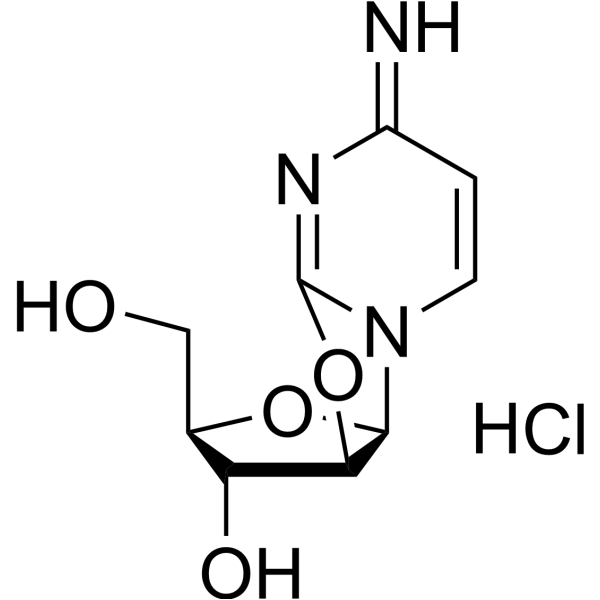
Ancitabine hydrochloride is a cytarabine derivative that inhibits viral replication. Ancitabine hydrochloride blocks vaccinia virus DNA replication, the progression of viral protein synthesis from early to late stages, and one-step growth of vaccinia virus. Ancitabine hydrochloride is applicable to research related to vaccinia virus infection, leukemia, human cytomegalovirus infection and colorectal cancer .
|
-
- HY-125613
-
|
|
HIV
Influenza Virus
|
Infection
|
|
ML416 is a broad-spectrum antiviral agent. ML416 inhibits host de novo pyrimidine biosynthesis, and induces a variety of interferon-stimulated genes (ISGs). ML416 can be used for the research of viral infections including alphaviruses, influenza virus, and HIV-1 .
|
-
-
-
HY-L113
-
|
|
235 compounds
|
|
Increasing research have shown that Traditional Chinese Medicine (TCM) possess antiviral activities against various viral strains, such as herpes simplex virus, influenza virus, hepatitis B and C viruses, and SARS-CoV. To date, dozens of Chinese herbs and hundreds of natural TCM ingredients have been reported to exhibit good antiviral activities. Active components from TCM are one of the important sources for antiviral drugs discovery.
MCE designs a unique collection of 235 active compounds of antiviral Chinese Herbal Medicines. MCE Antiviral Traditional Chinese Medicine Active Compound Library is a useful tool for discovery antiviral drugs from TCM.
|
| Cat. No. |
Product Name |
Type |
-
- HY-125474
-
|
|
Biochemical Assay Reagents
|
|
Carrageenan is an antiviral and anticancer agent. Carrageenan inhibits herpes simplex virus (HSV), HIV, and hepatitis A virus (HAV) by directly binding to the viral capsid to block the attachment of viruses such as HPV to HSPG factors on the cell surface. Carrageenan delays and arrests cell cycle progression, exhibits cytotoxicity against HeLa cancer cells, and can be applied to studies related to cervical cancer, genital warts, hepatitis A, and other conditions. Carrageenan also induces acute non-immune inflammation, triggers a three-phase inflammatory response involving the release of multiple proinflammatory mediators, and causes persistent edema, hyperalgesia, and neutrophil recruitment in mice .
|
-
- HY-E70172
-
|
EC:2.8.2.23; HS3ST4; 3-OST-4
|
Biochemical Assay Reagents
|
|
Heparan Sulfate 3-O-Sulfotransferase 4 is a sulfotransferase. Heparan Sulfate 3-O-Sulfotransferase 4 regulates Notch signaling .
|
| Cat. No. |
Product Name |
Target |
Research Area |
-
- HY-P1958
-
|
|
HSV
|
Infection
|
|
Histone H4 (2-21) is the core histones associated with chromatinization of herpes simplex virus 1 (HSV-1) genomes .
|
-
- HY-P5997
-
|
|
Autophagy
Cyclic GMP-AMP Synthase
|
Inflammation/Immunology
|
|
XQ2B is a specific cGAS inhibitor targeting protein-DNA interaction and phase separation. XQ2B markedly reduces ISD-induced Autophagy. XQ2B inhibits herpes simplex virus 1 (HSV-1)-induced antiviral immune responses and enhances HSV-1 infection .
|
-
- HY-P10868
-
|
RLS-0071
|
Reactive Oxygen Species (ROS)
|
Infection
Inflammation/Immunology
|
|
Pegtarazimod (RLS-0071) is a dual-target anti-inflammatory peptide that exerts its effects by simultaneously regulating the complement system and neutrophil-associated inflammatory pathways. Pegtarazimod reduces ROS production both in vitro and in vivo, and decreases the level of neutrophil elastase, a marker of neutrophil extracellular traps (NETs), in vivo, thereby alleviating inflammatory responses. Pegtarazimod significantly improves the survival rate of mice in multiple in vivo models of acute graft-versus-host disease (aGVHD). Pegtarazimod inhibits the activation of the C1 complex, reduces the herpes zoster-like spread of herpes simplex virus type 1 skin infection, and improves the survival rate of infected mice . Pegtarazimod can be used in research related to acute graft-versus-host disease, acute pulmonary diseases, and skin herpes simplex virus type 1 infection .
|
-
- HY-P10153
-
|
|
Peptides
|
Others
|
|
gH625 is a cell-penetrating viral peptide which is a part of glycoprotein H of Herpes simplex virus type I. gH625 is able to cross the cell membrane and to transport many conjugated cargoes into the cytosol. gH625 is permeable to the blood-brain barrier (BBB) and can enter the rat brain in vivo without toxic effects. gH625 can be used for siRNA delivery research .
|
-
- HY-14743
-
|
SCV 07; Gamma-D-glutamyl-L-tryptophan
|
Bacterial
STAT
|
Infection
Inflammation/Immunology
Cancer
|
|
Golotimod (SCV-07), an immunomodulating peptide with antimicrobial activity, significantly increases the efficacy of antituberculosis therapy, stimulates thymic and splenic cell proliferation, and improves macrophage function. Golotimod (SCV-07) inhibits STAT3 signaling and modulates the duration and severity of oral mucositis in animal models that received radiation or a combination of radiation and Cisplatin. Golotimod (SCV-07) is also a potential therapeutic for recurrent genital herpes simplex virus type 2 (HSV-2) .
|
-
- HY-P5644
-
|
|
Bacterial
|
Infection
|
|
Retrocyclin-3 is an antimicrobial peptide against human immunodeficiency virus, influenza A and herpes simplex virus .
|
-
- HY-P5643
-
|
|
Bacterial
|
Infection
|
|
Retrocyclin-2 is an antimicrobial peptide against human immunodeficiency virus, influenza A and herpes simplex virus .
|
-
- HY-P4773
-
|
|
HSV
|
Infection
|
|
HSV-1 Protease substrate is a peptide substrate for HSV-1 (Herpes Simplex Virus Type 1) protease, and the specificity constant (kcat/Km) at pH 7.5 for cleavage is 5.2 M -1 s -1 .
|
-
- HY-P1862
-
|
|
HSV
|
Infection
|
|
HSV-gB2 (498-505) is an immunodominant epitope from herpes simplex virus (HSV) glycoprotein B residues 498-505, acts as H-2Kb-restricted and HSV-1/2-cross-reactive cytotoxic T-lymphocyte (CTL) recognition epitope .
|
-
- HY-14743R
-
|
SCV 07 (Standard); Gamma-D-glutamyl-L-tryptophan (Standard)
|
Bacterial
STAT
Reference Standards
|
Infection
Inflammation/Immunology
Cancer
|
|
Golotimod (Standard) is the analytical standard of Golotimod. This product is intended for research and analytical applications. Golotimod (SCV-07), an immunomodulating peptide with antimicrobial activity, significantly increases the efficacy of antituberculosis therapy, stimulates thymic and splenic cell proliferation, and improves macrophage function. Golotimod (SCV-07) inhibits STAT3 signaling and modulates the duration and severity of oral mucositis in animal models that received radiation or a combination of radiation and Cisplatin. Golotimod (SCV-07) is also a potential therapeutic for recurrent genital herpes simplex virus type 2 (HSV-2) .
|
| Cat. No. |
Product Name |
Target |
Research Area |
Image |
-
- HY-P99147
-
|
|
CD3
|
Infection
Inflammation/Immunology
|
|
Anti-Mouse TCR V gamma 2 Antibody (UC3-10A6) is an Armenian Hamster-derived IgG antibody inhibitor, targeting to mouse TCR V gamma 2. Anti-Mouse TCR V gamma 2 Antibody (UC3-10A6) reacts with an epitope on the delta chain of the mouse Vγ2 TCR (V gamma 2 T cell receptor). Anti-Mouse TCR V gamma 2 Antibody (UC3-10A6) can deplete γδ T cell. Anti-Mouse TCR V gamma 2 Antibody (UC3-10A6) can be used for the researches of infection and immunology, such as herpes simplex virus-1 (HSV-1) infection .
|
-
(5)
| Cat. No. |
Product Name |
Category |
Target |
Chemical Structure |
-
- HY-N6733
-
-
-
- HY-B0222
-
-
-
- HY-N2004
-
-
-
- HY-N0772
-
-
-
- HY-N0093
-
|
Cyclocytidine hydrochloride; Cyclo-CMP hydrochloride; Cyclo-C
|
Classification of Application Fields
Disease Research Fields
Cancer
|
Autophagy
CMV
DNA/RNA Synthesis
|
|
Ancitabine hydrochloride is a cytarabine derivative that inhibits viral replication. Ancitabine hydrochloride blocks vaccinia virus DNA replication, the progression of viral protein synthesis from early to late stages, and one-step growth of vaccinia virus. Ancitabine hydrochloride is applicable to research related to vaccinia virus infection, leukemia, human cytomegalovirus infection and colorectal cancer .
|
-
-
- HY-N1060
-
-
-
- HY-N3395
-
-
-
- HY-N12717
-
|
|
Terminalia arjuna (Roxb. ex DC.) Wight & Arn.
Structural Classification
Combretaceae
Phenols
Polyphenols
Plants
Source Classification
|
PAK
FASTK
HSP
p38 MAPK
NF-κB
NO Synthase
COX
HSV
Caspase
TNF Receptor
Fungal
Apoptosis
|
|
Casuarinin is an orally active antiproliferative, anti-inflammatory, antifungal, virucidal and gastroprotective agent. Casuarinin upregulates the expression of p21/WAF1, Fas/APO‑1, mFasL, sFasL and HSP‑70, arrests cell cycle, induces apoptosis and inhibits cancer cell proliferation. Casuarinin inhibits TNF‑α-induced phosphorylation of MAPK and activation of NF‑κB, downregulates the expression of iNOS, NF‑κB, COX‑2 and ICAM‑1, and reduces the production of proinflammatory mediators. Casuarinin attenuates ethanol-induced activation of caspase‑3 and elevation of TNF‑α, inhibits the growth of Candida albicans, and inhibits HSV‑2. Casuarinin can be used in research related to mammary adenocarcinoma, inflammatory skin diseases, gastric ulcers, candidiasis and herpes simplex virus infections .
|
-
-
- HY-N6733R
-
-
-
- HY-N16130
-
-
-
- HY-N14265
-
-
-
- HY-N14446
-
-
-
- HY-N14563
-
-
-
- HY-N14564
-
-
-
- HY-N14264
-
-
-
- HY-N12191
-
-
-
- HY-B0222R
-
-
-
- HY-N2004R
-
-
-
- HY-N0772R
-
-
| Cat. No. |
Product Name |
Chemical Structure |
-
- HY-14532S
-
|
|
|
Brincidofovir-d6 (CMX001-d6) is the deuterium labeled Brincidofovir (HY-14532). Brincidofovir (CMX001), the lipid-conjugated prodrug of Cidofovir (HY-17438), is an orally available, long-acting antiviral. Brincidofovir shows activity against a broad spectrum of DNA viruses including cytomegalovirus (CMV), adenovirus (ADV), varicella zoster virus, herpes simplex virus, polyomaviruses, papillomaviruses, poxviruses, and mixed double-stranded DNA virus infections. Brincidofovir, an oral antiviral in late stage development, has proven effective against orthopoxviruses in vitro and in vivo. .
|
-
-
- HY-B0222S
-
|
|
|
1-Docosanol-d45 is the deuterium labeled 1-Docosanol. 1-Docosanol is a saturated fatty alcohol used traditionally as an emollient, emulsifier, and thickener in cosmetics, and nutritional supplement. 1-Docosanol is an inhibitor of lipid-enveloped viruses including herpes simplex.
|
-
-
- HY-A0061S
-
|
|
|
Trifluridine- 13C, 15N2 is the 13C and 15N labeled Trifluridine . Trifluridine (Trifluorothymidine;5-Trifluorothymidine;TFT) is an irreversible thymidylate synthase inhibitor, and thereby suppresses DNA synthesis. Trifluridine is an antiviral agent for herpes simplex virus (HSV) infection. Trifluorothymidine also has anti-orthopoxvirus activity .
|
-
-
- HY-15303S
-
|
|
|
Pritelivir-d4-1 (AIC316-d4-1) is deuterium labeled Pritelivir. Pritelivir (AIC316), an inhibitor of the viral helicase-primase complex, exhibits antiviral activity in vitro and in animal models of herpes simplex virus (HSV) infection. Pritelivir is active against herpes simplex virus types 1 and 2 (HSV-1 and HSV-2) with the IC50 of 0.02 μM against HSV1-2 .
|
-
-
- HY-W705873
-
|
|
|
Edoxudine-d5 (EUDR-d5) is the deuterium labeled Edoxudine (HY-B1011). Edoxudine is an antiviral active molecule and thymidine analog. Edoxudine is effective against herpes simplex virus .
|
-
-
- HY-W713297
-
|
|
|
Moroxydine hydrochloride-d8 (ABOB hydrochloride-d8) is the deuterium labeled Moroxydine (ABOB) hydrochloride (HY-B0420A). Moroxydine hydrochloride is a broad-spectrum agent with multi-antiviral activities against DNA and RNA viruses, including influenza virus, herpes simplex, varicella zoster, measles, mumps disease, hepatitis C virus, etc. Moroxydine hydrochloride exhibits excellent antiviral activity and shows low cytotoxicity to cells infected by dsRNA viruses (grass carp reovirus, GCRV) and large DNA viruses (giant salamander iridovirus, GSIV). Moroxydine hydrochloride blocks the GCRV-induced cytopathic effects and eliminates nucleocapsids in ctenopharyngodon idella kidney (CIK) cells to keep the normal morphological structure. Moroxydine hydrochloride significantly inhibits the apoptosis, the caspase 3 activity, Bax expression and down-regulates Bcl-2 levels [1][2][3].
|
-
| Cat. No. |
Product Name |
|
Classification |
-
- HY-129861
-
|
|
|
Alkynes
|
|
5'-Ethynyl-2'-deoxycytidine is an inhibitor for HSV, that inhibits the cytopathic effect of HSV-1 in primary rabbit kidney cell with a MIC of 0.2 μg/mL. 5'-Ethynyl-2'-deoxycytidine inhibits the proliferation of leukemia L1210 cell with an IC50 of 64.5 μg/mL .
|
| Cat. No. |
Product Name |
|
Classification |
-
- HY-14532
-
|
CMX001; HDP-CDV
|
|
Phospholipids
|
|
Brincidofovir (CMX001), the lipid-conjugated prodrug of Cidofovir (HY-17438), is an orally available, long-acting antiviral. Brincidofovir shows activity against a broad spectrum of DNA viruses including cytomegalovirus (CMV), adenovirus (ADV), varicella zoster virus, herpes simplex virus, polyomaviruses, papillomaviruses, poxviruses, and mixed double-stranded DNA virus infections. Brincidofovir, an oral antiviral in late stage development, has proven effective against orthopoxviruses in vitro and in vivo .
|
-
- HY-150743
-
|
|
|
CpG ODNs
|
|
ODN 2395 is a C class oligodeoxynucleotide and can be used as vaccine adjuvant. ODN 2395 is also a TLR9 agonist. ODN 2395 can be used in the research of immunological vaccines. Sequence: 5'-tcgtcgttttcggcgc:gcgccg-3' (Note: The bases are phosphorothioate; ODN 2395 contains the partial palindromic sequence cggcgc:gcgccg) .
|
-
- HY-113431
-
|
|
|
Nucleoside Analogs
|
|
Arabinosylhypoxanthine is a purine nucleoside analog. Arabinosylhypoxanthine selectively inhibits viral DNA synthesis. Arabinosylhypoxanthine exhibits anti-HSV activity. Arabinosylhypoxanthine can be used in studies related to herpes simplex virus infection .
|
-
- HY-W342664
-
|
FIRU
|
|
Nucleoside Analogs
Uridine
|
|
2'-Deoxy-2'-fluoro-5-iodouridine (FIRU) is a nucleoside analog. When labeled with 123I, 2'-Deoxy-2'-fluoro-5-iodouridine accumulates highly selectively in tumors expressing the HSV1-tk gene. Radiolabeled 2'-Deoxy-2'-fluoro-5-iodouridine enables imaging of adenovirus-mediated HSV1-tk suicide gene transfer .
|
-
- HY-177638
-
|
|
|
Antisense Oligonucleotides
|
|
ISIS 1082 is an antisense oligonucleotide targeted to the translation initiation codon of herpes simplex virus (HSV) type 1 and 2 virion capsid protein. It has been shown to inhibit HSV-1 replication in vitro
|
-
- HY-177638A
-
|
|
|
Antisense Oligonucleotides
|
|
ISIS 1082 sodium is an antisense oligonucleotide targeted to the translation initiation codon of herpes simplex virus (HSV) type 1 and 2 virion capsid protein. It has been shown to inhibit HSV-1 replication in vitro
|
-
- HY-174517
-
|
|
|
mRNA
|
|
Human TNFRSF14 mRNA encodes the human TNF receptor superfamily member 14 (TNFRSF14) protein, a member of the TNF receptor superfamily. TNFRSF14 functions in signal transduction pathways that activate inflammatory and inhibitory T-cell immune response. It binds herpes simplex virus (HSV) viral envelope glycoprotein D (gD), mediating its entry into cells.
|
Your information is safe with us. * Required Fields.
Inquiry Information
- Product Name:
- Cat. No.:
- Quantity:
- MCE Japan Authorized Agent:

