1. Search Result
Search Result
Results for "

plant salt stress

" in MedChemExpress (MCE) Product Catalog:

105

Inhibitors & Agonists

1

Screening Libraries

1

Fluorescent Dyes

10

Biochemical Assay Reagents

3

Peptides

55

Natural
Products

13

Isotope-Labeled Compounds

Cat. No. Product Name Target Research Areas Chemical Structure
  • HY-N0293
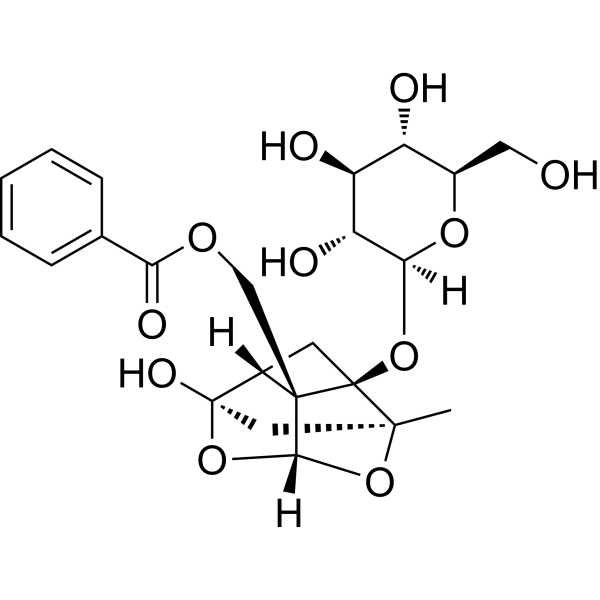
    Paeoniflorin
    Maximum Cited Publications
    38 Publications Verification

    Peoniflorin

    HSP Infection Neurological Disease Cancer
    Paeoniflorin is a heat shock protein-inducing compound and commonly exists in the plants of Paeoniaceae family, with various biological activities, including anticancer activity, anti-inflammatory activity, enhancing cognition and attenuating learning impairment, anti-oxidative stress, antiplatelet aggregation, expansion of blood vessels, and reducing blood viscosity .
    Paeoniflorin
  • HY-B0710
    Betaine
    5 Publications Verification

    Trimethylglycine; carboxy-N,N,N-trimethylmethanaminium

    Environmental Pollutants Endogenous Metabolite Metabolic Disease
    Betaine (Trimethylglycine) is a natural compound found in many foods and also an active methyl-donor which can maintain normal DNA methylation patterns [1,2]. Betaine is found ubiquitously in plants, animals, microorganisms, and rich dietary sources including seafood, spinach, and wheat bran. Betaine also acts as an osmolyte, to maintain the avian’s cellular water and ion balance to improve the avian’s capacity against heat stress via preventing dehydration and osmotic inactivation. It helps in maintaining the protective osmolytic activity, especially in heat-stressed birds. Betaine may promote various intestinal microbes against osmotic variations and thus improve microbial fermentation activity .
    Betaine
  • HY-N0148
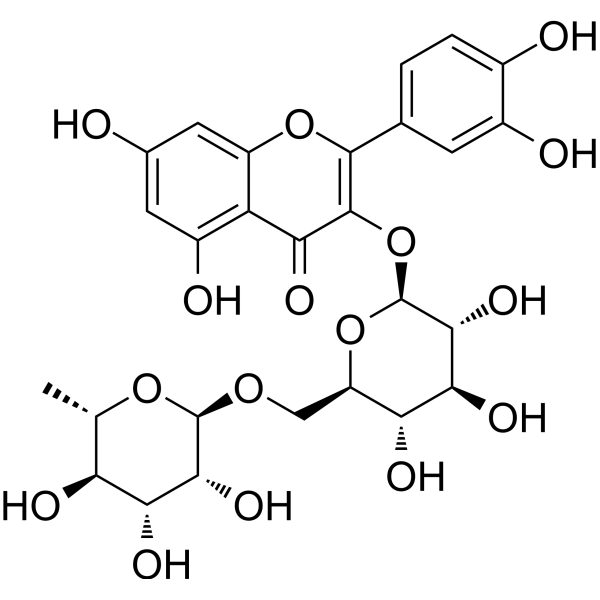
    Rutin
    25+ Cited Publications

    Rutoside; Quercetin 3-O-rutinoside

    Amyloid-β Autophagy Apoptosis Endogenous Metabolite Inflammation/Immunology Cancer
    Rutin (Rutoside) is a flavonoid found in many plants and shows a wide range of biological activities including anti-inflammatory, antidiabetic, antioxidant, neuroprotective, nephroprotective, hepatoprotective and reducing Aβ oligomer activities. Rutin is also a CBR1 inhibitor, which can cross the blood brain barrier. Rutin attenuates vancomycin-induced renal tubular cell apoptosis via suppression of apoptosis, mitochondrial dysfunction, and oxidative stress .
    Rutin
  • HY-16563
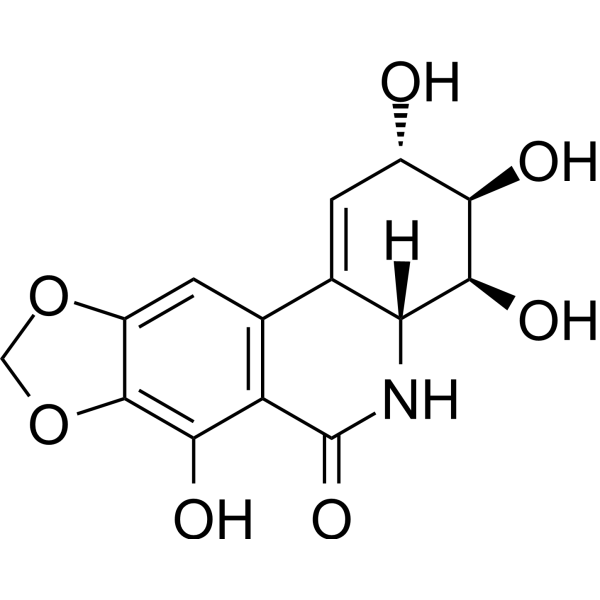
    Narciclasine
    20+ Cited Publications

    Lycoricidinol

    ROCK Cancer
    Narciclasine is a plant growth modulator. Narciclasine modulates the Rho/Rho kinase/LIM kinase/cofilin signaling pathway, greatly increasing GTPase RhoA activity as well as inducing actin stress fiber formation in a RhoA-dependent manner.
    Narciclasine
  • HY-N0164
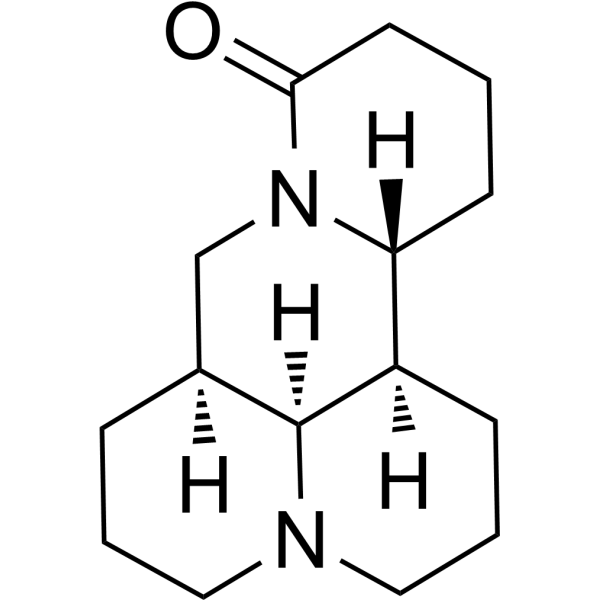
    Matrine
    15+ Cited Publications

    Matridin-15-one; Vegard; α-Matrine

    PINK1/Parkin Opioid Receptor Autophagy Mitophagy Ferroptosis Apoptosis Inflammation/Immunology Cancer
    Matrine (Matridin-15-one) is an alkaloid found in plants from the Sophora genus that can act as a kappa opioid receptor and u-receptor agonist. Matrine has a variety of pharmacological effects, including anti-cancer, anti-oxidative stress, anti-inflammation and anti-apoptosis effects. Matrine is potential in the research of disease like human non-small cell lung cancer, hepatoma, papillary thyroid cancer and acute kidney injury (AKI) .
    Matrine
  • HY-N1964
    Gibberellic acid
    1 Publications Verification

    Gibberellin A3

    Environmental Pollutants Drug Derivative Metabolic Disease
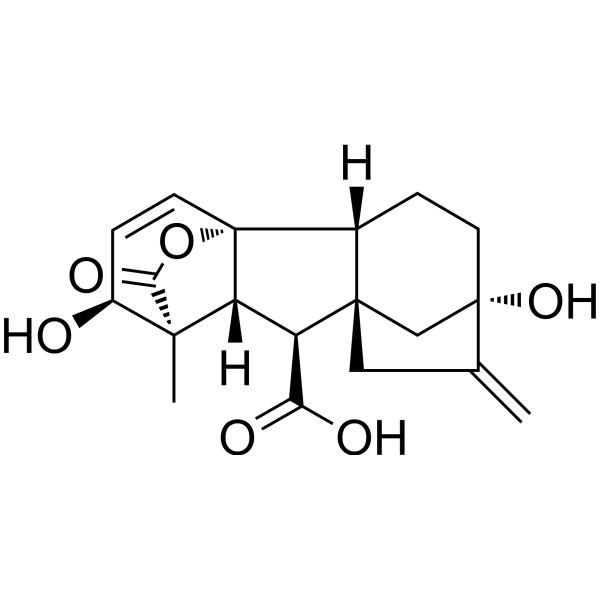
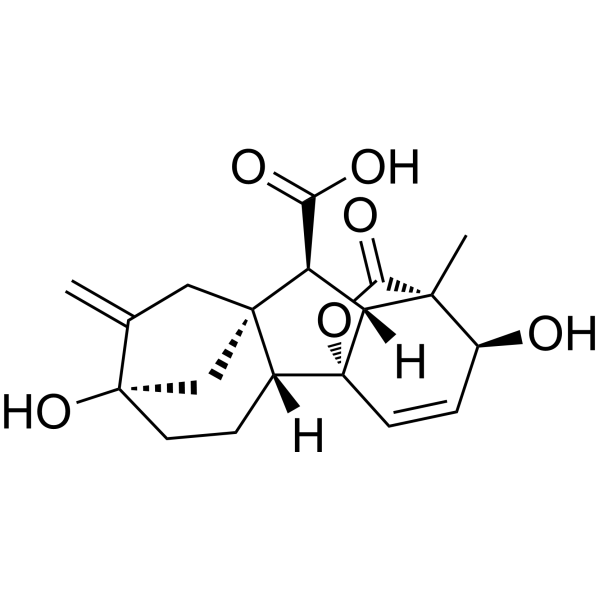
    Gibberellic acid (GA3) is a natural plant growth regulator with oral bioactivity. Gibberellic acid governs multiple plant developmental events, including seed germination, cell elongation, floral organ formation, and rice spikelet fertility. Gibberellic acid optimizes root morphology and secondary metabolite production in Echinacea purpurea hairy roots, and serves as a bioactive seed priming agent to improve chilling stress tolerance in chickpea. Gibberellic acid mediates modulation of enzyme activity and secondary metabolism in plants and exerts tissue-specific regulatory effects on antioxidant systems and lipid peroxidation in rats. Gibberellic acid can be used in studies of plant growth, metabolism, and abiotic stress responses .
    Gibberellic acid
  • HY-N0148A
    Rutin hydrate
    25+ Cited Publications

    Rutoside hydrate; Quercetin 3-O-rutinoside hydrate

    Amyloid-β Autophagy Apoptosis Endogenous Metabolite Neurological Disease Cancer
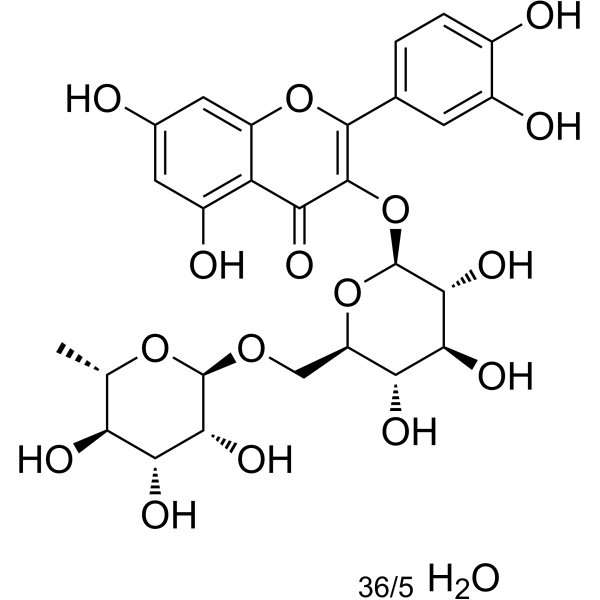
    Rutin (Rutoside) hydrate is a flavonoid found in many plants and shows a wide range of biological activities including anti-inflammatory, antidiabetic, antioxidant, neuroprotective, nephroprotective, hepatoprotective and reducing Aβ oligomer activities. Rutin hydrate can cross the blood brain barrier. Rutin hydrate attenuates vancomycin-induced renal tubular cell apoptosis via suppression of apoptosis, mitochondrial dysfunction, and oxidative stress .
    Rutin hydrate
  • HY-119976
    Boscalid
    1 Publications Verification

    Environmental Pollutants Apoptosis Fungal Mitochondrial Metabolism Succinate Dehydrogenase Infection
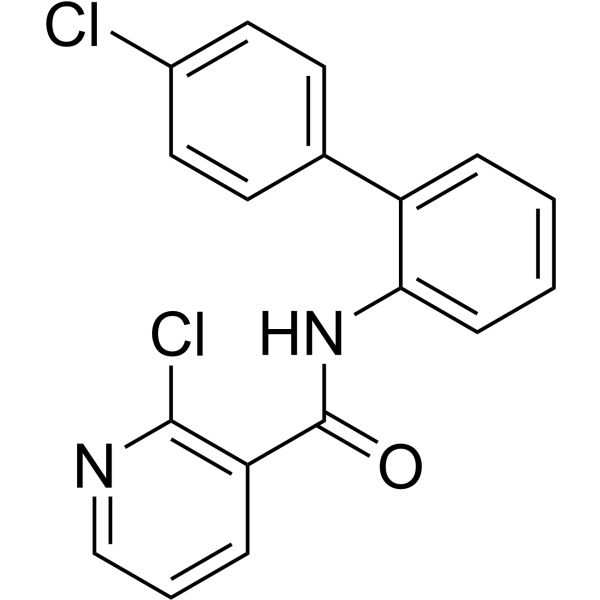
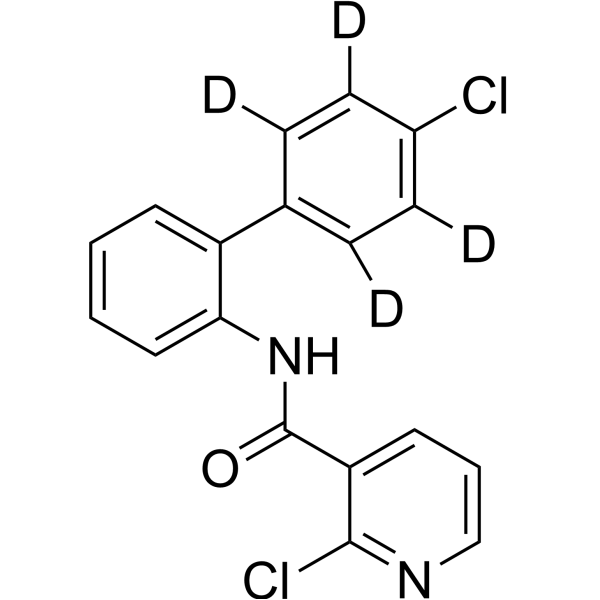
    Boscalid is a succinate dehydrogenase (SDHI) inhibitor with antifungal activity. Boscalid binds to the ubiquinone-binding site of fungal mitochondrial complex II, blocks ATP production and aerobic respiration, exhibits good control efficacy against a variety of plant fungal diseases including gray mold, sclerotinia rot and powdery mildew, and is widely used for disease control in agriculture. Boscalid induces apoptosis, altered lipid metabolism, mitochondrial dysfunction, respiratory impairment, oxidative stress, ROS accumulation and neurodevelopmental disorders in zebrafish. Boscalid reduces foraging ability, shortens median death time and causes chronic toxicity in exposed honeybees. Boscalid also possesses genotoxicity, cytotoxicity, elevated mitochondrial superoxide levels and early-stage apoptosis .
    Boscalid
  • HY-B1897A

    Menadione sodium bisulfite; Vitamin K3 sodium bisulfite

    Endogenous Metabolite Others
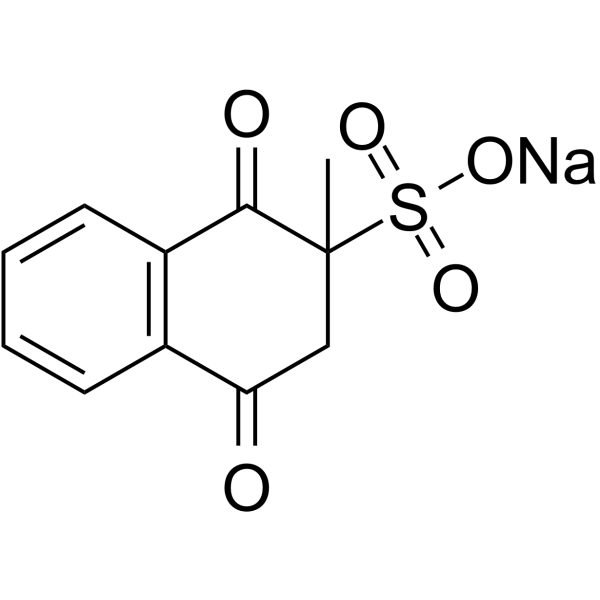
    Menadione bisulfite (sodium) is used as an agent to induce acute oxidative stress, and to function as a plant-defense activator against several pathogens.
    Menadione bisulfite sodium
  • HY-N0848
    Epibrassinolide
    15+ Cited Publications

    24-Epibrassinolide; B1105; BP55

    Environmental Pollutants Apoptosis Cancer
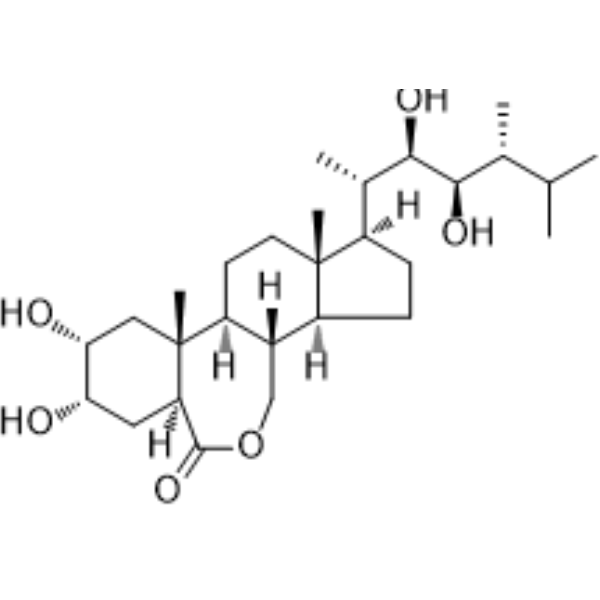
    Epibrassinolide (24-Epibrassinolide) is a ubiquitously occurring plant growth hormone which shows great potential to alleviate heavy metals and pesticide stress in plants . Epibrassinolide is a potential apoptotic inducer in various cancer cells without affecting the non-tumor cell growth .
    Epibrassinolide
  • HY-122464

    Herbicide Others
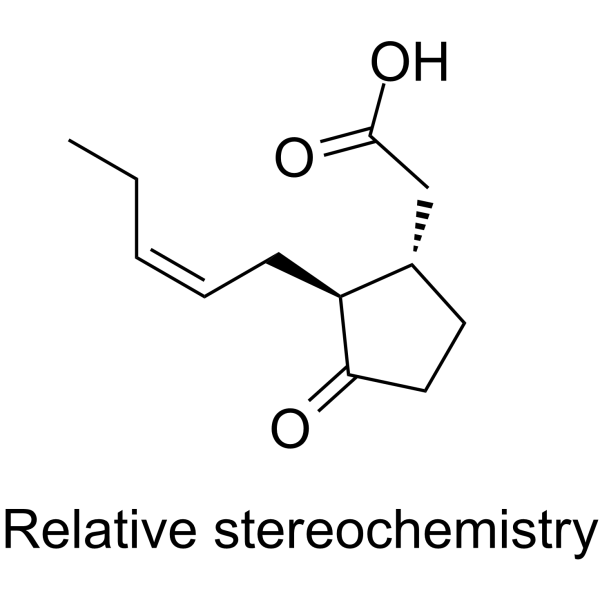
    (±)-Jasmonic acid is an endogenous growth regulator closely related to plant resistance to abiotic stresses, used to activate defense responses to wounding, herbivory, and pathogen attacks. (±)-Jasmonic acid does not play an independent regulatory role, but works in a complex signaling network with other plant hormone signaling pathways. In addition, (±)-Jasmonic acid can also reduce chlorophyll levels in green and etiolated barley leaf segments and inhibit the elongation of rice seedlings .
    (±)-Jasmonic acid
  • HY-B1235
    Acetohydroxamic acid
    1 Publications Verification

    N-Hydroxyacetamide

    Bacterial HIV Infection Inflammation/Immunology
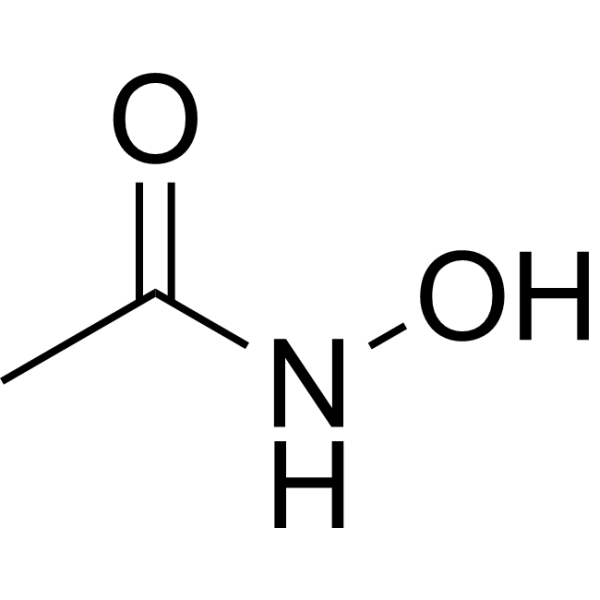
    Acetohydroxamic acid is the inhibitor for bacterial and plant urease that can be used for chronic urinary tract infections. Acetohydroxamic acid selectively inhibits arachidonic acid 5-lipoxygenase that is useful in the research of asthma. Acetohydroxamic acid inhibits the formation of advanced glycation end products, and reduces oxidative stress and inflammatory responses. Acetohydroxamic acid exhibits antiviral activity against HIV .
    Acetohydroxamic acid
  • HY-W013507

    Environmental Pollutants Glutathione Peroxidase Phytohormone Reactive Oxygen Species (ROS) NF-κB Apoptosis Neurological Disease Inflammation/Immunology Cancer
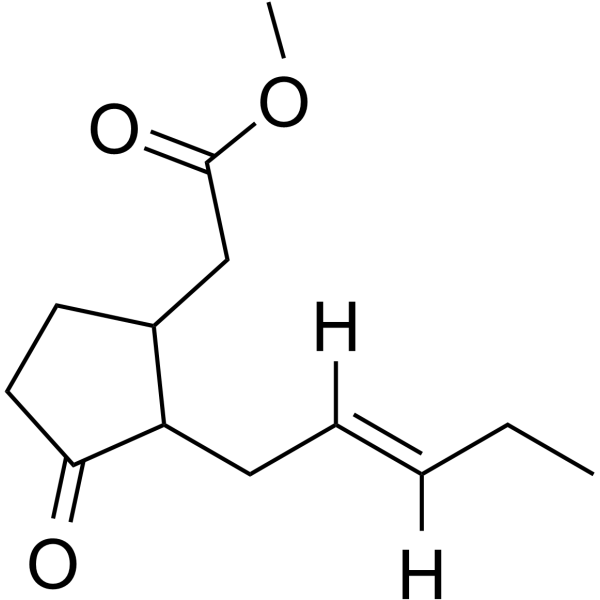
    (rac)-Methyl jasmonate is the racemate of Methyl jasmonate (HY-135663). Methyl jasmonate is a phytohormone that regulates the defense response of plants under biotic and biotic stress through jasmonate signaling pathway. Methyl jasmonate inhibits the activation of NF-κB signaling pathway. Methyl jasmonate can promote the mitochondrial ROS production, but also scavenges free radicals and reduces the oxidative stress. Methyl jasmonate exhibits anti-inflammatory, antitumor, anticonvulsant, antinociceptive and sedative activities .
    (rac)-Methyl jasmonate
  • HY-W127709

    Environmental Pollutants Biochemical Assay Reagents Others
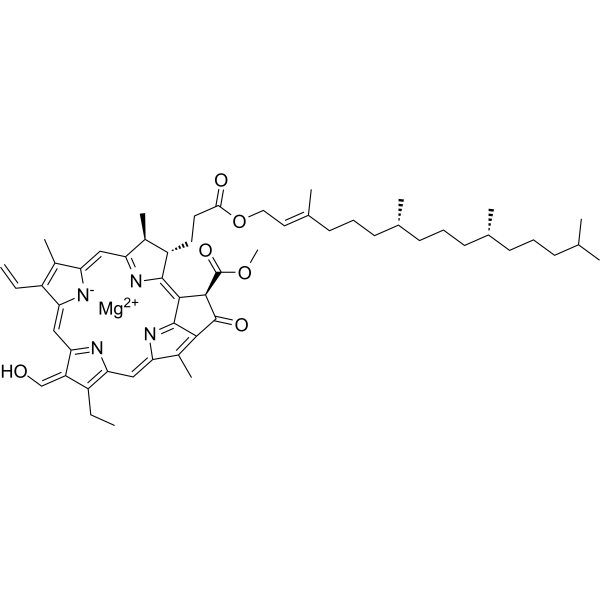
    Chlorophyll b is an orally active tetrapyrrole derivative and pigment. Chlorophyll b can be obtained from photosynthetic organisms such as plants and algae. Chlorophyll b acts as a hydrogen donor and increases Glutathione levels. Chlorophyll b has antioxidant activity and functionally replaces chlorophyll a in photosystem II to participate in photosynthesis. Chlorophyll b reduces Cisplatin (HY-17394)-induced DNA damage, chromosome instability, and oxidative stress. Chlorophyll b is mainly used in the study of plant photosynthesis mechanism .
    Chlorophyll b
  • HY-N2026
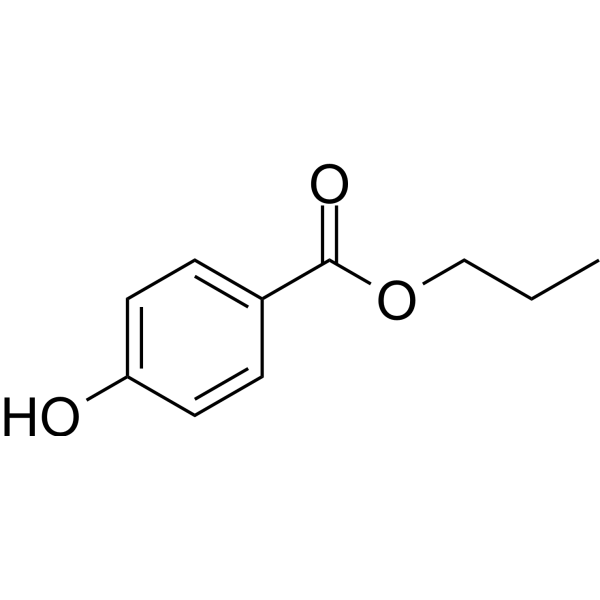
    Propylparaben
    1 Publications Verification

    Propyl parahydroxybenzoate; Propyl 4-hydroxybenzoate

    Bacterial Estrogen Receptor/ERR Sodium Channel PI3K JNK Akt Apoptosis Infection
    Propylparaben (Propyl parahydroxybenzoate) is an antibacterial preservative that can be produced by plants and bacteria. Propylparaben is an orally active weak estrogen receptor agonist. Propylparaben regulates the PI3K-AKT and JNK signaling pathways, and induces oxidative stress. Propylparaben is commonly used in cosmetics, pharmaceuticals and foods, and can be used in studies related to ovarian aging and myocardial ischemia-reperfusion injury .
    Propylparaben
  • HY-N0325
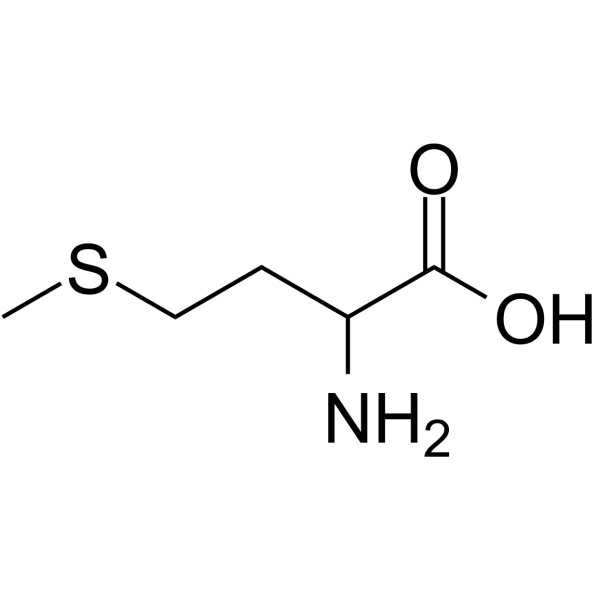
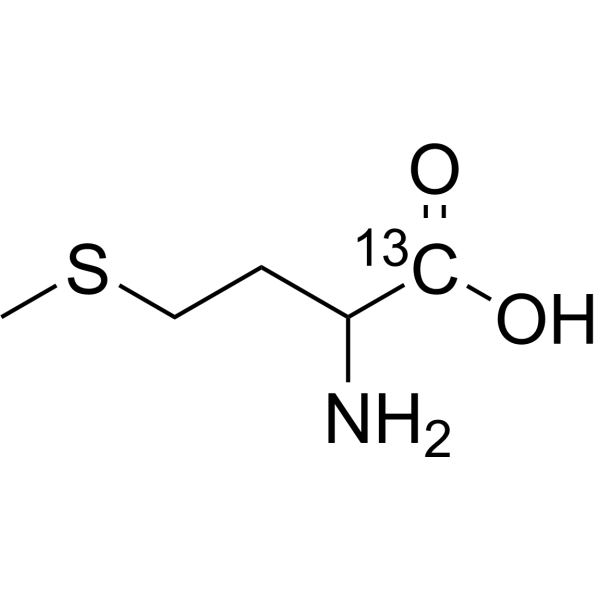
    DL-Methionine
    2 Publications Verification

    Environmental Pollutants Parasite Infection Inflammation/Immunology
    DL-Methionine is an essential amino acid containing sulfur with oxidative stress defense effects. DL-Methionine can be used for animal natural feed. DL-Methionine also kills H. rostochiensis on potato plants .
    DL-Methionine
  • HY-N6948
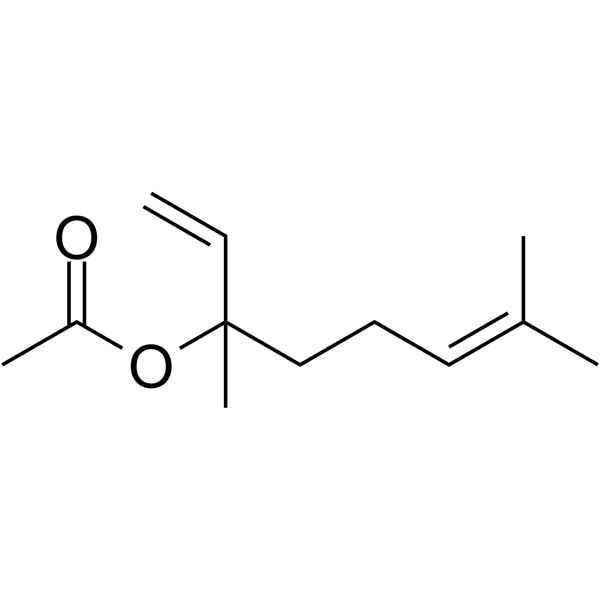
    Linalyl acetate
    1 Publications Verification

    Environmental Pollutants Lactate Dehydrogenase Cardiovascular Disease Neurological Disease Metabolic Disease Inflammation/Immunology
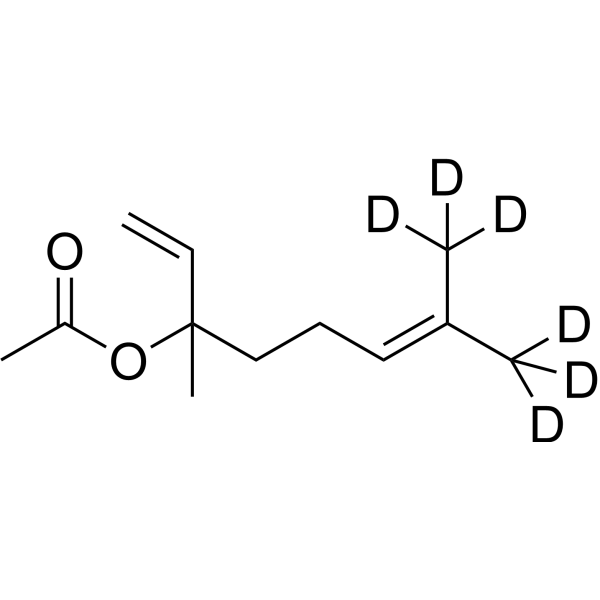
    Linalyl acetate is the principal components of many plant essential oils. Linalyl acetate exhibits anti-anxiety, anti-inflammatory, anti-diabetic, anti-stress, and cardiovascular-regulatory effects. Linalyl acetate is orally active .
    Linalyl acetate
  • HY-P1934
    Cyclo(Phe-Pro)
    5+ Cited Publications

    Cyclo(phenylalanylprolyl); A-64863

    HCV Bacterial Antibiotic Reactive Oxygen Species (ROS) Infection
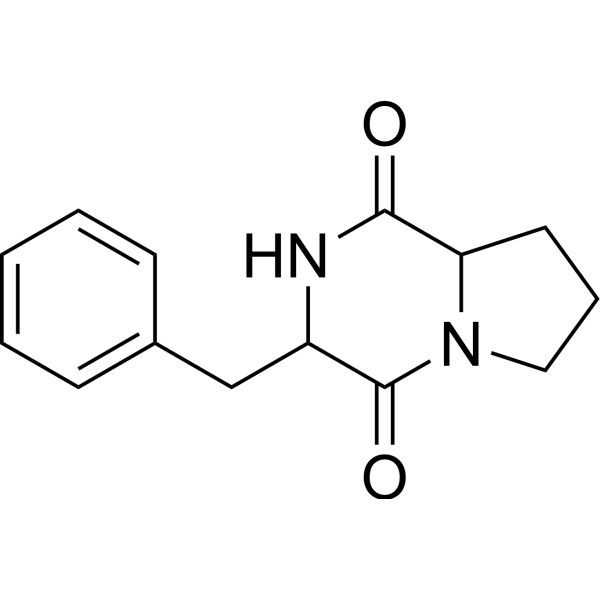
    Cyclo(Phe-Pro) (Cyclo(phenylalanylprolyl)) is a quorum-sensing molecule of Vibrio vulnificus that specifically interacts with RIG-I, inhibiting RIG-I polyubiquitination, suppressing IRF-3 activation, and reducing type I interferon production. Cyclo(Phe-Pro) enhances susceptibility to HCV and influenza virus and also alleviates plant aluminum toxicity stress. The mechanism of Cyclo(Phe-Pro) involves the regulation of host immune signaling pathways, bacterial virulence gene expression, and plant antioxidant systems, making it a promising candidate for research in viral infections, bacterial virulence regulation, and agricultural stress resistance .
    Cyclo(Phe-Pro)
  • HY-P10533

    Tyrosinase Others
    Cysteine peptide is a tyrosinase inhibitor with skin-whitening, antioxidant and multi-regulatory activities. Cysteine peptide inhibits enzyme activity and blocks melanin transport, effectively reducing UV-B-induced skin erythema and pigmentation. Cysteine peptide synergistically maintains skin health by quenching ROS, resisting oxidative stress and promoting pheomelanin production. Cysteine peptide safely prevents daily ultraviolet damage and supports moderate sun exposure for vitamin D synthesis. Cysteine peptide also acts as a plant signaling factor to regulate vegetative growth, development and stress resistance responses .
    Cysteine peptide
  • HY-W116336D

    Biochemical Assay Reagents Fungal Bacterial Infection Cancer
    Zinc oxide, <100 nm particle size is a nitrate reductase modulator and growth promoter with plant stress resistance activity and oral toxicity. Zinc oxide, <100 nm particle size acts as a nutrient source for maize plants. By enhancing nitrate reductase activity and reducing free proline levels, it significantly improves plant height, root length and dry matter weight of maize, and its growth-promoting effect is comparable to that of traditional zinc sulfate fertilizer. Zinc oxide, <100 nm particle size induces anemia-related and persistent tissue inflammatory damage, leading to obvious histopathological adverse reactions in the stomach, pancreas, eyes and prostate of rats. Zinc oxide, <100 nm particle size acts as a non-toxic antibacterial agent and selective cytotoxin against multiple bacteria, fungi and spores .
    Zinc oxide, <100 nm particle size
  • HY-N9497

    Galectin Fungal Infection
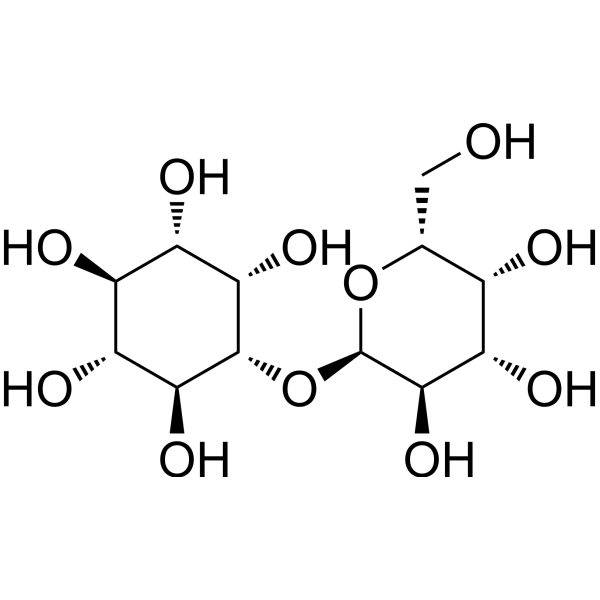
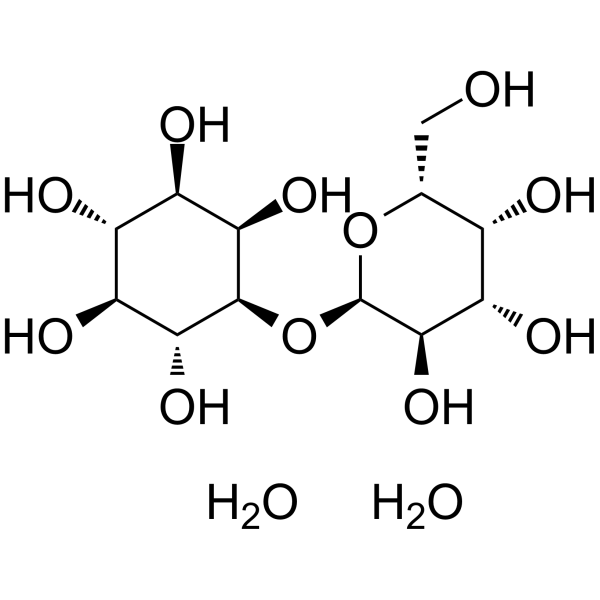
    Galactinol is a disaccharide carbohydrate serving as a galactosyl donor, which belongs to the raffinose family oligosaccharide pathway and acts as an important osmoprotectant. Galactinol not only induces disease resistance in plants against fungal and bacterial pathogens, but also significantly enhances plant tolerance to abiotic stresses such as drought, high salinity, low temperature and oxidative damage. In addition, Galactinol has the ability to scavenge hydroxyl radicals, can act as a signaling component for root colonization-induced systemic resistance, and is positively correlated with seed longevity in various crops, making it a potential biomarker for evaluating seed vigor. Therefore, Galactinol can be used in the research of various plant diseases including fungal leaf spot, bacterial angular leaf spot, gray mold and soft rot .
    Galactinol
  • HY-142006A

    (±)-JA-L-Ile

    Phytohormone Others
    (±)-Jasmonic-L-isoleucine ((±)-JA-L-Ile) is a mixture of (±)-Jasmonic acid (HY-122464) and isoleucine isomers. (±)-Jasmonic-L-isoleucine is a phytohormone that participates in the jasmonic acid signaling pathway. (±)-Jasmonic-L-isoleucine regulates biological processes in plants, including defense responses, growth and development, and stress tolerance .
    (±)-Jasmonic-L-isoleucine
  • HY-N6818
    5,​7,​4'-​Trimethoxyflavone
    2 Publications Verification

    TMF

    Apoptosis Caspase PARP Endogenous Metabolite CFTR Cancer
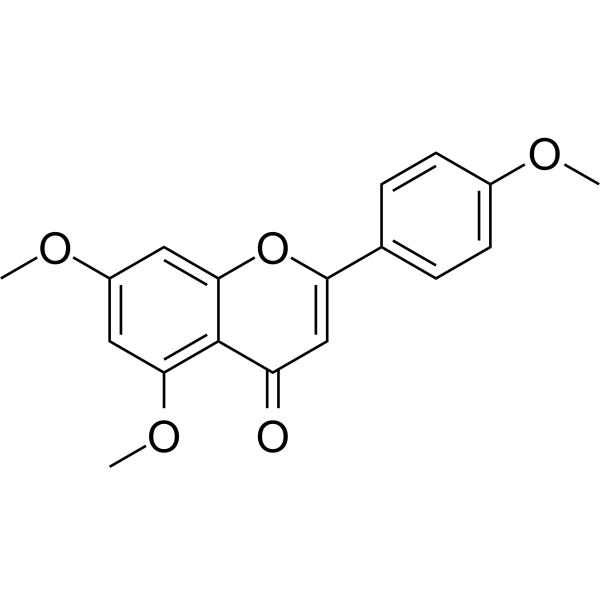
    5,7,4’-Trimethoxyflavone can be isolated from the medicinal plant Kaempferia parviflora (KP). 5,7,4’-Trimethoxyflavone is a CFTR activator and EC50 is 64 μM. 5,7,4’-Trimethoxyflavone induces apoptosis, increases proteolytic activation of caspase-3, and degradation of ADP-ribose polymerase (PARP) protein. 5,7,4’-Trimethoxyflavone has antitumor activity. 5,7,4’-Trimethoxyflavone can be used to prevent skin aging and oxidative stress .
    5,​7,​4'-​Trimethoxyflavone
  • HY-N0148R

    Rutoside (Standard); Quercetin 3-O-rutinoside (Standard)

    Reference Standards Amyloid-β Autophagy Apoptosis Endogenous Metabolite Inflammation/Immunology Cancer
    Rutin (Standard) is the analytical standard of Rutin. This product is intended for research and analytical applications. Rutin (Rutoside) is a flavonoid found in many plants and shows a wide range of biological activities including anti-inflammatory, antidiabetic, antioxidant, neuroprotective, nephroprotective, hepatoprotective and reducing Aβ oligomer activities. Rutin is also a CBR1 inhibitor, which can cross the blood brain barrier. Rutin attenuates vancomycin-induced renal tubular cell apoptosis via suppression of apoptosis, mitochondrial dysfunction, and oxidative stress .
    Rutin (Standard)
  • HY-N7719

    Endogenous Metabolite Bacterial Fungal Parasite Apoptosis Reactive Oxygen Species (ROS) Caspase HSV Infection Inflammation/Immunology Cancer
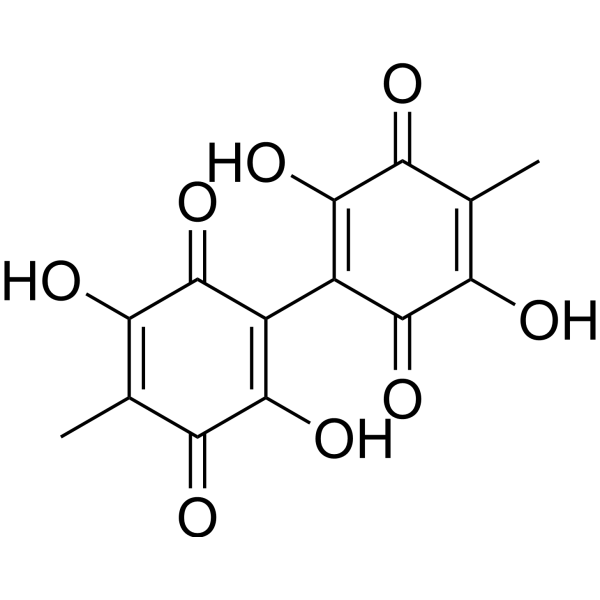
    Oosporein is a microbial metabolite and a red crystalline toxin produced by various fungi. Oosporein can promote the reproduction of fungi in host bodies by inhibiting insect immunity, and possesses multiple activities such as antibacterial, antiviral (HSV), and insecticidal effects. Oosporein can inhibit plant growth. In addition, Oosporein can also induce apoptosis, cell membrane damage, oxidative stress, and mitochondrial damage. Oosporein has certain antitumor activity .
    Oosporein
  • HY-122308

    NF-κB Apoptosis Interleukin Related COX Reactive Oxygen Species (ROS) Inflammation/Immunology
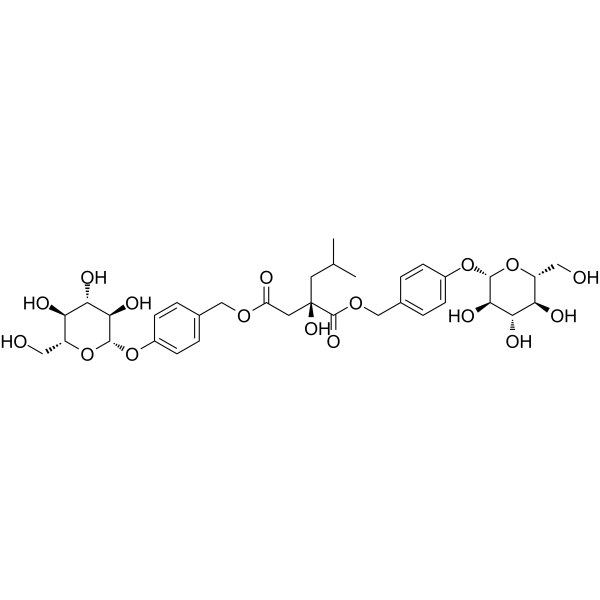
    Militarine is a plant growth inhibitor and anti-inflammatory agent. Militarine inhibits the elongation of radicles and hypocotyls in seedlings of lettuce, Italian ryegrass and timothy grass. Militarine alleviates PM2.5-induced inflammatory injury and inhibits cell migration in human alveolar epithelial A549 cells by inhibiting the NF-κB signaling pathway, reducing oxidative stress and the release of inflammatory factors. Militarine can be used in studies related to PM2.5-induced pulmonary diseases .
    Militarine
  • HY-136355

    Environmental Pollutants Reactive Oxygen Species (ROS) Fungal SOD Infection Inflammation/Immunology
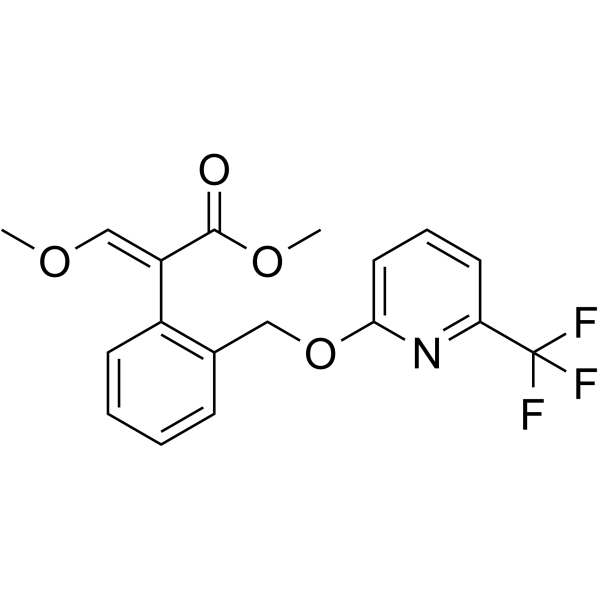
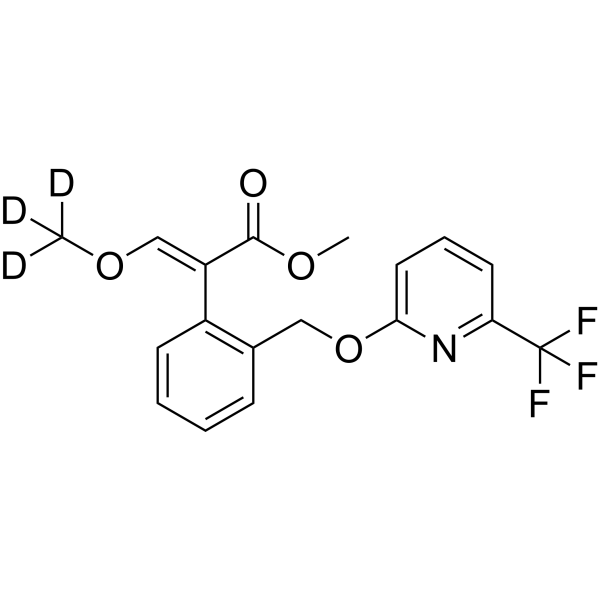
    Picoxystrobin is a strobilurin fungicide. Picoxystrobin controls plant diseases by inhibiting mitochondrial respiration. Picoxystrobin is highly toxic to zebrafish embryos, causing developmental abnormalities, oxidative stress, and immunotoxicity .
    Picoxystrobin
  • HY-113418

    Endogenous Metabolite Cancer
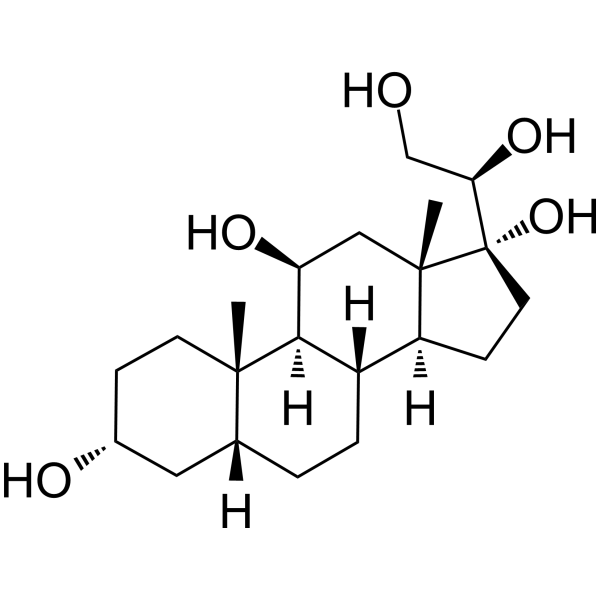
    Beta-Cortol is an O-glycosylated compound and cortisol metabolite. It can be isolated from the leaves of mulberry cultivar Yu 711, and its concentration decreases significantly when the plant is subjected to drought stress. Beta-Cortol serves as a biomarker, as serum Beta-Cortol levels in early non-small cell lung cancer models are downregulated to 1/8 of the preoperative level after tumor resection. Due to such dramatic changes under specific pathological conditions, Beta-Cortol is currently widely used in studies related to early non-small cell lung cancer .
    Beta-Cortol
  • HY-D2864

    Fluorescent Dye Others
    Aza-CyBz is a selective NaCl-responsive fluorescent probe. Aza-CyBz visualizes plant salt stress by forming ordered aggregates with NaCl, leading to near-infrared fluorescence quenching. Aza-CyBz acts via electrostatic interaction between the cationic cyanine dye and NaCl to form J-aggregates, causing fluorescence quenching with a detection limit of 170 μM .
    Aza-CyBz
  • HY-122464A

    (-)-Jasmonic acid

    Drug Derivative Others
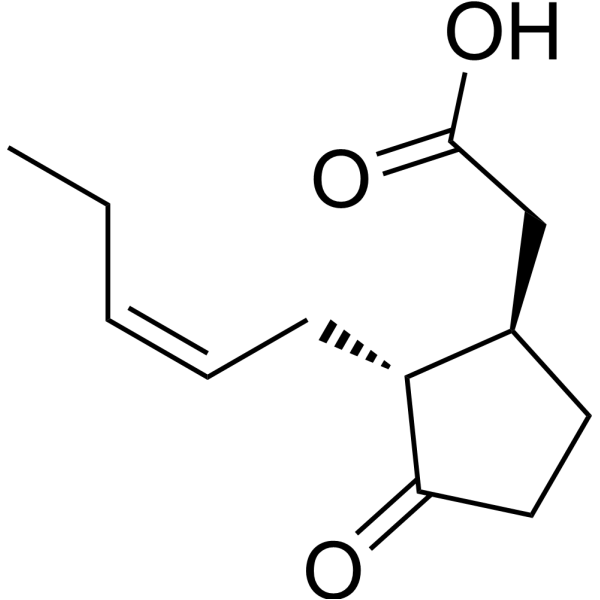
    Jasmonic acid ((-)-Jasmonic acid) is a plant growth regulator and a derivative of Linolenic acid (HY-N0728). Jasmonic acid enhances plant resistance and is widely used as a stress protectant. Jasmonic acid is an endogenous plant hormone and a plant growth inhibitor .
    Jasmonic acid
  • HY-N6911

    (18β,20α)-Glycyrrhizic acid

    Others Metabolic Disease
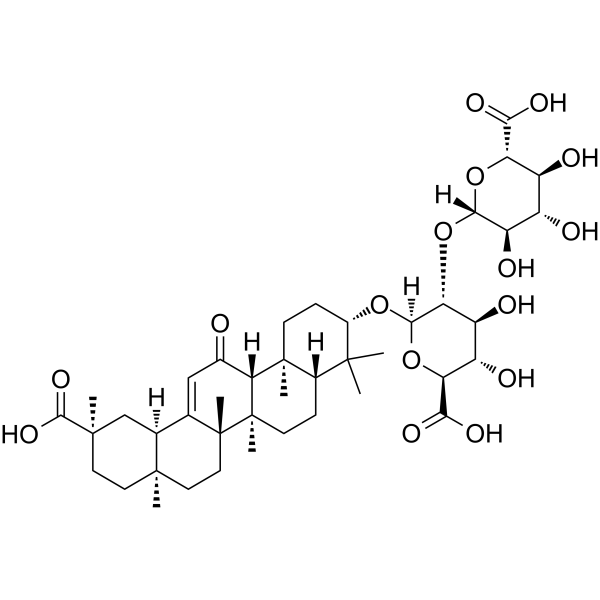
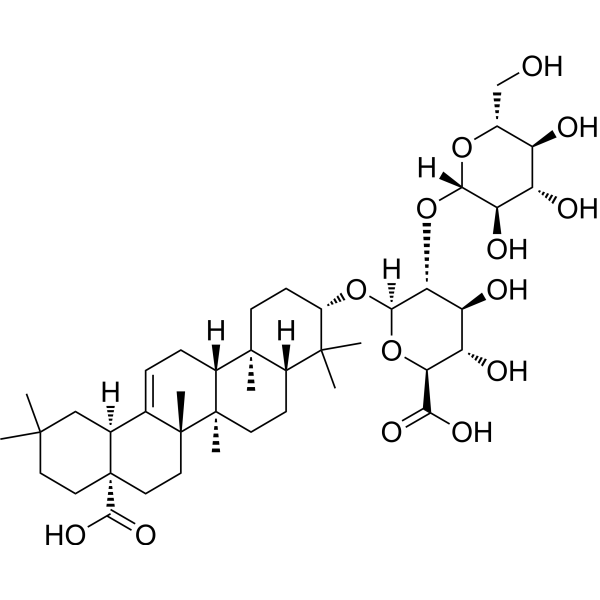
    Liquorice-saponin H2 ((18β,20α)-Glycyrrhizic acid) is a type of triterpenoid oligosaccharide glycoside found in the Glycyrrhiza genus. Liquorice-saponin H2 accumulates more in the roots of licorice plants under salt stress conditions, suggesting that it may play a role in plant stress resistance .
    Licorice-saponin H2
  • HY-117089

    Environmental Pollutants Fungal Infection
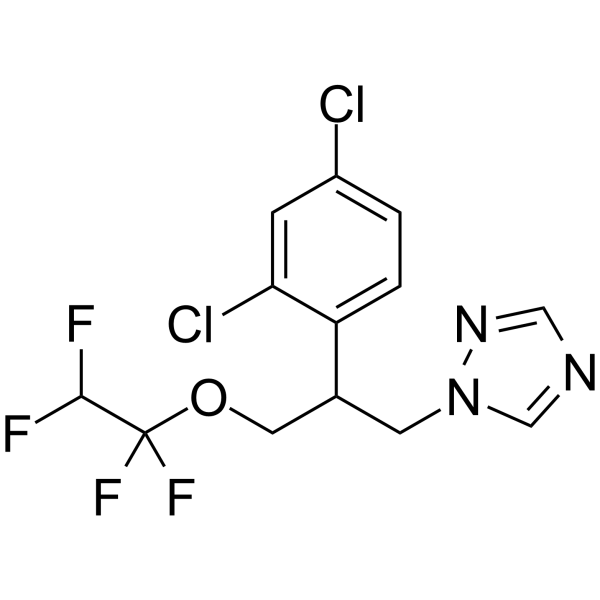
    Tetraconazole is a selective irreversible inhibitor of 14-α-sterol demethylase (CYP51) with antifungal activity. Tetraconazole competitively binds to the enzyme to block fungal ergosterol synthesis, resulting in cell membrane damage. The EC50 of tetraconazole against wheat pathogens is 0.382-0.802 mg/L, and the EC50 against onion root tip meristem cell growth is 6.7 mg/L, and (R)-(+)-Tetraconazole is 1.49-1.98 times more active than (S)-(-)-Tetraconazole. Tetraconazole can also induce oxidative stress and chromosomal aberrations in plant cells .
    Tetraconazole
  • HY-N2026S1

    Propyl parahydroxybenzoate-d4; Propyl 4-hydroxybenzoate-d4

    Isotope-Labeled Compounds Apoptosis Bacterial Estrogen Receptor/ERR Sodium Channel PI3K JNK Akt Cardiovascular Disease Infection Neurological Disease
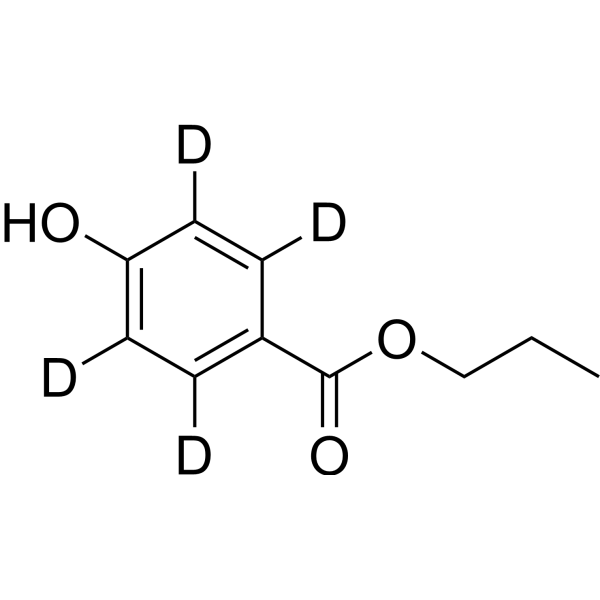
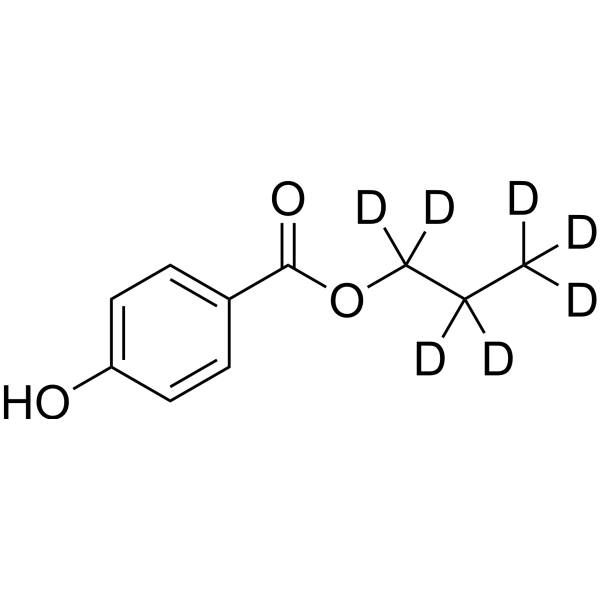
    Propylparaben-d4 (Propyl parahydroxybenzoate-d4) is the deuterium labeled Propylparaben (HY-N2026). Propylparaben (Propyl parahydroxybenzoate) is an antibacterial preservative that can be produced by plants and bacteria. Propylparaben is an orally active weak estrogen receptor agonist. Propylparaben regulates the PI3K-AKT and JNK signaling pathways, and induces oxidative stress. Propylparaben is commonly used in cosmetics, pharmaceuticals and foods, and can be used in studies related to ovarian aging and myocardial ischemia-reperfusion injury .
    Propylparaben-d4
  • HY-116568

    JAU-6476

    Fungal Cytochrome P450 Microtubule/Tubulin Mitochondrial Metabolism DNA/RNA Synthesis Apoptosis Fatty Acid Synthase (FASN) Infection Metabolic Disease Endocrinology
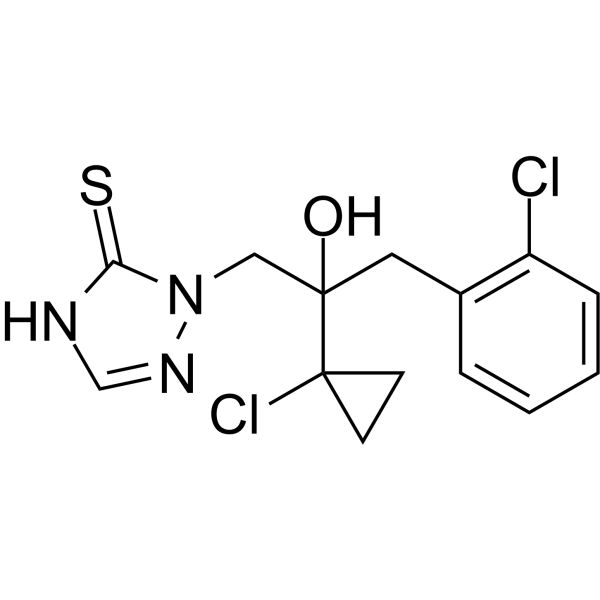
    Prothioconazole is an orally active broad-spectrum fungicide. Prothioconazole weakly inhibits CaCYP51 activity in Candida albicans, with an apparent IC50 of approximately 120 μM. Prothioconazole disrupts Microtubule stability by reducing the acetylation level of α-tubulin. Prothioconazole induces Mitochondrial dysfunction, oxidative stress, DNA damage, and Apoptosis. Prothioconazole accumulates 14-methylated sterols and depletes ergosterol in cells, culture media, plants, and animals. Prothioconazole interferes with pyruvate metabolism and glycolysis/gluconeogenesis processes in mouse liver, downregulates Fasn mRNA expression, and induces hepatotoxicity and renal metabolic disorders. Prothioconazole reduces the fertility of female mice. Prothioconazole inhibits body weight gain and increases liver/kidney indices in mice. Prothioconazole can be used in studies related to candidiasis .
    Prothioconazole
  • HY-W041831

    Ethanedioic acid ammonium

    Environmental Pollutants Biochemical Assay Reagents Others
    Oxalic acid (ammonium) is a oxalic acid bound to ammonium. Oxalic acid has high acidity, reducibility, and chelation ability. Oxalic acid plays important roles in the regulation of plant growth and development, the response to both biotic and abiotic stresses such as plant defense and heavy metals detoxification, and food quality .
    Oxalic acid ammonium
  • HY-N0325S4

    Parasite Cancer
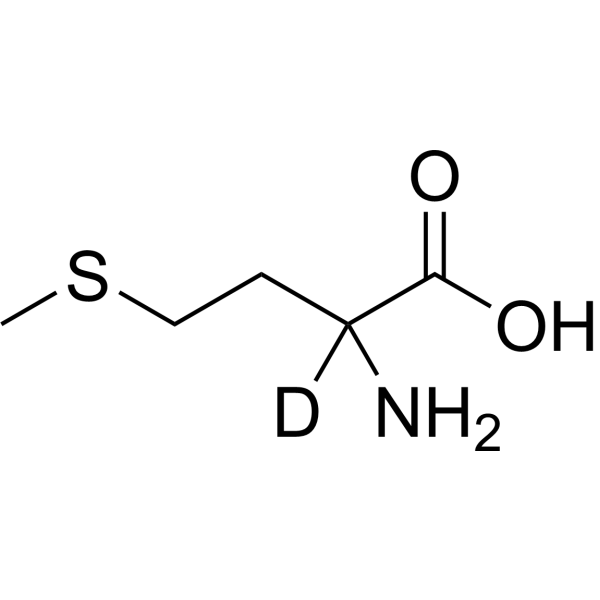
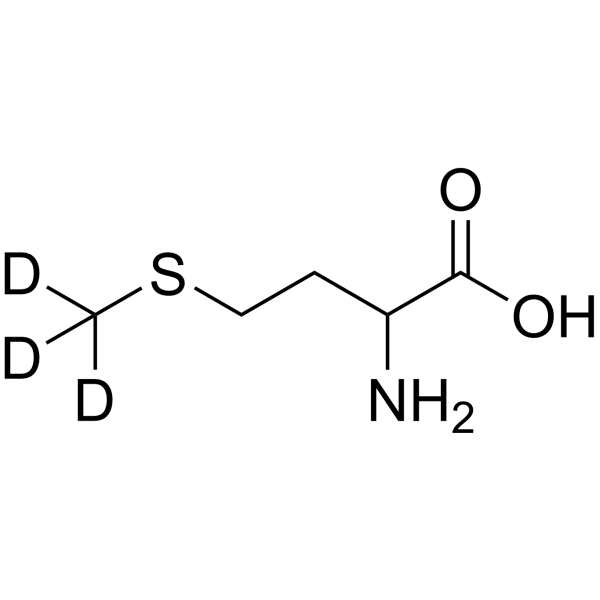
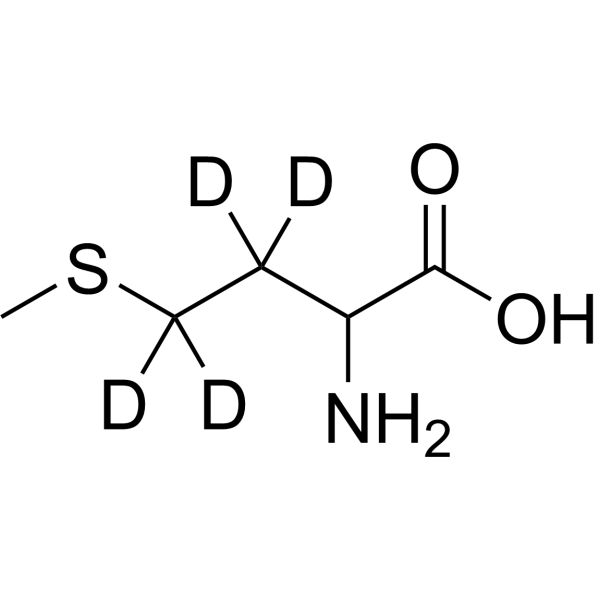
    DL-Methionine-d4 is the deuterium labeled DL-Methionine. DL-Methionine is an essential amino acid containing sulfur with oxidative stress defense effects. DL-Methionine can be used for animal natural feed. DL-Methionine also kills H. rostochiensis on potato plants .
    DL-Methionine-d4
  • HY-N0293R

    Peoniflorin (Standard)

    Reference Standards HSP Infection Neurological Disease Cancer
    Paeoniflorin (Standard) is the analytical standard of Paeoniflorin. This product is intended for research and analytical applications. Paeoniflorin is a heat shock protein-inducing compound and commonly exists in the plants of Paeoniaceae family, with various biological activities, including anticancer activity, anti-inflammatory activity, enhancing cognition and attenuating learning impairment, anti-oxidative stress, antiplatelet aggregation, expansion of blood vessels, and reducing blood viscosity .
    Paeoniflorin (Standard)
  • HY-N2026A
    Propylparaben sodium
    1 Publications Verification

    Propyl parahydroxybenzoate sodium; Propyl 4-hydroxybenzoate sodium

    Estrogen Receptor/ERR Bacterial Sodium Channel PI3K JNK Akt Apoptosis Cardiovascular Disease Infection Neurological Disease
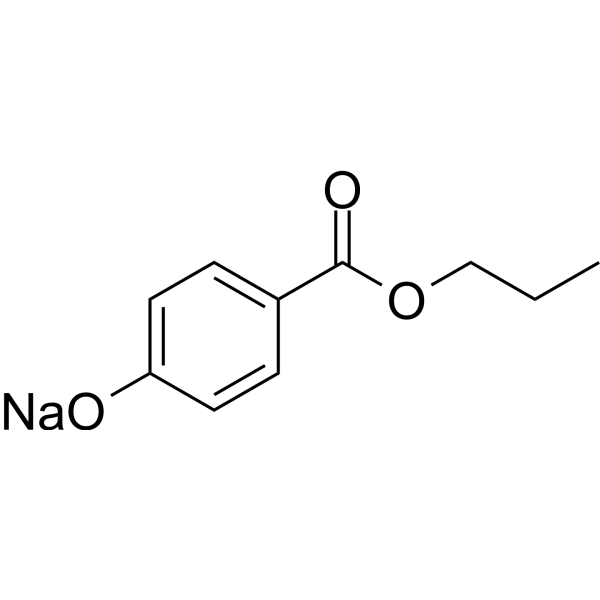
    Propylparaben (Propyl parahydroxybenzoate) sodium is an antibacterial preservative that can be produced by plants and bacteria. Propylparaben sodium is an orally active weak estrogen receptor agonist. Propylparaben sodium regulates the PI3K-AKT and JNK signaling pathways, and induces oxidative stress. Propylparaben sodium is commonly used in cosmetics, pharmaceuticals and foods, and can be used in studies related to ovarian aging and myocardial ischemia-reperfusion injury .
    Propylparaben sodium
  • HY-B0710R

    Trimethylglycine (Standard); carboxy-N,N,N-trimethylmethanaminium (Standard)

    Endogenous Metabolite Reference Standards Metabolic Disease
    Betaine (Standard) is the analytical standard of Betaine. This product is intended for research and analytical applications. Betaine (Trimethylglycine) is a natural compound found in many foods and also an active methyl-donor which can maintain normal DNA methylation patterns [1,2]. Betaine is found ubiquitously in plants, animals, microorganisms, and rich dietary sources including seafood, spinach, and wheat bran. Betaine also acts as an osmolyte, to maintain the avian’s cellular water and ion balance to improve the avian’s capacity against heat stress via preventing dehydration and osmotic inactivation. It helps in maintaining the protective osmolytic activity, especially in heat-stressed birds. Betaine may promote various intestinal microbes against osmotic variations and thus improve microbial fermentation activity .
    Betaine (Standard)
  • HY-N1964A

    Drug Derivative Metabolic Disease
    Gibberellic acid, suitable for plant cell culture (GA3, suitable for plant cell culture) is a natural plant growth regulator with oral bioactivity. Gibberellic acid, suitable for plant cell culture governs multiple plant developmental events, including seed germination, cell elongation, floral organ formation, and rice spikelet fertility. Gibberellic acid, suitable for plant cell culture optimizes root morphology and secondary metabolite production in Echinacea purpurea hairy roots, and serves as a bioactive seed priming agent to improve chilling stress tolerance in chickpea. Gibberellic acid, suitable for plant cell culture mediates modulation of enzyme activity and secondary metabolism in plants and exerts tissue-specific regulatory effects on antioxidant systems and lipid peroxidation in rats. Gibberellic acid, suitable for plant cell culture can be used in studies of plant growth, metabolism, and abiotic stress responses .
    Gibberellic acid, suitable for plant cell culture
  • HY-N0848R

    24-Epibrassinolide (Standard); B1105 (Standard); BP55 (Standard)

    Reference Standards Apoptosis Cancer
    Epibrassinolide (Standard) is the analytical standard of Epibrassinolide. This product is intended for research and analytical applications. Epibrassinolide (24-Epibrassinolide) is a ubiquitously occurring plant growth hormone which shows great potential to alleviate heavy metals and pesticide stress in plants[1]. Epibrassinolide is a potential apoptotic inducer in various cancer cells without affecting the non-tumor cell growth[2].
    Epibrassinolide (Standard)
  • HY-E70425

    Glycosyltransferase Metabolic Disease
    Sucrose synthase belongs to glycosyltransferases and is a reversible catalyst present in plants, which catalyzes the conversion of sucrose into fructose and UDP-G or ADP-G. Sucrose synthase localizes to the cytoplasm, plasma membrane, cell wall, vacuole and mitochondria of plants. Sucrose synthase regulates sugar metabolism, supports the development of taproots, fruits, seeds and vascular tissues, drives the synthesis of starch, cellulose and callose, and enhances nitrogen fixation capacity. Sucrose synthase mediates signal transduction in plant meristems. Sucrose synthase is associated with plant growth, anaerobic stress tolerance, as well as shoot apical meristem and leaf morphology; overexpression of this enzyme promotes plant growth, increases xylem size, and elevates cellulose and starch contents .
    Sucrose synthase
  • HY-N7270

    Others Inflammation/Immunology
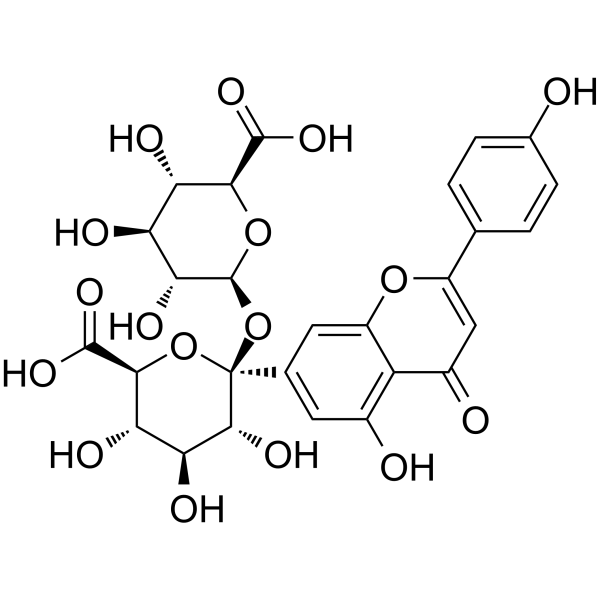
    Apigenin-7-diglucuronide is a flavonoid glycoside and is present in an assortment of medicinal plants with anti-inflammatory or ant-oxidant activities. Apigenin-7-diglucuronide protects retinas against bright light-induced photoreceptor degeneration through the inhibition of retinal oxidative stress and inflammation .
    Apigenin-7-diglucuronide
  • HY-135258

    Galectin Fungal Others
    Galactinol dihydrate is a disaccharide carbohydrate serving as a galactosyl donor, which belongs to the raffinose family oligosaccharide pathway and acts as an important osmoprotectant. Galactinol dihydrate not only induces disease resistance in plants against fungal and bacterial pathogens, but also significantly enhances plant tolerance to abiotic stresses such as drought, high salinity, low temperature and oxidative damage. In addition, Galactinol dihydrate has the ability to scavenge hydroxyl radicals, can act as a signaling component for root colonization-induced systemic resistance, and is positively correlated with seed longevity in various crops, making it a potential biomarker for evaluating seed vigor. Therefore, Galactinol dihydrate can be used in the research of various plant diseases including fungal leaf spot, bacterial angular leaf spot, gray mold and soft rot .
    Galactinol dihydrate
  • HY-W013507R

    Reference Standards NF-κB Reactive Oxygen Species (ROS) Glutathione Peroxidase Phytohormone Apoptosis Neurological Disease Inflammation/Immunology Cancer
    (rac)-Methyl jasmonate (Standard) is the analytical standard of Methyl jasmonate. This product is intended for research and analytical applications. (rac)-Methyl jasmonate is the racemate of Methyl jasmonate (HY-135663). Methyl jasmonate is a phytohormone that regulates the defense response of plants under biotic and biotic stress through jasmonate signaling pathway. Methyl jasmonate inhibits the activation of NF-κB signaling pathway. Methyl jasmonate can promote the mitochondrial ROS production, but also scavenges free radicals and reduces the oxidative stress. Methyl jasmonate exhibits anti-inflammatory, antitumor, anticonvulsant, antinociceptive and sedative activities .
    (rac)-Methyl jasmonate (Standard)
  • HY-B2007

    Environmental Pollutants Acetyl-CoA Carboxylase Herbicide Metabolic Disease Inflammation/Immunology
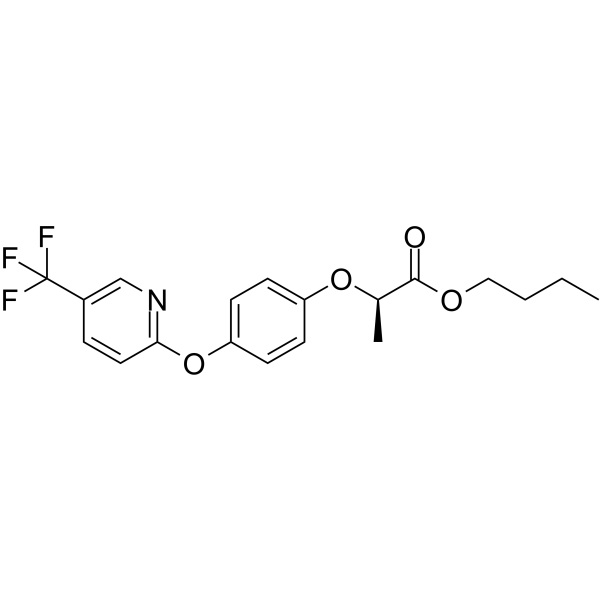
    Fluazifop-P-butyl is an orally active herbicide and ACCase inhibitor. Fluazifop-P-butyl blocks the formation of malonyl-CoA, disrupts lipid synthesis in sensitive plants, and exhibits concentration-dependent phytotoxicity to non-target maize seedlings. Fluazifop-P-butyl induces oxidative stress in male Wistar rats, impairs their liver and kidney functions, and disrupts testicular function .
    Fluazifop-P-butyl
  • HY-B1235R

    N-Hydroxyacetamide (Standard)

    Reference Standards Bacterial HIV Infection Inflammation/Immunology
    Acetohydroxamic acid (Standard) is the analytical standard of Acetohydroxamic acid. This product is intended for research and analytical applications. Acetohydroxamic acid is the inhibitor for bacterial and plant urease that can be used for chronic urinary tract infections. Acetohydroxamic acid selectively inhibits arachidonic acid 5-lipoxygenase that is useful in the research of asthma. Acetohydroxamic acid inhibits the formation of advanced glycation end products, and reduces oxidative stress and inflammatory responses. Acetohydroxamic acid exhibits antiviral activity against HIV .
    Acetohydroxamic acid (Standard)
  • HY-B0710S

    Trimethylglycine-13C3; Carboxy-N,N,N-trimethylmethanaminium-13C3

    Isotope-Labeled Compounds Metabolic Disease
    Betaine- 13C3 (Trimethylglycine- 13C3) is the 13C labeled isotope of Betaine (HY-B0710). Betaine (Trimethylglycine) is a natural compound found in many foods and also an active methyl-donor which can maintain normal DNA methylation patterns [1,2]. Betaine is found ubiquitously in plants, animals, microorganisms, and rich dietary sources including seafood, spinach, and wheat bran. Betaine also acts as an osmolyte, to maintain the avian’s cellular water and ion balance to improve the avian’s capacity against heat stress via preventing dehydration and osmotic inactivation. It helps in maintaining the protective osmolytic activity, especially in heat-stressed birds. Betaine may promote various intestinal microbes against osmotic variations and thus improve microbial fermentation activity .
    Betaine-13C3
  • HY-N2026R

    Propyl parahydroxybenzoate (Standard); Propyl 4-hydroxybenzoate (Standard)

    Reference Standards Bacterial Apoptosis Estrogen Receptor/ERR Sodium Channel PI3K JNK Akt Cardiovascular Disease Infection Neurological Disease
    Propylparaben (Propyl parahydroxybenzoate) (Standard) is the analytical standard of Propylparaben (HY-N2026). Propylparaben (Propyl parahydroxybenzoate) is an antibacterial preservative that can be produced by plants and bacteria. Propylparaben is an orally active weak estrogen receptor agonist. Propylparaben regulates the PI3K-AKT and JNK signaling pathways, and induces oxidative stress. Propylparaben is commonly used in cosmetics, pharmaceuticals and foods, and can be used in studies related to ovarian aging and myocardial ischemia-reperfusion injury .
    Propylparaben (Standard)
  • HY-N7719R

    Endogenous Metabolite Reference Standards Bacterial Fungal Parasite Apoptosis Reactive Oxygen Species (ROS) Caspase HSV Infection Inflammation/Immunology Cancer
    Oosporein (Standard) is the analytical standard of Oosporein (HY-N7719). This product is intended for research and analytical applications. Oosporein is a microbial metabolite and a red crystalline toxin produced by various fungi. Oosporein can promote the reproduction of fungi in host bodies by inhibiting insect immunity, and possesses multiple activities such as antibacterial, antiviral (HSV), and insecticidal effects. Oosporein can inhibit plant growth. In addition, Oosporein can also induce apoptosis, cell membrane damage, oxidative stress, and mitochondrial damage. Oosporein has certain antitumor activity .
    Oosporein (Standard)

Inquiry Online

Your information is safe with us. * Required Fields.

Salutation


Country or Region *

Applicant Name *


Organization Name *

Department *


Email Address *


Product Name *

Cat. No.


Requested quantity *

Phone Number *


Remarks

Inquiry Online

Inquiry Information

Product Name:
Cat. No.:
Quantity:
MCE Japan Authorized Agent: