Search Result
Results for "
quercetin 3-O-α-(2''-galloylarabinofuranoside)
" in MedChemExpress (MCE) Product Catalog:
1
Biochemical Assay Reagents
5
Isotope-Labeled Compounds
| Cat. No. |
Product Name |
Target |
Research Areas |
Chemical Structure |
-
- HY-18085
-
-
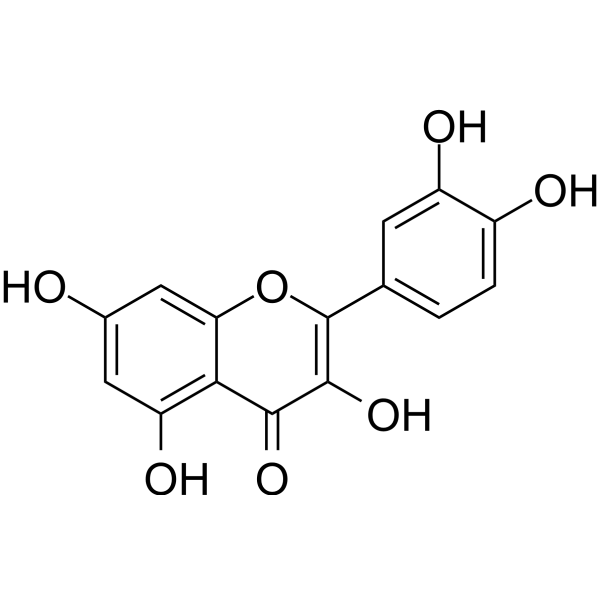
-
- HY-N0148
-
|
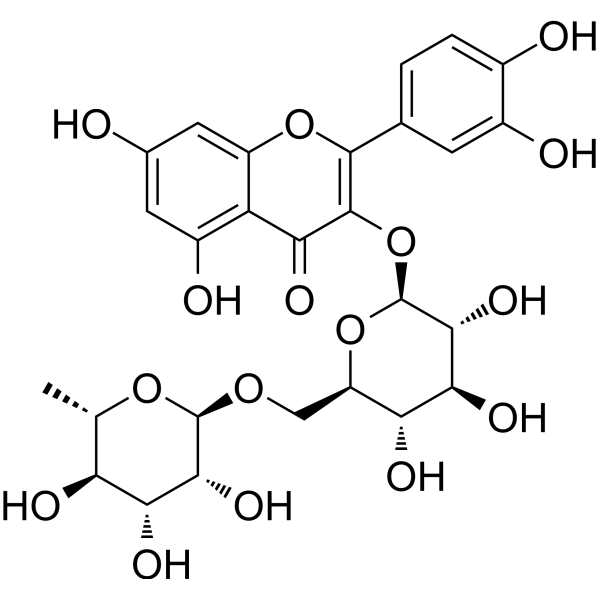
Rutoside; quercetin 3-O-rutinoside
|
Amyloid-β
Autophagy
Apoptosis
Endogenous Metabolite
|
Inflammation/Immunology
Cancer
|
|
Rutin (Rutoside) is a flavonoid found in many plants and shows a wide range of biological activities including anti-inflammatory, antidiabetic, antioxidant, neuroprotective, nephroprotective, hepatoprotective and reducing Aβ oligomer activities. Rutin is also a CBR1 inhibitor, which can cross the blood brain barrier. Rutin attenuates vancomycin-induced renal tubular cell apoptosis via suppression of apoptosis, mitochondrial dysfunction, and oxidative stress .
|
-
-
- HY-N1445
-
|
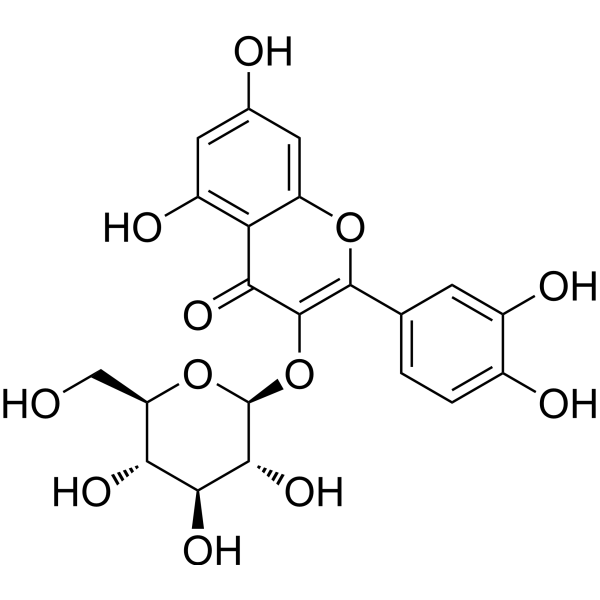
Isoquercetin; quercetin 3-glucoside
|
NF-κB
NO Synthase
|
Inflammation/Immunology
Cancer
|
|
Isoquercetin (Quercetin 3-glucoside) is a naturally occurring polyphenol that has antioxidant, anti-proliferative, and anti-inflammatory properties. Isoquercetin alleviates ethanol-induced hepatotoxicity, oxidative stress, and inflammatory responses via the Nrf2/ARE antioxidant signaling pathway . Isoquercetin regulates the expression of nitric oxide synthase 2 (NO2) via modulating the nuclear factor-κB (NF-κB) transcription regulation system. Isoquercetin has high bioavailability and low toxicity, is a promising candidate agent to prevent birth defects in diabetic pregnancies .
|
-
-
- HY-18085A
-
-
-
- HY-N0418
-
-
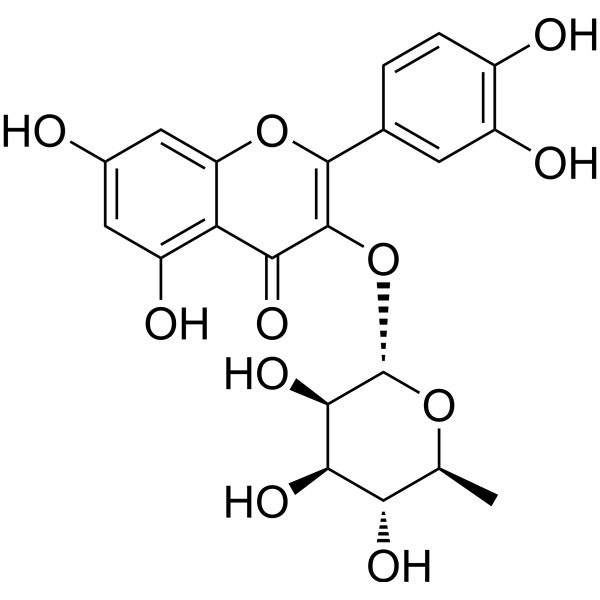
-
- HY-N0452
-
-
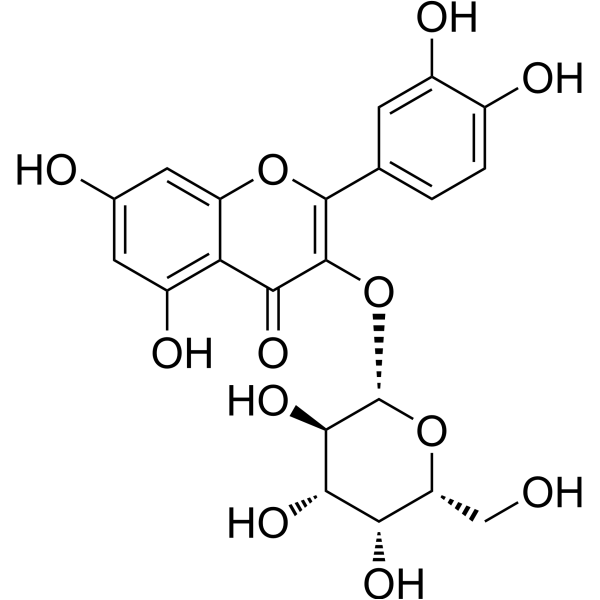
-
- HY-13930
-
|
quercetin 3-O-glucuronide; quercetin 3-glucuronide
|
Endogenous Metabolite
|
Neurological Disease
Cancer
|
|
Miquelianin (Quercetin 3-O-glucuronide) is a metabolite of quercetin and a type of natural flavonoid. Miquelianin is also a CBR1 inhibitor. Miquelianin is permeable to the blood-brain barrier .
|
-
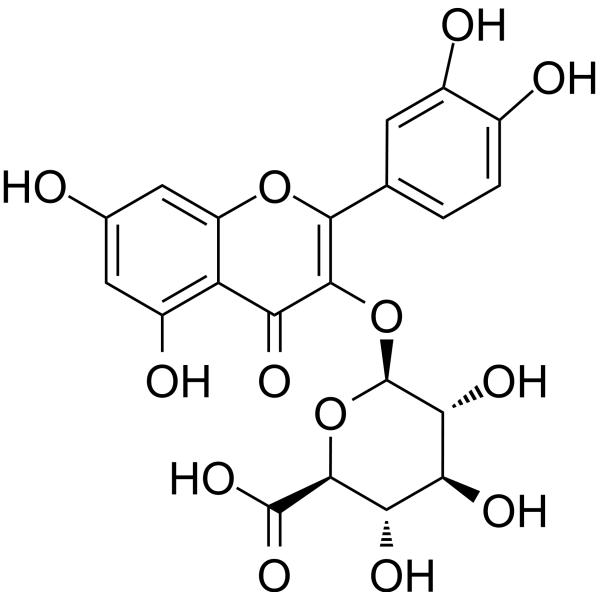
-
- HY-N0148A
-
|
Rutoside hydrate; quercetin 3-O-rutinoside hydrate
|
Amyloid-β
Autophagy
Apoptosis
Endogenous Metabolite
|
Neurological Disease
Cancer
|
|
Rutin (Rutoside) hydrate is a flavonoid found in many plants and shows a wide range of biological activities including anti-inflammatory, antidiabetic, antioxidant, neuroprotective, nephroprotective, hepatoprotective and reducing Aβ oligomer activities. Rutin hydrate can cross the blood brain barrier. Rutin hydrate attenuates vancomycin-induced renal tubular cell apoptosis via suppression of apoptosis, mitochondrial dysfunction, and oxidative stress .
|
-
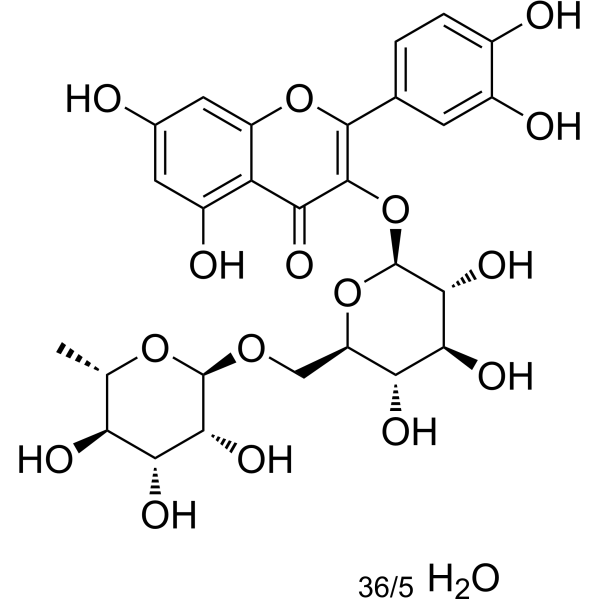
-
- HY-18085R
-
-

-
- HY-N0146
-
|
|
PI3K
Apoptosis
|
Inflammation/Immunology
Cancer
|
|
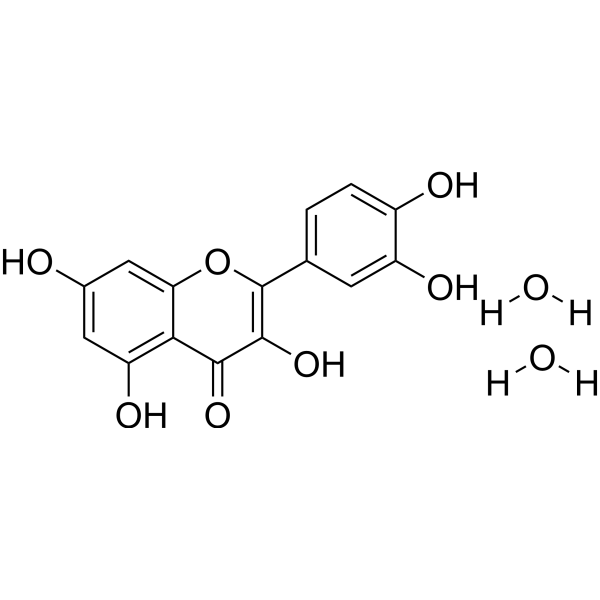
Quercetin dihydrate, a natural flavonoid, is a stimulator of recombinant SIRT1 and a PI3K inhibitor with IC50s of 2.4 μM, 3.0 μM and 5.4 μM for PI3K γ, PI3K δ and PI3K β, respectively .
|
-
-
- HY-N1181
-
-
-
- HY-N2183
-
|
quercetin 3-O-sophoroside
|
SARS-CoV
|
Infection
Neurological Disease
|
|
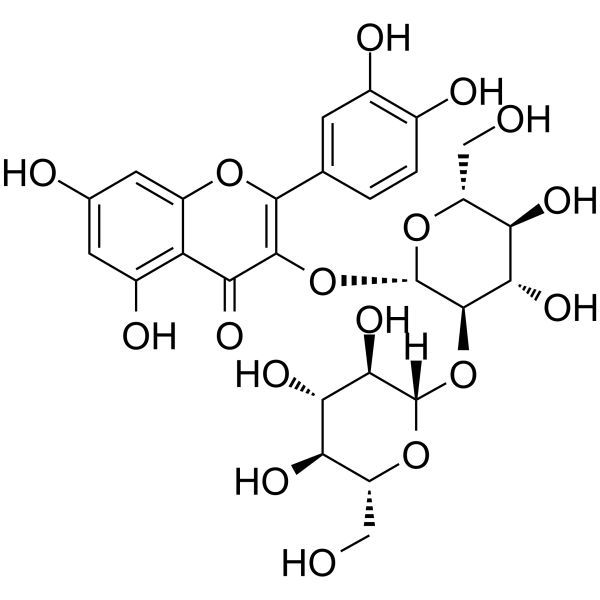
Baimaside (Quercetin 3-O-sophoroside) is a flavonoid cholinergic function modulator that binds to SARS-CoV-2-related targets. Baimaside regulates the expression of cholinergic system-related proteins and acetylcholine levels, improves scopolamine-induced learning and memory impairment, protects hippocampal neurons, inhibits pollen protein fluorescence, and protects pollen DNA. Its biosynthesis is regulated by multiple enzymes. Baimaside is completely absorbed in rats, undergoes phase Ⅱ metabolism and gut microbiota decomposition, and inhibits the invasion and proliferation of SARS-CoV-2 and its variants, making it suitable for research related to Alzheimer's disease and COVID-19 .
|
-
-
- HY-N1968
-
|
quercetin-3-O-beta-D-glucose-7-O-beta-D-gentiobioside
|
Parasite
|
Infection
|
|
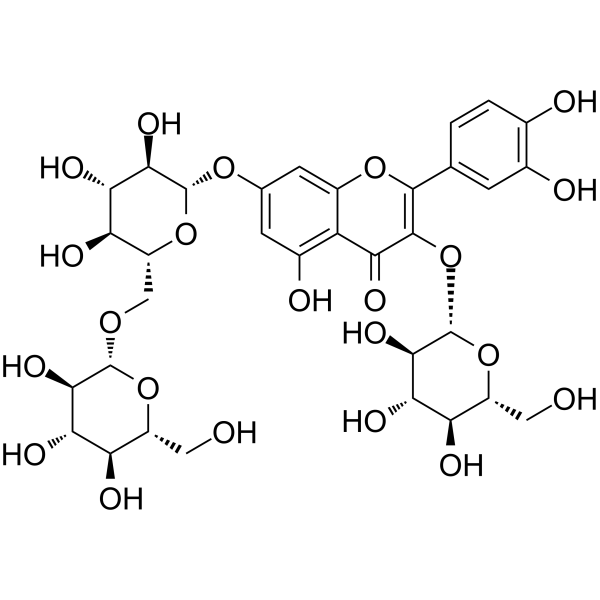
Quercetin-3-O-β-D-glucose-7-O-β-D-gentiobiosiden (Quercetin-3-O-beta-D-glucose-7-O-beta-D-gentiobioside) is a flavonoid compound. In Cylas formicarius, Quercetin-3-O-β-D-glucose-7-O-β-D-gentiobioside can bind to chemosensory proteins such as CforCSP5 (Ki: 1.429 μM) and CforOBP3 (Ki: 3.697 μM), potentially participating in the recognition process of insect host plant volatiles. Quercetin-3-O-β-D-glucose-7-O-β-D-gentiobiosiden is also an inhibitor of Sb28GST (IC50: 0.13 mM) and can be used in the research of anti-schistosome agents .
|
-
-
- HY-N0768
-
-
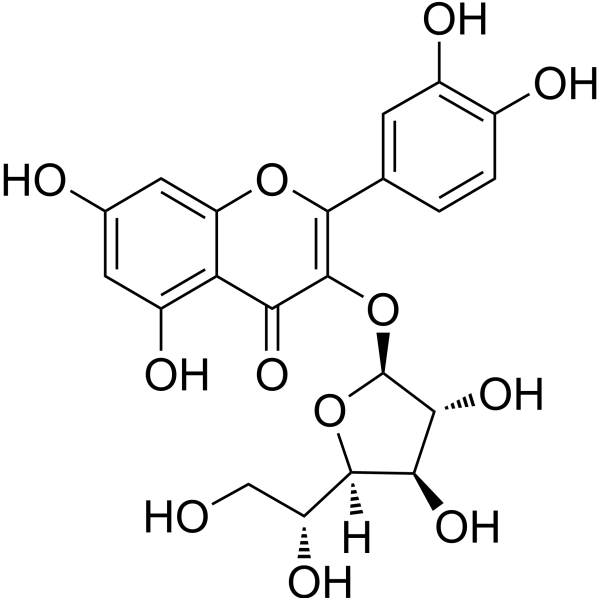
-
- HY-N8253
-
|
quercetin 4′-O-glucoside
|
Reactive Oxygen Species (ROS)
|
Inflammation/Immunology
Cancer
|
|
Spiraeoside, an orally active natural compound, exerts antioxidant activity, inhibits reactive oxygen species (ROS) and malondialdehyde production. Spiraeoside possesses antiallergic, anti-inflammatory and antitumor activities .
|
-
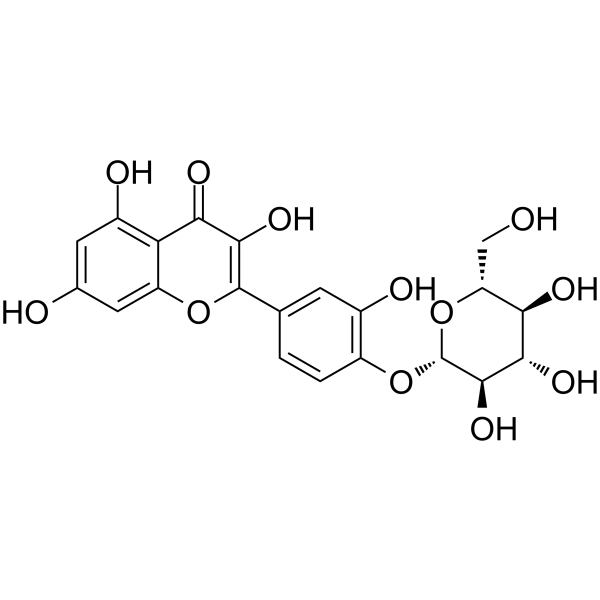
-
- HY-N7036
-
-
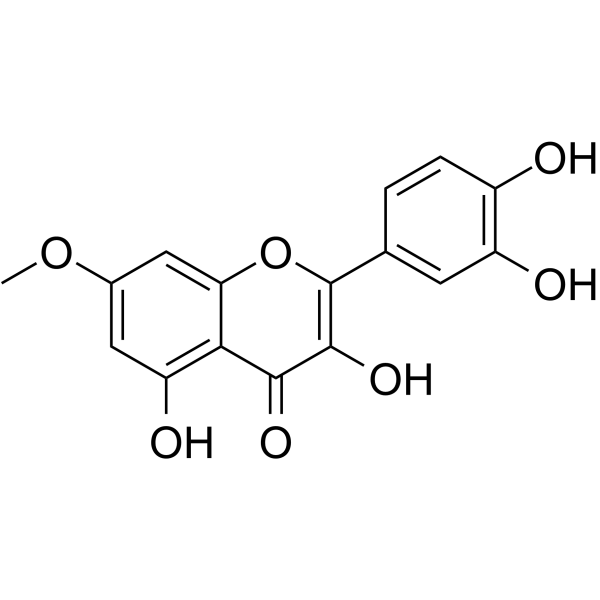
-
- HY-N4089
-
|
|
Aldose Reductase
Cytochrome P450
|
Metabolic Disease
Cancer
|
|
Quercetin 3-gentiobioside is a flavonoid found in Artemisia iwayomogi. Quercetin 3-gentiobioside inhibits aromatase with an Ki of 46.77 nM. Quercetin 3-gentiobioside inhibits aldose reductase (AR) and the formation of advanced glycation end products (AGEs), with IC50 values of 10.60 μM and 109.46 μM, respectively. Quercetin 3-gentiobioside inhibits proliferation of cancer cells and fibroblast-like synoviocytes. Quercetin 3-gentiobioside can be used for the research of cancer, such as lung carcinoma .
|
-
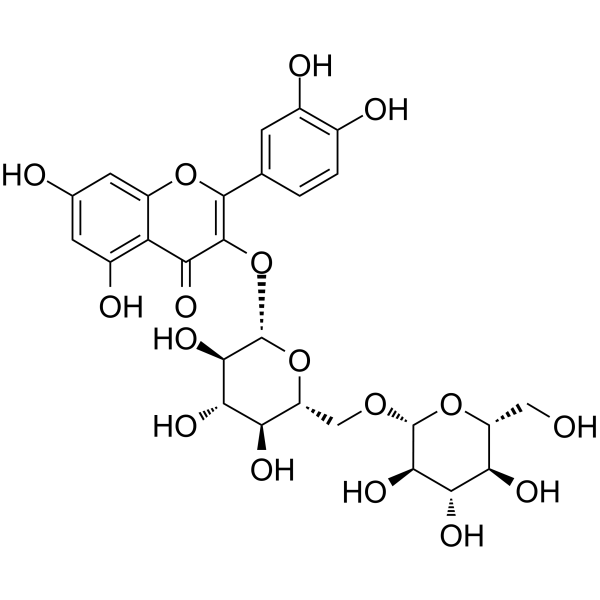
-
- HY-N1354
-
-
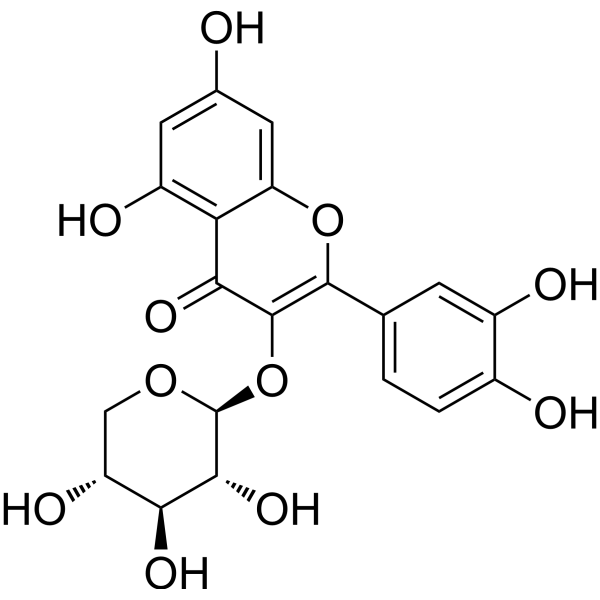
-
- HY-N0419
-
|
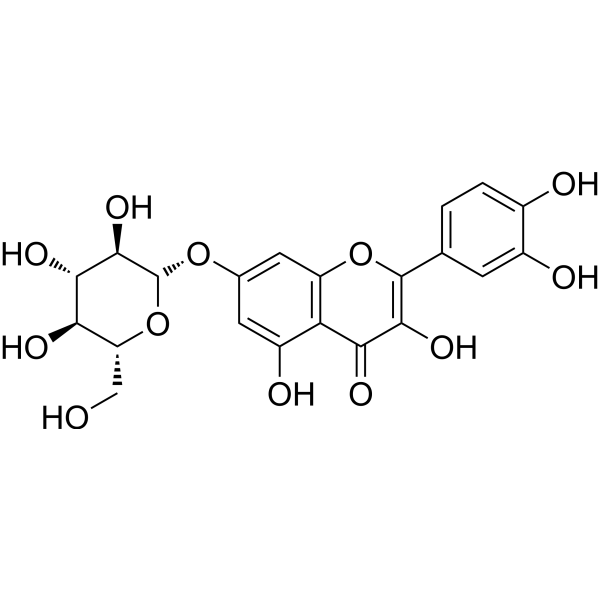
quercetin-7-O-β-D-glucopyranoside
|
Glycosidase
c-Kit
MMP
VEGFR
Aurora Kinase
|
Metabolic Disease
Cancer
|
|
Quercimeritrin (Quercetin-7-O-β-D-glucopyranoside) is an orally active α-glucosidase inhibitor (with an IC50 of 79.88 μM against the Saccharomyces cerevisiae enzyme) and a P-gp substrate, with anti-angiogenic and antioxidant activities. Quercimeritrin does not cross the blood-brain barrier and does not inhibit cytochrome P450 enzymes. Quercimeritrin precisely binds to and inhibits the active sites of c-Kit, MMP-2, Aurora-A kinases and α-glucosidase, thereby disrupting target functions. Quercimeritrin effectively regulates postprandial blood glucose and also exhibits significant anti-angiogenic activity, which inhibits endothelial cell proliferation and microvascular growth. Quercimeritrin can be used in the research of diabetes and breast cancer .
|
-
-
- HY-N8028
-
|
|
Others
|
Cancer
|
|
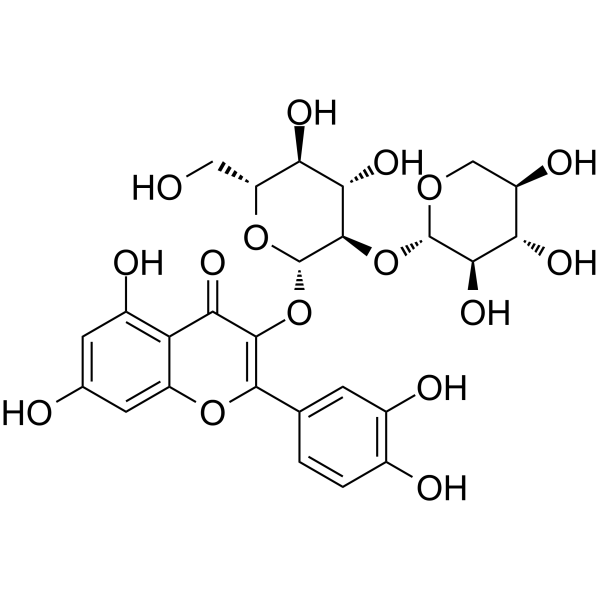
Quercetin-3-O-sambubioside is a monomeric compound found in Eucommia ulmoides male flowers. Quercetin-3-O-sambubioside promotes the stimulation of the nerve center. Antioxidant and anticancer activities .
|
-
-
- HY-N12445
-
|
|
Topoisomerase
Caspase
Apoptosis
SOD
|
Metabolic Disease
Inflammation/Immunology
Cancer
|
|
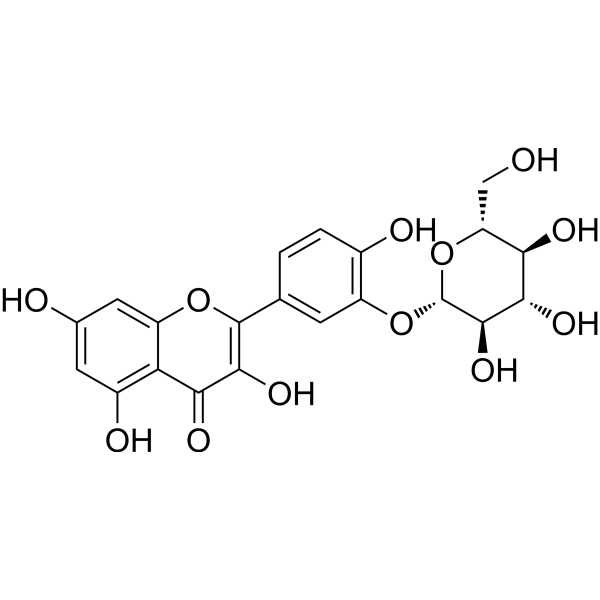
Quercetin-3'-O-glucoside is an orally active flavonoid glycoside. Quercetin-3'-O-glucoside reduces liver glucose-6-phosphatase activity, alters serum insulin and glucose levels, and regulates the activities of antioxidant enzymes in the liver and kidney. Quercetin-3'-O-glucoside inhibits DNA topoisomerase II, induces S-phase cell cycle arrest and caspase-3-mediated apoptosis in hepatocellular carcinoma cells. Quercetin-3'-O-glucoside selectively inhibits EGFR-mediated signaling pathways targeting AKT, ERK1/2, FAK and MEK1/2. Quercetin-3'-O-glucoside inhibits growth factor-induced migration and invasion in pancreatic cancer cells. Quercetin-3'-O-glucoside exerts free radical scavenging effects. Quercetin-3'-O-glucoside is applicable to research related to pancreatic cancer, diabetes, hepatocellular carcinoma and malignant tumors .
|
-
-
- HY-18085G
-
-
-
- HY-N7976
-
|
|
NO Synthase
|
Inflammation/Immunology
|
|
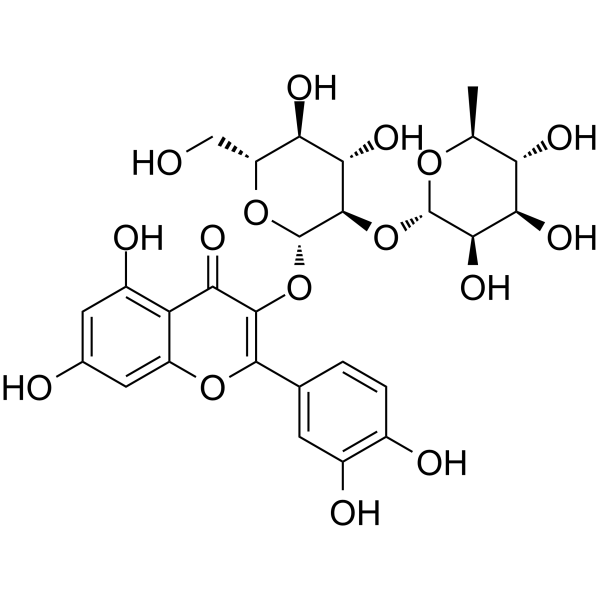
Quercetin 3-O-neohesperidoside is a flavonol diglycoside with NO production inhibitory activity and anti-inflammatory activity. Quercetin 3-O-neohesperidoside targets activated macrophages to block NO production, with an IC50 of 55 μM. Quercetin 3-O-neohesperidoside can be used in the research of inflammatory diseases .
|
-
-
- HY-18085S1
-
-
-
- HY-N7905
-
|
|
Others
|
Inflammation/Immunology
|
|
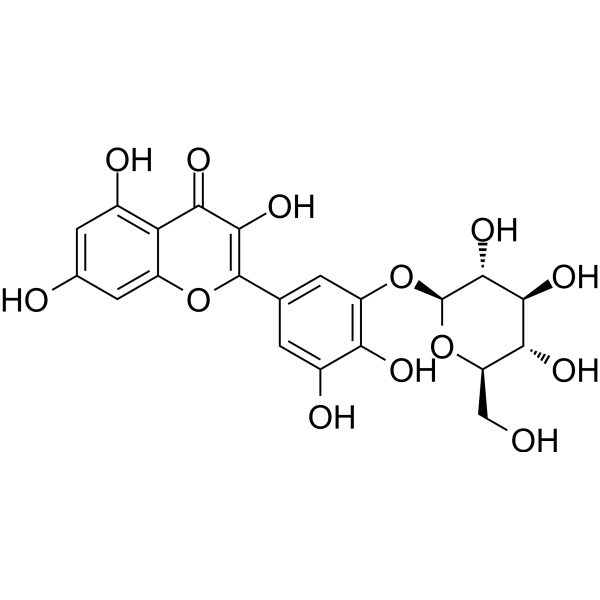
Myricetin 3'-glucoside is a glycoside derivative of quercetin. Myricetin 3'-glucoside significantly prevents ethanol-induced hepatotoxicity by reducing hepatic transaminase activity and inflammatory response in HepG2 cells. Myricetin 3'-glucoside has a certain protective effect on alcohol-induced liver injury .
|
-
-
- HY-N9397
-
|
|
Others
|
Metabolic Disease
|
|
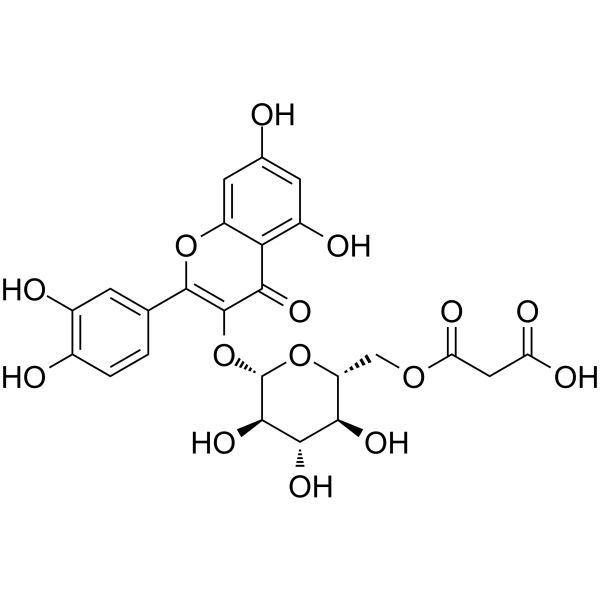
Quercetin 3-O-(6''-O-malonyl)-β-D-glucoside is a flavonol glycoside. Quercetin 3-O-(6''-O-malonyl)-β-D-glucoside possesses antioxidant activity .
|
-
-
- HY-N7641
-
|
quercetin 3′,4′,7-trimethyl ether
|
P-glycoprotein
|
Cancer
|
|
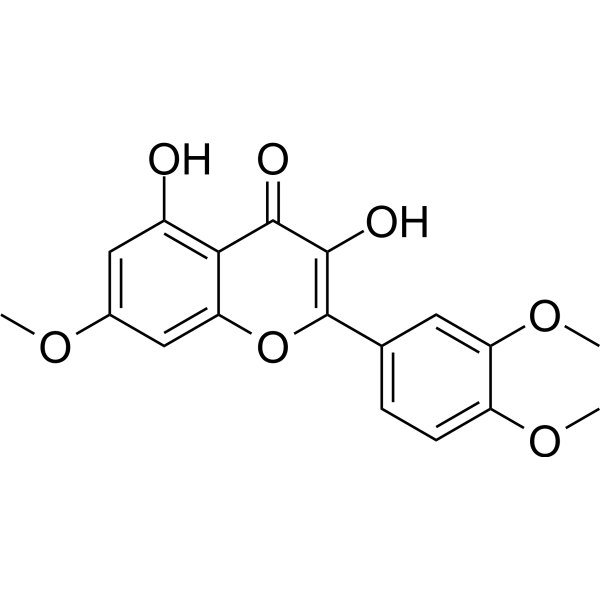
3',4',7-Trimethoxyquercetin (Quercetin 3′,4′,7-trimethyl ether) is a polymethoxyflavonoid that can be isolated from Taraxacum mongolicum. 3',4',7-Trimethoxyquercetin is also a derivative of Quercetin hydrate (HY-18085A). 3',4',7-Trimethoxyquercetin has anti-tumor activity .
|
-
-
- HY-N6964
-
|
quercetin-3-O-[2-O-(6-O-p-hydroxyl-E-coumaroyl)-D-glucosyl]-(1→2)-L-rhamnoside
|
Drug Derivative
|
Inflammation/Immunology
|
|
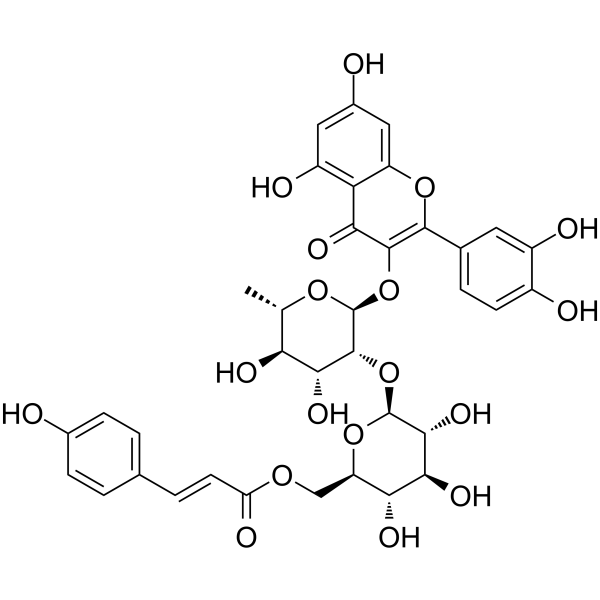
Quercetin 3-O-β-D-(6''-p-coumaroyl) glucopyranosyl (1→2)-α-L-rhamnopyranoside (Quercetin-3-O-[2-O-(6-O-p-hydroxyl-E-coumaroyl)-D-glucosyl]-(1→2)-L-rhamnoside) is a flavonoid glycoside present in Ginkgo biloba leaves, with antioxidant activity. Quercetin 3-O-β-D-(6''-p-coumaroyl) glucopyranosyl (1→2)-α-L-rhamnopyranoside serves as the major antioxidant component in Shuxuening Injection .
|
-
-
- HY-N7989
-
|
Tellimoside
|
Others
|
Others
|
|
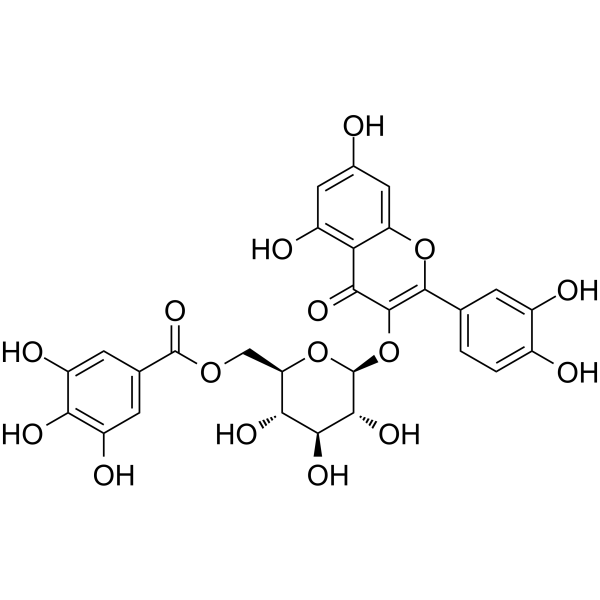
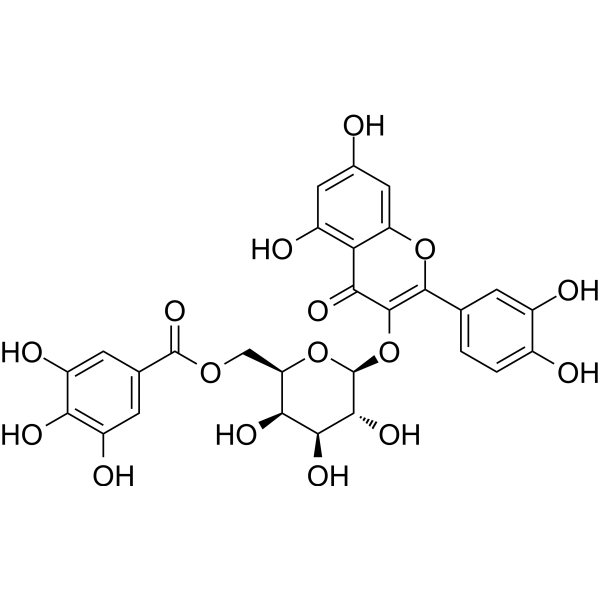
Quercetin 3-O-(6''-O-galloyl)-β-D-glucoside (Tellimoside) is a flavonol glycoside with strong inhibitory activity against the growth of Microcystis aeruginosa .
|
-
-
- HY-N10407
-
|
|
Drug Derivative
|
Others
|
|
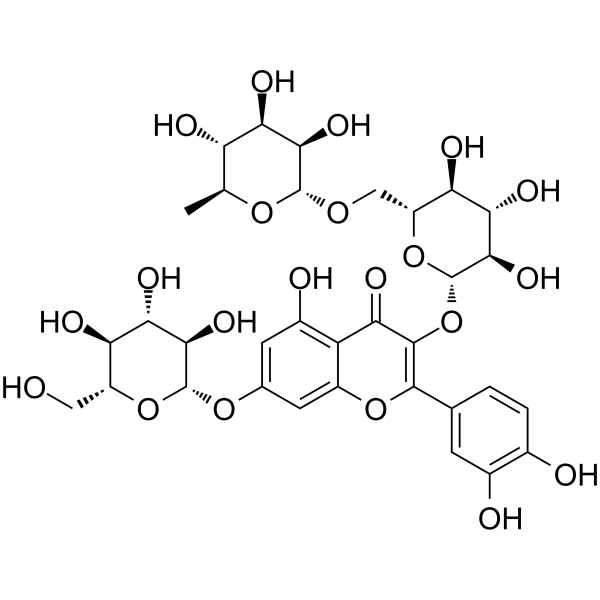
Quercetin 3-O-rutinoside-7-O-glucoside is a flavonol glycoside and a derivative of Quercetin (HY-18085). Quercetin 3-O-rutinoside-7-O-glucoside can be isolated from the leaves and fruits of Korean Morus alba L. as well as the leaves of Hemerocallis fulva. Quercetin 3-O-rutinoside-7-O-glucoside inhibits lipid peroxidation in large unilamellar vesicles in vitro. Quercetin 3-O-rutinoside-7-O-glucoside possesses antioxidant activity .
|
-
-
- HY-N7607
-
|
|
Reactive Oxygen Species (ROS)
|
Cardiovascular Disease
|
|
Quercetin-3-O-D-glucosyl]-(1-2)-L-rhamnoside is a flavonoid glycoside with antioxidant activity and free radical scavenging activity. Quercetin-3-O-D-glucosyl]-(1-2)-L-rhamnoside can scavenge free radicals such as ABTS+ and can be used in the study of antioxidant-related diseases (such as cardiovascular diseases and neurodegenerative diseases) .
|
-
![Quercetin-3-O-D-glucosyl]-(1-2)-L-rhamnoside](//file.medchemexpress.com/product_pic/hy-n7607.gif)
-
- HY-N7024
-
|
|
Others
|
Metabolic Disease
|
|
Quercetin 3-O-(6''-galloyl)-β-D-galactopyranoside is from the fresh leaves of Psidium Guajava L. .
|
-
-
- HY-N6829
-
|
quercetin-3,3',4',7-tetramethylether
|
Tyrosinase
Fungal
SARS-CoV
Apoptosis
Reactive Oxygen Species (ROS)
|
Infection
Neurological Disease
Metabolic Disease
Inflammation/Immunology
|
|
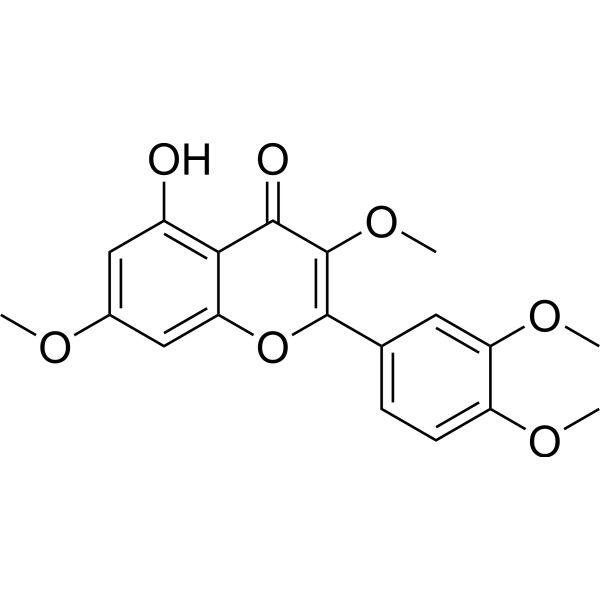
Retusin (Quercetin-3,3',4',7-tetramethylether) is a tyrosinase inhibitor, with IC50 values of 50.9 μM and 51.8 μM against mushroom and intracellular tyrosinase, respectively. Retusin also acts as a free radical scavenger, melanogenesis inhibitor, anti-apoptosis agent, neuroprotective agent, antiemetic, antifungal agent, and antiviral agent. Retusin scavenges ABTS• + and DPPH• free radicals. Retusin can be used in studies related to hyperpigmentation, vomiting, Aspergillus niger infection, and COVID-19 infection .
|
-
-
- HY-N1445R
-
|
Isoquercetin (Standard); quercetin 3-glucoside (Standard)
|
Reference Standards
NF-κB
NO Synthase
|
Inflammation/Immunology
Cancer
|
|
Isoquercetin (Standard) is the analytical standard of Isoquercetin. This product is intended for research and analytical applications. Isoquercetin (Quercetin 3-glucoside) is a naturally occurring polyphenol that has antioxidant, anti-proliferative, and anti-inflammatory properties. Isoquercetin alleviates ethanol-induced hepatotoxicity, oxidative stress, and inflammatory responses via the Nrf2/ARE antioxidant signaling pathway . Isoquercetin regulates the expression of nitric oxide synthase 2 (NO2) via modulating the nuclear factor-κB (NF-κB) transcription regulation system. Isoquercetin has high bioavailability and low toxicity, is a promising candidate agent to prevent birth defects in diabetic pregnancies .
|
-

-
- HY-W778608
-
|
quercetin 7-O-β-glucuronide
|
Drug Metabolite
|
Inflammation/Immunology
|
|
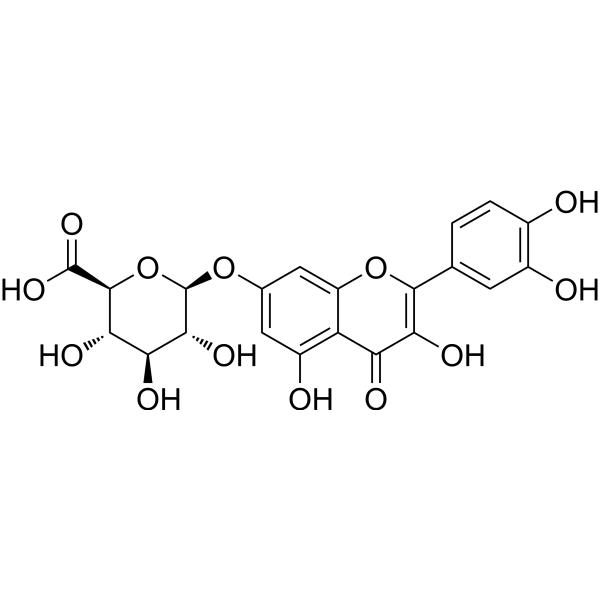
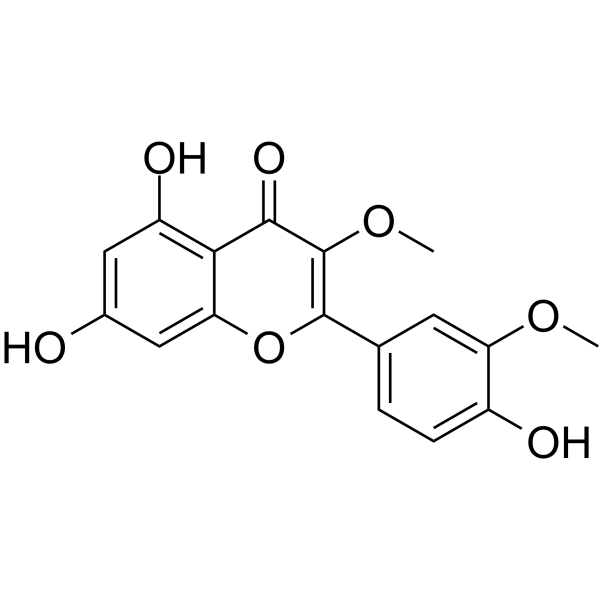
Quercetin 7-glucuronide (Quercetin 7-O-β-glucuronide), a metabolite of Quercetin (HY-18085), can be isolated from Madagascarian Uncarina species. Quercetin 7-glucuronide can inhibit LDL oxidation .
|
-
-
- HY-N0452R
-
|
quercetin 3-O-galactoside (Standard); quercetin 3-O-β-D-galactopyranoside (Standard)
|
Reference Standards
Influenza Virus
Fungal
NF-κB
Apoptosis
|
Infection
Inflammation/Immunology
Cancer
|
|
Hyperoside (Standard) is the analytical standard of Hyperoside. This product is intended for research and analytical applications. Hyperoside is a NF-κB inhibitor, found from Hypericum monogynum. Hyperoside shows anti-tumor, antifungal, anti-inflammatory, anti-viral, and anti-oxidative activities, and can induce apoptosis .
|
-

-
- HY-N13015
-
|
|
Endogenous Metabolite
|
Endocrinology
|
|
Quercetin 5-O-β-D-glucopyranoside is a glycosylated flavonoid metabolite and flavonoid compound. Quercetin 5-O-β-D-glucopyranoside can be produced by microbial transformation of Quercetin (HY-18085) via Mucor hiemalis. Quercetin 5-O-β-D-glucopyranoside can be used in studies related to benign prostatic hyperplasia .
|
-

-
- HY-124512
-
|
Pentaacetylquercetin
|
RSV
|
Infection
Inflammation/Immunology
|
|
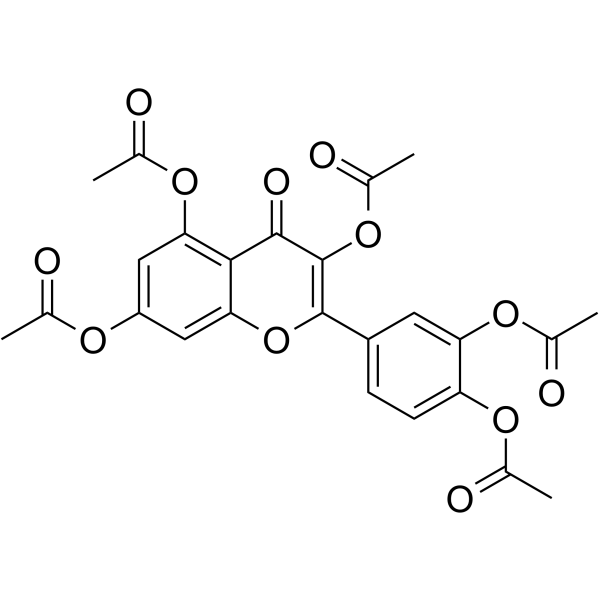
Quercetin pentaacetate could interact with F-protein with lower binding energy and better stability to block viral adhesion. Quercetin pentaacetate interacts with RSV and inhibit the viral adhesion on cell surface .
|
-
-
- HY-W101299
-
|
|
Amino Acid Derivatives
|
Metabolic Disease
|
|
N-Acetyl-D-allo-isoleucine is an amino acid derivative. N-Acetyl-D-allo-isoleucine is promising for research of amino acid metabolism, such as abnormal isoleucine metabolism .
|
-

-
- HY-N12963
-
|
quercetin 3,7-dirhamnoside
|
Others
|
Others
|
|
Quercetin-3,7-di-O-α-rhamnopyranoside (Quercetin 3,7-dirhamnoside) is a flavonoid glycoside isolated from plants of the genus Randonia africana. The compound belongs to the group of flavonol glycosides identified in the aerial parts of Randonia africana .
|
-

-
- HY-18085S2
-
-
-
- HY-N1583
-
|
|
Others
|
Others
|
|
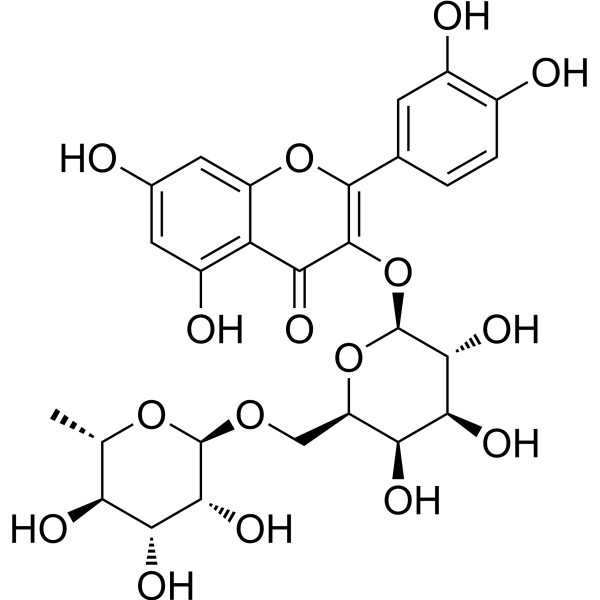
Quercetin 3-O-robinobioside can be isolated from the leaves of Strychnos variabilis .
|
-
-
- HY-N11823
-
-
-
- HY-N1798
-
-
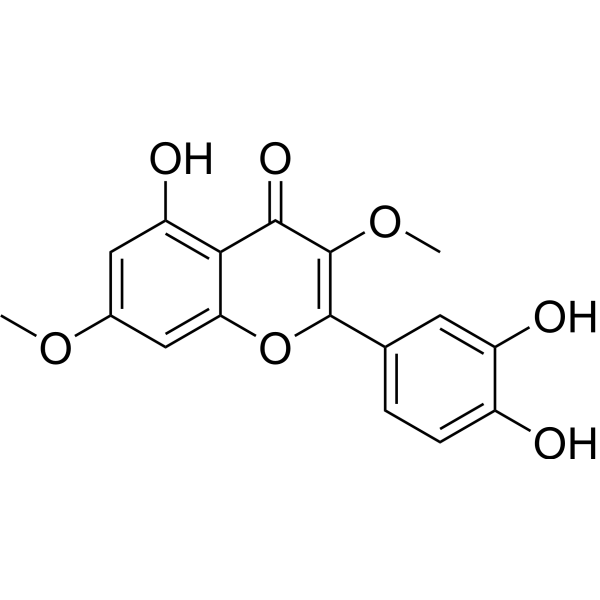
-
- HY-N5075
-
|
|
Others
|
Neurological Disease
|
|
Quercetin 3-O-glucoside-7-O-rhamnoside is a member of flavonoid glycosides group with an inhibitory activity on the CNS .
|
-
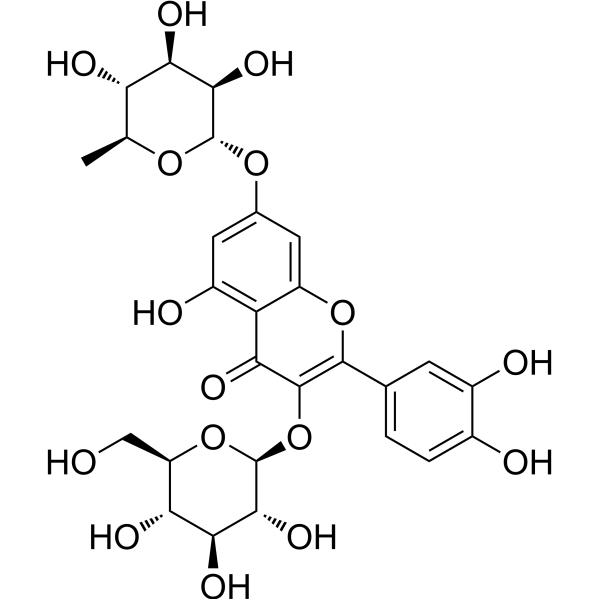
-
- HY-N0418R
-
-

-
- HY-N1181R
-
-

-
- HY-18085S
-
|
|
PI3K
Autophagy
Mitophagy
Apoptosis
|
Cancer
|
|
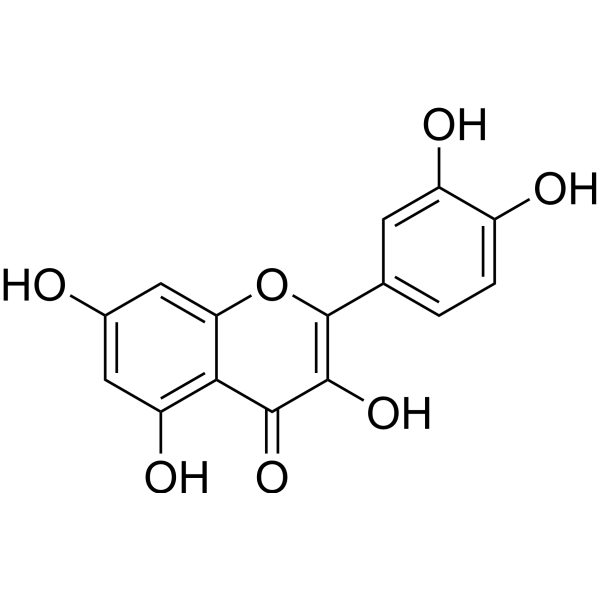
Quercetin-d5 is a deuterium labeled Quercetin. Quercetin, a natural flavonoid, is a stimulator of recombinant SIRT1 and also a PI3K inhibitor with IC50 of 2.4 μM, 3.0 μM and 5.4 μM for PI3K γ, PI3K δ and PI3K β, respectively .
|
-
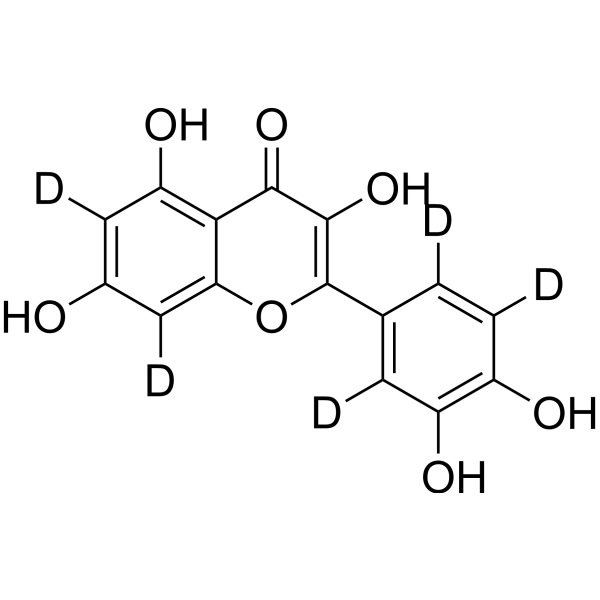
-
- HY-N11534
-
|
quercetin 3-sophoroside 7-glucoside
|
Others
|
Others
|
|
Quercetin-3-O-sophoroside-7-O-glucoside is a natural product that can be isolated from Brasica rapa var. rapa leaves .
|
-
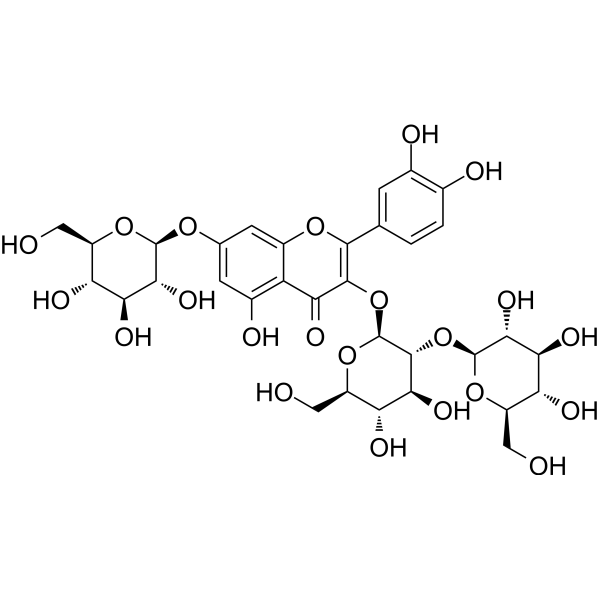
-
- HY-N0146R
-
|
|
Reference Standards
PI3K
Apoptosis
|
Inflammation/Immunology
Cancer
|
|
Quercetin (dihydrate) (Standard) is the analytical standard of Quercetin (dihydrate). This product is intended for research and analytical applications. Quercetin dihydrate, a natural flavonoid, is a stimulator of recombinant SIRT1 and a PI3K inhibitor with IC50s of 2.4 μM, 3.0 μM and 5.4 μM for PI3K γ, PI3K δ and PI3K β, respectively .
|
-

- HY-N0768R
-
|
|
Reference Standards
Reactive Oxygen Species (ROS)
|
Inflammation/Immunology
|
|
Quercetin 3-O-β-D-glucofuranoside (Standard) is the analytical standard of Quercetin 3-O-β-D-glucofuranoside. This product is intended for research and analytical applications. Quercetin 3-O-β-D-glucofuranoside is an effective antioxidant and an eosinophilic inflammation suppressor.
|
-

- HY-N11538
-
|
|
Others
|
Inflammation/Immunology
|
|
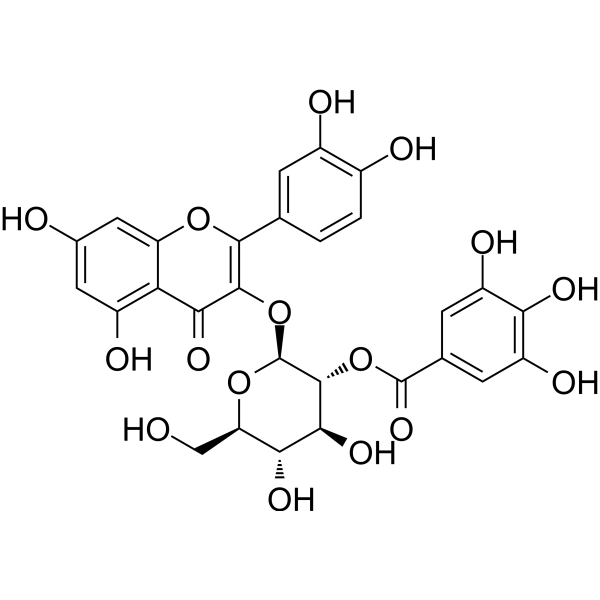
Quercetin-3-O-(2′′-O-galloyl)-β-D-glucopyranoside is a orally active phenolic compound that can be isolated from the Geranium species. Quercetin-3-O-(2′′-O-galloyl)-β-D-glucopyranoside has anti-inflammatory activities and has potential application in edema and aortic endothelium-dependent relaxation injury .
|
-
- HY-N8685
-
|
quercetin 3,4′-di-O-glucoside
|
Others
|
Others
|
|
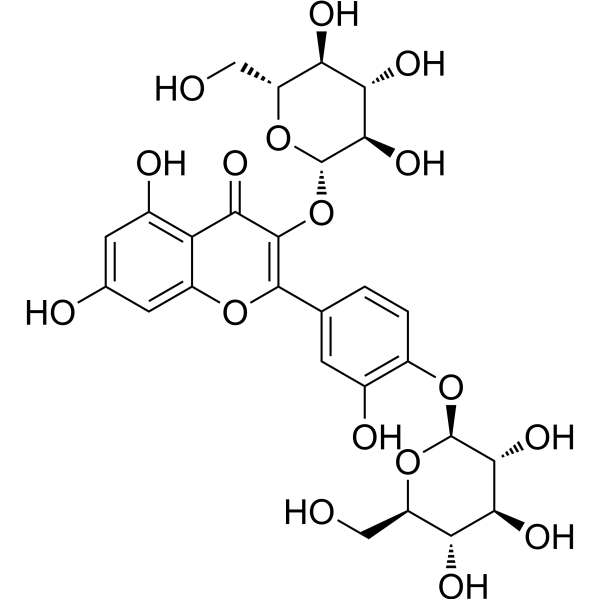
Quercetin-3,4-di-O-glucoside is a flavonoid that can be isolated from Allium cepa .
|
-
- HY-N17672
-
|
|
Others
|
Others
|
|
Quercetin 3-O-β-D-glucuronide 6"-ethyl ester is a flavonoid. Quercetin 3-O-β-D-glucuronide 6"-ethyl ester can be extracted from flowers of Tamarix nilotica .
|
-

- HY-W004128
-
|
4HMPAA
|
Drug Intermediate
|
Others
|
|
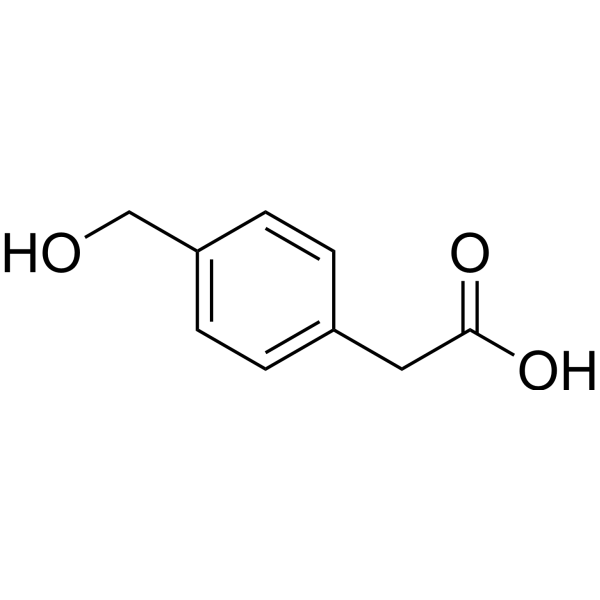
4-(Hydroxymethyl)phenylacetic acid can serve as the main body of insoluble polypeptide. 4-(Hydroxymethyl)phenylacetic acid can react with DEPBT and 4-acetylaniline to form amide intermediates. 4-(Hydroxymethyl)phenylacetic acid is a metabolite produced by the metabolism of flavonoids such as quercetin by colonic microbiota. 4-(Hydroxymethyl)phenylacetic acid significantly inhibits 6-MP oxidation and has no significant inhibition on xanthine oxidation .
|
-
- HY-177847
-
|
|
Liposome
|
Inflammation/Immunology
|
|
Liposomal Quercetin is a specialized delivery system that encapsulates quercetin within tiny liposomes. These liposomes act as protective shells, enhancing the absorption and bioavailability of quercetin. Quercetin is a natural flavonoid with nutritional
|
-

- HY-N9872
-
|
quercetin 4′-O-β-galactopyranoside
|
Others
|
Others
|
|
Quercetin 4′-O-D-galactoside (Quercetin 4′-O-β-galactopyranoside) is a natural product .
|
-

- HY-N4089R
-
|
|
Reference Standards
Aldose Reductase
Cytochrome P450
|
Metabolic Disease
Cancer
|
|
Quercetin 3-gentiobioside (Standard) is the analytical standard of Quercetin 3-gentiobioside (HY-N4089). This product is intended for research and analytical applications. Quercetin 3-gentiobioside is a flavonoid found in Artemisia iwayomogi. Quercetin 3-gentiobioside inhibits aromatase with an Ki of 46.77 nM. Quercetin 3-gentiobioside inhibits aldose reductase (AR) and the formation of advanced glycation end products (AGEs), with IC50 values of 10.60 μM and 109.46 μM, respectively. Quercetin 3-gentiobioside inhibits proliferation of cancer cells and fibroblast-like synoviocytes. Quercetin 3-gentiobioside can be used for the research of cancer, such as lung carcinoma .
|
-

- HY-N11844
-
|
|
Amylases
|
Metabolic Disease
|
|
Quercetin 3-(6″-caffeoylsophoroside) is an orally active α-amylase inhibitor, with an IC50 of 73.66 μg/mL. Quercetin 3-(6″-caffeoylsophoroside) presents in thehydro-methanolic extract of Cardamine hirsuta Linn. Quercetin 3-(6″-caffeoylsophoroside) shows the antidiabetic activities by oxidative stress reduction and α-amylase inhibition. Quercetin 3-(6″-caffeoylsophoroside) can be used for diabetes mellitus research .
|
-
- HY-N12274
-
|
|
Others
|
Others
|
|
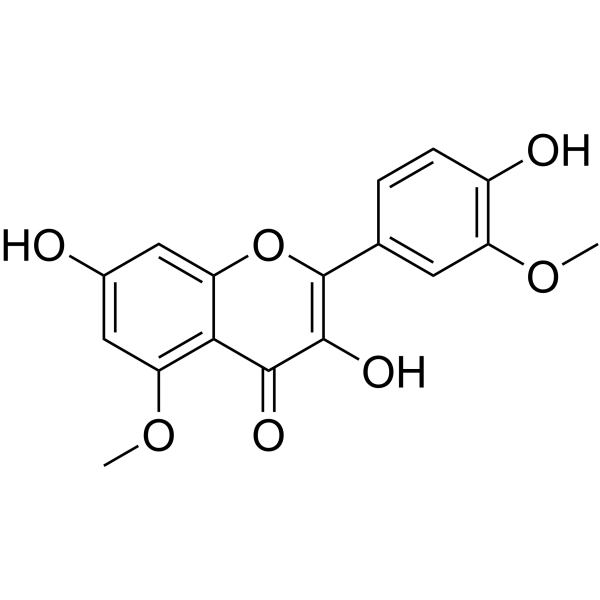
Quercetin 5,3′-dimethyl ether is a kind of flavonoid. Quercetin 5,3′-dimethyl ether can be isolated from Combretum erythrophyllum (Combretaceae). Quercetin 5,3′-dimethyl ether has anti-inflammatory activity and antibacterial activity .
|
-
- HY-13930R
-
|
quercetin 3-O-glucuronide (Standard); quercetin 3-glucuronide (Standard)
|
Reference Standards
Endogenous Metabolite
|
Cancer
|
|
Miquelianin (Standard) is the analytical standard of Miquelianin. This product is intended for research and analytical applications. Miquelianin (Quercetin 3-O-glucuronide) is a metabolite of quercetin and a type of natural flavonoid. Miquelianin is also a CBR1 inhibitor.
|
-

- HY-163915
-
-

- HY-N9920
-
|
|
Others
|
Others
|
|
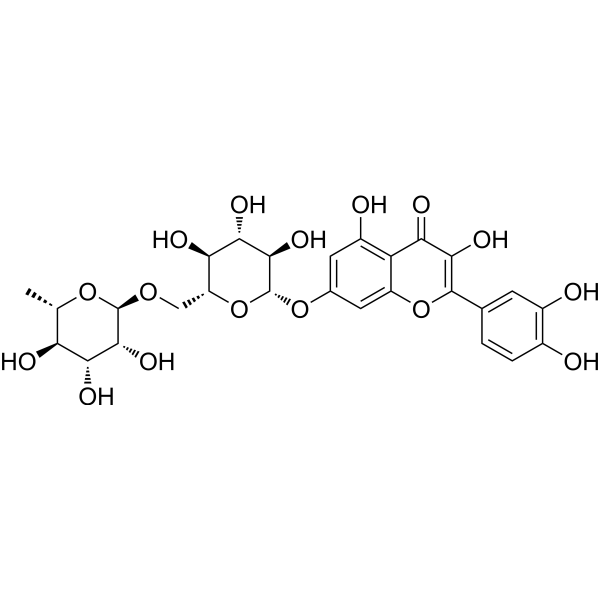
Quercetin 7-O-rutinoside is a flavonoid compound from Siparuna glycycarpa .
|
-
- HY-N9135
-
-
- HY-W778608R
-
|
quercetin 7-O-β-glucuronide (Standard)
|
Drug Metabolite
Reference Standards
|
Inflammation/Immunology
|
|
Dopamine (hydrochloride) (Standard) is the analytical standard of Dopamine (hydrochloride). This product is intended for research and analytical applications. Dopamine hydrochloride (ASL279) is a catecholamine neurotransmitter that is produced in the substantia nigra, ventral tegmental area, and hypothalamus of the brain. Dopamine hydrochloride (ASL279) plays several important roles in the brain and body . Dopamine hydrochloride (ASL279) acts through D2 dopamine receptors to induce endocytosis of VEGFR2, which is critical for promoting angiogenesis .
|
-

- HY-18085AS
-
-

- HY-N11809
-
|
|
Others
|
Others
|
|
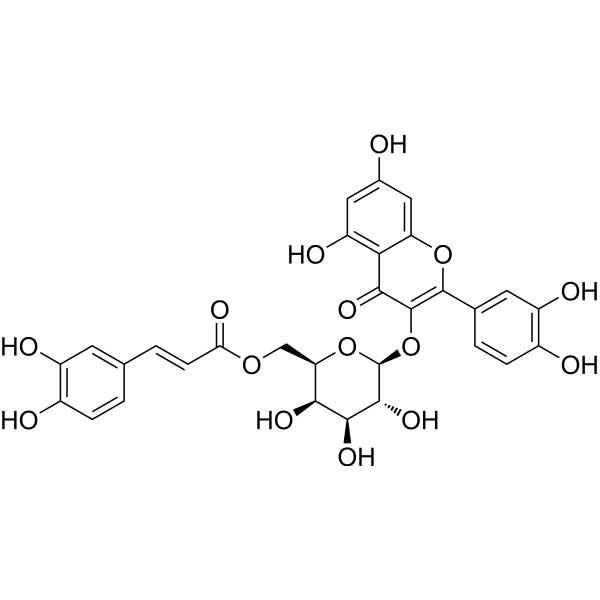
Quercetin-3-O-(6 "-o-ecaffeoyl) -β-d-Galactopyranoside is a flavonoid glycoside, that can be isolated from Polygonum viscosum.
|
-
- HY-N9397R
-
|
|
Reference Standards
Others
|
Metabolic Disease
|
|
Quercetin 3-O-(6''-O-malonyl)-β-D-glucoside (Standard) is an analytical standard for Quercetin 3-O-(6''-O-malonyl)-β-D-glucoside. This product is intended for research and analytical applications. Quercetin 3-O-(6''-O-malonyl)-β-D-glucoside is a flavonol glycoside. Quercetin 3-O-(6''-O-malonyl)-β-D-glucoside has antioxidant activity.
|
-

- HY-N1582
-
|
3,4′-Dimethylquercetin
|
Others
|
Cancer
|
|
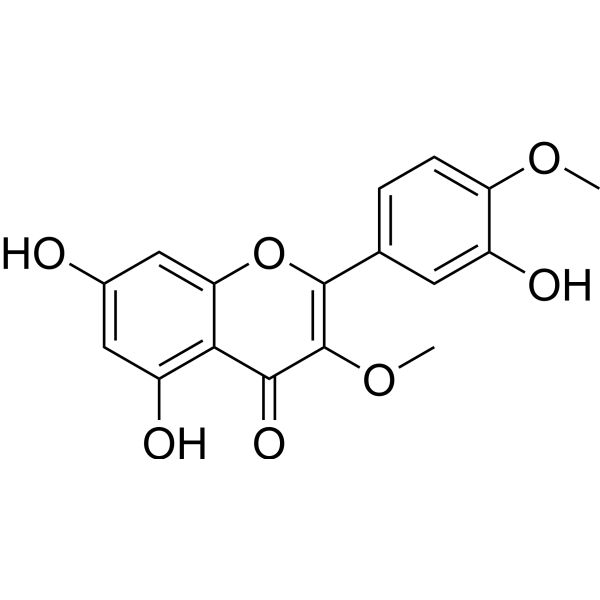
Quercetin 3,4′-dimethyl ether (3,4′-Dimethylquercetin) is a dimethoxyflavone can be isolated from Combretum quadrangulare. Quercetin 3,4′-dimethyl ether overcomes TRAIL resistance by enhancing DR5 expression and has anti-tumor activity .
|
-
- HY-N11808
-
|
|
Others
|
Others
|
|
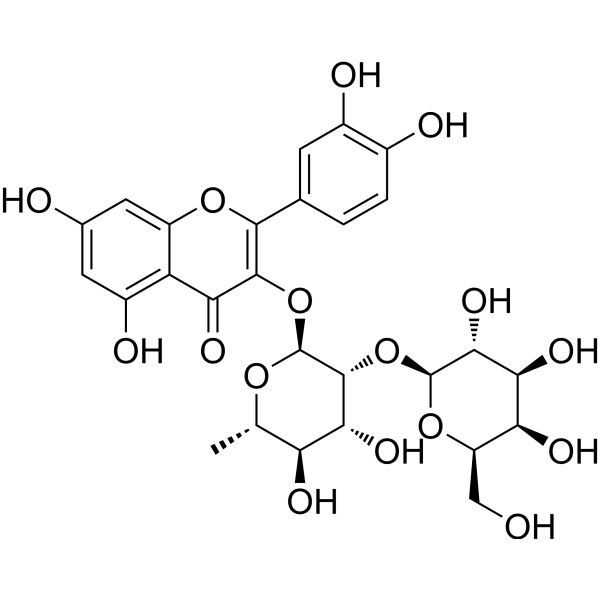
Quercetin 3-galactosyl(1→2)rhamnoside is a flavonoid, which can be isolated from the leaves of Gouania longipetala. .
|
-
- HY-N8195
-
|
|
Others
|
Others
|
|
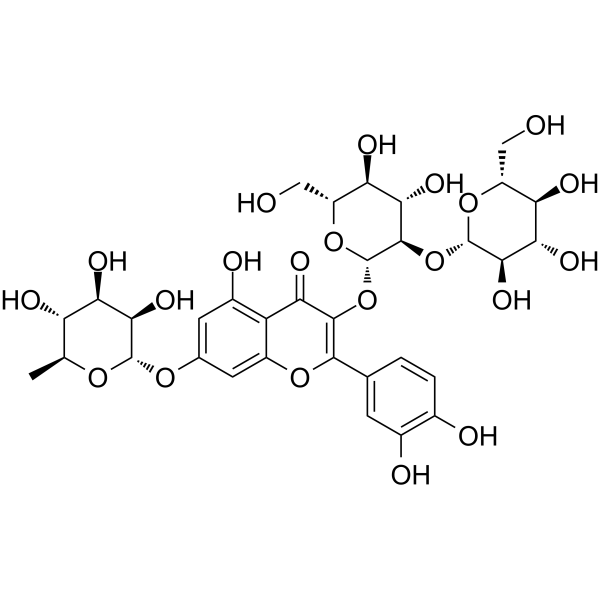
Quercetin 3-O-sophoroside-7-O-rhamnoside is a flavonoid found in sea buckthorn berries .
|
-
- HY-N12588
-
|
|
Others
|
Others
|
|
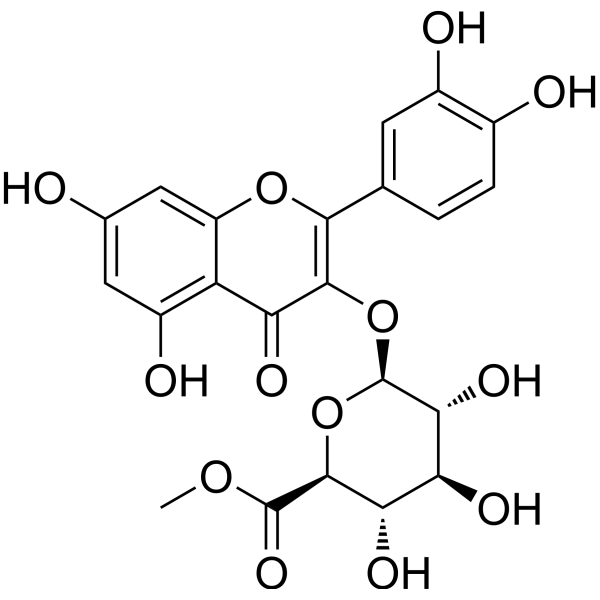
Quercetin 3-O-β-D-glucuronide-6″-methyl ester is a flavonoid isolated from Atraphaxis spinosa L .
|
-
- HY-N13303
-
|
|
Others
|
Others
|
|
Quercetin 7-O-(6''-O-malonyl)-beta-D-glucoside is a natural product .
|
-

- HY-N11901
-
|
|
Others
|
Others
|
|
Quercetin-3-O-[(6-caffeoyl)-β-glucopyranosyl (1→3) α-rhamnopyranoside]-7-O-α-rhamnopyranoside can be isolated from the aerial parts of the fern Ophioglossum vulgatum L and has wound healing activity .
|
-
![Quercetin-3-O-[(6-caffeoyl)-β-glucopyranosyl (1→3) α-rhamnopyranoside]-7-O-α-rhamnopyranoside](//file.medchemexpress.com/product_pic/hy-n11901.gif)
- HY-N6829R
-
|
quercetin-3,3',4',7-tetramethylether (Standard)
|
Reference Standards
Tyrosinase
Fungal
SARS-CoV
Apoptosis
Reactive Oxygen Species (ROS)
|
Infection
Neurological Disease
Metabolic Disease
Inflammation/Immunology
|
|
Retusin (Quercetin-3,3',4',7-tetramethylether) (Standard) is the analytical standard of Retusin. This product is intended for research and analytical applications. Retusin is a tyrosinase inhibitor, with IC50 values of 50.9 μM and 51.8 μM against mushroom and intracellular tyrosinase, respectively. Retusin also acts as a free radical scavenger, melanogenesis inhibitor, anti-apoptosis agent, neuroprotective agent, antiemetic, antifungal agent, and antiviral agent. Retusin scavenges ABTS• + and DPPH• free radicals. Retusin can be used in studies related to hyperpigmentation, vomiting, Aspergillus niger infection, and COVID-19 infection.
|
-

- HY-N8007
-
|
|
Others
|
Metabolic Disease
|
|
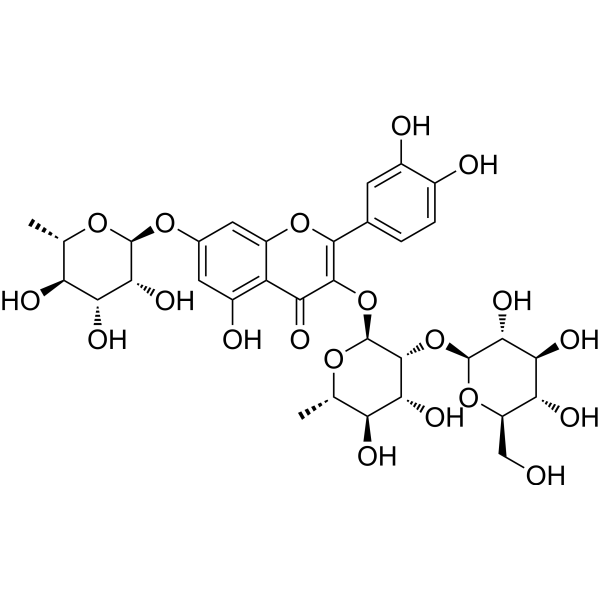
Quercetin 3-O-Glc-(1→2)-Rha-7-O-Rha is a flavonol glycoside with no significant inhibitory activity against albumin oleate-induced lipid accumulation.
|
-
- HY-N12299
-
|
quercetin 3-O-β-D-glucuronide butyl ester
|
Others
|
Cancer
|
|
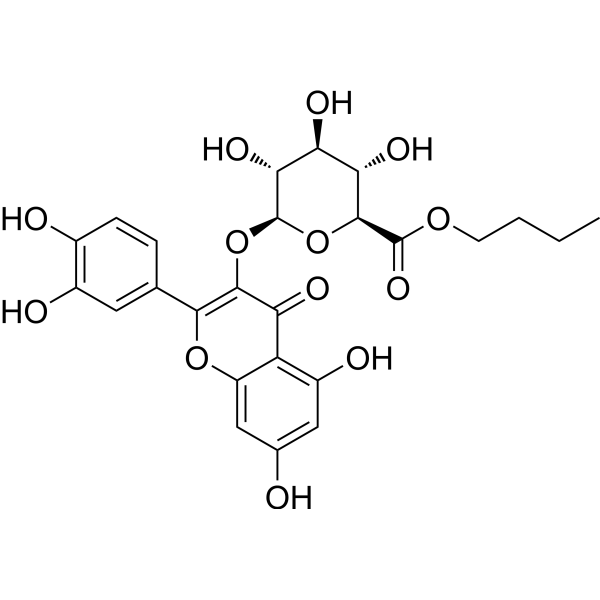
Parthenosin (Quercetin 3-O-β-D-glucuronide butyl ester) is a flavonoid, that can be isolated from the aerial parts of Calligoum polygonoides. Parthenosin shows cytotoxic activity against HepG2 and MCF-7 cell lines with IC50 values of 60.46 and 61.4 μg/mL, respectively .
|
-
- HY-N8253S
-
-

- HY-N2183R
-
|
quercetin 3-O-sophoroside (Standard)
|
Reference Standards
SARS-CoV
|
Others
|
|
Baimaside (Standard) is the analytical standard of Baimaside. This product is intended for research and analytical applications. Baimaside (Quercetin 3-O-sophoroside) is a flavonoid cholinergic function modulator that binds to SARS-CoV-2-related targets. Baimaside regulates the expression of cholinergic system-related proteins and acetylcholine levels, improves scopolamine-induced learning and memory impairment, protects hippocampal neurons, inhibits pollen protein fluorescence, and protects pollen DNA. Its biosynthesis is regulated by multiple enzymes. Baimaside is completely absorbed in rats, undergoes phase Ⅱ metabolism and gut microbiota decomposition, and inhibits the invasion and proliferation of SARS-CoV-2 and its variants, making it suitable for research related to Alzheimer's disease and COVID-19 .
|
-

- HY-180442
-
|
7-Biotinylated quercetin
|
Drug Derivative
|
Others
|
|
7-BioQ (7-Biotinylated quercetin) is a C7-biotinylated Quercetin (HY-18085) derivative .
|
-

- HY-N8341
-
|
|
Drug Metabolite
|
Metabolic Disease
|
|
Alphitonin is a flavonoid and is also a metabolic intermediate that is formed during the catabolism of Quercetin (HY-18085) by the human gut bacteria E. ramulus.
|
-

- HY-N8253R
-
|
quercetin 4′-O-glucoside (Standard)
|
Reference Standards
Reactive Oxygen Species (ROS)
|
Inflammation/Immunology
Cancer
|
|
Spiraeoside (Standard) is the analytical standard of Spiraeoside. This product is intended for research and analytical applications. Spiraeoside, an orally active natural compound, exerts antioxidant activity, inhibits reactive oxygen species (ROS) and malondialdehyde production. Spiraeoside possesses antiallergic, anti-inflammatory and antitumor activities .
|
-

- HY-N17851
-
|
|
Others
|
Others
|
|
Quercetin 3-O-β-glucopyranoside uronic acid 7-O-β-glucopyranoside (Compound 1) is a flavonoid glycoside found in the leaves of Alchemilla speciosa .
|
-

- HY-N18374
-
|
|
Drug Derivative
|
Others
|
|
Quercetin-3-O--5-O-β-D-glucopyranoside is a flavone glycoside found in the seeds of Impatiens balsamina L .
|
-
![Quercetin-3-O-[α-L-rhamnose-(1→2)-β-D-glucopyranosyl]-5-O-β-D-glucopyranoside](//file.medchemexpress.com/product_pic/hy-n18374.gif)
- HY-N13065
-
|
|
Drug Metabolite
|
Others
|
|
Quercetin 4′-glucuronide (Compound P3) is a Quercetin (HY-18085) metabolite. Quercetin 4′-glucuronide can trap free radical .
|
-

- HY-N13773
-
-

- HY-N17555
-
|
|
Drug Derivative
|
Others
|
|
Quercetin-7-O-gentiobisoside is a natural product that can be found in locust tree.
|
-

- HY-N11839
-
|
|
Drug Derivative
|
Others
|
|
Quercetin 7,4′-diglucoside is a flavonol diglucoside and a derivative of Quercetin (HY-18085) that can be found in Allium cepa L. Quercetin is a natural flavonoid compound that can activate or inhibit the activity of many proteins .
|
-

- HY-N13306
-
|
|
Others
|
Others
|
|
Quercetin 3-Caffeylrobinobioside is a natural product .
|
-

- HY-N17847
-
|
|
Others
|
Others
|
|
Quercetin-3-O-β-D-xylosyl-(1→2)-β-D-galactoside (compound 2) is a flavonol glycoside. Quercetin-3-O-β-D-xylosyl-(1→2)-β-D-galactoside occurs in the leaves of horseradish Armoracia rusticana. Quercetin-3-O-β-D-xylosyl-(1→2)-β-D-galactoside serves as one of the feeding stimulants for the flea beetle Phyllotreta armoraciae .
|
-

- HY-N13383
-
|
|
Others
|
Others
|
|
Quercetin 3,5,3'-trimethyl ether is a natural product .
|
-

- HY-N17258
-
|
|
Insecticide
|
Infection
|
|
Quercetin 3-O-(2G-β-D-xylopyranosylrutinoside) is an oviposition inhibitory factor. Quercetin 3-O-(2G-β-D-xylopyranosylrutinoside) can be isolated from the leaves of Orixa japonica. When presented together with the oviposition stimulant from Citrus unshiu (Satsuma mandarin), Quercetin 3-O-(2G-β-D-xylopyranosylrutinoside) inhibits oviposition by gravid female Papilio xuthus (Asian swallowtail) .
|
-

- HY-N17857
-
|
|
Glycosidase
|
Infection
|
|
Quercetin 3'-methoxy-3-O-α-L-arabinofuranoside is a weak inhibitor of α-glucosidase, which can found in the leaves and twigs of Fagus hayatae .
|
-

- HY-N13169
-
|
|
Others
|
Others
|
|
Quercetin 3-O-(6-O-malonyl-β-D-galactoside) is an antioxidant derived from Apocynum venetum that exhibits strong scavenging activity against DPPH (HY-112053) free radicals, with an EC50 value of 11.4 μM .
|
-

- HY-N12403
-
-

- HY-N18362
-
|
|
Others
|
Others
|
|
Apetalumoside B9 is a sinapoyl acylated flavonoid glycoside found in the seeds of Lepidium apetalum Willd .
|
-

- HY-N19070
-
|
|
Others
|
Metabolic Disease
|
|
Ginko biloba extract is derived from the leaves of the ginkgo tree, and its main active ingredients include flavonoids (such as quercetin and kaempferol) and terpenoids (such as ginkgolide and ginkgolide).
|
-

- HY-P4613
-
|
|
Drug Derivative
Drug Intermediate
|
Others
|
|
Fmoc-D-allo-Thr-OH is a derivative of D-allothreonine (HY-W001959), which is commonly used as a building block in solid-phase peptide synthesis (SPPS) .
|
-

- HY-N19074
-
|
|
Bacterial
|
Infection
Inflammation/Immunology
|
|
Psidium guajava extract is rich in flavonoids (such as quercetin and kaempferol), tannins, vitamin C, carotenoids, and phenolic acids, which give it antioxidant, anti-inflammatory, antibacterial, and antiviral properties.
|
-

- HY-N15175
-
|
|
Drug Derivative
|
Others
|
|
Azaleatin 3-O-galactoside (compound 11b) is a Quercetin (HY-18085) derivative with DPPH radical scavenging property. Azaleatin 3-O-galactoside can be used for antioxidant research .
|
-

- HY-N0148AR
-
|
Rutoside hydrate (Standard); quercetin 3-O-rutinoside hydrate (Standard)
|
Amyloid-β
Autophagy
Apoptosis
Endogenous Metabolite
Reference Standards
|
Neurological Disease
Cancer
|
|
Rutin (hydrate) (Standard) is the analytical standard of Rutin (hydrate). This product is intended for research and analytical applications. Rutin (Rutoside) hydrate is a flavonoid found in many plants and shows a wide range of biological activities including anti-inflammatory, antidiabetic, antioxidant, neuroprotective, nephroprotective, hepatoprotective and reducing Aβ oligomer activities. Rutin hydrate can cross the blood brain barrier. Rutin hydrate attenuates vancomycin-induced renal tubular cell apoptosis via suppression of apoptosis, mitochondrial dysfunction, and oxidative stress .
|
-

- HY-N0419R
-
|
quercetin-7-O-β-D-glucopyranoside (Standard)
|
Reference Standards
Others
|
Metabolic Disease
|
|
Quercimeritrin (Standard) is the analytical standard of Quercimeritrin. This product is intended for research and analytical applications. Quercimeritrin, isolated from the leaves of Ixeridium dentatum, exhibits significant amylase activity .
|
-

- HY-W013075
-
|
Rutoside trihydrate; quercetin 3-O-rutinoside trihydrate
|
Apoptosis
Endogenous Metabolite
|
Neurological Disease
Cancer
|
|
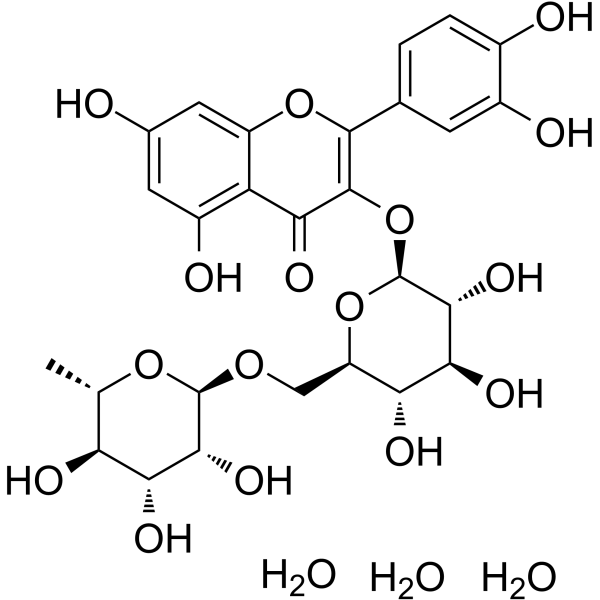
Rutin (Rutoside) trihydrate is a multifunctional natural flavonoid glycoside. Rutin trihydrate has been demonstrating excellent antioxidant, anti-inflammatory, anti-diabetic, and anti-carcinogenic properties. Cardioprotective and neuroprotective activities .
|
-
- HY-N0148R
-
|
Rutoside (Standard); quercetin 3-O-rutinoside (Standard)
|
Reference Standards
Amyloid-β
Autophagy
Apoptosis
Endogenous Metabolite
|
Inflammation/Immunology
Cancer
|
|
Rutin (Standard) is the analytical standard of Rutin. This product is intended for research and analytical applications. Rutin (Rutoside) is a flavonoid found in many plants and shows a wide range of biological activities including anti-inflammatory, antidiabetic, antioxidant, neuroprotective, nephroprotective, hepatoprotective and reducing Aβ oligomer activities. Rutin is also a CBR1 inhibitor, which can cross the blood brain barrier. Rutin attenuates vancomycin-induced renal tubular cell apoptosis via suppression of apoptosis, mitochondrial dysfunction, and oxidative stress .
|
-

- HY-N1861
-
|
quercetin 3-O-methyl ether peracetate
|
P2Y Receptor
|
Cardiovascular Disease
Cancer
|
|
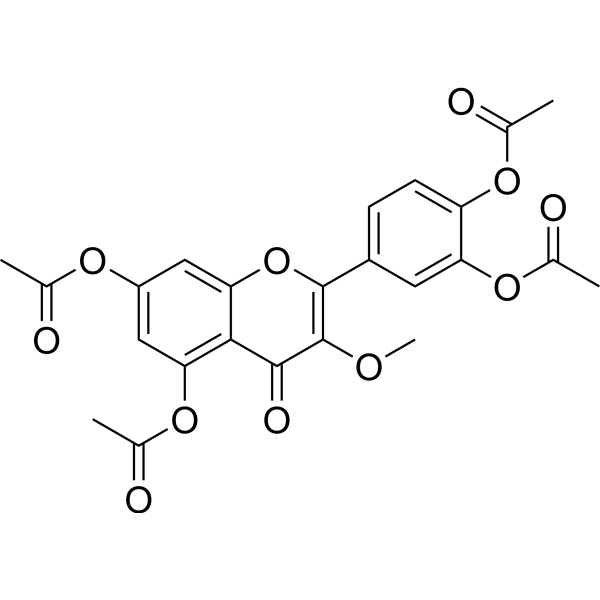
3-O-Methylquercetin tetraacetate is an antiplatelet agent. 3-O-Methylquercetin tetraacetate has potent antiplatelet effect on arachidonic acid, collagen-induced and PAF-induced platelet aggregation .
|
-
- HY-N7036R
-
-

- HY-146174
-
|
|
Potassium Channel
|
Cardiovascular Disease
|
|
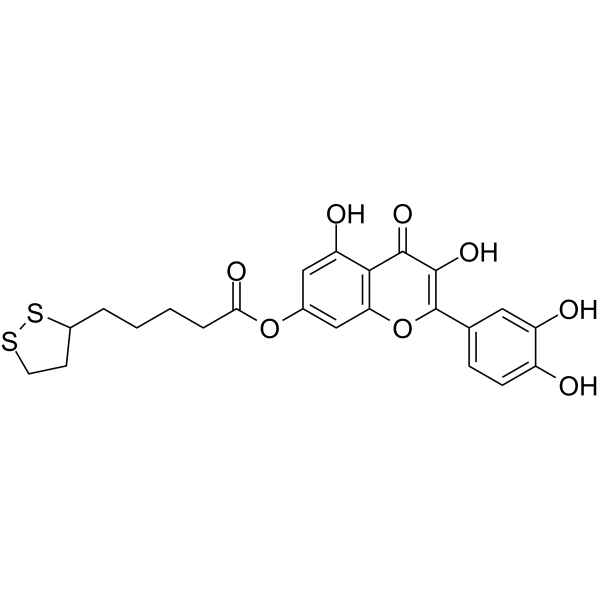
KCa1.1 channel activator-2 (compound 3F), a Quercetin hybrid derivative, is a selective vascular KCa1.1 channel stimulator. KCa1.1 channel activator-2 exhibits potent myorelaxant activity .
|
-
- HY-N18278
-
|
|
Drug Derivative
|
Others
|
|
Epicatechin-5-O-β-D-glucopyranoside (Compound 9) is a glucoside. Epicatechin-5-O-β-D-glucopyranoside forms via regioselective 5-O-β-D-glucosylation of epicatechin of quercetin 3-O-D-glucoside .
|
-

- HY-P4910
-
|
|
Proteasome
Apoptosis
|
Cancer
|
|
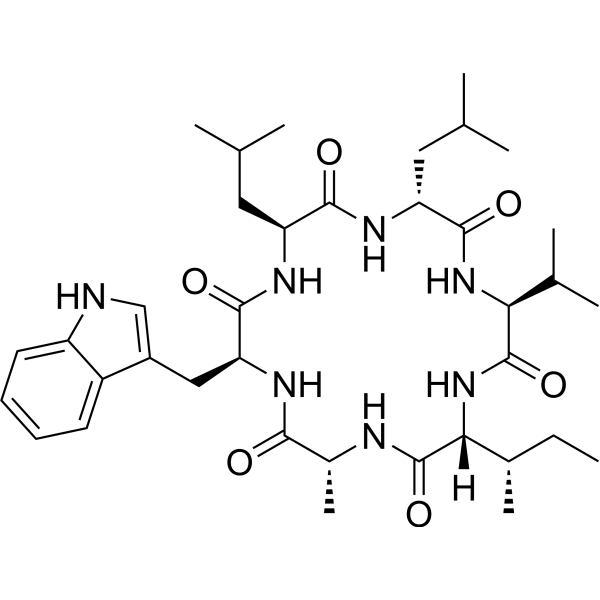
Baceridin is a proteasome inhibitor and a cyclic hexapeptide. Baceridin can be isolated from the culture medium of Epiphytic Bacillus. Baceridin can inhibit cell cycle progression and induce tumor cell apoptosis through a p53-independent pathway. Baceridin can be used in cancer research .
|
-
- HY-N17859
-
|
|
Drug Derivative
|
Others
|
|
Avicularoside (Compound 4) is a flavonoid glycoside that can be isolated from the leaves of Nepenthes gracilis .
|
-

- HY-P11022
-
|
A-3302-B
|
Endogenous Metabolite
HSV
TRP Channel
|
Infection
Cancer
|
|
TL-119 (A-3302-B) is a polypeptide. TL-119 can be isolated from the bacteria Micromonospora sp. MAG 9-7 and Saccharomonospora sp. CNQ-490. TL-119 inhibits TRPV-1. TL-119 exhibits antiviral activity against HSV-2. TL-119 possesses anticancer activity against gastric cancer and colorectal cancer .
|
-

- HY-N11499
-
|
|
Bacterial
|
Infection
Inflammation/Immunology
|
|
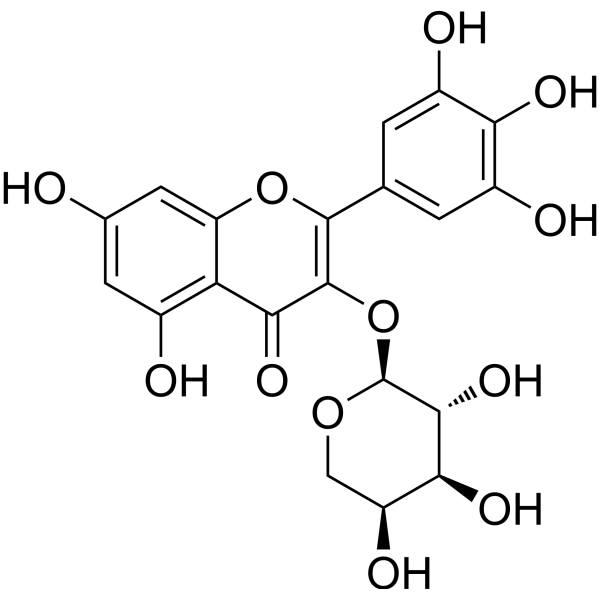
Myricetin 3-O-α-L-arabinopyranoside is a quercetin derivative and plant flavonoid with antioxidant, antibacterial and antiurease effects. Myricetin 3-O-α-L-arabinopyranoside inhibits A2E photooxidation-induced RPE cell death. Myricetin 3-O-α-L-arabinopyranoside is protective against retinal degeneration and protects against blue light (BL)-induced damage in RPE cells and mouse models .
|
-
- HY-146173
-
|
|
Potassium Channel
Calcium Channel
|
Cardiovascular Disease
|
|
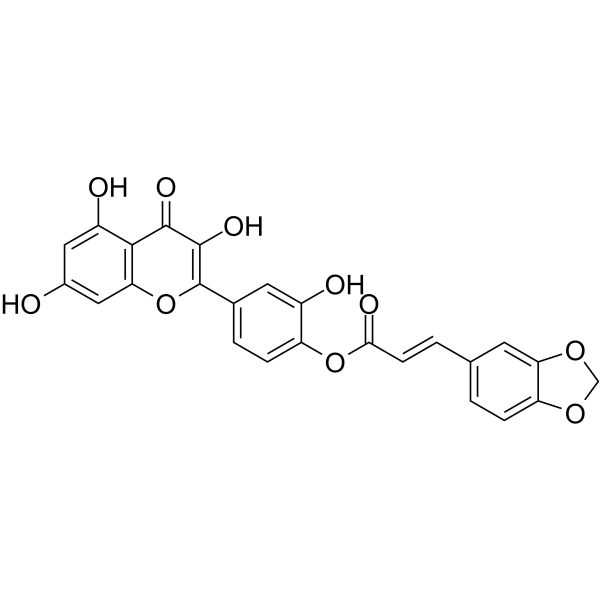
KCa1.1 channel activator-1 (compound 1E), a Quercetin hybrid derivative, is a selective vascular KCa1.1 channel channel stimulator. KCa1.1 channel activator-1 also displays CaV1.2 channel blocking activity. KCa1.1 channel activator-1 exhibits weak myorelaxant activity .
|
-
- HY-N17301
-
|
|
Others
|
Others
|
|
Capilliposide I is a tetrasaccharide flavonol glycoside found in the whole herbs of Lysimachia capillipes .
|
-

- HY-180590
-
|
|
Nucleoside Antimetabolite/Analog
|
Cardiovascular Disease
|
|
3α,7α,12α,26-Tetrahydroxy-5β-cholestane is an important key metabolic signature of Quercetin (HY-18085) in primary bile acid biosynthesis. 3α,7α,12α,26-Tetrahydroxy-5β-cholestane can be used for the study of atherosclerosis .
|
-

- HY-P2120
-
|
|
Bacterial
|
Others
|
|
Pseudobactin A is a non-fluorescent extracellular iron carrier produced by the plant growth-promoting bacterium Pseudomonas B10 .
|
-

- HY-182058
-
|
|
Drug Derivative
Bacterial
Beta-lactamase
|
Infection
|
|
ATM potentiators-1 is a quercetin derivative that synergistically enhances the antibacterial activity of Aztreonam (ATM, HY-B0129) against metallo-β-lactamase-producing Pseudomonas aeruginosa. ATM potentiators-1 inhibits NDM-1, OXA-10, VIM-2, KPC-2, and OXA-48, suppressing the efflux pump activity of Pseudomonas aeruginosa. When used in combination with CCCP (HY-100941), it exhibits a synergistic inhibitory effect. ATM potentiators-1 is applicable to research related to Pseudomonas aeruginosa infections .
|
-

- HY-P1654A
-
|
|
Integrin
|
Cancer
|
|
A20FMDV2-Cys is a cysteine-containing 20-mer peptide that targets integrin αvβ6 with high affinity. A20FMDV2-Cys can be used for targeted liposome modification to enhance liver and bile duct targeting. A20FMDV2-Cys is applicable for research in drug delivery .
|
-

| Cat. No. |
Product Name |
Type |
-
- HY-18085G
-
|
|
Fluorescent Dyes
|
|
Quercetin GMP is Quercetin (HY-18085) produced by using GMP guidelines. GMP small molecules works appropriately as an auxiliary reagent for cell therapy manufacture. Quercetin is a flavonoid antioxidant, a PI3K inhibitor and a SIRT1 Activator .
|
| Cat. No. |
Product Name |
Type |
-
- HY-18085G
-
|
|
Biochemical Assay Reagents
|
|
Quercetin GMP is Quercetin (HY-18085) produced by using GMP guidelines. GMP small molecules works appropriately as an auxiliary reagent for cell therapy manufacture. Quercetin is a flavonoid antioxidant, a PI3K inhibitor and a SIRT1 Activator .
|
| Cat. No. |
Product Name |
Target |
Research Area |
-
- HY-W101299
-
|
|
Amino Acid Derivatives
|
Metabolic Disease
|
|
N-Acetyl-D-allo-isoleucine is an amino acid derivative. N-Acetyl-D-allo-isoleucine is promising for research of amino acid metabolism, such as abnormal isoleucine metabolism .
|
-
- HY-P4910
-
|
|
Proteasome
Apoptosis
|
Cancer
|
|
Baceridin is a proteasome inhibitor and a cyclic hexapeptide. Baceridin can be isolated from the culture medium of Epiphytic Bacillus. Baceridin can inhibit cell cycle progression and induce tumor cell apoptosis through a p53-independent pathway. Baceridin can be used in cancer research .
|
-
- HY-P2120
-
|
|
Bacterial
|
Others
|
|
Pseudobactin A is a non-fluorescent extracellular iron carrier produced by the plant growth-promoting bacterium Pseudomonas B10 .
|
-
- HY-P4613
-
|
|
Drug Derivative
Drug Intermediate
|
Others
|
|
Fmoc-D-allo-Thr-OH is a derivative of D-allothreonine (HY-W001959), which is commonly used as a building block in solid-phase peptide synthesis (SPPS) .
|
-
- HY-P11022
-
|
A-3302-B
|
Endogenous Metabolite
HSV
TRP Channel
|
Infection
Cancer
|
|
TL-119 (A-3302-B) is a polypeptide. TL-119 can be isolated from the bacteria Micromonospora sp. MAG 9-7 and Saccharomonospora sp. CNQ-490. TL-119 inhibits TRPV-1. TL-119 exhibits antiviral activity against HSV-2. TL-119 possesses anticancer activity against gastric cancer and colorectal cancer .
|
-
- HY-P1654A
-
|
|
Integrin
|
Cancer
|
|
A20FMDV2-Cys is a cysteine-containing 20-mer peptide that targets integrin αvβ6 with high affinity. A20FMDV2-Cys can be used for targeted liposome modification to enhance liver and bile duct targeting. A20FMDV2-Cys is applicable for research in drug delivery .
|
| Cat. No. |
Product Name |
Category |
Target |
Chemical Structure |
-
- HY-18085
-
-
-
- HY-N0148
-
-
-
- HY-N1445
-
-
-
- HY-N0418
-
-
-
- HY-N0452
-
-
-
- HY-13930
-
-
-
- HY-N0148A
-
|
Rutoside hydrate; quercetin 3-O-rutinoside hydrate
|
Flavonols
Flavonoids
other families
Phenols
Polyphenols
Plants
Source Classification
|
Amyloid-β
Autophagy
Apoptosis
Endogenous Metabolite
|
|
Rutin (Rutoside) hydrate is a flavonoid found in many plants and shows a wide range of biological activities including anti-inflammatory, antidiabetic, antioxidant, neuroprotective, nephroprotective, hepatoprotective and reducing Aβ oligomer activities. Rutin hydrate can cross the blood brain barrier. Rutin hydrate attenuates vancomycin-induced renal tubular cell apoptosis via suppression of apoptosis, mitochondrial dysfunction, and oxidative stress .
|
-
-
- HY-W013075
-
-
-
- HY-18085R
-
-
-
- HY-N0146
-
-
-
- HY-N1181
-
-
-
- HY-N2183
-
-
-
- HY-N1968
-
-
-
- HY-N0768
-
-
-
- HY-N8253
-
-
-
- HY-N7036
-
-
-
- HY-N4089
-
-
-
- HY-N1354
-
-
-
- HY-N0419
-
-
-
- HY-N0148R
-
-
-
- HY-N8028
-
-
-
- HY-N12445
-
|
|
Malvaceae
Structural Classification
Flavonols
Flavonoids
Abelmoschus manihot (Linn.) Medicus
Plants
Source Classification
|
Topoisomerase
Caspase
Apoptosis
SOD
|
|
Quercetin-3'-O-glucoside is an orally active flavonoid glycoside. Quercetin-3'-O-glucoside reduces liver glucose-6-phosphatase activity, alters serum insulin and glucose levels, and regulates the activities of antioxidant enzymes in the liver and kidney. Quercetin-3'-O-glucoside inhibits DNA topoisomerase II, induces S-phase cell cycle arrest and caspase-3-mediated apoptosis in hepatocellular carcinoma cells. Quercetin-3'-O-glucoside selectively inhibits EGFR-mediated signaling pathways targeting AKT, ERK1/2, FAK and MEK1/2. Quercetin-3'-O-glucoside inhibits growth factor-induced migration and invasion in pancreatic cancer cells. Quercetin-3'-O-glucoside exerts free radical scavenging effects. Quercetin-3'-O-glucoside is applicable to research related to pancreatic cancer, diabetes, hepatocellular carcinoma and malignant tumors .
|
-
-
- HY-N7976
-
-
-
- HY-N7905
-
-
-
- HY-N9397
-
-
-
- HY-N7641
-
|
quercetin 3′,4′,7-trimethyl ether
|
Flavonols
Flavonoids
other families
Classification of Application Fields
Other Diseases
Phenols
Polyphenols
Plants
Disease Research Fields
Source Classification
|
P-glycoprotein
|
|
3',4',7-Trimethoxyquercetin (Quercetin 3′,4′,7-trimethyl ether) is a polymethoxyflavonoid that can be isolated from Taraxacum mongolicum. 3',4',7-Trimethoxyquercetin is also a derivative of Quercetin hydrate (HY-18085A). 3',4',7-Trimethoxyquercetin has anti-tumor activity .
|
-
-
- HY-N6964
-
-
-
- HY-N7989
-
-
-
- HY-N7607
-
-
-
- HY-N7024
-
-
-
- HY-N6829
-
|
quercetin-3,3',4',7-tetramethylether
|
Flavonols
Structural Classification
Monophenols
Flavonoids
Entada phaseoloides (L.) Merr.
Classification of Application Fields
Labiatae
Phenols
Plants
Inflammation/Immunology
Disease Research Fields
Source Classification
|
Tyrosinase
Fungal
SARS-CoV
Apoptosis
Reactive Oxygen Species (ROS)
|
|
Retusin (Quercetin-3,3',4',7-tetramethylether) is a tyrosinase inhibitor, with IC50 values of 50.9 μM and 51.8 μM against mushroom and intracellular tyrosinase, respectively. Retusin also acts as a free radical scavenger, melanogenesis inhibitor, anti-apoptosis agent, neuroprotective agent, antiemetic, antifungal agent, and antiviral agent. Retusin scavenges ABTS• + and DPPH• free radicals. Retusin can be used in studies related to hyperpigmentation, vomiting, Aspergillus niger infection, and COVID-19 infection .
|
-
-
- HY-N1445R
-
|
Isoquercetin (Standard); quercetin 3-glucoside (Standard)
|
Apocynaceae
Flavonols
Structural Classification
Flavonoids
Phenols
Polyphenols
Plants
Apocynum venetum Linn.
Source Classification
|
Reference Standards
NF-κB
NO Synthase
|
|
Isoquercetin (Standard) is the analytical standard of Isoquercetin. This product is intended for research and analytical applications. Isoquercetin (Quercetin 3-glucoside) is a naturally occurring polyphenol that has antioxidant, anti-proliferative, and anti-inflammatory properties. Isoquercetin alleviates ethanol-induced hepatotoxicity, oxidative stress, and inflammatory responses via the Nrf2/ARE antioxidant signaling pathway . Isoquercetin regulates the expression of nitric oxide synthase 2 (NO2) via modulating the nuclear factor-κB (NF-κB) transcription regulation system. Isoquercetin has high bioavailability and low toxicity, is a promising candidate agent to prevent birth defects in diabetic pregnancies .
|
-
-
- HY-W778608
-
-
-
- HY-N0452R
-
-
-
- HY-N13015
-
-
-
- HY-N11499
-
-
-
- HY-N12963
-
-
-
- HY-N1583
-
-
-
- HY-N11823
-
-
-
- HY-N1798
-
-
-
- HY-N5075
-
-
-
- HY-N0418R
-
-
-
- HY-N1181R
-
-
-
- HY-N11534
-
-
-
- HY-N0146R
-
-
-
- HY-N0768R
-
-
-
- HY-N11538
-
-
-
- HY-N8685
-
-
-
- HY-N17672
-
-
-
- HY-N0148AR
-
|
Rutoside hydrate (Standard); quercetin 3-O-rutinoside hydrate (Standard)
|
Flavonols
Structural Classification
Flavonoids
other families
Phenols
Polyphenols
Plants
Source Classification
|
Amyloid-β
Autophagy
Apoptosis
Endogenous Metabolite
Reference Standards
|
|
Rutin (hydrate) (Standard) is the analytical standard of Rutin (hydrate). This product is intended for research and analytical applications. Rutin (Rutoside) hydrate is a flavonoid found in many plants and shows a wide range of biological activities including anti-inflammatory, antidiabetic, antioxidant, neuroprotective, nephroprotective, hepatoprotective and reducing Aβ oligomer activities. Rutin hydrate can cross the blood brain barrier. Rutin hydrate attenuates vancomycin-induced renal tubular cell apoptosis via suppression of apoptosis, mitochondrial dysfunction, and oxidative stress .
|
-
- HY-N9872
-
-
- HY-N4089R
-
|
|
Flavonols
Structural Classification
Flavonoids
other families
Phenols
Polyphenols
Plants
Source Classification
|
Reference Standards
Aldose Reductase
Cytochrome P450
|
|
Quercetin 3-gentiobioside (Standard) is the analytical standard of Quercetin 3-gentiobioside (HY-N4089). This product is intended for research and analytical applications. Quercetin 3-gentiobioside is a flavonoid found in Artemisia iwayomogi. Quercetin 3-gentiobioside inhibits aromatase with an Ki of 46.77 nM. Quercetin 3-gentiobioside inhibits aldose reductase (AR) and the formation of advanced glycation end products (AGEs), with IC50 values of 10.60 μM and 109.46 μM, respectively. Quercetin 3-gentiobioside inhibits proliferation of cancer cells and fibroblast-like synoviocytes. Quercetin 3-gentiobioside can be used for the research of cancer, such as lung carcinoma .
|
-
- HY-N11844
-
|
|
Natural Products
Cardamine hirsuta L.
Plants
Brassicaceae
Source Classification
|
Amylases
|
|
Quercetin 3-(6″-caffeoylsophoroside) is an orally active α-amylase inhibitor, with an IC50 of 73.66 μg/mL. Quercetin 3-(6″-caffeoylsophoroside) presents in thehydro-methanolic extract of Cardamine hirsuta Linn. Quercetin 3-(6″-caffeoylsophoroside) shows the antidiabetic activities by oxidative stress reduction and α-amylase inhibition. Quercetin 3-(6″-caffeoylsophoroside) can be used for diabetes mellitus research .
|
-
- HY-N12274
-
-
- HY-13930R
-
-
- HY-N9920
-
-
- HY-N9135
-
-
- HY-W778608R
-
|
quercetin 7-O-β-glucuronide (Standard)
|
Flavonols
Flavonoids
Pedaliaceae
Plants
Uncarina grandidieri (Baill.) Ihlenf. & Straka
Source Classification
|
Drug Metabolite
Reference Standards
|
|
Dopamine (hydrochloride) (Standard) is the analytical standard of Dopamine (hydrochloride). This product is intended for research and analytical applications. Dopamine hydrochloride (ASL279) is a catecholamine neurotransmitter that is produced in the substantia nigra, ventral tegmental area, and hypothalamus of the brain. Dopamine hydrochloride (ASL279) plays several important roles in the brain and body . Dopamine hydrochloride (ASL279) acts through D2 dopamine receptors to induce endocytosis of VEGFR2, which is critical for promoting angiogenesis .
|
-
- HY-N11809
-
-
- HY-N9397R
-
-
- HY-N1582
-
-
- HY-N11808
-
-
- HY-N8195
-
-
- HY-N12588
-
-
- HY-N13303
-
-
- HY-N11901
-
-
- HY-N6829R
-
|
quercetin-3,3',4',7-tetramethylether (Standard)
|
Flavonols
Structural Classification
Monophenols
Flavonoids
Entada phaseoloides (L.) Merr.
Labiatae
Phenols
Plants
Source Classification
|
Reference Standards
Tyrosinase
Fungal
SARS-CoV
Apoptosis
Reactive Oxygen Species (ROS)
|
|
Retusin (Quercetin-3,3',4',7-tetramethylether) (Standard) is the analytical standard of Retusin. This product is intended for research and analytical applications. Retusin is a tyrosinase inhibitor, with IC50 values of 50.9 μM and 51.8 μM against mushroom and intracellular tyrosinase, respectively. Retusin also acts as a free radical scavenger, melanogenesis inhibitor, anti-apoptosis agent, neuroprotective agent, antiemetic, antifungal agent, and antiviral agent. Retusin scavenges ABTS• + and DPPH• free radicals. Retusin can be used in studies related to hyperpigmentation, vomiting, Aspergillus niger infection, and COVID-19 infection.
|
-
- HY-N8007
-
-
- HY-N12299
-
-
- HY-N2183R
-
|
quercetin 3-O-sophoroside (Standard)
|
Apocynaceae
Flavonols
Structural Classification
Flavonoids
Phenols
Polyphenols
Plants
Apocynum venetum Linn.
Source Classification
|
Reference Standards
SARS-CoV
|
|
Baimaside (Standard) is the analytical standard of Baimaside. This product is intended for research and analytical applications. Baimaside (Quercetin 3-O-sophoroside) is a flavonoid cholinergic function modulator that binds to SARS-CoV-2-related targets. Baimaside regulates the expression of cholinergic system-related proteins and acetylcholine levels, improves scopolamine-induced learning and memory impairment, protects hippocampal neurons, inhibits pollen protein fluorescence, and protects pollen DNA. Its biosynthesis is regulated by multiple enzymes. Baimaside is completely absorbed in rats, undergoes phase Ⅱ metabolism and gut microbiota decomposition, and inhibits the invasion and proliferation of SARS-CoV-2 and its variants, making it suitable for research related to Alzheimer's disease and COVID-19 .
|
-
- HY-N8341
-
-
- HY-N8253R
-
-
- HY-N0419R
-
-
- HY-N1861
-
-
- HY-N17851
-
-
- HY-N7036R
-
-
- HY-N18374
-
-
- HY-N13065
-
-
- HY-N13773
-
-
- HY-N17555
-
-
- HY-N11839
-
-
- HY-N13306
-
-
- HY-N17847
-
-
- HY-N13383
-
-
- HY-N17258
-
-
- HY-N17857
-
-
- HY-N13169
-
-
- HY-N12403
-
-
- HY-N18362
-
-
- HY-N19070
-
|
|
Structural Classification
Extract
|
Others
|
|
Ginko biloba extract is derived from the leaves of the ginkgo tree, and its main active ingredients include flavonoids (such as quercetin and kaempferol) and terpenoids (such as ginkgolide and ginkgolide).
|
-
- HY-N19074
-
|
|
Structural Classification
Extract
|
Bacterial
|
|
Psidium guajava extract is rich in flavonoids (such as quercetin and kaempferol), tannins, vitamin C, carotenoids, and phenolic acids, which give it antioxidant, anti-inflammatory, antibacterial, and antiviral properties.
|
-
- HY-N15175
-
-
- HY-N18278
-
-
- HY-N17859
-
-
- HY-N17301
-
-
- HY-180590
-
-
| Cat. No. |
Product Name |
Chemical Structure |
-
- HY-18085S1
-
1 Publications Verification
|
|
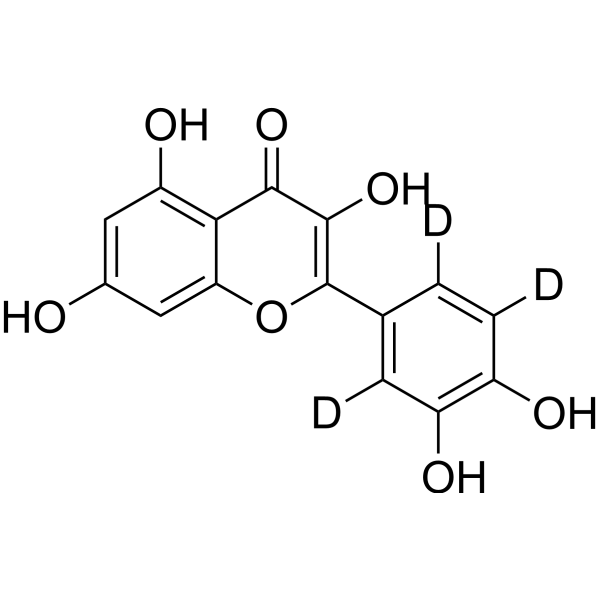
Quercetin-d3 is the deuterium labeled Quercetin. Quercetin, a natural flavonoid, is a stimulator of recombinant SIRT1 and also a PI3K inhibitor with IC50 of 2.4 μM, 3.0 μM and 5.4 μM for PI3K γ, PI3K δ and PI3K β, respectively .
|
-
-
- HY-18085S2
-
|
|
|
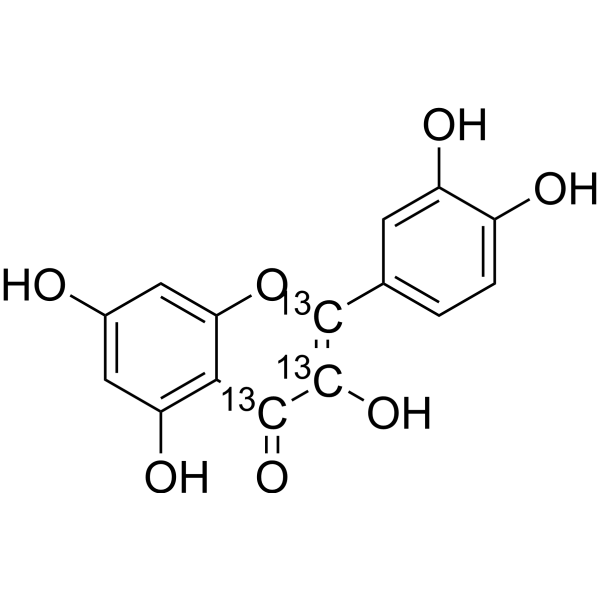
Quercetin- 13C3 is the 13C-labeled Quercetin. Quercetin, a natural flavonoid, is a stimulator of recombinant SIRT1 and also a PI3K inhibitor with IC50 of 2.4 μM, 3.0 μM and 5.4 μM for PI3K γ, PI3K δ and PI3K β, respectively .
|
-
-
- HY-18085S
-
|
|
|
Quercetin-d5 is a deuterium labeled Quercetin. Quercetin, a natural flavonoid, is a stimulator of recombinant SIRT1 and also a PI3K inhibitor with IC50 of 2.4 μM, 3.0 μM and 5.4 μM for PI3K γ, PI3K δ and PI3K β, respectively .
|
-
-
- HY-18085AS
-
1 Publications Verification
|
|
Quercetin-d3 hydrate is a deuterium labeled Quercetin hydrate (HY-18085A), a flavonoid which can stimulate recombinant SIRT1 and also a PI3K inhibitor with IC50s of 2.4 μM, 3.0 μM and 5.4 μM for PI3K γ, PI3K δ and PI3K β, respectively .
|
-
-
- HY-N8253S
-
|
|
|
Quercetin 4'-Glucoside-d3 (Spiraeoside-d3) is deuterium labeled Spiraeoside. Spiraeoside, an orally active natural compound, exerts antioxidant activity, inhibits reactive oxygen species (ROS) and malondialdehyde production. Spiraeoside possesses antiallergic, anti-inflammatory and antitumor activities .
|
-
| Cat. No. |
Product Name |
|
Classification |
-
- HY-177847
-
|
|
|
Liposome
|
|
Liposomal Quercetin is a specialized delivery system that encapsulates quercetin within tiny liposomes. These liposomes act as protective shells, enhancing the absorption and bioavailability of quercetin. Quercetin is a natural flavonoid with nutritional
|
| Cat. No. |
Product Name |
Target |
Research Areas |
Chemical Structure |
Your information is safe with us. * Required Fields.
Inquiry Information
- Product Name:
- Cat. No.:
- Quantity:
- MCE Japan Authorized Agent:





![Quercetin-3-O-D-glucosyl]-(1-2)-L-rhamnoside](http://file.medchemexpress.com/product_pic/hy-n7607.gif)


![Quercetin-3-O-[(6-caffeoyl)-β-glucopyranosyl (1→3) α-rhamnopyranoside]-7-O-α-rhamnopyranoside](http://file.medchemexpress.com/product_pic/hy-n11901.gif)


![Quercetin-3-O-[α-L-rhamnose-(1→2)-β-D-glucopyranosyl]-5-O-β-D-glucopyranoside](http://file.medchemexpress.com/product_pic/hy-n18374.gif)





