1. Search Result
Search Result
Results for "

repressor

" in MedChemExpress (MCE) Product Catalog:

97

Inhibitors & Agonists

1

Biochemical Assay Reagents

6

Peptides

1

Inhibitory Antibodies

12

Natural
Products

16

Recombinant Proteins

5

Isotope-Labeled Compounds

10

Antibodies

2

Oligonucleotides

Cat. No. Product Name Target Research Areas Chemical Structure
  • HY-12495A
    ISRIB
    25+ Cited Publications

    Biochemical Assay Reagents Eukaryotic Initiation Factor (eIF) Neurological Disease
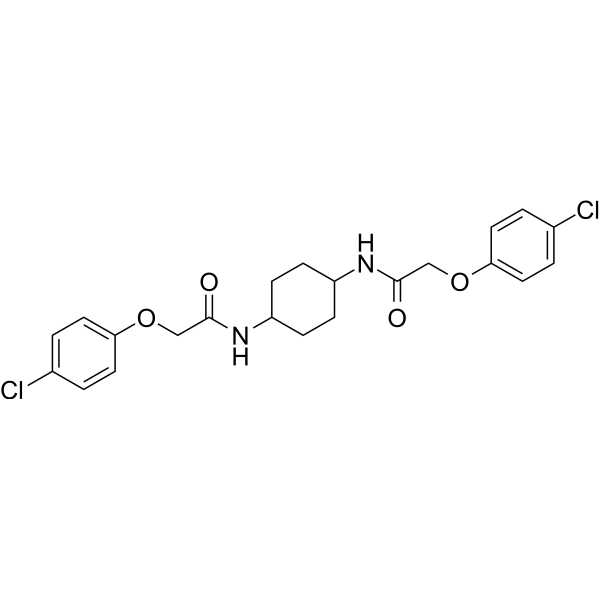
    ISRIB is a brain-penetrant inhibitor of integrated stress response (ISR). Persistent activation of the ISR has been linked to the development of several neurological disorders as ISR represses translation through inhibiting eIF2B. ISRIB inhibits the ISR by promoting the nucleotide exchange activity of eIF2B and recovering the translation, and thus can be used for neurological disorders research .
    ISRIB
  • HY-N0005
    Curcumin
    Maximum Cited Publications
    123 Publications Verification

    Diferuloylmethane; Natural Yellow 3; Turmeric yellow

    Histone Acetyltransferase Epigenetic Reader Domain Keap1-Nrf2 Autophagy Mitophagy Influenza Virus Ferroptosis Apoptosis Infection Metabolic Disease Inflammation/Immunology Cancer
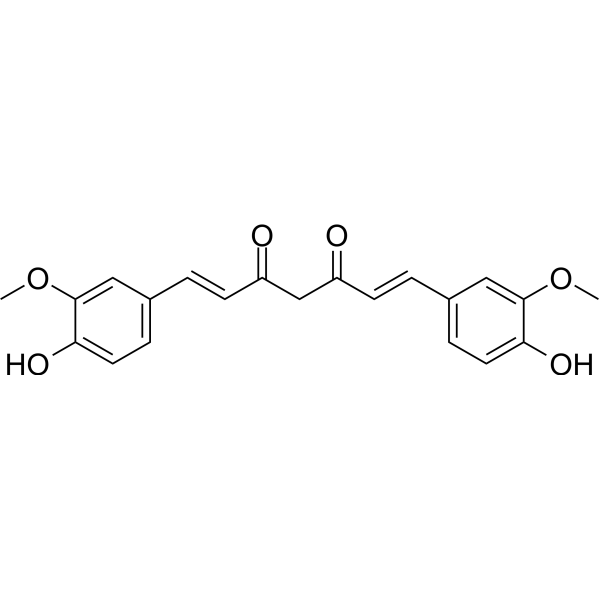
    Curcumin (Diferuloylmethane), a natural phenolic compound, is a p300/CREB-binding protein-specific inhibitor of acetyltransferase, represses the acetylation of histone/nonhistone proteins and histone acetyltransferase-dependent chromatin transcription. Curcumin is a photosensitizer against microorganisms. Curcumin shows inhibitory effects on NF-κB and MAPKs, and has diverse pharmacologic effects including anti-inflammatory, antioxidant, antiproliferative and antiangiogenic activities. Curcumin induces stabilization of Nrf2 protein through Keap1 cysteine modification.
    Curcumin
  • HY-141644
    PY-60
    15+ Cited Publications

    Annexin A YAP Inflammation/Immunology
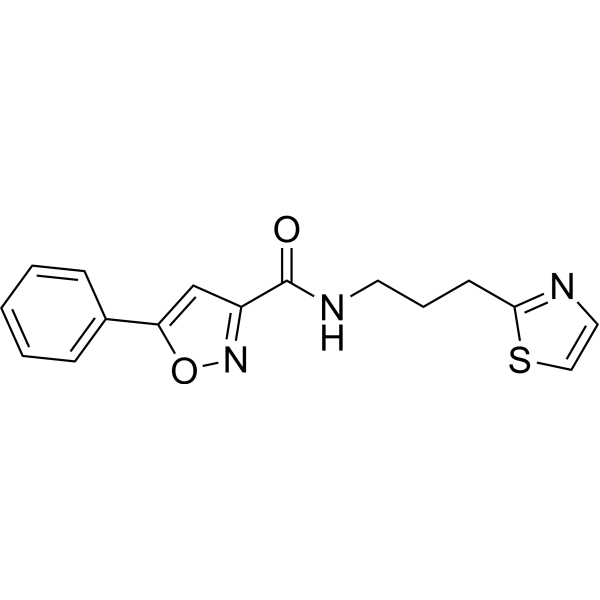
    PY-60 is a robust and specific activator of YAP transcriptional activity that targets annexin A2 (ANXA2) with a Kd of 1.4 µM. PY-60 directly binds to ANXA2 and antagonizes its normal cellular function of repressing YAP activity .
    PY-60
  • HY-B0239
    Chloramphenicol
    15+ Cited Publications

    Antibiotic Bacterial HIF/HIF Prolyl-Hydroxylase VEGFR Autophagy Apoptosis Beclin1 JNK Akt MMP Infection Cancer
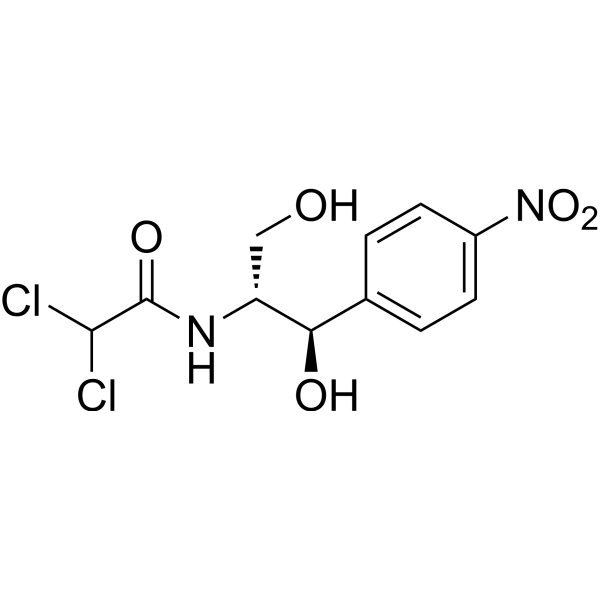
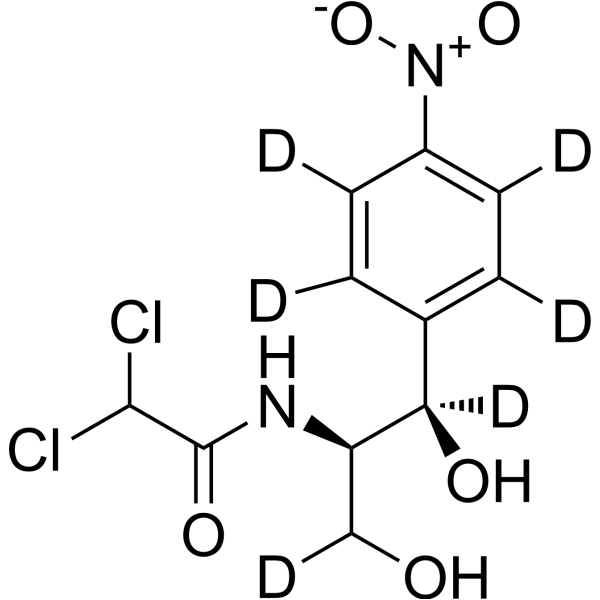
    Chloramphenicol is an orally active, potent and broad-spectrum antibiotic. Chloramphenicol shows antibacterial activity. Chloramphenicol represses the oxygen-labile transcription factor and hypoxia inducible factor-1 alpha (HIF-1α) in hypoxic A549 and H1299 cells. Chloramphenicol suppresses the mRNA levels of vascular endothelial growth factor (VEGF) and glucose transporter 1, eventually decreasing VEGF release. Chloramphenicol can be used for anaerobic infections and lung cancer research .
    Chloramphenicol
  • HY-B1272
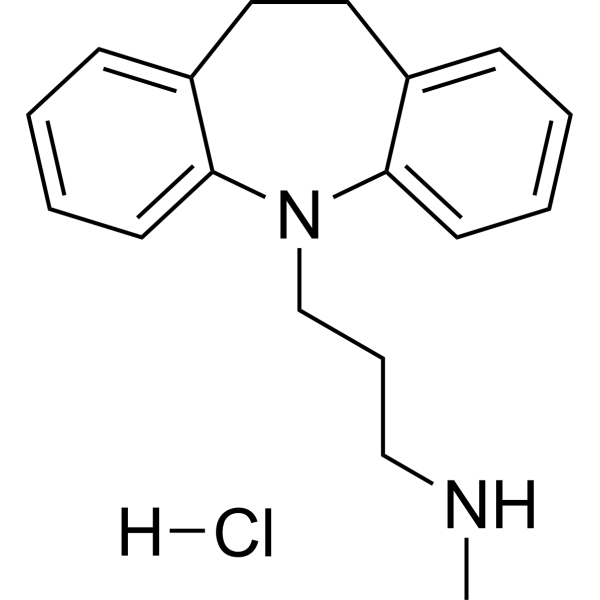
    Desipramine hydrochloride
    10+ Cited Publications

    Adrenergic Receptor ERK JNK p38 MAPK NF-κB AP-1 Apoptosis Reactive Oxygen Species (ROS) Mitochondrial Metabolism TNF Receptor Neurological Disease Inflammation/Immunology Cancer
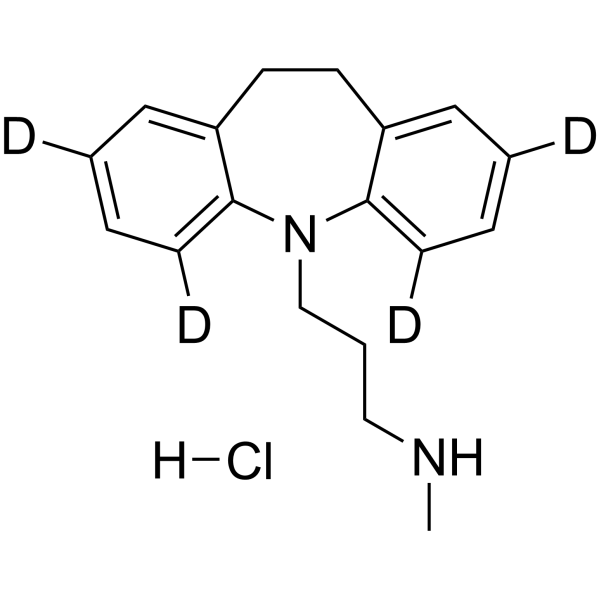
    Desipramine hydrochloride is a first-generation tricyclic antidepressant. Desipramine hydrochloride selectively binds to norepinephrine transporter and blocks neuronal norepinephrine reuptake. Desipramine hydrochloride activates MAPK signaling via ERK1/2, JNK, and p38, represses NF-κB and AP-1 activity, and induces apoptosis via ROS elevation, mitochondrial membrane potential reduction, and intracellular calcium increase. Desipramine hydrochloride also shows anyi-inflammatory activity, inhibiting TNF-α production. Desipramine hydrochloride can be used for the research of hepatocellular cancer, inflammation, and neurological diseases .
    Desipramine hydrochloride
  • HY-108470
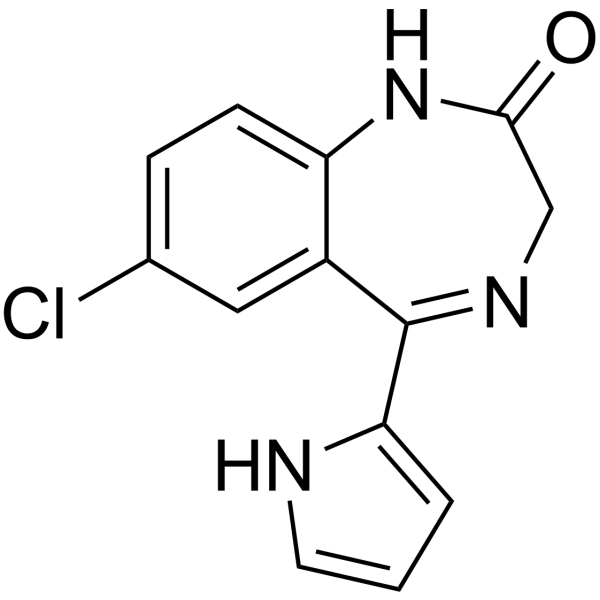
    Ro5-3335
    10+ Cited Publications

    RUNX Cancer
    Ro5-3335, a benzodiazepine, acts as an inhibitor of core binding factor (CBF) leukemia. Ro5-3335 is a RUNX1-CBFβ interaction inhibitor that represses RUNX1/CBFB-dependent transactivation .
    Ro5-3335
  • HY-108473
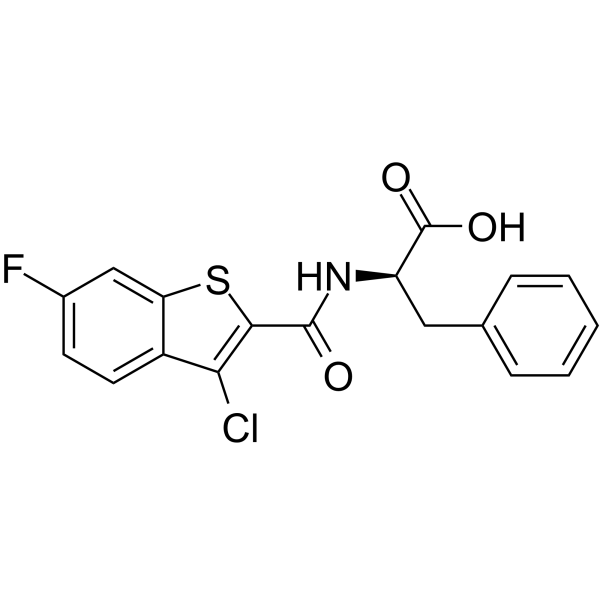
    CU-CPT 4a
    10+ Cited Publications

    TLR3-IN-1

    Toll-like Receptor (TLR) Cancer
    CU-CPT 4a (TLR3-IN-1) is a potent, highly selective TLR3 signaling inhibitor. CU-CPT 4a represses the expression of downstream signaling pathways mediated by the TLR3/dsRNA complex, including TNF-α and IL-1β .
    CU-CPT 4a
  • HY-135954A
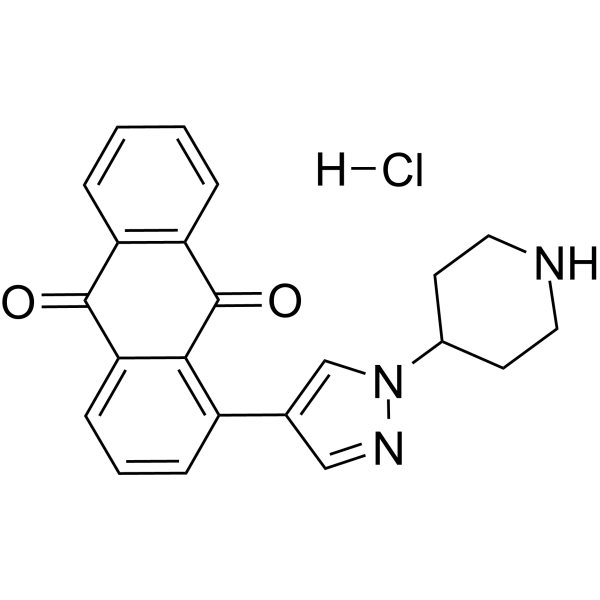
    PDK4-IN-1 hydrochloride
    3 Publications Verification

    PDHK Apoptosis Metabolic Disease Inflammation/Immunology Cancer
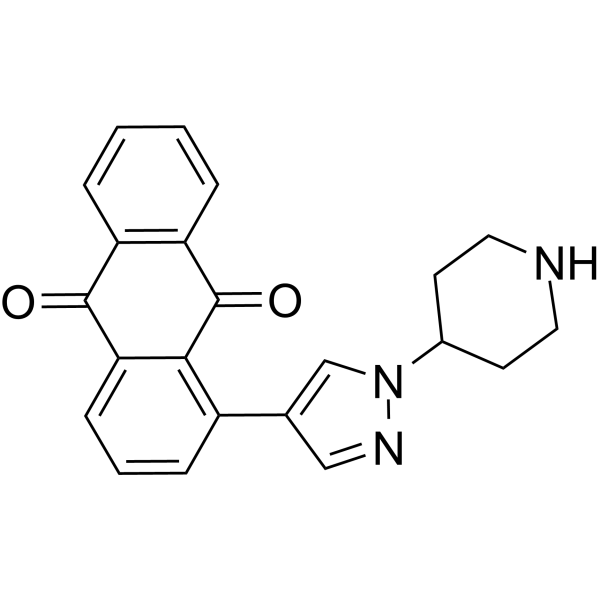
    PDK4-IN-1 hydrochloride is an anthraquinone derivative and a potent and orally active pyruvate dehydrogenase kinase 4 (PDK4) inhibitor with an IC50 value of 84 nM. PDK4-IN-1 hydrochloride potently represses cellular transformation and cellular proliferation and induces apoptosis. PDK4-IN-1 hydrochloride has antidiabetic, anticancer and anti-allergic activity .
    PDK4-IN-1 hydrochloride
  • HY-128583
    G150
    5+ Cited Publications

    Cyclic GMP-AMP Synthase Inflammation/Immunology
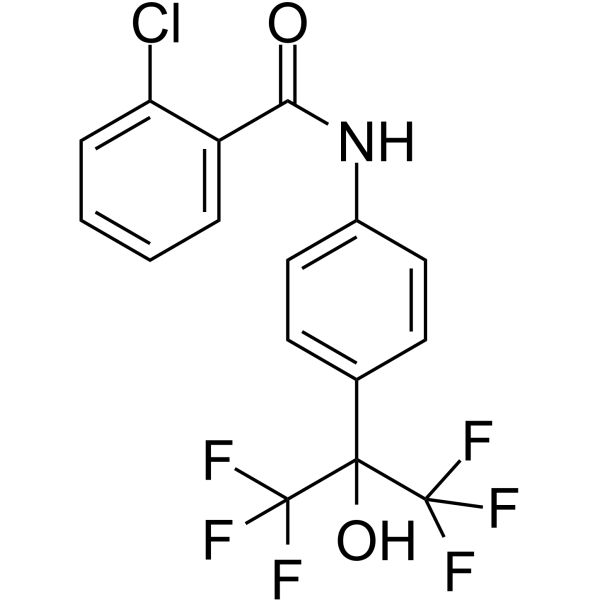
    G150 is a highly selective human cyclic GMP-AMP synthase (h-cGAS) inhibitor with an IC50 of 10.2 nM. G150 represses dsDNA-triggered interferon expression, and G150 can be used for the research of inflammatory .
    G150
  • HY-12422

    CDK Cancer
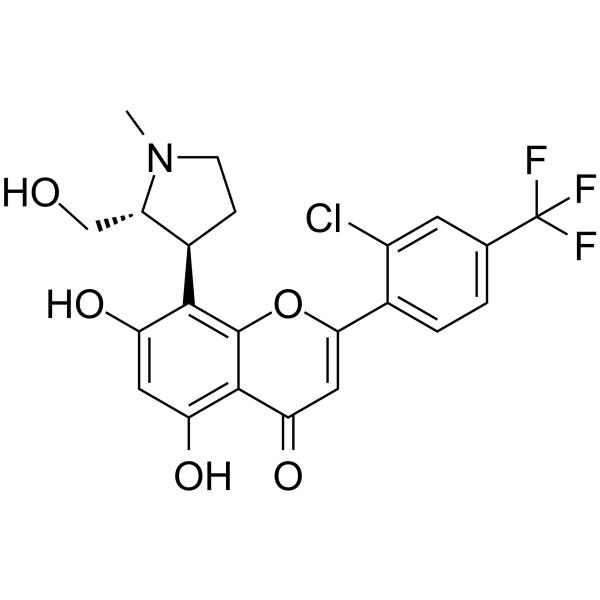
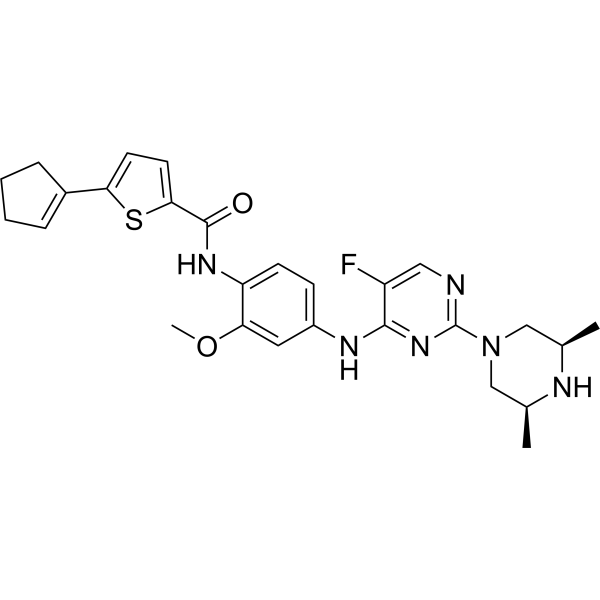
    Voruciclib is an orally active and selective CDK inhibitor with Ki values of 0.626 nM-9.1 nM. Voruciclib potently blocks CDK9, the transcriptional regulator of MCL-1. Voruciclib represses expression of MCL-1 in multiple models of diffuse large B-cell lymphoma (DLBCL) .
    Voruciclib
  • HY-135954
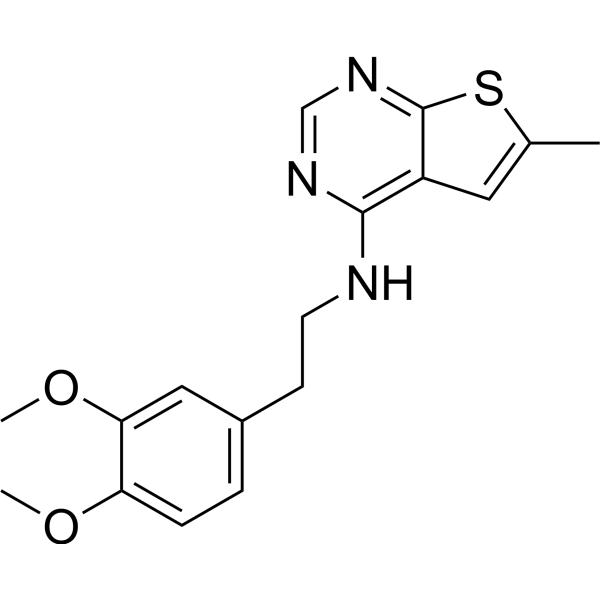
    PDK4-IN-1
    3 Publications Verification

    PDHK Apoptosis Metabolic Disease Inflammation/Immunology Cancer
    PDK4-IN-1 is an anthraquinone derivative and a potent and orally active pyruvate dehydrogenase kinase 4 (PDK4) inhibitor with an IC50 value of 84 nM. PDK4-IN-1 potently represses cellular transformation and cellular proliferation and induces apoptosis. PDK4-IN-1 has antidiabetic, anticancer and anti-allergic activity .
    PDK4-IN-1
  • HY-108469
    BI-6015
    5 Publications Verification

    Orphan Nuclear Receptor Metabolic Disease Cancer
    BI-6015 is a hepatocyte nuclear factor 4α (HNF4α) antagonist that can inhibit the expression of known HNF4α target genes. BI6015 represses insulin promoter activity through HNF4α antagonism. BI-6015 can be used for the research of cancer and diabetes .
    BI-6015
  • HY-N2908

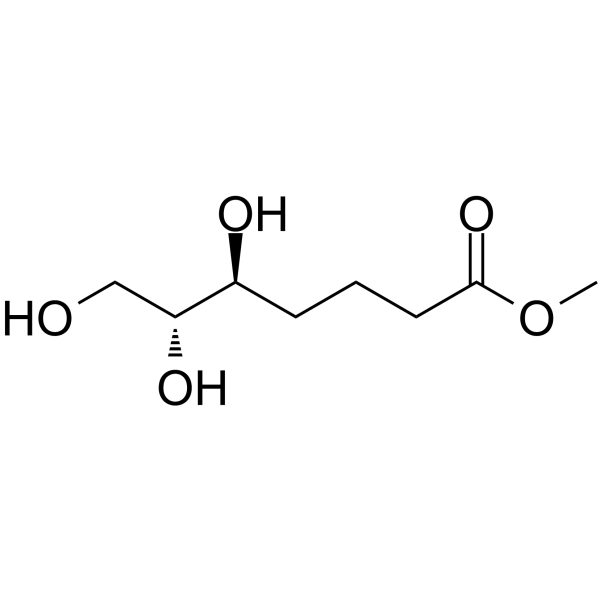
    Methyl atrarate

    Environmental Pollutants NF-κB Androgen Receptor p38 MAPK NO Synthase Inflammation/Immunology Cancer
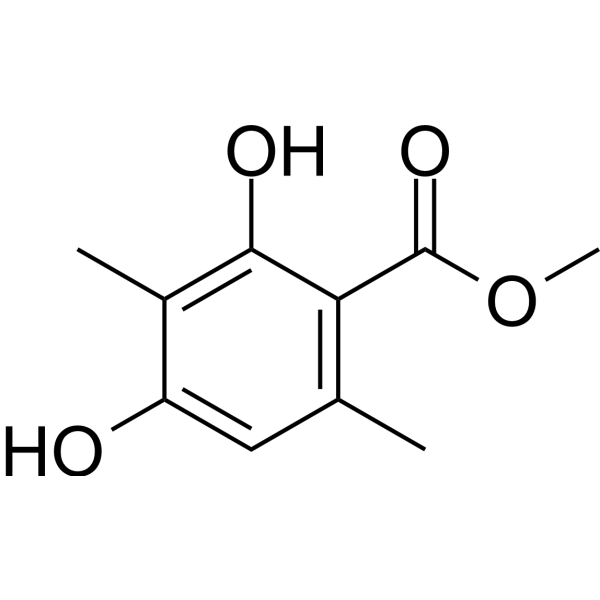
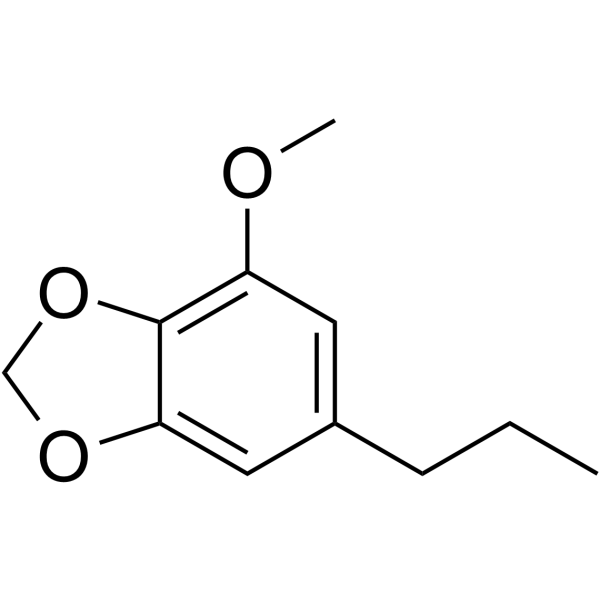
    Atraric acid (Methyl atrarate) is a specific androgen receptor (AR) antagonist with anti-inflammatory and anticancer effects. Atraric acid represses the expression of the endogenous prostate specific antigen gene in both LNCaP and C4-2 cells. Atraric acid can also inhibit the synthesis of NO and cytokine, and suppress the MAPK-NFκB signaling pathway. Atraric acid can be used to research prostate diseases and inflammatory diseases .
    Atraric acid
  • HY-N0005R
    Curcumin (Standard)
    1 Publications Verification

    Diferuloylmethane (Standard); Natural Yellow 3 (Standard); Turmeric yellow (Standard)

    Reference Standards Histone Acetyltransferase Epigenetic Reader Domain Keap1-Nrf2 Autophagy Mitophagy Influenza Virus Ferroptosis Infection Neurological Disease Inflammation/Immunology Cancer
    Curcumin (Standard) is the analytical standard of Curcumin (HY-N0005). This product is intended for research and analytical applications. Curcumin (Diferuloylmethane), a natural phenolic compound, is a p300/CREB-binding protein-specific inhibitor of acetyltransferase, represses the acetylation of histone/nonhistone proteins and histone acetyltransferase-dependent chromatin transcription. Curcumin is a photosensitizer against microorganisms. Curcumin shows inhibitory effects on NF-κB and MAPKs, and has diverse pharmacologic effects including anti-inflammatory, antioxidant, antiproliferative and antiangiogenic activities. Curcumin induces stabilization of Nrf2 protein through Keap1 cysteine modification.
    Curcumin (Standard)
  • HY-W698249

    Ferroptosis Bacterial Cardiovascular Disease Infection
    Ferrous gluconate is a highly water-soluble iron-containing agent with high bioavailability and bactericidal activity. As a non-heme iron, Ferrous gluconate is used for meat product fortification and improvement of iron deficiency anemia. Ferrous gluconate induces ferroptosis in E. coli through Fe 2+ infiltration, reactive oxygen species burst, lipid peroxidation and direct interaction with DNA. Ferrous gluconate also downregulates the SOS responsive transcriptional repressor LexA. In addition, Ferrous gluconate regulates multiple key pathways in E. coli such as fatty acid metabolism, iron-sulfur cluster assembly and pyruvate metabolism, and is applied in studies related to *E. coli* infection and iron deficiency anemia .
    Ferrous gluconate
  • HY-103038
    ML327
    5 Publications Verification

    c-Myc Autophagy Cancer
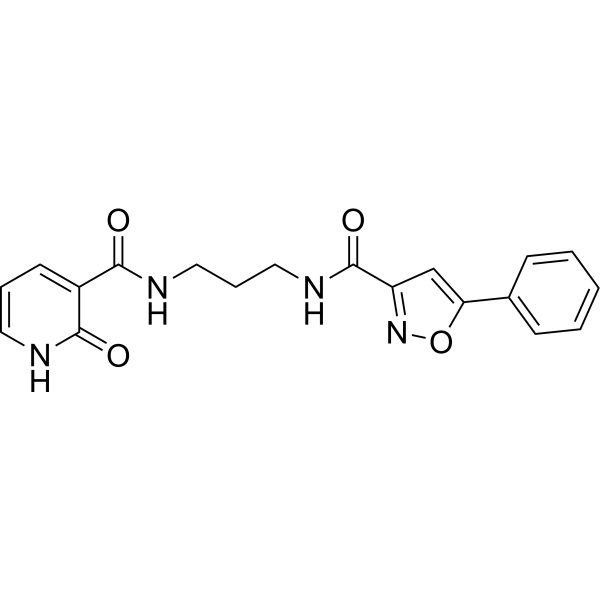
    ML327 is a blocker of MYC which can also de-repress E-cadherin transcription and reverse Epithelial-to-Mesenchymal Transition (EMT).
    ML327
  • HY-101454
    SR0987
    3 Publications Verification

    ROR Inflammation/Immunology Cancer
    SR0987, a SR1078 analog, is a RORγt agonist, with an EC50 of 800 nM. SR0987 increases IL17 expression while repressing the expression of PD-1 .
    SR0987
  • HY-N0005S

    Diferuloylmethane-d6; Natural Yellow 3-d6; Turmeric yellow-d6

    Isotope-Labeled Compounds Keap1-Nrf2 Ferroptosis Autophagy Histone Acetyltransferase Epigenetic Reader Domain Mitophagy Influenza Virus Infection Metabolic Disease Inflammation/Immunology Cancer
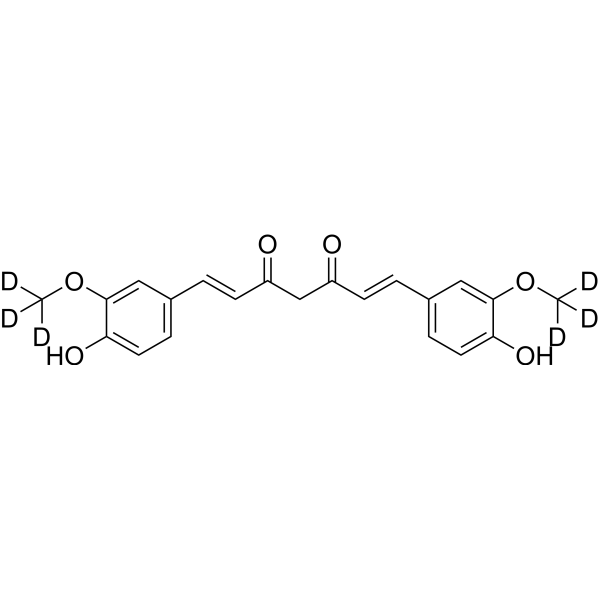
    Curcumin-d6 (Diferuloylmethane-d6 ) is deuterium labeled Curcumin (HY-N0005). Curcumin (Diferuloylmethane), a natural phenolic compound, is a p300/CREB-binding protein-specific inhibitor of acetyltransferase, represses the acetylation of histone/nonhistone proteins and histone acetyltransferase-dependent chromatin transcription. Curcumin is a photosensitizer against microorganisms. Curcumin shows inhibitory effects on NF-κB and MAPKs, and has diverse pharmacologic effects including anti-inflammatory, antioxidant, antiproliferative and antiangiogenic activities. Curcumin induces stabilization of Nrf2 protein through Keap1 cysteine modification.
    Curcumin-d6
  • HY-156190A

    Orphan Nuclear Receptor Cancer
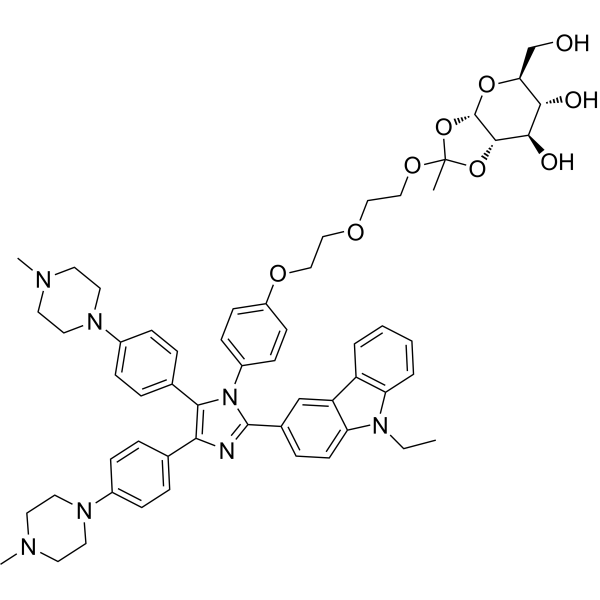
    NR2F2-IN-1 (free base) is a potent and selective orphan nuclear receptor COUP-TFII (NR2F2) inhibitor. NR2F2-IN-1 (free base) substantially inhibits COUP-TFII–driven NGFIA reporter expression. NR2F2-IN-1 (free base) directly binds to the COUP-TFII ligand-binding domain and disrupts COUP-TFII interaction with transcription regulators, including FOXA1, thus repressing COUP-TFII activity on target gene regulation .
    NR2F2-IN-1 free base
  • HY-101508

    Histone Methyltransferase Cancer
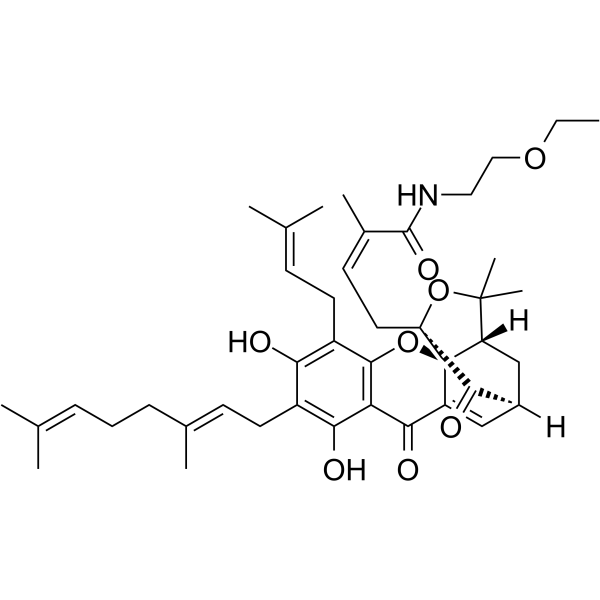
    GNA002 is a highly potent, specific and covalent EZH2 (Enhancer of zeste homolog 2) inhibitor with an IC50 of 1.1 μM. GNA002 can specifically and covalently bind to Cys668 within the EZH2-SET domain, triggering EZH2 degradation through COOH terminus of Hsp70-interacting protein (CHIP)-mediated ubiquitination. GNA002 efficiently reduces EZH2-mediated H3K27 trimethylation, reactivates polycomb repressor complex 2 (PRC2)-silenced tumor suppressor genes .
    GNA002
  • HY-N0475

    Hypolide; (+)-Triptophenolide

    Androgen Receptor Pyroptosis Caspase Bcl-2 Family Apoptosis Inflammation/Immunology Cancer
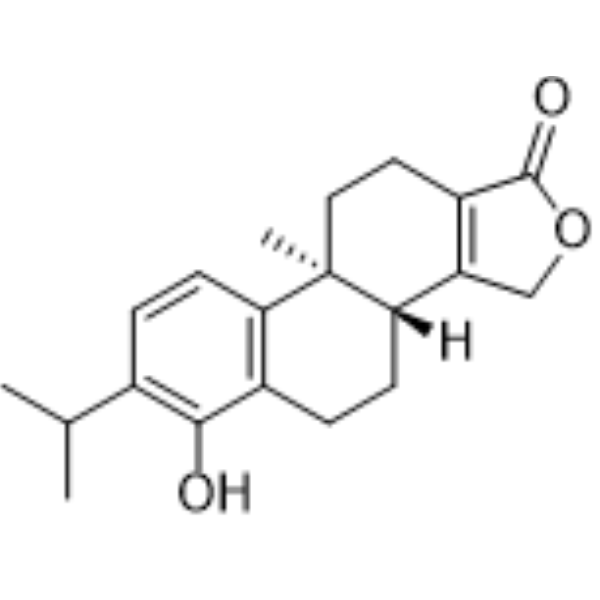
    Triptophenolide (Hypolide) is a colorless crystal isolated from the ethyl acetate extract of Tripterygium wilfordii. Triptophenolide is an orally active pan‑antagonist of the androgen receptor (AR) with an IC50 of 467 nM against human wild‑type AR. Triptophenolide reduces AR expression, inhibits AR nuclear translocation, downregulates prostate‑specific antigen mRNA levels, and suppresses the growth of AR‑positive prostate cancer cells. Triptophenolide shows anti-tumor effects against breast cancer by inhibiting cell proliferation and migration, inducing G1-phase arrest and apoptosis, repressing xenograft tumor growth. Triptophenolide inhibits pyroptosis, alleviates tissue inflammation, and ameliorates synovial injury. Triptophenolide can be used for the study of prostate cancer, rheumatoid arthritis and breast cancer .
    Triptophenolide
  • HY-146185

    Molecular Glues Bcl-2 Family Cancer
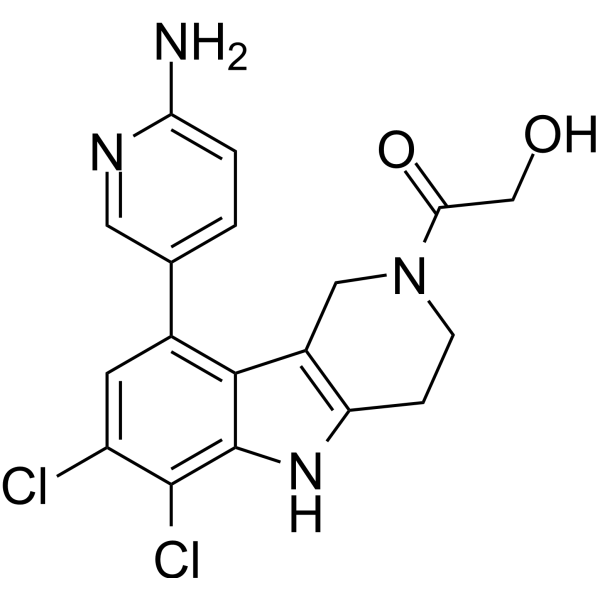
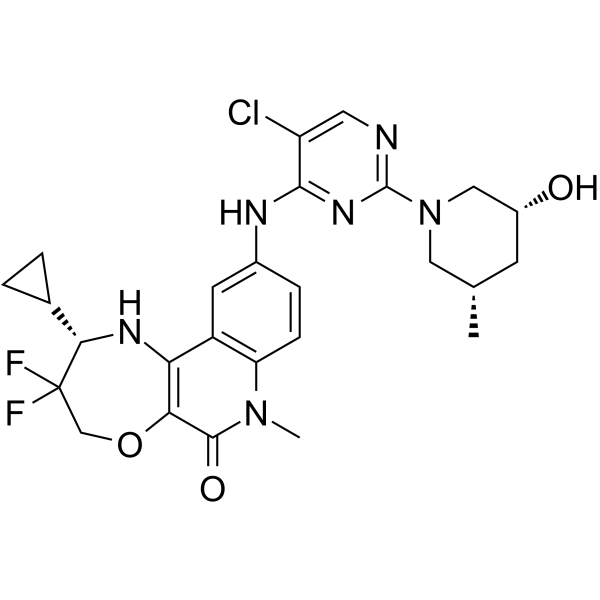
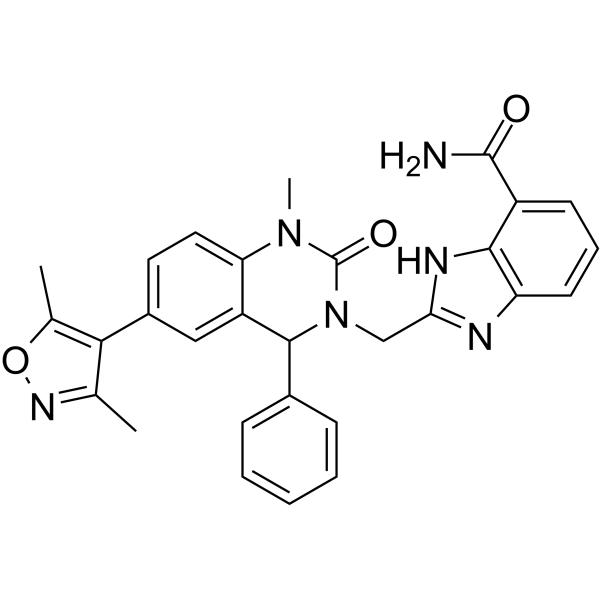
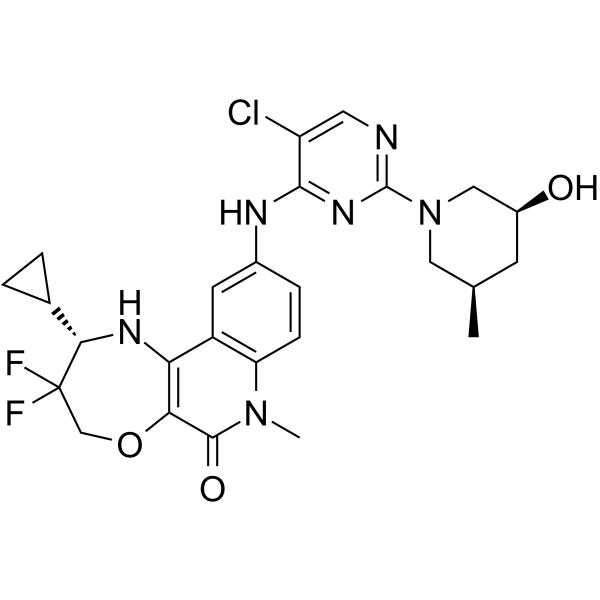
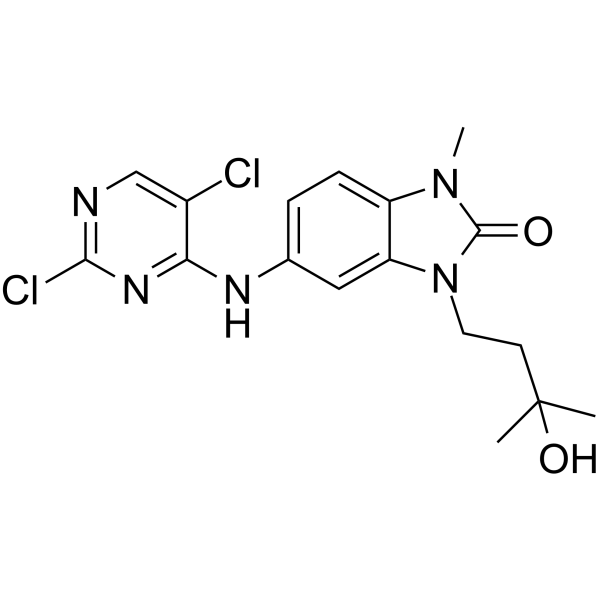
    CCT373566 is a potent and orally active molecular glue degrader of transcriptional repressor BCL6, with an IC50 of 2.2 nM. CCT373566 shows strong antiproliferative efficacy in vitro and reduction in tumor growth in vivo .
    CCT373566
  • HY-103220
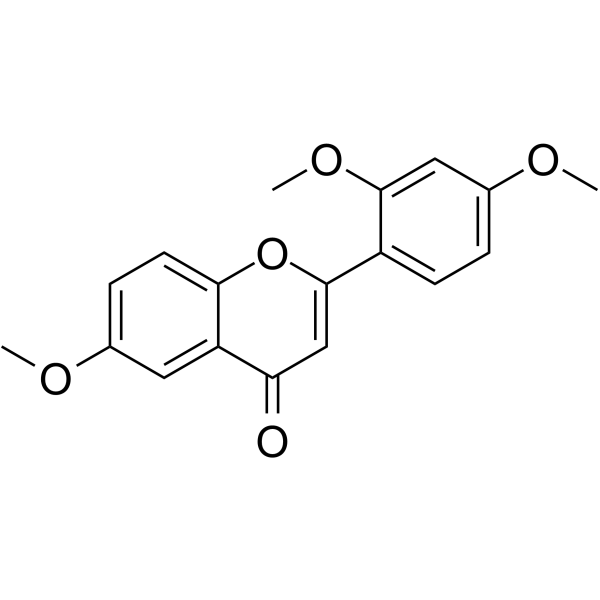
    6,2',4'-Trimethoxyflavone
    1 Publications Verification

    Aryl Hydrocarbon Receptor Neurological Disease Cancer
    6,2',4'-Trimethoxyflavone is a potent aryl hydrocarbon receptor (AHR) antagonist. 6,2',4'-Trimethoxyflavone represses AHR-mediated gene induction .
    6,2',4'-Trimethoxyflavone
  • HY-100450
    BML-111
    1 Publications Verification

    Angiotensin-converting Enzyme (ACE) Cardiovascular Disease Inflammation/Immunology Cancer
    BML-111, a lipoxin A4 analog, is a lipoxin A4 receptor agonist. BML-111 represses the activity of angiotensin converting enzyme (ACE) and increases the activity of angiotensinconverting enzyme 2 (ACE2). BML-111 has antiangiogenic, antitumor and anti-inflammatory properties .
    BML-111
  • HY-120395
    UC-514321
    1 Publications Verification

    STAT Apoptosis TET Protein Inflammation/Immunology Cancer
    UC-514321, a structural analog of NSC370284 with higher activity, directly targets STAT3/5 and represses TET1 expression, but not TET2 or TET3. UC-514321 has the potential to treat acute myeloid leukemia (AML) both in vitro and in vivo, with low toxicity .
    UC-514321
  • HY-B0239R

    Reference Standards Antibiotic Bacterial HIF/HIF Prolyl-Hydroxylase VEGFR Autophagy Apoptosis Beclin1 JNK Akt MMP Infection Cancer
    Chloramphenicol (Standard) is the analytical standard of Chloramphenicol. This product is intended for research and analytical applications. Chloramphenicol is an orally active, potent and broad-spectrum antibiotic. Chloramphenicol shows antibacterial activity. Chloramphenicol represses the oxygen-labile transcription factor and hypoxia inducible factor-1 alpha (HIF-1α) in hypoxic A549 and H1299 cells. Chloramphenicol suppresses the mRNA levels of vascular endothelial growth factor (VEGF) and glucose transporter 1, eventually decreasing VEGF release. Chloramphenicol can be used for anaerobic infections and lung cancer research .
    Chloramphenicol (Standard)
  • HY-N0857
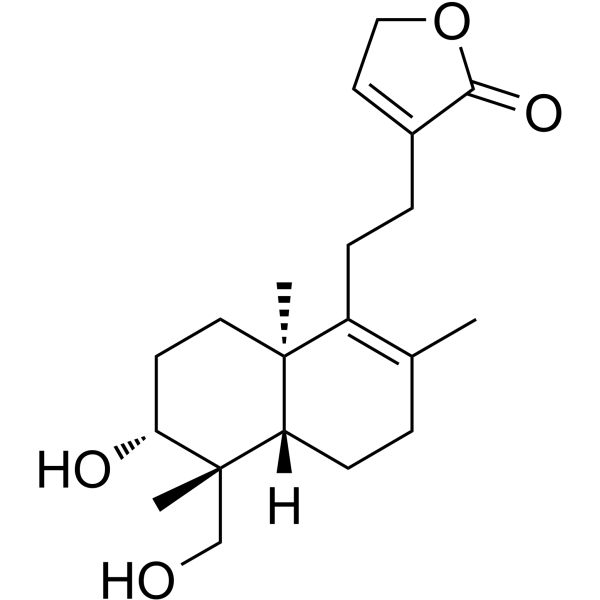
    Deoxyandrographolide
    1 Publications Verification

    GLUT HDAC Virus Protease PI3K AMPK Akt Histone Demethylase MDM-2/p53 IFNAR Reactive Oxygen Species (ROS) Infection Metabolic Disease Inflammation/Immunology
    Deoxyandrographolide is an orally active lactone found in the Andrographis paniculata Nees. Deoxyandrographolide shows a KD of 38.4 μM of HDAC1. Deoxyandrographolide enhances GLUT4 plasma membrane translocation, activates PI3K and AMPK-dependent signaling pathways, suppresses fasting blood glucose, serum insulin, triglycerides, and LDL-cholesterol levels. Deoxyandrographolide enhances HDAC1 expression via inhibited ubiquitination degradation, represses H3K4me3, improves chromosome stability, and restrains aging biomarkers p16, p21, γH2A.X, p53 and ROS production. Deoxyandrographolide interacts with Foot-and-Mouth Disease Virus 3Cpro active site, inhibits protease and IFN-antagonist activity, derepresses ISG expression, and inhibits viral replication. Deoxyandrographolide can be used for the researches of type 2 diabetes mellitus, vascular senescence and virus infection .
    Deoxyandrographolide
  • HY-12422A

    CDK Cancer
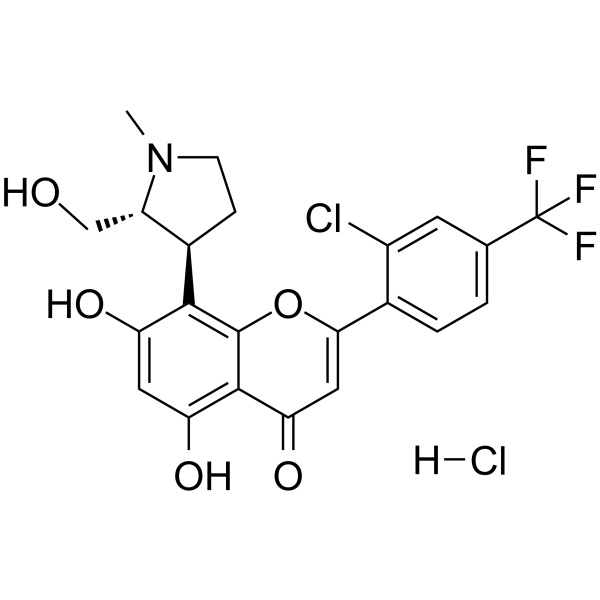
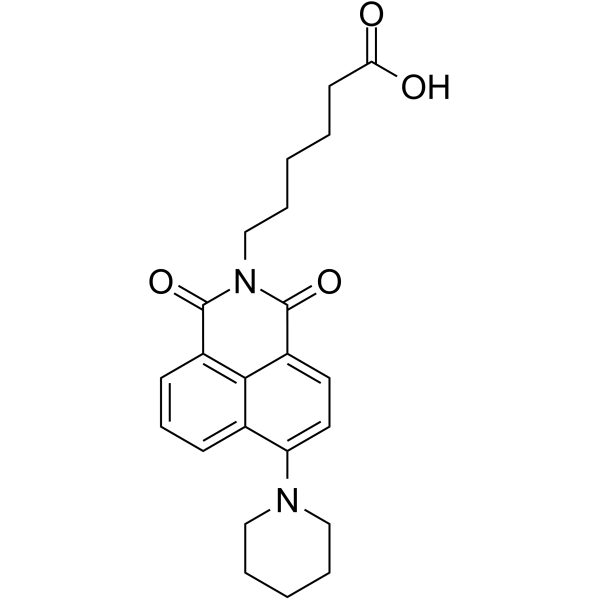
    Voruciclib hydrochloride is an orally active and selective CDK inhibitor with Ki values of 0.626 nM-9.1 nM. Voruciclib hydrochloride potently blocks CDK9, the transcriptional regulator of MCL-1. Voruciclib hydrochloride represses expression of MCL-1 in multiple models of diffuse large B-cell lymphoma (DLBCL) .
    Voruciclib hydrochloride
  • HY-124484

    Notch Cancer
    JI130 (JI051 derivative ) is a stabilizer for the Hes1-PHB2 interaction. JI130 inhibits the ability of Hes1 to repress transcription. JI130 significantly reduces the tumor growth in a murine pancreatic tumor model and has the potential for managing pancreatic cancer .
    JI130
  • HY-117987

    N-(Hydroxymethyl)thalidomide

    Nuclear Factor of activated T Cells (NFAT) NF-κB Reactive Oxygen Species (ROS) Cancer
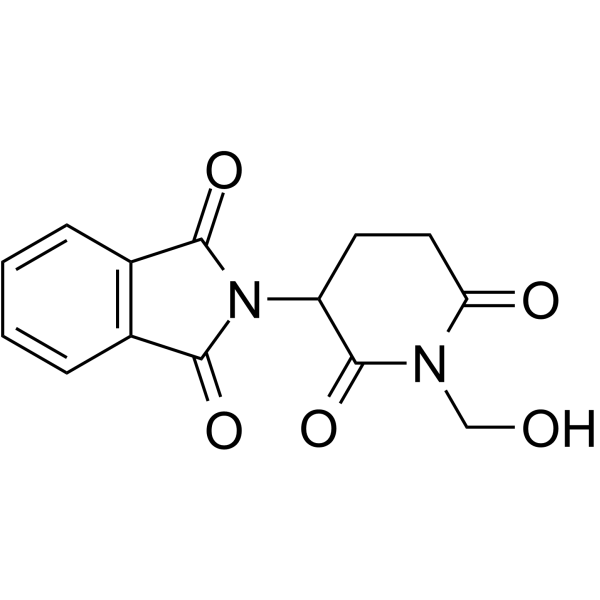
    CPS-11 (N-(Hydroxymethyl)thalidomide) a Thalidomide (HY-14658) analogue, is a potent anti-cancer agent. CPS-11 inhibits NF-κB, activates NFAT, and repress cytokine expression through elevated ROS. CPS-11 exhibits a wider activity spectrum and higher potency against MM (multiple myeloma) cell lines .
    CPS-11
  • HY-160638

    TET Protein Cancer
    NSC-311068 is TET1 inhibitor. NSC-311068 selectively suppress TET1 transcription and 5-hydroxymethylcytosine (5hmC) modification. NSC-311068 represses the level of TET1 expression and the global 5hmC level. NSC-311068 effectively inhibits cell viability in AML cells with high expression of TET1 .
    NSC-311068
  • HY-B1272A

    Adrenergic Receptor ERK JNK p38 MAPK NF-κB AP-1 Apoptosis Reactive Oxygen Species (ROS) Mitochondrial Metabolism TNF Receptor Neurological Disease Inflammation/Immunology Cancer
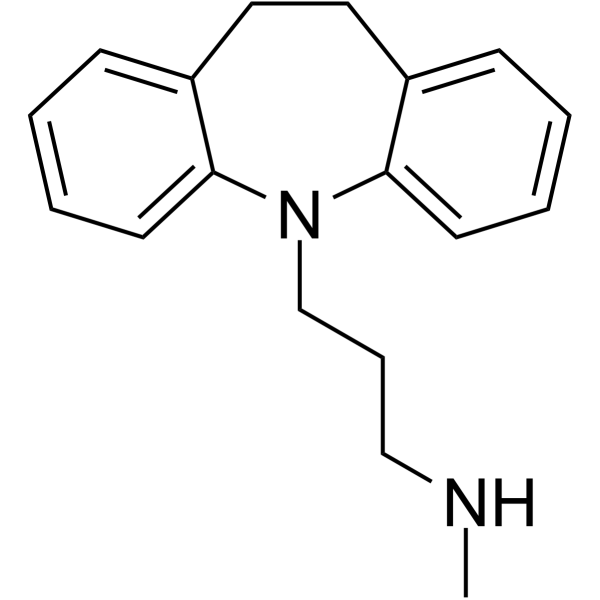
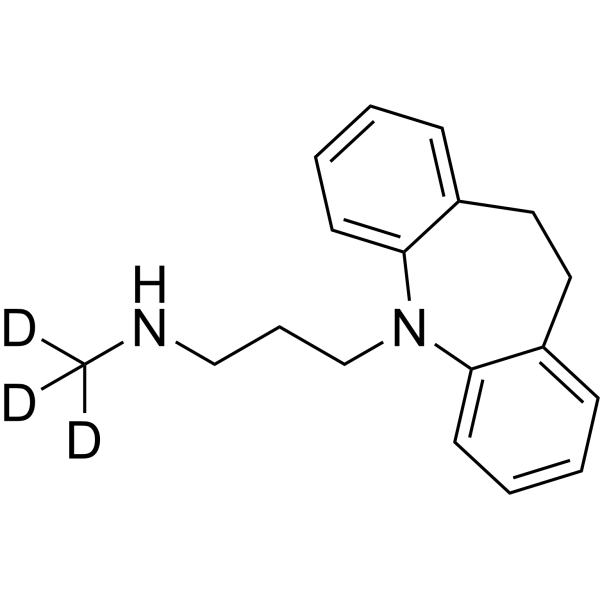
    Desipramine is a first-generation tricyclic antidepressant. Desipramine selectively binds to norepinephrine transporter and blocks neuronal norepinephrine reuptake. Desipramine activates MAPK signaling via ERK1/2, JNK, and p38, represses NF-κB and AP-1 activity, and induces apoptosis via ROS elevation, mitochondrial membrane potential reduction, and intracellular calcium increase. Desipramine also shows anyi-inflammatory activity, inhibiting TNF-α production. Desipramine can be used for the research of hepatocellular cancer, inflammation, and neurological diseases .
    Desipramine
  • HY-150308

    PPAR Cancer
    SR10221, a noncovalent inverse agonist of PPARγ, represses downstream PPARγ target genes leading to growth inhibition in bladder cancer cell lines .
    SR10221
  • HY-143653

    BCL6 Cancer
    BCL6-IN-6 is a potent inhibitor of transcriptional repressor B-cell lymphoma 6 (BCL6). BCL6-IN-6 significantly blocks the interaction of BCL6 with its corepressors and reactivates BCL6 target genes in a dose-dependent manner. BCL6-IN-6 has the potential for the research of diffuse large B-cell lymphoma (DLBCL) .
    BCL6-IN-6
  • HY-134922

    Influenza Virus Infection
    NS1-IN-1 (compound 3) is a potent NS1 inhibitor. NS1 is a major influenza A virus virulence factor that inhibits host gene expression. NS1-IN-1 decreases viral protein levels, contributing to the reduction of virus replication. NS1-IN-1 shows antiviral activity by repressing the activity of mTORC1 in a TSC1-TSC2-dependent manner .
    NS1-IN-1
  • HY-156190

    Orphan Nuclear Receptor Cancer
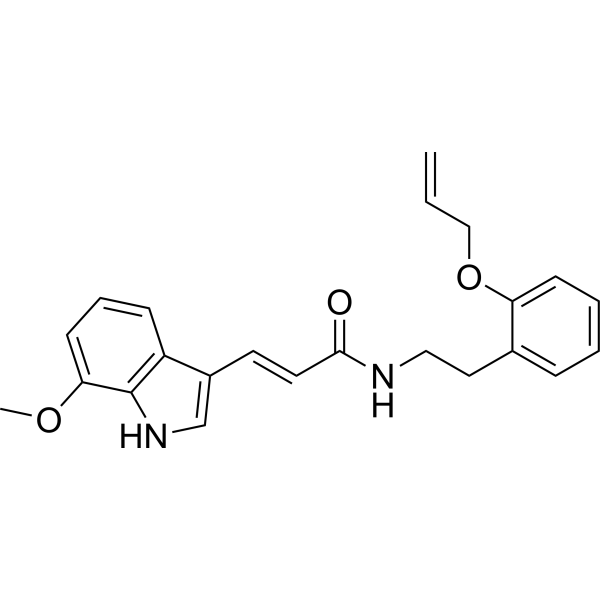
    NR2F2-IN-1 (CIA1) is a potent and selective orphan nuclear receptor COUP-TFII (NR2F2) inhibitor. NR2F2-IN-1 substantially inhibits COUP-TFII-driven NGFIA reporter expression. NR2F2-IN-1 directly binds to the COUP-TFII ligand-binding domain and disrupts COUP-TFII interaction with transcription regulators, including FOXA1, thus repressing COUP-TFII activity on target gene regulation .
    NR2F2-IN-1
  • HY-132276

    Phosphatase Others
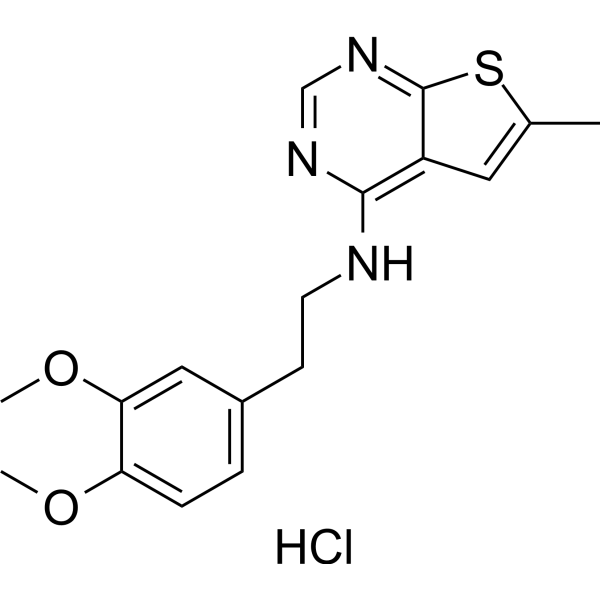
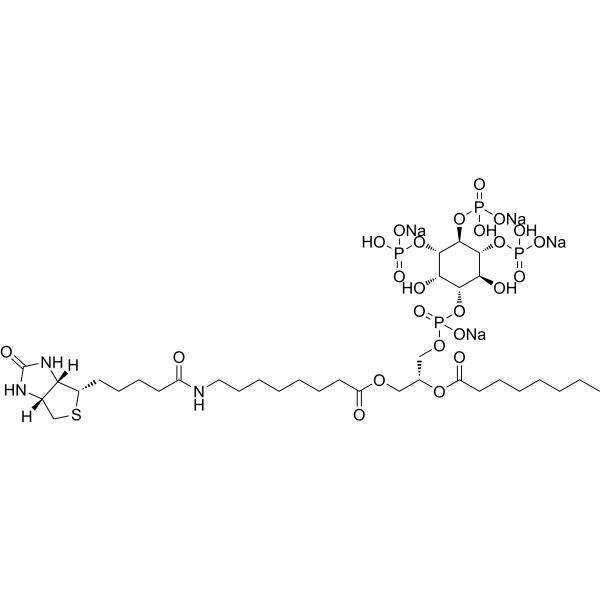
    PtdIns-(3,4,5)-P3-biotin sodium is a Biotin-labeled PtdIns-(3,4,5)-P3 (PI(3,4,5)P3). PI(3,4,5)P3 is a substrate of nuclear phosphatidylinositol 5-phosphatase (PIP5Pase). PI(3,4,5)P3 binds to the N-terminus of RAP1 (repressor activator protein 1) and controls its DNA binding activity .
    PtdIns-(3,4,5)-P3-biotin sodium
  • HY-124404

    Aryl Hydrocarbon Receptor Na+/K+ ATPase Prostaglandin Receptor Inflammation/Immunology
    12(R)-HETE is a CYP-dependent arachidonic acid metabolite that acts as a proinflammatory lipid mediator. 12 (R)-HETE widely exists in various tissues including the eye, skin and liver. In the cornea, 12(R)-HETE is metabolized via pathways such as β-oxidation into the precursor of 12(R)-HETrE. Without direct receptor binding, 12(R)-HETE indirectly activates AHR-mediated target gene transcription, while inhibiting the enzymatic activity of Na+,K+-ATPase and the intracellular calcium elevation induced by TP agonists. 12(R)-HETE also possesses multiple physiological effects such as chemotaxis, proangiogenesis, vasodilation, natriuresis, diuresis and intraocular pressure reduction, and can be widely used in studies related to psoriasis, inflammatory skin diseases and ocular inflammation .
    12(R)-HETE
  • HY-E70365

    Biochemical Assay Reagents Inflammation/Immunology
    IdeS protease is an IgG-specific endopeptidase, which is highly specific for the lower hinge region of IgG. IdeS protease represses innate immune responses to promote streptococcal survival in an inflammatory environment .
    IdeS protease
  • HY-P99698

    LDP

    PD-1/PD-L1 Inflammation/Immunology Cancer
    Lesabelimab (LDP) is an immunoglobulin G1-kappa anti-CD274 monoclonal antibody. CD274 is an immune checkpoint ligand, represses antitumour immunity through the interaction with PDCD1 receptor .
    Lesabelimab
  • HY-139046

    Adrenergic Receptor Neurological Disease
    MEPB is a modulator of AF-2 of the androgen receptor. MEPB increases co-repressor binding of AR. MEPB can bind to the BF3 pocket of AR specifically, thereby modulating the binding of co-regulators to the AF2 domain. MEPB alleviates degeneration in spinal bulbar muscular atrophy mouse model .
    MEPB
  • HY-101931

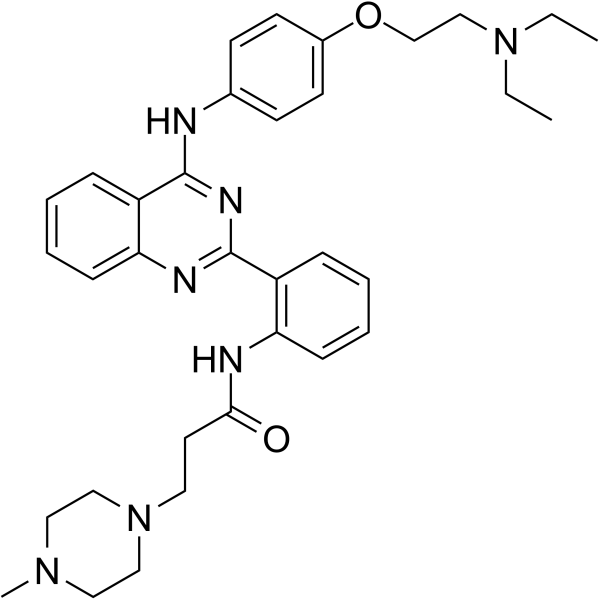
    VEGFR Cancer
    hVEGF-IN-1, a quinazoline derivative, could specifically bind to the G-rich sequence in the internal ribosome entry site A (IRES-A) and destabilize the G-quadruplex structure. hVEGF-IN-1 binds to the IRES-A (WT) with a Kd of 0.928 μM in SPR experiments. hVEGF-IN-1 could hinder tumor cells migration and repress tumor growth by decreasing VEGF-A protein expression .
    hVEGF-IN-1
  • HY-P3906

    Fungal Apoptosis Phospholipase Reactive Oxygen Species (ROS) Infection
    Melittin free acid is a basic 26-amino-acid polypeptide, the major active ingredient of honeybee venom. Melittin free acid is an activator of phospholipase A2 (PLA2). Melittin free acid has broad-spectrum antifungal activity with MIC values of 0.4-60 μM. Melittin free acid hinders fungal growth by inducing cell apoptosis, repressing (1,3)-β-D-glucan synthase and participating in other pathways .
    Melittin free acid
  • HY-136522

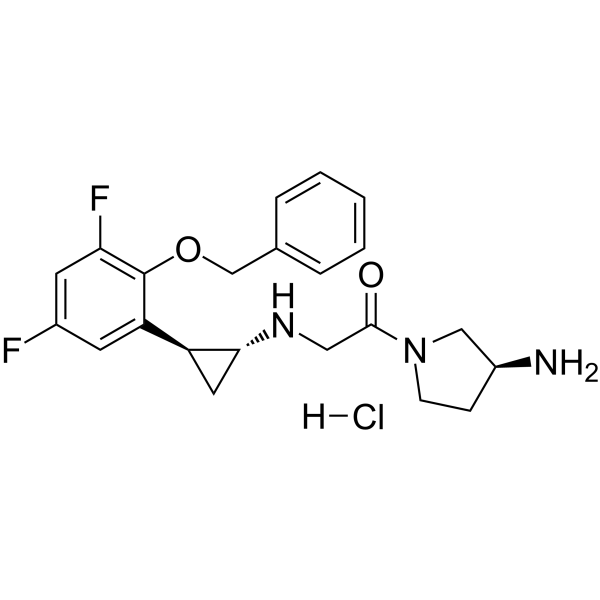
    Histone Demethylase Apoptosis Cancer
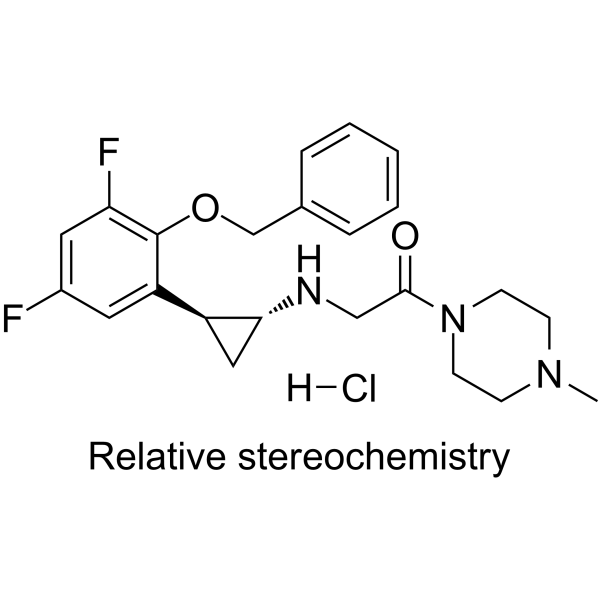
    S2116, a N-alkylated tranylcypromine (TCP) derivative, is a potent lysine-specific demethylase 1 (LSD1) inhibitor. S2116 increases H3K9 methylation and reciprocal H3K27 deacetylation at super-enhancer regions. S2116 induces apoptosis in TCP-resistant T-cell acute lymphoblastic leukemia (T-ALL) cells by repressing transcription of the NOTCH3 and TAL1 genes. S2116 significantly retardes the growth of T-ALL cells in xenotransplanted mice .
    S2116
  • HY-B1272R

    Reference Standards Adrenergic Receptor ERK JNK p38 MAPK NF-κB AP-1 Apoptosis Reactive Oxygen Species (ROS) Mitochondrial Metabolism TNF Receptor Neurological Disease Inflammation/Immunology Cancer

    Desipramine hydrochloride (Standard) is the analytical standard of Desipramine hydrochloride (HY-B1272). This product is intended for research and analytical applications. Desipramine hydrochloride is a first-generation tricyclic antidepressant. Desipramine hydrochloride selectively binds to norepinephrine transporter and blocks neuronal norepinephrine reuptake. Desipramine hydrochloride activates MAPK signaling via ERK1/2, JNK, and p38, represses NF-κB and AP-1 activity, and induces apoptosis via ROS elevation, mitochondrial membrane potential reduction, and intracellular calcium increase. Desipramine hydrochloride also shows anyi-inflammatory activity, inhibiting TNF-α production. Desipramine hydrochloride can be used for the research of hepatocellular cancer, inflammation, and neurological diseases .
    Desipramine hydrochloride (Standard)
  • HY-116055

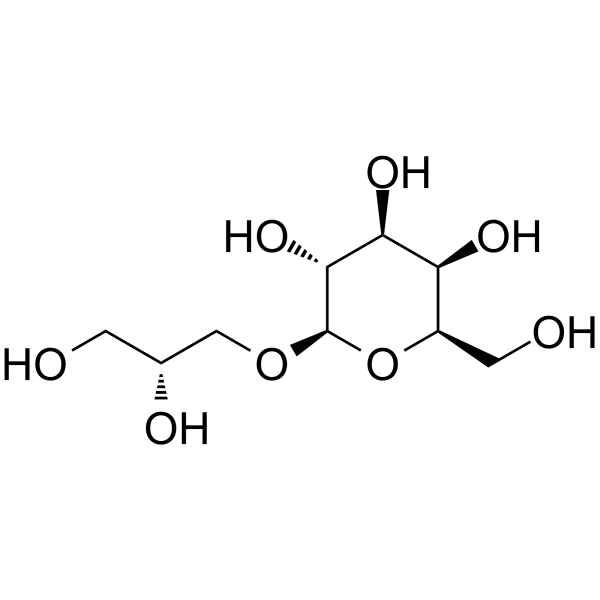
    3-O-β-D-Galactopyranosyl-sn-glycerol

    Biochemical Assay Reagents Others
    (2R)-Glycerol-O-β-D-galactopyranoside (3-O-β-D-Galactopyranosyl-sn-glycerol) is a good substrate for all three components of the lac operon, i.e. β-galactosidase, the lactose transporter and thiogalactoside transacetylase .
    (2R)-Glycerol-O-β-D-galactopyranoside
  • HY-106162A

    NO Synthase Cardiovascular Disease Inflammation/Immunology Cancer
    ONO-1714 is an orally active nitric oxide synthase inhibitor. ONO-1714 attenuates endotoxin-induced acute lung injury, reduces intestinal ischemia–reperfusion injury, represses biliary carcinogenesis .
    ONO-1714
  • HY-176866

    HDAC Neurological Disease
    Rodin-A is an orally active, brain-penetrant and selective histone deacetylase (HDAC)-co-repressor of repressor element-1 silencing transcription factor (CoREST) complex inhibitor with an IC50 value of 1.80 μM for the CoREST complex, 0.15 μM for HDAC1, and 0.43 μM for HDAC2. Rodin-A increases the acetylation level of histone H3K9, upregulates the expression of neuron-related genes, thereby promoting the increase in dendritic spine density, the colocalization of synaptic proteins (SV2A and PSD95), and the improvement of hippocampal long-term potentiation (LTP), exerting synaptic protection and repair activity. Rodin-A is promising for research of neurodegenerative diseases related to synaptic dysfunction, especially Alzheimer’s disease .
    Rodin-A
  • HY-119971

    Nuclear Hormone Receptor 4A/NR4A Metabolic Disease Cancer
    BIM5078 is a hepatocyte nuclear factor 4α (HNF4α) antagonist that can inhibit the expression of known HNF4α target genes. BIM5078 represses insulin promoter activity through HNF4α antagonism. BIM5078 can be used for the research of cancer and diabetes .
    BIM5078
  • HY-144338

    Epigenetic Reader Domain PARP Apoptosis DNA/RNA Synthesis Cancer
    PARP1/BRD4-IN-1 is a potent and high selective PARP1/BRD4 inhibitor (IC50s of 49 and 202 nM in PARP1 and BRD4, respectively). PARP1/BRD4-IN-1 represses the expression and activity of PARP1 and BRD4 to synergistically inhibit the malignant growth of pancreatic cancer cells .
    PARP1/BRD4-IN-1

Inquiry Online

Your information is safe with us. * Required Fields.

Salutation


Country or Region *

Applicant Name *


Organization Name *

Department *


Email Address *


Product Name *

Cat. No.


Requested quantity *

Phone Number *


Remarks

Inquiry Online

Inquiry Information

Product Name:
Cat. No.:
Quantity:
MCE Japan Authorized Agent: